• Ребрендинг MODI
  1. Home
  2. Blog
  3. Retail Branding

Retail Branding. A Guide to Building a Retail Chain Brand, Interior Design and a Brand Book

Анна Авдеева
Article's author19.09.2024

Retail chains — as well as individual outlets — operate in an environment of intense competition. Supermarkets, cafés, and pizzerias need to stand out from competitors and create a distinct identity. Building a brand is a way to differentiate, attract customers, and foster loyalty.

A retailer is a point of sale for retail customers (a bank, restaurant, pharmacy, store, or car dealership). Chain retail is a network of outlets in the same format. They are united by a common management, marketing, logistics, and communications system. They share unified service standards and a consistent visual identity.

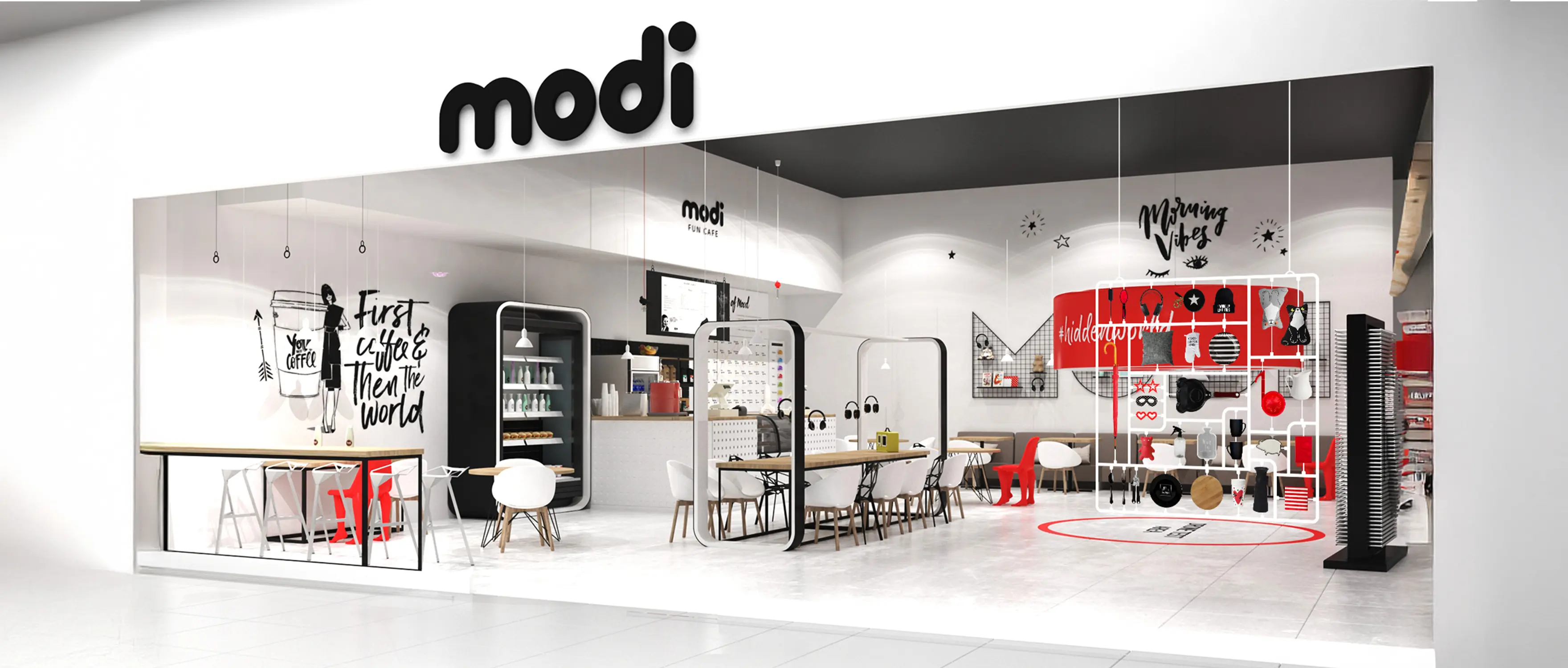
Retail branding is the development of a brand for a retail project or a retail chain. This may include stores, shopping centers, salons, supermarkets, or cafés. A comprehensive branding program covers the creation of graphic and verbal brand constants, the brand name, and the visual identity system.

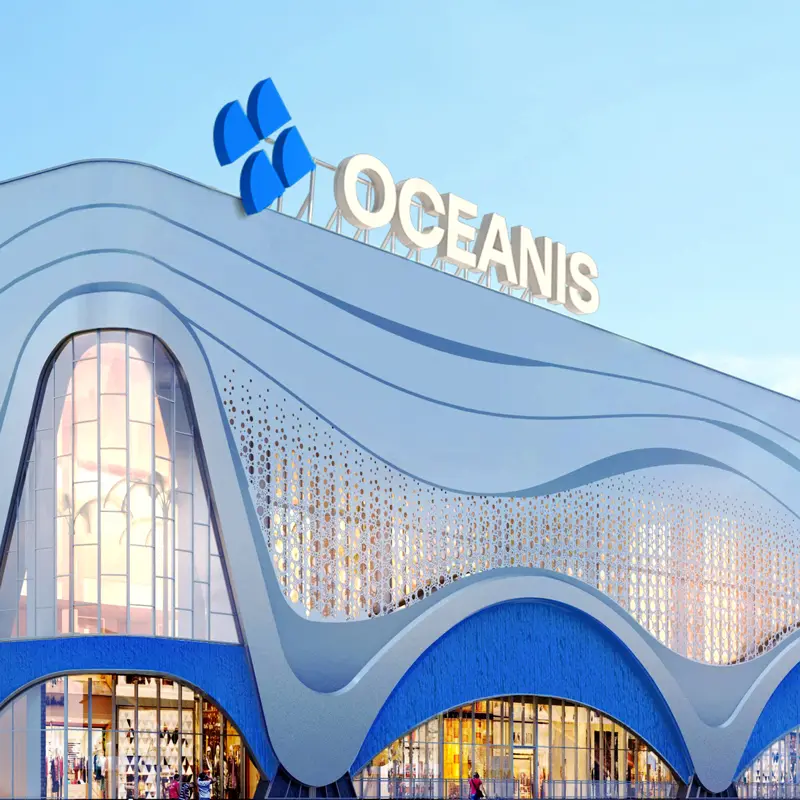
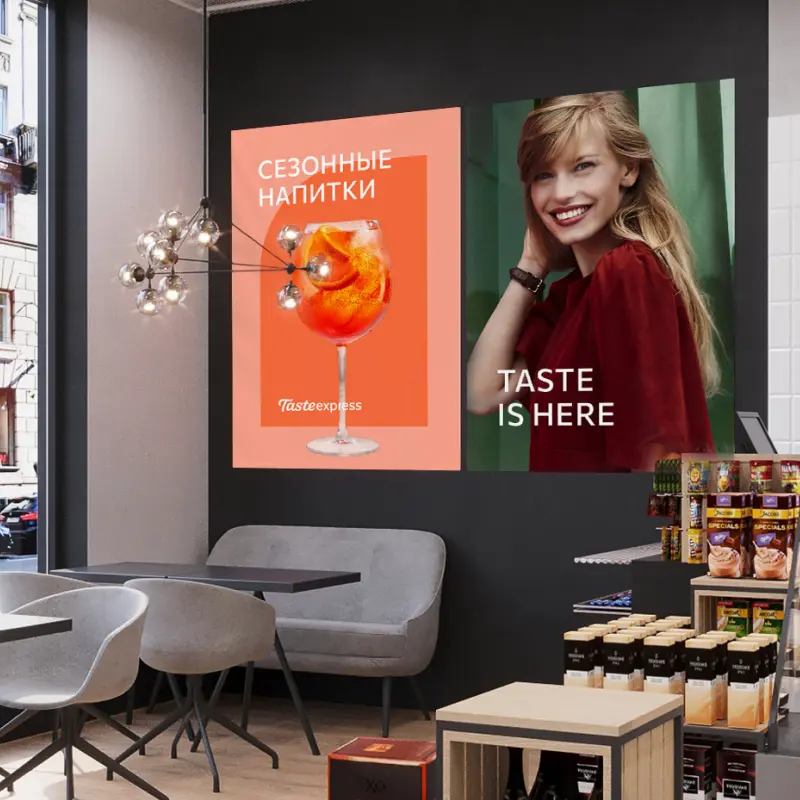
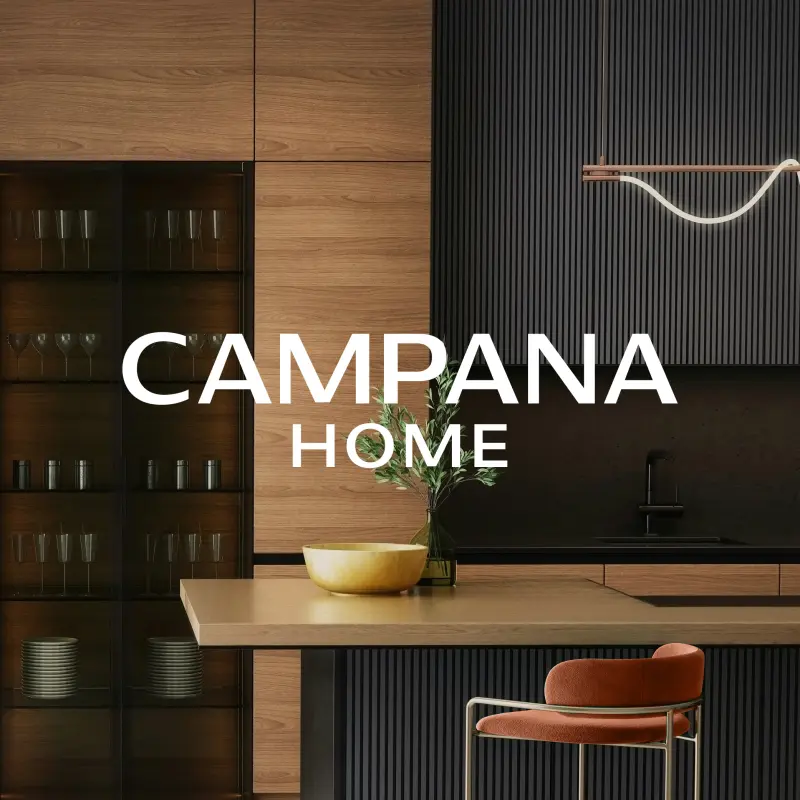
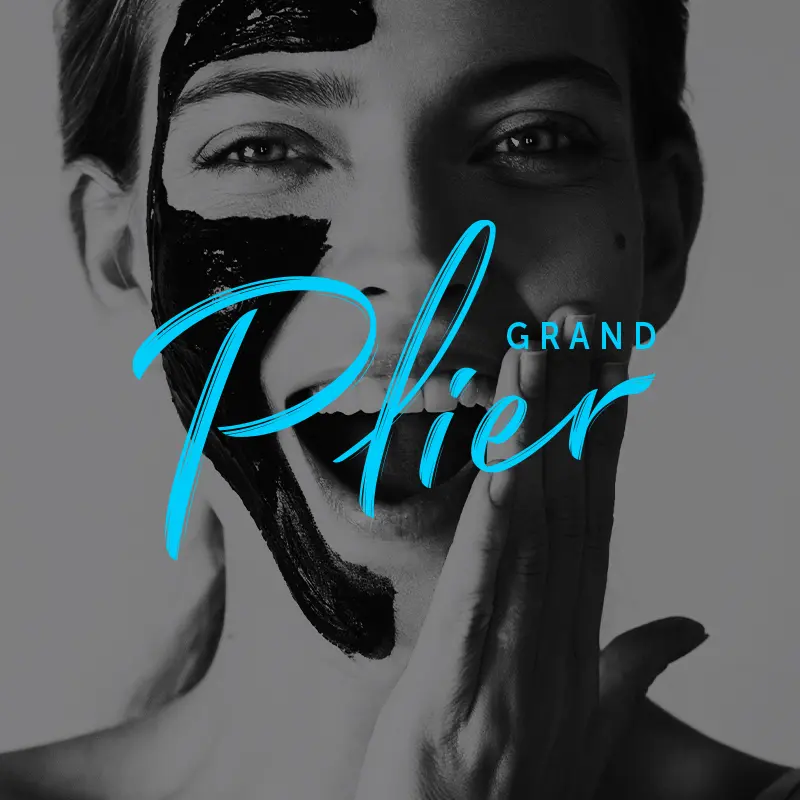
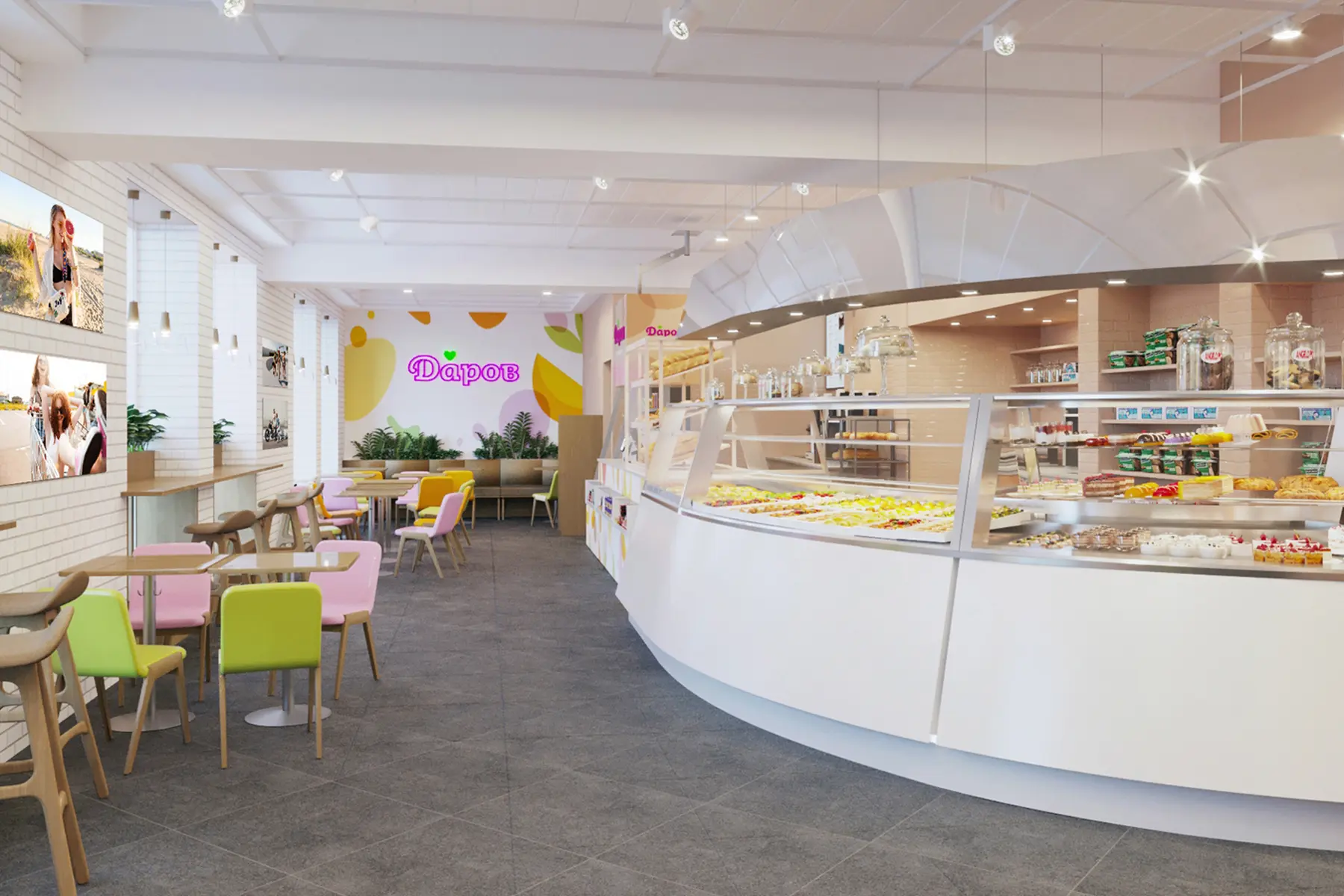
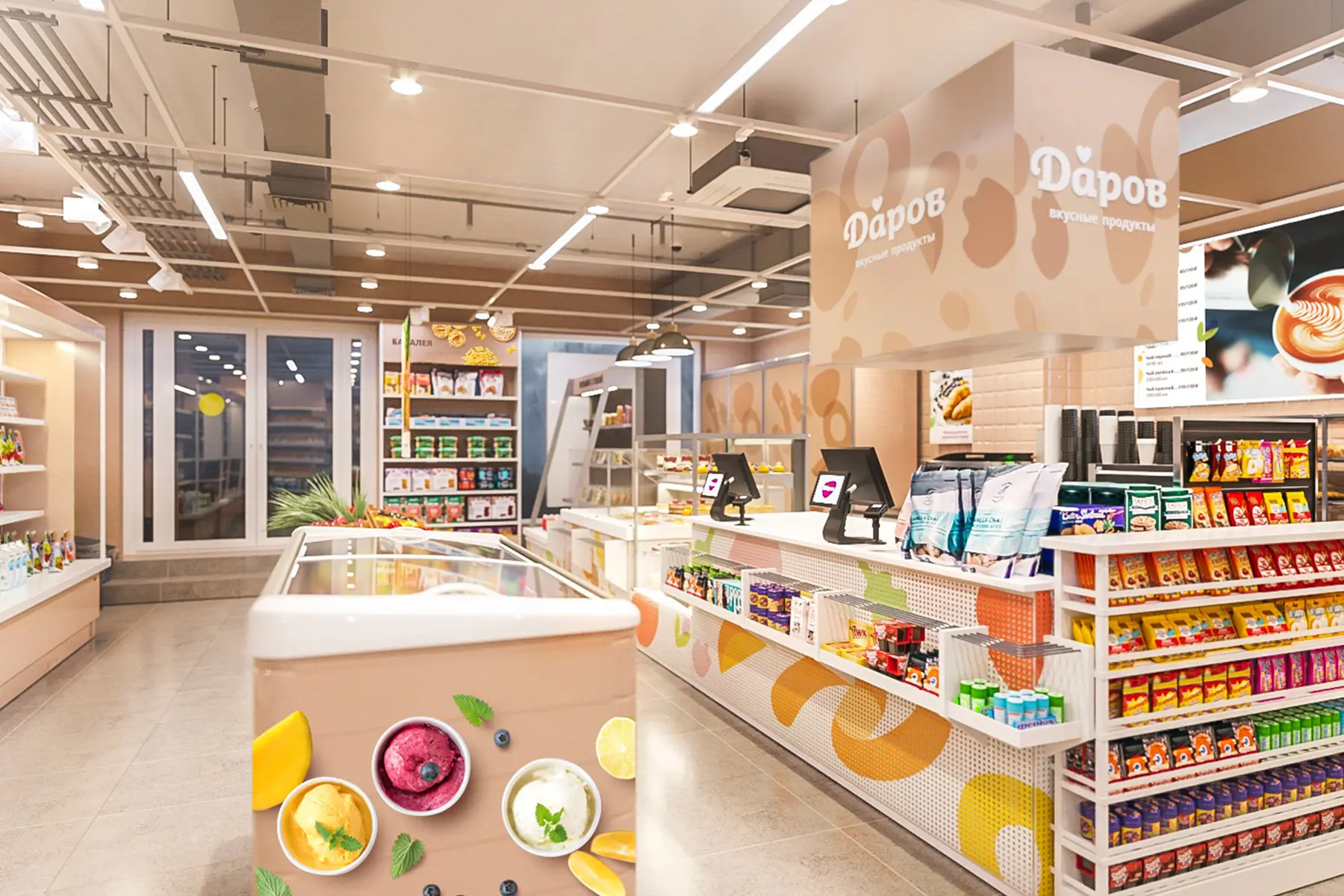
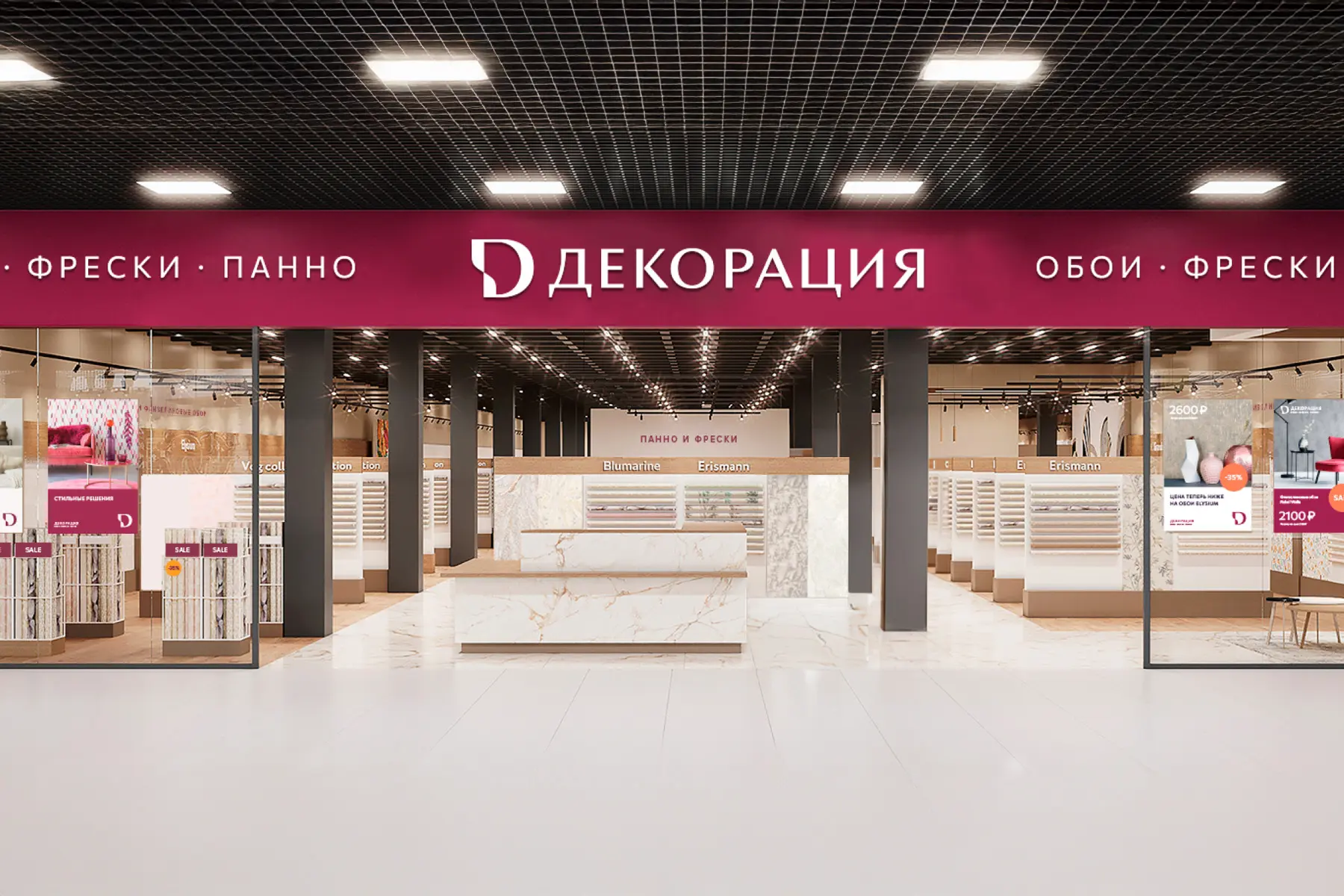
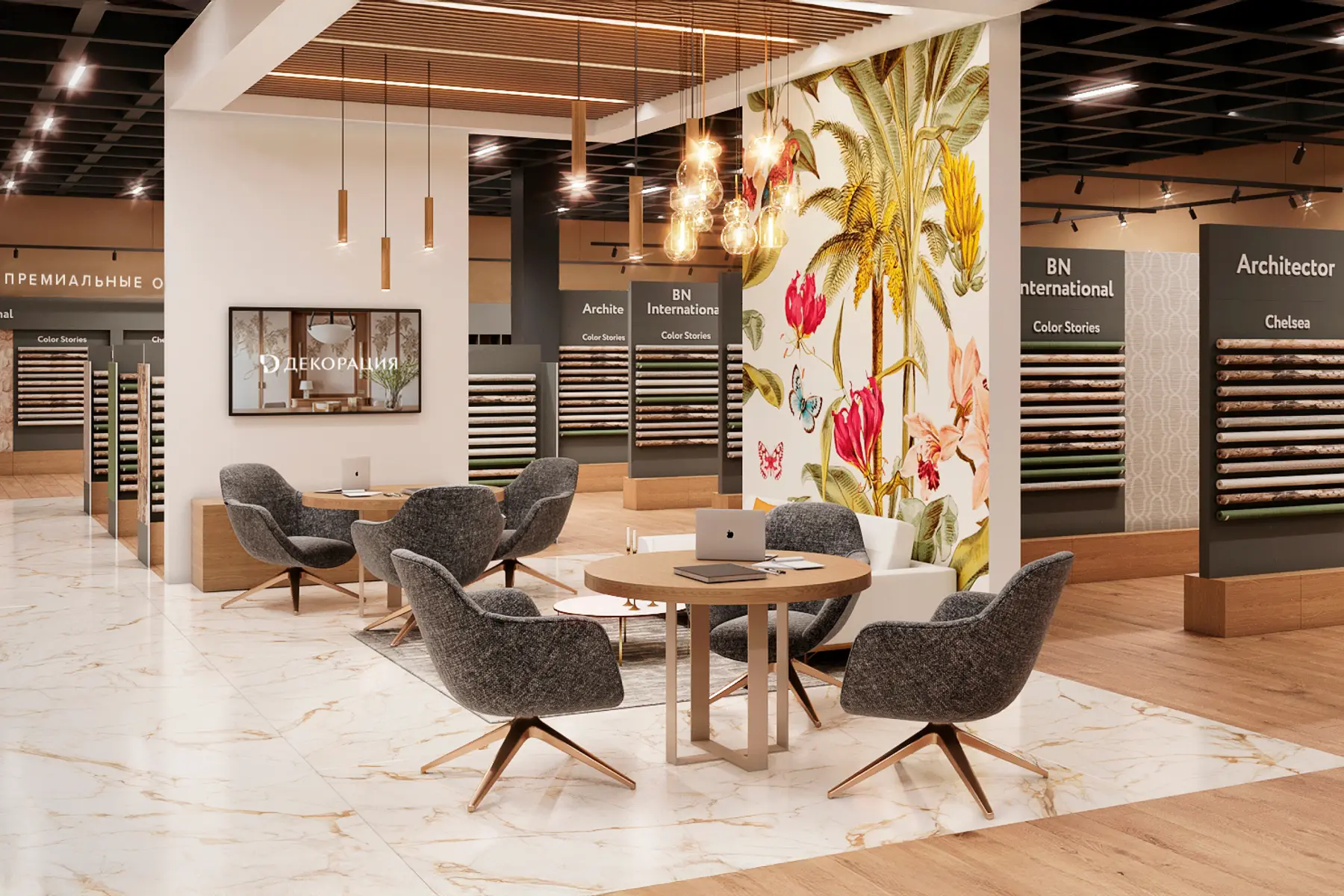
Our projects: retail branding

Why Do You Need Retail Branding?

A retail project’s identity (visual identity system) is responsible not only for brand recognition, but also for communication—building an emotional connection with customers.

Where a retail brand’s visual identity is applied:

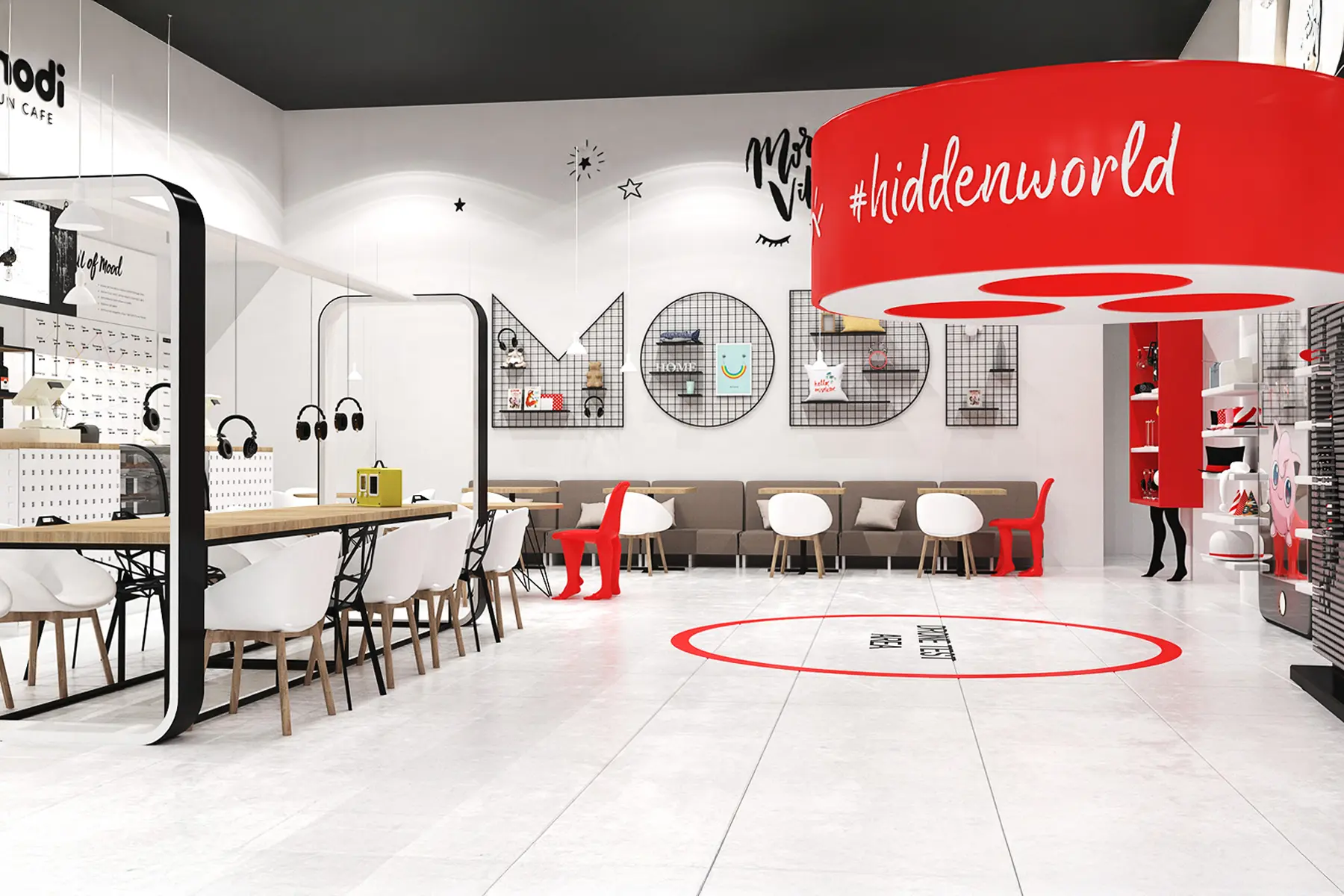
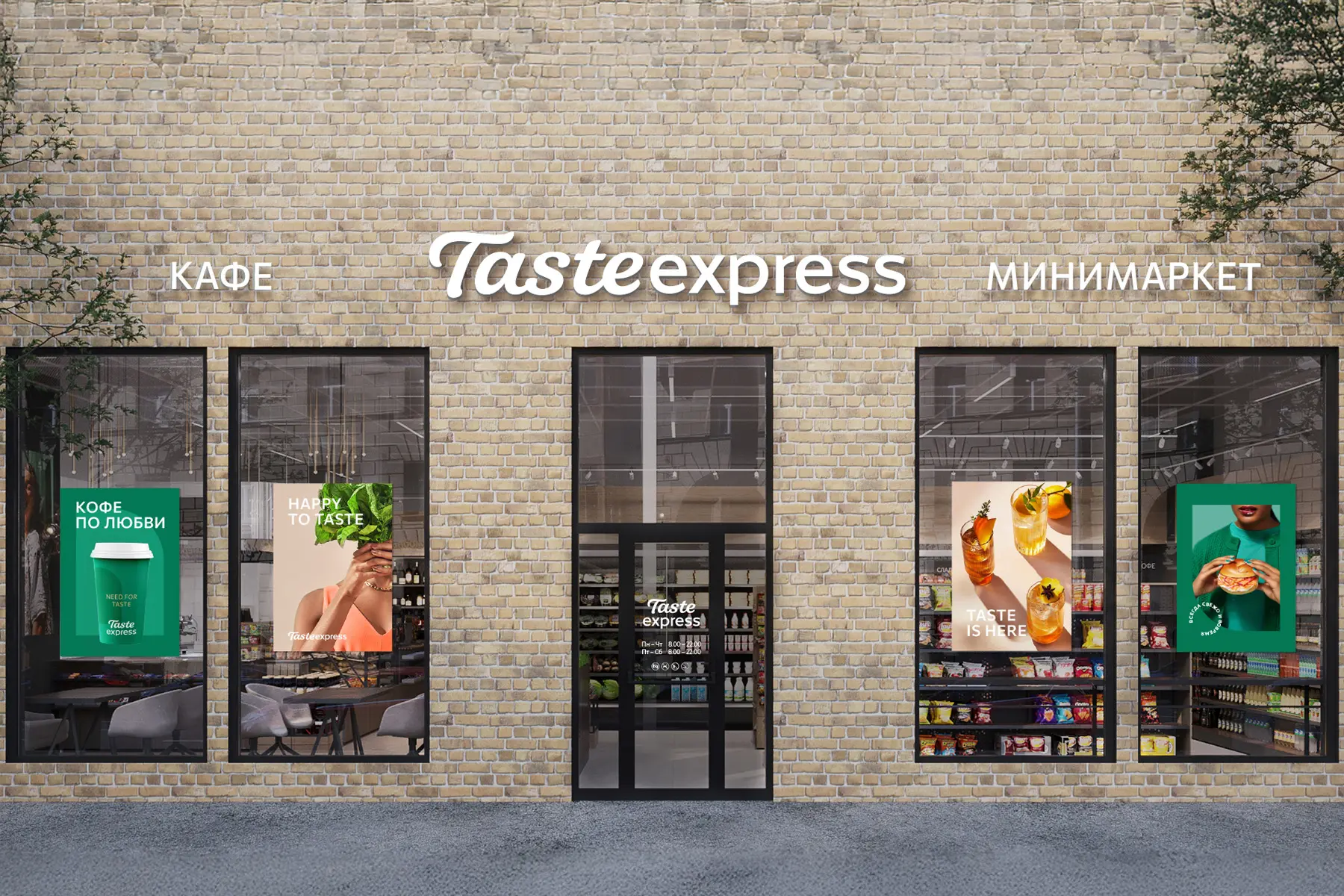
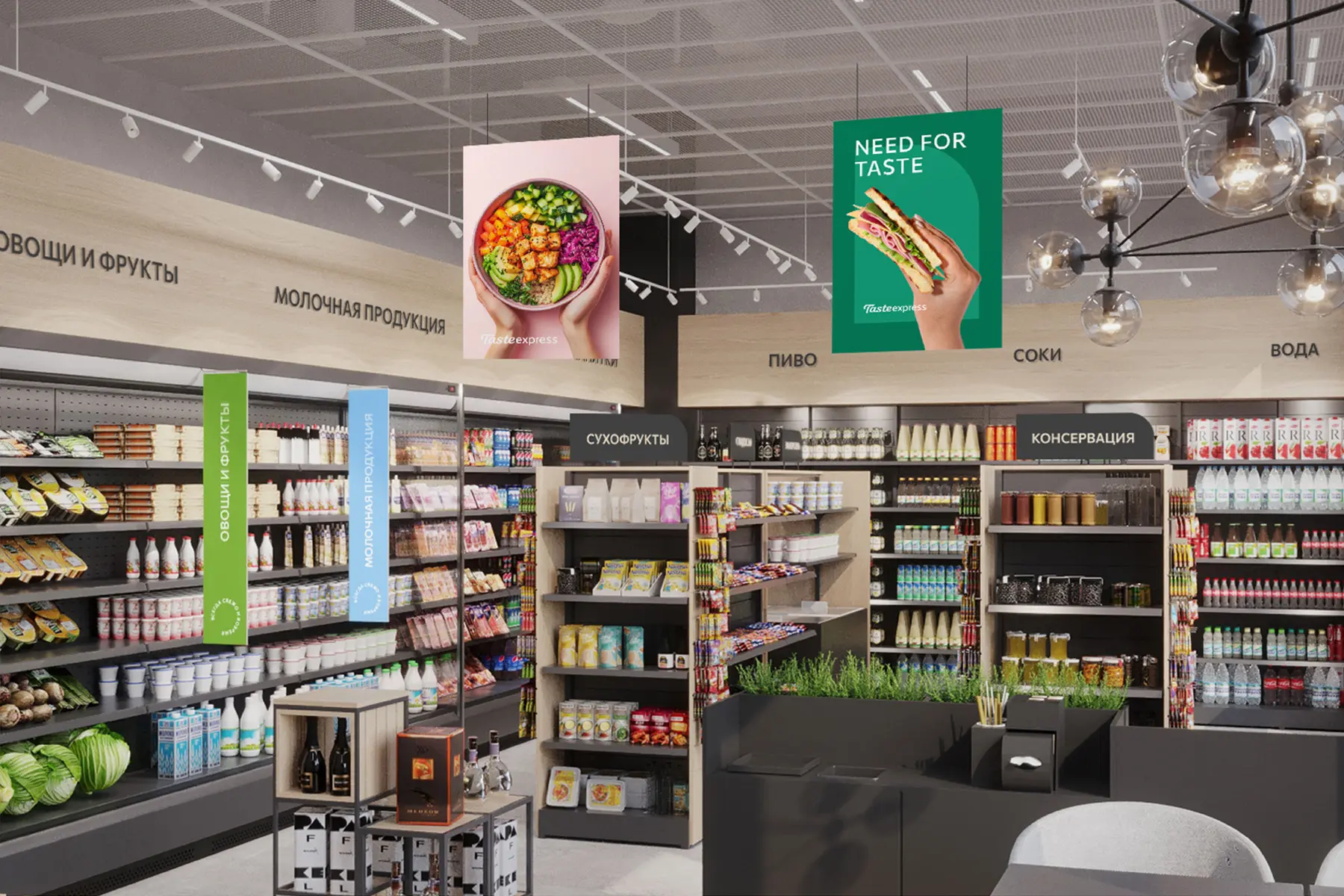
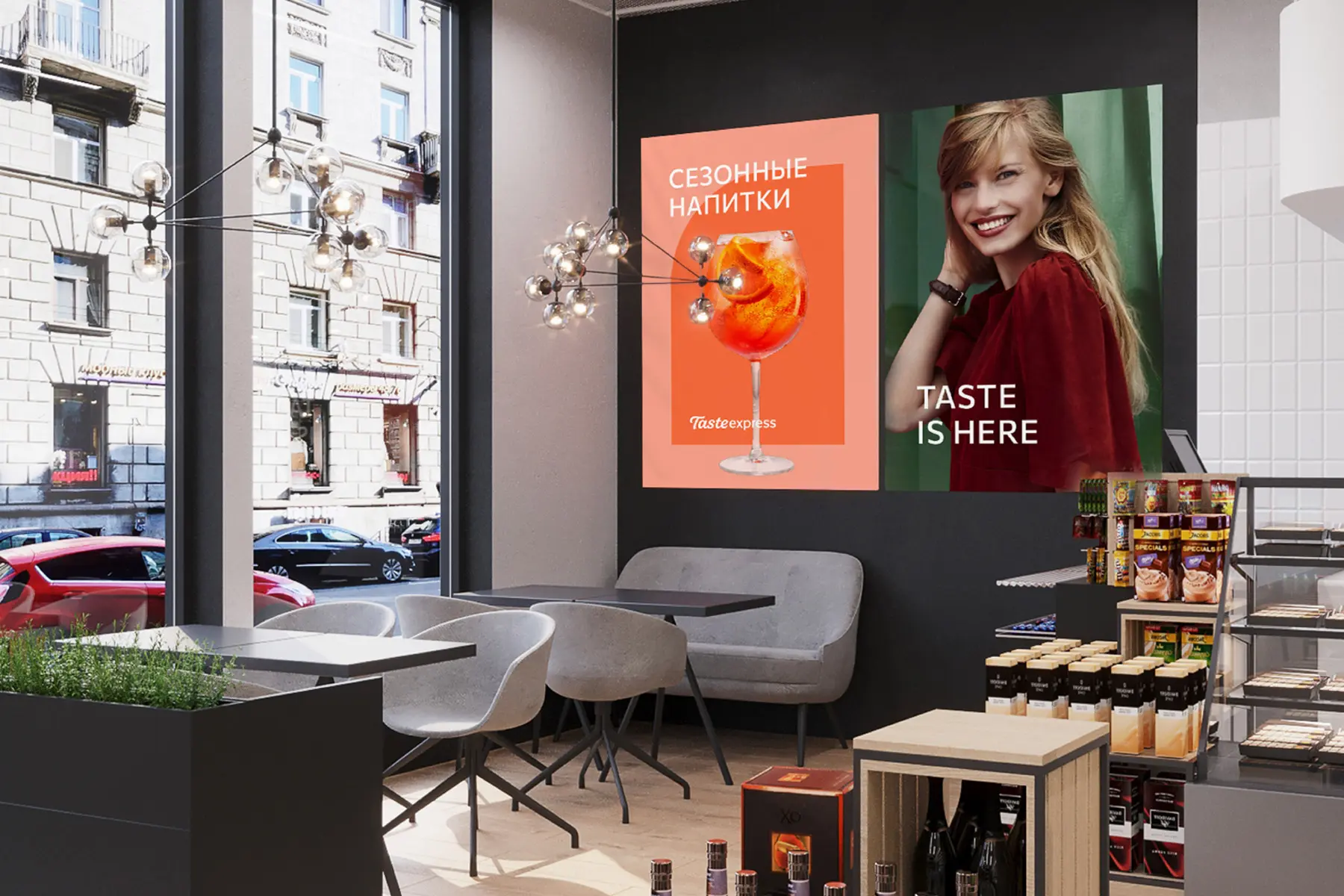
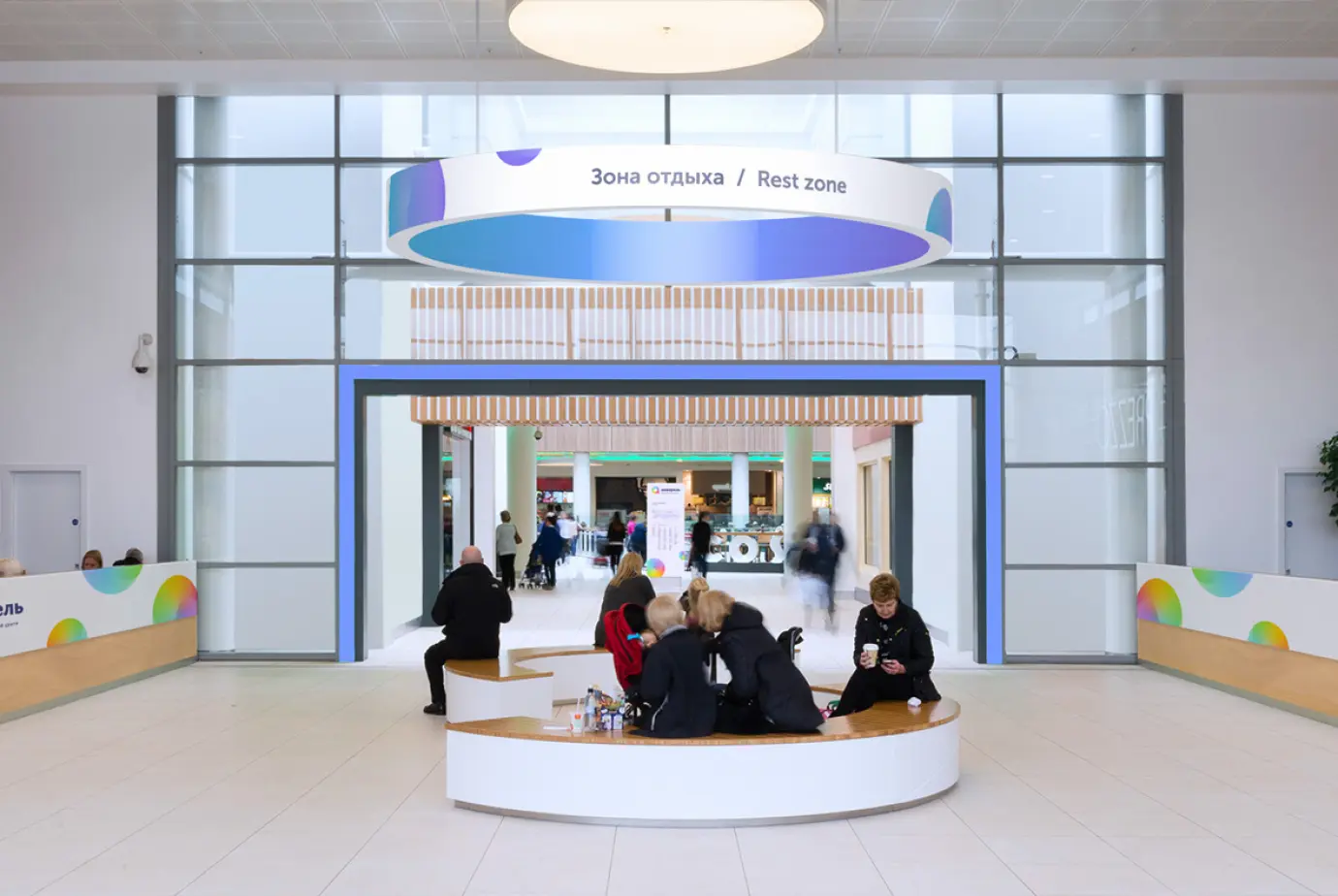
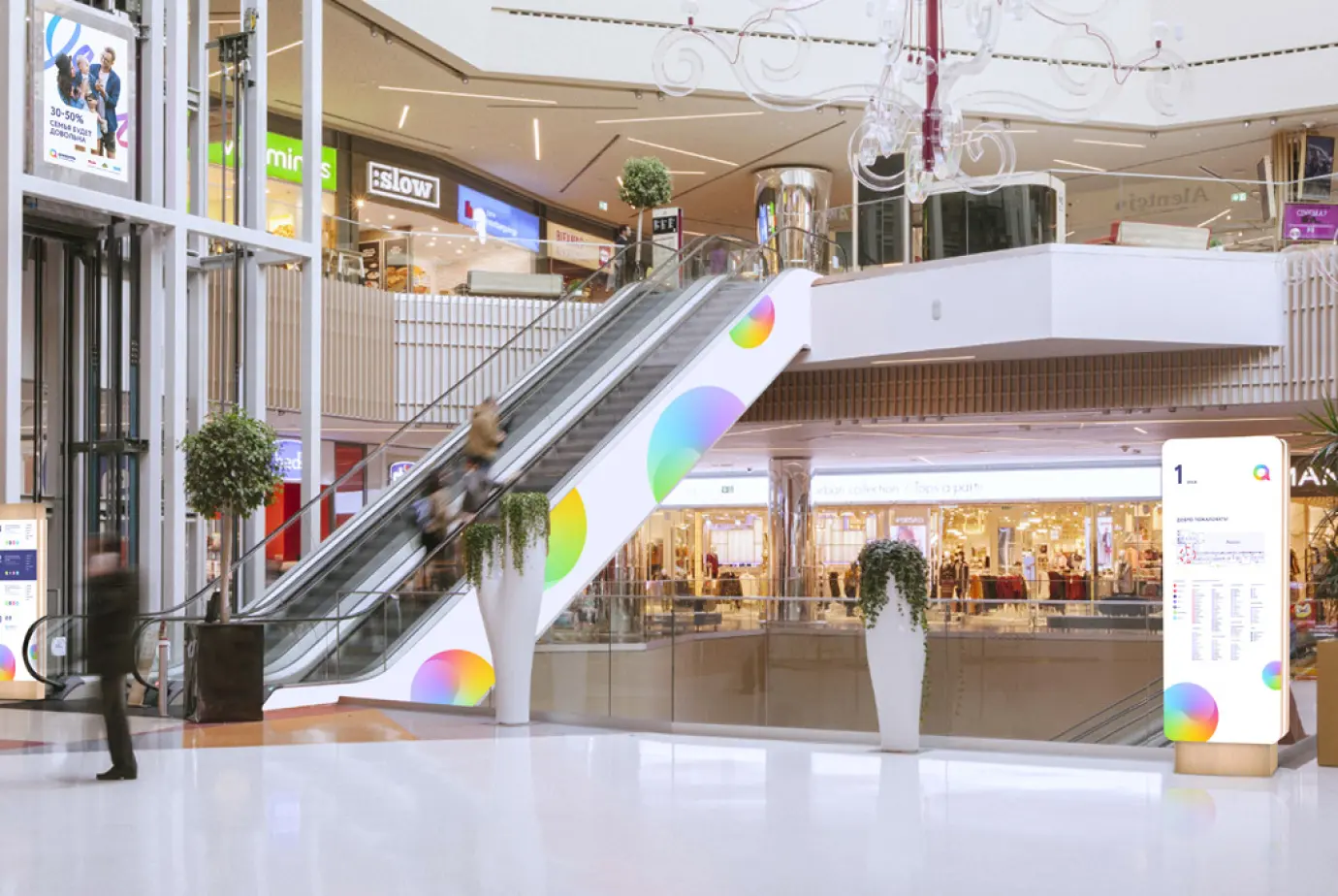
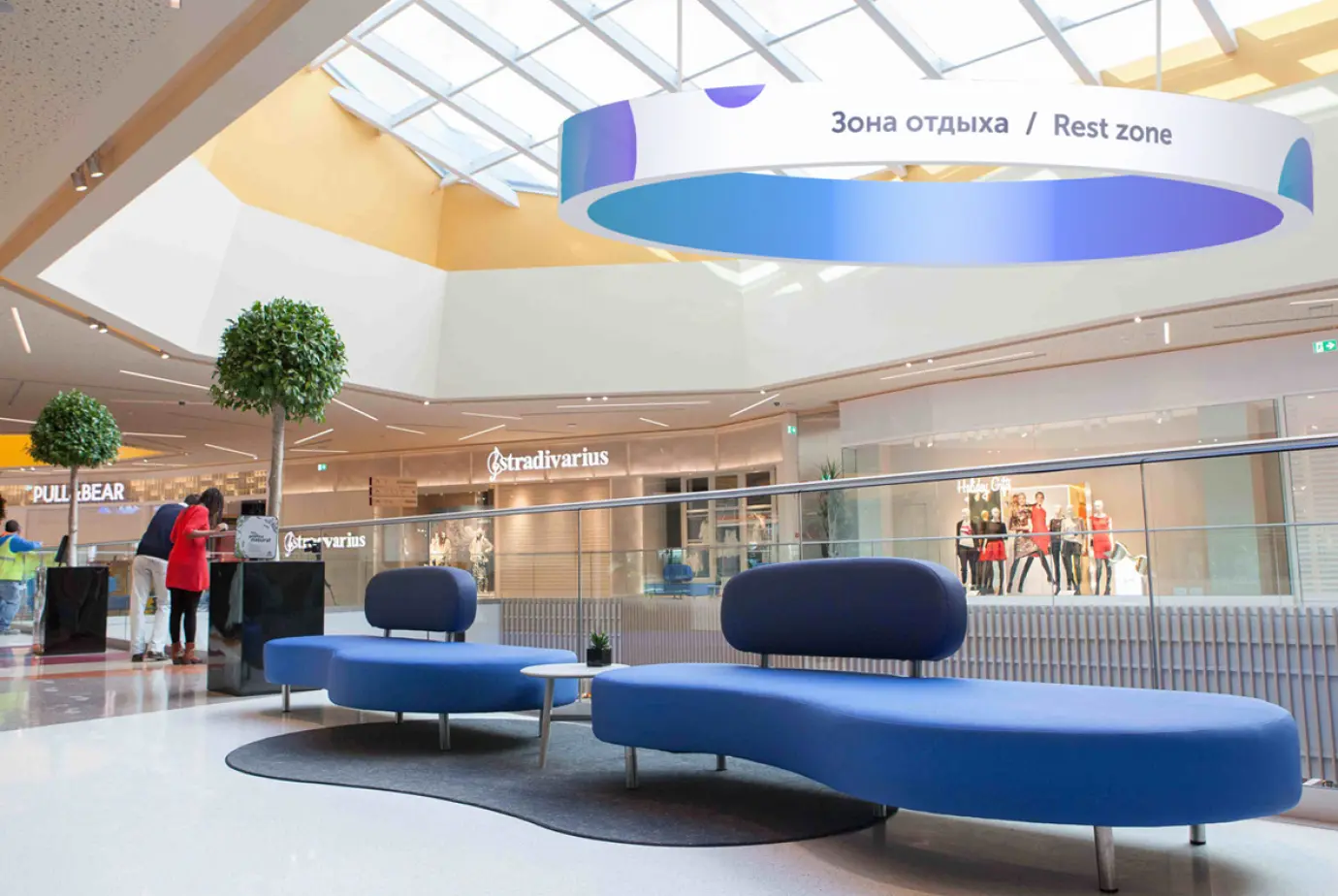
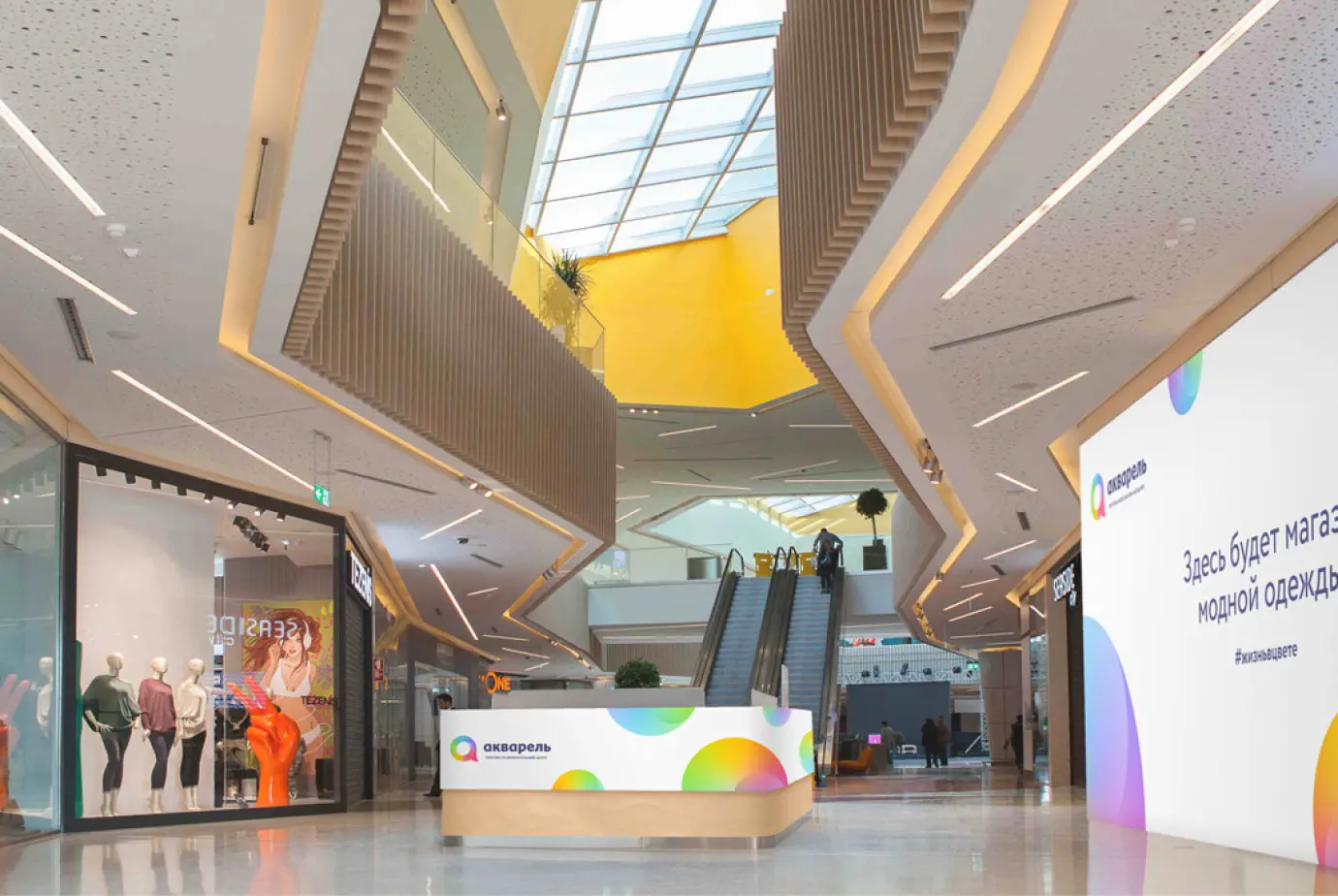
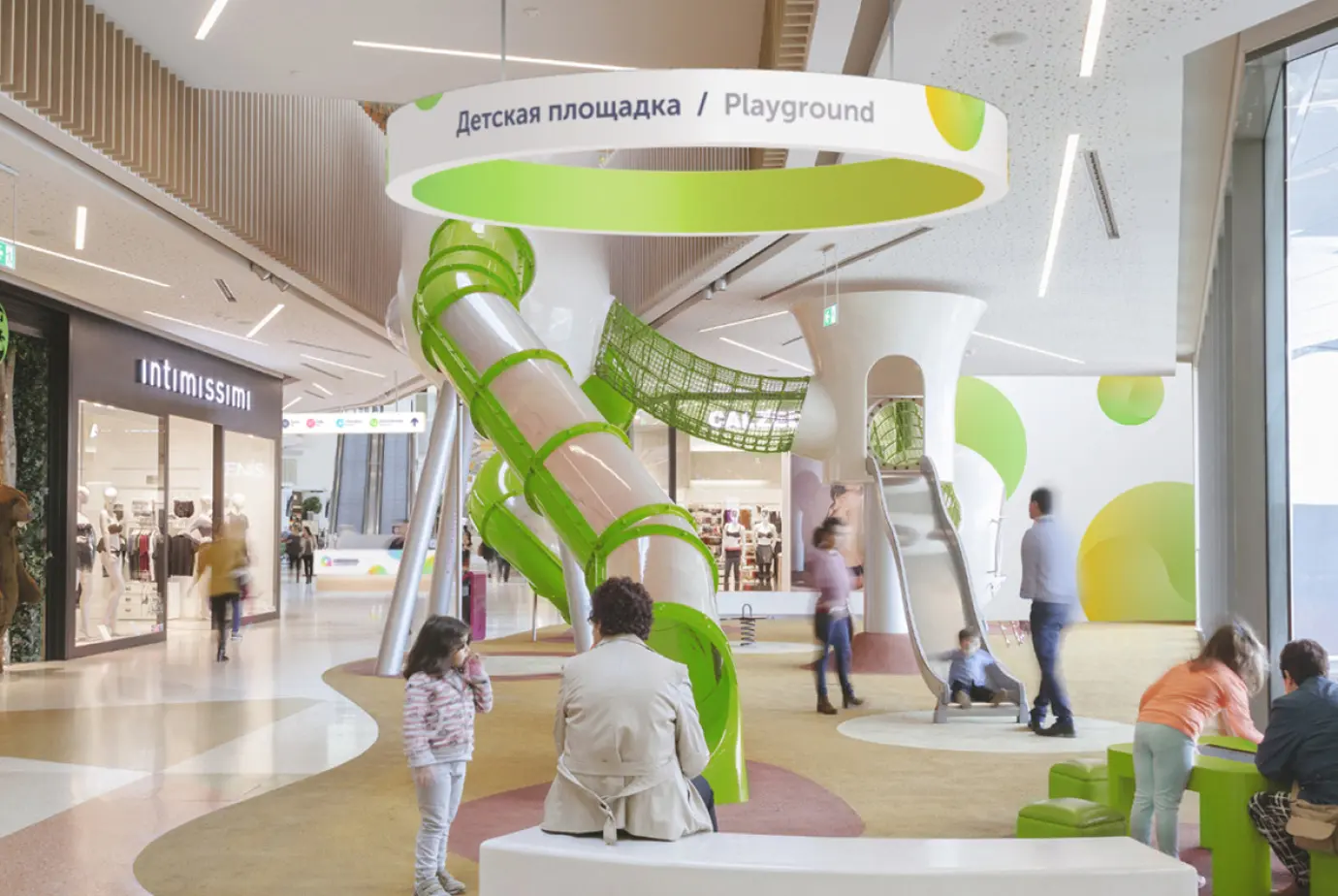
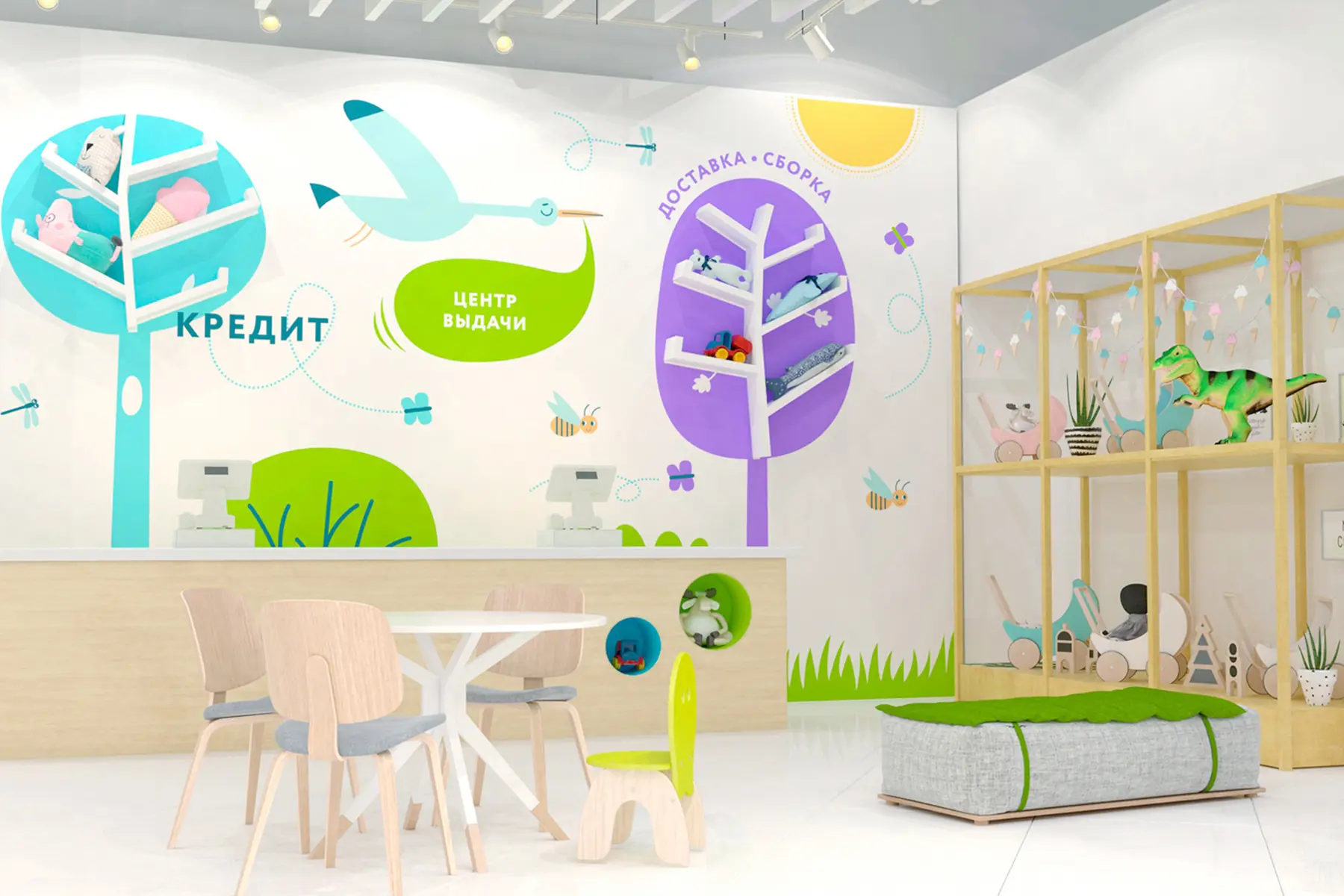
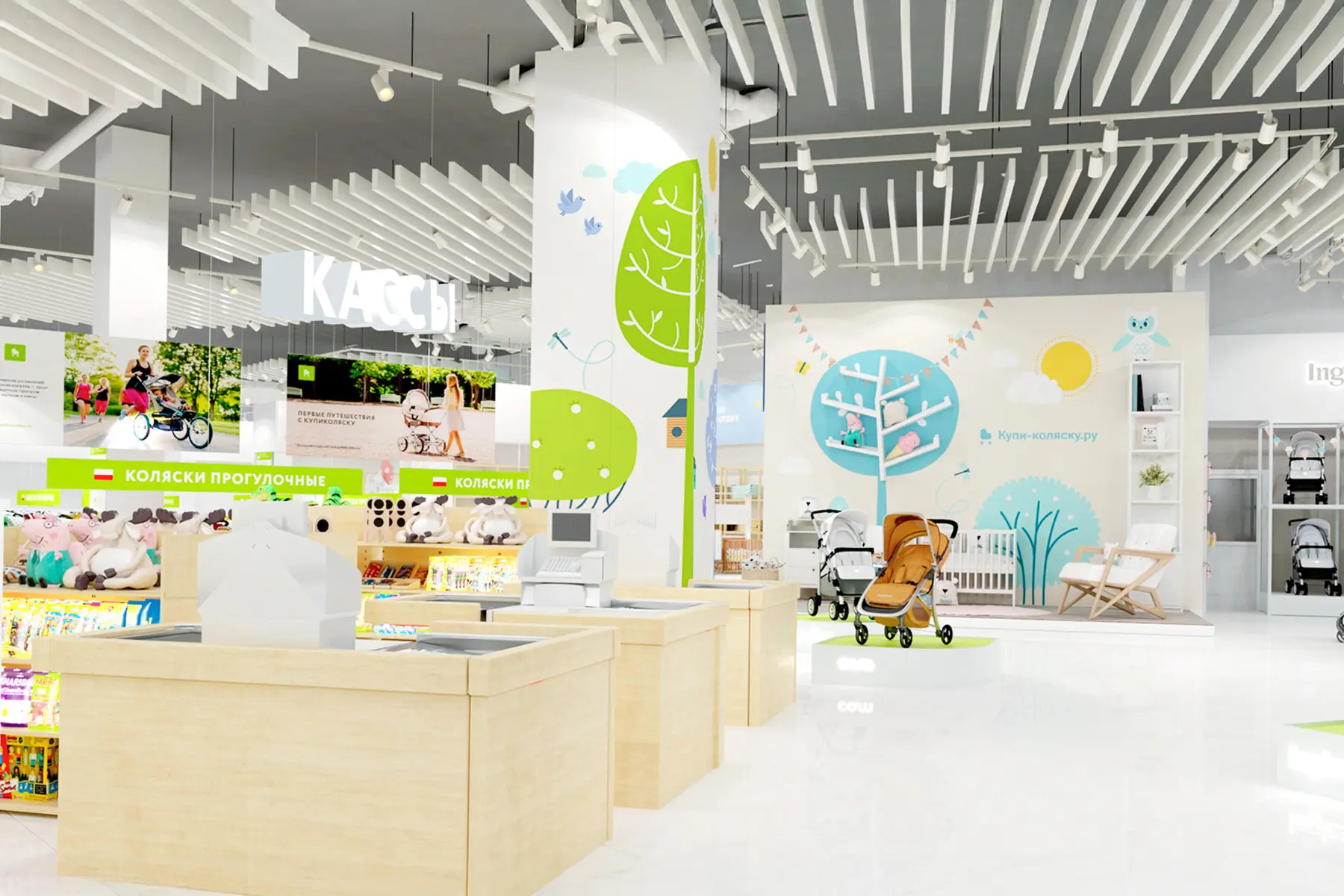
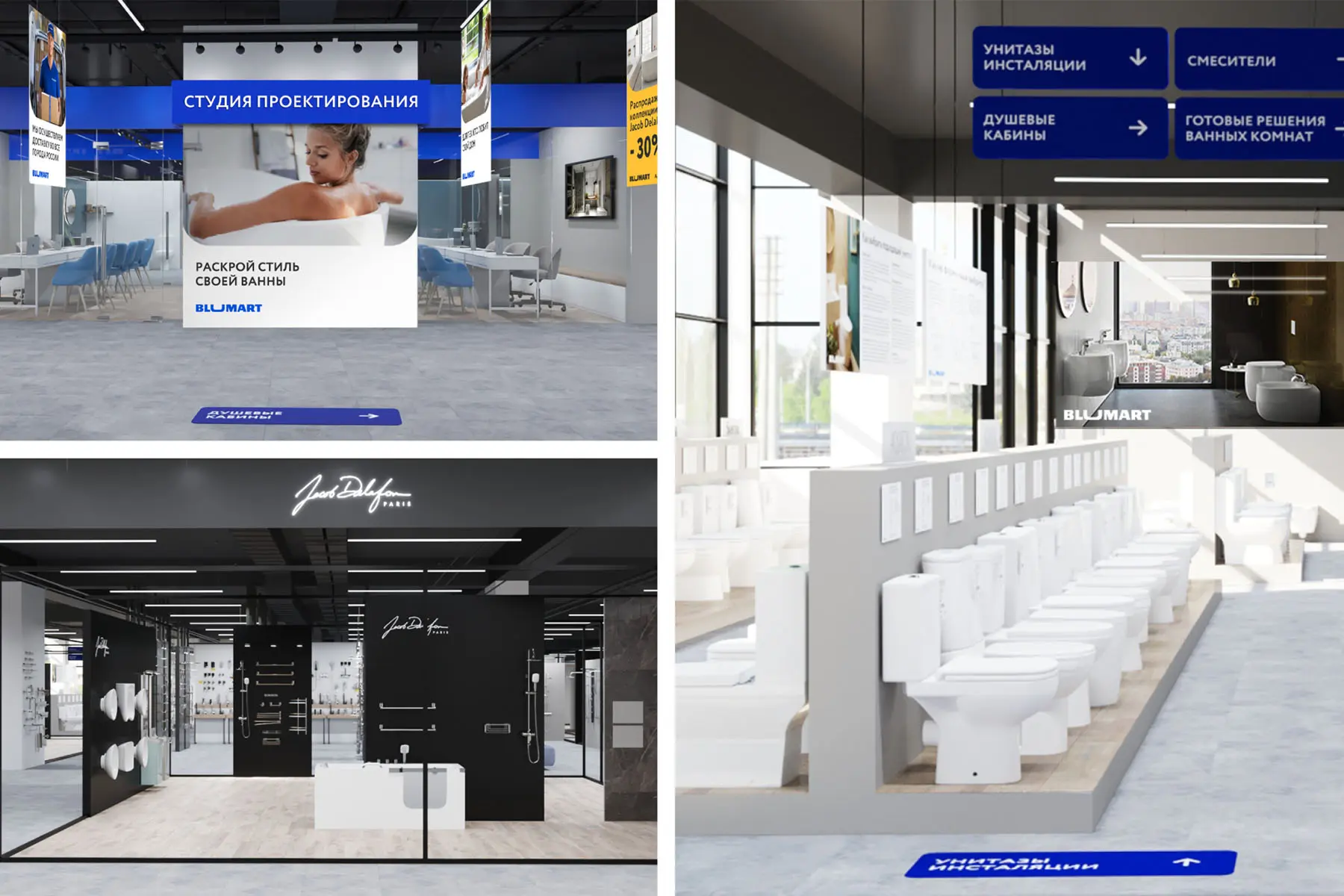
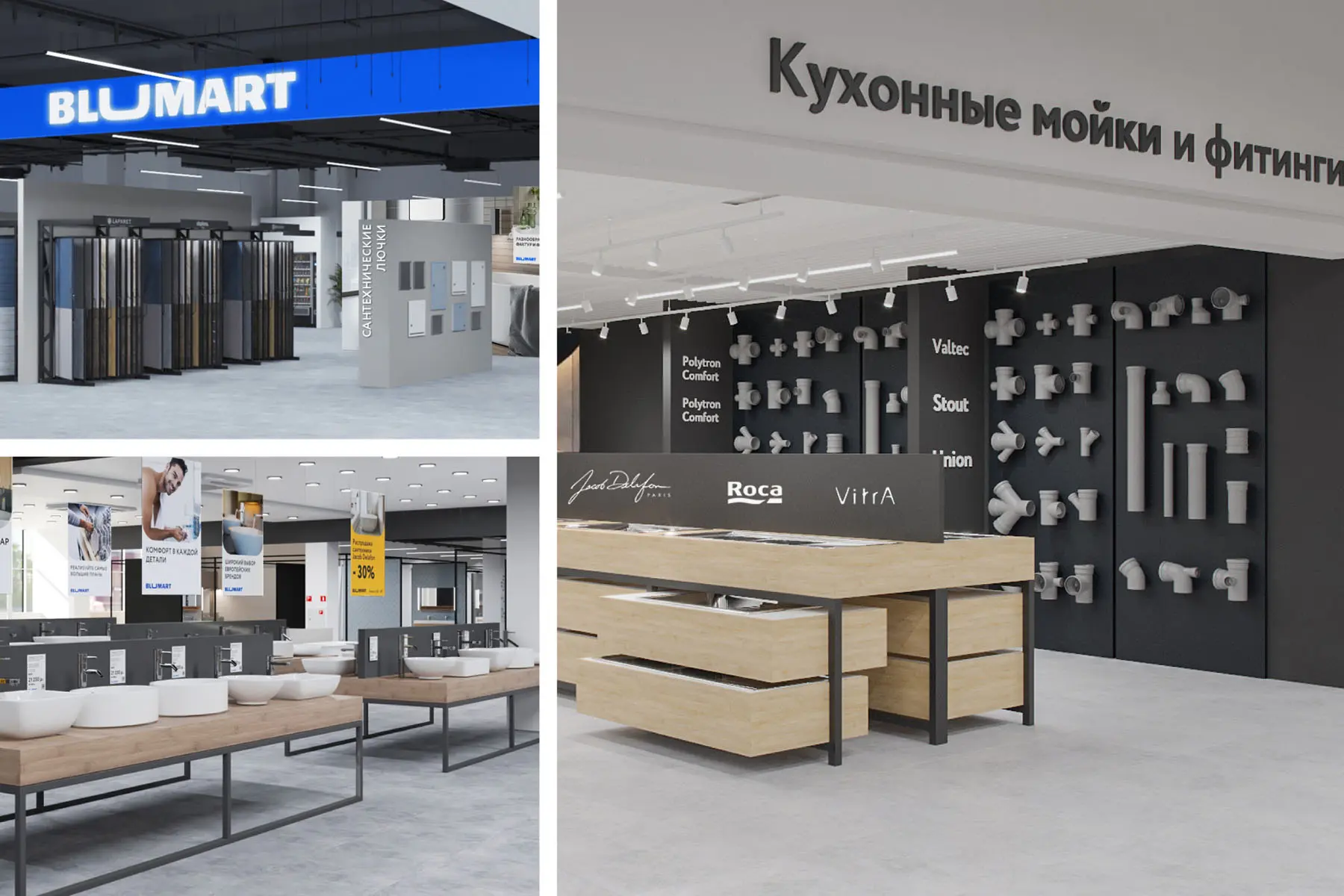
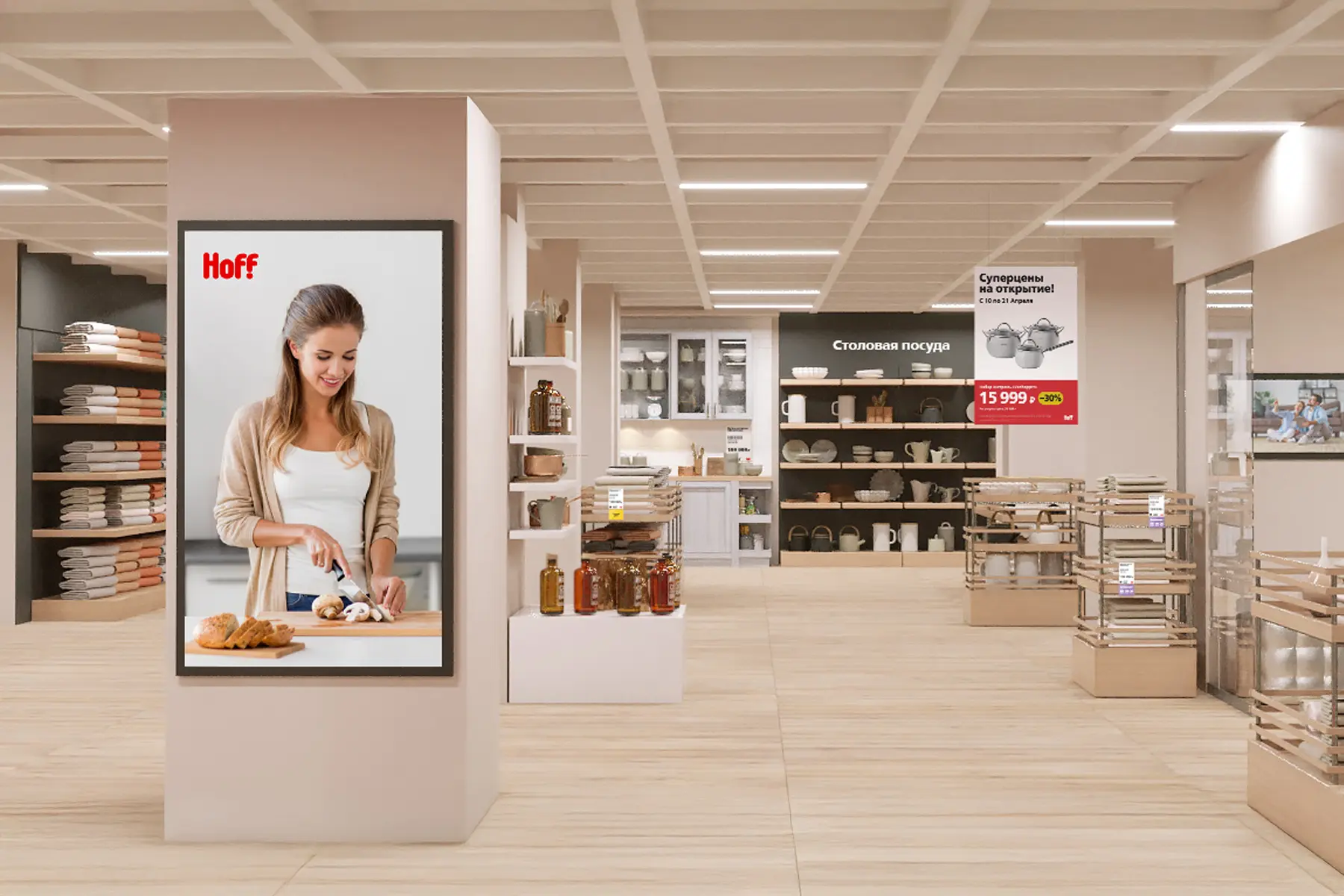
  1. All architectural and interior elements of the retail space — façade signage, shop windows, navigation elements, interior design details, and branded retail equipment;

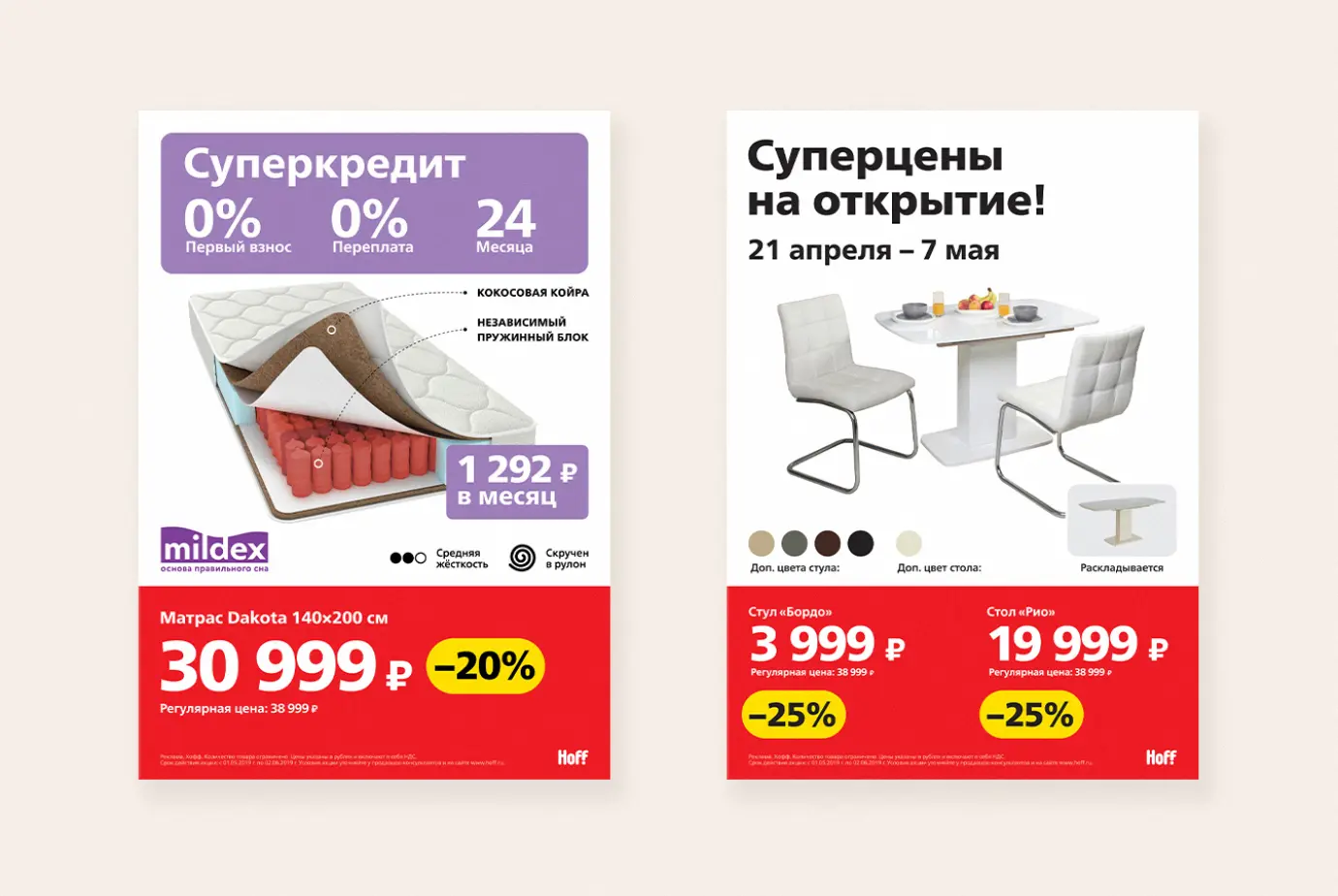
  2. POS materials — wobblers, banners, price tags, promo stands, etc.;

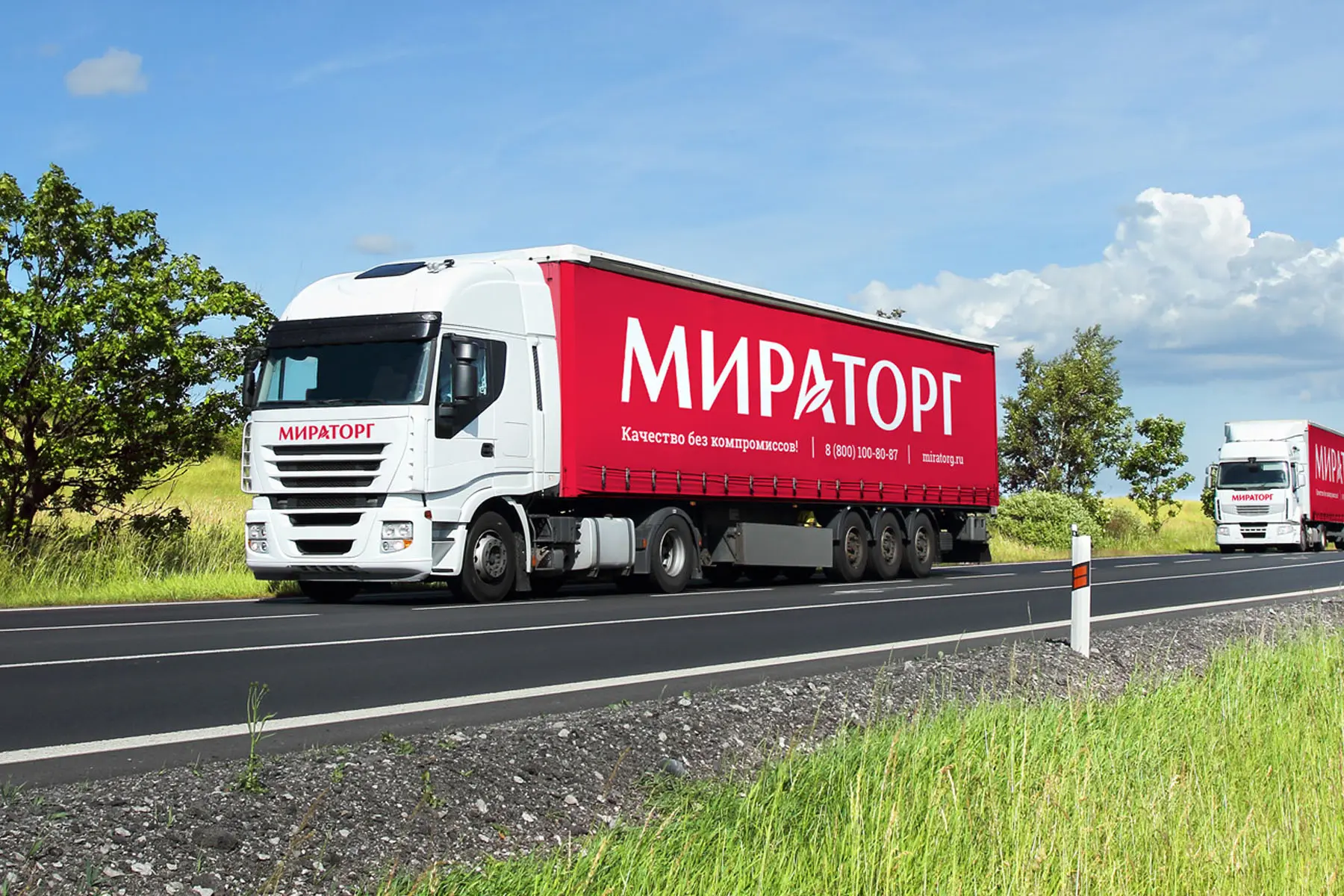
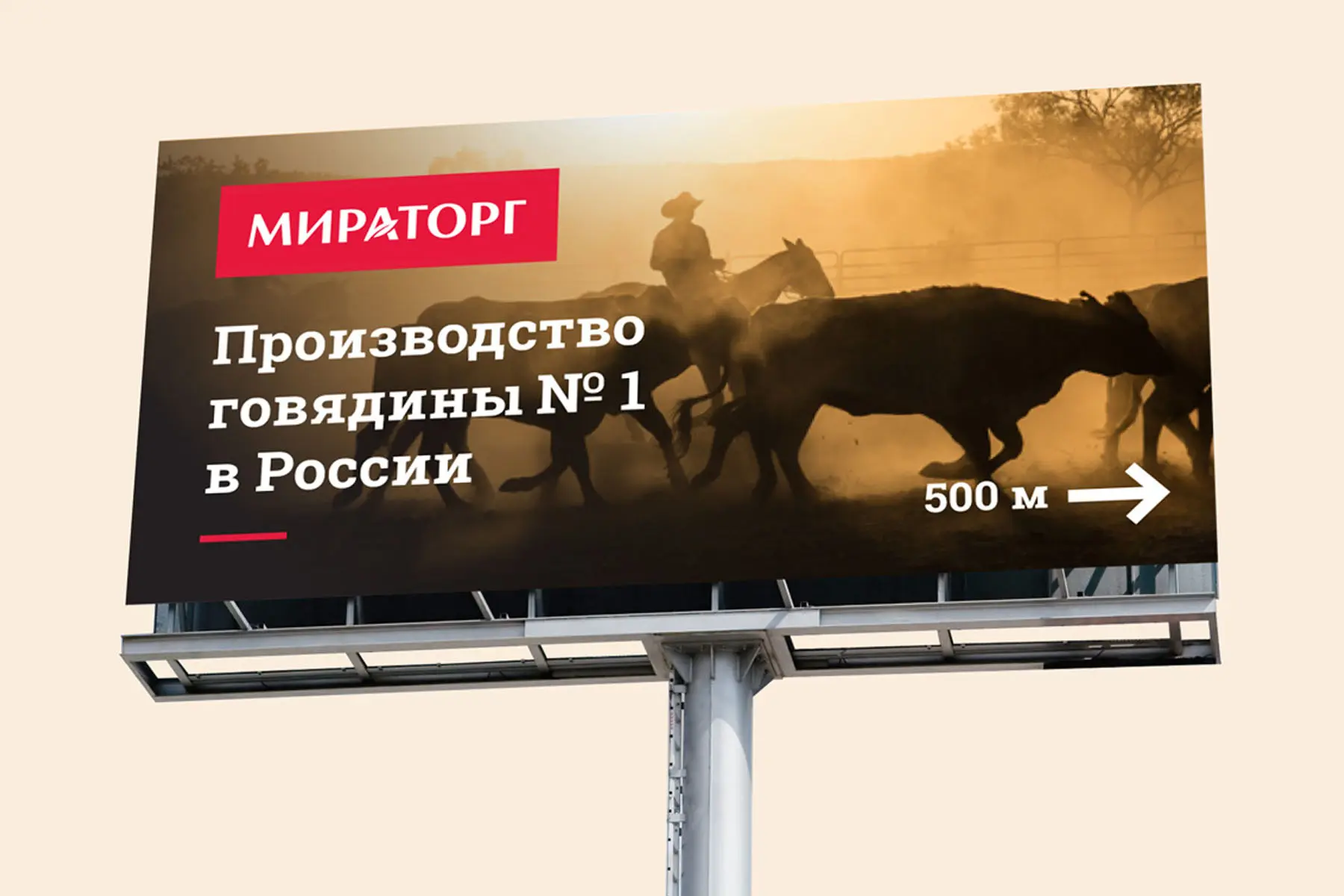
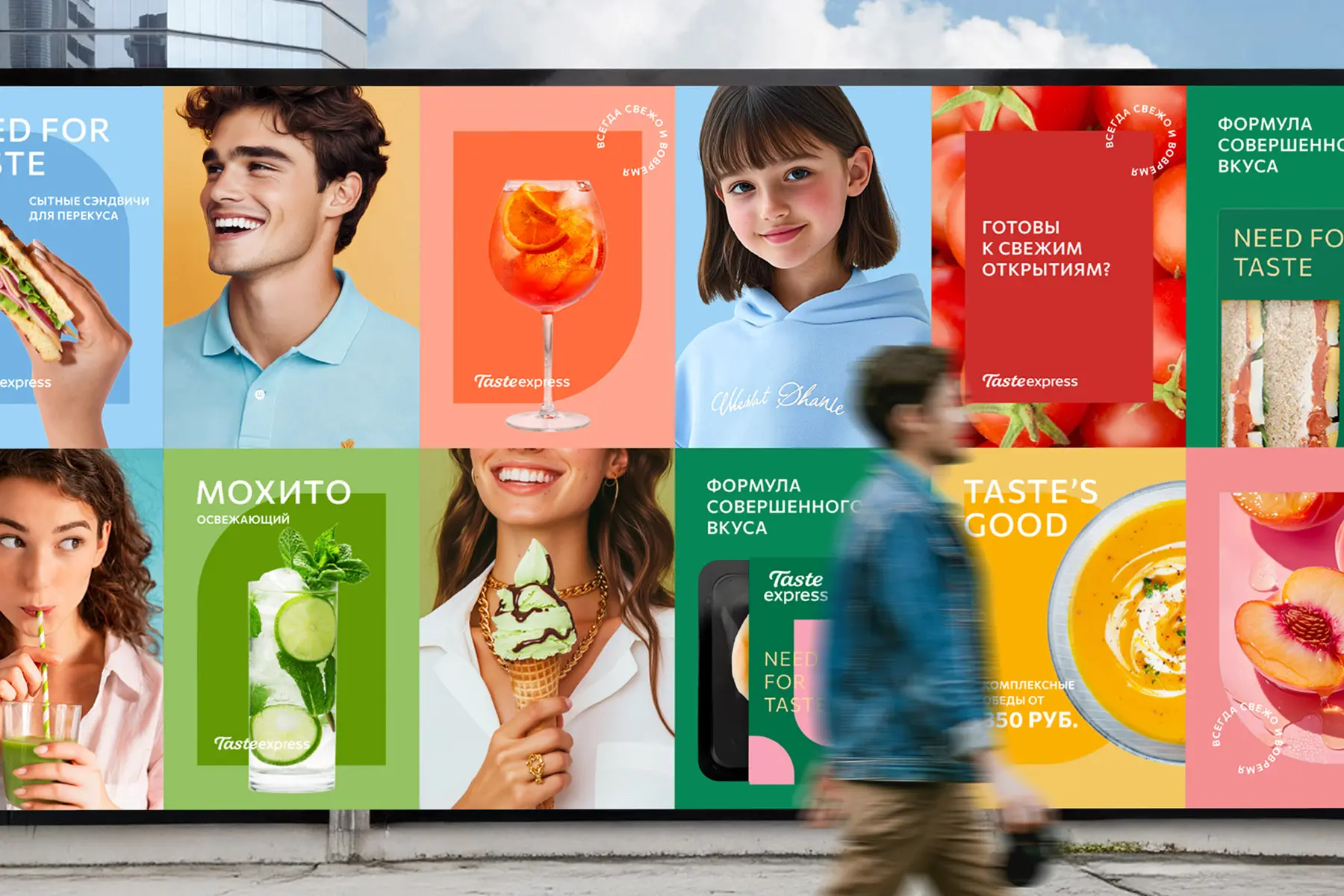
  3. Outdoor advertising — billboards, citylights, transit ads, and other advertising formats.

Retail branding helps create a single, recognizable brand image, build trust, and encourage customers to return for purchases or services. The foundation of a strong retail brand is effective identity design and a functional interior. They should be developed in one coherent style and naturally reinforce each other.

Goals of Developing a Retail Brand

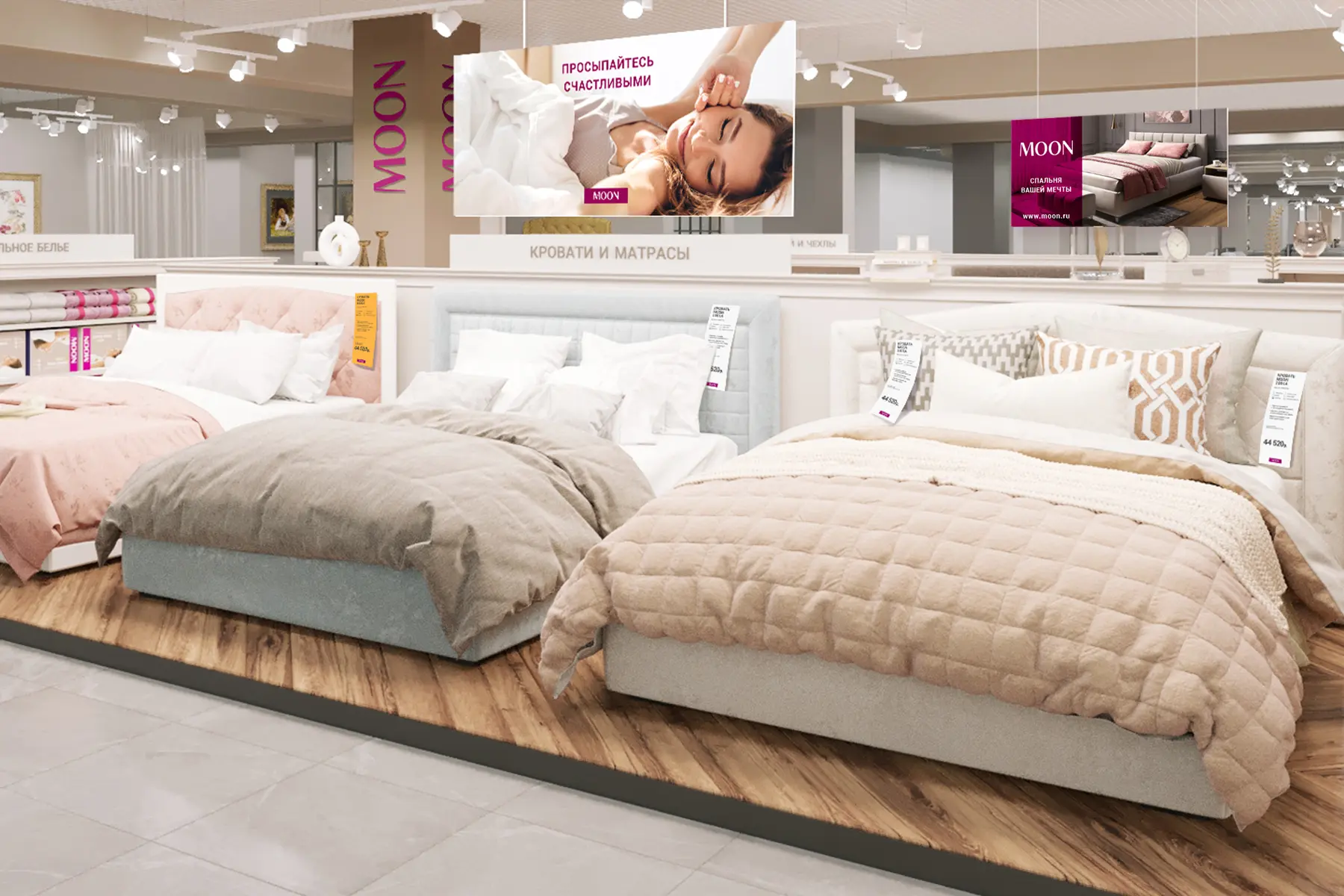
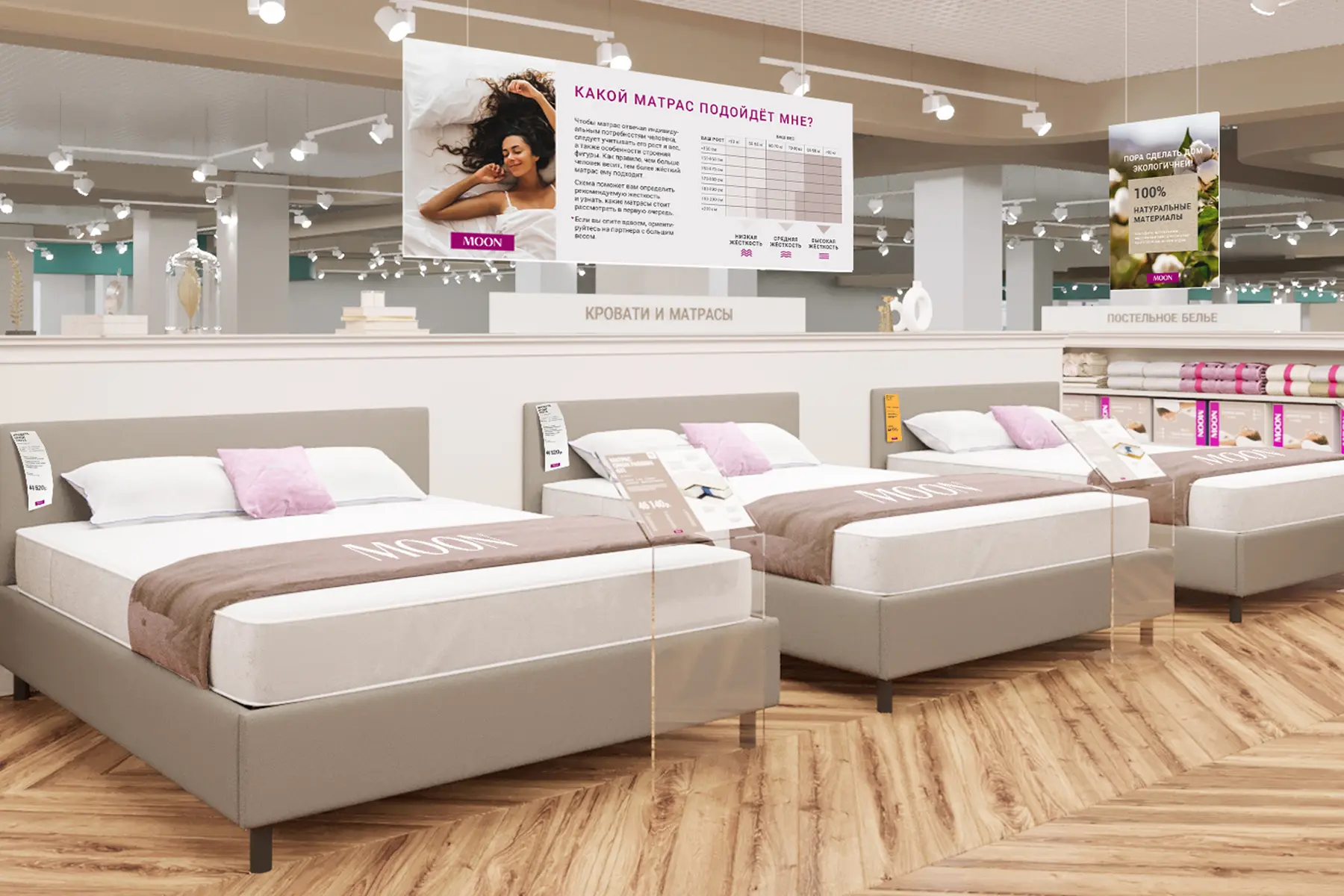
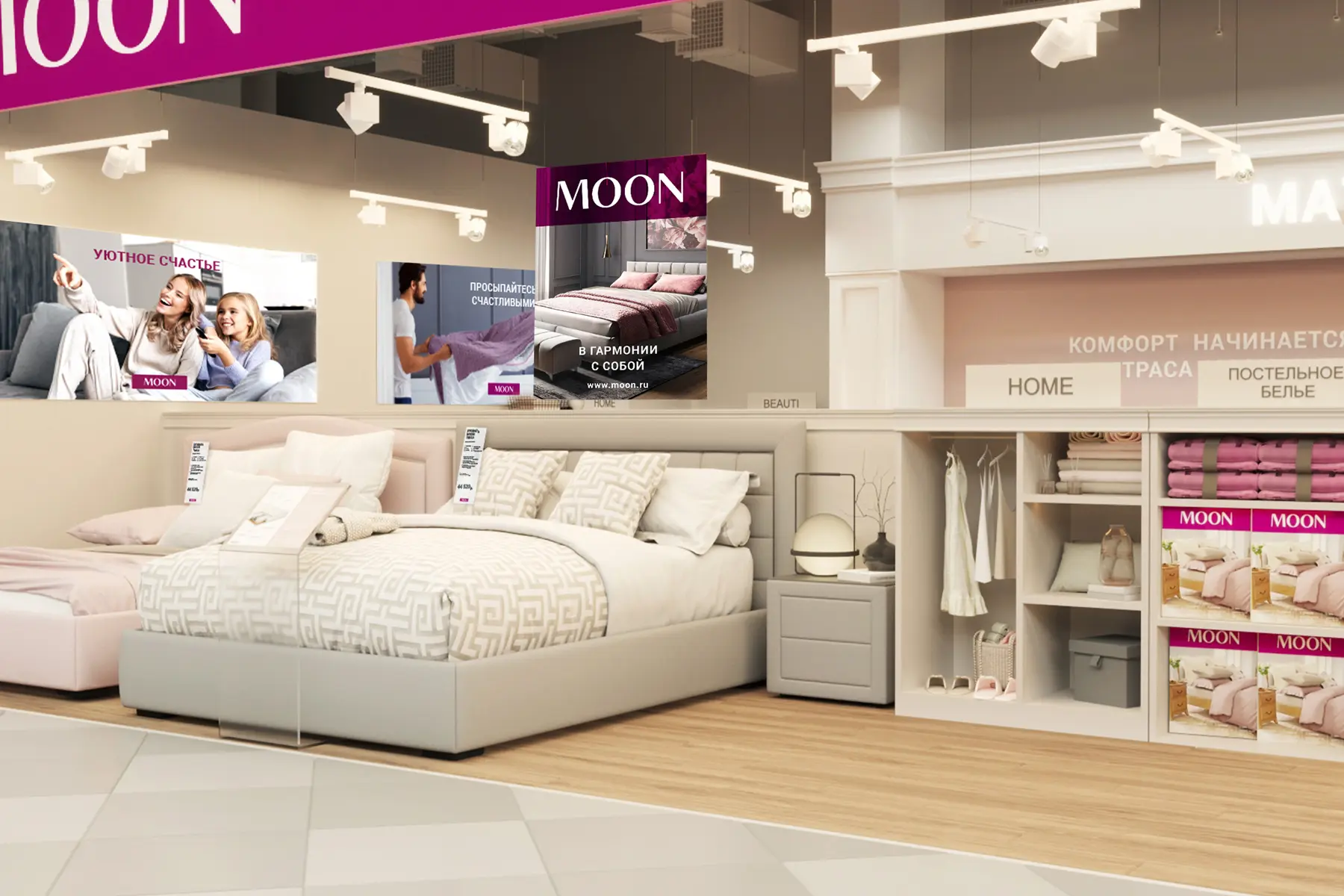
The primary objective is to brand the retail space — creating a recognizable image and a conversion-focused retail environment. This includes the design of retail spaces, interior design for retail chains, and single-brand showrooms.

Retail branding goals:

  1. Create a distinctive image. The goal is to build a clear association with the chain’s key advantages.

  2. Attract and retain loyal customers. The goal is to increase revenue for the retail chain.

  3. Implement a unified service system. The goal is to build a sense of stability and confidence in the quality of products and services.

  4. Strengthen the company’s market image. The goal is a consistent, recognizable brand presence.

  5. Stand out from competitors. The goal is to differentiate from competitors and закрепить the brand image in the customer’s mind.

Professional retail branding helps reduce costs and speed up the launch of new locations thanks to standardized design. It also helps attract and retain the target audience, creating a stable source of revenue.

Step-by-Step Retail Brand Development

Successful branding in retail opens up many growth opportunities for a business: selling a franchise, building a broad store network, running effective communications, and cultivating a loyal audience. Creating a project of this kind requires an expert approach, a comprehensive scope of work, and preliminary research. It is also important to study global best practices and look for relevant, effective solutions within your category.

The first step should be a market audit. This involves assessing the real market situation, competitors’ strategies, and the profile of the potential customer. The market is analyzed across four areas: industry, audience, competitors, and trends. Experts examine sector trends and current design solutions for retail spaces. They also study competitors’ experience and customer demands.

This analysis helps define the company’s position within its competitive environment. The results will support building and refining the brand’s positioning, as well as the core message for customers. At the next stage, the audit outcomes enable marketers to identify the distinctive feature of your retail chain — your USP (Unique Selling Proposition).

Next comes concept development. At this stage, the brand strategy is built and the positioning is clearly articulated. It is important to understand not only consumer requirements and motivations, but also the principles of efficient space use. Designers, marketers, architects, and other specialists join the process. Depending on the contract, the team may develop one to three retail brand design concepts.

Naming is the process of creating a name for a company, product, or service—an element that is essential to the overall marketing strategy. The entire advertising campaign is built around the name of a product or service.

When developing a name for a retail brand, the conclusions and insights from the audit stage are taken into account. The copywriter must propose an effective name and explain how it should be used. The name should sound good, be easy to pronounce, be unambiguous, and be memorable.

The name is the brand’s primary communication tool, the foundation of its identity, and an important element of tone of voice. It should align with all communications—from the slogan to the corporate website and packaging—as well as with the visual identity system.

Equally important t— often even more so — is the visual identity: a set of graphic identification elements, with the logo as the key component. It is supported by the brand color palette, corporate typeface, layout standards, photography style, and brand character.

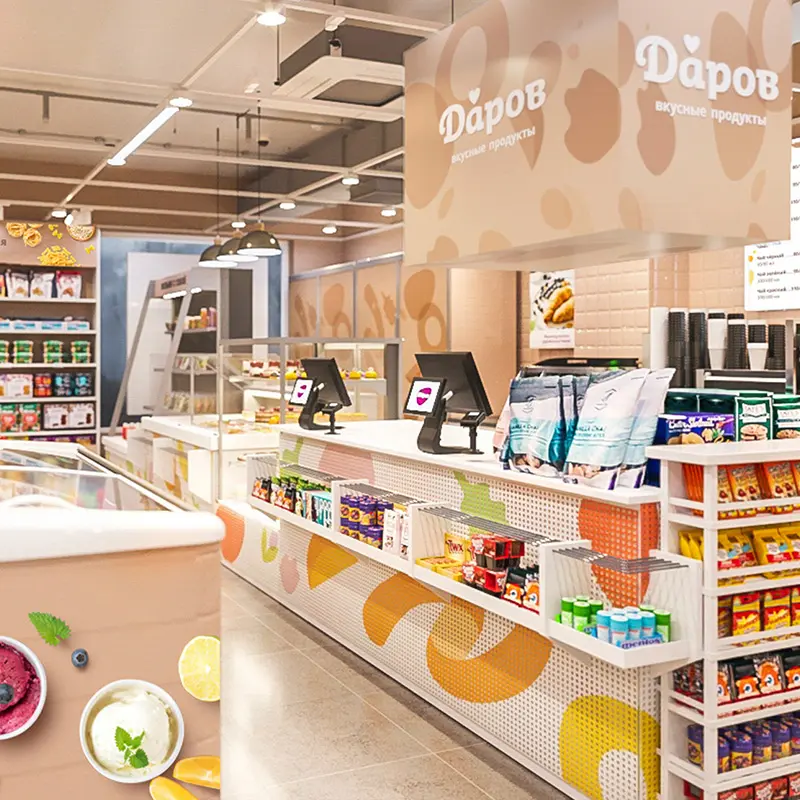
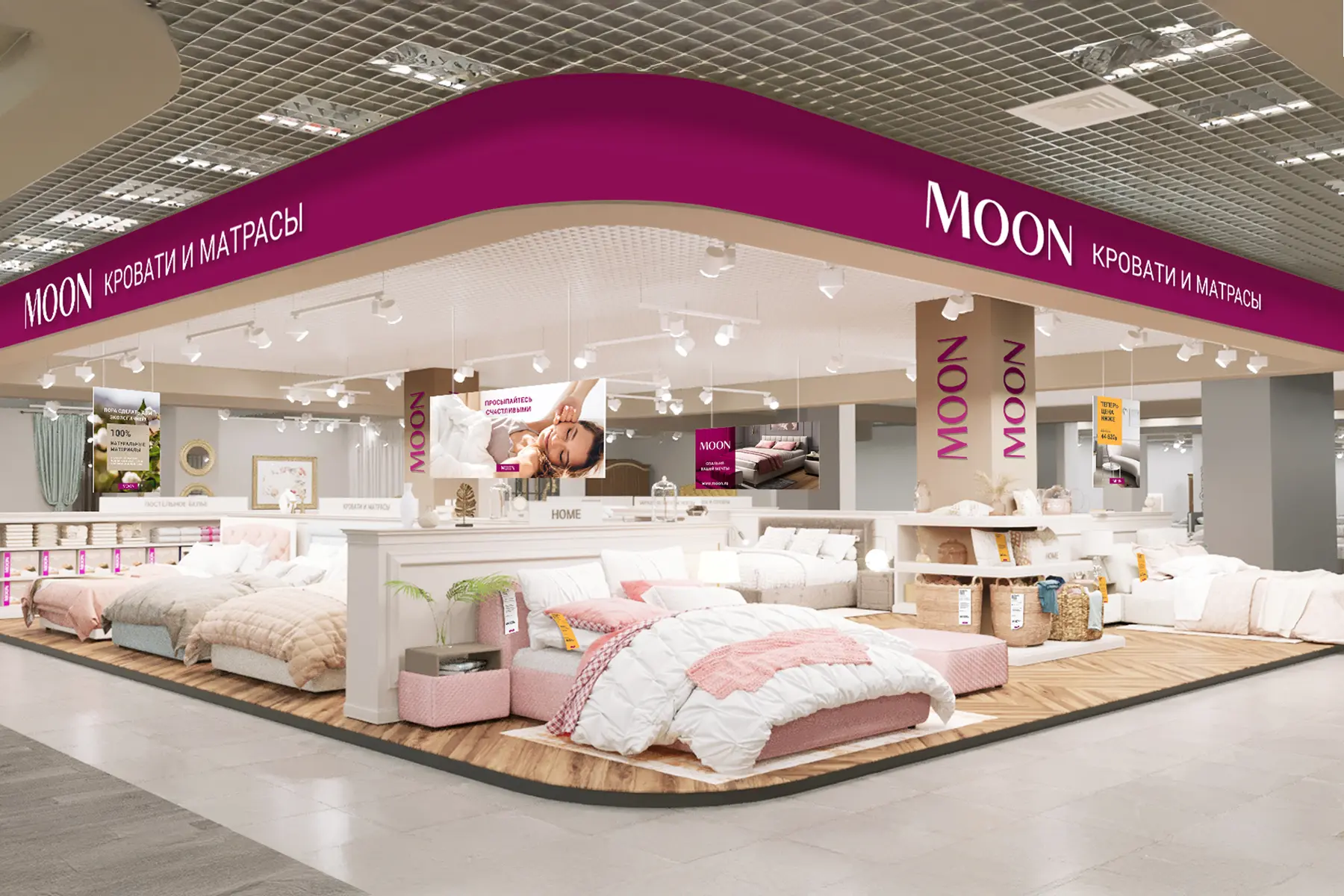
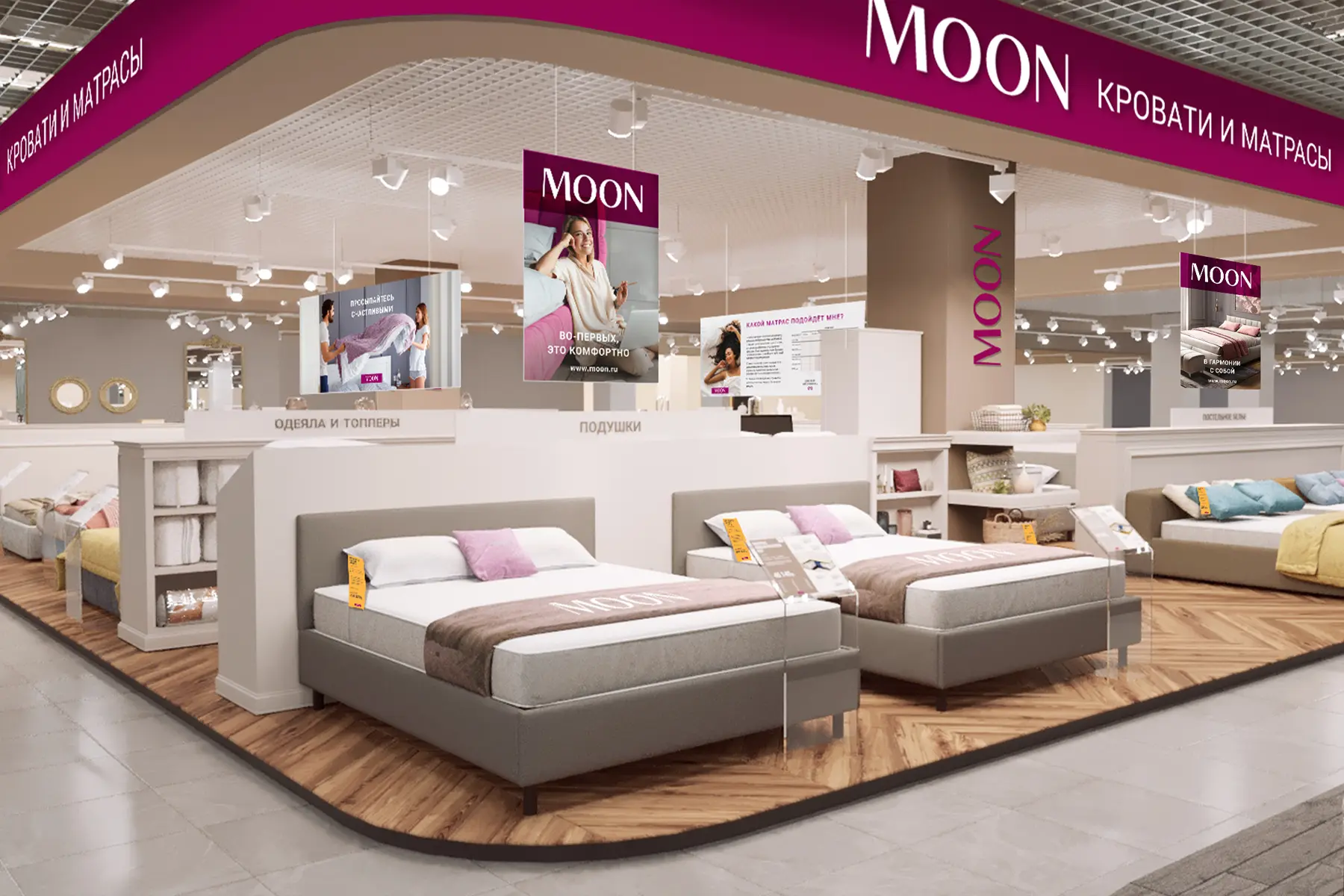
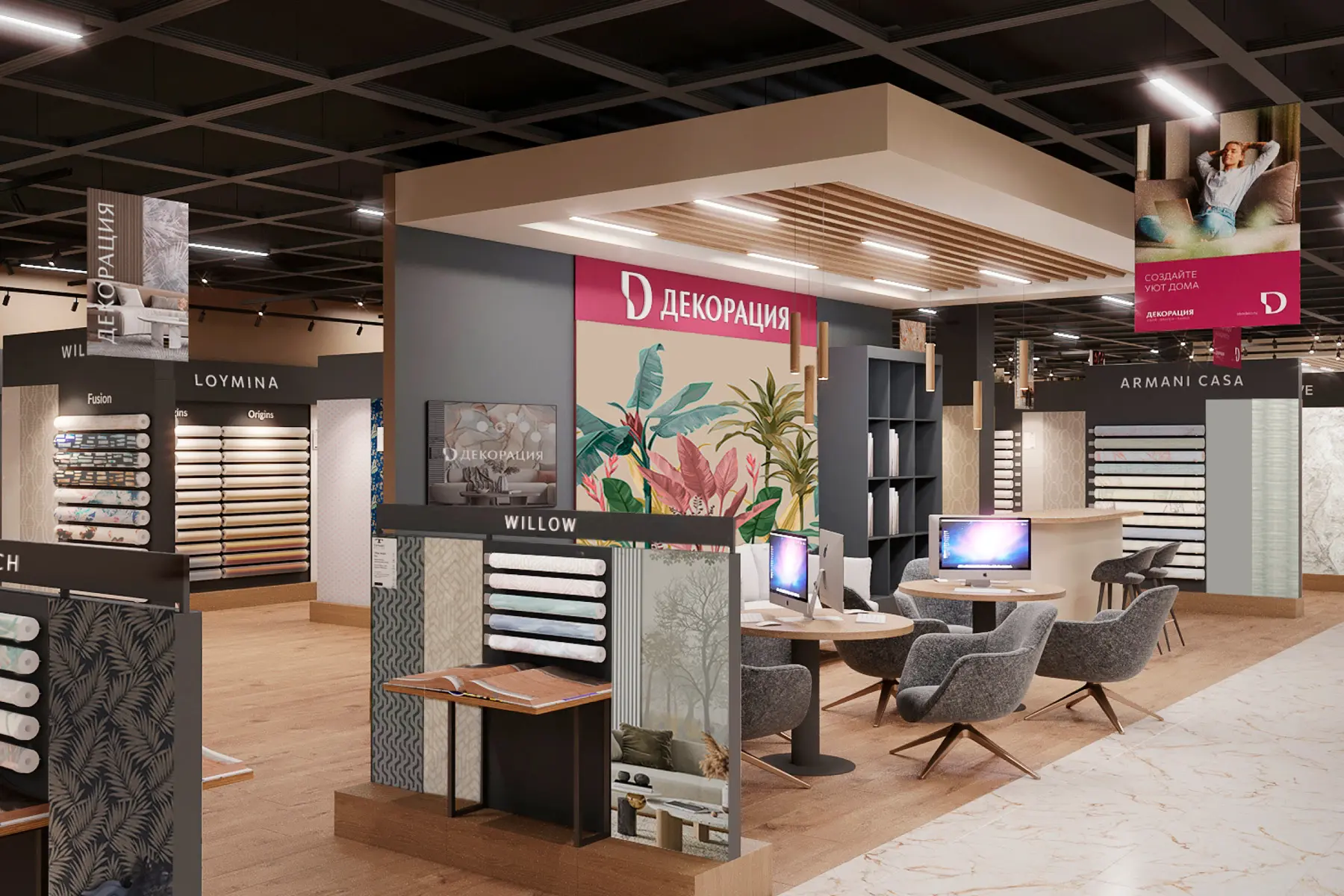
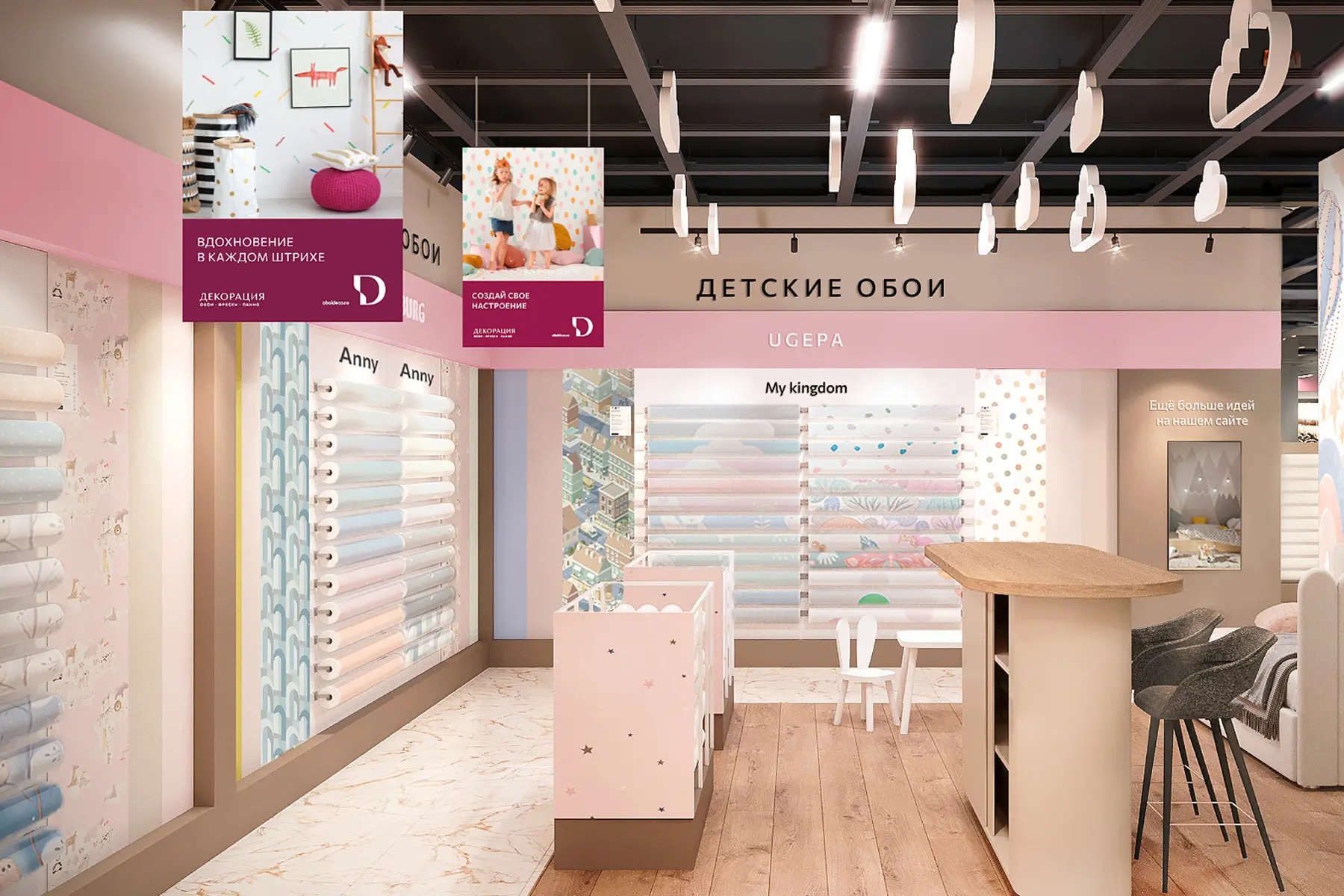
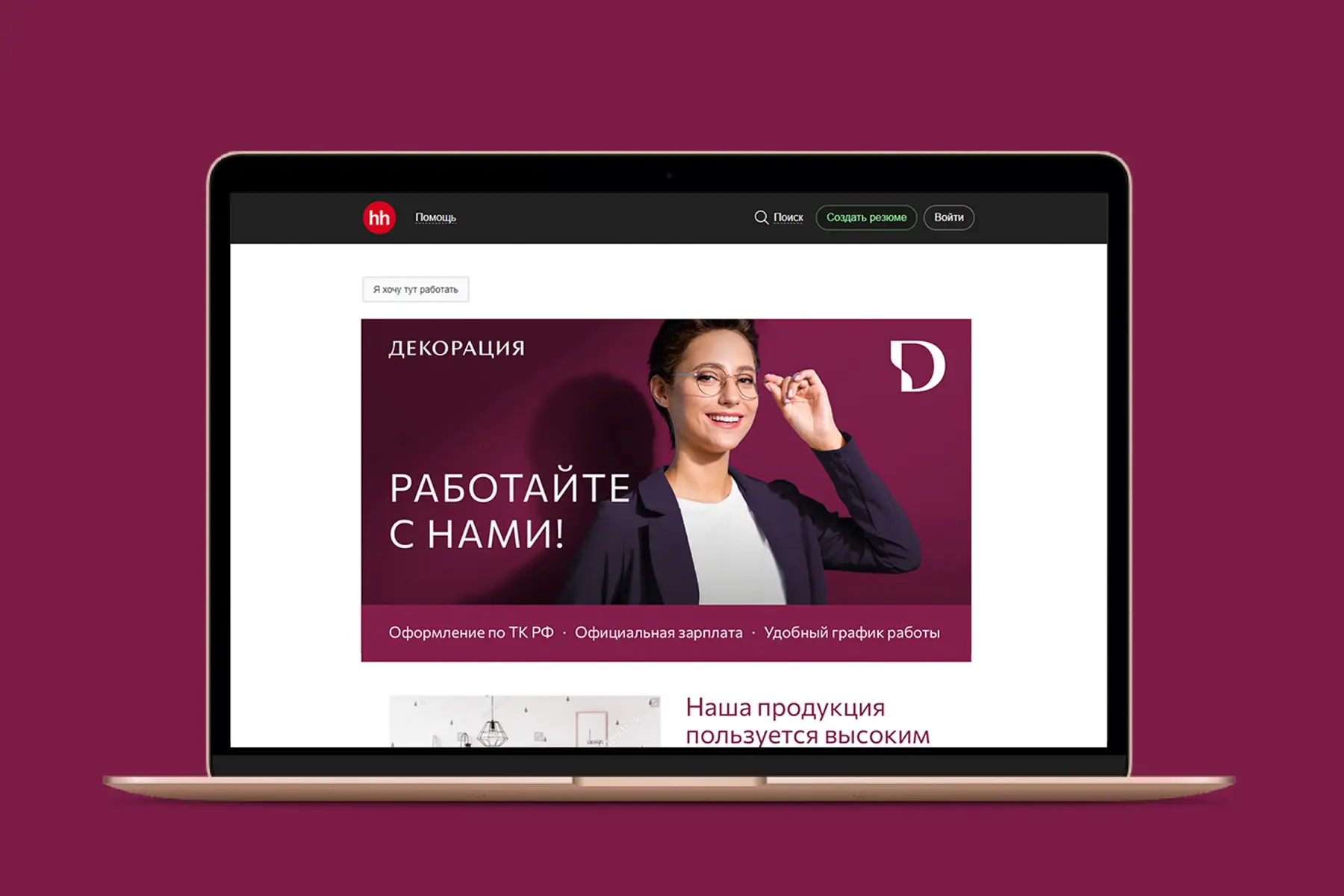
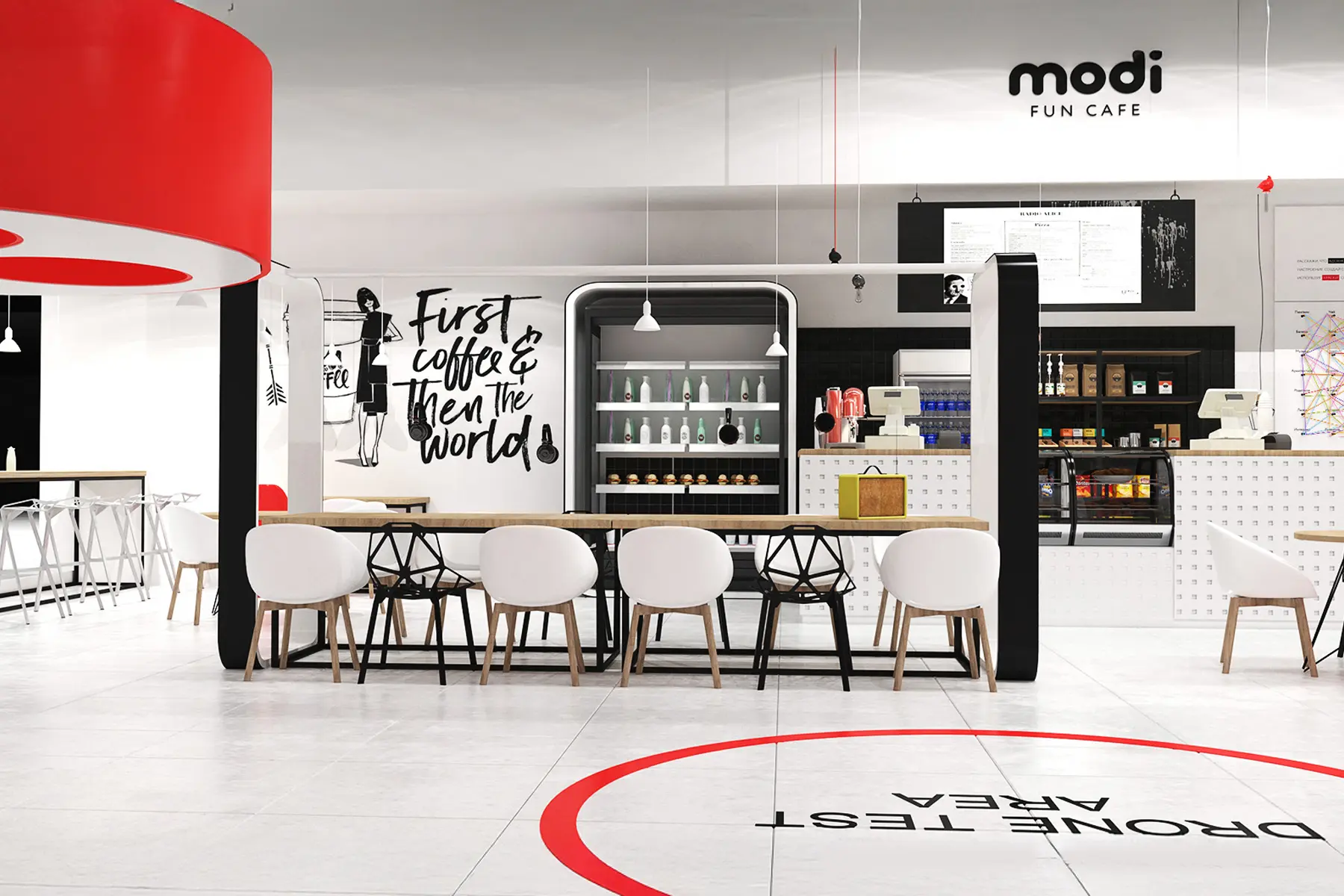
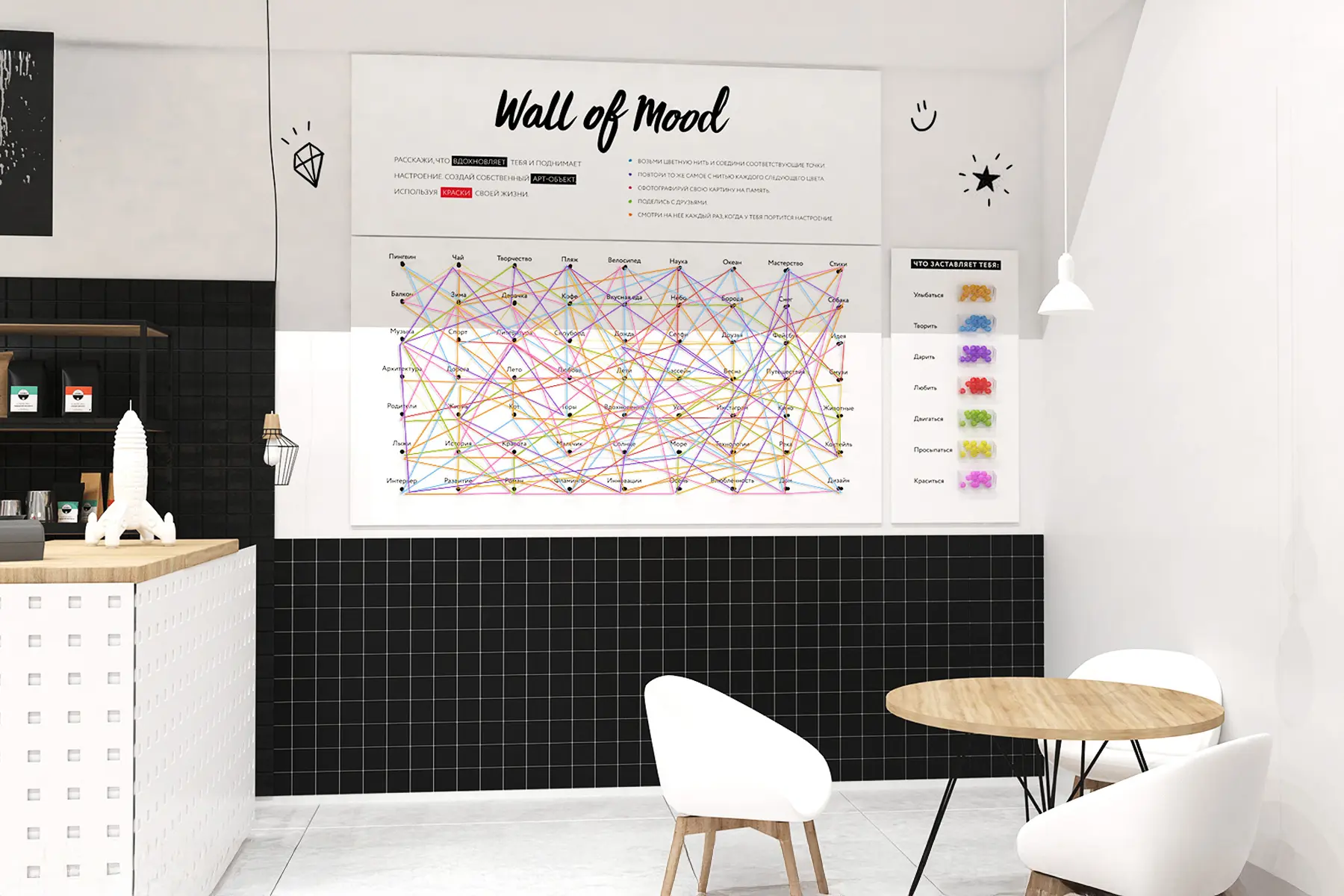
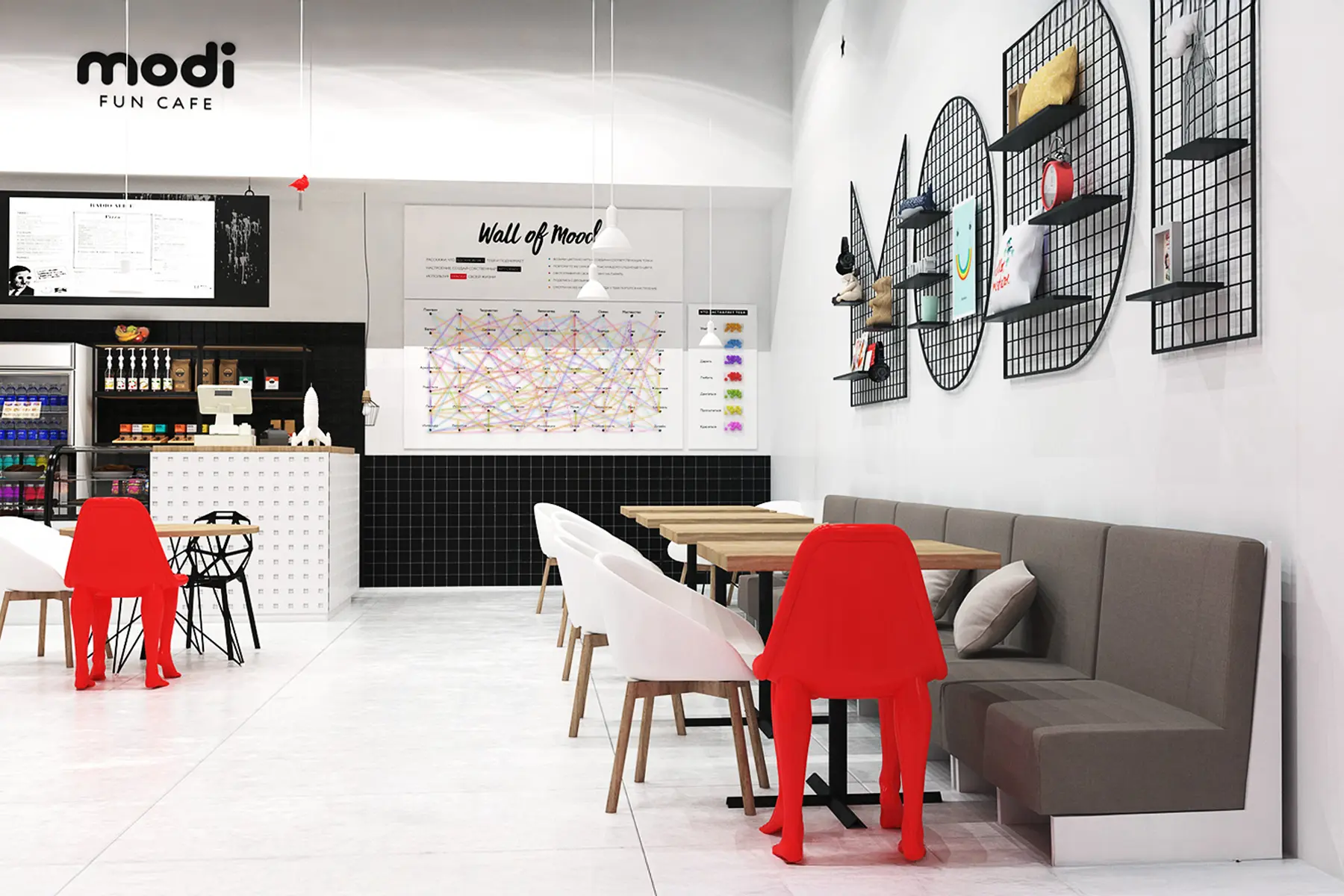
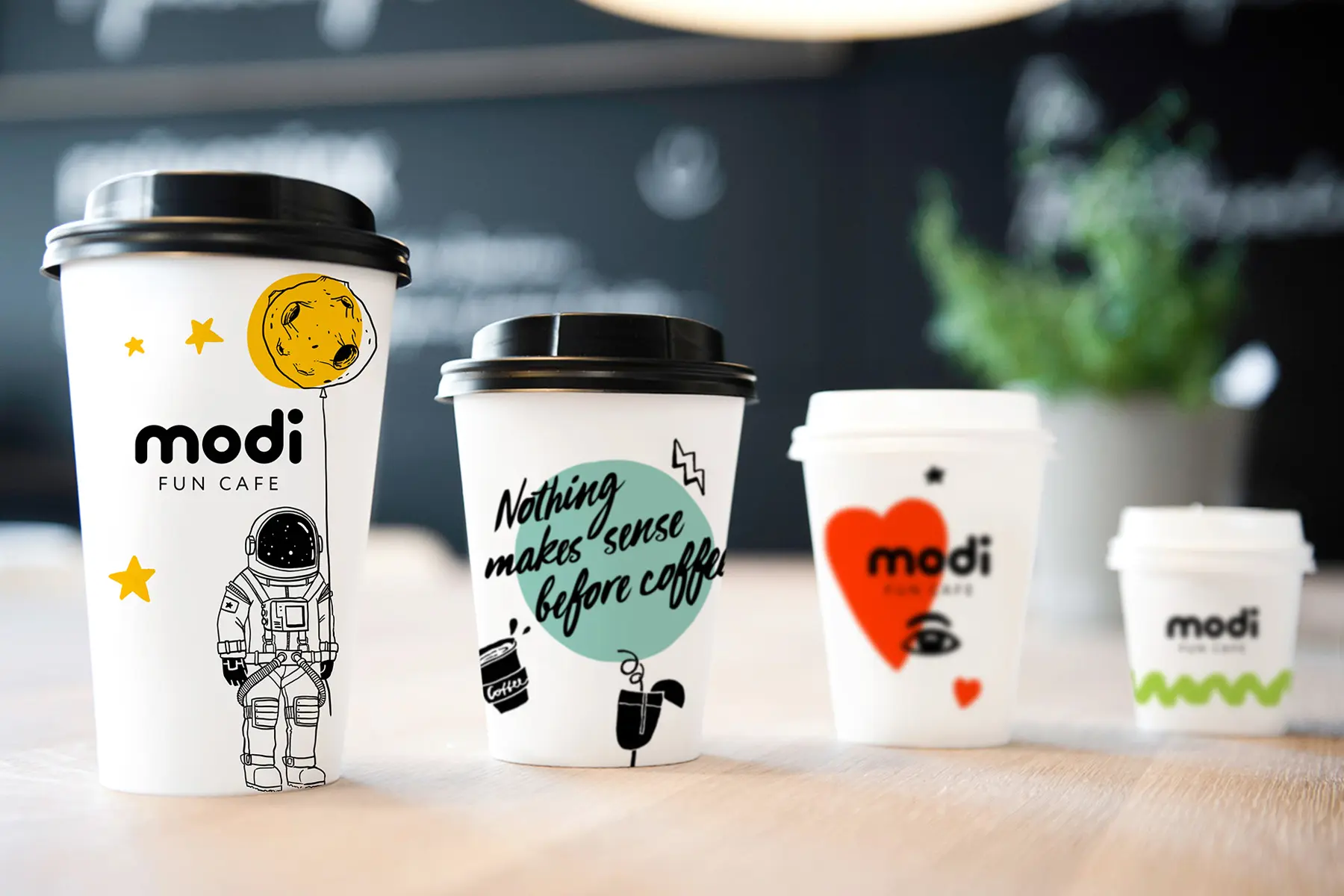
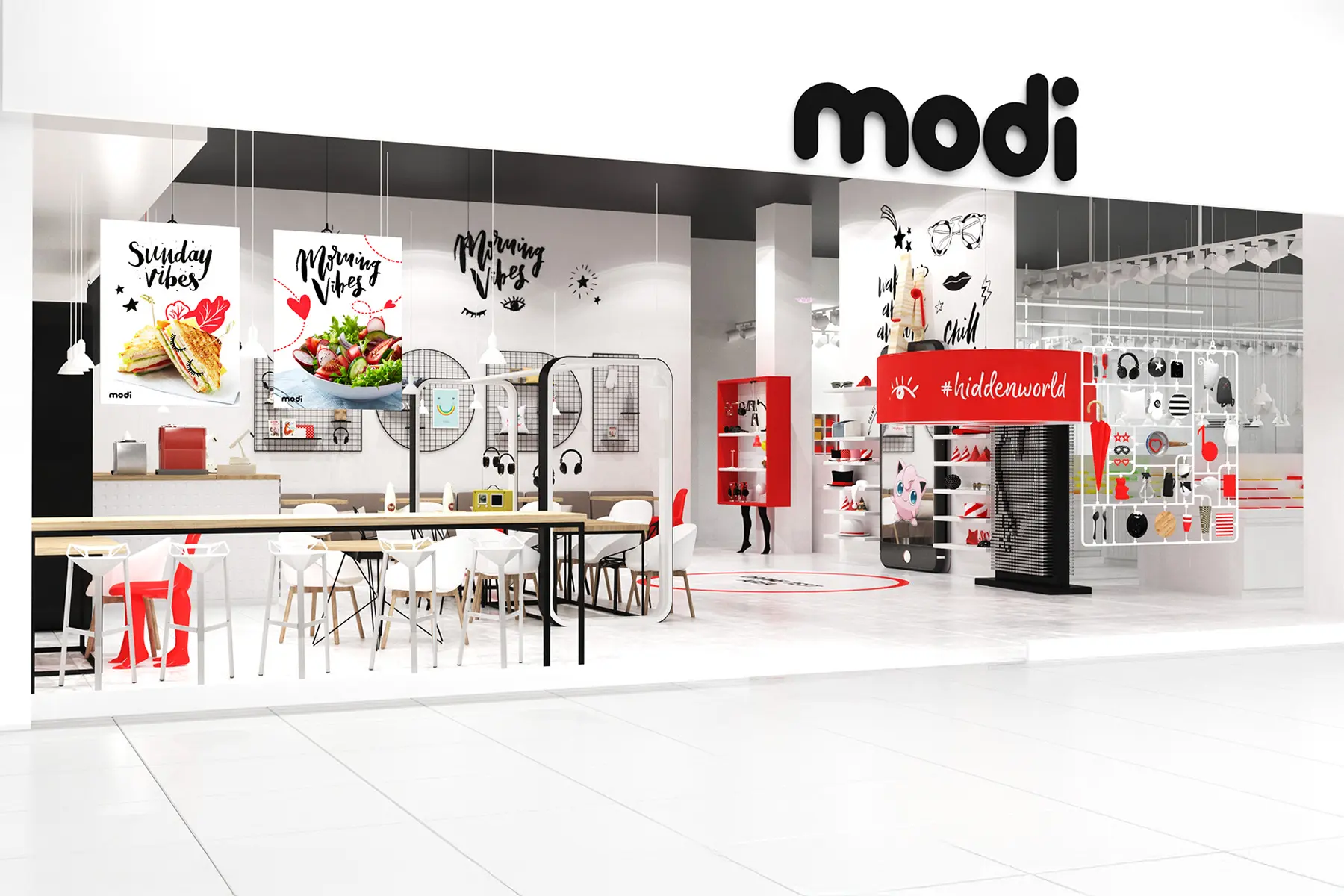
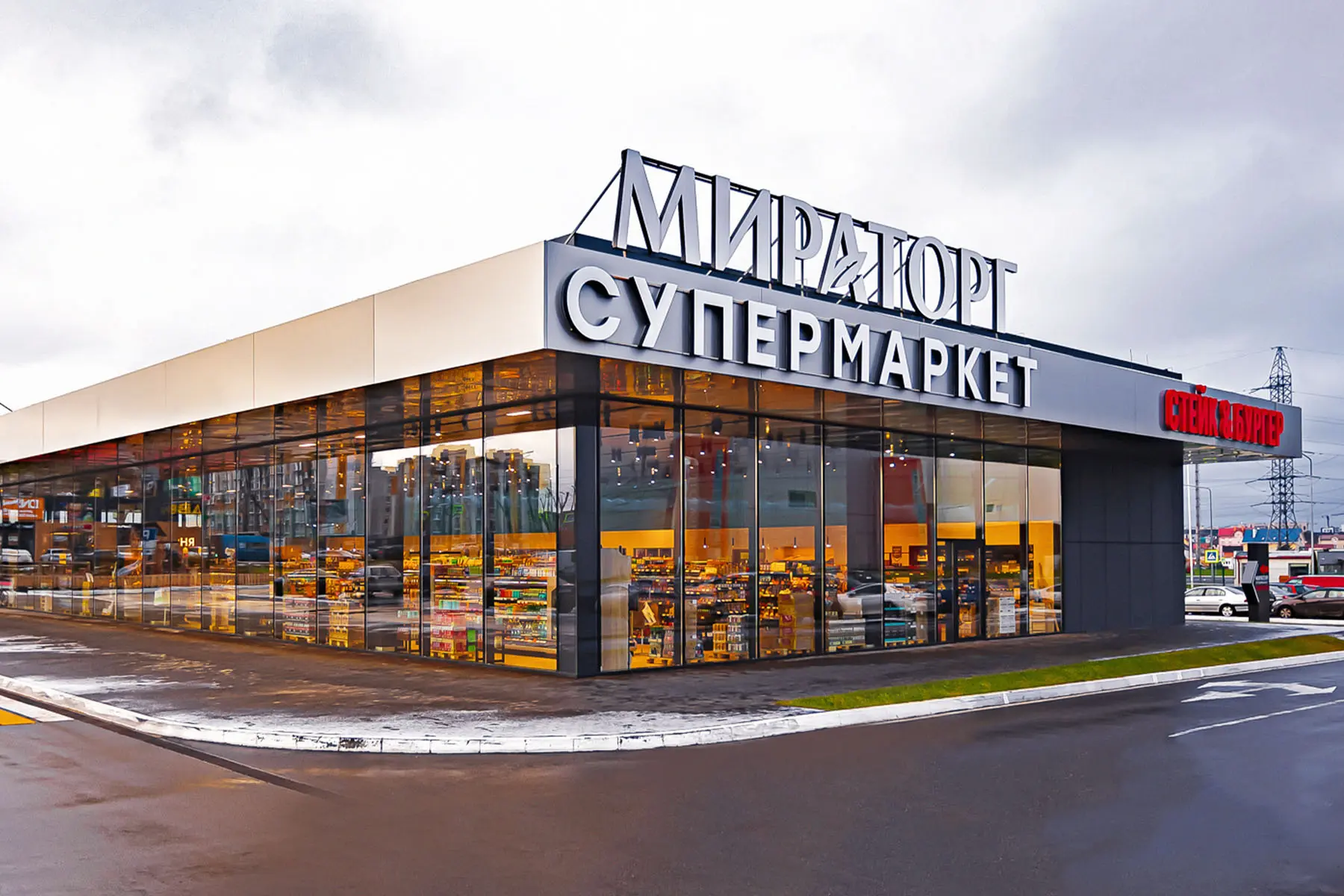
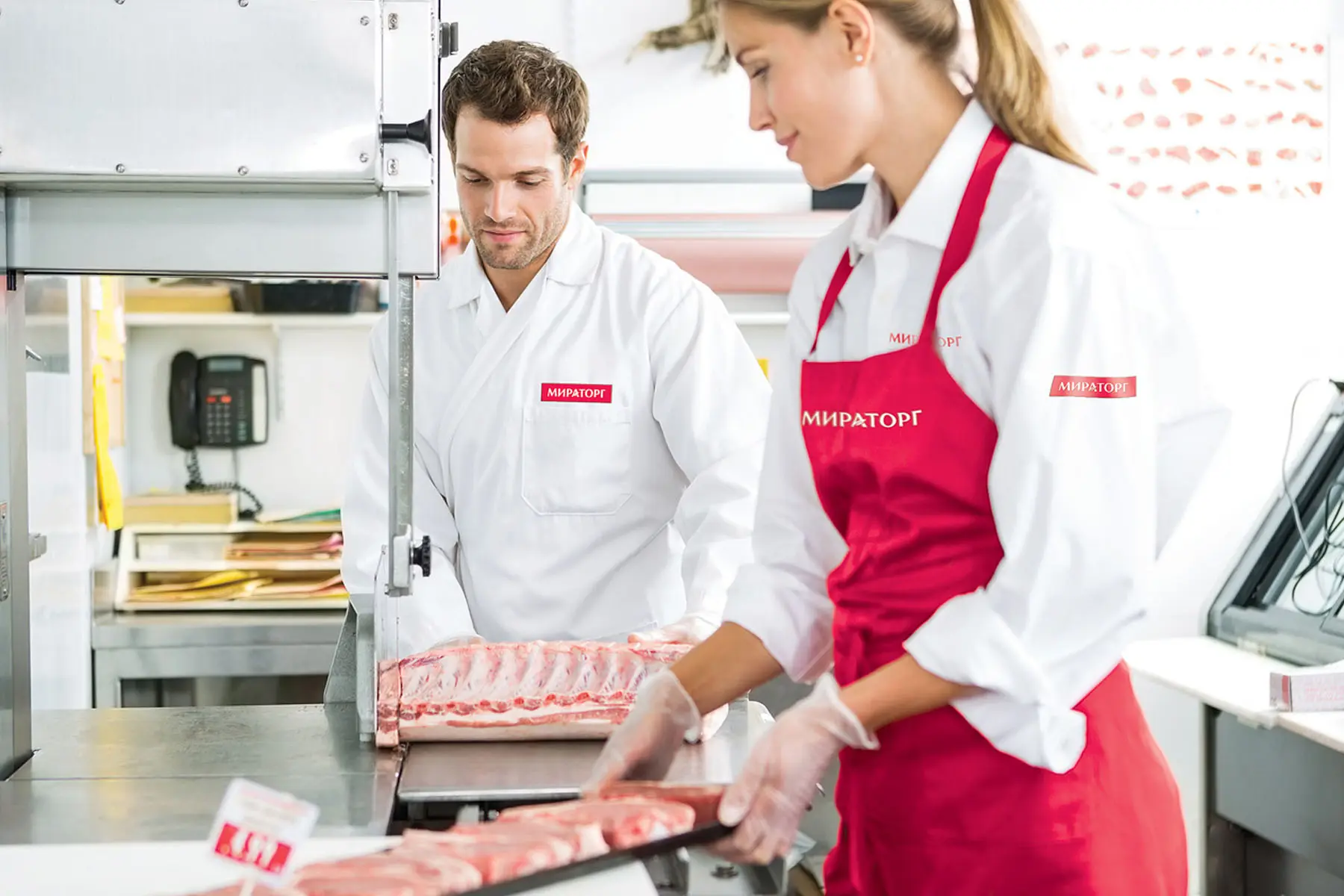
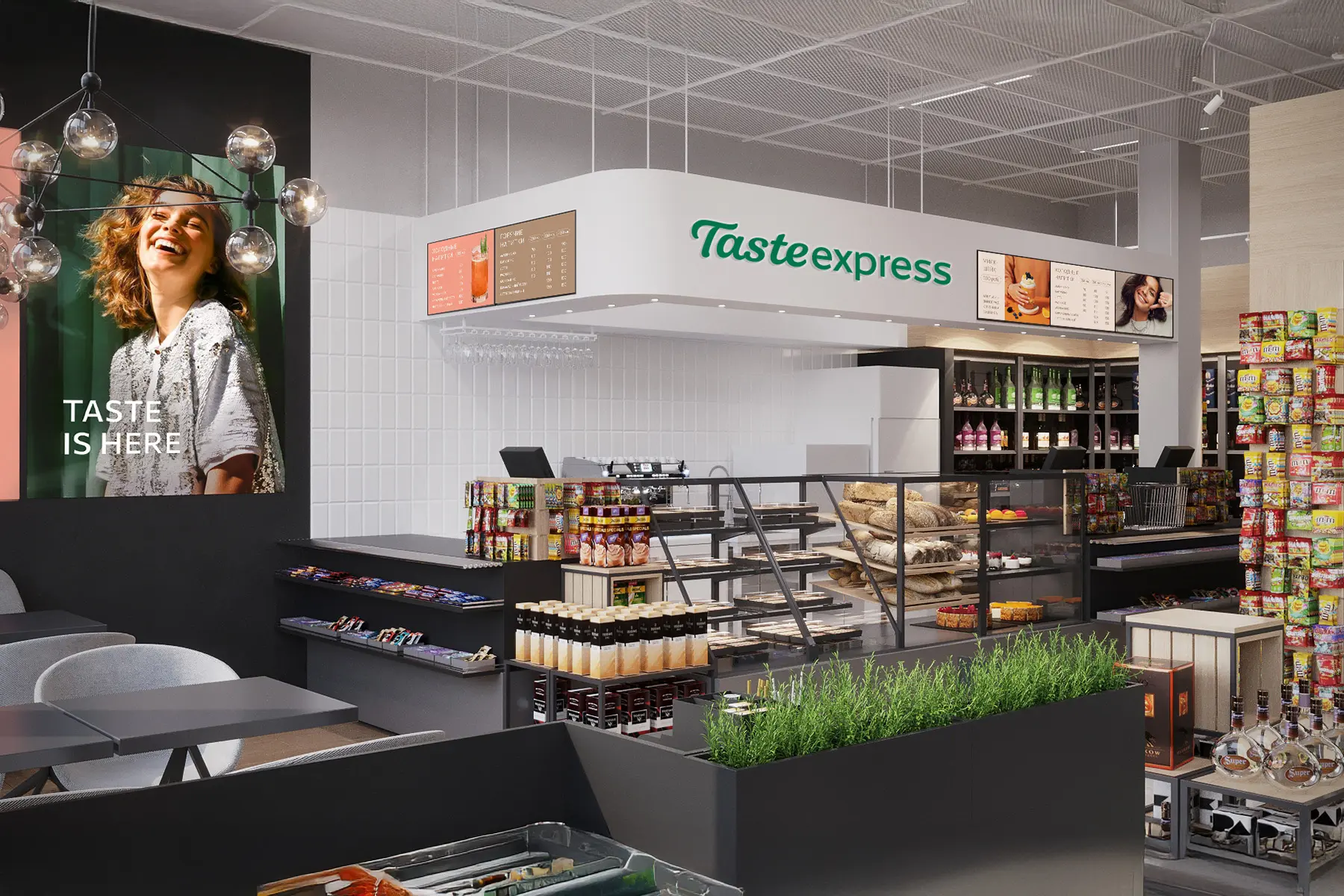
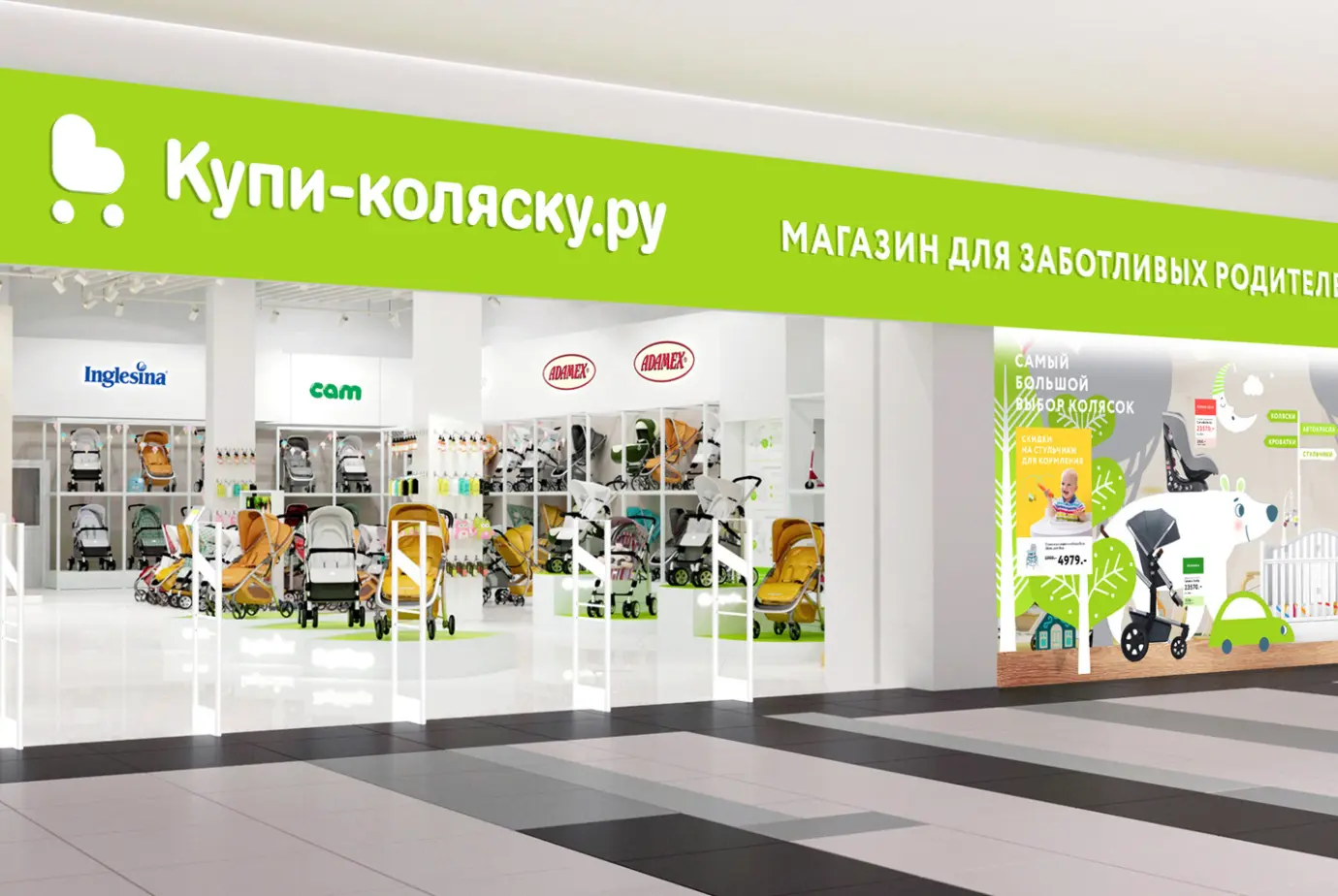
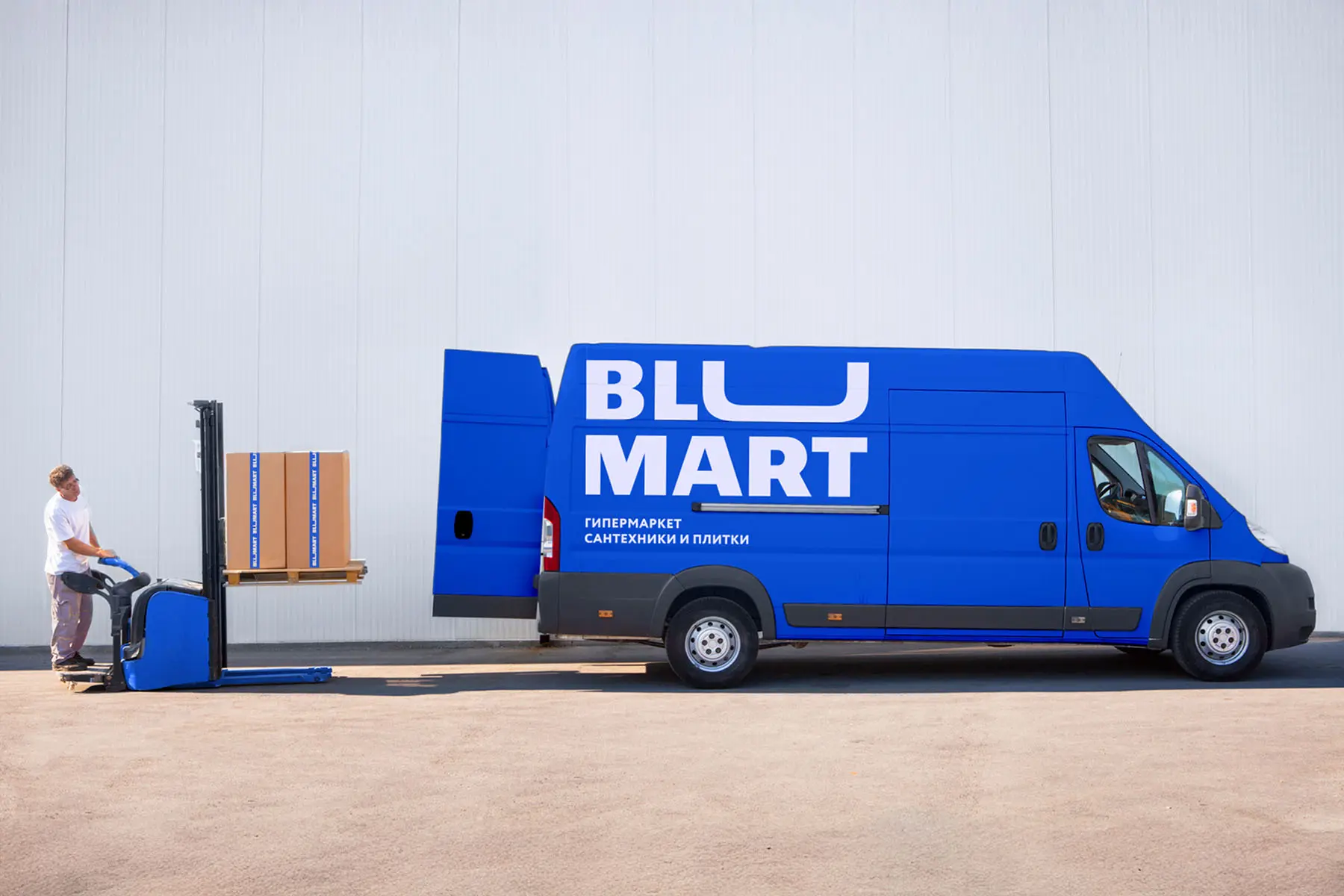
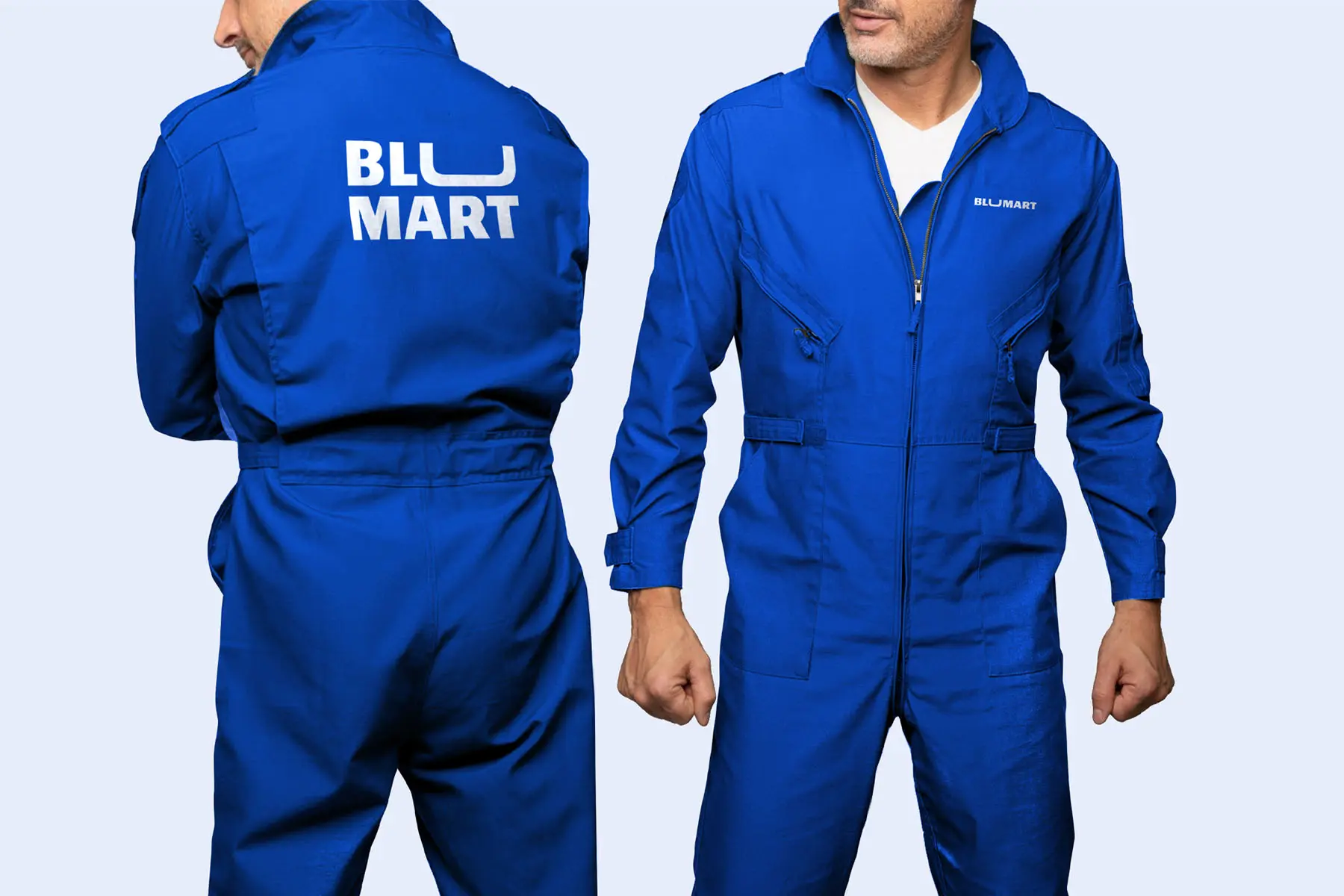
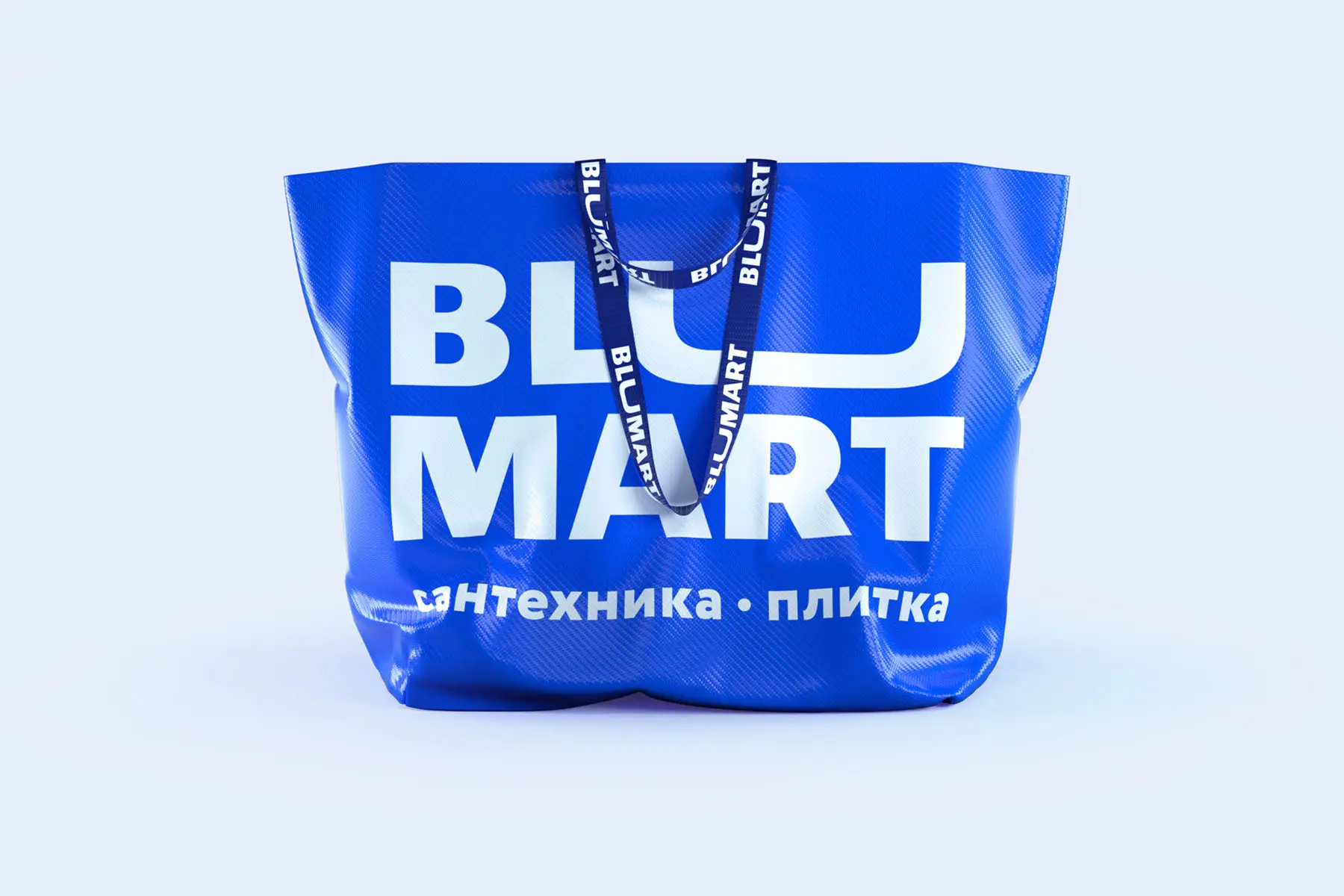
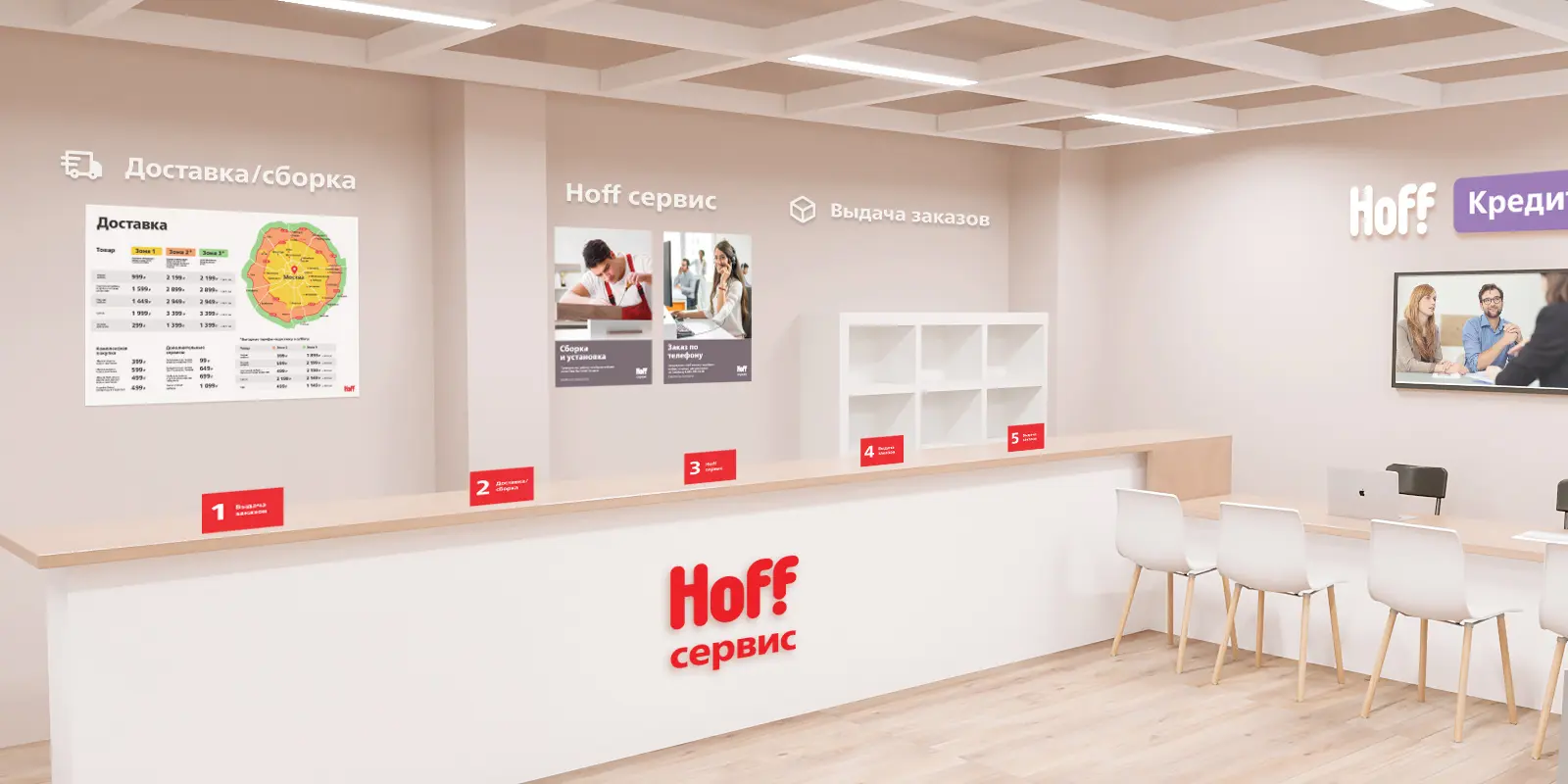
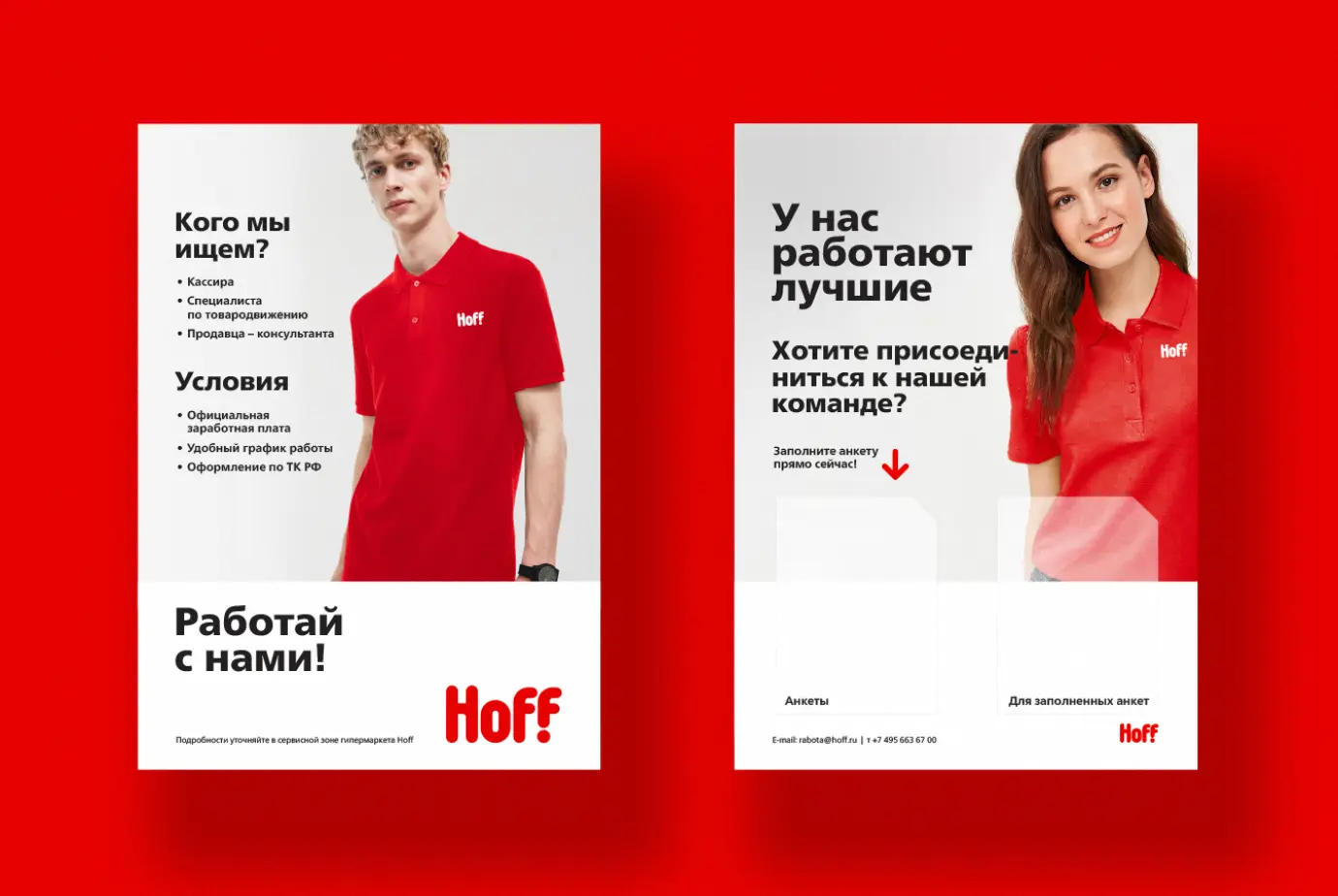
In retail, all identity elements must be integrated into the interior as well as the building façade. Identity applications include all brandable surfaces: the space itself, staff uniforms, vehicles, and POS materials.

The logo must work well on signage, advertising posters, and interior elements. Specialists often test the name together with the logo on focus groups to validate the choice. Thoughtful development of every visual solution forms the brand’s “face” and emphasizes its uniqueness. Careful attention to detail is a key factor in long-term success.

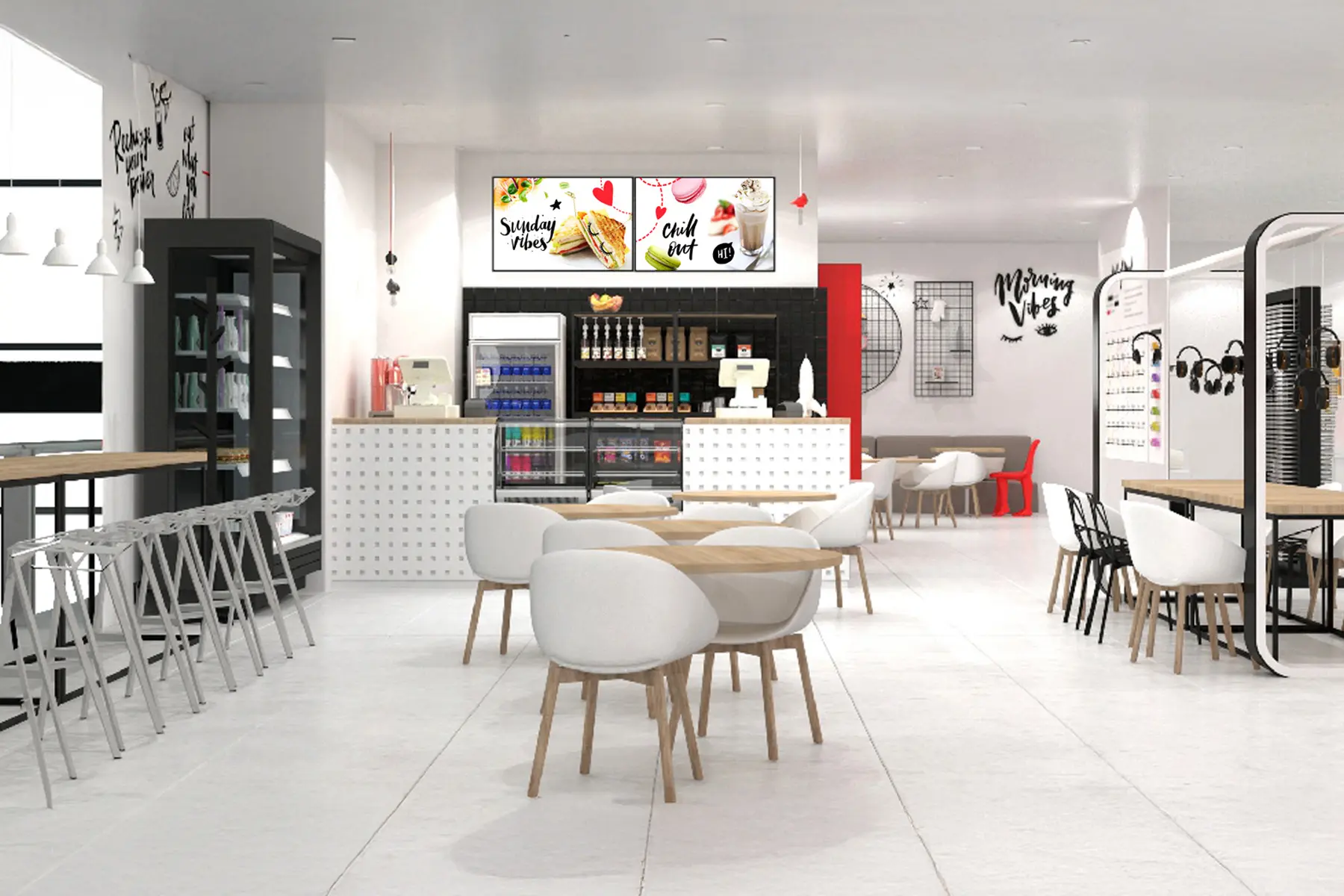
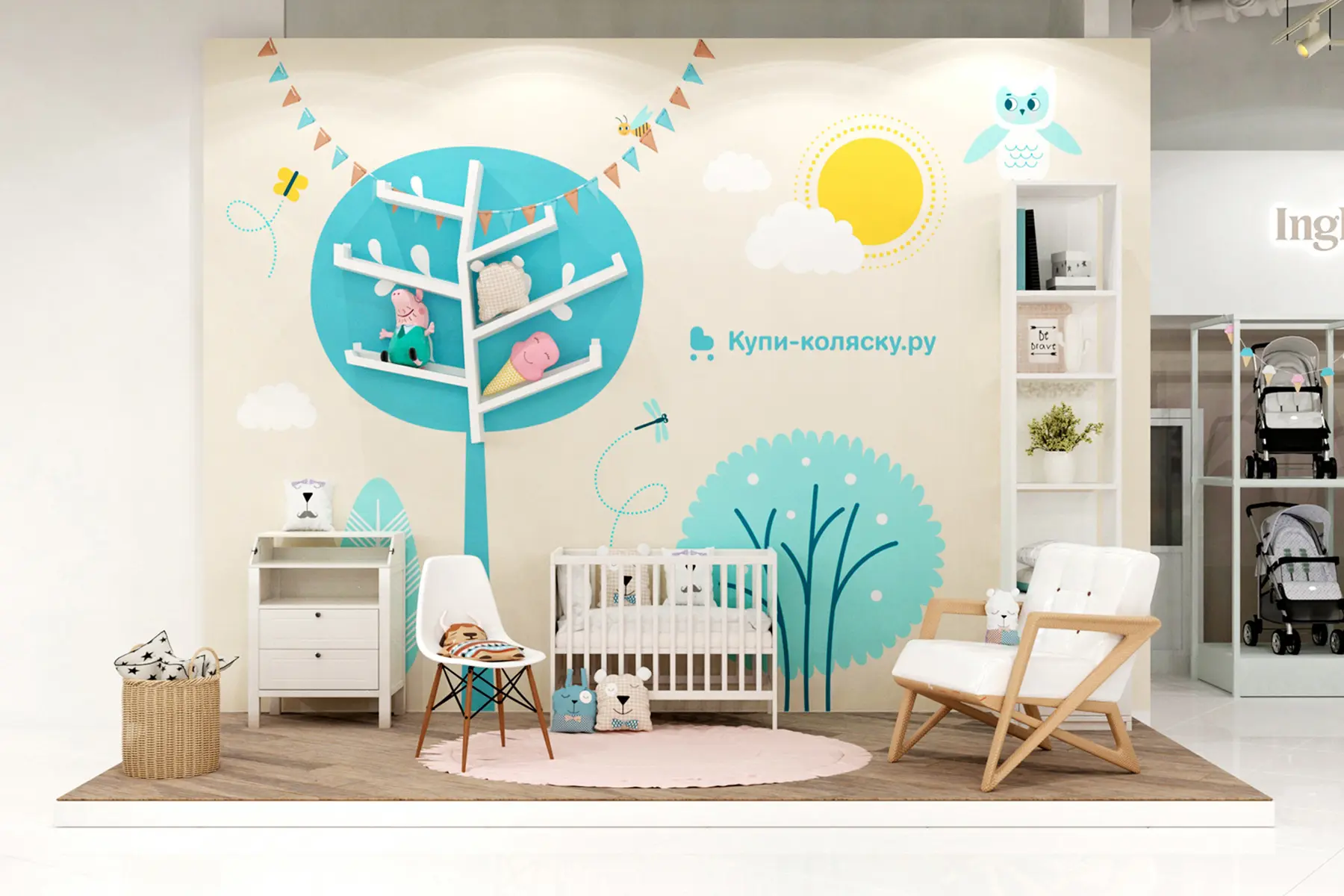
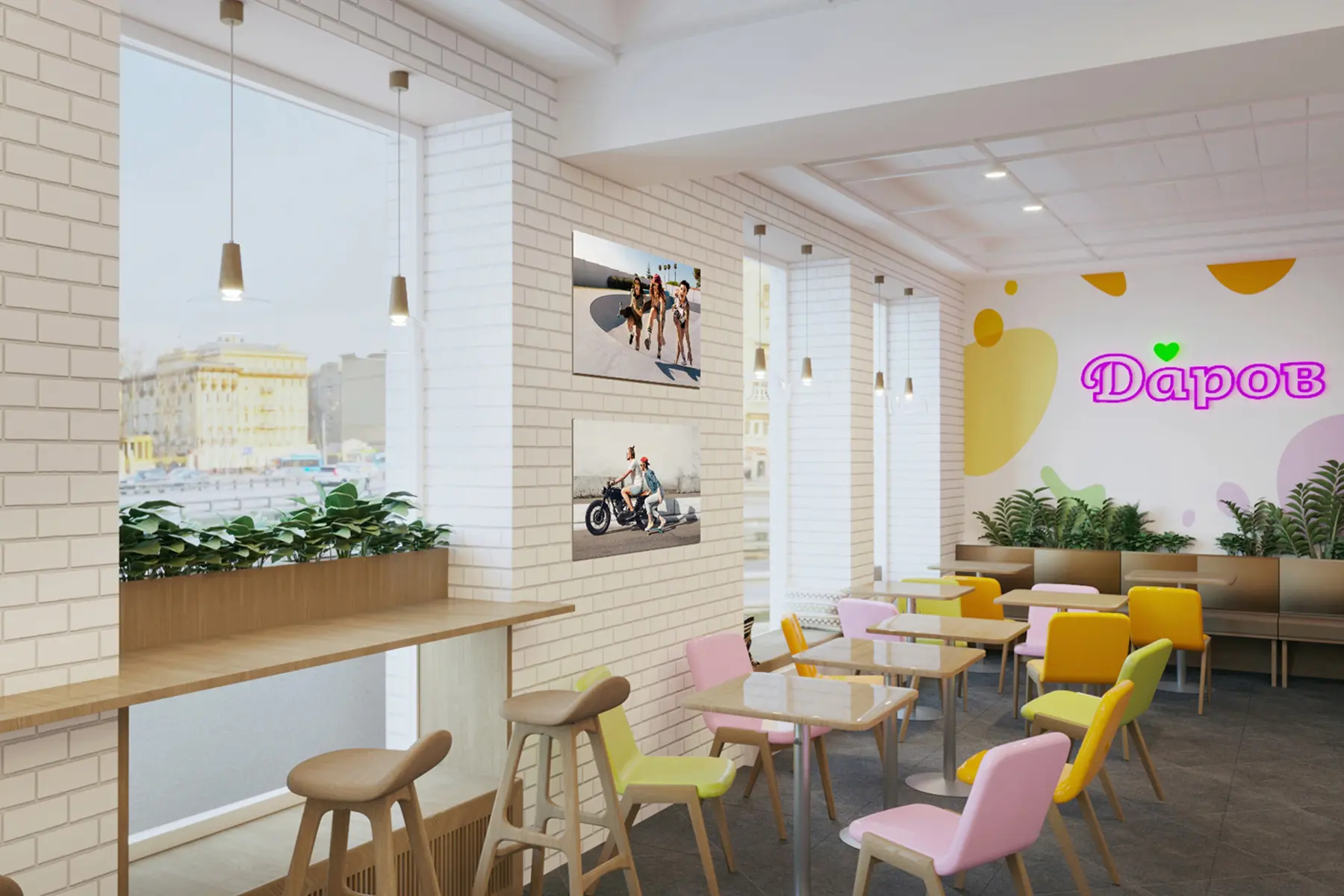
Taking market specifics into account, a functional retail space design is created. Well-considered interior and façade solutions provide a comfortable atmosphere for visitors and encourage purchases.

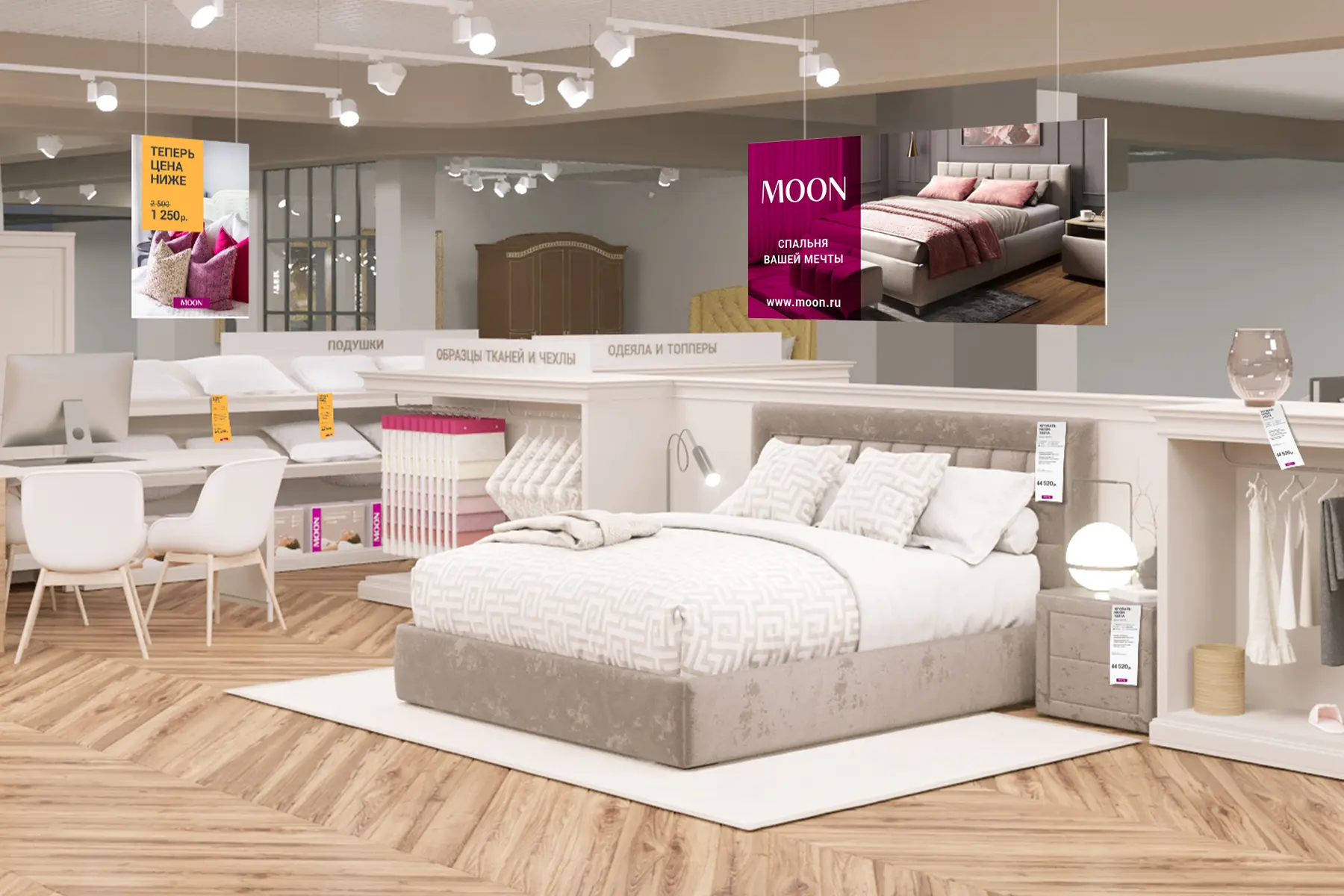
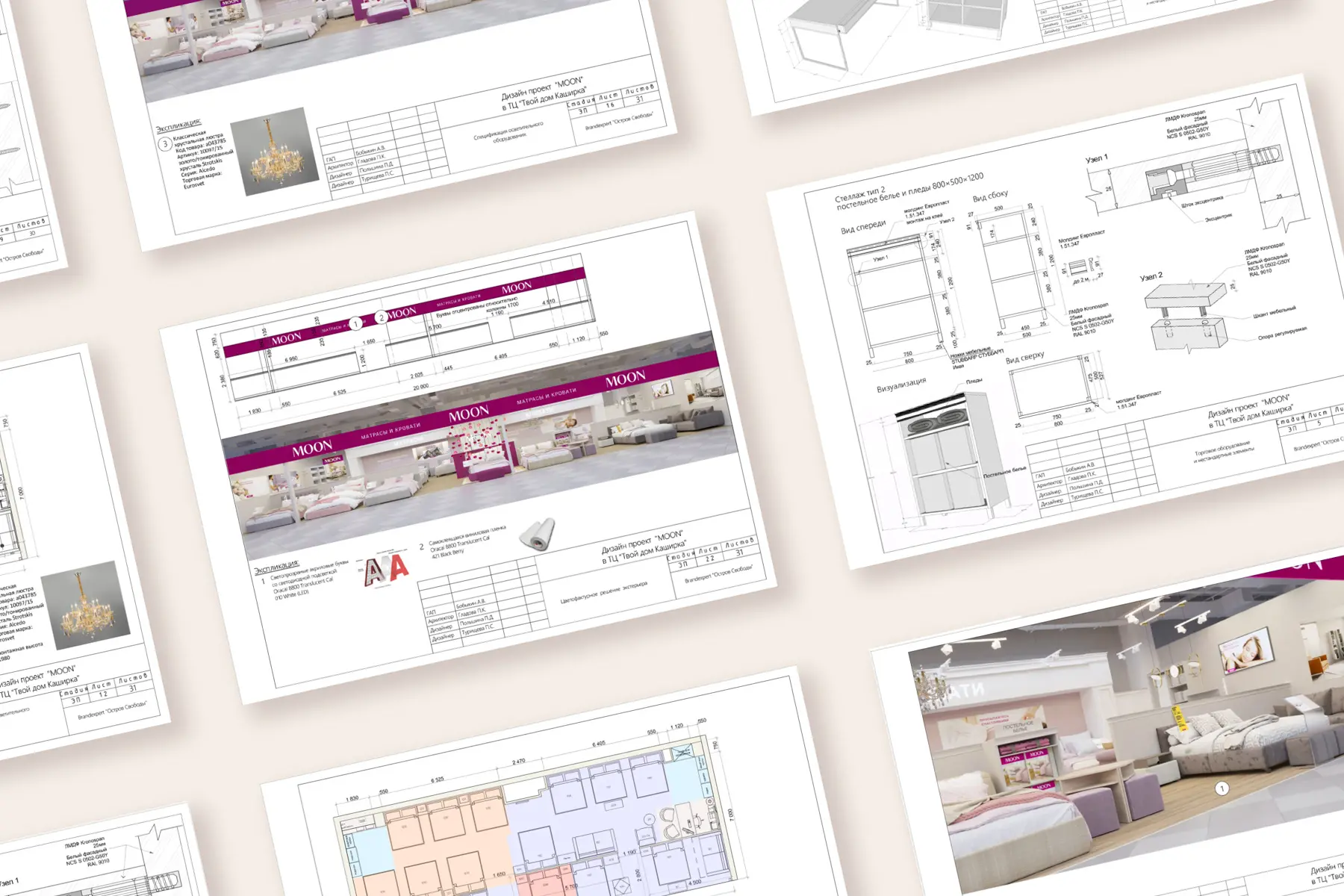
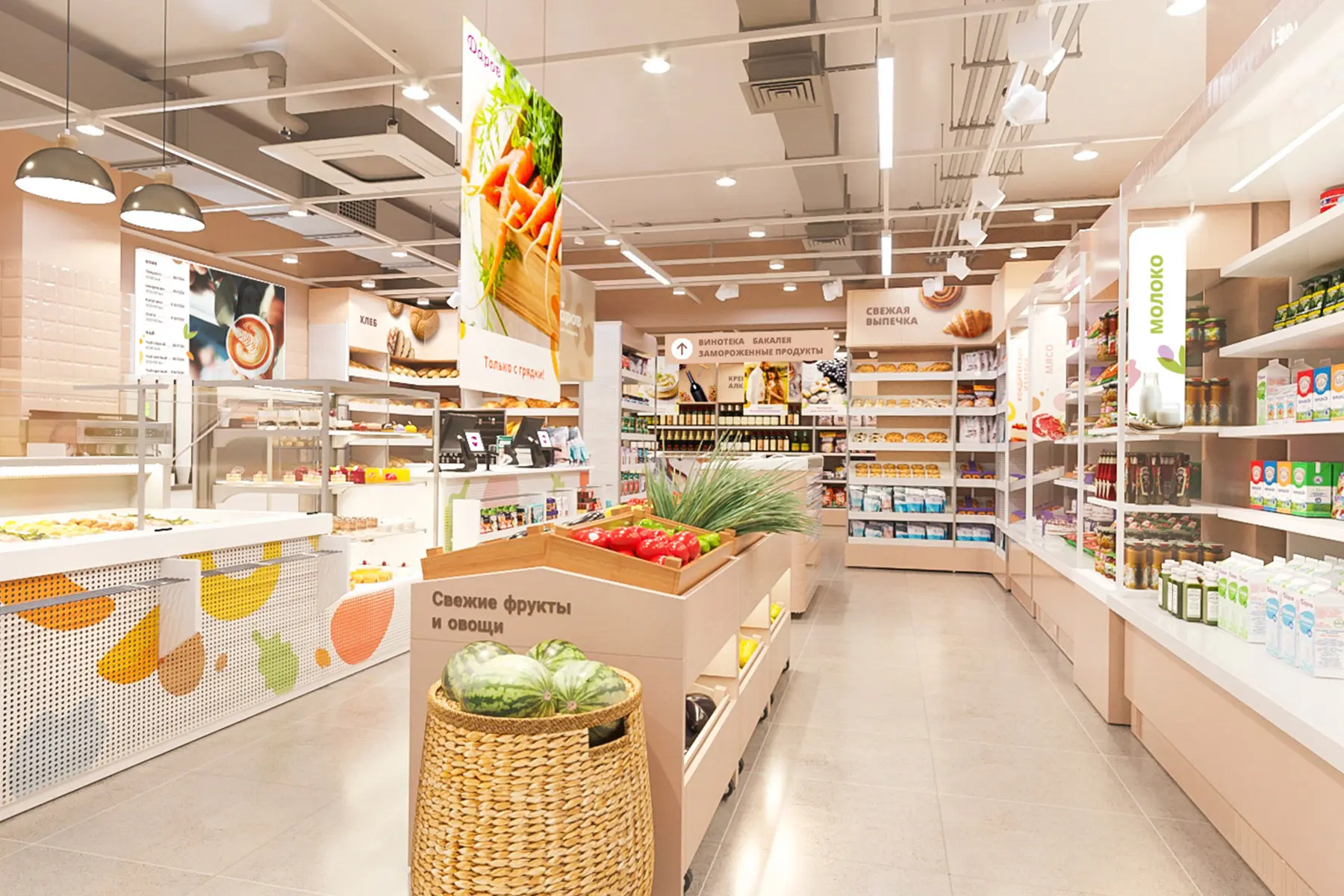
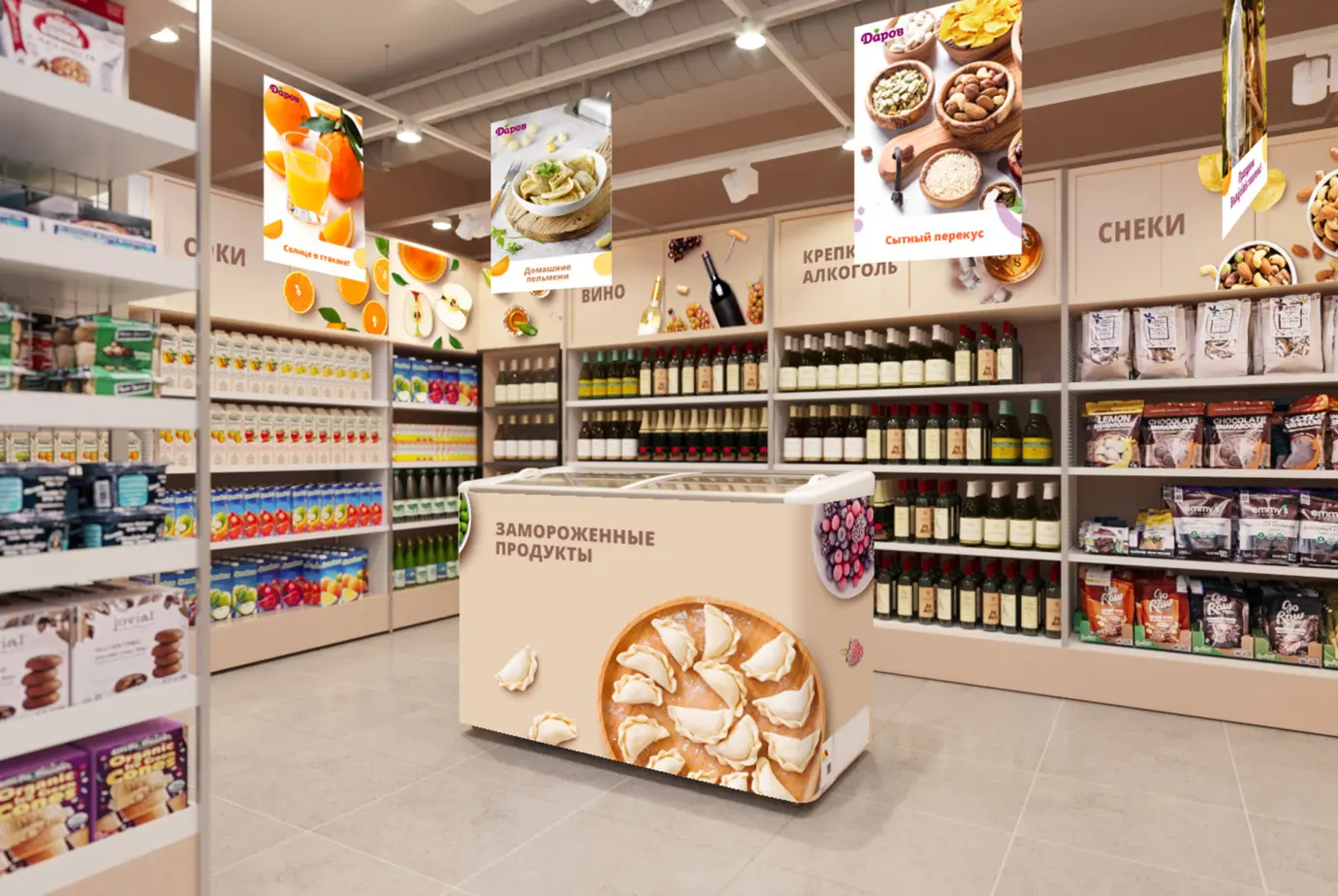
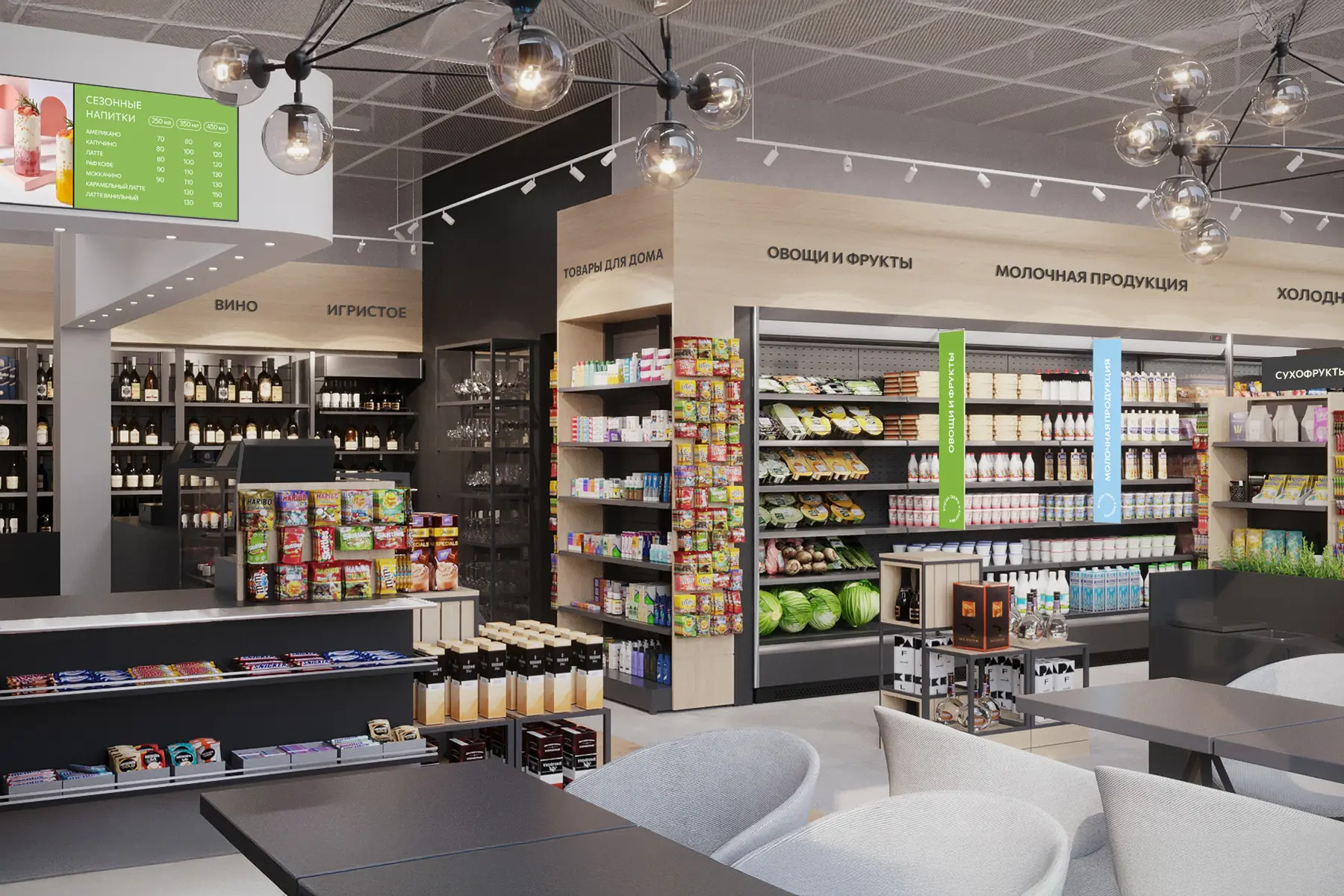
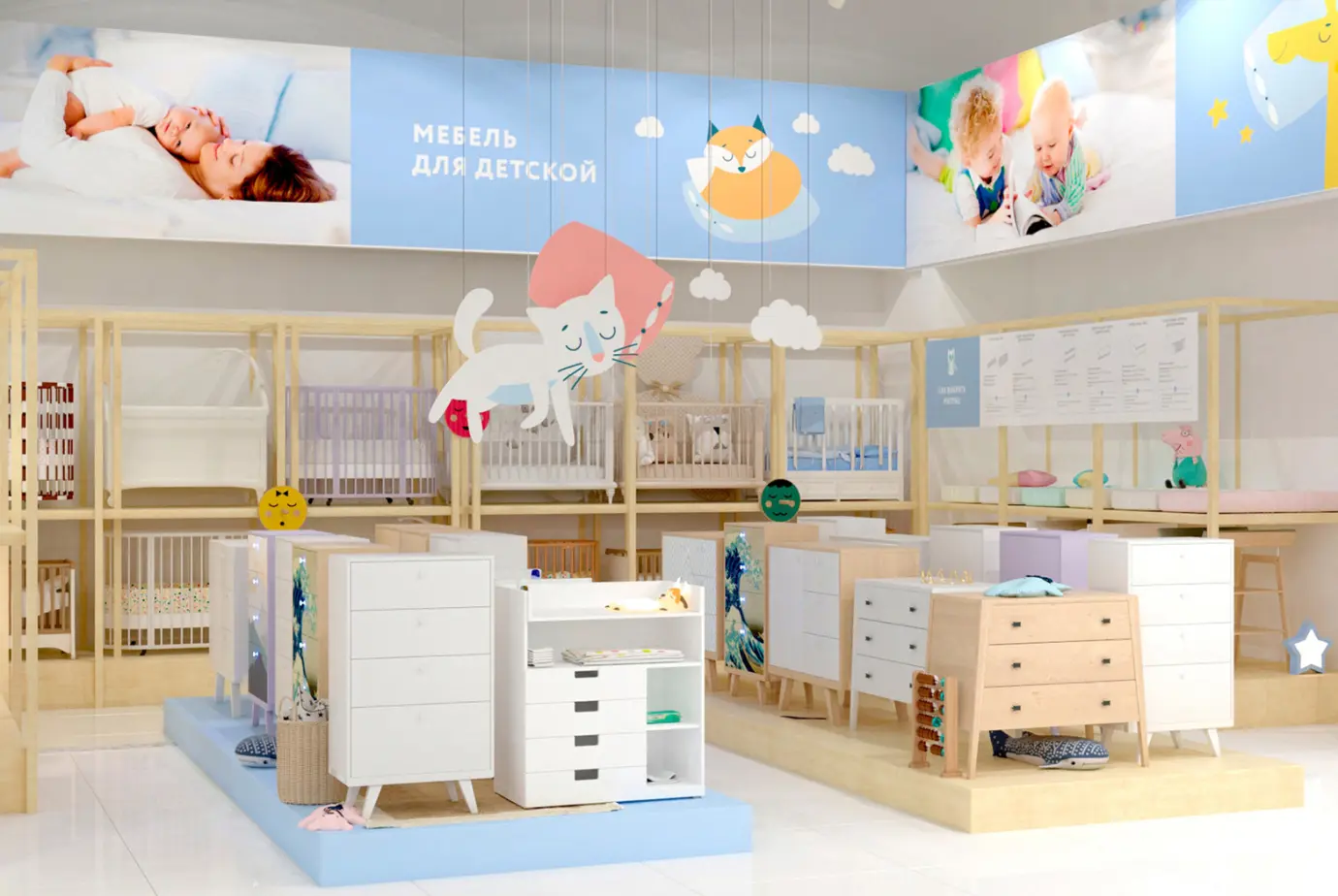
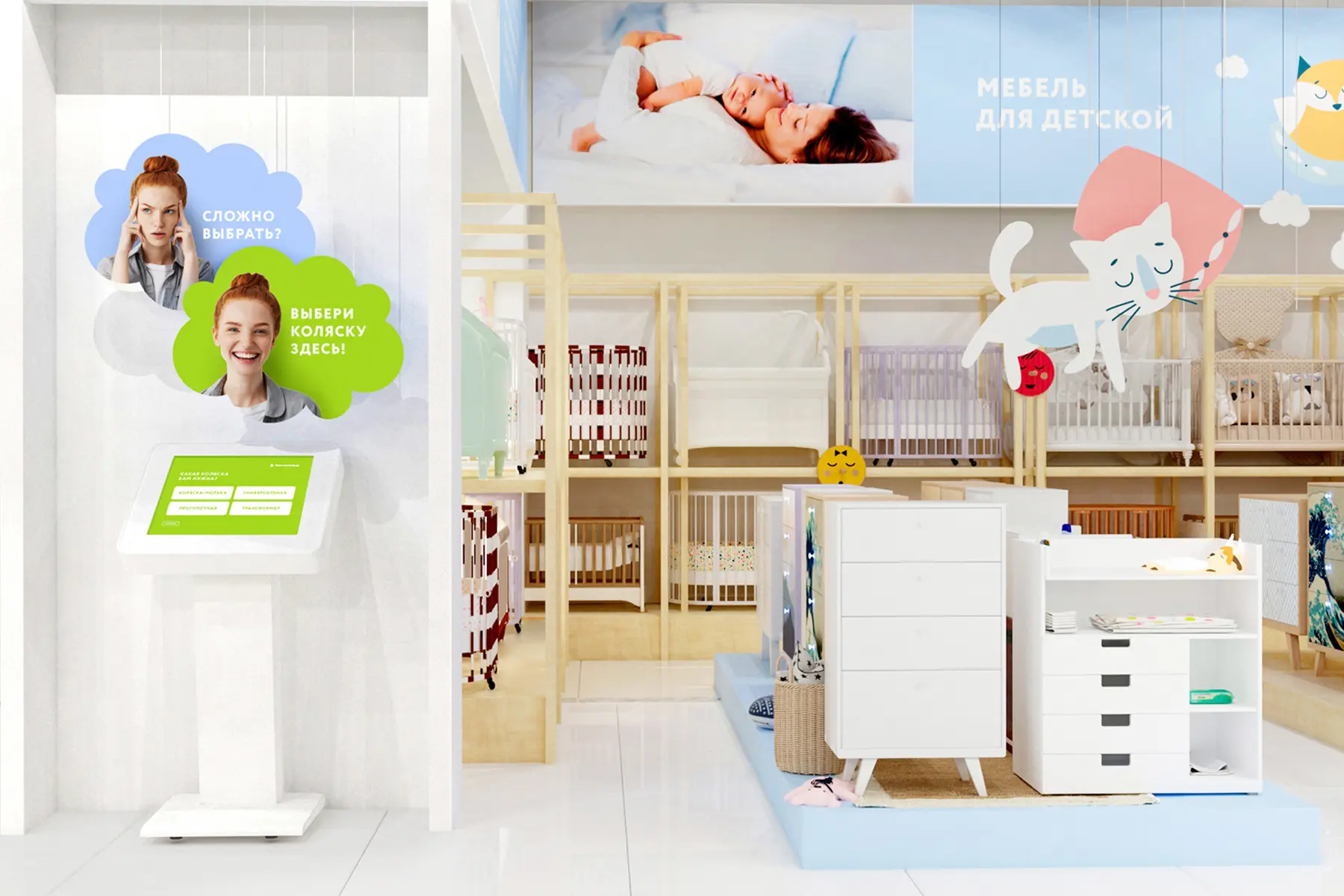
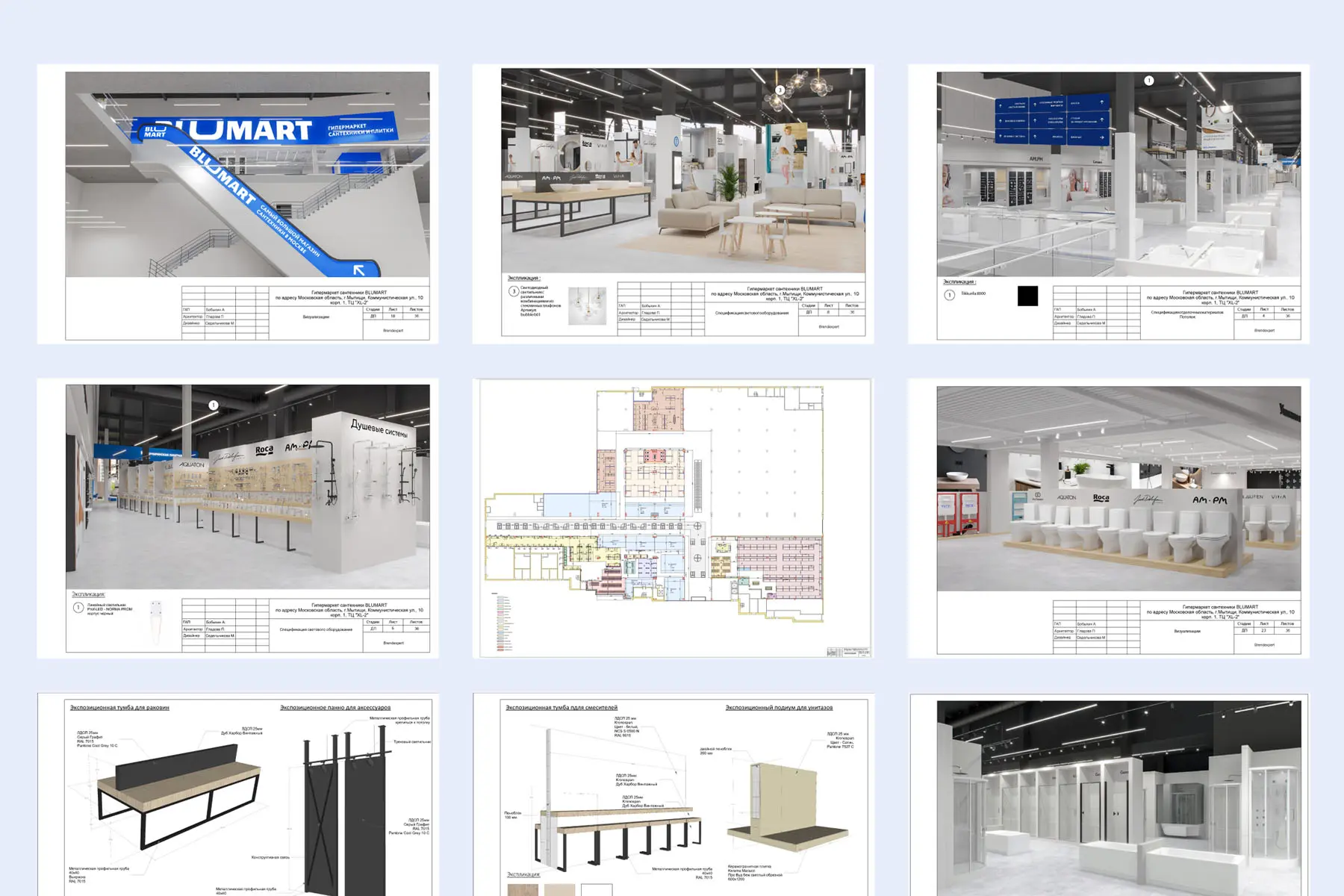
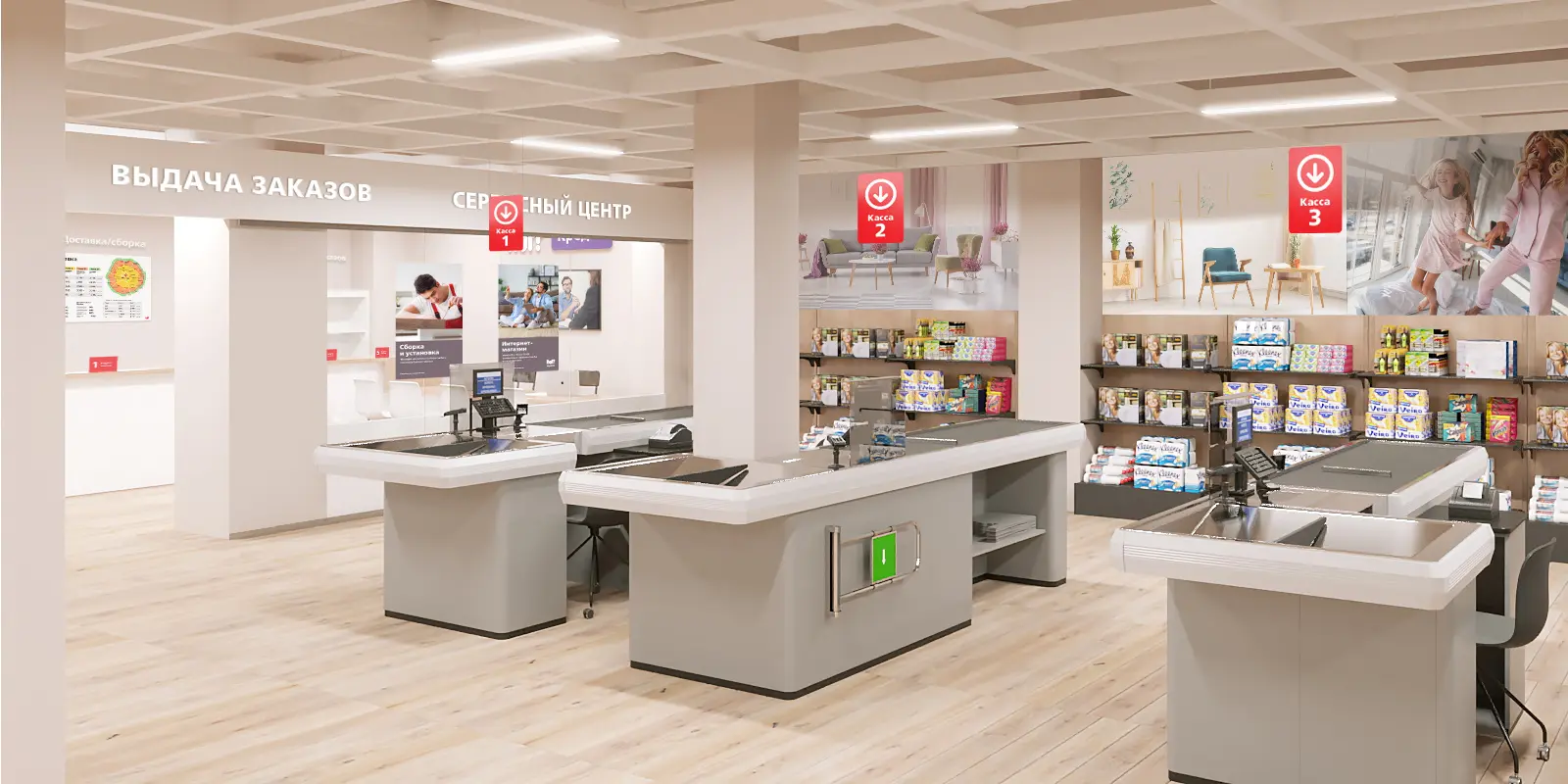
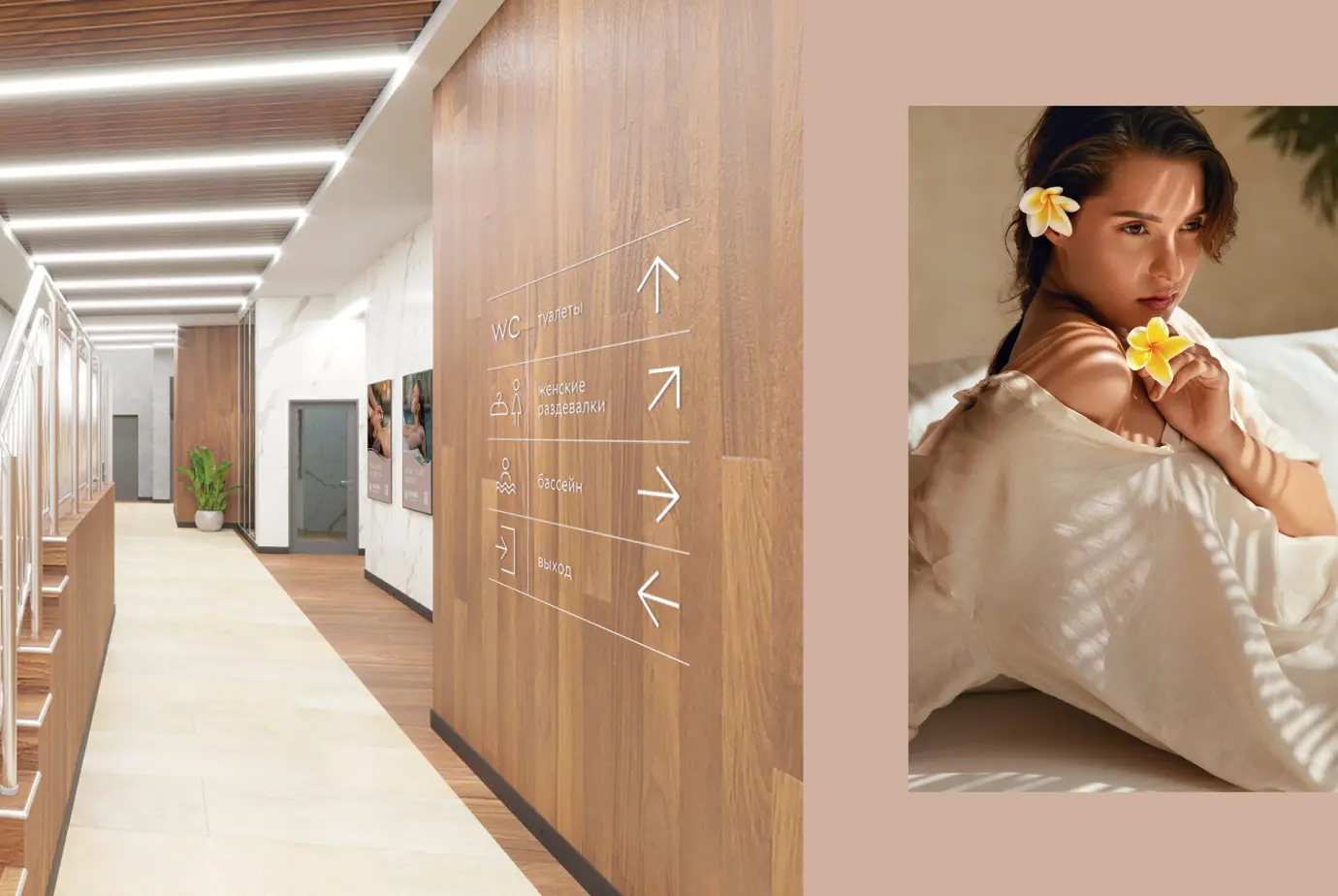
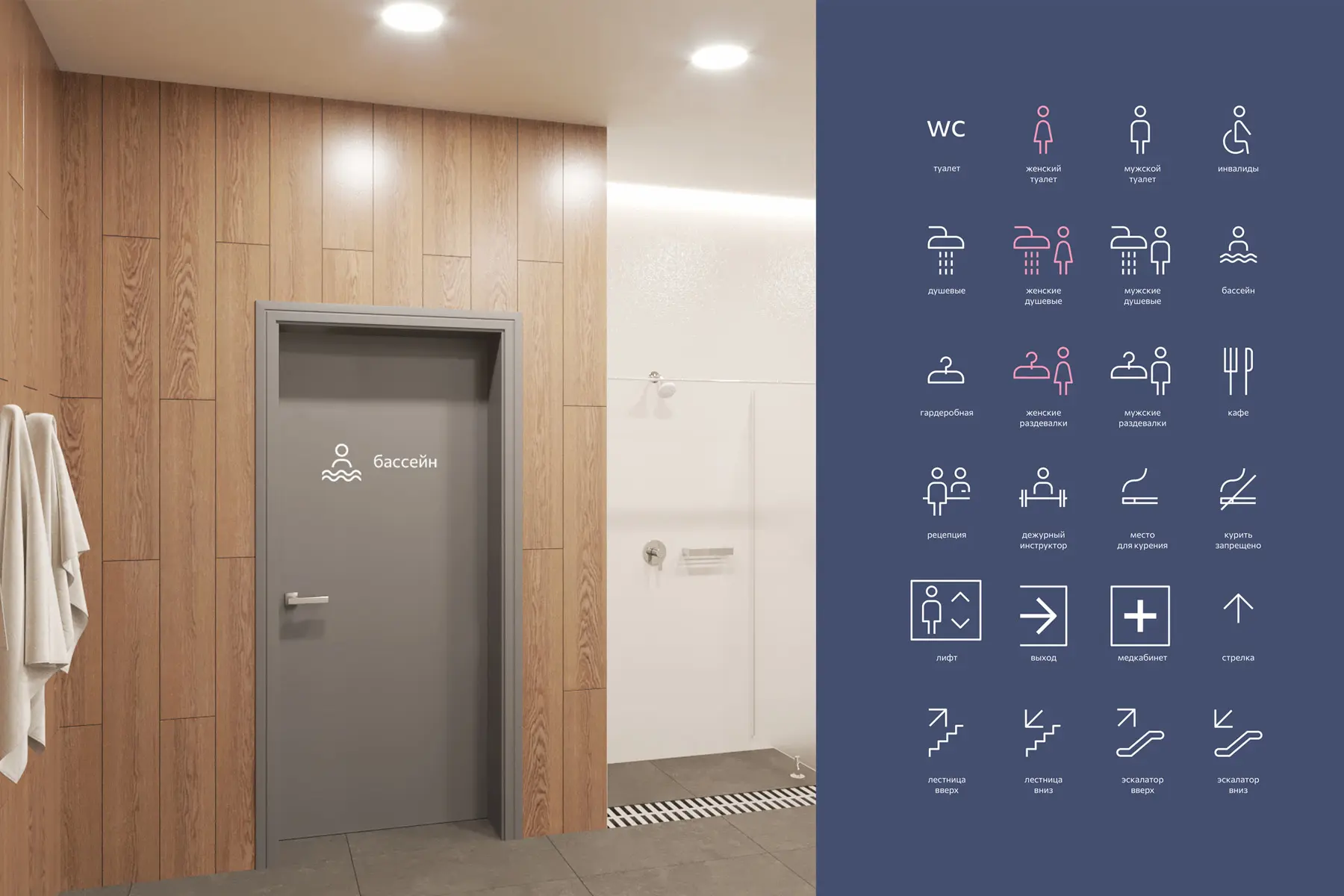
Interior design is developed step by step. First, the overall direction and concept are approved. Once the concept is selected, the team moves on to detailed elaboration: zoning, floor plan, and in-store navigation. Signage for departments, checkouts, exits, and staff areas is essential. Merchandising principles are worked out. Furniture, finishing materials, and lighting are selected. Technical documentation is prepared.

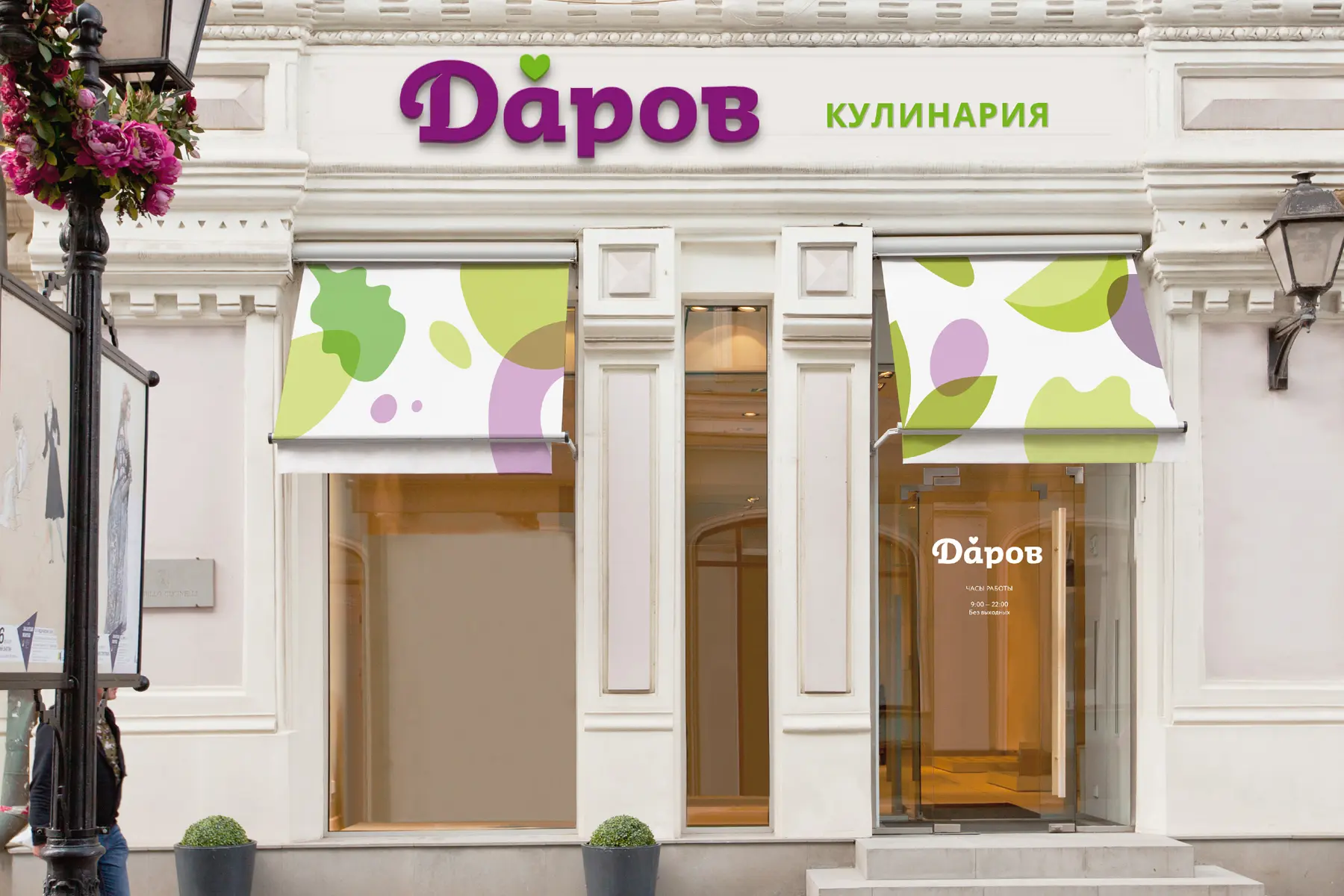
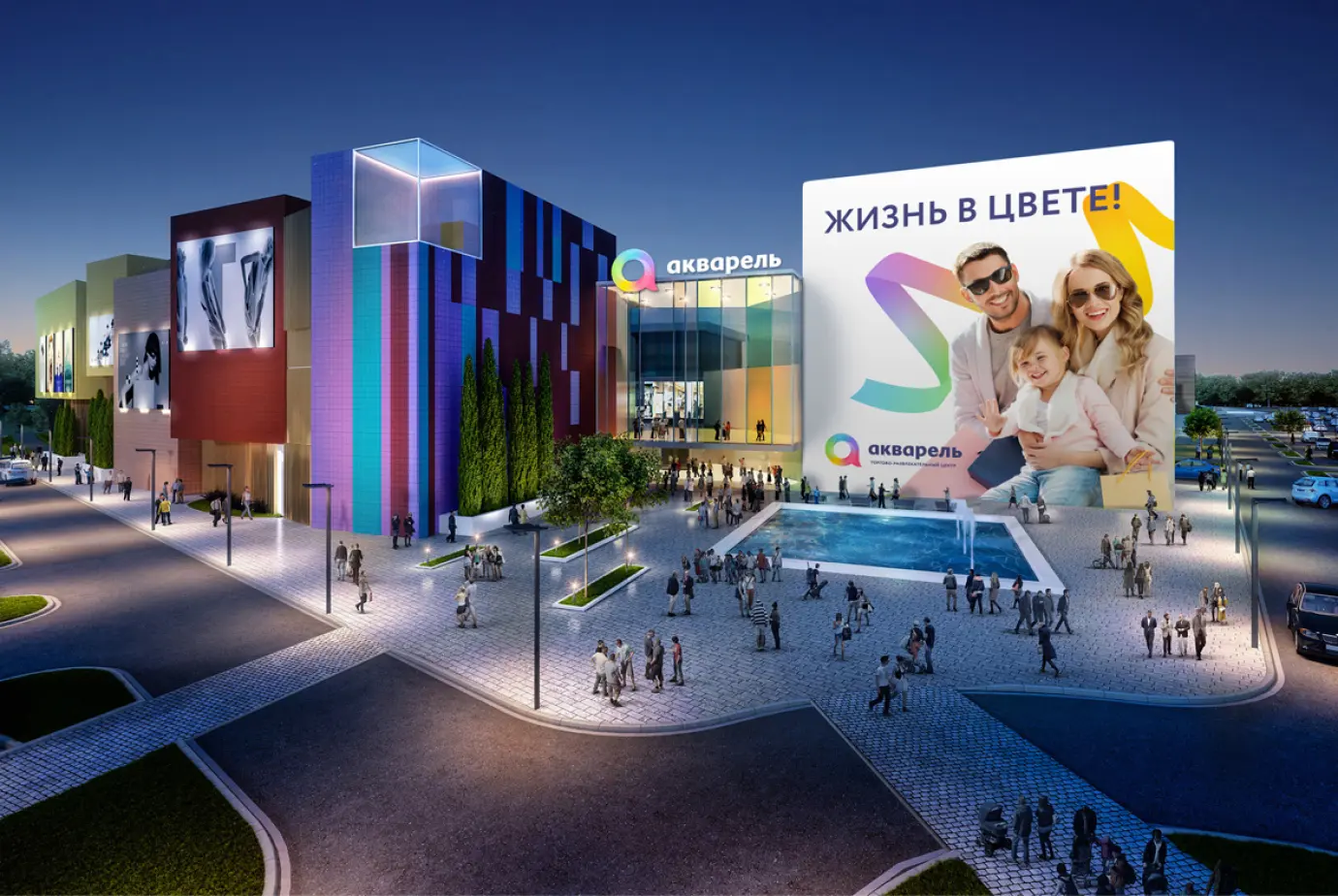
Exterior design is also planned — this includes the façade, storefront windows, outdoor advertising, and other elements. The façade helps customers recognize the brand in the urban environment and provides the first impression.

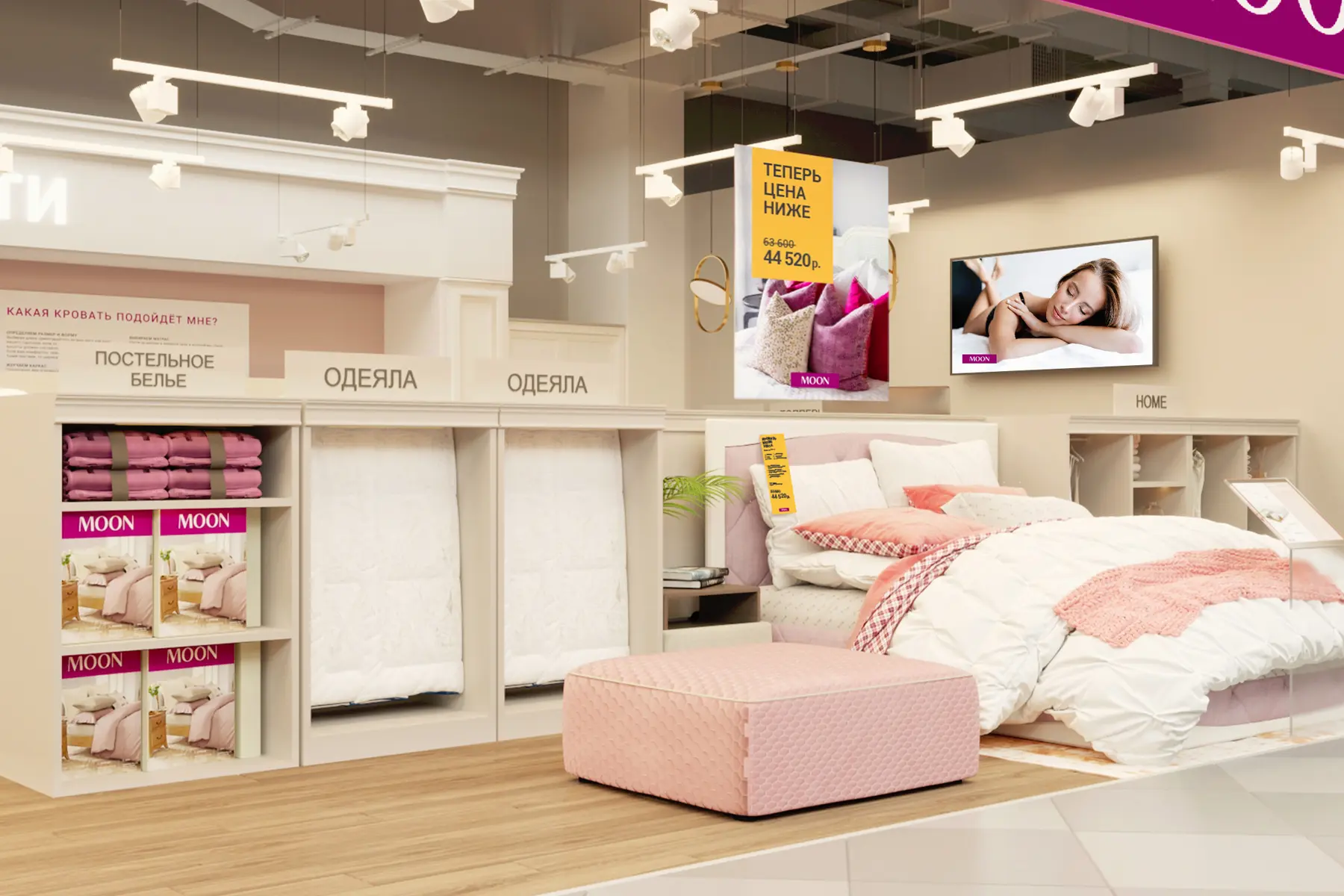
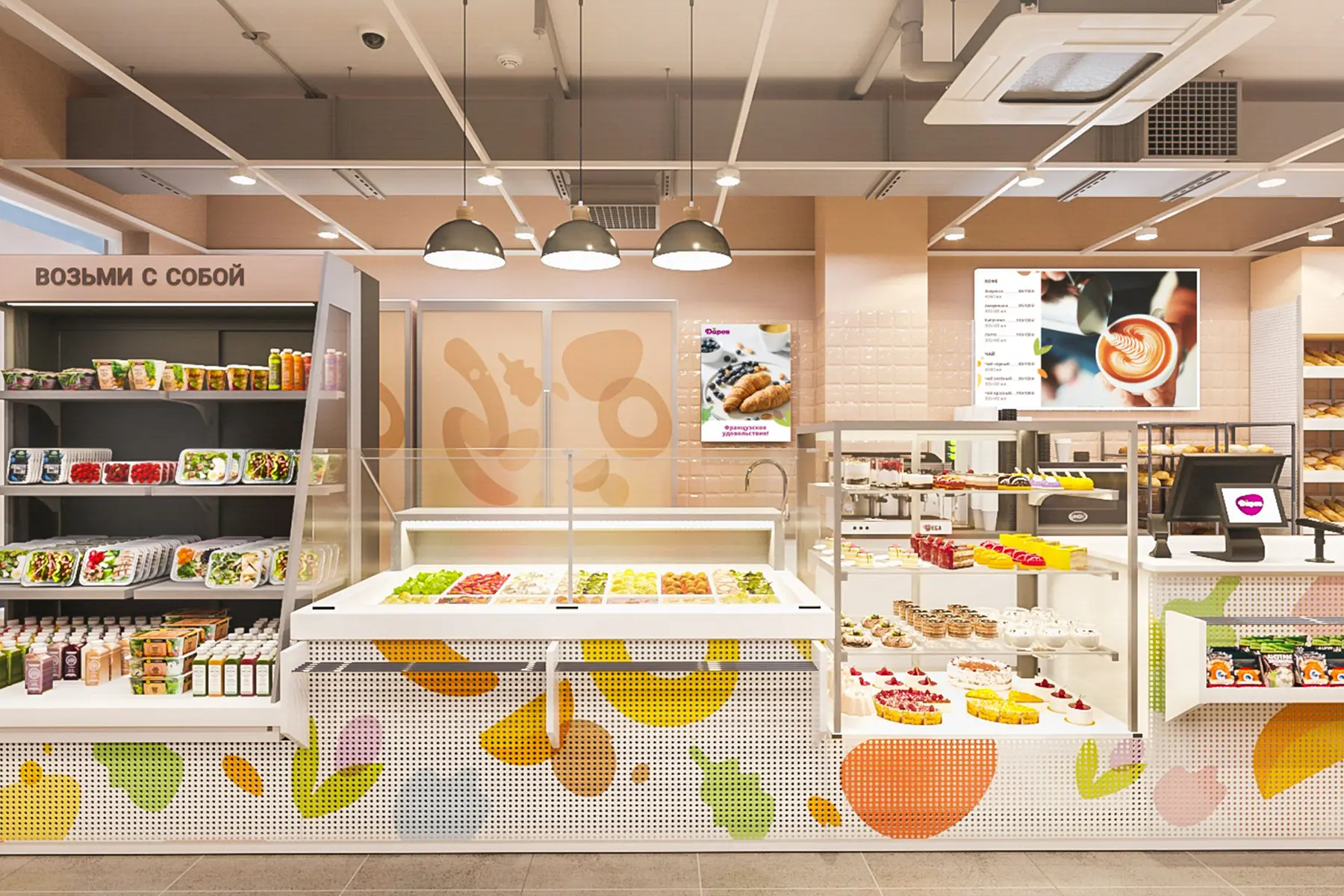
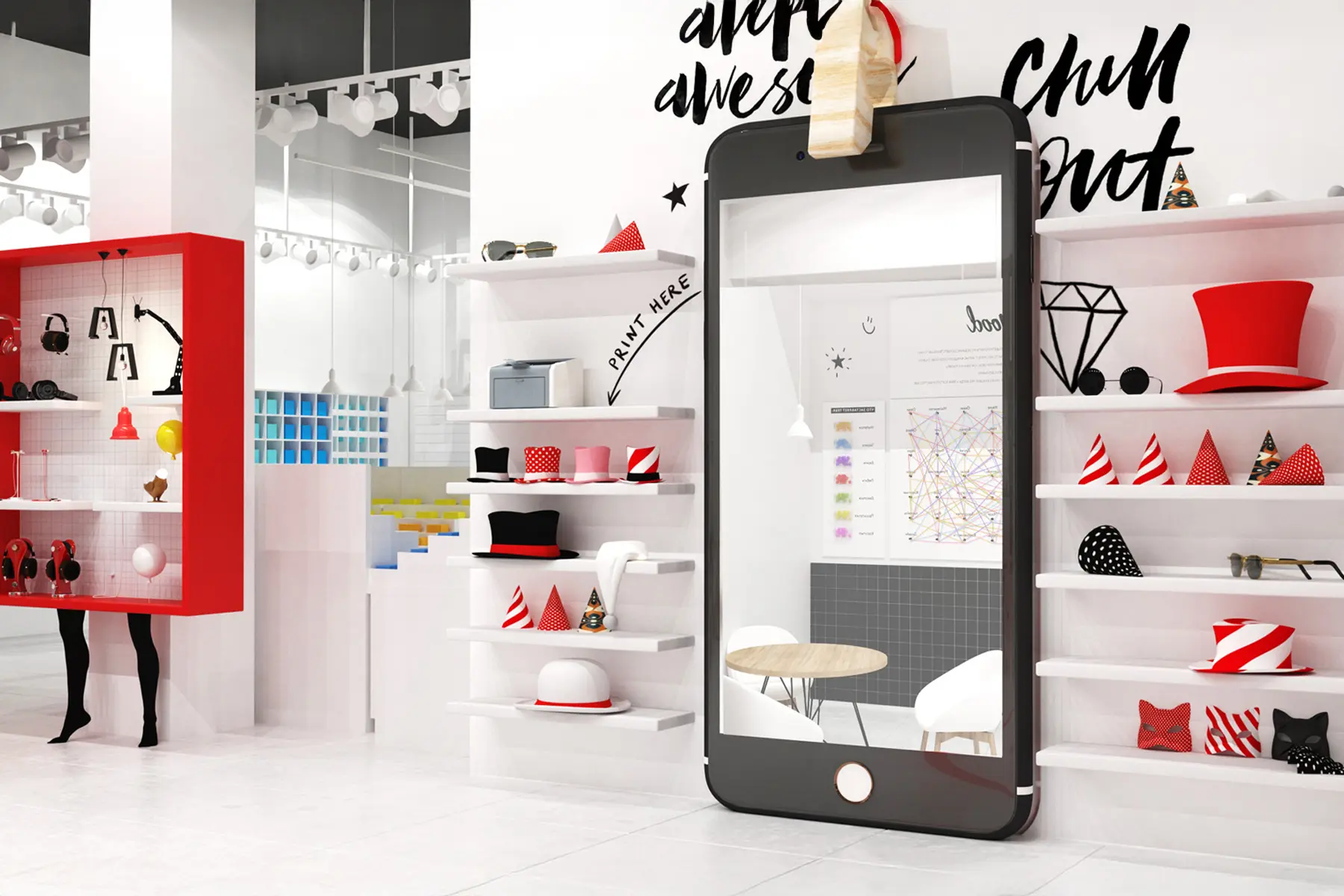
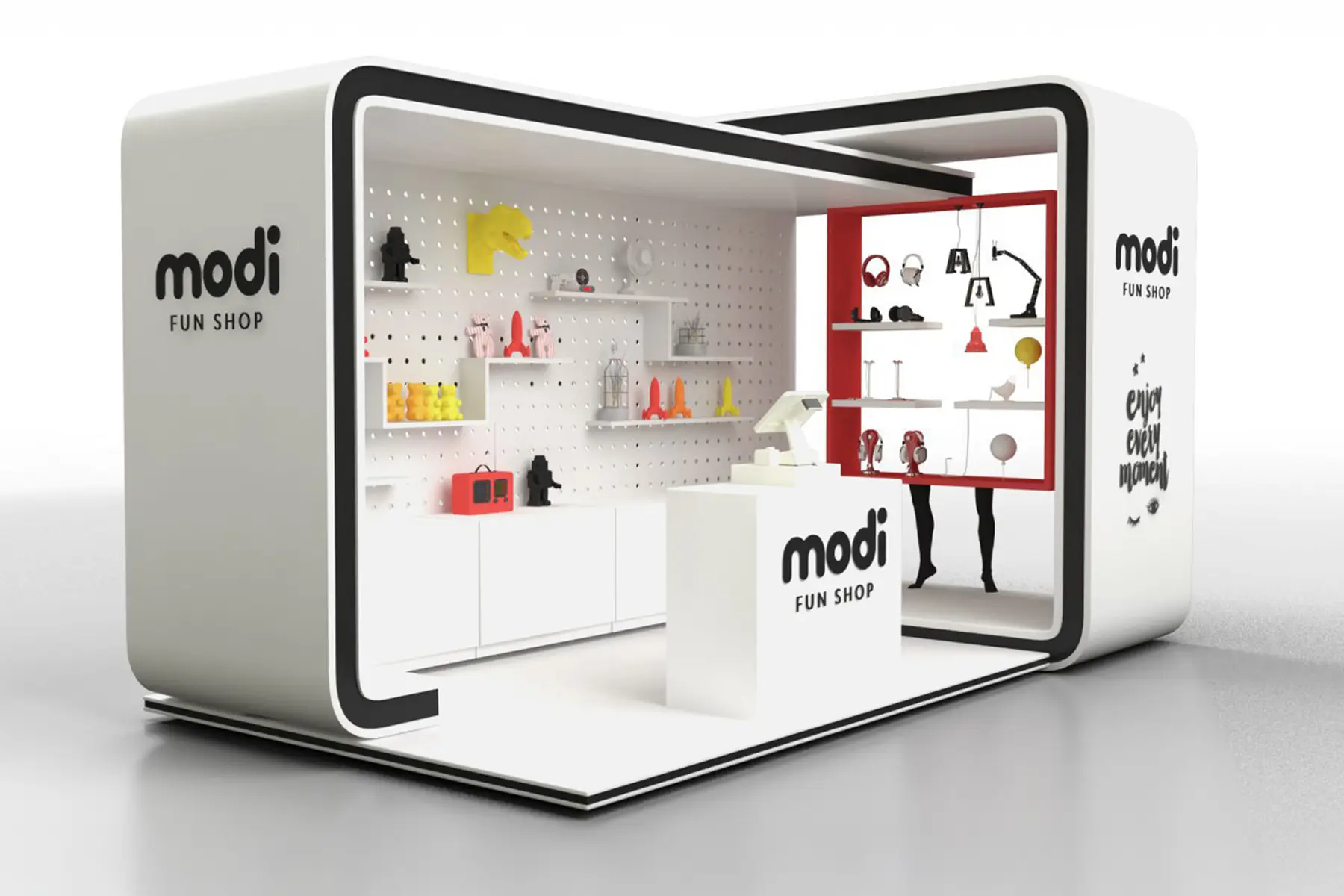
To add uniqueness to the brand’s visual style, additional customization of equipment is often developed. Retail equipment not only supports product display and sales — it also functions as a branded advertising surface.

Branding of technical equipment strengthens the brand image and improves competitiveness. Well-designed retail equipment attracts attention, sparks interest, and helps create a positive customer experience.

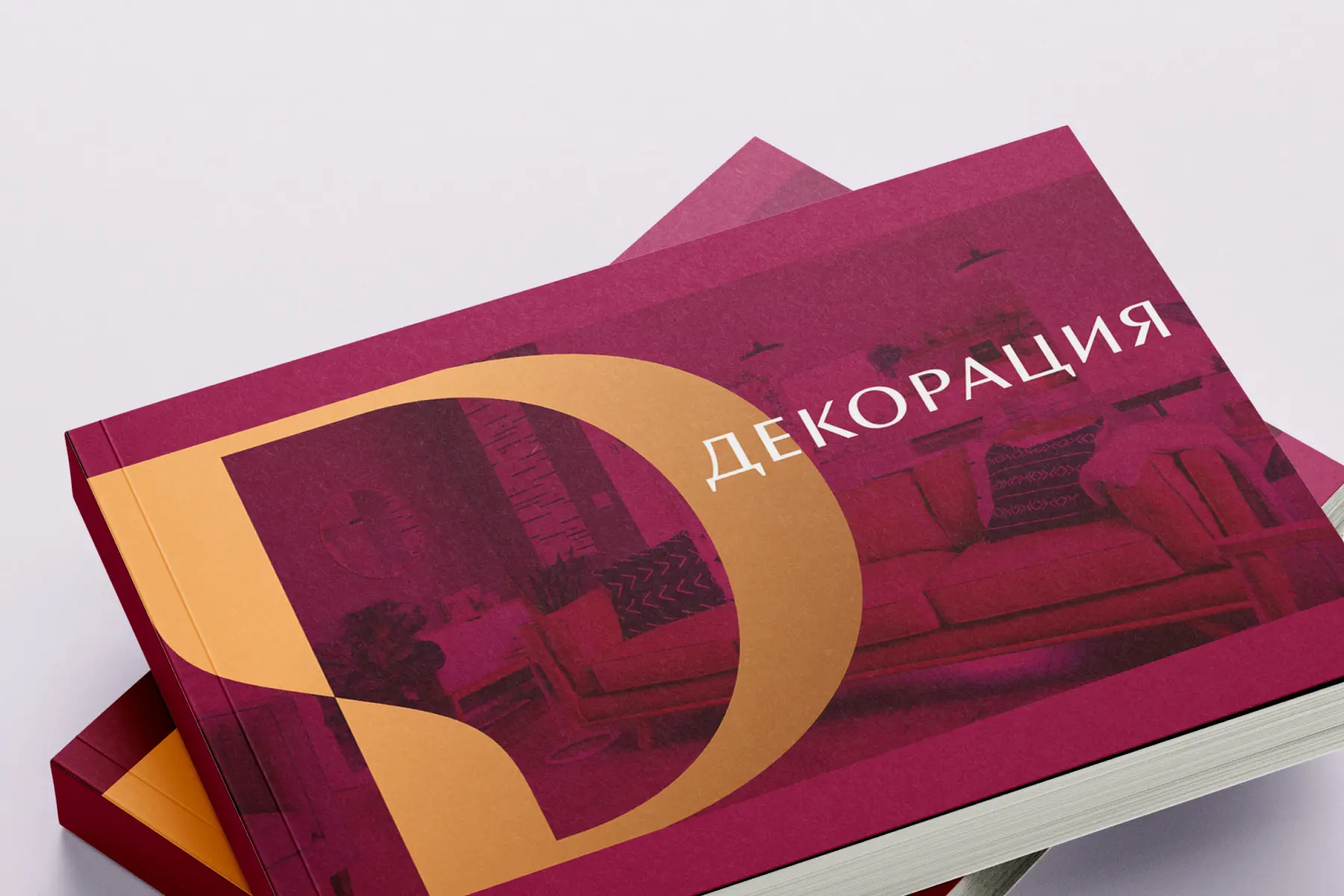
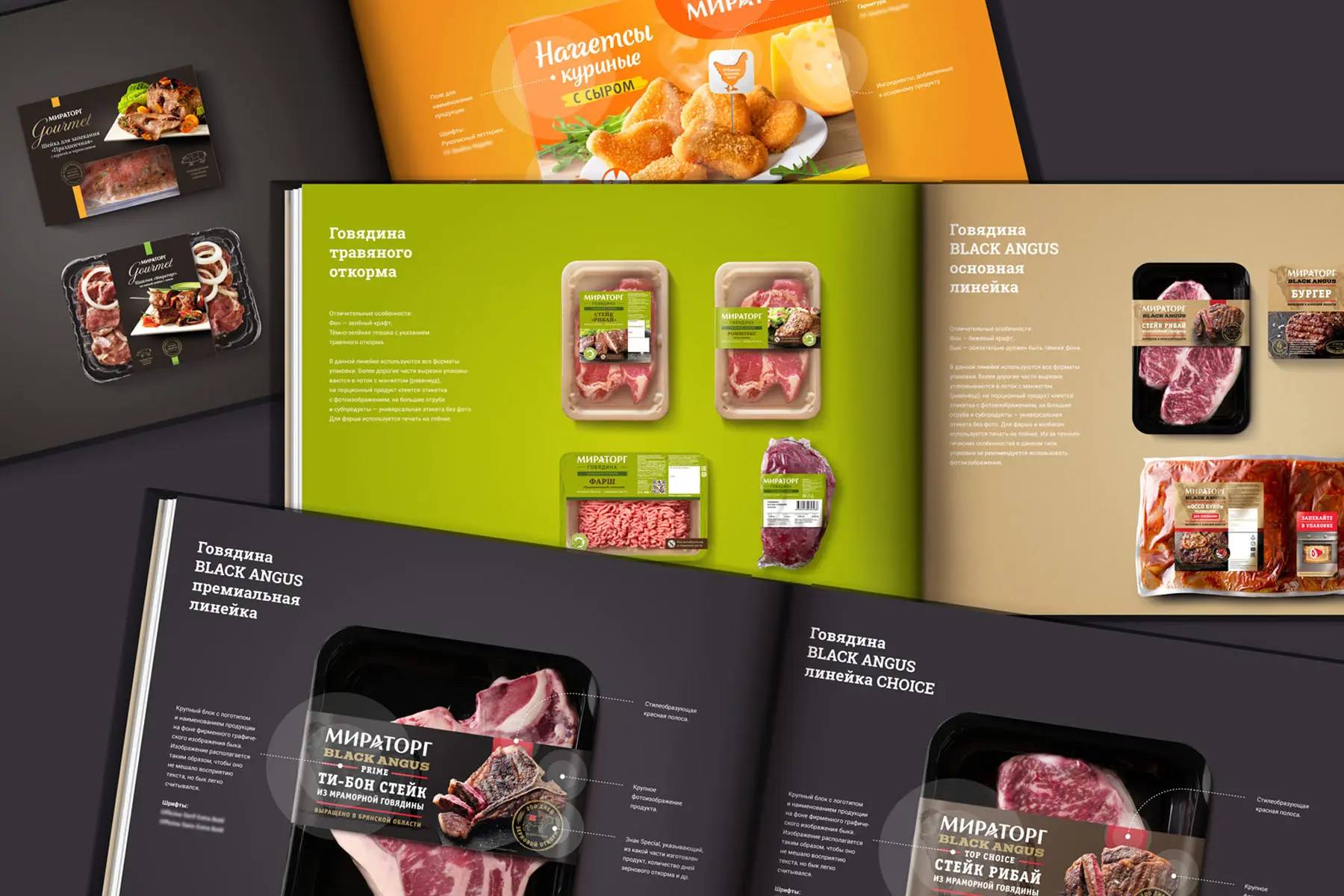
The final stage is the development of a brand book. A brand book is a set of rules for creating and managing the visual identity. It makes the work more efficient and the brand consistently recognizable.

The goal of a brand book is to preserve consistency in how the identity and overall brand image are perceived — from the company’s philosophy to its visual system. Brand books vary in content and volume, but most include two key parts: a theoretical section describing the strategy and brand philosophy, and a practical section that serves as a guide to using the visual identity (a guideline).

Key elements of the theoretical section include the positioning strategy, values, mission, vision, reasons to believe, and consumer insight.

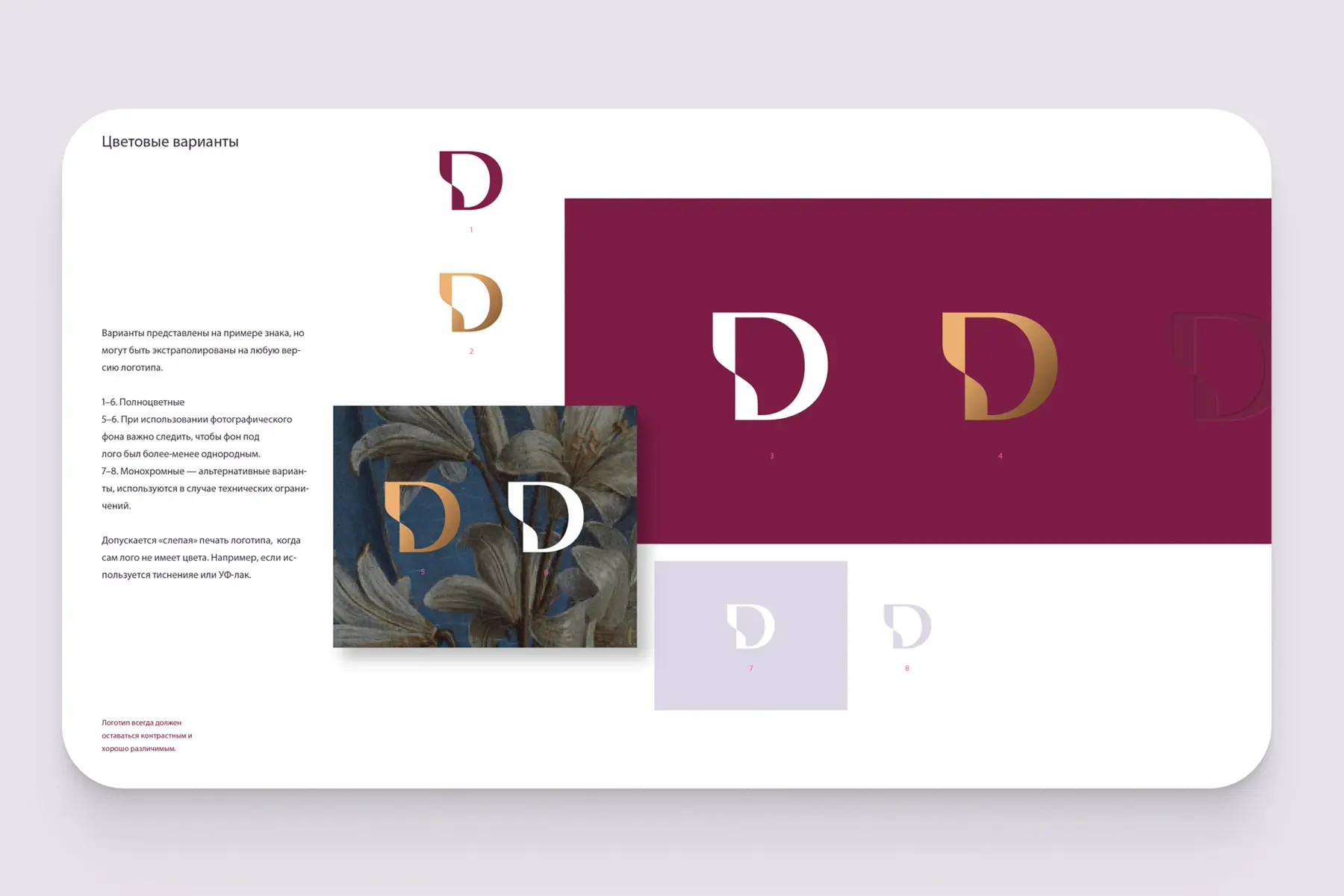
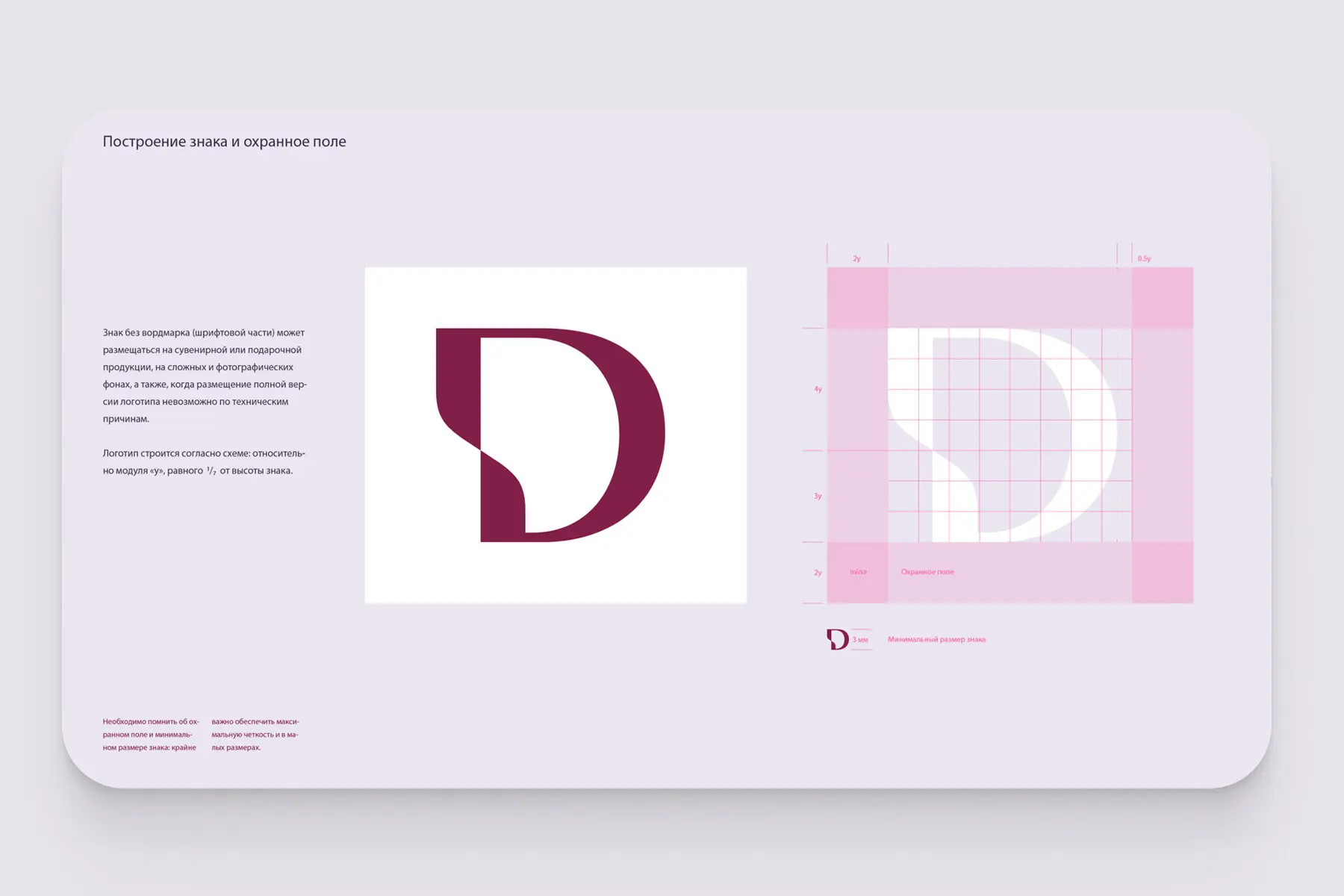
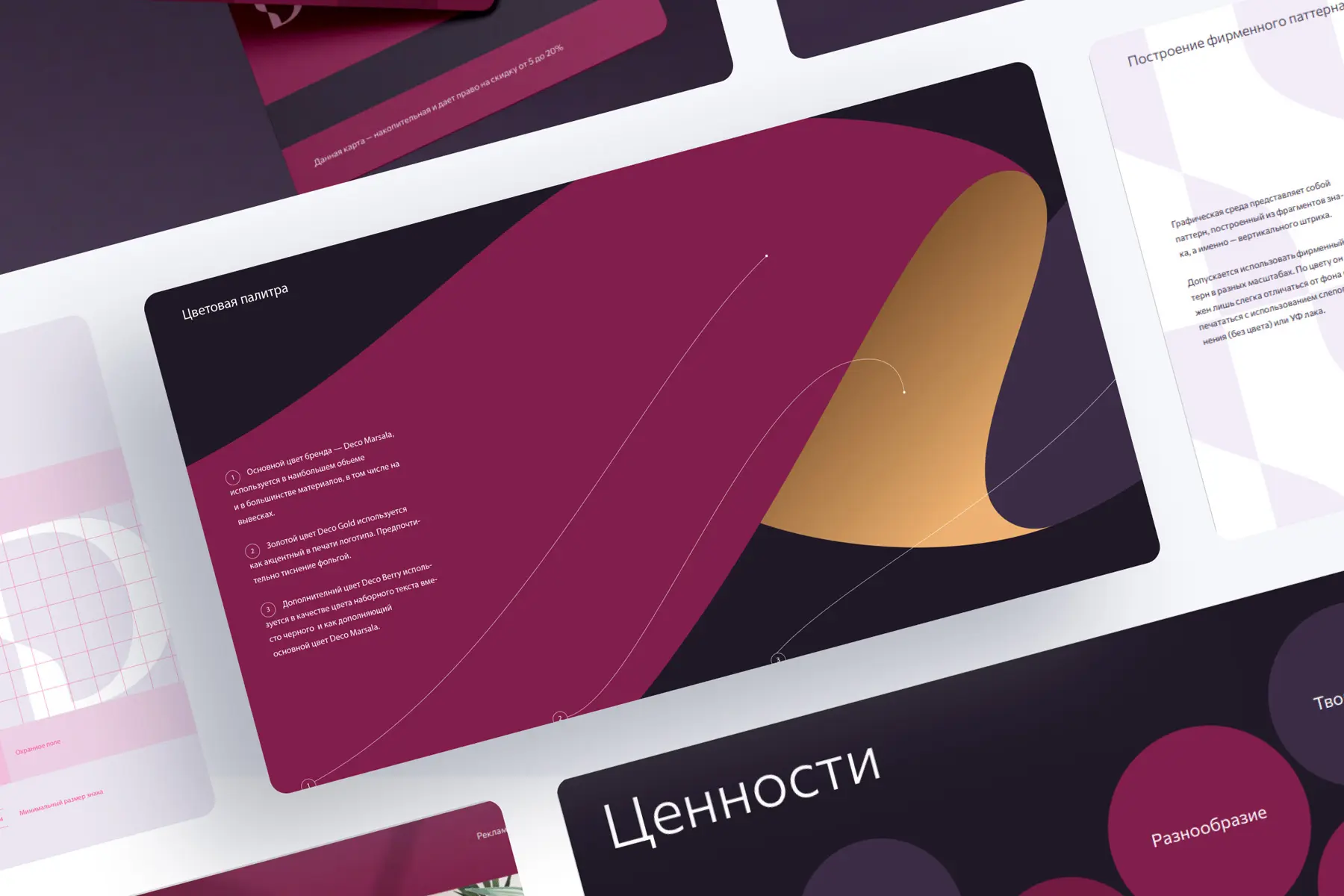
The guideline describes the logo, principles of its construction, and color and typography decisions, as well as allowed and not allowed usage scenarios and the logo’s clear space. It also specifies brand fonts and colors and how they may be combined. Additional brand graphics (patterns, textures, illustrations, pictograms) are typically included here as well.

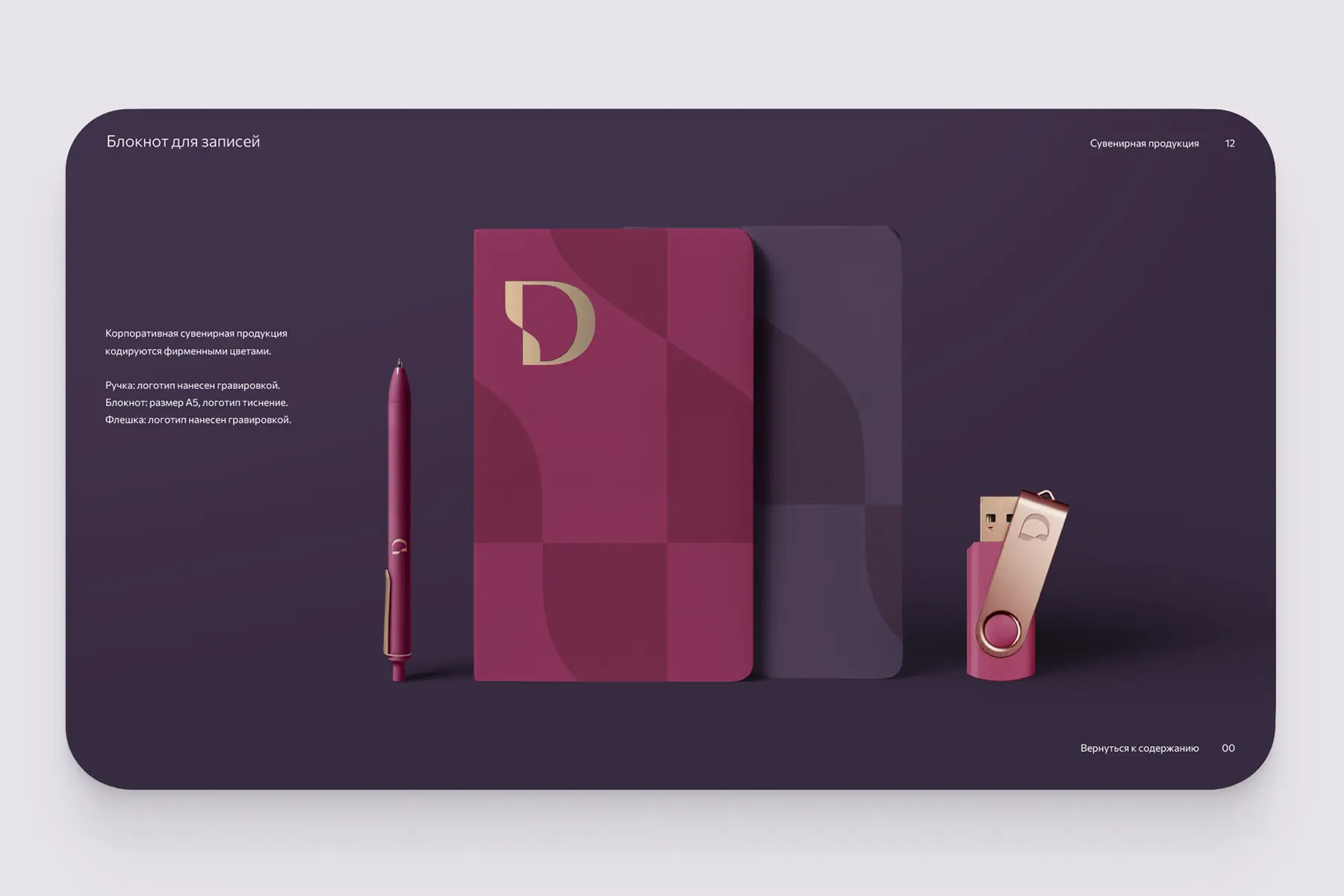
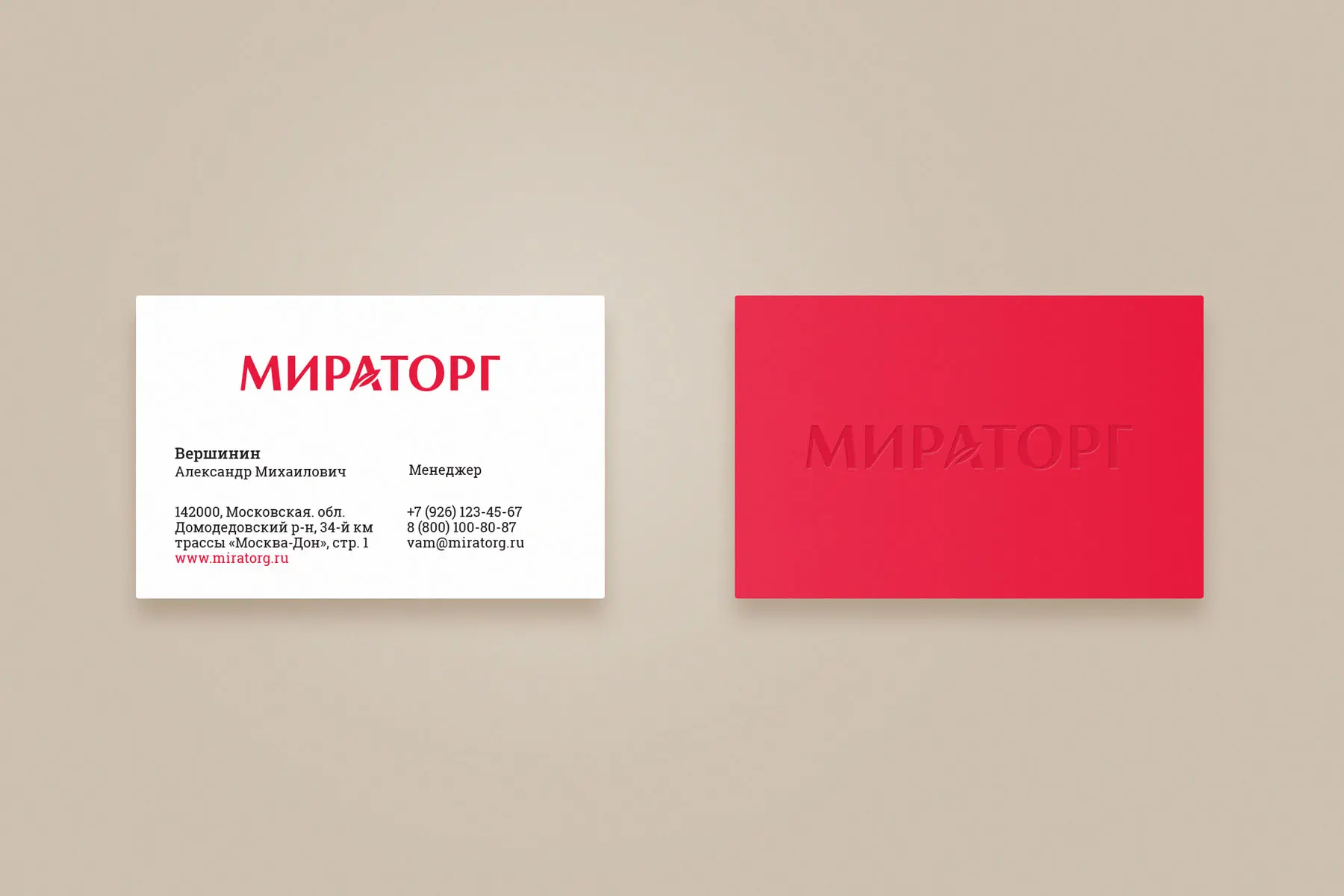
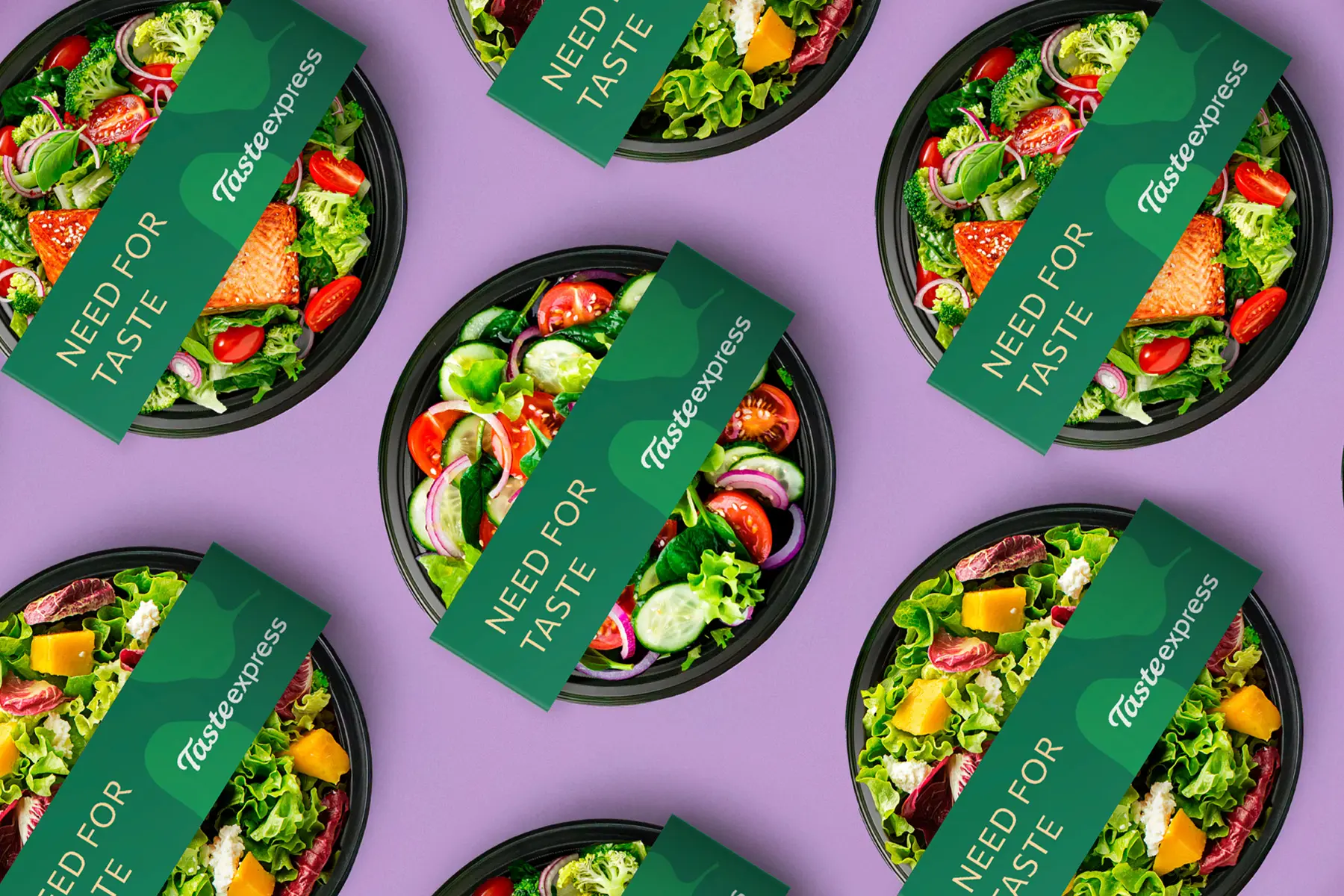
A brand book usually contains examples of applications across touchpoints: product packaging, сувенирная продукция, documentation, staff uniforms, and more. It may also define tone of voice and standards for advertising communications.

Retail Book Development

A retail book is a visual concept and a step-by-step guide for designing retail outlets. It becomes the cornerstone of the visual style that a brand communicates across its retail environment.

Stages of creating a retail book:

  1. Systematizing the design materials and developments.

  2. Describing the rules for applying technical, engineering, and design solutions.

  3. Compiling everything into a single document — the retail book.

A retail book should include all the information needed to open new locations. Its development should involve an experienced technical specialist, and it should rely on proven technologies and materials. It is also important to consider the practical feasibility of implementing the intended visual concept.

Retail book development can be entrusted to a design bureau or to the same contractor who created your visual identity — provided they have the relevant expertise in architectural design.

Scaling

Scaling is business growth — specifically, increasing the number of chain locations operating under the same model. When you scale, you fully leverage the benefits of the retail book you’ve developed, without having to go through the entire process from scratch.

Scaling options include expanding the product range, adding new services, partnering with businesses in adjacent industries, and opening new branches. You simply choose a suitable space — the complete guide for renovation and fit-out is already in place.

Rules for Successful Retail Branding

There is no one-size-fits-all solution when creating a retail brand: every case is unique and calls for tailored approaches. That said, there are several rules and criteria worth keeping in mind when developing a concept.

A successful retail brand should meet the following parameters:

  1. Creating a distinctive, unique image.

  2. Clear focus on the target audience.

  3. Convenience and practicality.

  4. A welcoming atmosphere.

  5. A sense of unity and consistency.

The key advantage of a chain business is the ability to build a strong brand, earn audience trust, and scale faster. When choosing a familiar chain store, customers expect a consistent level of quality and tend to remain loyal for a long time.

Common Pitfalls in Retail Branding

Retail branding is a complex process: missteps at any stage — whether in concept development or implementation — can jeopardize the entire project. That’s why a comprehensive, upfront assessment of the whole initiative is essential to help prevent these outcomes.

There are several critical pitfalls that can affect the project as a whole:

  1. The brand wasn’t given enough attention.

  2. The visual identity doesn’t match the space.

  3. A lack of understanding of customer needs and psychology.

  4. No in-store navigation.

  5. Too little attention is paid to staff or customer comfort (back-of-house areas, checkout zone, stockrooms).

  6. No unified design standards.

By avoiding these pitfalls, you can create an effective retail environment. Since many issues may be hard to spot at the planning stage, the best option is to work with professionals who already have proven experience delivering similar projects.

Choosing an Agency for Retail Branding

Retail branding is a highly comprehensive task that requires expertise in design, marketing, and architecture, as well as substantial hands-on experience. Unlike, for example, developing a logo — which at a very basic level can still be done independently — building a retail concept is best entrusted to a professional agency.

When choosing a contractor, pay attention to three key factors:

  1. A strong portfolio;

  2. Experience with similar projects;

  3. Positive client reviews (provided they are genuine).

Choose the agency that makes the most favorable impression in terms of professionalism and communication. You’ll be interacting with the team a lot throughout the process.

Information the Client Should Provide

Working on a retail branding concept is a collaborative process that requires active involvement from the company — not only the branding agency. The more detailed information the client provides, and the more thoroughly they introduce the agency to the company and its processes, the stronger the final outcome will be.

When preparing for the briefing, please share the following information:

  1. Company profile.

  2. Core products and services.

  3. Key features of the retail format.

  4. Price positioning (premium, mid-market, mass-market, discounter).

  5. Customer service model (self-service, assisted service, by pre-order, sample-based, or via catalogs).

  6. Principles for selecting locations of the chain’s stores or offices.

  7. Key competitors, their strategies, and advantages.

You can request the briefing questionnaire by email in advance to prepare better and provide detailed answers to all questions.

Scope and Cost of Work

Retail branding is a comprehensive concept developed for a specific project and therefore does not have a single, universal structure. Its cost depends on which sections (services) the branding agency will cover.

The cost of branding a retail chain may include:

  1. Marketing research and company audit: internal audit, competitor analysis, benchmarking, consumer analysis, and setting marketing objectives.

  2. Positioning and USP development.

  3. Logo and visual identity (1–3 concepts, depending on the contract terms).

  4. Interior and exterior design (1–3 concepts, depending on the contract terms).

  5. Development of advertising communications.
  6. Brand book.

  7. Retail book.

Consult a branding agency—specialists will help you choose the optimal service format and the specific components needed for your case.

Cost of Retail Branding

There is no single “average” price for a project like this. Depending on the complexity, timelines, and scale of each case, the cost can vary significantly.

What affects the cost:

  1. The scale of the project.

  2. The number of brand applications (visual identity touchpoints).

  3. The size and layout of the retail space, as well as the dimensions and specifics of the façade.

  4. The need to adapt the concept to multiple store formats.

  5. The scope of related services (for example, website or app design, advertising design).

A consultation with the agency’s project manager will help you accurately define the scope of work.

Notes.

The article uses photo and video materials provided by the customer / BRANDEXPERT "Island of Freedom" / ShutterStock / Freepik / Unsplash / Pexels / Goodmockups / Pixpine. All materials presented in the blog are purely informational in nature and do not pursue commercial purposes. The use of text, illustrations, photos, videos and other materials is prohibited without the consent of the copyright holder.

  
  • Профессиональная фотосъемка в брендинговом агентстве
  • Модельная фотосъемка в брендинговом агентстве
  • Фудстайлинг в брендинговом агентстве
  • Креатив в брендинговом агентстве
  • Предметная фотосъемка в брендинговом агентстве
  • Коммуникационный дизайн в брендинговом агентстве
  • Рекламная фотосъемка в брендинговом агентстве
  • Модельная фотосъемка в брендинговом агентстве
  • Имиджевая съемка в брендинговом агентстве
  • Создание успешных брендов в брендинговом агентстве
  • Дизайн рекламных материалов в брендинговом агентстве
  • Фотосъемка детей в брендинговом агентстве
  • Креативная компания в брендинговом агентстве
  • Студийная фотосъемка в брендинговом агентстве
  • Интерьерная фотосъемка в брендинговом агентстве
  • Продуктовая фотосъемка в брендинговом агентстве
  • Креативная фотосъемка в брендинговом агентстве
We’re Here to Advise You on Any Branding Challenge
Dear partners, your project is unique and deserves a tailored approach. To prepare a relevant proposal, we need to understand your goals and the services most needed to deliver the best results. We’re ready to provide 360° support and handle all strategic tasks in marketing, design, digital, and brand communications. Our mission is to deliver outstanding solutions that drive financial growth and increase brand value. Get in touch — we’ll be happy to share our expertise and insights with you.

The BRANDEXPERT Team.
Contact information
Choose required services
By clicking the button, I agree to the processing of digital data.* — mandatory items to fill in
We are using cookie files

By continuing to use this site, you agree to our use of cookies and the processing of your personal data as described in our Privacy Policy.