
Rebranding the Pharmaceutical Brand ERZIG. BRANDEXPERT Freedom Island rebranded ERZIG, updating its logo and brand identity and developing a visual brand strategy, packaging and label design, and advertising materials for an extensive range of pharmaceutical products.
Creating a brand book: a step-by-step guide

Алексей Новиков
Article's author19.04.2021
Creating a brand book is a way to turn scattered practices into a clear, usable system for everyone who works with your brand. As part of marketing and reputation management, developing a brand book helps align requirements for positioning strategy, brand language, visual elements, and media. When the creation of a brand book is set up as a step-by-step process, the brand stays consistent across every channel — from the website to packaging.
The content of the article
- What is a brand book
- Create a brand book to ensure consistent brand communications
- What’s included in a brand book
- Which brand book does my business need?
- Define your brand positioning as the foundation of the brand book
- Build your brand messaging
- Design the logo and visual identity
- Choose the brand color palette
- Graphic language and photography style
- Corporate brand communications
- HR materials in the brand book
- Brand advertising communications
- Print design
- Design of digital brand platforms
- Visual strategy in social media
- Interior design & environmental branding
- Uniforms and apparel branding
- Branded merchandise and gifts
- Types of brand books
- Cost of developing a brand book
Our projects: brand book

CyclingRace — positioning, brand creation, logo development, brand book, advertising communications. Developing a Brandbook for CYCLING RACE, a leading organizer of cycling festivals in Russia. Developing a corporate identity management guide.

Flamenco — Brand Positioning, Naming, Logo Design, Packaging and Label Design, Brand Guidelines, and Photography. Development of a brand book for FLAMENCO, a tomato brand from the ROST group of companies

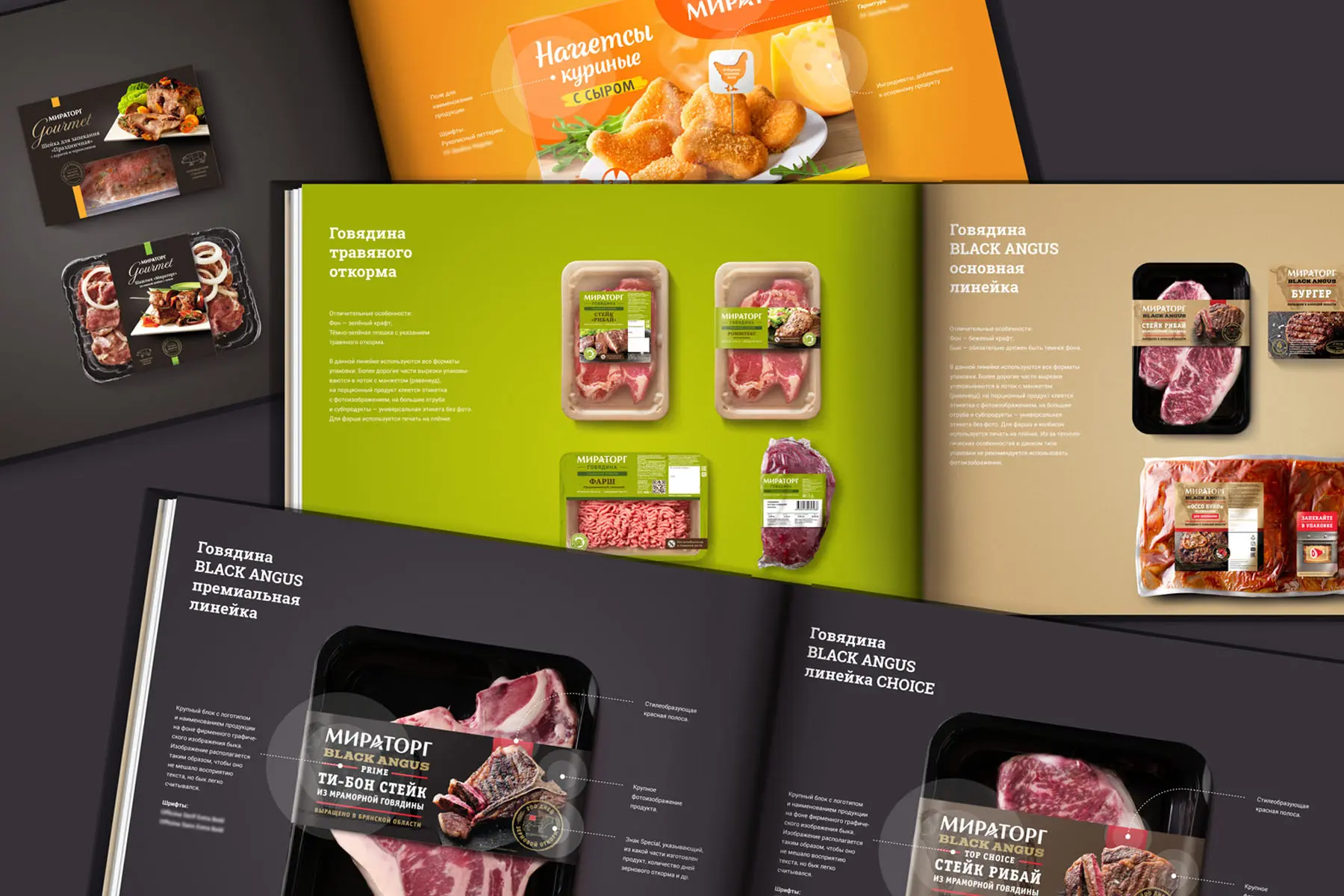
Miratorg — Brand Positioning, Logo Design, Brand Identity Design, and Brand Guidelines. Miratorg Corporate Brand Book. A complete guide to managing the corporate identity of the Miratorg corporate brand, supermarket brand, and butcher shop. A comprehensive holding company positioning strategy and corporate identity standards for each brand.

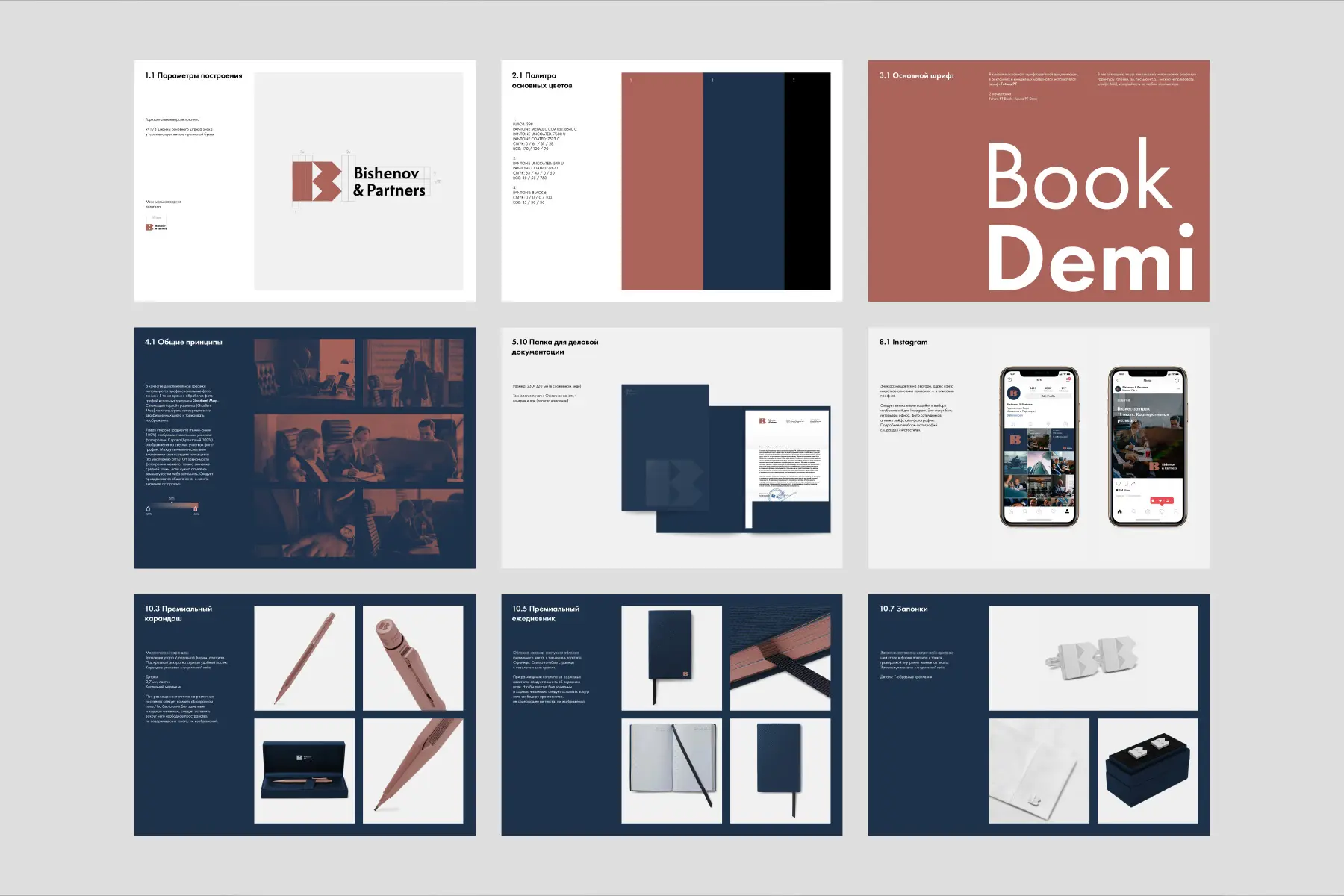
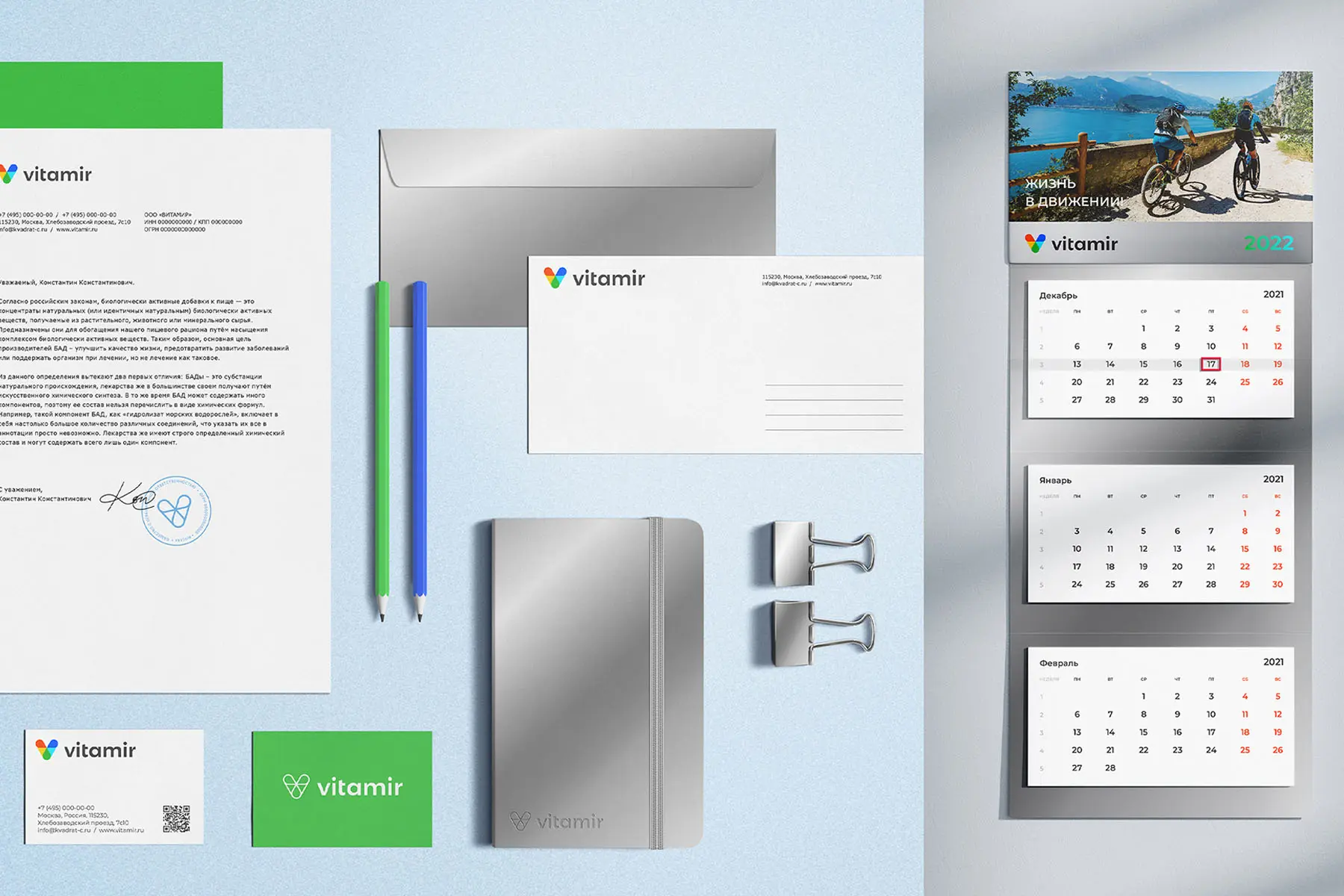
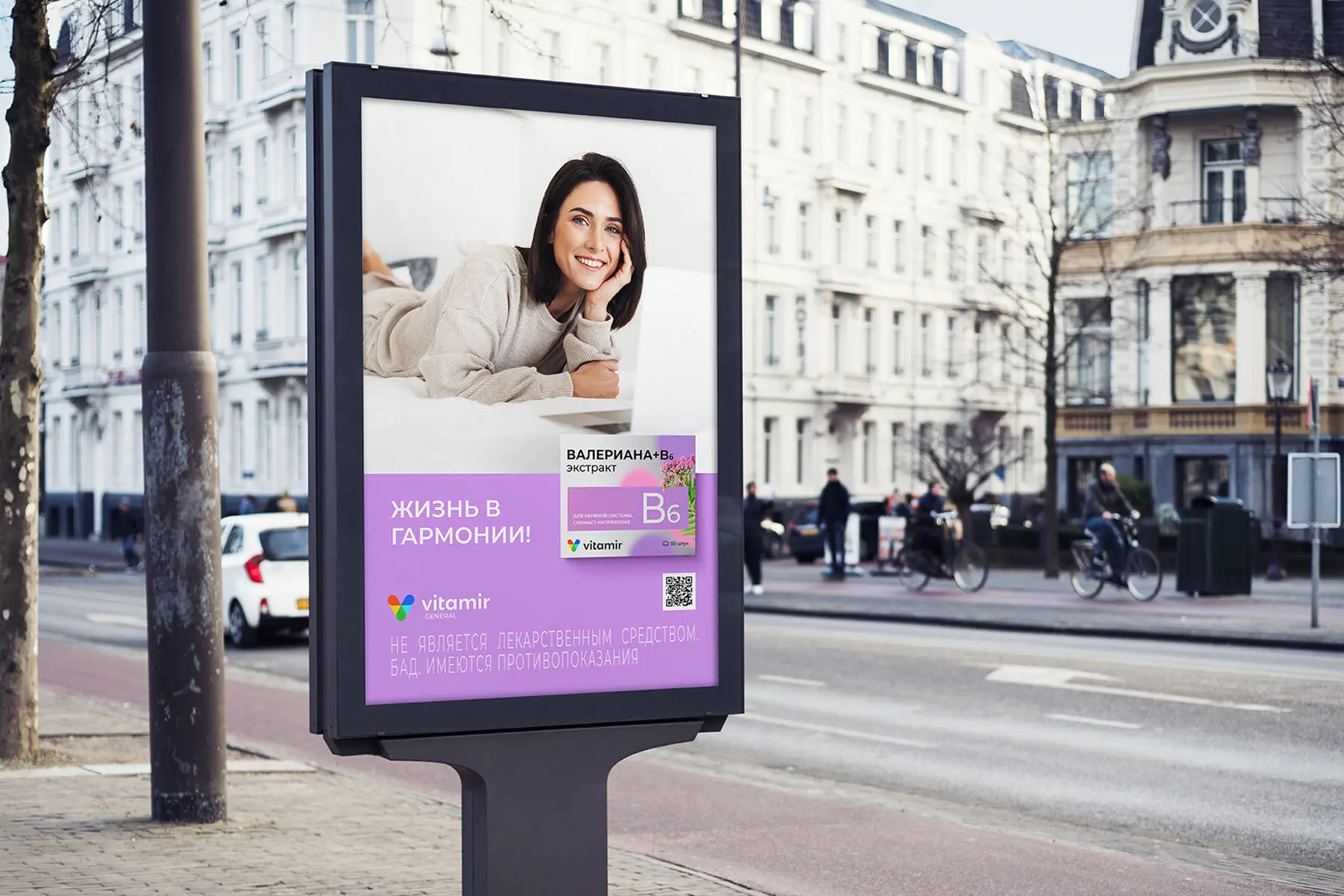
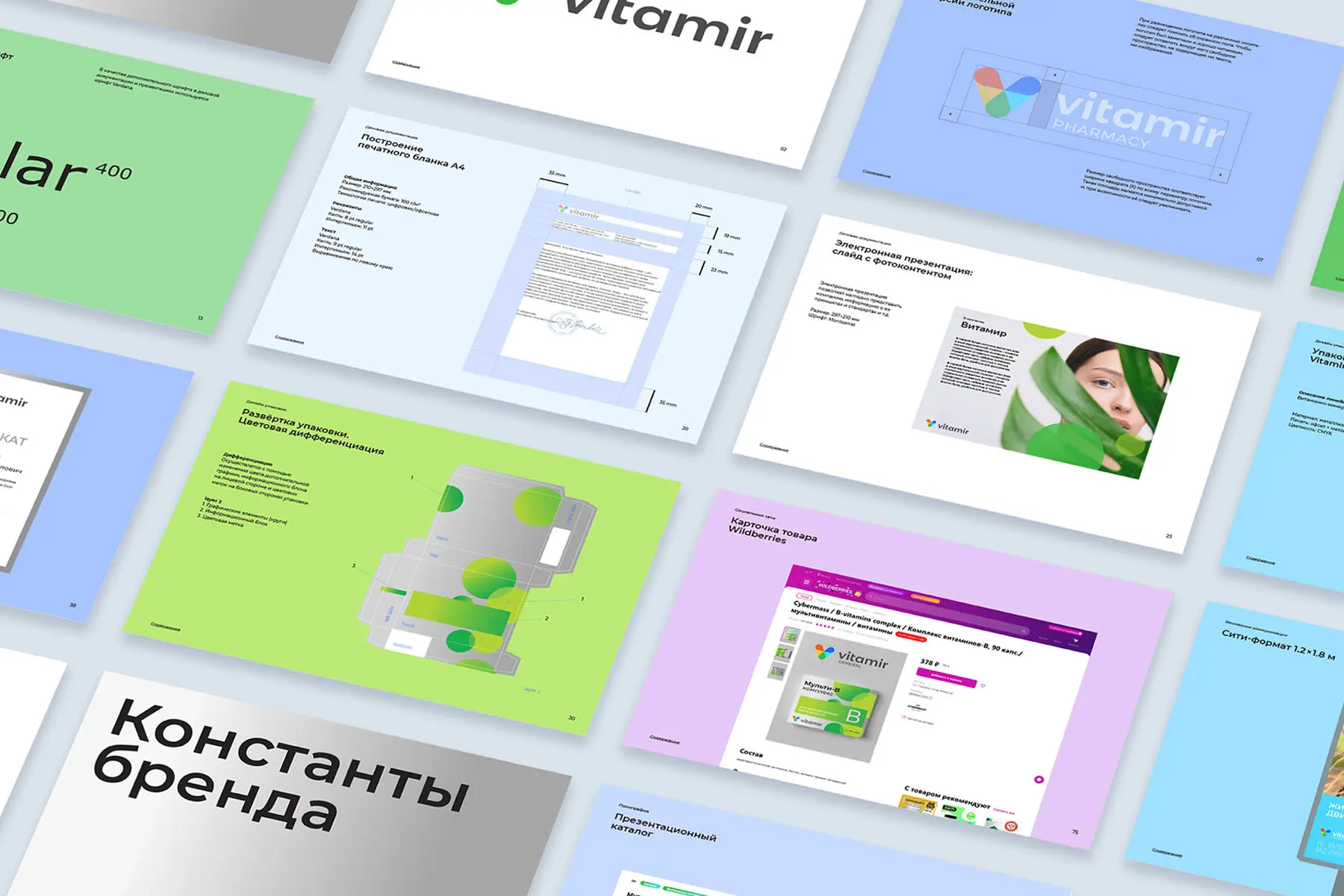
Vitamir — Brand Positioning, Logo Design, Packaging Design, Brand Identity Design, Brand Guidelines, Mascot Design, and Website Design. Brand book of the pharmaceutical company VITAMIR

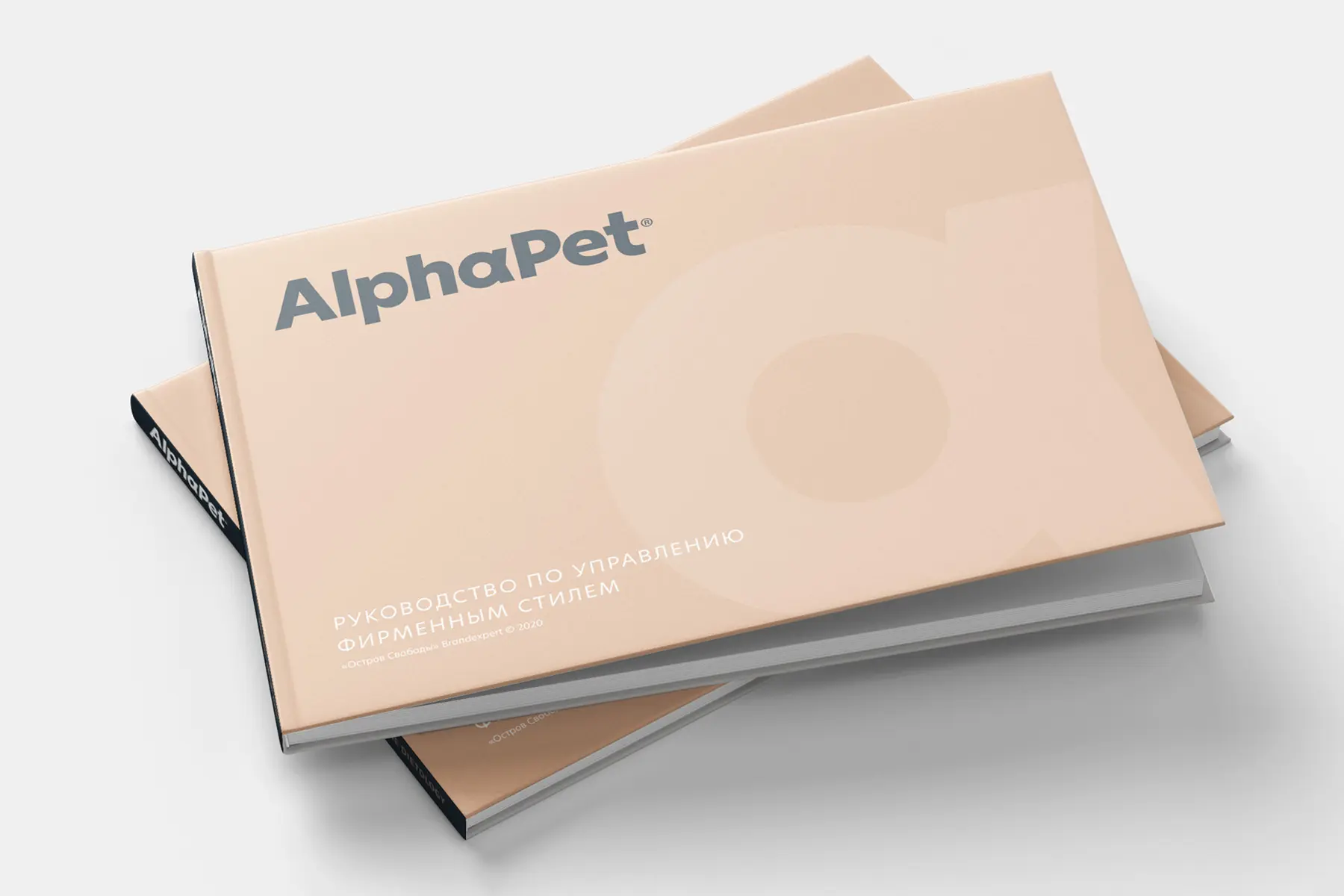
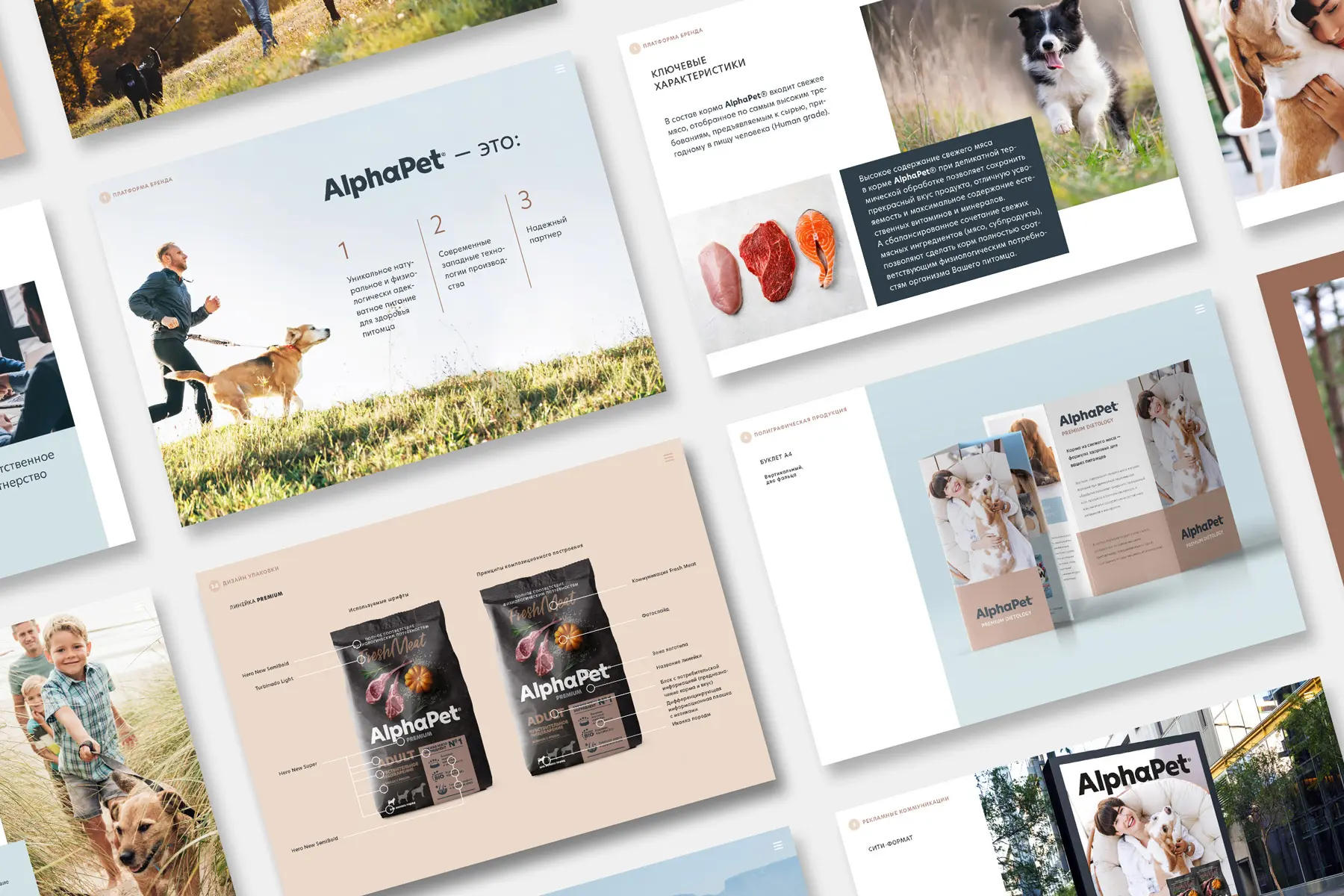
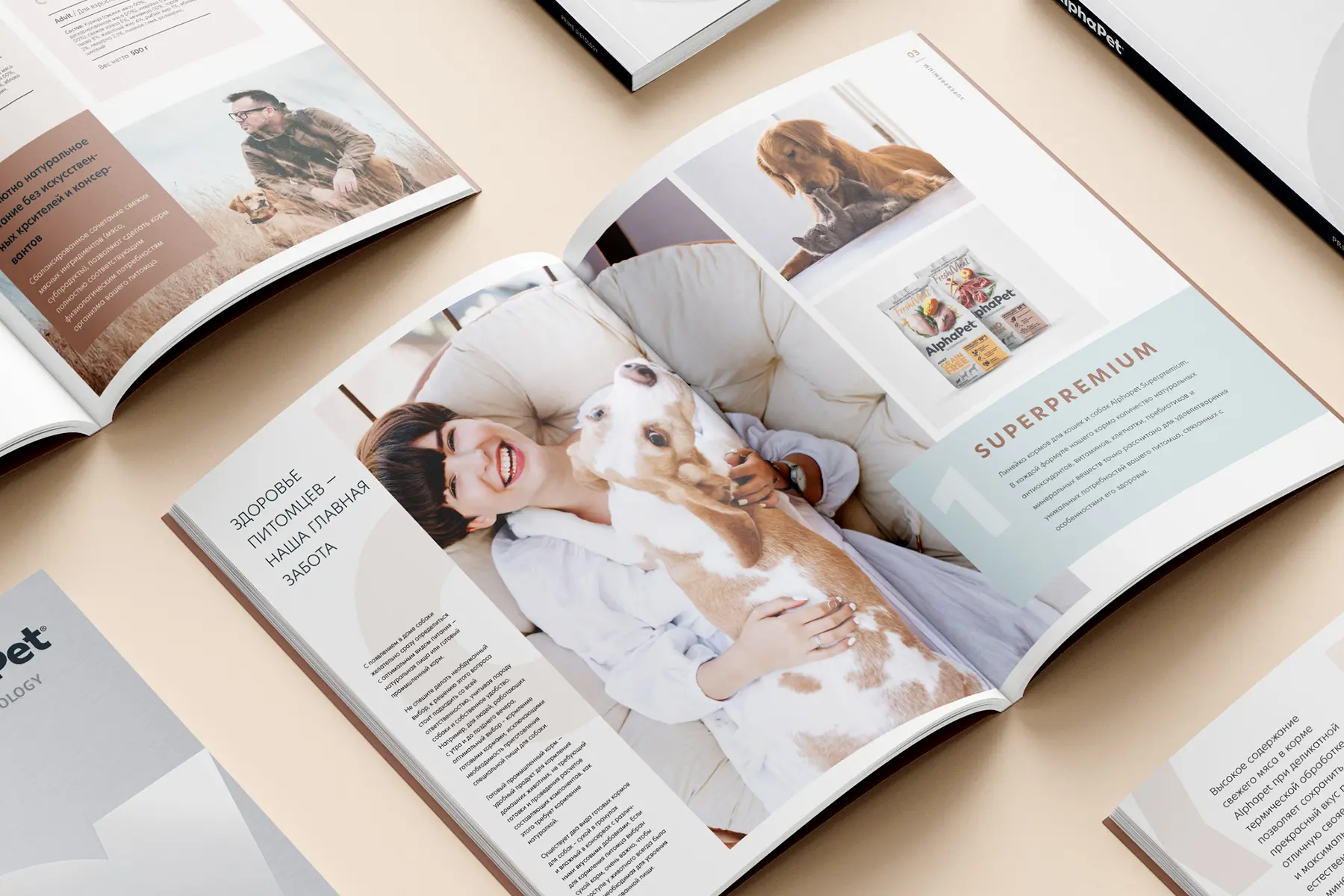
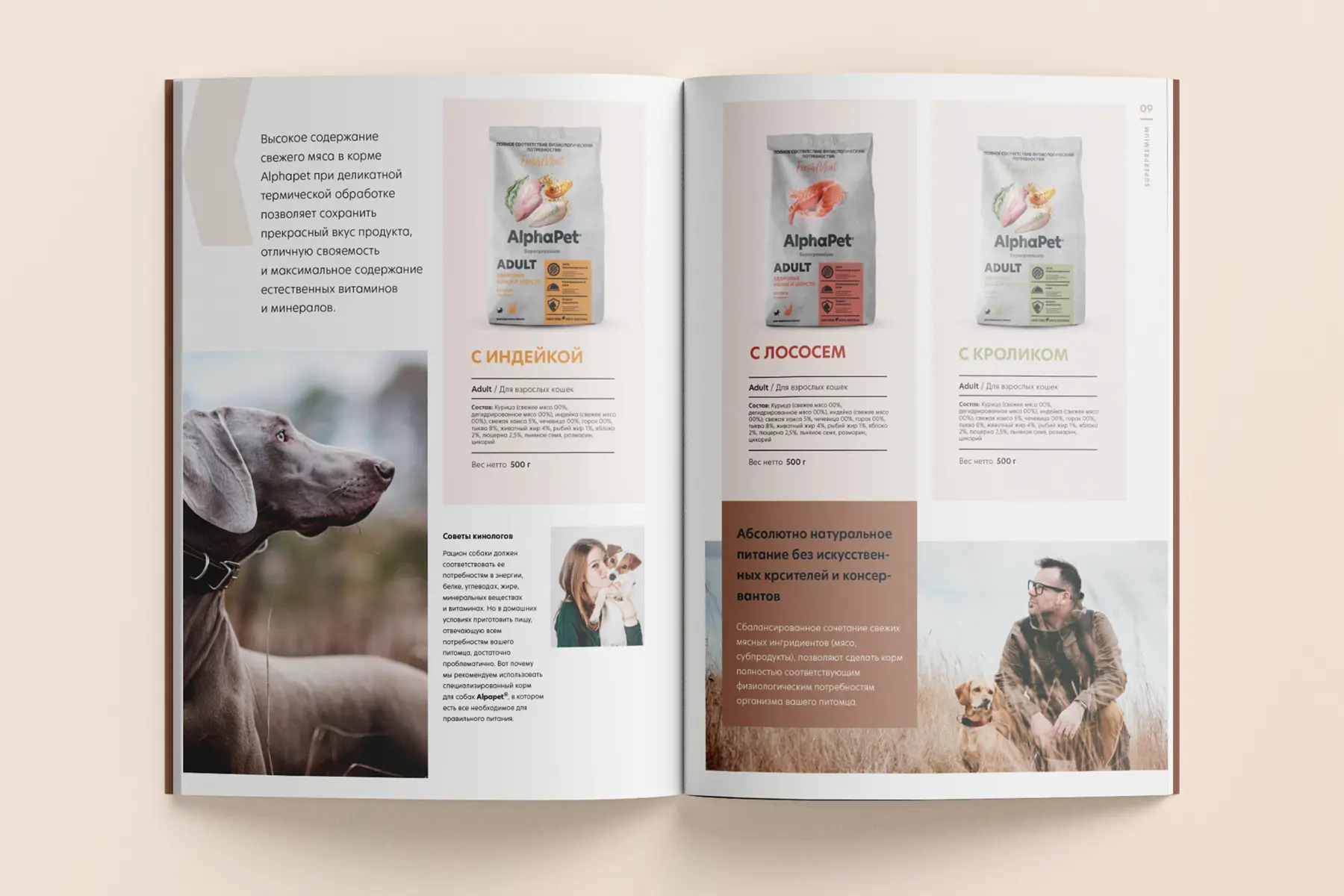
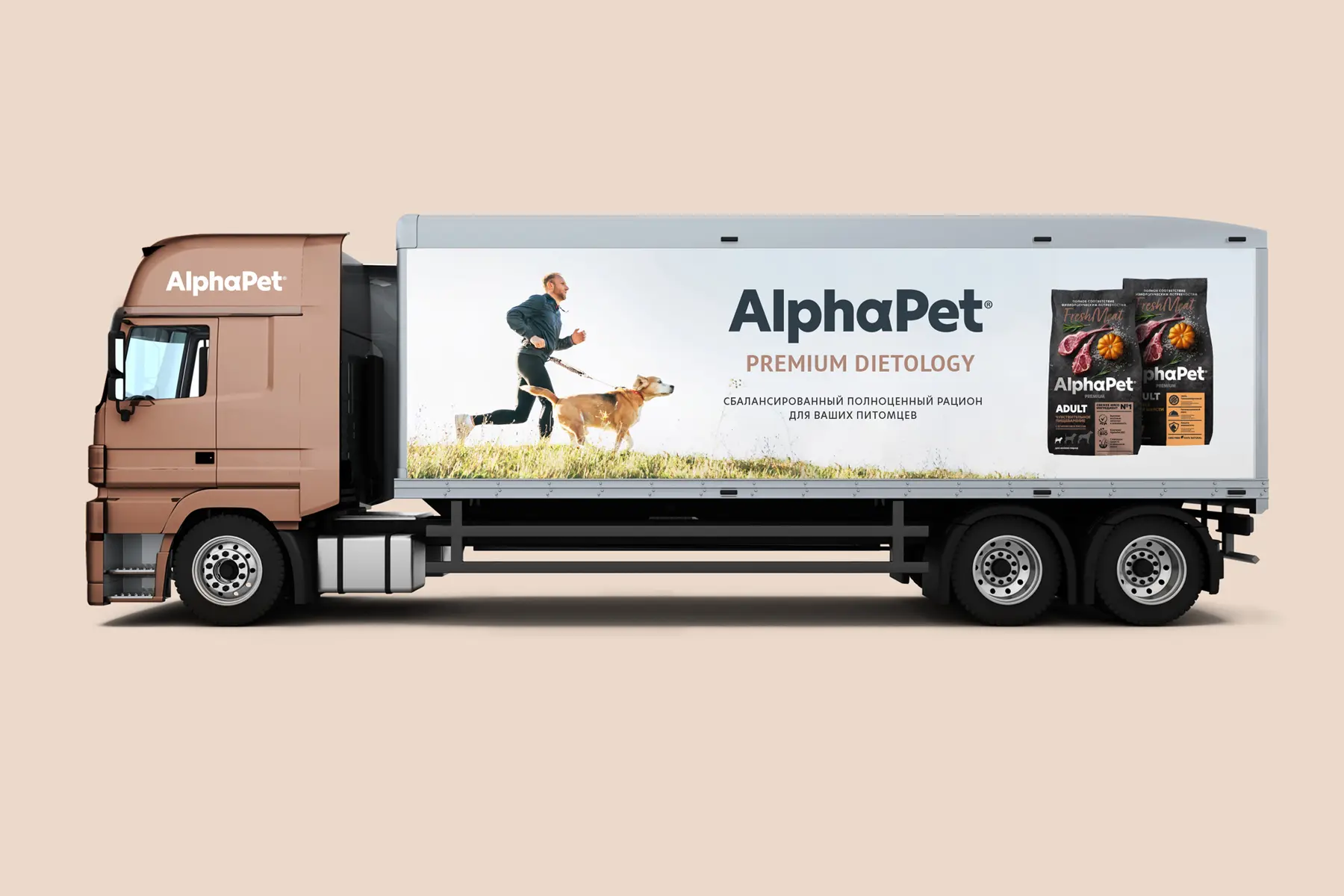
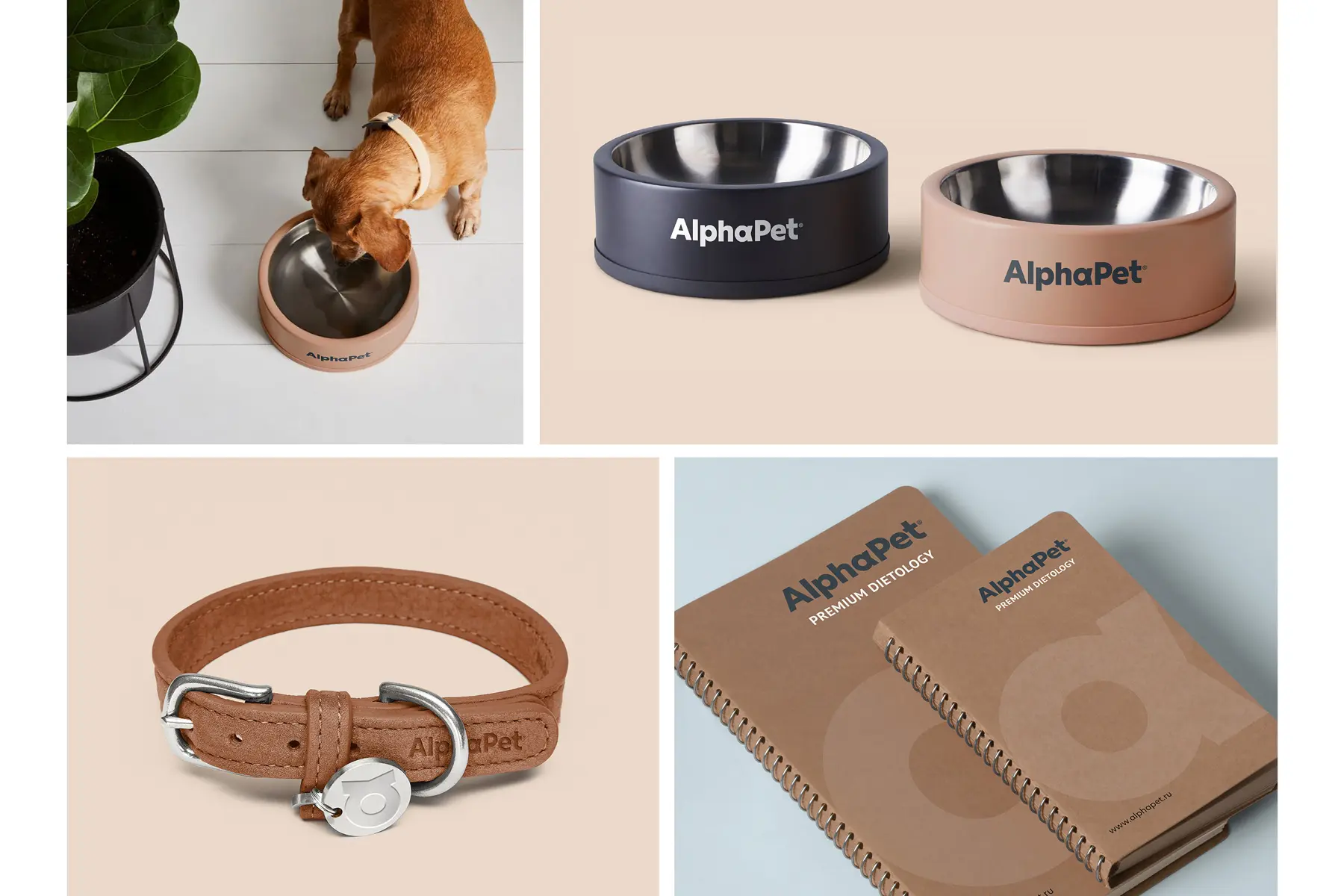
AlphaPet — Brand Positioning, Brand Identity Design, Brand Guidelines, and Advertising Communications. Development of a brand book for AlphaPet, a manufacturer of super-premium pet food.

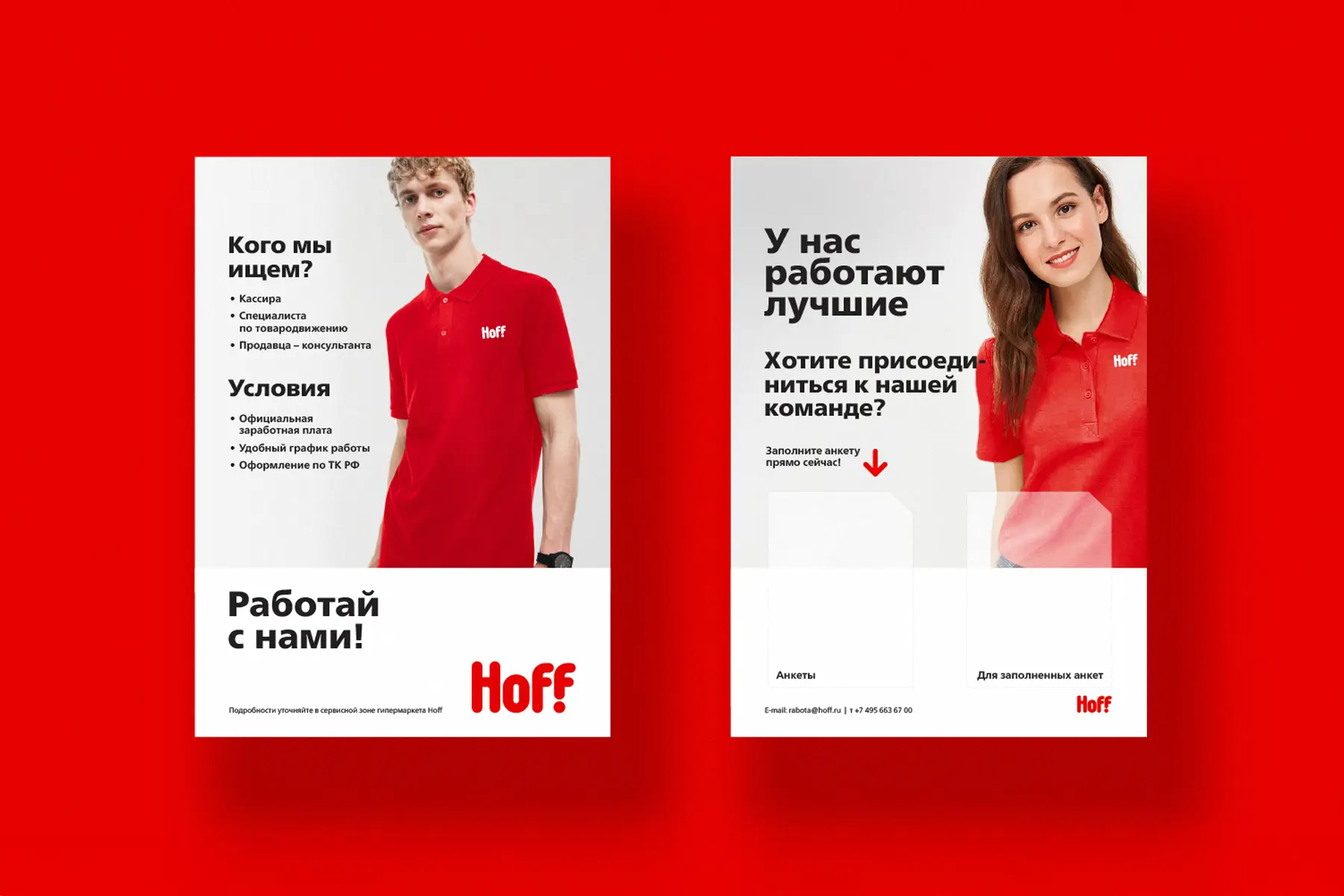
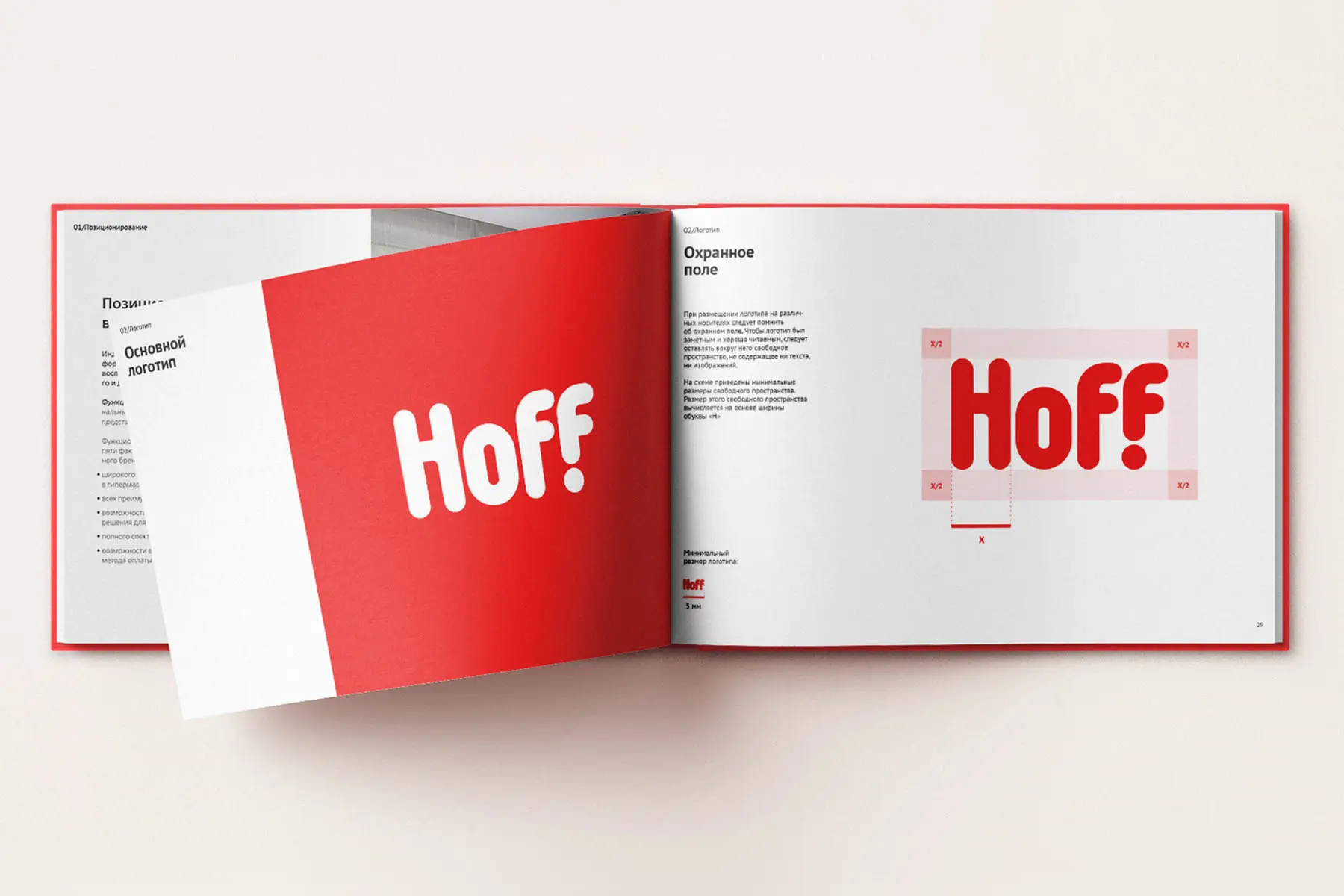
Hoff — Brand Identity Design, Brand Guidelines, Retail Branding, and Interior Design. Developing a brand book, retail strategy, and retail book for the Hoff chain of furniture and home goods stores: creating a unified brand image, key constants, and customer experience standards.
FOXGEAR — Brand Positioning, Naming, Logo Design, Packaging Design, and Brand Guidelines. Development of a brand book for FOXGEAR, a manufacturer of premium lubricants.

Kolomensky — Brand Positioning, Logo Design, Brand Identity Design, and Brand Guidelines. Preparation of a brand book and style management guide for the corporate and product brands of the Kolomensky BKH.
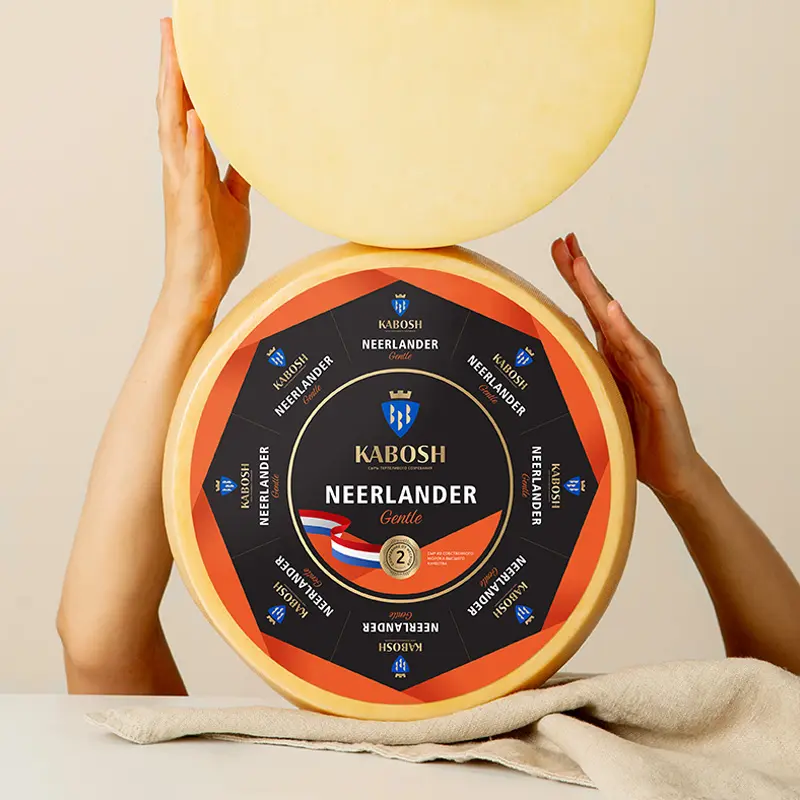
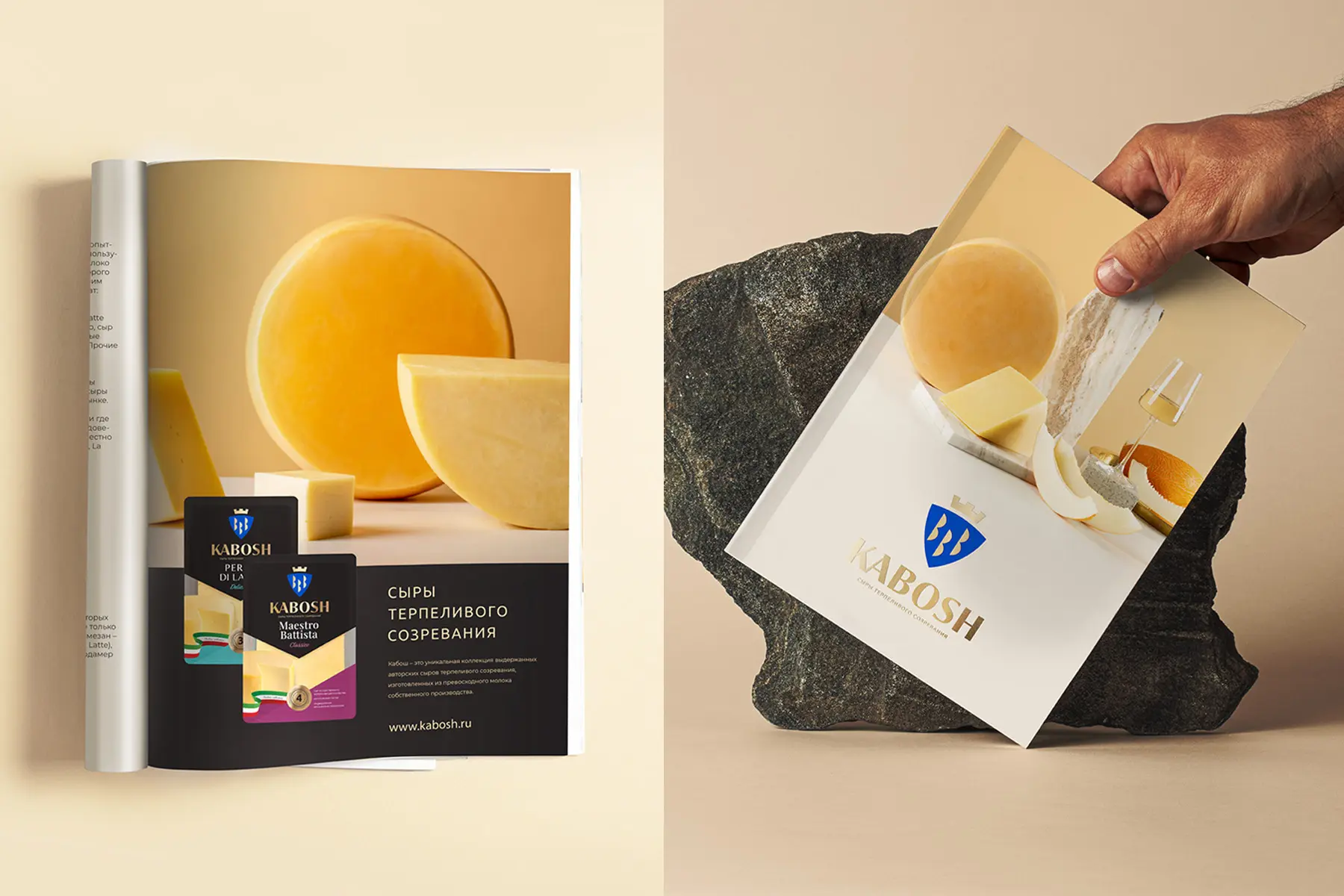
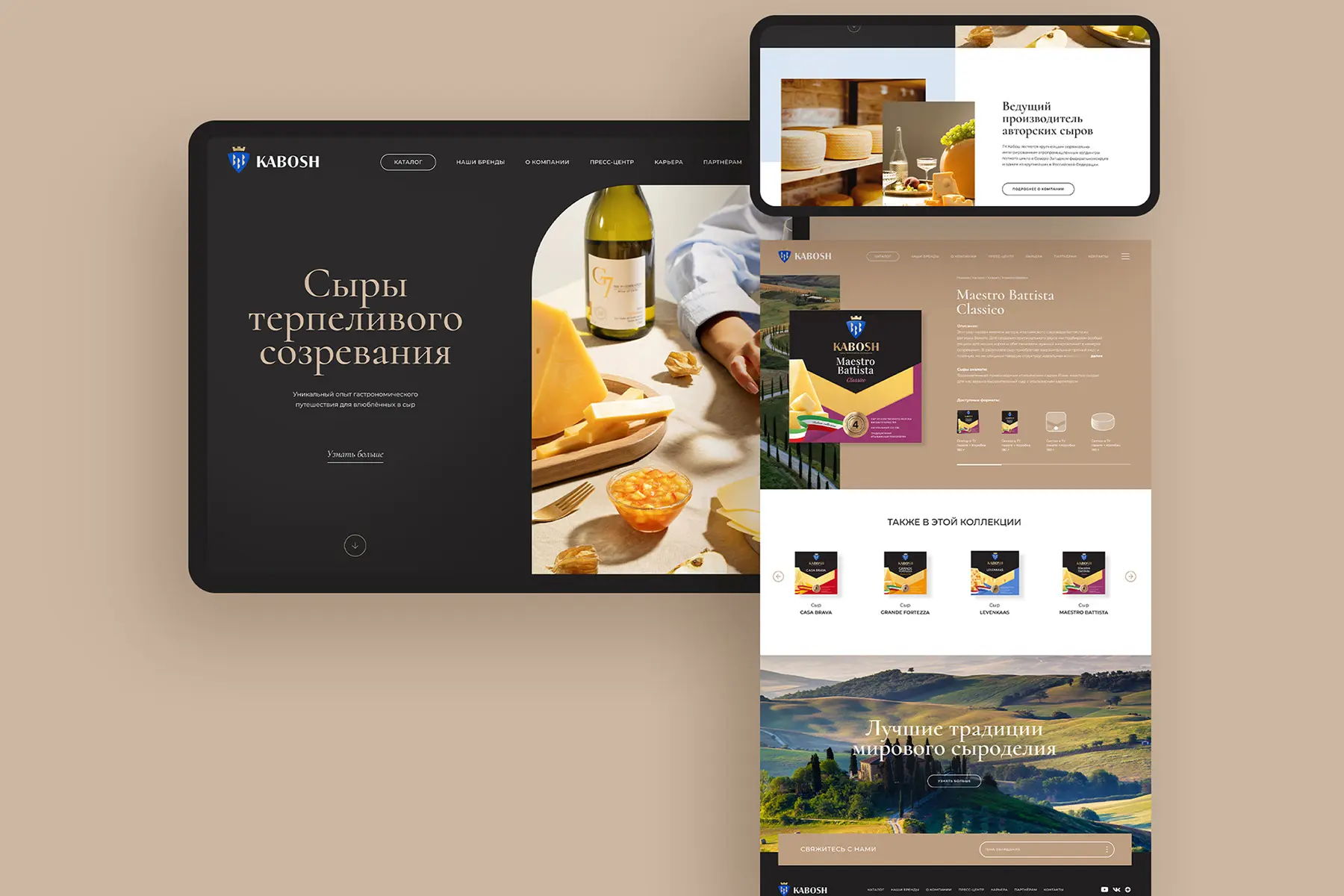
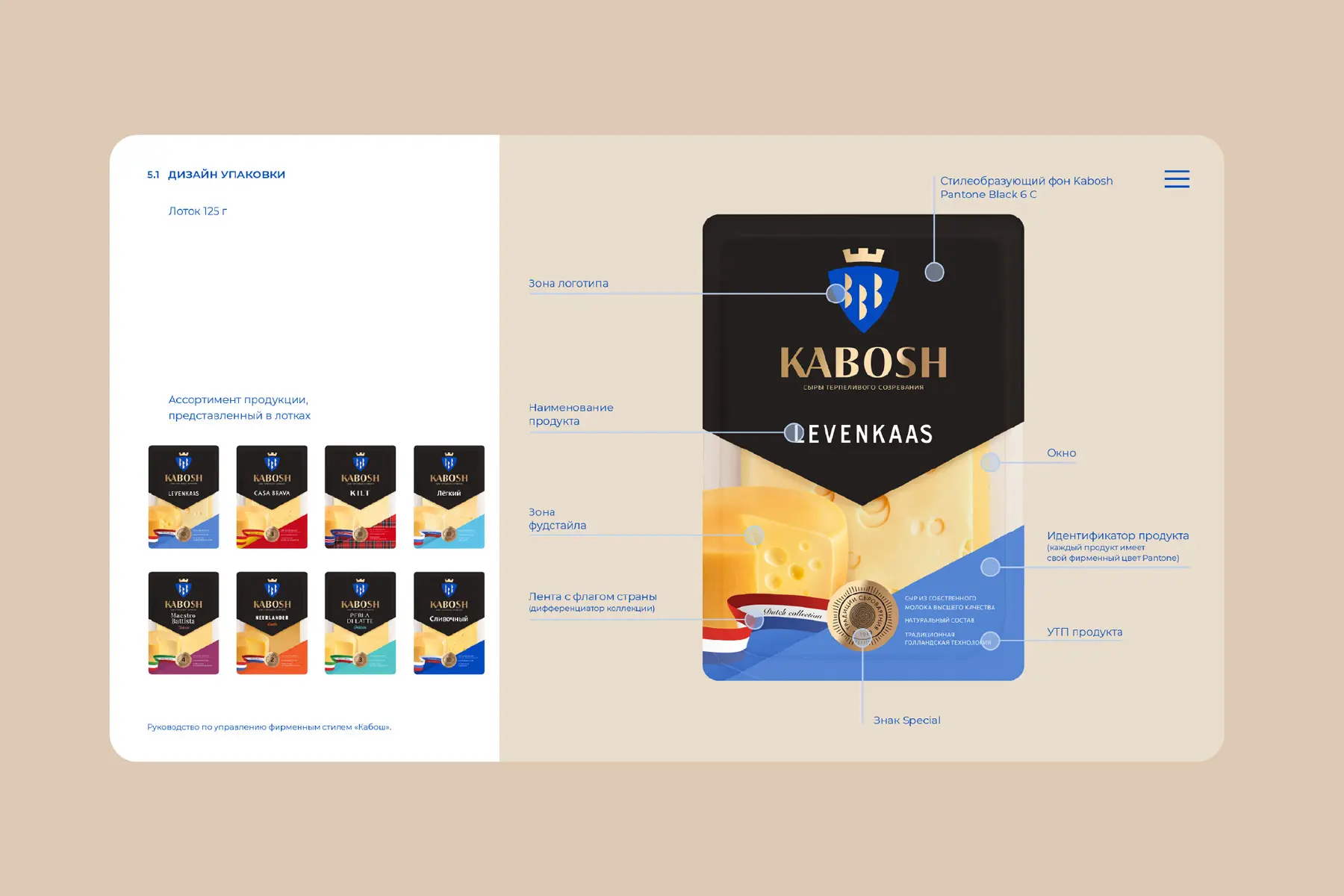
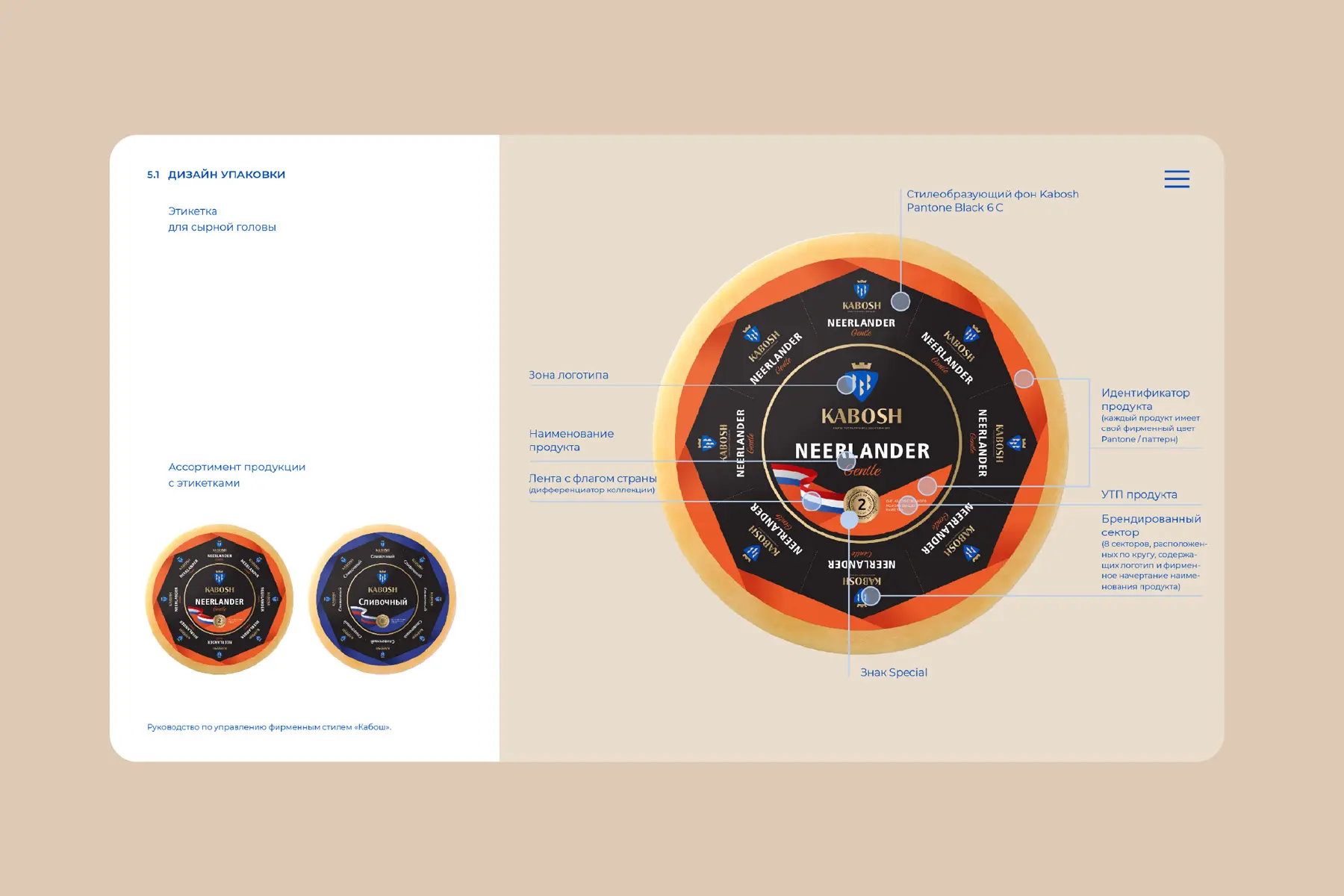
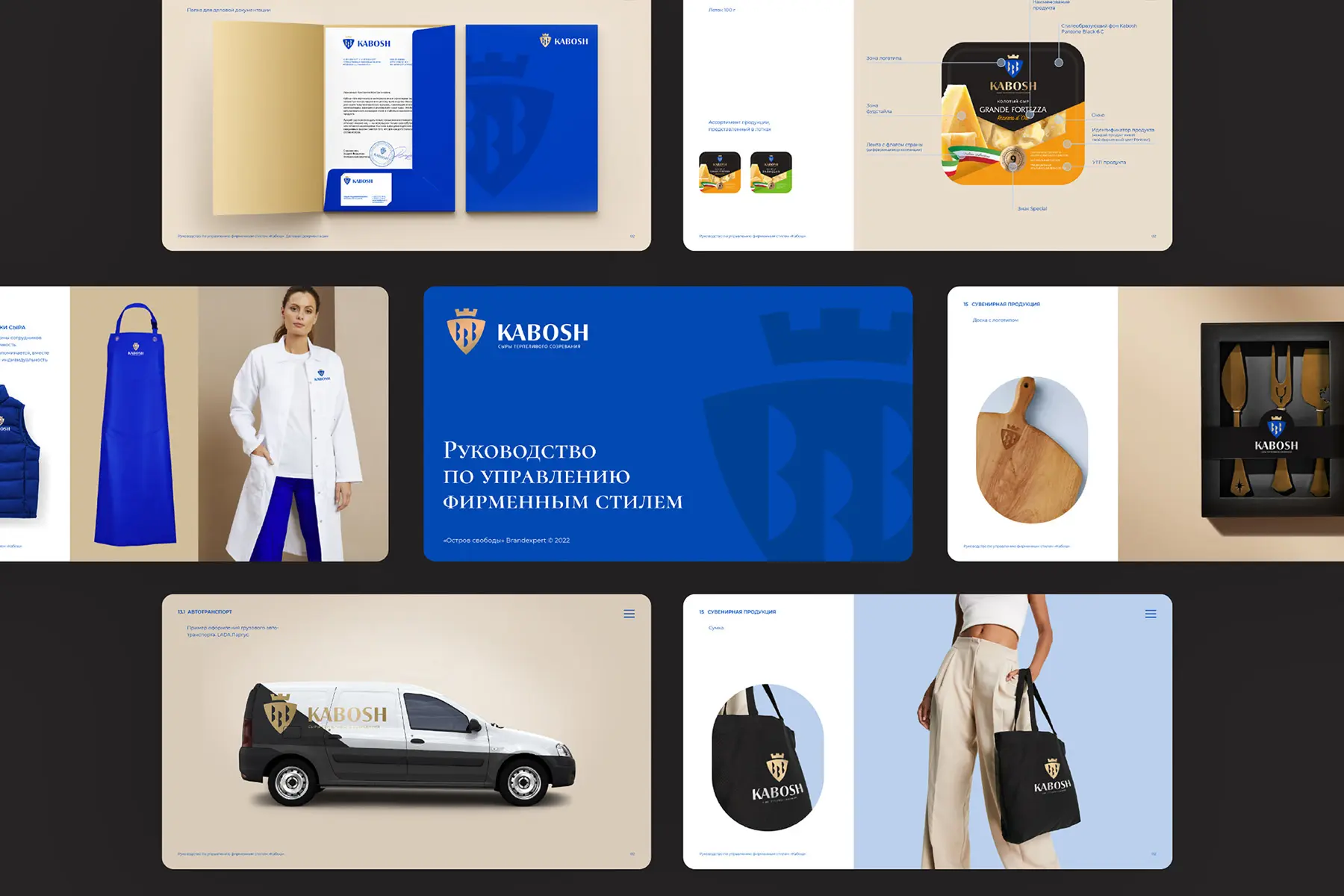
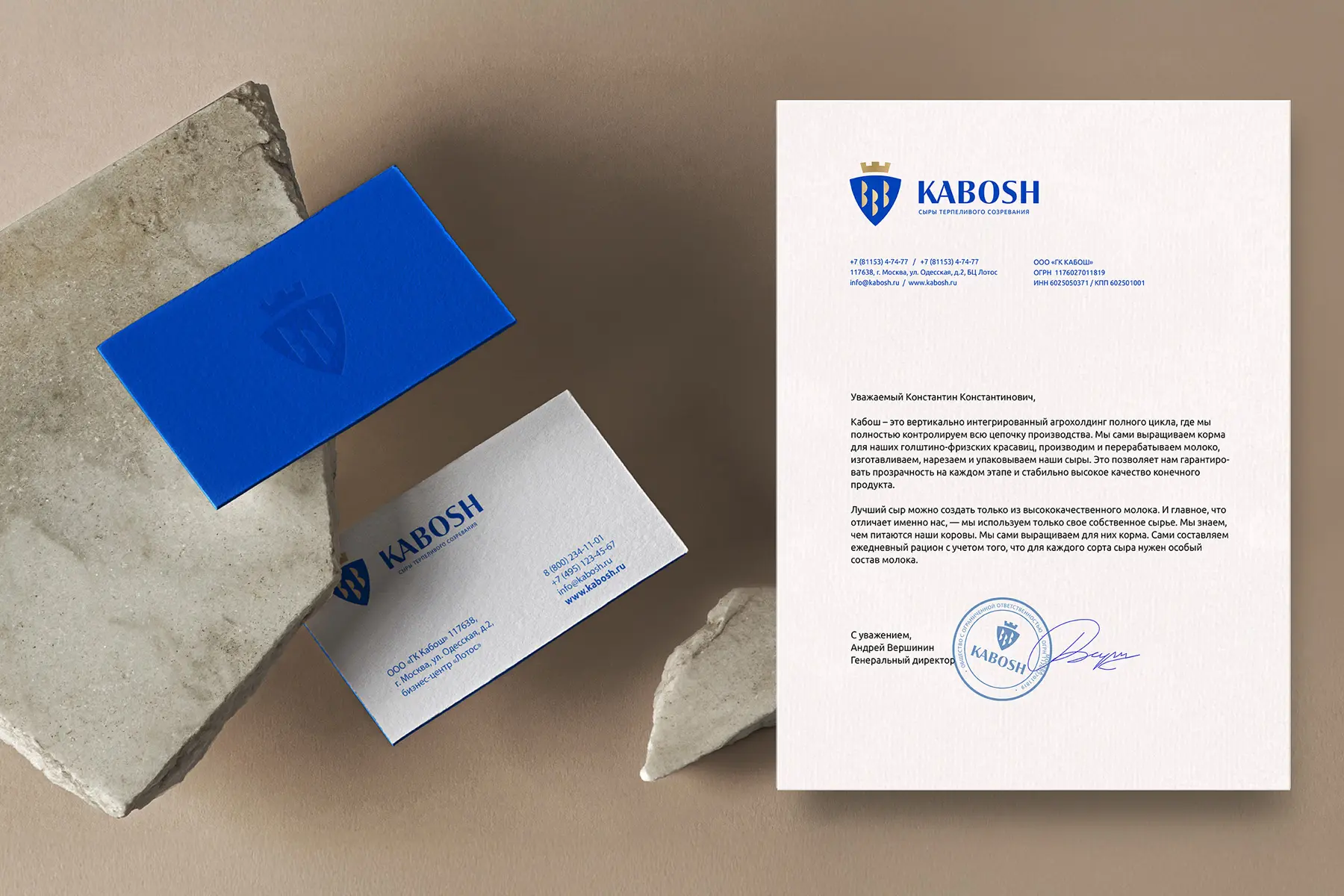
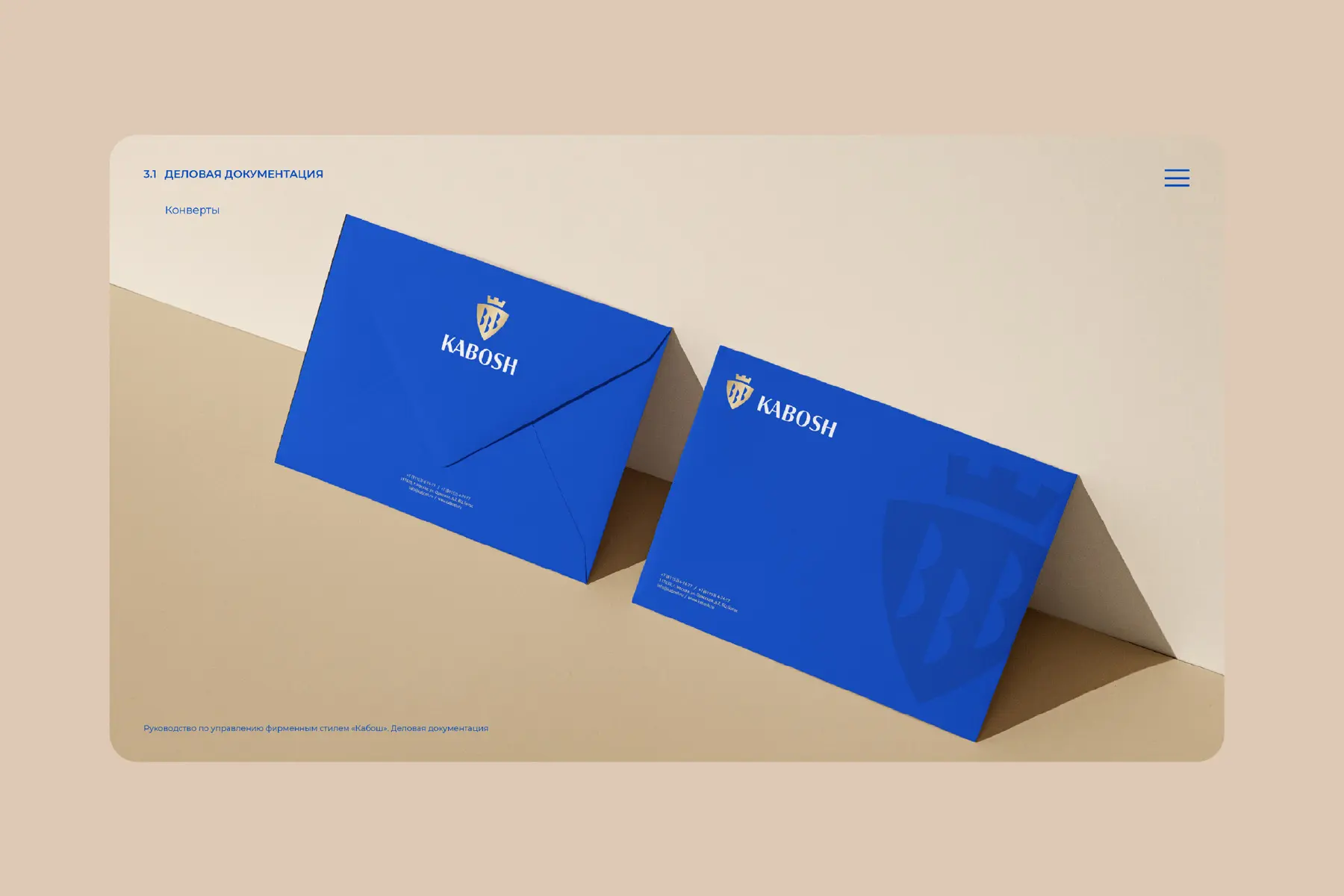
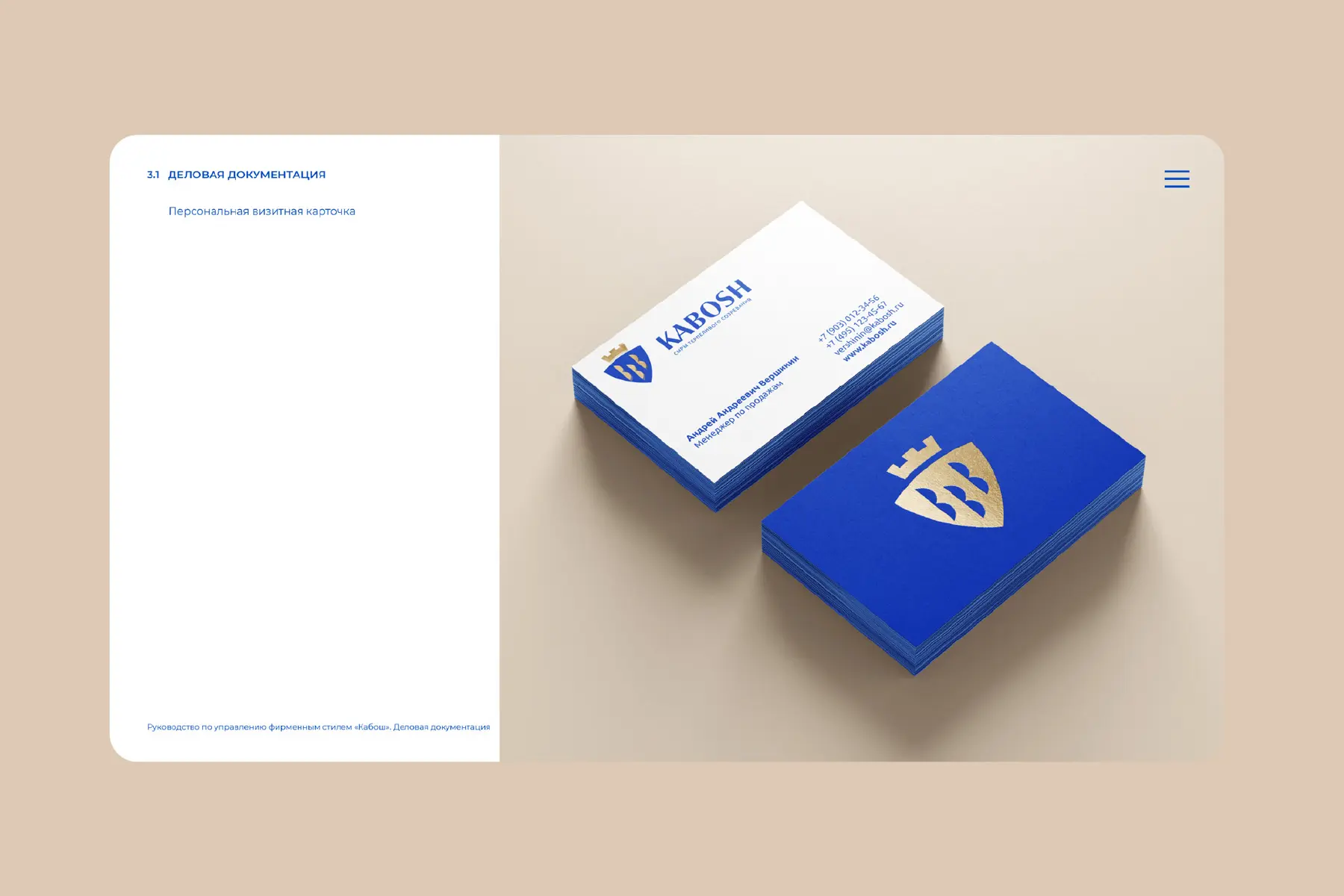
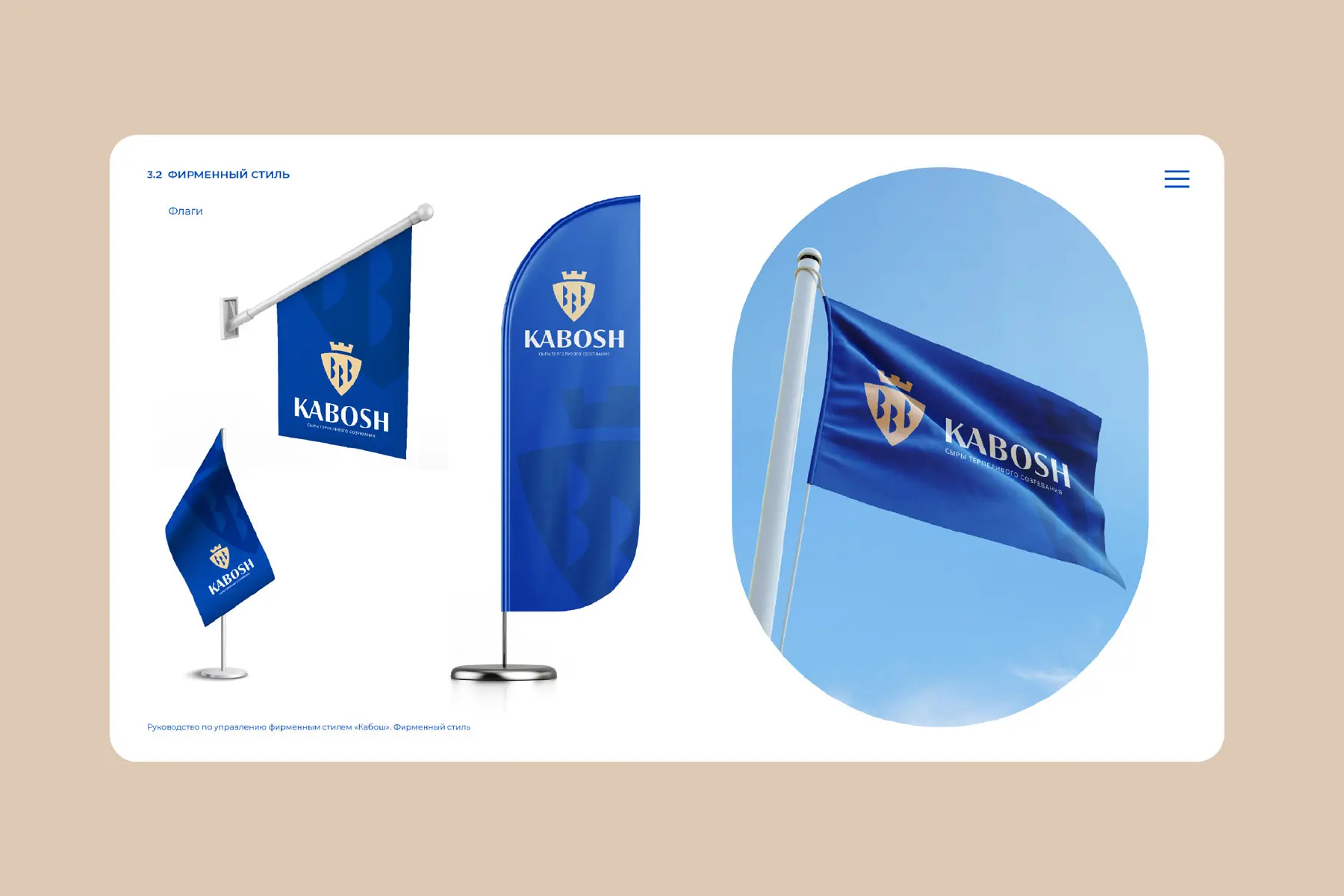
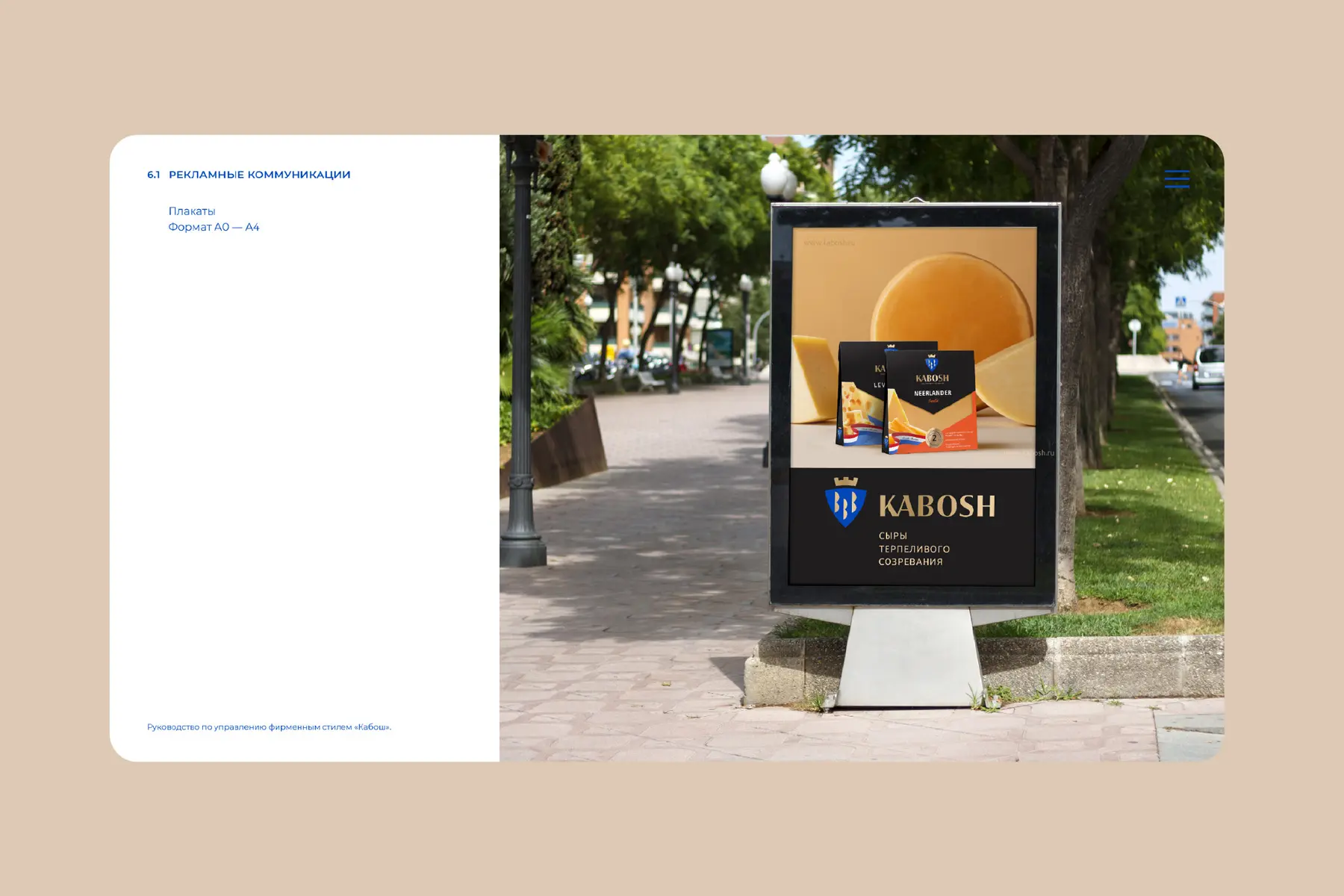
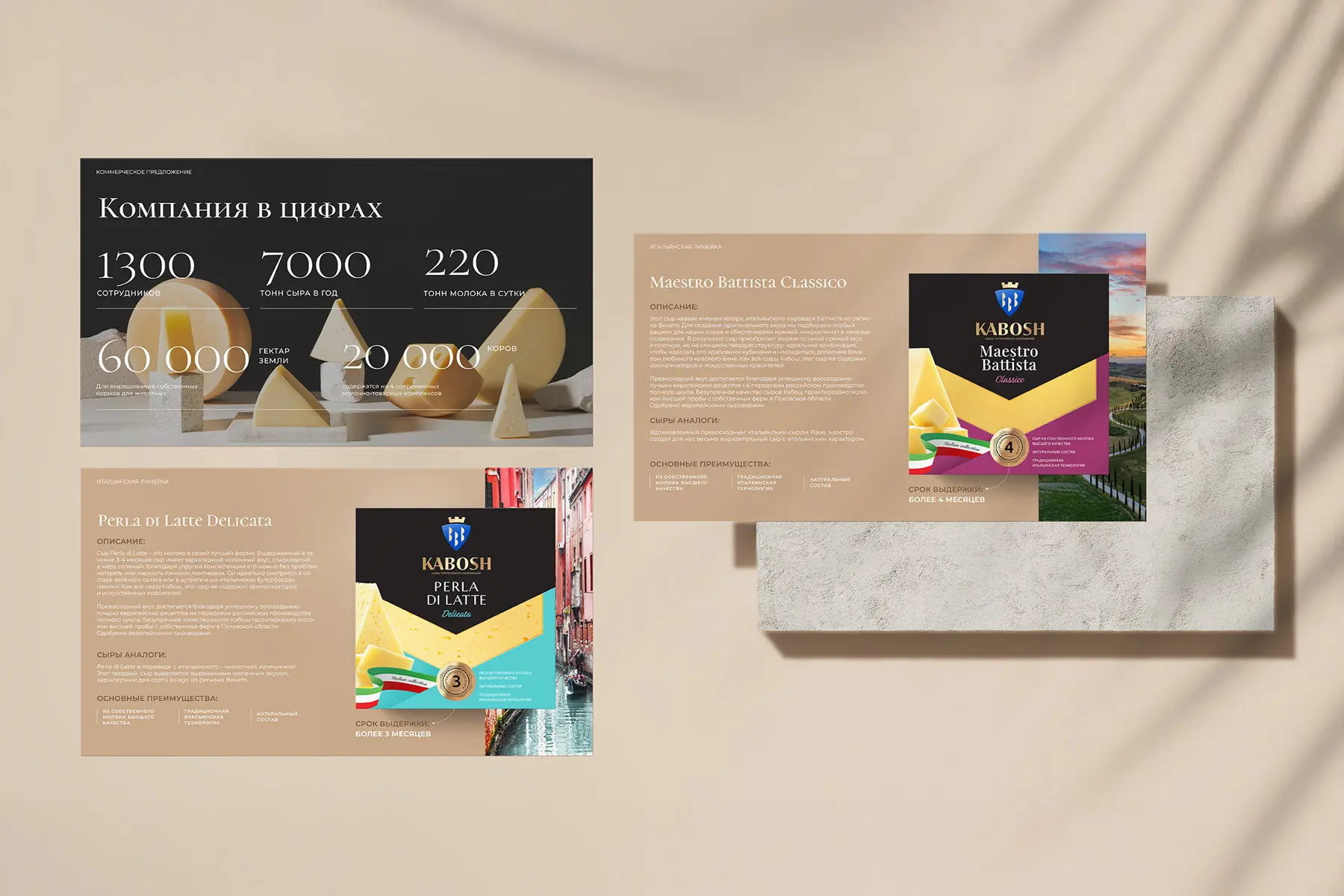
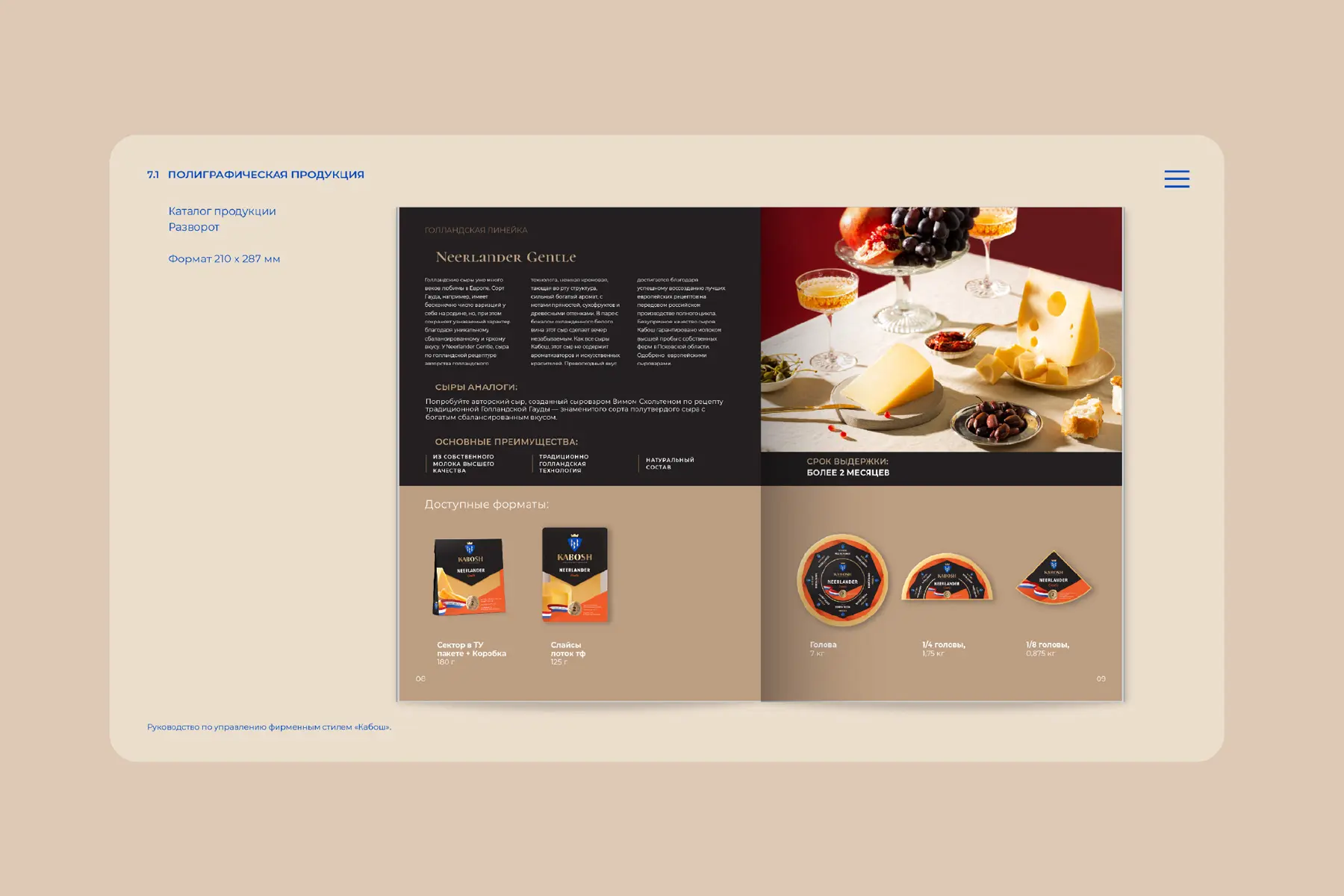
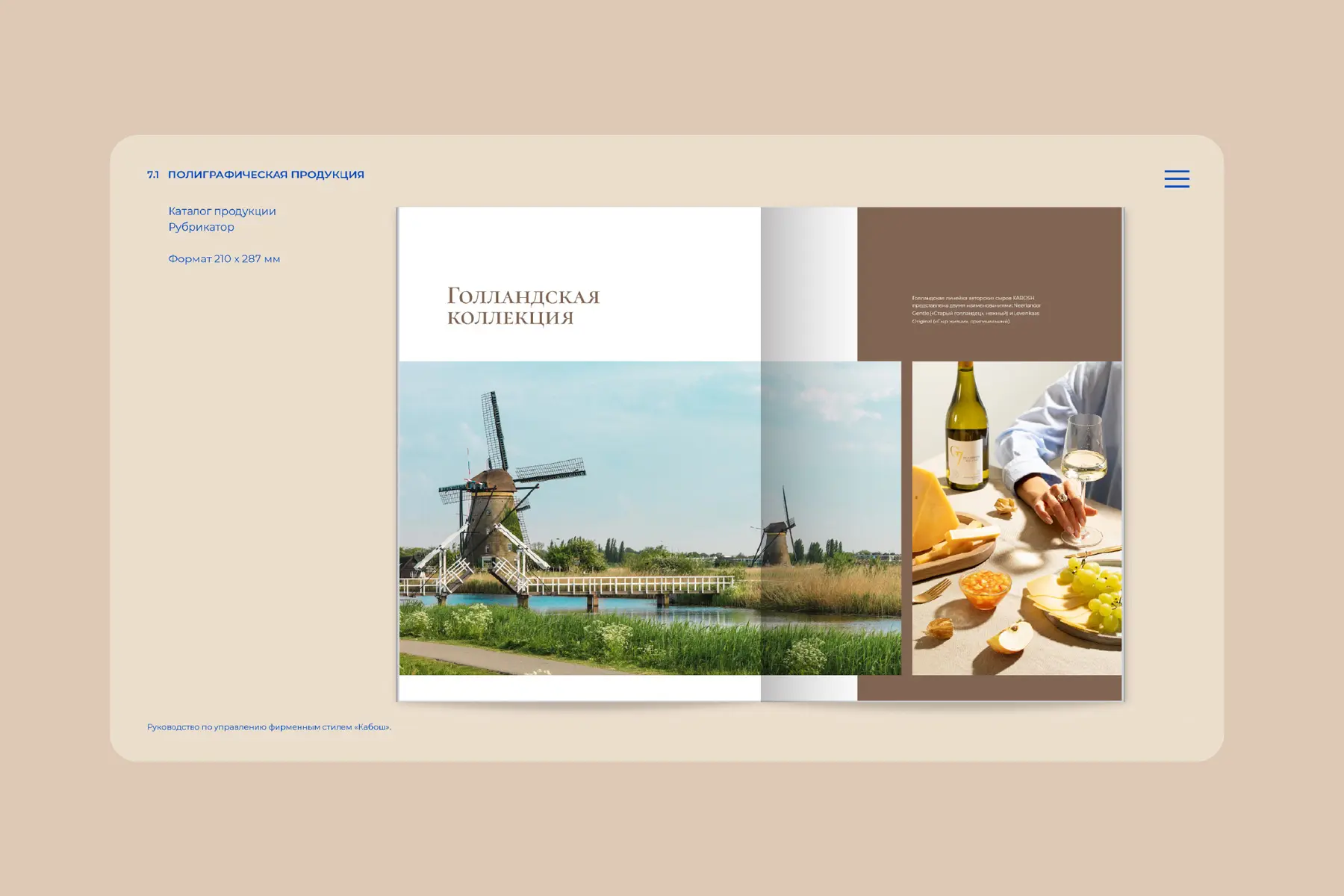
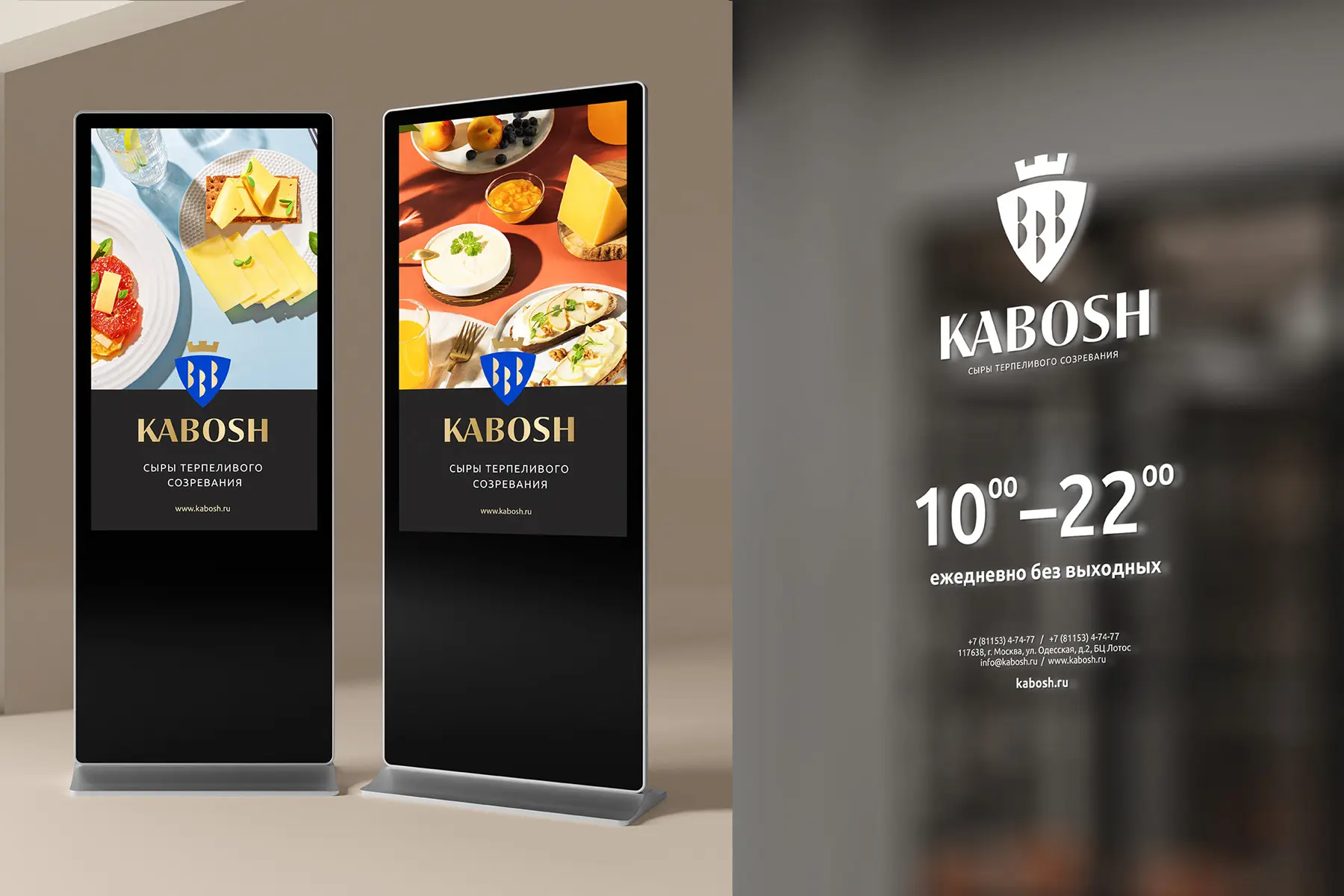
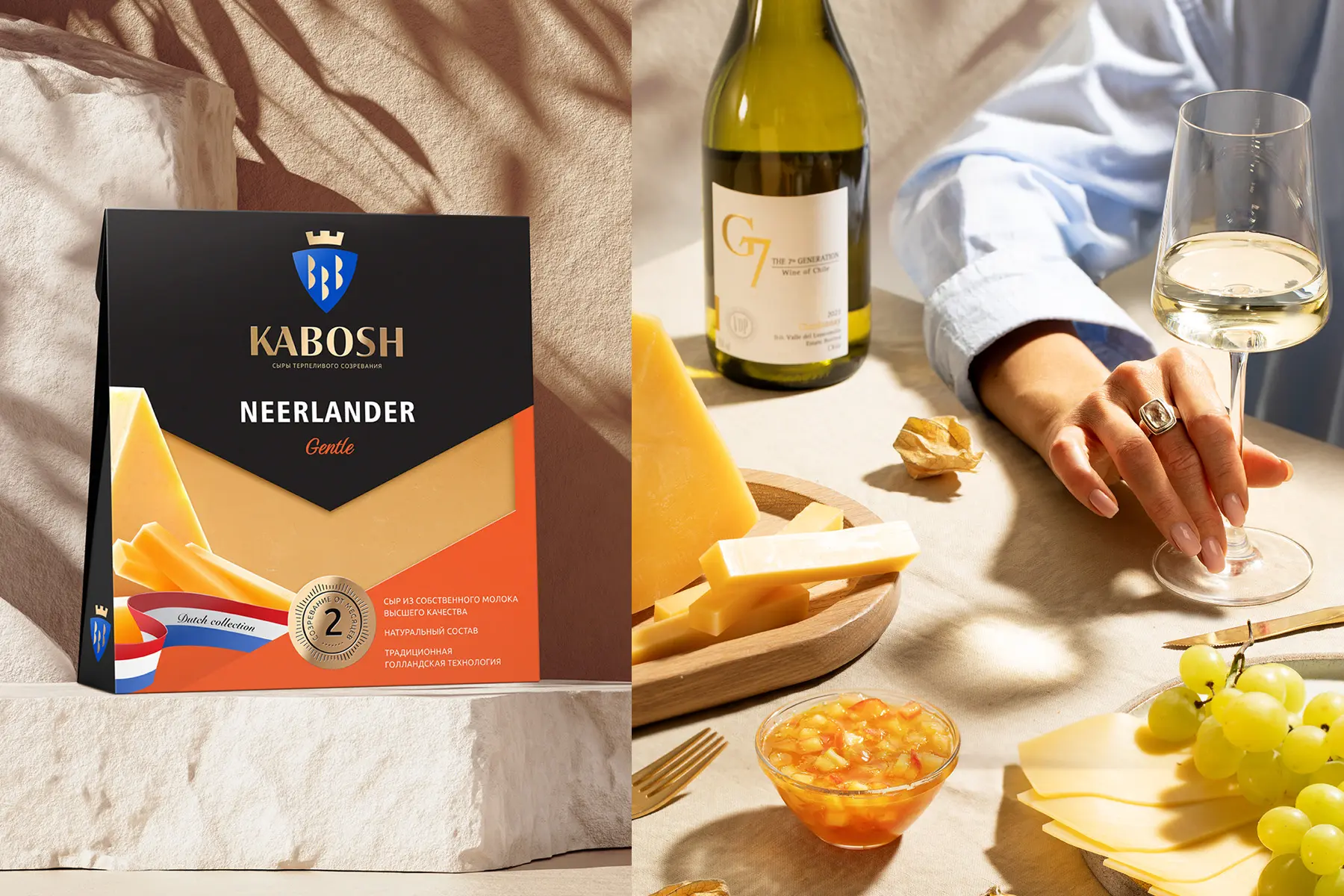
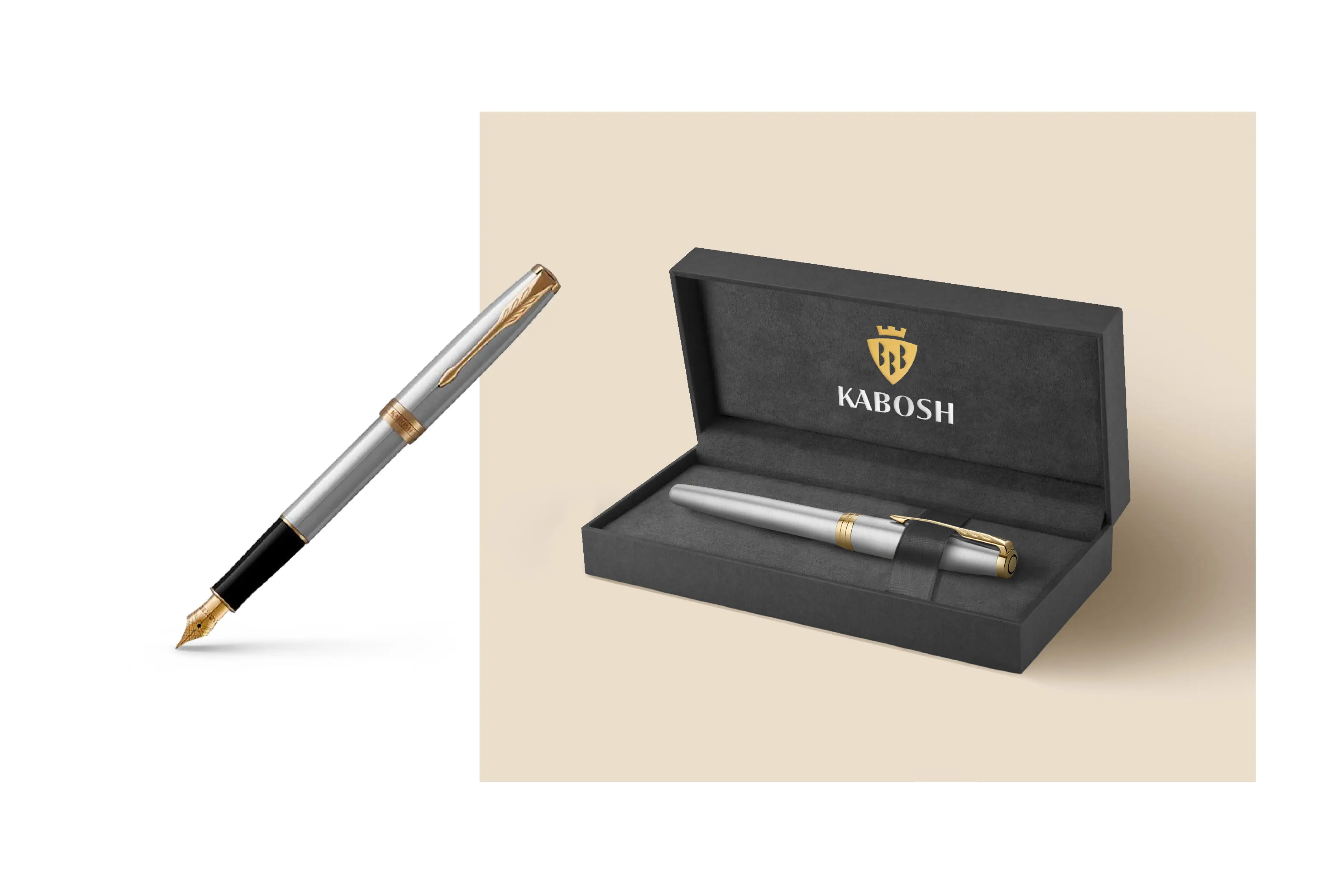
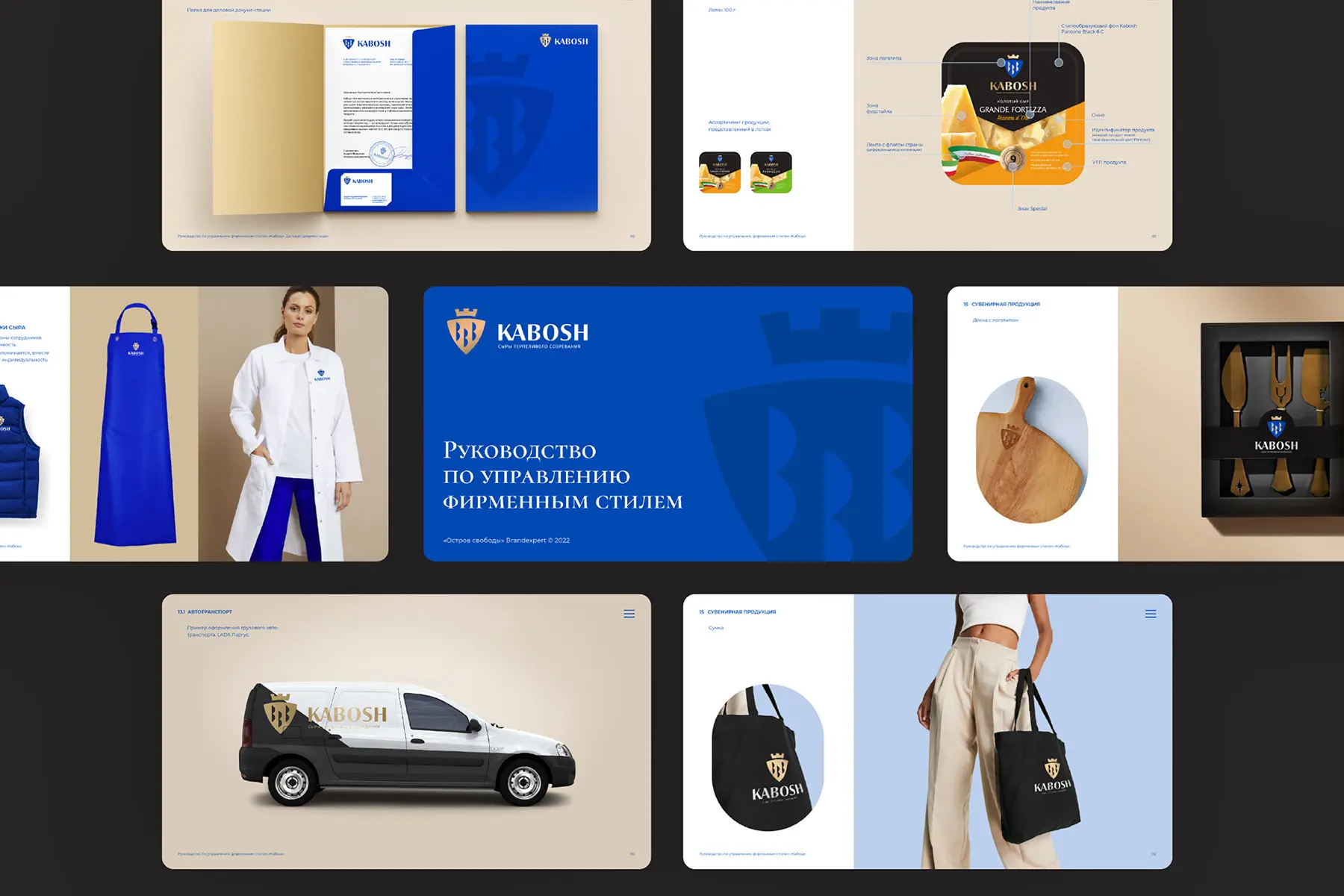
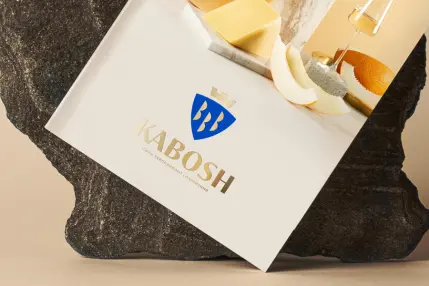
Kabosh — Rebranding, Logo Design, Packaging and Label Design, Brand Guidelines, Photography, and Website Design. The branding agency BRANDEXPERT Freedom Island developed a brand book for the cheese producer KABOSH, created a logo and corporate identity.

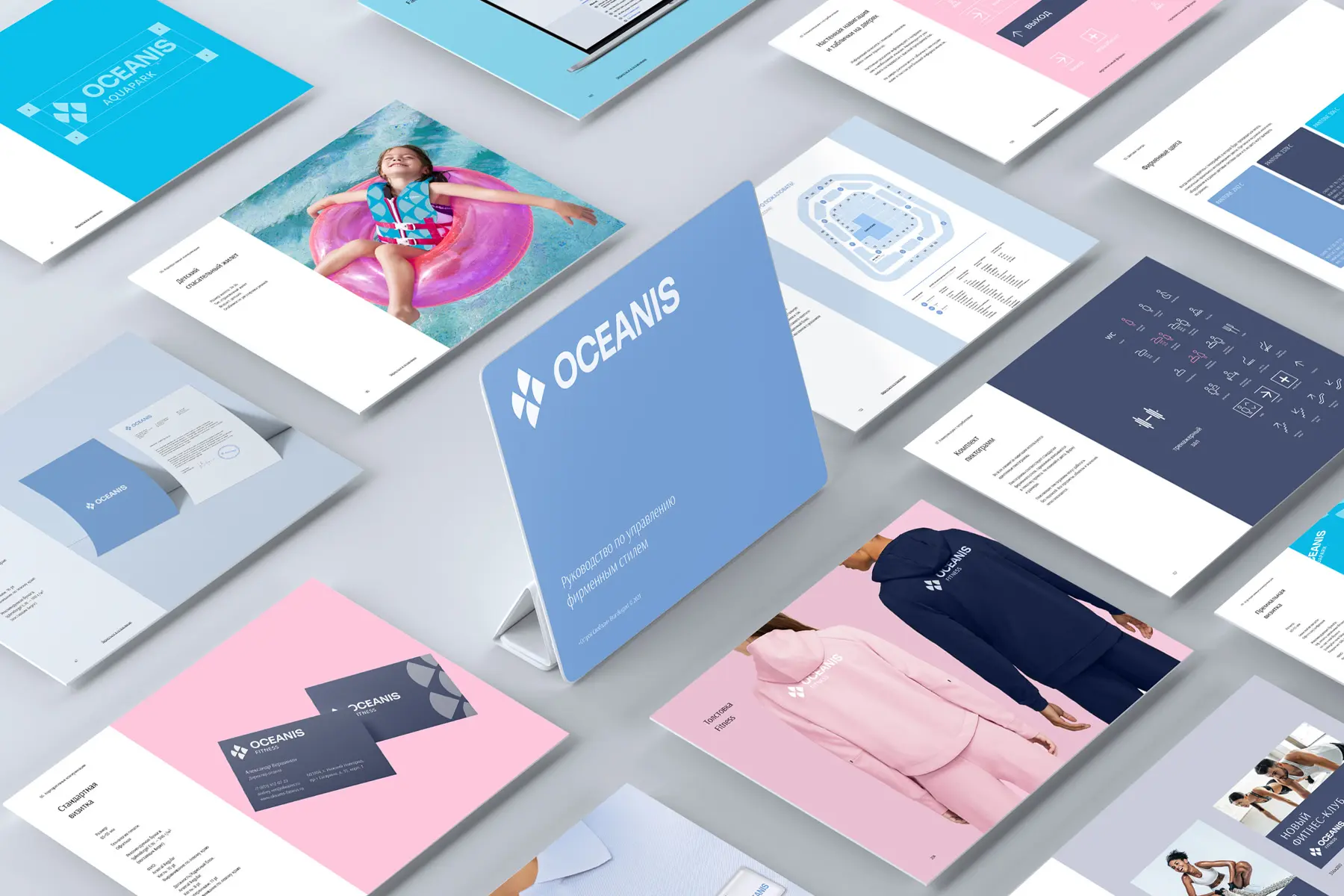
Oceanis — Brand Positioning, Logo Design, Brand Identity Design, Brand Guidelines, Interior Design, and Advertising Communications. Development of a brand book for the OCEANIS shopping center
ATEMI — positioning, logo development, corporate identity, packaging design. BRANDEXPERT “Ostrov Svobody” carried out the rebrand of ATEMI: the brand strategy was updated, and a new logo and visual identity were developed, along with packaging and label design, a brand book, print and advertising design, and professional photography for the brand’s communications.

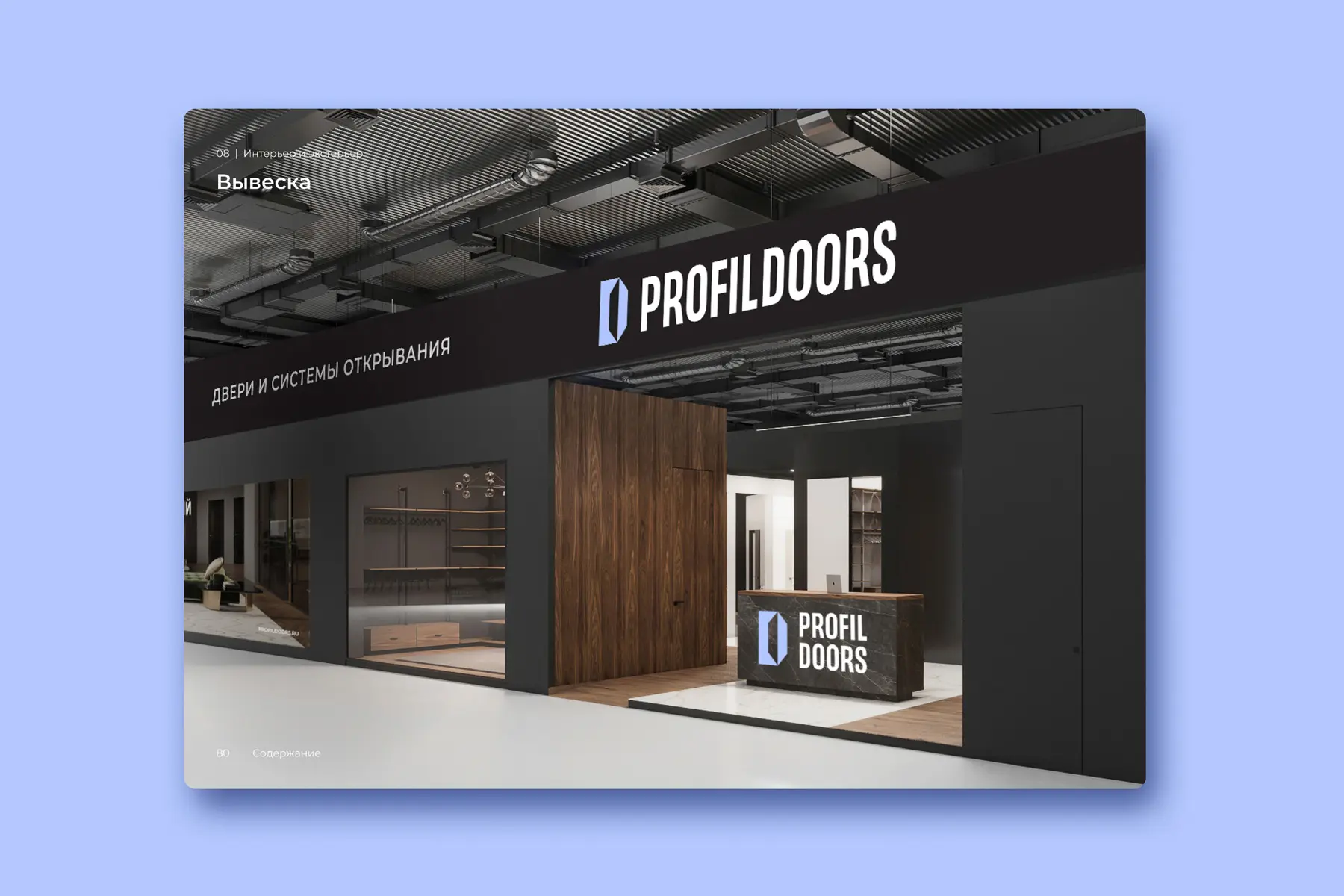
PROFIL DOORS. The BRANDEXPERT agency conducted a comprehensive rebranding for the PROFIL DOORS company. We developed the brand platform, logo, corporate style, advertising design, retail brand and brand book.
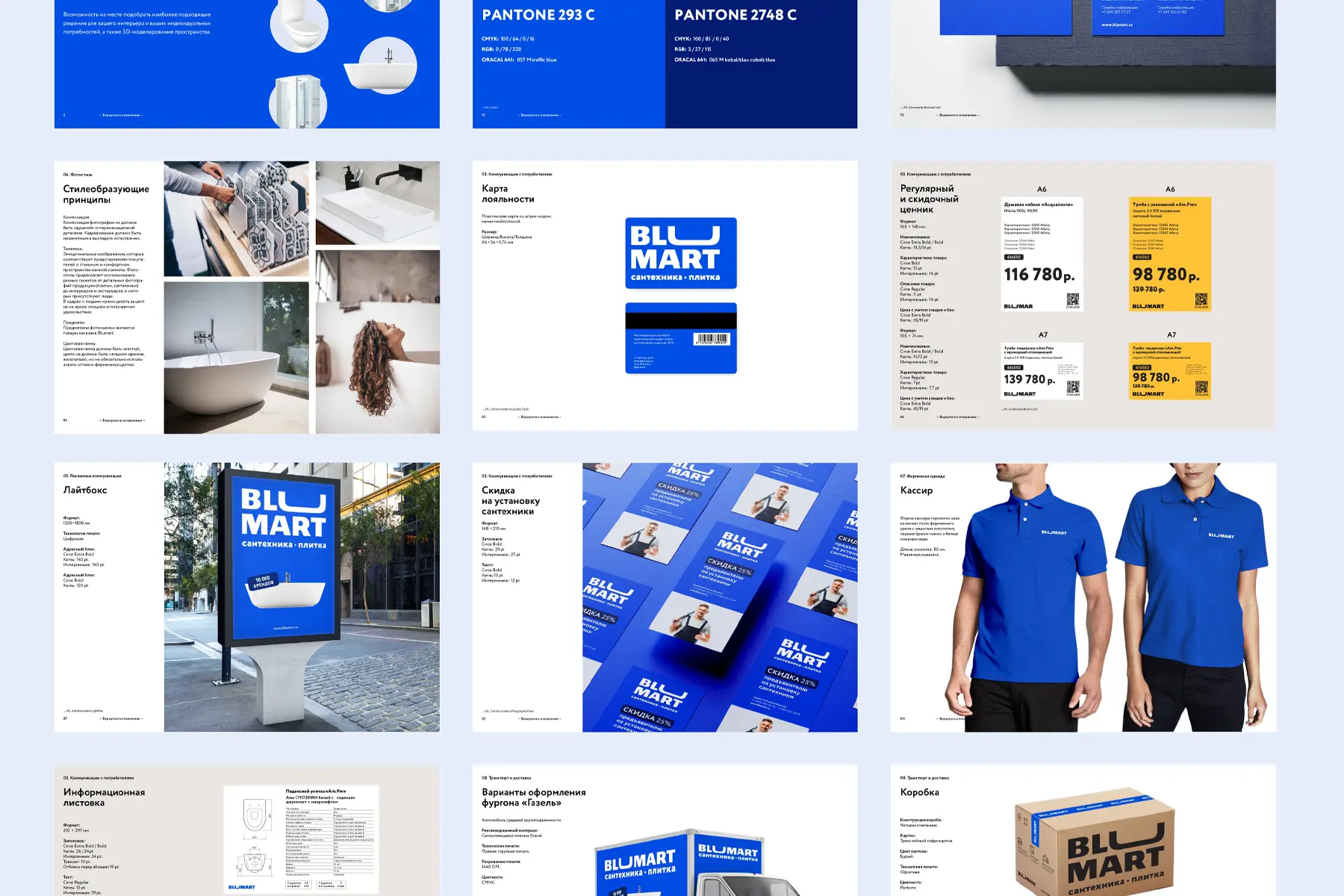
BLUMART. Creating the brand for the first and largest hypermarket of plumbing and tiles in Russia, BLUMART. The project includes: platform for positioning and naming, creating a logo and identity, designing the interior, and developing a brand book.
Zoonik. Brand marketing strategy for ZOONIK, a top pet products brand. Design of a logo and visual identity as part of the brand’s updated identity system. Development of a packaging design concept for the brand’s product lines.

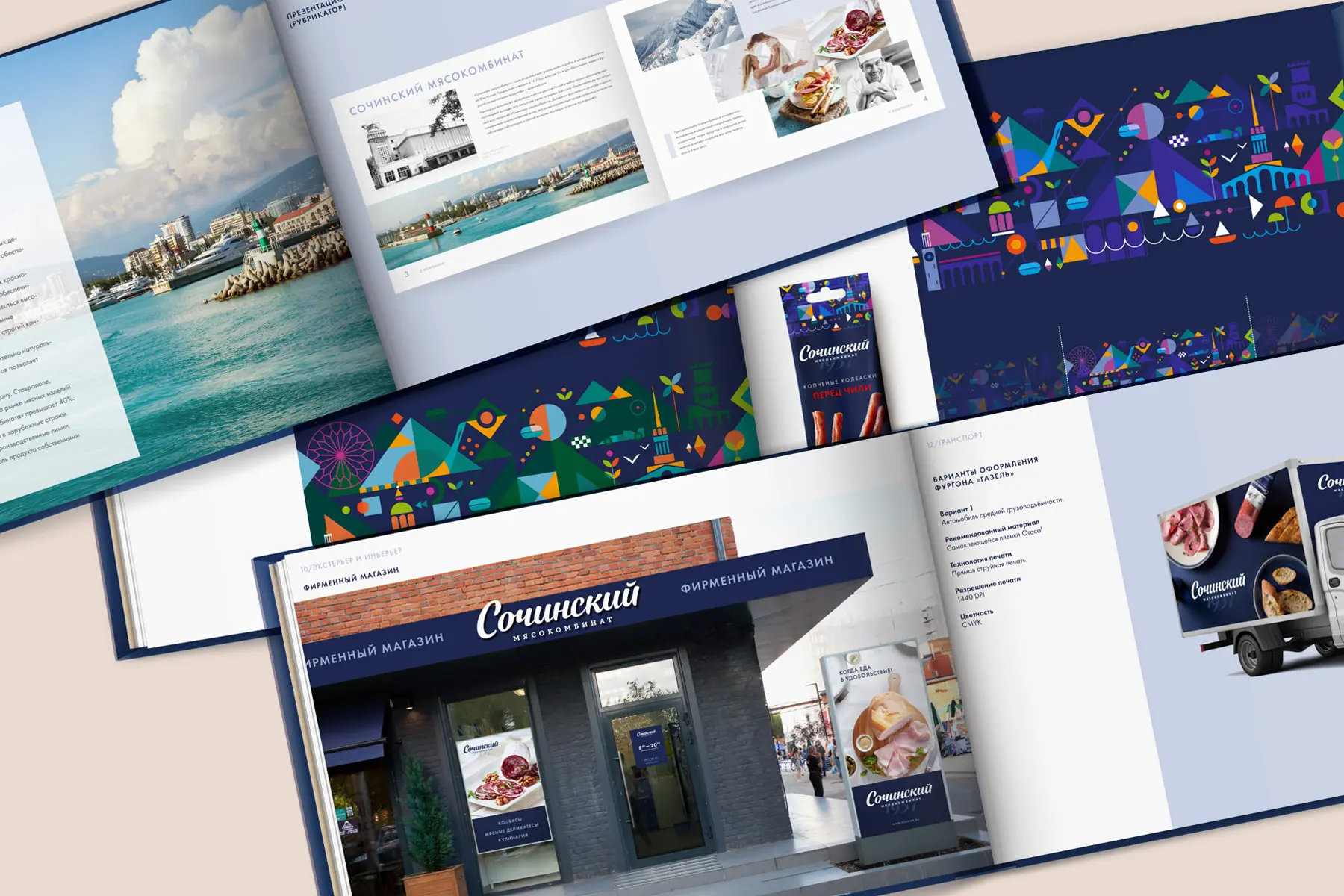
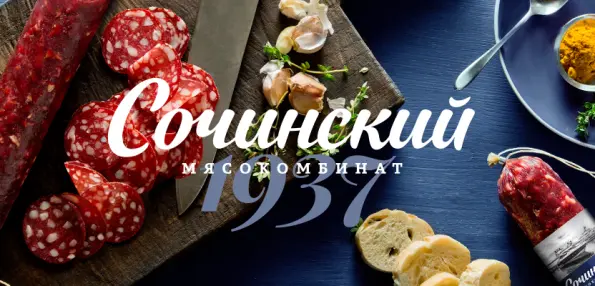
???. Rebranding of "Sochinsky Meatworks," the largest producer of delicatessen meats and sausages in southern Russia. Developed packaging and label design for products. Created brand guidelines and positioning strategy outlined in a brand book.

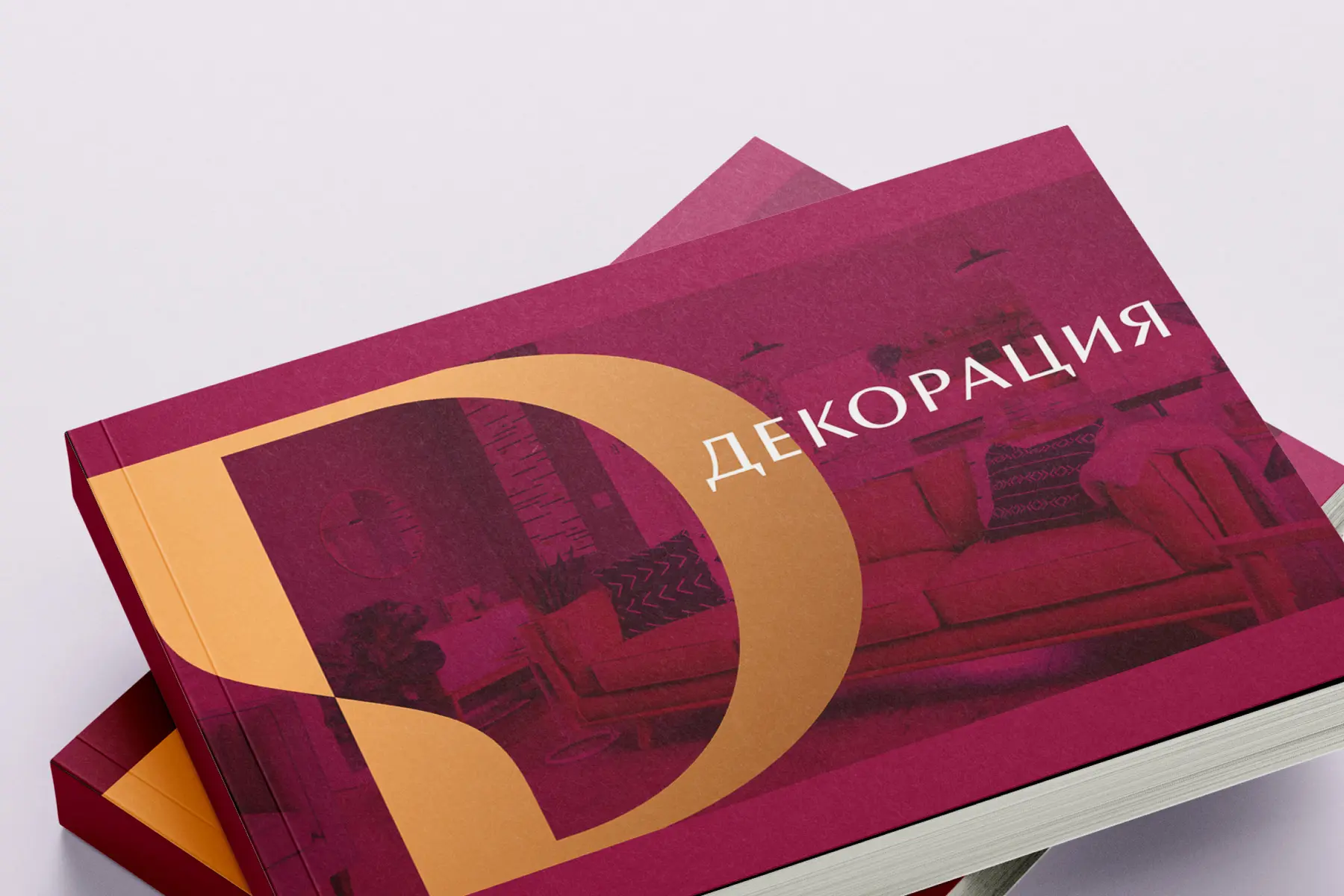
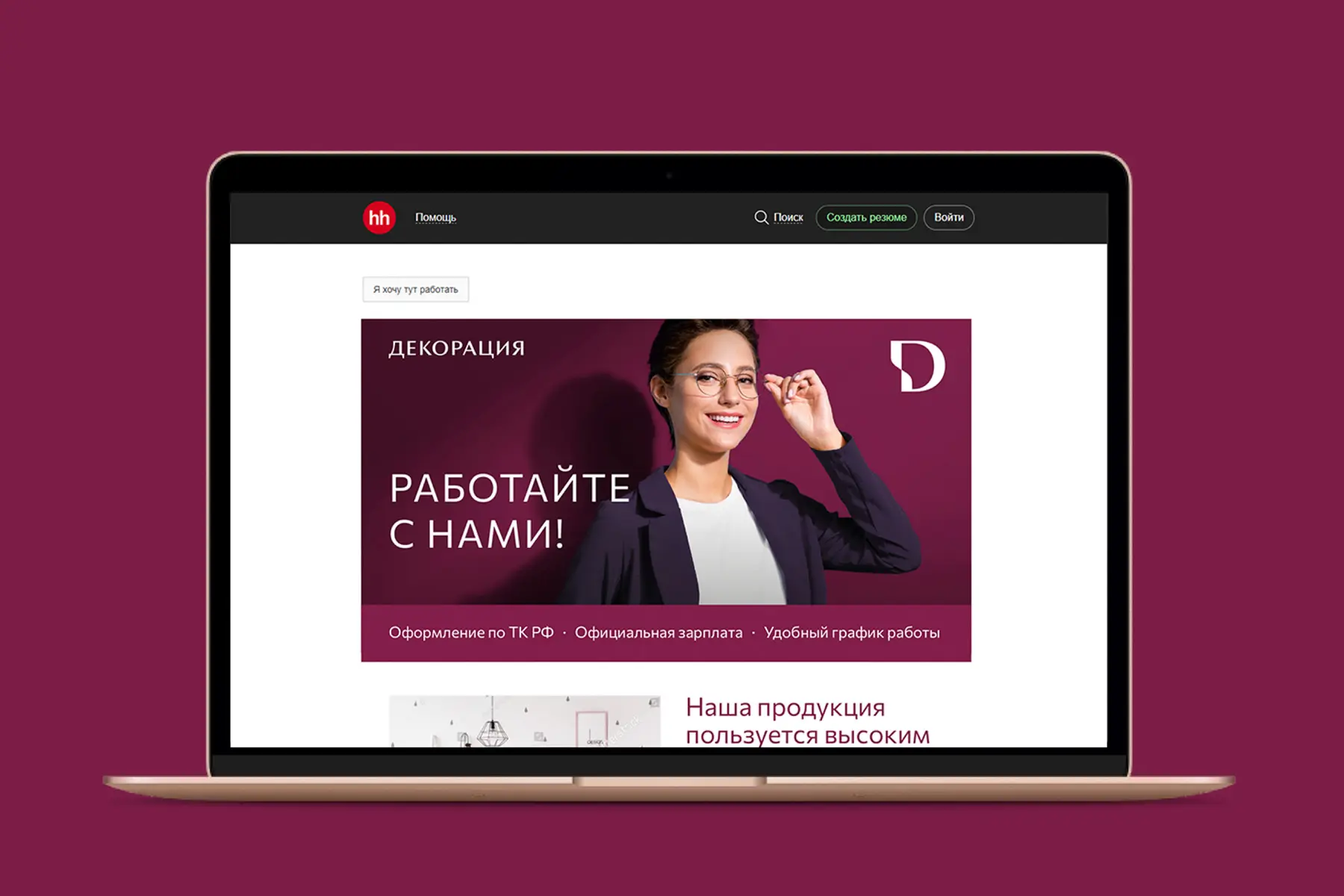
???. The BRANDEXPERT agency conducted the rebranding of the company DECORATION, including the brand platform, logo and corporate style. As part of creating the retail brand, interior designs, positioning strategy and advertising design were developed.
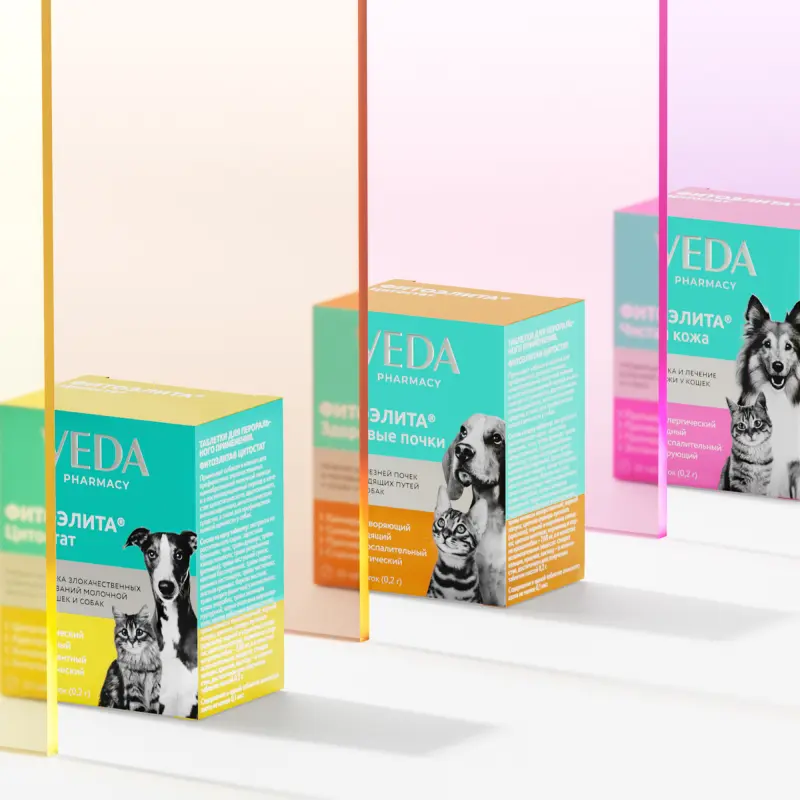
Veda Pharmacy. Creating a brand and developing a brand book for the veterinary company VEDA, a leading Russian developer in the field of veterinary phytotherapy. Establishing a corporate style and logo for the brand, the first choice in animal care and treatment.

???.

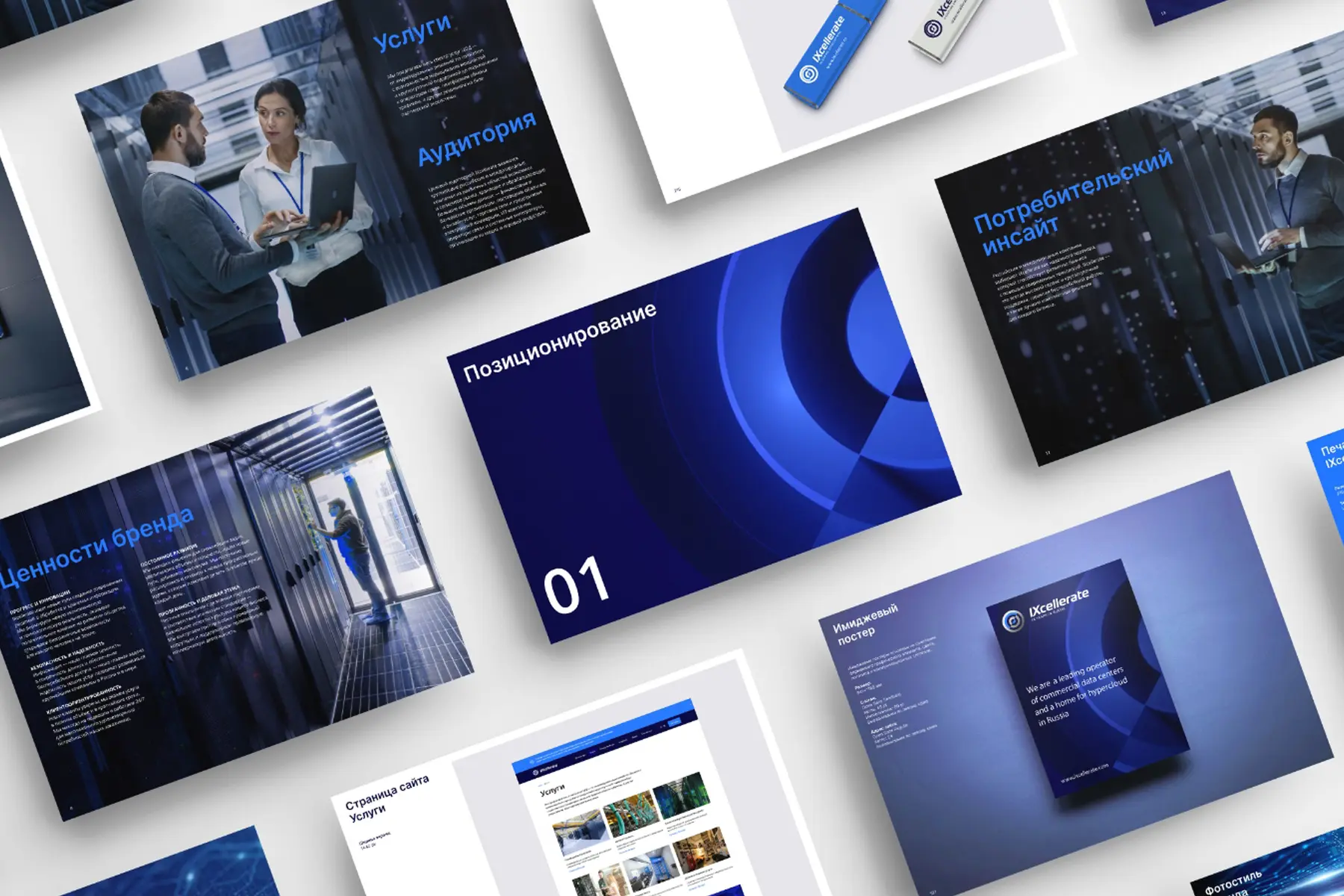
IXcellerate. BRANDEXPERT has updated the corporate identity of the IXcellerate brand, one of the leading data centers in Russia. The new corporate identity maintains continuity with the previous design
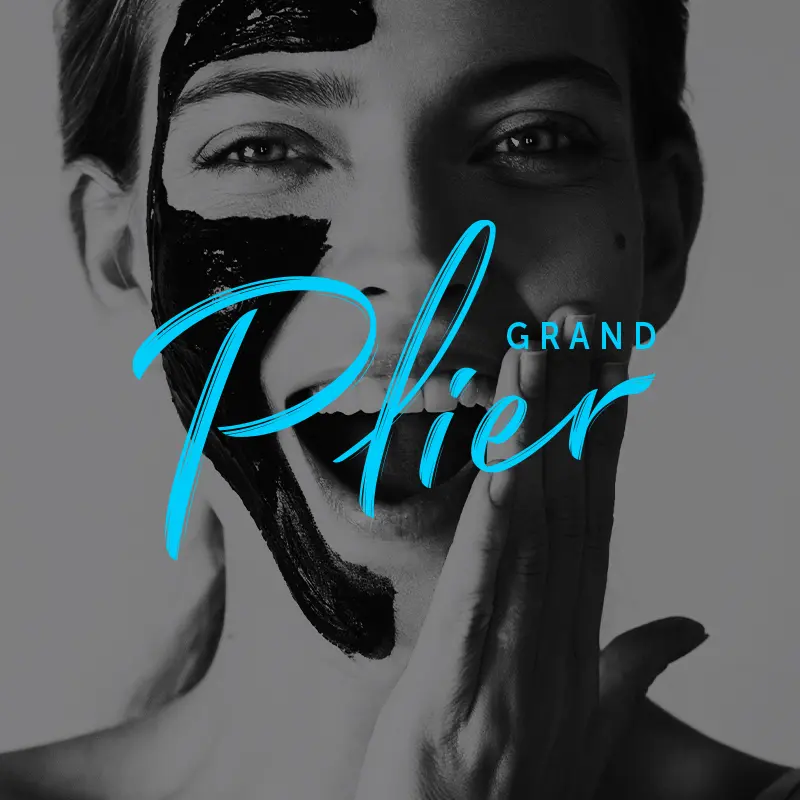
???. Grand Plier is a new Russian natural cosmetics brand. Brandexpert developed the new brand from scratch: brand name, packaging design, product catalog, website, and professional photos

MOON. MOON is the largest furniture factory in Europe. BRANDEXPERT agency made a repositioning, created logo, brandbook, packaging design and retail branding of furniture stores.
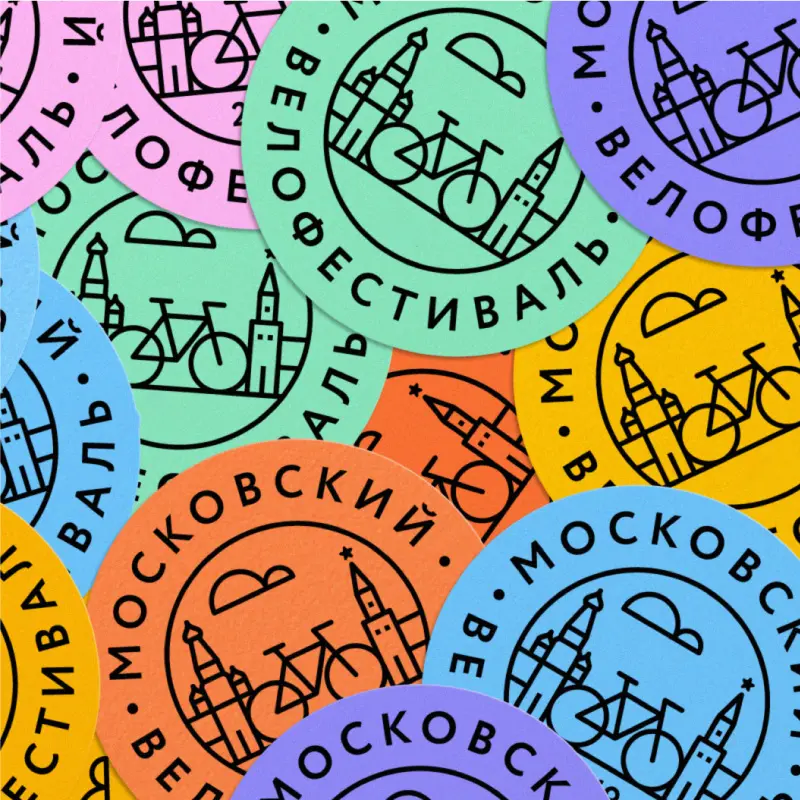
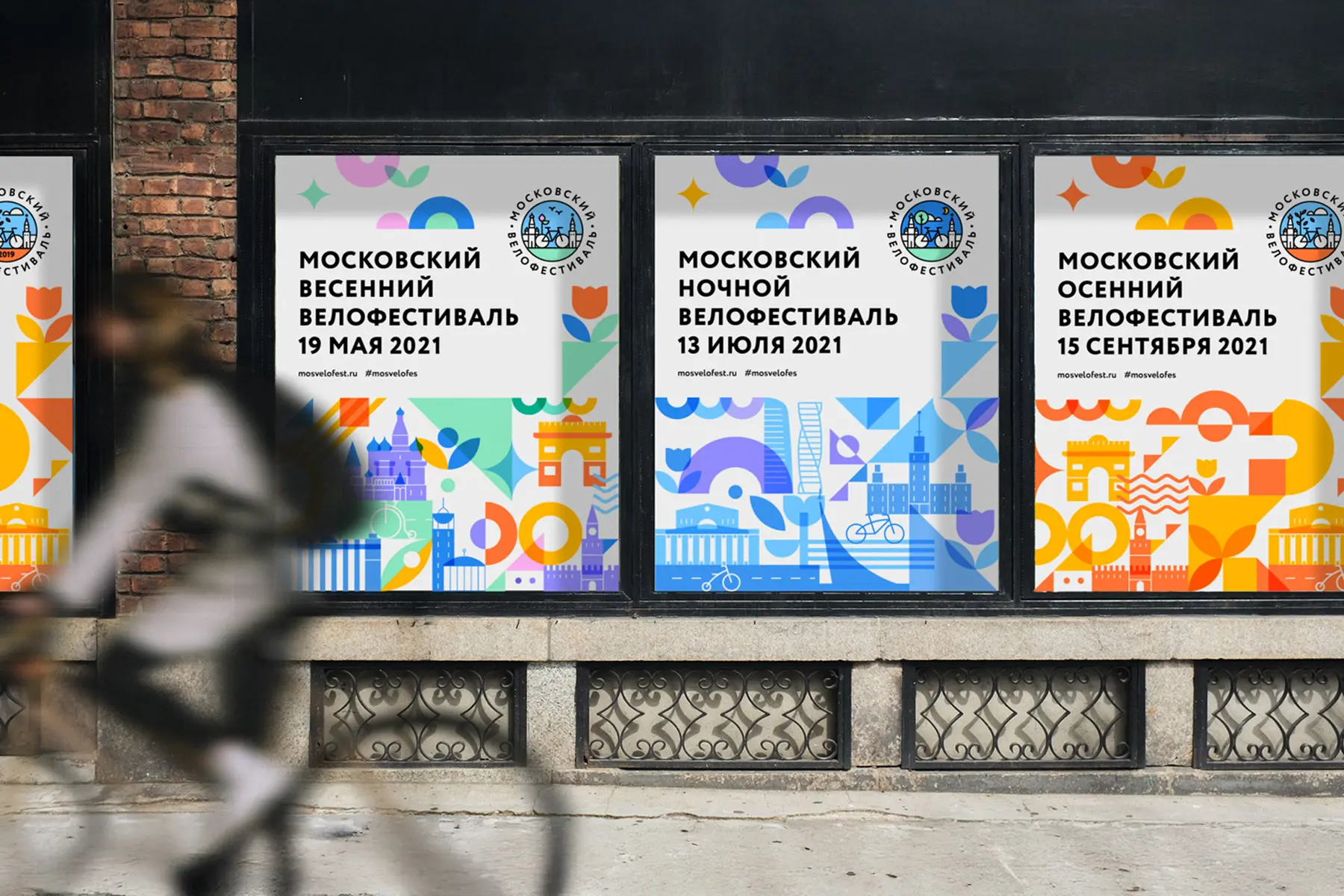
Moscow Bicycle Festival. BrandExpert created a colourful, flexible, and eloquent brand identity and ads for the Moscow cycling festival

ROST. ROST holding is one of the largest players in the Russian food market. Brandexpert completely updated ROST's corporate brand identity, logo design, brand guidelines, and packaging design solutions.

Darov. Darov is a new retail chain with a strong accent on delicious prepared foods. Brandexpert developed the new brand from scratch: brand name, brand identity, logo, brand guidelines, packaging design, and interior design solutions

OKRAINA. Okraina holding’s matrix includes only natural meat products. The branding agency BRANDEXPERT re-branded the whole holding: developed the corporate brand identity, logo, brand guidelines, website, and also created packaging design.

Ageevskiy. Creating the brands "Pshenitsyn" and "Papa Roma" for the confectionery factory "Ageevsky". Logos for the brands, packaging design and product labels were developed. The corporate logo and brand identity of the company "Ageevsky" have been updated.

Konti. Konti confectionery corporate brand restyling performed by Brandexpert: logo and corporate identity design, retail store interior design, brand guidelines, packaging and label design, multiple sub-brands created from scratch.

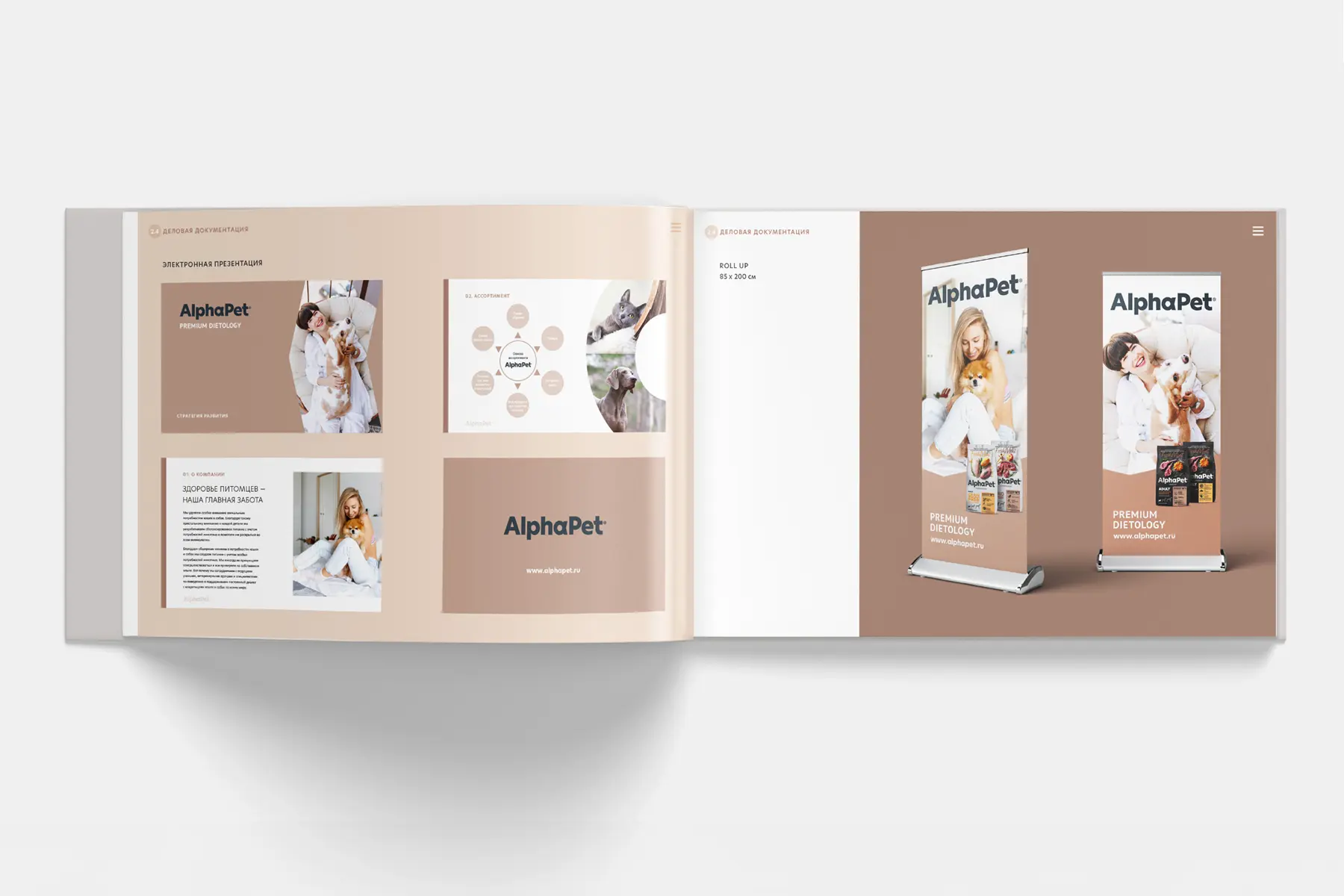
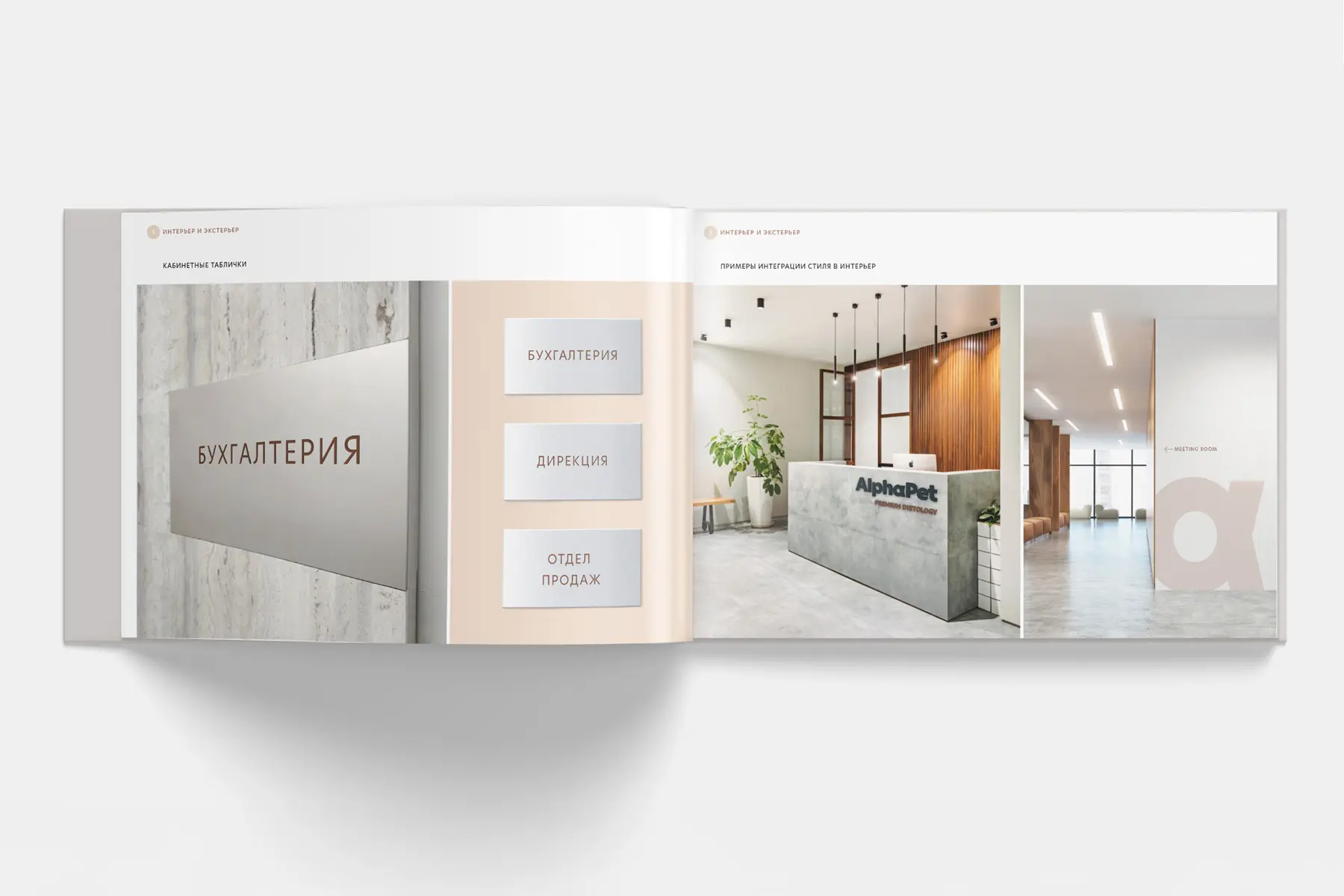
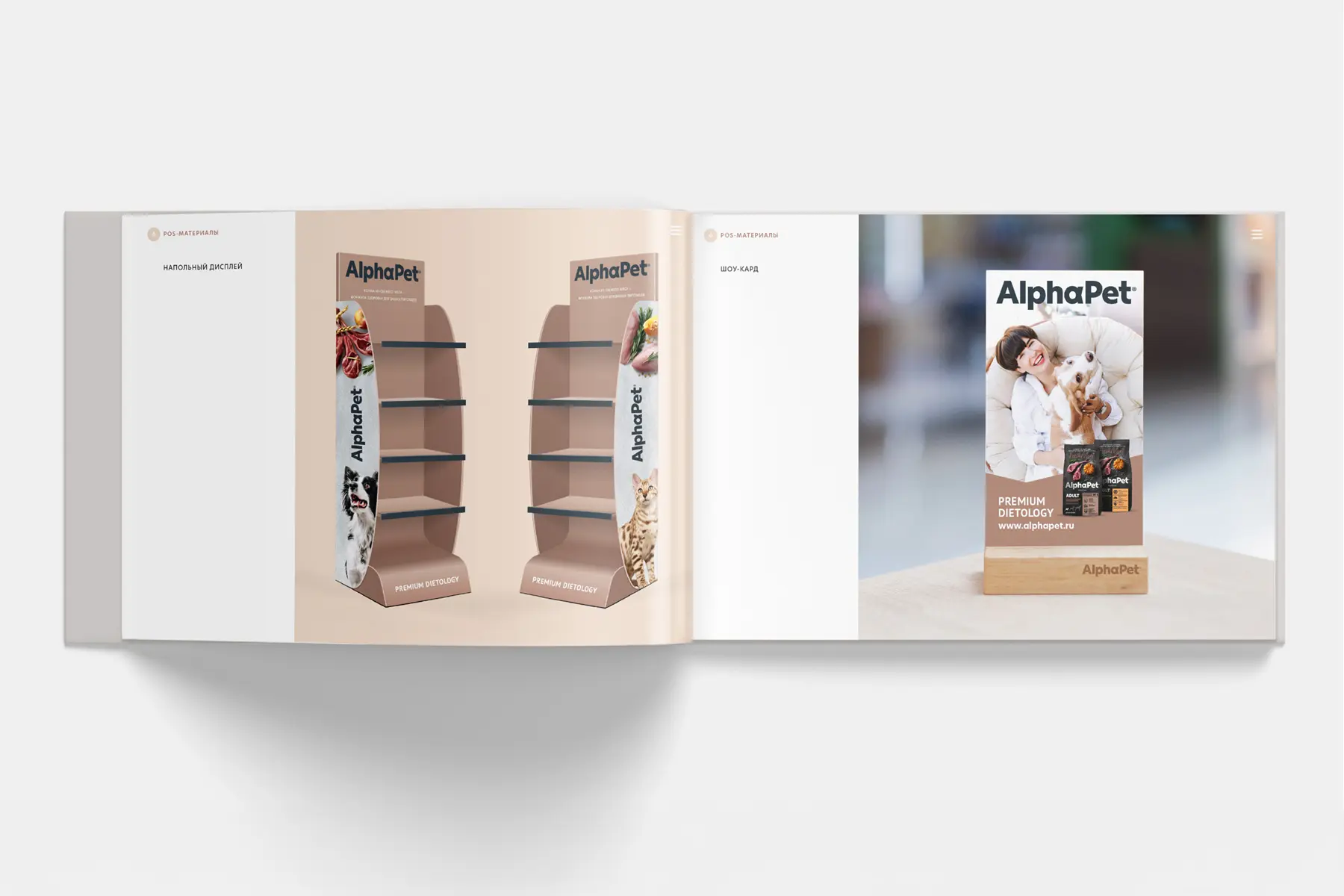
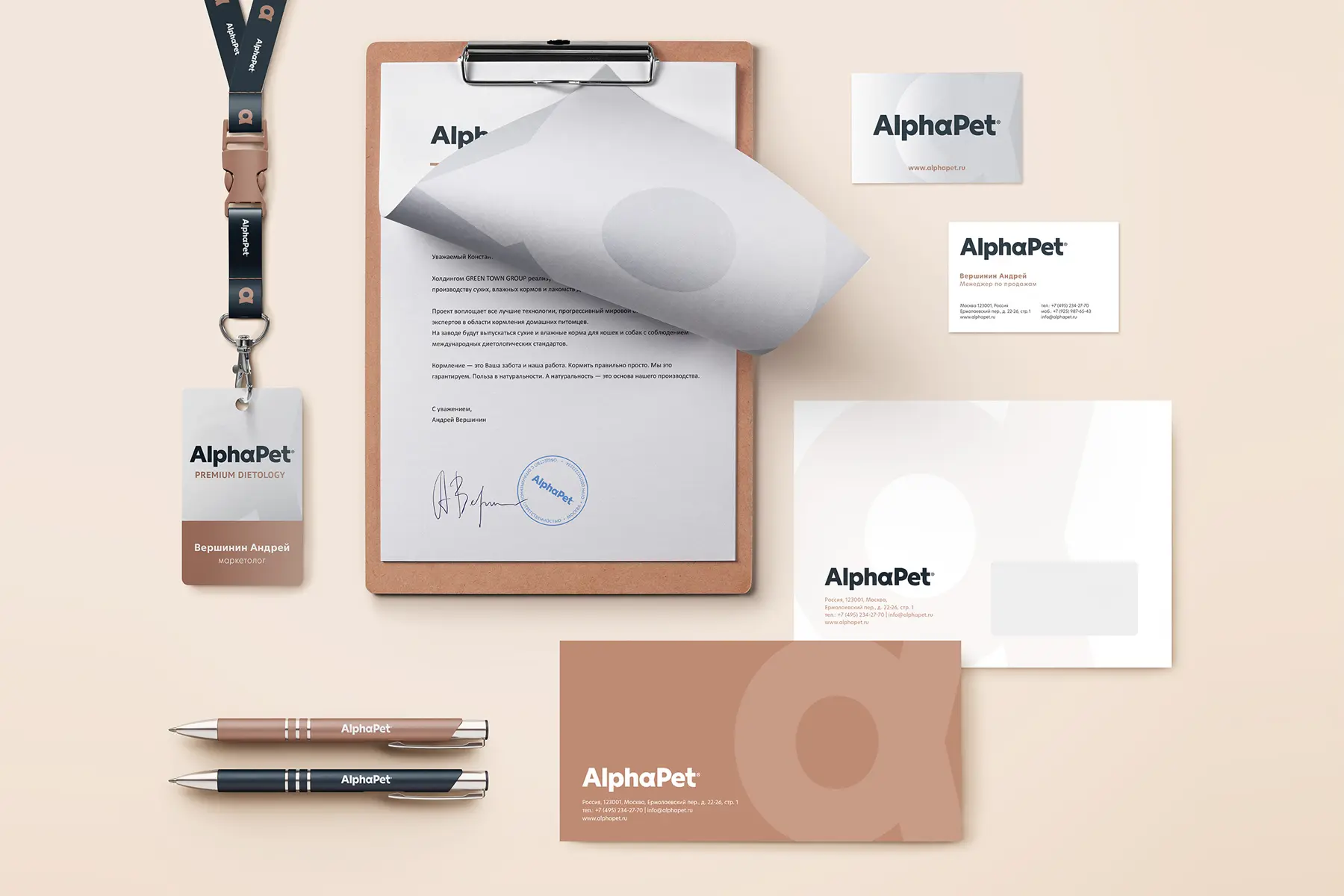


What is a brand book
A brand book is a practical guide that records the brand’s idea, voice, and visual standards, as well as how to apply them in typical situations. It is an essential document that contains both a corporate identity guide and rules for brand governance.
For brand managers and practitioners, creating a brand book acts as a shared rulebook: what to say, how to design, and what to avoid. The document sets roles, scenarios, and priorities, while the development of a brand book links these to templates and “do/don’t” examples.
The strategic framework defines positioning and reasons to believe, so the creation of a brand book starts with the brand platform and its verifiable statements.
Next, the brand book fixes standards for the brand’s language (tone of voice): a consistent voice and tone for different situations so messages sound uniform.
The visual section that supports the creation of a brand book includes the logo and corporate identity: clear space, color palettes, typography, layout grids, image and photography style.
The technical section, clarified during the development of a brand book, covers formats, tolerances, print and screen requirements. For digital media, the brand book adds baseline accessibility requirements so interfaces are readable for all users.
Finally, the development of a brand book gathers source files and templates into an easy-to-use asset set, available to everyone who interacts with the brand. The result is a single reference for growth and quality management.
As the company evolves, the brand book is updated while remaining a common foundation for all teams. In this sense, creating a brand book is an ongoing process — not a one-off action.
Create a brand book to ensure consistent brand communications
Consistency in communications is the main reason why creating a brand book should be a priority during growth. Message alignment improves when the development of a brand book sets clear layout examples and meaning hierarchies.
To implement changes faster, design the brand book as a living hub of rules and assets. This approach reinforces a unified look across advertising, sales, and service, while the development of a brand book ensures reproducibility in layouts, reduces errors, and speeds up campaign launches.
When geography and channels expand, the development of a brand book reduces the risk of conflicting interpretations between vendors. As a result, creating a brand book increases recognition and makes communications more predictable.

What’s included in a brand book
The structure of your brand governance guide depends on business needs: company profile, market segment, project scale, business model, advertising channels, and core identity media.
Typically, creating a brand book includes three blocks: positioning strategy, brand language, and visual standards (logo and identity).
In the strategic block, creating a brand book fixes the value promise, differentiators, and proof — concise and to the point. In the verbal block, it sets voice and tone for typical situations: website, support, advertising, and official documents. In the visual block, it defines rules for logo, color palettes, typefaces, grids, photography, and graphics.
The technical section, set during the development of a brand book, describes media, sizes, tolerances, and production requirements. A service section collects links to source files, fonts, and templates.
For complex projects, creating a brand book adds co-branding rules and scenarios for joint identity placement. If different levels of detail are required, the development of a brand book provides both short and full versions.
In practice, creating a brand book is always tested on real media to ensure that rules are workable, and the document itself is supported by regular updates and quality checks.



Which brand book does my business need?
To start and test hypotheses, it may be enough for creating a brand book to provide compact standards: logo, palette, typefaces, and tone examples. As teams and vendors grow, creating a brand book should become comprehensive, covering all key media.
For networked projects, creating a brand book is complemented by co-branding and local adaptation rules. If the main channel is a digital product, creating a brand book should be linked to interface design and content standards.
If you work across several markets and languages, the development of a brand book must account for translation nuances. For retail and on-site services, creating a brand book includes navigation and environmental standards so each point of sale looks consistent. For B2B companies, creating a brand book strengthens documentation and presentations, which builds trust in negotiations.
When a business scales rapidly, the development of a brand book helps maintain quality as the number of teams grows. The result is creating a brand book as a basic tool for managing the brand in any situation.



Define your brand positioning as the foundation of the brand book
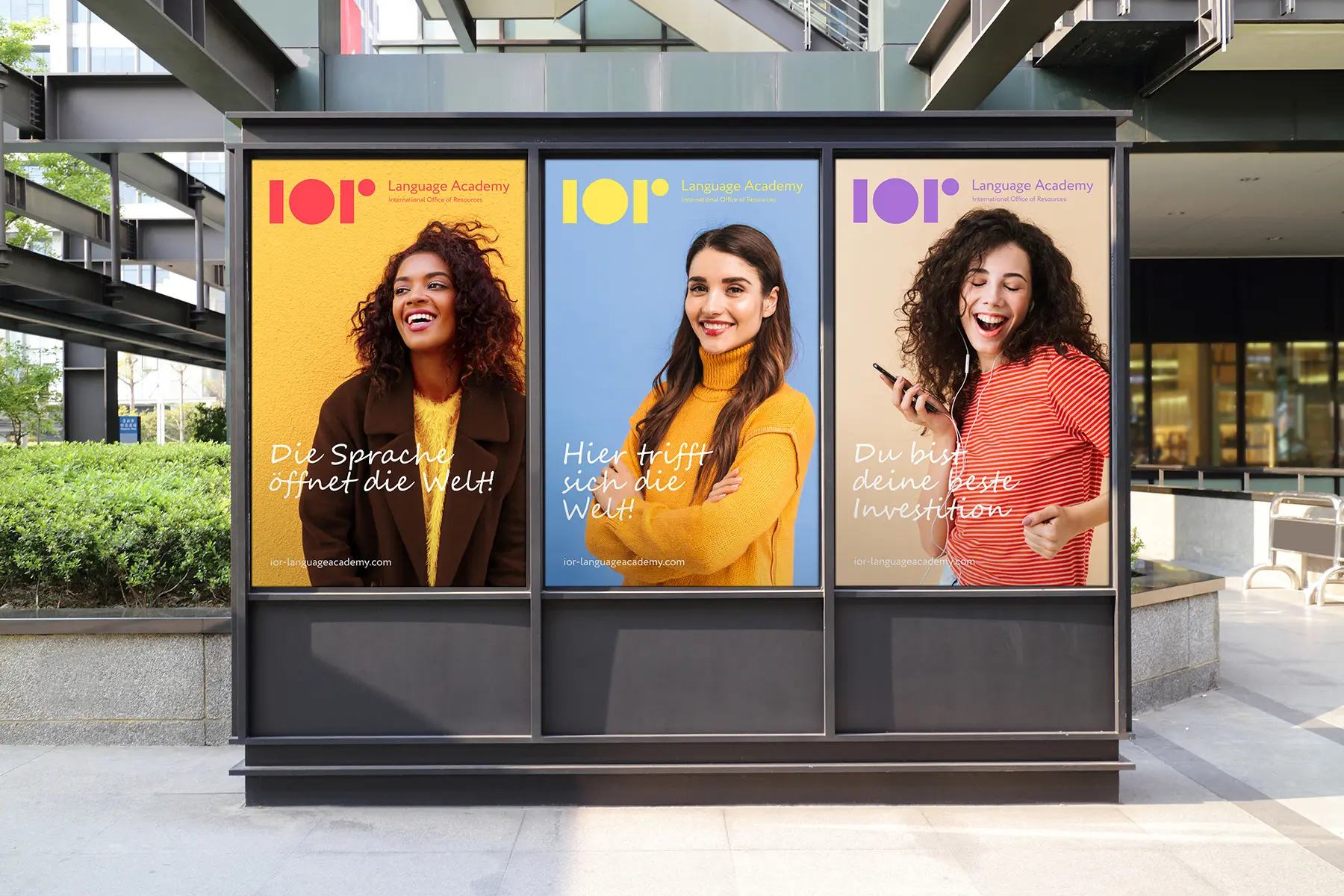
The brand platform reflects the distinctive image you aim to build in customers’ minds and defines the narrow niche where your company can lead. Positioning serves as the basis for the visual identity and the creation of a brand book, although a brief guide can be produced without it. If your contractor researches the market, builds the strategy, and creates the brand book from scratch, it will affect schedule and cost — make sure you have enough time.
Viewed through marketing and psychology, this section explains why your audience will trust your brand and buy your product. The “Positioning Strategy” section typically includes: brand idea, product or service and unique selling proposition (USP), benefits, target audience, values, mission, vision, reasons to believe, brand essence, and consumer insight.
Not every brand needs to fix “Positioning” in the brand book right away. The explanation is simple: creating a brand book is a long-term practice ideally built to last at least ten years, while identity and the logo are needed from day one on the market.
In year one, the original strategy may fail or change under market pressure. In that case, positioning recorded in the guide will lose relevance. That’s why young brands and startups often begin with a concise guideline. Strategy can be documented in the brand book after it has been market-tested — say, in the second or third year after launch.
The situation is different for brands already on the market that are refining their positioning and updating identity. This is a deliberate decision with a high degree of confidence, so it should be recorded when creating the brand book along with the refreshed identity.






Build your brand messaging
The communication strategy covers all interactions between brand and customer: advertising in all channels, social and media publications, product packaging, and more. These communications reveal positioning and brand essence; tone of voice plays an important role. The tone may be serious or playful, formal or informal, emotional or calm.
The brand book’s communications section includes: brand language (tone of voice), the core brand message, and examples of primary and secondary communications across online and offline touchpoints. If the same contractor builds your marketing strategy and creates the brand book, this section can be more detailed. Still, excessive detail is unnecessary because campaigns can change with the market, while identity should last at least a decade.


Design the logo and visual identity
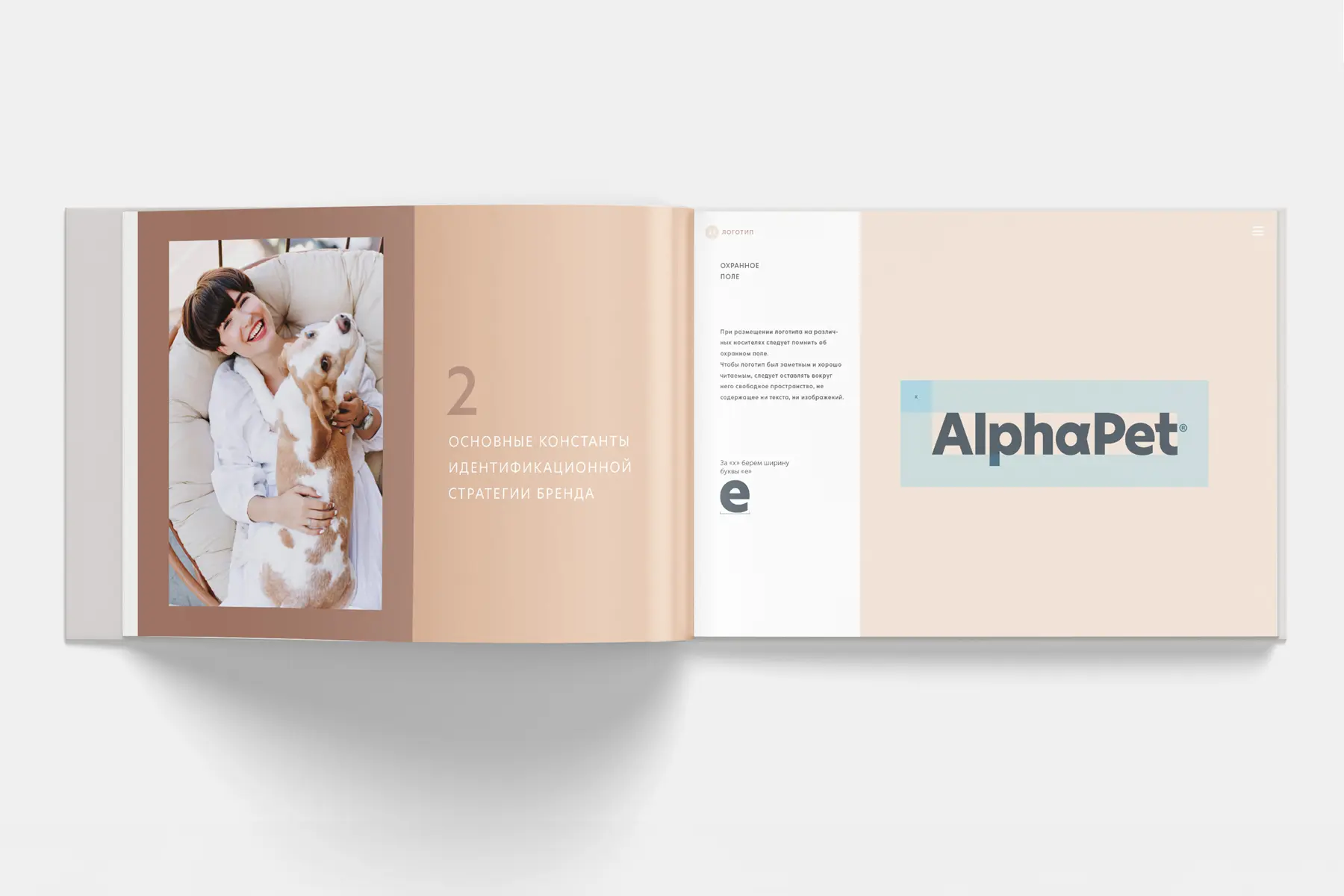
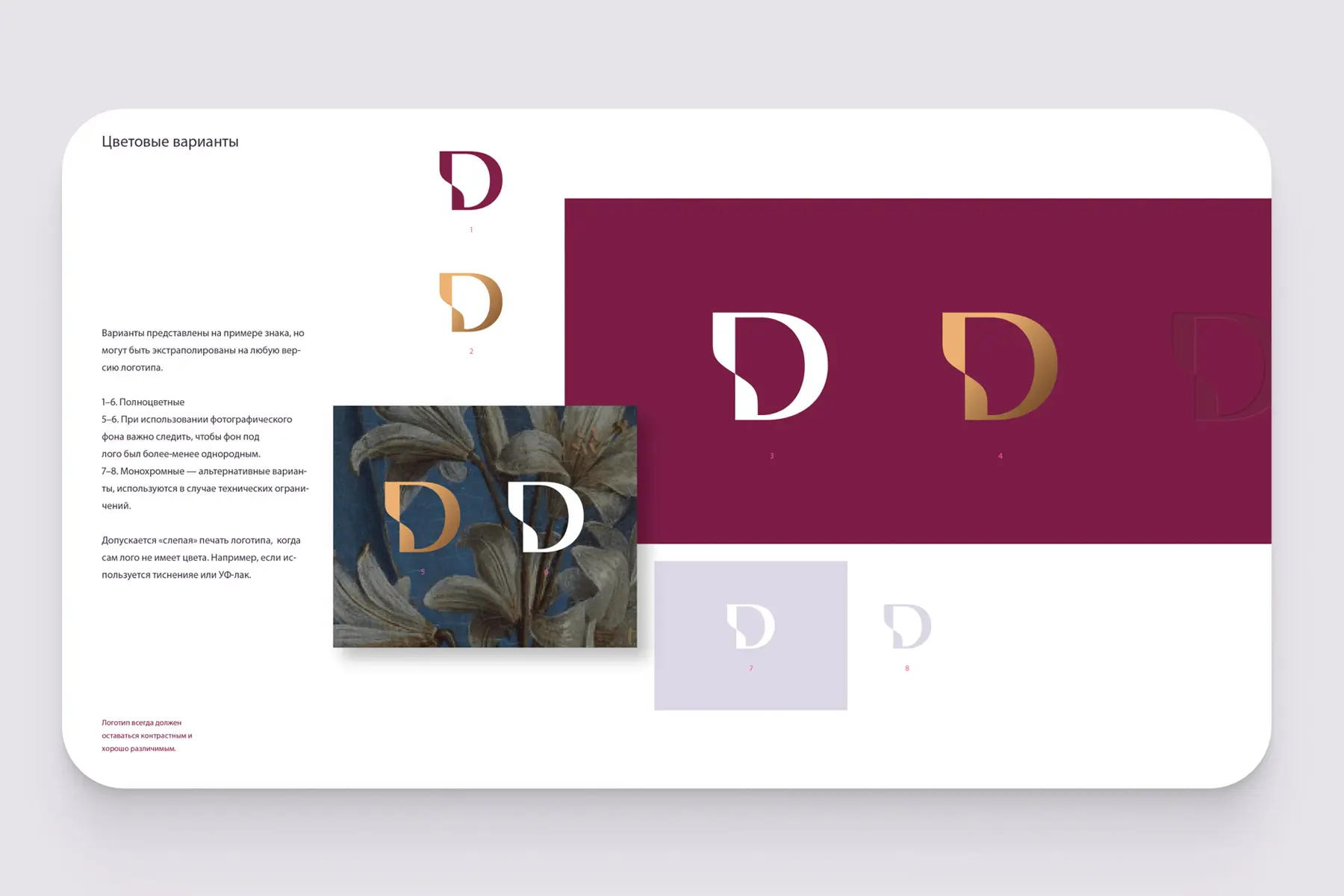
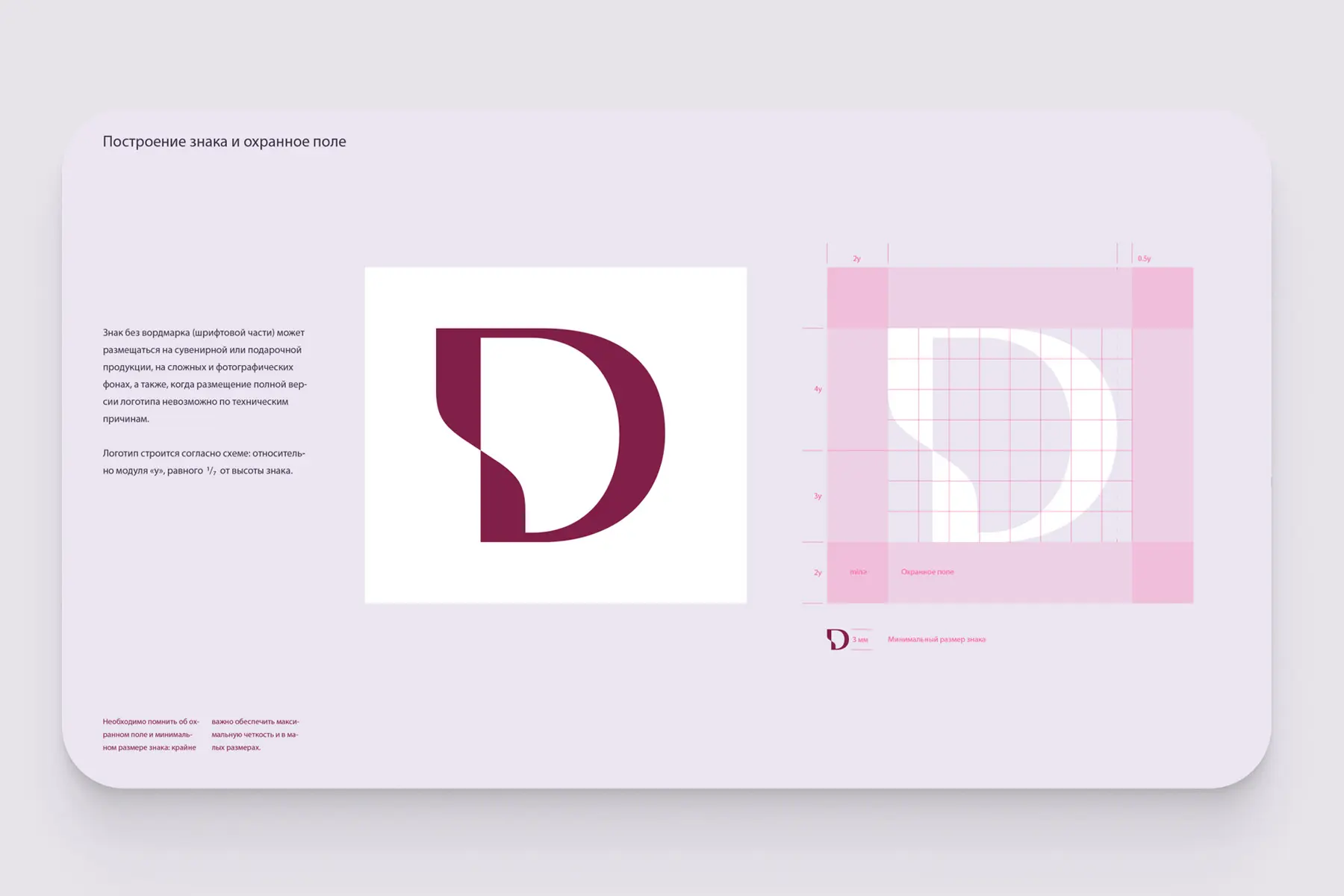
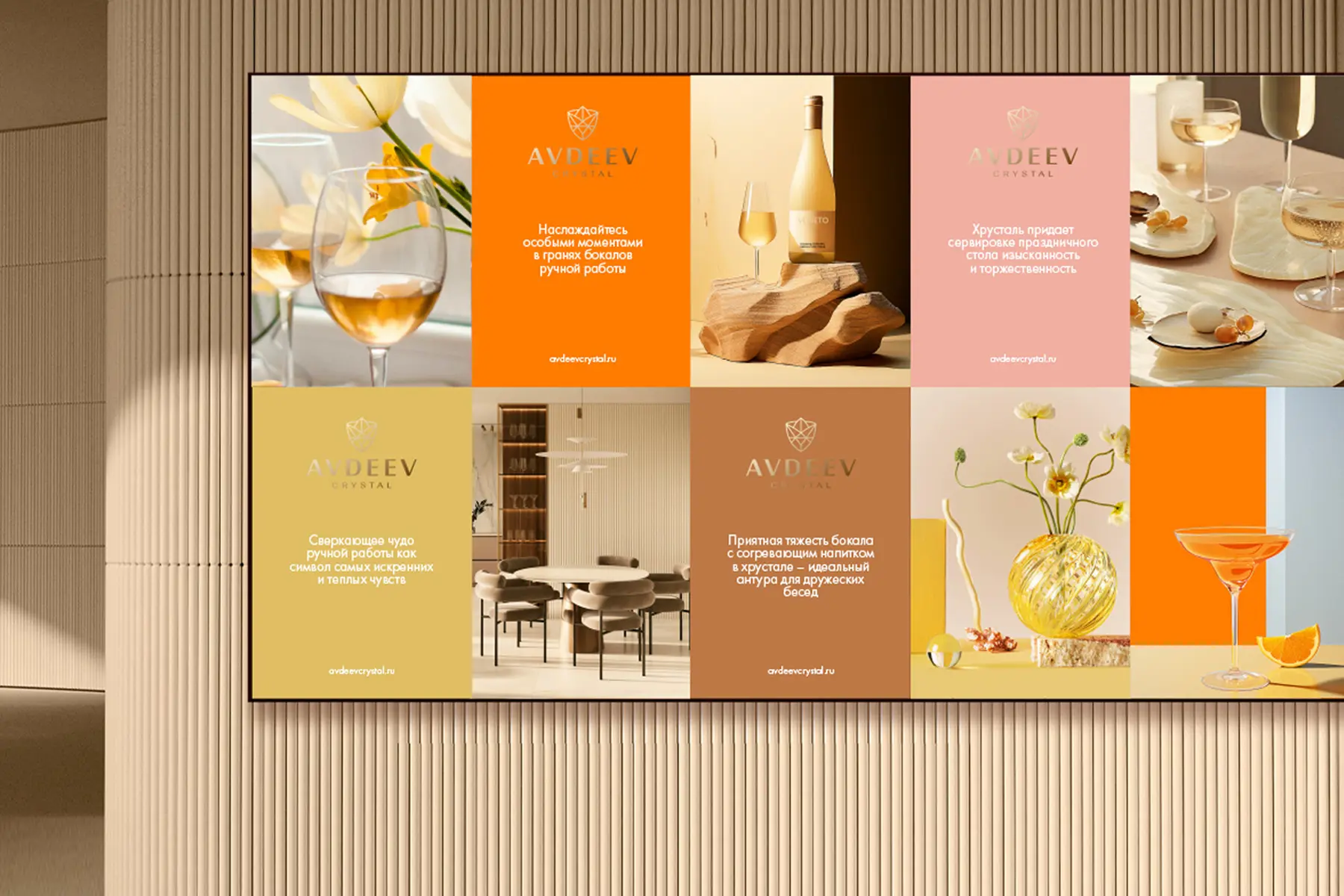
A brand’s identity strategy starts with the logo — an individual graphic mark that becomes a core constant of the brand and is used everywhere. Creating a brand book fixes logo construction, clear space, minimum sizes, and color versions.
To minimize layout errors, creating a brand book provides clear “do/don’t” examples and standard composition solutions. The color system becomes unified and predictable when the brand book records values for screen and print and rules for color conversions.
Typography works better when creating a brand book defines hierarchy, spacing, and acceptable font substitutions. Graphics, photography, and icons remain consistent when the brand book sets style and sourcing principles. For video and motion, the brand book defines duration, movement character, and rules for the appearance of key elements.
Technical parameters and specifications are gathered during the development of a brand book: file formats, profiles, and vendor requirements. Media for print and environment are also detailed so production is reproducible across facilities. As a result, the development of a brand book reduces rework costs and speeds production. Creating a brand book turns aesthetics into a managed system that works across all media.







Choose the brand color palette
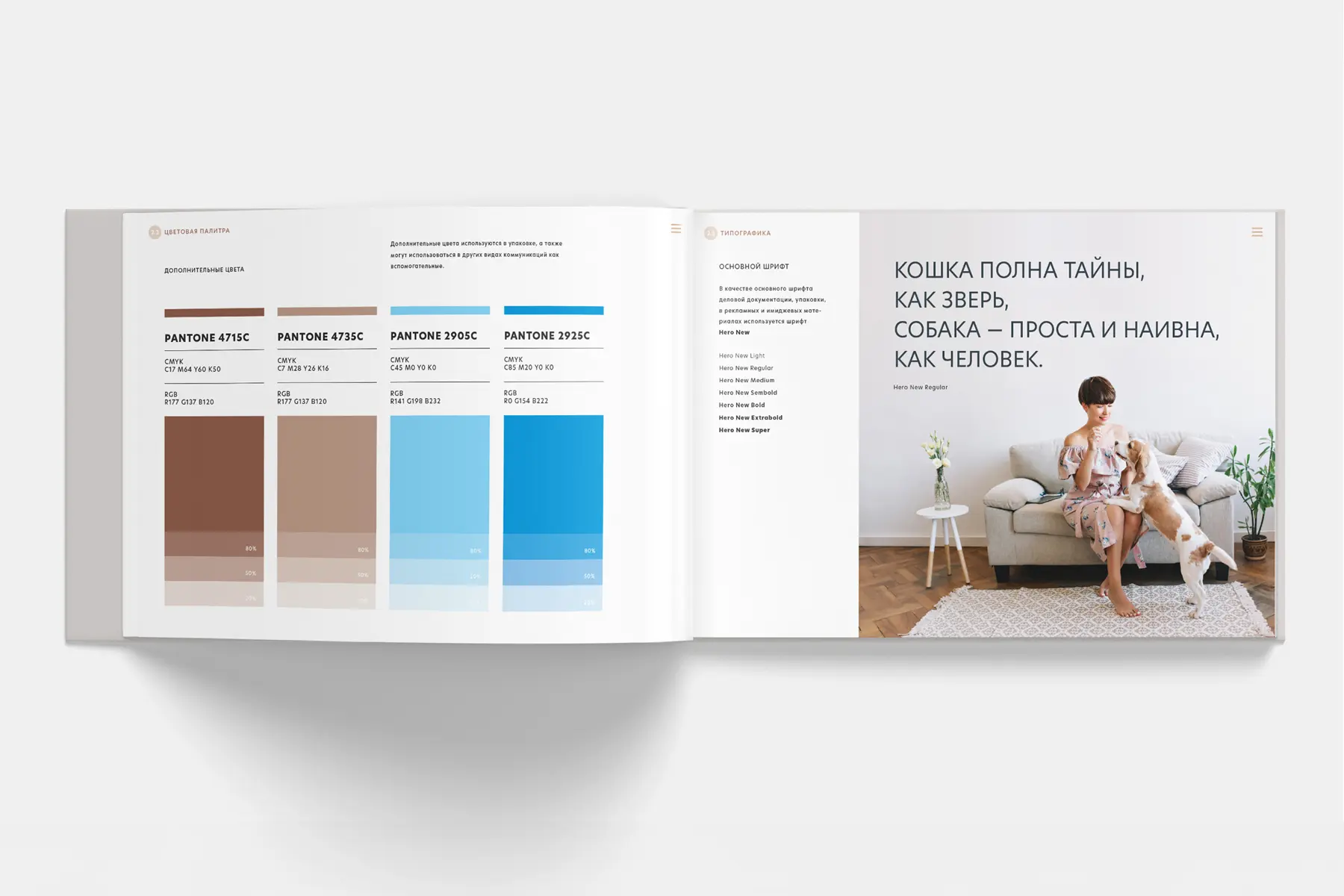
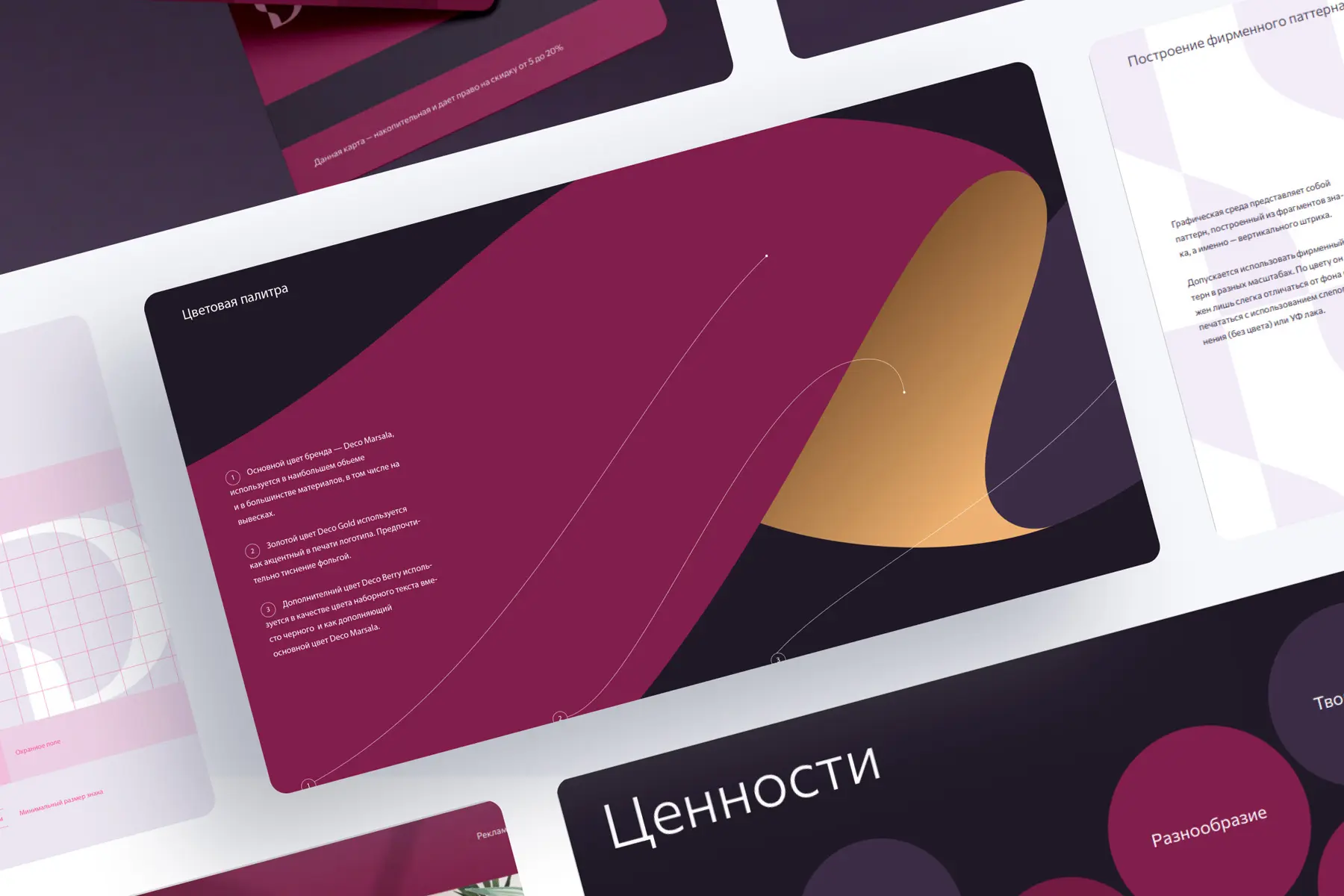
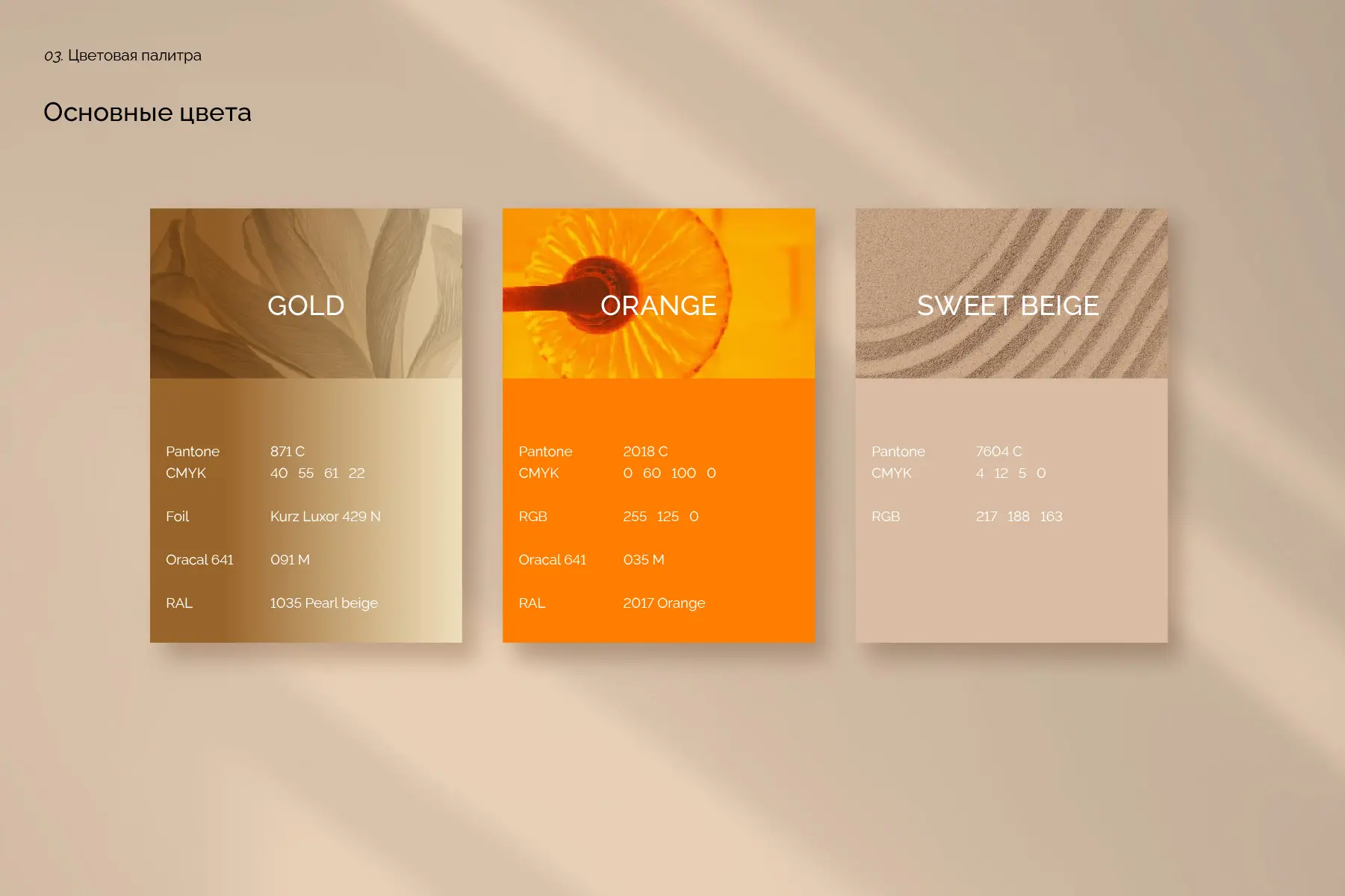
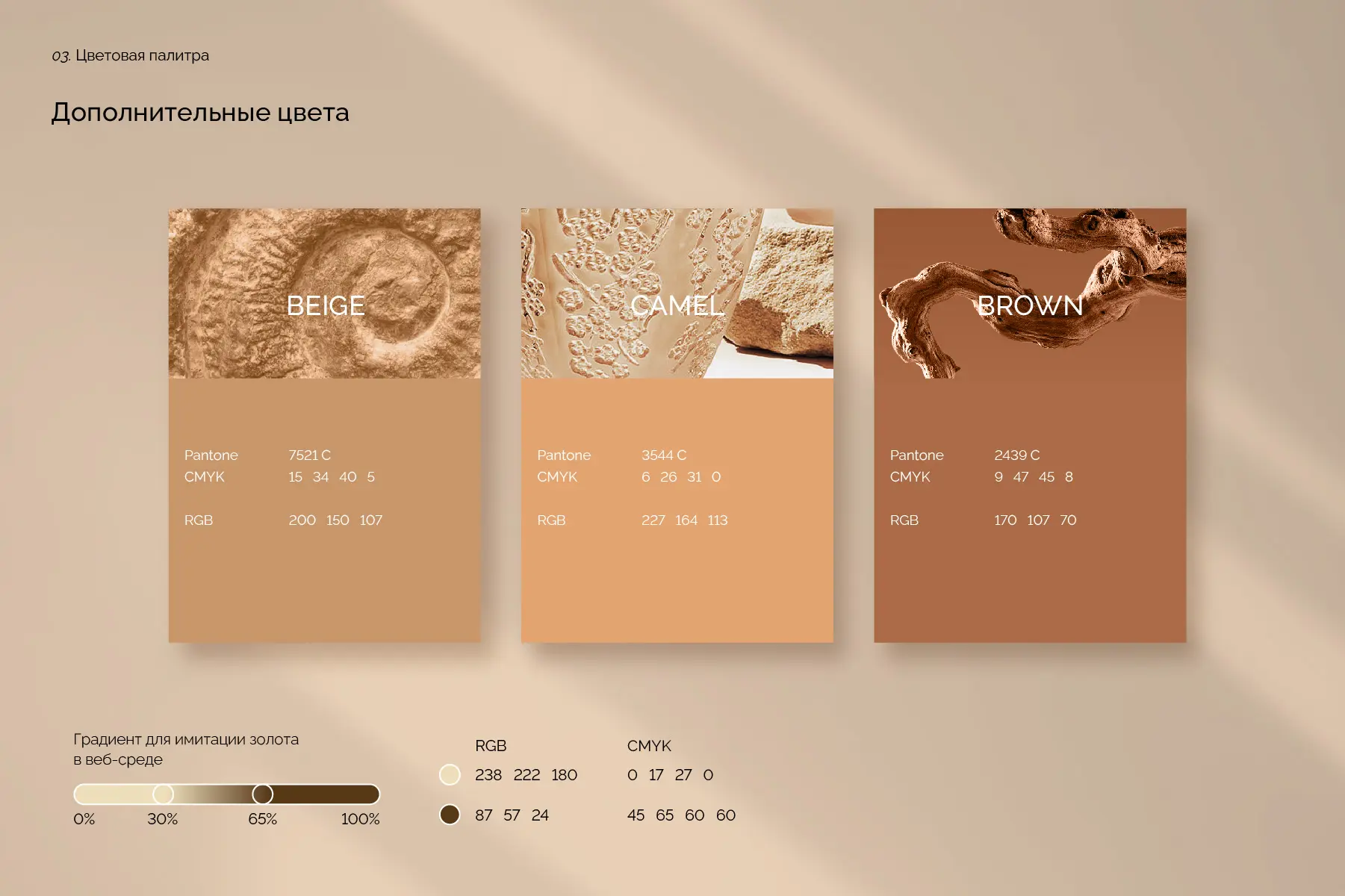
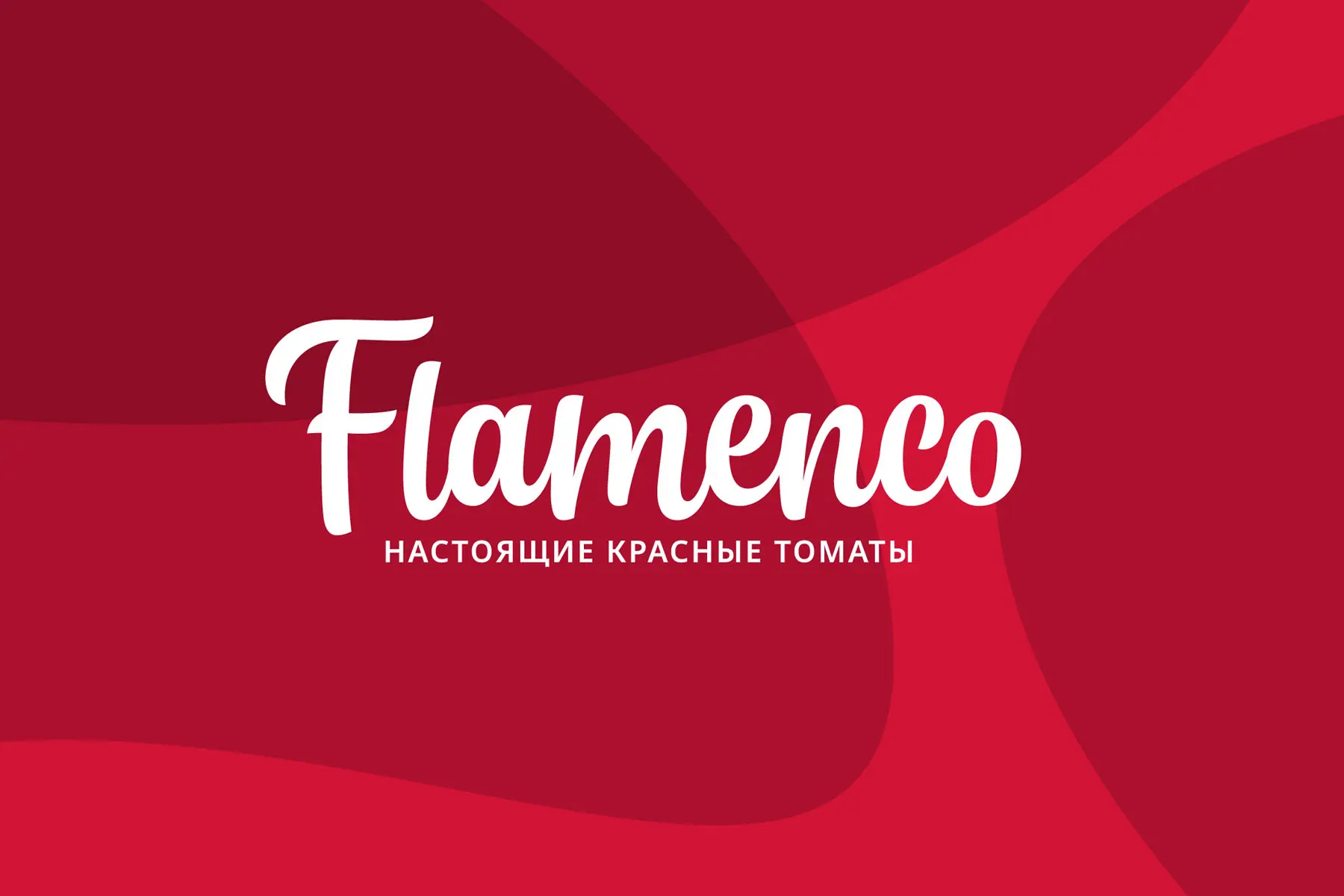
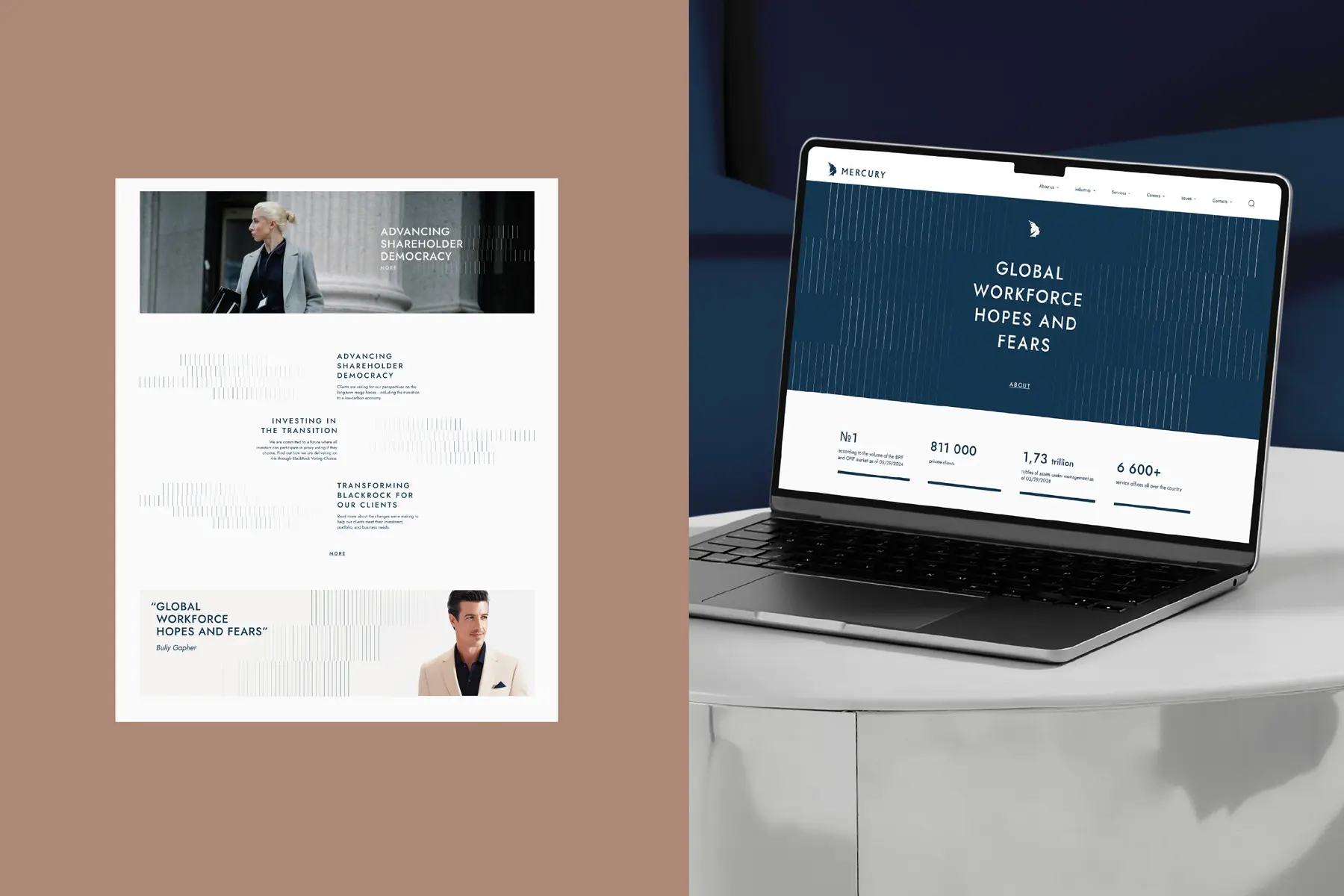
A brand’s color palette is a powerful identifier in the information space and the city environment. Loyal customers can instantly recognize favorite brands by dominant colors in ads or on signs. Creating a brand book is essential for preserving the brand color and reproducing it correctly across media regardless of print process and color model. During development, the brand palette is fixed with equivalents in key systems (RGB, CMYK, Pantone, Oracal, RAL). The brand book includes primary and secondary palettes and basic rules for their combination — vital for growth and scale without losing brand image.


Graphic language and photography style
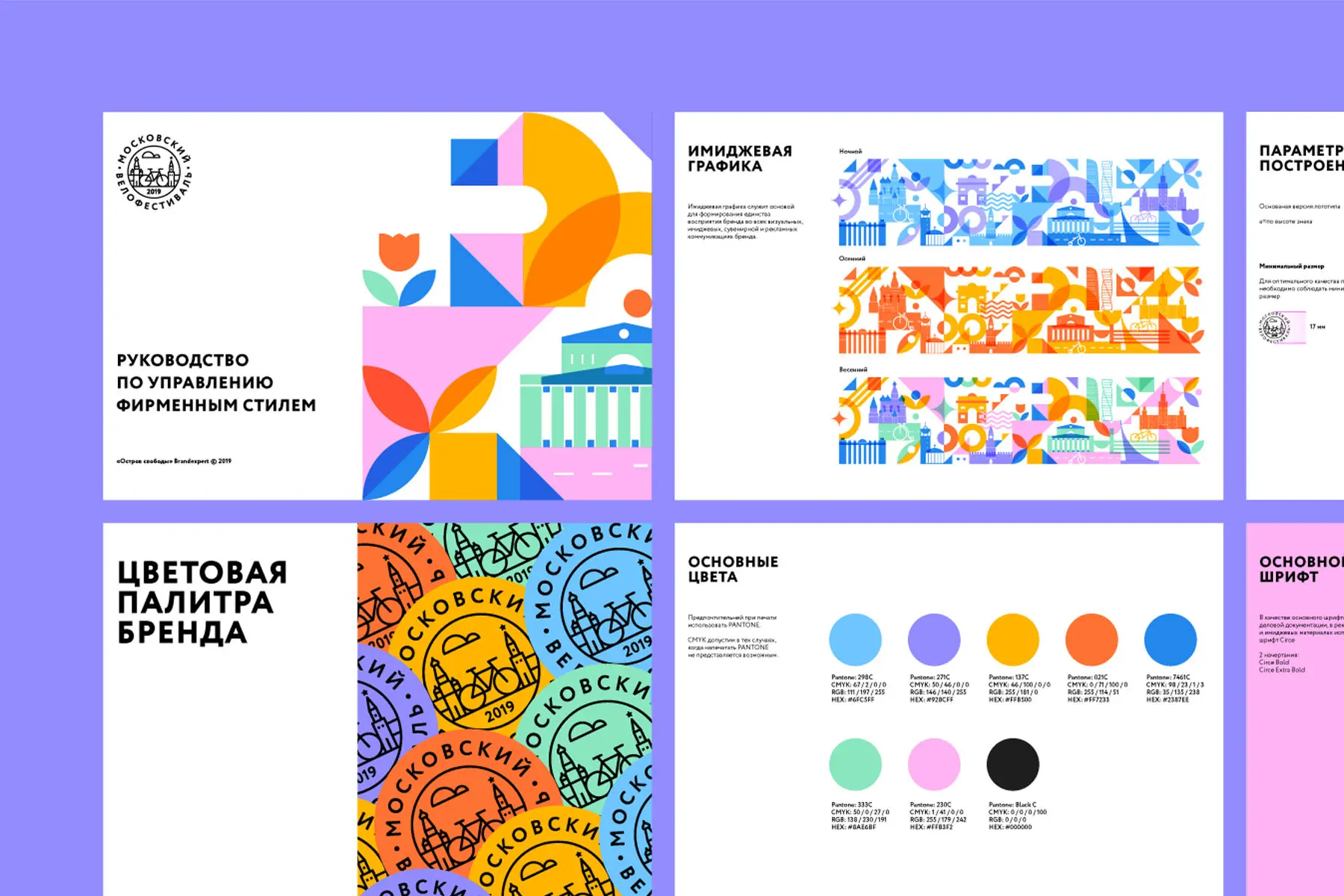
Creating a brand book always includes auxiliary graphic elements and photography style, which play an important role in visual identity. Auxiliary graphics are part of the supporting identity, and the decision to use them depends on the chosen design concept. Photography style covers all images used in advertising, product catalogs, on the website, and elsewhere, and is responsible for building and maintaining brand image.
During development, the brand book dedicates a section to supporting graphics and photography style: elements and placement options, color variations, usage examples, information pictograms, and general rules and tips. Ignoring graphic and photo requirements set when creating a brand book can lead to loss of a unified style and weaker branding.


Corporate brand communications
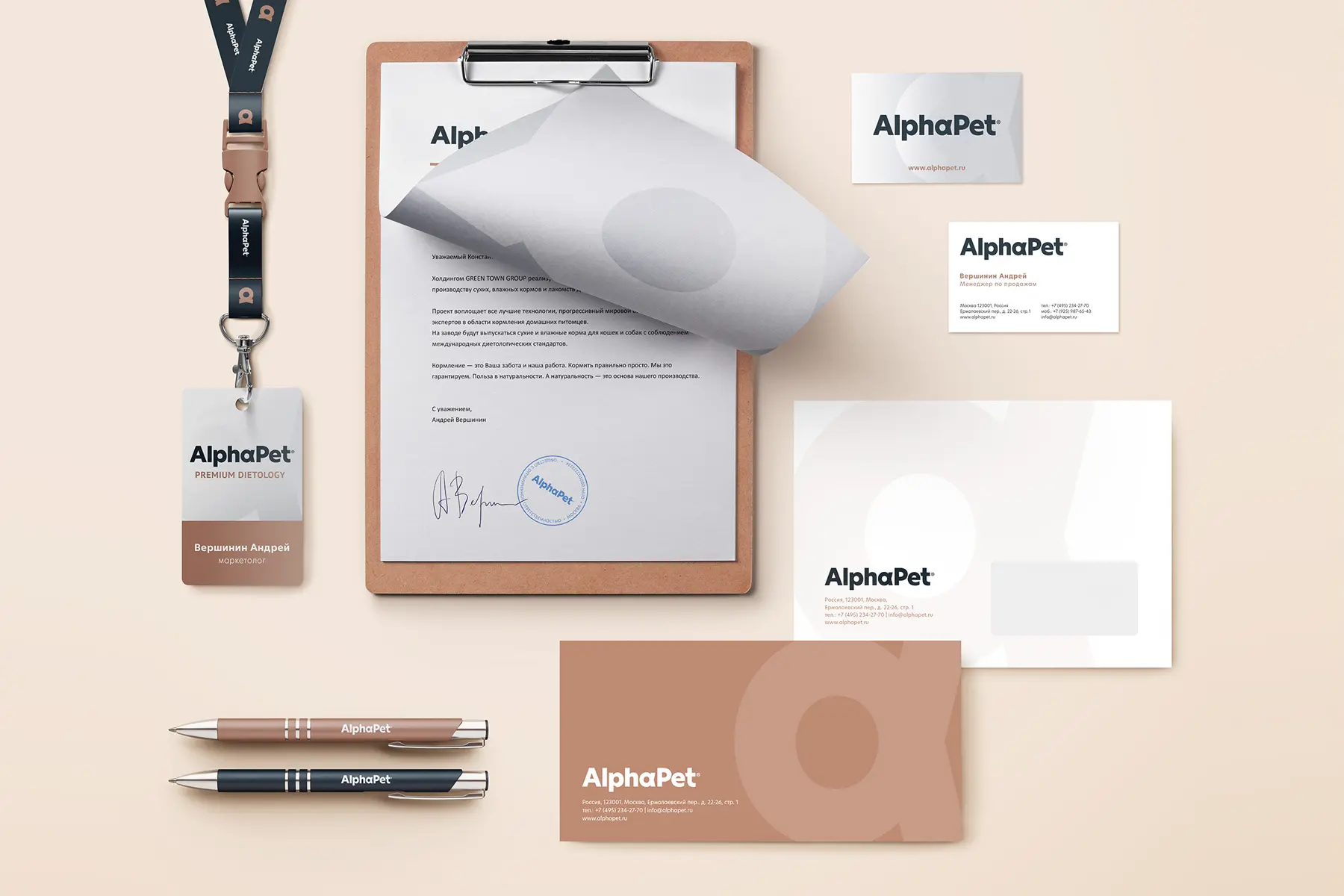
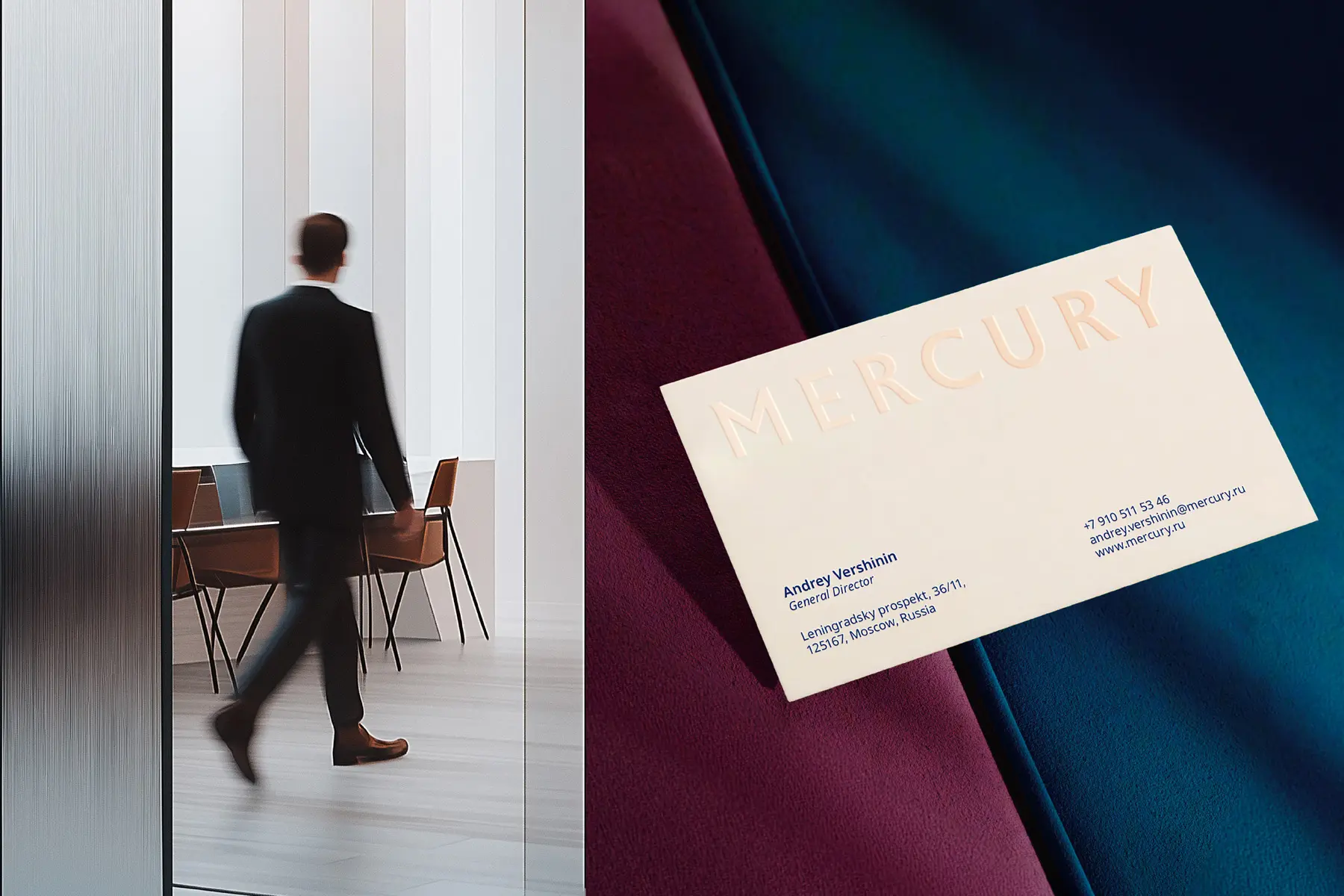
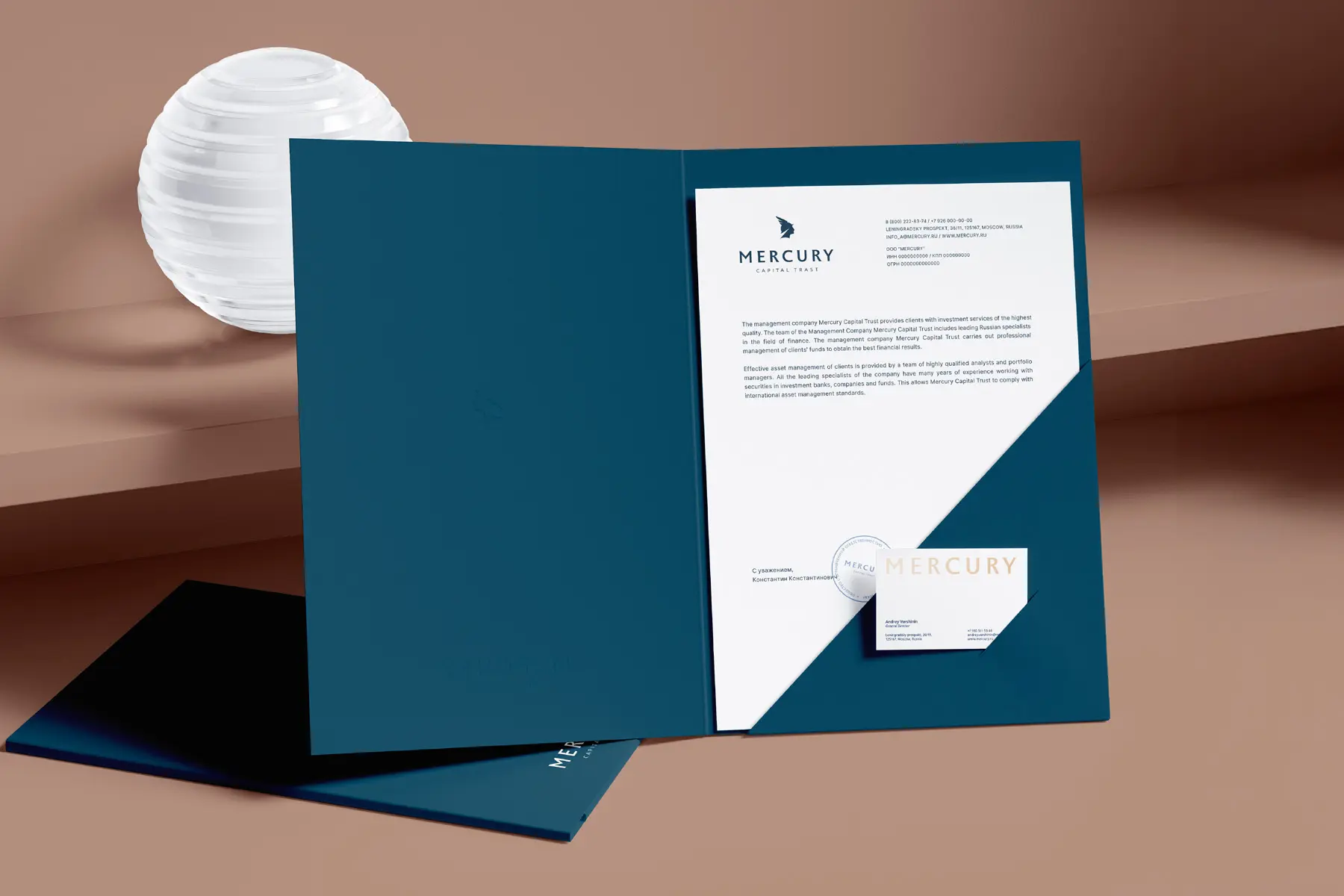
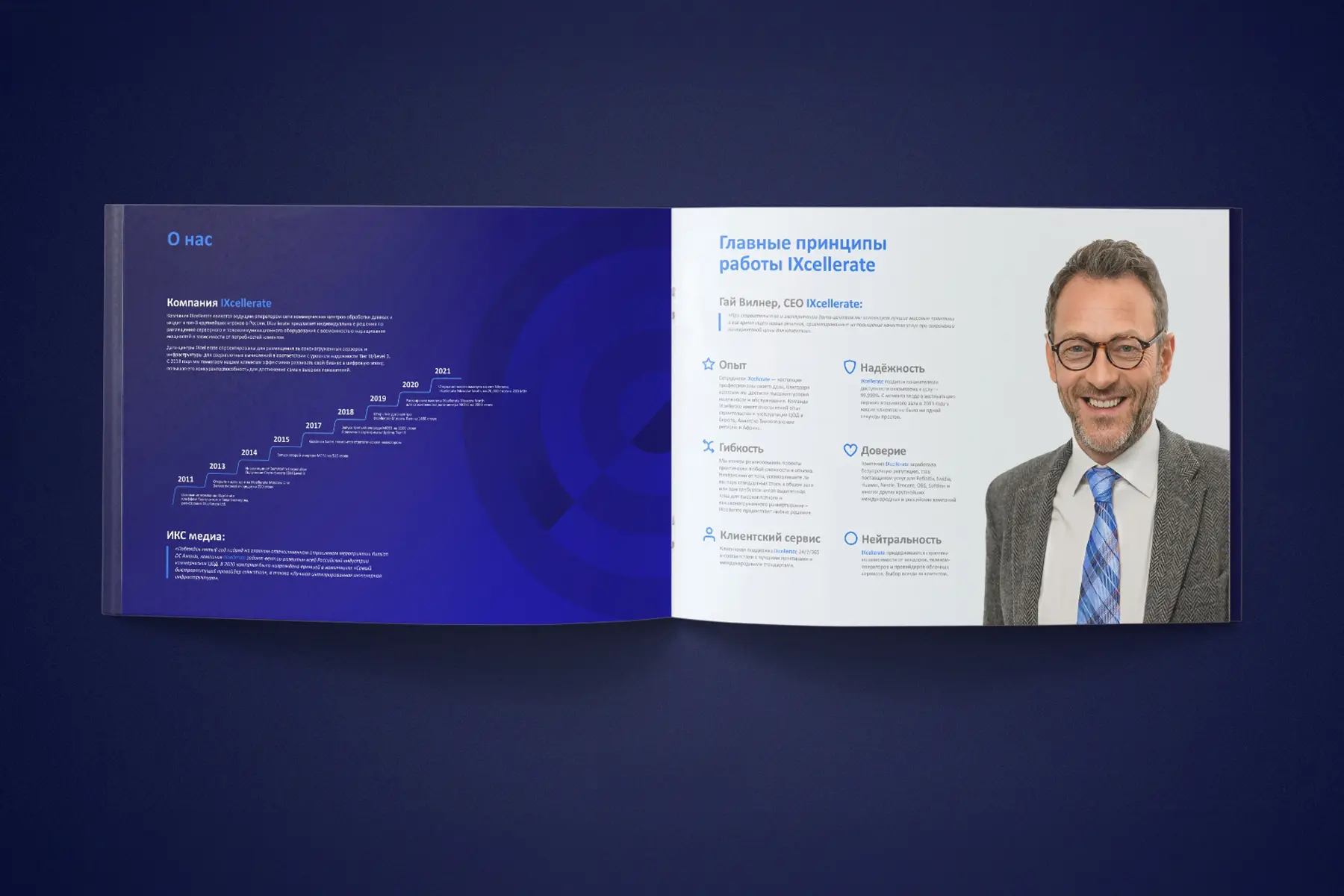
When developing a brand book, a section sets unified rules for corporate documents and identity carriers: layout and composition principles, typography and color, paper choices and print technologies. Clear standards allow fast, correct production and preserve recognition in official correspondence and presentations.
Creating a brand book keeps corporate communications consistent — from first contact to offline meetings, inside and outside the company. Letterheads and email templates set the tone for correspondence; business cards, envelopes, and folders support in-person meetings; presentations and proposals help sell; and flags, badges/passes, and working signage reinforce the company’s branding. The set of media is tailored to business needs — the key is that each item follows the same rules and reads with the same confidence.




HR materials in the brand book
Creating a brand book includes standards for designing and using HR materials: onboarding guides, internal HR documents, certificates, and similar documents. The only outward-facing element is recruitment communications.
During development, companies set standards for hiring communications and information brochures for newcomers. Templates for certificates and diplomas are also included. HR materials are subject to the same strict corporate style standards as advertising materials.


Brand advertising communications
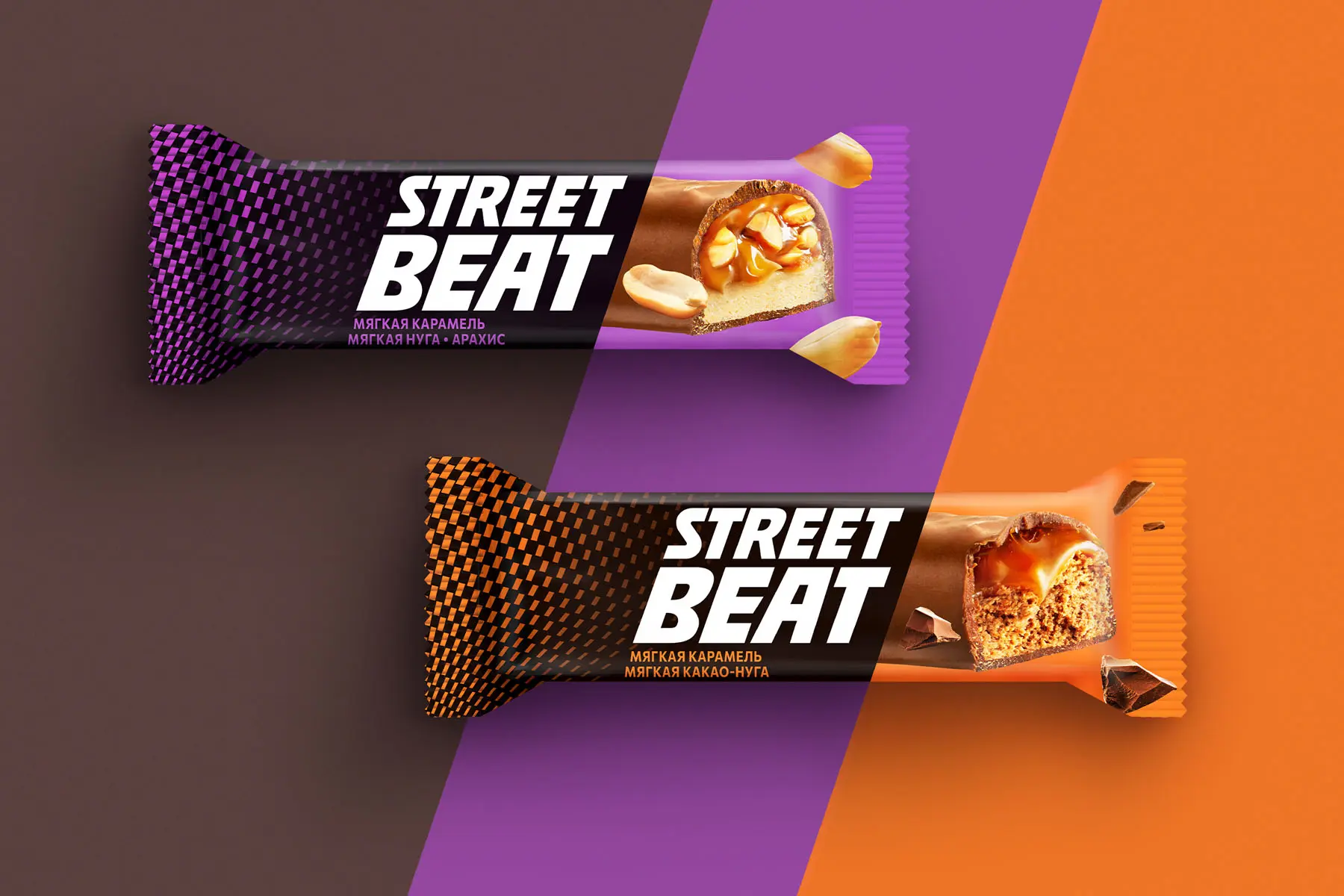
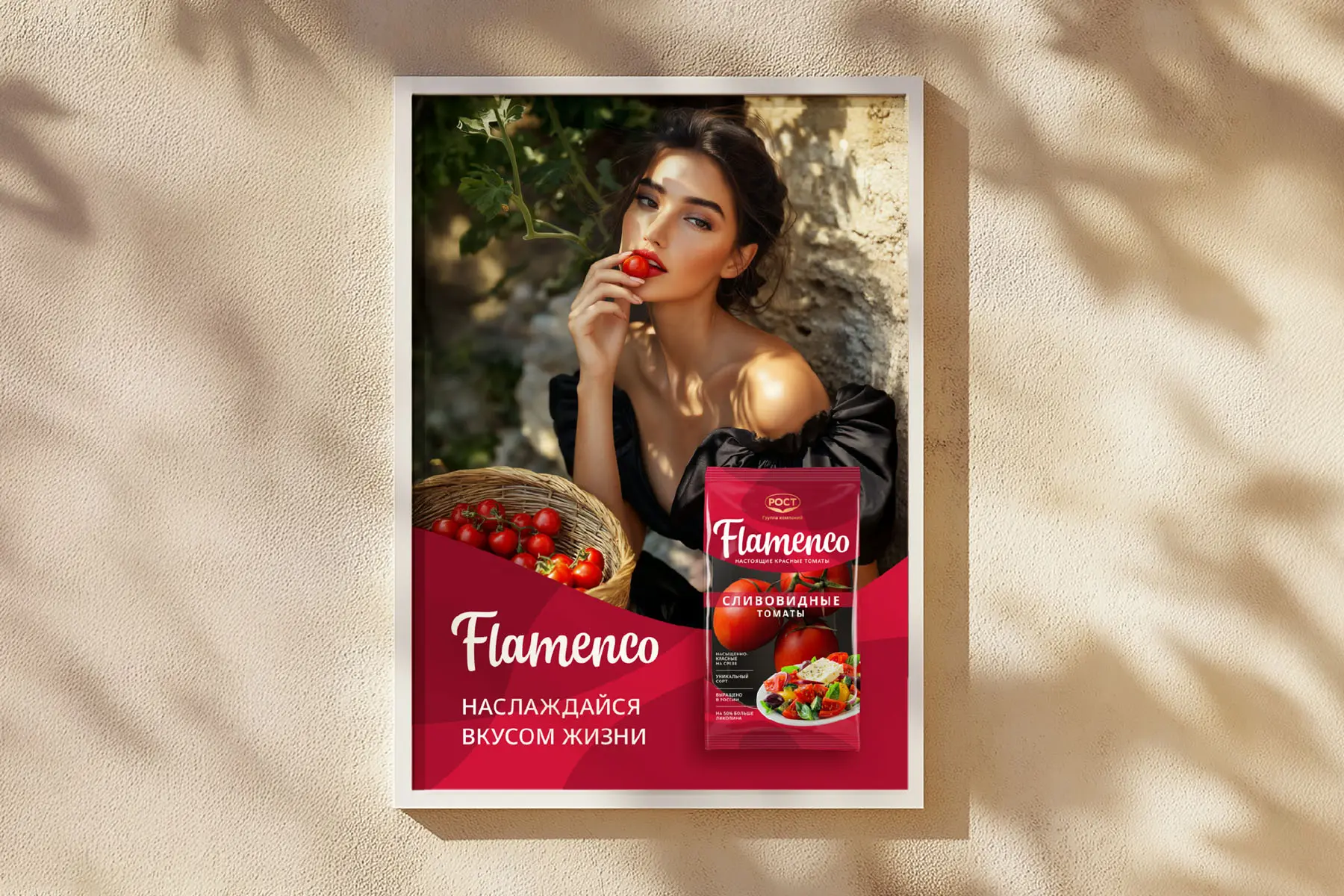
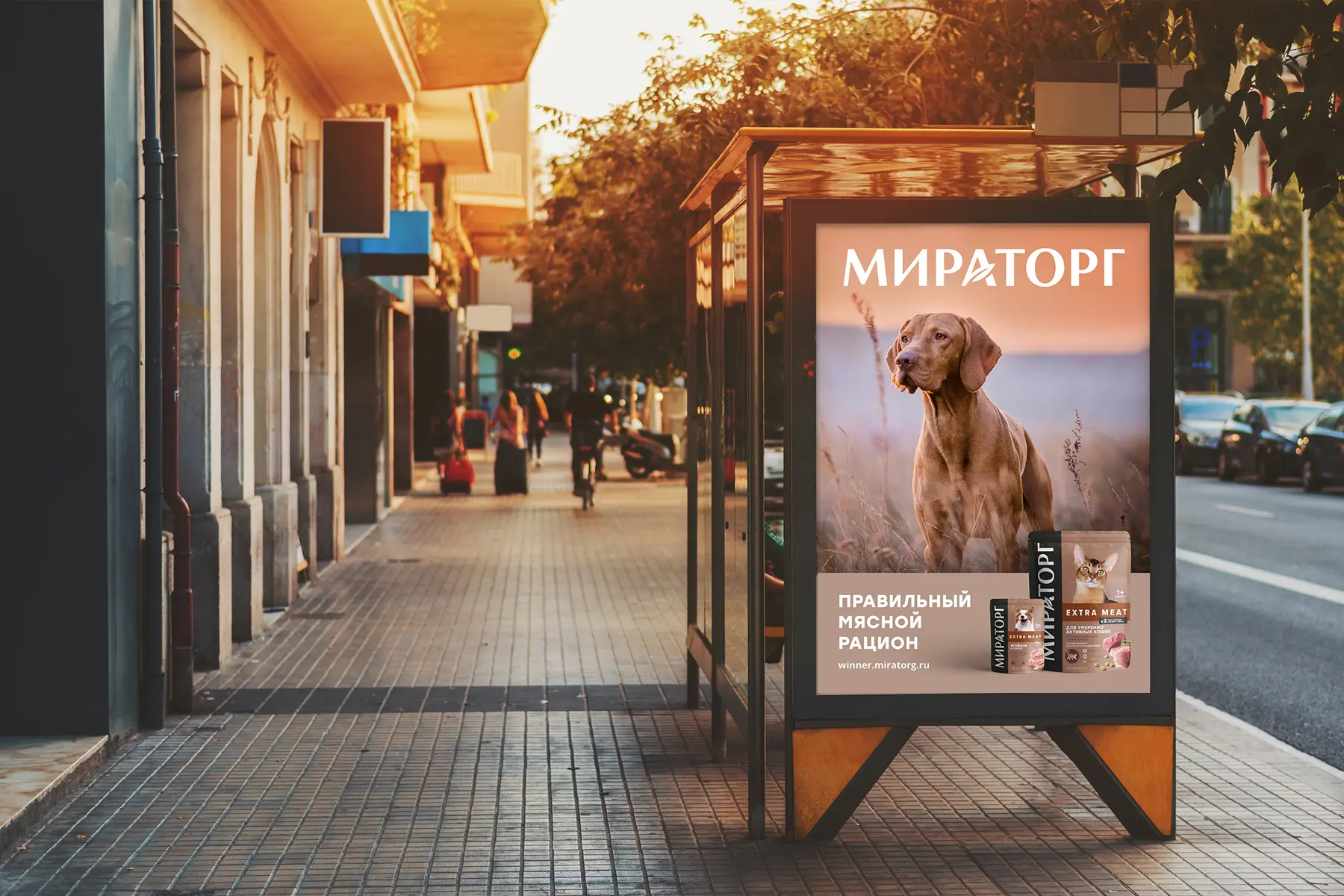
Brand advertising works better when modular grids, hierarchies, and layout principles are fixed while creating a brand book. This is essential for future content production: one logic — many media, fewer misinterpretations, and faster creative output.
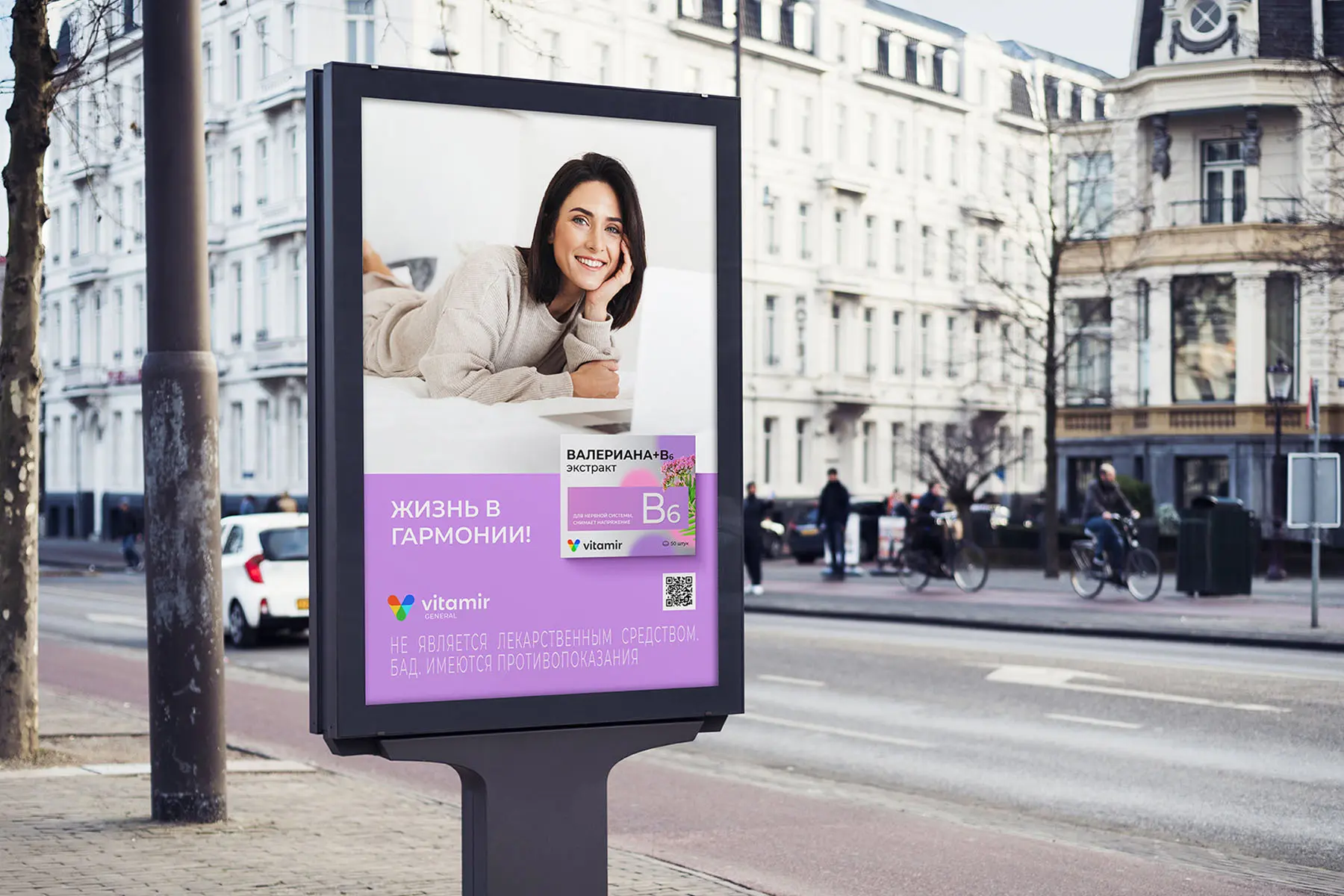
A typical audience path may look like this: on highways — a 6×3 m billboard for reach and bold messaging; in pedestrian areas and bus stops — a 1.2×1.8 m citylight at eye level for frequency; right before purchase — POSM at the point of sale (stands, wobblers, hangers) that capture attention and support decision-making.
Print specifications should be recorded in production language so vendors can read without “translation”: for leaflets/brochures use “4/4” (CMYK both sides) or “4/0” (front only). Such notations are unambiguous for print shops and prevent prepress errors.
When developing a brand book, don’t forget technical requirements from media owners: visible areas of street furniture boxes differ from final trimmed sizes; there are bleeds/flaps; there are specific paper requirements for backlit prints and file types. It’s enough to link to up-to-date operator specs and to fix universal safety margins in your own templates.


Print design
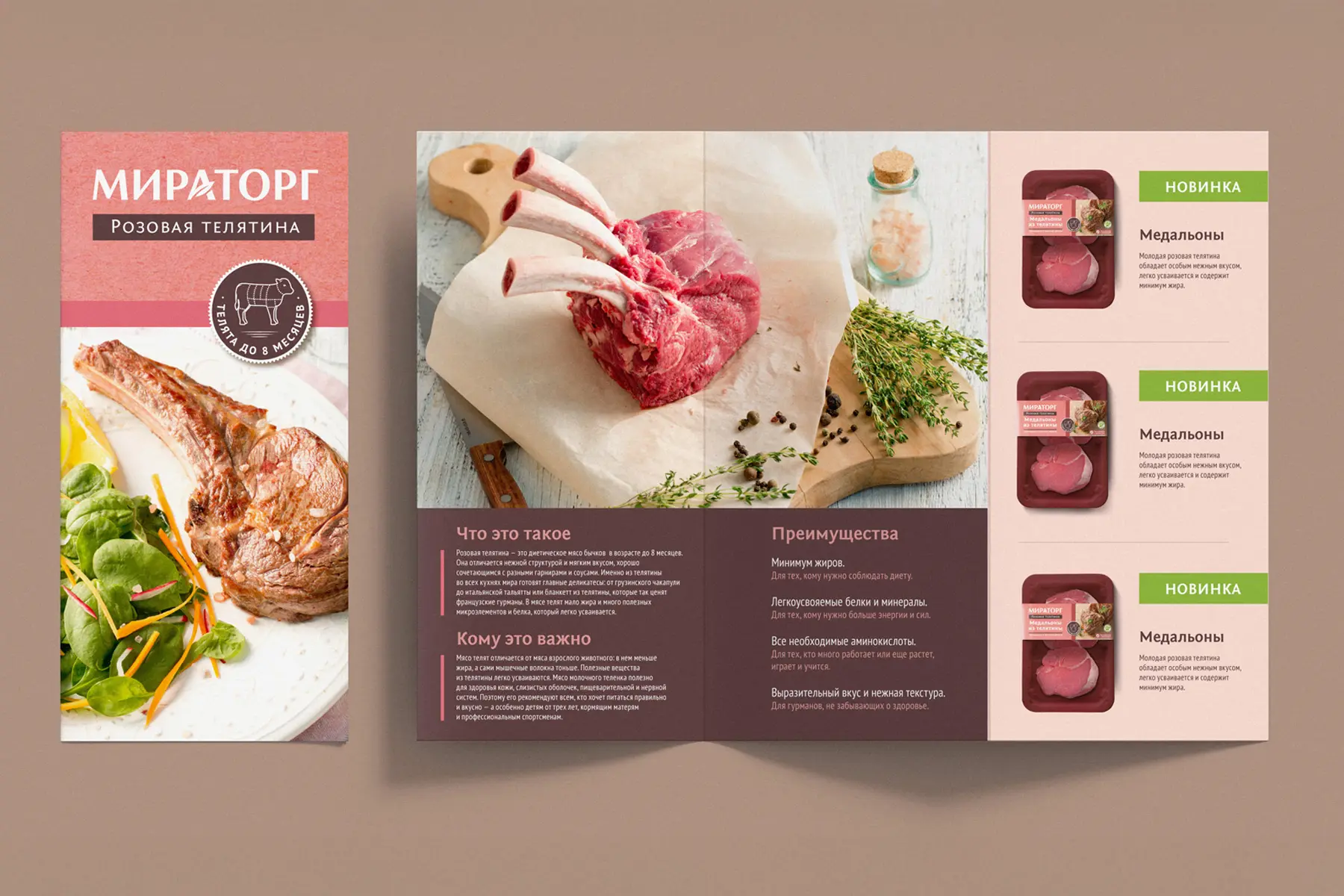
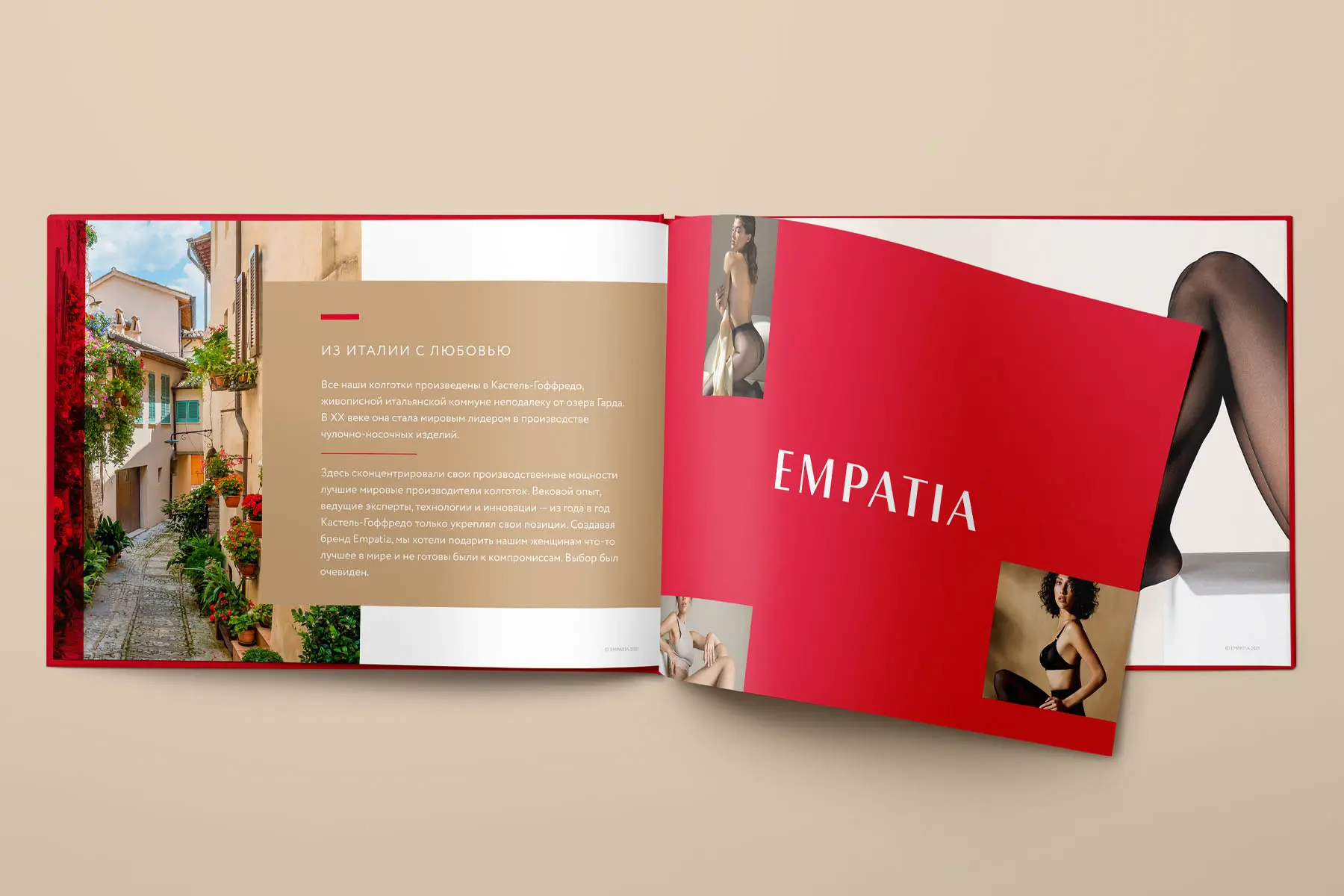
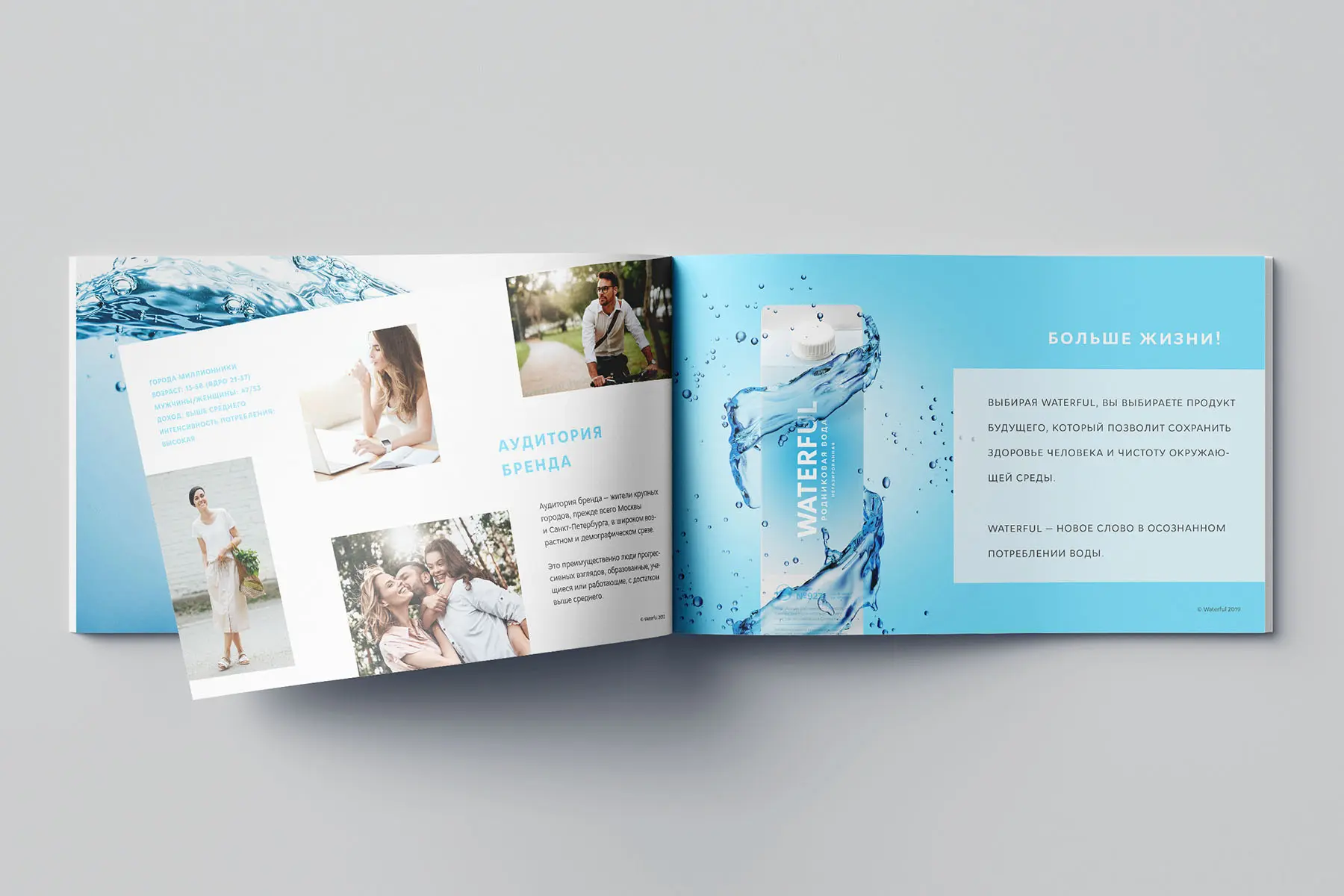
Creating a brand book includes standards for corporate print design. Rules cover all image-building print items: catalogs, brochures, leaflets, and calendars. Their design and print quality shape company image and influence brand perception.
This section describes layout standards for print materials: presentation catalog (master cover, spread, navigation), brochure, and leaflet. The development of a brand book also includes recommendations on paper and print processes for each item.
Design of digital brand platforms
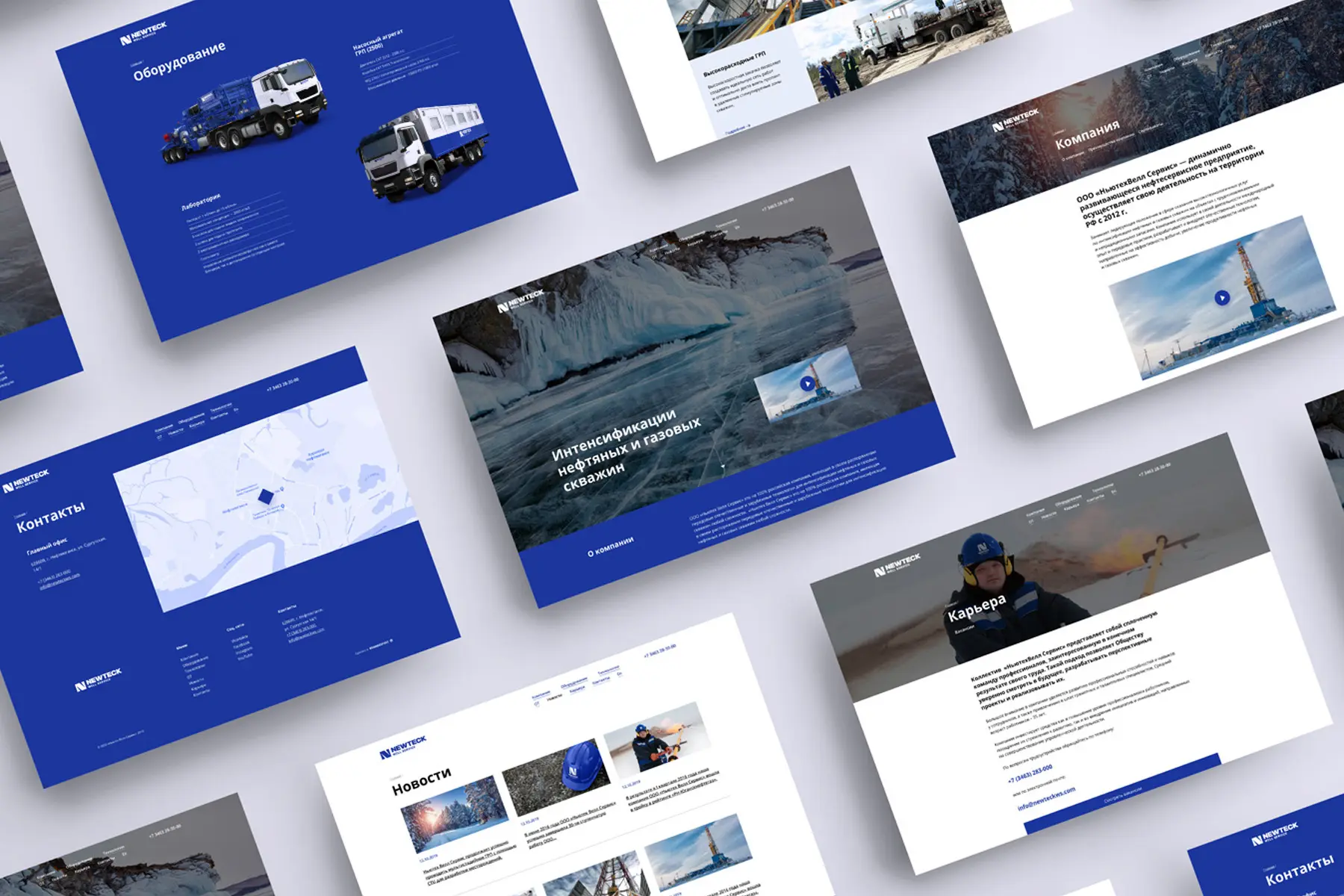
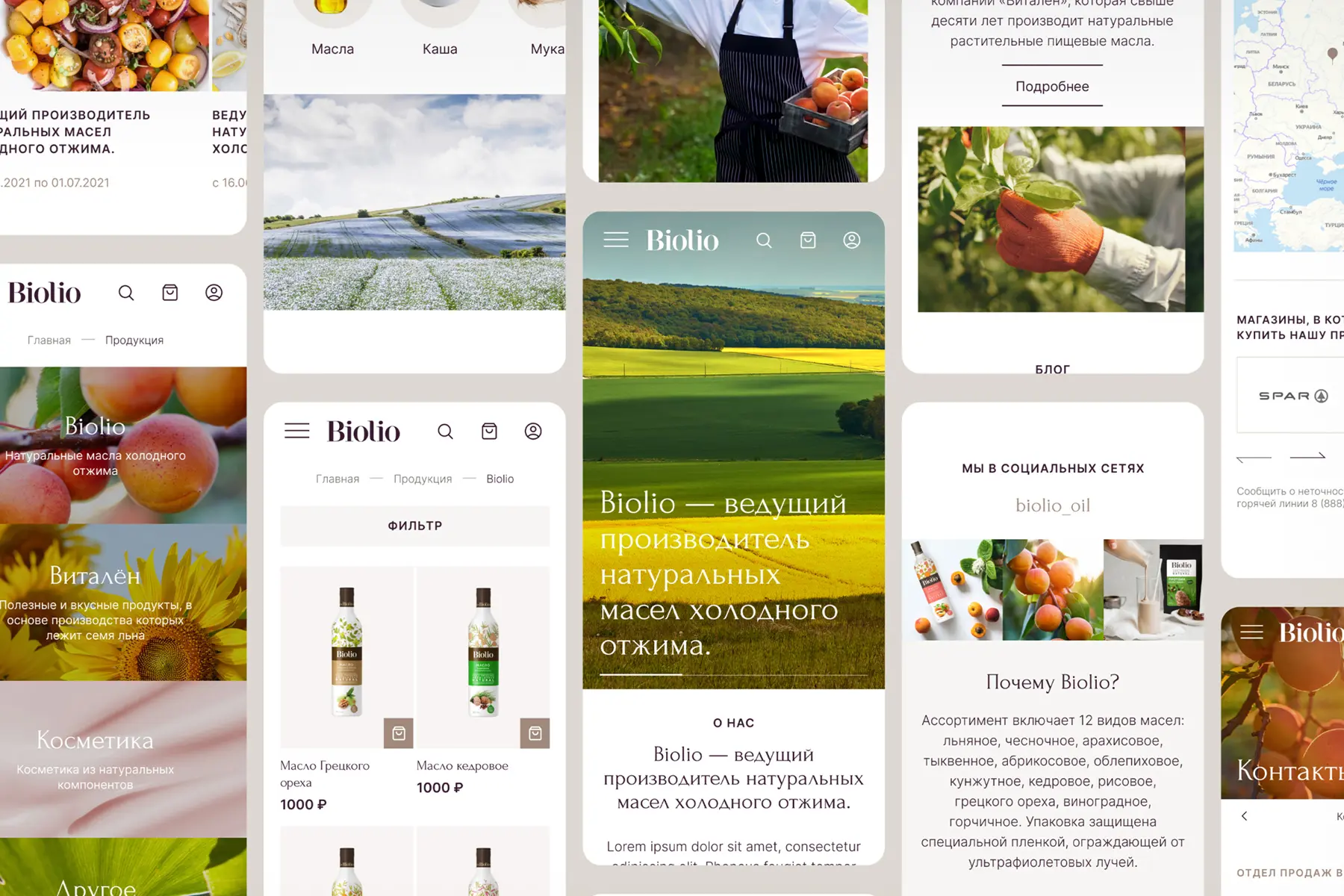
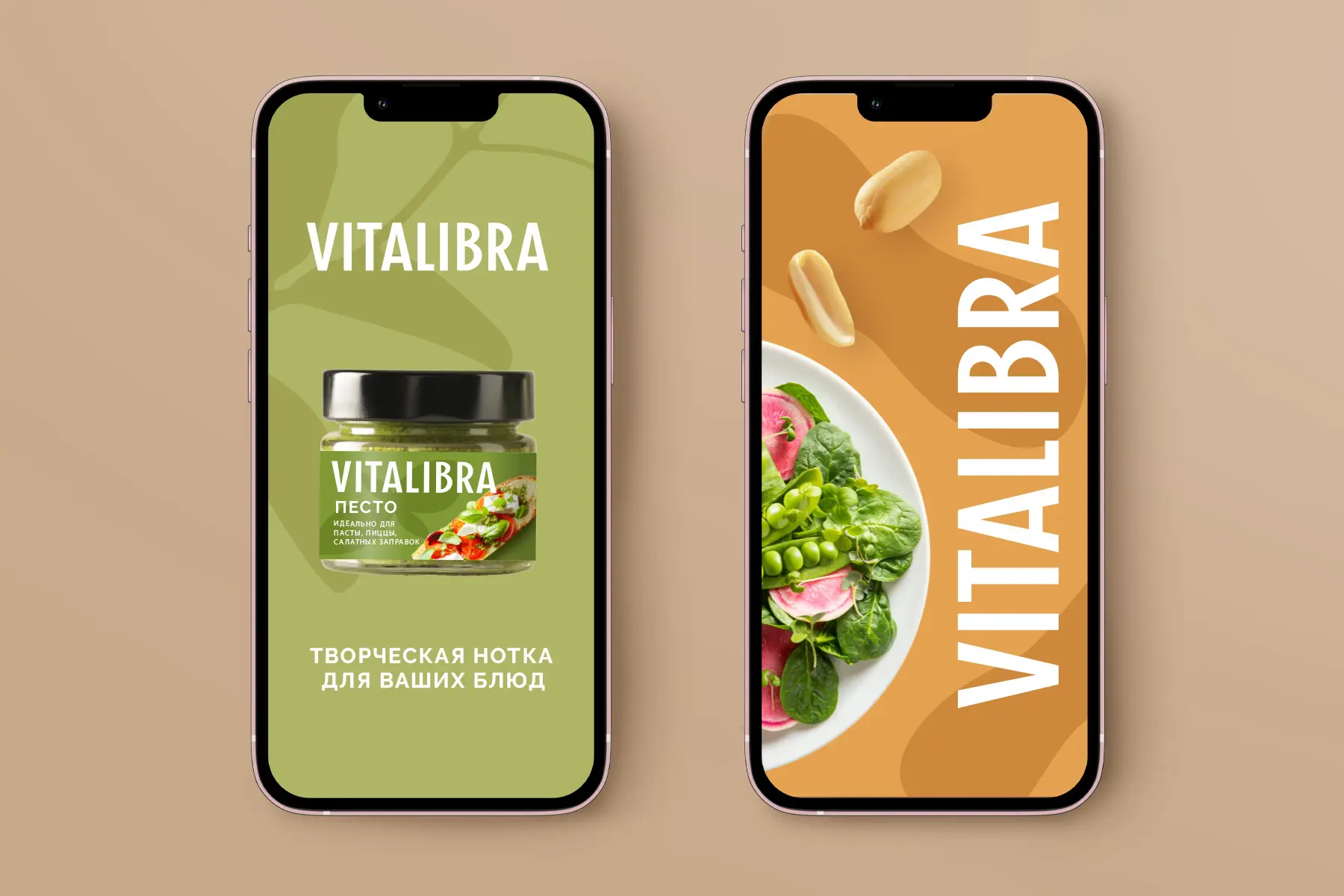
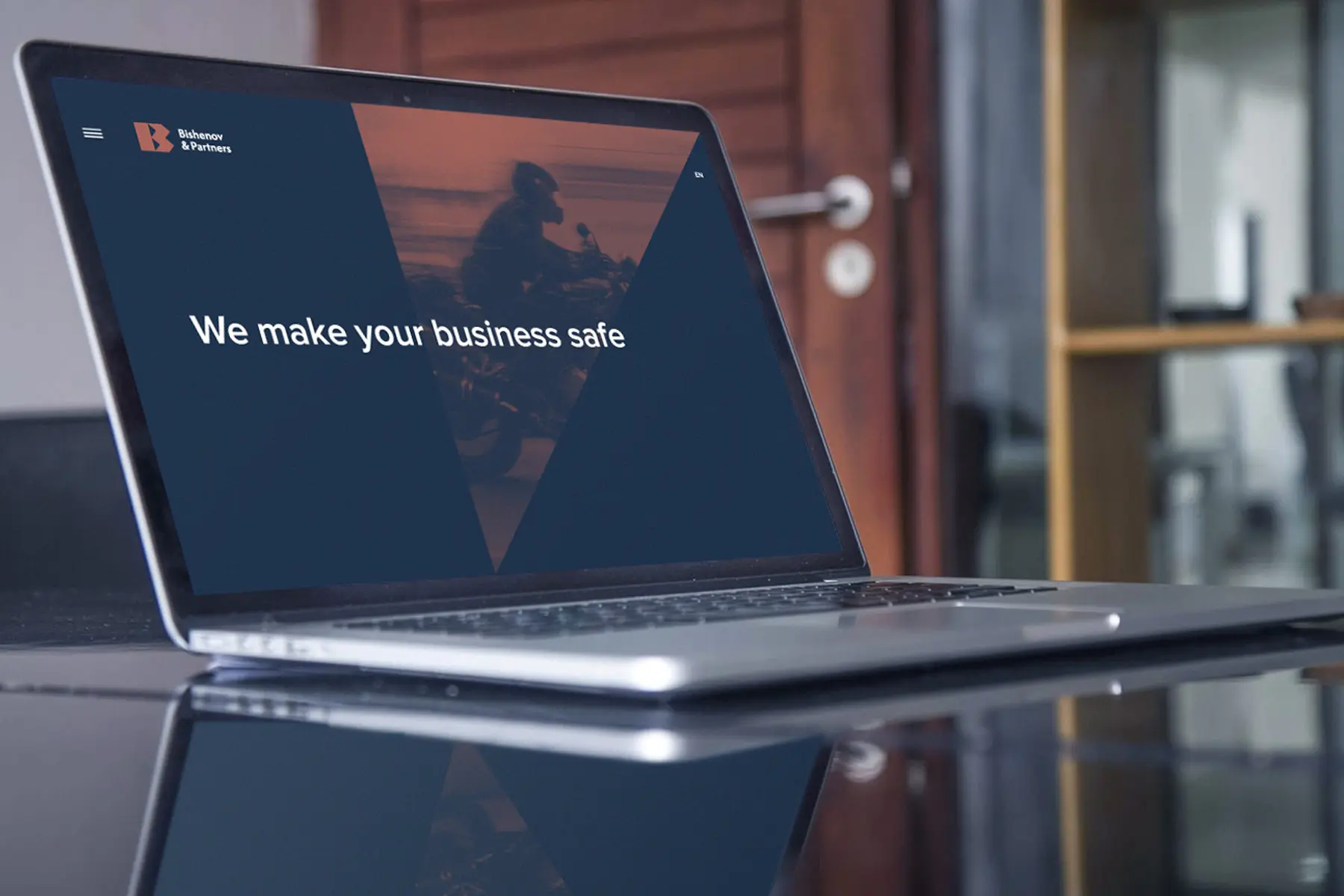
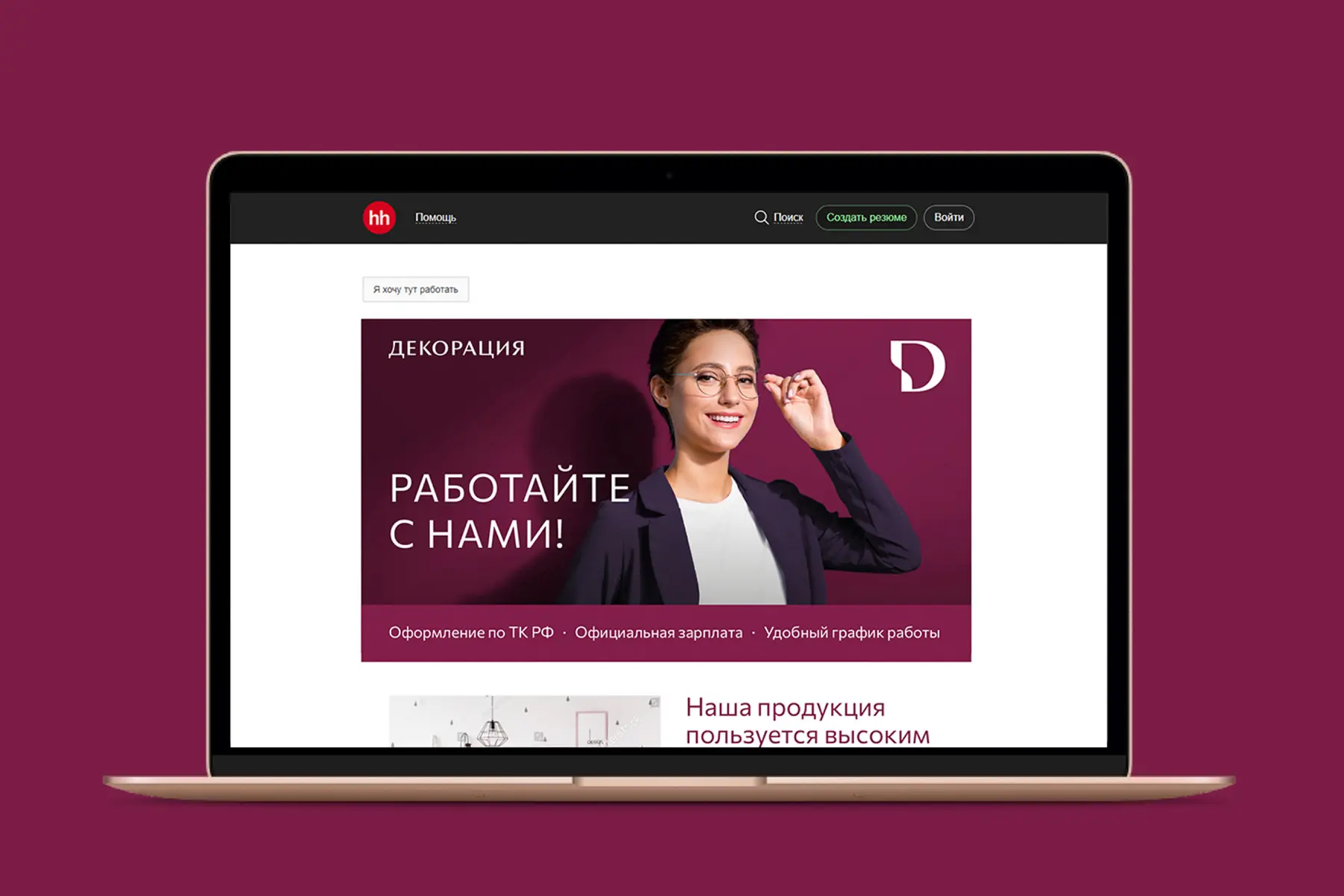
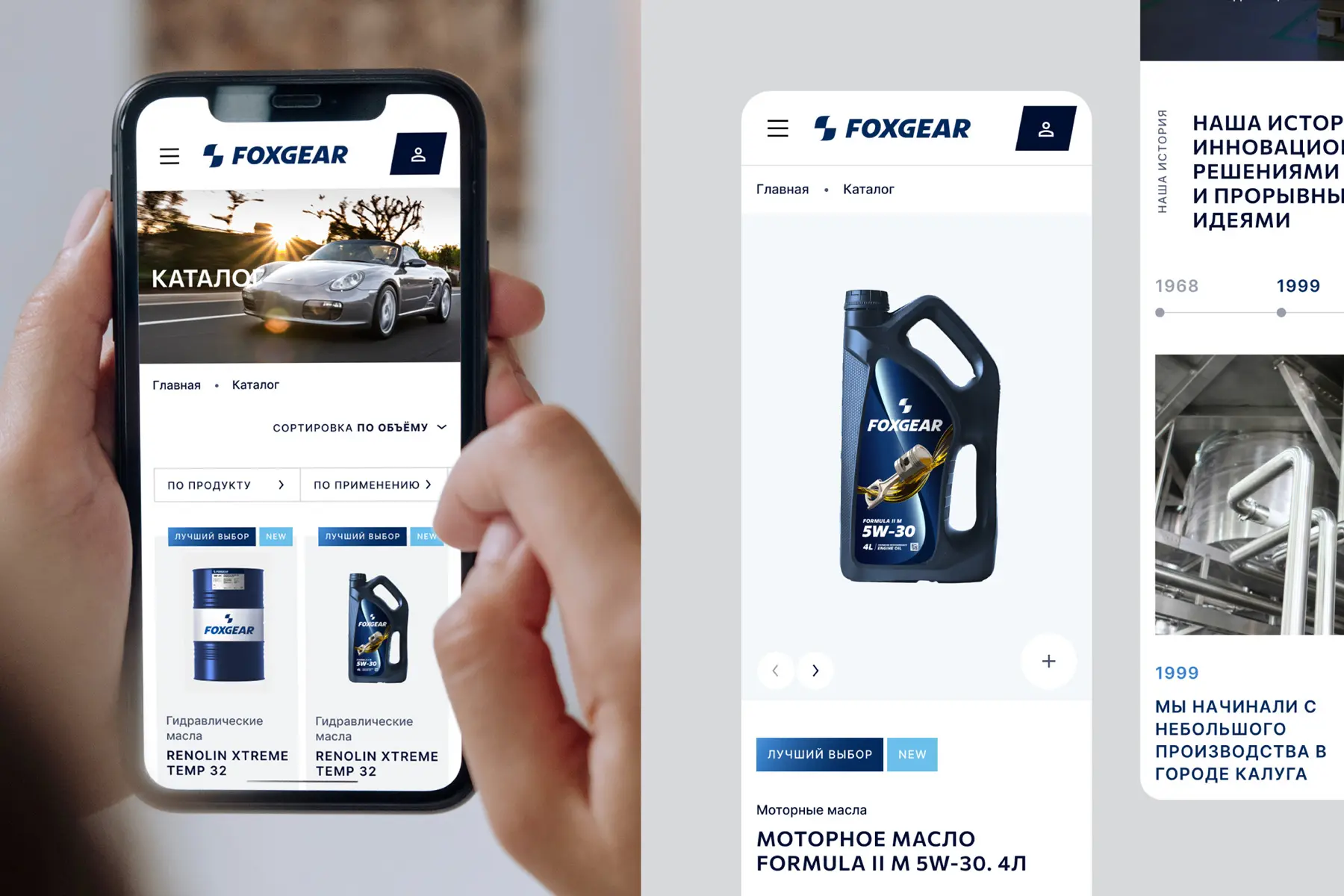
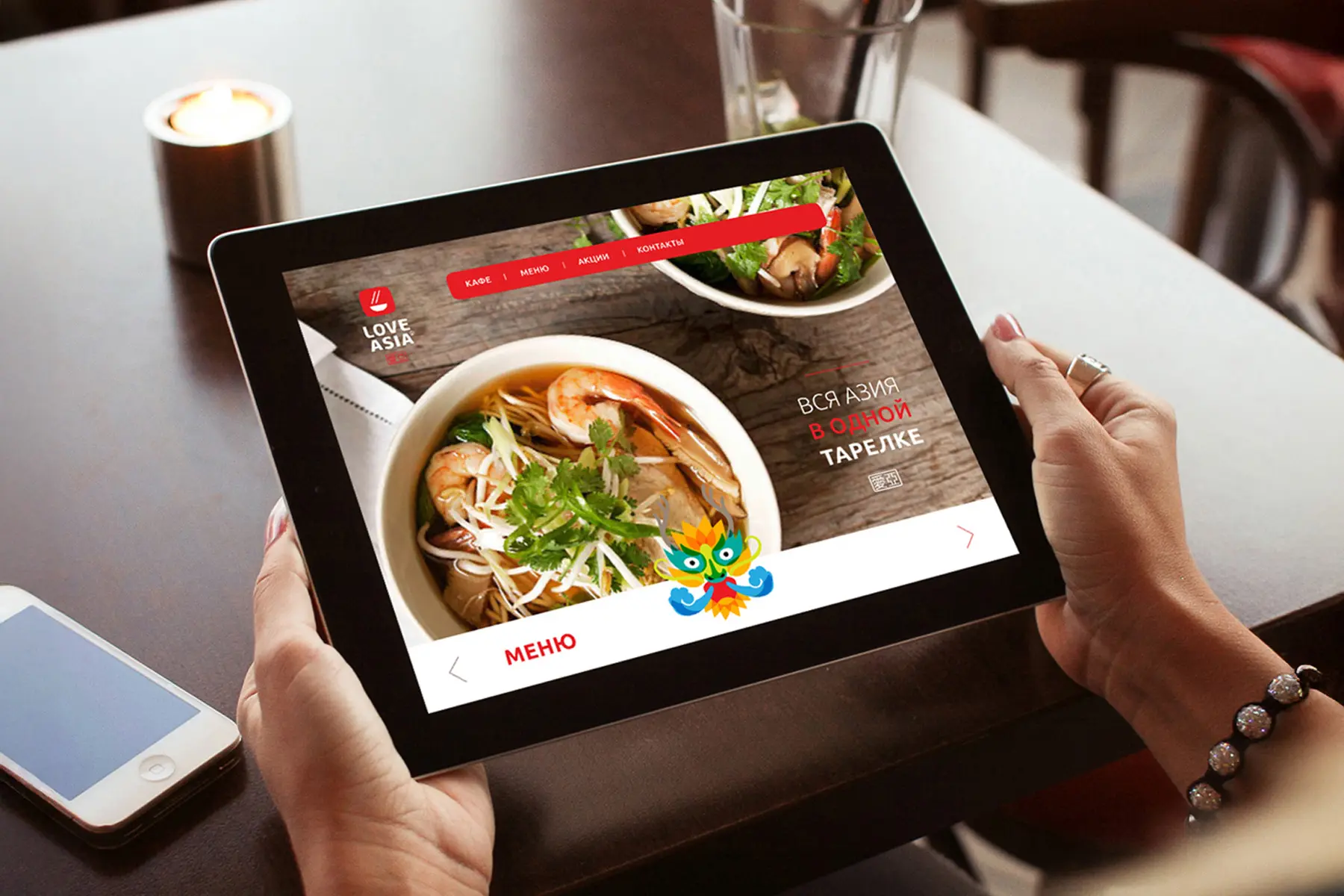
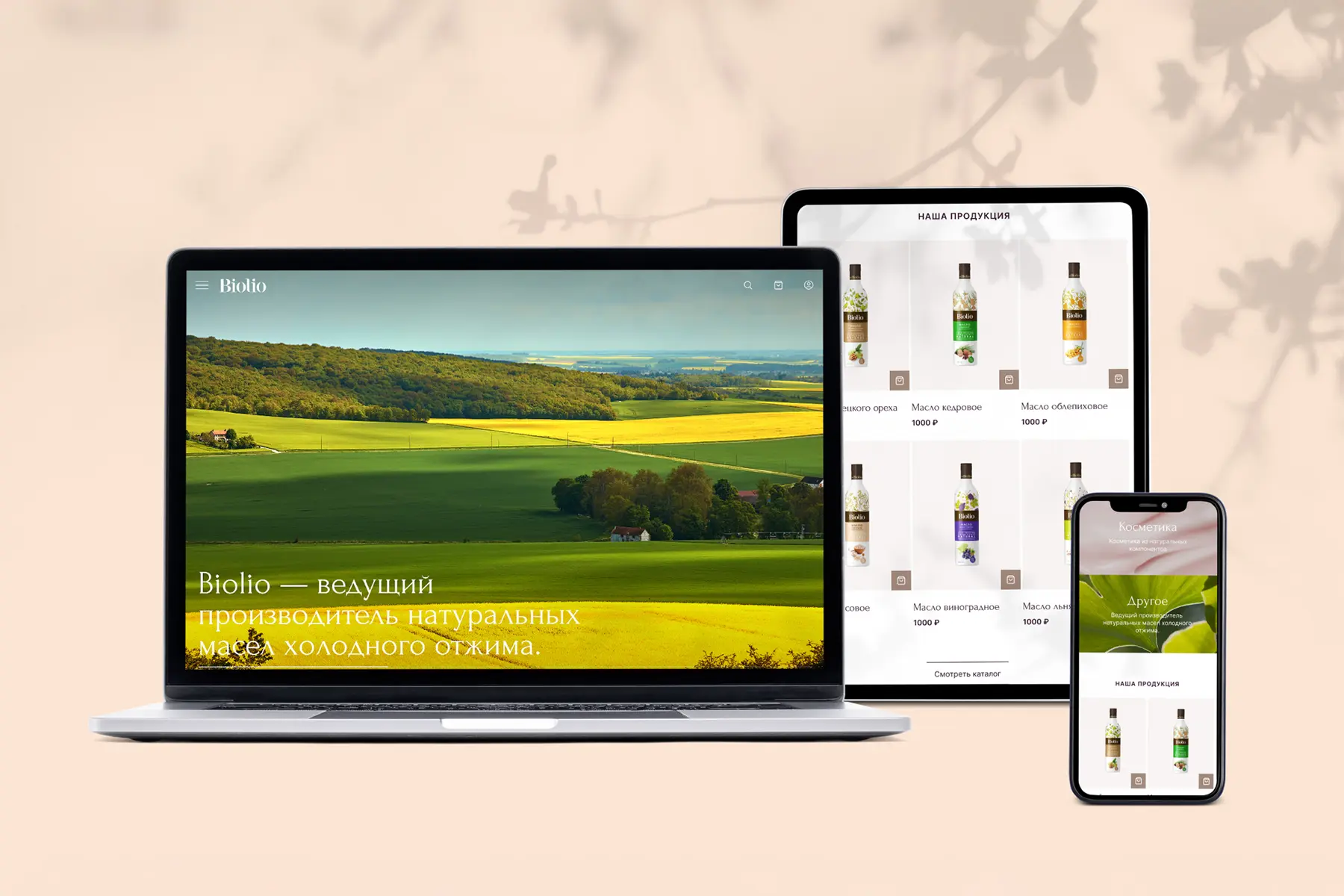
As part of creating a brand book, the brand’s visual strategy for the web is developed, with mandatory identity standards for the website and mobile app. Brand image in digital spaces grows in importance — especially for businesses that operate primarily online.
This section records core web-design principles: color palette, wireframes for typical pages, templates for the home page and two interior pages, and typefaces for the website and mobile app. The development of a brand book may include custom UI and UX elements. If your site or app is produced by a different contractor, verify that every identity requirement is strictly observed.

Visual strategy in social media
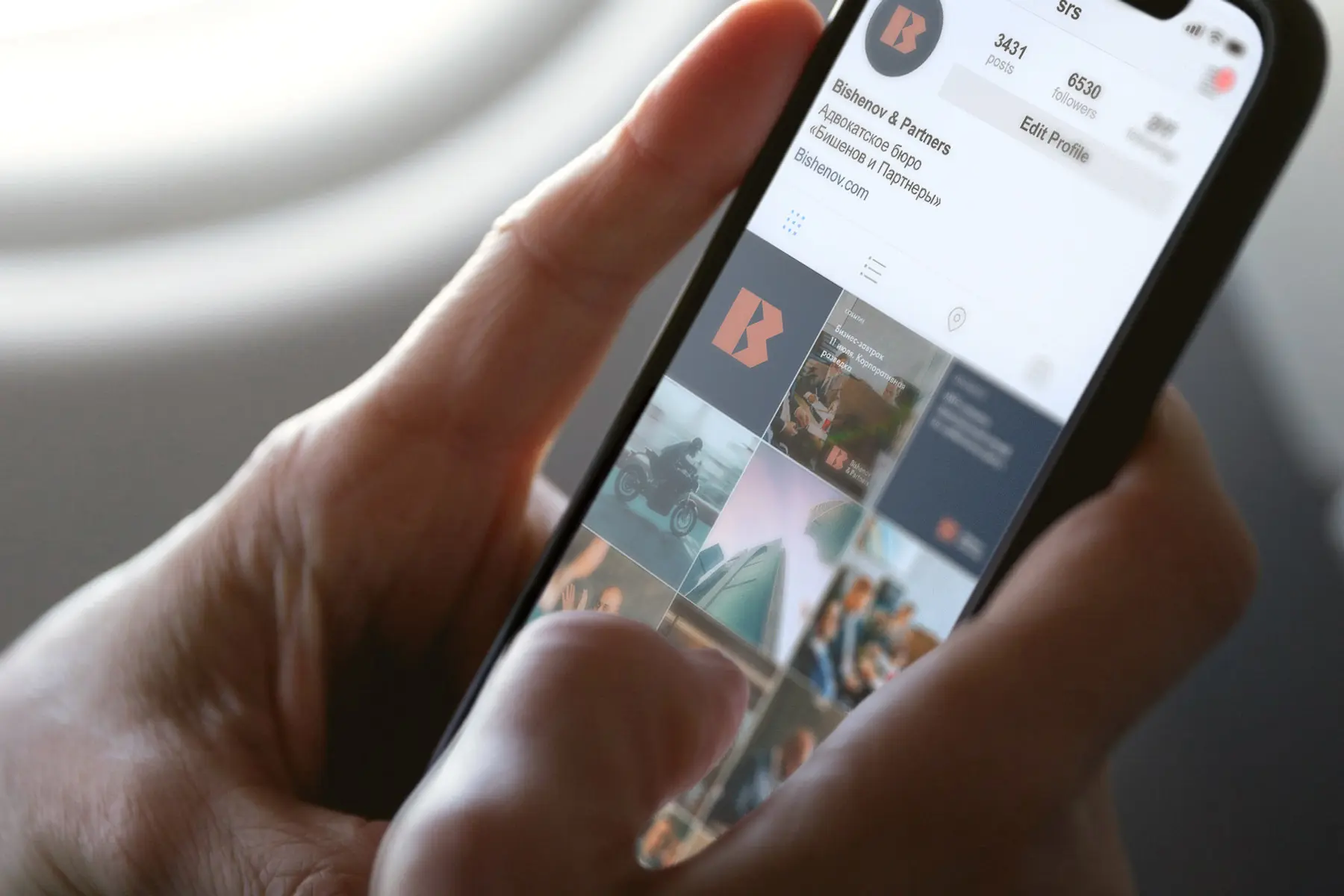
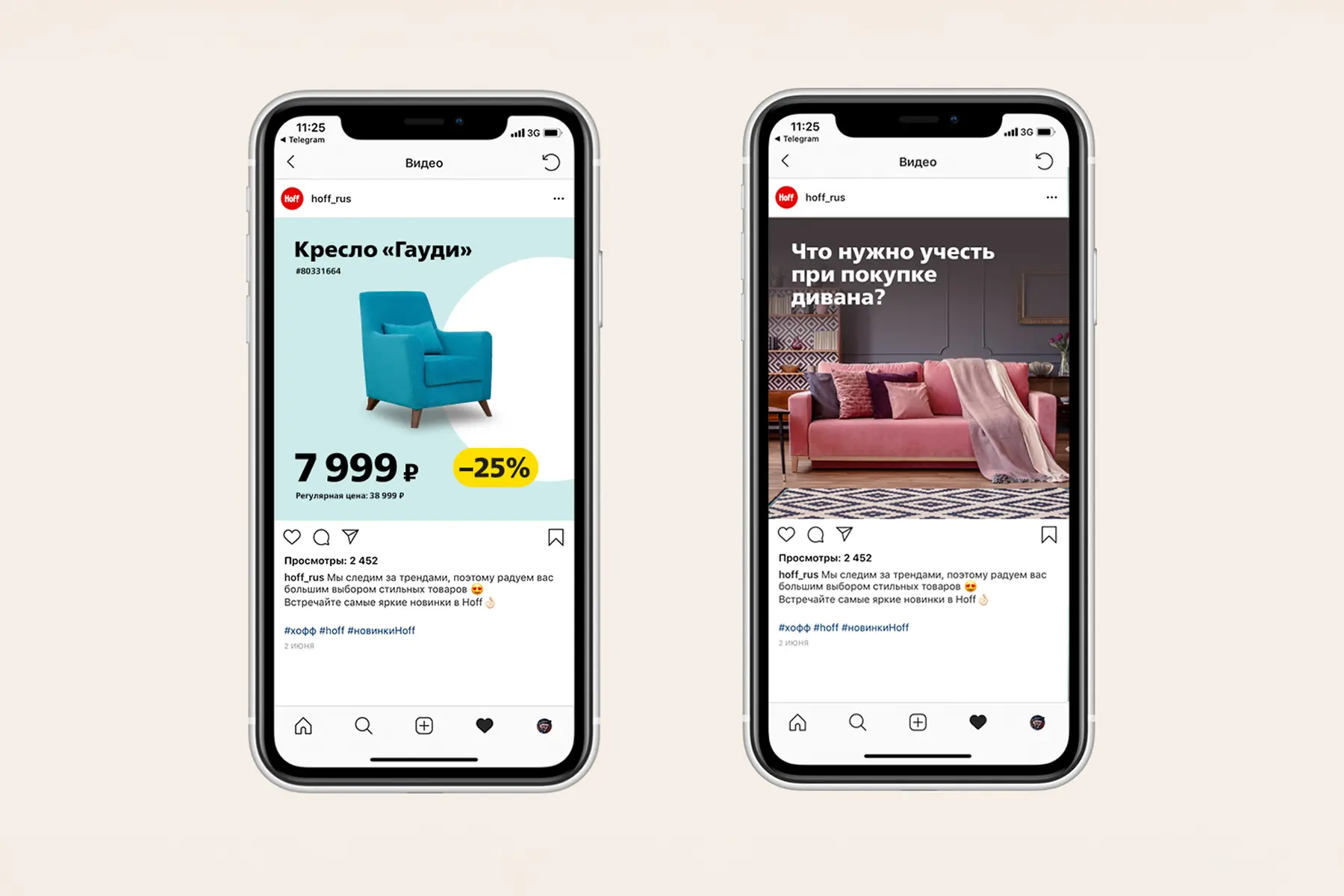
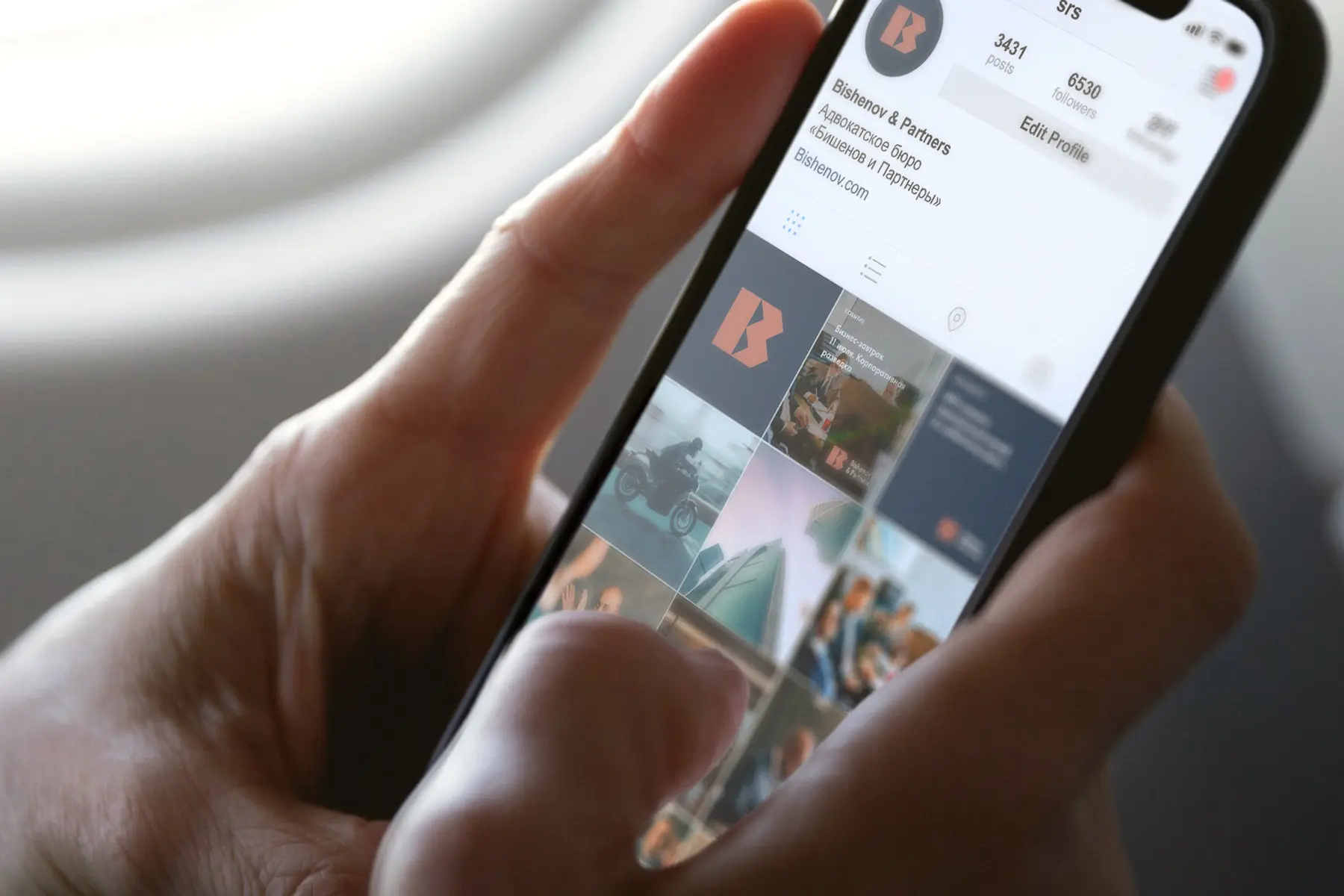
For many modern businesses, social media is a priority sales channel, and maintaining brand image there is a necessity when creating a brand book. This section includes requirements, standards, and examples for profile design and typical posts with different content categories and banners.
During development, the brand book sets principles for page design, post examples (text, photo, promotions, events), and standards for banner layouts for browsers and social platforms. Social media encourages creative experimentation — but always maintain brand style and tone.




Interior design & environmental branding
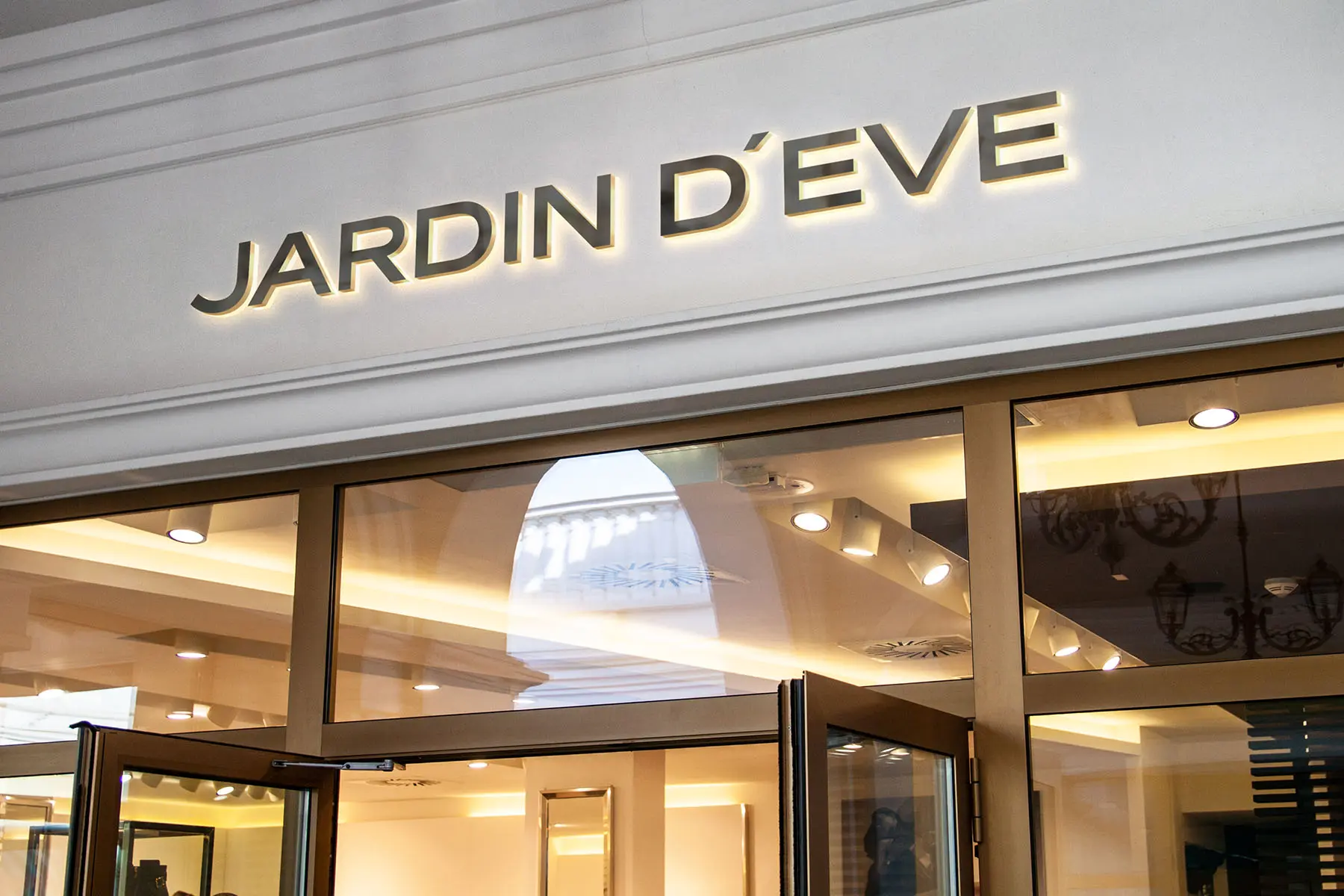
Integrating brand identity into interior and exterior spaces creates the most memorable brand experience — something to consider when creating a brand book. Distinctive aesthetics, recognizable colors and typefaces, and other identity elements give spaces personality and clarity — even for first-time visitors.
The development of a brand book creates a system of internal and external wayfinding: facade signs, roof installations, and lightboxes with the company name; welcome plaques and entrance decals (including revolving doors). During creation, the brand book defines plaques with names and legal info, branded flags and flagpoles, outdoor wayfinding pylons, illuminated house/building numbers, and schematic maps for hotel grounds with facilities. It also provides examples of auxiliary graphics in interiors and a wayfinding system — schemes, directional signage, and information plates.
Creating a brand book does not include structural drawings as working blueprints. These materials are provided as overlays on photos and/or 3D renderings supplied by the client.


Uniforms and apparel branding
Designing staff uniforms is a key aspect to consider when creating a brand book because neat, easily identifiable personnel represent the company. Uniform requirements vary by market segment and brand positioning.
For example, when creating a hotel brand book, the uniform system may cover different roles: management, front office (reception, bellhop), F&B (waiter/bartender), housekeeping, engineering, and groundskeeping. The development of a brand book provides men’s and women’s versions; some roles may also require seasonal (winter/summer) variants.


Branded merchandise and gifts
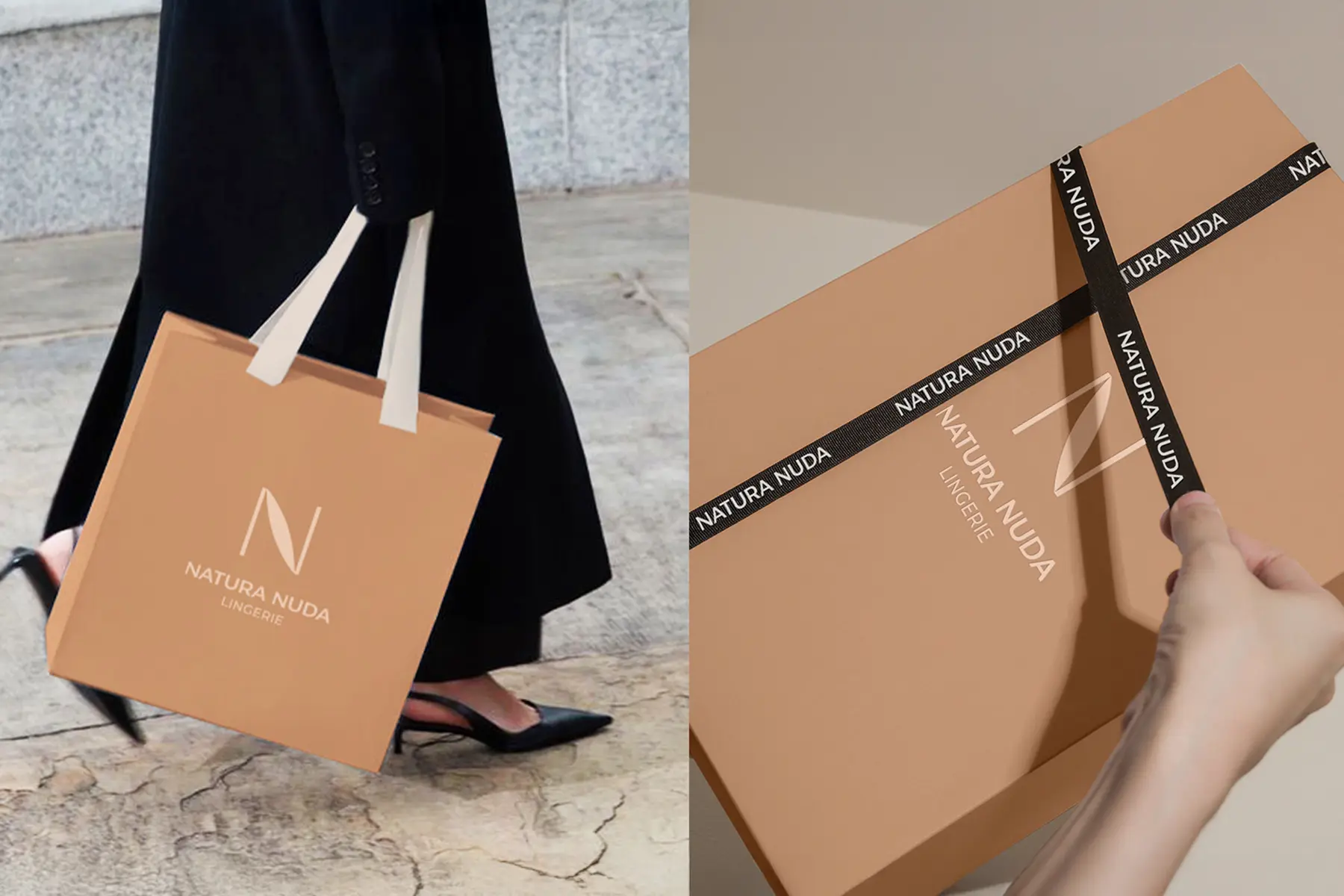
Standards for corporate gifts and merchandise are vital to brand image — this is an effective advertising medium, and quality directly shapes perception and positioning. The development of a brand book should record print and material requirements.
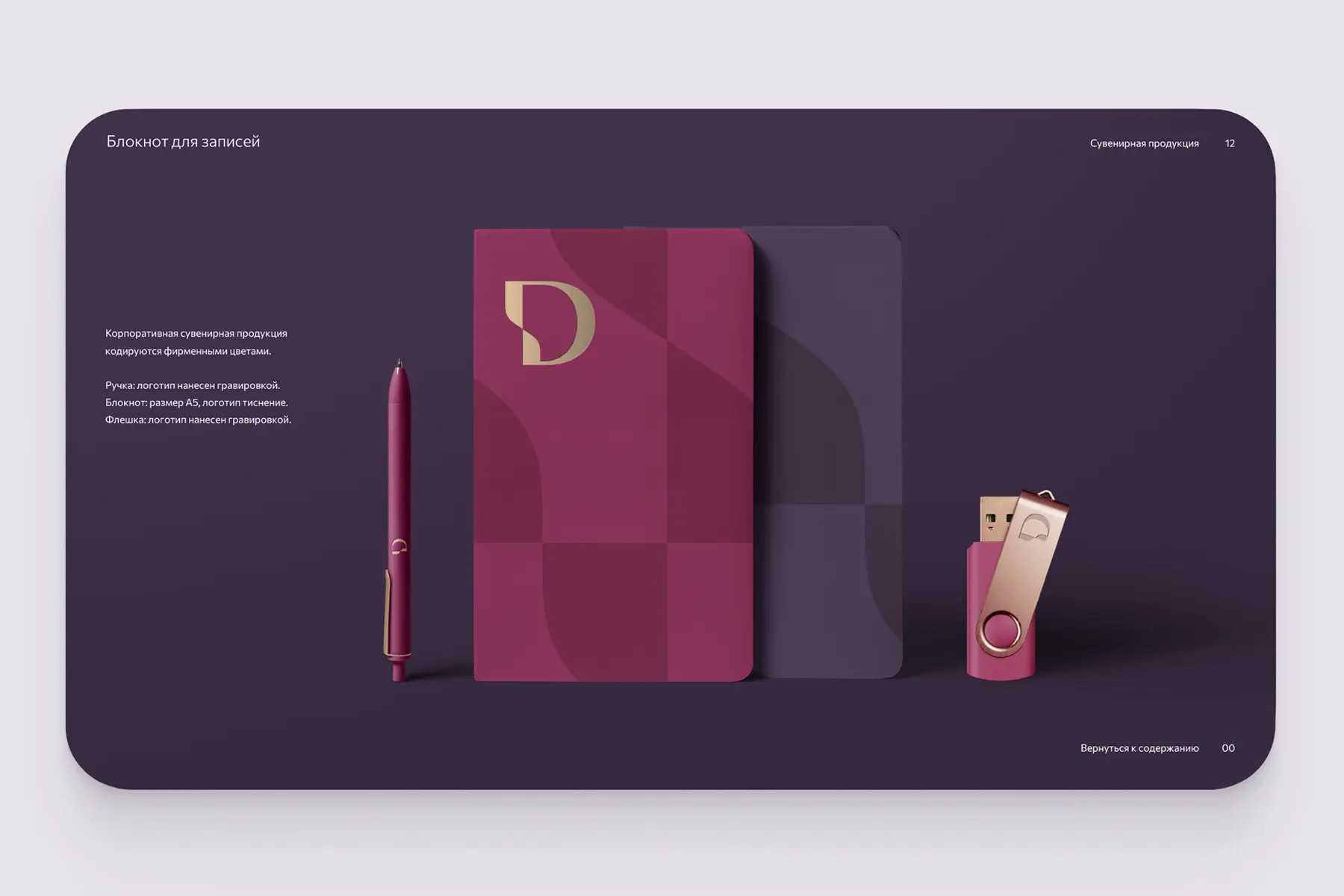
A section might include: diaries, notebooks, tear-off note pads, pens (ballpoint, rollerball, fountain), card cases, branded bags, and USB drives. The final list of items is formed by the client according to business needs.
Types of brand books
Guideline
A guideline is a practical format where creating a brand book focuses on application rules illustrated with clear examples. It shows how a brand should look, sound, and behave across channels: from logo, colors, and typography to the tone of messages. In contrast to a broad “brand book” that also includes positioning and the brand platform, a guideline targets the execution of identity and provides “do/don’t” examples.
Logo book
A logo book is a narrow document that details a single object: the logo. It records logo versions (horizontal/vertical/icon), proportions and modules, clear space, minimum sizes, and colorways; it also fixes acceptable backgrounds and prohibitions with do/don’t examples — everything needed to keep the mark correct on any medium.
Company brand book
Such a guide describes in detail the strategy, mission, vision, and principles of a B2B business. It typically includes sections on corporate documents, HR materials, image-building print, and the website. Often, it also sets principles for environmental branding, vehicle livery, trade-show equipment, and merchandise — forming a credible, professional image. Small businesses can start with a concise guideline that records logo construction rules and usage of type and color.
Brand book of the brand
Here, the development of a brand book unites positioning strategy, brand language, and the visual system with examples across all channels. Unlike narrow documents, a brand book explains both the “why” (story, values, positioning) and the “how” (rules for elements), so that creating a brand book ensures consistent communications—not just a pretty identity. In practice, the brand book often pairs with a guideline: the first gives context and principles; the second — detailed instructions for everyday work.
Project brand book
Projects carry responsibility for the image of a company — or even a country — at home and internationally. A project (forum, expo, national program, international event) includes hundreds of touchpoints, many vendors, and strict uniformity requirements. Therefore a short guide won’t work; a comprehensive, living document is needed to regulate everything — from meaning and co-branding to navigation, uniforms, and digital interfaces.
Bank brand book
For banks, the brand lives across many environments: mobile app, website and remote services, branches and ATMs, cards, contracts and tariffs, advertising and PR. Creating a brand book for a bank is more than visual standards — it’s an end-to-end system that aligns meaning, voice, and design with legal and industry requirements. Co-branding with payment systems should be defined in advance: Visa/Mastercard/Mir have strict rules for logos, colors, clear space, and lockups — these affect card designs, POS materials, and app storefronts, so they must be built into the brand book.
Clinic brand book
For banks, the brand lives across many environments: mobile app, website and remote services, branches and ATMs, cards, contracts and tariffs, advertising and PR. Creating a brand book for a bank is more than visual standards — it’s an end-to-end system that aligns meaning, voice, and design with legal and industry requirements. Co-branding with payment systems should be defined in advance: Visa/Mastercard/Mir have strict rules for logos, colors, clear space, and lockups — these affect card designs, POS materials, and app storefronts, so they must be built into the brand book.
Clinic brand book
Creating a brand book for a medical center is always about trust and patient safety: from the website and app to reception desks and wayfinding. The document fixes not only logo and identity usage but also plain language for brochures and interfaces, plus basic digital accessibility. The brand book sets rules for signage and uniforms, co-branding with partner organizations, and templates for legally significant materials (consents, disclaimers, before/after photo rules).
Restaurant brand book
A restaurant style guide makes it possible to reveal the venue’s concept and philosophy and to shape the desired image and atmosphere. A detailed guide is especially important for restaurants and cafés that plan to grow through franchising. In this case, aim to spell out every detail: interior and facade design, menu layout, advertising design, takeaway tableware and packaging.
Be sure to specify the materials to be used in interiors, as well as paper stocks and print quality. This level of detail helps preserve the brand image. Consider developing a retail book (a visual merchandising guide). It will help the chain grow faster and maintain a recognizable style.
Store brand book
Supermarkets, hypermarkets, and chain stores expand rapidly, regularly opening new locations, so they require a detailed brand-management guide. The main task of a store brand book is to streamline the opening of new sites. To that end, the guide sets out in detail the principles for interior, facade, and wayfinding design.
It also describes the principles of visual merchandising, advertising materials, staff uniforms, and more. It is essential to define clearly which media will be most in demand. The store will run seasonal campaigns and special offers that must be presented correctly in the branded environment and announced in the media, the urban setting, and social networks.





Cost of developing a brand book
The final price depends on many factors: business format and needs, scope of work, list of sections and number of media, and whether packaging, website, interiors, photoshoots, and other elements are required. The cost is also largely determined by the team’s level and the developer’s expertise. To get an accurate quote, clarify your needs; you can either estimate the scope yourself or request a detailed estimate from an agency.

Как выбрать руководство по фирменному стилю для бизнеса
 Анна Авдеева14.04.2026
- brand book

Создание брендбука кафе, ресторана, бургерной
Алексей Новиков29.12.2021- brand book

Что такое гайдлайн?
Анна Авдеева09.08.2021- brand book
Брендбук: ответы на все вопросы
Анна Авдеева17.06.2021- brand book
От чего зависит стоимость разработки брендбука?
 Андрей Вершинин26.08.2020
- brand book
Заказать брендбук: стоимость, оценка результата
Алексей Новиков06.08.2020- brand book

Корпоративный брендбук примеры из практики
 Макс Цветков22.02.2020
- brand book

Кому и когда необходима разработка брендбука
Макс Цветков23.12.2019- brand book

Брендбук франчайзинговой сети
Анна Авдеева10.12.2019- brand book

Брендбук: стратегия, образ, бренд-код
Анна Авдеева31.10.2019- brand book
Брендбук (brandbook) ресторана: функции и константы
Анна Авдеева09.10.2019- brand book
Если брендбука нет или правила руководства не соблюдаются
Макс Цветков26.09.2019- brand book
Блог
Related articles: brand book
Frequently asked questions
Why do you need a brand book?
It is a brand-management tool that turns scattered practices into a single standard and lowers operational risks—from visual and legal to reputational. The optimal format is a digital brand portal where rules and assets are updated in real time and consistency is maintained across the organization.
What are the elements of a brand book?
Brand platform (positioning strategy), brand language (tone of voice), and visual standards with do/don’t examples. It is critical to fix metric rules such as clear space and minimum sizes so application is repeatable in layouts and production.
How is a brand book different from a guideline?
A brand book is broader: it answers “what,” “why,” and “how”—setting the framework and principles on which the brand is built. A guideline focuses on application with clear instructions and examples for execution. In practice, both live side by side but differ in abstraction level and depth.
How is a brand book different from a retail book?
A retail book is a specialized module for offline environments: visual merchandising, POSM, and navigation with production tolerances and venue requirements. Its task is to standardize the point-of-sale moment, relying on industry norms and modern retail communication practices.
Why is a brand book important for franchising?
A franchise buys not only technology but identity. Without unified standards, recognition is lost and coordination costs and communication risks between locations rise. A single system of rules and templates is the foundation of scalable consistency and controlled local adaptation.
Tags:Brand Book
Notes.
The article uses photo and video materials provided by the customer / BRANDEXPERT "Island of Freedom" / ShutterStock / Freepik / Unsplash / Pexels / Goodmockups / Pixpine. All materials presented in the blog are purely informational in nature and do not pursue commercial purposes. The use of text, illustrations, photos, videos and other materials is prohibited without the consent of the copyright holder.
















We’re Here to Advise You on Any Branding Challenge
Dear partners, your project is unique and deserves a tailored approach. To prepare a relevant proposal, we need to understand your goals and the services most needed to deliver the best results. We’re ready to provide 360° support and handle all strategic tasks in marketing, design, digital, and brand communications. Our mission is to deliver outstanding solutions that drive financial growth and increase brand value. Get in touch — we’ll be happy to share our expertise and insights with you.
The BRANDEXPERT Team.
The BRANDEXPERT Team.