Orange Toys — rebranding, brand development, logo & visual identity, packaging and label design, B2C/B2B e-commerce website. Name development for Orange Toys children's toy collections.
Naming — Brand Name Development

Алексей Новиков
Article's author15.09.2025
Naming is a discipline at the intersection of strategy, linguistics, and law: the process of choosing a name that instantly conveys the brand idea, is easy to pronounce, unambiguous to read, and legally valid. The work begins with understanding the audience and competitive landscape; continues with mapping meanings and hypotheses, filtering by phonetics and semantics, and running stress-tests for memorability and negative associations; and concludes with legal clearance and registration under the Nice Classification (NCL). The toolkit is broad—from descriptive and associative solutions to neologisms, abbreviations, and hybrids—while meeting the core criteria of uniqueness, scalability, and readiness for international adaptation. A well-chosen name lowers communication costs, accelerates recognition and conversion, anchors positioning, and becomes the backbone of verbal identity and brand architecture.
The content of the article
- What Naming is
- Key Stages of Name Development
- Brand Naming: Examples of Global Brand Names
- Company Naming: Examples of Corporate Names
- Types of Naming. Classification of Names
- Checking a Name for Uniqueness
- Trademark Registration
- Evaluating the Effectiveness of Brand Names
- Brand Name Testing
- Naming Brief
- History of Brand Names
- Adapting a Brand Name for International Markets
- Rebranding. Changing the Names of Well-known Brands
- Requirements for Naming
- Choosing a Domain Name
- Brand Name Development for Marketplaces
- Naming Costs
- All Naming Directions
- Company Naming
- FMCG Brand Naming
- Pharmaceutical Naming
- Cosmetics Brand Naming
- Fashion Naming
- Diy Product Naming
- Café or Restaurant Naming
- Store Naming, Shopping Mall Naming
- Clinic & Pharmacy Naming
- Beauty Salon Naming
- Equipment & Home Appliances Naming
- Pet Products Naming
- Children’s Products Naming
- Home Goods Naming
- Real Estate Naming
Our projects: naming

Flamenco — Brand Positioning, Naming, Logo Design, Packaging and Label Design, Brand Guidelines, and Photography. Development of a brand name for tomatoes for the ROST group of companies, creation of a brand logo
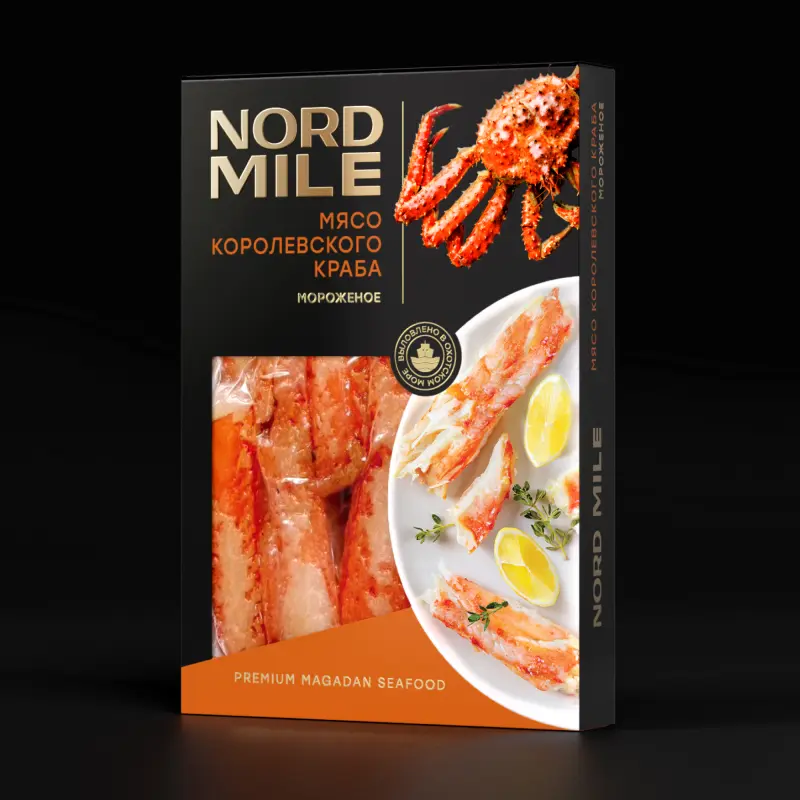
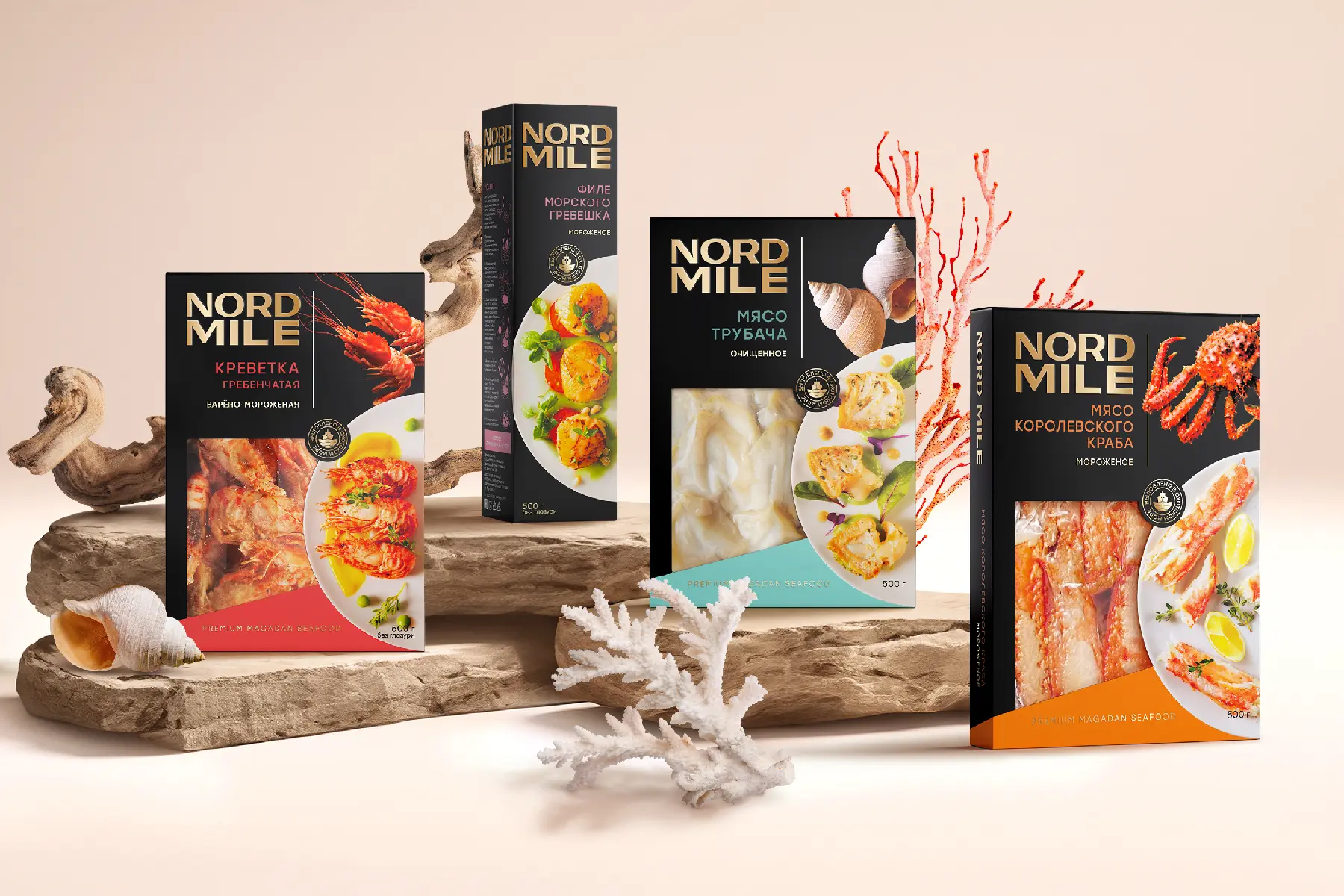
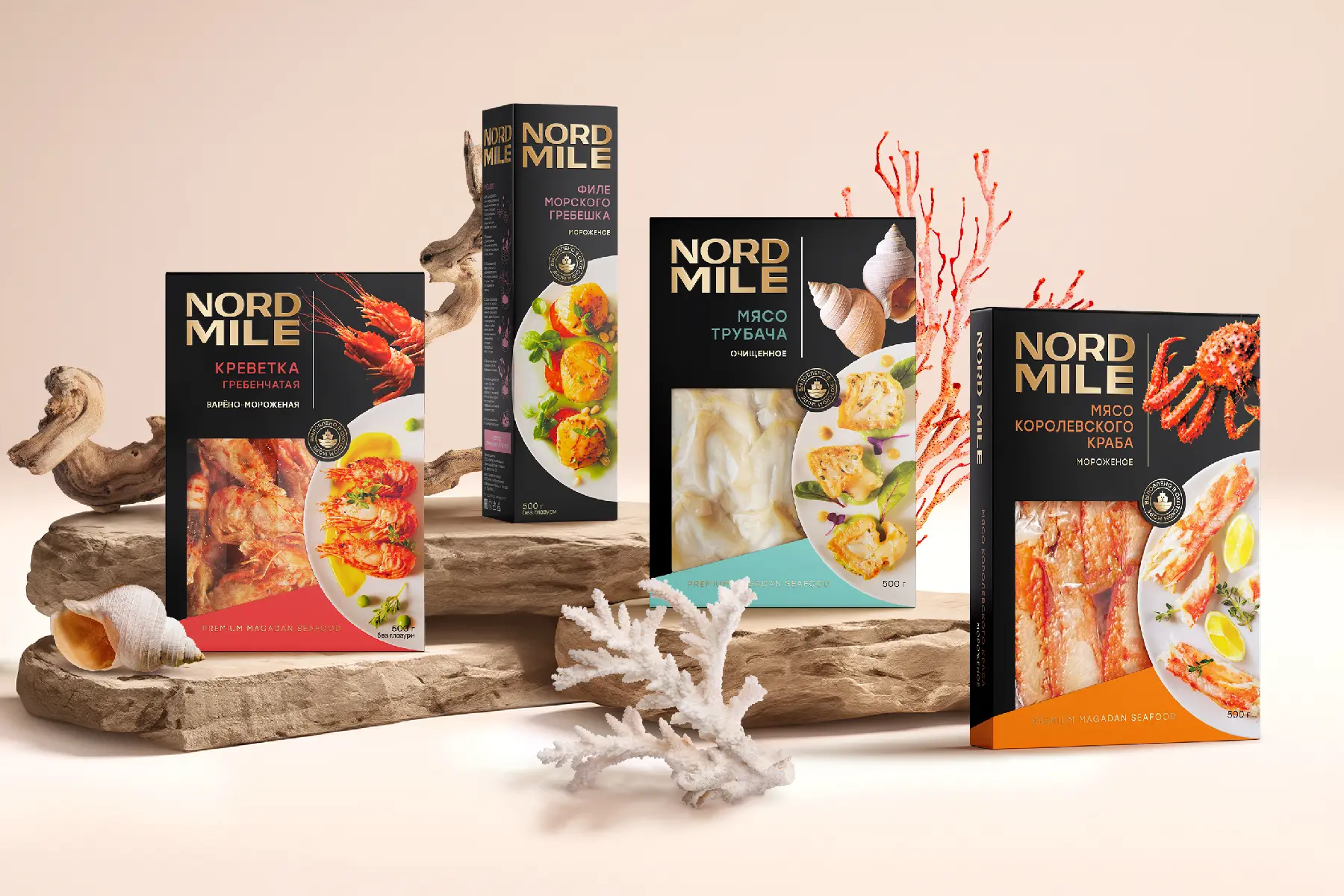
NORD MILE — Brand Development, Naming, Logo Design, and Packaging Design for Seafood and Omega Supplements. Naming the NORD MILE brand, brand positioning strategy
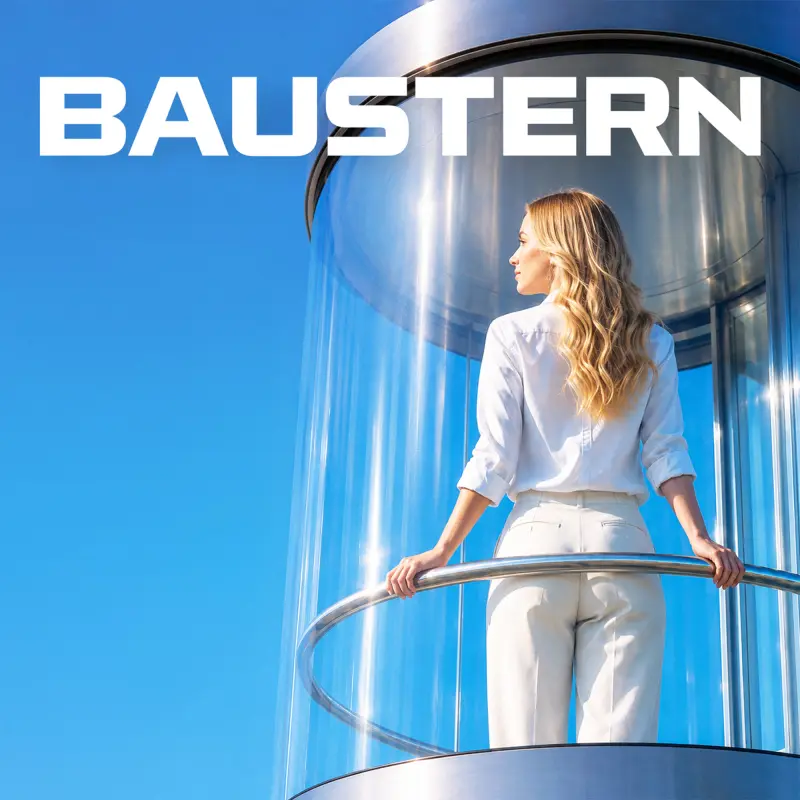
BAUSTERN — Brand Development for a Manufacturer of Passenger Elevators and Freight Lifts. BAUSTERN brand naming and brand development for a passenger and freight elevator manufacturer
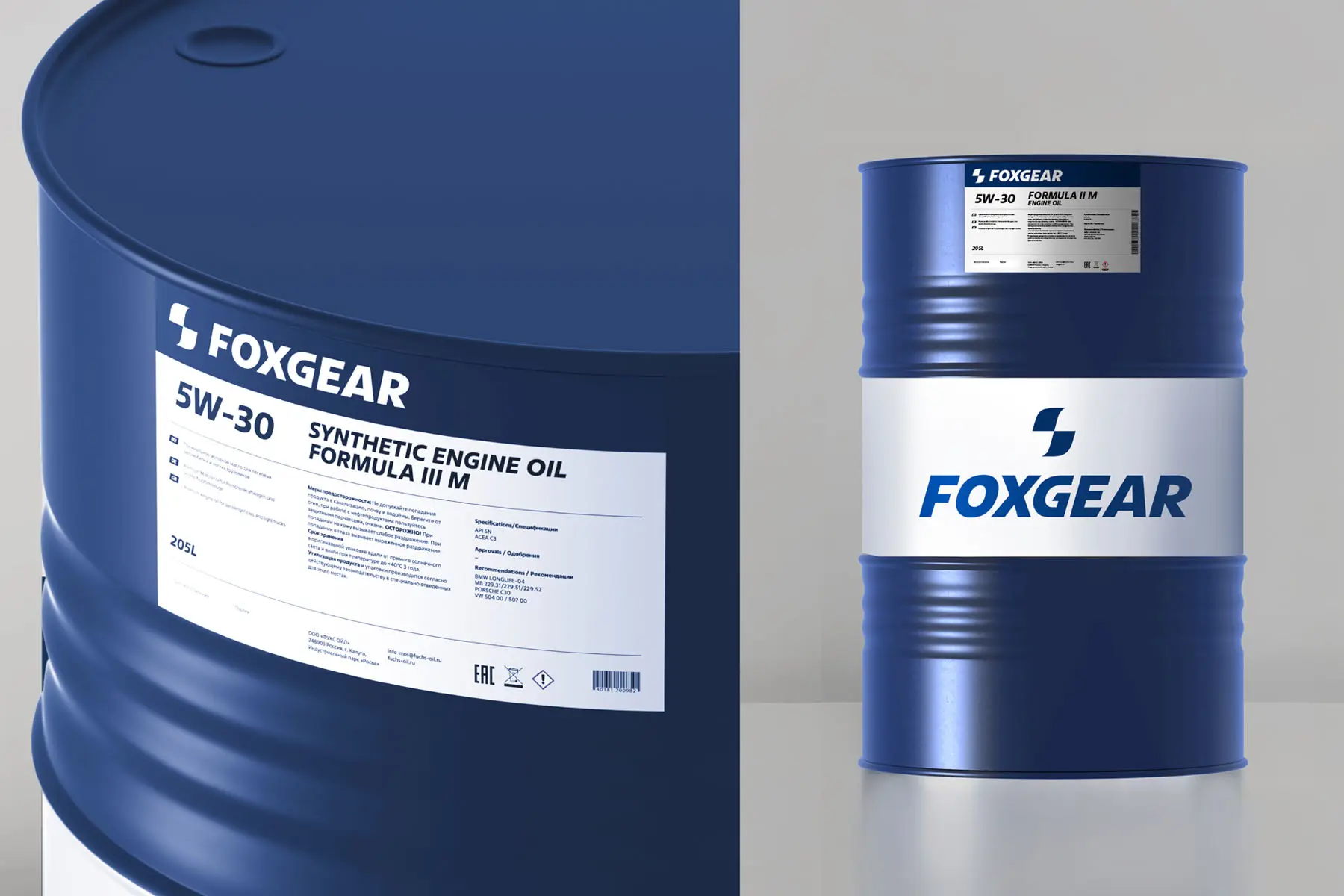
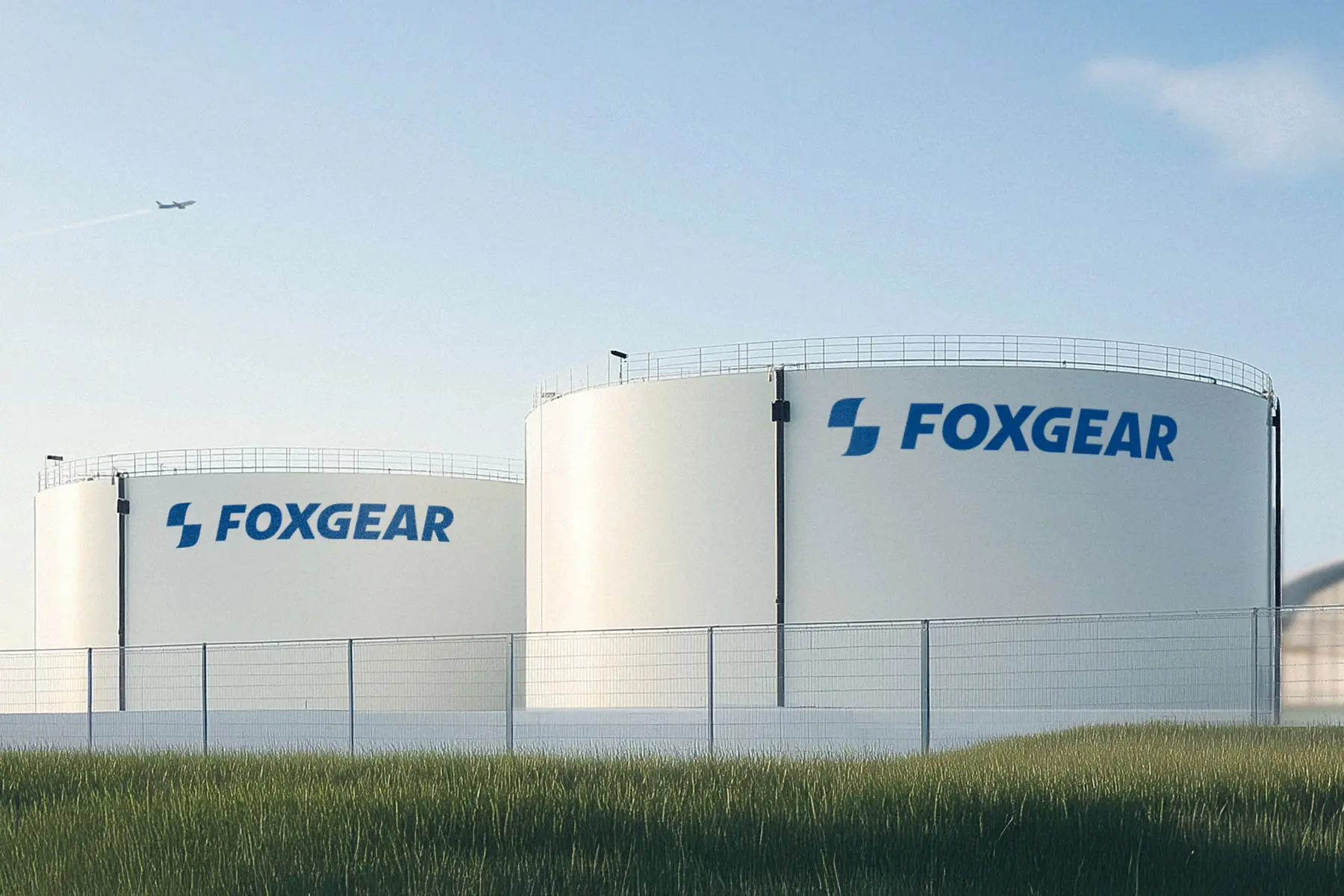
FOXGEAR — Brand Positioning, Naming, Logo Design, Packaging Design, and Brand Guidelines. Naming FOXGEAR is the Russian branch of the premium lubricants manufacturer FUCHS OIL.
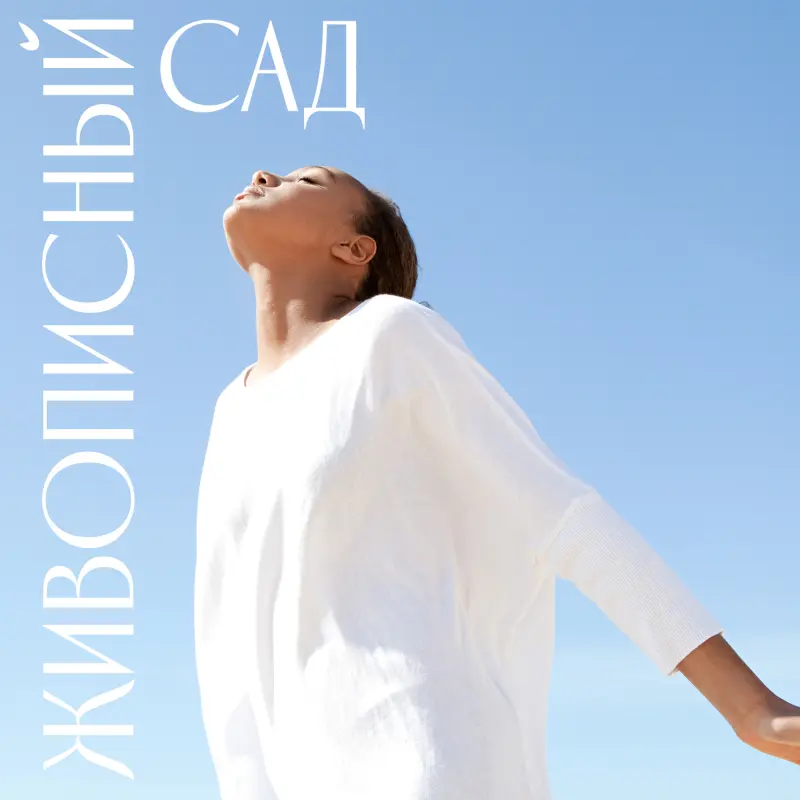
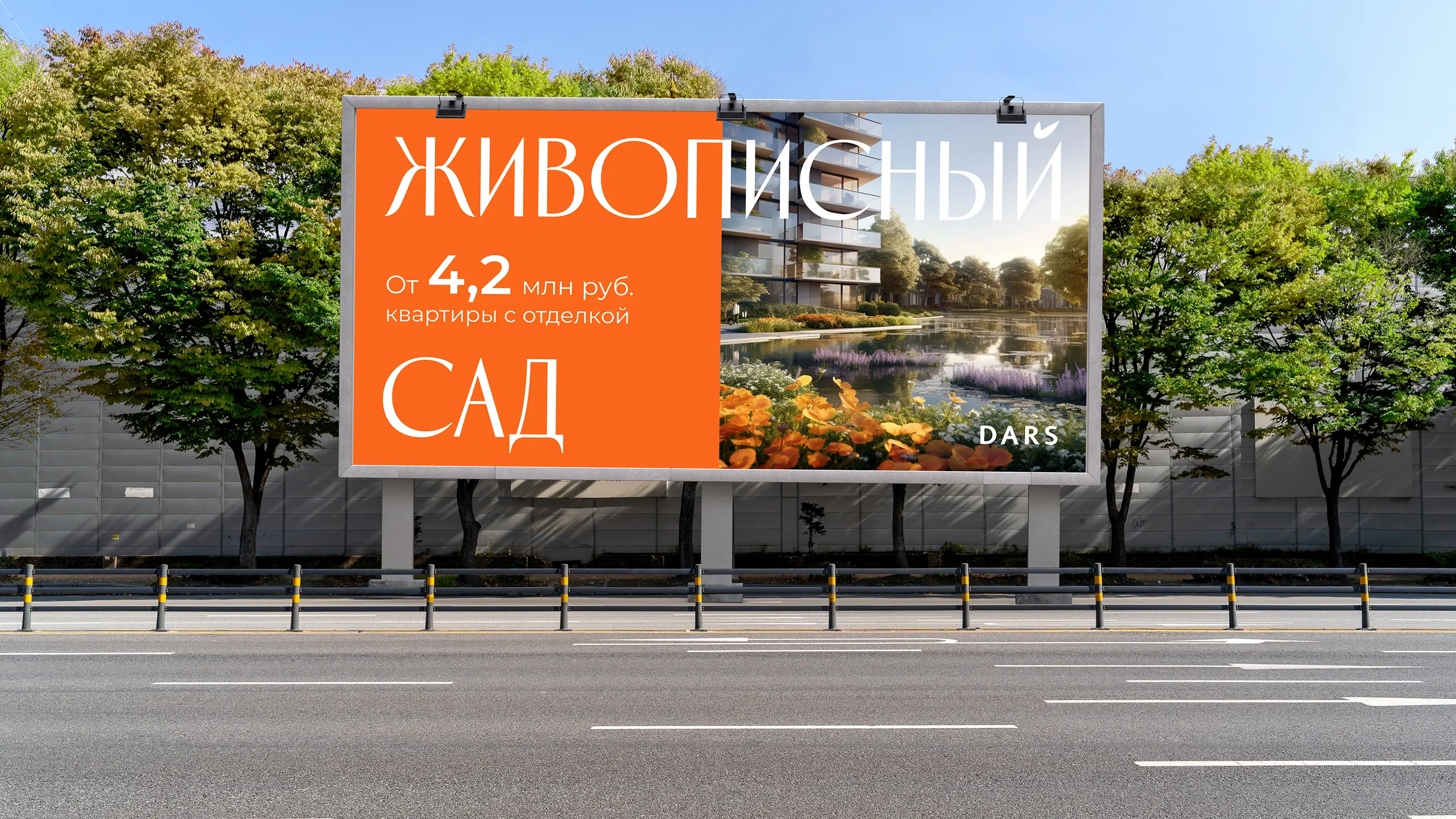
Zhivopisny Sad — Brand Development, Naming, Logo Design, Advertising Communications, and Print Design. Development of a naming for a new residential complex by the development company DARS
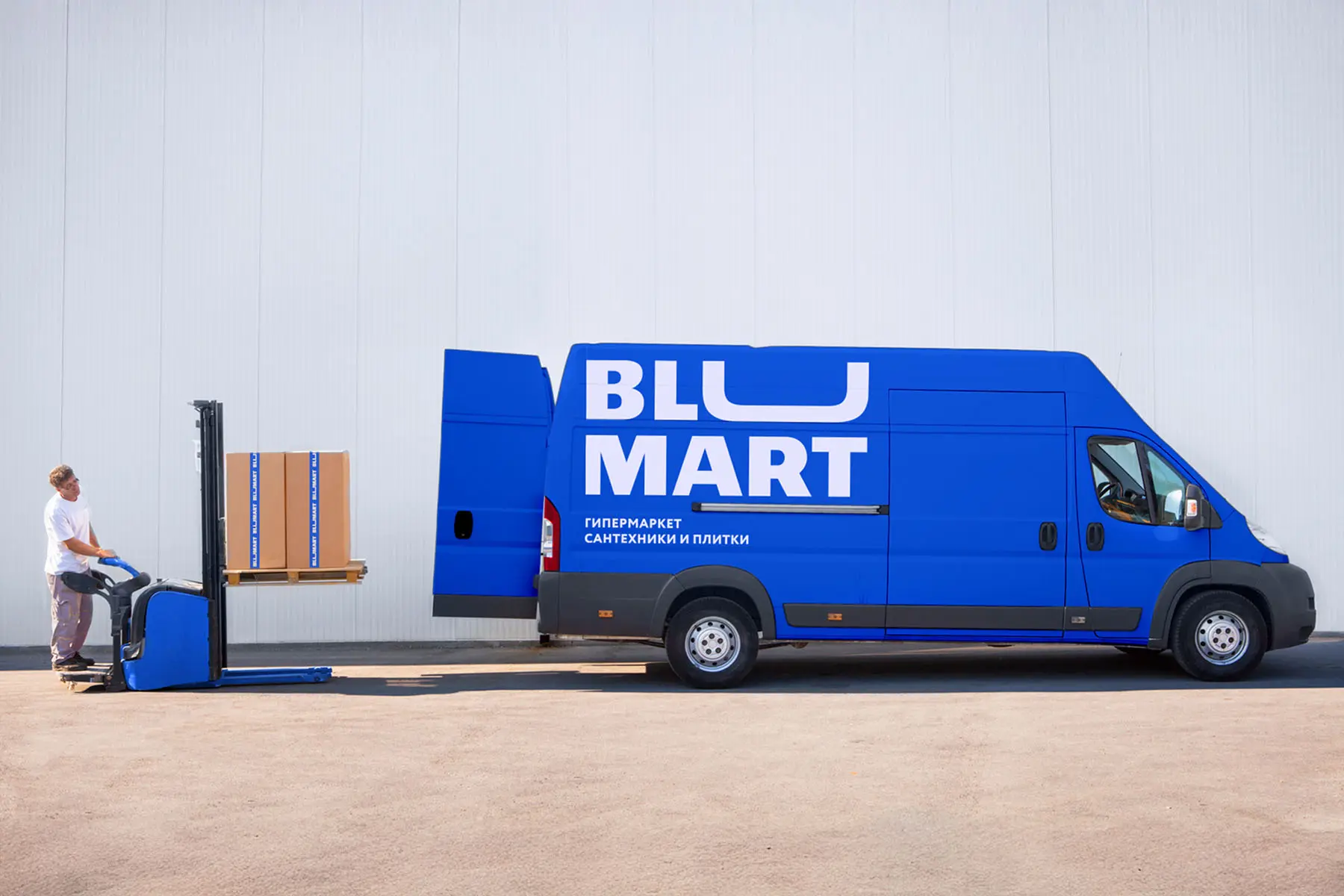
BLUMART. Creating the brand for the first and largest hypermarket of plumbing and tiles in Russia, BLUMART. The project includes: platform for positioning and naming, creating a logo and identity, designing the interior, and developing a brand book.

BITROCKET — name development, logo development, corporate identity, advertising communications. Creating visual strategy for BITROCKET, a developer and manufacturer of premium mining and data-processing solutions, including naming, logo, and brand identity
PINKISS.

Taste Express.

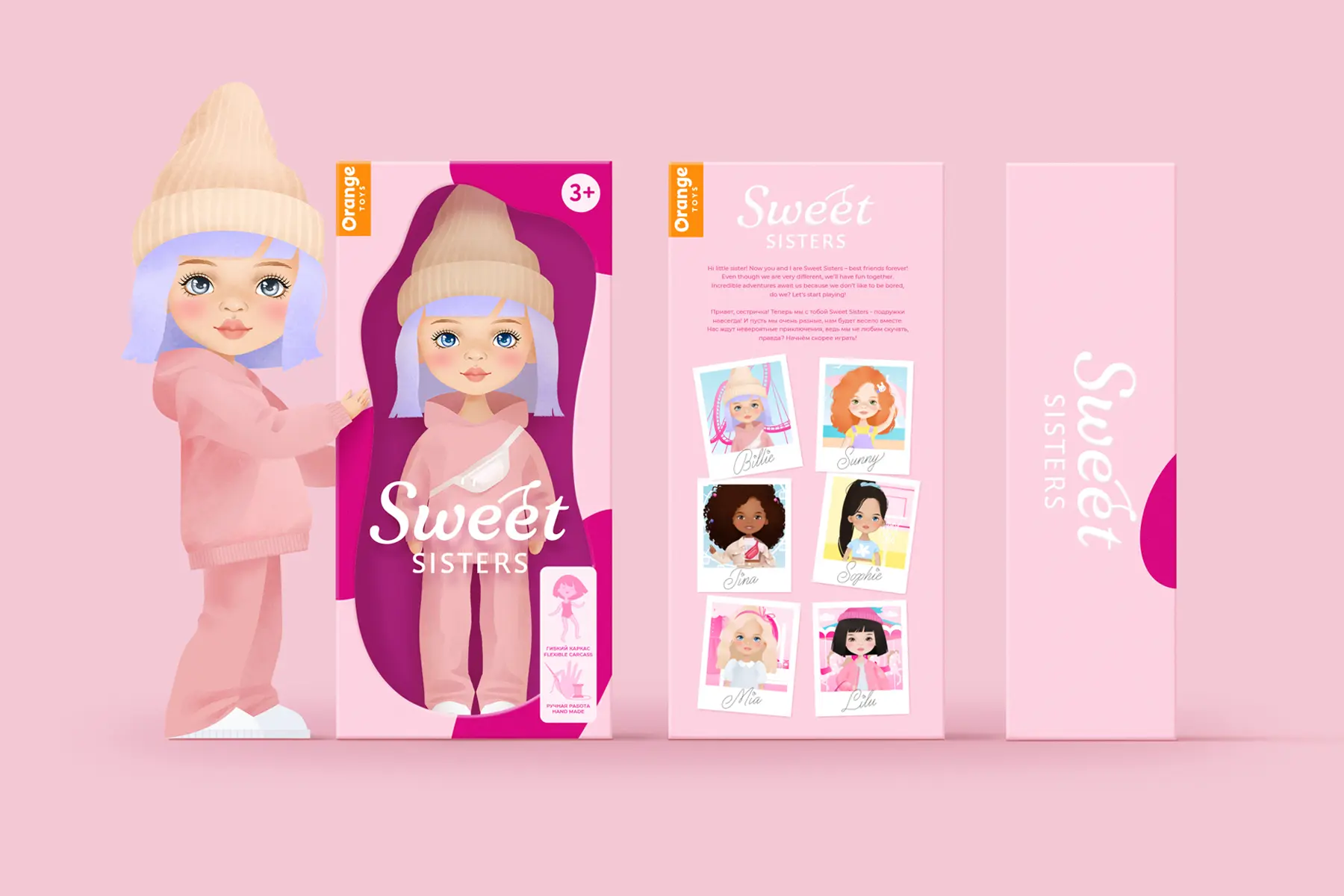
SWEET SISTERS. BRANDEXPERT agency has developed a new unique doll brand SWEET SISTERS for the largest Russian manufacturer of children's goods ORANGE TOYS.
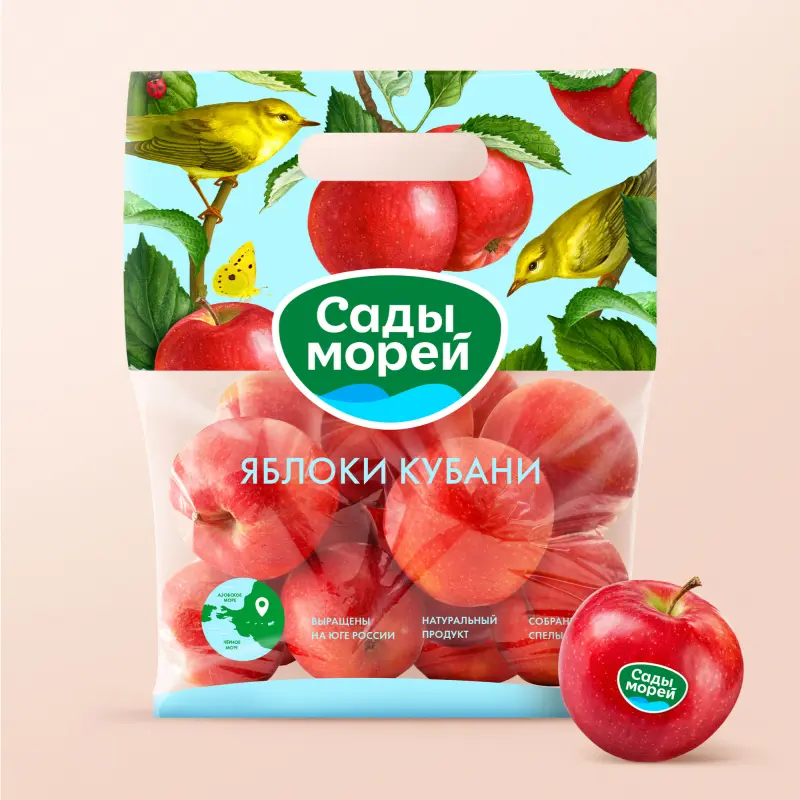
???.

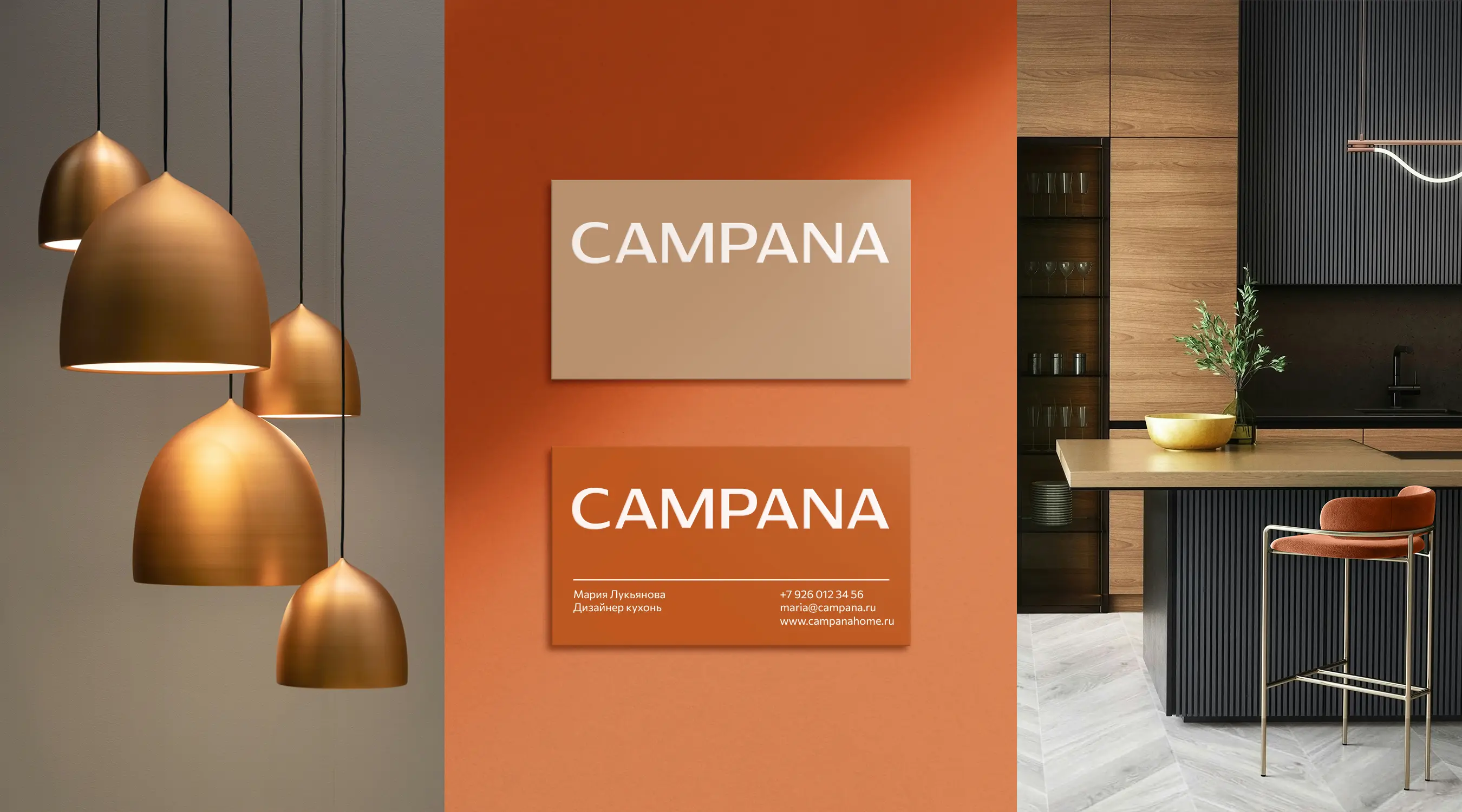
???. Development of the CAMPANA HOME brand of contemporary modular furniture. Creation of the brand logo and corporate identity, aimed at offering unique interior solutions for homes. Retail branding for the flagship store and interior design development.

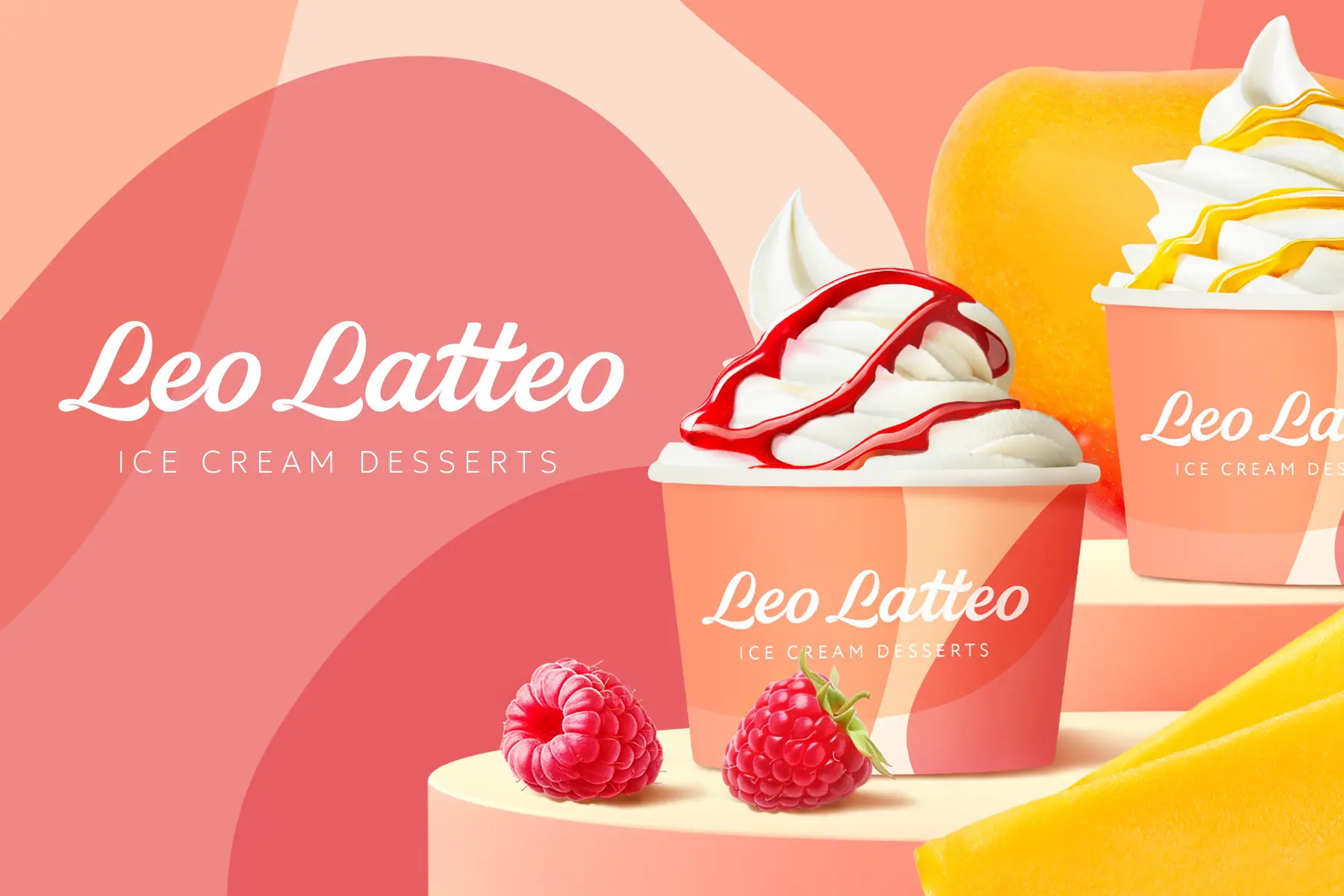
Leo Latteo.

Empatia. Empatia is a sustainable premium tights brand cares about your beauty and our nature. Brandexpert agency developed Empatia brand from scratch: brand name, identity design, product packaging and catalog, model photo shooting and brand video production

POWERCULT.
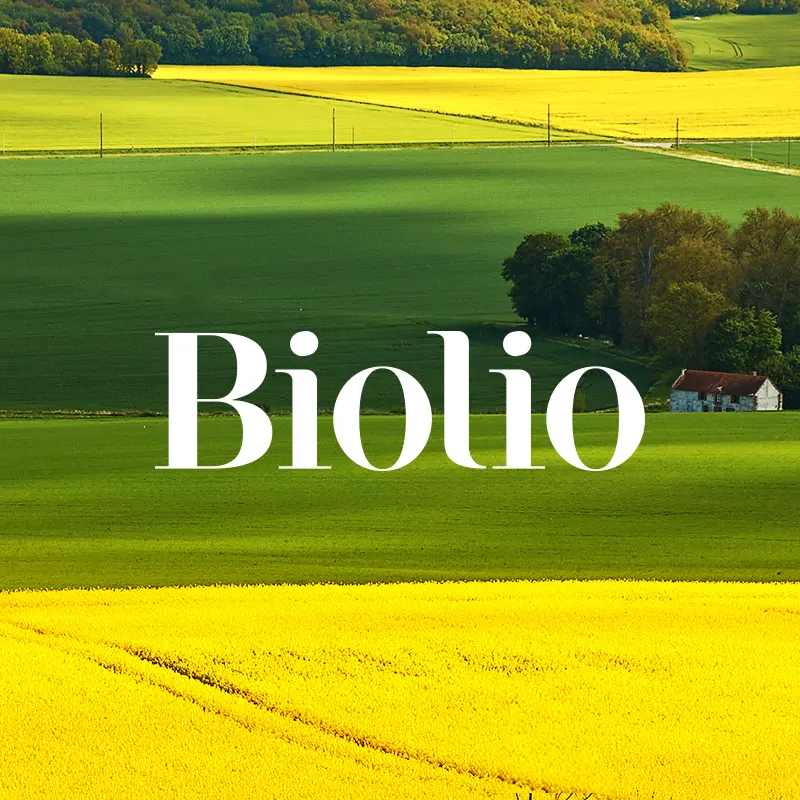
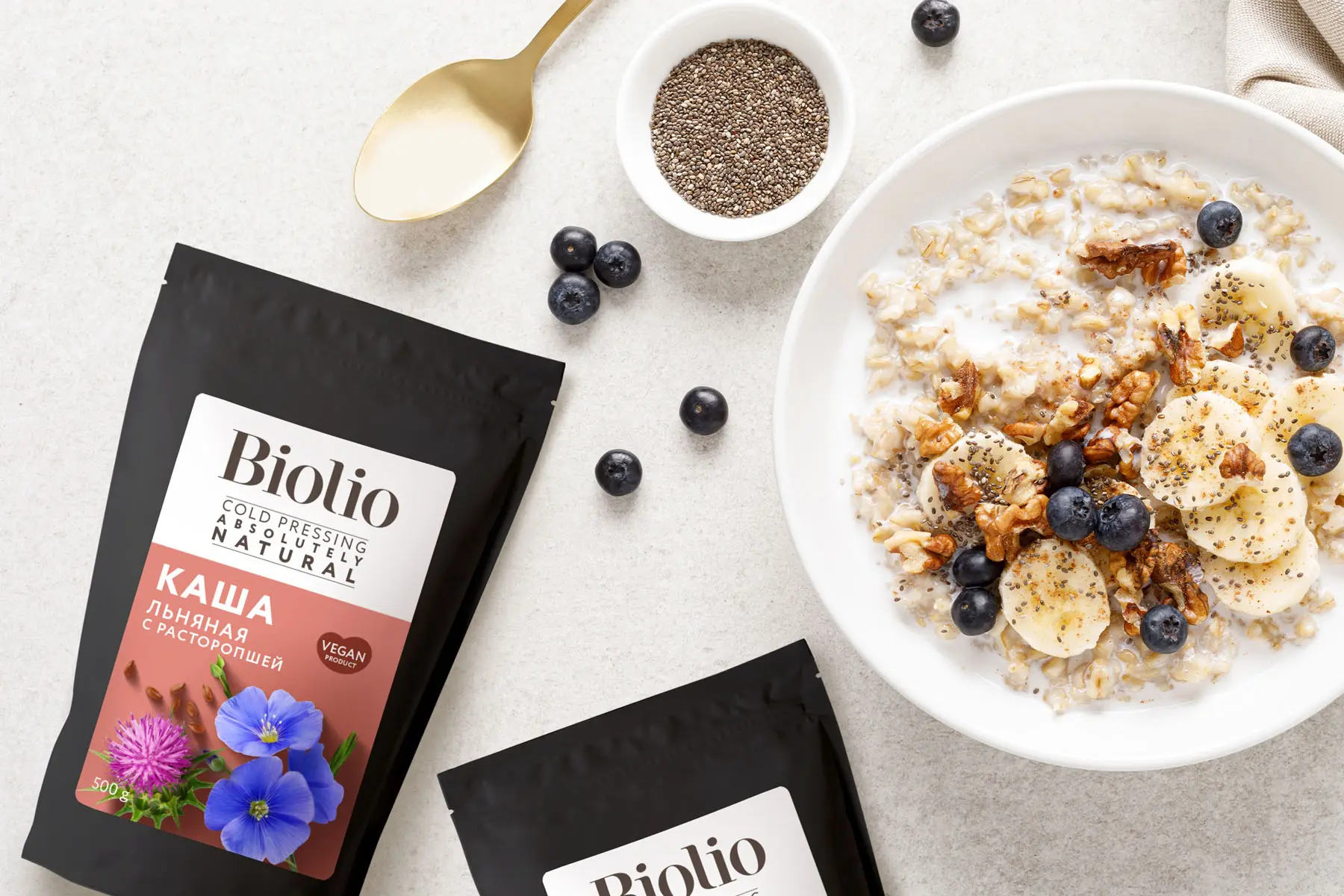
Biolio. BIOLIO is a new Russian brand of natural oils produced by cold press. Thus, oils maintain all their natural values of unique product.

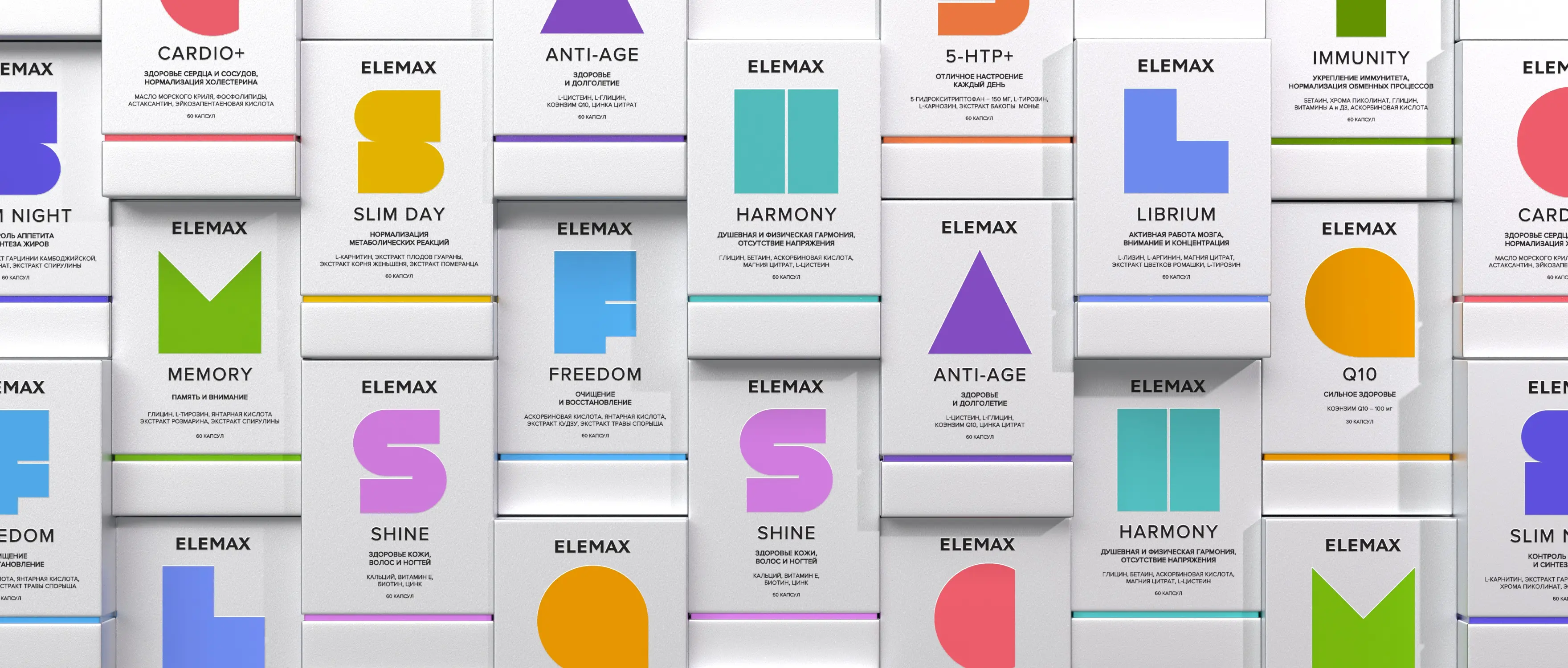
Elemax. Elemax is a new nutrition supplement brand addressing key health issues, e.g. fatigue, low energy or immunity, aging, etc. Brandexpert developed the brand from scratch: brand name, identity design, packaging design, website.

???.

Miratorg: pet food. MIRATORG — pet food from the largest vertically integrated agricultural holding in Russia. As part of the project a brand platform was developed, packaging design were created and photography of the product lines was carried out.
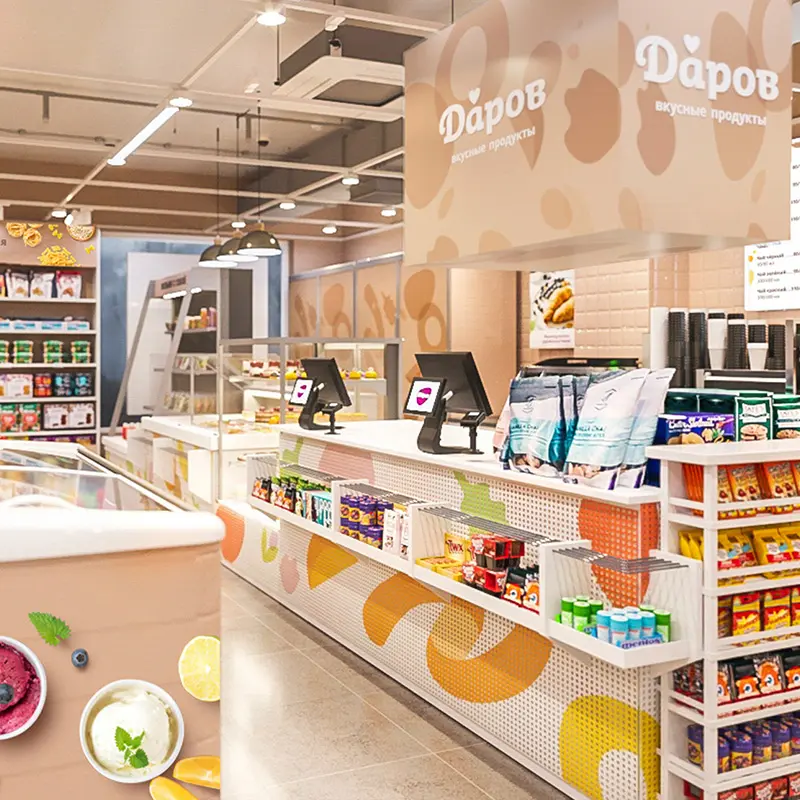
Darov. Darov is a new retail chain with a strong accent on delicious prepared foods. Brandexpert developed the new brand from scratch: brand name, brand identity, logo, brand guidelines, packaging design, and interior design solutions
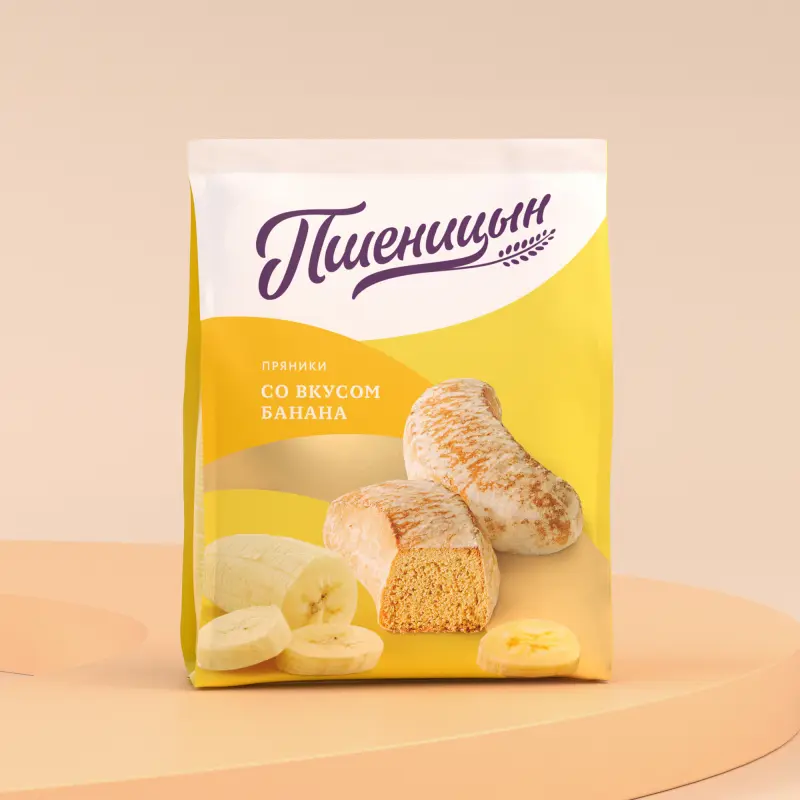
Ageevskiy. Creating the brands "Pshenitsyn" and "Papa Roma" for the confectionery factory "Ageevsky". Logos for the brands, packaging design and product labels were developed. The corporate logo and brand identity of the company "Ageevsky" have been updated.

Floristica. BRANDEXPERT developed a Brand Positioning Strategy, Guidelines, Brand Naming, Logo Design, Packaging Design and Catalog for a new Russian cosmetic brand Floristica offering natural-based beauty products.
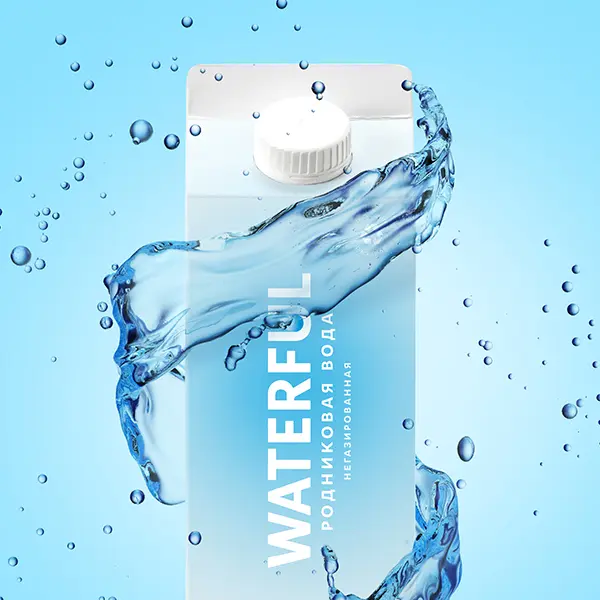
Waterful. Brandexpert created a new brand from scratch. Waterful is the first Russian spring water in eco-friendly paper packaging. We developed Brand Strategy, Brand Name, Identity and Packaging Design, Brand Guidelines, Product Catalog.

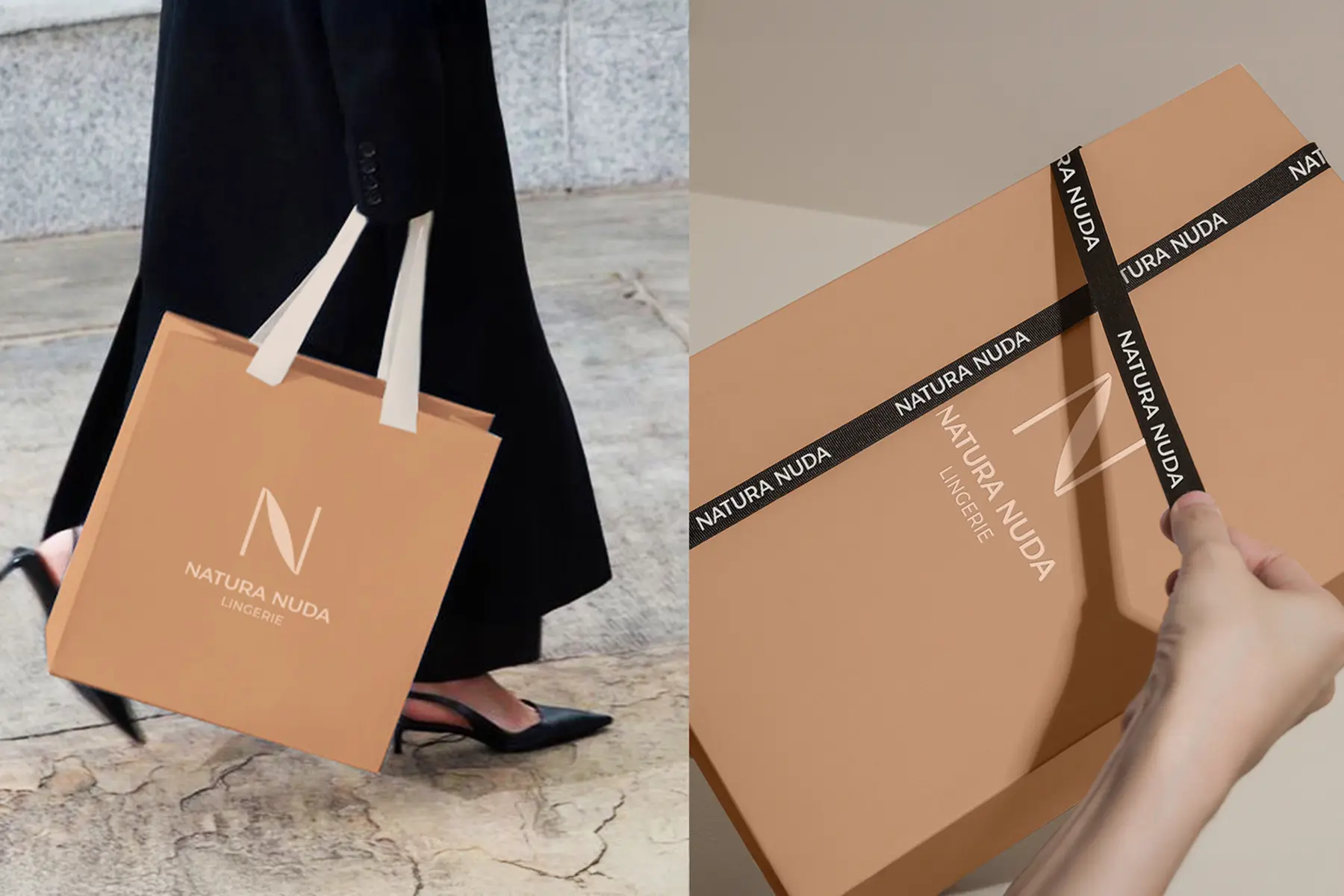
Natura Nuda.

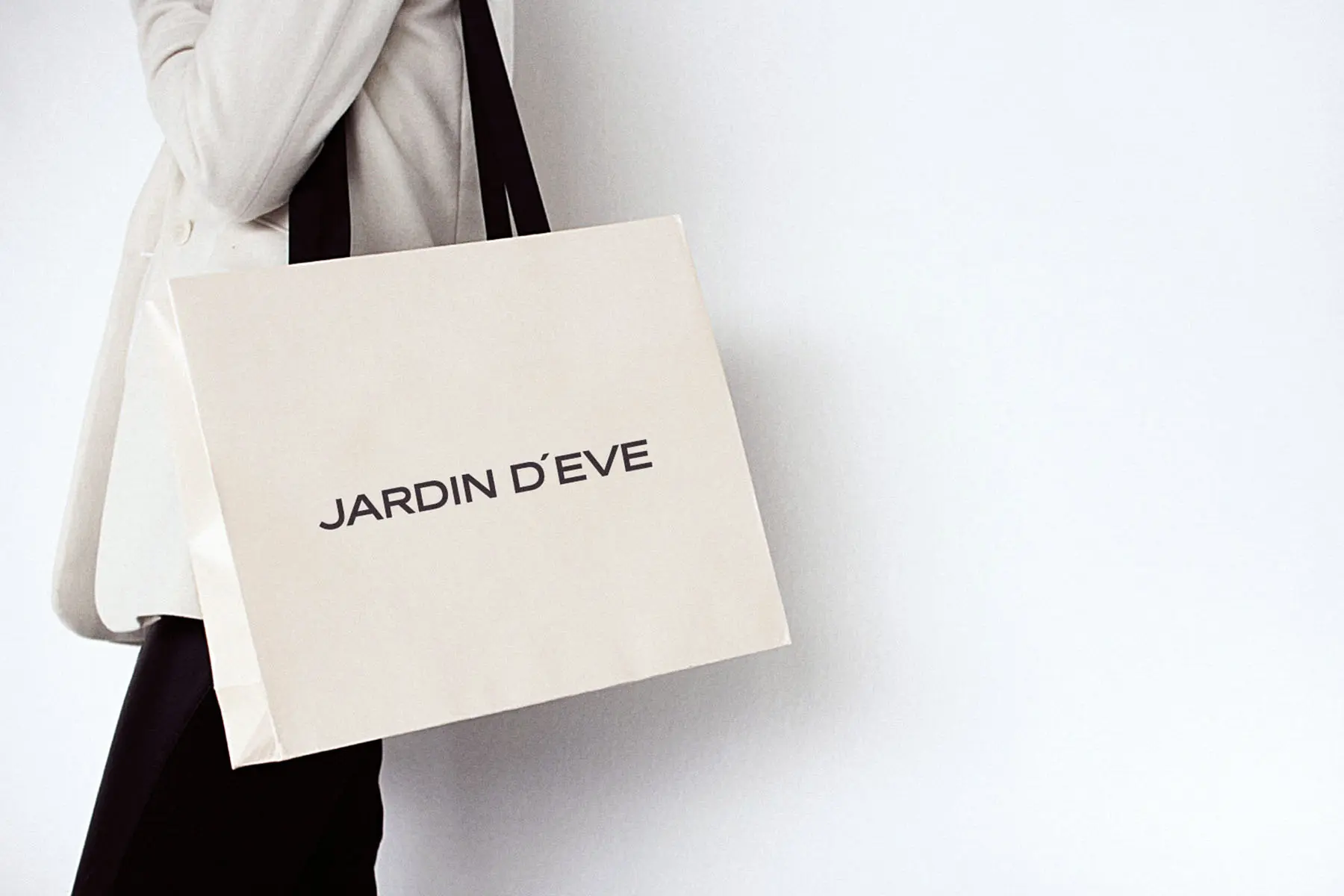
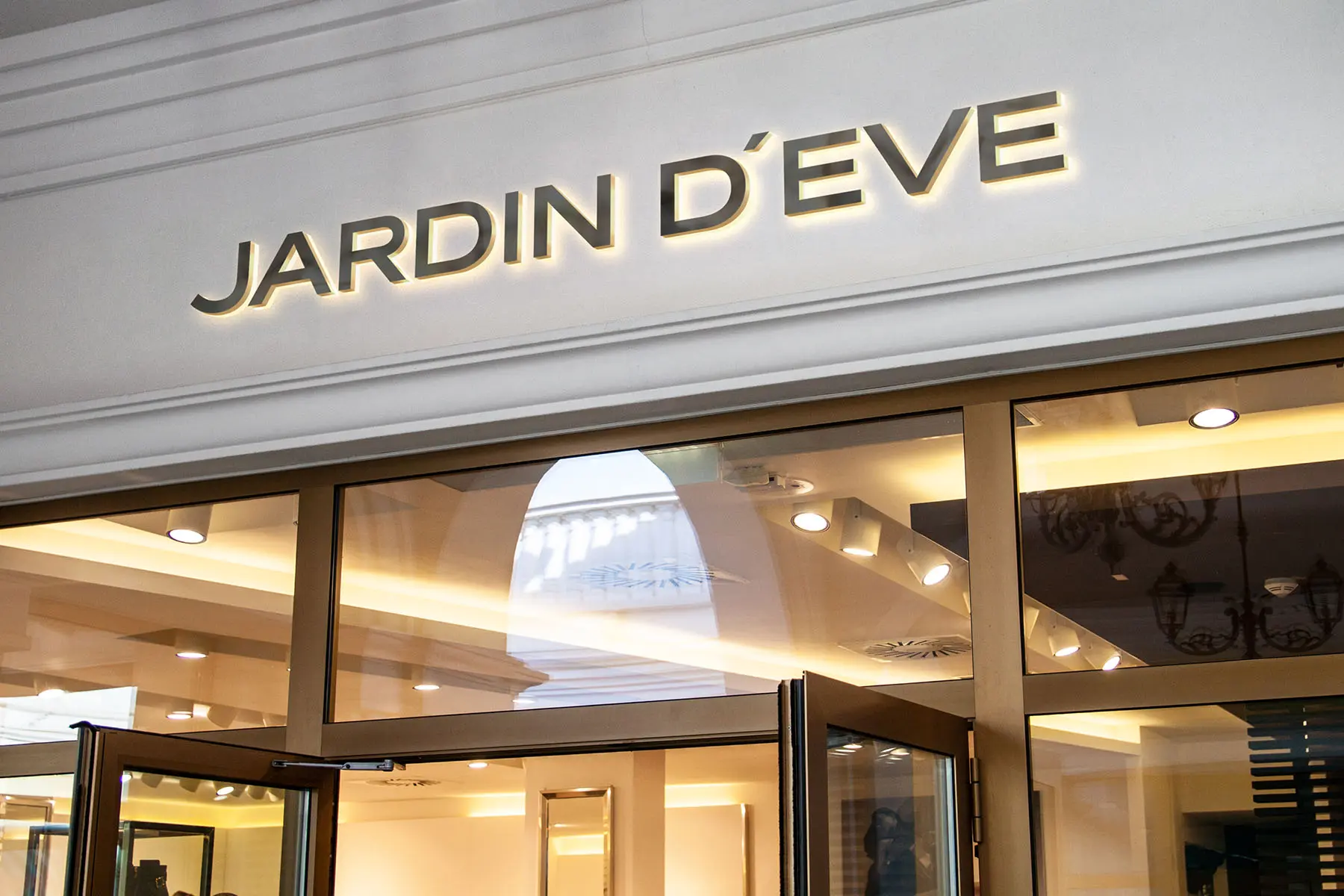
Jardin d’Eve. JARDIN D'EVE offers unique lingerie collections. The fashionable and artistic spirit of the brand is conveyed in the corporate identity and brand name developed by Brandexpert

ECOPOLE. BrandExpert created a brand name, identity, and packaging design for the new brand of wheat, rye, corn, and oat bran Ecopole.
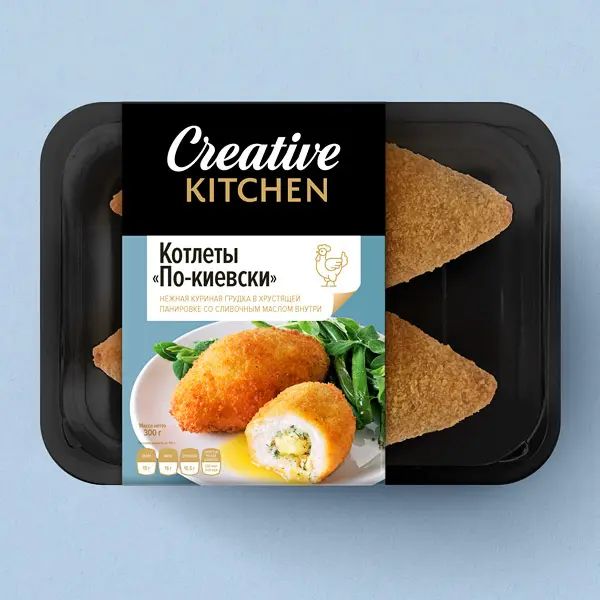
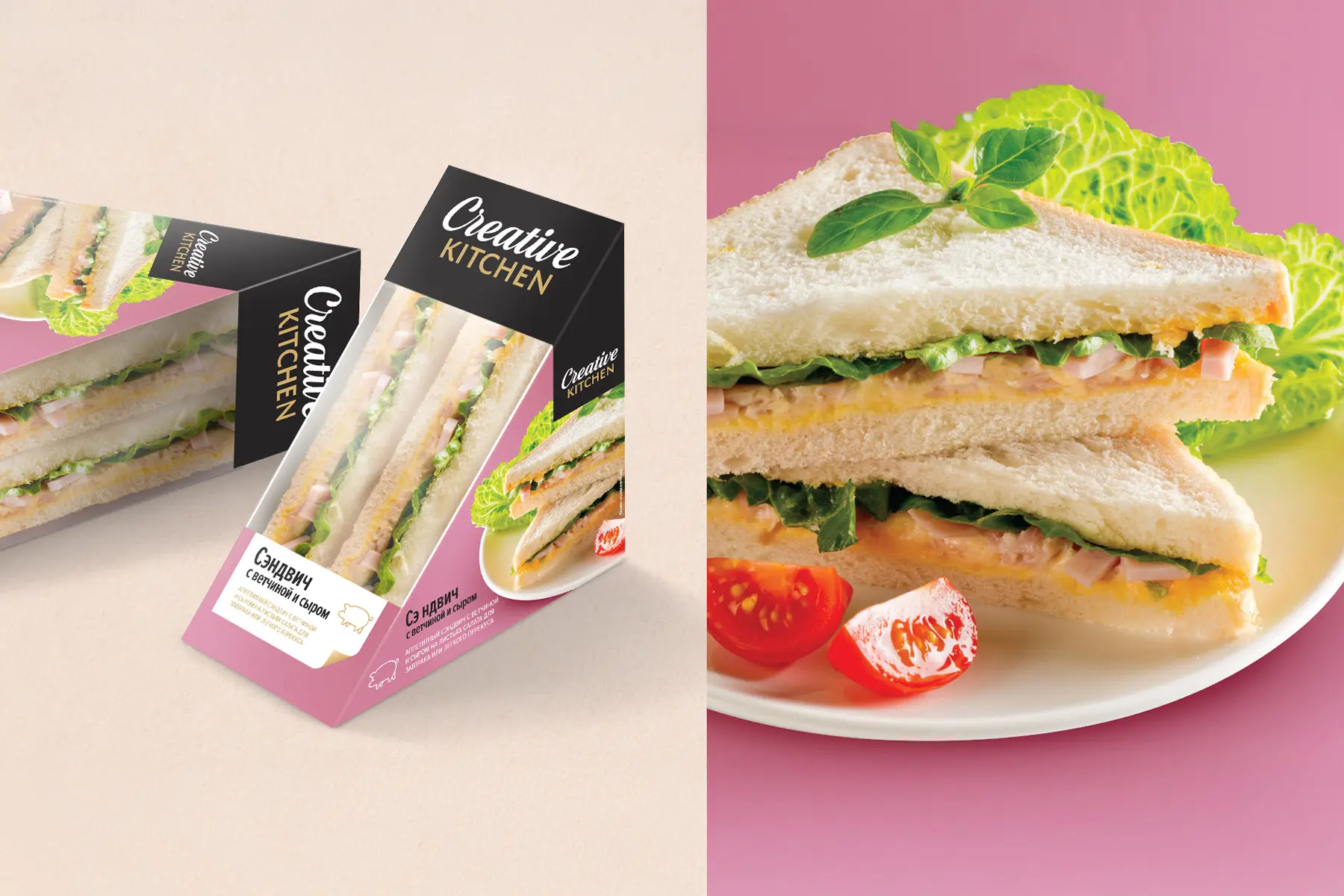
Creative Kitchen. BrandExpert created a brand name and identity design for the new brand of semi-cooked and prepared gourmet foods “Creative Kitchen”.





What Naming is
Naming is the development of a unique, memorable name for a company, product, or service — one that becomes a central element of its identity. A name is a key tool of market differentiation, helping a brand stand out among competitors and be remembered by its target audience.
The tasks of naming include not only selecting a word or words but aligning with the entire branding strategy. Naming helps precisely position a company, product, or service in its chosen market segments, ensuring the most effective communication with the target audience. An effective name always reflects the brand’s mission, values, and essence, strengthening its distinctiveness.
A name shapes first impressions and triggers the right associations, which build an emotional bond with customers, foster trust, and increase loyalty. Developing a name is not merely about choosing something pleasant-sounding or visually appealing; it is about creating a tool that supports the brand’s sustainable growth.

Key Stages of Name Development
Naming is the quintessence of positioning. First set the strategy: who your brand is for, the context in which it competes, and the value it promises. Then define the requirements for the name: what idea it conveys, how it sounds, which associations it triggers, and where the boundaries of acceptable solutions lie.
Define your audience and brand archetypes
Describe your target audience’s key motives, language, and triggers. Map them to the brand’s archetypal roles: what the name should promise and how it should sound so that the promise is read effortlessly.Study competitors’ positioning and names
Analyze competitors’ positioning and naming: construction types, tone, common roots. Based on this, assemble semantic “territories” (creative search directions) to avoid shooting in the dark and to broaden differentiation.Align creative search with the project’s marketing tasks
Set creative guardrails tied to strategy, defining which formats are permissible—descriptive, associative-metaphoric, neologisms, or hybrids. Establish non-negotiable standards for readability and euphony, while reserving room for the name to work as an “umbrella” and to adapt internationally.Run linguistic and cultural screening
Eliminate early risks: phonetics, stress/accent, transliterations, and unwanted associations across key languages/cultures. Linguists and native speakers here are insurance against costly mistakes, not a luxury.Check short-listed options for legal clearance and registrability
Run early searches for identicals/conflicts in priority countries and Nice classes before deep legal work; track distinctiveness— the more distinctive the name, the stronger the protection. Remember: fanciful, arbitrary, and suggestive names typically protect and register more reliably than descriptive ones.File your trademark application
Lock in the leading name and translate it into a logo. File word and combined marks with a correct Nice specification; if needed, move promptly to international filings via the Madrid System (WIPO). This approach combines the strategic strength of the name with legal durability across key jurisdictions.


Brand Naming: Examples of Global Brand Names
Time-tested names are, as a rule, short and easy to pronounce; they draw on personal stories, cultural associations, or a company’s philosophy while remaining memorable and recognizable.
Sony. The name consists of two parts: the Latin word “sonus,” meaning “sound,” and the American colloquial word “sonny,” associated with young people. This combination emphasized the company’s mission—innovation in the world of sound and technology aimed at youth.
Yandex. The brand name comes from the pronoun “Я” (“I”) and the English word “index.” It reflects the search engine’s main function—indexing information. “Yandex” has become a symbol of technology oriented toward the Russian user, with an intuitively understandable interface.
Starbucks. The name was inspired by the character Starbuck from the novel Moby-Dick. The founders wanted the brand to be associated with maritime romance and adventure, which, in their view, added warmth and charm to the coffee business.
LUKOIL. The company’s name is formed from the first letters of the regions where it began oil production: “Langepas,” “Urai,” “Kogalym,” and the word “oil.” This name reflects the company’s history and its connection with Russia’s oil-producing regions.
Adobe. Company founder John Warnock named it after Adobe Creek, a stream flowing near his home. The word was not only unique and easy to remember but also associated with local traditions and, especially, nature.
VkusVill. The name of this chain of stores focused on healthy eating combines the words “vkus” (“taste”) and “villa,” creating associations with a cozy, comfortable place where one can buy quality, fresh products. It is an example of a simple yet effective name that customers quickly remembered.
Lego. The brand name comes from the Danish expression “leg godt,” which means “play well.” The company wanted to emphasize that its products are designed for fun and for developing children’s creative abilities. Interestingly, in Latin the word “lego” translates as “I connect,” which is perfect for a construction toy.


Company Naming: Examples of Corporate Names
Company naming is the primary strategic decision and must be carefully thought through and aligned with overarching goals and values. Effective corporate naming builds a strong brand, supports corporate culture, and positively shapes how partners perceive the company.
A brand name establishes trust with customers, increases recognition, and forms long-term associations with quality, reliability, and professionalism.
The name should be not only memorable and original, but also easy to adapt for international markets if the company plans global expansion.
Corporate naming is a long-term investment that requires rigor and strategic planning. A successful name becomes a powerful tool for building a strong brand and achieving market success.
SpaceX. The naming of Elon Musk’s company, which develops high-tech solutions. Light and memorable, associated with space technologies and innovation. Reflects the company’s mission of space exploration.
Gazprom. A contraction of “Gas Industry,” which effectively conveys the essence of the company’s business—extraction and processing of hydrocarbons. Easy to remember and associated with energy and natural resources.
Microsoft. The naming of a company engaged in software and technology development. Consists of two parts: “micro” (microchip) and “soft” (software). Reflects the company’s core activity and its focus on technological solutions.
Ozon. This naming for an online store was chosen to create associations with breadth and variety of goods, evoking the boundless possibilities of shopping. A simple, sonorous name that is easy to remember and used in marketing communications.
Intel. The naming of a company that manufactures microprocessors and semiconductors. A shortening of “Integrated Electronics.” Simple, easy to remember, reflecting the company’s technological focus.
Rosnano. The name immediately evokes associations with high technology and innovation, which is important for a company working in the scientific and technological sphere. It also emphasizes the connection with Russia and its ambition to develop promising nanotechnologies.
Successful corporate naming creates a strong brand associated with quality, reliability, and efficiency. Names always highlight uniqueness, euphony, and an effective associative set.
Apple. Associations: freshness, simplicity, innovation.
Uniqueness: an easy-to-pronounce and memorable name with no direct competitors.Sber. Associations: financial services, reliability, accessibility.
Uniqueness: a shortened name from “Savings Bank” reflects the company’s long history and traditions in fintech. A short, memorable name symbolizes innovation, stability, and reliability.Amazon. Associations: wide assortment, power, abundance.
Uniqueness: the name of the world’s largest river is associated with a global assortment.Magnit. Associations: retail, affordability, everyday shopping.
Uniqueness: the name is easy to remember and associated with the “magnetism” of accessible variety and convenience for consumers.Netflix. Associations: entertainment, streaming video, accessibility.
Uniqueness: a combination of the words “net” (network) and “flicks” (movies) underscores the company’s core service—streaming video. The name is easy to pronounce and remember, reflects the essence of the business, and draws attention to media content.Rosneft. Associations: energy, reliability, scale.
Uniqueness: the name combines “Ros” (Russia) and “oil,” clearly pointing to the company’s core activity—extraction and processing of mineral resources. It is easy to perceive and is linked to national scale and industry specialization.
Company naming plays an important role in shaping corporate culture: it is meant to convey the company’s key values and mission, inspire employees, and support their loyalty.
Google. Has become synonymous with freedom and creativity. It inspires employees to strive for innovation and to search for new solutions. The company’s corporate culture is focused on continuous improvement and discovering new horizons.
Mail. Positions the company as a core player in internet communications and technologies in Russia. It supports a corporate culture oriented toward developing digital products and services and motivates employees to create innovative solutions in the field of internet communications.
Tesla. Inspired by the name of scientist Nikola Tesla, associated with innovative technologies; supports a culture of innovation and environmental responsibility.
Lukoil. Associated with a powerful player in the energy sector. It supports a corporate culture based on the company’s scale and international ambitions, inspiring employees to achieve the best results.
Samsung. Translates as “three stars” in Korean, symbolizing the global scale of its ambitions. It supports a corporate culture focused on high technology and product quality, inspiring employees to maintain high standards and implement innovative solutions.
Aeroflot. Associated with reliability and traditionally high quality. It supports a corporate culture focused on safe and comfortable flights, motivating employees to maintain a world-class level of service and safety.
Company naming also influences how the brand is perceived by clients and partners. An effective name is associated with reliability and quality, inspiring trust. It is vivid and easy to remember, helping the company stand out in the market and attract a new audience.
IBM. “International Business Machines” is associated with corporate professionalism, technological leadership, and reliability.
Sber. Associated with the stability and reliability of a financial institution. Supports the company’s image as Russia’s leading bank, strengthening customer trust and attracting new users.
BMW. Embodies German quality and engineering mastery in automobile manufacturing. Creates a perception of reliability and high status among customers.
MTS. Associated with the largest telecommunications ecosystem. The name helps the company maintain the status of a leading mobile operator and attract users through high service quality.
Red Bull. Associated with energy and an active lifestyle. Shapes the company’s image as a symbol of a dynamic, exciting experience, helping attract a young audience and maintain strong interest in the brand through sponsorship of extreme events.
Rosgosstrakh. Associated with reliable insurance protection and extensive experience in the insurance field. Supports the company’s image as a core player in the Russian insurance market and attracts customers looking for dependable insurance.


Types of Naming. Classification of Names
Every strong name follows a principle: what it communicates, how it sounds, and how protectable it is in law. Below are ten classes that work well as a checklist for choosing and evaluating options.
Descriptive
A name directly states the category, function, or attribute: “Dairy Farm,” “Butcher’s Shop.” Pros: instant clarity for everyone. Cons: weak distinctiveness and protection; such names are registered only with proven acquired recognition.Associative
A name does not describe literally but hints at a benefit or usage image—for example, “Rocket” for a delivery service. This is the sweet spot: clarity without outright descriptiveness, plus strong legal protectability.Arbitrary (dictionary words unrelated to the category)
A common word used in an “alien” category—like “Apple” for technology. Highly visible and well protected because it does not describe the goods; however, it requires marketing effort to build meaning.Neologisms (fanciful)
A completely invented word—from pure coinages (Kodak) to splices of word parts (Verizon). Maximal uniqueness and legal protection, but a possible initial “semantic blank” that must be filled by content and communication.Initialisms
Short forms built from initial letters: HP (Hewlett-Packard), BP (British Petroleum), PwC (PricewaterhouseCoopers). Pros: compact and scalable. Cons: low “semantic temperature” at the start. A recent trend has been shortening the legal name to a brand-friendly form (as PwC did in 2010).Eponyms (family-name brands)
A founder’s name is a powerful carrier of trust and responsibility. Legal nuances: in the U.S., marks that are “primarily merely a surname” often face refusal without acquired distinctiveness. In the EU, personal names are assessed under general distinctiveness criteria, as in Russia.Geographical
A toponym emphasizes origin or “terroir” (e.g., “Altai…,” “Bordeaux…”). Risks: in the U.S. and EU, geographical indications are often deemed descriptive, and misleading ones are outright prohibited. You need proven distinctiveness or a combination with distinctive elements.Metaphoric (imagery-based)
Poetic or visual images that convey the brand idea without literalism: “Golden Calf,” “Northern Lights.” They work well for emotional connection and usually do not run into descriptiveness issues, which is reliable legally.Hybrids and blends
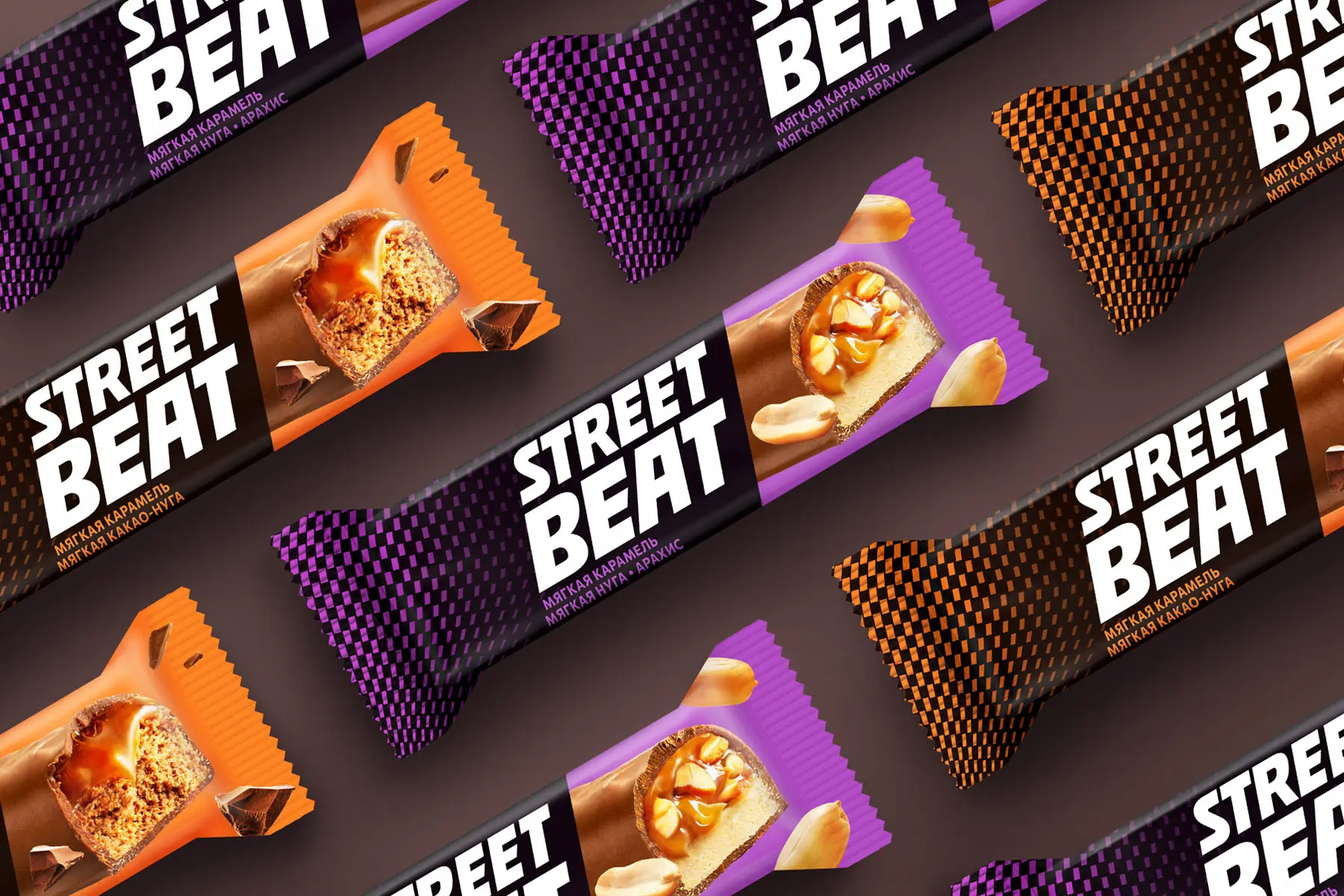
Portmanteaus, composites, and new word combinations—from “stitching” roots (Biolio) to compact two-word forms (Streetbeat). They add sonority and freshness, but require checks for readability, pronounceability, and cultural associations in key markets.Alphanumeric
Codes and numeric cues: 3M (historically “Minnesota Mining & Manufacturing”), 7-Eleven (opening hours). Concise and interface-friendly, but their initial meaning needs to be built through communication.

Checking a Name for Uniqueness
The legal aspects of checking a name include a detailed analysis for identical or similar names that are registered as trademarks in the relevant Nice Classification classes.
Such checks are necessary to avoid infringement of intellectual property rights, potential litigation, and refusals of registration.
Preliminary search — an analysis of open sources to identify obvious matches among already registered brands and trademarks.
Search in official databases — work with national and international trademark registers. (See the WIPO Global Brand Database and TMview for broad coverage, and national offices where relevant.)
Assessment of similarity — examination of phonetic, visual/graphical, and semantic similarity with already registered marks.
There are various databases that help verify uniqueness: locally—Rospatent for Russia, USPTO for the United States; regionally—the EUIPO; globally—WIPO (World Intellectual Property Organization).
FIPS (Rospatent) — the national database of trademarks of the Russian Federation. Used to search registered and filed names effective in Russia.
USPTO (United States Patent and Trademark Office) — the U.S. office maintaining the federal trademark register.
EUIPO (European Union Intellectual Property Office) — EU trademark databases and TMview, which aggregates data from EU and many non-EU offices.
WIPO (World Intellectual Property Organization) — international resources for trademark protection; the Madrid Monitor database allows checking international registrations filed under the Madrid System.
When developing a name, it is advisable to search not only national but also international databases—especially if the company plans to enter foreign markets. If similar or identical names are found, you can either change the name or reinforce it with distinctive elements.
Trademark Registration
To protect a name, you file a trademark application (word mark or combined mark). A trademark is a legally protected symbol, word, phrase, image, or combination thereof used to individualize the goods or services of a particular company.
A trademark performs several important functions. First, it helps customers identify a product or service among competitors, making the offering recognizable. Second, it grants an exclusive right of use, protecting the brand from unauthorized copying or use without the owner’s permission. A trademark also serves as a promotional tool, boosting brand recognition and strengthening reputation and customer loyalty.
Legal protection is another key function—the entry in the register enables the owner to enforce their rights in cases of infringement, such as counterfeiting or illegal use.
Finally, a successful and recognizable brand becomes a valuable commercial asset that increases the value of the business and may be sold or licensed.
The exclusive right to a trademark is granted for 10 years, with the possibility of renewal for the same period an unlimited number of times, but only through a repeat procedure.
Registration is carried out for specific classes of goods or services in accordance with the Nice Classification (NCL). If the range of offerings is broad, separate protection is required for each relevant class. For example, if you manufacture and sell aircraft, you would need at least Classes 12 and 35 (the most crowded Nice class).
Examination considers three types of similarity: graphical (visual similarity), phonetic (sound-alike), and semantic (similarity in meaning or idea).
A trademark must be secured in every country where the company plans to operate. The brand must also be used continuously; otherwise, rights may be terminated for non-use if it has not been used for three consecutive years.

Evaluating the Effectiveness of Brand Names
Evaluation criteria are central to successful naming: a name should serve brand goals and remain effective over time. Core criteria include uniqueness, memorability, euphony, associative power, adaptability, and endurance.
These criteria help brands create a name that effectively promotes the company's development and long-term reputation.
Uniqueness
Apple. A concise name with no literal link to technology, which helps it stand out.
Tesla. Honors Nikola Tesla, lending the brand clear associations with innovation.
Ozon. A light yet original name for an online retailer that avoids category clichés.Memorability
Nike. Short, easy to pronounce, and tied to the Greek goddess of victory—instantly memorable.
Yandex. A unique, simple, bilingual pun on “index,” designed to be easy to recall.
Samsung. Global recognition supported by a simple phonetic form; the name itself means “three stars” in Korean.Euphony
Avito. Smooth, pronounceable, and catchy for a leading classifieds platform in Russia.
Visa. Easy to say across languages, aiding worldwide recognition.
Sony. Short and comfortable in diverse linguistic contexts.Associativity
Red Bull. Connotes energy and strength—aligned with the product idea.
S7 Airlines. A compact alphanumeric identity (adopted in a 2005 rebrand) that signals modern aviation.
Gazprom. Directly evokes the gas industry; the name contracts the Russian “gazovaya promyshlennost.”Adaptability
PayPal. Instantly cues convenient, secure payments—well suited to global use.
Spotify. A globally accessible portmanteau rooted (per founders) in “spot” + “identify.”
Kaspersky. Built broad international operations and brand presence beyond its country of origin.Endurance
Philips. A brand with more than a century of history (founded in 1891), remaining relevant for decades.
Microsoft. The name—a blend of “microcomputer” and “software”—has stayed current since the company’s founding era.
Magnit. On the Russian market since 1994; the name has sustained consumer relevance over time.
Brand Name Testing
An important stage in the name development process that helps determine how effectively and positively the naming will be perceived by the target audience. Proper testing helps avoid mistakes by selecting the most relevant option.
Testing Methods
Focus groups.
Local gatherings of people from the target audience where discussions are held to obtain qualitative feedback. The process includes forming a group of 8–12 participants who match the demographic and psychographic characteristics of the target audience. A moderator leads the session, during which participants discuss their impressions and associations related to the proposed naming. The advantages of this method are a deep understanding of brand perception, the ability to discuss details, and the discovery of nuances that might go unnoticed with other testing methods.
For example, FMCG companies often use focus groups to test new product names to understand how the names are perceived by different age and social groups.Online surveys.
Used for quantitative analysis of perception through questionnaire-based surveys containing multiple name options and questions aimed at evaluating how the audience perceives them. Surveys are distributed to the target audience via email, social networks, or specialized survey platforms. The advantage of this method is the ability to reach a large number of people and quickly obtain a significant volume of data for analysis.
For example, startups often use platforms such as SurveyMonkey or Google Forms to get feedback from potential customers on different naming options.A/B testing.
A method in which several name options are compared to choose the most effective one. Names are shown to different groups within the target audience, and then it is analyzed which option generates the best response. The advantage of this method is an objective comparative analysis that identifies the most preferred option based on real data.
An example of this method is websites or apps that show different name versions to new users and track which ones generate more conversions.
The outcome of the testing process is a comprehensive analysis of results depending on the methods used. The first step is data collection, which involves systematizing all received responses and comments from the different testing methods. Next, a qualitative analysis is conducted, examining details and contextual factors identified during focus groups.
The next stage is quantitative analysis—counting and statistically processing data gathered from online surveys and A/B testing. After that, the name options are compared to identify their strengths and weaknesses. Based on all collected data, conclusions are formed and recommendations are provided for the final selection of the most effective naming.
Suppose a company is testing two names for a new energy drink: “EnerBlast” and “PowerPulse.”
Based on focus groups, “EnerBlast” is associated with explosive energy and novelty, while “PowerPulse” is perceived as a more stable and reliable product.
Online surveys show that “EnerBlast” receives more positive feedback among young people. A/B testing reveals that “PowerPulse” leads to a higher number of repeat purchases among older consumers.
Based on these findings, the company may decide to use “EnerBlast” for the youth market and “PowerPulse” for a more mature audience—or choose just one name depending on its priorities.

Naming Brief
Creating an effective brief is a crucial step that helps clearly formulate the tasks, expectations, and requirements for the future brand name. A concise, clear brief saves weeks of work and helps you arrive at a name that both sounds right and works strategically.
Object of naming.
The role of the name in the business task; which KPIs you’re targeting: awareness, CTR, conversion.Target audience and contexts.
Who will hear/see the name and where: shelf, search, marketplace, spoken use.Positioning.
Specify the frame of reference, must-have attributes, and 1–2 key differences—the name should condense this strategy.Competitive map.
What types and formats of names surround you, which “territories” are occupied, which roots/images are on the taboo list.Naming criteria.
Always aim for brevity, easy readability and pronounceability; also important are unambiguous stress, memorability, and distinctiveness. Stay the course toward the stronger types; avoid descriptive/generic names.Formats permitted by the brief.
What kinds of names you will develop: descriptive, associative, dictionary words used outside the category, or neologisms/hybrids—with protectability as the priority.Languages and geography.
Conduct linguistic-cultural screening (homonyms, connotations, transliterations) in the target markets.Legal framework.
Determine the relevant classes under the Nice Classification and the correct goods/services wordings.

History of Brand Names
Many companies have changed their names over the course of their existence, striving to better match evolving markets and consumer expectations. The evolution of a brand’s naming often reflects shifts in a company’s strategy, its products or services, as well as cultural and technological trends.
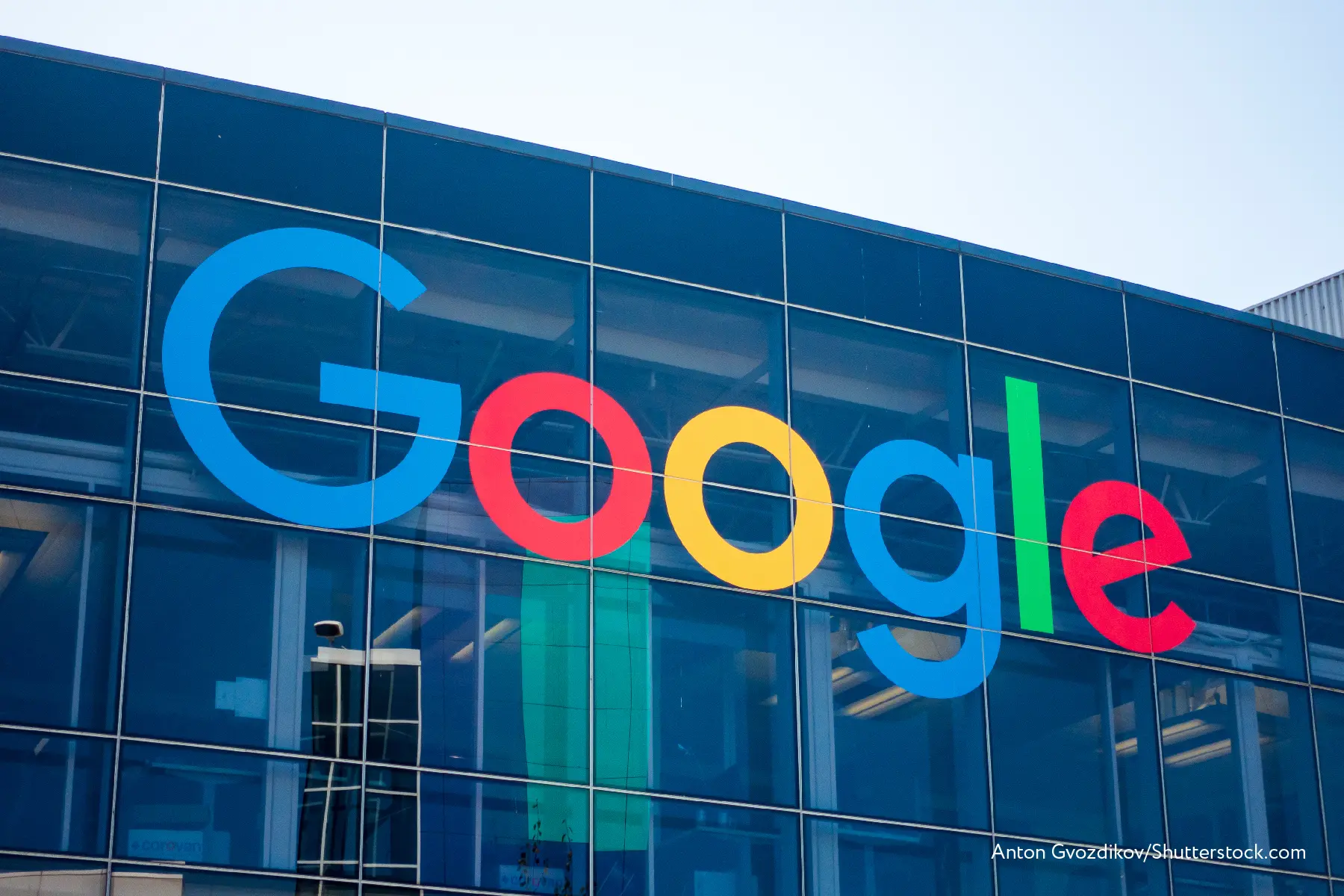
Google was originally called Backrub, but that name did not reflect the essence of the company or its mission. The term Google, derived from the mathematical concept “googol” (the number 1 followed by one hundred zeros), turned out to be more suitable for a company aiming to organize the world’s information.
Sber was originally called Sberbank of Russia. In 2020, the name was changed to Sber in order to more accurately reflect the expansion of the company’s activities beyond the traditional banking sector. The word “Sber” came to symbolize a fintech services ecosystem distinguished by a drive for innovative solutions.
Nike was originally called Blue Ribbon Sports. In 1971, the name was changed to Nike to better reflect the company’s sports focus and its emphasis on a competitive spirit. The new name was chosen in honor of the Greek goddess of victory, Nike, symbolizing success and achievement in sports.
Reasons for name changes may include
Rebranding — the process of changing a company’s name as part of a broader strategy to refresh its image and attract a new audience. An example is S7 Airlines, which in 2006 changed its name from “Sibir” to “S7 Airlines.” The change allowed the company to emphasize a modern image and global geographic reach, and to successfully reposition itself in international markets under new competitive conditions.
Mergers and acquisitions often require the development of a new name to reflect the changed structure and the combined resources of the companies. For example, after the merger of Glaxo Wellcome and SmithKline Beecham, a new name was created — GlaxoSmithKline (GSK). This name reflects the union of two major pharmaceutical companies and underscores their new corporate identity in the global market.
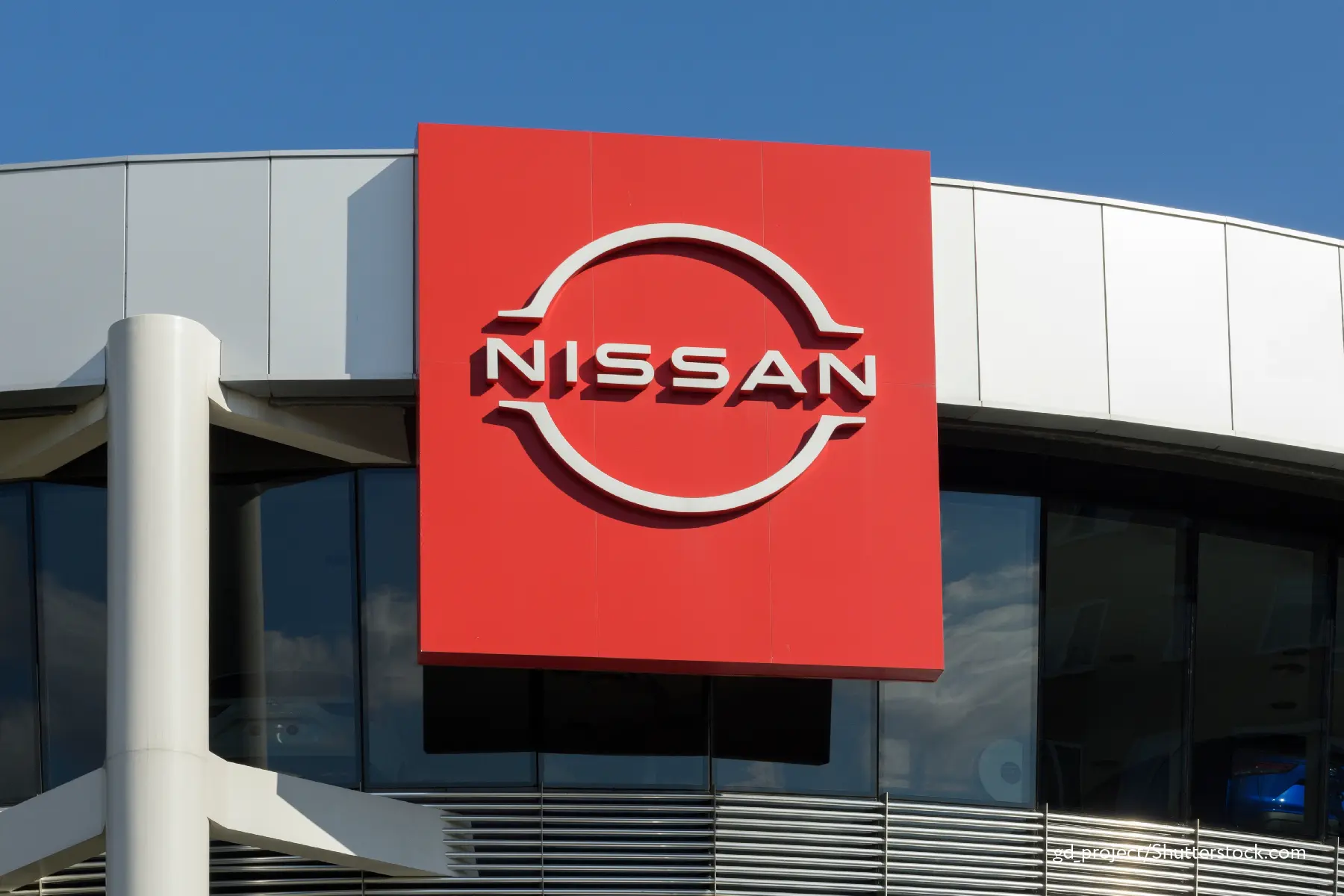
A shift in positioning strategy can lead to a change in naming to more accurately reflect a new strategy, products, or target markets. For example, in 1983 the company Datsun changed its name to Nissan to unify the brand across all international markets and strengthen corporate identity.
A brand’s history plays a significant role in its perception and in audience loyalty. Names with a rich history and associations with major global changes strengthen trust in the brand and evoke positive emotions.
Apple — from a small startup founded in a garage to one of the world’s largest technology giants. The company’s story gives its brand an aura of success and innovation. Apple is associated with high quality and cutting-edge technology, as well as with simplicity and elegance in product design.
Yandex came from the phrase “Yet Another Indexer,” reflecting the company’s original goal—to create a search engine. Today, Yandex is associated with reliability and high technology in the internet and IT space.
Starbucks — the company name was inspired by Herman Melville’s novel Moby-Dick. The brand’s story began with a small café in Seattle. Its transformation into an international coffeehouse chain creates the image of a company with a strong corporate culture, built on dedication to quality and the creation of a unique experience for customers.
IBM, one of the pioneers in computer technology, is associated with reliability and a time-tested reputation. The name IBM (International Business Machines) has become a symbol of global technological leadership and resilience.
Adapting a Brand Name for International Markets
Adapting a brand’s naming for the international market is a vital step that requires taking into account linguistic, cultural, and legal aspects. Relevant adaptation helps a brand enter new markets successfully, avoid misunderstandings, and strengthen its presence.
Linguistic features play an important role in creating a brand name. It should be euphonious and easy to pronounce, which aids perception in international markets.
An example is the brand “Coca-Cola,” which is easy to pronounce in most languages, supporting its global success. It is also important to avoid negative associations, as happened with Mitsubishi’s “Pajero,” whose name carried unsuitable connotations in Spain; for that market the model was renamed “Montero” to avoid undesirable interpretations.
Cultural differences are a key factor in creating a brand name, especially for international positioning. Naming should align with the cultural norms and traditions of target markets.
A name should evoke positive associations, as with “Nike,” which reflects the spirit of victory and elicits positive emotions across cultures. It is equally important to avoid cultural barriers.
Pepsi faced difficulties in Taiwan when its slogan “Come Alive with the Pepsi Generation” was perceived as “Pepsi brings your ancestors back from the dead,” which required adapting the slogan to eliminate misunderstandings.
Legal aspects of trademark registration vary by country, and it is important to consider each market’s legal requirements when creating a brand name.
For example, Apple faced lengthy litigation over the right to use its brand in China, where the name had already been registered by another company; the dispute was ultimately settled for $60 million. You also need to consider procedural timelines: in some jurisdictions the process can take years and involves multiple formalities.
In the European Union, for instance, the procedure includes several stages and a three-month opposition period after publication, and while straightforward cases can register within a few months, overall durations can extend up to about two years depending on objections and oppositions. An important step is checking for uniqueness and potential conflicts with existing brands.
Rebranding. Changing the Names of Well-known Brands
Rebranding is the process of changing a name, logo, design, or other brand elements to refresh the image, attract a new audience, or align with new company strategies. Changing the names of well-known brands is often accompanied by complex marketing campaigns that significantly influence how audiences perceive the brand.
Over time, a company’s name can lose relevance or become associated with outdated technologies. When companies change strategic direction, a brand update may be required to better reflect new goals. Thus, Apple Computer shortened its name to Apple to emphasize that its activities extend beyond computer manufacturing.
When entering new international markets, brands are often compelled to adapt naming for a global audience. A case in point is Kentucky Fried Chicken, which shortened its name to KFC to avoid associations with unhealthy food and make the brand more appealing to international customers.
Rebranding may also be necessary to improve reputation, especially if the old name is linked to negative events. For example, Philip Morris was renamed Altria Group to distance itself from negative associations with the tobacco industry and to create a more positive, diversified corporate image.
Requirements for Naming
The fundamental aspects of name development are the legal, linguistic, and marketing requirements for naming, which include a number of important factors that directly affect the viability of the brand and the business.
Legal clearance of naming is a key factor in successful branding
Uniqueness — the name must be free of matches with already registered trademarks. For this, a thorough check is carried out using national and international databases.
Compliance with legal norms — different countries have prohibitions on the use of certain words and phrases, which must be taken into account when developing a name.
International registration — when entering international markets, it is necessary to make sure the trademark can be registered in other countries. A name may be acceptable in one country but prohibited in another.
Intellectual property protection — a registered trademark provides the company with legal protection against copying and unauthorized use, preventing infringement of brand rights.
Name development also includes linguistic aspects that help make it convenient for perception and use
Ease of pronunciation — the name should be simple for the target audience, since complex and long words can reduce its effectiveness.
No negative connotations — it is important to consider meanings in different languages, especially when entering international markets. Offensive or undesirable associations can affect the brand’s reputation.
Meaning and significance — the name should clearly convey the essence of the brand, helping the audience understand its specifics and values.
Cultural characteristics — naming should adapt easily to sociocultural norms in order to avoid misunderstandings and negative perception.
An effective name should not only meet legal and linguistic criteria, but also take marketing aspects into account
Alignment with brand goals — the name should reflect the company’s mission and its positioning. In the premium segment, for example, it is important to create a sense of elitism and exclusivity.
Memorability — an easily recognizable name supports quick recall, which increases awareness and audience loyalty.
Universality — the brand name should be flexible and suitable for different categories of goods and services, reducing the likelihood of needing rebranding when the business expands.
Adaptability — the name should be convenient for use across different marketing channels, including digital platforms and social media. It should be easy to transform, for example, for domain name registration or creating accounts.
Emotional response — naming should evoke positive emotions in the audience and contribute to building trust and loyalty to the brand.

Choosing a Domain Name
When choosing a domain zone (TLD), consider several key factors that affect usability, recognition, and the effectiveness of promoting the brand online.
First, be strictly guided by the target audience: if the company plans to operate internationally, .com is preferable, whereas for the Russian market .ru is usually the better fit.
Second, the domain zone should align with the branding strategy. Some zones—such as .tech or .store—can be associated with certain types of business or geographies, which helps reinforce brand identity.
A third important factor is memorability: TLDs like .com or .ru make a site maximally accessible.
Finally, specialized zones—.art, .shop, or .bio—can effectively make the company stand out. These TLDs point to a specific field of activity, thereby strengthening the brand’s positioning and recognition.
To check domain availability, use online tools such as NIC or WHOIS, which quickly show whether a chosen name is free. If it is taken, consider alternate spellings or different zones (for example, using example.net or example.ru instead of example.com).
It is also important to check name availability on social networks to ensure consistent branding across platforms. For brand protection, it is advisable to register several domain zones and spelling variants to prevent potential use by competitors or bad actors.
Characteristics of a successful domain include
Maximum accessibility. Achieved through simplicity and brevity, which make it easier to remember and type in the browser. The optimal length is about 6–14 characters. Short, memorable domains increase a brand’s potential and recognition online.
Ease of pronunciation. Avoid complex or ambiguous words that hinder perception and pronunciation. The name should be easy to say and identify by ear, which aids memorability and word-of-mouth sharing—ultimately increasing brand awareness.
Uniqueness. To avoid confusion with competitors and to associate easily with the brand, helping create a strong, memorable online identity. This approach boosts recognition and promotes the brand in the digital environment, making it more attractive to the target audience.
Relevant keywords (when appropriate). Including them can improve search visibility, strengthen SEO, and attract the right audience. For example, a keyword like “shoes” in shoesonline.com immediately signals the site’s theme—useful for people searching for footwear. This strategic choice increases the chances of organic traffic and improves positioning in search results.
Room for business growth. When creating a domain, consider not only current needs. The name should be versatile enough to cover potential assortment expansions or strategy shifts. This helps avoid changing the domain later and ensures continuity and stability of the brand online.


Brand Name Development for Marketplaces
To create an effective brand name on marketplaces, it is important to take keywords into account. Use keyword research tools such as Yandex Wordstat or Google Keyword Planner to find popular queries related to your product.
Include in the brand name and brand descriptor the keywords that clearly reflect its core characteristics. This will improve visibility in marketplace search engines and increase the chances of reaching top positions in search results.
The name and descriptor should clearly describe the product and its main characteristics. For example, “Soundburn: wireless noise-cancelling headphones” clearly demonstrates what exactly the product offers. Make sure your naming does not copy competitors to avoid confusion and to optimize SEO.
The name and descriptor should not exceed 60 characters, so they display fully in search results without being cut off on the page. The communication should be concise enough for easy perception, but максимально informative, describing the product’s characteristics.
To ensure the effectiveness of the name and descriptor, regularly track how the brand ranks in marketplace search results. Use analytics to assess communication performance and make the necessary changes. Conduct A/B testing with different descriptor variants to determine which ones work better from an SEO perspective.
Naming Costs
The cost of developing a brand name depends on several key factors. The main one is the scope of work, which includes market research, idea generation, evaluation, and testing. Important aspects also include the specialists’ qualifications, the project timeline, and legal checks of the proposed names.
Market prices for name development can reach several million rubles. This depends on the agency’s level, as well as the amount of work related to the number of Nice Classification (International Classification of Goods and Services) classes in which the brand will be registered.
Professional brand name development has both pros and cons. The advantages include high quality ensured by the experience and creativity of specialists. They create strong, memorable naming that effectively reflects the brand’s values and mission. Professionals also handle all necessary legal checks and testing, which reduces the risk of trademark conflicts and minimizes the chance of negative market perception. Moreover, ready-made solutions and promotion strategies developed by specialists often prove more effective and results-driven than developing a name independently.
The only drawback of professional naming is the high cost. The experience and capabilities of specialists come at a price, which should be taken into account when planning the budget for brand creation.
The only advantage of developing a name on your own is saving on these specialists, which can significantly reduce the budget at the initial stage.
However, a do-it-yourself approach has major disadvantages. First, it requires significant time and intellectual effort, as well as knowledge of marketing, law, and SEO. Second, the lack of professional support often leads to legal complications and less effective naming, which will negatively affect the brand’s perception and success.
All Naming Directions
01—00
Company Naming
Developing a company name includes several key aspects. First, it is important to consider the company’s mission, values, and the essence of its activity. The name should reflect the business’s core direction and philosophy so that it is clear and relevant to the target audience. Second, effective naming is always universal and fits all business lines, which helps avoid the need for frequent changes.
For example, the name Sony is easy to remember and does not limit the brand’s positioning to a specific product, providing flexibility for expanding the product range. The name Intel, in turn, is unique and easy to pronounce, reflecting the company’s drive for innovation and research and emphasizing its technological orientation.

01—00
FMCG Brand Naming
Name development for the FMCG segment has its own specifics. Effective naming is always short, memorable, and easy to pronounce, which ensures recognition and ease of perception. In addition, associations with quality, taste, or the emotions evoked by the product are often used.
For example, the name Bounty is easy to remember and is associated with the pleasure the product brings. The name Dove evokes associations with gentle care, emphasizing softness and nurturing.

01—00
Pharmaceutical Naming
Developing a name for pharmaceutical brands requires special attention to several aspects. First, it is necessary to strictly comply with regulatory requirements in order to avoid misleading consumers. The name must be accurate and must not mislead with regard to the composition or effects of the medication. Second, the name should be easy to pronounce and should not evoke undesirable associations.
Examples of successful pharmaceutical naming include Aspirin and Tylenol. Aspirin has become a common noun worldwide due to its simplicity and recognizability. The name is easy to remember and pronounce. Tylenol is a unique name that provides strong potential for brand development and recognition in the market.

01—00
Cosmetics Brand Naming
Developing a name for beauty and personal care brands requires an emphasis on elegance and associations with refinement, beauty, and nature. The name should sound euphonious and aesthetic, creating an impression of sophistication and high quality.
Examples of successful naming include L’Oréal, which conveys French charm and refined elegance, and Estée Lauder, where the founder’s name has become a symbol of luxury, quality, and trust in the cosmetics market.
01—00
Fashion Naming
A striking, clearly pronounceable name plays a key role in the fashion industry, where it is important to create a memorable and emotionally appealing brand. Designer names or words that evoke associations with success, style, and trends are often used.
An example of effective name development is Nike, associated with the goddess of victory, which is ideally extrapolated to achievement and success in all aspects of life. Zara is another example of a short, easy-to-remember, and recognizable name that has become a symbol of mass fashion worldwide.
01—00
Diy Product Naming
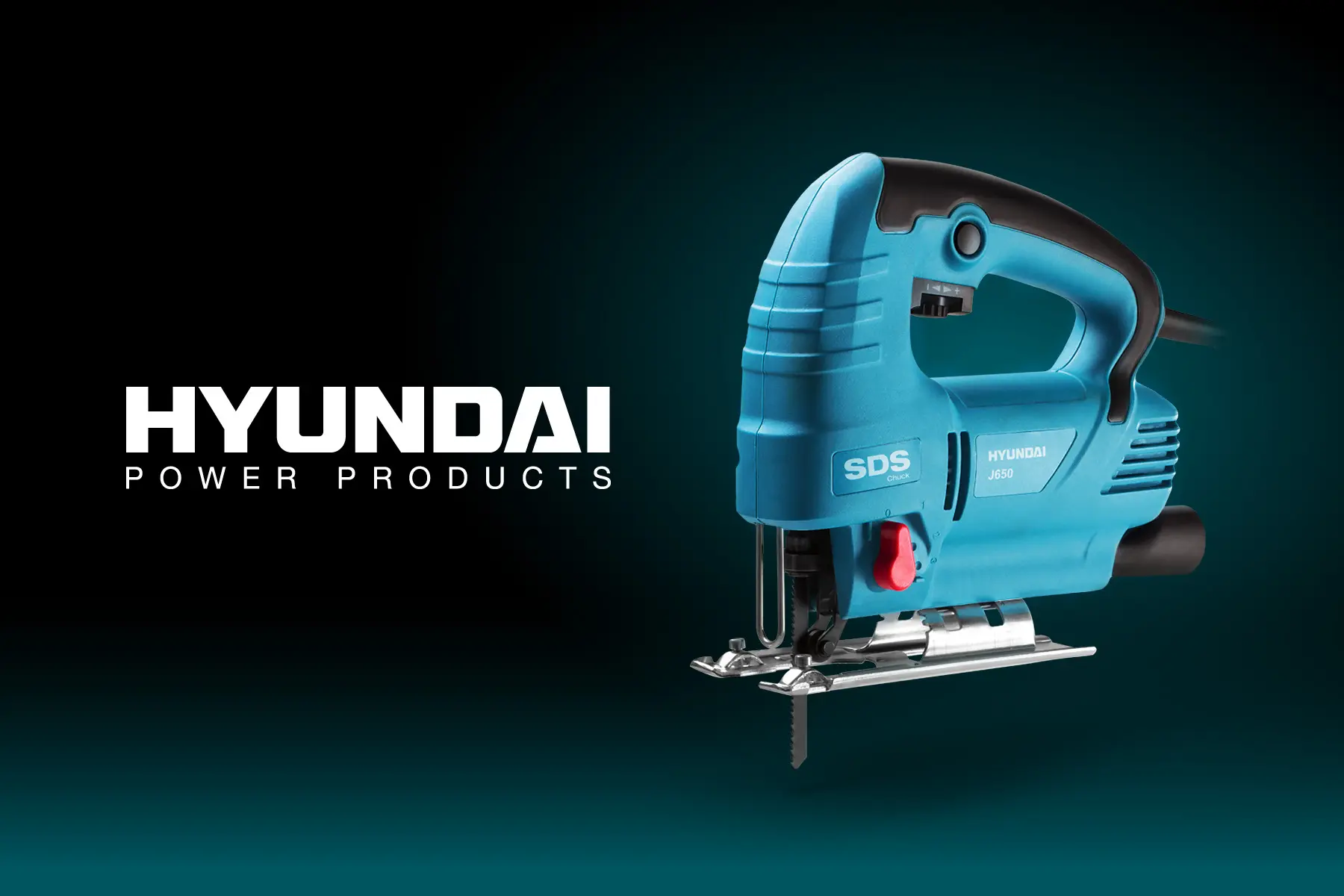
Developing a name for such brands often includes associations with creativity and ease of use. Naming is often linked to a craft, which helps emphasize the specifics of the products or services.
Examples of successful names include IKEA, which is easy to pronounce and remember and is associated with furniture and home comfort, as well as Bosch, which has become synonymous with tools embodying German quality.
01—00
Café or Restaurant Naming
Developing a name for restaurants and cafés includes reflecting the venue’s atmosphere or type of cuisine. Words associated with taste, comfort, or exclusivity are often used.
For example, Surf Coffee evokes associations with the sea and adventure, creating an atmosphere of freshness and freedom. Pizza Hut is a light and striking name that communicates both the concept of a comfortable, home-style venue and the product itself — pizza.
01—00
Store Naming, Shopping Mall Naming
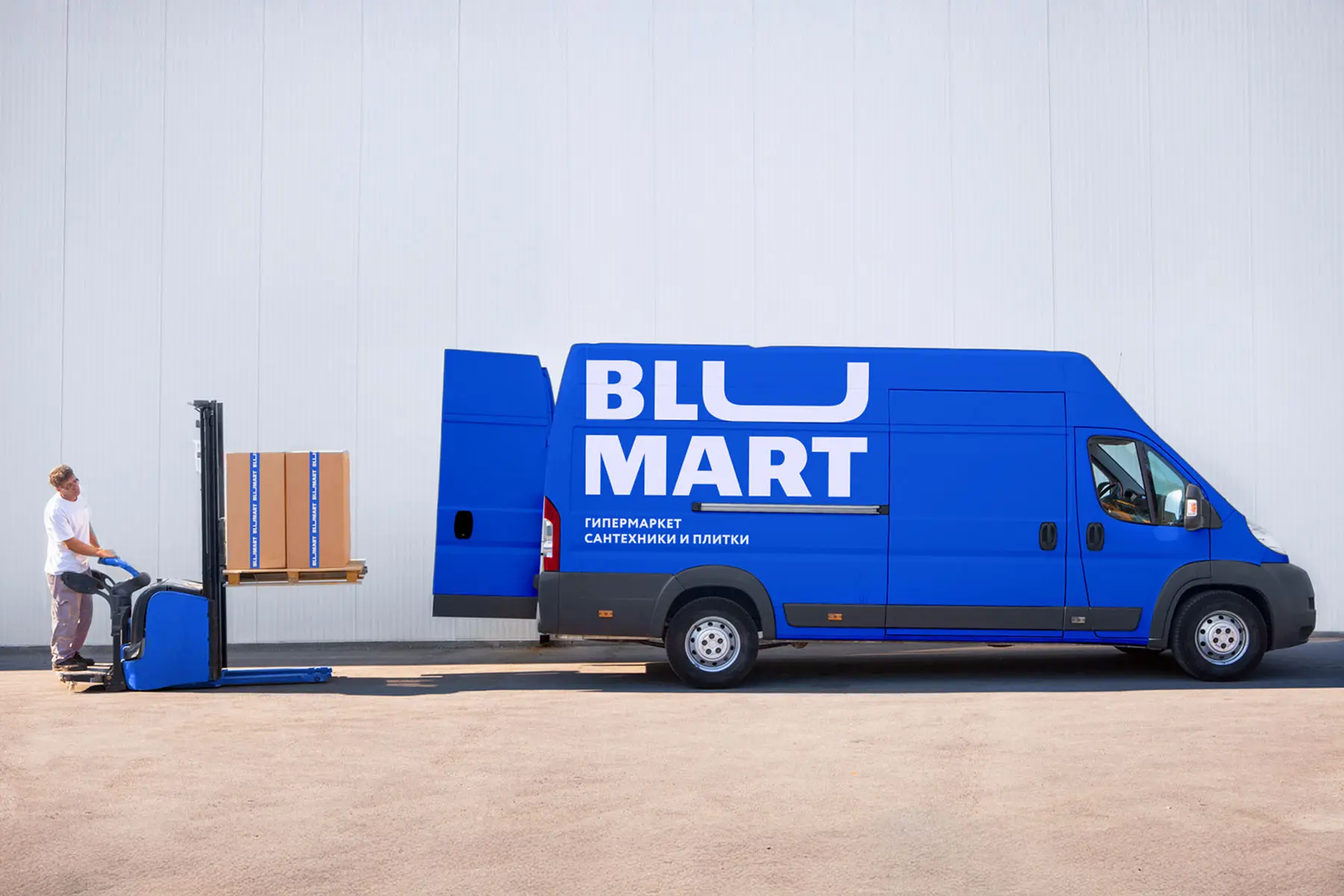
Developing names for shopping centers and entertainment complexes involves creating easily memorable names that are associated with shopping and entertainment. Localization and cultural patterns are taken into account.
For example, Fix Price creates a simple and clear association with affordable prices, making the name attractive to a wide audience. Aviapark emphasizes scale and variety, reflecting the breadth of a shopping mall’s possibilities.
01—00
Clinic & Pharmacy Naming
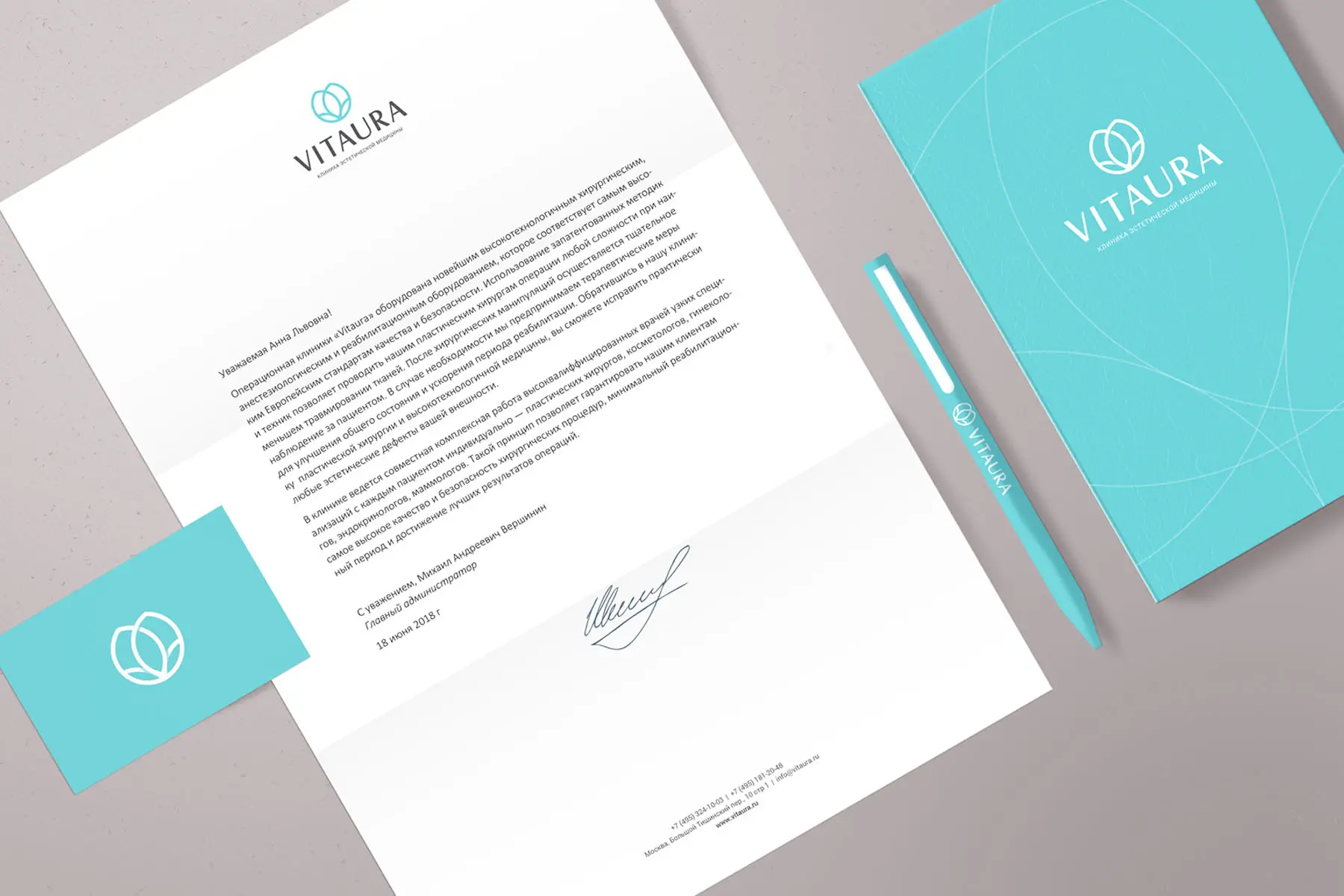
Developing names for medical institutions and healthcare organizations is based on key associations such as trust, care, and health. Names often include words related to medicine or well-being.
For example, Mother and Child is associated with maximum care, comfort, and well-being, reflecting the institution’s core value. Charité has become a symbol of high-quality medical care, creating associations with professionalism and reliability.
01—00
Beauty Salon Naming
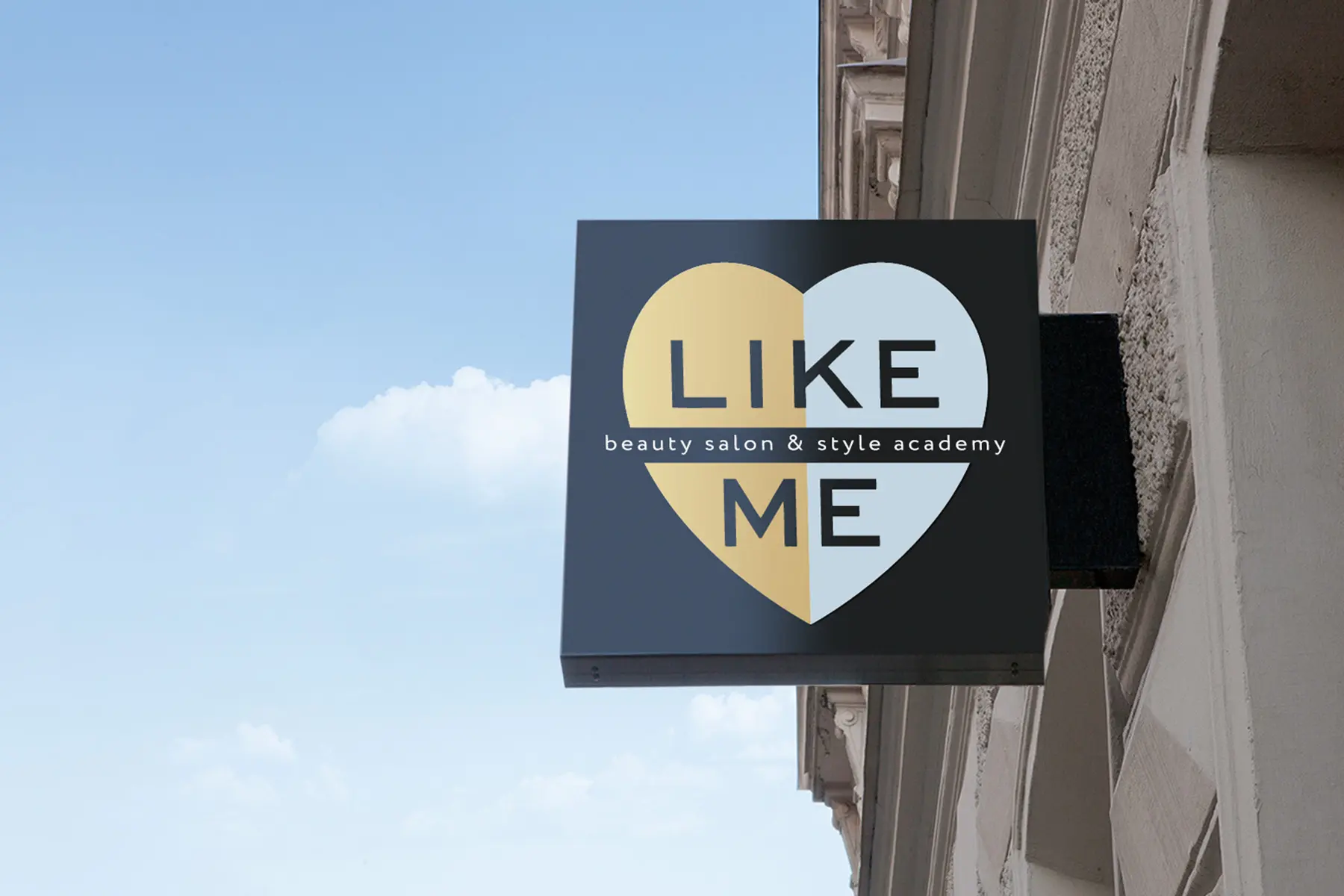
Developing a name for brands in the beauty and self-care sphere предполагает creating associations with beauty, elegance, and self-care. Such names often use words that convey ideas of image, style, and pleasures.
For example, Persona is a figurative interpretation of each person’s uniqueness, emphasizing individuality and exclusivity. Bliss Spa is associated with relaxed enjoyment, creating the image of a place for complete relaxation and pleasure.

01—00
Equipment & Home Appliances Naming
Developing a name for brands in technical and innovative categories includes an emphasis on reliability, quality, and technical characteristics. Such names often use words associated with technological innovation.
For example, Bork has become a symbol of innovative reliability in appliances, conveying images of high technology and premium quality. Caterpillar is associated with power and durability, emphasizing the strength and reliability of equipment.

01—00
Pet Products Naming
Developing names for pet brands is usually based on ideas of care, love, and a close emotional bond with pets. Such names often use words associated with nature, eco-friendliness, and a natural character.
An example is the brand Purina, which is associated with high-quality, balanced nutrition for pets. Pedigree has become a symbol of care and love, reflecting the idea of responsible pet care.
01—00
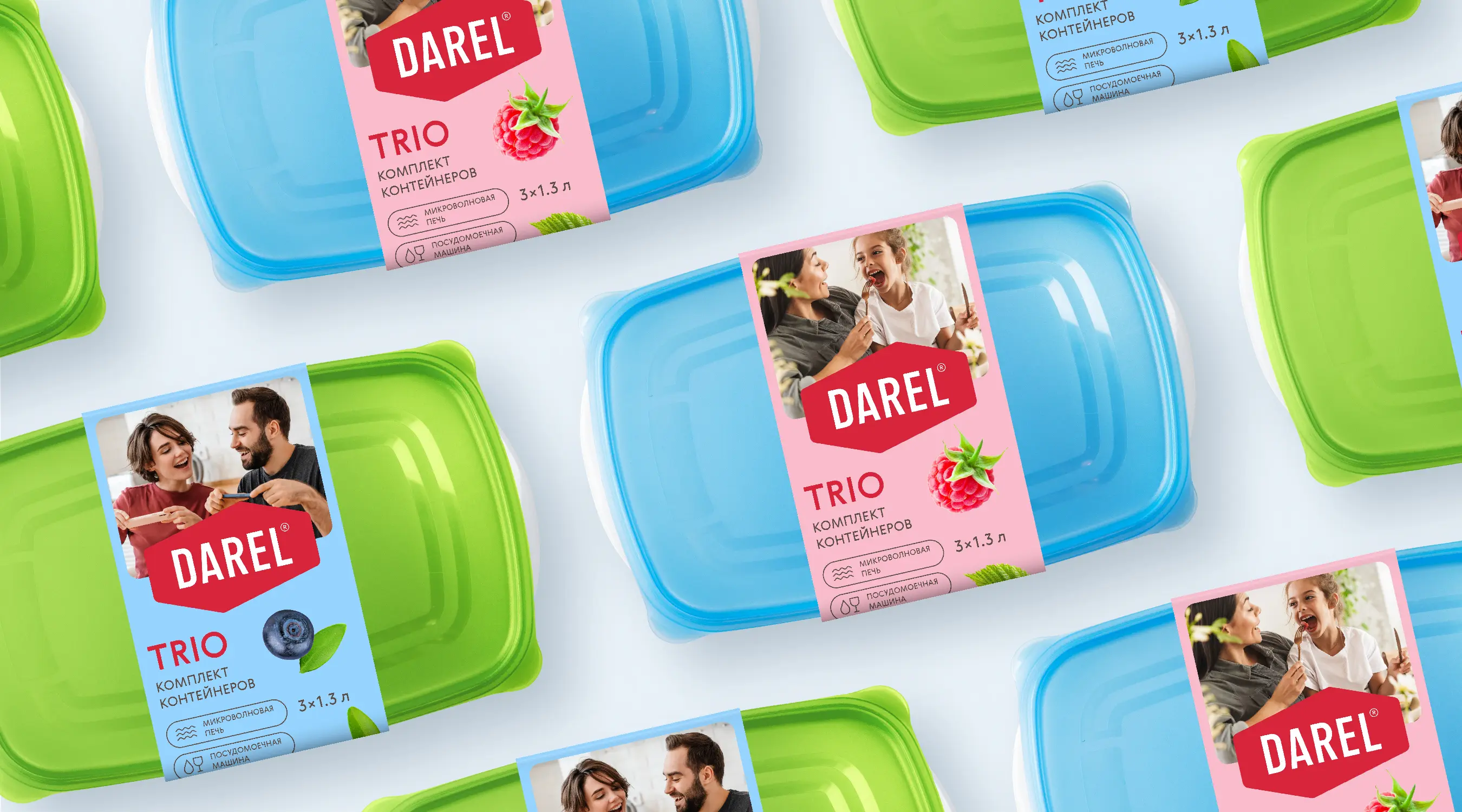
Children’s Products Naming
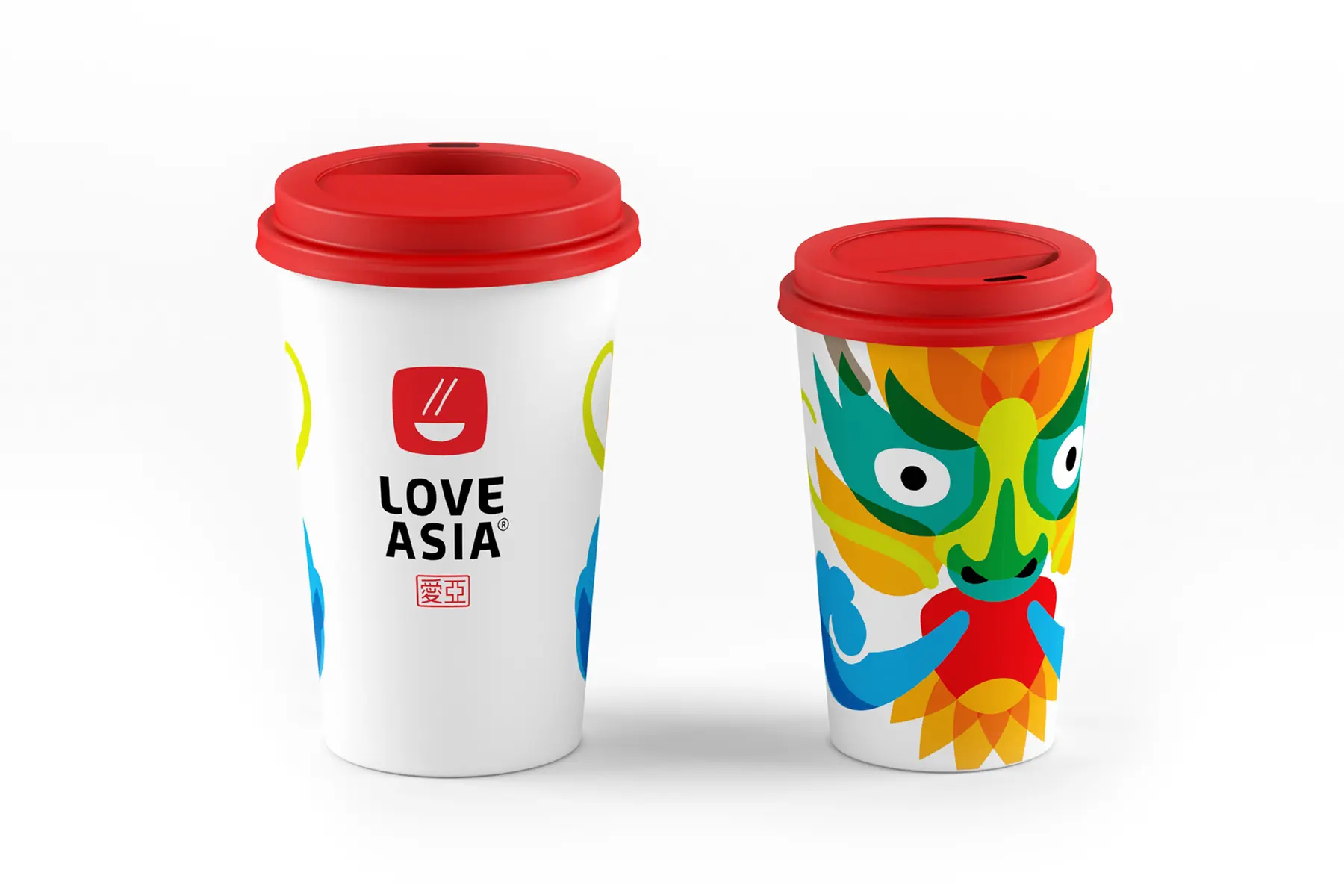
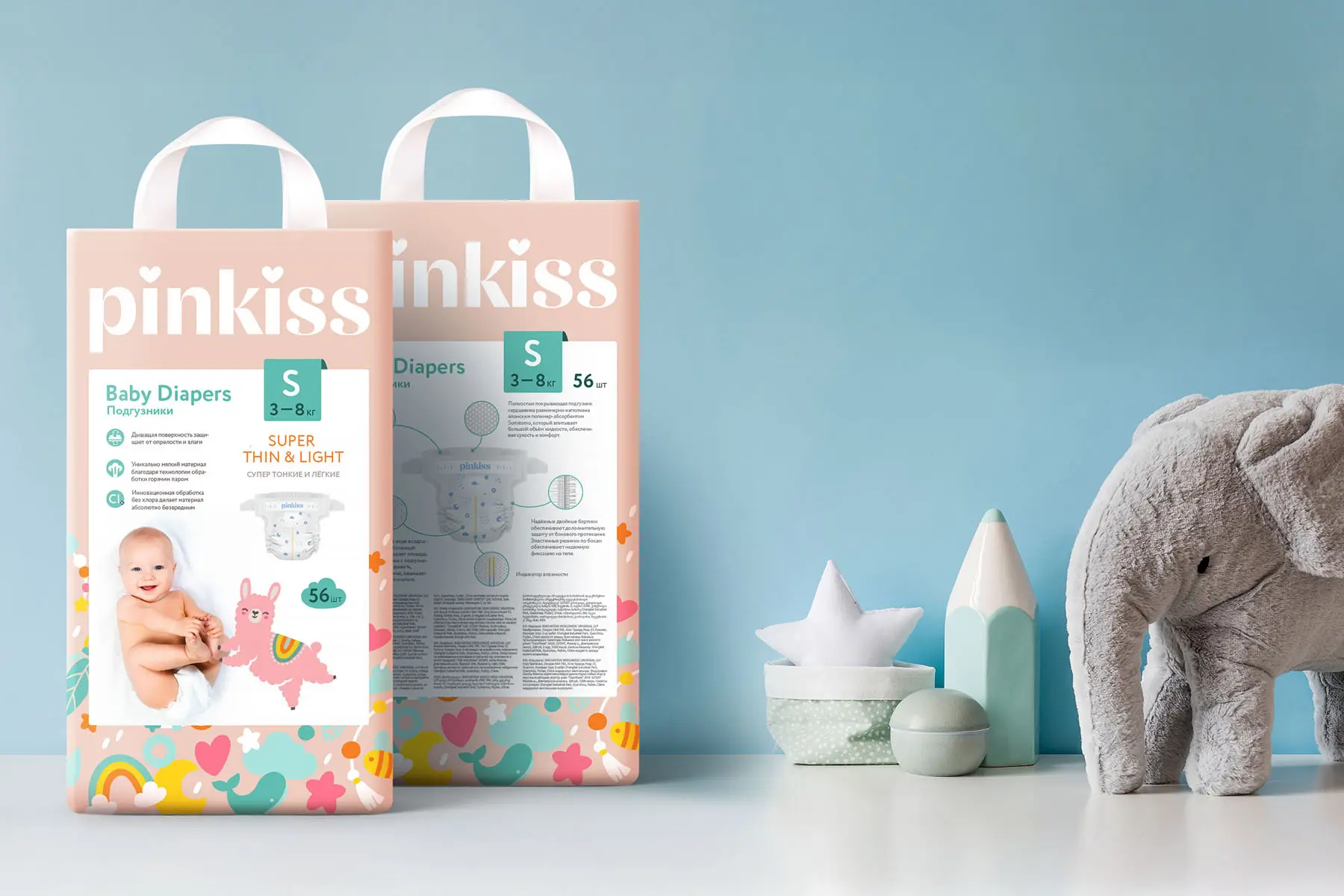
Developing names for children’s product brands often relies on associations with safety, love, and gentle care. Words are used that evoke emotions of joy, well-being, and comfort.
For example, the brand Chicco is associated with high-quality and safe products for children, creating an image of reliability. Huggies conveys an emotional message of comfortable, caring protection for babies, inspiring trust among parents.
01—00
Home Goods Naming
Developing a name connected with home comfort and practical technology often includes associations with well-being and practicality. Words are used that convey a sense of comfort and convenience.
For example, Guten Morgen evokes associations with positive emotions, freshness, and morning optimism, creating a friendly image. Bed Bath & Beyond clearly reflects the core idea of the brand—a global selection of home goods—emphasizing convenience of choice and the breadth of the offering
01—00
Real Estate Naming
Developing a name intended to reflect the prestige and attractiveness of a real estate asset often includes words associated with luxury and comfort. Such naming emphasizes the status and uniqueness of the brand or property.
For example, Trump Tower emphasizes the charisma and influence of the brand figure, underlining elitism and exclusivity. The Ritz-Carlton is a global symbol of high-class service, associated with luxury and the perfection of comfort.
Именной и псевдоименной нейминг
 Макс Цветков28.01.2022
- naming

Советы по разработке названия (неймингу)
 Анна Авдеева27.01.2022
- naming
Удачный нейминг: 7 способов распознать эффективное название
Макс Цветков27.01.2022- naming

Ошибки нейминга: как не стоит называть бренд
 Андрей Вершинин27.01.2022
- naming
Правила нейминга
Андрей Вершинин29.12.2021- naming

Разработка названия (нейминг) ресторана
Андрей Вершинин29.12.2021- naming

Эффективный нейминг торгового центра
Анна Авдеева29.12.2021- naming

Нейминг: названия-неологизмы
Андрей Вершинин29.12.2021- naming

Нейминг-агентства или нейминг-генератор?
Андрей Вершинин20.10.2021- naming

Как разработать название бренда самому
Макс Цветков20.10.2021- naming

Пять главных вопросов эксперту по неймингу
Андрей Вершинин13.08.2020- naming
Если нейминг уже есть, регистрируем торговую марку
Макс Цветков07.08.2020- naming
Блог
Related articles: naming
FAQ about Naming
Can I use a name in a foreign language?
Under Russian law, a foreign-language name (including Latin script) can be registered as a trademark; however, consumer-facing information and signage must appear in Russian or have an equivalent Russian duplicate. In practice, it’s wise to protect the Cyrillic transliteration too: Rospatent assesses phonetic similarity, and Latin/Cyrillic versions may be deemed confusingly similar.
How do I choose Nice classes for registration?
List your current and near-term (1–3 years) goods/services and map them to the Nice Classification—don’t rely only on class headings; use explanatory notes and the alphabetical list. Prefer validated terms via Rospatent/FIPS tools, WIPO’s Madrid Goods & Services Manager, and/or EUIPO’s TMclass to reduce objections and speed examination.
How do I check registrability in other countries?
Run a knockout search: WIPO’s Global Brand Database for broad coverage, TMview for EU and many non-EU offices, plus national databases in target countries (e.g., USPTO). If you plan to file via Madrid, also check international registrations and status in Madrid Monitor/eMadrid. Aggregators aren’t complete, so have counsel run final checks in key jurisdictions.
Do I need to register the domain as a trademark?
Not required: domains and trademarks are different legal regimes, and a domain doesn’t confer trademark rights—you can even lose a domain if it conflicts with an earlier mark. That said, a registered mark strengthens your hand in UDRP actions against cybersquatting and gives access to ICANN mechanisms (e.g., Trademark Clearinghouse/Sunrise) for new TLD launches.
What names cannot be protected as a trademark?
Generic terms, purely descriptive words, non-distinctive signs, deceptive/misleading indications, and marks contrary to public policy or accepted principles of morality are typically refused on absolute grounds (Russia/EU and internationally).
Tags:Naming
Notes.
The article uses photo and video materials provided by the customer / BRANDEXPERT "Island of Freedom" / ShutterStock / Freepik / Unsplash / Pexels / Goodmockups / Pixpine. All materials presented in the blog are purely informational in nature and do not pursue commercial purposes. The use of text, illustrations, photos, videos and other materials is prohibited without the consent of the copyright holder.
















We’re Here to Advise You on Any Branding Challenge
Dear partners, your project is unique and deserves a tailored approach. To prepare a relevant proposal, we need to understand your goals and the services most needed to deliver the best results. We’re ready to provide 360° support and handle all strategic tasks in marketing, design, digital, and brand communications. Our mission is to deliver outstanding solutions that drive financial growth and increase brand value. Get in touch — we’ll be happy to share our expertise and insights with you.
The BRANDEXPERT Team.
The BRANDEXPERT Team.