
ALVITEK Rebranding: Logo Design, Packaging and Label Design, Photo and Video Production, Advertising, Marketplace Content and Website Development. ALVITEK visual strategy development and rebranding for a bedding and home textile manufacturer

Brand building is a consistent process that turns a business idea into a recognizable, resilient image in people’s minds through the experiences they receive at every touchpoint. The work includes understanding the audience and context, defining value, choosing a name, creating a visual language, and organizing a coherent customer experience. The goal is to make a clear promise and confirm it regularly through product, service, and communications to form lasting preference. A brand is treated as an intangible asset that brings measurable benefit to the business and is assessed by clear standards. An important adjacent step is legal protection through trademark registration to secure exclusive rights. The result is an integrated system — positioning strategy — that steadily increases the likelihood people will choose your company.



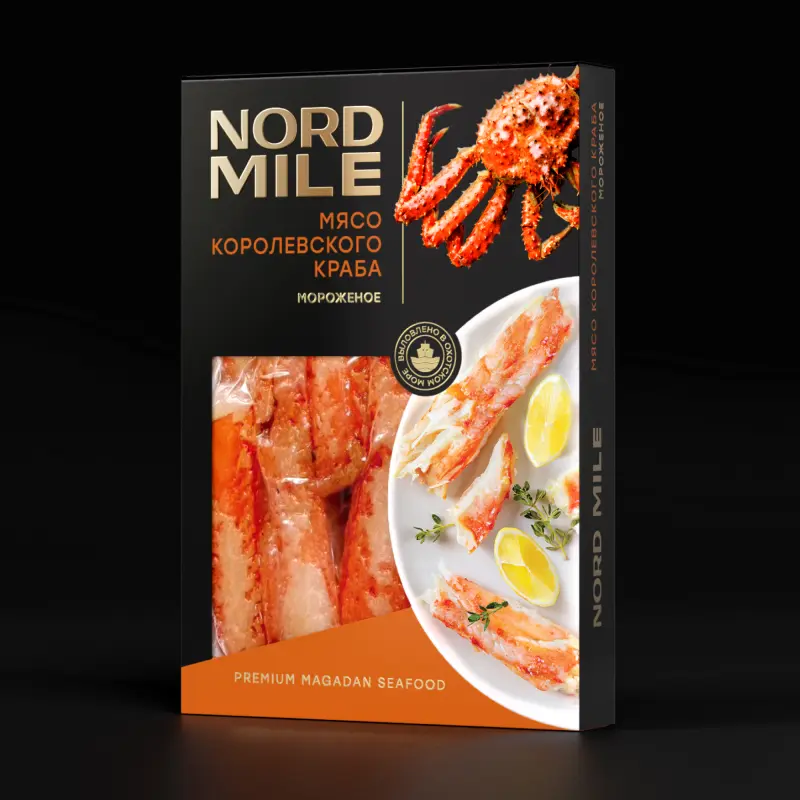

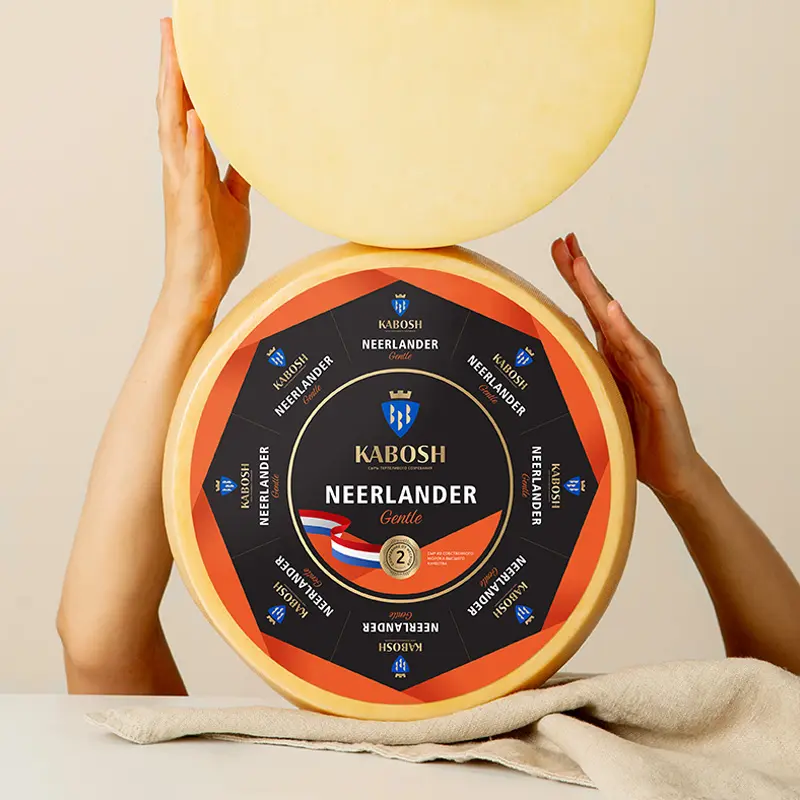

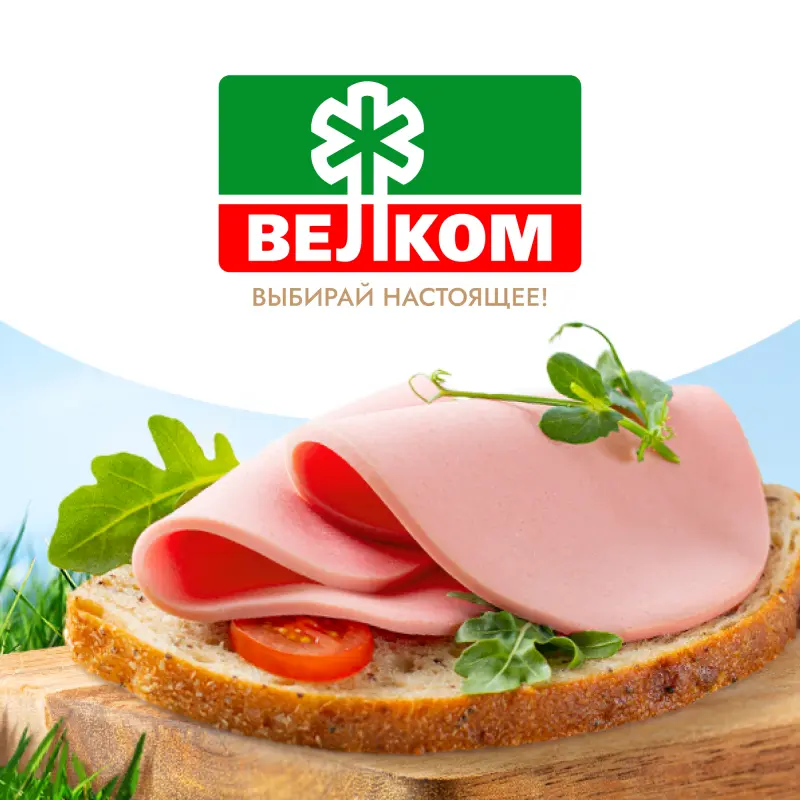



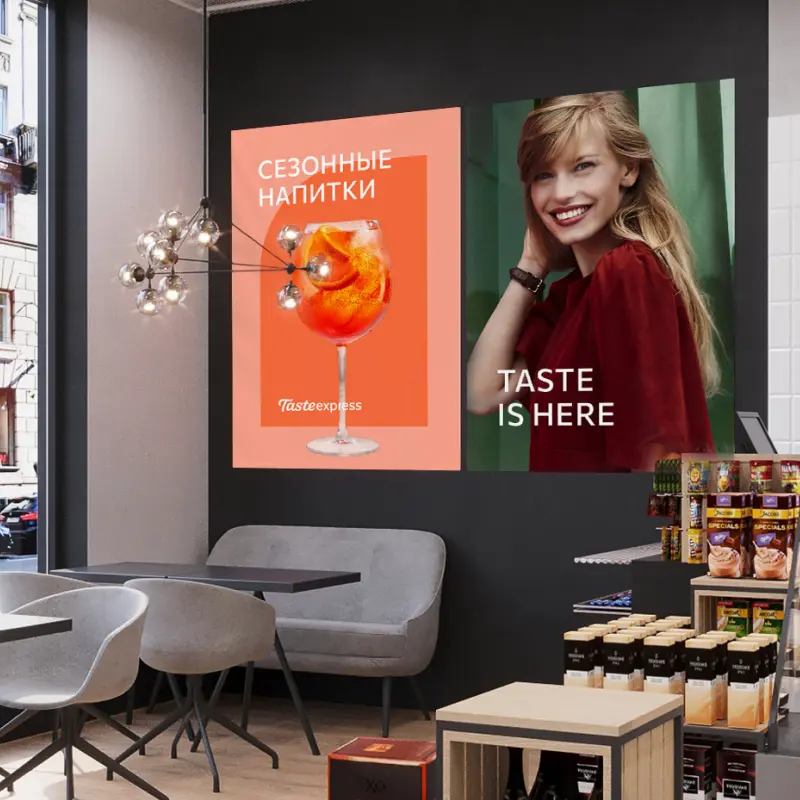






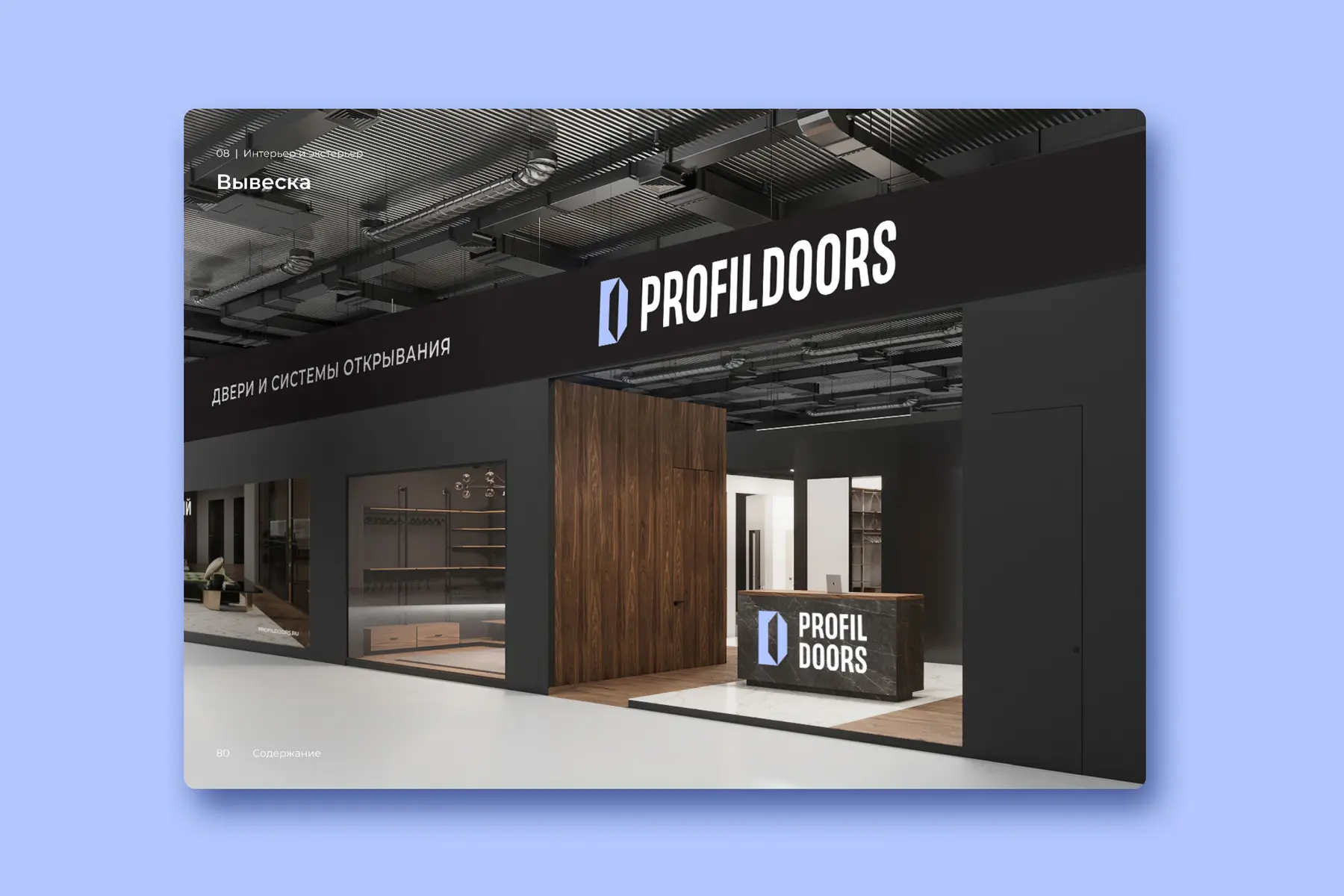
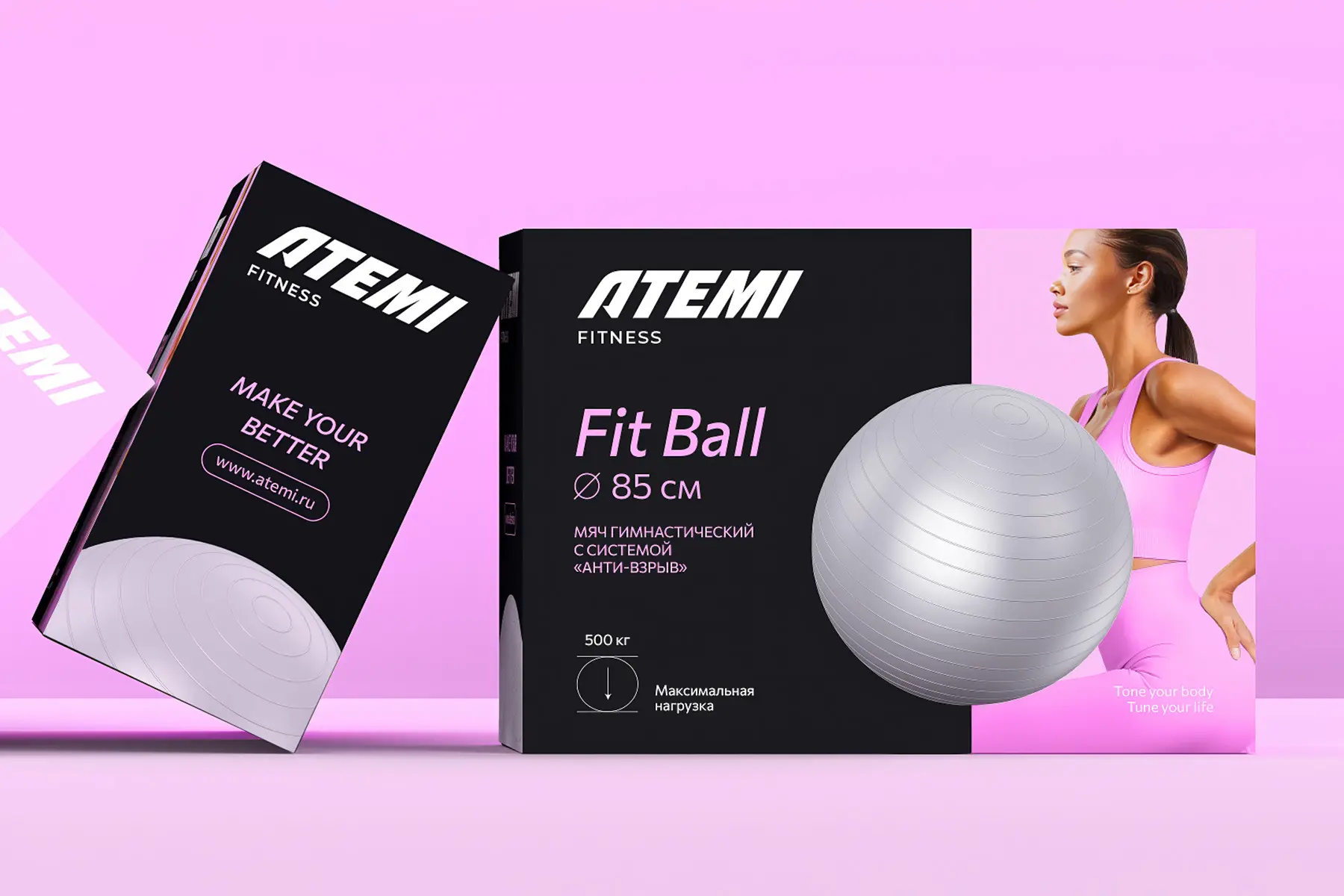

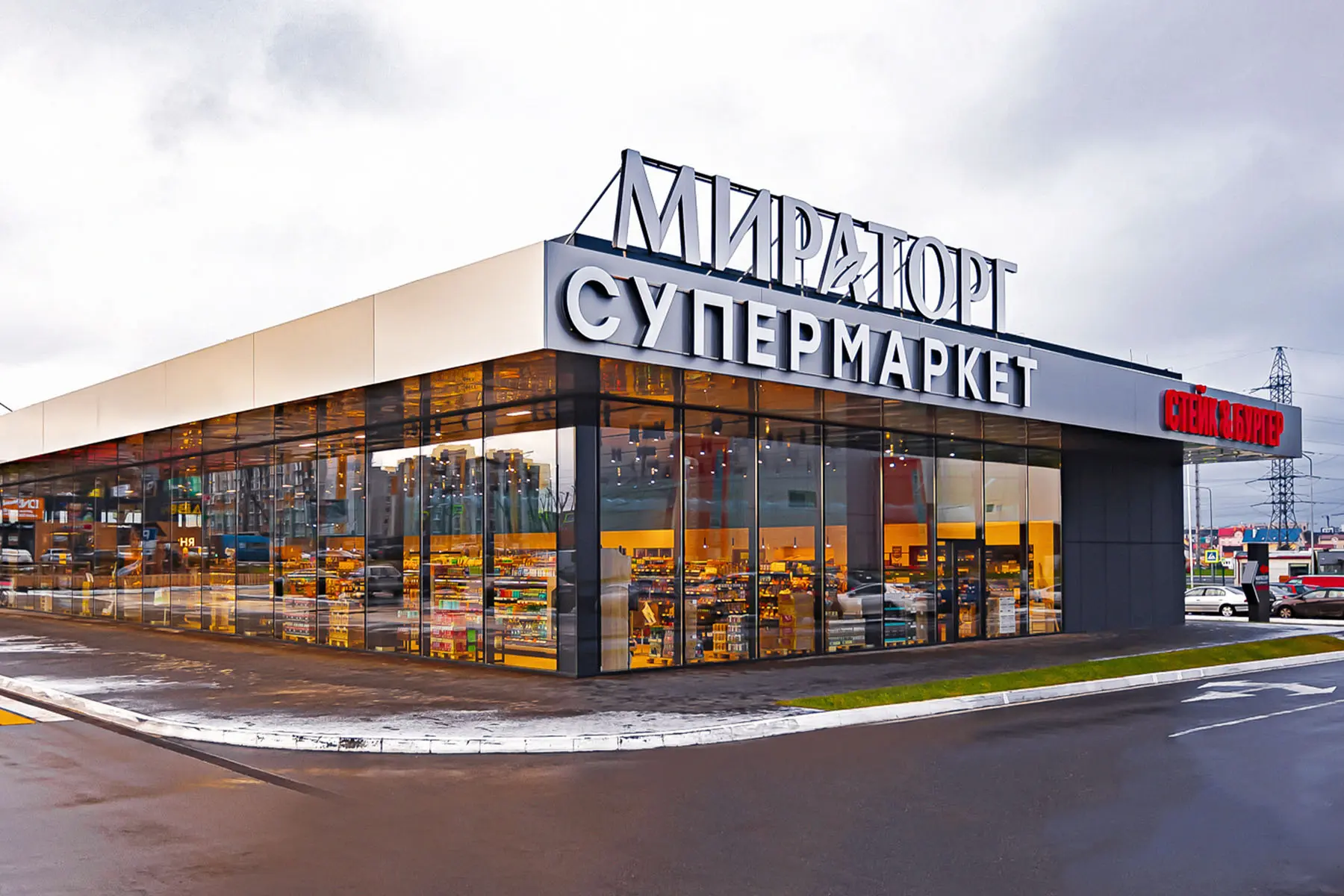
A brand is the set of associations and emotions people connect with your company, product, or service. Brand building is the strategic process of shaping and managing this image: it differentiates you, creates value, helps convey benefits to the audience, and builds trust. A strong, consistent image across all channels supports steady growth.
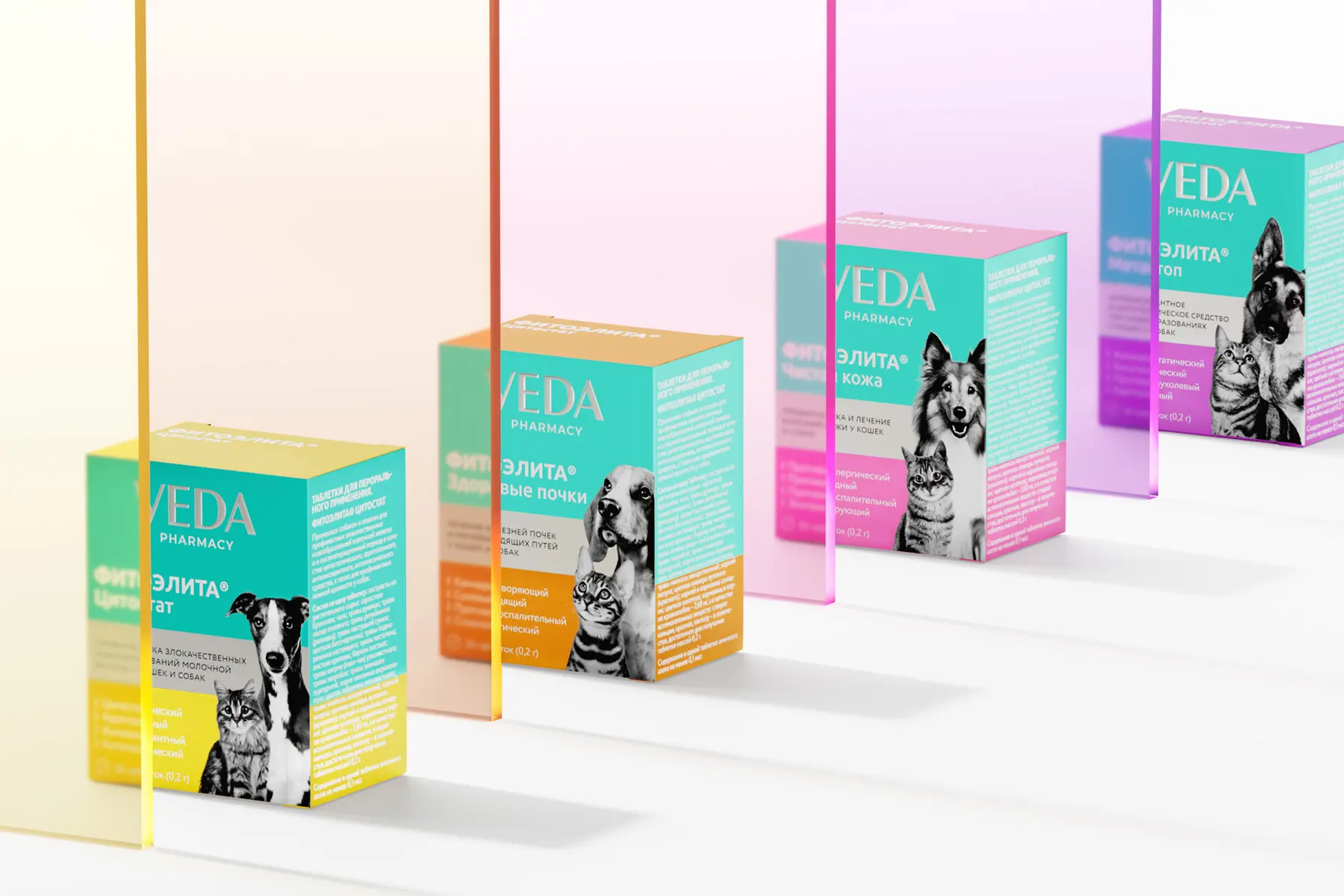

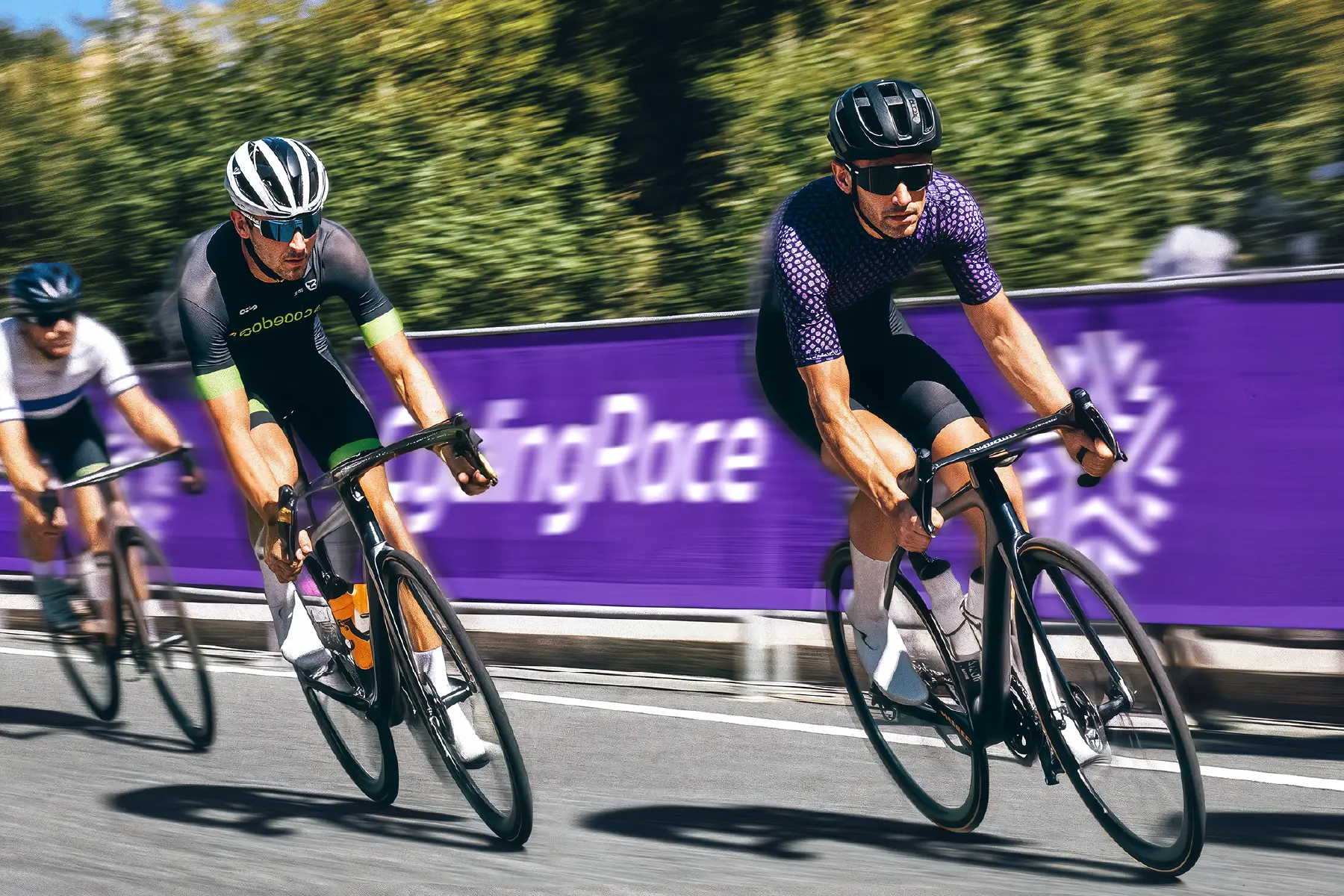
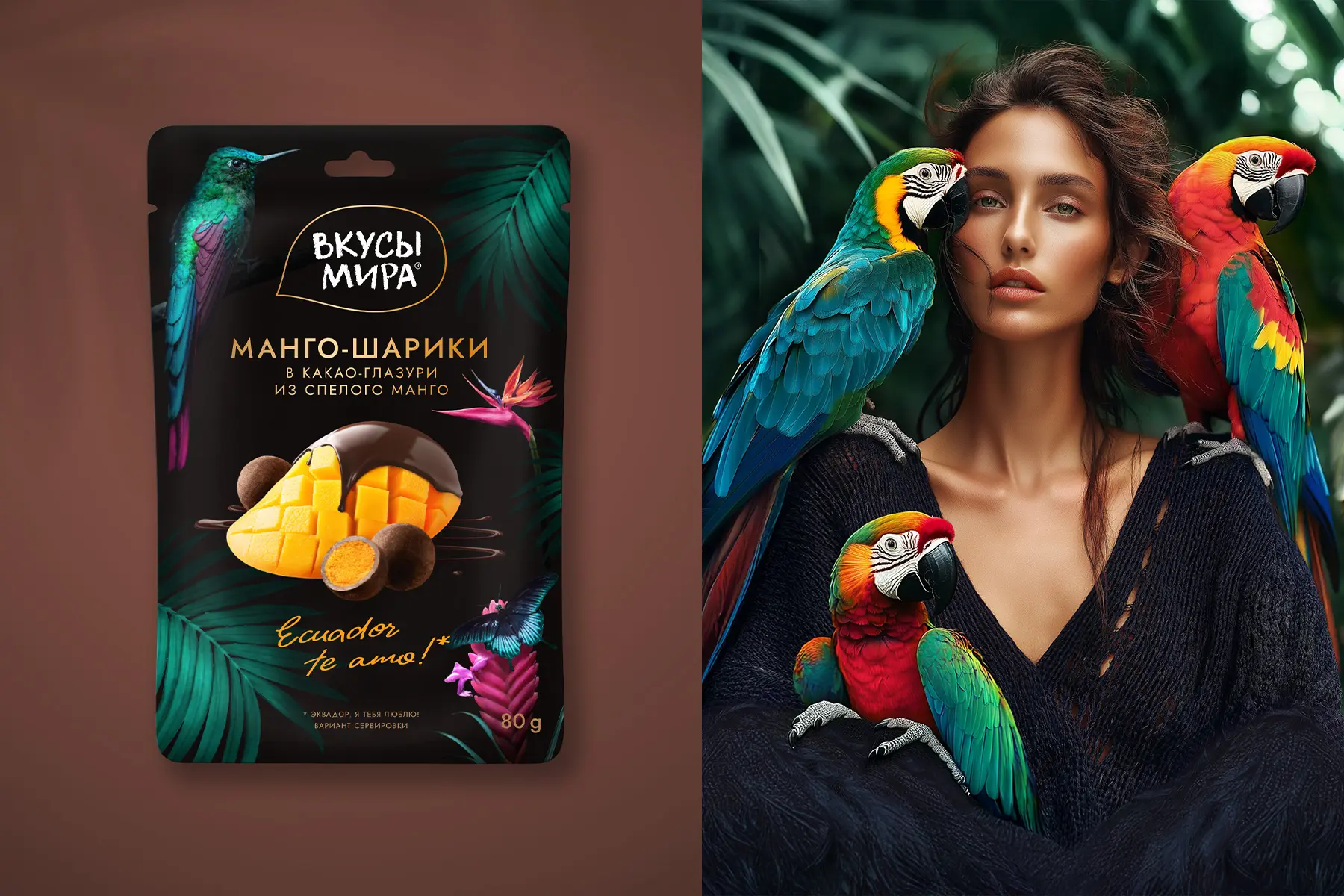
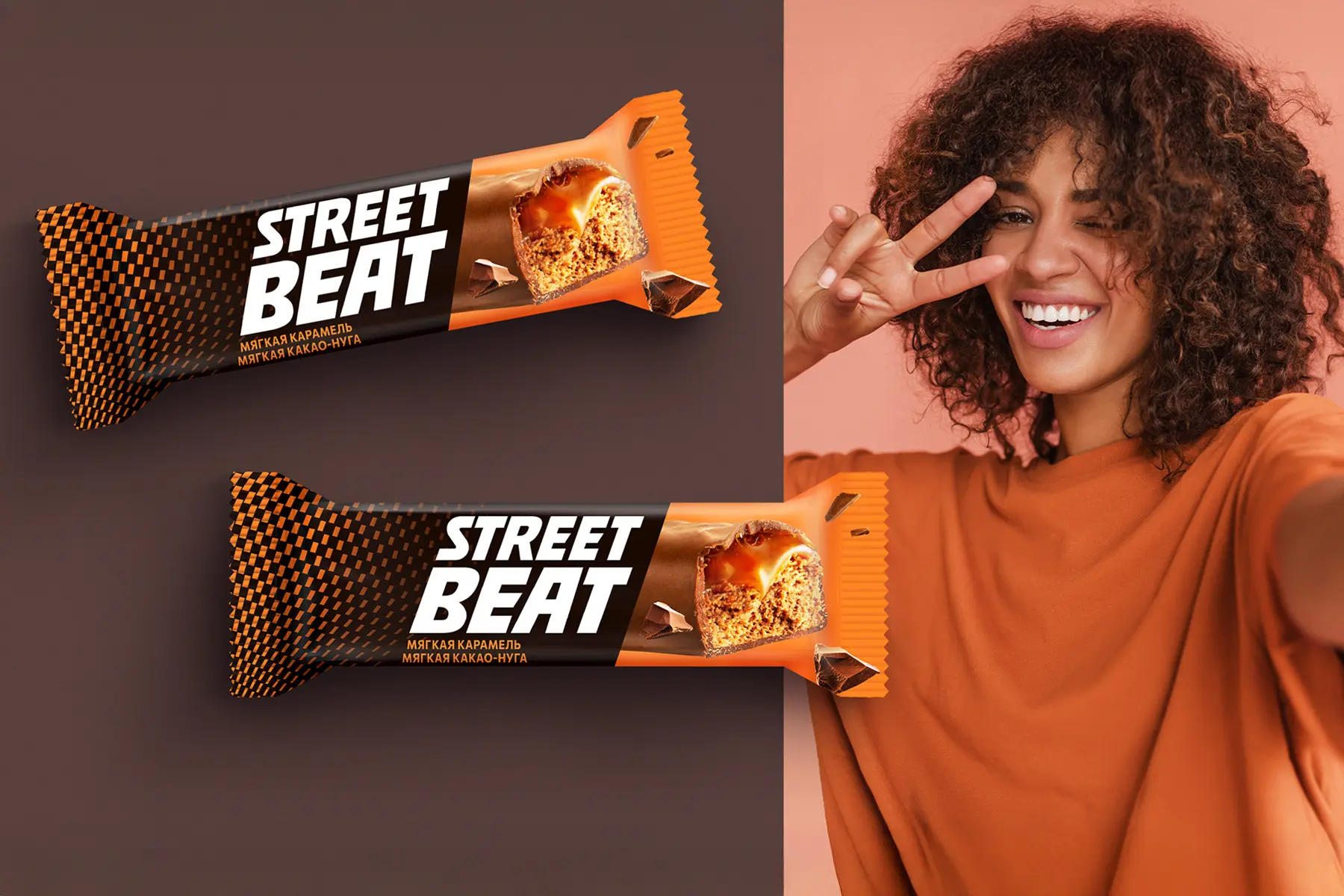
Brand building covers market and competitor research, positioning, logo and visual identity, brand book, website, and communications strategy. Branding is a continuous cycle of creating and managing the brand’s image and reputation across every touchpoint throughout its life.
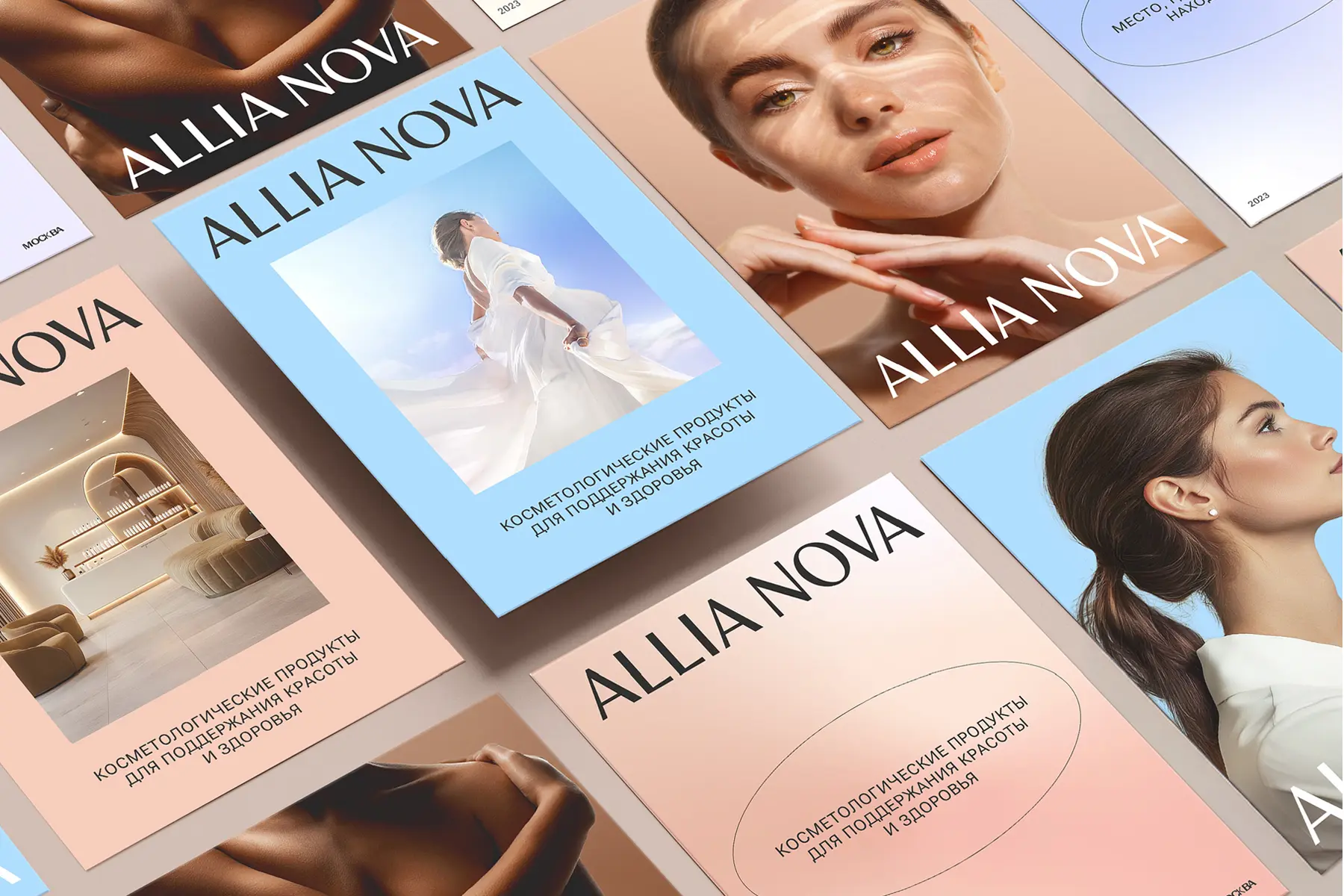

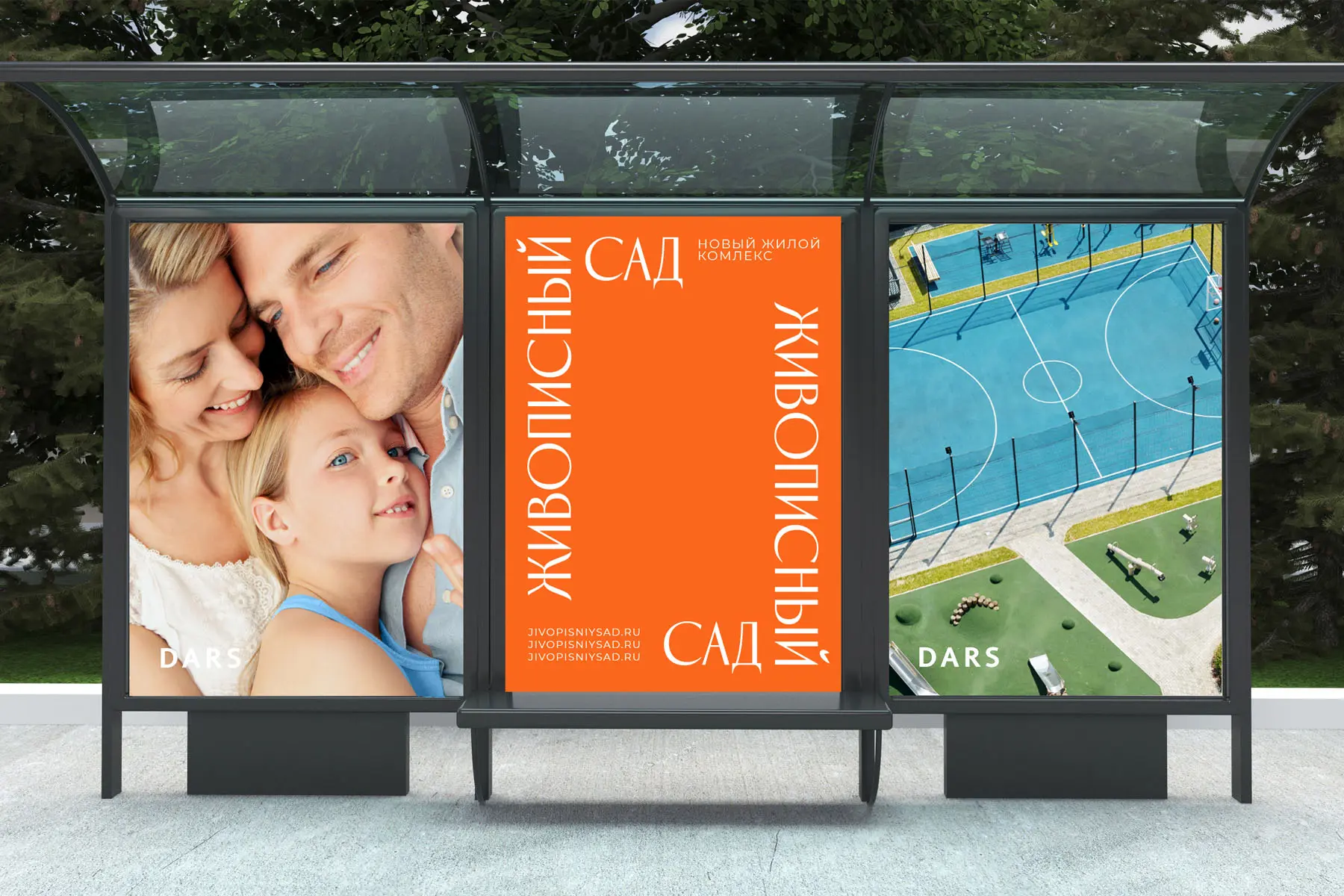


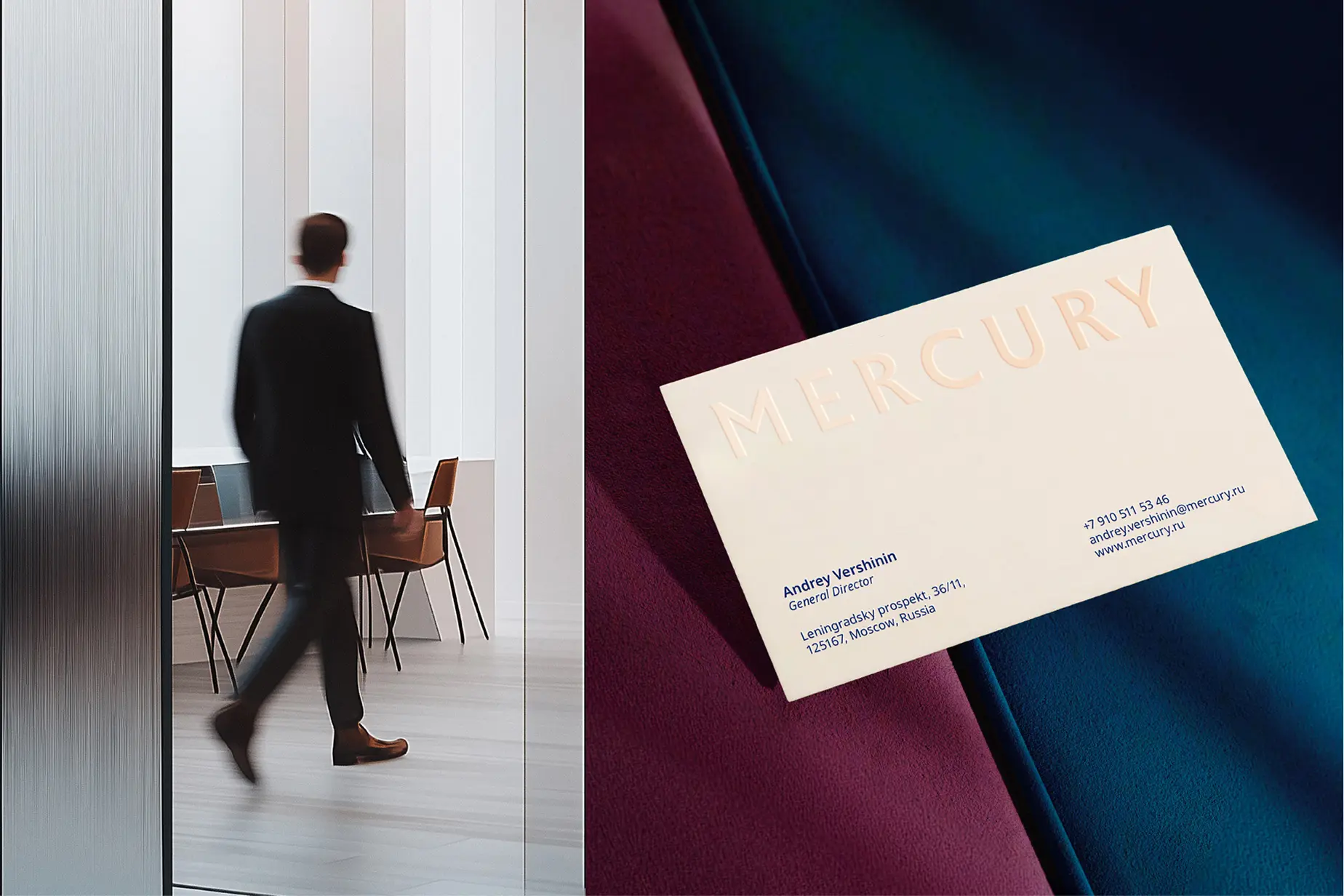
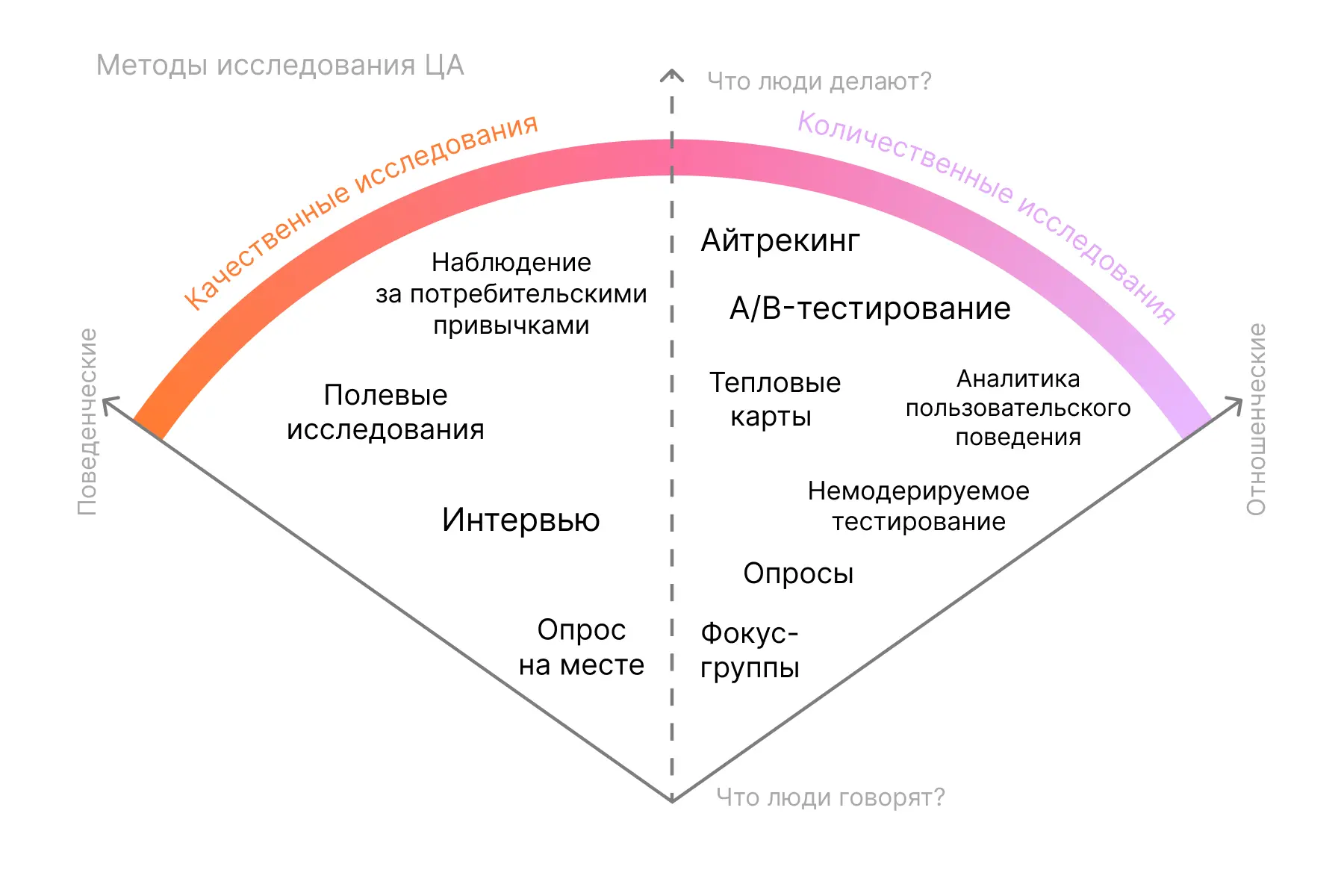
Your target audience is the group most likely to be interested in your offer. Understanding it allows you to create brands aligned with people’s values and to build long-term loyalty. Analyze your offer to see who benefits most, study competitors and their audiences, and craft a clear audience profile — lifestyle, buying behavior, and preferred media. Validate with research and adapt the brand as audience behavior evolves to sustain growth.
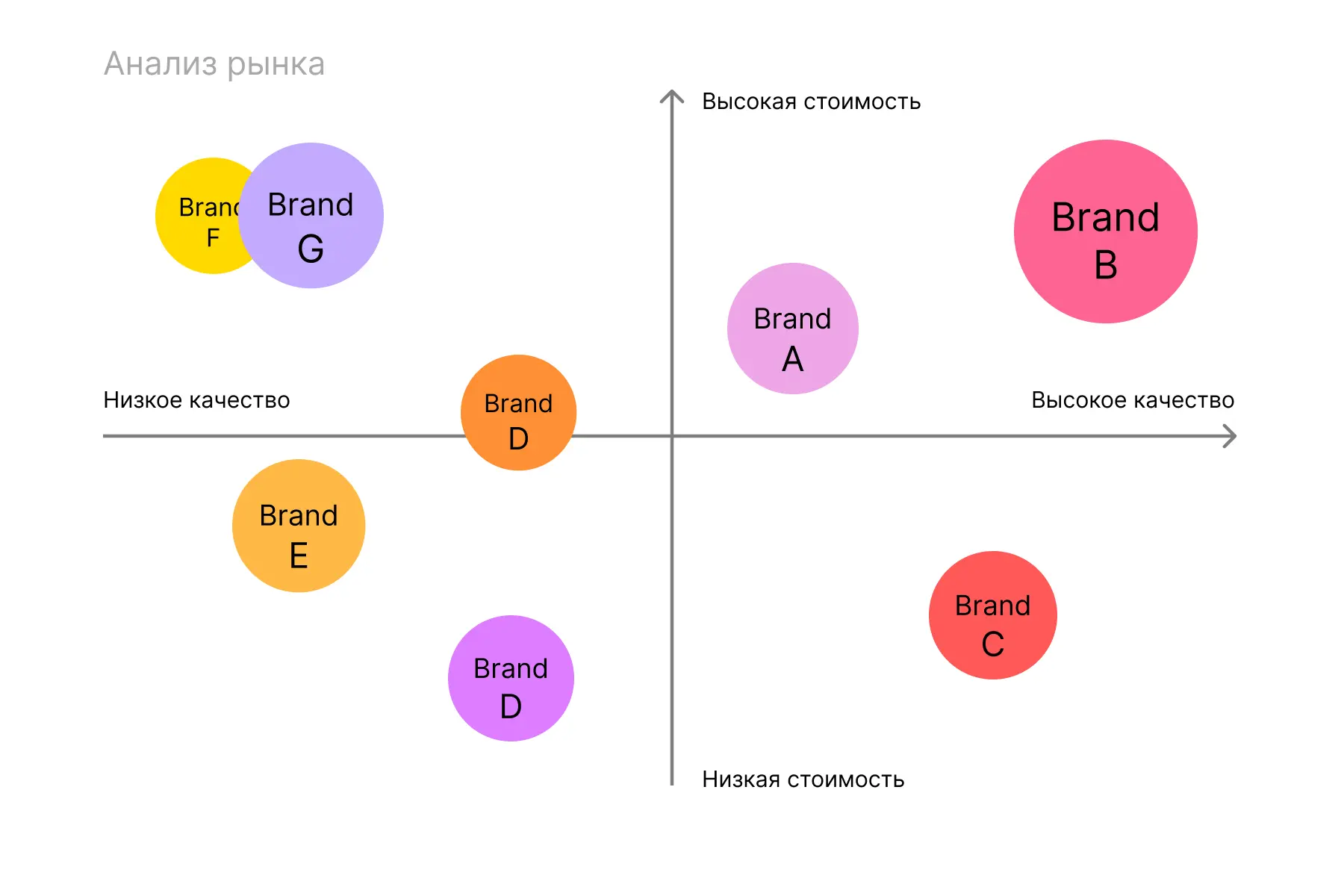

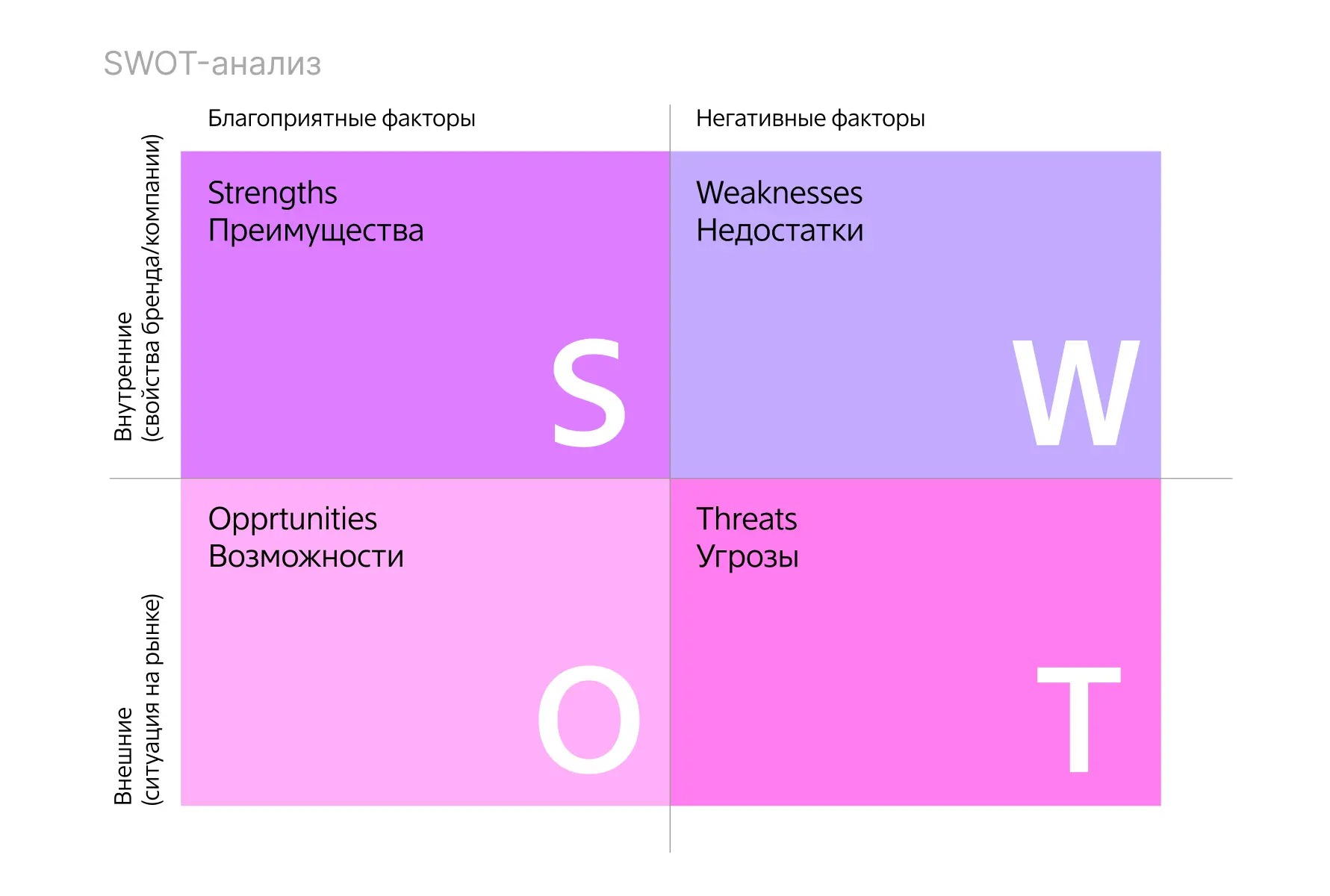
Competitor analysis is essential. It clarifies how to position your company, product, or service, and reveals strengths, weaknesses, and opportunities. A thorough view of the field highlights players and trends, as well as promising niches for new brands. Ongoing monitoring helps plan brand strategy, refine the offer, and choose effective channels at every stage of the brand’s life.
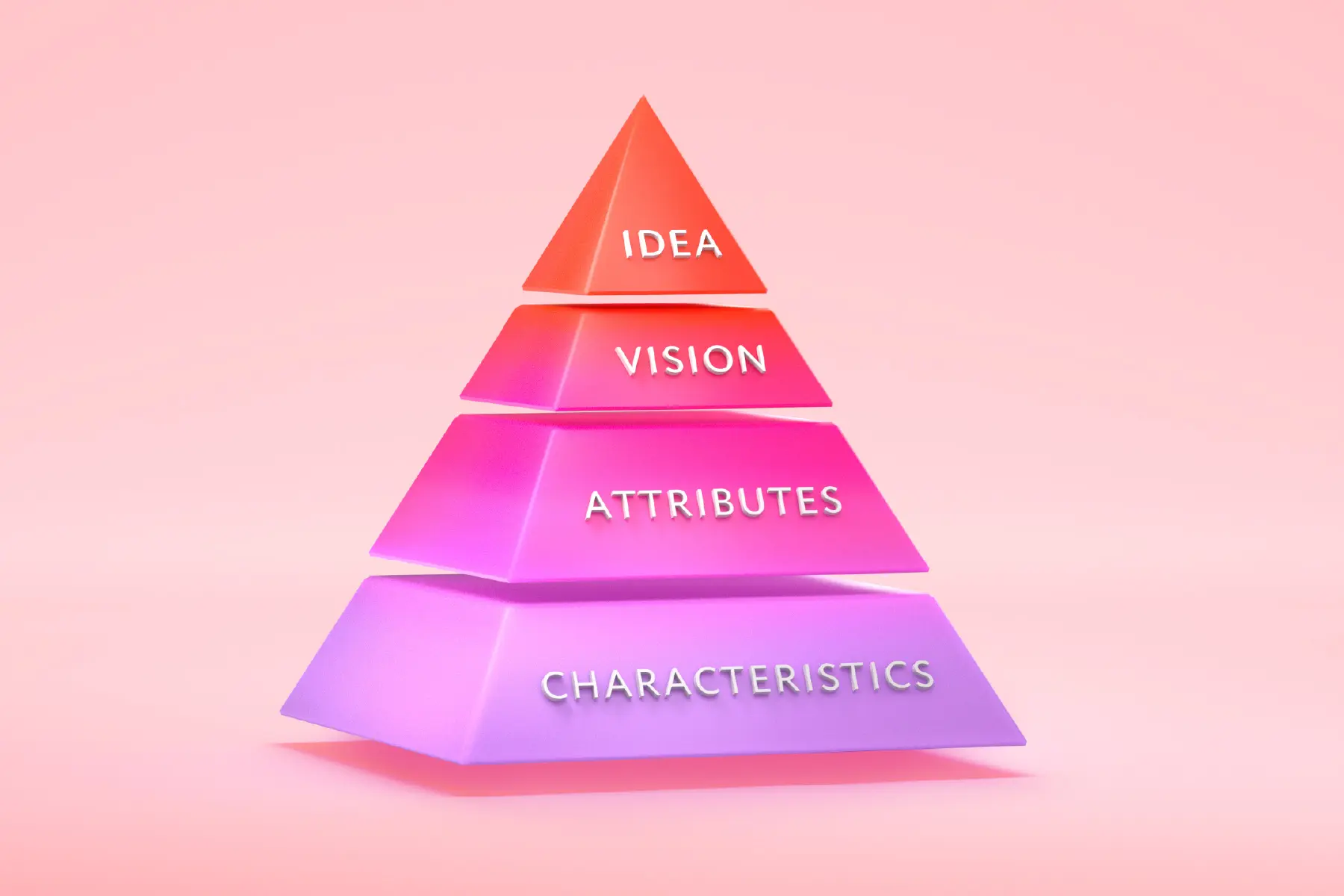
Positioning is a clear answer to “what place our brand holds in people’s minds and why they choose it”. Build it on four supports:
For whom — the audience and use situation.
Frame of reference — which category and what choice context.
Difference — the core value that matters most to people.
Reasons to believe — product traits, service, experience, and evidence.
Make it testable and memorable. A brand comes alive when its value and distinctive cues are easy to recognize — from language and visuals to typical usage scenarios.

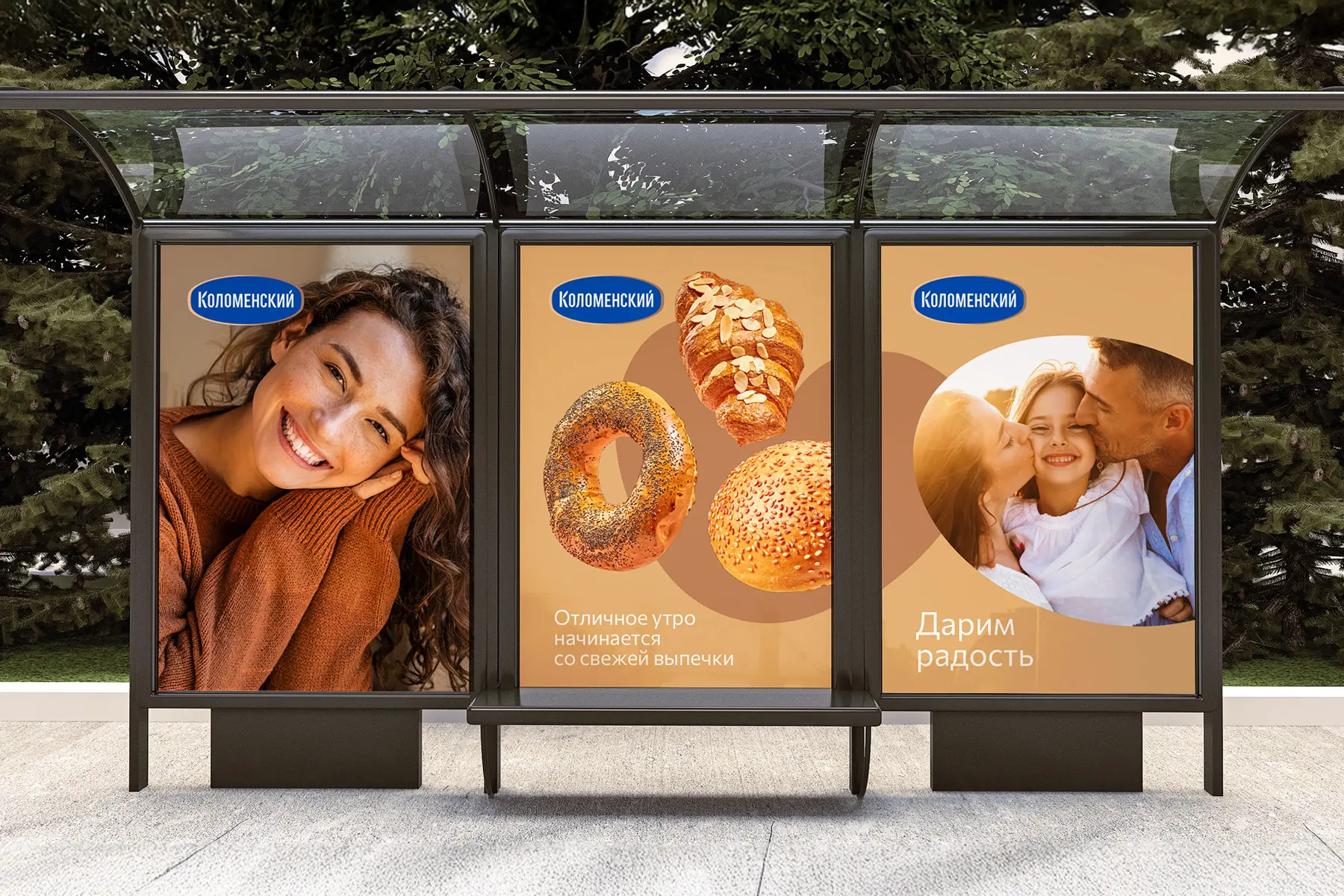

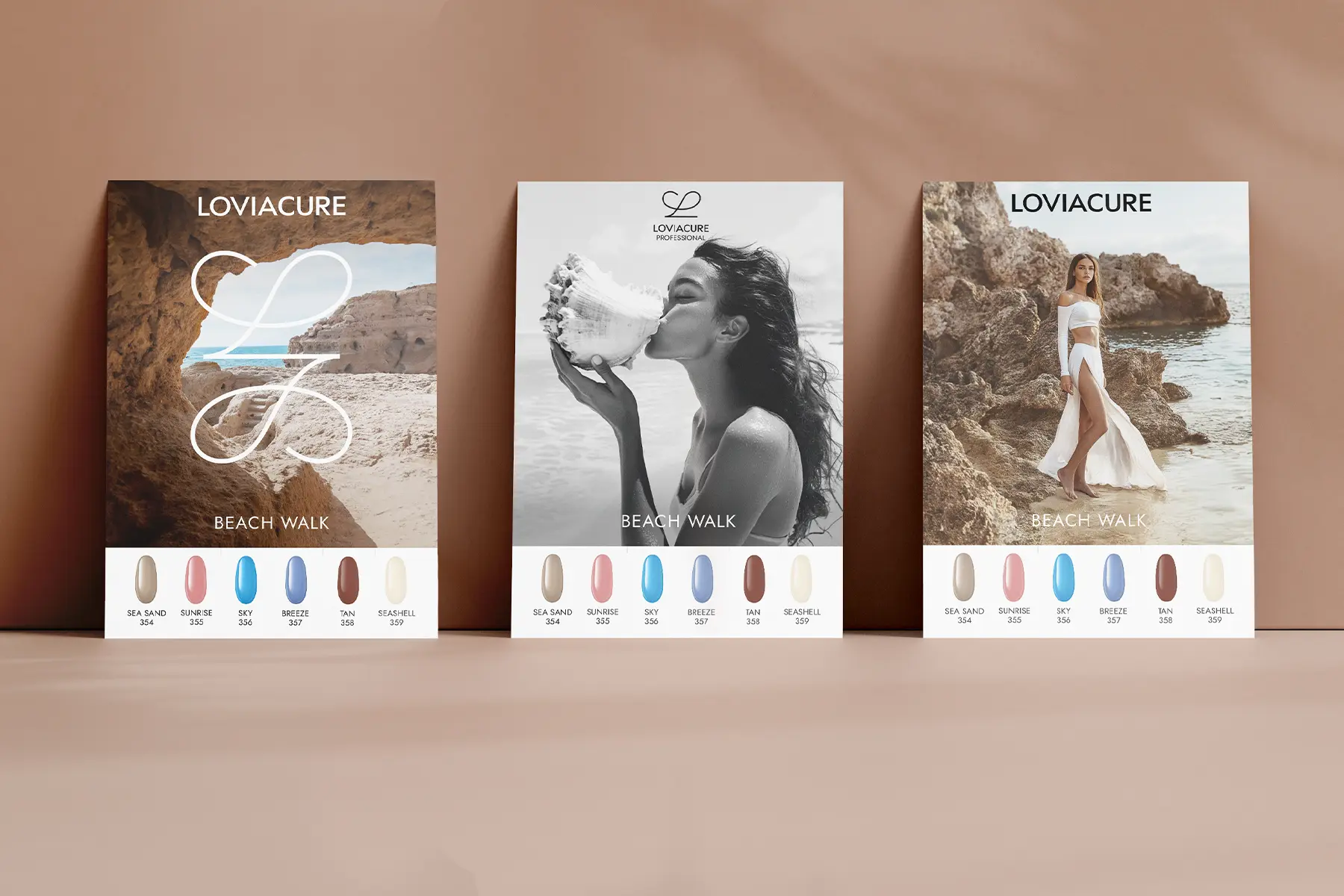
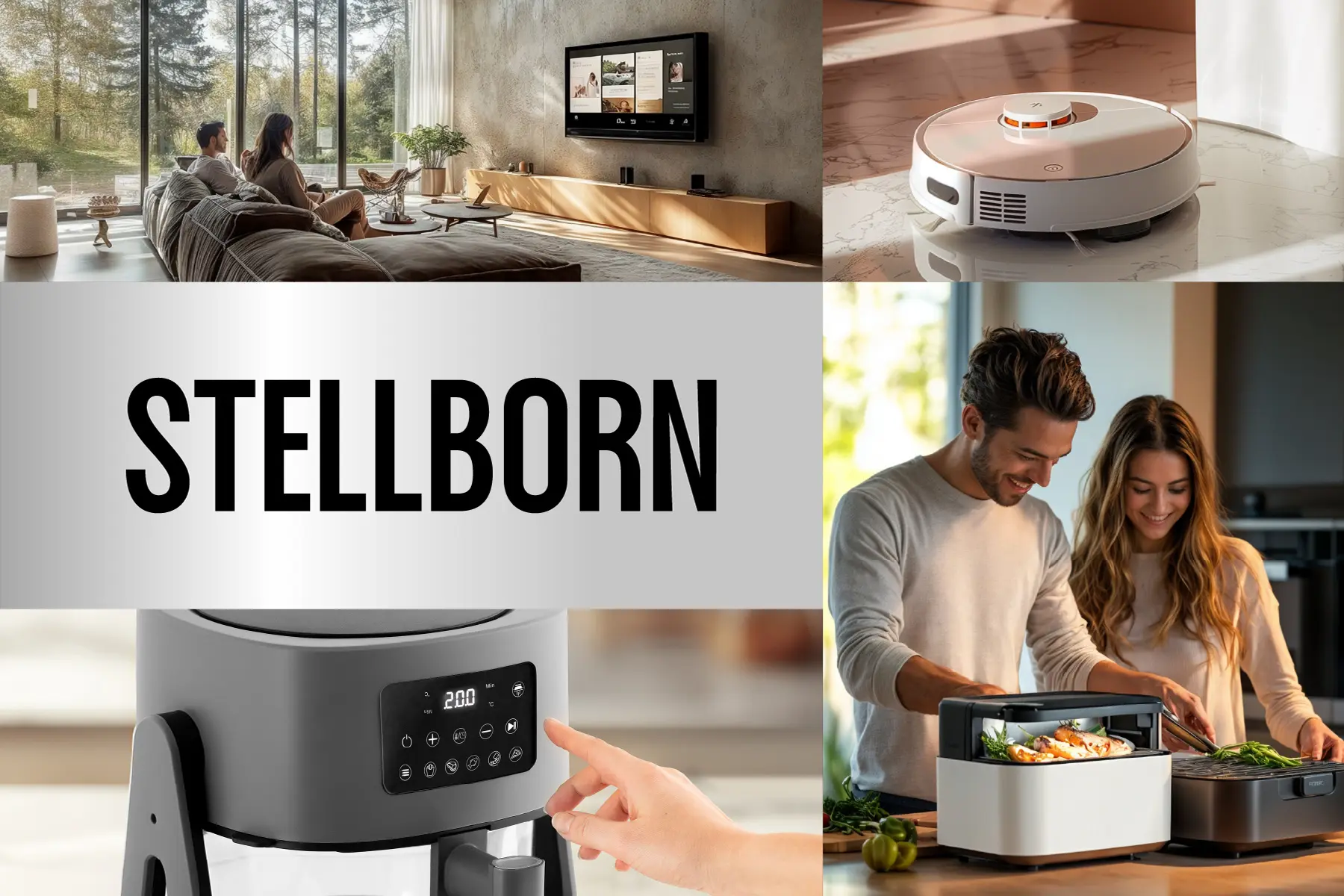
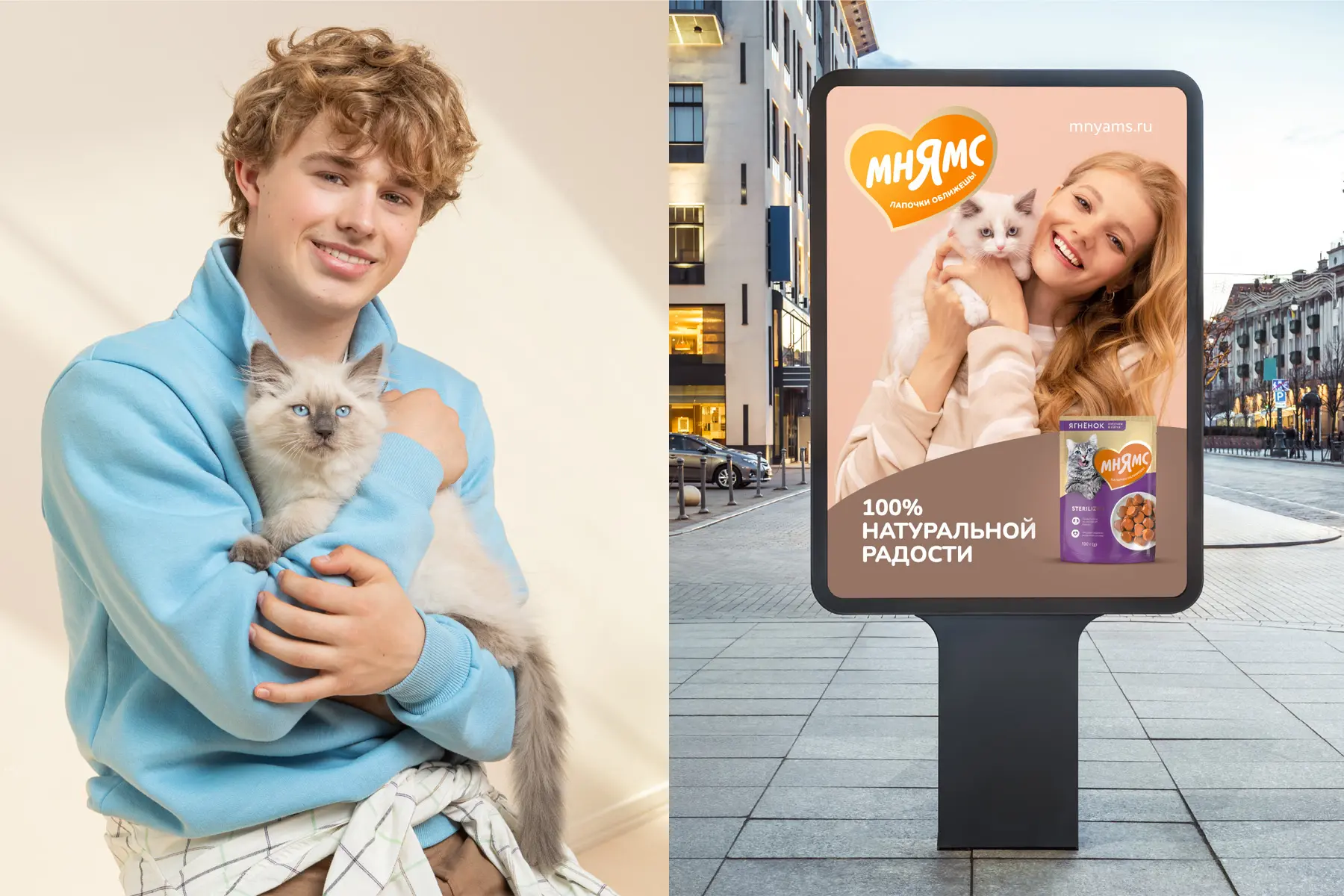
A brand story is a coherent narrative showing who you are, what you stand for, and how you help people. It speaks in a human voice and makes values tangible. Choice often reflects shared values and trust: people respond to brands whose stance feels close and act with confidence when an emotional link is present. A clear, sincere story, tied to what truly matters to the audience, strengthens preference and supports growth.
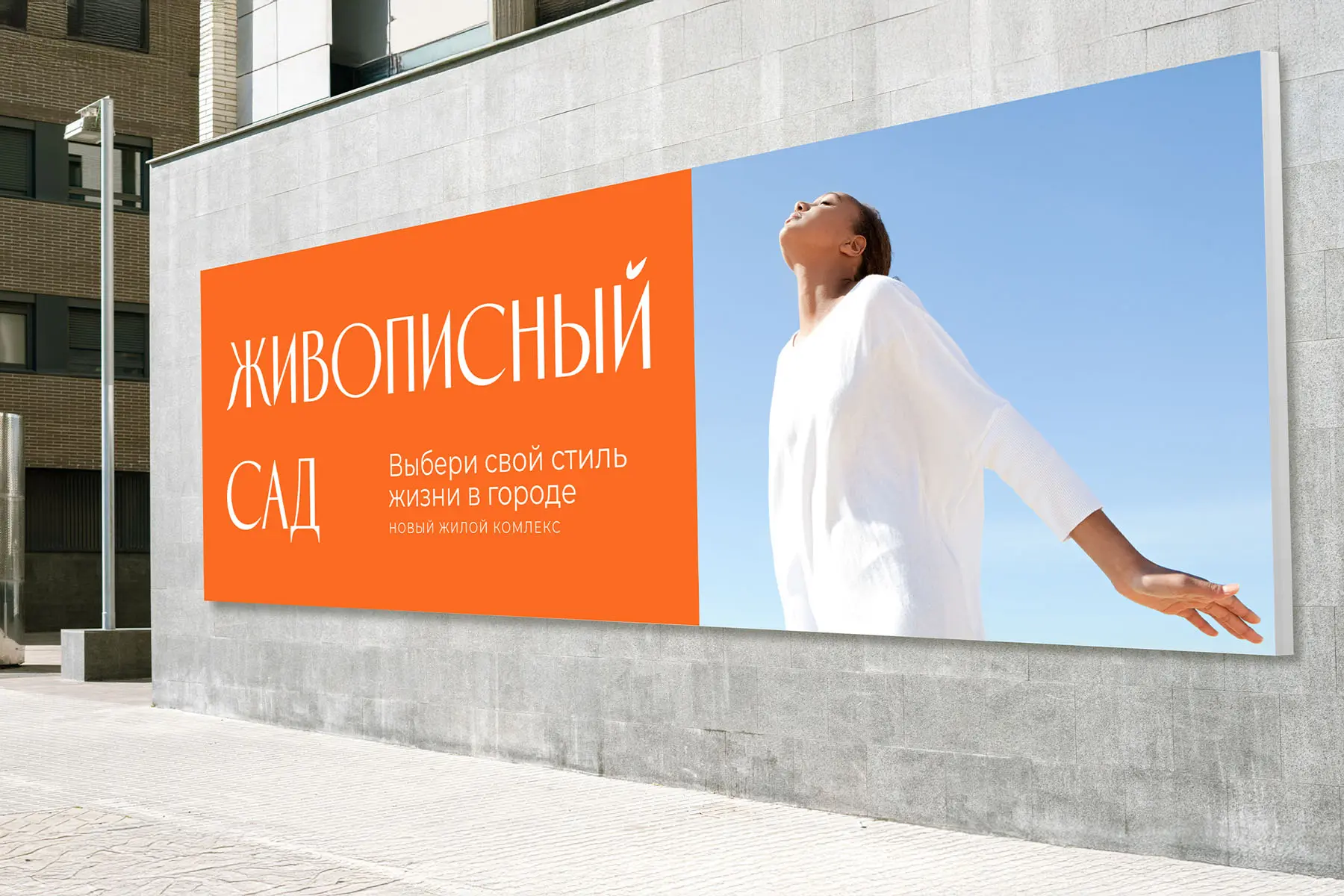


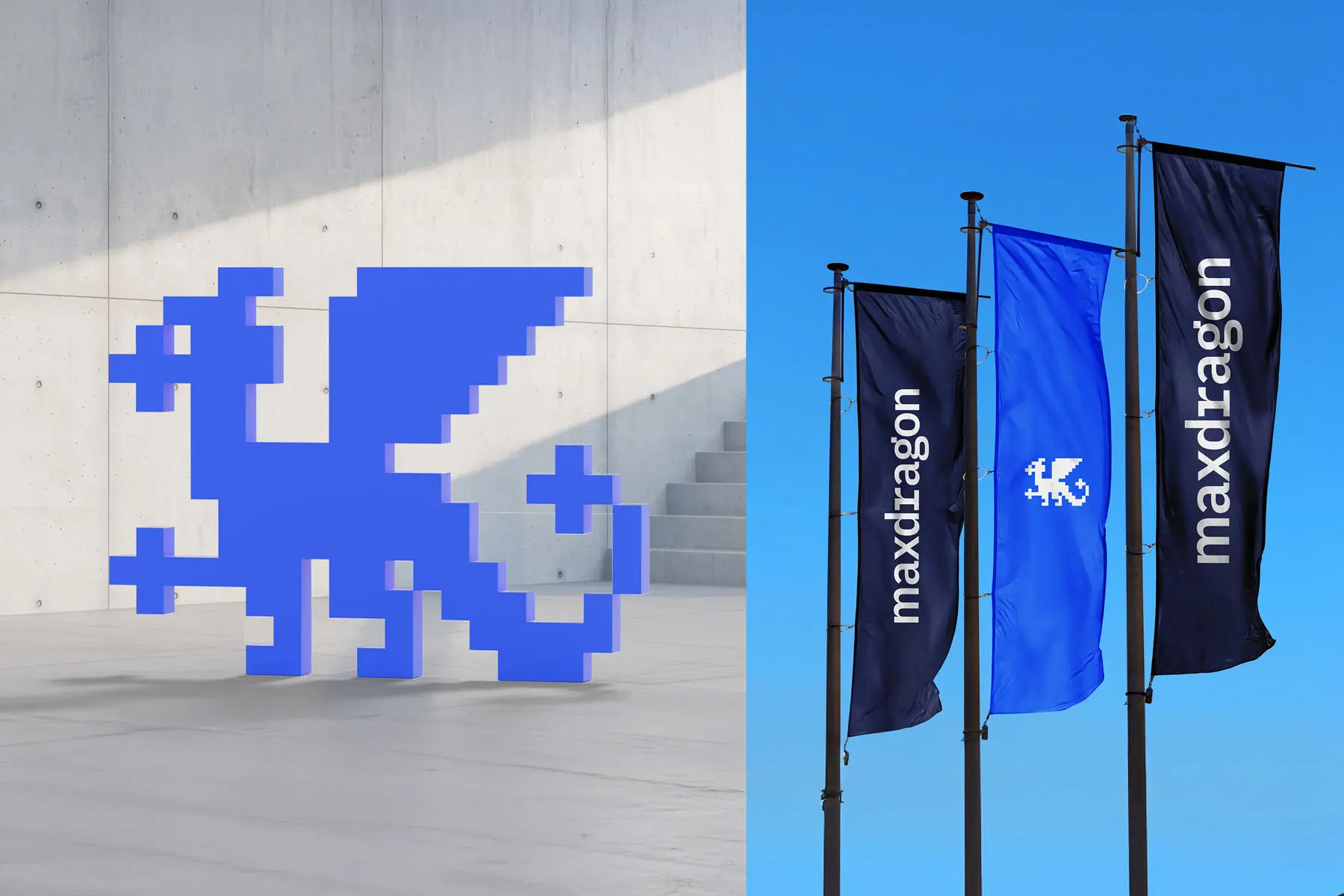
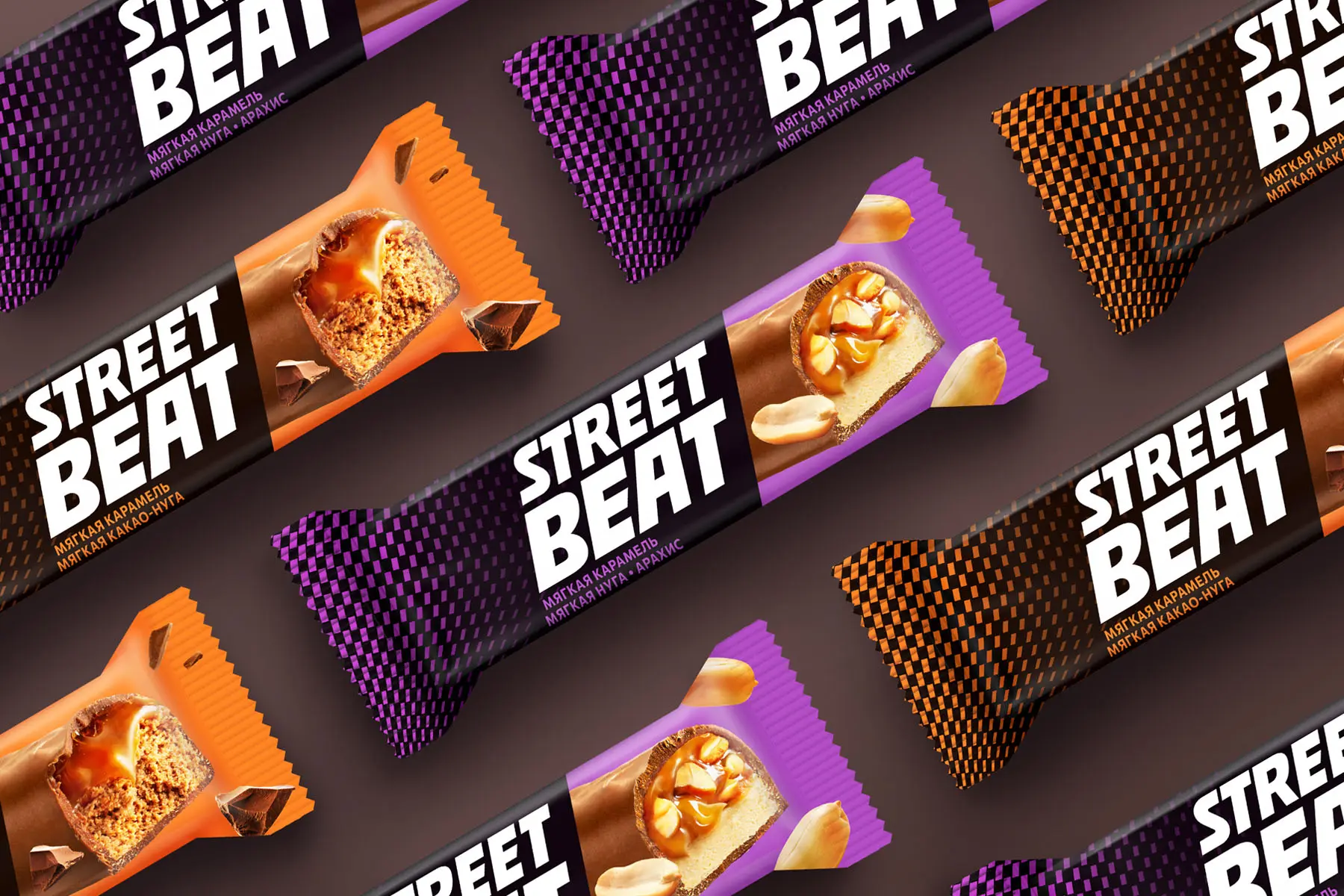

A name is the primary carrier of meaning and a first step in brand building. Pleasant, easy-to-read names accelerate recall, lift recognition, and improve effectiveness. When creating a brand, select a name that stands apart from competitors, reflects your positioning, is legally clear, and helps people recognize you at every touchpoint.
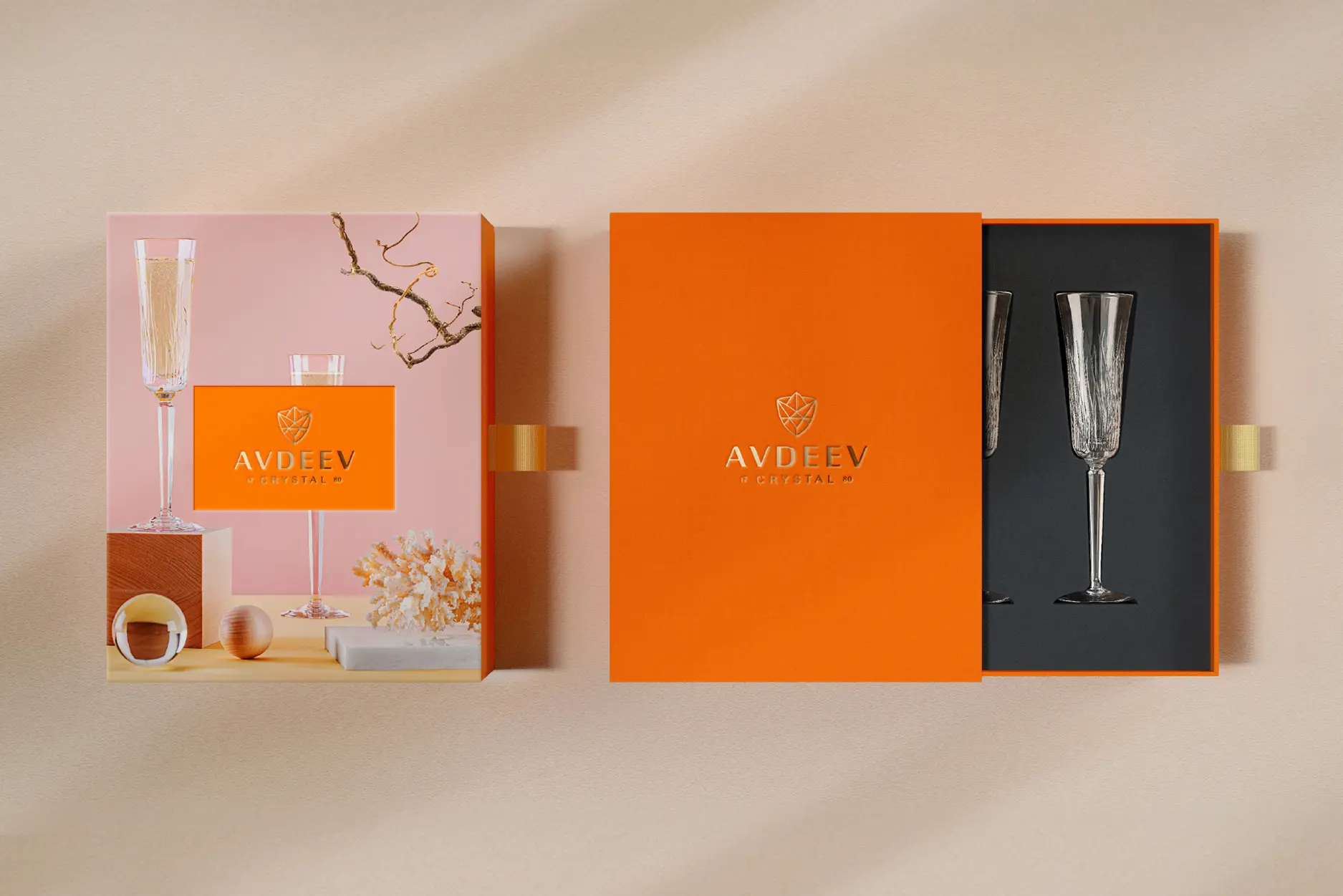

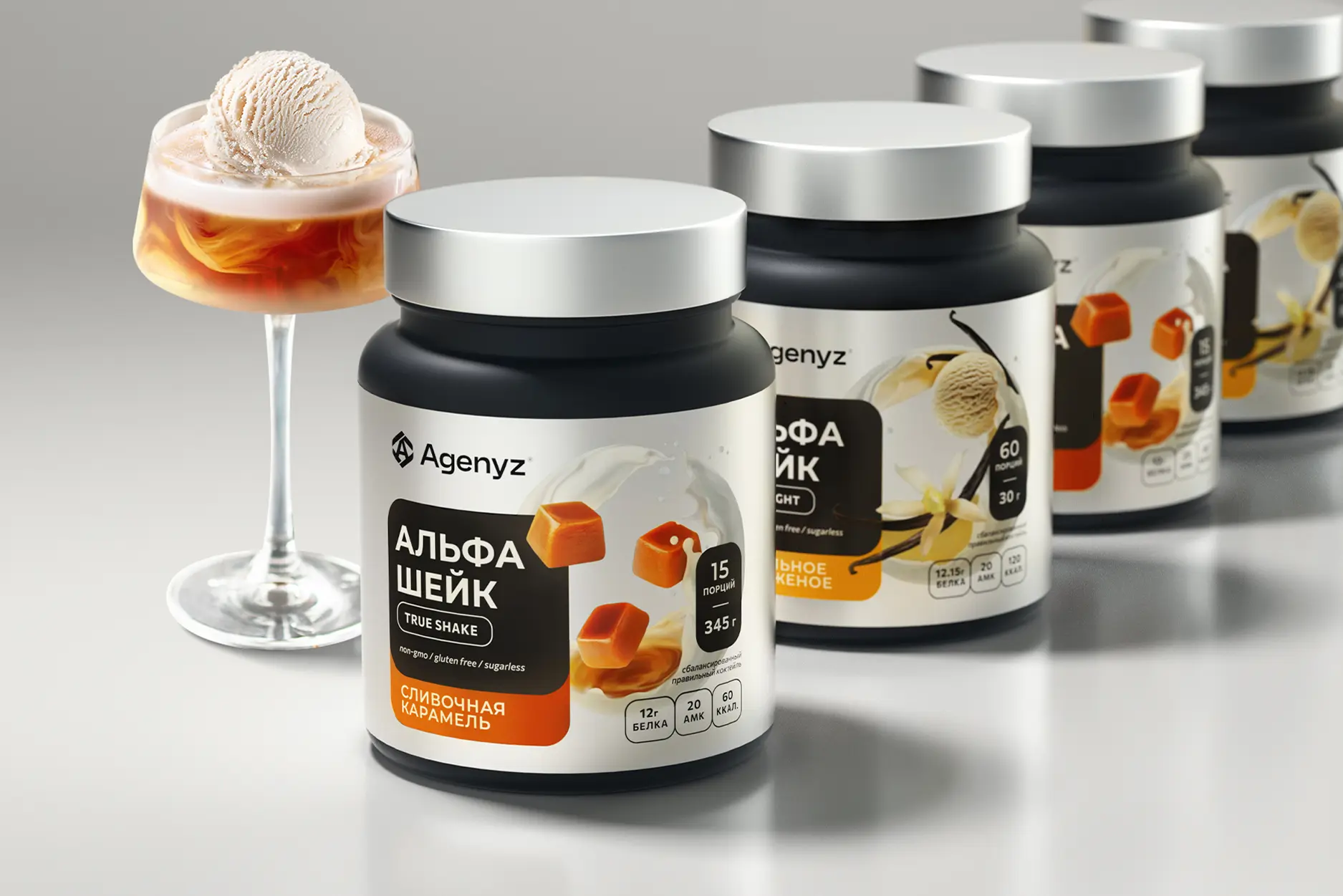
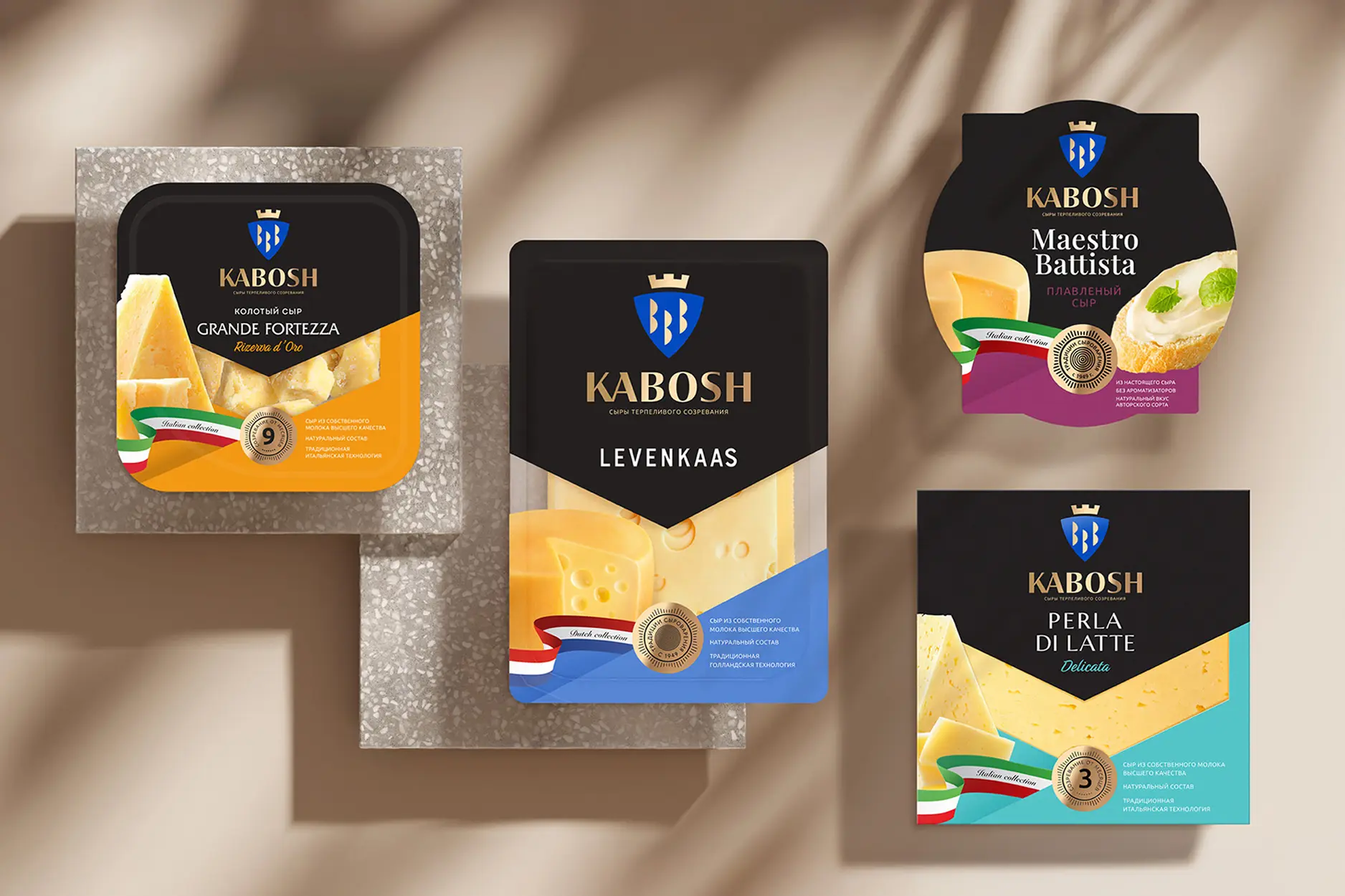
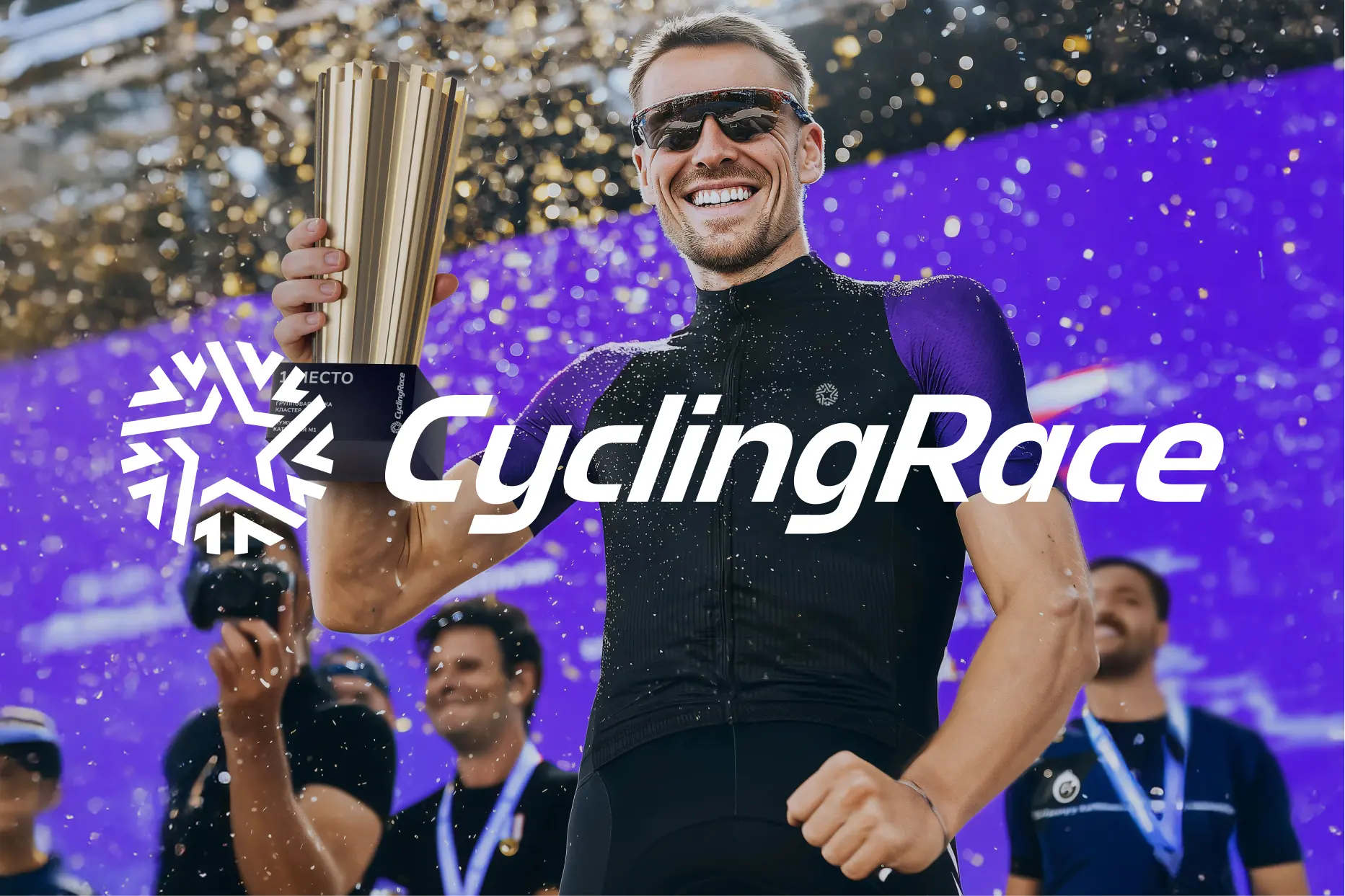
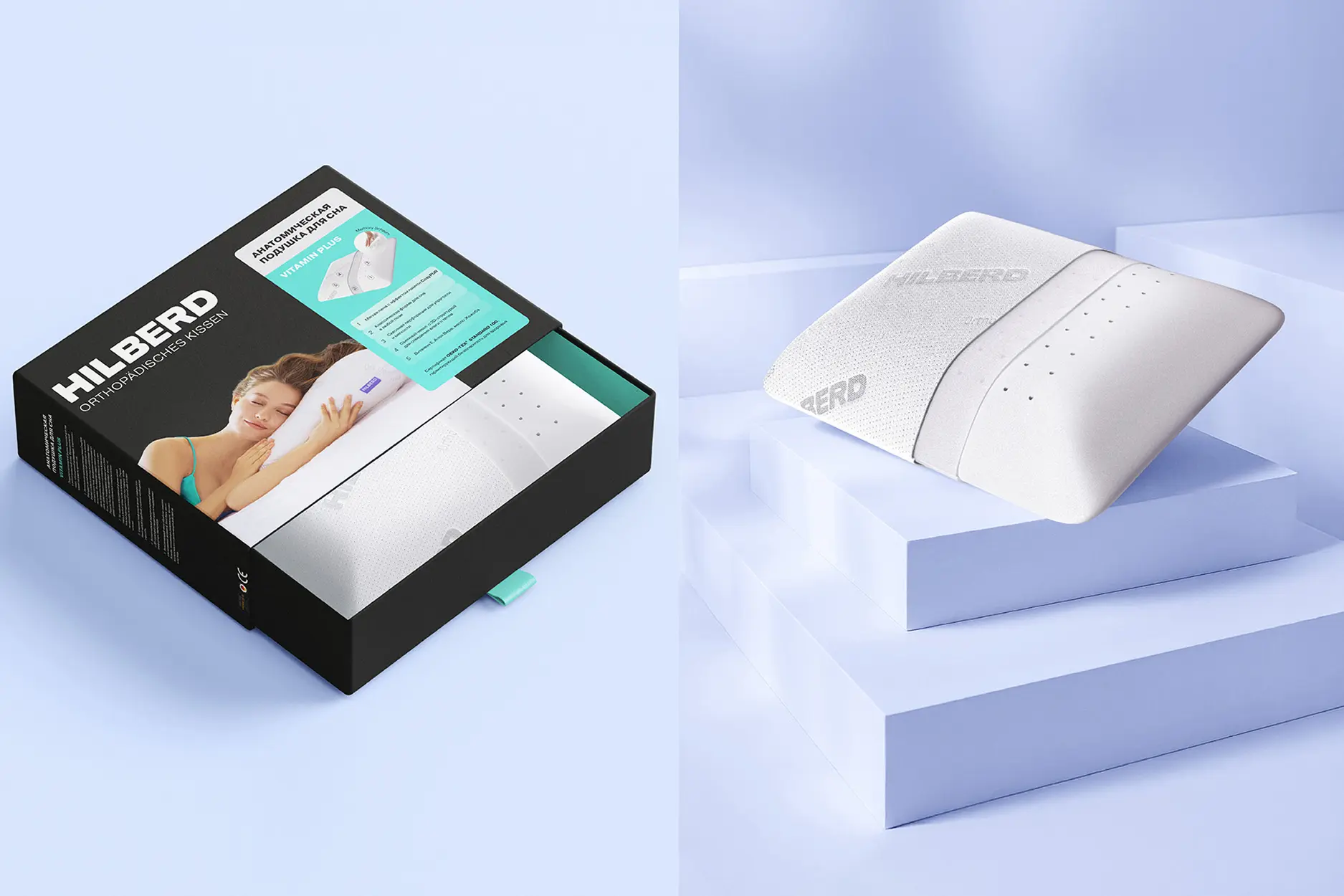
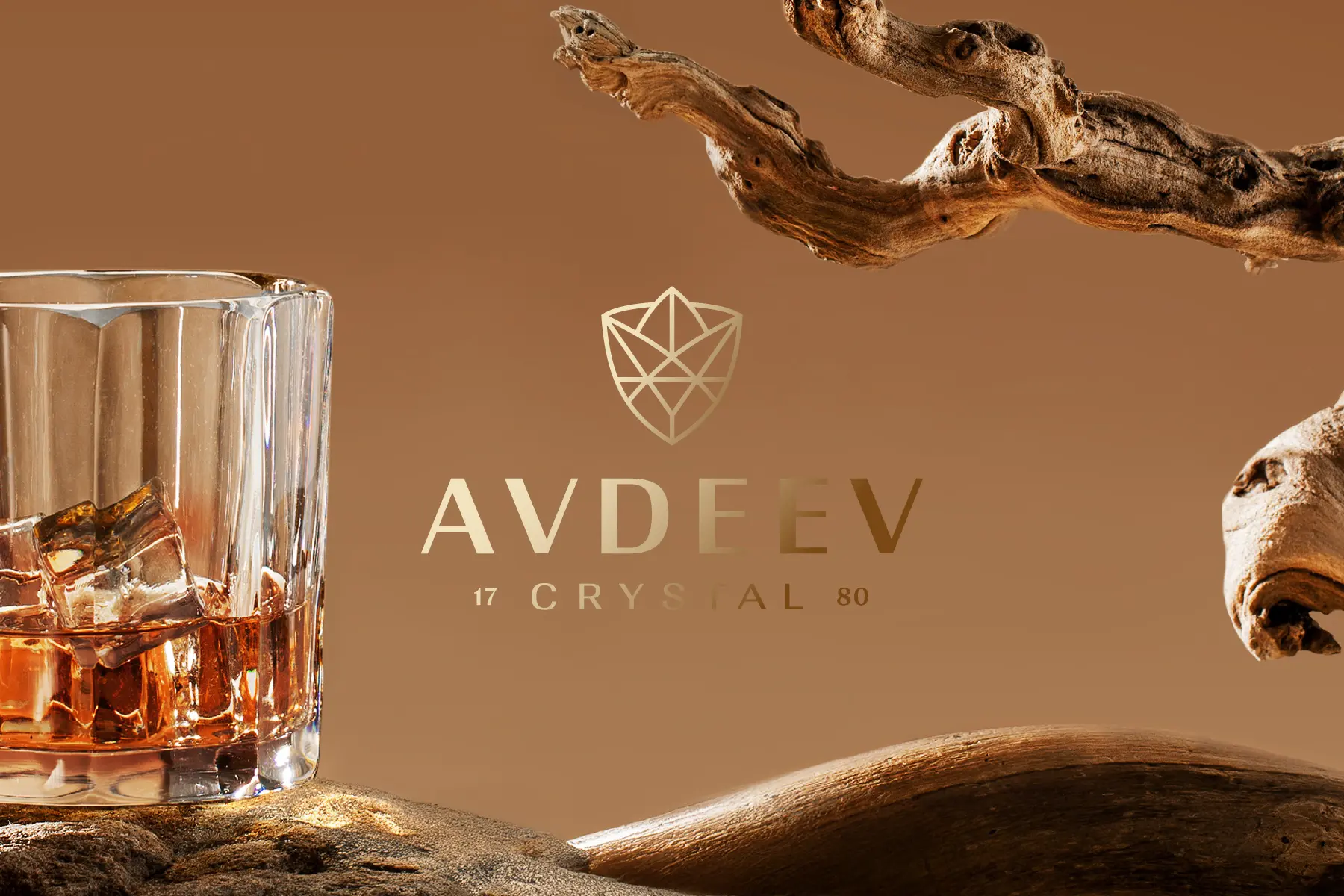
A logo is a compact visual signature — wordmark, symbol, or combination — that makes a brand easy to spot and distinguish. It is commonly registered as a trademark. Visual identity is the coordinated system of elements — palette, typography, graphic devices, grids, and usage rules across media. Aim for clarity and expressiveness: hierarchy, contrast, and scale guide the eye from mobile screens to outdoor formats. Consistent use via guidelines keeps the system stable and easy to reproduce, lifting recognition and reducing noise in communications.
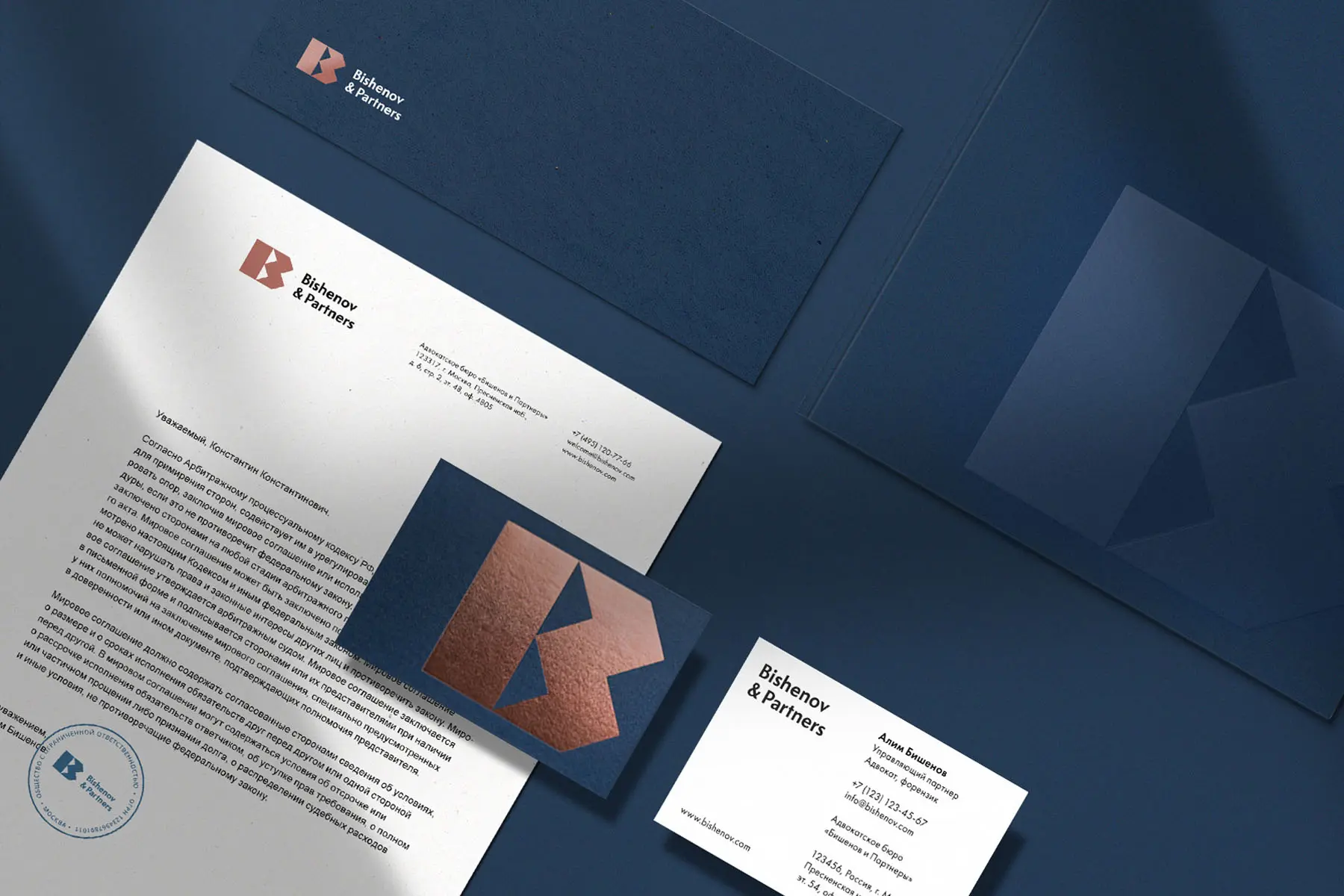
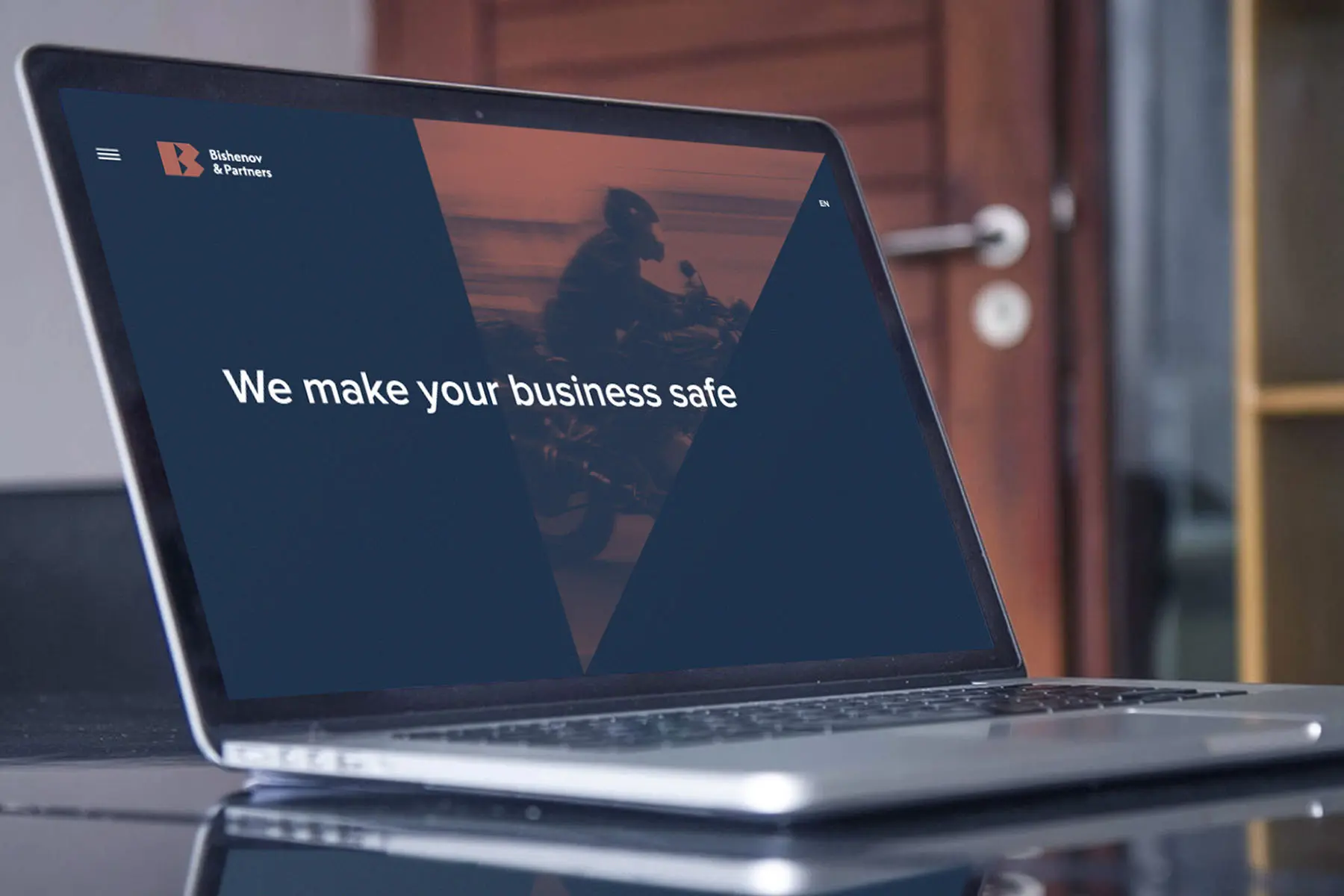

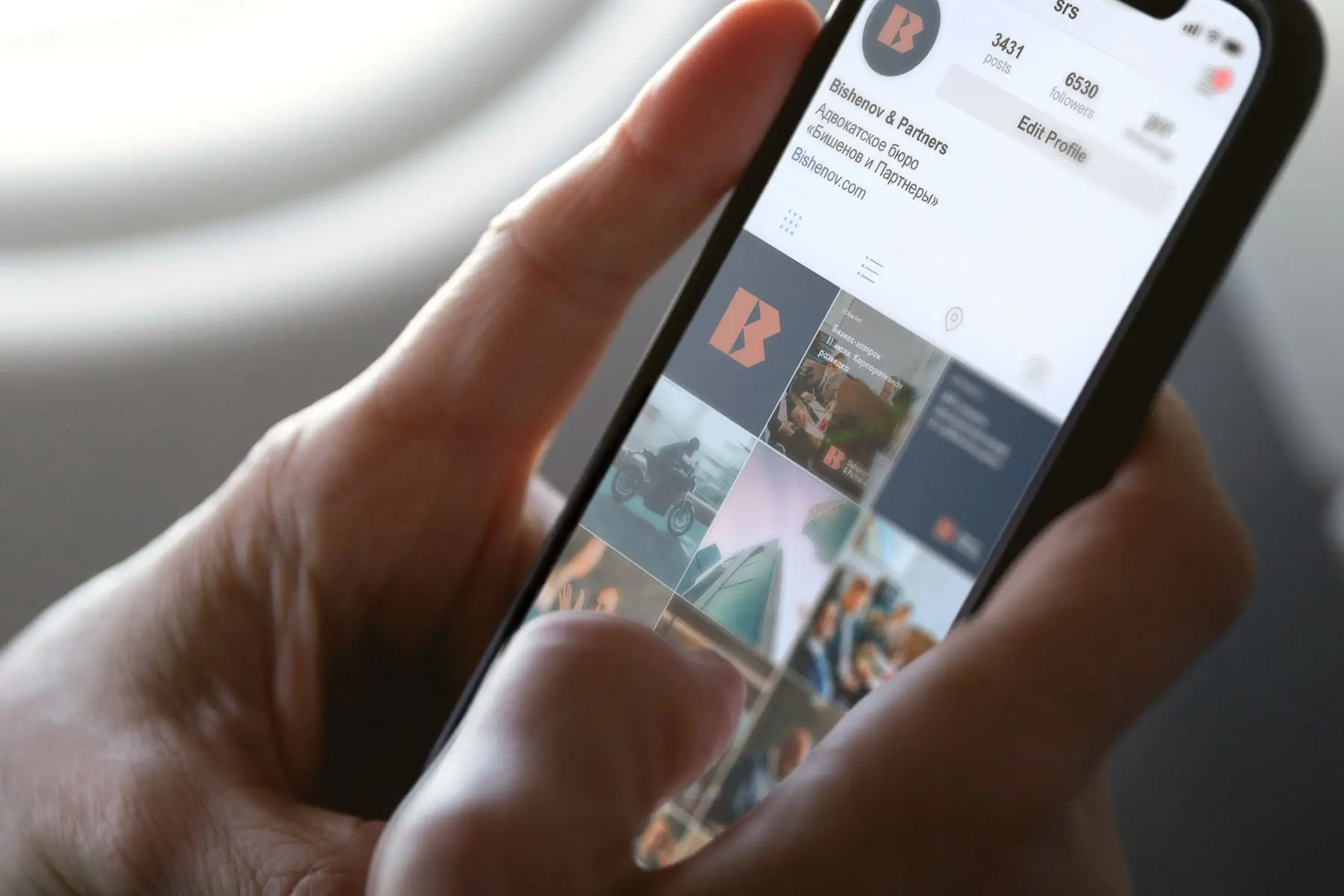

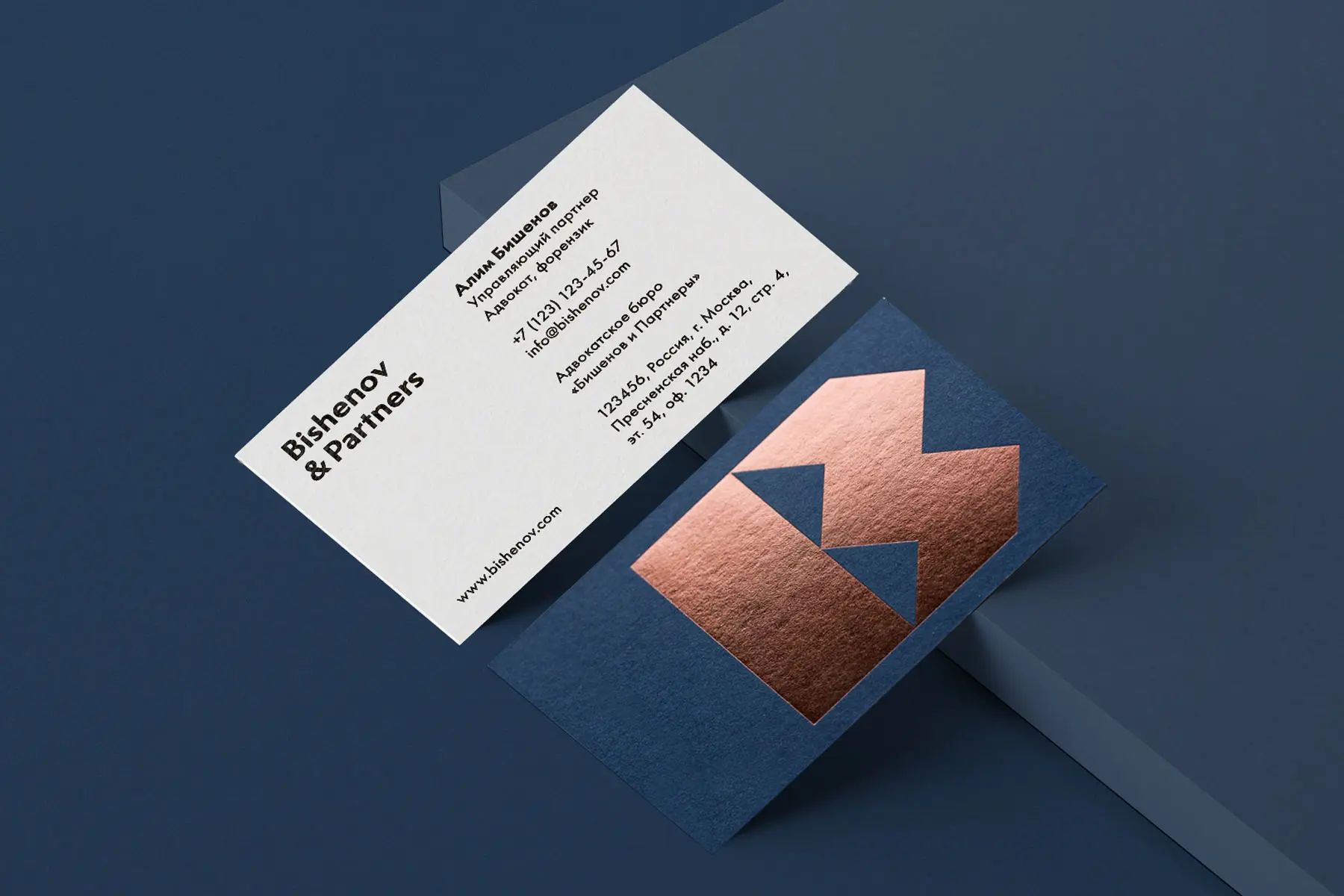
A trademark can be a word, symbol, form, even a sound or color that distinguishes your goods or services. It is protected as intellectual property; registration grants exclusive rights and licensing options. The term is usually 10 years with unlimited renewals.
Registration is done by classes under the Nice Classification. Select the right classes for full protection.
Define your brand’s geographic plan — countries for current activity and expansion.
Choose classes and precise descriptions (WIPO tools are helpful).
Decide the mark format: word, figurative, combined, 3D, sound, etc.
Run preliminary searches — begin with WIPO databases and, if needed, national registers — to spot similar signs before filing.
Ensure basic registrability: distinctiveness and compliance with applicable criteria (assessed on absolute and relative grounds by offices).
Indicative timing varies by jurisdiction. In some systems, the overall service timeframe is about 18 months, with substantive examination around 12 months from acceptance. In certain countries, official accelerated options are available through additional services at filing, which can bring the first action significantly sooner. Check your local office guidance for the exact route.
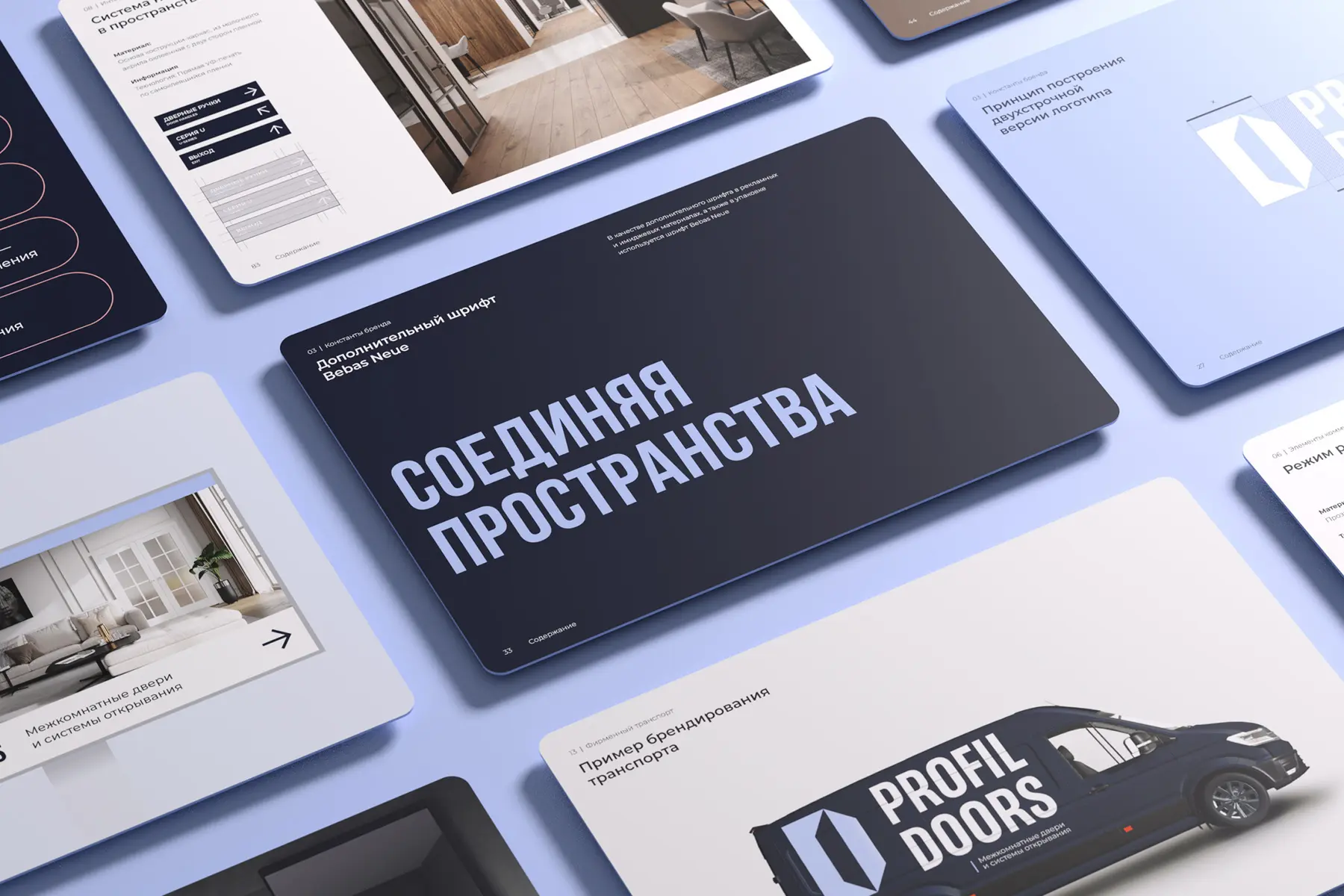
A single source of rules that keeps the brand recognizable and consistent across touchpoints. It translates the brand idea into clear instructions so people recognize the brand without effort.
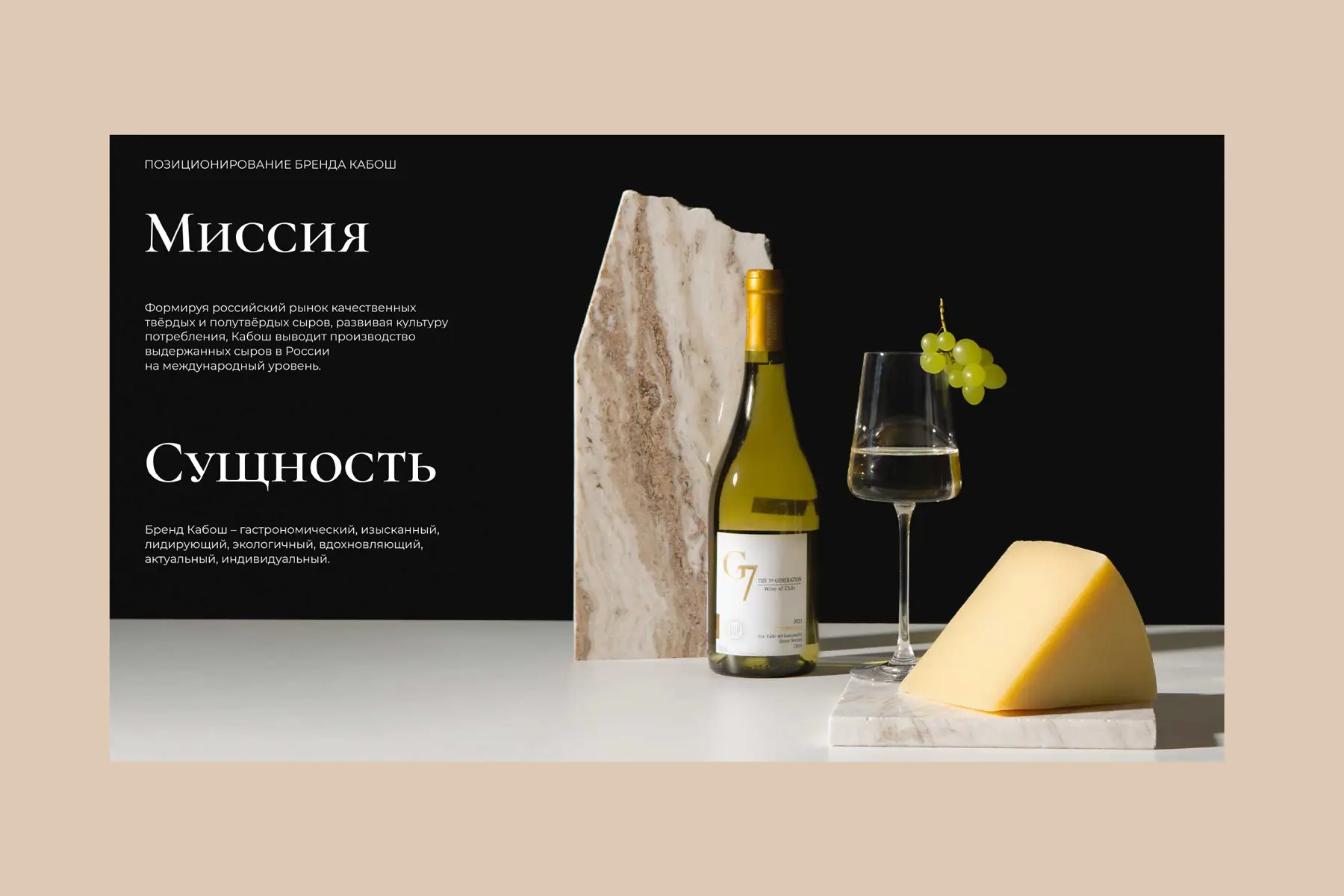
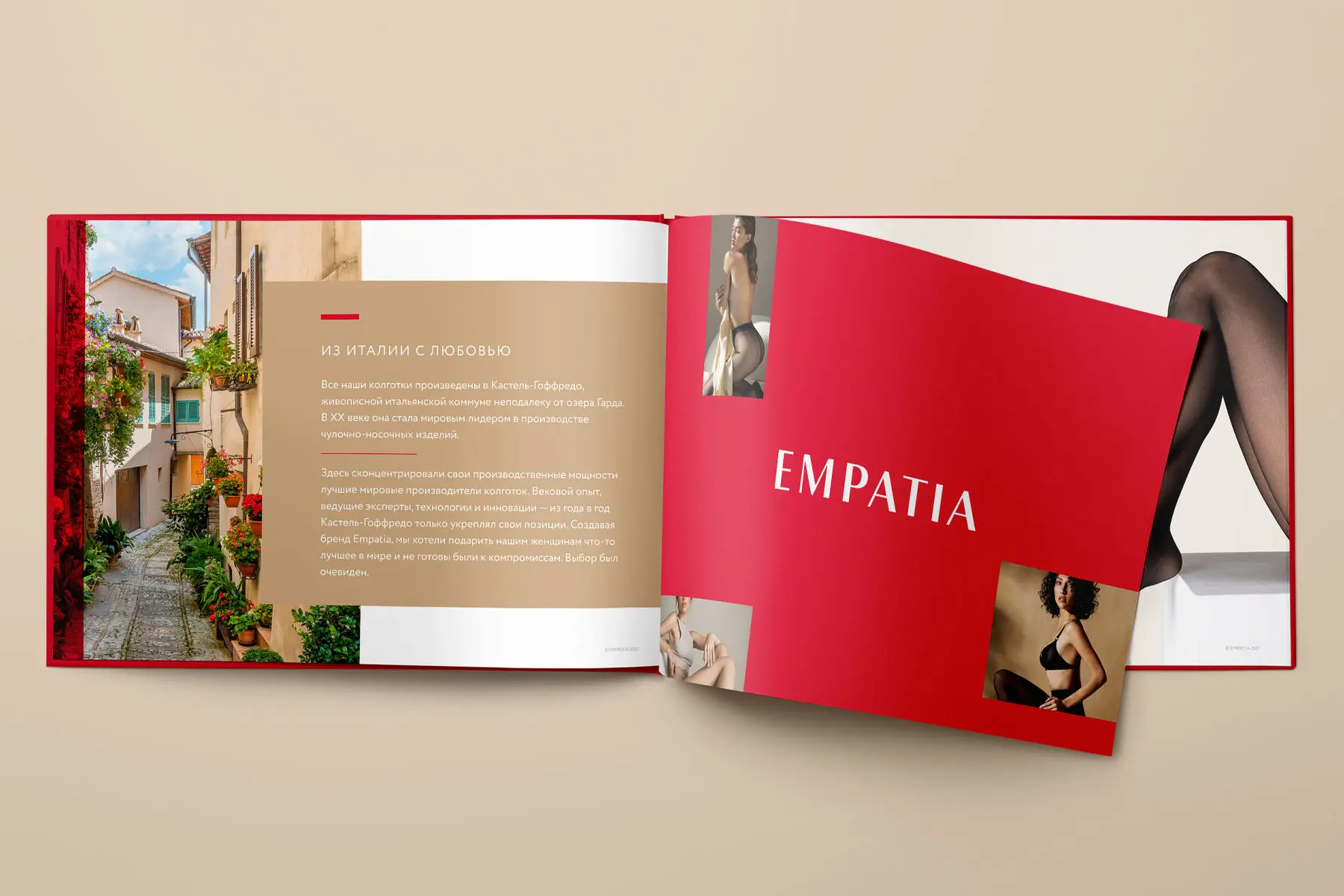
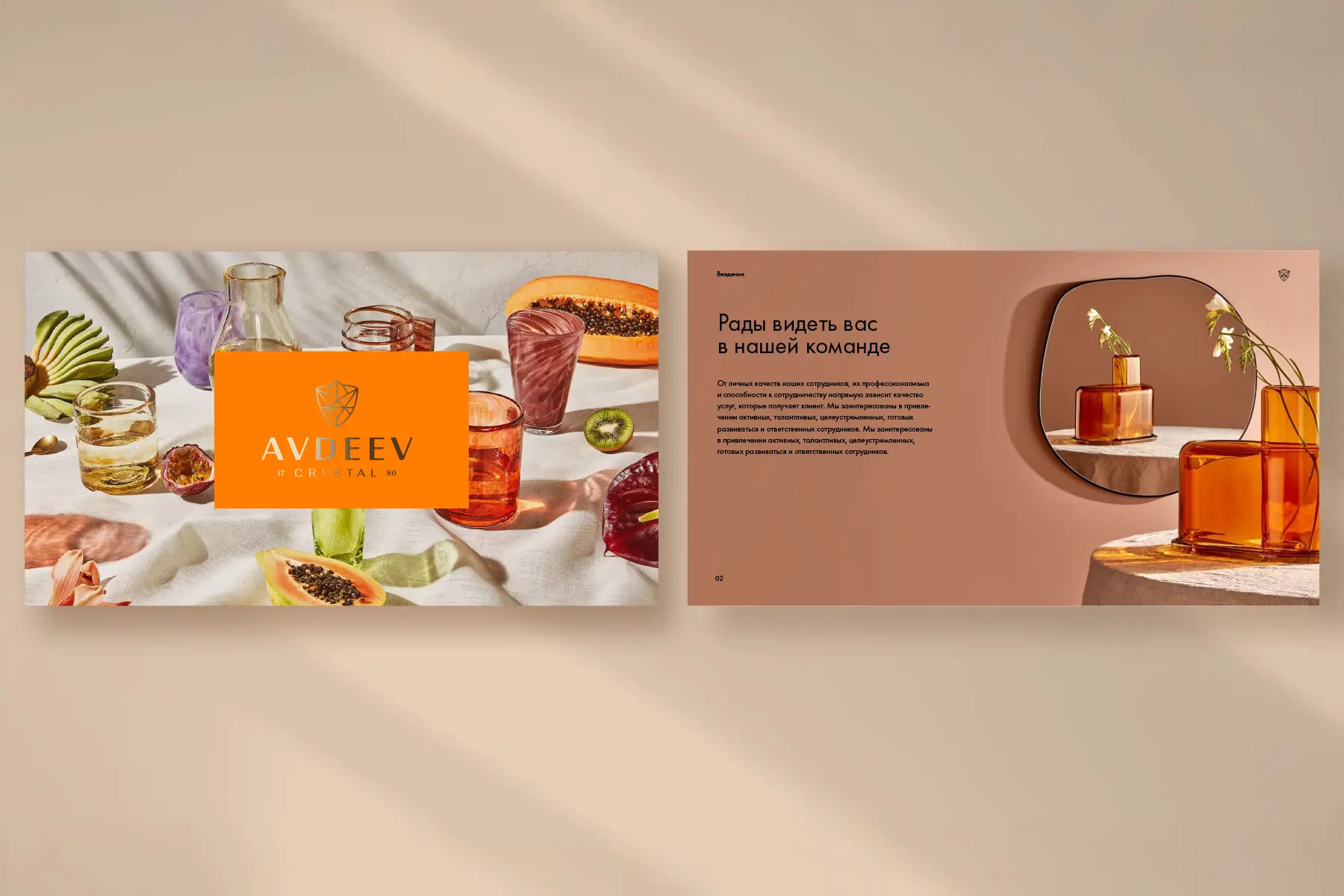
Fix the brand idea, mission, vision, and values, along with voice and tone for all relevant channels.
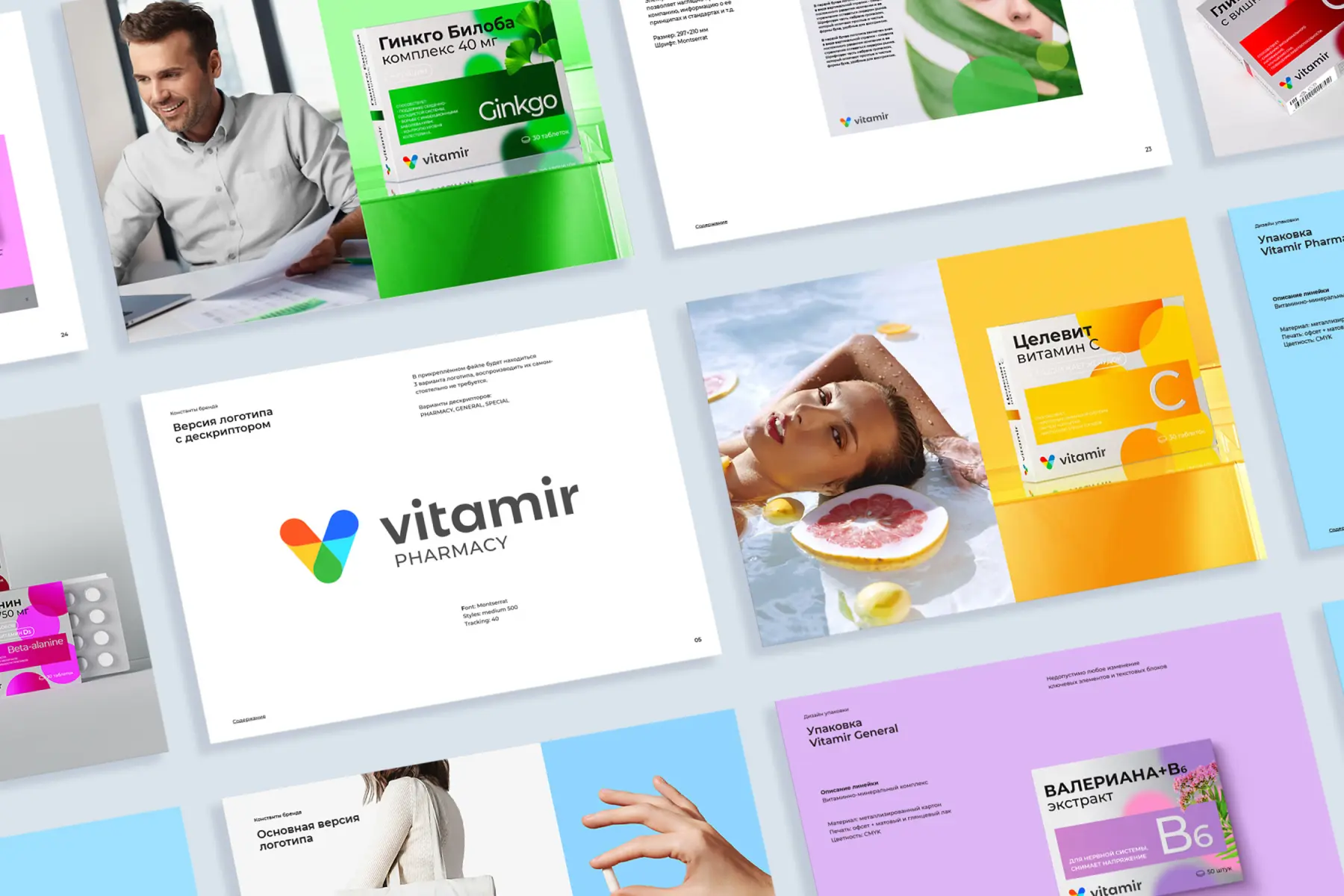
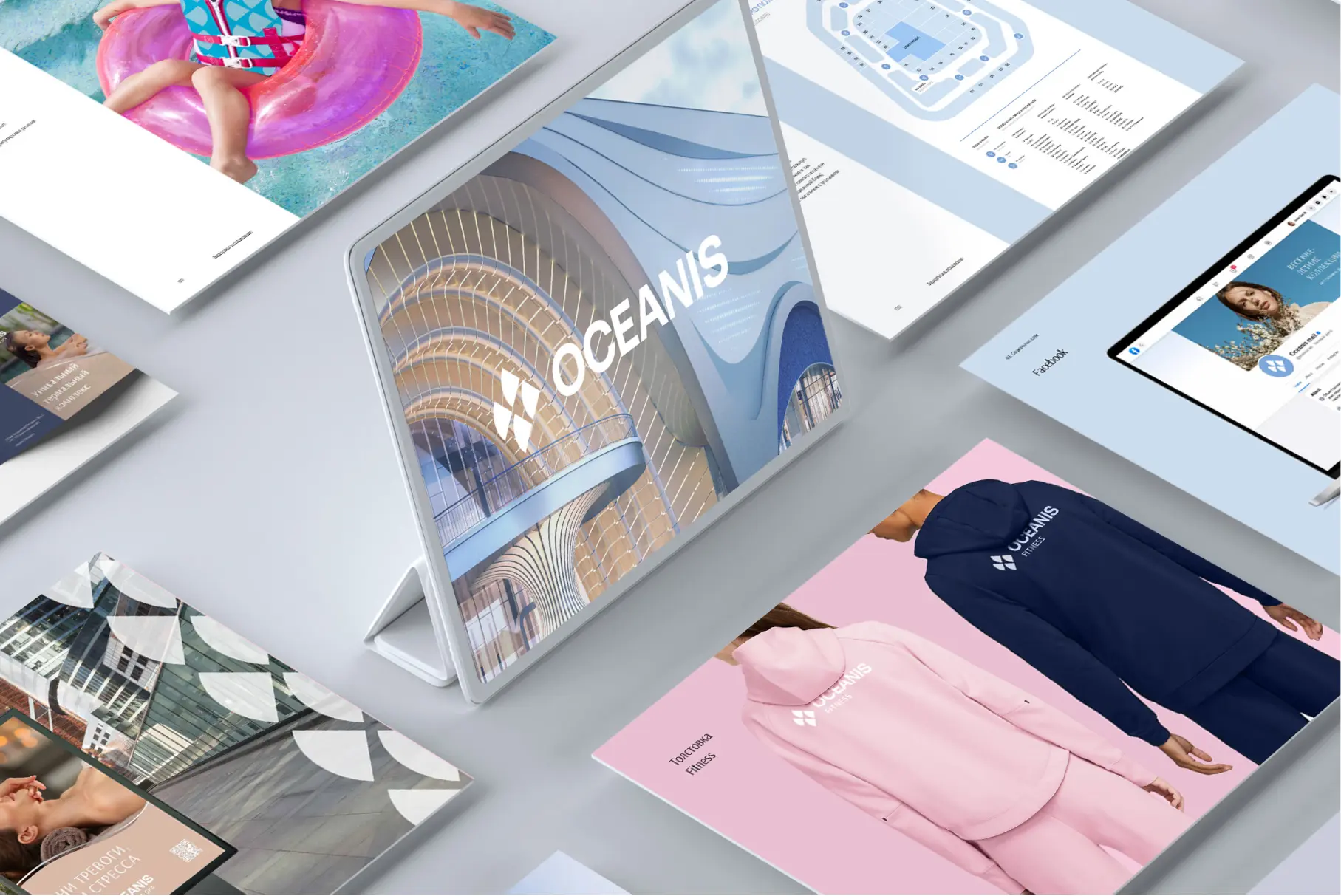
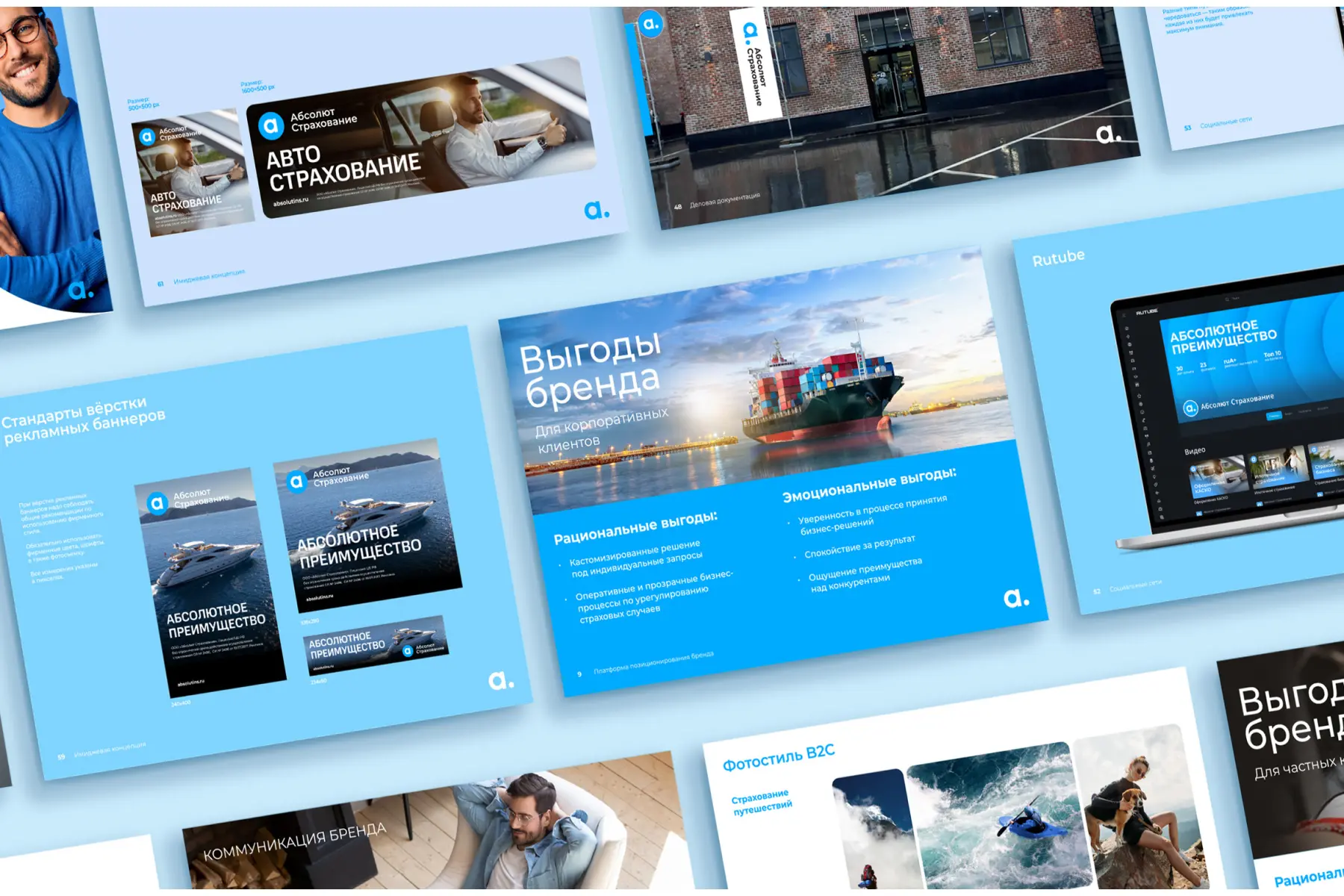
Document logo versions, clear space and minimum size, palette and typography, grids, graphic devices, and examples of correct/incorrect use. Provide separate layouts for spaces and special media.

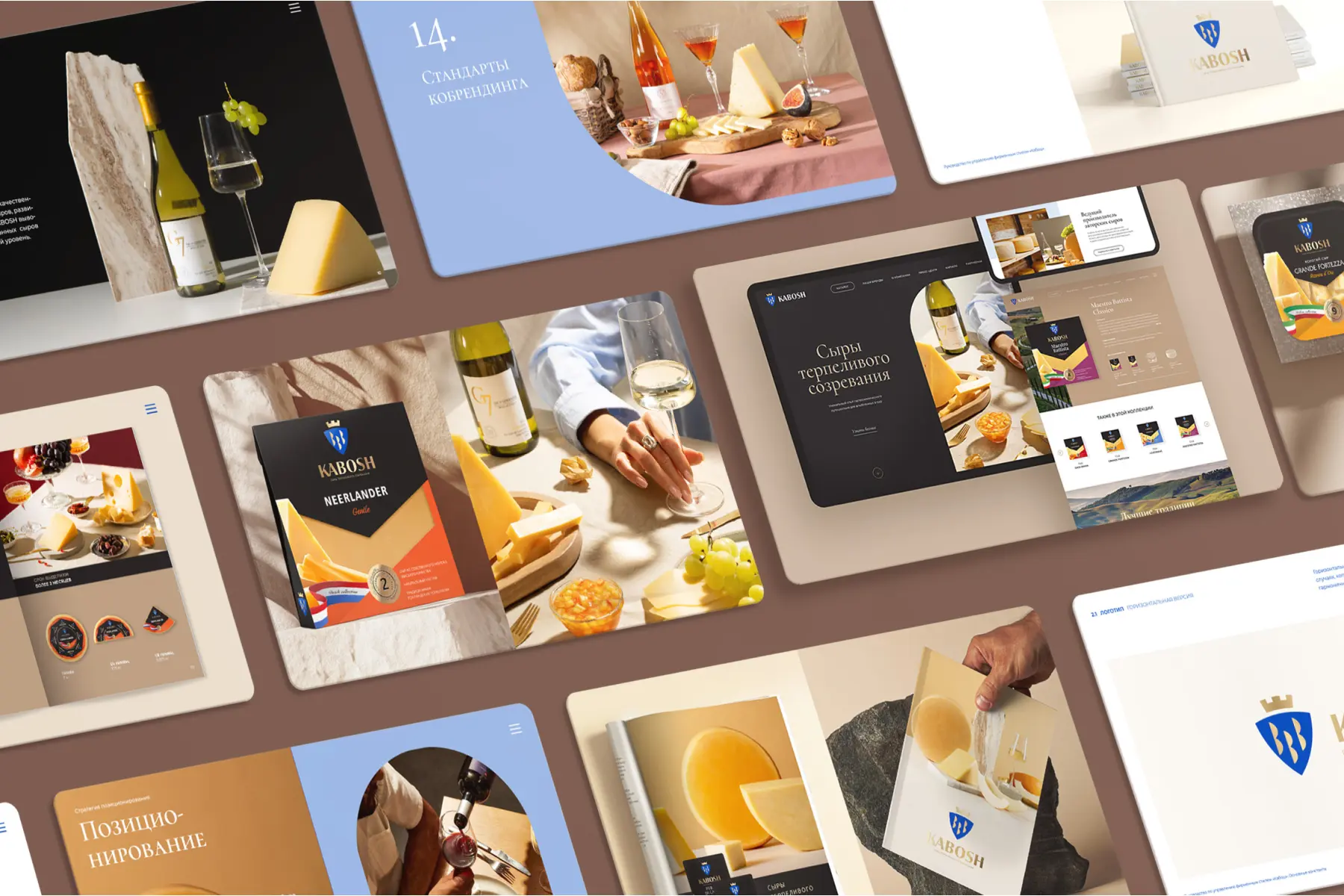
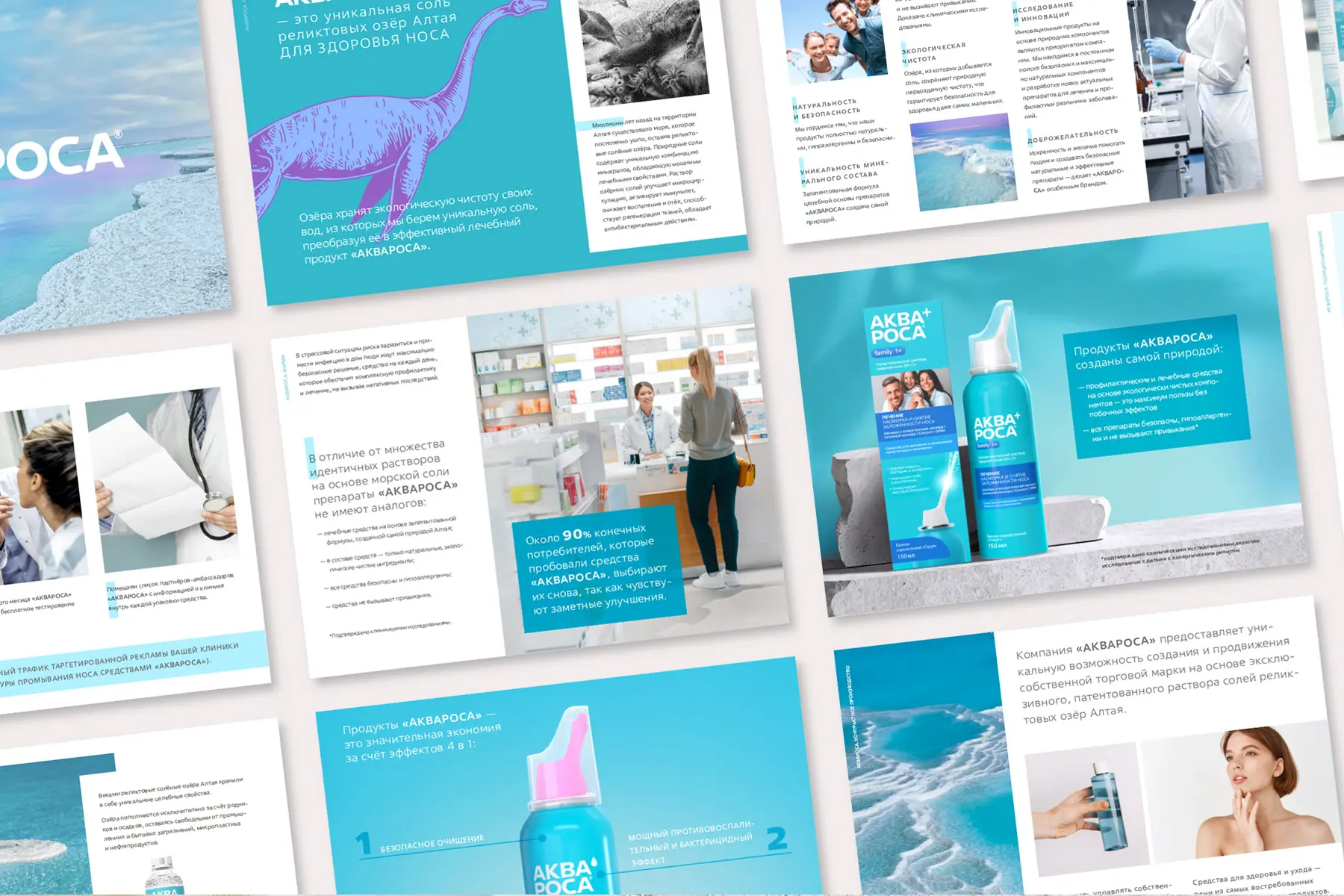
Set angles, light, composition, editing, and cropping. Align illustration style and level of abstraction with the brand’s voice.
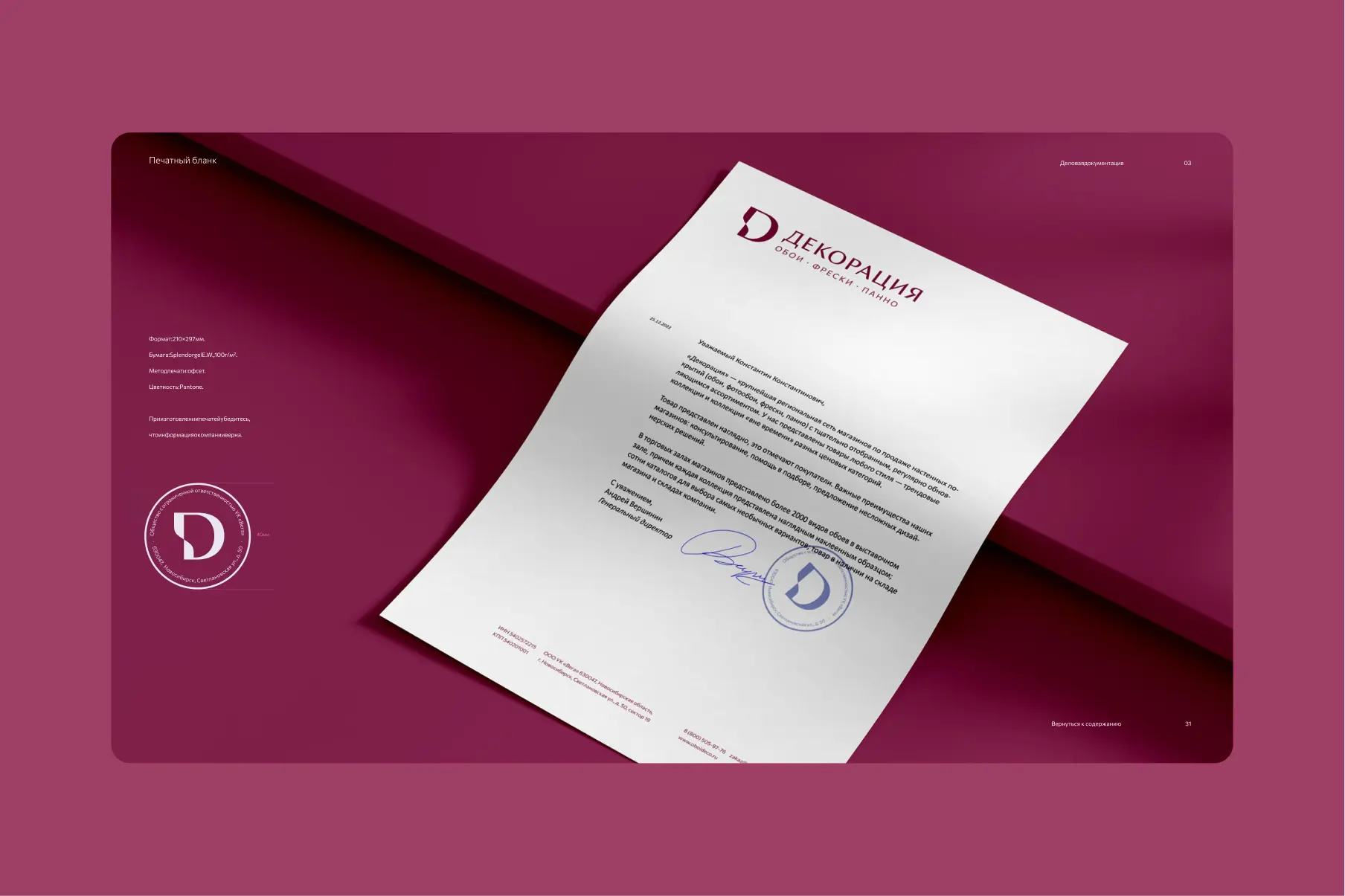
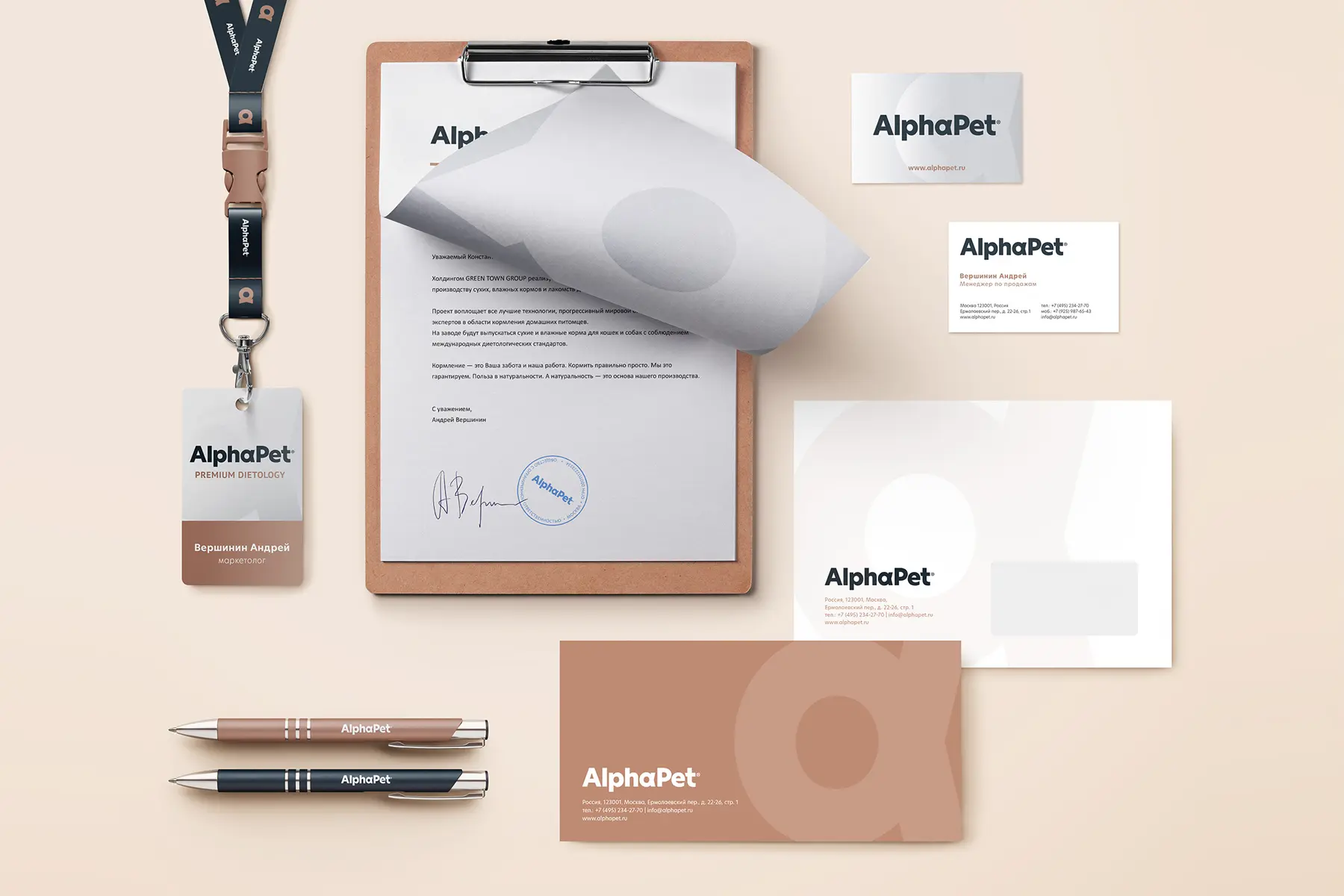
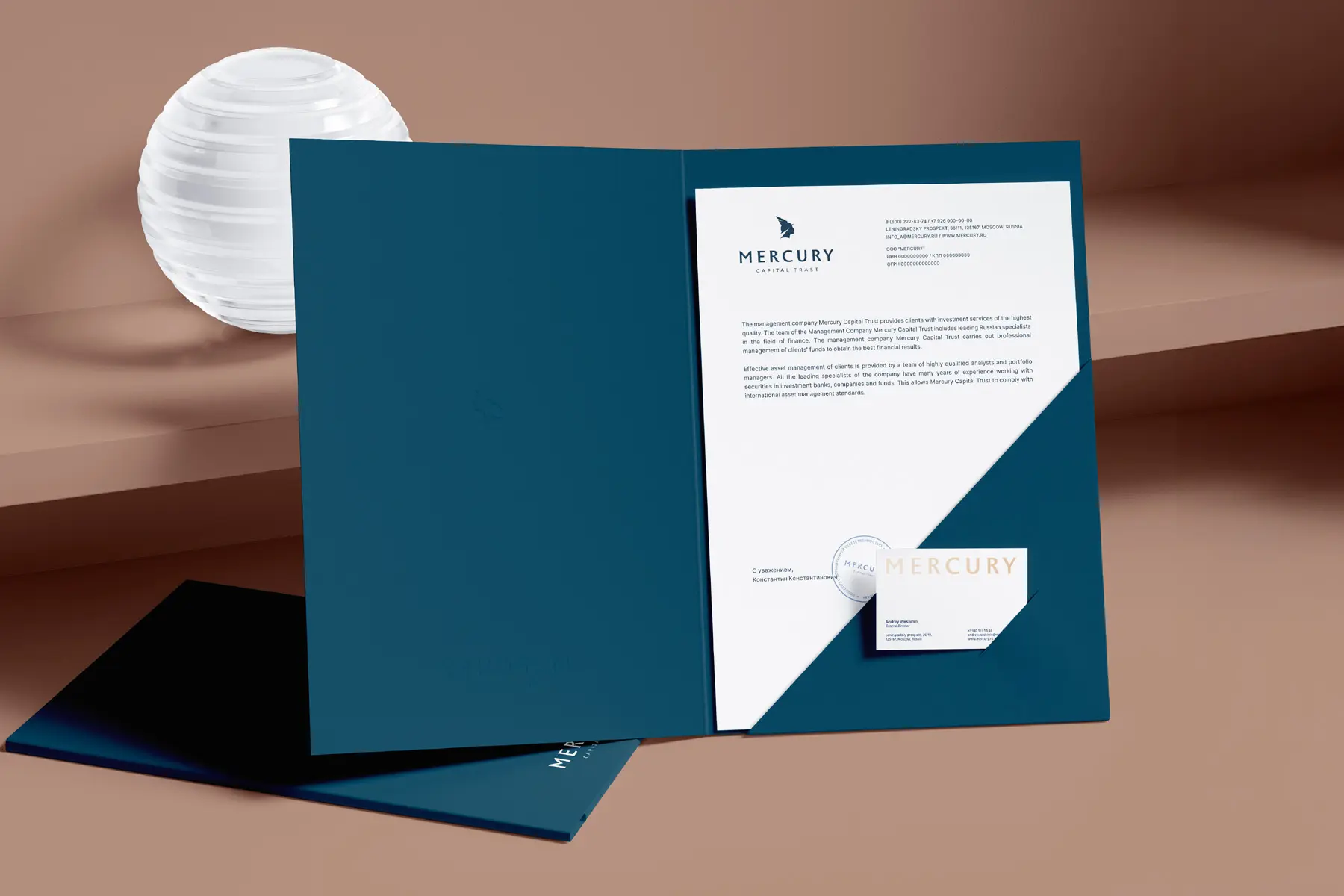
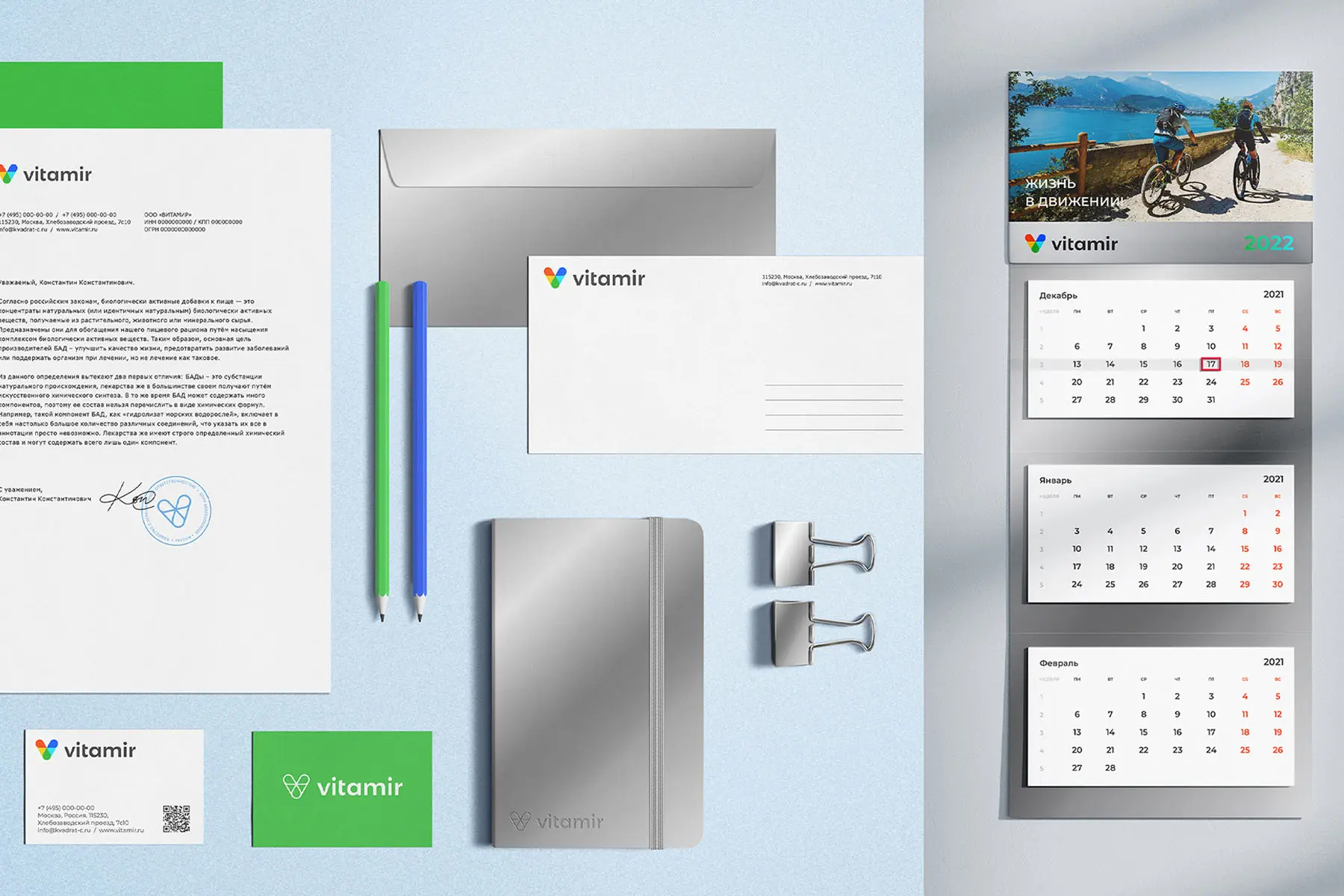
Provide templates and rules for print and digital corporate materials — letters, presentations, and other formats.
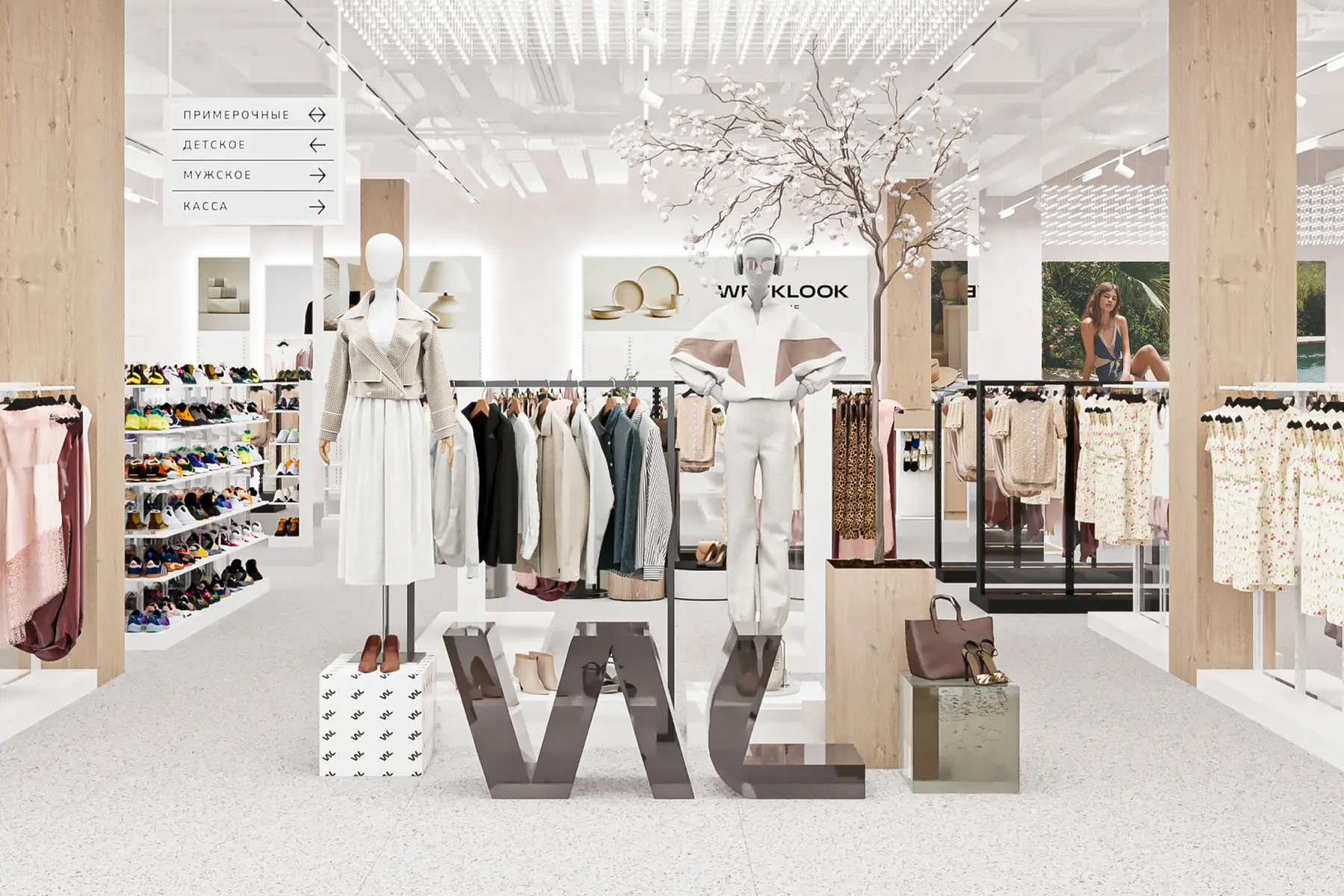
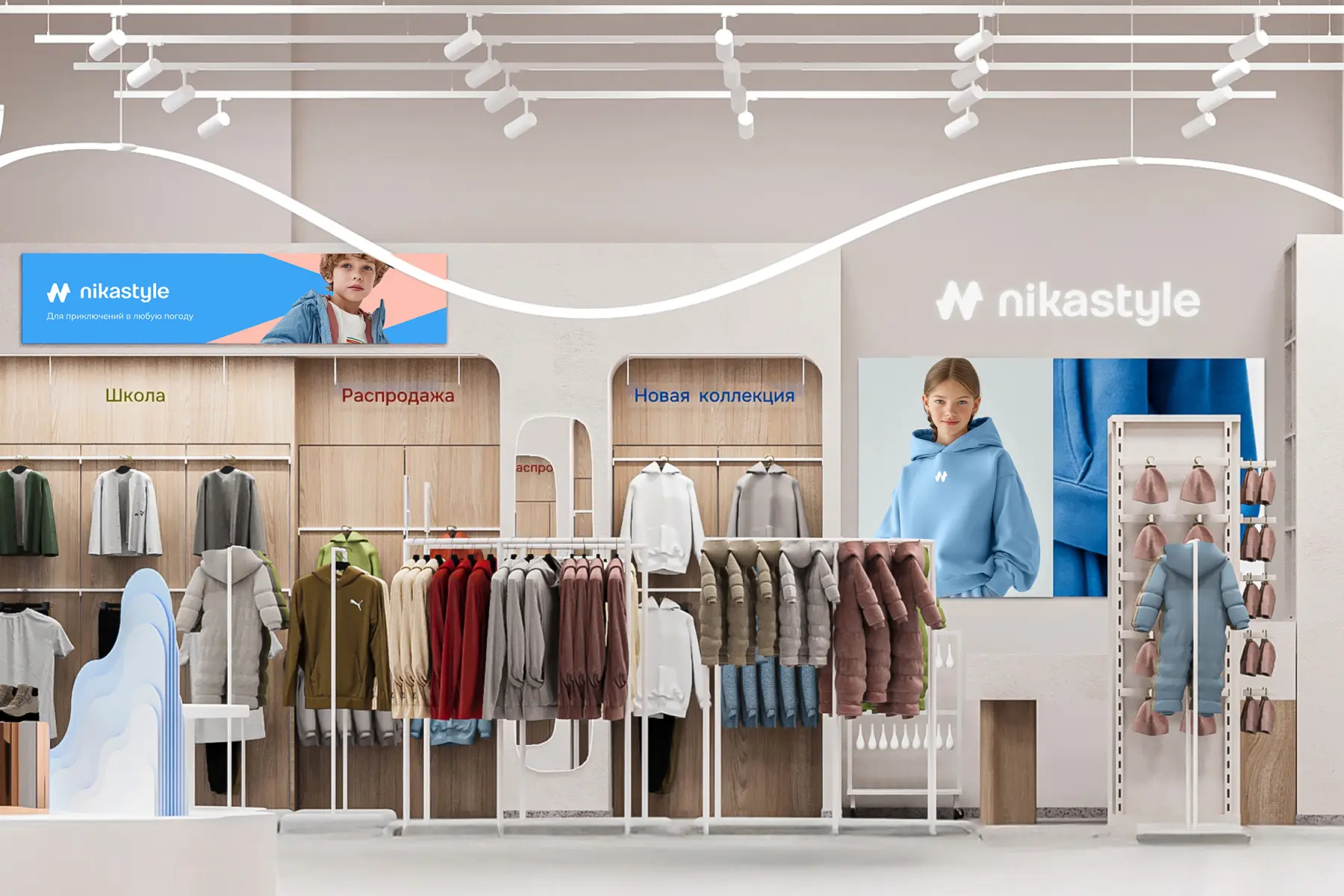
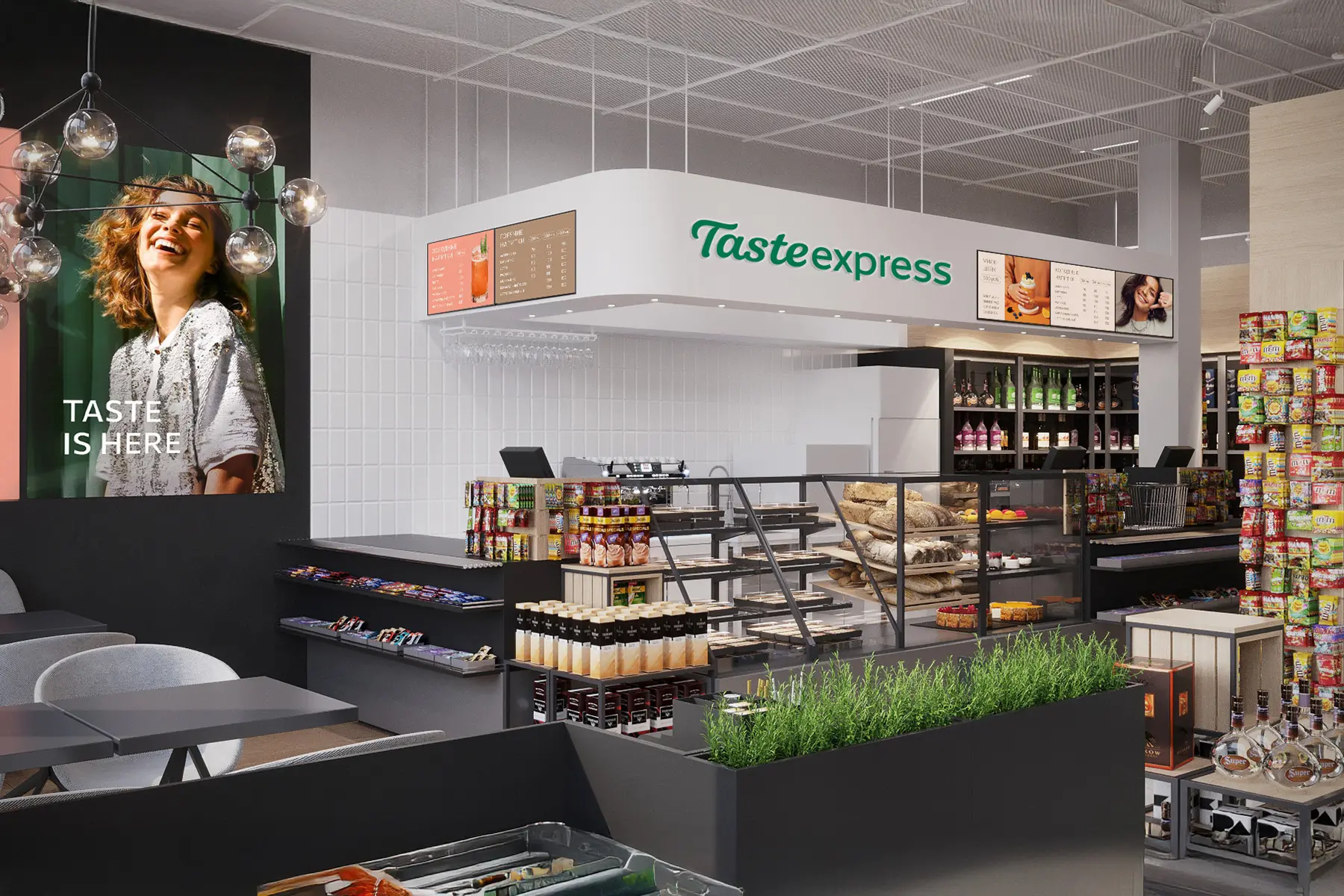

Define principles for offices and retail: hierarchy and readability of signs, materials, contrast, and placement. For complex spaces, specify base grids and standard plaques to simplify scaling and keep navigation friendly.
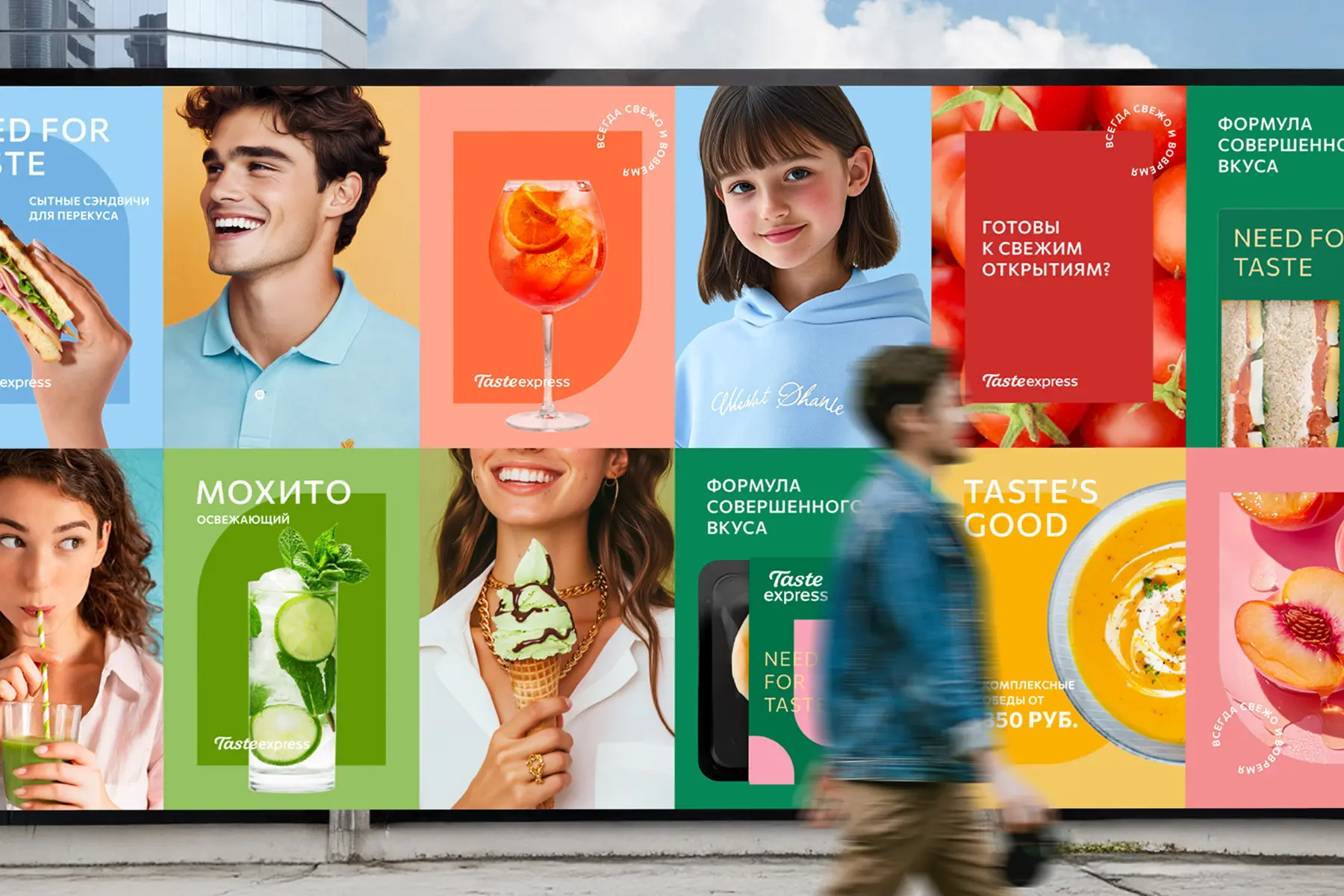


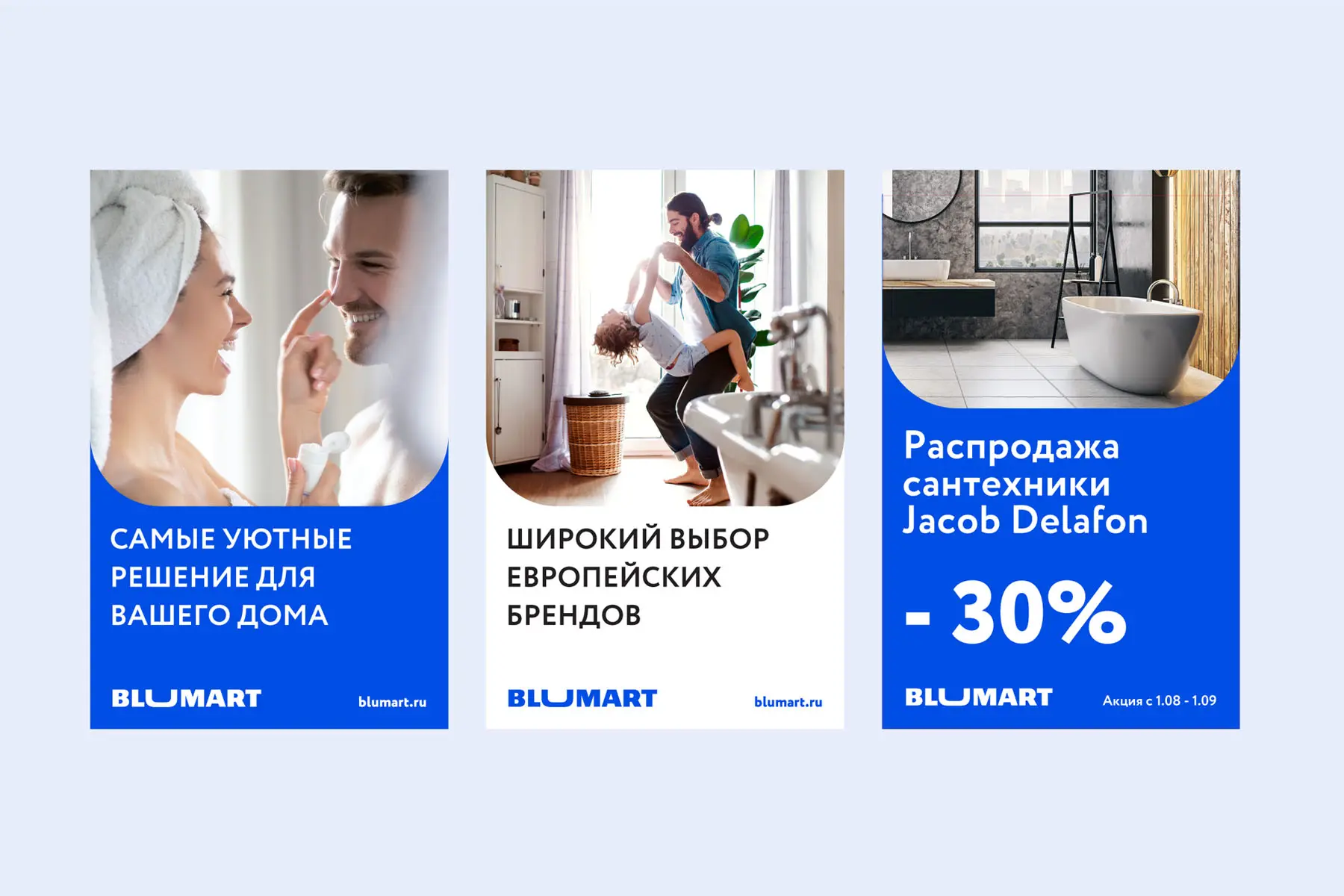
Unify rules for outdoor, POSM, booths, transport, and PR layouts: logo field, color tolerances, places for descriptors and taglines.
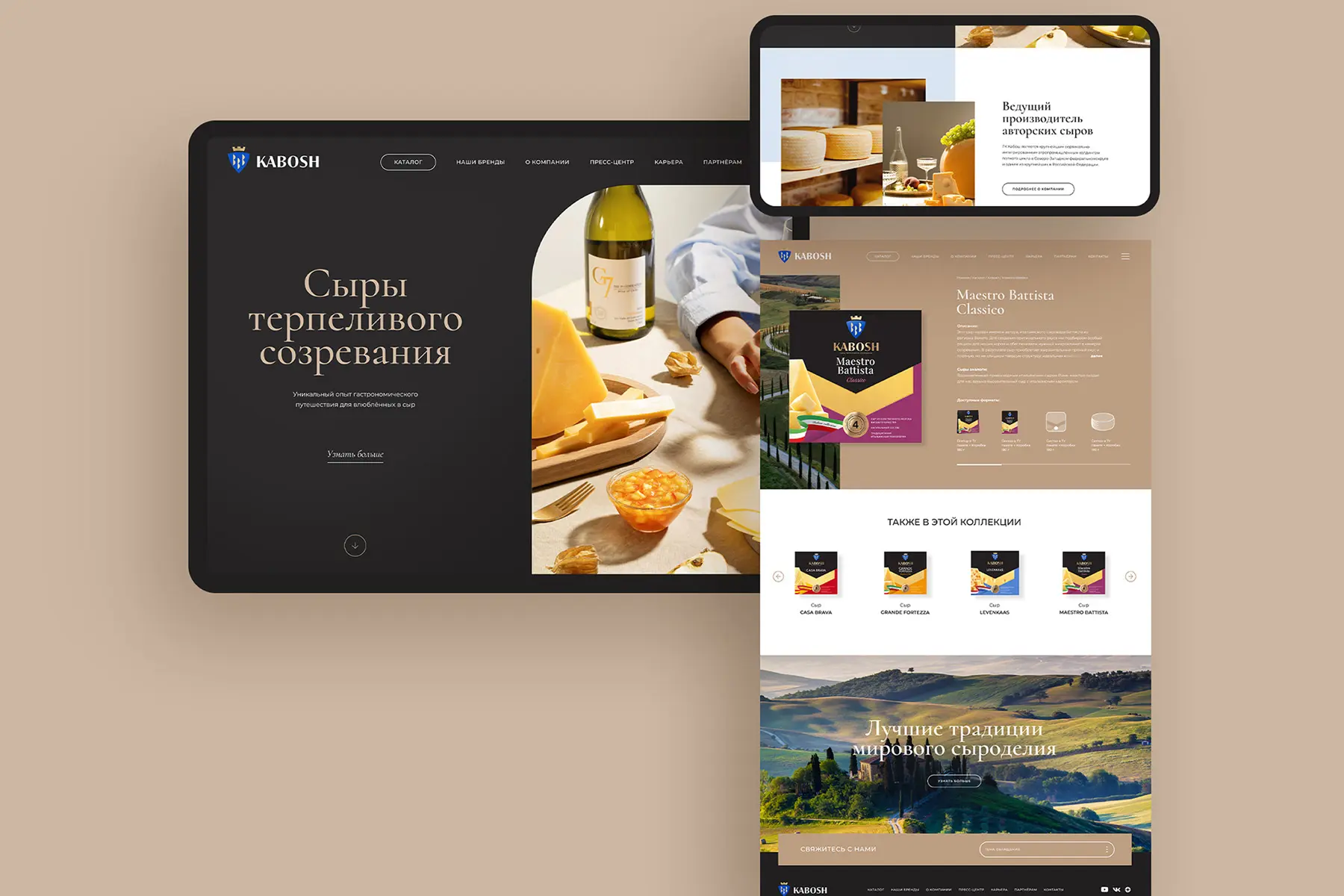
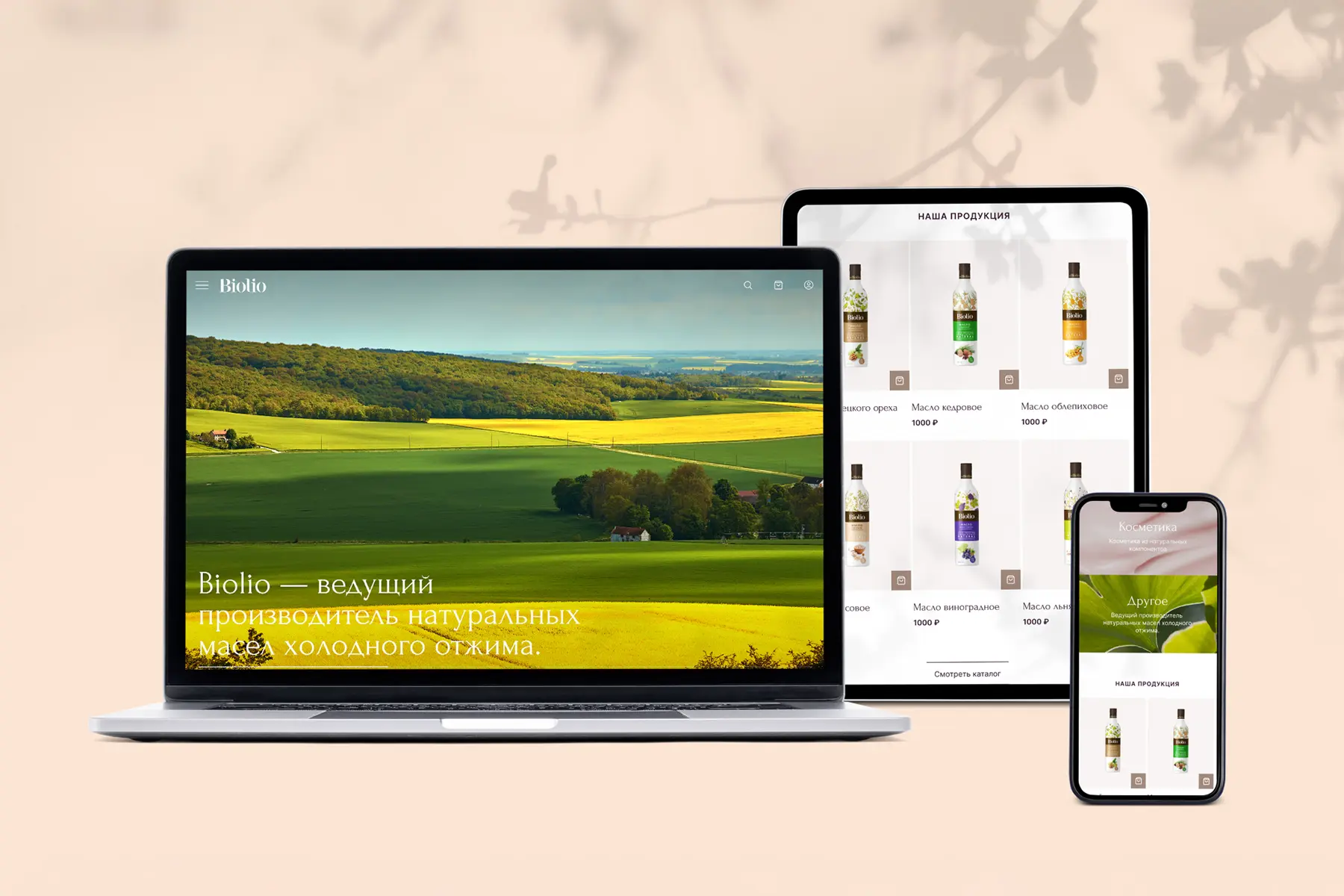
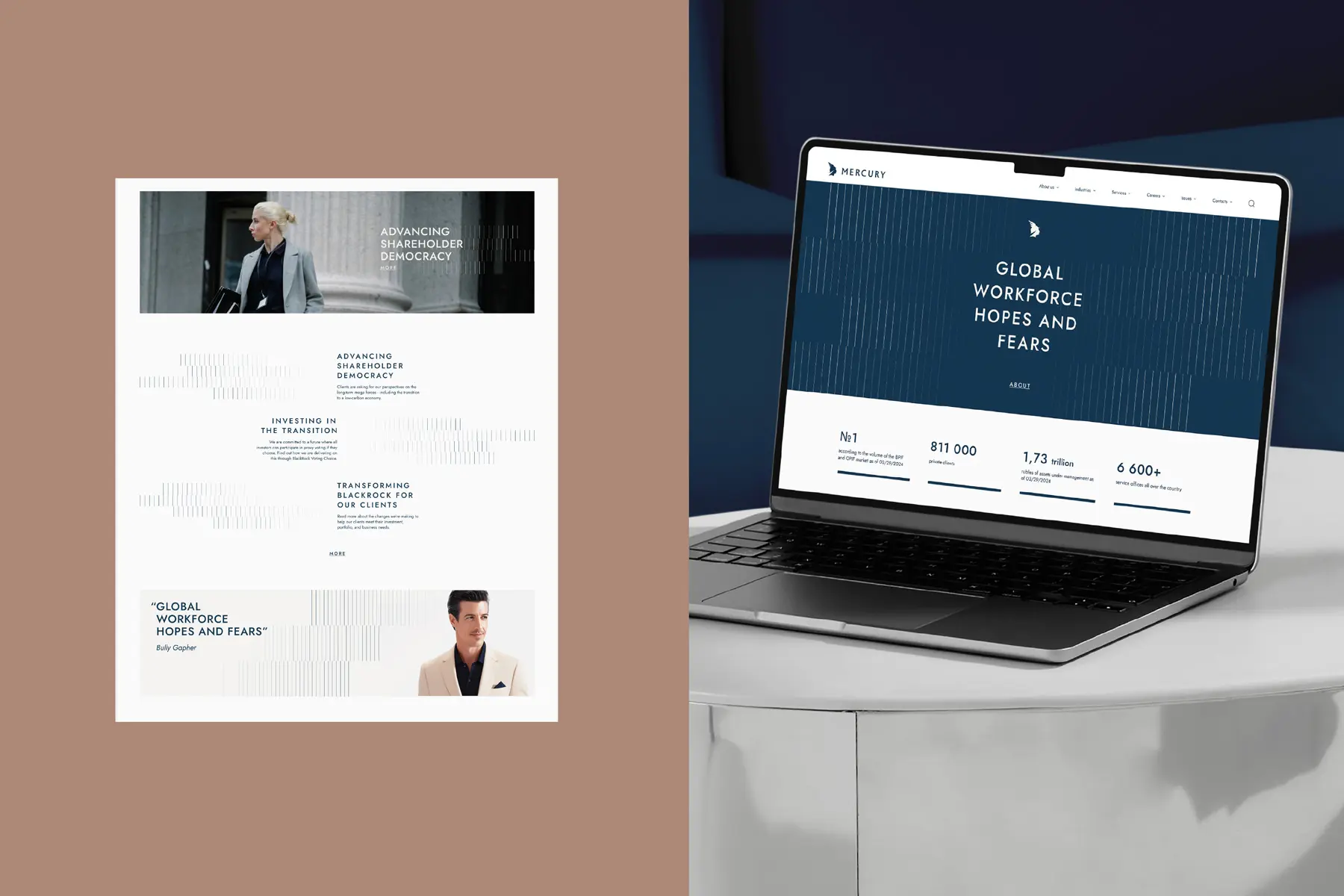
Style the online ecosystem—website, social channels, and mobile apps. Provide a component library and proven page-assembly patterns for speed and consistency.
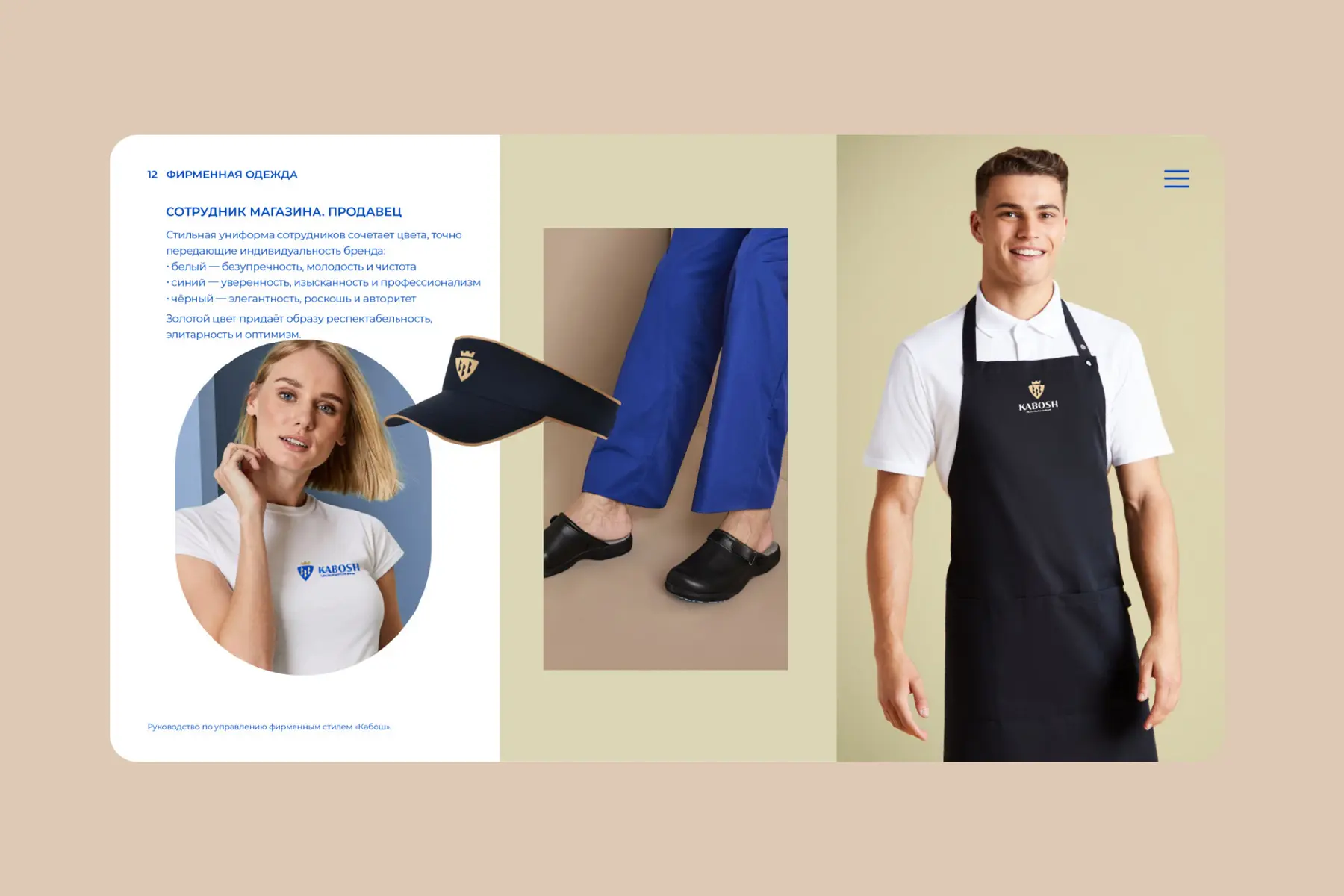
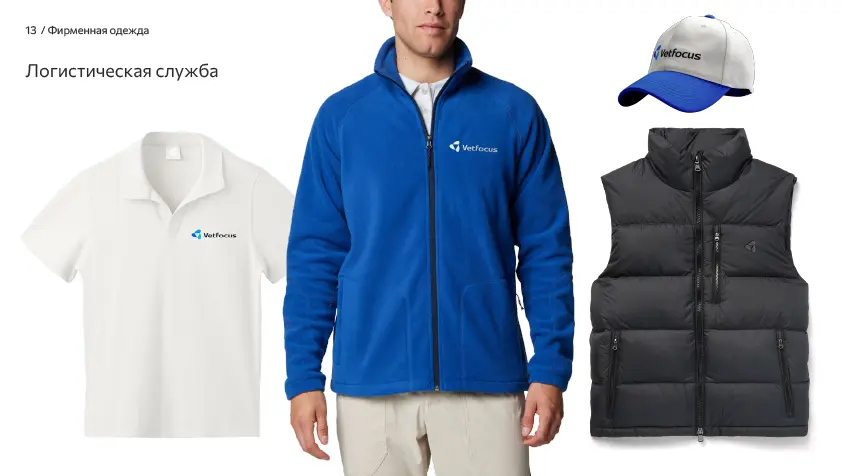
Set standards for team apparel: core set, materials and colors, logo placement rules, and a lookbook with ready combinations for roles and seasons.
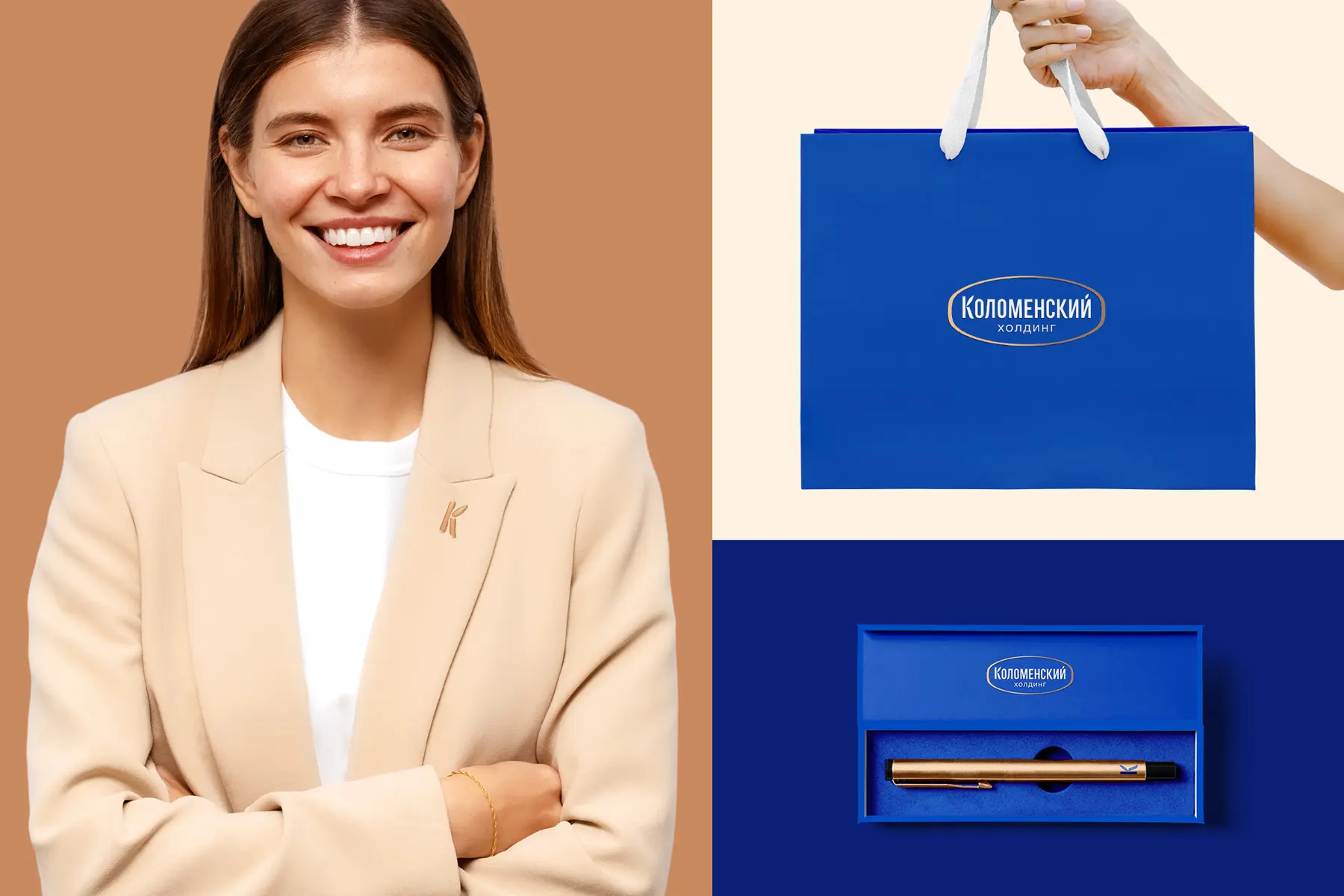

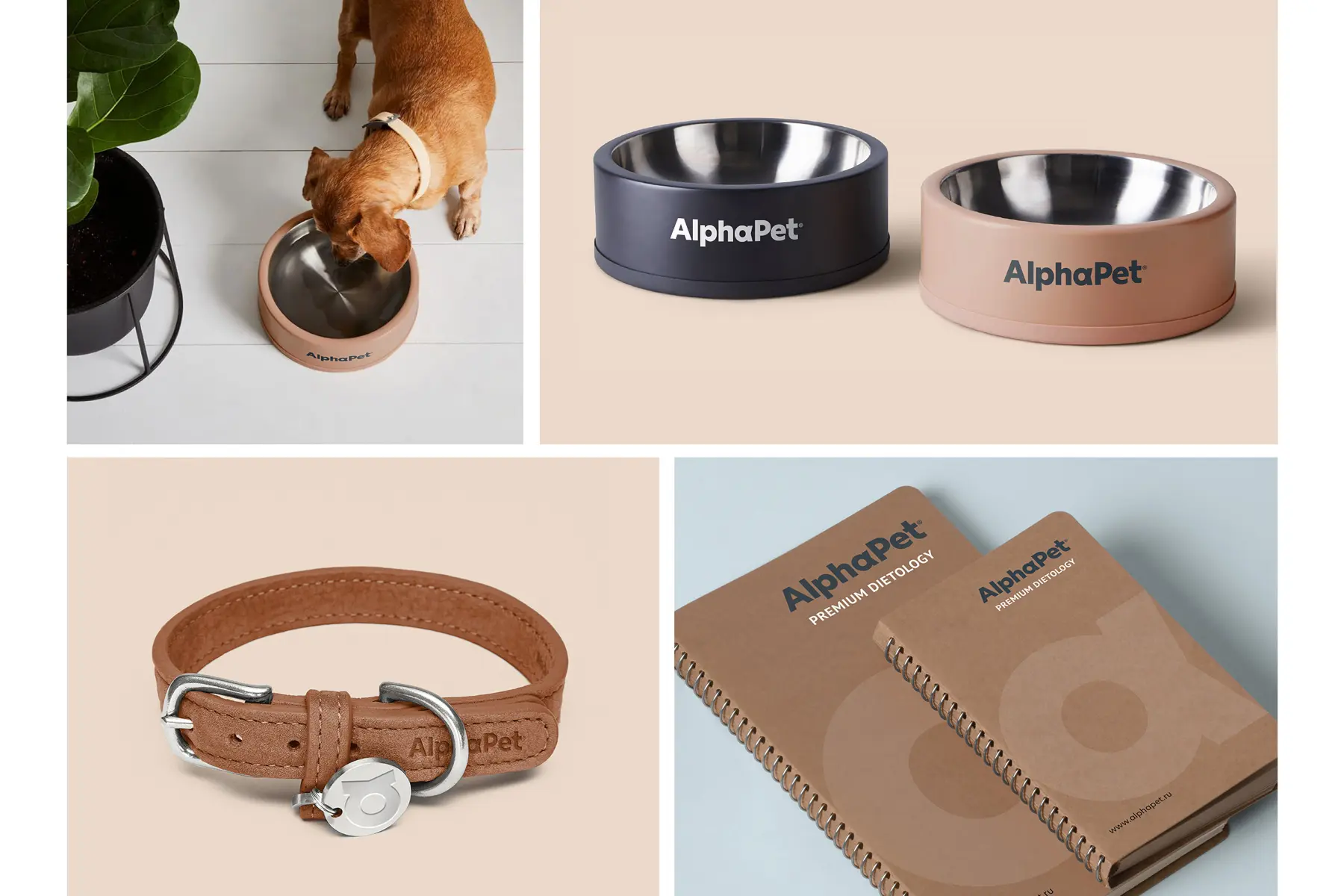
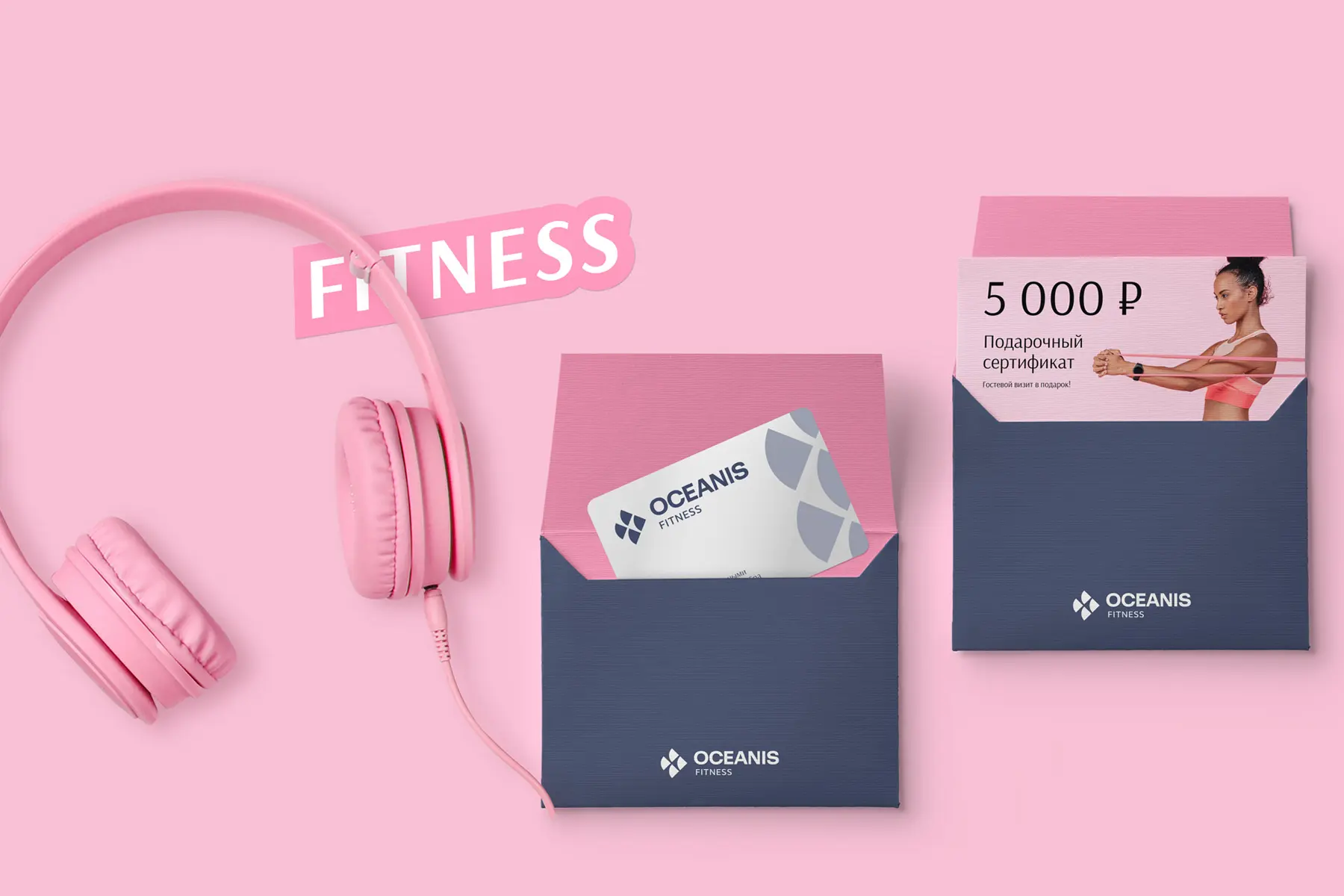
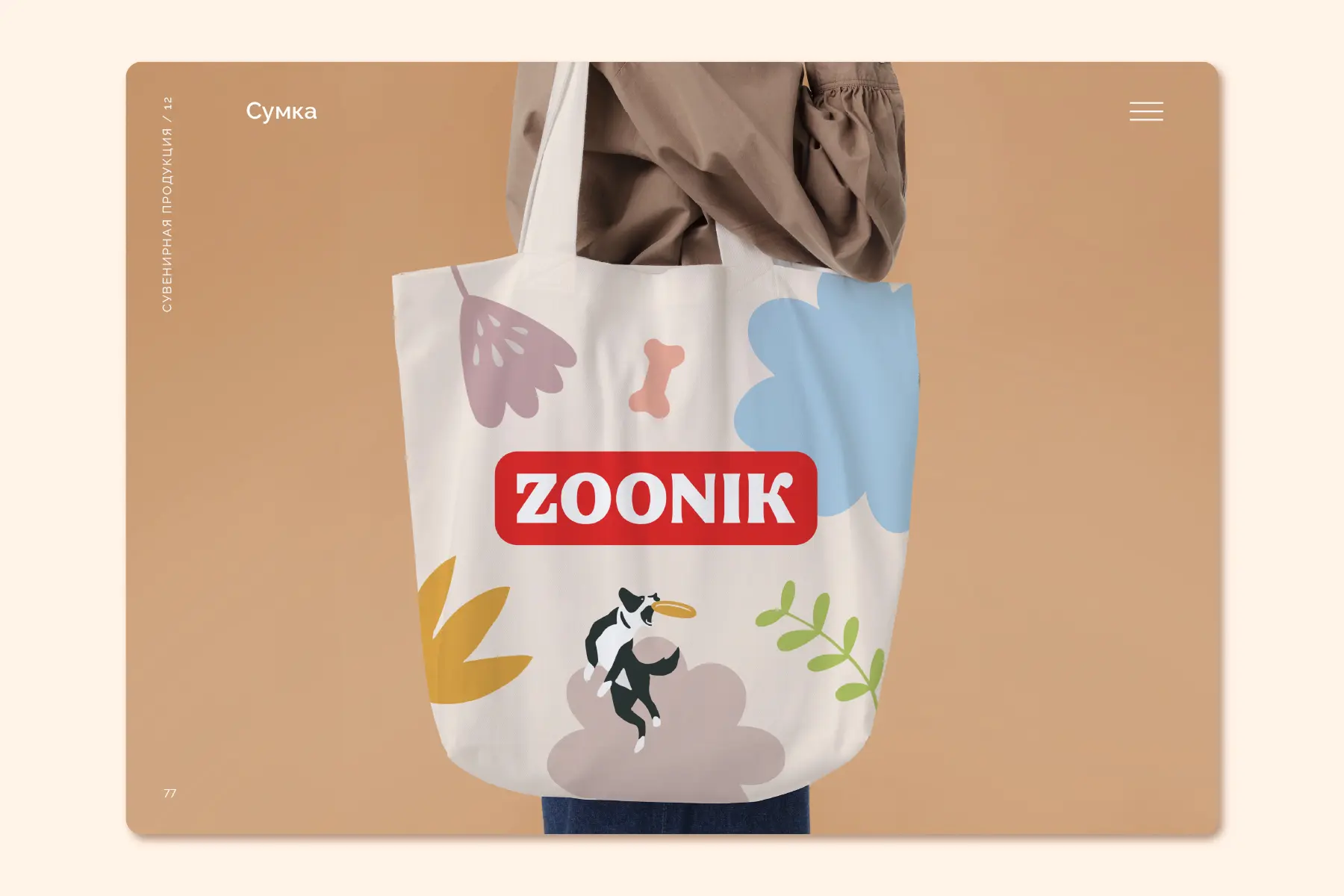
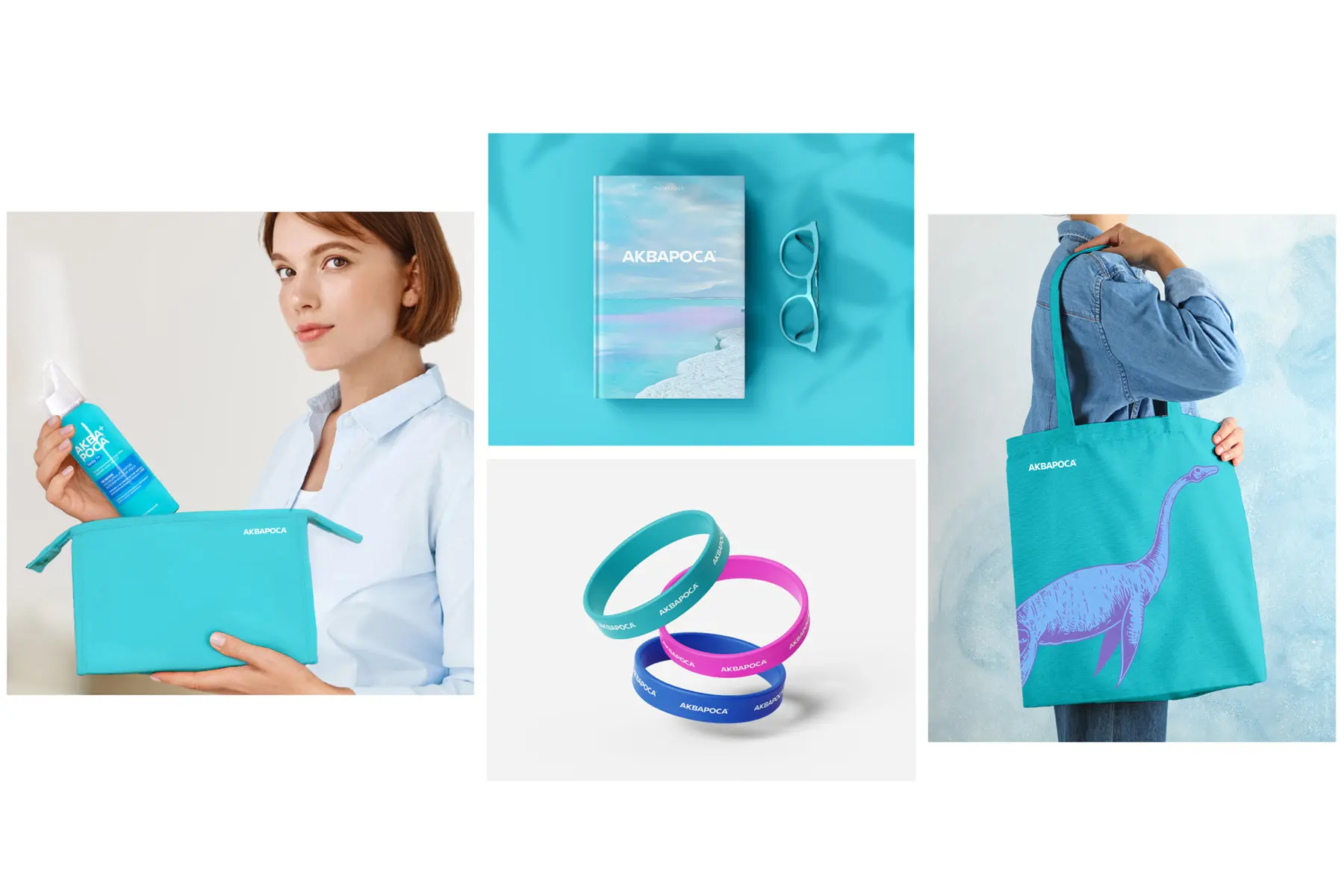
Show how the logo and palette appear on real items: color options, monochrome, acceptable backgrounds, logo field, and minimum sizes.
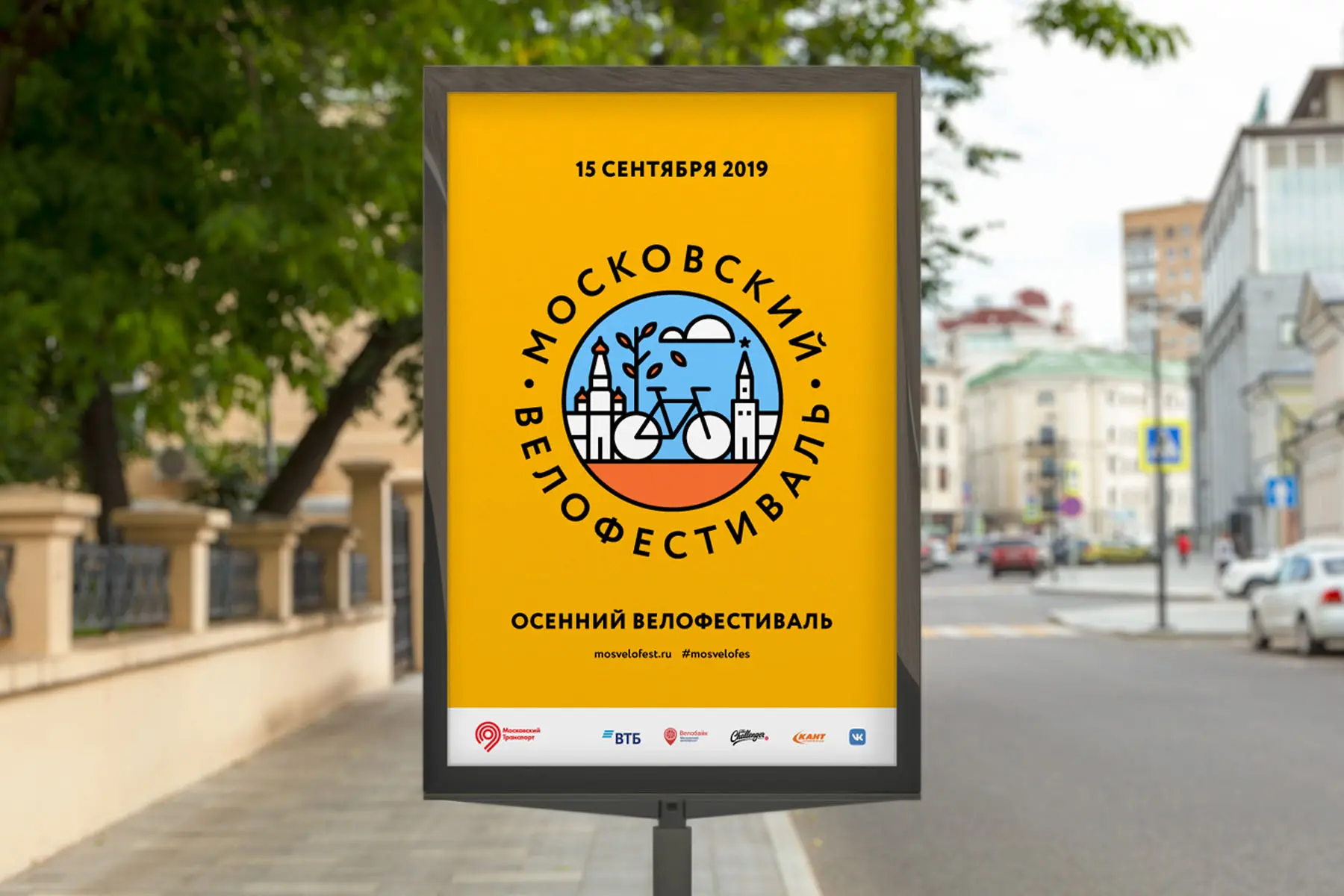
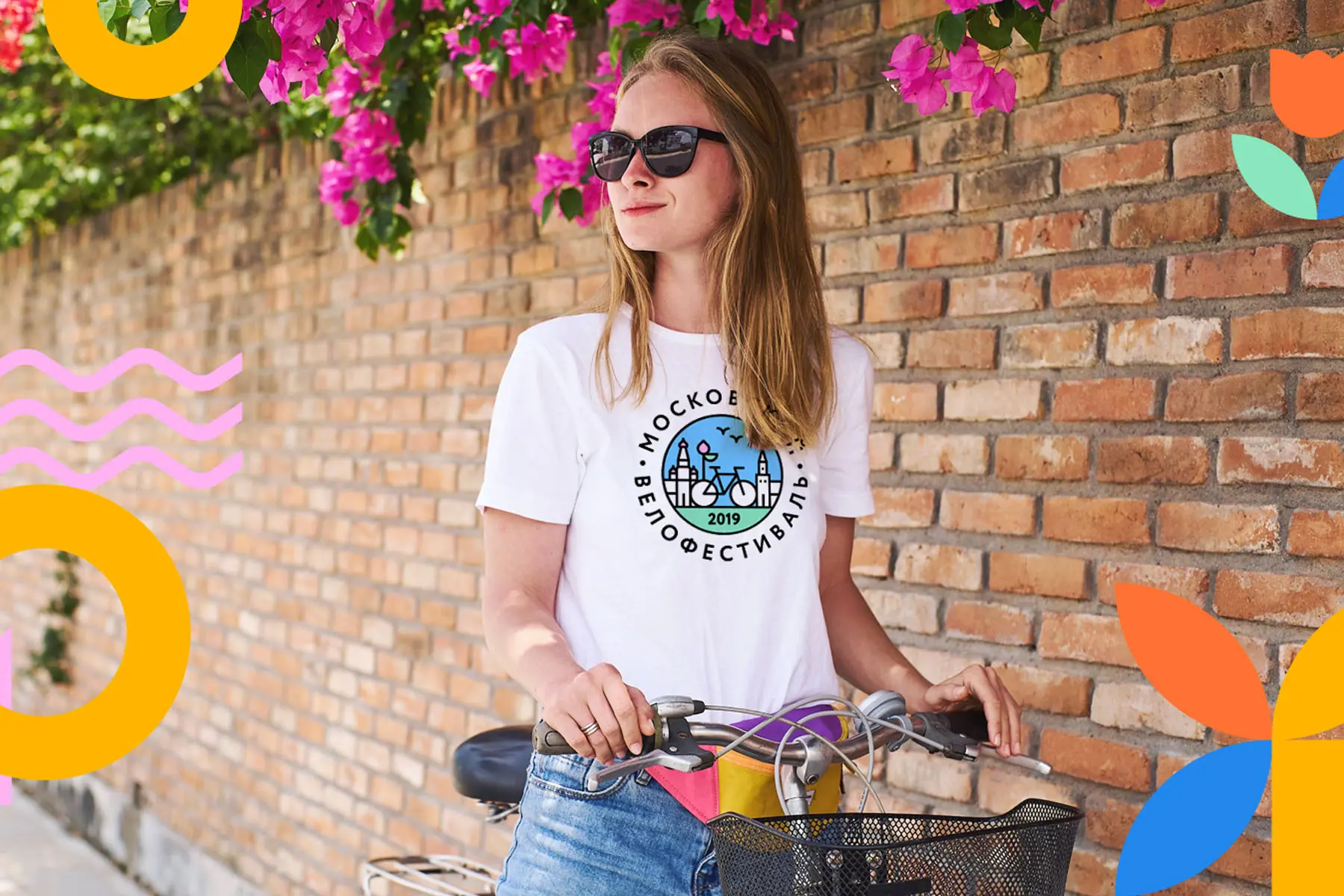

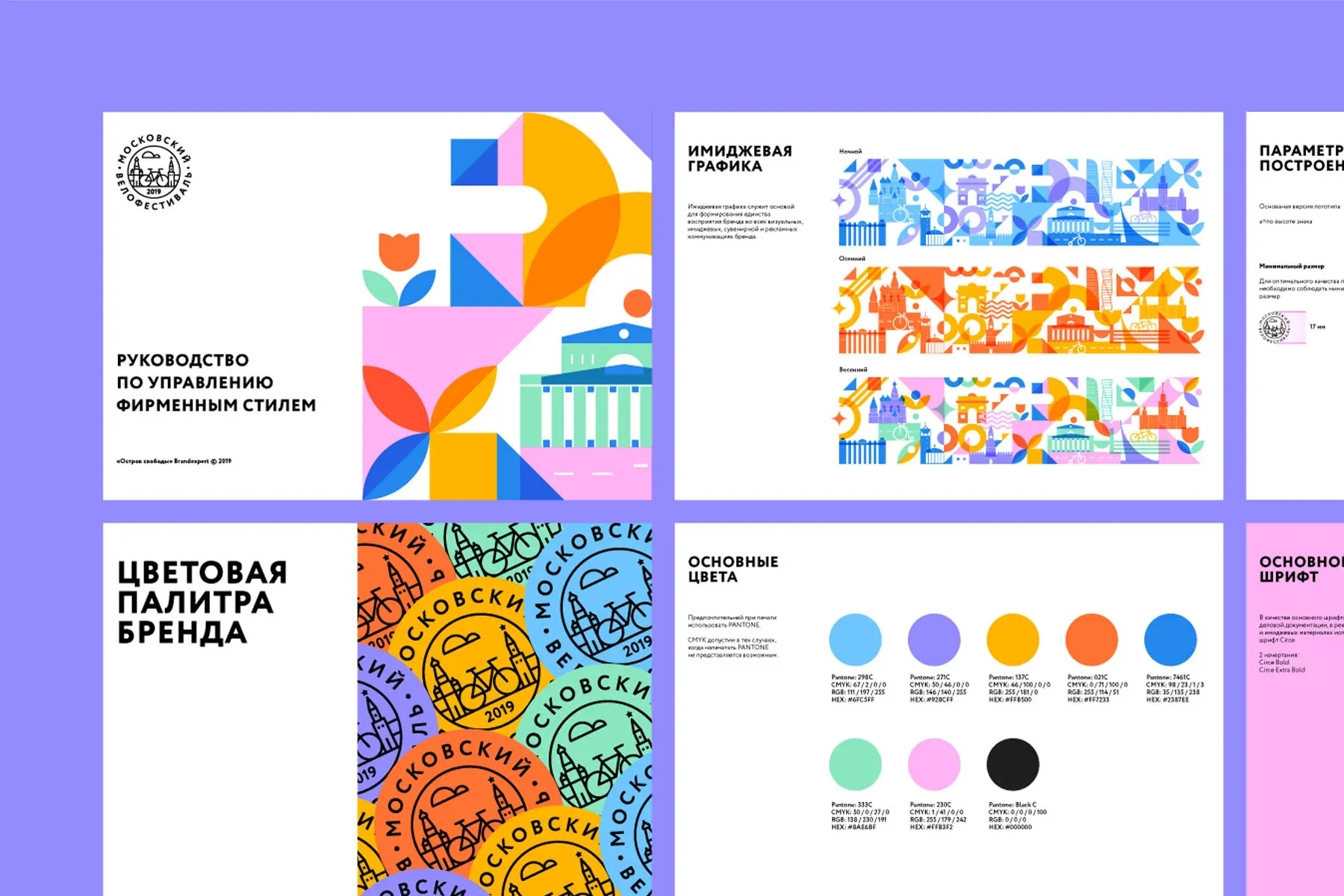
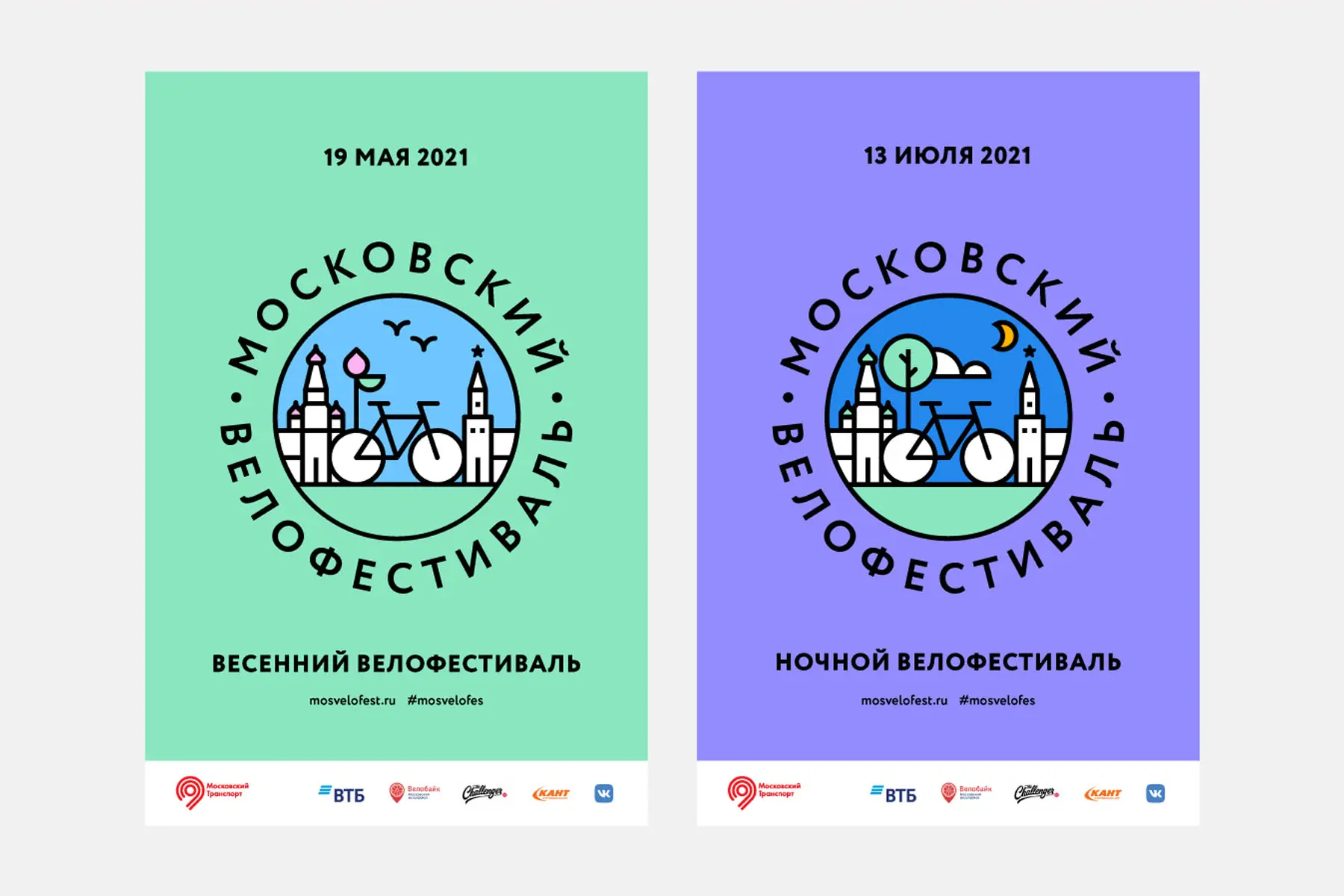
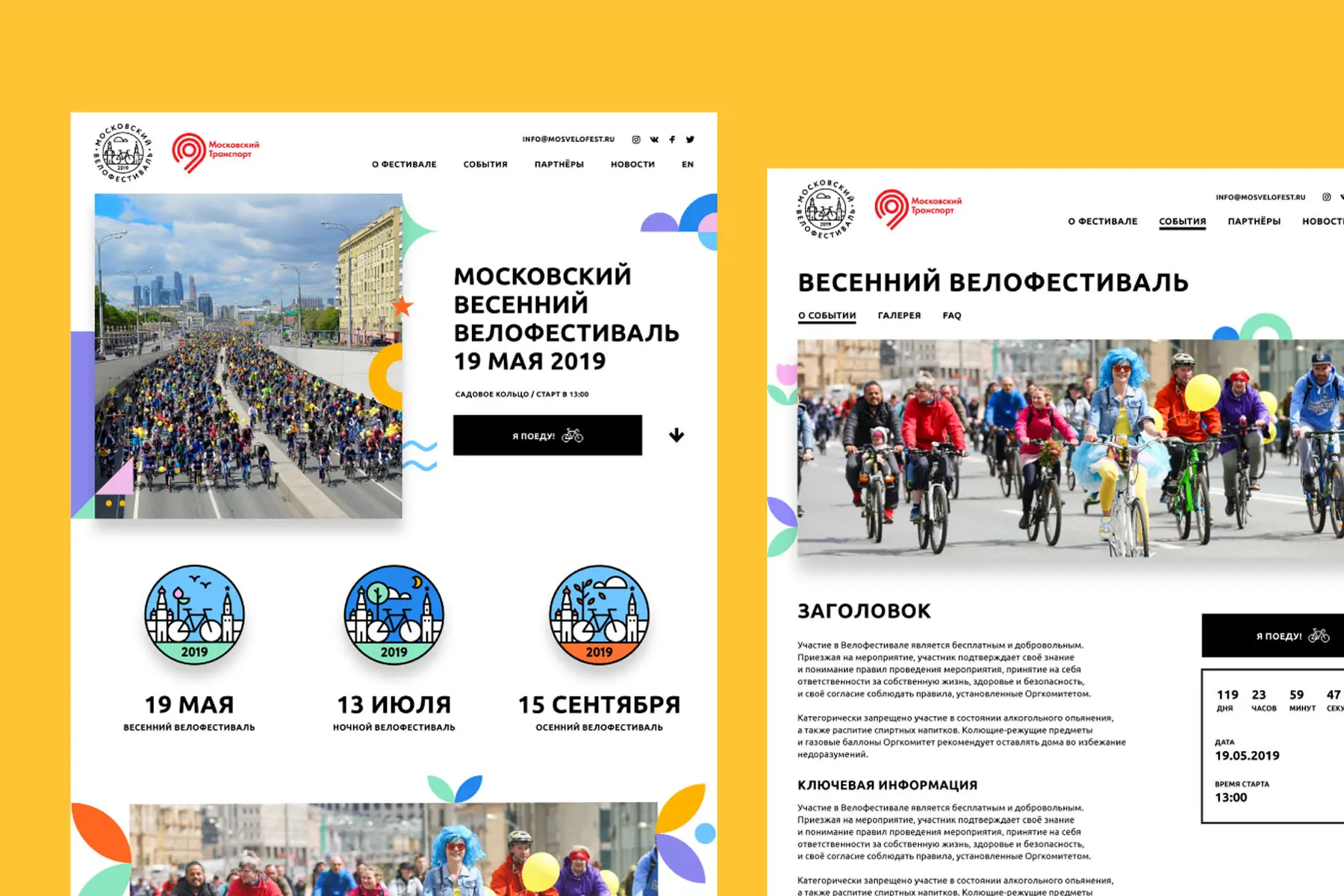
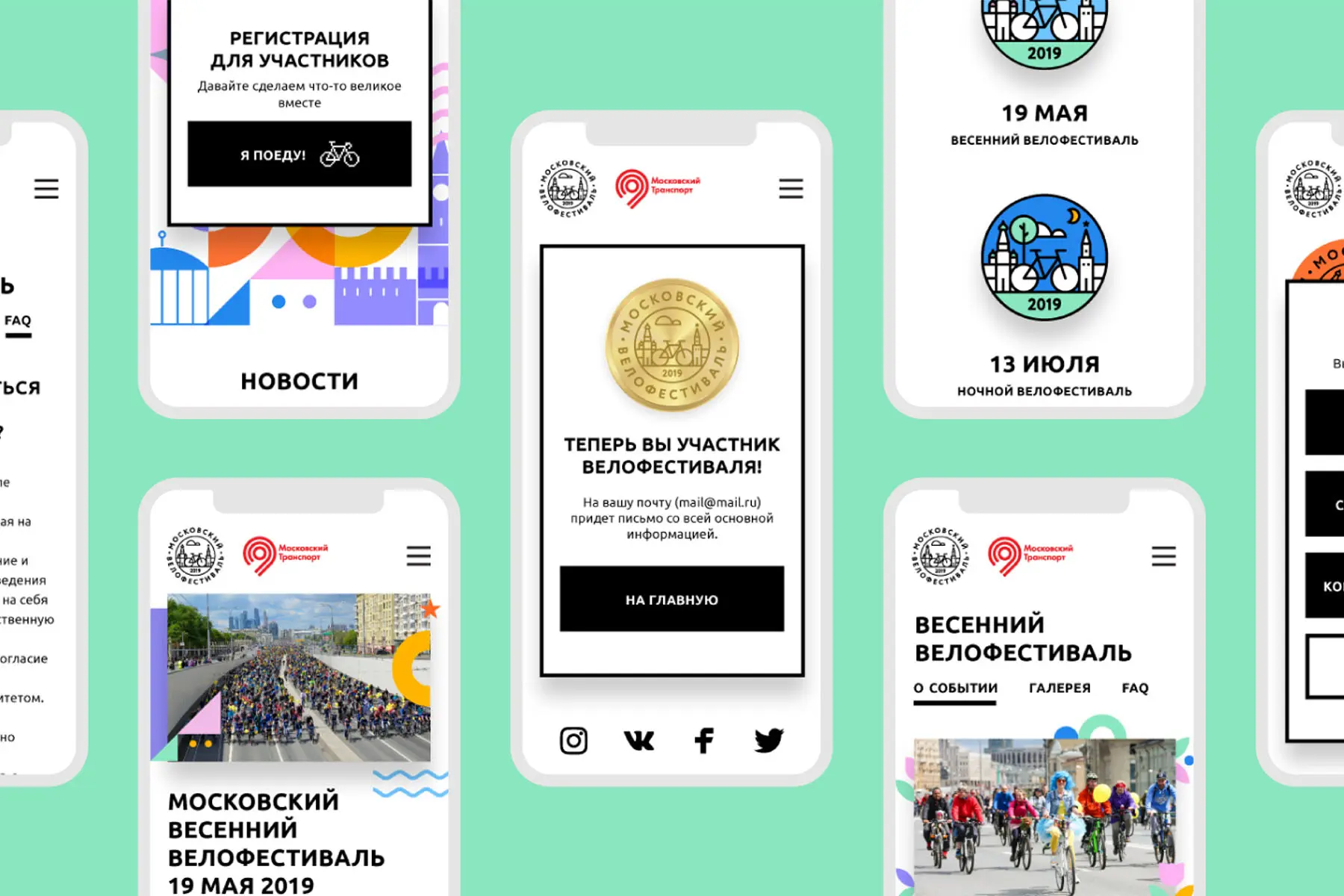
A promotion strategy is a clear plan that connects communications to growth goals: where and how you tell your story to attract attention, build engagement, and support choice. It turns brand DNA into recognizable, repeatable elements and keeps them regularly present where people decide and buy. Strong creative contributes most to sales impact, so develop the central idea to a vivid, iconic expression in every channel and format.

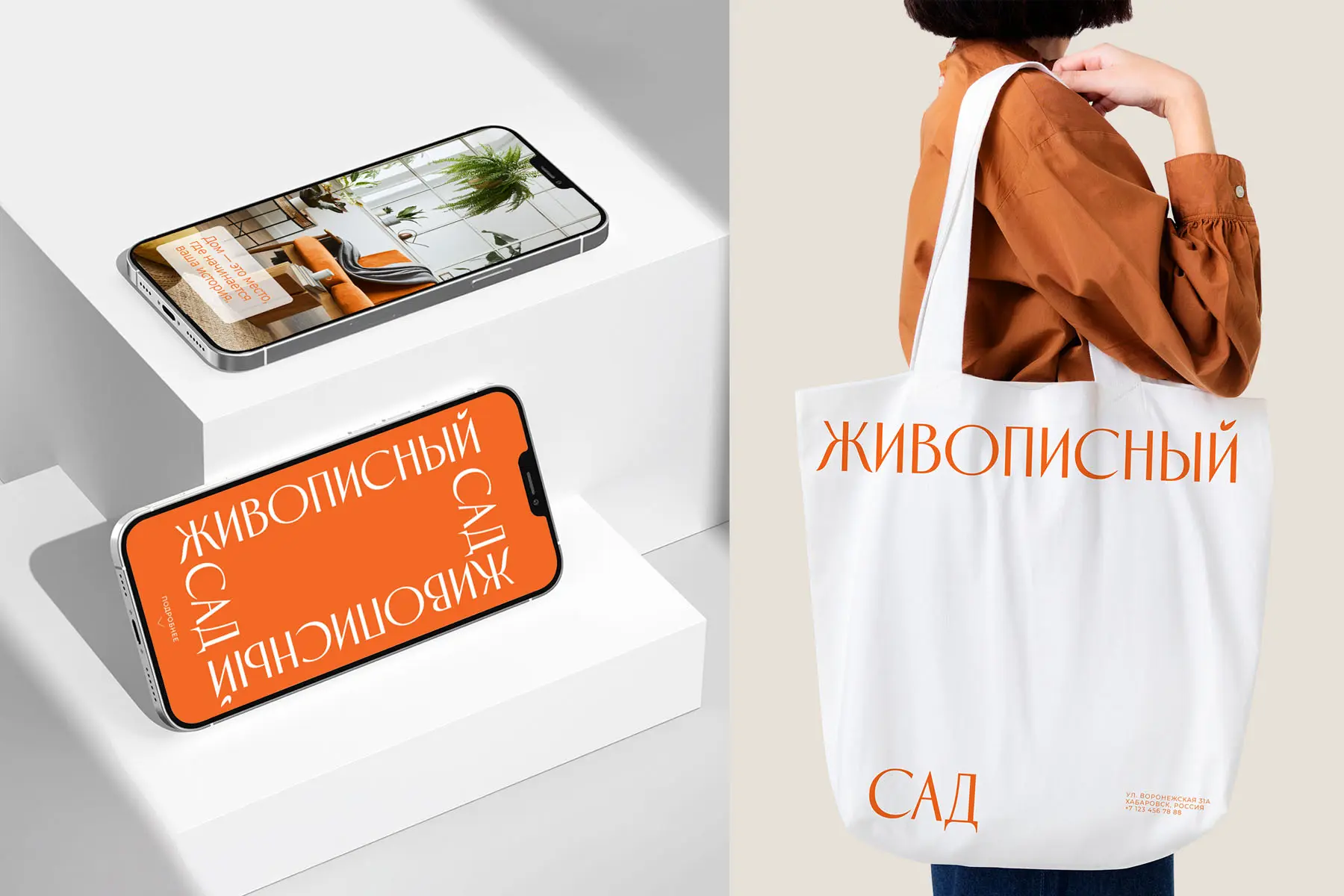

A healthy brand is consistent and trusted. In the digital era, reputation plays a central role. High-quality feedback supports confidence, so manage quality and reviews with care to achieve the best results. Awareness is a long-term endeavor that requires continuous investment. High awareness is earned through thousands of branded touchpoints — PR and advertising included. Professional branding optimizes marketing outlay and raises communications effectiveness.
Rebranding is a continuation of brand building with a clear aim and chosen scale — from precise refresh to deep transformation. Keep continuity in the strongest distinctive assets — name, logo, and core style — because they build availability and carry accumulated equity into the new version. Treat rebranding as a careful evolution: fix the brand idea, refresh language and environments, and strengthen integration in key channels so the new version grows naturally from the previous one.

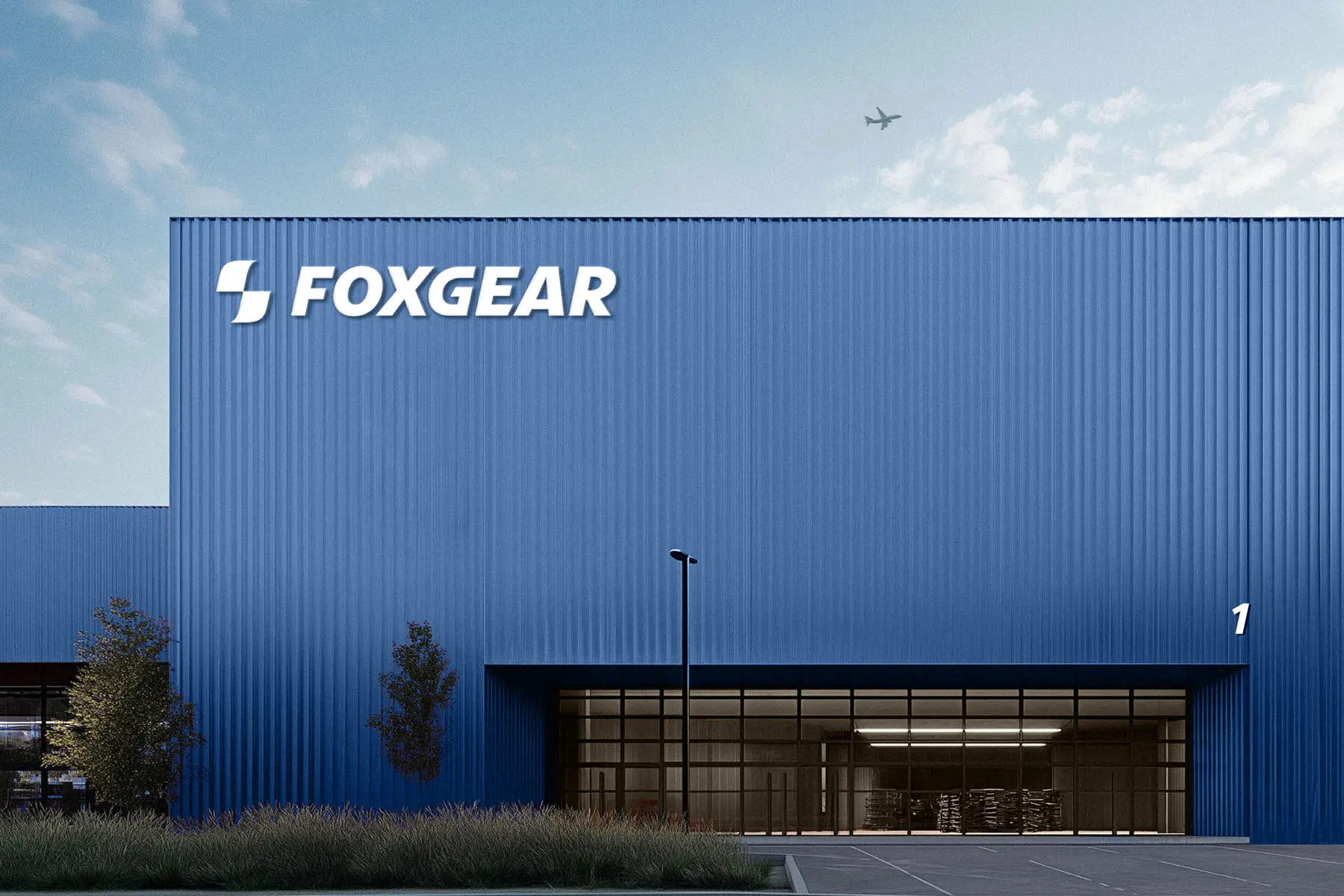
Corporate branding creates the image of a dependable partner with a long-term strategy. Consider portfolio structure, as the corporate brand often acts as an umbrella for many sub-brands. Over time portfolios may drift, so revisiting architecture is a priority. Typical triggers include expansion, entry into new markets, digital transformation, sustainability, changes in ownership, and the need to strengthen employer and partner perception.
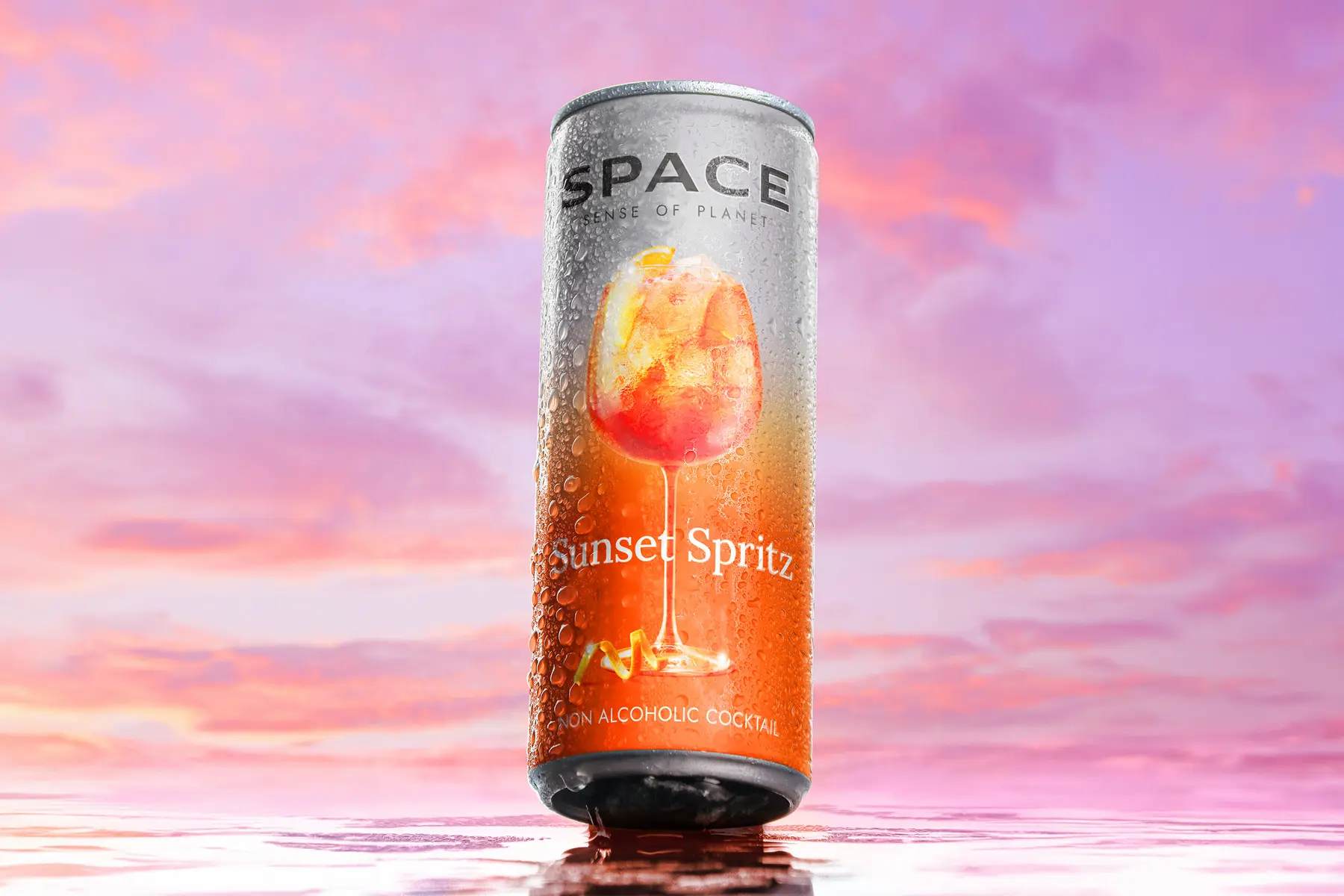
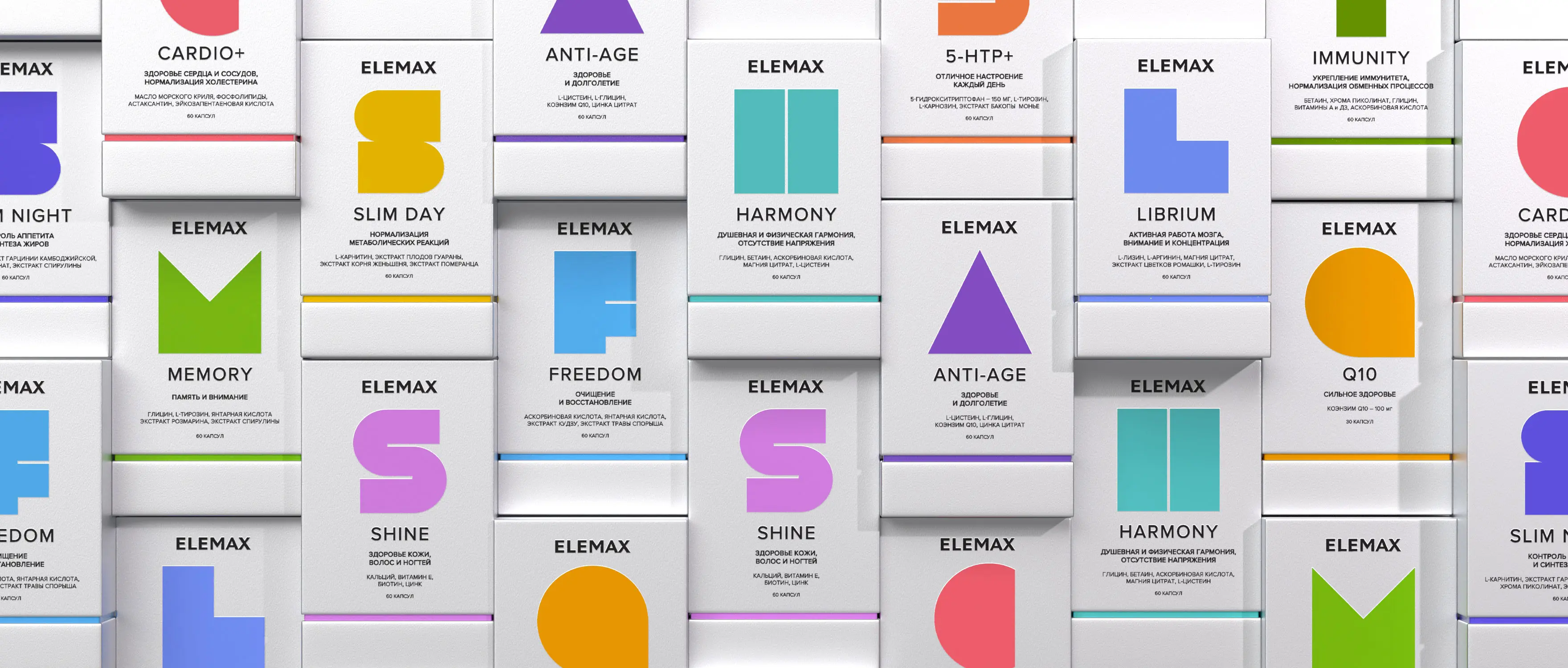
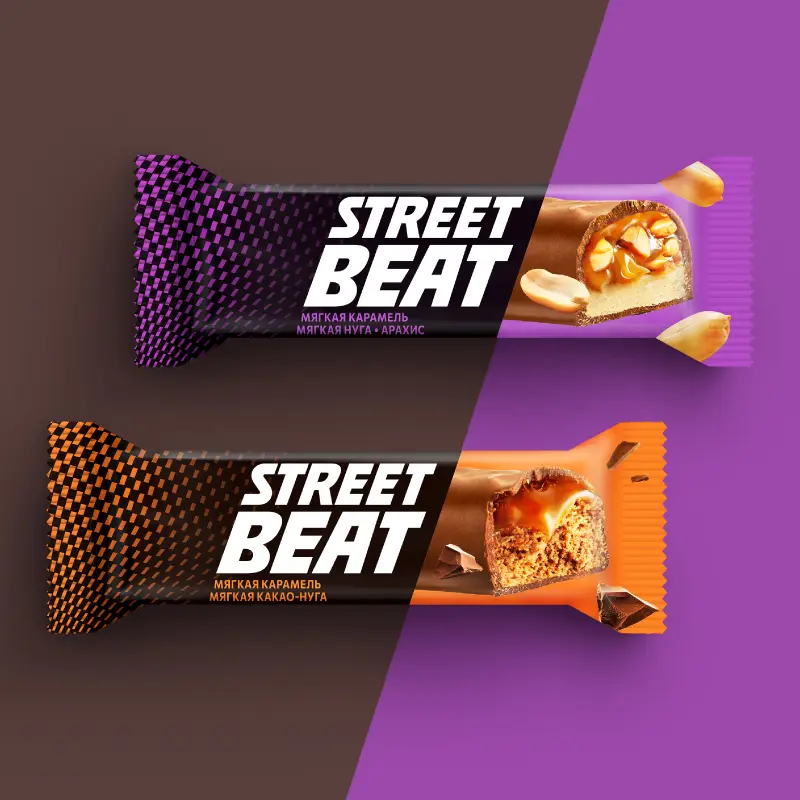
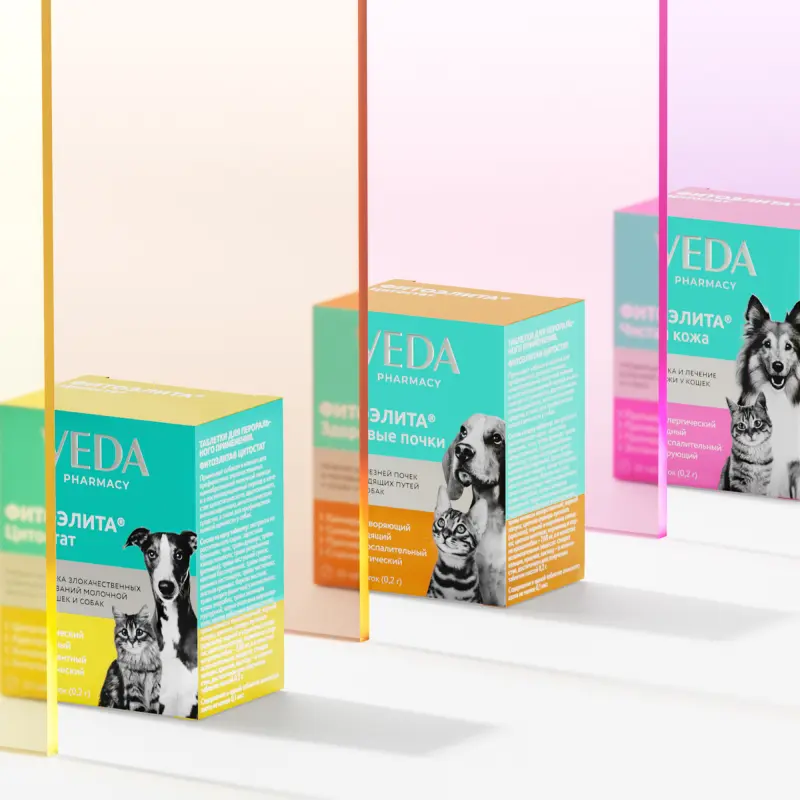
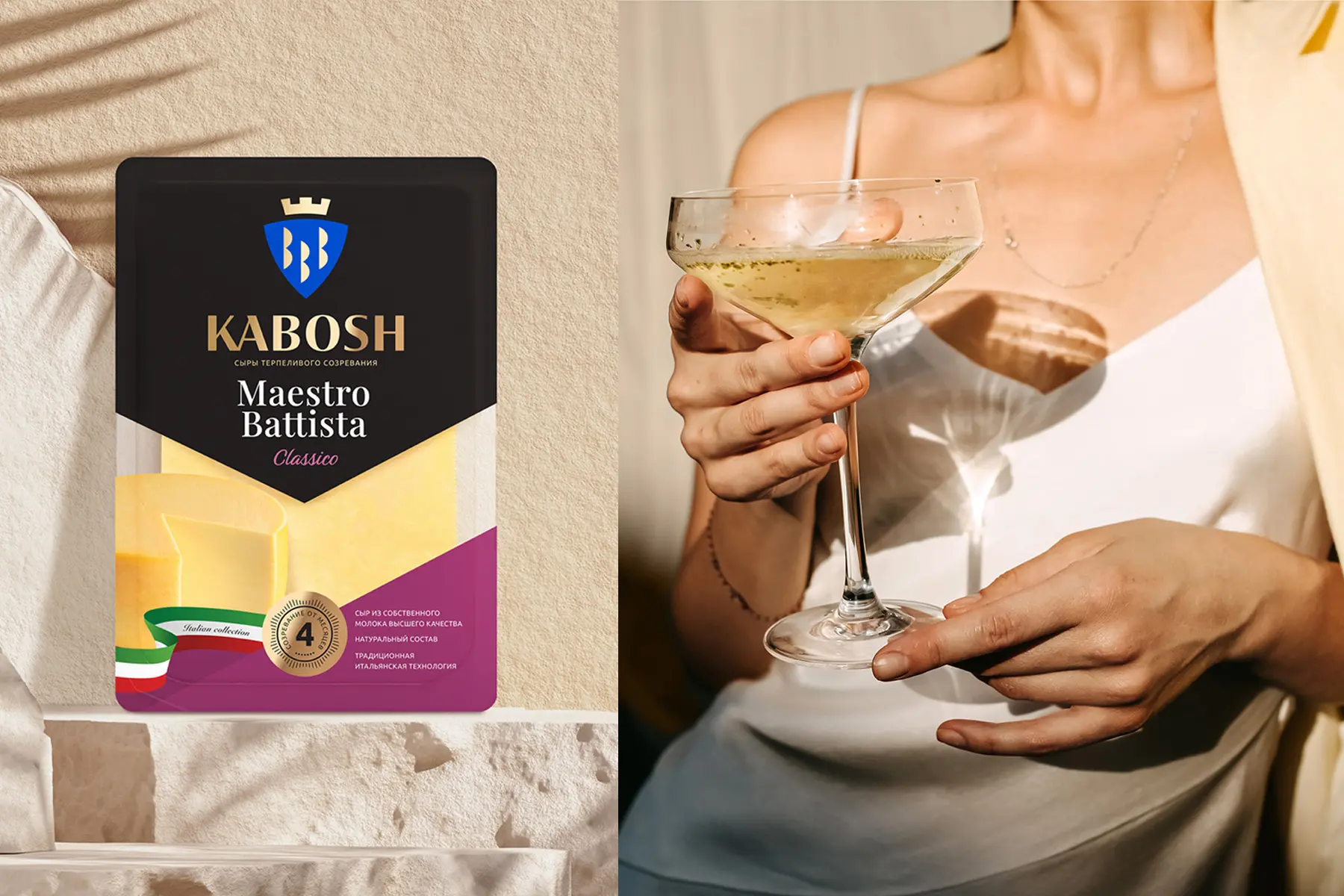
Product branding is common for launching new FMCG items or updating existing ones. Strong positioning and emotional connection drive long-term loyalty. The agency shapes the visual and verbal system: name and slogan, graphics and typography, photography or food styling, collaborations, and brand characters.

Services branding builds a trusted, expert image for B2C or B2B. Key stages: define positioning, audience, service scope, advantages, and reasons to trust; create a name; design logo and identity; roll out to business cards, website/app, advertising and POS, catalogs, team apparel, and vehicles.
Place brands — cities, regions, tourist areas — are strategic tools for attracting visitors and investment. Identity unifies landmarks, routes, wayfinding, and public assets; it fuels image campaigns and often becomes a source of revenue via licensed souvenirs.
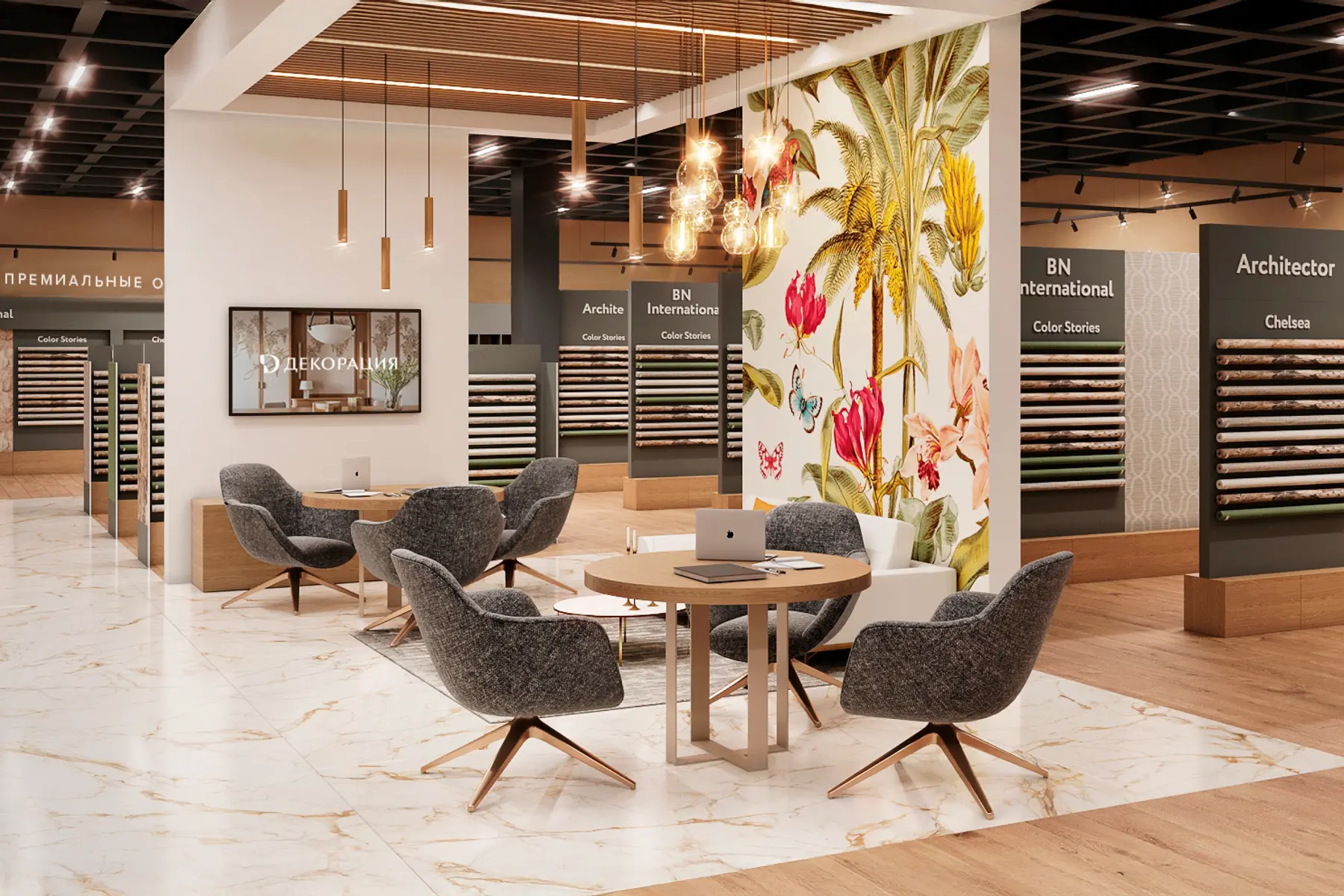
Store branding blends strategy, graphic design, communications, and interior design. Space, navigation, layout, and merchandising all shape perception. The process covers brand strategy, naming, identity, interior concept, equipment, signage, planograms, brand/retail books, and an e-commerce site.
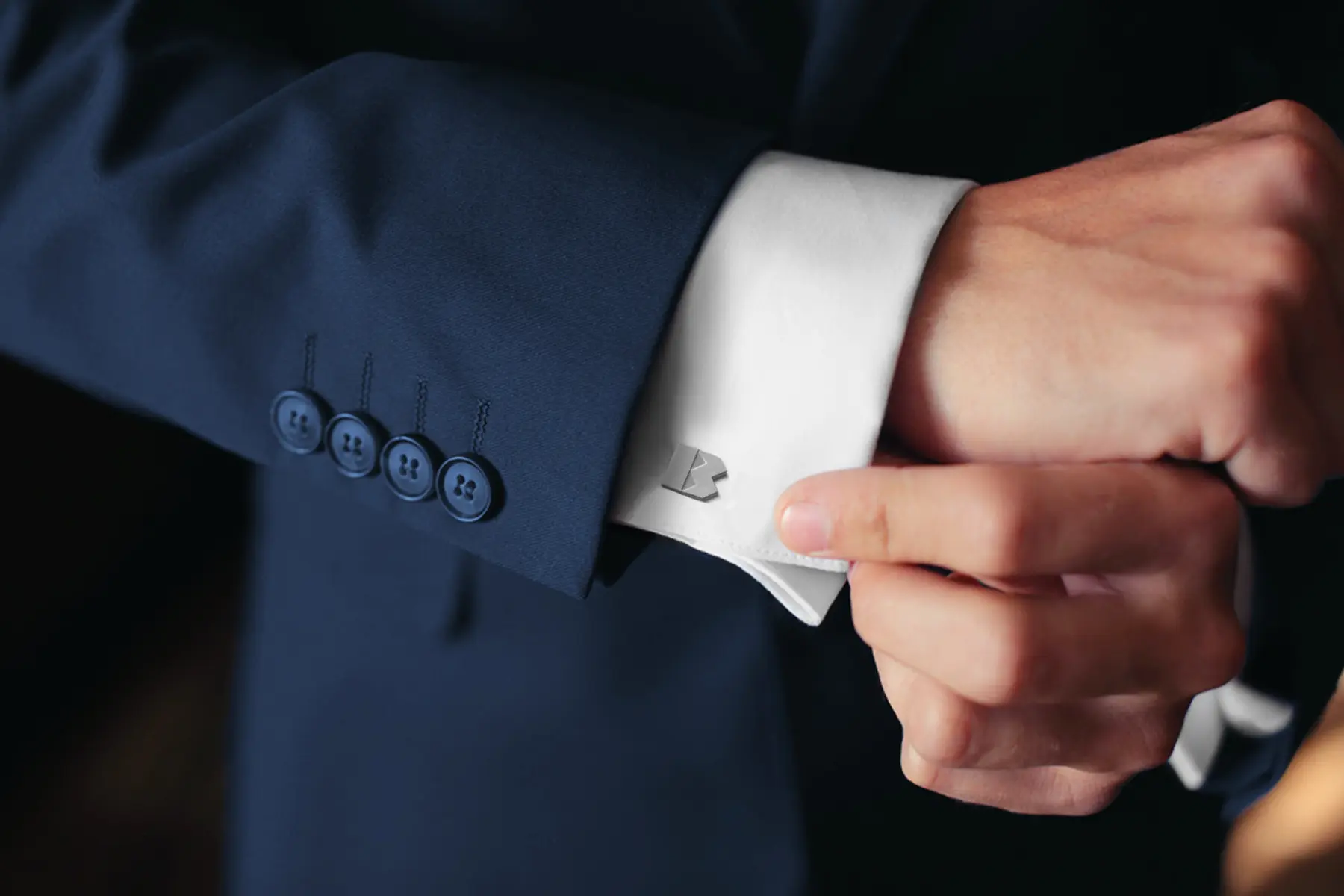
A personal brand is your professional “self” expressed through clear value, stance, and consistent signals. Define personal positioning—goals, values, strengths, and topics — and treat trust as a core metric. Transparency, verifiable facts, and tonal consistency support sustainable, persuasive communication.

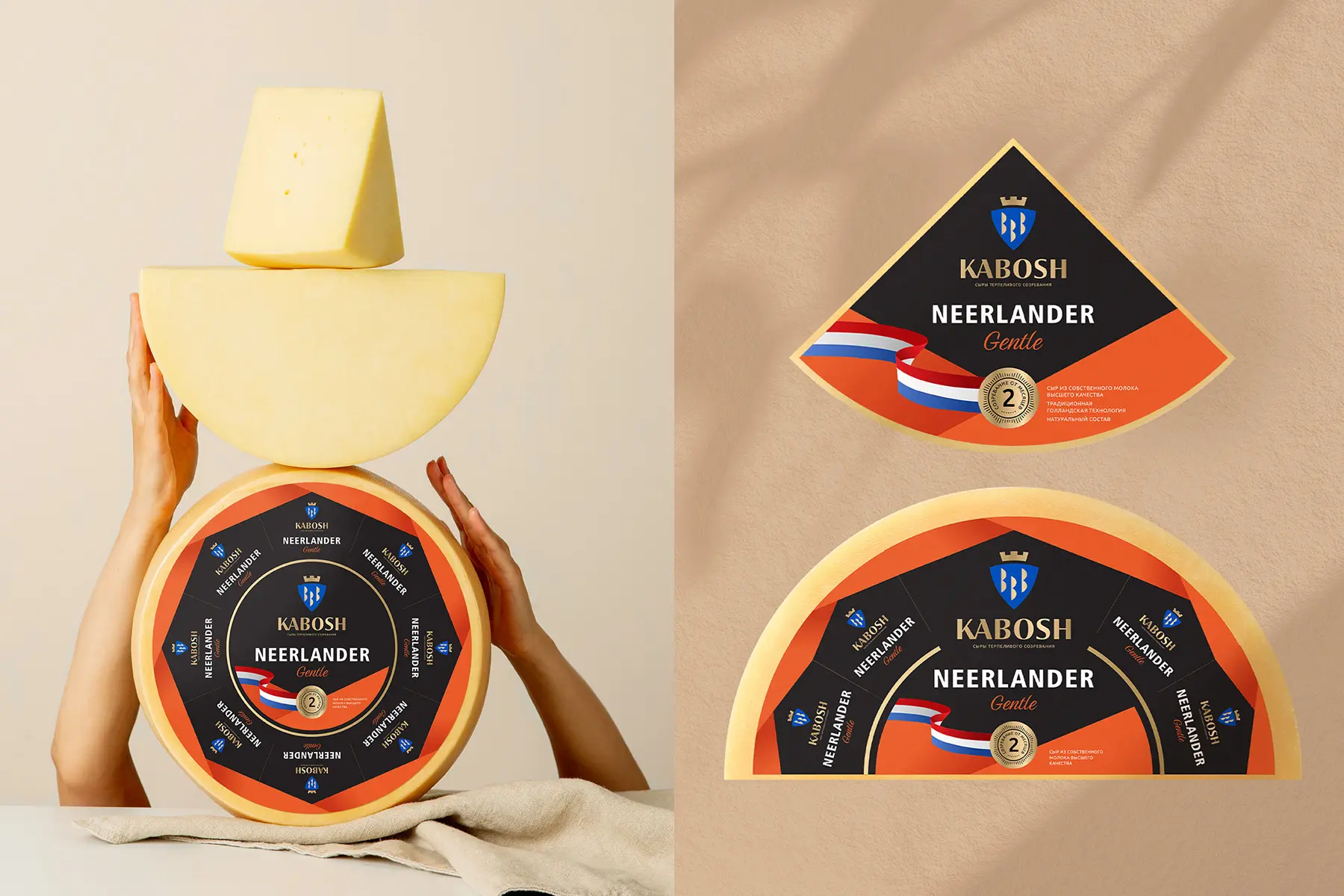


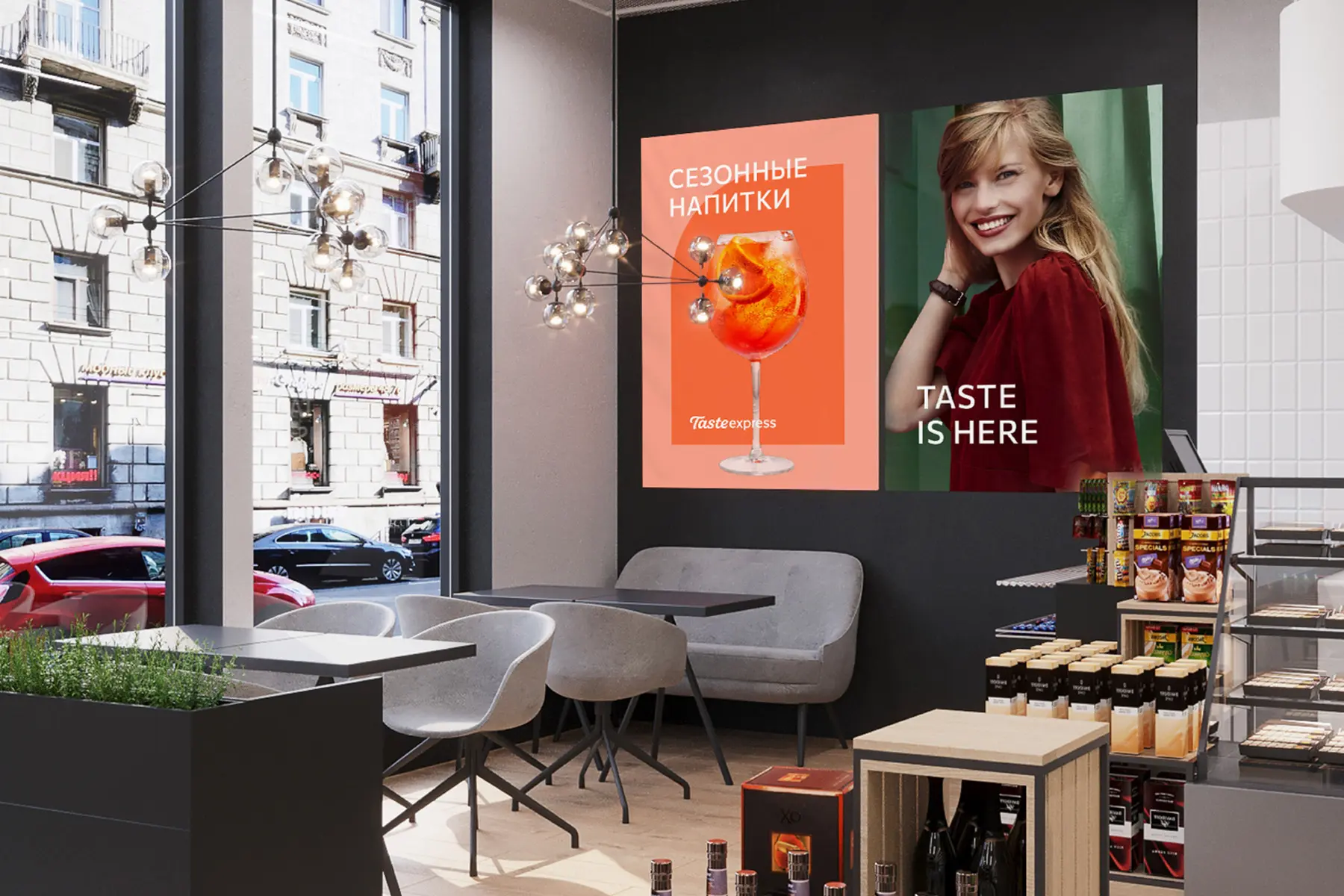
Partnering with BRANDEXPERT “Ostrov Svobody” gives you 20+ years of expertise and a full 360° cycle — from strategy and naming to packaging, interiors, and digital — so launch is faster and the image remains consistent everywhere. Our proprietary frameworks (Brand Wheel / Brand 360) help shape positioning and communications for real market tasks. The result is first-choice brands that outpace the market and sustain leadership through a managed, consistent architecture and execution.

Брендинг: ключевые этапы профессиональной разработки бренда


Корпоративный бренд: разработка и развитие


Стартап: создание бренда с нуля

Пять ошибок в позиционировании бренда


Создание бренда одежды

Брендинг территории: основные понятия, виды и примеры

С чего начать создание нового бренда

Cоздание бренда компании

Создание дизайна бренда

Создание бренда товара или услуги

Создание бренда с нуля в условиях ограниченного бюджета

История создания бренда Louis Vuitton
A brand is the perception and associations people hold. A trademark is the legally protected sign (word/symbol/logo) that identifies the source of goods or services. The mark protects brand elements but is not the brand itself.
A strong brand lifts recognition and trust, simplifies choice, supports pricing, and accelerates growth by combining meaningful difference with distinctiveness and visibility.
Track a set of metrics: awareness, consideration, perceptions/attributes, loyalty/repeat purchase, and brand equity dynamics. Combine short-term and long-term indicators in a single dashboard.
When strategy or audience shifts, during mergers and acquisitions, or when relevance and recognition need strengthening. Successful updates thoughtfully align product, story, culture, and customer experience.
Register trademarks in relevant countries and, for international coverage, use the Madrid System. Then set up monitoring, keep registrations current, and secure domains and social accounts.
The article uses photo and video materials provided by the customer / BRANDEXPERT "Island of Freedom" / ShutterStock / Freepik / Unsplash / Pexels / Goodmockups / Pixpine. All materials presented in the blog are purely informational in nature and do not pursue commercial purposes. The use of text, illustrations, photos, videos and other materials is prohibited without the consent of the copyright holder.
















By continuing to use this site, you agree to our use of cookies and the processing of your personal data as described in our Privacy Policy.