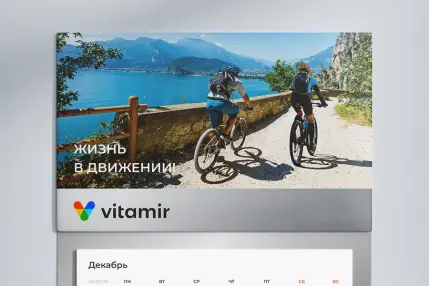
Flamenco — Brand Positioning, Naming, Logo Design, Packaging and Label Design, Brand Guidelines, and Photography. Design of a product catalog for the FLAMENCO brand, development of a positioning strategy

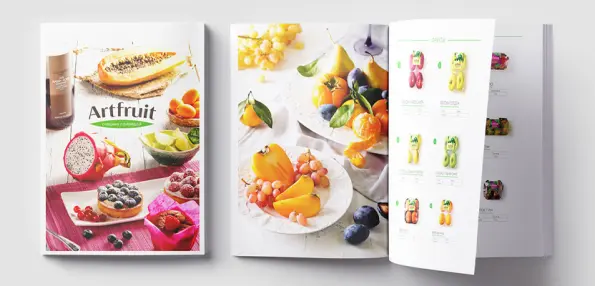
A product and services catalog is a brand’s business card and a powerful sales tool. It helps increase brand awareness, inform the audience, and promote the company’s offerings. Printed materials receive so much attention because the higher the design quality, the greater the trust in the company and its products.





















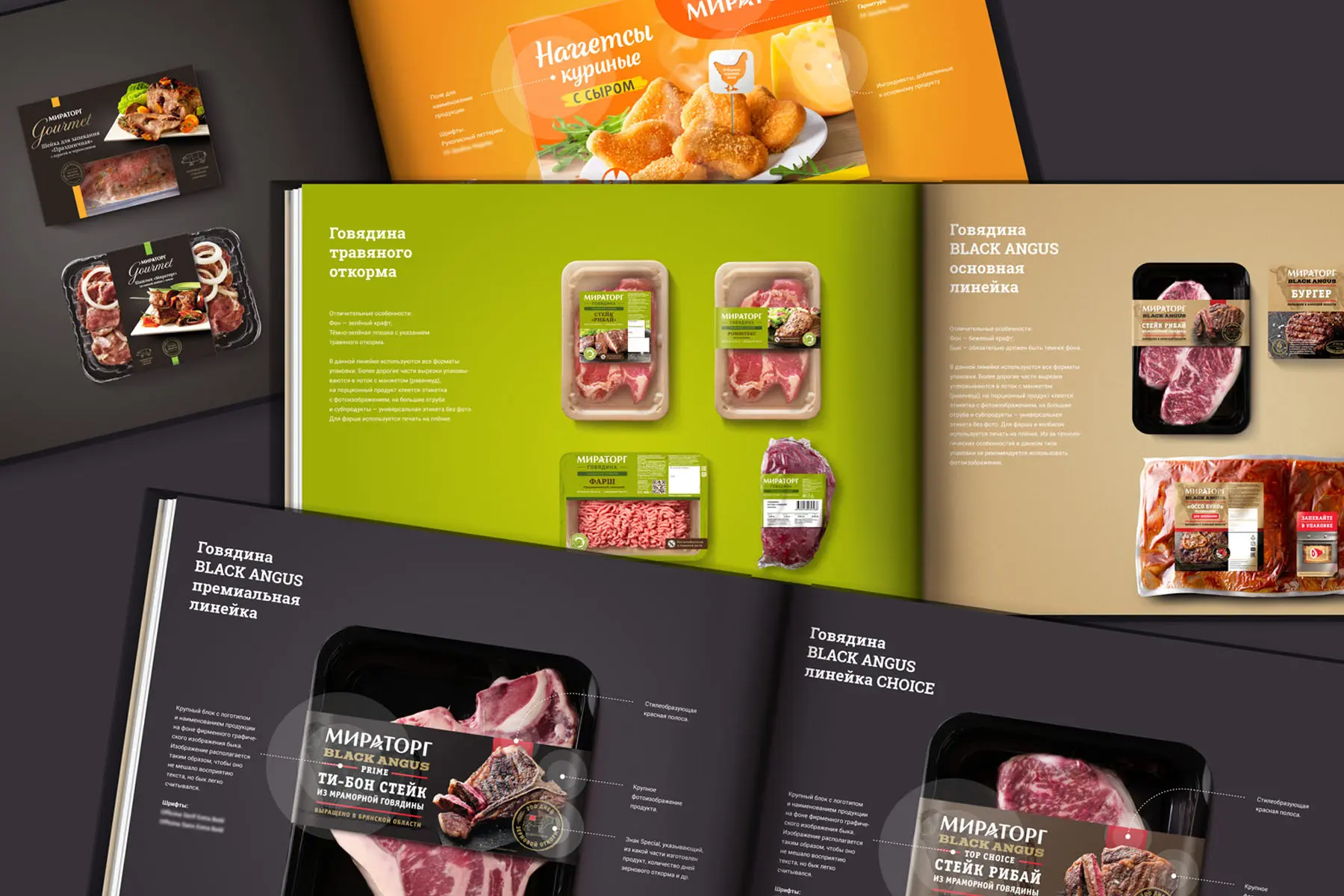


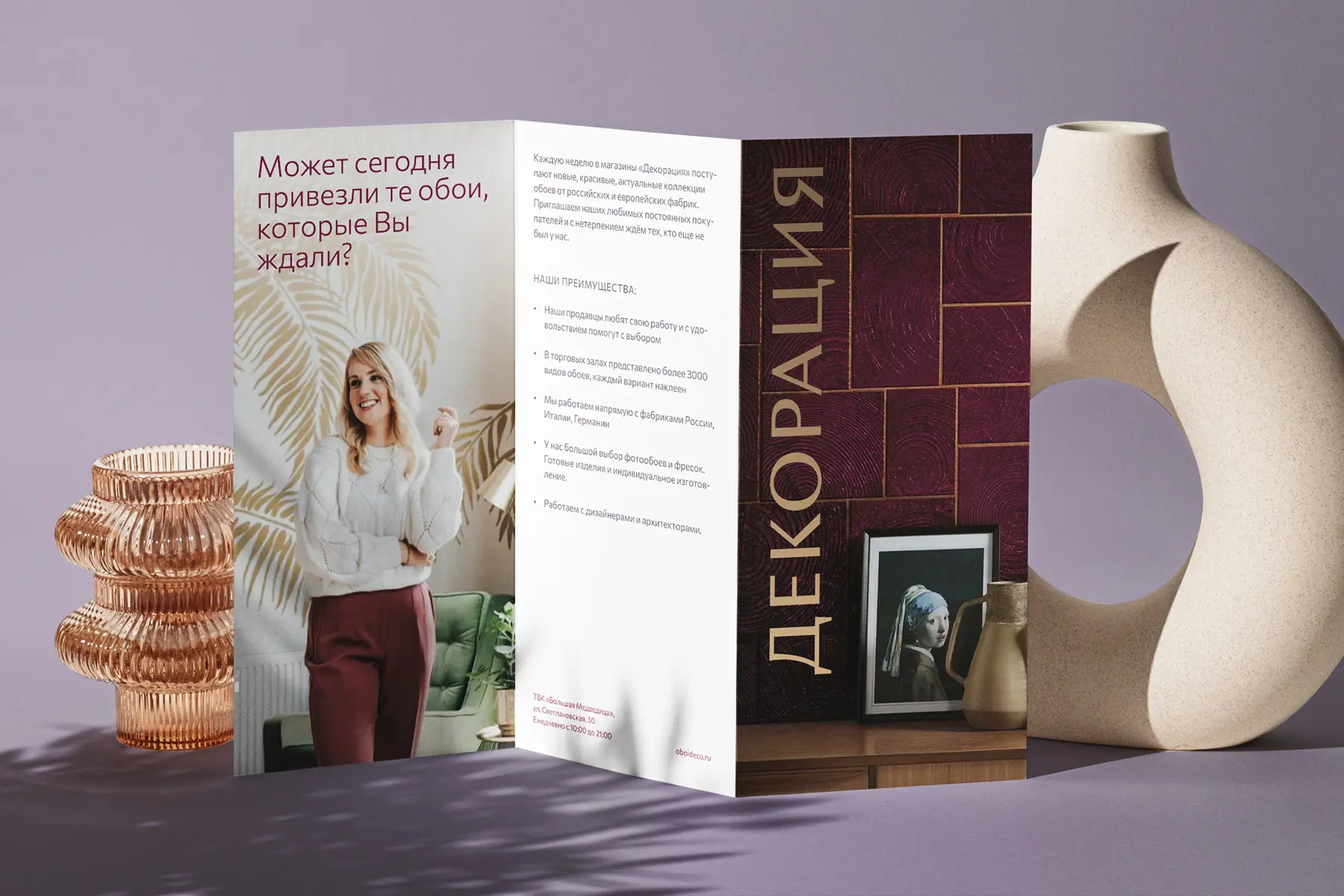
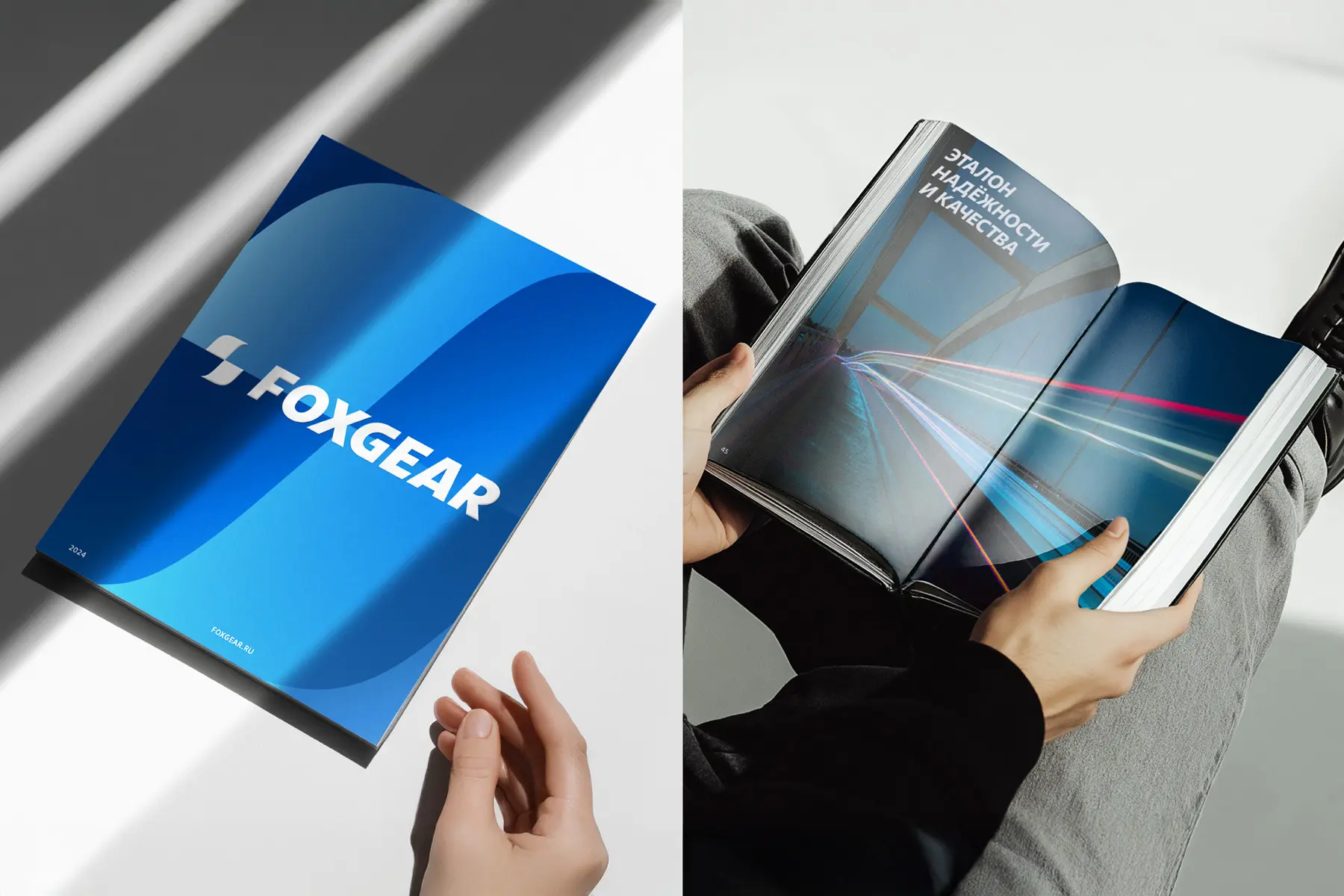
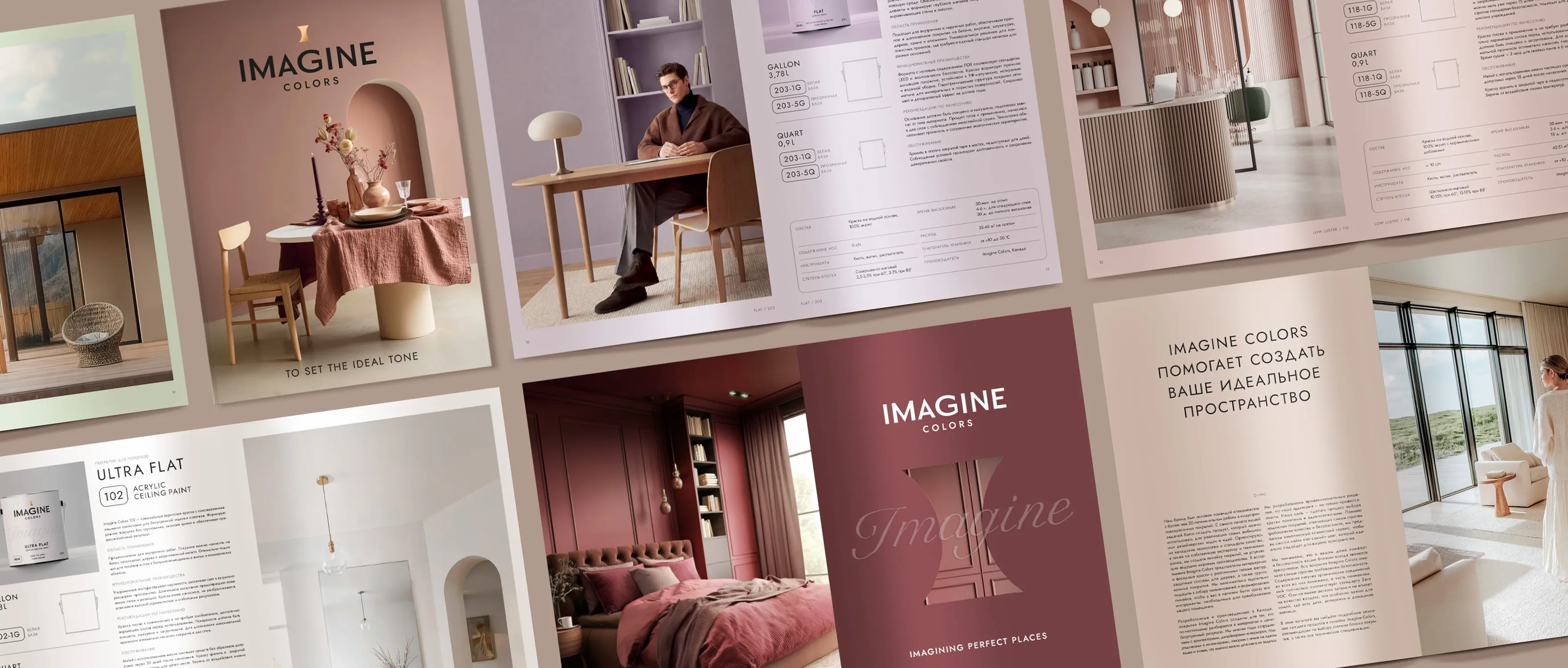
A catalog is the face of a brand—its business card. It not only communicates information about the company and its products, but also highlights the brand’s visual identity and DNA.
If you expect strong conversion from the publication, it’s important to create a document that excels in three areas:
Information value. Unlike a short ad message, a catalog gives you ample space and time. It’s an opportunity to share the most important details about your product with the customer.
Functionality. Whether you’re creating a digital or printed catalog, it should be easy to use, with intuitive design and clear navigation for the reader or user.
Aesthetics. Clean, up-to-date design, professionally edited photography, and —when it comes to print — a sturdy cover, quality paper, and modern layout are key to shaping the company’s image. They emphasize the brand’s attention to detail and a serious approach to its work.
A publication that naturally combines all three components builds trust in the brand and supports higher conversion.
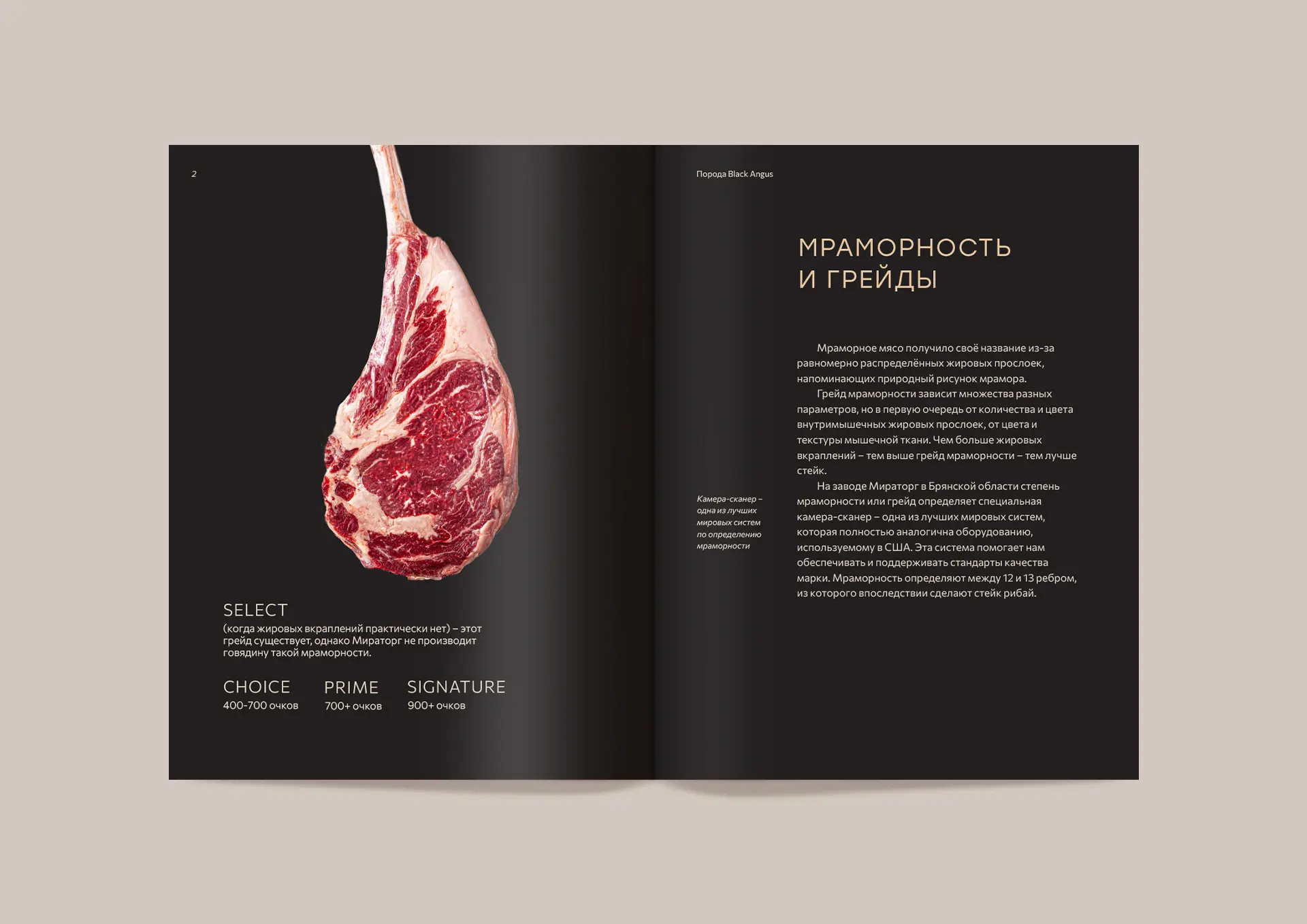
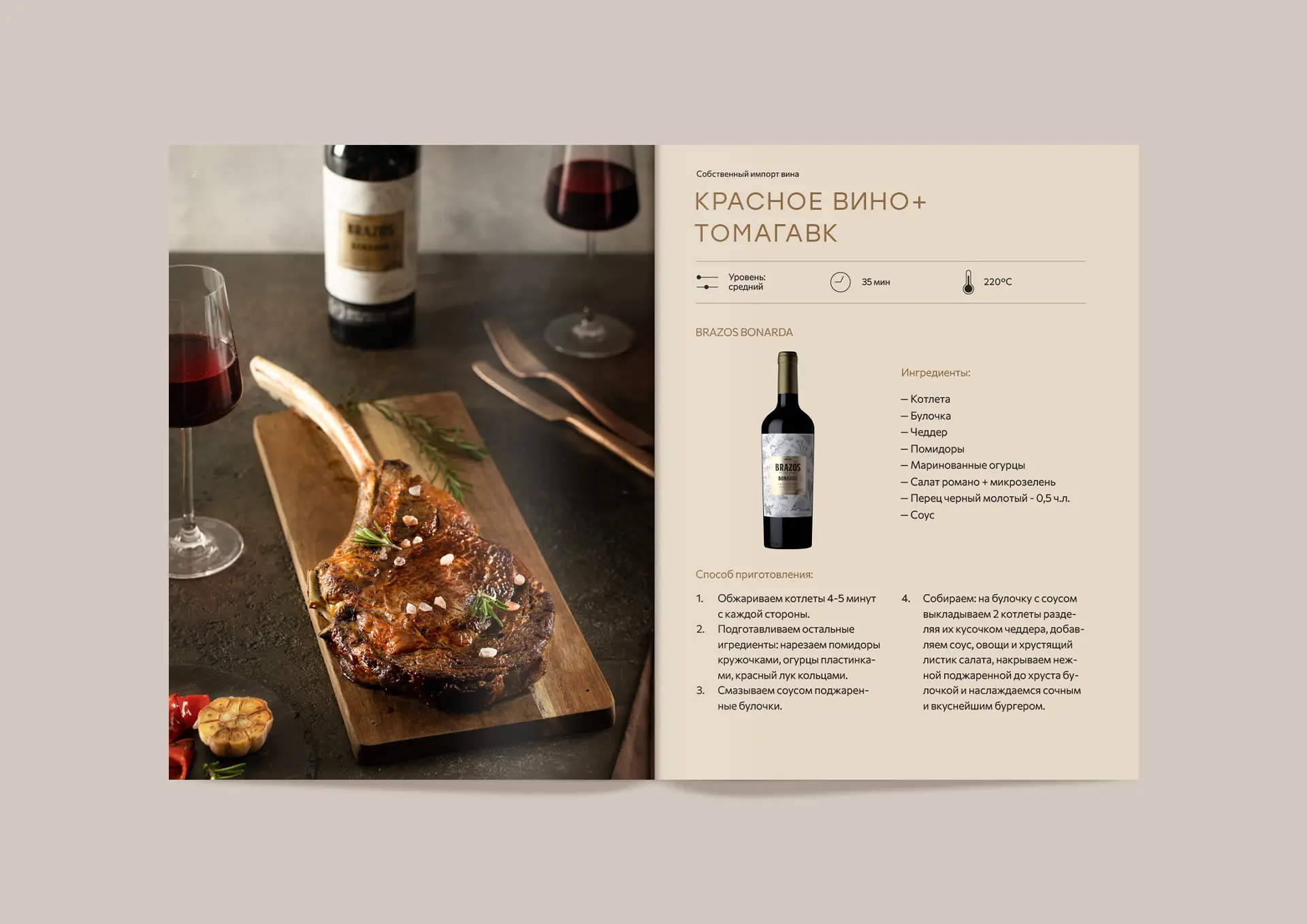
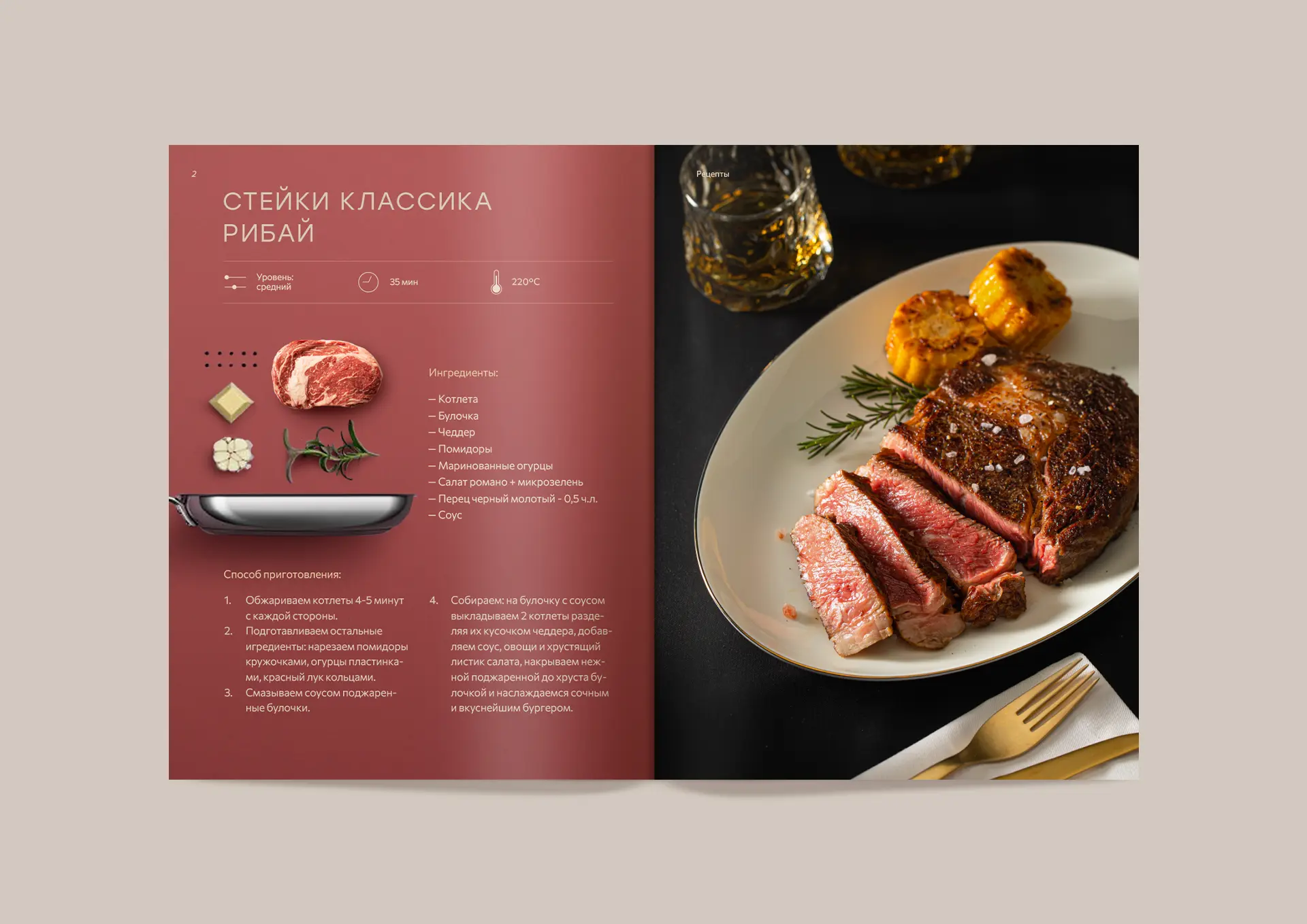
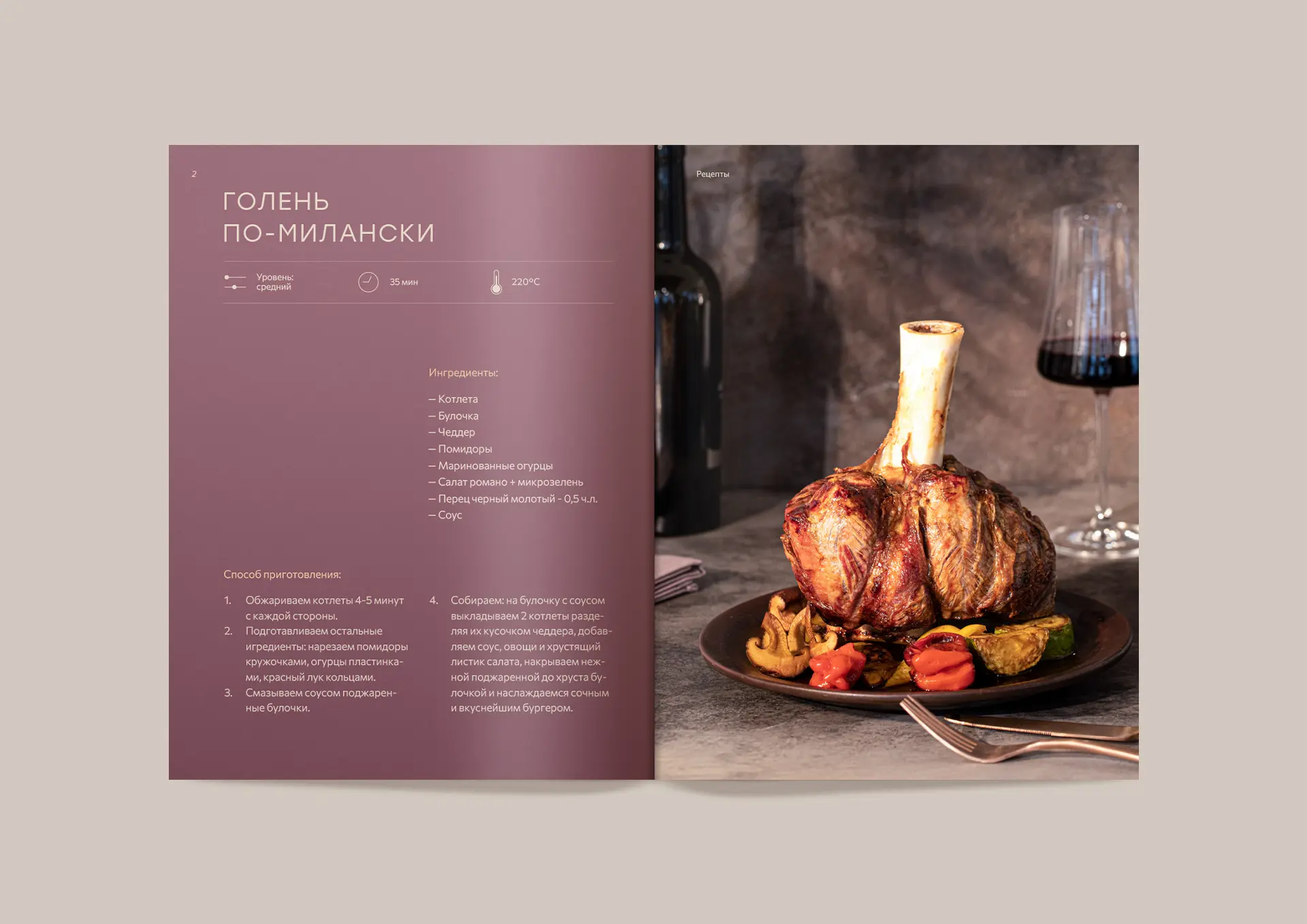
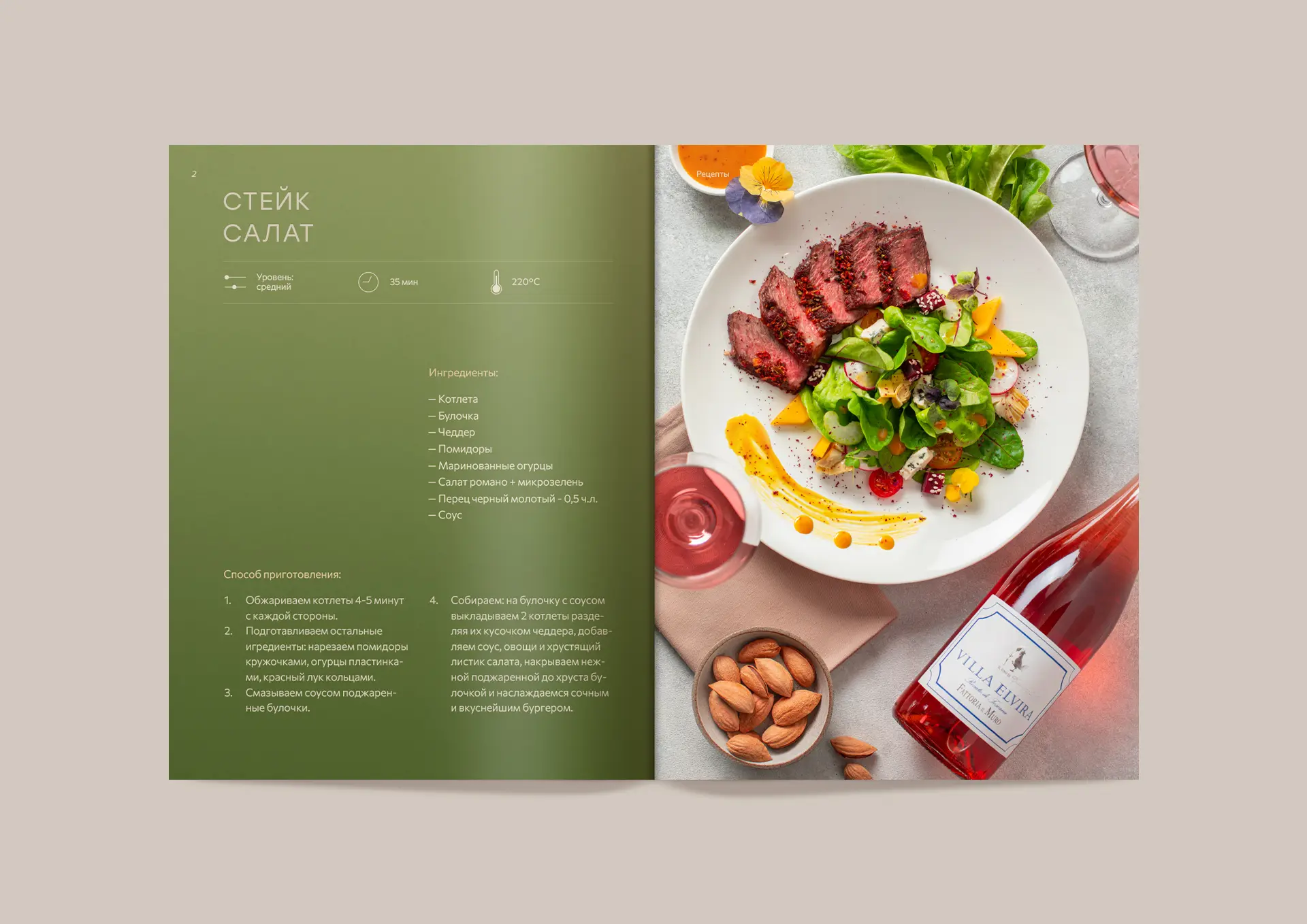
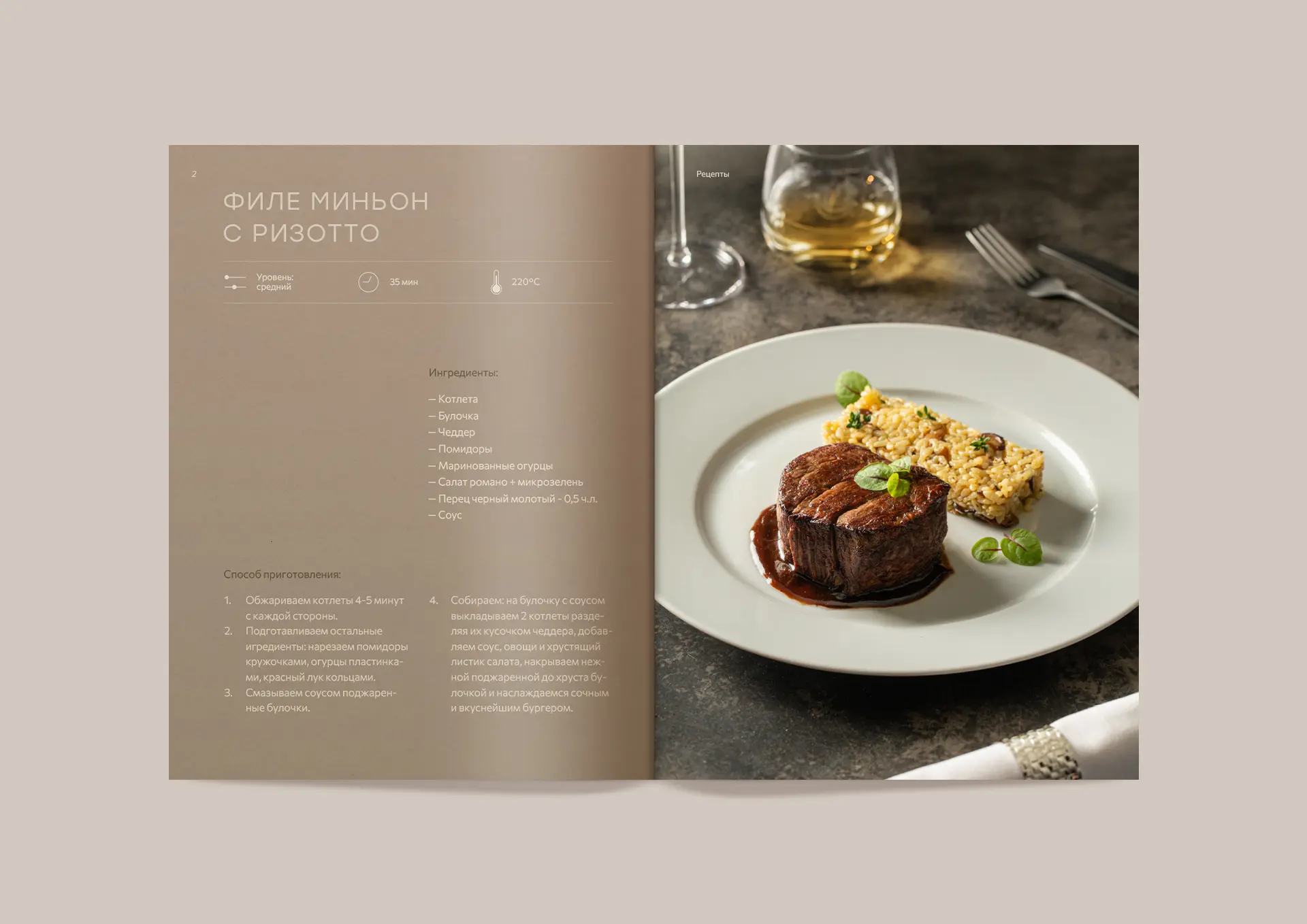
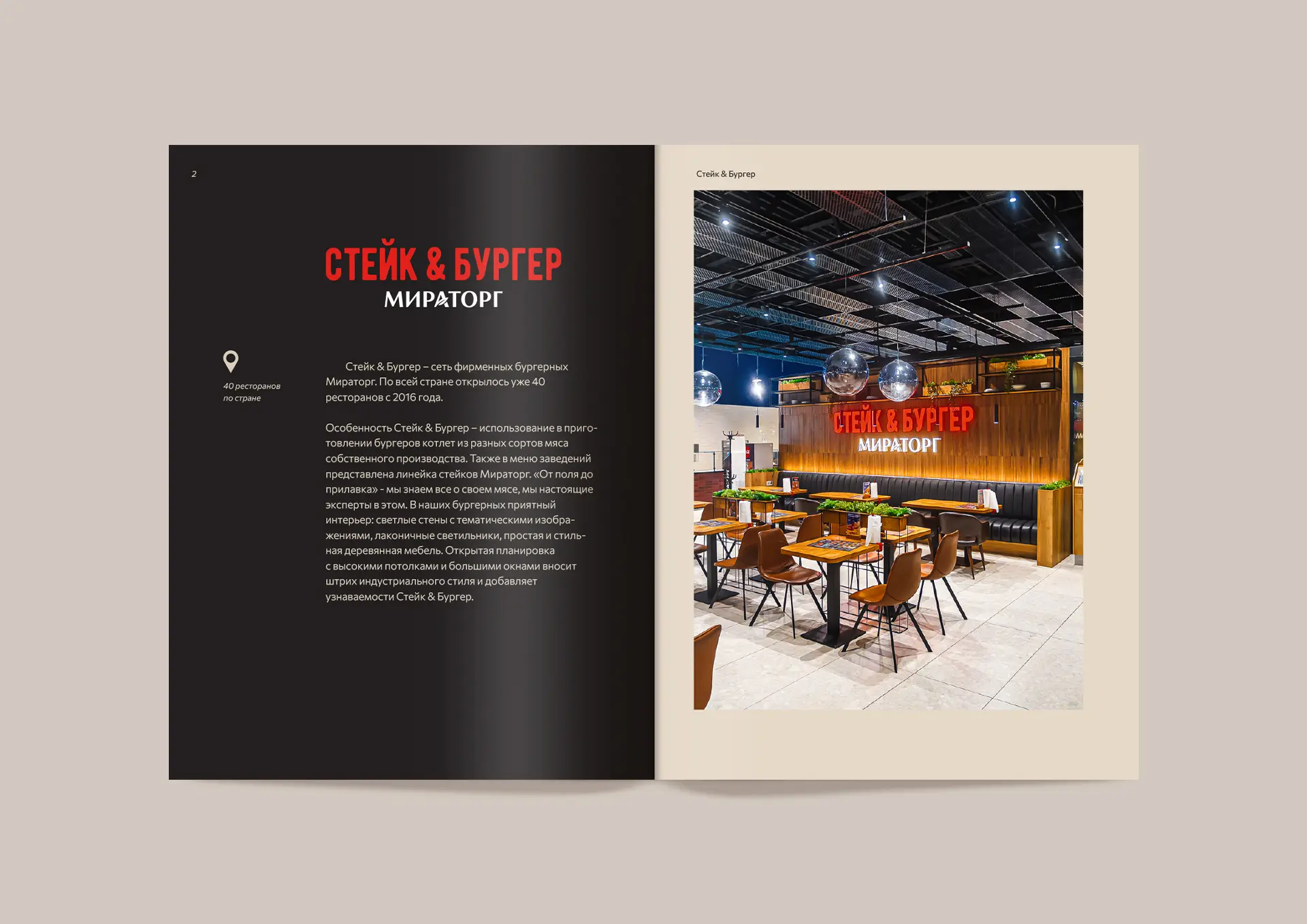
There are several physical and digital formats for a product catalog. The format can vary depending on the brand’s goals and the specific marketing campaign, but overall there are three main types.
A printed catalog is a physical print product (for example, a brand brochure or a product catalog). An electronic catalog is a document in PDF or another digital format. An online store catalog is closer to website or mobile app development, but it shares many of the same principles in structure, information presentation, etc.
More and more often, when ordering a catalog, companies develop both a print version and a digital version at the same time. This can significantly reduce costs compared to ordering each service separately.
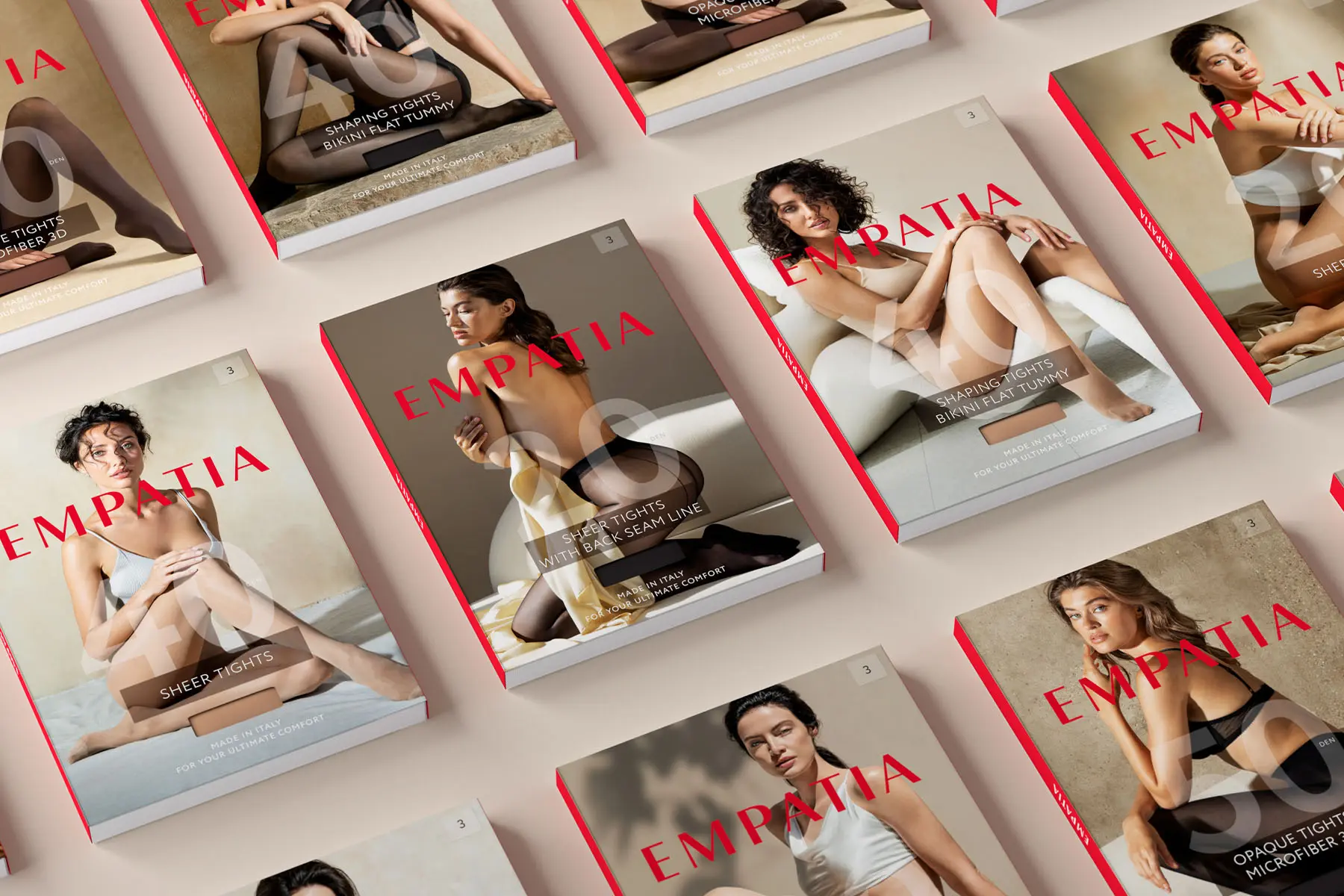
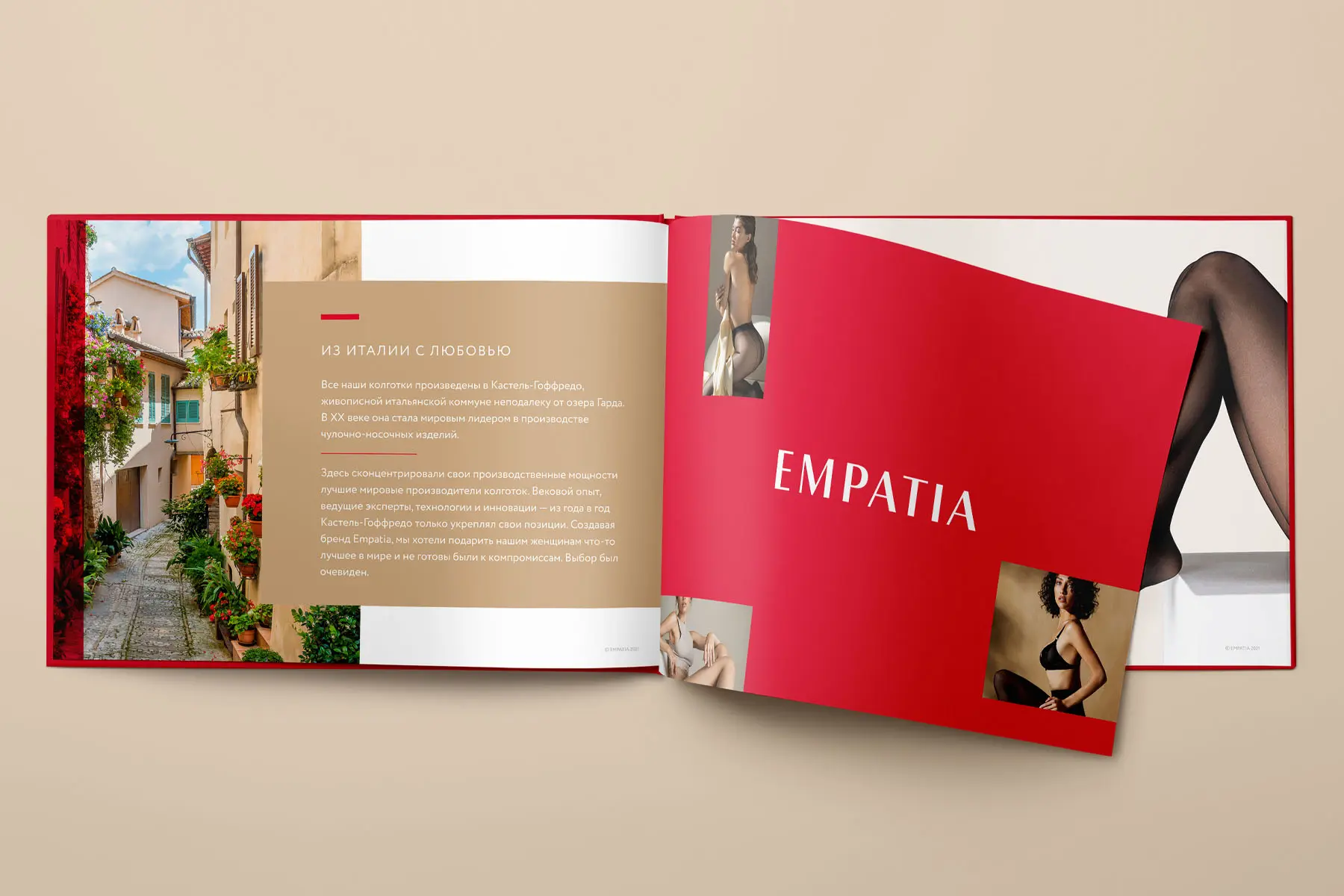
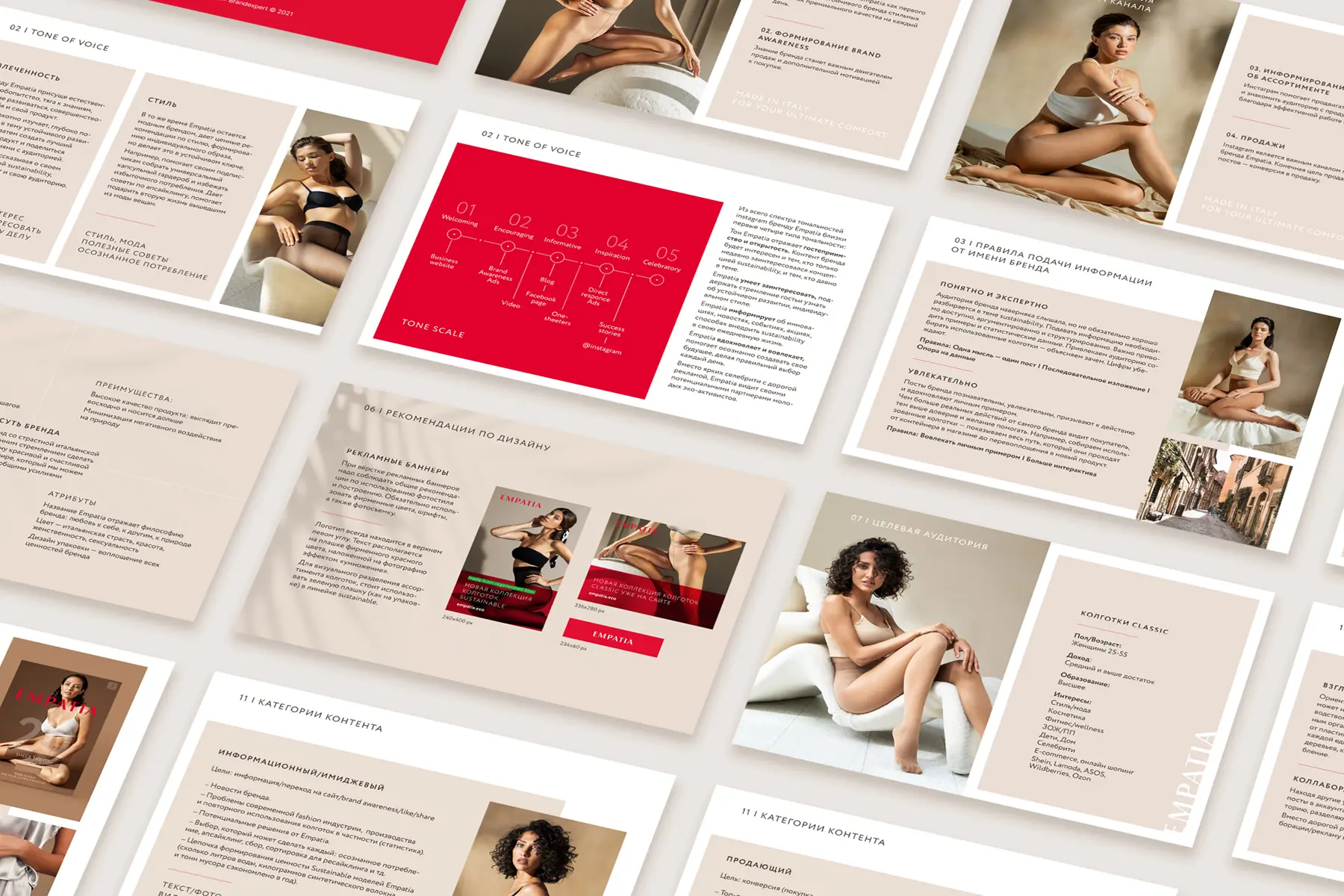
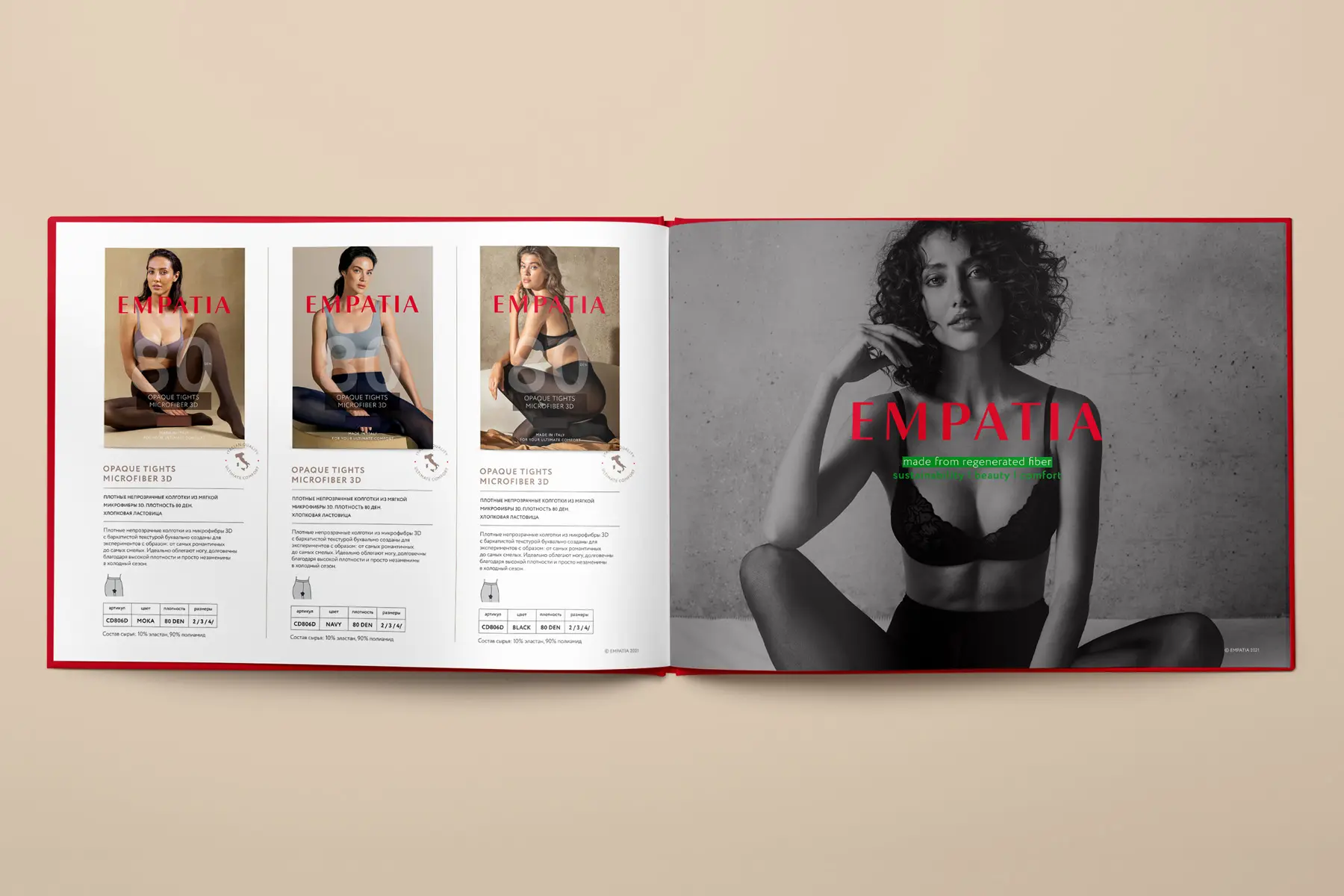

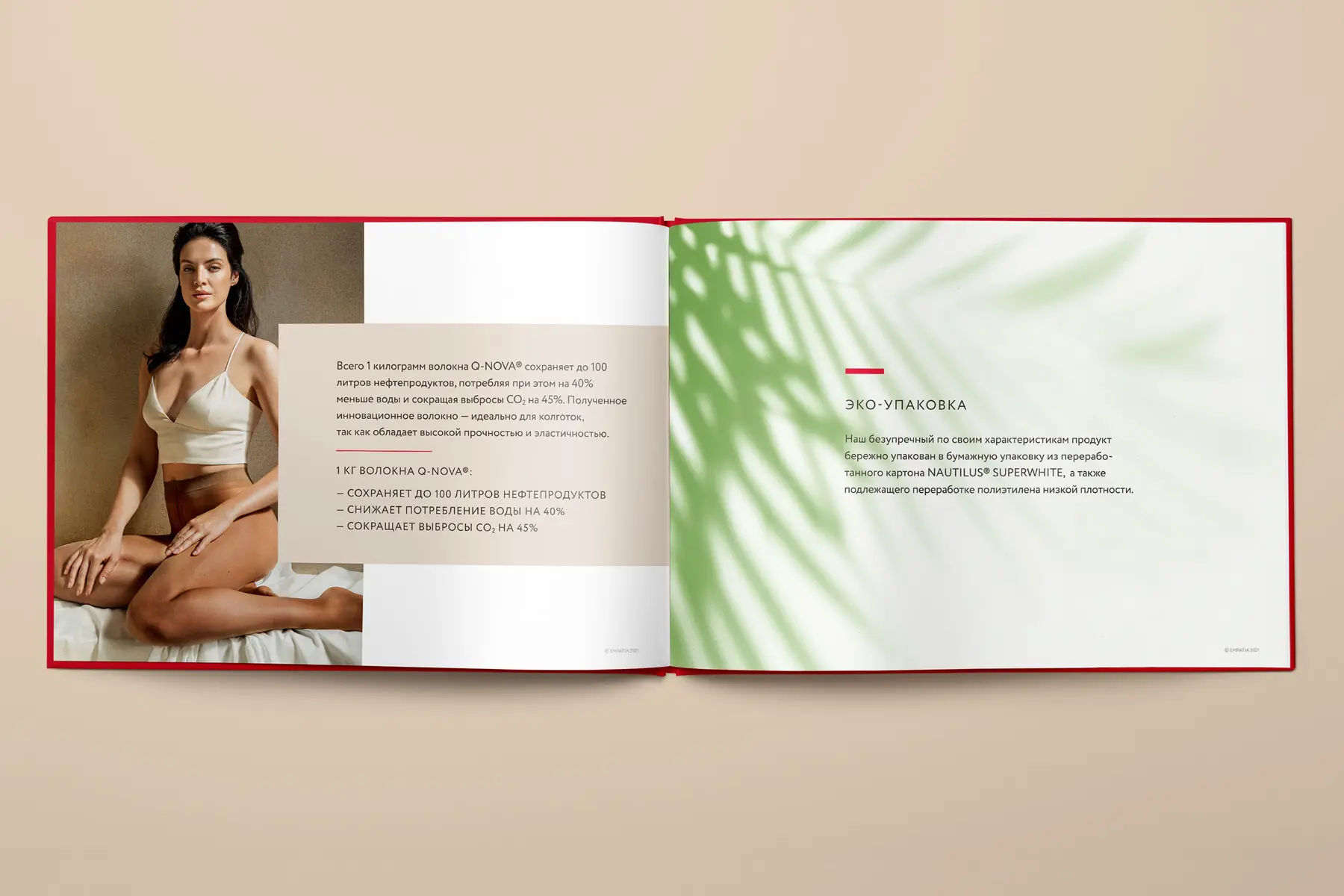
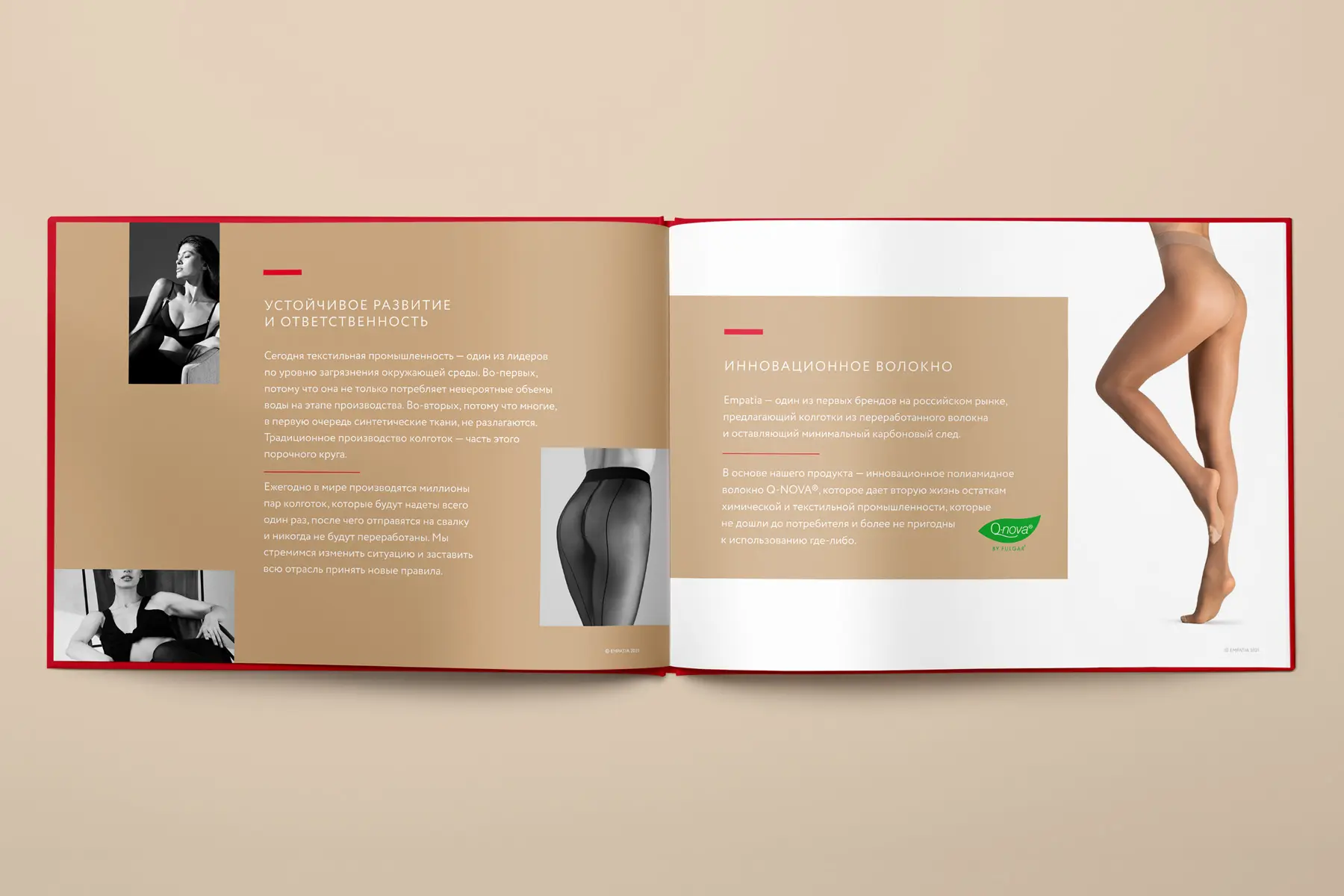
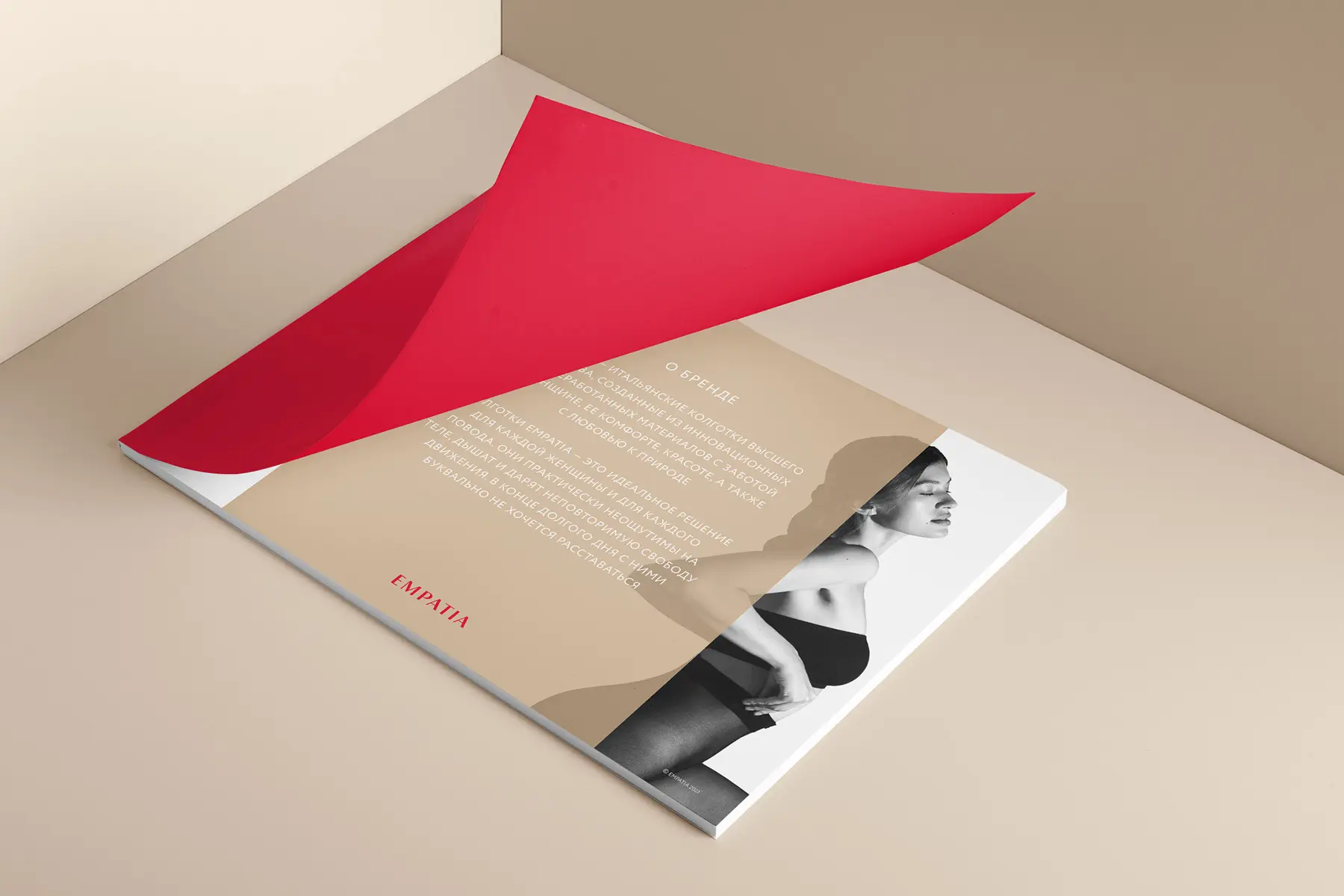
A printed catalog remains one of the world’s most effective tools for building brand image and supporting sales. It not only informs customers about services and products, but also strengthens recognition of the brand’s visual identity.
By function, printed catalogs, booklets, and brochures can be divided into three categories:
Corporate / Brand (image) catalogs — tell the story of the company, its values, and mission. Their role is to shape a strong brand image. They also include information about key products and services.
Promotional catalogs — focus on detailed descriptions of each product and possible configurations. Sometimes manufacturers choose to omit prices from the catalog, since any price update requires a reprint. From the customer’s perspective, a booklet that includes prices often inspires greater confidence.
Periodic catalogs — can be sent to existing customers annually, seasonally, or monthly. They feature current seasonal offers, specific items with prices, and promotion terms.
Printed catalogs offer many advantages. First and foremost, they support brand awareness and continuous brand presence.
In many cases, the physical format is simply more convenient for end users. A printed catalog is always accessible—no additional device, software, or internet connection is needed. When it stays on a client’s coffee table, it works as a gentle reminder and is ready for the moment a need arises.
A printed catalog also makes it easy to quickly find a product or information and place a bookmark on the right page — often especially convenient for sales managers and for customers, including older audiences.
High-quality print production builds trust in the company’s expertise, approach, and standards, and helps shape the brand image. The better the catalog, the stronger the perceived positioning of the brand and the quality of its products and services.
According to sales teams, printed brochures still remain the preferred format for many product categories compared to digital materials.








To reduce costs and make information sharing easier, electronic catalogs are increasingly replacing traditional printed ones. Such a catalog can either be an exact mirror of the printed version or a tailored, digital-first solution — the approach depends on the company’s goals. If the digital material will be distributed via email, it’s better to choose a small-format e-brochure or even a short sales deck that can be placed directly in the body of the message. This helps maintain a good balance between file size and image quality.
An alternative is to publish the PDF version of the brochure on the company website—this way you can avoid compromises between size and quality altogether. You can also create a flipbook: an interactive publication that simulates a traditional paper magazine. To build a flipbook, you need a complete PDF document ready to be converted into an interactive format, which can be done using specialized software.
The main advantage of digital solutions is significant savings compared to the costs of printing and distributing physical catalogs. The speed of distribution is also much higher. While a printed booklet needs to be mailed or delivered, an electronic version can be uploaded to a website or shared via a link, cloud storage, or email — in seconds.
Still, when it comes to brand image, few things compare to a premium printed catalog with a hard cover.



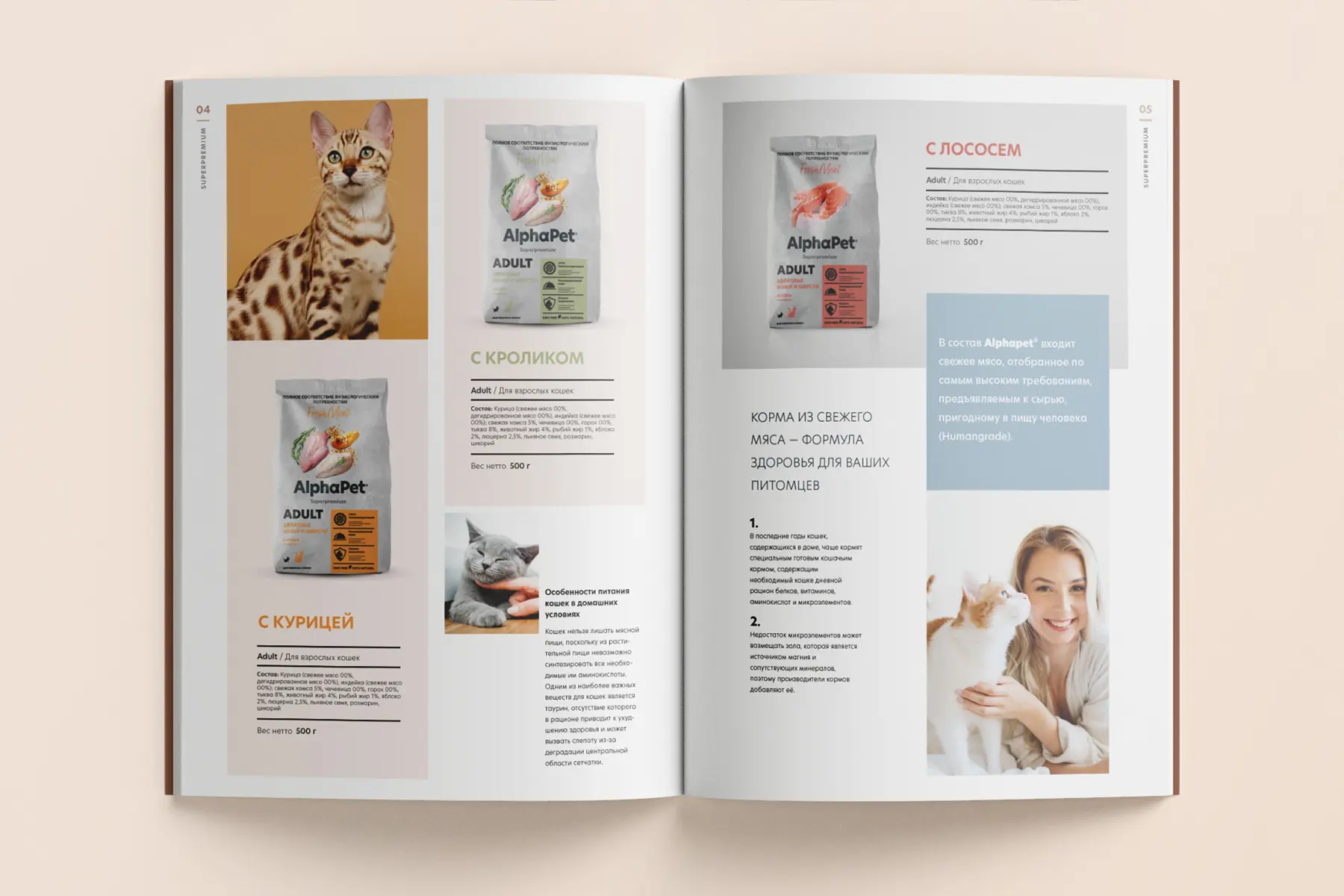
A product or services catalog is a document that can include many components with different purposes. Some elements are always present in any edition — for example, the cover and the table of contents — while others are optional or depend on the type of project.
As a rule, a catalog includes the following sections:
Cover. A mandatory element that serves both aesthetic and informational purposes.
Dust jacket. A good example of an optional element; it typically serves aesthetic and marketing functions.
Endpapers. Connect the pages of the publication to the binding; they can be solid-color, use the brand’s signature color, branded graphics, or a key visual photograph.
Introductory pages. A description, opening line, or quote — an opportunity to welcome the reader in an elegant way.
Table of contents. Chapters, sections, subsections, page markers — the most important functional parts that ensure navigation and make it easy for the reader to find information.
Section dividers / chapter separators. Help the user navigate the publication.
Product description pages. Provide detailed information on composition, purpose, and product benefits; they require a consistent layout logic across these pages.
Closing pages, notes, additional information. Provide a logical ending and a sense of completion. They may include a call to action, promotional content, and contact details.
Back cover. Can remain clean or include quotes and testimonials, as is often done in the publishing industry.
If the goal is to create a premium, image-focused printed catalog in hard cover, we recommend using most — if not all — of these elements.



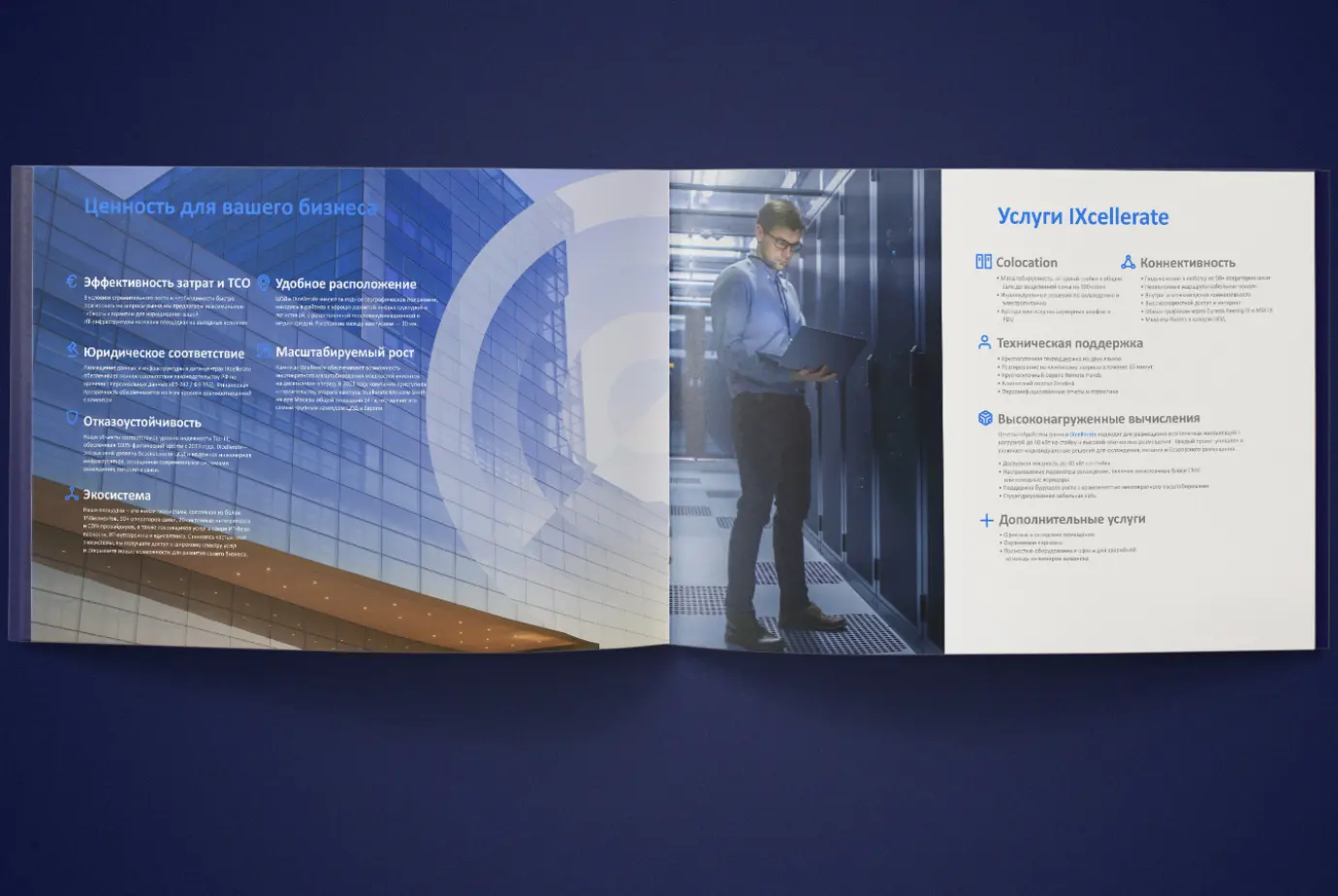
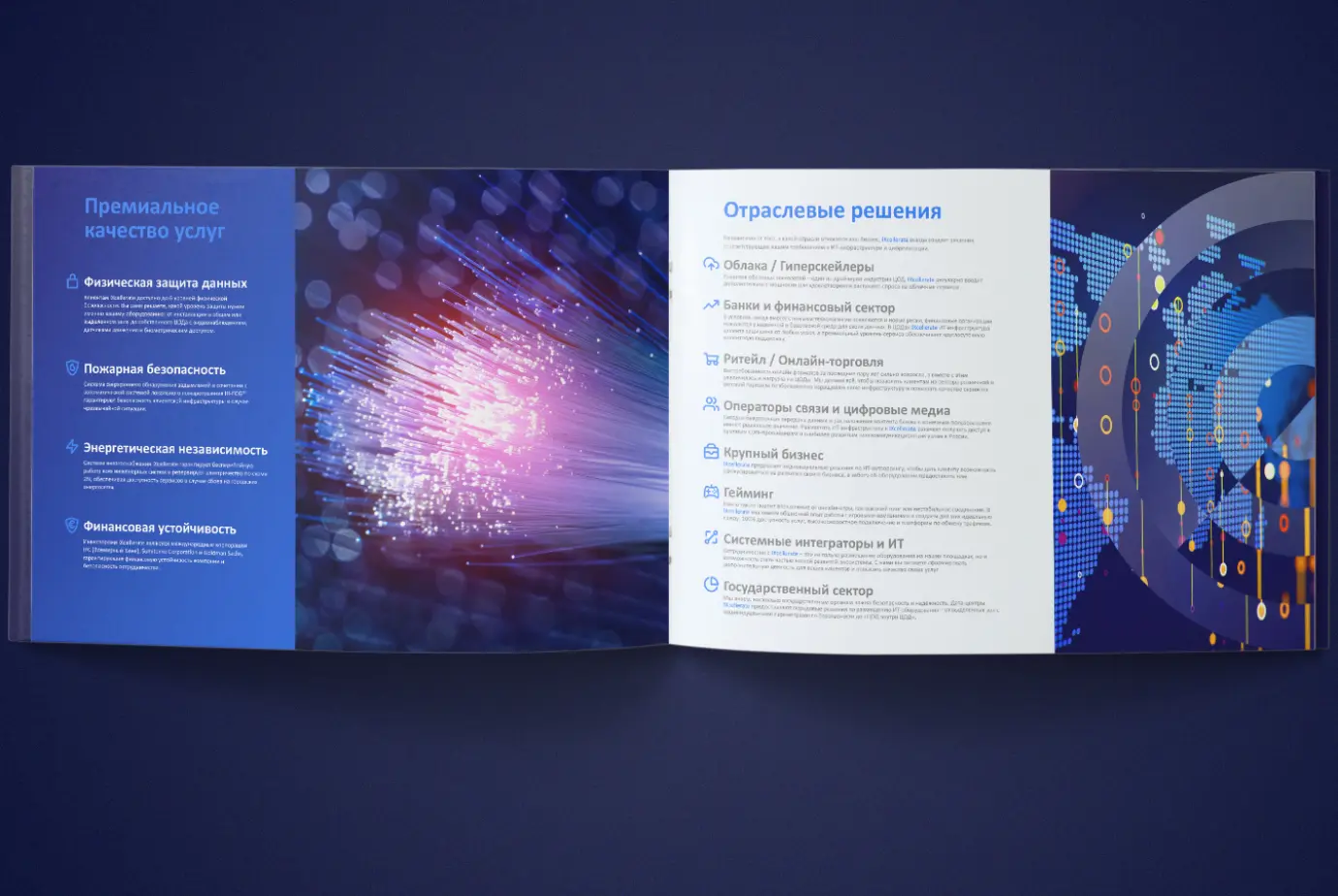
Information should be organized with the way the reader will use the publication in mind. Several factors need to be considered at once: will the client search for products by category or flip through every page? Will they compare multiple products at the same time, or look for a specific item or category? Will they prefer a printed or a digital version?
When creating a business catalog, it’s helpful to group elements by categories or by product attributes (function, size, or color). How the publication is used determines its structure. For example, medical and pharmaceutical catalogs are often used like an encyclopedia, so the entries are arranged alphabetically. If a brand’s assortment is not very broad, it can be useful to organize products in a more intuitive way or using less strict criteria—possibly combining different rules.
For instance, a furniture and home goods catalog can be structured around functional areas where the products are used: kitchen, living room, bedroom, children’s room, and so on. This way, customers are more likely to browse every page, and the chance of an impulse purchase increases.
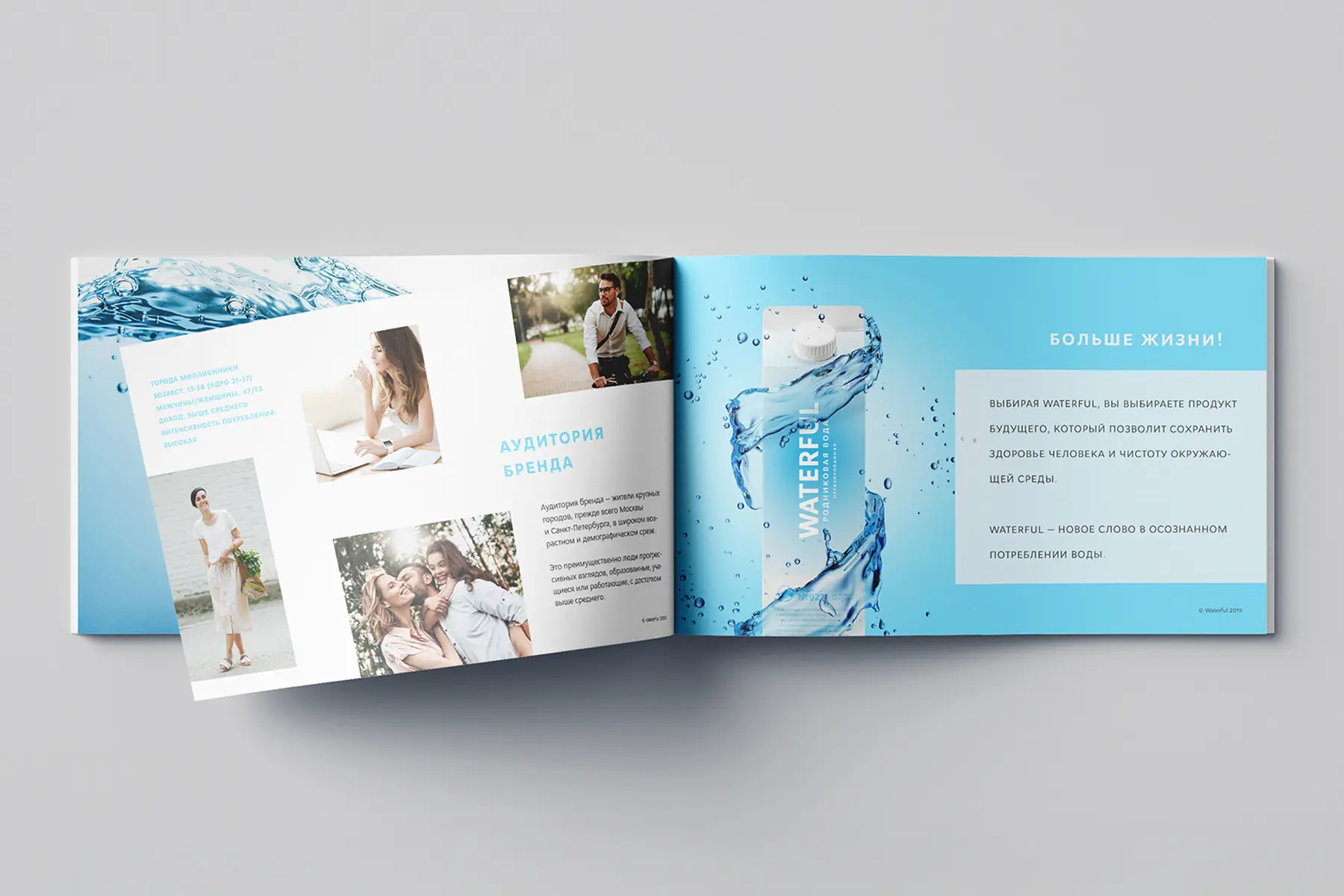
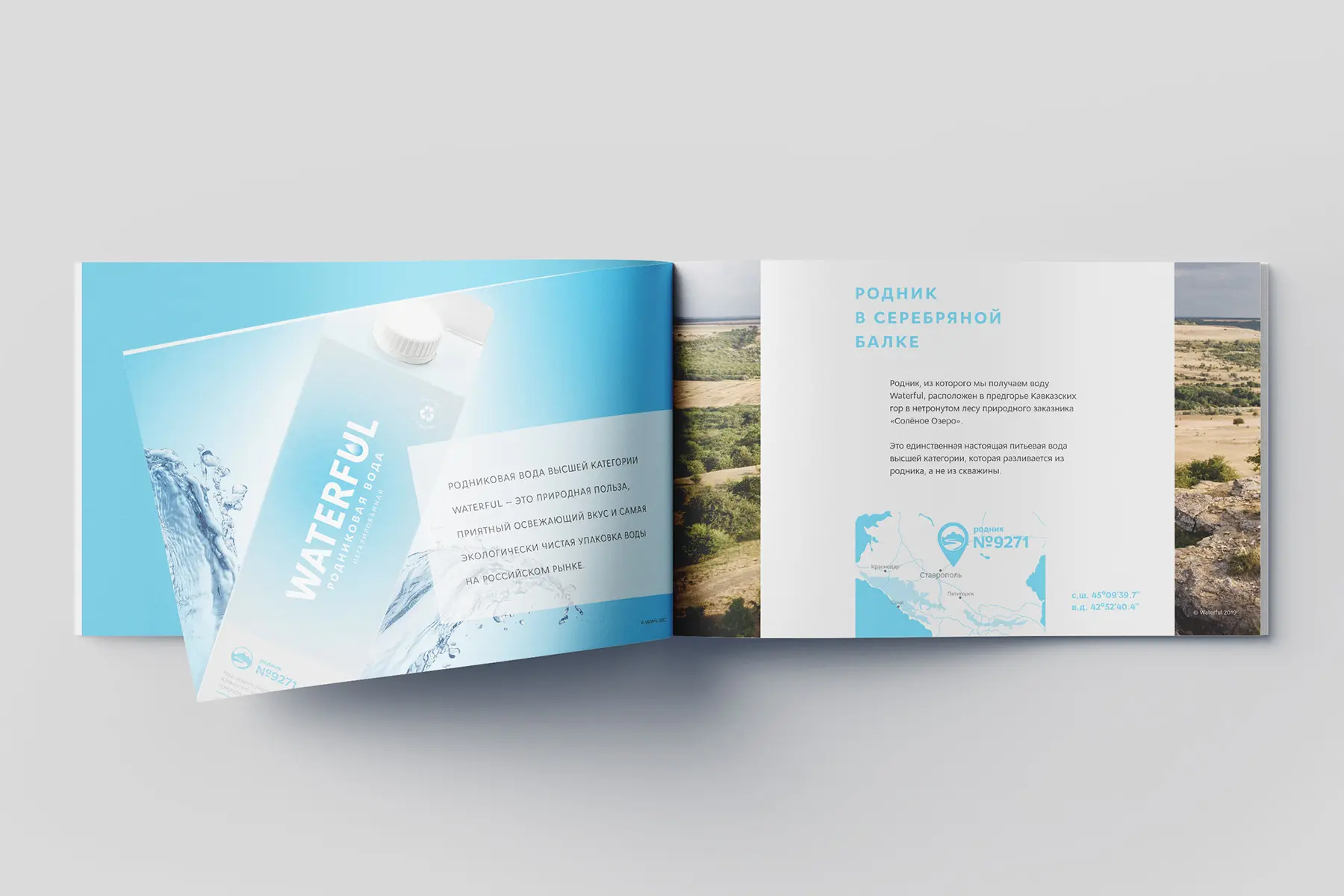
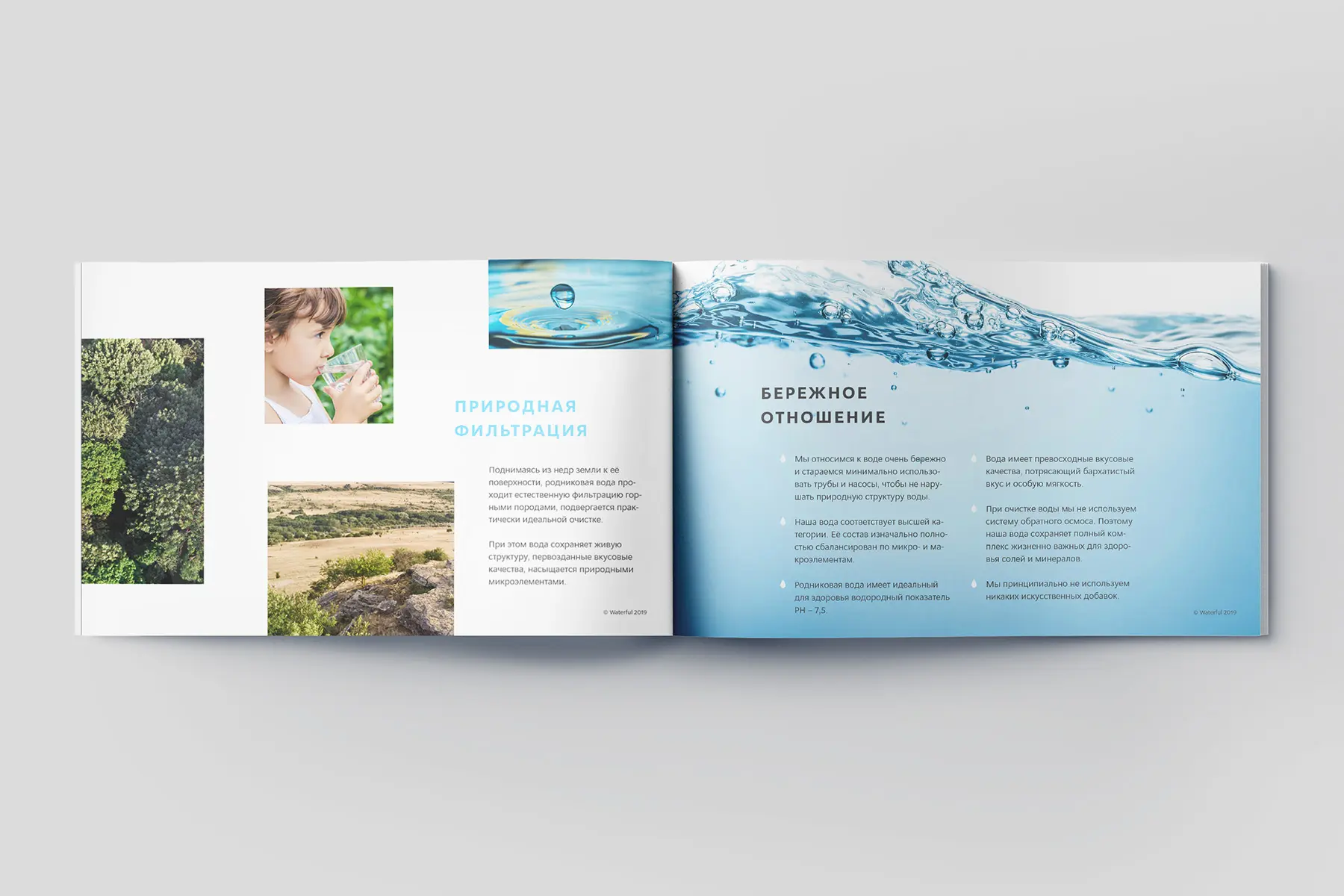

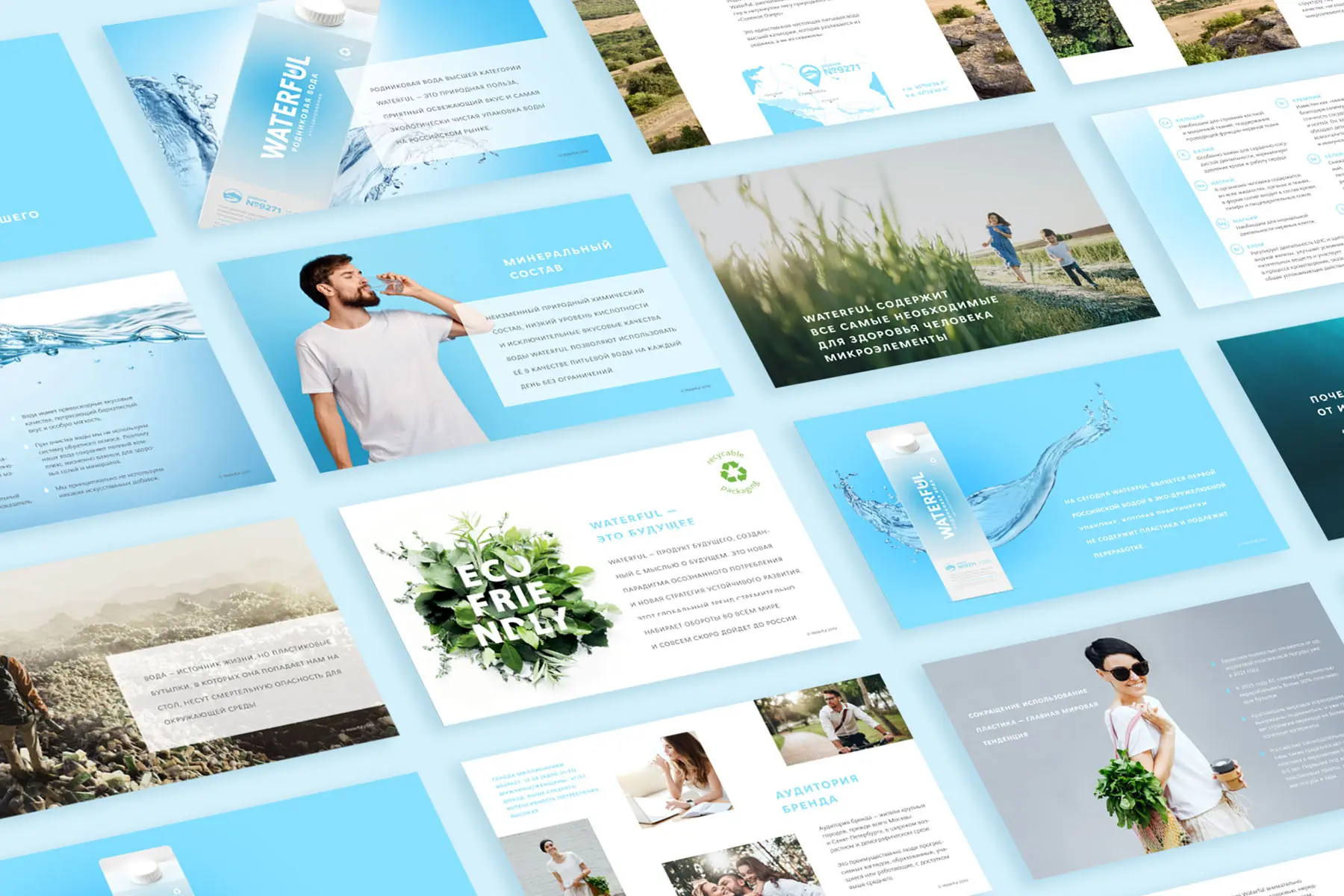
Selecting the right contractor is a key decision when preparing a catalog. An inexperienced provider can weaken brand perception, while a professional agency can strengthen the brand image, take it to a new level, and independently handle all related work.
An experienced freelancer can manage small to mid-sized projects. In most cases, however, the designer will ask you to provide product photos—since not every designer is able or willing to organize and produce a full photoshoot for the catalog. An advertising, marketing, or branding agency typically offers a turnkey solution, which also includes photographing the entire product range.
In terms of saving time, centralized project management, and ensuring consistent presentation across the brochure, this approach is the most convenient. The result looks expert, supports your brand image, and builds trust in your company — though a comprehensive, end-to-end brochure development will cost more.


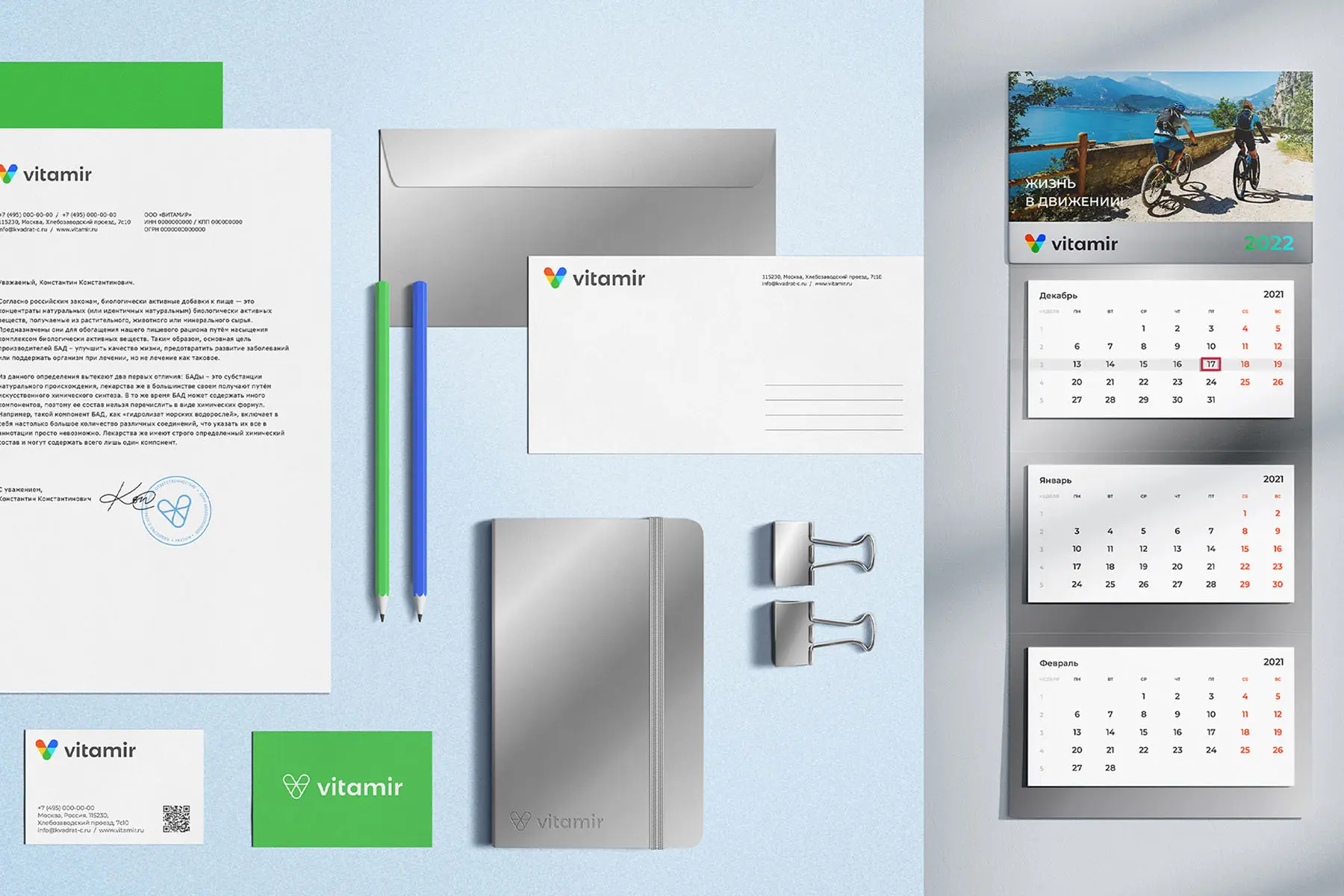


Preparing to create a catalog is a comprehensive process that requires collecting and consolidating all project information. To start work properly, you will need data about the company and each product, high-resolution images, and other supporting materials.
First, gather all information about the company. Brand/image catalogs are primarily intended to shape the company’s profile. A founding story or brand legend, key people, major milestones in the company’s development, patents, and proprietary innovations help clients understand the brand and build trust.
You will also need product data. This includes both textual descriptions of products — their features and specifications — and codes, SKUs, categories/subcategories, product names, attributes, prices, barcodes, etc. This information can be stored and delivered as an Excel or CSV file or extracted from SQL databases and the company’s ERP systems (for example, 1C, SAP, Microsoft Dynamics, Oracle, and others). A client may also ask you, as a designer, to pull all information from the company’s current website or from a previous version of the catalog. They may also request edits to the existing edition.
Always make sure that the information you provide or receive is current and up to date.
If you are creating a printed, image-driven catalog, you will need high-quality product images. The recommended resolution is 200–300 dpi. Strong imagery turns the document into a professional tool.
A client may not have high-resolution images for certain products and may suggest using images from their website. However, such images are typically up to 72 dpi and are not suitable for print. In this case, it’s better to agree on an additional product photoshoot. The same applies to informational pictograms, specialized graphics, infographics, and icons. Make sure you have received everything required for production.
The final stage is creating the catalog layout. This is handled by a graphic designer. Before starting layout development, it’s worth confirming that all necessary content elements — texts and photos — have been collected.
If the company has an established visual identity and a brand book, the catalog layout should follow its guidelines. This applies both to in-house designers and to external specialists involved specifically for this project.
From the brand book, you can obtain both general guidance on the visual identity and examples/standards for printed layout — such as a leaflet, brochure, or flyer. It’s important that the brand’s identity remains consistent, visible, and recognizable across all communication materials. Therefore, before designing a new brochure or booklet, review what the brand already uses.
In addition, the brand book may include layout templates — for example, two typical catalog pages: a product card and a page (or spread) with company information. Standards and requirements for other, non-standard pages — such as the cover, table of contents, an infographic page, chapter dividers, or section indexes—are usually not described. In that case, you will need to design them yourself, relying on the existing identity system and the materials you already have.
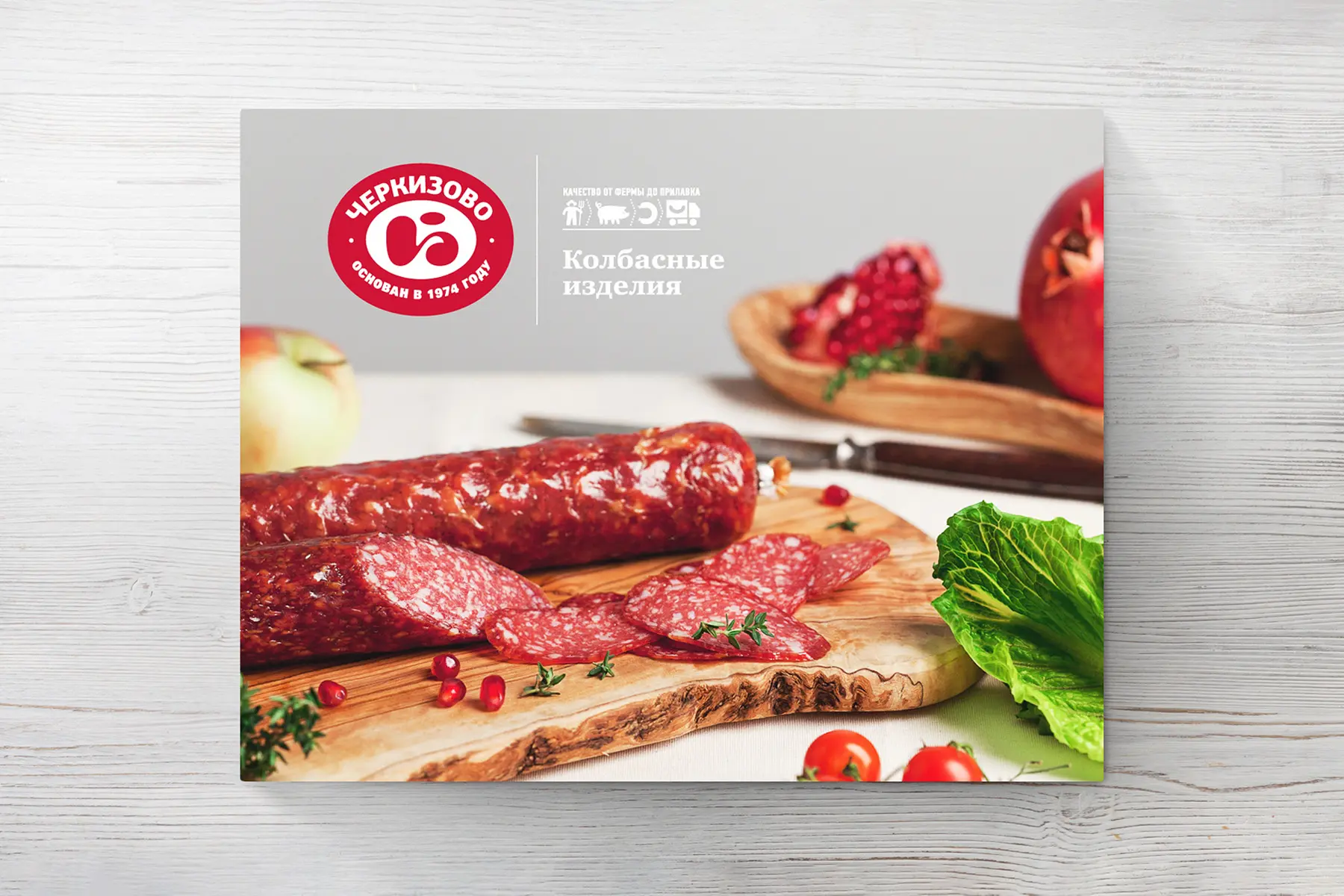
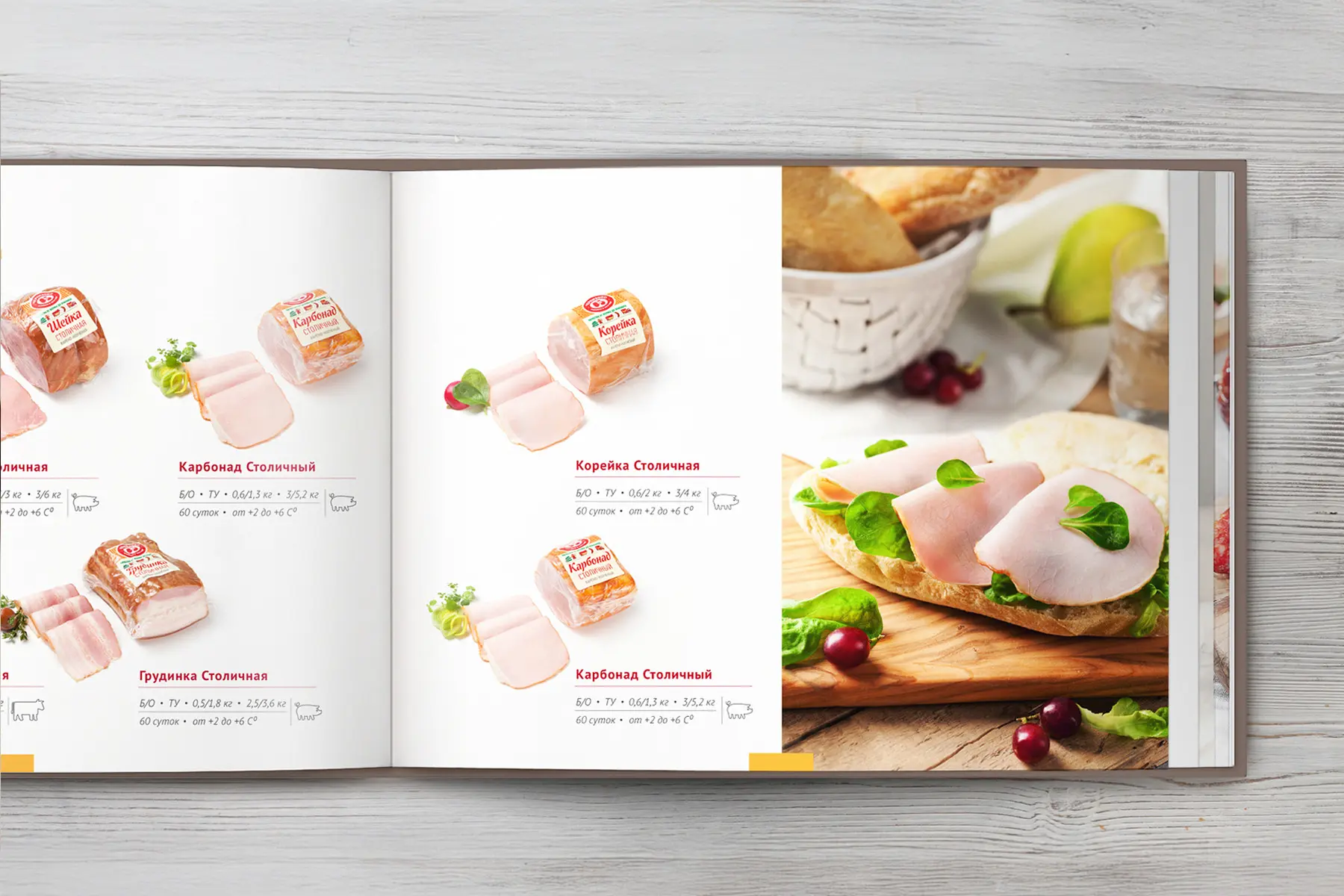

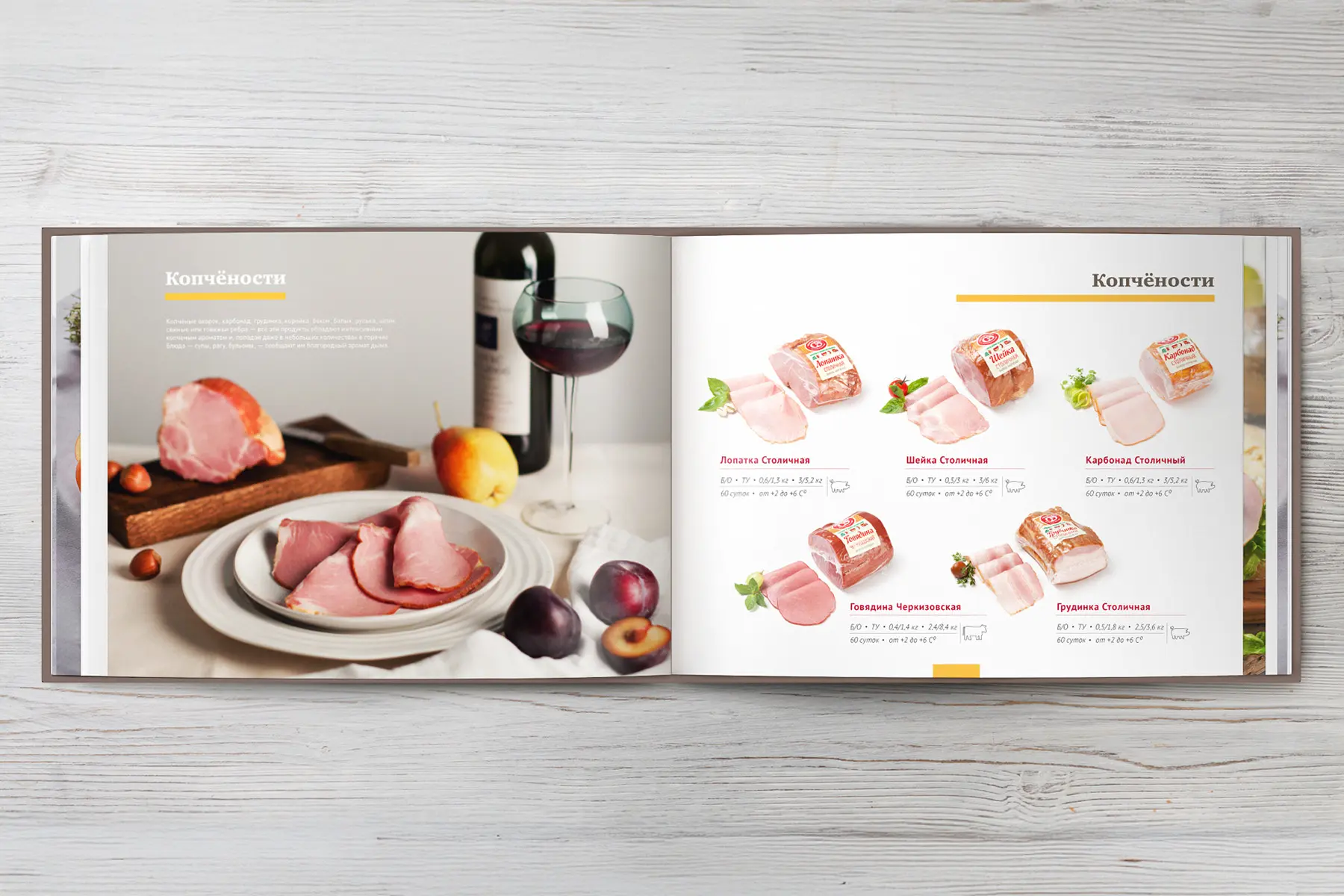
Once the layout has been fully approved and all text and visual content has been typeset, the catalog can be prepared for print and sent to the printer. Prepress requires a professional with extensive experience working with print houses — someone who will account for all technical details and ensure the final printed piece looks the same as the digital version.
If you’re planning a large print run, always start with a color proof. Make sure the brand’s signature colors reproduce correctly on the chosen paper stock — so you don’t have to reprint the entire run.
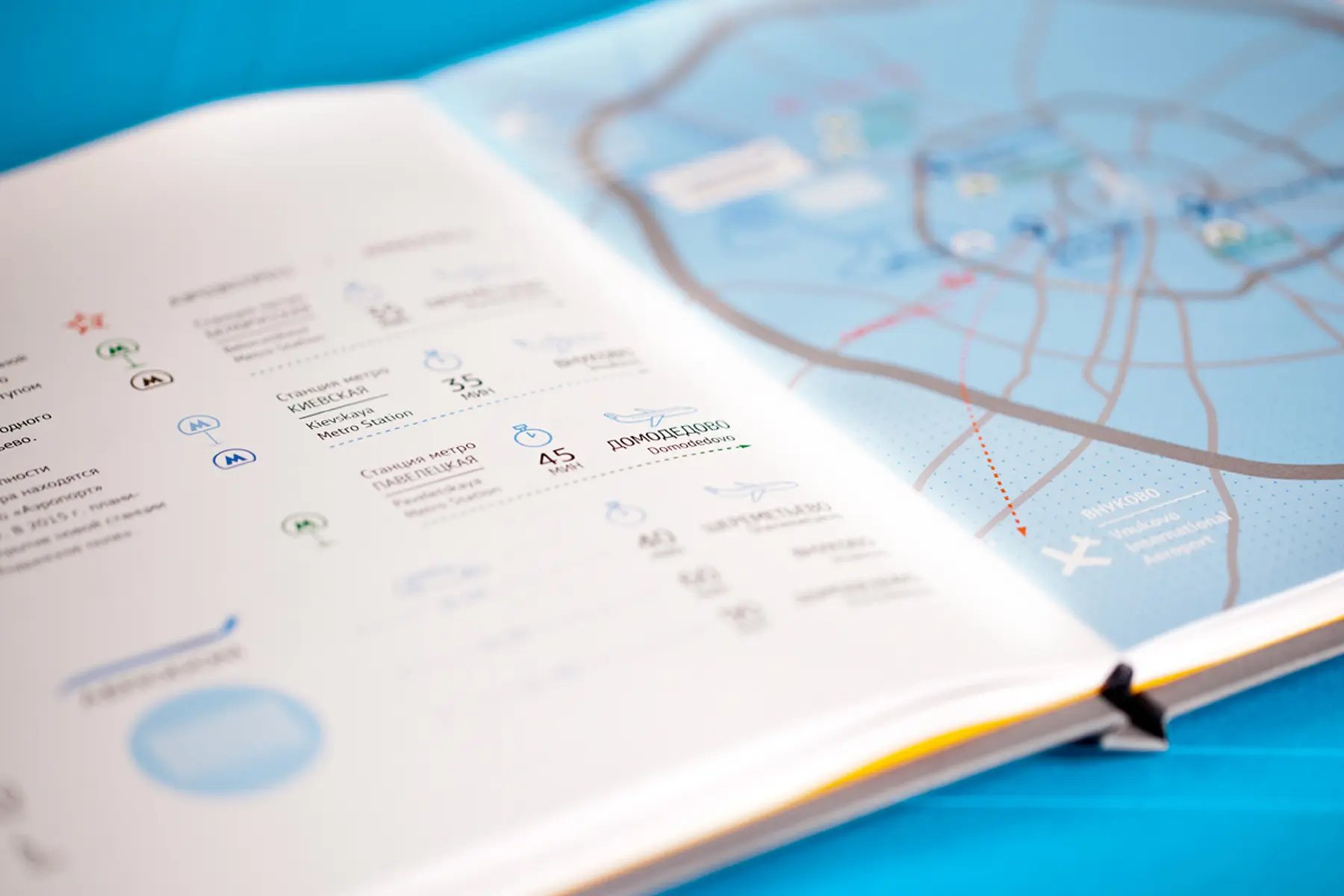
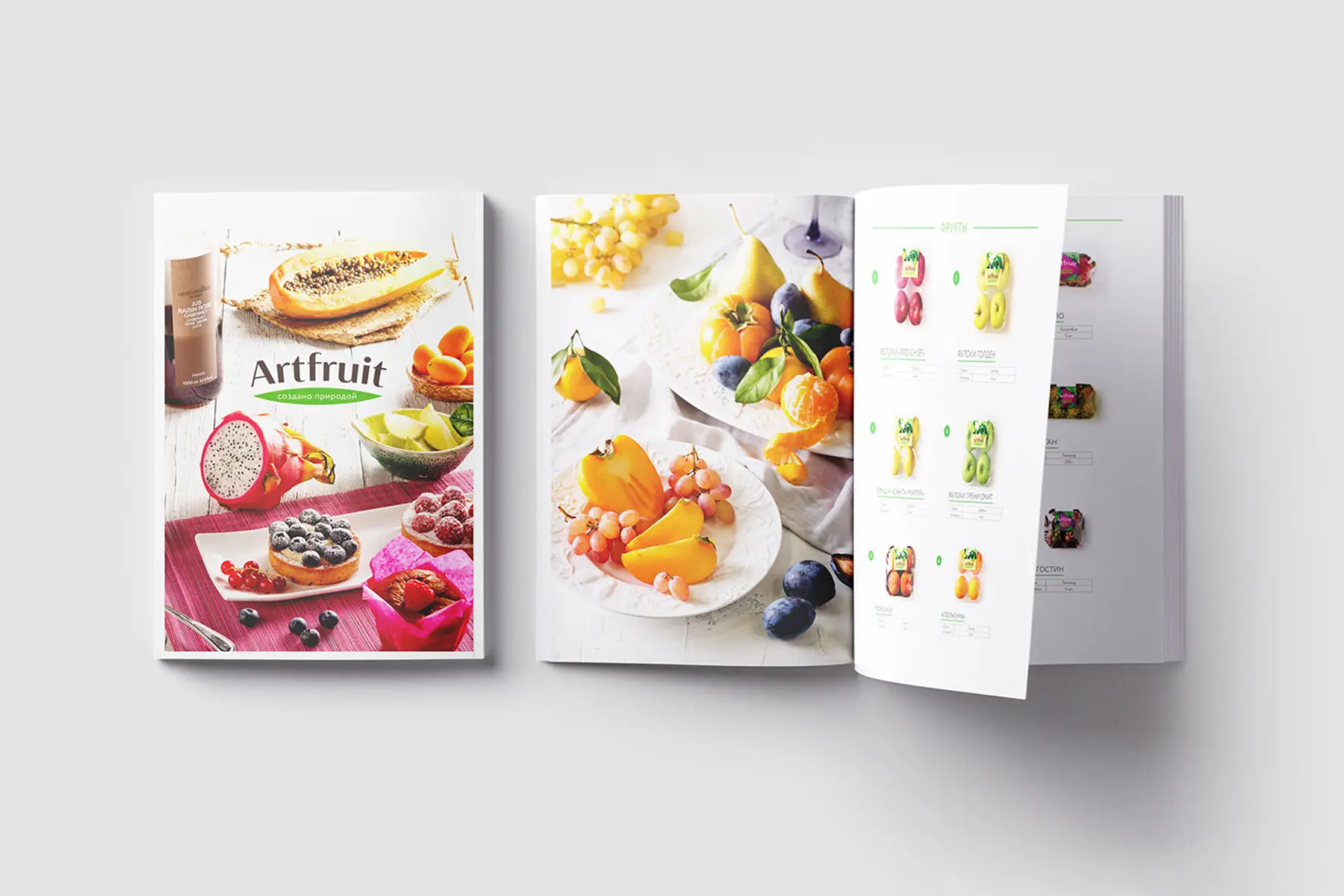
Catalog design is a comprehensive process, and its price is made up of the work of several specialists. Depending on the scope, requirements, and the contractor, the cost can vary significantly — from 10,000 rubles to several hundred thousand rubles.
The following factors have the greatest impact on the cost of catalog development:
Photography and photo editing. An essential — and one of the most labor-intensive — parts of the process. If the photoshoot has not been done in advance and is included in the catalog design package, the price will increase.
Publication volume. The more pages, the more design work is required. Whether you pay hourly, per page or for the full project, workload is one of the key drivers. It affects both timelines and budget.
Choice of contractor. Whether the catalog is designed by a freelancer or an agency also influences the cost. As a rule, agency services are more expensive, but the end result is typically stronger.
Copy preparation. The client may provide the text content; however, if there are no texts, the agency can write them. In this case, the service is added to the overall estimate.
In addition to the content work, printing costs are also affected by technical parameters — page count, print run, paper type and weight and any non-standard design elements.
In our portfolio, you’ll find dozens of examples of brand/image and product catalogs, promotional booklets, and brochures. You can use them as a clear reference or as inspiration when developing the design of your project.
The article uses photo and video materials provided by the customer / BRANDEXPERT "Island of Freedom" / ShutterStock / Freepik / Unsplash / Pexels / Goodmockups / Pixpine. All materials presented in the blog are purely informational in nature and do not pursue commercial purposes. The use of text, illustrations, photos, videos and other materials is prohibited without the consent of the copyright holder.

















By continuing to use this site, you agree to our use of cookies and the processing of your personal data as described in our Privacy Policy.