
Employer Branding by Leading Branding Agency BRANDEXPERT Freedom Island
Employer branding builds an attractive employer reputation and strengthens employee engagement. We create employer brands that reflect a company’s values, culture, and career opportunities, helping attract and retain talent. From the employee value proposition (EVP) and communication strategy to visual identity and employer branding events, our solutions turn your employer brand into a strategic business advantage.



Employer Branding Costs
The cost of employer branding depends on the complexity of the project, the depth of research and analysis, and the range of communication tools needed to build a strong employer reputation. Pricing covers research into company culture, employee value proposition (EVP) development, visual and verbal identity design, and a strategy for internal and external communications. This comprehensive approach helps attract talented professionals and strengthen engagement among existing employees, turning the employer brand into an asset that supports business growth.
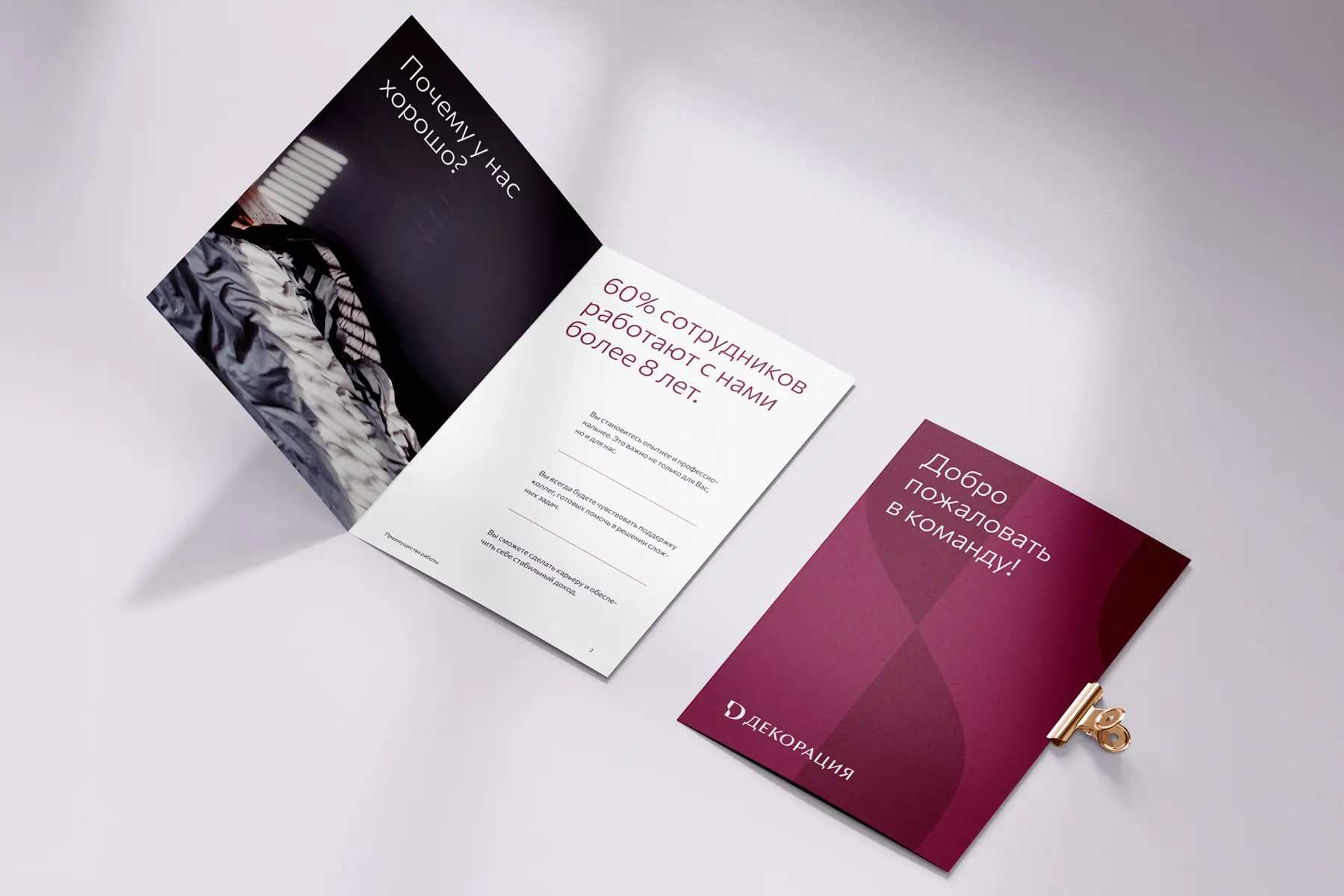
Employer Brand: Definition and Goals
An employer brand is how a company is perceived by potential and current employees. Its main goal is to build a lasting reputation that attracts skilled professionals. A strong employer brand helps a company become an employer of choice in its industry, reducing recruitment costs and increasing employee engagement. It strengthens both employee engagement and the company’s competitiveness.
What Does Employer Branding Achieve?
Employer branding helps attract, retain, and motivate talented employees. Developing an employer brand strengthens employee motivation and engagement, improving productivity and the quality of work. A well-established employer brand enhances the company’s market reputation, making it more attractive to potential partners and investors.
Internal and External Employer Branding: What Is the Difference?
Internal employer branding is aimed at current employees and focuses on creating a positive working environment, developing company culture, and maintaining strong motivation. External employer branding builds the company’s reputation as an attractive employer among job seekers and across the labor market. The internal focus helps retain the team and reduce employee turnover, while the external focus strengthens competitiveness by distinguishing the company from other employers. Both aspects are connected: a strong internal culture supports the company’s external reputation, and an attractive public image helps retain employees.
Key Elements of a Corporate Brand
A corporate brand brings together the ideas, values, and visual elements that create a distinctive image of a company in the market. At its core are the organization’s mission and values, which define its direction and the principles that guide its work. Reputation is also essential, shaped by product quality, social responsibility, and employee feedback. Together, these elements create a coherent, positive company image.
Why Employer Branding Matters
Employer branding gives a company a distinctive identity that attracts talented professionals. It strengthens the organization’s reputation as a socially responsible and ethical employer, building loyalty among both employees and customers. A well-developed employer brand ultimately enhances the company’s reputation and gives it a competitive advantage in the labor market.
The Employer Branding Process
The first stage of employer branding examines company culture, values, and employee expectations, alongside the company’s market position. The second stage defines the core values, employee value proposition (EVP), and channels for reaching the audience. The third stage develops the visual identity and communication tools that express the brand’s essence to internal and external audiences. The fourth stage integrates the employer brand into the overall company strategy, with regular monitoring and adjustments to keep it relevant and effective.
How to Measure Employer Branding Effectiveness
Employer branding effectiveness is measured using quantitative and qualitative metrics, including time to fill open roles and the number of applications received. Employee engagement and satisfaction are important indicators, measured through regular surveys, employee Net Promoter Score (eNPS), and staff turnover rates. Comparing the results with industry benchmarks and competitors’ best practices provides an objective assessment of the company’s competitiveness in the labor market.
Relevant services for business development
Related articles: visual identity
Frequently Asked Questions About Employer Branding Services & EVP Strategy
The cost of employer branding depends on the size of the company, its goals, and the tools selected. The main costs cover auditing the existing employer reputation, developing distinctive positioning and an employee value proposition (EVP), digital promotion, events, and HR team training. Ongoing employer brand maintenance should also be included in the budget: annual spending on digital communications, participation in career events, and updates to brand materials amounts to approximately 30–50% of the initial investment.
A strong employer brand increases conversion rates and sales by building customer trust in the company. Employees motivated by fair working conditions and a positive company culture share their positive experiences, strengthening customer loyalty and supporting sales. Strategic employer brand development therefore becomes an important driver of higher conversion rates and sustainable business growth.
Not every company needs an extensive employer branding program, but every organization benefits from clear positioning and clearly defined values. The scale and complexity of employer branding depend on the company’s size and strategic goals. Startups and small businesses may emphasize flexible working conditions and opportunities for growth, while larger corporations often focus on stability and prestige.
Employer branding helps build a strong company culture and a sense of belonging. Clearly communicating fair recognition of employees’ work, career opportunities, and training builds trust and reduces the risk of demotivation. This encourages employees to work more effectively and develop their professional skills. Employees who feel valued and connected to the brand show greater initiative and resilience, even during challenging periods.
An employer brand reflects company culture, so it should be built on the employer’s values. When stated values match everyday practice, they build trust among employees and job applicants. This strengthens loyalty and commitment to the company, improving productivity and reducing employee turnover. Integrating company values into the employer brand provides a foundation for sustainable business growth.
Employer branding focuses on developing and promoting the company’s reputation as an employer. It covers communication design, company values, and external reputation. People management strategies address onboarding, performance evaluation, and employee motivation. The two areas complement each other and have distinct roles: employer branding is the company’s public face, while people management strategies shape how it operates internally.
Yes, particularly in small and medium-sized businesses, provided the team is prepared to examine the company’s values, audiences, and competitors in depth. The process requires expertise in marketing, design, and human resources. For the best results, we recommend working with professionals who have experience in both branding and HR.
The BRANDEXPERT Team.