Professional Photography from A to Z. A Complete Photography Guide
Анна Авдеева
Article's author19.09.2024
Professional photography plays a pivotal role in building modern design systems and directly influences a project’s commercial success. Through visual content, brands integrate seamlessly into the digital world and develop a new language of communication. Companies invest in photo and video production to shape their brand DNA. Today, visual imagery has become the new language of the digital environment. Target audiences discover countless products and services through digital tools. Visual identity and branded content help a brand stand out in an endless stream of information. In advertising, the purpose of photography is to create an emotional connection and answer a customer’s key questions in just a few seconds. Image quality and creative execution strongly affect how much people trust a brand. The better the visuals match audience intent, the higher the conversion to sales.
The content of the article
- BRANDEXPERT Agency Photo Studio
- Brand Positioning and Photography
- Professional Shoots and Advertising
- Types of Photography
- Advertising Photography
- Packaging Photography
- Model Photography
- Industrial Photography
- Corporate Photography
- Food Styling
- Jewelry Photography
- Interior Photography
- Professional Photography for a Website
- Photography for Marketplaces
- Product Photography
- Professional Photography for a Catalog
- Children’s Photography for a Brand
- Animal Photography for Advertising
- Stages of a Photo Shoot
- Working with Modeling Agencies
- Influencer Marketing with Celebrities and Bloggers
- Stock Photo Libraries as an Alternative to a Photo Shoot
- A Company’s Own Photo Library
- 3D Visualization as an Alternative to Photography
- Legal Aspects of Advertising Photography
- Cost of a Photo Shoot
- Photoshoot Brief
- Photo Image Post-Processing
- Image Quality Requirements
Examples of professional photography





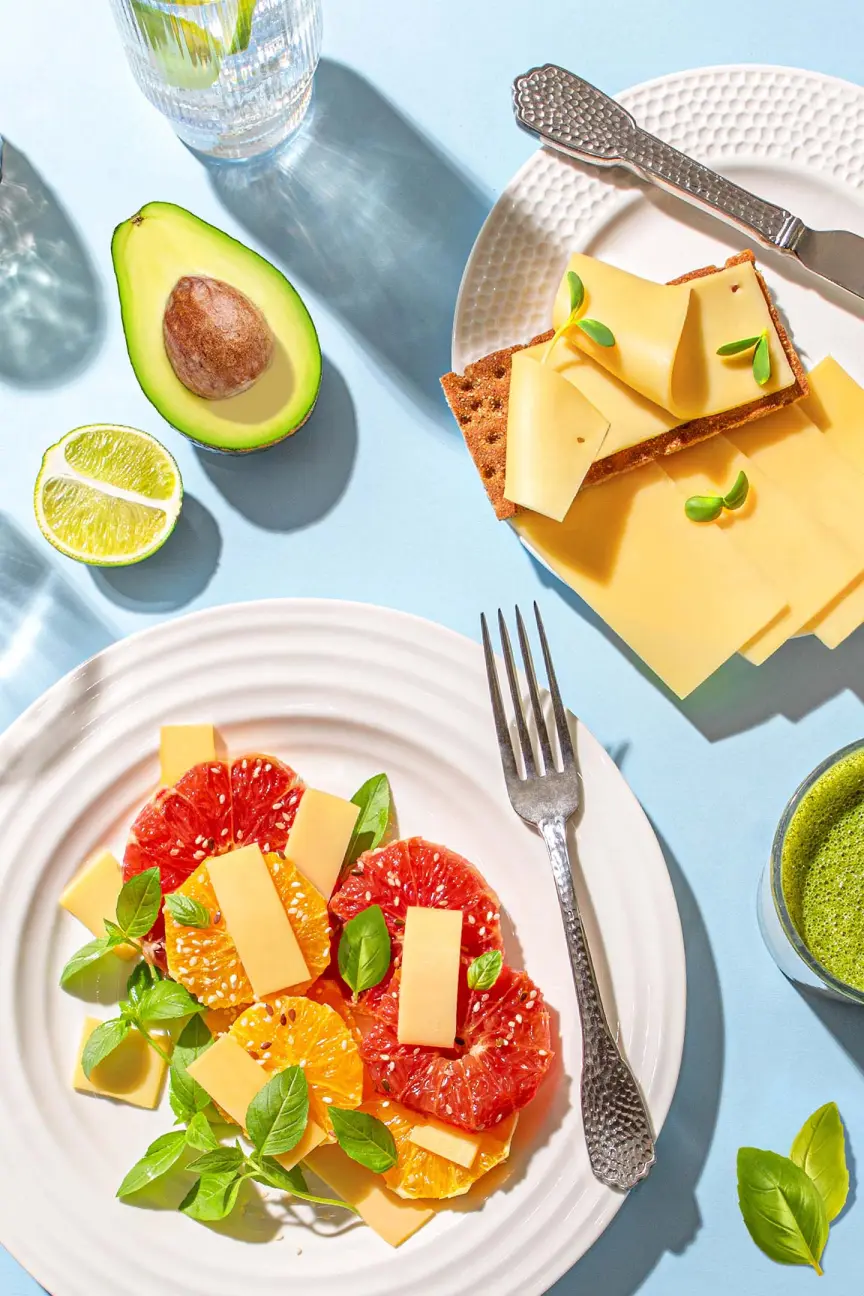
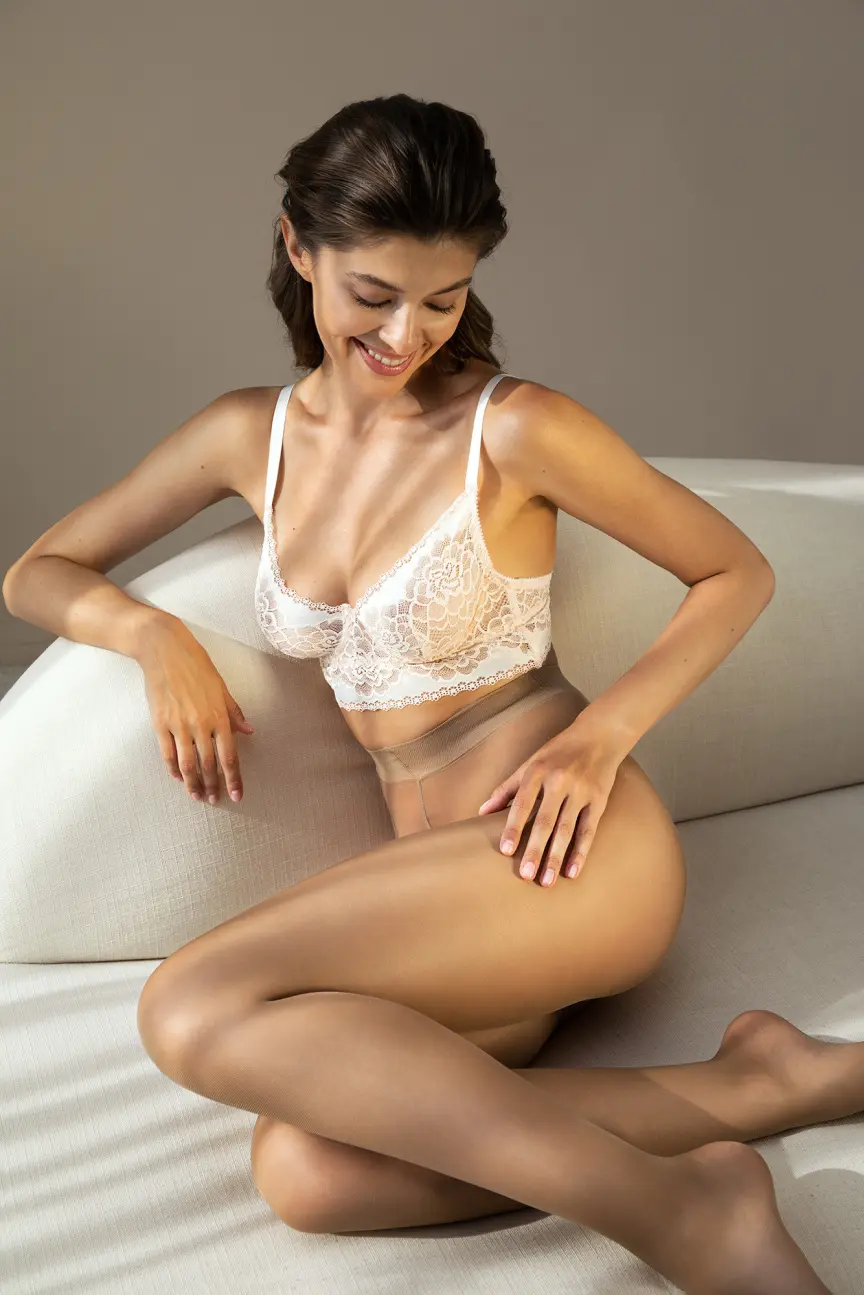
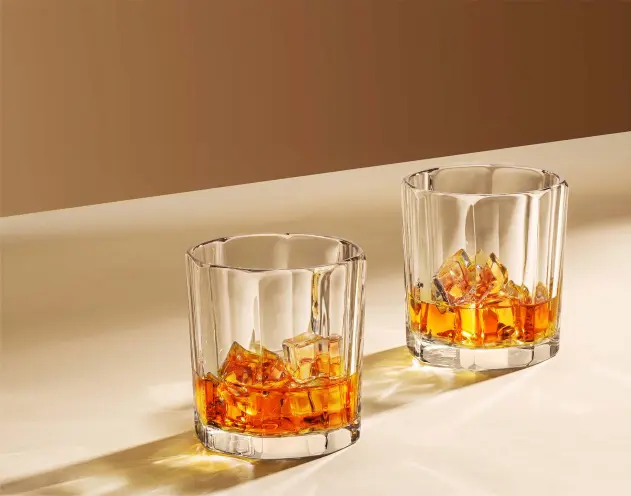

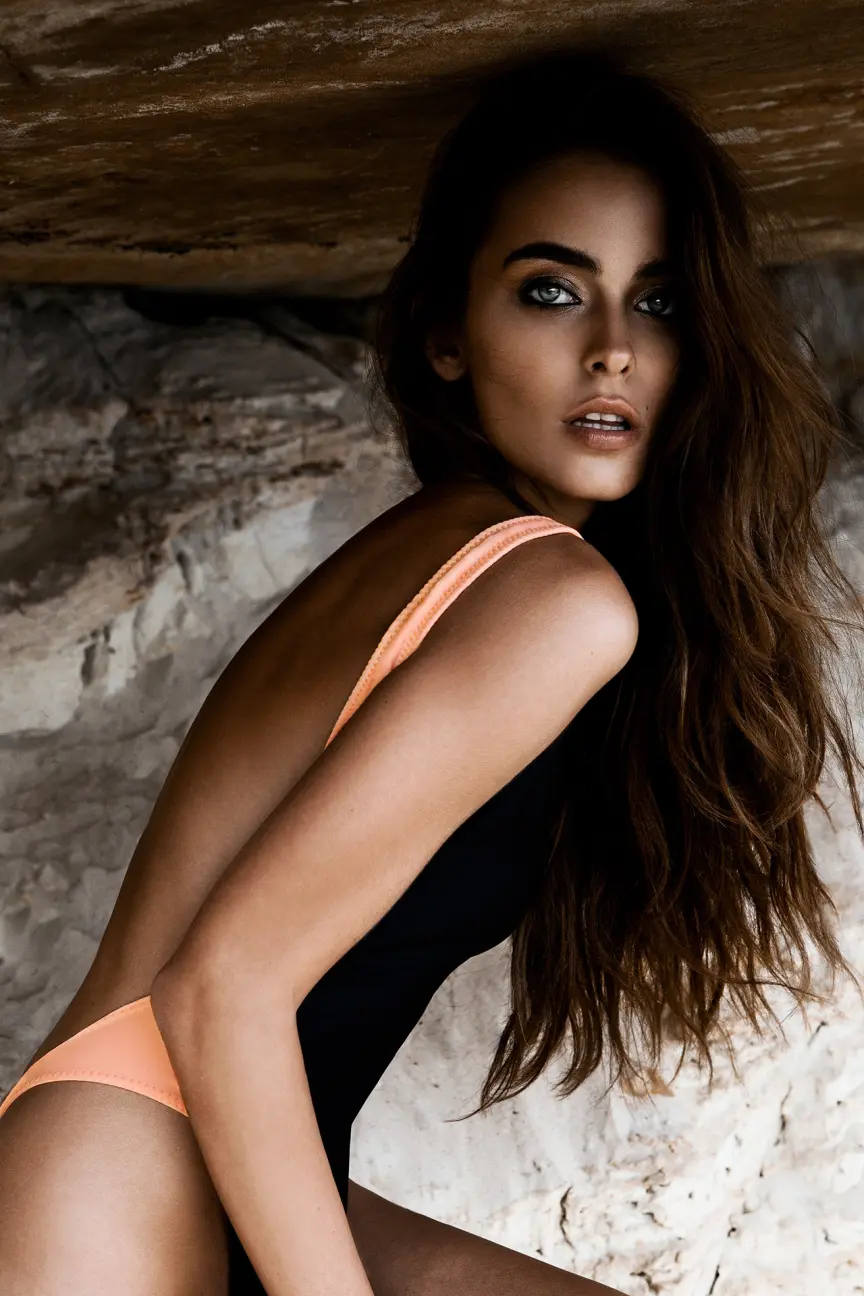


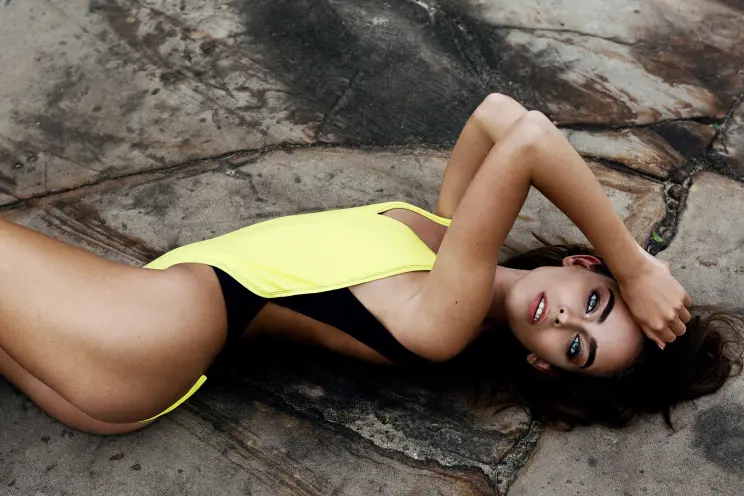

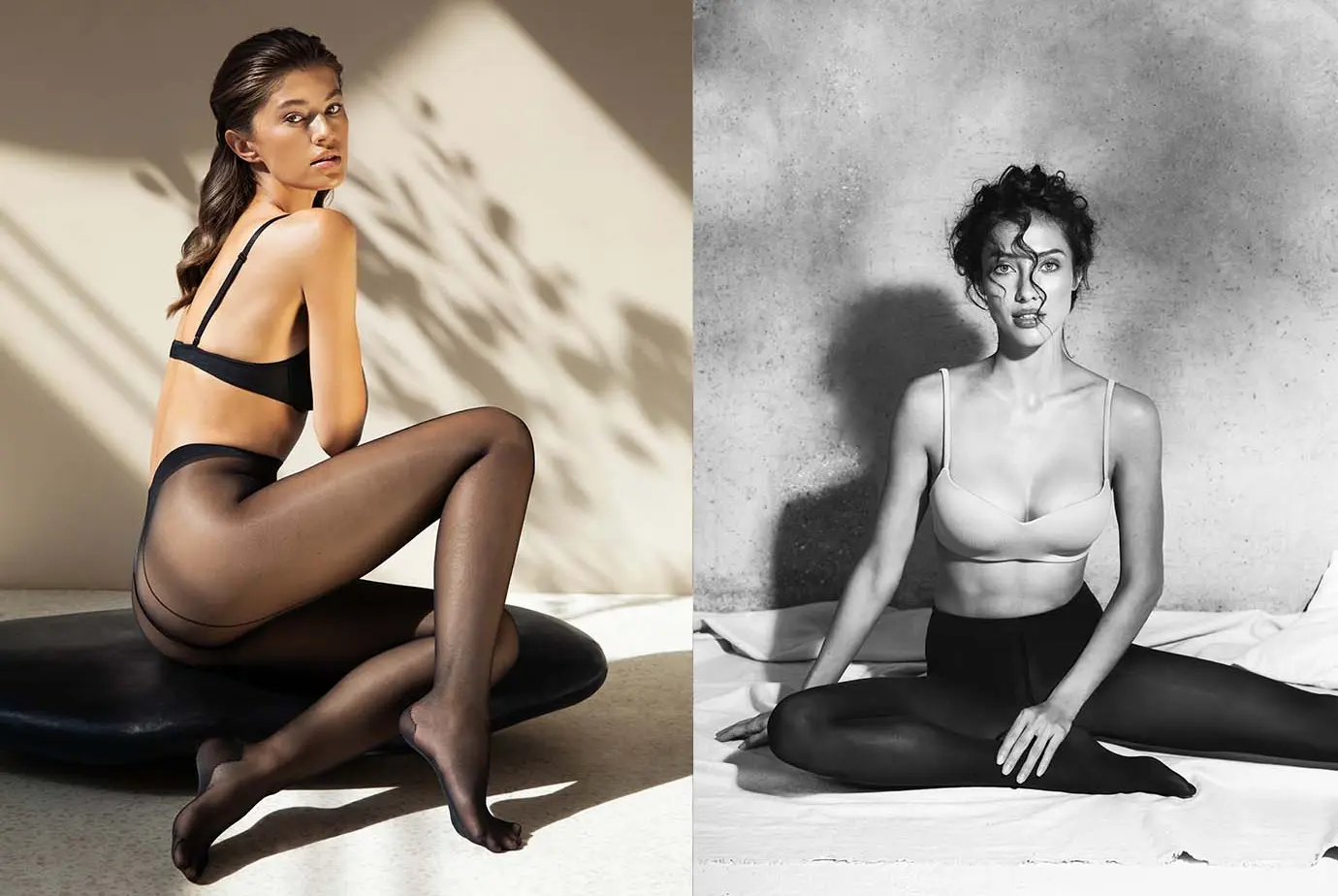
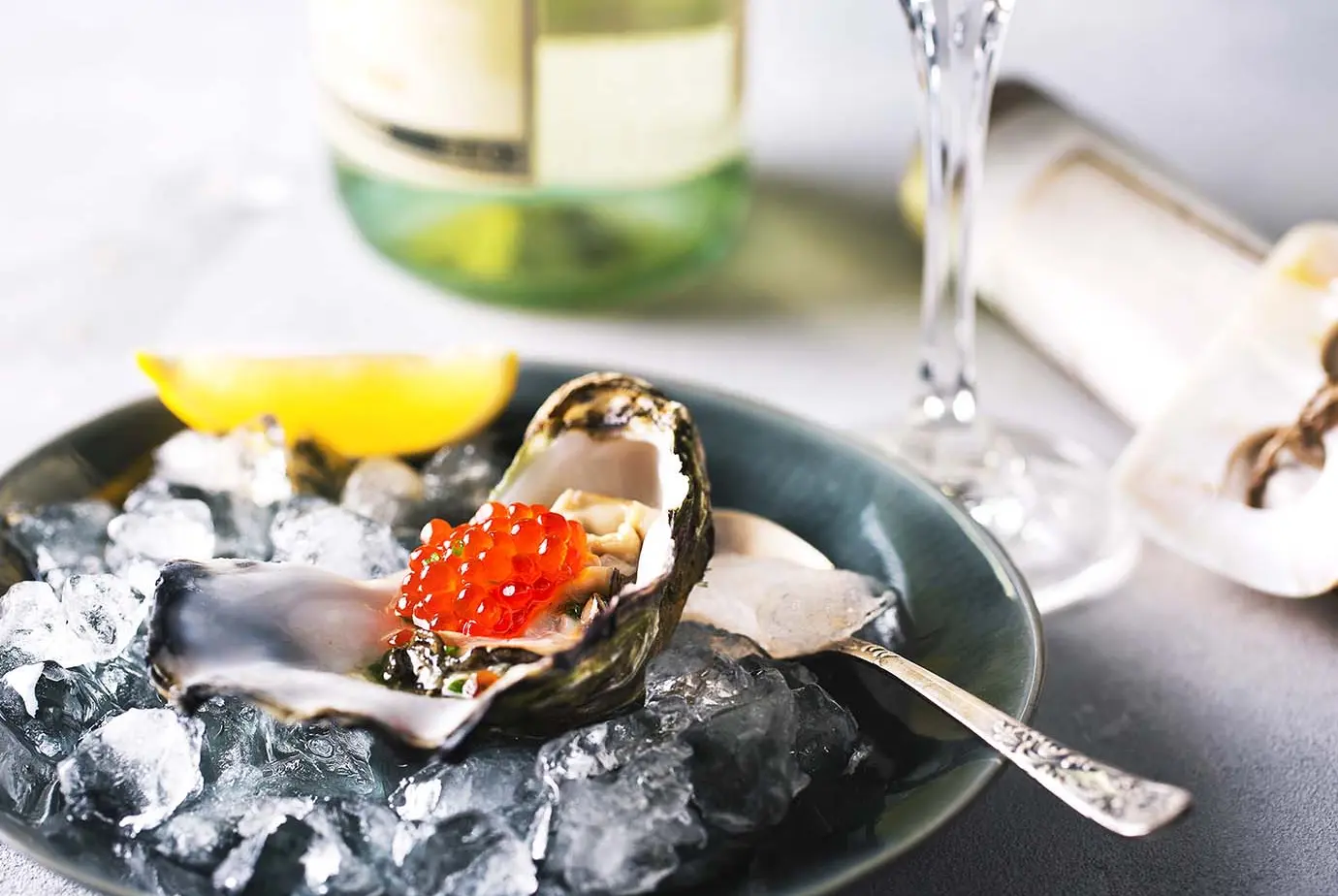

BRANDEXPERT Agency Photo Studio
BRANDEXPERT Agency Photo Studio is a team of experienced photographers, stylists, makeup artists, and designers who create powerful photo and video production for Russian and international brands. We develop creative concepts for photo and video shoots to shape cohesive brand imagery — its DNA.
With extensive project experience, we are ready to take on tasks of any scale. BRANDEXPERT Agency Photo Studio has all the modern equipment needed to build effective visual systems for brands.
Today, photo and video content play a leading role in brand communications. We know how to create strong, relevant visual identity that supports business growth and helps build a recognizable market presence.




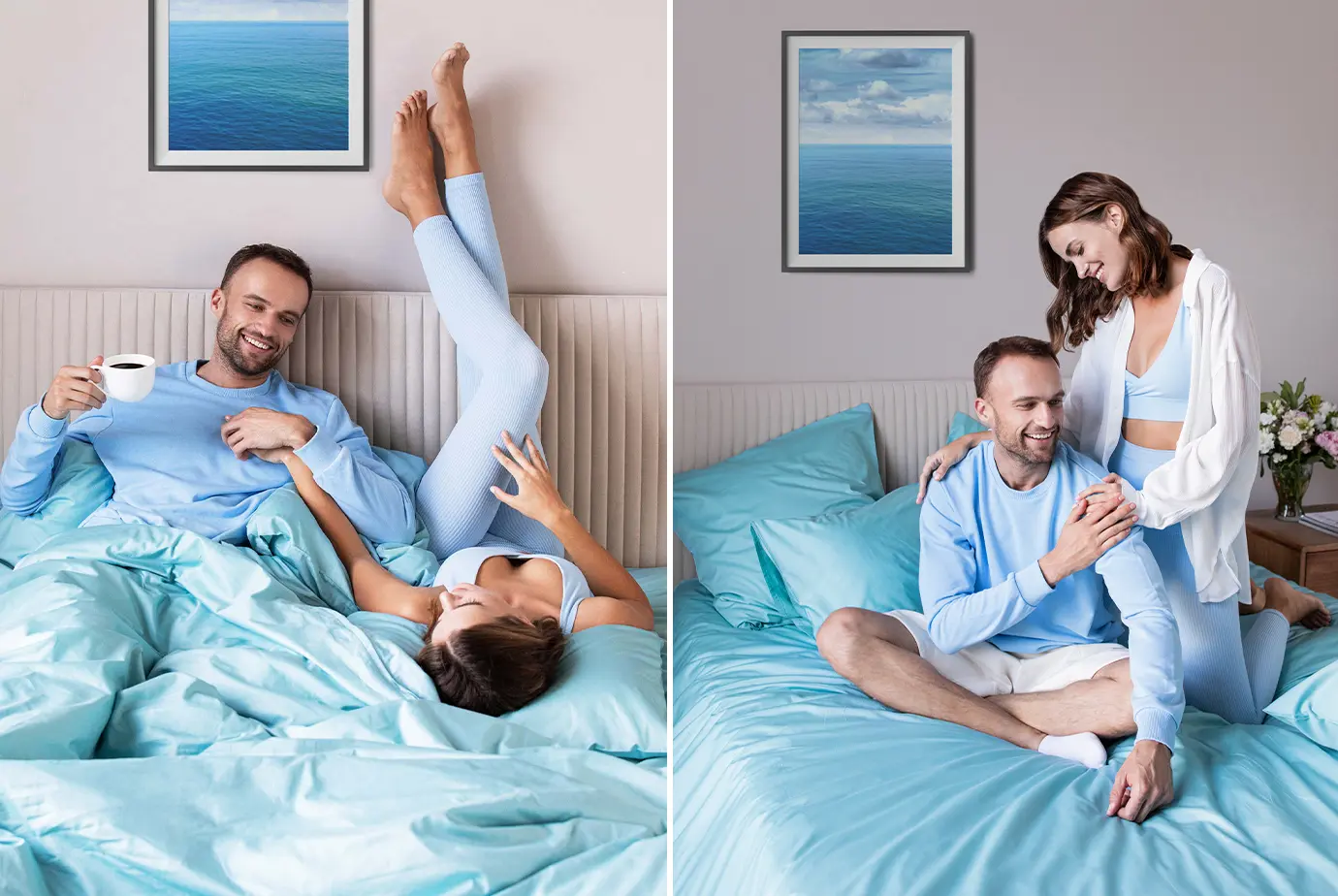

Brand Positioning and Photography
The goal of photo production is to create imagery that expresses the brand’s mood and core idea as accurately as possible. Photography offers a rich set of expressive tools that convey a wide range of emotions and feelings. It раскрывает the company’s potential and communicates its individuality through visual content.
Brand positioning is the process of shaping a brand’s image for its target audience. Professionally produced photography becomes an integral part of a brand’s DNA, visual identity, and overall visual system. The Freedom Island team helps companies find their own visual style — one that extends the brand’s DNA and becomes a key element of their brand platform.
Companies invest in photo and video production to build brand DNA. Every modern brand has websites, social media, apps, presentations, and marketplace listings filled with photo and video content.



Professional Shoots and Advertising
Professional photography captures a rich range of ideas and moods that reveal a brand’s identity. When the images, ideas, and values reflected in an advertising visual resonate with the audience, people feel a sense of connection to the brand and the meaning it communicates. Strong visual advertising builds brand recognition, drives sales, and укрепляет trust and customer loyalty.
A successful shoot takes many factors into account. Typically, the process starts with marketing research and the development of a creative concept for the photo session. Any marketing activity exists within a cultural context, so advertising responds to its shifts and reflects them through imagery and copy.
In recent years, trends toward greater empathy, authenticity, and openness; stronger inclusivity; mindful consumption and sustainability; and a lighter (sometimes even subtly humorous) tone of voice have also shaped the advertising communications of leading global brands — including their photography.








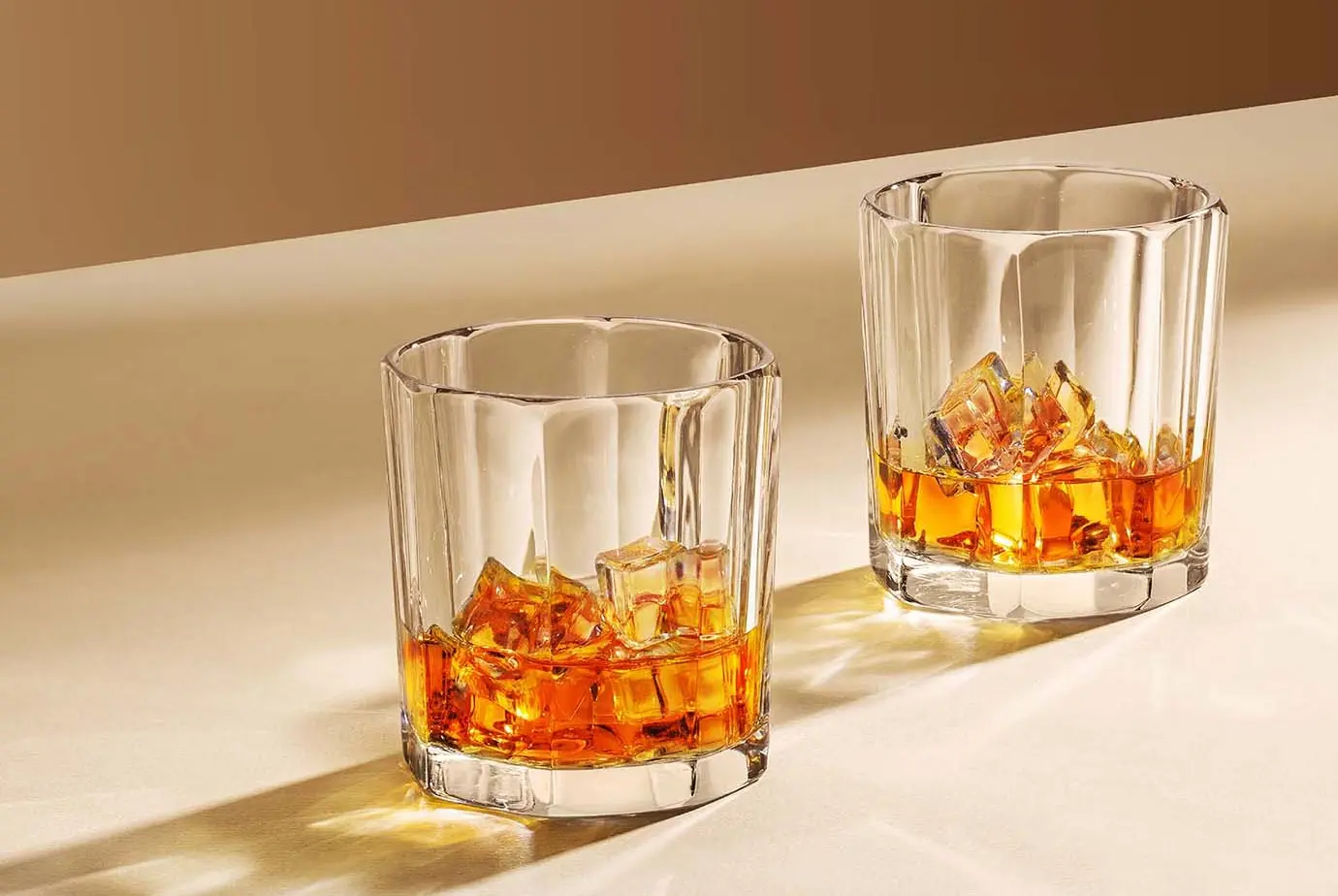

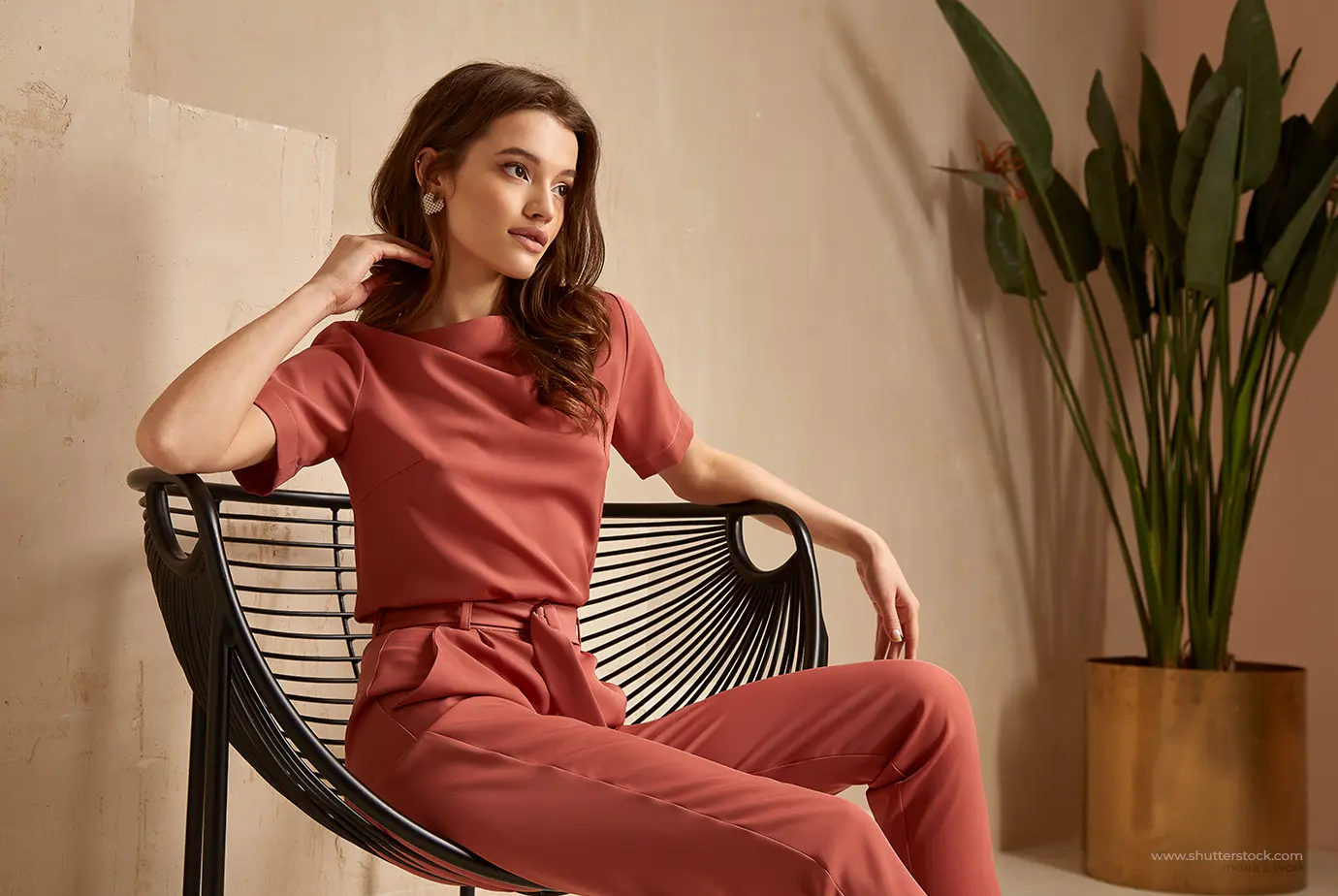
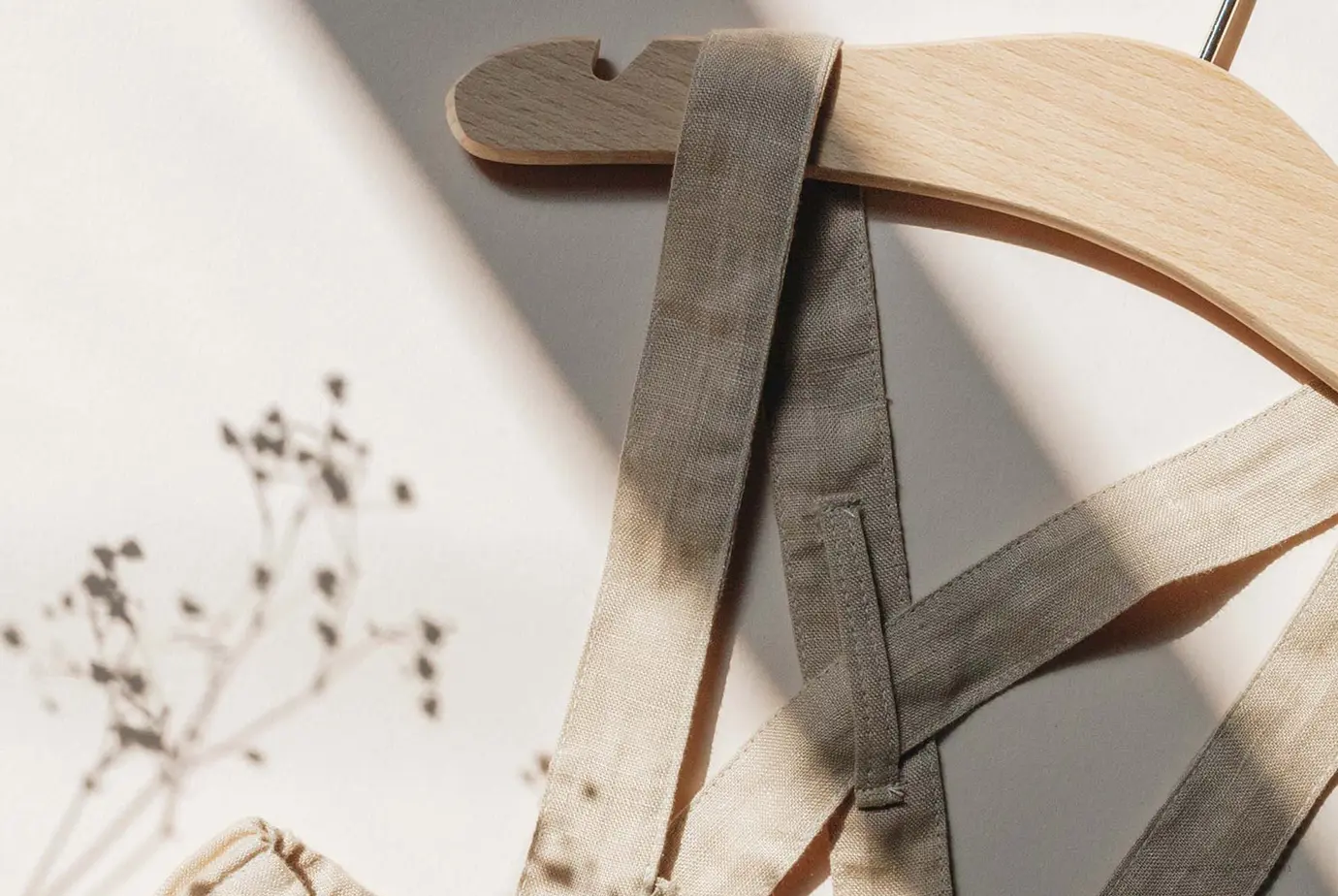
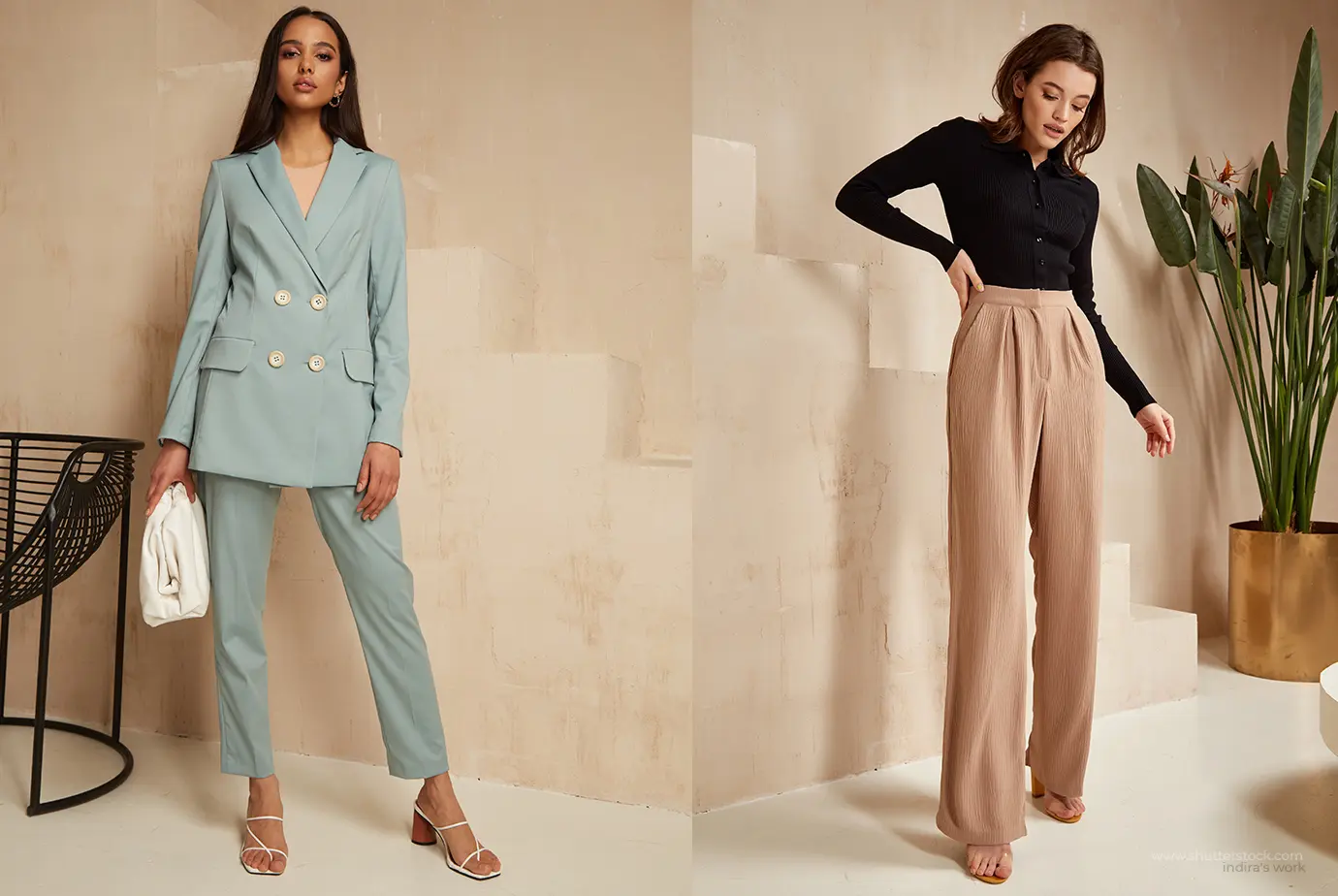
Types of Photography
There are many types of commercial photography: advertising, product photography, food styling, model/fashion shoots, industrial photography, and more. Professional photography supports brand positioning and helps build a consistent visual system.
It’s common for a single project to require several types of photography at once. For example, a food brand may need a dedicated product shoot to showcase the full product range, a food-styling shoot where the products are shown as prepared dishes, and an advertising shoot whose materials will later be used in the brand’s marketing communications.


Advertising Photography
The purpose of an advertising shoot is to create visual content for a brand and express its individuality and value. Advertising photography helps promote a company in the market, captures attention, and contributes to commercial success. The resulting visual assets are used on websites, in presentations, on marketplaces, in social media, in mobile apps and digital products, and across print materials.
Advertising is a core tool of brand communication. Every day, companies tell their story through a wide range of channels: social media, email newsletters, the press, websites, marketplaces, presentations, public transport and points of sale, as well as through printed collateral and branded merchandise. Digital advertising plays an especially important role today — from SMS messages, push notifications, and digital billboards to VR showrooms and brand metaverses. Visual identity and photography communicate the brand’s DNA.
Advertising creative is shaped by global trends and cultural shifts. For example, while a few years ago advertising often favored certain “ideal” looks, today brands aim to reflect the full richness and diversity of real people. Glossy stereotypes feel less relevant and less human. Truly modern advertising is ethical communication that embraces a wide range of personalities, appearances, and forms.



Packaging Photography
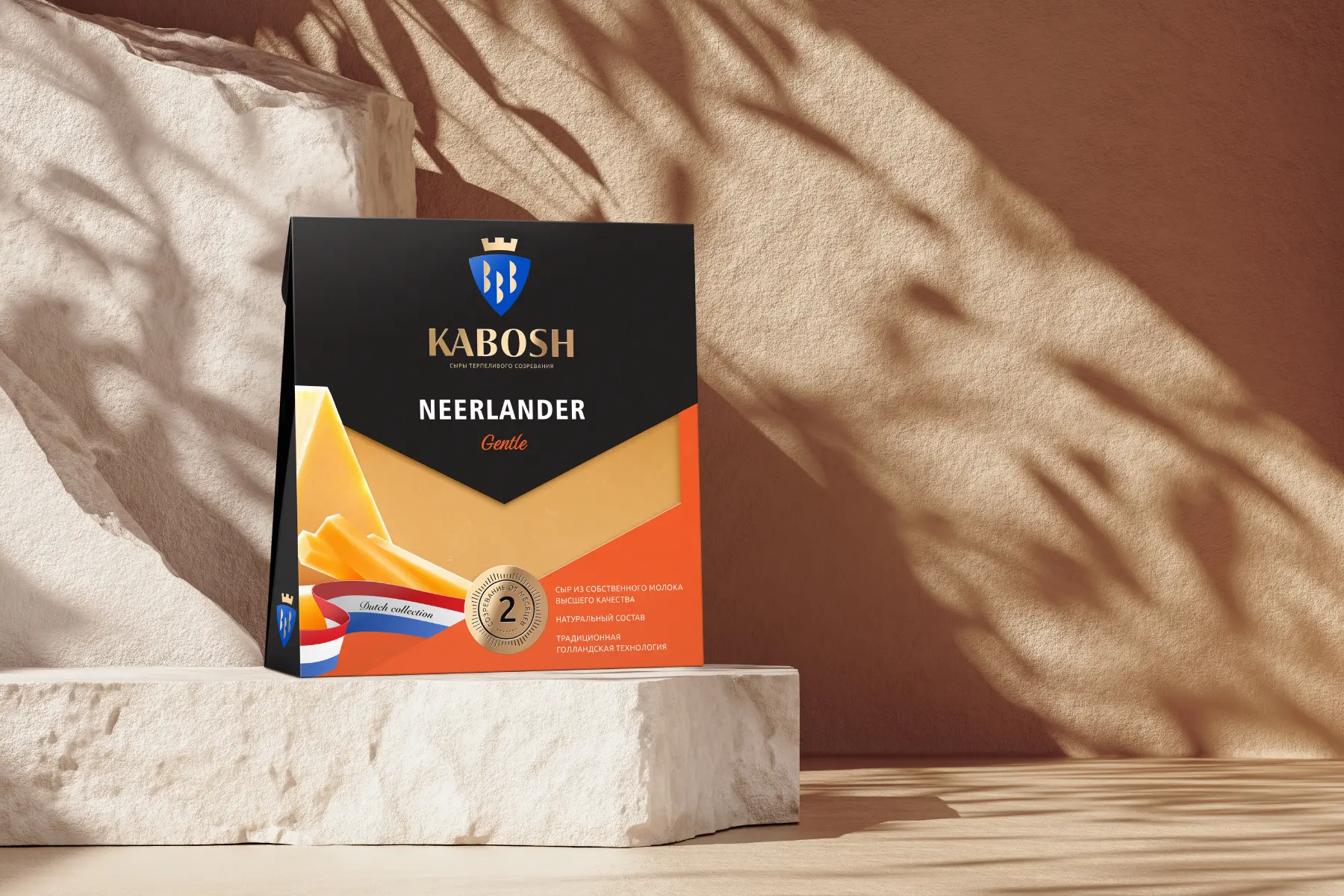
Packaging photography is an integral part of branding. The first thing we notice is the visual side — the packaging. Strong imagery answers the key questions and helps us make a choice. A clear brand identity is essential for standing out in a highly competitive market.
Packaging design is about creating a product’s unique style and expressing its qualities and core idea. Every day, we interact with countless brands. Photography can carry the most important information, reveal the essence of the product, and draw attention to the right details. By looking at the packaging, we quickly understand what it is and how to use it.
Packaging photography supports an “open” product concept — when a brand communicates transparently and clearly with the customer. In a saturated market, great visuals shorten the decision-making time for a purchase, a subscription, and other forms of engagement with a brand.



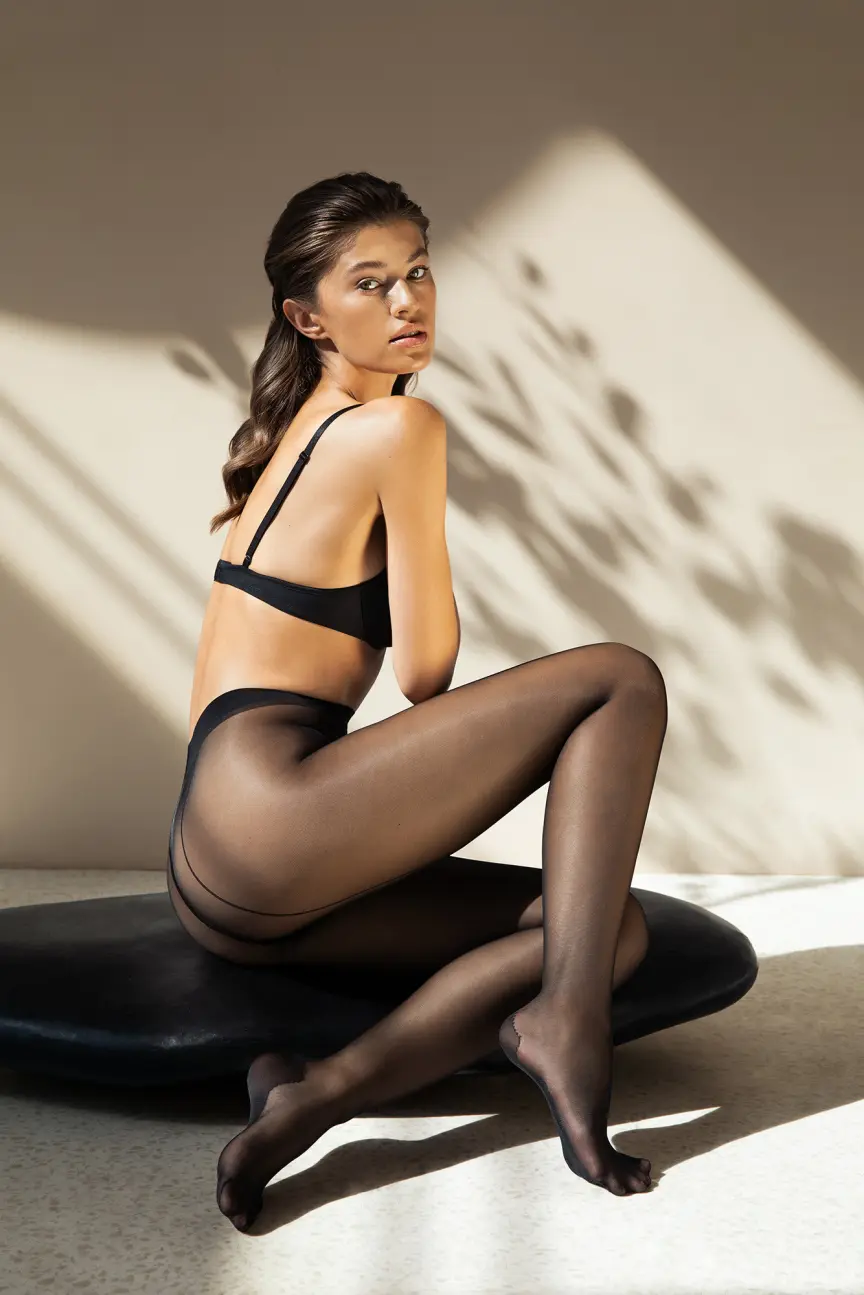
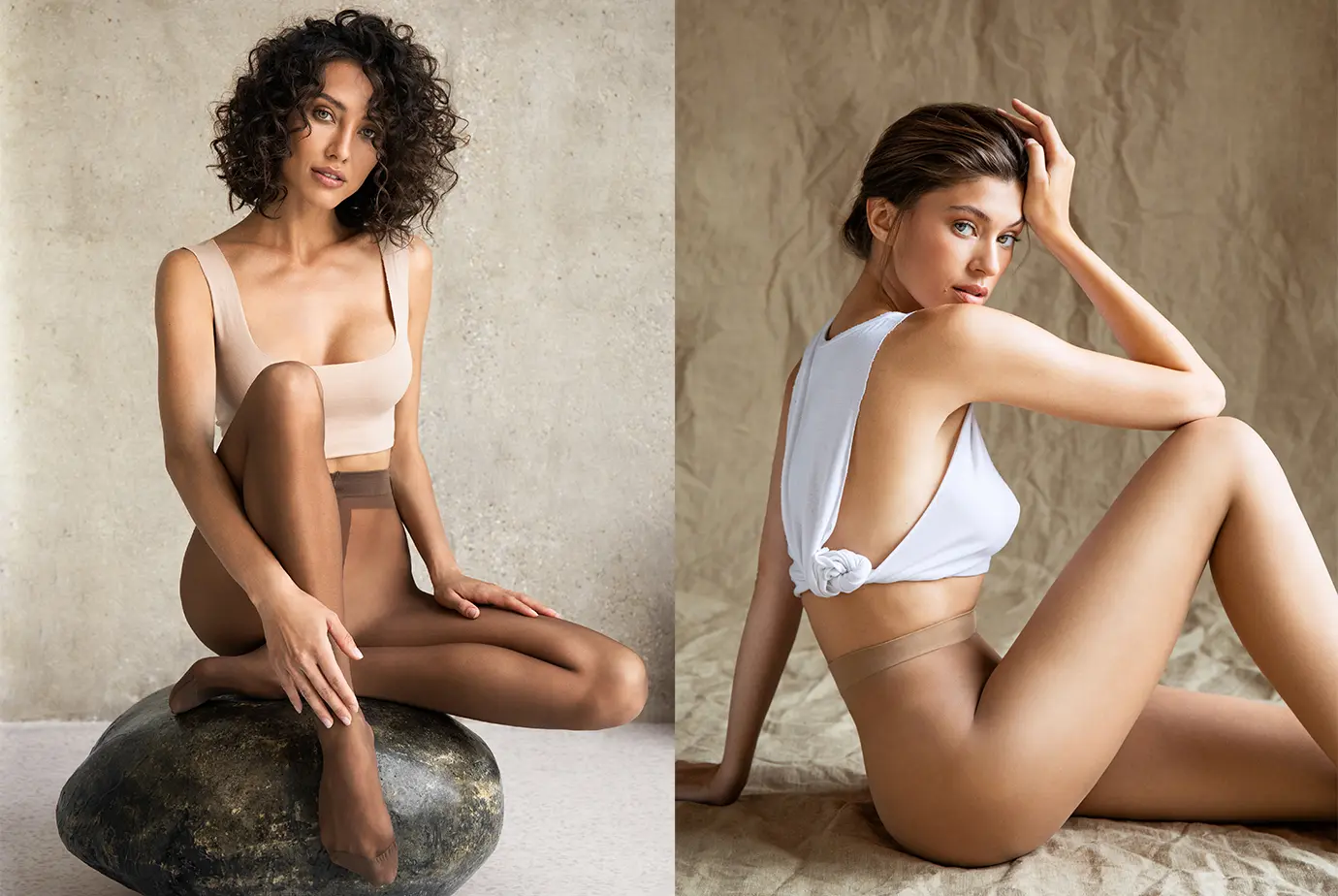
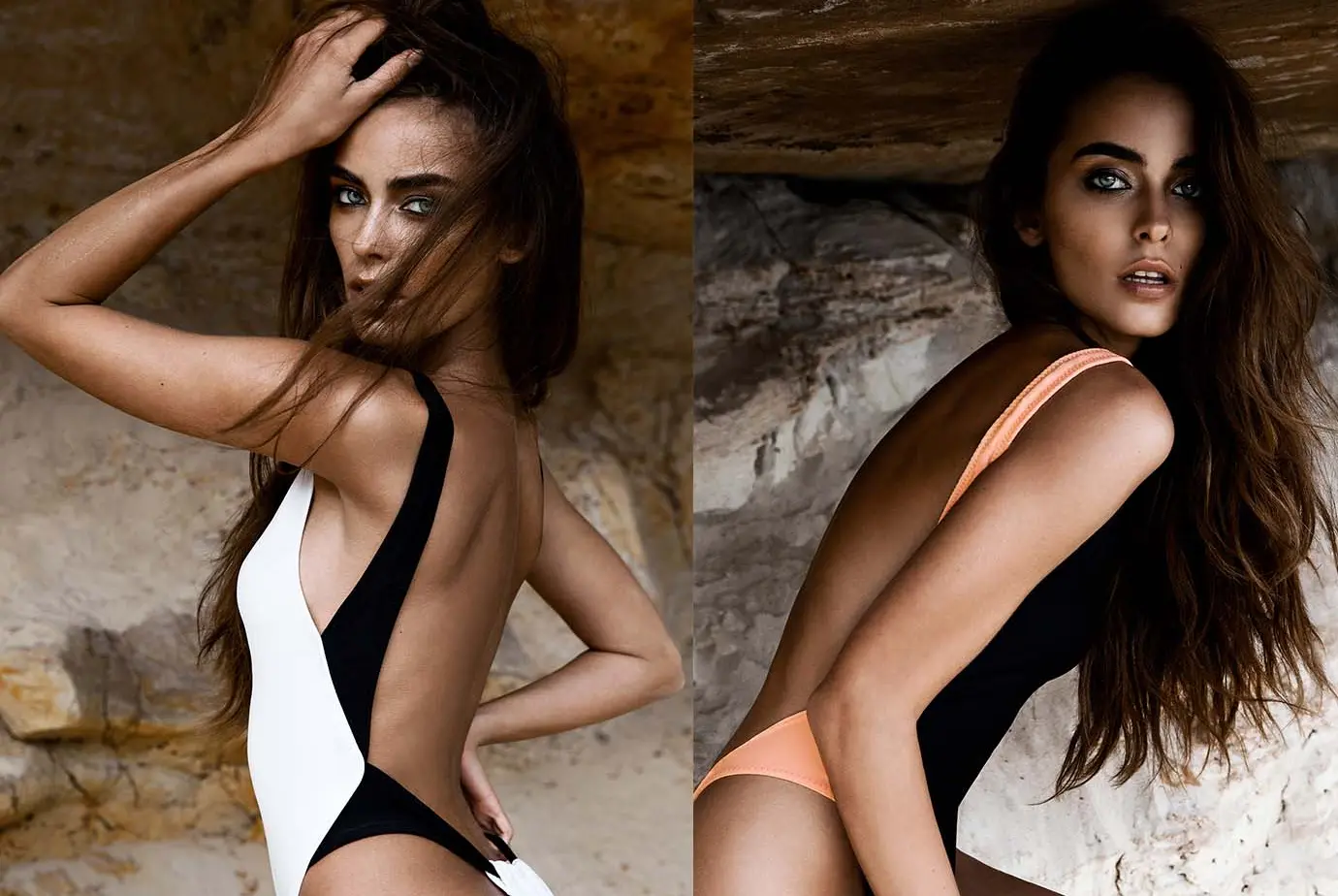
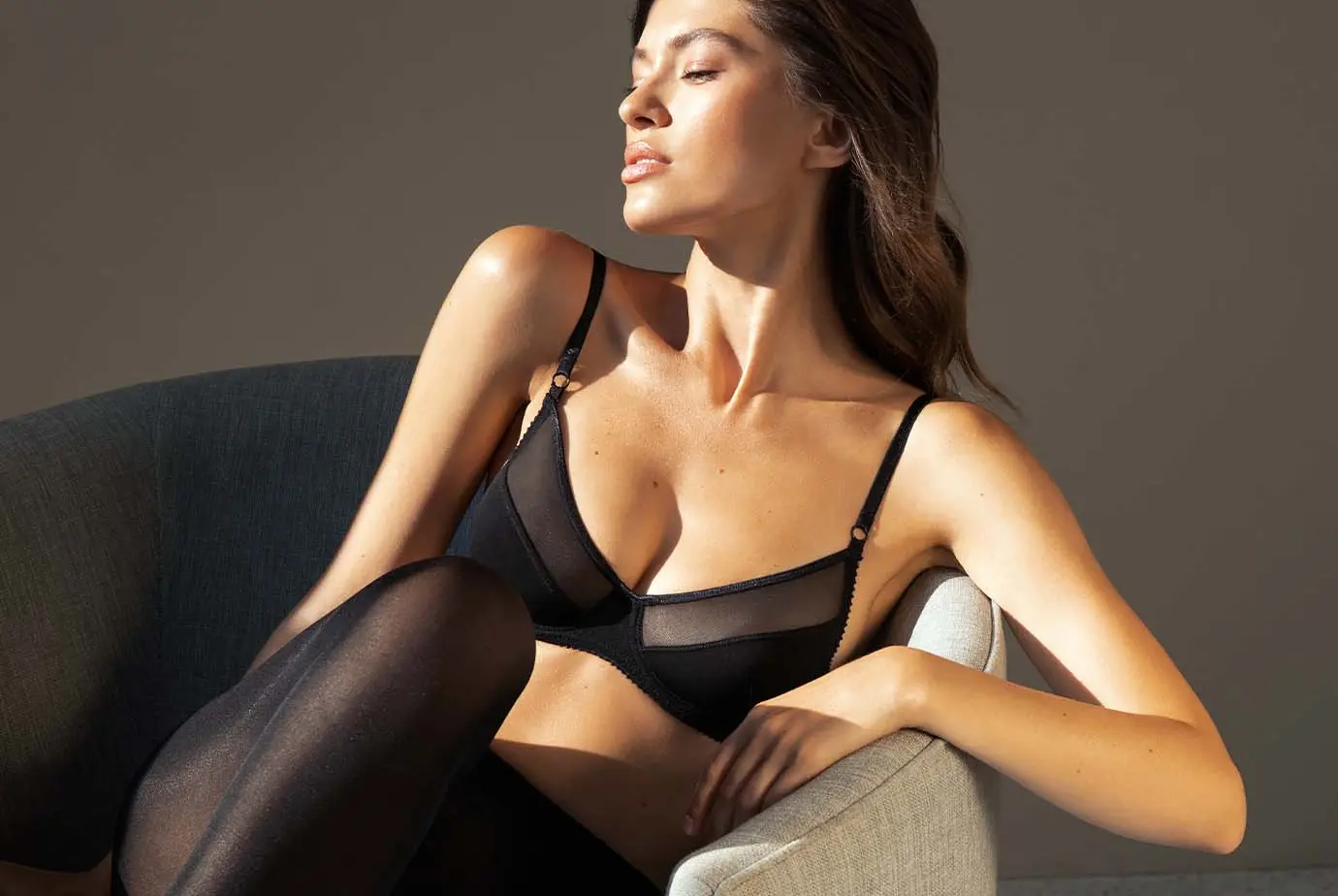
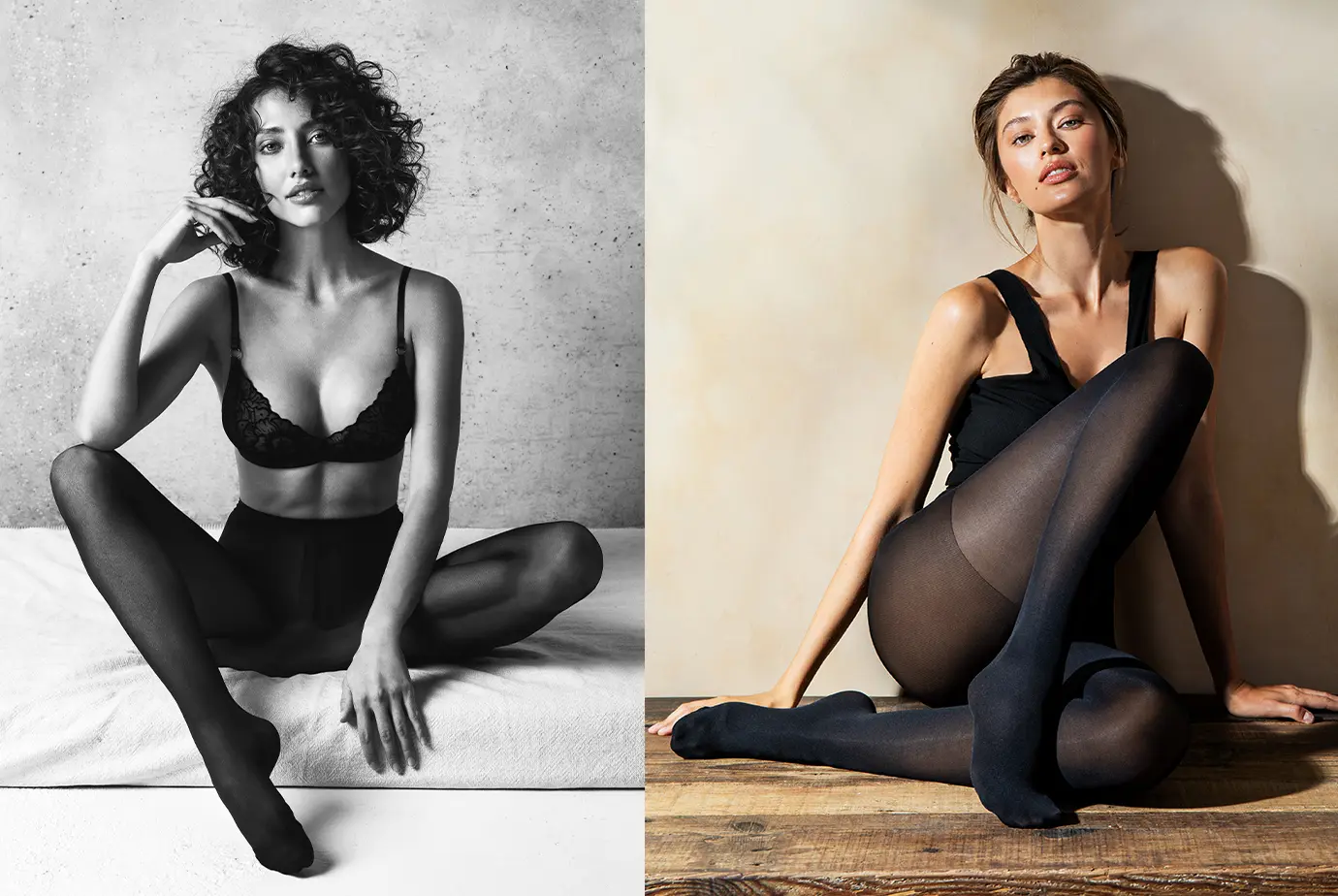
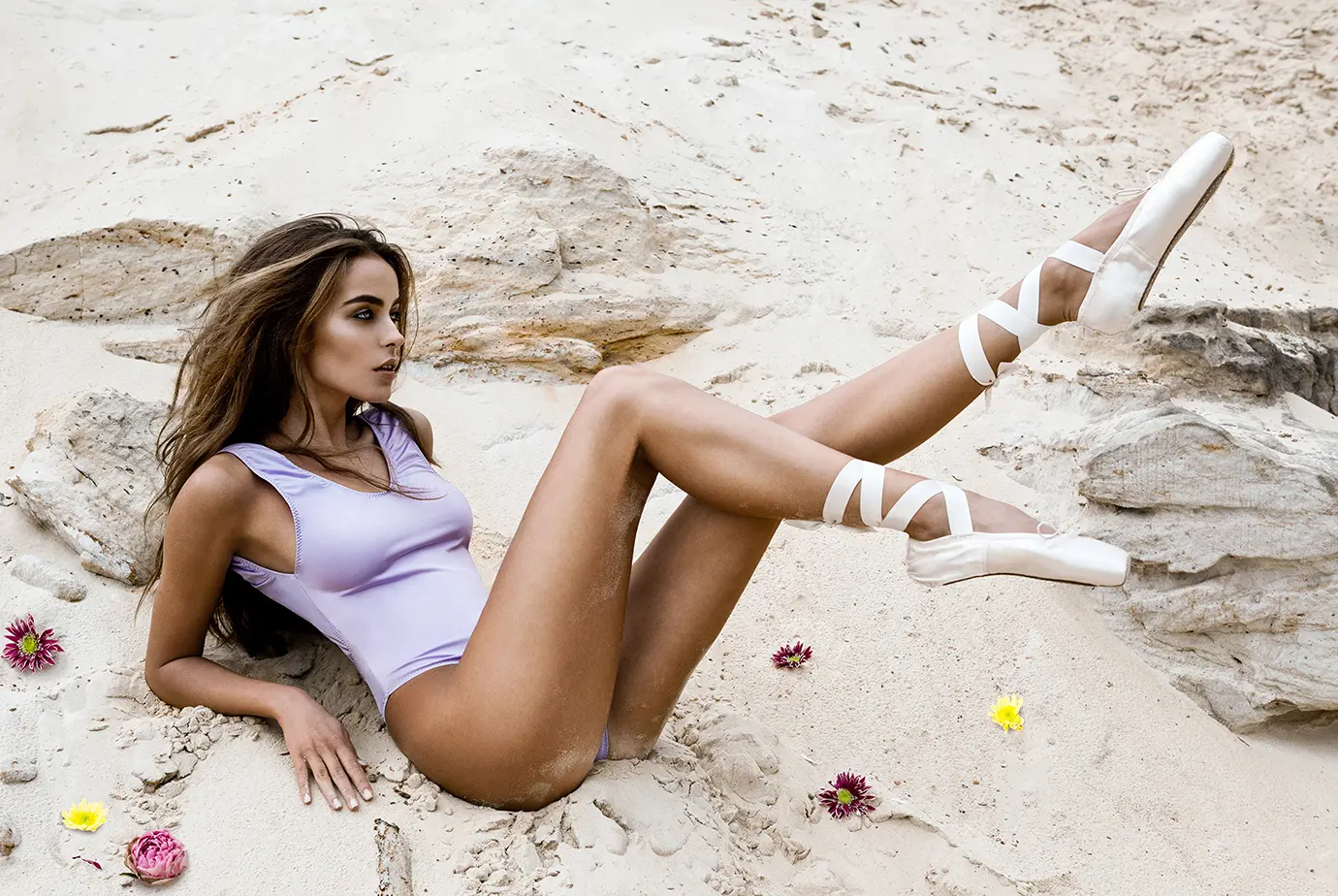
Model Photography
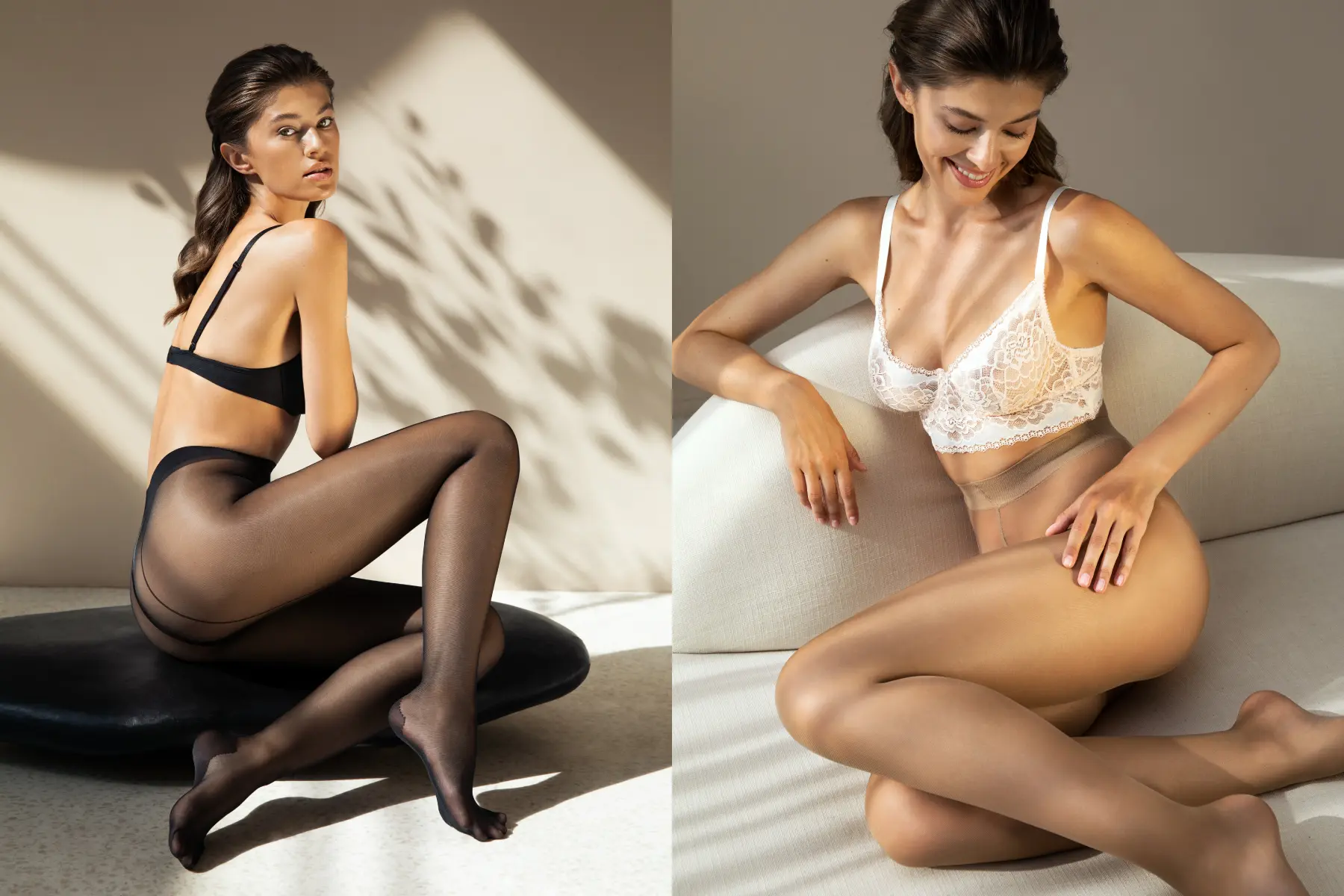
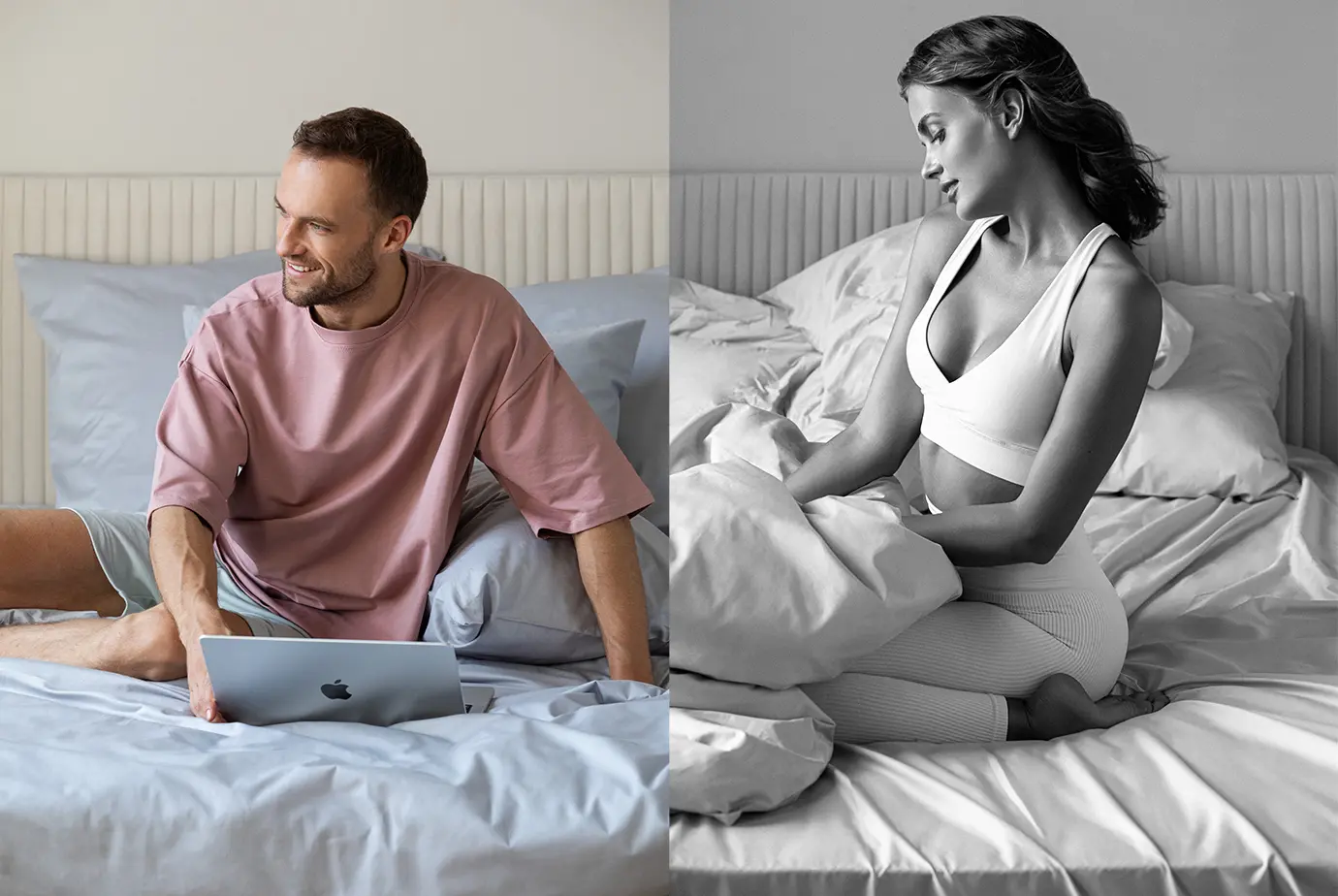
Model photography is especially relevant for clothing and footwear brands, jewelry, and cosmetics. It’s also widely used by food brands, the HoReCa segment, and others. Photo and video materials are applied across design assets, lookbooks, marketplaces, social media, and more.
In advertising, we constantly encounter people-centric visuals and see products in real-life usage scenarios. Model photography is one of the branding tools. Based on a creative concept, an advertising photographer builds images that convey the brand’s character and mood. It’s a creative process where advertising, fashion, and art often intersect. Today, advertising visuals increasingly incorporate 3D graphics, music, motion design, and augmented reality technologies.
A significant part of model shoots happens in pre-production: selecting models, assembling the project team, scouting locations and props, collecting references, creating moodboards, and aligning the shoot with the art director. Production then brings the concept to life. At the final post-production stage, photo and video materials are edited and refined.



Industrial Photography
Industrial photography opens up new opportunities for companies. High-quality visual content immediately answers the key questions about a business and reflects its level of transparency and modernity. Clear, open communication is essential for effective cooperation.
The more transparently a company communicates, the easier it is to work with partners and secure new contracts. Potential clients save time on travel and form their first impression based on photo and video content.
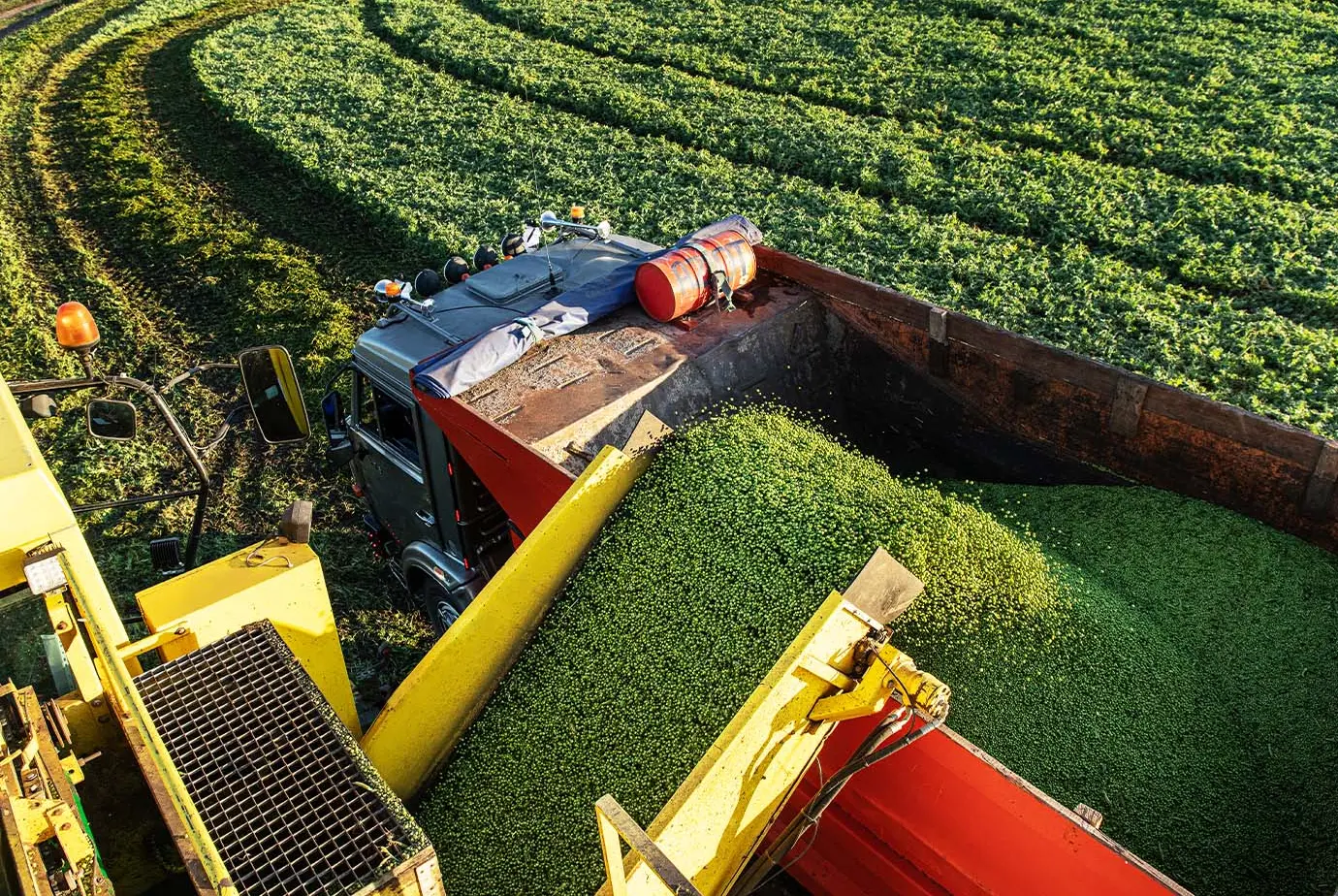
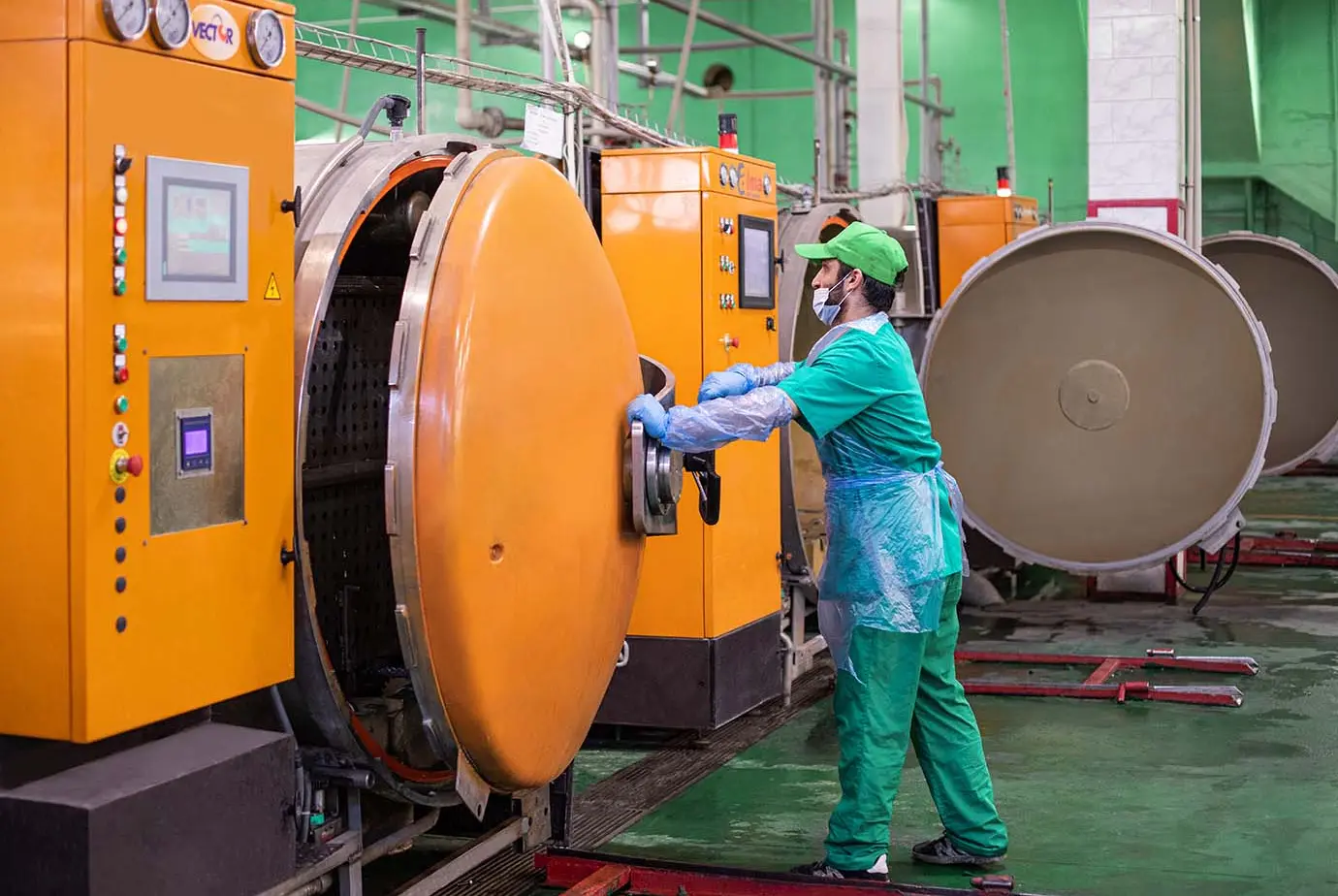
Industrial photography is often shot using a drone to showcase production facilities and the surrounding area. The photographer also captures internal processes, the team, equipment, and products. The purpose of industrial photography is to build trust in the brand, reveal the technological side of production and its industrial scale, and communicate innovations, people, and achievements. Visual content is used for websites, presentations, exhibitions, and POS materials.

Corporate Photography
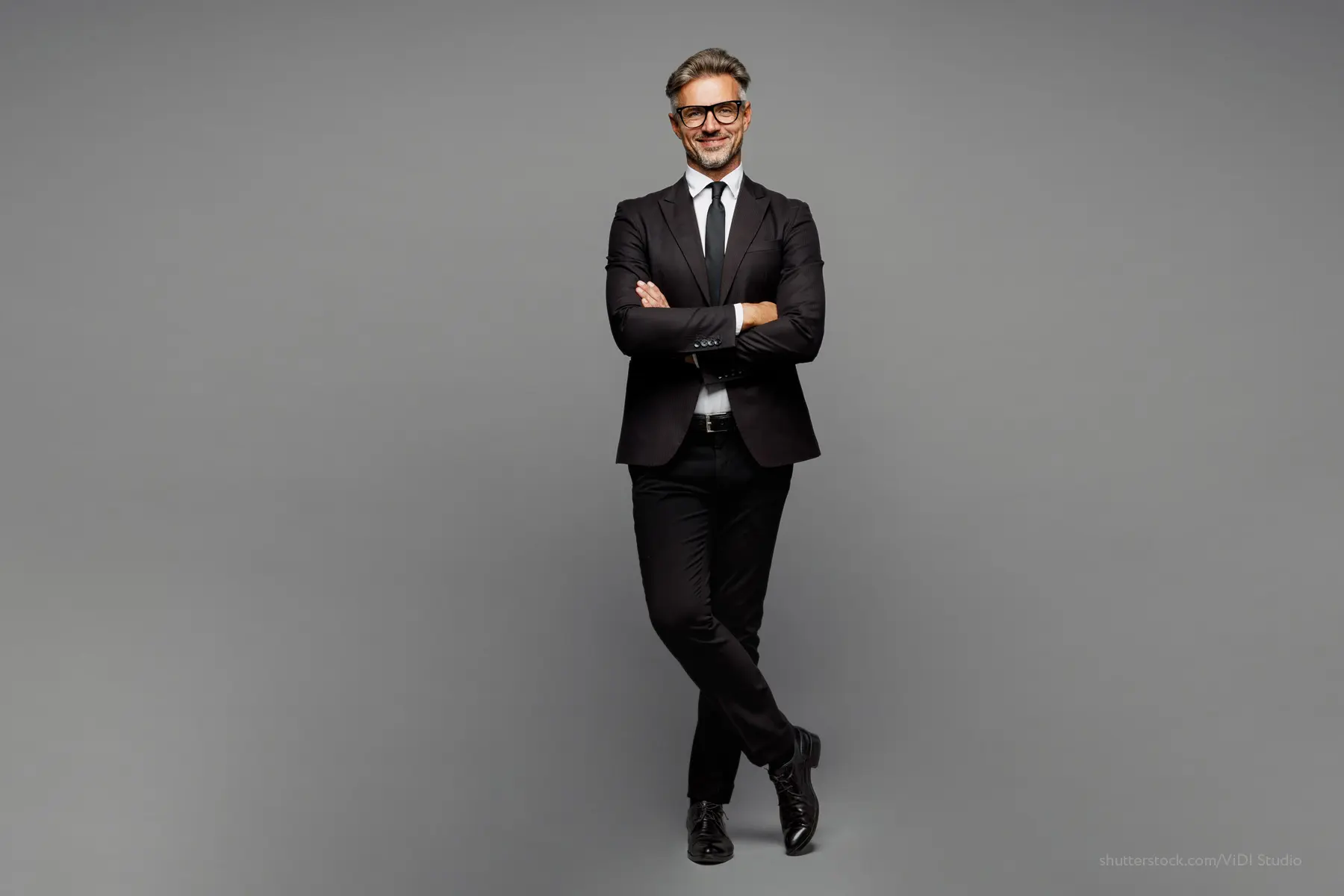
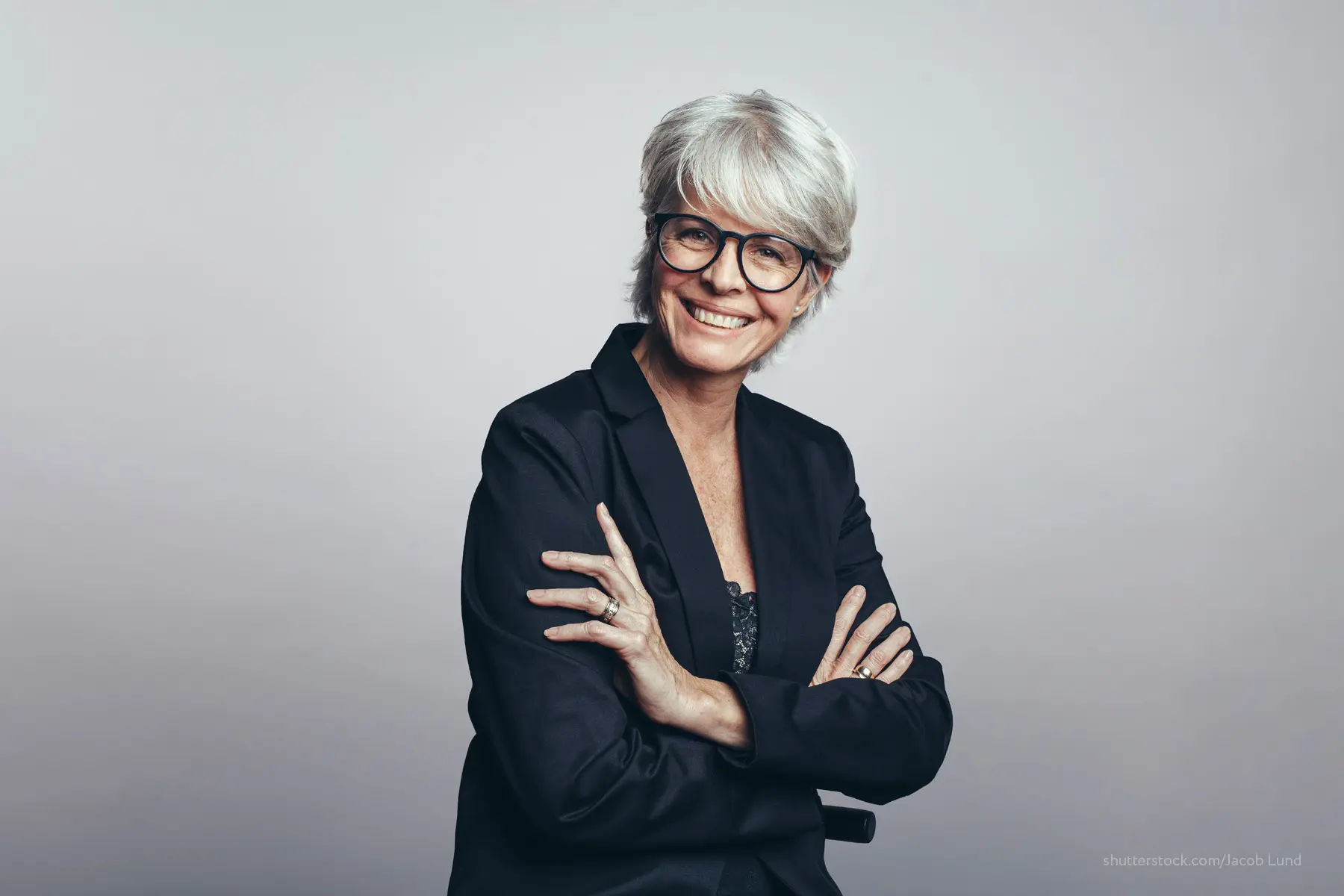
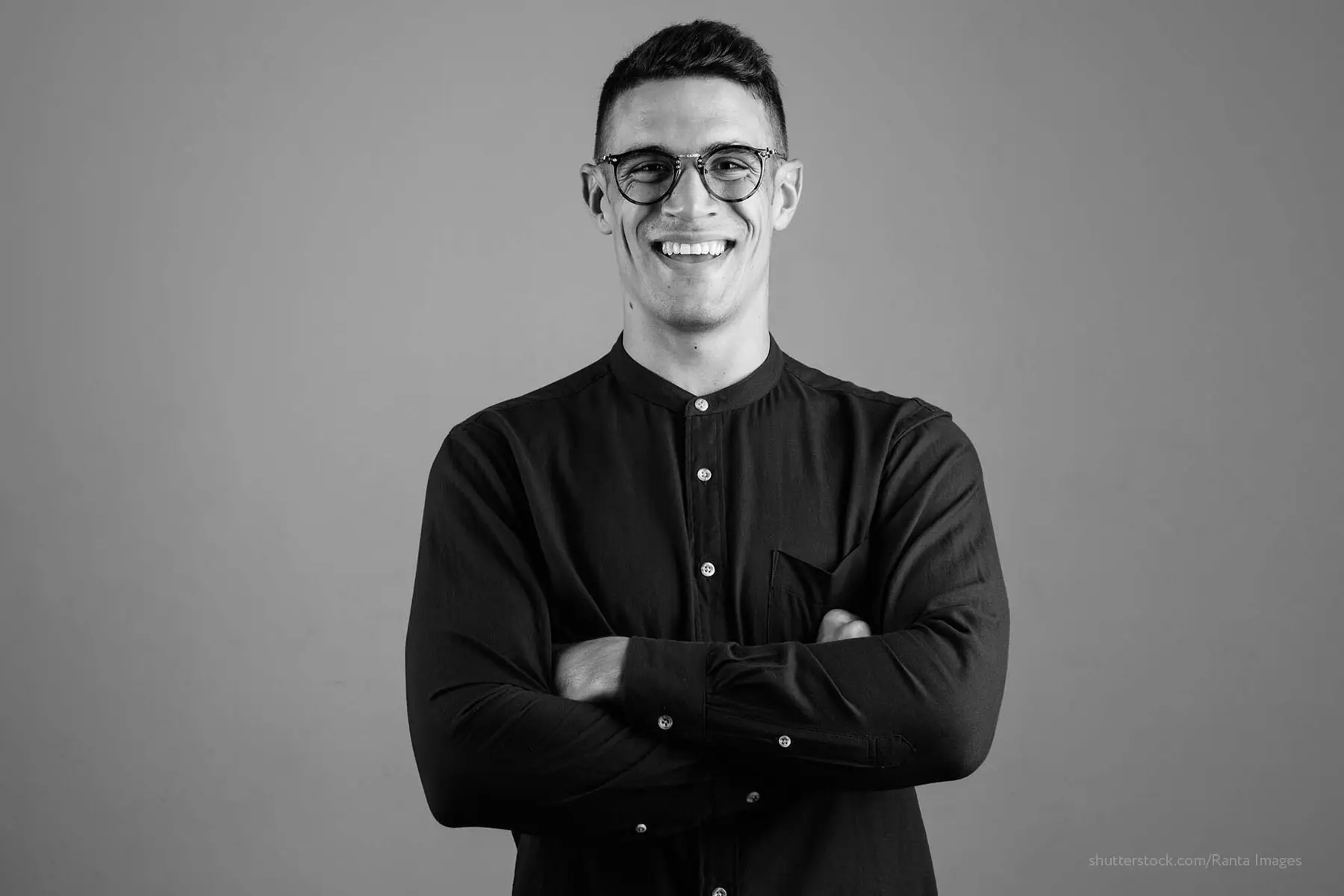
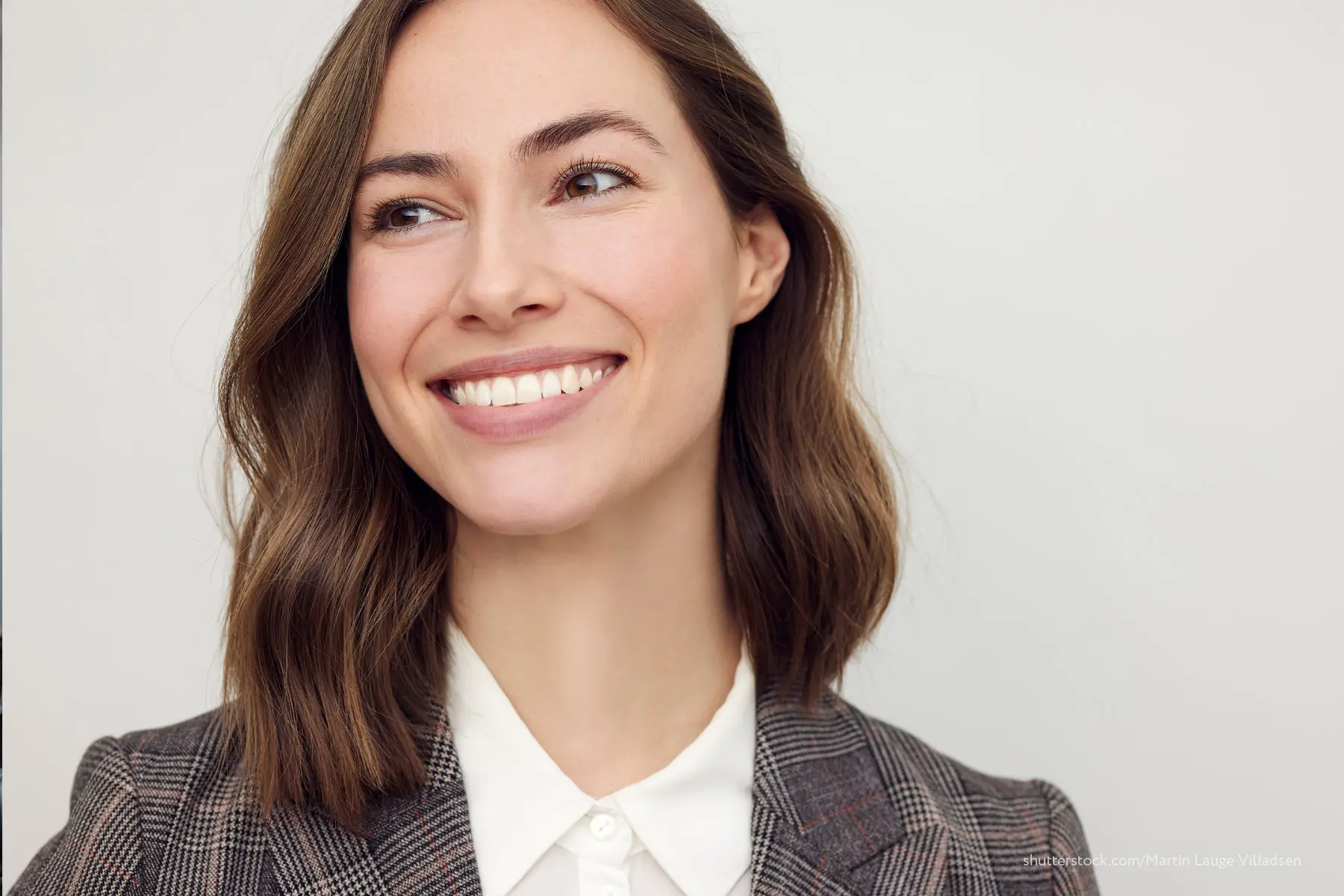
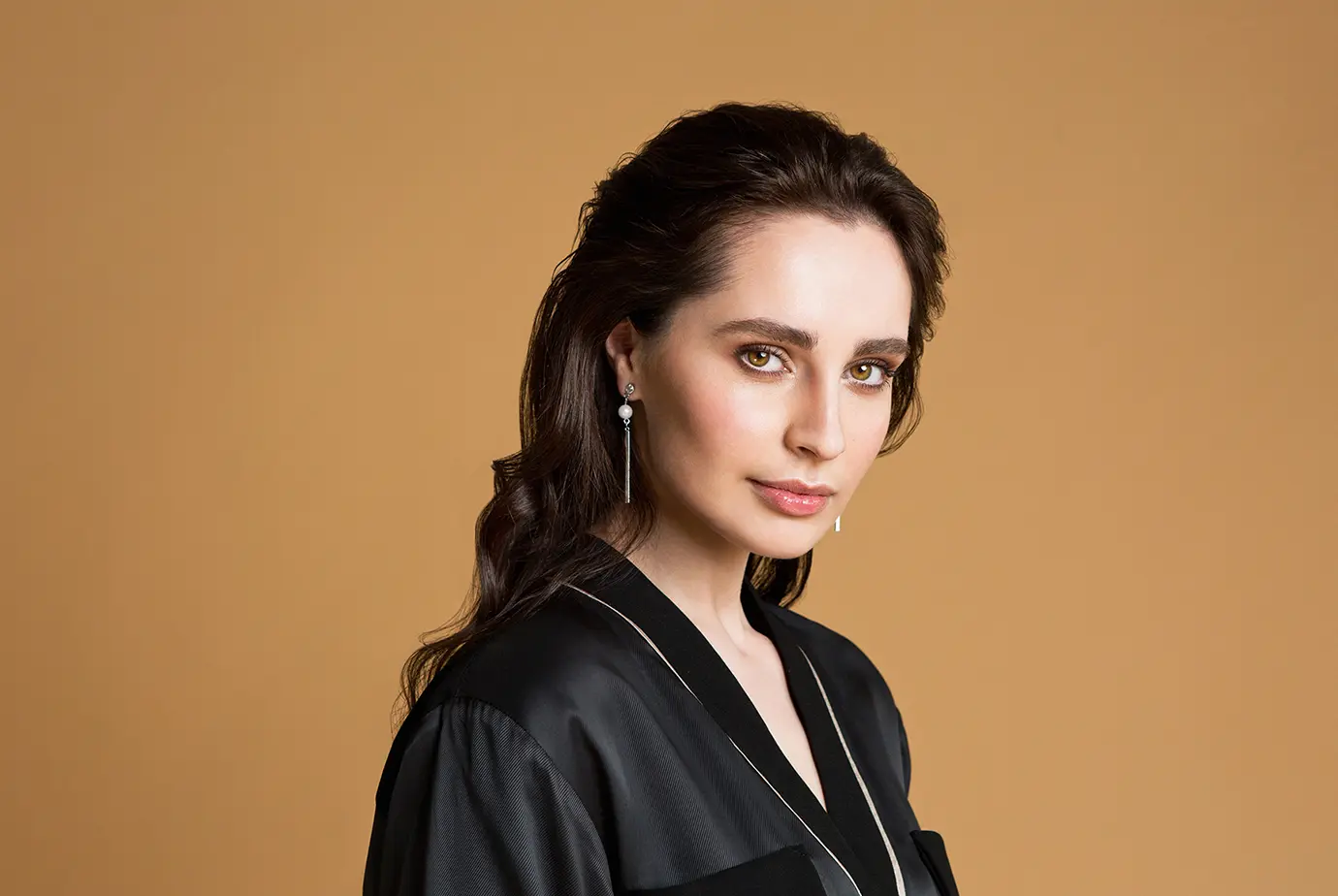
Corporate photography includes professional portraits of employees, photos of office interiors, and coverage of events. A professional photographer conveys the brand’s culture, the team’s achievements, and the atmosphere of the workplace. Employee shoots can also be supported by a makeup artist and a stylist.
Corporate photography is a tool for positioning and shaping a company’s image for partners, employees, and investors. Team photo and video content makes the brand feel more cohesive and complete. Corporate visuals are well suited for websites, presentations, social media, and video channels.
People are a company’s greatest value. Some well-known brands are recognizable through the faces associated with them. We feel comfortable working with those we trust and with whom clear, reliable communication is possible. When searching for new clients—or a new role—we often pay attention to a team’s photos and videos. A company’s level of openness influences its recognition, success, and reputation.




Food Styling
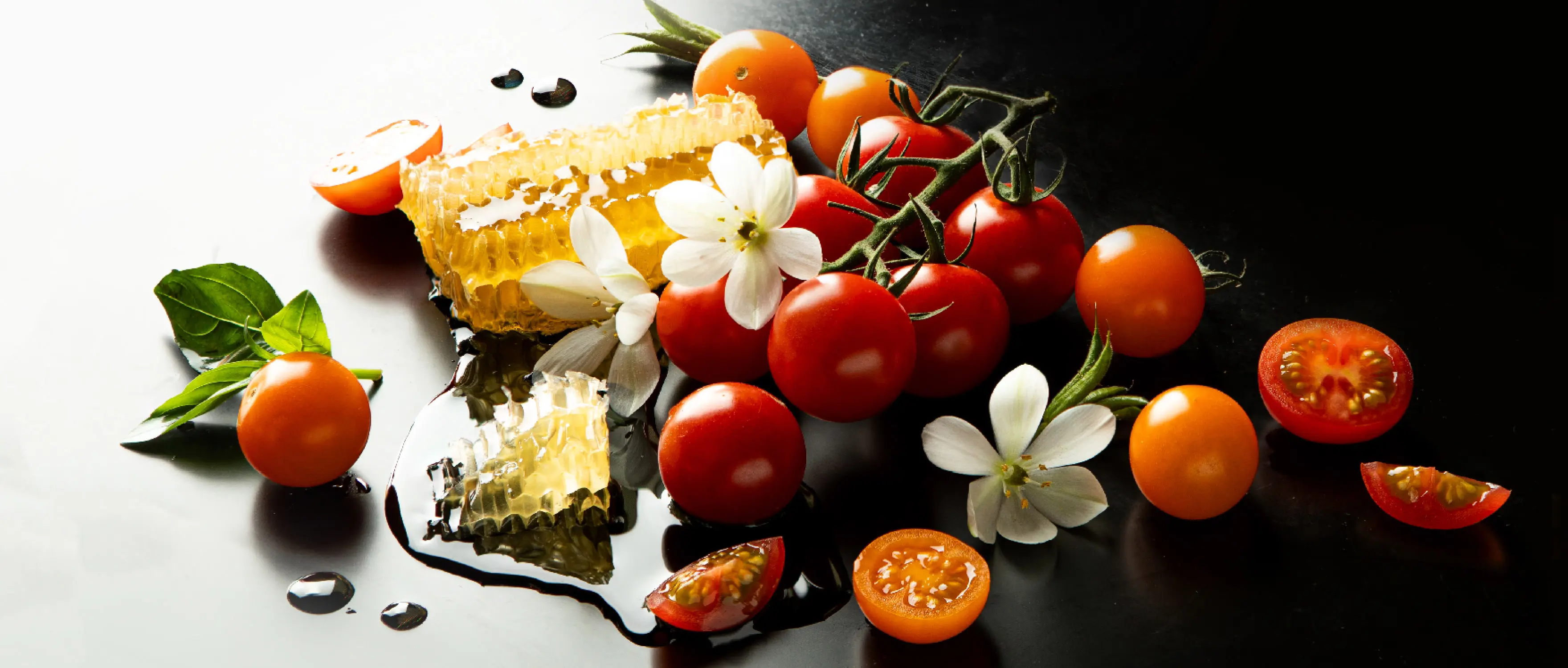
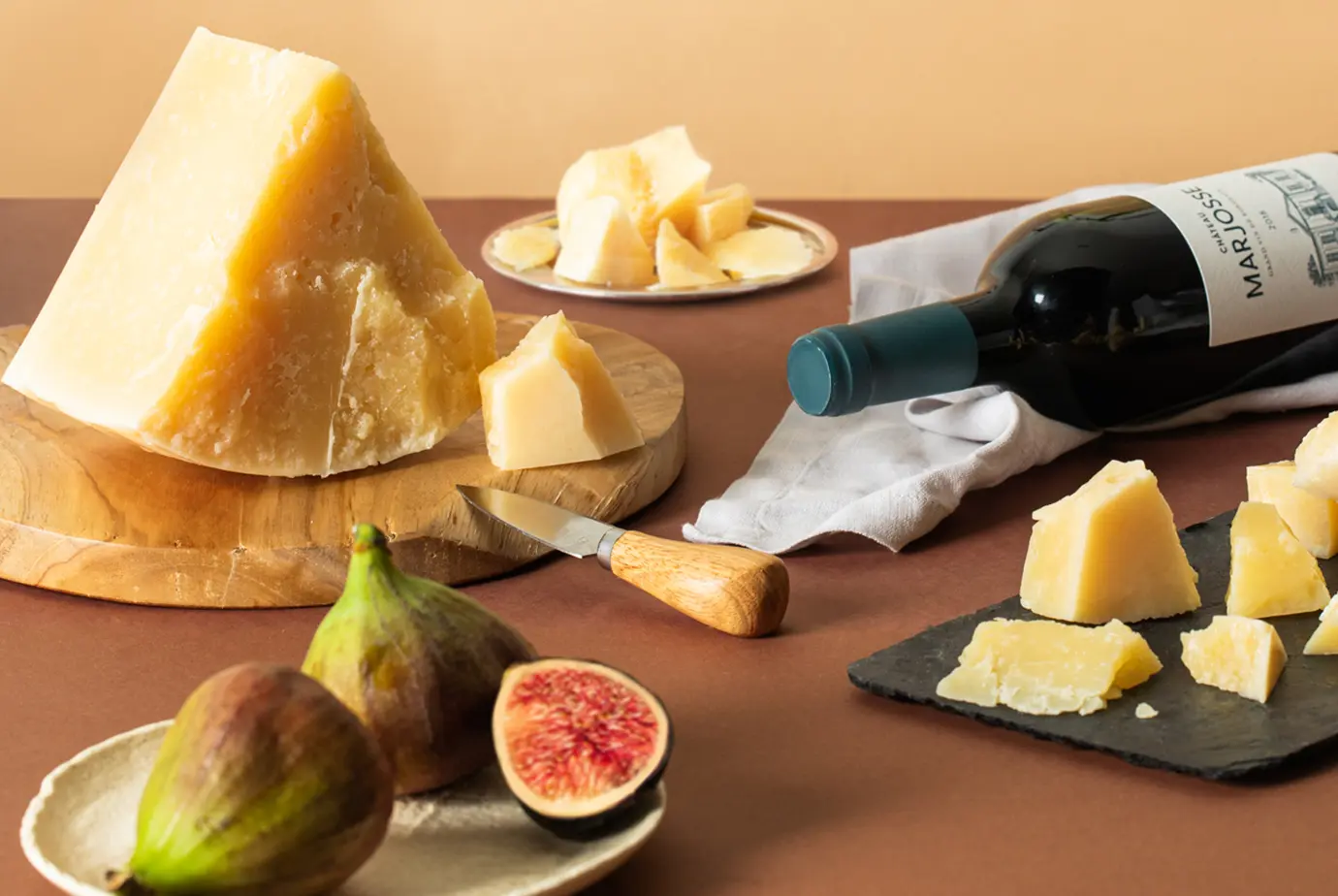
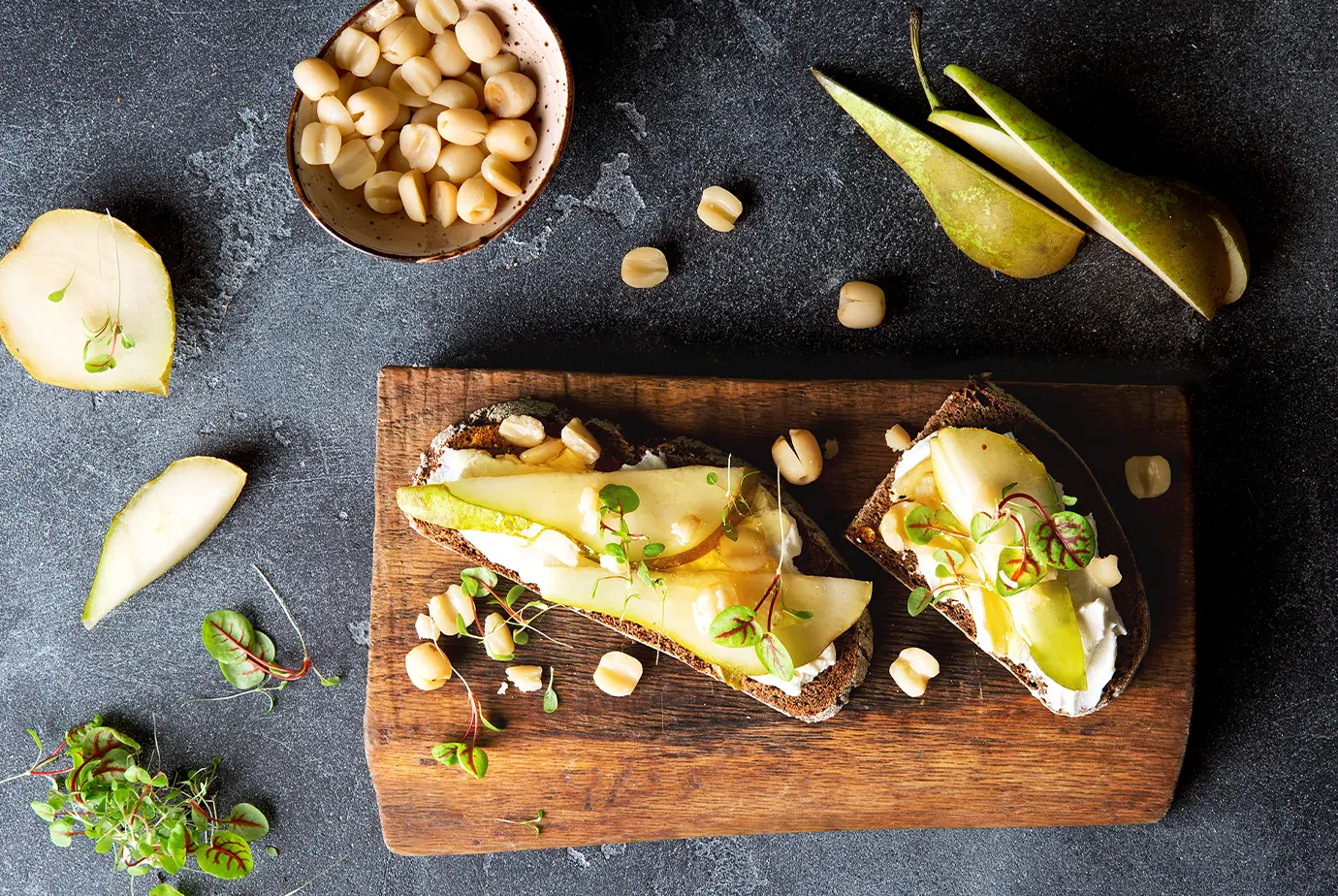
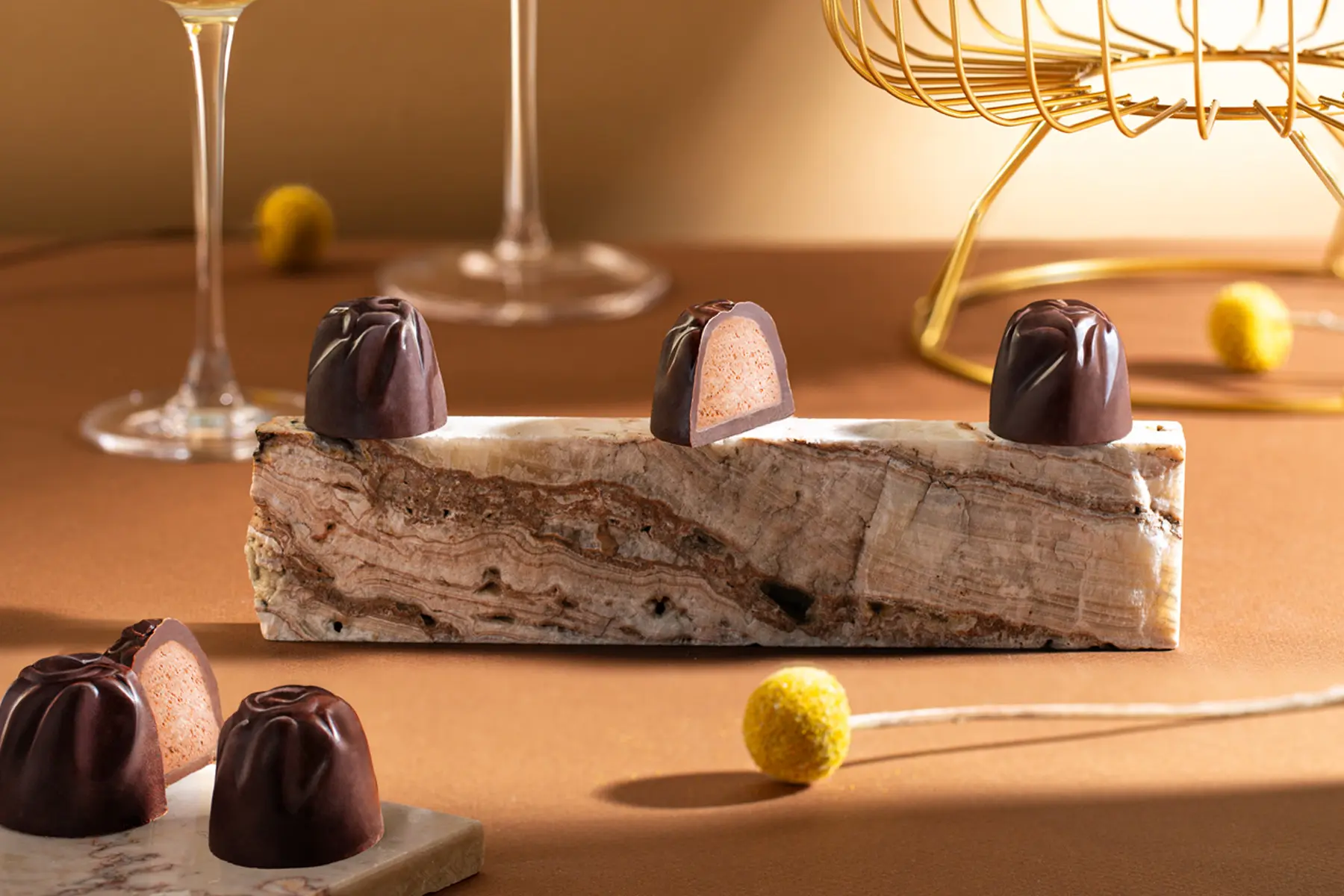
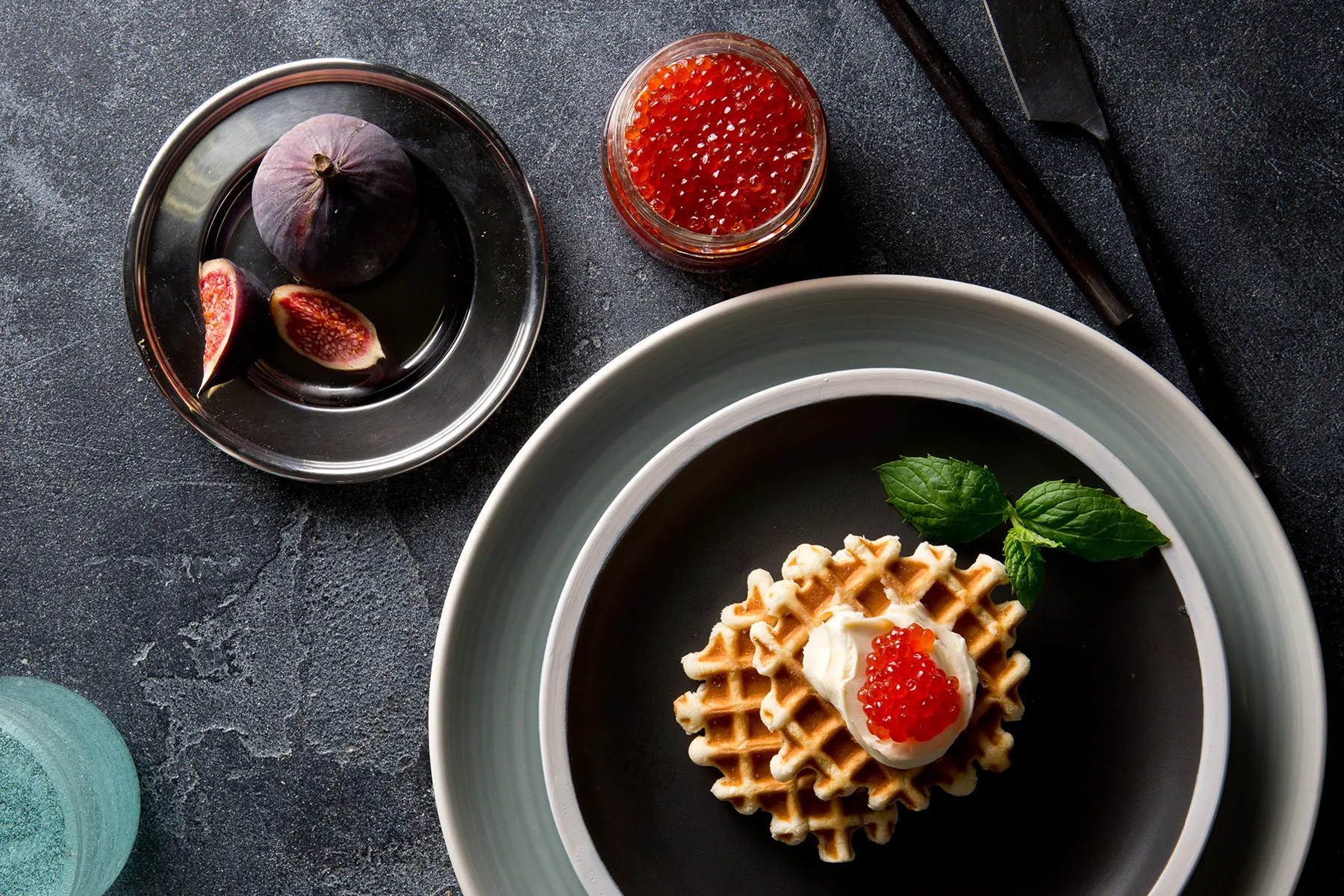
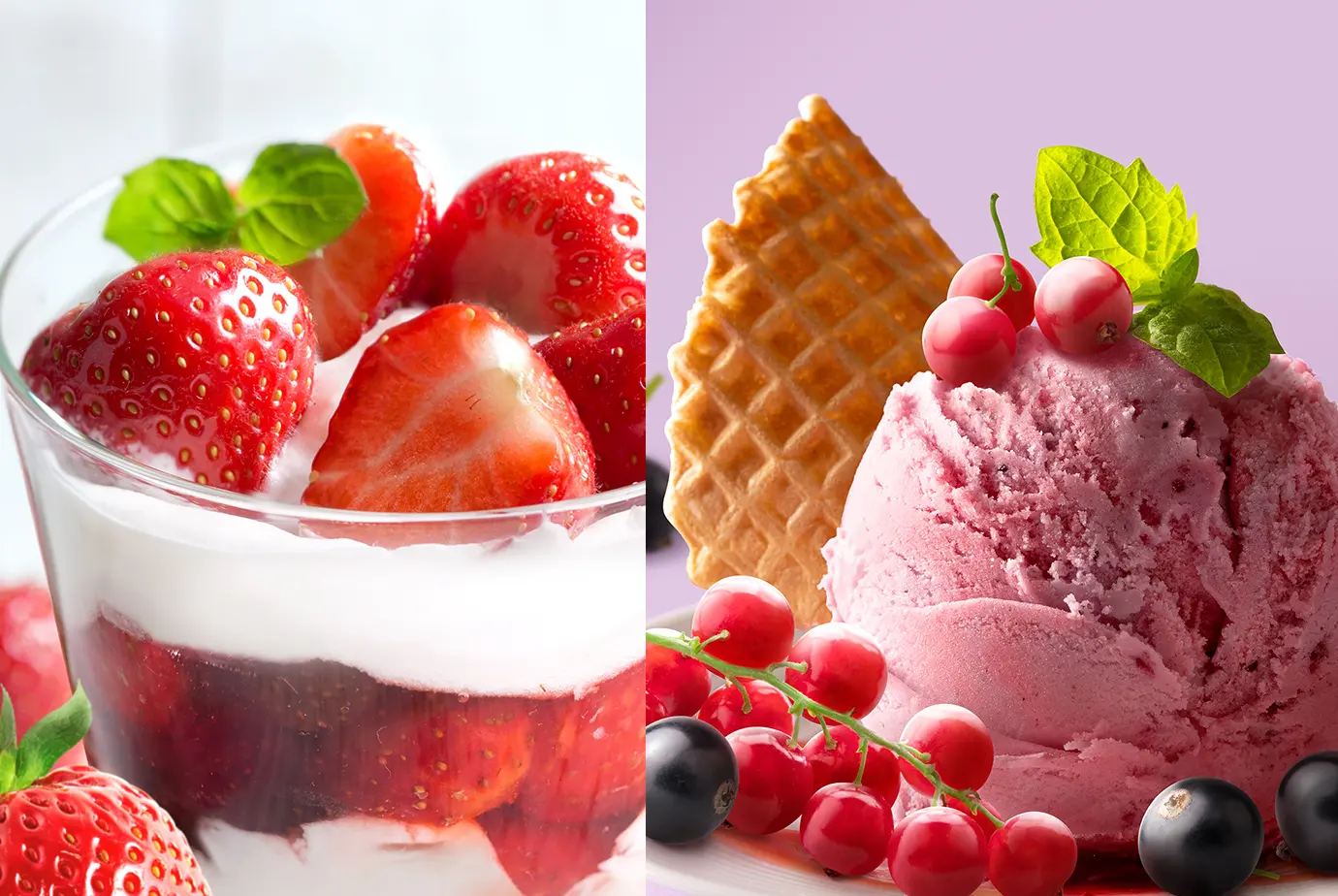
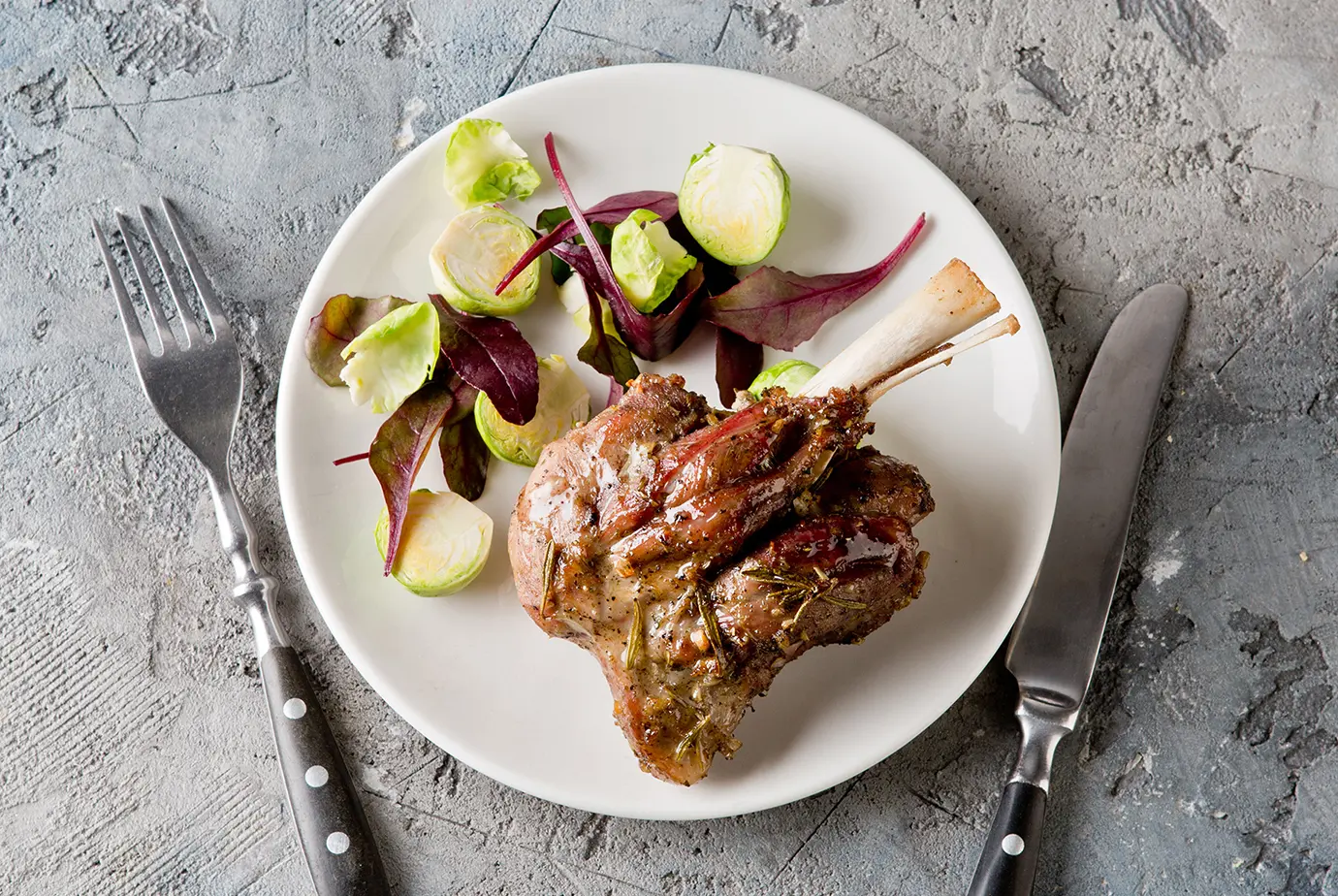
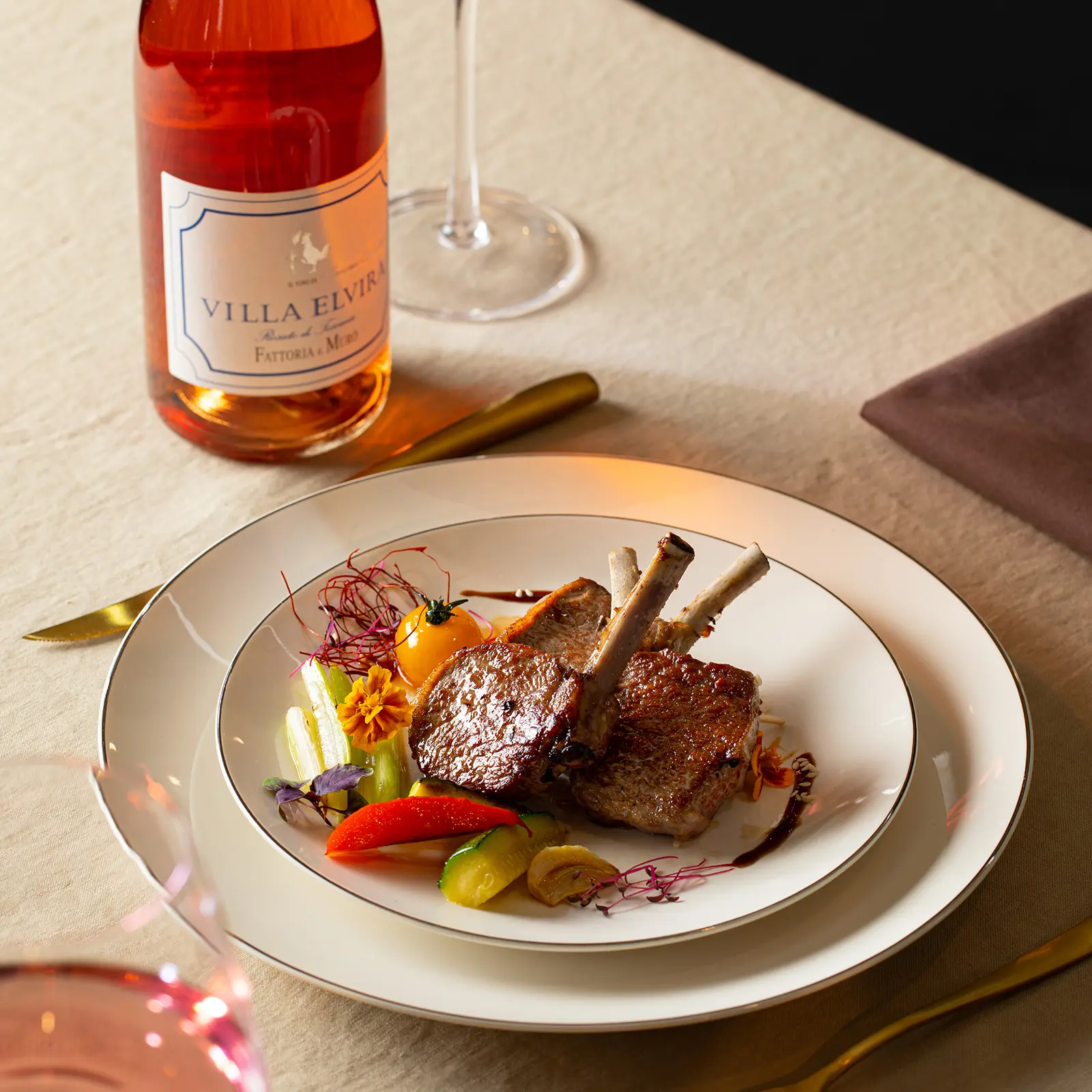
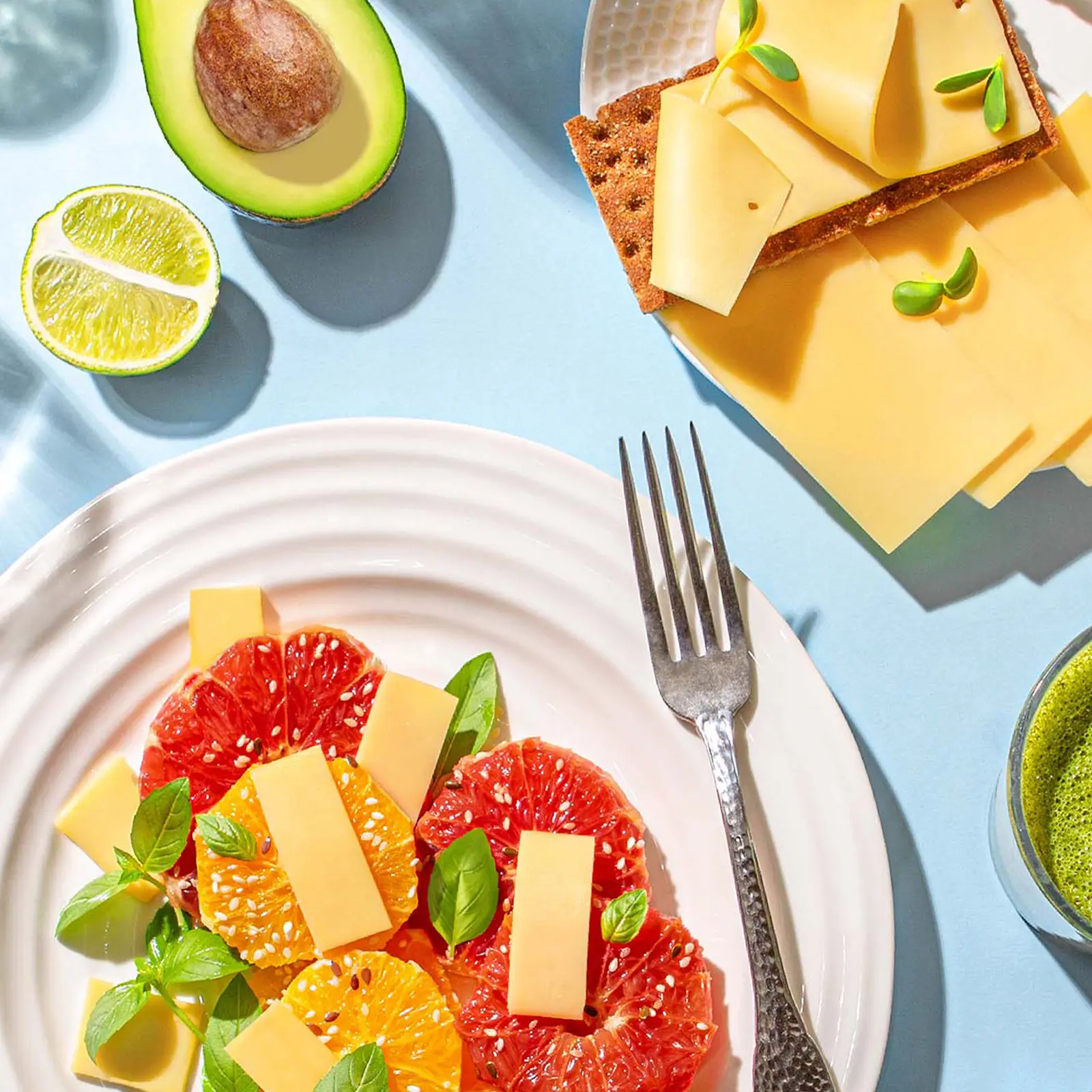
Food styling has become a major, standalone field within professional photography. It’s where photography, culinary craft, and art come together. Food photography is essential for positioning food brands, the HoReCa segment, and brands of tableware and home appliances.
In the creative process, the ideas of the photographer, chef, food stylist, and art director come to life. Food shoots are also used to design a “food zone” — a high-performing visual section that showcases the product at its best.
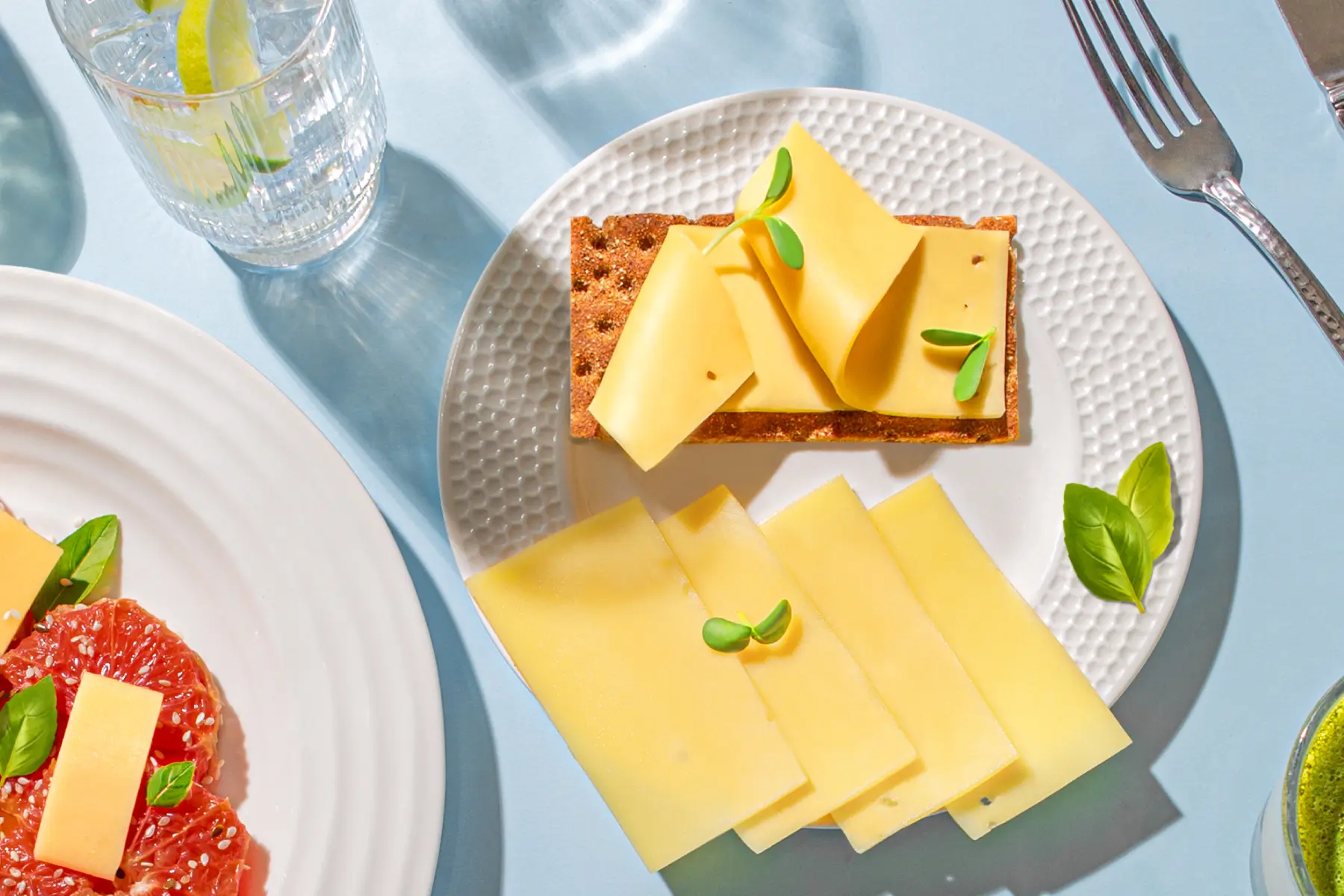
Food is an endless world of flavor, energy, and pleasure. It nourishes, surprises, inspires, and brings people together. Food styling reveals the product concept, increases demand, and creates added value. For business, food styling serves two key purposes: creating stylish, appetizing advertising and building a cohesive visual system.
Jewelry Photography
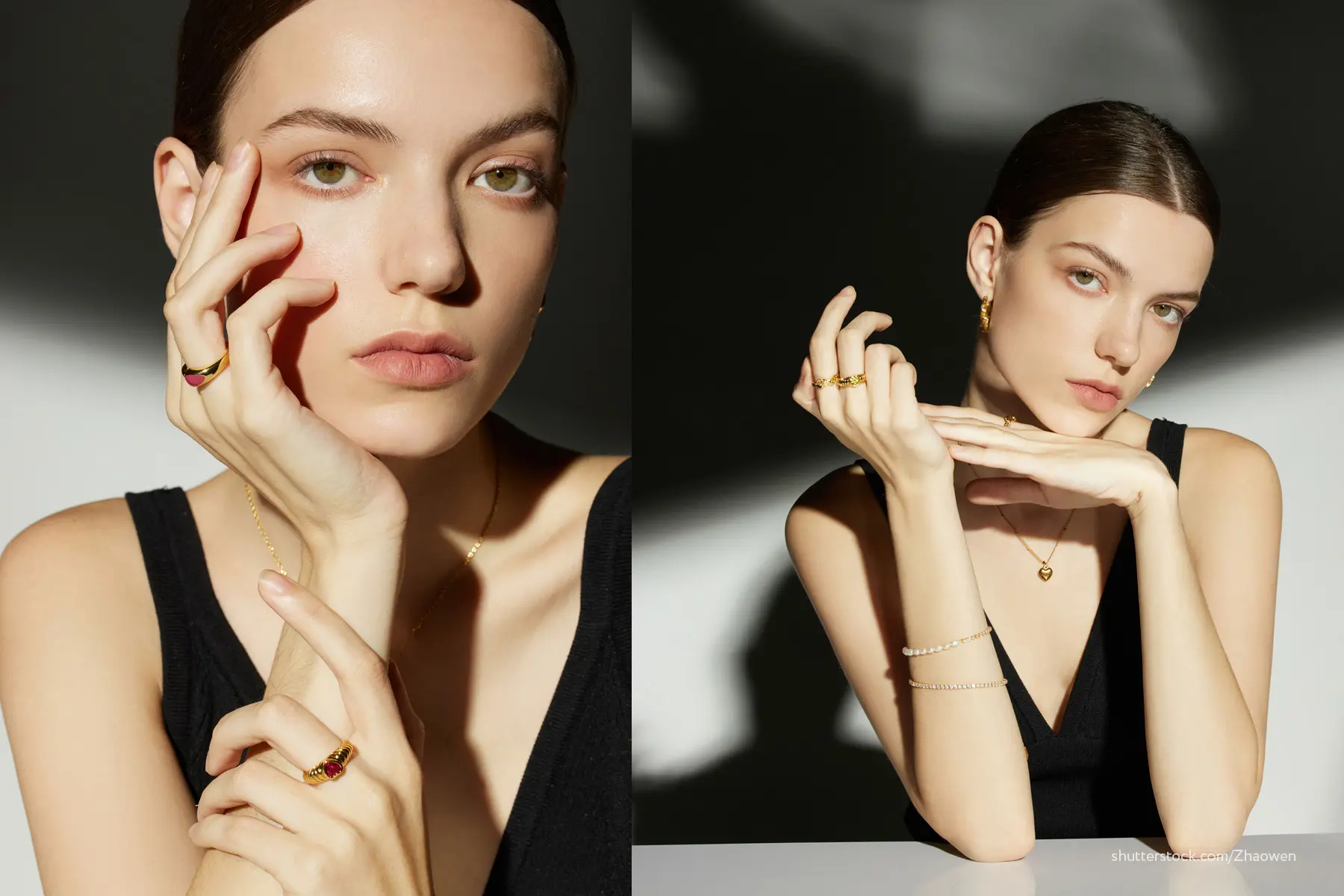
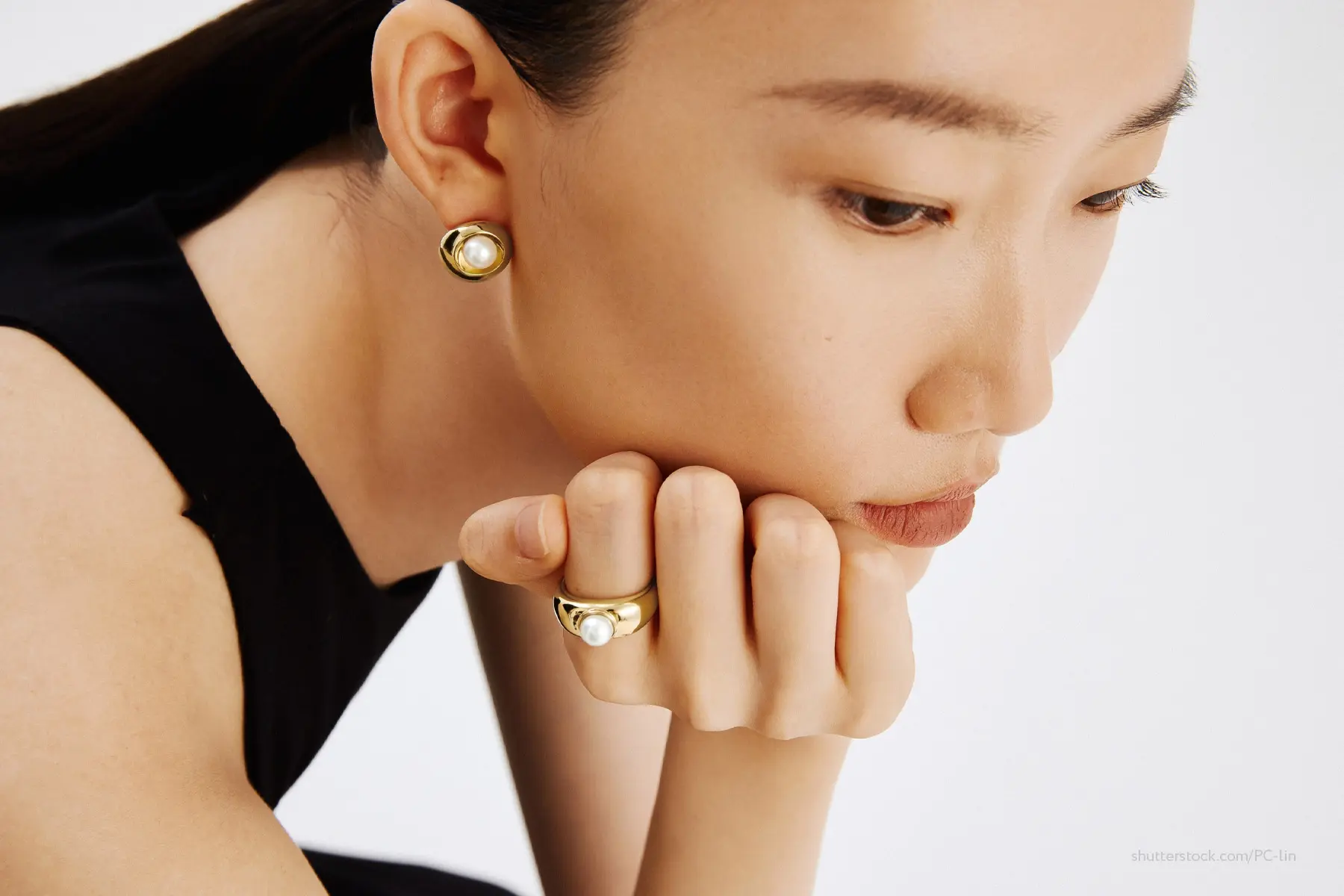
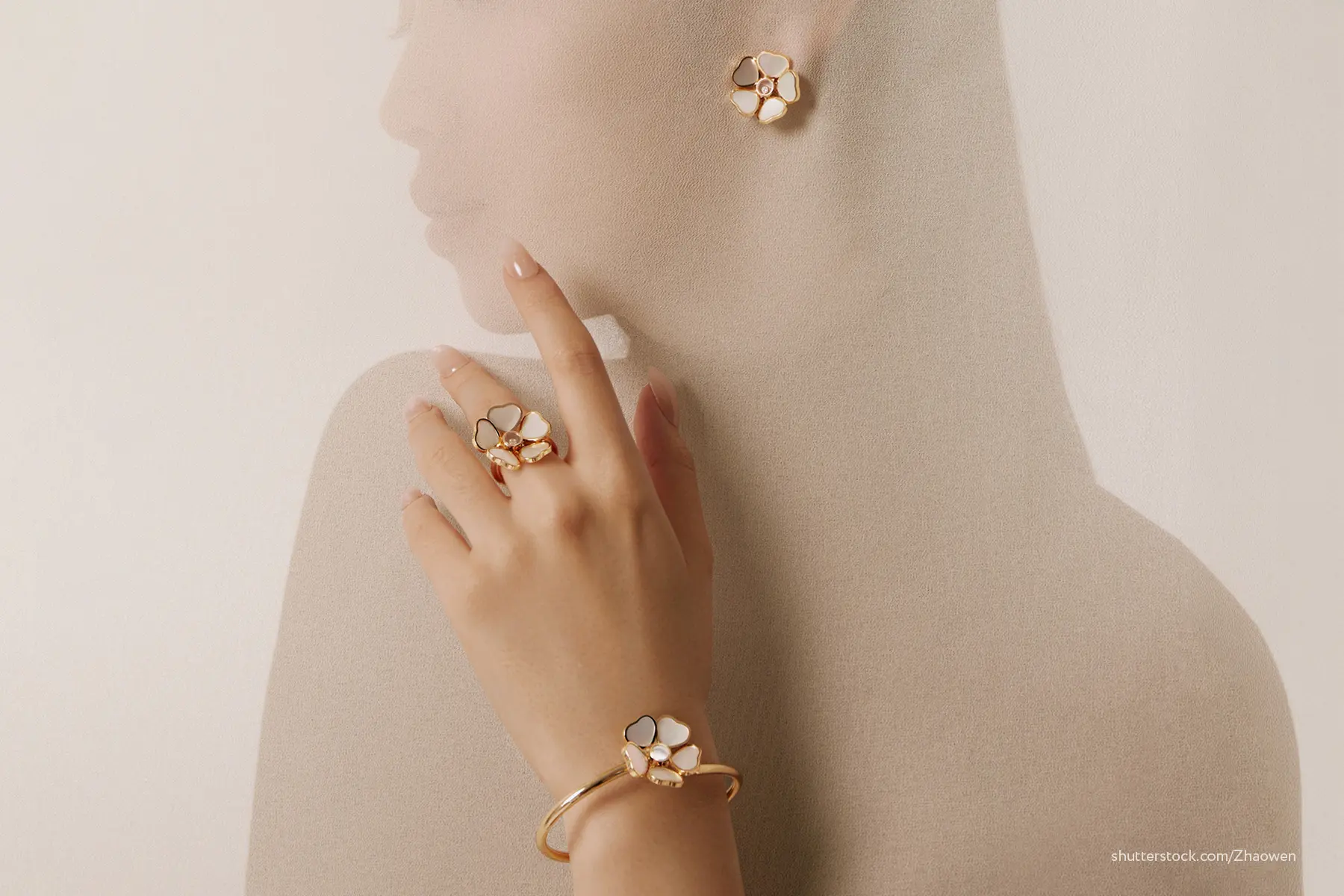
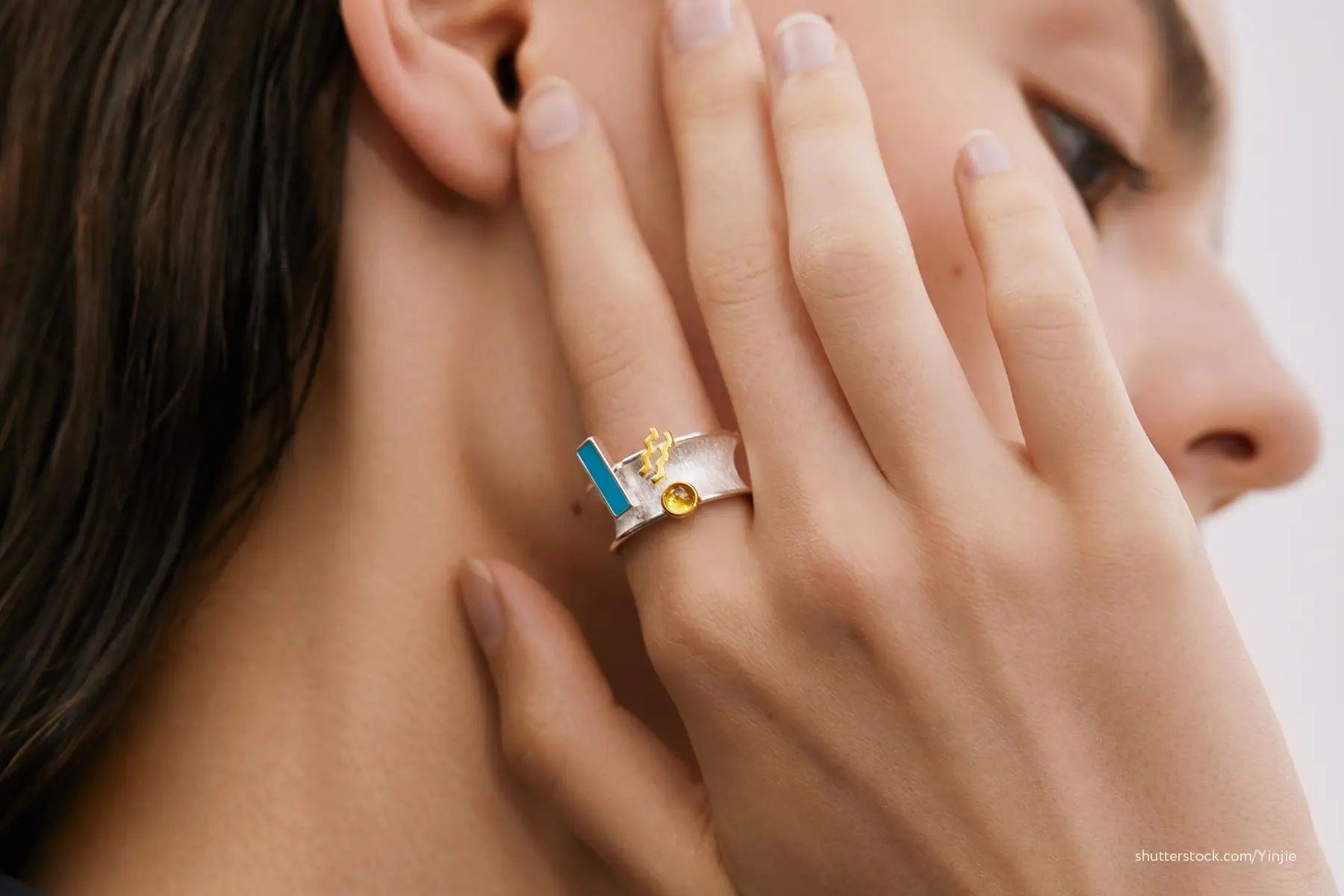
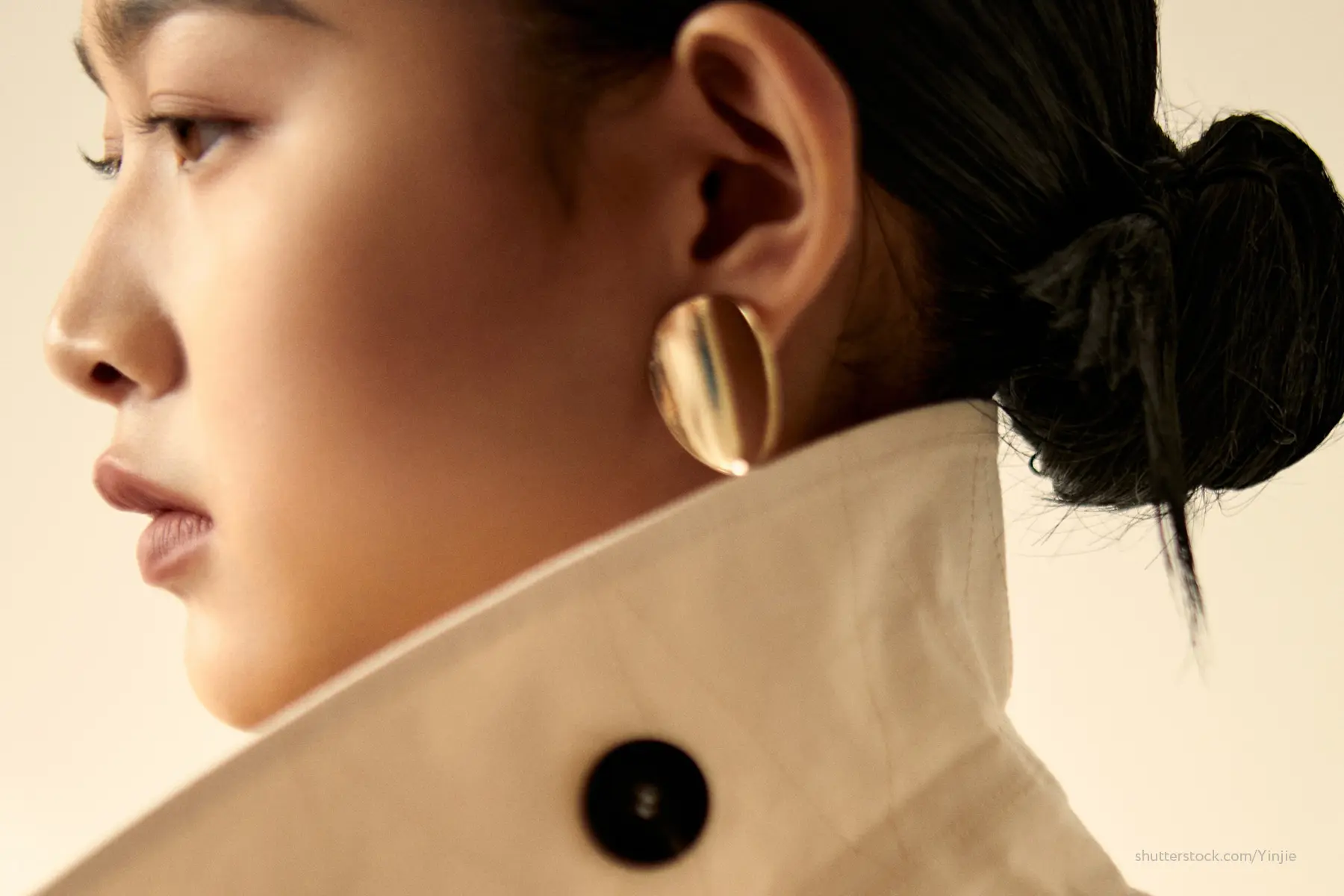
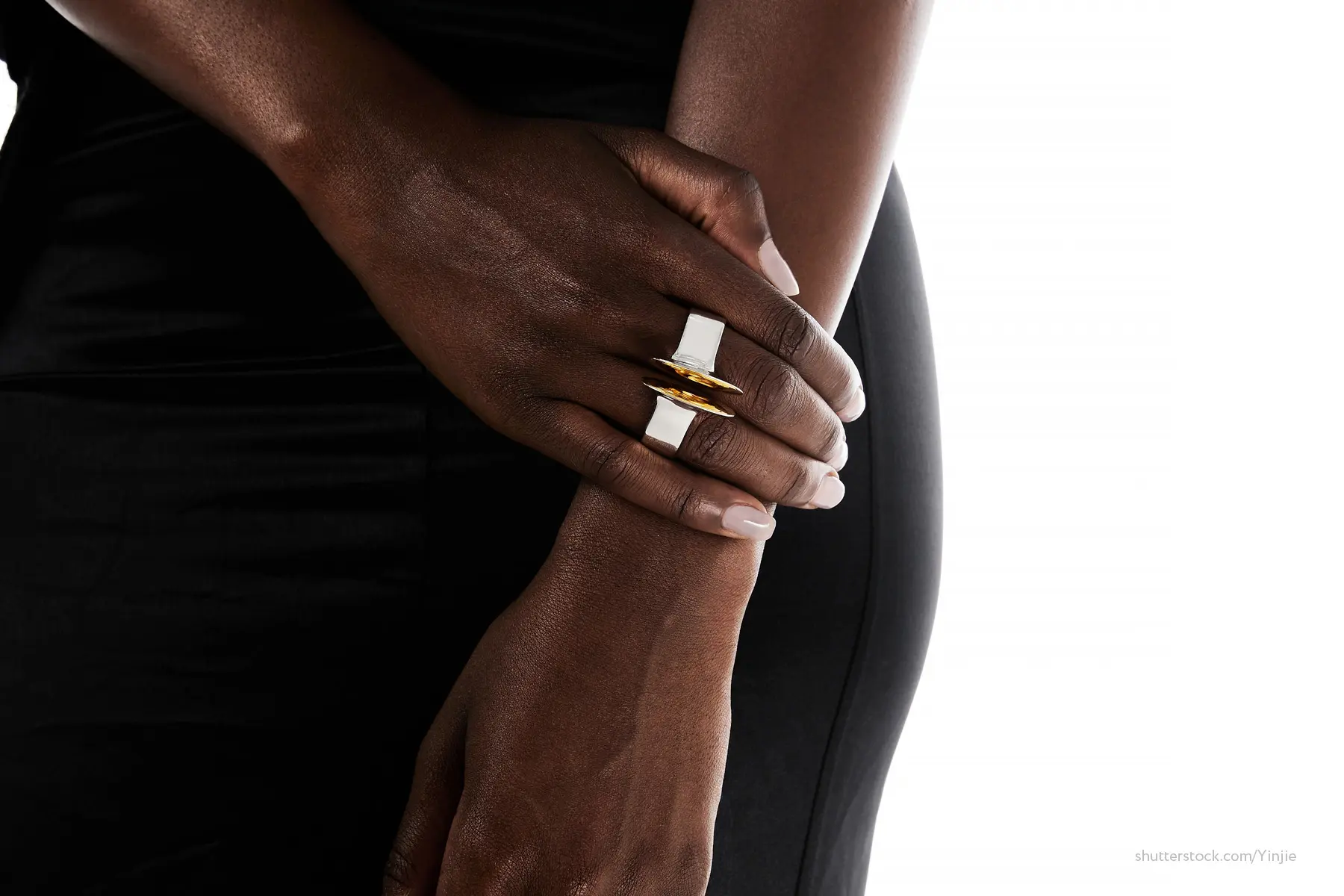
Jewelry photography is an art within an art form — where cutting-edge technology meets a strong creative concept. Photos and videos of jewelry are used on websites, in presentations, on marketplaces, and for in-store displays in jewelry boutiques.
Professional jewelry shoots combine product and lifestyle imagery. This type of photography has many technical specifics due to the multi-faceted, highly reflective surfaces and the small scale of precious pieces.
Jewelry photography helps shape a brand’s DNA and the visual territory of its positioning. Every jewelry brand is uniquely distinctive: it has its own designers, original forms, and an individual aesthetic. People wear jewelry as a style statement and a symbol of relationships, to highlight beauty or express status.
Jewelry is also an investment — passed down through generations, sold at auctions, and kept in museums as cultural and historical value. The beauty of each piece is revealed within a thoughtfully created visual world — one that allows the jewelry brand to grow and evolve.


Interior Photography
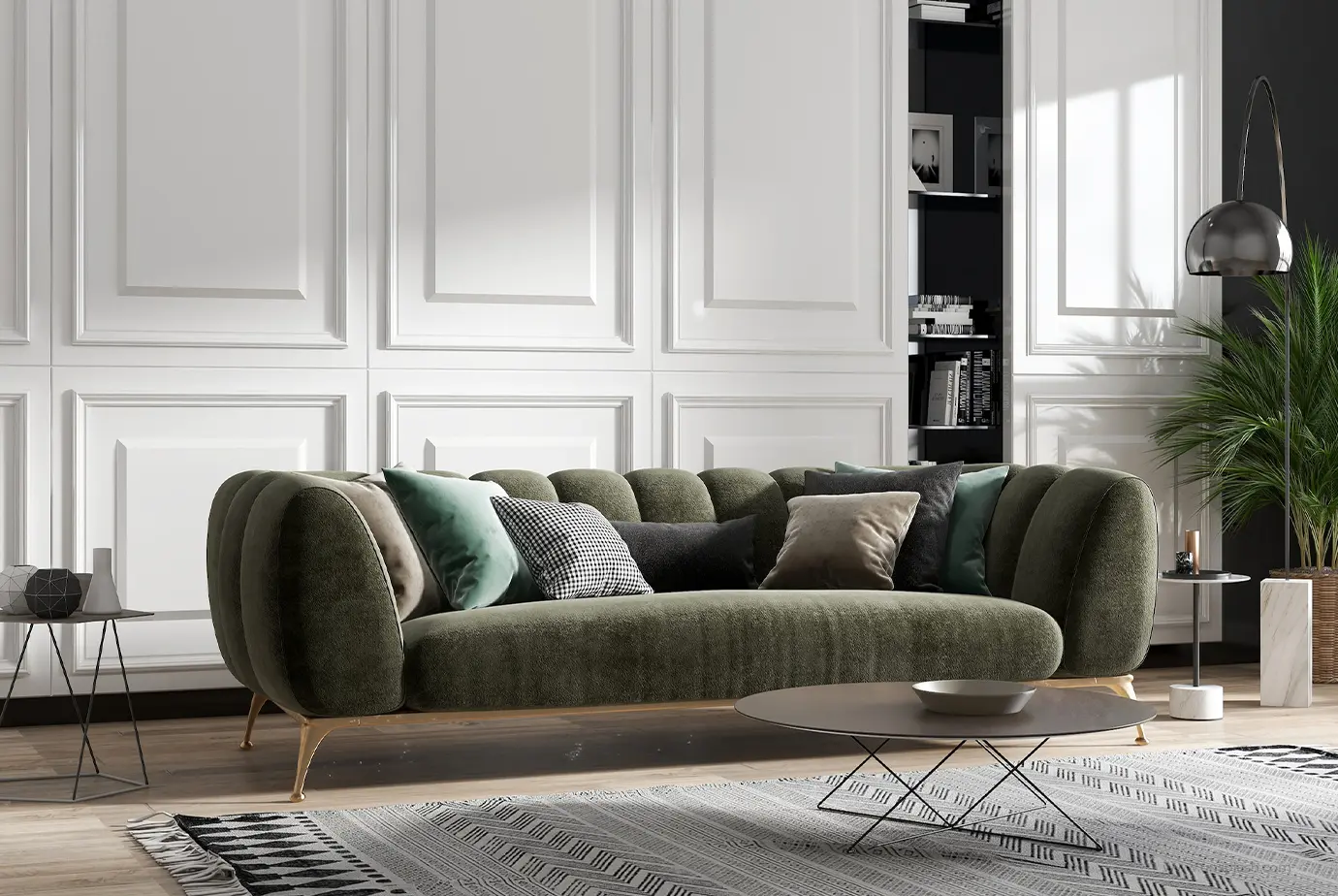
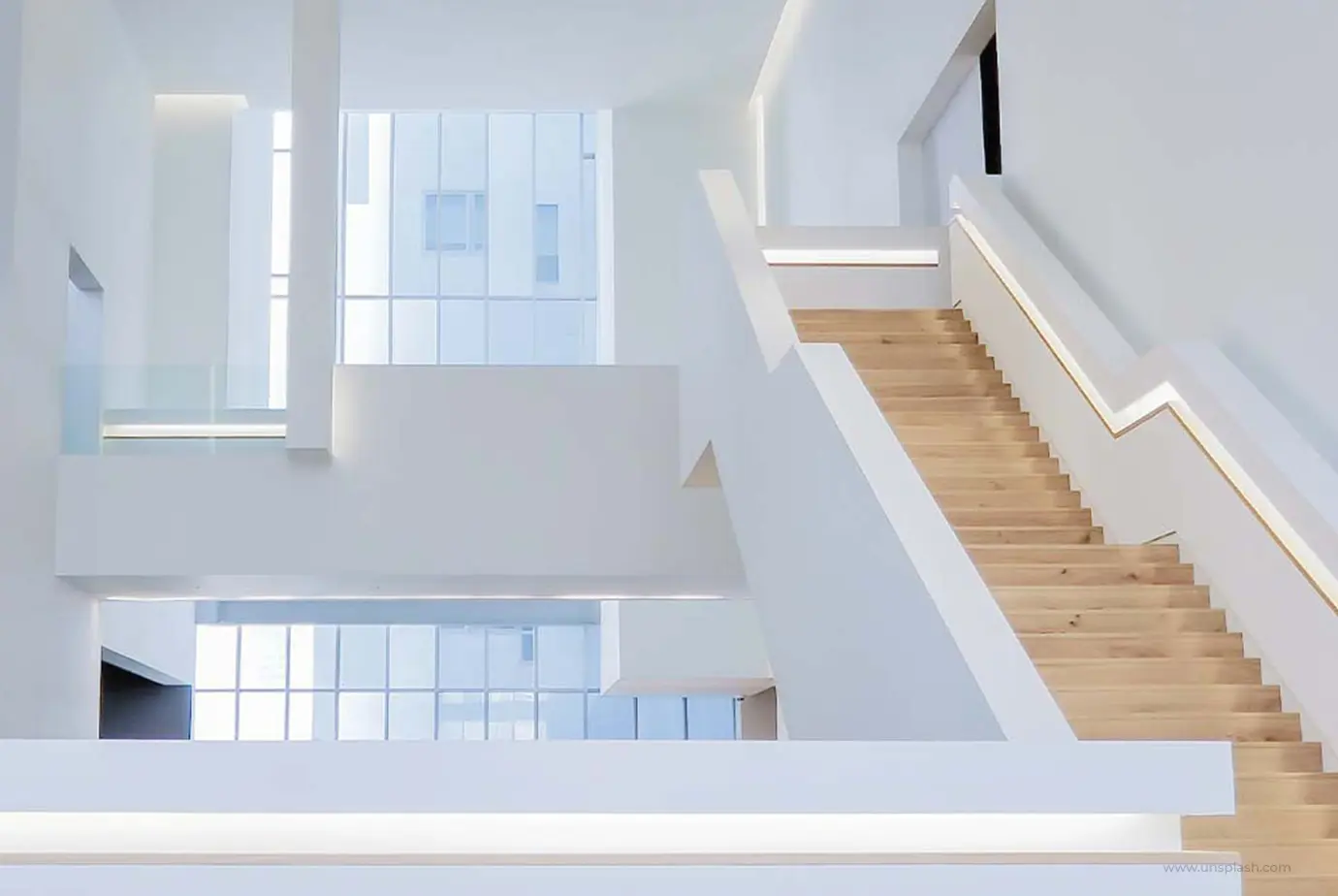
Interior photography is suitable for a wide range of businesses. It is especially relevant for the hospitality and restaurant industry, furniture companies, textile brands, home accessories, and bathroom and plumbing brands. Interior photo projects can also feature production facilities, offices, fitness clubs, and other types of commercial real estate.
Interior photography is a branding tool that helps communicate the concept of a product or service more fully. Interior photos and videos can extend a brand’s DNA and create a more cohesive brand image.
Interior shoots convey the atmosphere and functionality of a space, along with a sense of being there. When the subject is a household product, showing it in an interior can significantly speed up purchase decisions and improve conversion. For the HoReCa segment, interior visuals provide essential cues about comfort and the level of service a guest can expect.
Interior photography supports the concept of an “open product.” Through visual content, the brand becomes closer to its target audience. Professional interior photography is essential for advertising, web use, social media, and print materials.


Professional Photography for a Website
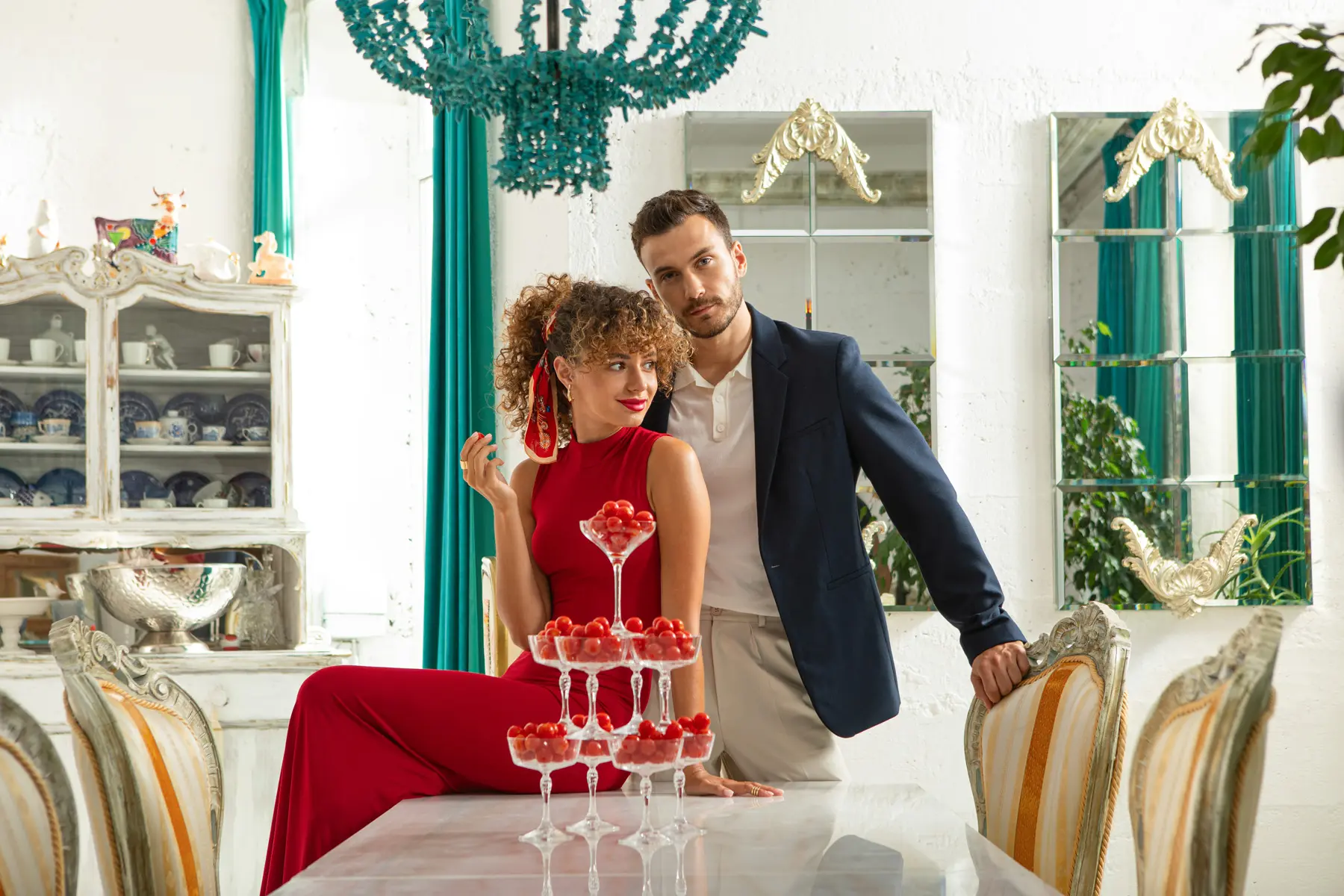
Website photography typically includes several types of shoots. A modern website needs photo and video content, motion design, and a cohesive visual identity — everything that fully communicates the brand and makes it distinctive. Users aim to spend as little time on a site as possible while getting as much information as they can.
Visuals tell the full story of a company and highlight its identity. High-performing websites present content in a polished, modern way, supported by intuitive design and strong creative assets. When a website meets user expectations, the company receives positive feedback.




Photography for Marketplaces
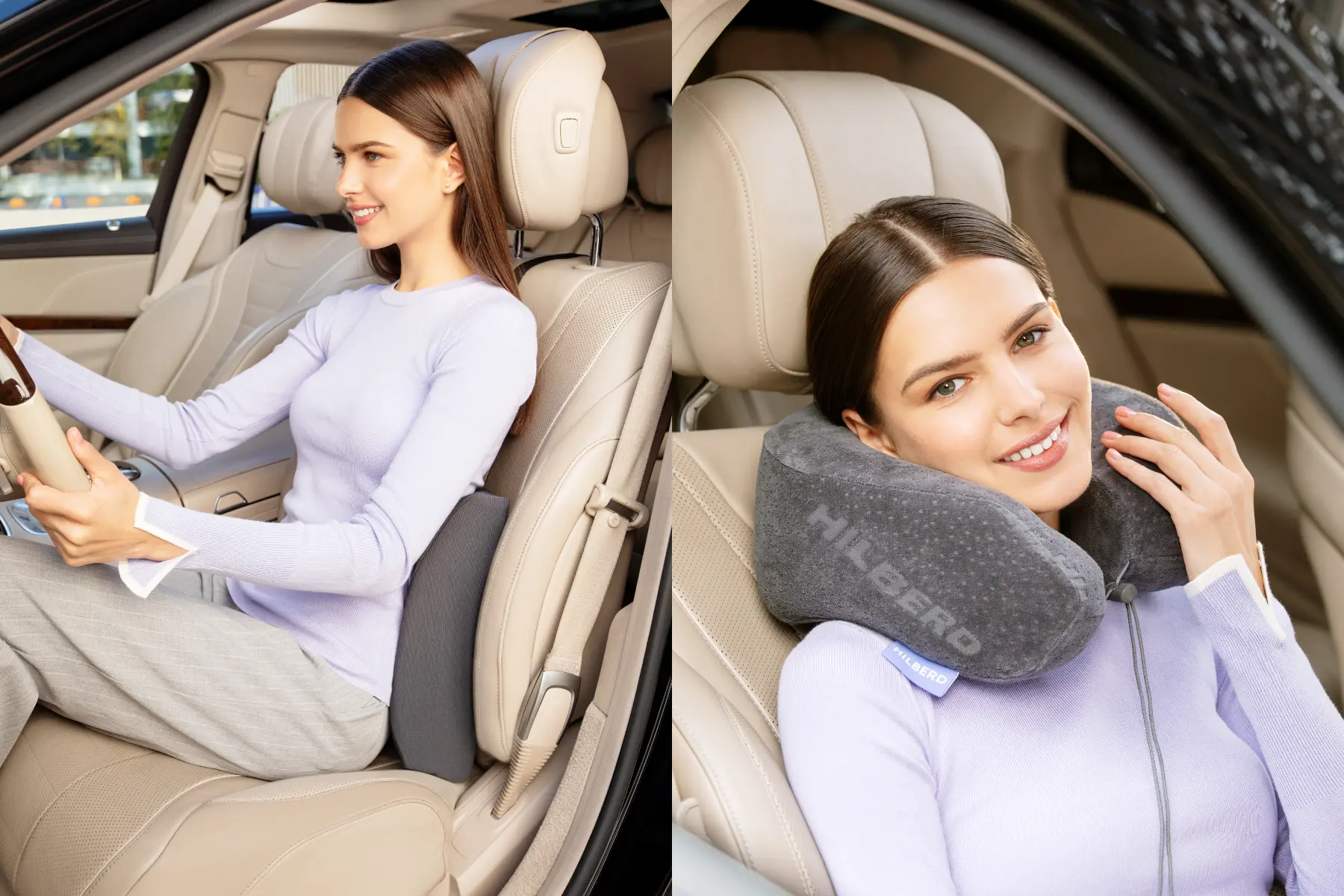
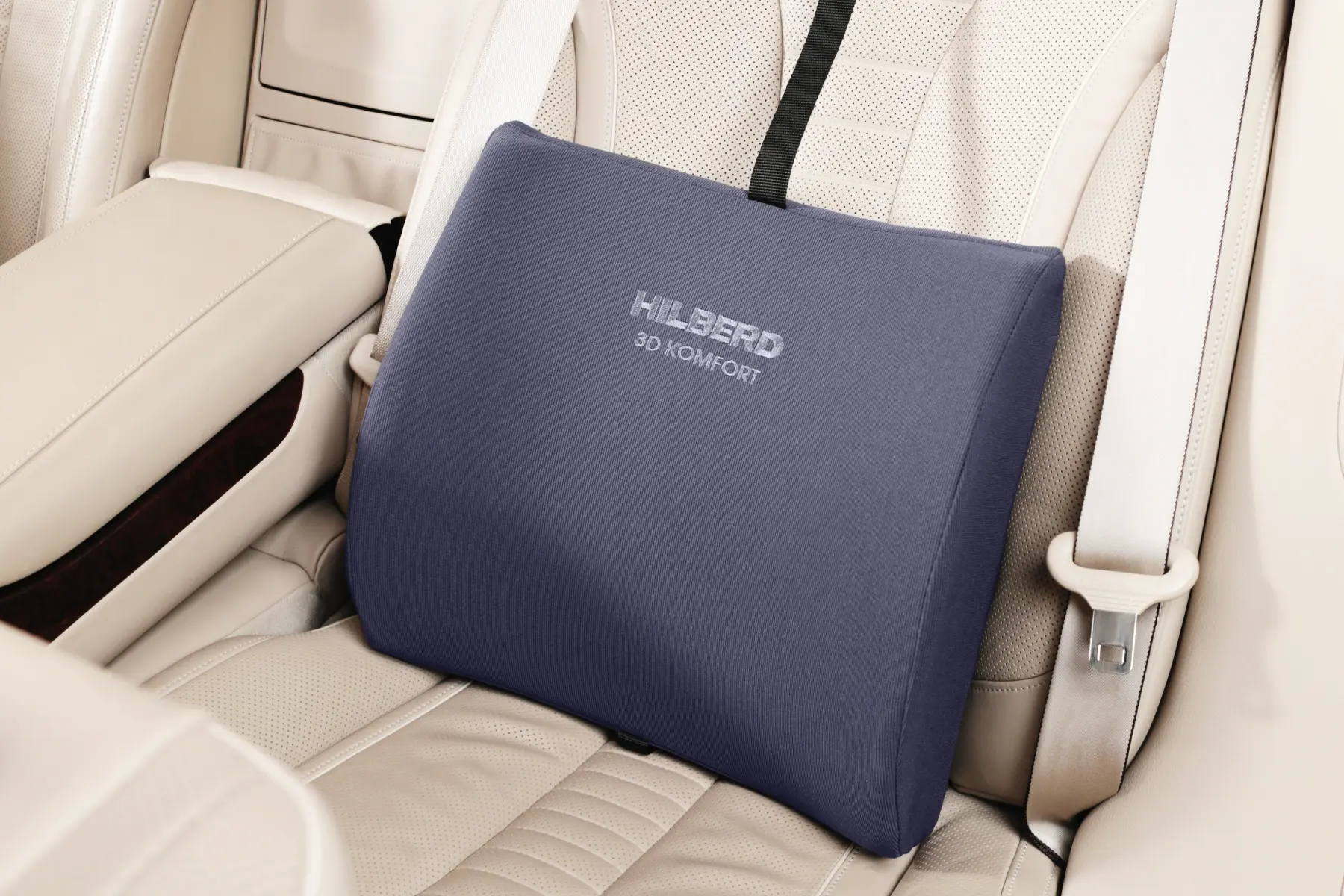
Marketplace photography is about developing a visual style that answers the key questions about a product and helps it stand out from competitors. Visual content is the backbone of e-commerce communication and has a direct impact on commercial results. The clearer and more appealing the product listing and catalog are, the higher the likelihood of purchase.
Marketplaces are e-commerce platforms that give customers access to a wide selection of products and services from different sellers and entrepreneurs. Each brand presents its range through product listings — full-fledged advertising assets.
According to Data Insight’s market review, large universal marketplaces became the dominant channel for online orders in Russia: they reached 73% of all online orders, while the combined share of Wildberries and Ozon hit 75%. Professional marketplace photography is relevant for any brand whose products or services can be presented online.
When preparing for a shoot, a strategy is developed first — this is the framework for the photo session. The first stage is product photography for the marketplace, capturing the product’s key qualities, features, and appearance. The second stage shows the product in a real-life usage scenario to create a sense of contact and familiarity. All visuals are produced in one consistent brand style and then maintained across the marketplace catalog.




Product Photography
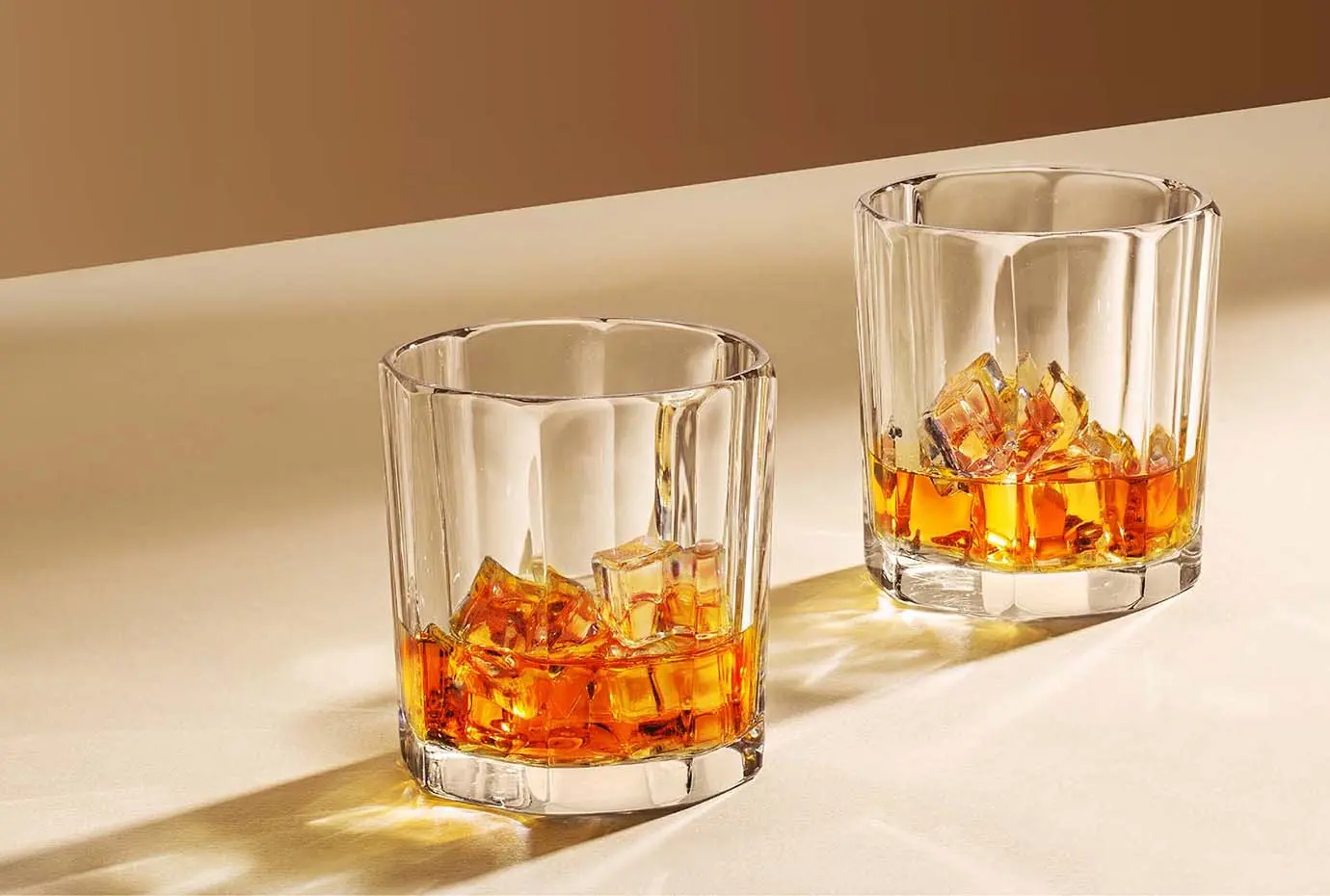
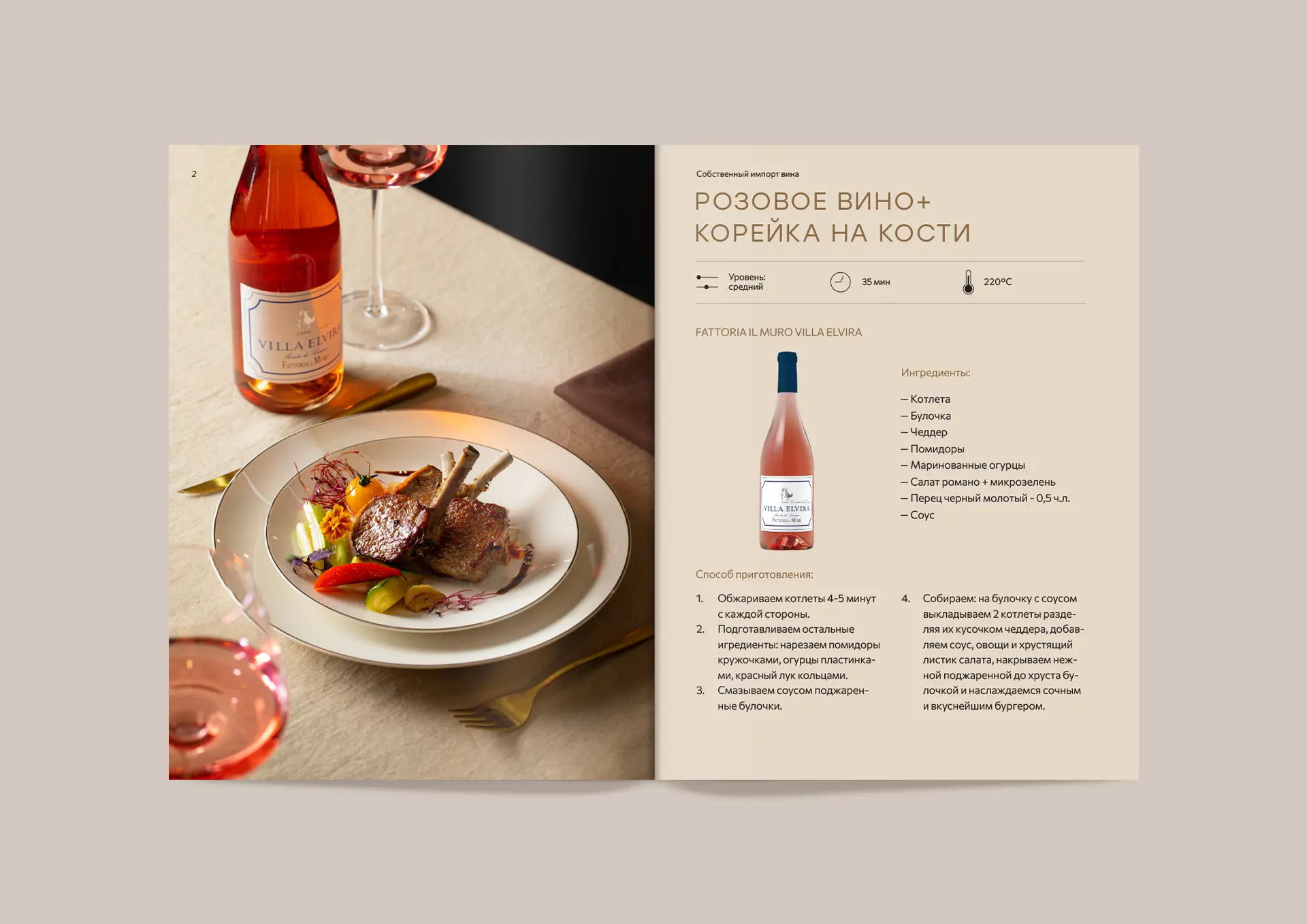
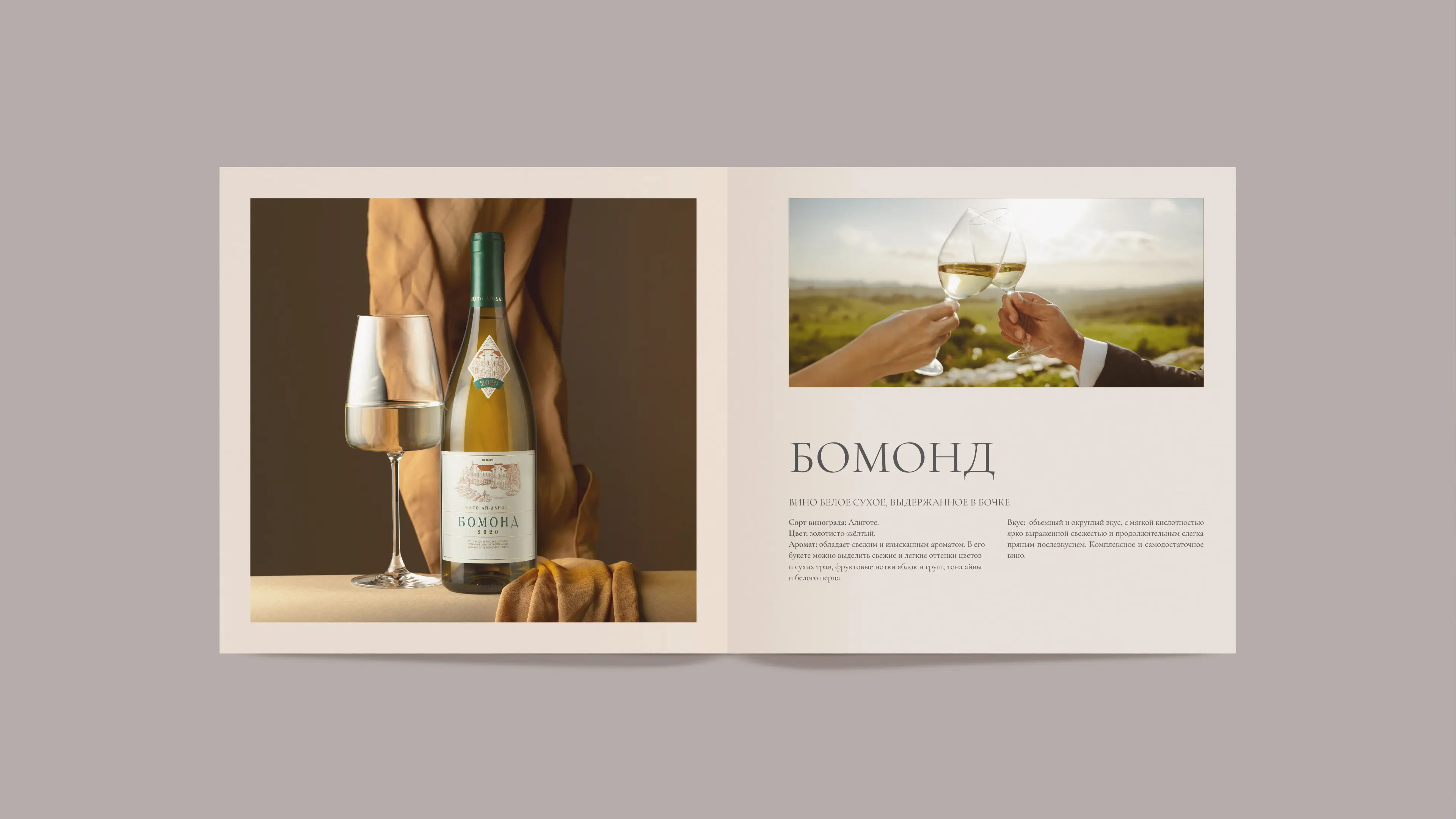
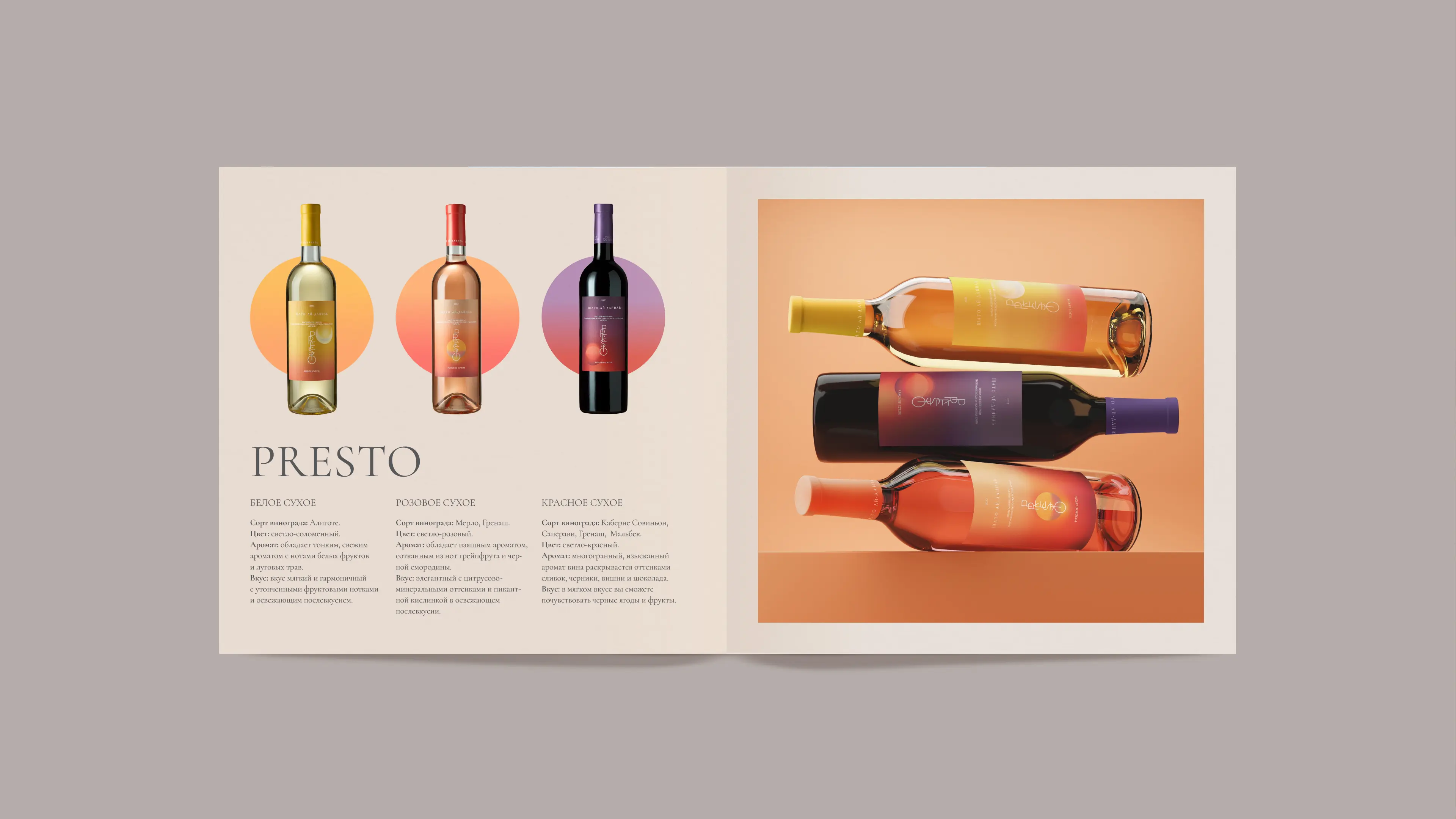
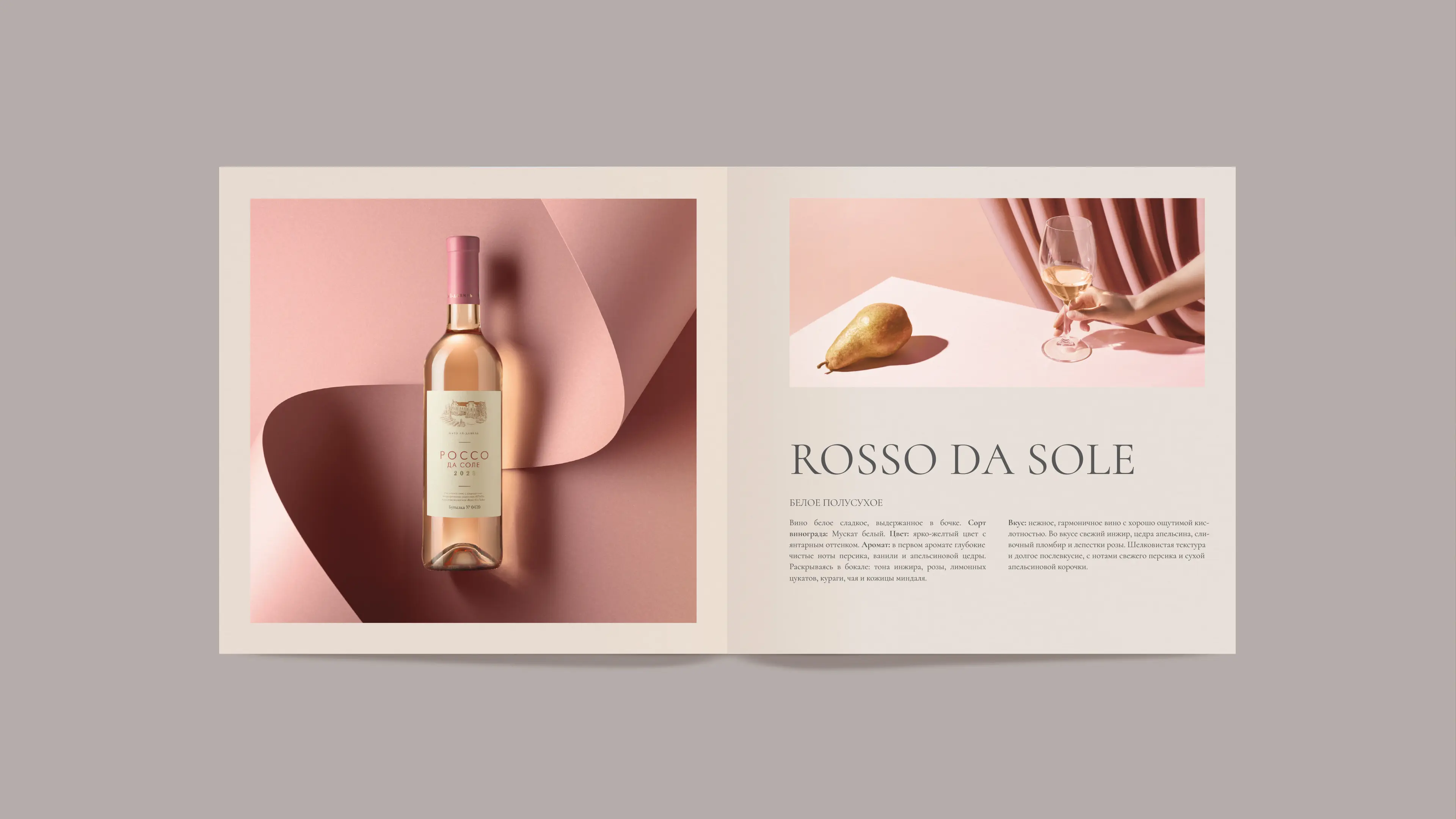
Product photography is a genre of advertising photography that can feature food, clothing, accessories, jewelry, household items, and more. It captures the texture, colors, and key properties of an object in a visual context. Product photography is used on marketplaces, on brand websites, in presentations, and in POS materials.
Every brand needs high-quality product photos. Visual information creates a first impression that influences customer choice.

Professional Photography for a Catalog
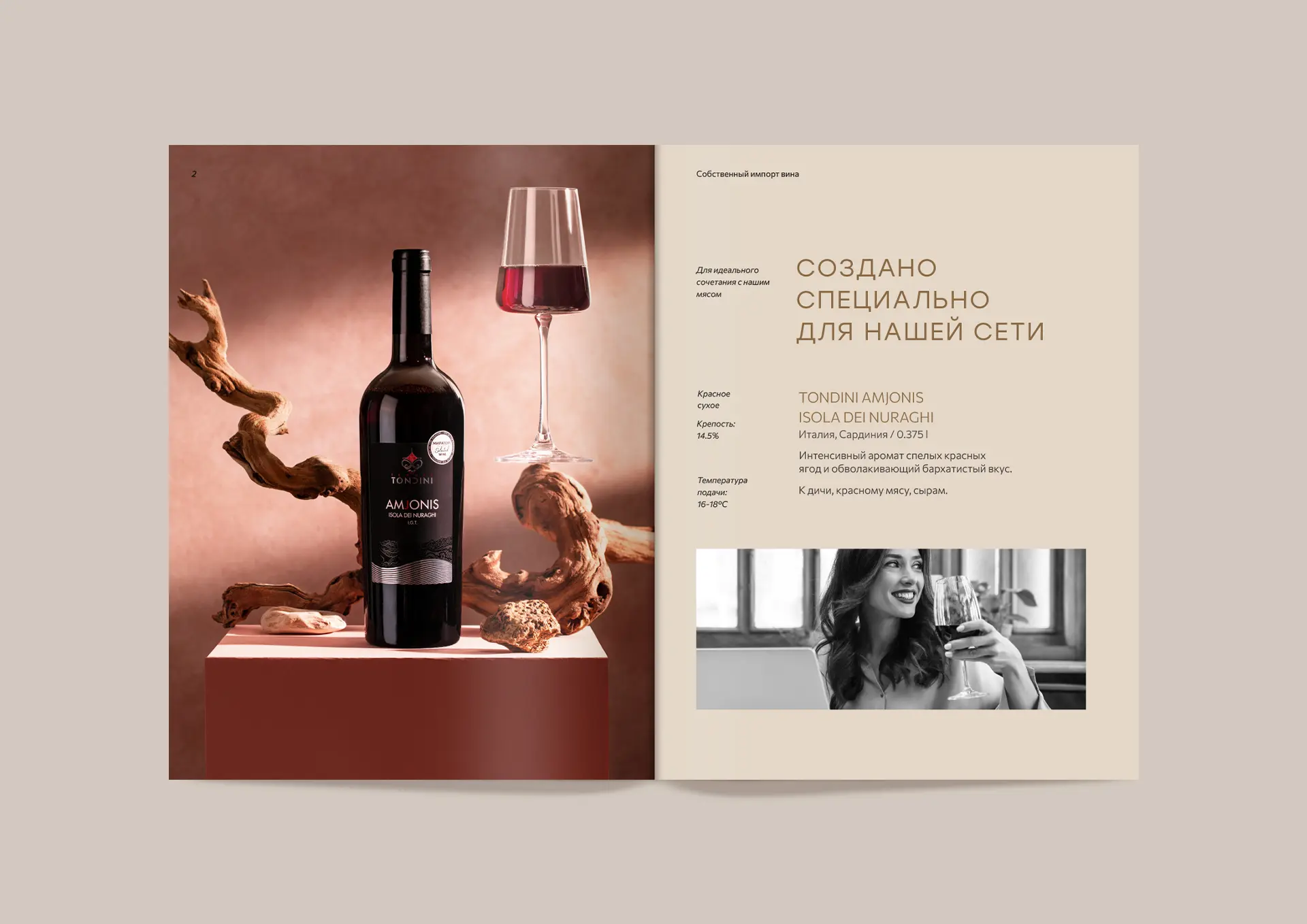
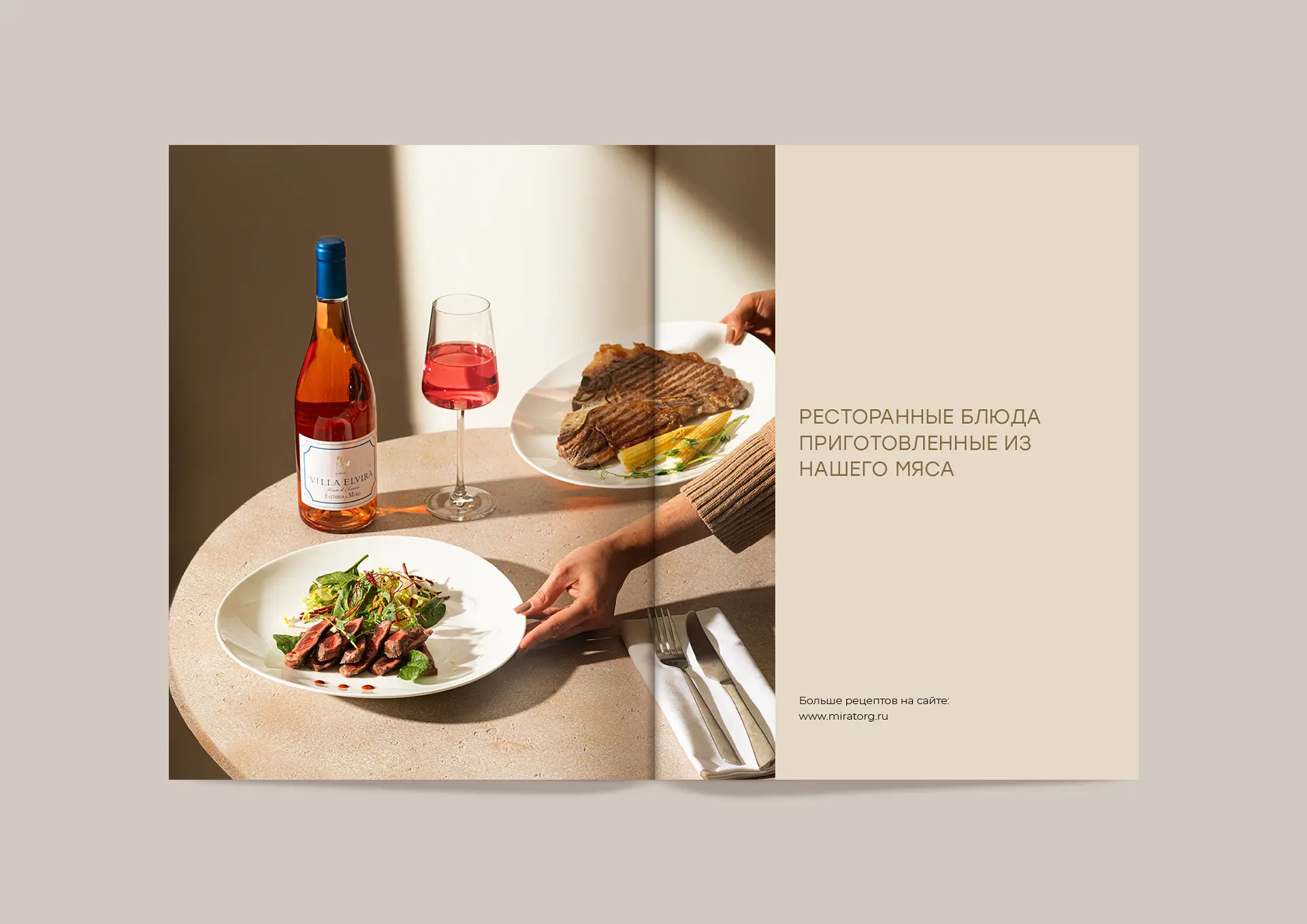
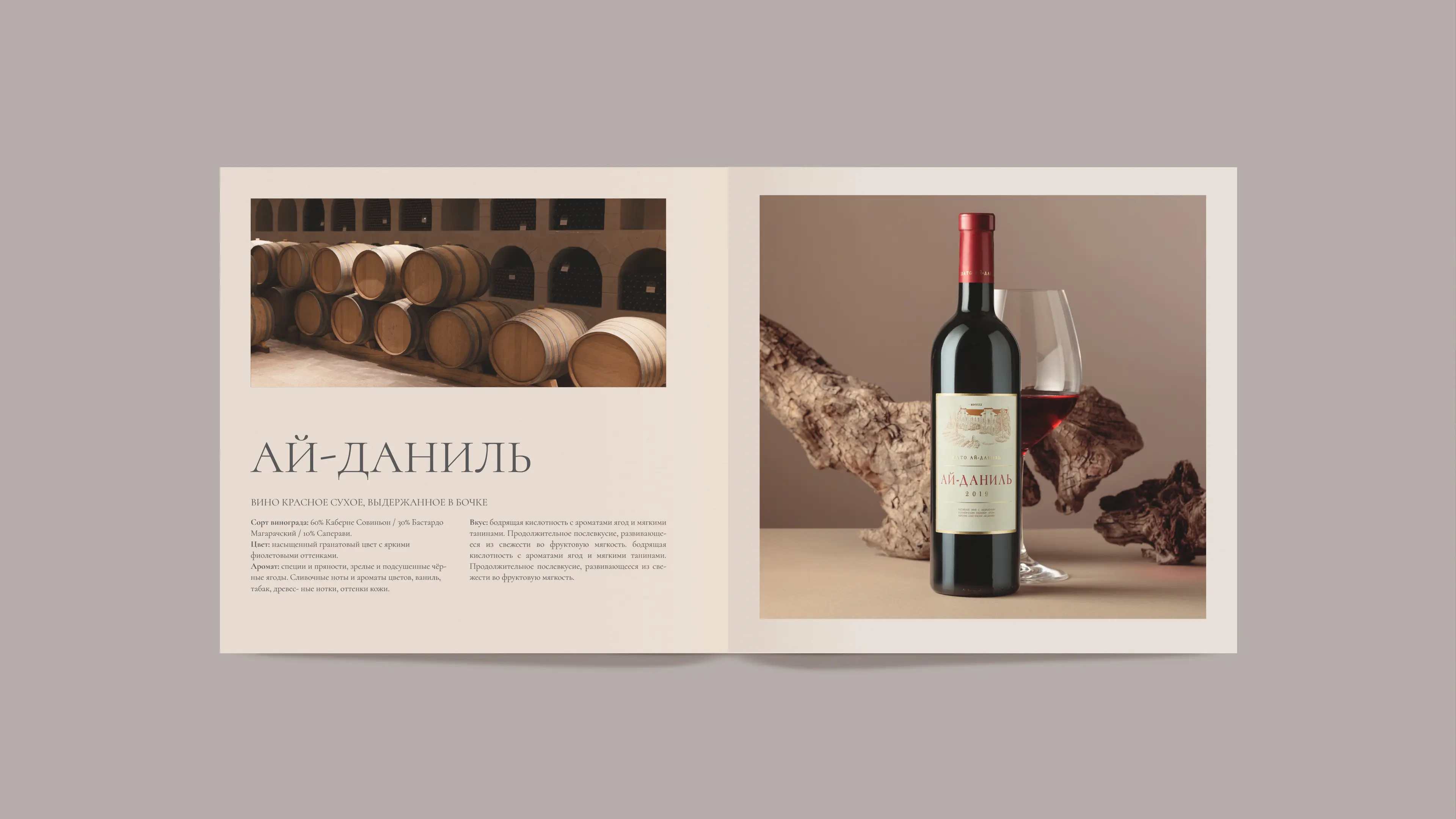
Catalog photography can include several types of shoots: brand/lifestyle imagery, model photography, product photography, interior photography, and more. Most often, catalog shoots are in demand among brands in apparel, footwear, jewelry, furniture, and home accessories. Catalogs are especially useful for larger companies that want to document and clearly present their product range.
A catalog showcases the full assortment and improves conversion. It is rich in visual content that fully conveys the brand’s character and answers customers’ key questions. Professional catalog photography is essential for advertising, entering nationwide retail chains, and participating in trade shows. A catalog not only presents an entire product line — it also tells the brand’s story in a cohesive way and preserves the history of product development.



Children’s Photography for a Brand
Professional children’s photography is an essential part of branding for kids’ products. This field has a unique feature: the target audience includes both children and parents. The photographer must balance the emotional logic of a child’s perception with the more rational approach of a parent.
The product is designed for a child, but the purchase decision is made by a parent. For children, the emotional response matters most; for adults, practical value tends to be the priority. In addition, children respond strongly to play-based formats and characters, while parents evaluate value for money, safety, and pay attention to reputation and reviews.
Before a children’s shoot for a brand, a marketing strategy is developed — this becomes the foundation for the imagery, ideas and style. Children’s photography is part of a brand’s DNA: it communicates characters, a playful atmosphere, the company’s values, and its visual style.

Animal Photography for Advertising
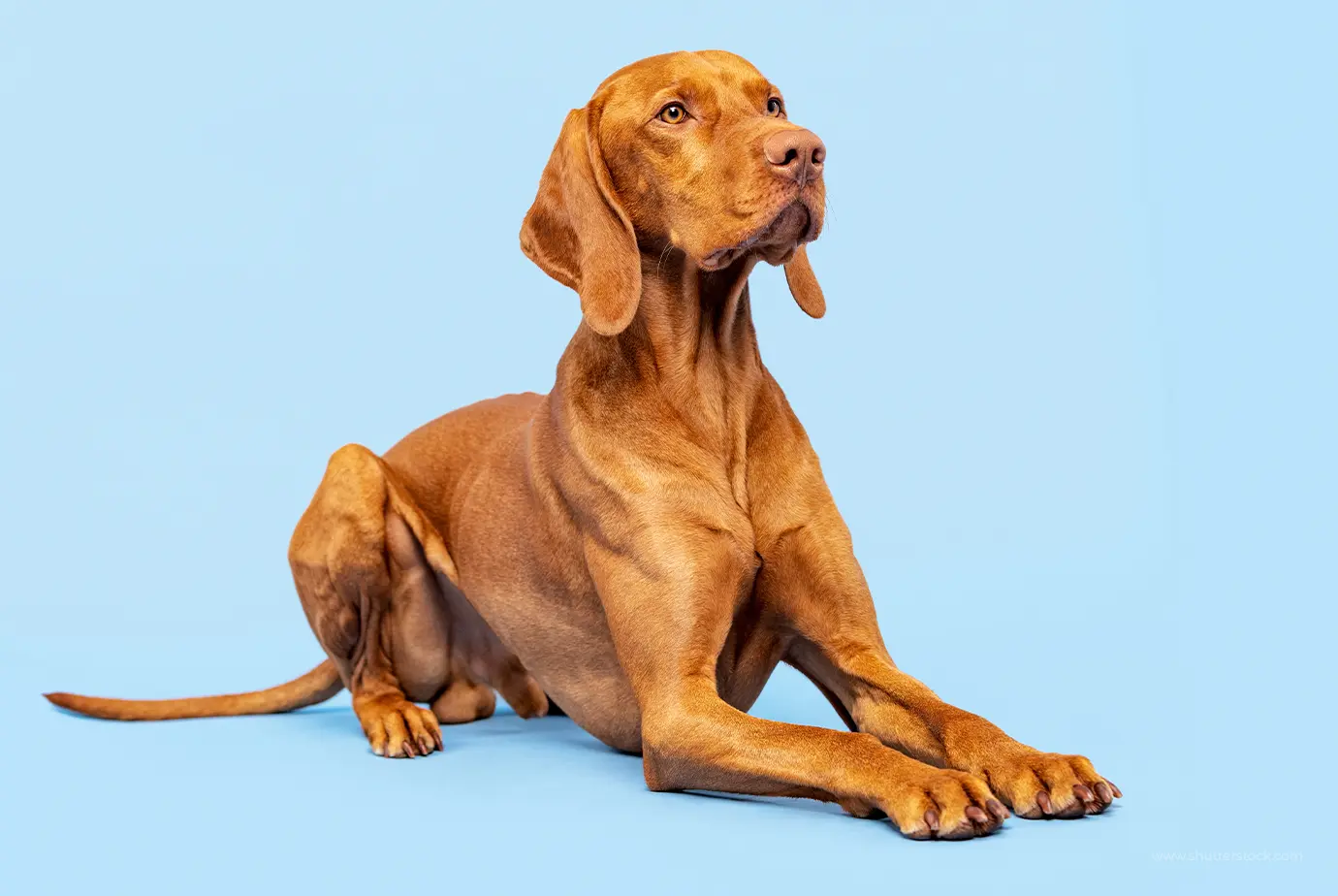
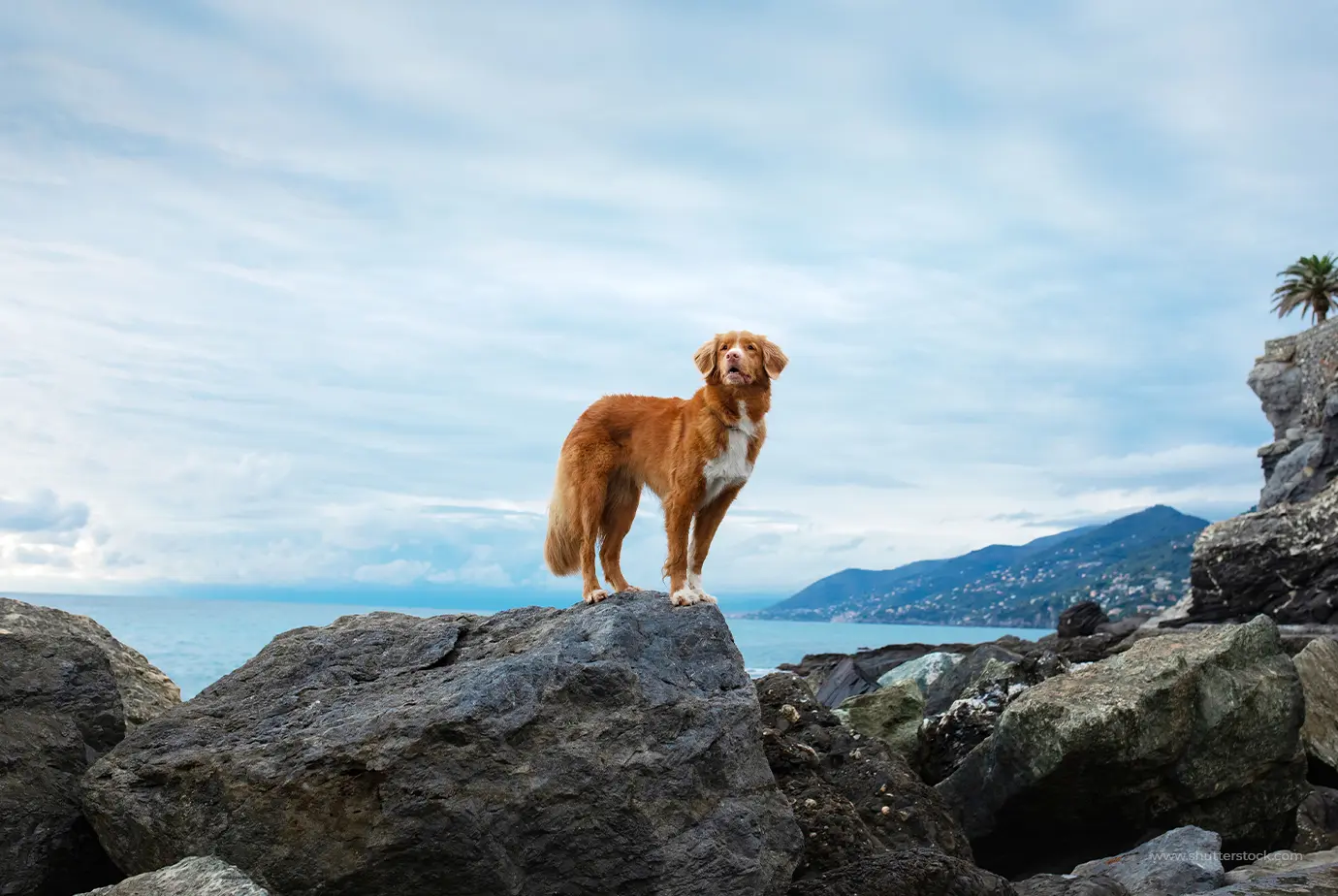
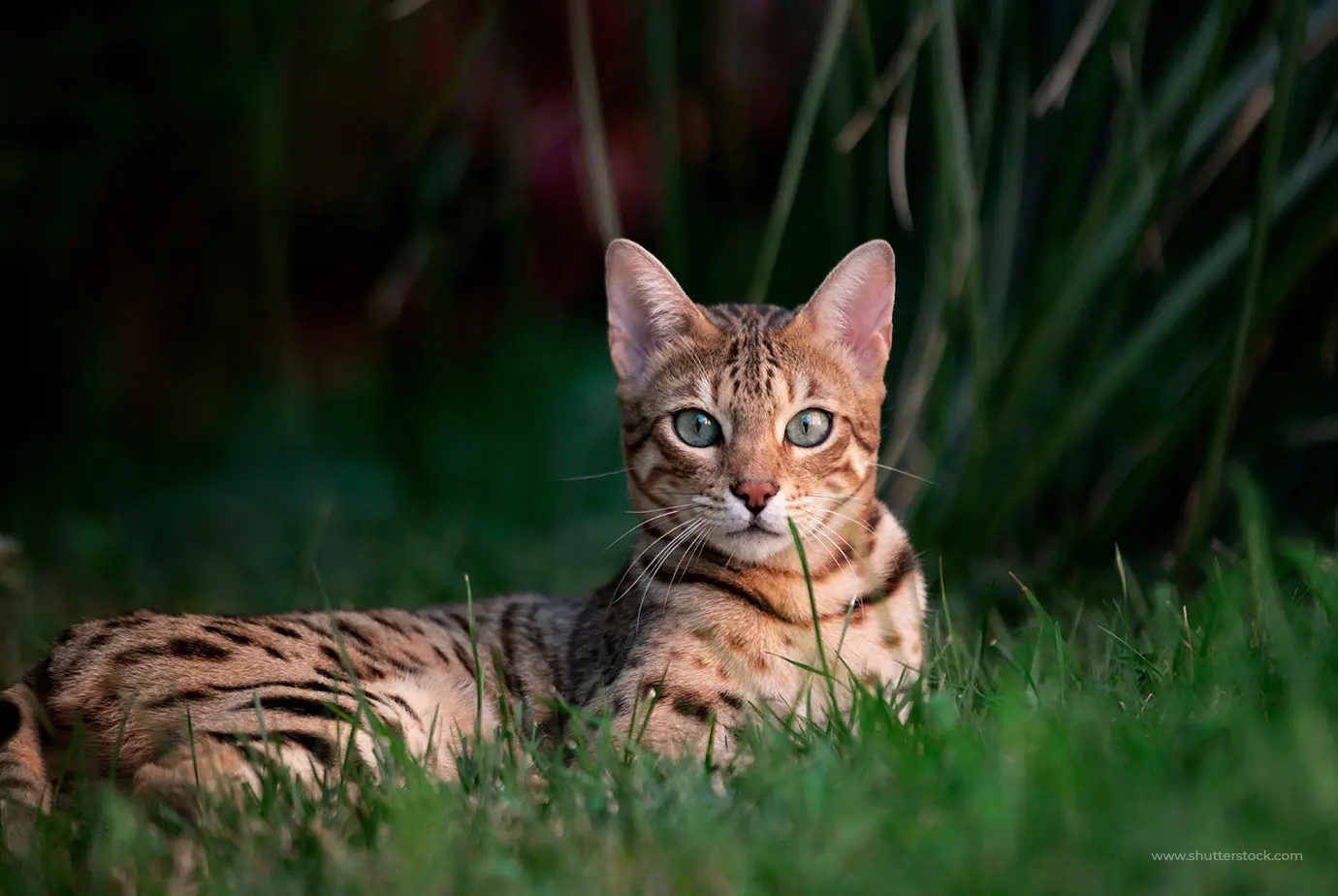
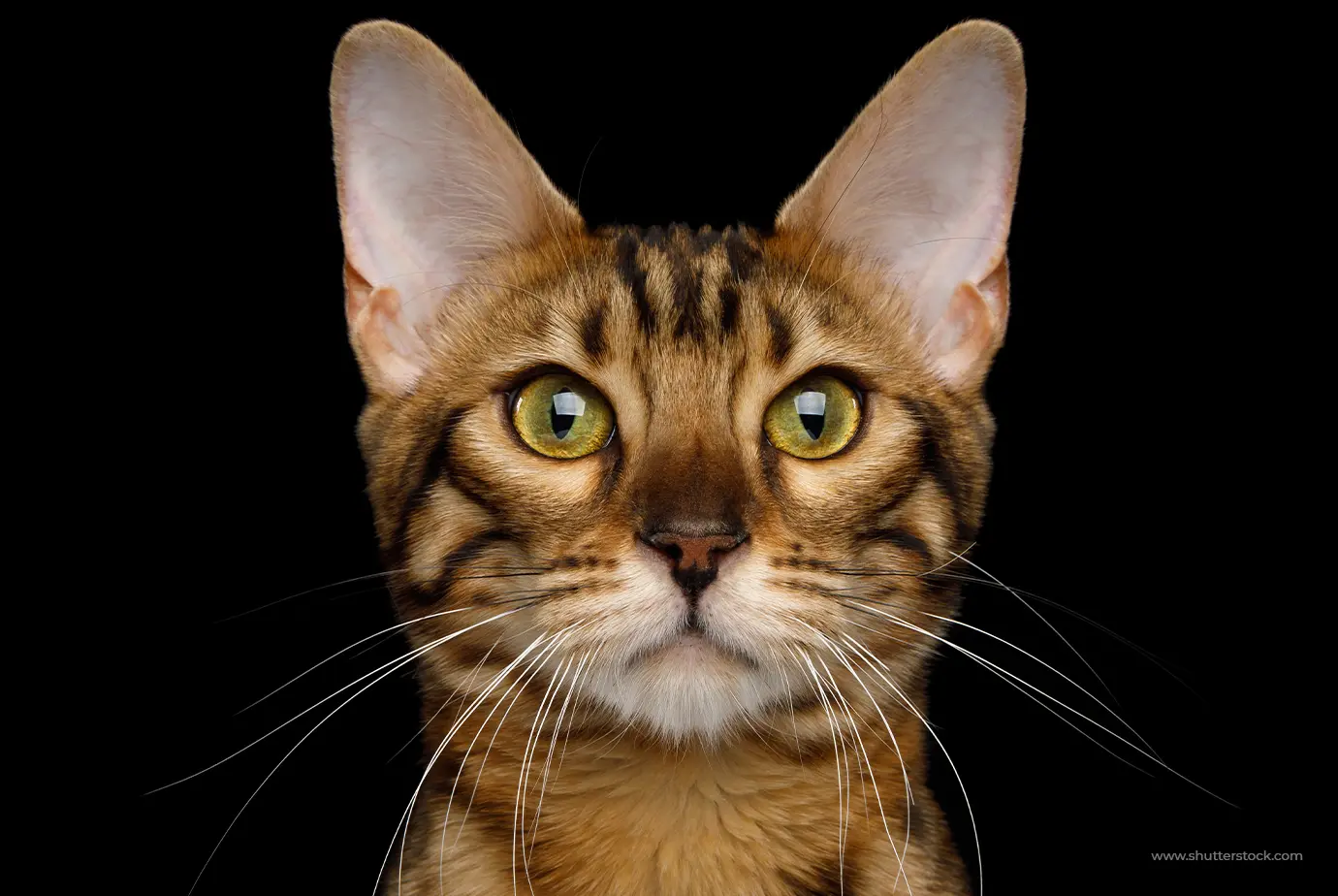
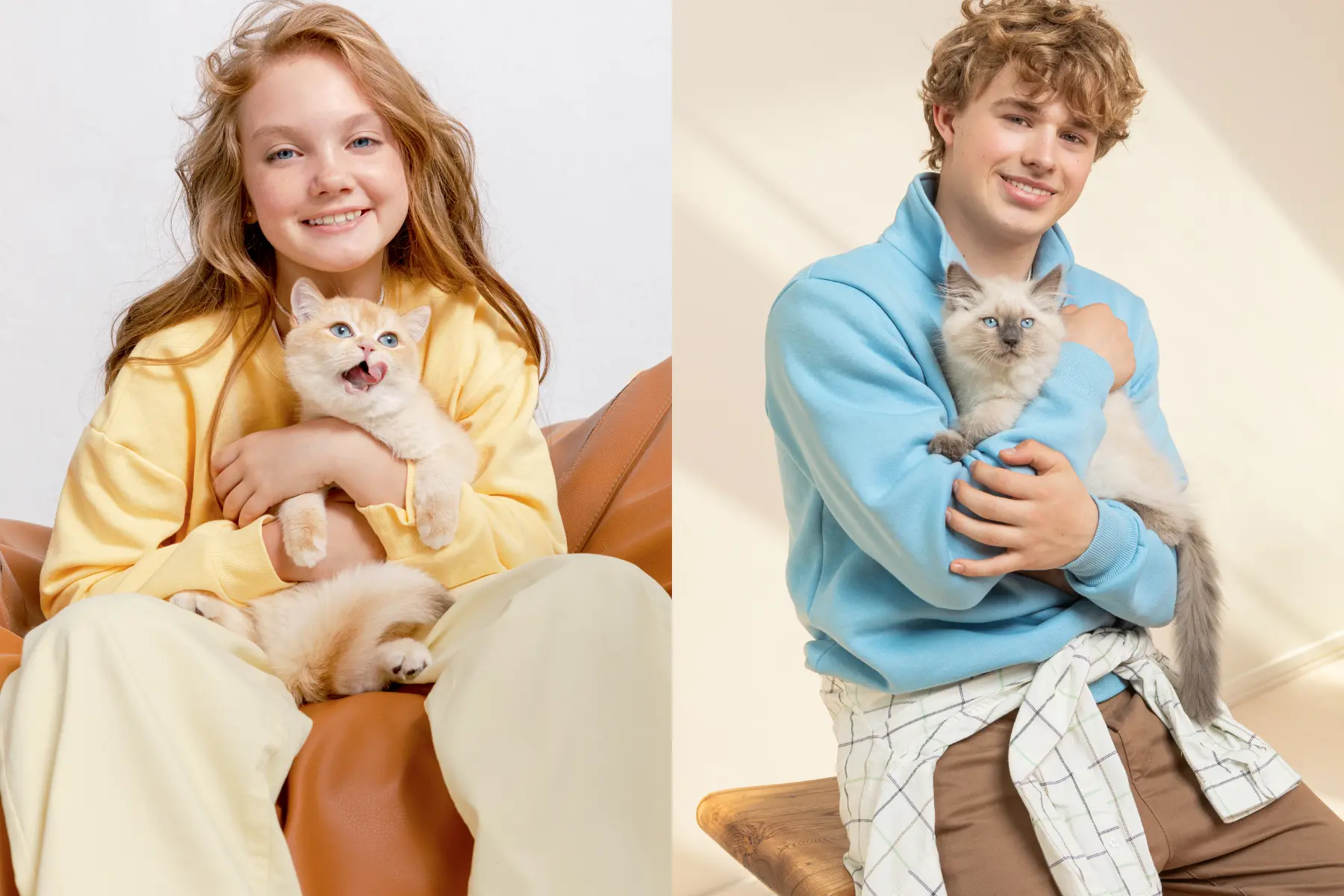
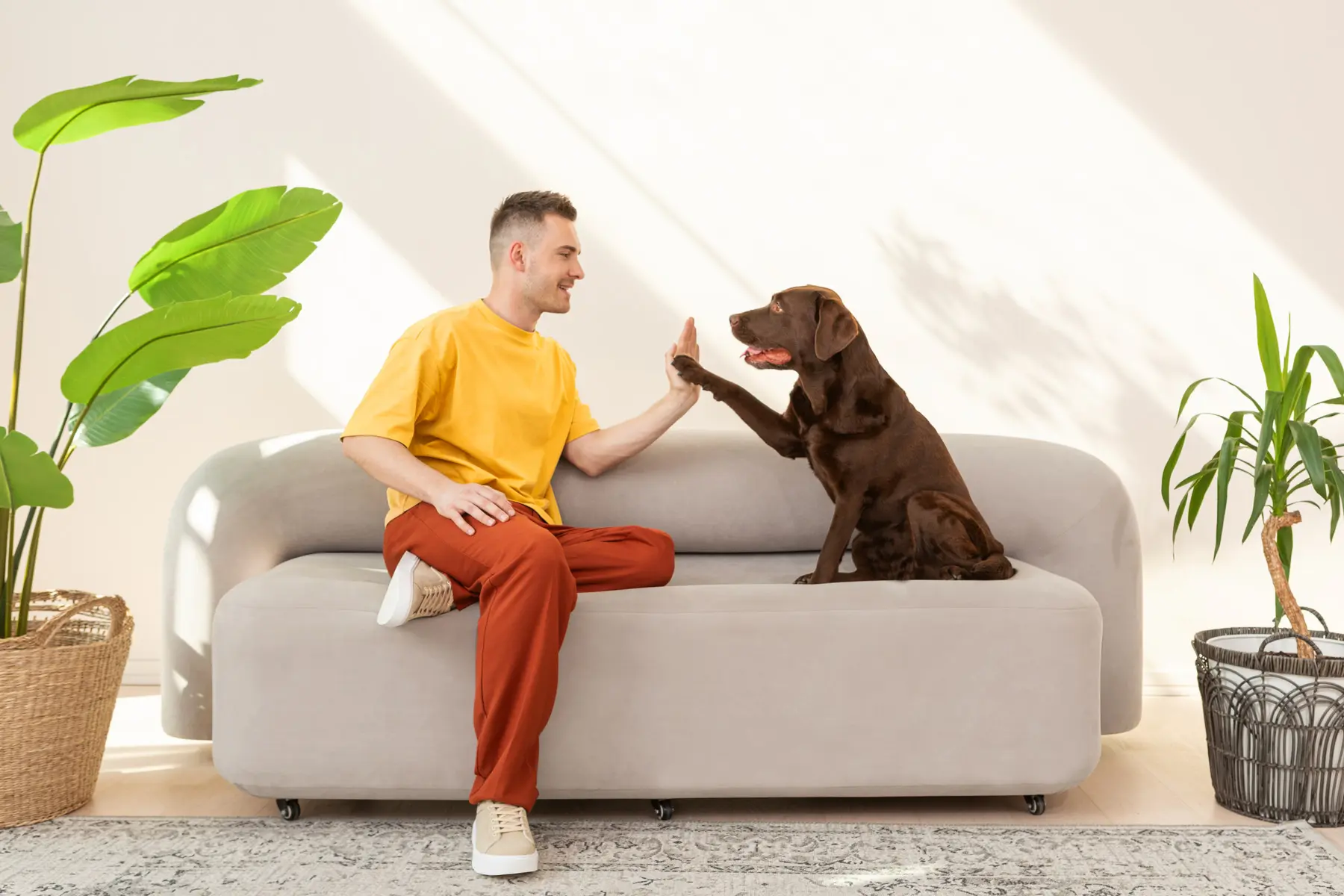
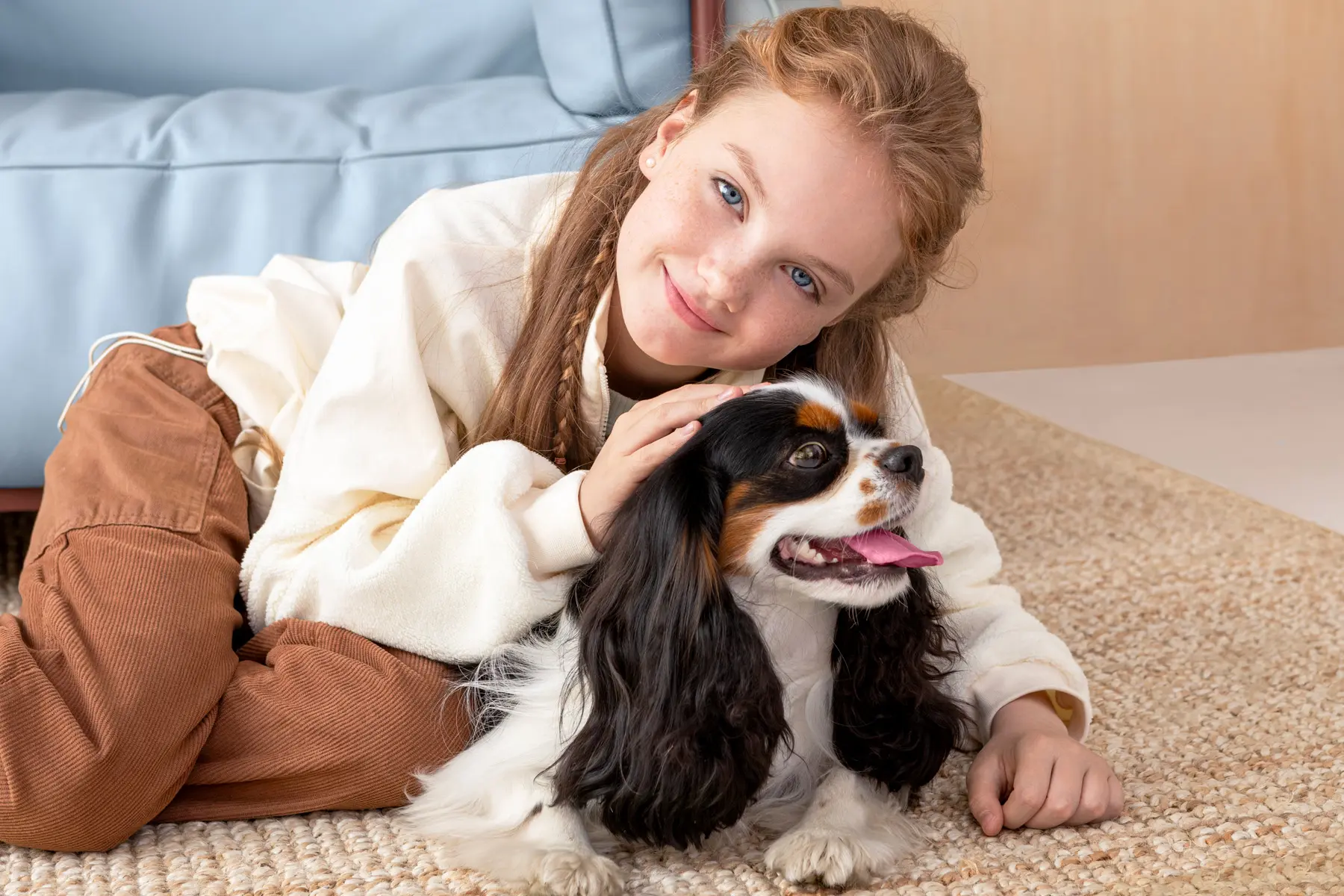
Professional animal photography is a specialized genre focused on capturing animals. An animal photographer may work with pets in a studio as well as with wild animals in their natural habitats. Animal shoots often overlap with other formats too — such as lifestyle/brand imagery, product photography, and more.
Pet-care and pet-food brands represent a major industry that continues to grow. People form strong emotional bonds with their pets and feel a natural desire to care for them — feeding them high-quality food and creating a safe, comfortable environment.
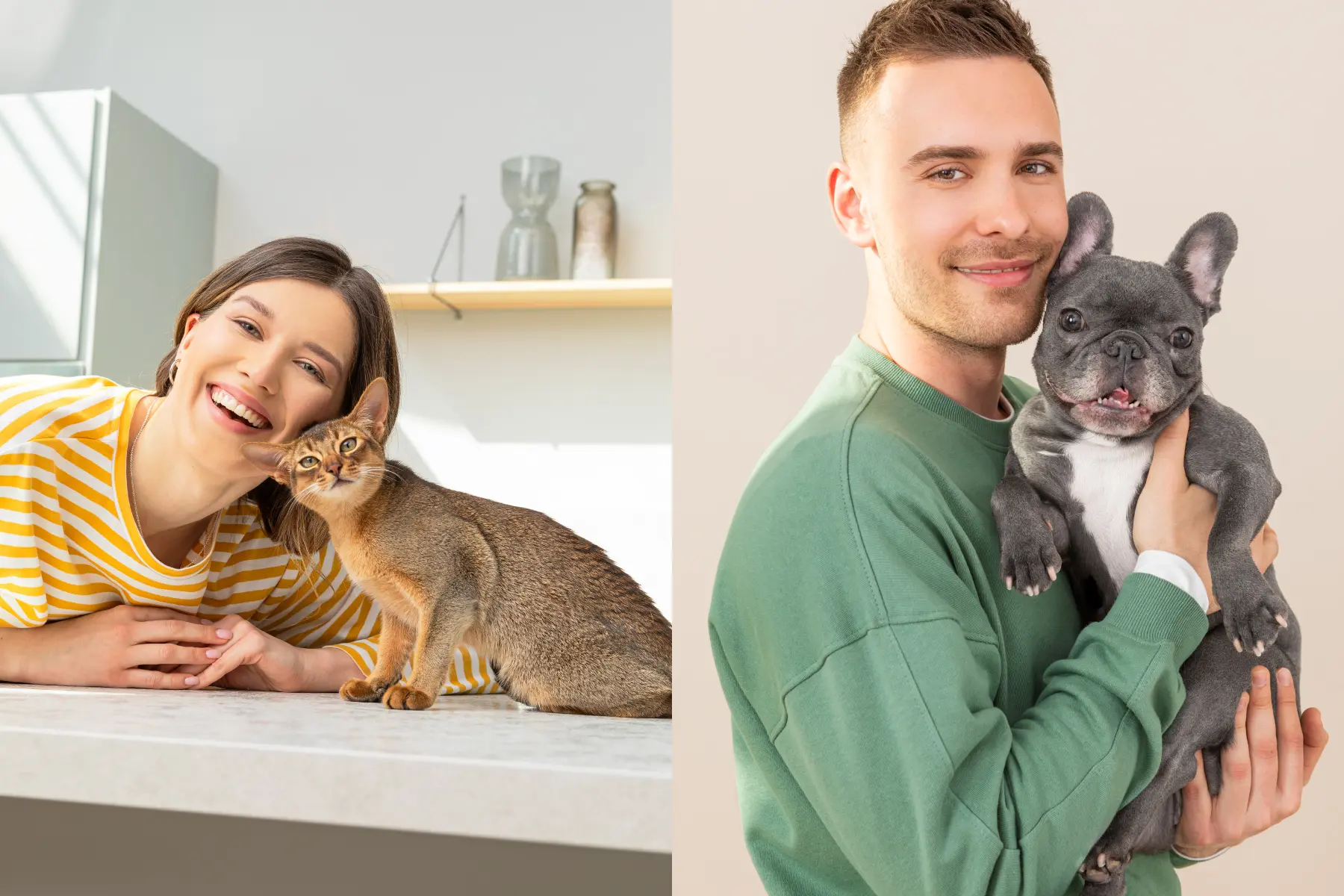
Advertising that features animals triggers an emotional response, which is why image quality directly influences brand growth and success. The photographer’s task is to show the connection between animal and human and to capture a pet’s positive emotions — during interaction, feeding, and play.

Stages of a Photo Shoot
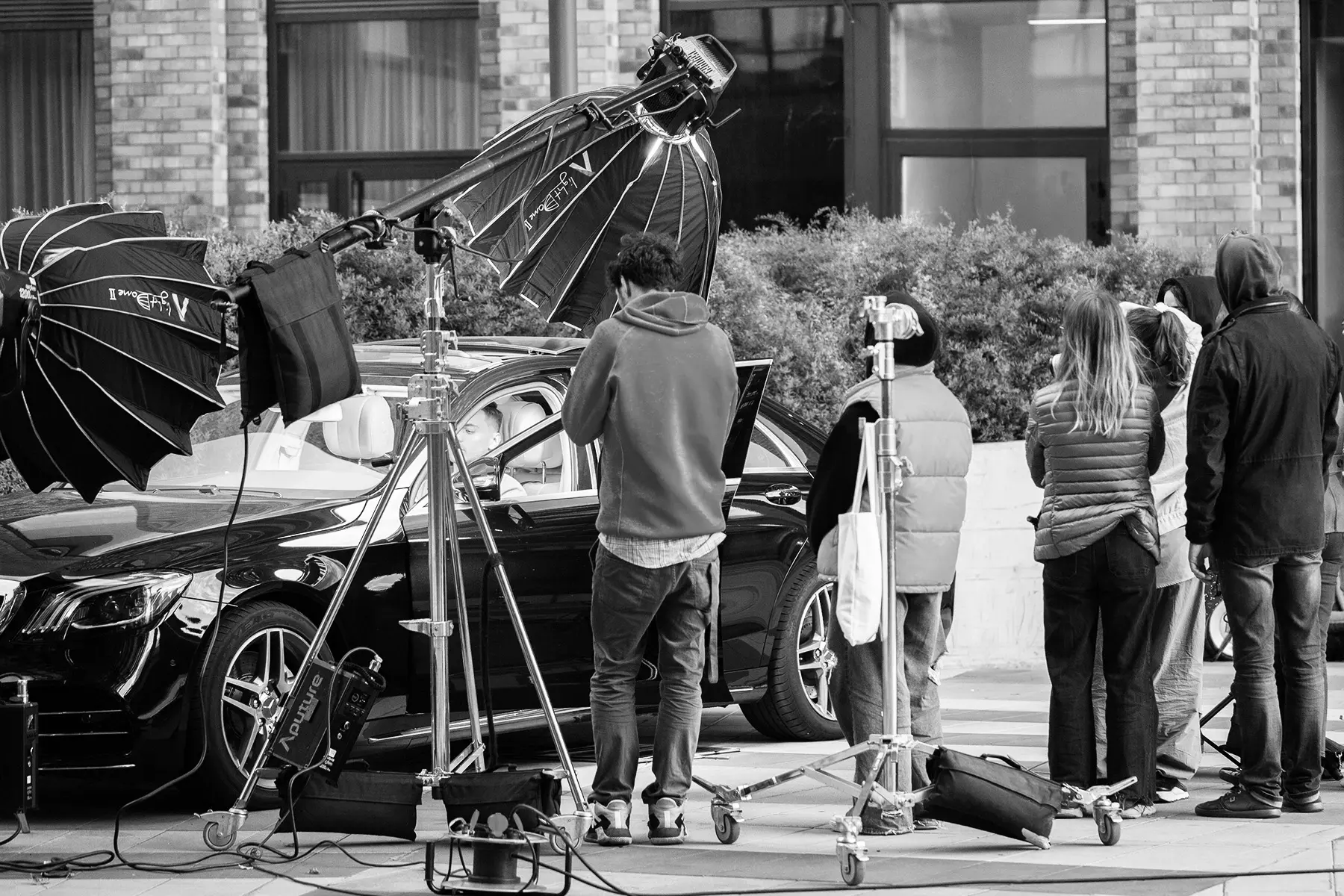
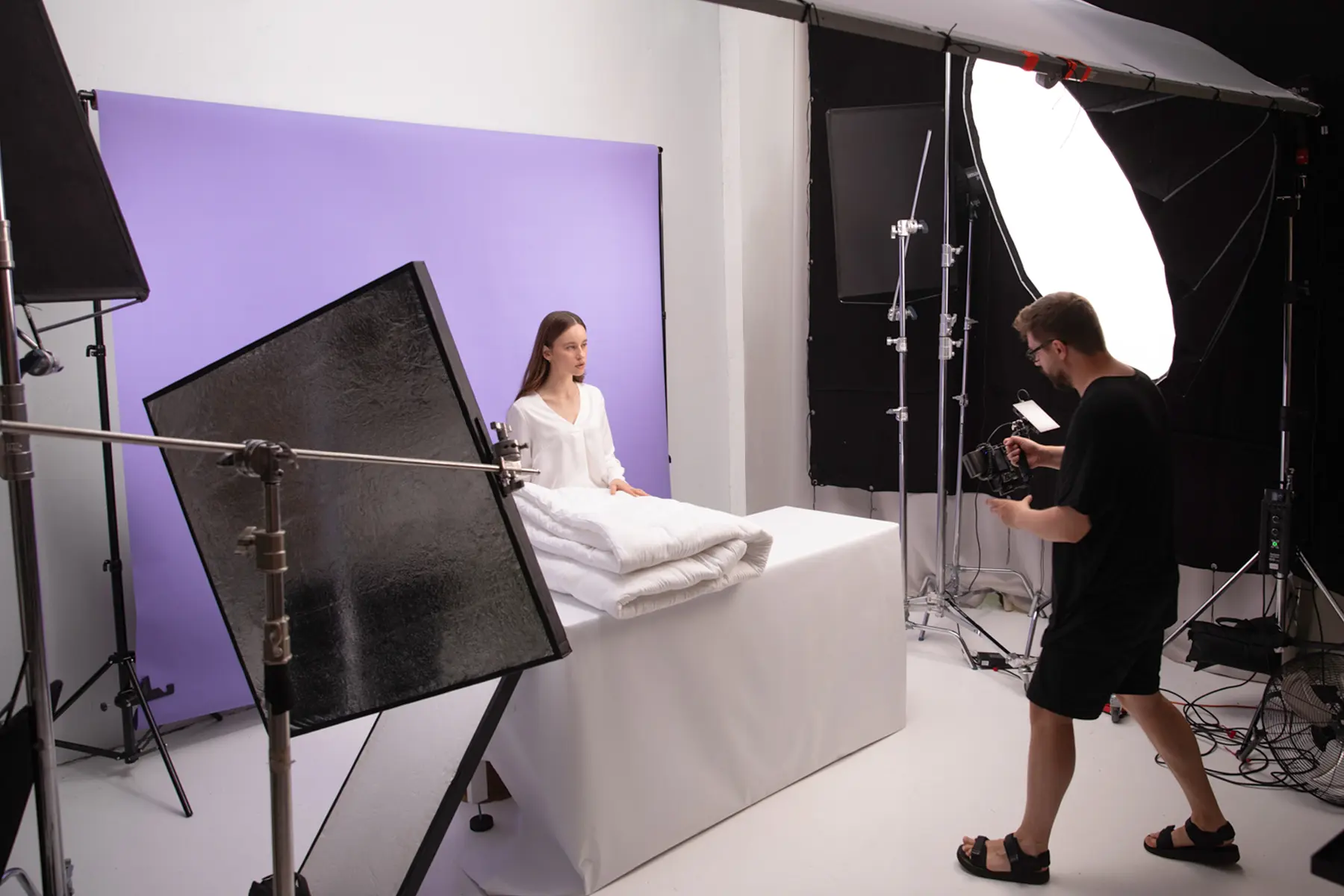
Professional photography is a complex process — similar to filming a music video, or even a full-length movie. The work begins long before the equipment is brought to the location and continues after the last shot is taken. The entire process consists of three major stages: pre-production, production, and post-production.
At the first stage, the concept is developed — the foundation of visual positioning. It contains the core idea of the shoot and conveys the essence of the project. The shoot concept also incorporates insights and key takeaways from earlier marketing research.
The photographer compiles references and mood boards that not only inspire but also help the team stay aligned with the concept. Model selection, casting, location scouting, prop preparation, and handling legal aspects are also part of pre-production.
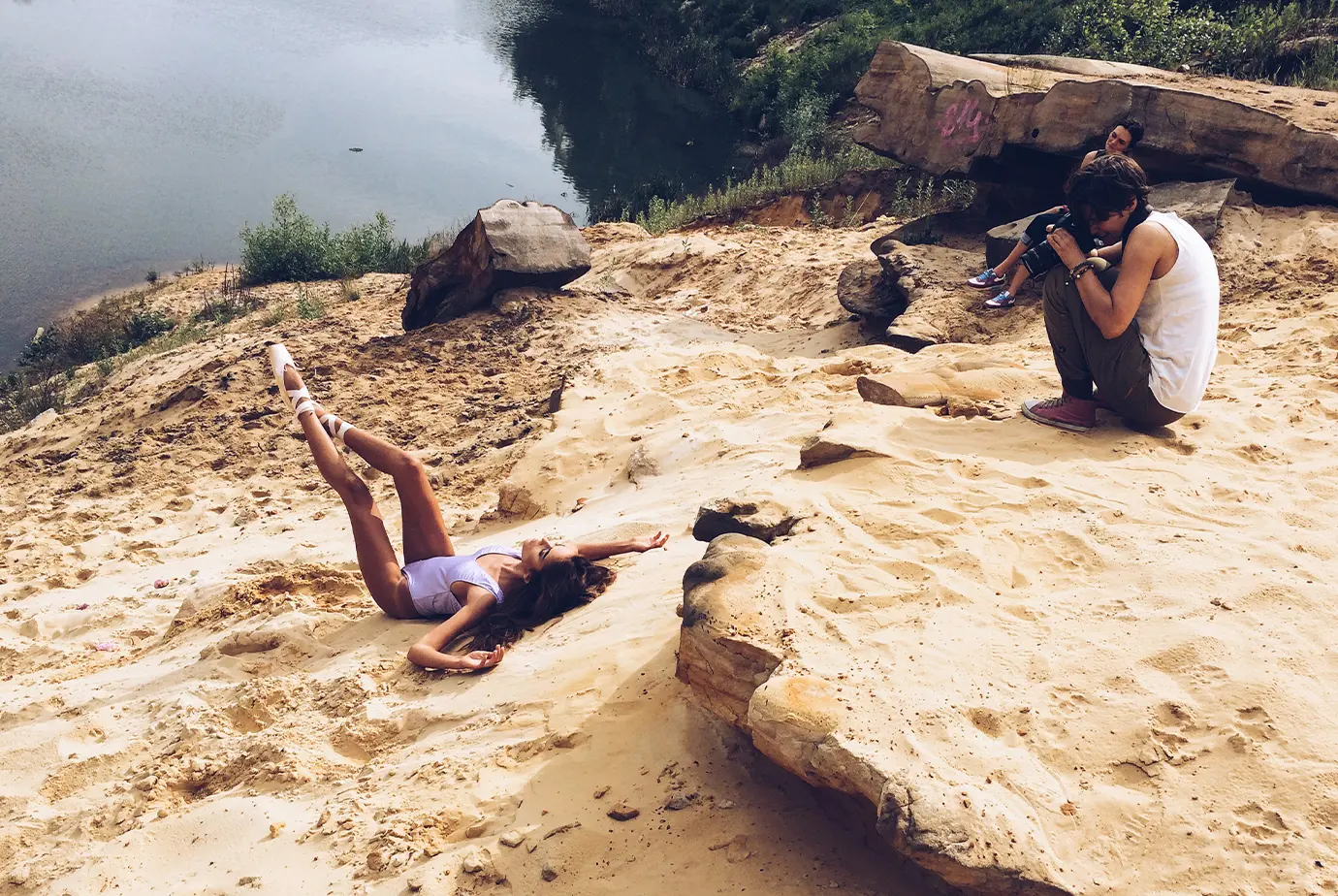
After approvals are in place and the shoot is organized, production begins. The team creates advertising and brand imagery that will form the basis of the positioning. The goal of this stage is to bring the concept to life using creative thinking and technical tools. The shoot may take place in the agency’s studio or on an external location.
Professional photography concludes with post-production. The materials are edited and refined into their final form. Depending on the objectives, specialists may also integrate 3D graphics or motion-design elements, as well as perform editing and color grading.
Working with Modeling Agencies
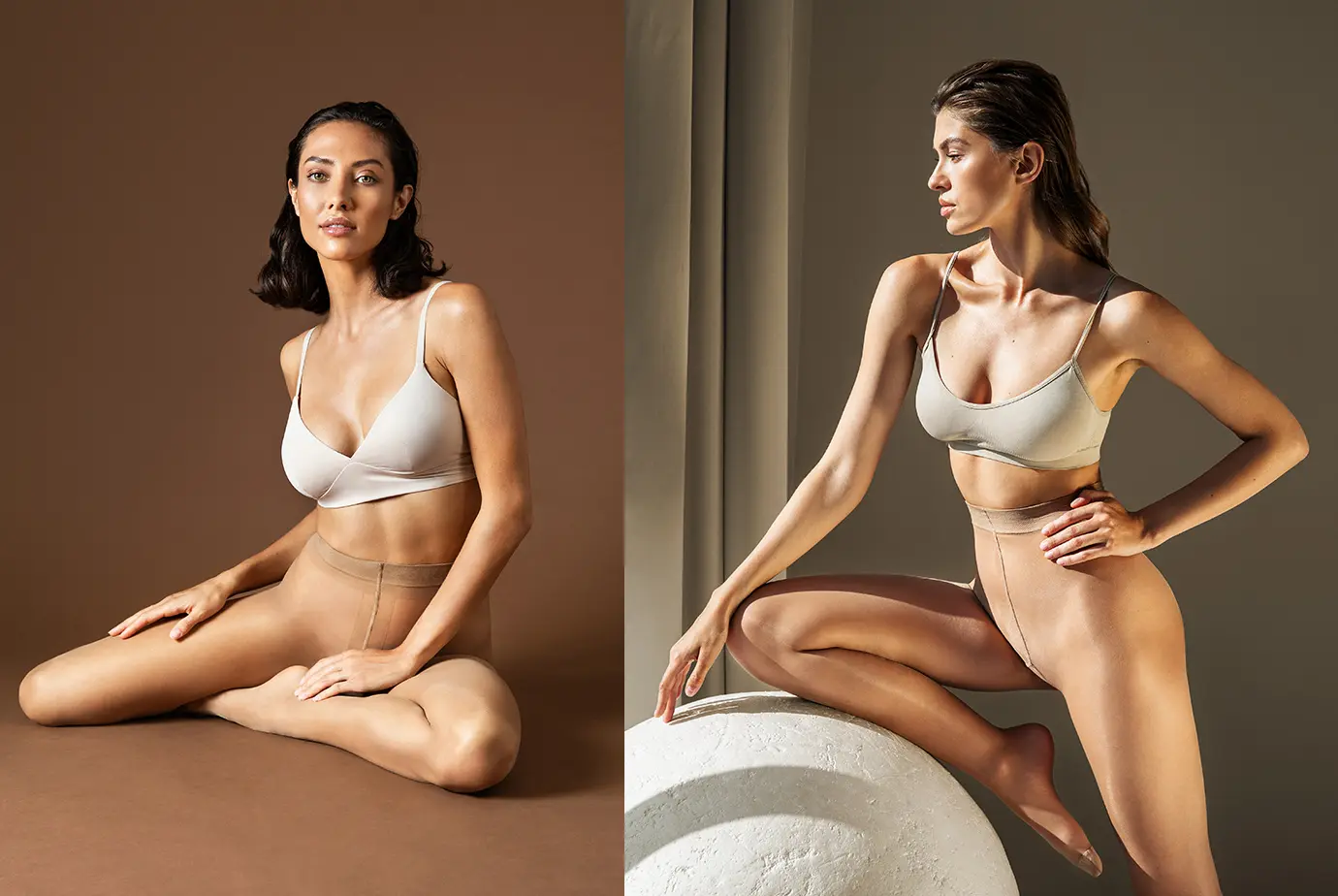
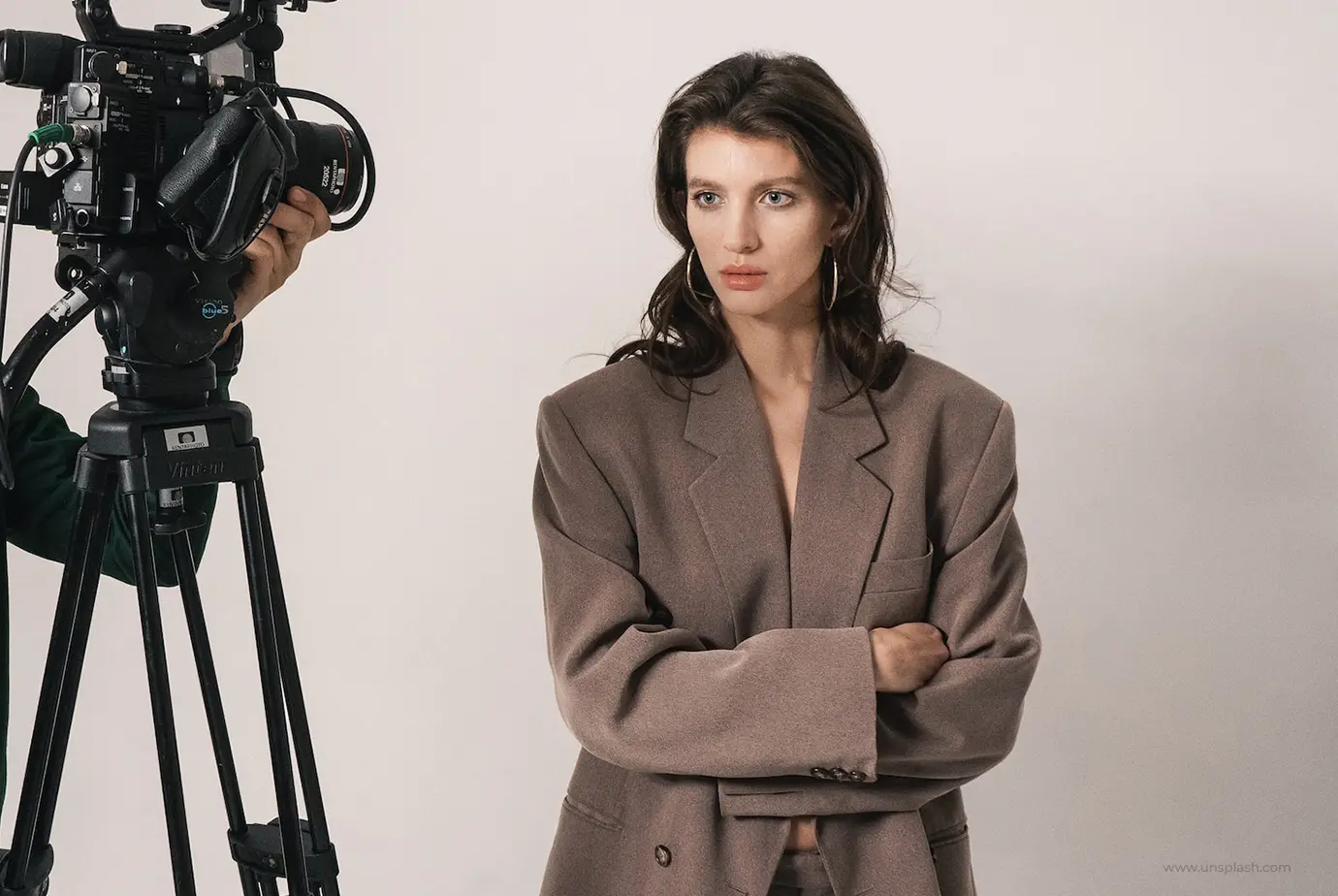
To start working with modeling agencies, you need to prepare a detailed brief. It should describe the objective, the types of media assets and promotion channels, and the campaign period. Next, you specify preferences for the model’s look, age, and measurements, and compile reference images.
A key aspect is the legal side of working with modeling agencies. Each agency offers different terms for how long you hold usage rights to the model’s photos and videos — several years, months, or days, or even perpetual rights. That’s why, before beginning cooperation, it’s important to review the agency’s legal and financial terms.
Based on the brief, the agency selects models and sends portfolios. If needed, a casting is held with representatives of both the client and the production team. After the model is chosen for the campaign, a contract is signed that outlines the terms of cooperation.
Influencer Marketing with Celebrities and Bloggers
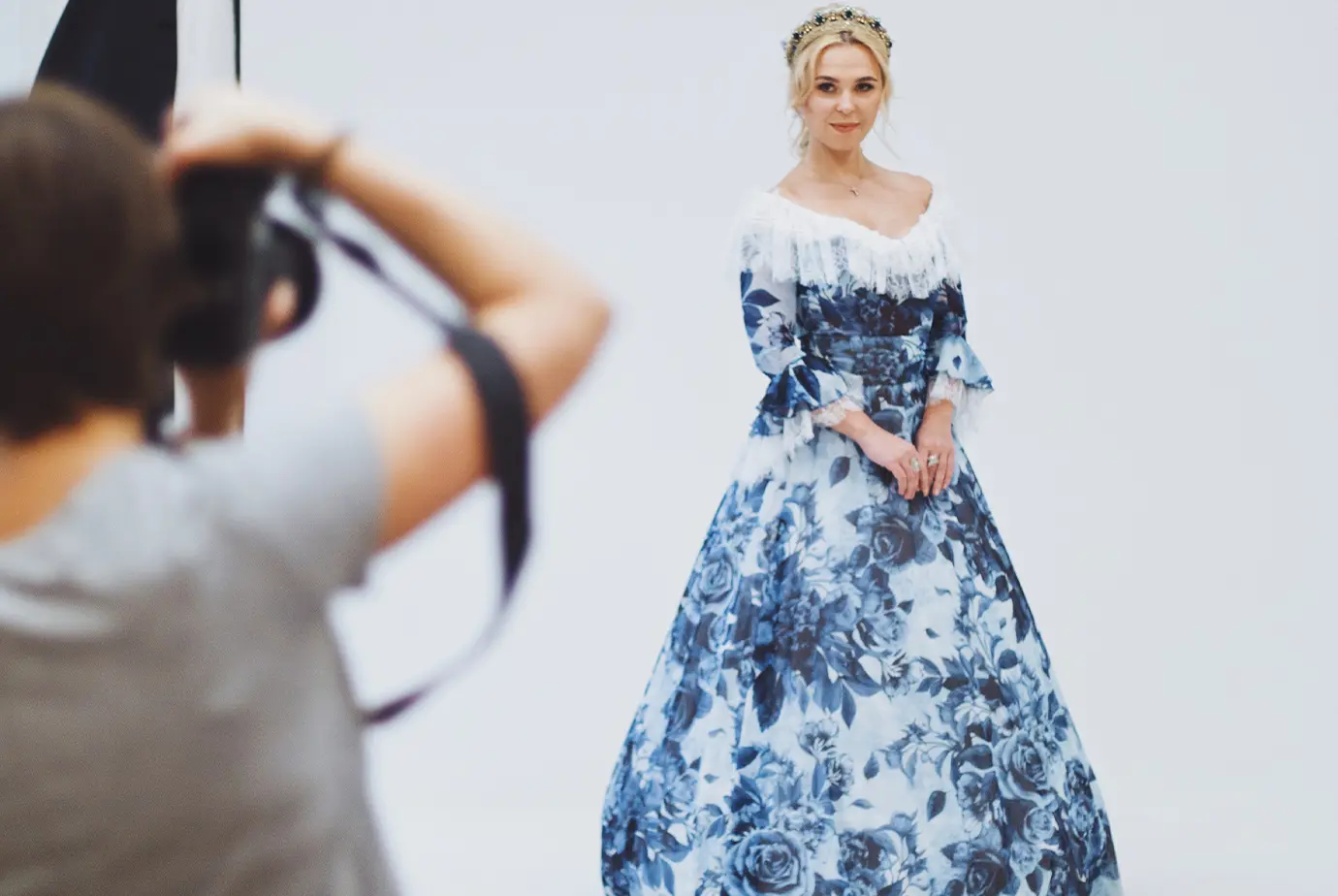
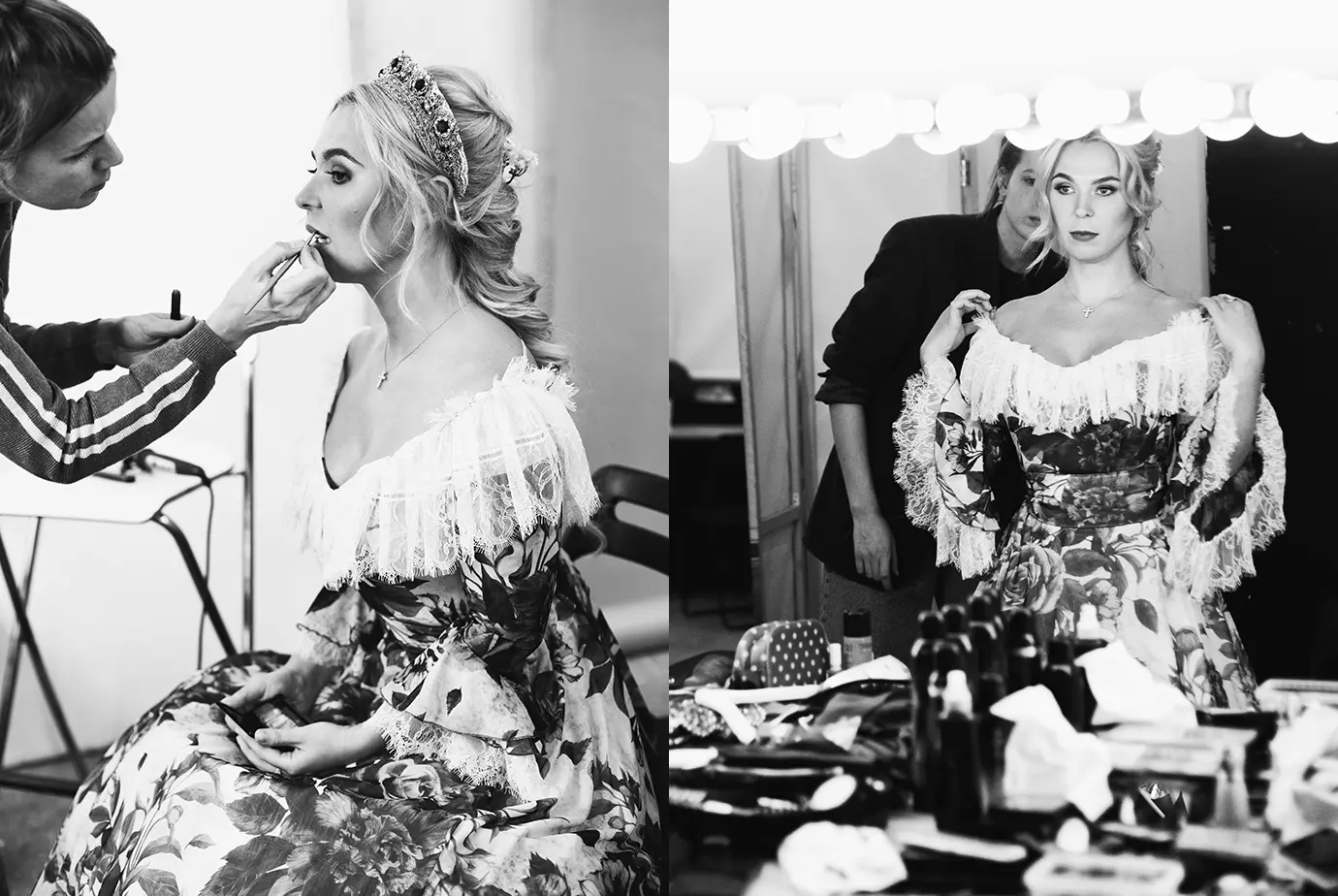
Collaborating with public figures and bloggers in advertising and PR falls under influencer marketing. The core principle of influencer marketing is promotion through influencer recommendations. Today, there are several ways to promote products and services with celebrities and bloggers: native and direct advertising, reviews, brand ambassadorships, collaborations, and contests or giveaways.
Celebrities are the highest-reach influencers and most often come from the film, music, or sports industries. Bloggers have different interests, and their audiences can range from a few thousand to millions of followers. Collaboration with celebrities and major bloggers is most commonly arranged through their agents or managers.
Influencer audiences vary in their level of trust and loyalty, so branded integrations can significantly increase awareness and sales. The key is choosing the right match. If the influencer’s audience aligns with the brand’s products, values, and voice — and the advertising is executed in a strong, engaging way — the partnership can be very successful.
There are also reputation-related considerations when working with bloggers and celebrities. Public figures often create newsworthy moments that can influence how a brand is perceived. An influencer’s image can evolve over time, and at some point it may no longer align with the brand’s goals. To minimize these considerations, it’s important to conduct marketing research — it helps you better understand the target audience, as well as their needs and preferences.


Stock Photo Libraries as an Alternative to a Photo Shoot
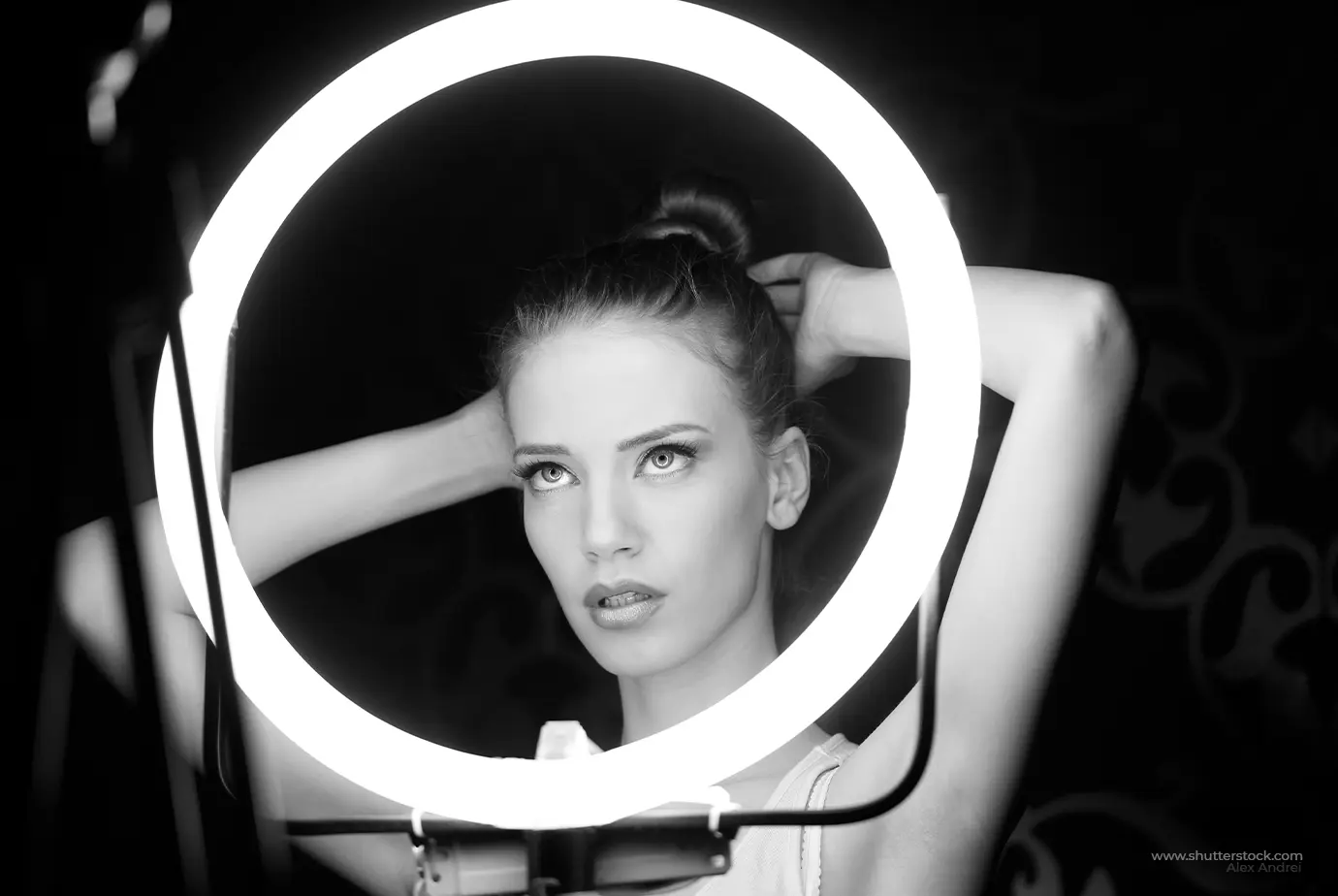
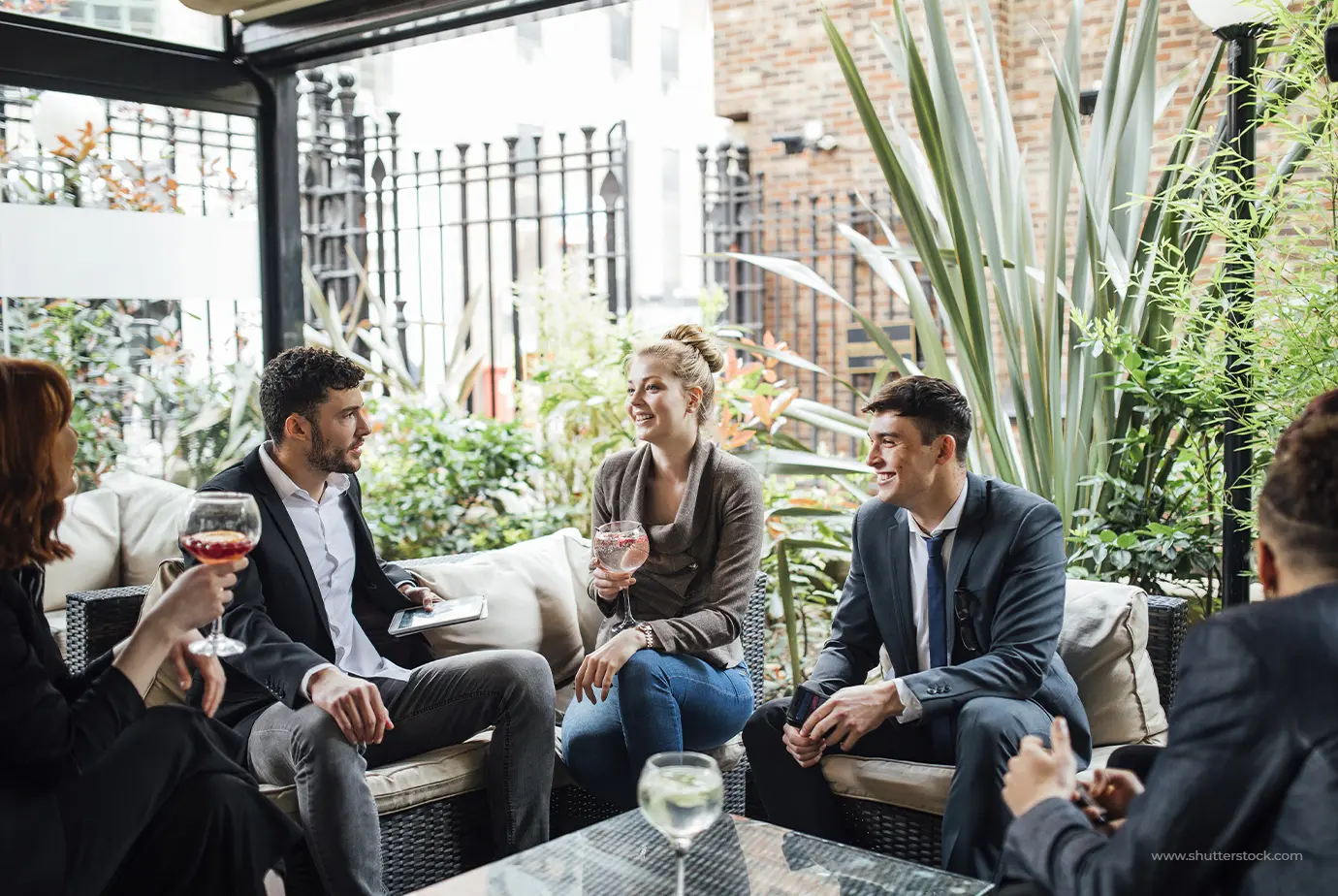
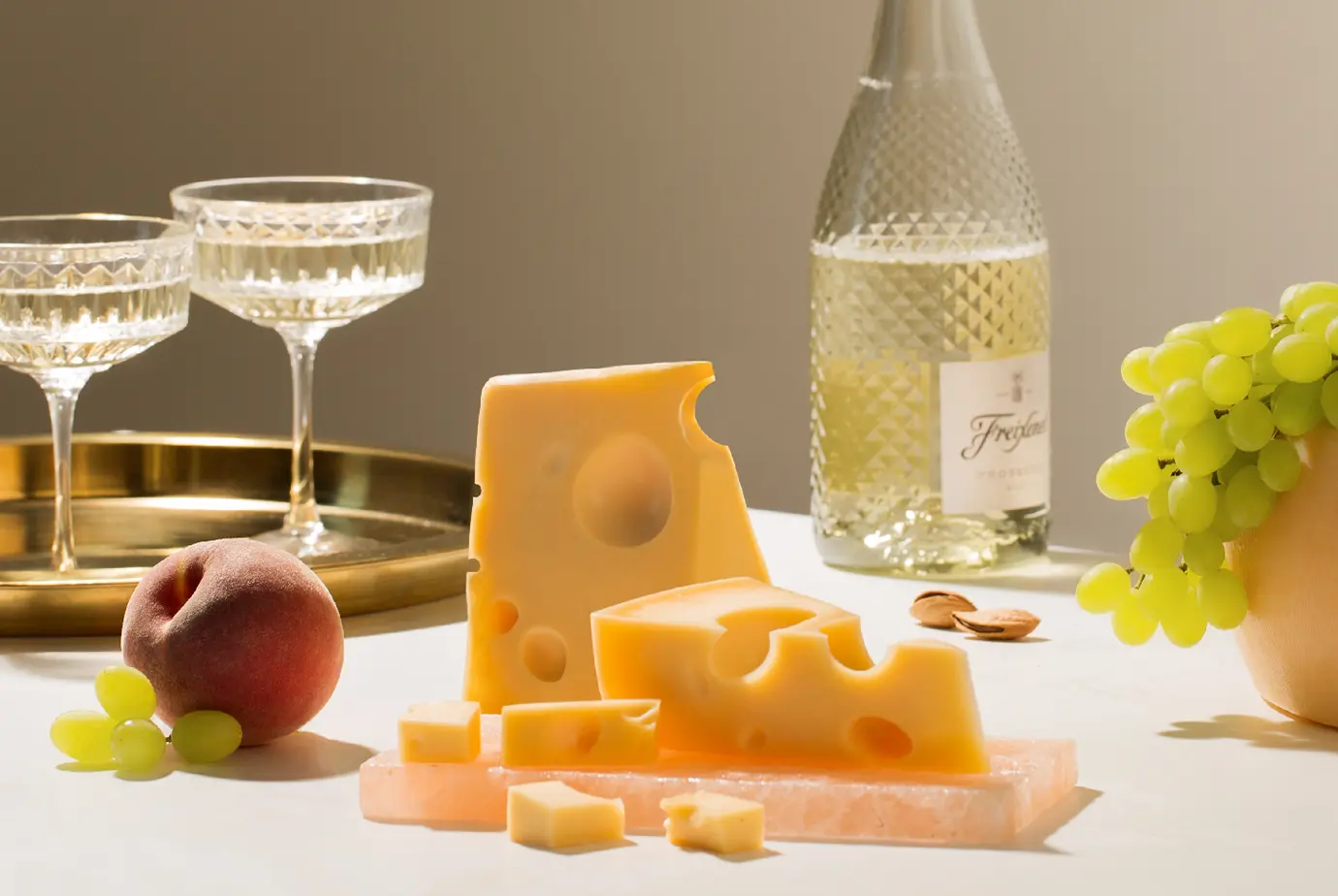
A stock photo library is an intermediary between visual content creators and buyers. Within a single database, you can purchase licensed, авторские images for personal and commercial use. Stock content is suitable for advertising materials, web use, and print production, as well as for illustrating texts, presentations, and social media.
Professional photography is a lengthy creative process involving photographers, stylists, makeup artists, designers, and other specialists. You need to go through every stage —from concept development to post-production — to achieve the final result. The key advantage of a professional shoot is unique content that is thoughtfully crafted and positions the brand as precisely as possible.
An alternative can be a stock photo library — a service that sells millions of high-quality images and other media assets: illustrations, 3D, video, audio, and animated clips. There are traditional (macrostock) and micropayment (microstock) libraries.
Macrostock libraries sell digital images under several license types. They offer exclusive sales terms and the option to buy out the copyright to the content. Pricing depends on the usage period and territory, print run, format, and other parameters. Microstocks offer simple licenses and sell the same images many times, which makes them more affordable. There are many stock libraries online; among them, Getty Images is the largest traditional photo library, while Shutterstock is the most popular microstock.





A Company’s Own Photo Library
Brand communications rely heavily on visuals, so a company can build its own photo library to store images and other media assets. It’s best to create a structured catalog and organize photos by sections such as: people, office, events, products and services, press materials, and more.
You can populate the library in three ways: by purchasing and downloading content from stock sites, by producing content in-house, and by hiring a photographer or an agency. All photos and other visual assets can be stored in the company’s own library and accessed whenever needed.
The benefits of a well-organized photo library include: consistently high image quality, protection from copyright issues, and exclusive content. In addition, an in-house photo library saves time when searching for visuals.
A photo library is especially convenient when there’s a regular need to illustrate different materials. Images can be used for presentations, advertising, press releases, and magazine articles. They can also be published across social media, email newsletters, and a blog.

3D Visualization as an Alternative to Photography
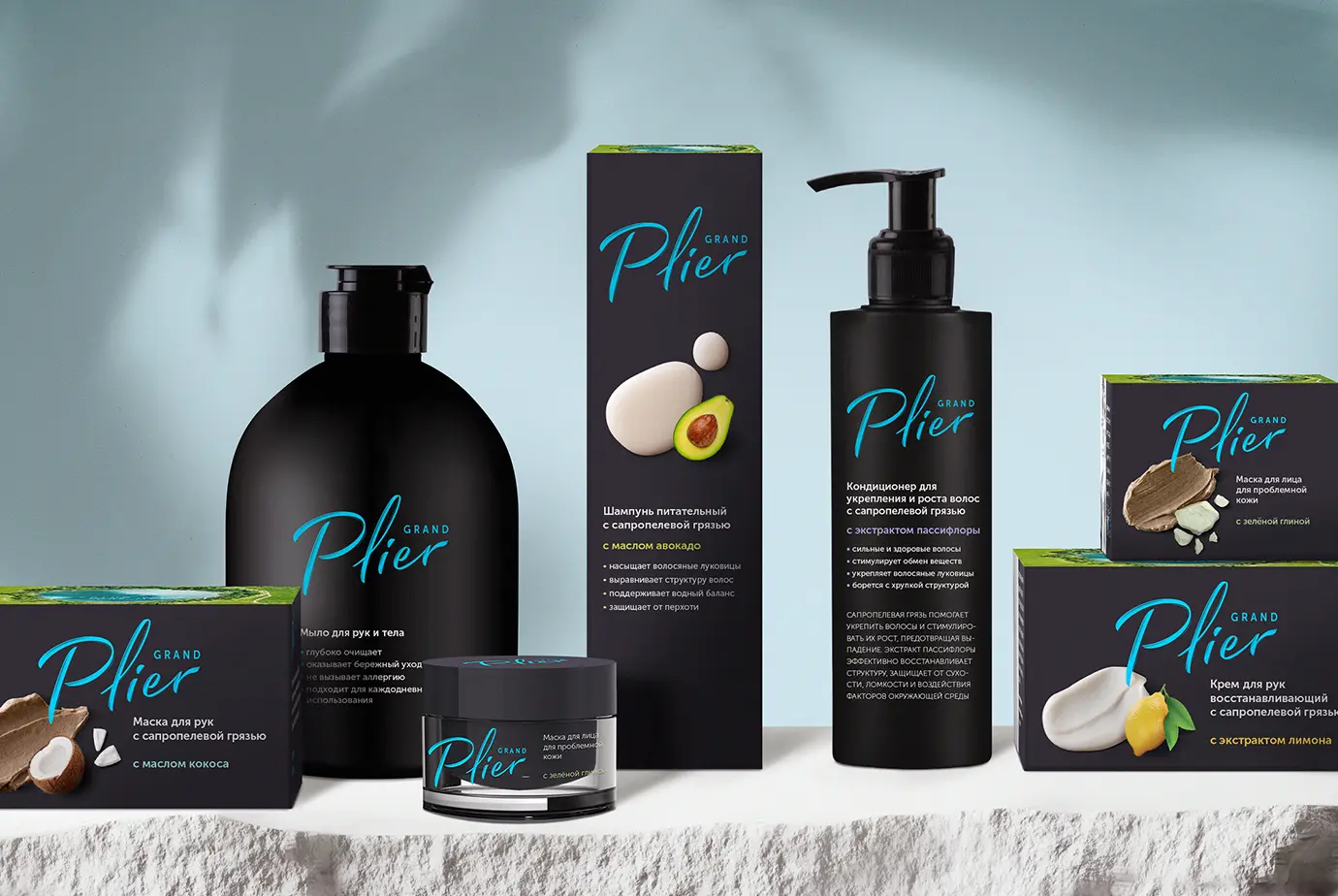
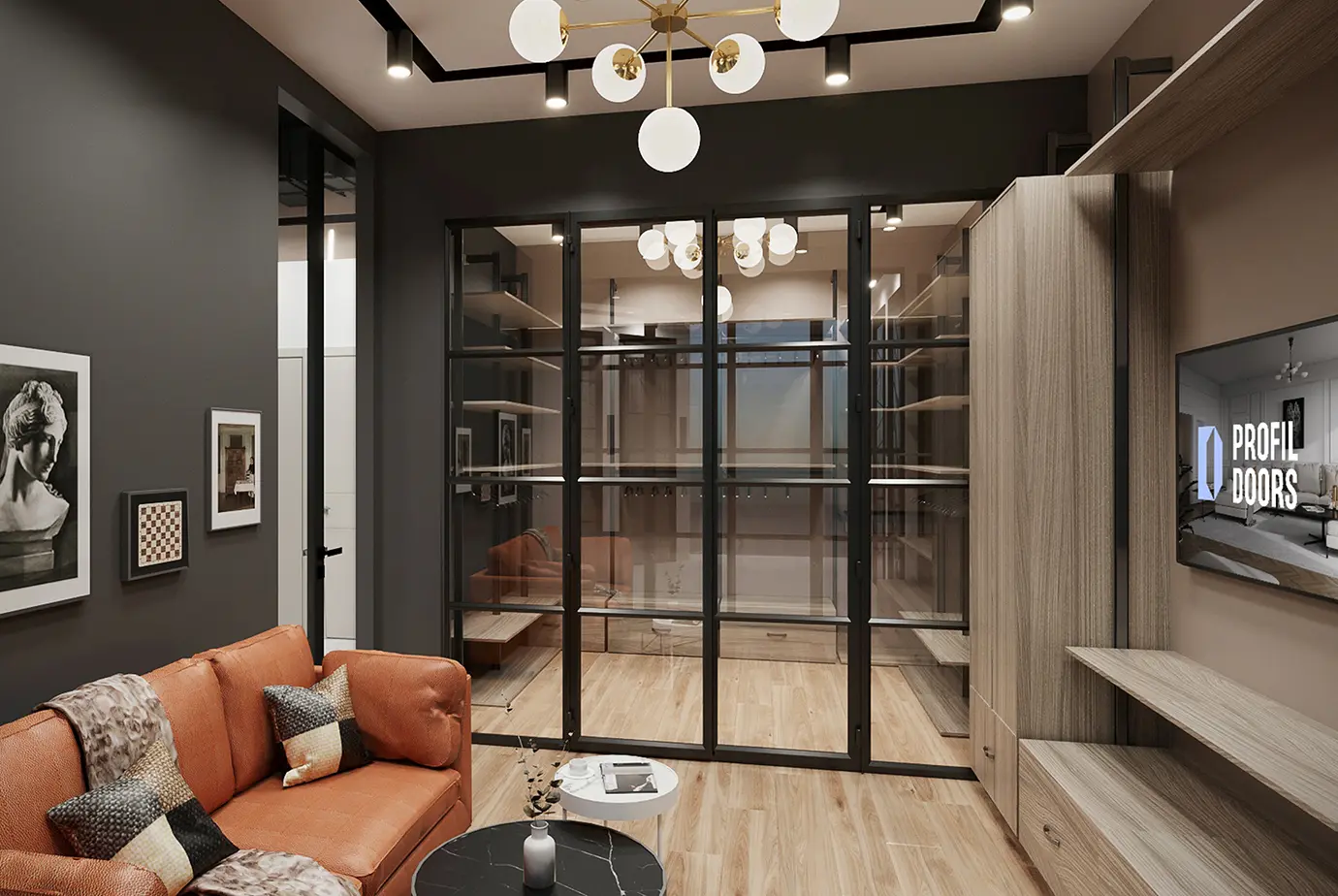
3D visualization is the creation, processing, and rendering of graphic elements using specialized software. With 3D visualization, teams produce realistic, high-quality 3D assets — still images, animation, and video. Source materials can include photographs, technical drawings, sketches, and other references.
In branding and advertising, 3D visualization is used for product design development, photorealistic advertising visuals, and architectural and interior projects. 3D models can complement — or fully replace — advertising photography. For example, to present a new residential complex, a brand can create 3D visuals, add a virtual tour, and deliver a strong sense of presence within the space.
Professional photography often involves studio rental or an on-location shoot, prop preparation, a multi-specialist crew, and post-production. 3D modeling, on the other hand, builds visuals directly in software and enables a comprehensive representation of an existing — or newly conceived — object. In addition, 3D tools make it easier and faster to implement updates in a project. 3D can become a full-fledged alternative to professional photography.


Legal Aspects of Advertising Photography
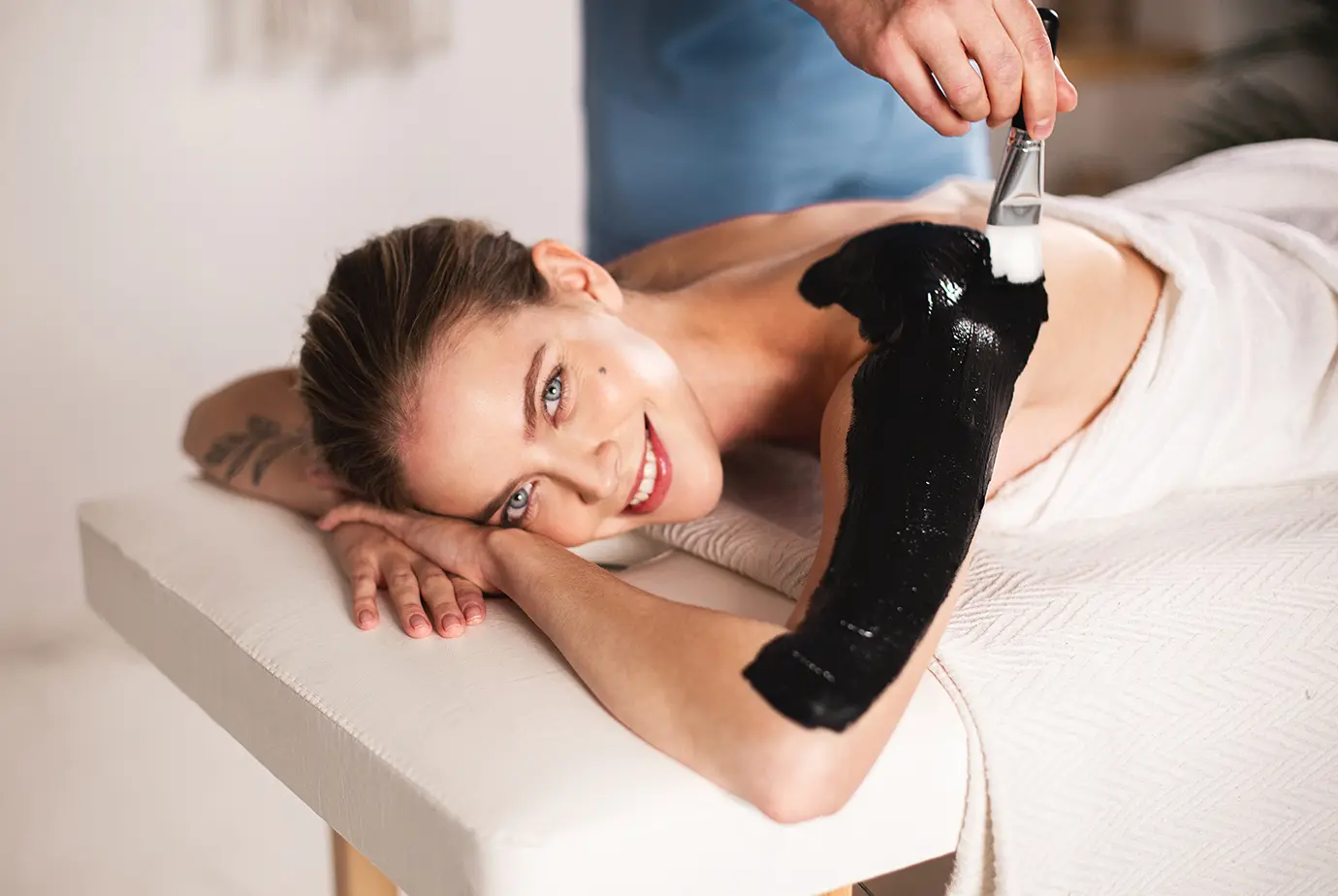
When working with advertising photography, legal considerations are essential. If they are overlooked, the use of the images may be limited — across promotion channels, timeframes, territories, and other parameters. A contract should be prepared that clearly defines the terms of cooperation, as well as the responsibilities and rights of each party.
From a legal standpoint, a photograph is the result of intellectual activity and an object of copyright. By law, the author of a photo is the person whose creative work produced it — that is, the photographer. Other participants in the shoot are not considered authors, even though they may contribute materially or intellectually. In certain cases, a model may be recognized as an author, and this should also be specified in the contract.
Brands often seek exclusive rights to the photographs in order to use them without limitations. To do this, a formal agreement is required, with a clear clause on the transfer of rights. This helps protect the brand’s advertising campaign.

Cost of a Photo Shoot
The cost of a photo shoot is calculated individually for each project, based on the brief, the technical brief/specification (TOR), and reference images. In the brief, the client provides their request, contact details, a concise description of the task, and the required timelines.
In the technical brief, the task is described in more detail: it specifies the type of shoot, the advertising formats, and the promotion channels. It also notes whether models will be involved in the session. Reference images are mandatory, along with clear descriptions so the photographer understands how closely the upcoming shoot should match them in terms of storyline, composition, and color. The technical brief also states the shoot location, props, and the requirements for image quality, format, and the number of final photos.

Photoshoot Brief
A brief is a concise overview of the project. In a photoshoot brief, you describe the task, the product or services, the target audience, and the type of shoot. You also specify timelines, the project budget, general information about the company, and contact details.
In addition, the brief clarifies whether a creative concept needs to be developed. References, preferences, and any extra project parameters are also recorded in the brief. A photoshoot brief provides a clear picture of the project, helps prevent misunderstandings, and saves time. Information from the technical specification may overlap with the content of the brief.
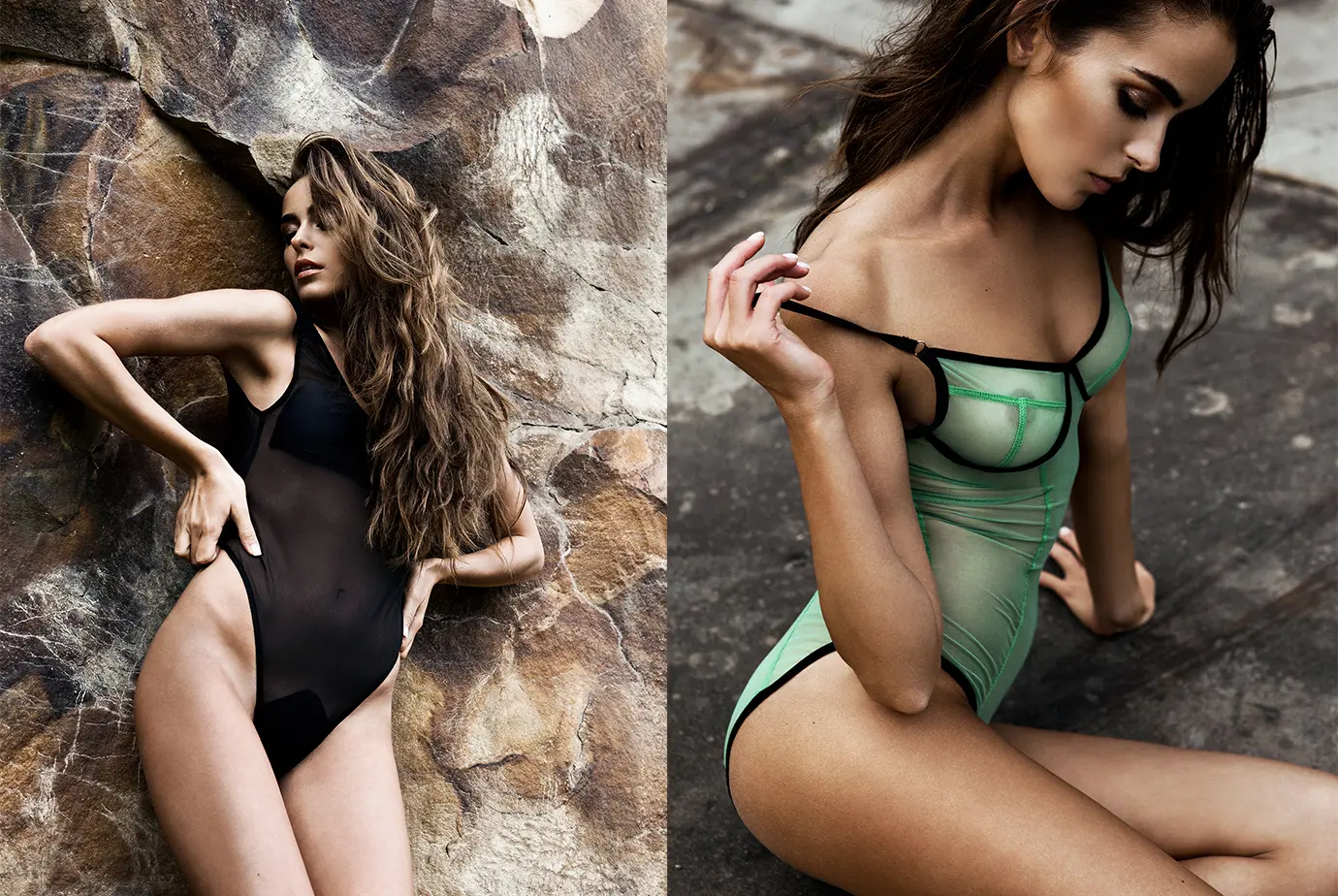


Photo Image Post-Processing
Professional photography includes image post-processing. Even when a project is shot to a high technical standard, photos may still contain minor imperfections, unwanted elements, or slight inaccuracies in color reproduction.
Post-processing is not only about retouching or color correction — it can also involve adding new objects: design elements, other images, 3D models, and text.
Today, there are many tools for editing digital images. They make it possible to fine-tune and creatively enhance photographs, which is especially relevant in advertising. At the editing stage, it’s possible to build an entire visual world for a brand.
It’s worth noting that in recent years there has been a clear trend toward minimal retouching of advertising images featuring people. Heavily retouched, glossy-looking visuals tend to inspire less trust and fewer positive эмоции.
One reason for this shift is the rise of social media and mobile devices. There is much more “here and now” content — photos and videos that feel natural and everyday. Minimal correction of images of people is also linked to a broader move toward greater empathy and sincerity in advertising.


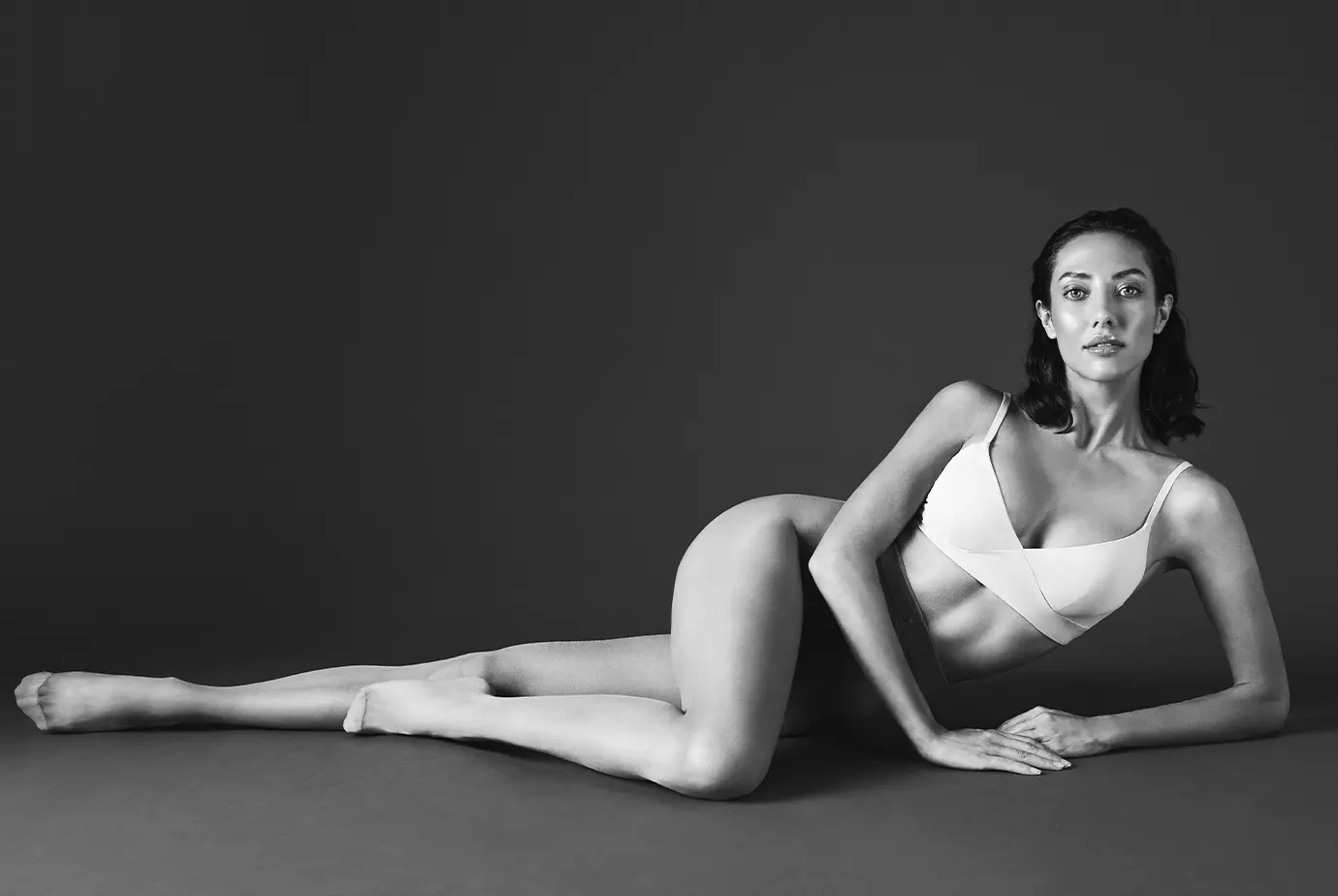
Image Quality Requirements
High resolution, sharpness, appropriate dimensions, and relevance are the core requirements for visual content. Additional recommendations depend on the distribution channel and the specific advertising or brand asset.
In brand positioning, visual quality directly affects brand image and commercial performance. Professional photography makes it possible to produce high-quality materials for all distribution channels.
Photos are used across a wide range of communications — from brand books to marketplace product listings. Each positioning channel has its own specific requirements for image quality and file format.

Айдентика бренда: основные элементы и носители
 Макс Цветков30.04.2026
- visual identity
Как выбрать руководство по фирменному стилю для бизнеса
Анна Авдеева14.04.2026- brand book
Дизайн корпоративного календаря
Анна Авдеева21.03.2025- catalog design

Дизайн этикетки для молочной продукции
Анна Авдеева28.01.2022- label design

Фирменный стиль салона красоты
Макс Цветков28.01.2022- visual identity

Именной и псевдоименной нейминг
Макс Цветков28.01.2022- naming

Ребрендинг, рестайлинг, редизайн
 Алексей Новиков27.01.2022
- rebranding & restyling

Советы по разработке названия (неймингу)
Анна Авдеева27.01.2022- naming
Удачный нейминг: 7 способов распознать эффективное название
Макс Цветков27.01.2022- naming

Ошибки нейминга: как не стоит называть бренд
 Андрей Вершинин27.01.2022
- naming

Создание логотипа: чек-лист по разработке эффективного лого
Алексей Новиков29.12.2021- logo creation

Брендинг: ключевые этапы профессиональной разработки бренда
Макс Цветков29.12.2021- brand creation
Блог
Related articles: professional photography
Notes.
The article uses photo and video materials provided by the customer / BRANDEXPERT "Island of Freedom" / ShutterStock / Freepik / Unsplash / Pexels / Goodmockups / Pixpine. All materials presented in the blog are purely informational in nature and do not pursue commercial purposes. The use of text, illustrations, photos, videos and other materials is prohibited without the consent of the copyright holder.











We’re Here to Advise You on Any Branding Challenge
Dear partners, your project is unique and deserves a tailored approach. To prepare a relevant proposal, we need to understand your goals and the services most needed to deliver the best results. We’re ready to provide 360° support and handle all strategic tasks in marketing, design, digital, and brand communications. Our mission is to deliver outstanding solutions that drive financial growth and increase brand value. Get in touch — we’ll be happy to share our expertise and insights with you.
The BRANDEXPERT Team.
The BRANDEXPERT Team.