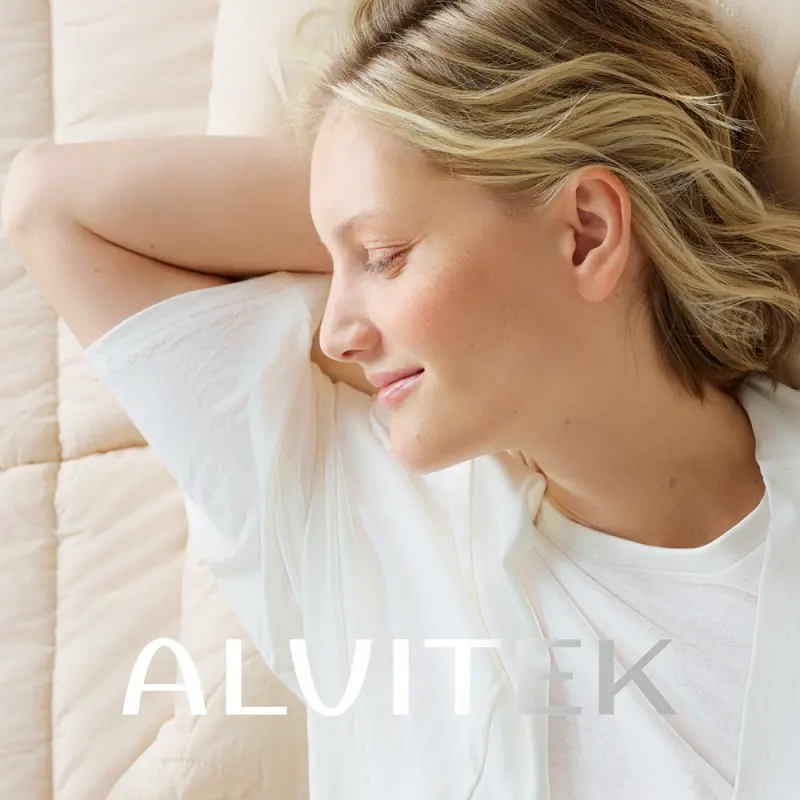
ALVITEK Rebranding: Logo Design, Packaging and Label Design, Photo and Video Production, Advertising, Marketplace Content and Website Development. Advertising design for ALVITEK; image materials for promoting a bedding brand

Effective advertising design helps promote a brand and grow a business. It is both a creative deliverable and a strategic tool: conceptually and visually precise, it positions the brand correctly and reflects audience needs. Today, high-quality design isn’t a luxury — it’s a necessity. Competition makes advertising performance a highly relevant challenge. A multitude of channels and messages creates intense information noise, and consumers quickly develop banner blindness. The brain does everything it can to ignore unnecessary stimuli — especially advertising. Brandexpert agency explains the fundamentals of effective, conversion-driven advertising design to help your business optimize brand promotion costs.


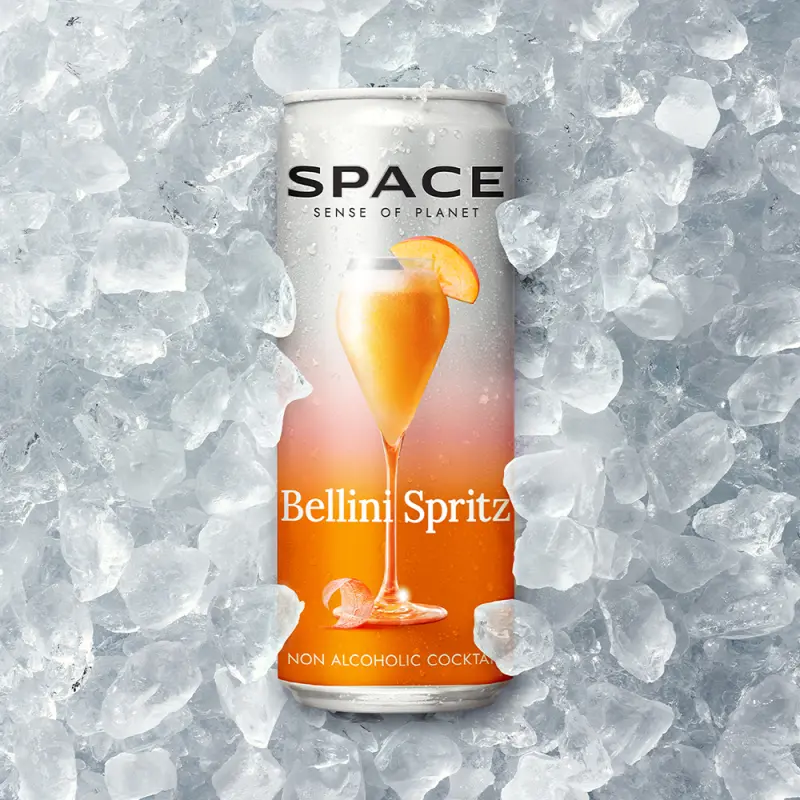


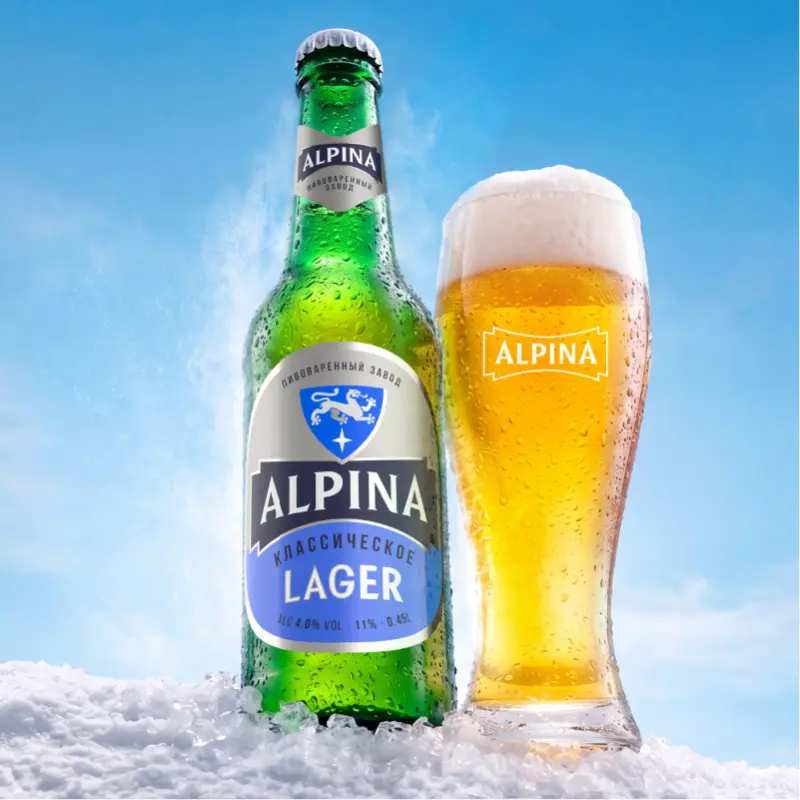

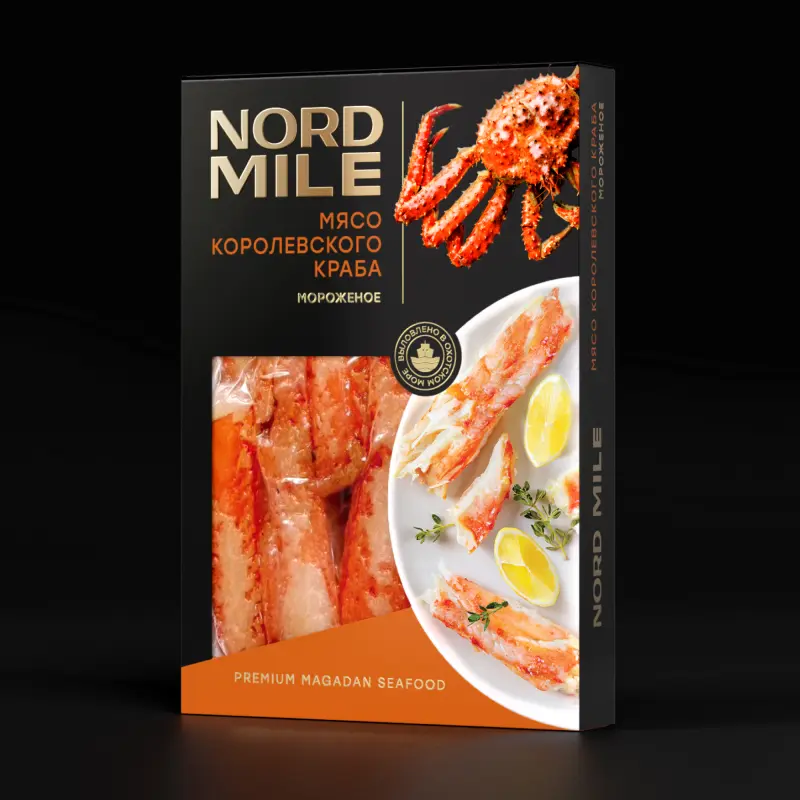
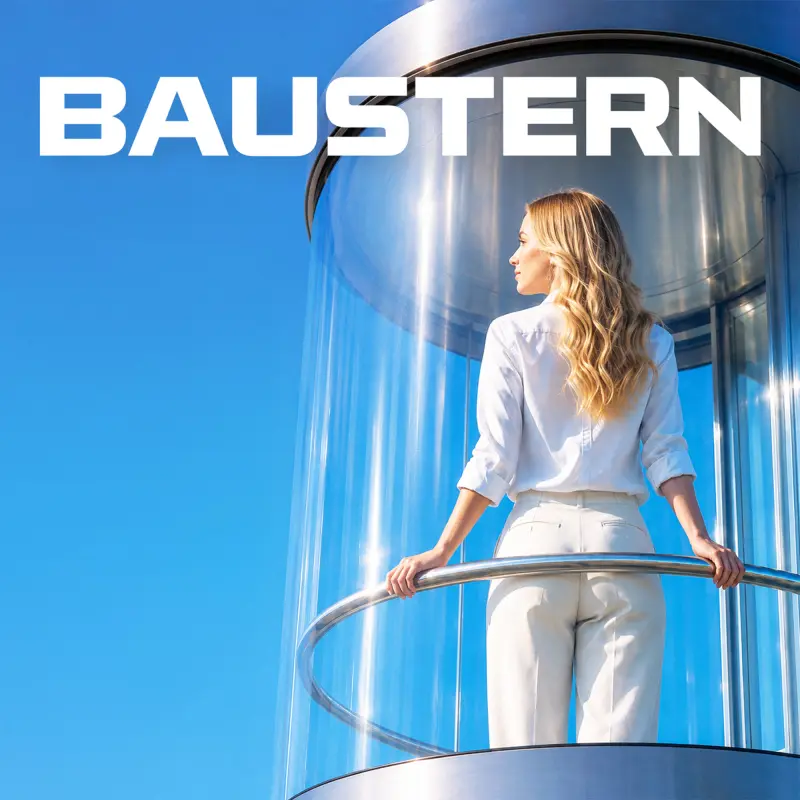
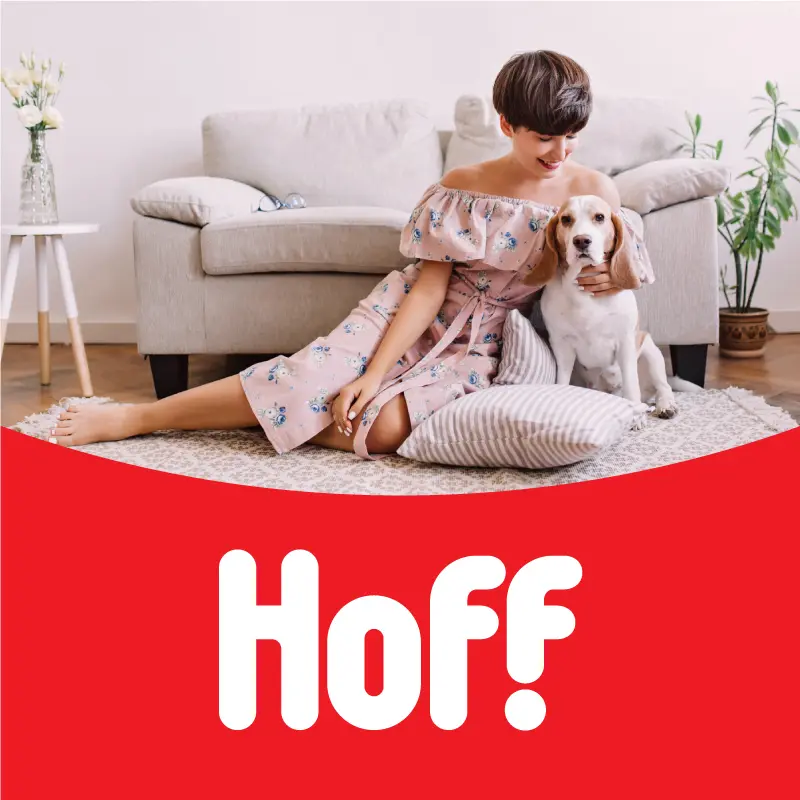


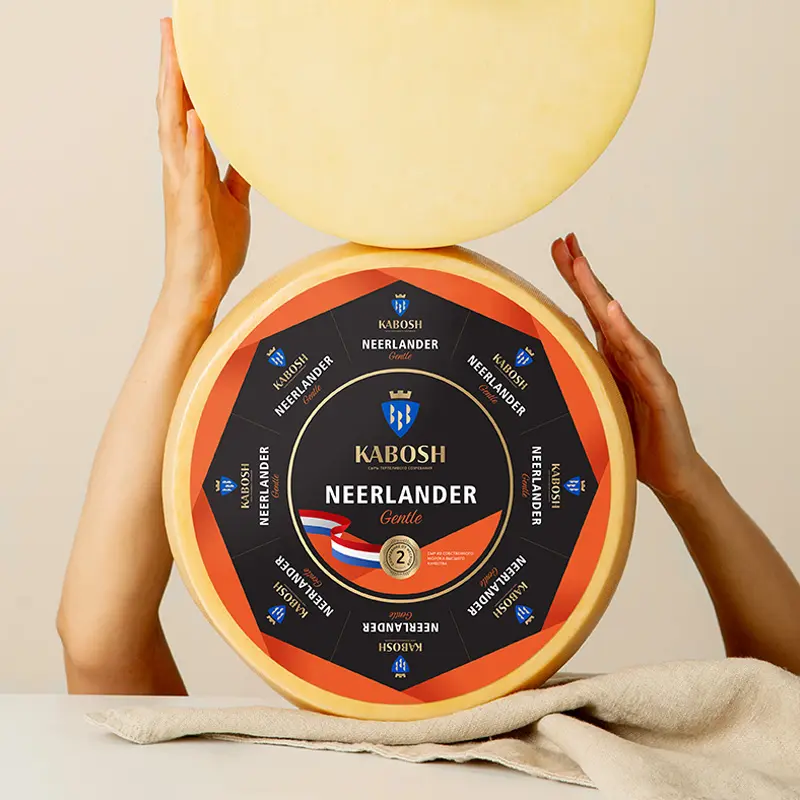
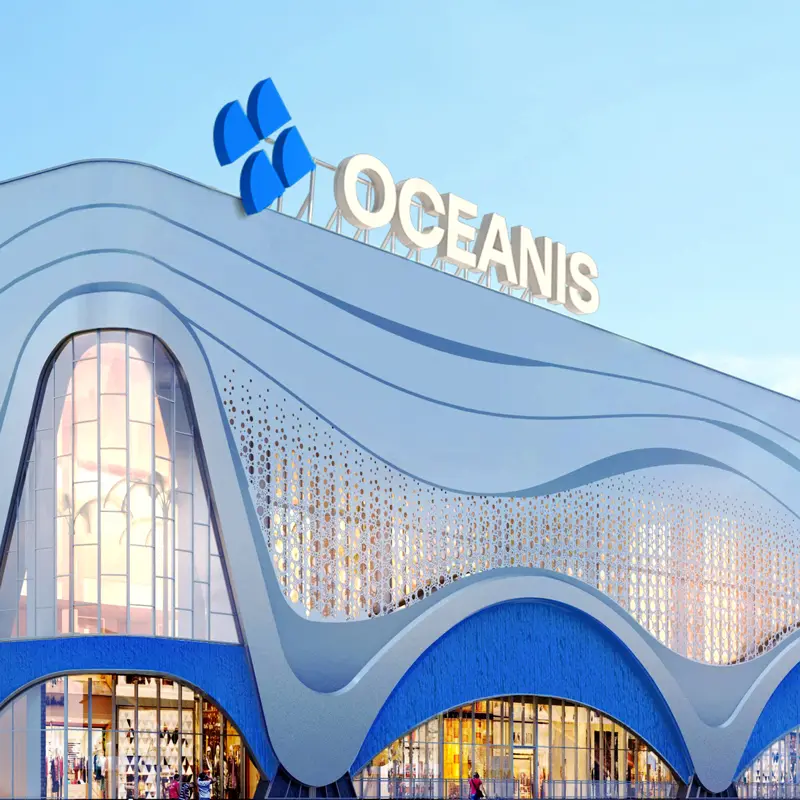

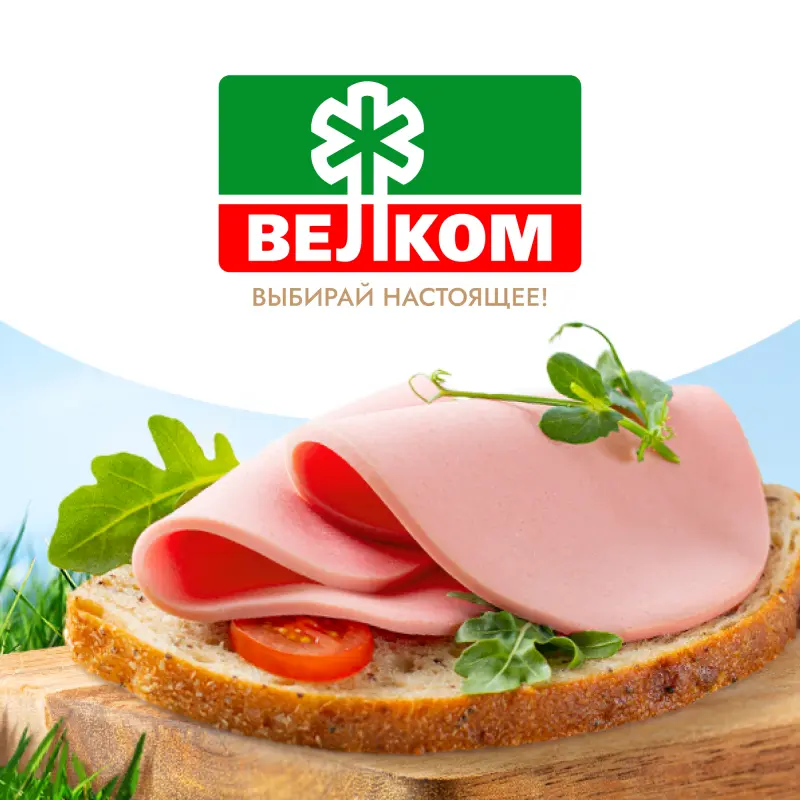
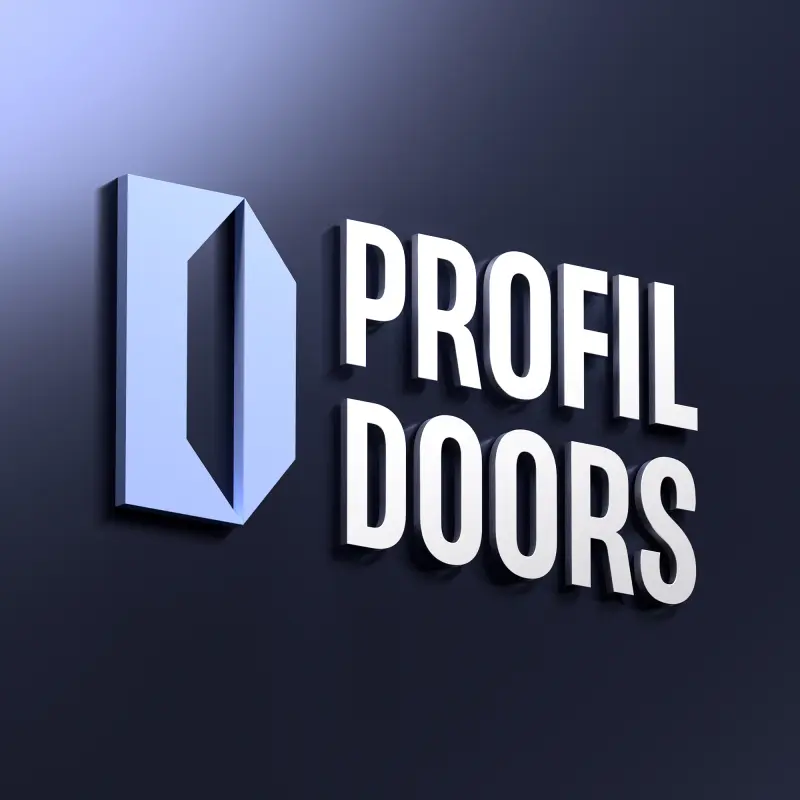

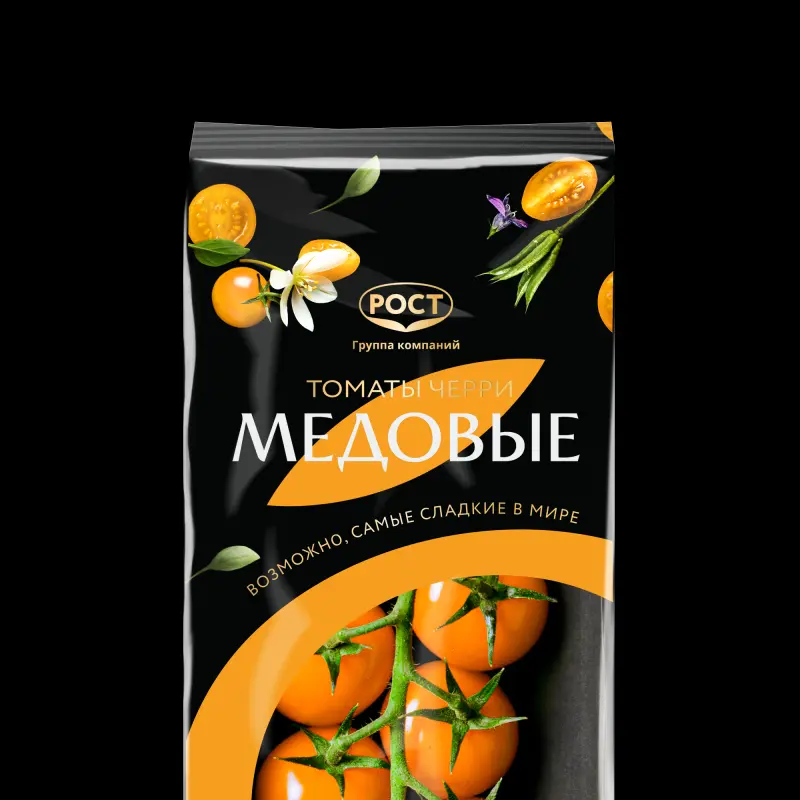

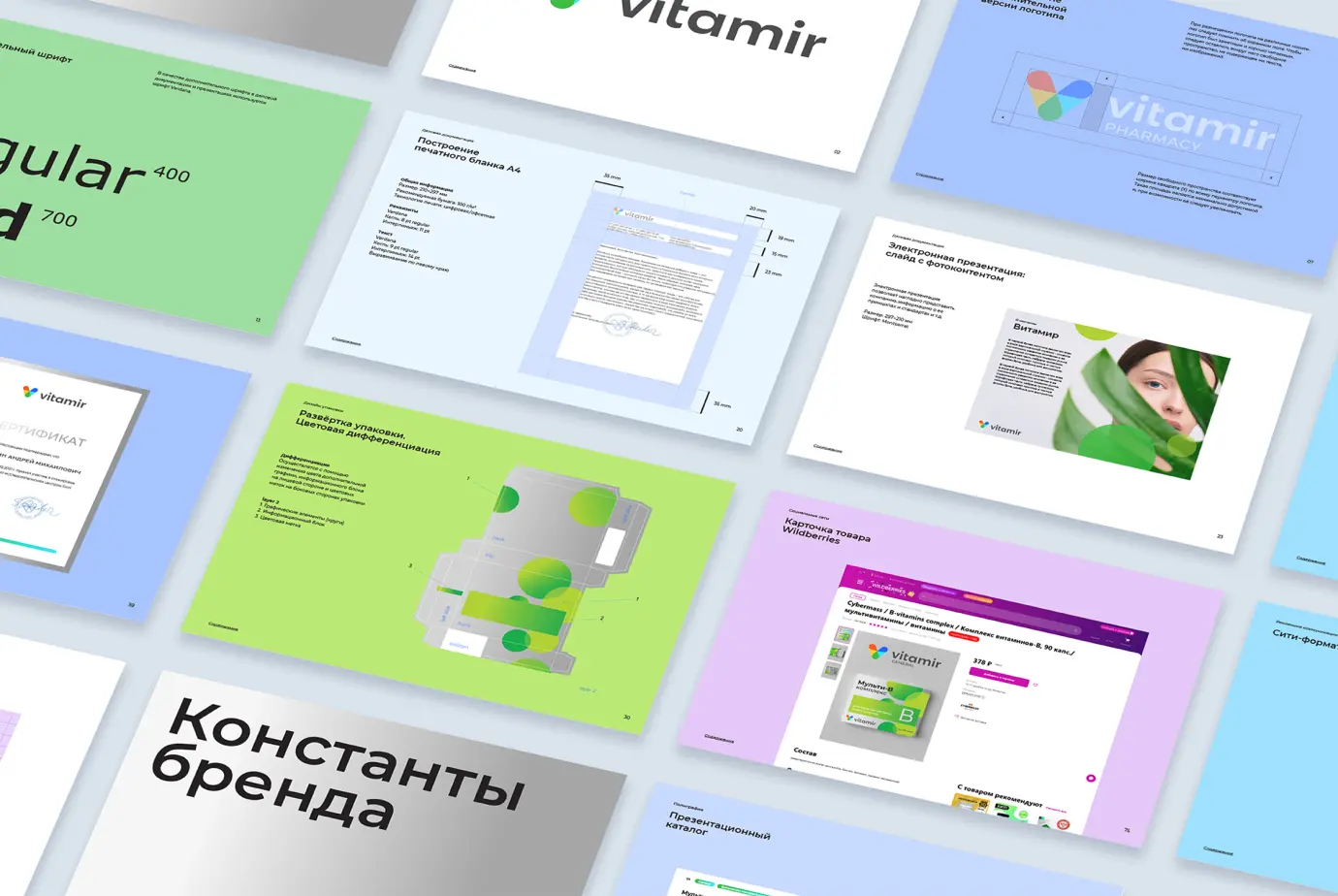


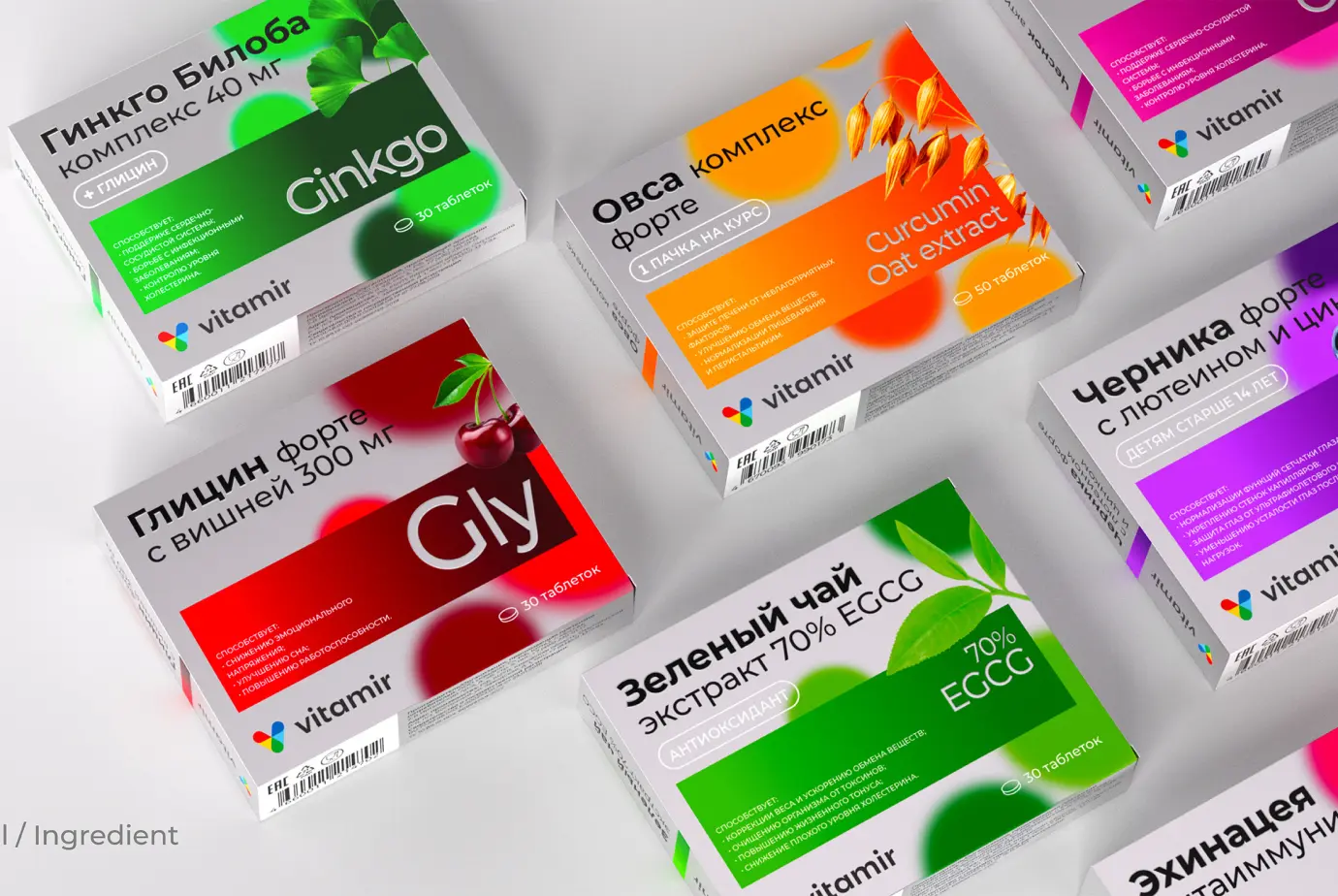
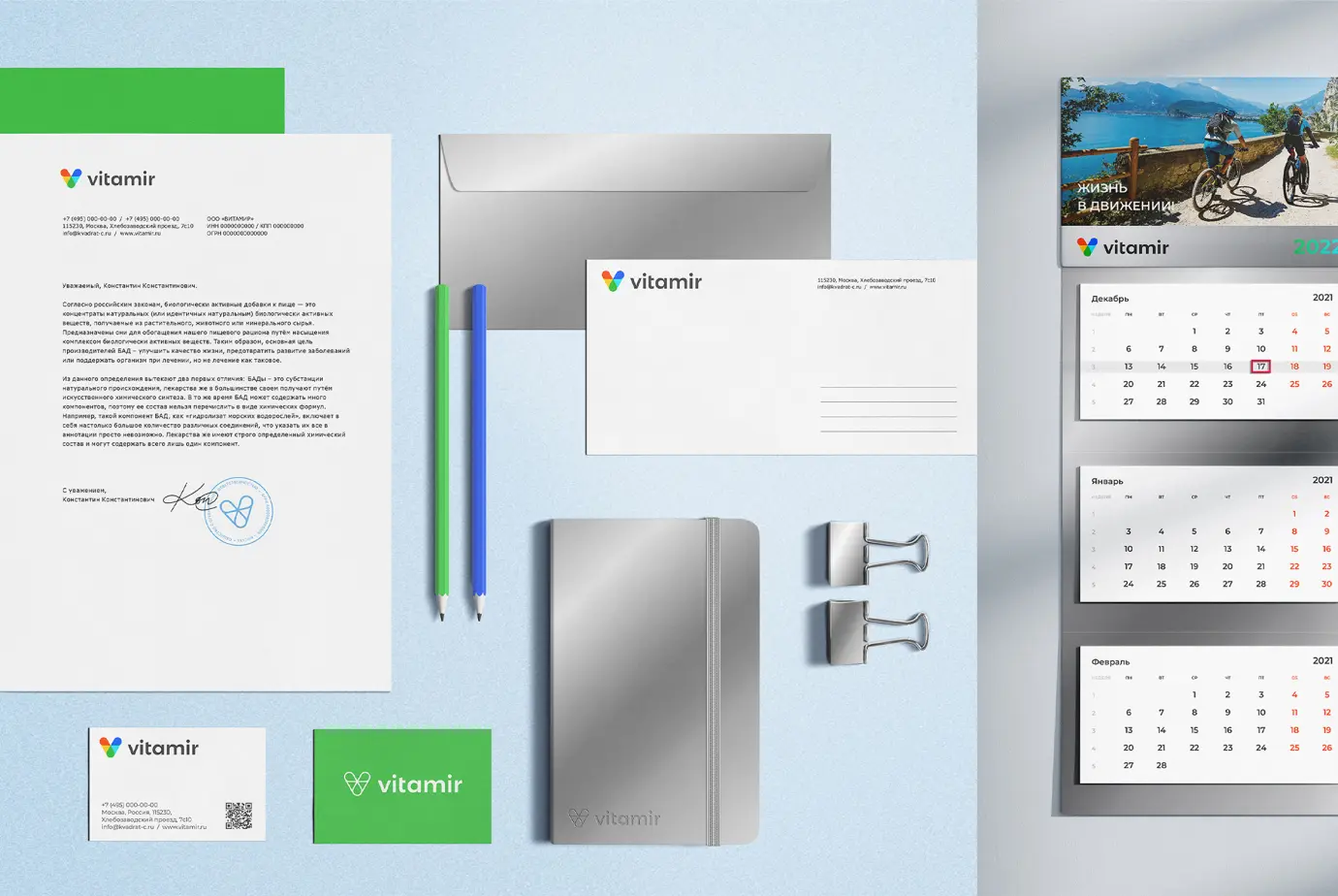


The purpose of any company’s advertising is to become top of mind — the consumer’s first-choice product and brand. This can be achieved through a strong, effective message and its repeated exposure over time.
The key is to create a message that reaches the target audience. Developing communication that cuts through the clutter, captures attention, and stays memorable is a true art. A wide range of visual, verbal, and psychological techniques comes into play. To achieve its goals, advertising design uses every available tool and method — photography, graphics, typography, and slogans — appealing to deep emotions and fundamental human instincts.
The deeper the emotion an ad touches, the more vivid a brand image the message creates. This helps build brand awareness and loyalty. For a company, that translates into sustained demand, strong sales, success, and the ability to grow the business.
The stronger the message, the fewer repetitions are needed to make it stick. That’s why we so often talk about the effectiveness of creative advertising.
The core goals of advertising design can be divided into strategic and tactical.
Strategic goals include:
Building brand image
Developing brand awareness
Increasing trust in the brand and strengthening loyalty
Creating added value
Tactical goals focus on:
Showcasing the product and its advantages
Stimulating demand (both impulse and planned purchases)
Capturing attention
Creating an emotional connection with the audience
Improving memorability of the product or brand
The benefits of a high-quality advertising design project go beyond driving sales. It also helps position the brand, build and manage its image, inform the audience, and optimize the promotion budget.

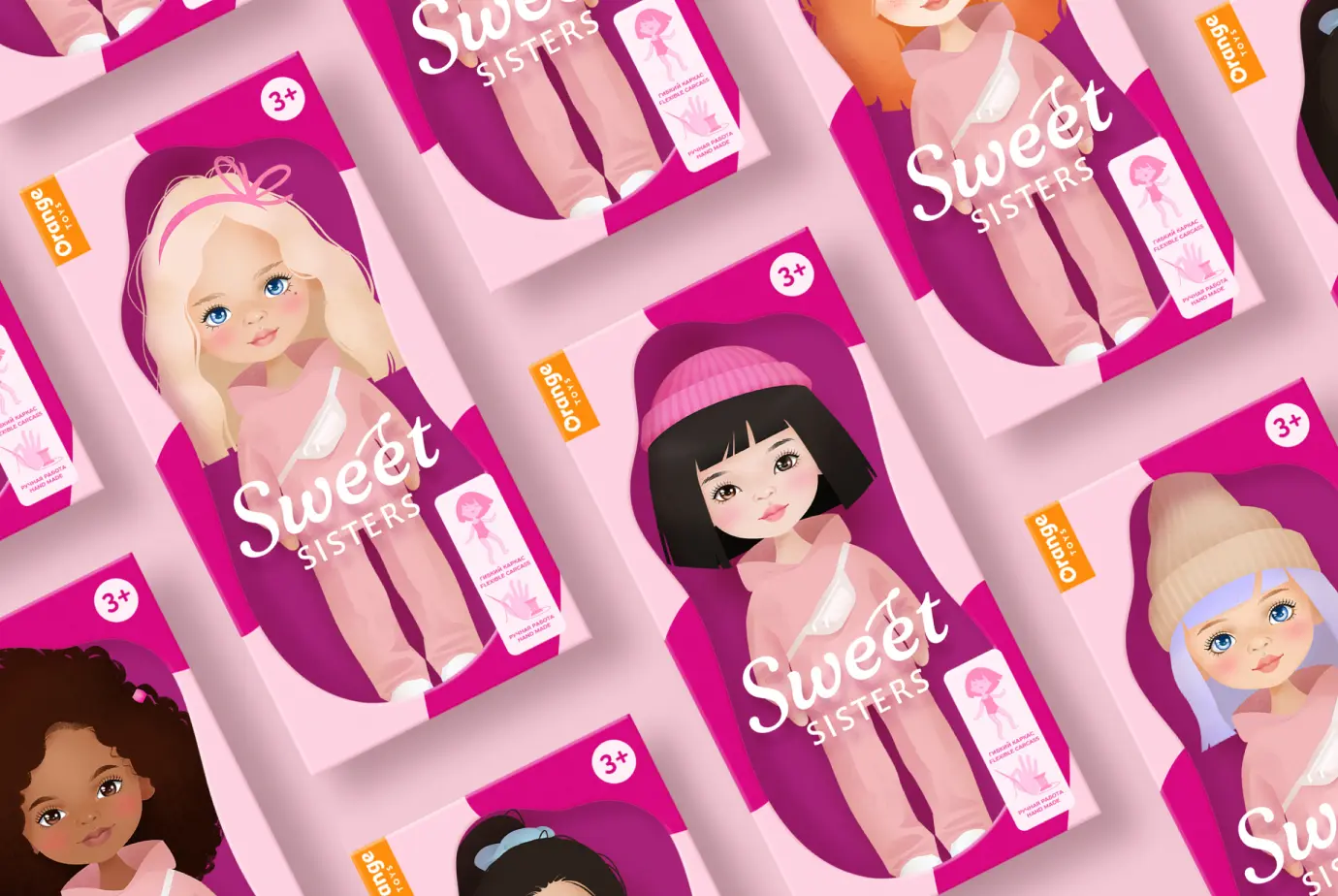
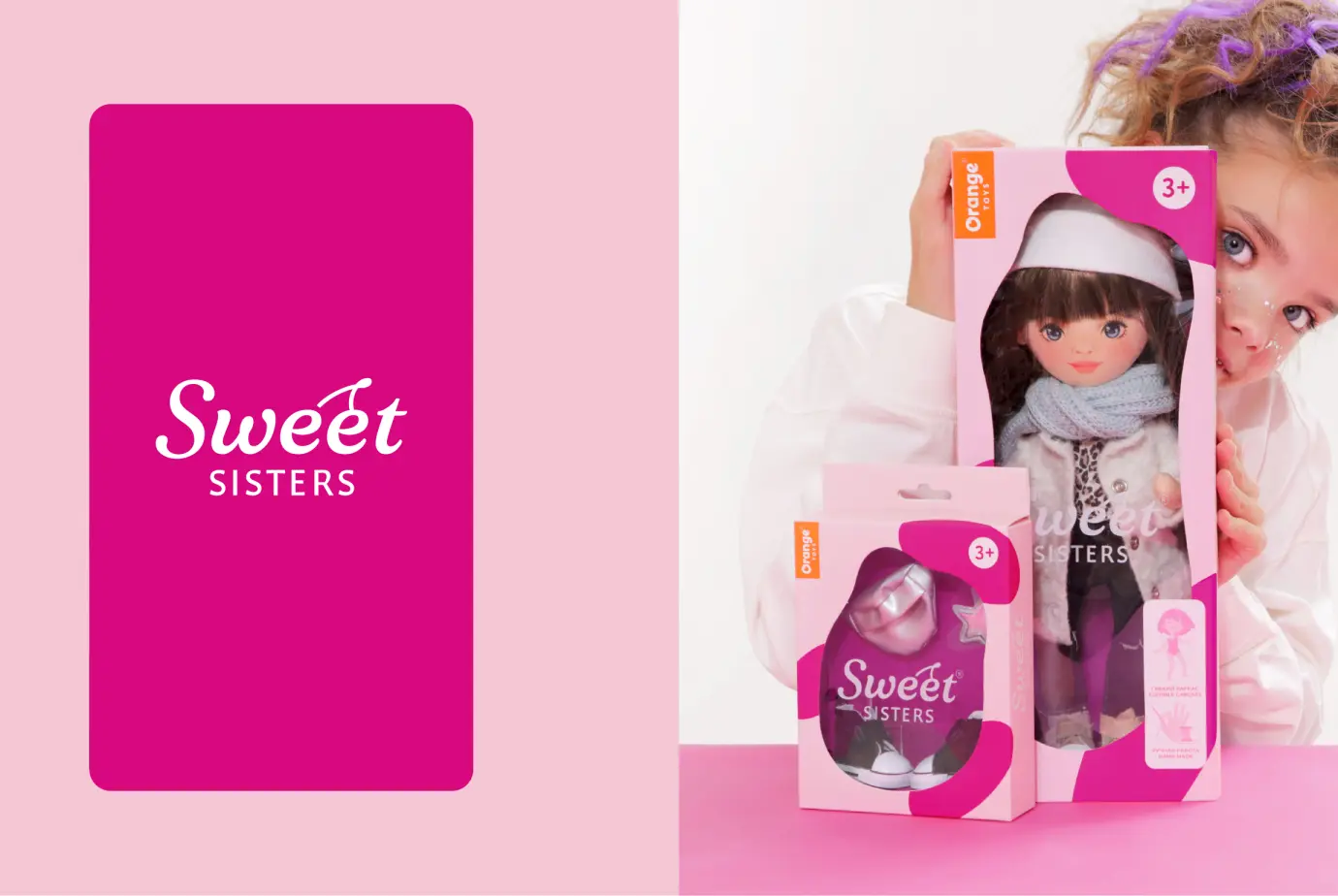
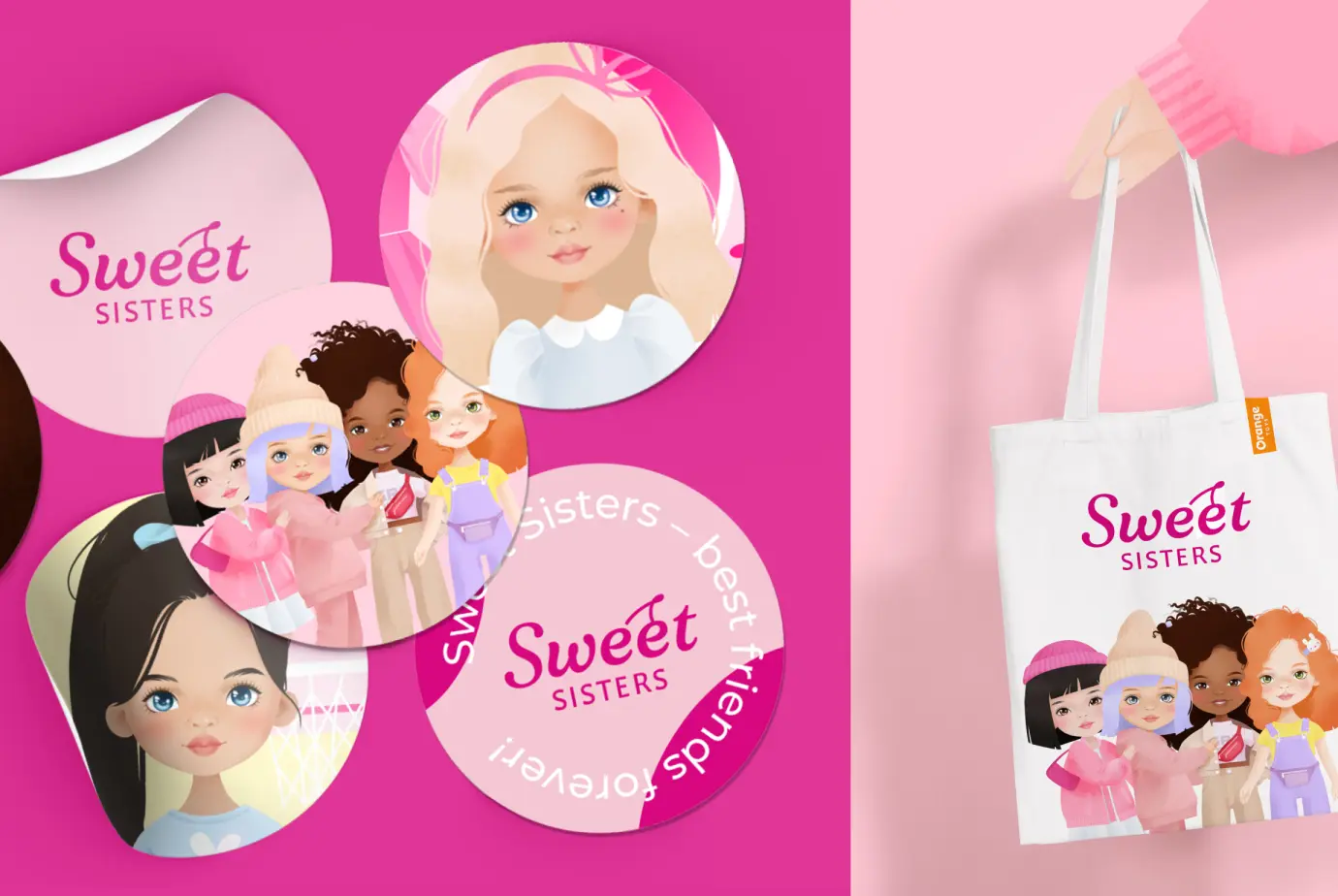

There are several key factors that influence the conversion performance of advertising communications. The visuals and solutions you choose should be attractive and memorable — while also remaining functional and consistent with the brand’s visual identity.
The desire to create an artistic masterpiece shouldn’t outweigh common sense and the core goals of the communication campaign. Avoid designing something entirely new while completely ignoring the brand’s visual identity or current positioning. At the same time, you can add graphics and infographics, and allow yourself a bit more creative freedom in the slogan. The key is to ensure these additions do not conflict with the brand standards and tone.
Follow these simple rules to create a conversion-driven campaign or layout:
Start from the objectives. Every advertising campaign has clear goals — for example, informing about a new product, driving sales, or increasing brand awareness. Without understanding the goal, it’s unlikely you’ll achieve it.
Think about the audience. The better you know and understand your target consumer, the higher the chance you’ll reach their emotions and desires and motivate them to act. If you don’t have up-to-date market research, conduct at least desk research (secondary research).
Stick to the brand’s visual and photo style. These are clearly defined in the brand book and make all brand communications visually distinct and recognizable.
Maintain the brand’s tone of voice. It works similarly to visual identity, but within verbal communication.
Define the key idea. Think through what image will best express your concept and help you achieve your objectives.
One message per layout. A consumer won’t retain more than one idea from your message. Focus on the most important point and phrase it clearly and concisely.
Include a call to action. Tell the consumer directly what you want them to do. They don’t have time to guess what the author meant.
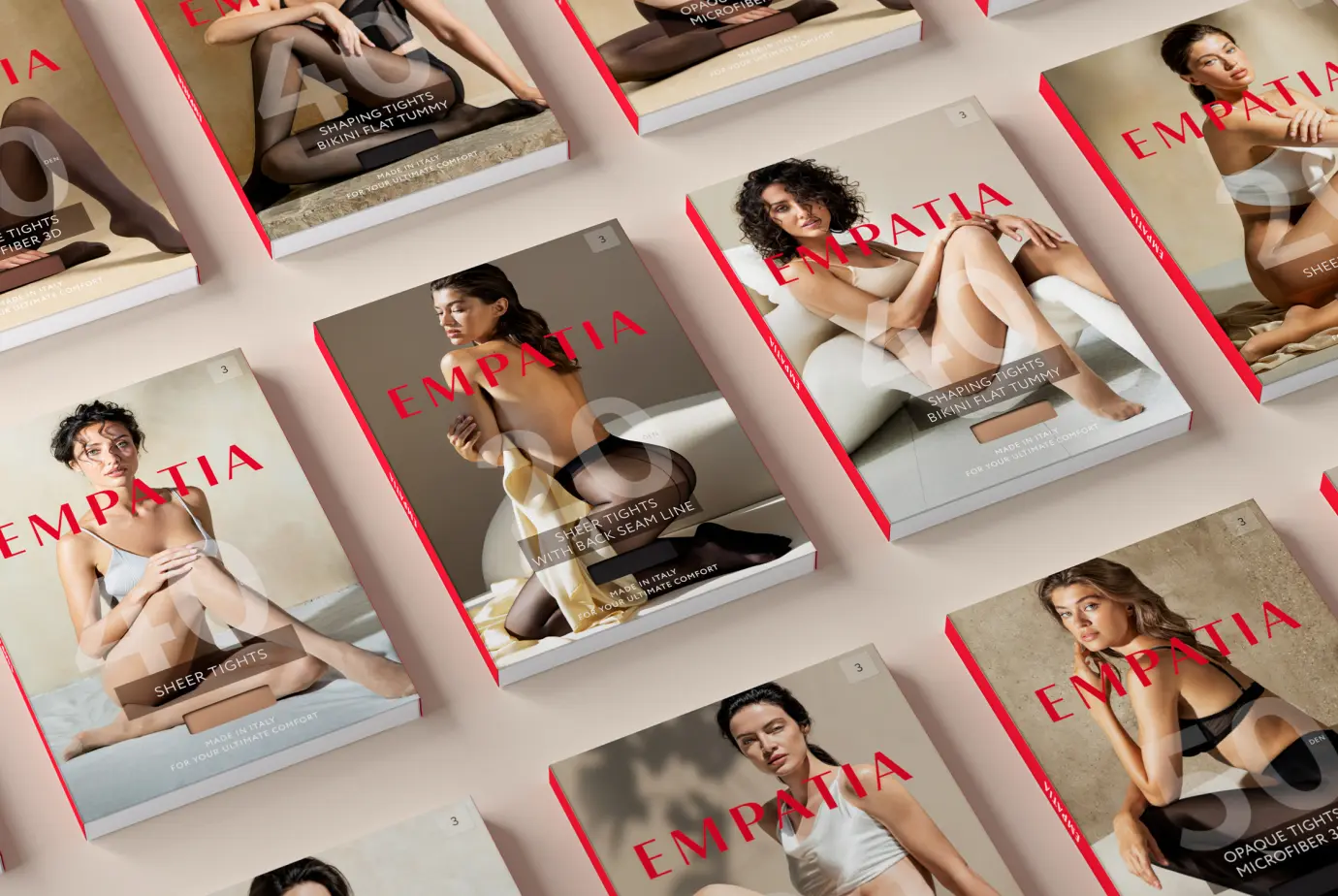

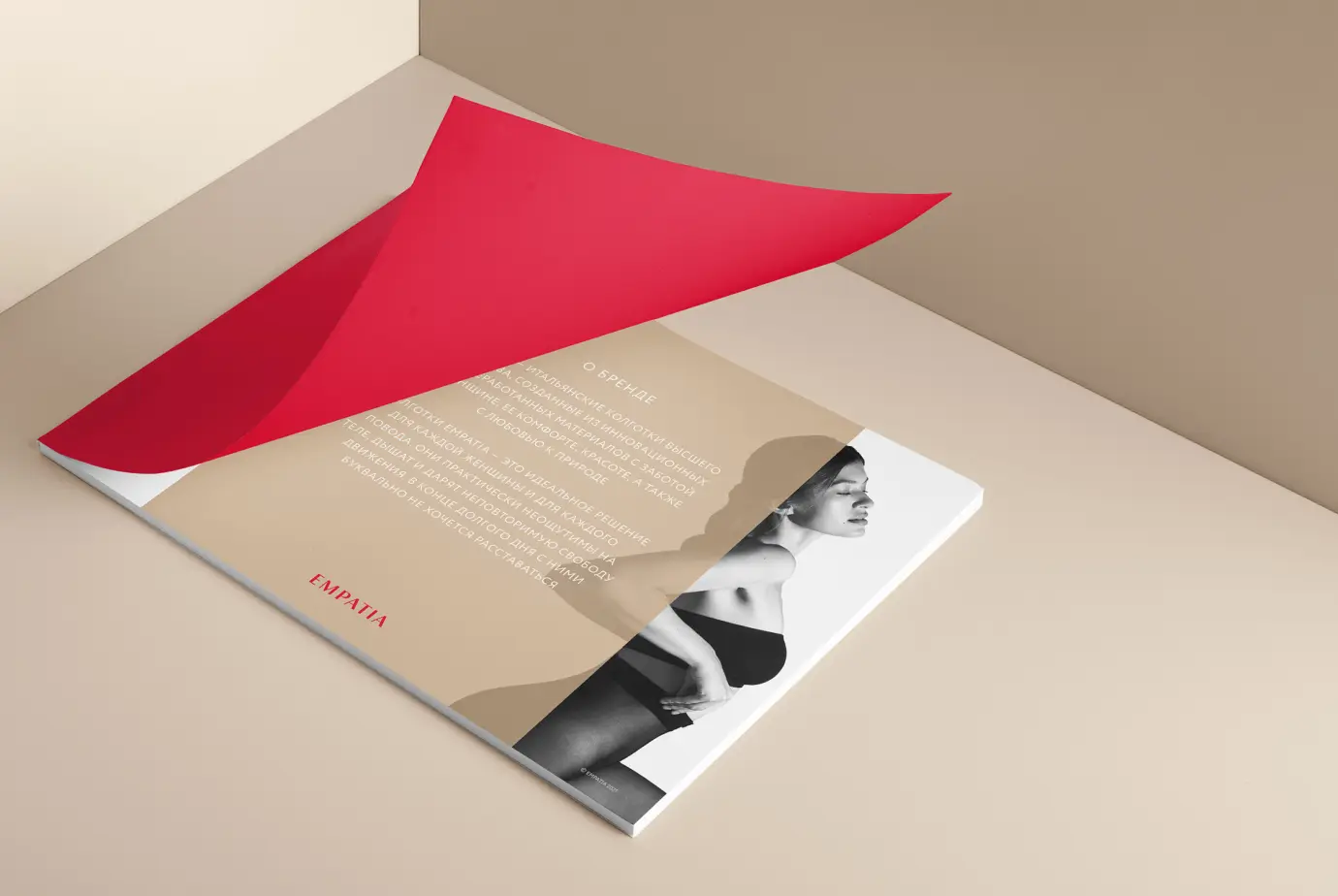

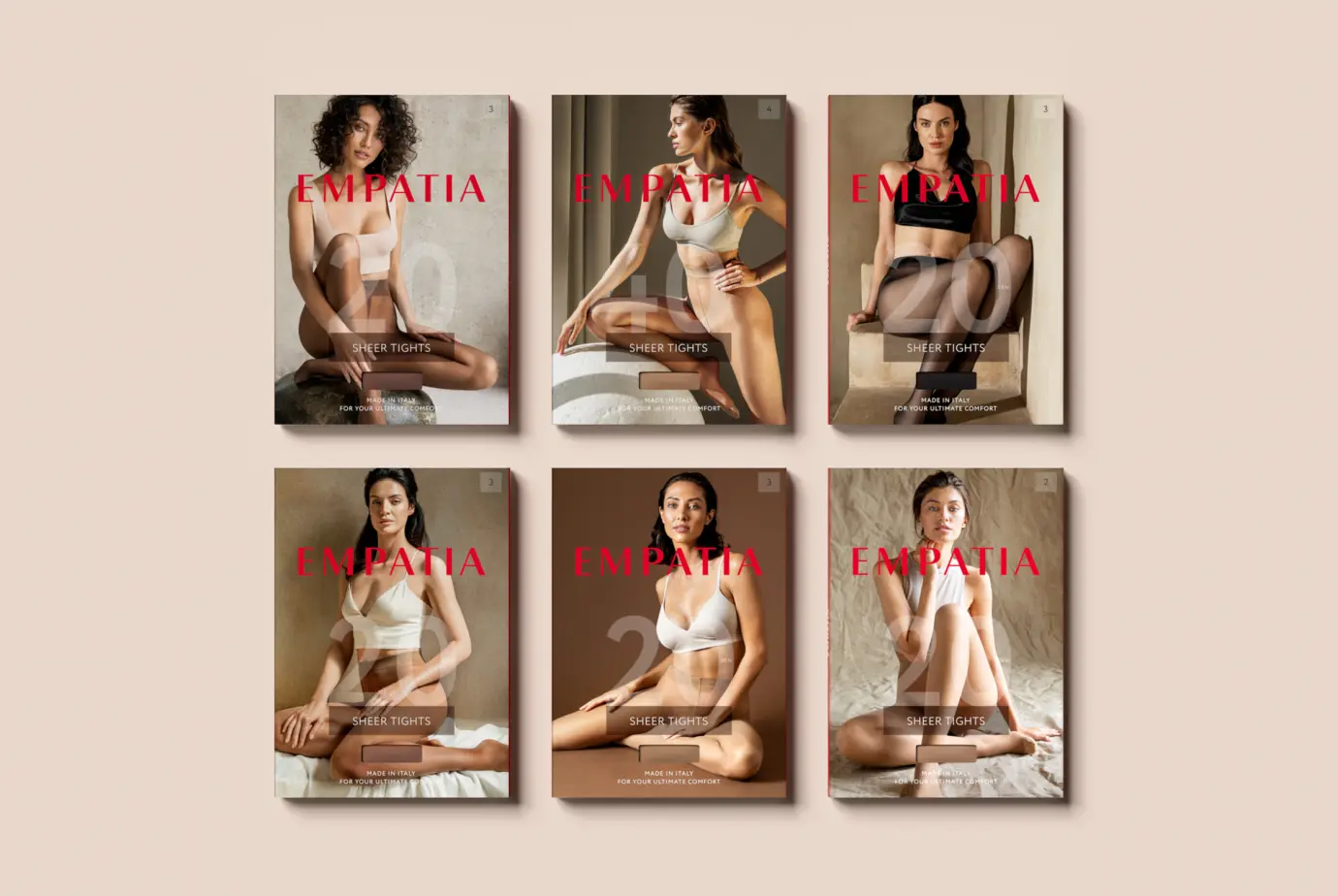
Approaches to advertising design can vary significantly. They are influenced by the product category, the brand’s positioning, and the subject of the ad — along with purely technical parameters such as placement, size constraints, color limitations, and more.
It is common to distinguish the following types of advertising based on the advertising subject:
Brand advertising — a type of visual or visual-plus-copy advertising aimed at increasing recognition of a specific brand. It focuses on creating and maintaining the company’s image.
Retail (trade) advertising — concentrates on a specific product or offering to stimulate customer traffic and attract potential buyers. Subtypes include directory/reference advertising, point-of-sale (POS) advertising, and response-based advertising.
Corporate advertising — builds a positive image of the advertiser as a manufacturer, service provider, business partner, and employer.
Business advertising — targeted at the B2B segment: groups of people and companies united by a shared characteristic.
Political advertising — creates a positive image of a politician or a political party.
Public service (social) advertising — aims to draw public attention to an important social issue.
The campaign type is discussed at the very earliest stage — during the advertising design briefing — because it largely determines the nature of the communications.
The main factor shaping the look and feel of the final layout is the advertising channel and medium. For this reason, we often divide design into outdoor advertising, print, in-store (POS) communications, television, social media, and so on.
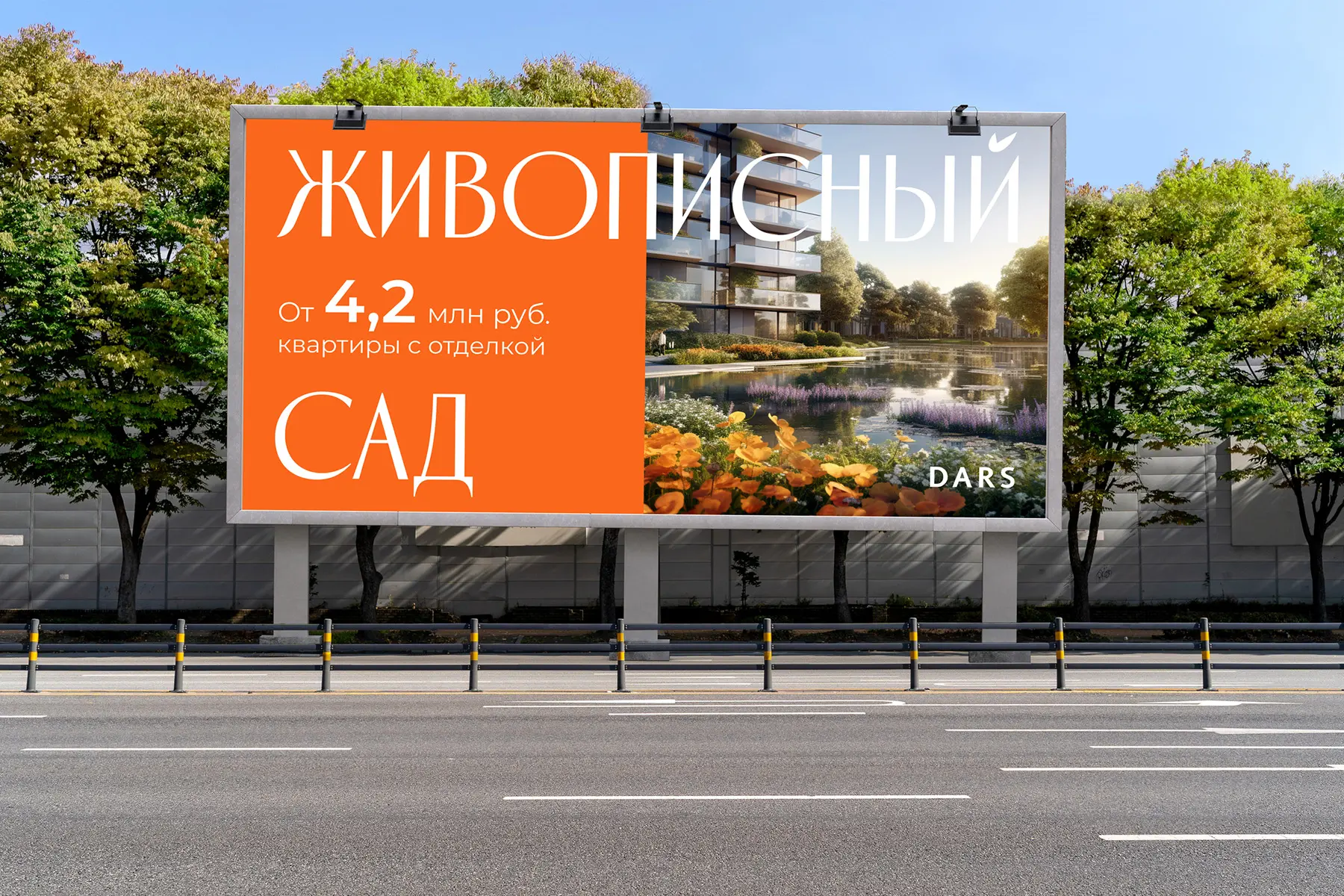
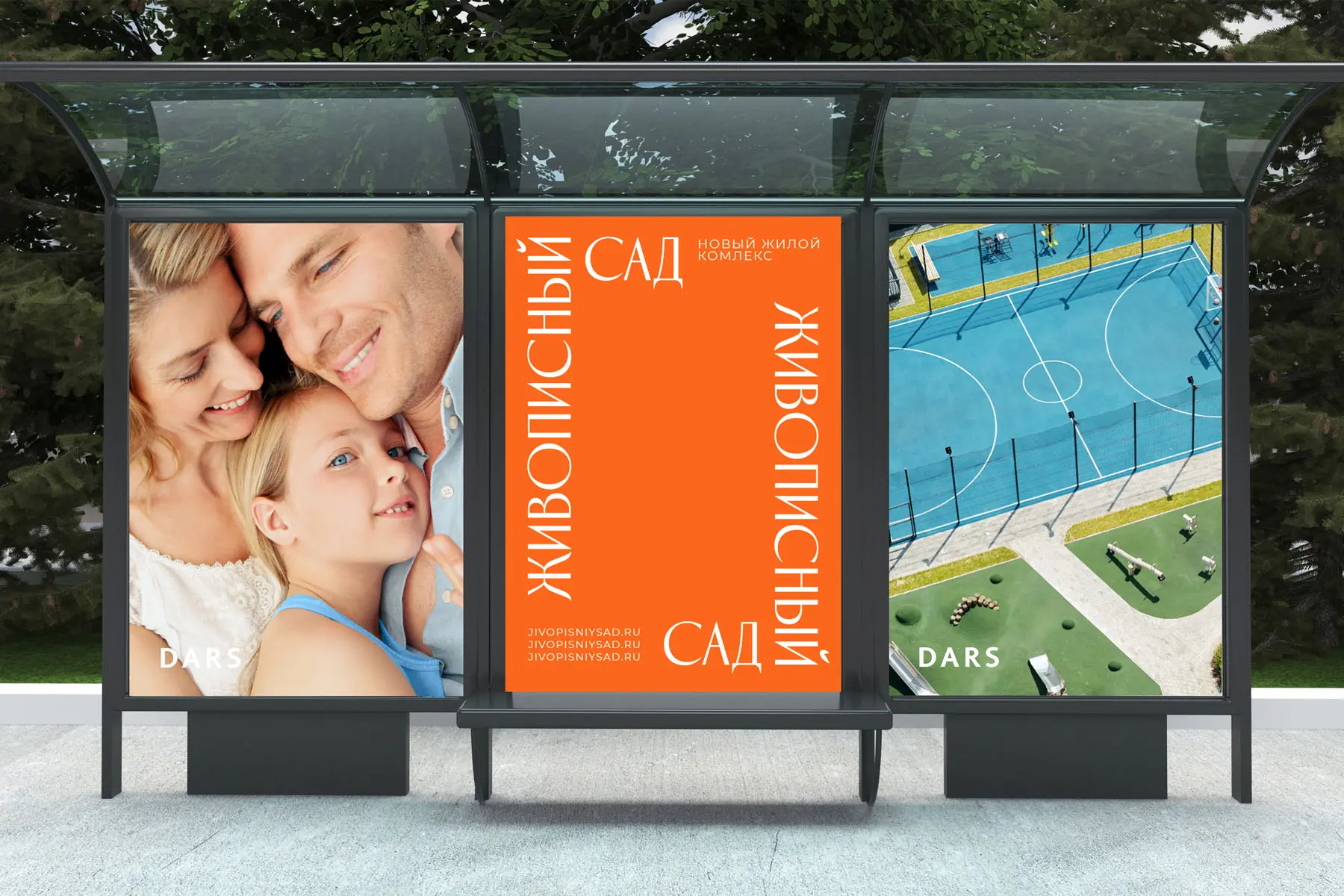
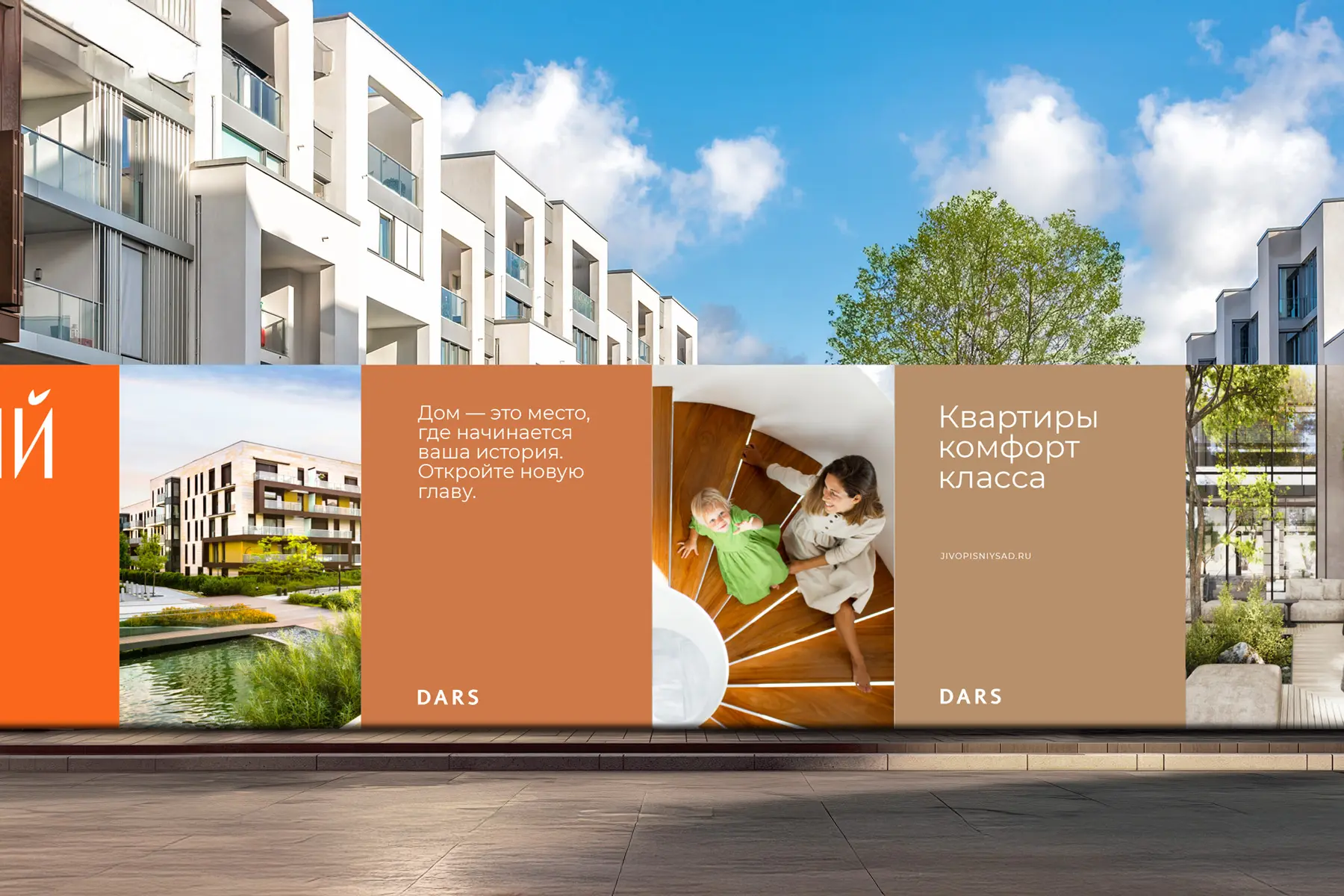
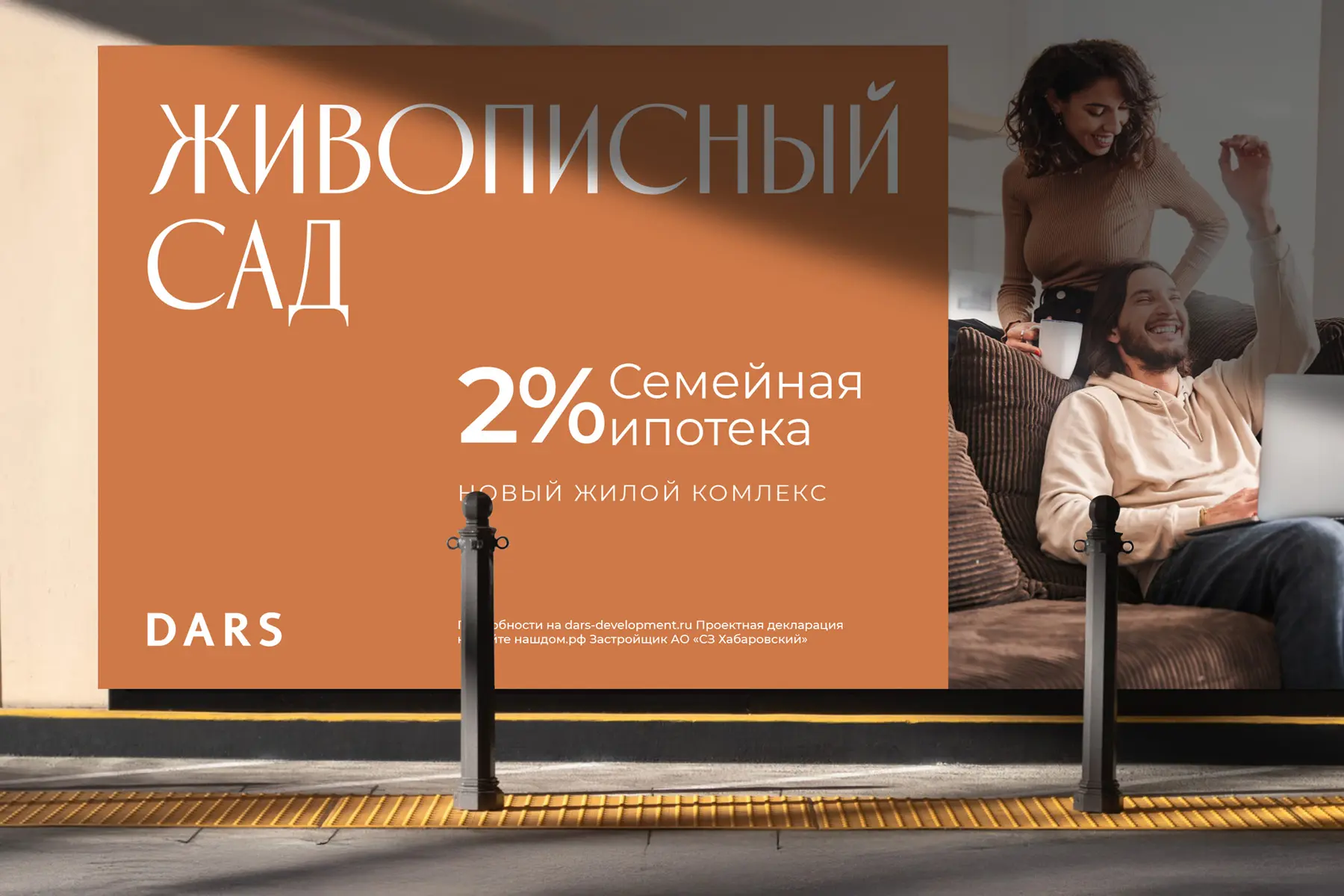
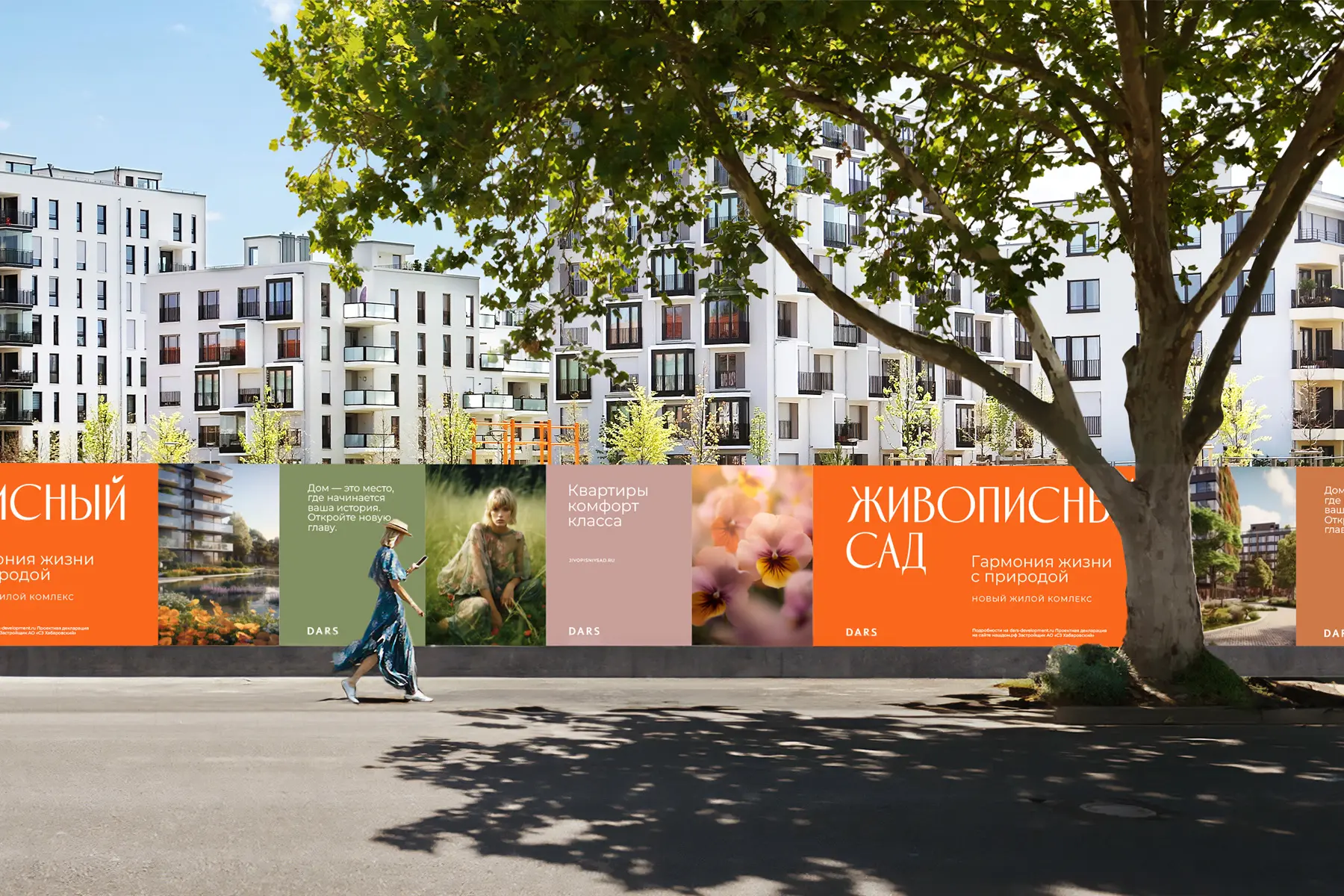
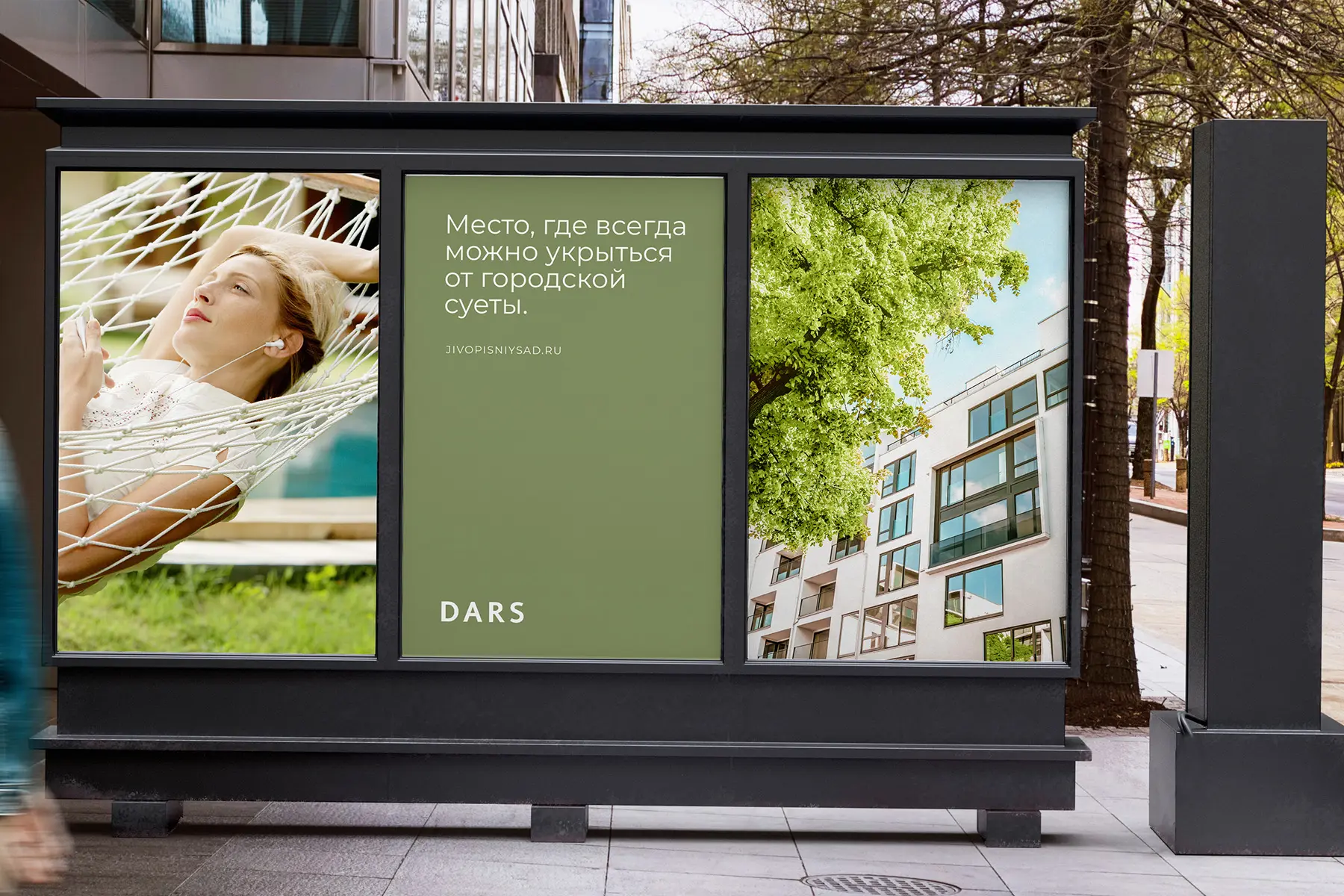
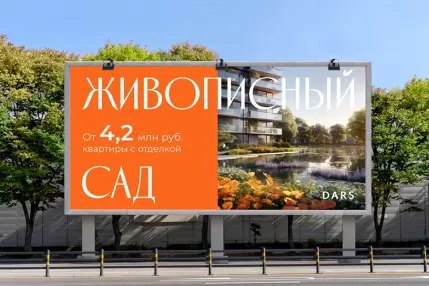
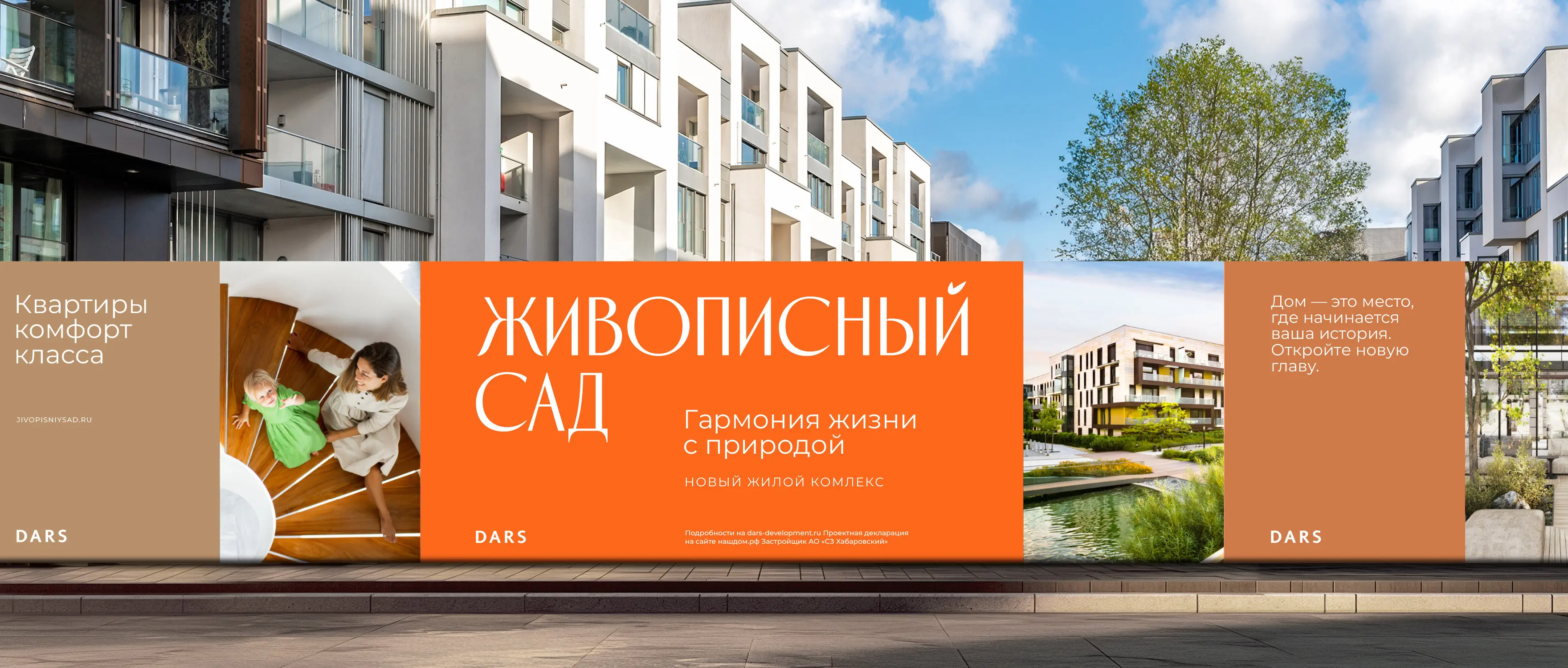
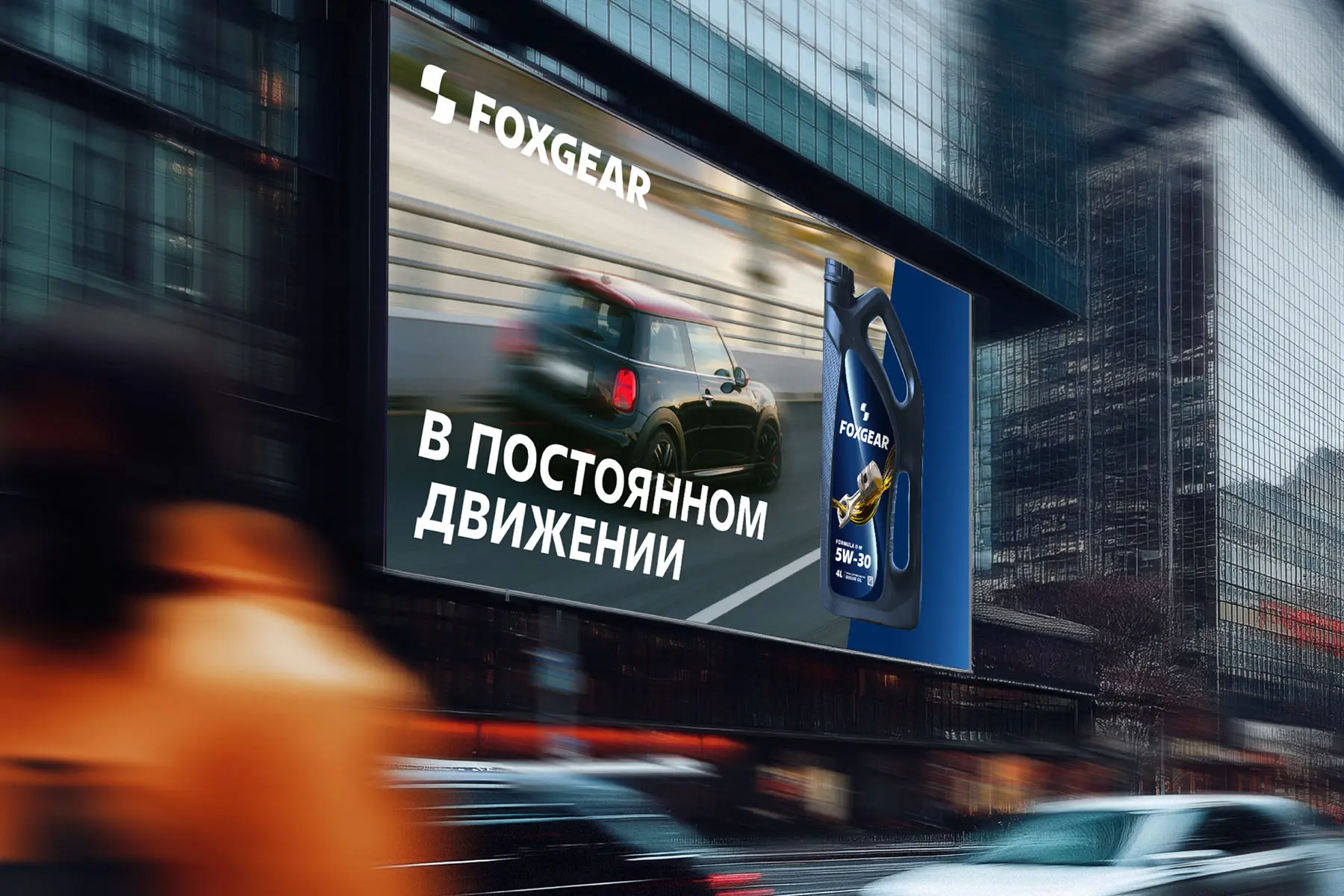
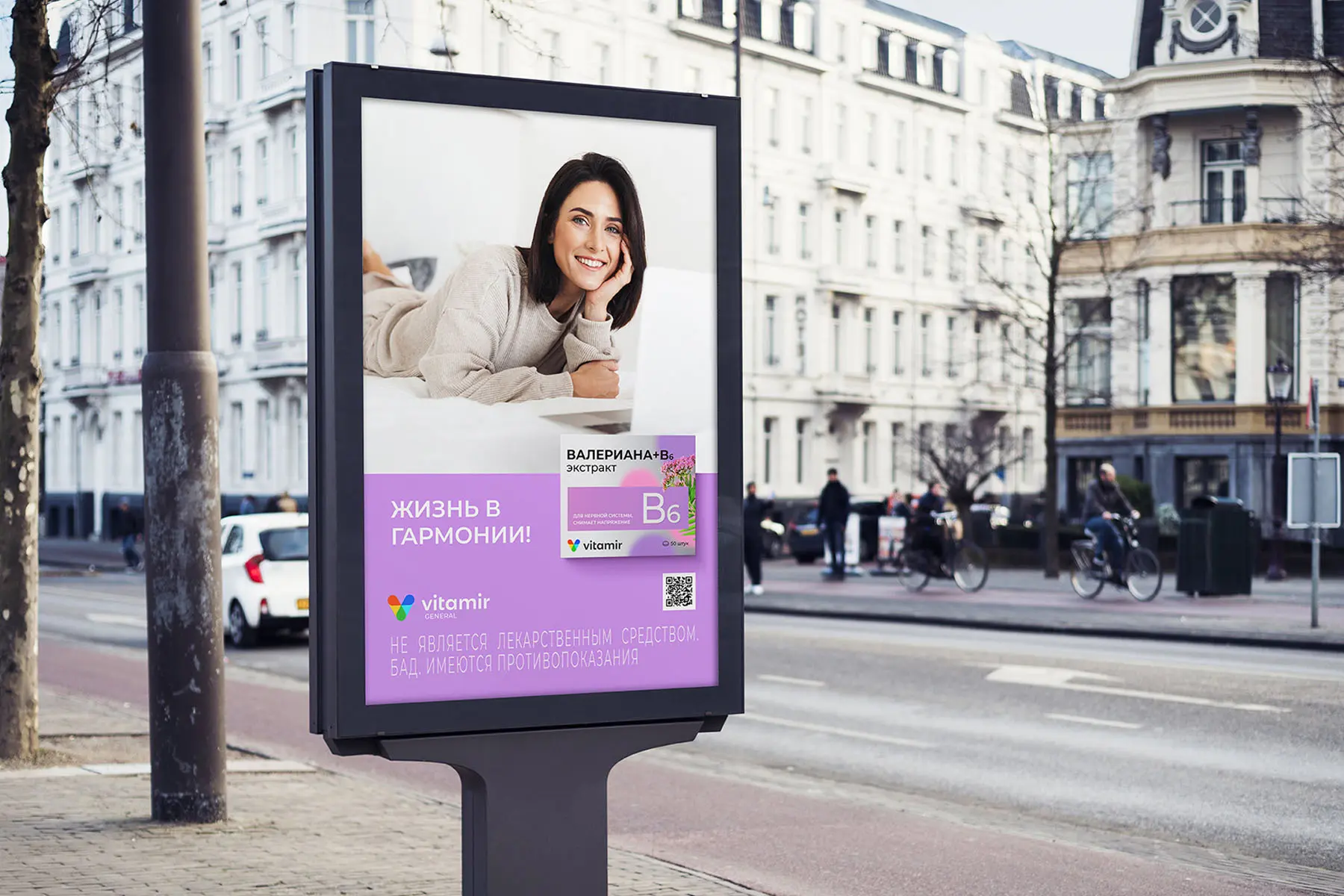
Outdoor advertising is an important promotion channel for product brands, retail brands, and corporate brands alike. It comes in many formats adapted to different locations and objectives, making it possible to choose the right structure for any task and audience.
Outdoor media can be permanent or temporary. Permanent structures are installed on specially designated sites. Temporary media are placed for a short period and do not have a dedicated location.
The number of outdoor communication formats continues to grow. The most common outdoor advertising formats include:
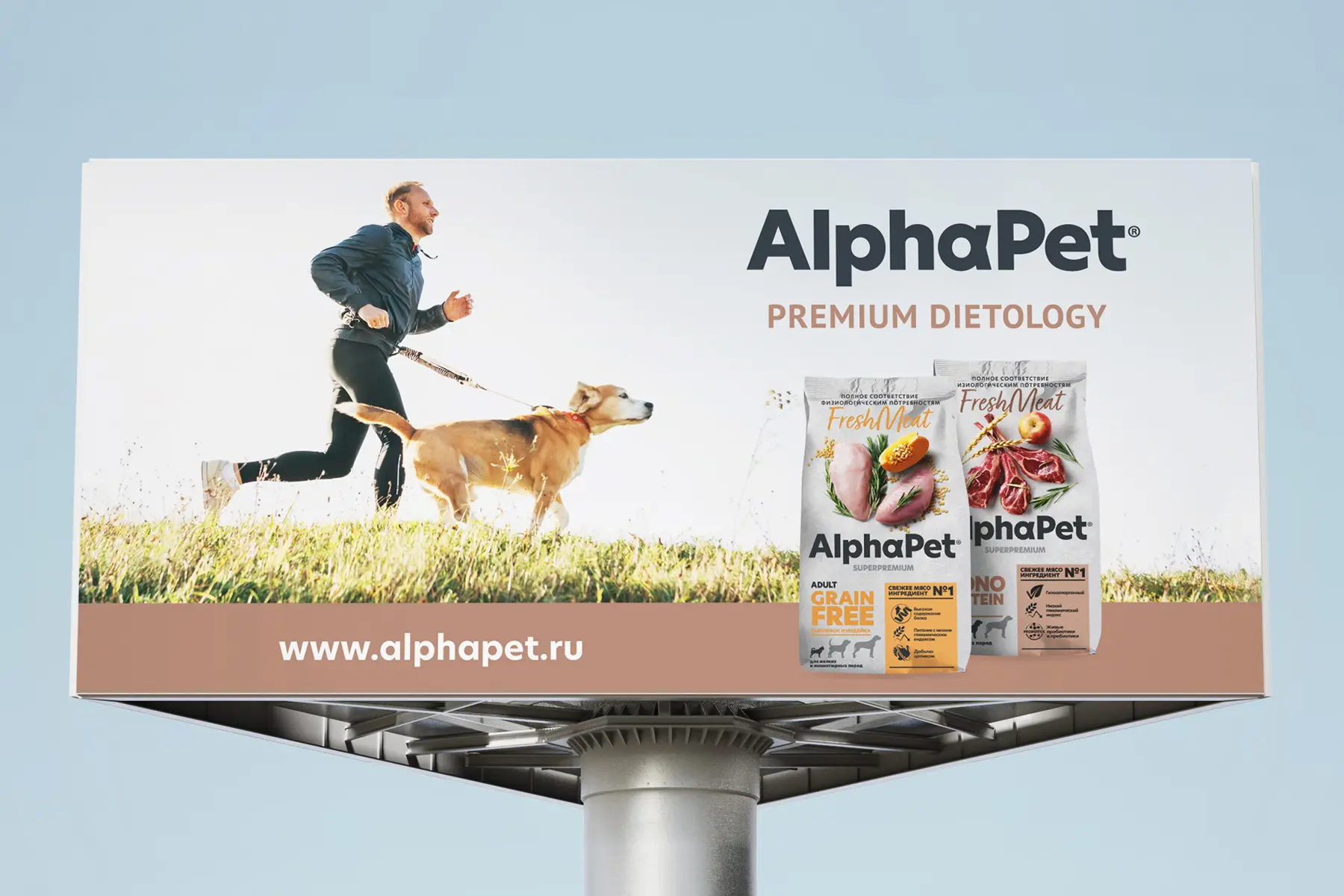
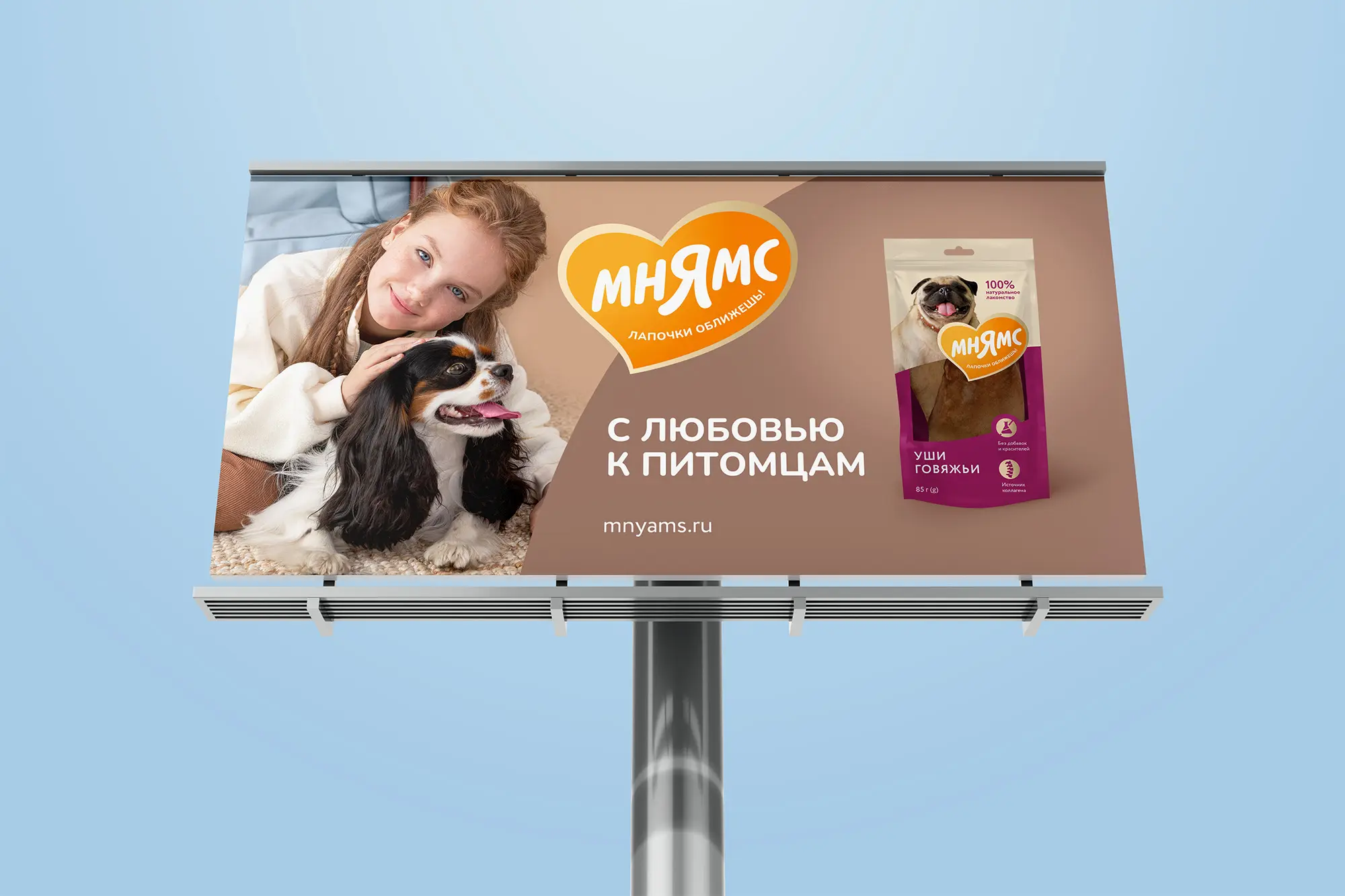
Billboard. The most in-demand option is a large 6 × 3 m board installed along busy highways. It is illuminated by spotlights.
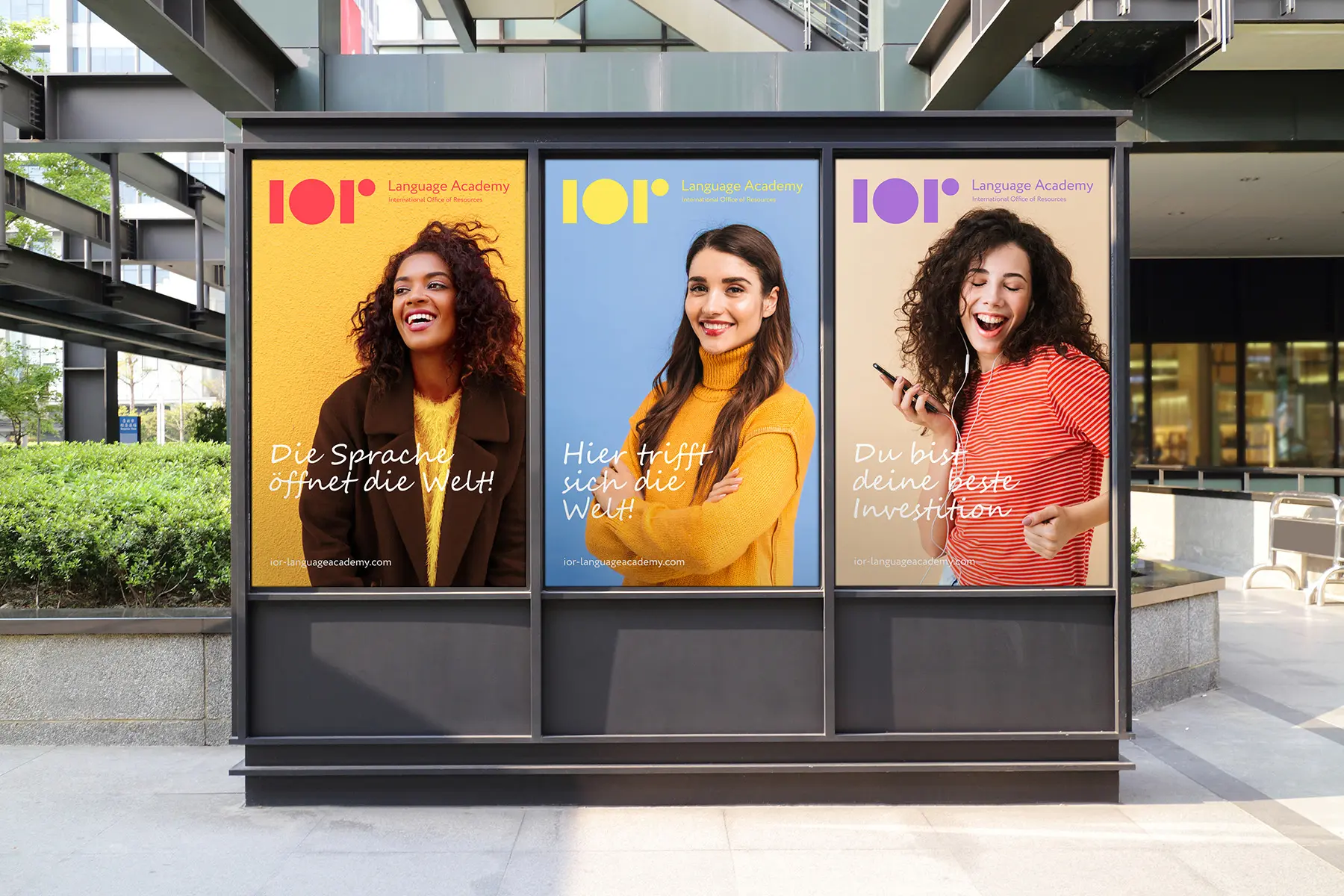
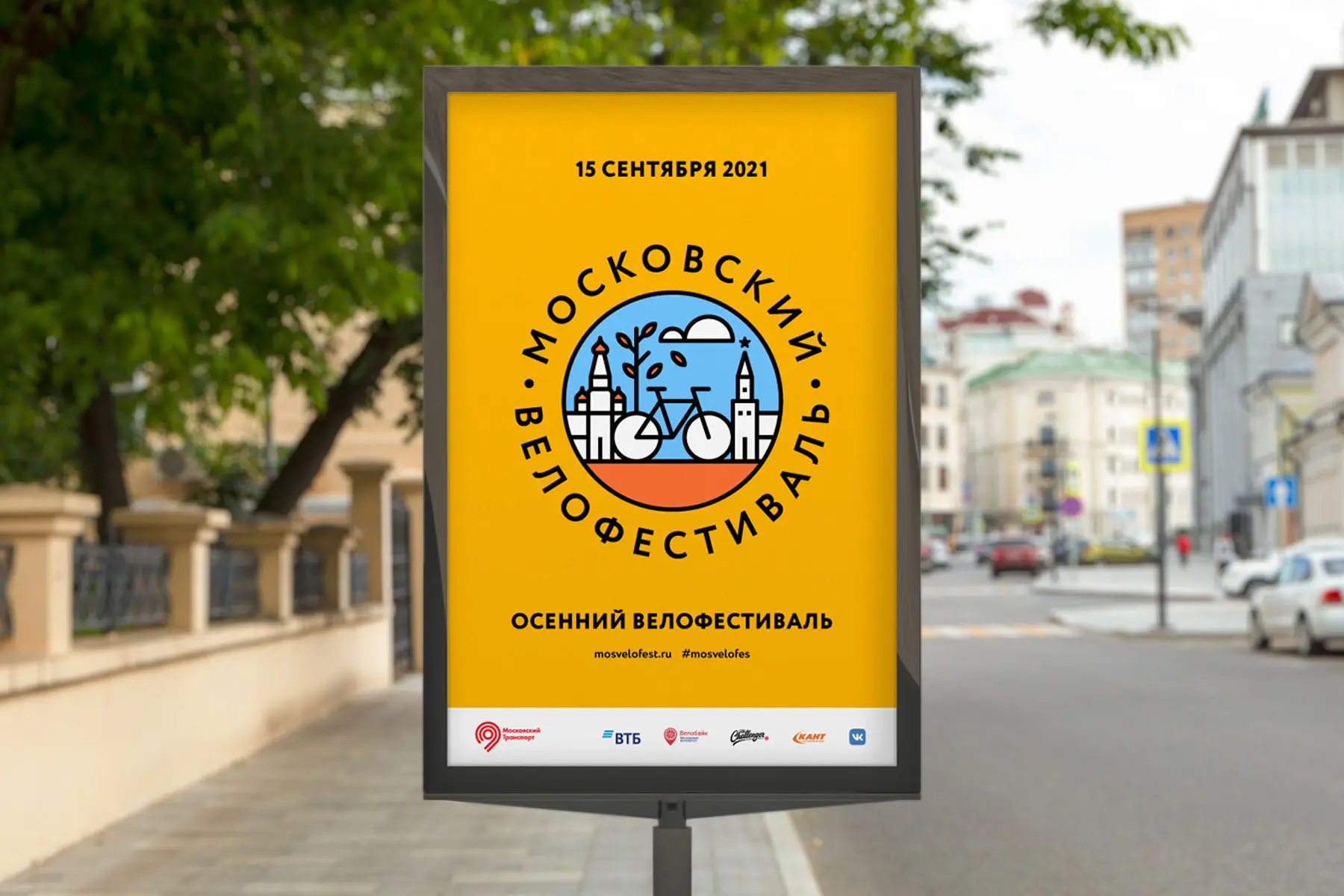
City format. A 1.2 × 1.8 m structure placed along roads. It has internal lighting. Technically, it is a lightbox. Similar constructions include the pylon and pillar.
City board. An internally lit structure measuring 2.7 × 3.8 m.
Supersite (superboard). A structure mounted on a high support with three display sides. Typical face sizes: 15 × 5 m, 12 × 3 m, 12 × 4 m.
Building wrap (brandmauer). The largest format. It is typically placed on a blank building wall to avoid covering windows. The size and shape depend on the available wall area.
Projecting sign (panel bracket). A small-format structure mounted perpendicular to a wall, making it highly visible and readable for pedestrians.
Road sign. Installed either as a standalone navigation sign or mounted near existing municipal road signs and traffic signage.
Pylon (stela). Indicates a company’s location. Placed along highways and major roads, or near an office entrance.
Arch. An advertising medium positioned above the roadway. Its size depends on the road width.
Banner stretch. A banner stretched across the road. Unlike an arch, it has no rigid supporting structure.
Prismatron. A rotating mechanism working like “blinds.” A scroller is a mechanism that scrolls the image from bottom to top.
Digital advertising screens. Examples include digital billboards or media façades of various formats installed on buildings.
Each outdoor format comes with its own requirements and imposes its own design constraints.
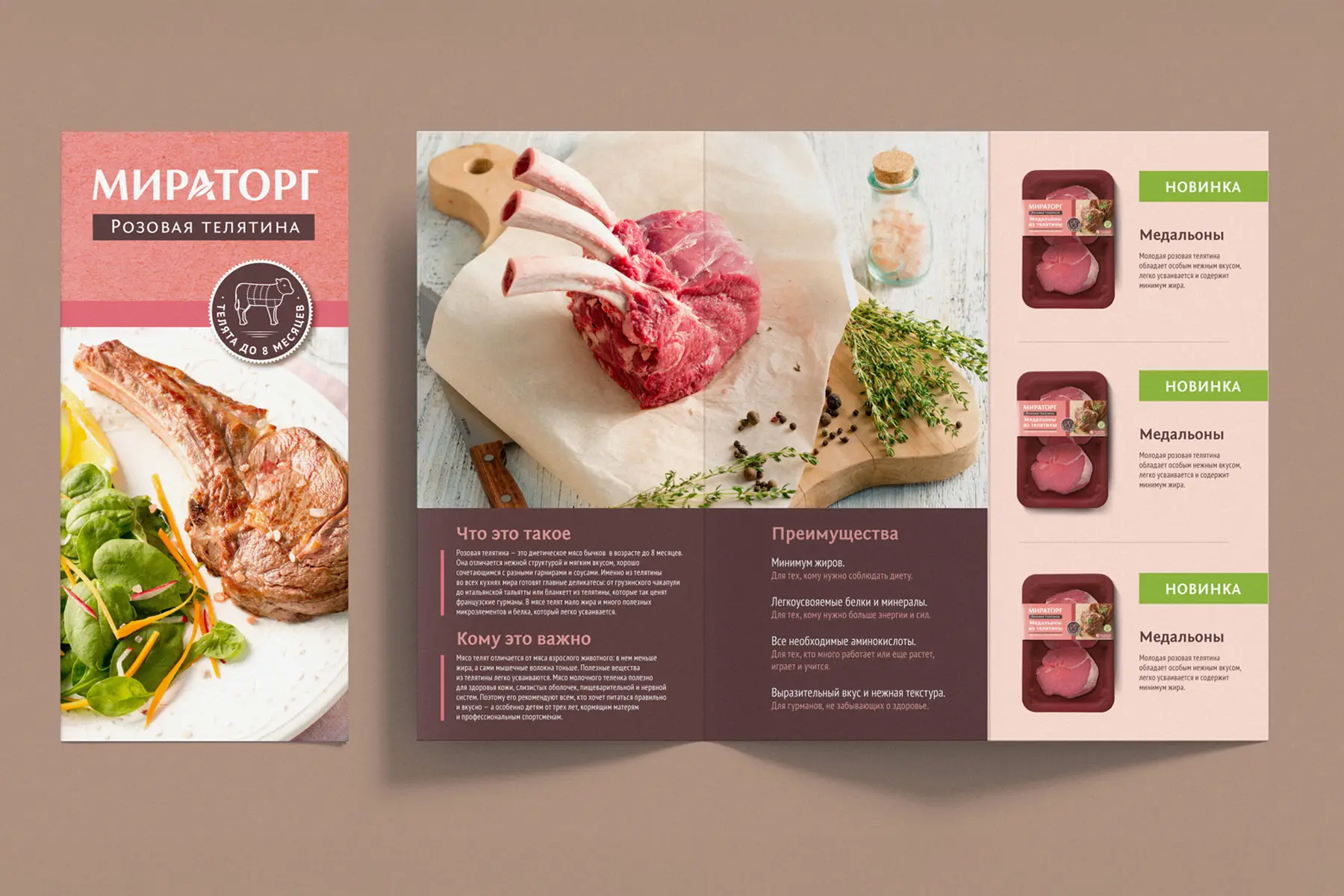
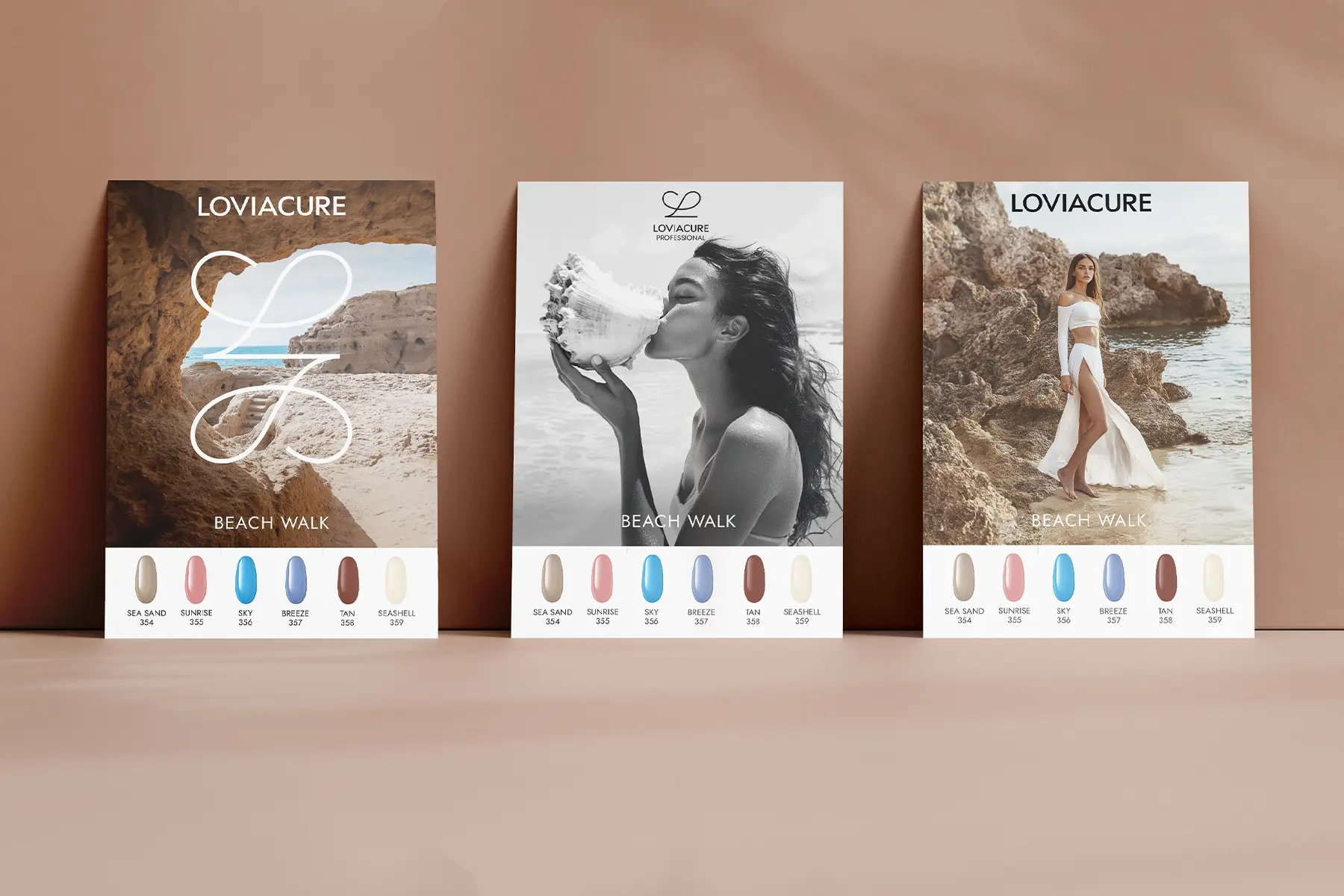
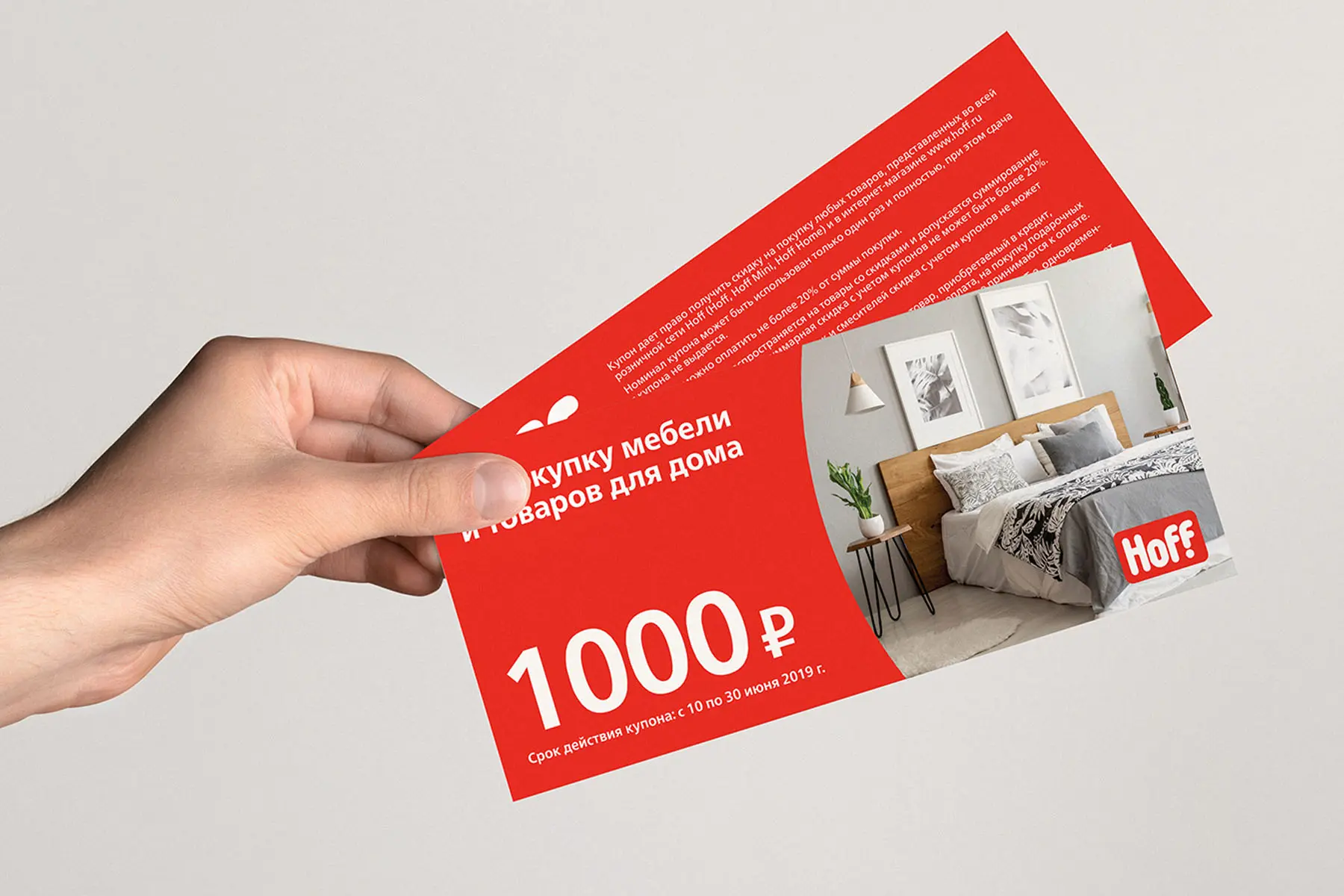
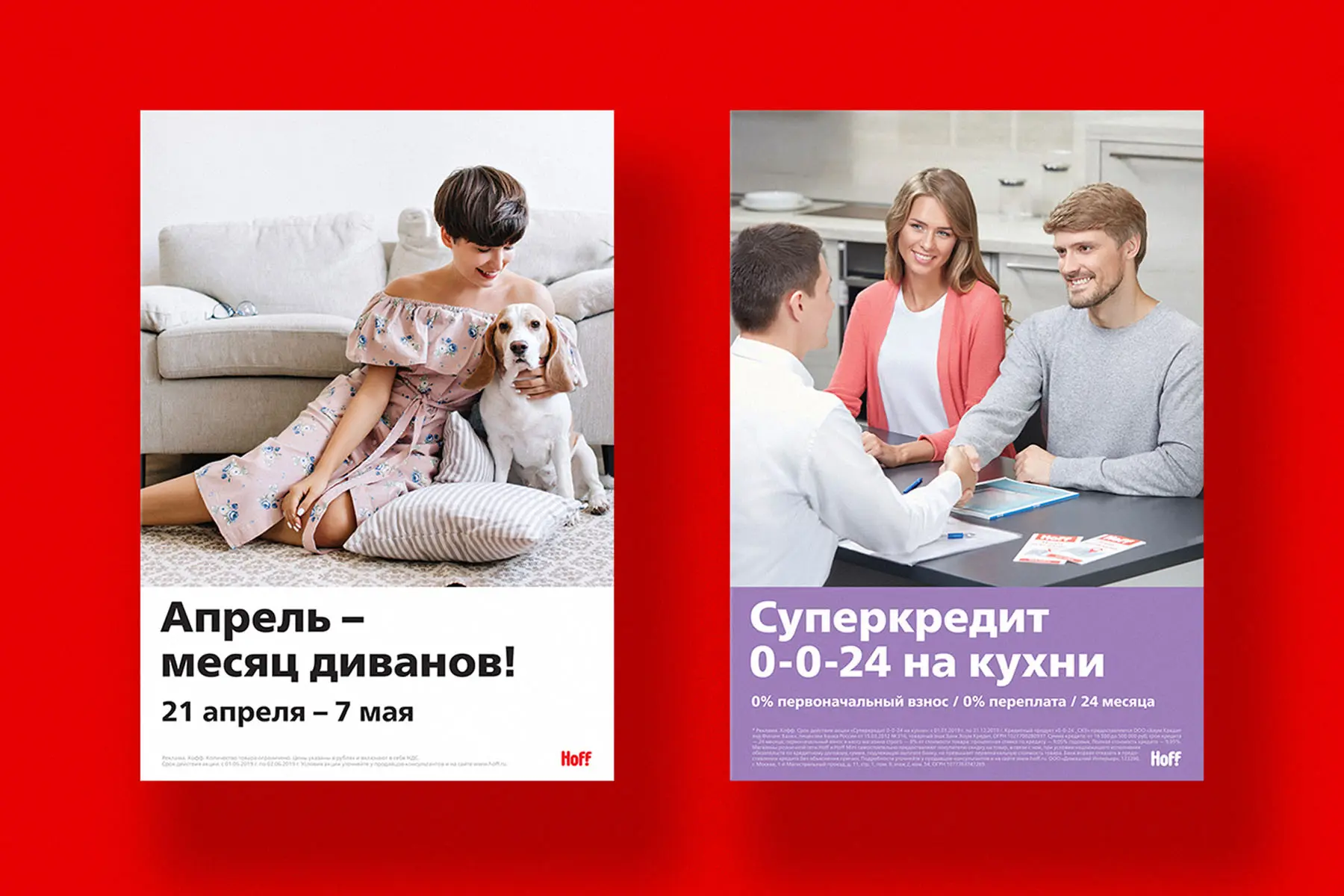
The oldest way to distribute commercial messages. Print media includes newspapers, magazines, flyers, leaflets, brochures, calendars, directories, catalogs, posters, and more.
Advantages of print communication:
High information density. Your message can include rational arguments, tables, charts, text, and comparisons.
Long-lasting impact. Readers can return to your message a week or a month after publication. It can be kept, reread, and shared.
Stronger recall. Written information is retained much more deeply than information perceived by ear.
In print media, there are two primary advertising formats: display (modular) ads and text ads. Sometimes a third format is also considered — inserting promo booklets into distributed newspapers and magazines.
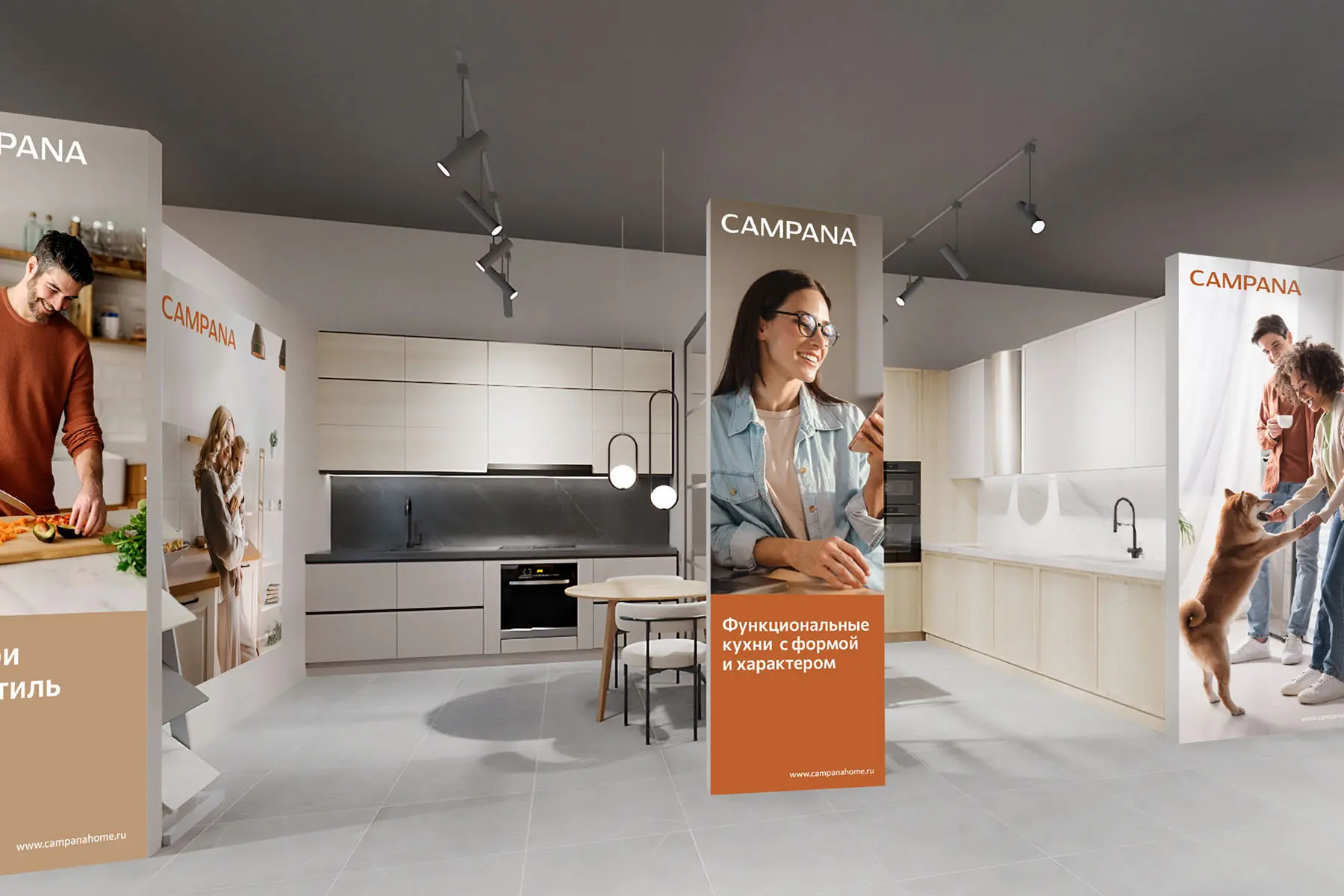
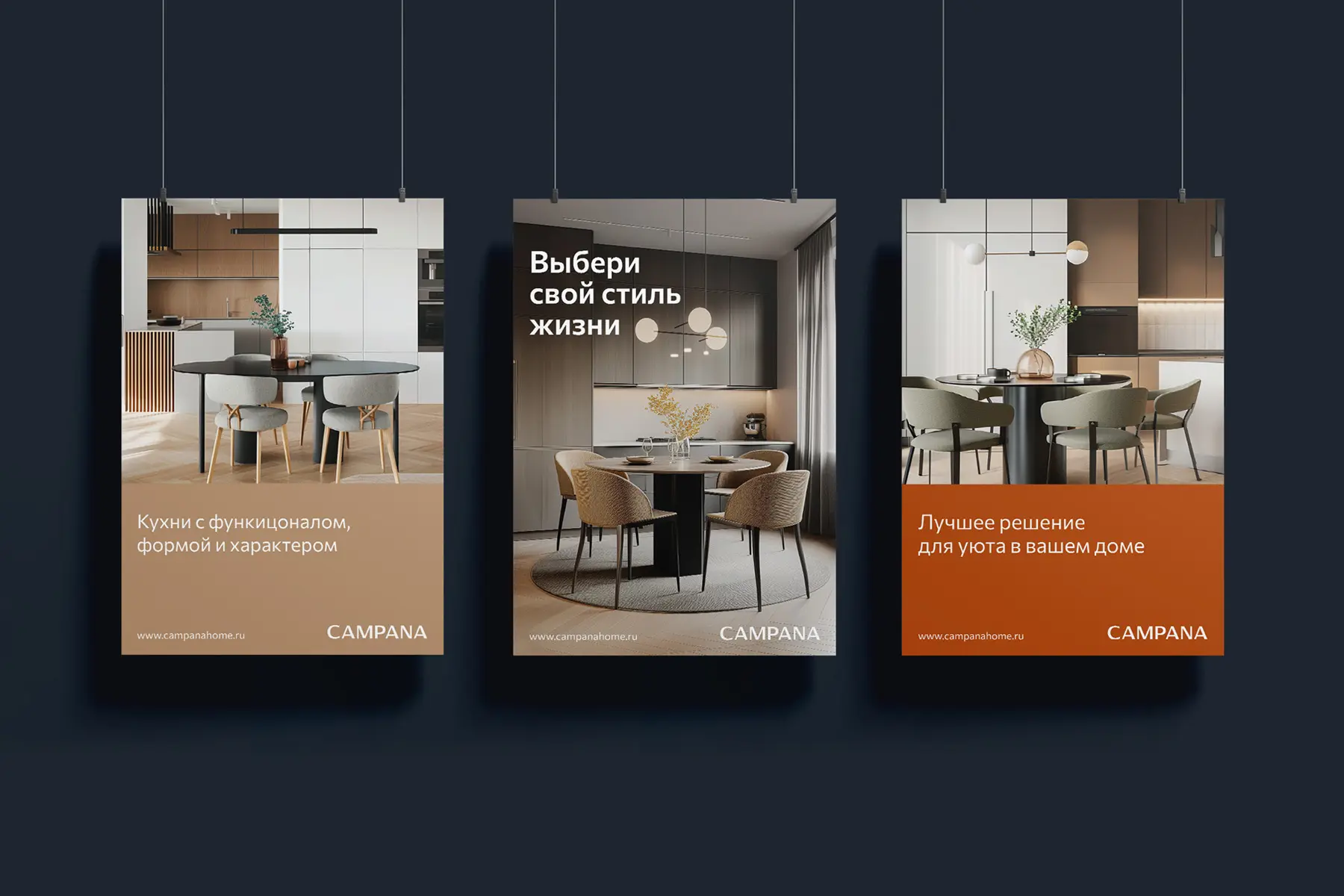
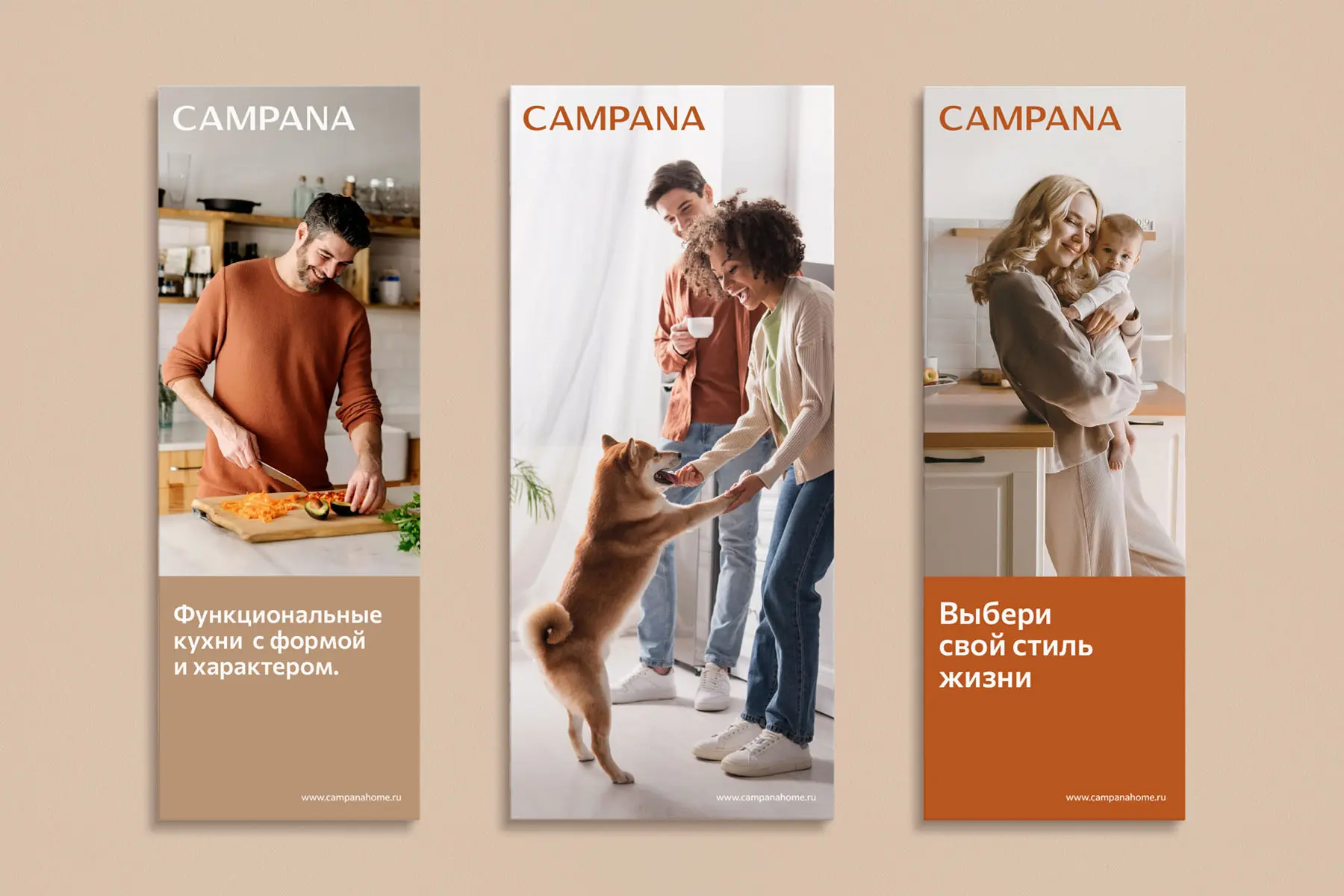
The goal of POS materials (POS — point of sale) is to increase sales of a specific product or product group at a particular retail location. The impact of this type of communication is amplified because the customer has already been primed by broader advertising and is ready to buy while in a store or shopping mall.
In retail environments, people activate recall mechanisms: they remember information they’ve already seen, reconnect with the intention to find the product, and are more likely to purchase it. For shoppers who haven’t received prior information, POS messaging works in a similar way. Numerous studies of consumer behavior show that POS advertising has a positive effect on conversion into impulse purchases.
The effectiveness of POS materials is driven by:
High relevance and timeliness of the message
Immediate product availability
Low friction in decision-making — in-store, customers are open to receiving information and don’t tune it out
Excellent results in retail come from advertising design that flexibly adapts to audience needs and remains highly relevant — for example, seasonal offers and promotions. This way, the customer experiences it as a “great deal” rather than “pushy advertising.”
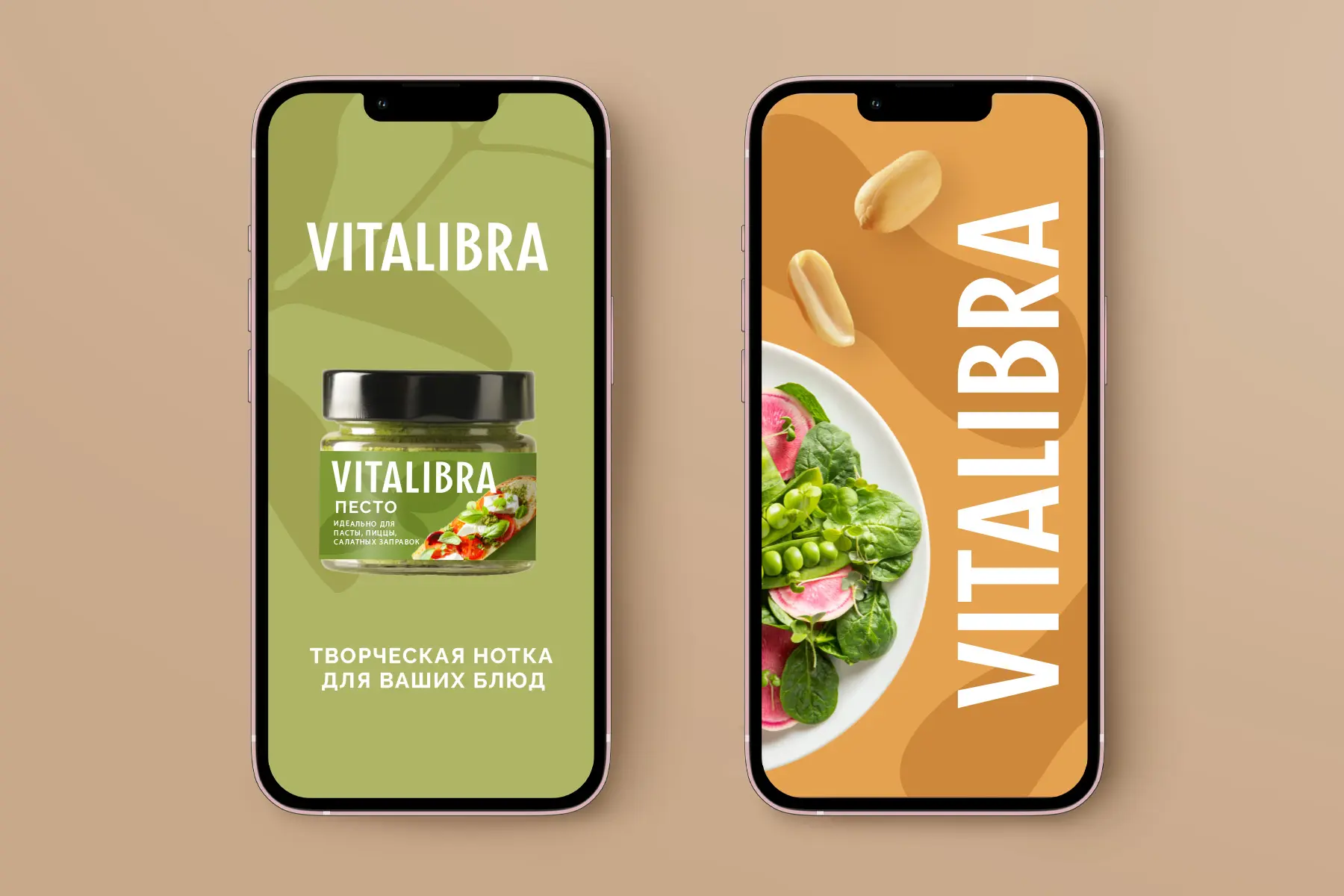
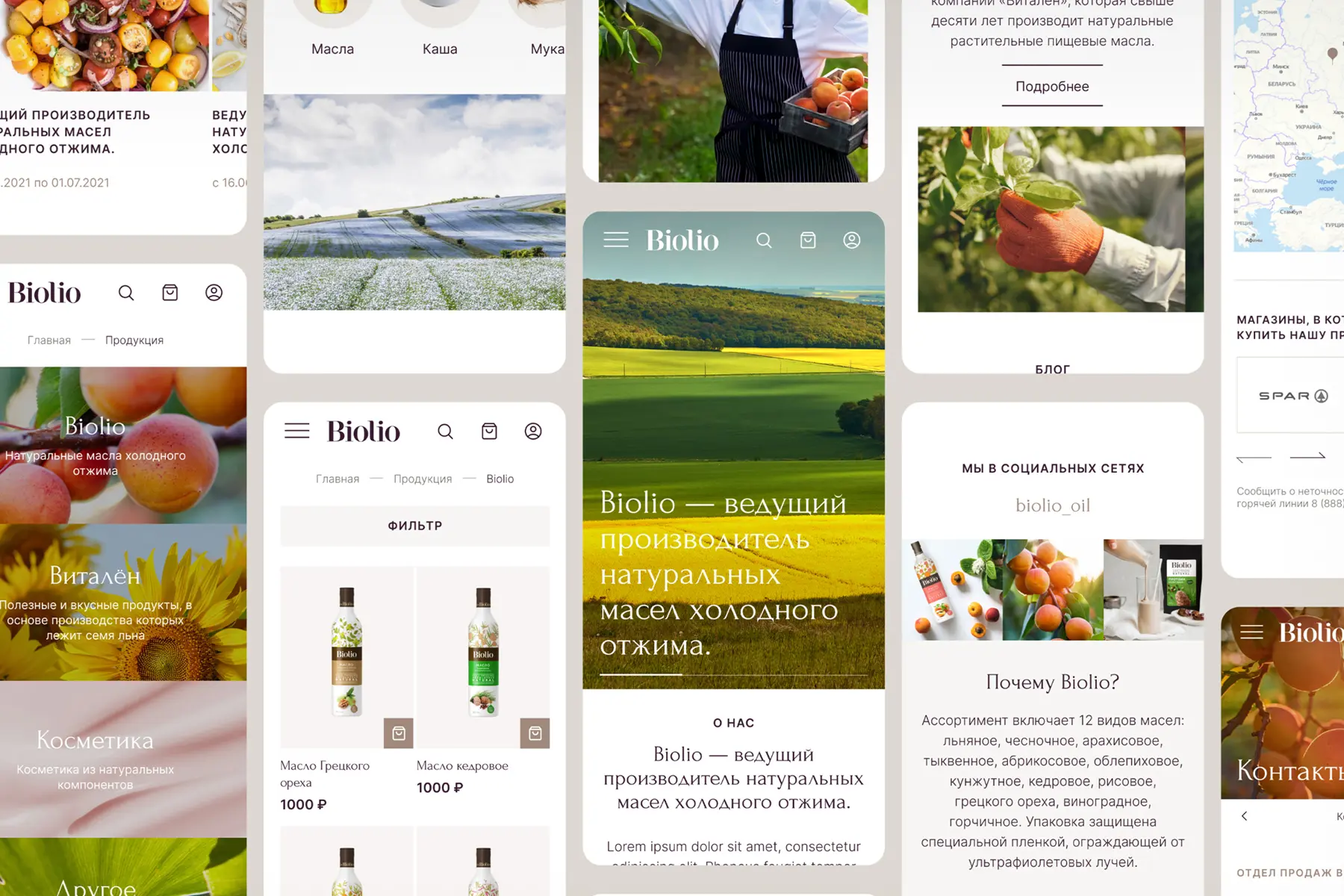
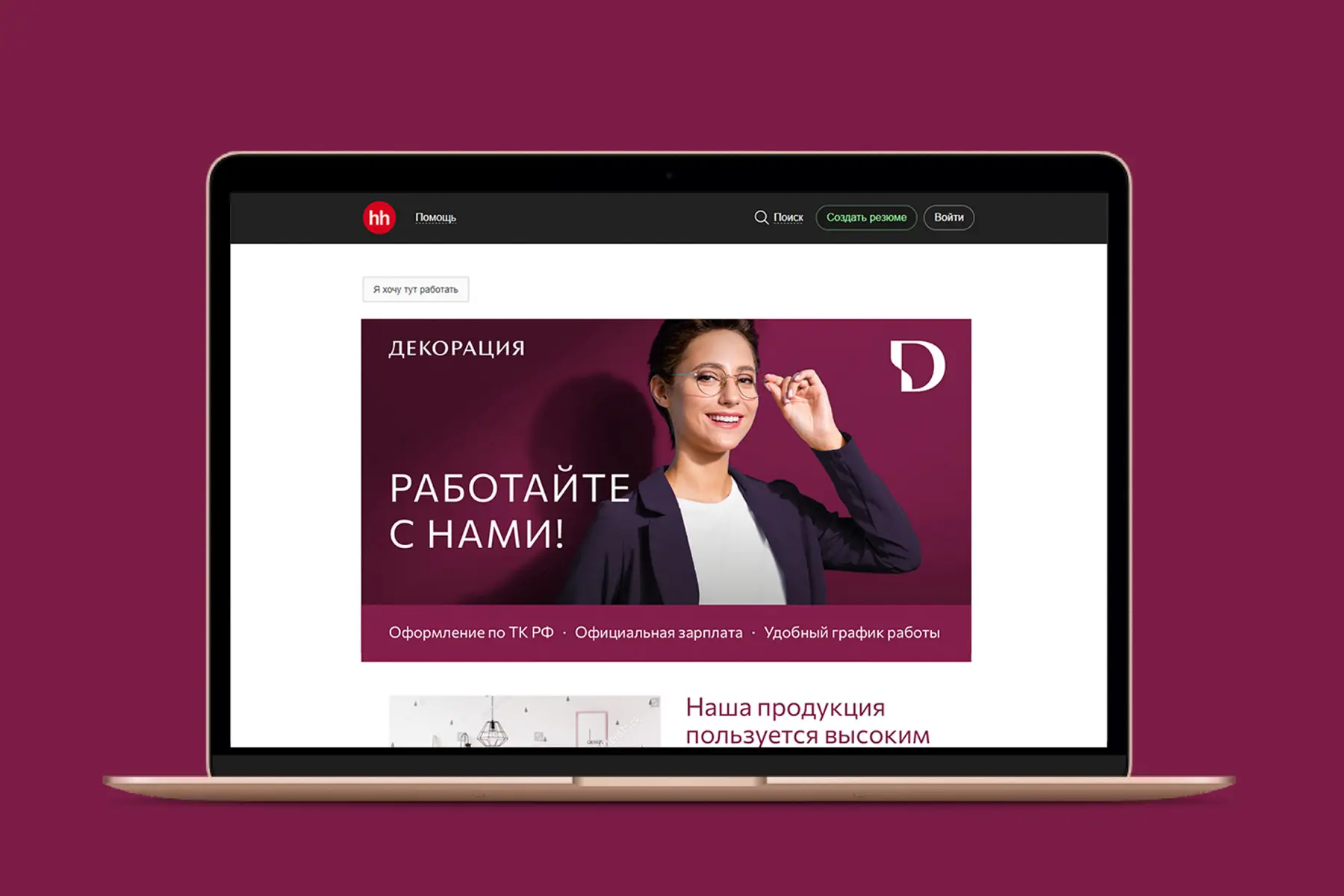
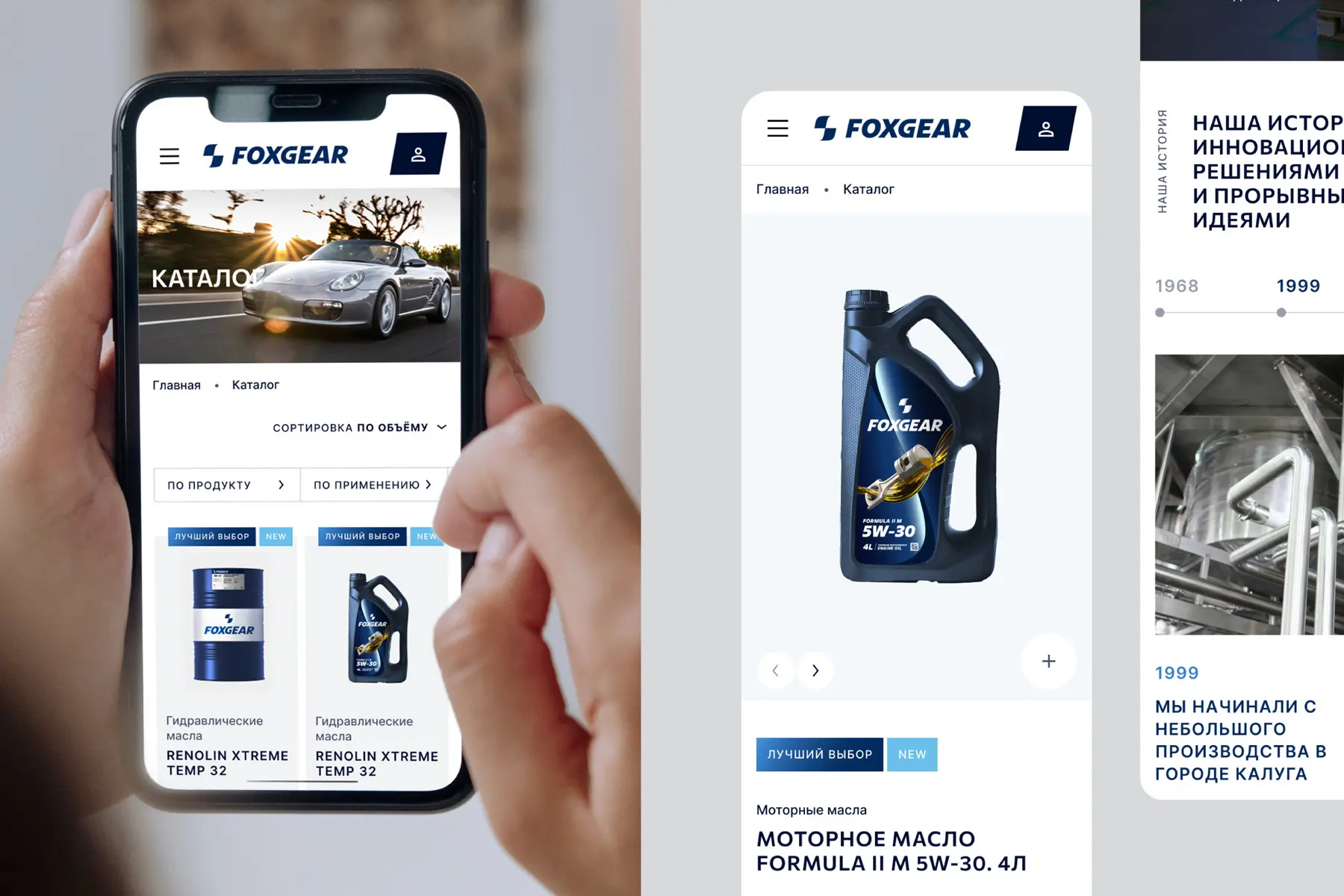
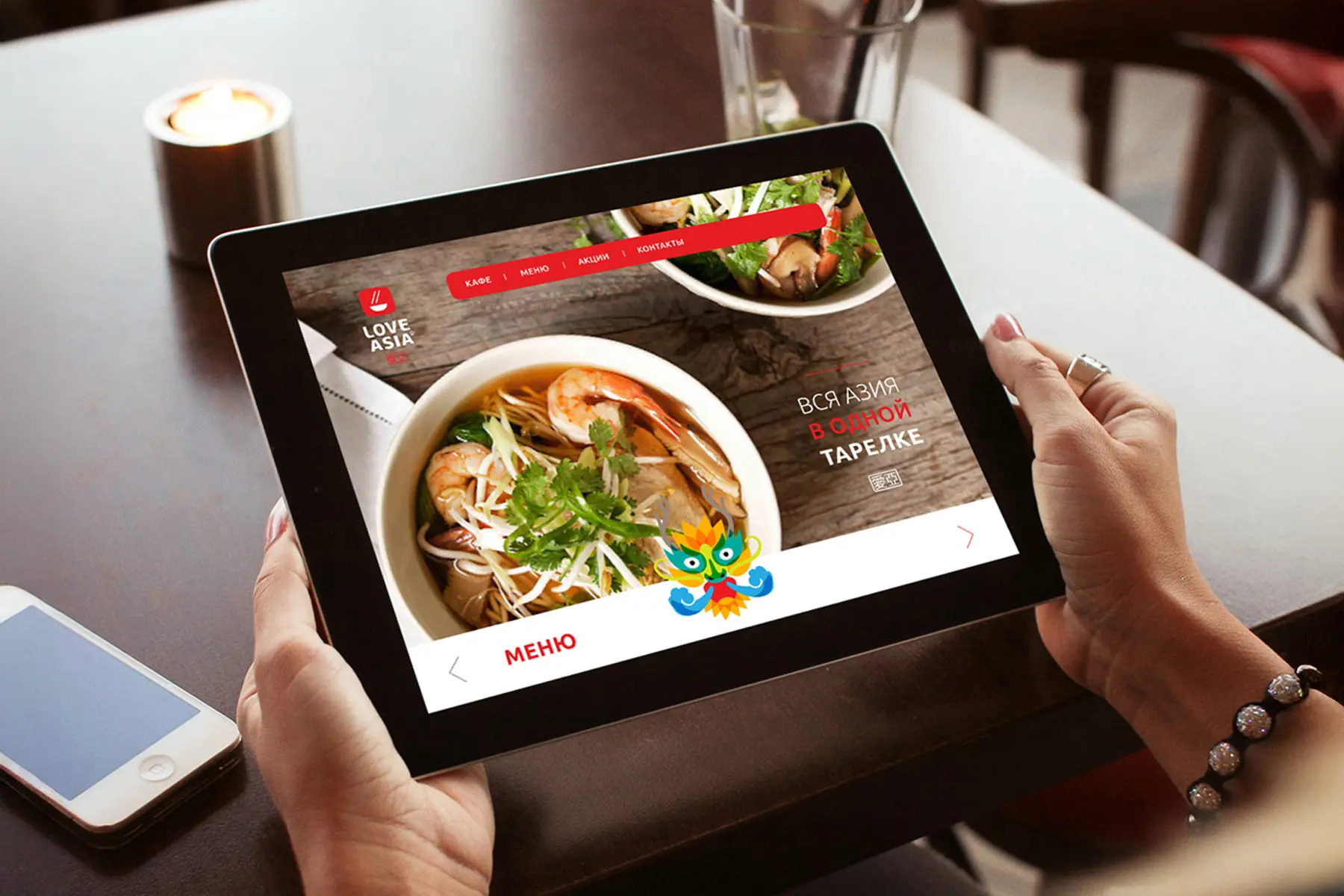
There are dozens of online advertising tools. The key to success is a smart mix of channels, tactics, and promotion strategies. Online promotion should be viewed as an ongoing process, not a one-time event.
One of the most common tools is search engine optimization (SEO). The higher a website ranks in search results, the more users will visit it — and the more likely those users are to become your customers.
SEO is a complex but relatively affordable and effective way to promote your company or product. Whether your site appears in search results is determined solely by the algorithm. You don’t pay directly for each impression, so you shouldn’t expect an instant effect. With the right strategy, the first SEO results can be expected within 3–6 months. Strictly speaking, it’s hard to classify SEO as advertising, but website design for SEO is just as important as the content.
You can also use contextual (search) advertising. These are paid ads that appear below the search bar or to the right of it after users enter keywords.
Contextual advertising directly matches user queries and appears at the top of search results. It is relevant and unobtrusive, which is why it’s so effective. You can control the budget and the campaign duration yourself.
Another option is display advertising. It includes banners of all formats (including flash banners, pop-ups, rich media, top-line, etc.), as well as video ads placed on other websites.
This type of online communication is direct advertising. Without precise targeting, it can feel more intrusive and less relevant, which may lead to higher budgets and lower conversion. Its main advantage is the ability to build recognition for your company or product. The design requirements for display ads are just as strict as for outdoor advertising: they address users who often don’t want additional messages.
That’s why your ad creative must be able to overcome banner blindness and make the product noticeable and expressive. This requires professional design, industry experience, and a deep understanding of the psychology of how people perceive information.
Email newsletters can also be an additional communication channel. These are emails with your commercial offer sent to the target audience via email.
Sending to your existing customer base costs almost nothing technically, aside from designing the message. There are many email-sending solutions on the market, and they are often built into CRM systems. The main limitations of this type of communication include the chance of messages landing in spam and the limited size of the audience. You are allowed to send such messages only to customers who have given consent. If your company operates in the European market, GDPR requirements must be followed especially carefully.
Online promotion methods are constantly changing and evolving, as are the advertising formats used across different marketing channels. Successful campaigns must account for these shifting conditions — so one of the key criteria of strong advertising design is adaptability.
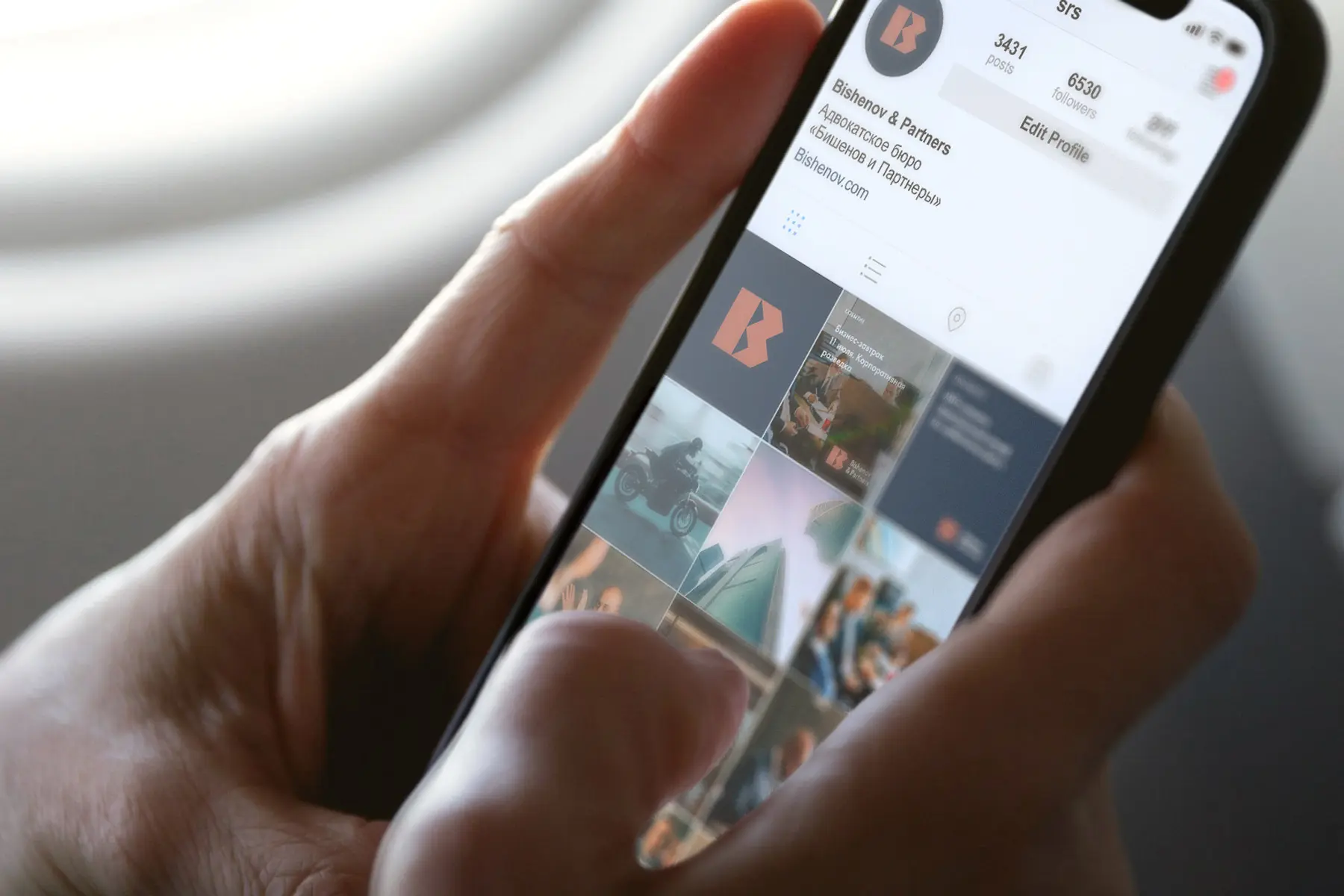

Managing a brand’s image in social networks (SMM — social media marketing) helps build direct contact with a real audience and support loyalty and the company’s reputation.
SMM enables continuous communication with an audience that follows the company’s development and provides feedback for quick response. At the same time, SMM does not require major expenses — primarily time. All social networks also offer paid ads and banners. This is a way to expand your brand’s audience by reaching new users — people who will learn about the brand through this channel for the first time.
Requirements for advertising design and for the visual setup of social media accounts keep rising. Following brand book standards is essential; otherwise, the brand image gradually loses clarity and consistency.
Managing a brand’s image on social media is a strategy. Results don’t appear by accident — you need steady work and careful calibration of every step.
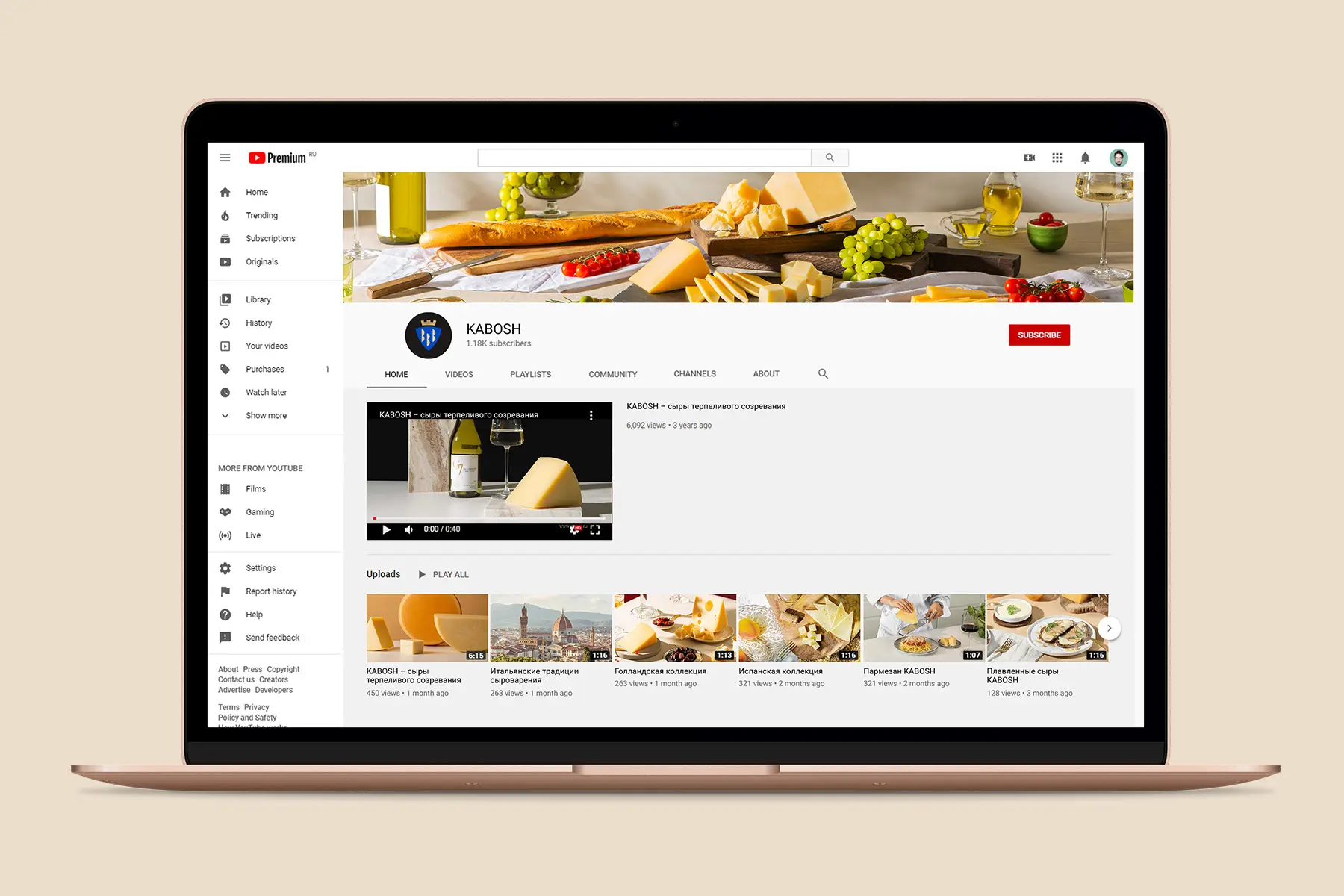
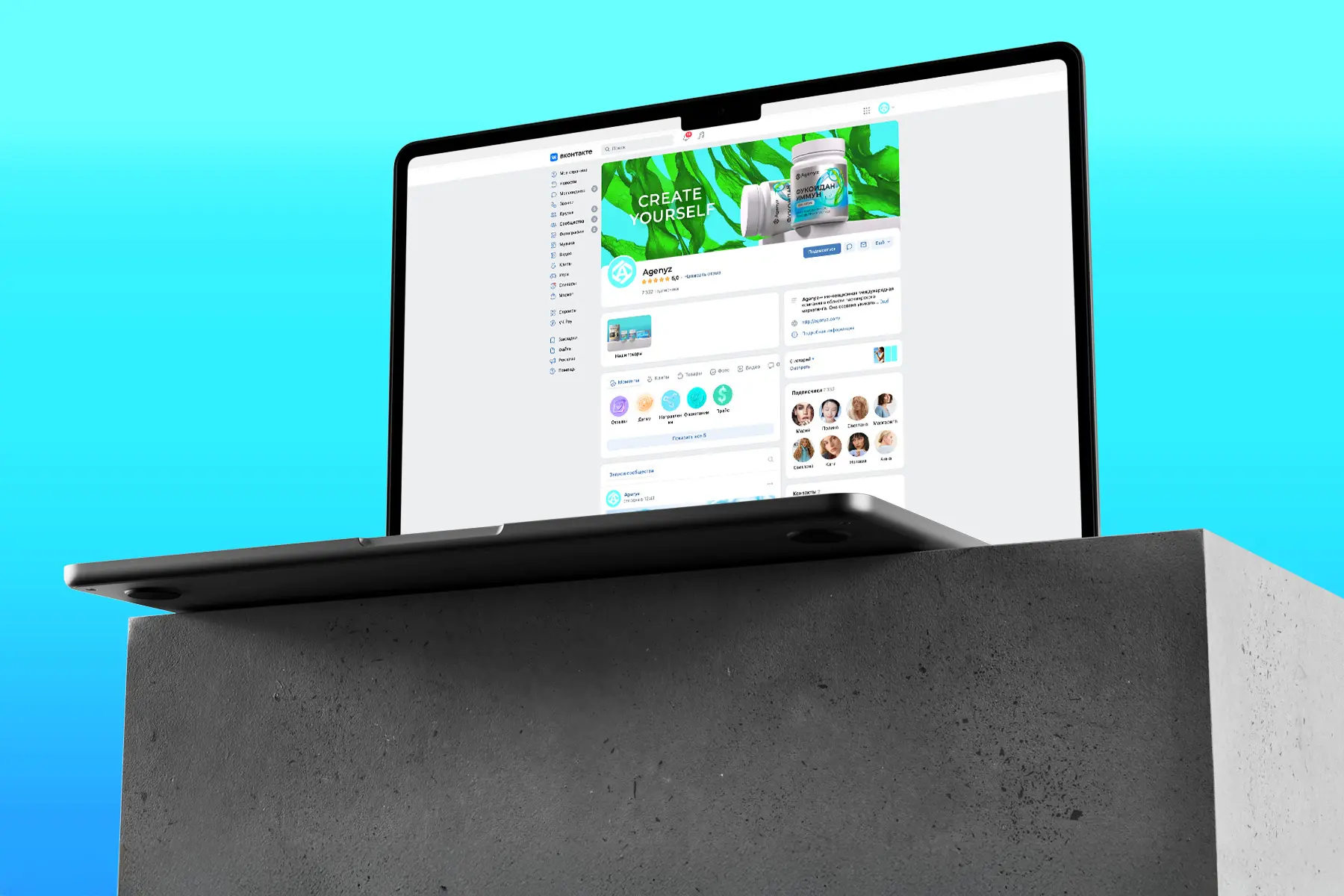
Over the past 20 years, social networks have become an effective marketing tool: companies and individual entrepreneurs build a customer base through social platforms. Which types of ads to use in social media is determined by an analysis of the platforms themselves.
The popularity of different social networks — and their audiences — changes over time. The choice of platforms for each campaign depends on its goals. At the moment, the most widespread platforms in the Russian Federation are:
Telegram. The messenger is one of the biggest communication platforms. Its advertising functionality is dynamic evolving. Brands can interact with audiences via channels and chatbots. In addition, there are tools for targeted advertising and analytics that help deliver messages to relevant audience segments.
YouTube. One of the largest platforms for brand promotion thanks to its massive reach, which allows for effective segmentation of brand communications. Brands connect with consumers through targeted ads, sponsorships, and collaborations with leading creators on the platform.
VK (VKontakte). One of Russia’s leading social networks by audience reach. The gender split is close to 50/50, and the average age is around 30. The platform brings together people with diverse interests, hobbies, occupations, and professions. This helps businesses broaden reach, though conversion forecasting becomes more complex.
Odnoklassniki. This social network is relevant for brands targeting an older audience. Its user base is comparable to VK. Most users are women (nearly 75%). The average age is 40–55. A significant share includes civil servants, municipal-sector employees, public-sector workers, and homemakers. Odnoklassniki users tend to be less mobile.
It’s also worth mentioning niche, specialized social networks created for professional audiences. Their audiences are much smaller, but due to narrow targeting, conversion rates are typically higher.

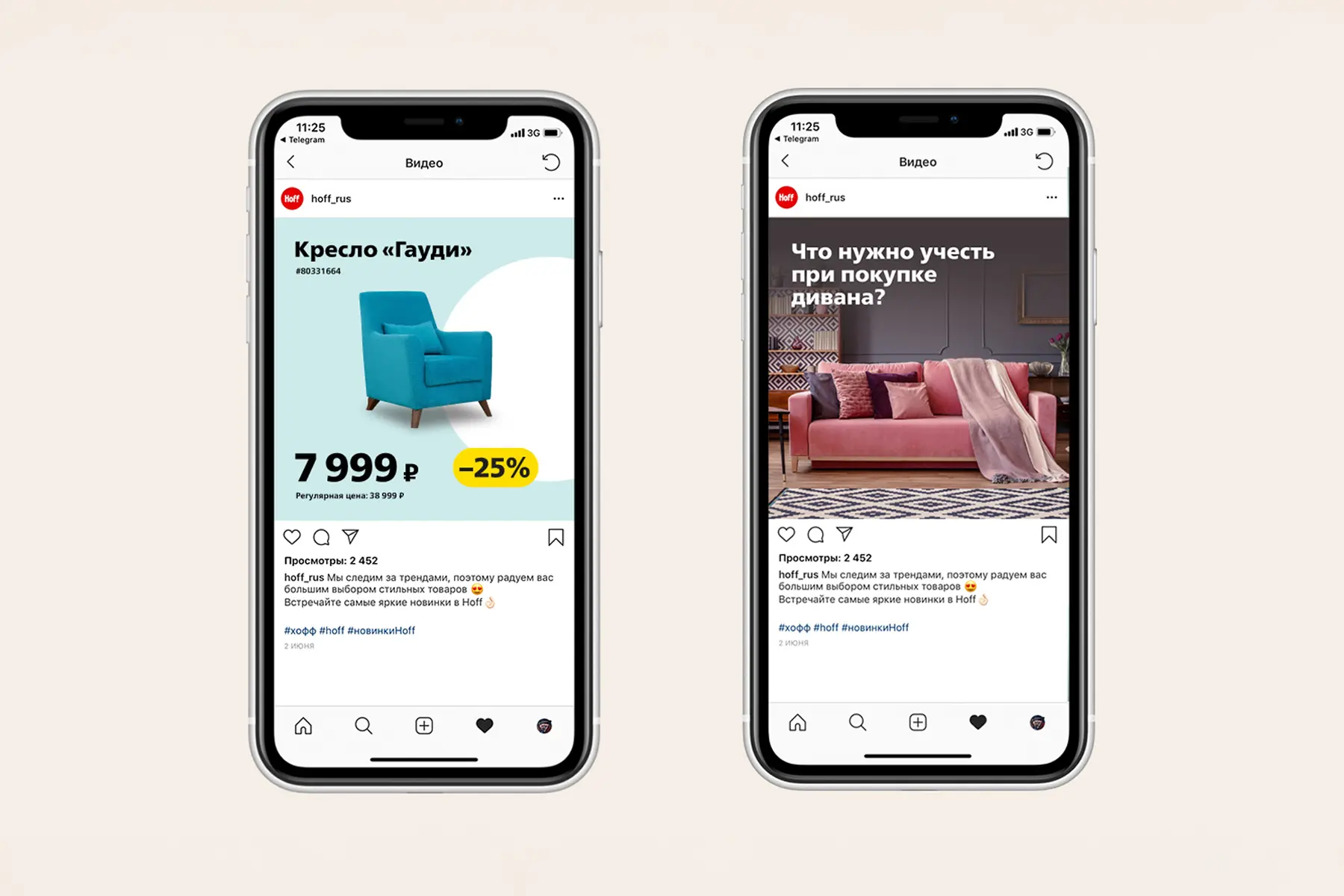
Social networks have become an integral part of everyday life for most people around the world. Their broad reach and precise targeting capabilities give brands a truly powerful promotion tool.
Key reasons social media advertising is effective include:
Massive audience reach. The number of social media users is truly enormous — measured in billions. Virtually all demographic groups are represented on social platforms.
Precise targeting. Using platform data and analytics, it’s easy to understand people’s interests and show ads only to those who are genuinely interested in your offer.
Interactivity. Interactive elements not only provide greater creative freedom in ad design, but also help reach a much wider audience. High reach can be achieved through a viral effect, when users themselves share your video with friends.
Thanks to their vast reach — and, at the same time, a wide range of tools for flexible audience segmentation — social networks remain one of the most in-demand marketing channels across many product categories.
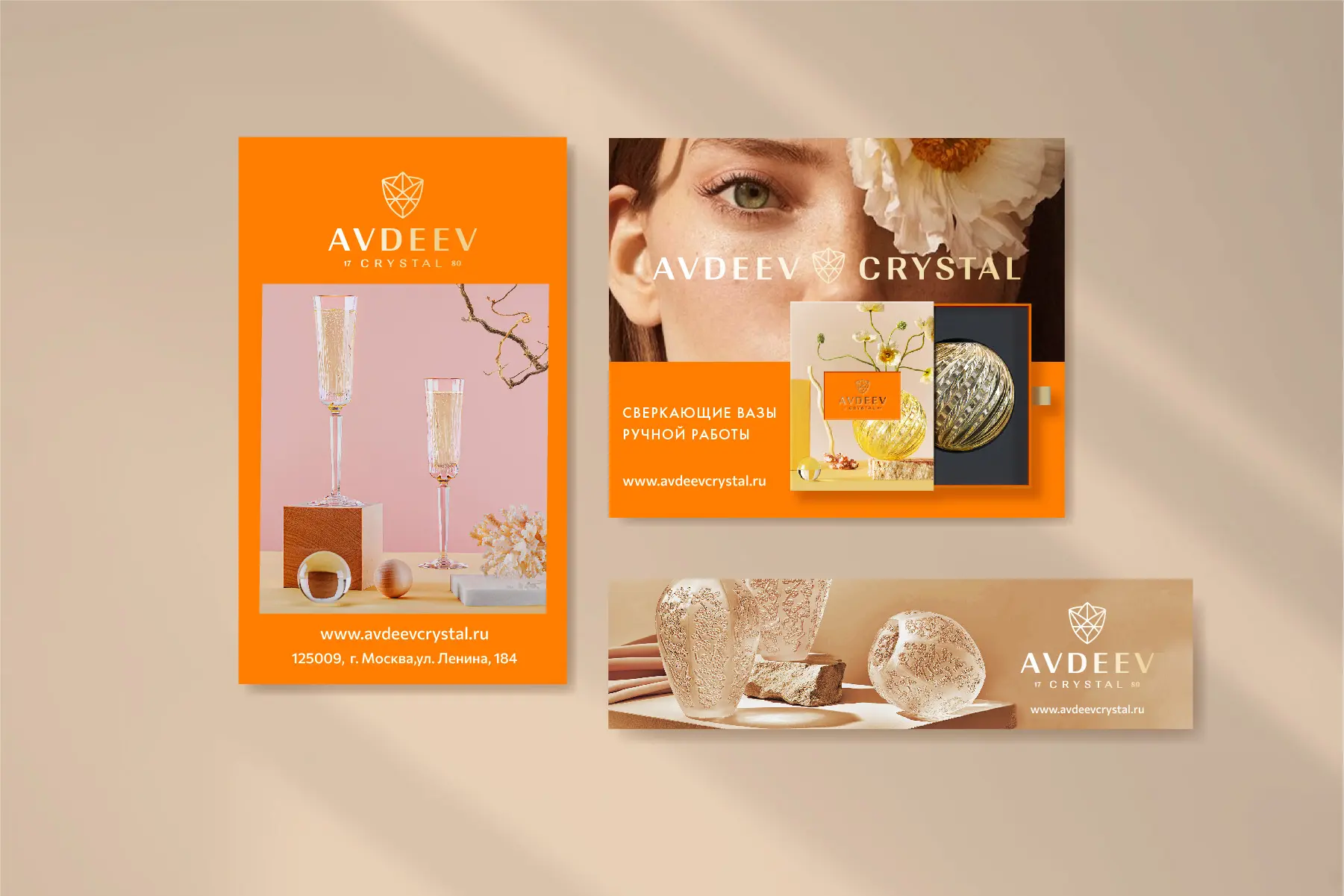
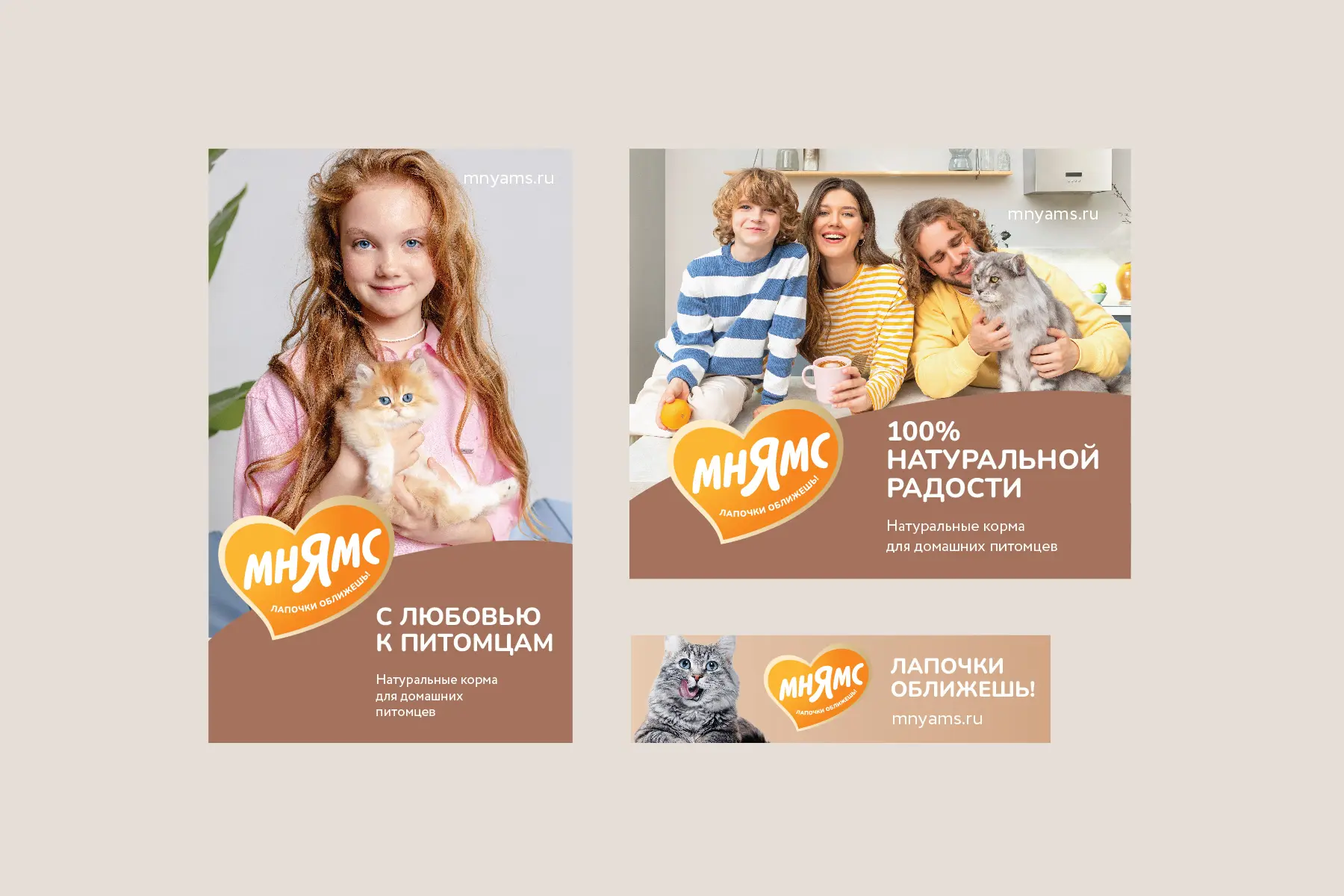
Creating banner ads is an important stage in building a marketing strategy. A well-designed banner can significantly increase the effectiveness of an advertising campaign. It helps a brand capture the attention of its target audience and stand out from competitors.
There are three main types of providers you can turn to for banner ad design:
A digital agency or design studio. This option suits medium-sized and large businesses aiming for rapid growth. In this case, you’ll receive an effective solution created in your brand’s visual identity. The agency will also develop a media plan, determining the best timing and frequency for displaying your ads and banners.
A freelance designer. A good choice for entrepreneurs or small businesses with a limited budget. If you don’t have a brand book, the ad creative will be developed in a style that you and the designer consider appropriate.
The client in-house. You can create basic designs yourself if you’re a startup and your promotion budget is very limited. Dozens of online services can help you produce banner layouts in the required formats. Such ads won’t be unique, and they won’t truly reflect a defined brand identity—but you’ll still be able to deliver the key message to your audience.
Of course, the higher the quality and the more professional the design, the easier it is to reach your goals—and potentially exceed expectations. But as often happens, it comes down to the advertising budget. Choose the option that best fits your needs.
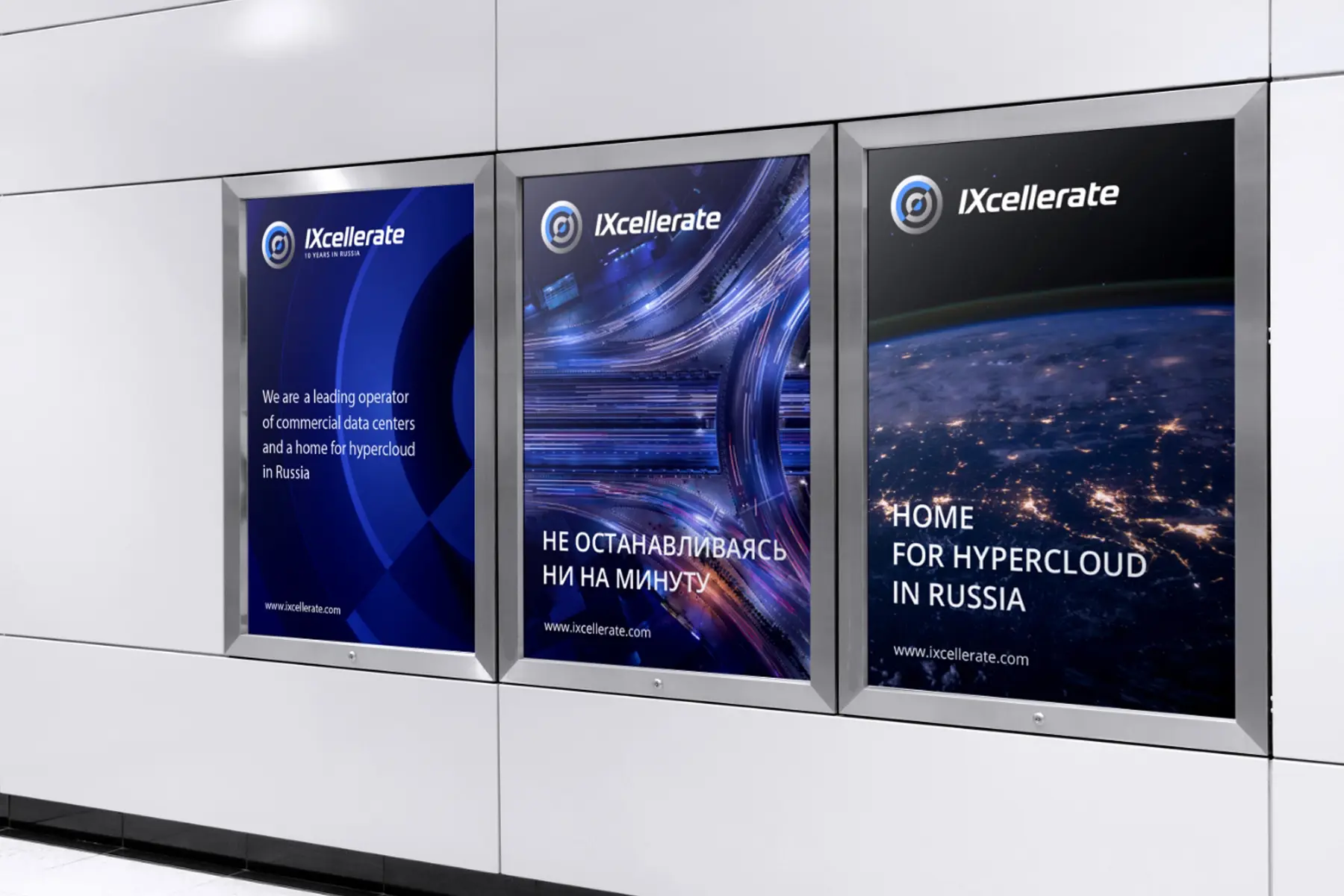
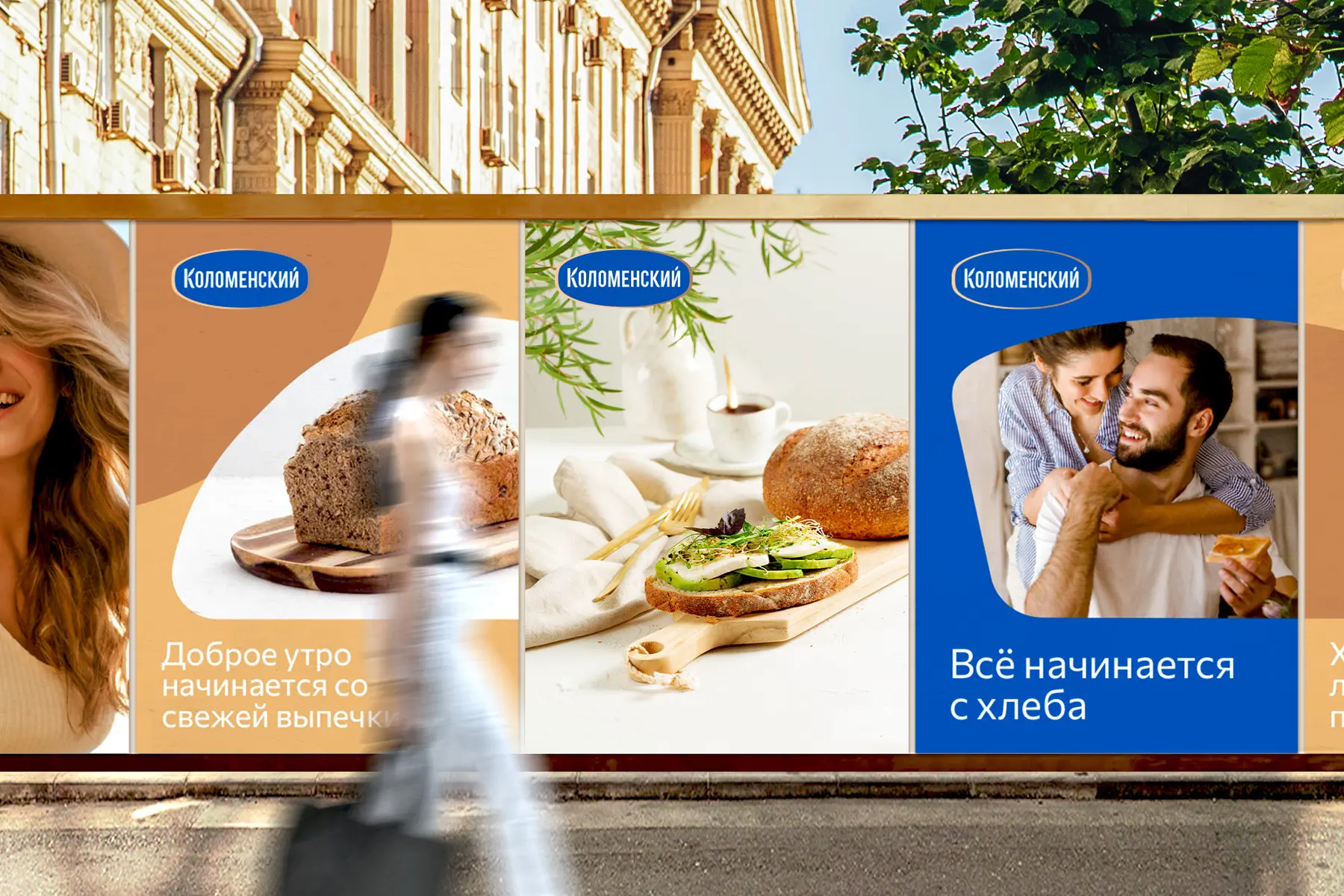

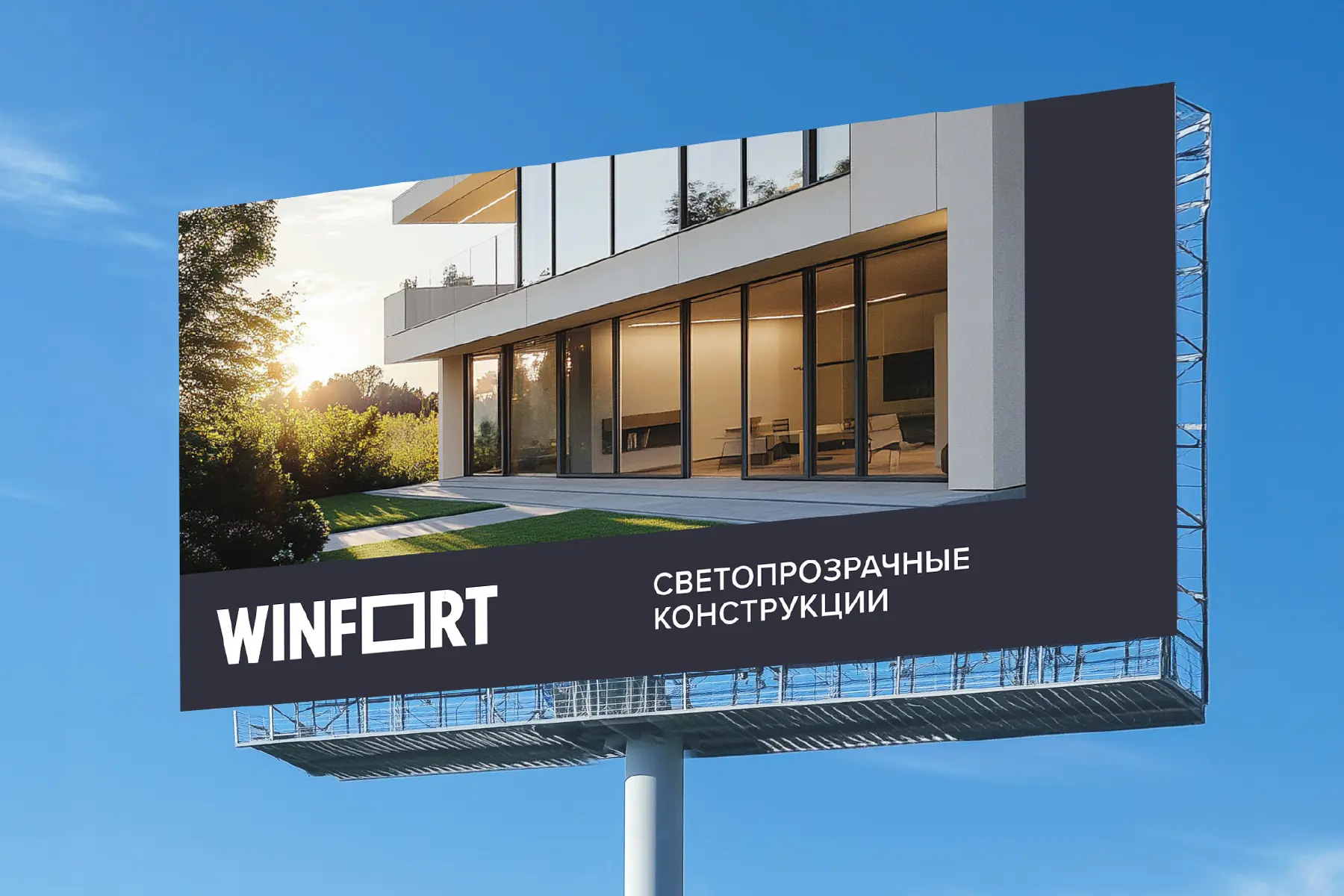
Creating an advertising layout is a creative process, yet it also requires structure and a strategic approach that makes the message effective. Like any strong creative work, this process can be organized and systematized.
The advertising design process consists of five stages:
Preparation stage. A brief is created (the advertising design brief), campaign goals are set, and media placements and formats are selected.
Analytical stage. The market, audience, competitors, and their promotional campaigns are studied. This helps differentiate from competitors and define a unique value proposition (UVP). Analytics and marketing research confirm market momentum and demand for your product — so the budget is allocated effectively.
Creative stage. This is the stage of development, ideation, and approval of the future campaign concept. Key messages and design directions for the advertising layouts are defined here.
Review stage. Each idea and design concept is evaluated and tested: how well it fits the brief, whether it will resonate with the audience, and whether it will help achieve the goals. A shortlist of concepts is formed, refined, and prepared for client selection.
Final stage. The selected concepts (usually one to three) are developed in detail, described, and presented to the client. The client may approve one option as is, request revisions, or ask for a rework from scratch.
Within a single campaign, a client may need dozens of different deliverables — for example, billboards, city lights, packaging, online banners, navigation elements, exhibition stands, and more.
The design concept is not presented across every single deliverable at the concept stage — that would be too complex and time-consuming. Instead, a set of 3–5 key formats is chosen. After one concept is approved, it is then adapted and rolled out across the full list of materials.

Without a well-defined strategy, a brand platform, and clear campaign objectives, advertising becomes a cost center rather than a driver of sales. Investing in promotion is important — but it has to be done thoughtfully.
Success is built on three factors:
Strategy. To achieve goals, you need to define them precisely and map out the path to reach them.
Positioning and identity. Your communication campaign should be a logical extension of the brand — supporting and strengthening it, not blurring the brand image.
The campaign’s key message. A unified visual idea and verbal communication that form the foundation of the current campaign.
A portion of an advertising budget may not deliver immediate conversions — and that’s normal. There is no advertising with 100% conversion. With the right strategy, you can optimize spending and significantly increase the share of effective touchpoints. Without strategy, the likelihood of inefficient spend is much higher — and the brand image may be weakened.

The cost of advertising design depends on many factors, including project complexity and scope. Every project is unique and requires an individual approach, which affects the final price. All details and requirements are discussed with the client during the preparation stage.
Any advertising budget can be optimized. First, you need to define the cost items and set priorities. It’s recommended to involve experts to avoid surprises and achieve the desired result from the first iteration.
For an ad campaign and layout design, photo and video production is often required. While it’s not advisable to cut corners on a qualified photographer, you can optimize the production process itself:
Use available resources. Model casting, location selection, studio rental, equipment rental, and the crew are all significant cost drivers. You can shoot on your own premises, reduce the number of models (if they are needed at all for your objective), and so on — these are practical ways to reduce costs. For product photography, Brandexpert “Ostrov Svobody” uses its own studio, which can significantly lower client budgets.
Use stock images. Sometimes, building the brand atmosphere requires only a few image-style photos. In such cases, there may be no need for a full lifestyle shoot with models — stock photography can be used instead. It’s faster and more cost-effective.
Think two steps ahead. One shoot is always more efficient than organizing two. If you’re planning a shoot, consider where and when you may need the images in the future. In addition to advertising design, photos may be needed for social media posts, packaging, catalogs, and the website. Plan the scenes and angles so you can cover everything in a single session instead of multiple shoots.
The second major optimization area is the advertising design itself. With a comprehensive brand development package — creating a visual identity and brand book — you can significantly reduce costs in this category while achieving an excellent result. When the brand strategy, visual identity, and promotional materials are developed by the same agency or specialist, the risk of losing a cohesive brand image is minimal.
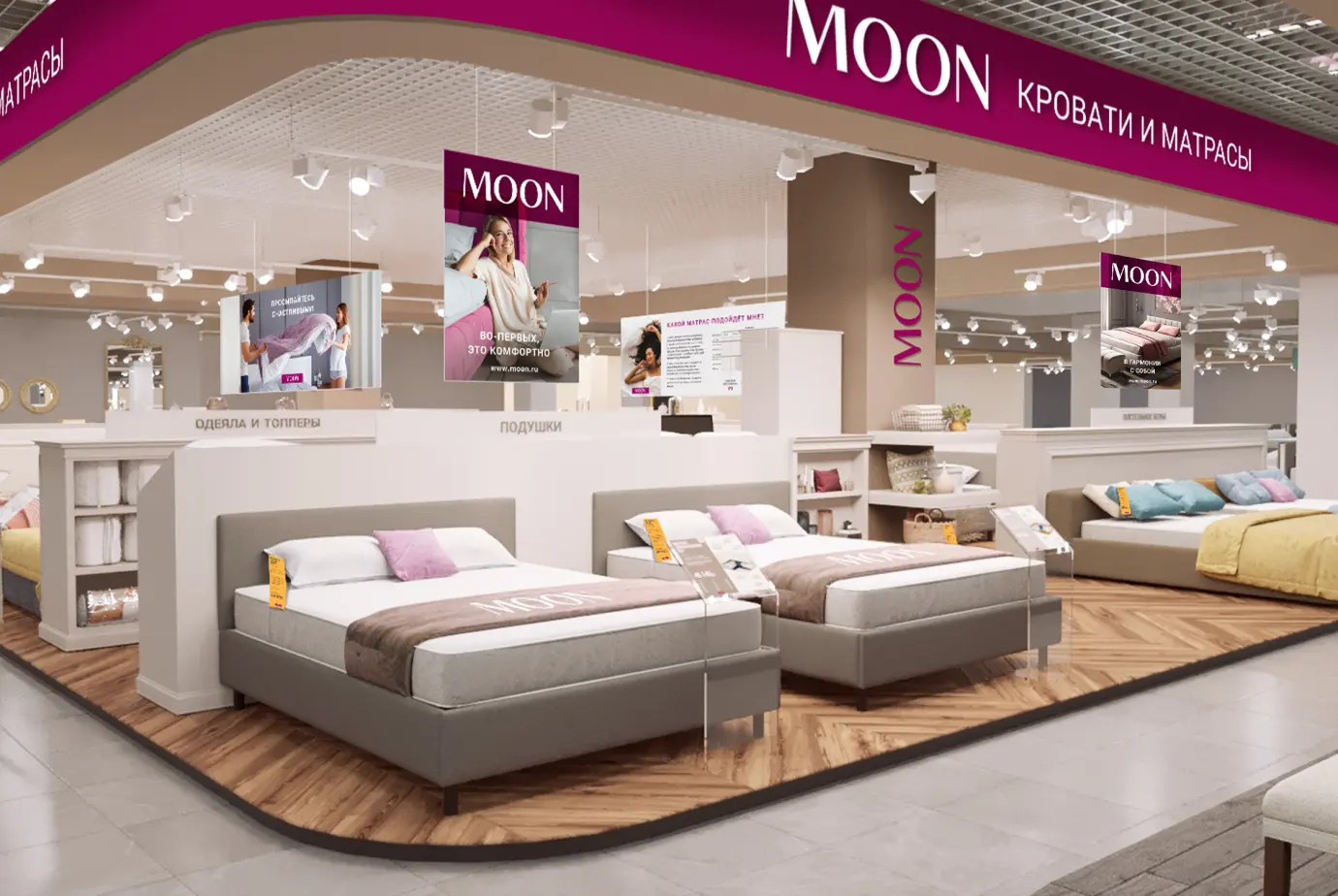
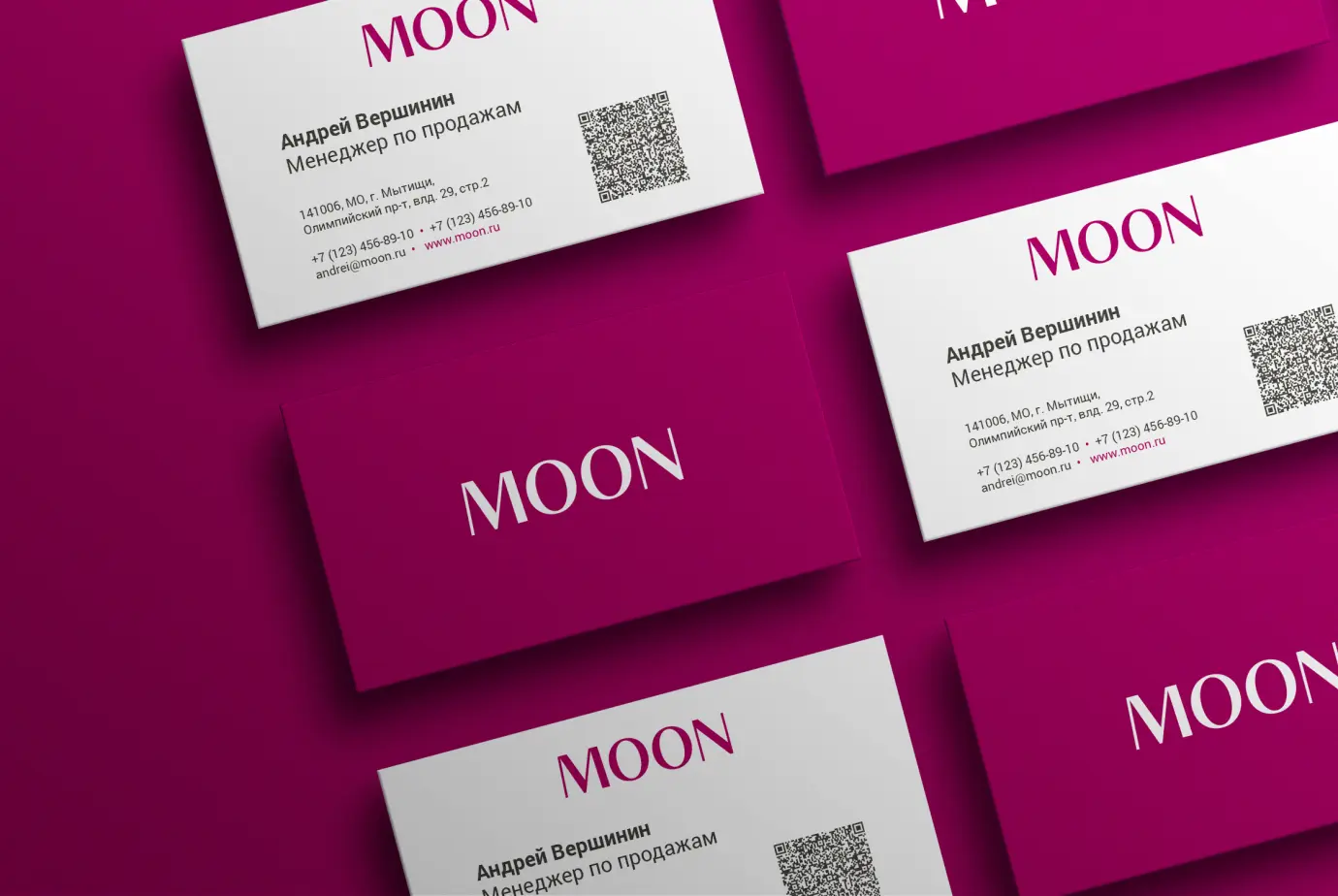

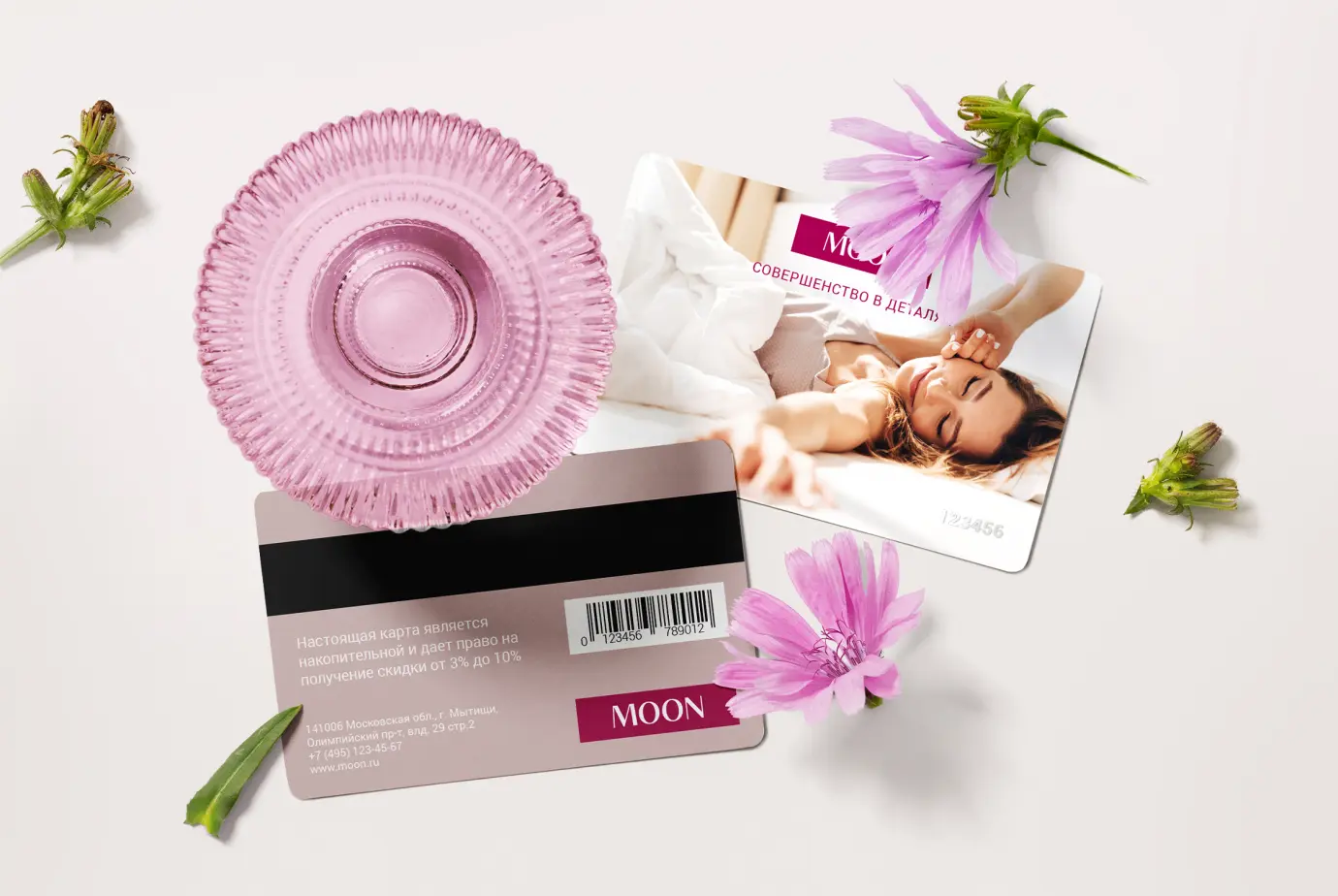
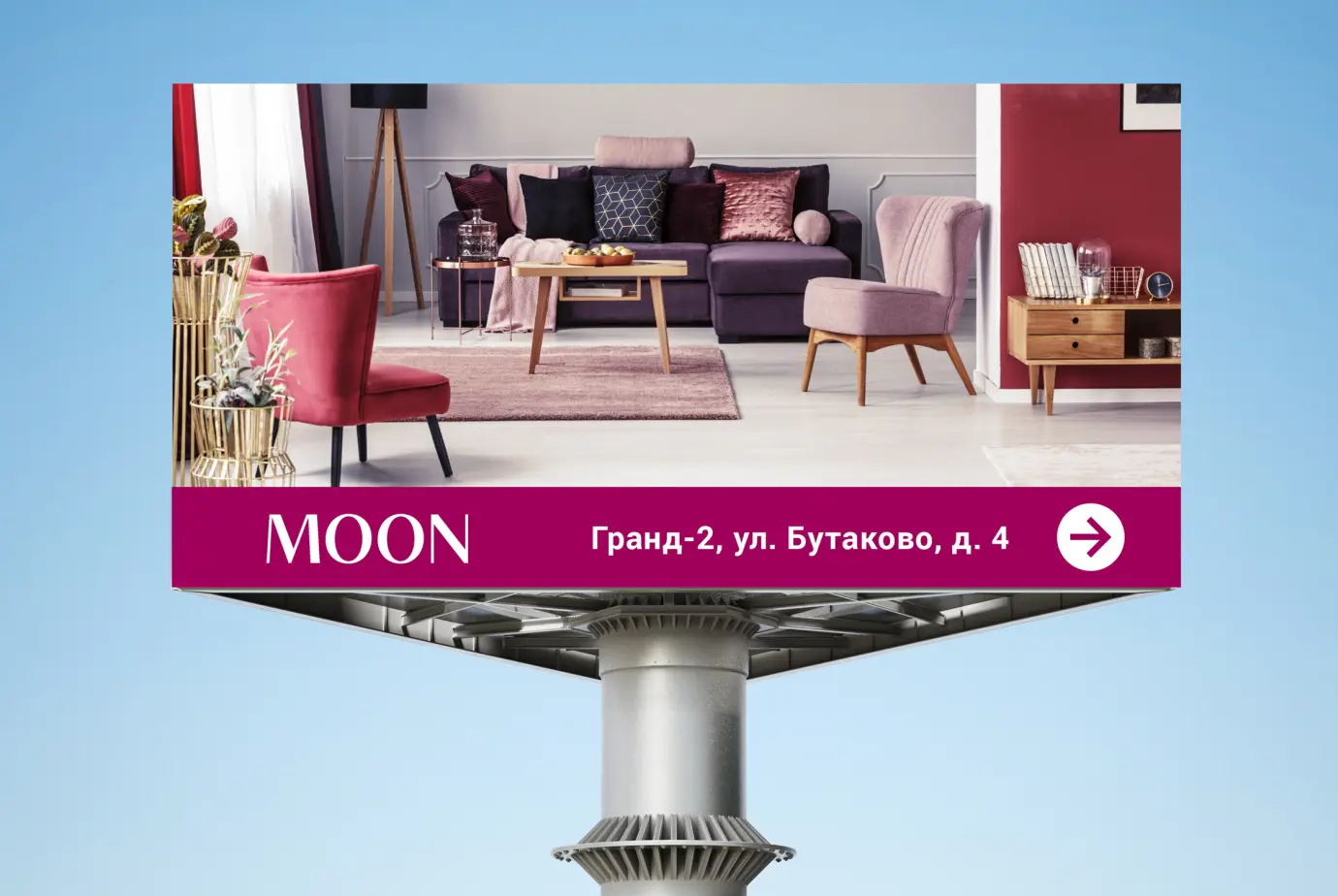
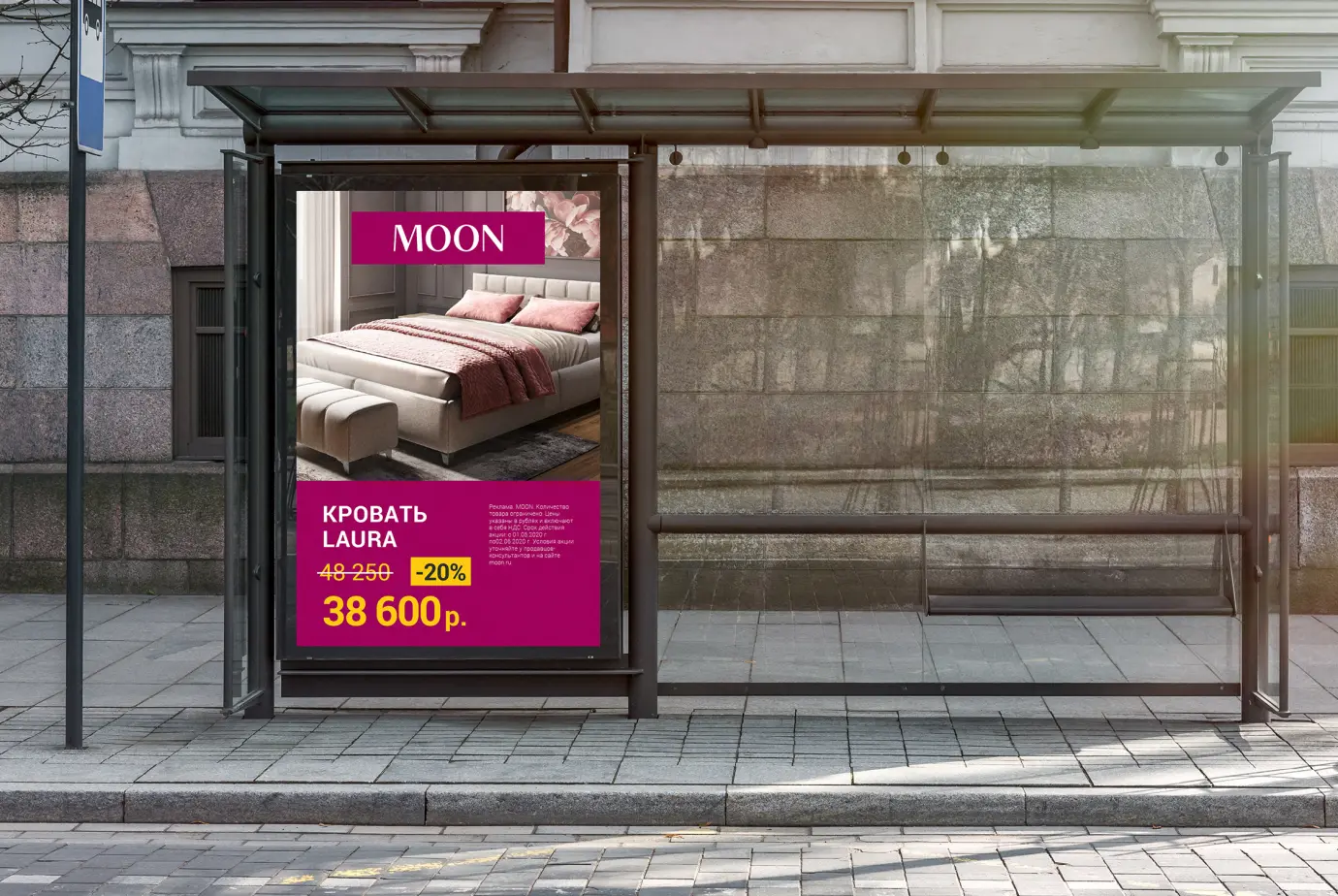
The main factor that determines the look of a future layout is the advertising channel and medium. For this reason, we often divide design into outdoor advertising, print, point-of-sale materials, television, social media and so on.
Each channel defines three key parameters for the future creative: viewing distance, contact time, and the viewing environment (street / store / screen / paper). From these come the requirements for composition, text volume, contrast, file formats, and even the color model.
Outdoor ads work “at speed”: people often see the message while walking or from a moving vehicle. That’s why the design is built around instant legibility — large typography, one primary visual, a clear hierarchy, and minimal semantic layers.
From a technical standpoint, OOH artwork almost always requires precise production prep: scaling, bleed, CMYK, sufficient resolution, or vector graphics. These requirements are typically specified in the guidelines of OOH operators (e.g., recommendations on scale, bleed, 300 DPI, and CMYK for printed surfaces).
In terms of formats, outdoor advertising ranges from standard billboards to digital screens, and the chosen construction affects how much detail you can realistically “tell” in a single message.
Print media allows more time for engagement, which means you can use rational arguments, comparison blocks, diagrams, tables, and more information-rich copy. At the same time, file-prep requirements increase: CMYK, 300 dpi, bleed (usually 3 mm+), and correct font handling/embedding.
In practice, this means the design can be “richer,” but it must remain structured—so the reader’s eye moves across the page along a deliberately planned path.
POS communication works at short distance and at the decision-making moment. What matters most here is:
instant clarity (what it is, what the benefit is, why now);
visibility within the environment (nearby competitors, price tags, navigation, visual noise);
connection to the shelf/category (the message must “live” exactly where the product is).
POS materials (displays, shelf talkers, wobblers, floor graphics) are designed to increase attention to the product and support sales directly at the point of purchase.
Video isn’t a “moving poster” but scripted communication: rhythm, shot scale, and the legibility of supers and graphics all matter. A key technical principle is accounting for safe areas — frame zones where text and graphics are guaranteed to remain visible across different devices and settings. Safe-area recommendations are described by broadcast and production standards bodies.
In practice, this means the logo, slogan, offer, and disclaimers must be placed to preserve readability and visual “breathing room,” even under less-than-ideal viewing conditions.
For banners, the critical factors are file weight, loading speed, correct dimensions, and adaptability across platforms. The industry uses standard sets of formats and “containers” (for example, fixed sizes from the IAB portfolio).
If you’re launching on Google, there are two common scenarios:
Uploaded display ads: restrictions on formats and file weight (e.g., JPG/PNG/GIF and a file-size limit), plus a list of supported dimensions.
Responsive display ads: the system assembles variants from assets (images/logos/text), so it’s important to prepare several high-quality visuals and correctly proportioned logos.
Social platforms are a “multi-screen” environment where one creative must work across multiple placements. That’s why standard practice is to prepare a set of key aspect ratios: square, vertical, and horizontal. Platforms themselves recommend different ratios for different placements (for example, vertical for certain placements and horizontal for in-stream).
To keep meaning intact when the creative is cropped, teams typically use a “center of gravity in the safe zone” approach: key message, product, and logo closer to the center; edges reserved for background/atmosphere. In professional workflows, safe-zone templates and pre-launch checks are used for this.
Email design lives within the constraints of email clients and mobile viewing. That’s why an industry standard is to keep the layout width around 600 px, so the email reads without horizontal scrolling and looks clean on most devices.
Simple structure, clear CTA buttons, and a modular grid — easy to scale across different campaigns — perform especially well here.
The article uses photo and video materials provided by the customer / BRANDEXPERT "Island of Freedom" / ShutterStock / Freepik / Unsplash / Pexels / Goodmockups / Pixpine. All materials presented in the blog are purely informational in nature and do not pursue commercial purposes. The use of text, illustrations, photos, videos and other materials is prohibited without the consent of the copyright holder.
















By continuing to use this site, you agree to our use of cookies and the processing of your personal data as described in our Privacy Policy.