
Commercial Photography by BRANDEXPERT Freedom Island, a Leading Branding Agency
BRANDEXPERT Freedom Island’s photography studio provides a full range of commercial photography services for businesses and brands, including advertising, model, product, and studio apparel photography, as well as food styling. Our professional photographers, food stylists, designers, and creative directors work together to meet a wide range of branding and design needs, producing imagery for catalogs, websites, advertising campaigns, and other brand communications.
Commercial Photography and Food Styling Portfolio





Commercial Photography and Food Styling Costs
The cost of commercial photography and food styling depends on the complexity of the project, the number of subjects, the production requirements, and the degree of styling involved. The price includes creative concept development, food styling, prop sourcing, shoot production, and professional post-production. High-quality photography and food styling enhance a product’s visual appeal, increase audience engagement, and provide powerful assets for promoting a brand through advertising, packaging, and digital channels.

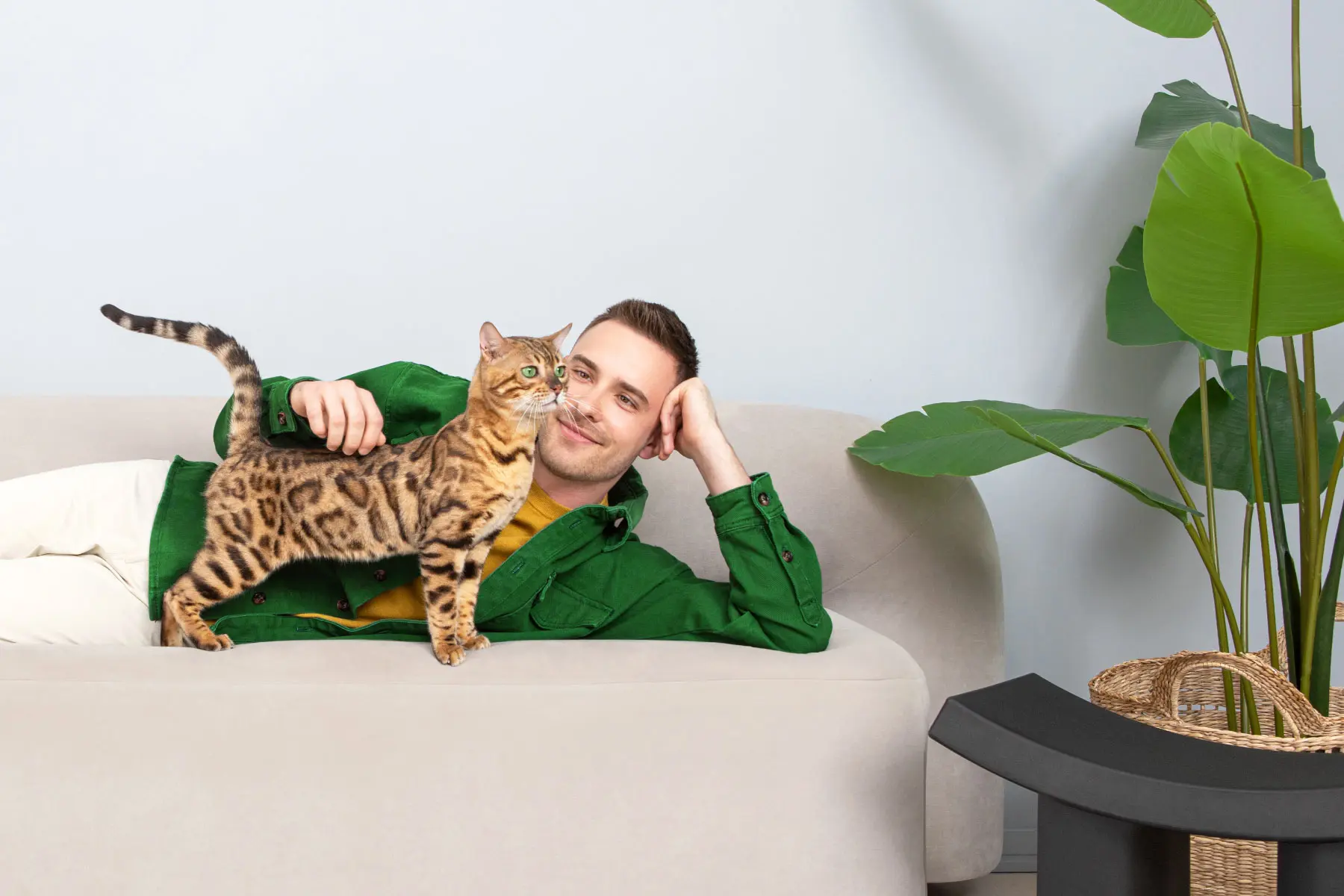


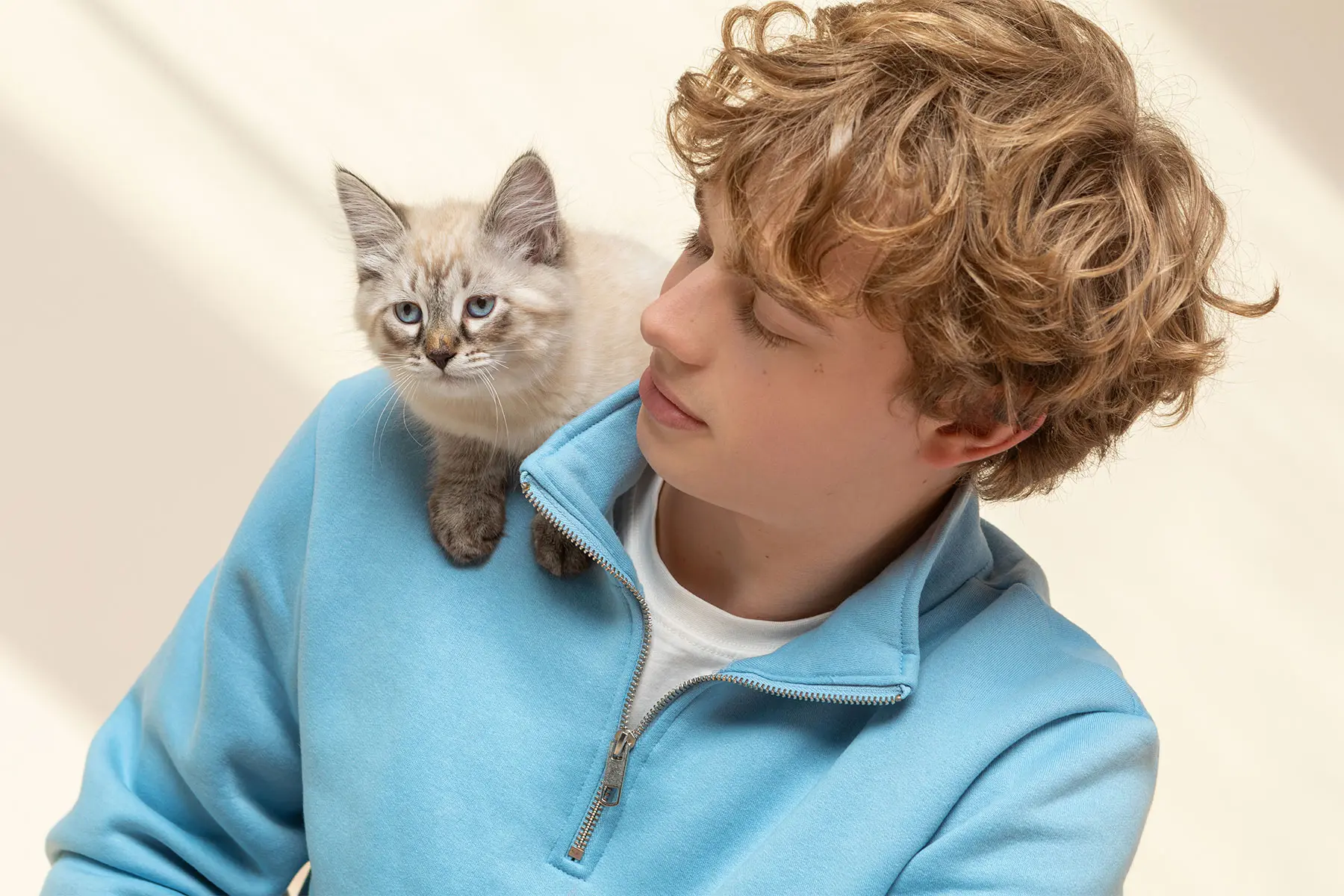
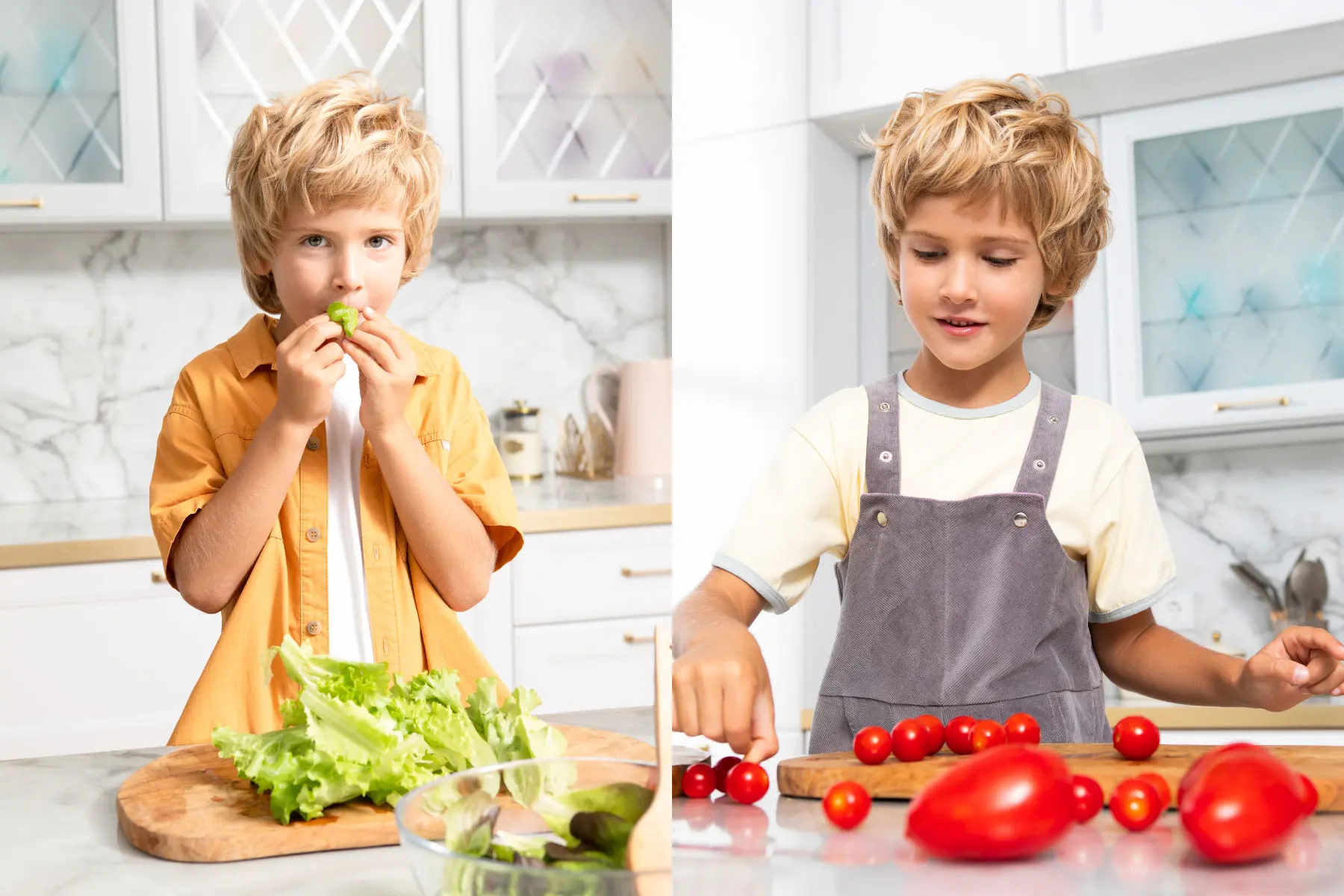

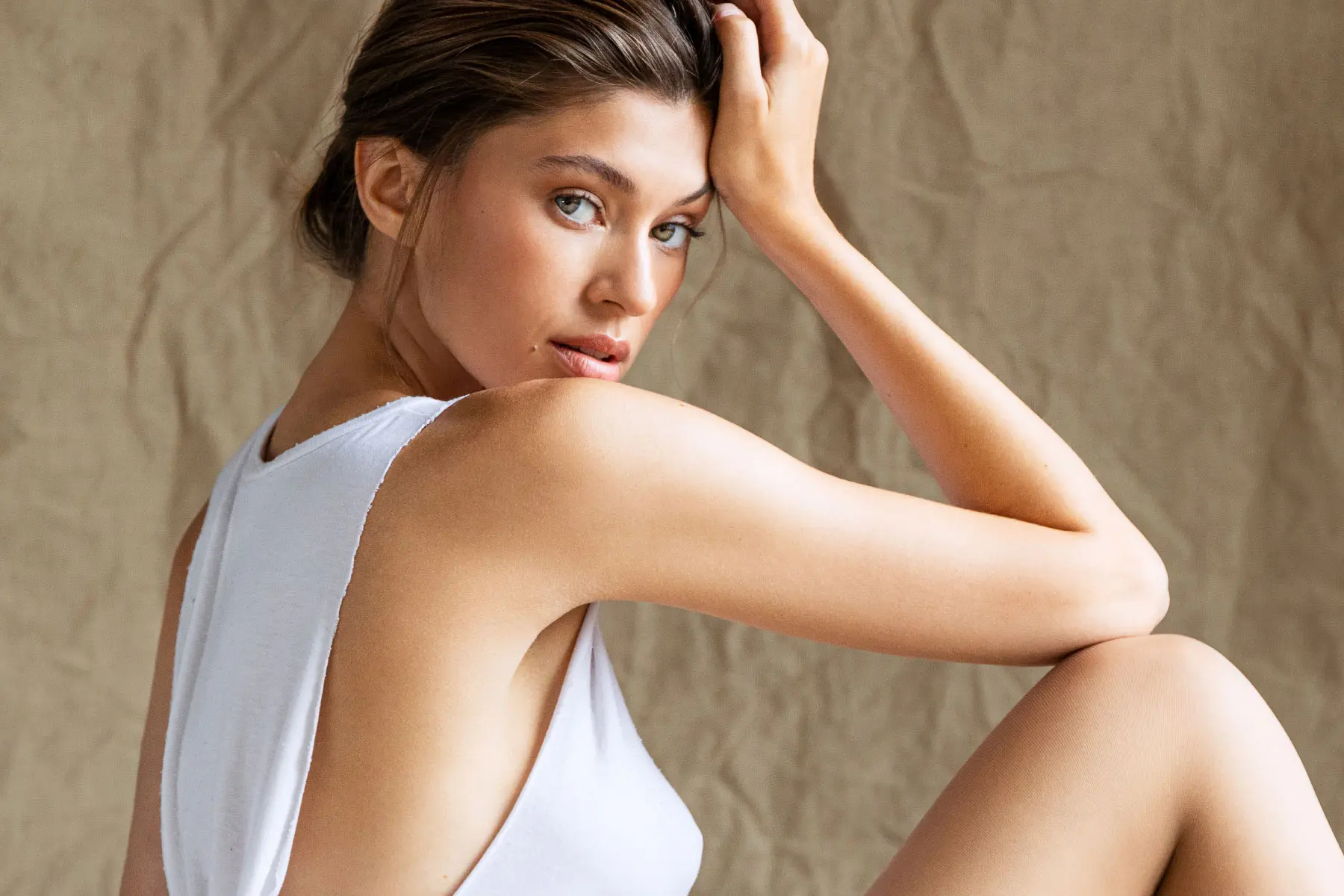
Professional Photographers
A professional photographer is a visual artist who uses advanced techniques and specialized equipment to meet creative or commercial objectives. Professional photographers combine technical expertise with a strong understanding of composition and visual storytelling. They gather visual references and define the mood and aesthetic direction for the shoot.
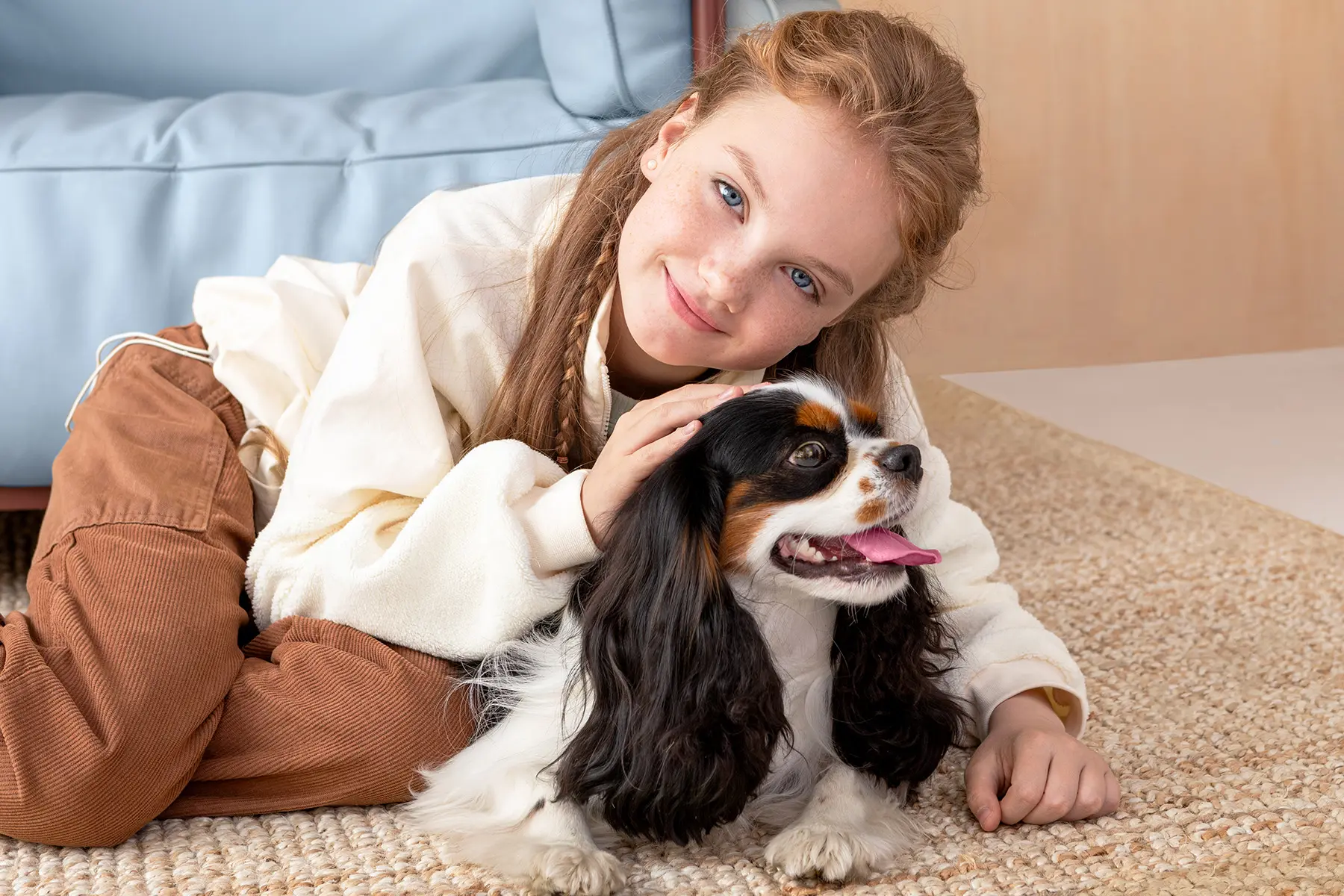

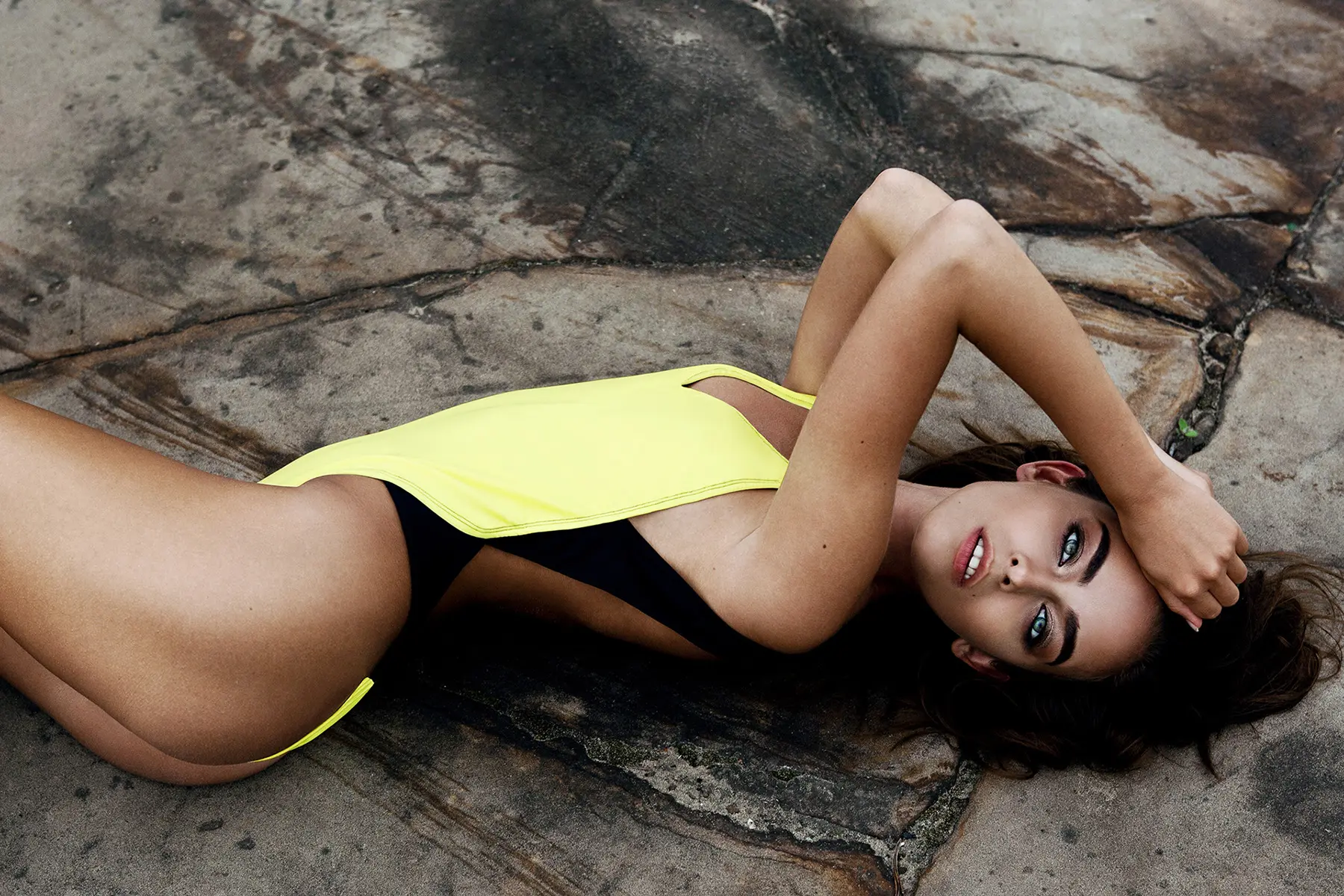
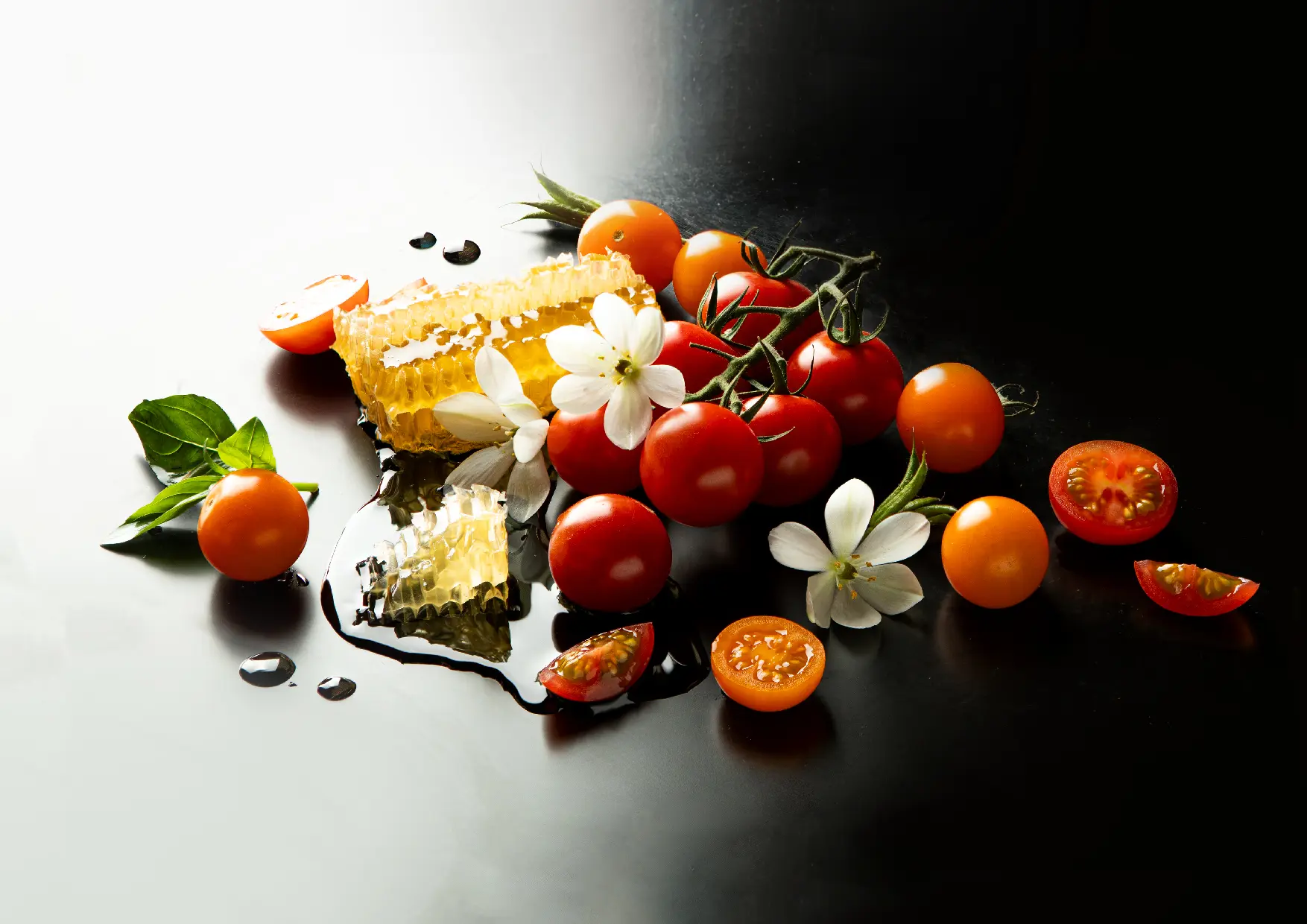

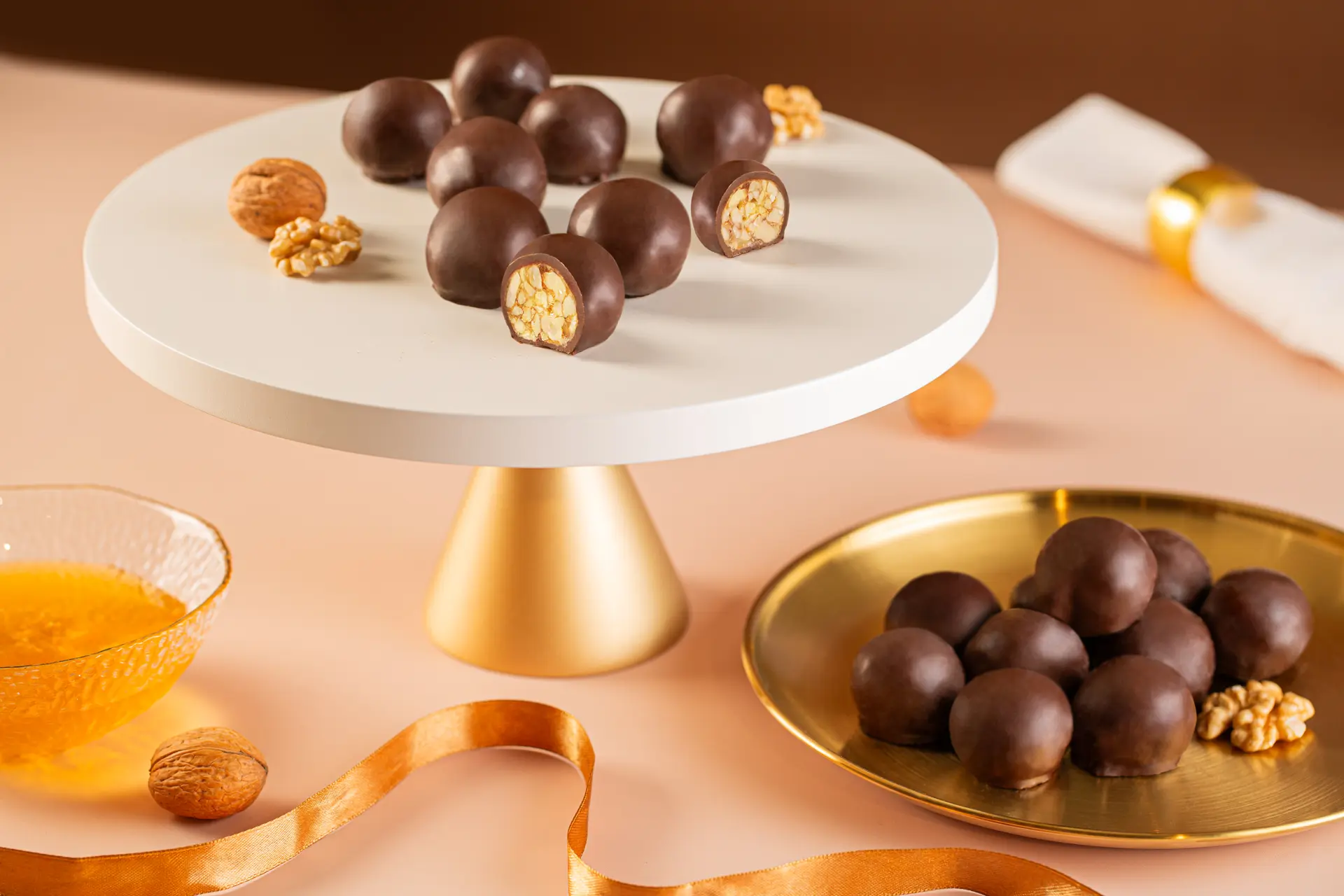
Commercial Photography Services
Commercial photography services cover image creation, editing, printing, digital storage, and distribution. Once the shoot is complete, the final images undergo processes such as color correction, retouching, and background removal.

Advertising Photography
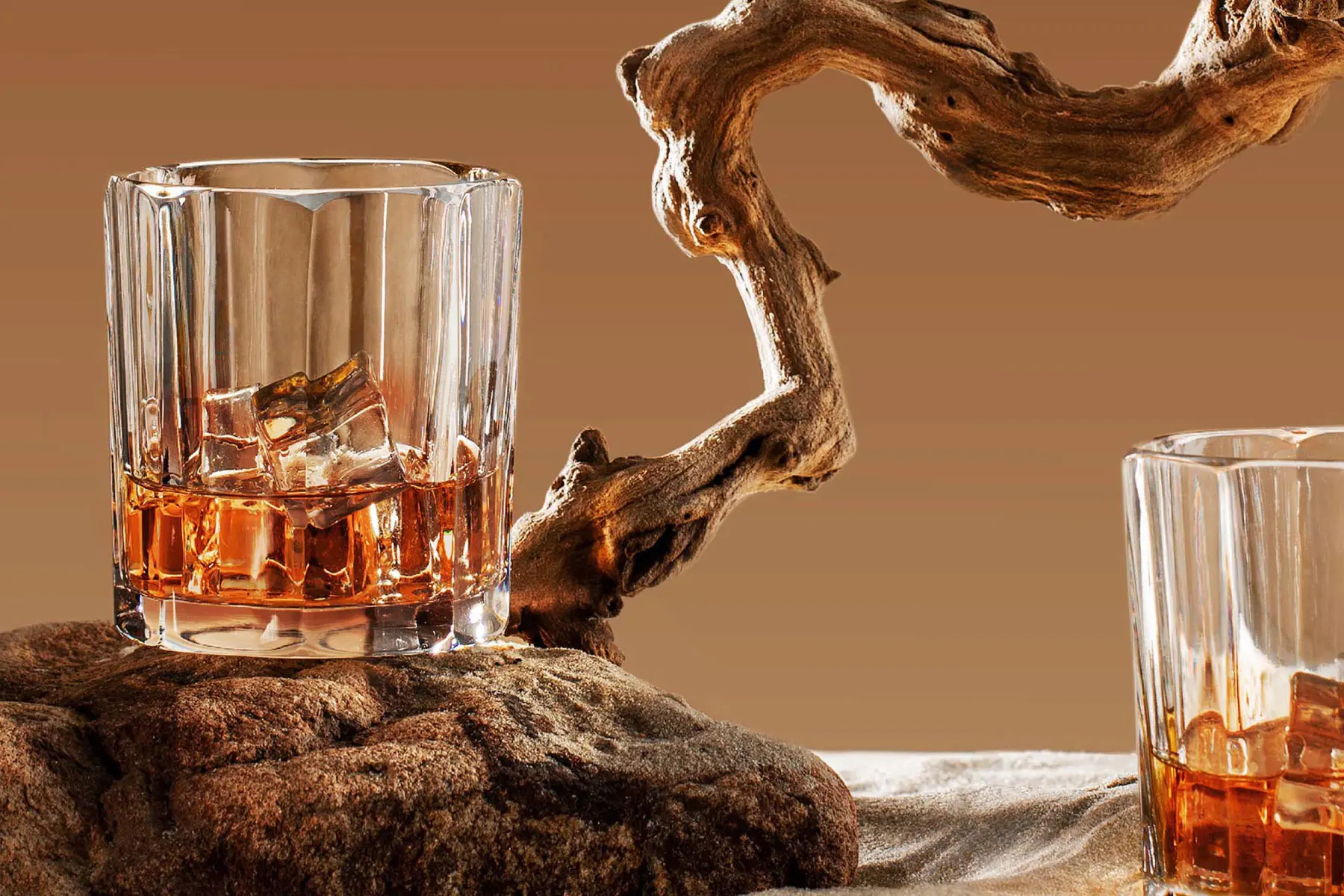
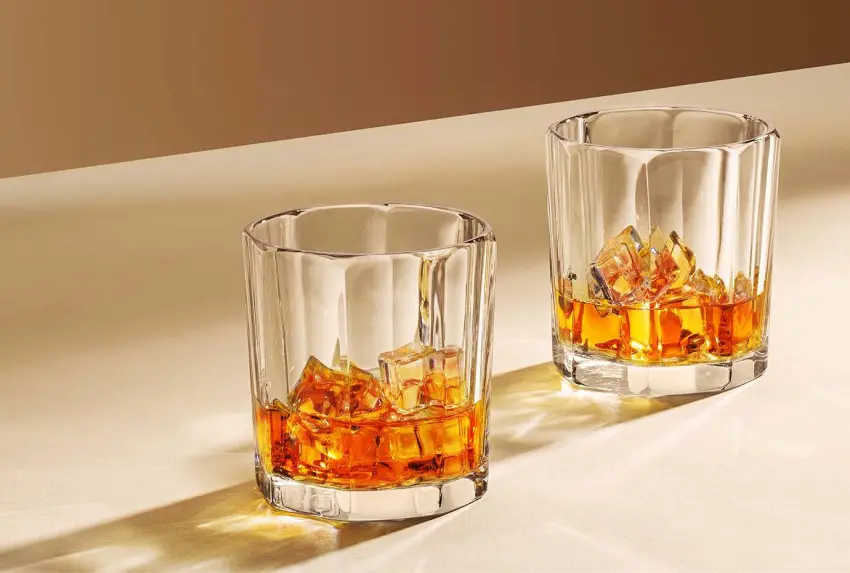
Advertising photography is commercial photography created to promote a product, service, brand, or specific message. The images are designed to capture the consumer’s attention, evoke an emotional response, and encourage a purchase. Advertising photography highlights the distinctive features of a product or service and supports the goals of the campaign through a unique style and striking visual language.

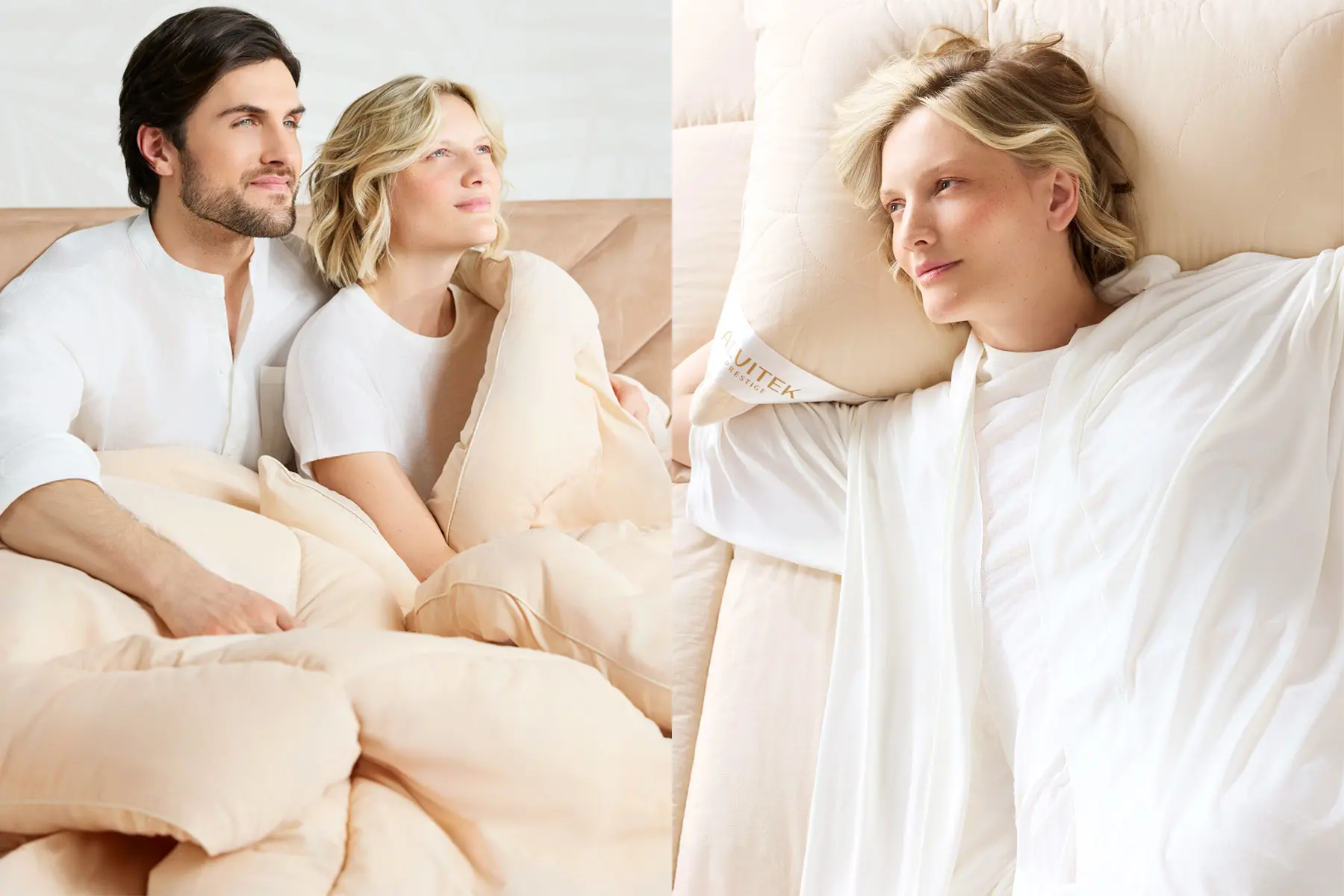
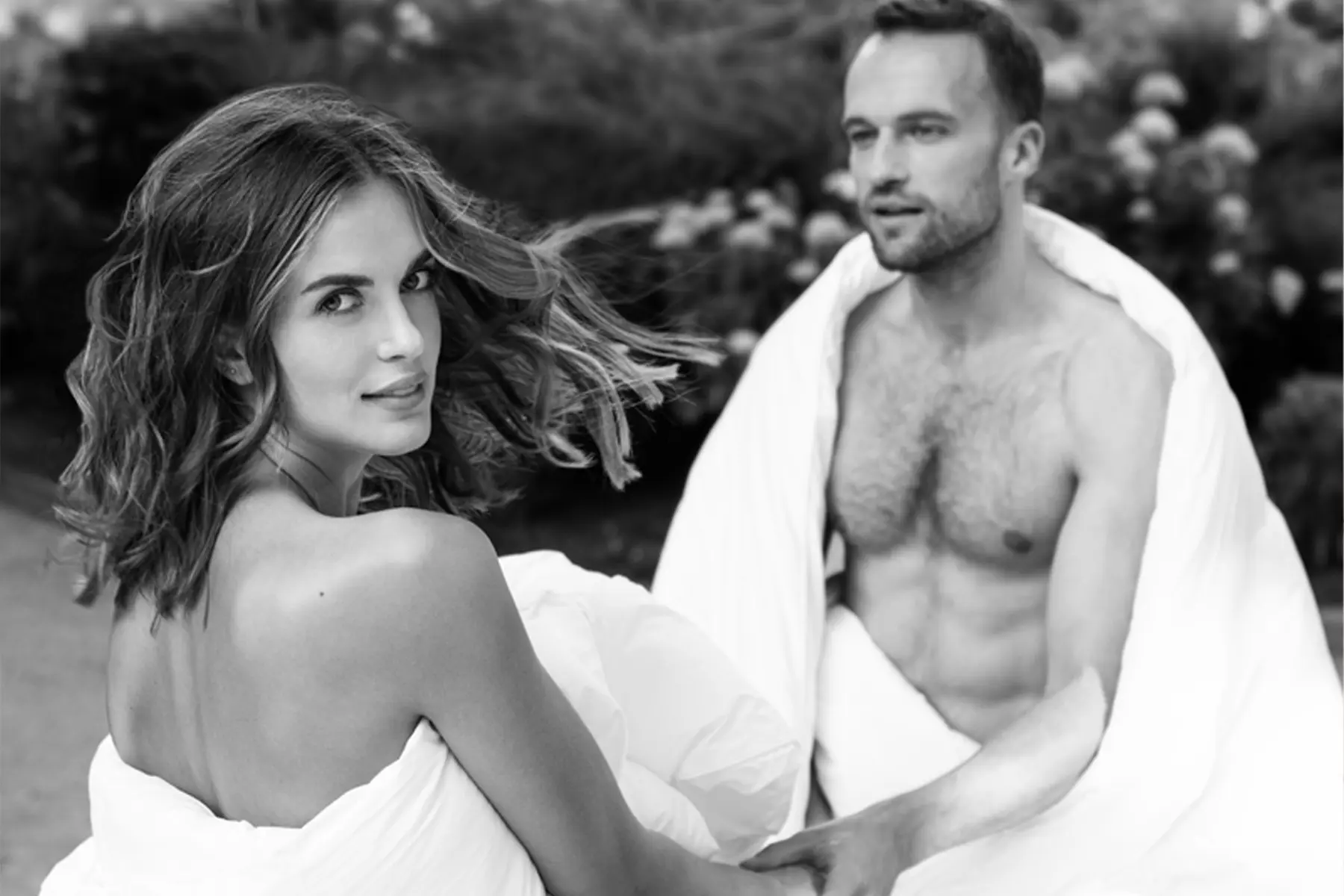

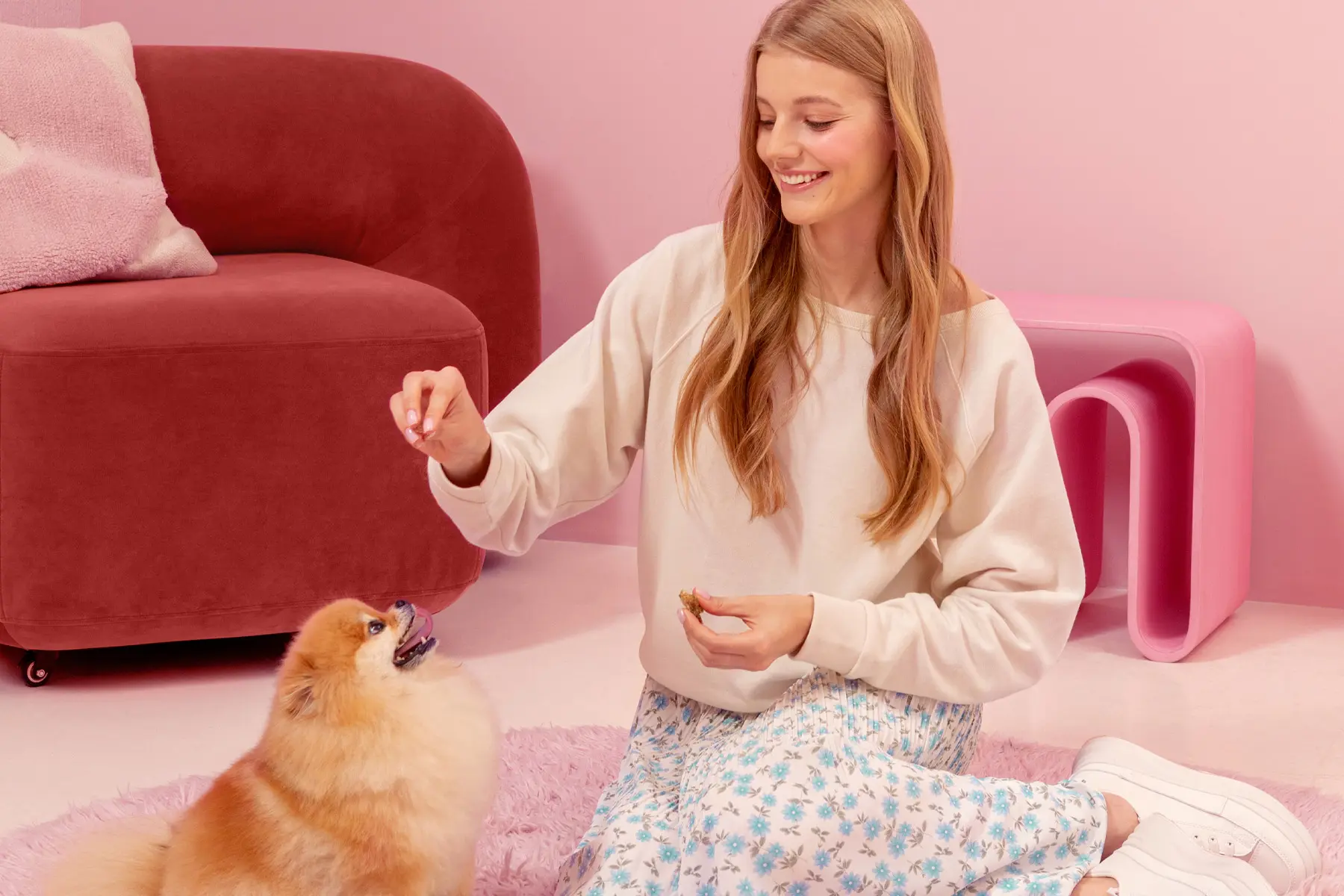
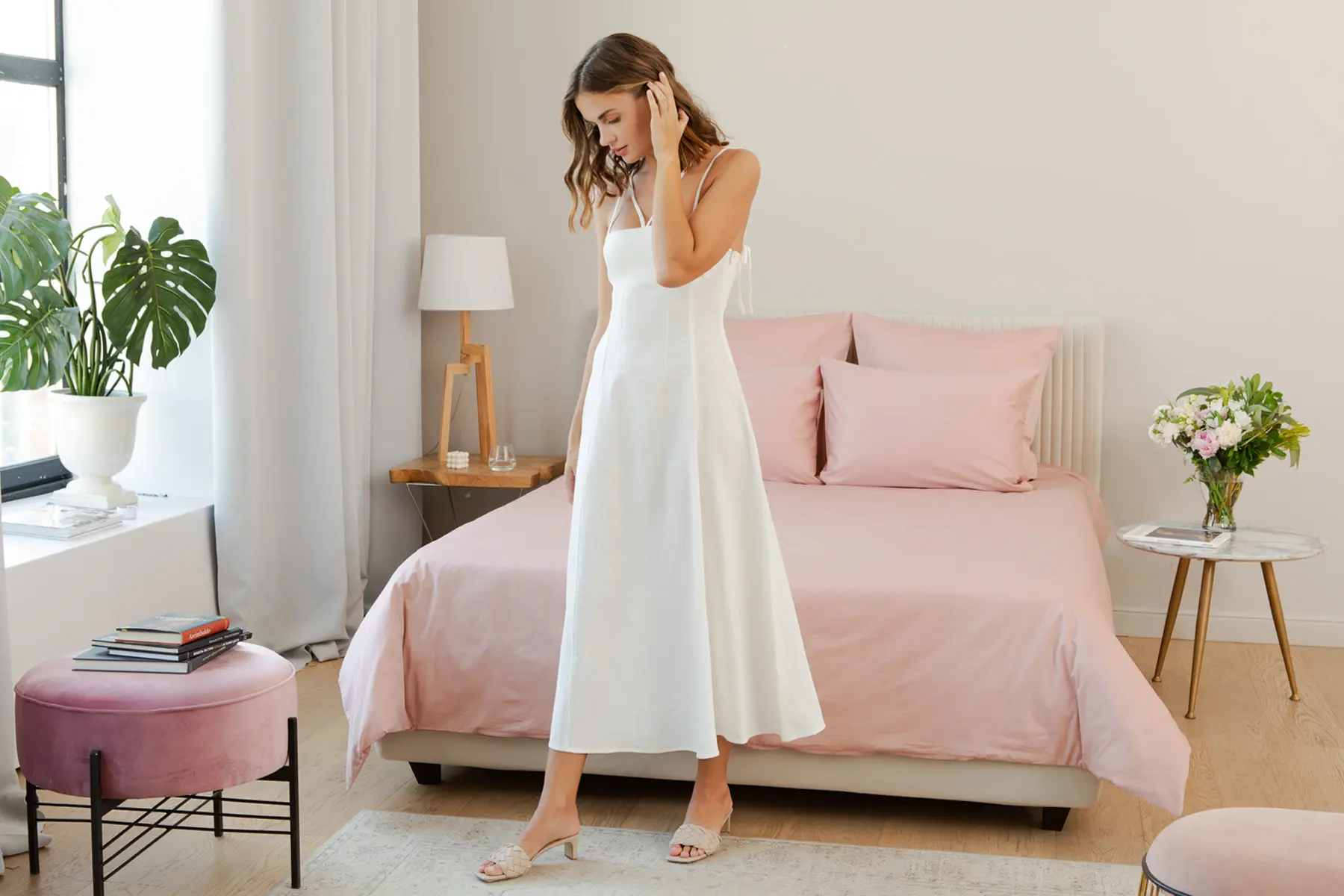
Model Photography
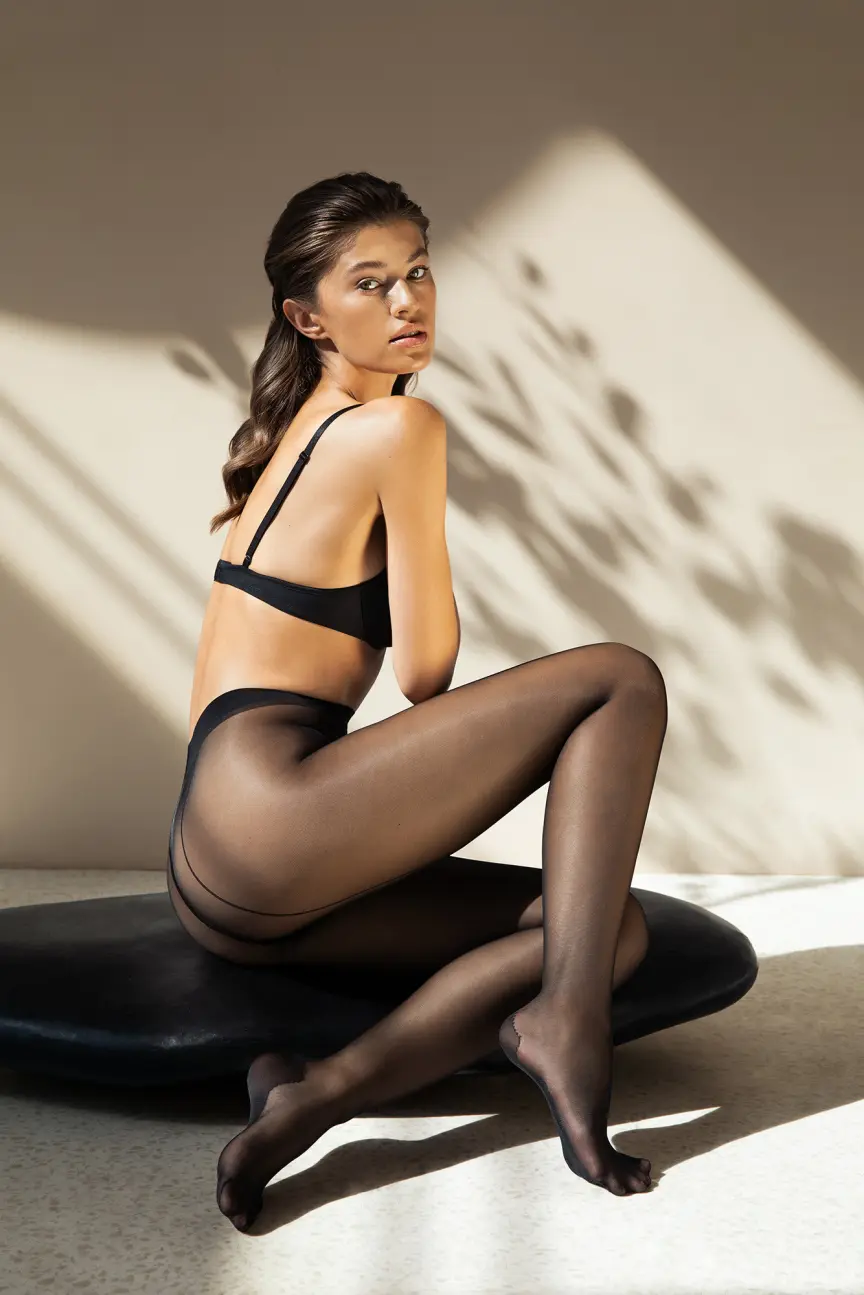
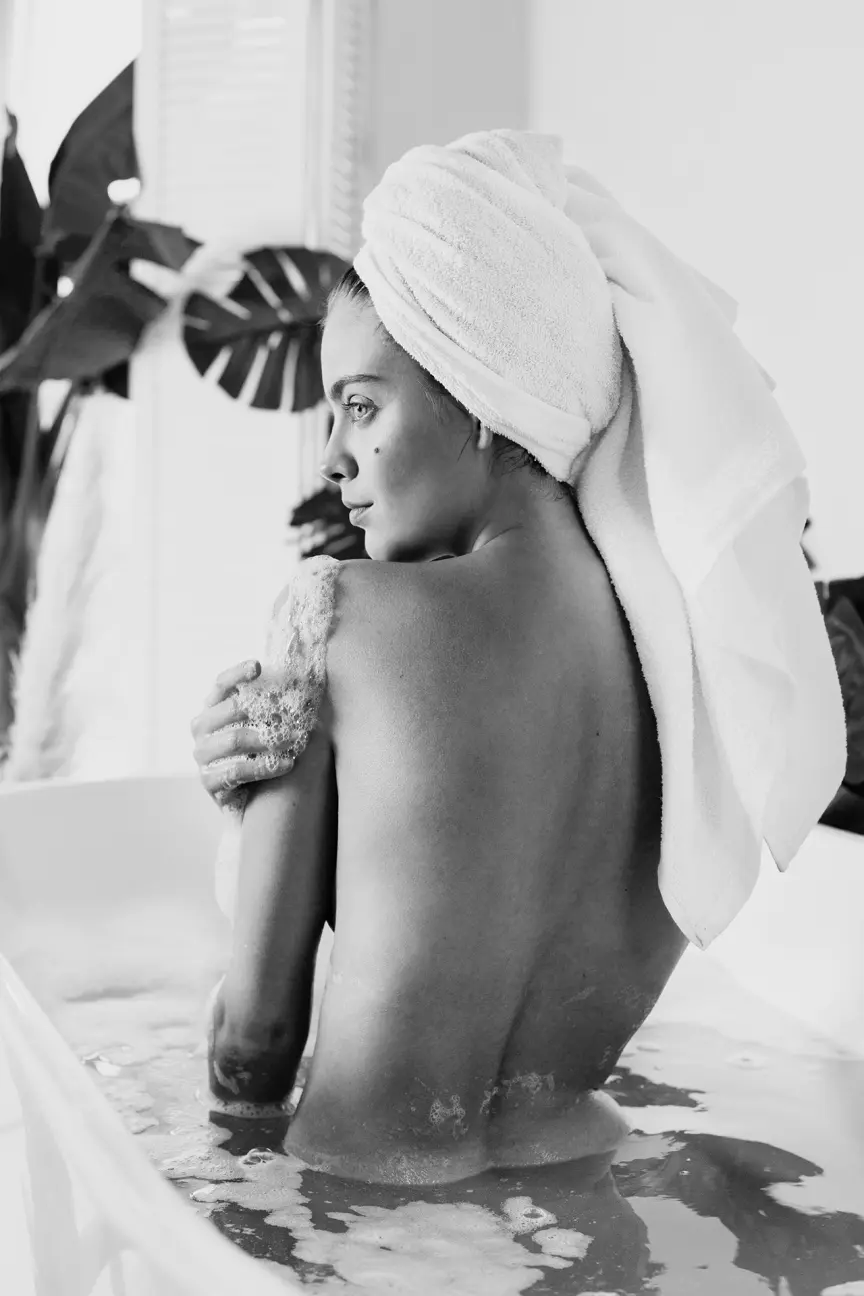
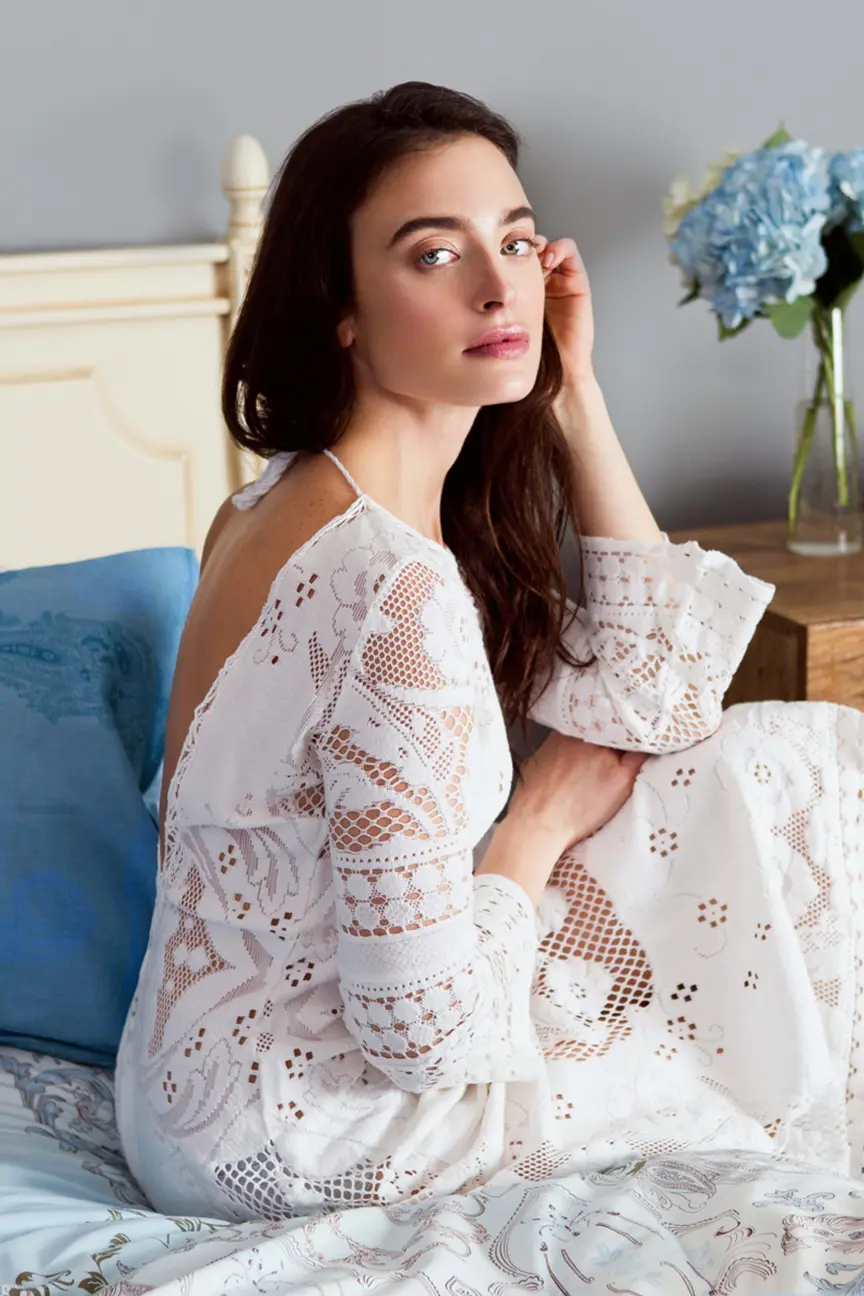
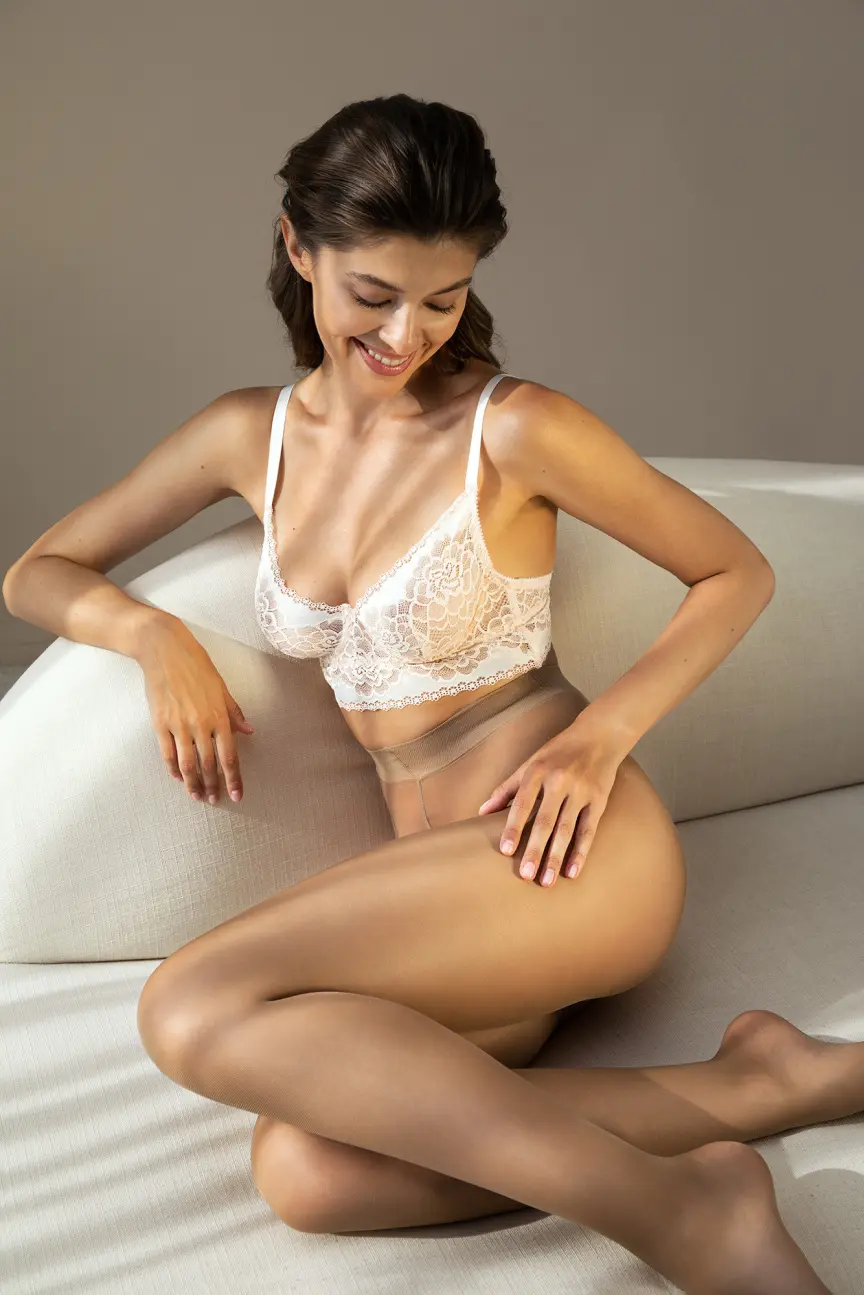
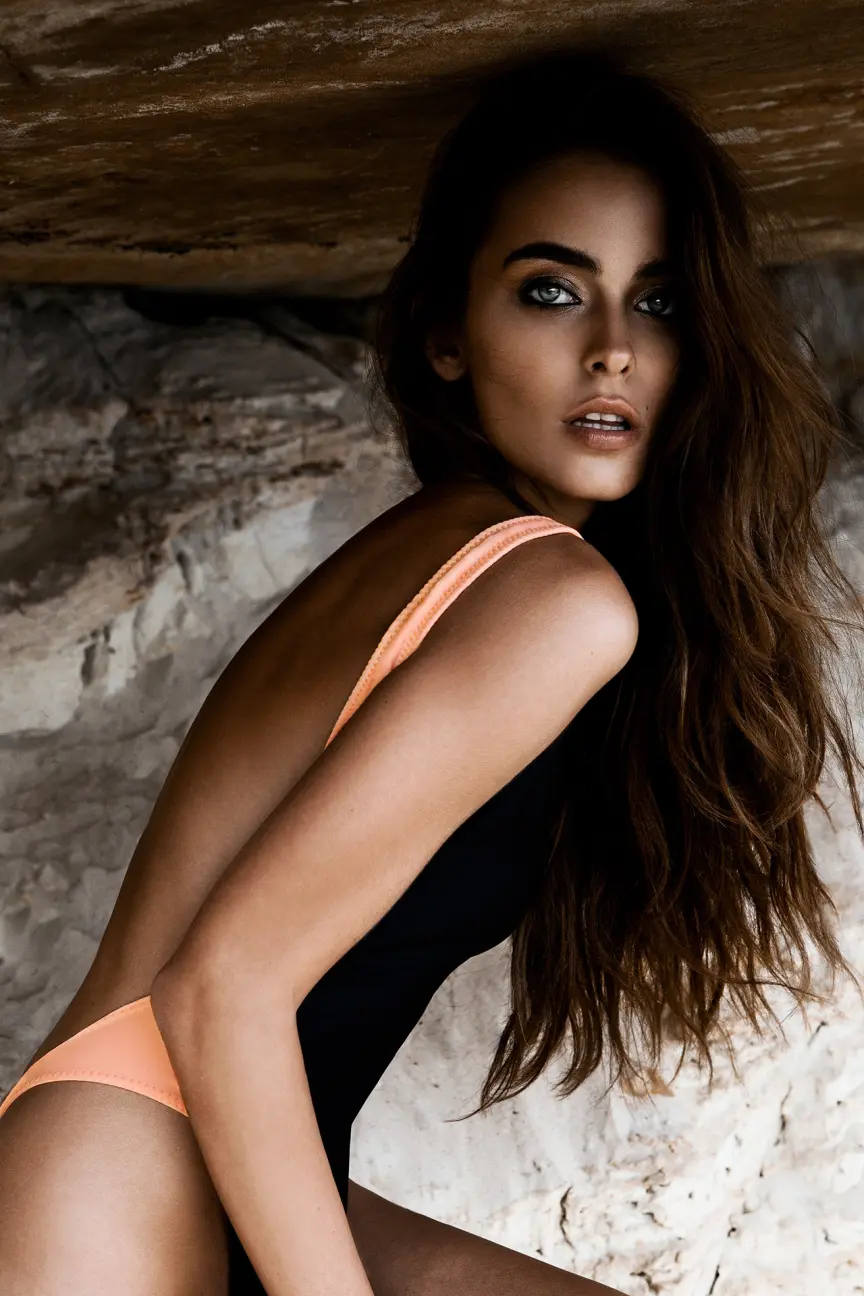
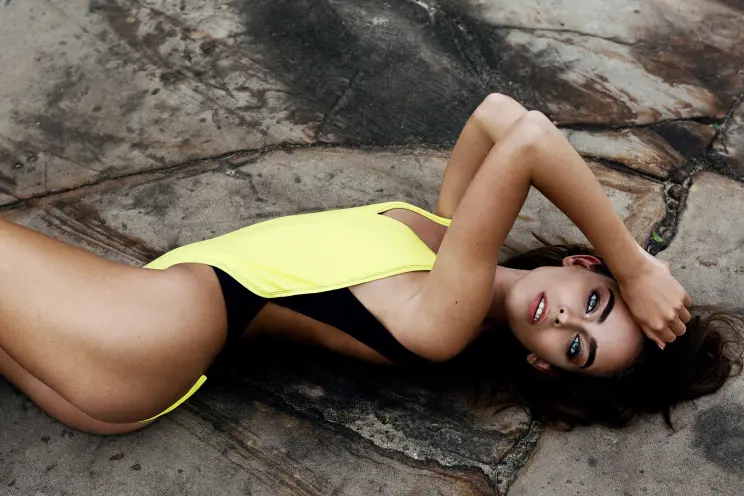
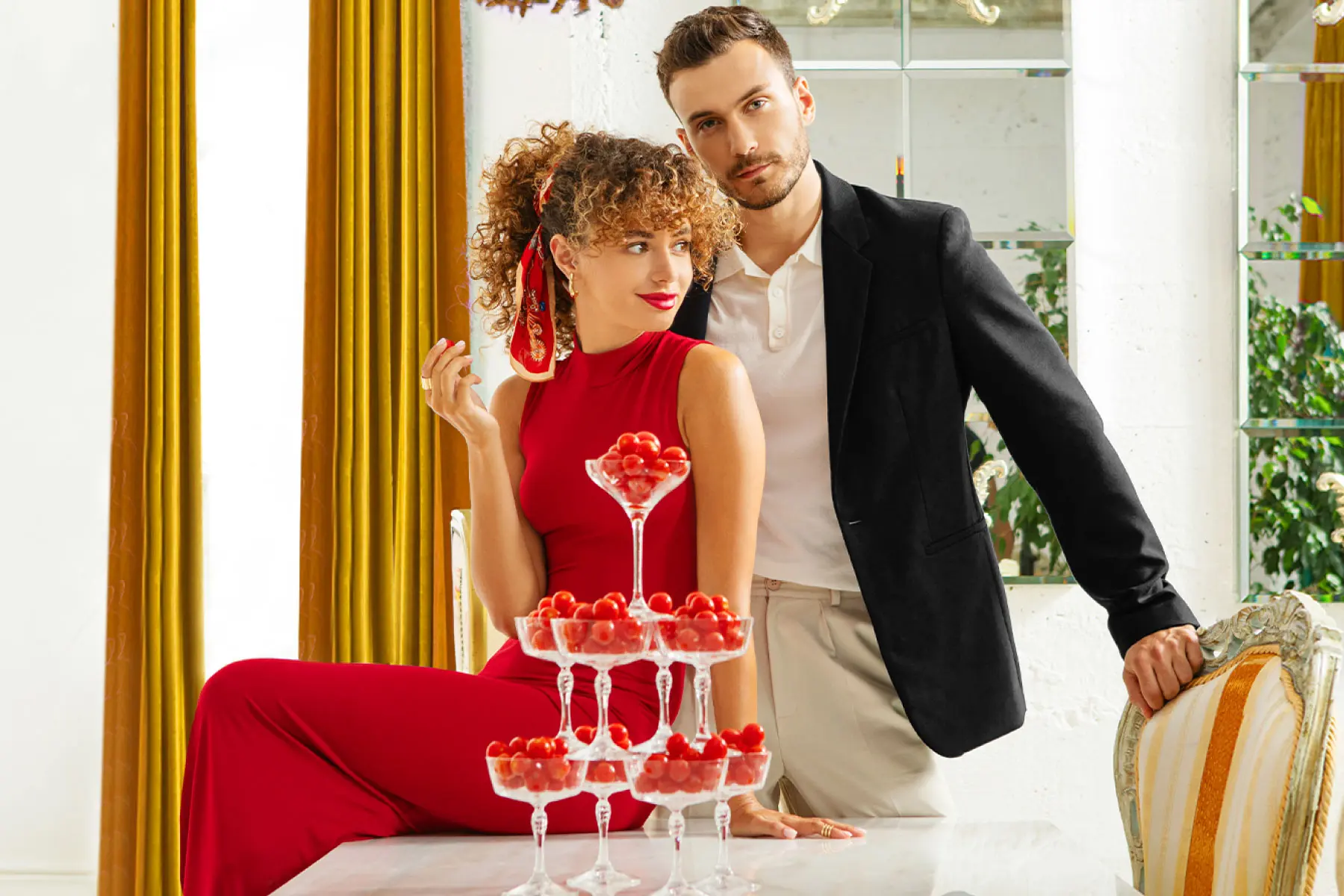
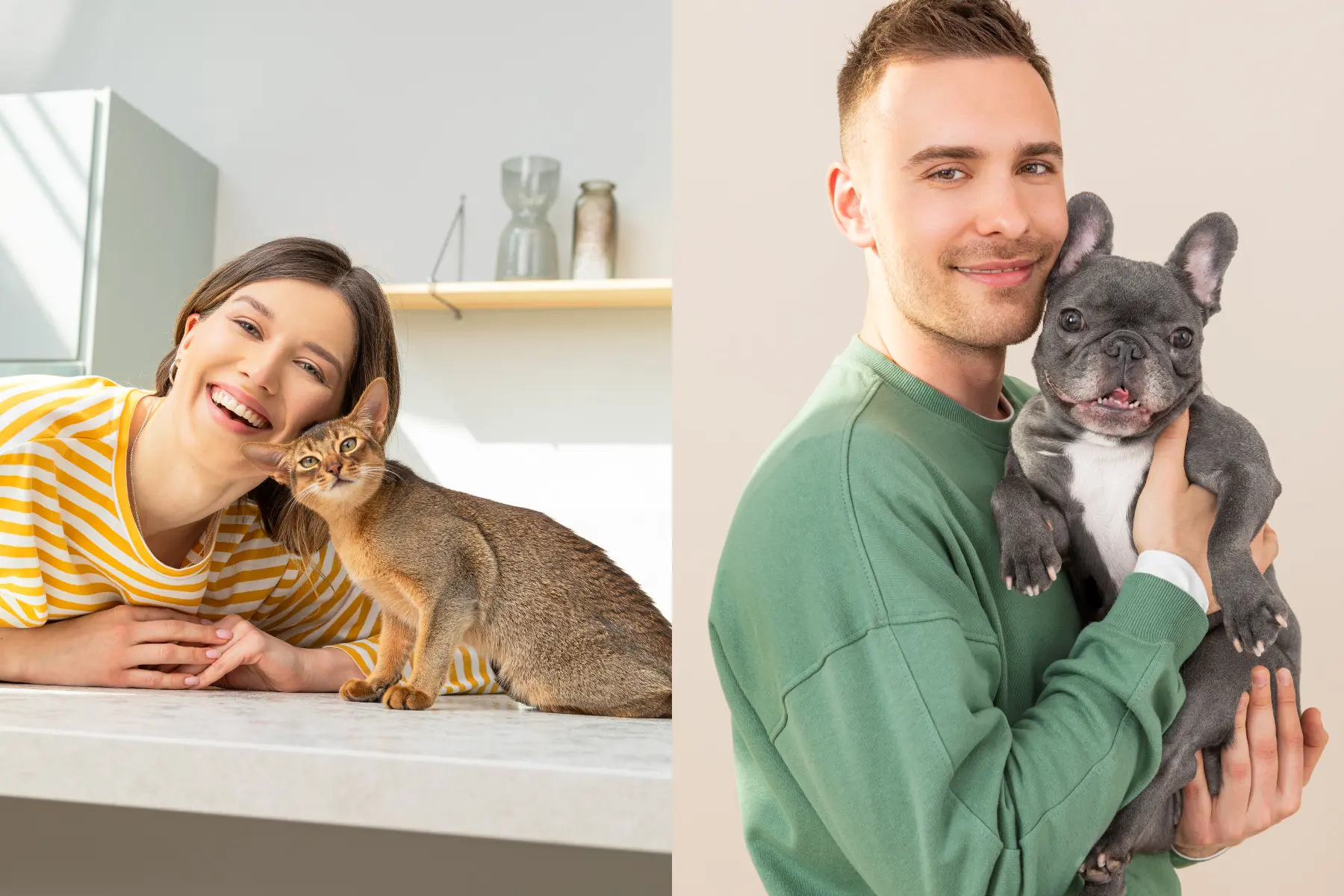
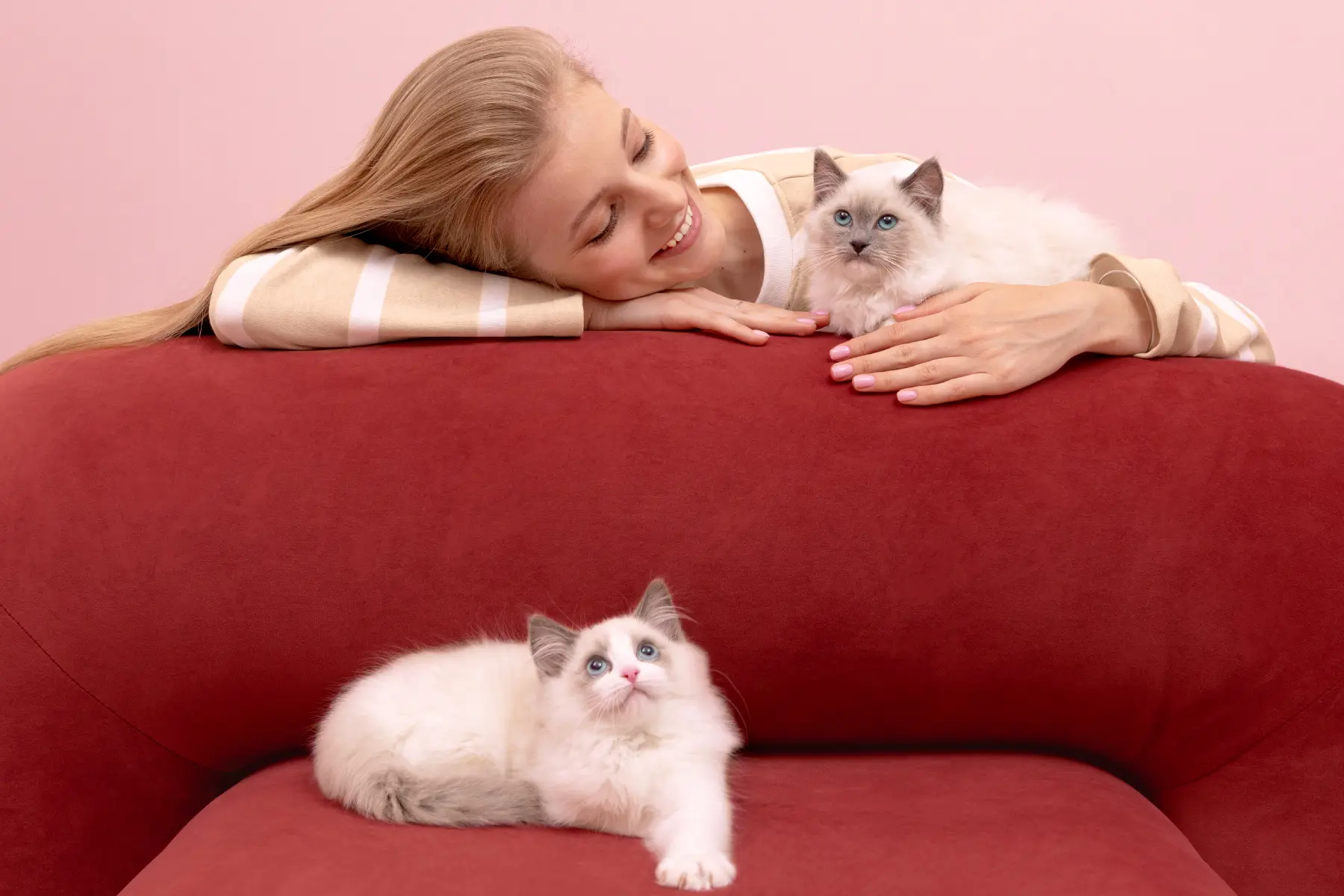
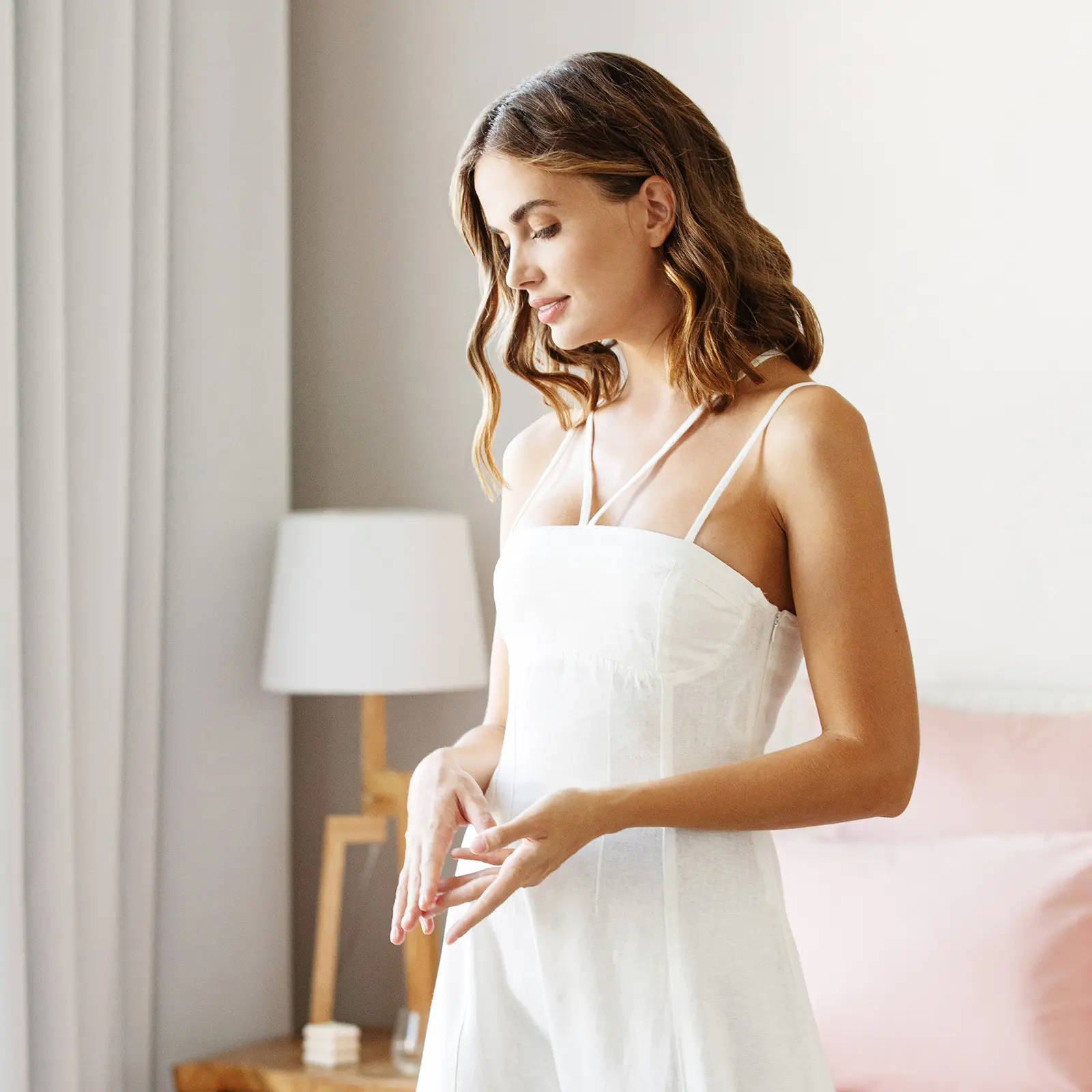
Model photography brings a professional photographer and model together for fashion, advertising, or other commercial work. The model plays an important role in presenting the product, embodying the brand, or creating a specific look. The resulting imagery communicates the intended visual message across advertising campaigns, magazines, digital media, and other platforms.
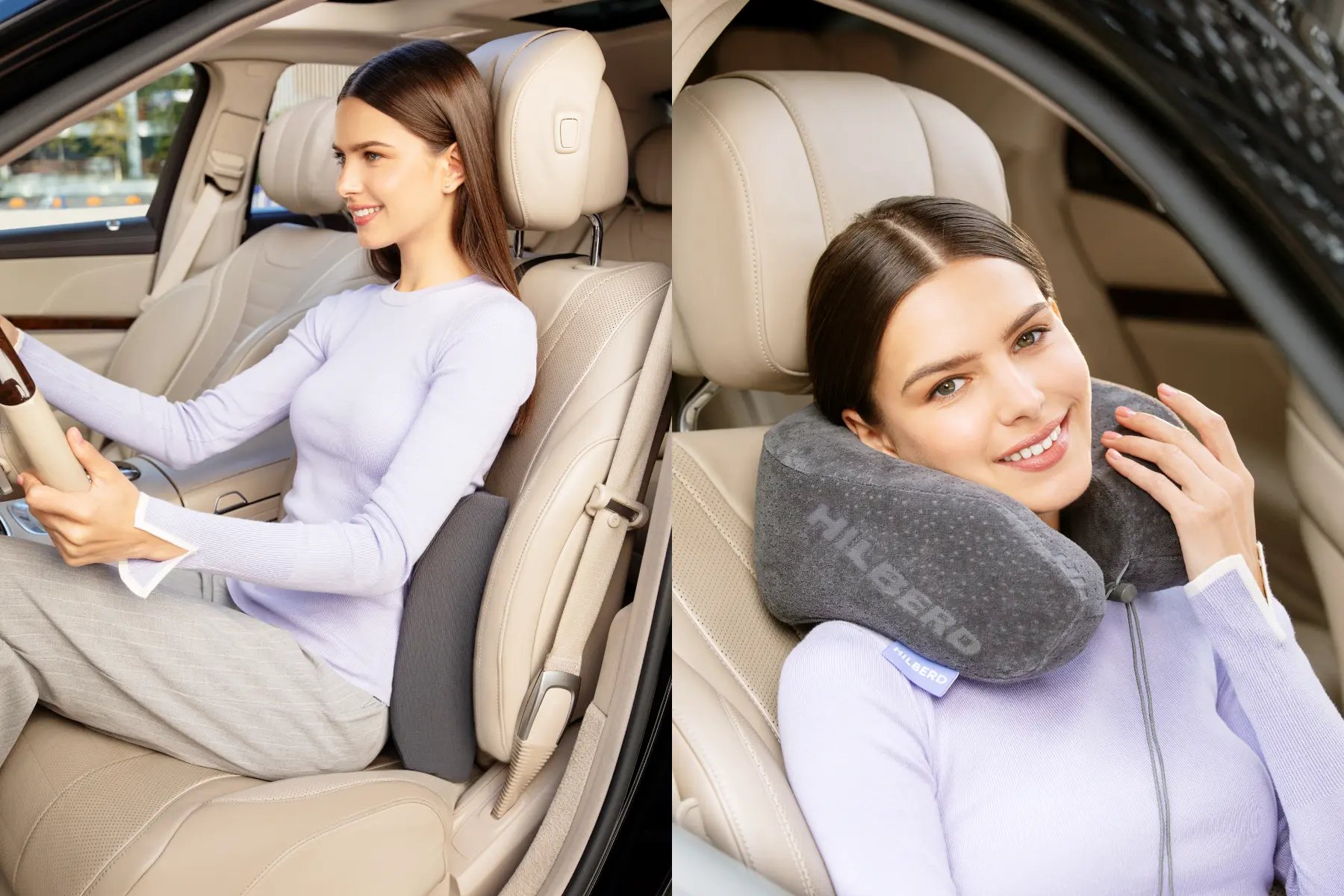
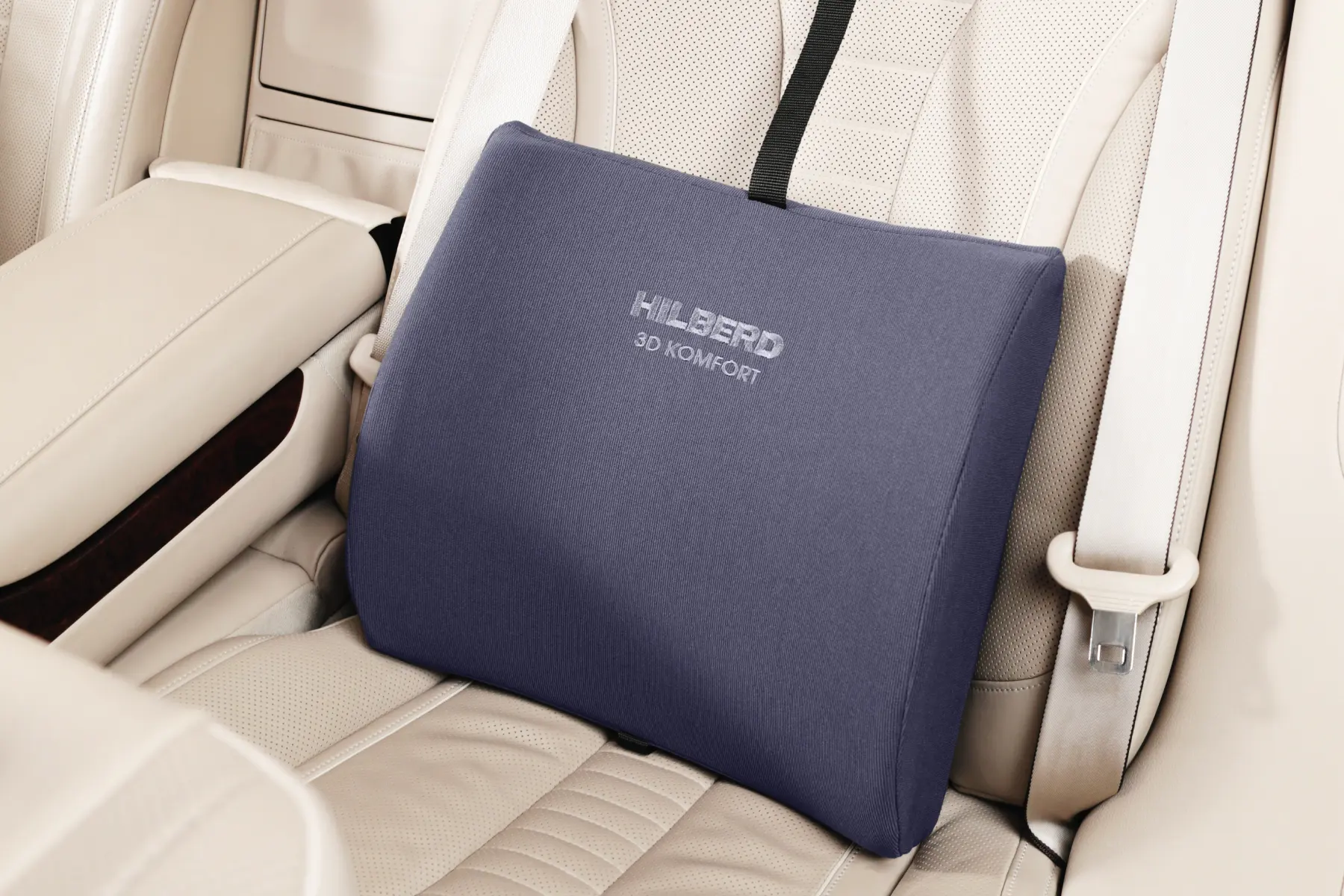

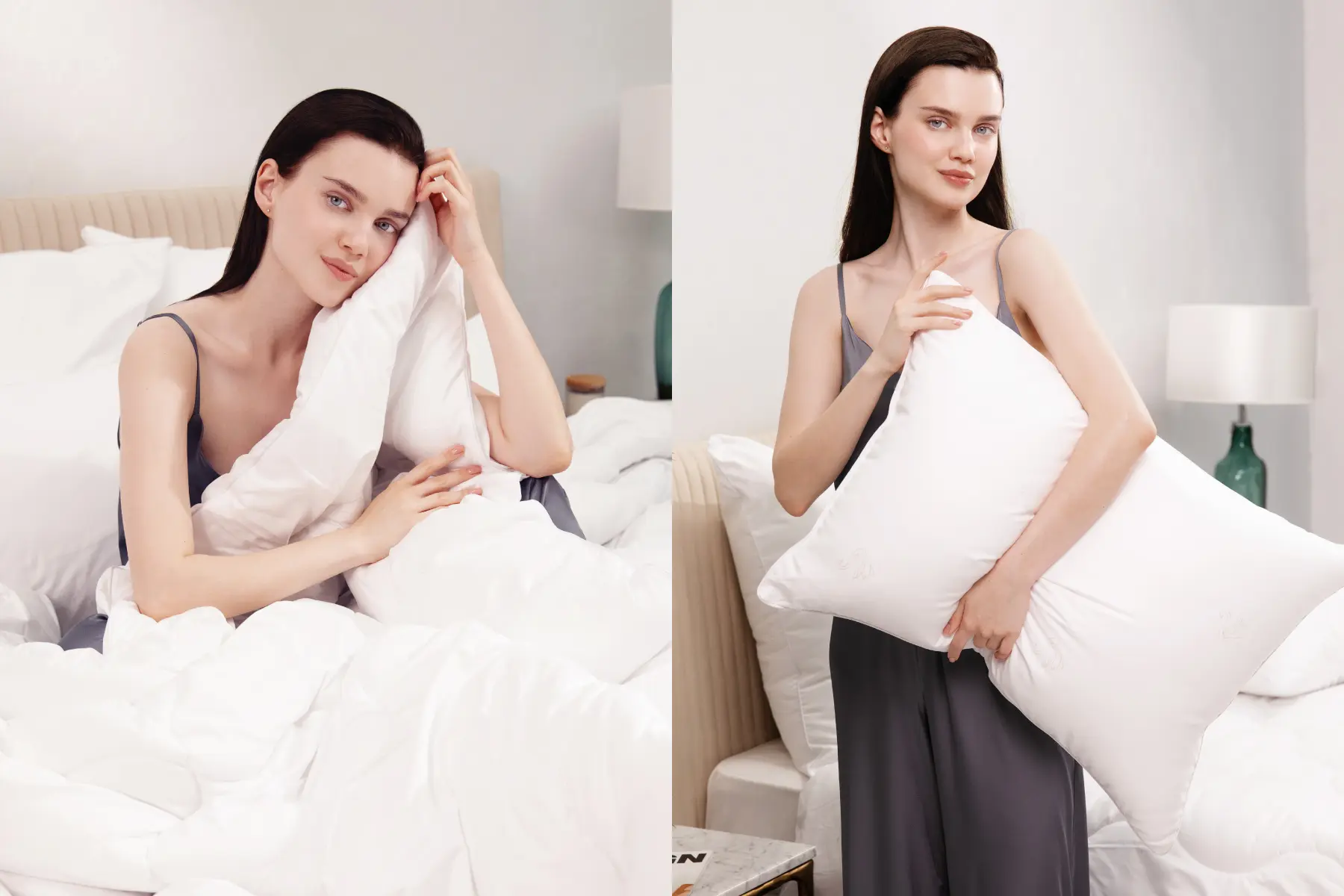

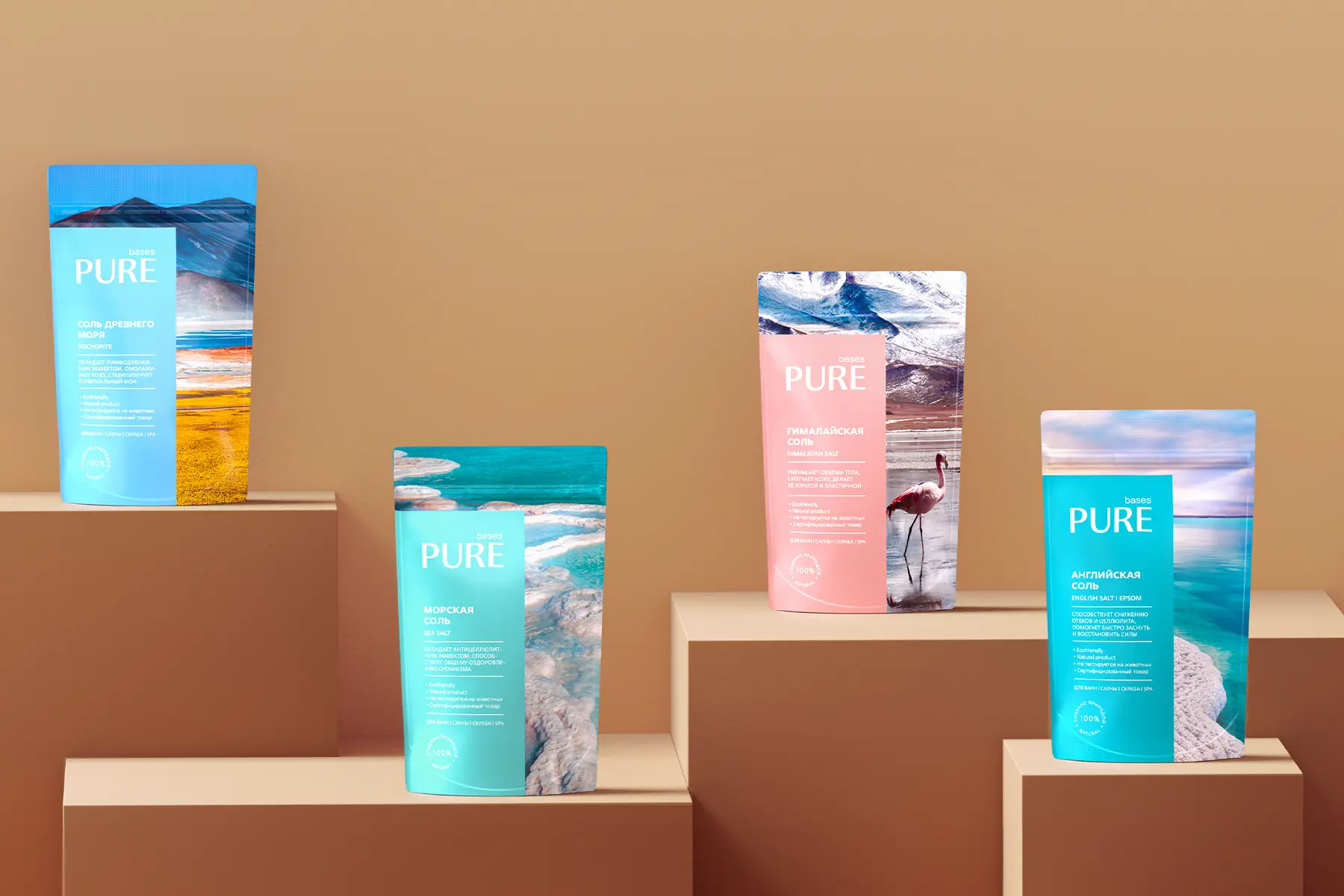
Marketplace Photography
Marketplace photography is commercial photography created to support product sales on digital platforms. It communicates the product’s key features and makes it appealing to its target audience. The resulting images are used on e-commerce websites and online marketplaces.
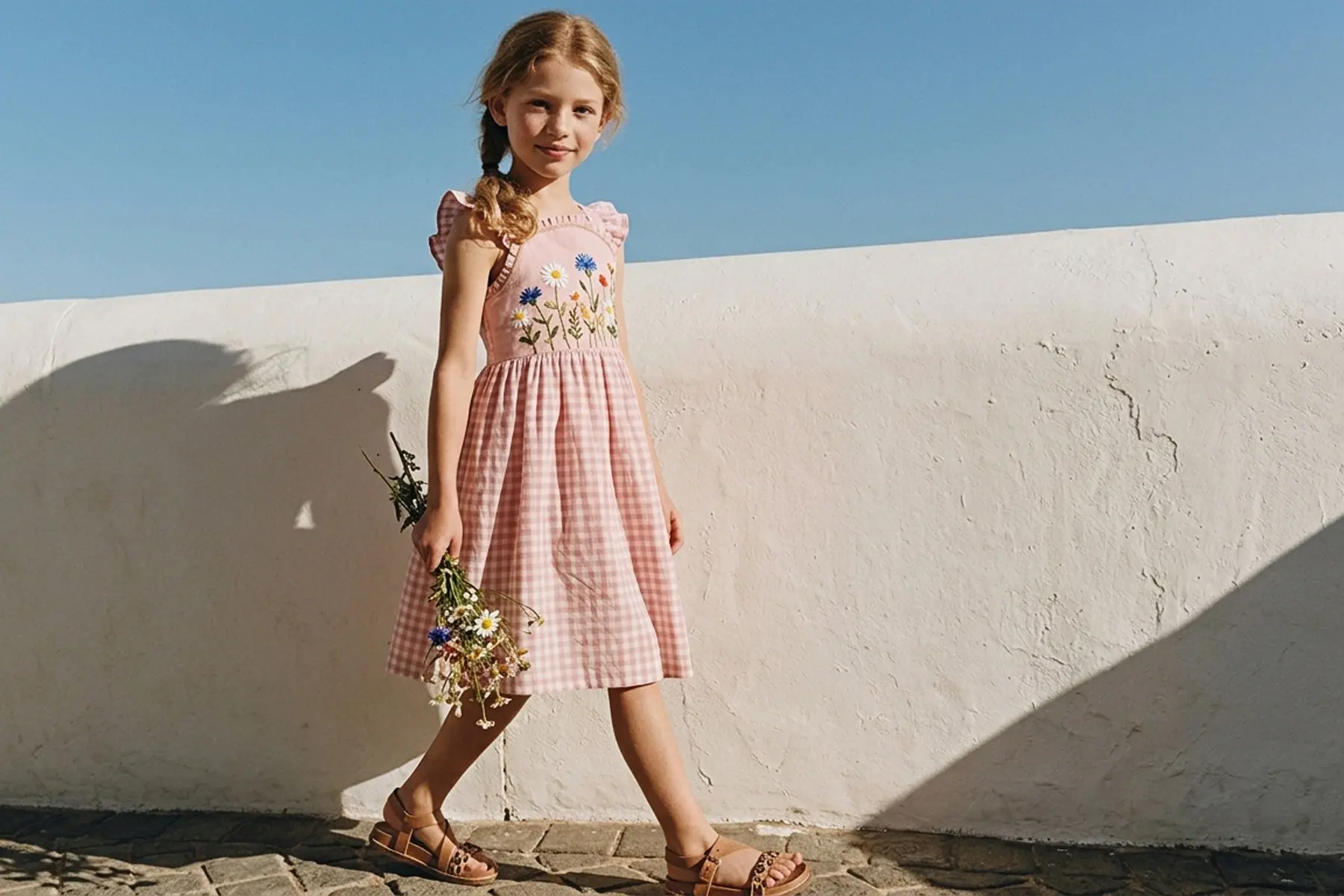
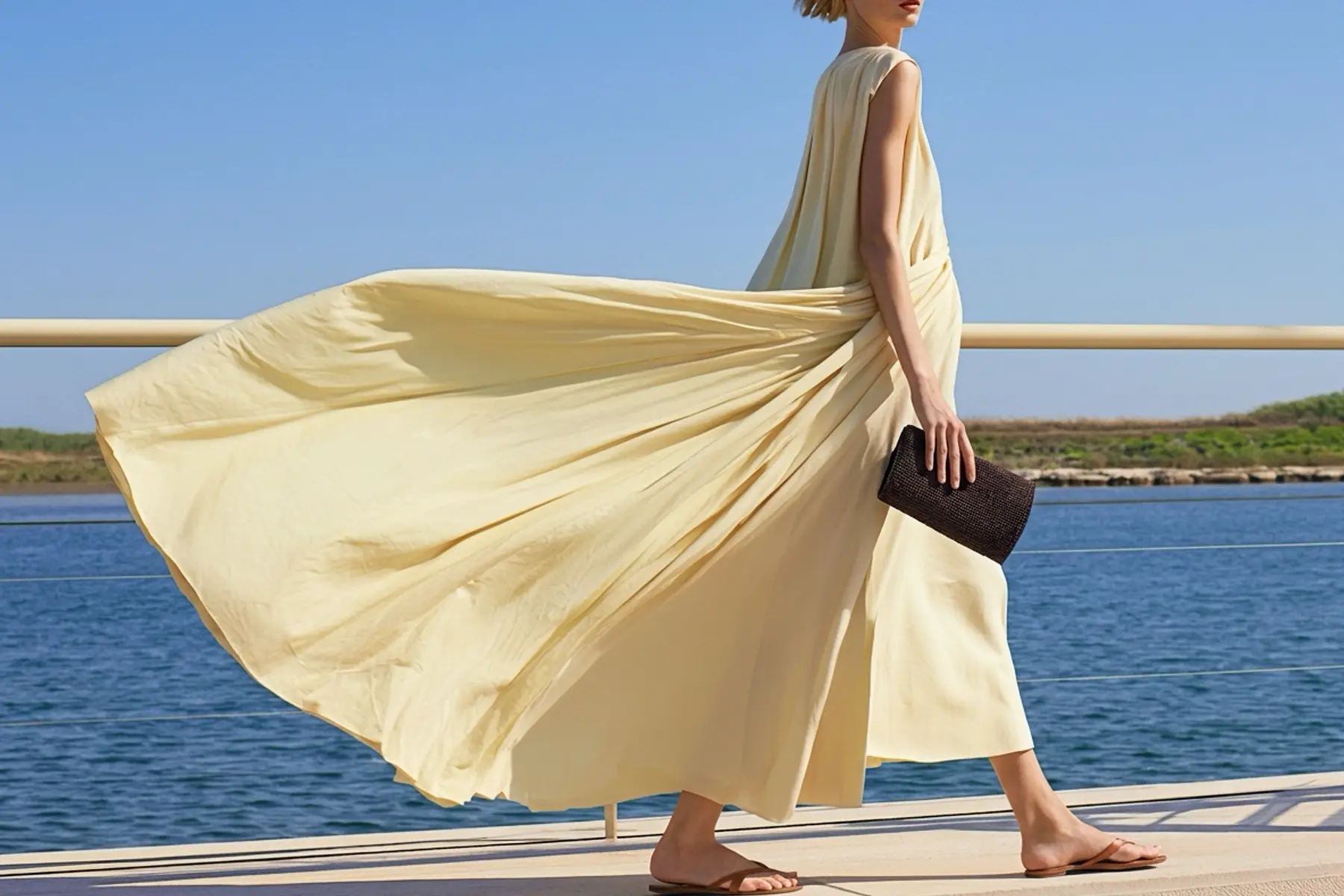
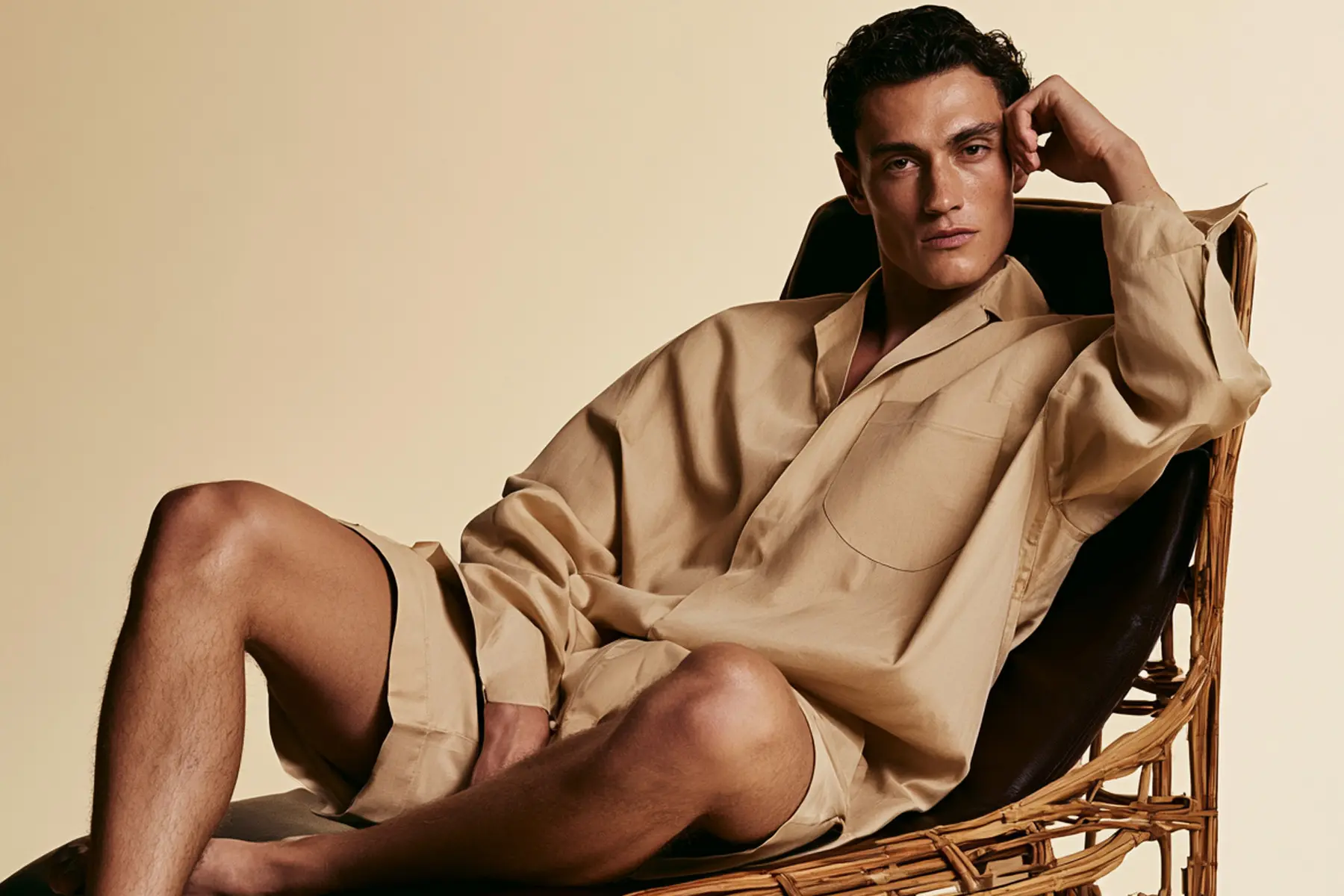
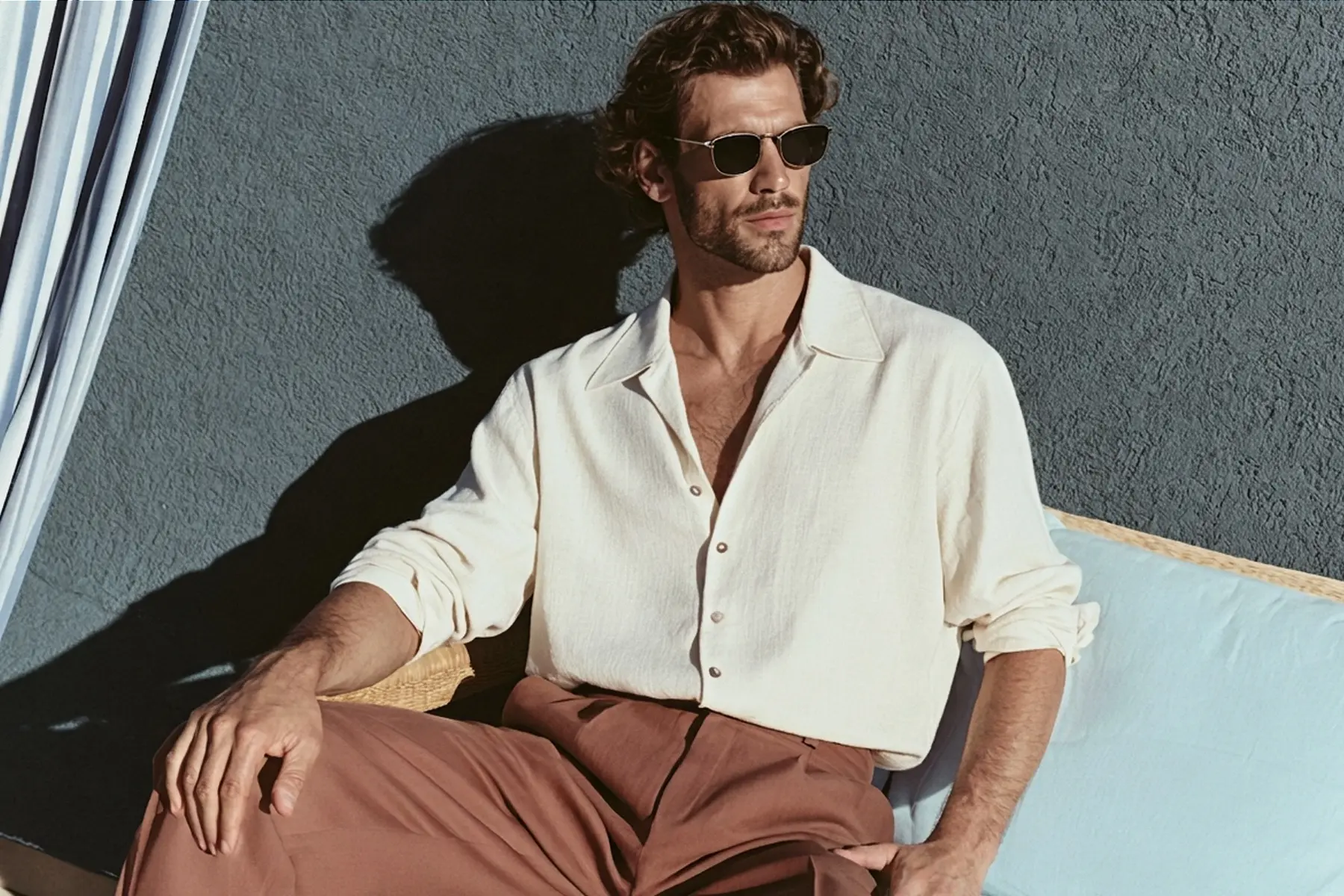
Apparel Photography
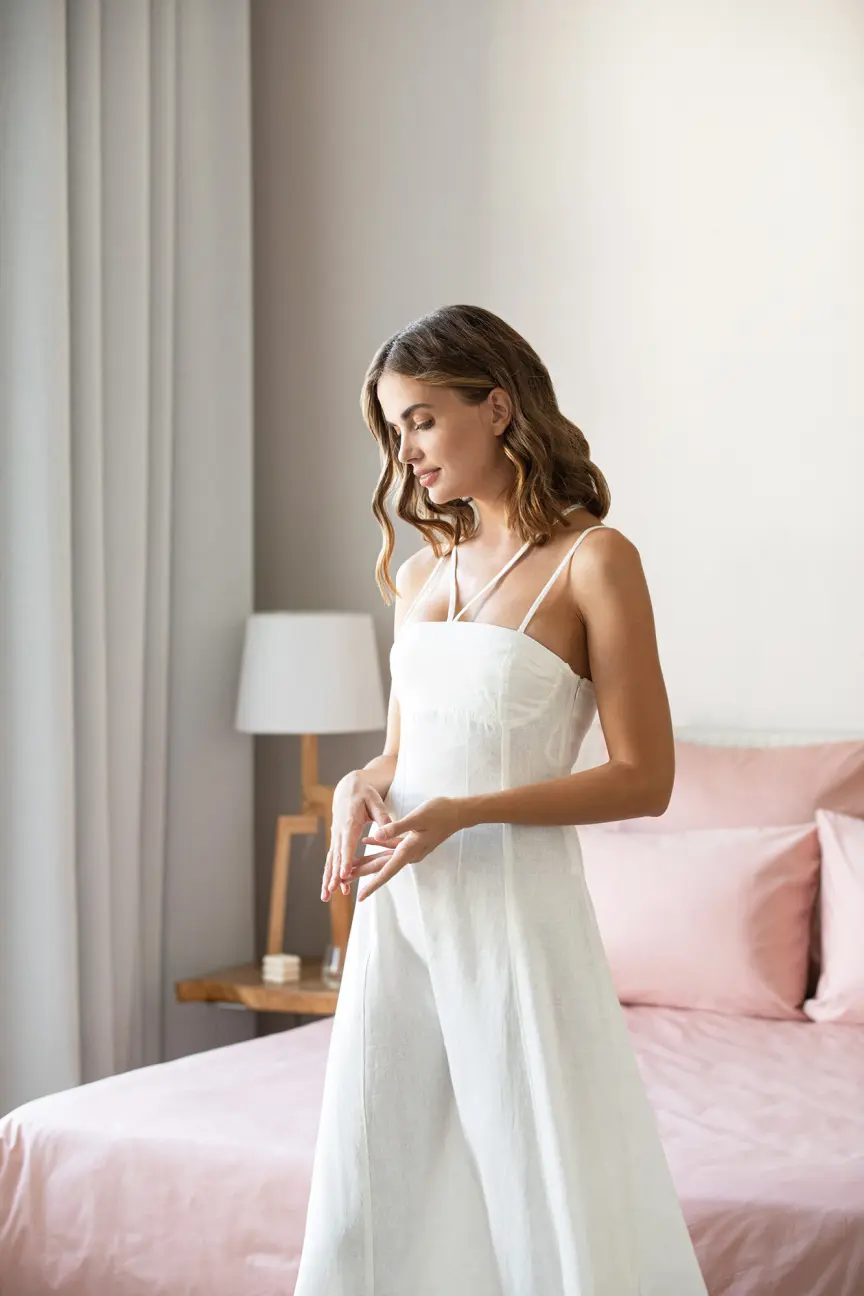
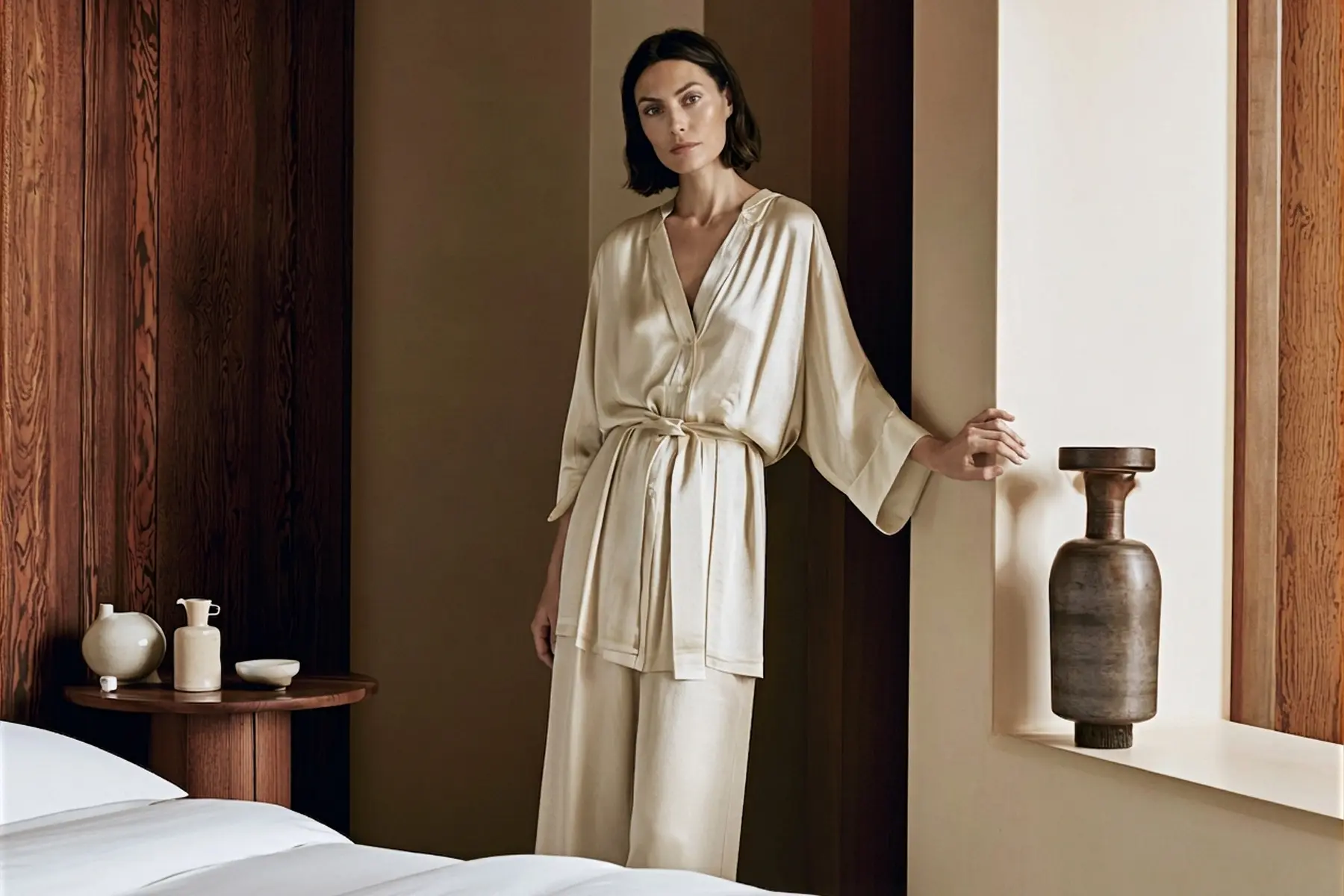
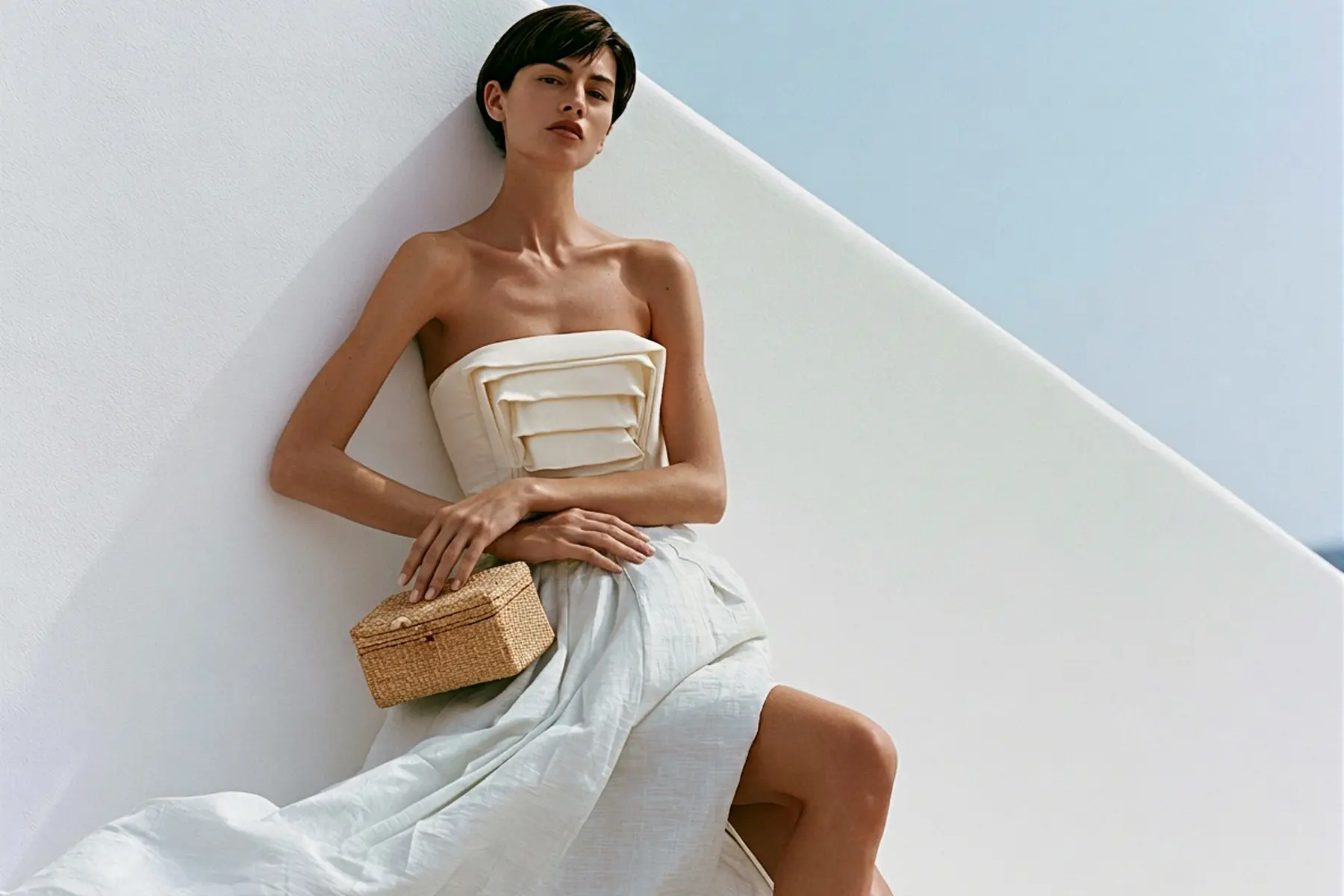
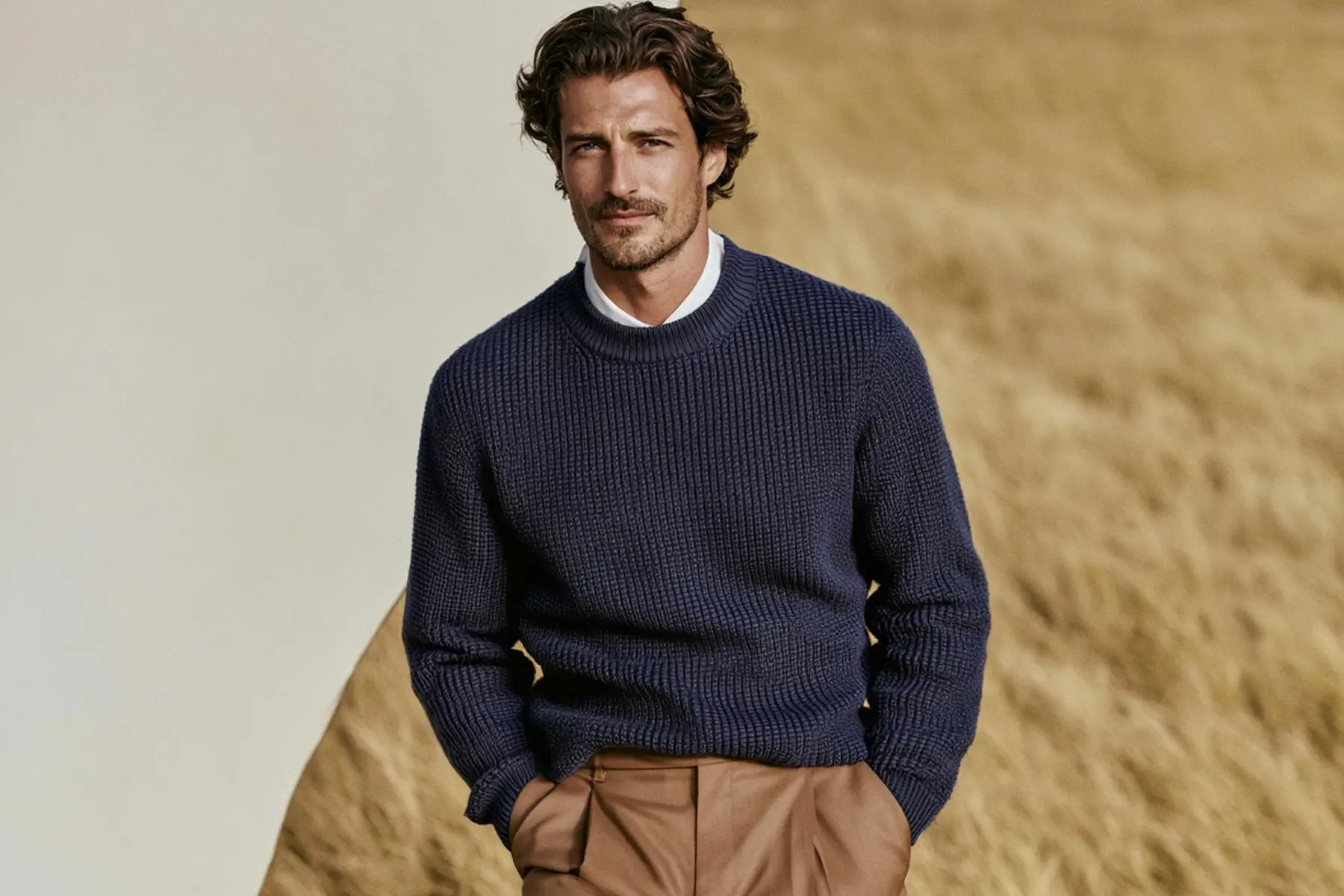
Apparel photography showcases a garment’s design, material, color, and details. It gives customers a clear sense of the product’s quality while reflecting the brand’s image. Apparel images are an important marketing tool, helping customers understand a product’s features before experiencing it in person.
Footwear Photography
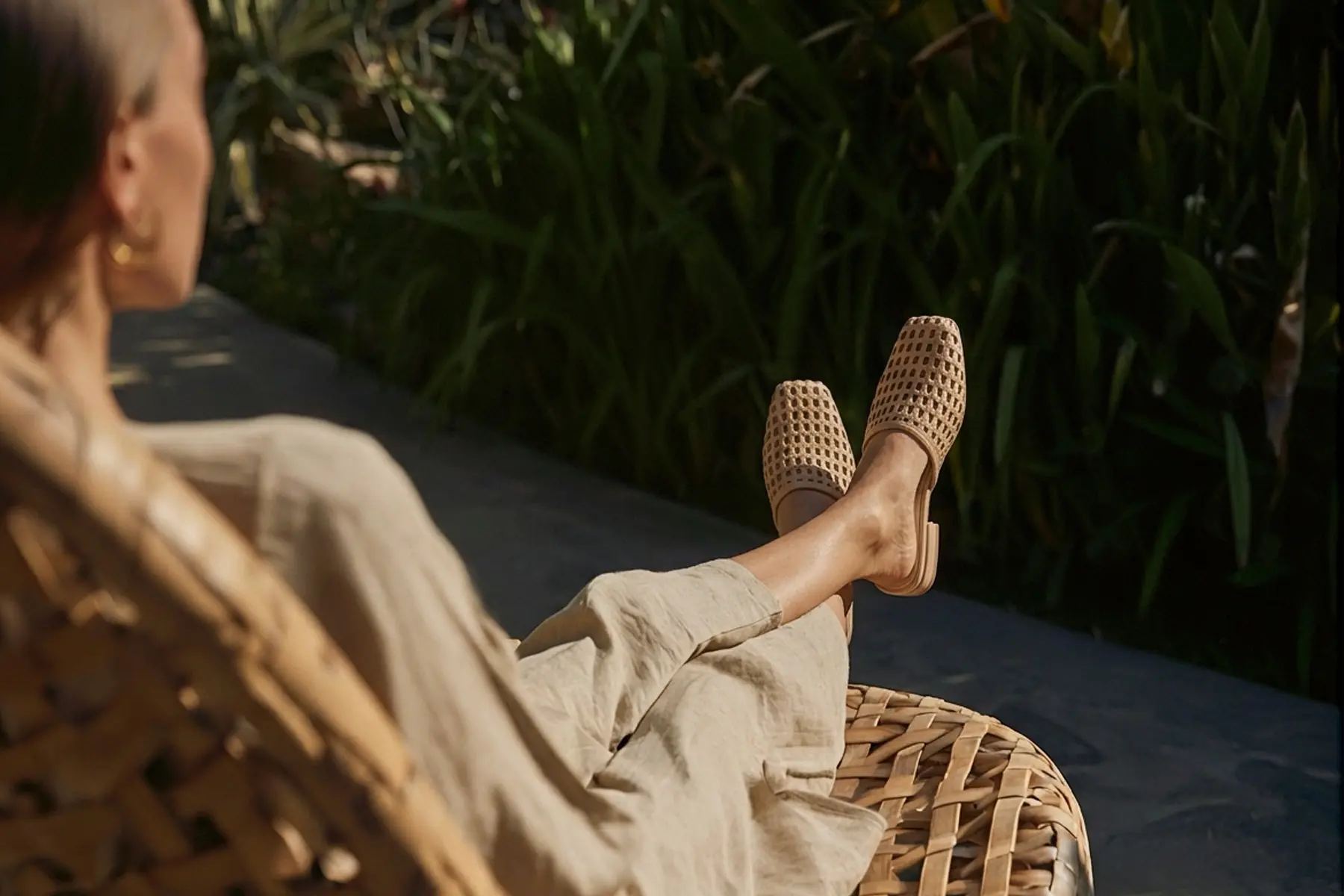
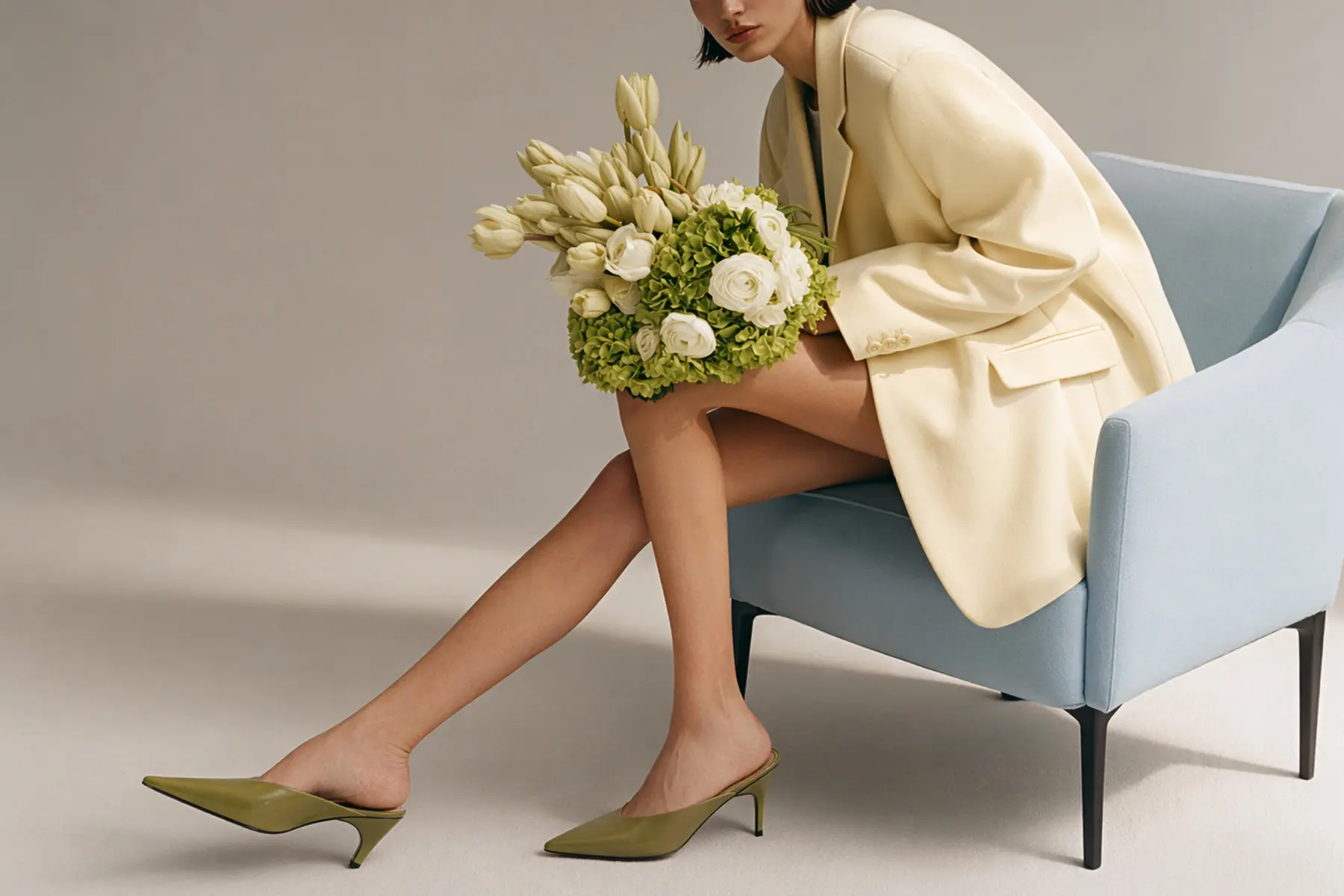
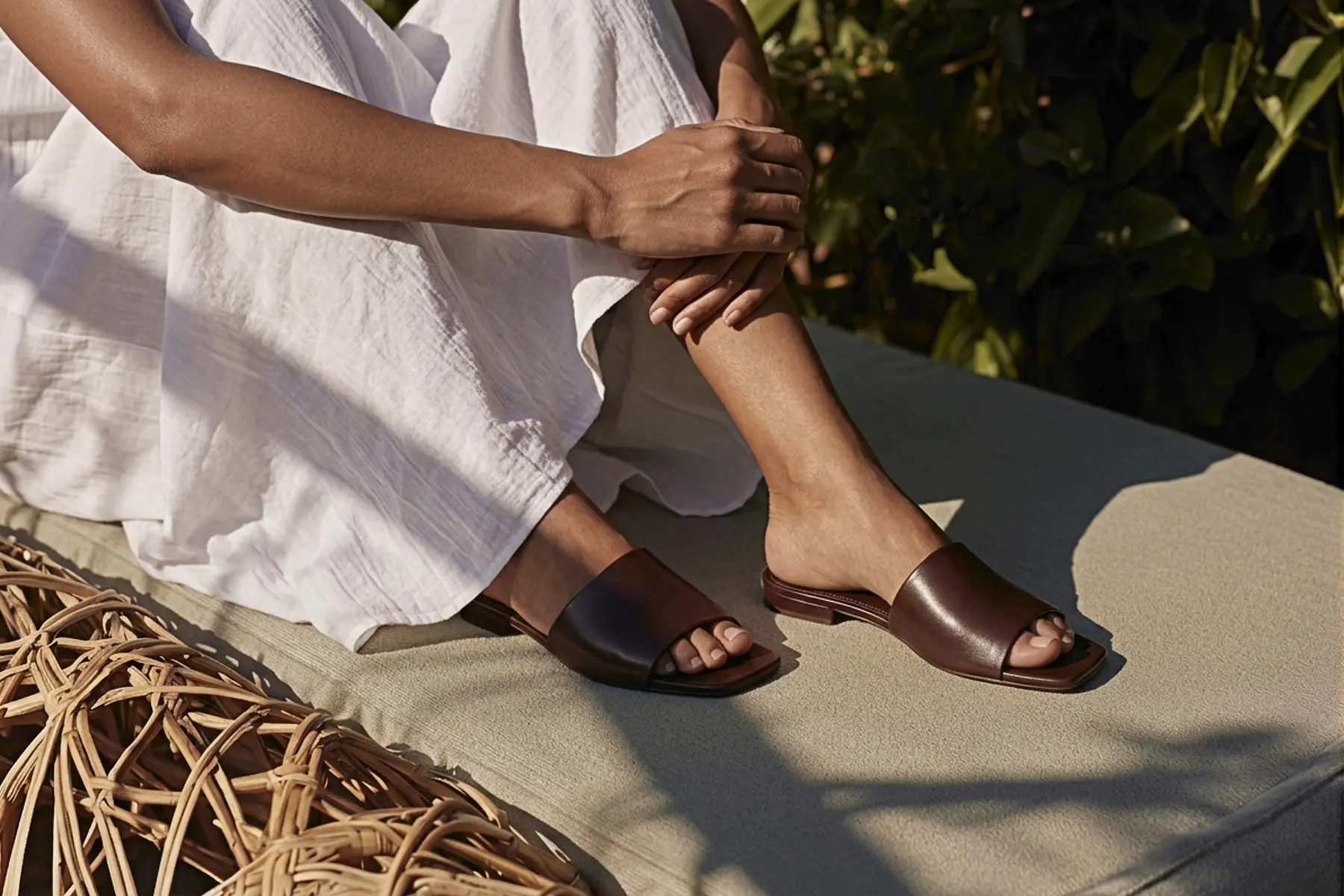
Footwear photography focuses on presenting and promoting the product. It highlights the shoe’s form and functionality so the target audience can understand its key features at a glance. Footwear images are used in marketing to build trust in the brand and help consumers make informed purchasing decisions.


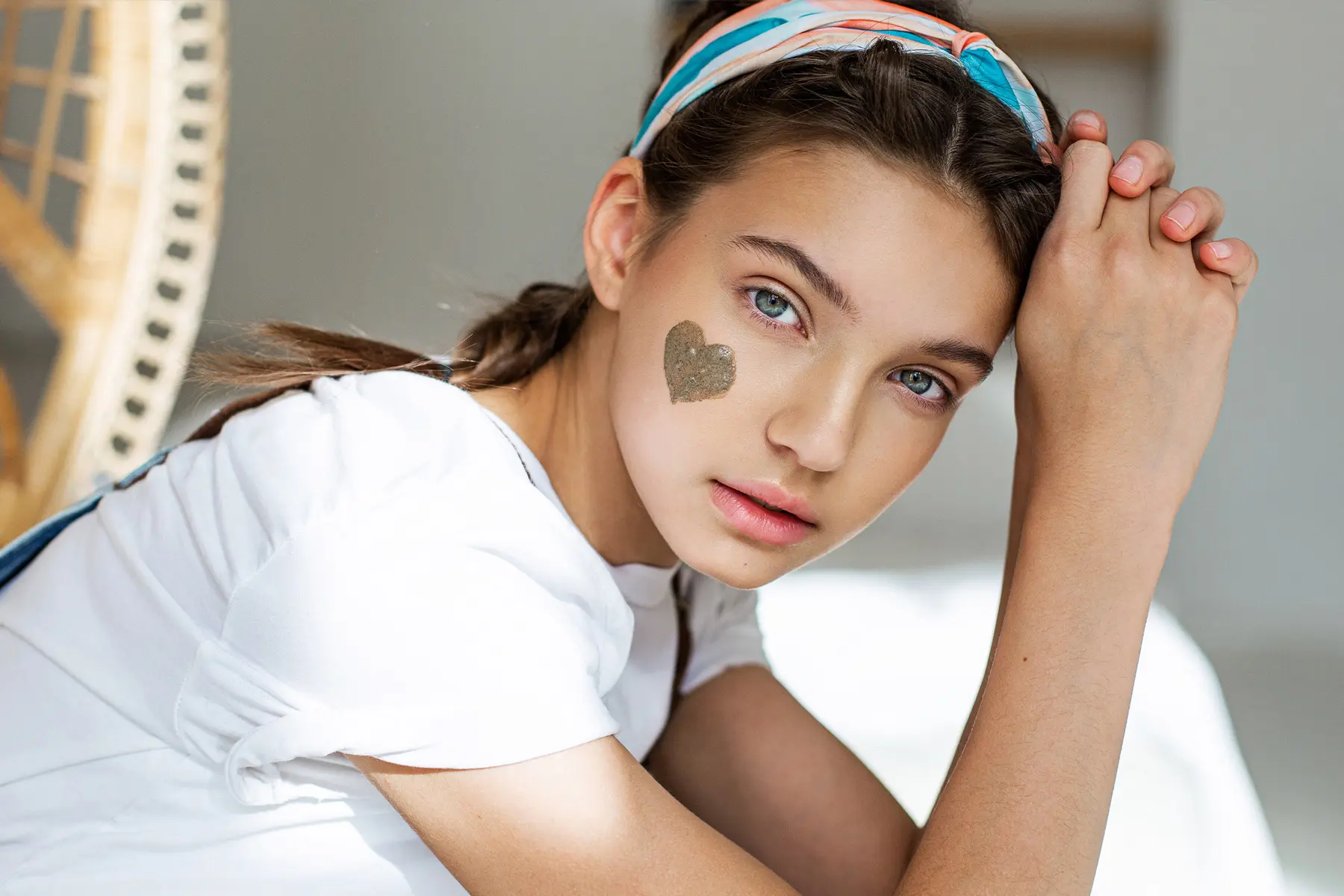
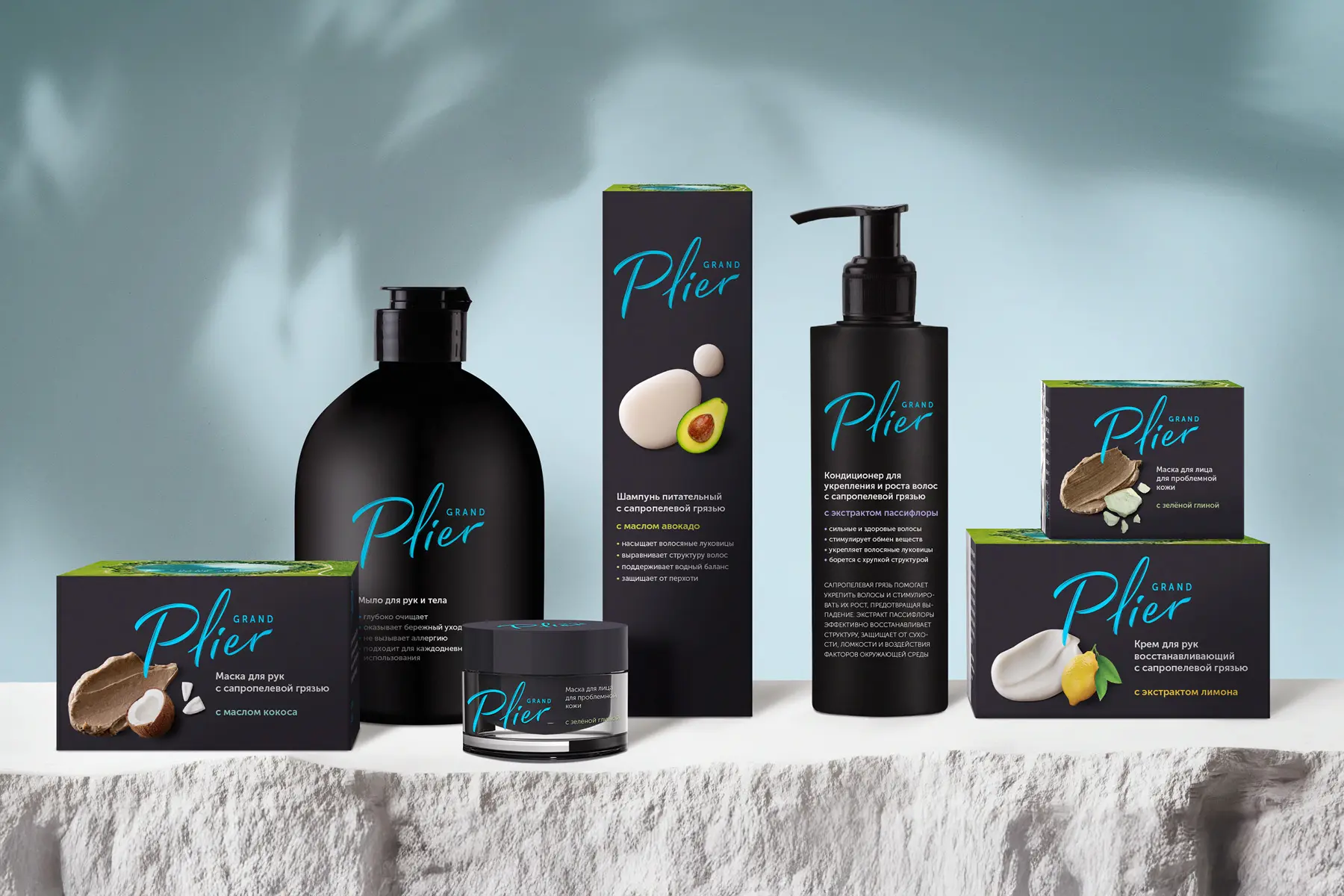
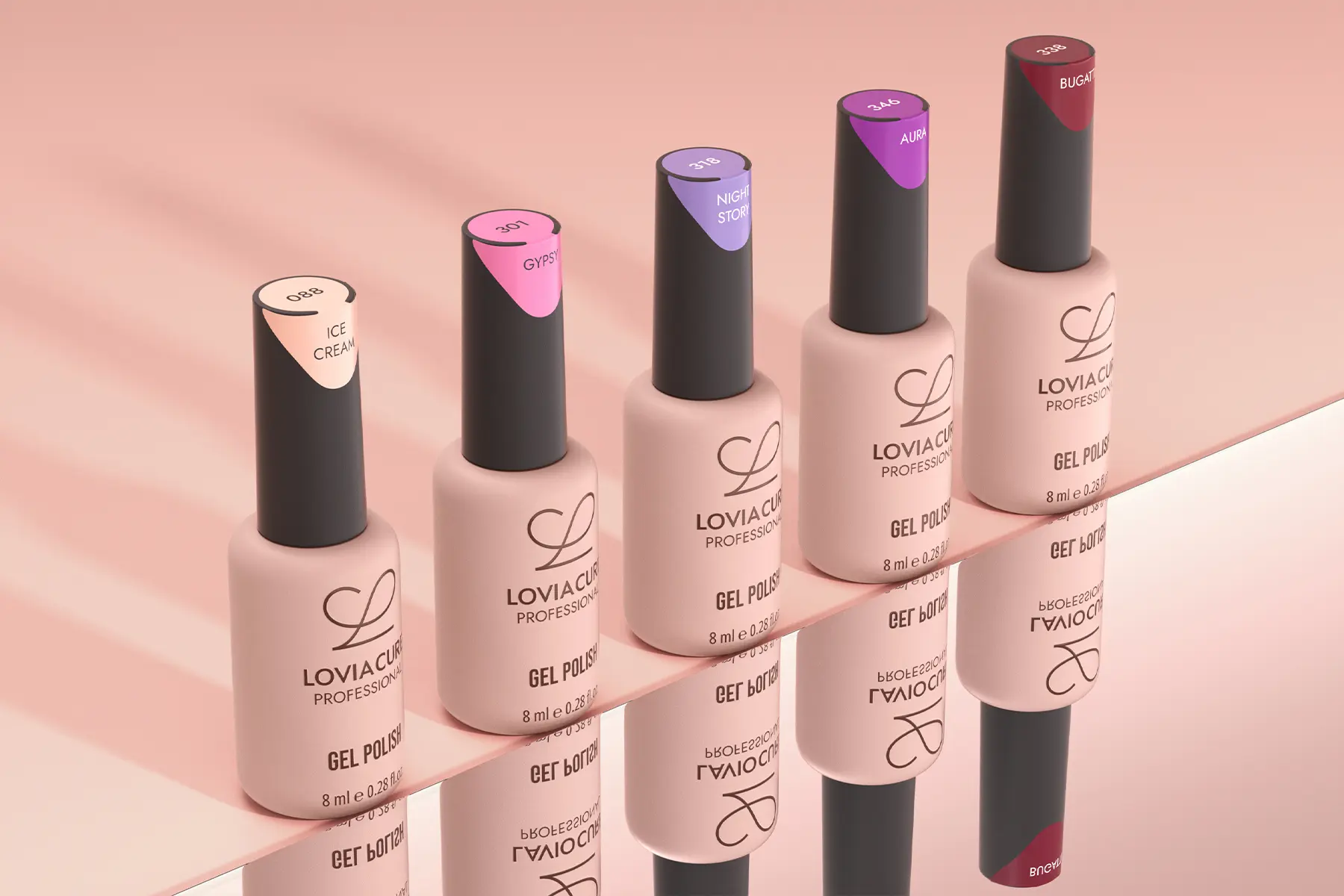
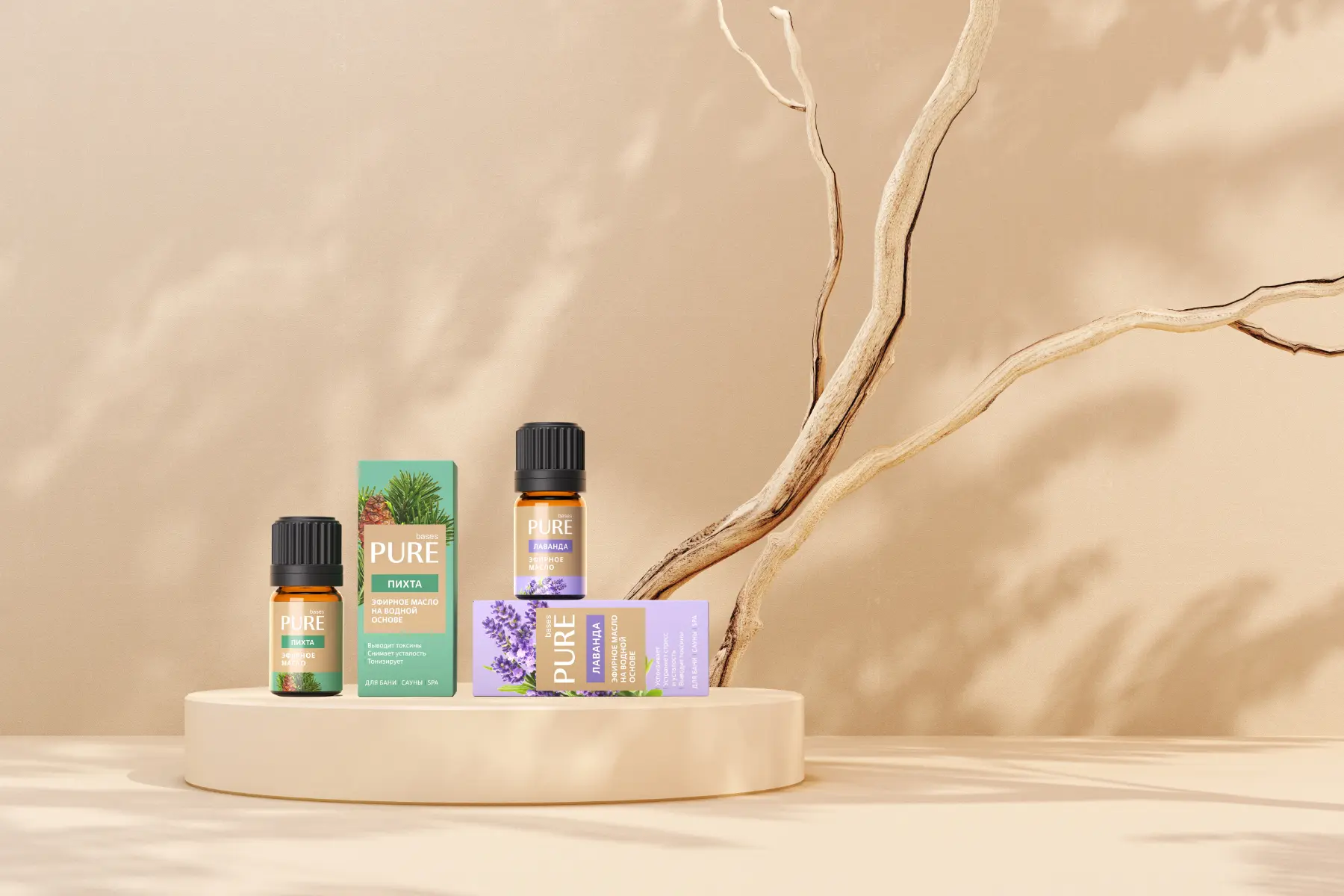
Cosmetics Photography
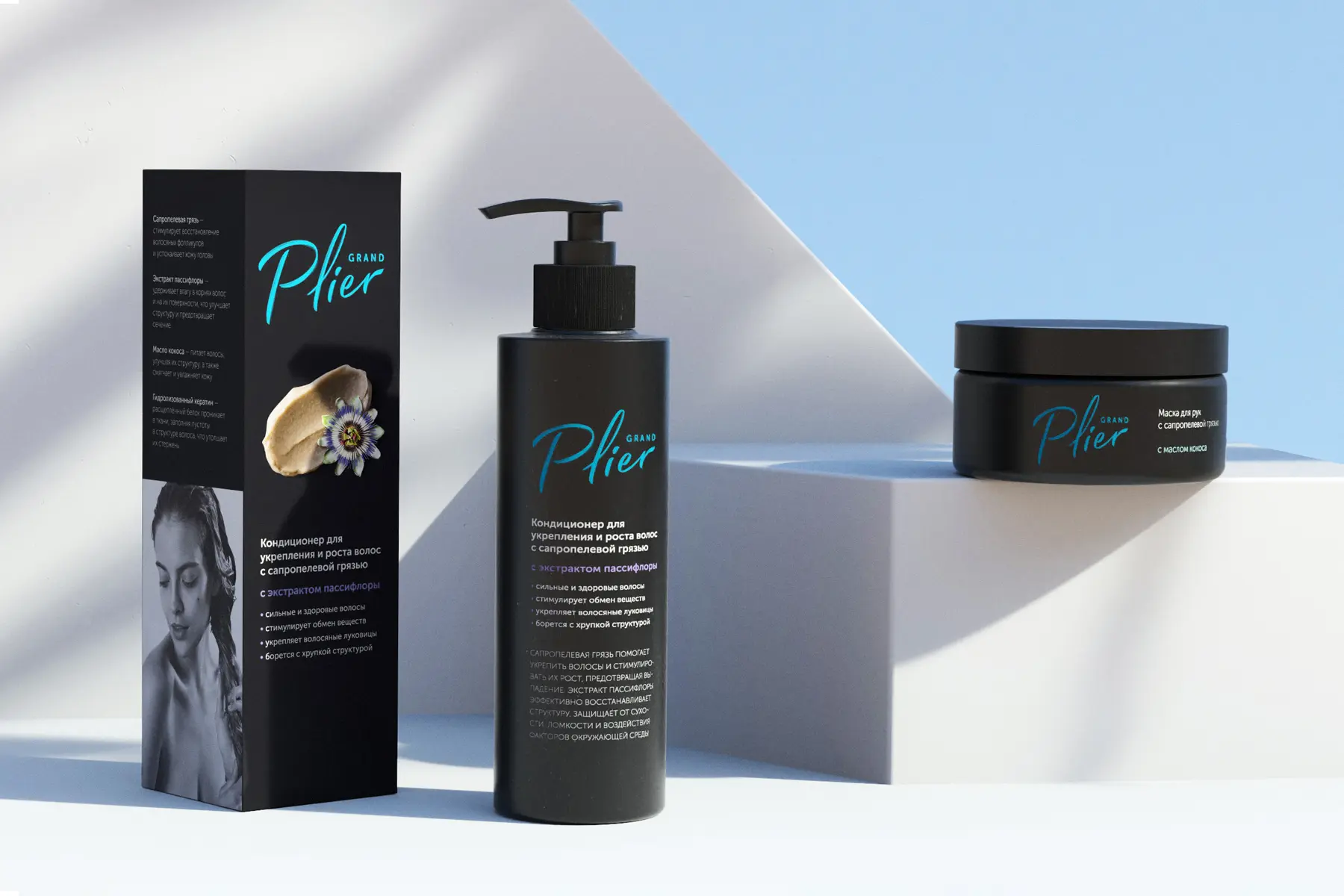
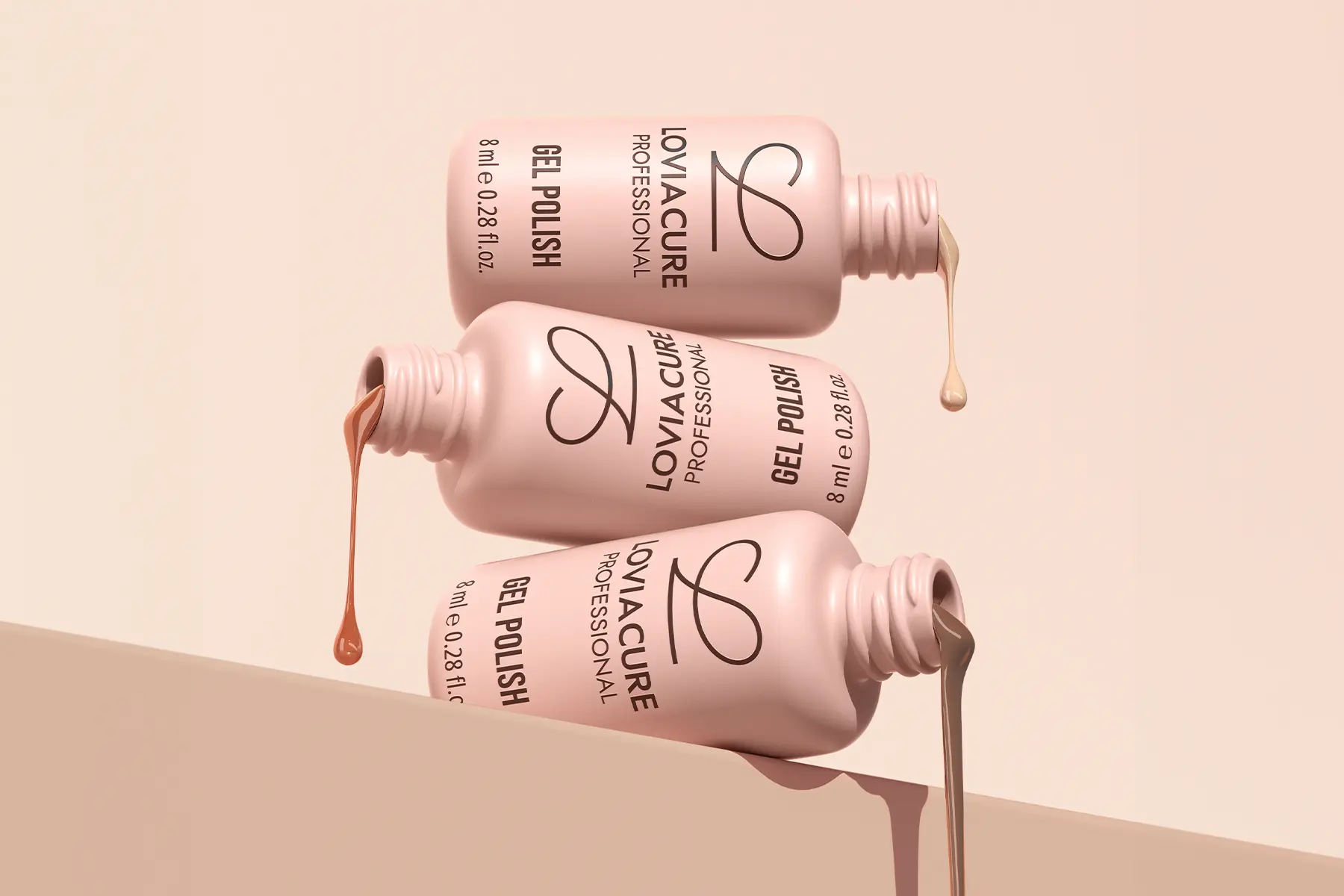
Cosmetics photography presents beauty products through precise lighting and composition. Details such as the texture of the packaging, the product’s transparency, and the sheen of its finish matter in every shoot. Modern photographic equipment and advanced macro techniques capture the character and visual quality of each item. Brands invest in cosmetics photography to communicate innovation and quality while building consumer trust.
Jewelry Photography
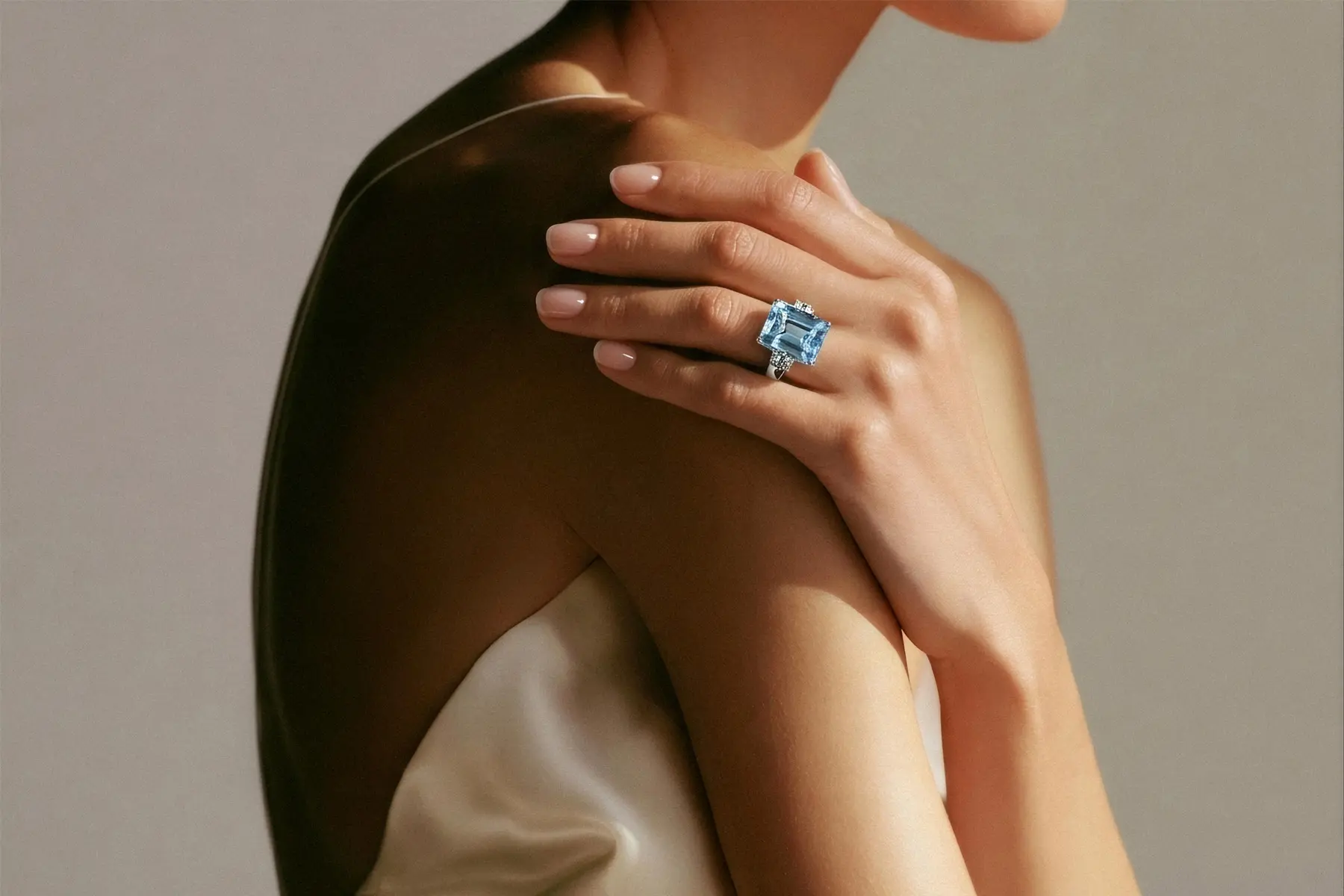
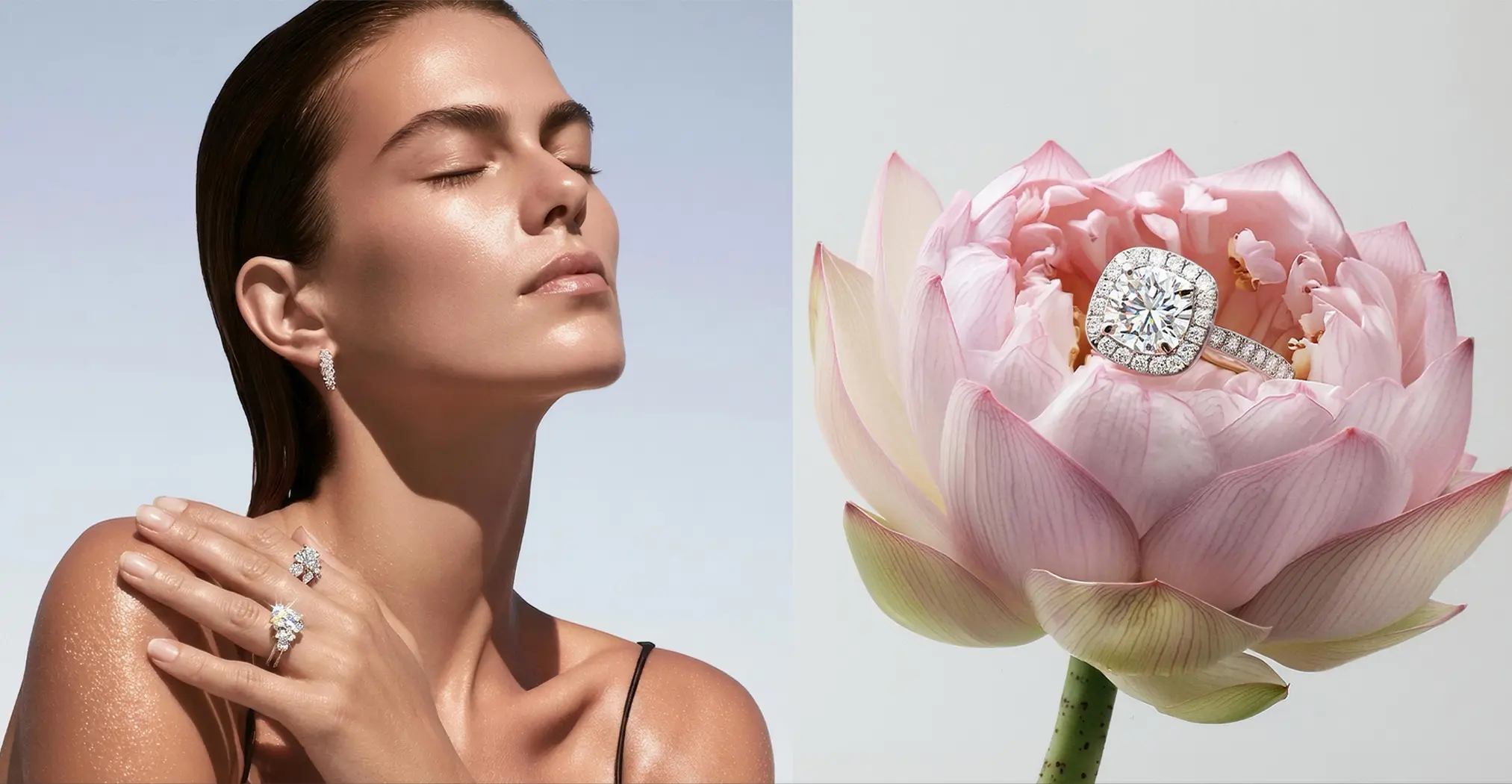
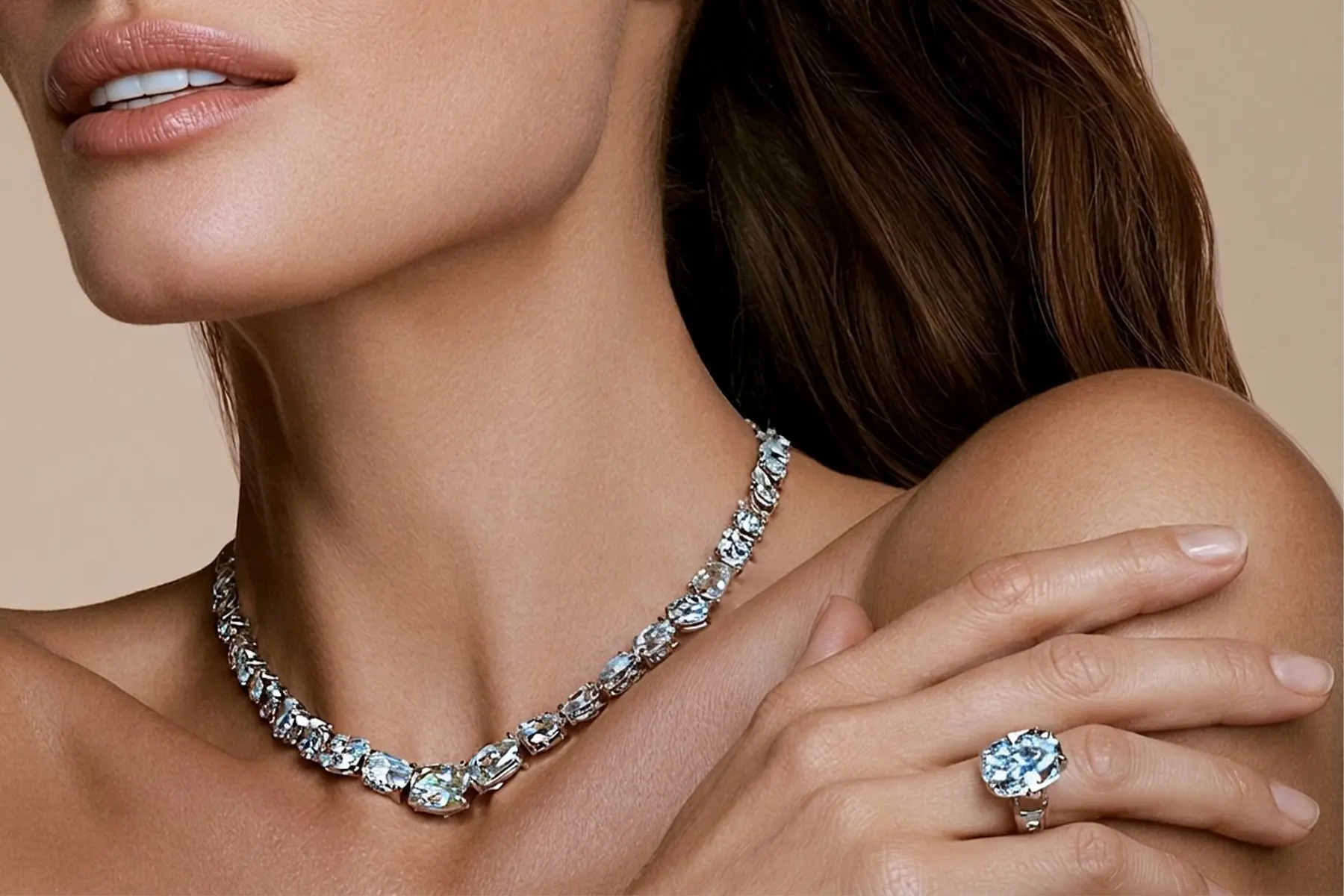
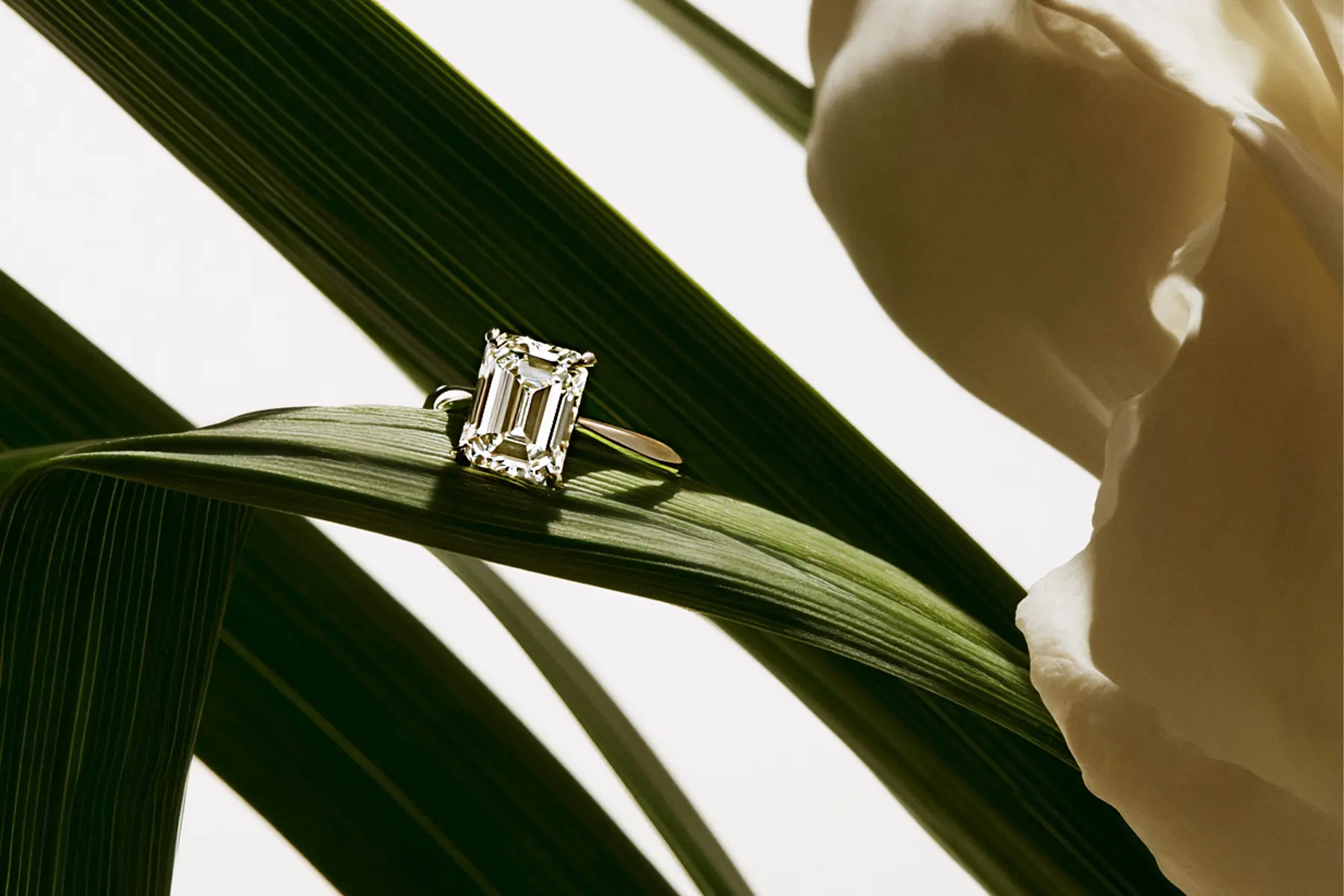
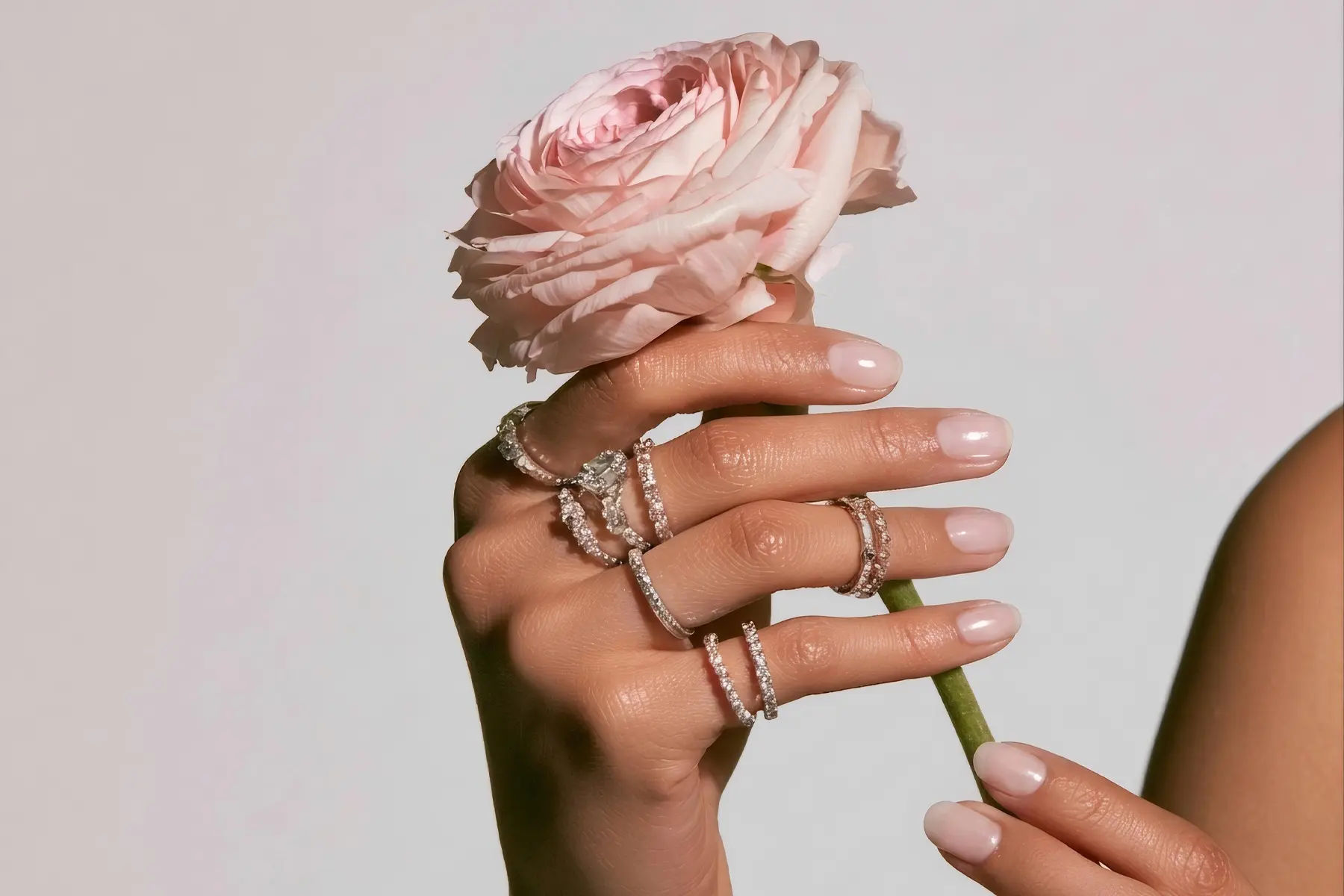
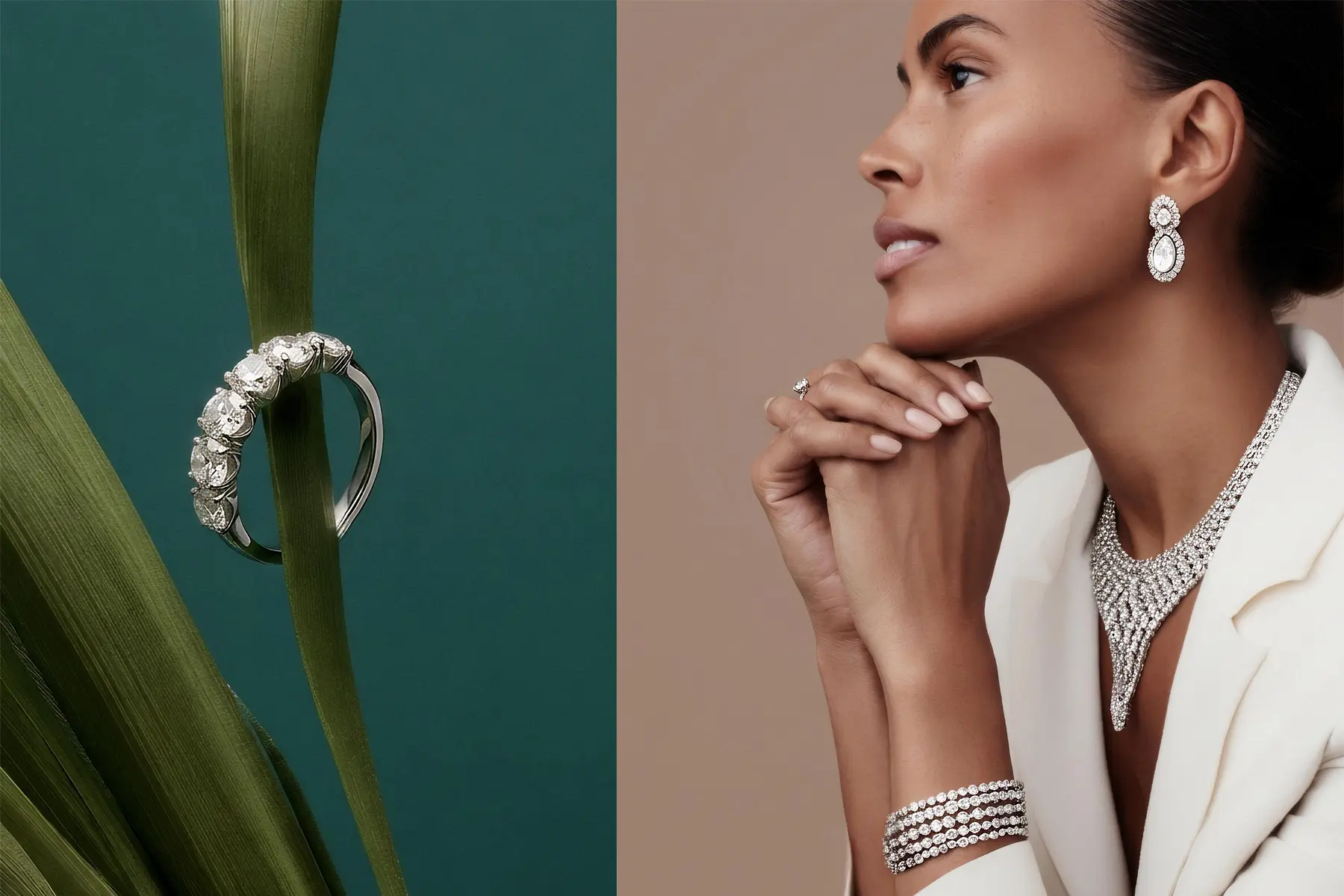
Jewelry photography is designed to capture the brilliance, transparency, and fine details of a gemstone’s cut. Specialized macro lenses and high-resolution cameras capture the sparkle and reflections on the surface of precious stones. Detailed diamond photography shows the cut and the way light reflects from each facet, allowing viewers to appreciate the quality and value of the jewelry at a glance.

Corporate Photography
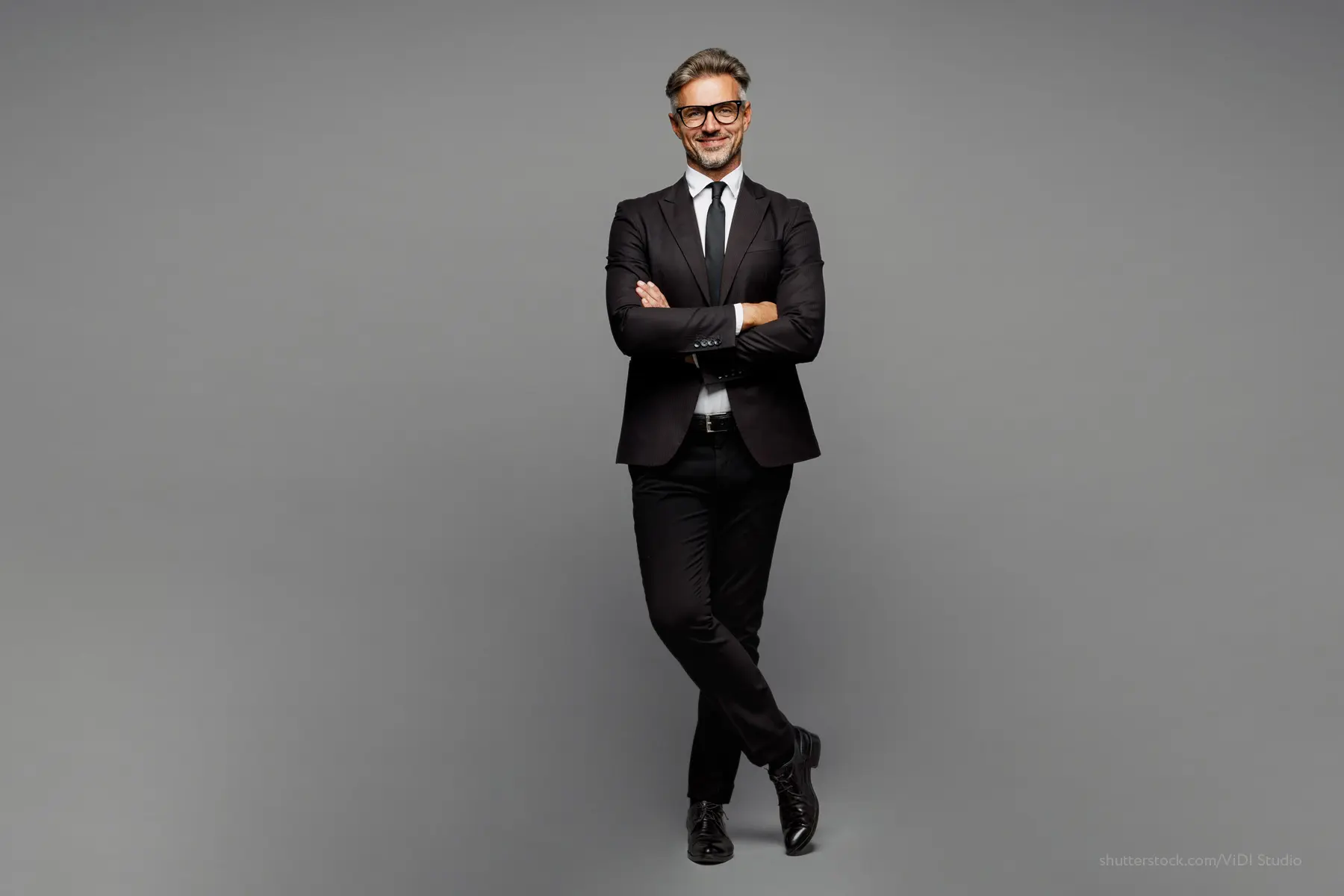
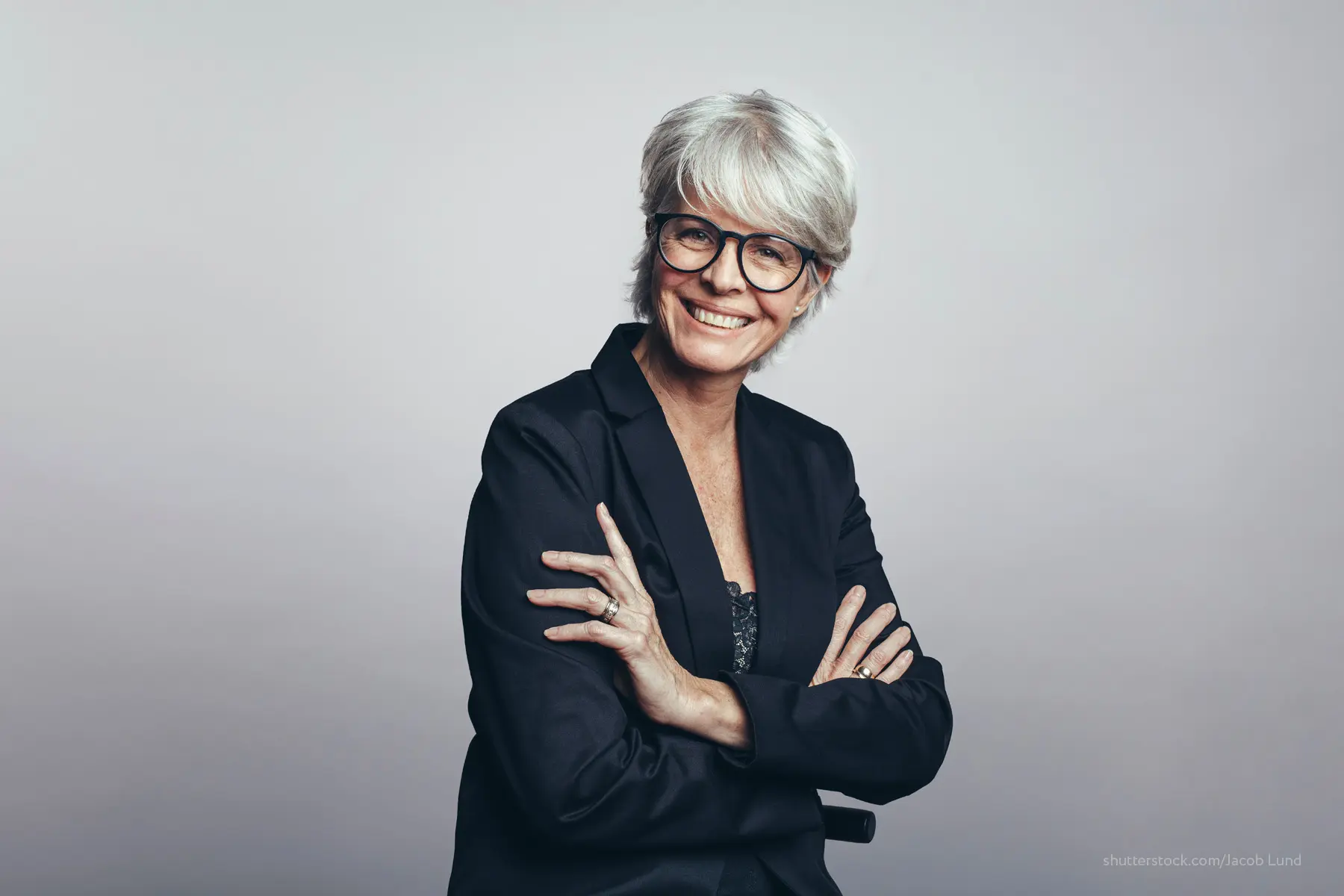
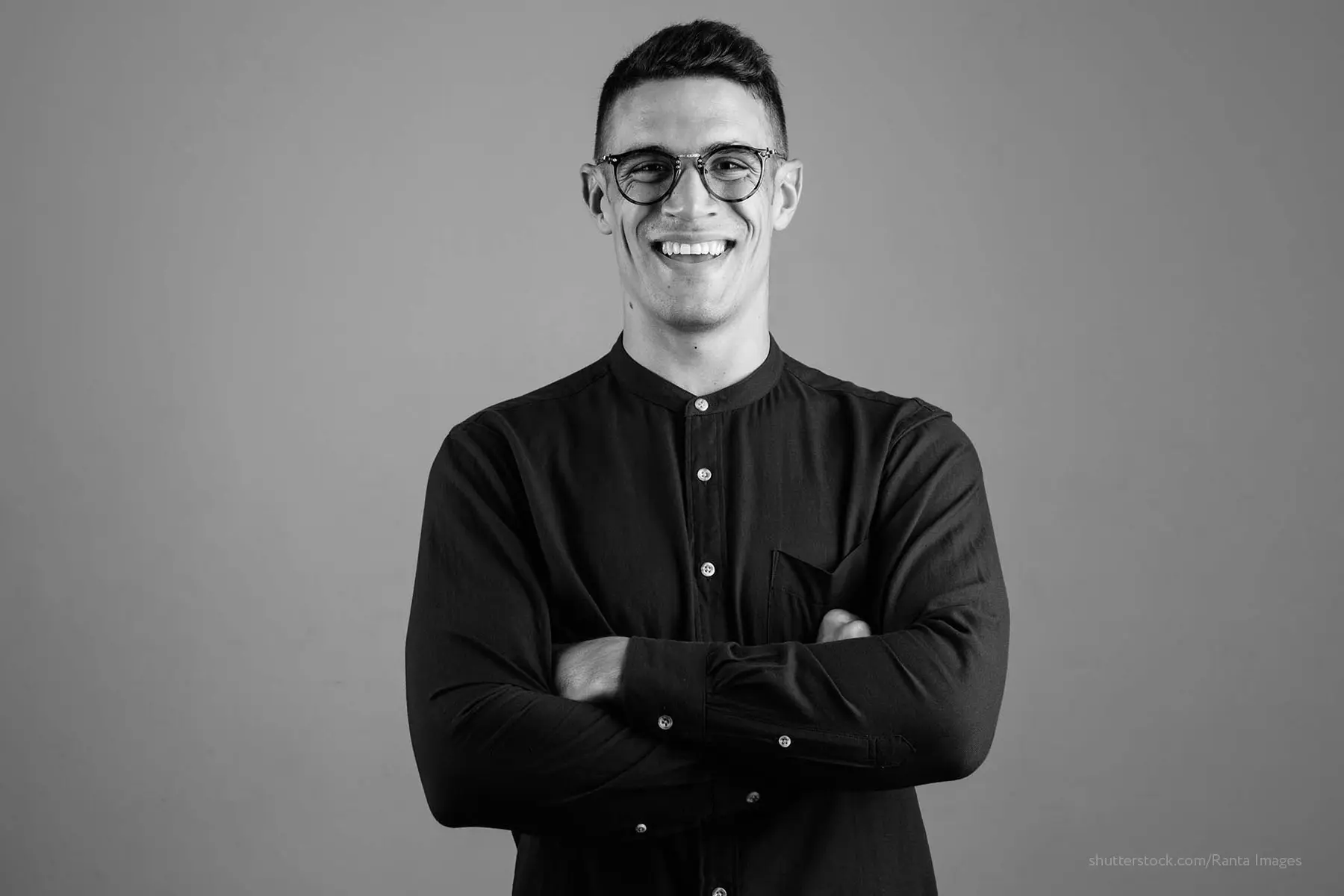
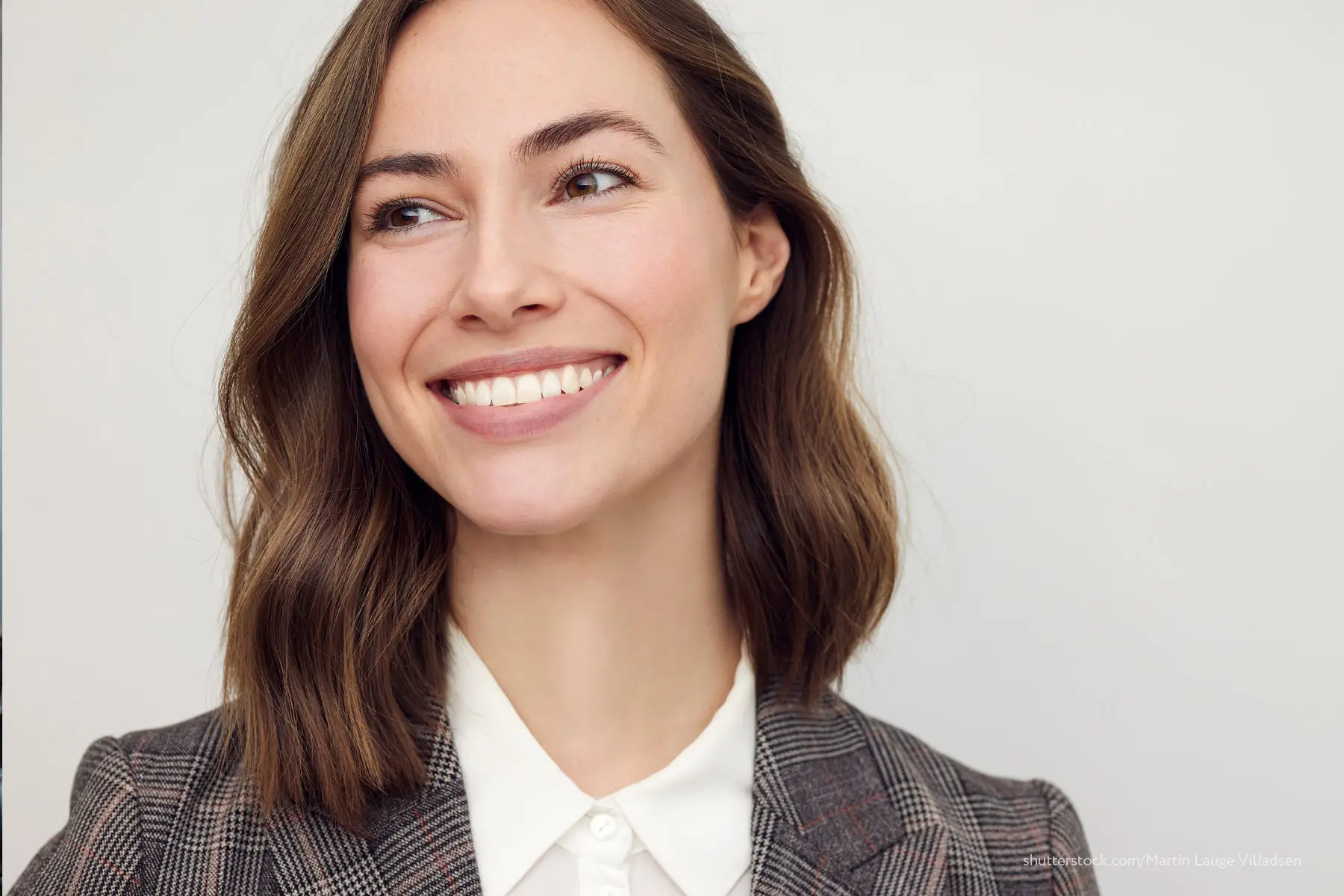
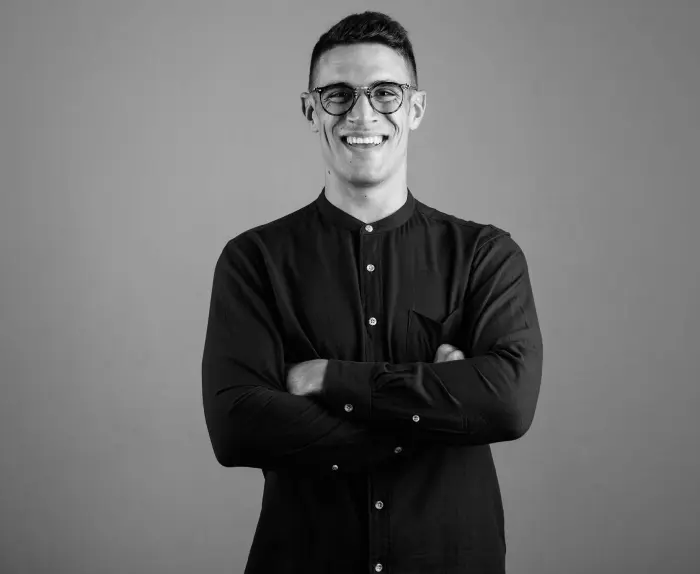
Corporate photography documents a company’s operations, work environment, and organizational culture. Shoots may take place in offices, factories, and conference rooms. Each scene is photographed using specialized camera and lighting equipment. Employee portraits should convey the company’s authenticity and reliability. During post-production, color, brightness, and contrast are adjusted to produce images that reflect the company’s philosophy and strategic direction.
Industrial Photography
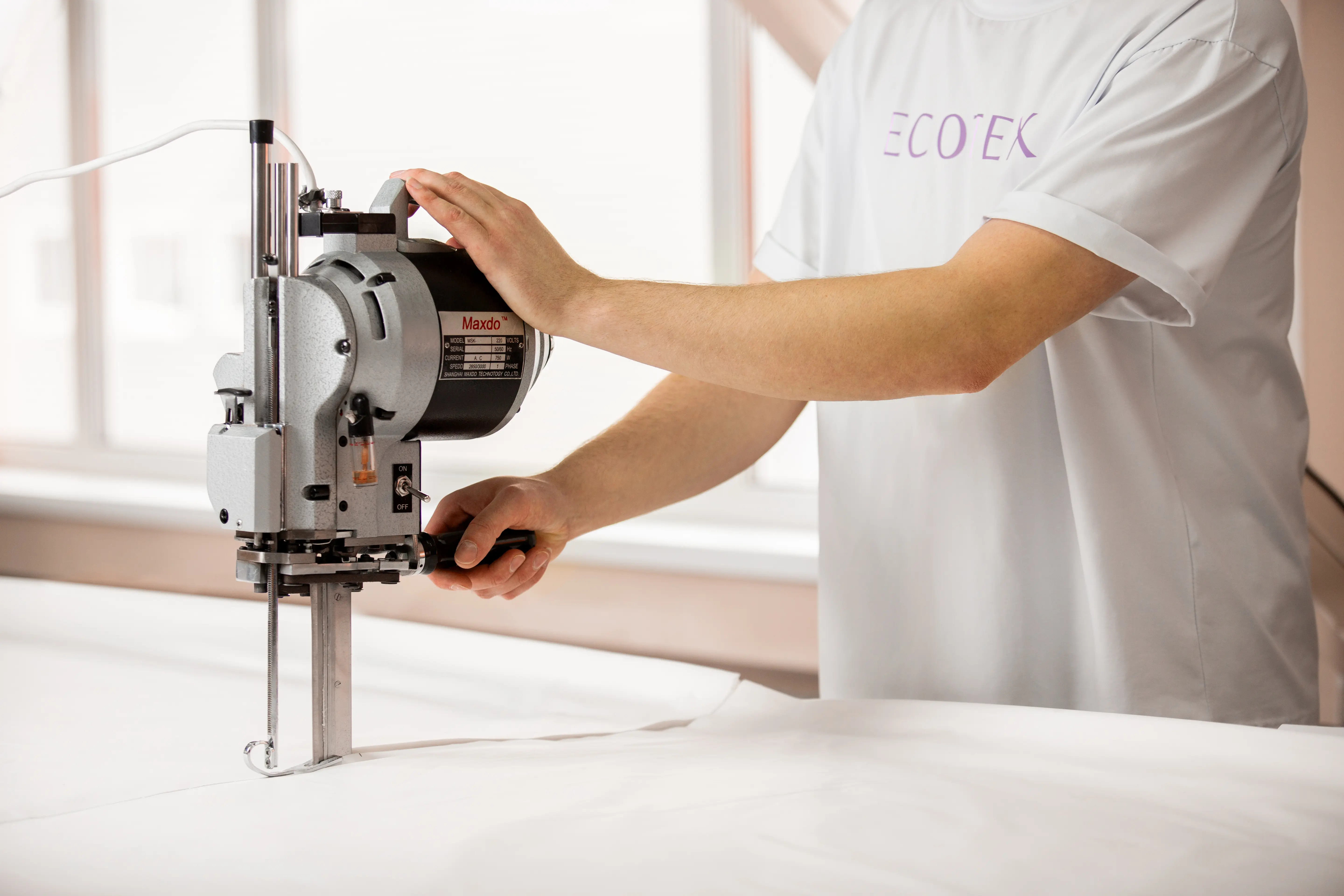
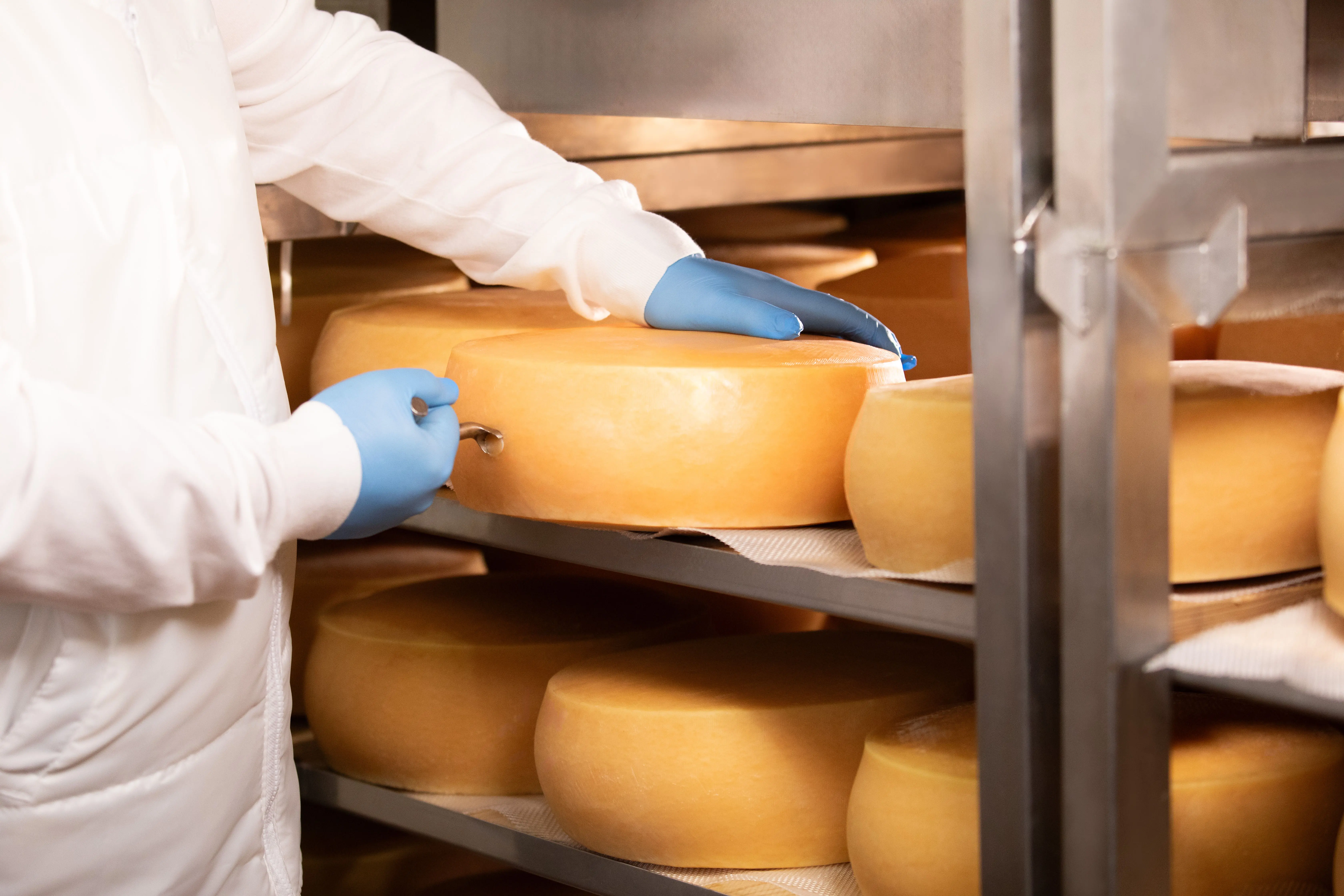
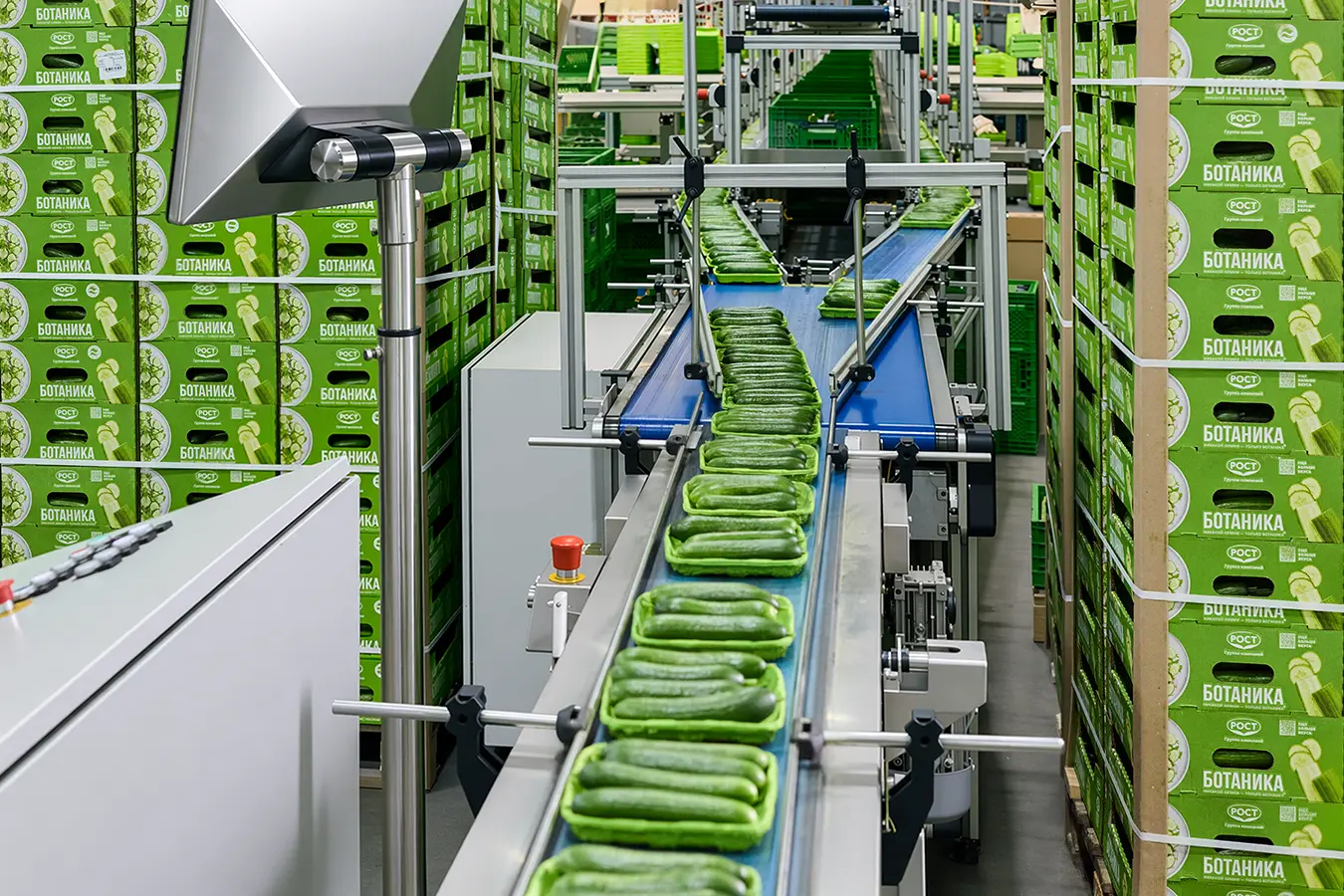
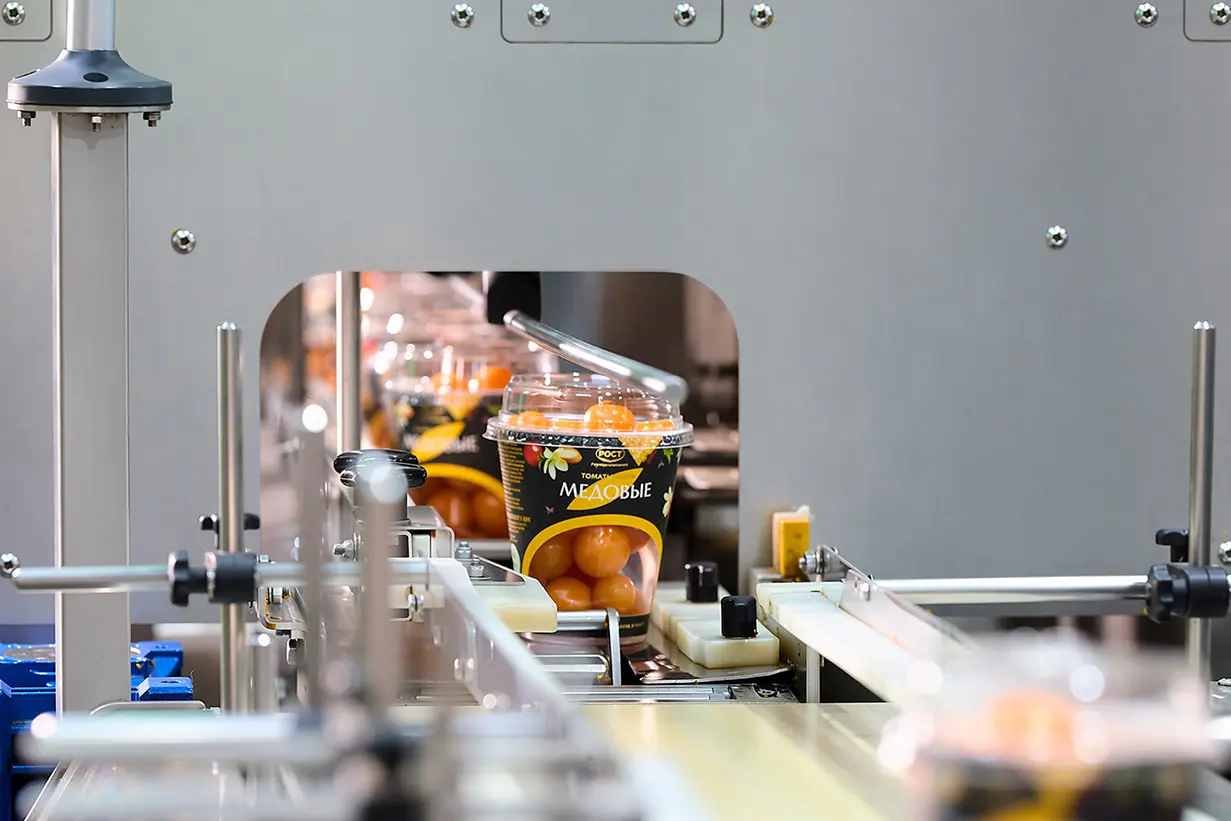
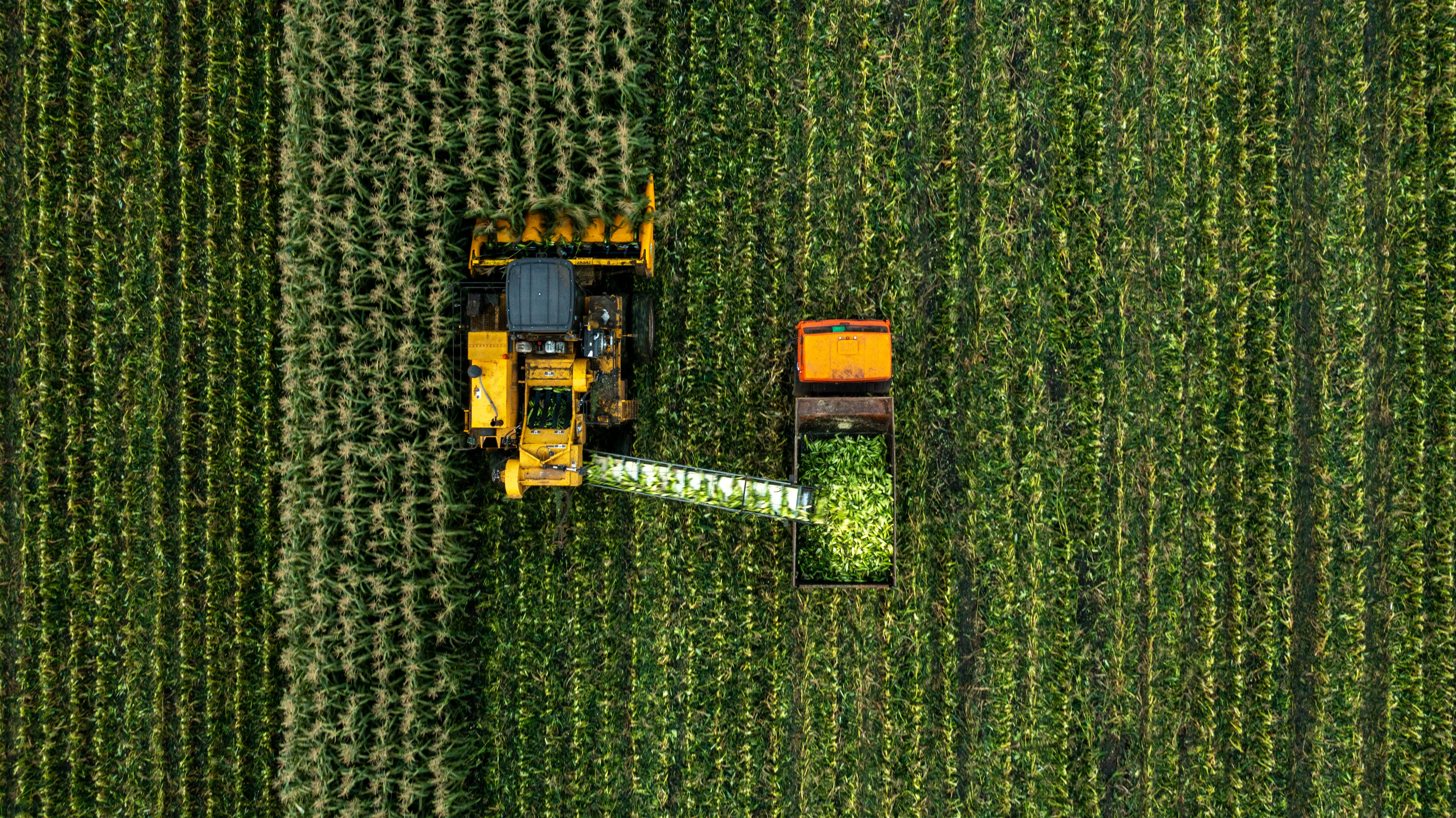
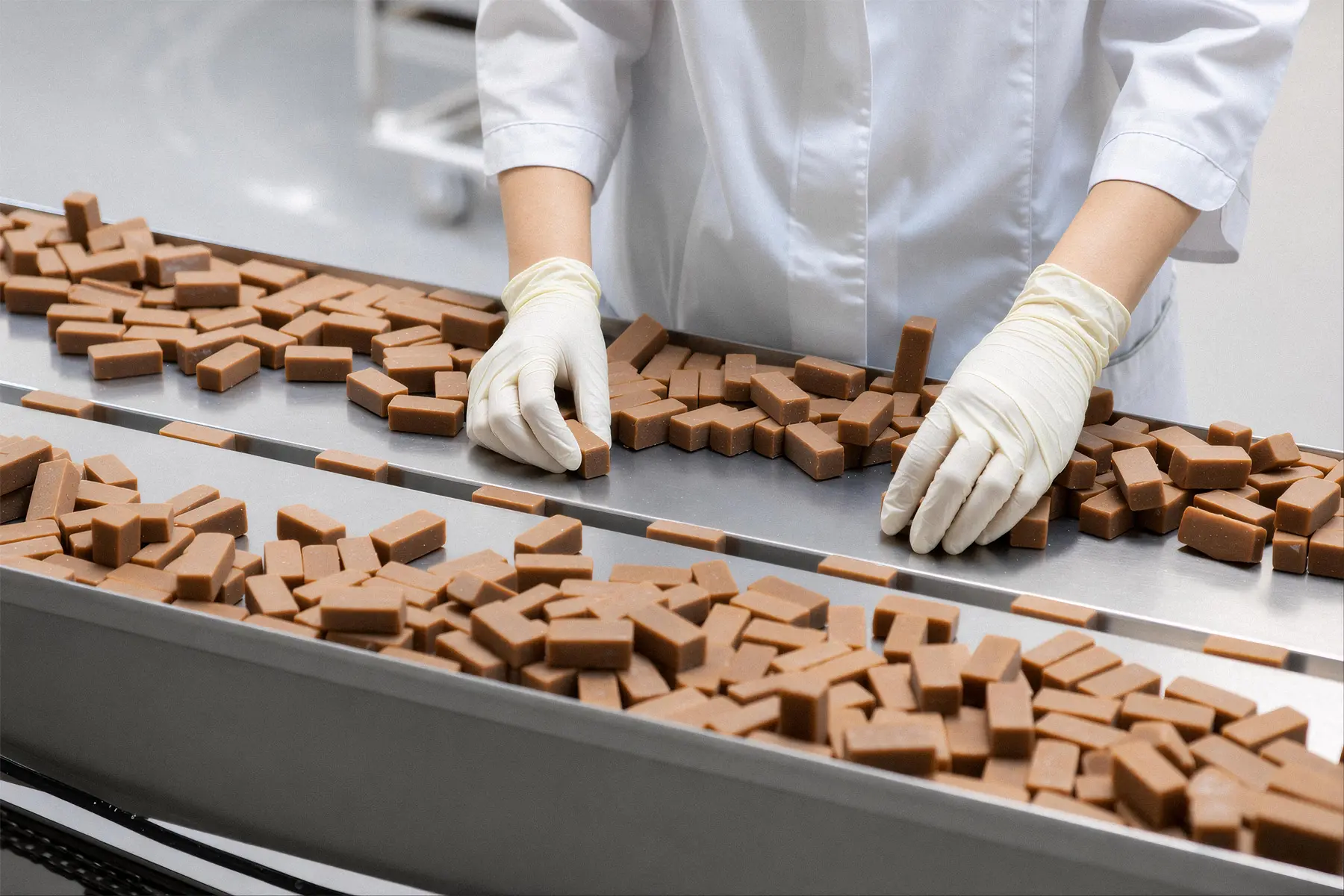
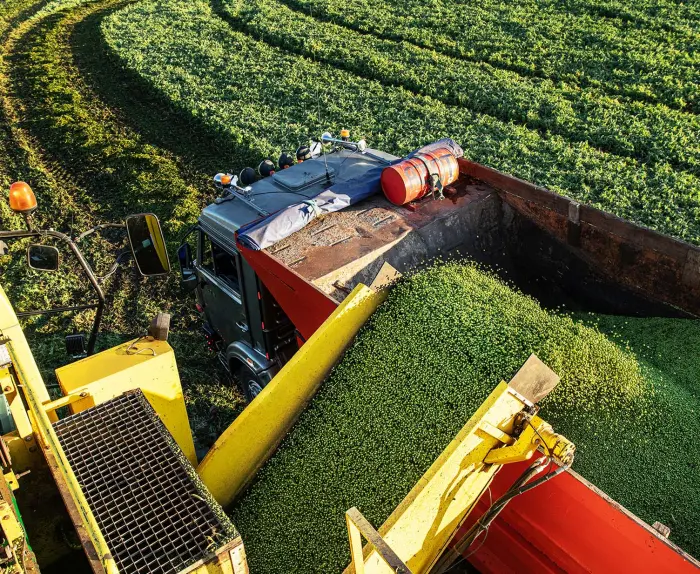
Industrial photography takes place at facilities such as plants, factories, and production workshops. The shoot uses high-resolution cameras, specialized lighting, and techniques suited to capturing both the facility’s inner workings and its machinery in operation. Subjects may include robotic arms and conveyor belts operating on a production line.
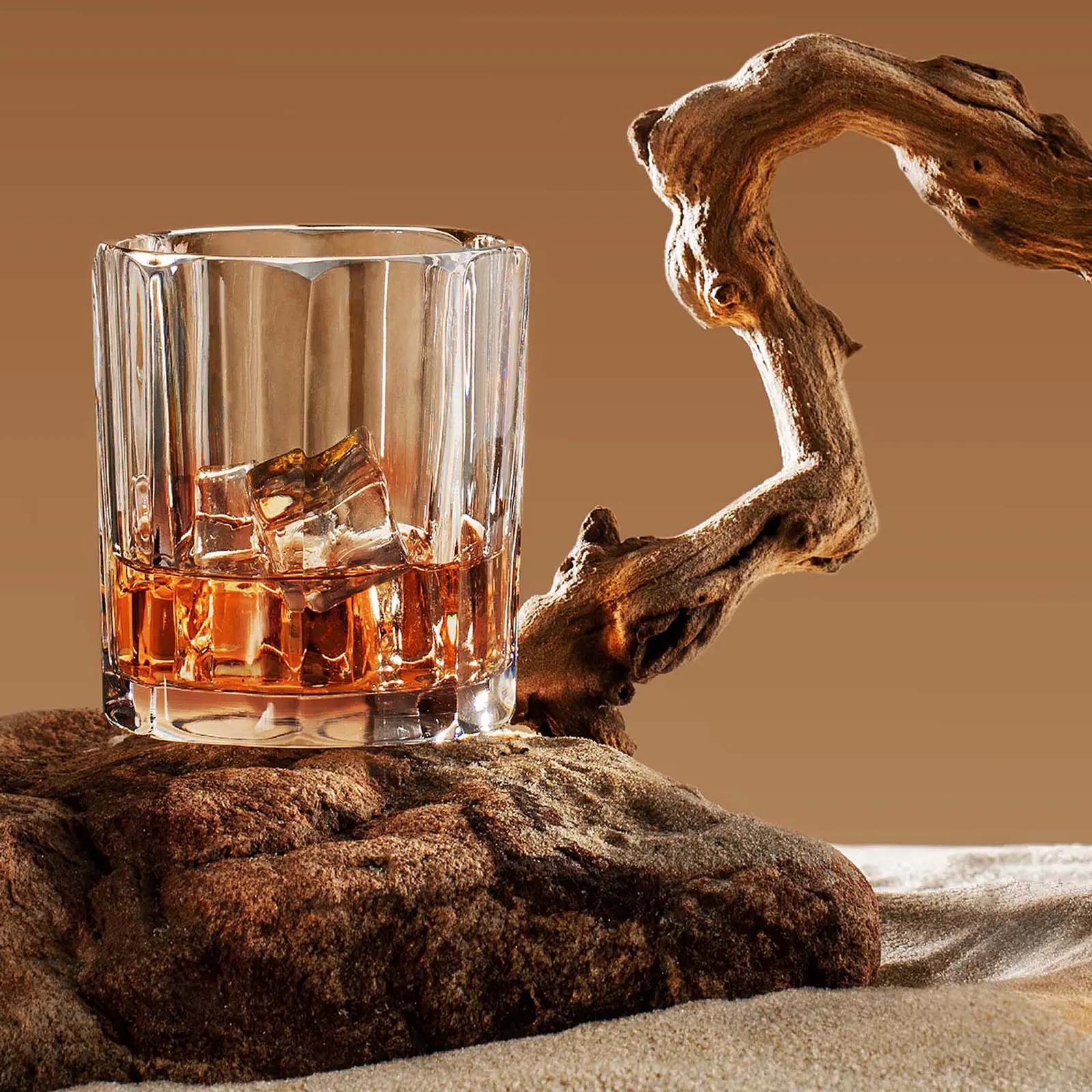
Product Photography
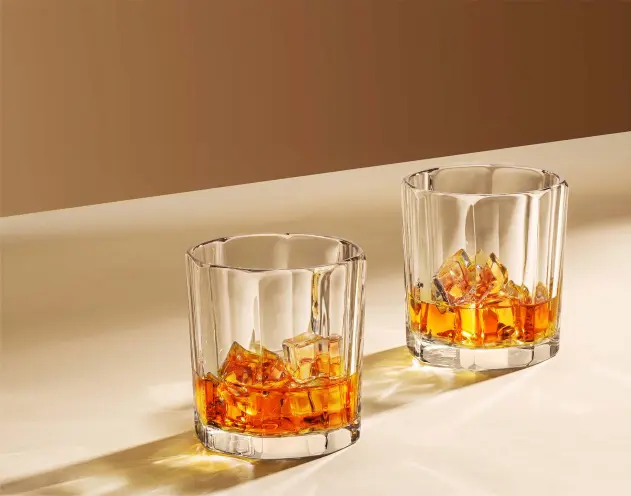
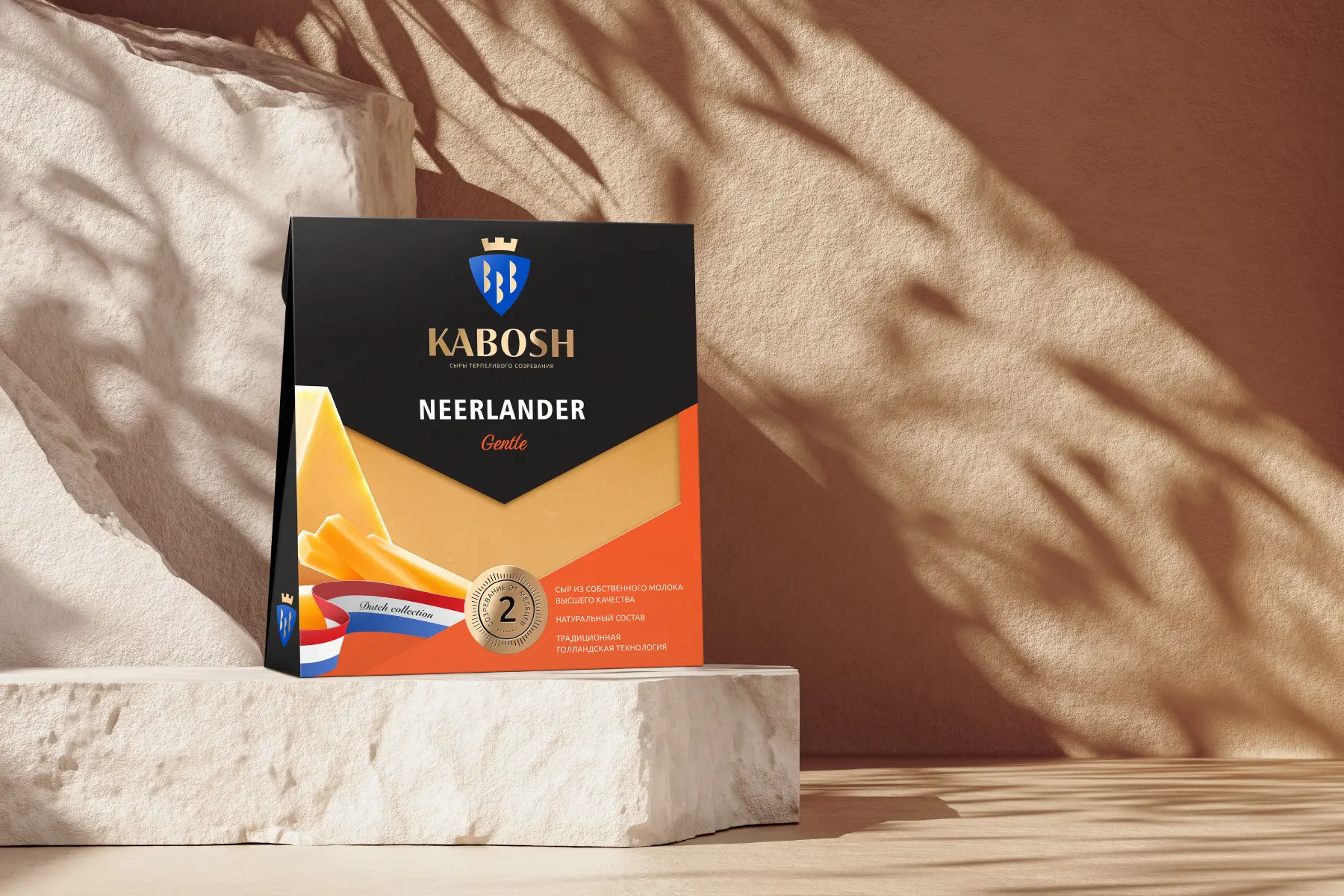
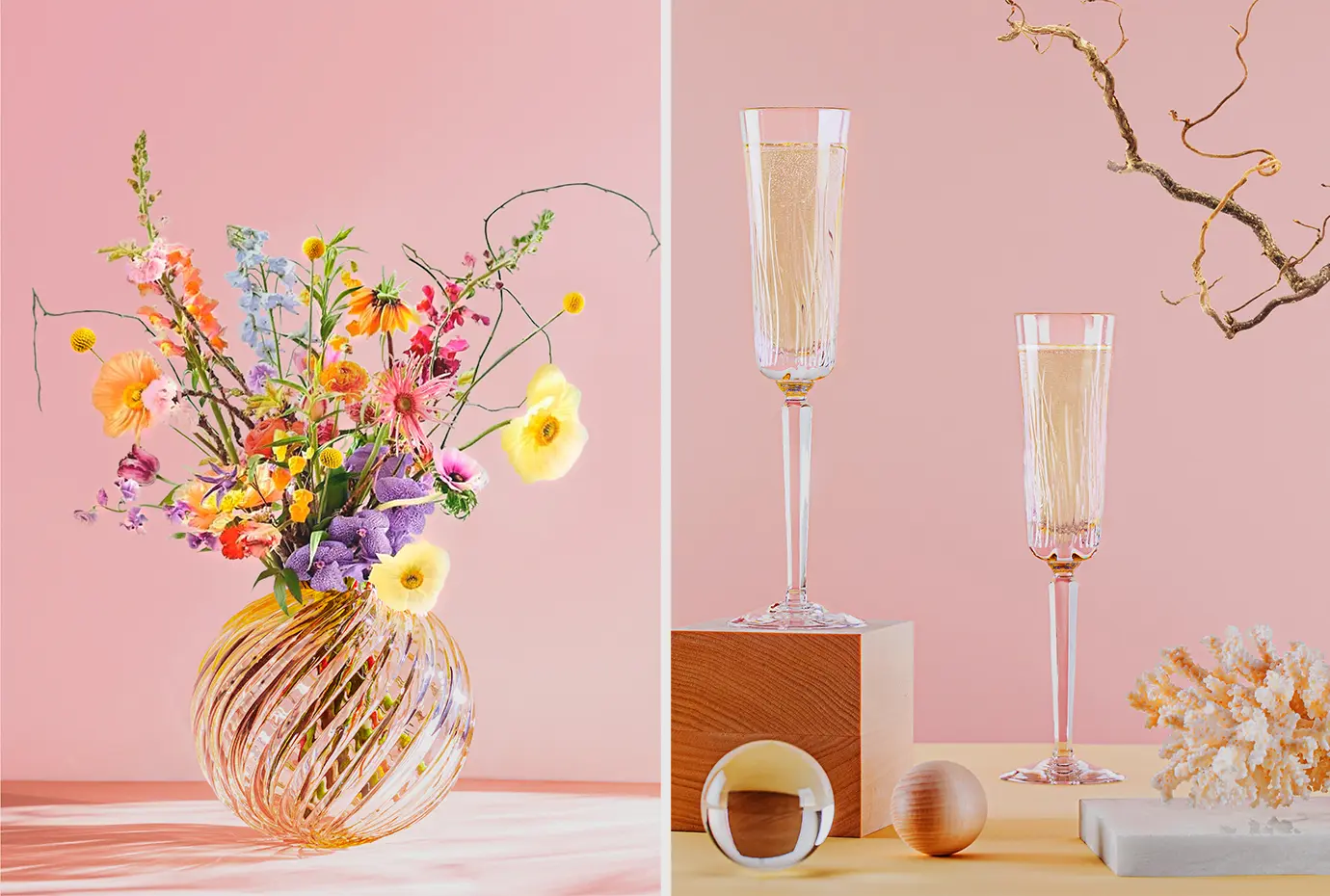
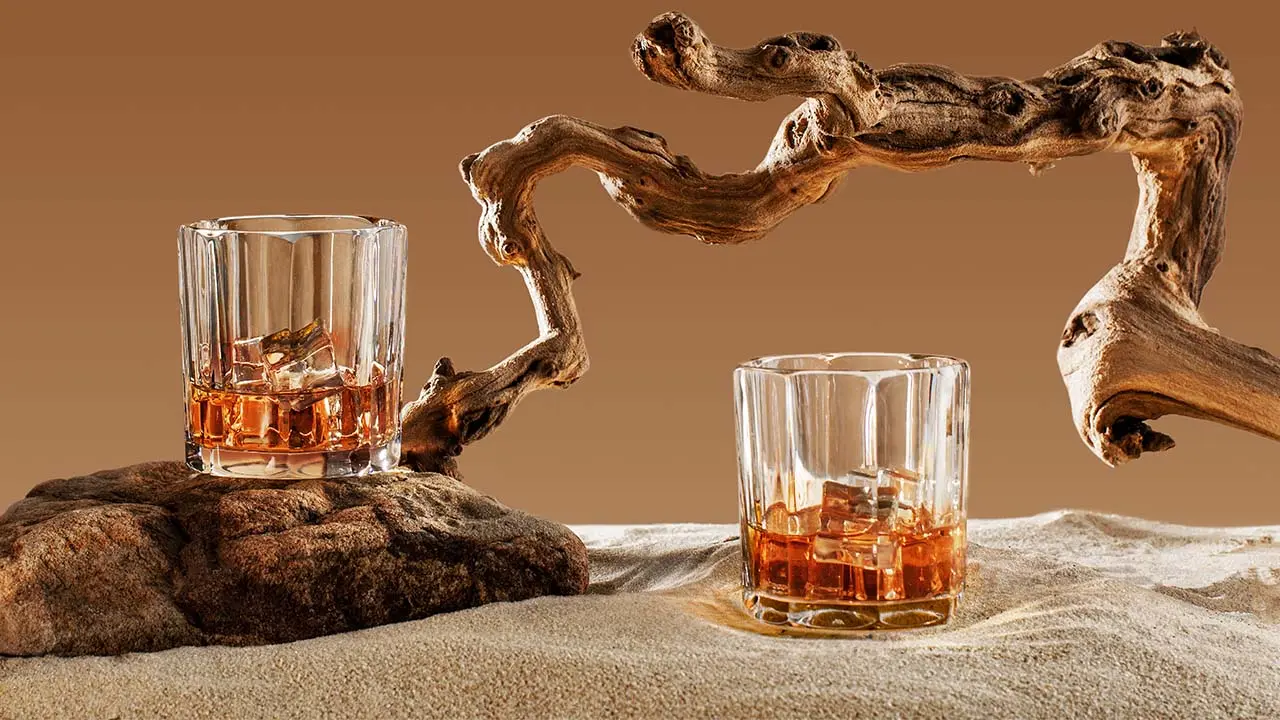
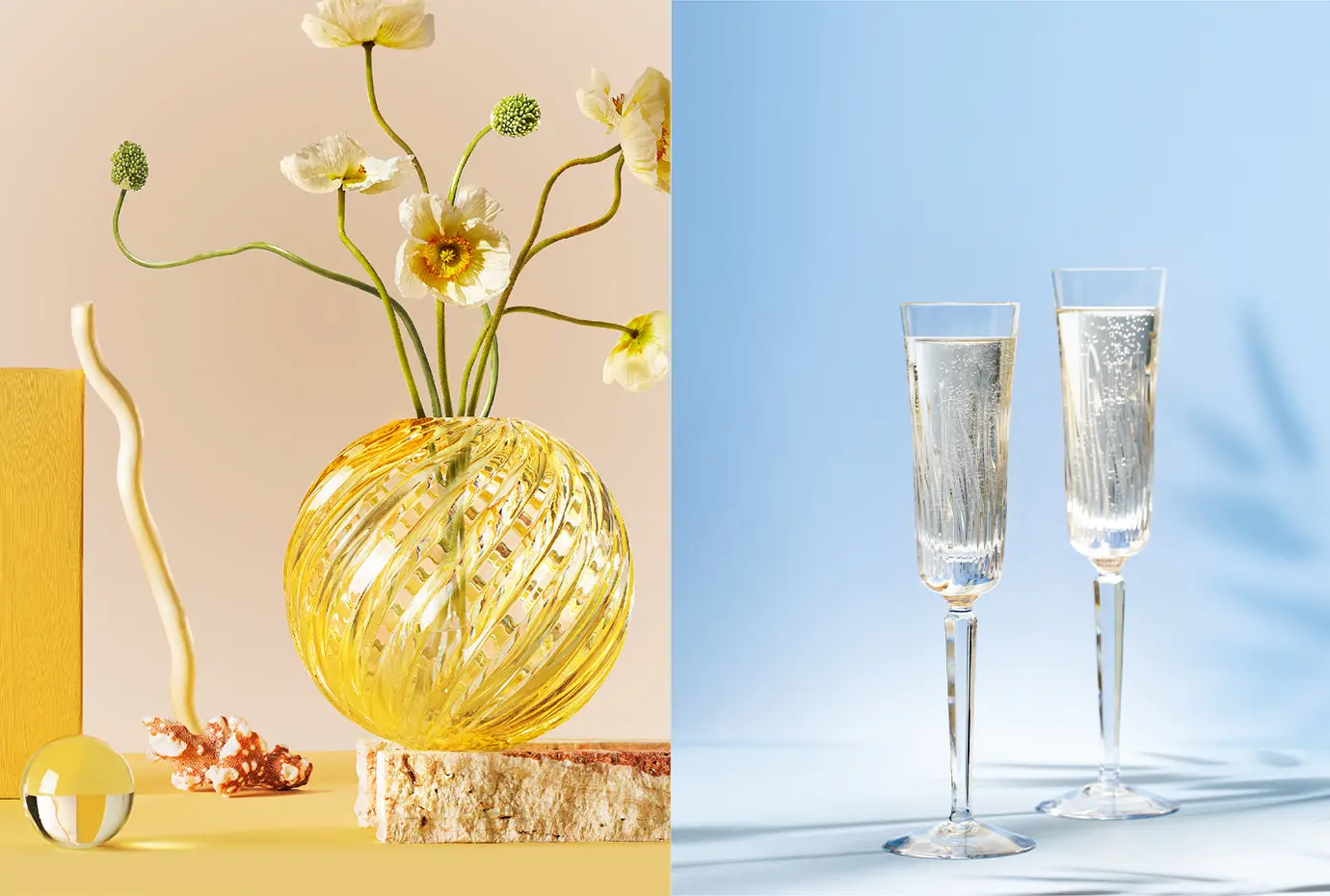
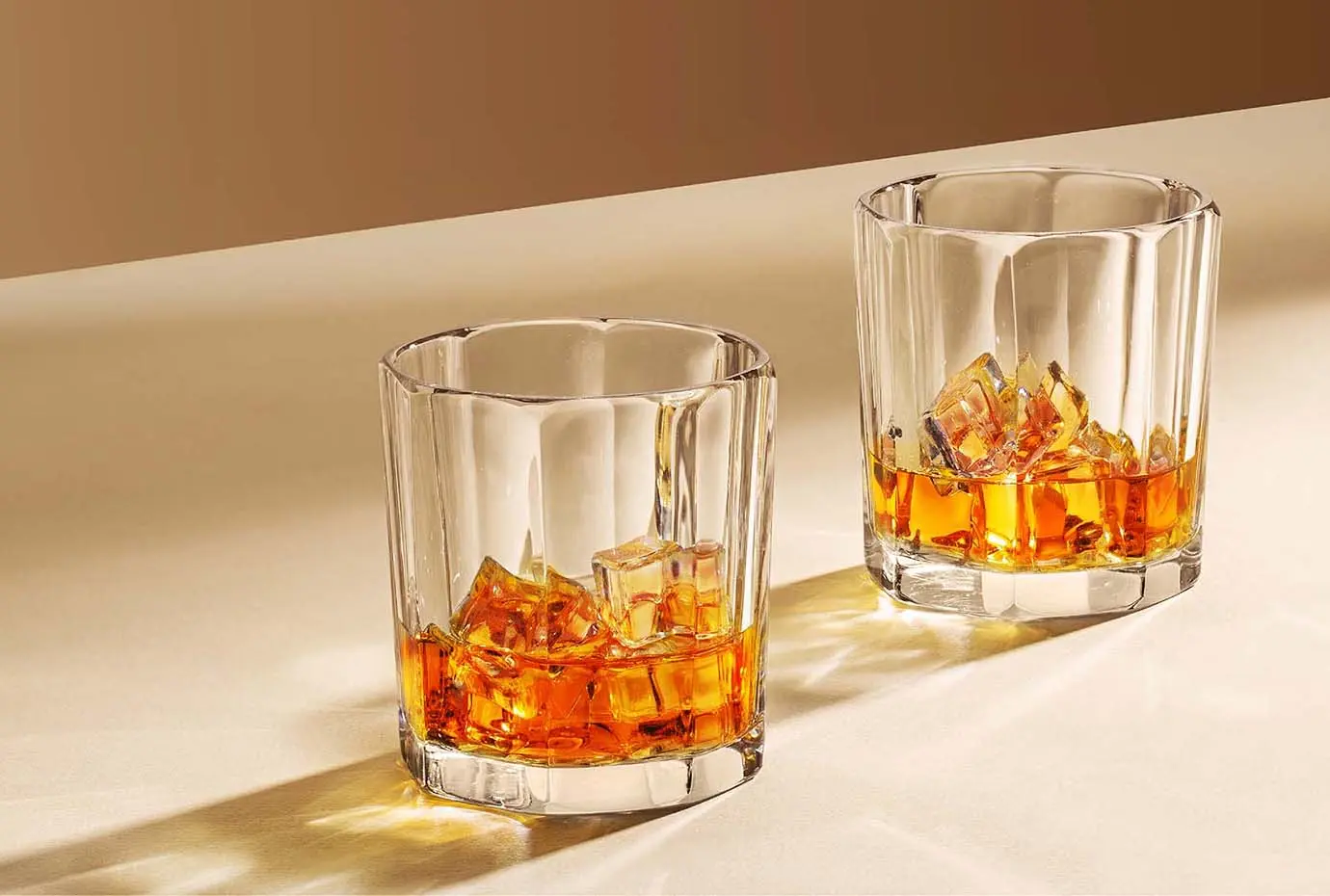
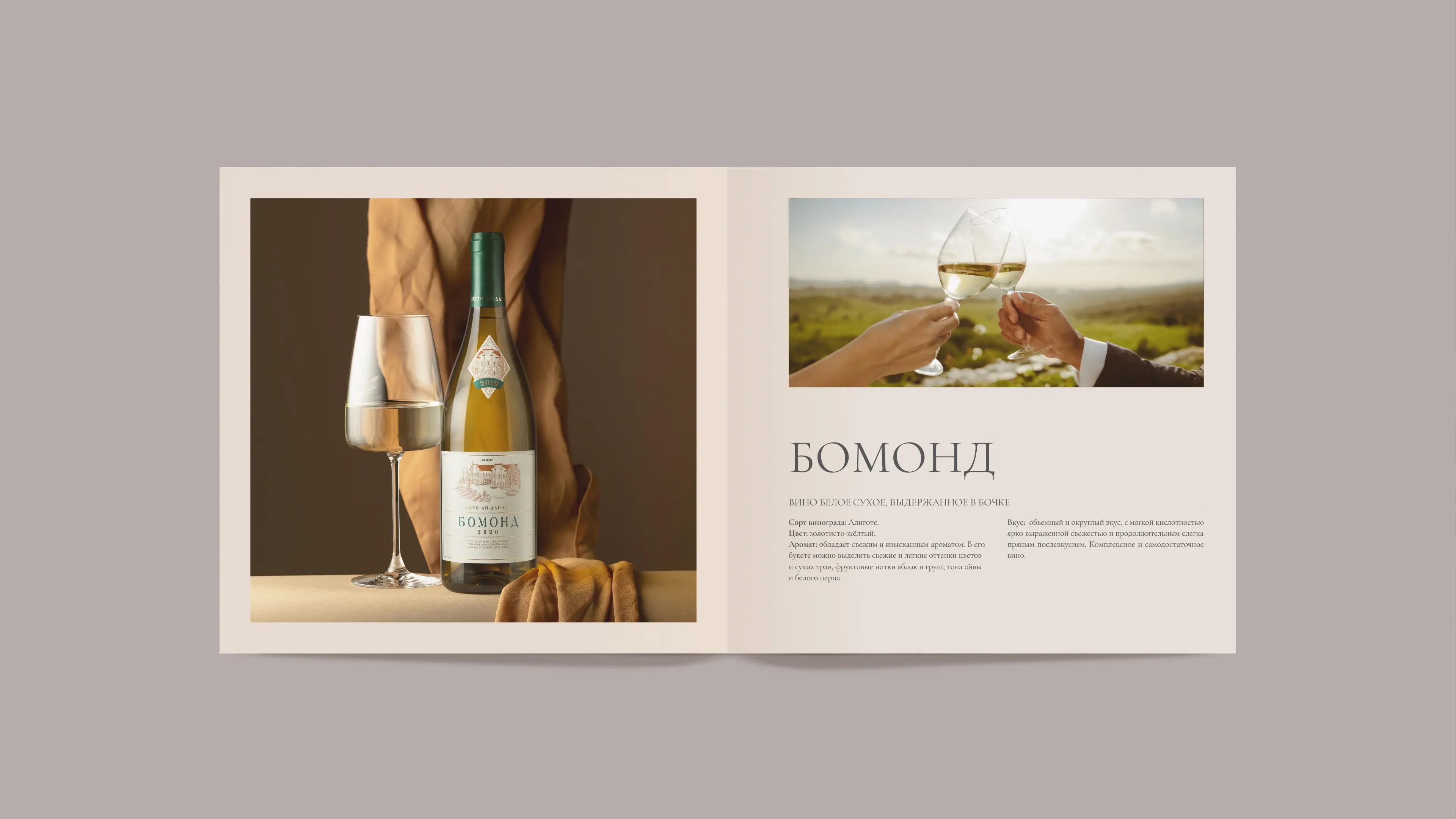
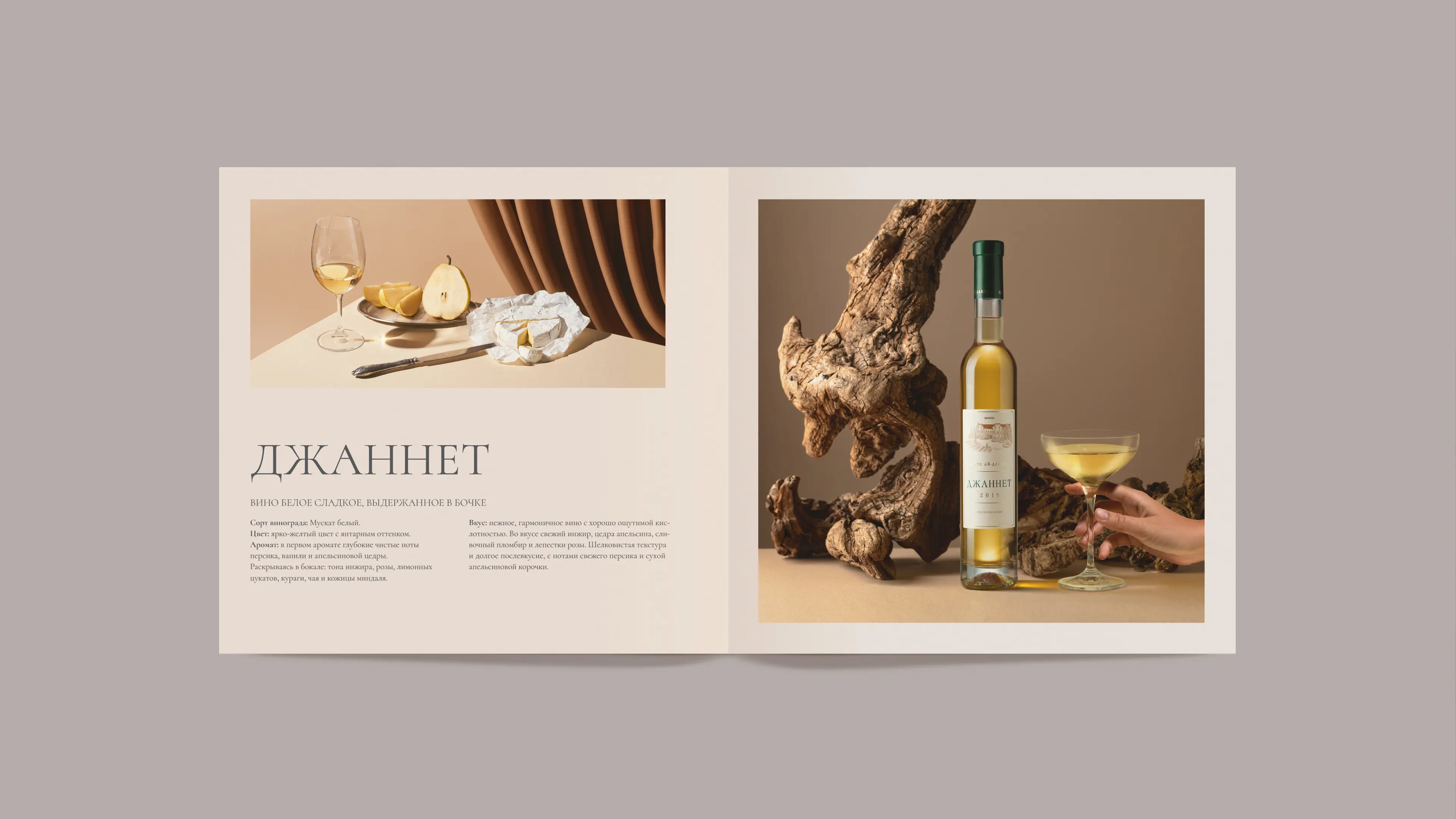
Product photography focuses on creating images of products for catalogs, online stores, and advertising. Its purpose is to present the product attractively while highlighting its features and benefits. The quality of product photography directly shapes how the target audience perceives the product.
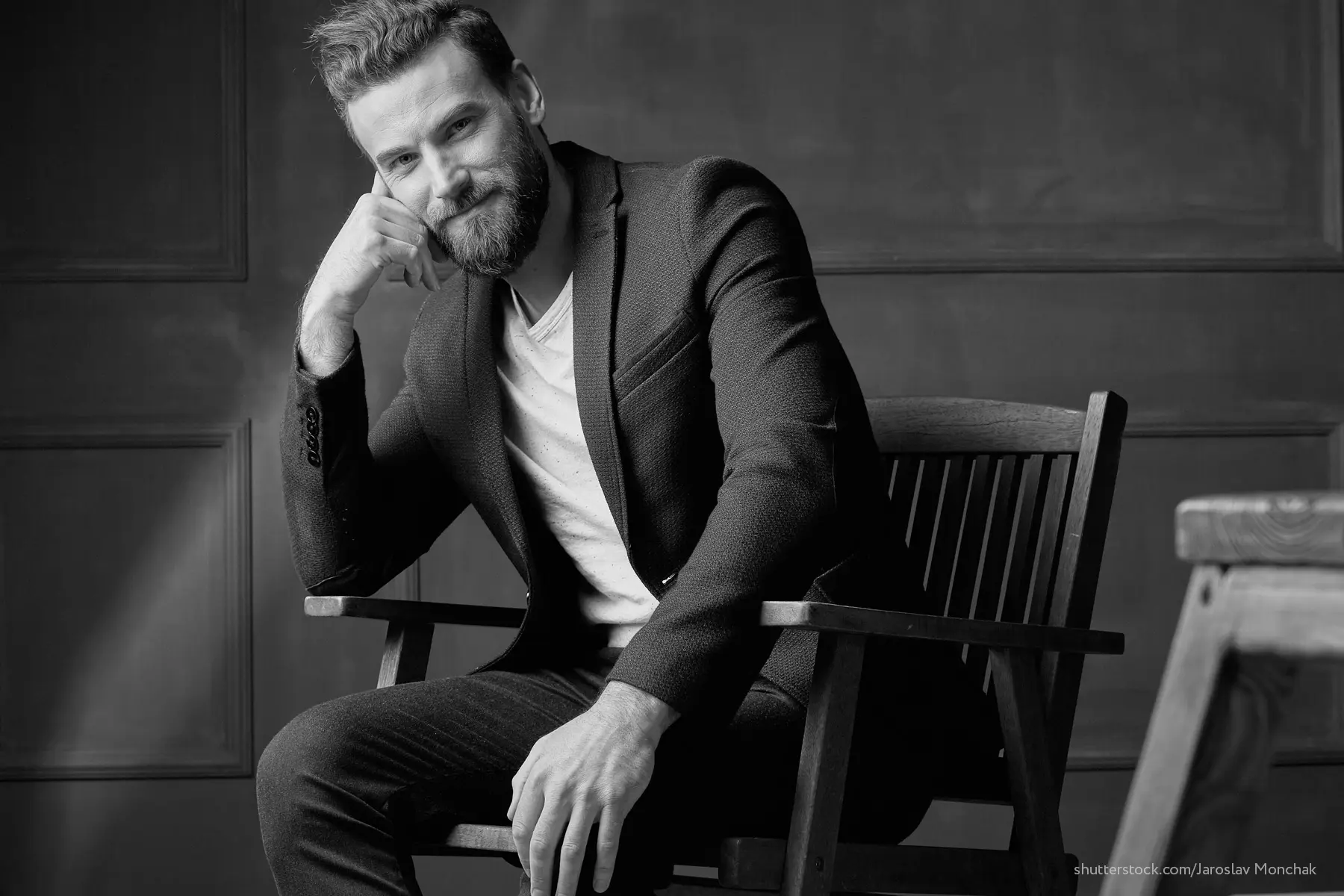
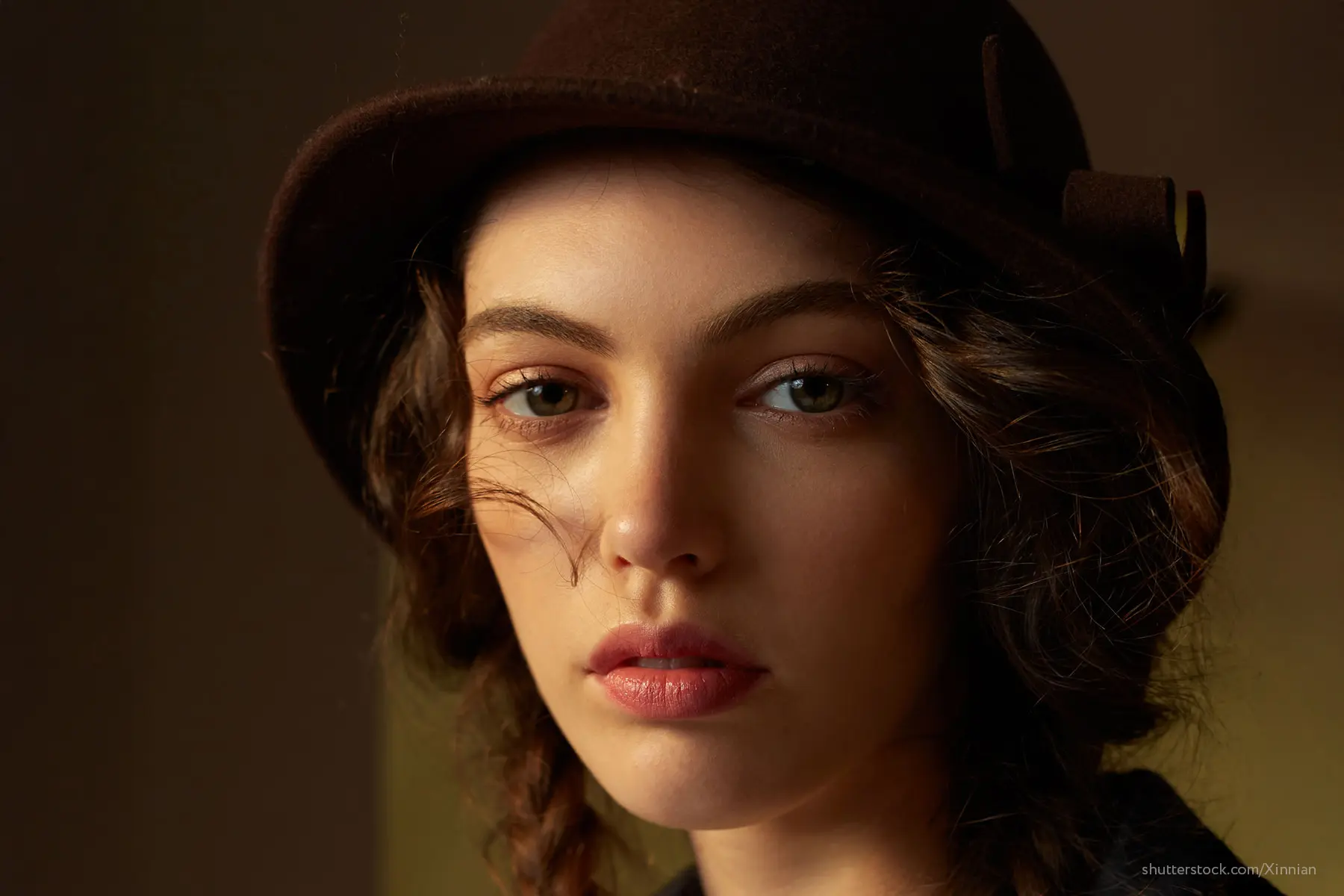
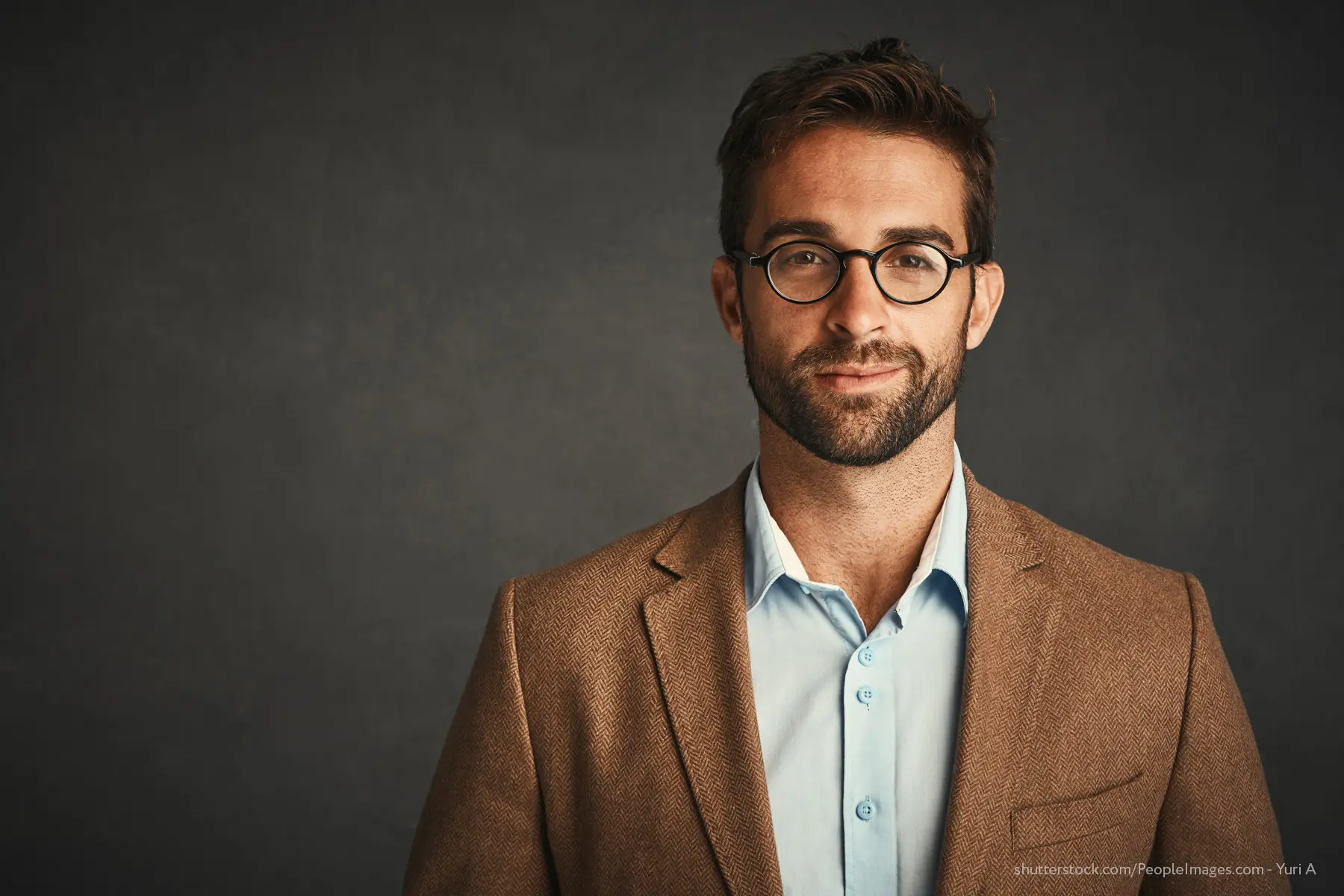
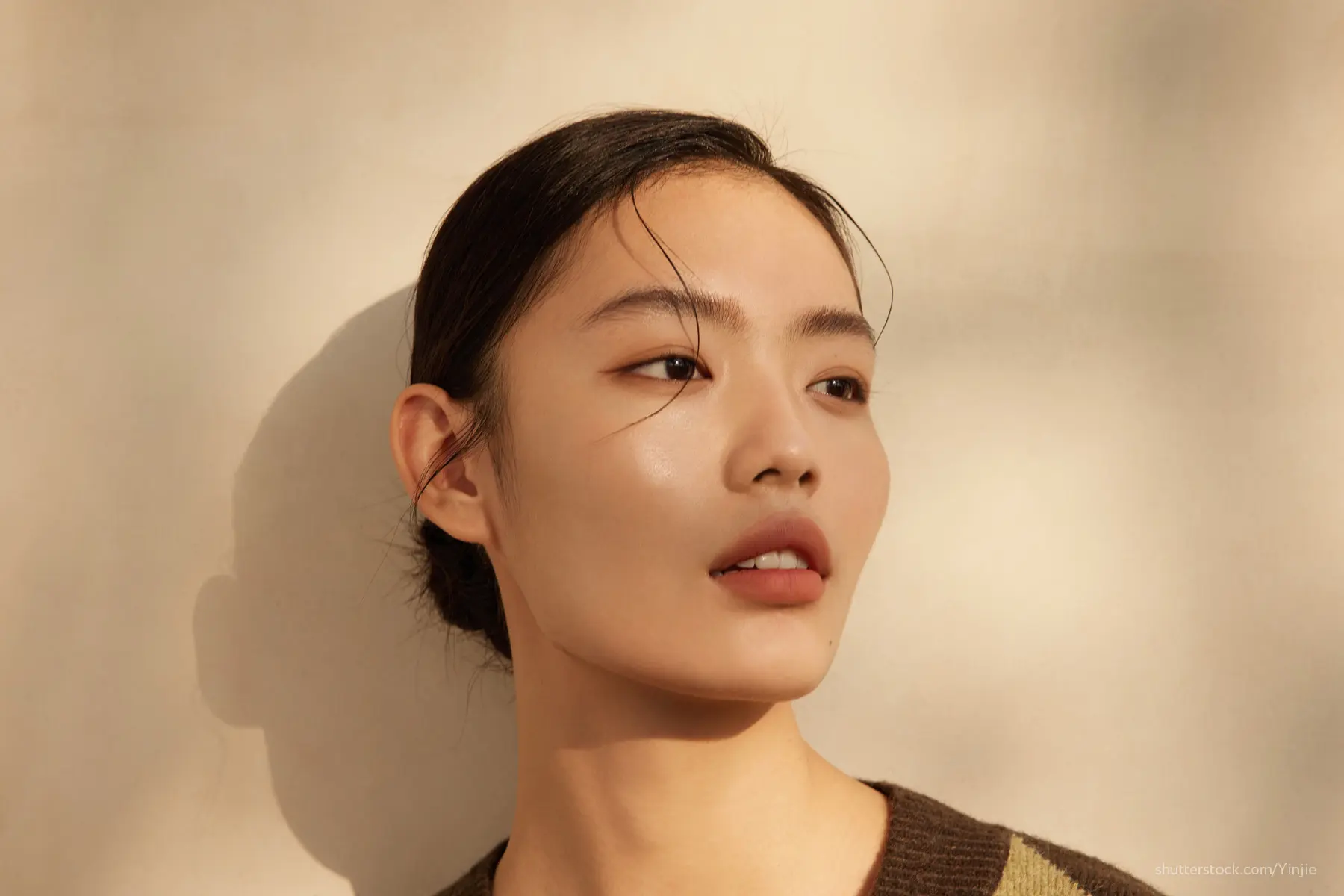
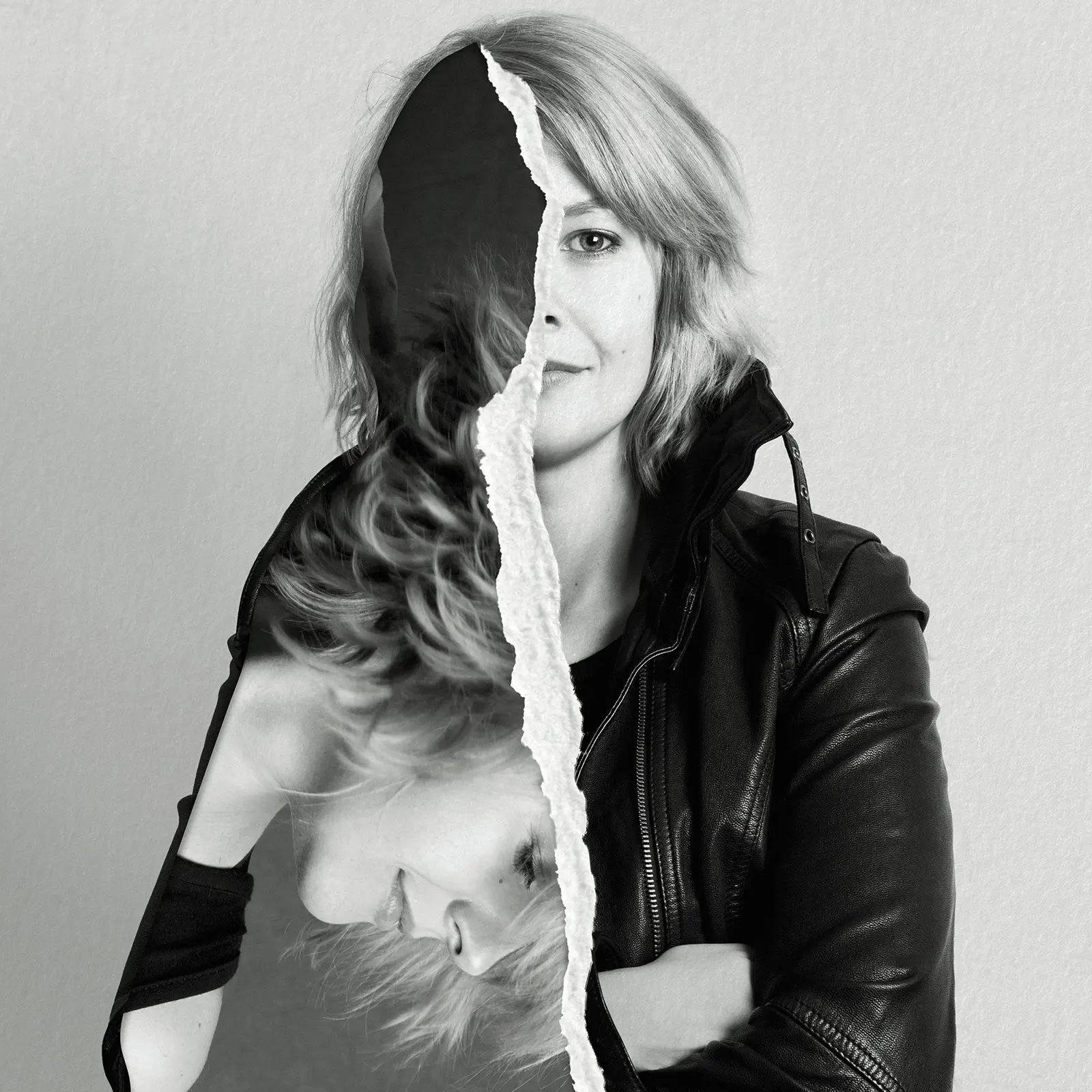
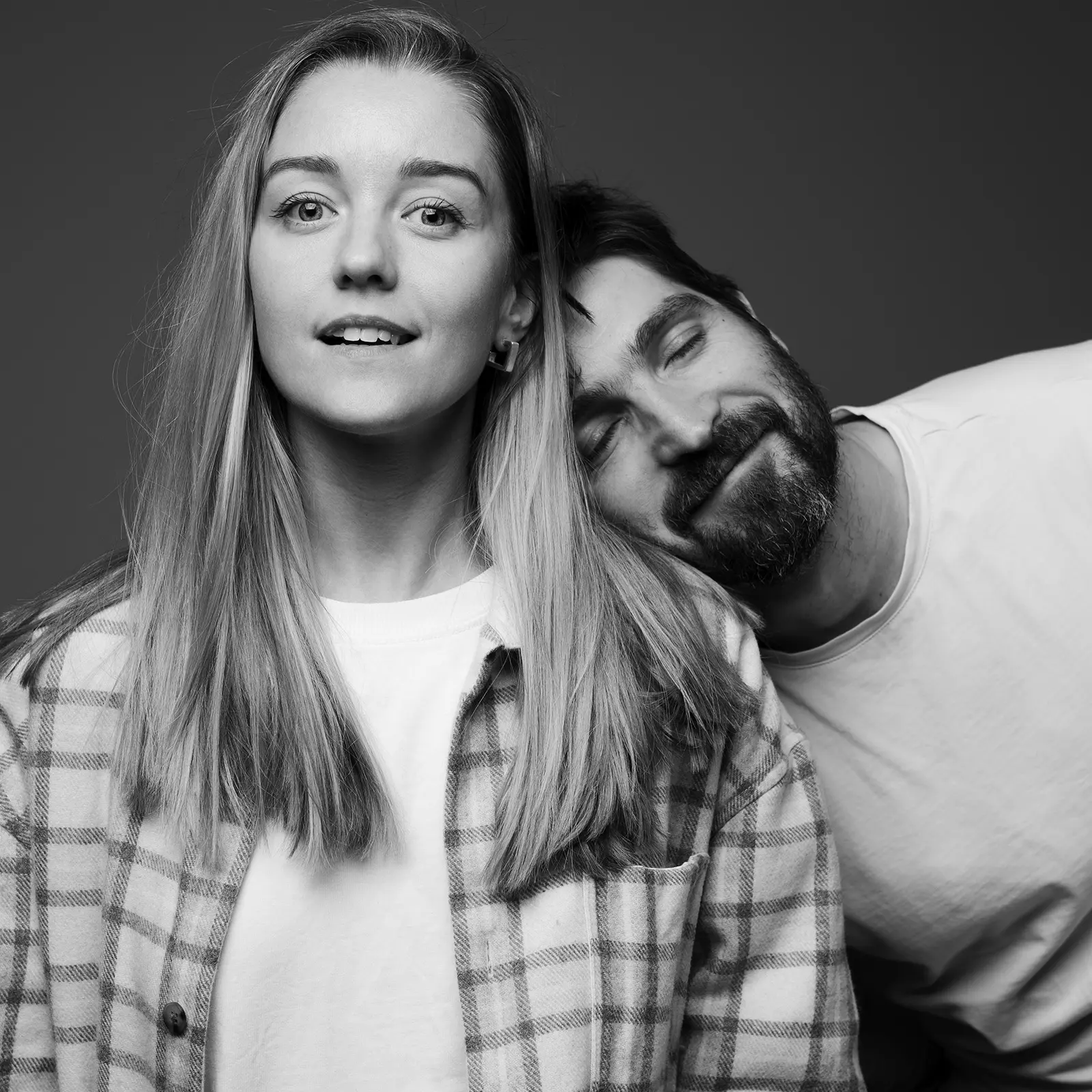
Portrait Photography
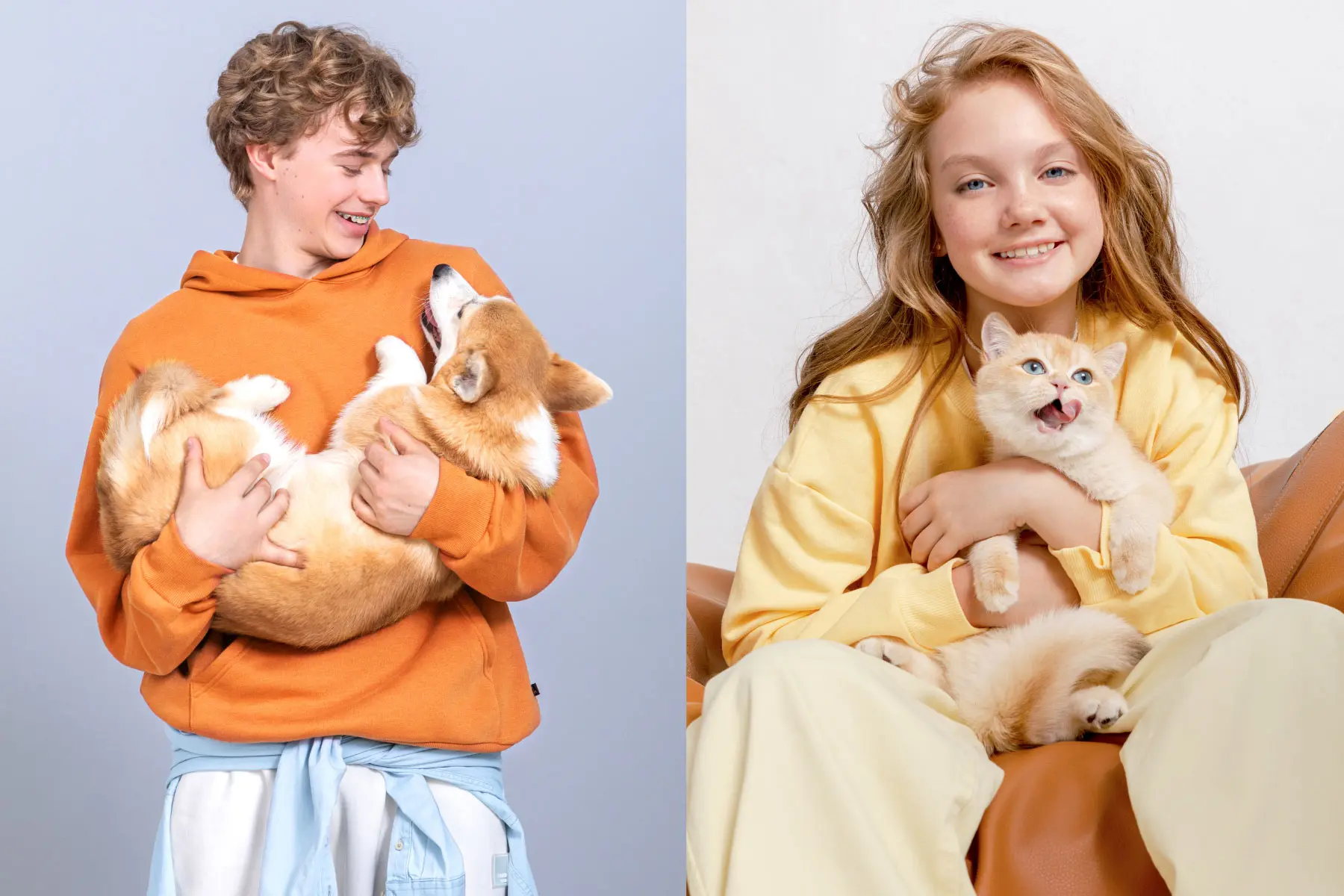
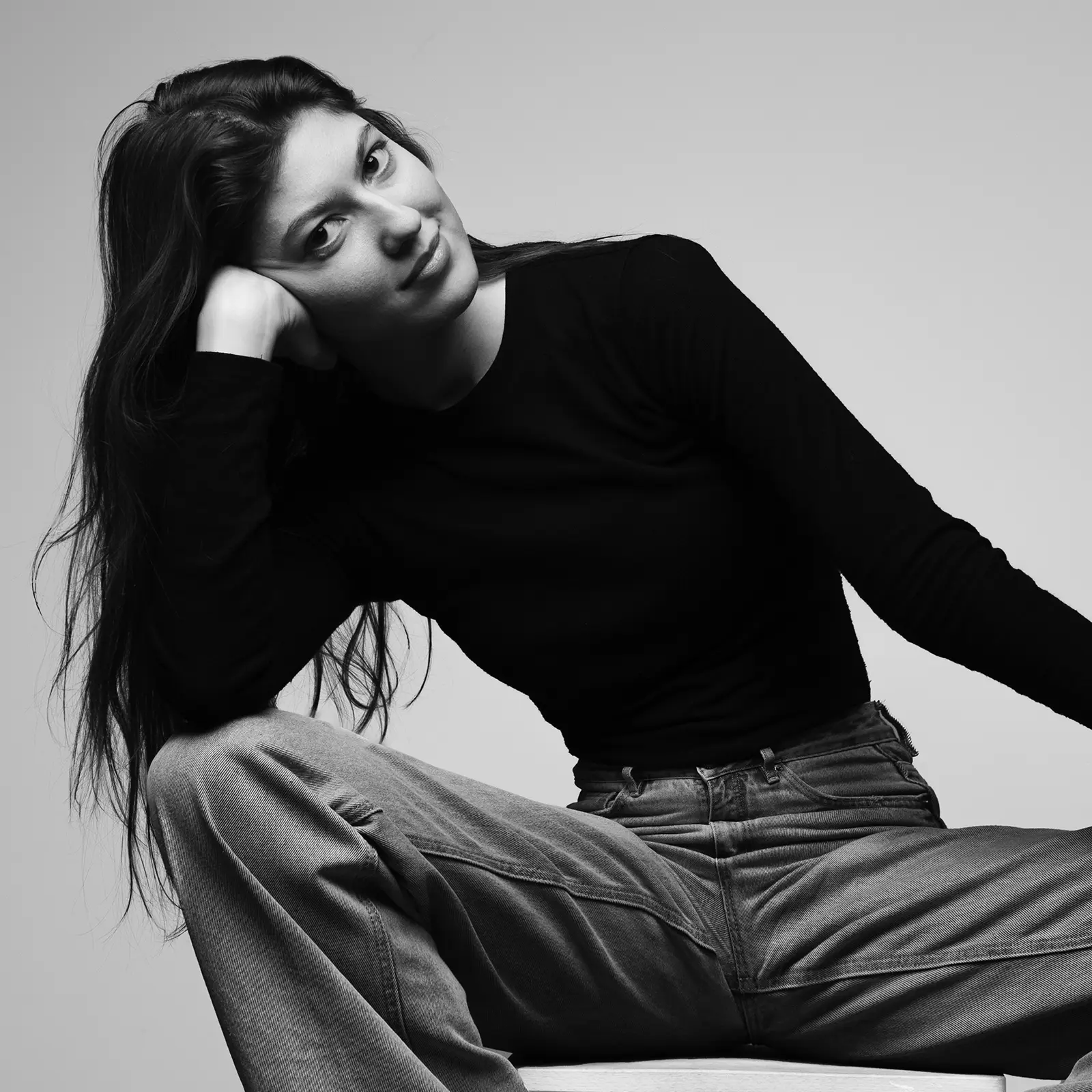
Portrait photography focuses on an individual or a group of people. Its purpose goes beyond recording a person’s appearance: it reveals the subject’s individuality while expressing the brand’s character. Careful placement of reflectors and softboxes creates clear separation between the subject and the background and produces images that present each subject at their best.



Website Photography
Website photography creates visual content for websites and other digital platforms. Its main purpose is to communicate effectively, capture visitors’ attention, and reinforce the website’s message. High-quality photography improves a website’s appeal and user experience, helping it achieve goals ranging from sales and information sharing to brand promotion.
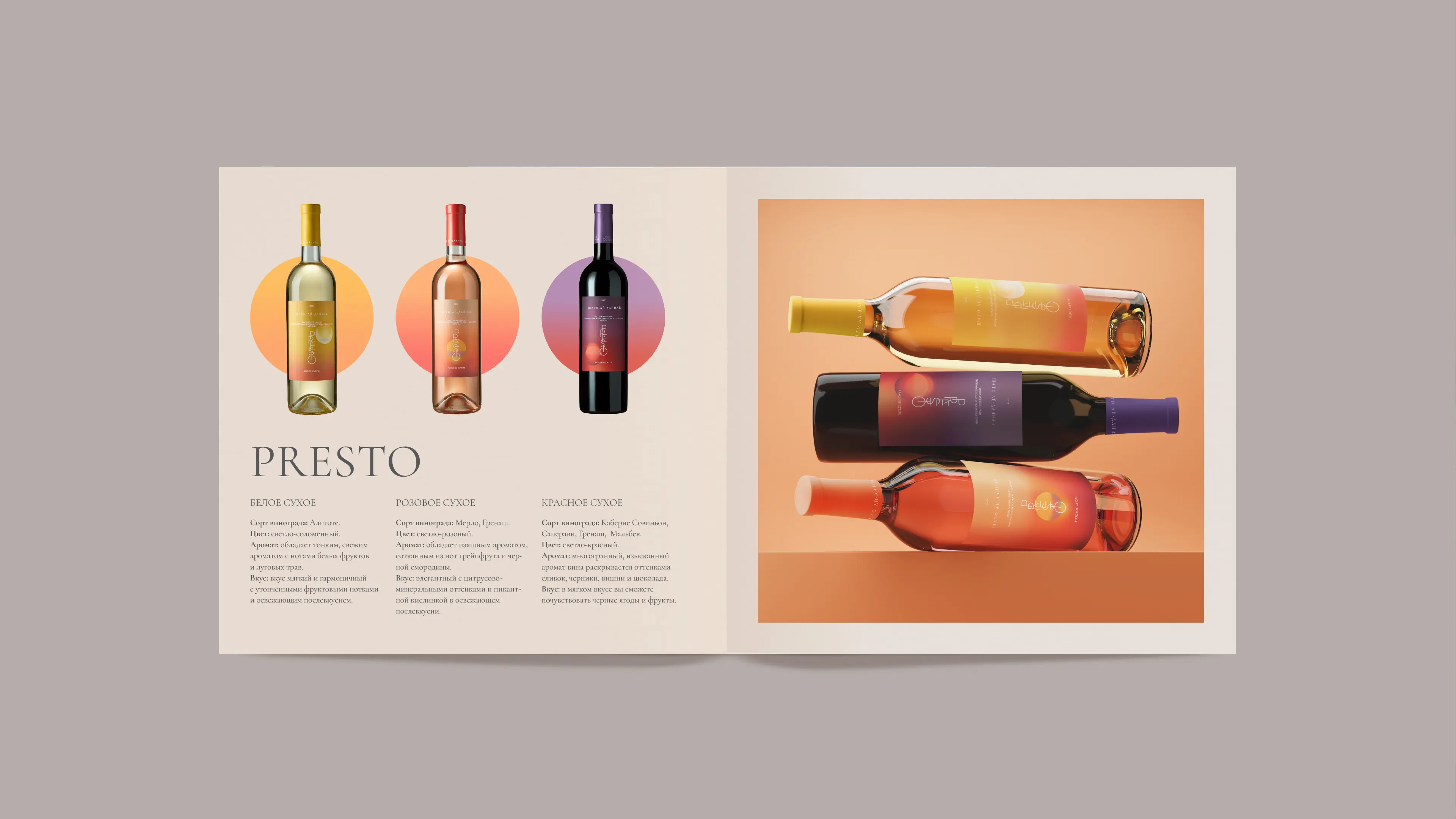
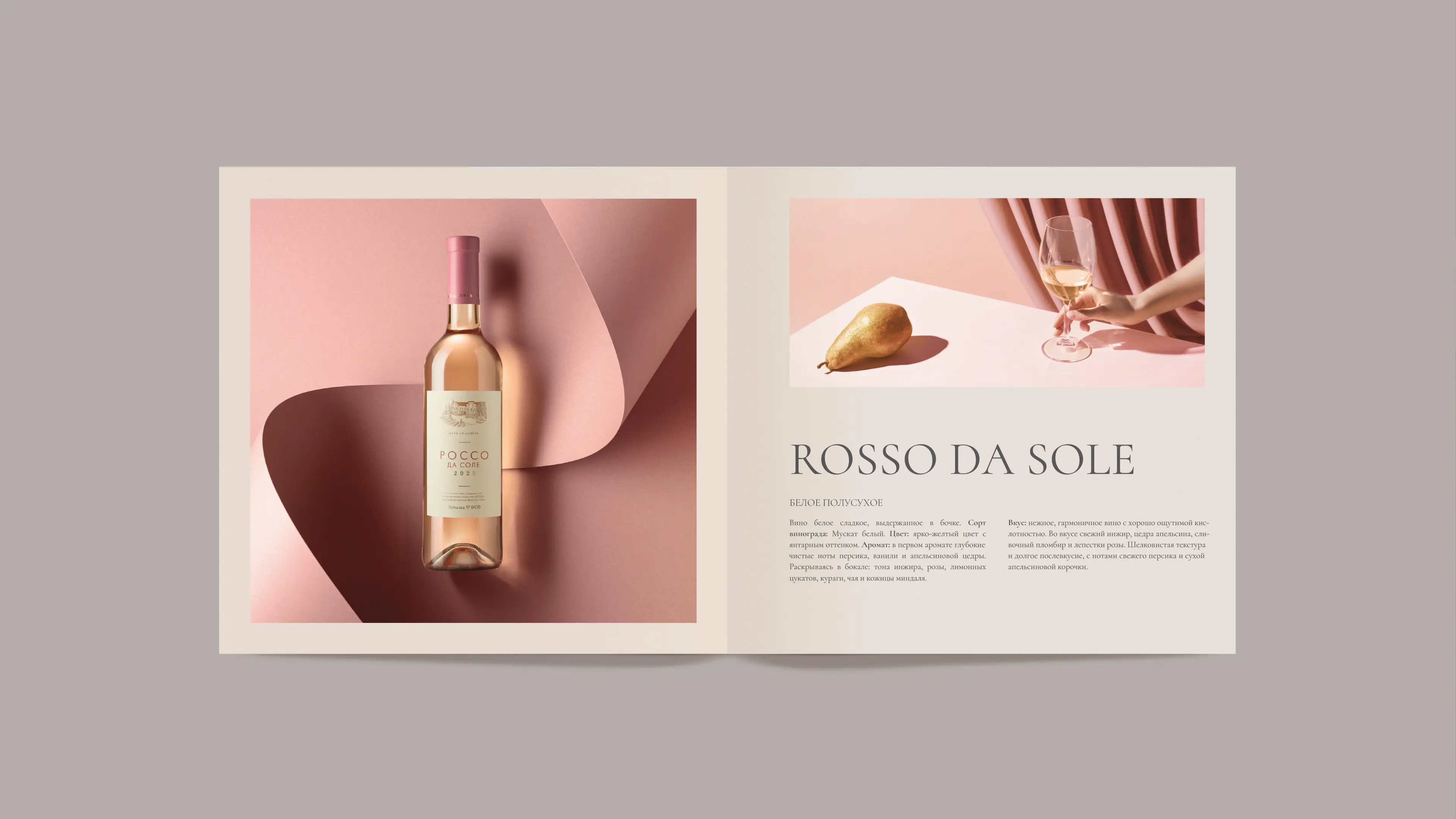
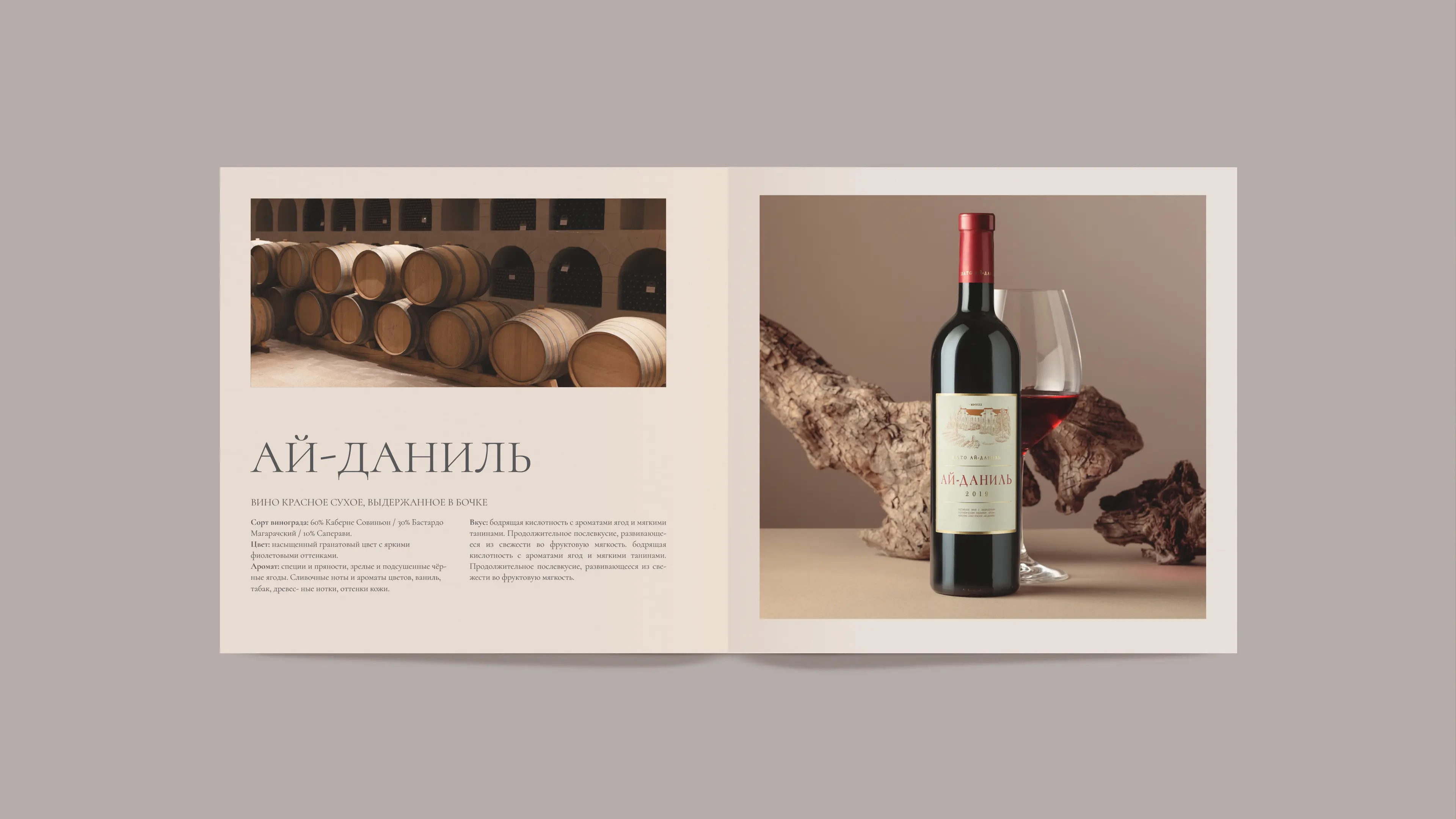
Catalog Photography
Catalog photography is a form of commercial photography focused on creating product images for print and digital catalogs. Its main purpose is to present each product accurately and attractively, showing its appearance, details, and functional features. High-quality catalog images play a central role in product selection and directly influence a potential customer’s purchase decision.
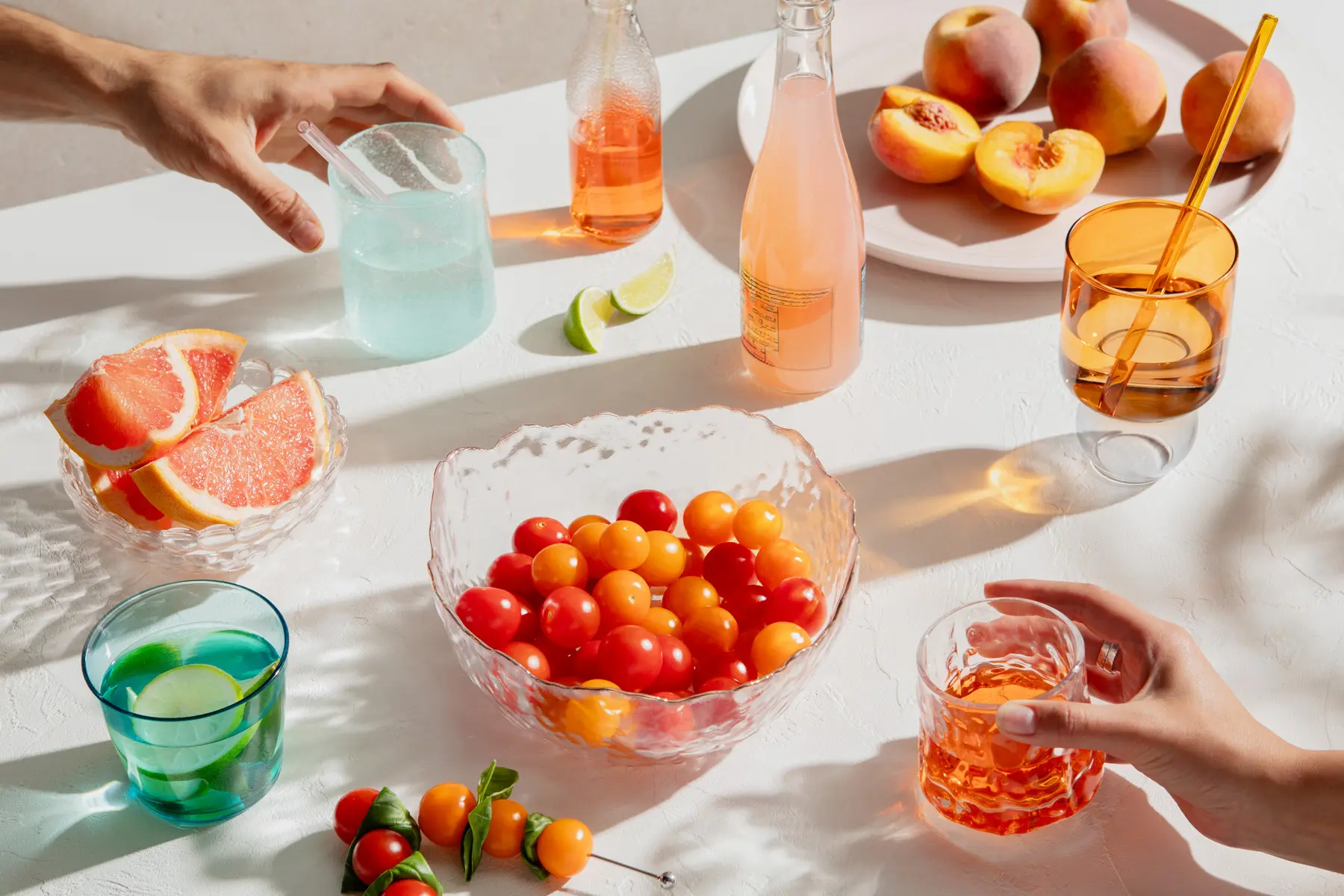
Food Photography
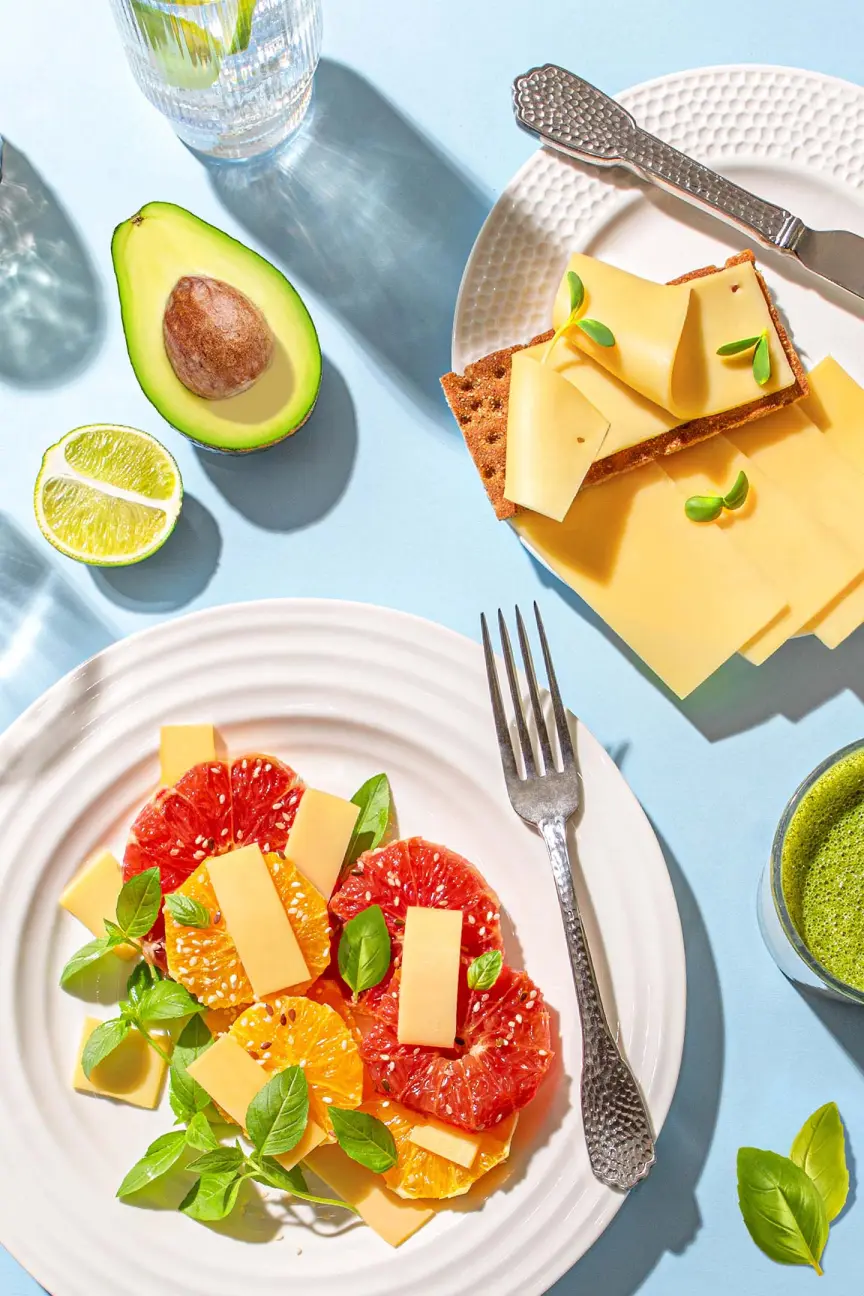
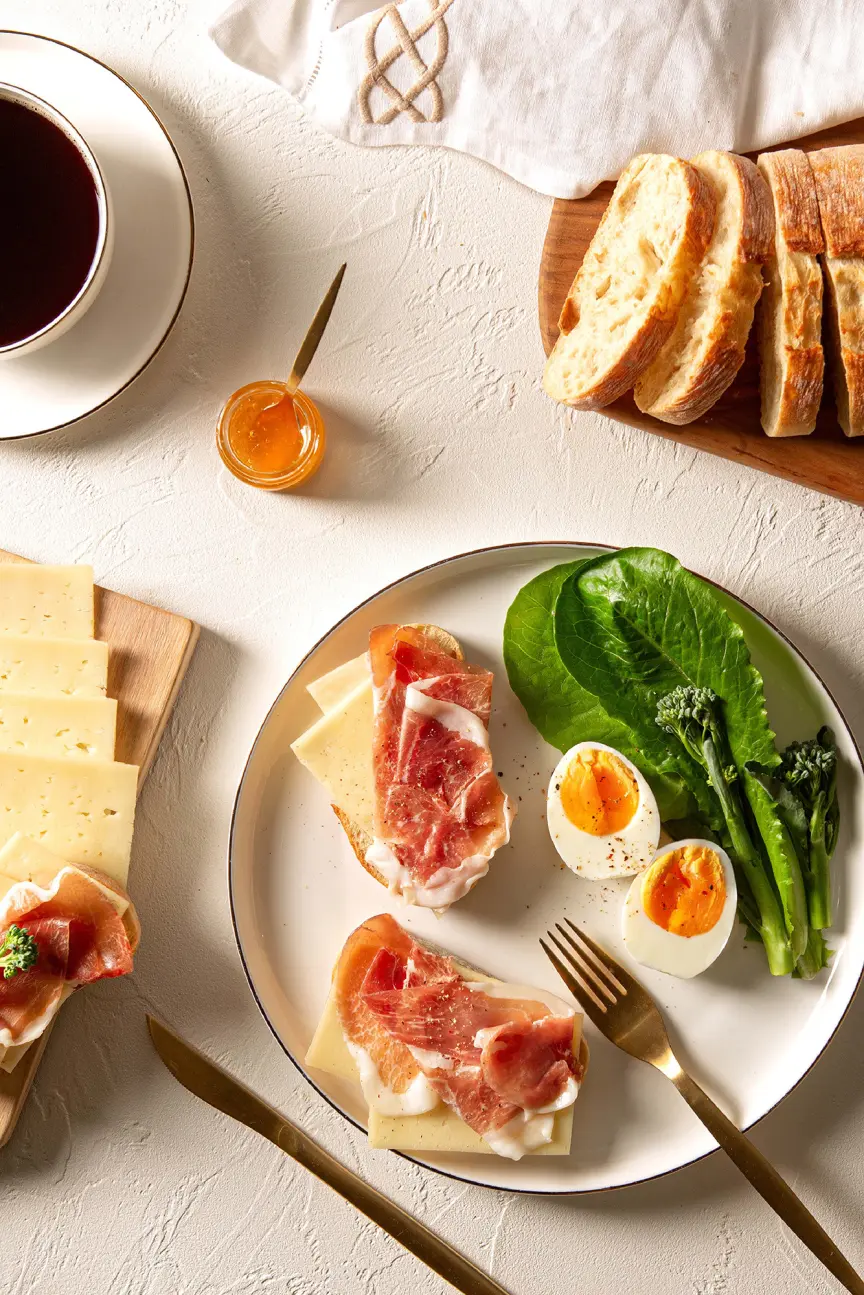
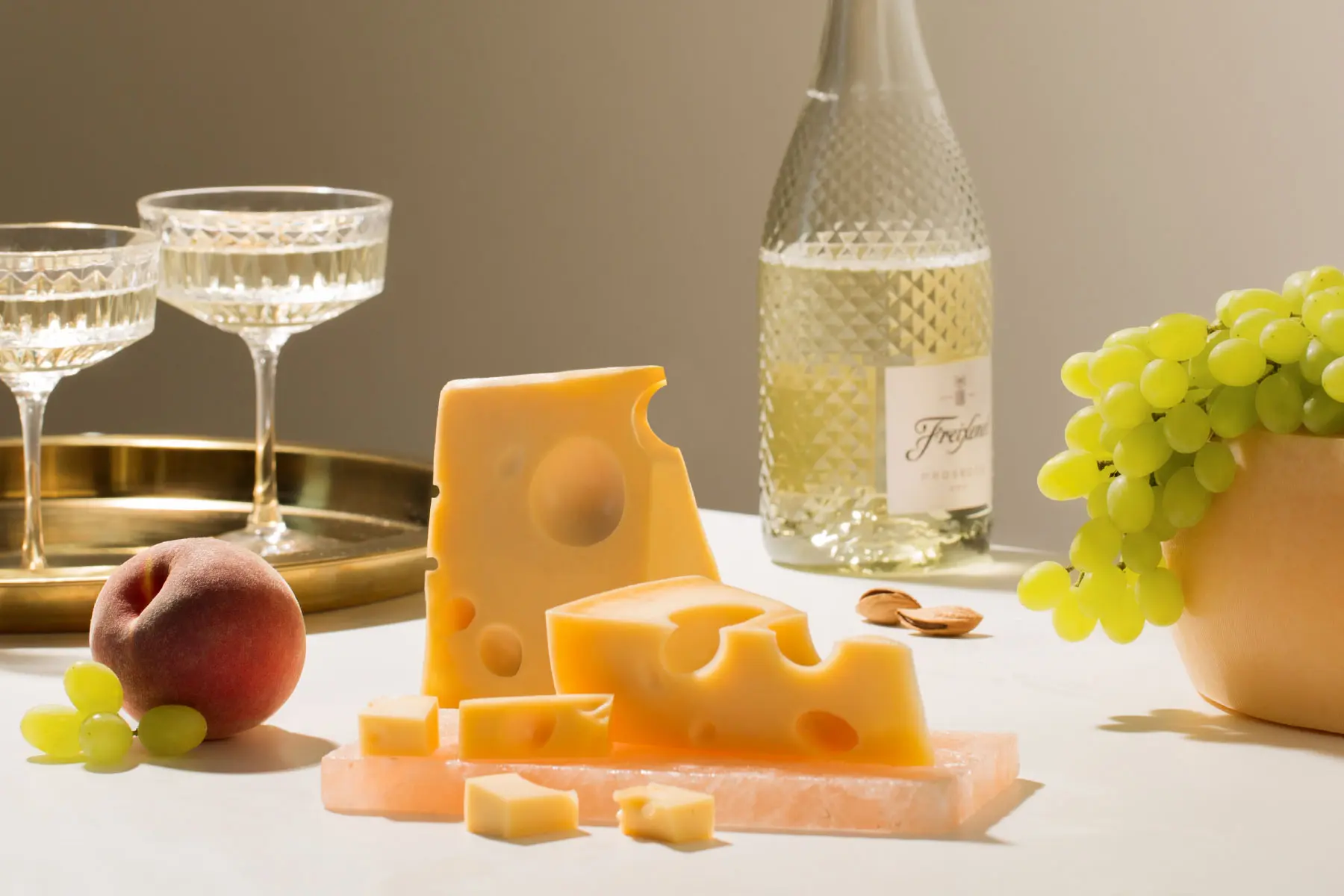
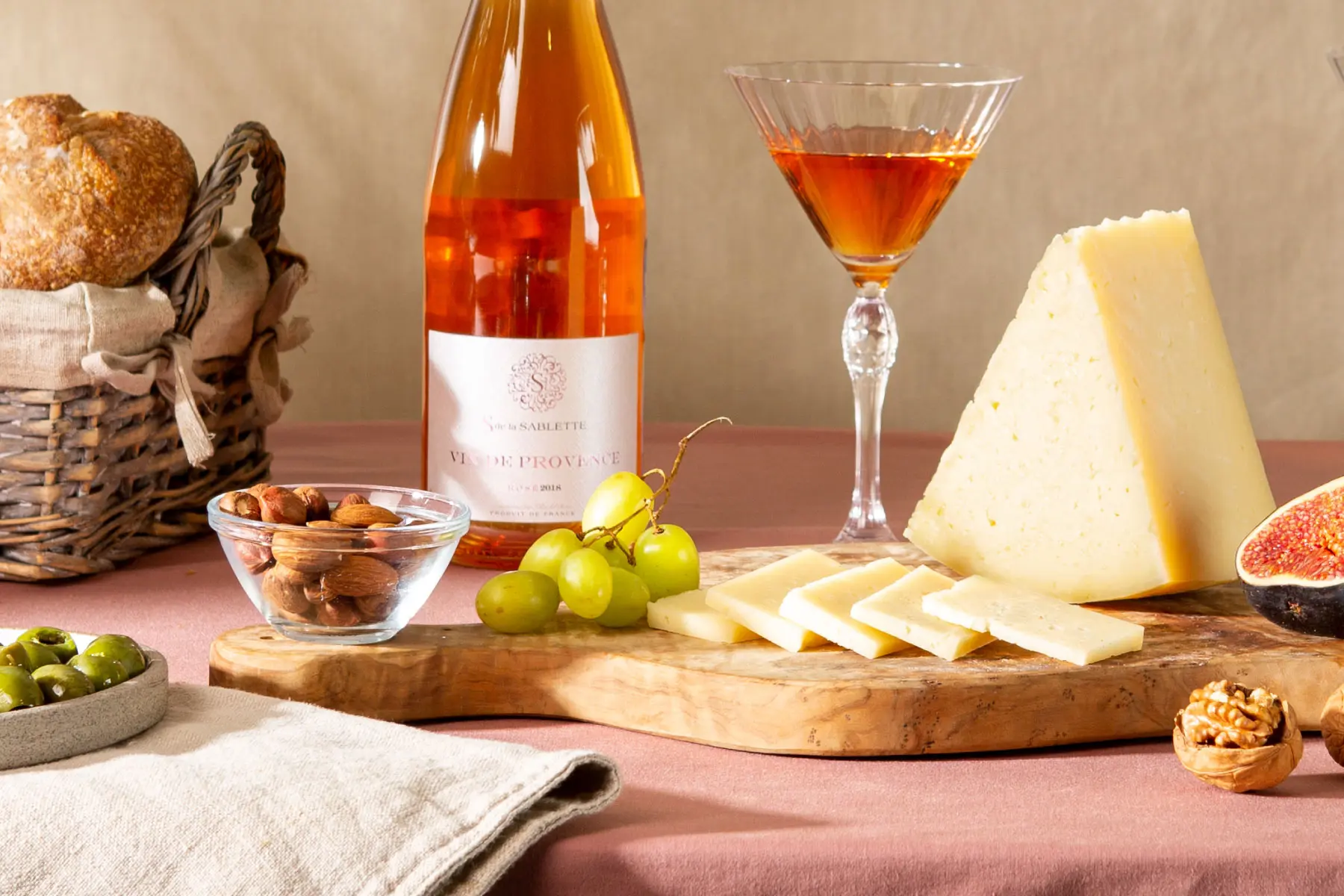
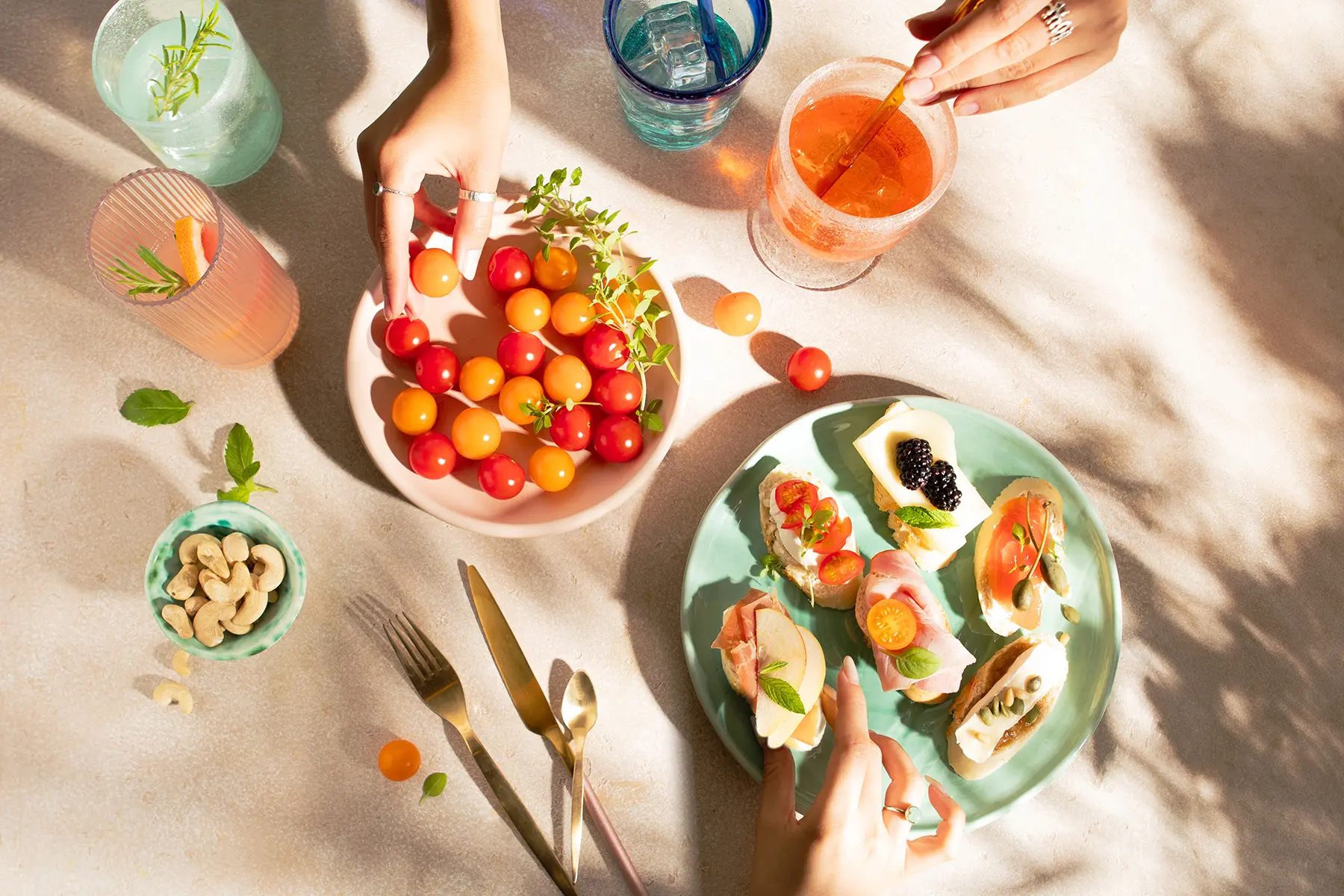
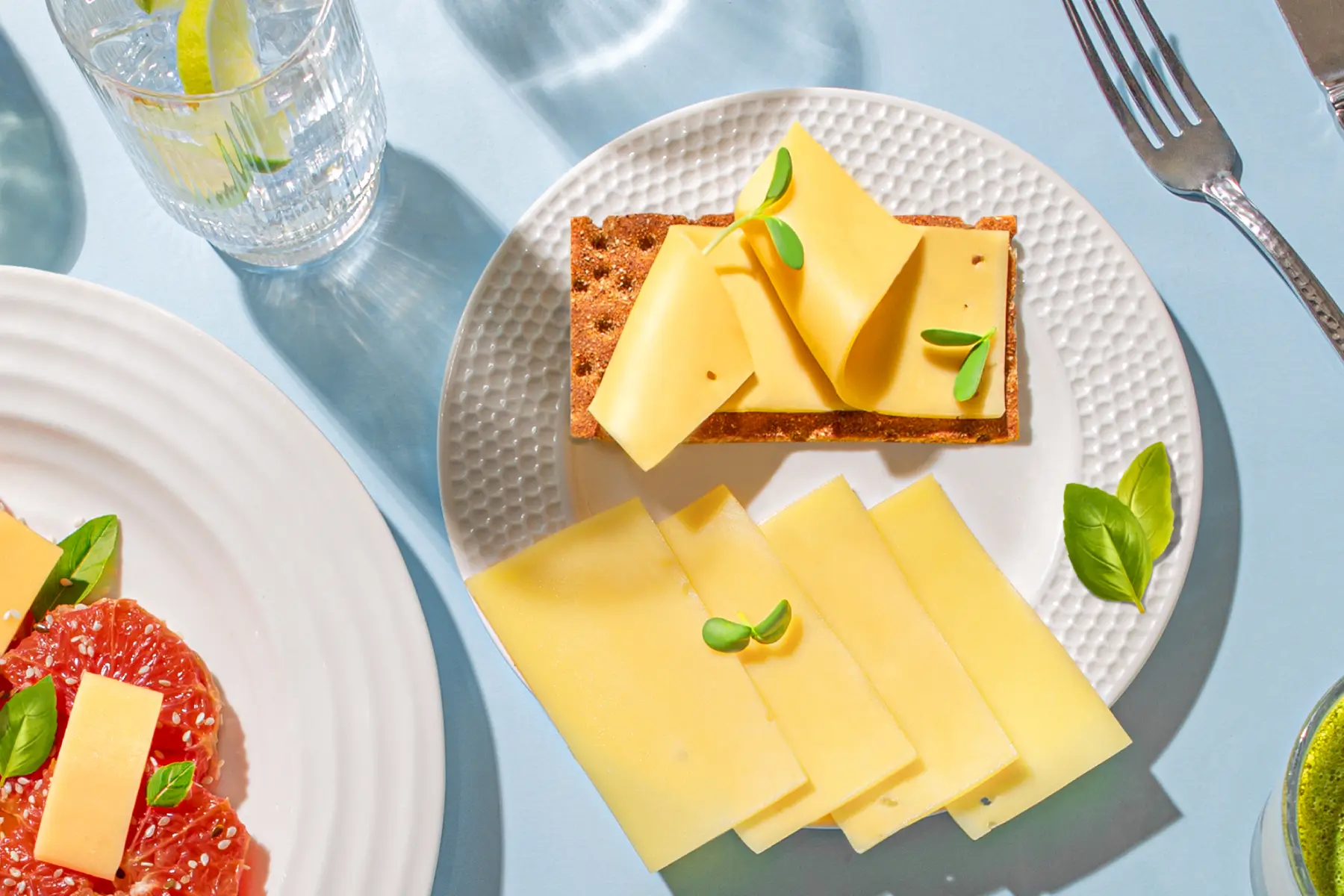
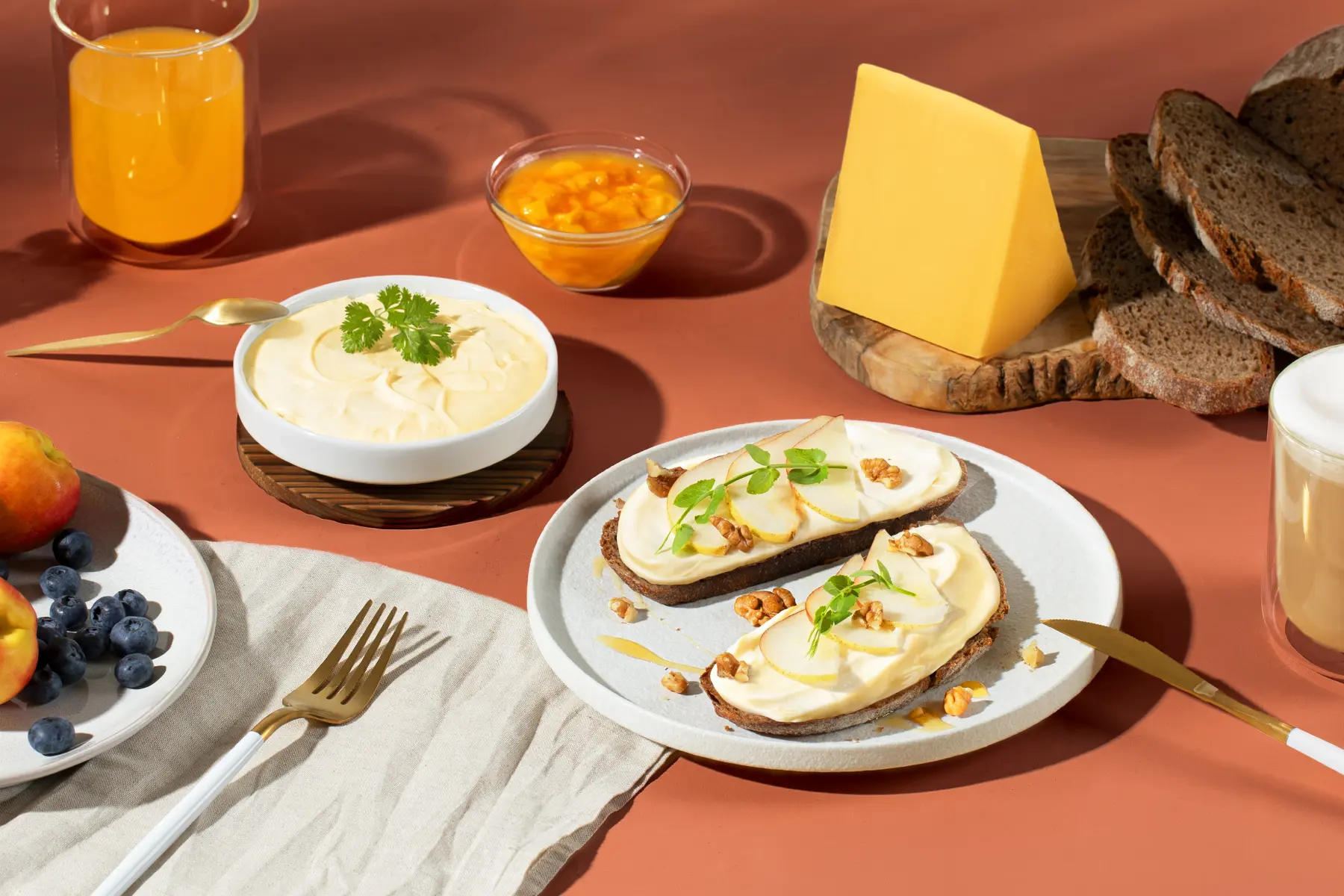
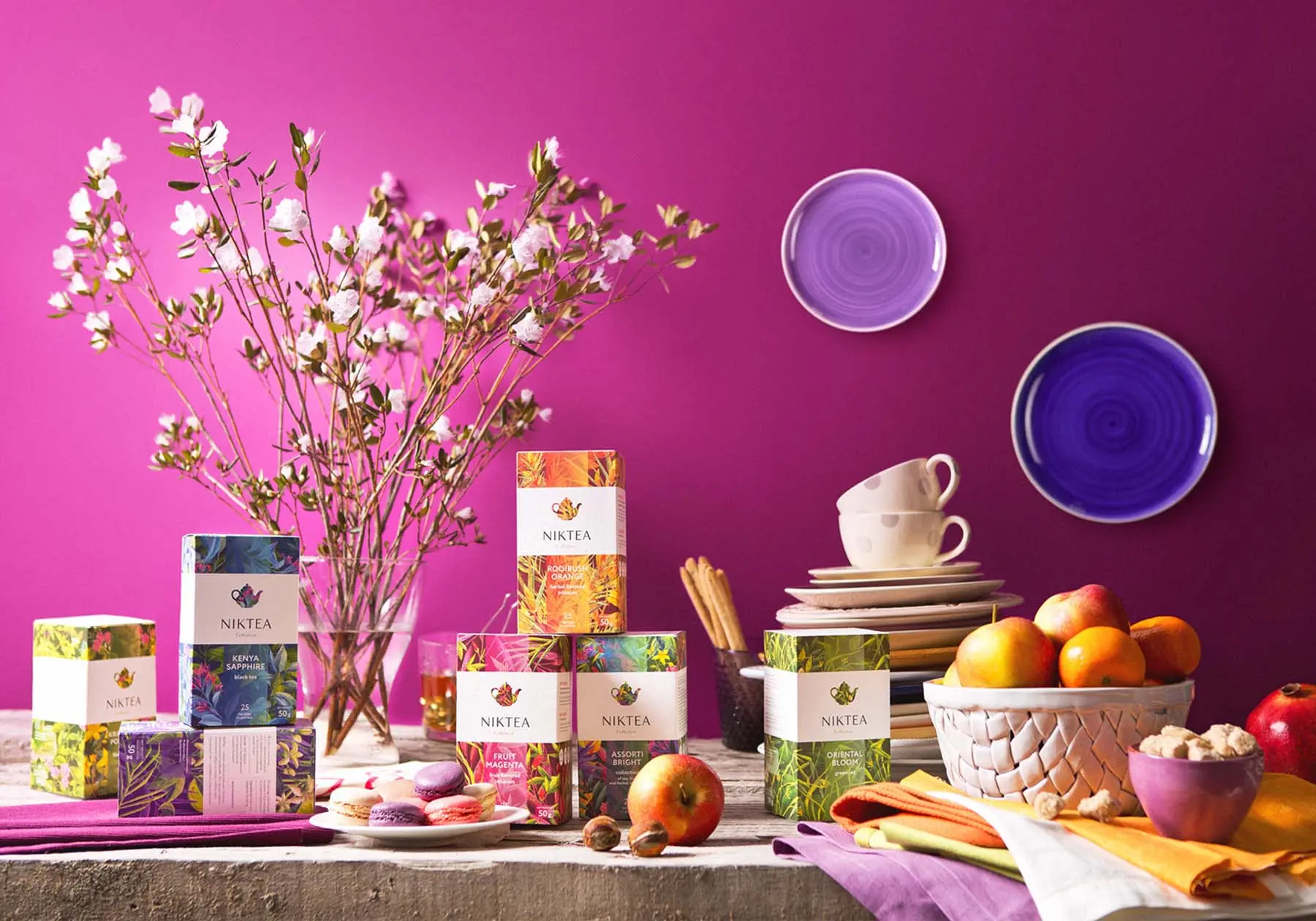
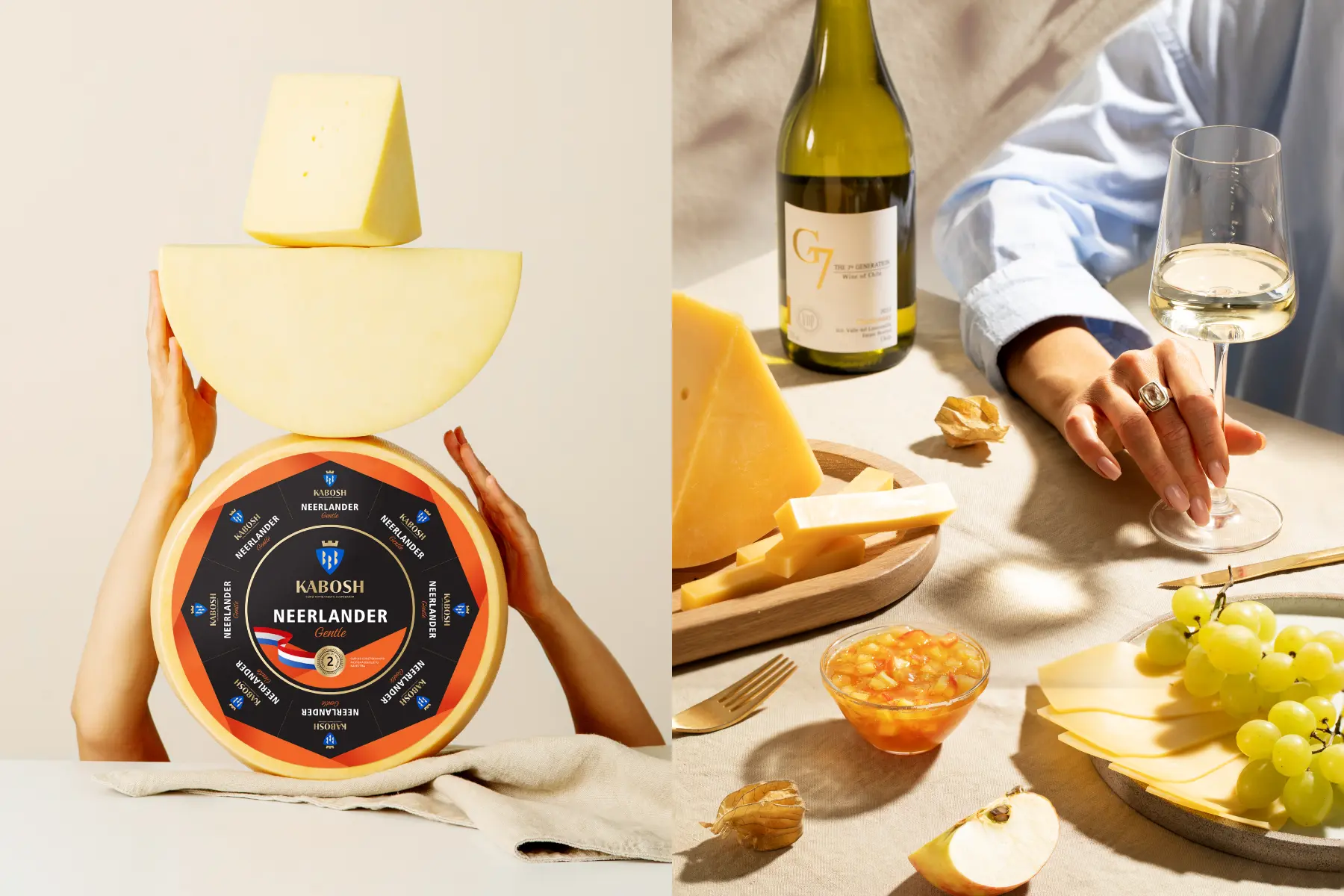
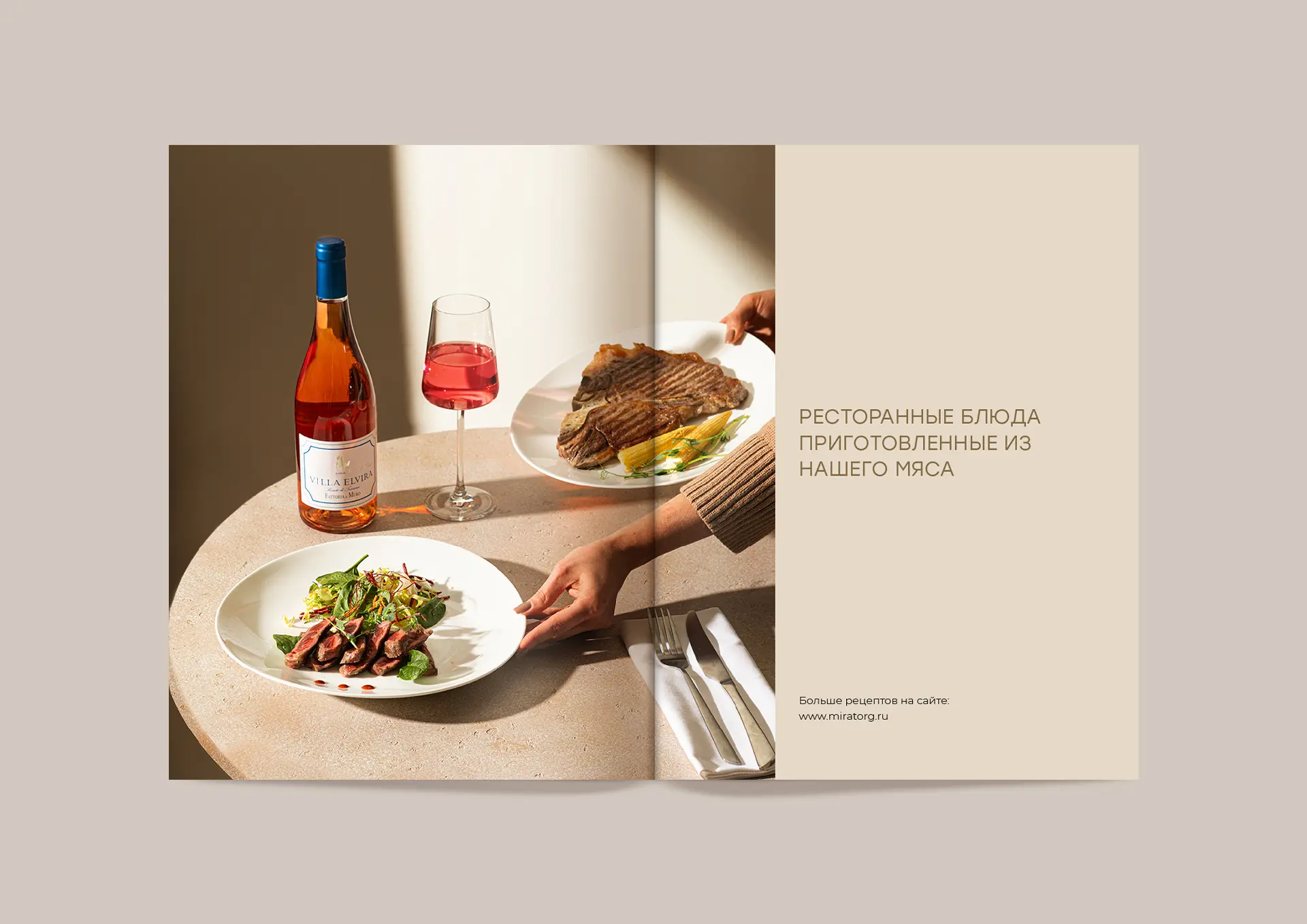
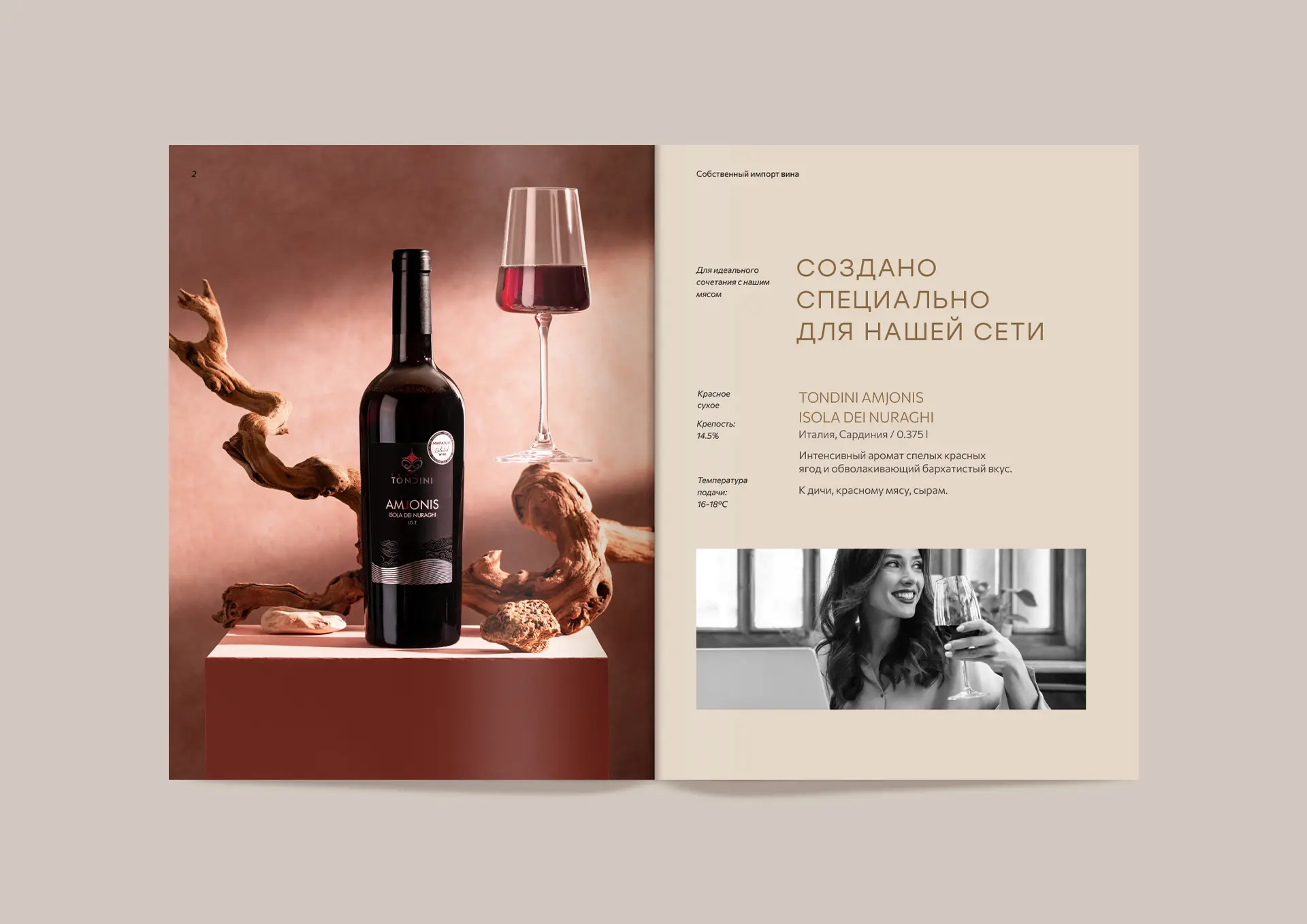
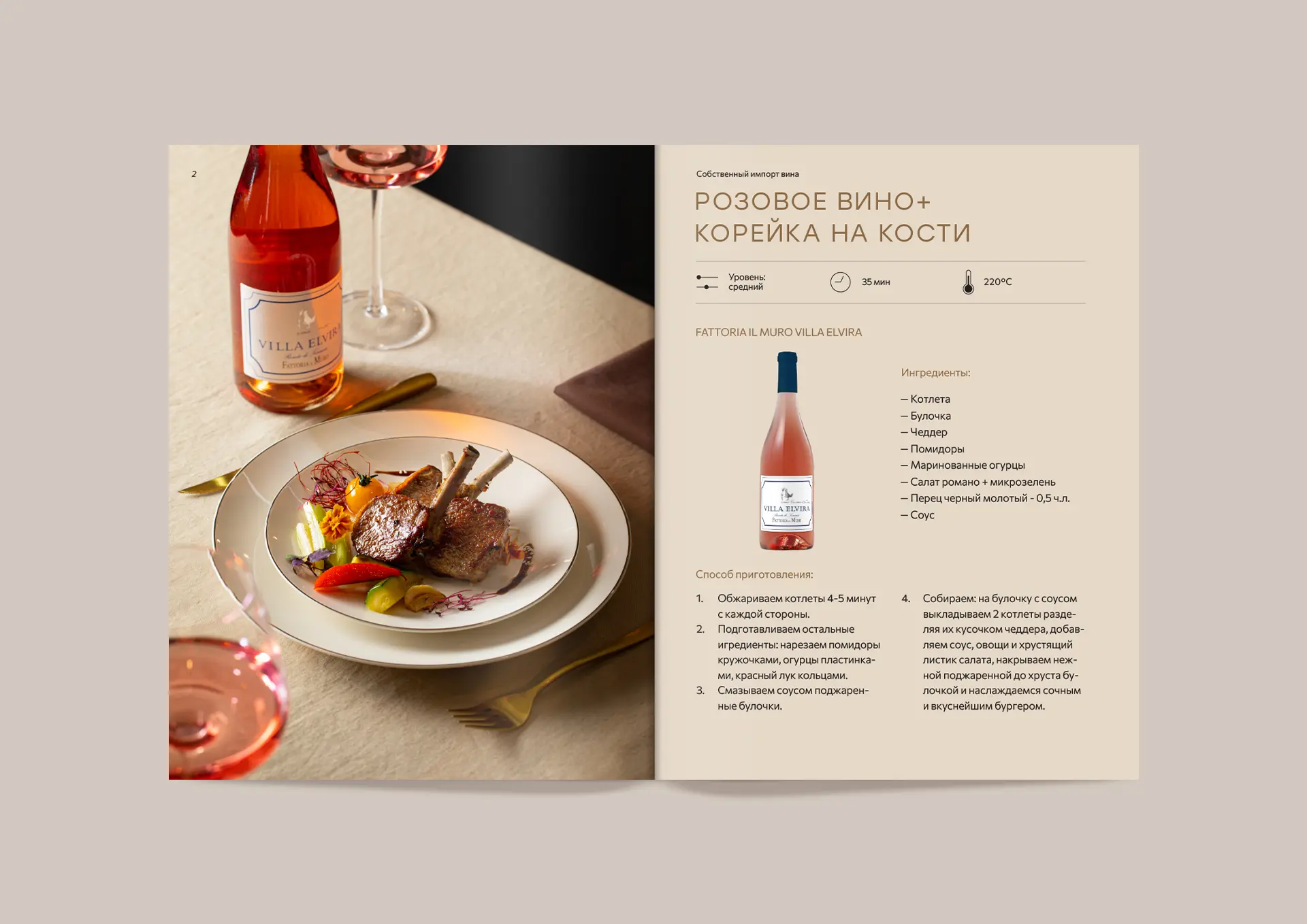
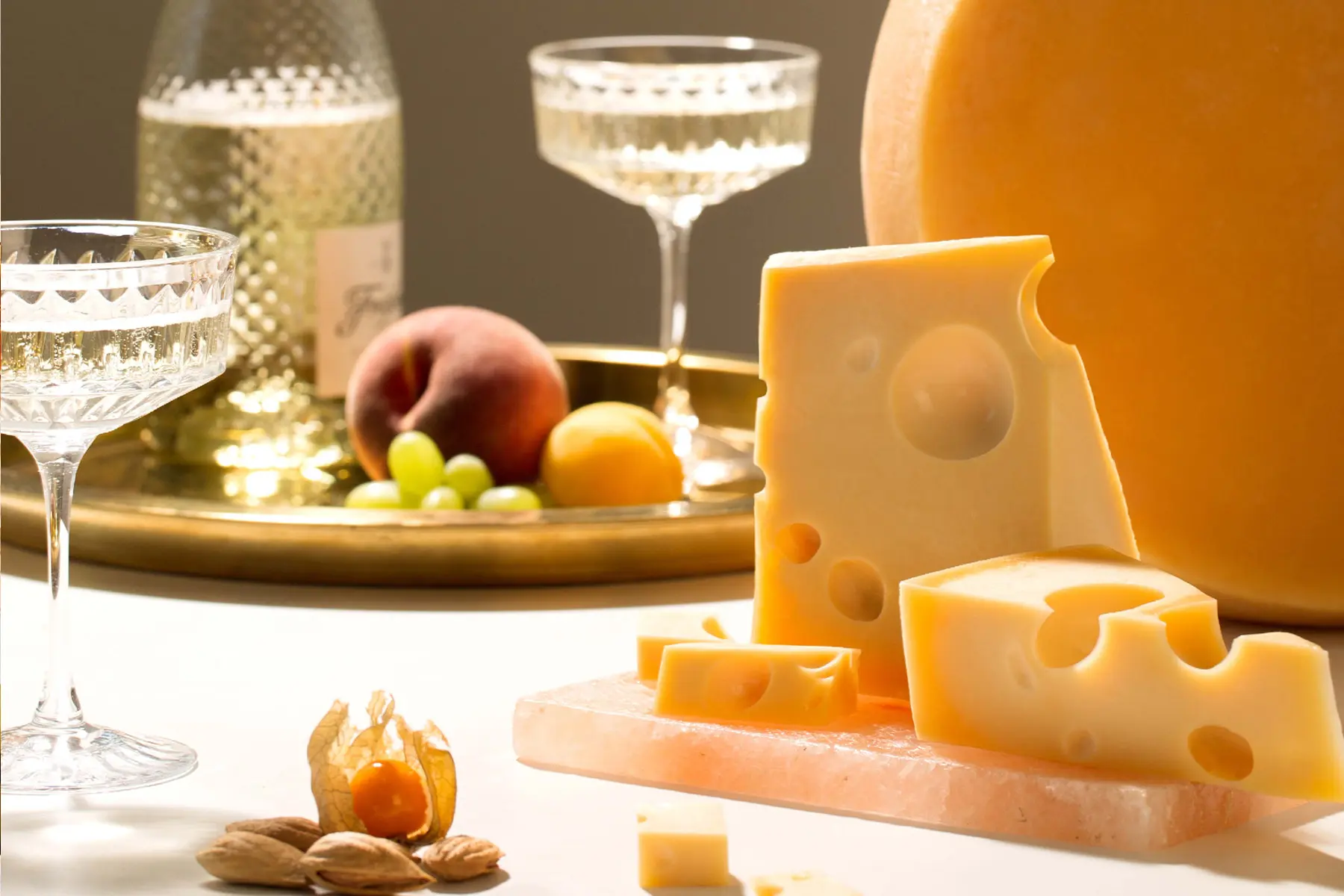
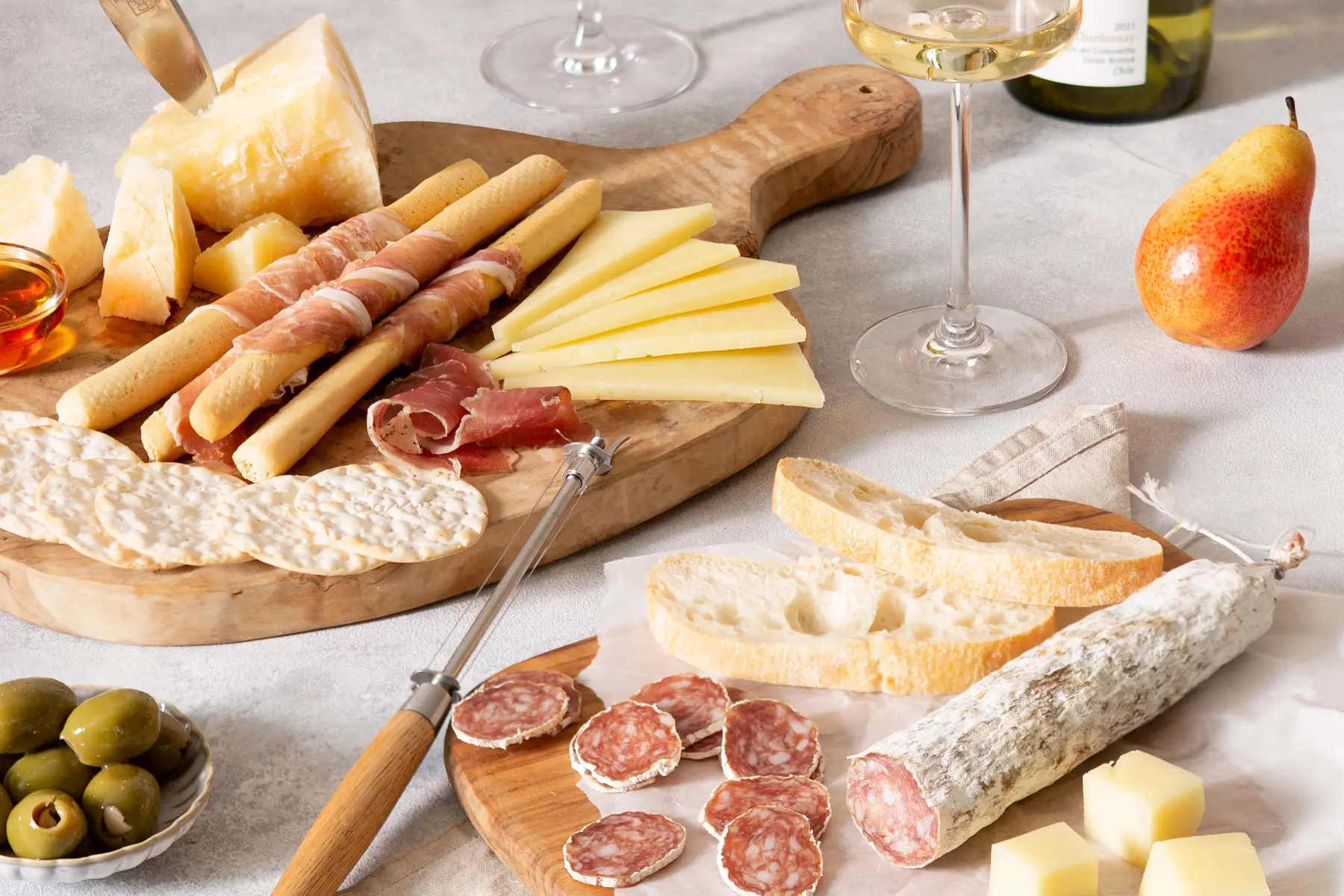
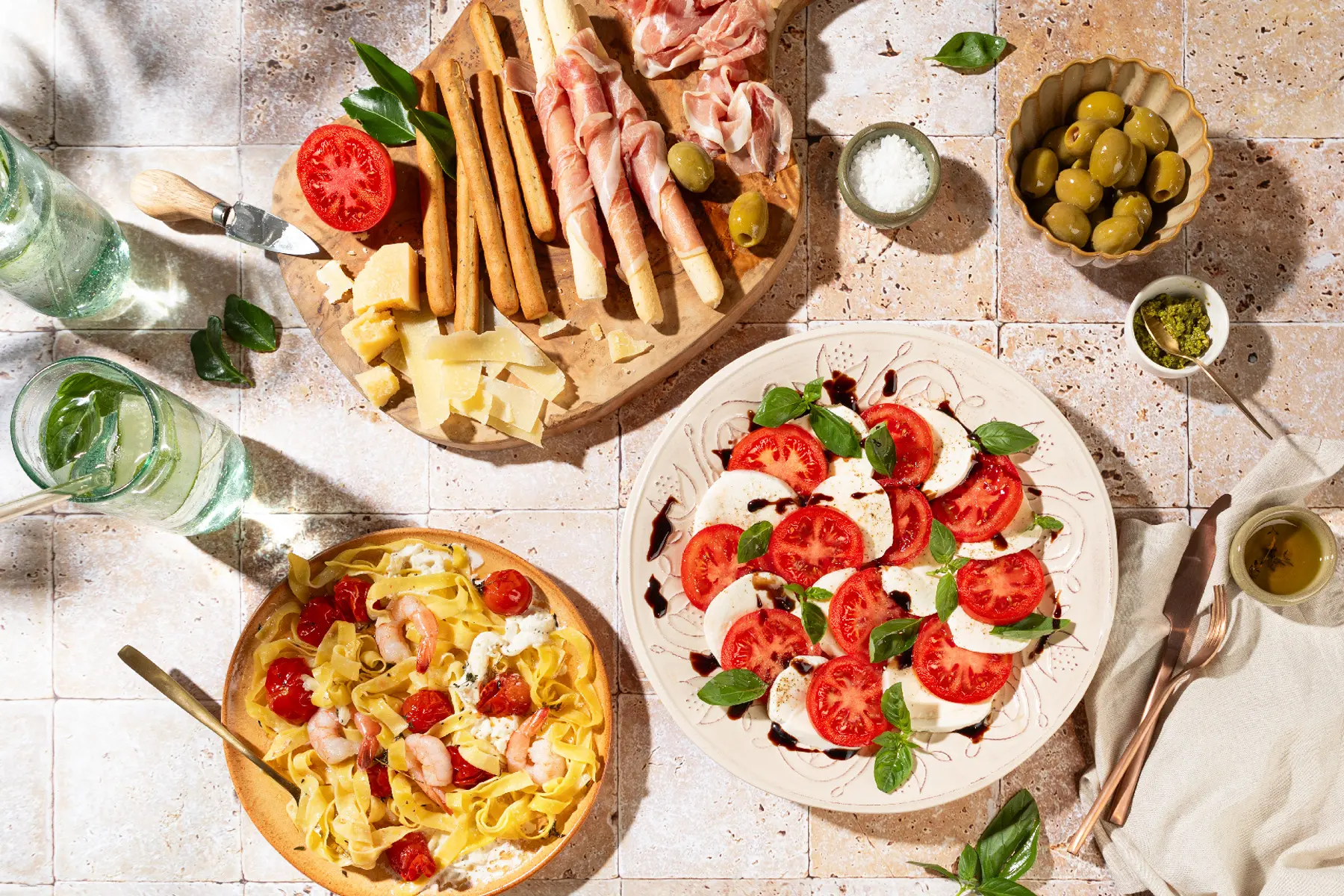
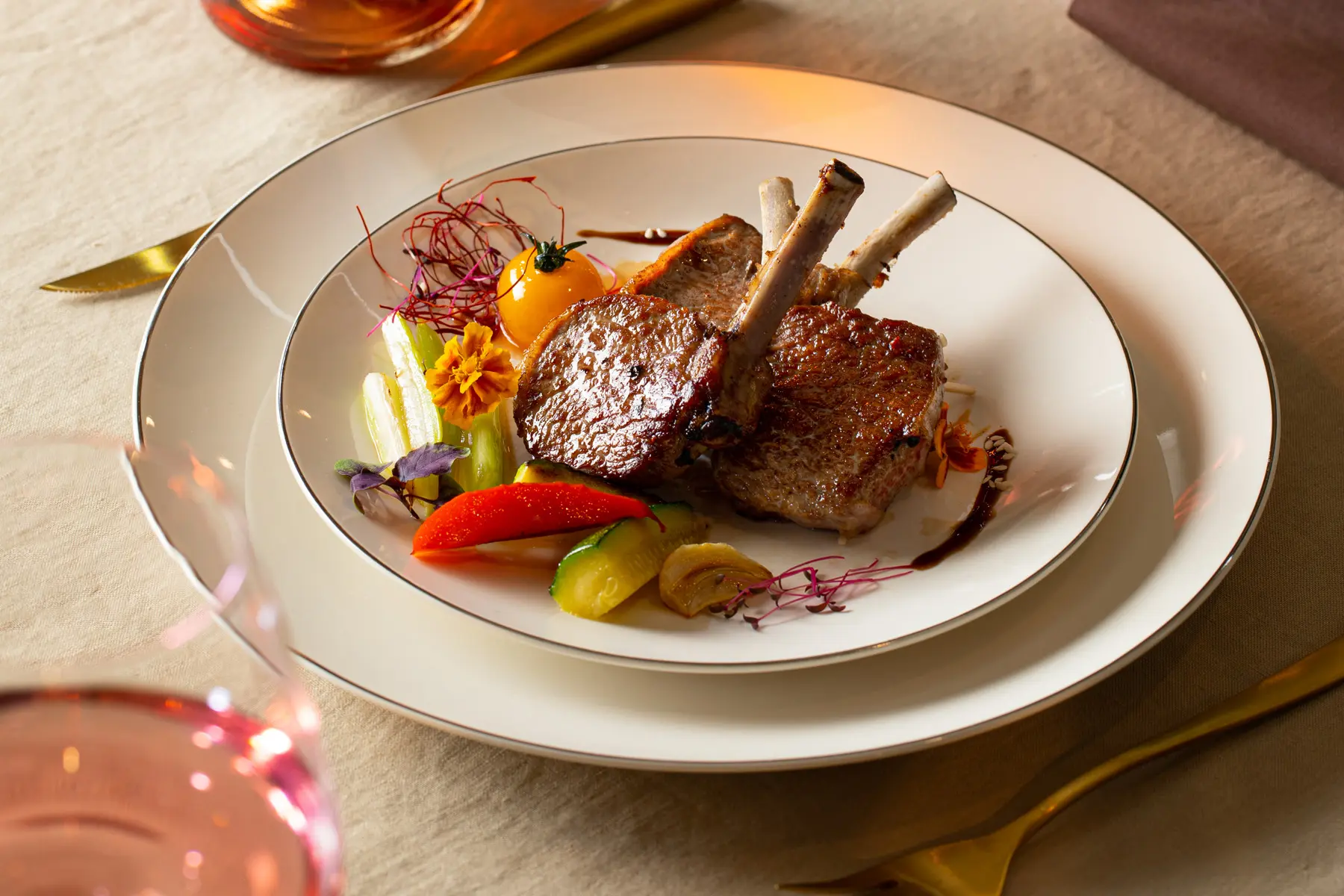
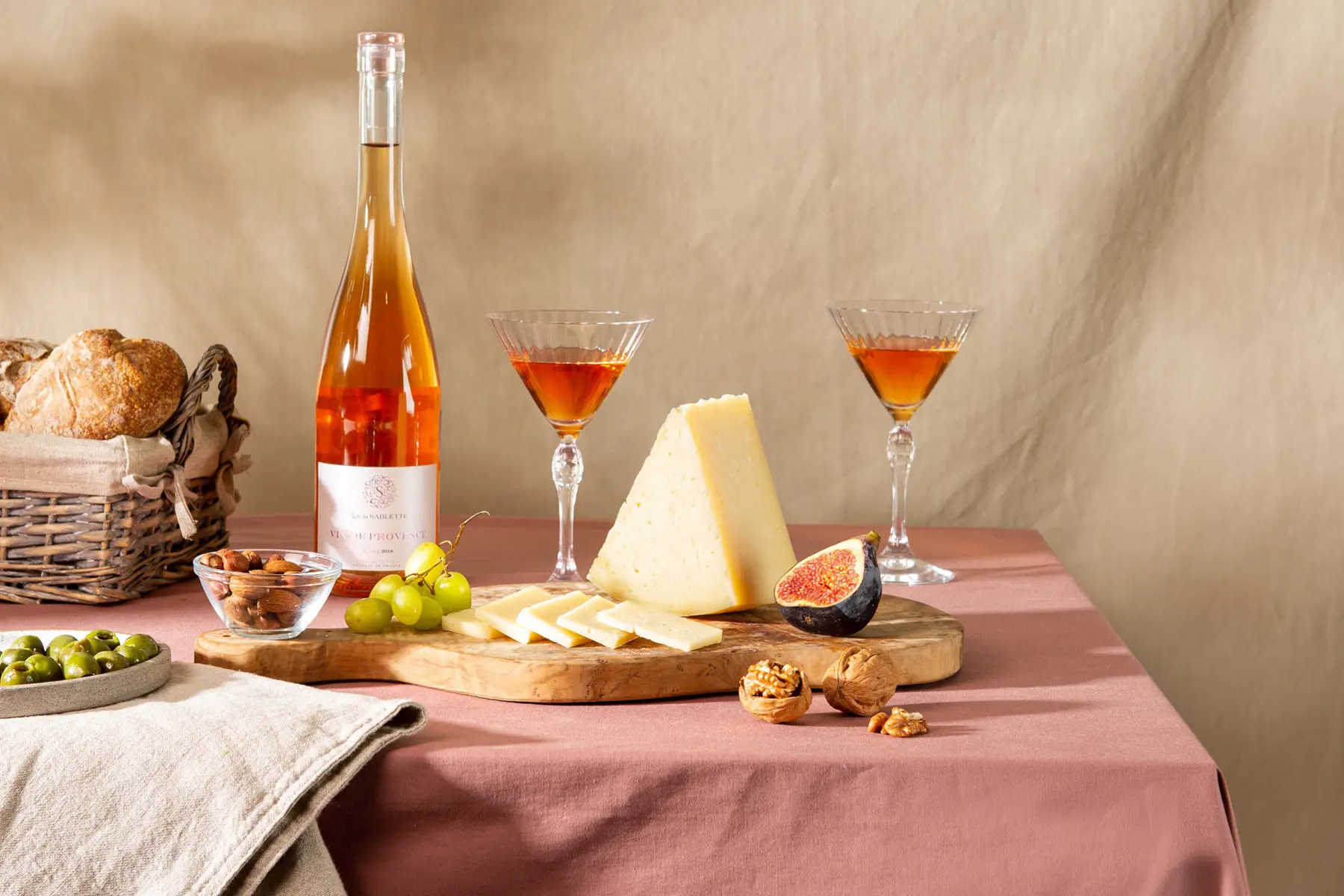
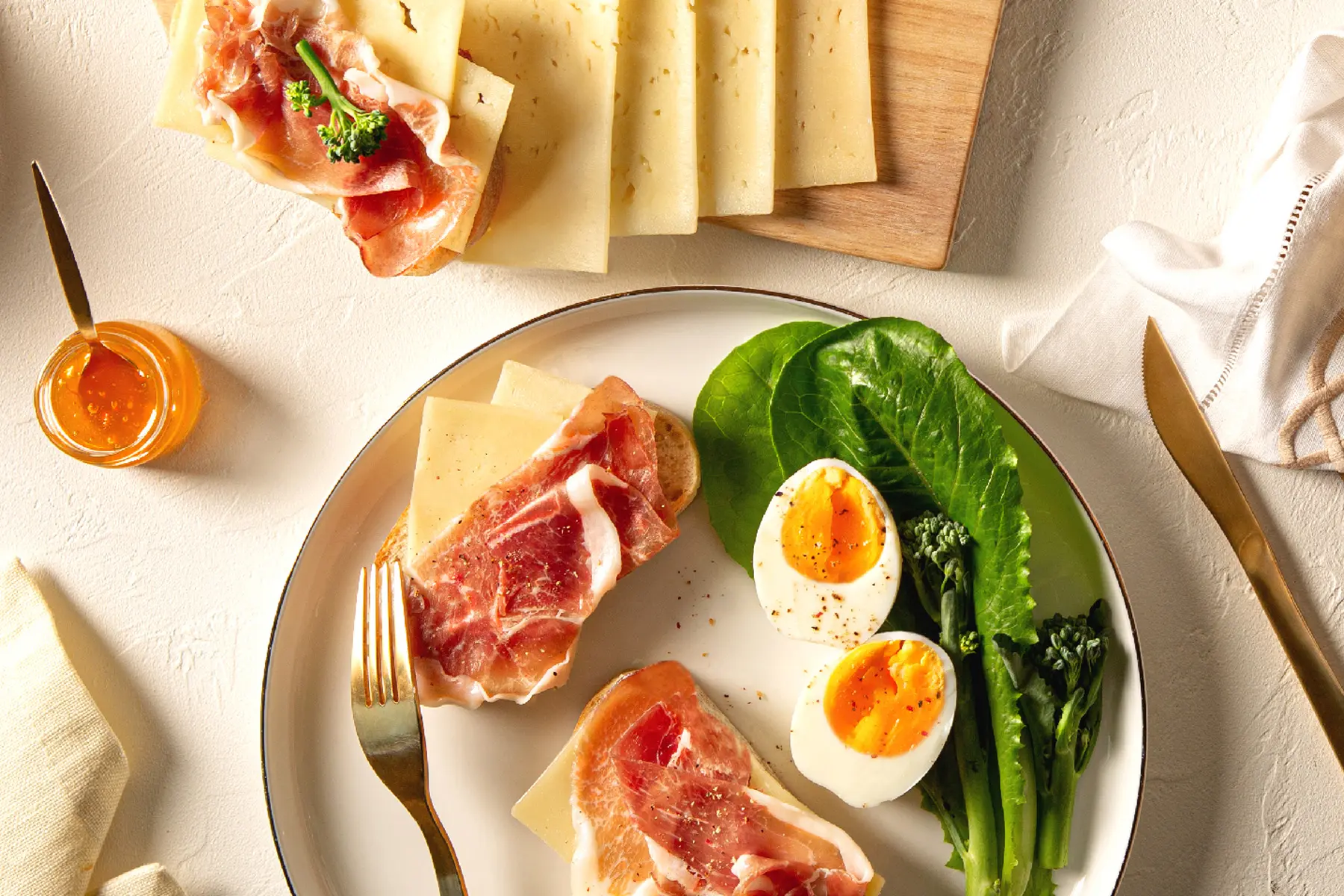
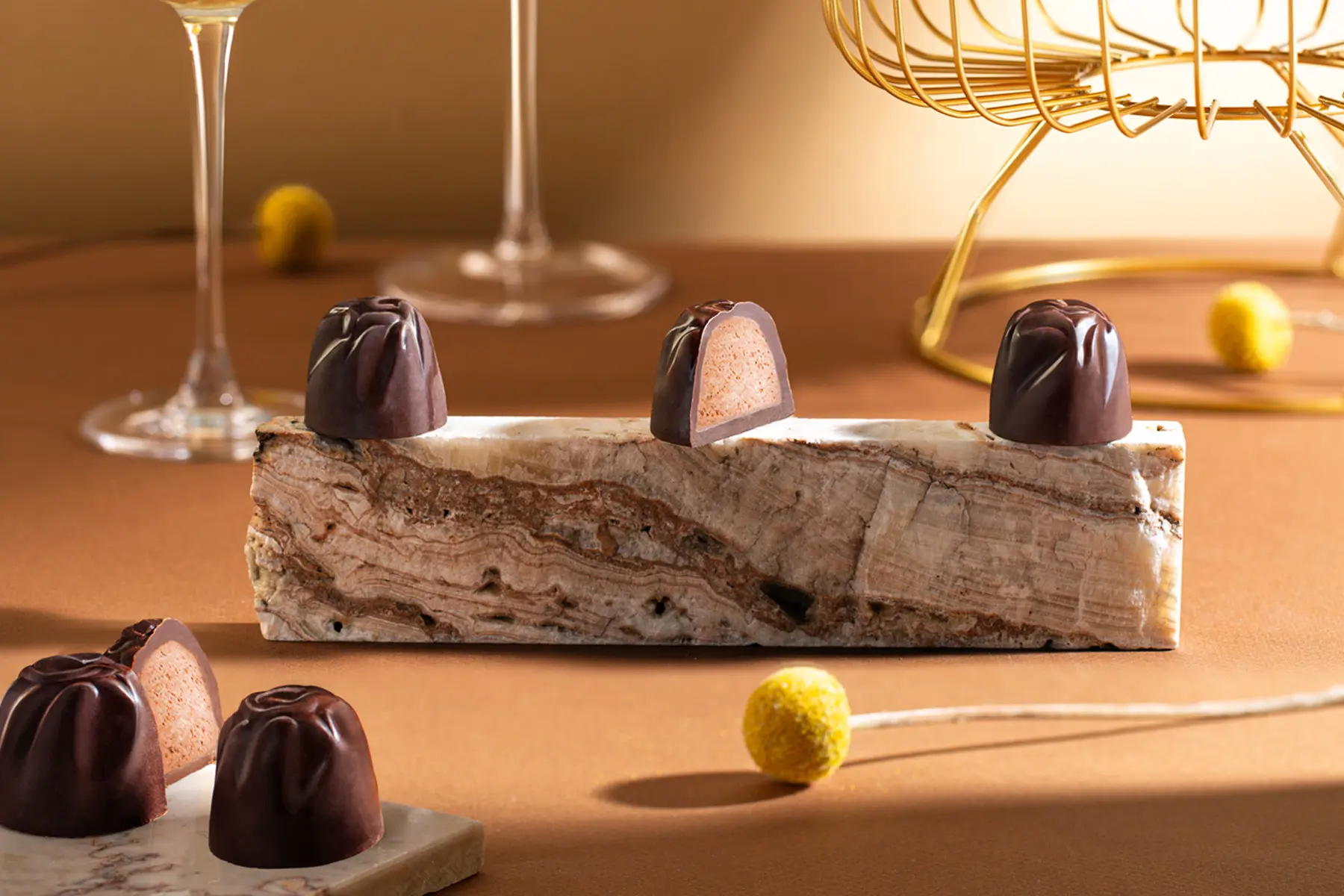
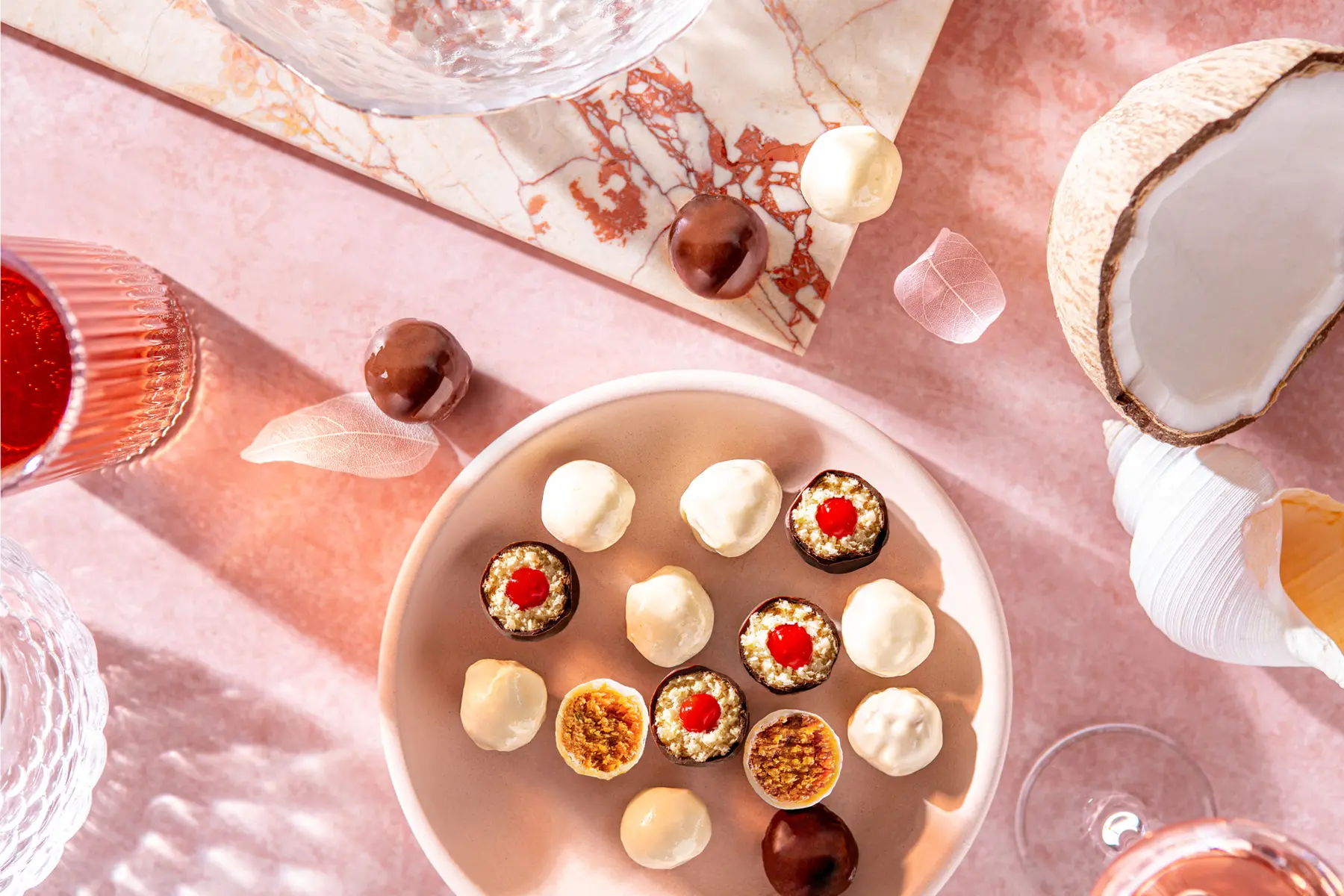
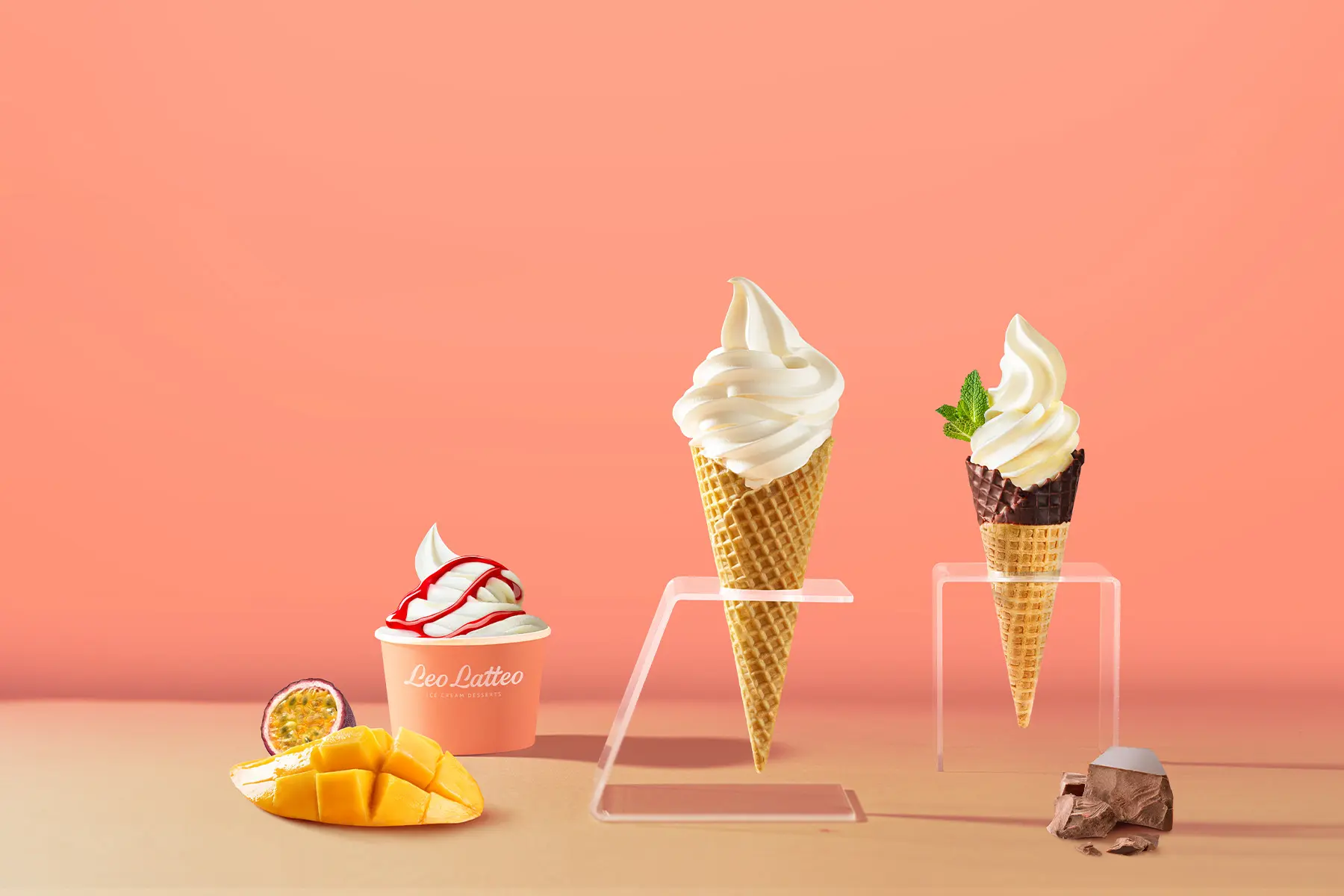
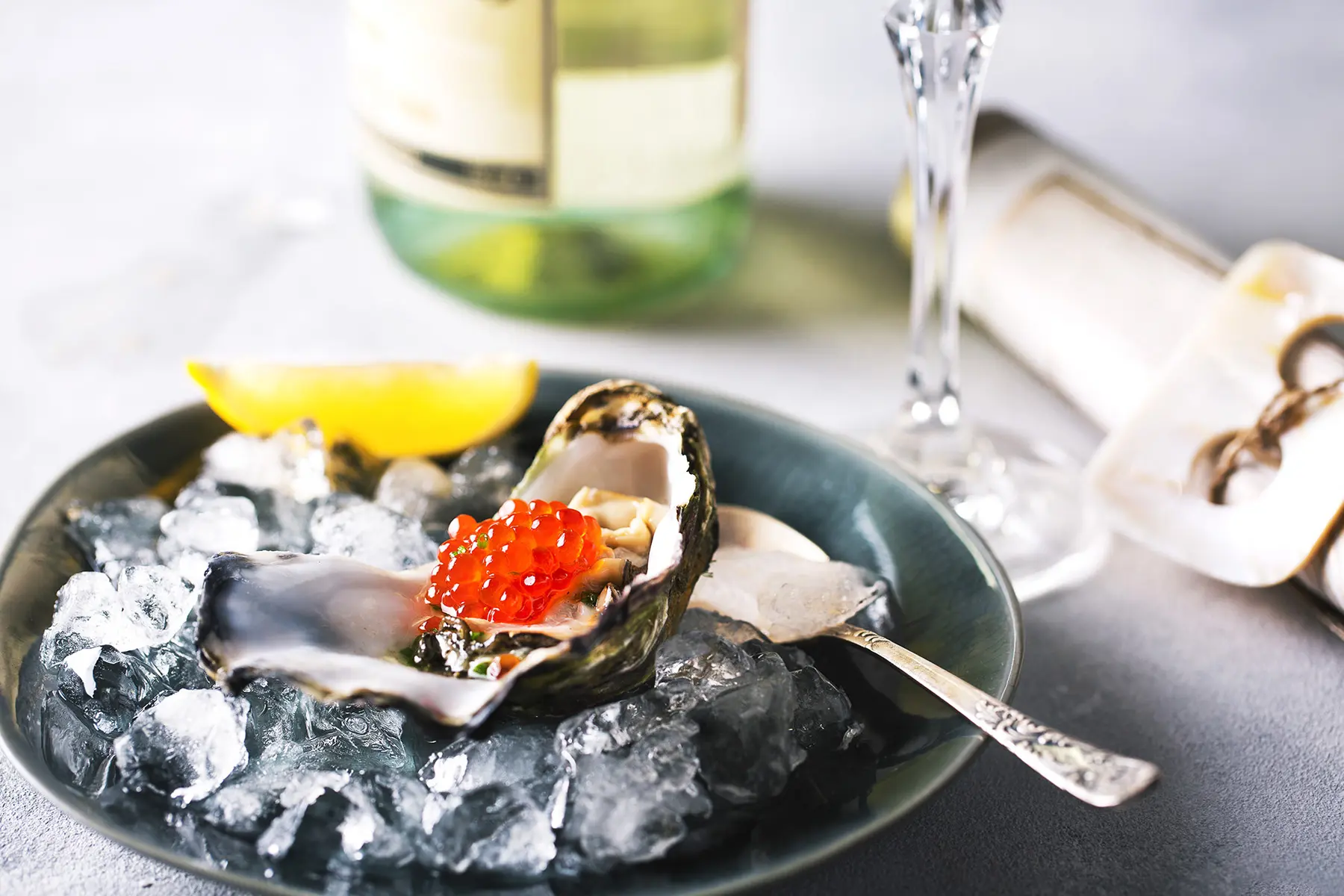
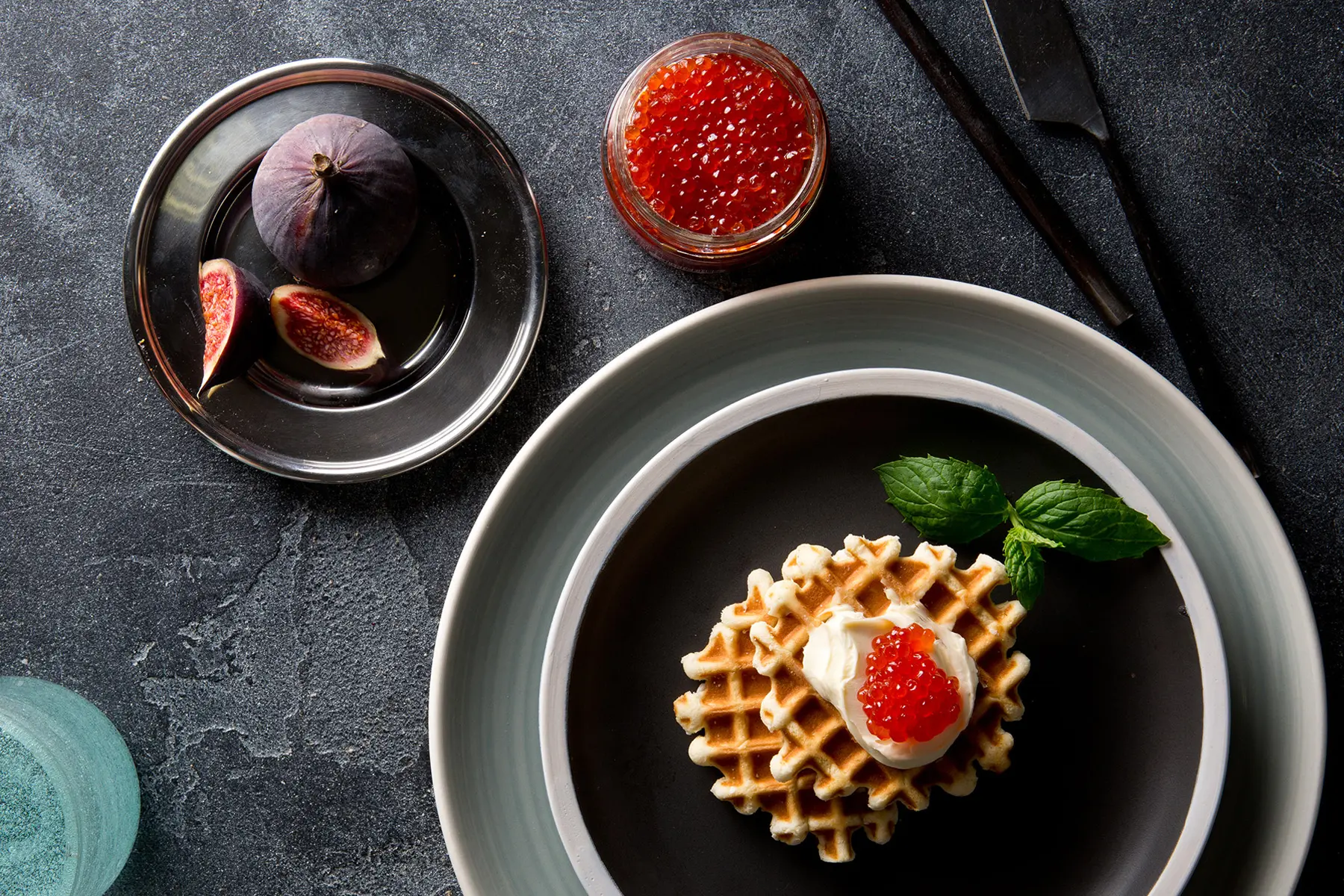
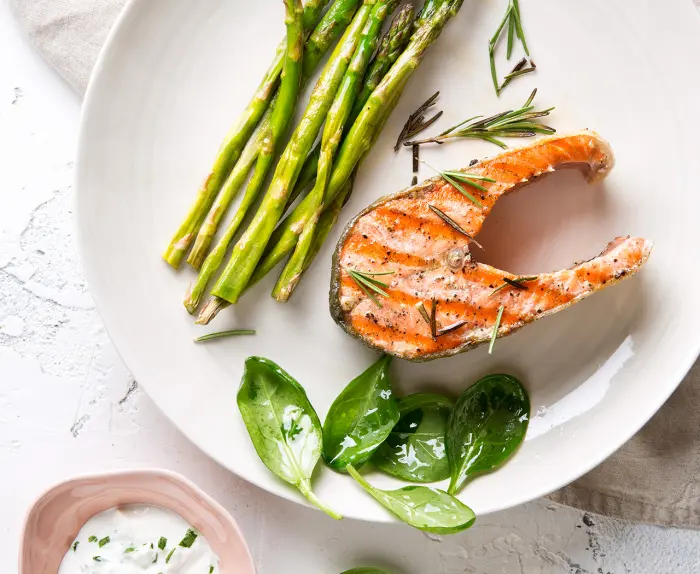
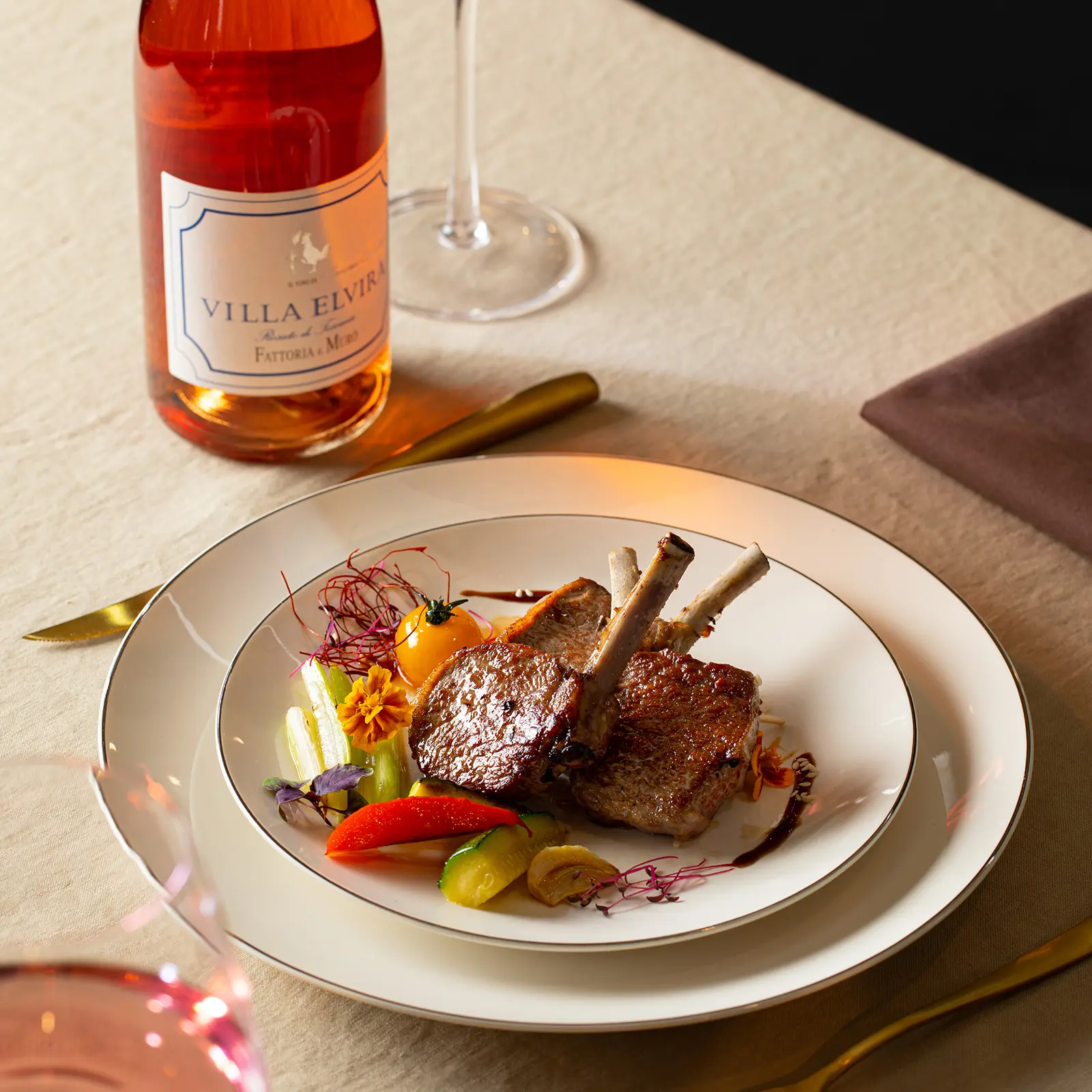
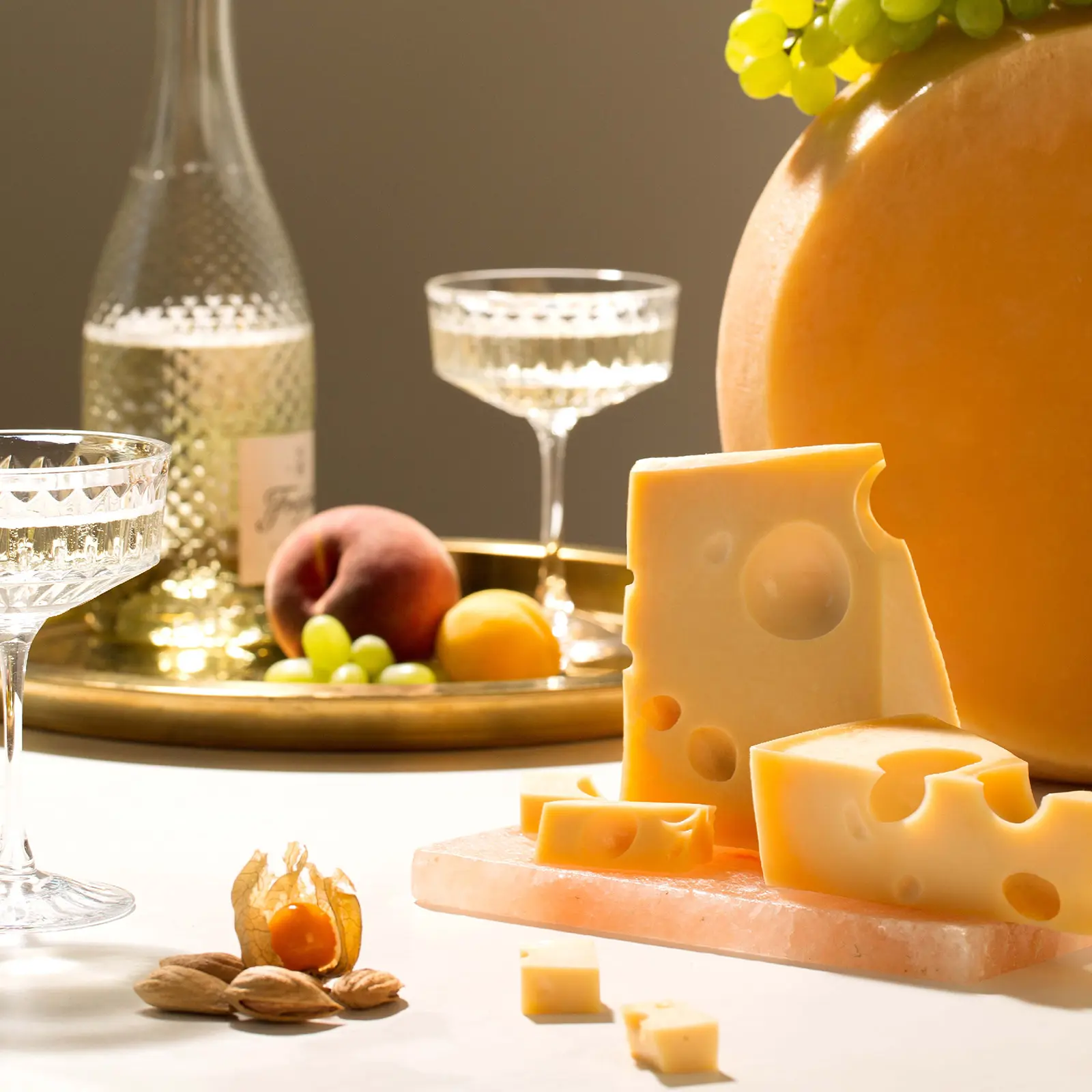
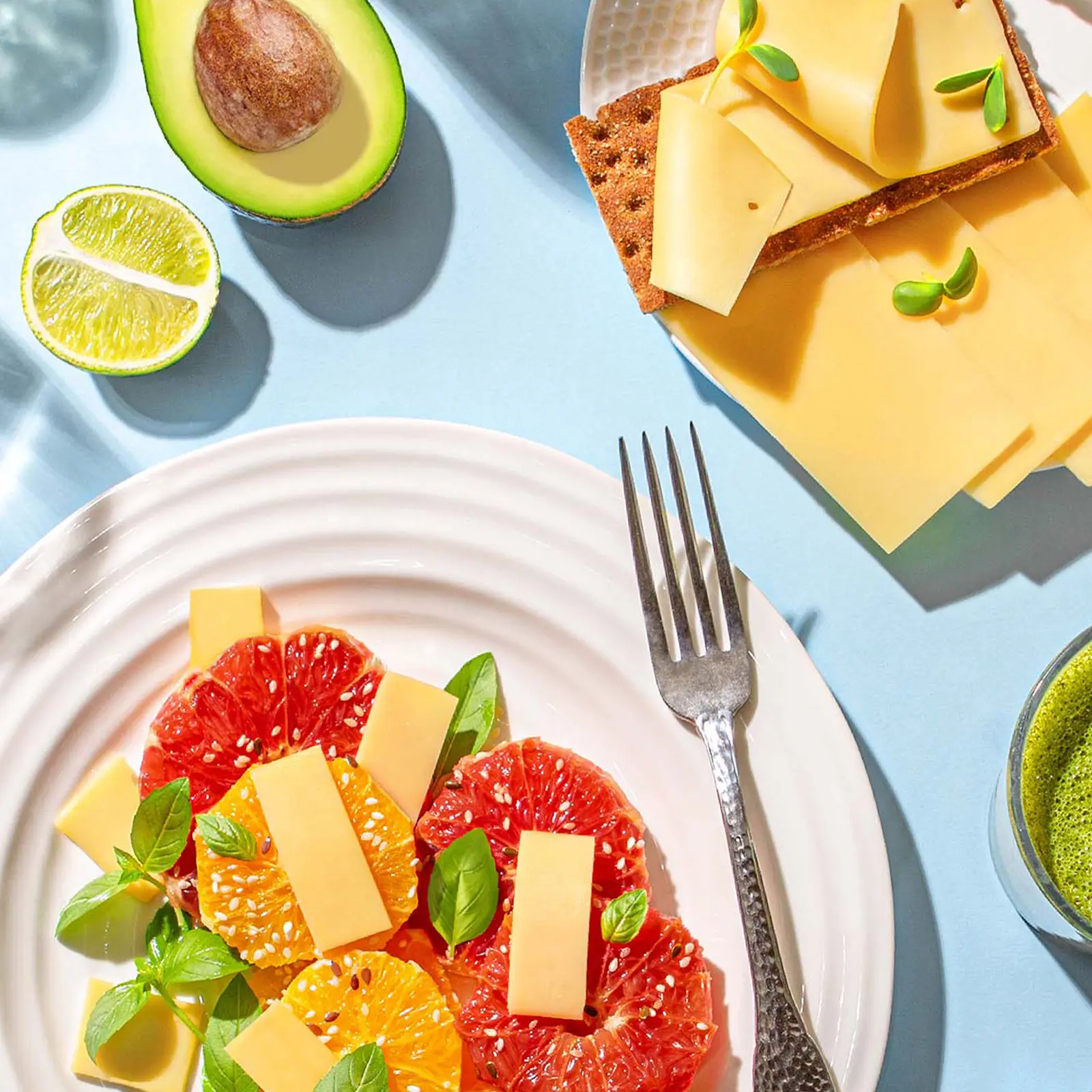
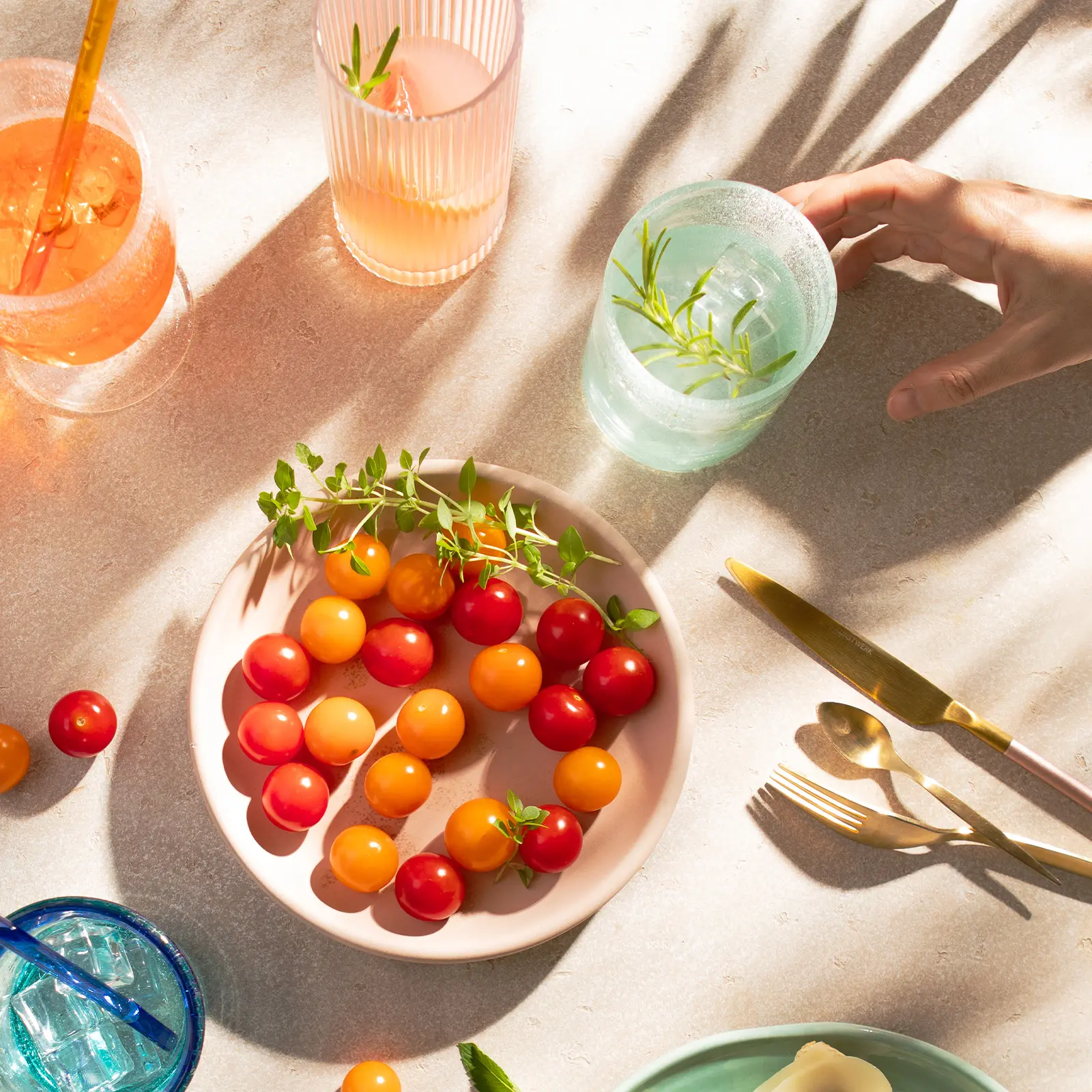
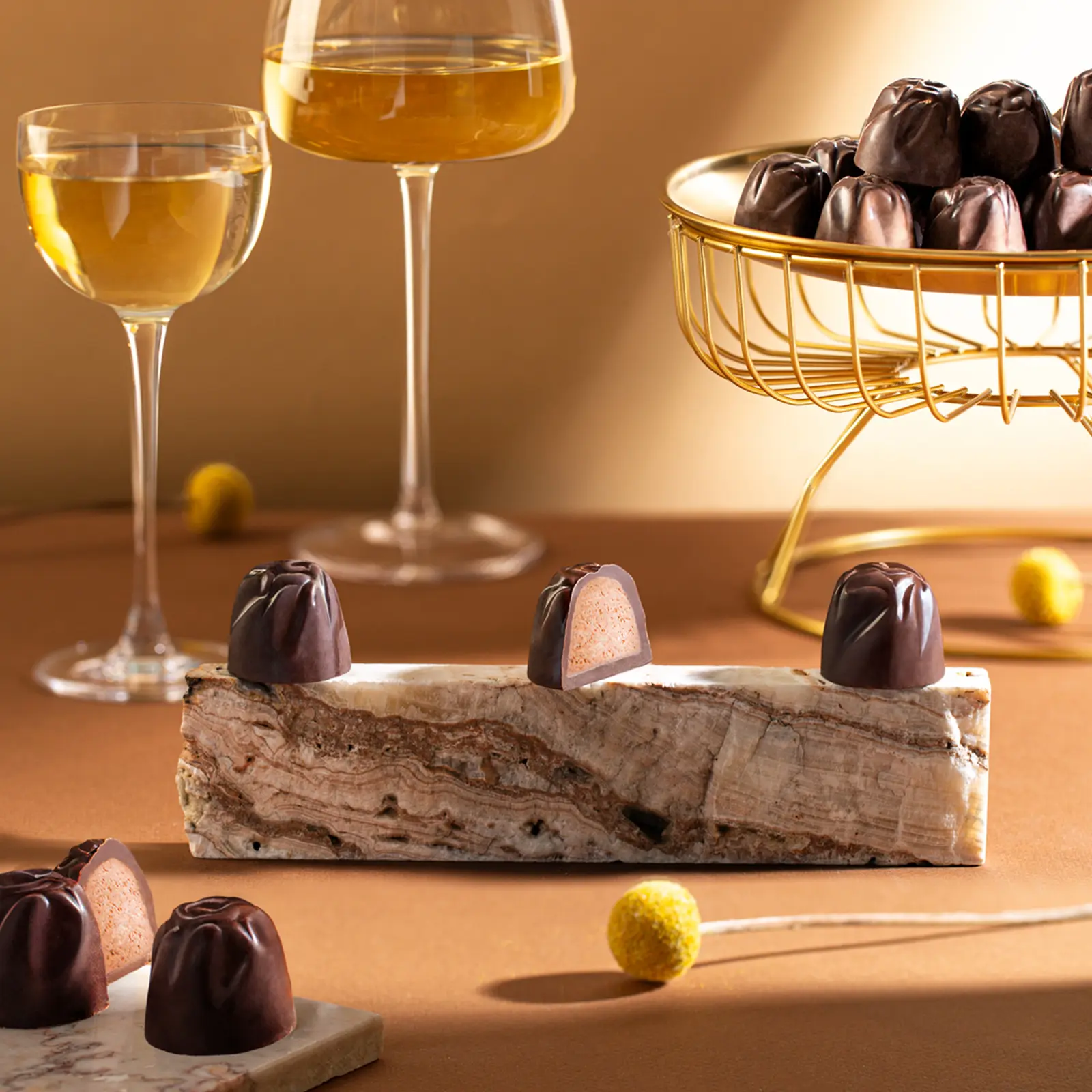
Food photography presents food products and prepared dishes in a way that whets the appetite and makes viewers want to try them. Its central aim is to make the food look visually appealing and appetizing. High-quality food photography is widely used in restaurant menus, culinary publications, and advertising campaigns to drive sales and promote food products.
Food Styling
Food styling is the art of preparing and arranging food for photography and video so that each dish looks as appetizing and appealing as possible on screen. Its purpose is to make viewers want to try the food through an enticing visual presentation. Food stylists use a range of techniques—from selecting tableware and backgrounds to refining the texture and color of ingredients—to create the ideal shot.
Professional Photography Brief
Photography for the site
???
Industrial photography
???
Corporate photography
???
Food photography
???
Subject photography
???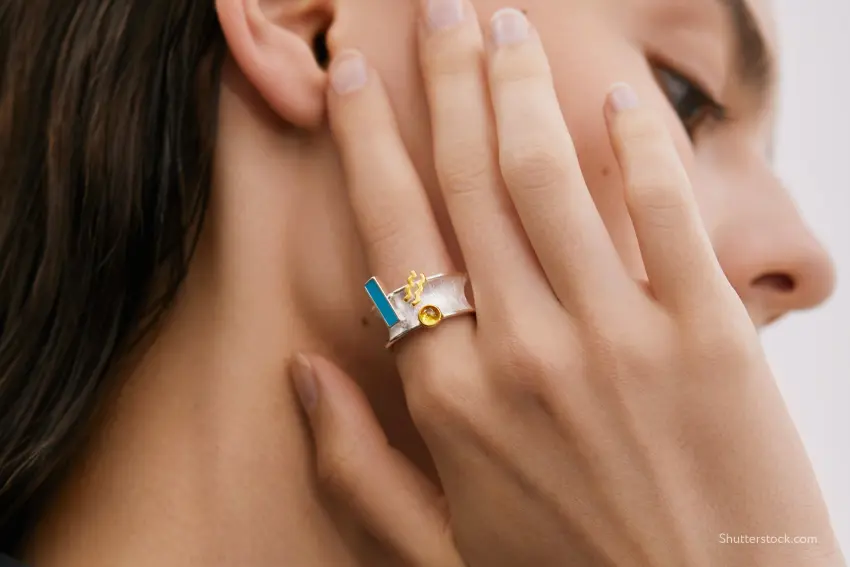
Jewelry photography
???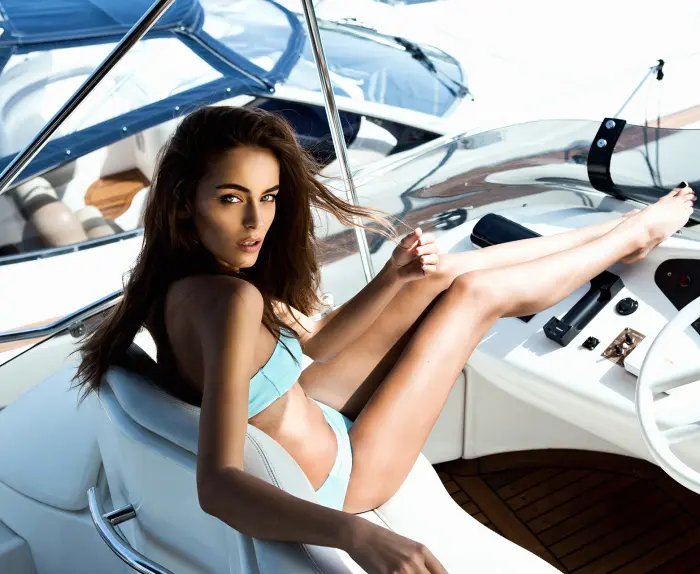
Advertising photography
???
Our services
Our services
close all business needs of your company

Айдентика бренда: основные элементы и носители
 Макс Цветков30.04.2026
- visual identity
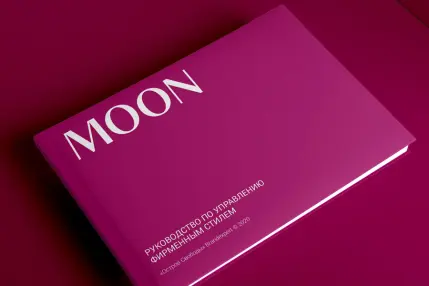
Как выбрать руководство по фирменному стилю для бизнеса
 Анна Авдеева14.04.2026
- brand book
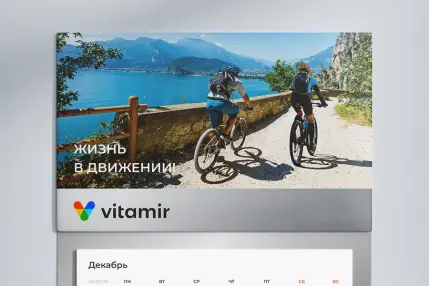
Дизайн корпоративного календаря
Анна Авдеева21.03.2025- catalog design
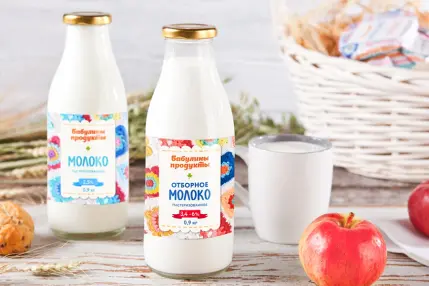
Дизайн этикетки для молочной продукции
Анна Авдеева28.01.2022- label design
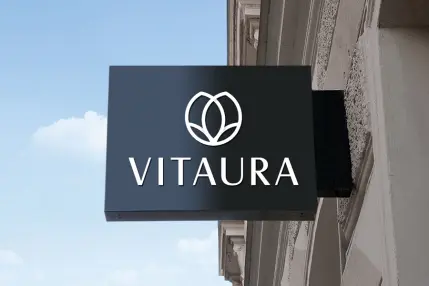
Фирменный стиль салона красоты
Макс Цветков28.01.2022- visual identity

Именной и псевдоименной нейминг
Макс Цветков28.01.2022- naming

Ребрендинг, рестайлинг, редизайн
 Алексей Новиков27.01.2022
- rebranding & restyling
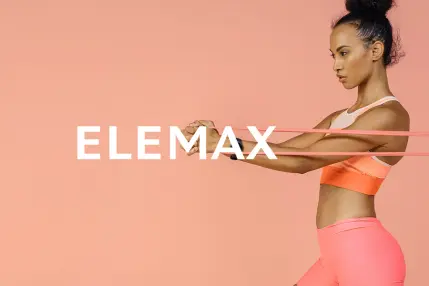
Советы по разработке названия (неймингу)
Анна Авдеева27.01.2022- naming
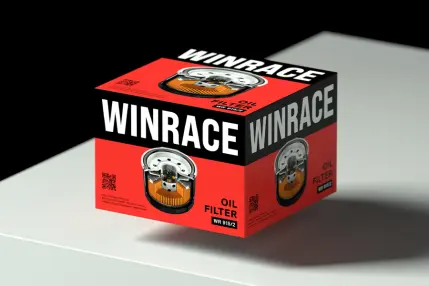
Удачный нейминг: 7 способов распознать эффективное название
Макс Цветков27.01.2022- naming

Ошибки нейминга: как не стоит называть бренд
 Андрей Вершинин27.01.2022
- naming
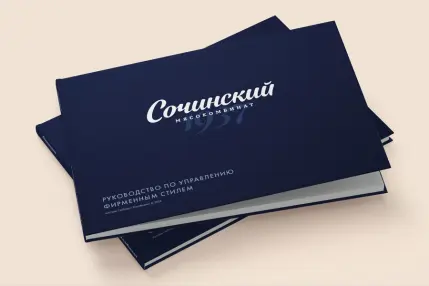
Создание логотипа: чек-лист по разработке эффективного лого
Алексей Новиков29.12.2021- logo creation
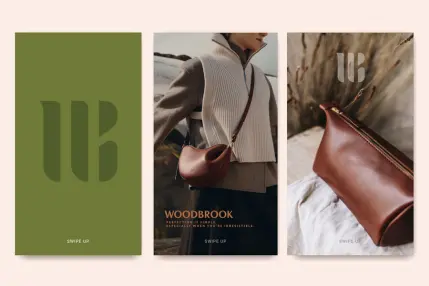
Брендинг: ключевые этапы профессиональной разработки бренда
Макс Цветков29.12.2021- brand creation
Blog
Blog articles
Frequently Asked Questions About Professional Photography
How do you find models for a shoot?
In advertising and promotional photography, a model helps communicate the brand’s message. The right model should project a polished yet natural presence while drawing attention to the product’s distinctive features. Models need to be confident in front of the camera, skilled at posing and using facial expressions, and able to communicate and collaborate effectively on set; their personal style should also suit the concept.
How much do models cost?
Model fees depend on experience and reputation, as well as the type of project: commercial shoots generally cost more than fashion or artistic work. The duration and complexity of the project also affect the budget, while the model’s location may add travel and accommodation costs. Image usage rights and agency commissions also influence the final cost.
What restrictions apply to image usage rights?
Model photography requires careful management of image rights. Licensing agreements protect the interests of both the brand and the model by defining how the photographs may be used. Clearly assigning those rights prevents unauthorized use and preserves the exclusivity of the visual materials. Attention to contractual detail protects both parties’ reputations. Effective rights management also safeguards the brand’s distinctiveness and supports a coherent corporate strategy, contributing to consistent visual communications and the company’s long-term success.
How do you choose the right location for a shoot?
The choice of location influences both brand perception and the quality of the resulting imagery. It should reflect the company’s values and character while aligning with its overall strategy. Careful analysis of the project concept helps identify locations that appeal to the target audience and reinforce the intended message.
How do you organize a model shoot?
Organizing a model shoot begins with defining its concept and purpose, including the style, location, and type of models required. The next step is to assemble a professional team of photographers, stylists, makeup artists, and assistants, and to prepare the necessary props and clothing. During the shoot itself, a comfortable working atmosphere and effective collaboration among everyone involved are essential to achieving the desired result.
How should you prepare for a corporate shoot?
Successful preparation for a corporate shoot begins with defining the session’s goals and target audience so that the images support the company’s objectives. Logistics must then be planned—including the date, time, location, and list of participants—and communicated to everyone involved. The final stage is to establish the visual style, prepare the location and props, and confirm that all the equipment needed to create content aligned with the company’s image is ready.
What is distinctive about marketplace photography?
Marketplace photography is shaped by each platform’s technical requirements for image resolution, file format, background, and angle, which standardize how products are presented. Its primary goal is to provide a clear, informative view of the product, emphasizing its benefits and details to encourage online purchases. Successful marketplace photography meets the platform’s technical standards while helping to improve conversion rates through an appealing, professional presentation of the product.
What is food styling?
Food styling is the art of arranging and presenting food to create visually appealing images. Its primary purpose is to emphasize the aesthetic qualities of a dish and make it look appetizing to the viewer. The process includes selecting and preparing ingredients, arranging them on the plate, choosing accessories, and setting the lighting to bring out the food’s textures, colors, and forms.
What does a food stylist do?
A food stylist is a professional responsible for the visual presentation of dishes in photography and video. Their main role is to create aesthetically appealing compositions that convey a sense of the food’s flavor and highlight its texture. The food stylist selects ingredients, arranges them on the plate, chooses accessories, and controls the lighting so that every element looks as natural and appetizing as possible.
What is distinctive about industrial photography?
Industrial photography often involves working in large-scale environments, under complex lighting conditions, and inside active production facilities. Its primary purpose is to showcase production capacity, technological processes, and the company’s achievements for corporate and marketing use. Successful industrial photography requires technical expertise, meticulous attention to detail, and strict compliance with on-site safety requirements.
How should you prepare for a production-facility shoot?
Preparation begins with careful planning: identifying the key subjects and coordinating the schedule with facility management. The site’s safety rules must be reviewed and the photography crew properly briefed. Thorough preparation ensures that the shoot proceeds safely and that the resulting images accurately communicate the distinctive features of the production process and the company’s achievements.




We’re Here to Advise You on Any Branding Challenge
Dear partners, your project is unique and deserves a tailored approach. To prepare a relevant proposal, we need to understand your goals and the services most needed to deliver the best results. We’re ready to provide 360° support and handle all strategic tasks in marketing, design, digital, and brand communications. Our mission is to deliver outstanding solutions that drive financial growth and increase brand value. Get in touch — we’ll be happy to share our expertise and insights with you.
The BRANDEXPERT Team.
The BRANDEXPERT Team.