Brand Identity Design: A Complete Guide with Examples

Brand identity is one of the core tools of advertising, marketing, and reputation-building communications. It shapes the first impression of a company and keeps the brand consistent across every touchpoint. If you are planning to commission brand identity design, it is important to understand that the work goes far beyond a logo. It is a multi-stage process for creating a coherent visual and verbal language, with its own graphic system, typography, imagery, layout principles, and tone of voice. An effective identity should express what the business does, what it stands for, its expertise, values, character, and distinctive features. Every element of the brand identity should work as part of one system, strengthening recognition and creating the intended associations in every channel.
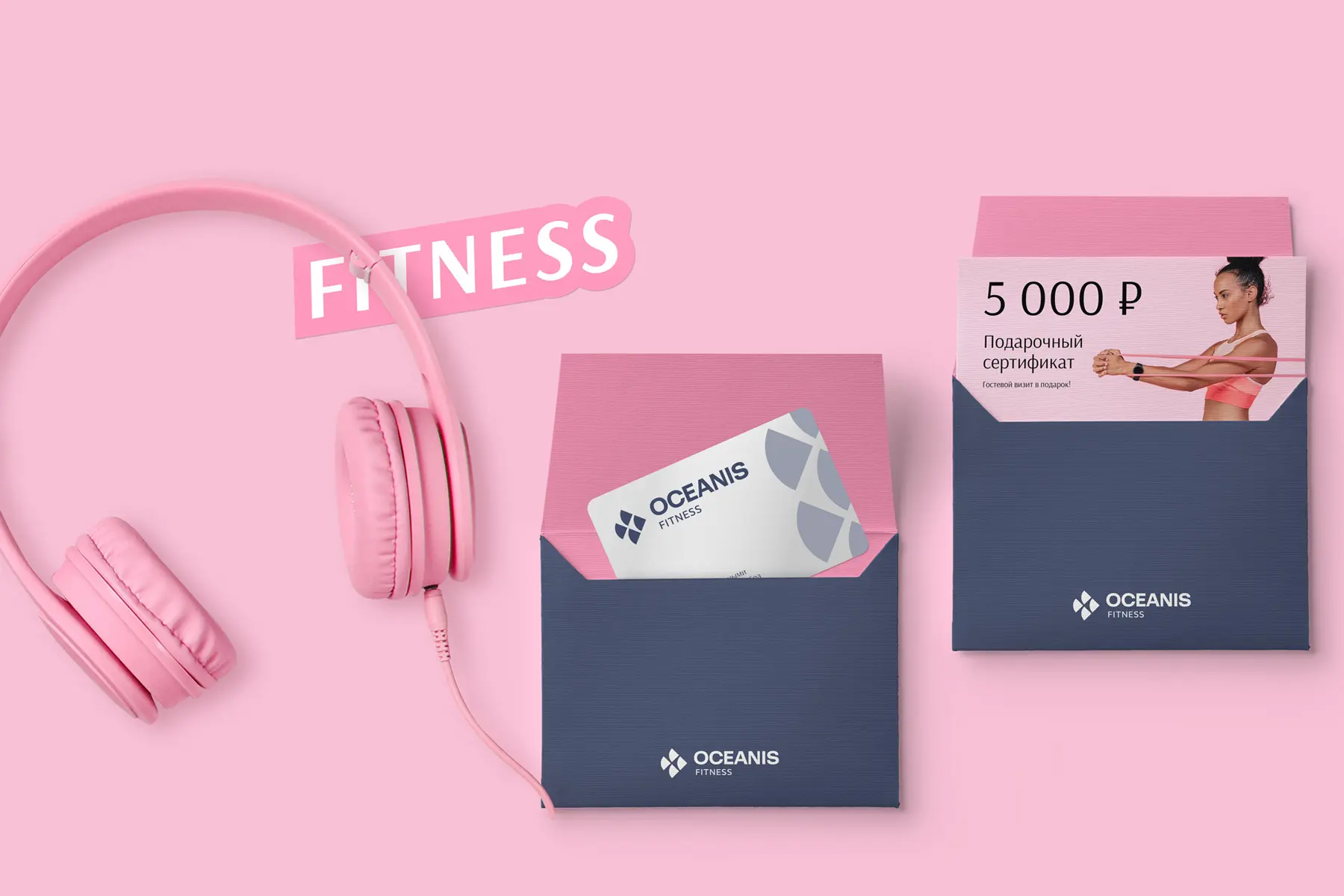
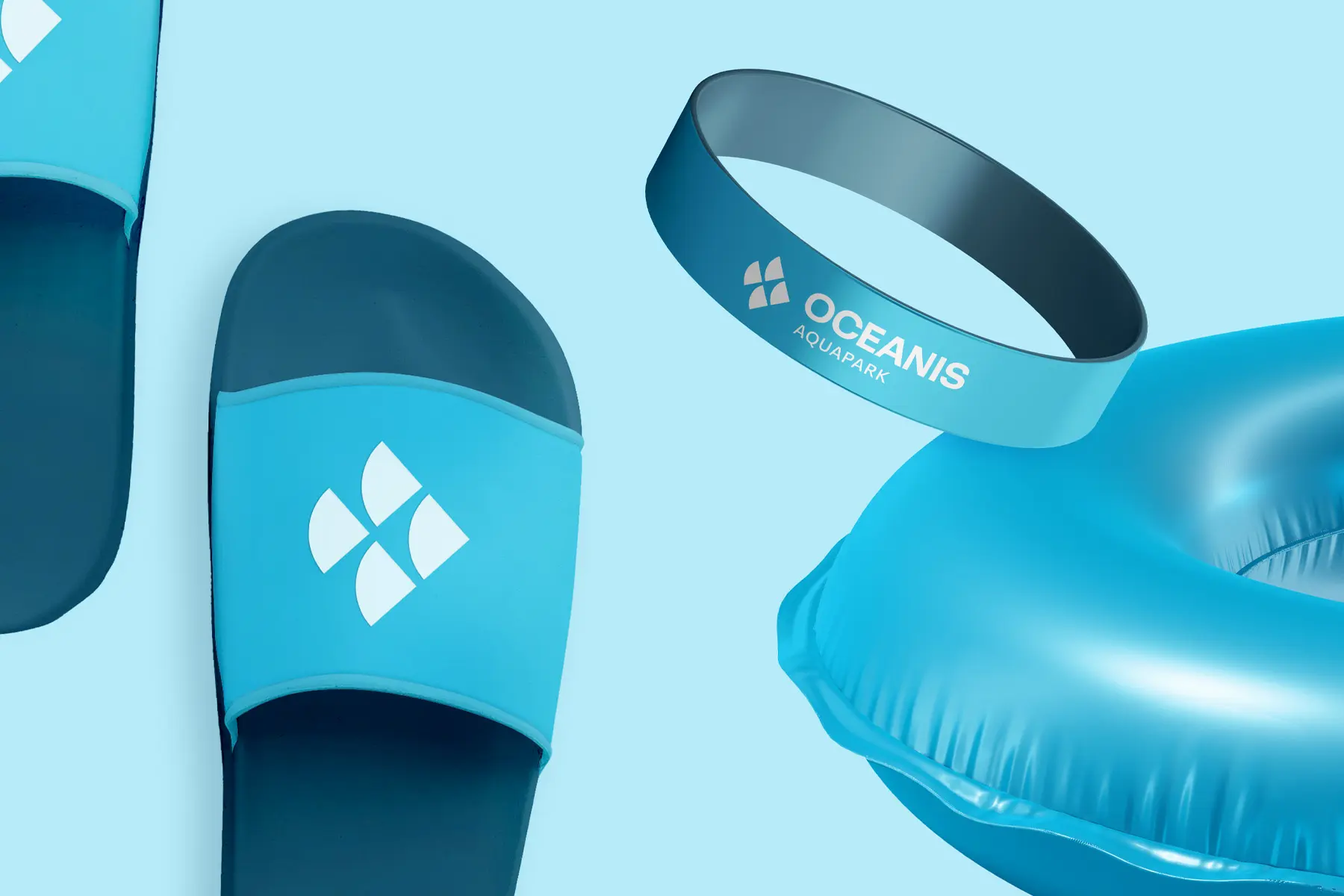
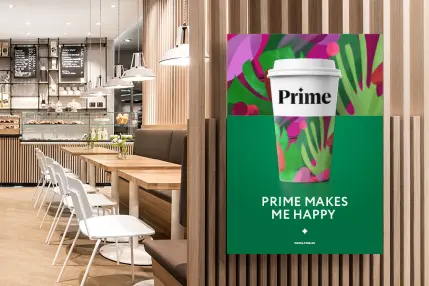
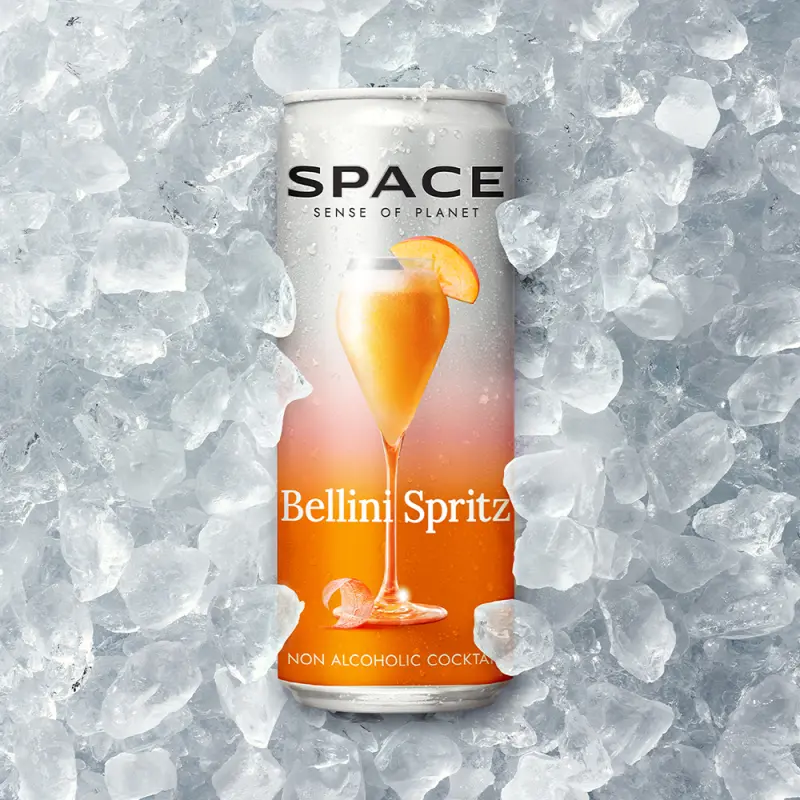
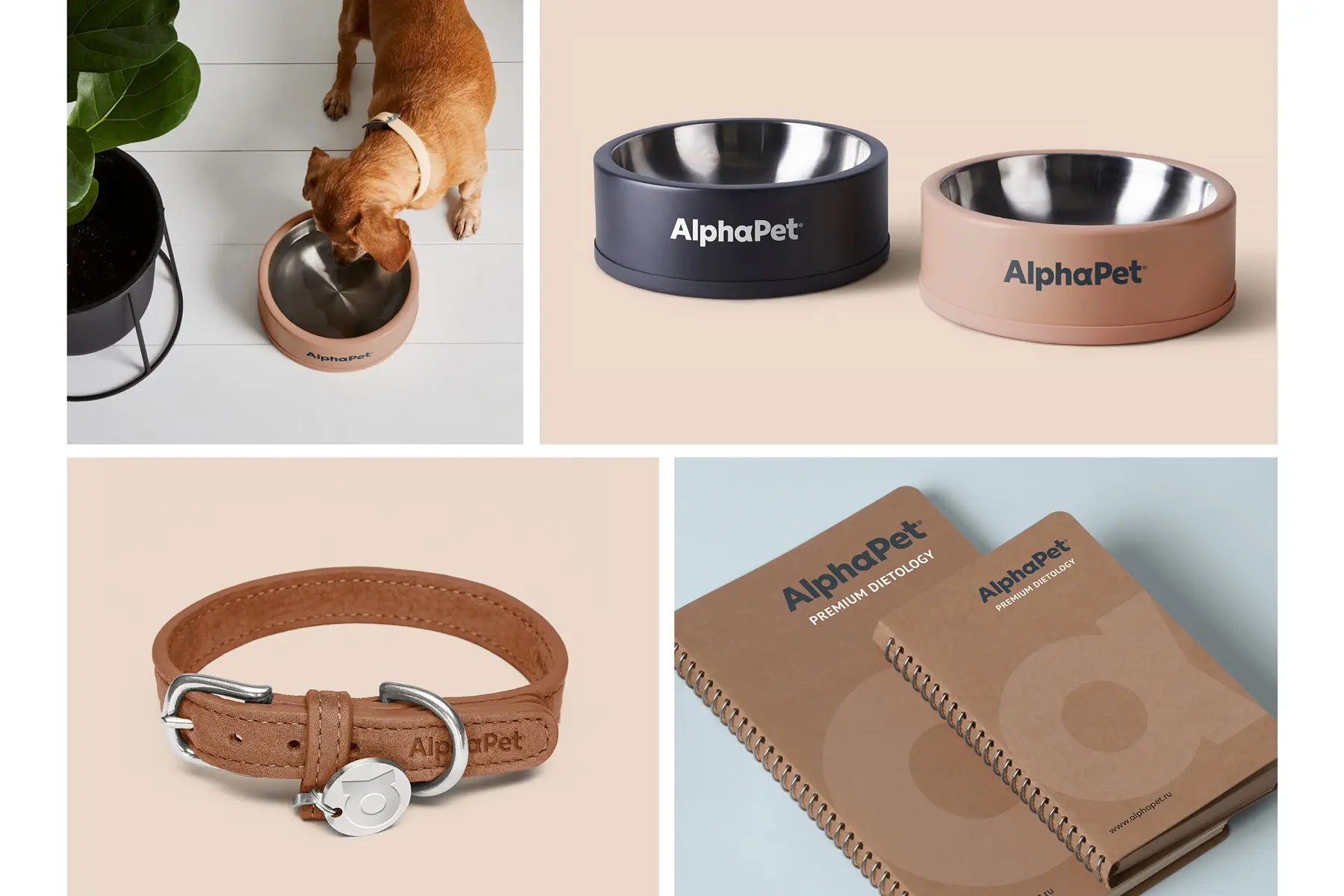
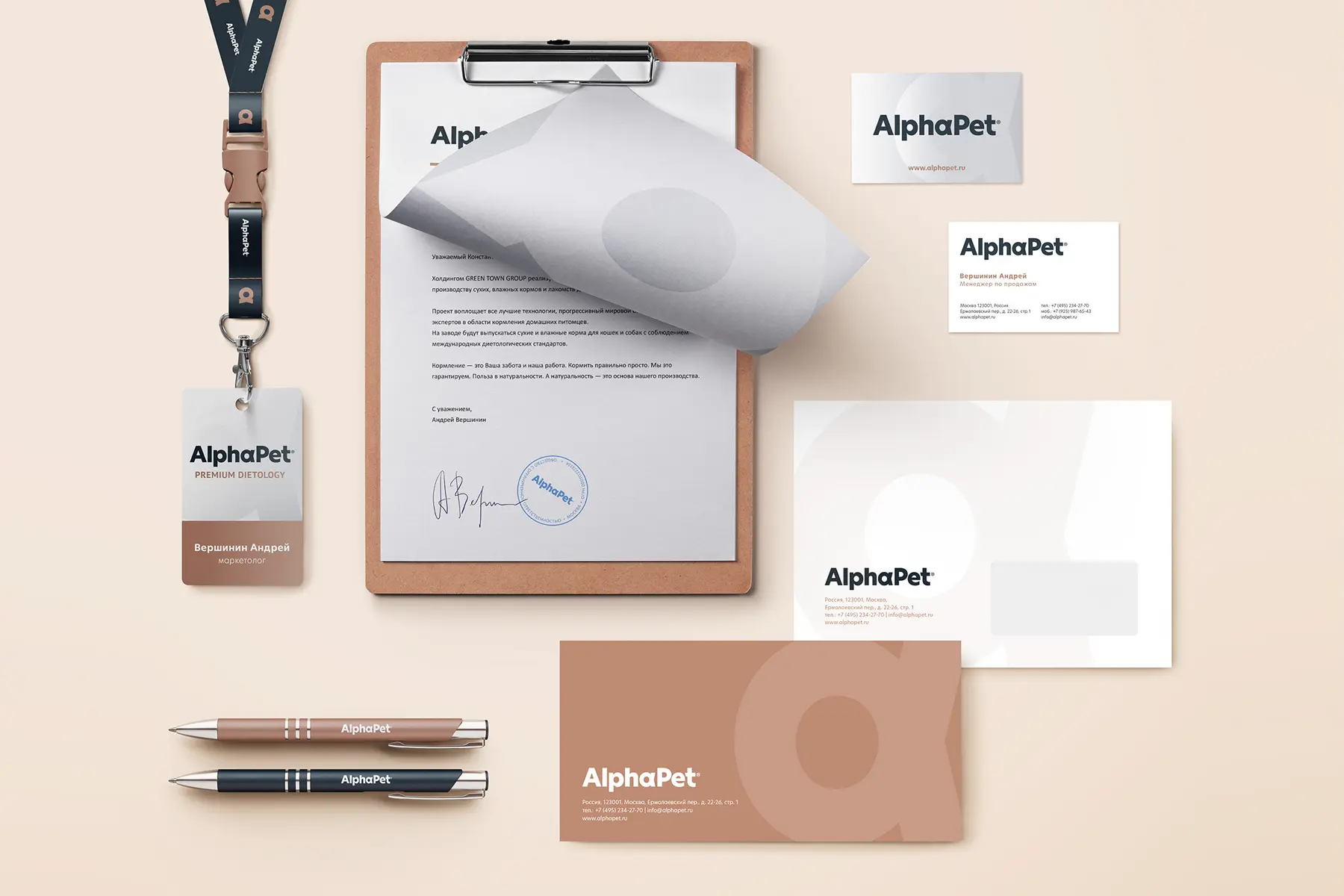
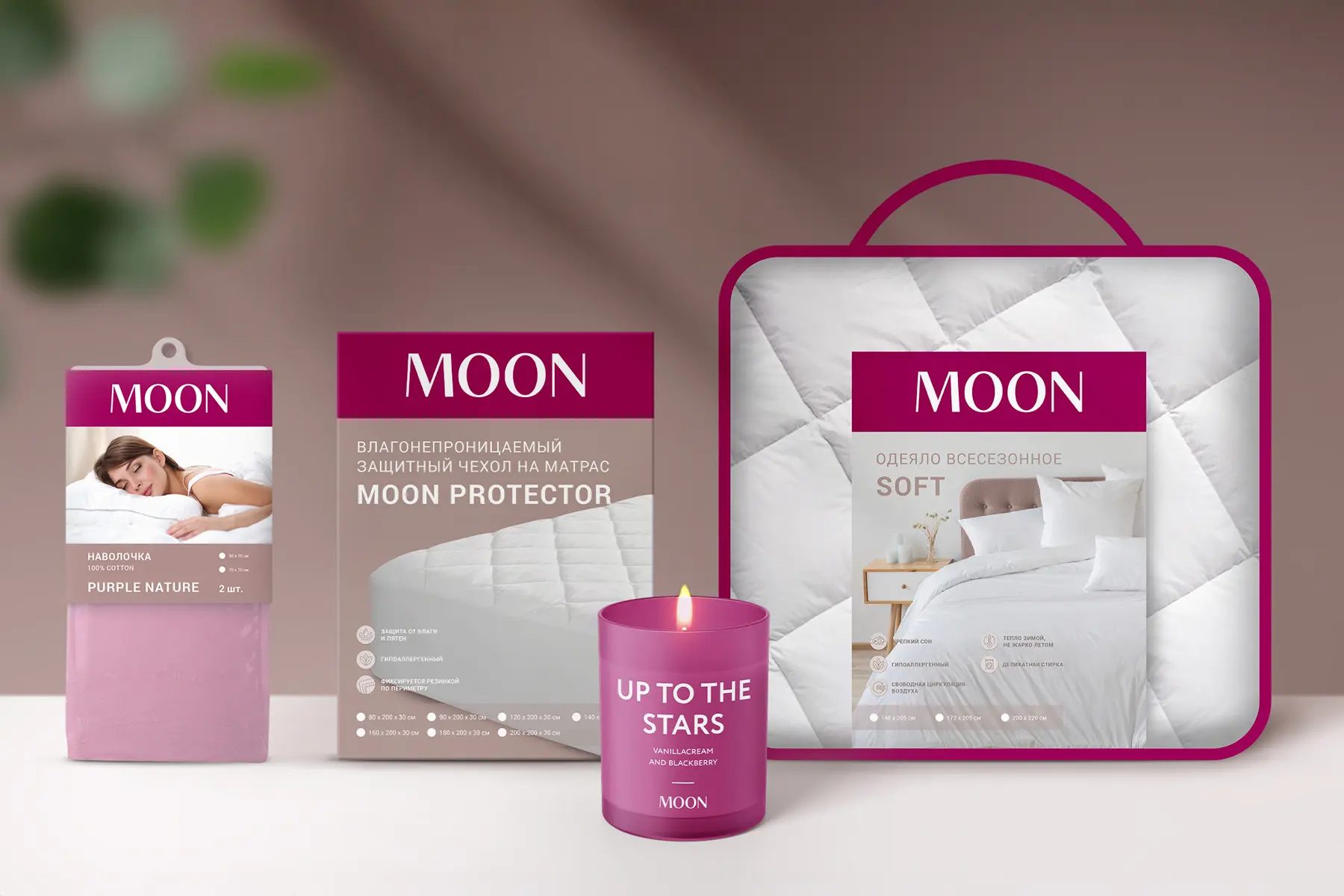
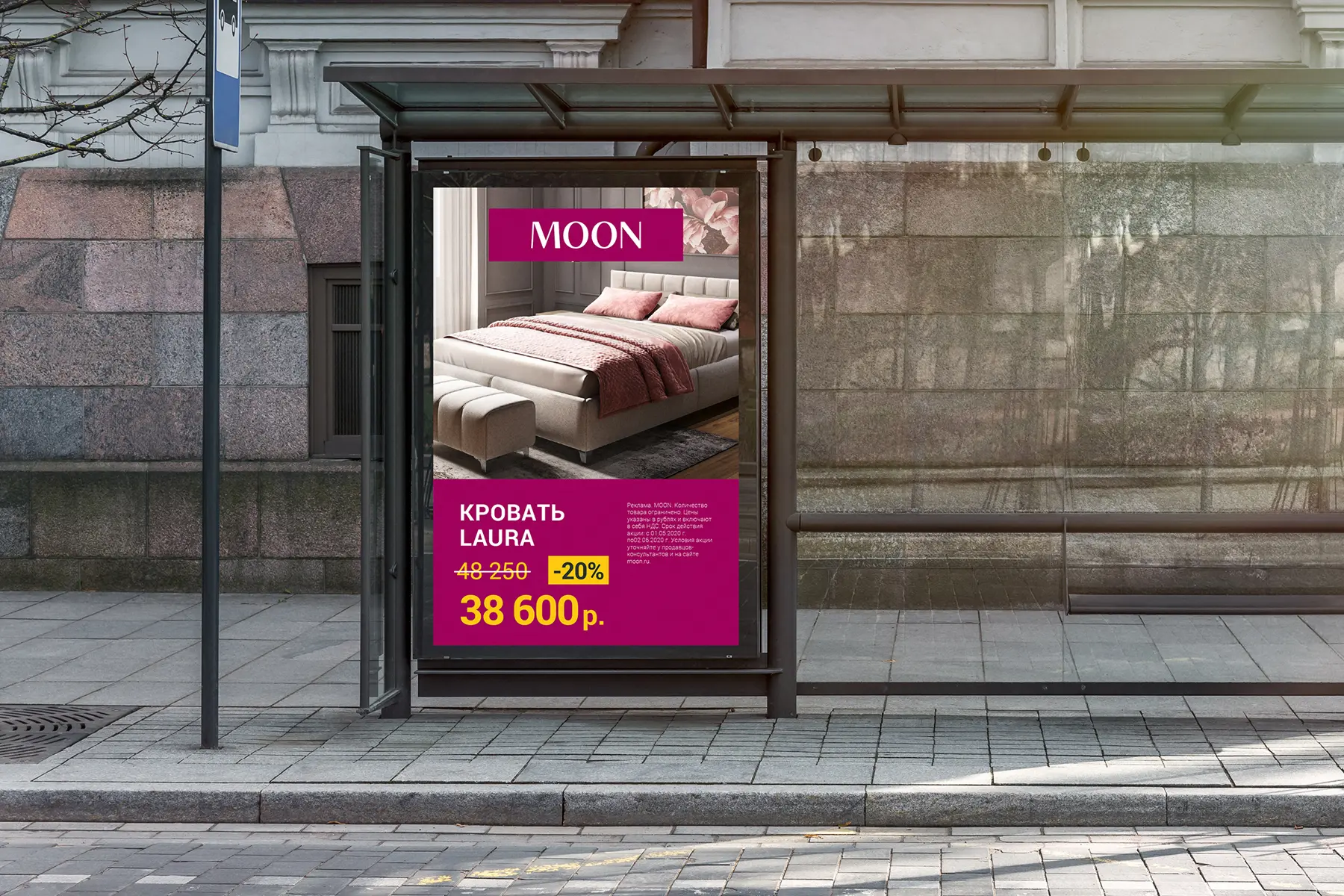
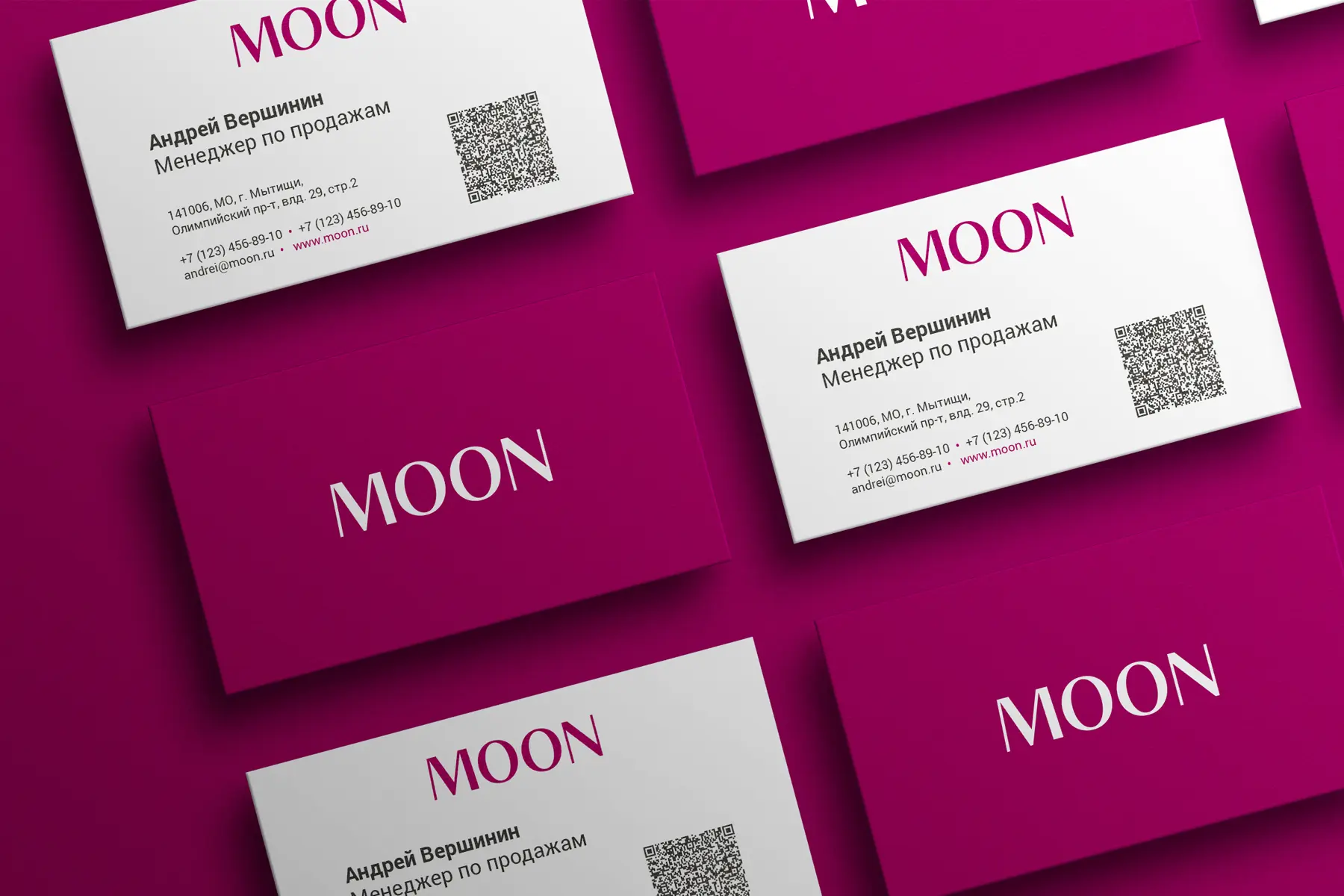
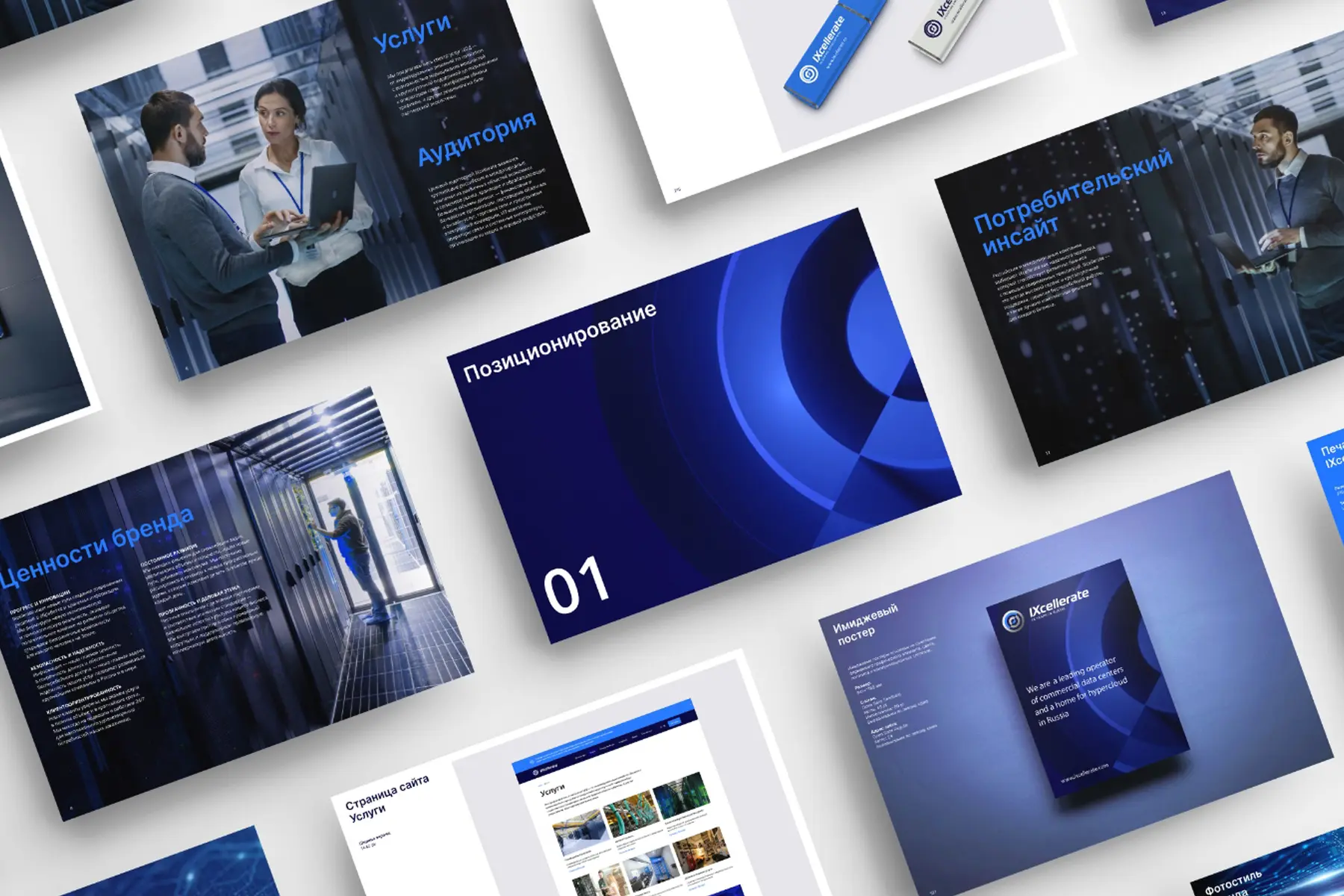
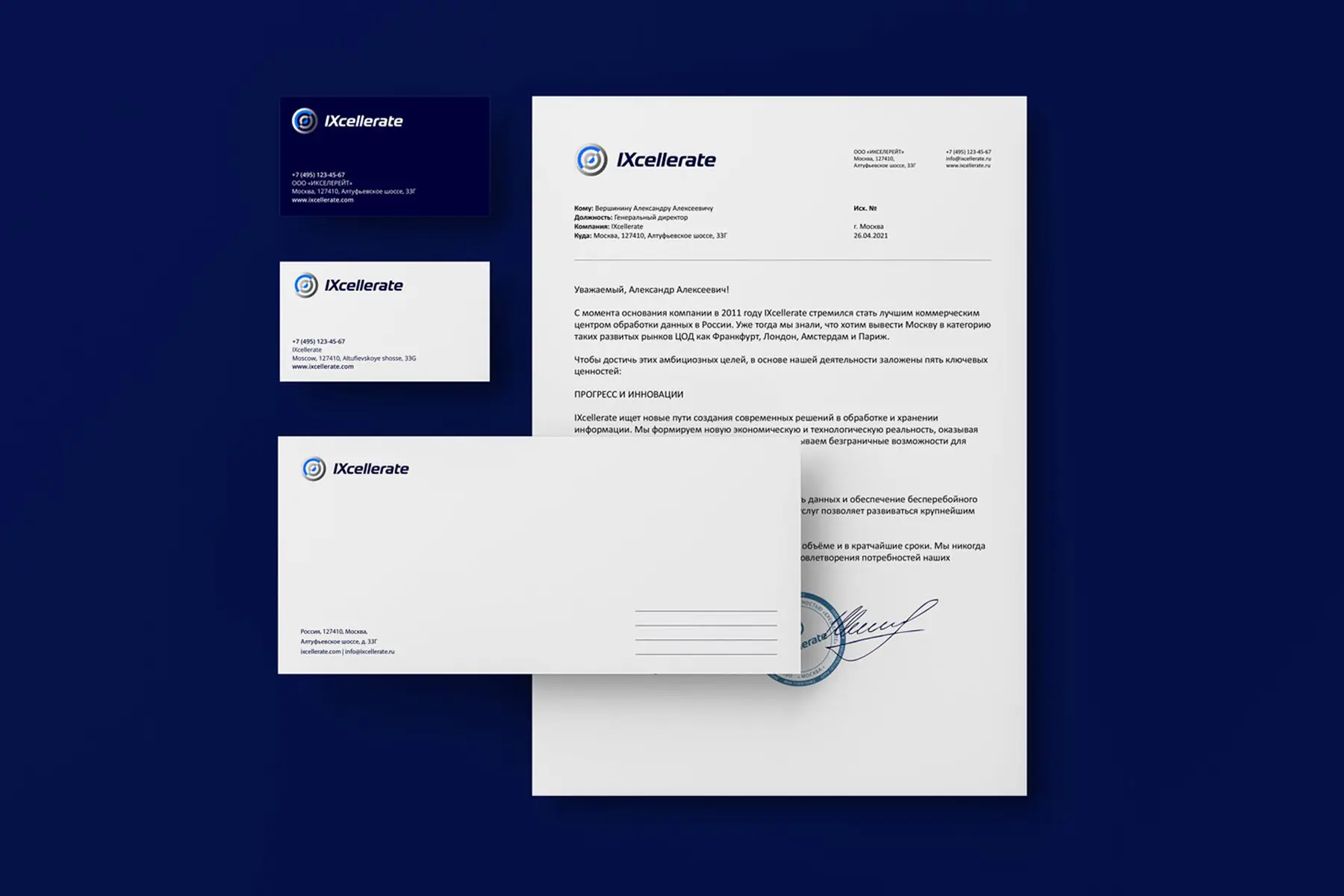
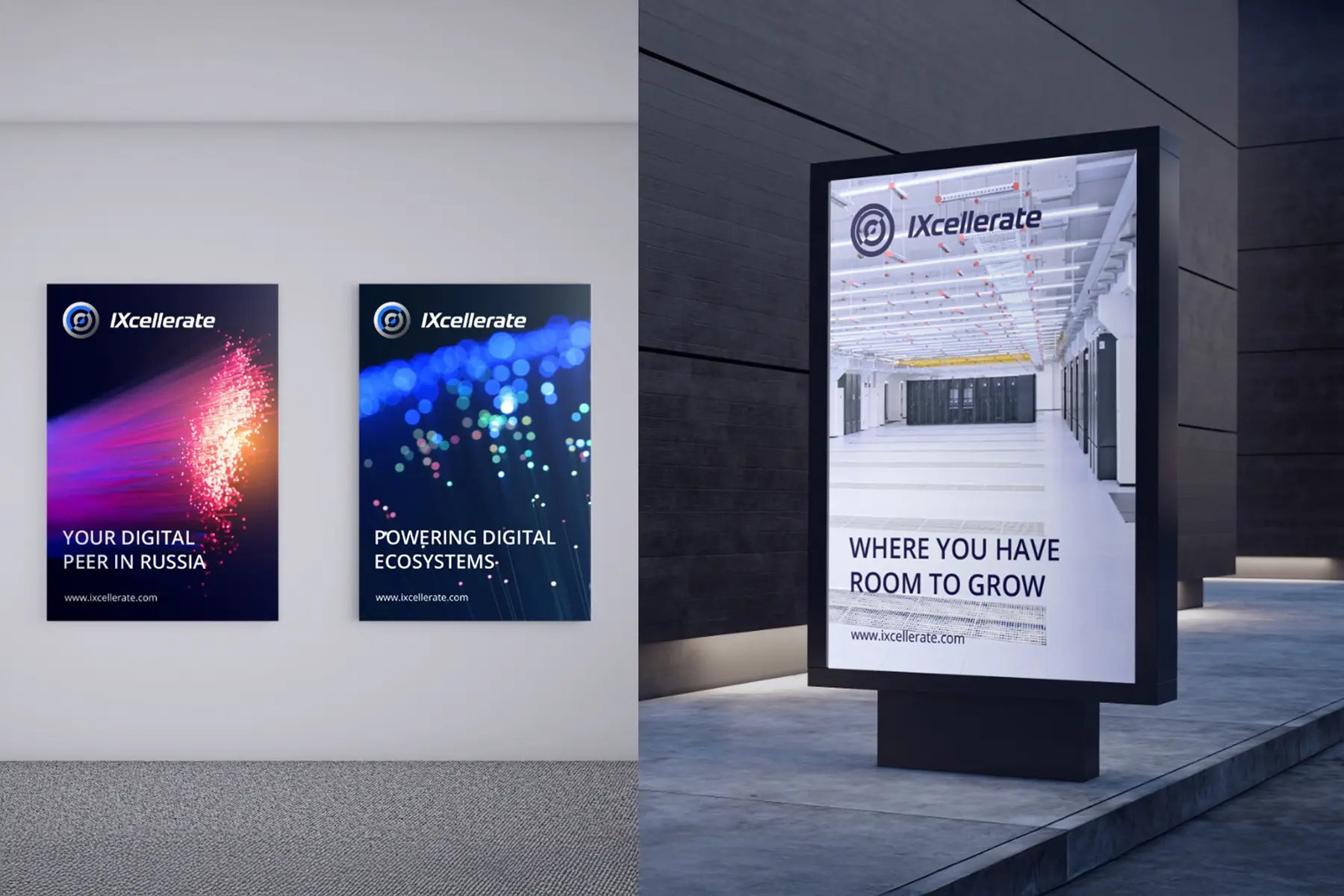
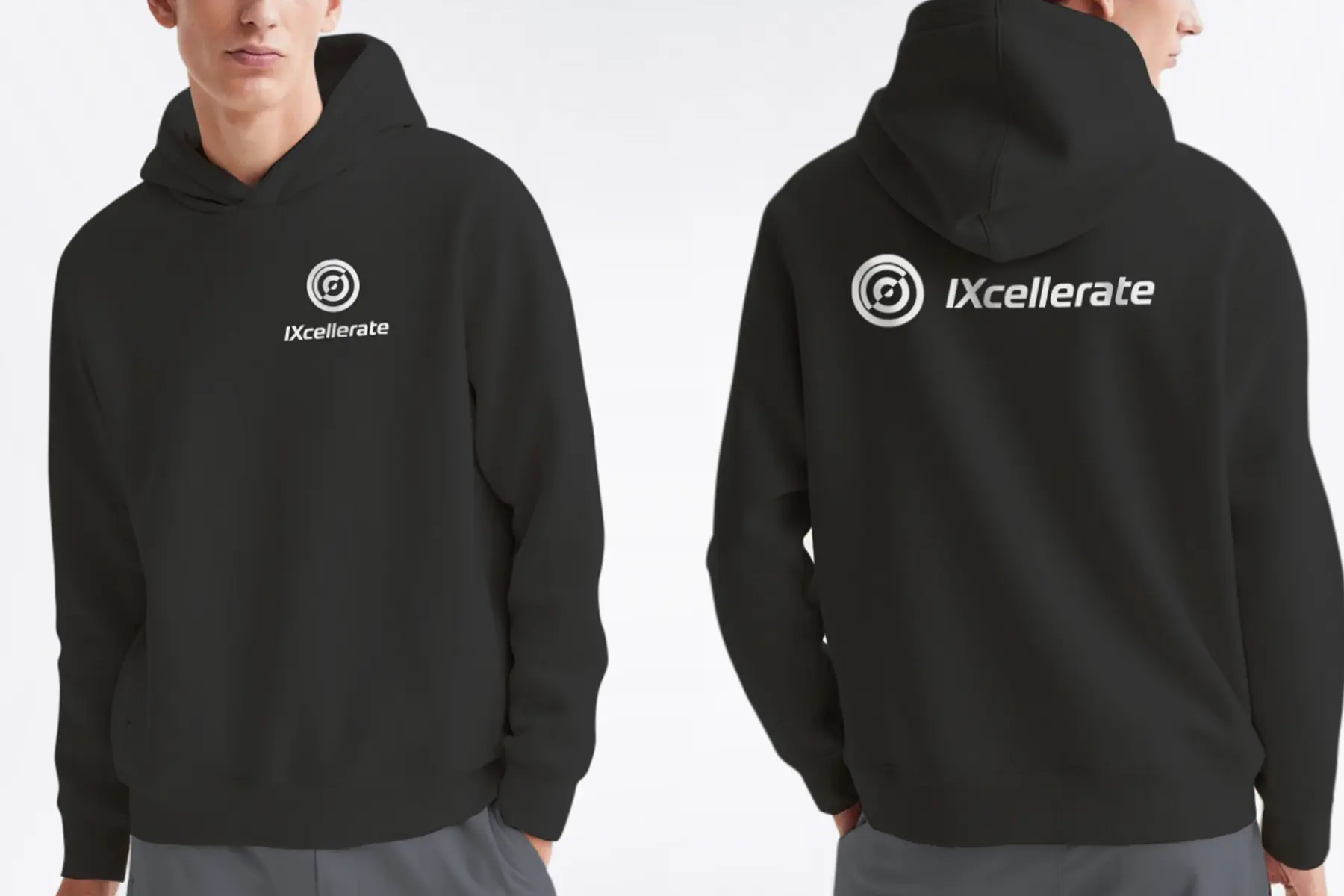
Visual Identity Portfolio and Examples


Key Elements of Brand Identity
Brand identity is the integrated system of visual and verbal cues through which a brand communicates with its audience across online and offline channels. Its visual layer - the visual identity - brings internal and external communications into one coherent language, with consistent aesthetics, composition, and presentation. The logo is part of this system, but it is not the whole system.
Individually and together, these elements create a distinctive identity. As a result, customers can recognize a familiar brand among competitors even when its name or logo is not immediately visible.
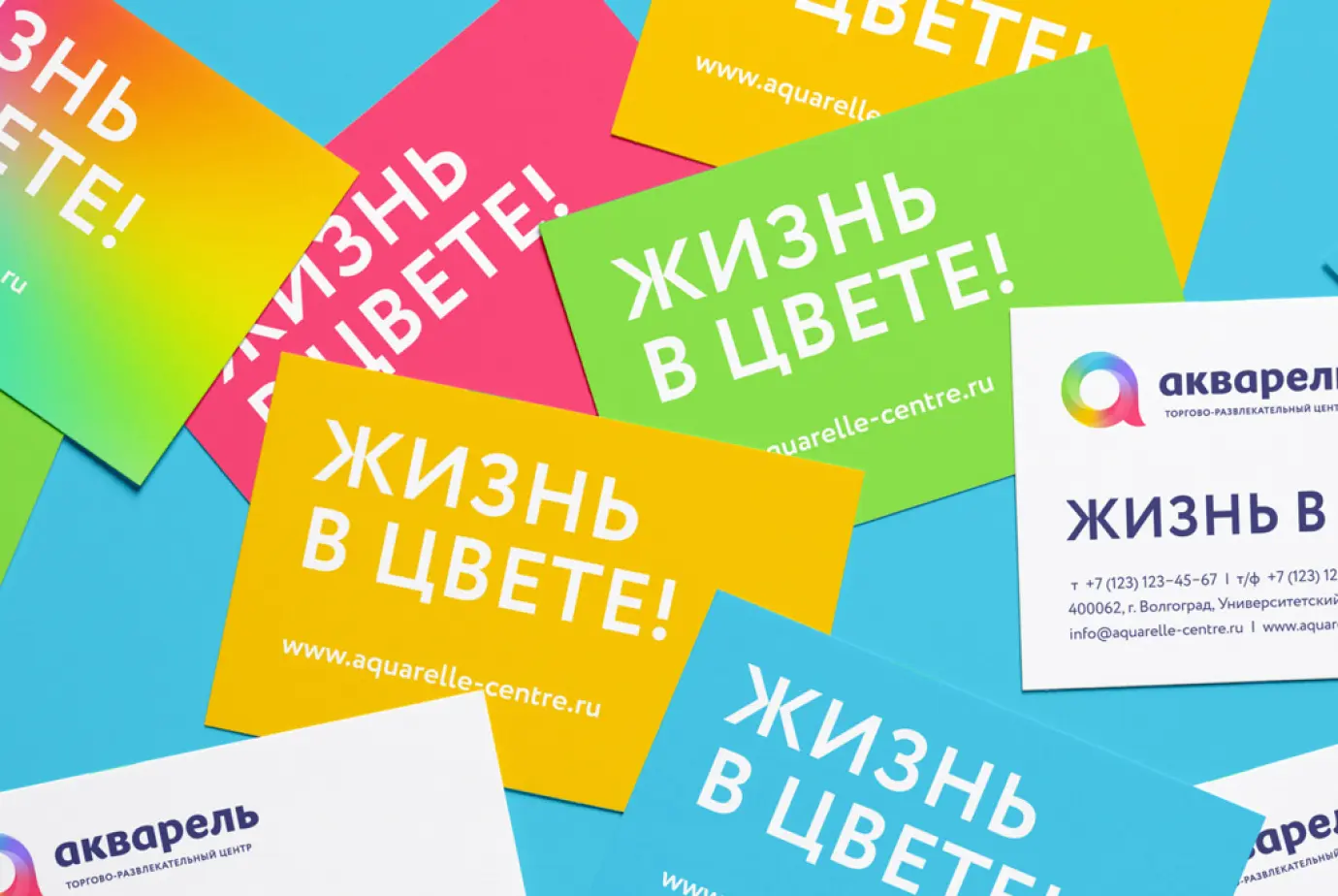
Logo. A distinctive brand mark that may combine a custom wordmark, a graphic symbol, and a descriptor or tagline. It should work in the core brand colors as well as in monochrome versions.
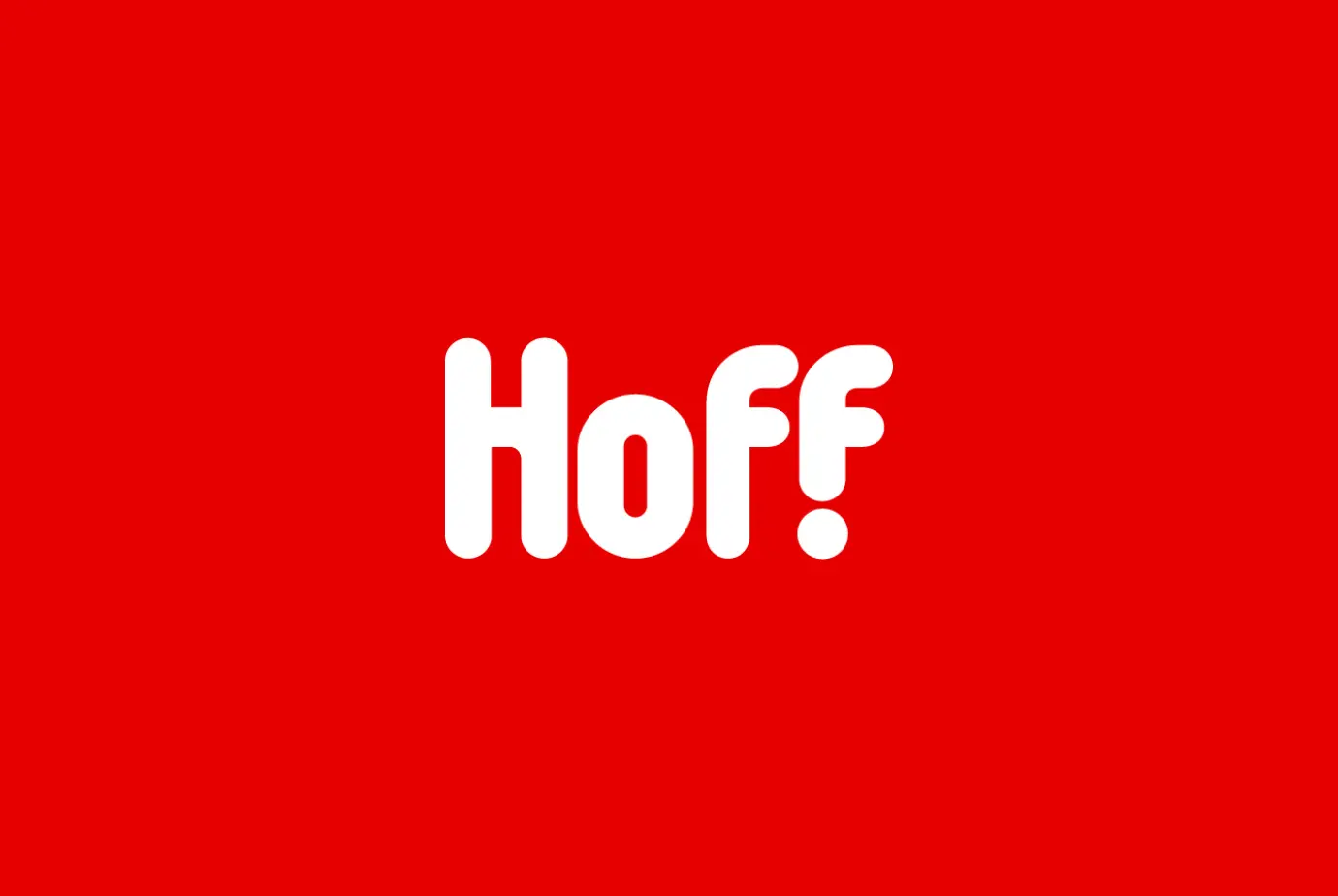
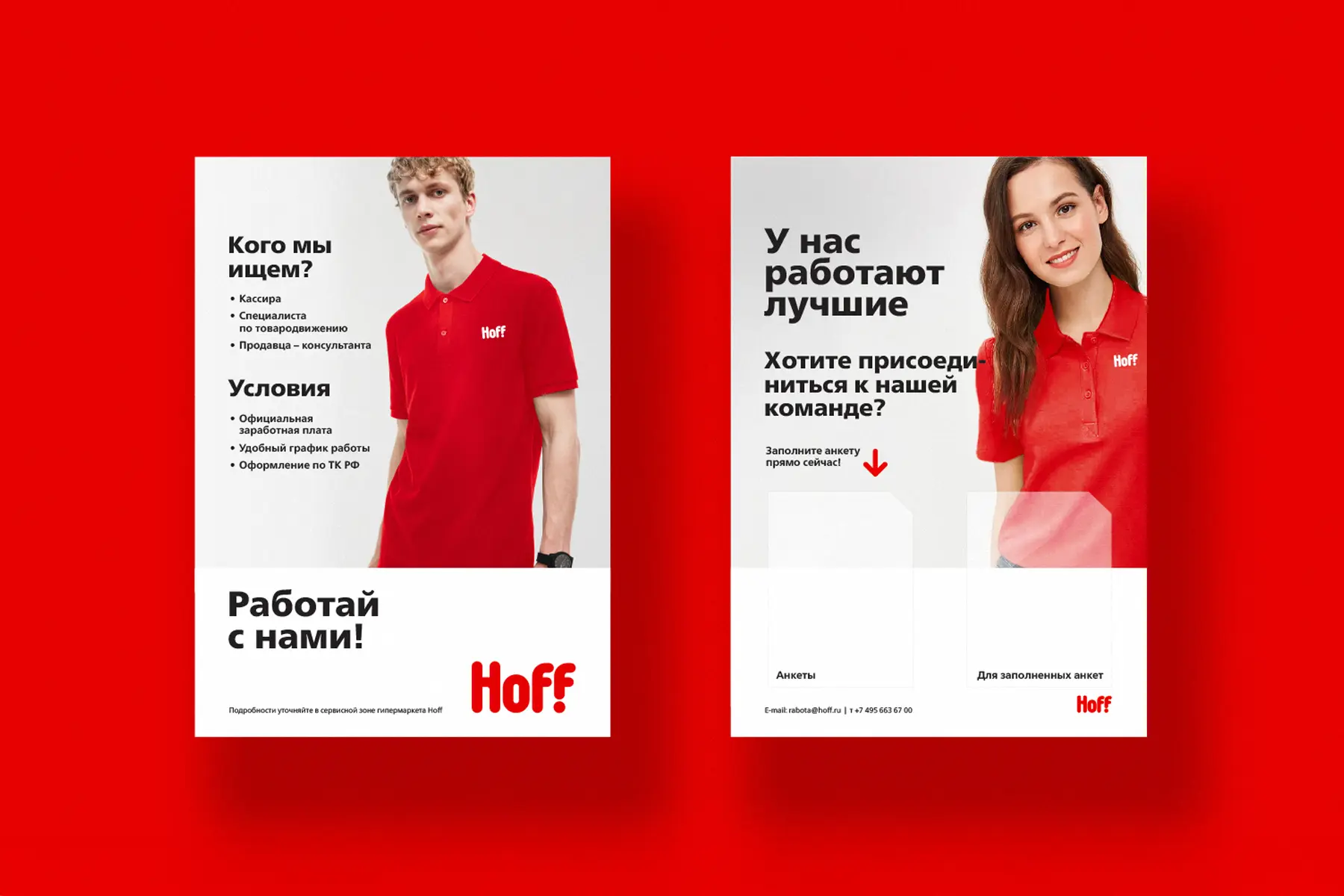
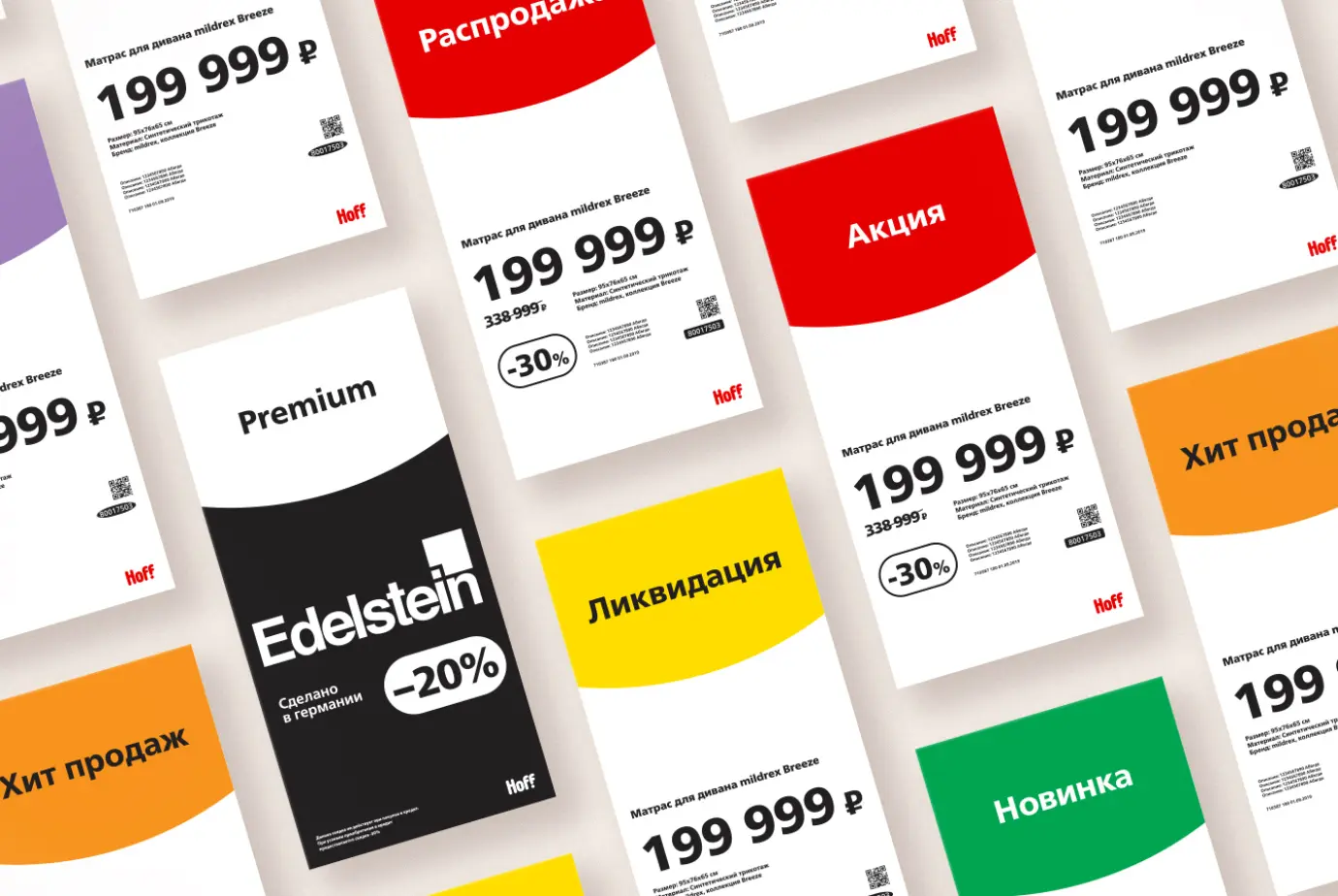
Brand color palette. A defined set of colors used across communications. Many identity systems are built around a compact core palette, often with one dominant color and several supporting or neutral colors. Hoff, for example, uses vivid red across signage, retail interiors, and visual merchandising. Other brands use a broader palette or a distinctive gradient. Instagram is a familiar example of a brand that combines a saturated gradient with recognizable lettering and graphics.
Typography system. This includes the custom lettering used in the logo, where applicable, and the supporting typefaces used across internal and external brand communications.
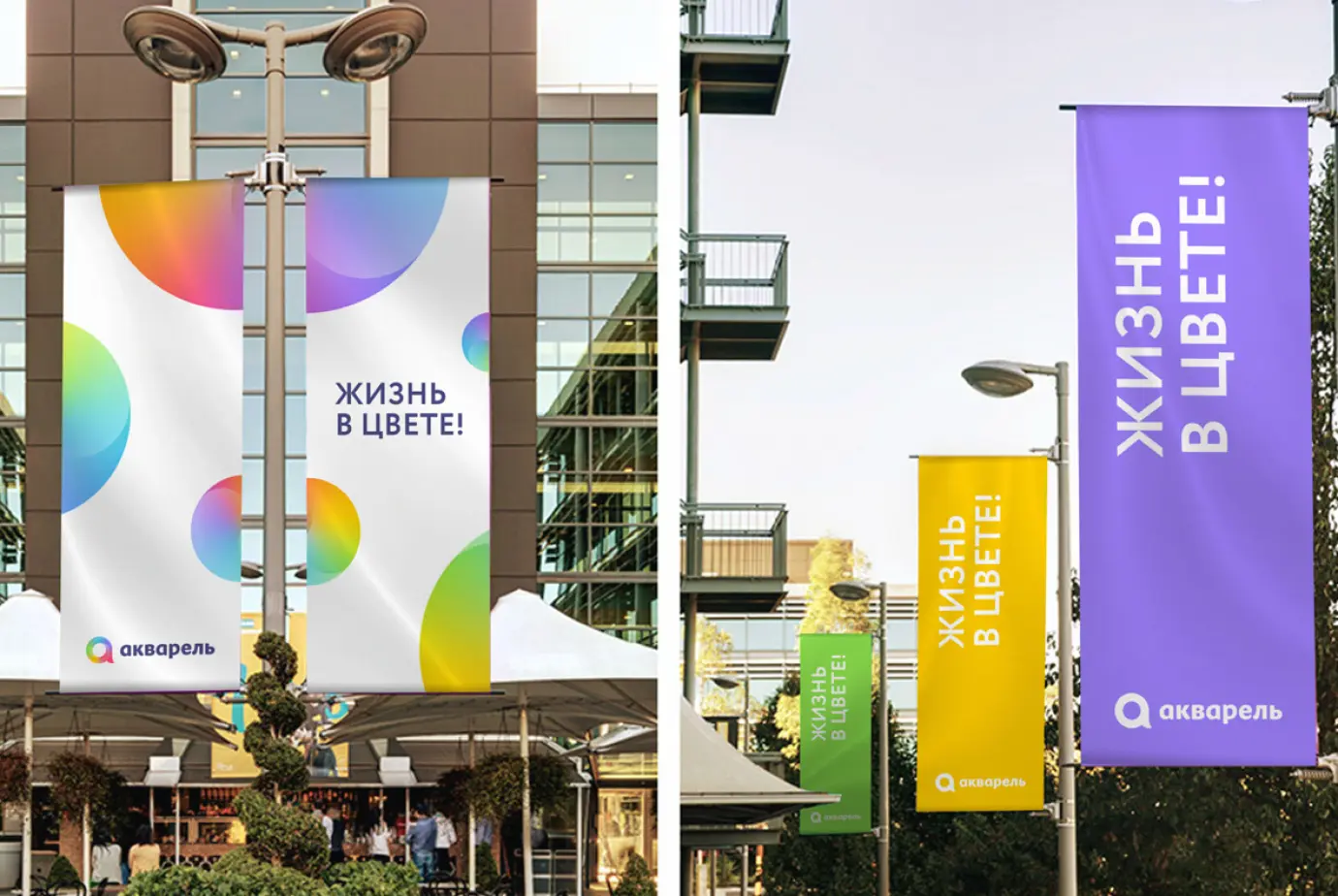
Supporting brand graphics. Additional graphic elements are not mandatory, but they are especially valuable for large organizations that communicate across many formats and channels.
Layout and composition principles. Established brands use consistent grids, layout rules, and compositional techniques to bring print and digital communications into one recognizable visual system.
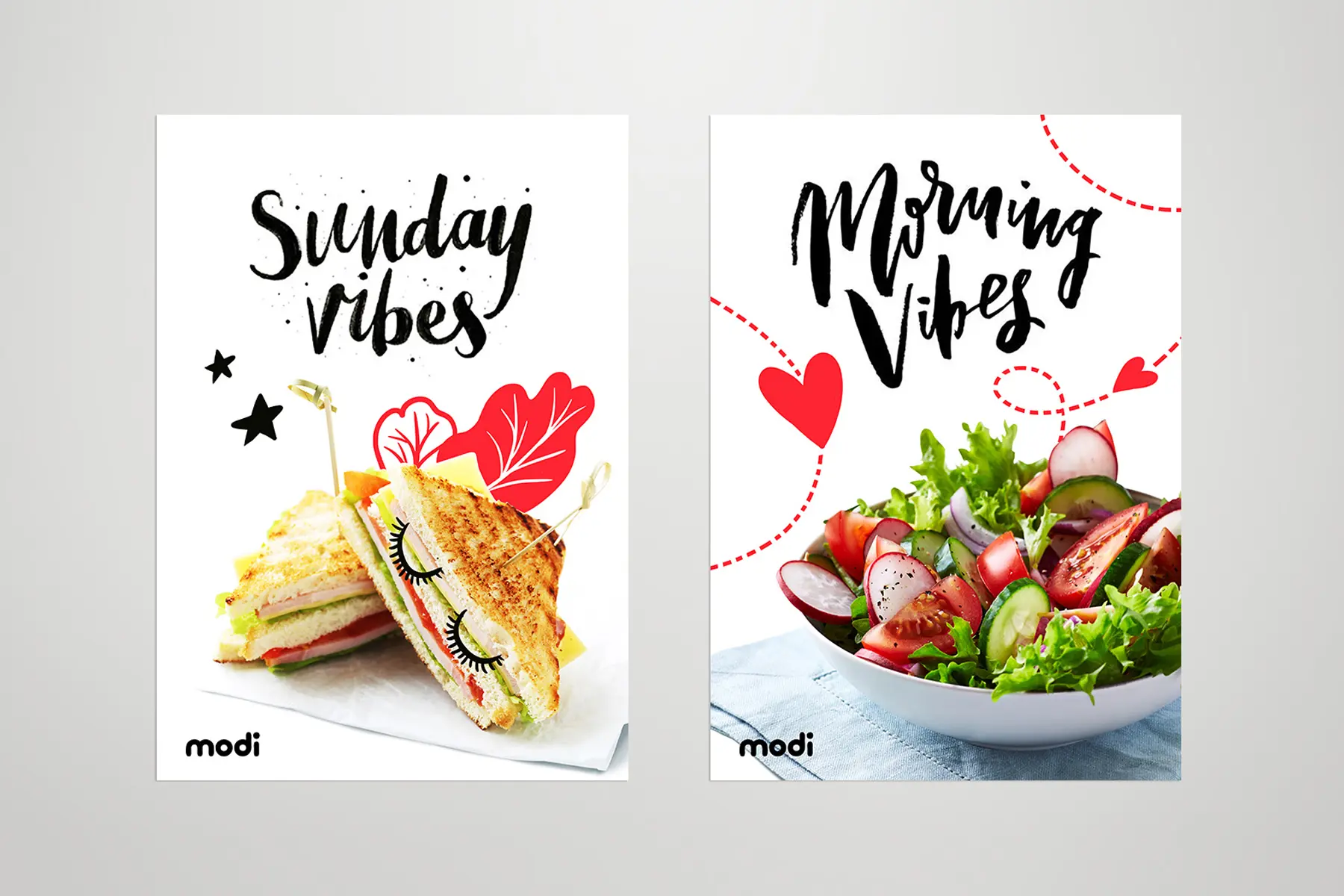
Photography style. For most brands, photography is a major part of the visual identity. It covers the treatment of professional imagery used on websites, social media, in catalogs, menus, advertising, and other materials. The photographer should create images that fit the overall brand concept. Photography standards and art-direction principles are documented in the brand guidelines.
Brand voice and tone of voice. This is the distinctive way a brand speaks to customers and users. It may define individual communications, such as a brand tagline, as well as the overall verbal style: professional, businesslike, open, friendly, or another tone appropriate to the brand.
How to Evaluate a Brand Identity
To assess the effectiveness of an existing or proposed identity, the evaluation criteria must be clear. A strong brand identity supports market position, builds a positive image, creates an emotional response, and encourages loyalty. Together, these effects can contribute to demand, sales, and category leadership.
Distinctiveness and recognition. The logo and visual identity should separate the brand from competitors and help loyal customers identify its products instantly. If the system fails to differentiate the brand - for example, because its color palette closely resembles a direct competitor - it may be time to consider a visual identity refresh or a packaging redesign.
Added brand value. Packaging, logo design, brochures, leaflets, certificates, and other branded assets influence perceived value and can support a price premium. A carefully designed identity system strengthens the value customers attach to the company and its offer. At the same time, the brand promise must remain consistent with actual product quality. If expectations and reality diverge too far, repeat purchases decline and the business begins to lose customers.
Reputation and trust. Customers and business partners should perceive the company as professional, reliable, innovative, and capable of delivering a high-quality product or service. When corporate identity is undefined, changes chaotically, or is applied inconsistently, the organization appears less credible. Disorder in brand communications can easily be interpreted as disorder in the business itself.
Purpose, mission, and values. When leadership has clearly defined the company's goals, mission, vision, values, and decision-making principles, the identity should express them. A coherent visual and verbal system then creates a stronger cumulative effect. This work also helps employees understand the shared objective and their role in achieving it. Engaged, loyal employees can become some of the brand's most effective advocates.
Brand Identity Design Brief
The process should begin with a brand identity design brief. When clients understand the questions that will be discussed during an agency briefing, they can articulate their expectations for the future strategy and identity more clearly. It is useful to study direct competitors and relevant international benchmarks to determine which approaches feel appropriate, which resonate with the target audience, and which are unlikely to work.
Careful observation and the client's first-hand category expertise complement the agency team's knowledge and help both sides arrive at a stronger solution.
A typical brand identity brief covers the company profile; the range of products and services; key category trends in local and international markets; major competitors and their strategies; product or service advantages; audience segments, preferences, and behavior; organizational values and goals that the identity should express; the character the company wants to emphasize; and the priority touchpoints where the design will appear.
The more thoughtfully the client completes the brief, the more effectively the branding agency can work and the stronger the result will be for everyone involved.
Brand Identity vs Corporate Identity
Corporate identity is built around the company's vision, positioning, and core values, all of which should be reflected in how the organization presents itself. A need for restyling or a new identity concept often arises when a business scales, changes its structure through a merger or acquisition, repositions itself, or needs to correct existing perceptions.
In these situations, the team should study the brand's previous experience and analyze the competitive landscape in both established and new markets.
If the company name and identity are already well known and the brand has a positive reputation, the new system will usually maintain continuity with what came before. Clients often insist on this continuity, which can make the designer's task more complex. The owner's perspective matters, but from the audience's point of view the brand name is one of the identity's most recognizable assets. It usually remains unchanged and continues to support customer retention.
Reaching the right solution in this situation often requires careful negotiation and mutually acceptable compromises.
When the project involves a complete rebrand, the strategy and design team can build the system from the ground up. This creates more freedom and removes many legacy constraints. The client should be prepared to consider innovative ideas, even when they initially feel radical. Designers and marketers evaluate the project from a professional perspective and plan for how the identity will need to perform several steps ahead.
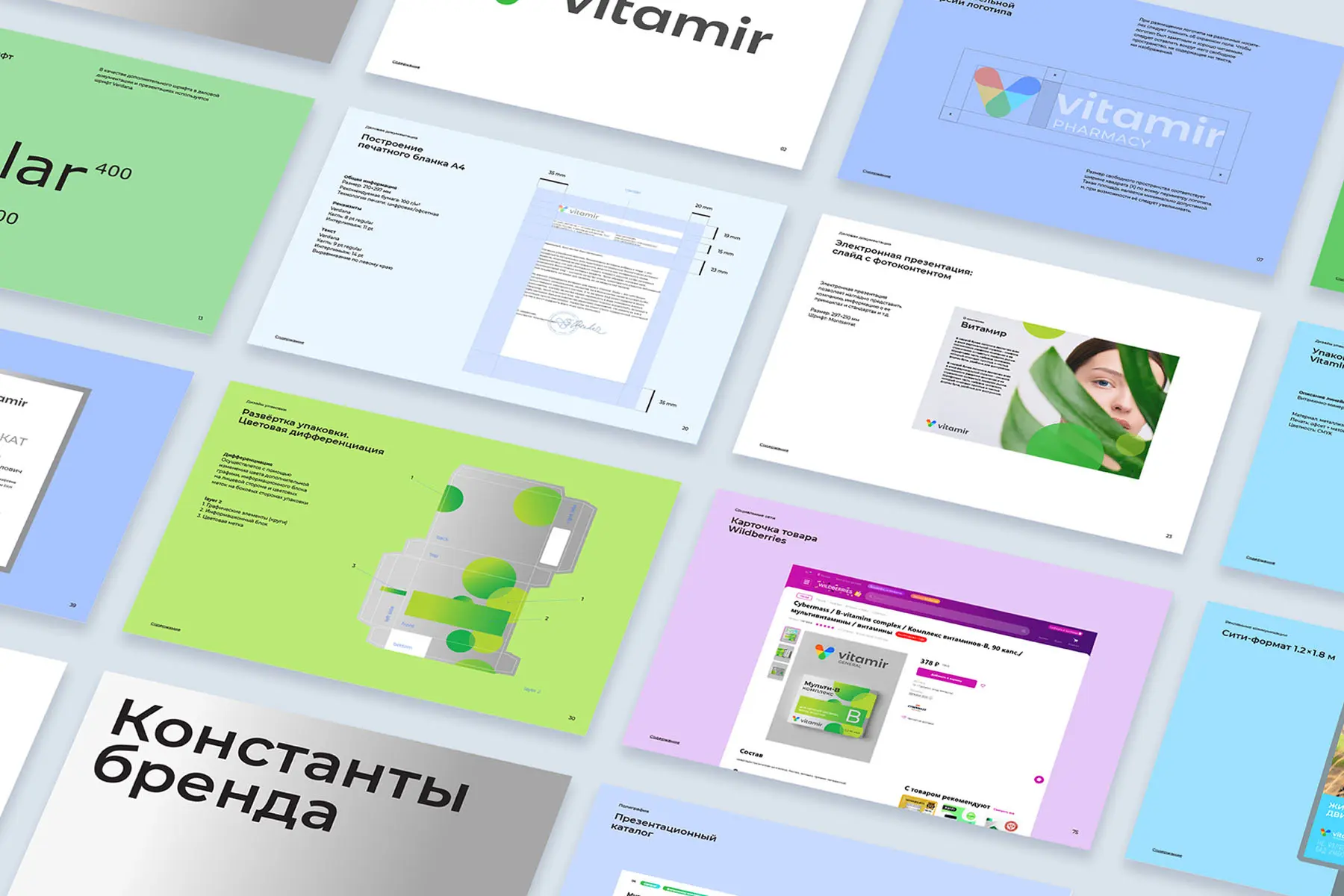
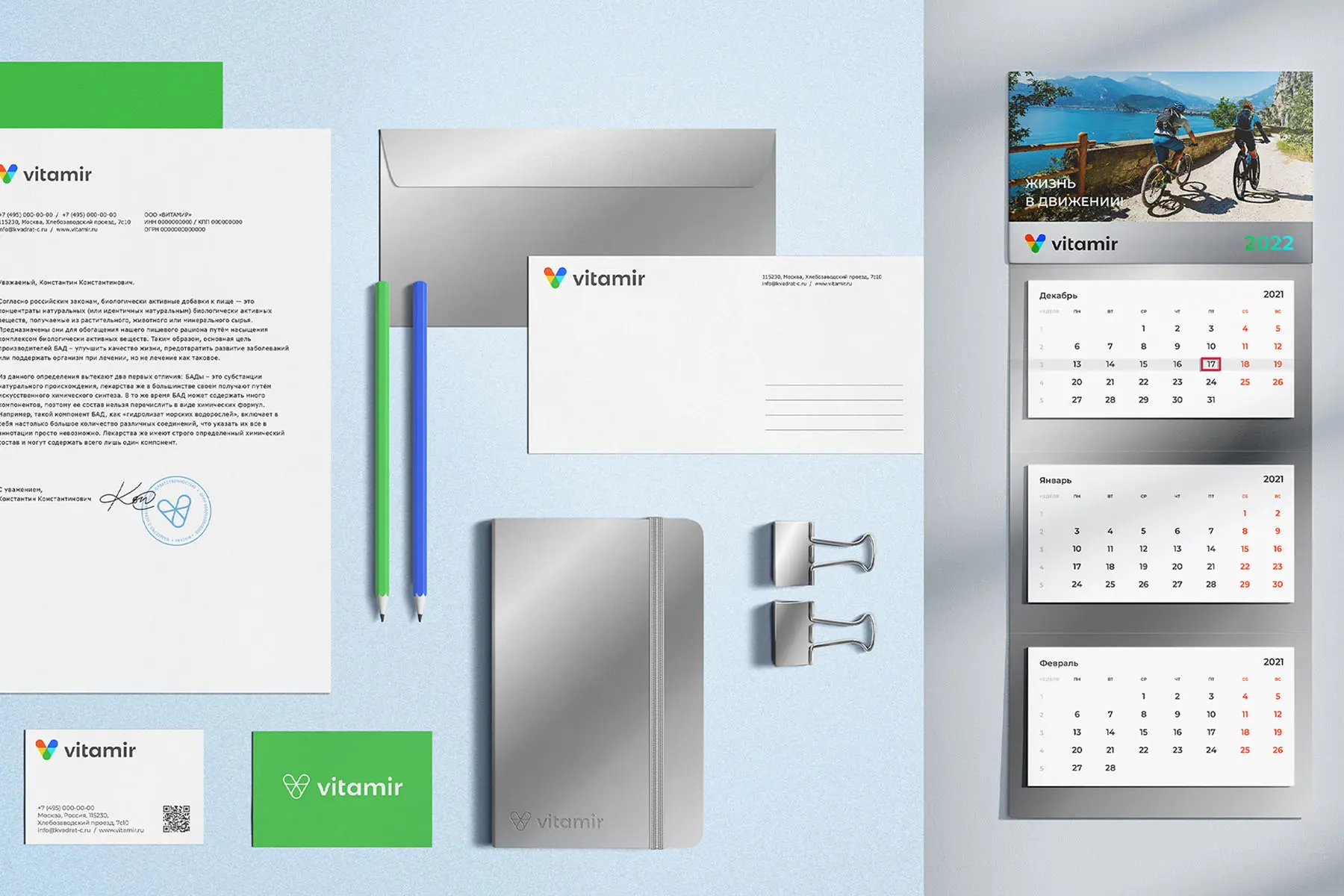
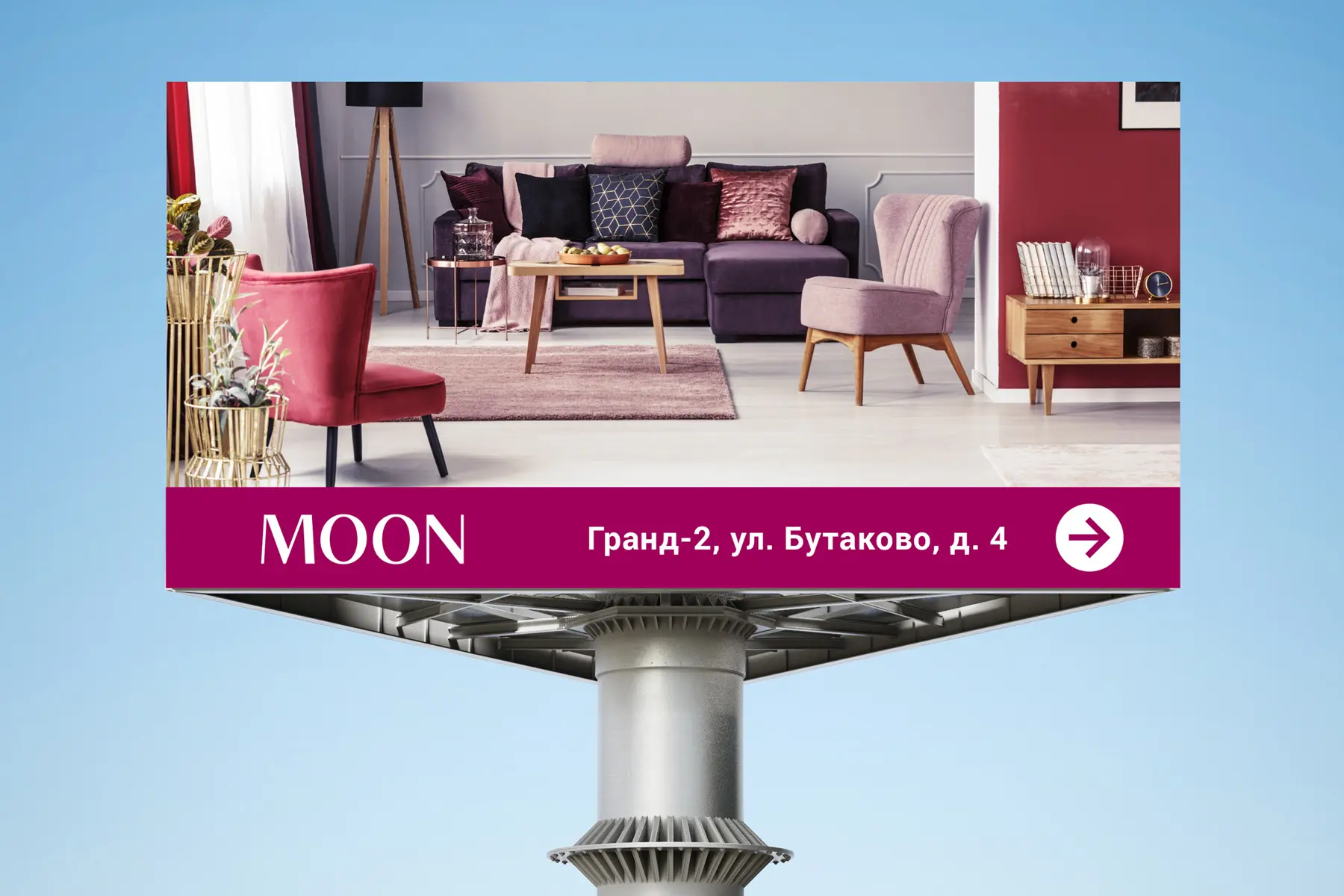
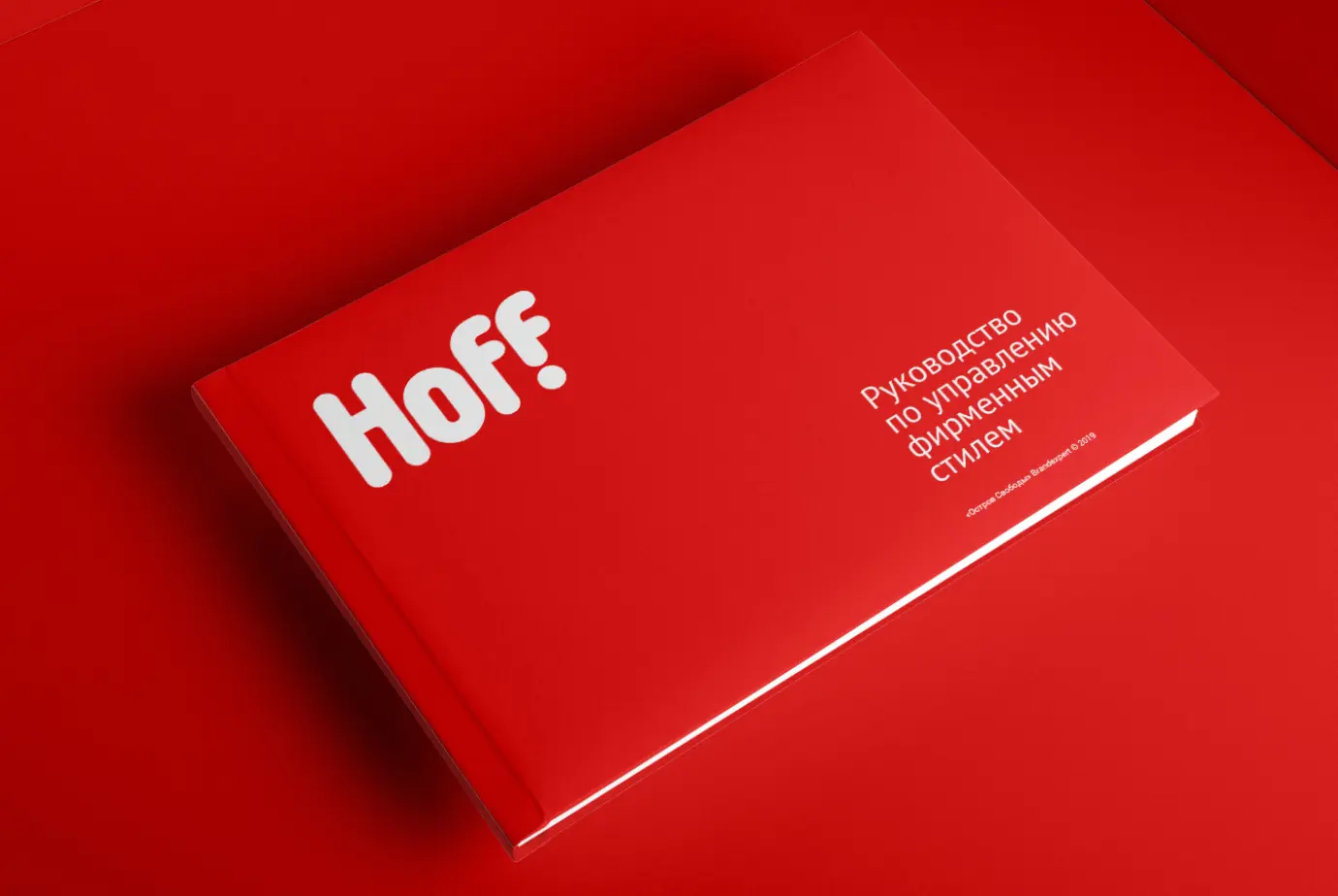
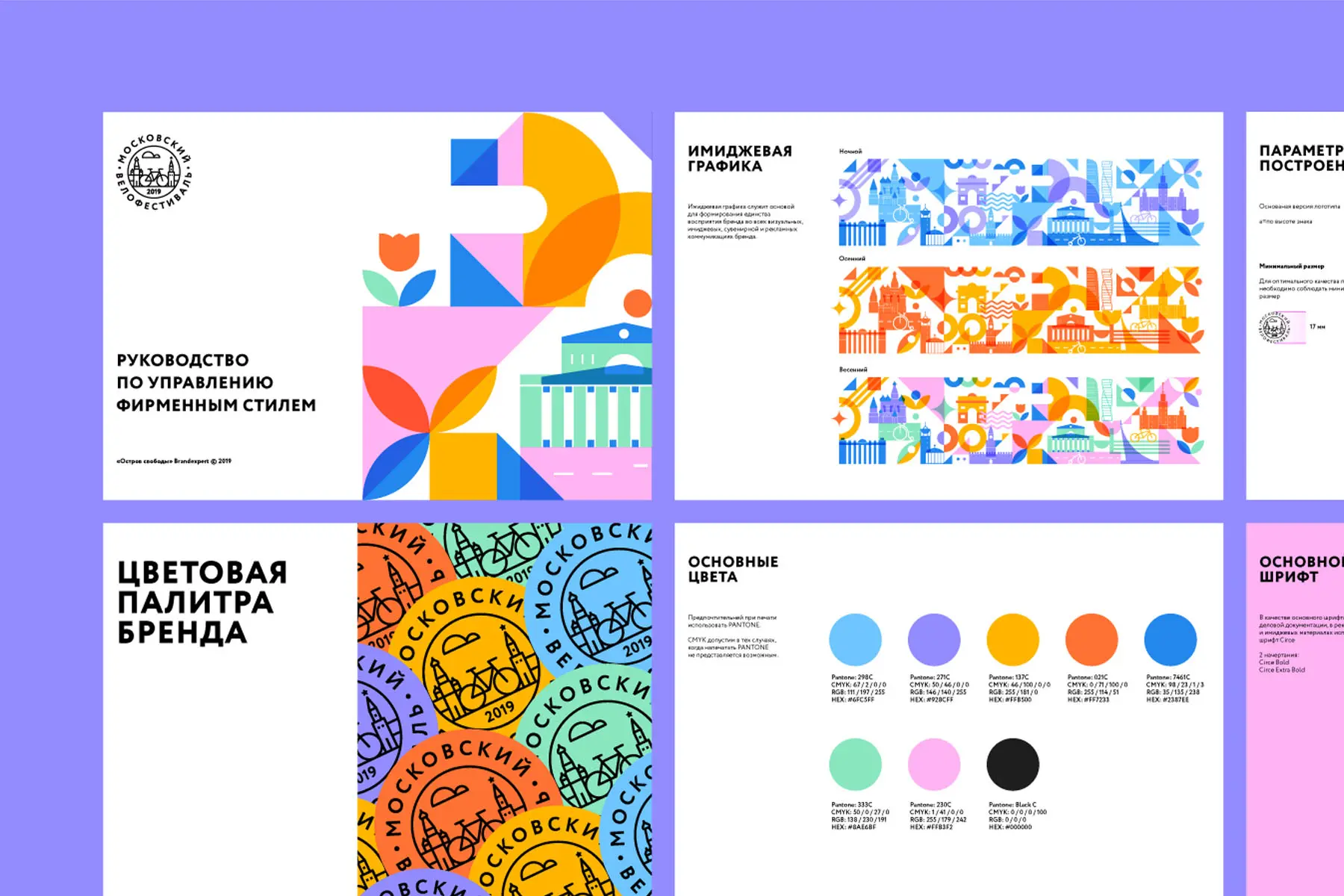
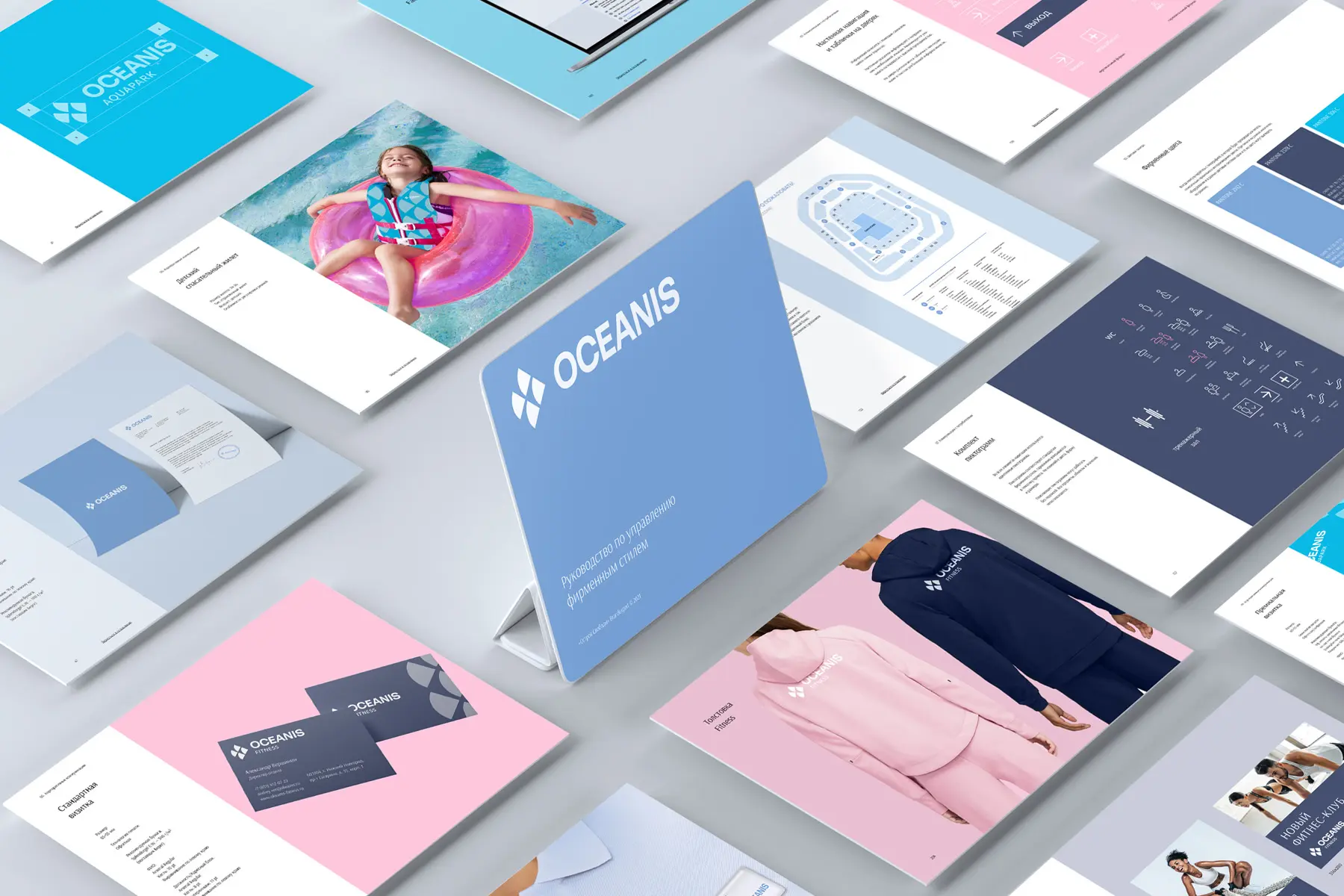
Creating and managing a distinctive corporate identity almost always requires brand guidelines, sometimes referred to as a brand book. This practical document defines the rules for applying the identity across the official website, business stationery, catalogs, annual reports, presentations, advertising leaflets and brochures, social media, outdoor signage, facades, billboards, and other touchpoints. The final list expands or contracts according to the scope of the project.
Retail Brand Identity
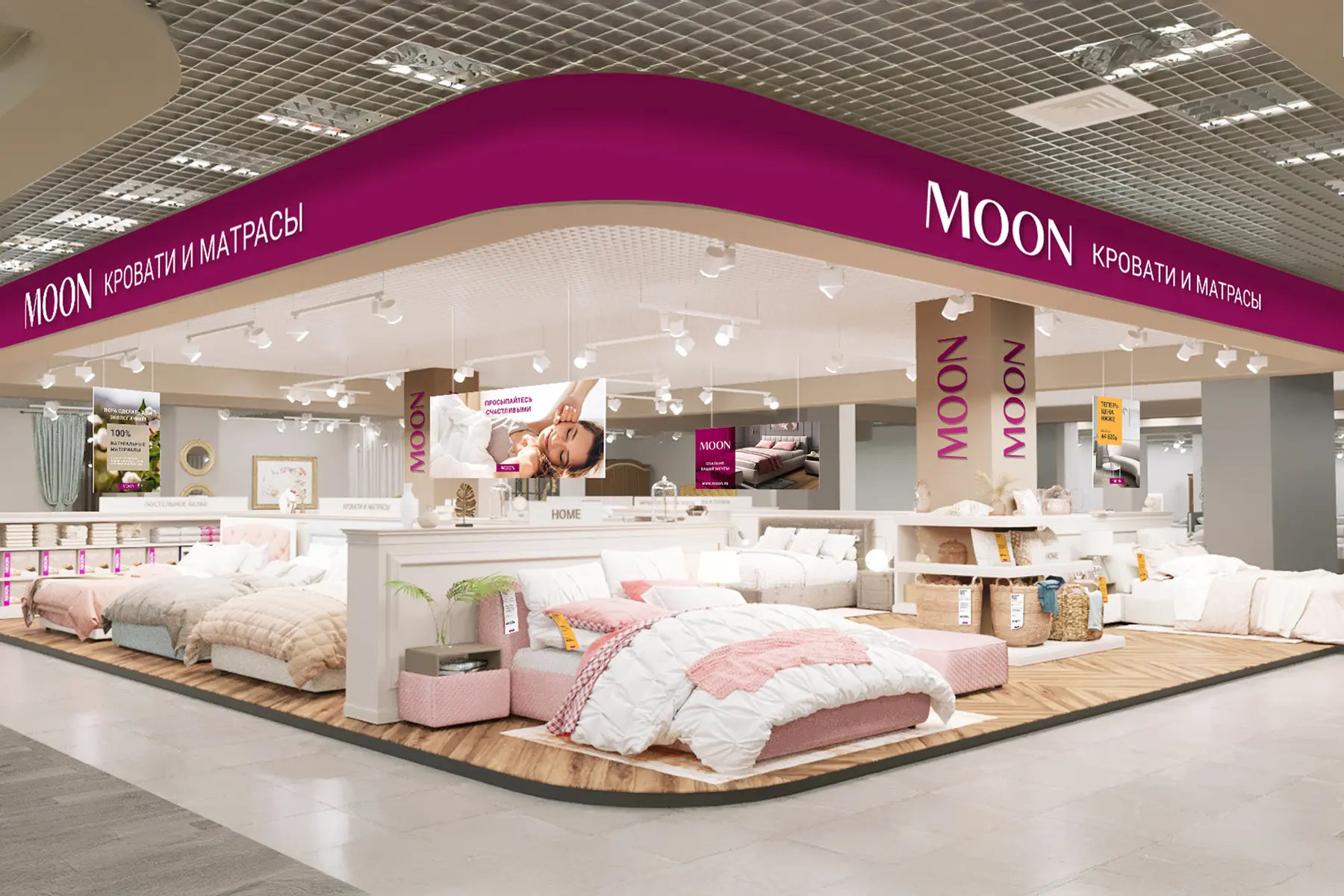
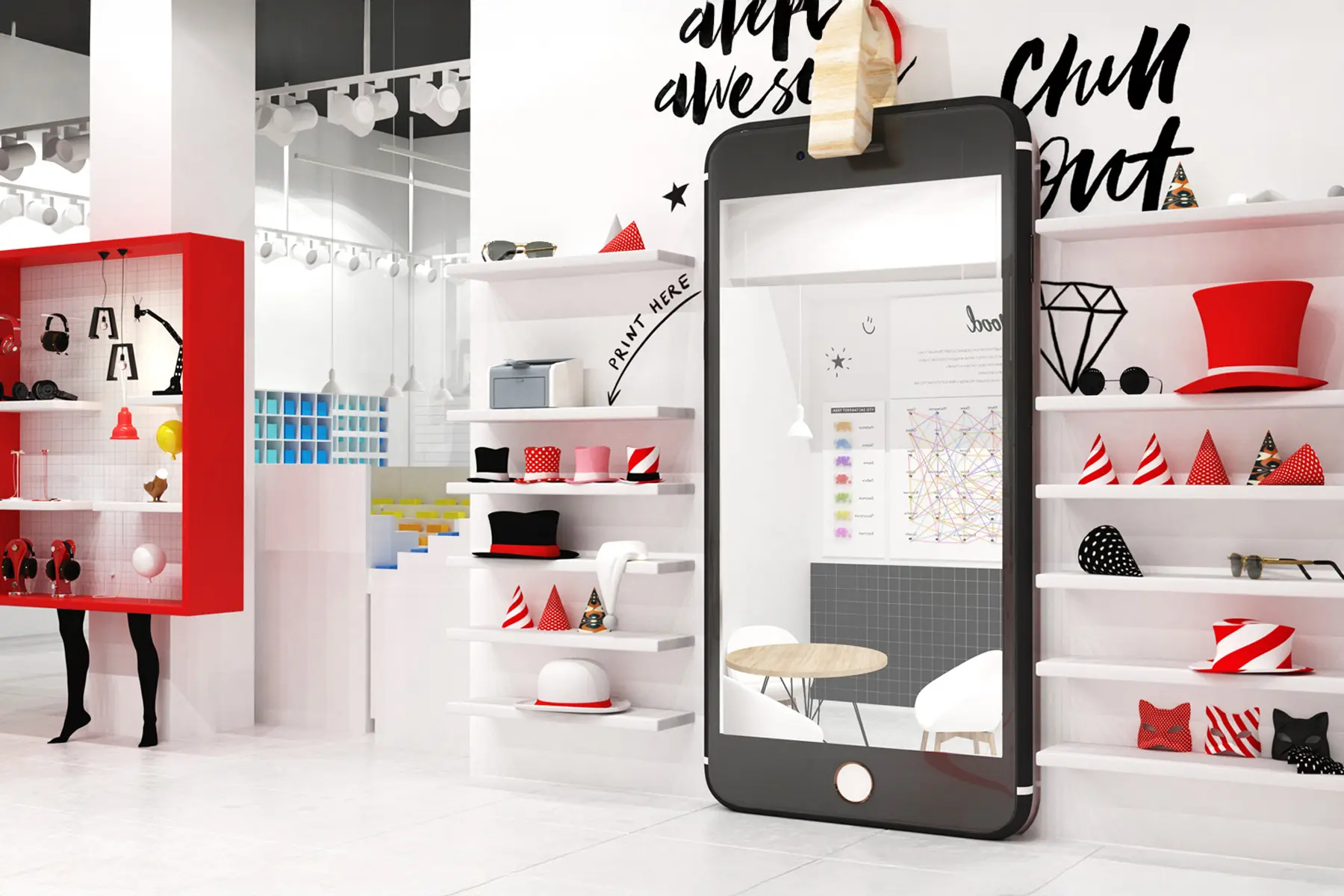
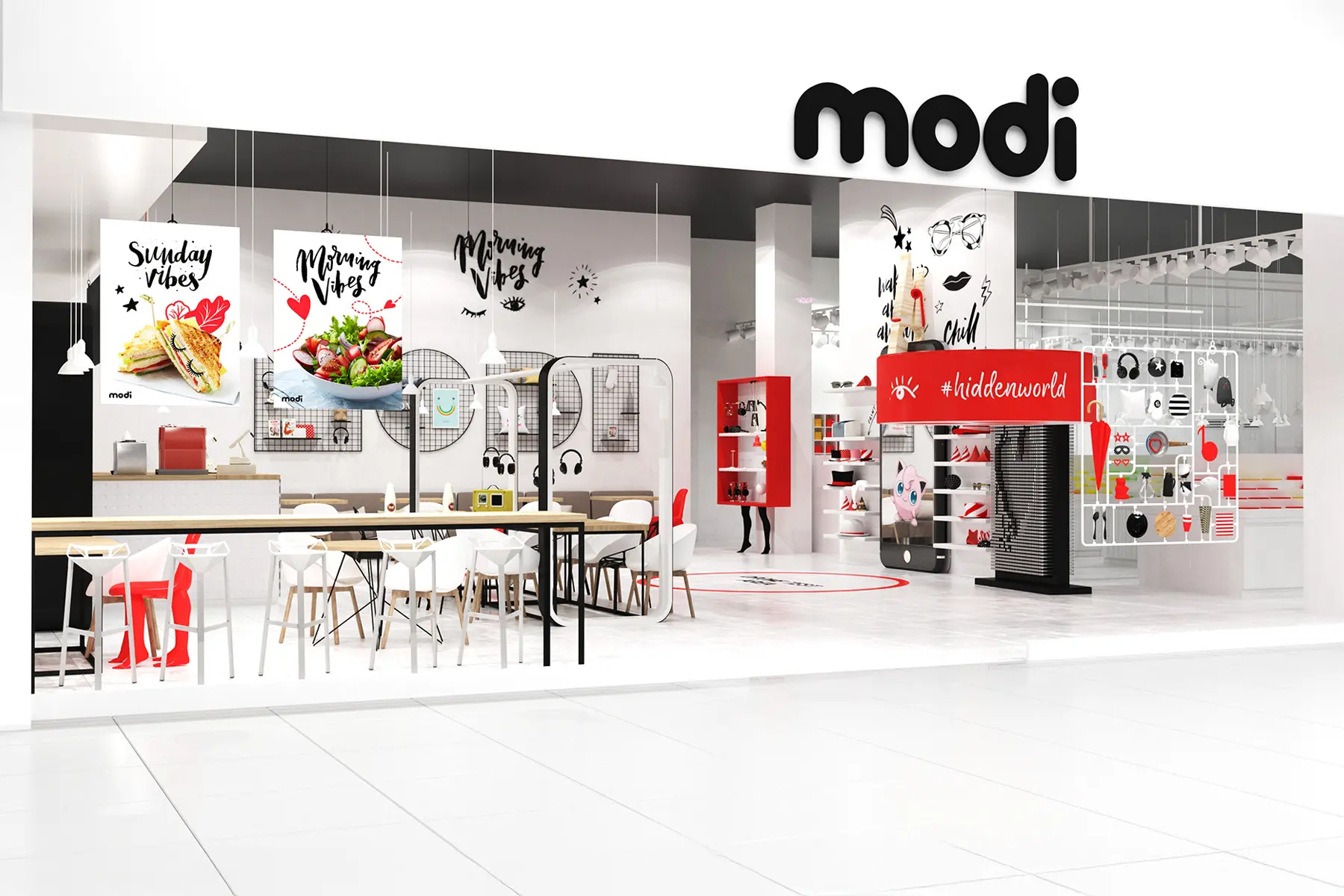
Supermarkets, showrooms, boutiques, confectionery stores, and other retail formats each require a tailored approach. A strong retail brand identity is expressed through exterior and interior wayfinding, an intuitive store environment, clear customer routes, promotional displays, and dedicated areas for special offers.
In a grocery supermarket, the design must also account for operational requirements such as storage conditions, temperature, humidity, air quality, lighting, merchandising order, product adjacency, and other practical factors.
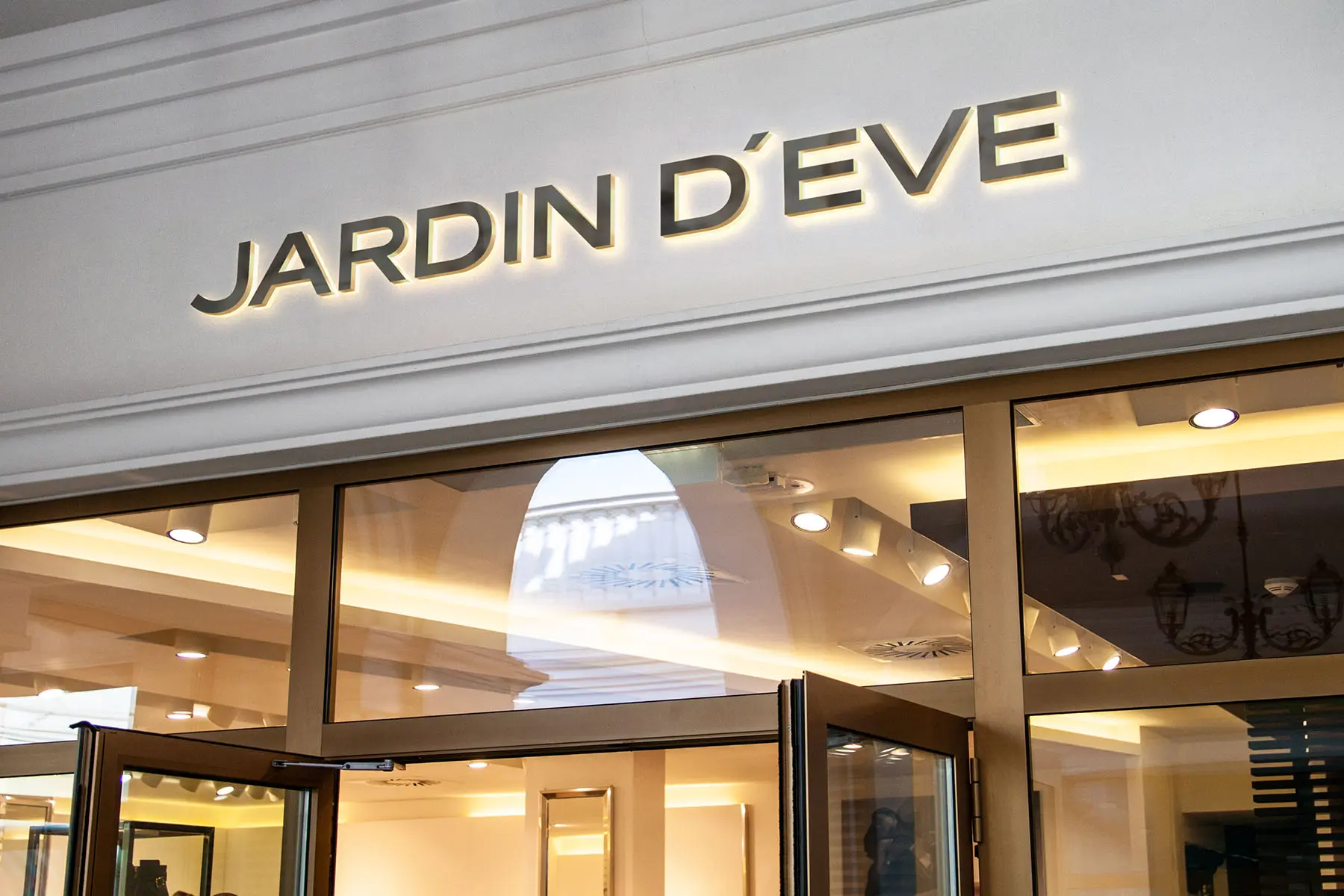
With these constraints in mind, marketers, designers, architects, and other specialists select materials and solutions that integrate the visual identity into the retail space. Boutique design relies on distinctive features that make the brand recognizable and shape the customer experience. If a showroom sells clothing by a well-known designer, for example, its signage, advertising panels, leaflets, and other applications should align with the fashion brand's established identity.
The rules for each retail touchpoint should be documented in the brand guidelines and the retail design guidelines, or retail book. This makes future expansion easier and helps new locations open faster. Brand guidelines cover the business strategy, logo, color palette, supporting elements, and rules for using the identity across different applications.
A retail book is a practical guide to the branded store environment. It typically describes the retail concept, zoning principles, equipment and furniture specifications, lighting, and wayfinding.

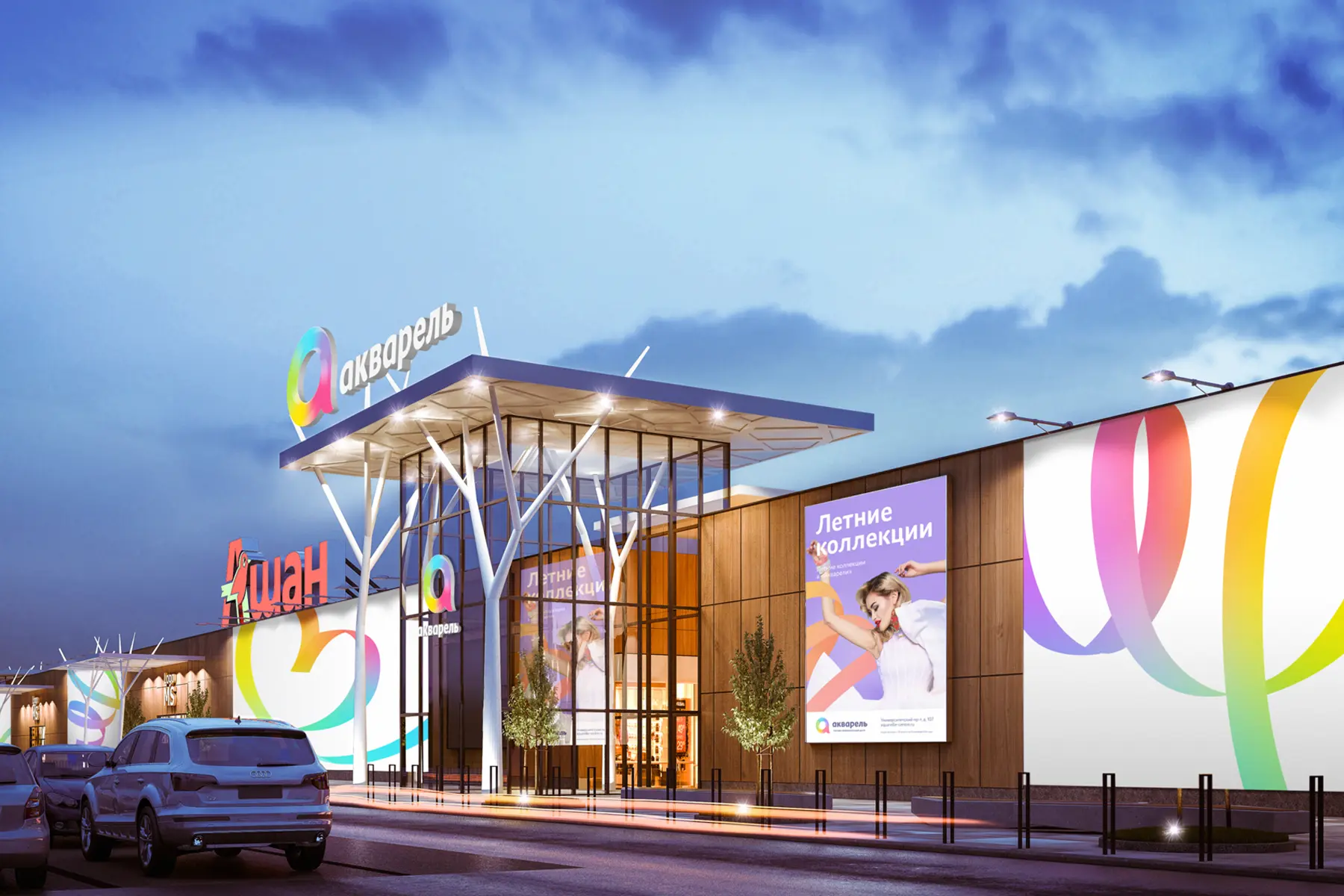
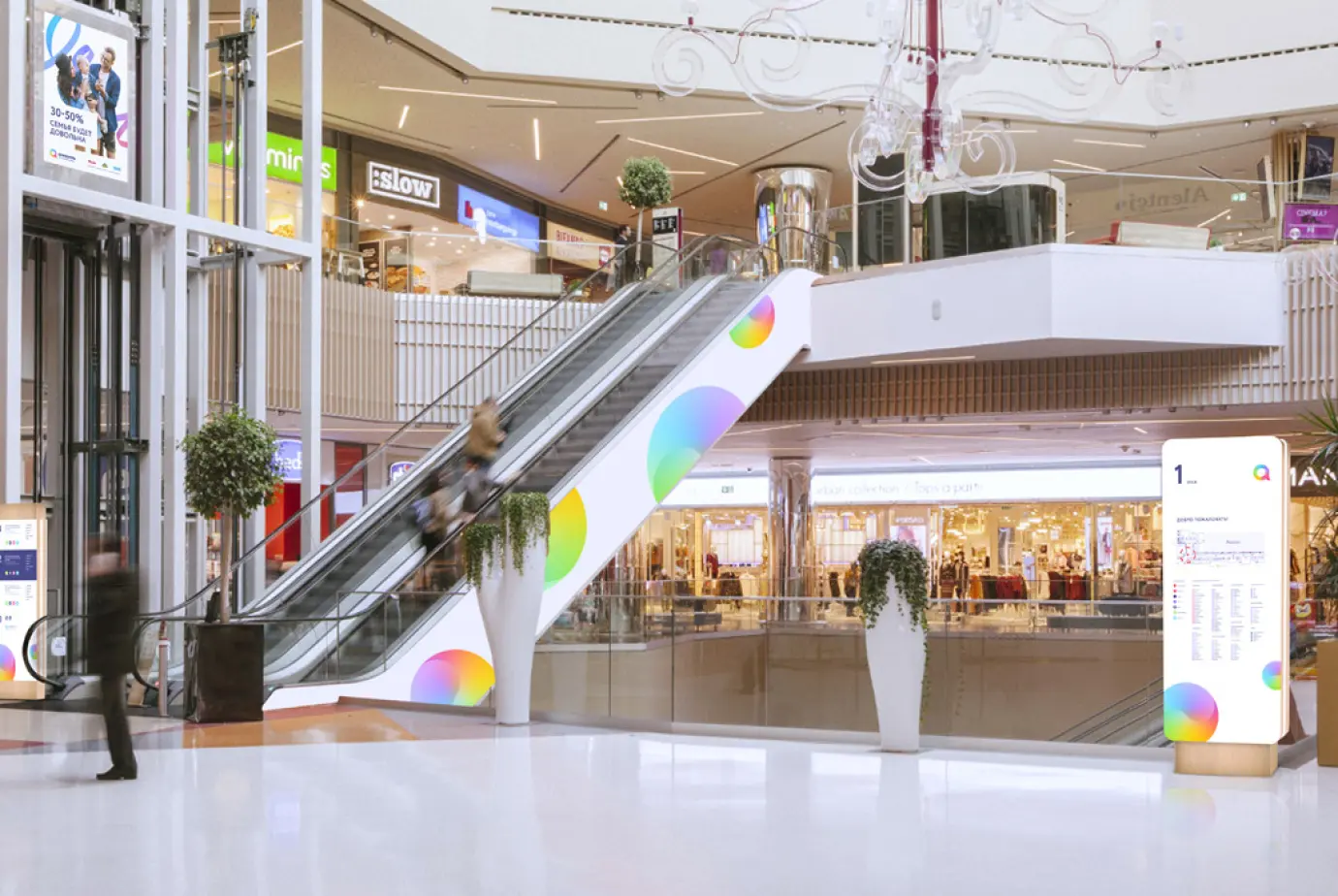
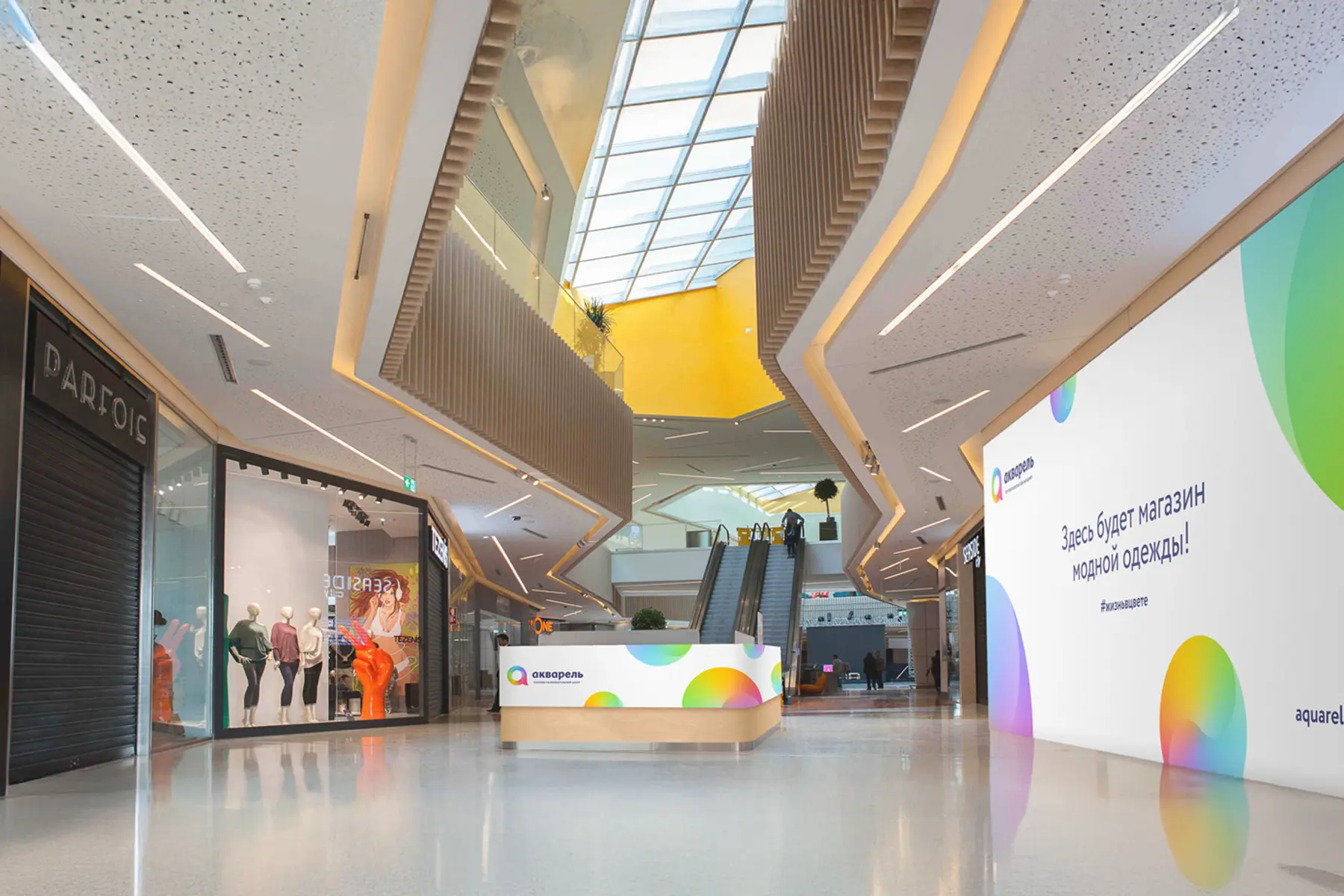
Shopping Mall Branding and Visual Identity
A contemporary shopping and entertainment center needs more than a collection of tenants. It needs a compelling concept and a clear narrative that turns a visit into an engaging experience. The goal is to immerse visitors in that environment, since longer dwell time can improve commercial performance per square meter. Shopping mall branding should therefore begin with the overall concept of the space and the customer experience it is intended to create.

Location, architecture, structural features, tenant interiors, common areas, corridors, stairways, floor planning, anchor-tenant placement, visual style, wayfinding, photography, and image-led communications all influence the result.
Shopping mall design can be developed by an in-house team or an architecture studio. The strongest outcomes are usually achieved when branding and retail design specialists work together. This collaboration helps the team express the concept more fully while keeping the key business and customer-experience priorities in view. The resulting brand guidelines and retail book support consistent rollout, future expansion, and the ongoing development of the shopping center.
Fashion Brand Identity
Fashion brand identity design begins with strategy. The first step is to define the product range, market segment, positioning, and target audience. Sales channels and the ways the brand will interact with customers are equally important. The team should also shortlist the main competitors and analyze their strategies, which requires at least a foundational level of market research.
Why does this matter? The cuts, silhouettes, features, and price positioning of the core collection - together with the target audience - determine the brand's voice, presentation, and visual identity.
Fashion companies need to answer several key questions. Will the collection be premium or accessible? Is it aimed at a younger audience? Will it offer womenswear, menswear, childrenswear, or several categories? Will the brand produce a complete wardrobe, capsule collections, or a single product category such as lingerie or headwear? What does the typical customer look like, how do they dress, what do they value, and how do they make purchase decisions?
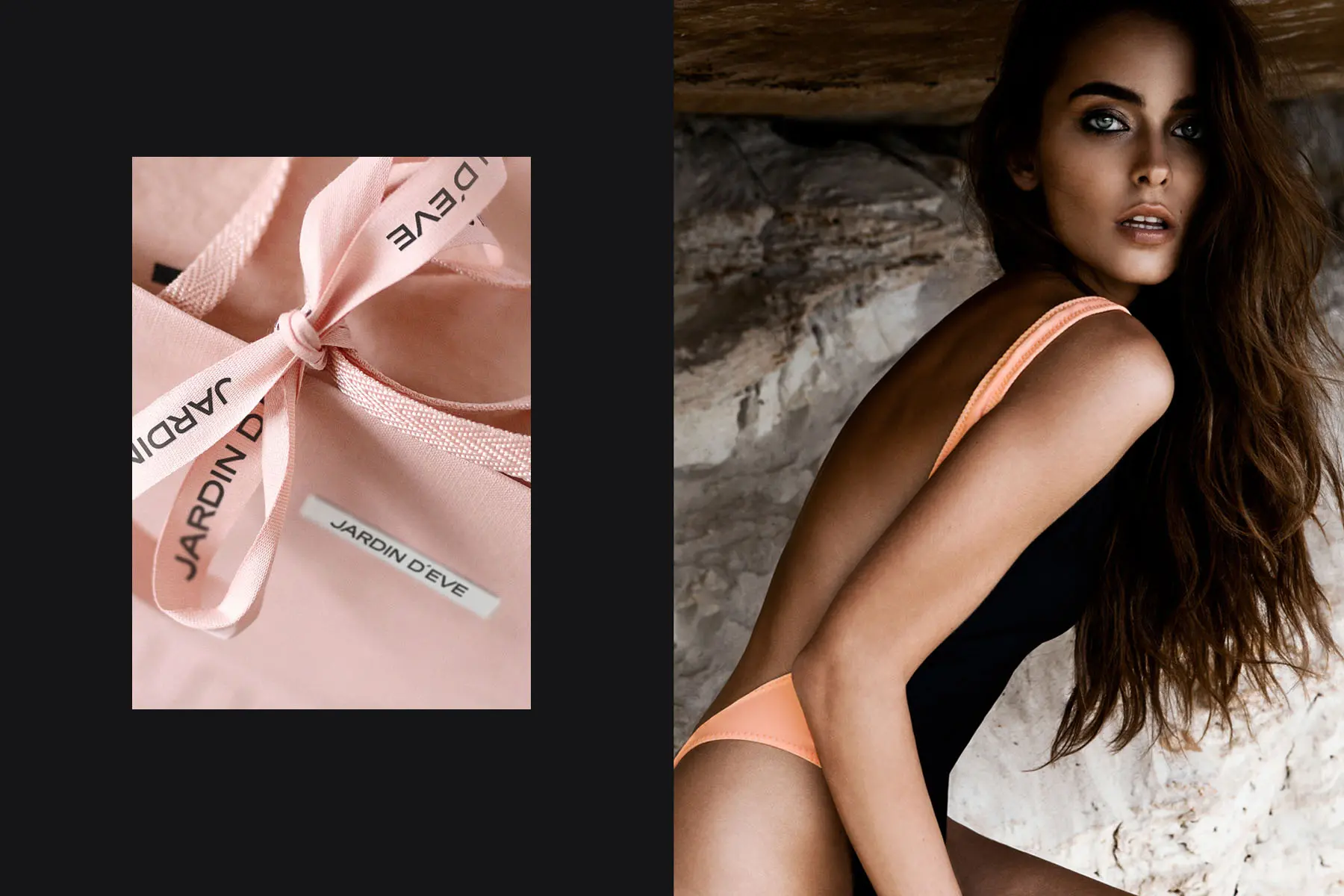
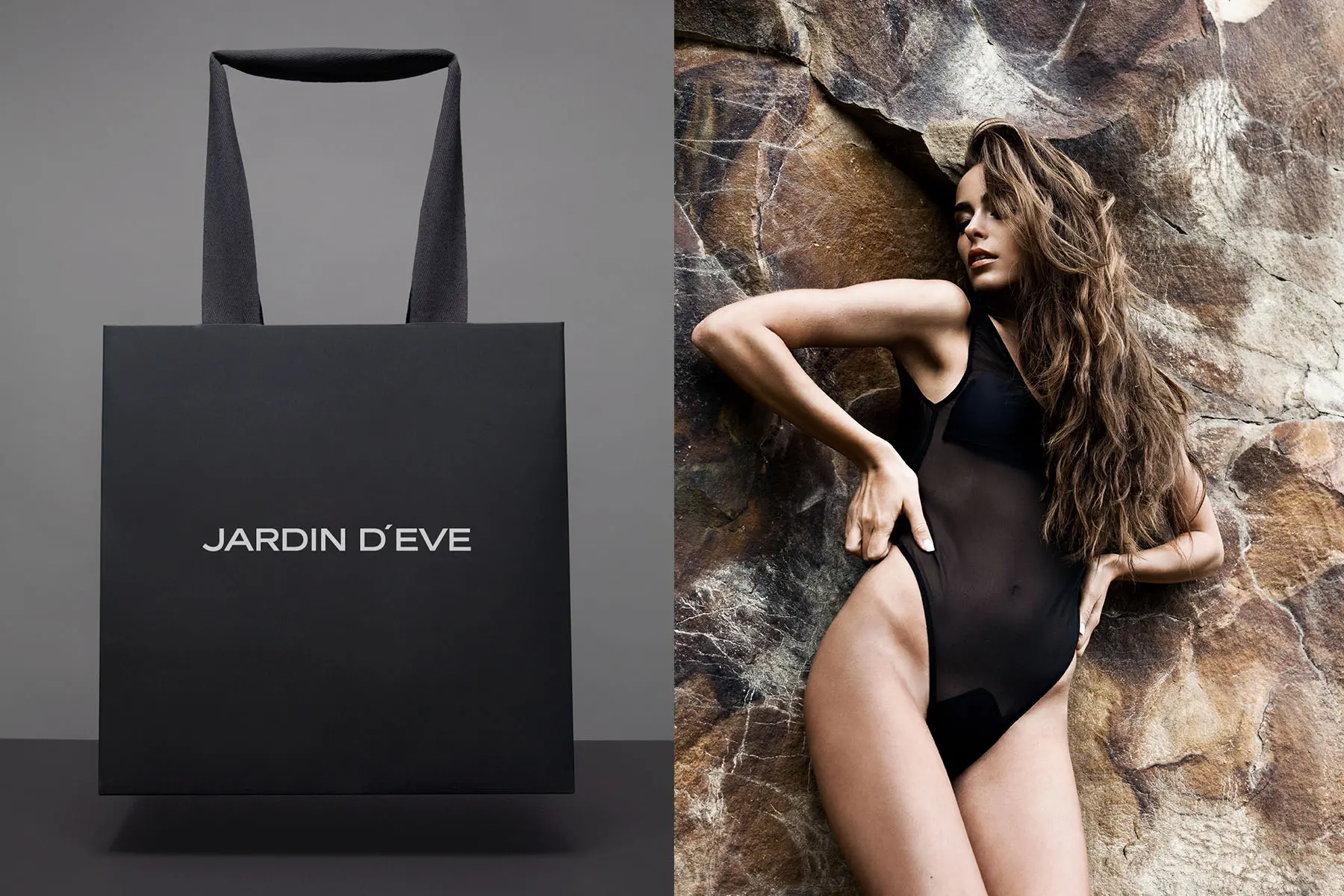
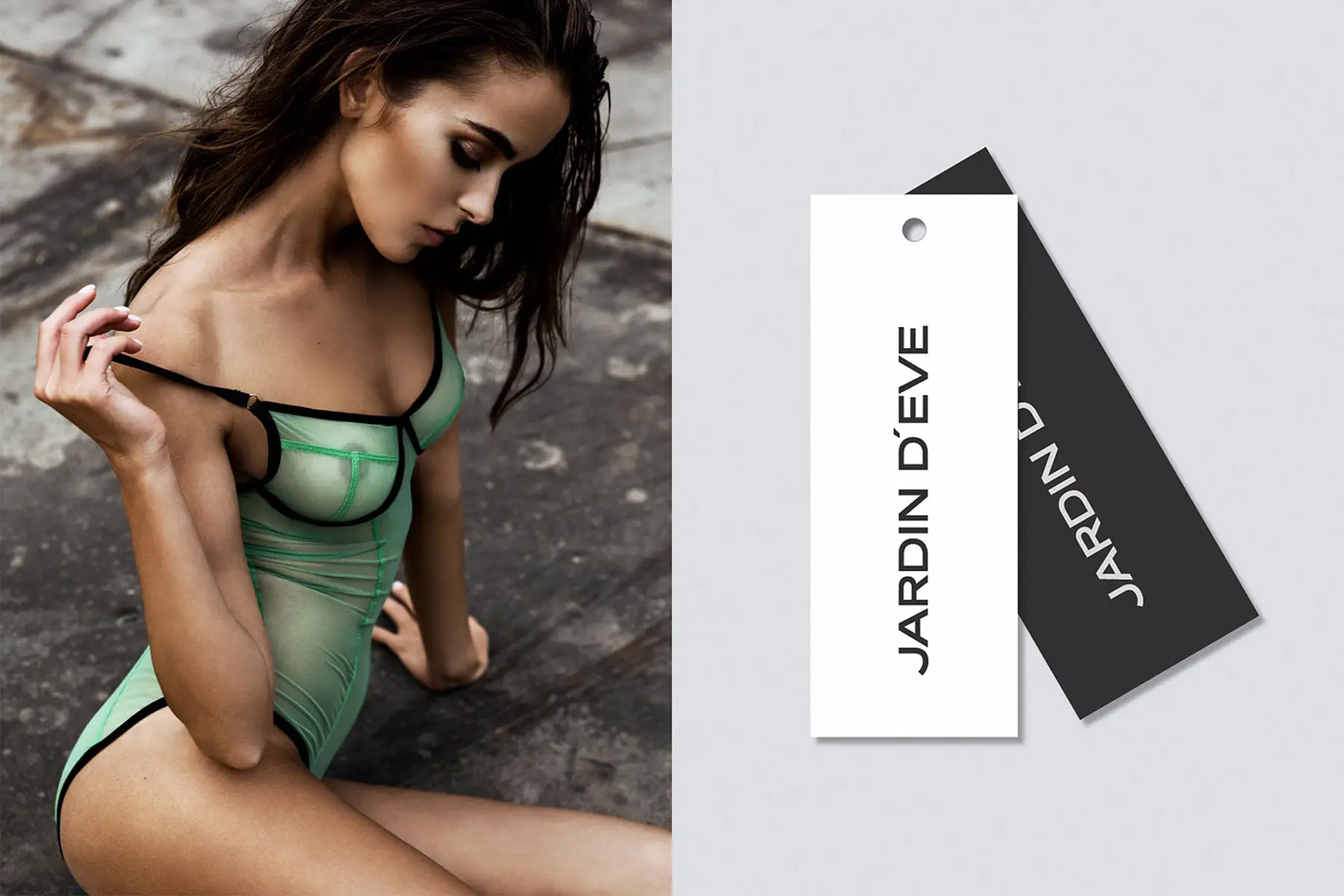
The answers create a clear picture of what the brand should become. The project can then move into fashion brand identity design. Whether the work is handled in-house or by a branding agency, it is important to define the key identity applications: hangtags, woven labels, care labels, packaging such as bags, boxes, and tissue paper, hangers, signage, line sheets, the website, social media, and advertising materials.
Professional photography and a distinctive photography style deserve particular attention. Images created by an experienced photographer can become one of the fashion brand's most effective marketing tools.
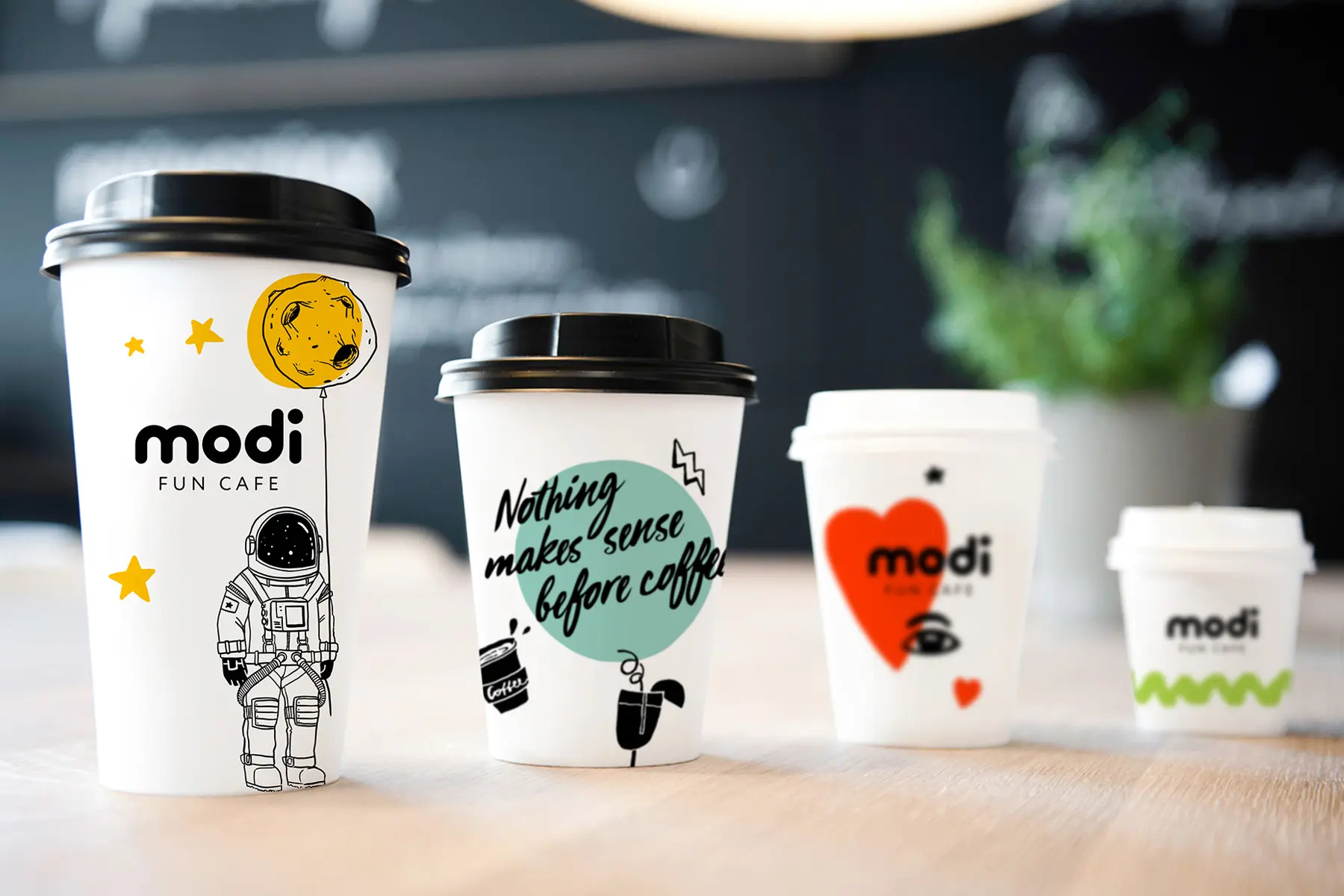
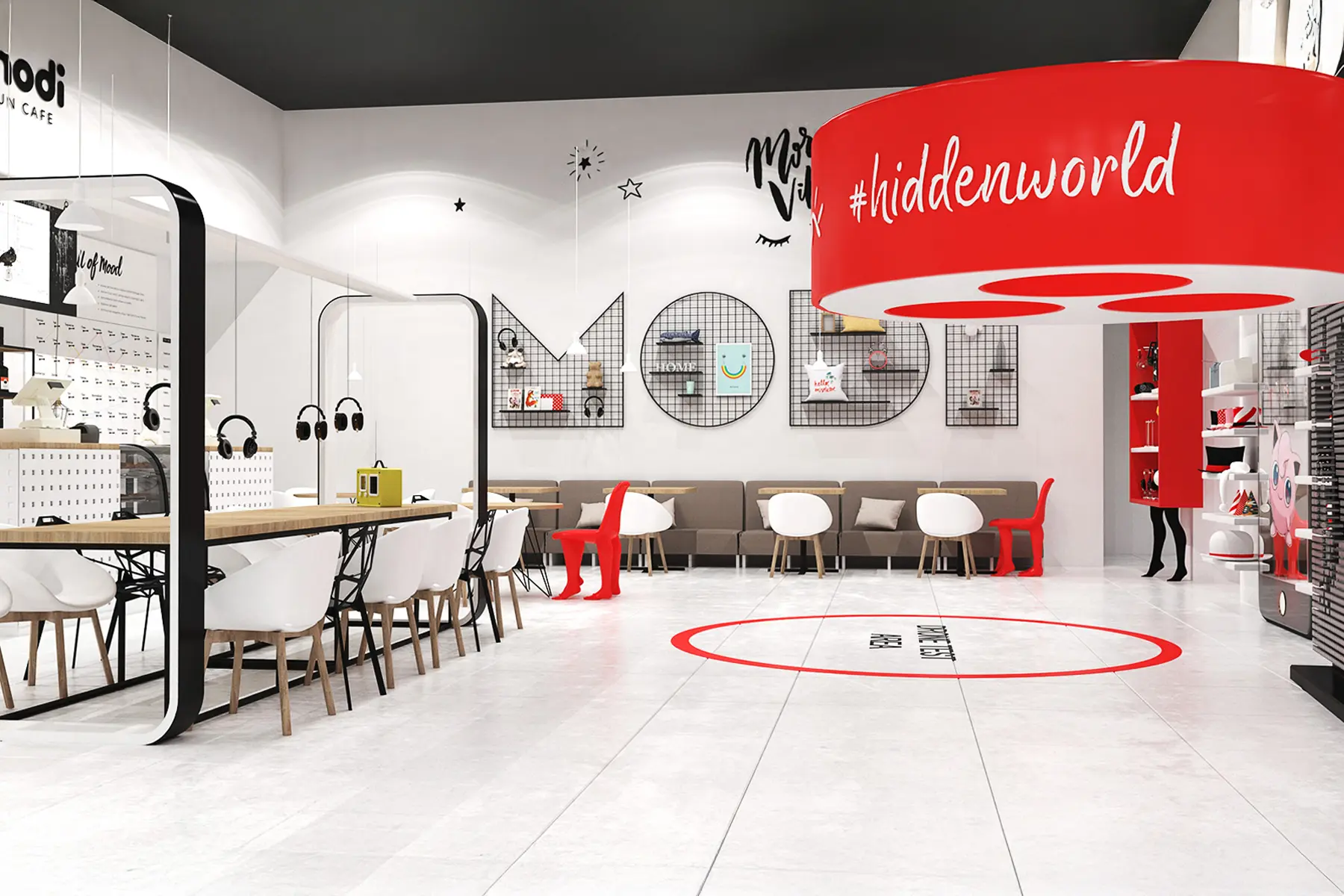
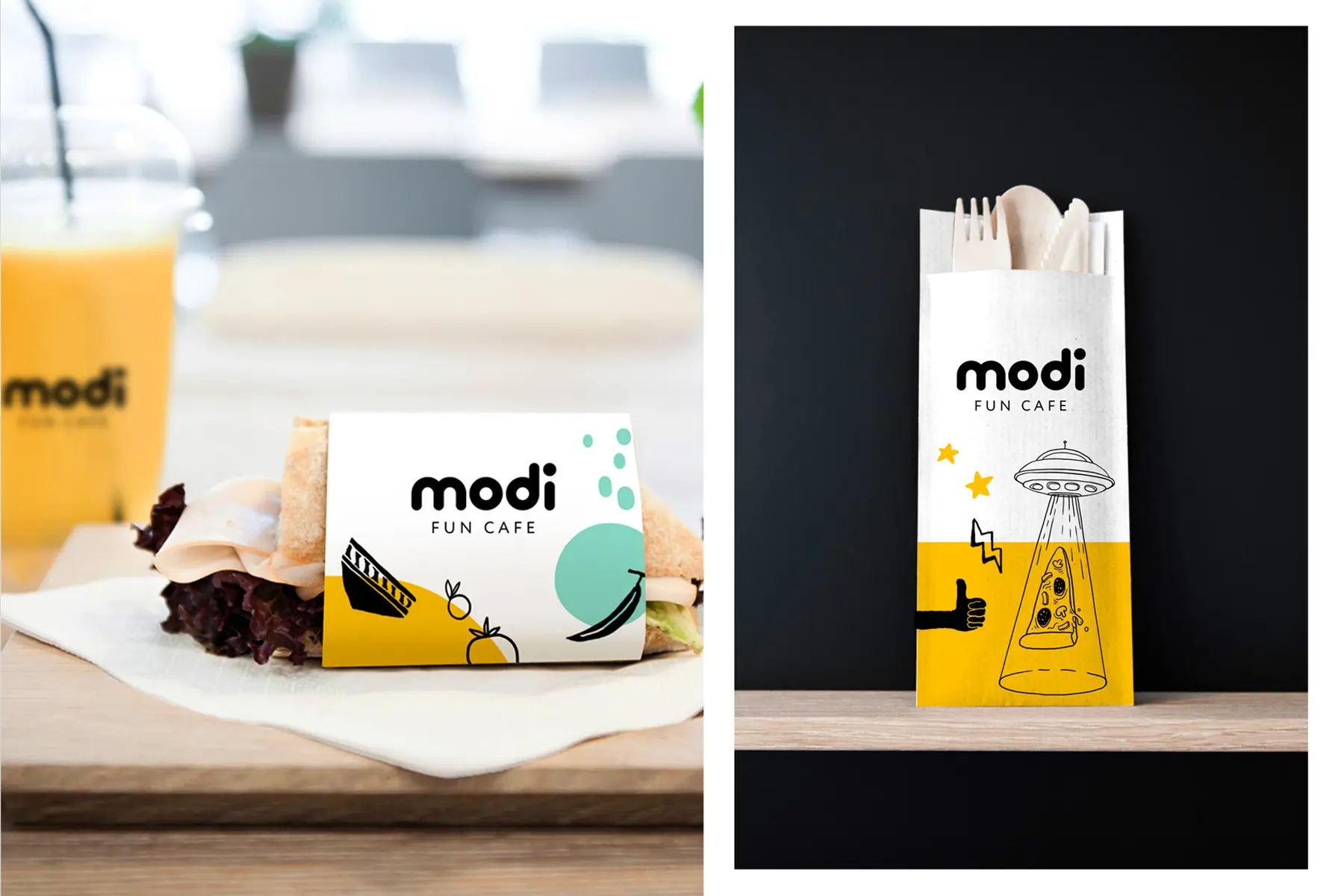
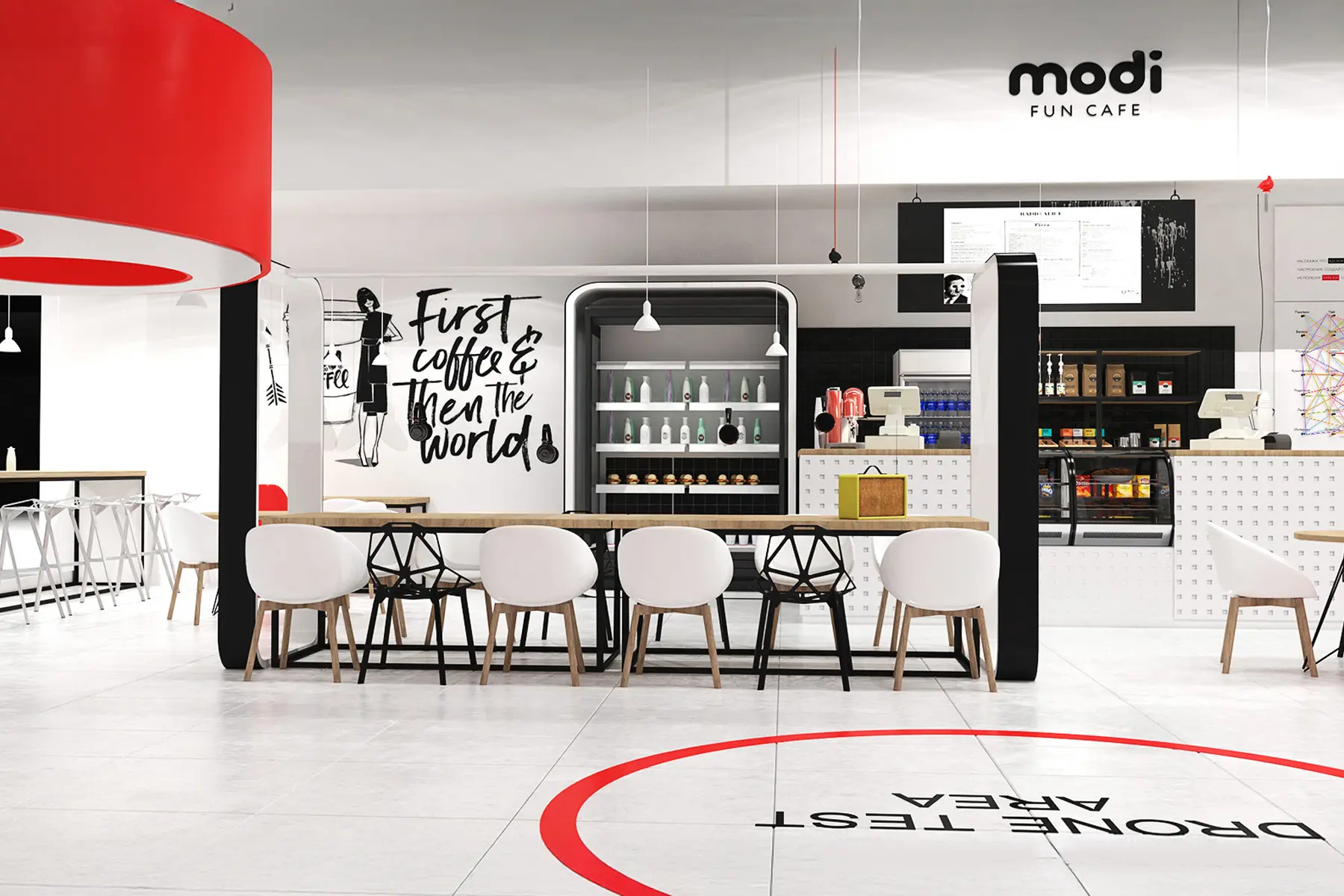
Restaurant and Cafe Branding
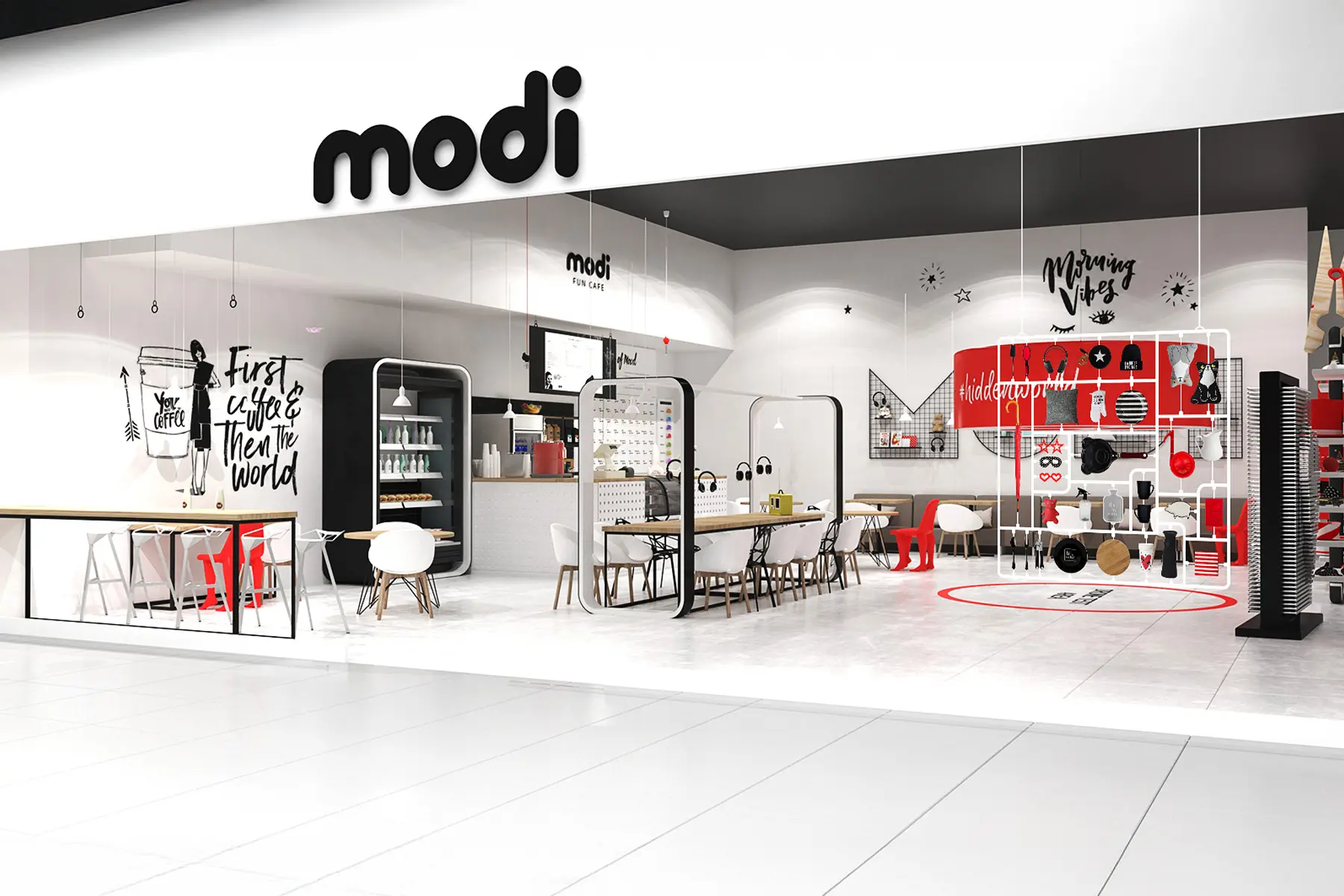
Cafes, pizzerias, bistros, restaurants, and pubs are, above all, guest experiences. The exterior and overall presentation shape expectations about the cuisine, signature dishes, service, decor, atmosphere, and average check. This is why restaurant branding plays such an important role. Inaccurate or misleading positioning can distort perceptions, repel the intended audience, and attract customers for whom the concept was not designed.
When expectations and reality do not match, the result may be low occupancy, disappointed guests, negative reviews, and lost revenue.
Branding for a restaurant, bar, bistro, or cafe should begin once the concept, business positioning, target audience, average check, menu, and signature dishes have been defined. The team should also confirm that the chosen location can generate the expected traffic. Once these elements are aligned, work can begin on the venue's distinctive brand identity.
The brand guidelines should include every important identity application: the website interface, social media profiles, menu design, tablet and smartphone applications, menu boards, banners, promotional materials, packaging, and takeaway tableware.
Interior design, the entrance area, and wayfinding are central to the result. The launch of a new venue should also be visible to the local audience, generating initial traffic and helping the business establish itself in the market.
Event Branding and Visual Identity
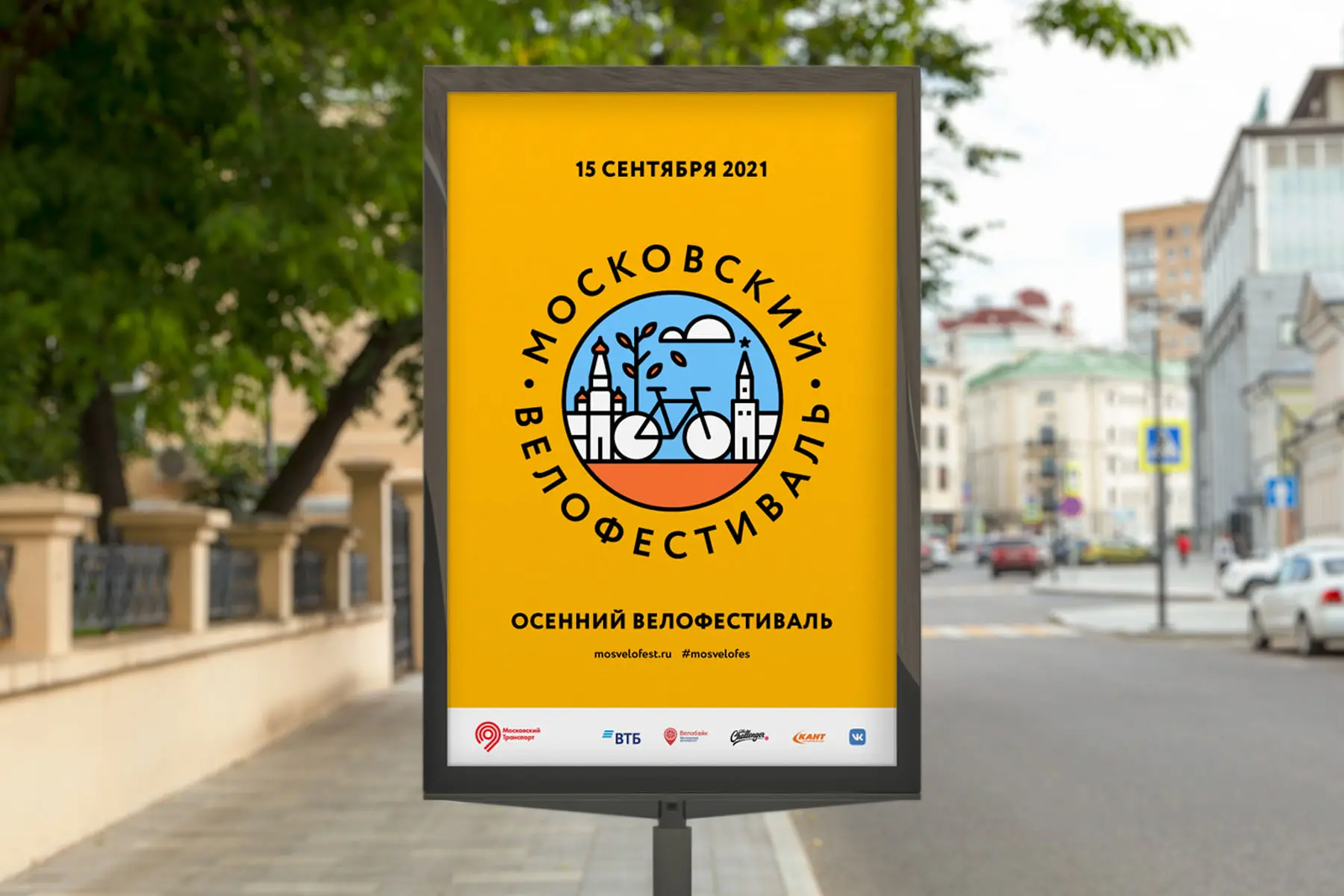
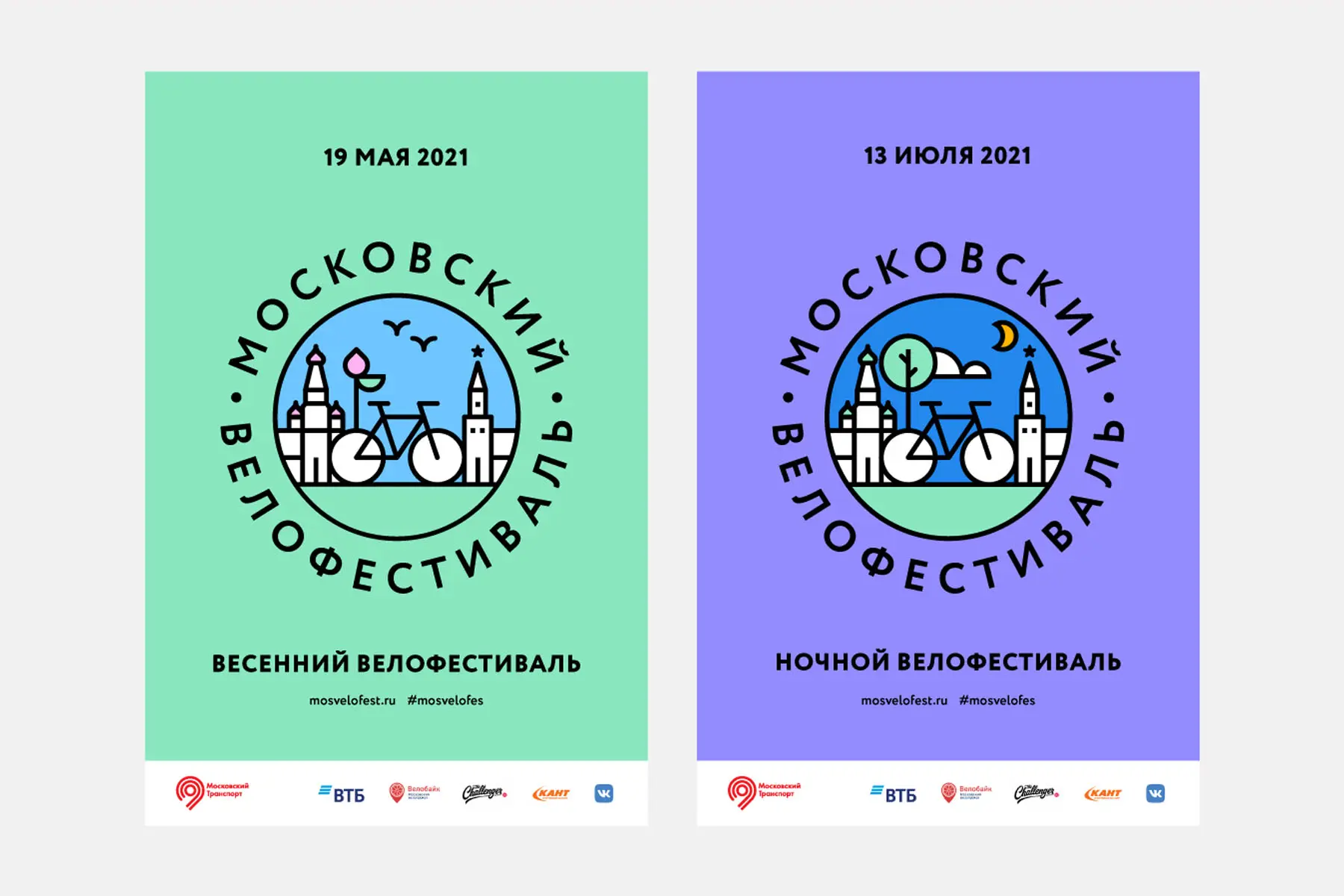
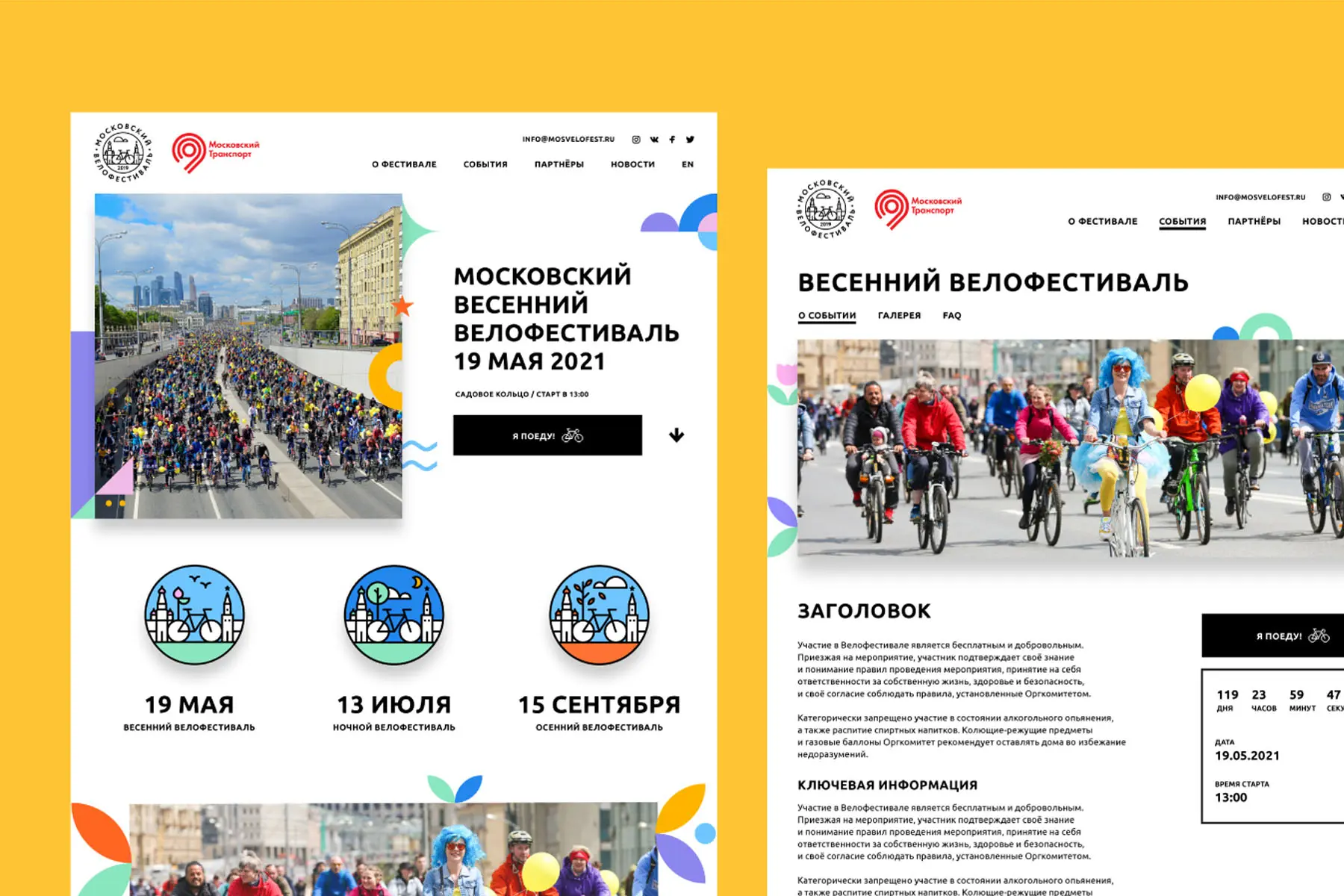
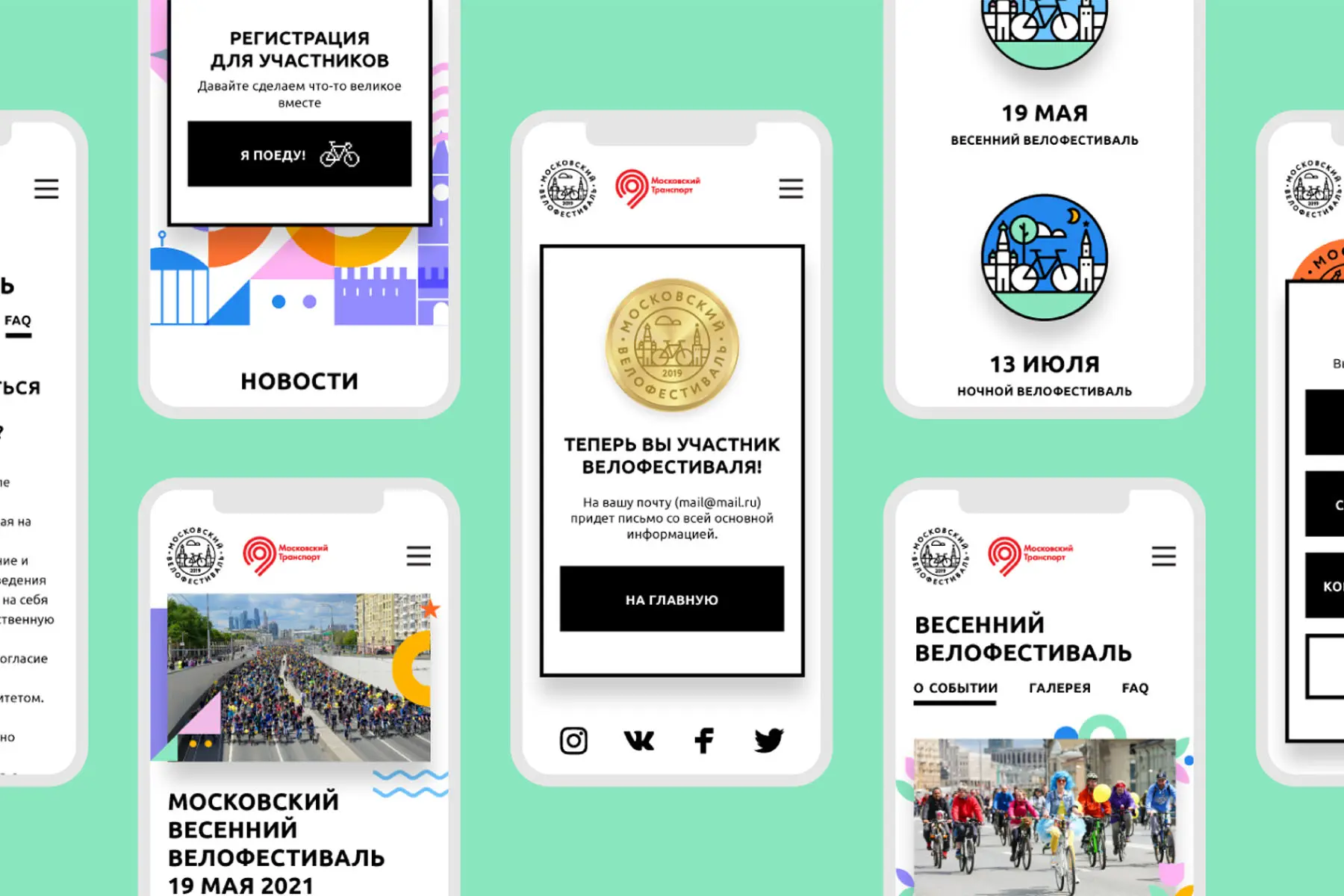
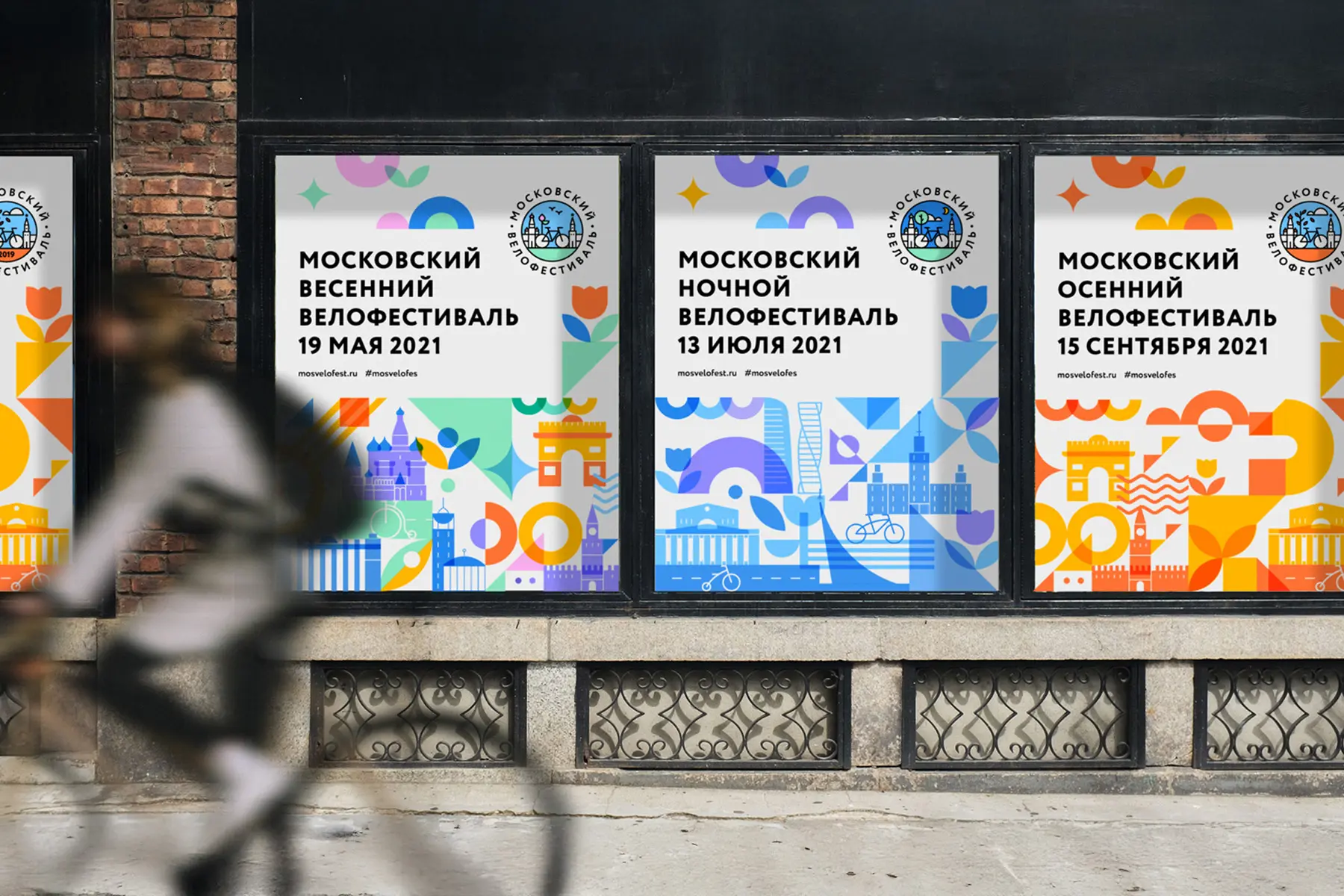
Large cultural and city events also need a distinctive visual identity. Organizers of conferences, cultural programs, sports competitions, and business events increasingly treat event branding as a strategic part of the experience. A strong identity can support public relations and create additional revenue through branded merchandise.
Events often involve sponsors, partners, and multiple organizers. This makes co-branding standards, media-zone branding, press walls, and other shared applications an important part of the identity system.
Every event may require a website or landing page, advertising and information materials, presentations, booklets, brochures, badges, tickets, flyers, wayfinding, awards, certificates, prizes, and other touchpoints. All of them should follow one coherent visual system and the same brand guidelines.
Brand Identity Design Cost
The scope of brand identity design and the number of required applications vary significantly from one project to another. An accurate fee can only be calculated after the deliverables, strategic requirements, and implementation needs are clear. Even indicative pricing ranges are meaningful only when the scope is defined.
One project may require a high-quality website and a set of advertising layouts using stock photography. Another may involve studio rental, professional models, complex photo and video production, application development, packaging design, catalog design, and many other deliverables.
To commission brand identity design services from BRANDEXPERT Freedom Island, contact us or submit the online form on our website. A project manager will get in touch to clarify the brief and prepare a detailed proposal.
Related articles: visual identity
Frequently Asked Questions About Brand Identity Design
Brand identity is a system of rules that makes a brand recognizable and consistent. It defines how the logo, colors, typography, graphic elements, imagery, layouts, and templates are used across the website, advertising, packaging, business documents, and other brand touchpoints.
A logo is one of a brand’s key identifiers. Brand identity is a broader system that defines how the logo works together with color, typography, graphics, imagery, copy, and different applications. The logo can be compared to the brand’s signature, while brand identity is its complete visual language.
These terms are often used interchangeably. More precisely, visual identity refers primarily to the visual system, while brand identity may also include verbal and behavioral expressions of the brand. At the beginning of a project, it is important to define the exact scope of work rather than relying solely on the name of the service.
A typical brand identity design project includes brand research and an audit, strategy refinement, creative directions, logo design or redesign, a color palette, typography, graphic language, photography style, composition principles, key brand applications, brand guidelines, and production-ready files. The exact scope depends on the company’s business model and communication channels.
Yes, provided that the brand’s positioning, target audience, values, and architecture have already been defined and remain relevant. If the strategic foundation is unclear, the visual solution will be based on assumptions. In this case, it is better to conduct a strategic workshop or a separate brand positioning phase before beginning the design process.
Yes, but the scale of the identity system should reflect the company’s actual needs. At launch, a logo, basic color palette, typography, several graphic principles, and templates for key touchpoints are often enough. As the business grows, the system can be expanded without repeatedly redesigning its foundation.
The timeline depends on the depth of research, the readiness of the brand strategy, the number of concepts and applications, the languages involved, the number of stakeholders, and the scope of the brand guidelines. A basic identity system and a comprehensive corporate brand identity require very different project cycles, so the schedule is determined after the design brief and project scope have been agreed upon.
The cost depends on the strategic work involved, whether a logo needs to be created or updated, the complexity of the brand architecture, the number of identity elements and applications, photography and video production, motion and digital design, the scope of the brand guidelines, and implementation support. Proposals can only be compared accurately when they include the same scope and deliverables.
A visual identity refresh is appropriate when the strategy and positioning remain relevant but the visual system has become outdated or inconsistent. Rebranding is required when the brand’s meaning, target audience, market, architecture, product model, or reputational objectives change. In both cases, the process should begin with an audit of the existing brand identity.
The handover package is specified in the contract and may include a brand book or brand guidelines, master logo and graphic files, color and typography specifications, templates, layouts for key applications, rules for digital and motion design, and a structured asset library. Complex projects may also include team training and support during the initial implementation phase.
An effective brand identity should be recognizable, distinctive, flexible, and easy to use in everyday work. After launch, the company can evaluate the consistency of implementation, the time required to produce new materials, the number of unauthorized or inconsistent variations, audience perception, and the performance of individual touchpoints. Changes in sales cannot be attributed to design alone: results are also shaped by the product, pricing, distribution, communications, and service.
The article uses photo and video materials provided by the customer / BRANDEXPERT "Island of Freedom" / ShutterStock / Freepik / Unsplash / Pexels / Goodmockups / Pixpine. All materials presented in the blog are purely informational in nature and do not pursue commercial purposes. The use of text, illustrations, photos, videos and other materials is prohibited without the consent of the copyright holder.
The BRANDEXPERT Team.