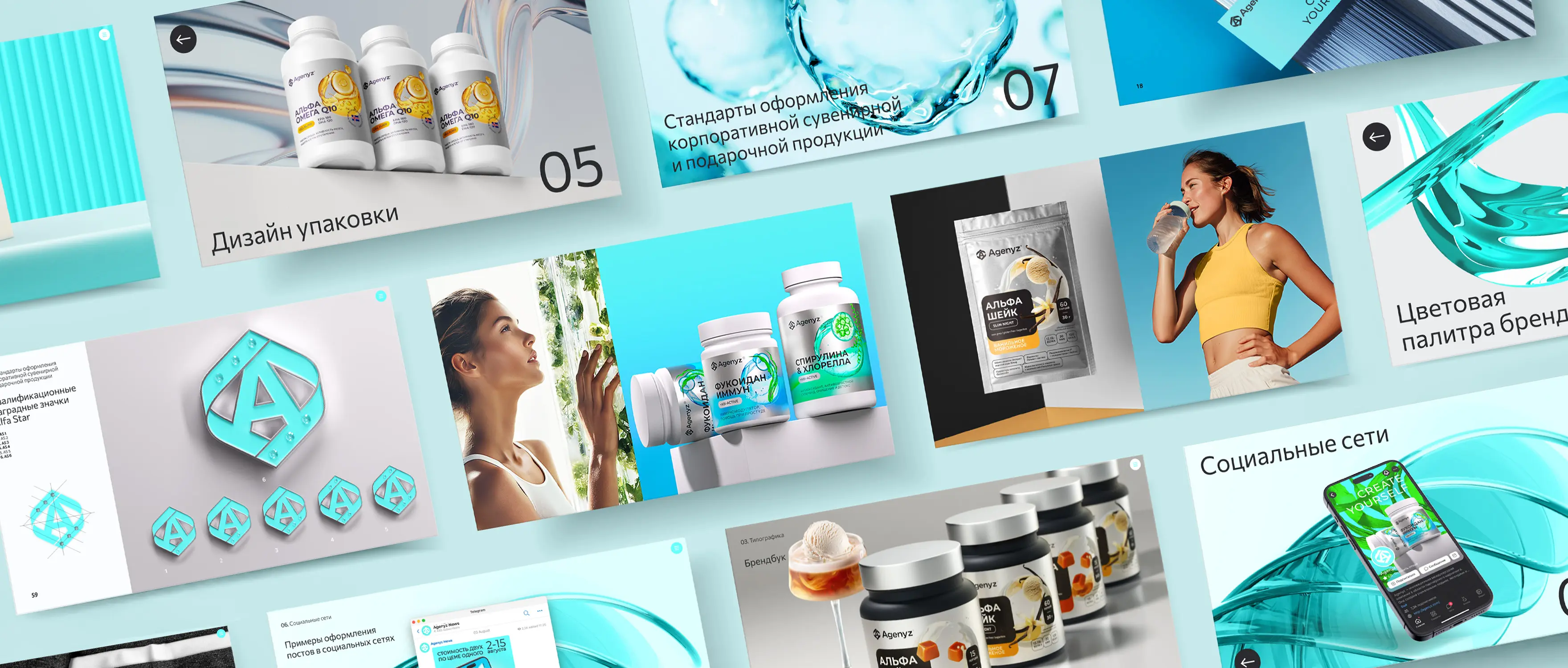
Rebranding the Pharmaceutical Brand ERZIG. BRANDEXPERT Freedom Island rebranded ERZIG, updating its logo and brand identity and developing a visual brand strategy, packaging and label design, and advertising materials for an extensive range of pharmaceutical products.
Брендбук: ответы на все вопросы

Anna Avdeeva
Article's author17.06.2021
Our projects: brand book

CyclingRace — positioning, brand creation, logo development, brand book, advertising communications. Developing a Brandbook for CYCLING RACE, a leading organizer of cycling festivals in Russia. Developing a corporate identity management guide.
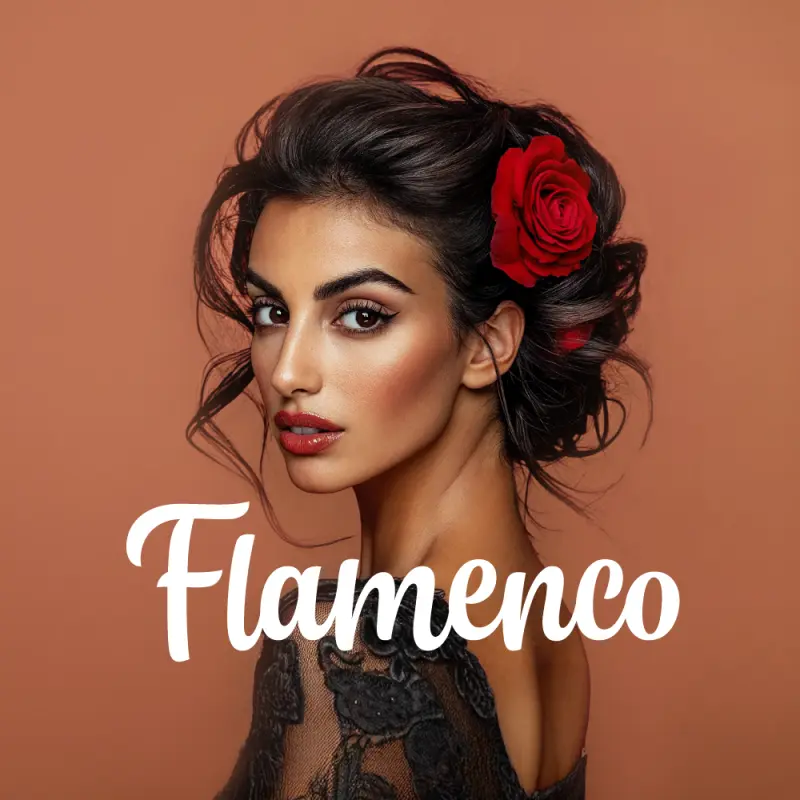
Flamenco — Brand Positioning, Naming, Logo Design, Packaging and Label Design, Brand Guidelines, and Photography. Development of a brand book for FLAMENCO, a tomato brand from the ROST group of companies

Miratorg — Brand Positioning, Logo Design, Brand Identity Design, and Brand Guidelines. Miratorg Corporate Brand Book. A complete guide to managing the corporate identity of the Miratorg corporate brand, supermarket brand, and butcher shop. A comprehensive holding company positioning strategy and corporate identity standards for each brand.

Vitamir — Brand Positioning, Logo Design, Packaging Design, Brand Identity Design, Brand Guidelines, Mascot Design, and Website Design. Brand book of the pharmaceutical company VITAMIR

AlphaPet — Brand Positioning, Brand Identity Design, Brand Guidelines, and Advertising Communications. Development of a brand book for AlphaPet, a manufacturer of super-premium pet food.

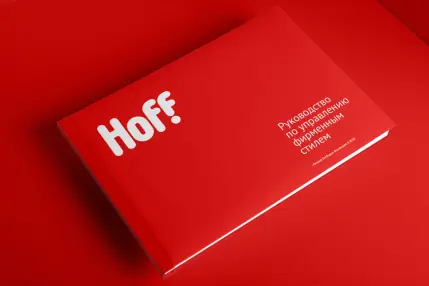
Hoff — Brand Identity Design, Brand Guidelines, Retail Branding, and Interior Design. Developing a brand book, retail strategy, and retail book for the Hoff chain of furniture and home goods stores: creating a unified brand image, key constants, and customer experience standards.
FOXGEAR — Brand Positioning, Naming, Logo Design, Packaging Design, and Brand Guidelines. Development of a brand book for FOXGEAR, a manufacturer of premium lubricants.

Kolomensky — Brand Positioning, Logo Design, Brand Identity Design, and Brand Guidelines. Preparation of a brand book and style management guide for the corporate and product brands of the Kolomensky BKH.
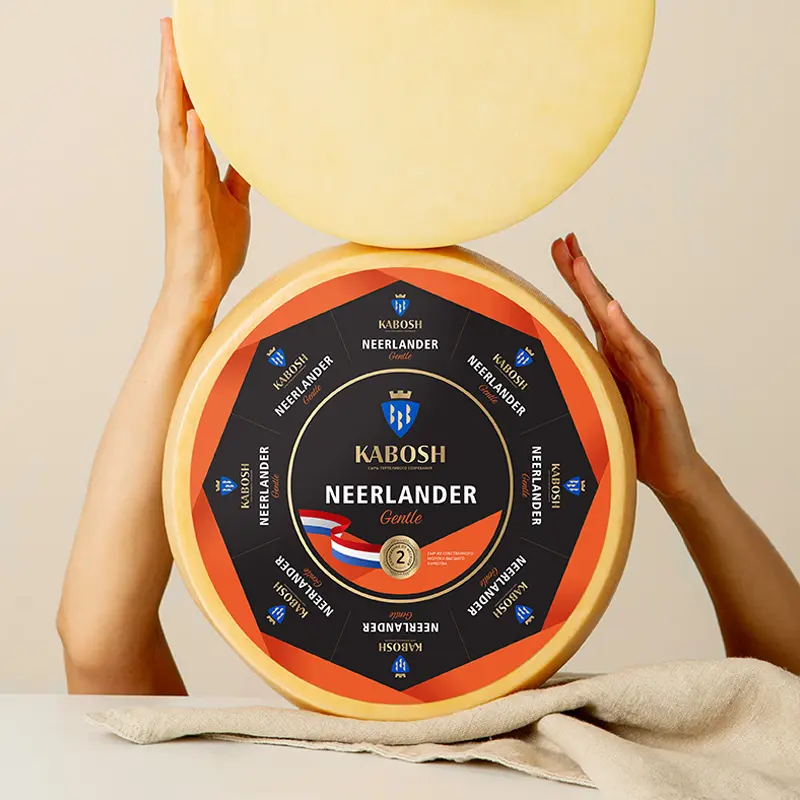
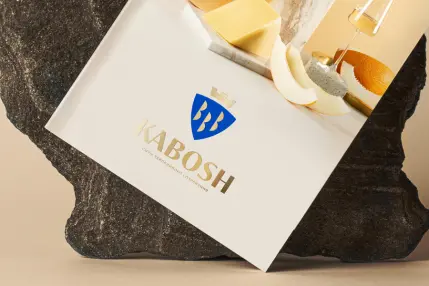
Kabosh — Rebranding, Logo Design, Packaging and Label Design, Brand Guidelines, Photography, and Website Design. The branding agency BRANDEXPERT Freedom Island developed a brand book for the cheese producer KABOSH, created a logo and corporate identity.

Oceanis — Brand Positioning, Logo Design, Brand Identity Design, Brand Guidelines, Interior Design, and Advertising Communications. Development of a brand book for the OCEANIS shopping center

PROFIL DOORS. The BRANDEXPERT agency conducted a comprehensive rebranding for the PROFIL DOORS company. We developed the brand platform, logo, corporate style, advertising design, retail brand and brand book.
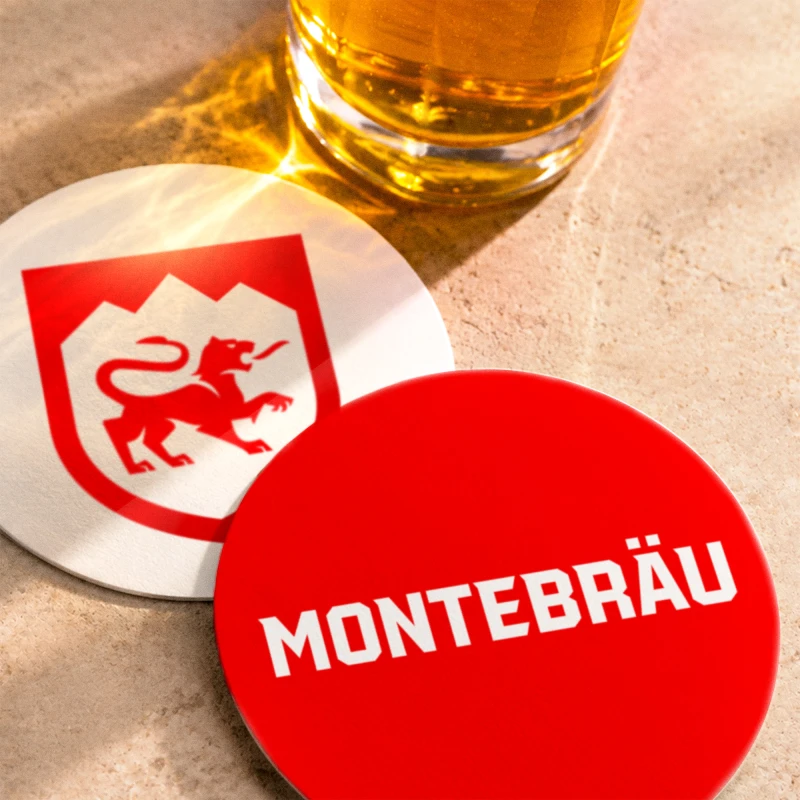
MONTEBRÄU Restaurant & Brewery Rebranding. MONTEBRÄU brand guidelines for managing the restaurant’s visual identity
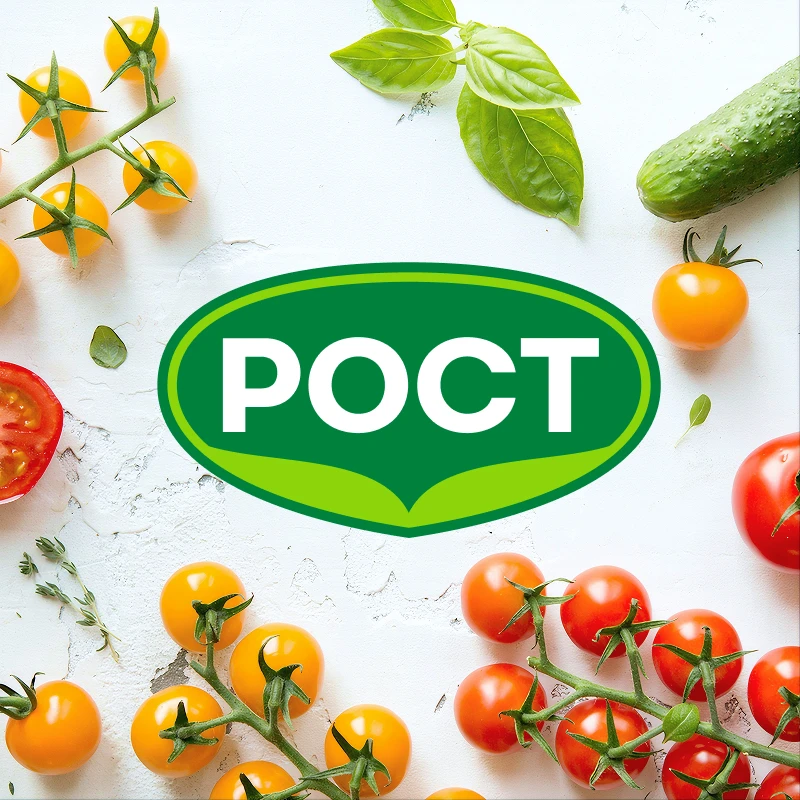
ROST Group – 360 Degree Branding. ROST Group — brand guidelines development, brand strategy and visual identity design.
Zoonik. Brand marketing strategy for ZOONIK, a top pet products brand. Design of a logo and visual identity as part of the brand’s updated identity system. Development of a packaging design concept for the brand’s product lines.
ATEMI — positioning, logo development, corporate identity, packaging design. BRANDEXPERT “Ostrov Svobody” carried out the rebrand of ATEMI: the brand strategy was updated, and a new logo and visual identity were developed, along with packaging and label design, a brand book, print and advertising design, and professional photography for the brand’s communications.
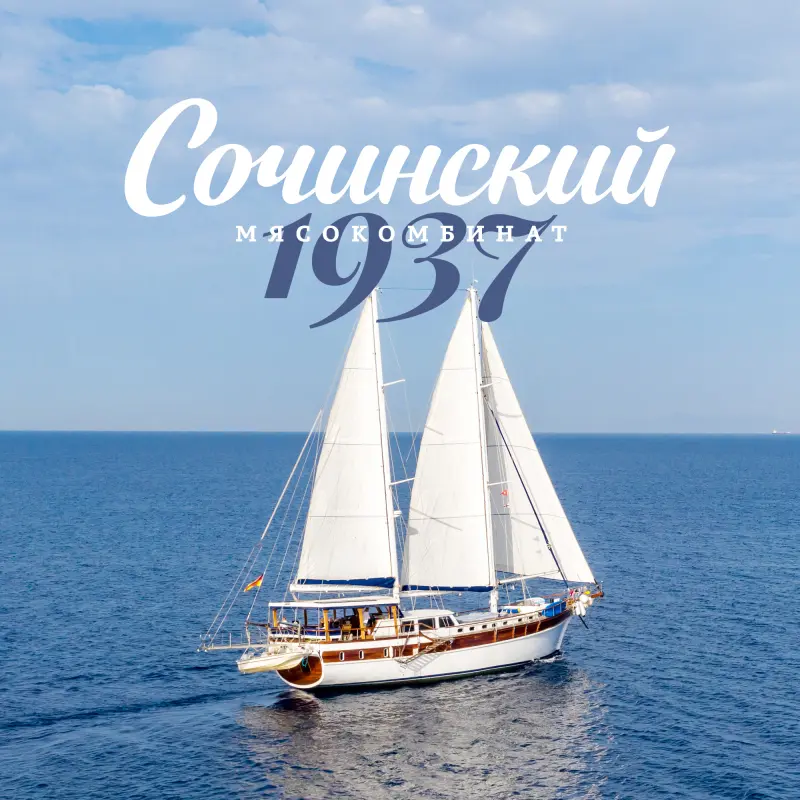
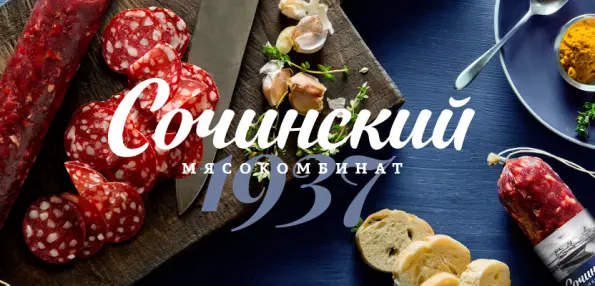
???. Rebranding of "Sochinsky Meatworks," the largest producer of delicatessen meats and sausages in southern Russia. Developed packaging and label design for products. Created brand guidelines and positioning strategy outlined in a brand book.

???. The BRANDEXPERT agency conducted the rebranding of the company DECORATION, including the brand platform, logo and corporate style. As part of creating the retail brand, interior designs, positioning strategy and advertising design were developed.
BLUMART. Creating the brand for the first and largest hypermarket of plumbing and tiles in Russia, BLUMART. The project includes: platform for positioning and naming, creating a logo and identity, designing the interior, and developing a brand book.
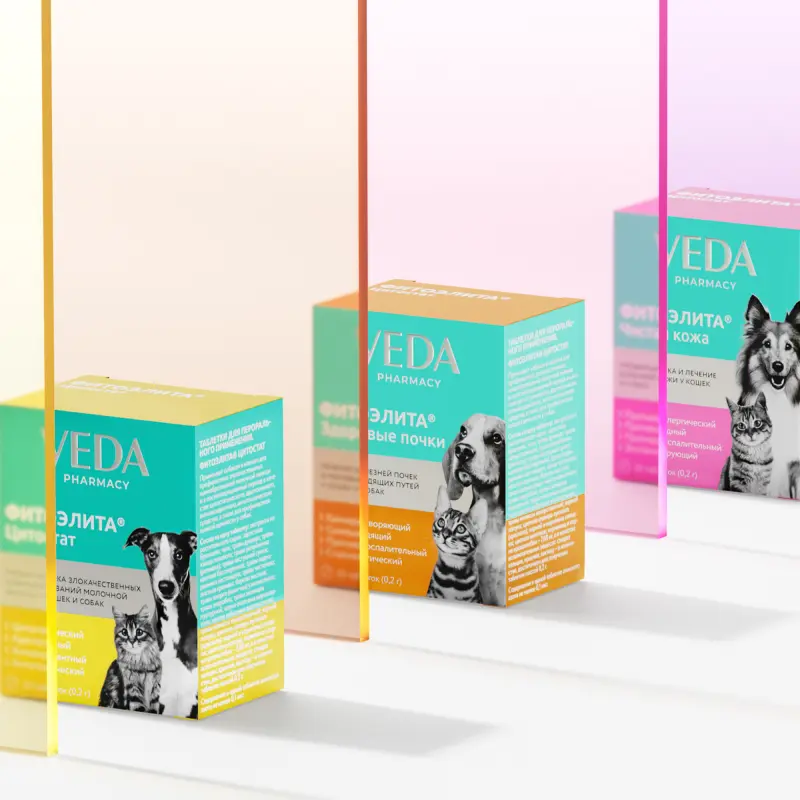
Veda Pharmacy. Creating a brand and developing a brand book for the veterinary company VEDA, a leading Russian developer in the field of veterinary phytotherapy. Establishing a corporate style and logo for the brand, the first choice in animal care and treatment.

???.

IXcellerate. BRANDEXPERT has updated the corporate identity of the IXcellerate brand, one of the leading data centers in Russia. The new corporate identity maintains continuity with the previous design
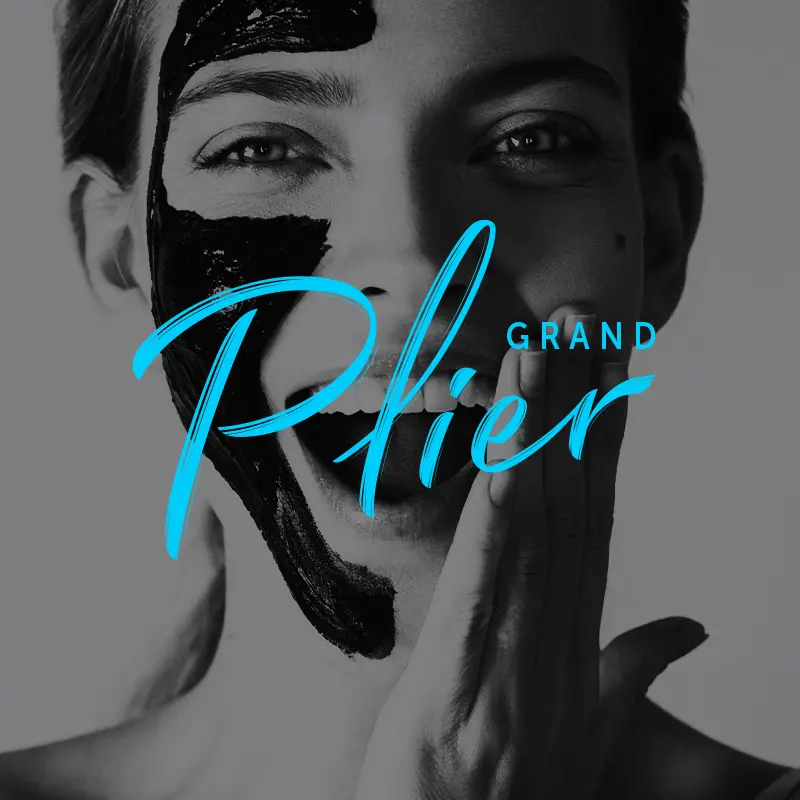
???. Grand Plier is a new Russian natural cosmetics brand. Brandexpert developed the new brand from scratch: brand name, packaging design, product catalog, website, and professional photos

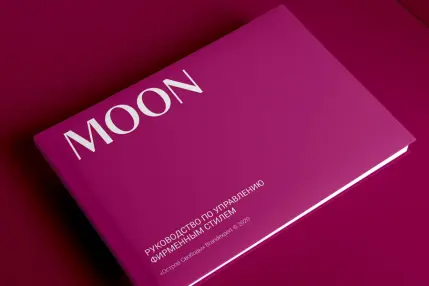
MOON. MOON is the largest furniture factory in Europe. BRANDEXPERT agency made a repositioning, created logo, brandbook, packaging design and retail branding of furniture stores.
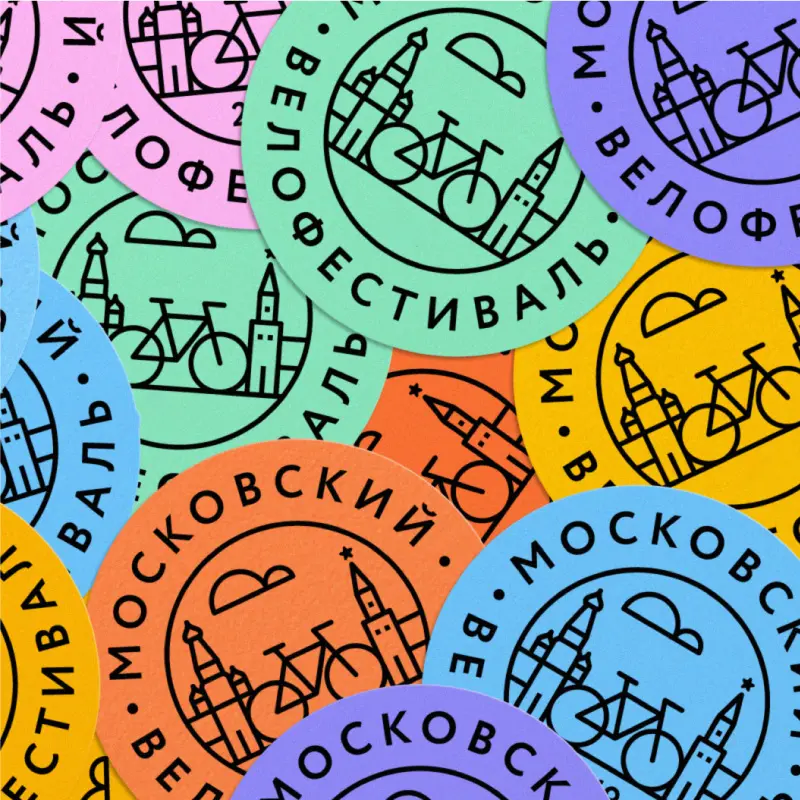
Moscow Bicycle Festival. BrandExpert created a colourful, flexible, and eloquent brand identity and ads for the Moscow cycling festival
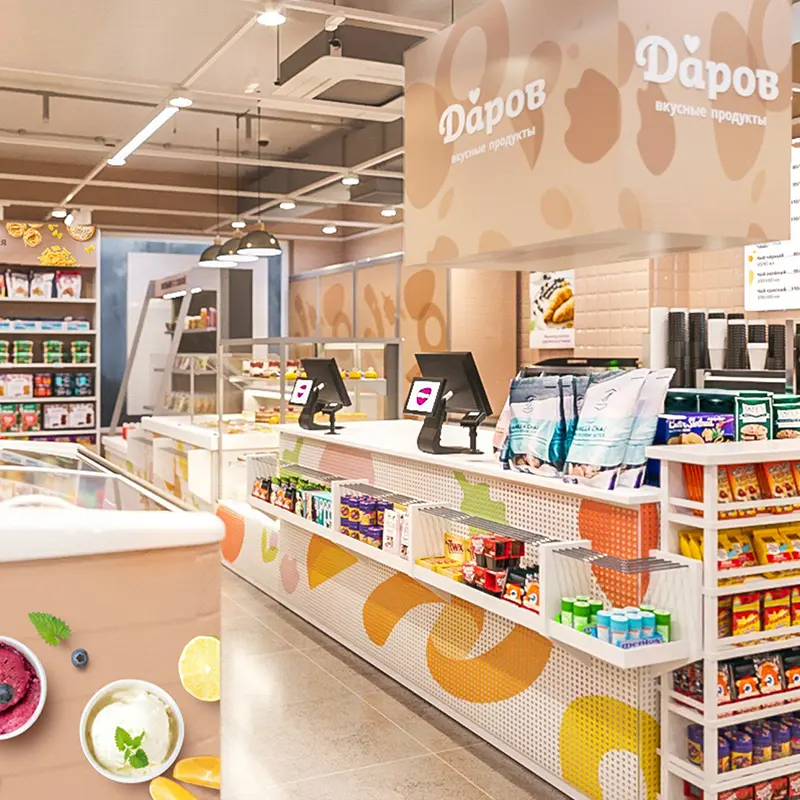
Darov. Darov is a new retail chain with a strong accent on delicious prepared foods. Brandexpert developed the new brand from scratch: brand name, brand identity, logo, brand guidelines, packaging design, and interior design solutions

OKRAINA. Okraina holding’s matrix includes only natural meat products. The branding agency BRANDEXPERT re-branded the whole holding: developed the corporate brand identity, logo, brand guidelines, website, and also created packaging design.
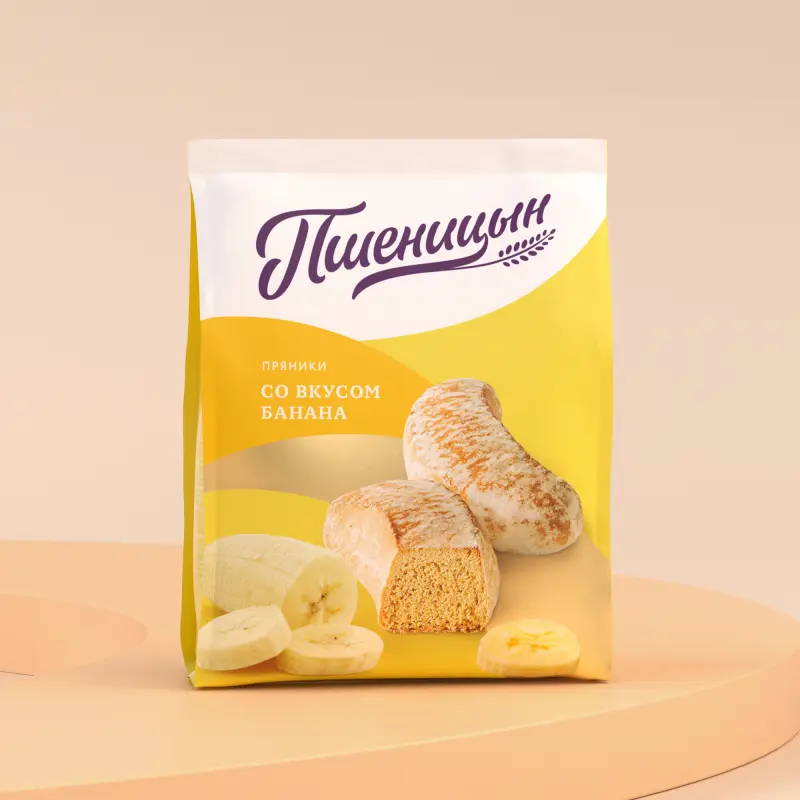
Ageevskiy. Creating the brands "Pshenitsyn" and "Papa Roma" for the confectionery factory "Ageevsky". Logos for the brands, packaging design and product labels were developed. The corporate logo and brand identity of the company "Ageevsky" have been updated.


Как выбрать руководство по фирменному стилю для бизнеса
Anna Avdeeva14.04.2026- brand book

Создание брендбука кафе, ресторана, бургерной
 Alexey Novikov29.12.2021
- brand book

Что такое гайдлайн?
Anna Avdeeva09.08.2021- brand book
От чего зависит стоимость разработки брендбука?
 Andrey Vershinin26.08.2020
- brand book
Заказать брендбук: стоимость, оценка результата
Alexey Novikov06.08.2020- brand book

Корпоративный брендбук примеры из практики
 Max Cvetkov22.02.2020
- brand book

Кому и когда необходима разработка брендбука
Max Cvetkov23.12.2019- brand book

Брендбук франчайзинговой сети
Anna Avdeeva10.12.2019- brand book

Брендбук: стратегия, образ, бренд-код
Anna Avdeeva31.10.2019- brand book
Брендбук (brandbook) ресторана: функции и константы
Anna Avdeeva09.10.2019- brand book
Если брендбука нет или правила руководства не соблюдаются
Max Cvetkov26.09.2019- brand book

Логотип, фирменный стиль, брендбук банка
Andrey Vershinin16.05.2019- brand book
Блог
More articles on the brandbook
Frequently Asked Questions About Brand Book Creating
What is a brand book?
A brand book brings together a brand's strategic foundations and guidelines for its visual and verbal expression. It defines positioning, values, tone of voice, and rules for using the logo, colors, typography, and other visual identity elements. A company brand book helps employees and external partners work consistently, maintain brand recognition, and develop the brand's image across every audience touchpoint.
What is the difference between a brand book and visual identity?
Visual identity is the system a brand uses to identify itself visually: its logo, colors, typography, graphics, photography style, and layout principles. A brand book explains the strategic thinking behind these choices and sets out how to apply them. Visual identity design creates the brand's visual language. Creating a brand book organizes its elements, defines permitted uses, and provides practical examples for everyday work.
What are brand guidelines, and what should they include?
Brand guidelines provide practical instructions for using a brand's assets. They can cover the entire visual identity or a specific area, such as packaging, social media, advertising, or online marketplaces. Visual identity guidelines usually include logo usage, color palettes, typography, layout principles, and requirements for graphics and imagery. Example layouts, approved adaptations, and examples of incorrect use help designers and external partners apply the agreed design consistently.
What are the benefits of design guidelines for online marketplaces?
Marketplace design guidelines establish consistent standards for product listings, infographics, photography, banners, and brand pages. They define the order of information, element placement, text sizes, color coding, and layout adaptations. The document helps teams launch new products faster, keep the product range recognizable, and coordinate designers, photographers, and content managers. It accounts for each platform's requirements and mobile readability, with technical specifications updated as marketplace rules change.
What are logo usage guidelines?
Logo usage guidelines are a manual for applying a logo correctly. They specify the primary and alternative versions, the relationship between the wordmark and symbol, clear space, minimum sizes, color variations, and use on different backgrounds. They also show incorrect uses, such as distorted proportions, unauthorized colors, or altered layouts. Logo guidelines help ensure accurate reproduction across digital, print, and physical applications.
What is a brand style guide?
A brand style guide explains how to apply a brand's visual system in everyday work. It is also often called a visual identity guide. Alongside rules for the logo, colors, and typography, it covers the design of documents, presentations, advertising, packaging, and other relevant materials. Diagrams, examples, and templates help teams create consistent branded materials and check the quality of their execution.
What should a brand book include?
The contents of a brand book depend on the needs of the business. It usually includes:
Strategic foundations: target audience, positioning, brand idea, mission, vision, values, and advantages.
Brand communication: personality, tone of voice, key messages, and sample copy.
Visual identity: logo, color palette, typography, graphics, photography style, and layout principles.
Brand applications: guidelines and layouts for business stationery, advertising, packaging, digital channels, and other materials.
Additional sections are included as needed, such as retail environments, HR materials, uniforms, vehicle branding, and promotional merchandise. The scope of the document reflects the tasks it needs to support.
When does a company need a brand book?
A company needs a brand book when employees, departments, and external partners need to apply the brand consistently. It is typically developed for a brand launch, rebranding, product range expansion, entry into new sales channels, or business growth. It is especially useful when opening new branches or expanding a partner network. Its scope should reflect practical needs: the materials the company produces, who works on them, and which decisions require shared standards.
Why is a brand book important for franchise growth?
A brand book gives franchisees consistent brand standards and helps maintain recognition as new locations open. It sets rules for signage, advertising, packaging, uniforms, and digital communication, including permitted local adaptations. Clear requirements and ready-to-use templates make it easier for franchisees to prepare launch materials and for the franchisor to approve them and monitor quality. A brand book can be supplemented with retail design guidelines to define the physical store environment in greater detail.
Does a brand book include brand positioning?
Usually, yes. The strategy section explains who the brand serves, the value it offers, the advantages that distinguish it from competitors, and the reasons audiences trust it. Positioning helps explain the choice of visual identity and communication style. If the brand platform already exists as a separate document, the brand book can summarize its key points or link to the current version. The level of strategic detail is agreed when defining the project scope.
What is the difference between a brand book and retail design guidelines?
A brand book defines brand strategy, visual identity, and communication standards across different applications. Retail design guidelines explain how the brand is applied within a store, including storefronts and entrances, zoning, wayfinding, fixtures, materials, lighting, and visual merchandising. They help adapt a single concept to premises of different sizes and layouts. For a retail chain, the two documents work together to connect the overall brand identity with the customer experience in each store.














We’re Here to Advise You on Any Branding Challenge
Dear partners, your project is unique and deserves a tailored approach. To prepare a relevant proposal, we need to understand your goals and the services most needed to deliver the best results. We’re ready to provide 360° support and handle all strategic tasks in marketing, design, digital, and brand communications. Our mission is to deliver outstanding solutions that drive financial growth and increase brand value. Get in touch — we’ll be happy to share our expertise and insights with you.
The BRANDEXPERT Team.
The BRANDEXPERT Team.