
ALVITEK Rebranding: Logo Design, Packaging and Label Design, Photo and Video Production, Advertising, Marketplace Content and Website Development. ALVITEK visual strategy development and rebranding for a bedding and home textile manufacturer
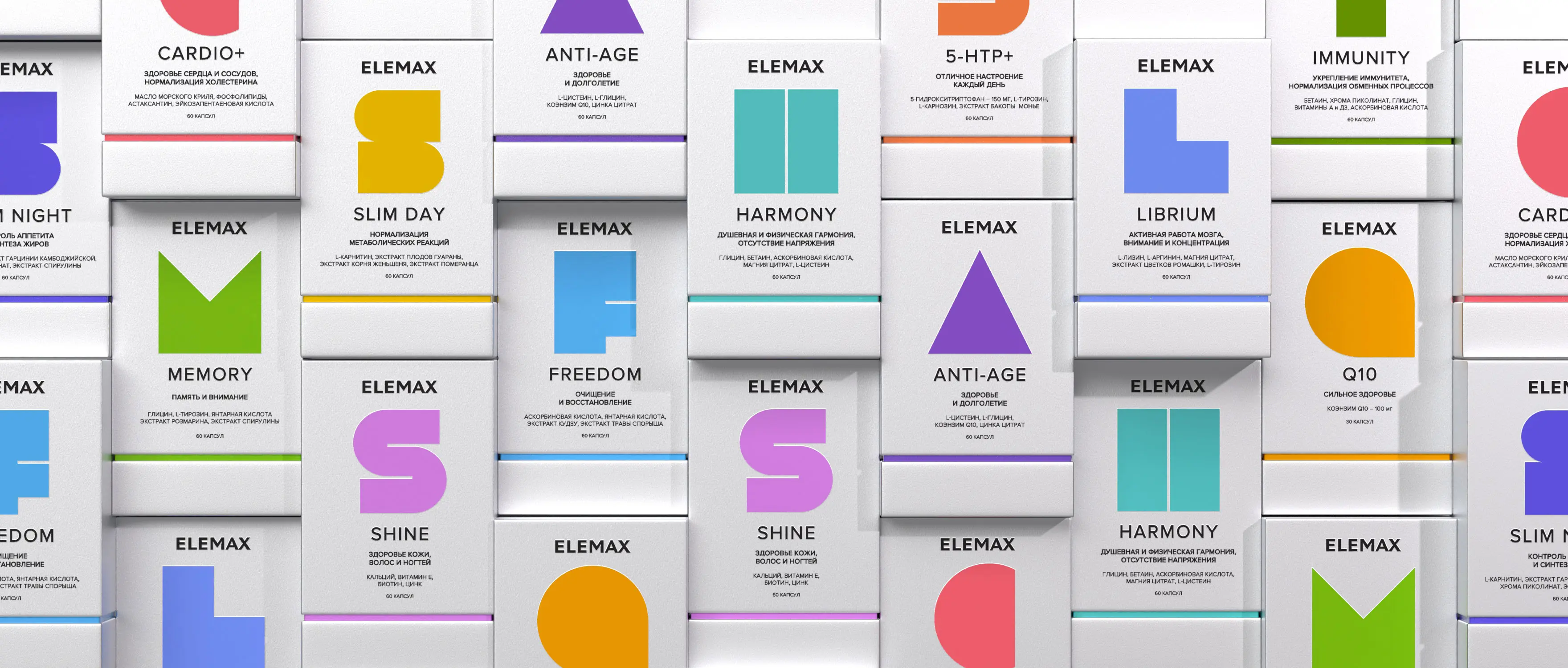
A brand is an image that evokes emotions and influences consumer choice. Brand development focuses on creating an emotional connection with the audience. A strong brand becomes part of people’s lives, expressing values that extend beyond the product or service itself.


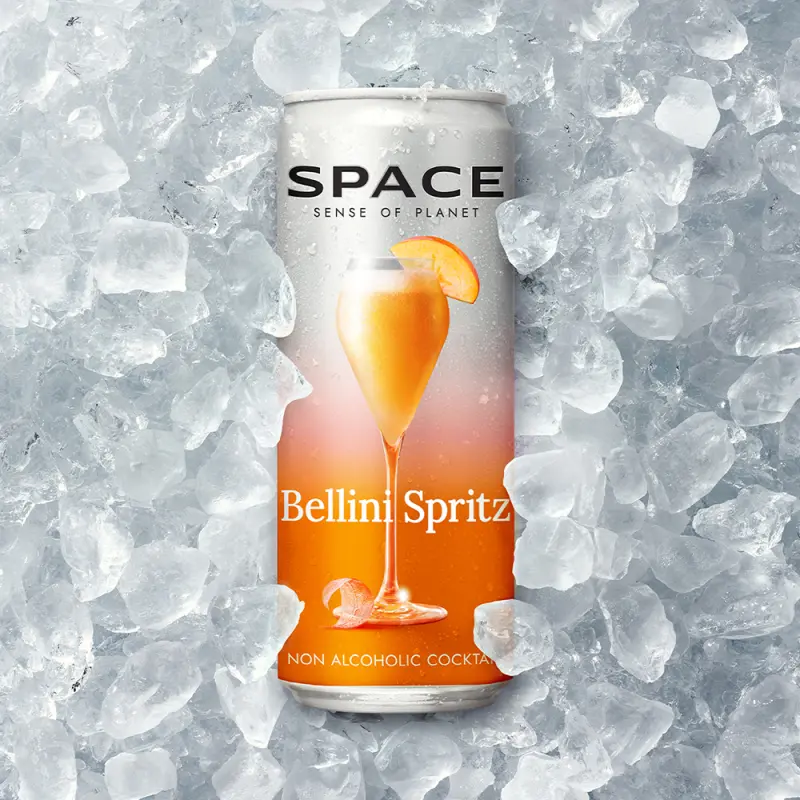

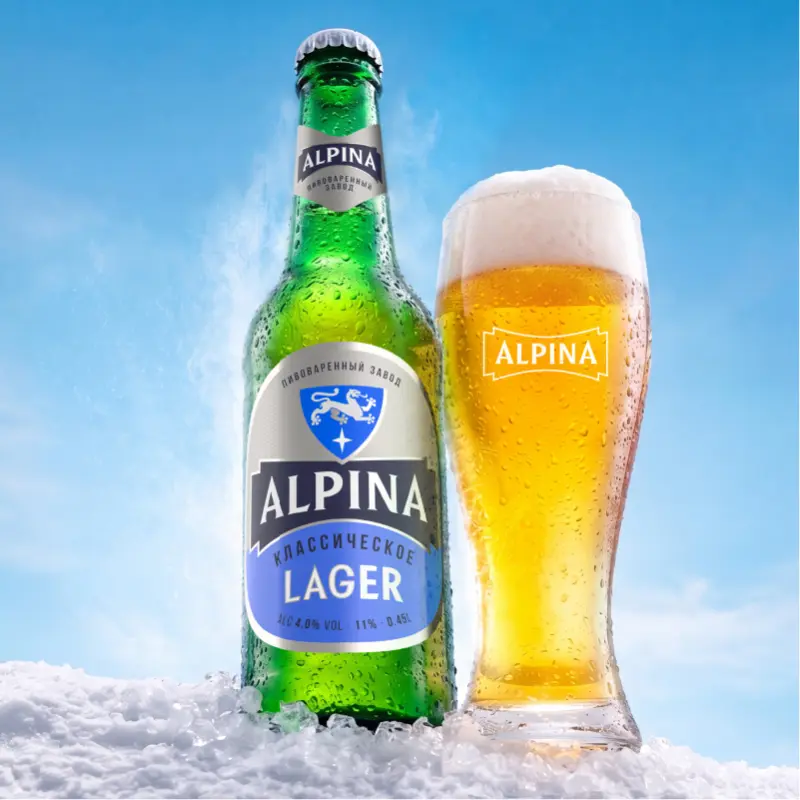








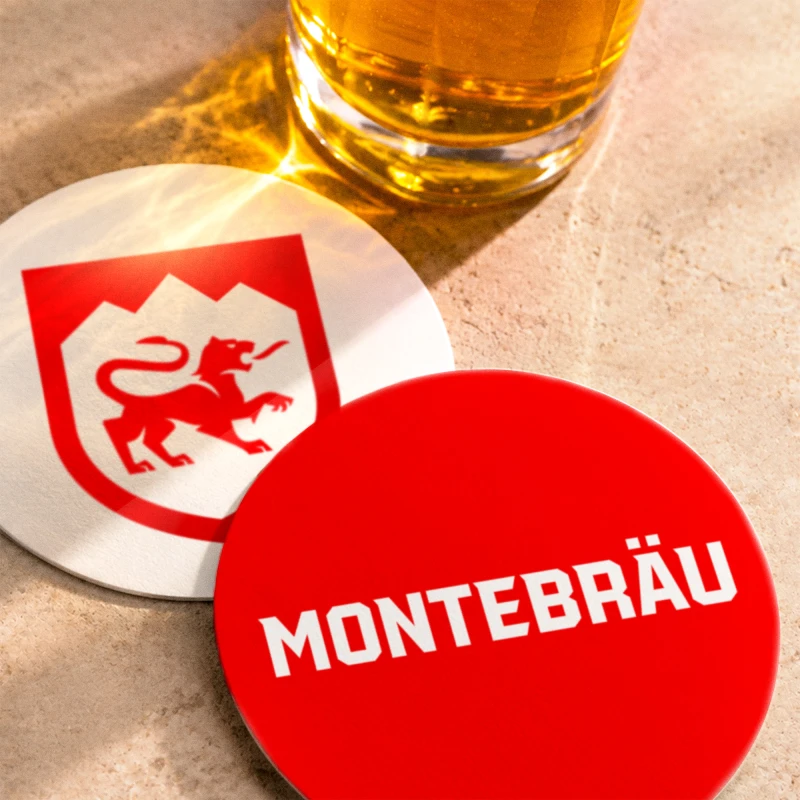






The cost of brand development depends on several factors. One of the most important is geographic reach: the budget can vary significantly depending on whether the brand targets a local market or a global audience.
At the first stage, we study the client’s business, market category, competitive landscape, target markets, price segment and project objectives. We define the role of the new brand: launching a new product, entering the market, scaling the business, strengthening its market position, expanding the brand portfolio or creating a new corporate image.
We analyse the brand’s target audiences, including consumers, customers, business partners, professional communities, distributors and internal teams. We identify their needs, decision-making motivations, expectations, barriers, emotional triggers and rational criteria that shape brand perception.

We research Russian and international competitors, including their brand positioning, names, visual identity, packaging, websites, advertising and communications. We identify established market territories, recurring creative approaches, category best practices and opportunities for building a distinctive brand position.
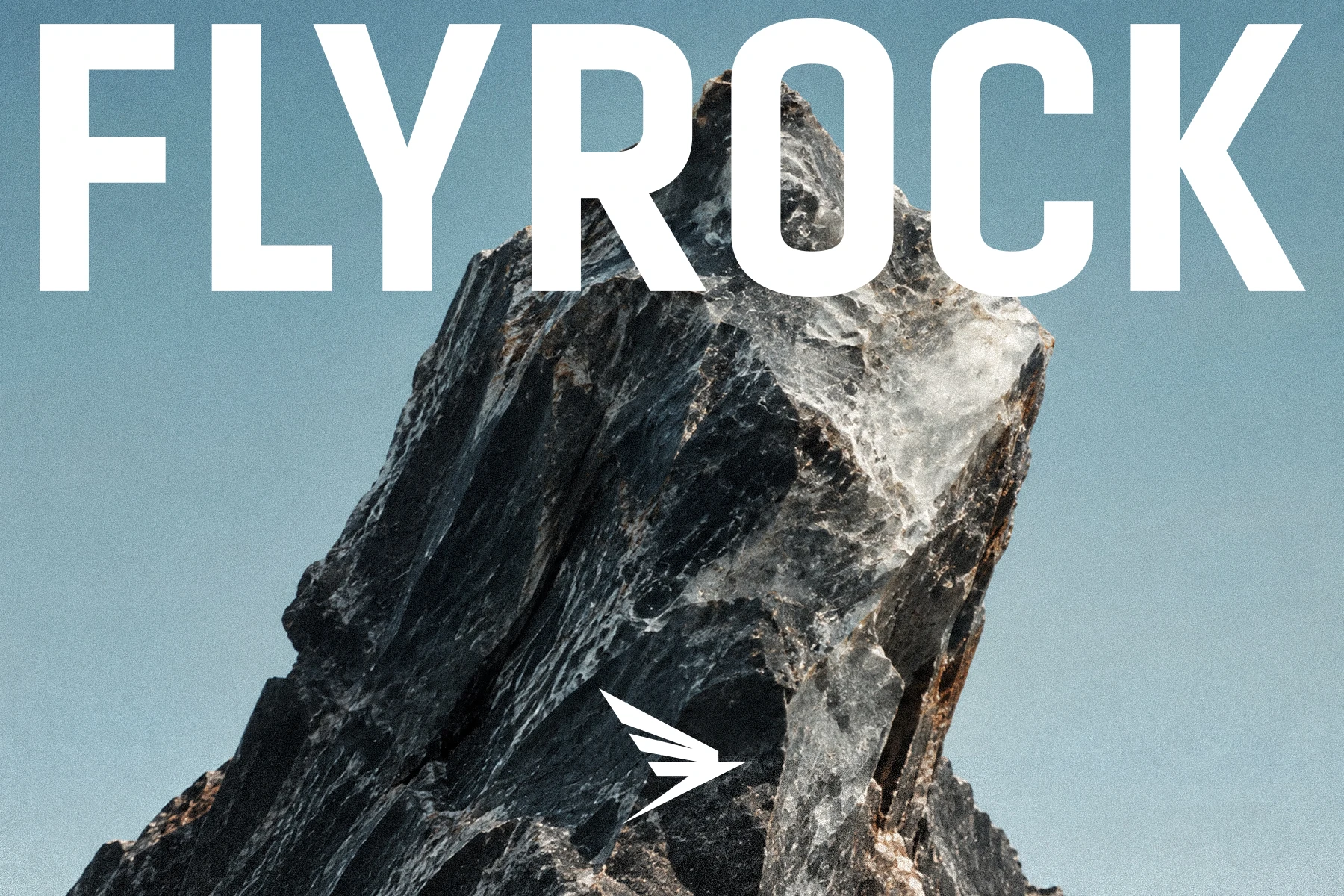
We create the strategic foundation of the new brand: brand idea, positioning, mission, vision, values, personality, rational and emotional benefits, reasons to believe and key brand messages. The brand strategy platform provides the foundation for the brand name, visual identity and communication system.

We define the structure of the brand and its future business or product areas: master brand, sub-brands, product lines, collections, ranges and categories. We establish clear relationships between all levels of the brand architecture to support portfolio management, packaging, communications, website structure, sales and future growth.
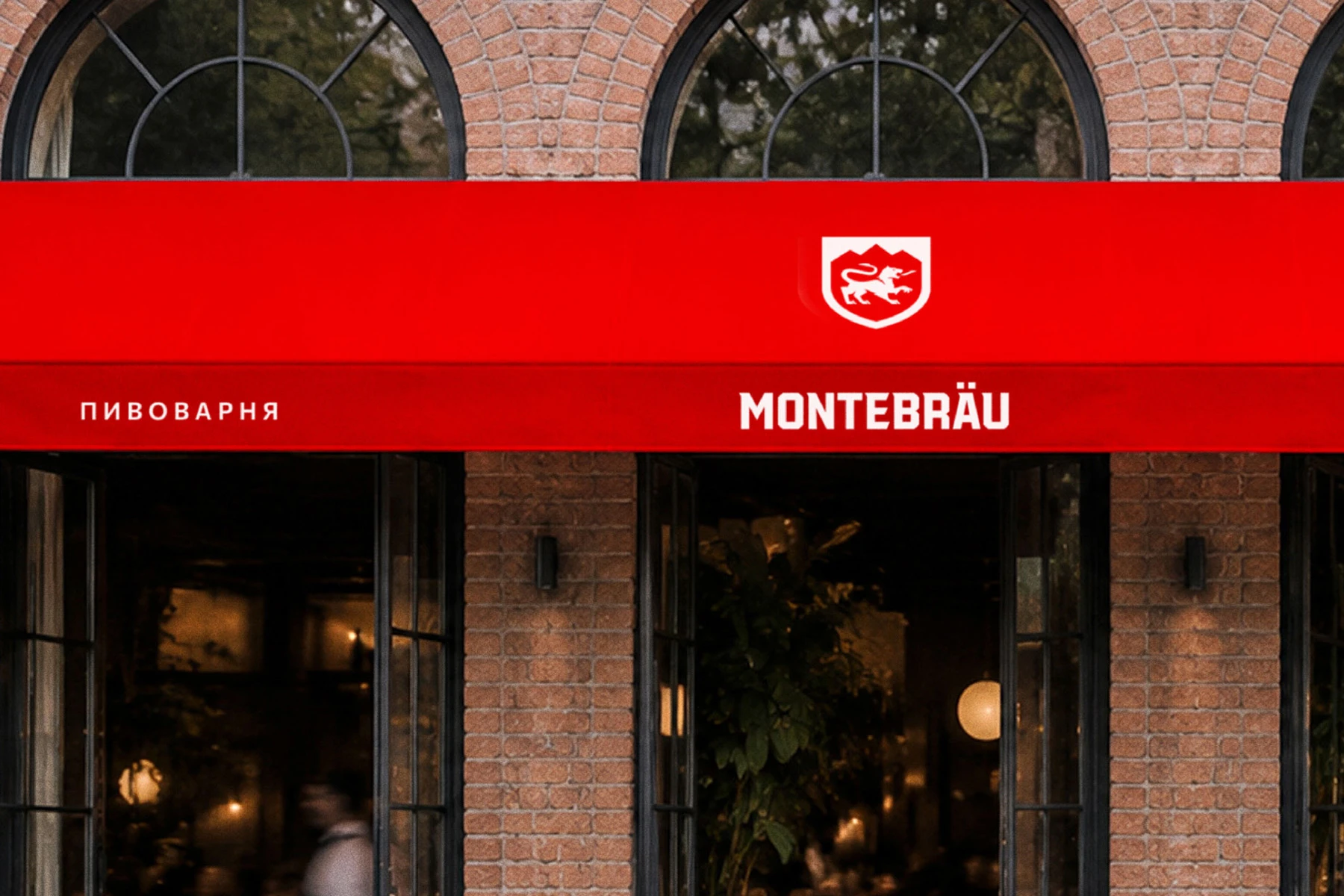
We develop brand name concepts based on the strategy, target audience, market category, pronunciation, memorability, visual potential and trademark registration requirements. The strongest naming options undergo a preliminary trademark clearance search within the relevant Nice Classification classes.

We define the visual direction of the brand, including potential logo styles, graphic language, brand color system, typography, composition principles, photography style, illustration techniques and overall creative approach. The visual identity concept establishes a recognizable and consistent image across communication channels.
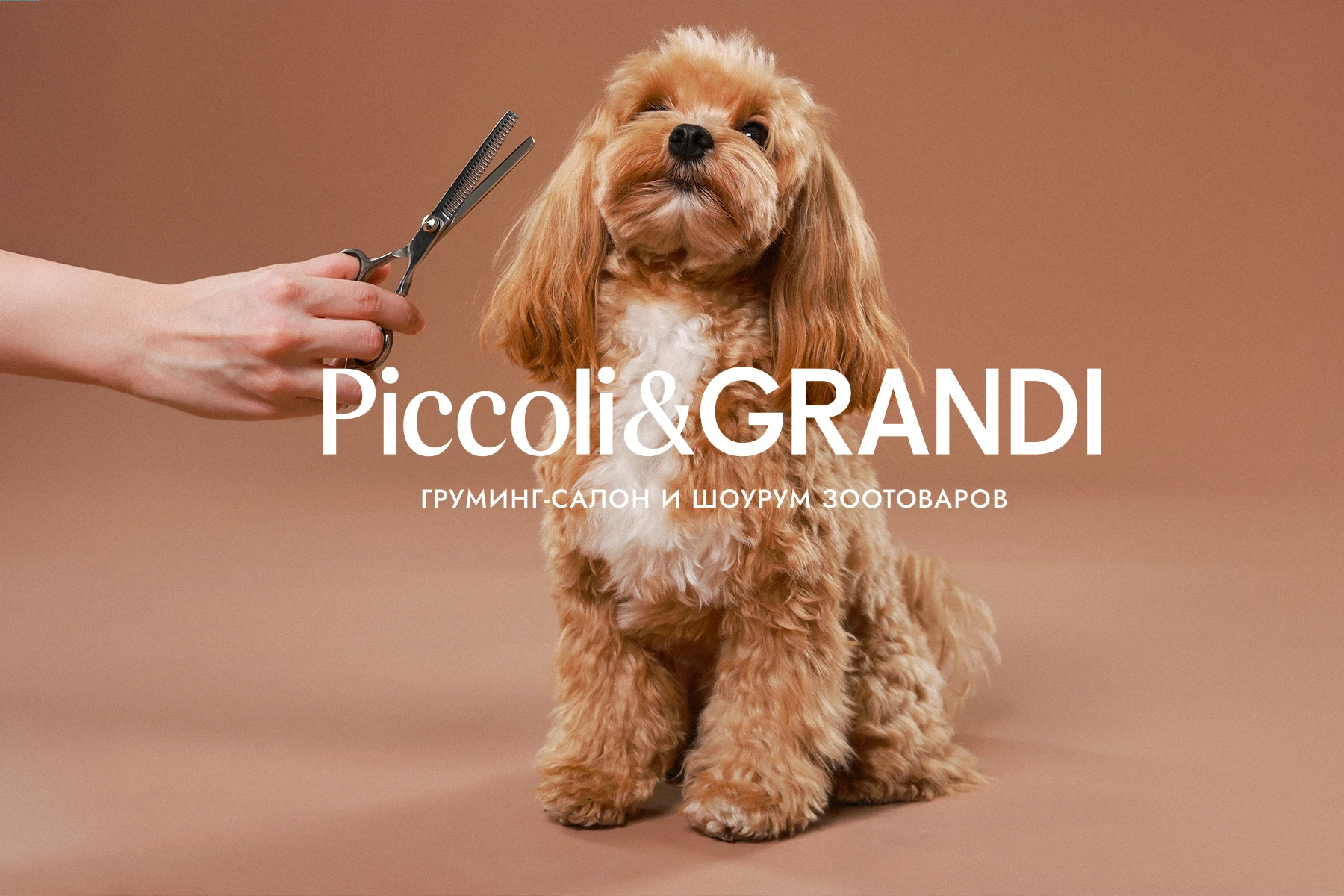
We create the logo, brand mark, wordmark, color palette, typography, graphic elements, patterns, icons and core identity guidelines. The brand identity system provides a consistent foundation for packaging, websites, advertising, presentations, corporate stationery, social media and other brand touchpoints.
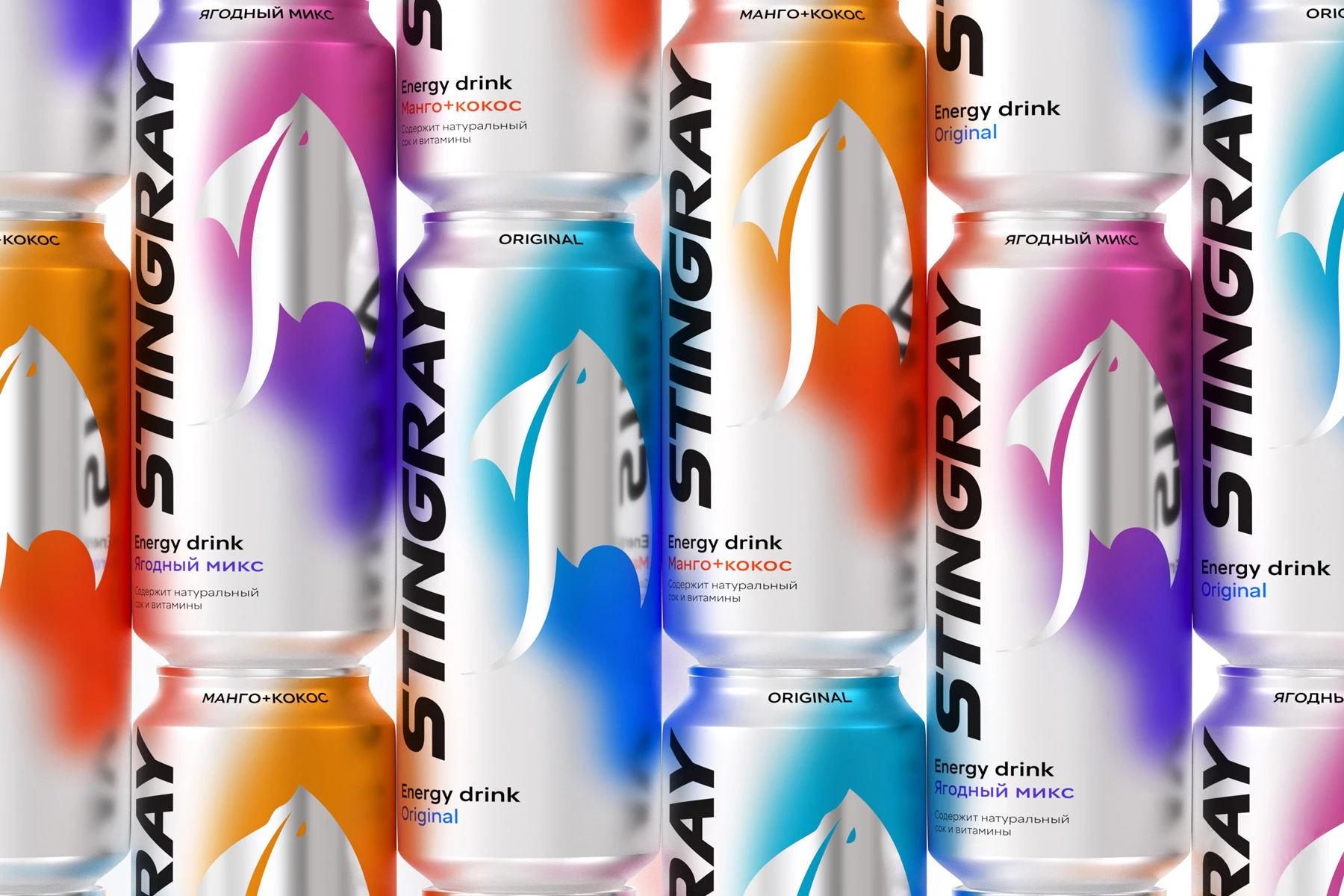
We develop the brand’s verbal identity and communication framework: tone of voice, key messages, slogans, advertising principles, headline style, audience-specific arguments and copy examples for key channels. The communication strategy ensures a consistent, clear and persuasive brand voice.
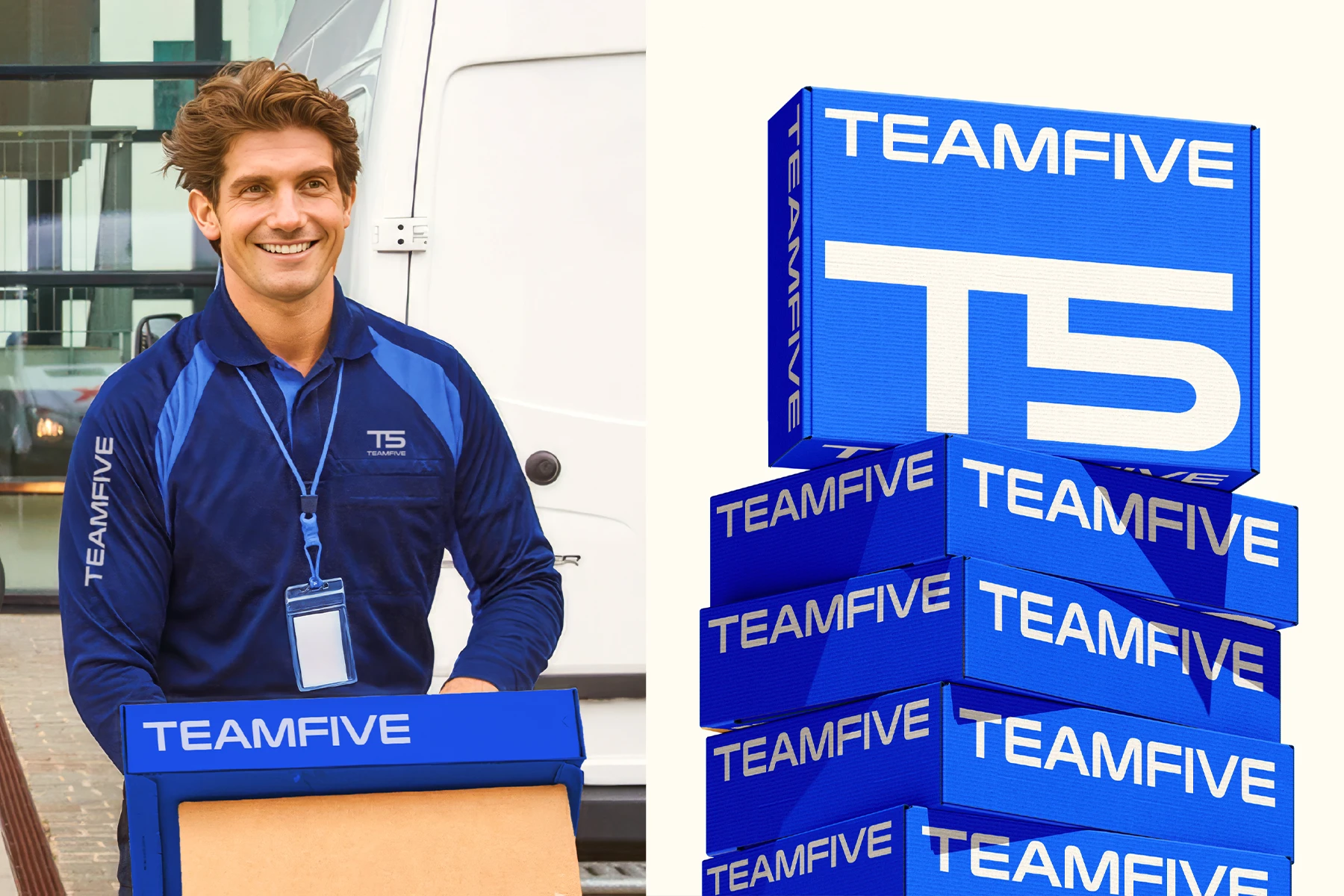
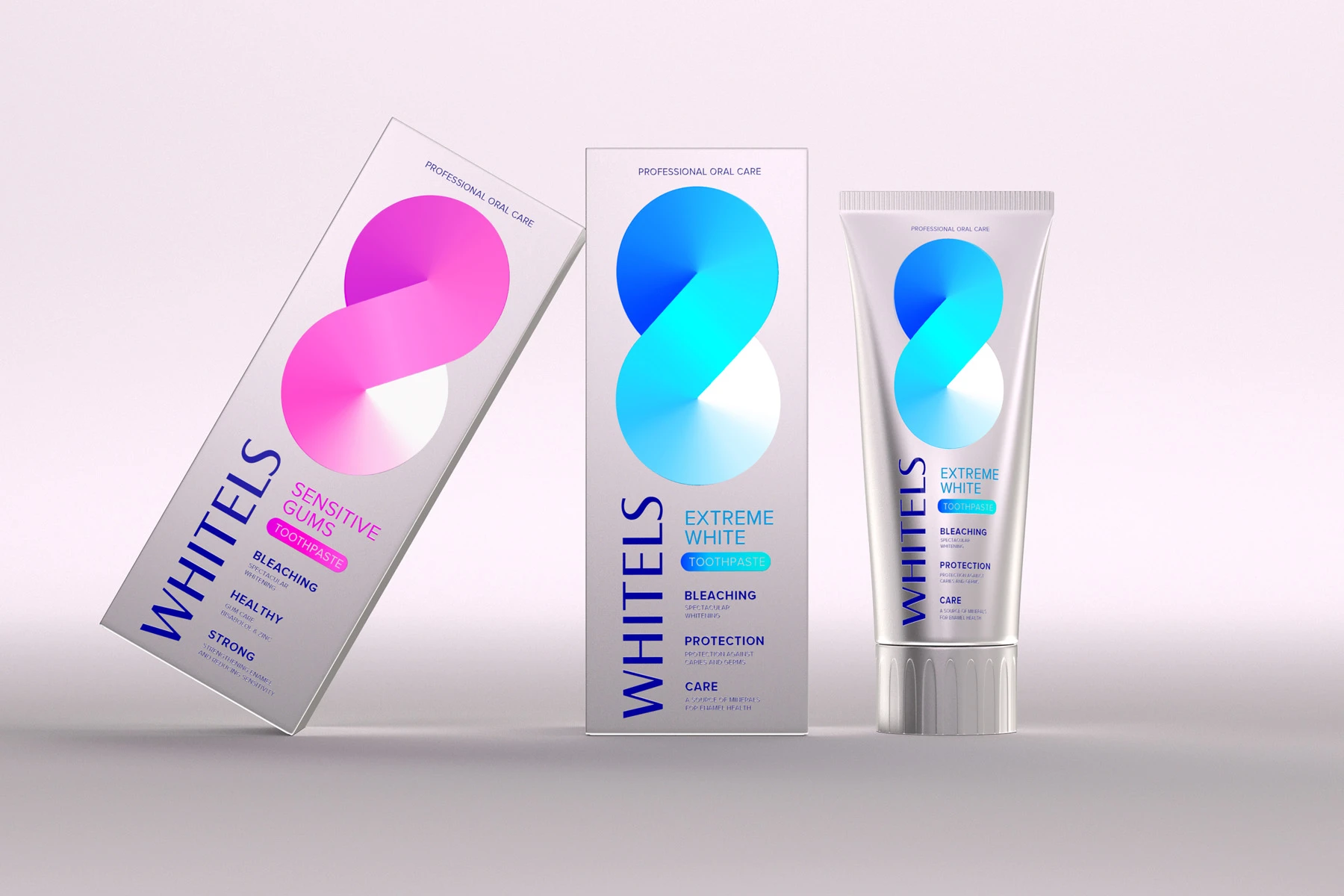
We apply the brand strategy and visual identity across practical brand touchpoints. Depending on the project requirements, we develop packaging, label design, websites, presentations, advertising materials, point-of-sale materials, social media templates, corporate stationery, branded merchandise, signage, branded interiors and other applications.
We conduct an additional pre-filing trademark search, confirm the relevant Nice Classification classes, define the geographical scope of protection and determine the appropriate registration format. The application may cover a word mark, a figurative mark or a combined trademark incorporating the brand name and logo.

We support the implementation of the new brand across the company’s operations, communications, sales materials, website, packaging, advertising campaigns, presentations, digital channels and internal resources. Where required, we also develop brand guidelines, templates and practical recommendations for consistent long-term brand management.


The brand development process includes market analysis and an audit of the existing brand, defining the target audience, articulating the mission and values, and developing a visual identity. This is followed by brand strategy development, testing ideas and hypotheses, a public launch, and monitoring how the brand is perceived in the market.


A brand health assessment examines a brand’s current position and how its target audiences perceive it. It reveals how effectively the brand meets its objectives and how it is perceived in the market. Regular brand health assessments help identify weaknesses and make timely adjustments to the brand’s marketing strategy.


A brand audit is a comprehensive assessment of a brand’s performance and competitiveness. It identifies weaknesses and opportunities for improvement, making it an essential tool for refining marketing strategy or preparing for rebranding.


Rebranding involves revisiting brand elements to update the image of a company or product brand and improve its connection with the target audience. The process can address different aspects of branding, including changes to the logo, visual identity, name, values, and marketing strategy.


Trademark registration is the legal process of securing exclusive rights to use a trademark and protection against unauthorized use by other businesses. Registration can cover the brand name, logo, typography, and colors combined in the brand’s logo lockup.


Corporate branding and service branding create a distinctive image that connects the services a company offers with its values. The main focus is on building trust and strengthening the company’s reputation among its target audience. This involves carefully planning every aspect of customer interaction to create a lasting, positive connection with the brand.


Product branding is the process of creating a distinctive identity for a product. A strong product brand helps it stand out in the market, clearly communicate its values to consumers, and earn their loyalty, building a lasting connection with the audience.


Place branding creates an image for a region or location to attract tourism, investment, and innovation. It helps a place stand out by highlighting distinctive features such as its history, culture, and natural assets, increasing its appeal and competitiveness.


A personal brand brings together the professional qualities, experience, values, and reputation that shape how others perceive an individual. It helps people stand out from competitors, build relationships based on trust, and succeed in business. Developing a personal brand supports faster progress toward both professional and personal goals.

Брендинг: ключевые этапы профессиональной разработки бренда


Корпоративный бренд: разработка и развитие


Стартап: создание бренда с нуля


Пять ошибок в позиционировании бренда


Создание бренда одежды
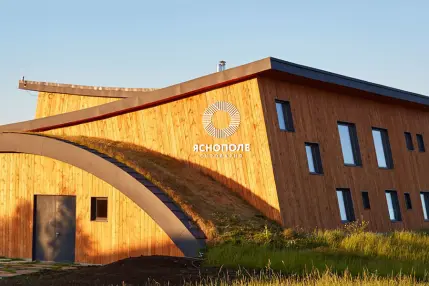
Брендинг территории: основные понятия, виды и примеры

С чего начать создание нового бренда

Cоздание бренда компании

Создание дизайна бренда

Создание бренда товара или услуги

Создание бренда с нуля в условиях ограниченного бюджета

История создания бренда Louis Vuitton
The timeline depends on the project’s scale, market characteristics, geographic scope, depth of research, and scope of work. The minimum timeline for comprehensive brand development is approximately one month. Larger projects that include research, naming, a visual identity system, and brand strategy require more time.
Yes. Market, competitor, and target audience research provides the foundation for brand positioning and the brand’s value proposition. These insights support informed decisions and help identify ideas with strong market potential.
Brand performance is measured through brand awareness, brand preference, audience loyalty, sales trends, and other business metrics. The choice of metrics depends on the brand’s objectives and stage of development.
The main stages include briefing, market and audience research, brand positioning and brand platform development, naming, visual strategy, logo and brand identity design, and creating a brand book that includes brand management guidelines. The scope of the project is tailored to the business objectives.
A first-choice brand is built on clear positioning, a relevant value proposition, a recognizable identity, and consistent product or service quality. A coherent experience across all touchpoints strengthens brand awareness, trust, and customer preference.
Rebranding may be needed when a business changes its strategy, target audience, product range, or geographic reach, or when brand recognition and the relevance of its visual identity decline. In exceptional cases, it can help address negative perceptions resulting from past brand experiences. An initial brand audit helps define the scale of change, from refreshing individual elements to a comprehensive brand overhaul.

















By continuing to use this site, you agree to our use of cookies and the processing of your personal data as described in our Privacy Policy.