Rebranding the Pharmaceutical Brand ERZIG. BRANDEXPERT Freedom Island rebranded ERZIG, updating its logo and brand identity and developing a visual brand strategy, packaging and label design, and advertising materials for an extensive range of pharmaceutical products.
Brand Strategy Services from BRANDEXPERT Freedom Island, a Leading Branding Agency
Brand strategy is a plan for shaping a distinctive image of a company or product in the minds of its target audience. Its key objectives include differentiating the brand through positioning, building an emotional connection with customers, and strengthening its relevance. The process involves target audience research and competitive analysis, followed by the development of a communication strategy and visual and verbal identities. A successful brand strategy increases brand awareness, supports growth, and turns target customers into loyal advocates.

CyclingRace — positioning, brand creation, logo development, brand book, advertising communications. Visual brand strategy for CyclingRace, the organizer of Russia’s largest cycling races. Logo design and detailed brand guidelines for managing the cycling festival’s new visual identity.
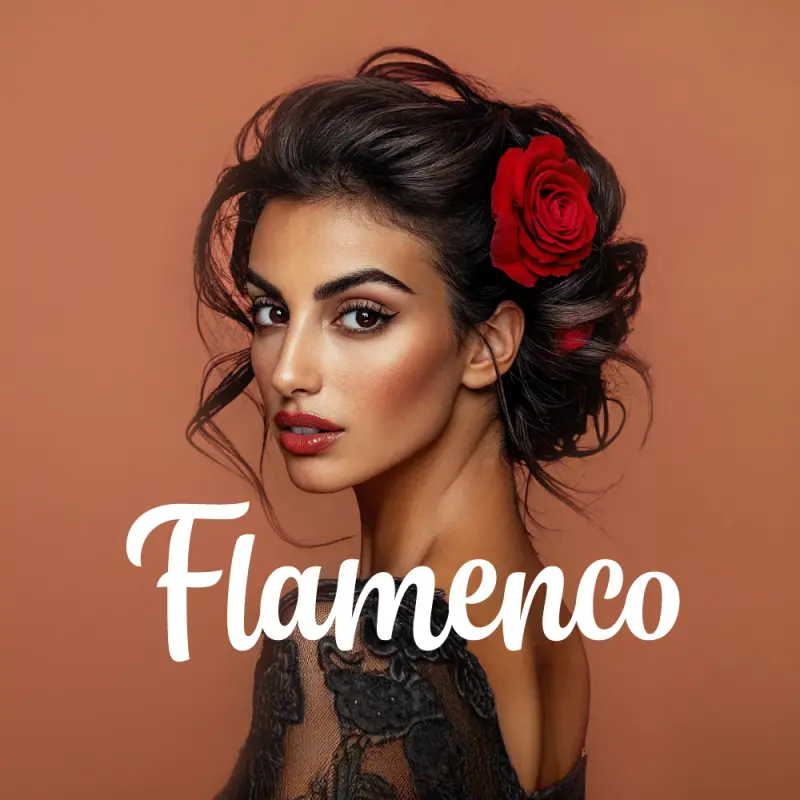
Flamenco — Brand Positioning, Naming, Logo Design, Packaging and Label Design, Brand Guidelines, and Photography. BRANDEXPERT agency developed the FLAMENCO tomato brand for the "ROST" group of companies. The full brand creation cycle included naming, positioning, logo design, brand book development, packaging and label design, as well as professional photography.

Miratorg — Brand Positioning, Logo Design, Brand Identity Design, and Brand Guidelines. The largest Russian agro-industrial holding, the absolute leader in the production of pork and beef in Russia Miratorg has updated the visual image of its corporate brand and retail brands to unify the brand graphically and stylistically.

Vitamir — Brand Positioning, Logo Design, Packaging Design, Brand Identity Design, Brand Guidelines, Mascot Design, and Website Design. BRANDEXPERT agency made successful rebranding of pharmaceutical company VITAMIR. A brand platform, logo, corporate identity, packaging design and brand book were developed.

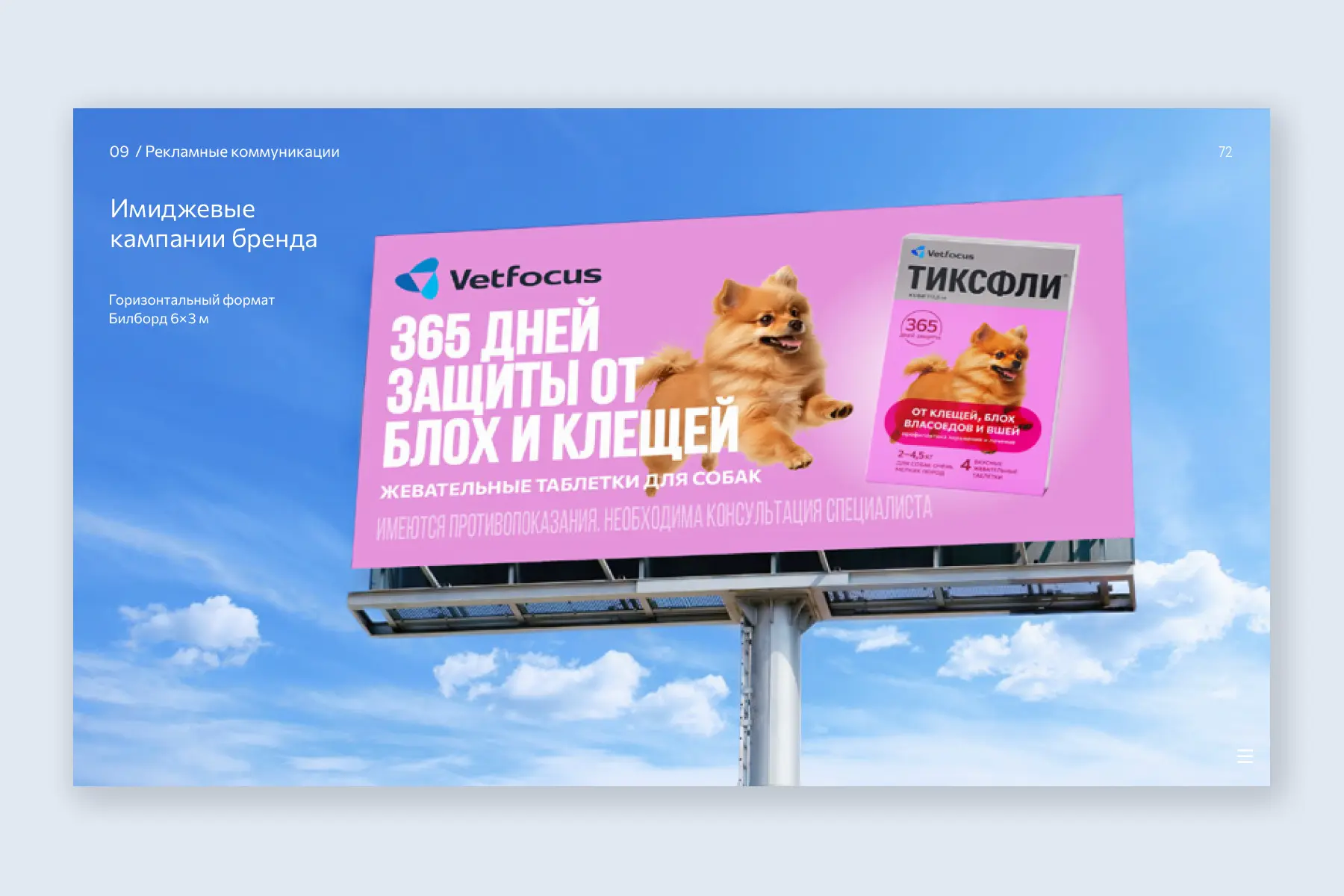
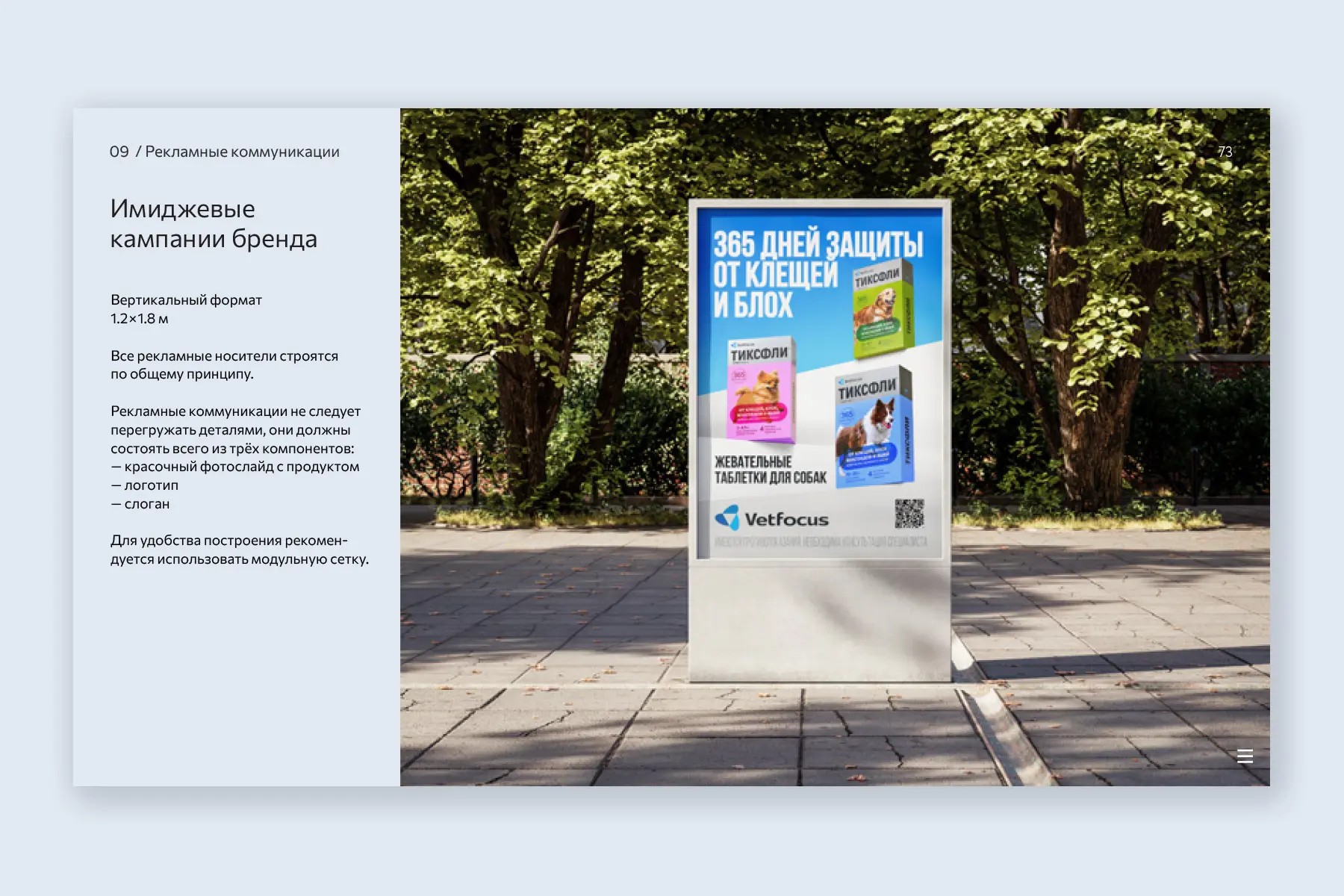
AlphaPet — Brand Positioning, Brand Identity Design, Brand Guidelines, and Advertising Communications. AlphaPet offers super-premium cat and dog food. BRANDEXPERT Freedom Island developed brand guidelines and designed advertising materials and a product catalog for AlphaPet.

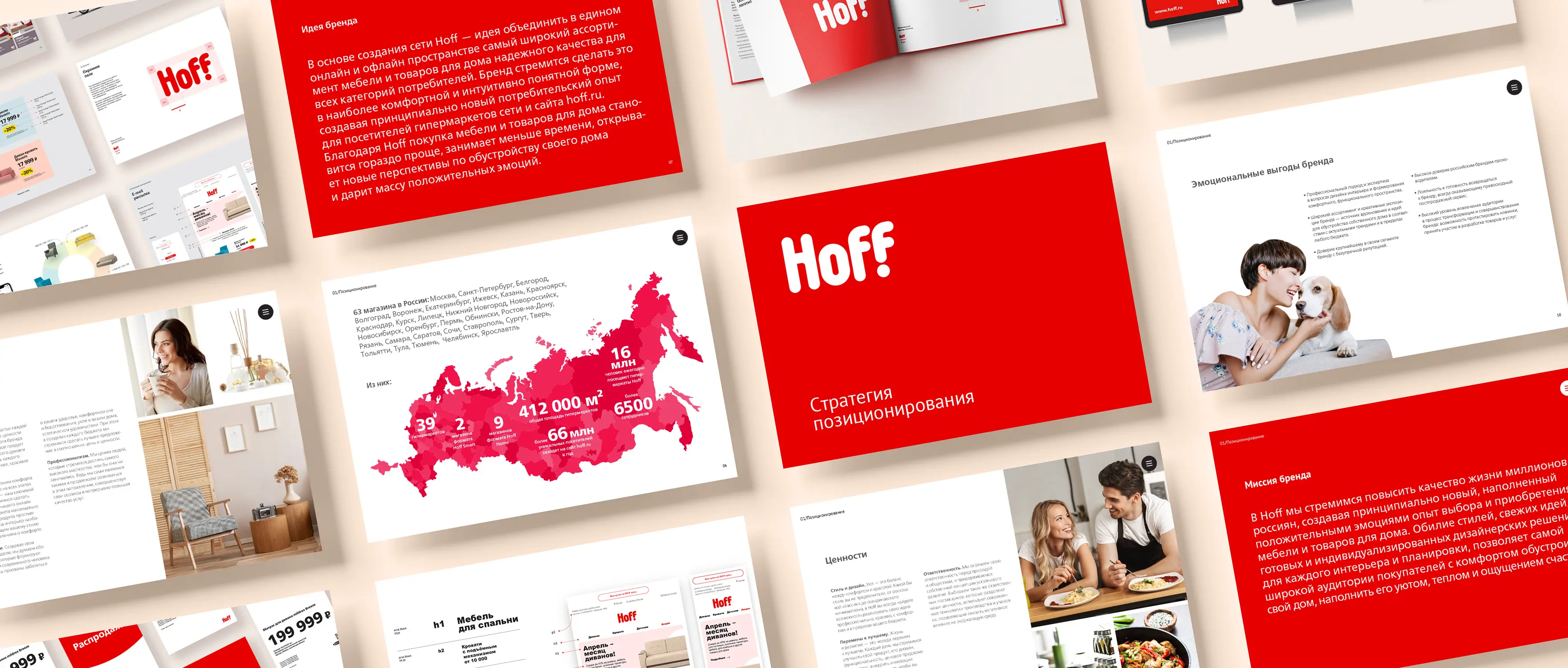
Hoff — Brand Identity Design, Brand Guidelines, Retail Branding, and Interior Design. BRANDEXPERT Freedom Island developed a brand positioning strategy, a new retail strategy, brand identity design, and advertising design.
FOXGEAR — Brand Positioning, Naming, Logo Design, Packaging Design, and Brand Guidelines. Visual brand strategy for FOXGEAR, a leading lubricants manufacturer. Logo and brand identity design as part of the company’s new visual language. Packaging design for the brand’s product ranges.

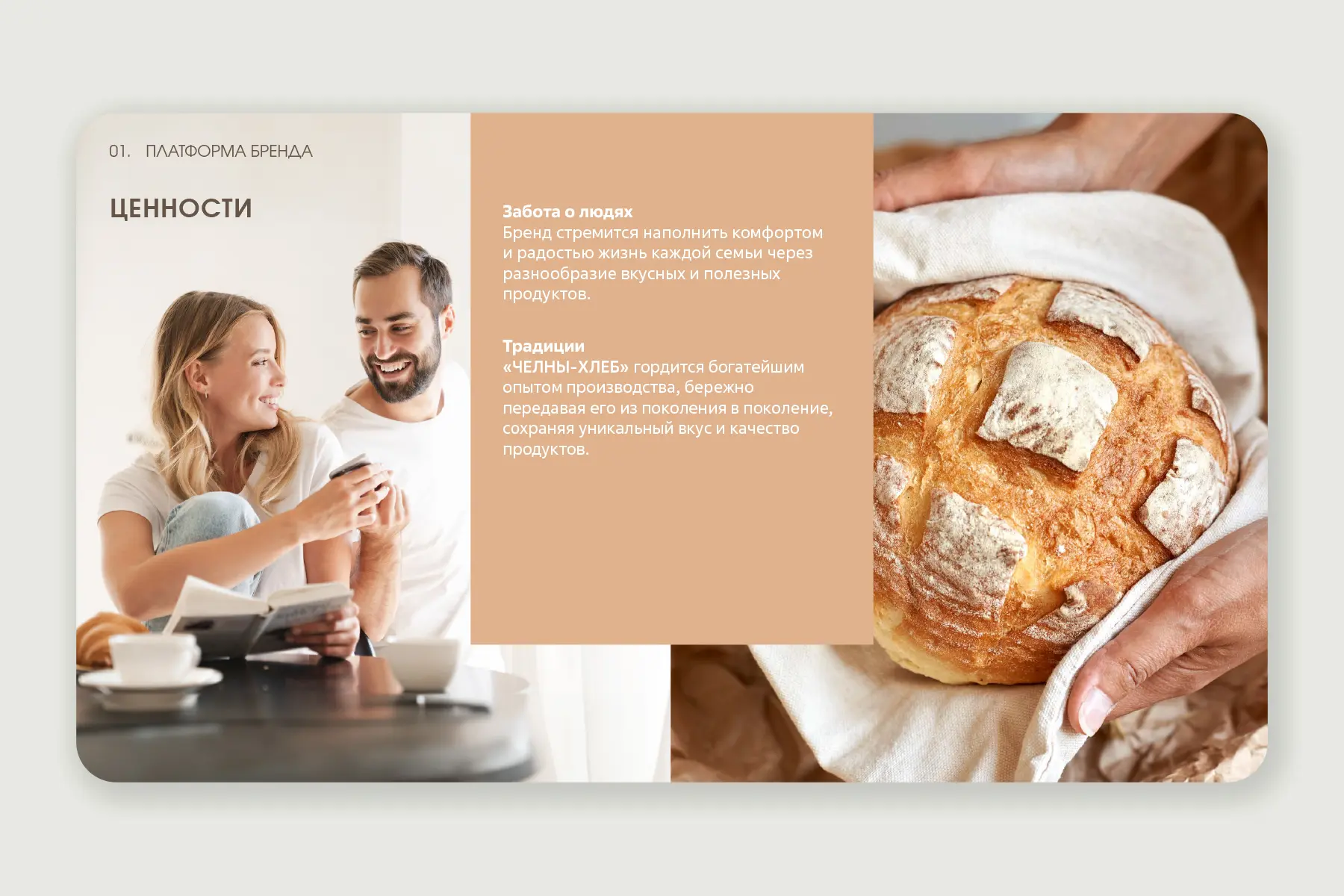
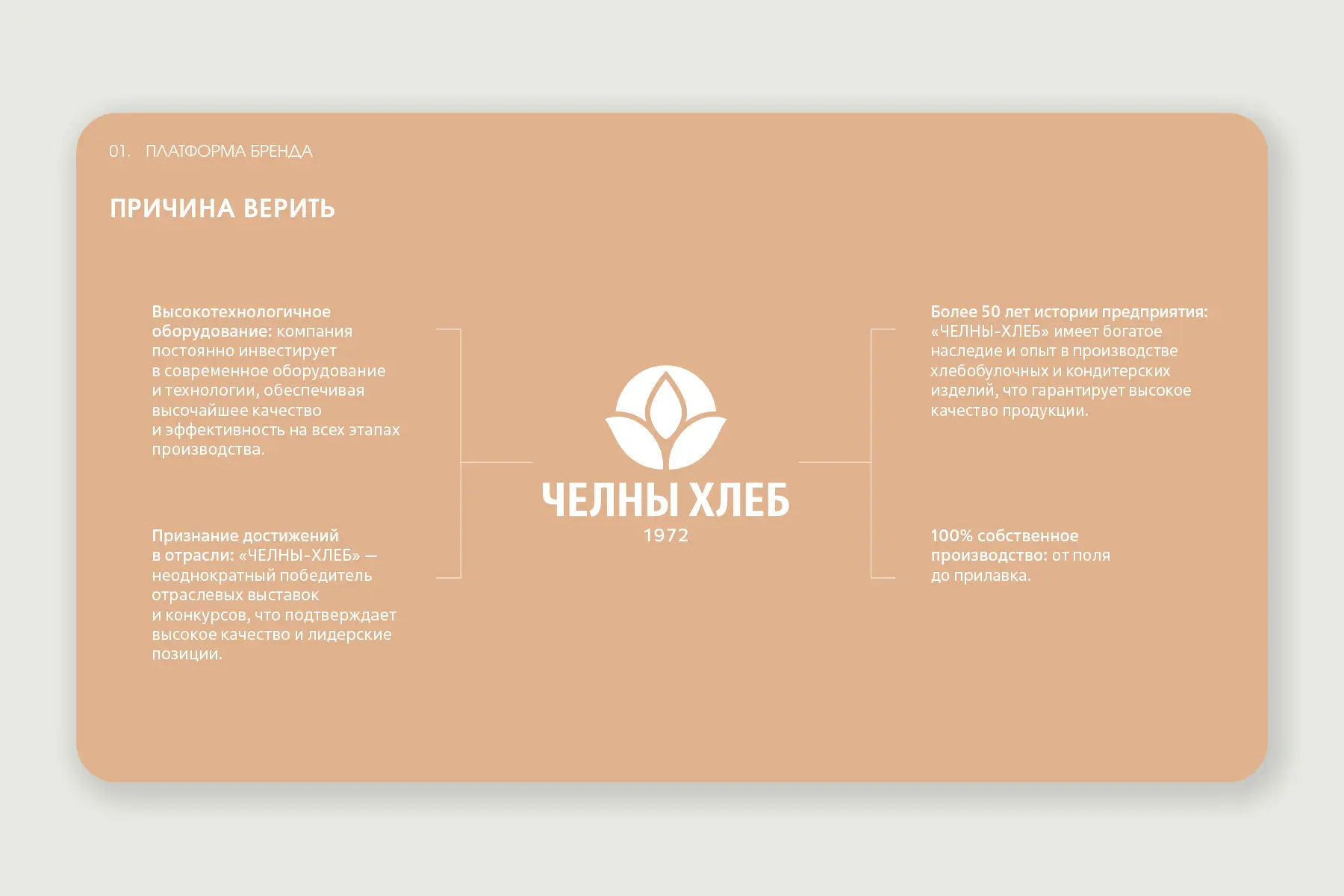
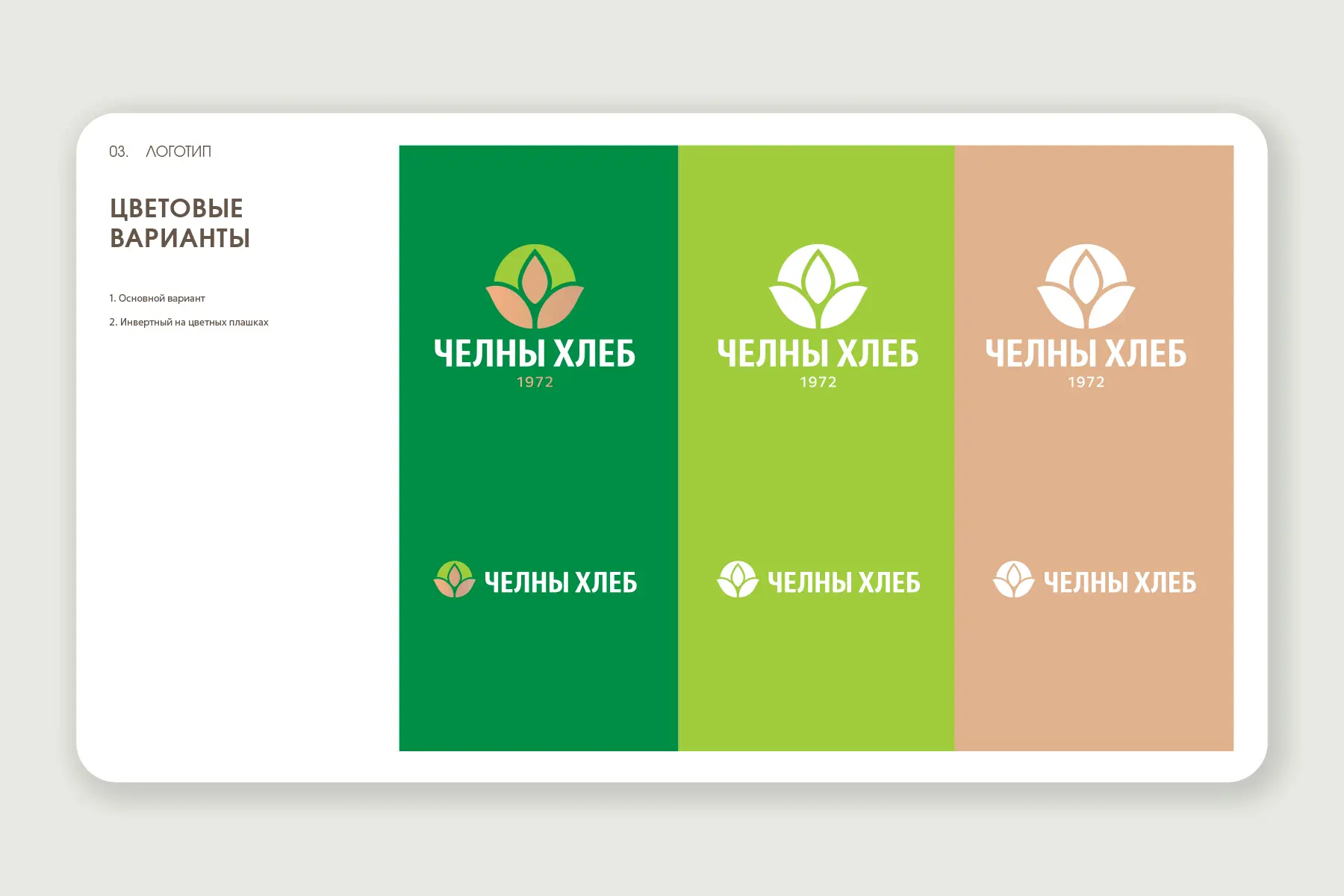
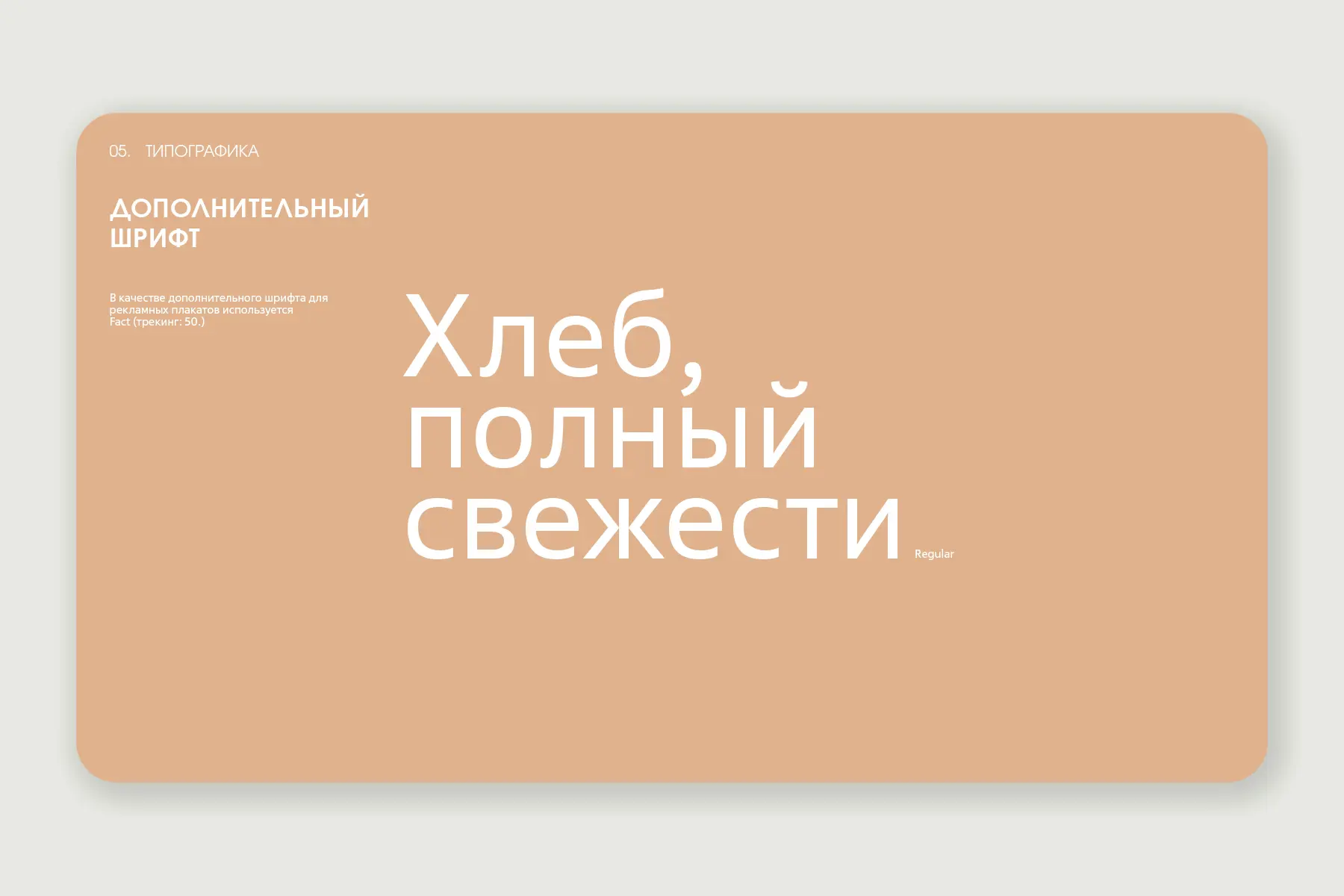
Kolomensky — Brand Positioning, Logo Design, Brand Identity Design, and Brand Guidelines. Visual brand strategy for Kolomensky, a leading manufacturer of bread and baked goods. Logo design, brand identity design, and marketing communications for the brand. Packaging and label design for the Danilovsky product range.
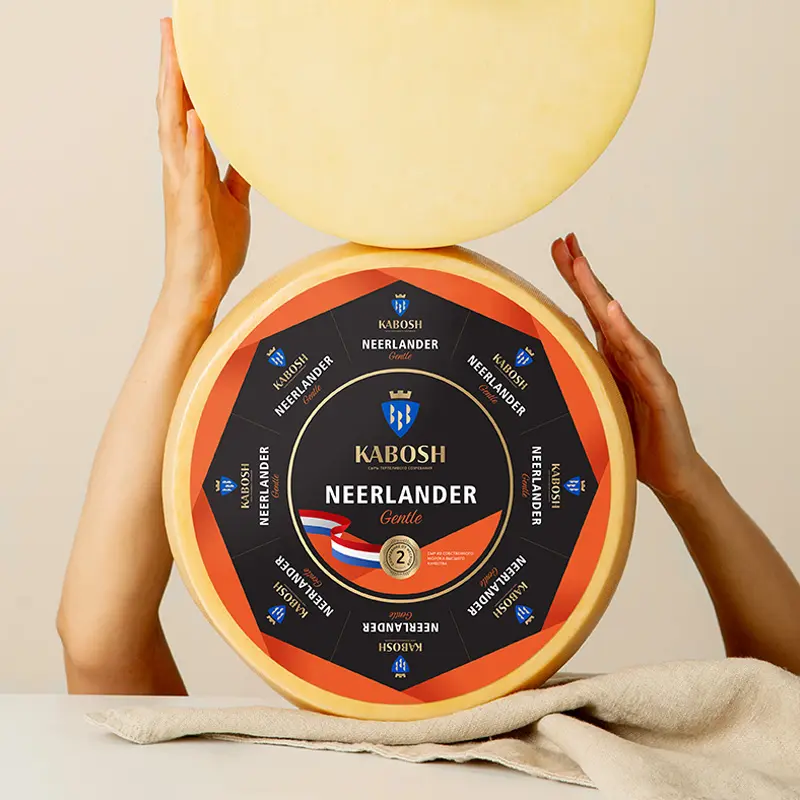
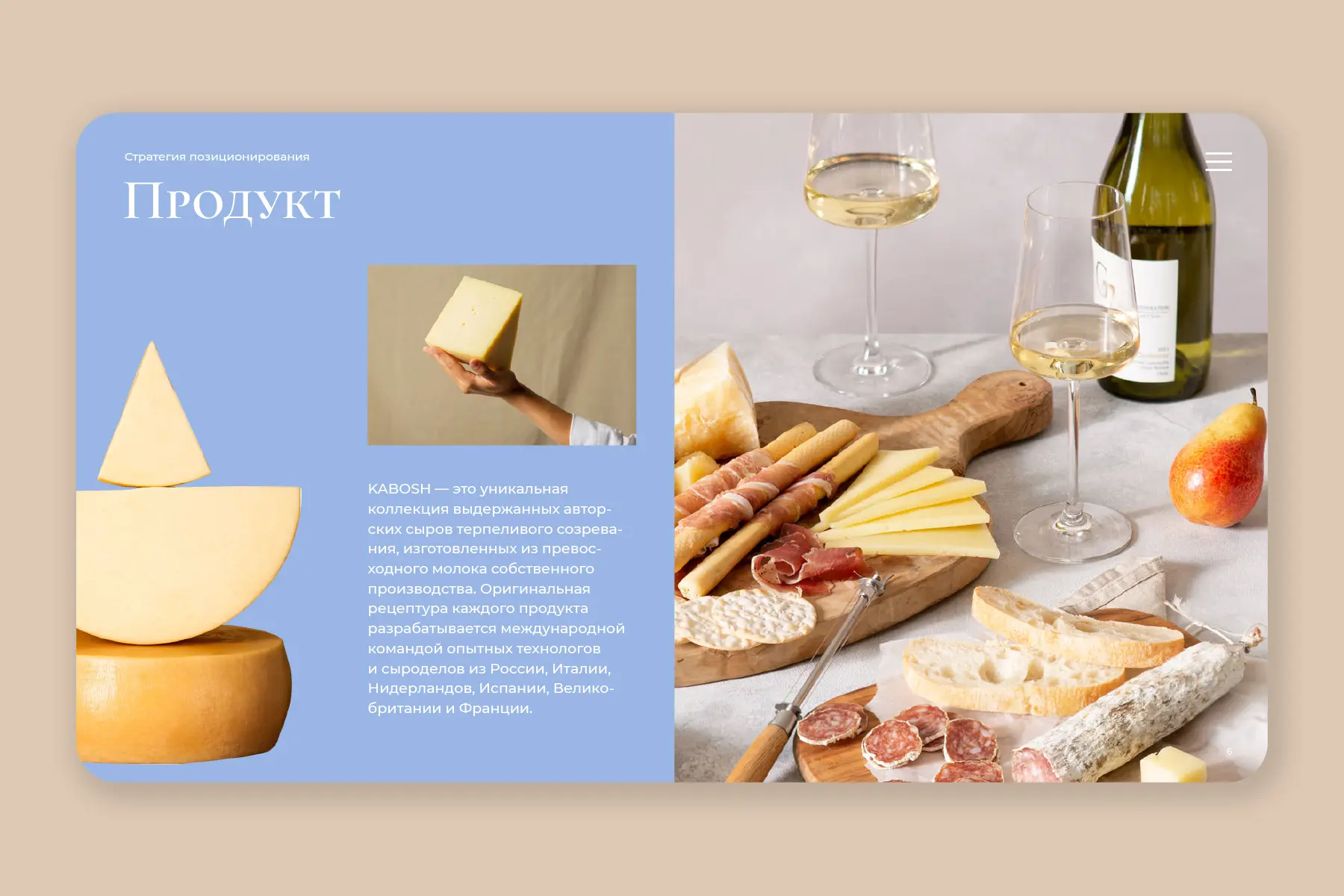
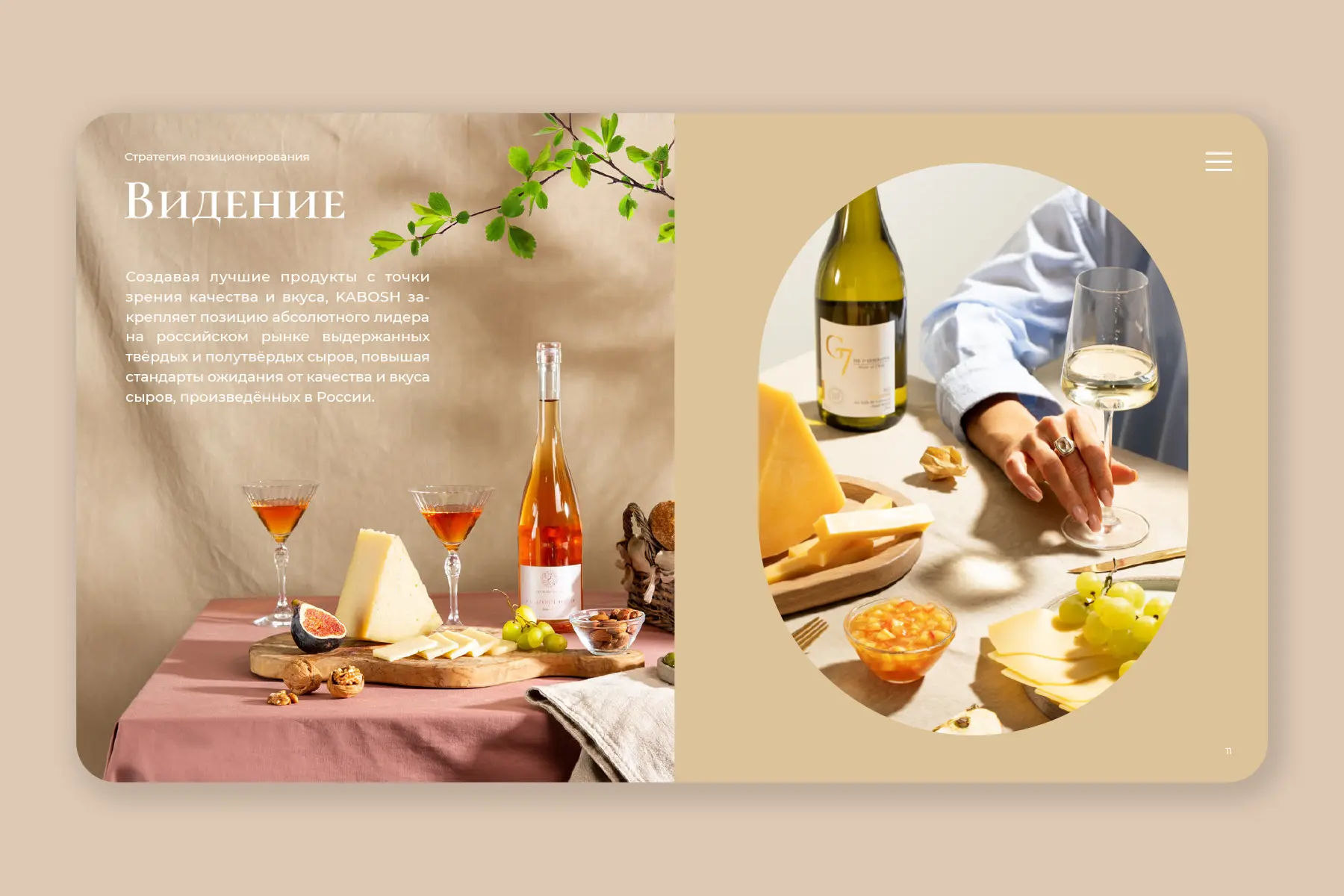
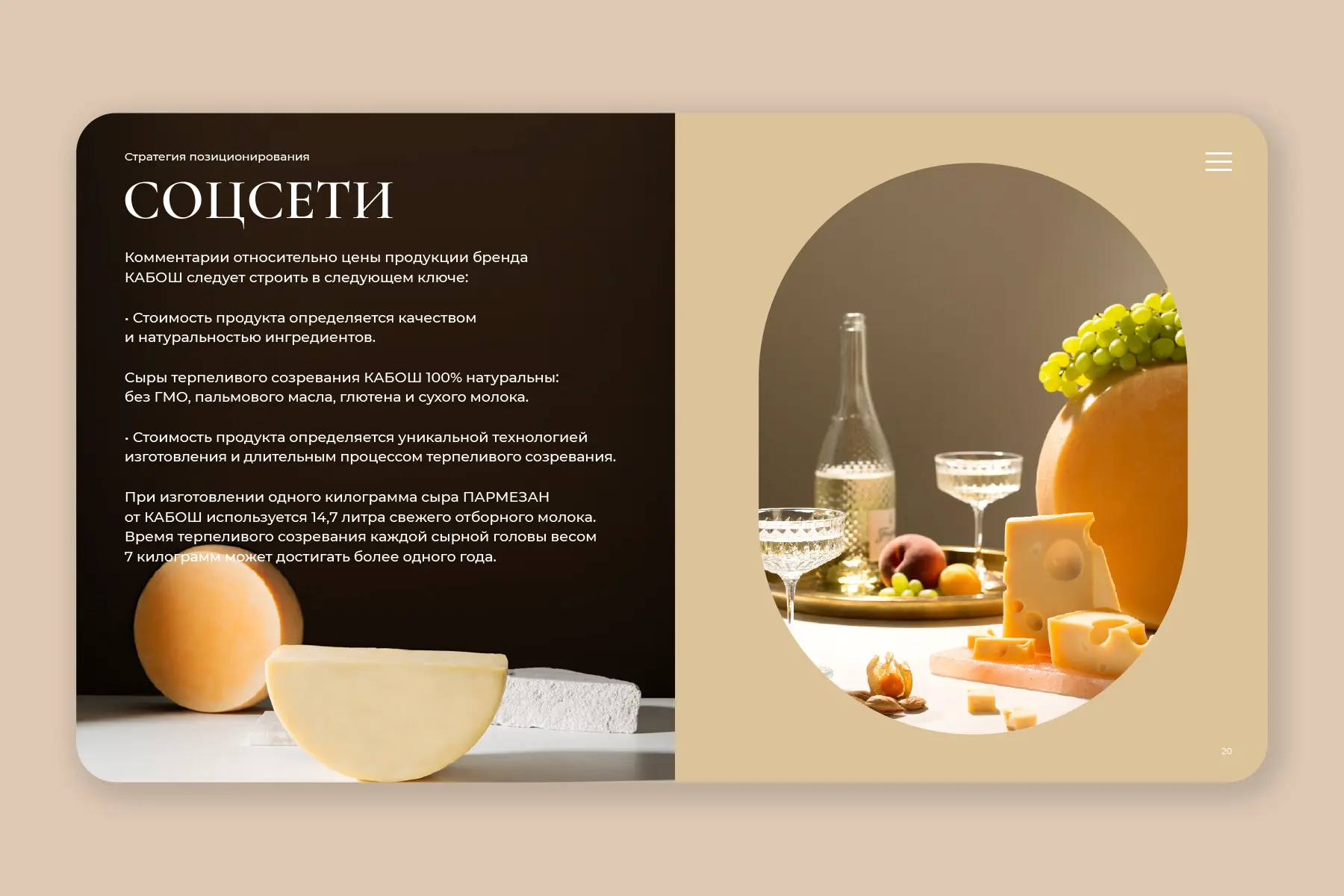
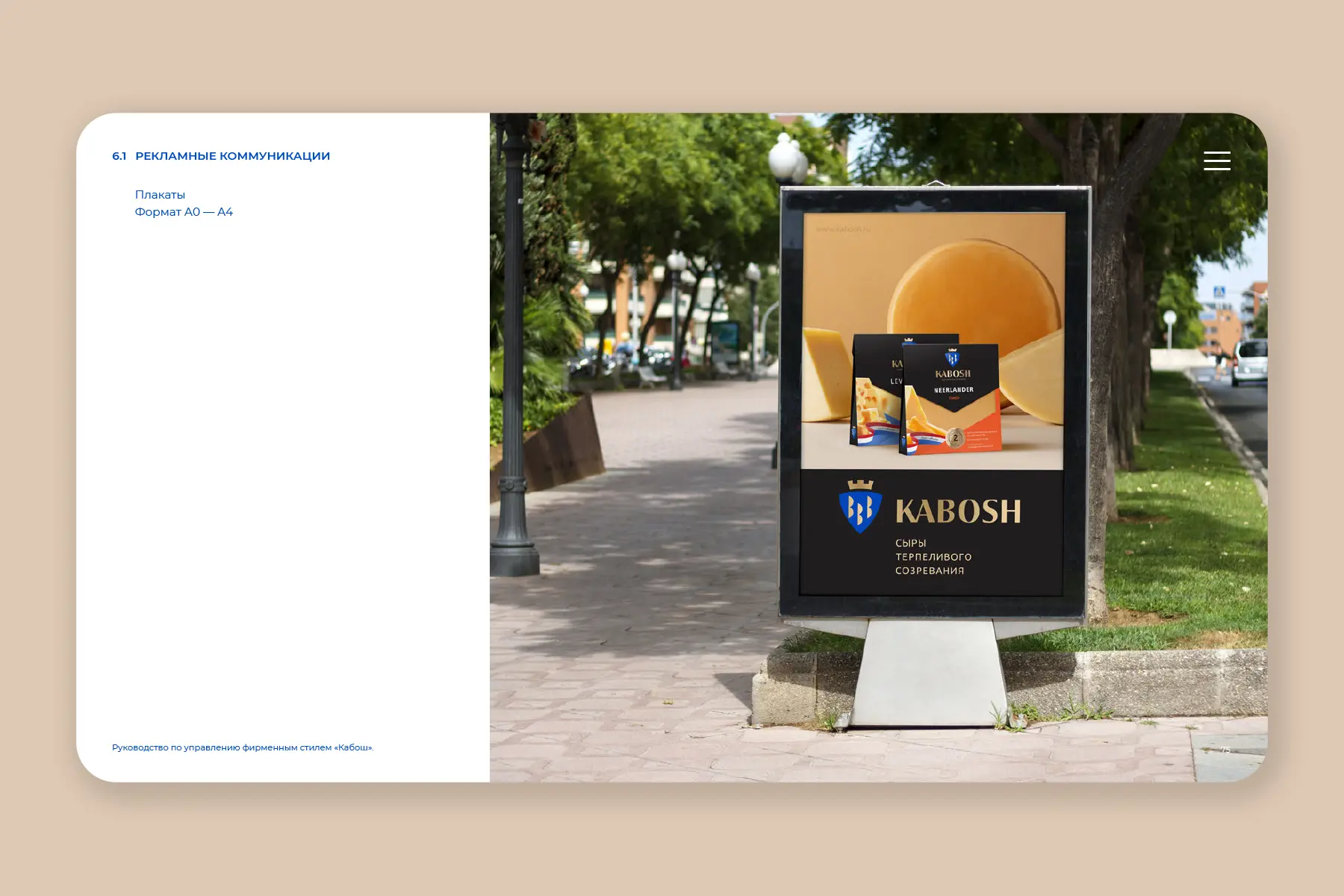
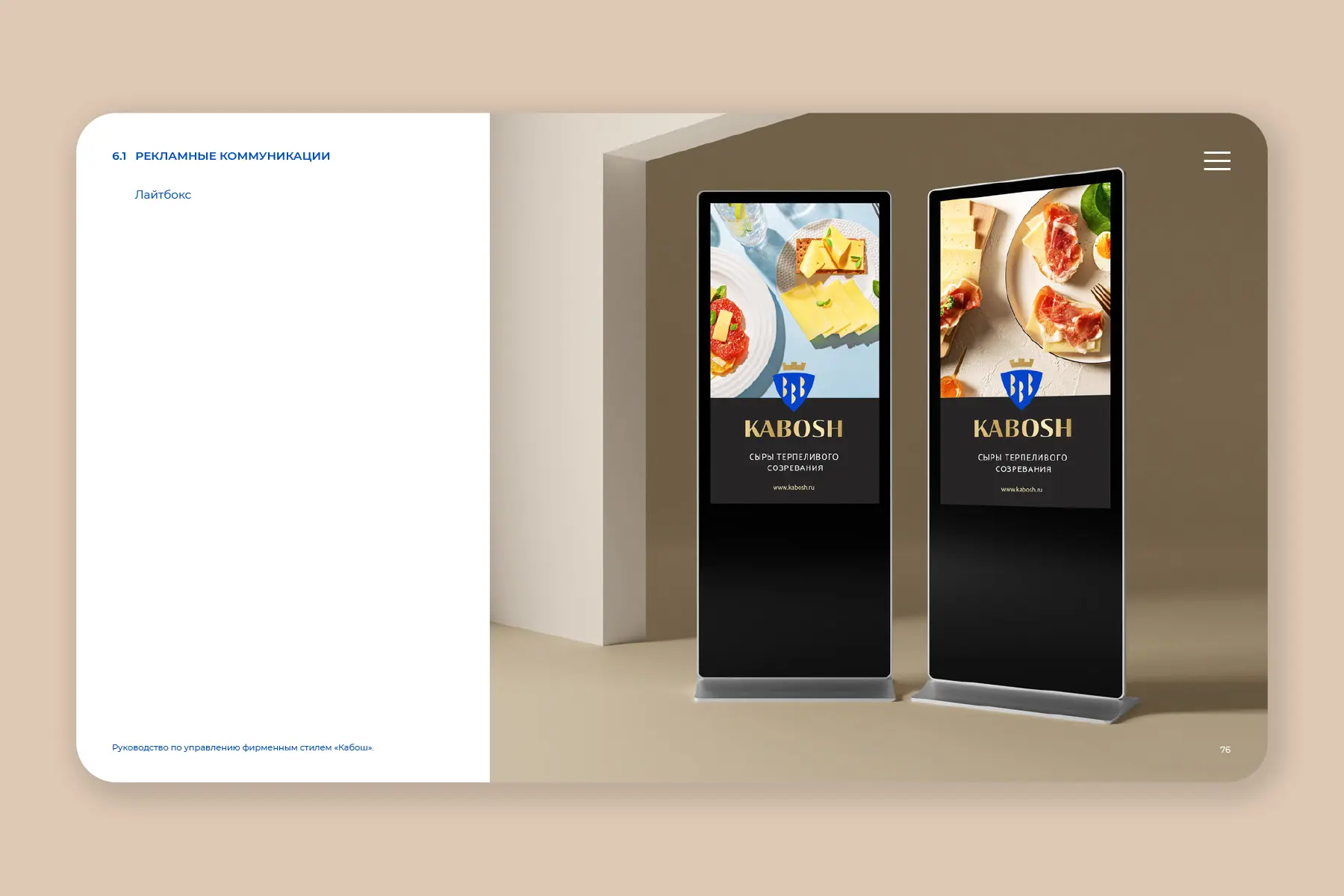
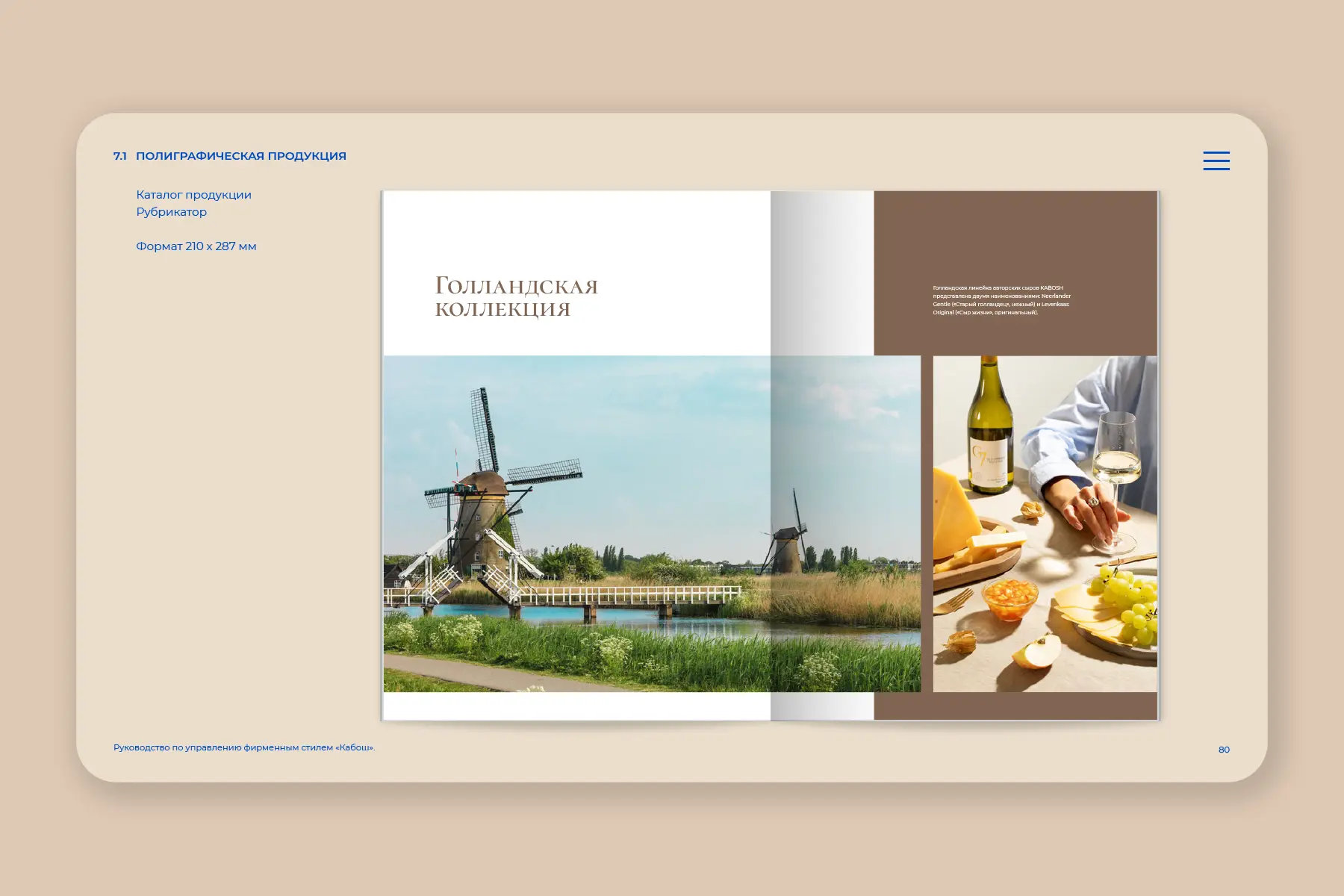
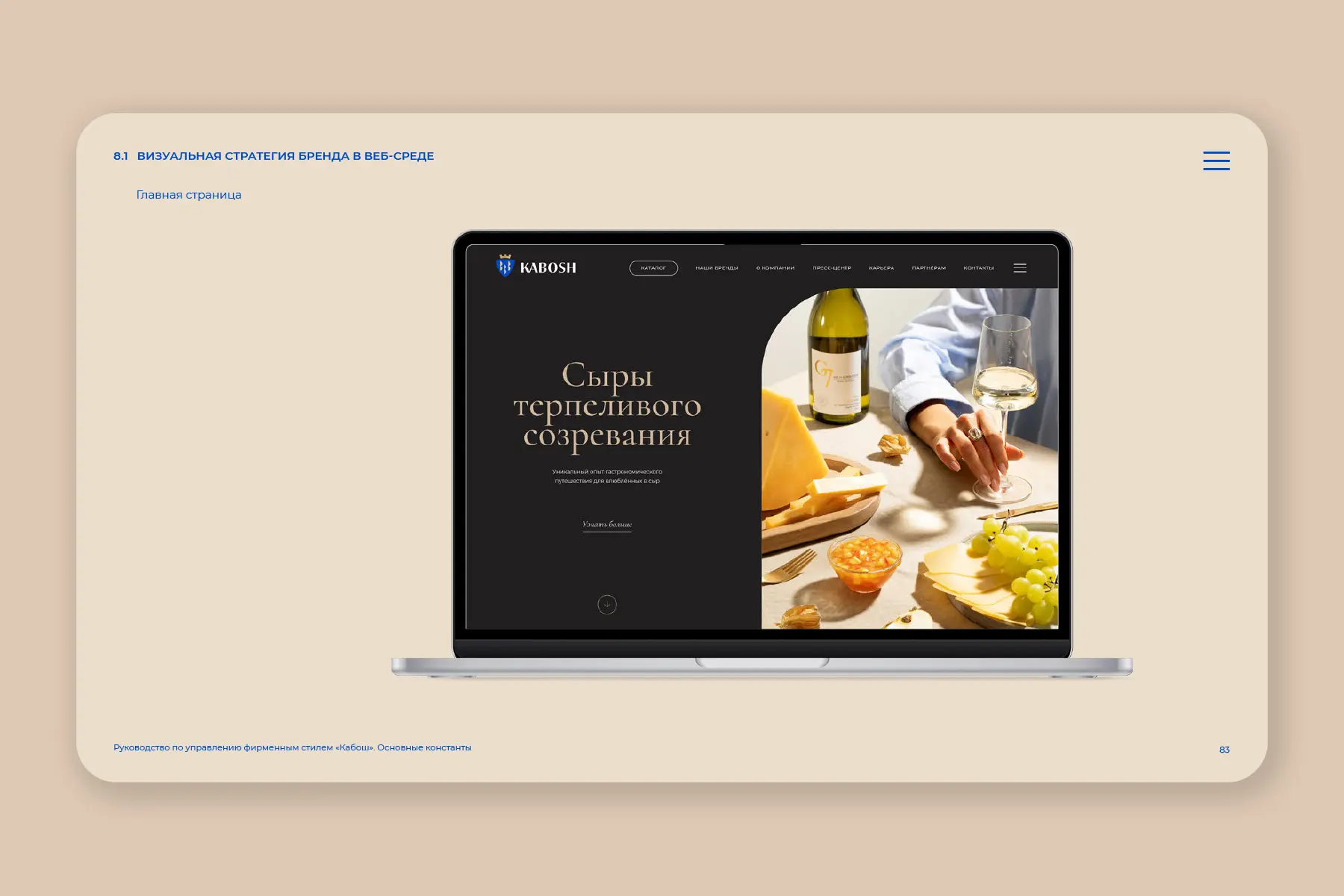
Kabosh — Rebranding, Logo Design, Packaging and Label Design, Brand Guidelines, Photography, and Website Design. BRANDEXPERT agency made a comprehensive rebranding for cheese producer KABOSH. A brand platform, logo, corporate identity, advertising design, product packaging and brandbook were developed.
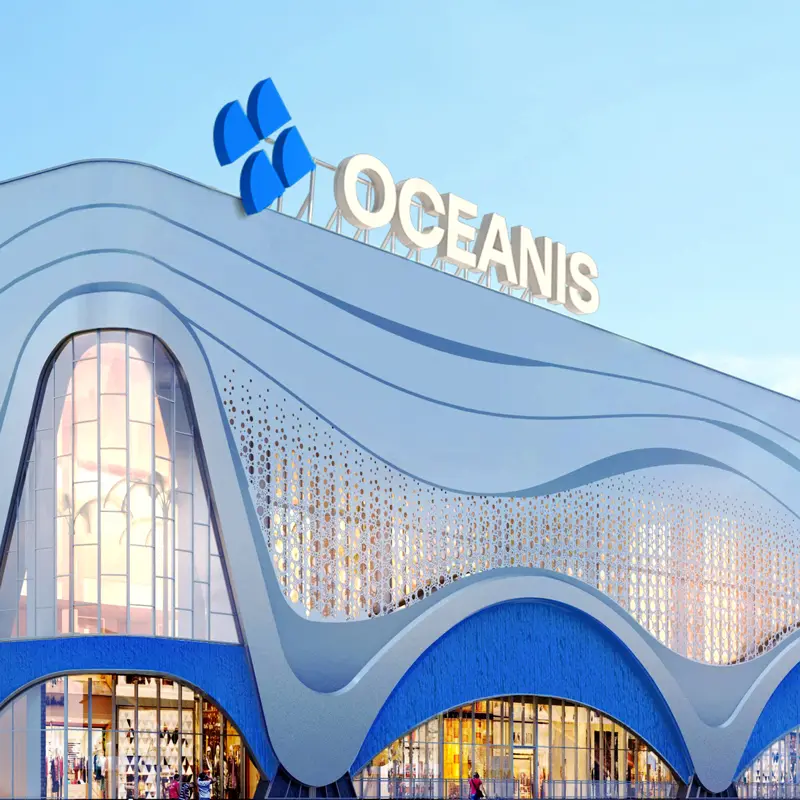
Oceanis — Brand Positioning, Logo Design, Brand Identity Design, Brand Guidelines, Interior Design, and Advertising Communications. BRANDEXPERT agency made a comprehensive work to create a unique OCEANIS retail brand
ATEMI — positioning, logo development, corporate identity, packaging design. BRANDEXPERT “Ostrov Svobody” carried out the rebrand of ATEMI: the brand strategy was updated, and a new logo and visual identity were developed, along with packaging and label design, a brand book, print and advertising design, and professional photography for the brand’s communications.

PROFIL DOORS. The BRANDEXPERT agency conducted a comprehensive rebranding for the PROFIL DOORS company. We developed the brand platform, logo, corporate style, advertising design, retail brand and brand book.
BLUMART. Creating the brand for the first and largest hypermarket of plumbing and tiles in Russia, BLUMART. The project includes: platform for positioning and naming, creating a logo and identity, designing the interior, and developing a brand book.
Zoonik. Brand marketing strategy for ZOONIK, a top pet products brand. Design of a logo and visual identity as part of the brand’s updated identity system. Development of a packaging design concept for the brand’s product lines.
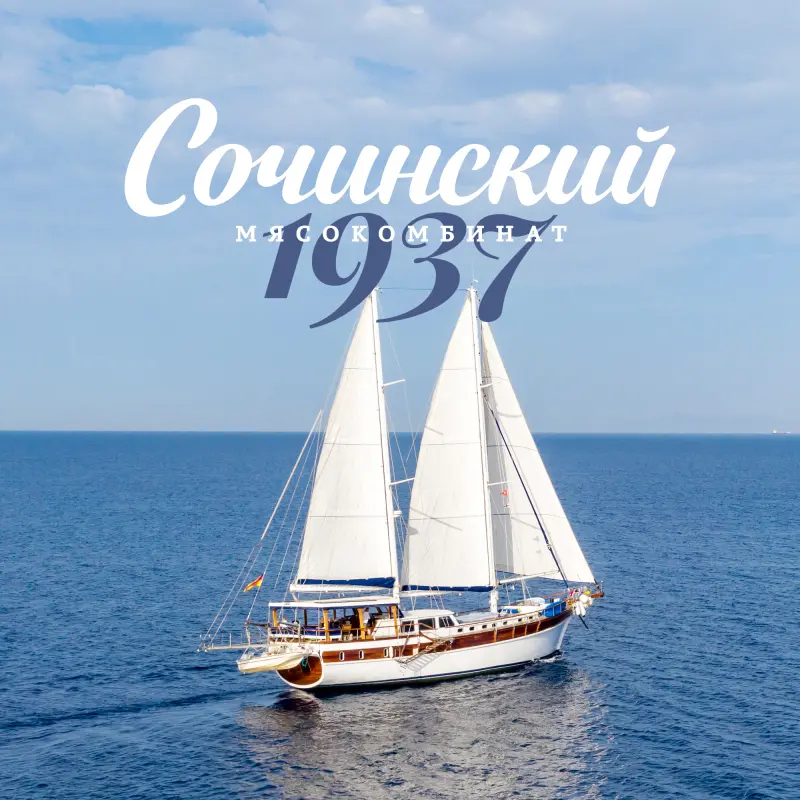
???. Rebranding of "Sochinsky Meatworks," the largest producer of delicatessen meats and sausages in southern Russia. Developed packaging and label design for products. Created brand guidelines and positioning strategy outlined in a brand book.

???. The BRANDEXPERT agency conducted the rebranding of the company DECORATION, including the brand platform, logo and corporate style. As part of creating the retail brand, interior designs, positioning strategy and advertising design were developed.
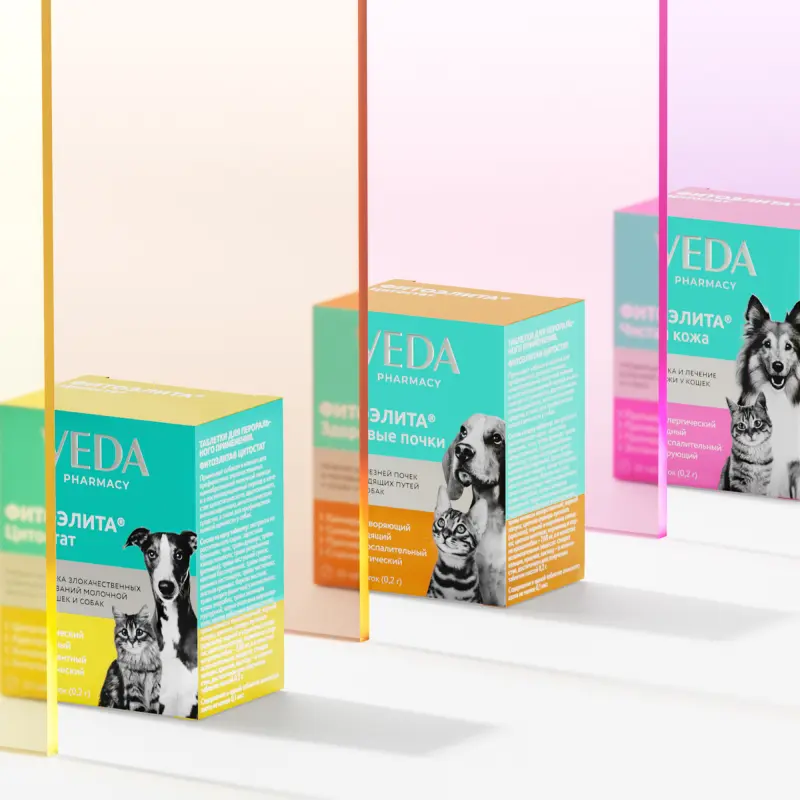
Veda Pharmacy. Creating a brand and developing a brand book for the veterinary company VEDA, a leading Russian developer in the field of veterinary phytotherapy. Establishing a corporate style and logo for the brand, the first choice in animal care and treatment.

???.

IXcellerate. BRANDEXPERT has updated the corporate identity of the IXcellerate brand, one of the leading data centers in Russia. The new corporate identity maintains continuity with the previous design
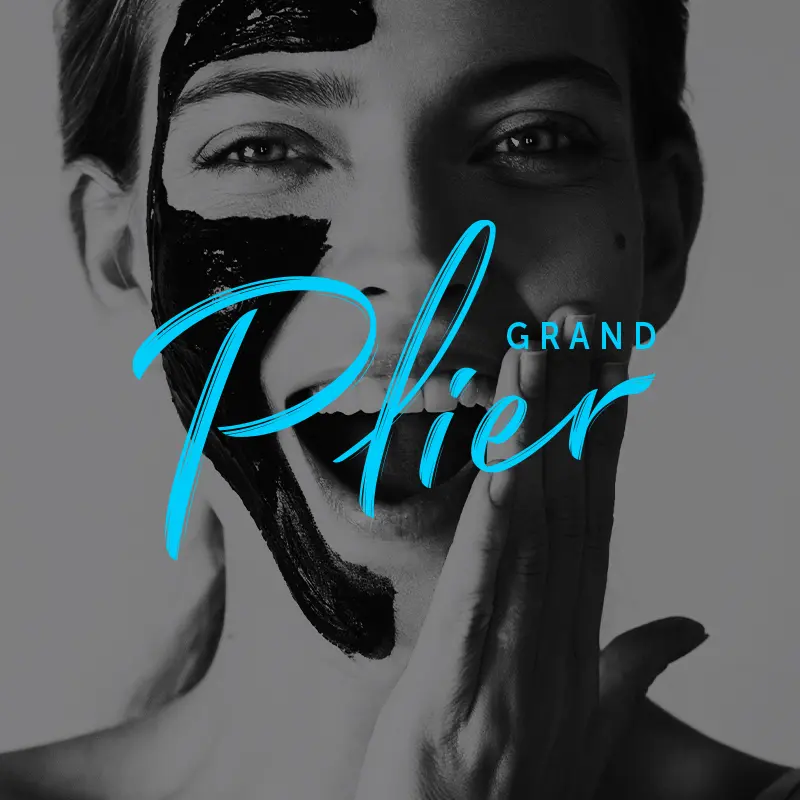
???. Grand Plier is a new Russian natural cosmetics brand. Brandexpert developed the new brand from scratch: brand name, packaging design, product catalog, website, and professional photos

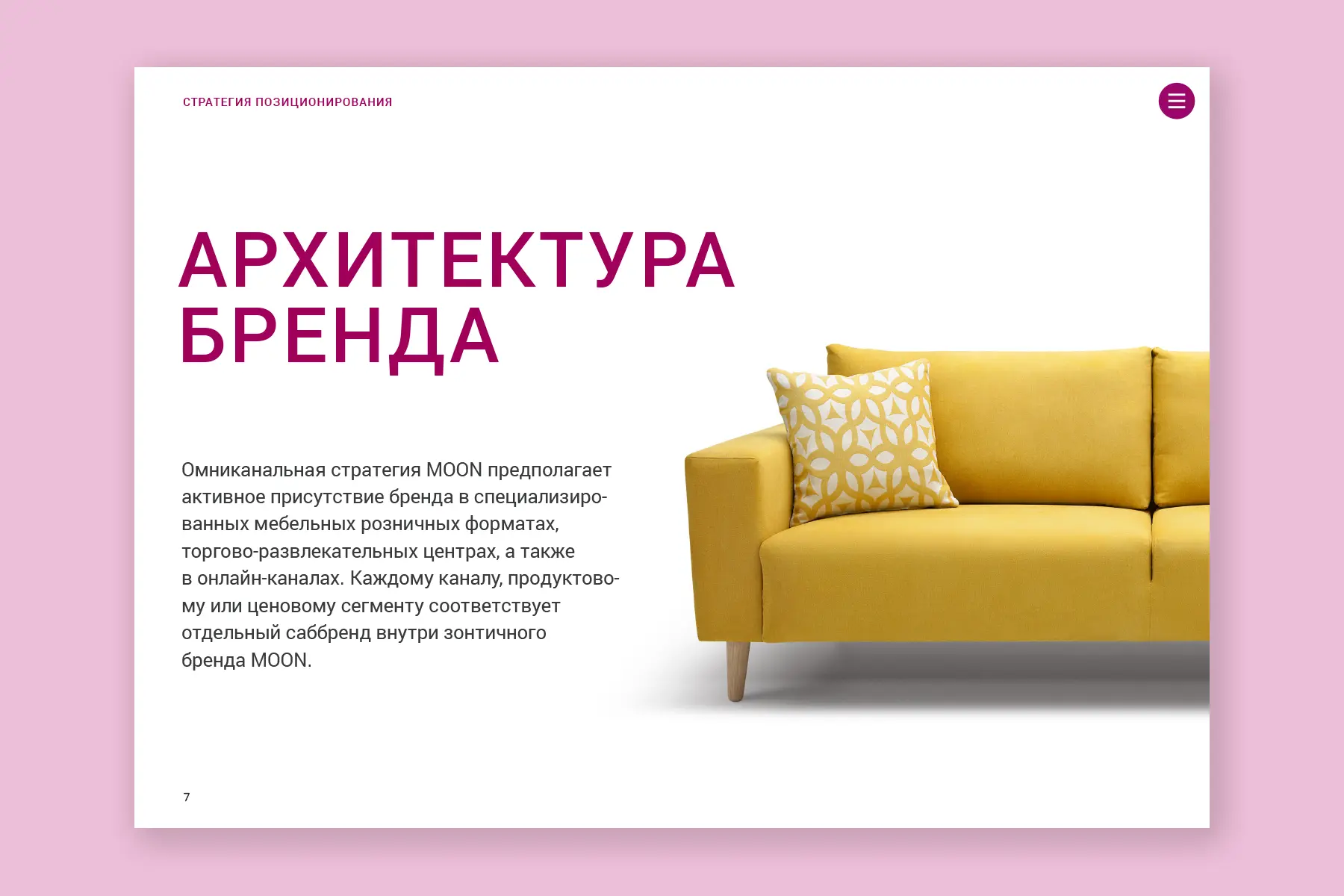
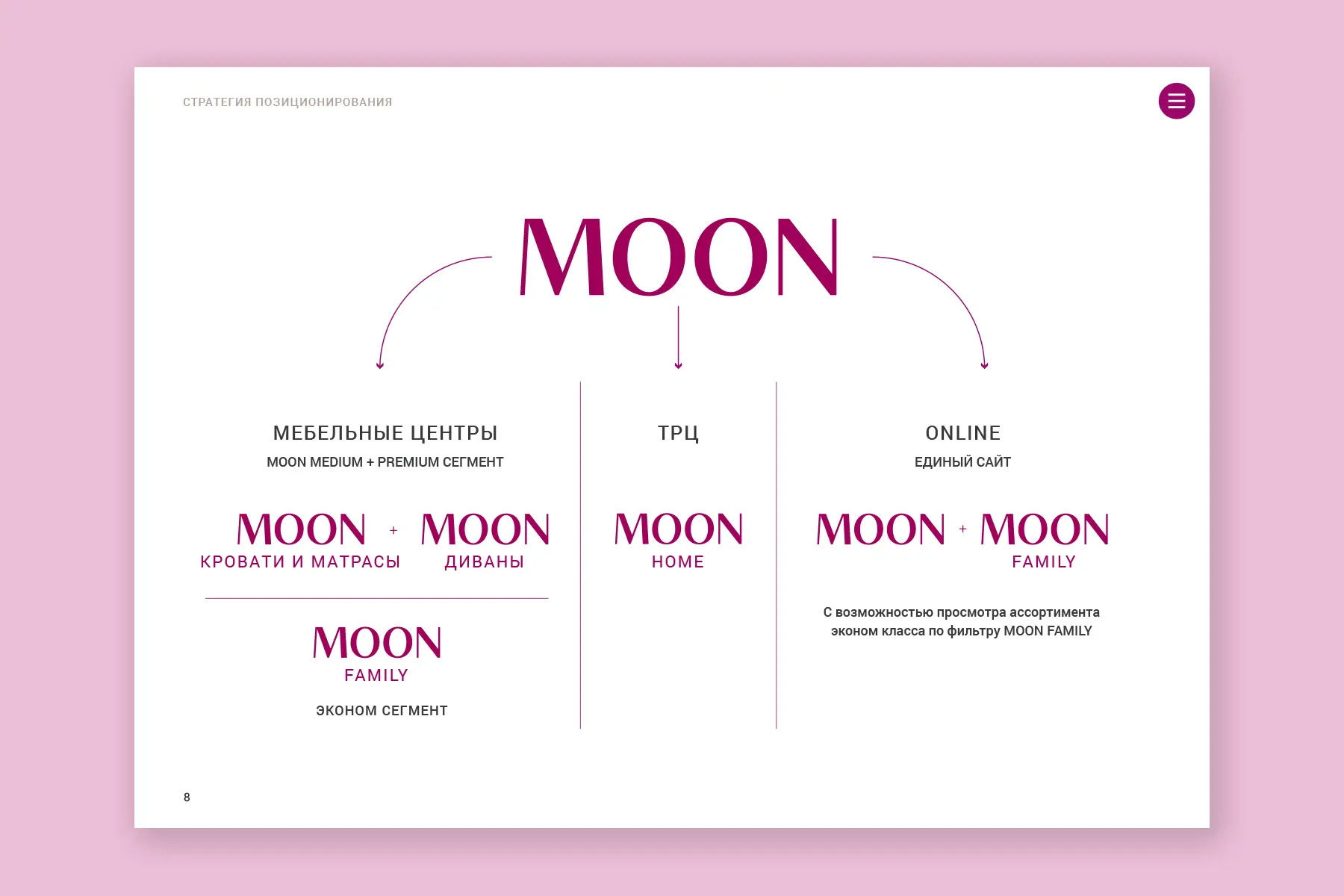
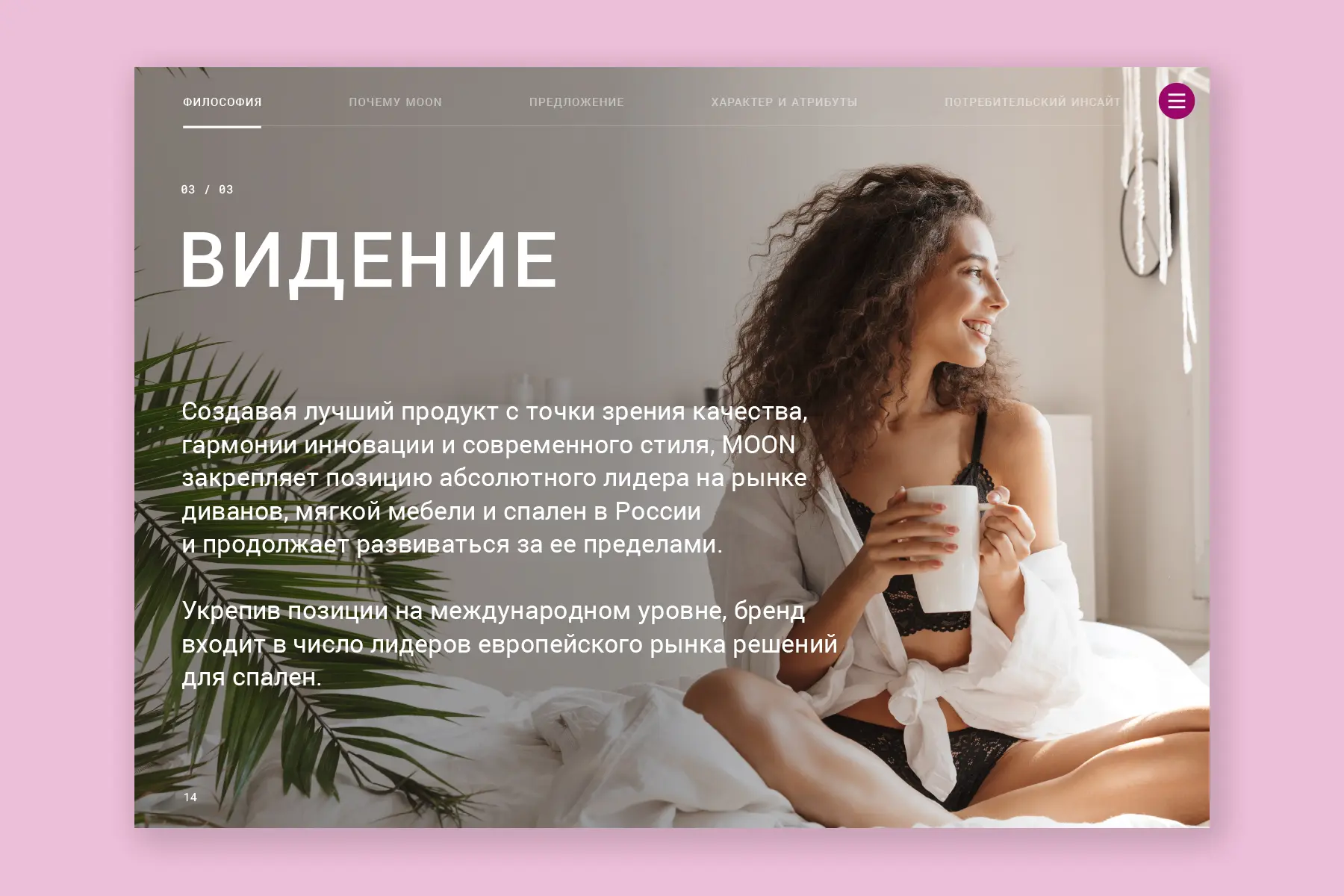
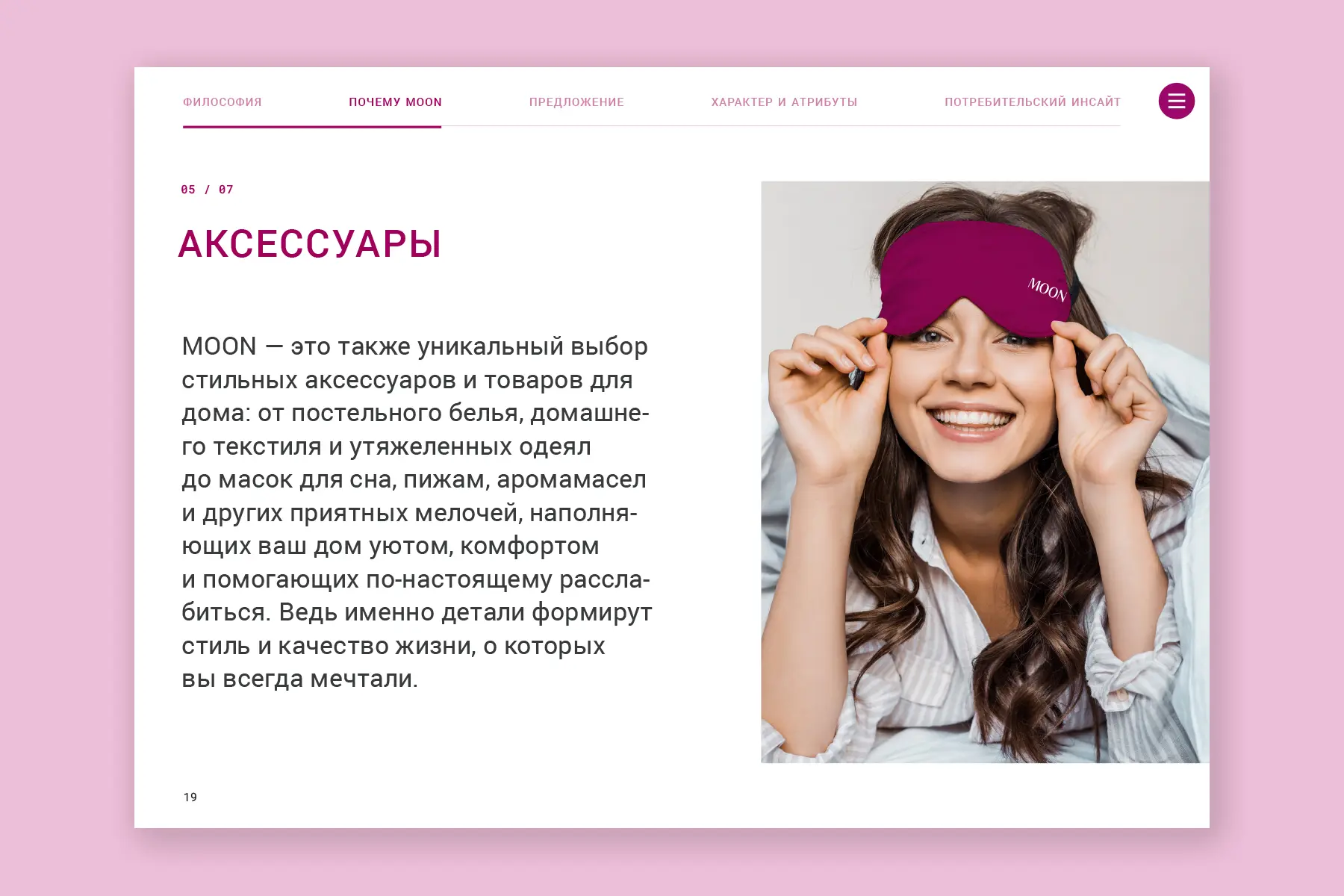
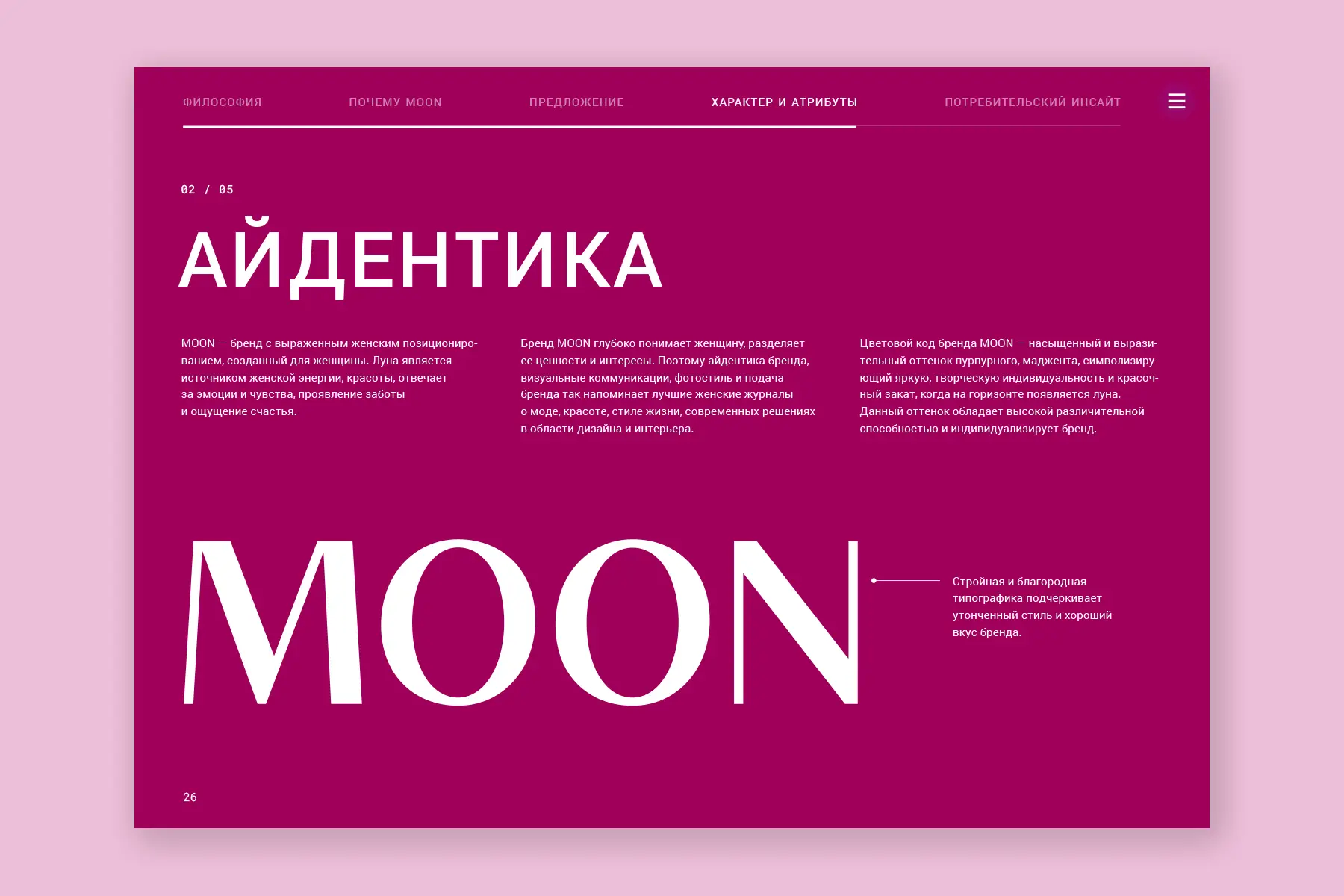
MOON. MOON is the largest furniture factory in Europe. BRANDEXPERT agency made a repositioning, created logo, brandbook, packaging design and retail branding of furniture stores.
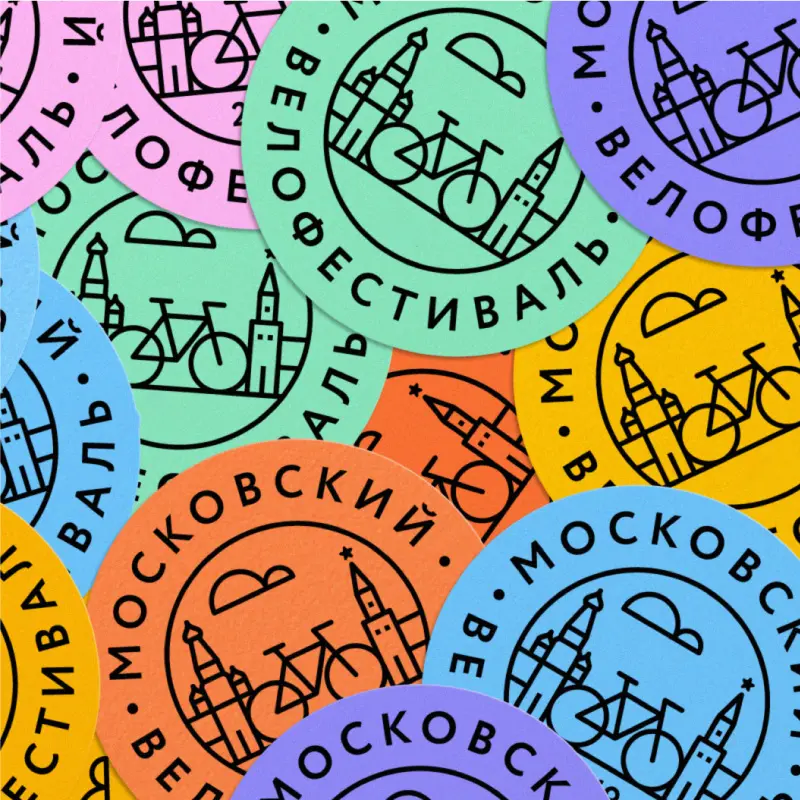
Moscow Bicycle Festival. BrandExpert created a colourful, flexible, and eloquent brand identity and ads for the Moscow cycling festival

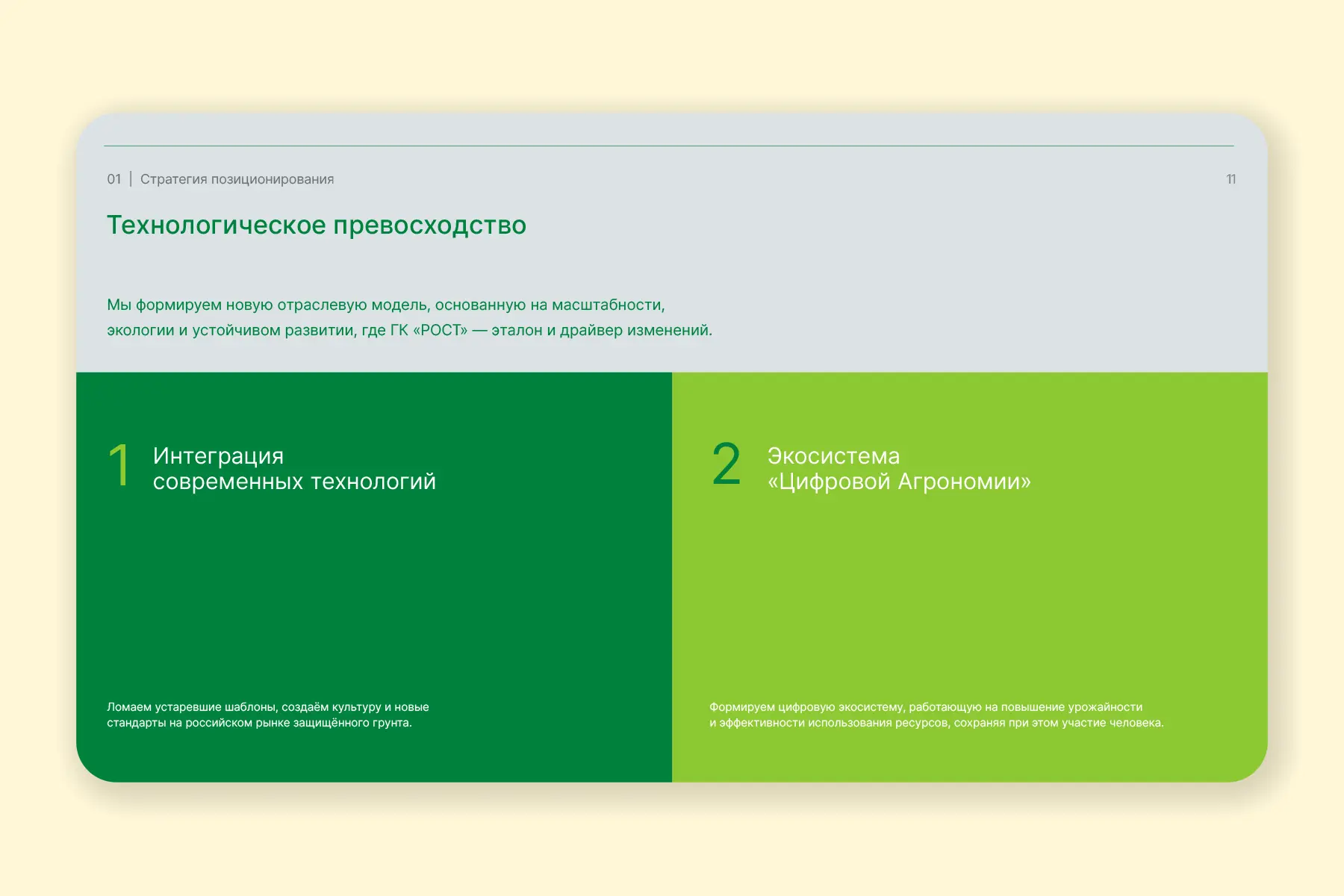
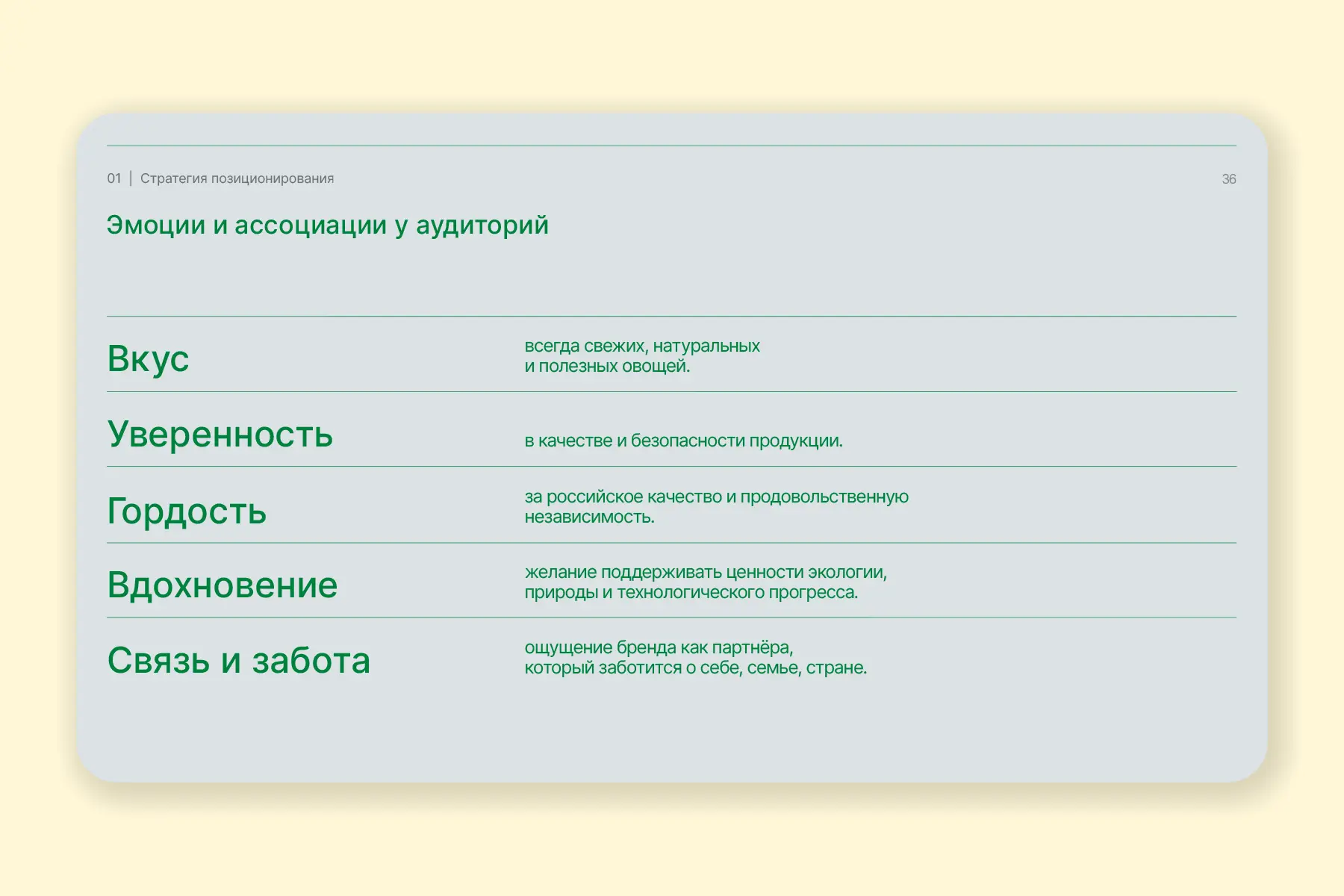
ROST. ROST holding is one of the largest players in the Russian food market. Brandexpert completely updated ROST's corporate brand identity, logo design, brand guidelines, and packaging design solutions.
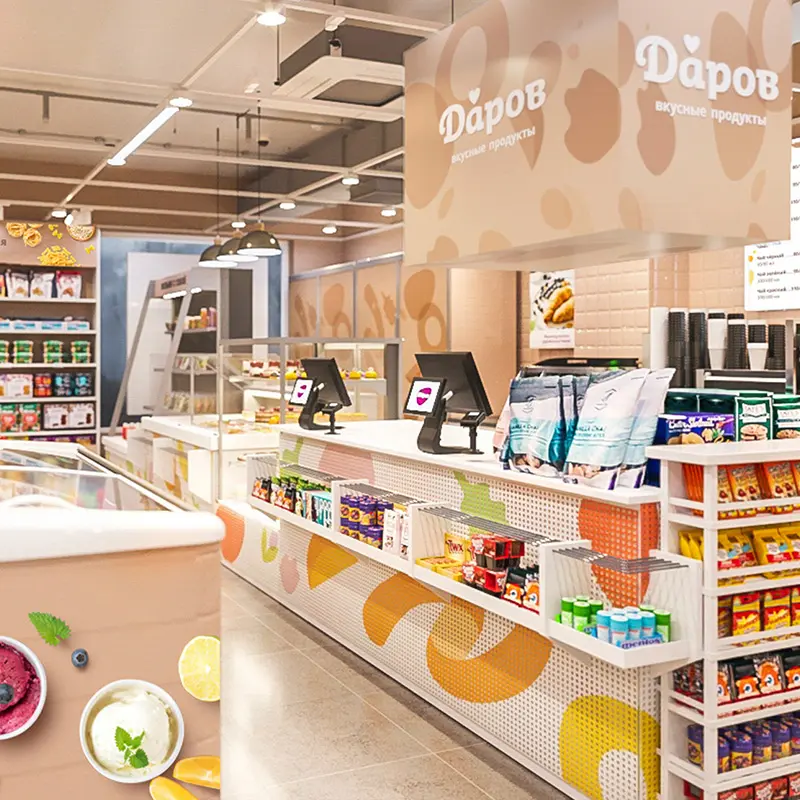
Darov. Darov is a new retail chain with a strong accent on delicious prepared foods. Brandexpert developed the new brand from scratch: brand name, brand identity, logo, brand guidelines, packaging design, and interior design solutions

OKRAINA. Okraina holding’s matrix includes only natural meat products. The branding agency BRANDEXPERT re-branded the whole holding: developed the corporate brand identity, logo, brand guidelines, website, and also created packaging design.
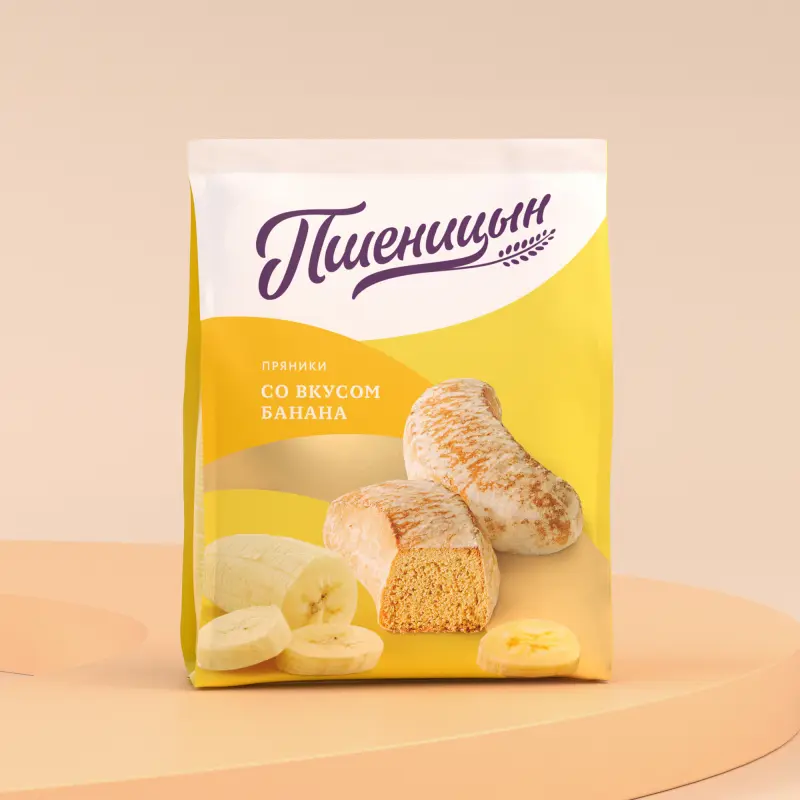
Ageevskiy. Creating the brands "Pshenitsyn" and "Papa Roma" for the confectionery factory "Ageevsky". Logos for the brands, packaging design and product labels were developed. The corporate logo and brand identity of the company "Ageevsky" have been updated.
Konti. Konti confectionery corporate brand restyling performed by Brandexpert: logo and corporate identity design, retail store interior design, brand guidelines, packaging and label design, multiple sub-brands created from scratch.
Brand Strategy Development Cost
The cost of brand strategy development depends on your business goals, the depth of research, and the scope of work. We provide a tailored quote after discussing your project and agreeing on the brief.


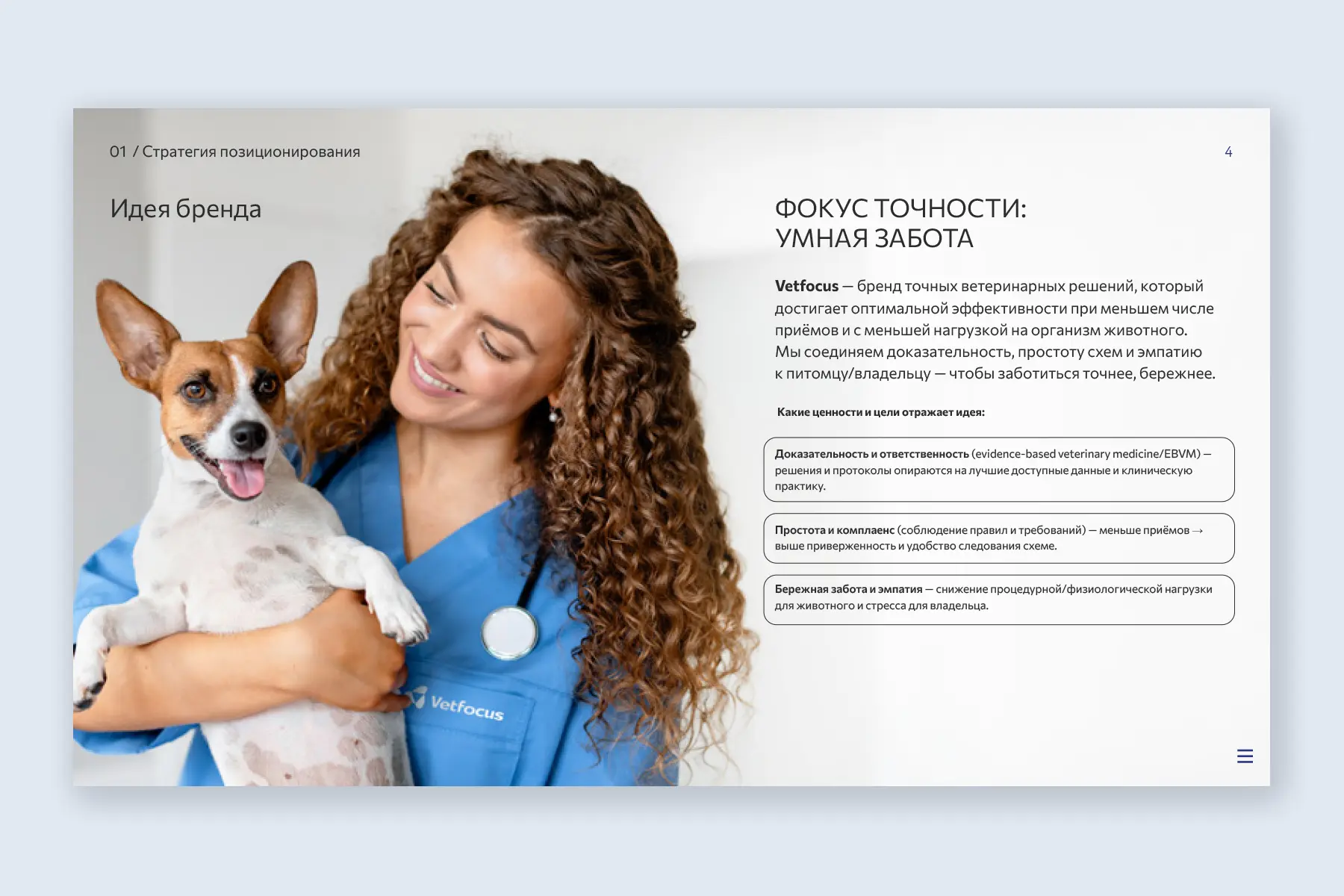
Why Brand Strategy Matters
Brand strategy coordinates a company’s communications. It defines the organization’s distinctive place in the market and aligns decisions across product development and promotion. Clear strategic priorities create a roadmap for brand growth, bringing focus to a changing business environment. This strengthens customer loyalty and creates a foundation for success, turning the brand into a dependable business asset.





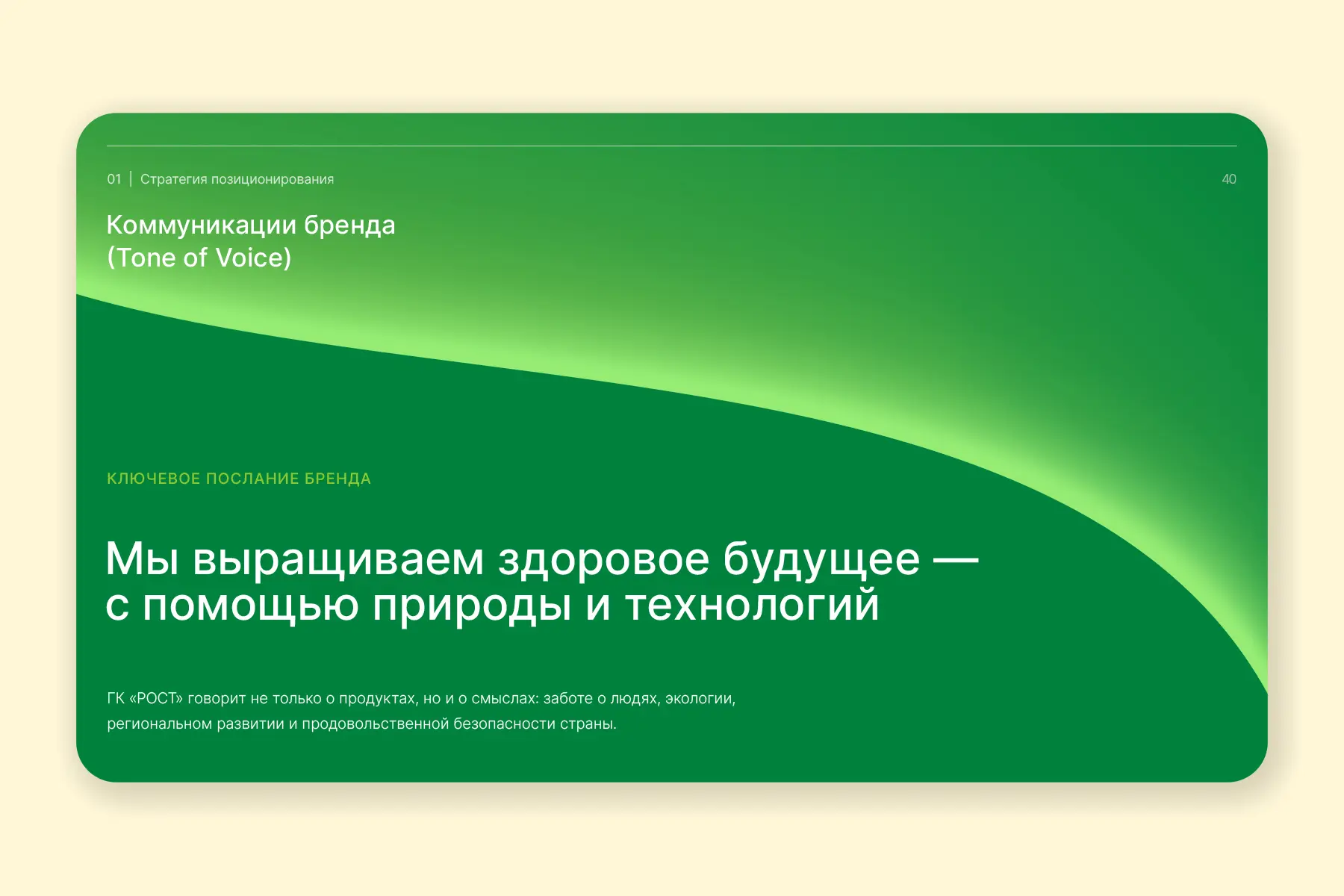
Key Elements of a Brand Strategy
A brand strategy starts with a brand concept that defines its essence and shapes how the audience perceives it. Target audience research provides a detailed understanding of customer needs, preferences, and behavior, helping tailor the strategy and develop offerings that meet market demand. A communication strategy sets out the channels and methods for engaging with customers. Together with a unique selling proposition that addresses their needs, it sustains interest and loyalty while remaining true to the brand’s values. Visual identity, implementation tools such as advertising campaigns, PR, and content marketing, and a measurement framework based on brand awareness and loyalty help the brand stand out and achieve its objectives. A brand platform brings all these elements together in a single working document.

Why Your Brand Needs a Communication Strategy
A brand communication strategy defines how a brand engages its audience and expresses its ideas, values, and emotions. Its purpose is to turn information into a story that resonates, creating a consistent, memorable image that distinguishes the brand from competitors. Effective communication uses words and visuals to build an emotional connection, turning occasional customers into loyal advocates and strengthening the company’s reputation. Over time, this strategy turns transactions into relationships and makes the brand a meaningful part of its customers’ lives, supporting sustainable growth and trust.
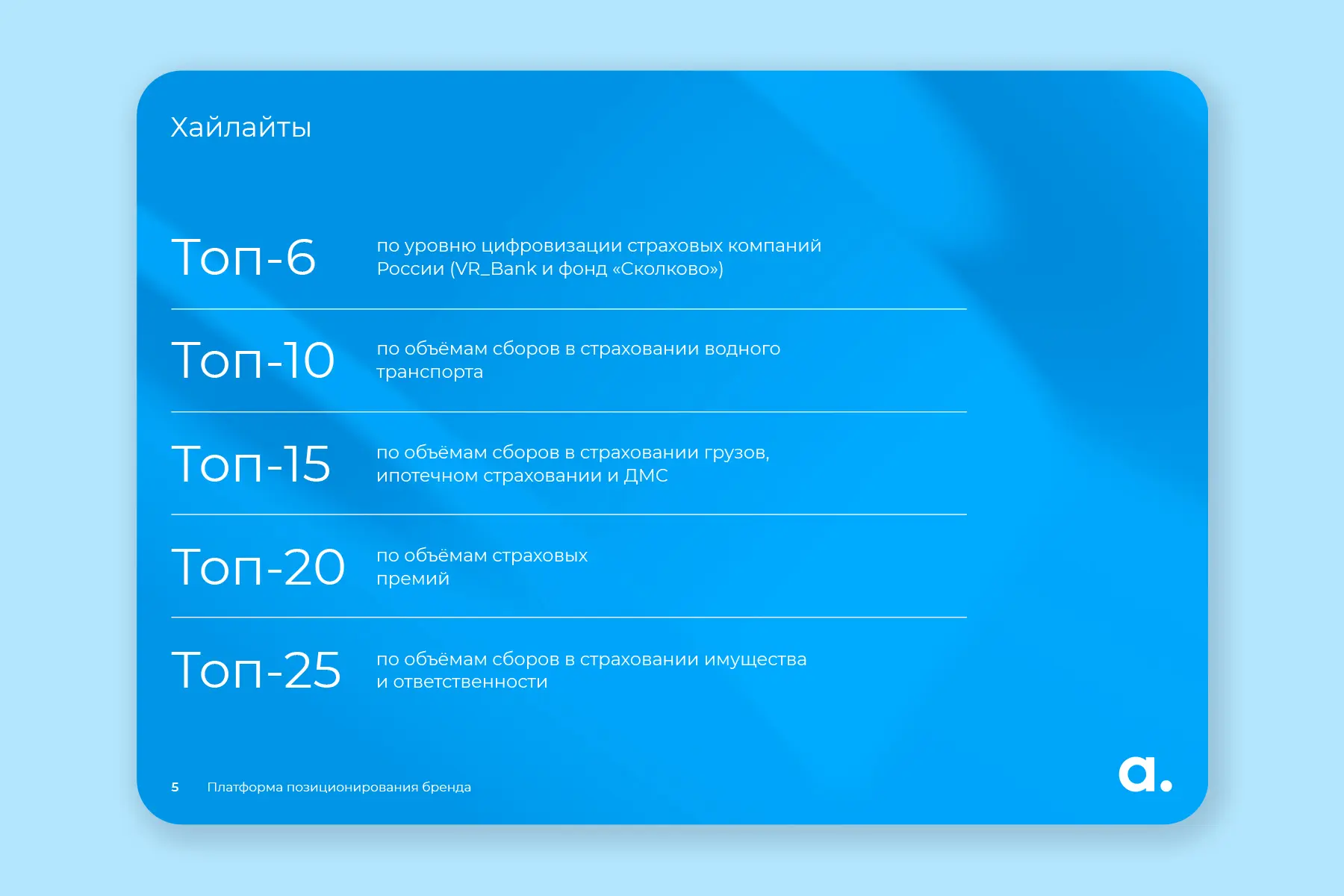
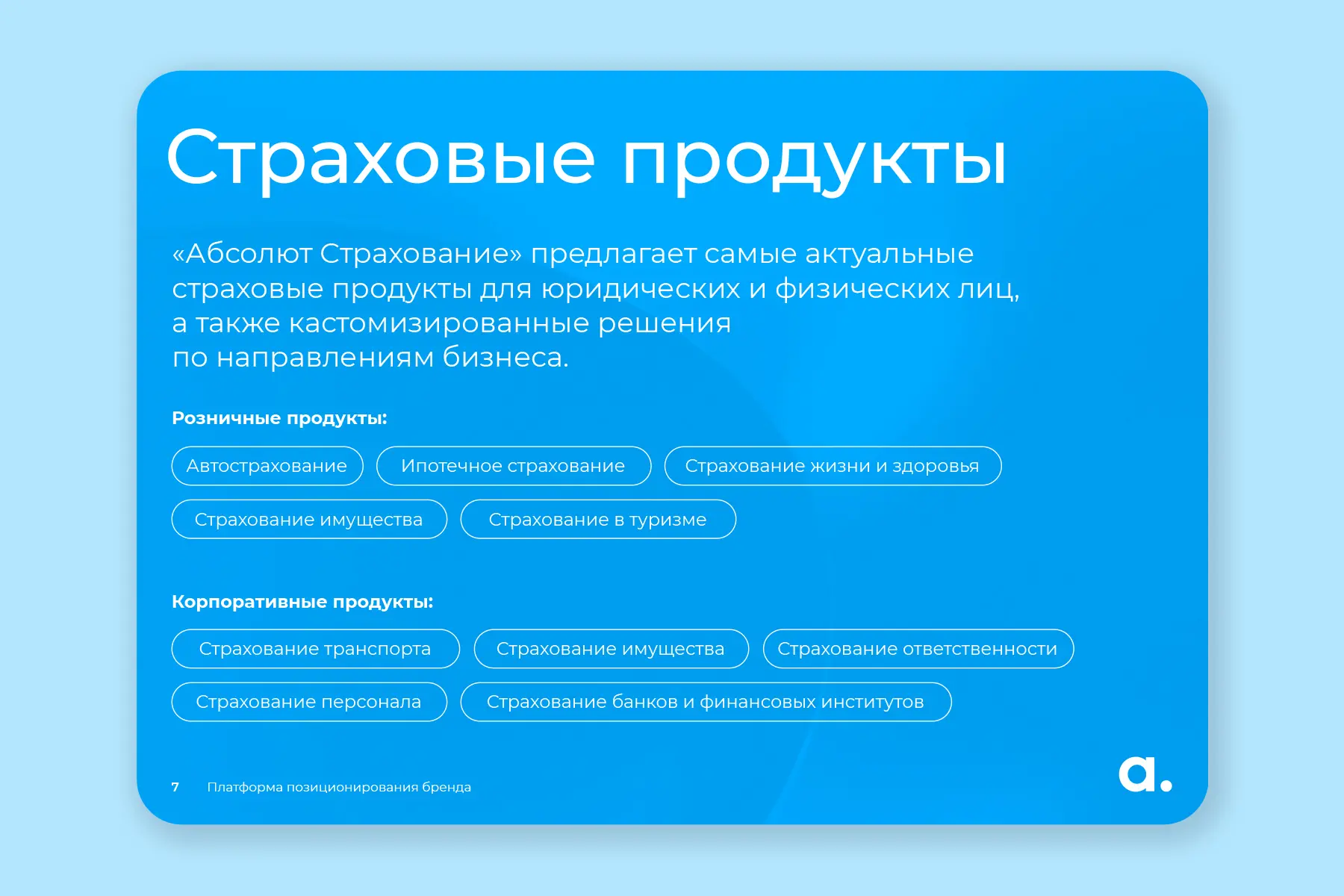
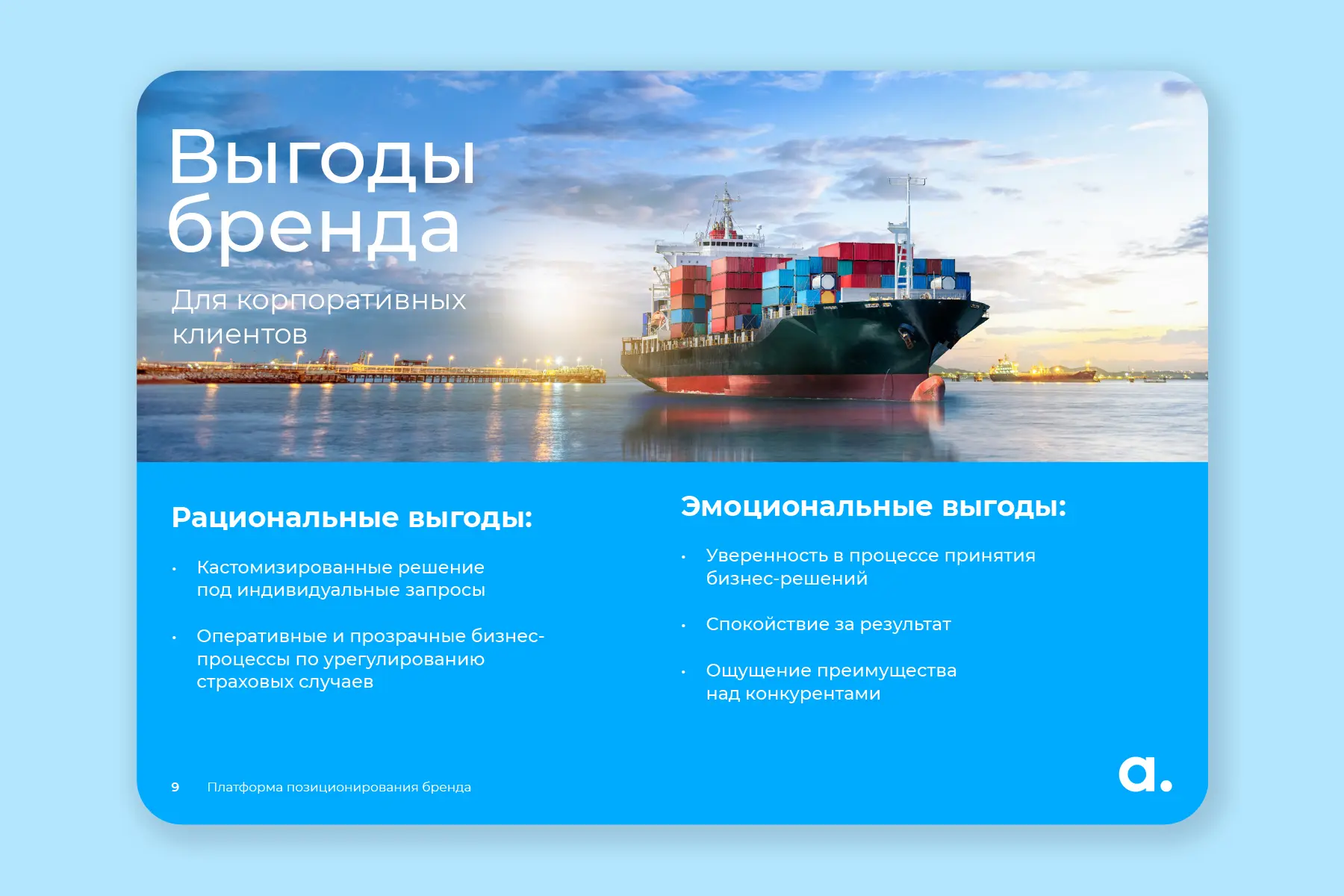
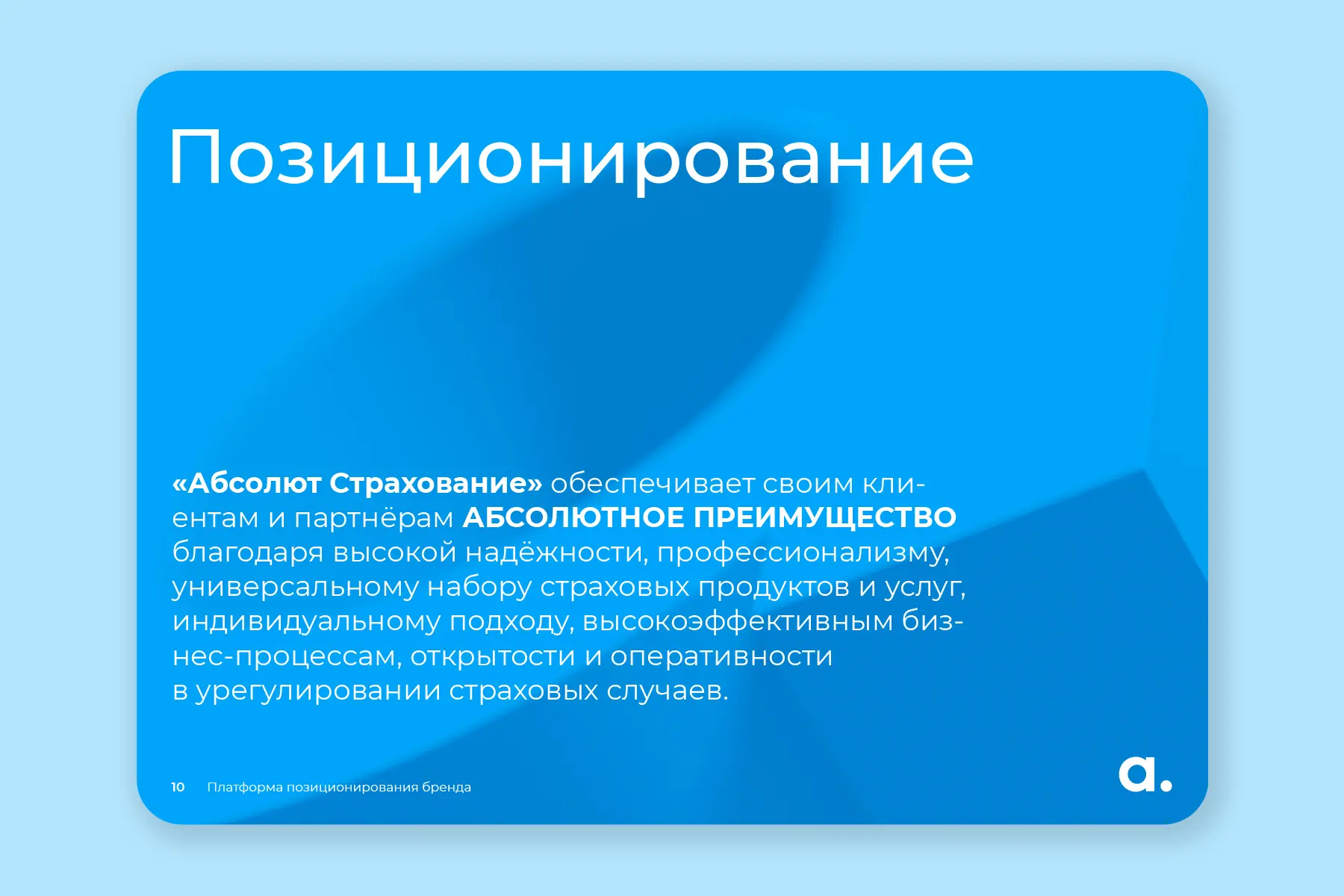
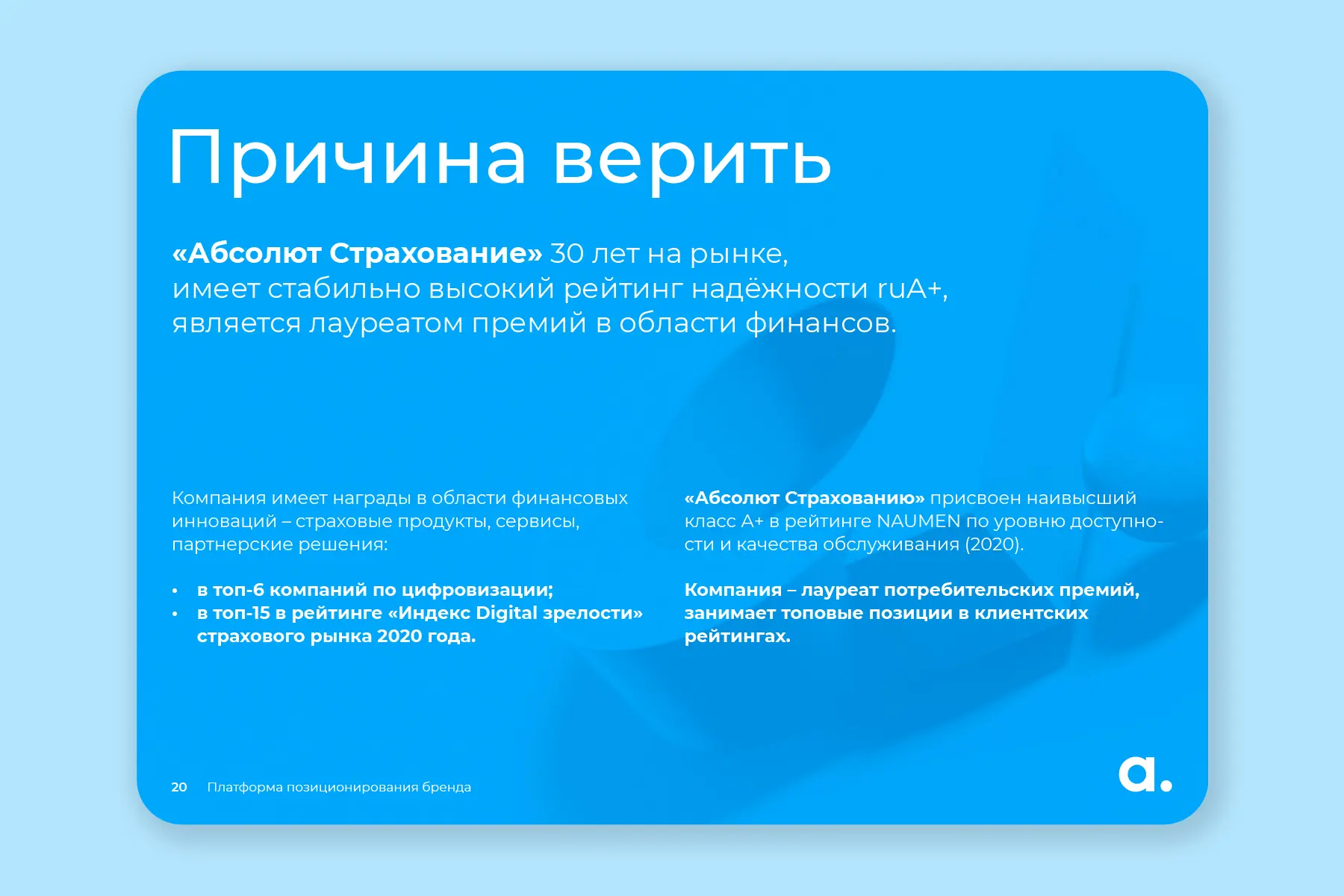
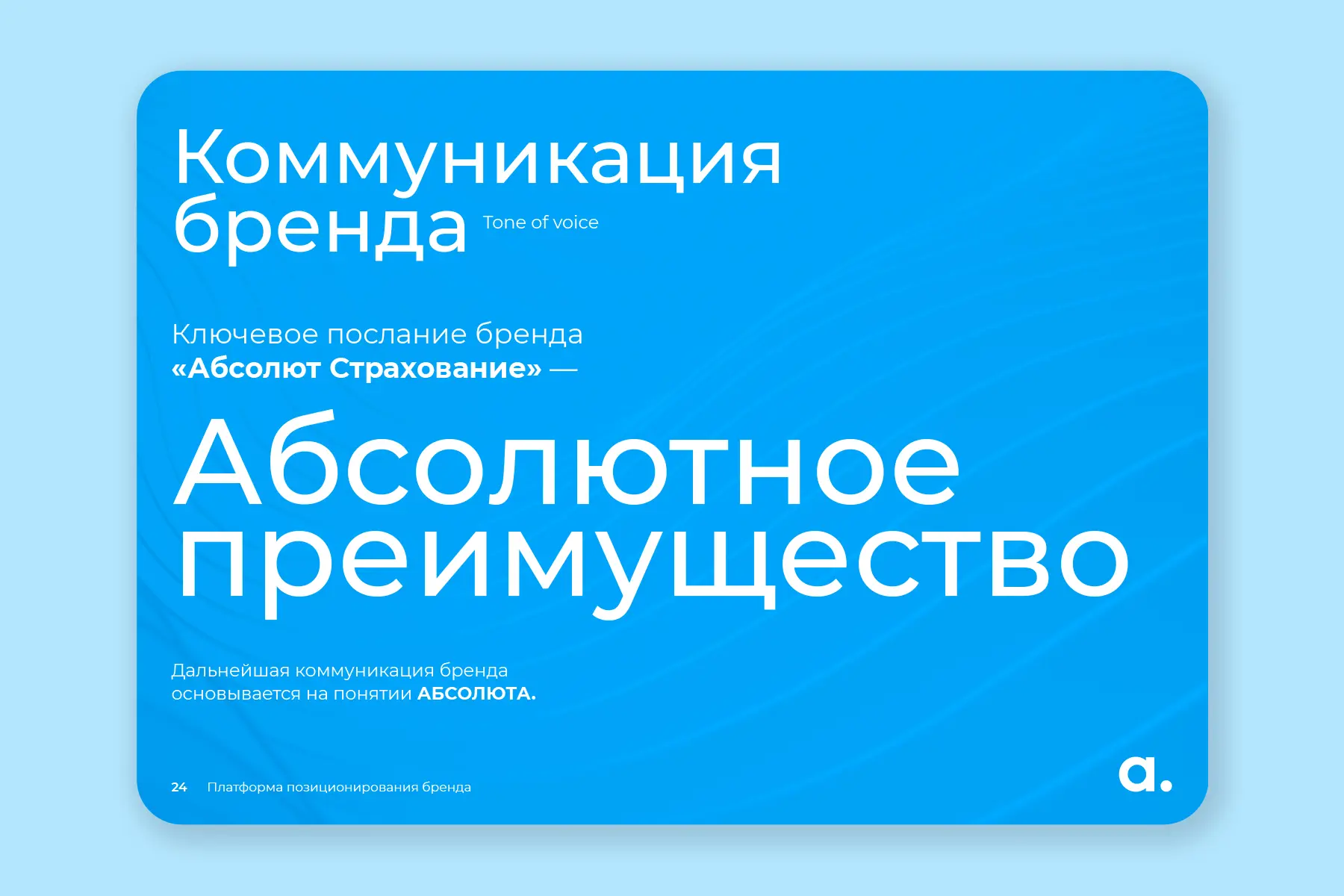
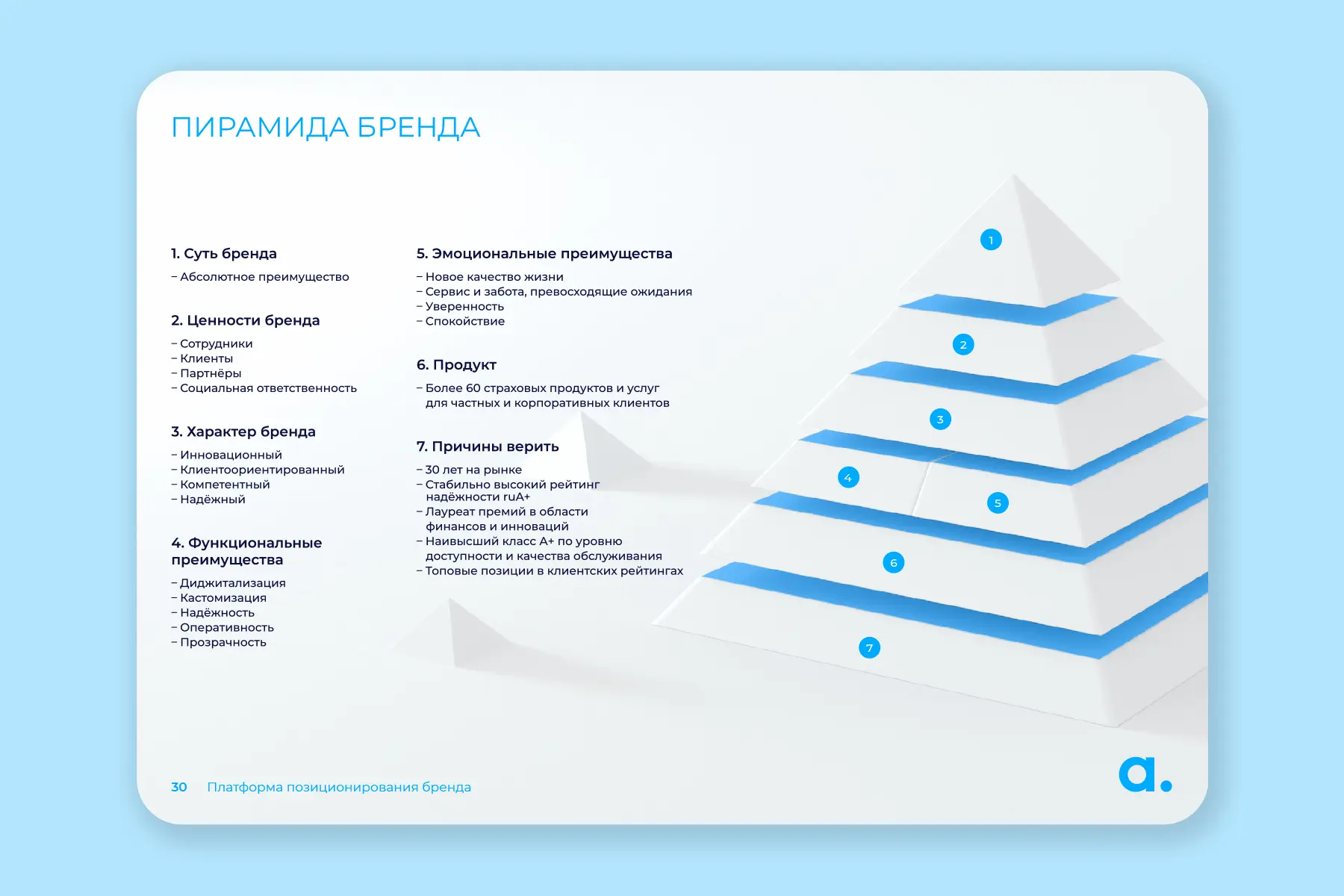
Brand Marketing Strategy as a Foundation for Brand Positioning
A brand marketing strategy is a plan for creating a distinctive brand image and shaping audience perceptions. Brand positioning sits at its core, defining how a product or service stands out from competitors and establishes a place in customers’ minds. By identifying the target audience, communicating key benefits, and building an emotional connection, a marketing strategy directly influences the clarity and consistency of brand positioning. Without it, positioning becomes unclear, weakening the brand’s competitiveness and recognition.

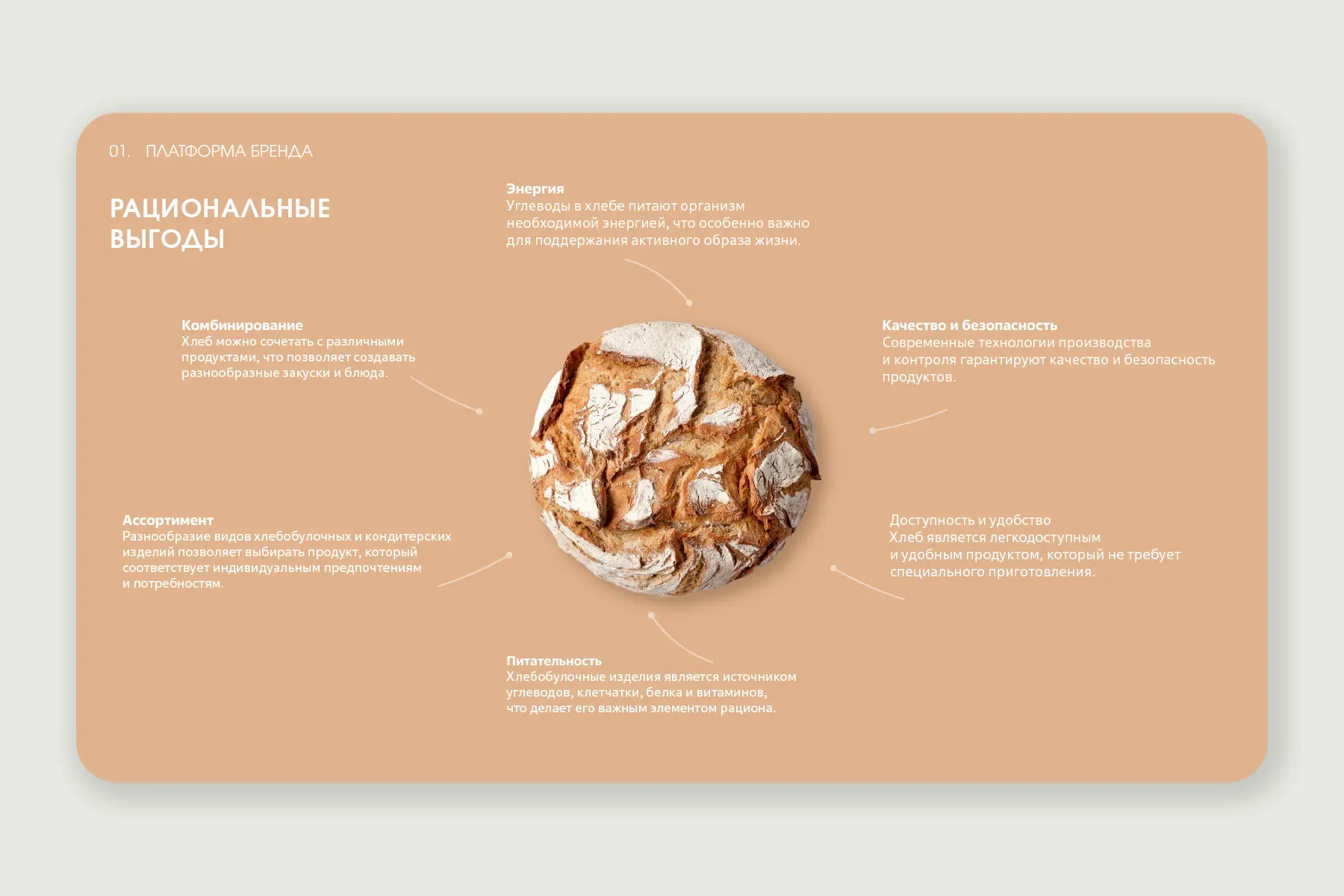

The Brand Strategy Development Process
Brand strategy development begins with market research, audience analysis, and competitor research to identify growth opportunities and define objectives. These insights inform a unique selling proposition that expresses the brand’s value to customers. The next steps establish brand positioning around core values and develop a brand identity that builds recognition through visual elements and messaging. The final stages involve implementing marketing strategies, testing, optimization, and ongoing monitoring to keep the work aligned with its objectives and strengthen the brand.
Brand Strategy Analysis and Performance Measurement
Brand strategy analysis evaluates how effectively the strategy meets its objectives. It involves market research, sales monitoring, brand awareness measurement, competitive analysis, and feedback from the target audience. Interpreting this data helps assess the strength of the brand’s emotional connection with customers and identify opportunities for growth. Regular reviews provide a basis for reassessing the visual identity or brand values. This approach supports success through adaptability, relevance, and informed decisions that reflect the brand’s philosophy and its commitment to remaining meaningful to its audience.
Complete the Brand Strategy Brief
Our services
Our services
close all business needs of your company

Разработка позиционирования бренда и ДНК бренда
 Алексей Новиков21.12.2021
- brand positioning
Платформа позиционирования и ДНК бренда
 Андрей Вершинин30.12.2019
- brand positioning

Разработка бренд-платформы на практике
Алексей Новиков05.03.2019- brand positioning

Эффективное позиционирование бренда
 Анна Авдеева13.10.2018
- brand positioning

Позиционирование и платформа бренда
Андрей Вершинин22.09.2018- brand positioning

Айдентика бренда: основные элементы и носители
 Макс Цветков30.04.2026
- visual identity
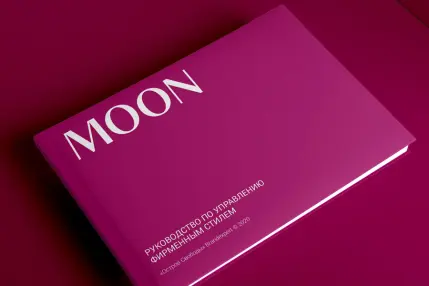
Как выбрать руководство по фирменному стилю для бизнеса
Анна Авдеева14.04.2026- brand book
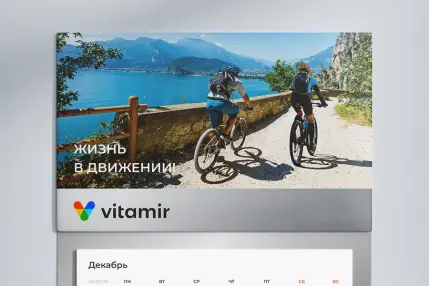
Дизайн корпоративного календаря
Анна Авдеева21.03.2025- catalog design

Дизайн этикетки для молочной продукции
Анна Авдеева28.01.2022- label design

Фирменный стиль салона красоты
Макс Цветков28.01.2022- visual identity

Именной и псевдоименной нейминг
Макс Цветков28.01.2022- naming

Ребрендинг, рестайлинг, редизайн
Алексей Новиков27.01.2022- rebranding & restyling
Blog
Related articles: brand positioning
Frequently Asked Questions About Brand Strategy
How much does brand strategy development cost?
The cost of brand strategy development depends on the scope of work, project complexity, and the expertise involved. Pricing varies according to how distinctive the product is, the level of competition in the industry, and the resources needed to implement the strategy. In-depth market research or adaptation for different regional markets can significantly affect the total cost. The length of the engagement and the number of specialists involved also influence the budget, depending on the services selected.
Can a brand succeed without a brand strategy?
A lack of brand strategy leads to inefficiency. Without clear direction, a brand loses its positioning, customer loyalty weakens, and opportunities for growth are missed. The absence of strategic priorities makes decisions harder, leading to inconsistent marketing and an unclear company image. Over time, this limits the brand’s adaptability and leaves it vulnerable to market changes and more focused competitors.
Who benefits from a brand communication strategy?
A communication strategy helps employees understand the brand’s essence and represent it confidently in the market. A shared approach builds a strong brand image, increases customer trust, and improves the effectiveness of marketing initiatives. It gives everyone a common understanding of how the brand should engage with its audience, keeping marketing efforts aligned.
Are brand guidelines the same as a brand strategy?
No. Brand guidelines document the brand’s visual and stylistic elements, such as its logo, colors, and typography. A brand strategy covers a broader set of considerations, including positioning, values, and communication strategy. It sets long-term brand development goals and defines how the brand engages its audience and adapts to market changes. Aligning brand guidelines with the brand strategy creates a consistent overall brand experience.
What should not be confused with a brand strategy?
A brand strategy is distinct from a business plan, content plan, or advertising campaign. It is a long-term plan for developing a brand, defining the objectives, priorities, and activities that build and strengthen it. Brand strategy draws on market, audience, and competitor analysis to set a direction beyond day-to-day operations. Its implementation requires alignment across the business to establish a lasting market position.
Can I develop a brand strategy myself?
Developing a brand strategy requires a thorough understanding of the market, target audience, and competitive environment. You can develop one yourself, but working with professionals improves the chances of creating an effective strategy. Professional involvement ensures that the strategy is integrated into the company’s internal processes and external communications, supporting long-term competitiveness and consistent positioning.
Can a brand strategy increase conversions and sales?
Yes. A brand strategy helps increase conversions and sales through clear positioning, an emotional connection with customers, and effective brand promotion. A strong brand attracts and retains customers, contributing directly to sales growth and profitability. Investment in brand strategy delivers value through greater awareness, lower customer acquisition costs, and a sustainable competitive advantage.
















We’re Here to Advise You on Any Branding Challenge
Dear partners, your project is unique and deserves a tailored approach. To prepare a relevant proposal, we need to understand your goals and the services most needed to deliver the best results. We’re ready to provide 360° support and handle all strategic tasks in marketing, design, digital, and brand communications. Our mission is to deliver outstanding solutions that drive financial growth and increase brand value. Get in touch — we’ll be happy to share our expertise and insights with you.
The BRANDEXPERT Team.
The BRANDEXPERT Team.