
ALVITEK Rebranding: Logo Design, Packaging and Label Design, Photo and Video Production, Advertising, Marketplace Content and Website Development. ALVITEK label design, color navigation and collection labeling system
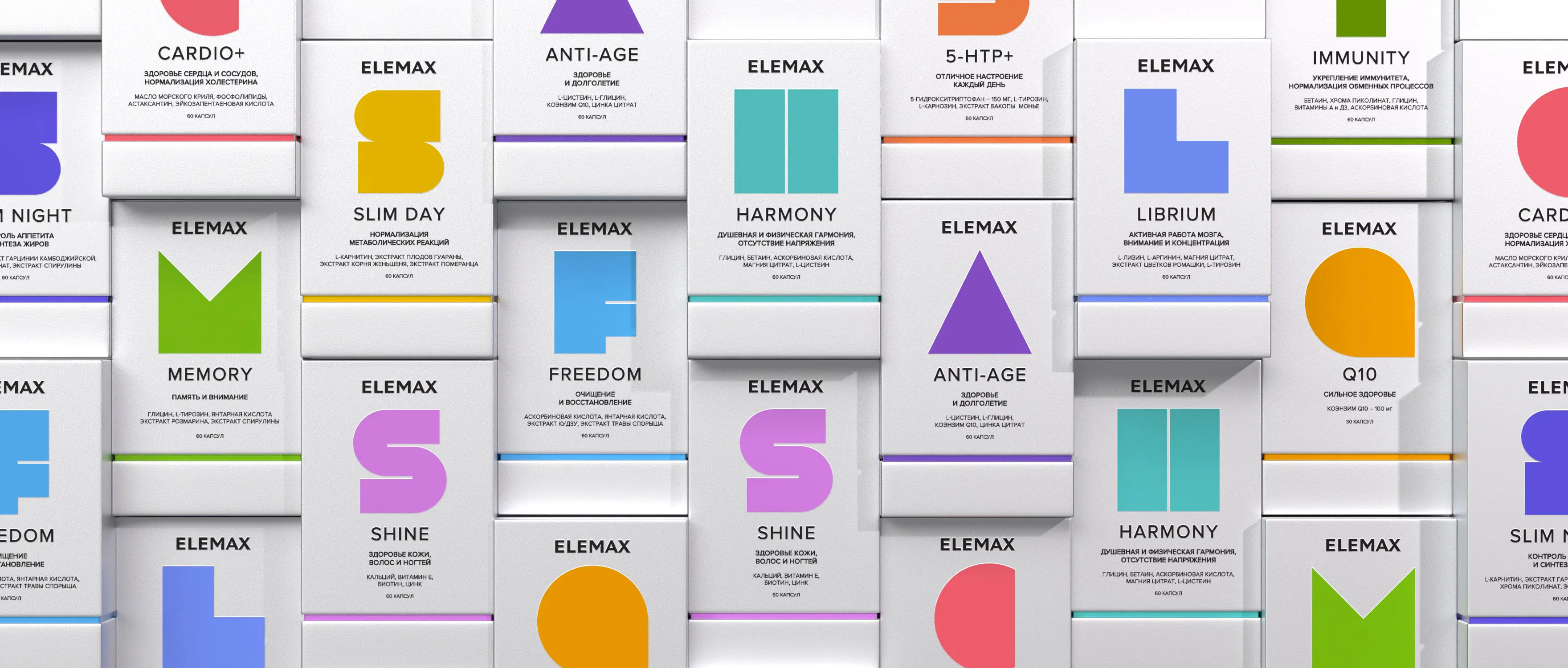
A label is a key visual element that expresses the essence of a product and reinforces the brand’s positioning. It shapes the first impression and helps build an emotional connection with the target audience, making the product stand out among competing options on the shelf. In a fast-moving market, where purchase decisions are made in seconds, label design can be the deciding factor in choosing one brand over another.
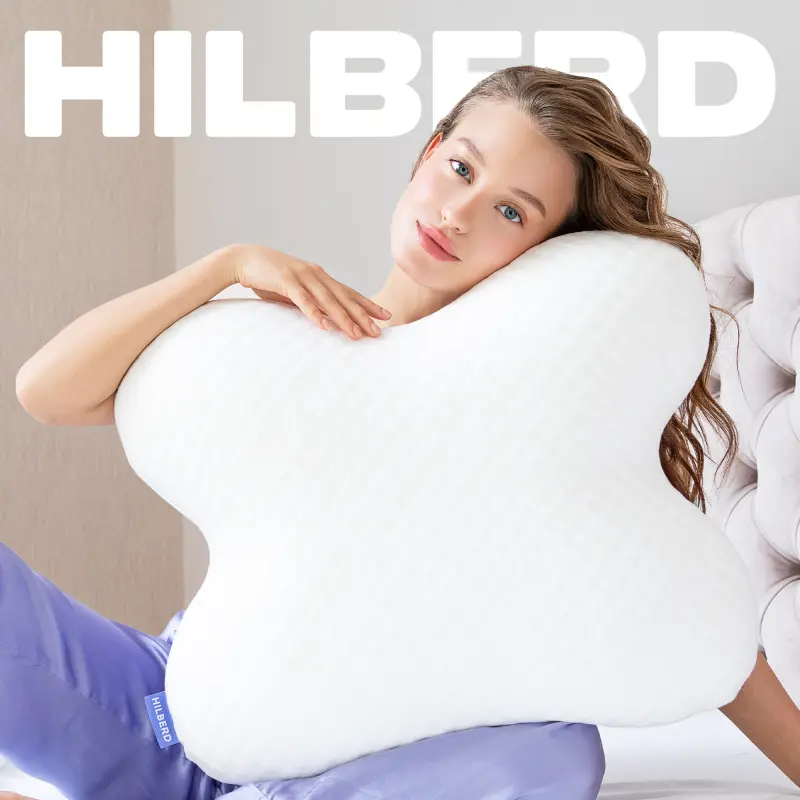

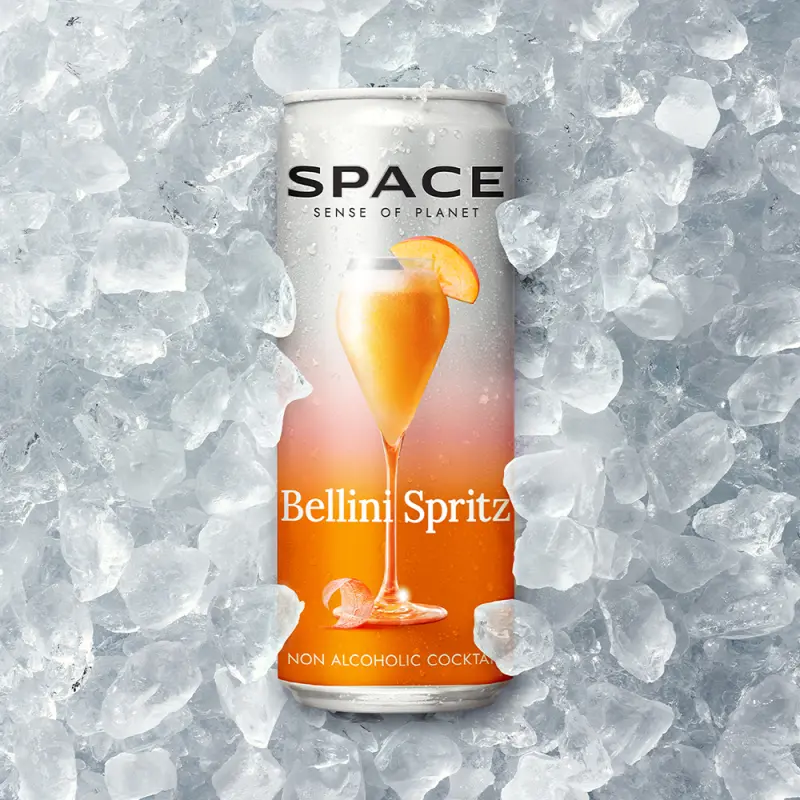


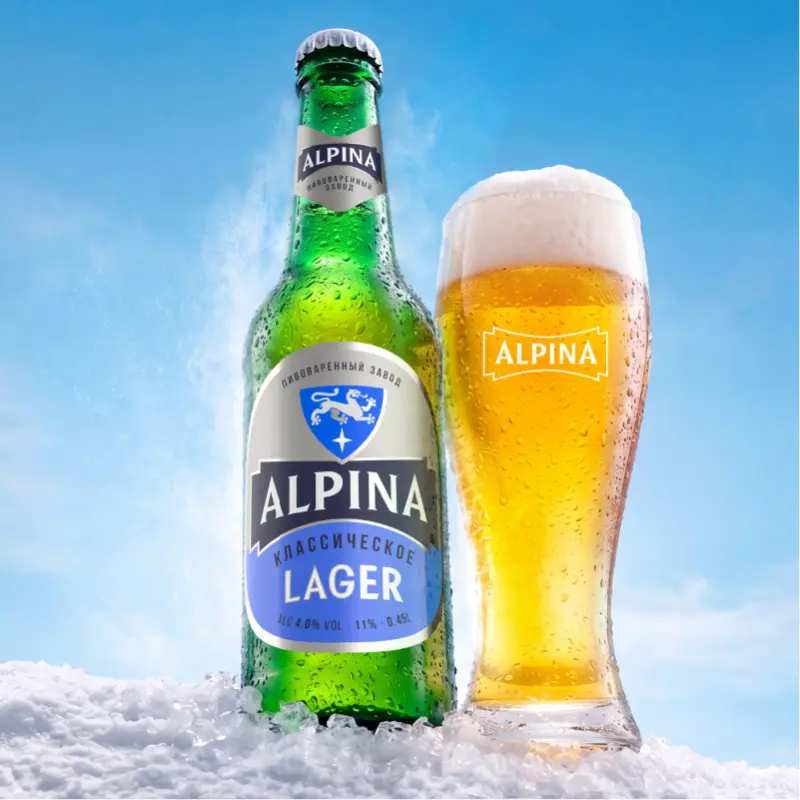
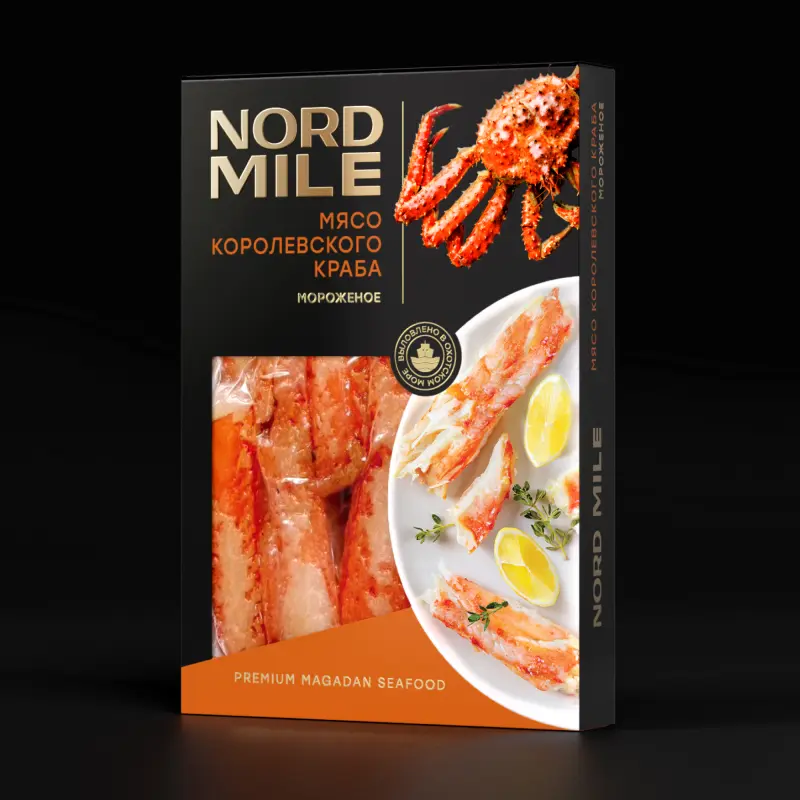


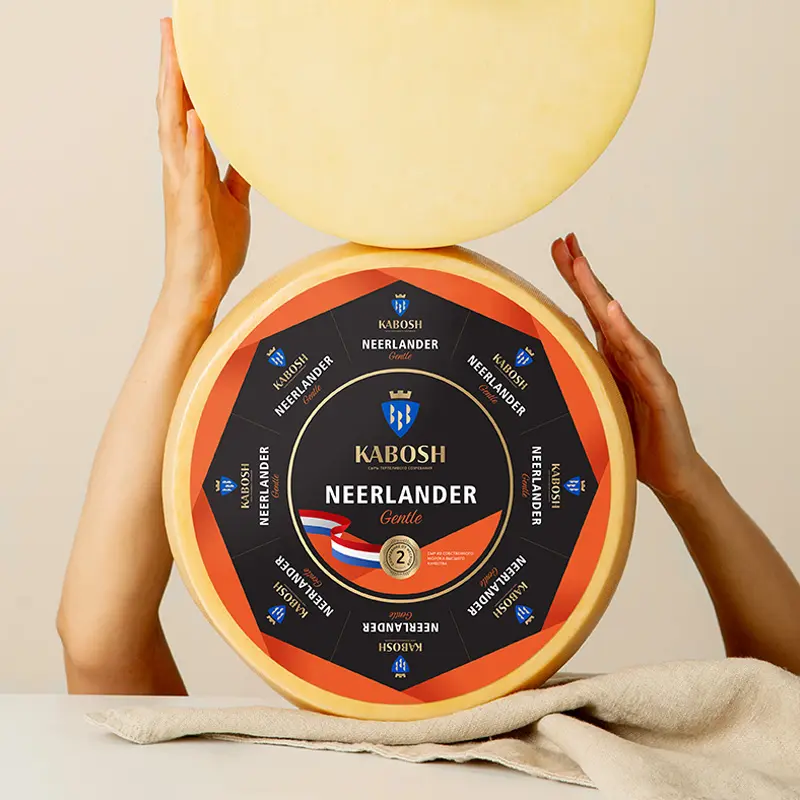
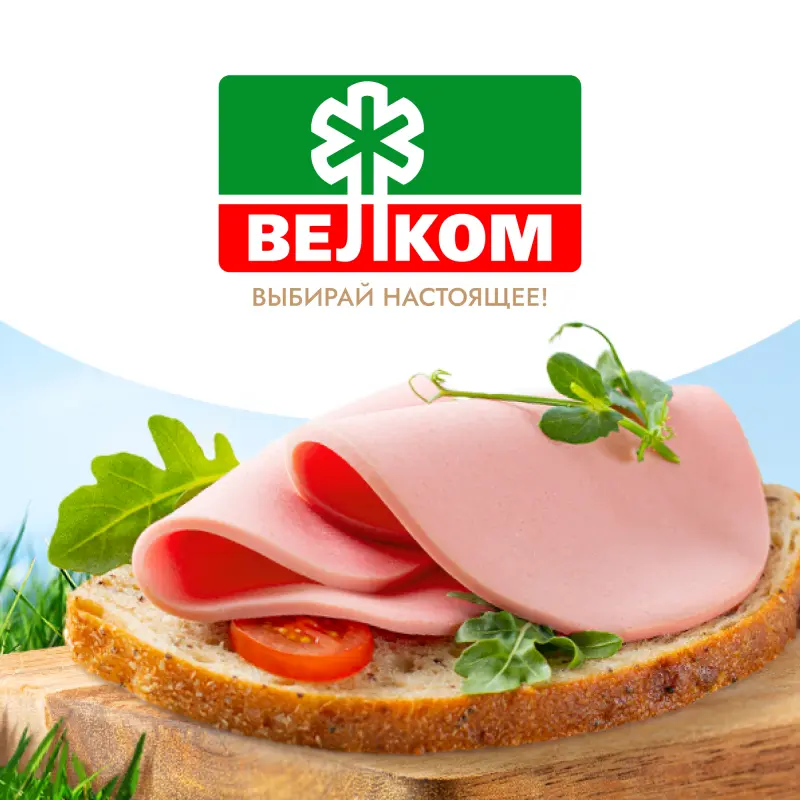


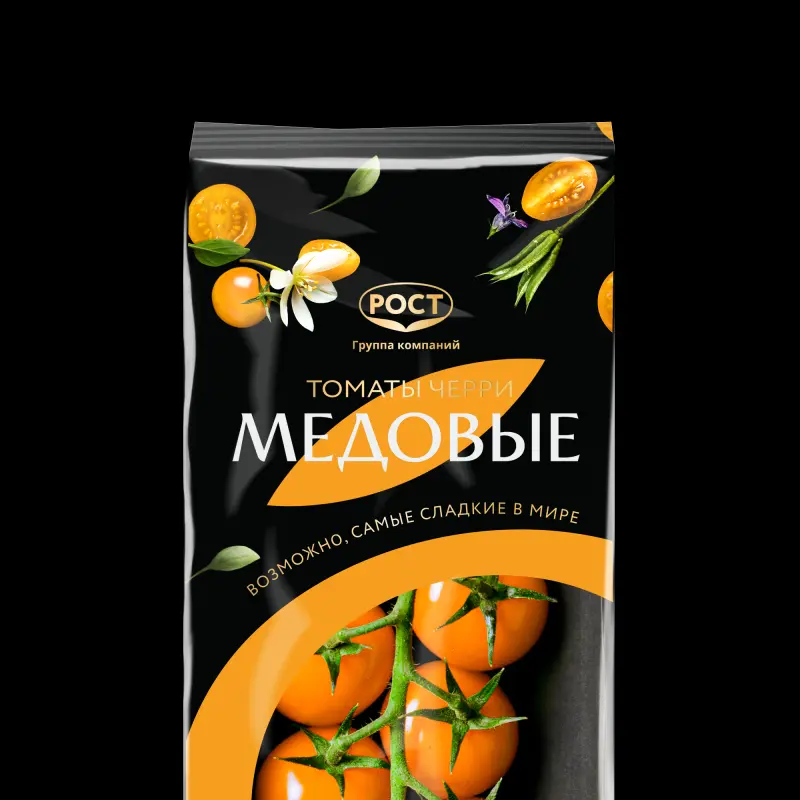
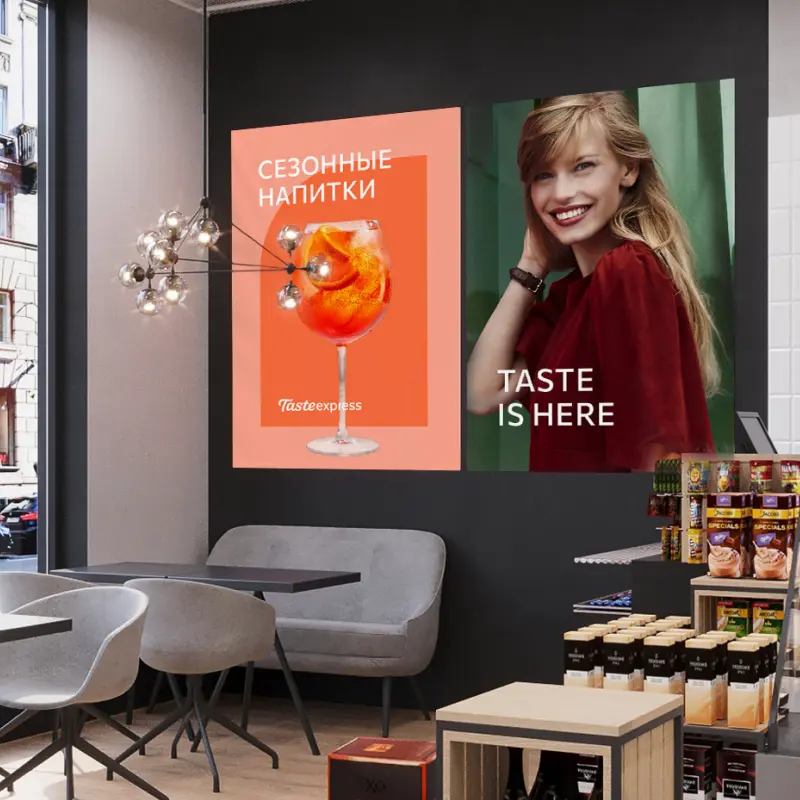



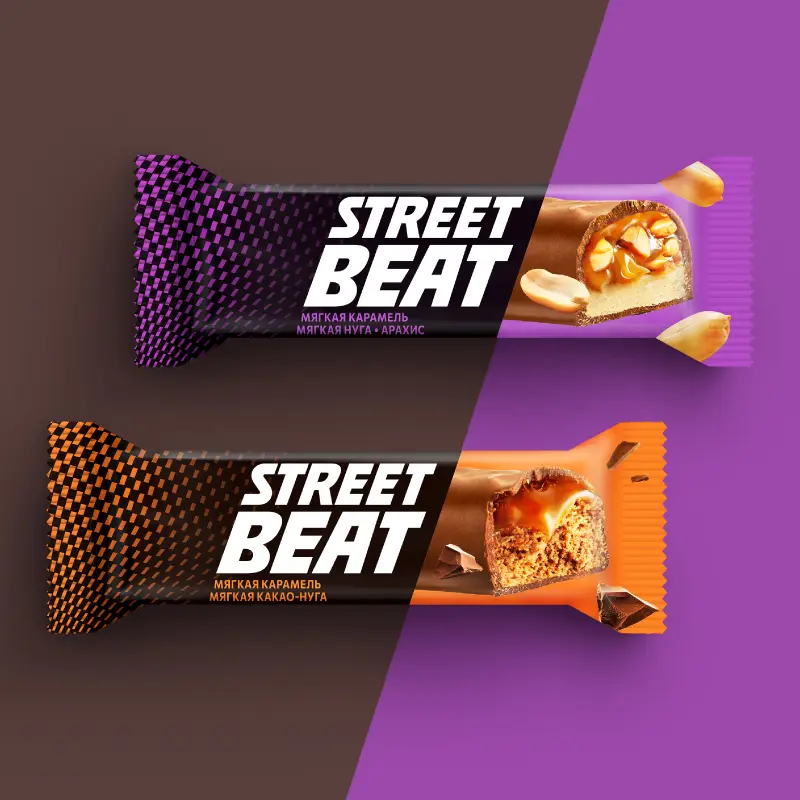
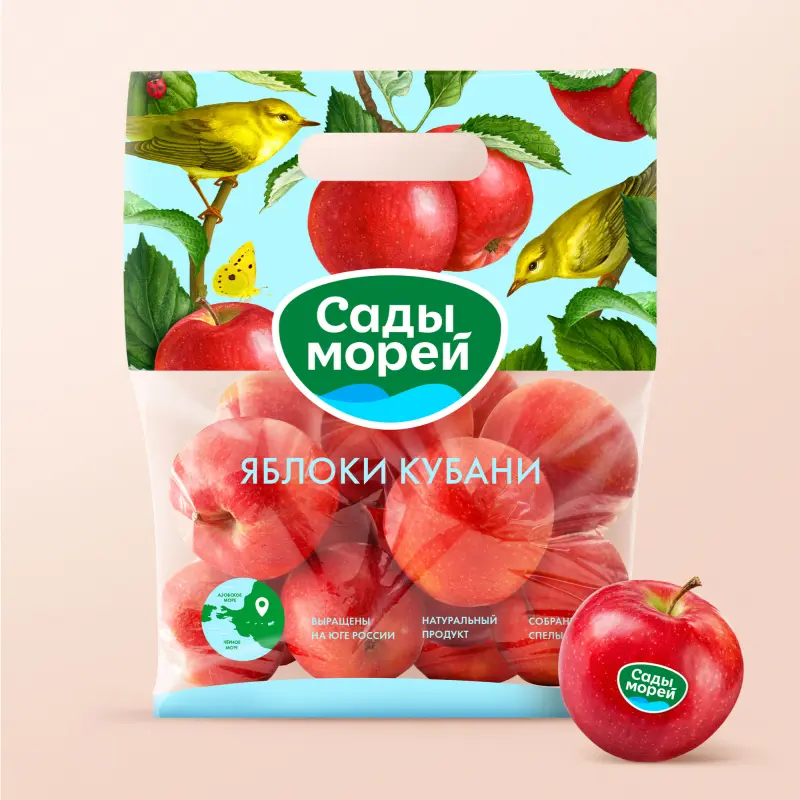
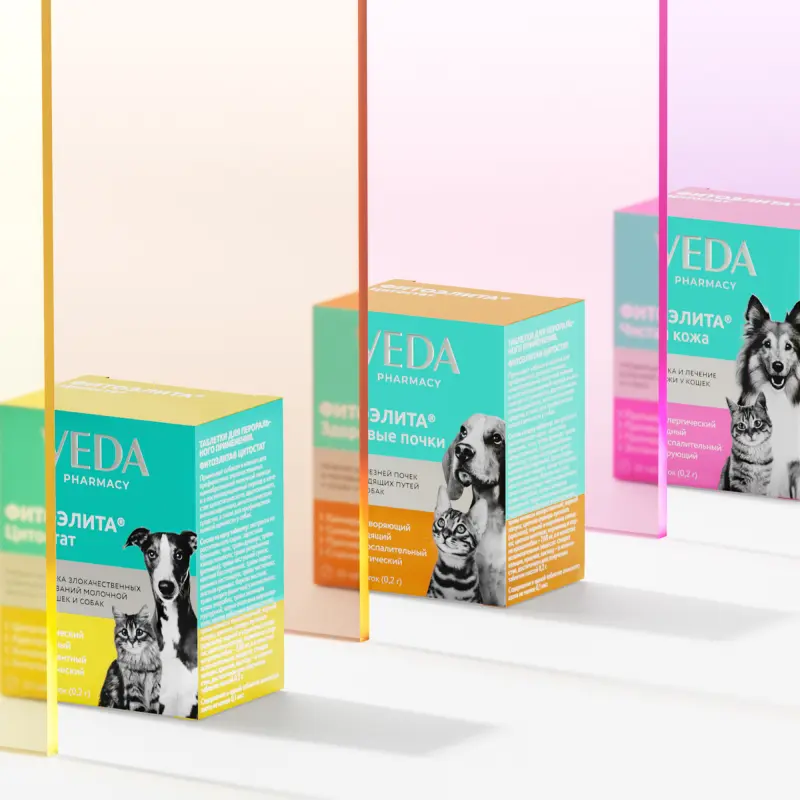
Creating a label design requires careful consideration of the many factors that shape the final result. One of the most important is the target audience. The label’s design and presentation must reflect consumer preferences to communicate product information effectively and attract attention on the shelf.
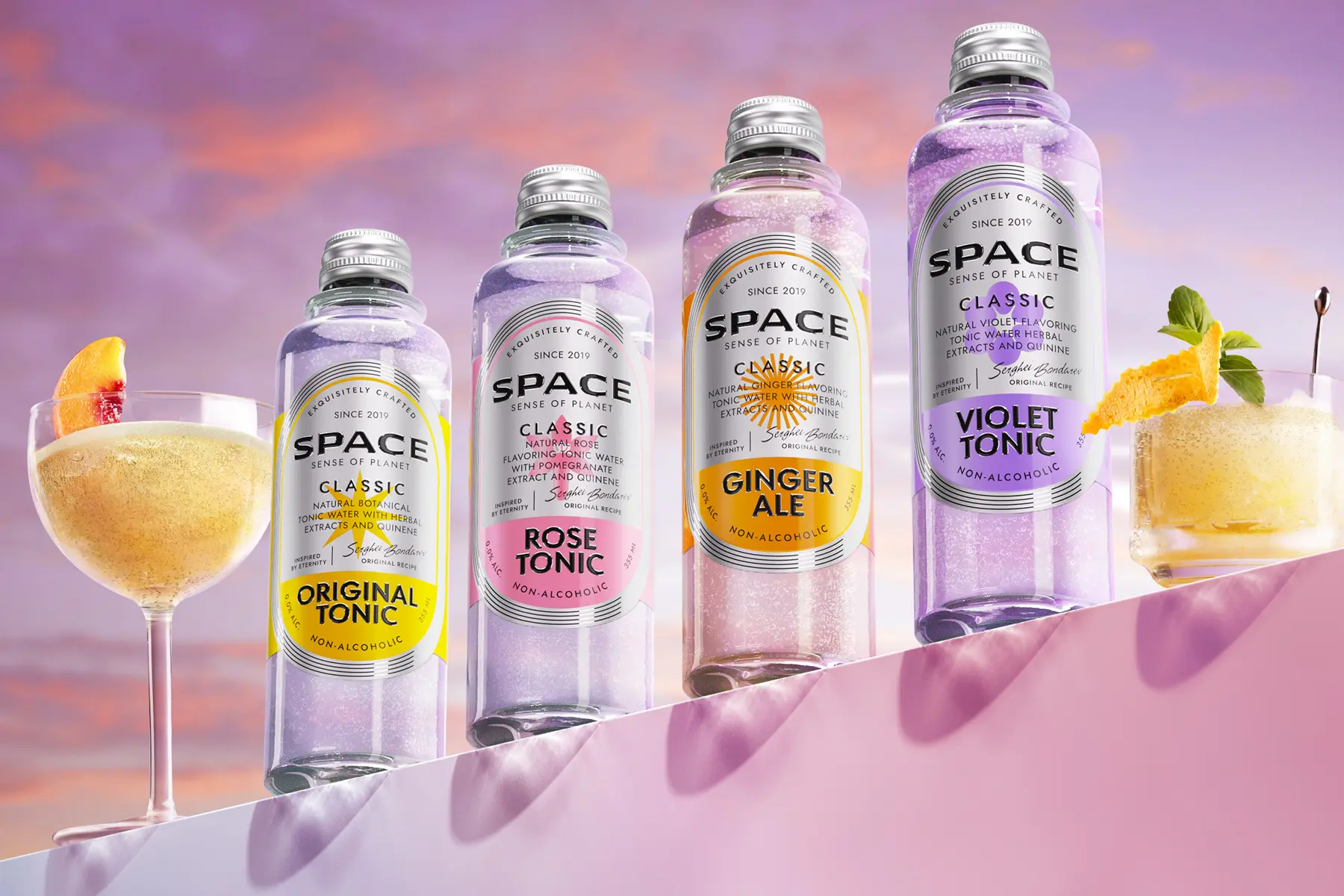

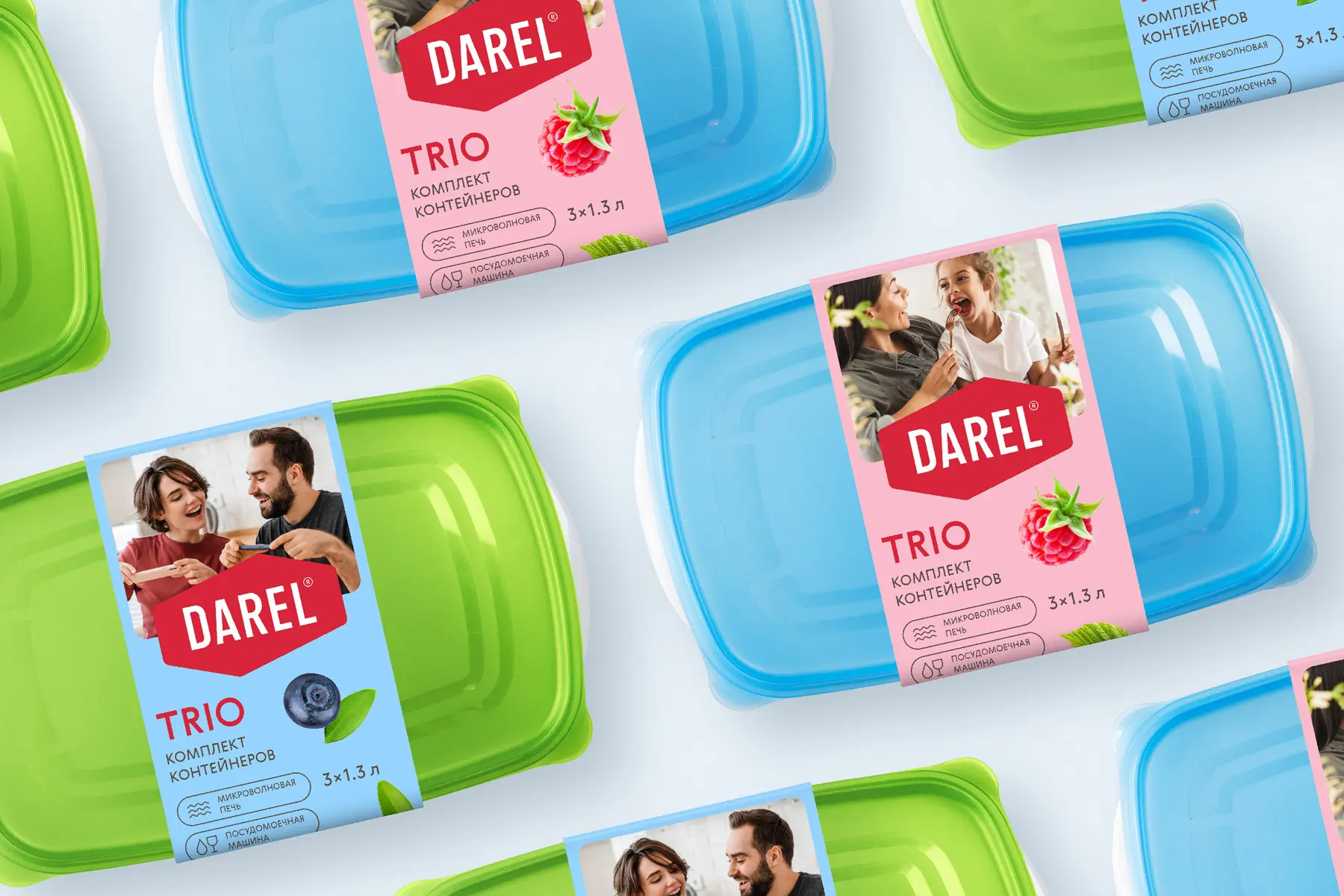

The style of a label highlights the product’s defining characteristics and accurately reflects the brand’s objectives. A distinctive label design brings the brand’s unique qualities to the forefront and makes a strong, memorable impression on customers. The label enhances the product’s appearance, communicates the brand’s values, and builds an emotional connection.

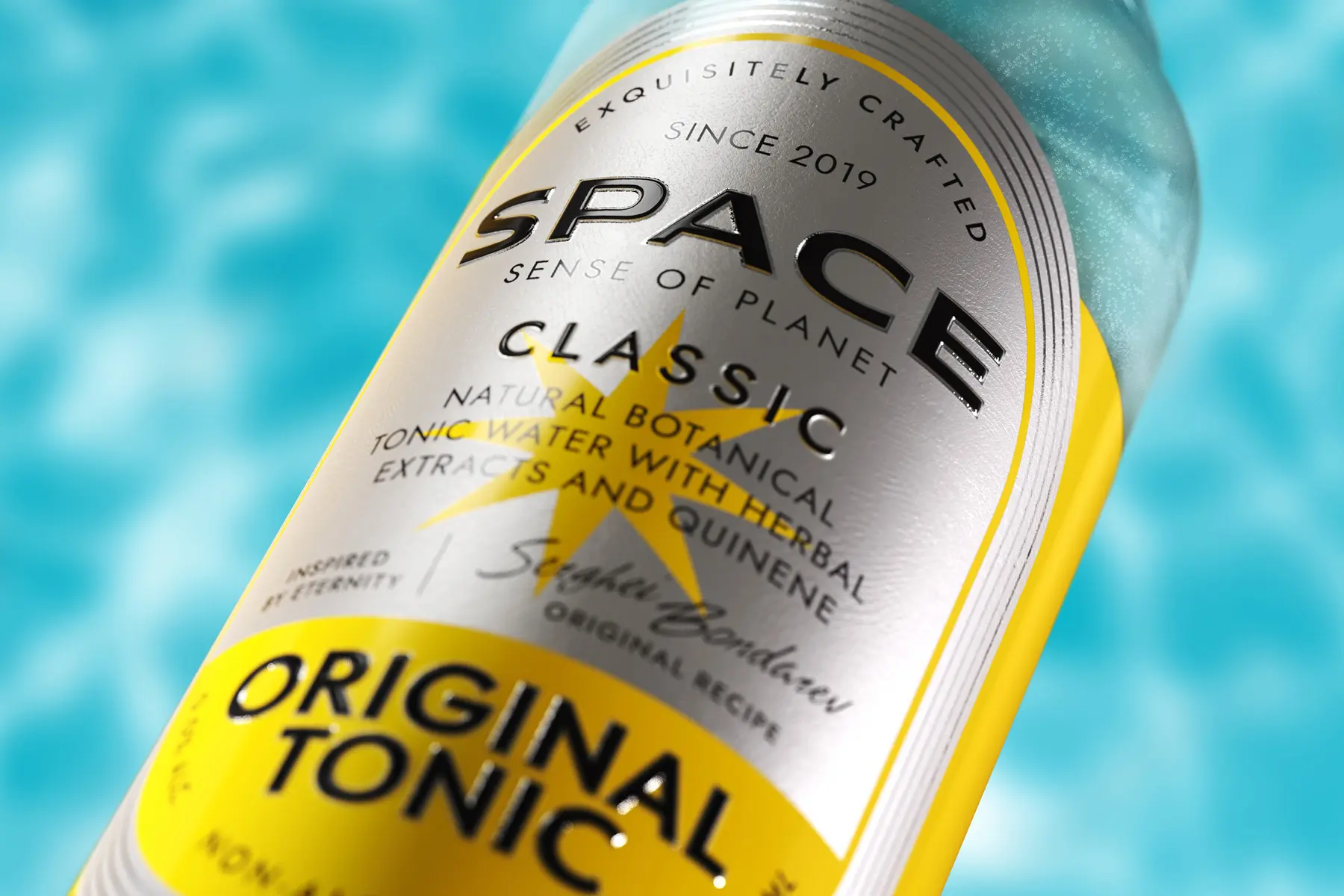
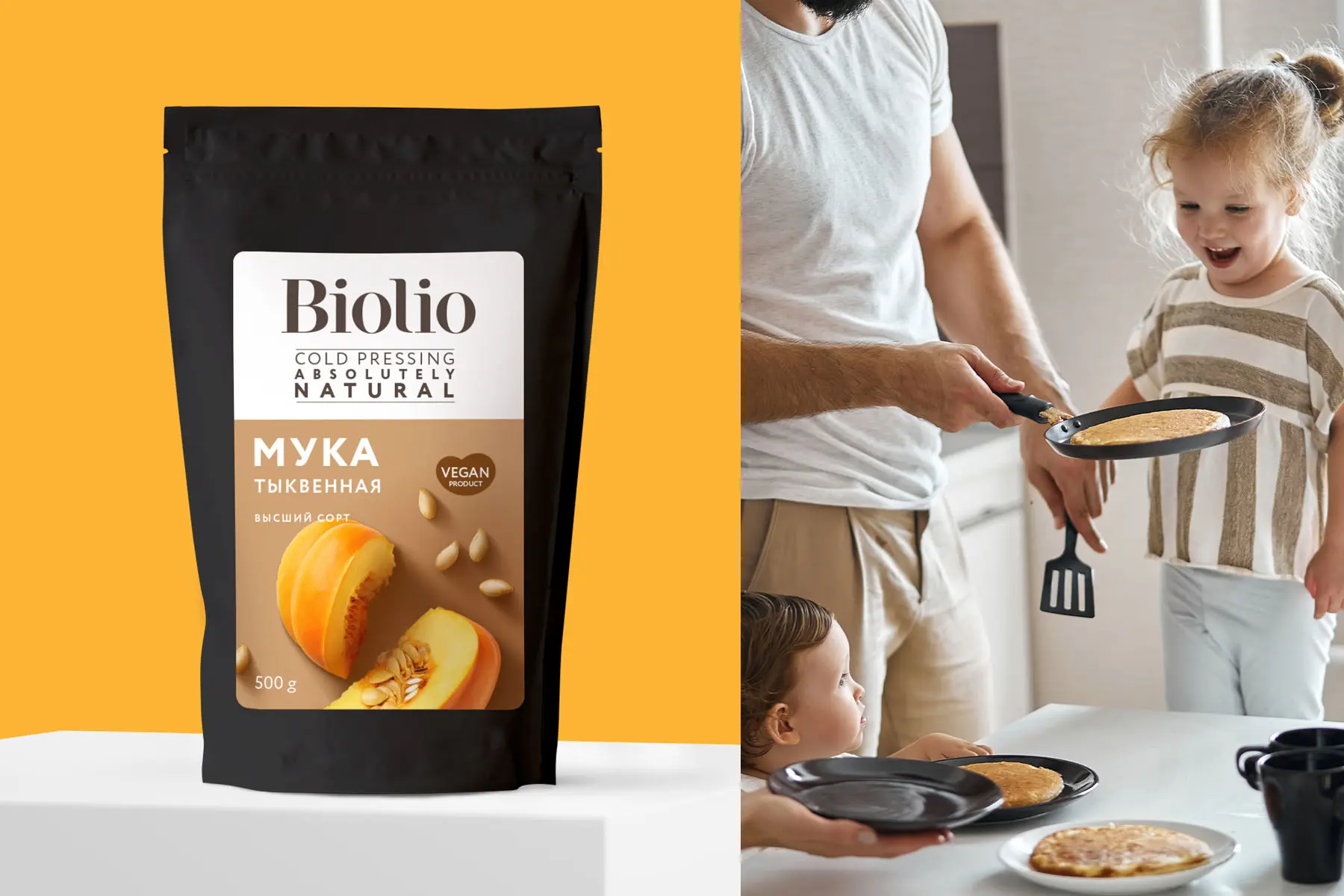
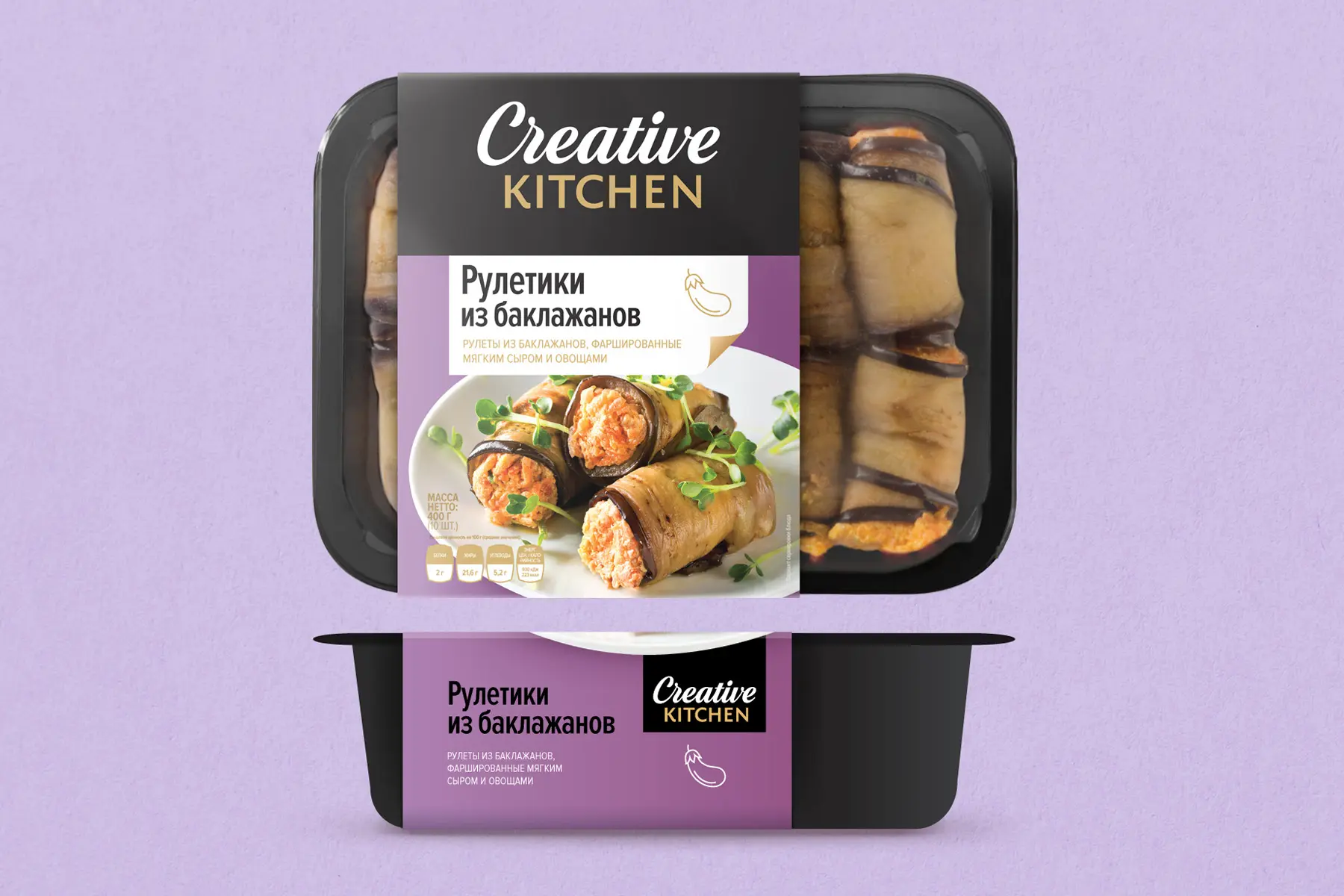
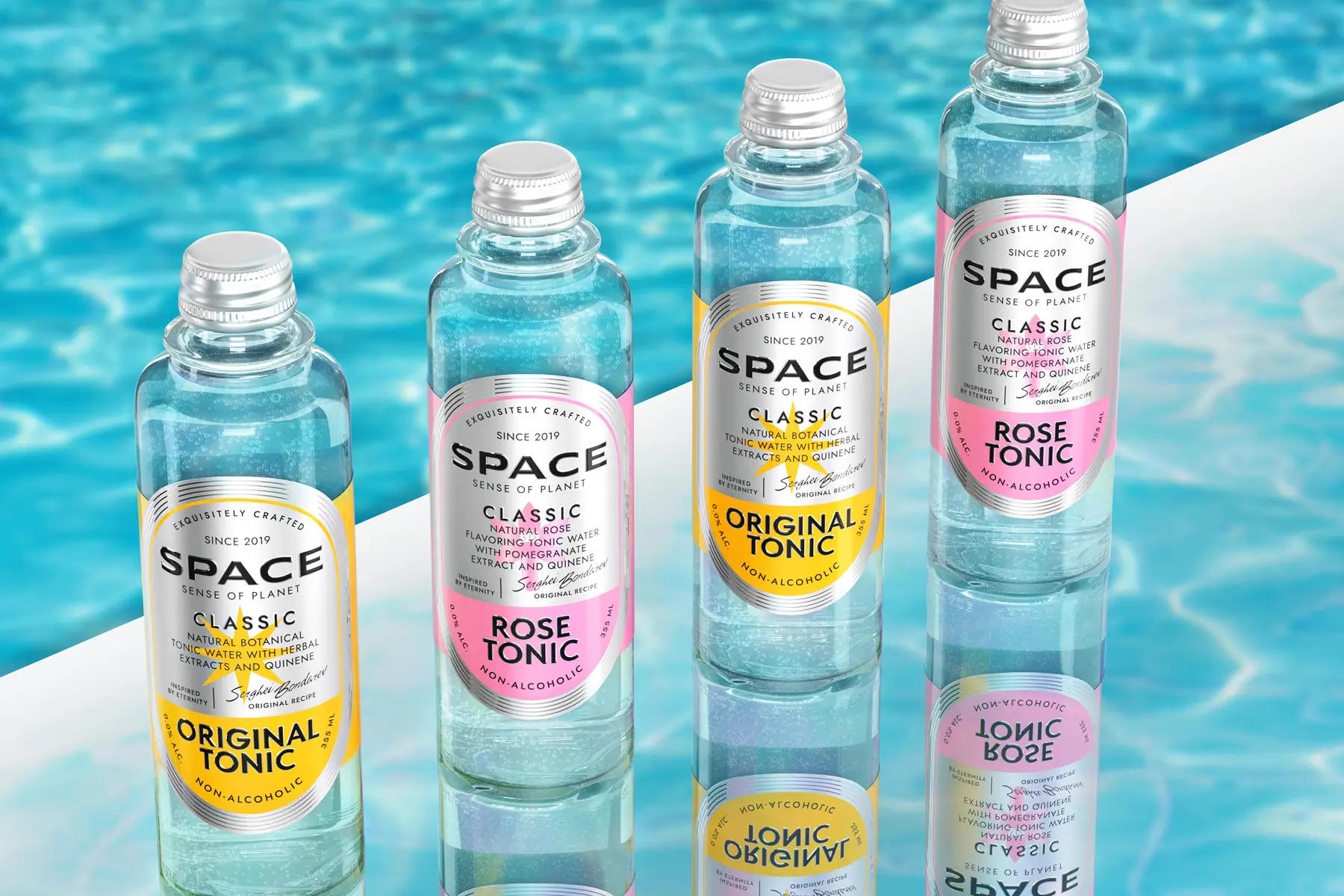
The key criteria for effective label design include visual appeal, legibility, and clarity of information. An effective label creates a strong, memorable brand impression and an immediate visual impact that inspires customer trust and loyalty. It should also integrate seamlessly with the brand’s other advertising and communication materials.
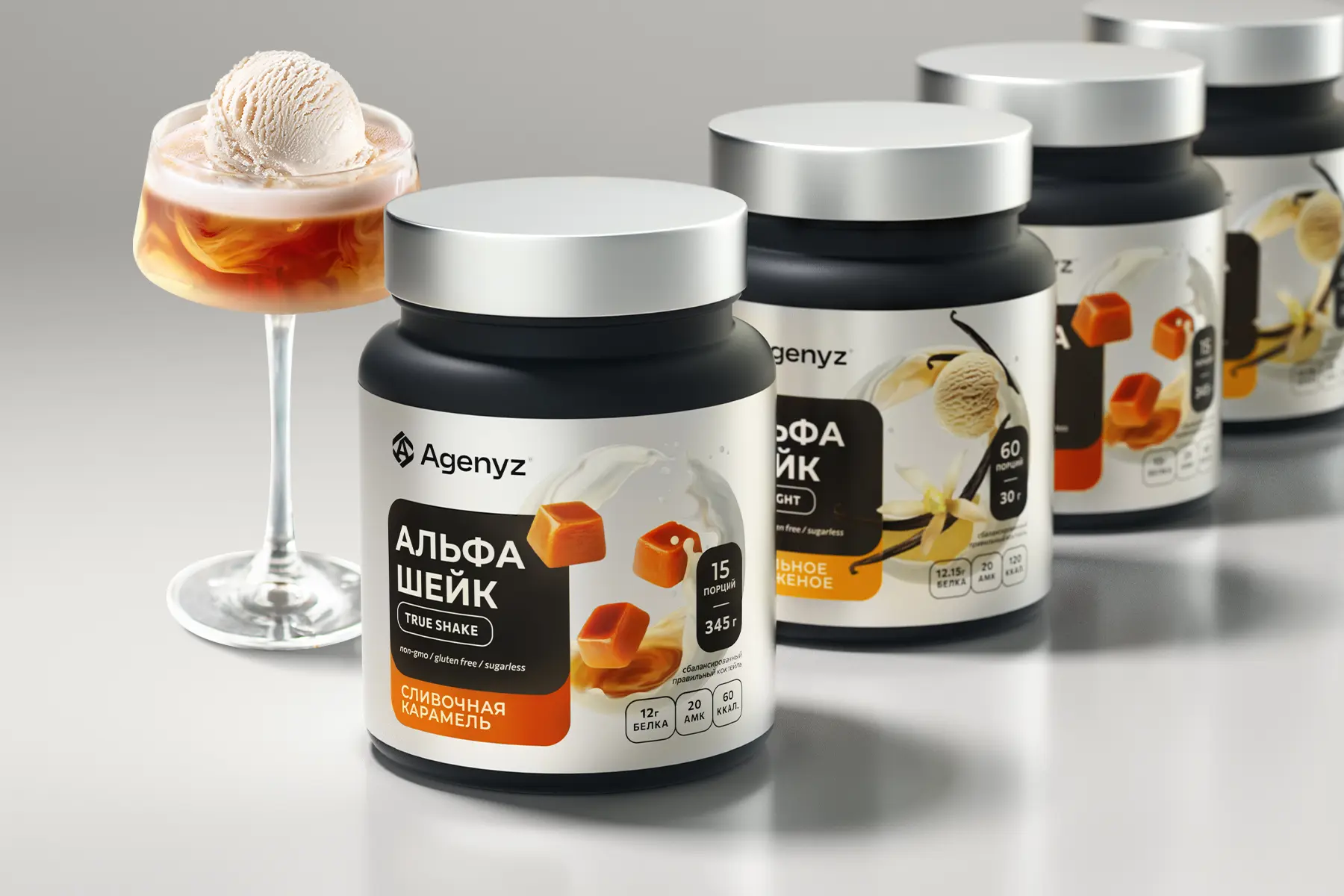
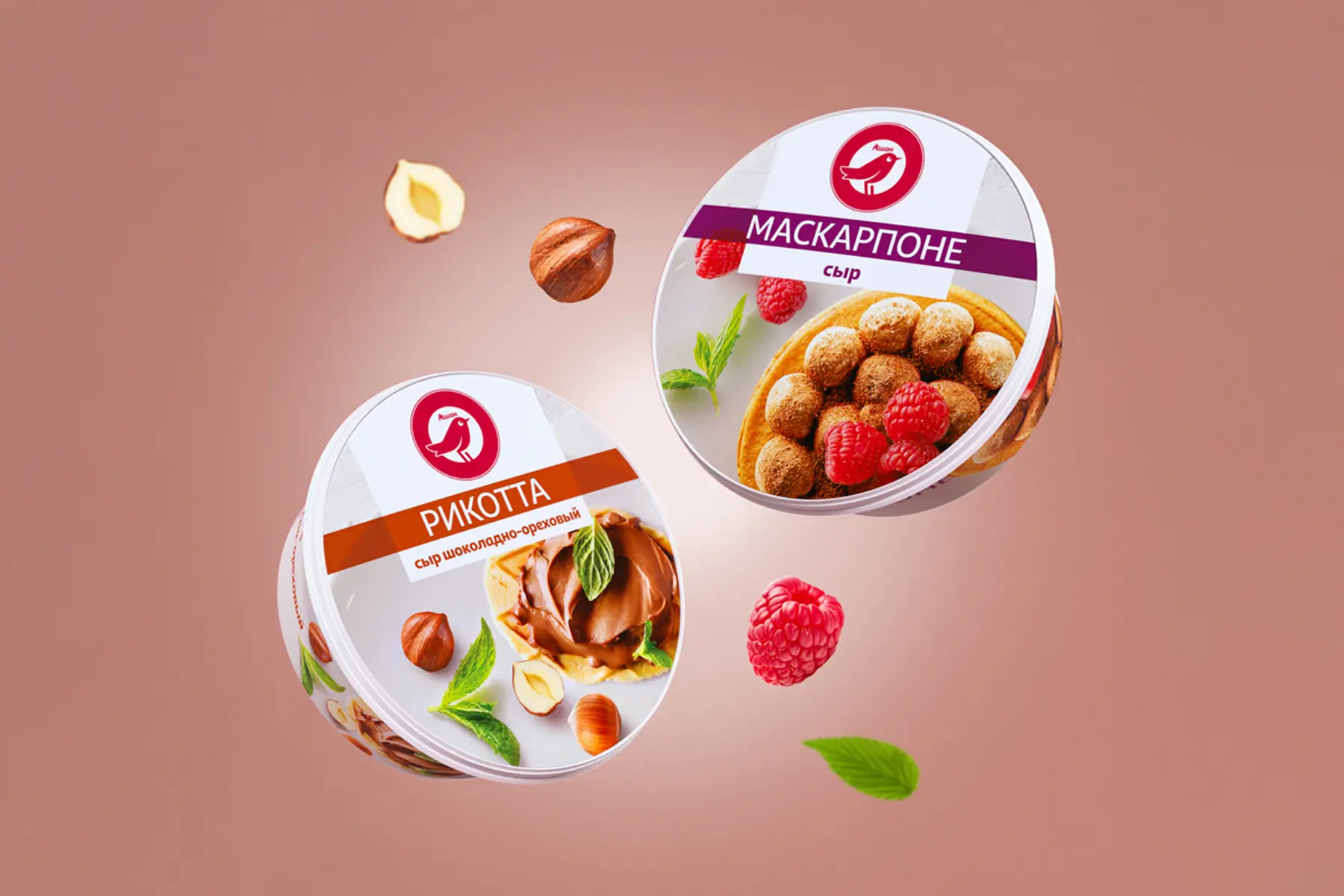
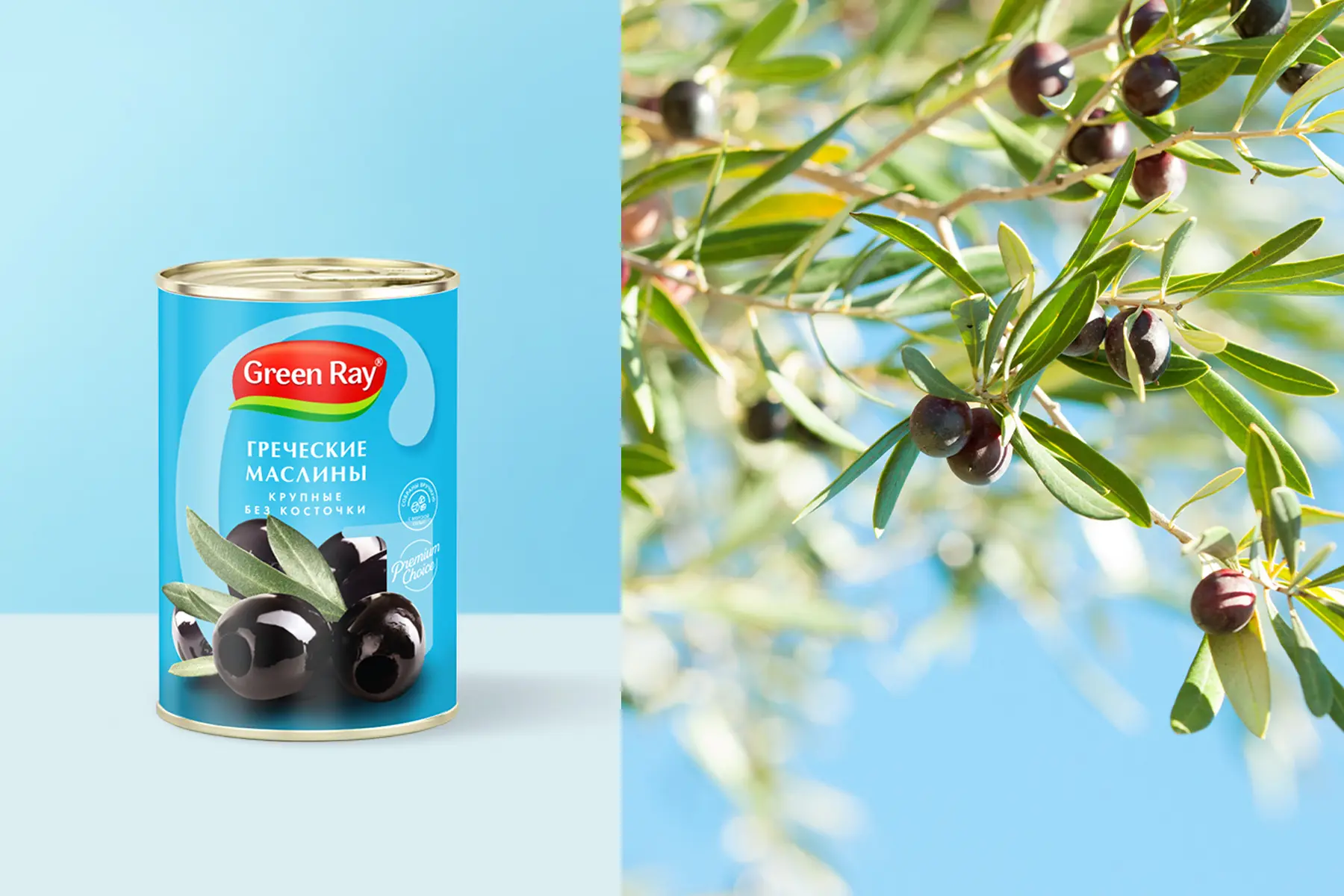
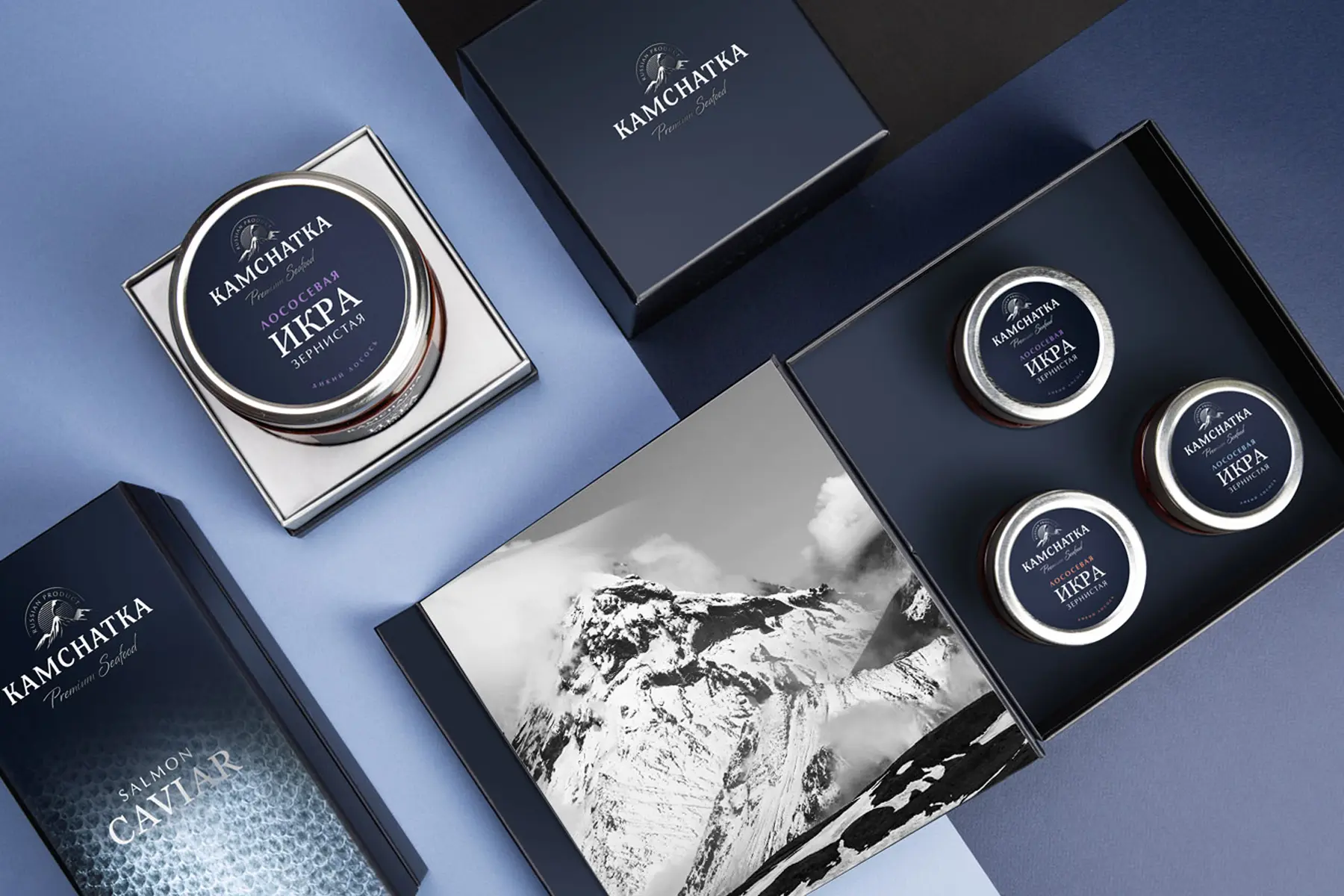
Label design research assesses how effectively a label communicates the brand’s values and influences purchase decisions. It is a key stage in creating a design that helps drive sales and contributes to the brand’s success. Research reveals the target audience’s preferences, helping create a label that stands out from competing products, generates an emotional response, and strengthens customer loyalty to the brand.
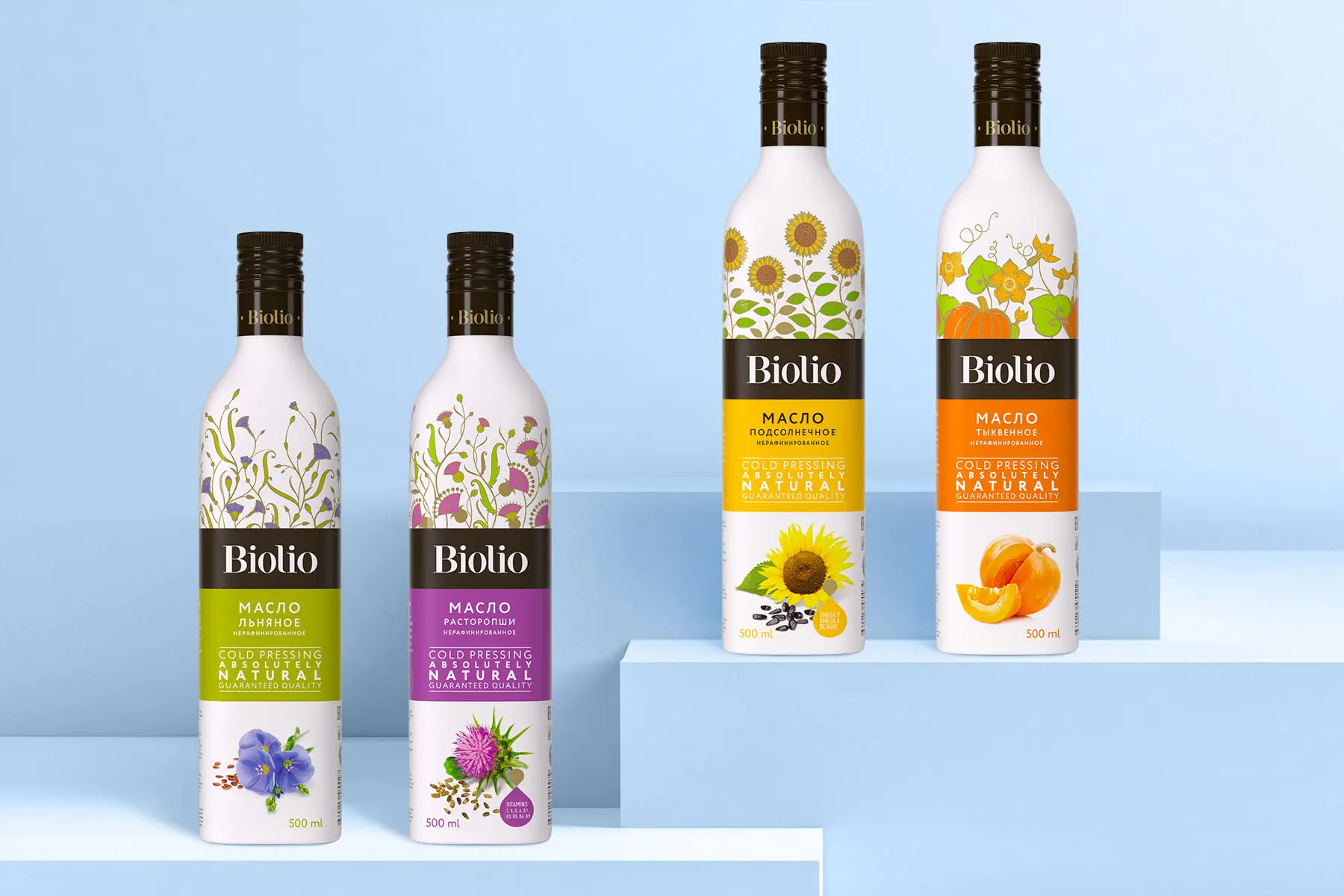
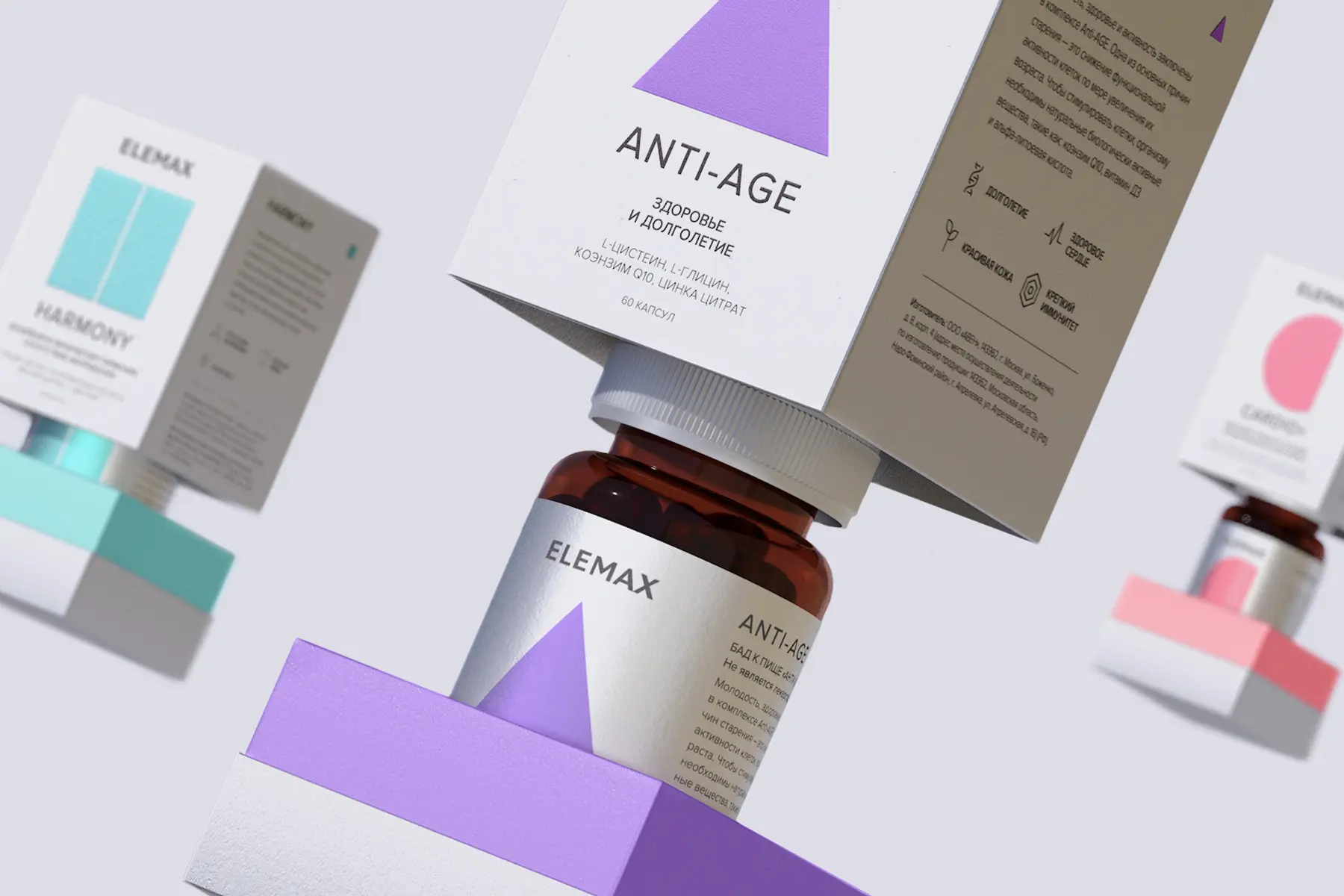
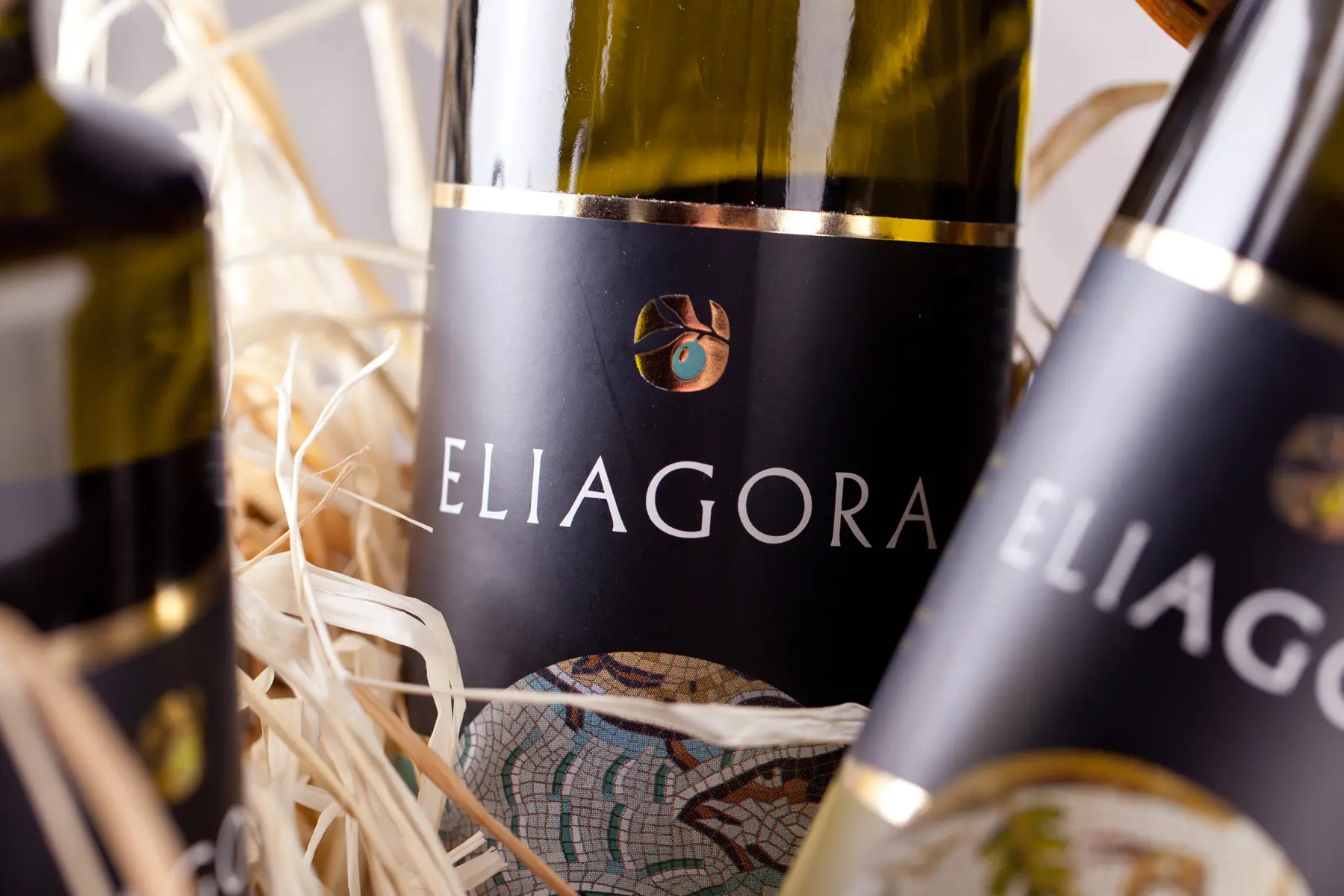
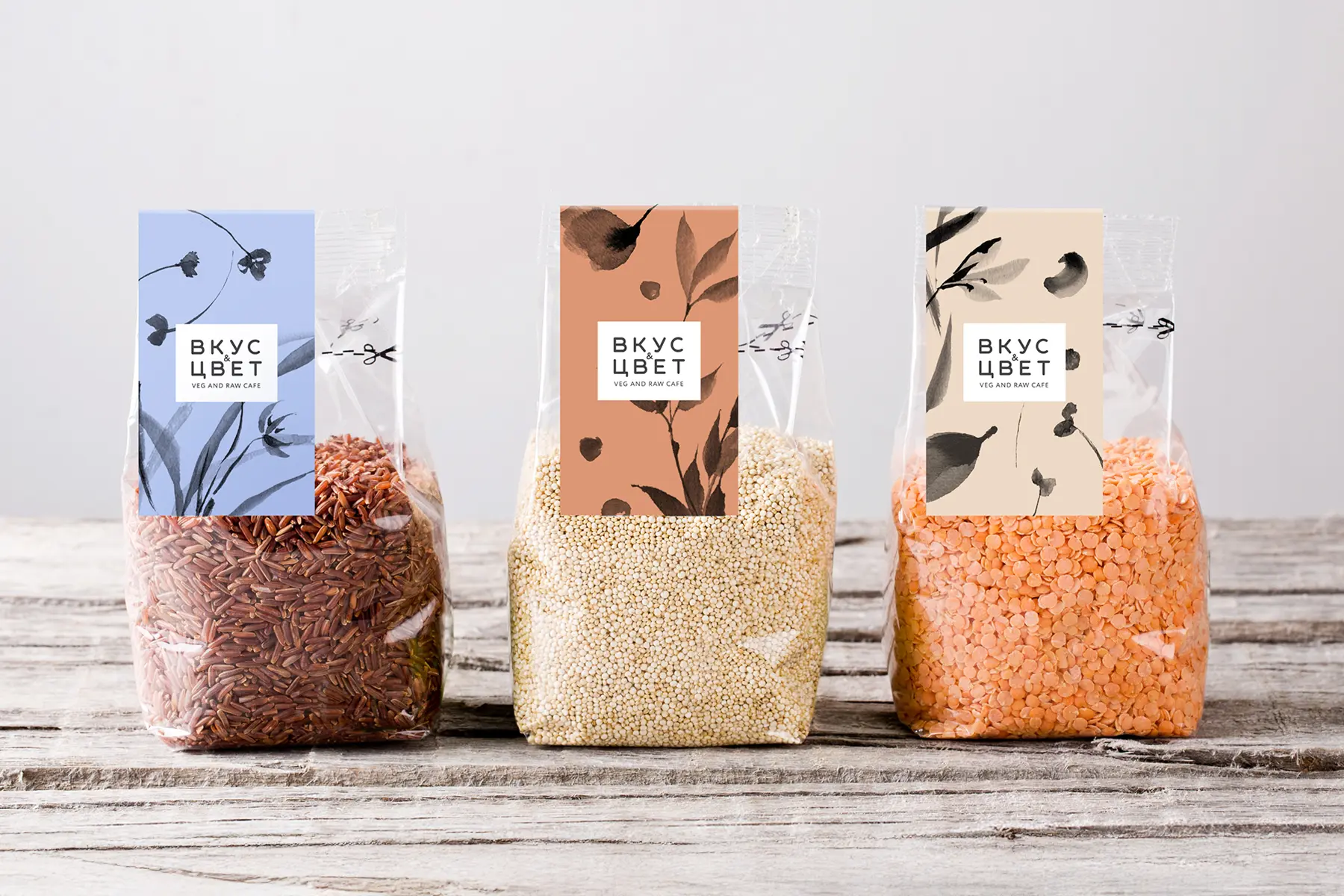
Label rebranding is a comprehensive refresh of the product’s visual identity, intended to increase its appeal and competitiveness. Its purpose is to attract attention to the product on the shelf and strengthen consumer loyalty. Fast-moving consumer goods often require more frequent updates than slower-moving product categories to keep pace with changing market dynamics and expectations.

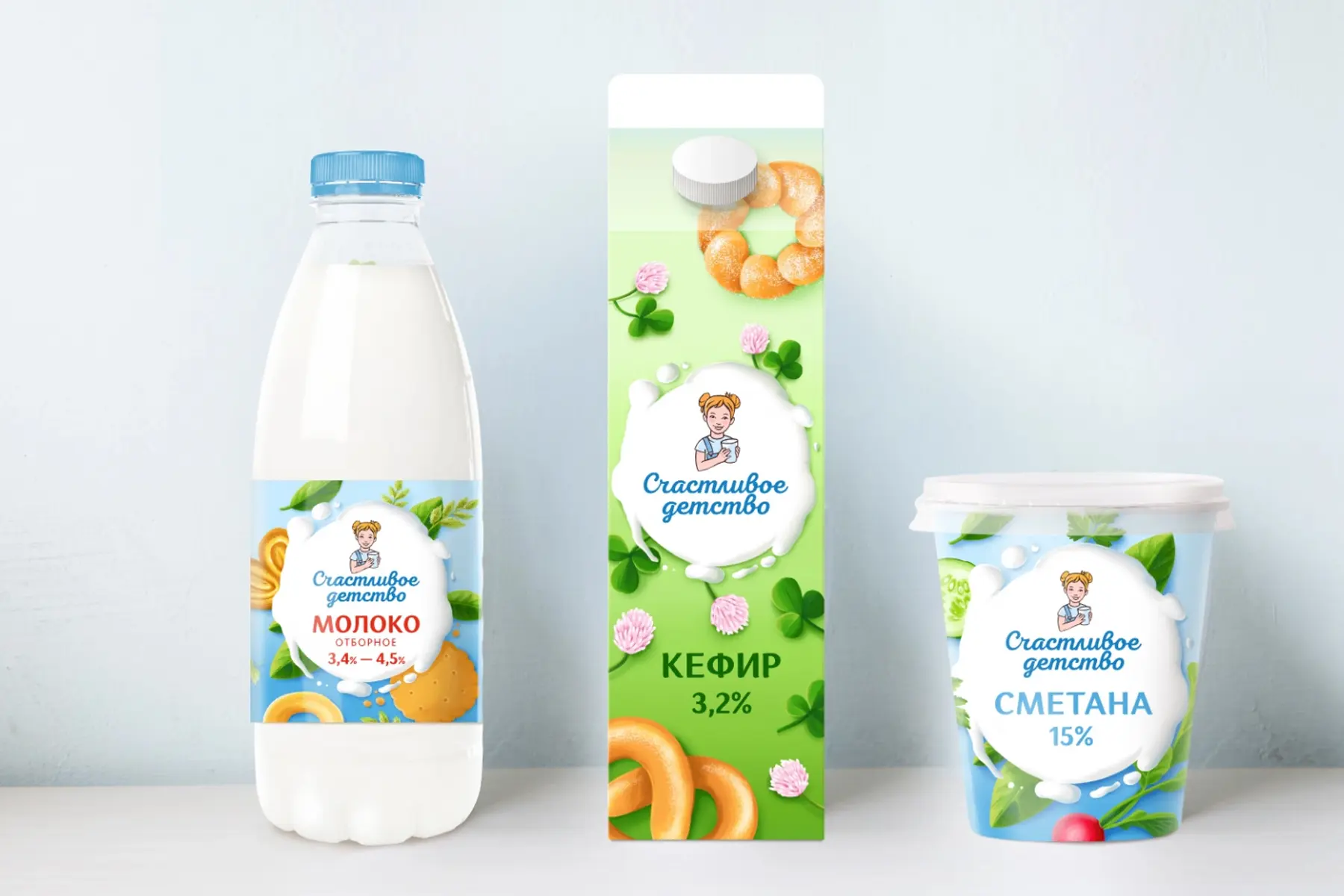
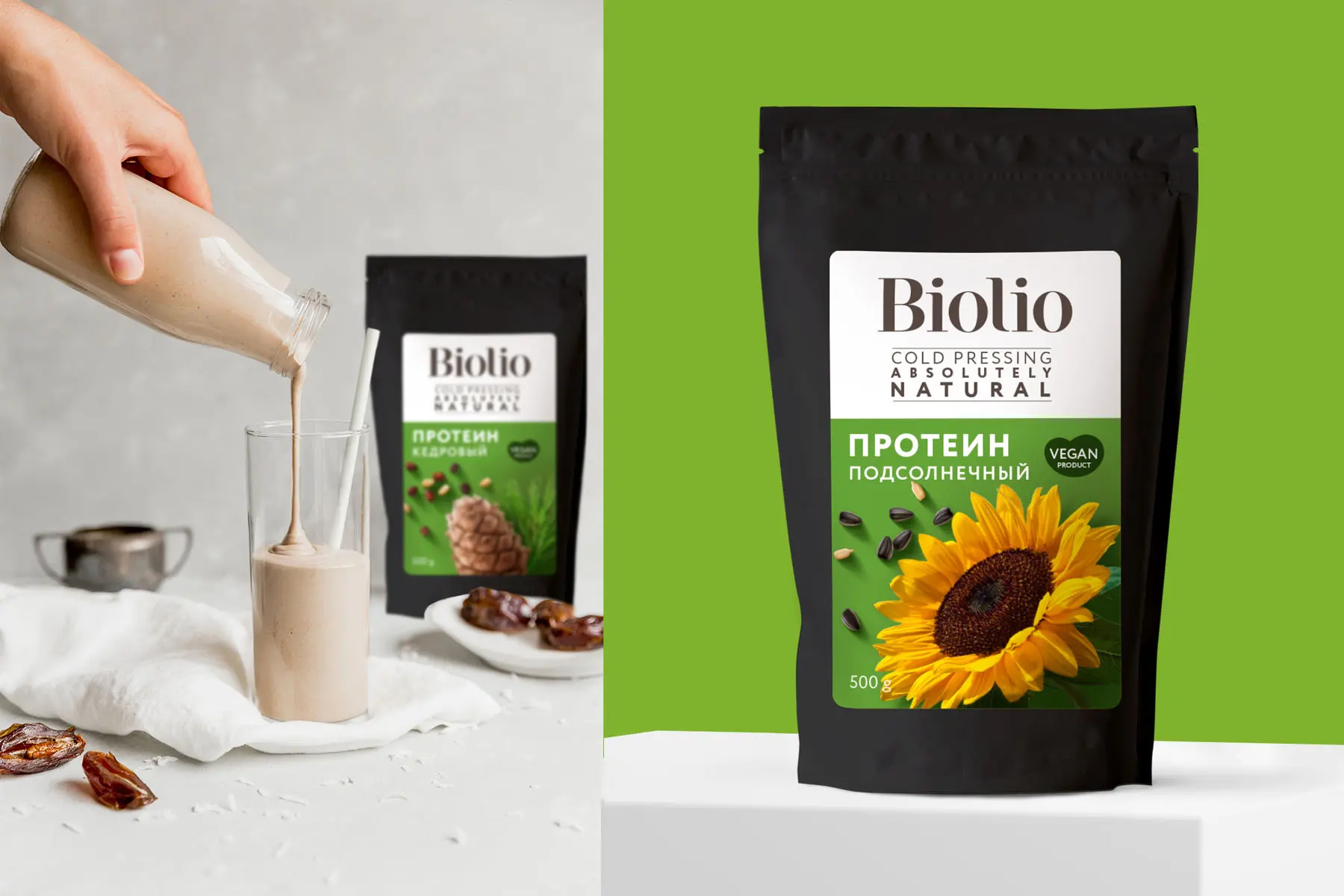
Trademark registration is a reliable way to protect a label against copying and unfair competition. It secures legal protection for the brand’s distinctive elements and grants the rights holder exclusive rights to use the design. If the label or any of its elements are copied or used without authorization, the rights holder can seek to stop the infringing activity and claim substantial compensation.
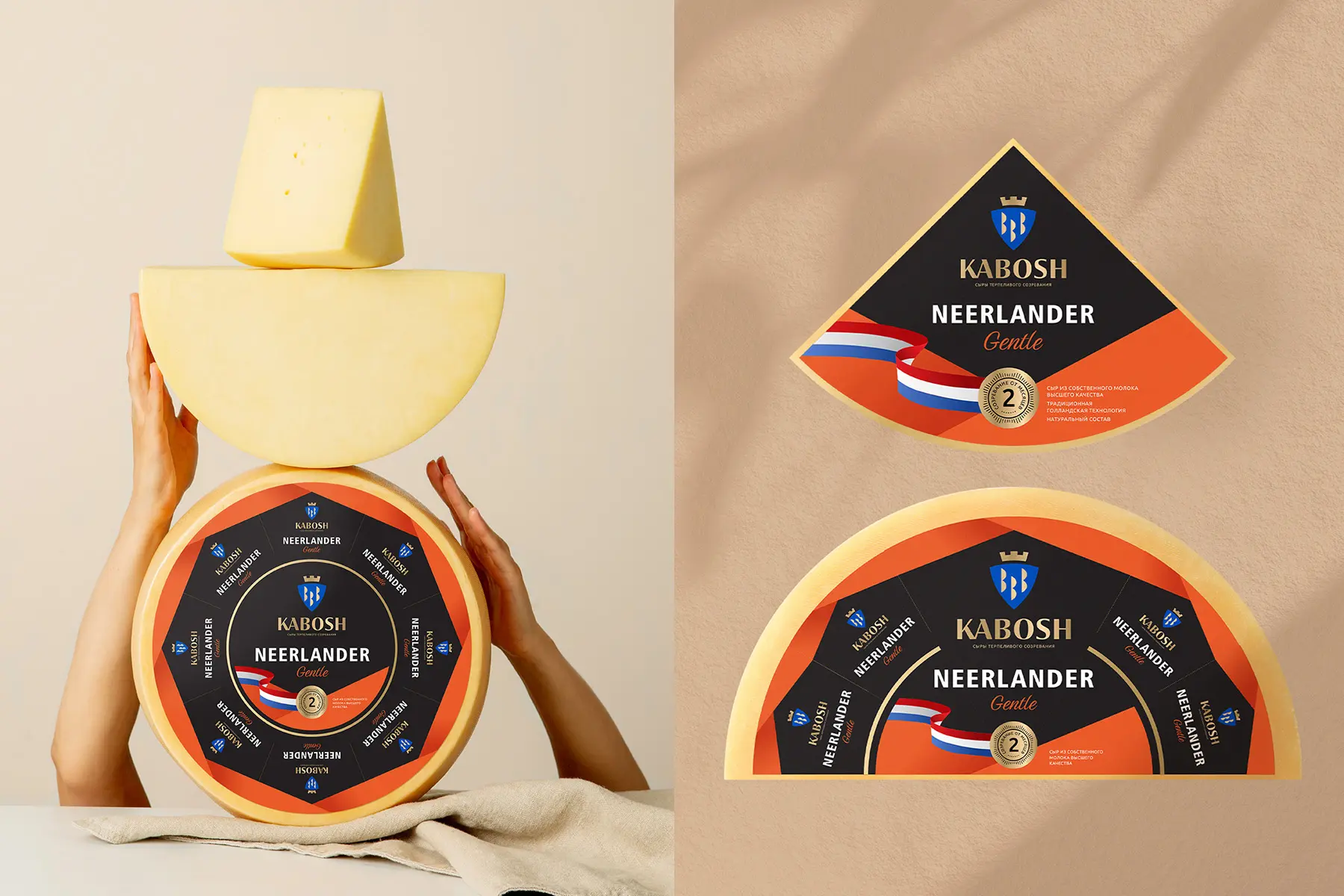
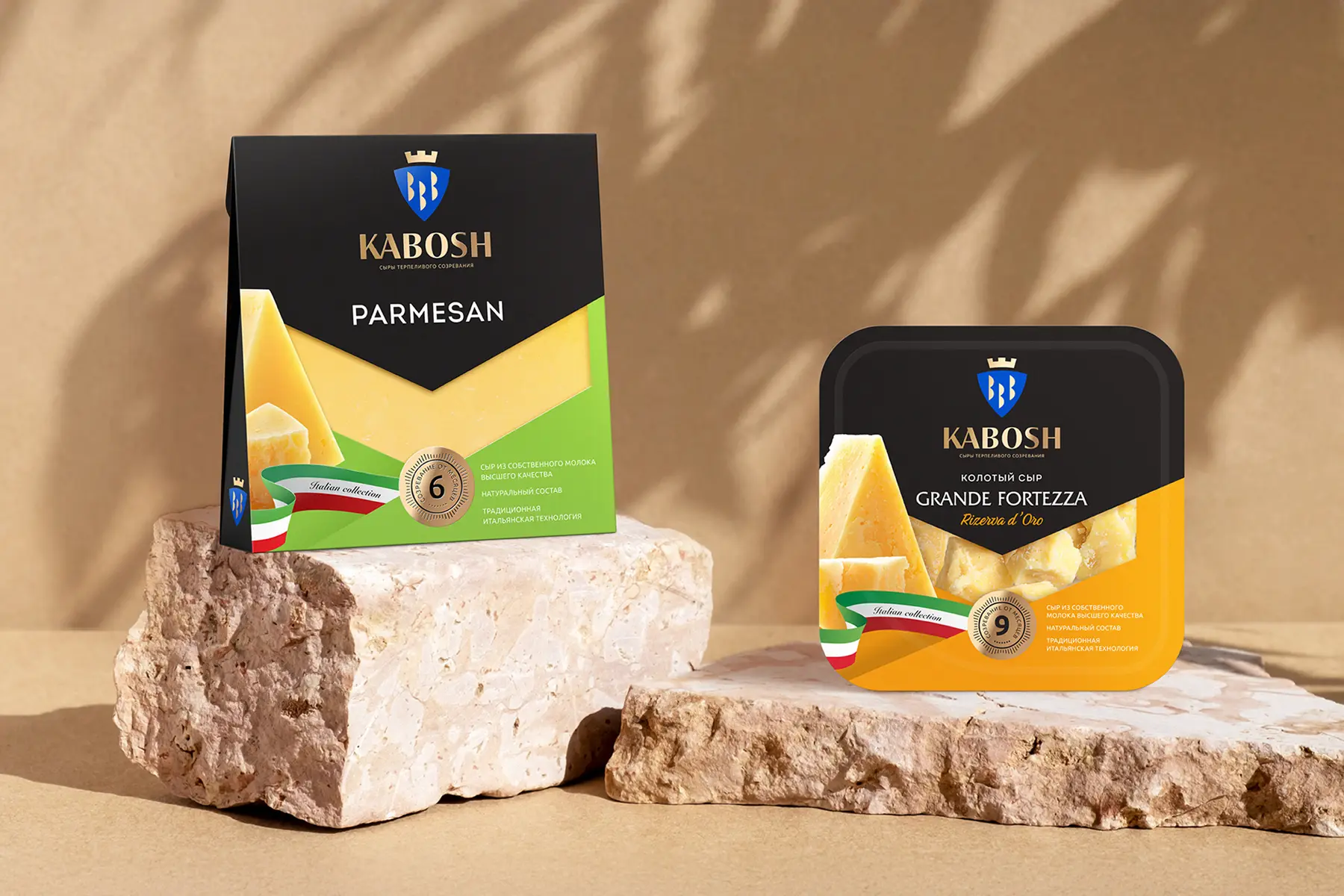
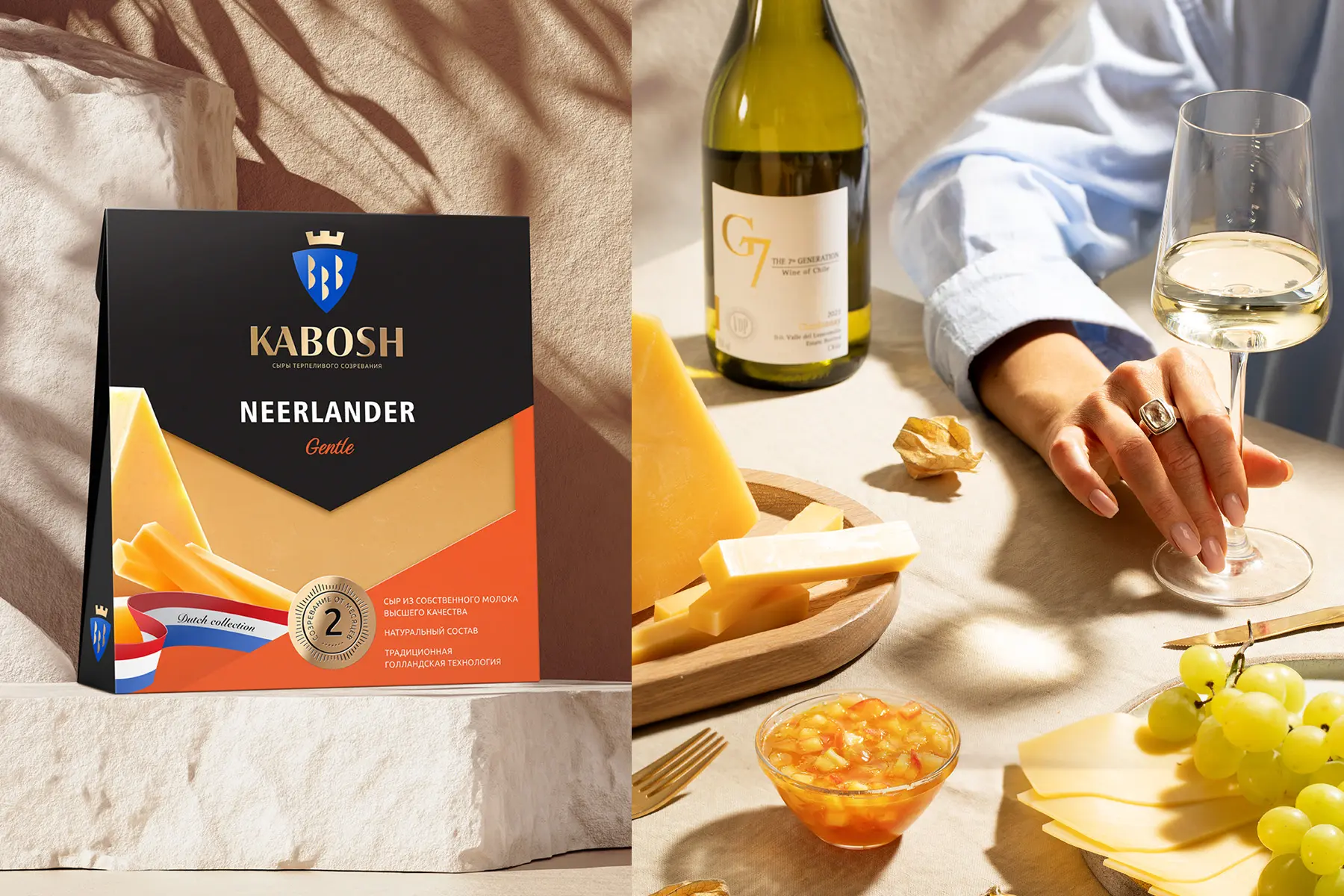
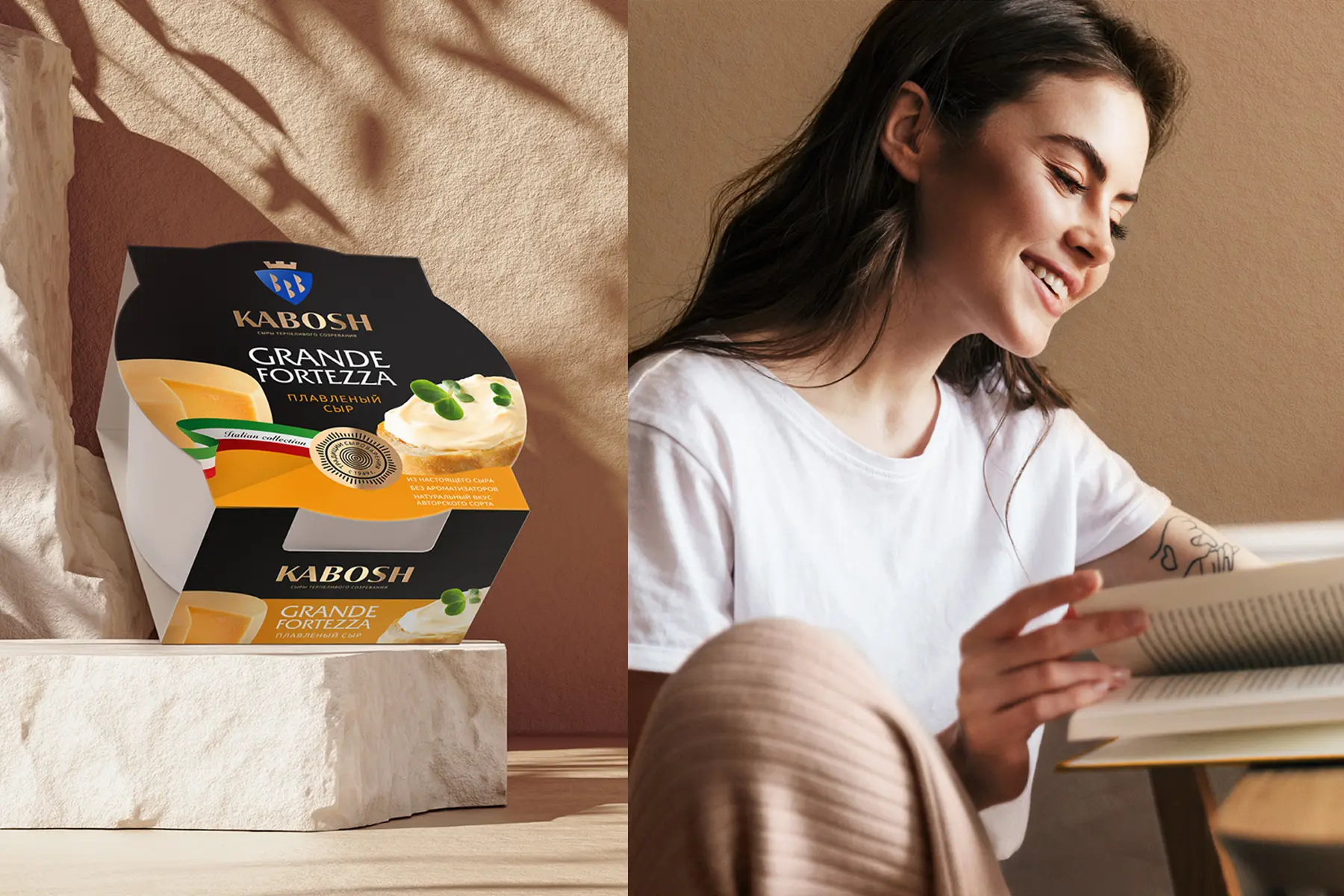
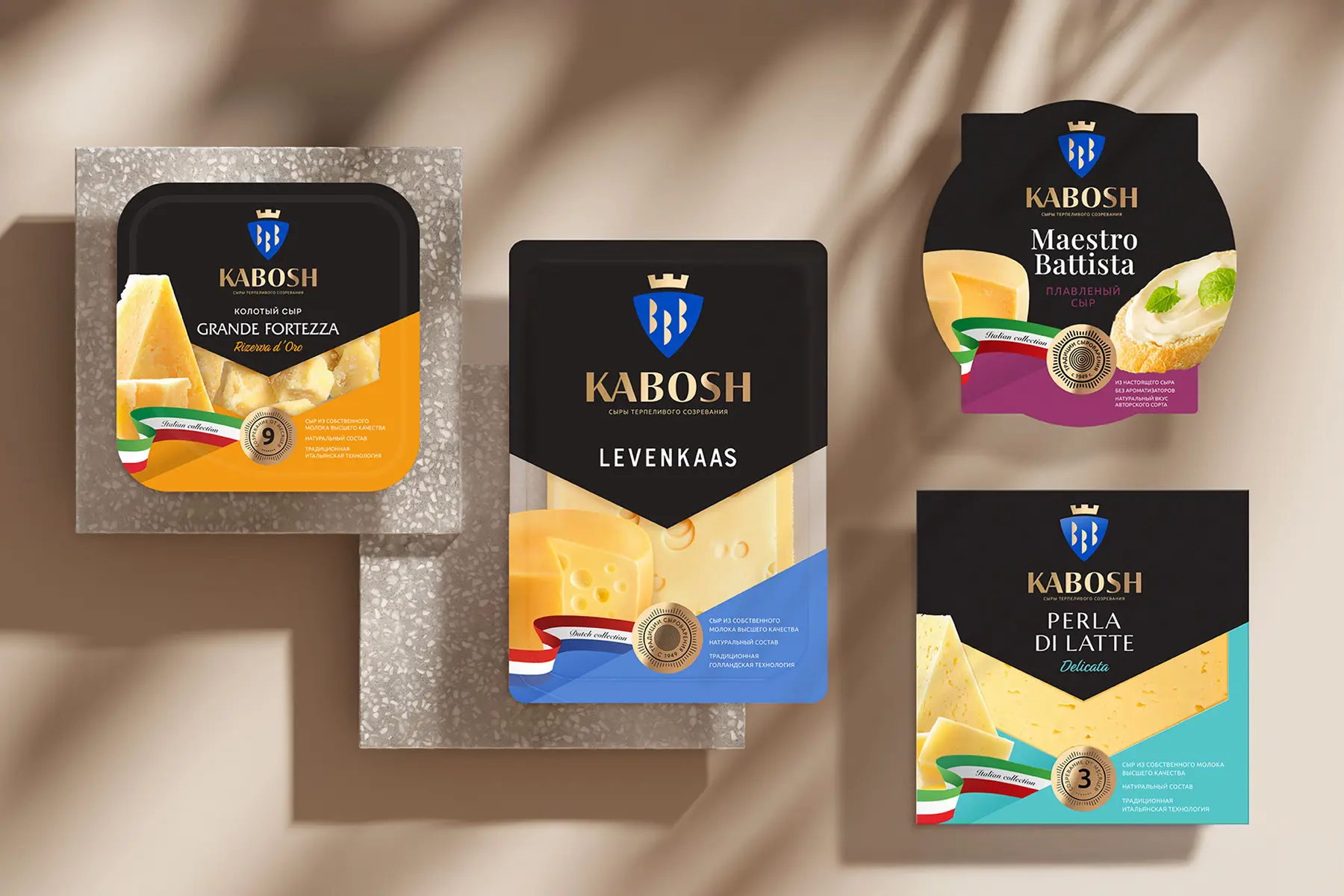
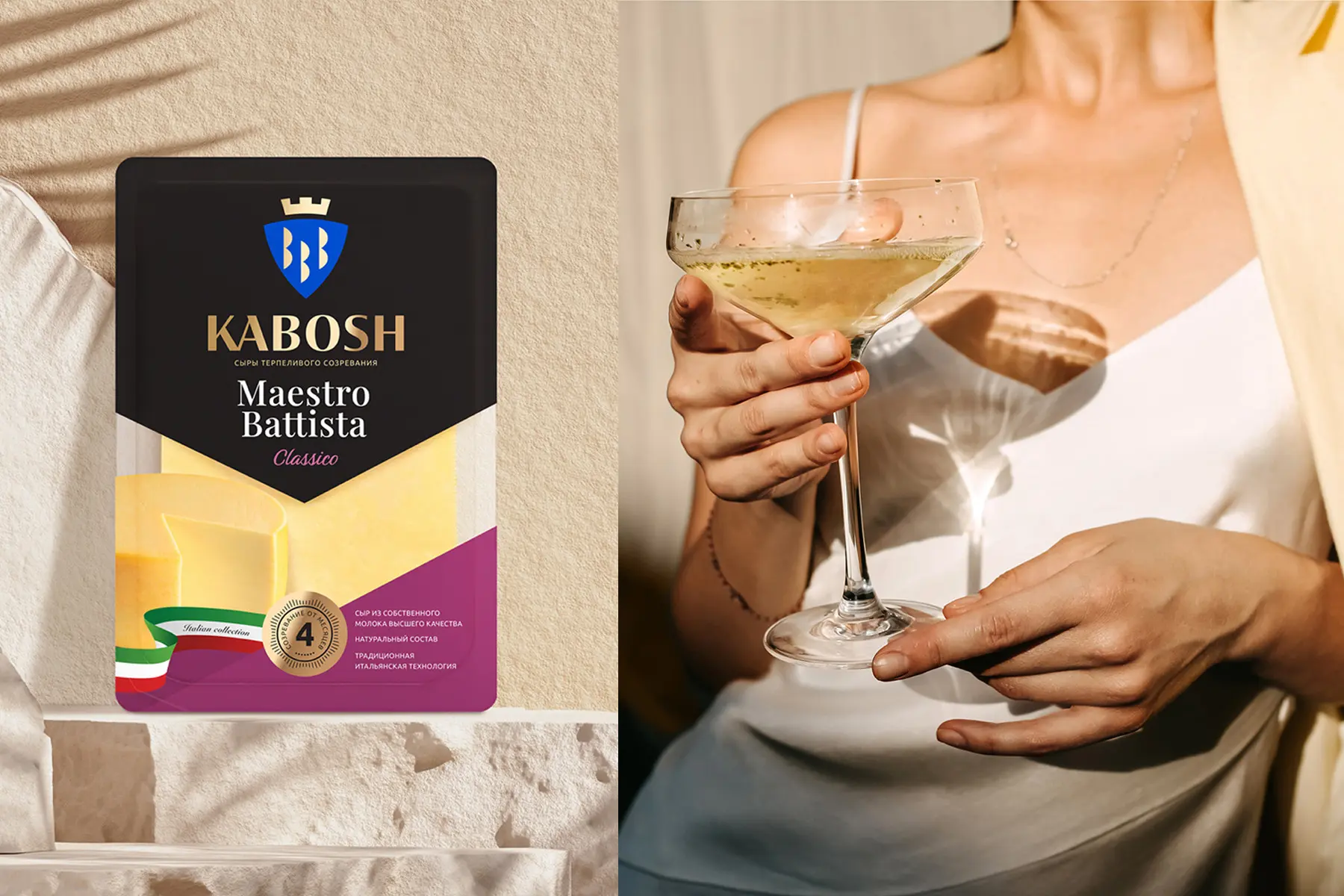
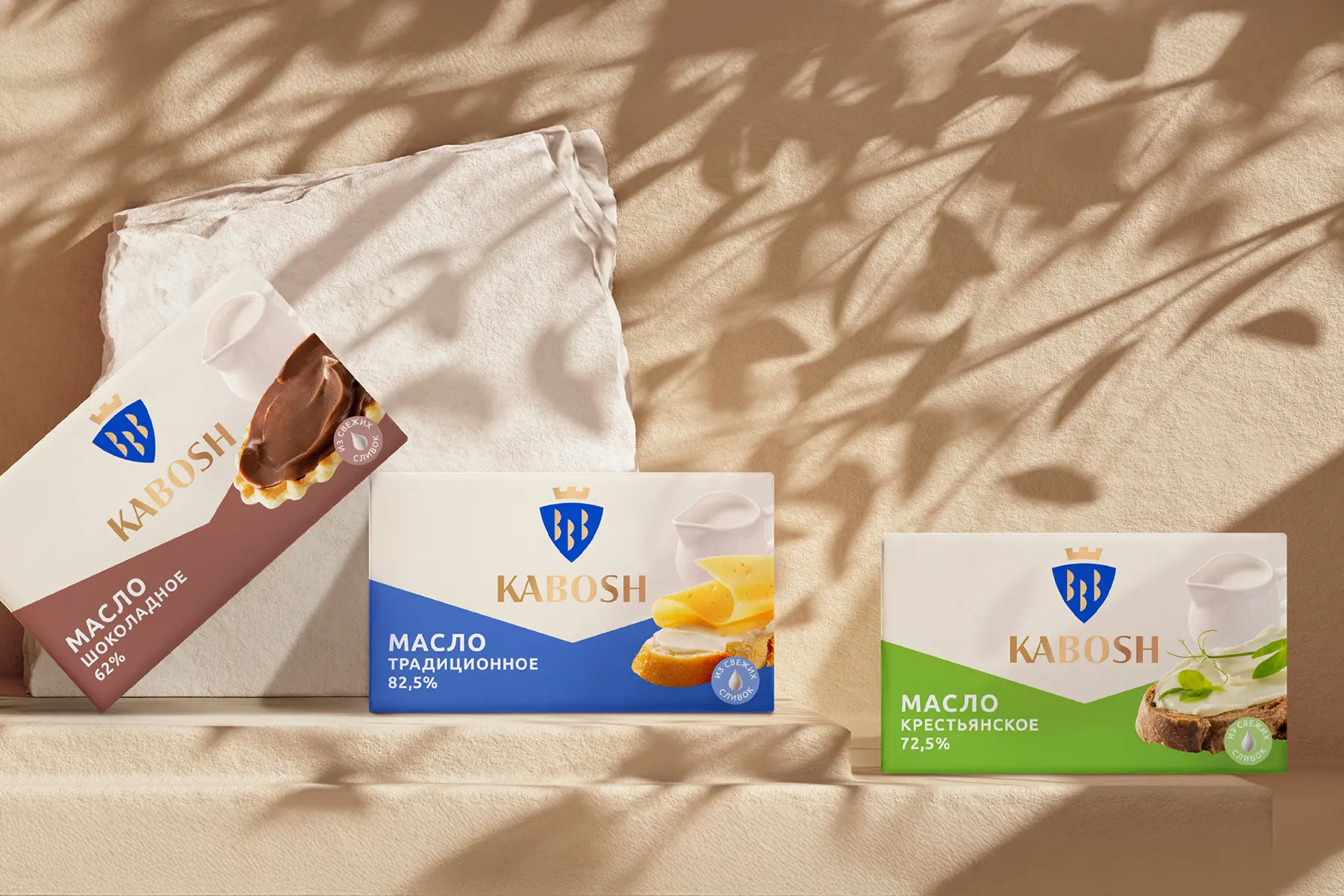
Extending a label design across a product range helps a brand stand out in the market and capture customer attention. Every element—from color and typography to graphics—contributes to a cohesive visual system that attracts attention and communicates the brand’s values. The label also emphasizes the product’s quality, style, and distinctive character, encouraging customers to choose the brand.



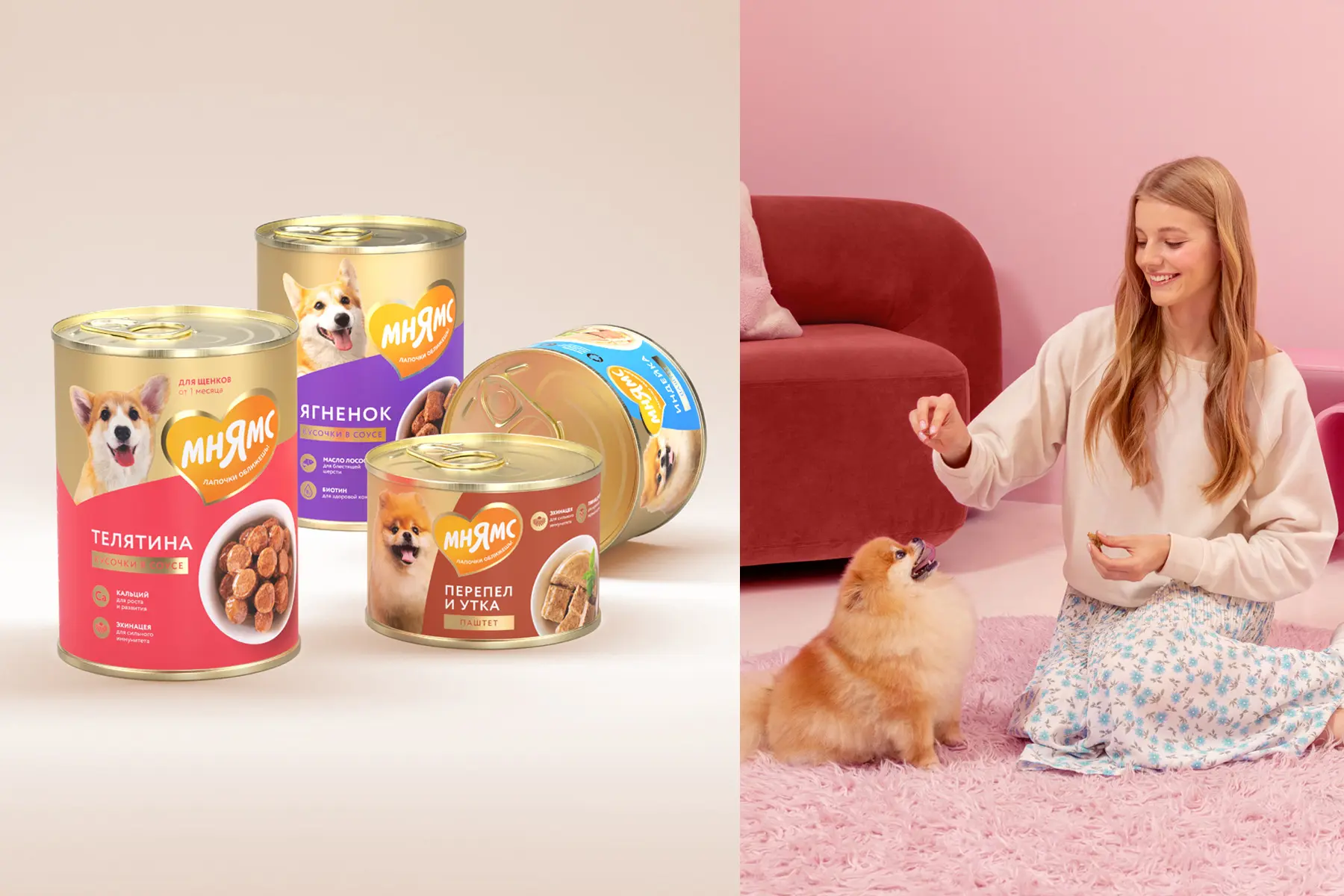


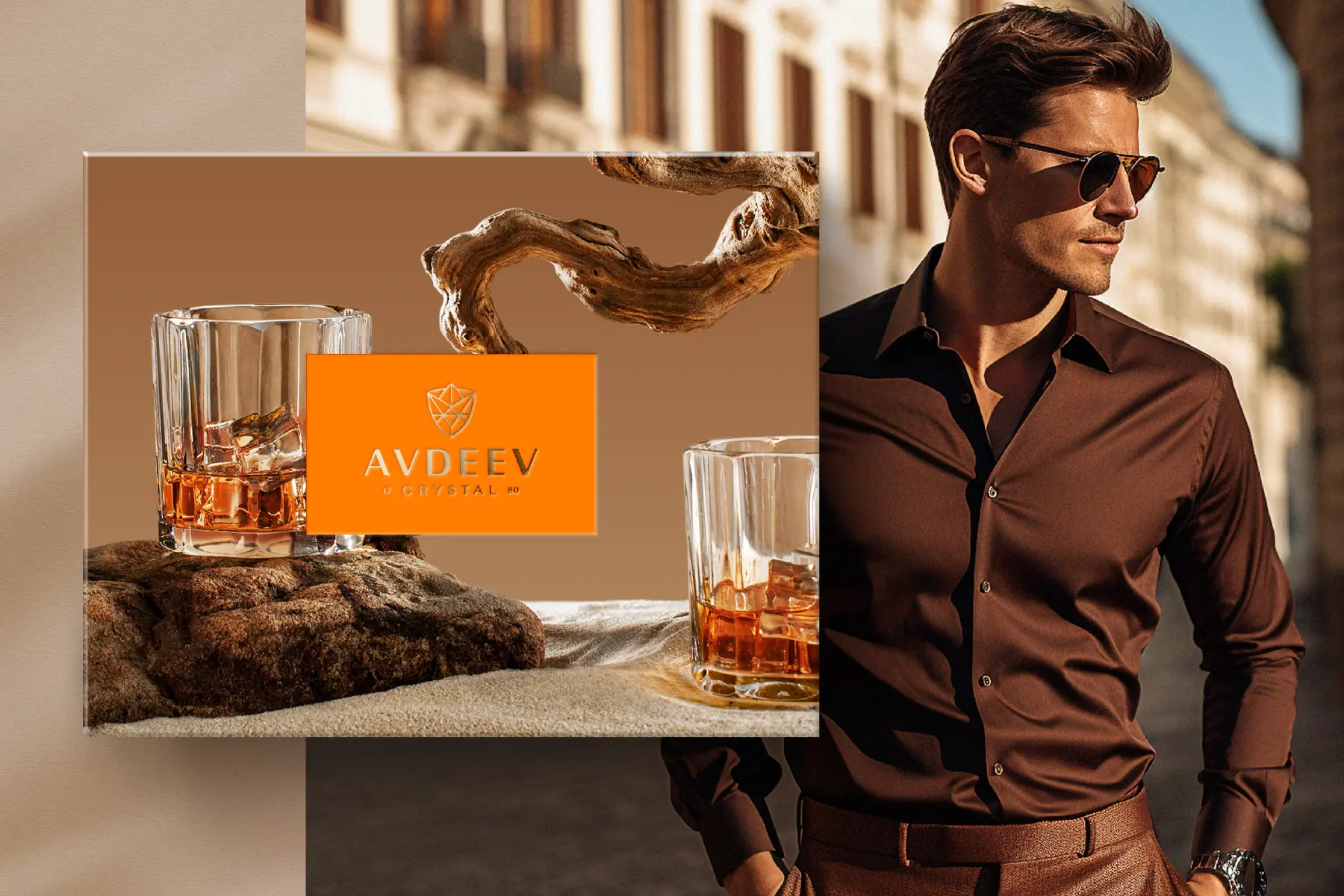
Photography and label design are essential elements that work together to create an appealing product image. Photography used on a label highlights product details and conveys freshness and quality. Together, photography and design strengthen the emotional connection, making the product more desirable and reinforcing customer loyalty to the brand.
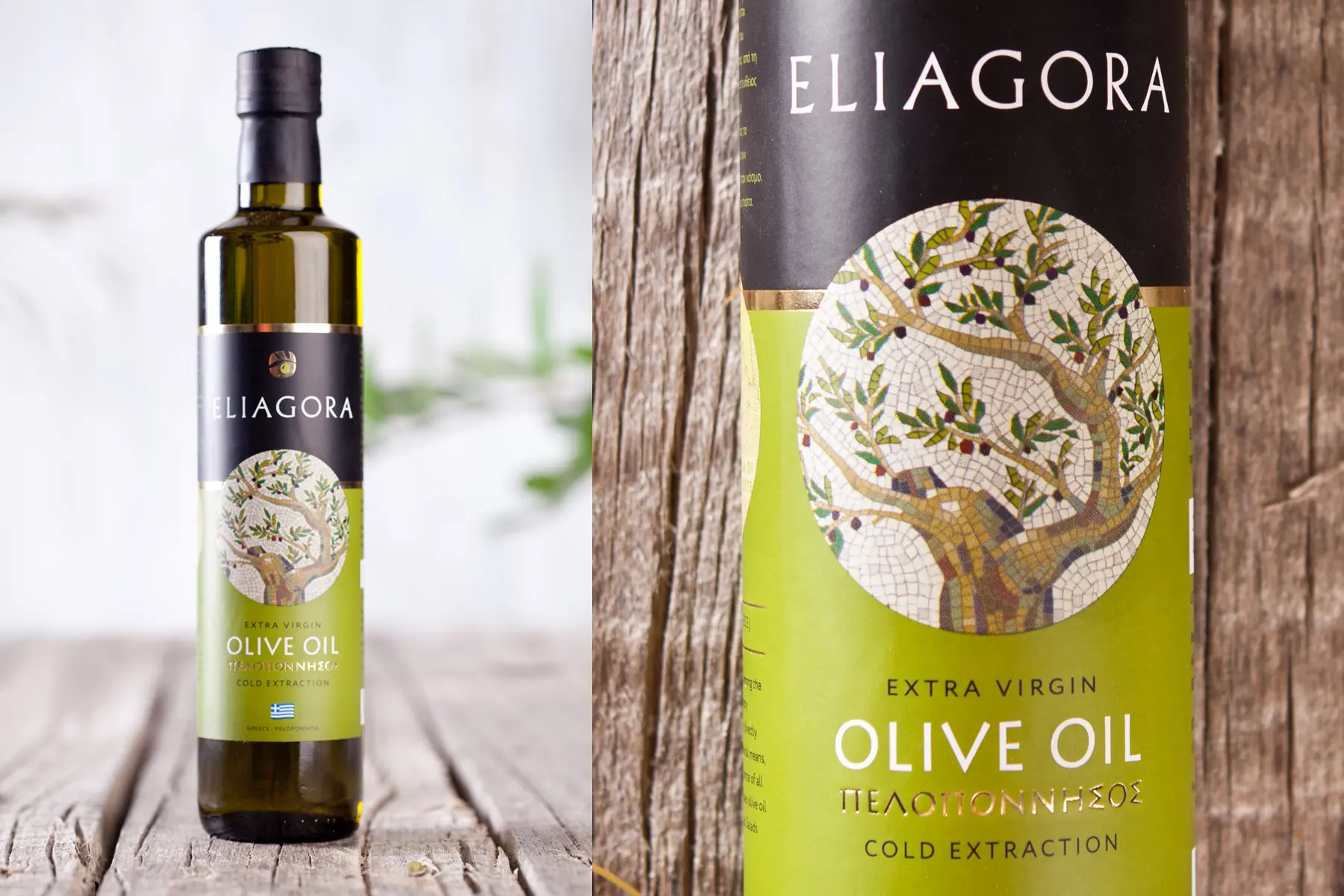
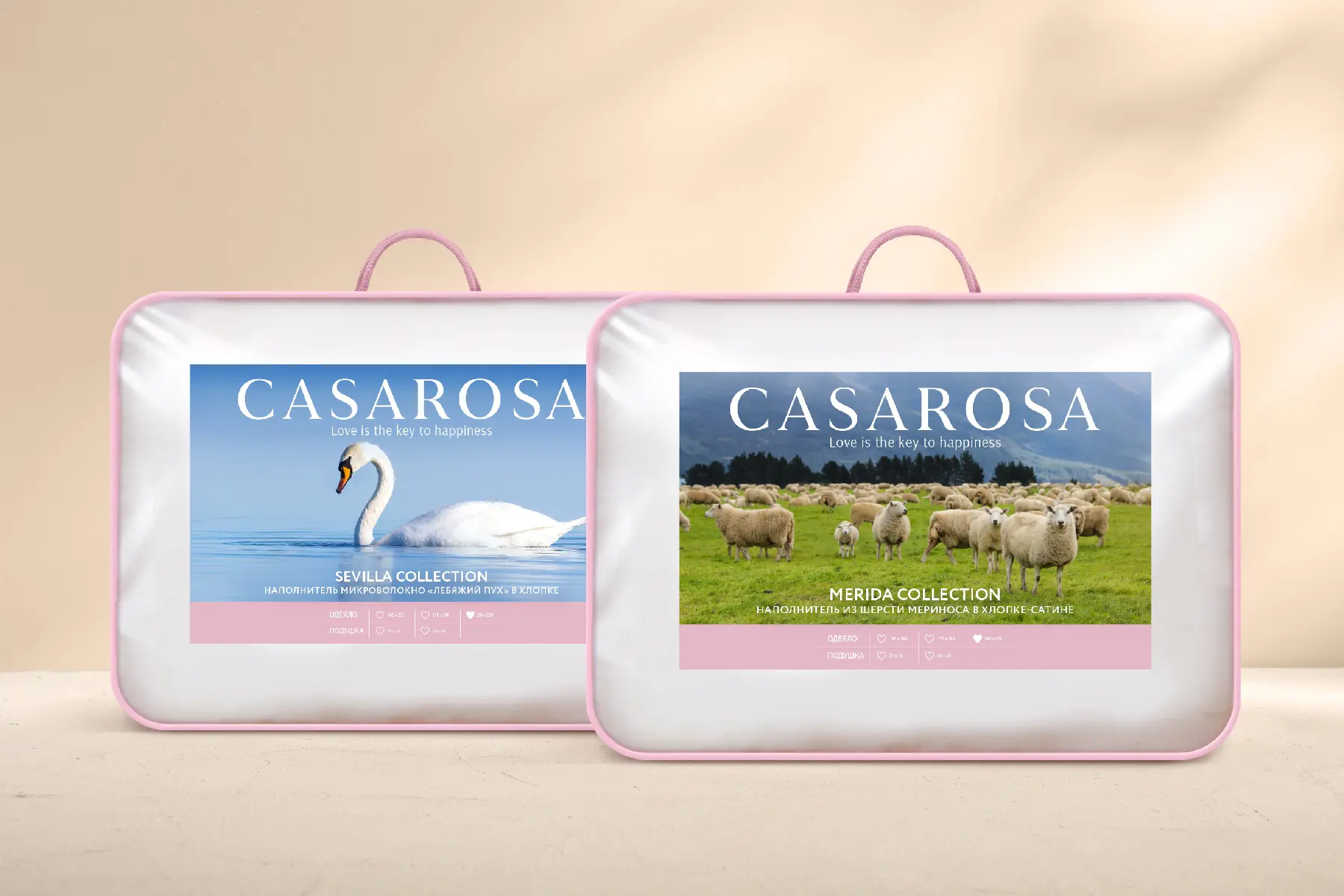

Printing technology is a powerful tool for creating memorable label designs. Contemporary digital solutions offer greater precision and creative freedom, opening up opportunities for complex concepts and distinctive visual effects. Modern production techniques allow brands to experiment with textures, finishes, and materials, giving the label greater visual depth and distinction.
Дизайн этикетки для молочной продукции

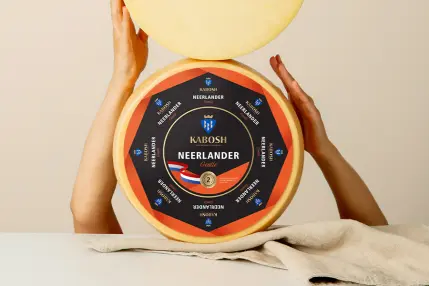
Разработка концепции дизайна этикетки

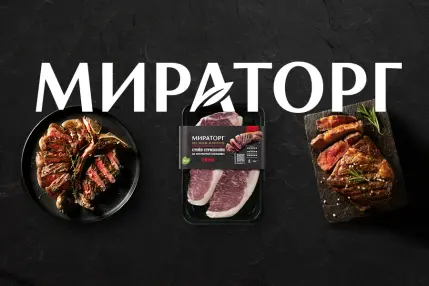
Дизайн этикетки для мяса, мясных полуфабрикатов и деликатесов
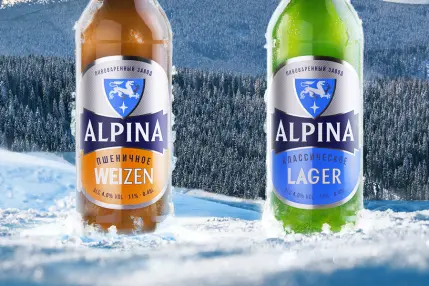
Дизайн этикетки для алкогольных напитков

Задачи дизайна этикетки

Разработка дизайна этикетки: базовое руководство
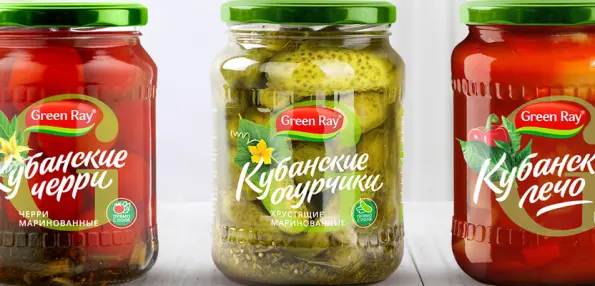
Популярные виды этикеток

Айдентика бренда: основные элементы и носители

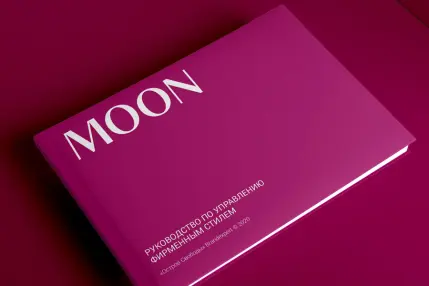
Как выбрать руководство по фирменному стилю для бизнеса
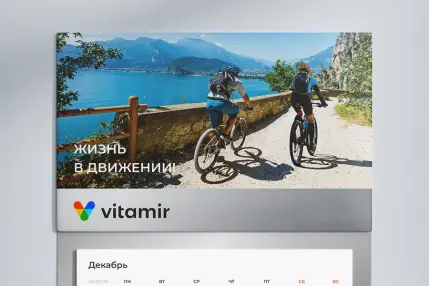
Дизайн корпоративного календаря

Фирменный стиль салона красоты
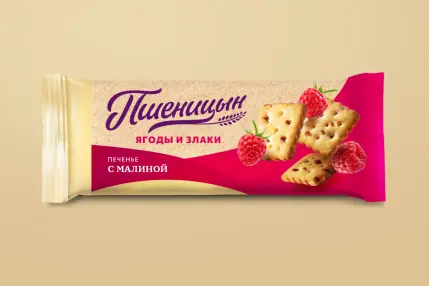
Именной и псевдоименной нейминг
An ineffective label may have an outdated design or unsuitable shapes and colors that fail to attract attention or meet contemporary expectations. Insufficient information or the lack of a clear product message can also make the label less effective, leaving customers unaware of the product’s key benefits.
A label that reflects the brand’s positioning uses carefully considered color combinations to create strong associations and distinguish the product from its competitors. High-quality materials and premium finishes—such as embossing, varnishing, and foil stamping—highlight the product’s distinctive character and help establish an emotional connection with the customer.
Photography can make a product stand out and shape the customer’s first impression. The image should not only represent the product accurately but also be aesthetically appealing, encouraging customers to try it.
A label that sells combines striking design, emotional appeal, and useful information in a balanced way. It should communicate the product’s key messages: its ingredients, purpose, distinctive properties, and, where appropriate, the story behind the brand. This approach strengthens the customer’s connection with the brand, encourages them to buy, and builds long-term loyalty.
To protect a label design against copying, the brand and label should be registered as trademarks. This gives the rights holder exclusive rights to use and distribute the original design. Registration provides legal protection by enabling the rights holder to take action against counterfeit goods, seek compensation, and stop conduct that undermines the brand’s distinctiveness.
A premium label should feel distinctive and exclusive, with every detail reinforcing the brand’s status. Materials, the color palette, typography, and the logo work together to create a sense of luxury and reliability. Embossing, foil stamping, and textured surfaces give the label texture and depth. A premium label commands attention immediately and communicates uncompromising quality, strengthening loyalty to the brand.
An eco-friendly label should be made from safe, natural materials that do not harm the environment, people, or animals. This may involve biodegradable and recyclable materials such as eco-friendly paper, plant-based inks, and adhesives free from toxic additives. Contemporary sustainable labels can also use distinctive textures and natural tones to emphasize the brand’s connection with nature and commitment to sustainability.
The logo is a key expression of the brand and a central element of the label, making the product recognizable and attracting attention. It gives the brand a distinctive, memorable identity while helping create an emotional connection with customers by conveying the brand’s story and values. On the label, the logo plays a strategic role in shaping perceptions of the product and what makes it unique. It can intrigue and inspire, helping customers make a confident, informed choice.
The effectiveness of infographics on a label depends on their intended purpose and the context in which the product will be used. Visual information must be clear and engaging enough to attract the customer’s attention. Carefully selected infographic elements communicate important information quickly and strengthen brand perception.
Label rebranding involves defining the objectives, researching audience needs, and developing a new creative concept and design. The process begins with an analysis of current brand perceptions, consumer preferences, and market trends. Successful rebranding refreshes the visual identity, increases brand recognition, and supports sales growth.














By continuing to use this site, you agree to our use of cookies and the processing of your personal data as described in our Privacy Policy.