
ALVITEK Rebranding: Logo Design, Packaging and Label Design, Photo and Video Production, Advertising, Marketplace Content and Website Development. Packaging design for ALVITEK duvets and pillows; unified architecture for product lines
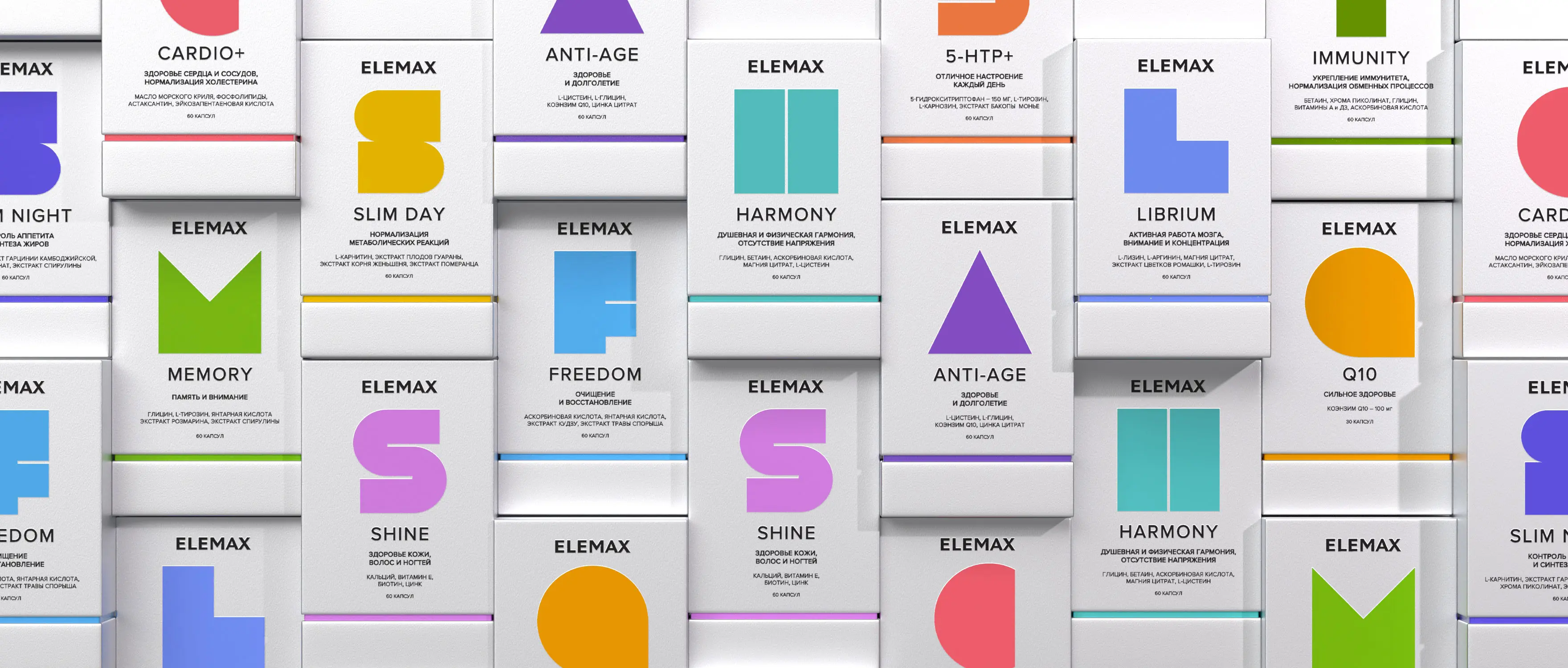
Packaging is one of the most important elements of branding, shaping how a product is perceived at first glance. Thoughtful, appealing design builds brand recognition and helps the product stand out from its competitors. Packaging does more than protect the product: it is a core part of the marketing strategy, driving sales and reinforcing a positive brand image.
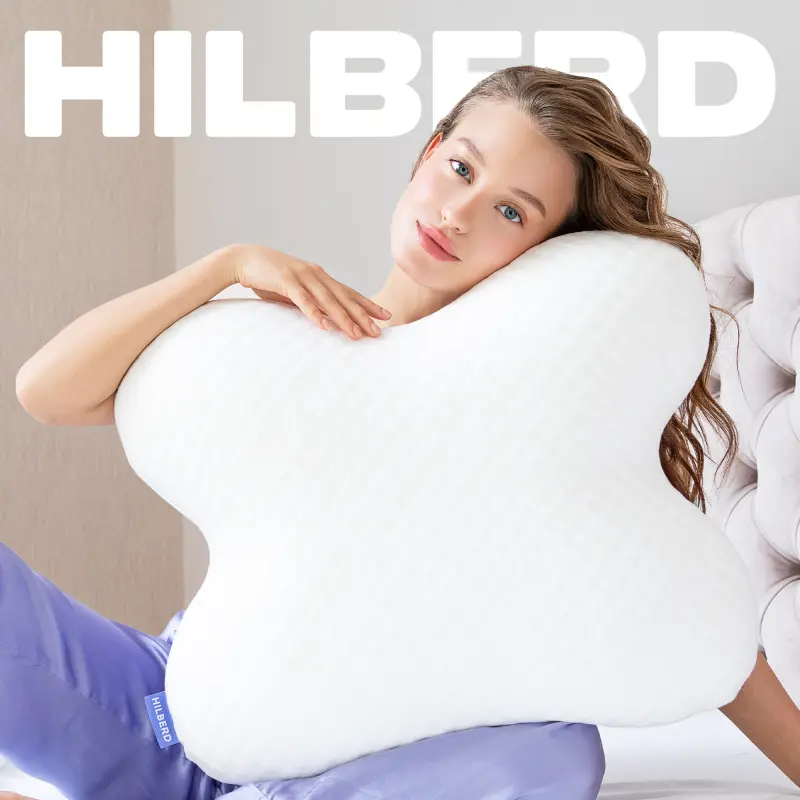
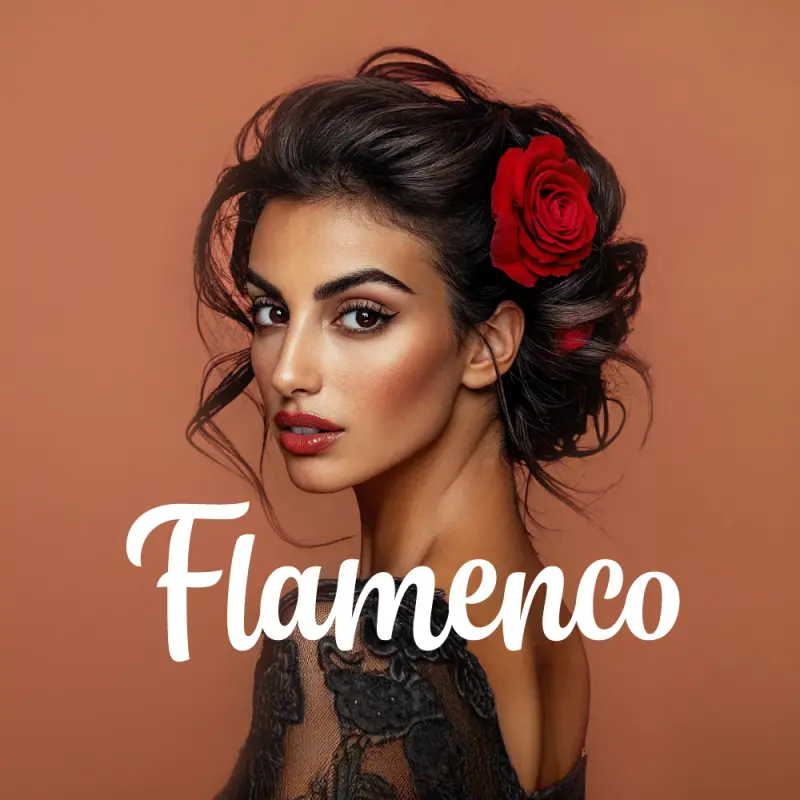
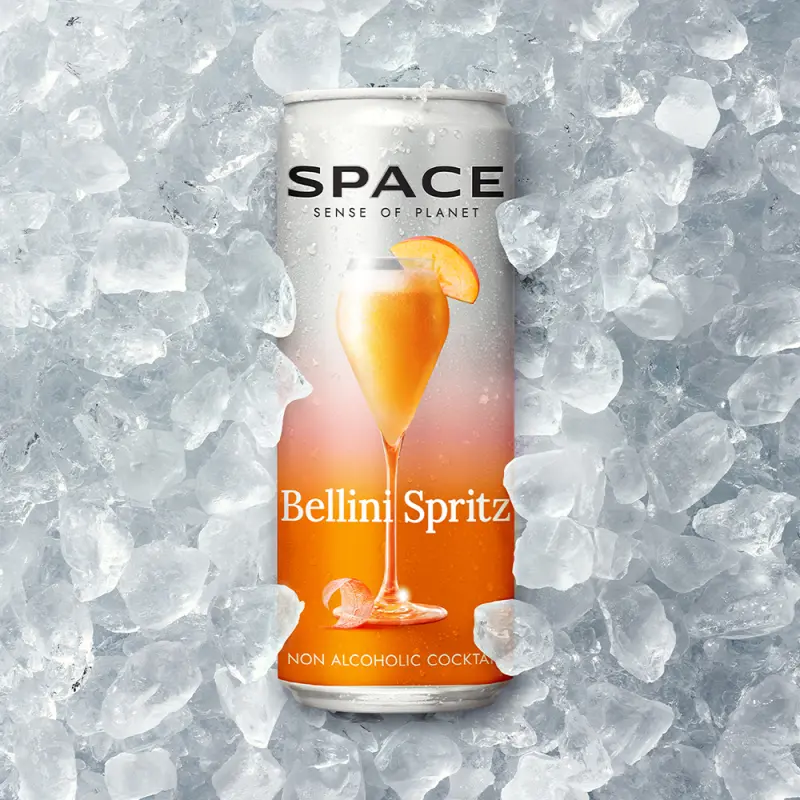


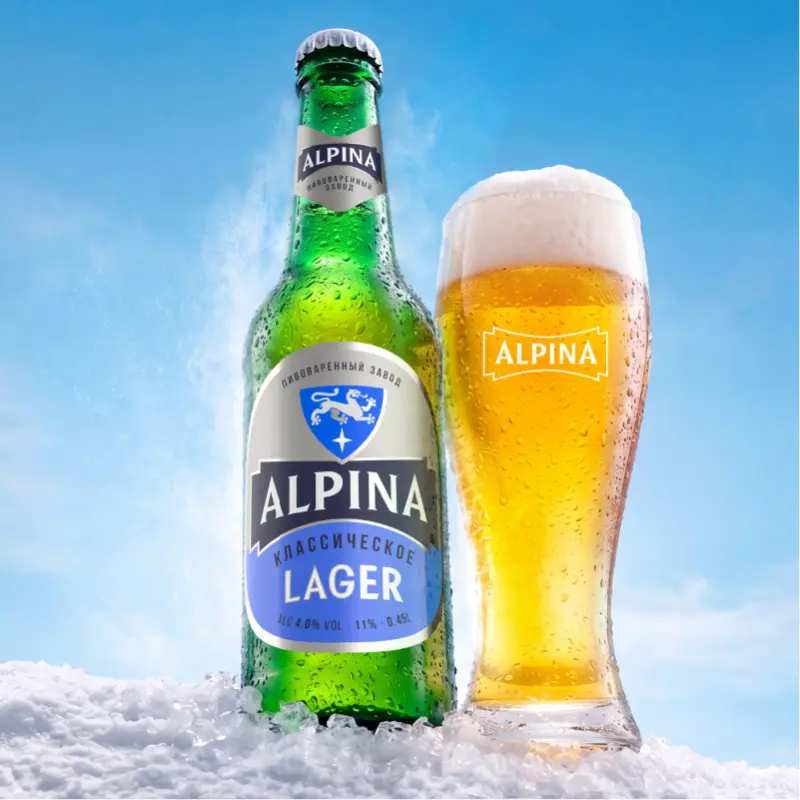
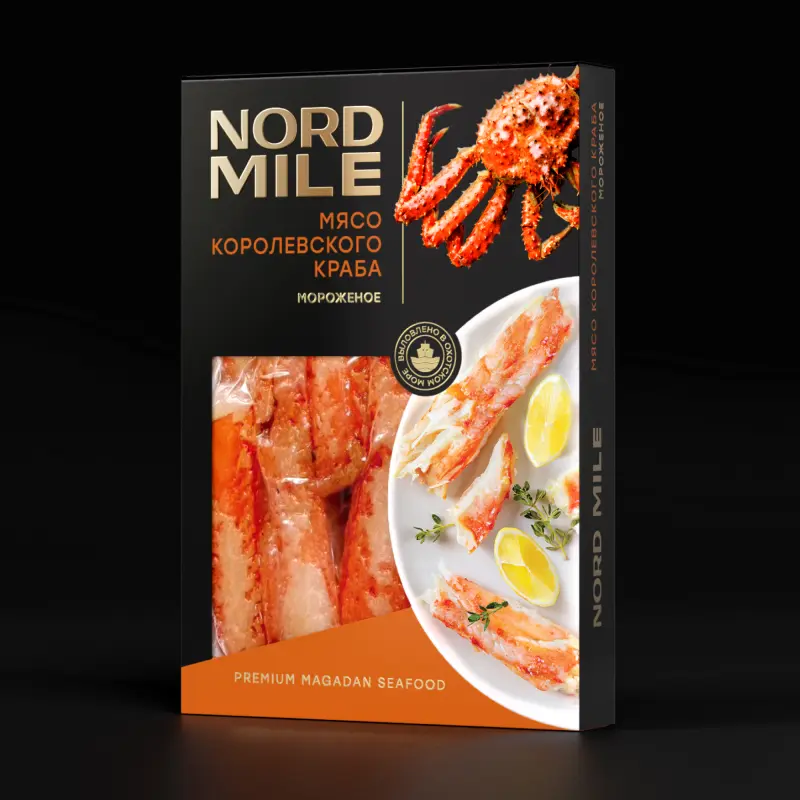
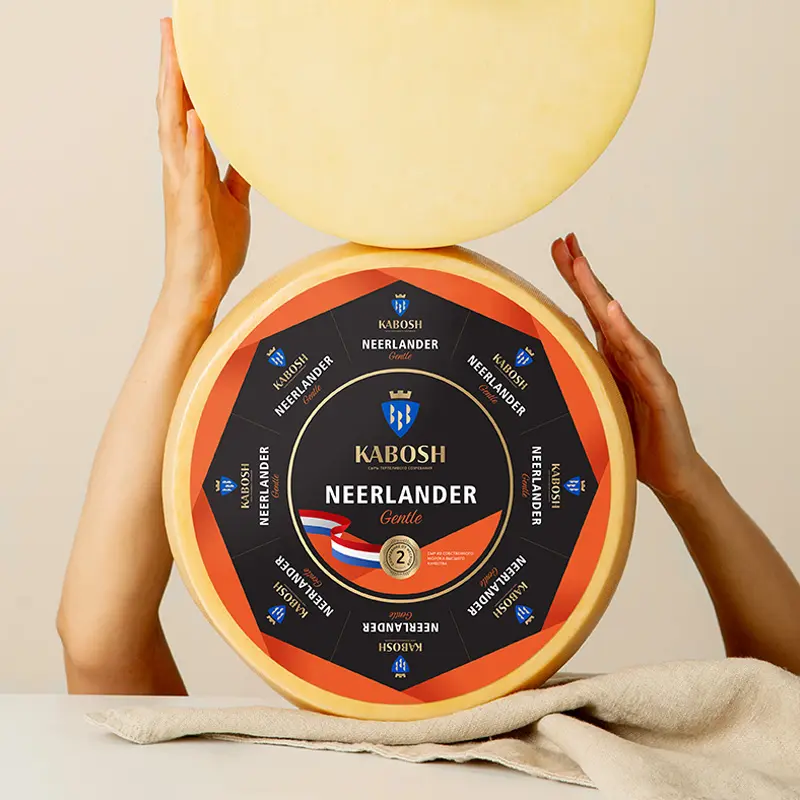
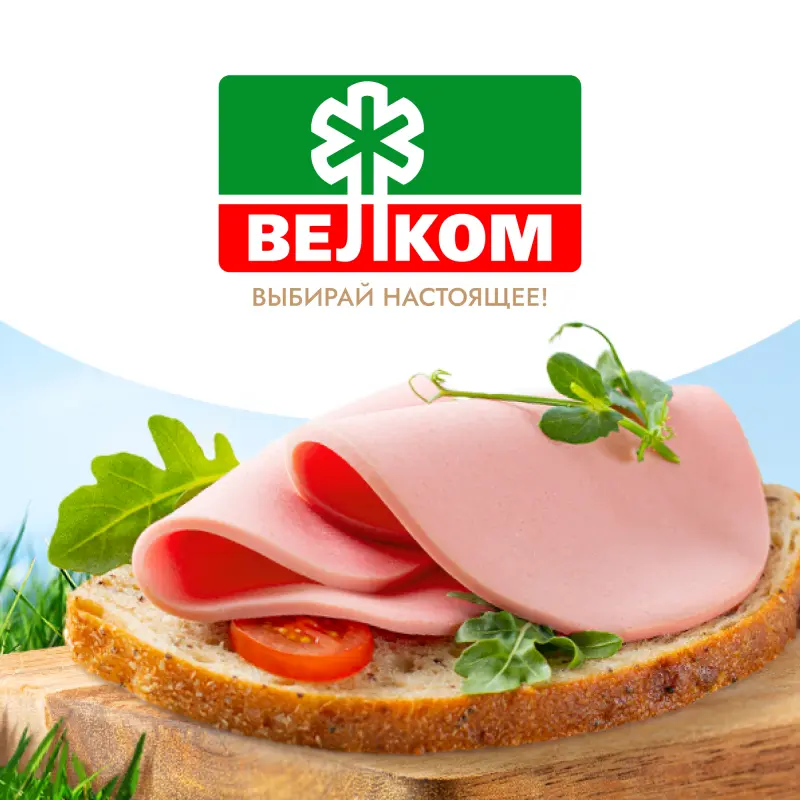
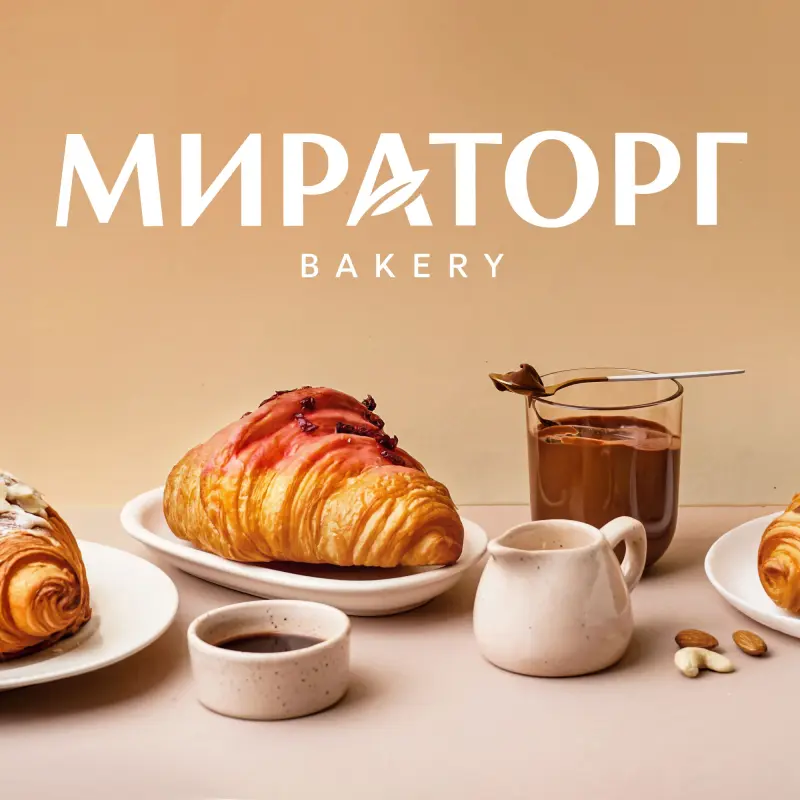
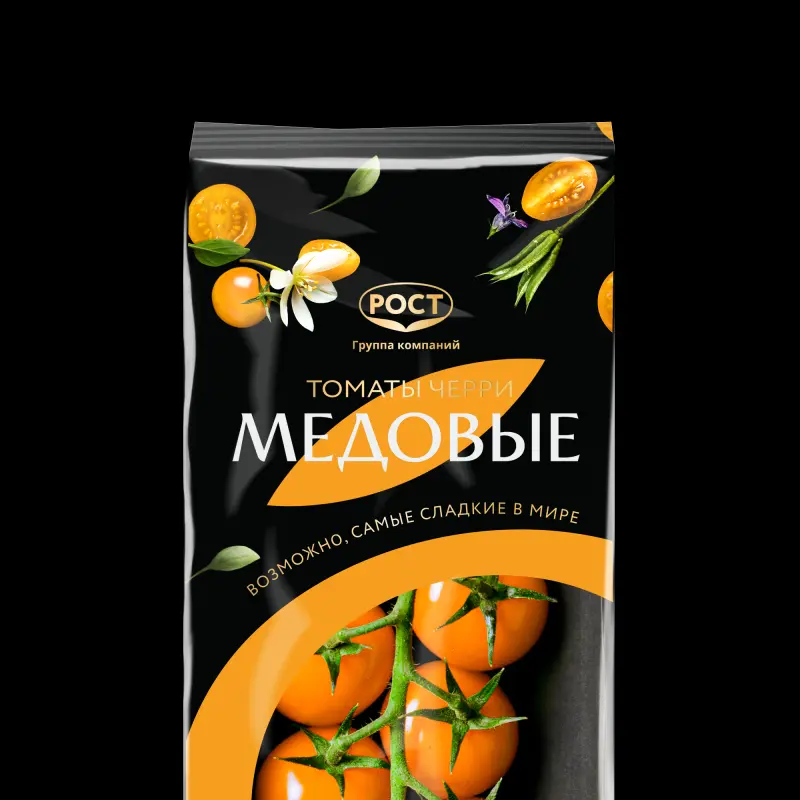
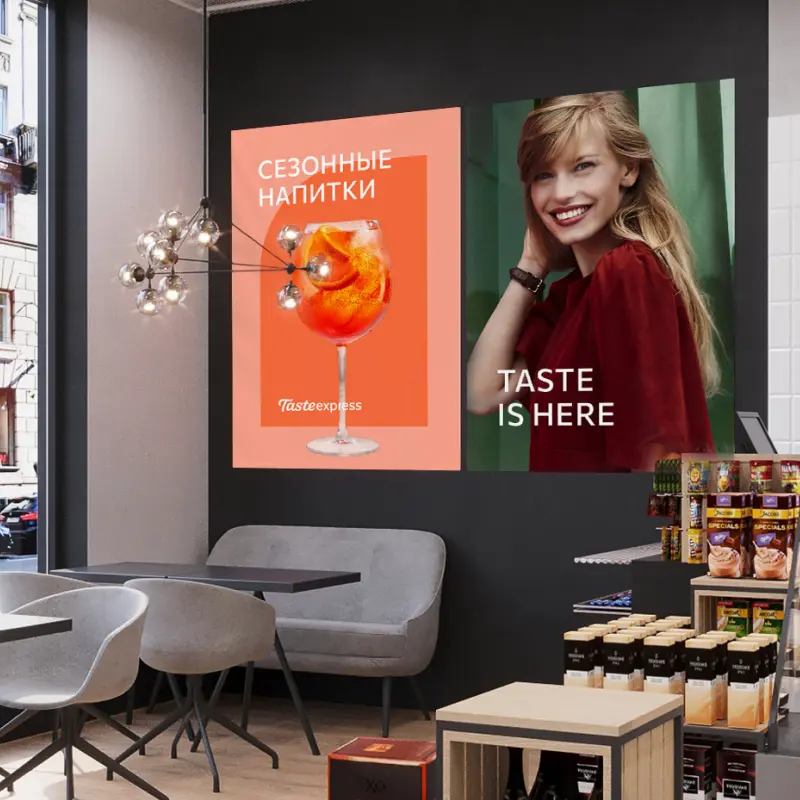




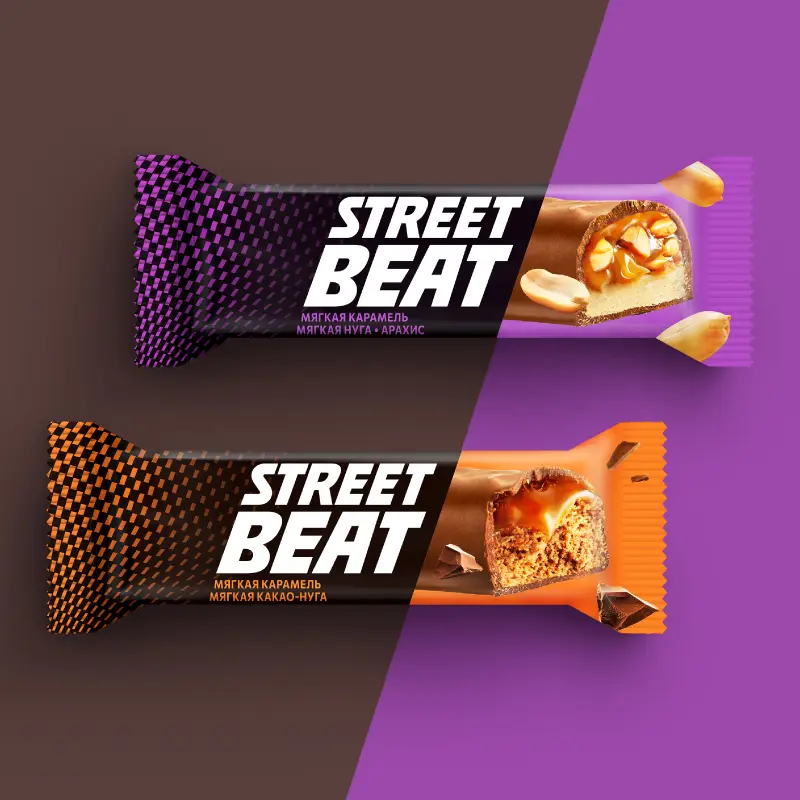
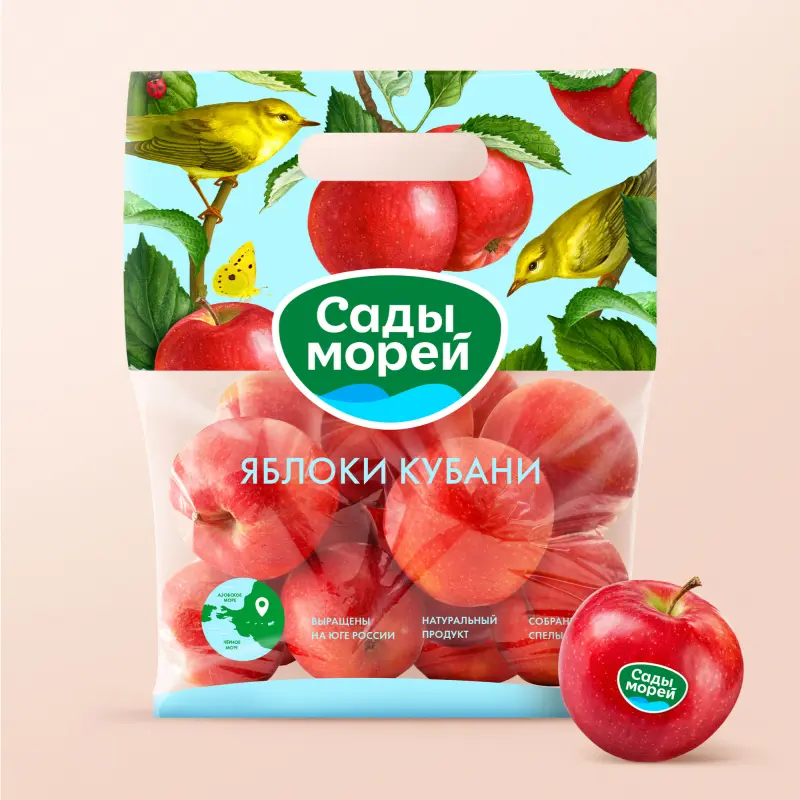
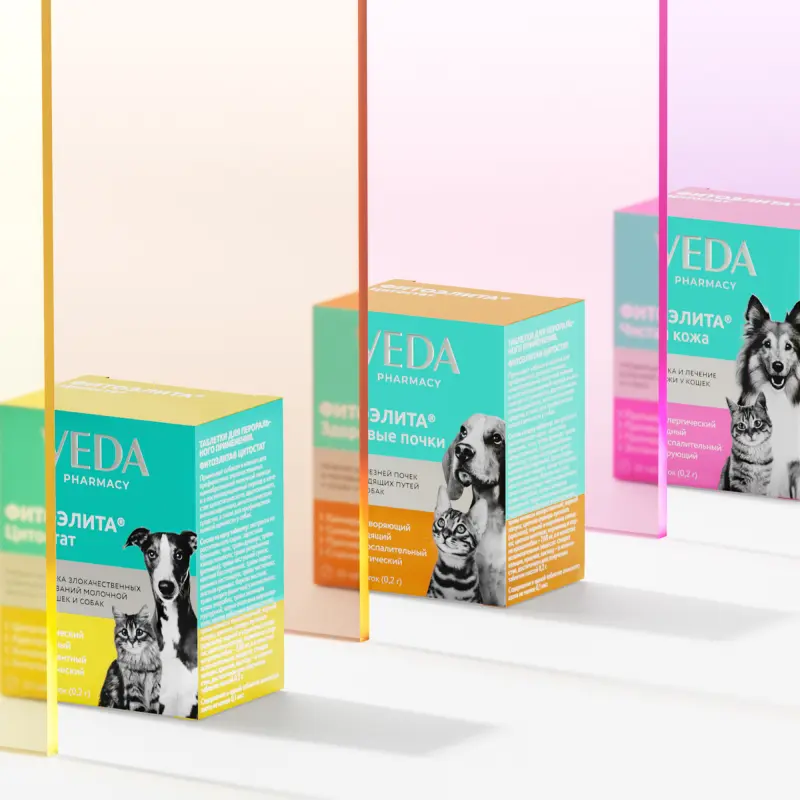
The cost of packaging design depends on the complexity of the project, the number of SKUs, the level of creative development involved, and the technical requirements for preparing the artwork. The fee covers concept development, the creation of a visual identity for the packaging, material selection, adaptation of the design across different formats, and preparation for print. Professional packaging design builds brand recognition, attracts attention on the shelf, and directly influences perceived product quality and sales performance.
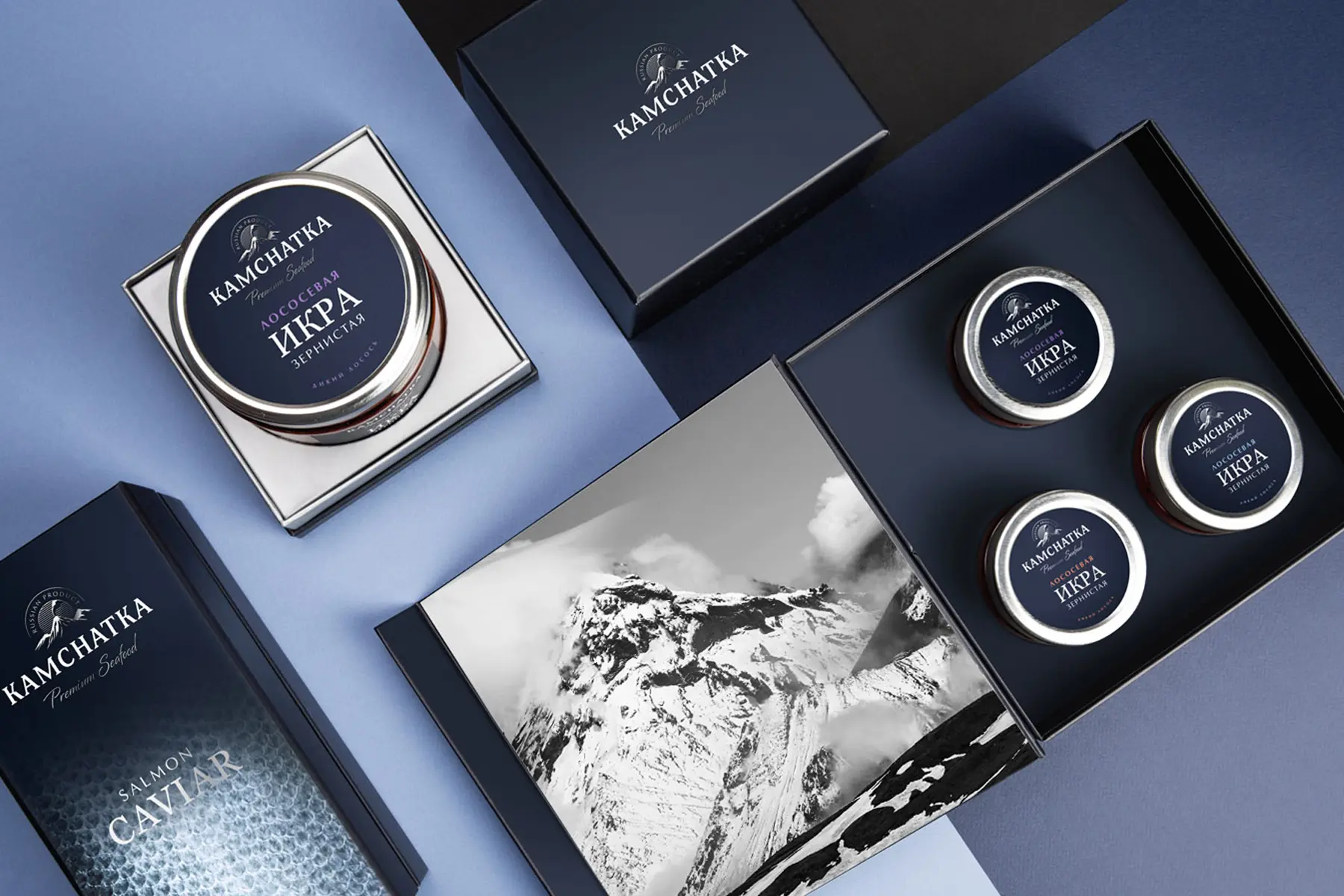
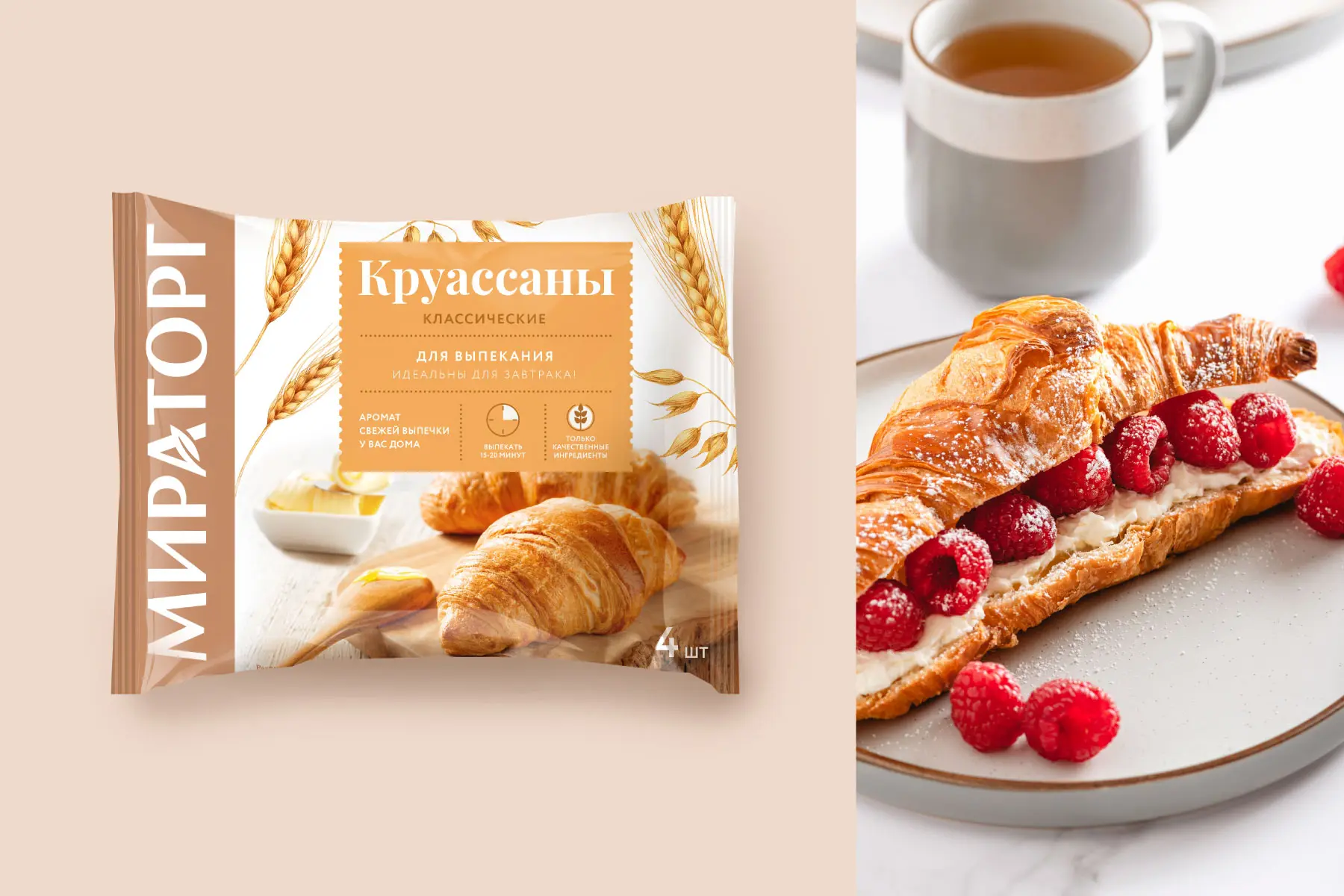
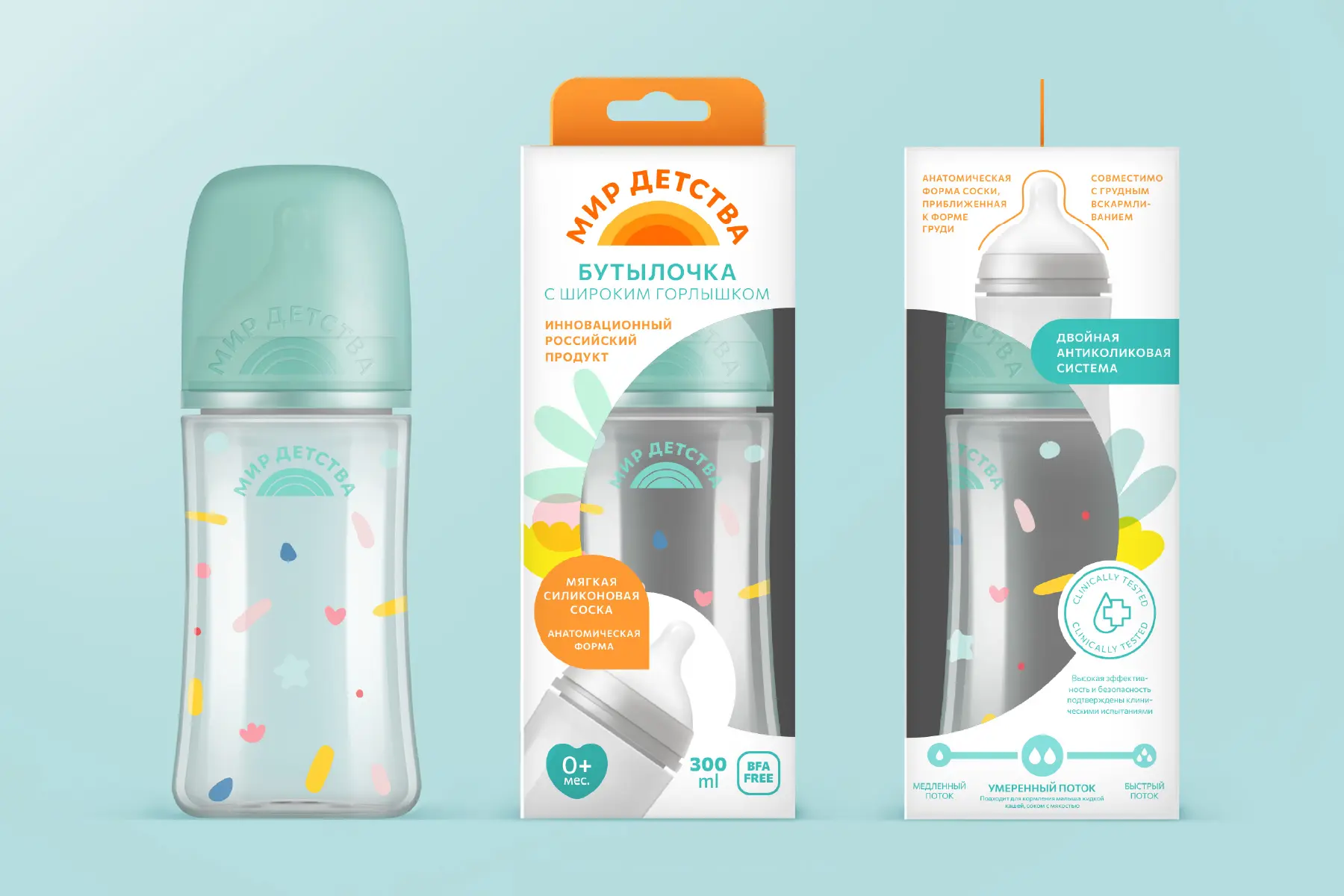
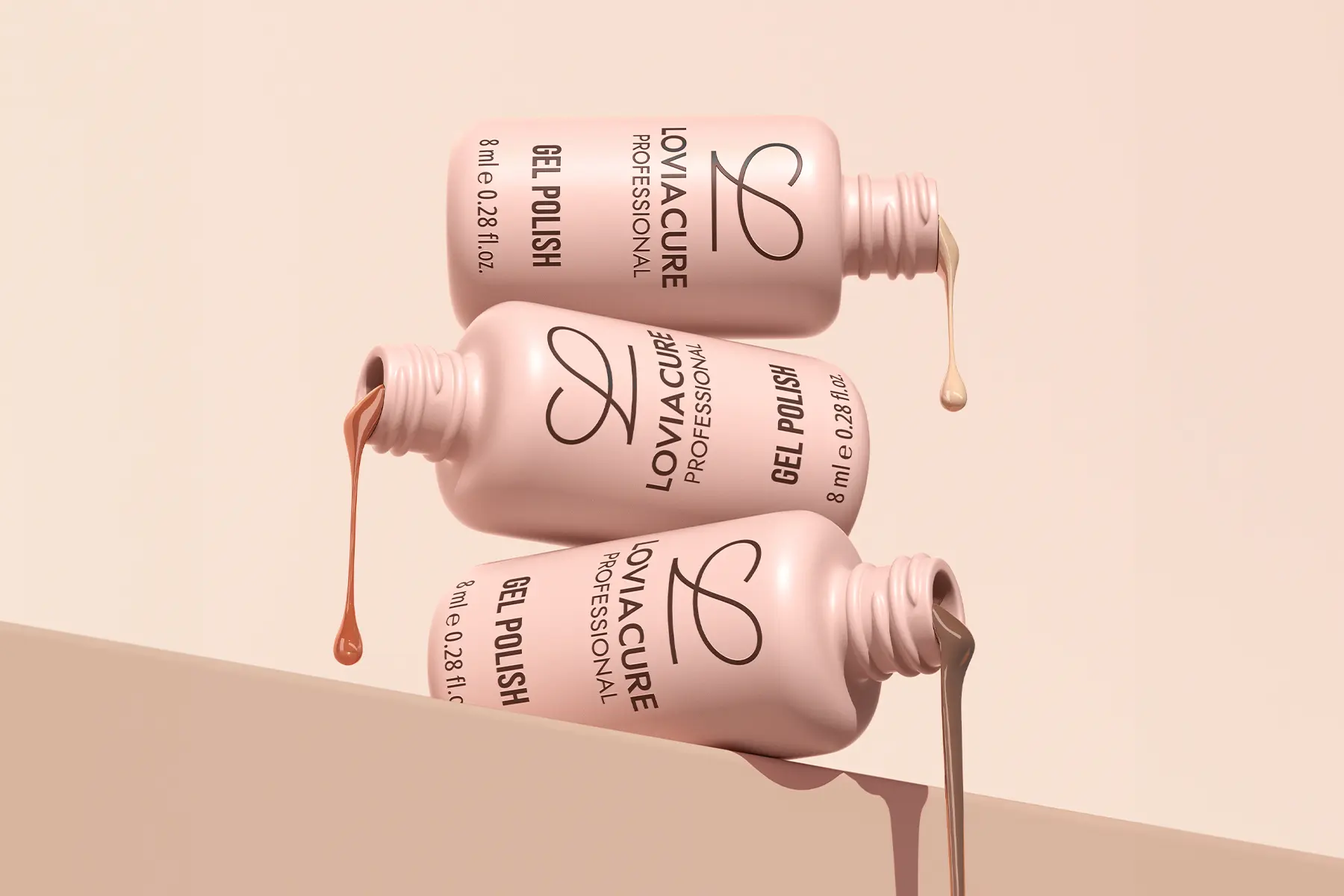
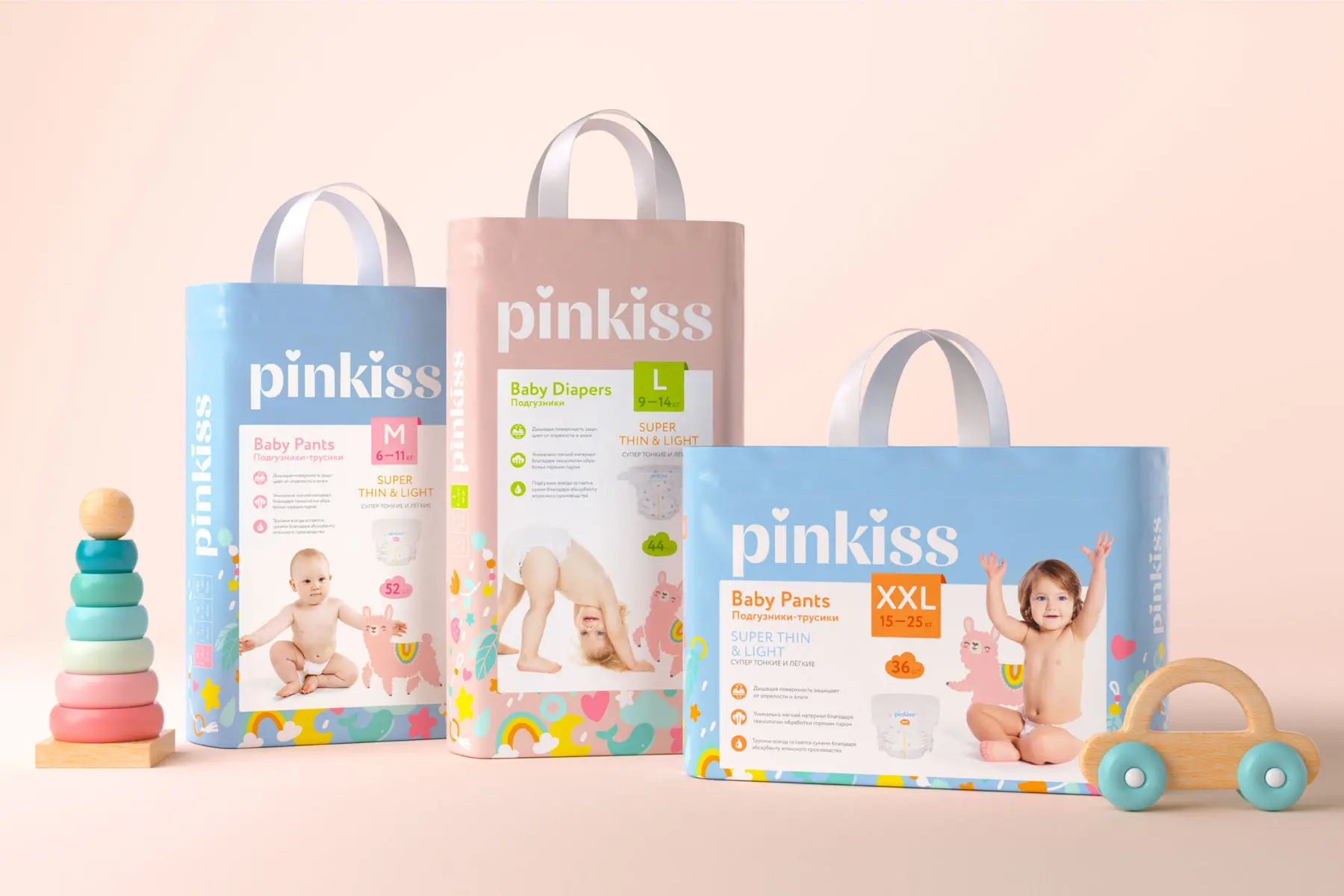
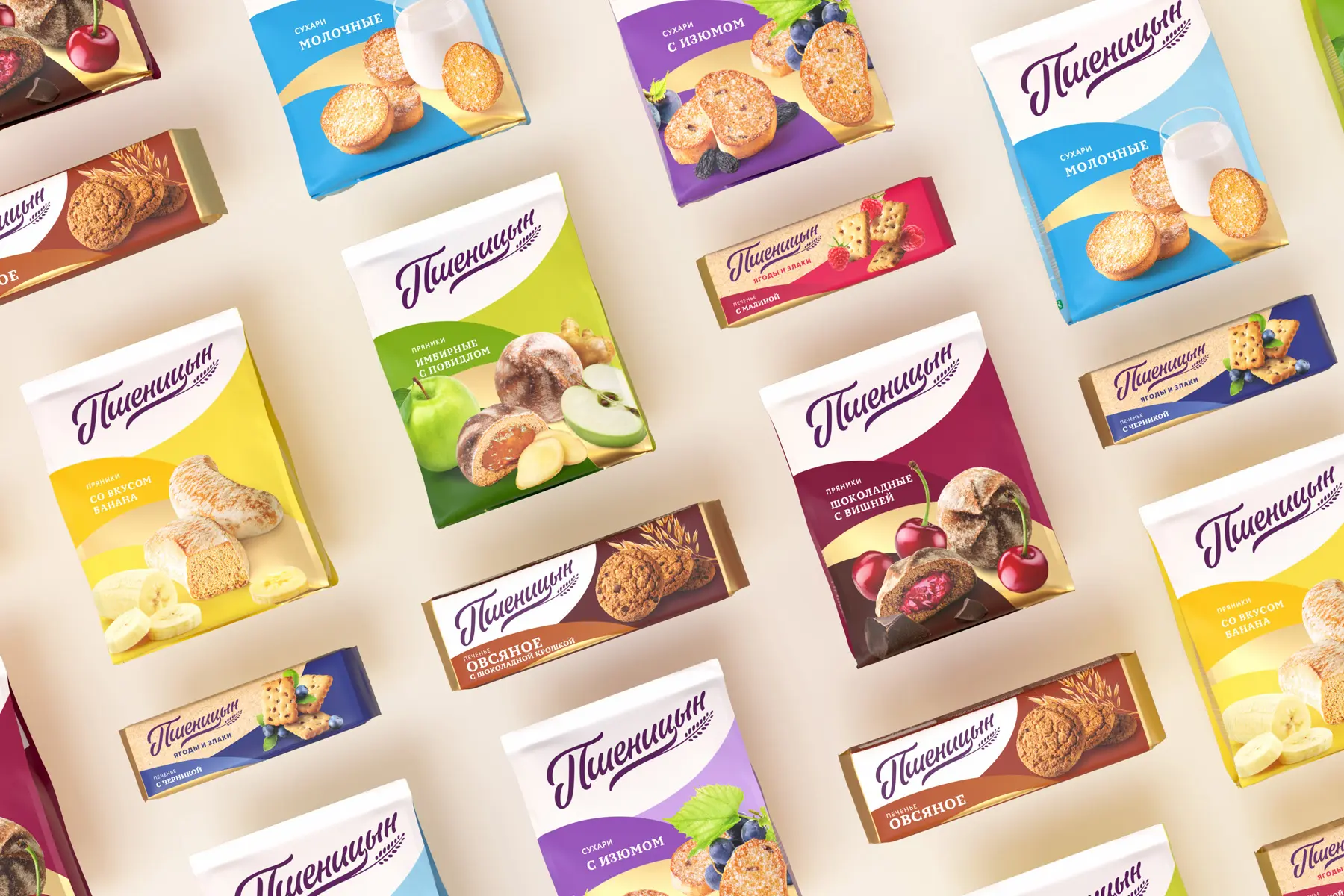
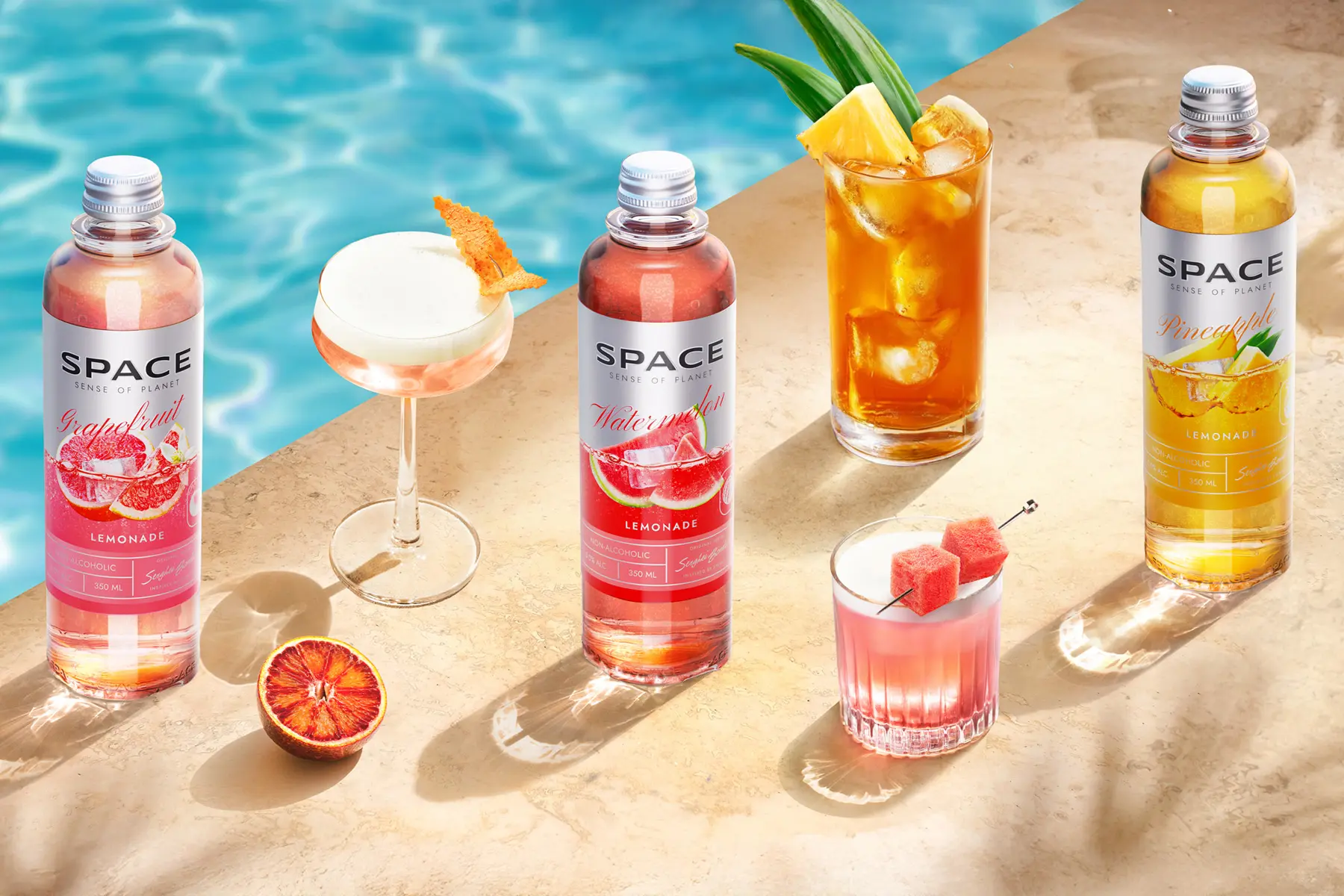
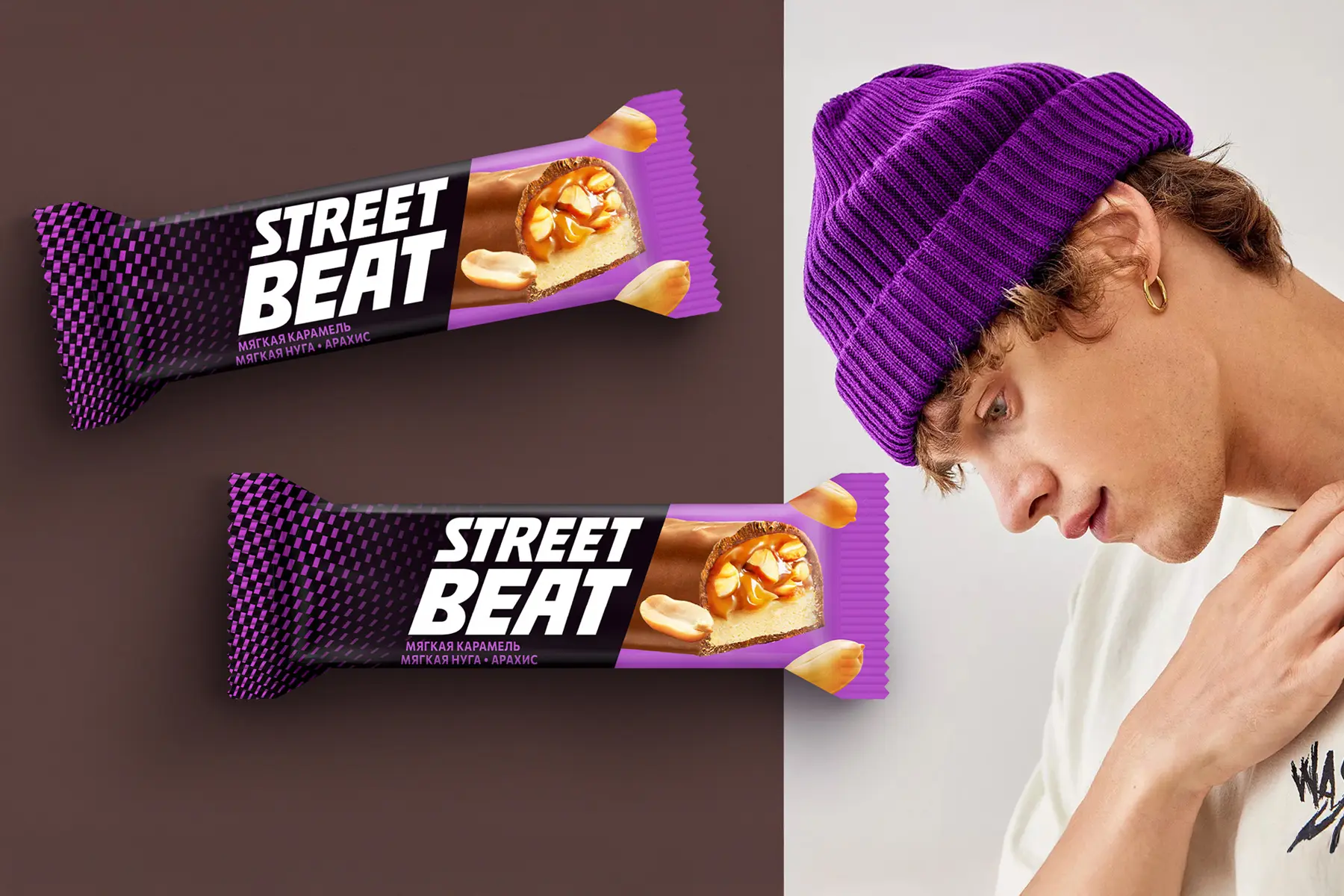
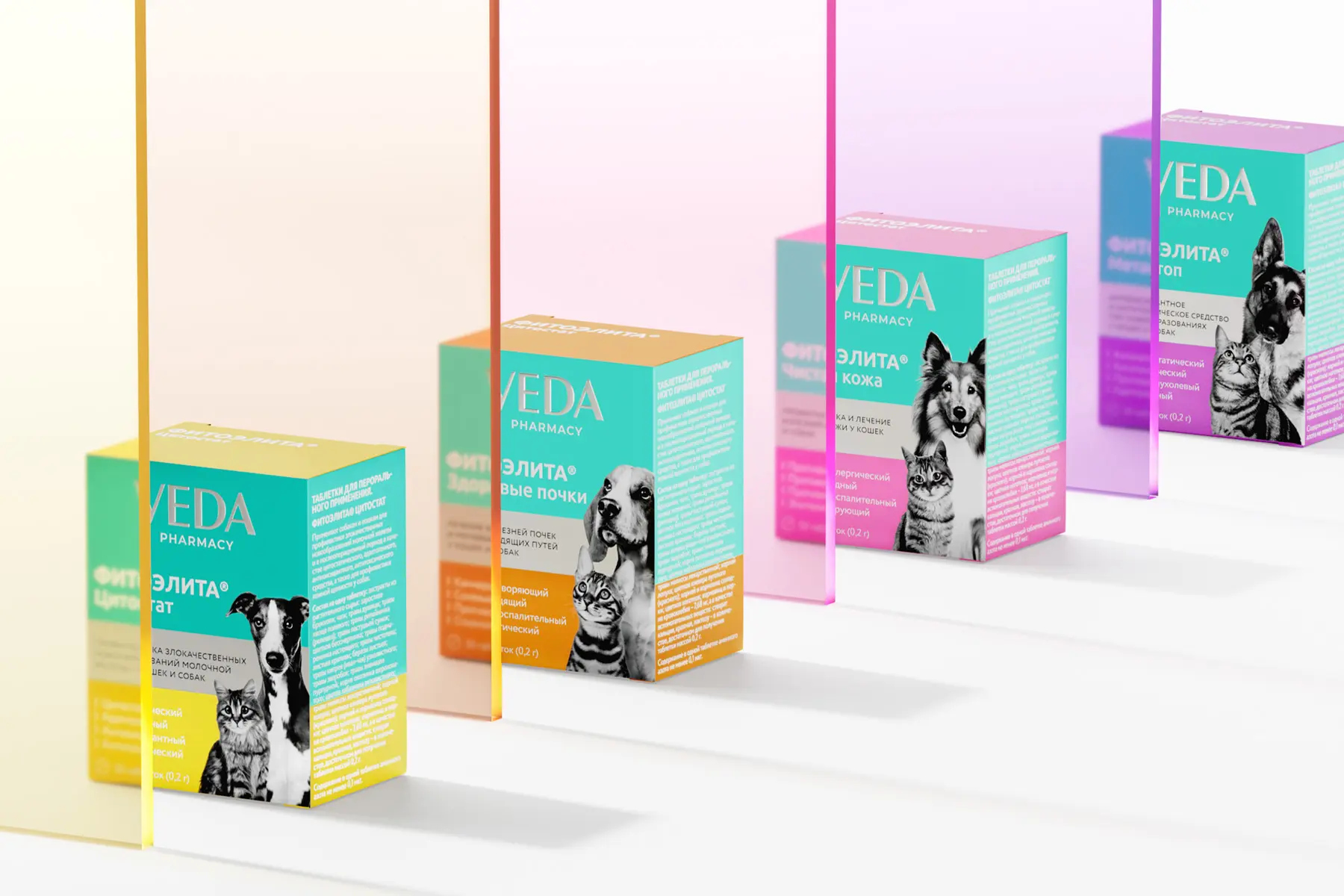
A package’s visual style emerges at the intersection of product functionality, brand philosophy, and consumer expectations. A restrained approach built around clean lines and monochrome accents conveys a premium feel. Retro elements evoke nostalgia and emphasize a product’s heritage, while eco-conscious design combines biodegradable materials with natural color palettes.
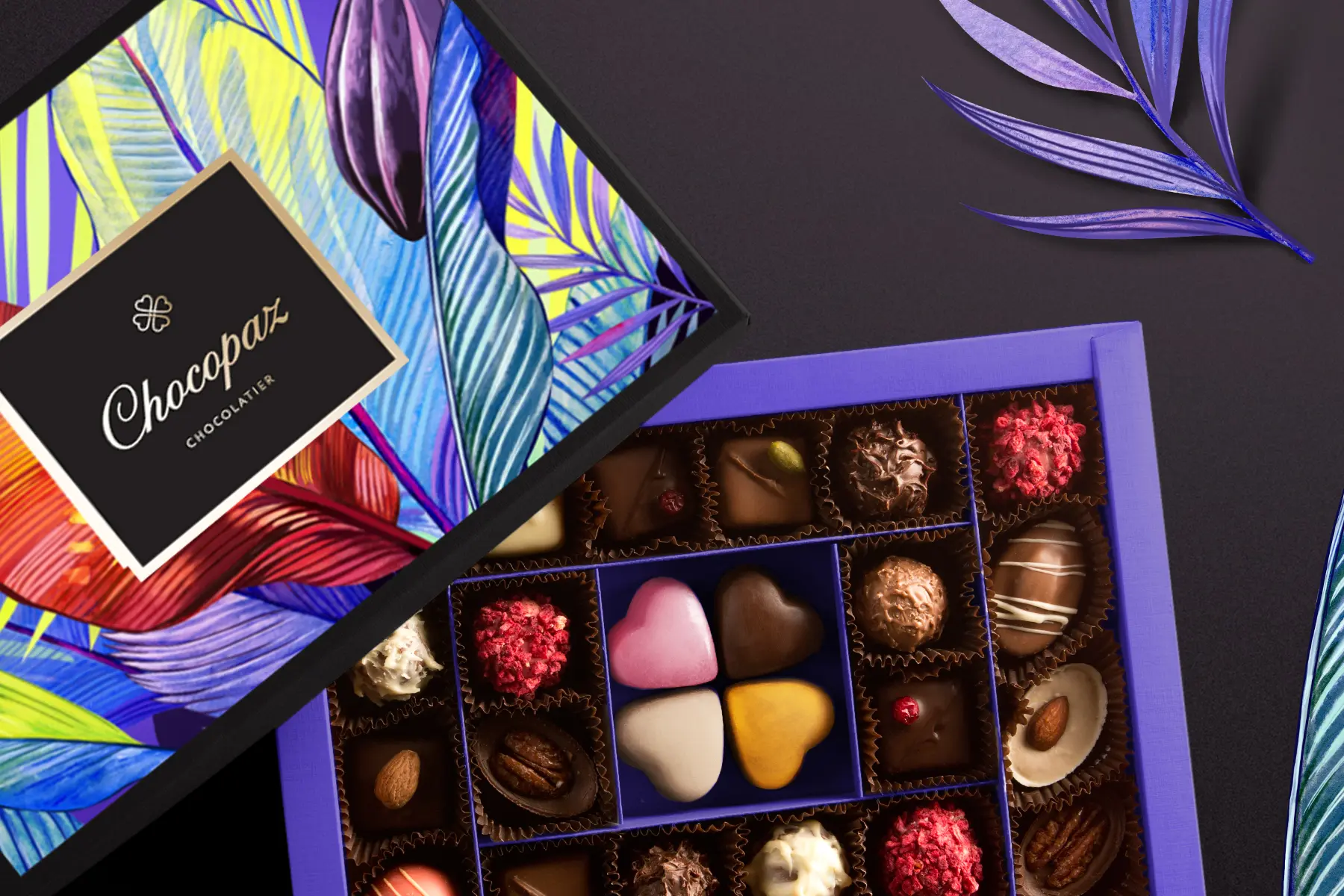
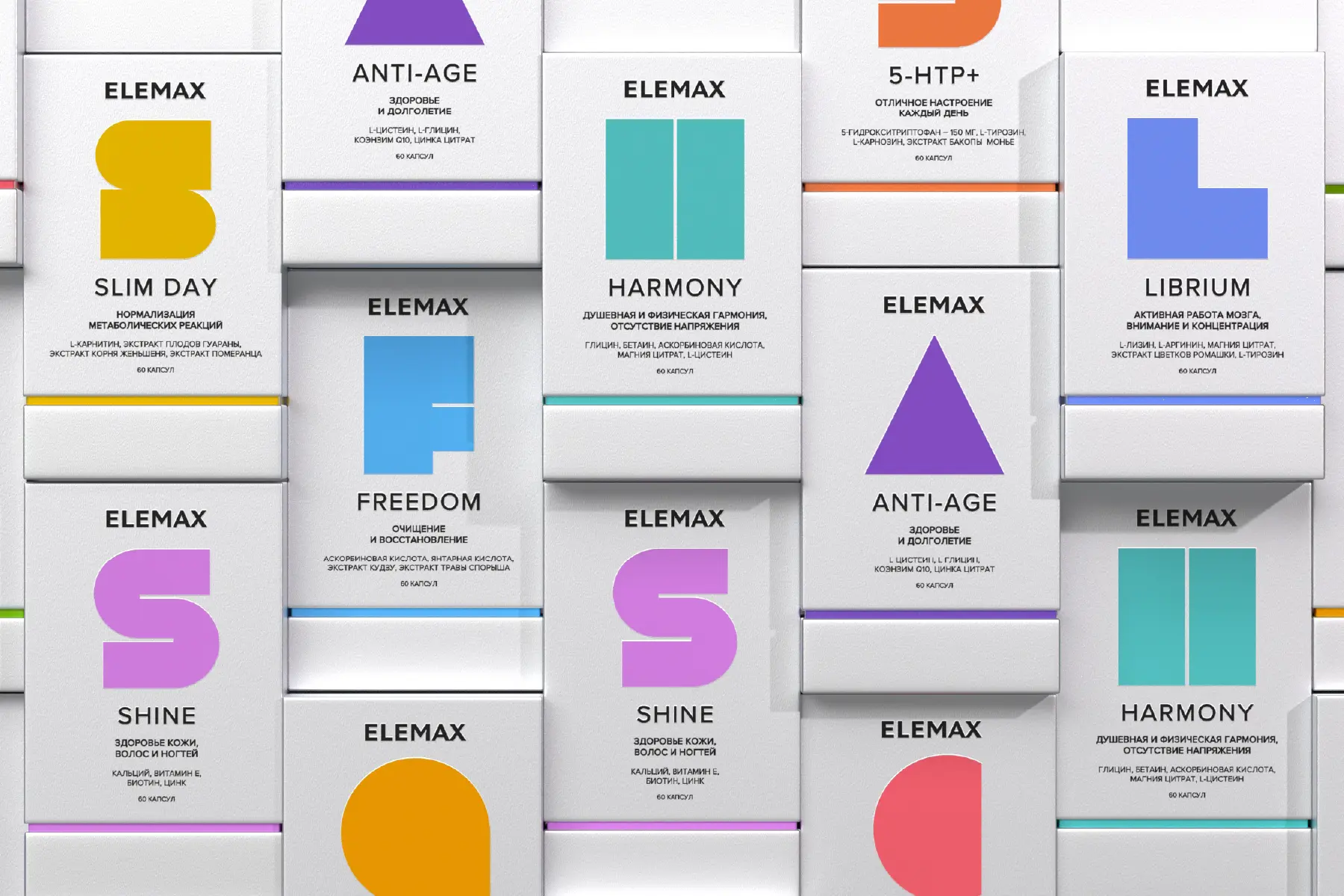
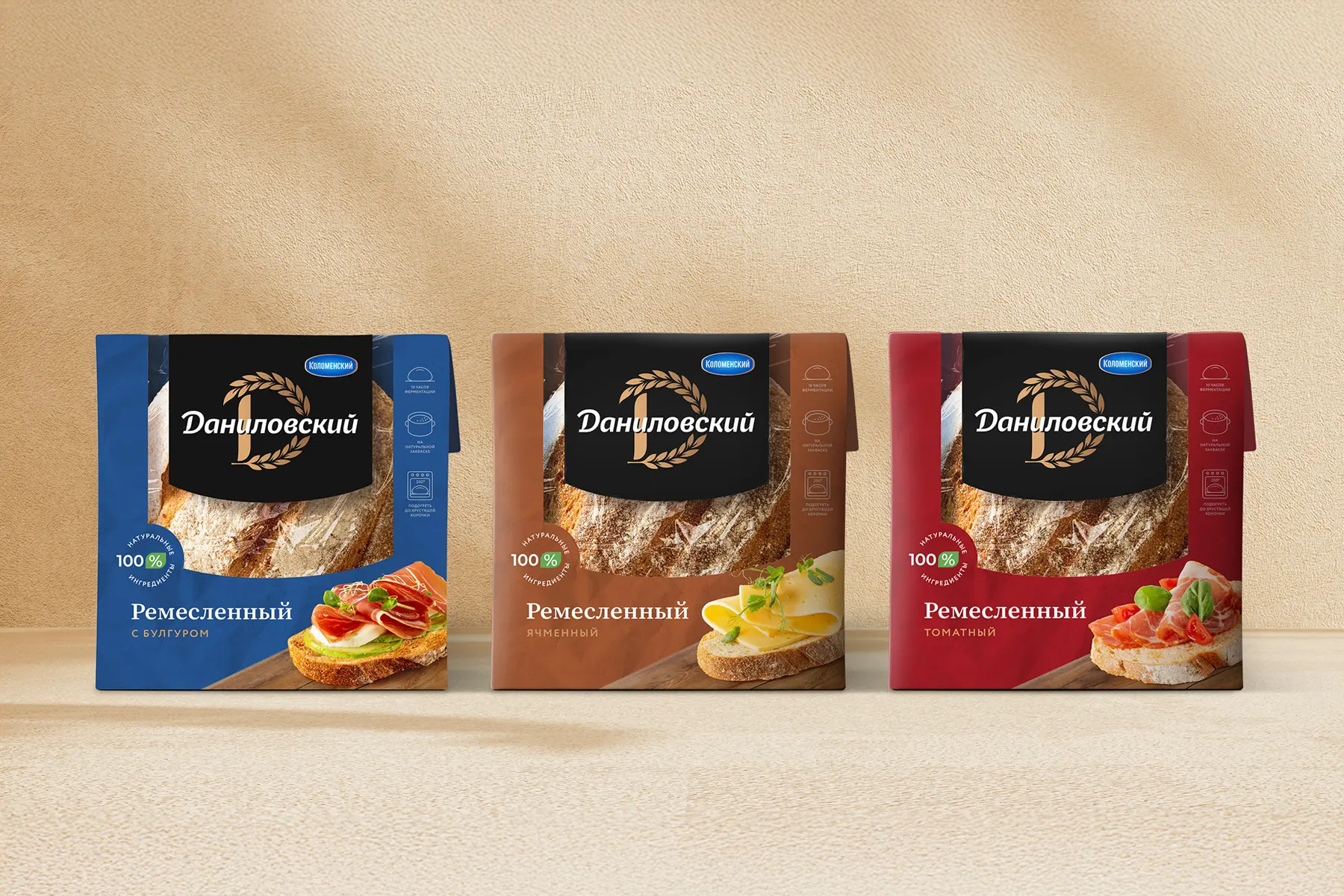
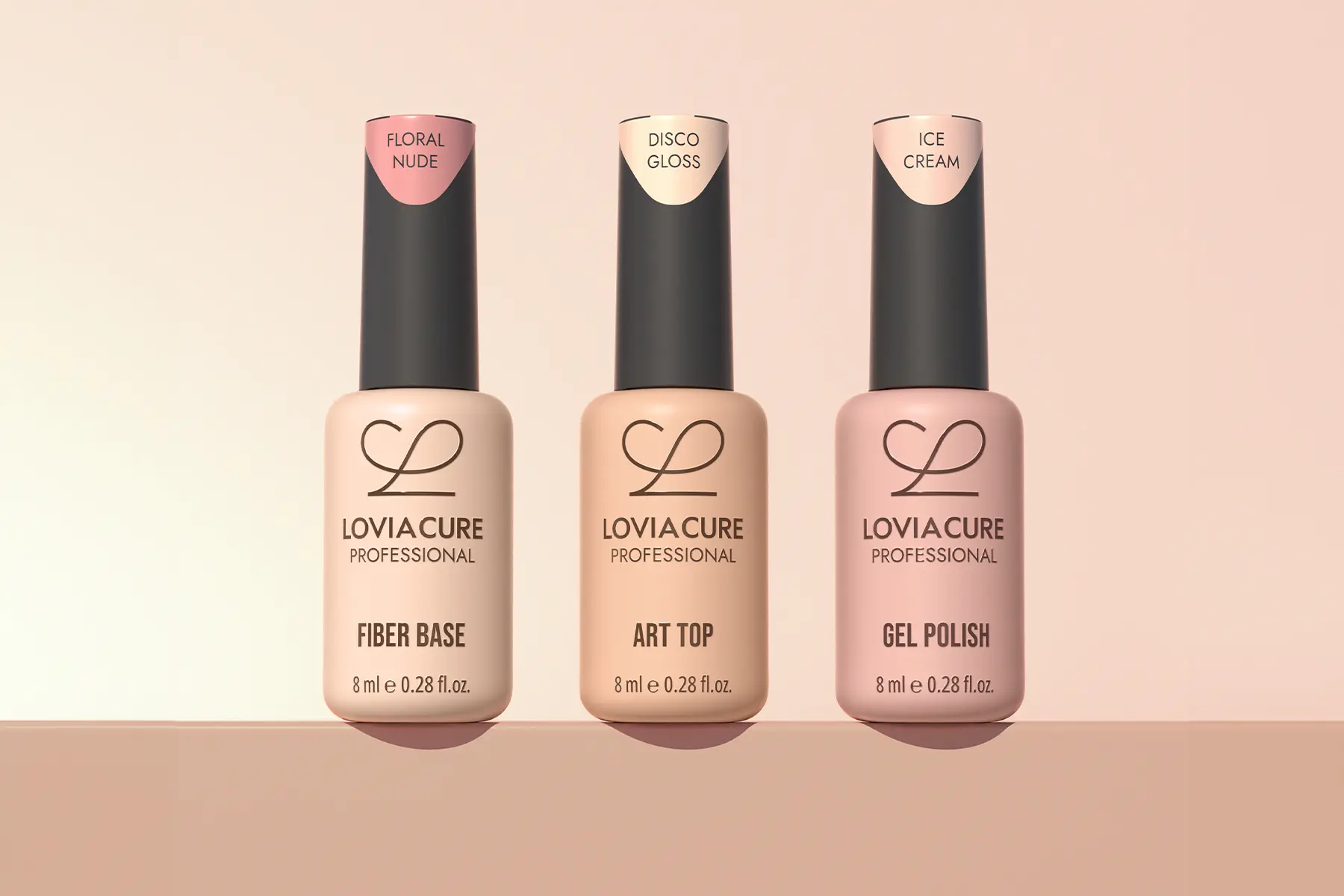
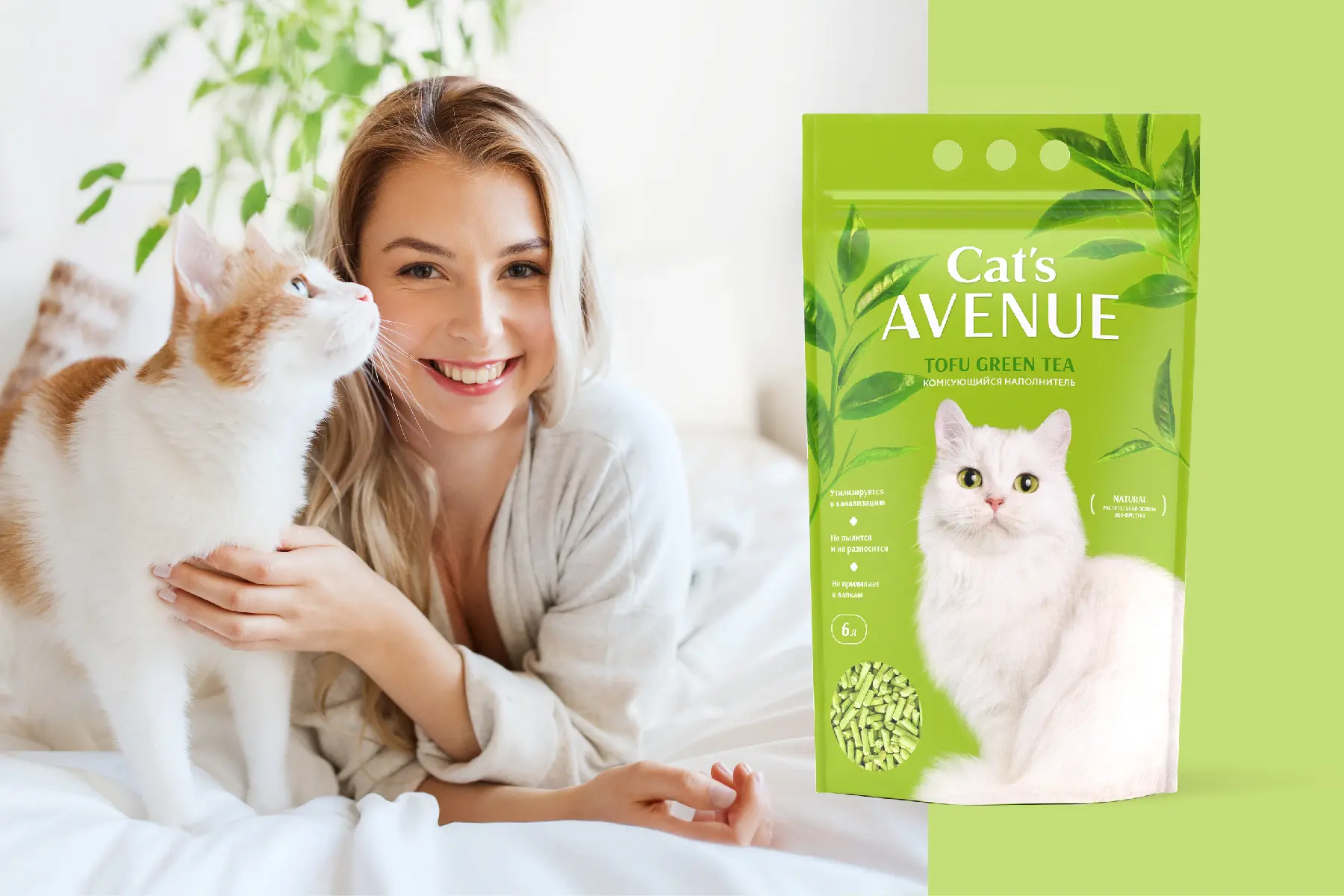
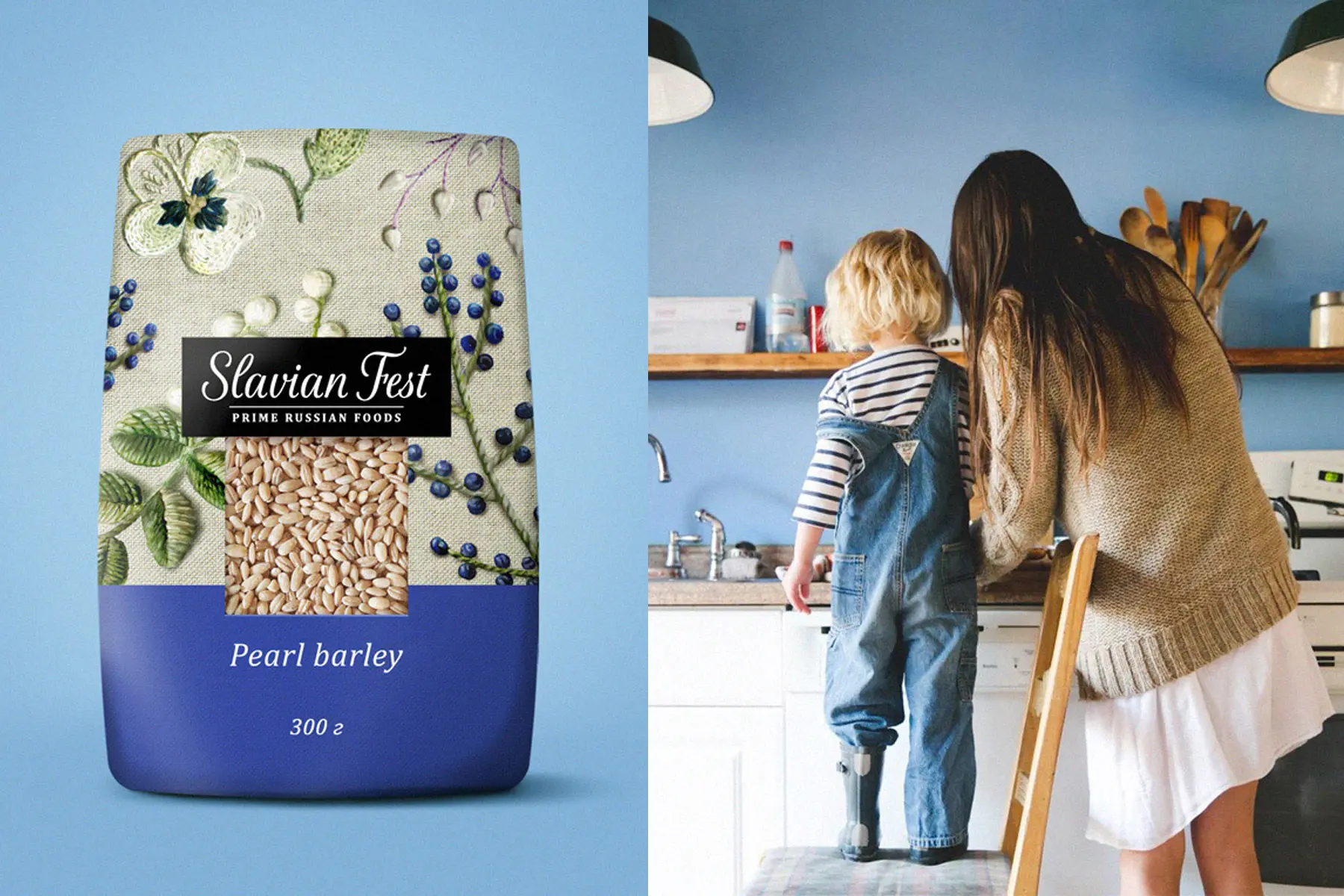
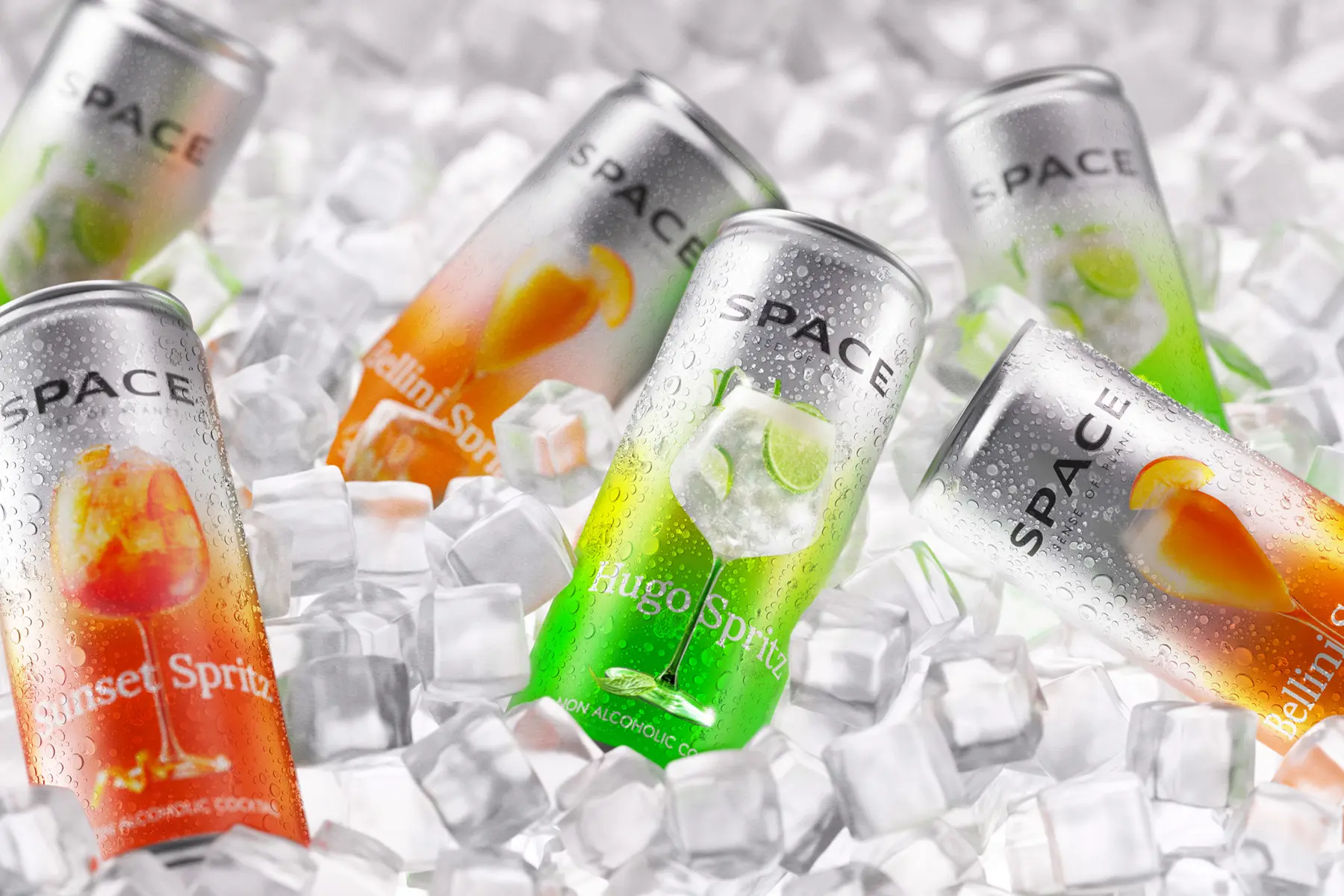
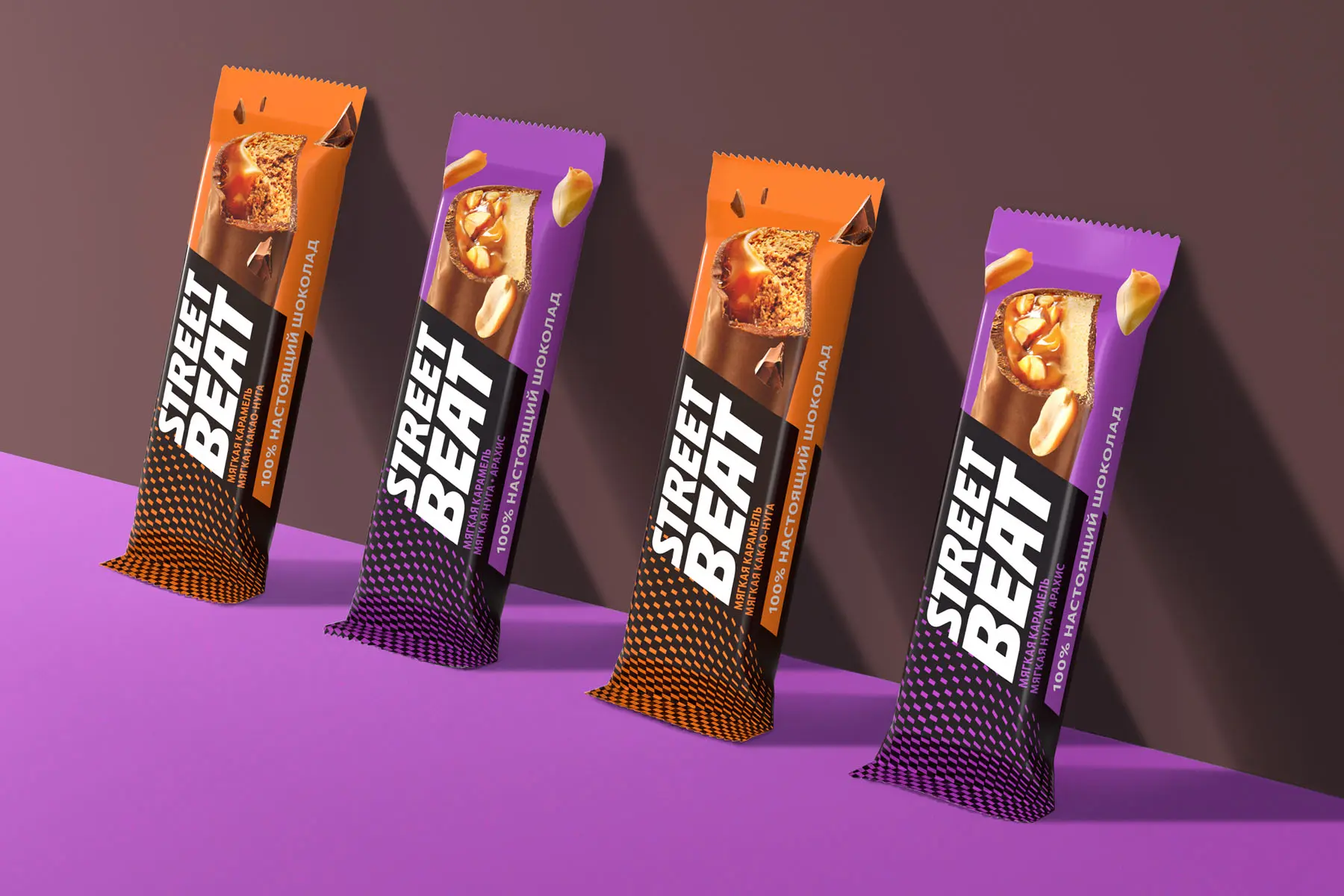
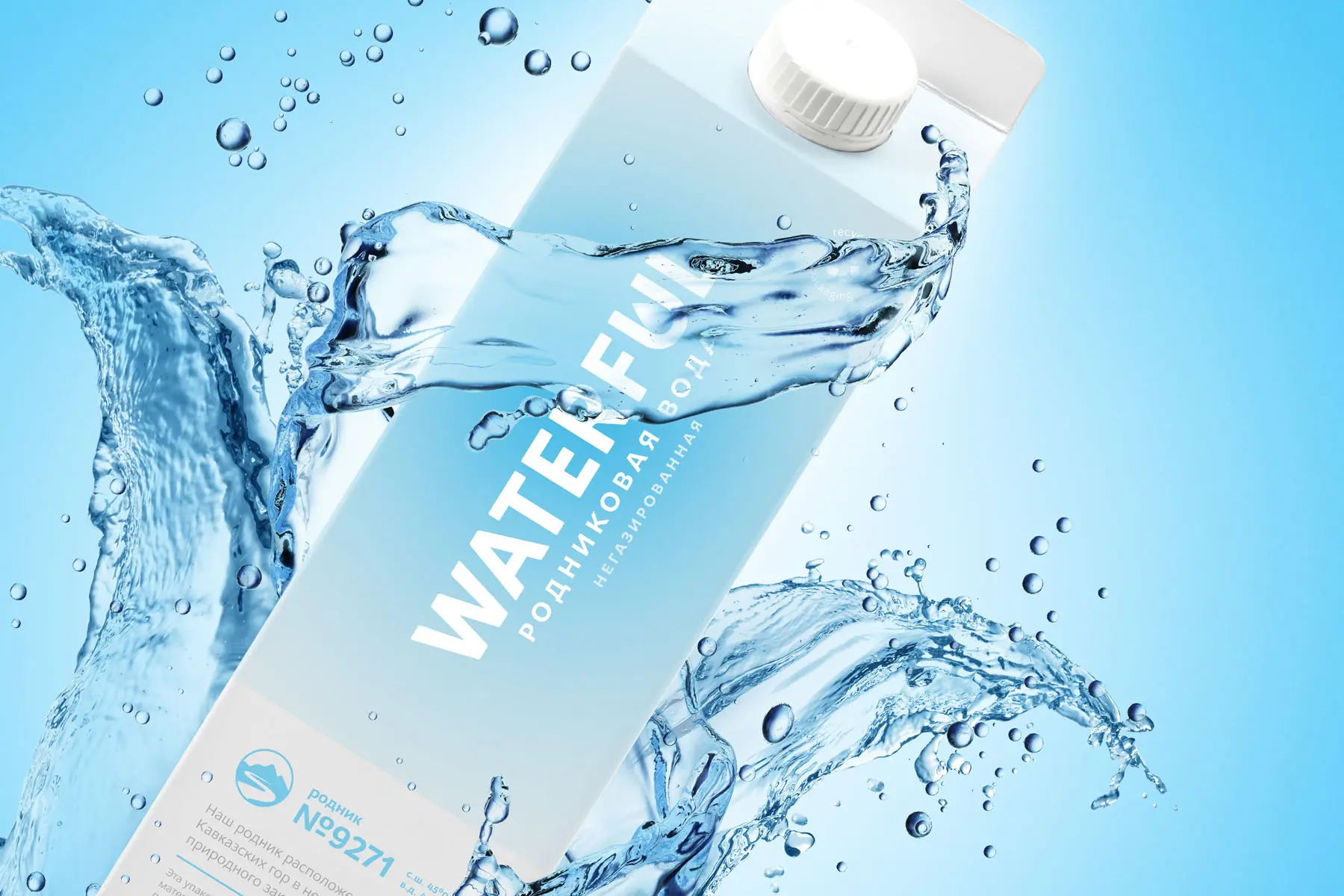
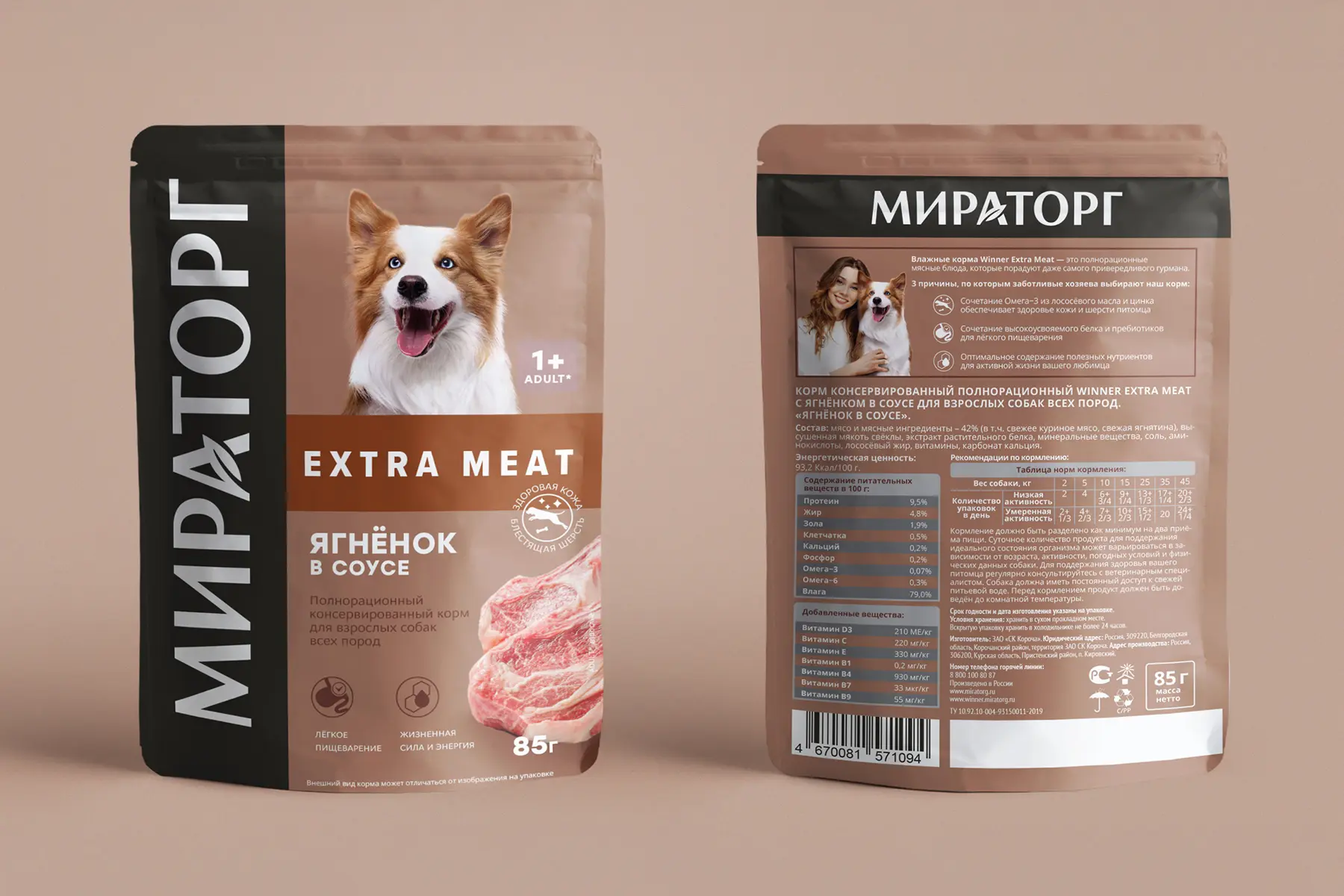
The primary measure of effective packaging design is its alignment with the brand identity: every graphic detail should strengthen the emotional connection with the target audience without overwhelming the composition. Functionality is assessed by how easy the packaging is to open, whether its materials can withstand transport, and whether it can be reused when reusability is part of the concept. Finalizing the project also requires checking compliance with environmental standards and certification requirements such as FSC, along with analyzing A/B test results to assess conversion before launch.
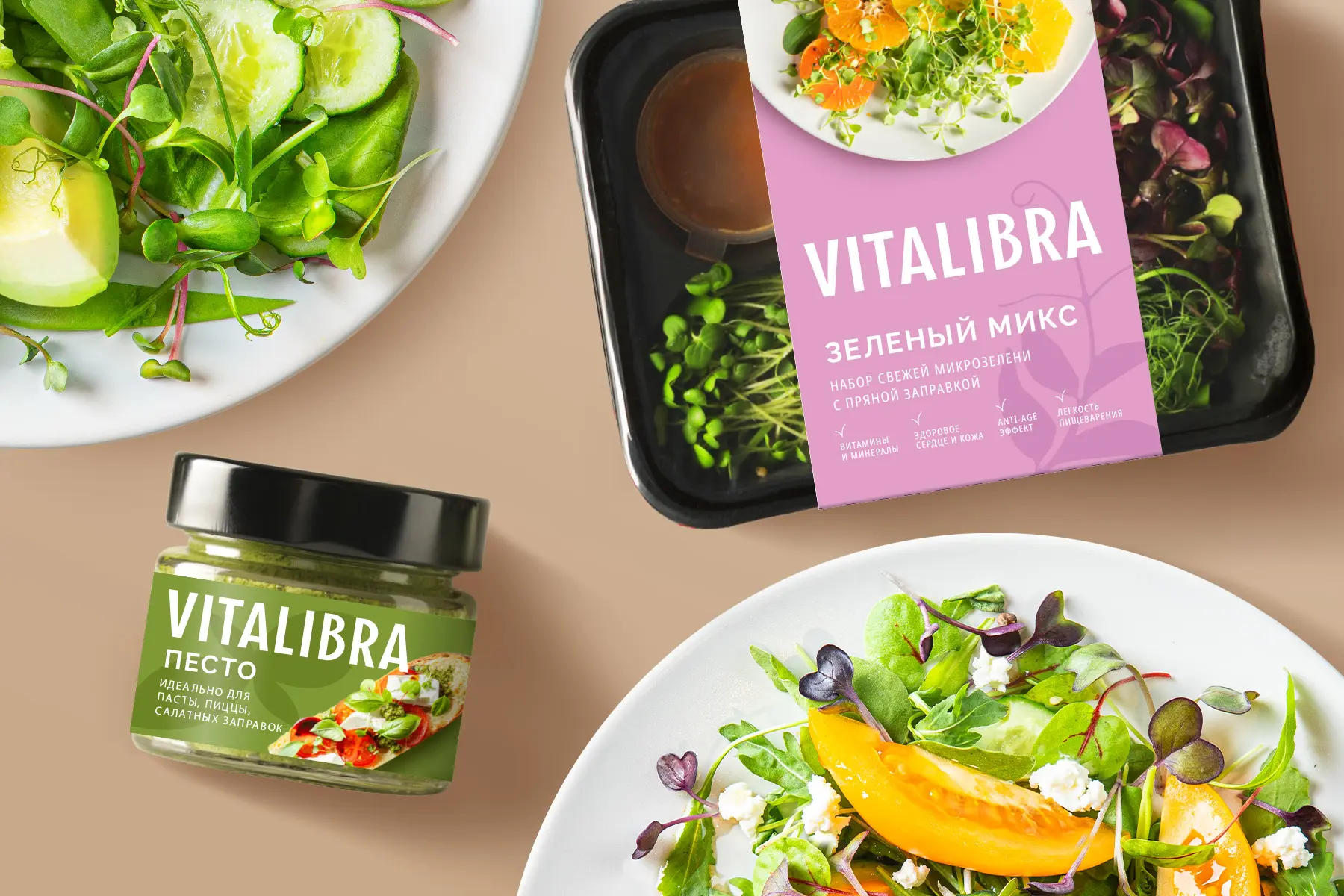
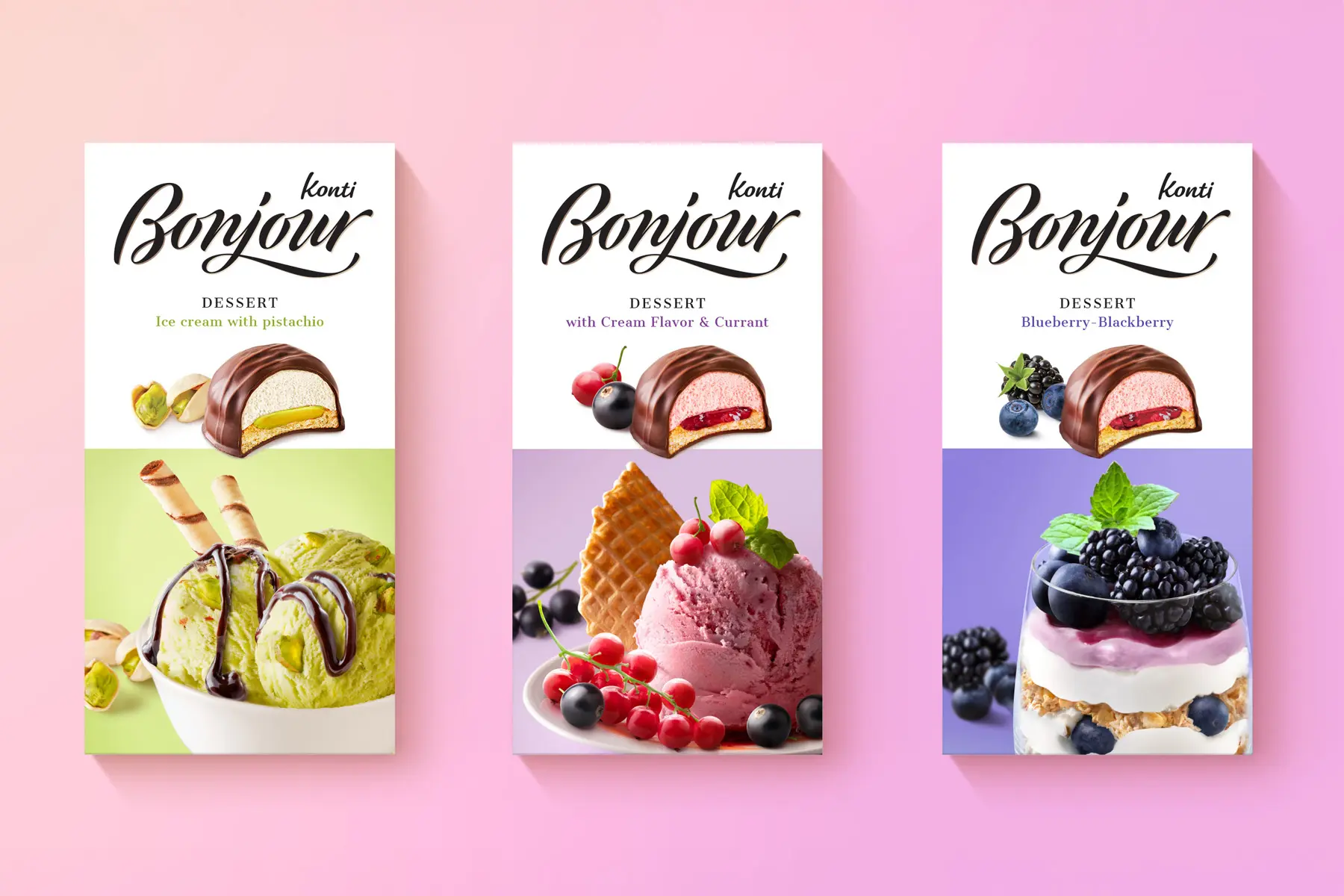
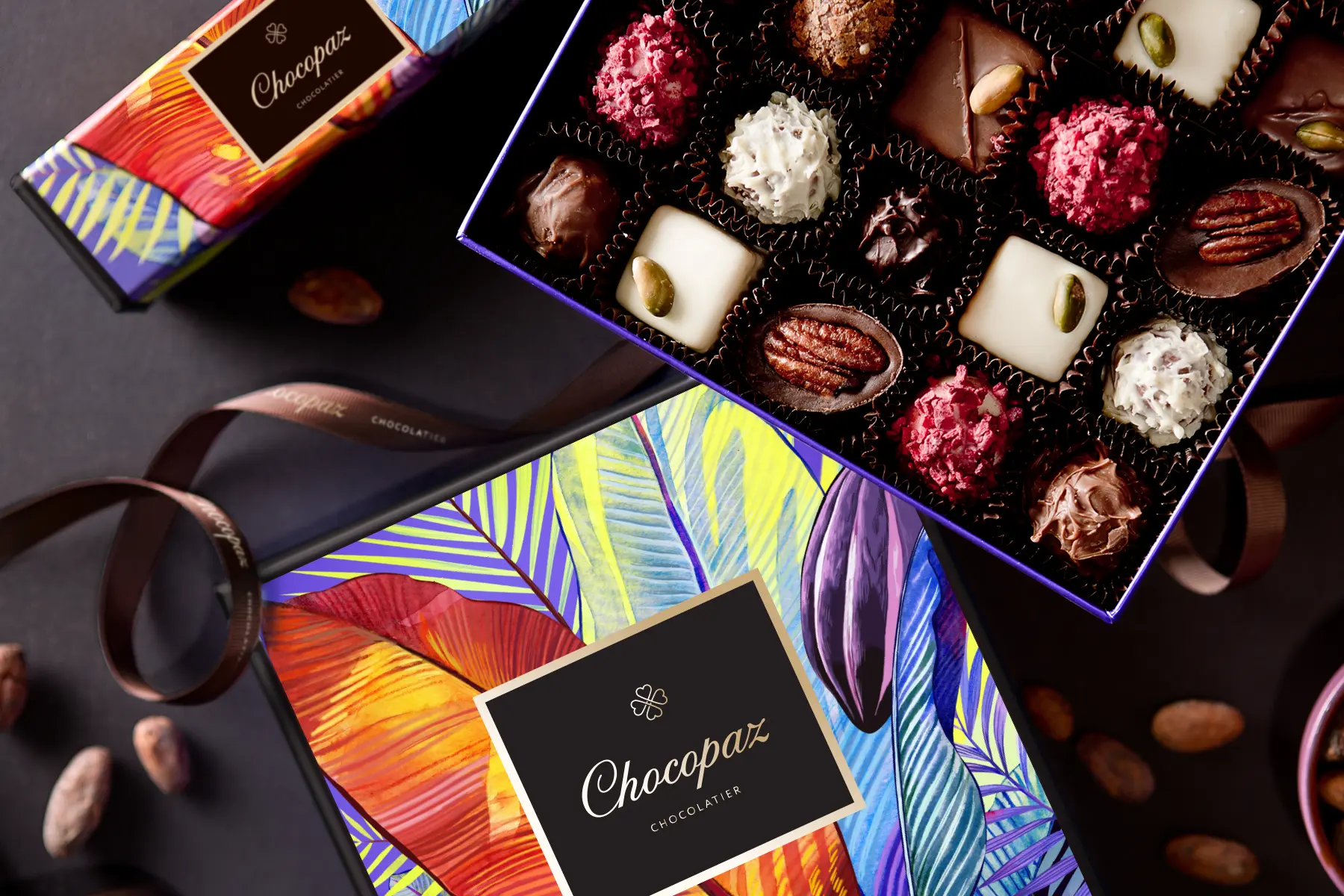
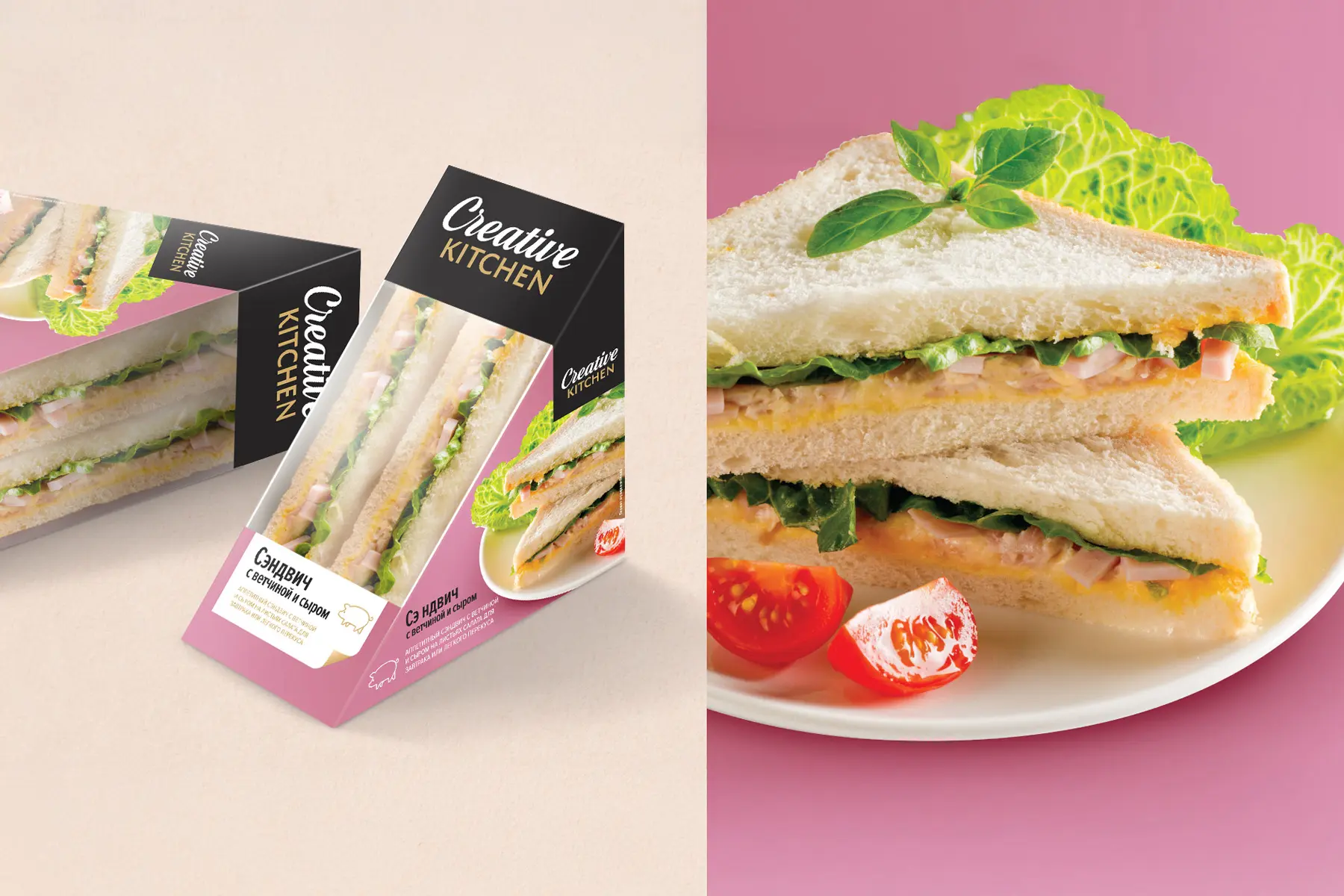
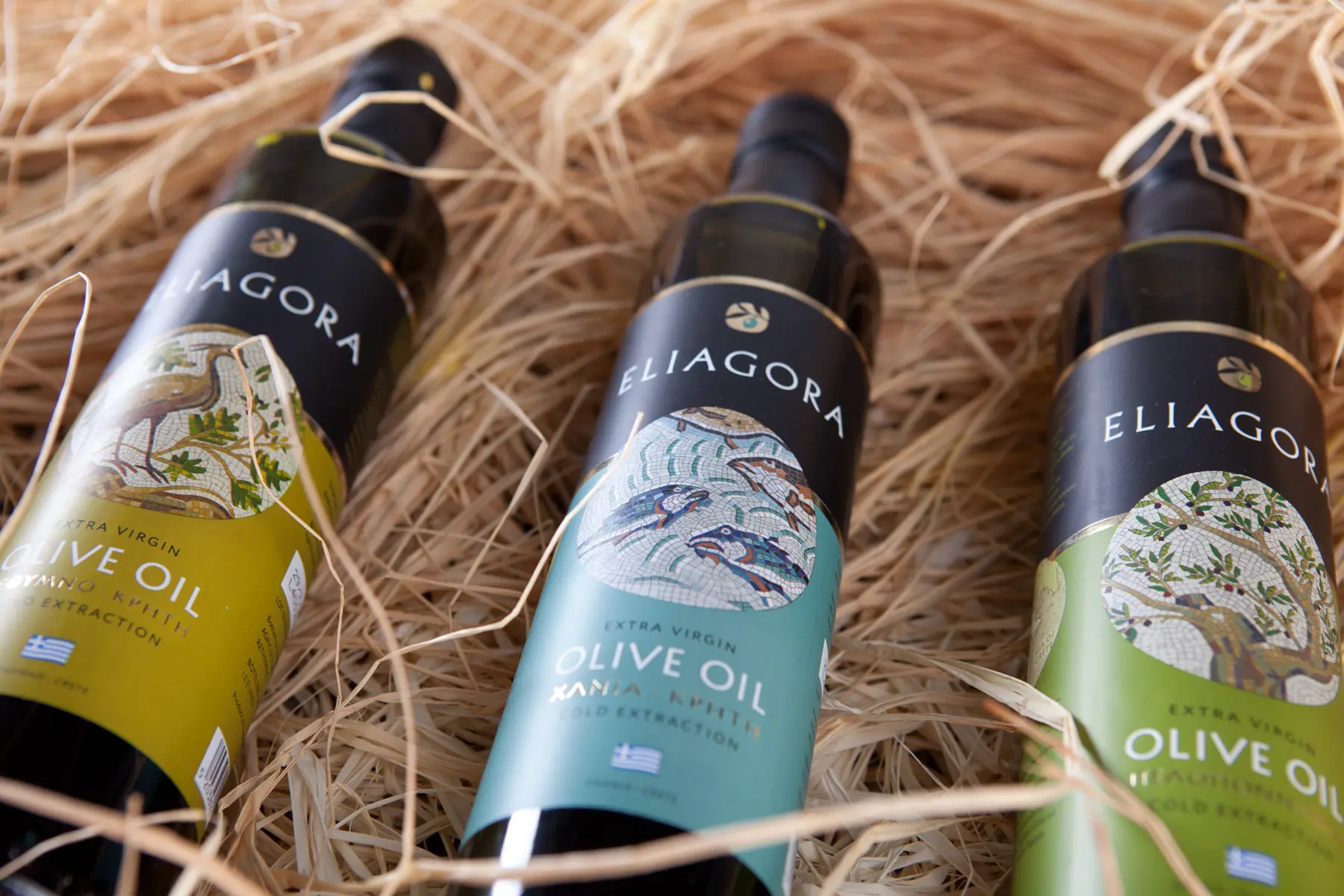
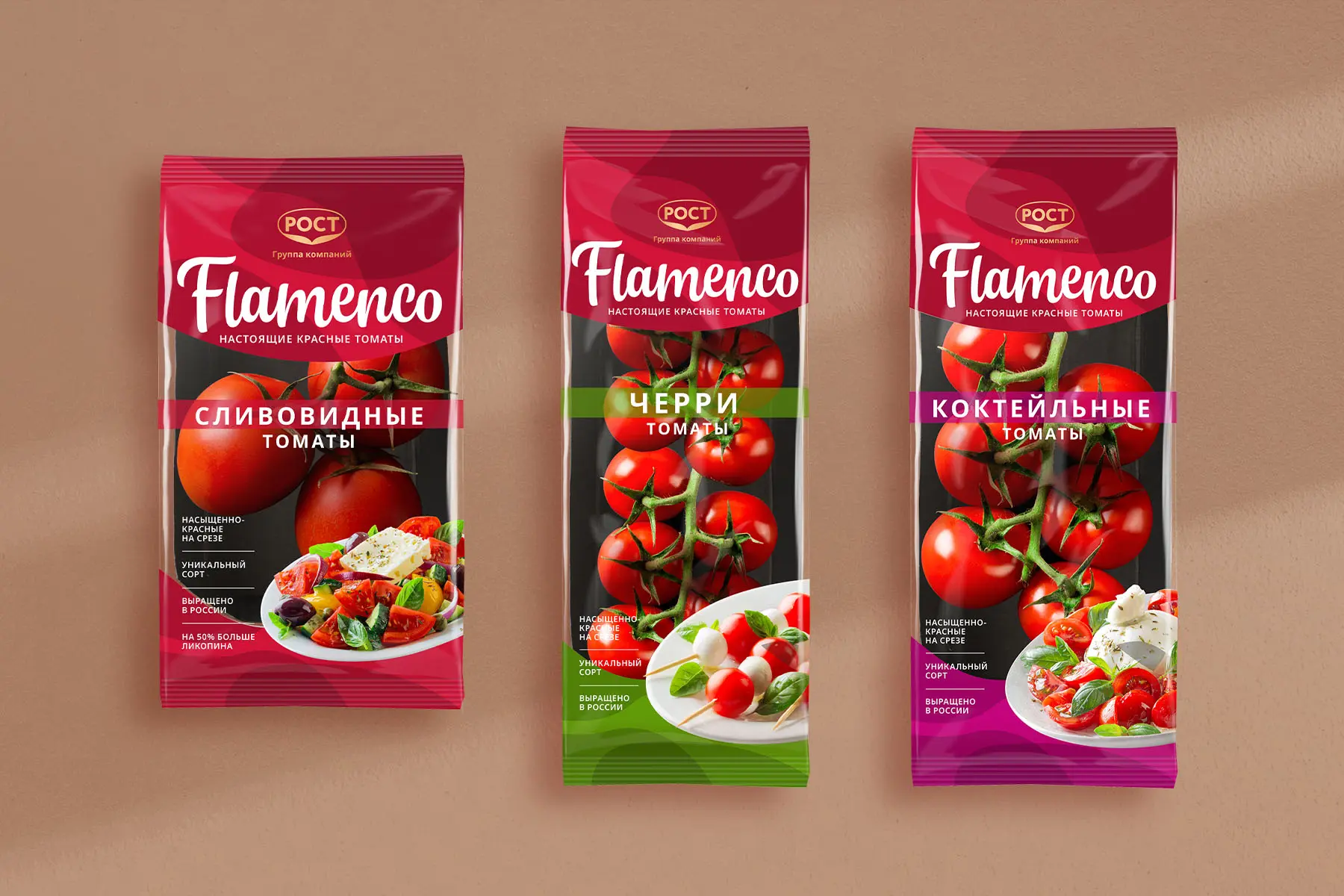
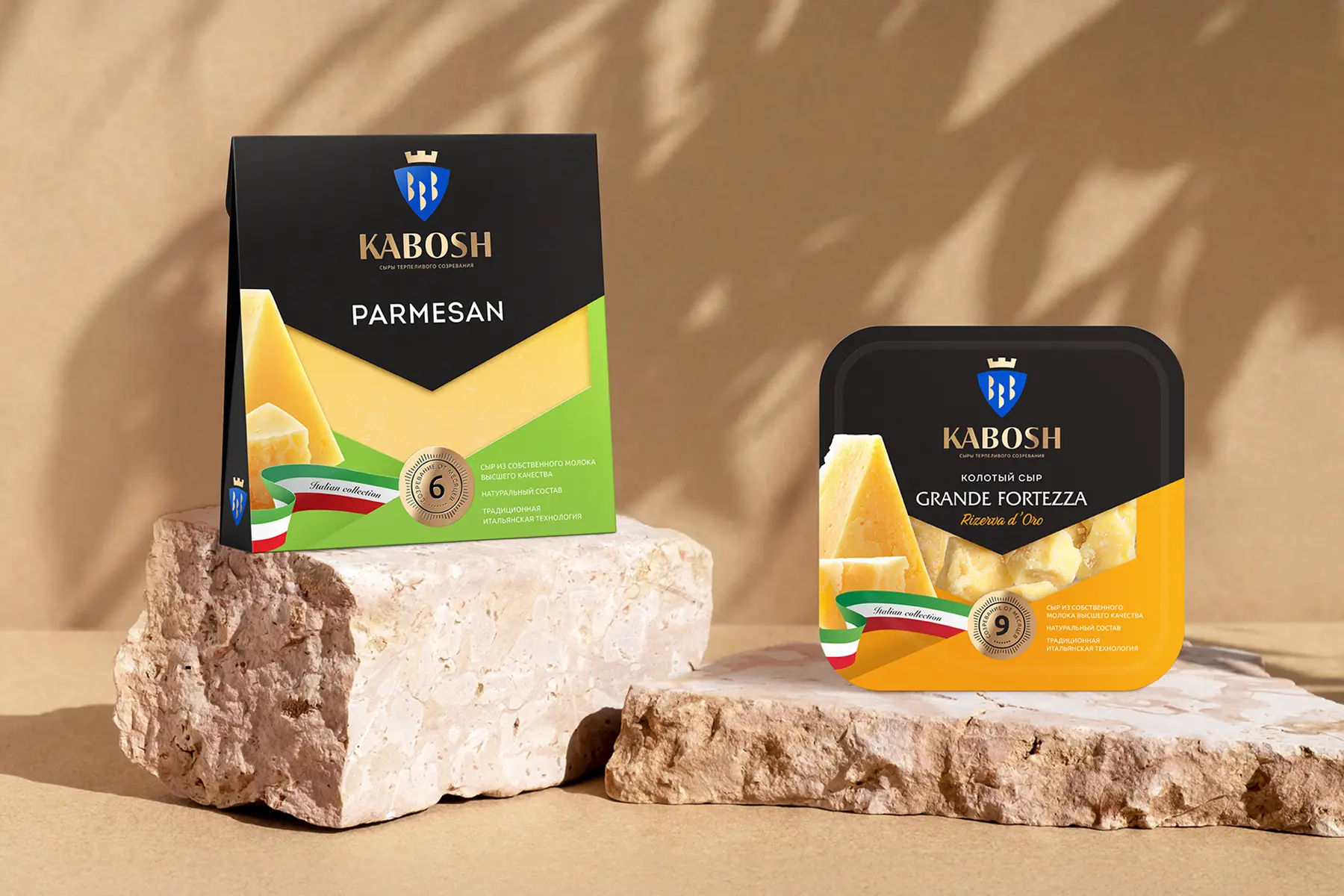
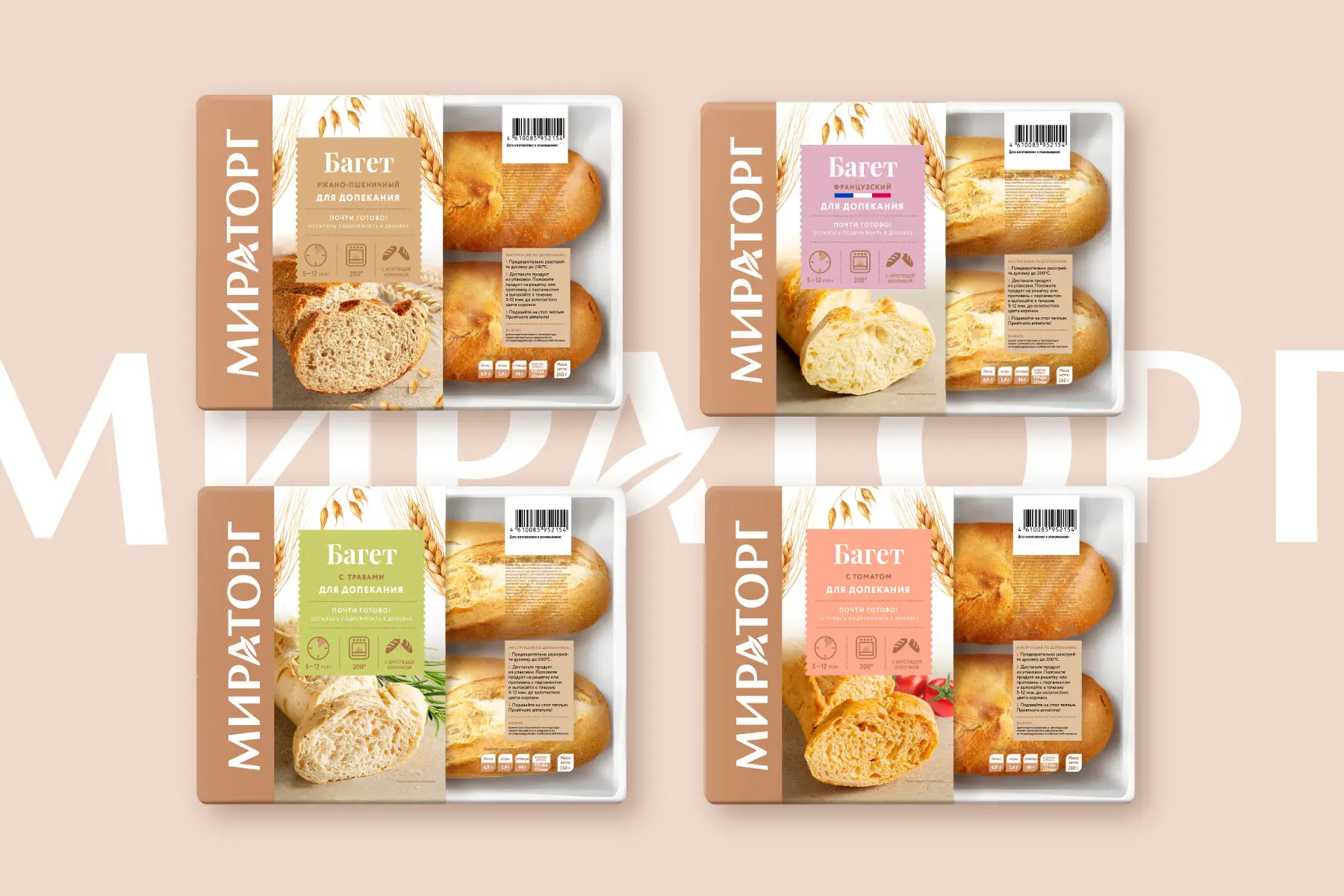
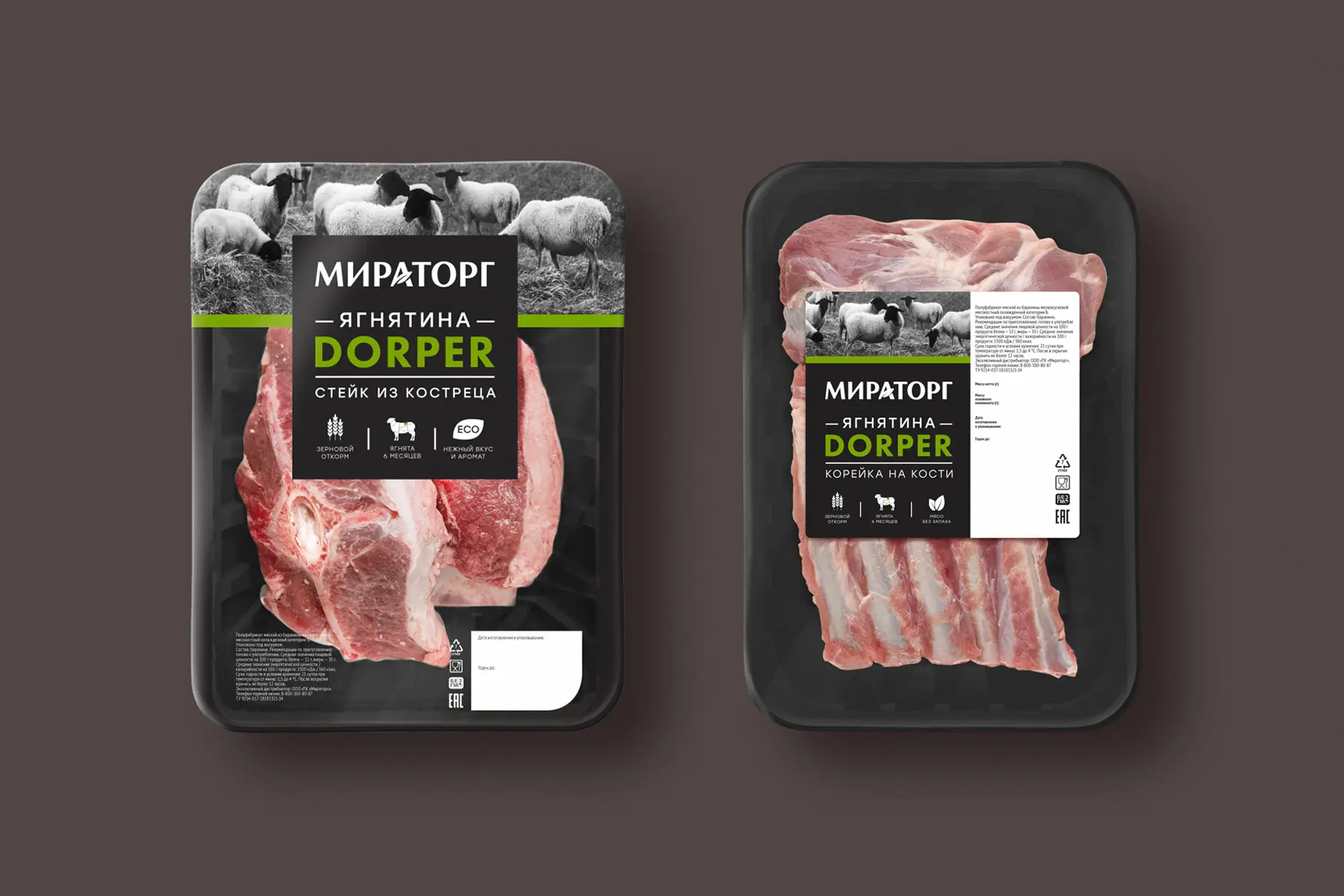
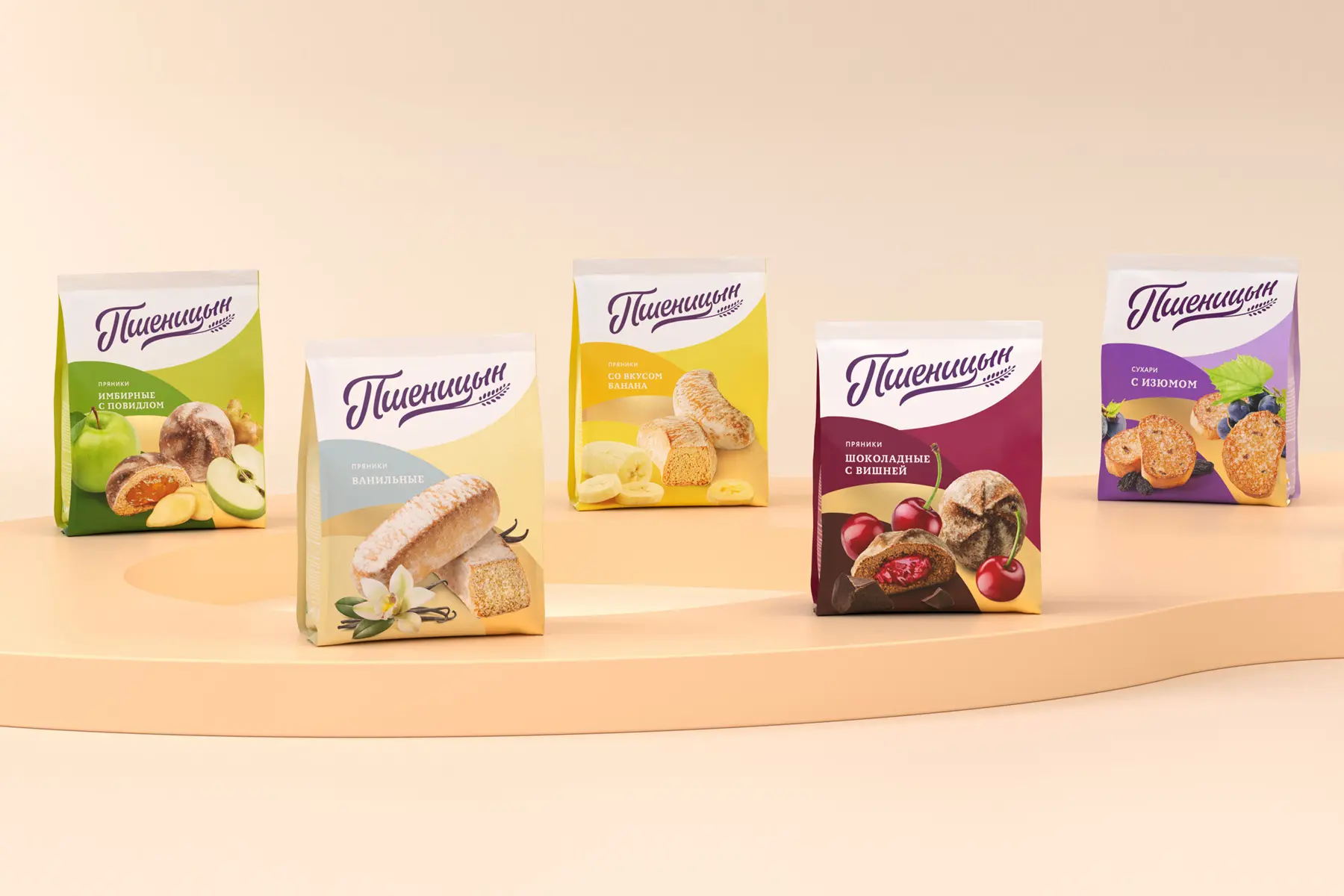
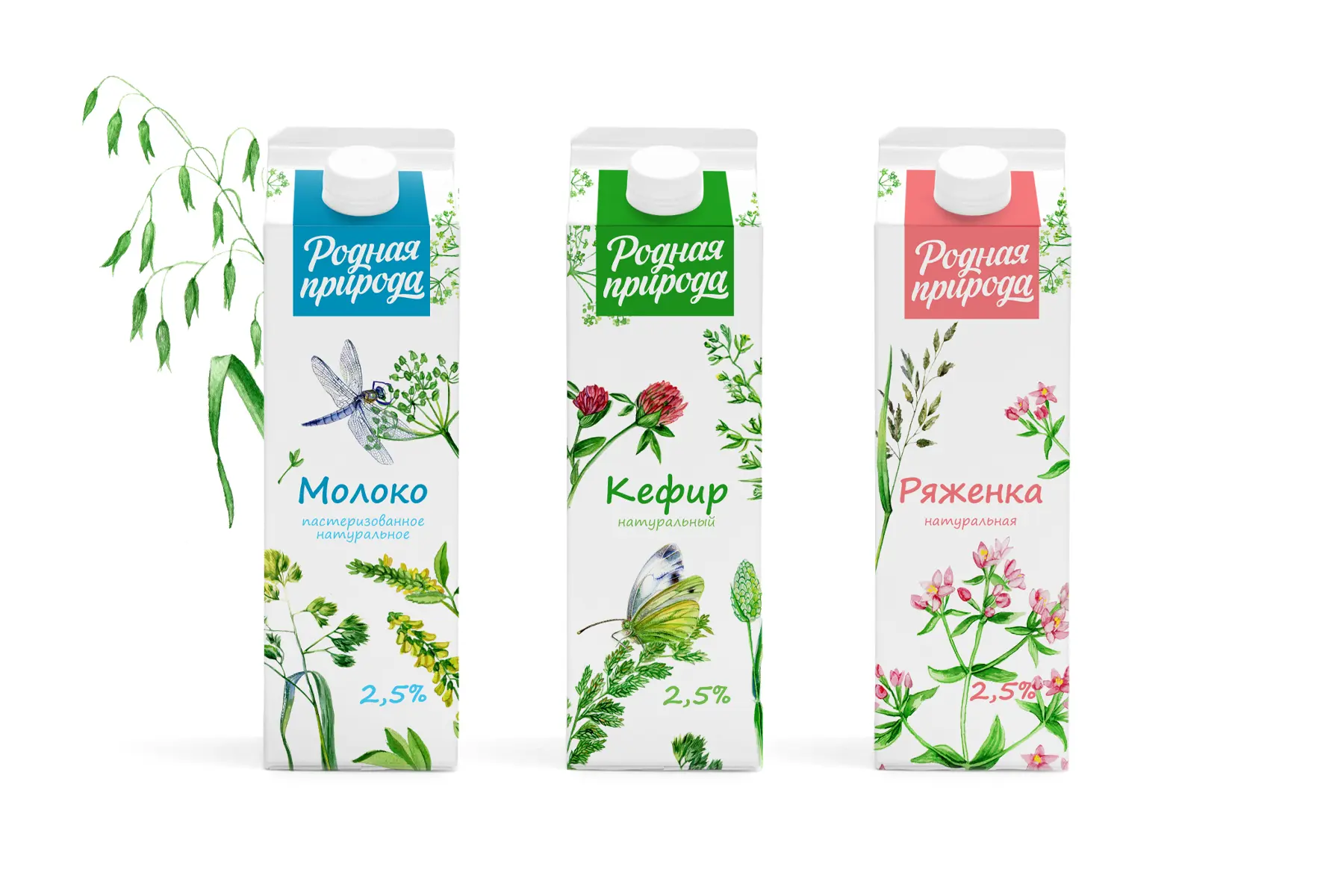
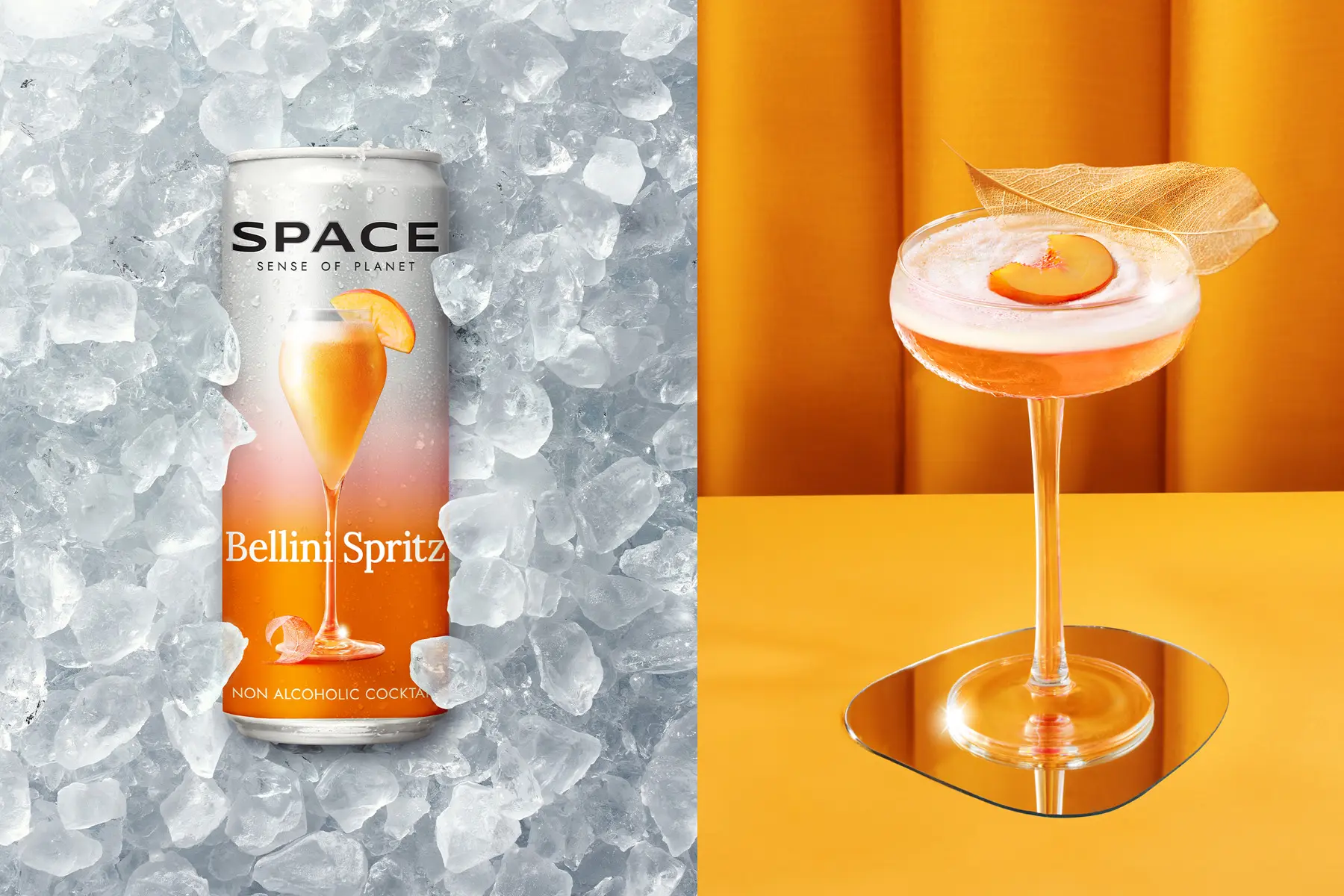
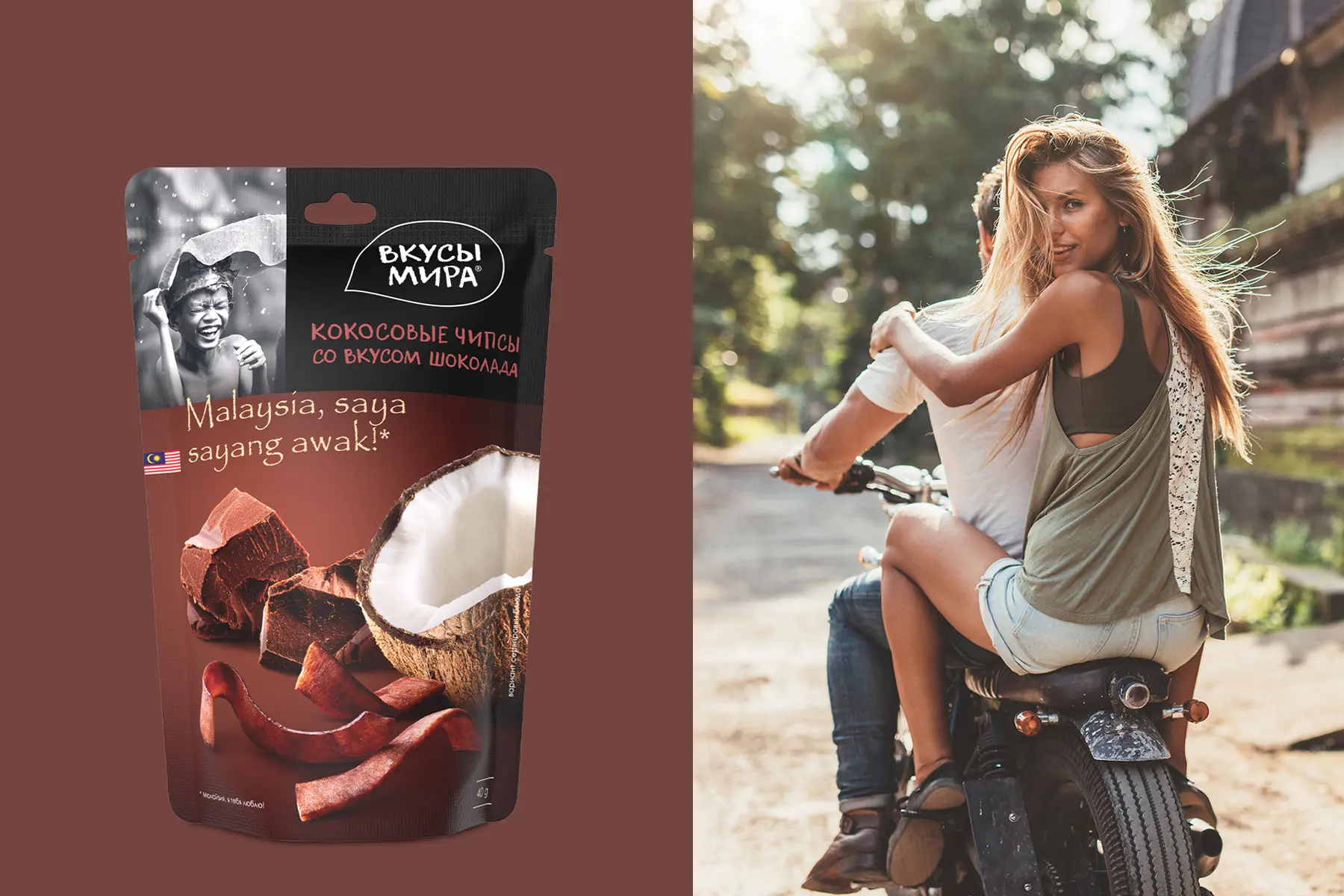
Packaging design research helps determine how effectively a package attracts consumer attention, communicates brand values, and influences purchase decisions. This research is essential for creating an effective and appealing design that meets the target audience’s expectations and supports sales growth. The findings allow the packaging to be refined in line with consumer preferences and shifts in the competitive landscape.
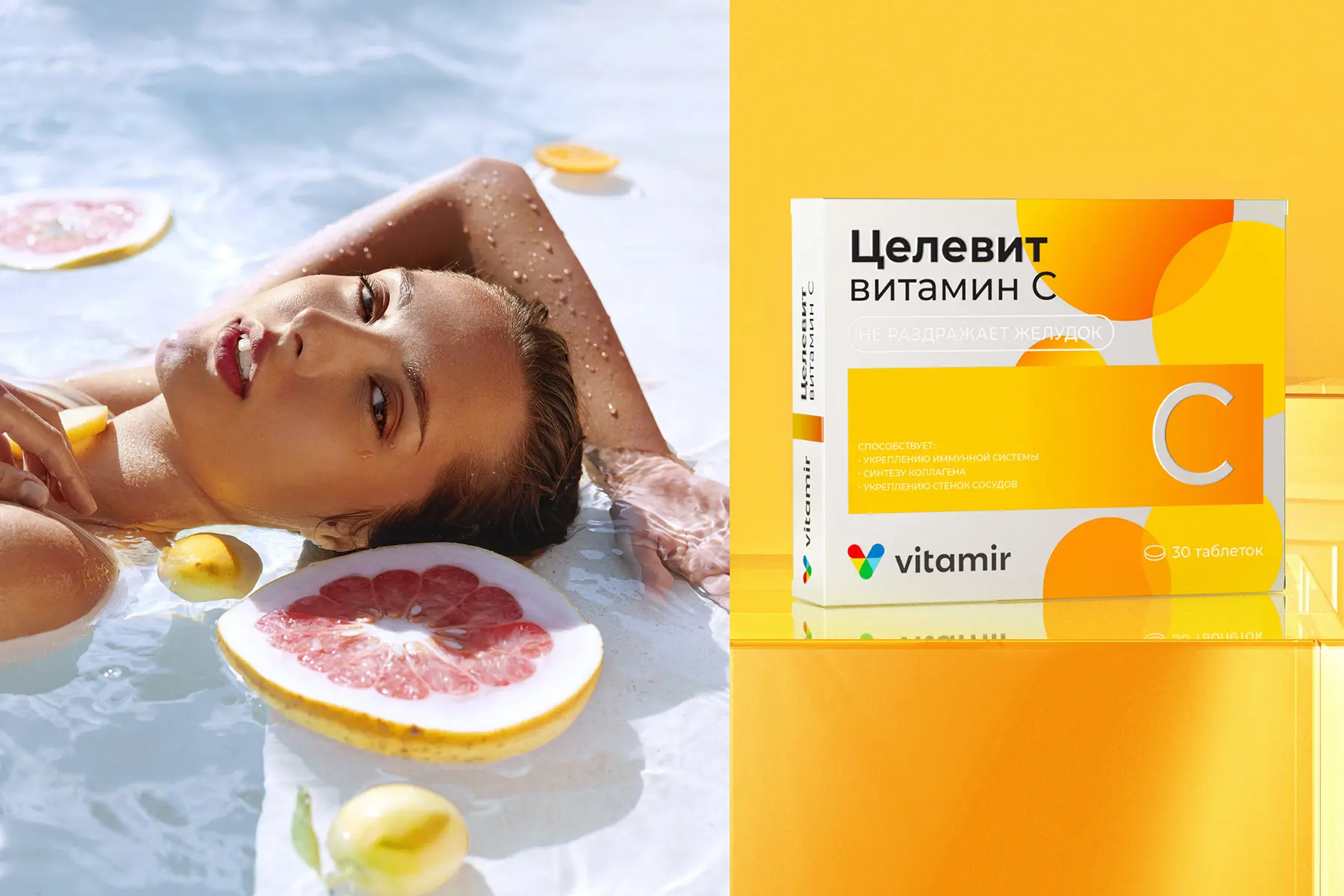
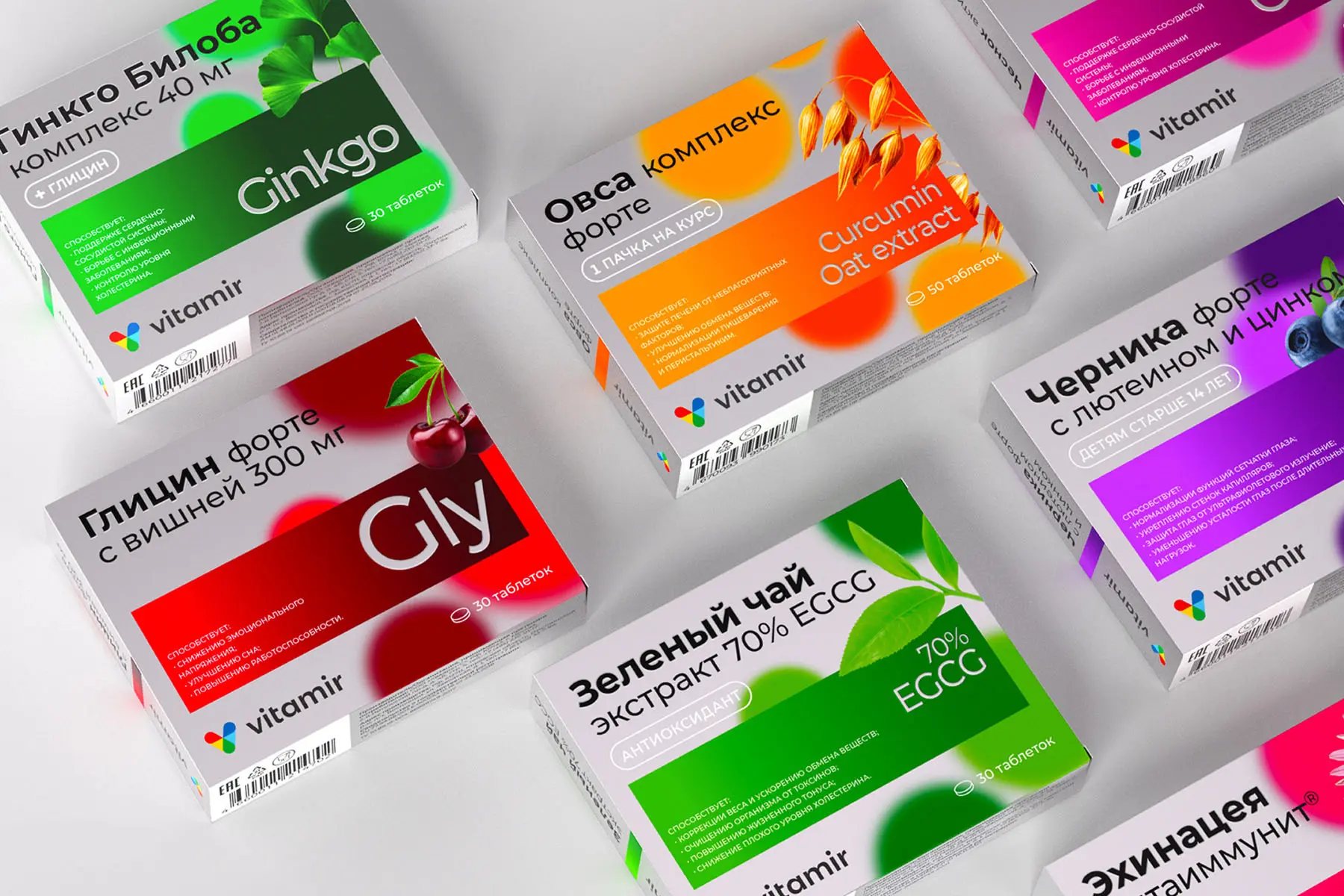

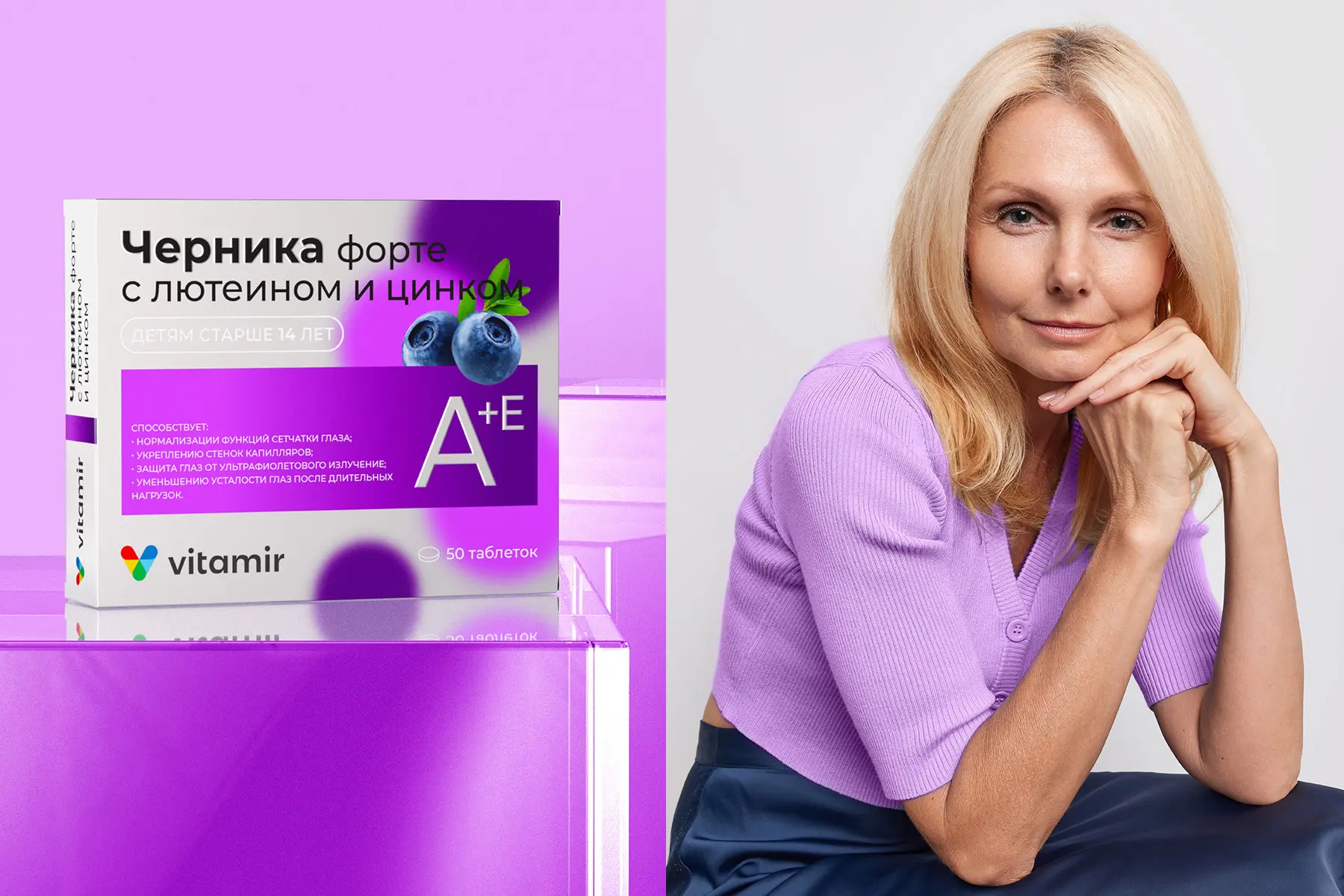
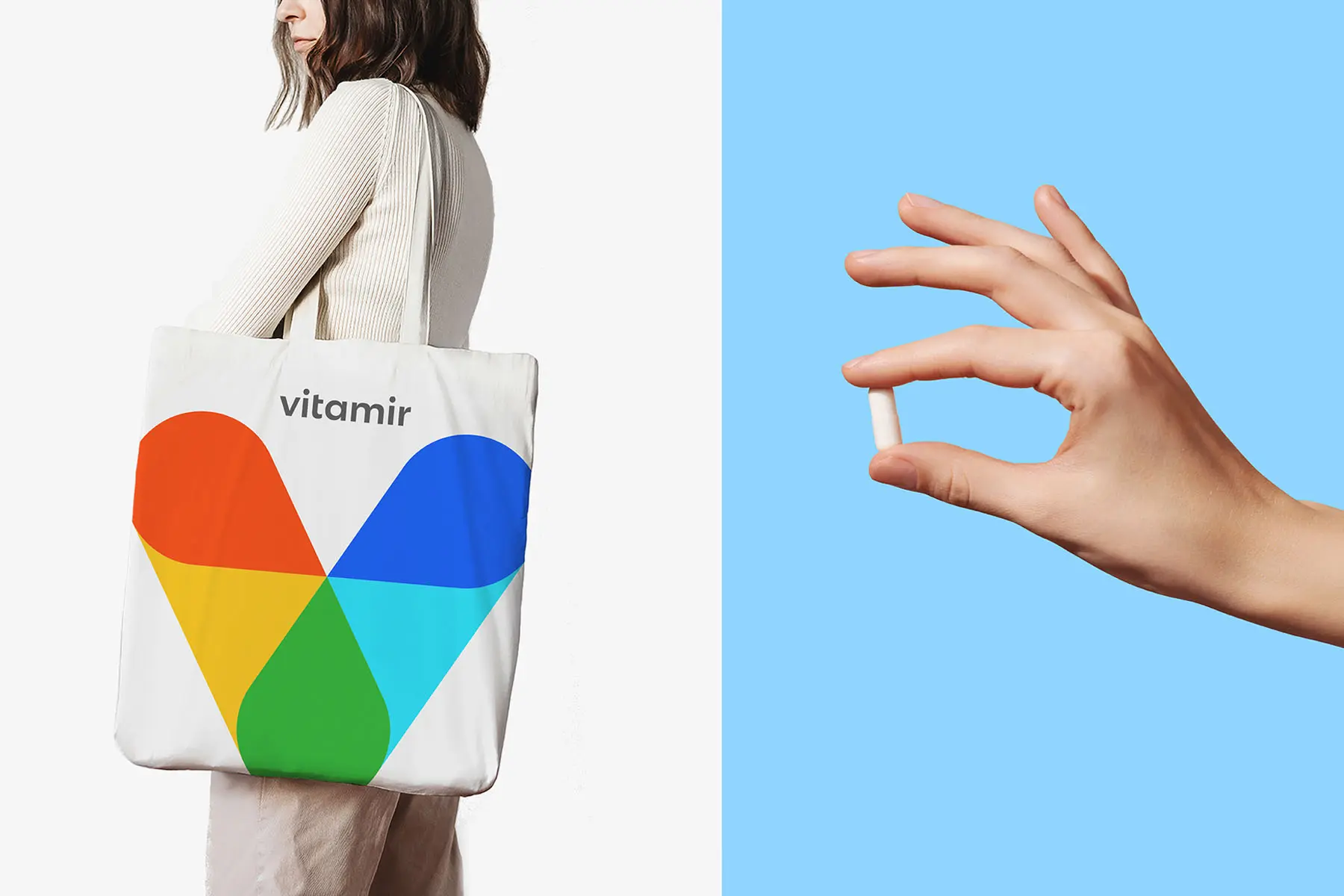
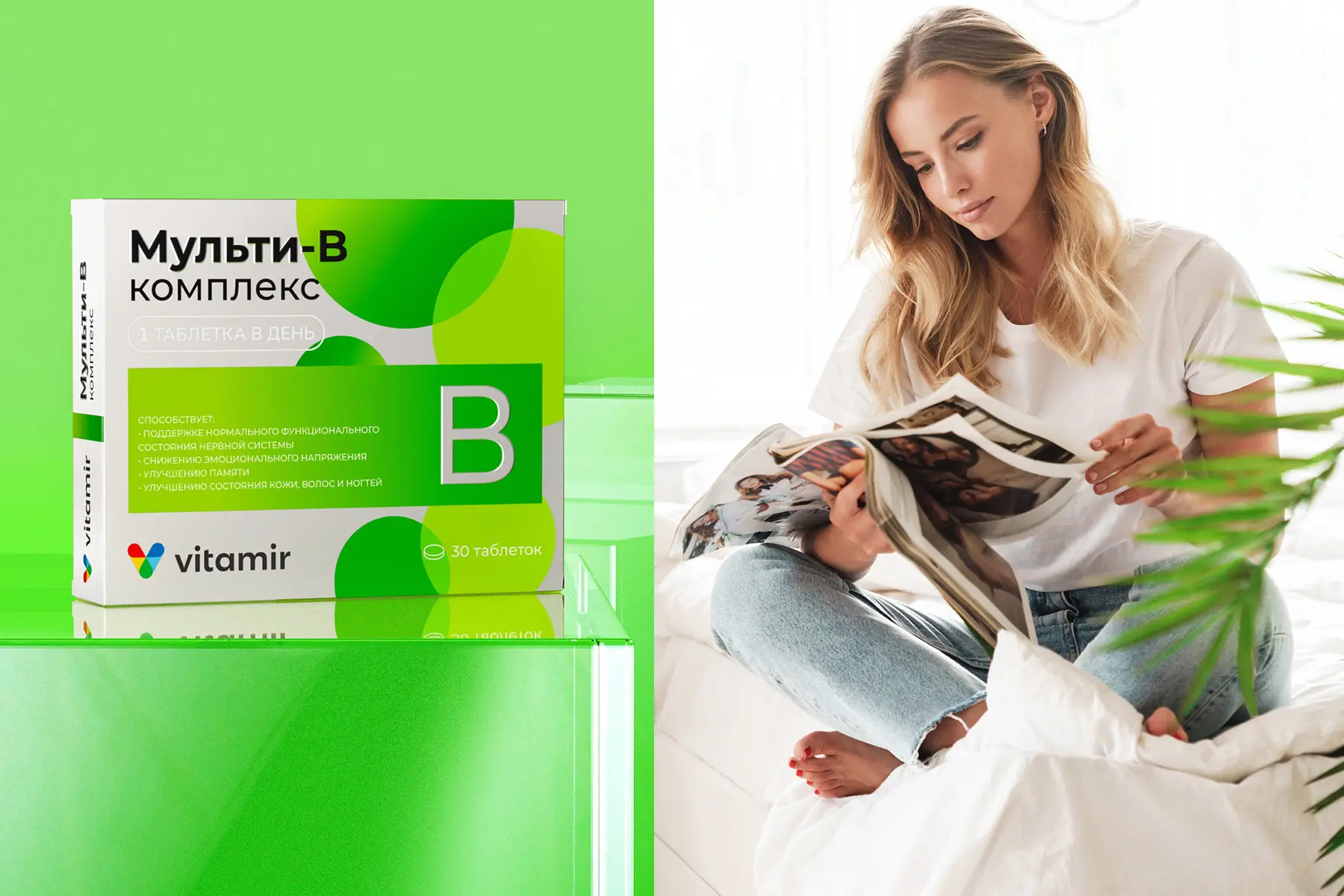
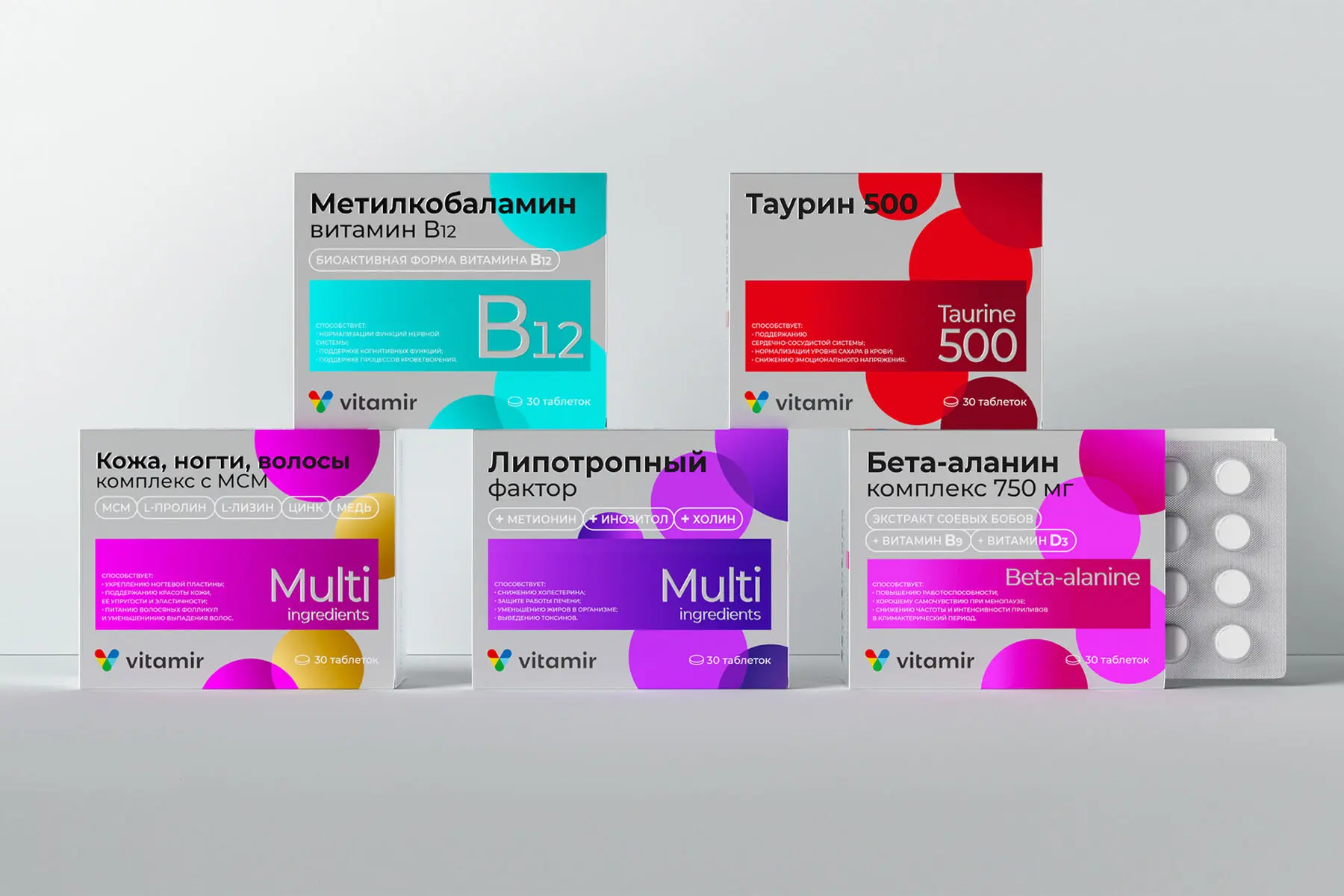
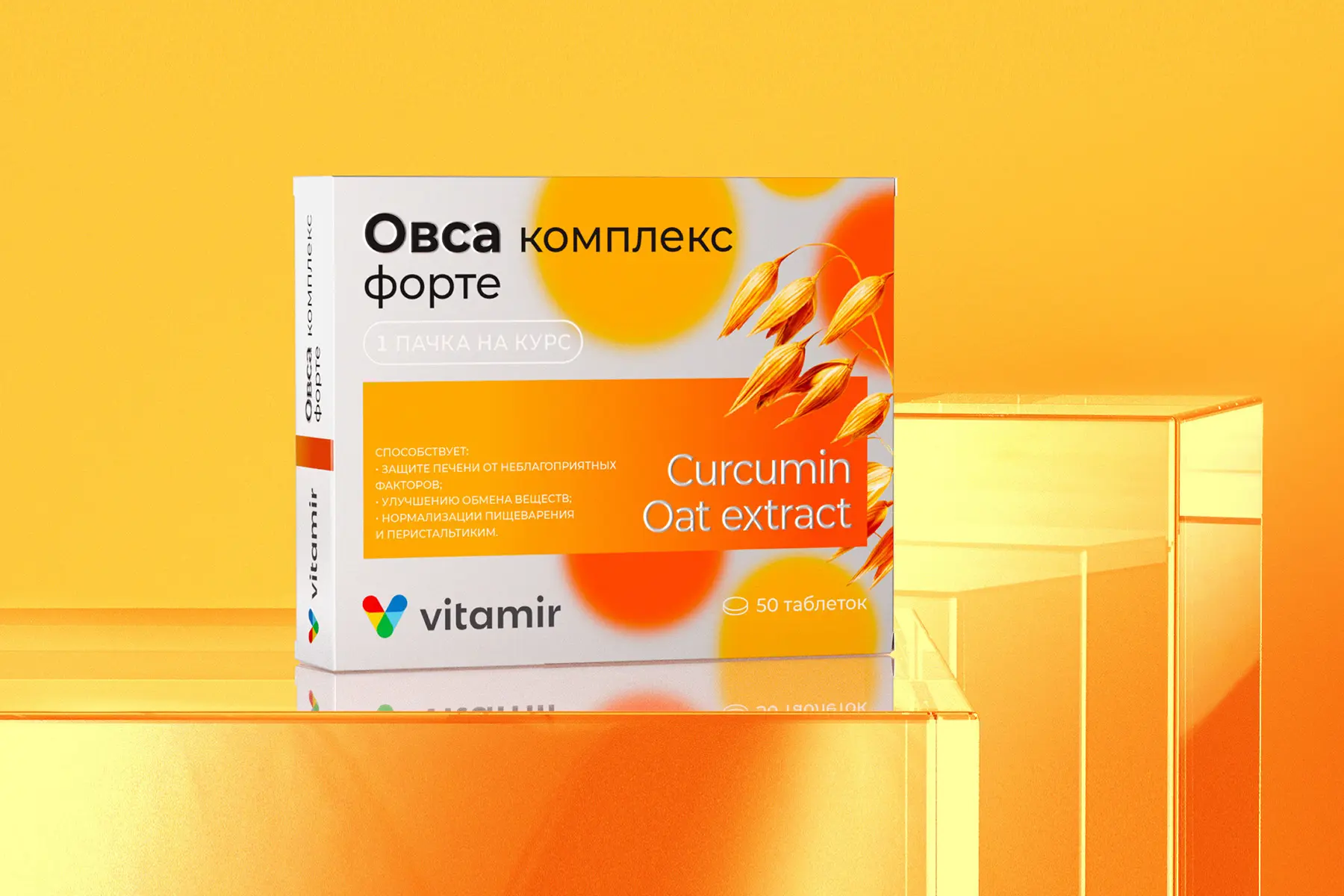
Packaging rebranding is a comprehensive update to a product’s image and visual presentation. Its main objectives are to increase the product’s appeal on the shelf, strengthen the brand image, and meet current environmental standards. It is also important to recognize that packaging for fast-moving consumer goods requires a shorter refresh cycle.
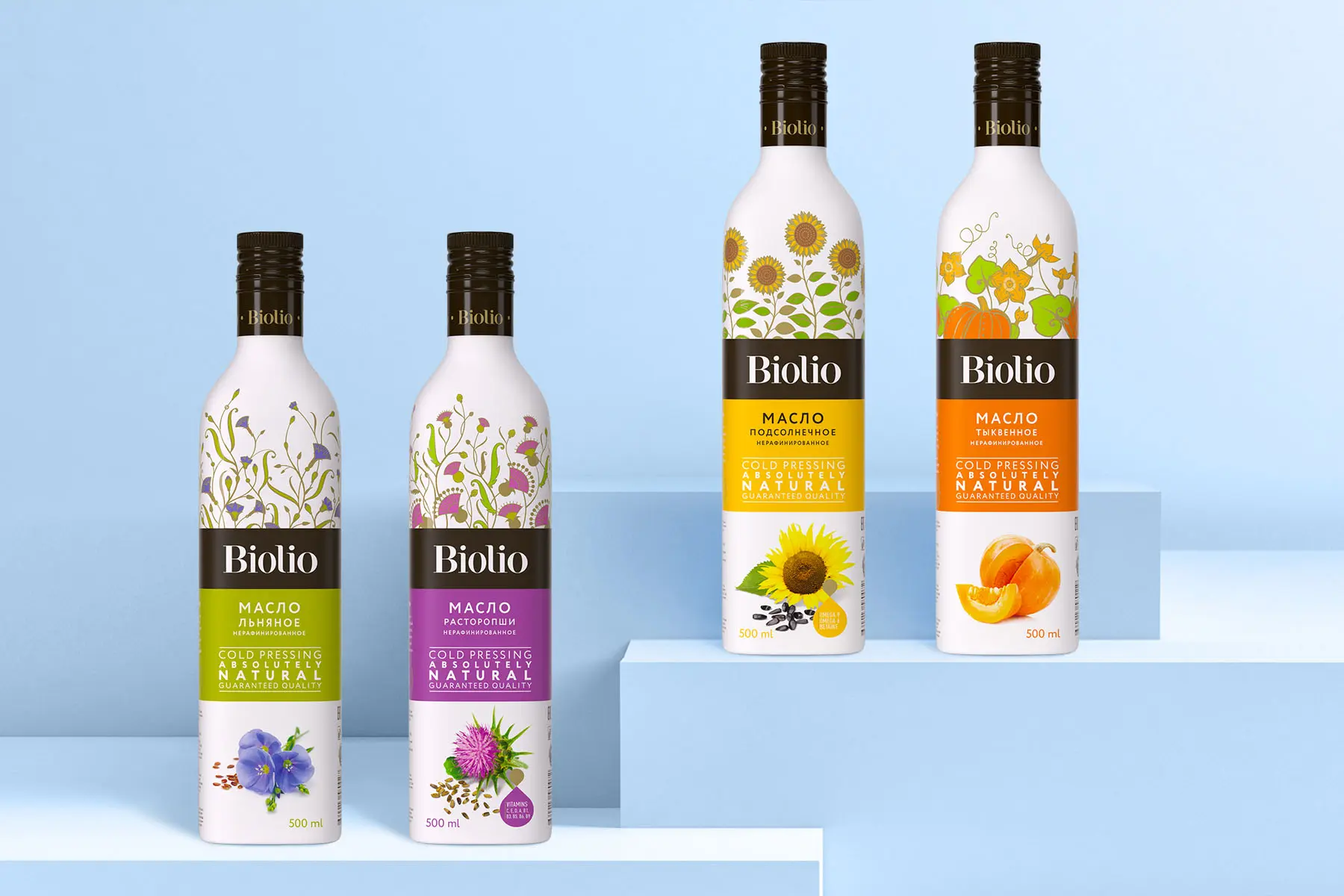

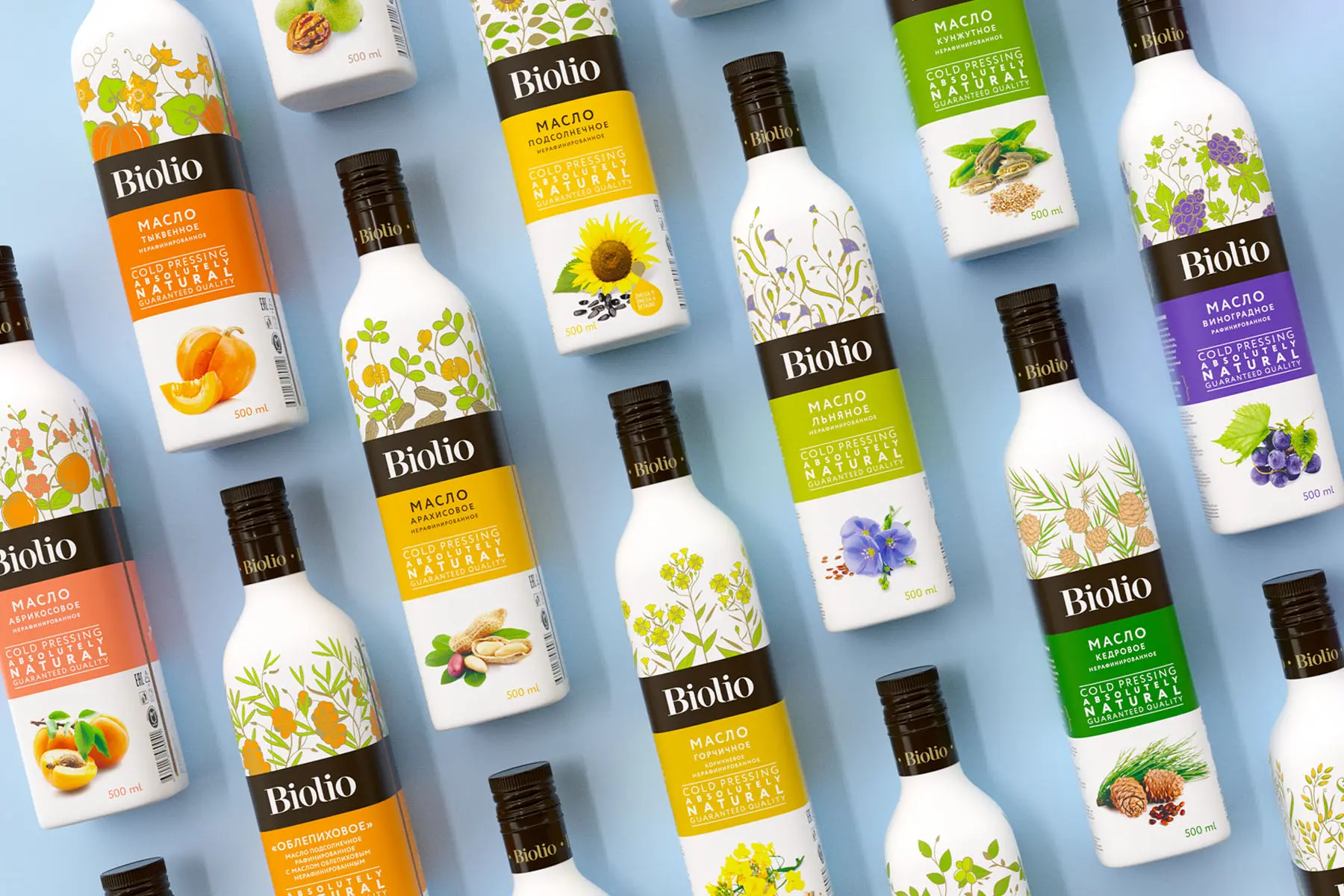
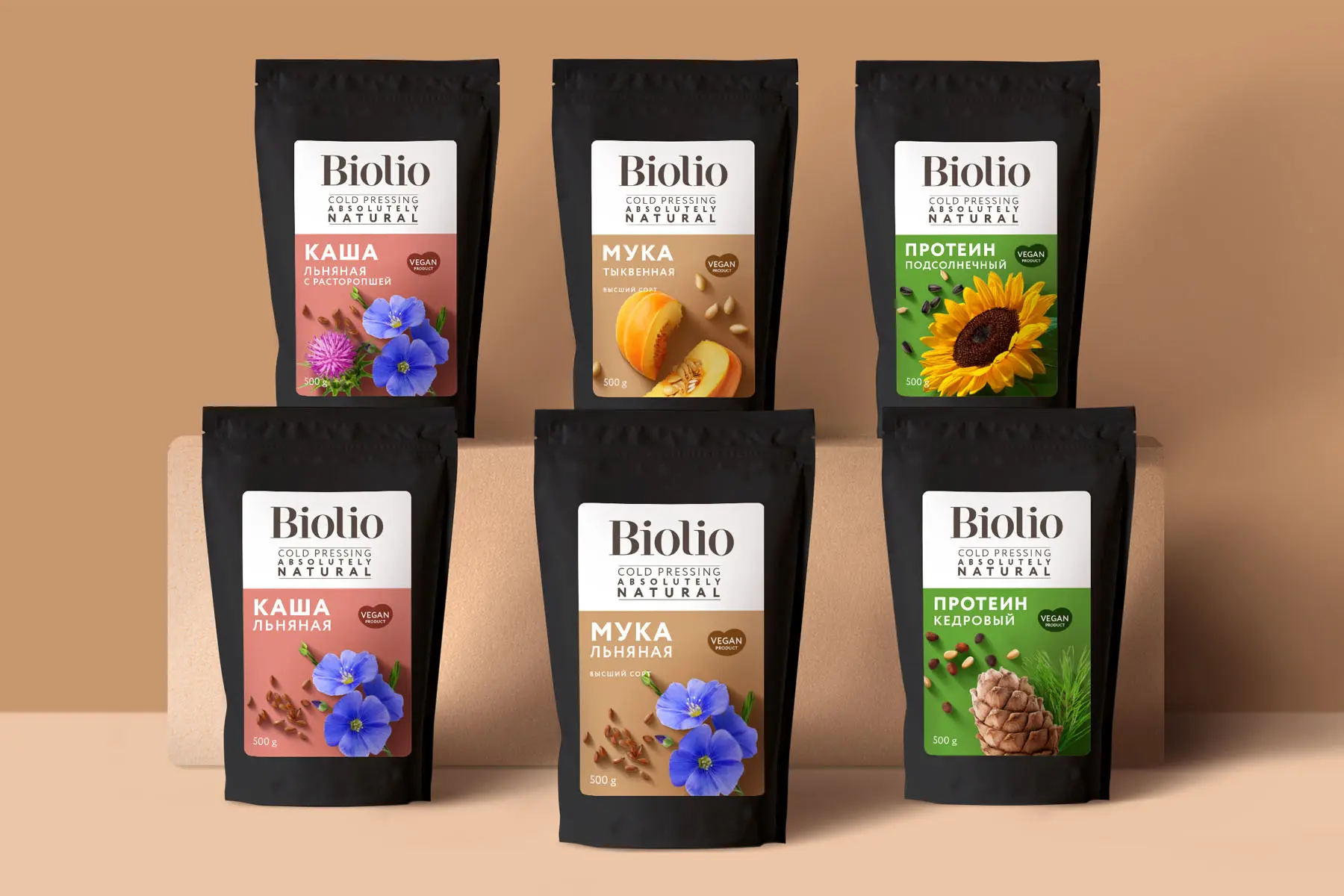
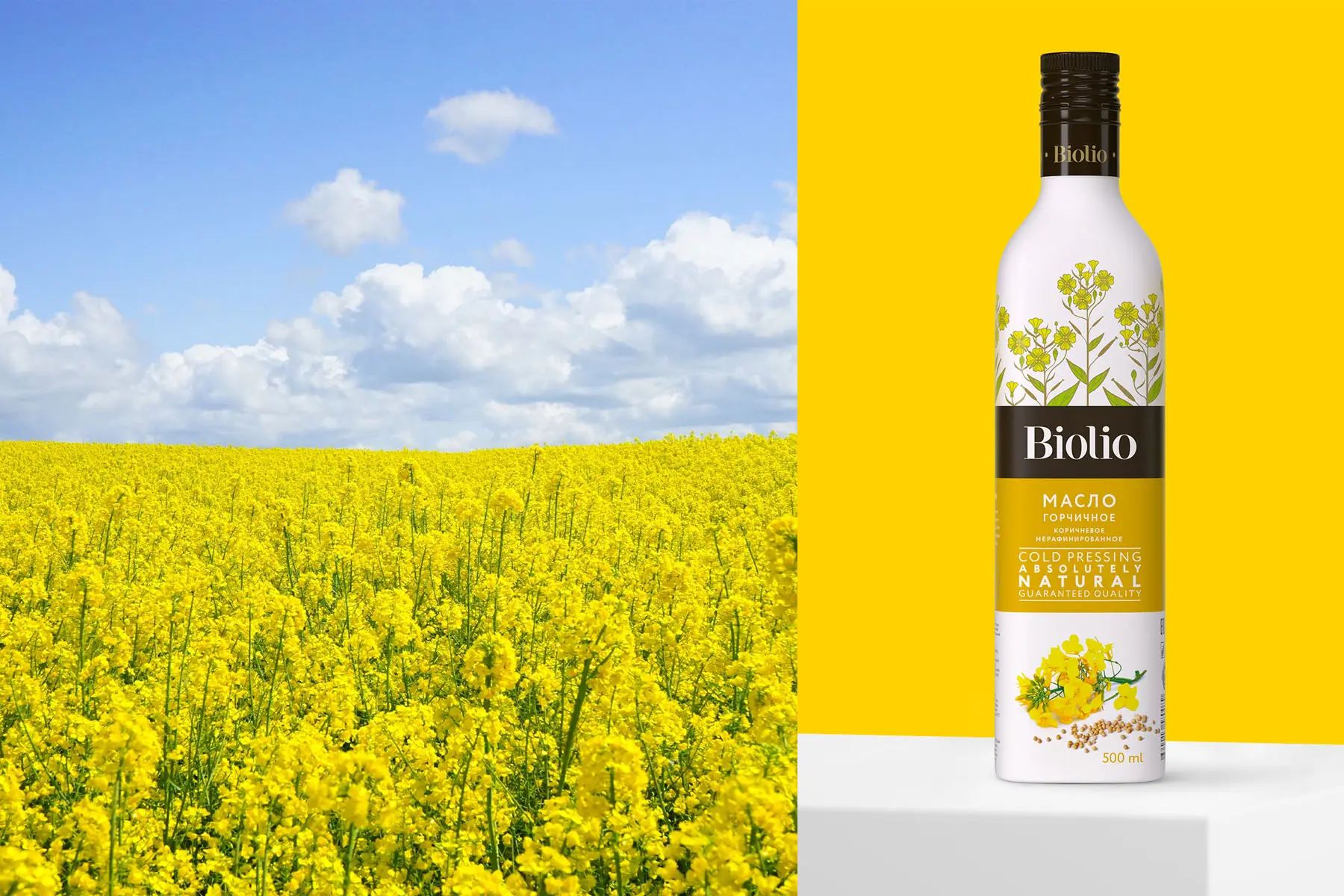
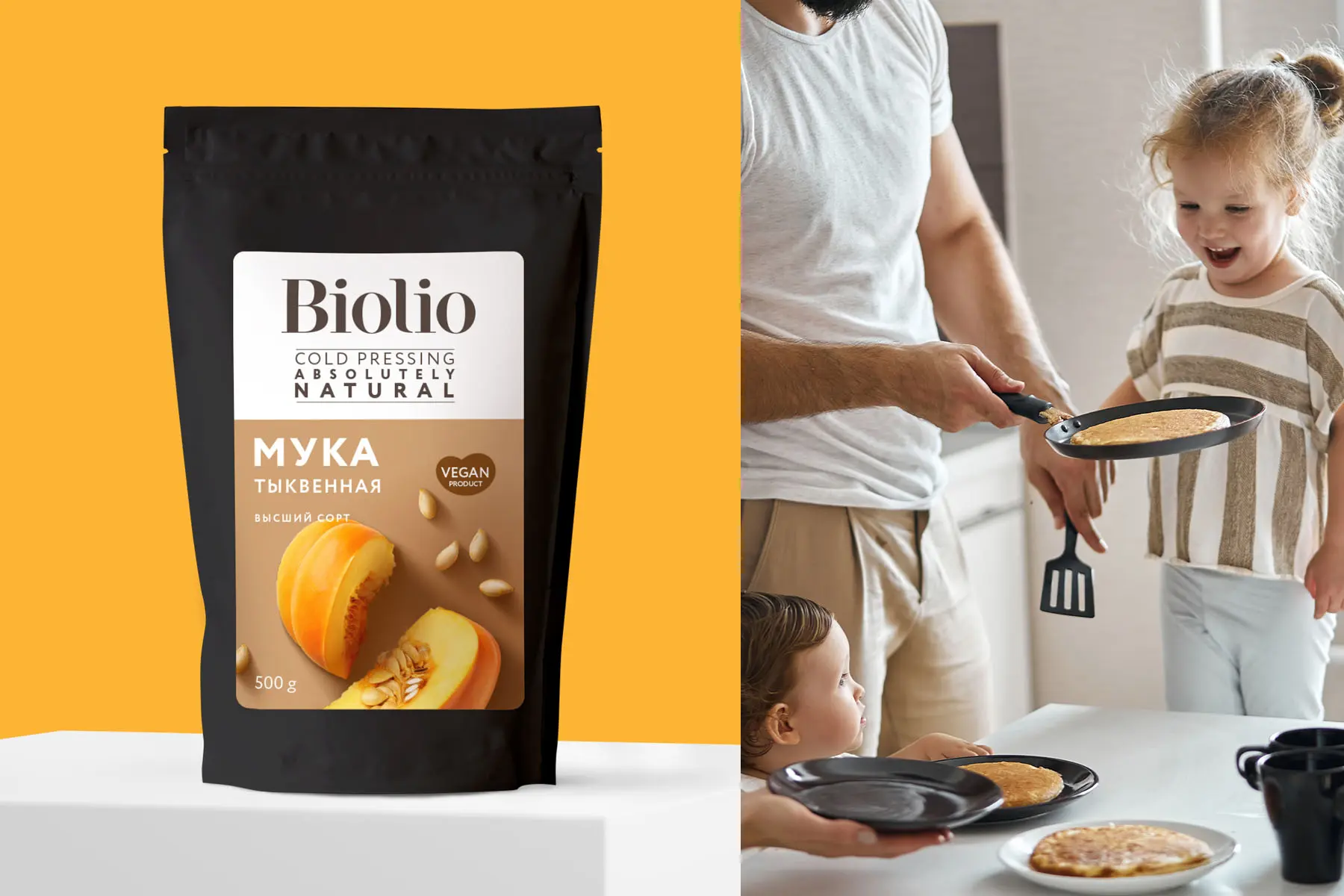

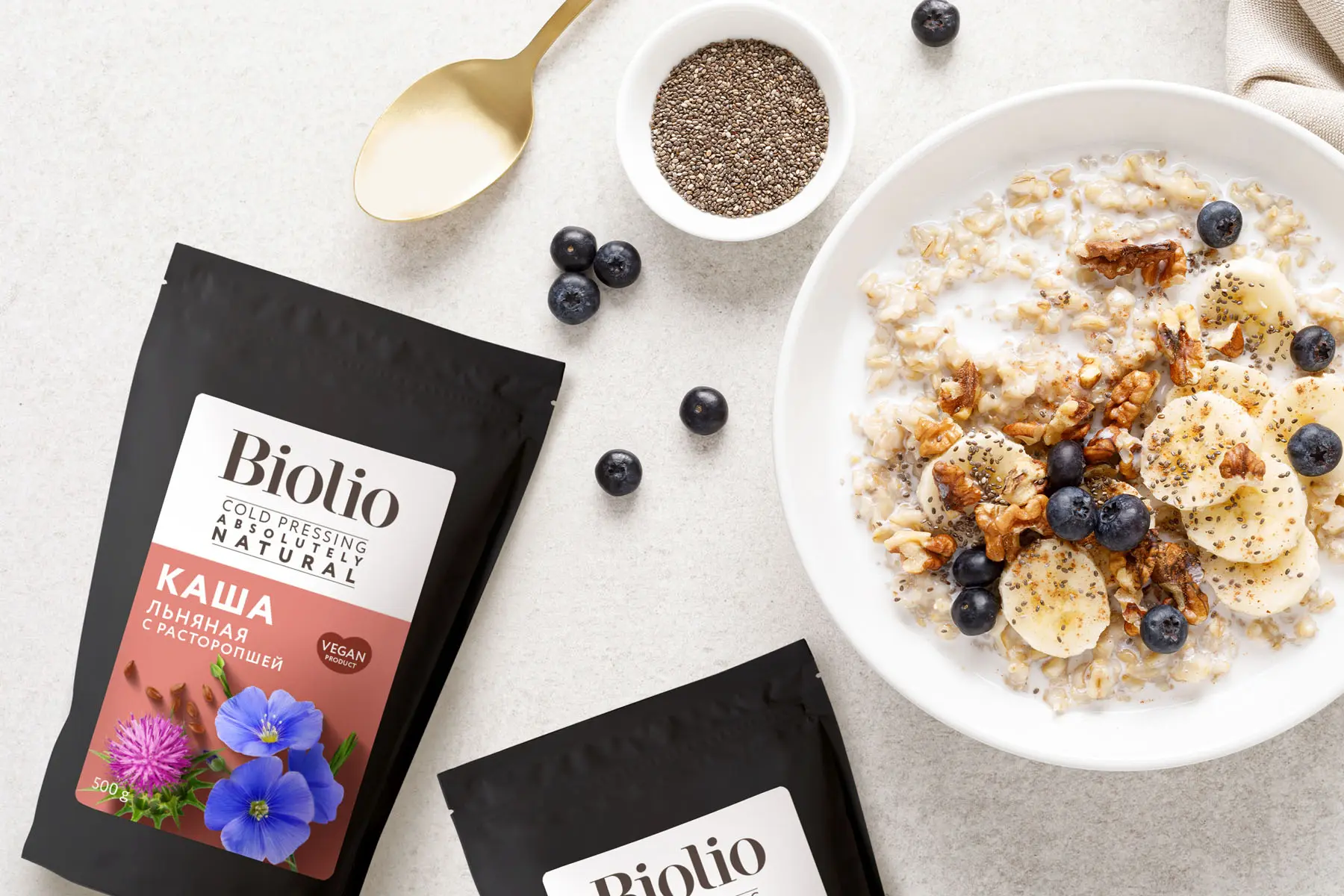
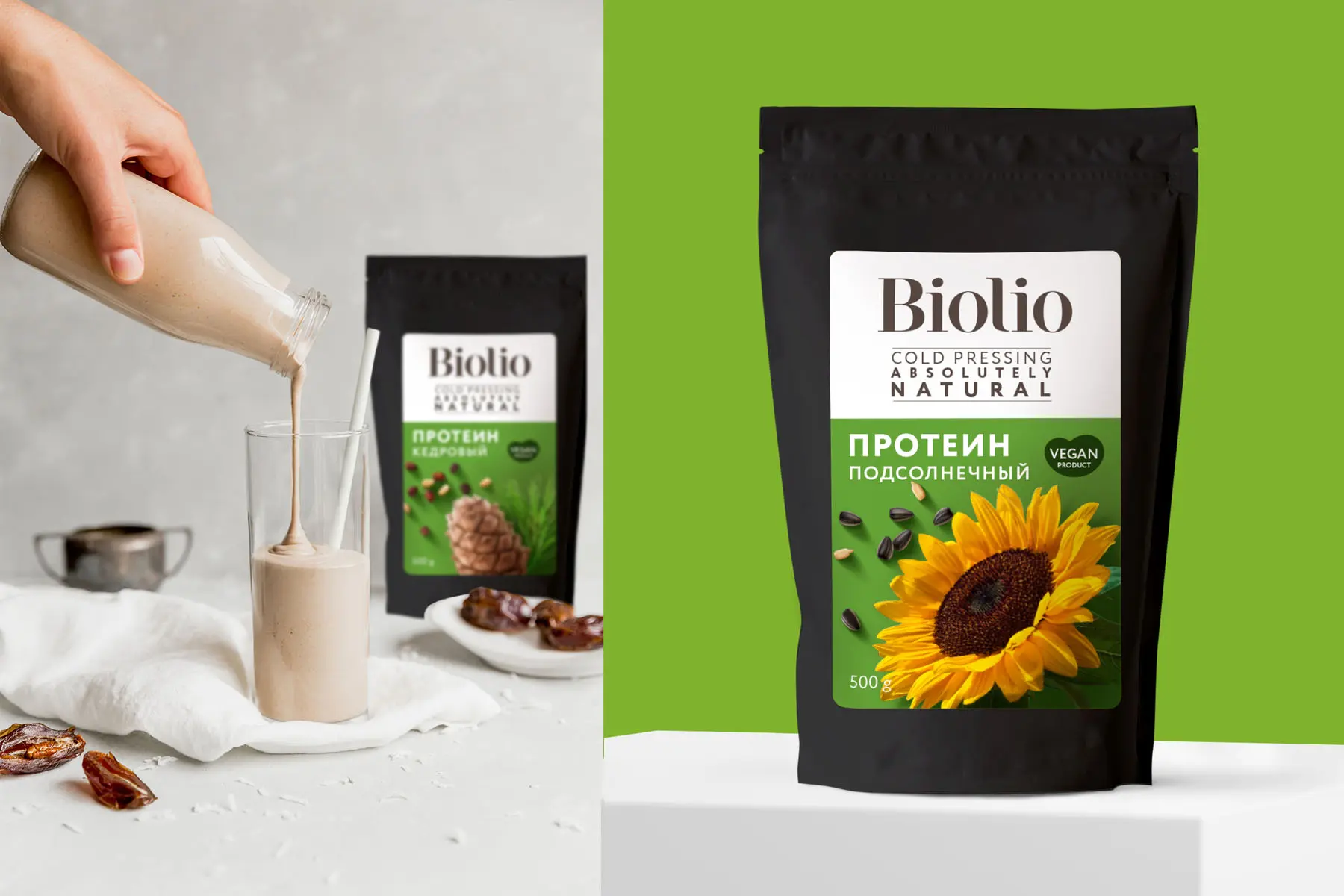
Trademark registration is one of the most common ways to protect packaging designs against copying by competitors. If a package or any of its elements is copied unlawfully, the rights holder may not only stop the infringing activity but also seek compensation or an amount equal to twice the value of the counterfeit goods.
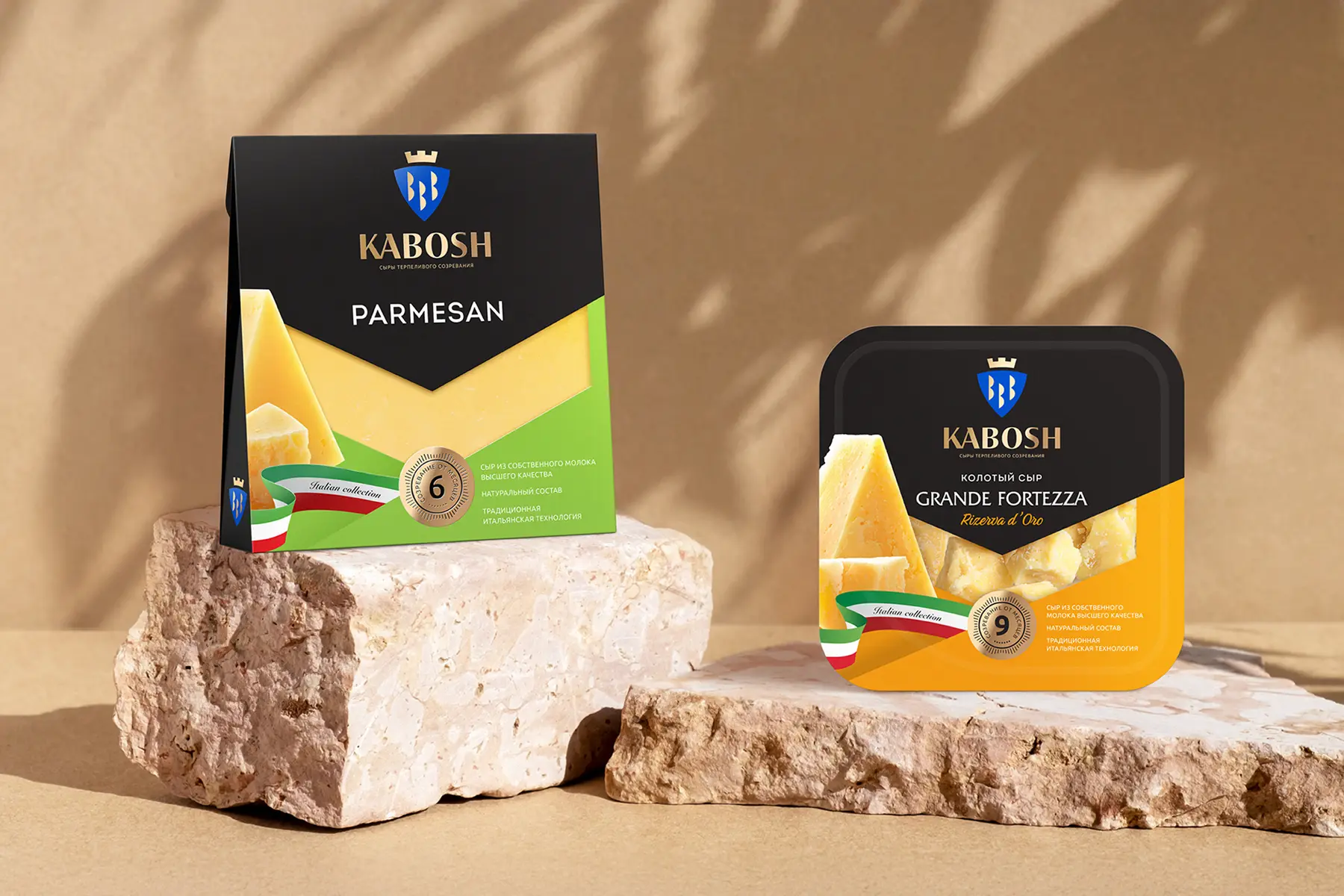
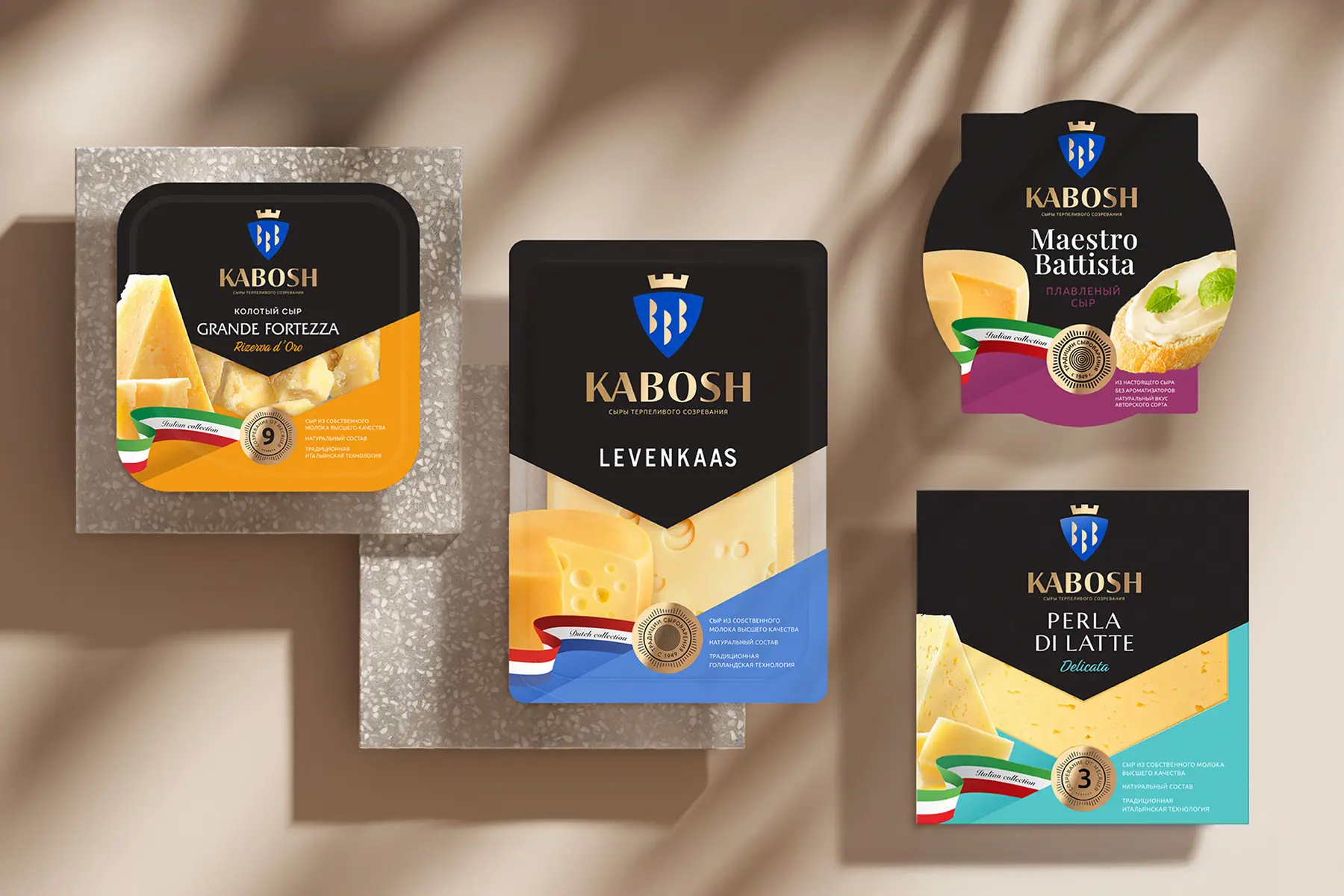
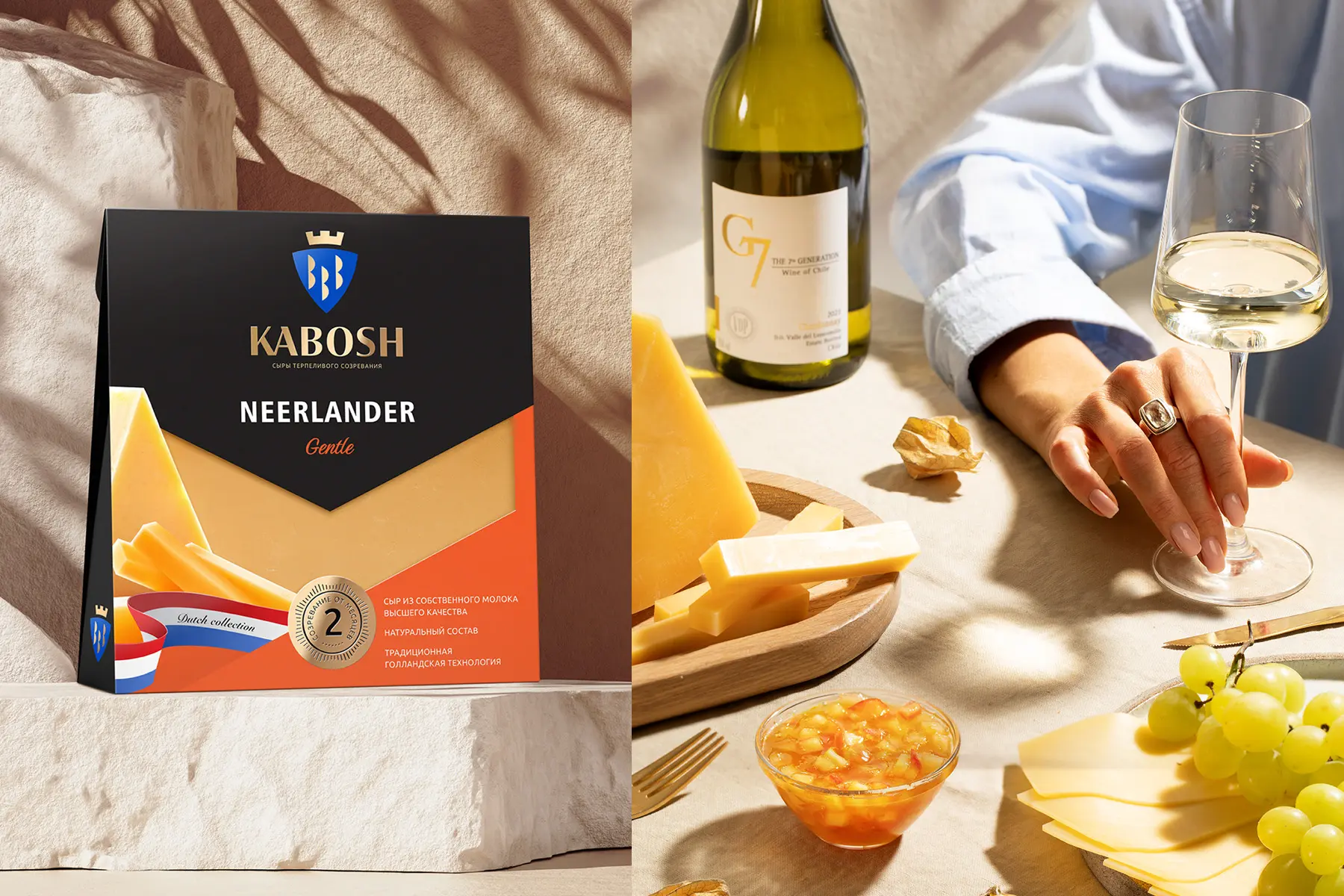
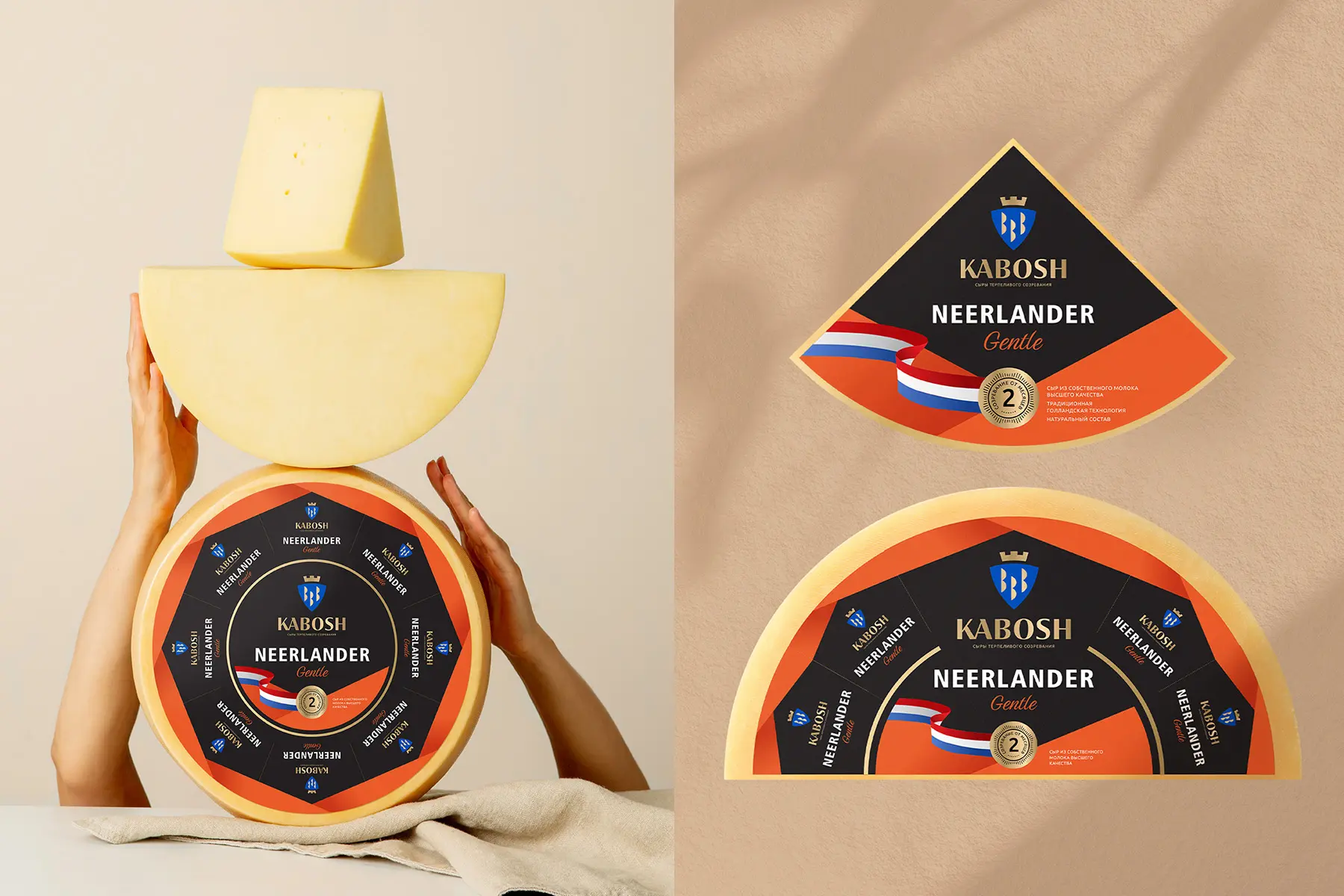
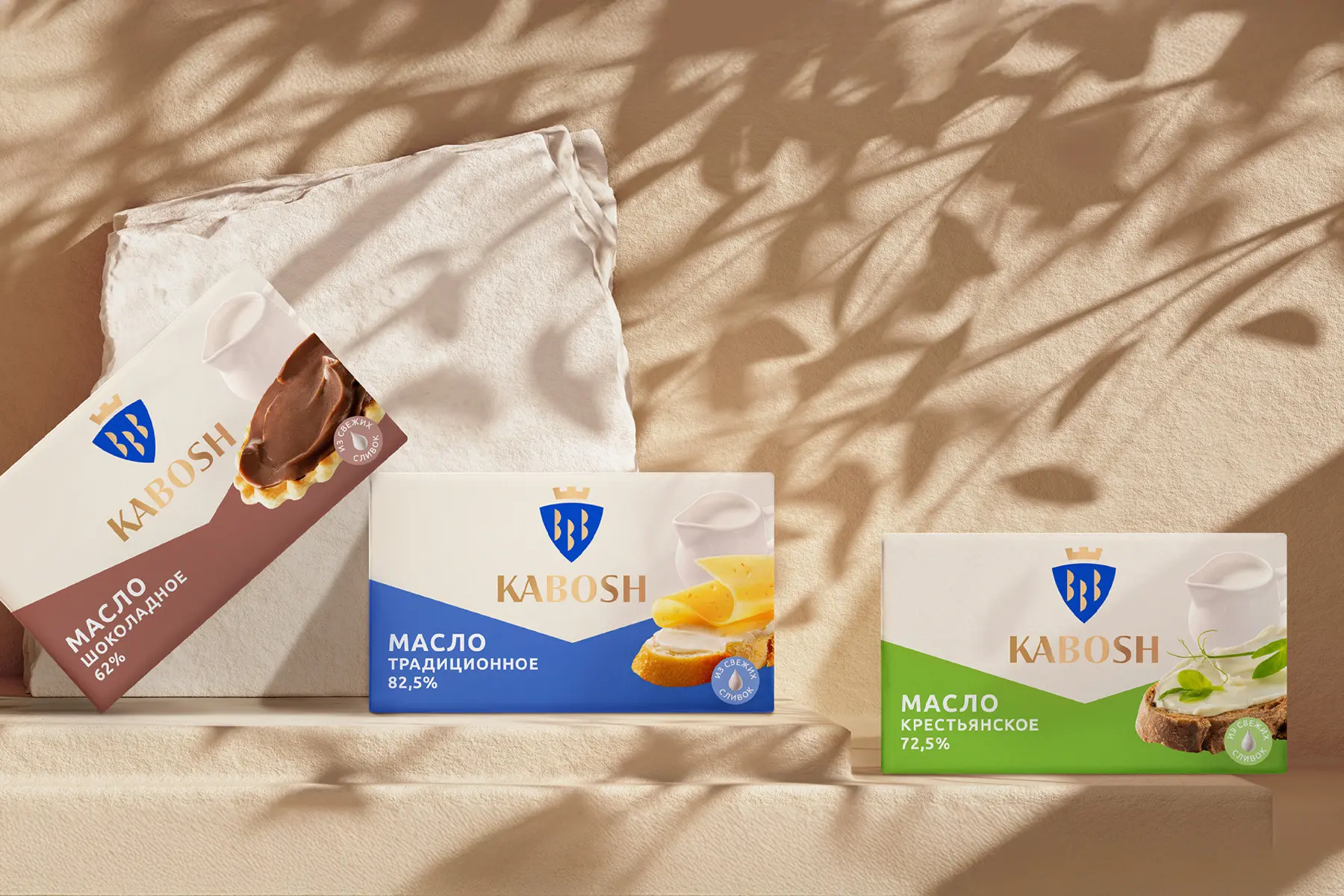
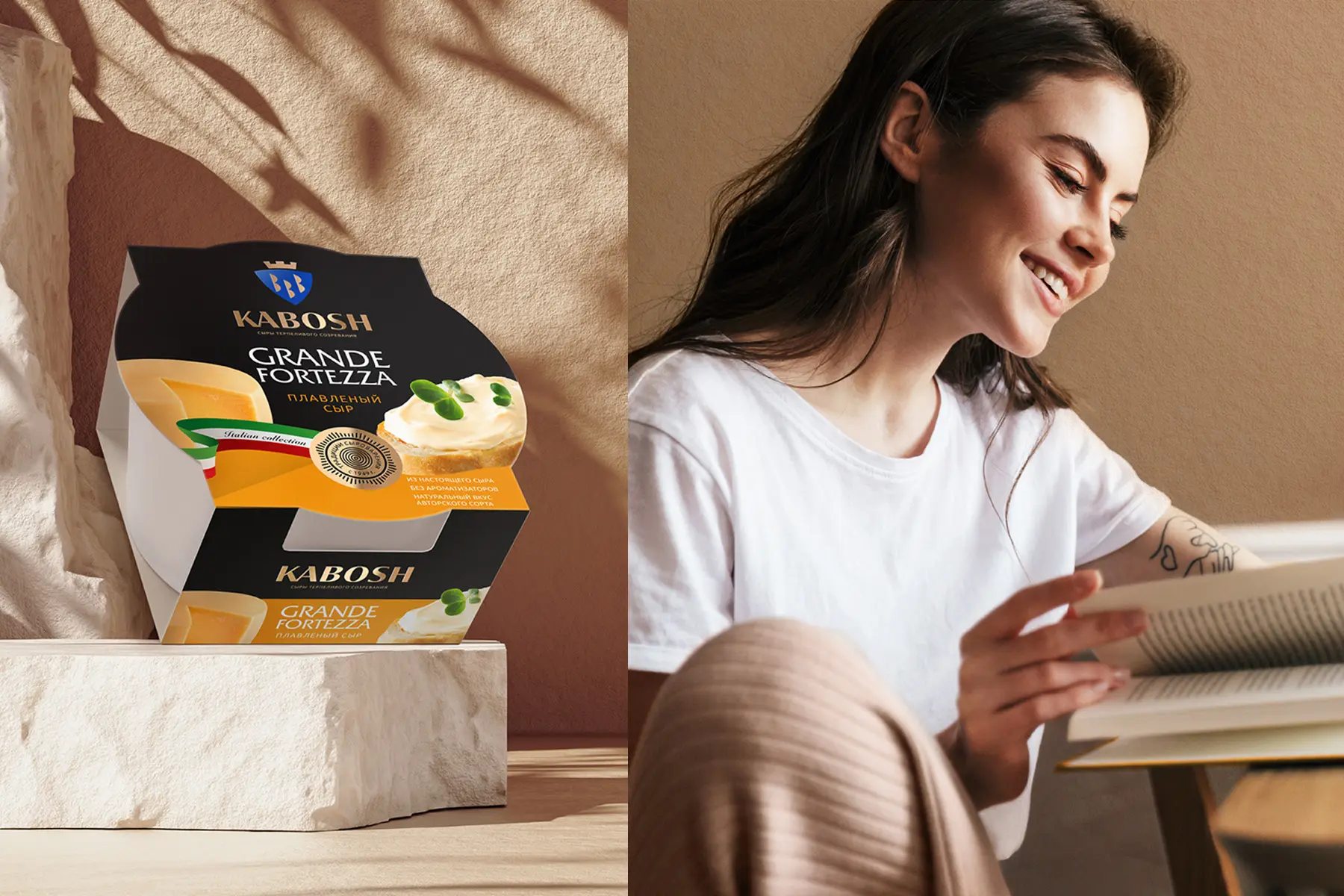
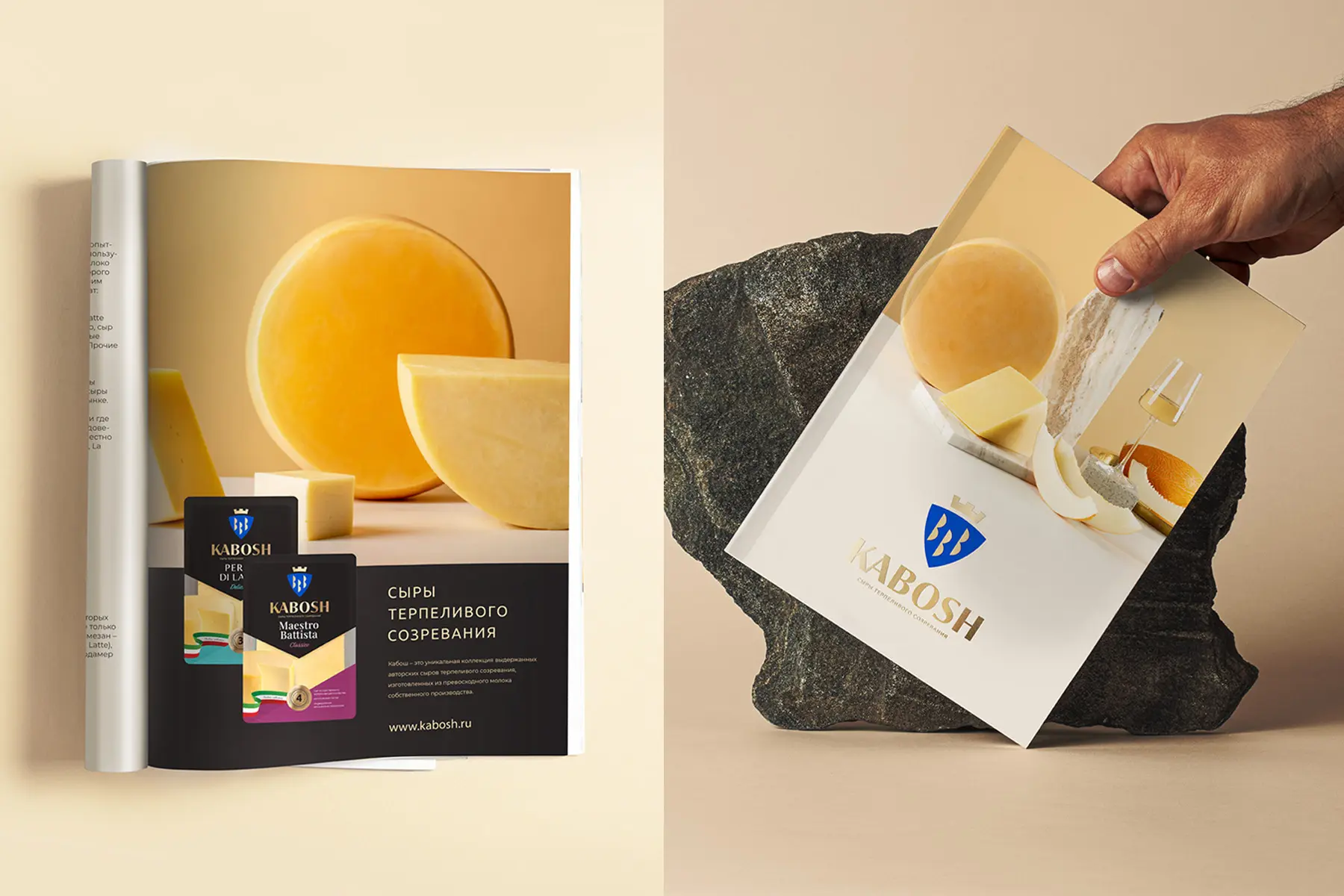
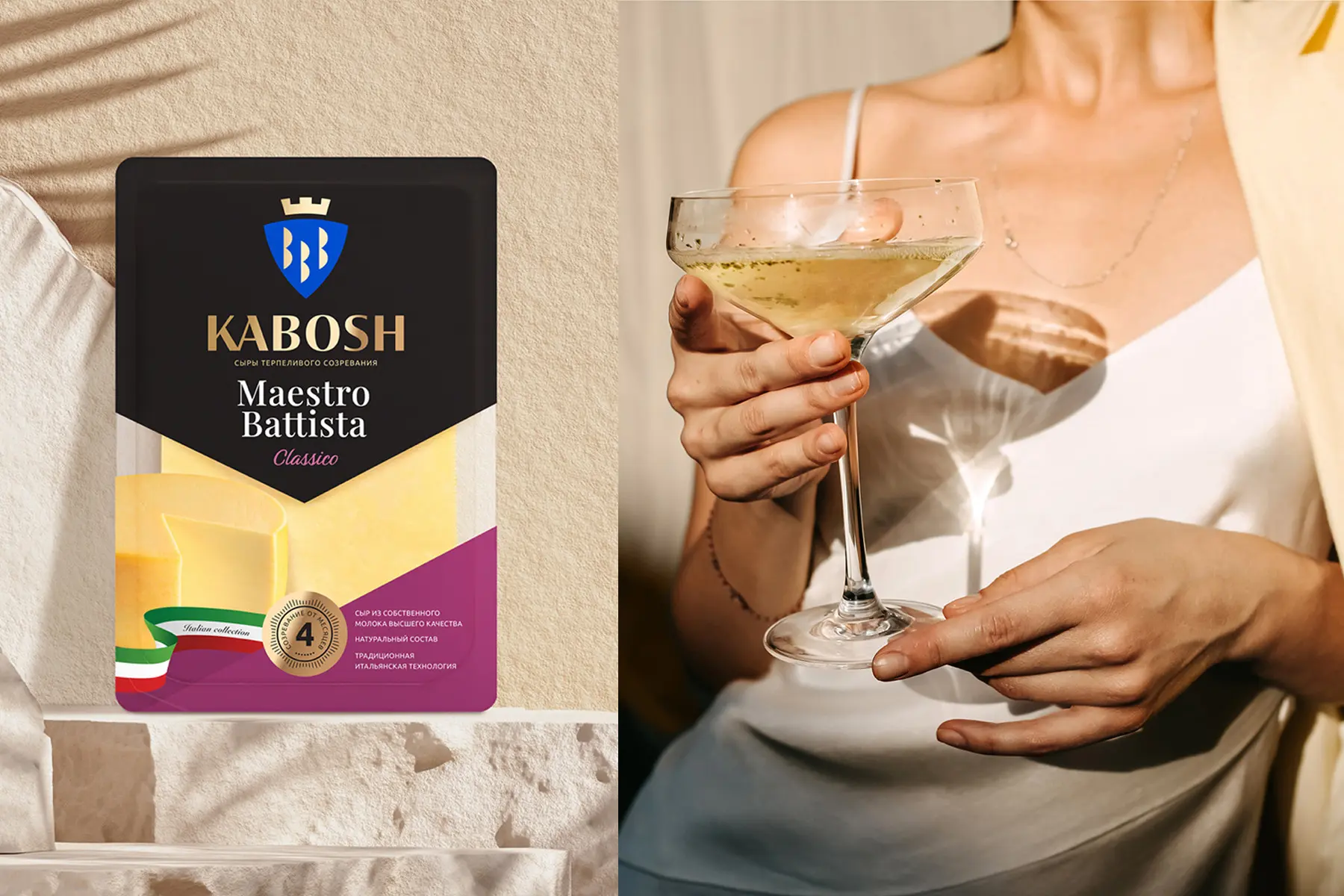
Modern digital and offset printing technologies reproduce color gradations and fine details on packaging with a high degree of accuracy. Specialty coatings and varnishes add depth and visual richness, making the design especially appealing to consumers. Analysis of the color palette, typography, and composition informs the development of packaging that accurately reflects the brand’s distinctive character. Innovative printing methods combined with a creative design approach can help increase sales and strengthen the product’s competitive advantage in the market.
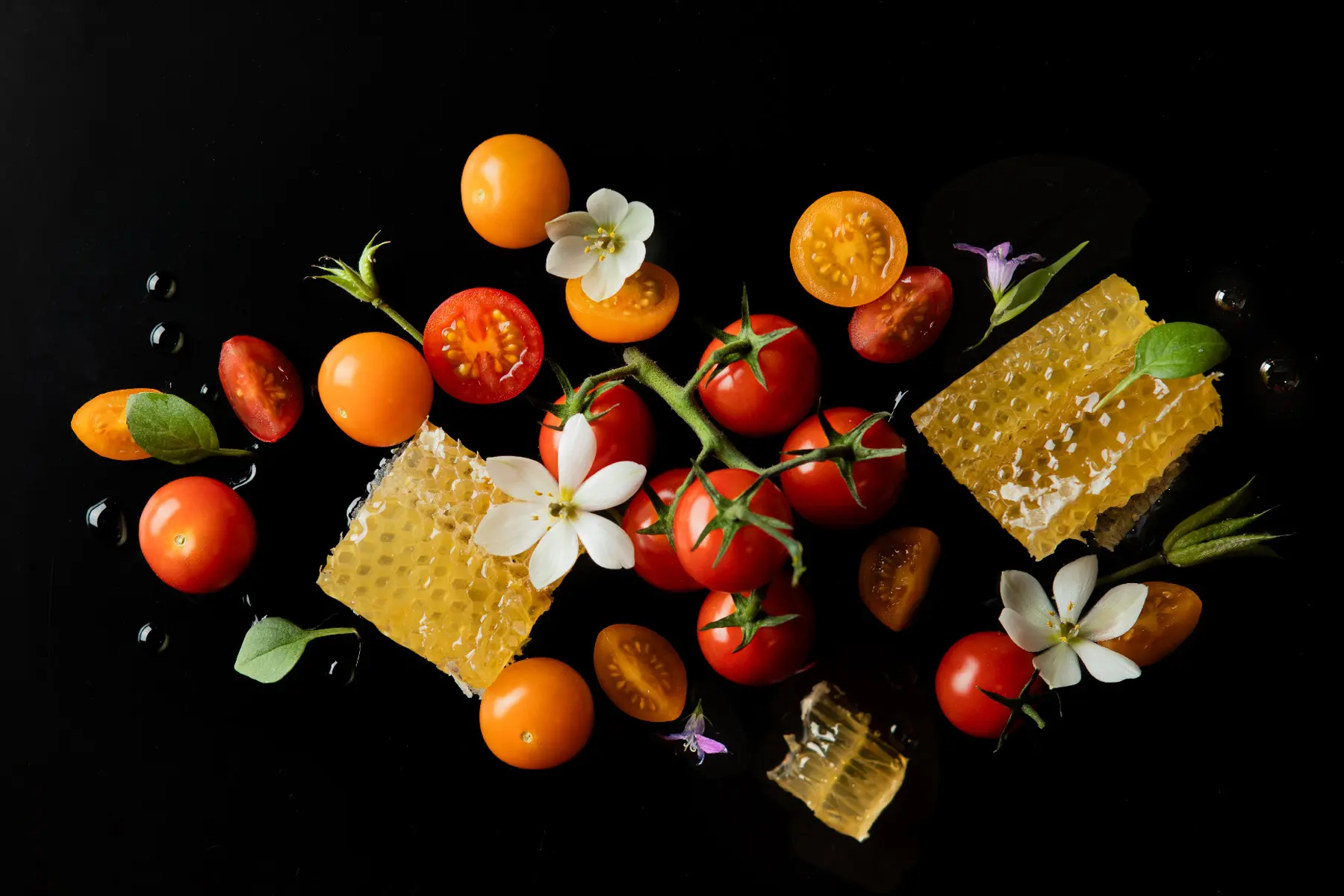
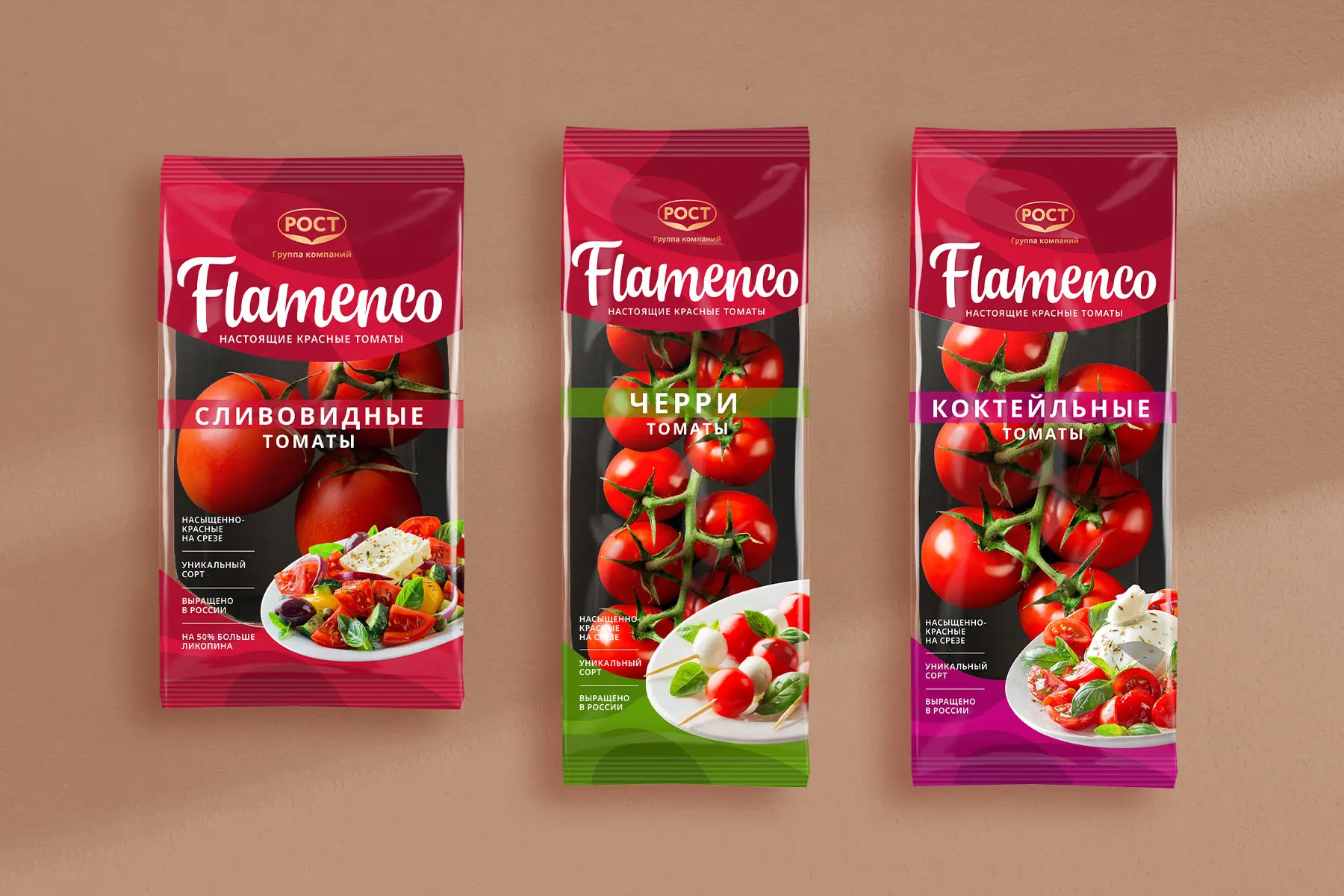


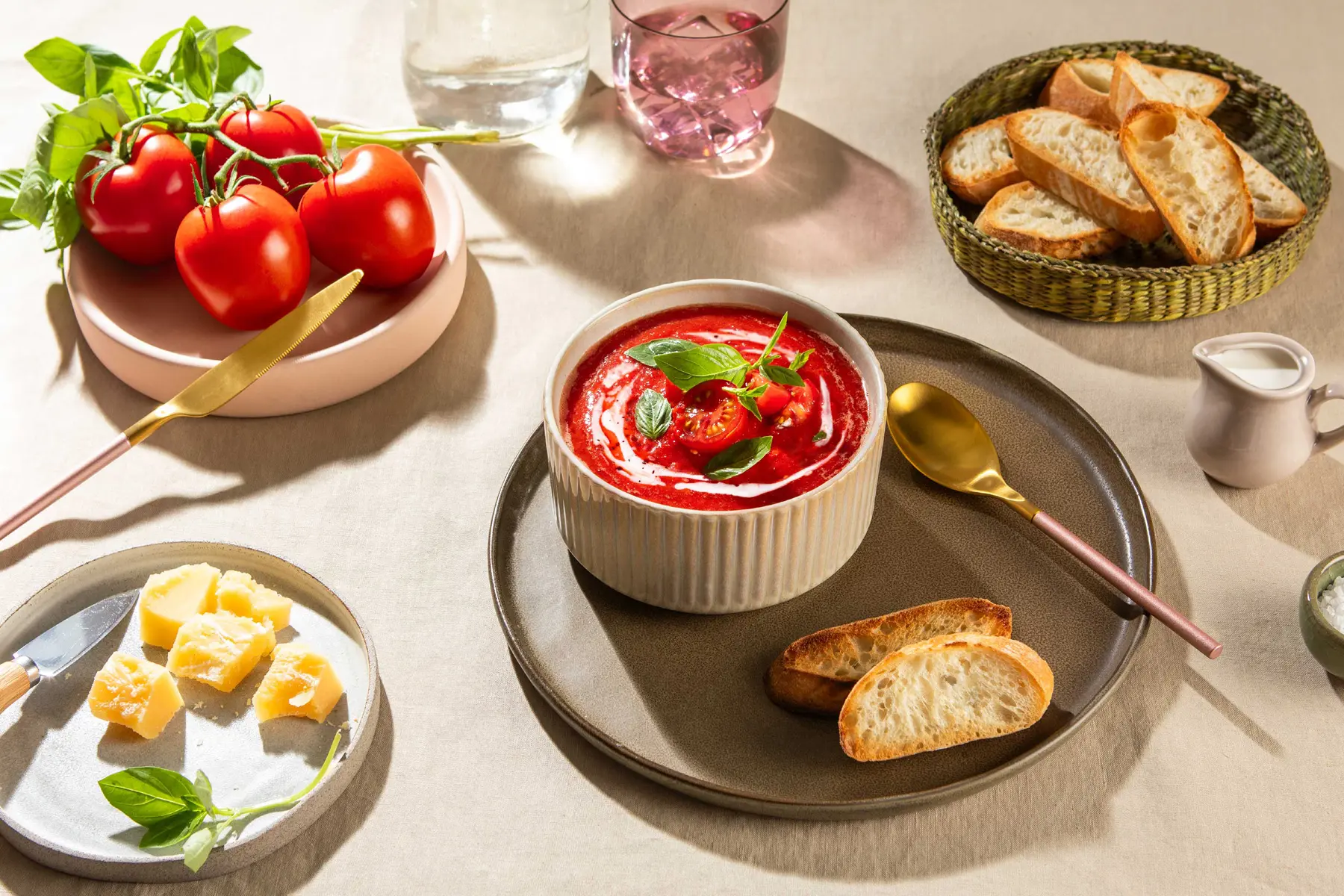
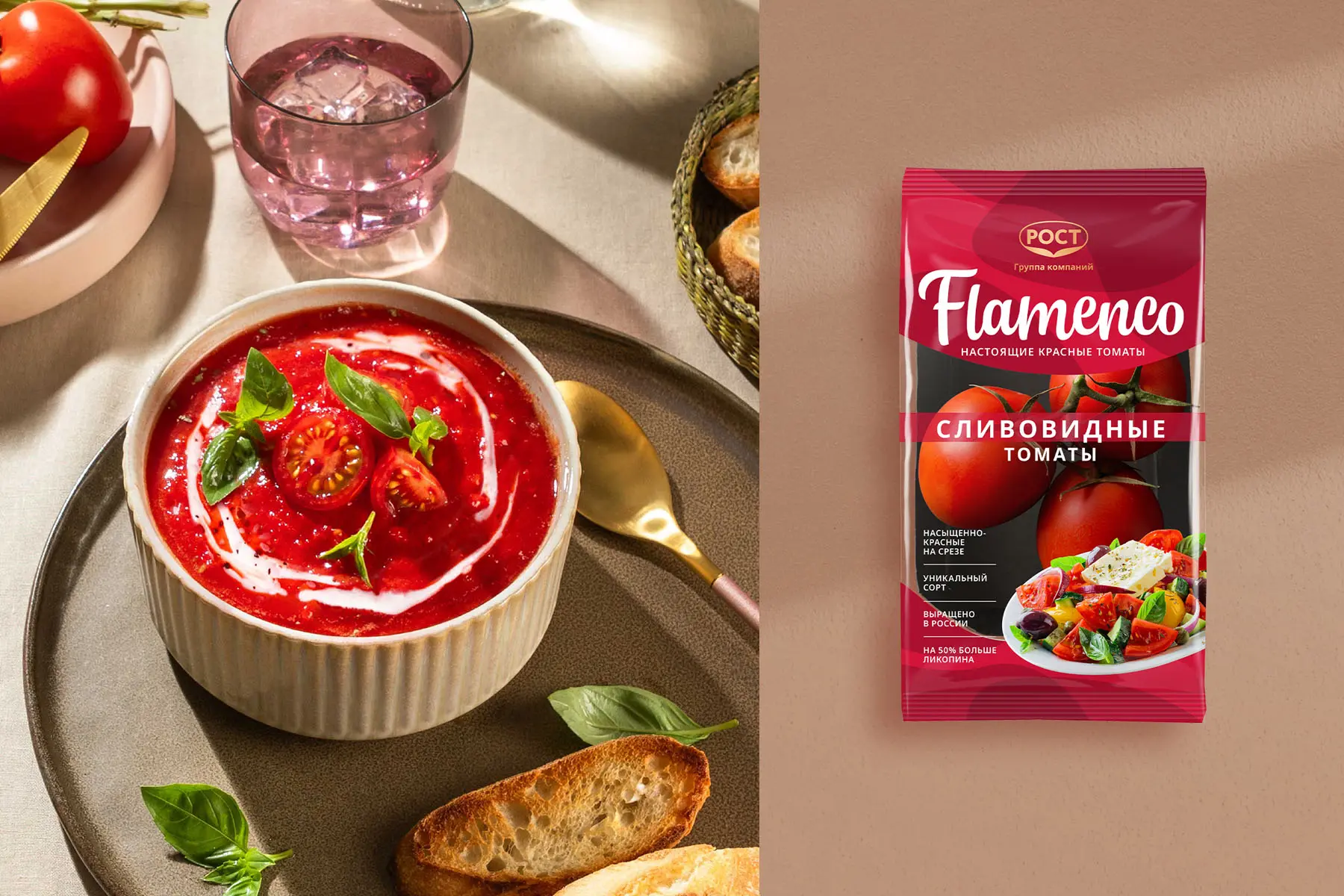
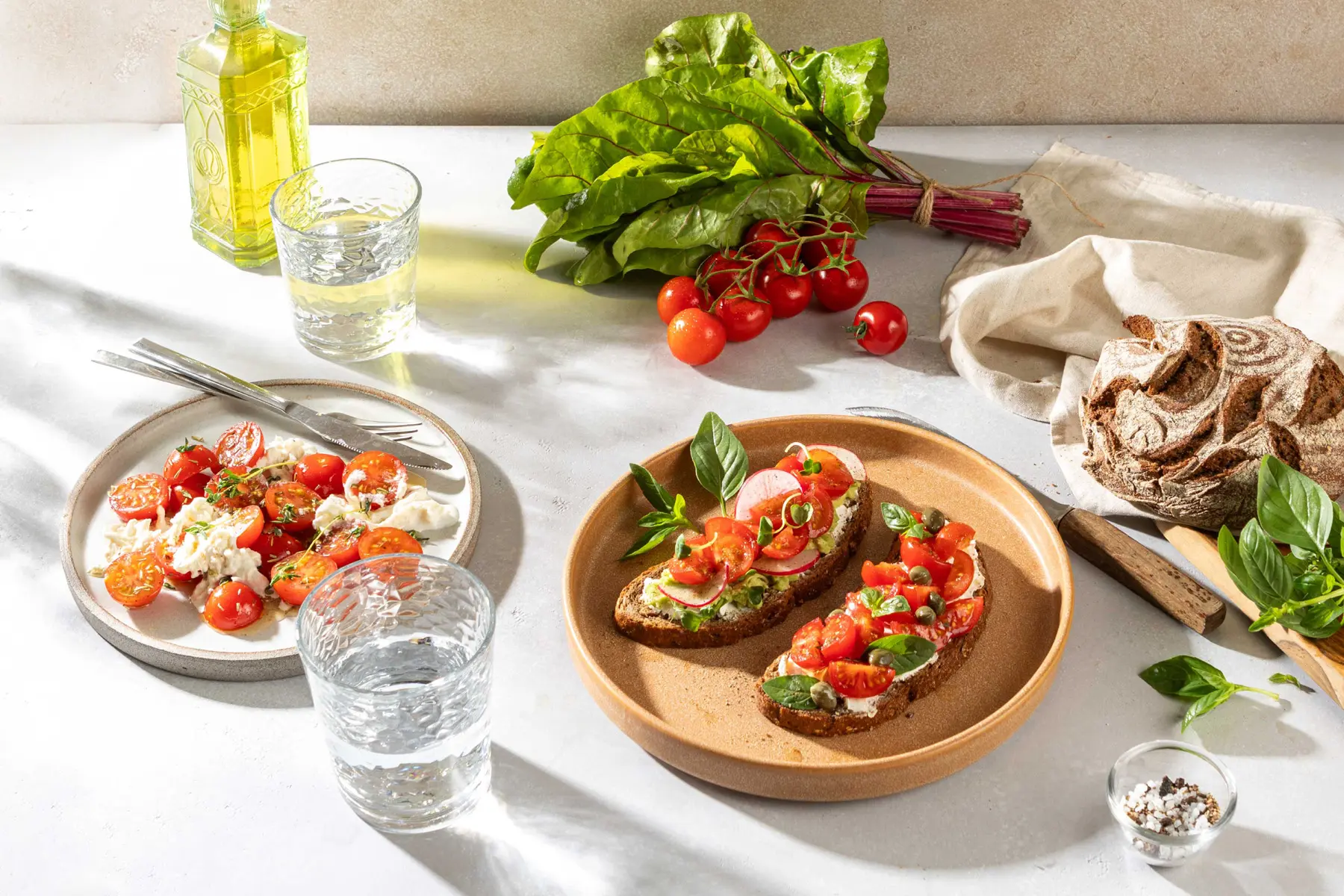
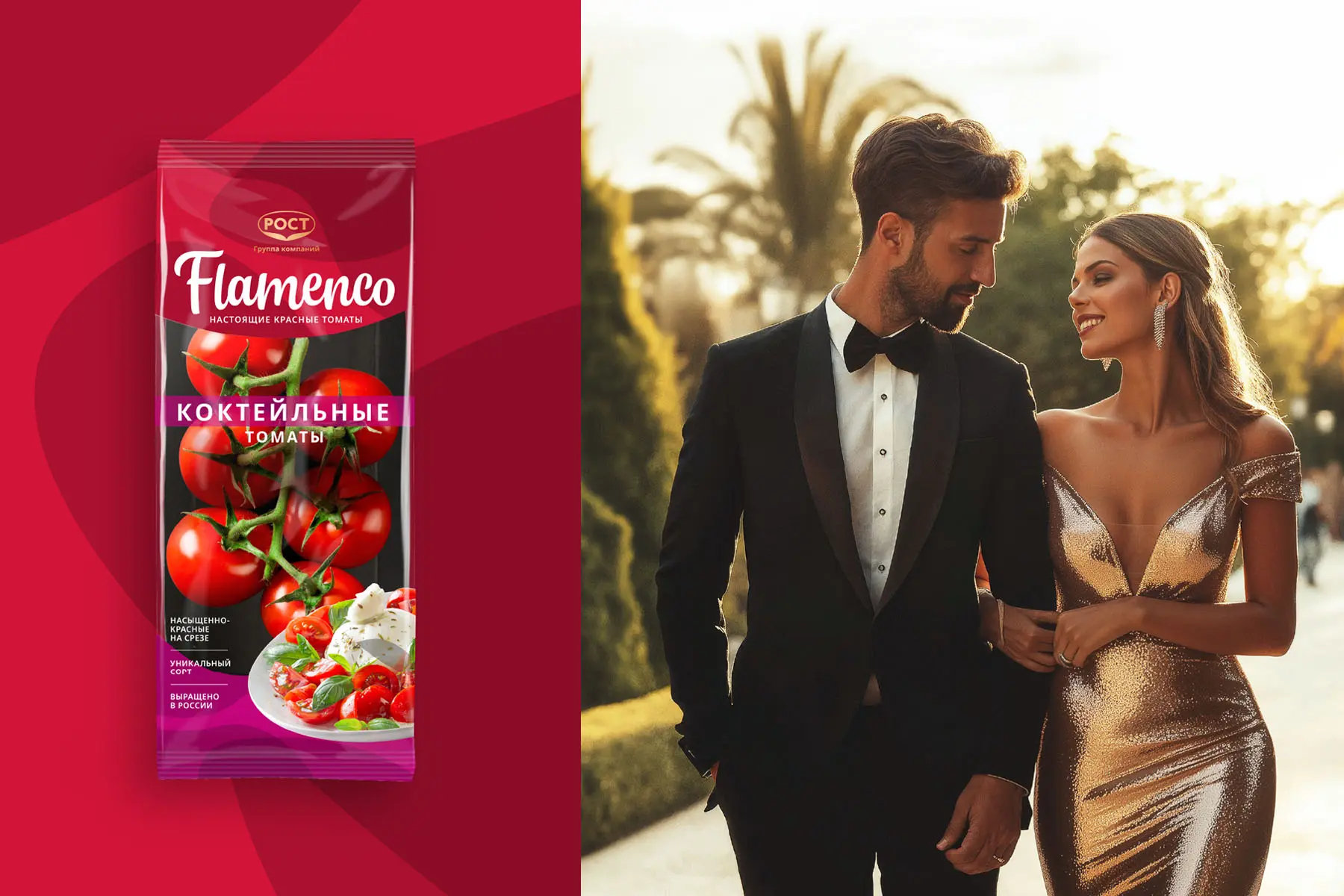
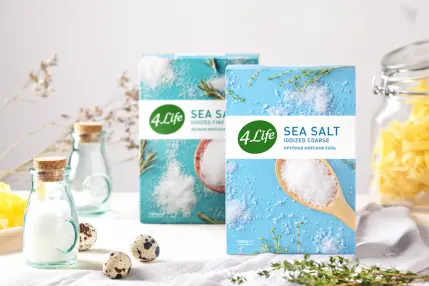
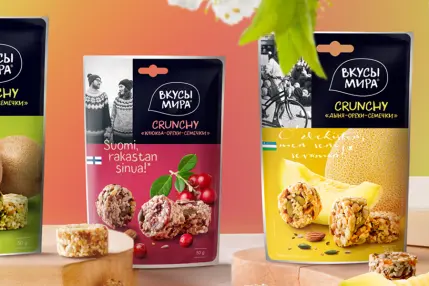
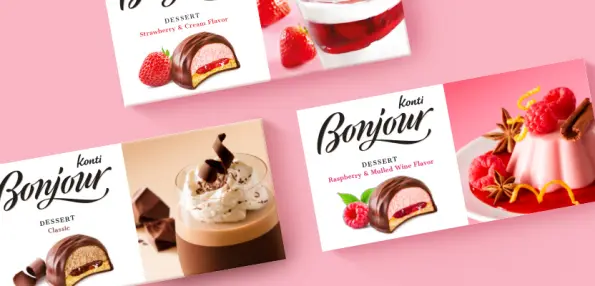
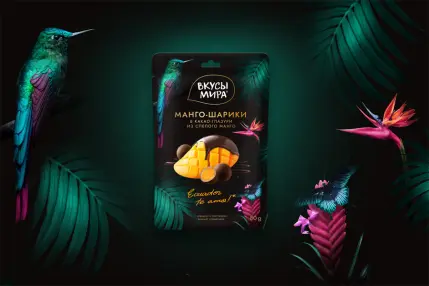
Photography plays an important role in packaging design, ensuring that product imagery complements the overall packaging design. This is particularly important in food categories, where high-quality photographs attract attention and communicate essential information to consumers. Thoughtful packaging design, supported by professional photography, creates a memorable brand impression, strengthens the emotional connection with the brand, and builds brand loyalty.
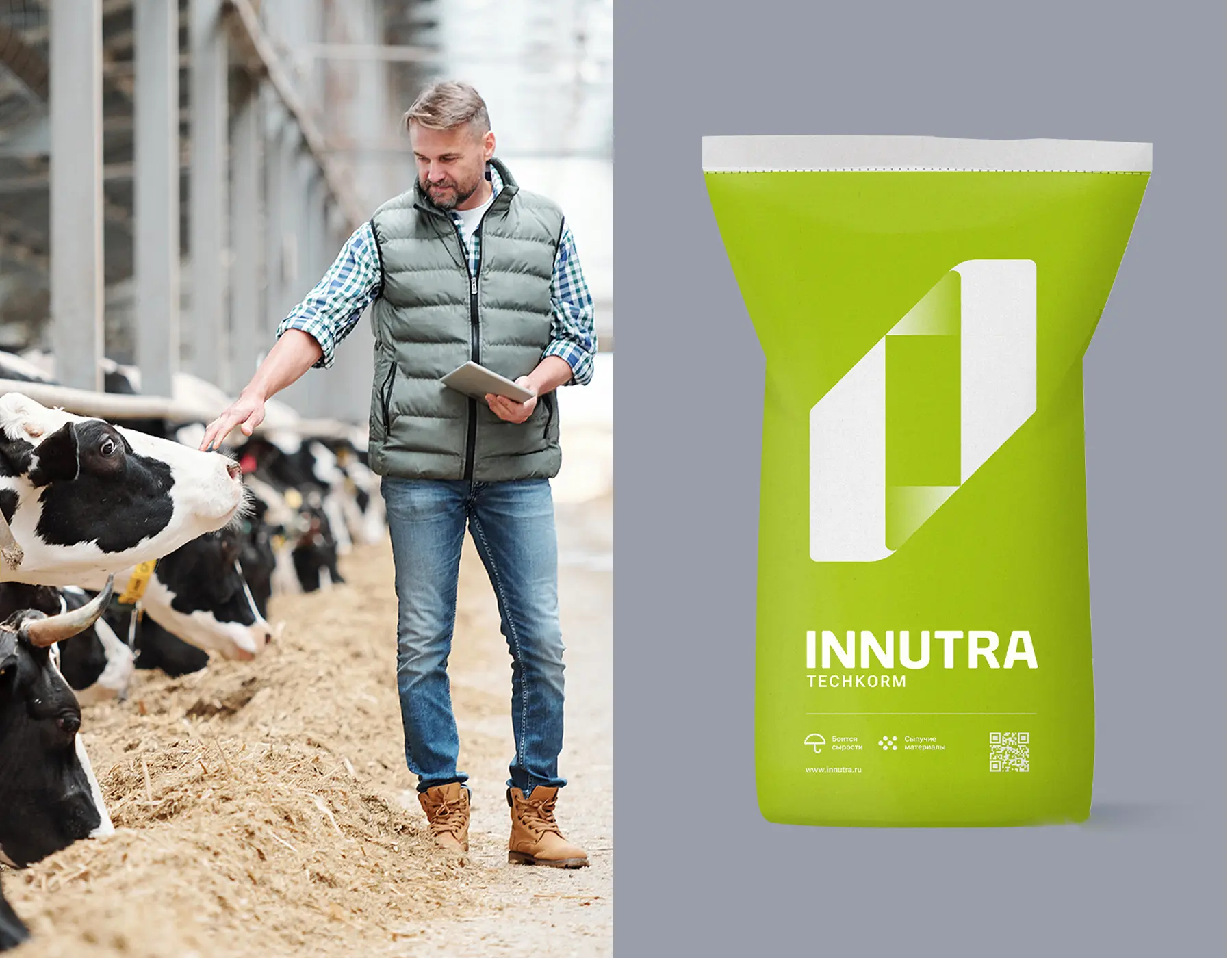
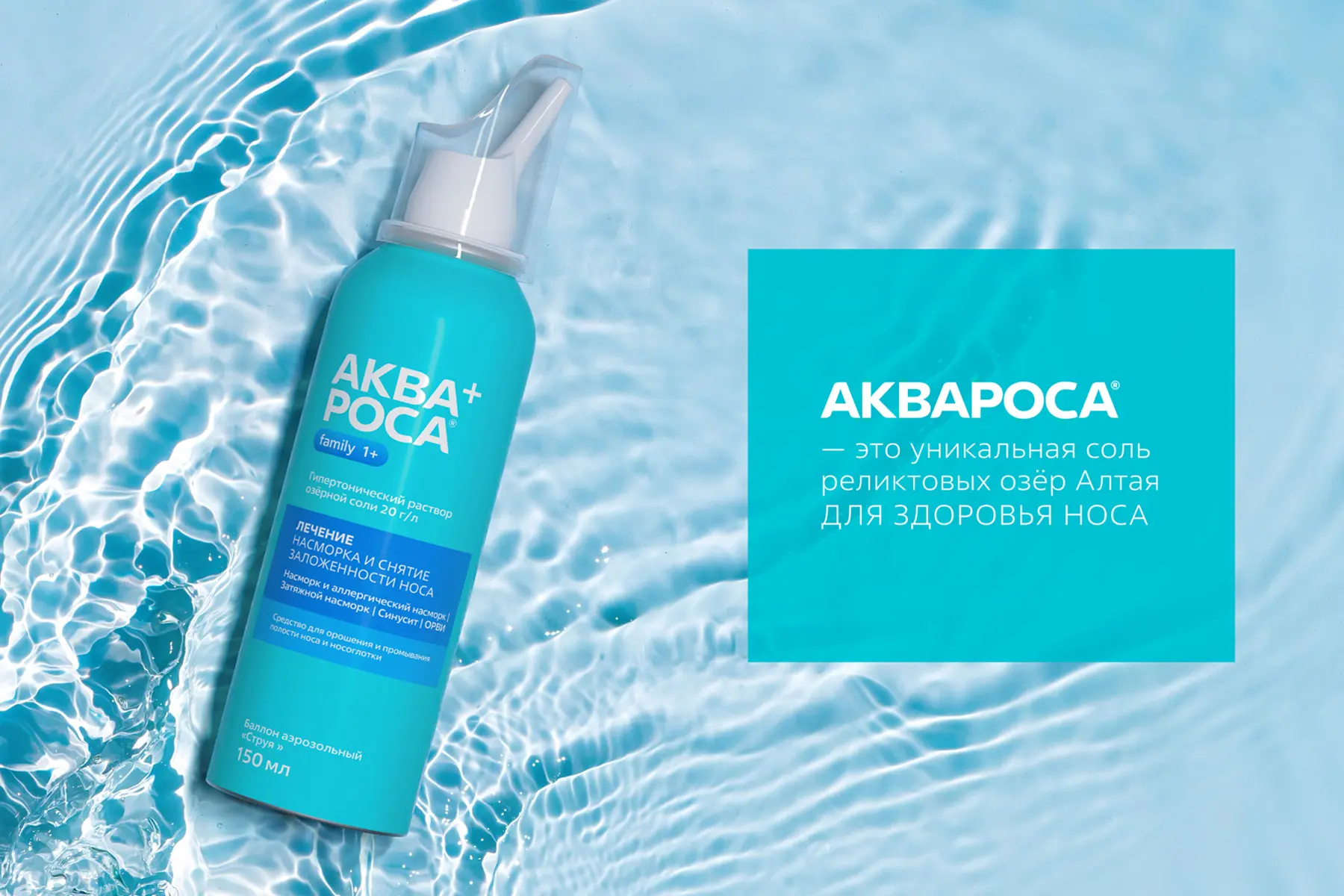
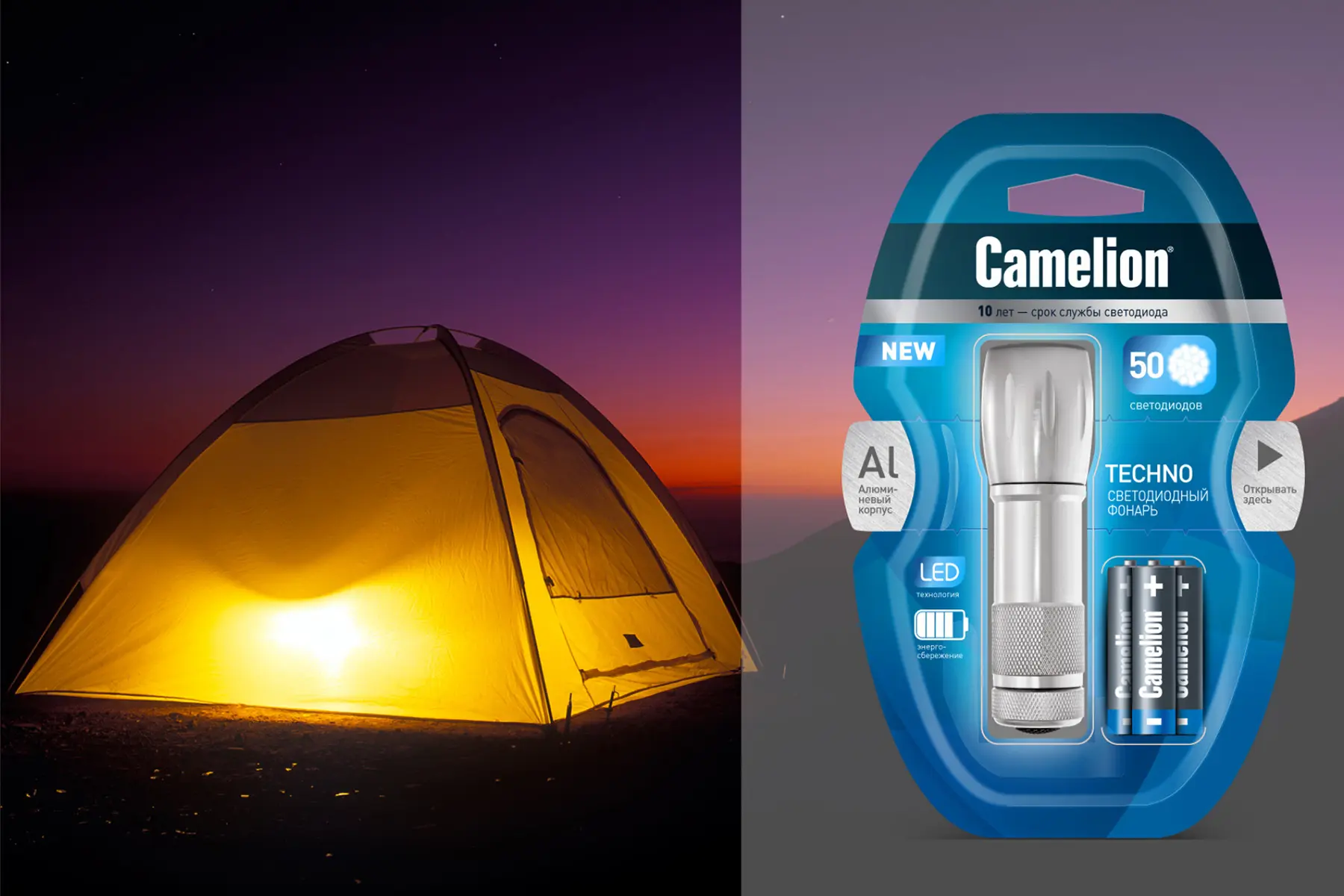
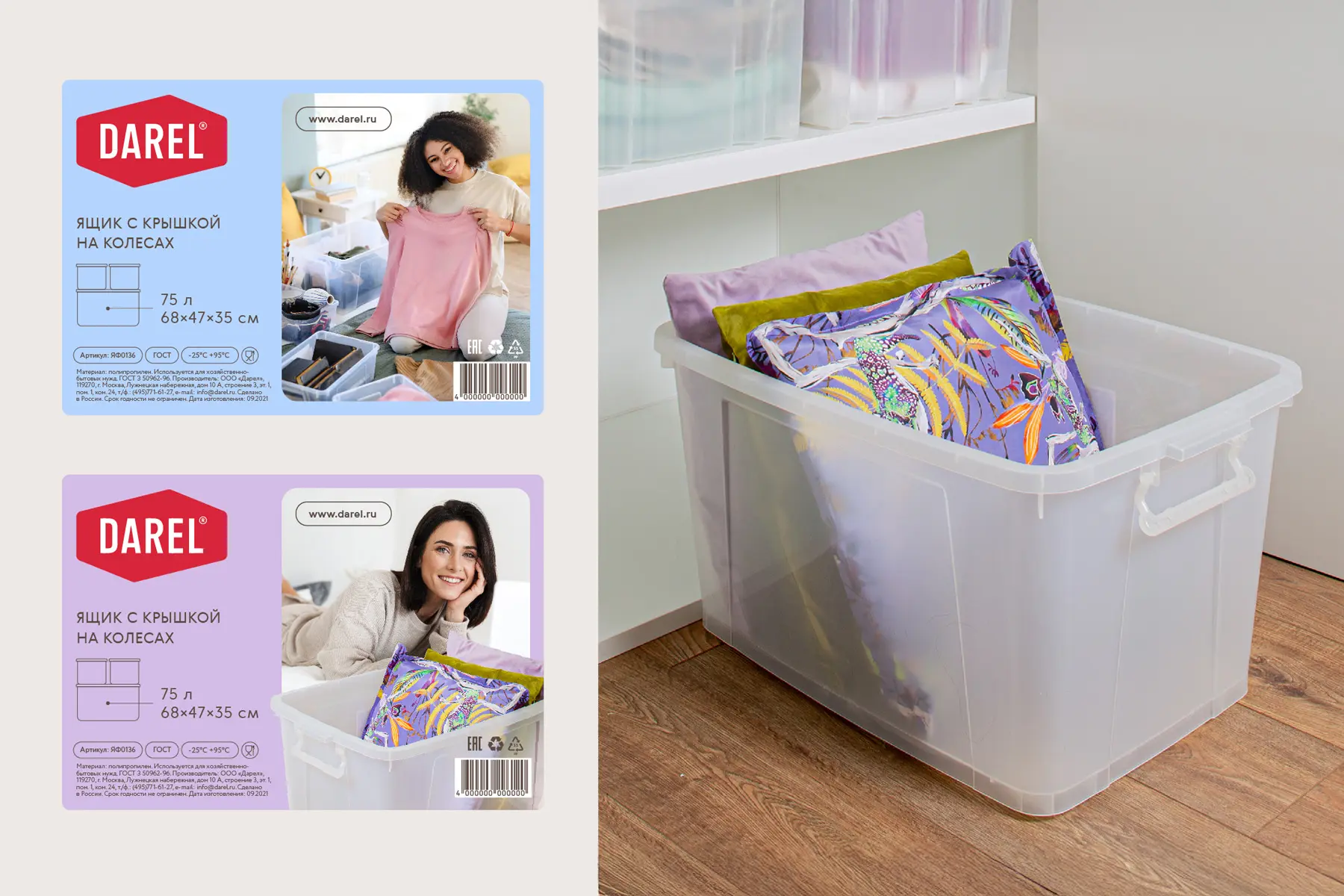

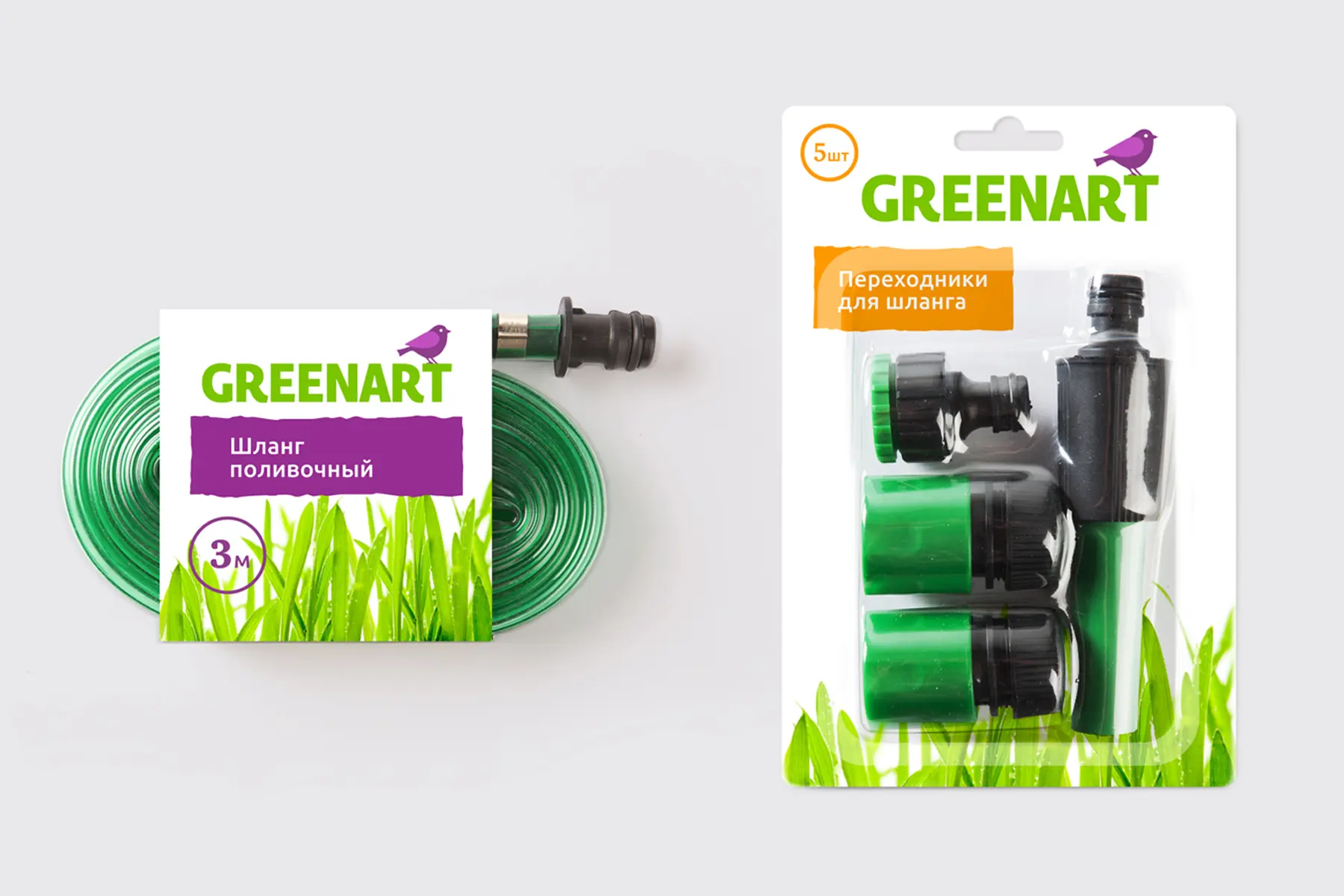
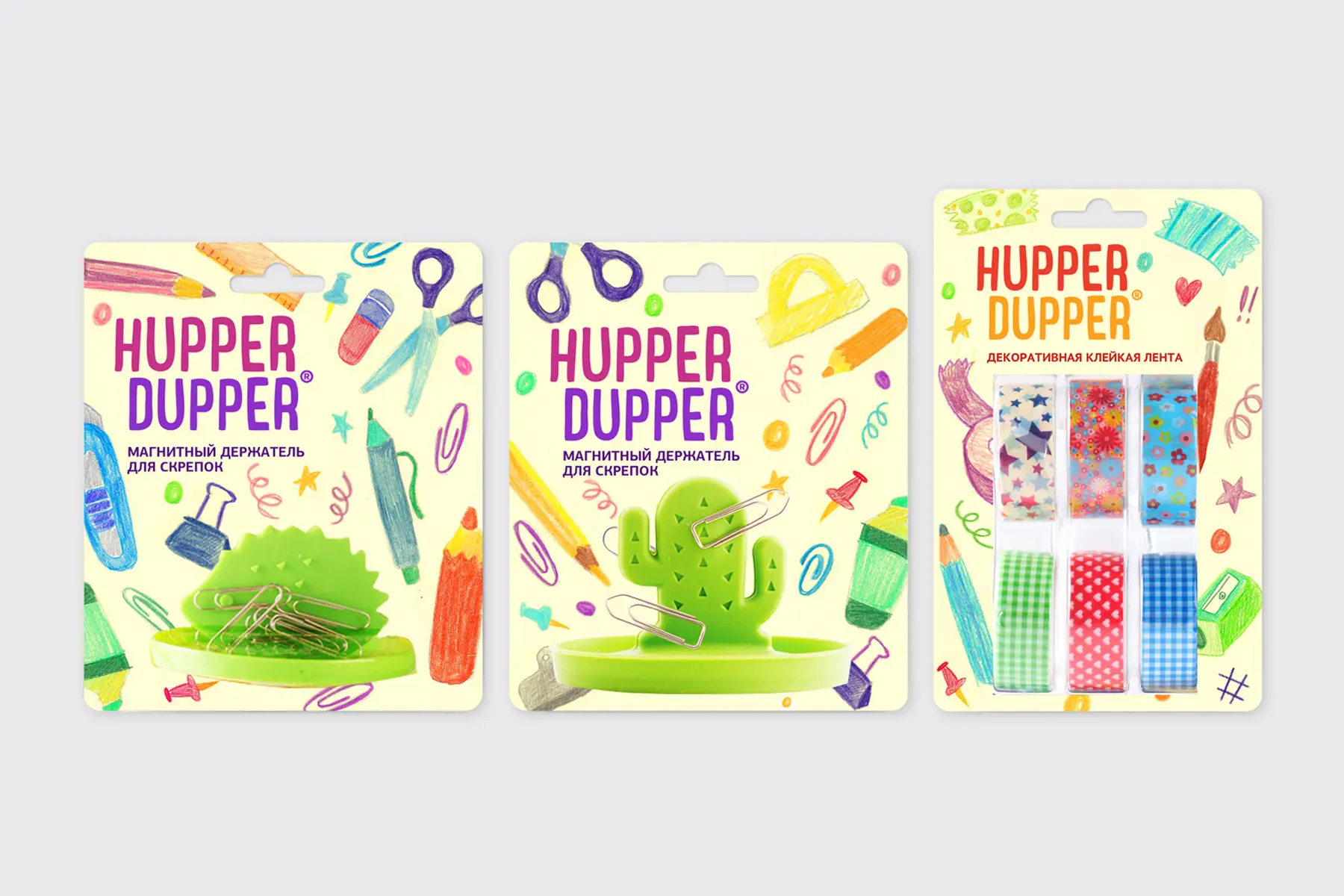
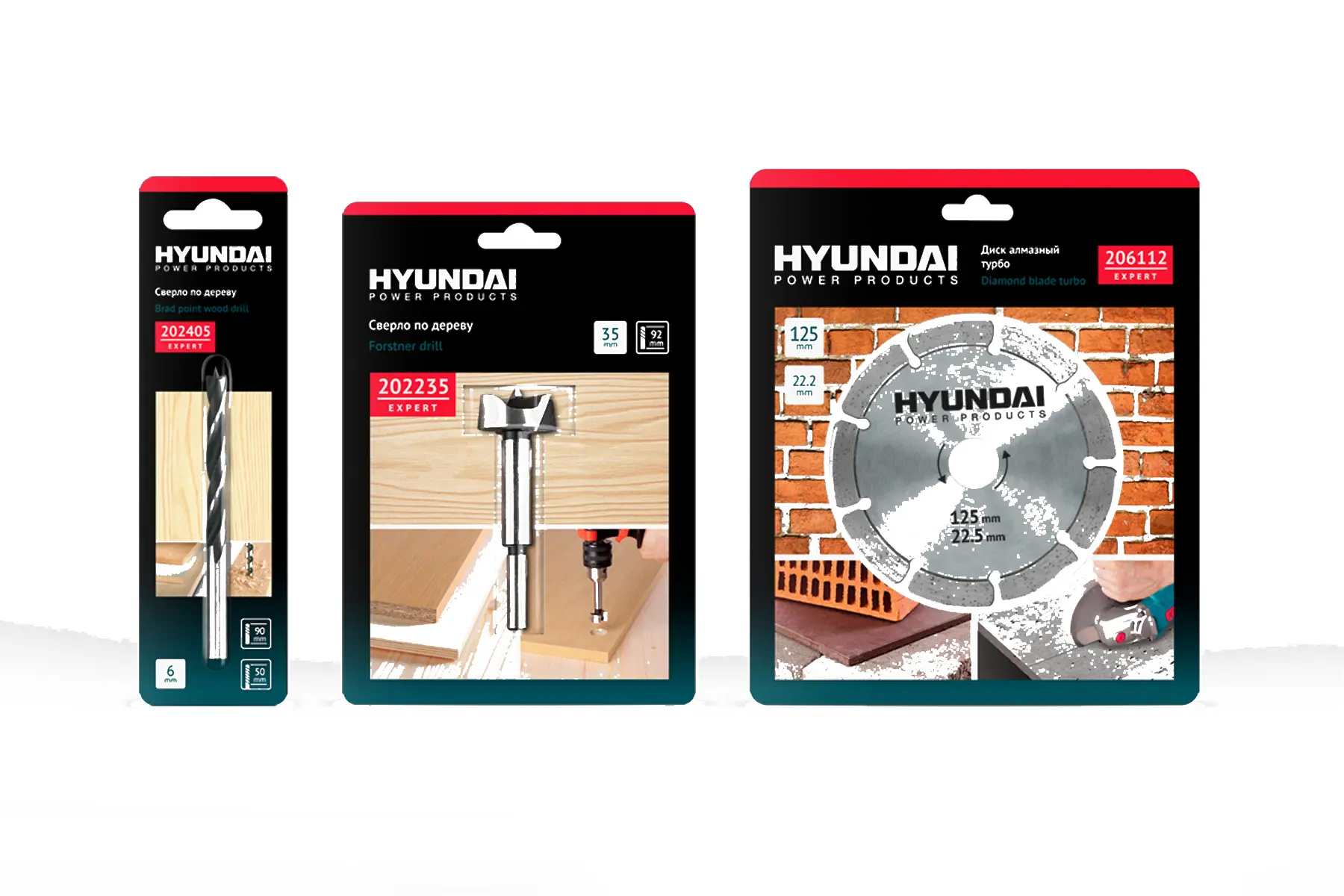
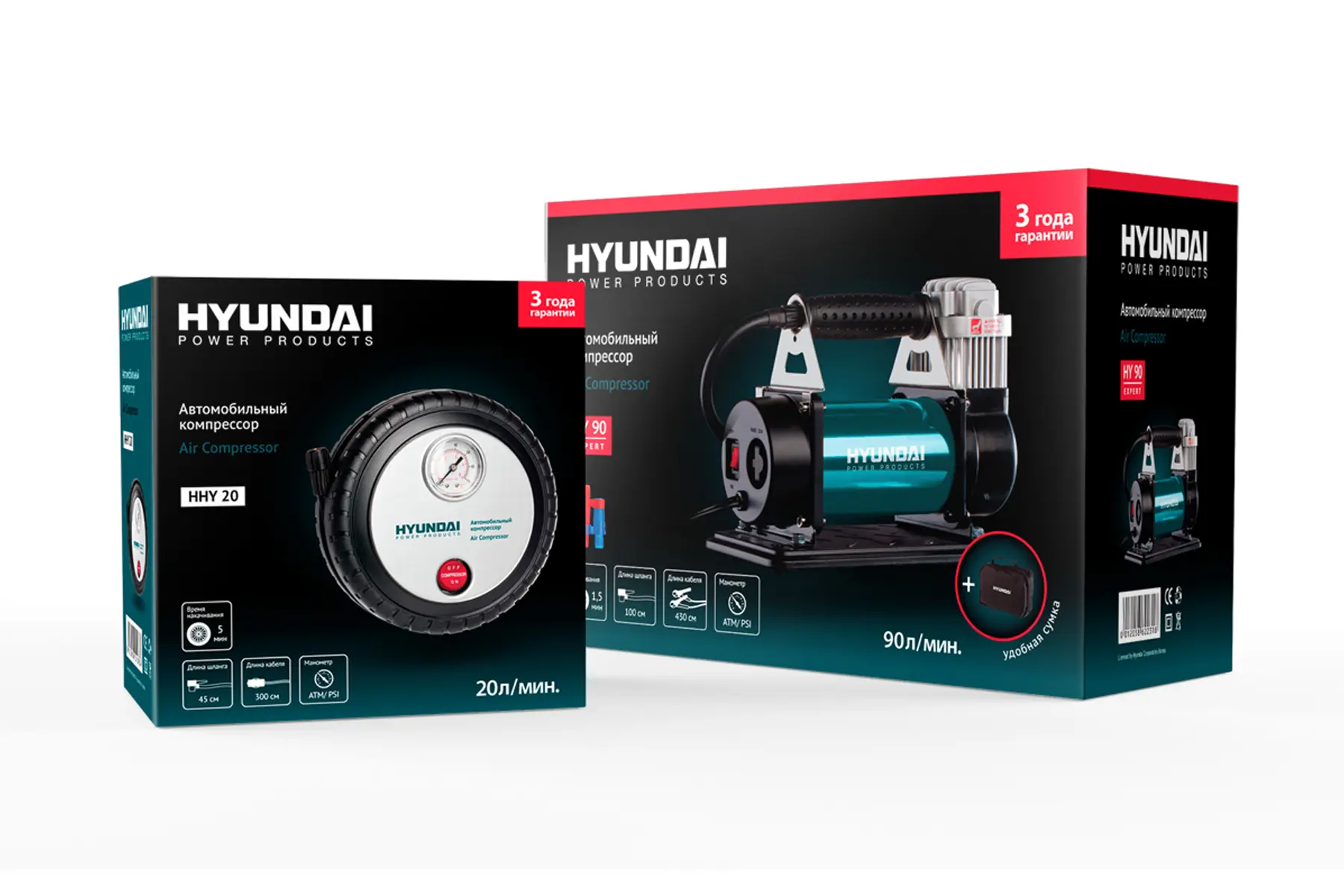
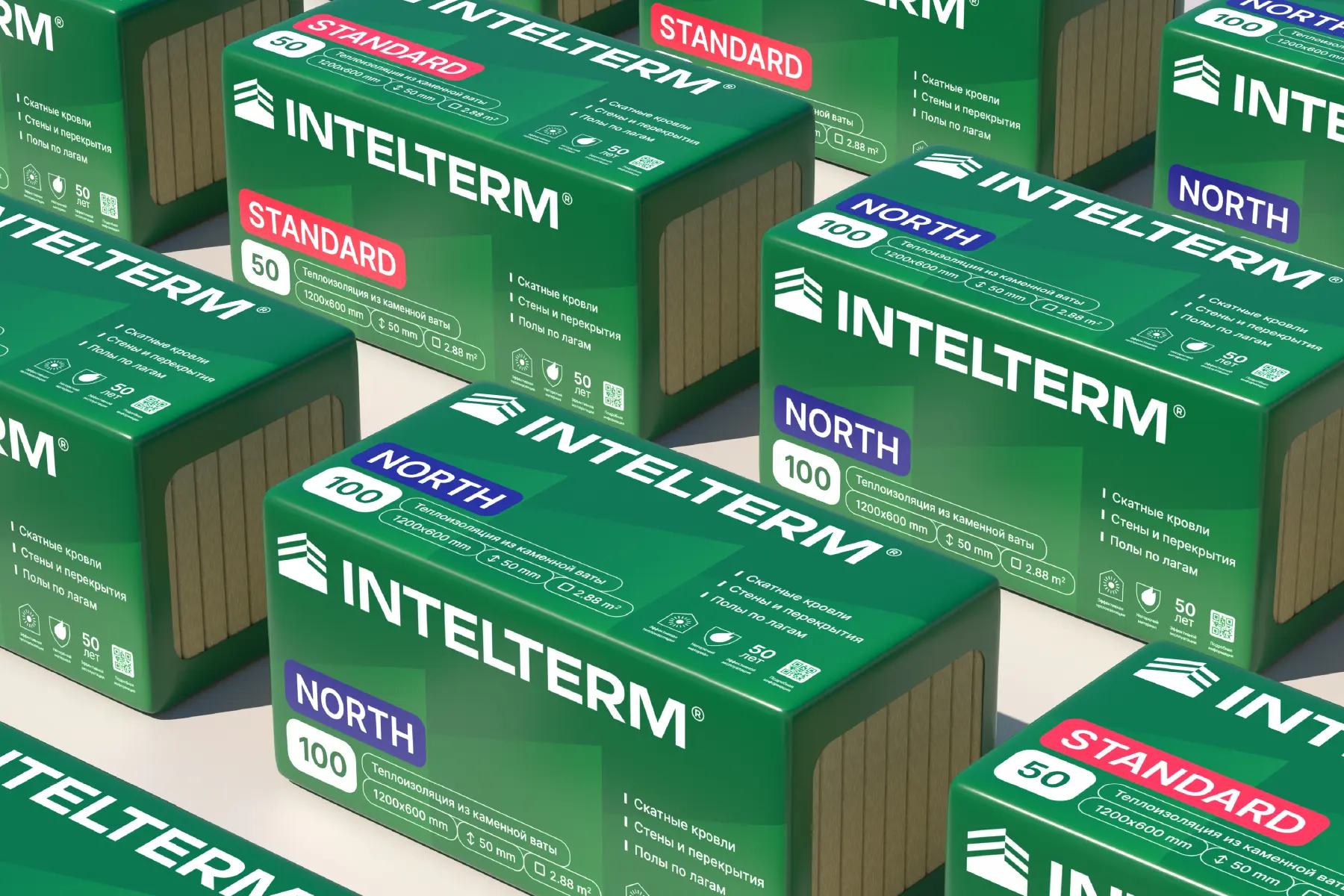
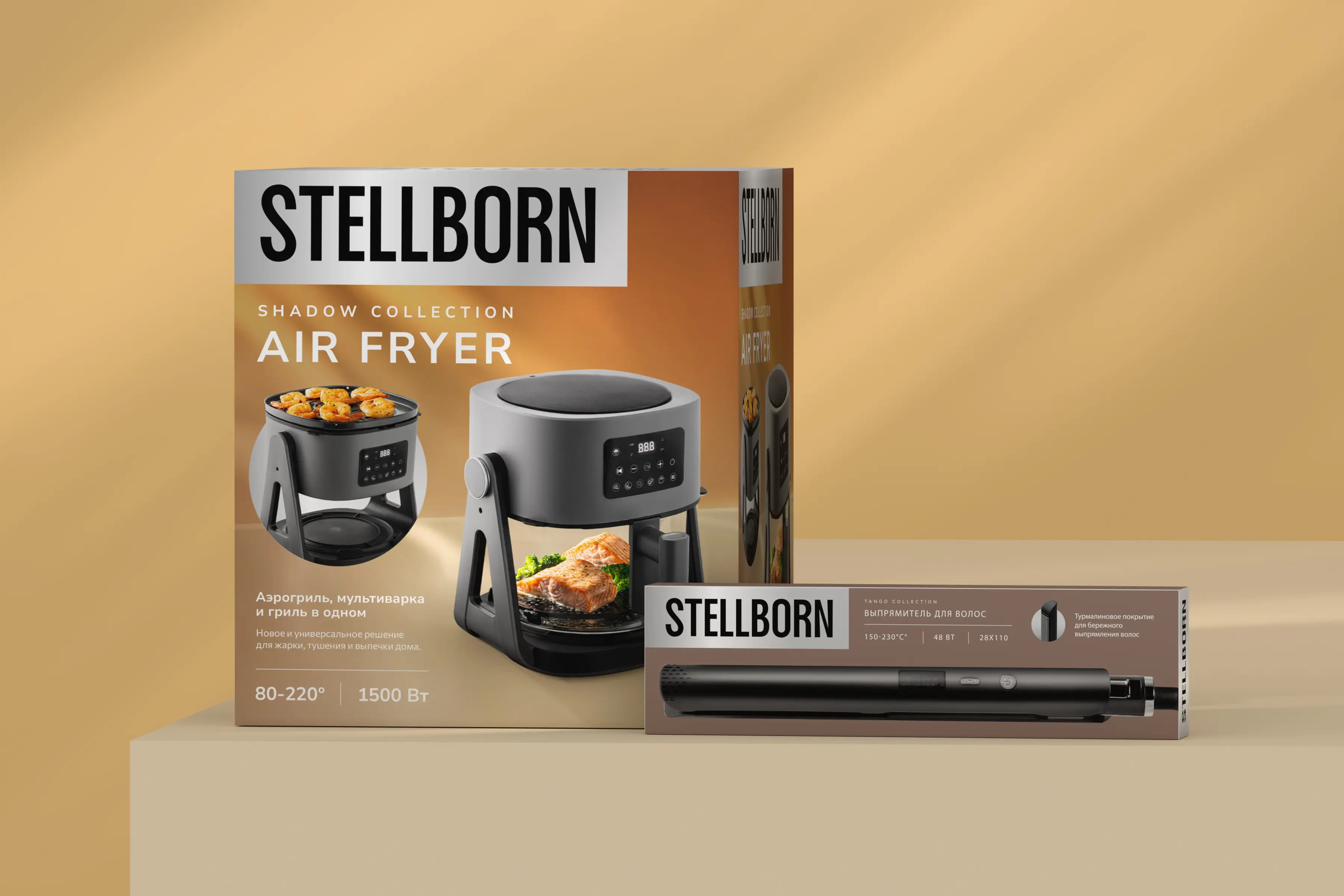
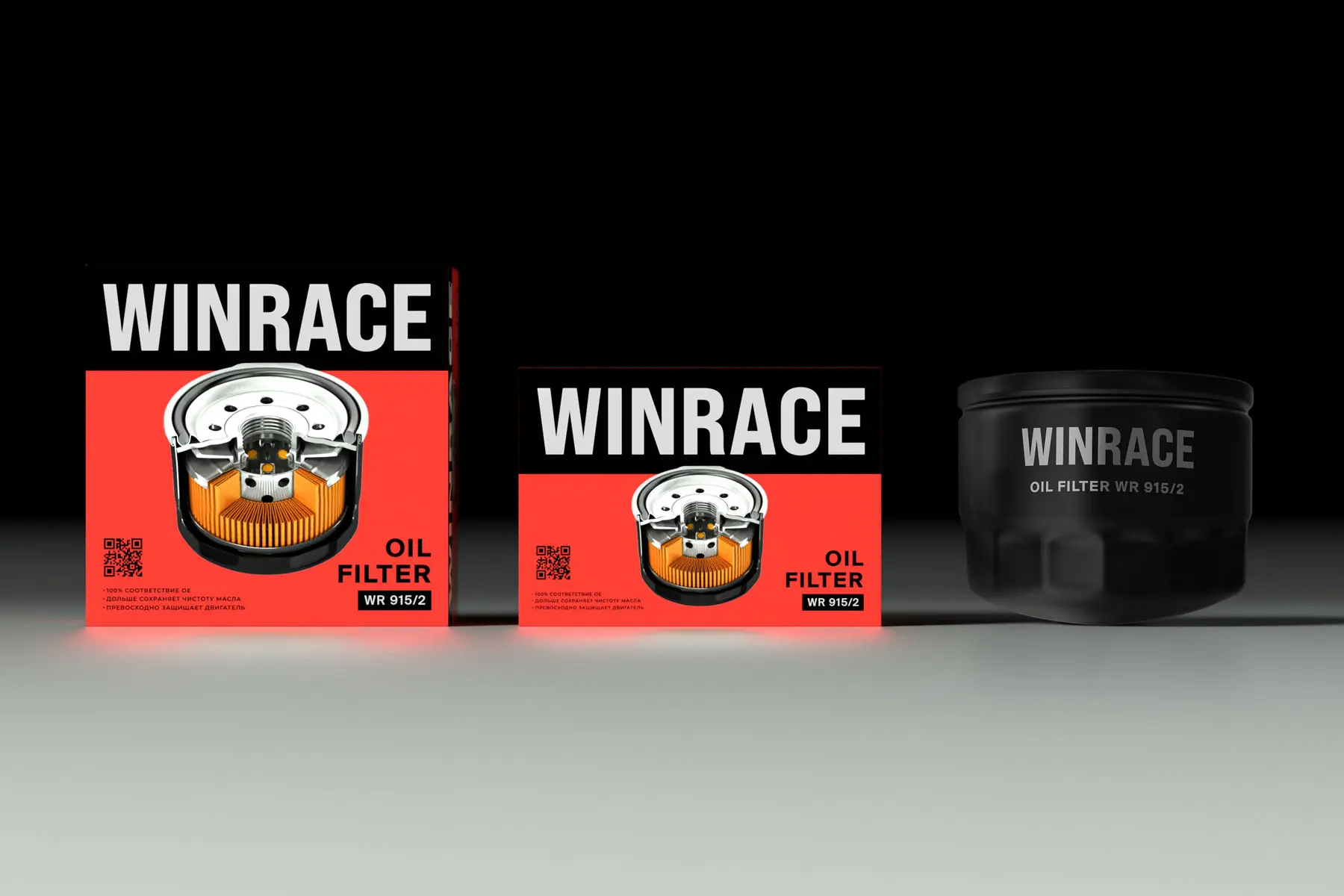
Printing technology determines how accurately and effectively the packaging’s visual elements are reproduced. The choice between offset, digital, and flexographic printing depends on the packaging material, the size of the production run, and the complexity of the design. UV printing and specialty inks make it possible to create distinctive effects and increase the product’s appeal on the shelf. Combining the right printing technologies with effective design solutions strengthens the brand and supports sales.
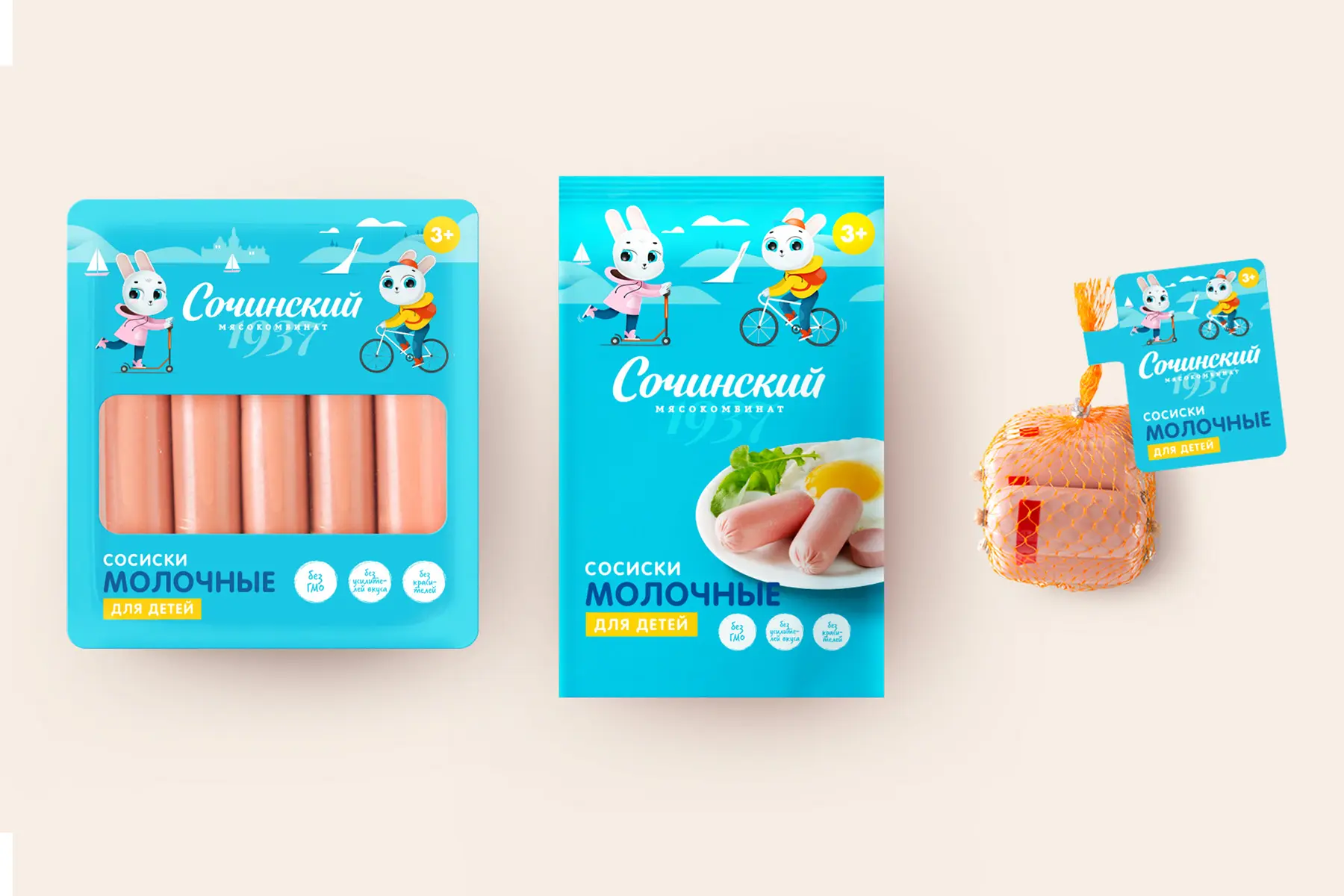
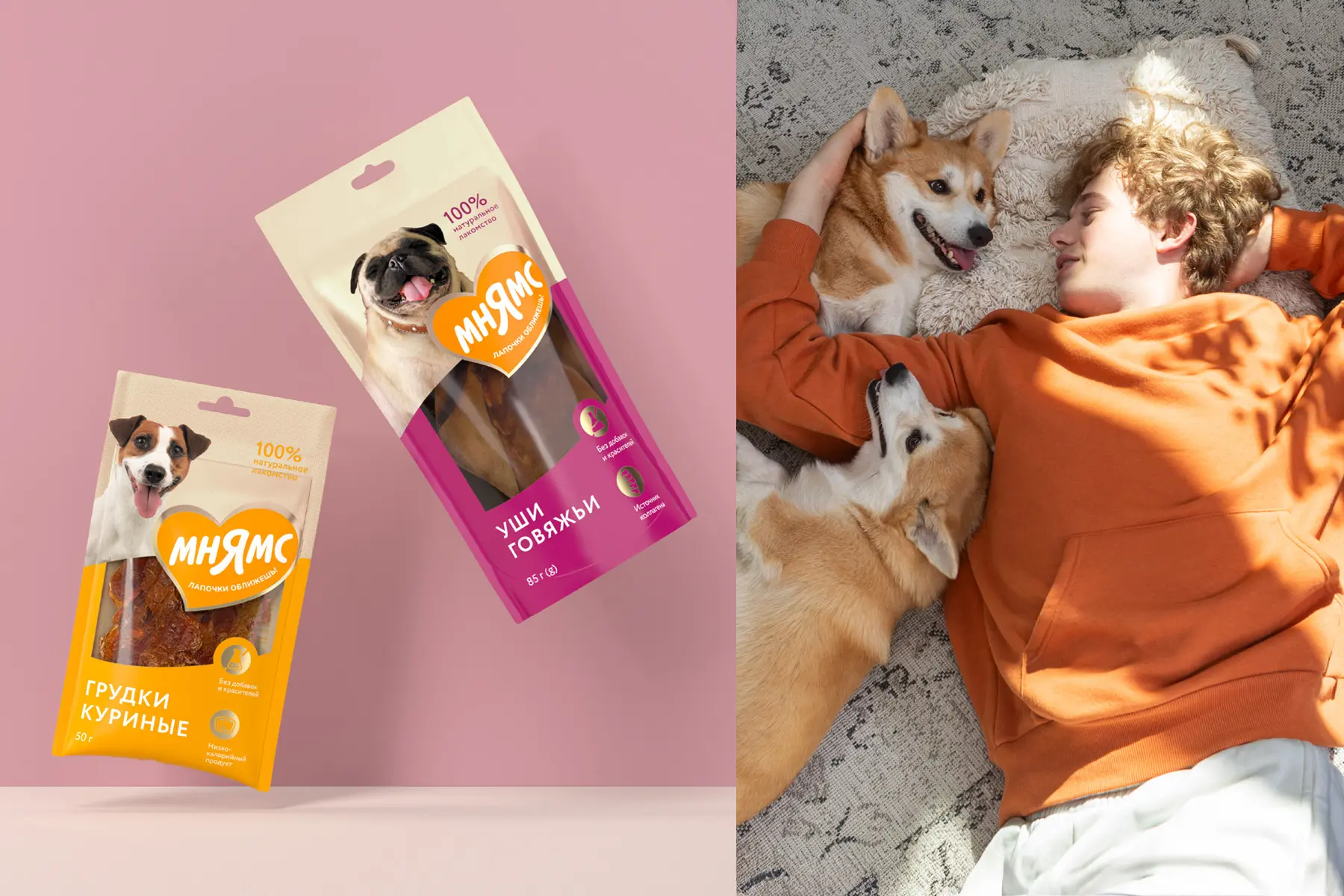
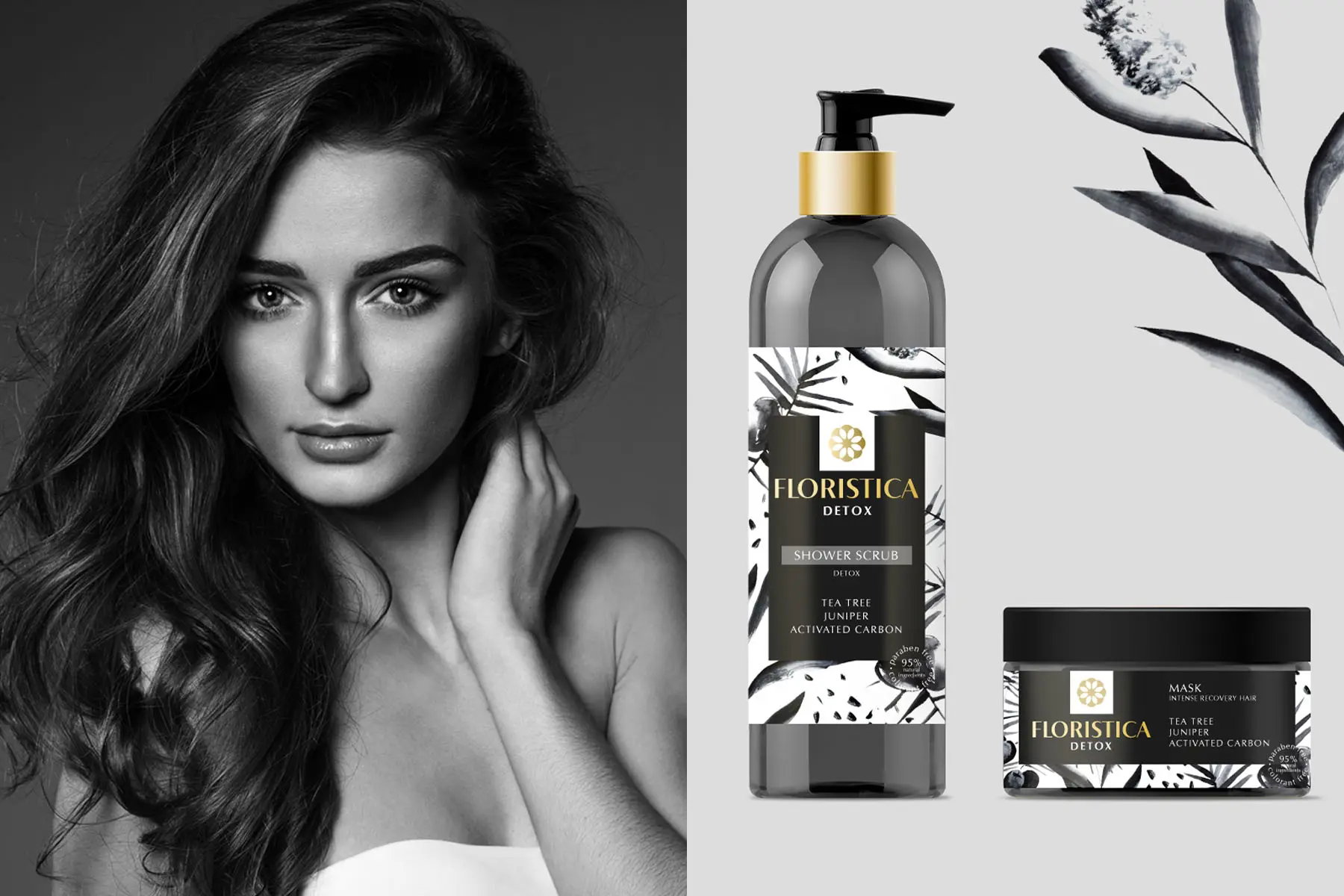
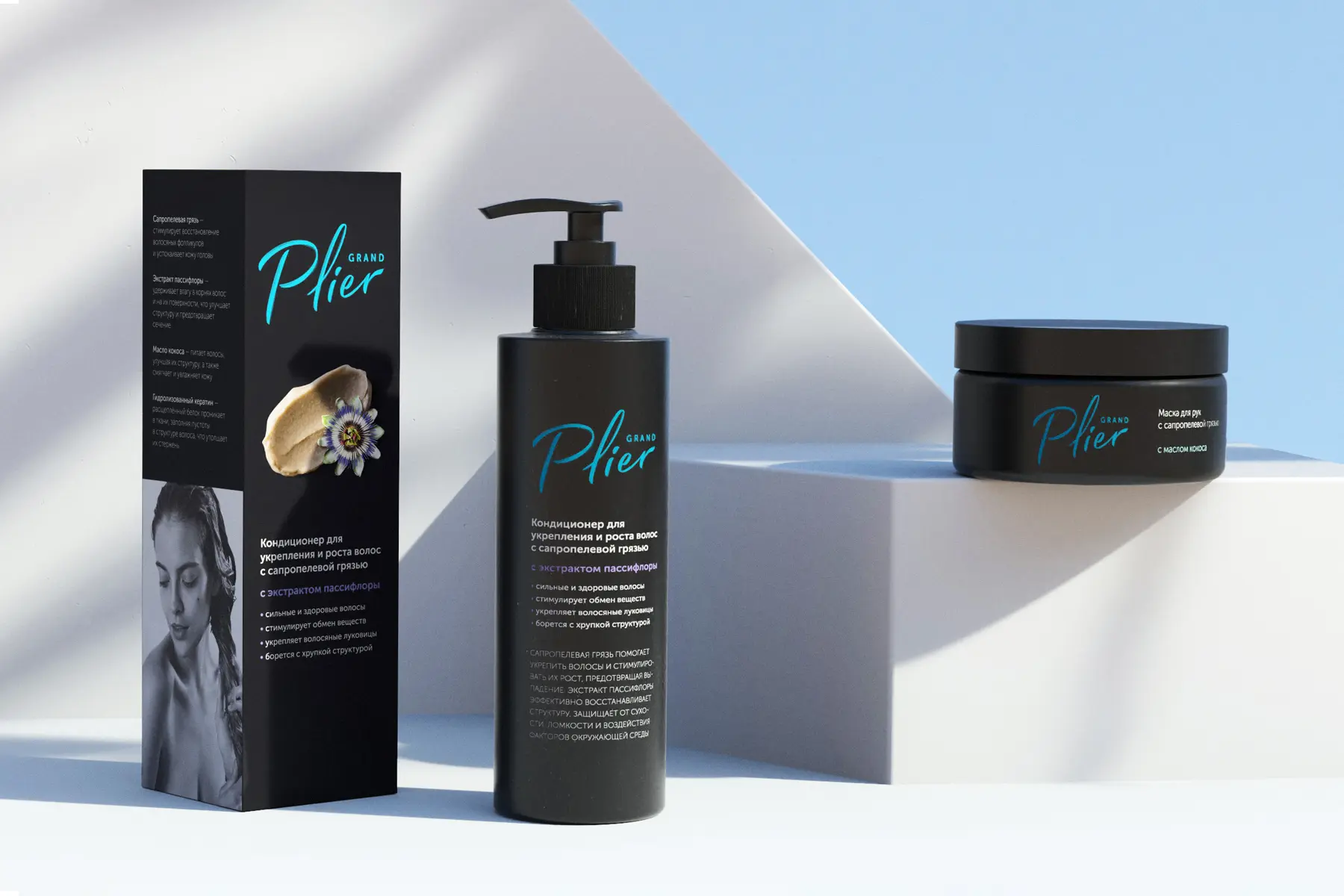
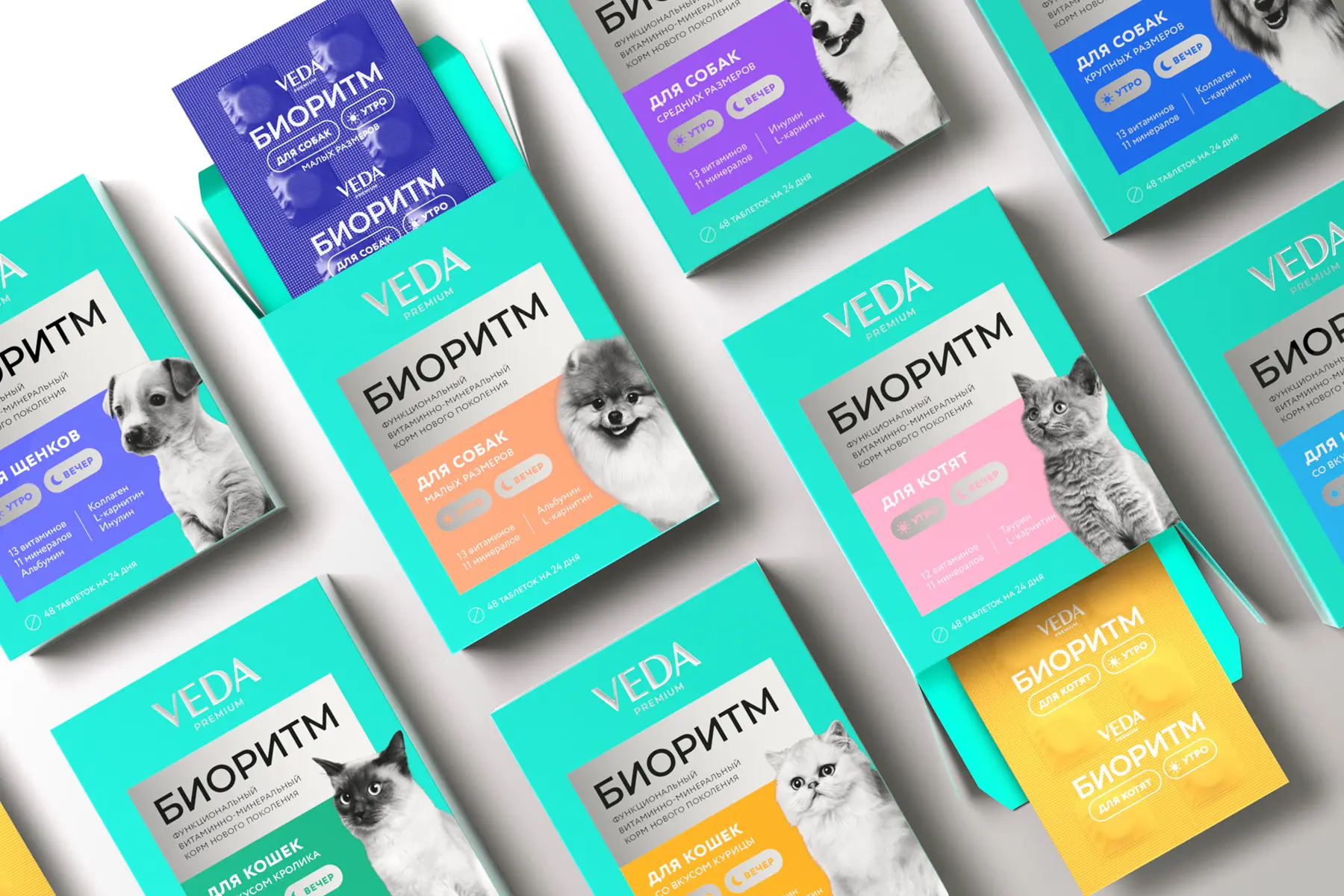
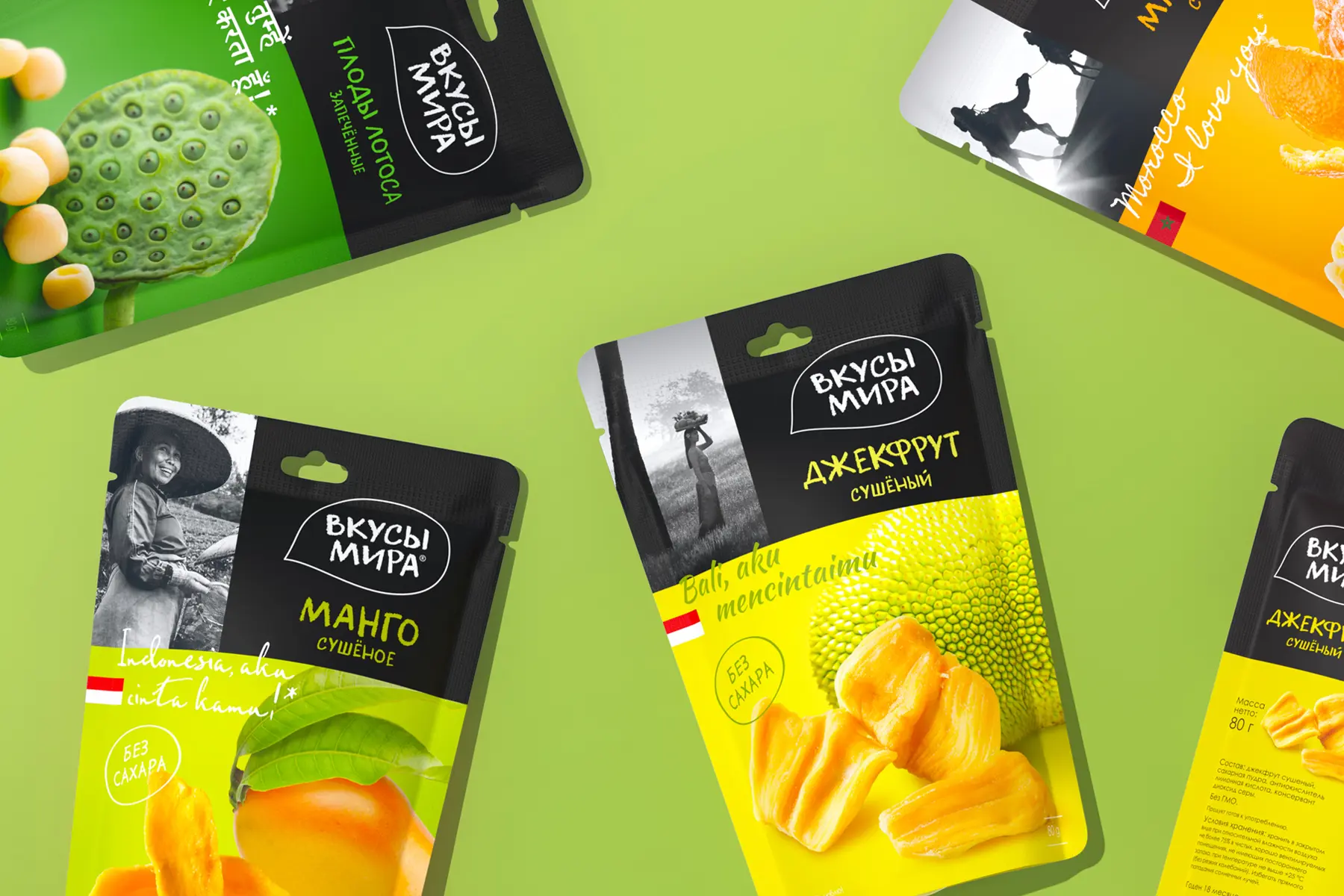
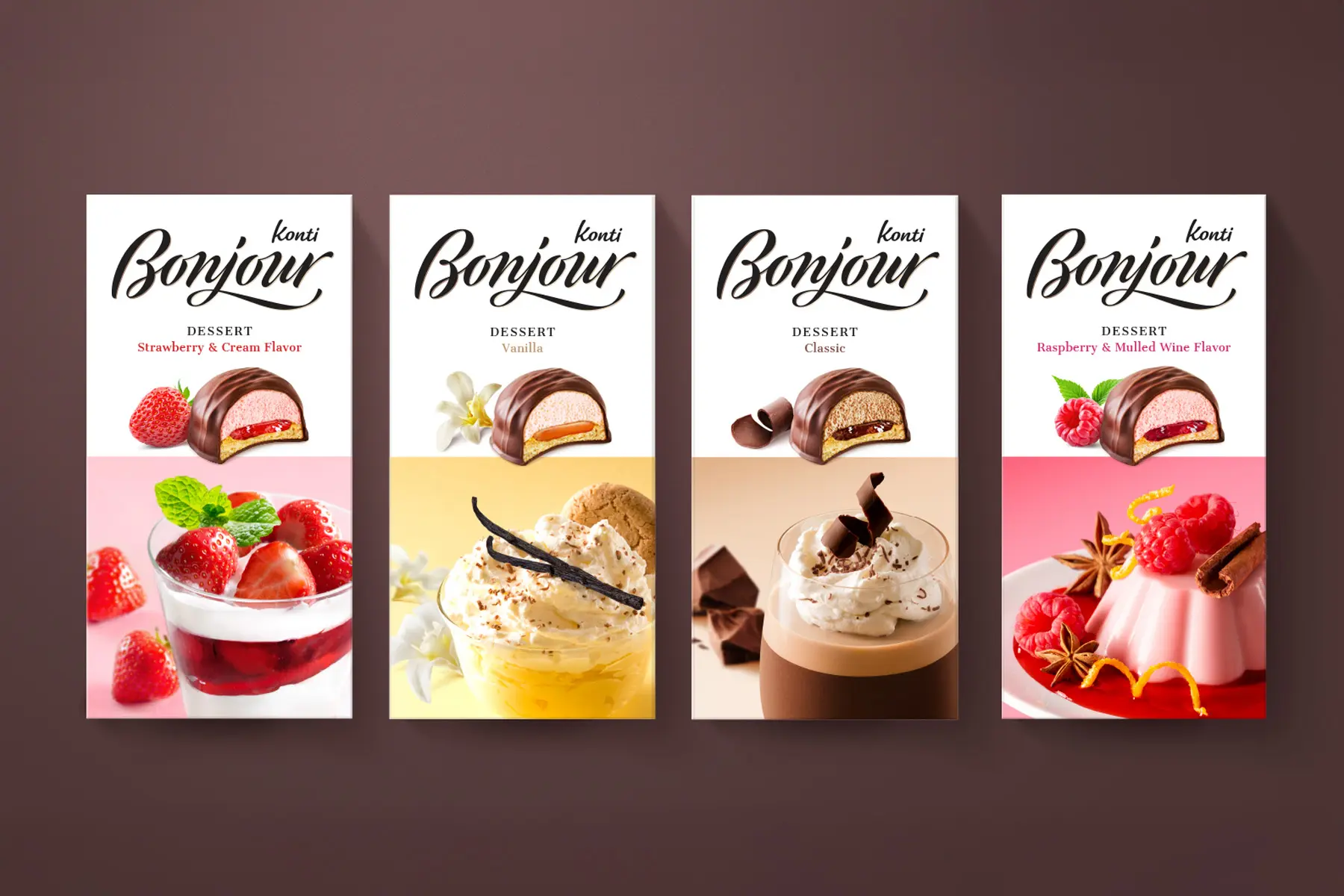
Packaging design costs also depend on the complexity of the graphic elements. Special effects such as embossing and holograms, as well as multicolor gradients, increase the budget because of their prepress requirements. The choice of materials, including biodegradable plastic and metallized film, also affects the price. Printing on corrugated board requires the artwork to be adapted to its textured surface. Printing methods—including offset, pad, and UV printing—also affect production costs. Offset printing is economical for large runs, while UV printing raises the unit cost of small batches. Additional expenses may include adapting the packaging to environmental standards such as FSC and the EU Ecolabel, as well as revisions following wear-resistance testing across the logistics chain.

Поэтапная разработка концепции дизайна этикетки

Требования к дизайну упаковки

Подготовка к разработке дизайна упаковки

Преимущества и недостатки эко-дружественной упаковки
Стильный дизайн упаковки: тренды 2019
Как работает дизайн упаковки

Четыре способа не прогадать с дизайном упаковки

Критерии эффективности дизайна упаковки
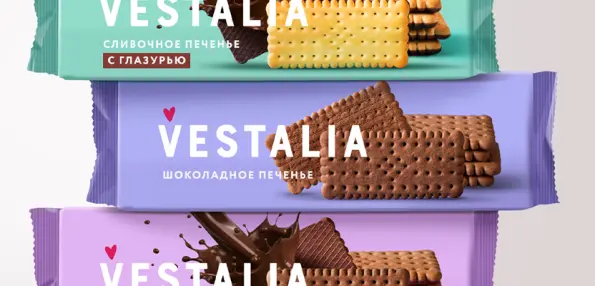
Стильный дизайн упаковки
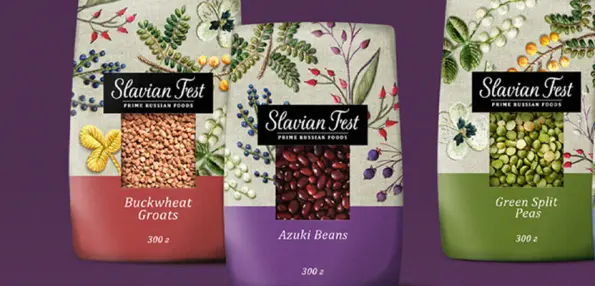
3 принципа хорошего дизайна упаковки

Айдентика бренда: основные элементы и носители
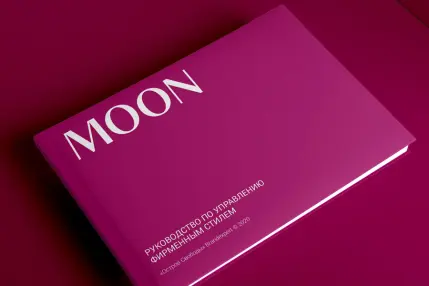
Как выбрать руководство по фирменному стилю для бизнеса
Ineffective packaging tends to produce low conversion rates. One warning sign is an A/B test showing that a newly designed package attracts less attention in a retail environment than the previous design. A weak visual hierarchy—for example, type that blends into the background or a poorly positioned logo—can prevent the target audience from recognizing the brand within three to five seconds.
Expressing brand positioning through packaging starts by translating the brand’s defining attributes into design. Eco-focused products may use kraft paper textures and recycling symbols. Premium positioning can be conveyed through metallic foil, minimalist typography, and die-cut windows that reveal the product without requiring the package to be opened.
Yes. Product photographs are necessary on packaging and should represent the product accurately while remaining visually appealing. Photography is essential for food products, as high-quality images help attract consumers’ attention and shape a positive perception of the product.
Use a memorable design that creates an emotional response in the target audience. The packaging should contain all the essential information about the product, including its benefits. The color palette, typography, and textures must also be considered carefully so that the package stands out on the shelf and attracts shoppers’ attention.
Registering the brand as a trademark can help protect its packaging from being copied. This gives the rights holder the exclusive right to use the design. If competitors copy the design or any of its elements unlawfully, the rights holder can seek legal protection.
Premium packaging stands apart from mass-market packaging through an exclusive design that incorporates high-quality materials, rich colors, and a carefully considered logo lock-up. Unconventional formats and innovative technologies are also important, as they reinforce the product’s status and create a sense of luxury for the consumer.
Eco-friendly packaging should be made from materials that do not release hazardous substances into the environment and are safe for people and animals. These include biodegradable and recyclable materials. The packaging may also carry ecolabels such as Vitality Leaf or Green Dot. Using these materials reduces environmental impact and supports more sustainable consumption.
The logo is a central driver of brand recognition on product packaging. It should occupy at least 25–30% of the package’s total surface area. In addition to helping consumers identify the product, the logo creates an emotional connection between the brand and its audience, generating interest and trust among potential buyers.
Infographics can work effectively on packaging, but their use must be appropriate to the product category. They can be useful on pharmaceutical packaging, for example, because they communicate usage information concisely. In emotionally driven categories such as fragrance, however, infographics may be inappropriate and detract from the overall aesthetic.
In packaging design, the logo takes priority and should occupy at least 25–30% of the package’s surface area. It distinguishes the brand from its competitors on the shelf and helps consumers identify the product quickly and accurately. Although the product name also plays an important role, the logo is what creates immediate recognition and an emotional connection with the brand.
Effective packaging rebranding follows a clear sequence of steps: defining the objectives, researching audience needs, and developing the new design. This approach can both improve brand recognition and increase sales by adapting the packaging to changing market requirements and consumer preferences.













By continuing to use this site, you agree to our use of cookies and the processing of your personal data as described in our Privacy Policy.