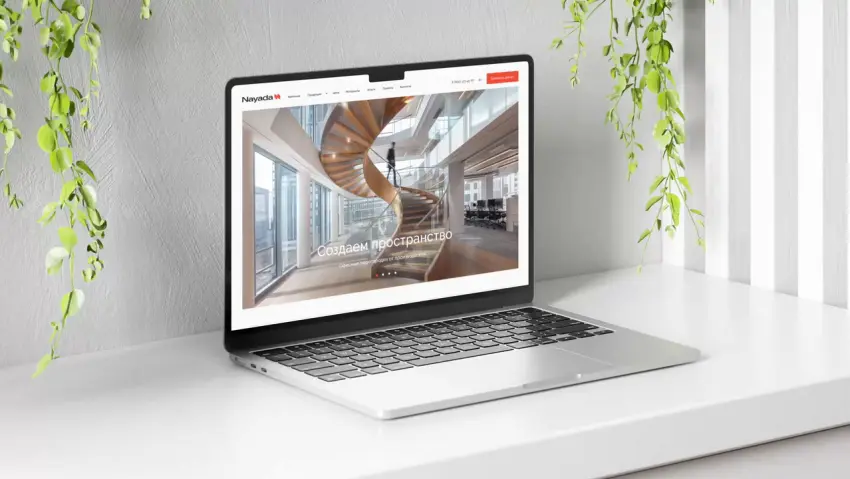
ALVITEK Rebranding: Logo Design, Packaging and Label Design, Photo and Video Production, Advertising, Marketplace Content and Website Development. ALVITEK website development; digital presentation of the brand and product range
We create websites and digital platforms that serve as powerful brand touchpoints, shaping perceptions, communicating values, and delivering an effortless user experience. From landing pages and corporate websites to marketplaces and service platforms, our projects bring strategy, design, and technology together to achieve our clients’ business objectives.






















The cost of creating a website depends on the complexity of the project, from a single landing page to a multifunctional portal. The choice between custom and template-based design also affects the price, as do the number of pages and integrations with services such as payment systems. Technical requirements, project timelines, and the experience of the development team all contribute to the final budget. The intended geographic reach—whether a local market or a global audience—is also taken into account.
The right type of website depends on the nature of the business and the needs of its target audience. A small company may require only a brochure website, while a major retailer may need an online store or a marketplace. A successful website reflects user expectations, the characteristics of the industry, and the company’s strategic goals.

Website development follows several key stages. It begins with research into the target audience and competitors, which helps define the project’s goals and requirements. A detailed technical specification is then prepared, describing the website’s functionality and structure.
The next stage is information architecture and prototyping, during which the page structure and placement of key elements are established. The visual system is then developed to give the website a distinctive look and feel. Front-end development and CMS integration turn that design into a working web interface, after which the website’s remaining functionality is developed.
Once development is complete, the website is tested and any issues are resolved. The final stage covers deployment to the hosting environment and ongoing support to ensure the website remains stable and its content stays up to date.
A technical specification is a document that defines the requirements and objectives for developing a website. It describes the functionality, structure, target audience, and key design considerations. A well-prepared specification serves as a roadmap for everyone involved, reducing the risk of misunderstandings and maintaining alignment at every stage of the project.
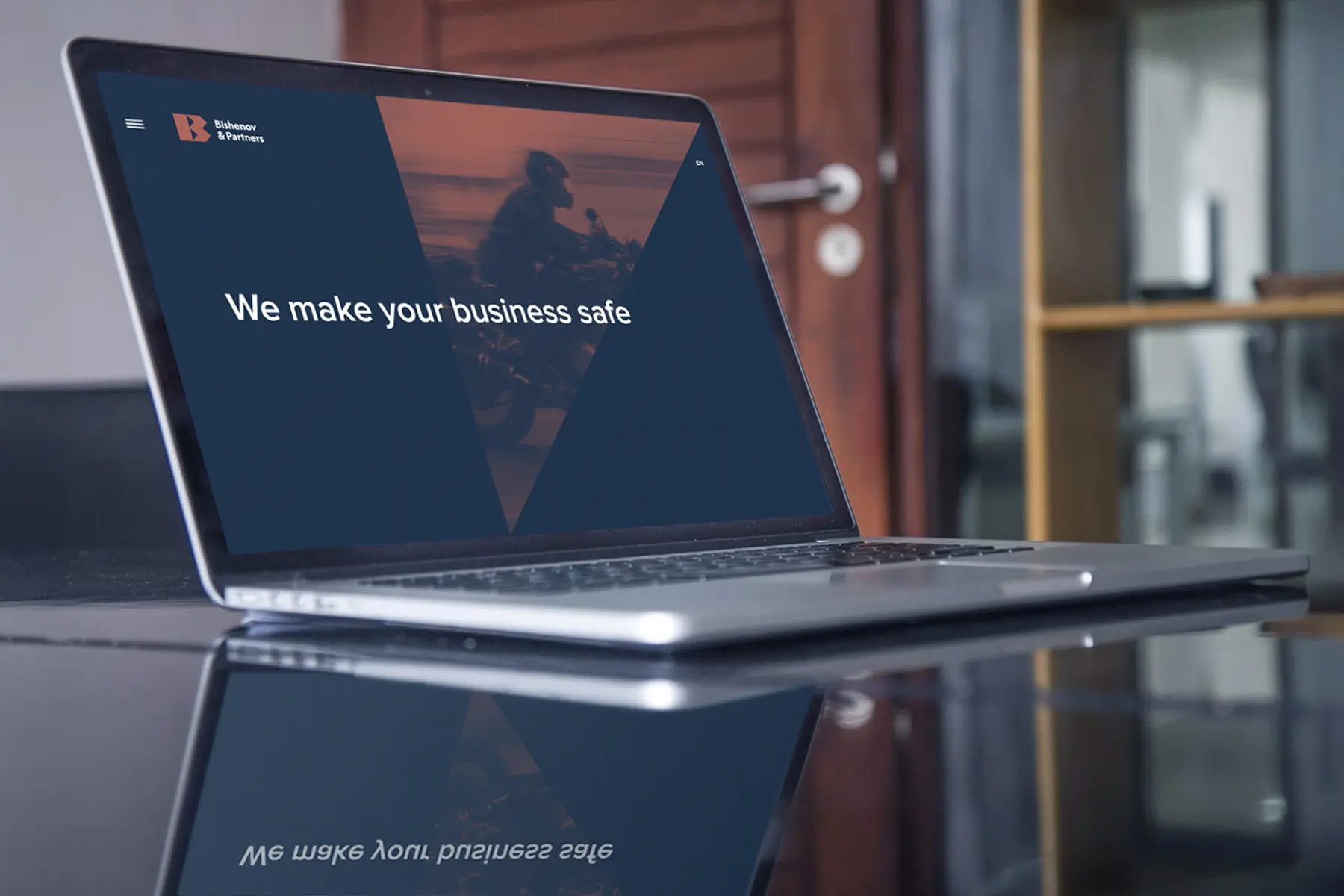
A brochure website is a concise, informational site that presents essential details about a company, its services, and how to contact it. It helps create a strong first impression, reinforce the company’s image, and attract customers. This format is well suited to small businesses, independent professionals, and new companies looking to establish an online presence.
An effective landing page is built around a conversion-focused strategy. The process includes creating a compelling value proposition, optimizing the interface for ease of use, and positioning calls to action where they will have the greatest impact.
Corporate website development delivers a digital platform that strengthens trust in the company and enhances its reputation. It should provide an excellent user experience through intuitive navigation, fast loading, and high-quality content. Reliable technologies help protect data, while analytics help the website adapt to evolving business goals and remain effective over time.
An effective catalog is organized into clear categories and subcategories, allowing users to navigate effortlessly and find the right products or services quickly. Each product or service is presented with an informative description, high-quality imagery, and up-to-date specifications that help users make decisions. Consistent design elements and an intuitive structure create a coherent user journey.
Marketplace development provides a platform for sellers and buyers, with secure registration and a straightforward process for listing products or services. Sellers use a dashboard to manage inventory, track orders, and communicate with customers, while secure payment systems protect transactions. Search filters and personalized recommendations make navigation easier and improve customer satisfaction.
A service portal provides a convenient interface through which users can access a range of services. Typical features include a customizable dashboard, personalized recommendations, and responsive design across devices. Search and filtering tools make the portal more efficient, while logical categorization keeps the available services easy to understand.
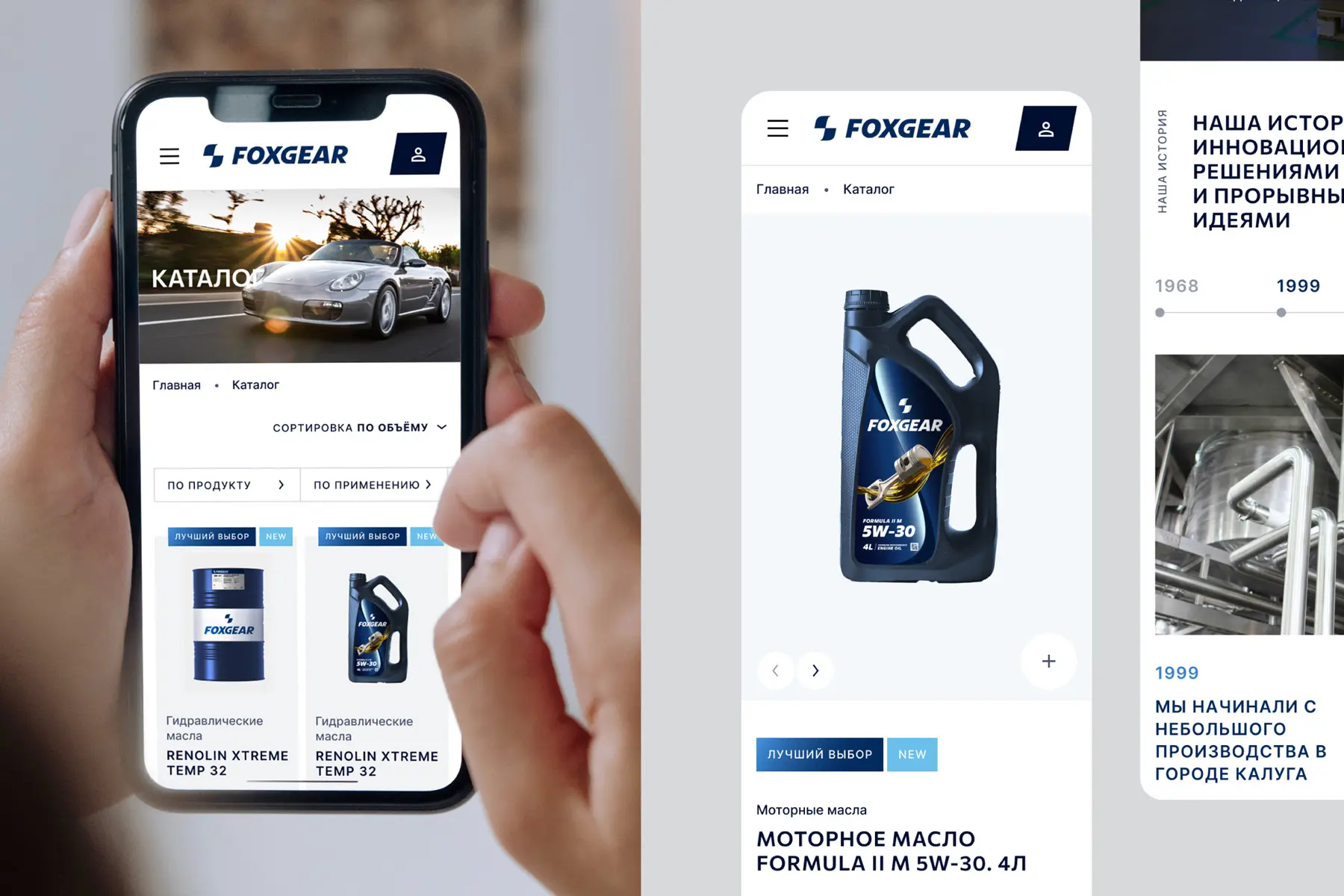
Mobile application development is the process of creating software solutions for smartphones and tablets. It includes interface design, programming, testing, and deployment, as well as optimization for different operating systems. Ease of use, data security, and performance are considered throughout. Modern technologies—including cross-platform frameworks such as Flutter and React Native and native solutions using Swift or Kotlin—enable strong performance, adaptability, and a smooth user experience.
Website development costs depend on the complexity of the required functionality, the volume of work, the selected technologies, and the delivery schedule. The estimate takes into account interface design, integration with external services, development of a responsive mobile experience, and security configuration. The level of technical support and the experience of the development team also affect the price. The final budget is calculated individually based on the business objectives and project requirements.

UI и UX дизайн: разработка сайта, которым хочется пользоваться


Айдентика бренда: основные элементы и носители


Как выбрать руководство по фирменному стилю для бизнеса

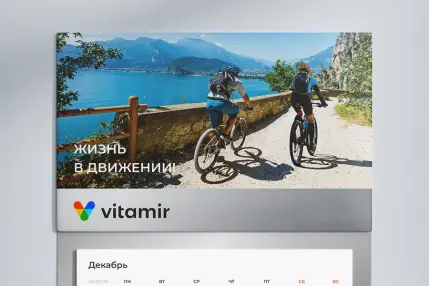
Дизайн корпоративного календаря

Дизайн этикетки для молочной продукции

Фирменный стиль салона красоты

Именной и псевдоименной нейминг

Ребрендинг, рестайлинг, редизайн

Советы по разработке названия (неймингу)

Удачный нейминг: 7 способов распознать эффективное название

Ошибки нейминга: как не стоит называть бренд


Создание логотипа: чек-лист по разработке эффективного лого
Website development encompasses research, design, programming, testing, and launch. The target audience is analyzed first, and the project requirements are established. The visual concept, interface structure, and functionality are then developed. After testing, the website is launched and enters the ongoing support phase.
A technical specification provides a detailed plan that gives everyone a clear understanding of the client’s objectives and expectations. It defines the project goals, functional and design requirements, and key characteristics, serving as a roadmap for developers, designers, and other stakeholders. By establishing the scope of work, schedule, and deliverables, the specification reduces misunderstandings, helps prevent scope creep, and keeps the client and development team aligned.
Front-end and back-end development are two complementary parts of a website or application. The front end is the client-facing layer that users interact with, including the layout, visual design, and interactive elements. It is developed with HTML, CSS, and JavaScript, together with frameworks such as React, Vue, or Angular. The back end comprises the server-side logic and databases that power the website’s functionality. Back-end development uses programming languages such as Python, PHP, Ruby, or Java and databases such as MySQL or MongoDB. It manages user requests, processes data, and enables dynamic interaction with the front end. In simple terms, the front end is responsible for the interface, while the back end handles data and processes.
The right type of website depends on the business objectives and functional requirements. A corporate website or landing page is suitable when a company needs an online presence. An e-commerce website with a convenient order-management system is the right solution for selling products. Information portals and blogs are designed for publishing content and attracting an audience. More complex web services and platforms are developed to automate processes and facilitate interaction with users.
SEO, or search engine optimization, is the process of improving a website’s structure, content, and functionality so that it appears more prominently in search results. Aligning the website with search engine algorithms helps its pages rank higher for relevant queries. This is important for attracting organic traffic, since most users rarely look beyond the first page of results.
The choice of technology stack depends on the project’s objectives and functionality. Scalability is one of the key considerations. Standard content management systems may be sufficient for smaller websites, while large web applications require modern frameworks and programming languages. Performance, security, and ease of maintenance are equally important, so the selected technologies must match both the project requirements and user expectations.
The primary purpose of post-development testing is to ensure stable, reliable operation. Every function and interface element must work correctly across different devices and browsers. Security, loading speed, and usability must also be tested so that users can interact with the website without difficulty.
The cost of end-to-end website development depends on several factors. Project complexity is one of the most important: the number of pages, required functionality, and integrations with external services all affect the price. Custom design, mobile responsiveness, and the level of technical support are also taken into account. The final budget is calculated individually to reflect the company’s requirements and the website’s objectives.

















By continuing to use this site, you agree to our use of cookies and the processing of your personal data as described in our Privacy Policy.