ALVITEK Rebranding: Logo Design, Packaging and Label Design, Photo and Video Production, Advertising, Marketplace Content and Website Development. ALVITEK logo design and packaging design for a bedding brand
Logo design shapes a brand’s visual DNA. It involves analyzing the target audience, competitive landscape, and the company’s distinctive values to develop a concise visual language. As they refine the details, designers consider the product, industry, and target audience to create a memorable identity. Investing in high-quality logo design helps a brand stand out in the market, build customer trust, and drive sales growth.

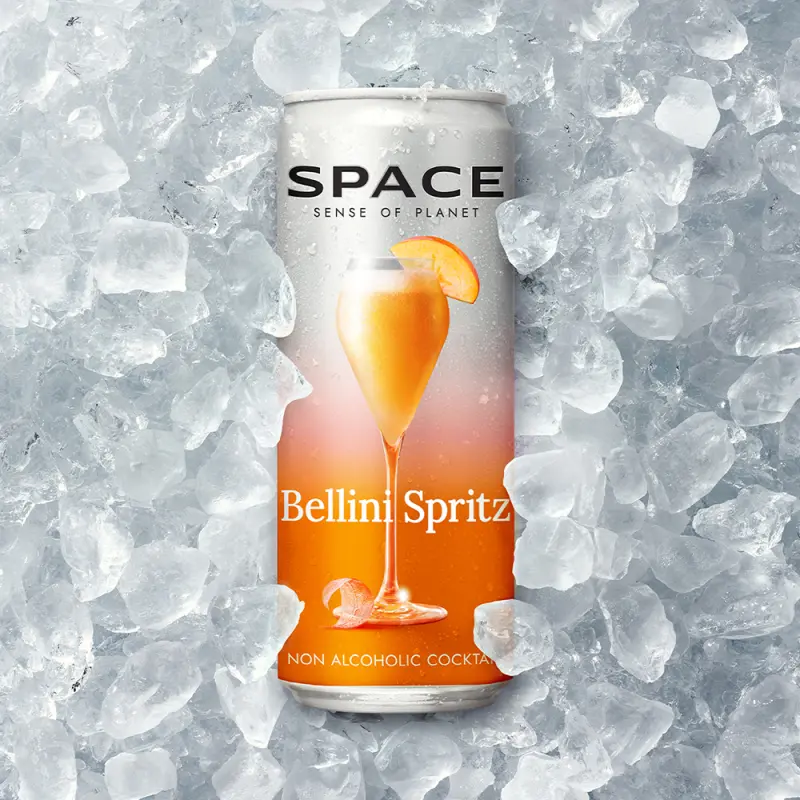

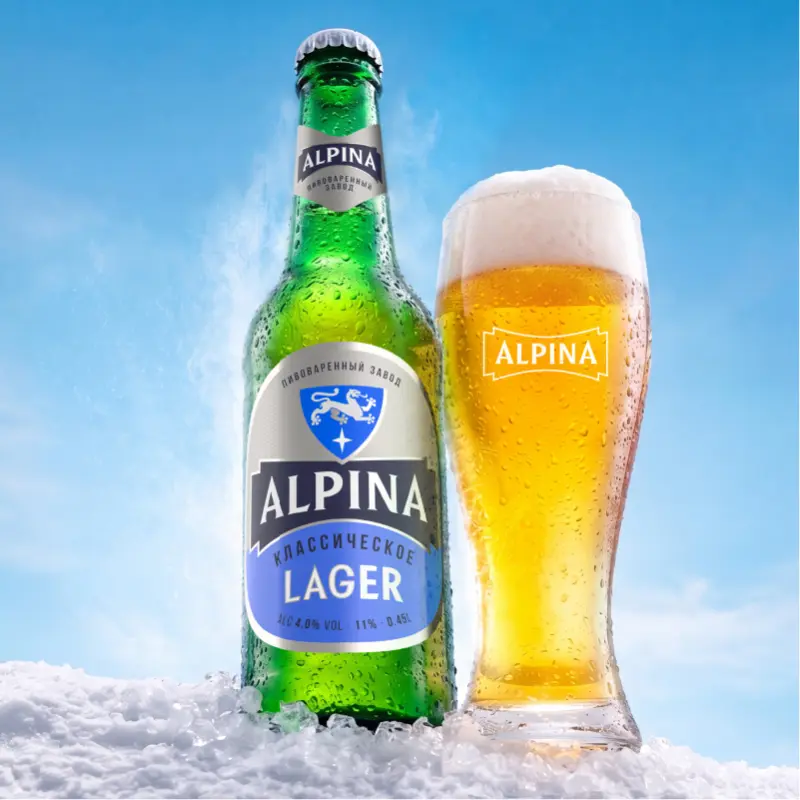
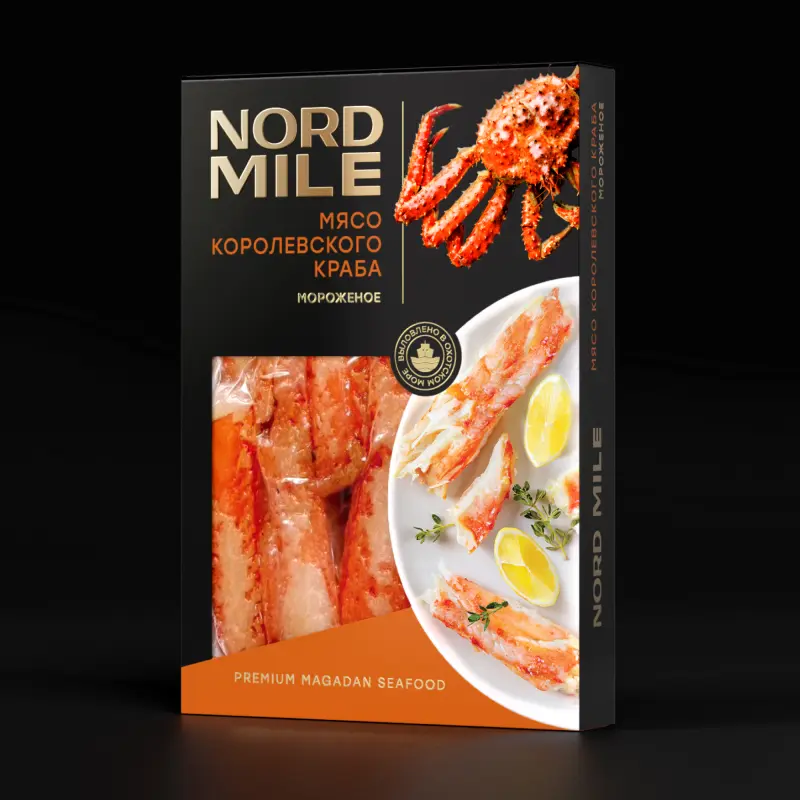



The cost of logo design depends on the level of concept development, the number of design options, the complexity of the visual solution, and the depth of strategic brand analysis. The price includes competitive research, creative direction development, visual prototypes, and refinement of the selected concept. A professionally designed logo forms the foundation of a brand’s visual identity, supporting recognition, emotional appeal, and long-term market value.
At the first stage, we research the market category, competitive landscape and visual identity codes used by leading brands. We analyze logos of Russian and international companies, current logo design trends, common graphic techniques and available visual territories for the new logo.
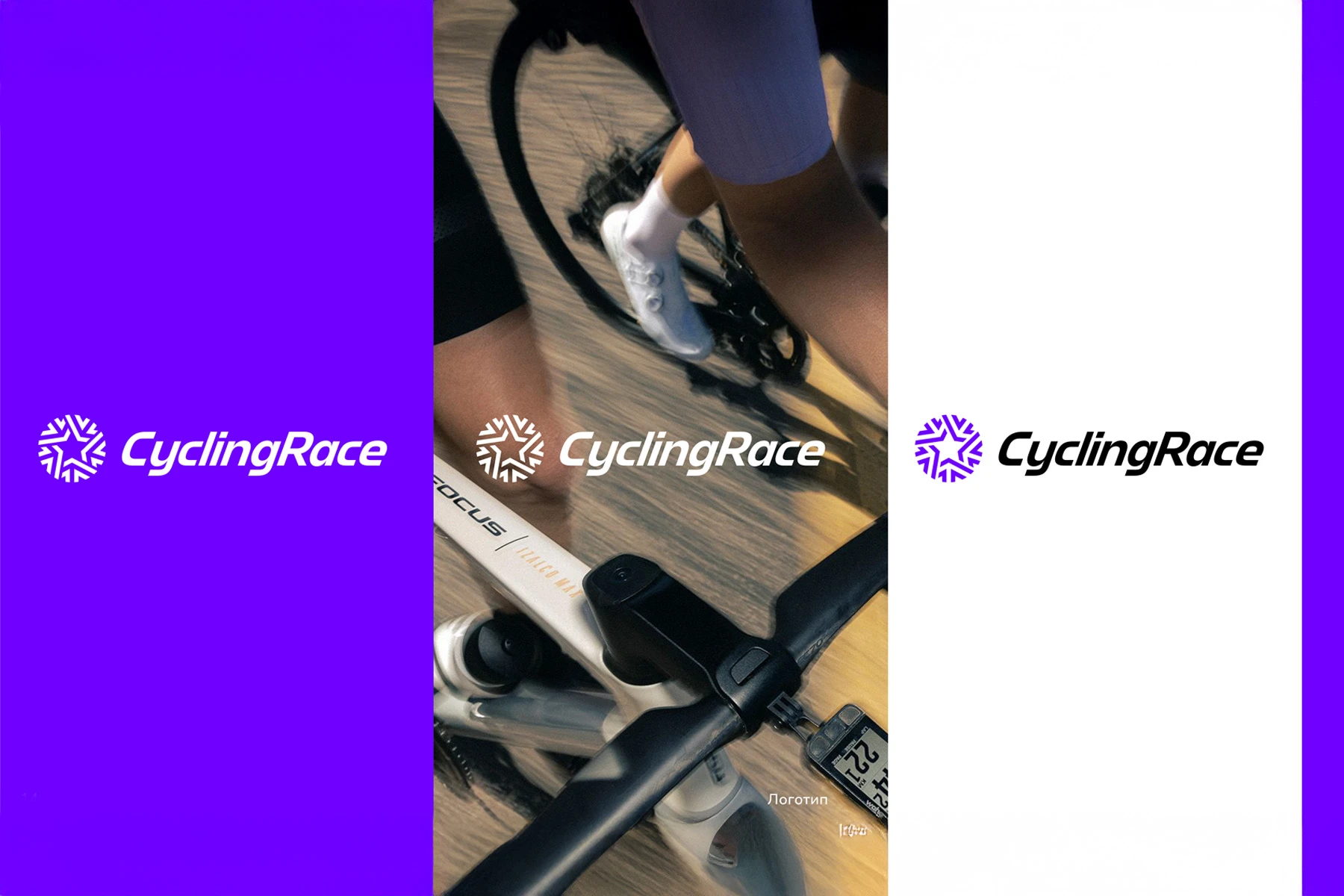
We define the strategic direction for the logo based on the brand positioning, personality and core idea. We clarify the brand objectives, target audience, competitive advantages, communication style and visual associations that will form the foundation of the logo design.
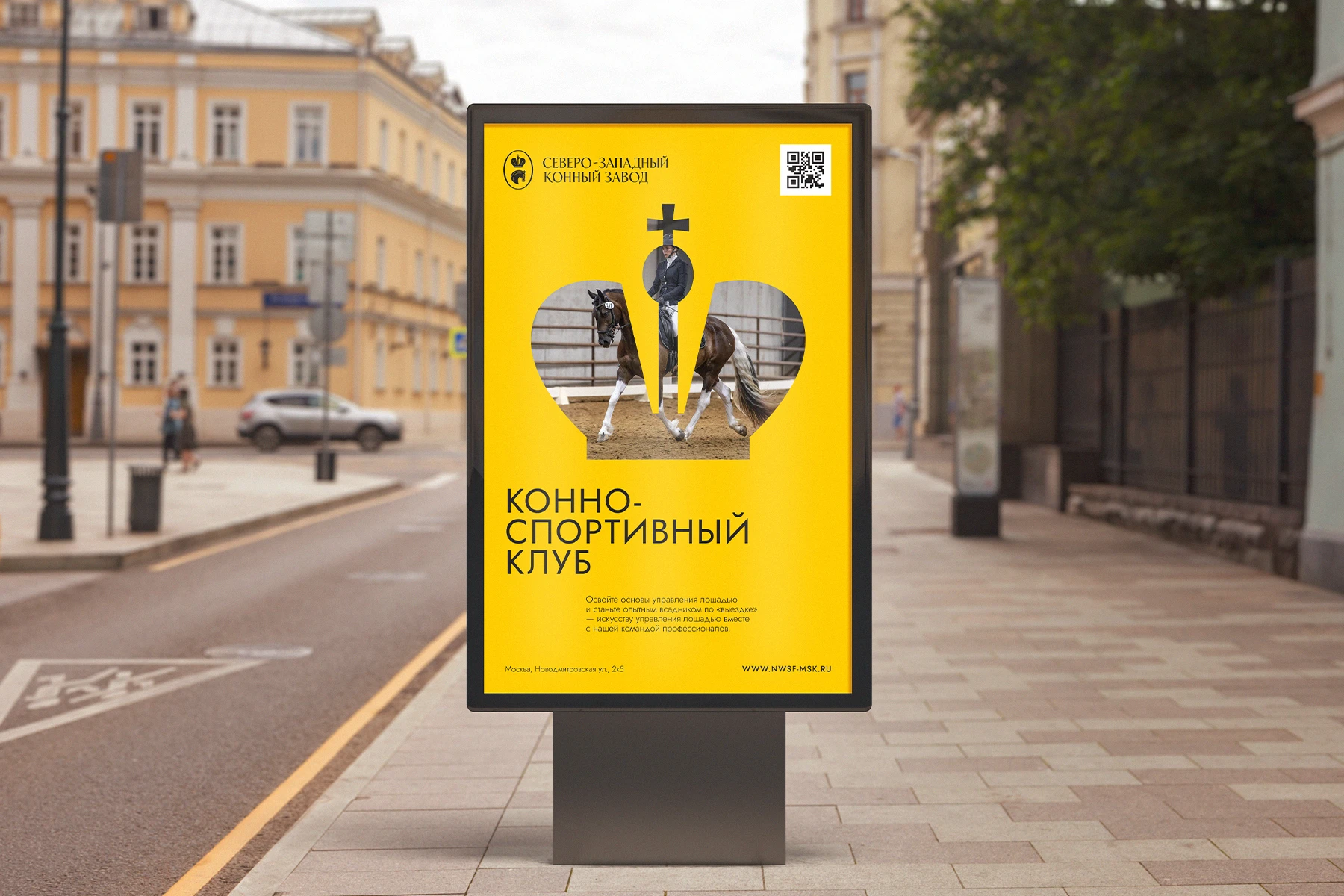
Based on the brand strategy, we develop several creative directions for the logo. We explore different logo types, including wordmarks, brand symbols, combination marks, emblems and custom graphic marks. This structured approach provides a diverse range of relevant logo design concepts.
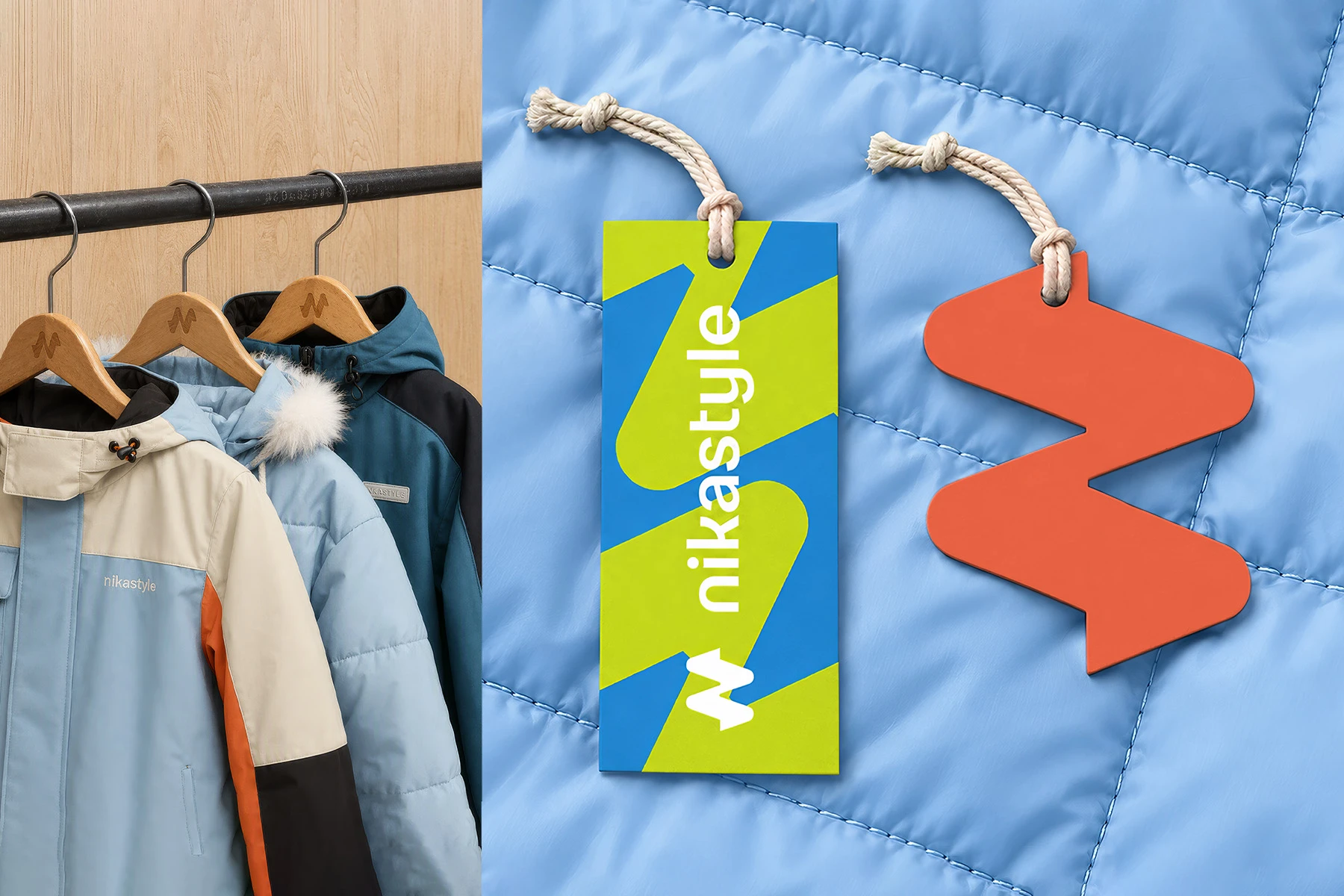
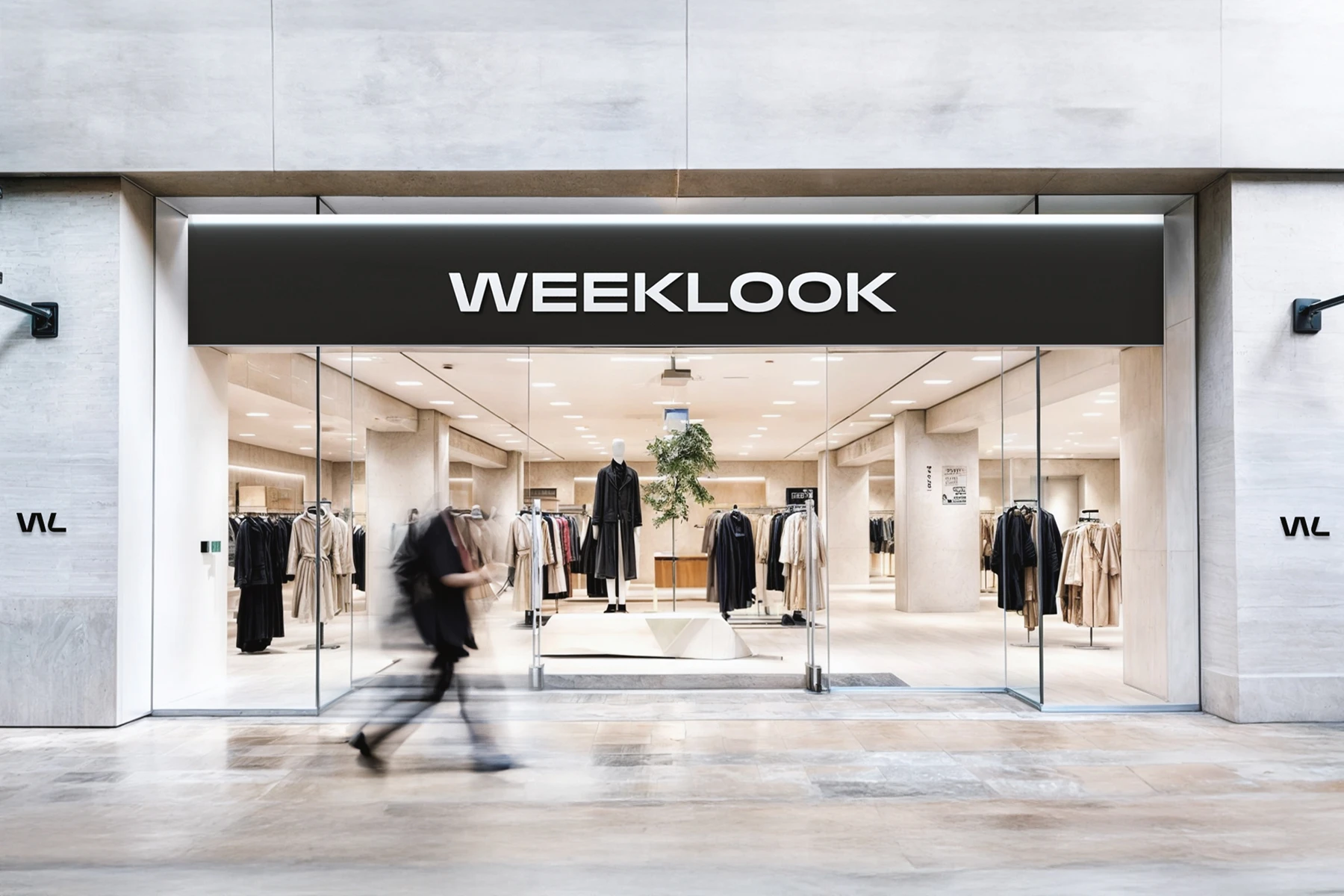
We create a distinctive brand mark that supports quick recognition of the company, product or service. We assess visual clarity, memorability, scalability and performance across different brand touchpoints, including websites, packaging, signage, advertising, social media and corporate stationery.
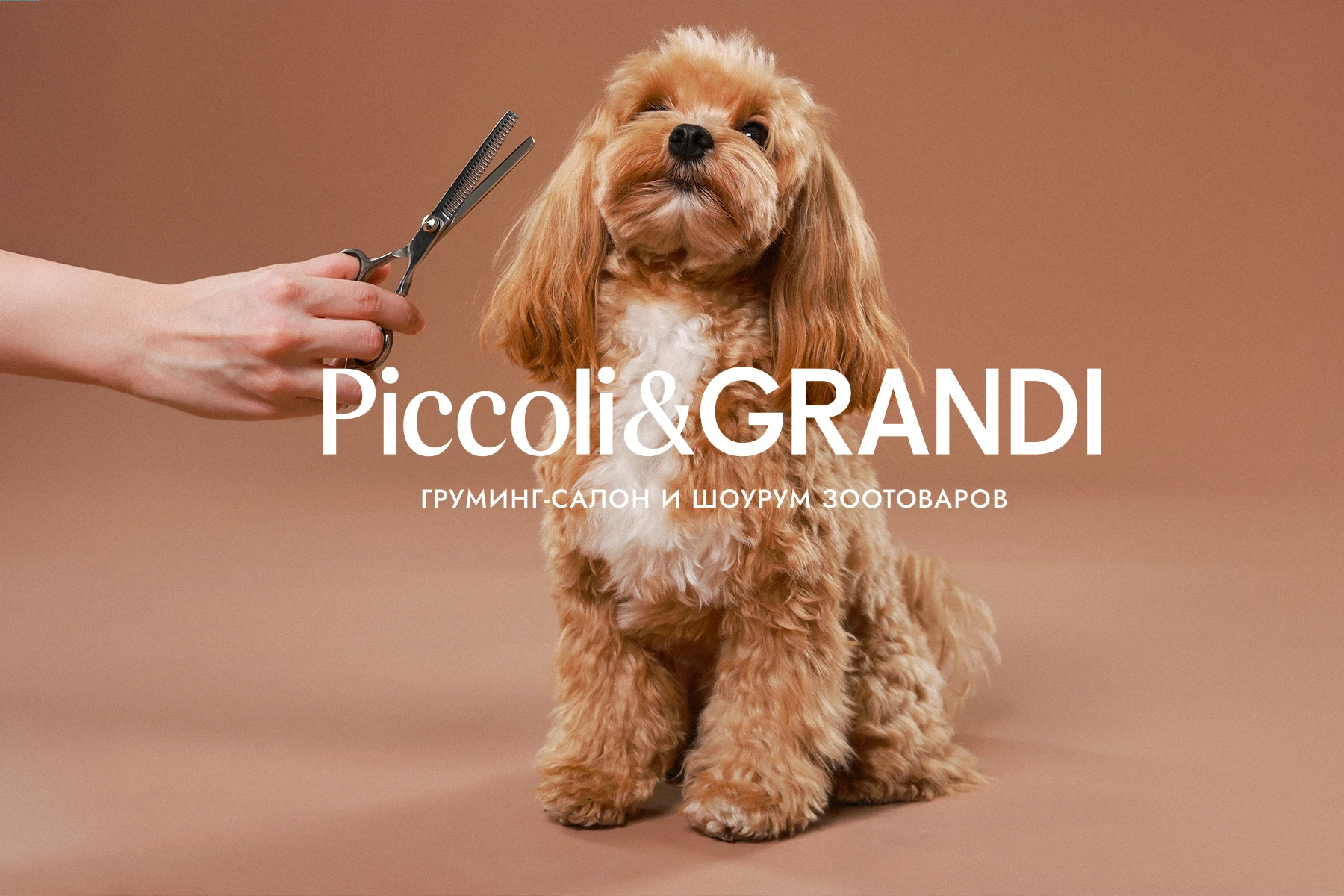
We develop the typographic elements of the logo, including the letterforms, proportions, rhythm, character and readability of the wordmark. Where required, we create custom lettering and unique typographic details that express the brand positioning through the shape and style of the name.
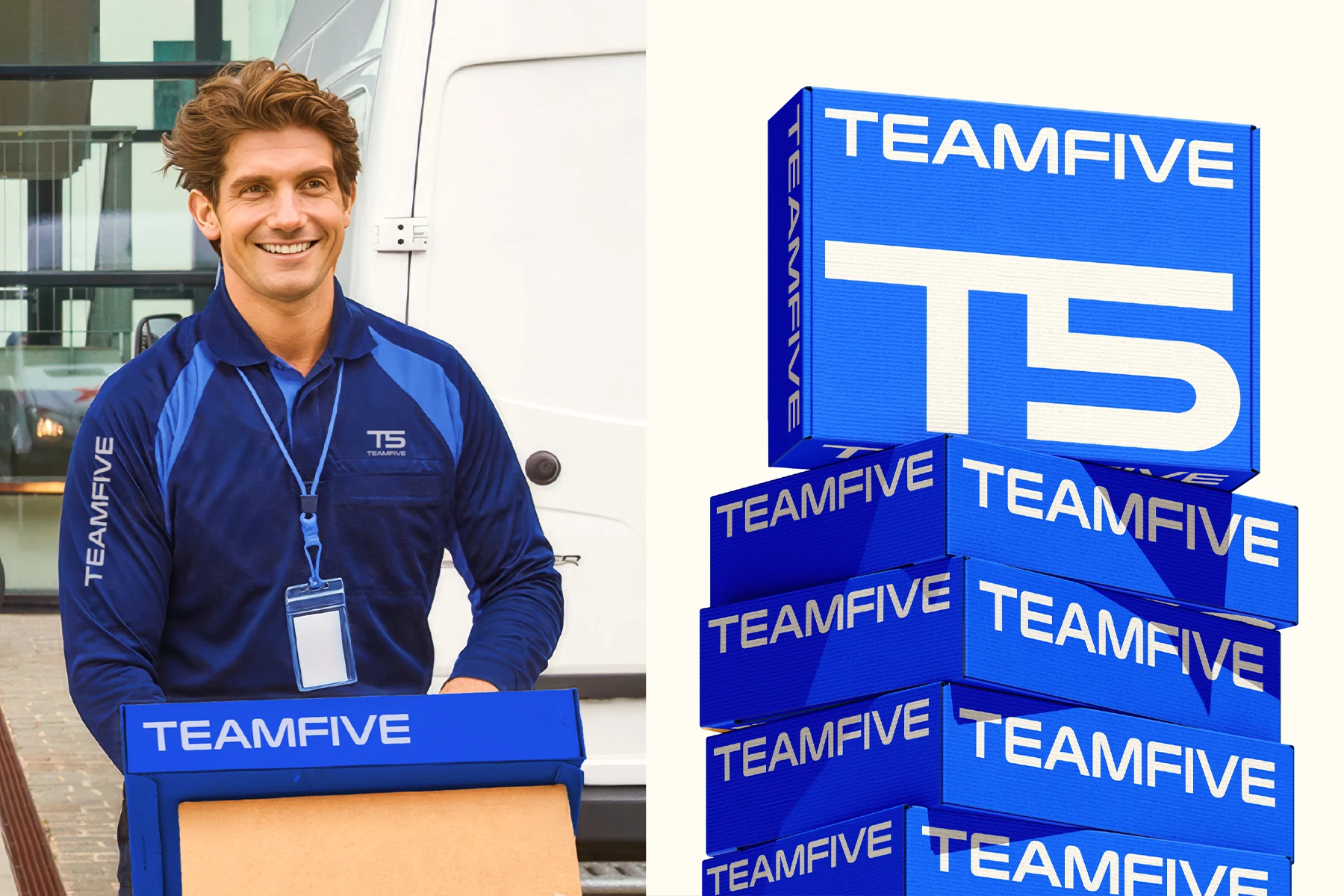
We define the logo color palette and select a supporting typeface pair for the future brand identity system. We test the logo in full color, monochrome and reversed versions, on light and dark backgrounds, across digital platforms and on physical brand applications.

We prepare a detailed presentation of each custom logo design concept. The presentation explains the creative idea, graphic logic, connection with the brand positioning, key advantages and examples of practical application. The client receives a clear and well-supported choice of logo concepts within the complete brand system.
We conduct a preliminary trademark search to assess the legal protectability and registration potential of the selected logo. We define the appropriate trademark format, including a word mark, figurative mark or combined mark, and confirm the relevant Nice Classification classes and scope of protection. Trademark registration establishes the logo as a legally protected brand asset.


Logo design begins with an analysis of the company’s mission, values, and audience. Relevant market segments are researched to identify visual trends and gaps. During concept development, sketches turn abstract ideas into graphics that express what makes the company unique. Technical refinement follows. This involves adjusting proportions and color contrast and adapting the logo for different applications. The final stage includes preparing digital artwork and brand guidelines to maintain consistency across communications.


Logos fall into three main categories: typographic, graphic, and combination marks. Typographic logos include lettermarks, which shorten long names to initials, as in IBM, and wordmarks, which use distinctive lettering to express the essence of a brand, as in Coca-Cola. Graphic logos include pictorial symbols, such as Apple’s apple; abstract shapes, such as Pepsi’s logo; and mascots that create an emotional connection, such as KFC’s Colonel Sanders. Combination logos, including university emblems and Burger King’s combined text and image marks, bring lettering and imagery together for versatile use across different applications and contexts.


Logo design draws on stylistic approaches that express brand identity through shape, color, and composition. Classic and heraldic styles emphasize tradition, using simple geometric shapes or elements from coats of arms, as seen in premium brands that communicate status and reliability. Minimalist, geometric, and abstract styles convey a contemporary feel. Minimalism reduces a design to its essential elements. Geometric design relies on precise lines. Abstraction uses unexpected forms to evoke associations in creative sectors. Vintage and handwritten styles add emotion through a retro aesthetic or calligraphy, making them relevant for brands seeking a more personal connection and dialogue with their audience.


Logo design trends balance opposing approaches. Radical minimalism and monochrome shapes coexist with detailed compositions in which every line tells part of the brand’s story. Handwritten lettering and retro silhouettes communicate authenticity and evoke nostalgia, while sticker-inspired graphics and natural tones respond to digital culture and environmental concerns. A technology-driven approach takes shape in responsive logos that use negative space to create double meanings, with gradients and layered elements adding the illusion of movement.


In branding, a mascot is a character or object used to represent a brand. It embodies brand values in a form with human traits, turning abstract ideas into an emotionally engaging symbol that the audience sees as an ally. The Nesquik rabbit and the Ruflex turtle show how a character can embody specific qualities and create subconscious associations even outside the product context. Unlike a static logo, a legally protected mascot evolves through animation, storytelling, and integration into digital platforms, remaining relevant to different age groups and social audiences.


An effective logo balances simplicity with distinctiveness. Its shape and color scheme should evoke the brand while avoiding clichés and visual clutter. Adaptability is one of the most important design considerations, whether the logo appears as a tiny favicon or on large advertising materials. It must remain legible and visually appealing without losing essential detail.


Logo redesign is the process of updating an existing company or brand logo. In conservative sectors such as finance and legal services, logos retain their established forms for decades, building trust through consistency, as with J.P. Morgan or Rolex, where even small changes to lettering or proportions become notable events. In fast-moving sectors such as digital services and fashion, logos change every three to five years, as with Google or Burberry, responding to shifts in audience behavior and digital trends, from flat design to 3D metaverse environments.


Registering a logo as intellectual property covers both its wording and its graphic features, from the angle of the lettering to the proportions of the symbols. Protecting the color scheme prevents competitors from imitating the style through minor changes, such as altering a shade or adding decorative elements. Comprehensive registration secures exclusive use of the mascot, abstract forms, and compositional principles, making the logo a legally protected asset.


The logo is the core of a brand’s visual language, establishing its graphic proportions. Its color palette and compositional logic provide the basis for patterns, typography, and animation, allowing the identity to adapt to different media without losing consistency. Integrating the logo into the brand’s wider ecosystem requires discipline. Even experimental collaborations and limited editions should stay connected to the original elements, like a tree’s branches to its roots. This turns the brand identity into a living system in which the logo serves as DNA expressed at every audience touchpoint, rather than as a static icon.


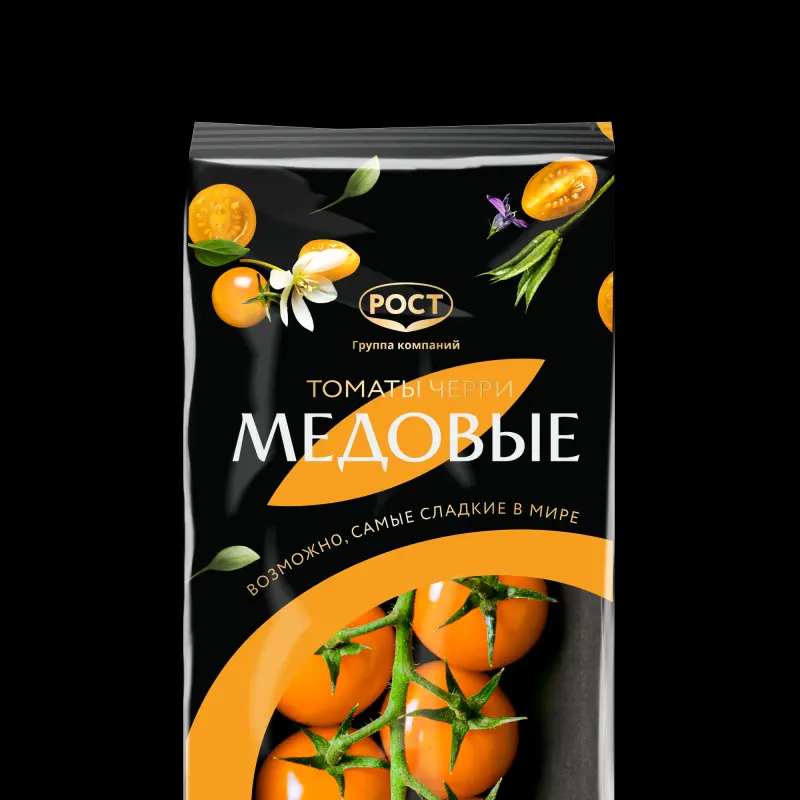
On packaging, the logo acts as a visual anchor, drawing attention to the ‘golden zone’: the upper third of the front panel, where the brain registers objects within 0.3 seconds. The logo’s composition and scale should give it prominence over decorative elements while maintaining harmony with the typography. It should guide the other elements without overpowering them, turning the product into a symbol of the brand.


The logo and brand book are the brand’s visual core and operating system: the logo expresses its identity through graphics, while the brand book sets out a systematic approach to reproducing that identity across all touchpoints. The brand book defines placement rules and how the elements work together. Applying the logo across different media requires adaptation: vector artwork for print, a simplified version for favicons, and an animated version for social media stories. Each format follows strict specifications for grids and spacing.
Создание логотипа: чек-лист по разработке эффективного лого

Создание логотипа: Секреты эффективности
Создание логотипа: услуги дизайн-студий
Профессиональная разработка логотипа

Процесс создания логотипа
Эстетика и охранопригодность логотипа

Дизайн логотипа: показатели эффективности


Основные ошибки в разработке логотипа

Выбор шрифта для дизайна логотипа

Айдентика бренда: основные элементы и носители
Как выбрать руководство по фирменному стилю для бизнеса
Дизайн корпоративного календаря
An effective logo reflects the brand’s positioning, stands apart from competitors, is easy to recognize, and remains legible across formats, from a favicon to a storefront sign. Evaluation methods include testing with the target audience, measuring recognition and recall, and checking whether people correctly identify the brand.
Both formats can be effective. A wordmark puts the name in focus and helps people remember it. A logo with a symbol creates a standalone visual identifier suited to packaging, wayfinding, digital environments, and advertising materials. The choice depends on the brand’s positioning, the characteristics of its name, and how the logo will be used.
Under Russian Federal Law No. 168-FZ, a logo in the Latin alphabet may be used if the designation is registered as a trademark, service mark, or company name. From 1 March 2026, all other public-facing consumer information in Russia must appear in Russian; foreign-language text is permitted as an equivalent duplicate. Regional rules governing the placement of signs and informational displays must also be considered.
Logo design begins with an analysis of the brand’s positioning, values, target audience, and competitive landscape. Concepts are assessed for how accurately they convey the intended meaning, as well as their originality, recognizability, eligibility for trademark protection, legibility, and adaptability. The selected design is then technically refined for use across all relevant formats and touchpoints.
The logo is registered as a trademark in the relevant classes of the Nice Classification. Where necessary, the word mark, figurative mark, and combined version are registered separately. The transfer of exclusive rights to the design is documented in the contract, while regular market monitoring helps identify similar designs and infringements promptly.
The logo acts as the primary brand identifier, unifies the product range, and helps shoppers recognize products quickly. Its placement, scale, and contrast should ensure visibility on the shelf, in catalogs, and on product listings while maintaining a cohesive packaging composition.
The size depends on the packaging format, product category, composition, and amount of mandatory information. The logo should be clearly recognizable from a shopper’s viewing distance and in a reduced-size marketplace image. The right scale is determined through full-size mockups, shelf tests, and digital previews.
The logo should be legible from the required distance, have sufficient contrast, appear visually cohesive, and suit the production method, materials, and lighting. The design should account for the building’s facade, clear space, permitted dimensions, and applicable municipal requirements for installing signs and informational displays.
Logo guidelines define the primary and secondary logo versions, construction principles, proportions, clear space, minimum size, brand colors, and monochrome and reversed versions. They also cover placement on different backgrounds, examples of use, incorrect applications, and a set of files for print and digital media.
















By continuing to use this site, you agree to our use of cookies and the processing of your personal data as described in our Privacy Policy.