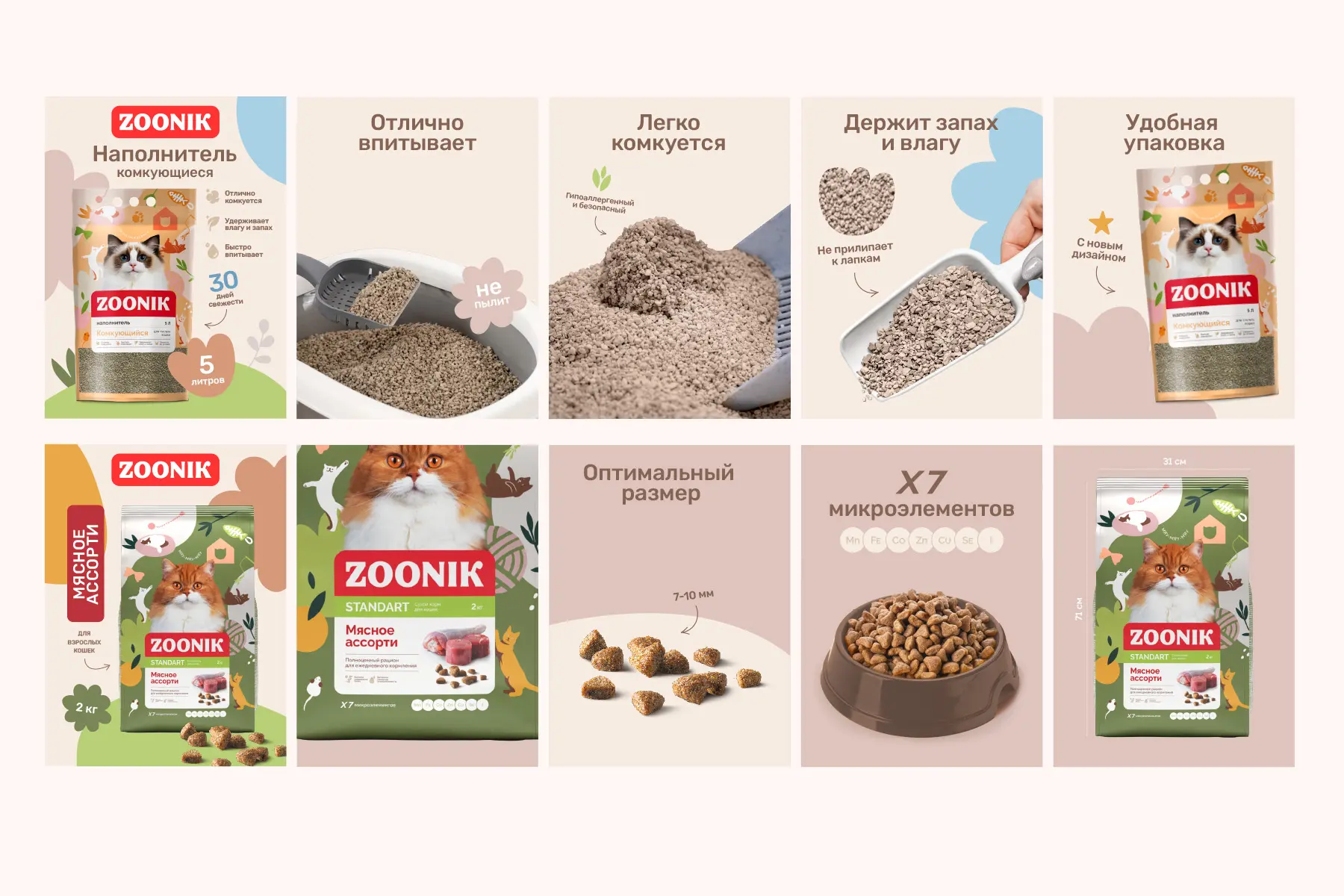
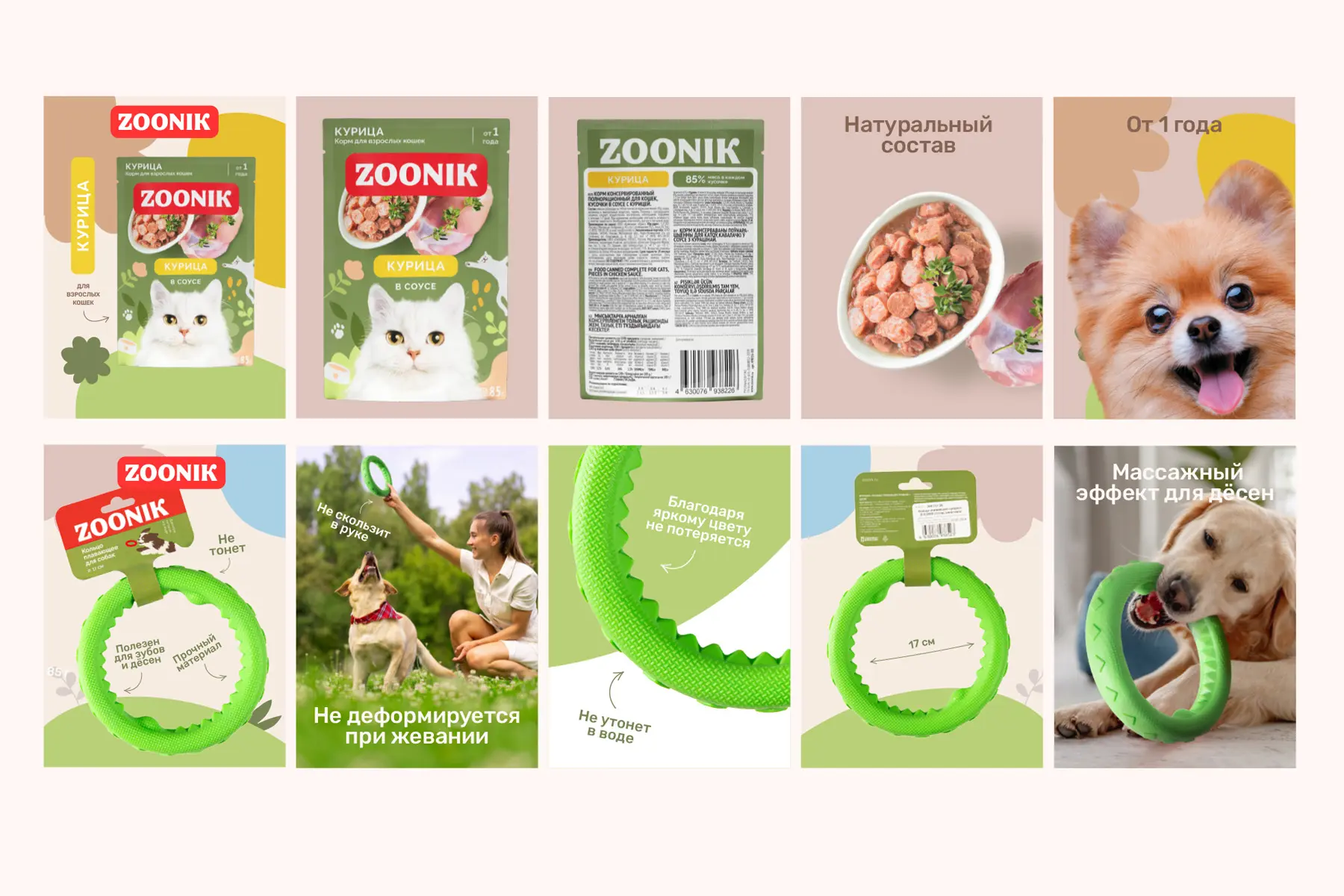
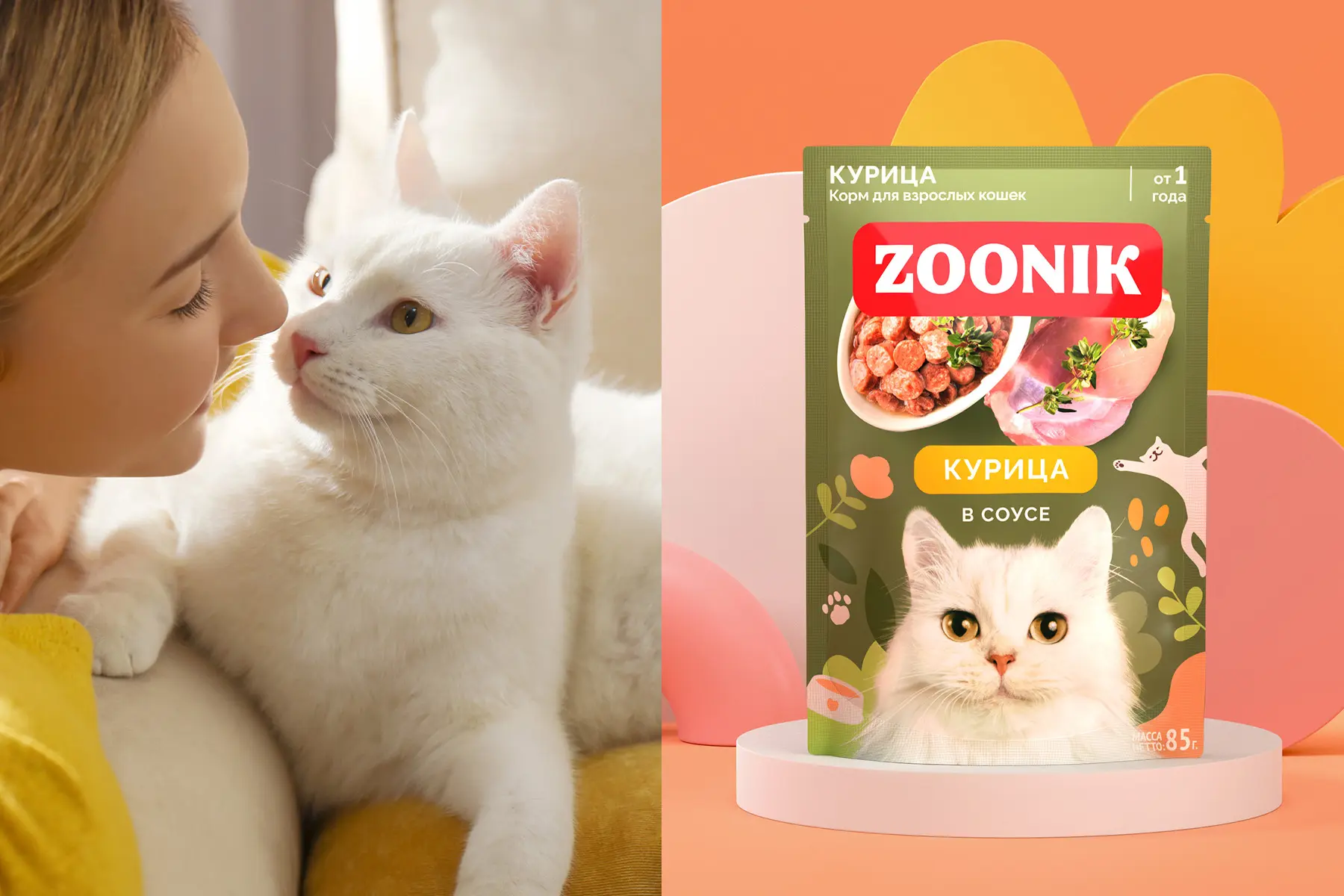
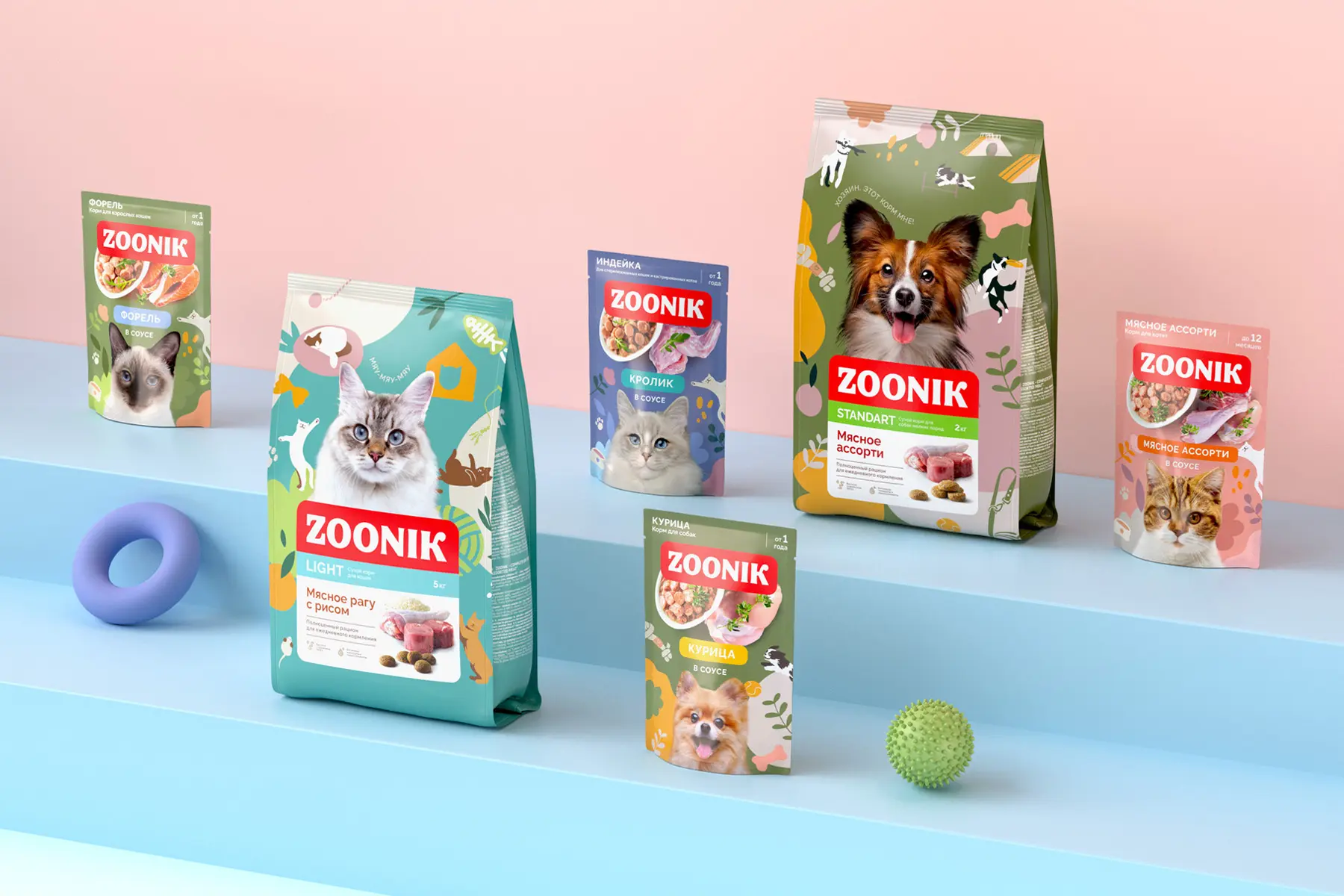
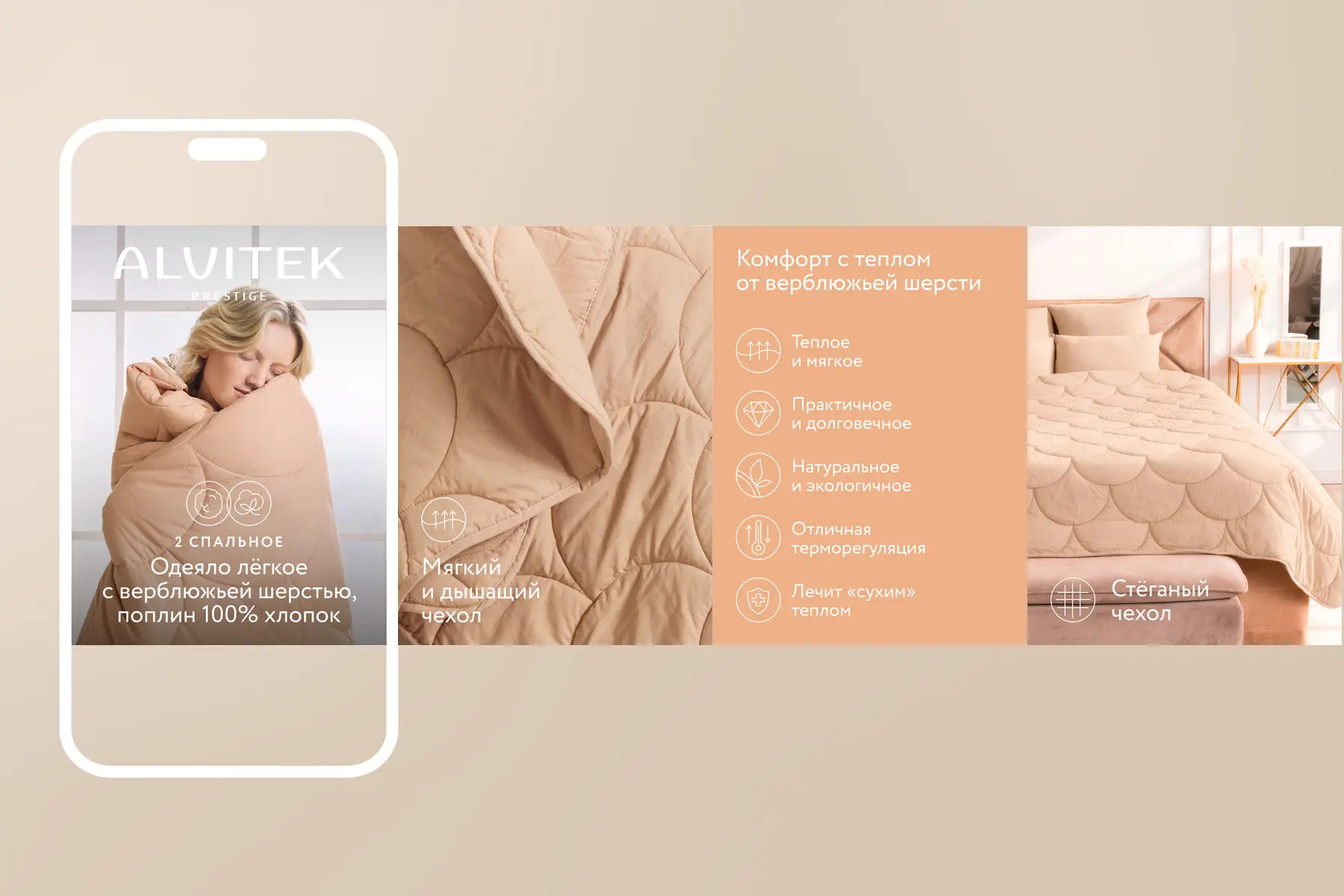
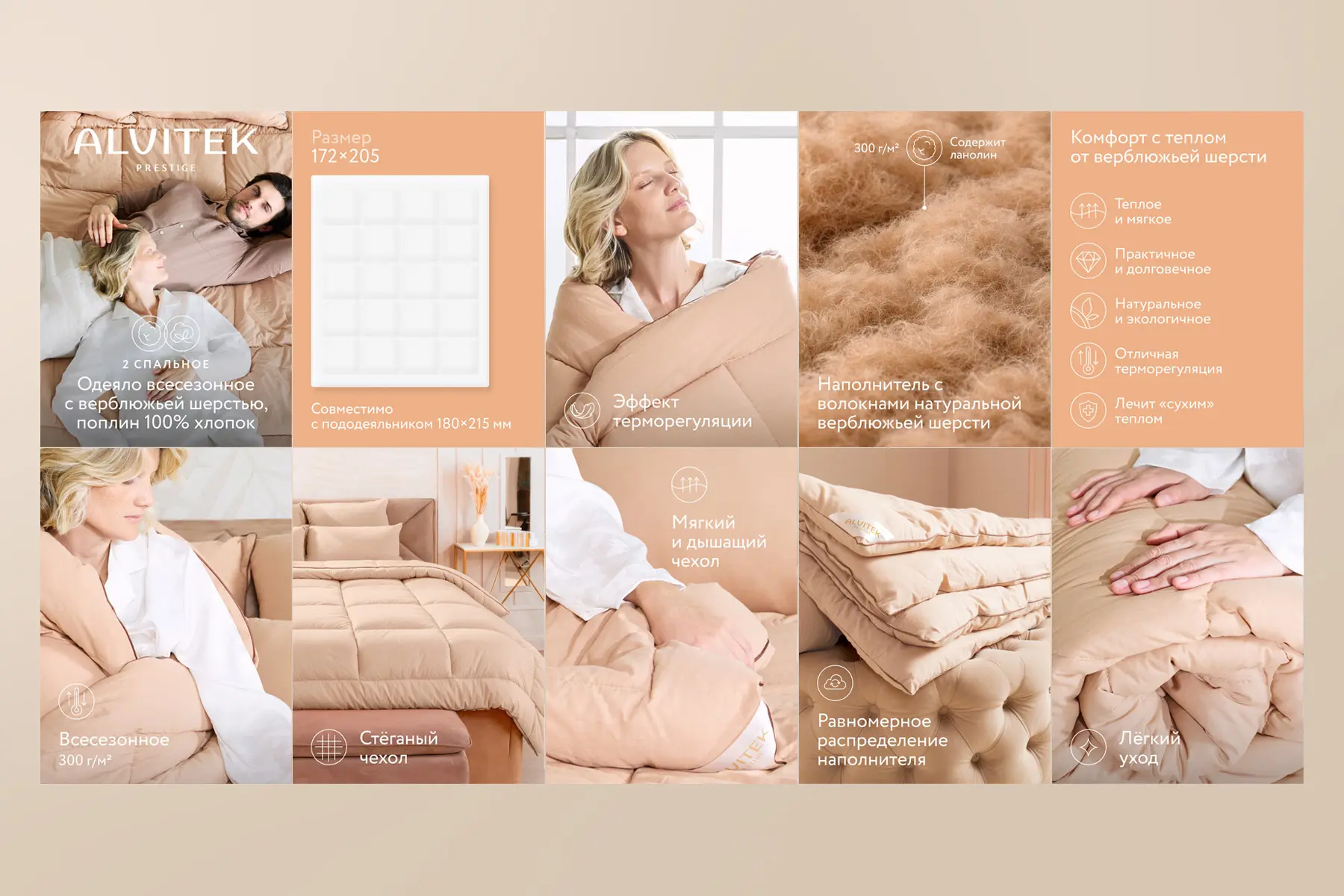
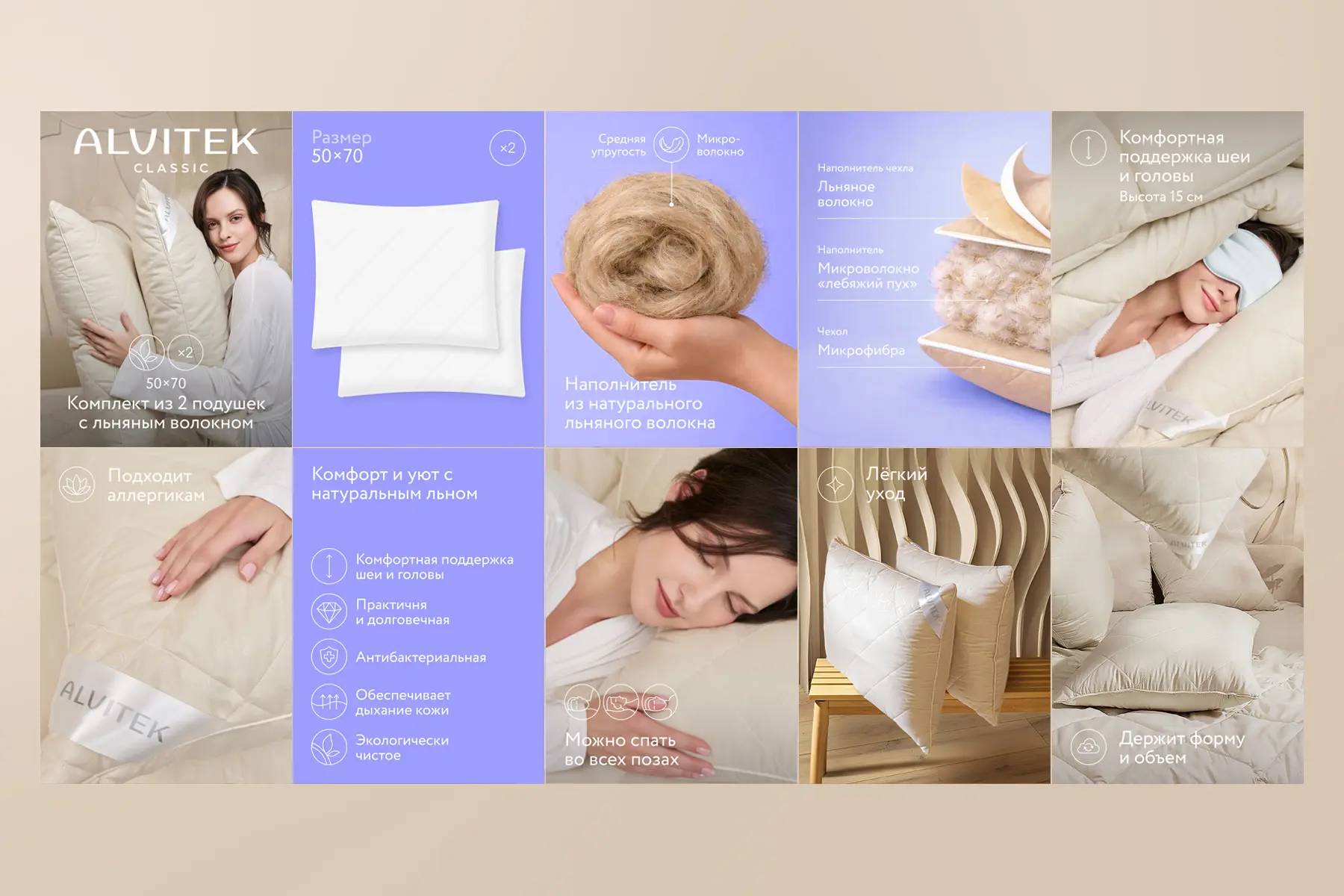
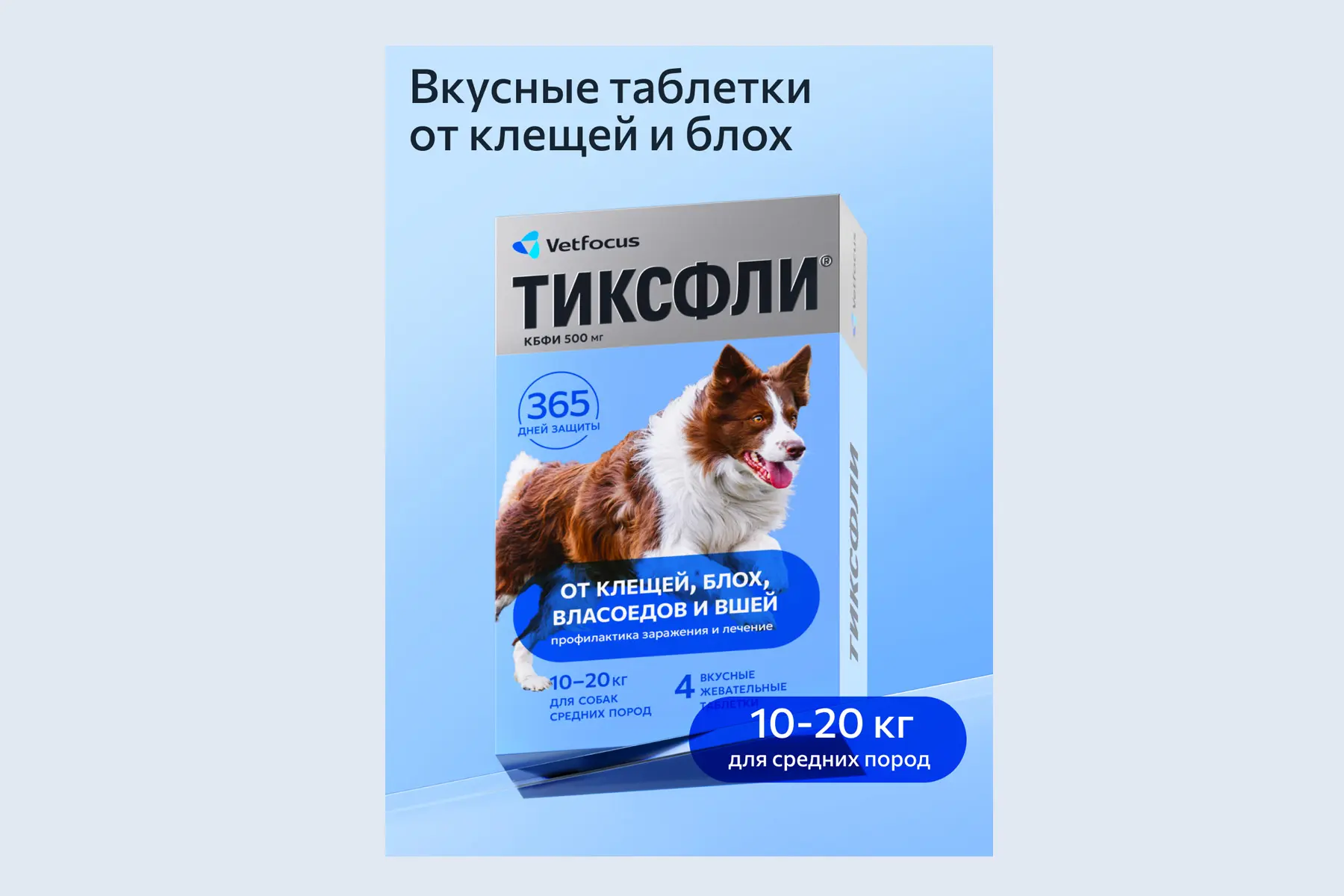
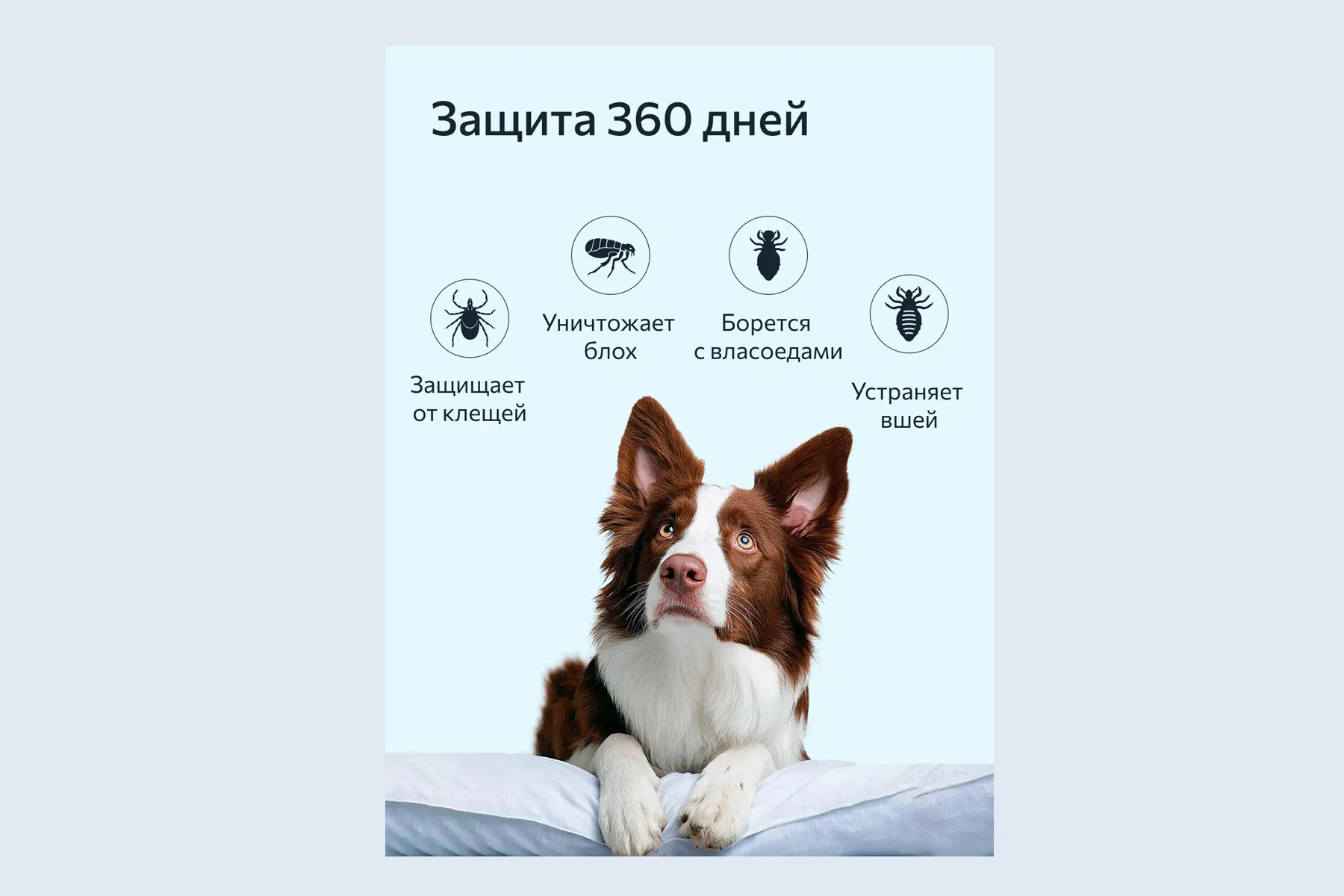
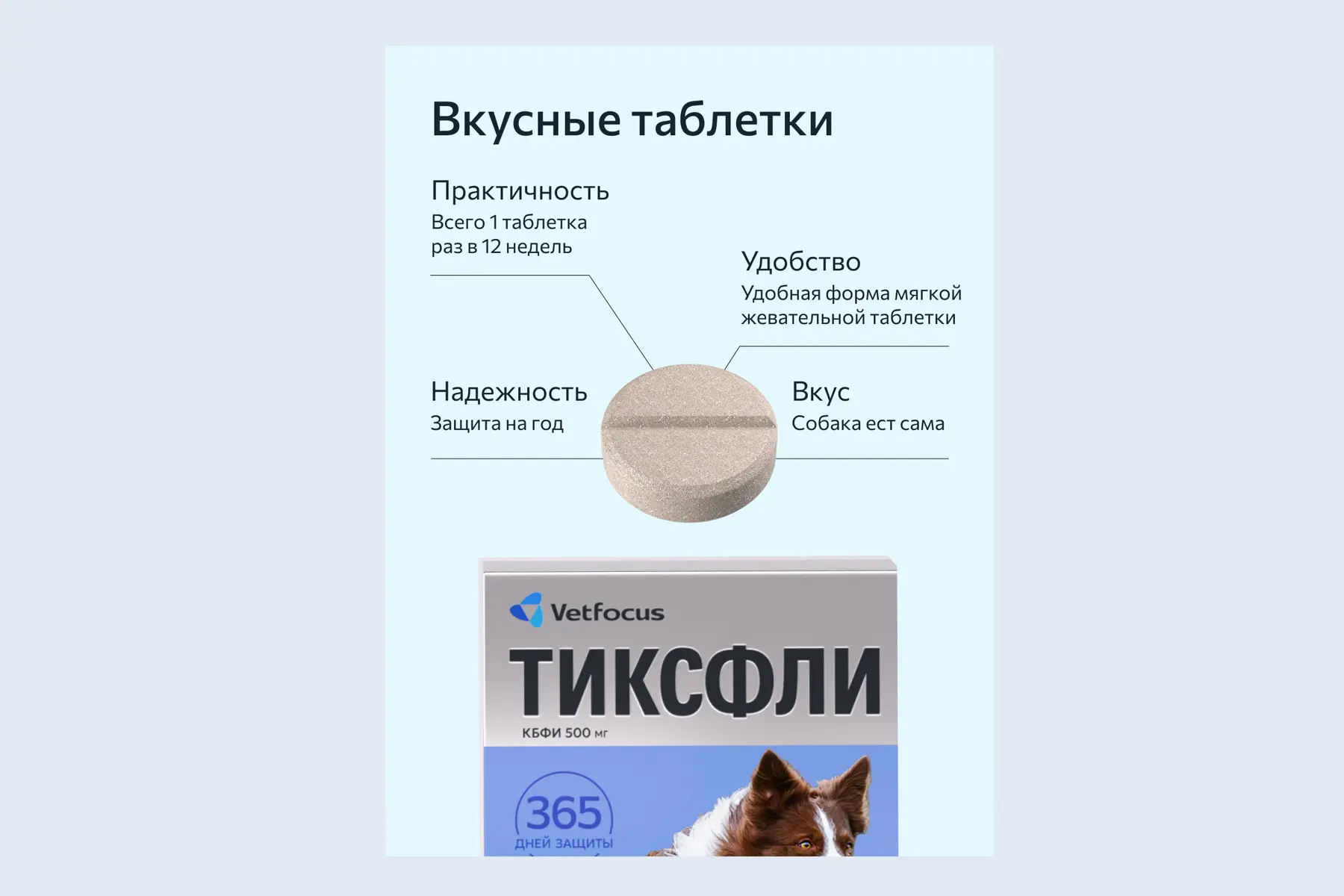
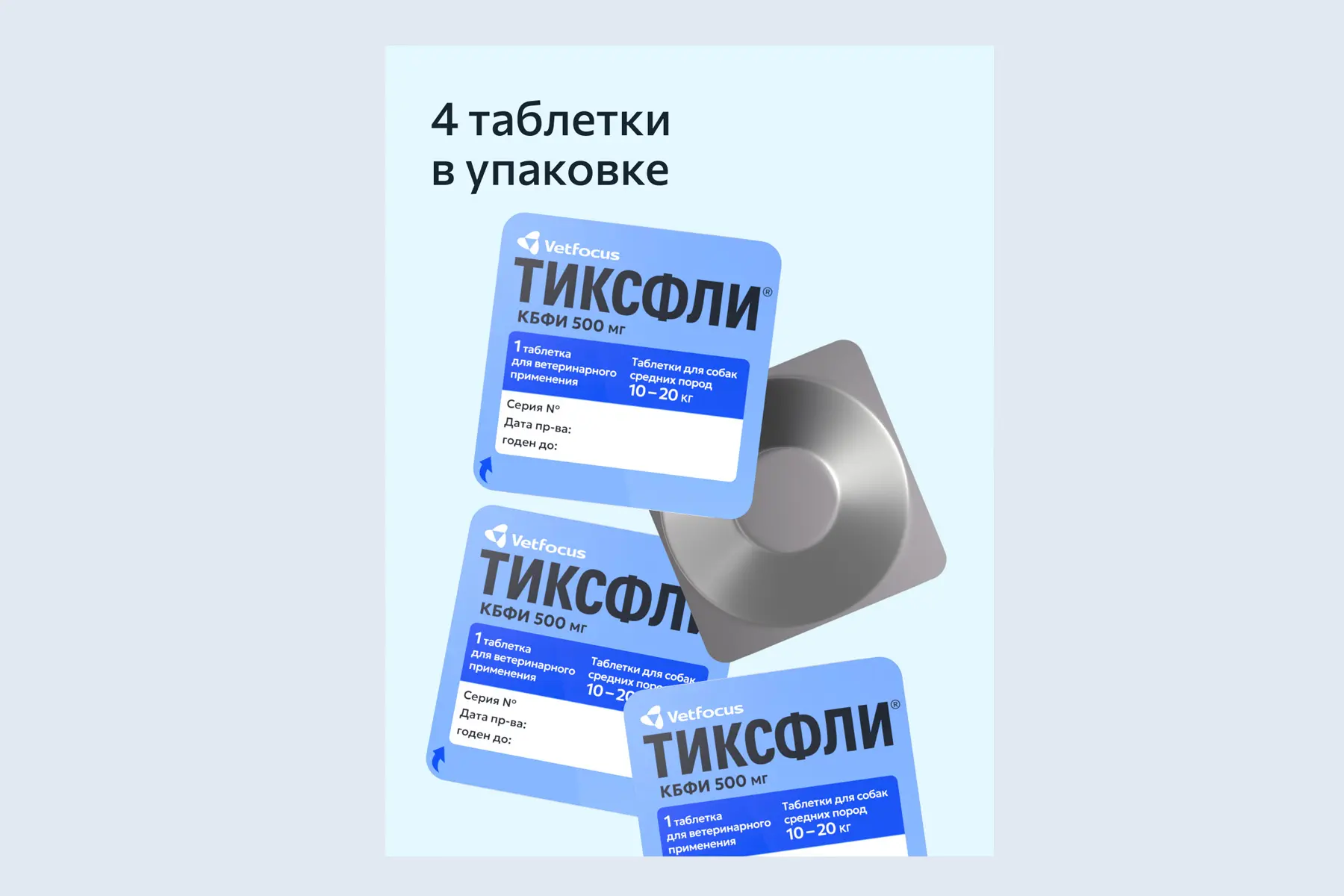
E-commerce Product Listing Design by BRANDEXPERT Freedom Island, a Leading Branding Agency
Online marketplaces are the digital storefronts of today’s retail landscape, where brands have only seconds to capture a shopper’s attention. Strong sales on Wildberries, Ozon, Yandex Market, and other platforms depend on rigorous analytics, clear positioning, E-commerce Product Listing Design that earns clicks, high-quality photography and video, easy-to-read infographics, and a unified visual system. Together, these elements help a product stand out in search results, build trust, and turn views into orders.
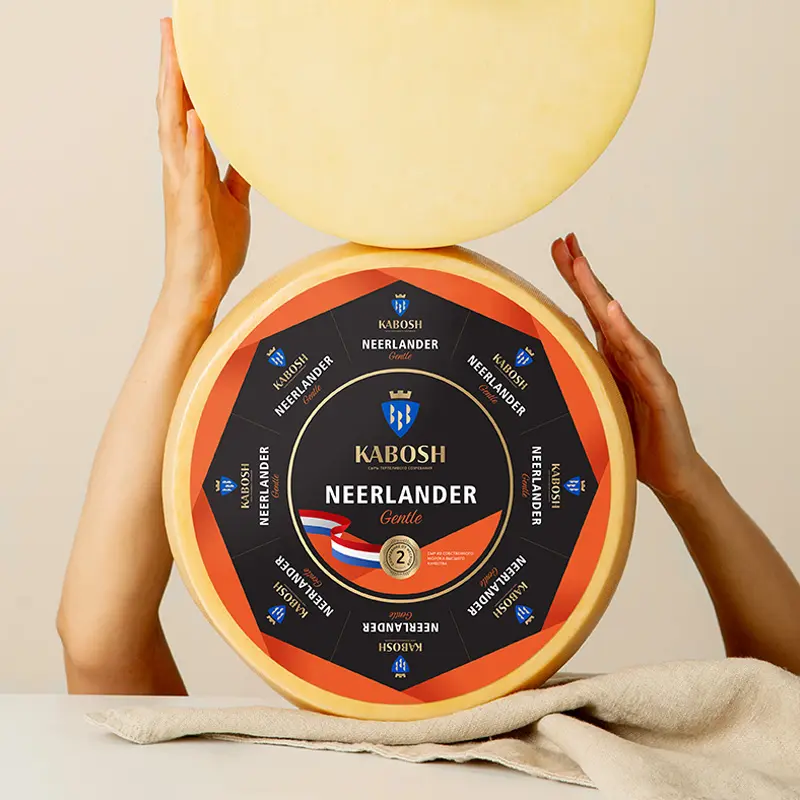
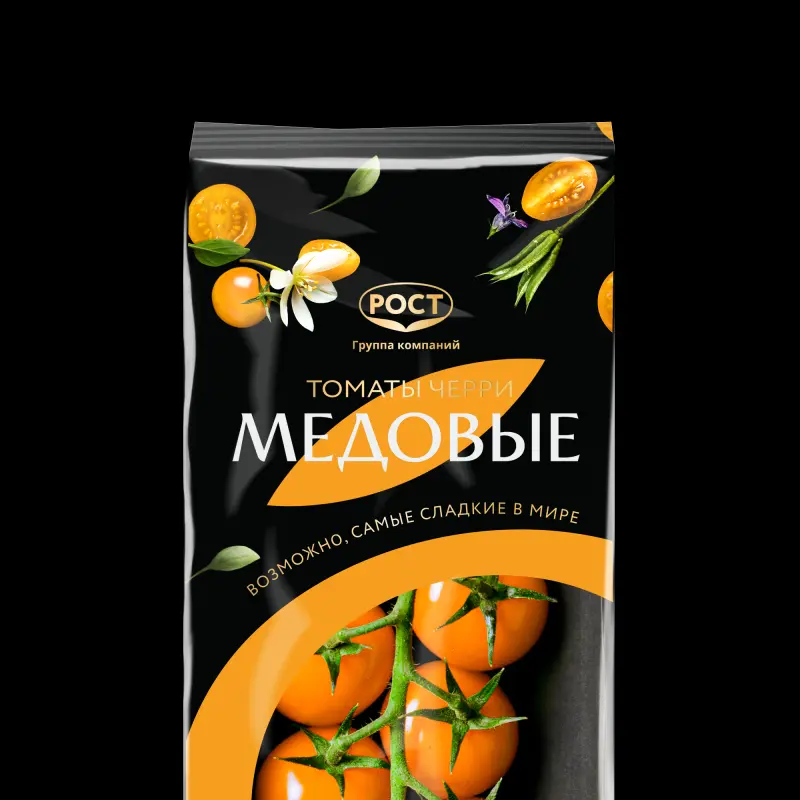
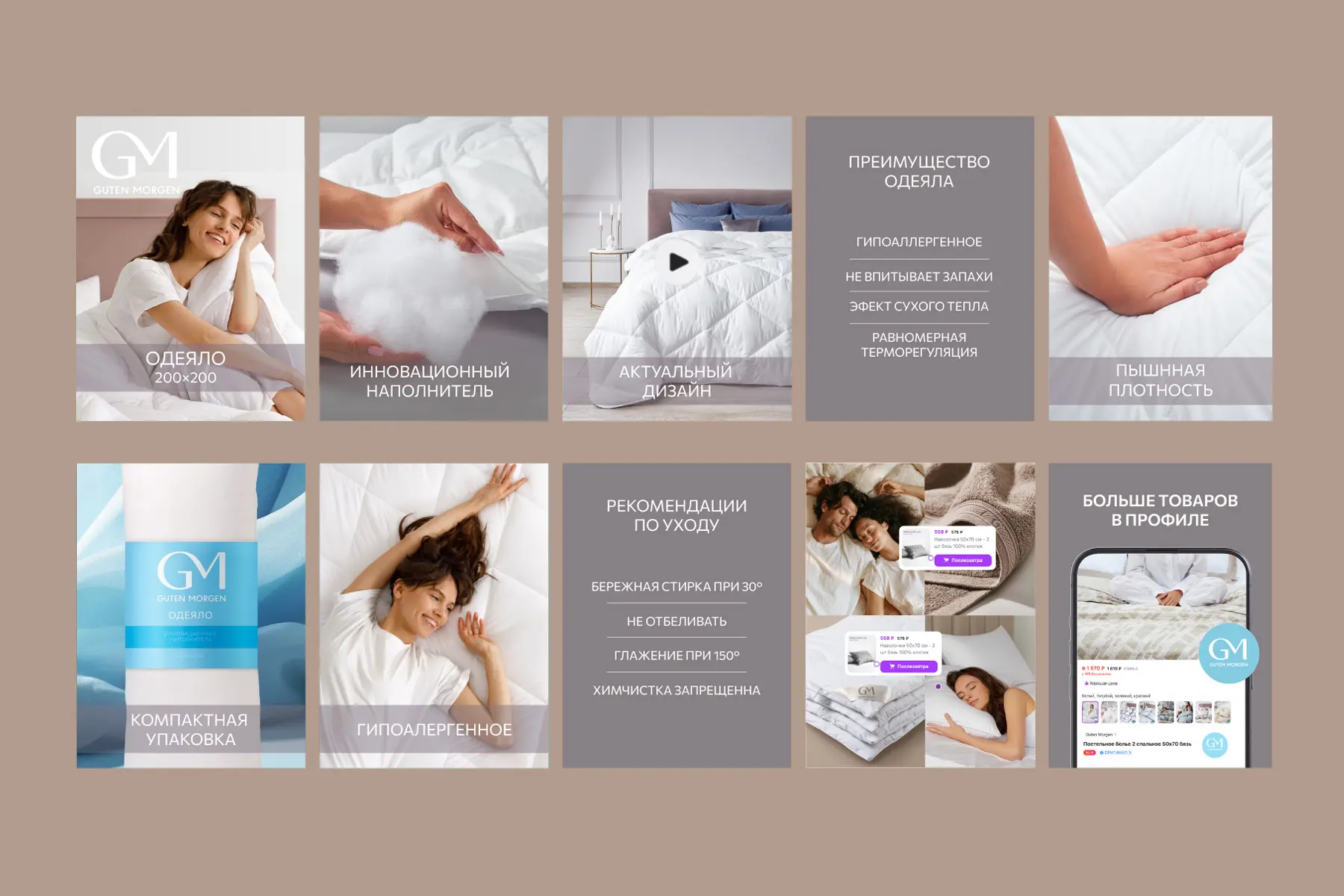
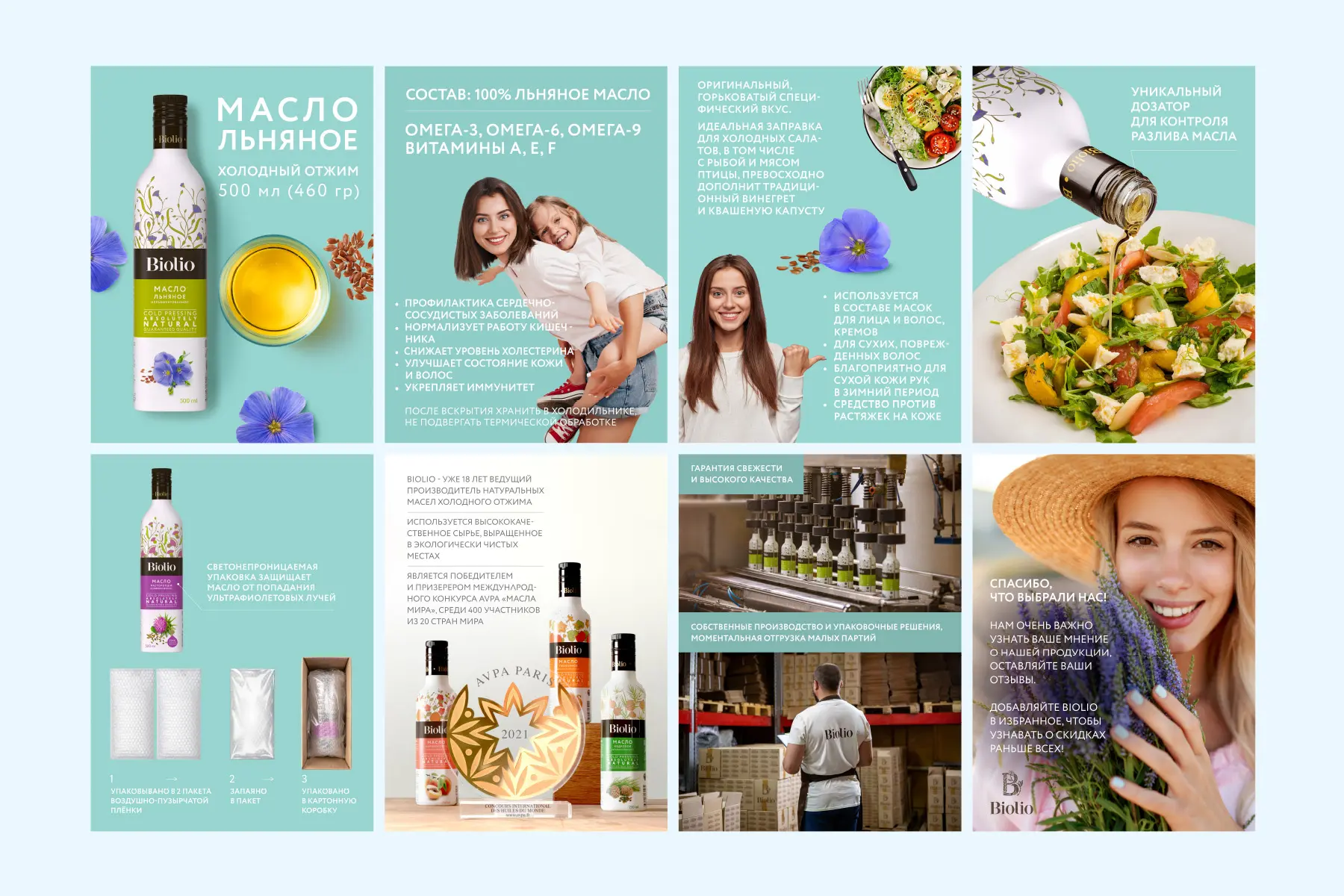
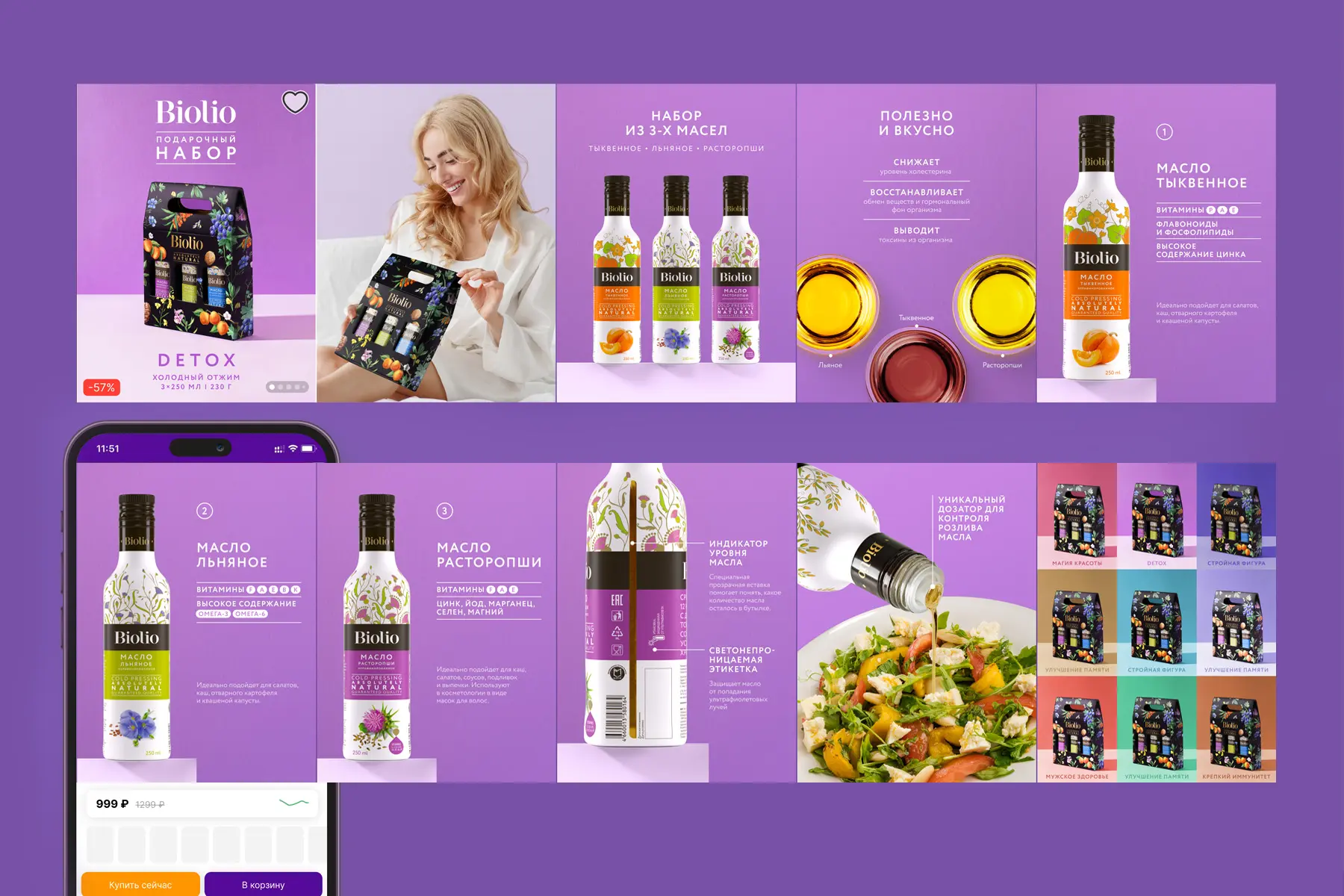
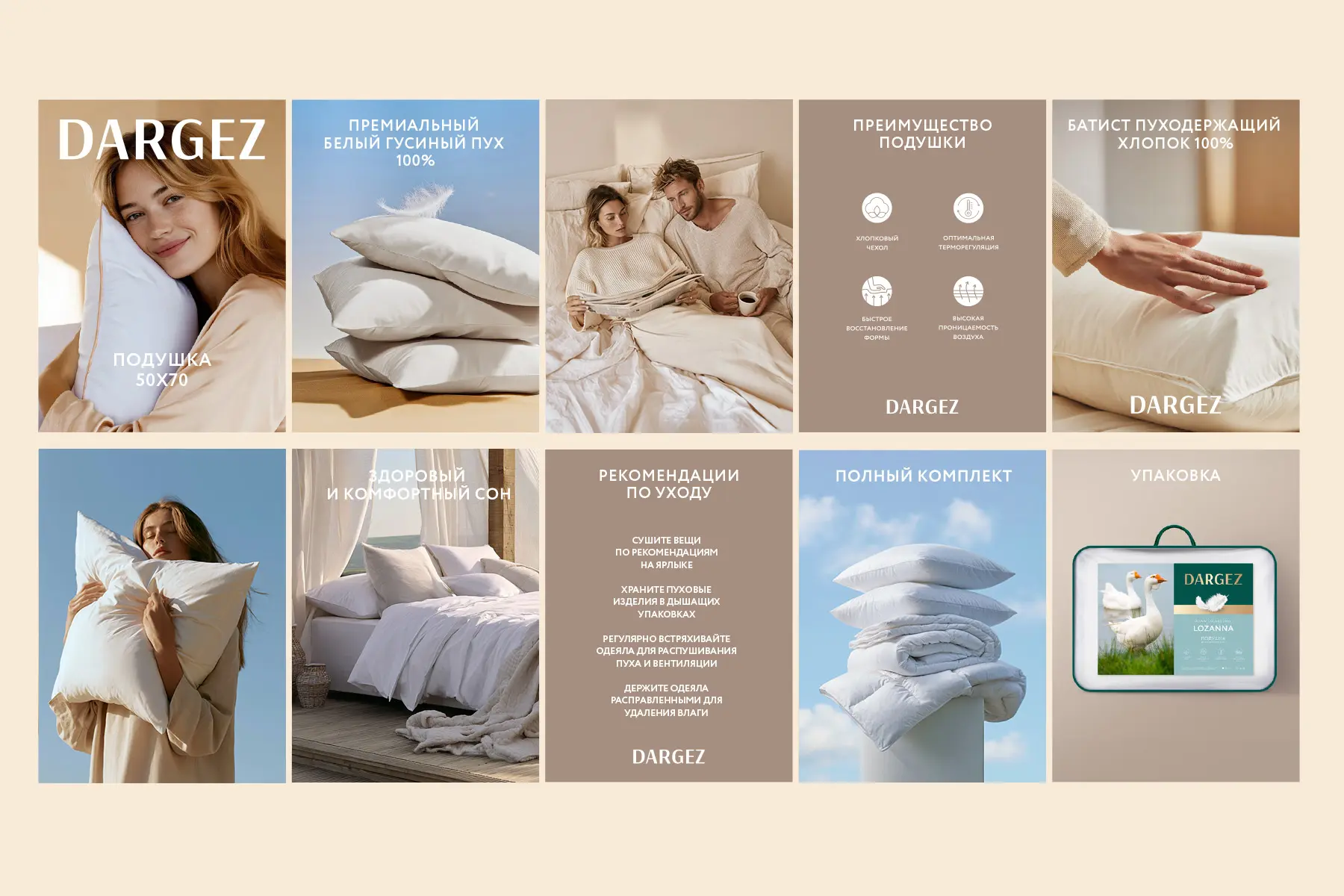
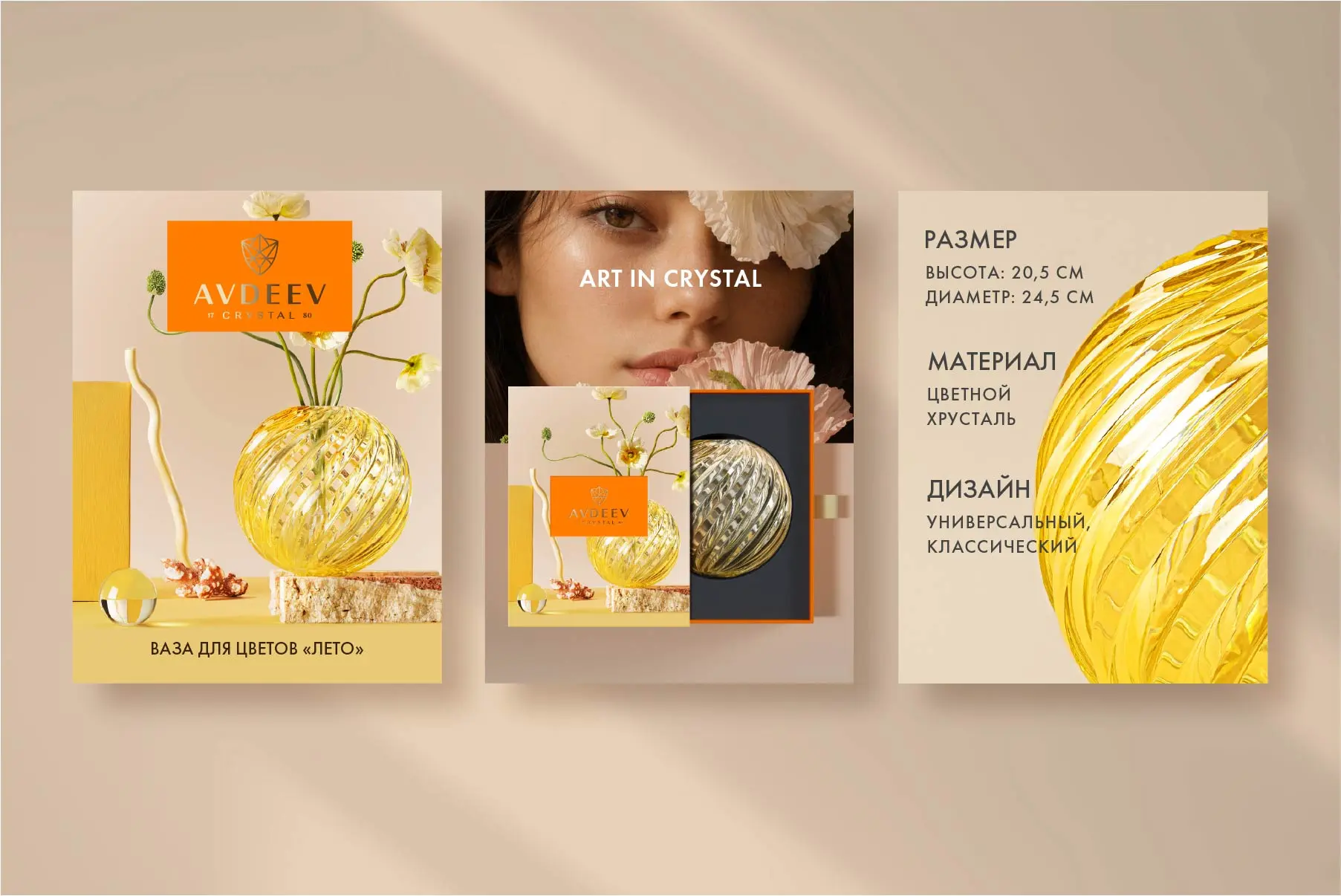
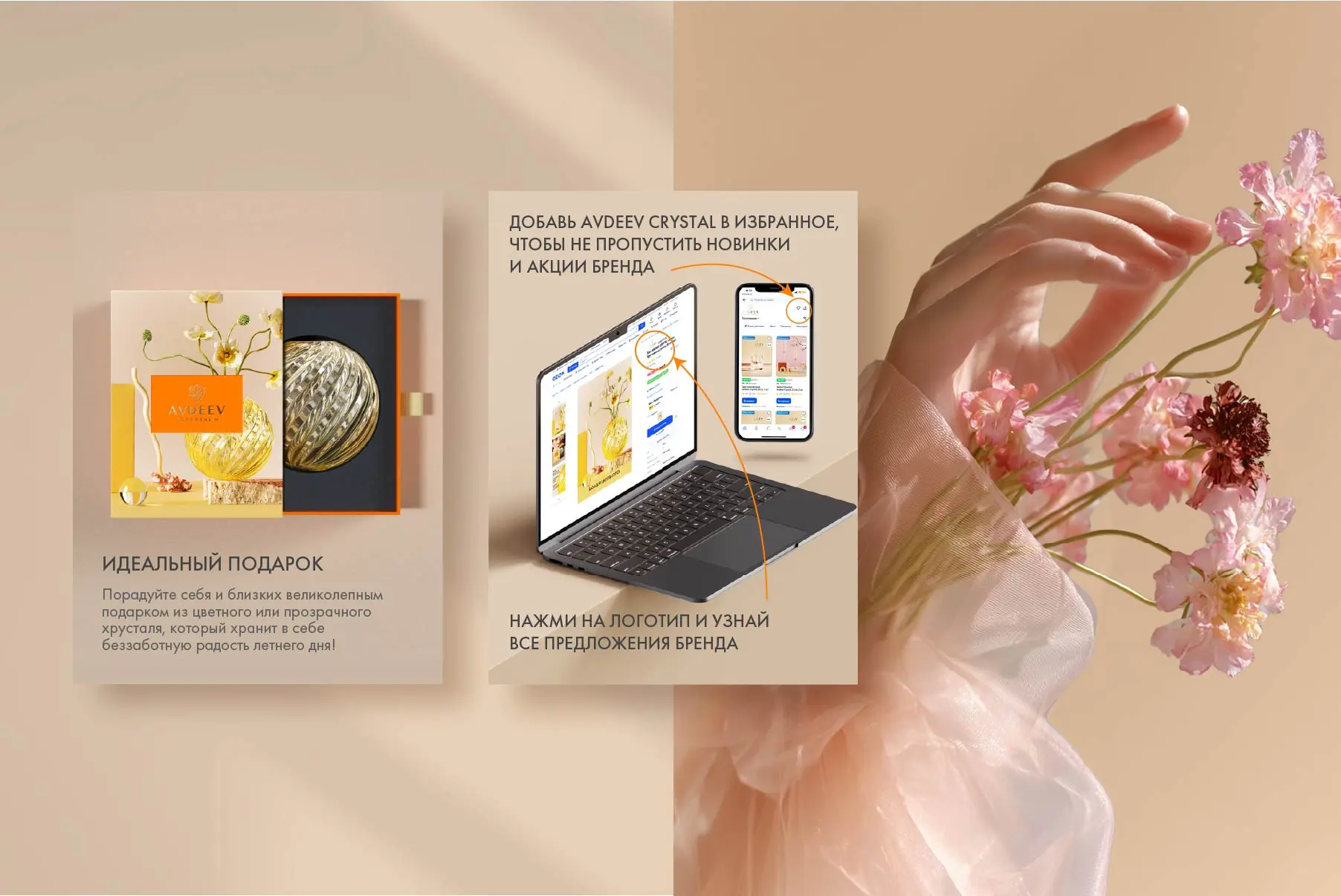
E-commerce Product Listing Design Portfolio


Cost of Marketplace Design Services
The cost of marketplace product listing design depends on the scope of the project, number of platforms, product categories, SKUs and required content formats.
Driving Sales on Online Marketplaces
BRANDEXPERT Freedom Island builds brands and delivers E-commerce Product Listing Design, infographics, photography, and video content for products sold on Wildberries, Ozon, Yandex Market, Megamarket, Magnit Market, Lamoda, AliExpress, Avito, and other online retail platforms. Our agency combines strategic marketing, demand analytics, branding, graphic and digital design, photography and video production, and guideline development. This breadth of expertise helps us build marketplace brands that shoppers prefer and strengthen product listings throughout the customer journey—from discovery in search results to an initial purchase, repeat orders, and higher average order values.
Marketplace sales are directly linked to the strength of the brand and the quality of its communication design. Within seconds, shoppers assess the product’s primary image, price, rating, reviews, clarity of benefits, and quality of photography, video, and infographics. They also judge how much they trust the seller. A product listing must therefore capture attention quickly, explain the product’s value, and help shoppers make their decision with confidence.
Our work is built around a comprehensive marketing approach: category analysis, demand elasticity assessment, and research into pricing, seasonality, trends, competitive density, category leaders’ content, reviews, ratings, advertising tools, and the particular requirements of each platform. For Wildberries, Ozon, Yandex Market, and other marketplaces, we create a tailored communication system that reflects search and ranking logic, listing formats, shopper behavior, and visual-content requirements.
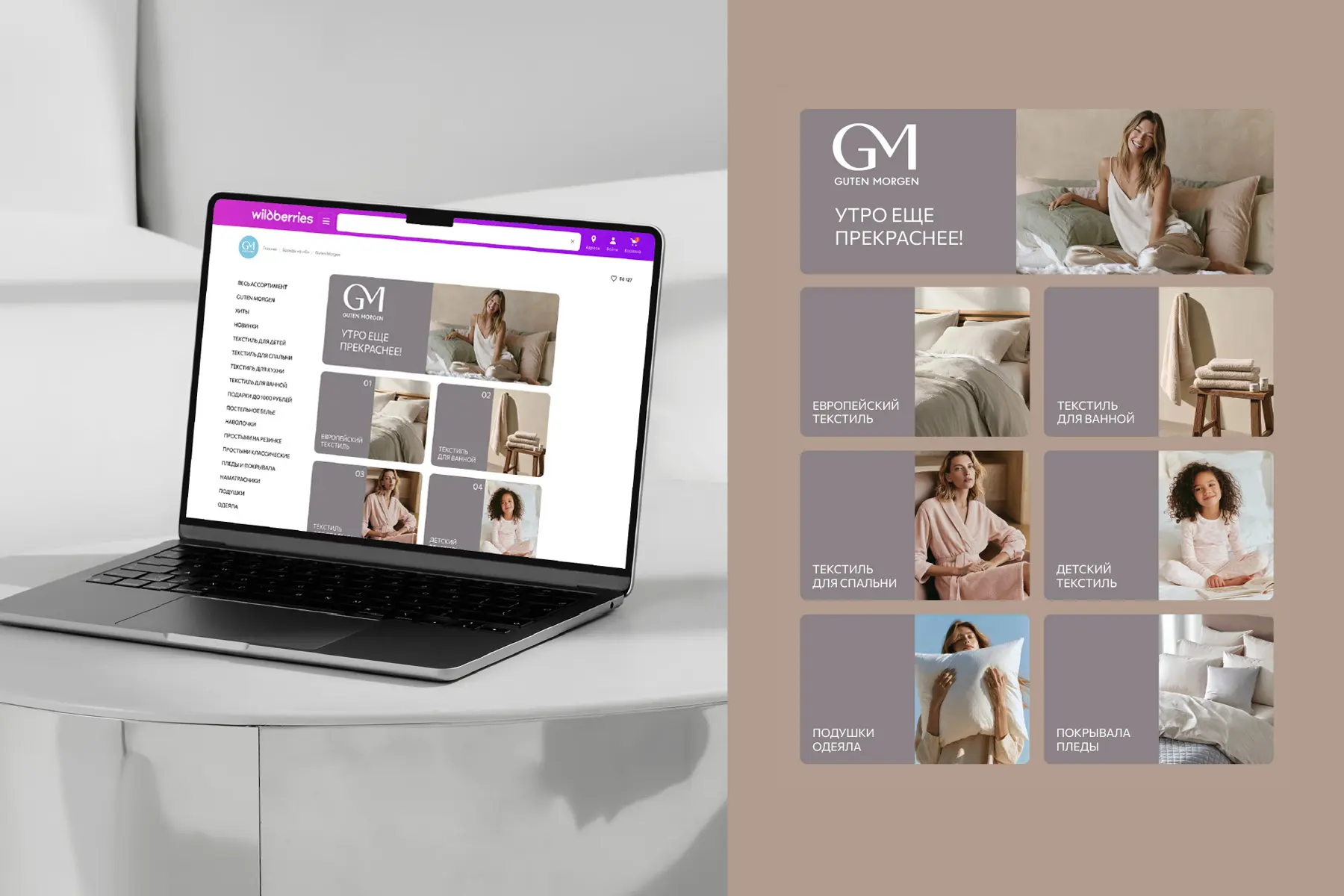
The result is an integrated system designed to drive brand sales on the digital shelf: visual positioning, product listings, primary-image rules, a photography style, video formats, infographics, banners, promotional assets, a branded storefront, and guidelines for extending the system across the product range.
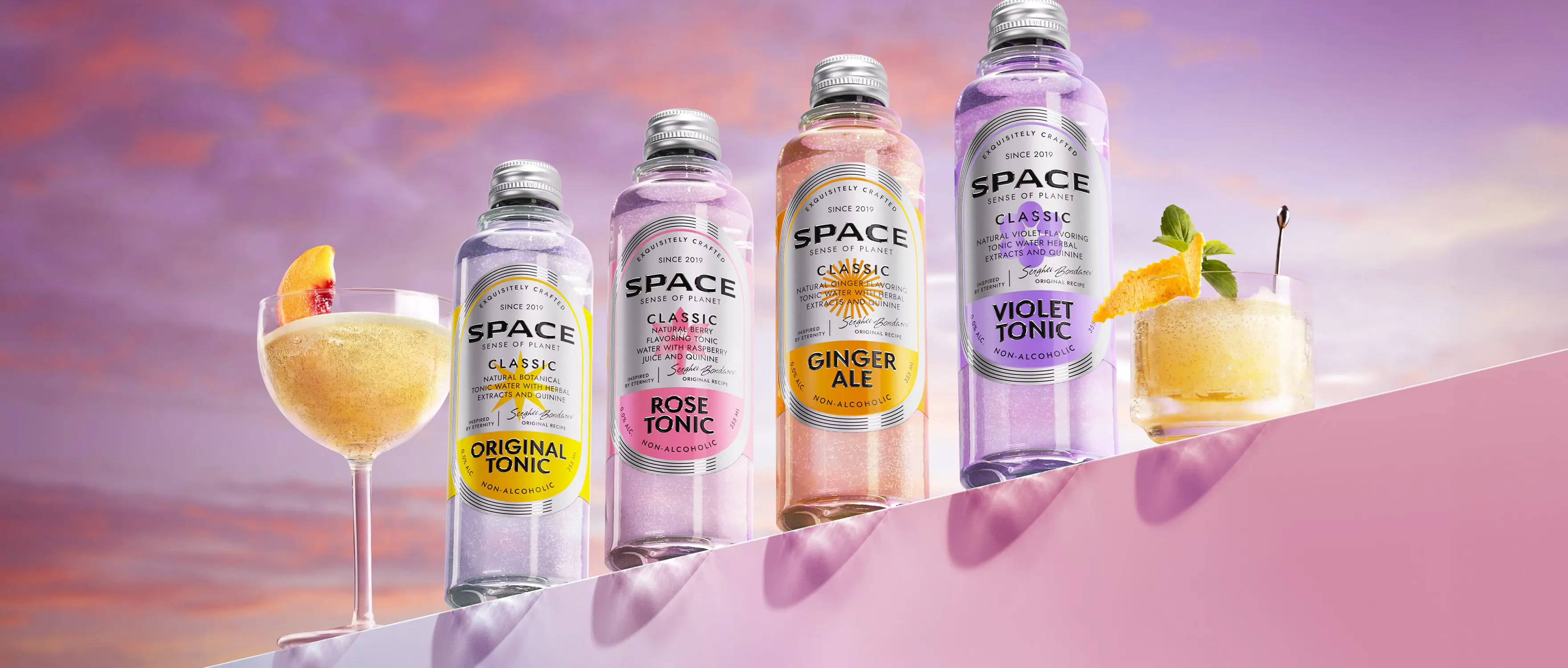
E-commerce Product Listing Design Process
Analytics and Brand Marketing for Online Marketplaces
Marketplace analytics reveal where a brand has room to grow, which products could secure strong positions, which price points align with demand, and which visual decisions influence shopper choice. BRANDEXPERT Freedom Island analyzes marketplaces across multiple dimensions: search demand and query frequency, category sales volume, competitive density, price elasticity, seasonality, reviews, ratings, gaps in the assortment, advertising activity, listing quality, and recurring visual and verbal patterns.
The content used by category leaders warrants particular attention. The agency studies their primary images, listing structures, infographic formats, photography quality, use of video, presentation of benefits, cross-selling, service information modules, and branding. This establishes the category benchmark and informs a strategy that helps the brand stand out in search results.
Marketing analytics can also help assess a product’s prospects before launch. If the category is saturated with similar offers, the strategy must account for price tier, product distinctiveness, brand strength, advertising budget, and the potential for visual differentiation. If there are gaps in the market, the brand can occupy them through sharper positioning, stronger design, and better content.
The analysis is then translated into a marketplace communication map for the brand: primary messages, reasons to choose the product, visual triggers, listing structure, advertising priorities, seasonal occasions, and a clear logic for scaling the product range.

Branding for Online Marketplaces
Marketplace branding helps a product become recognizable in an environment where shoppers see dozens of similar offers. A strong brand builds trust, supports higher perceived value, improves recall, and encourages repeat purchases. Many sellers enter marketplaces with an underdeveloped brand system: the logo is barely visible, product listings use inconsistent styles, packaging and visual presentation feel disconnected, and advertising materials work in isolation. The brand then blends into the category, leaving shoppers to remember only the product type, price, and rating.
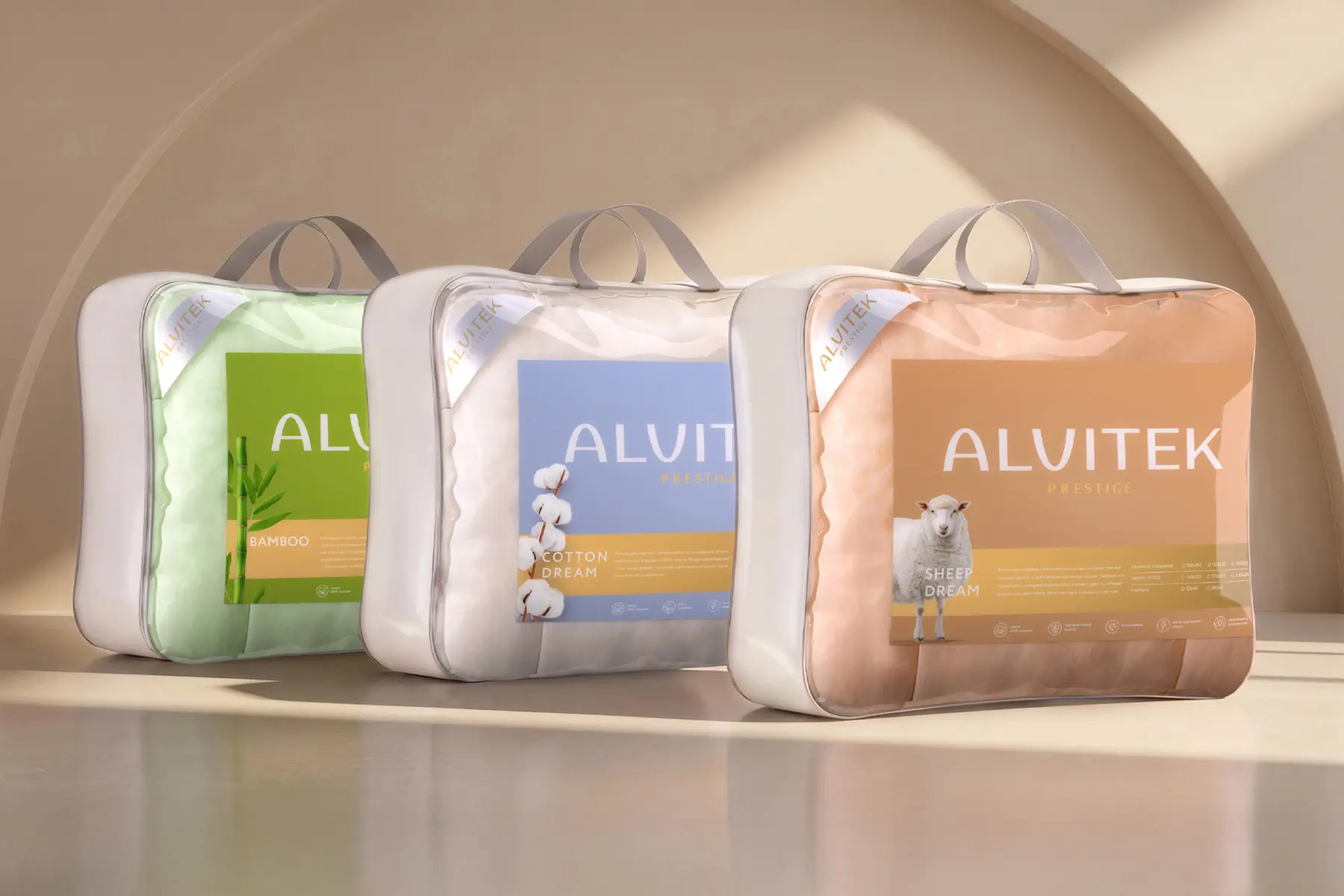
BRANDEXPERT Freedom Island develops brands adapted to Wildberries, Ozon, Yandex Market, and other retail platforms. The work may include naming, logo and visual identity, packaging and label design, photography style, graphic system, branded storefront, product listings, banners, seasonal promotional assets, and communication guidelines.
Branding becomes particularly important as sellers reach higher sales volumes and begin taking part in joint marketplace advertising: banners, sponsored shelves, special projects, seasonal sales, outdoor advertising, collaborations, and promotional campaigns. A weak visual system is quickly exposed in these formats, while a strong identity allows the brand to appear professional, credible, and confident.
When a brand is created specifically for marketplaces, the agency designs the system around the digital shelf from the outset: how the primary image will work, how the brand will appear in search results, how the storefront and banners will look, and which elements can be extended across dozens or hundreds of SKUs.
Brand Positioning on Online Marketplaces
Marketplace positioning defines where a product sits within its category and gives shoppers a clear reason to choose it. On the digital shelf, positioning must be immediately clear: shoppers interpret the brand through its imagery, price, name, color, photography, infographics, video, rating, and headline benefits. The agency analyzes competitors’ positions: which brands compete on price, technology, natural ingredients, premium credentials, emotional imagery, or functional performance. This allows us to establish a distinctive communication territory for the brand.
Positioning determines what belongs on the primary image, which benefits to highlight throughout the listing, which photography style to use, how much detail the infographics require, which service-related messages deserve emphasis, and how to structure cross-selling within the product line.
For emotionally driven purchases, imagery, style, atmosphere, lifestyle photography, and immediate visual appeal tend to matter most. Functional and technology-driven products rely more heavily on specifications, diagrams, comparisons, package contents, evidence of quality, and detailed infographics. For every platform—including Wildberries, Ozon, Yandex Market, Megamarket, and Lamoda—the system is adapted to the listing format and the behavior of its audience.
Effective positioning connects the brand, product, listing, and promotion within one coherent system. Shoppers understand the value of the offer more quickly, while the brand gains a clearer foundation for advertising, content creation, and growth.
E-commerce Product Listing Design
Photography for Online Marketplaces
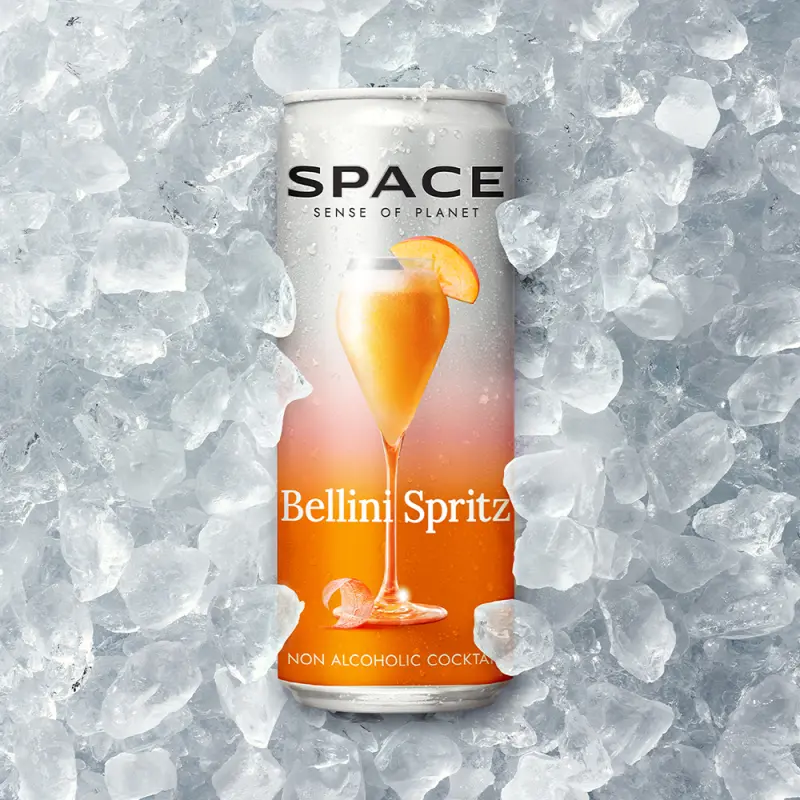
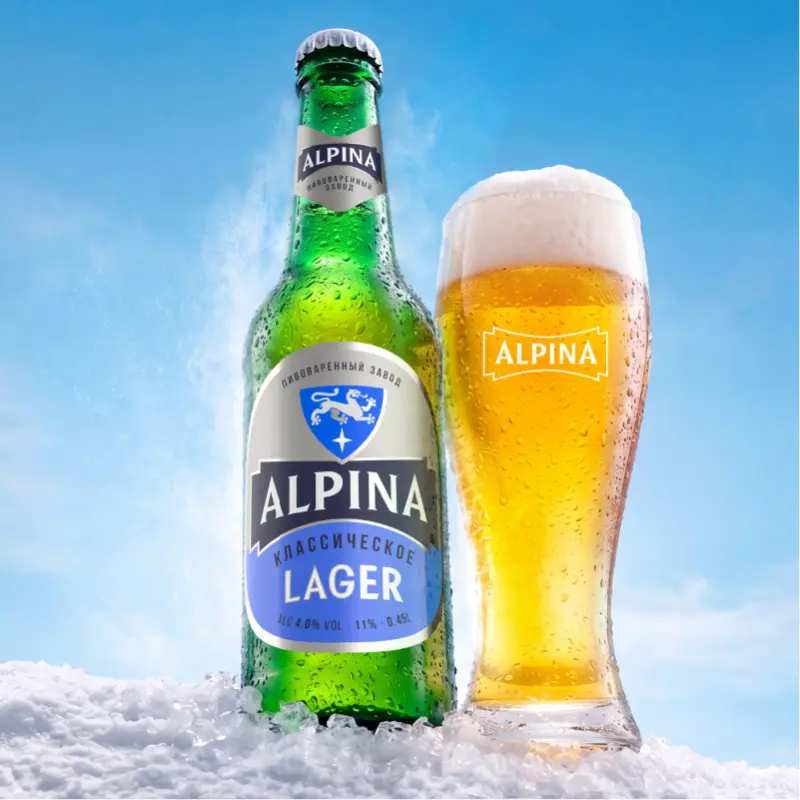
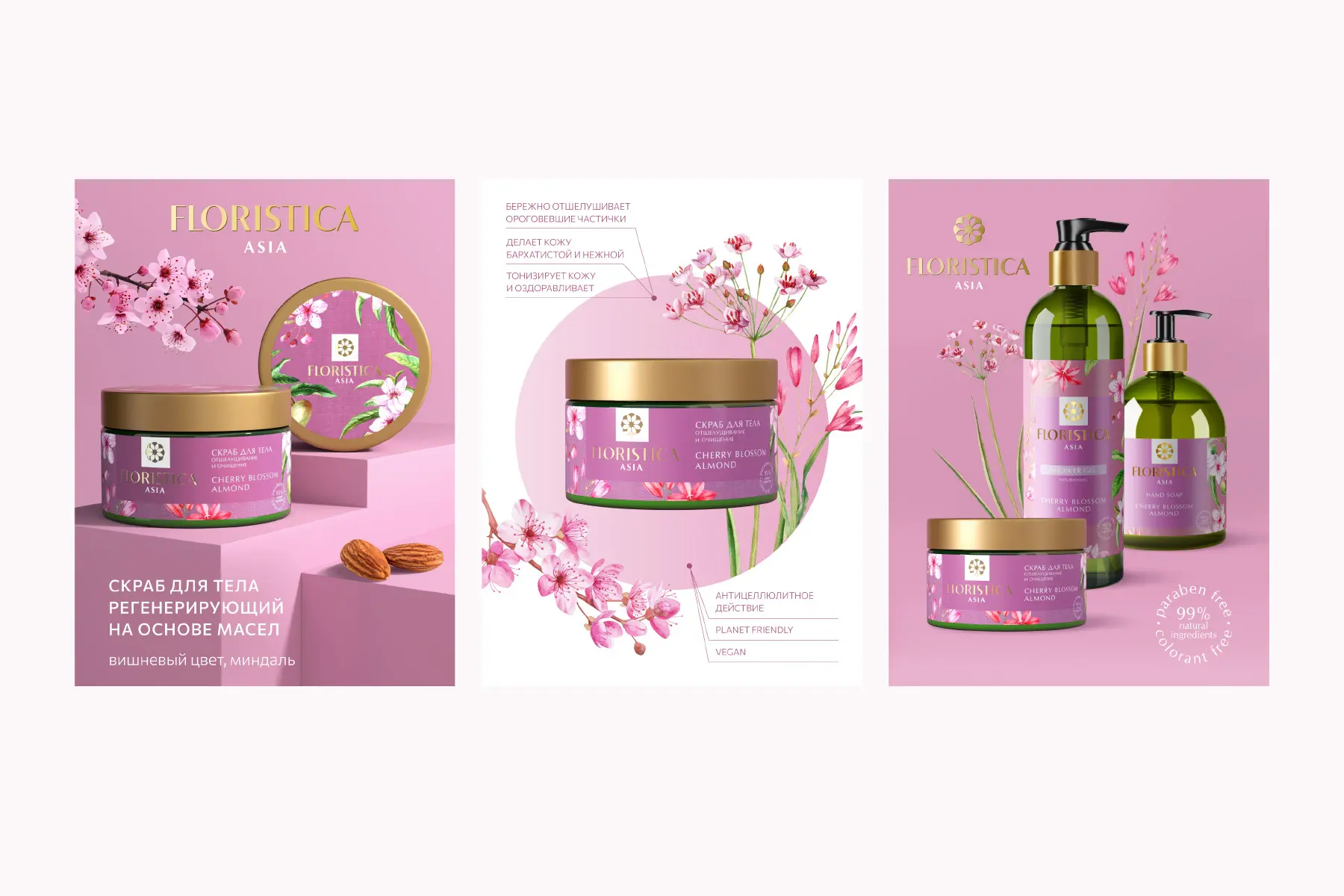
Marketplace photography shapes the first impression of a product and establishes visual trust. Because shoppers evaluate the product through a screen, the images must communicate its shape, scale, material, texture, packaging, included components, and overall quality. BRANDEXPERT Freedom Island develops the photography concept around the brand’s objectives and the requirements of the relevant platform. Depending on the category, the production may involve product, model, interior, lifestyle, brand, food, fashion, beauty, or technical photography, with food styling where required.
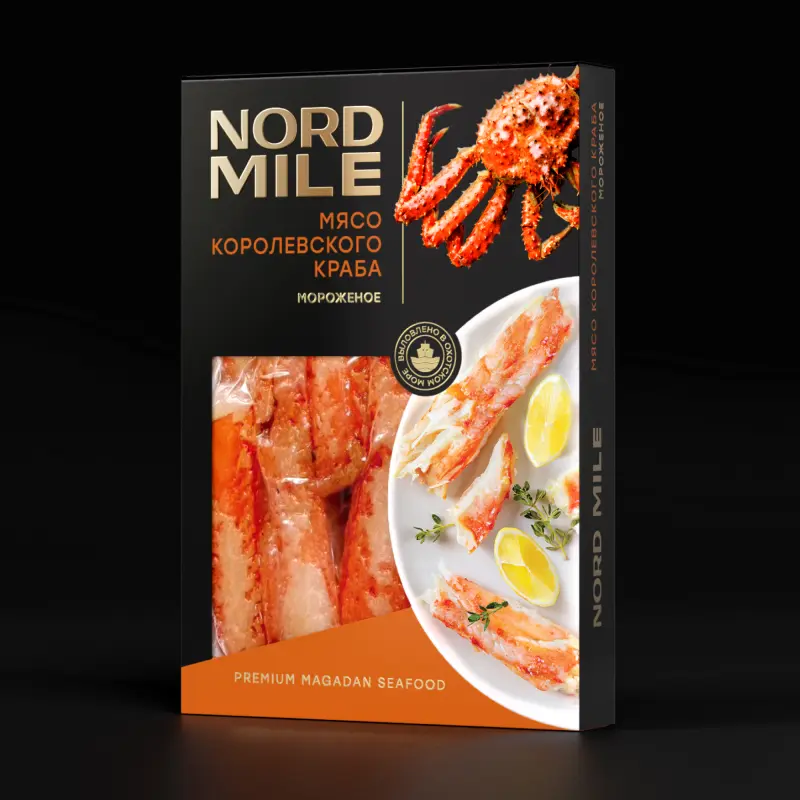
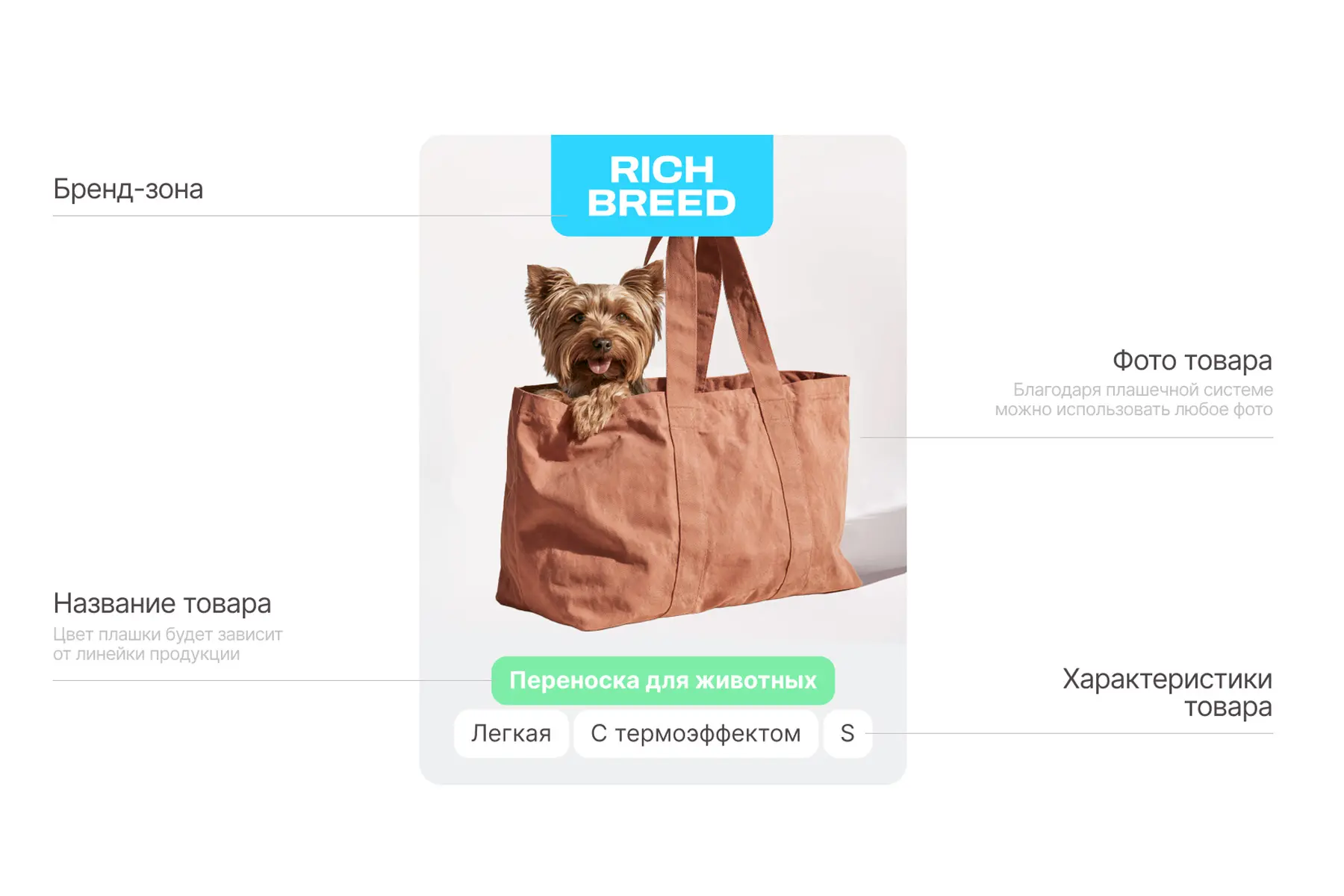
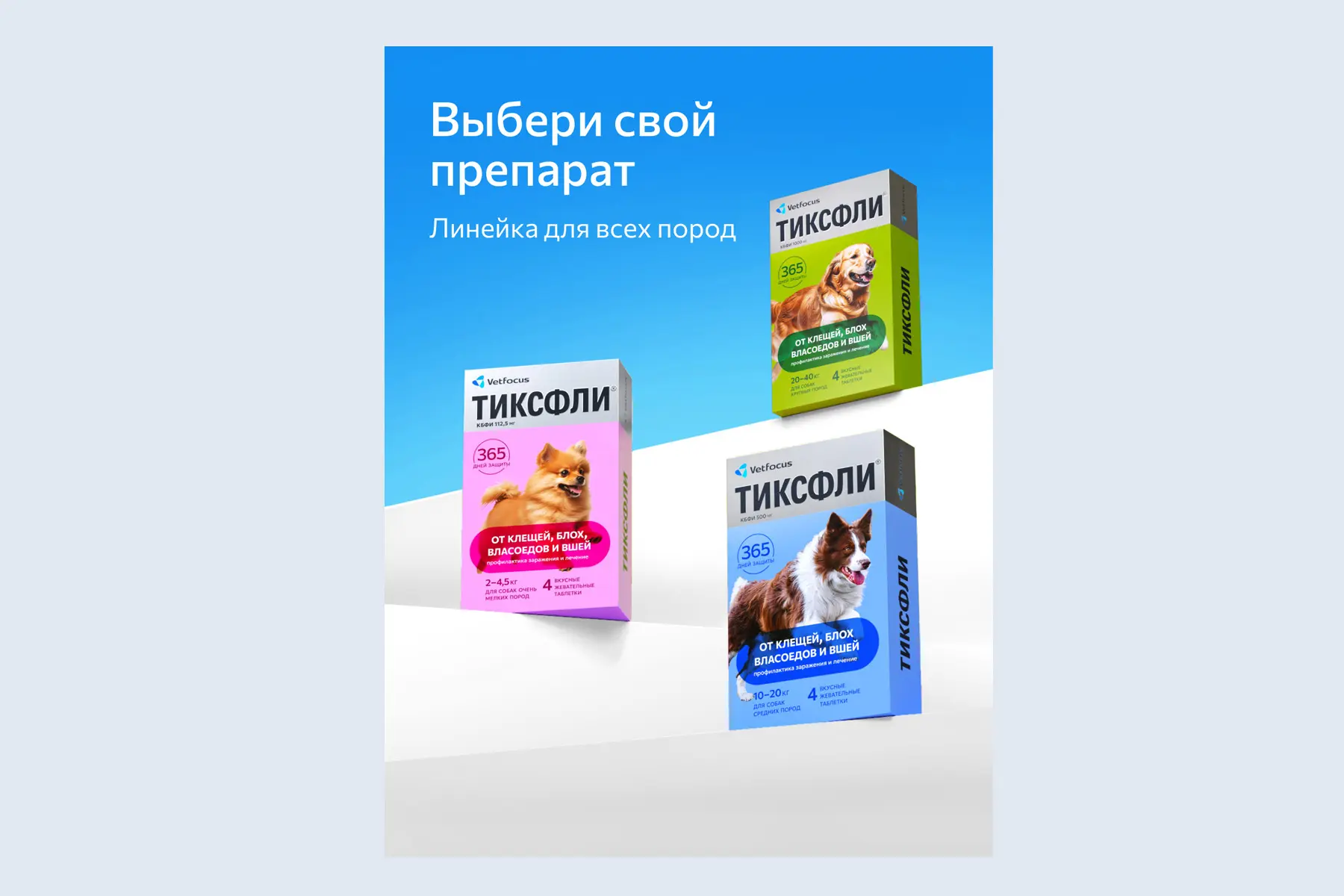
Product photography presents the item accurately. Model photography demonstrates fit, scale, and use. Interior and lifestyle photography create an emotional context. Macro photography reveals textures, details, and craftsmanship. Packaging images reinforce the brand and connect the listing to the physical product shoppers will receive after placing an order.
Consistency across a shoot is essential for marketplace brands. If the assortment includes dozens or hundreds of SKUs, the photography style must be scalable, with consistent lighting, backgrounds, angles, compositions, detail shots, and image sequences. This keeps the range visually coherent across Wildberries, Ozon, Yandex Market, and other platforms.
Video Production for Online Marketplaces
Marketplace video shows the product in motion and communicates qualities that are difficult to convey through static images. It can demonstrate the product’s size, texture, functions, included components, use, unboxing experience, and emotional appeal. The agency develops a range of formats: short product overviews, unboxing videos, instructions, feature demonstrations, brand films, animated videos highlighting product benefits, video covers, short vertical video series, and content for advertising placements.
An overview presents the product quickly from multiple angles. An unboxing clarifies what customers can expect from the packaging and package contents. An instructional video explains how to use the product. A demonstration shows the product in action and the results it delivers. A brand film strengthens the identity and adds emotional value.
Video is especially useful in categories where shoppers evaluate process, movement, texture, assembly, fit, size, ease of use, or the result of application. Every video follows the brand’s unified visual system and is adapted to the marketplace’s technical requirements.
Infographics for Online Marketplaces
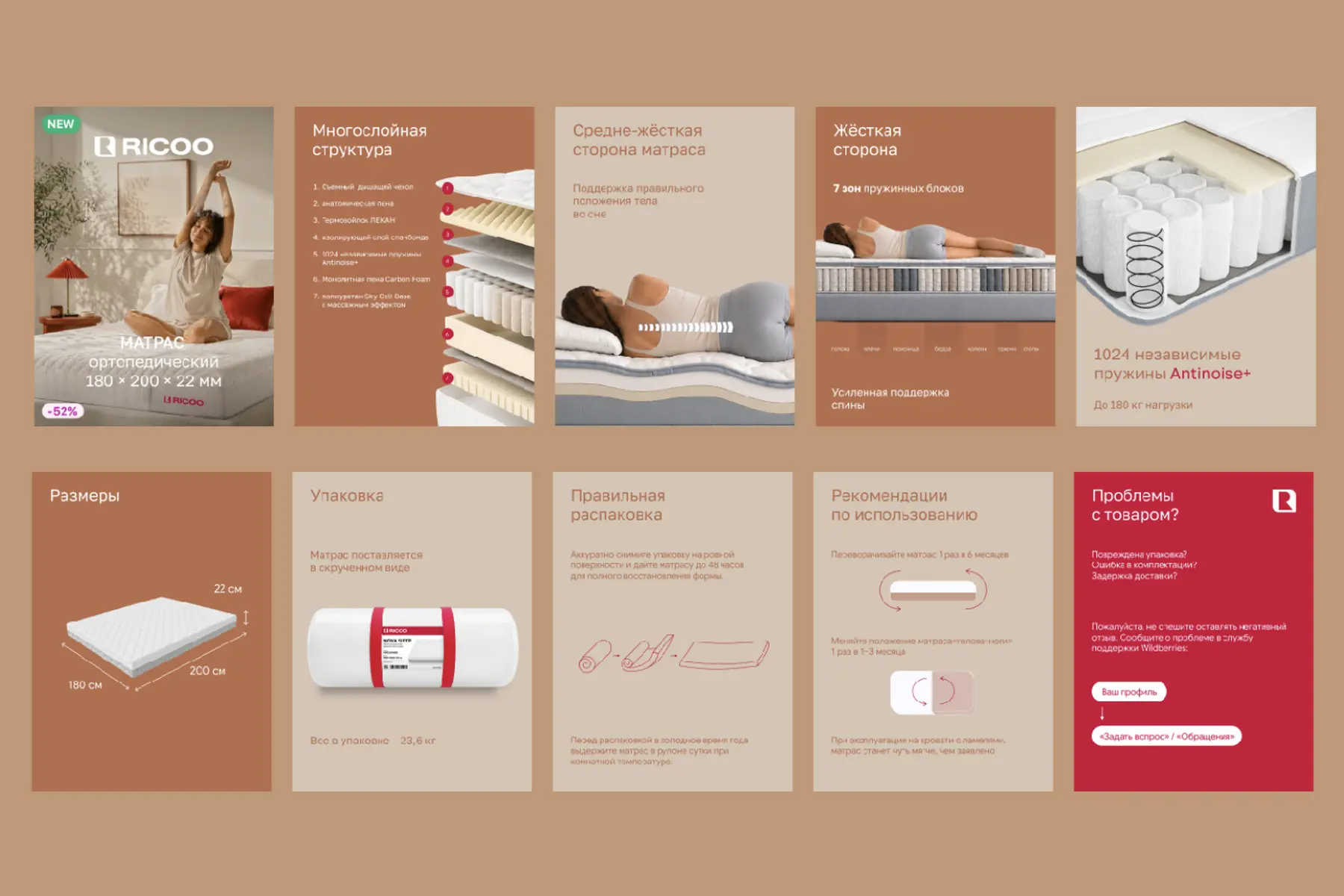
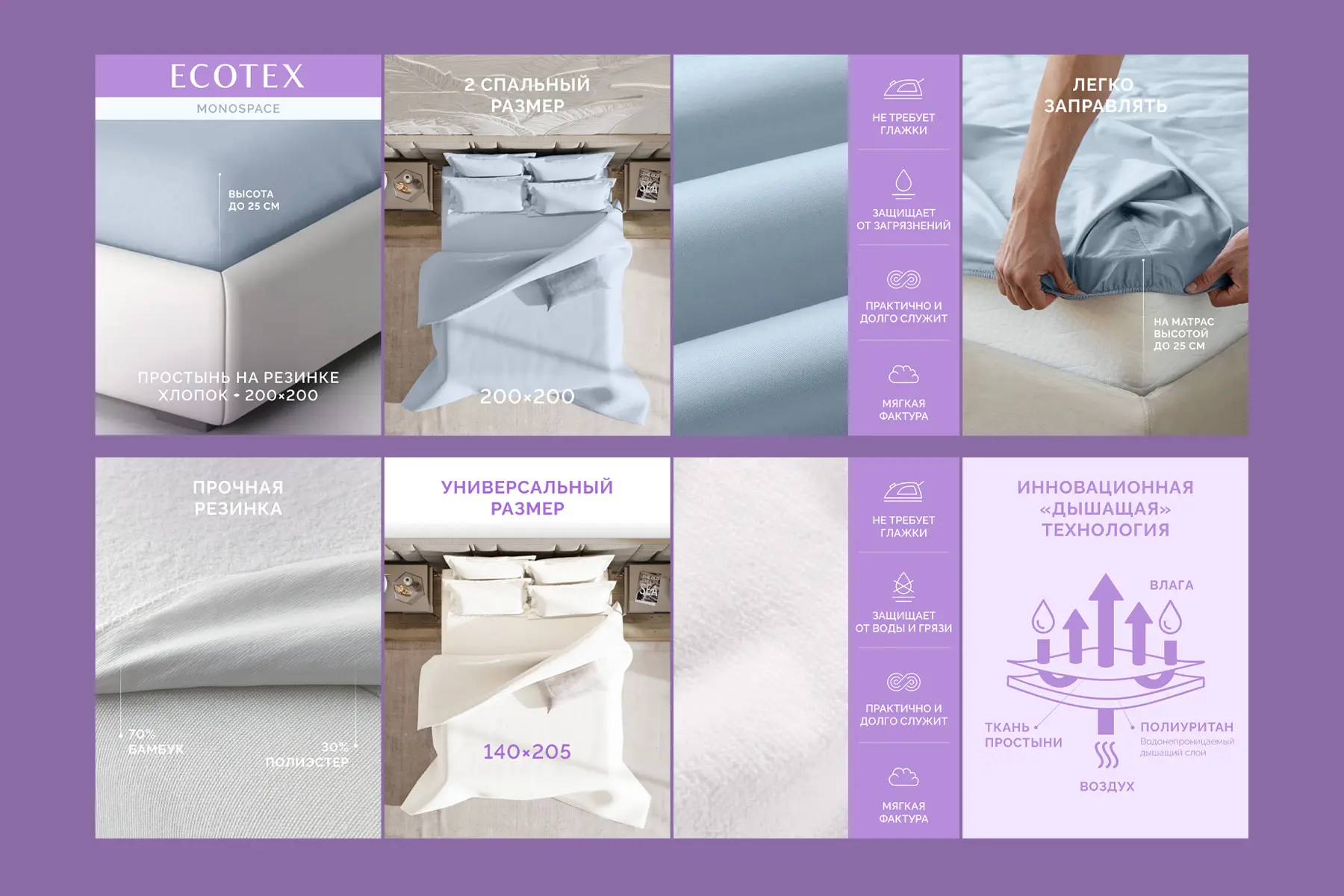
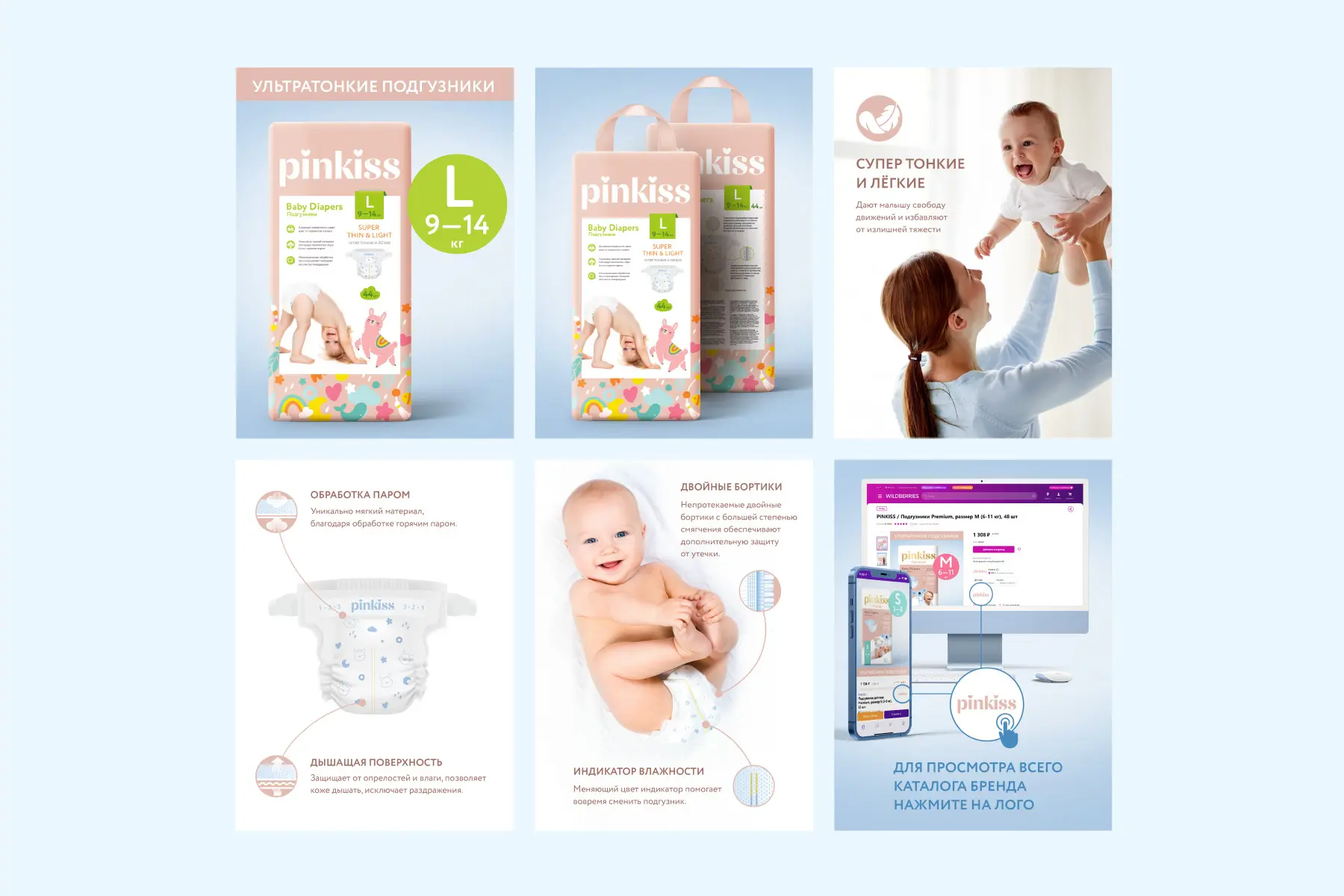
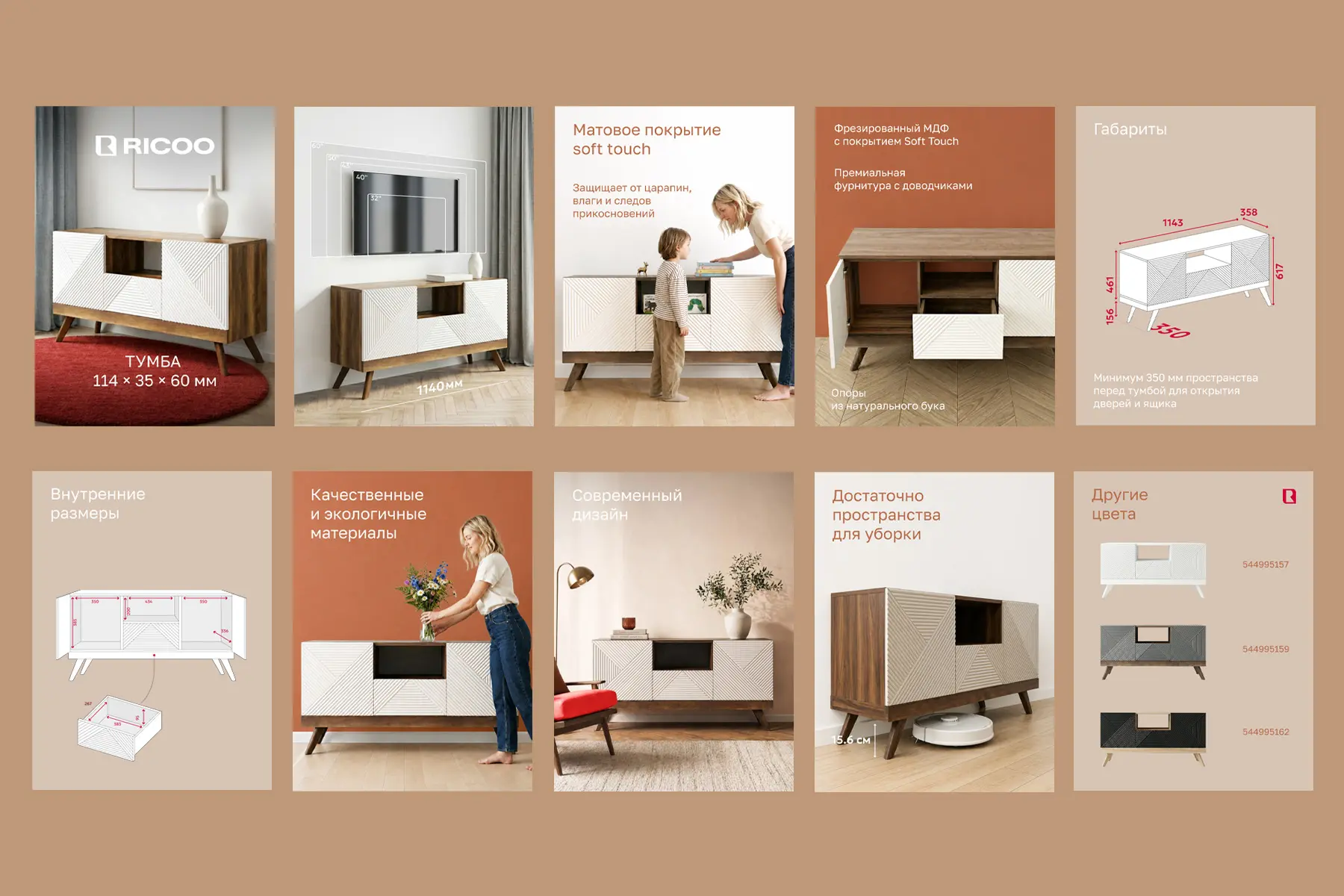
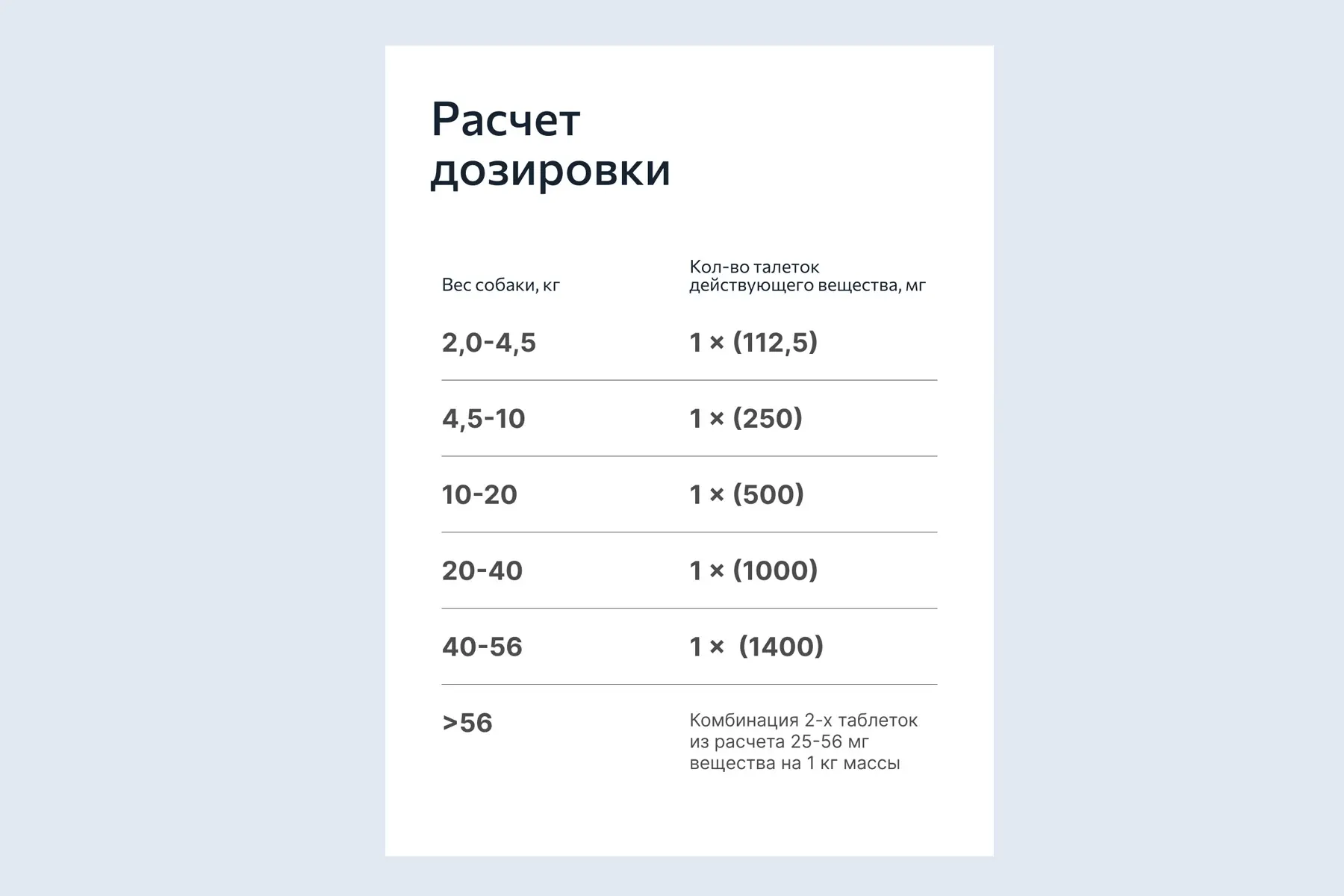
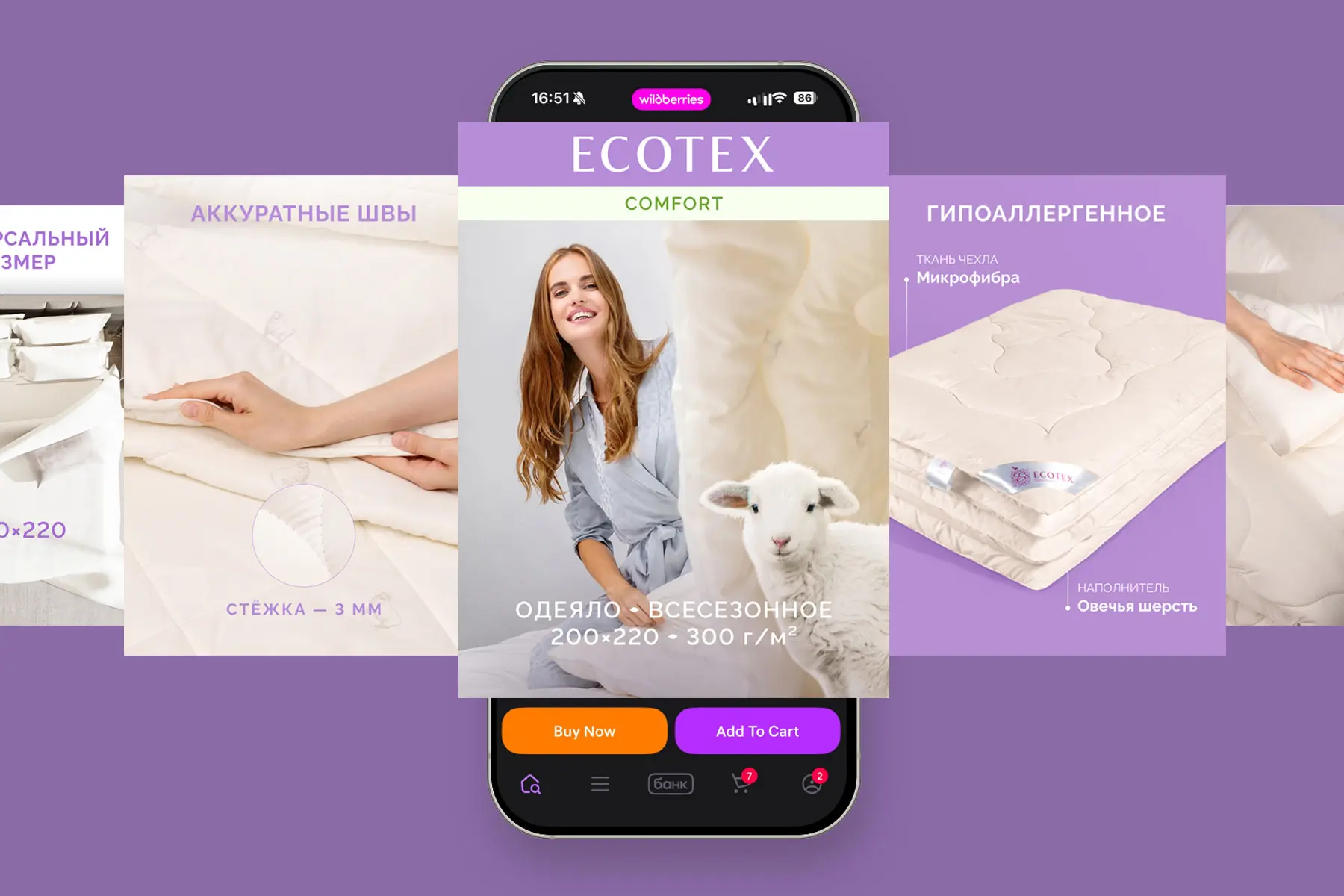
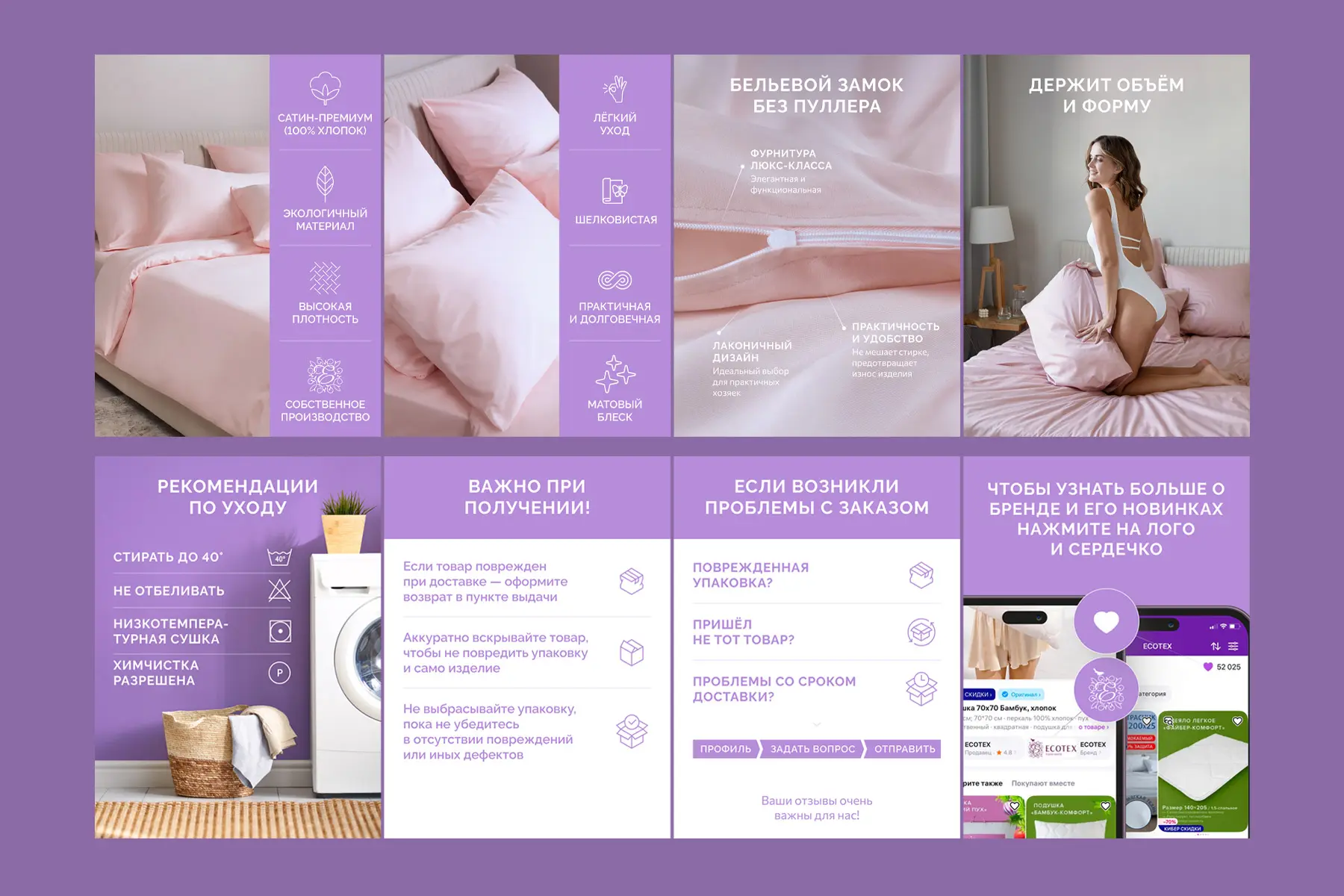
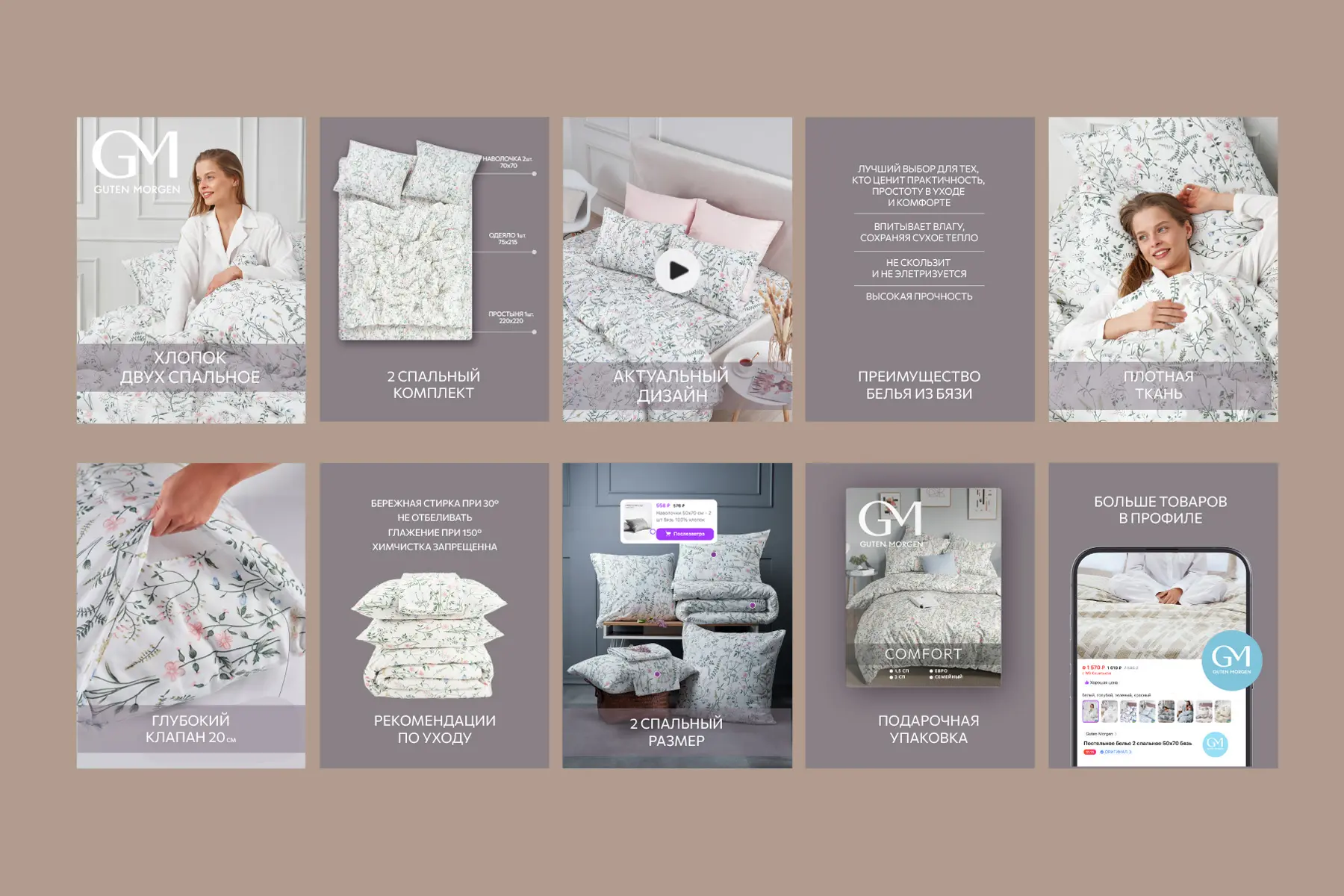
Marketplace infographics explain product properties quickly and turn specifications into clear consumer benefits. They make listings more informative, better structured, and easier to absorb. On Ozon, Wildberries, Yandex Market, and other platforms, infographics are particularly important for products selected on the basis of specific parameters: ingredients, dimensions, materials, technology, included components, compatibility, method of use, service life, safety, certifications, or functional benefits.
BRANDEXPERT Freedom Island develops complete infographic systems comprising icons, diagrams, callouts, tables, comparison panels, size charts, visual markers, technical labels, emotional accents, and service information modules. Every element must help shoppers understand the product more quickly.
Infographics should strengthen the listing’s visual impact while supporting the brand style. A consistent system of icons, fonts, colors, grids, and visual hierarchy creates a cohesive presentation across the assortment and makes the brand recognizable across different categories.
E-commerce Product Listing Design Guidelines
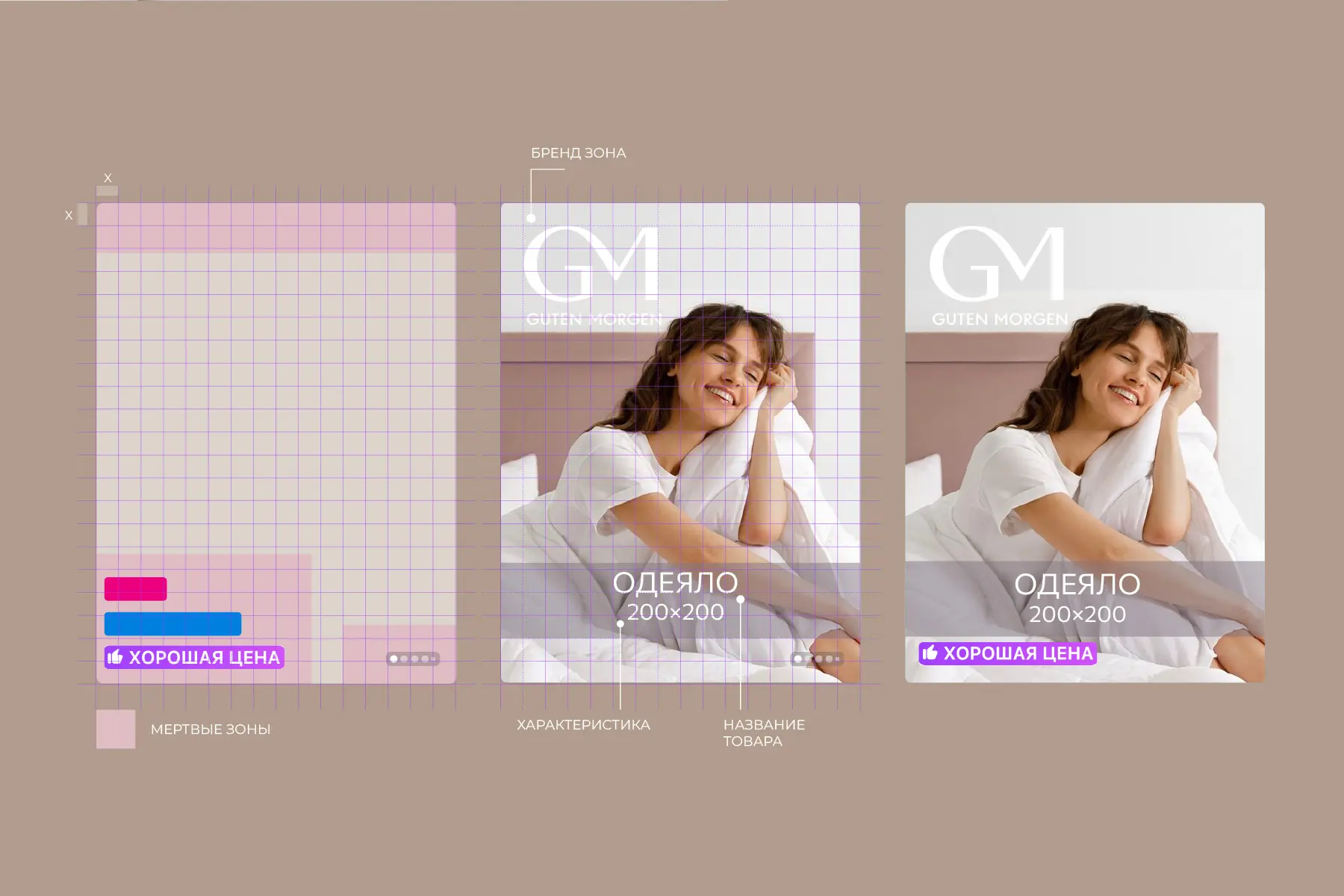
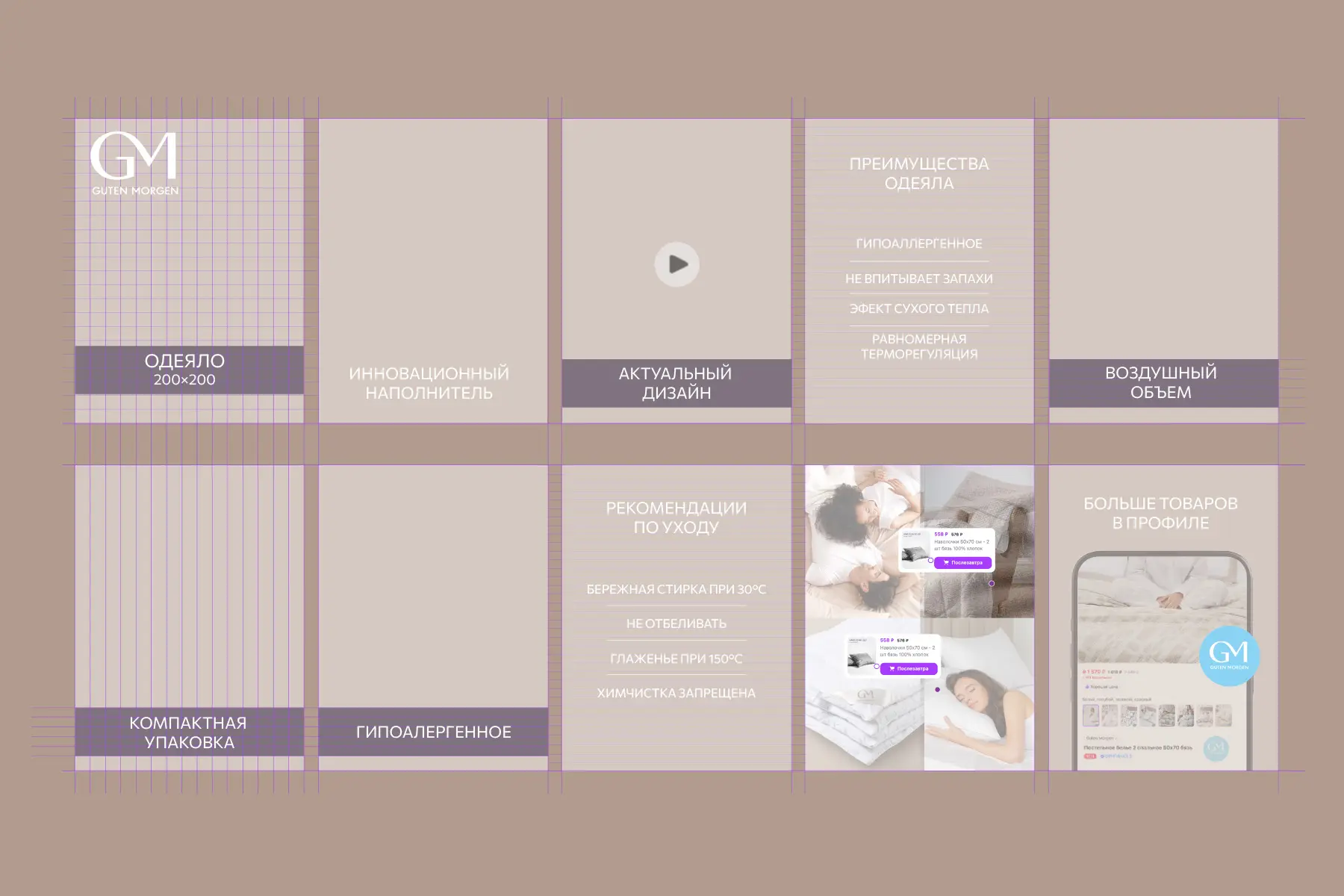
E-commerce Product Listing Design guidelines define the rules for a brand’s visual communication on the digital shelf. They serve as a practical working tool for marketers, designers, marketplace managers, photographers, video production teams, contractors, and the client’s in-house teams. The guidelines cover branding within product listings, image sequences, primary-image logic, typography, colors, grids, photography style, infographic principles, video formats, branded storefront design, banners, advertising modules, promotional templates, seasonal campaigns, and rules for adapting the system to new SKUs.
The document may also specify logo placement, treatment of product names, listing layouts for different categories, cross-selling, service information images, promotional assets, marketplace collaborations, influencer integrations, and external advertising.
Guidelines are especially important for brands with large assortments and frequent launches. They make it possible to create new listings quickly, maintain a consistent visual standard, manage contractors, adapt assets for Ozon, Wildberries, and Yandex Market, and preserve brand recognition throughout every stage of promotion.
Online Marketplaces Promotion
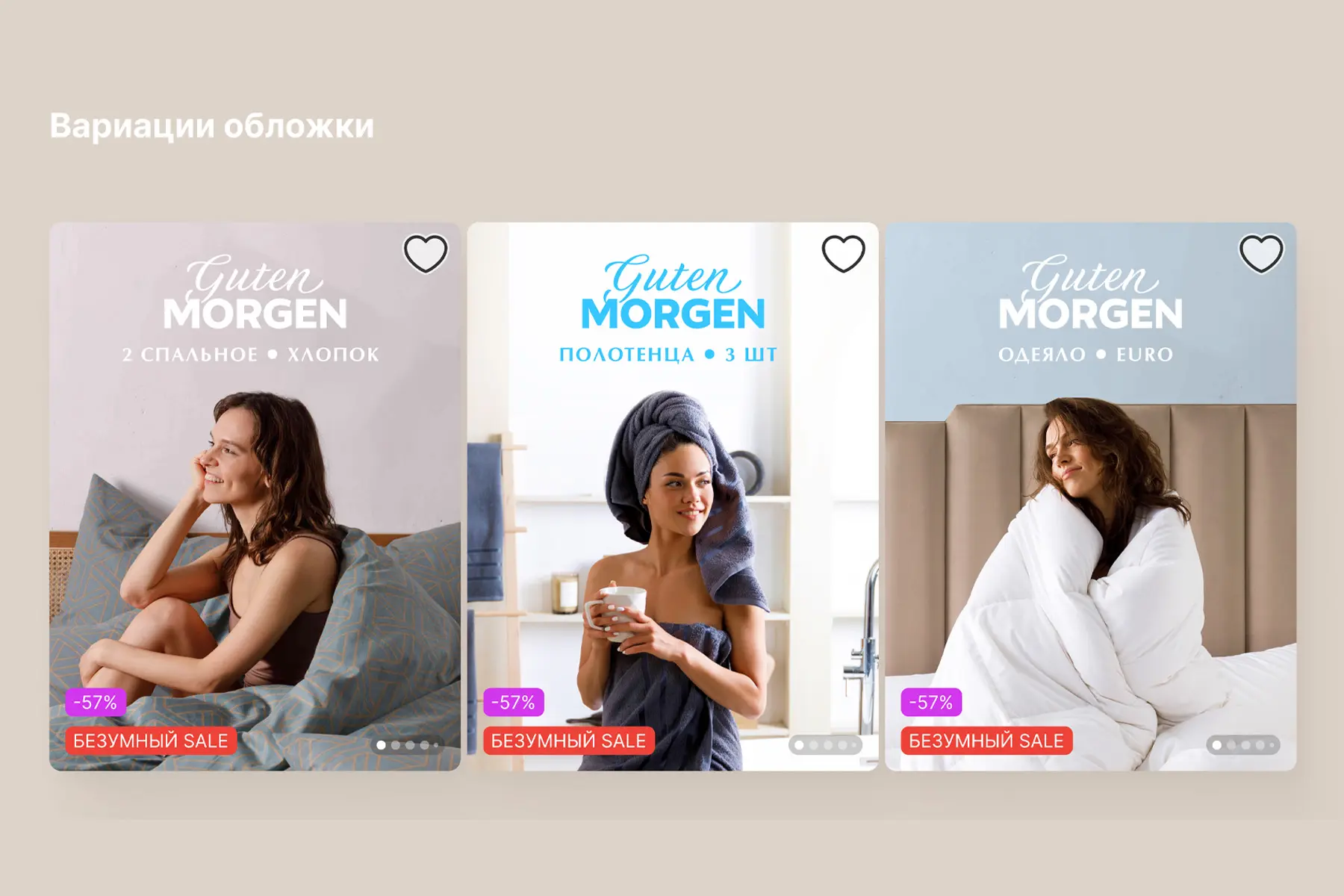
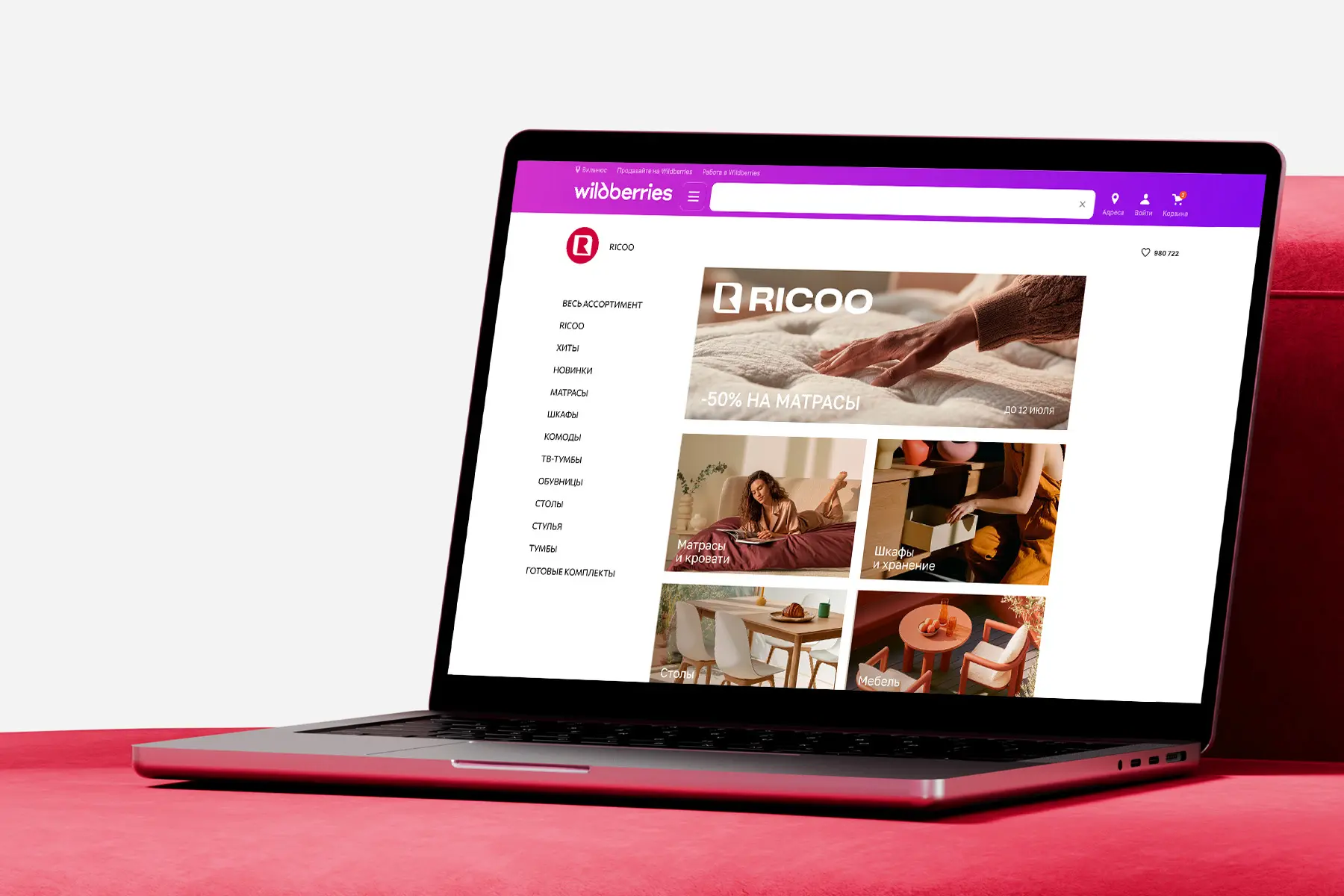
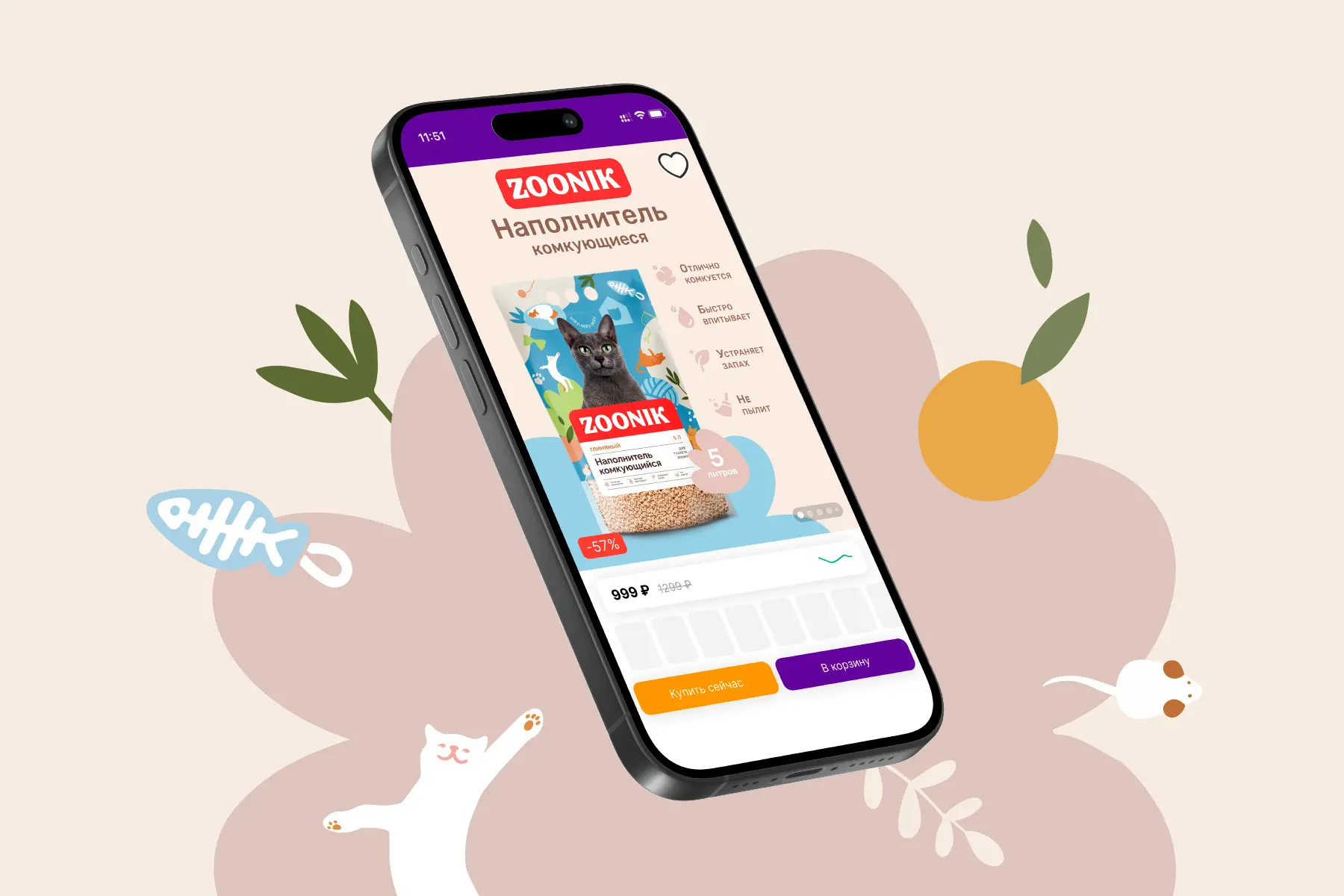
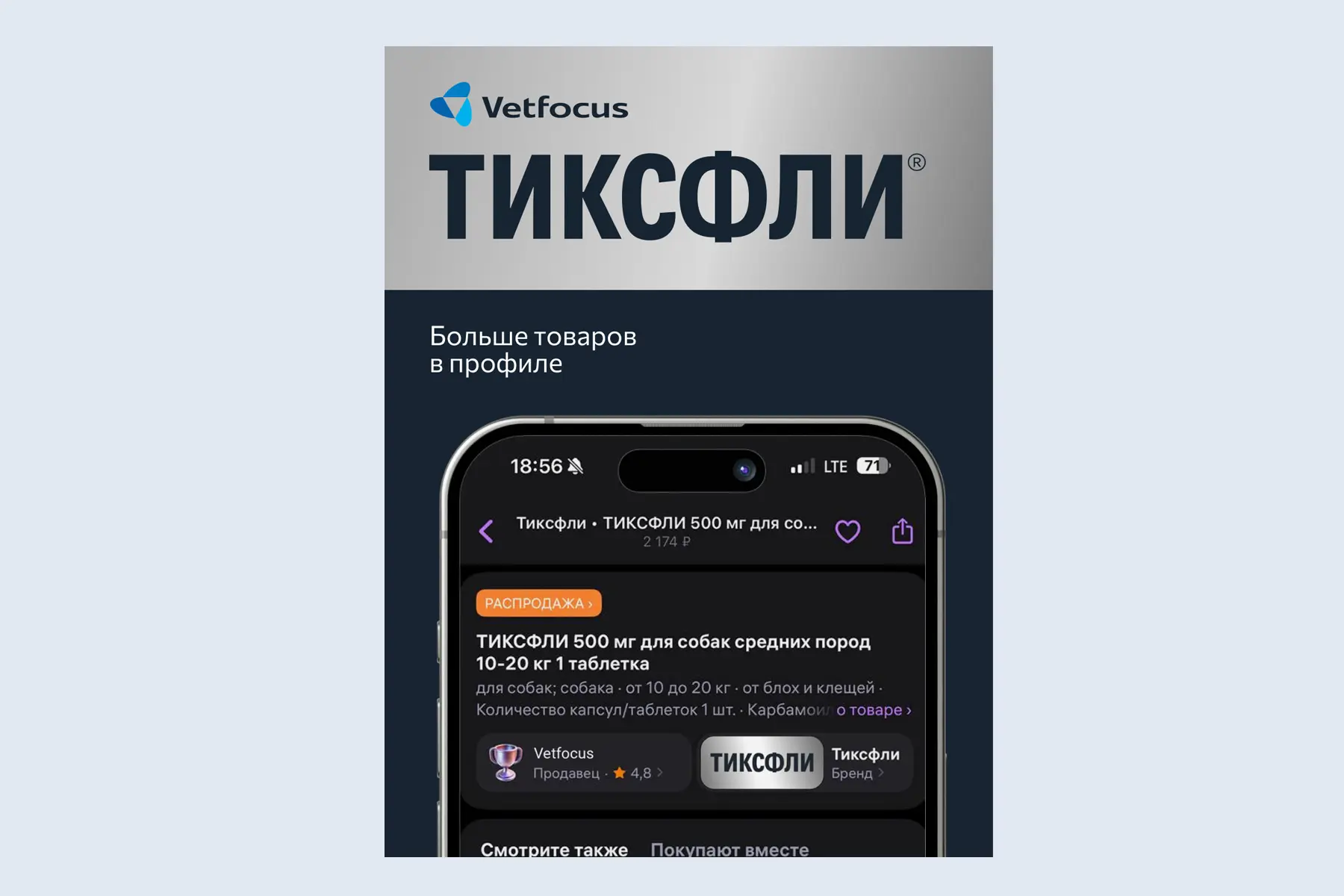
Effective marketplace promotion connects the product, pricing, content, ratings, reviews, logistics, advertising tools, and the strength of the brand. The visual system plays a vital role: it improves the click-through rate of the primary image, holds attention throughout the listing, builds trust, and helps paid traffic convert into orders. BRANDEXPERT Freedom Island develops communication design for a range of promotional tools and formats, including product listings, branded storefronts, advertising banners, sponsored shelves, curated selections, seasonal campaigns, special projects, sales campaigns, promotional campaigns, promo-code campaigns, external traffic campaigns, influencer partnerships, and joint initiatives with marketplaces.
On Wildberries, relevant formats include search and catalogue advertising, recommendation placements, promotions, in-platform advertising, sales campaigns, and branded activities. Ozon relies on product listings, video, rich content, display formats, promotions, product advertising tools, and branded solutions within the platform. For Yandex Market, priorities include high-quality listing content, sales-boosting tools, sponsored shelves, banners, branded storefronts, promotions, reviews, and advertising across the Yandex ecosystem.
For seasonal campaigns, the brand can adapt product listings and advertising assets for New Year, International Women’s Day, Defender of the Fatherland Day, major sales, the back-to-school season, summer offers, gift guides, and other occasions. This keeps the product relevant and improves its visibility during periods of increased demand.
Promotion is more effective when every piece of content works as part of a unified system: the primary image earns the click, the listing explains the value, infographics clarify the benefits, photography and video build trust, guidelines make scaling possible, and branded assets support advertising and joint initiatives with marketplaces.
Our services
close all business needs of your company
Related articles: brand creation
Frequently Asked Questions About E-commerce Product Listing Design
The process begins with an analysis of the category, competitors, target audience, price segments, and product-selection criteria. The team then defines the central benefit, brand character, and reasons to trust the offer. The positioning is translated into a product-listing system: the primary image, message sequence, photography style, infographics, video, and branded storefront. Assets are adapted to the formats, rules, and audience behavior of each platform.
In most cases, building one brand across all platforms is more effective. It strengthens recognition, unifies the assortment, and makes efficient use of the marketing budget. Separate brands may be justified when there are substantial differences in the audience, product, price tier, or business model. The specific requirements of Wildberries, Ozon, Yandex Market, and other platforms can usually be addressed by adapting product listings, assortment, messages, and advertising assets.
Yes. Consistent positioning, logo, packaging, and visual identity build brand recognition across every sales channel. On marketplaces, the brand communicates through product listings, infographics, photography, video, and its branded storefront. In traditional retail, packaging, shelf visibility, navigation, and advertising materials play the leading roles. A coordinated omnichannel system strengthens trust and encourages repeat purchases.
Design affects the primary image’s click-through rate, the depth of engagement with the listing, and conversion into orders. A distinctive visual presentation captures attention in search results, explains the product’s value quickly, demonstrates its benefits, and answers shoppers’ most important questions. The final outcome also depends on price, rating, reviews, availability, delivery terms, and promotion.
Commercial photography and video production accurately convey the product’s appearance, size, texture, included components, and overall quality. Lifestyle images show it in a realistic context, while video demonstrates its features, use, or unboxing experience. This content builds trust, holds attention, and reduces uncertainty before purchase. A consistent photography style also makes the assortment coherent and recognizable.
Professional brand development produces a recognizable name, clear positioning, a logo and visual identity, packaging, and a communication system. Registering the name and logo as trademarks establishes exclusive rights and helps protect the brand from copying. Registered rights may also be required to access certain branded tools offered by a platform. It is advisable to assess registrability and file the application before a large-scale launch.
As a rule, yes. A name or logo on the primary image helps shoppers identify the manufacturer quickly, connects products within the same line, and builds brand recall. The composition must keep the product prominent, the brand legible, and the central benefit immediately clear. The size and placement of the brand block depend on the category, visual concept, and platform rules.
Service information images complement the brand and product content in a listing. They can explain delivery, package contents, packaging, warranty, care instructions, support, loyalty programs, and other information that matters to shoppers. These assets answer any remaining questions and reinforce trust. They are generally placed toward the end of the listing, after the product’s main characteristics and benefits.
Infographics turn product specifications into consumer benefits that can be understood at a glance. They can show ingredients, dimensions, materials, features, included components, compatibility, instructions, and differences between models. The appropriate amount of infographic content depends on the product’s complexity and the decision-making process within its category. Every element must remain legible on a smartphone screen and support the brand’s visual identity.
The key factors are a product people want, precise positioning, competitive pricing, a well-planned assortment, reliable availability and logistics, a strong rating, and positive reviews. A distinctive primary image, informative listing, professional content, search optimization, and a cohesive brand system also play important roles. Analytics, advertising, and A/B testing make it possible to improve the system using real performance data.
Yes, provided the platform, creator, and integration format are selected carefully. Influencers can build brand awareness, attract external traffic, demonstrate the product in use, and create social proof. Results depend on audience fit, trust in the creator, content quality, the appeal of the offer, product availability, and the listing’s ability to convert interest into an order. Performance can be measured through listing visits, promo-code use, add-to-cart activity, and sales.
The cost depends on the number of products and listing images, the depth of analysis, the complexity of the visual concept, and the need for photography, video, infographics, rich content, adaptations for multiple platforms, and guideline development. Following the briefing, we prepare an itemized estimate that can cover anything from several priority listings to a comprehensive visual system for the entire product range.
The BRANDEXPERT Team.