
1. Home
  2. Services
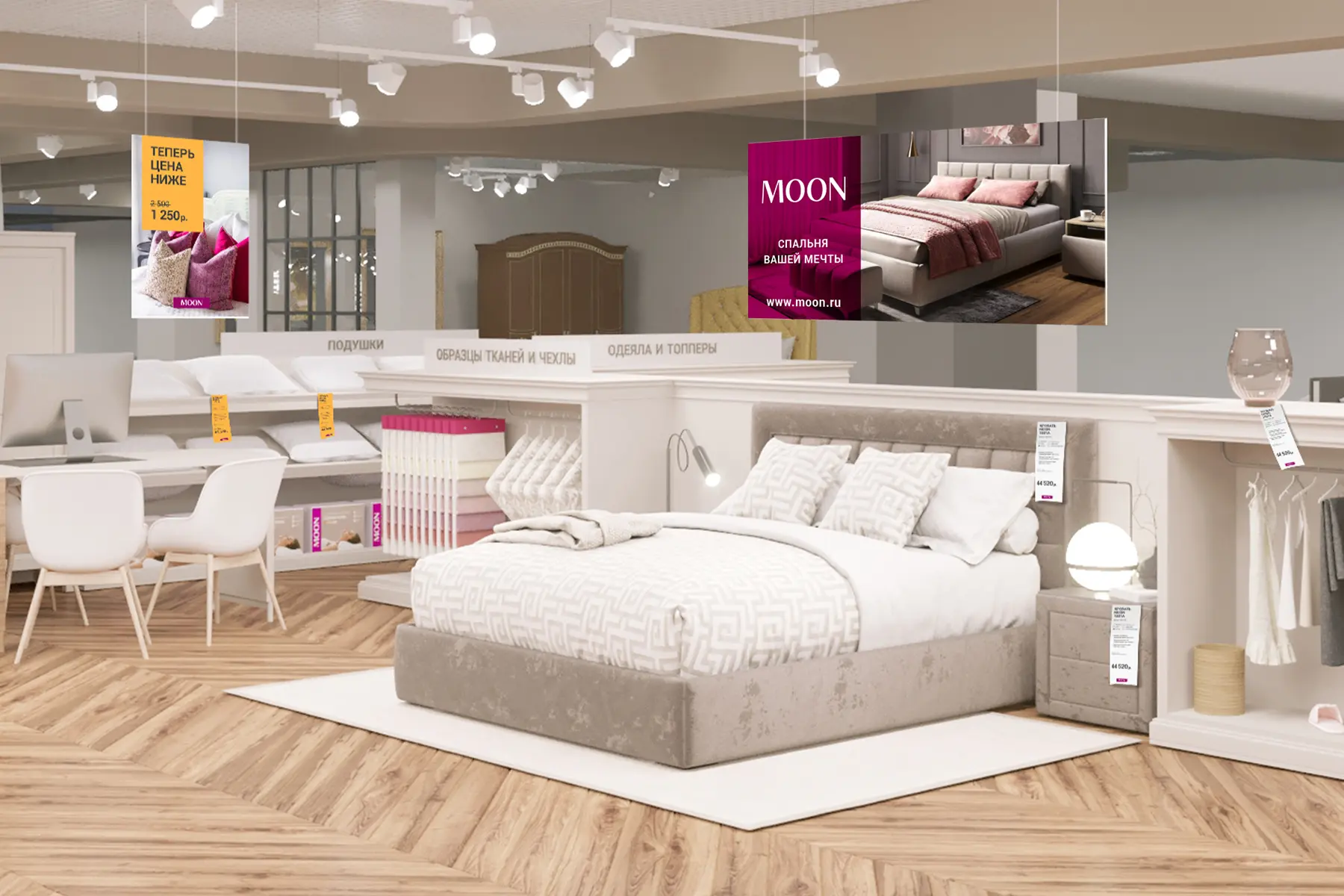
  3. Retail Store Design

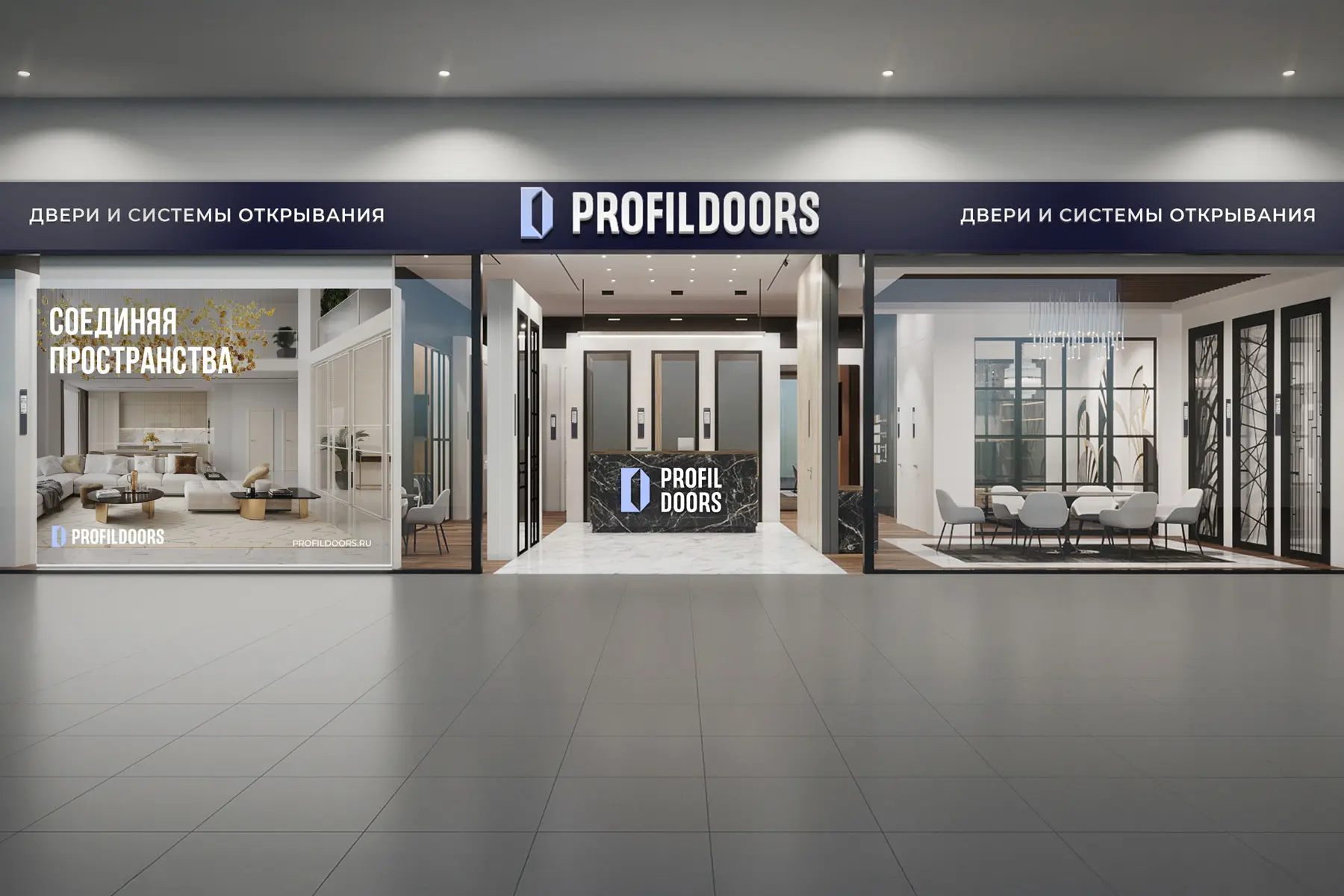
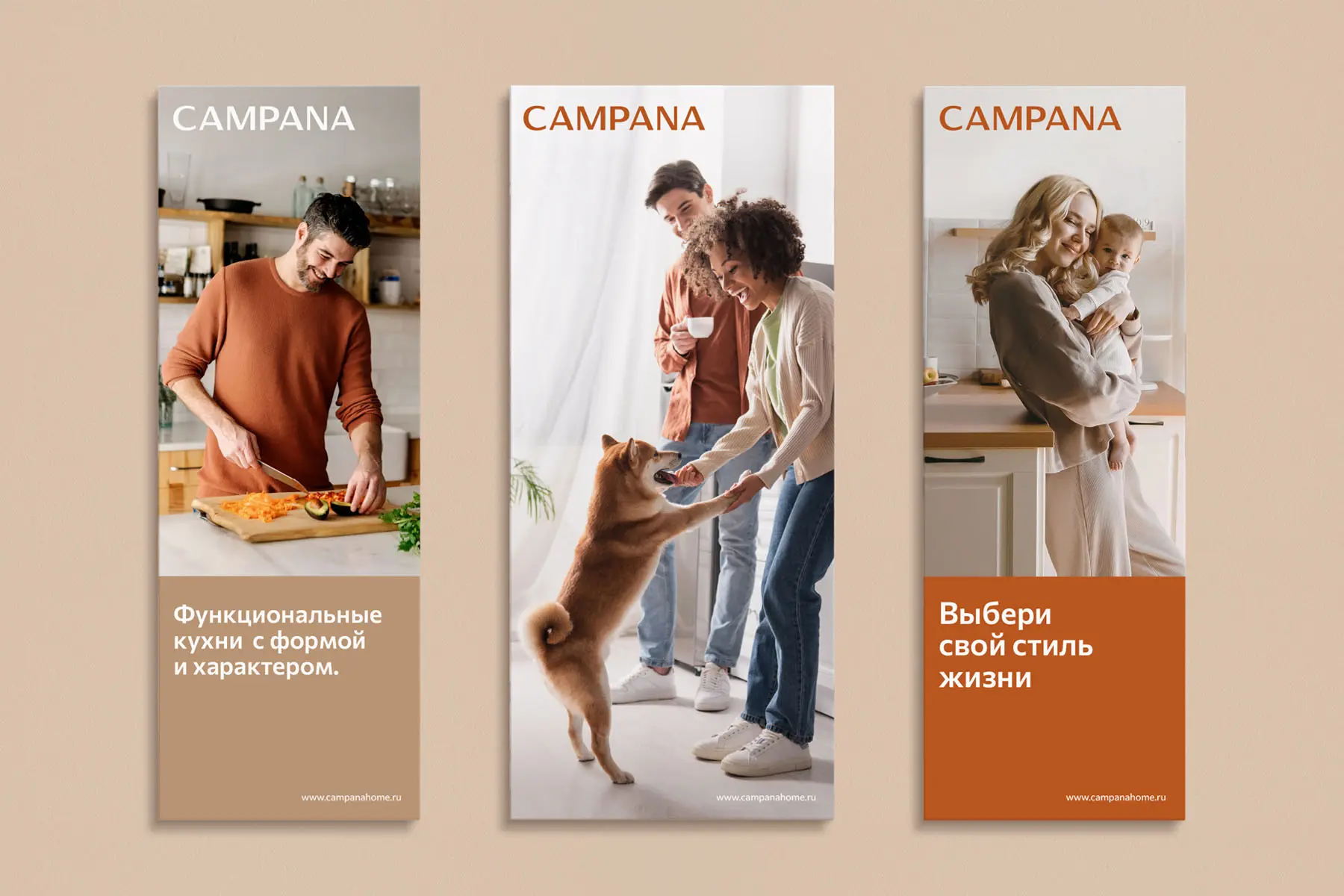
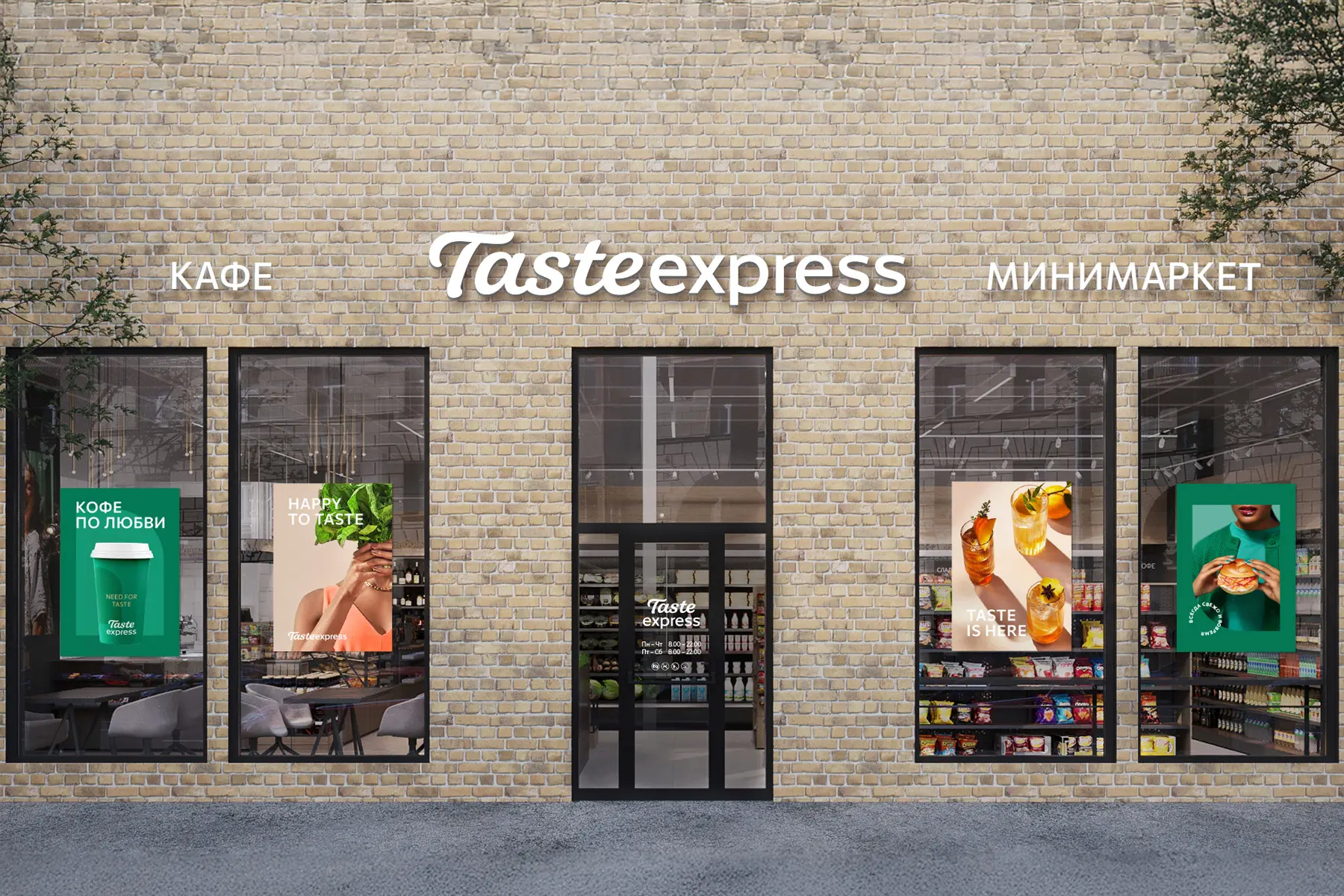
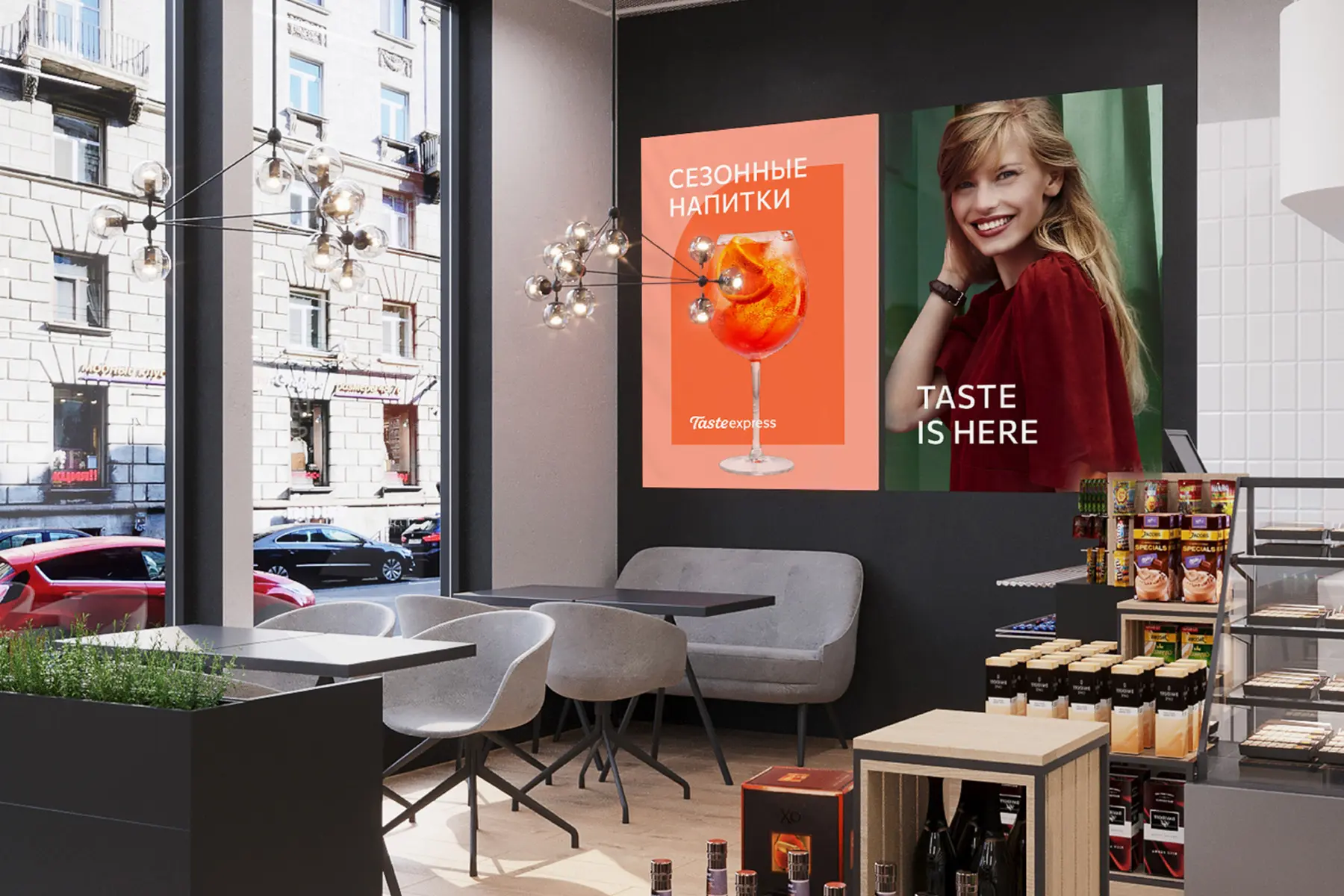
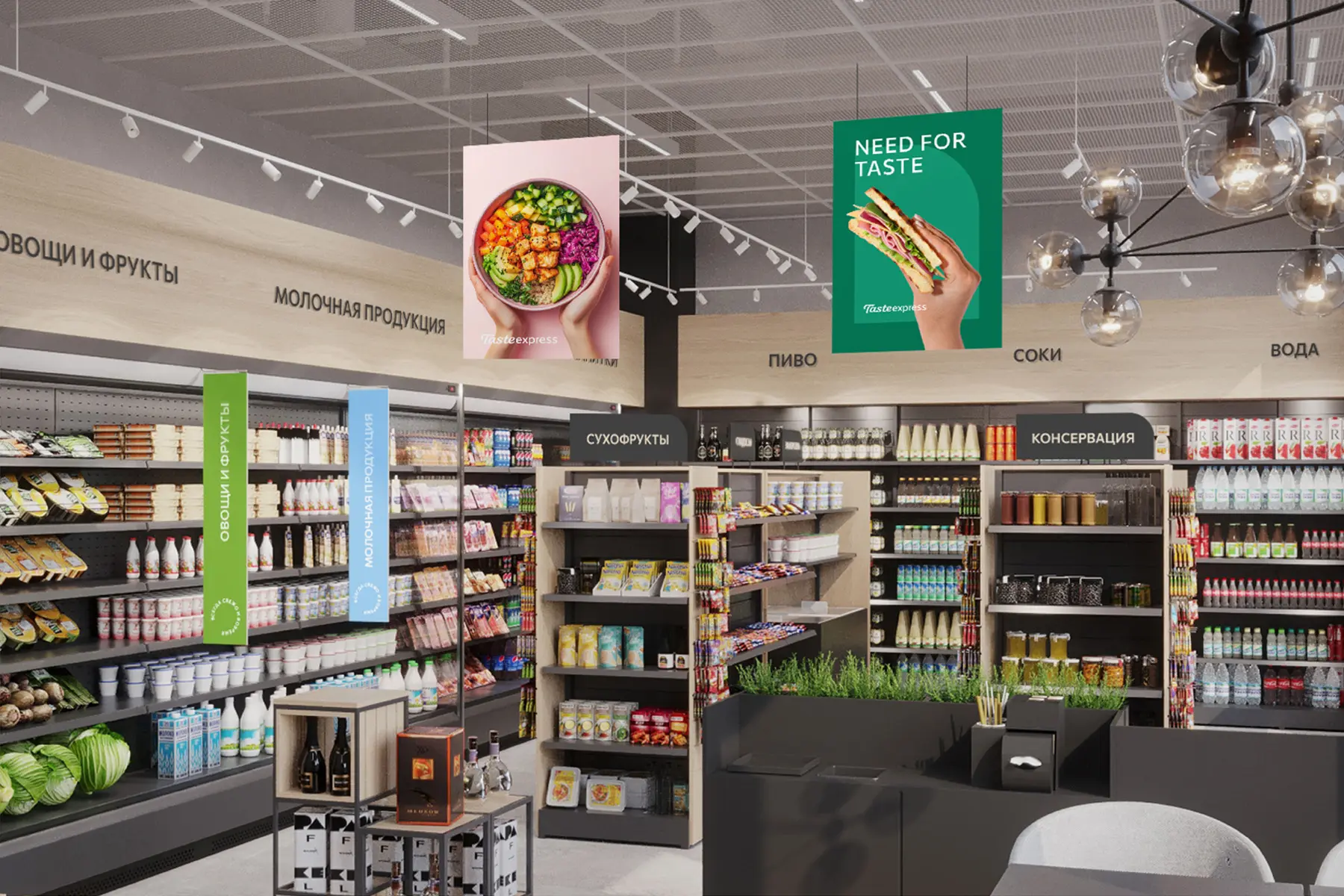
Retail Store Design by BRANDEXPERT Freedom Island, a Leading Branding Agency

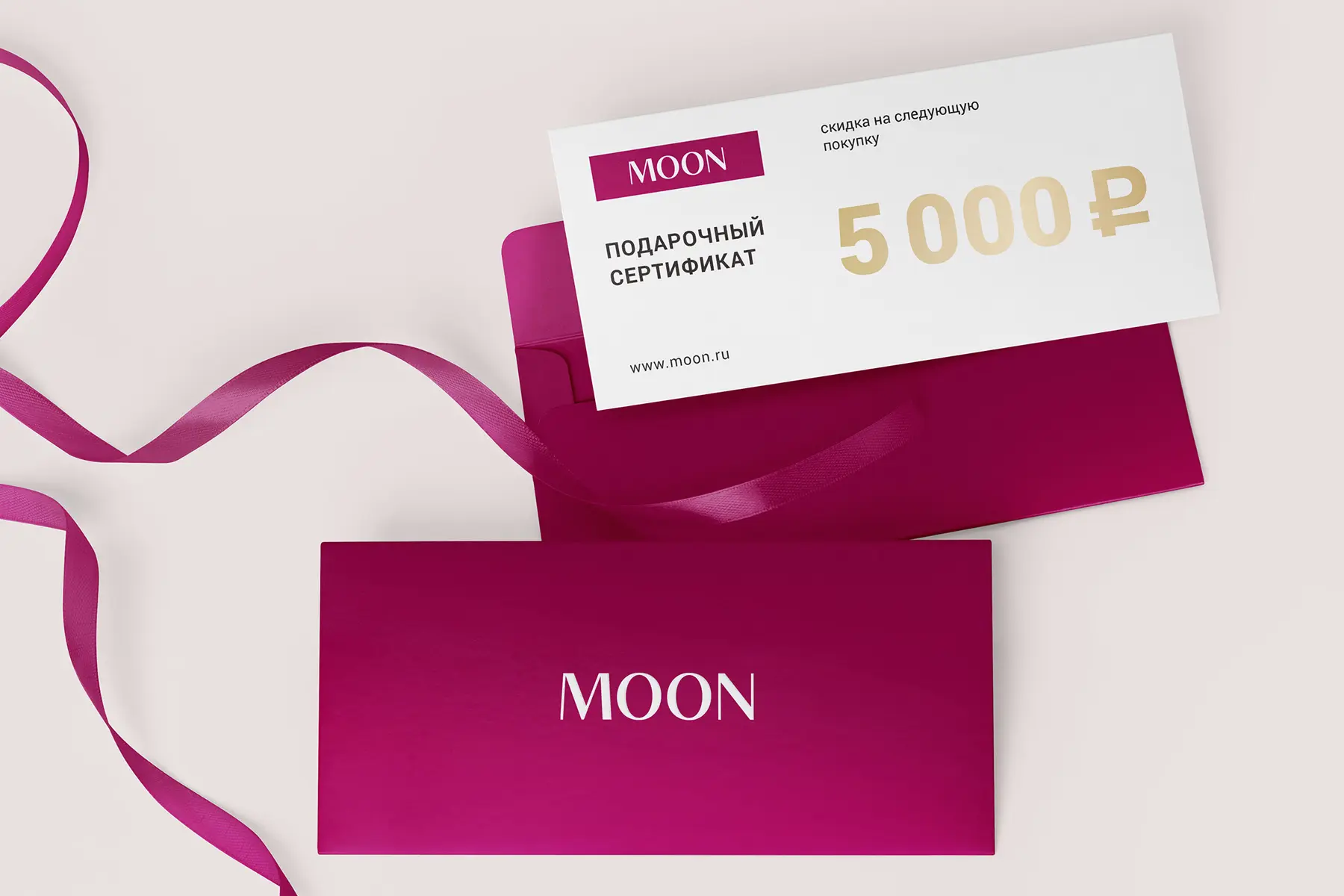
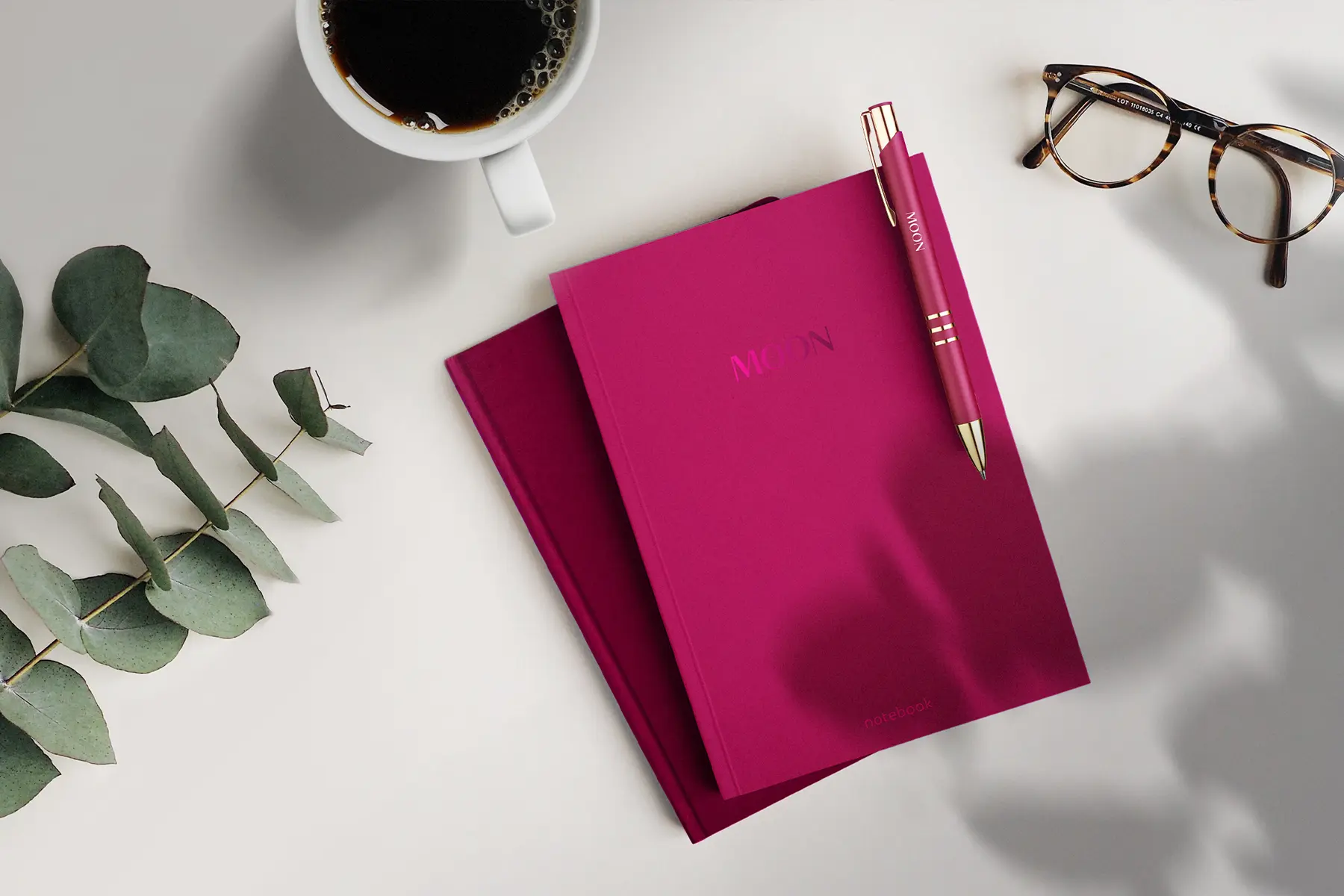
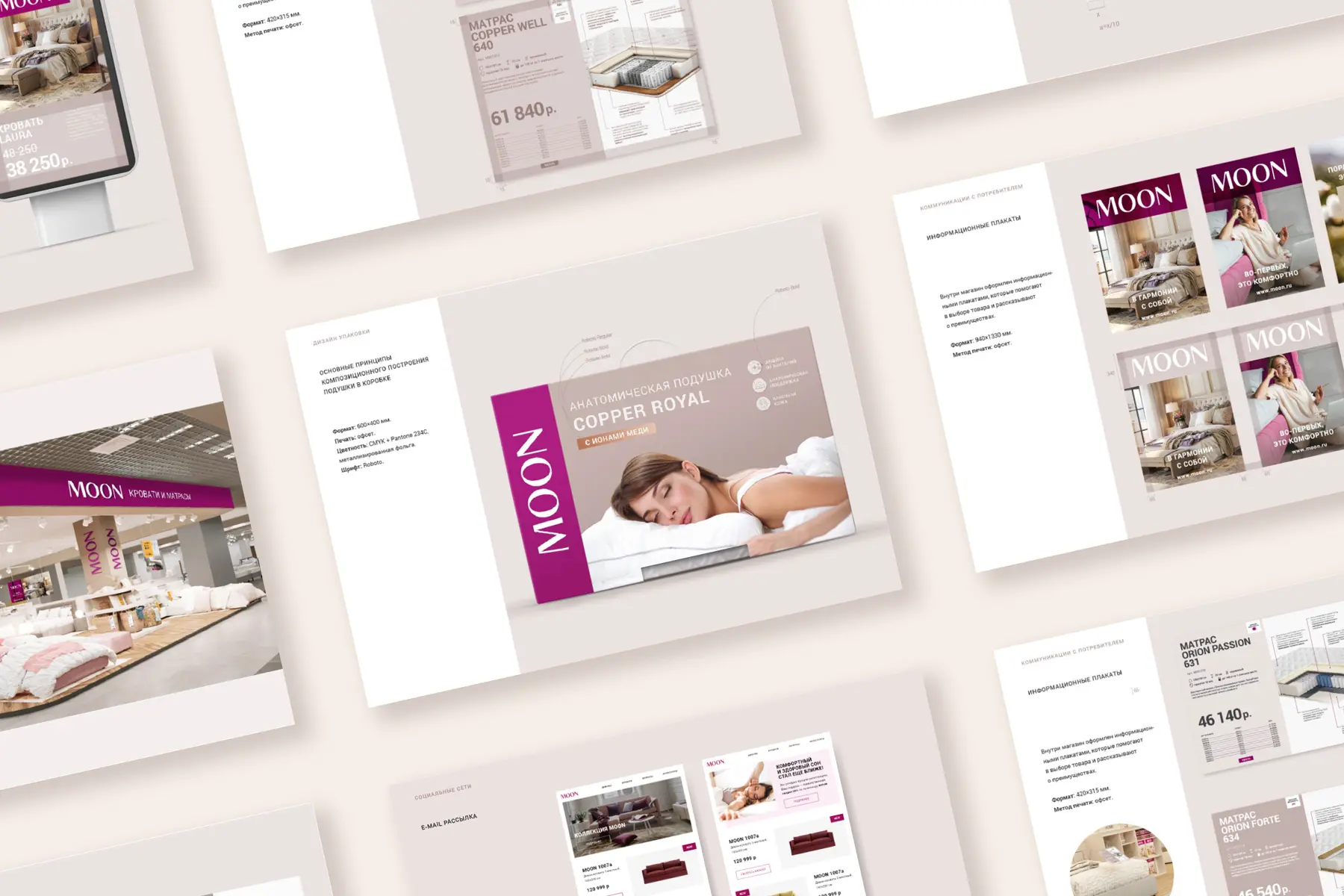
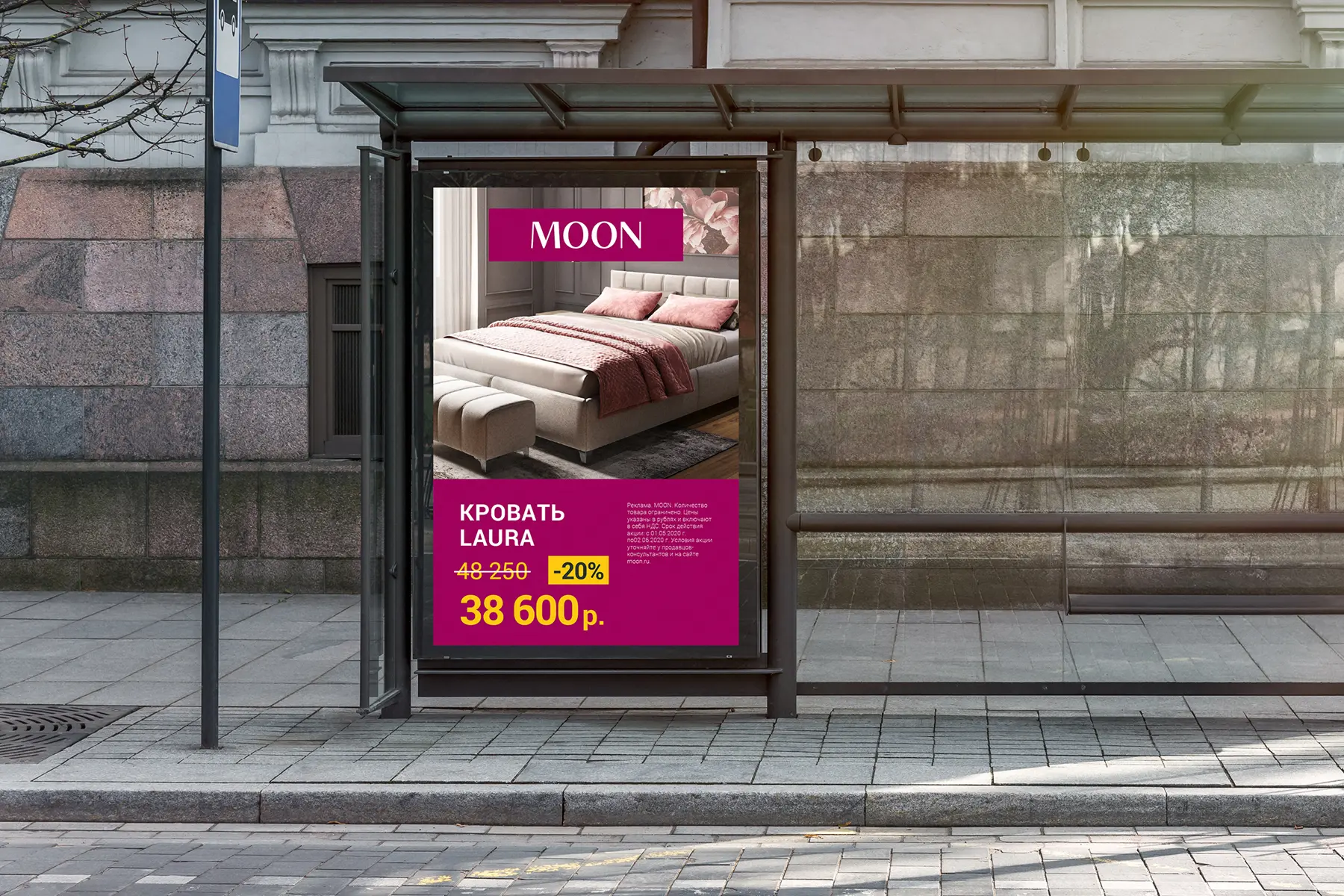
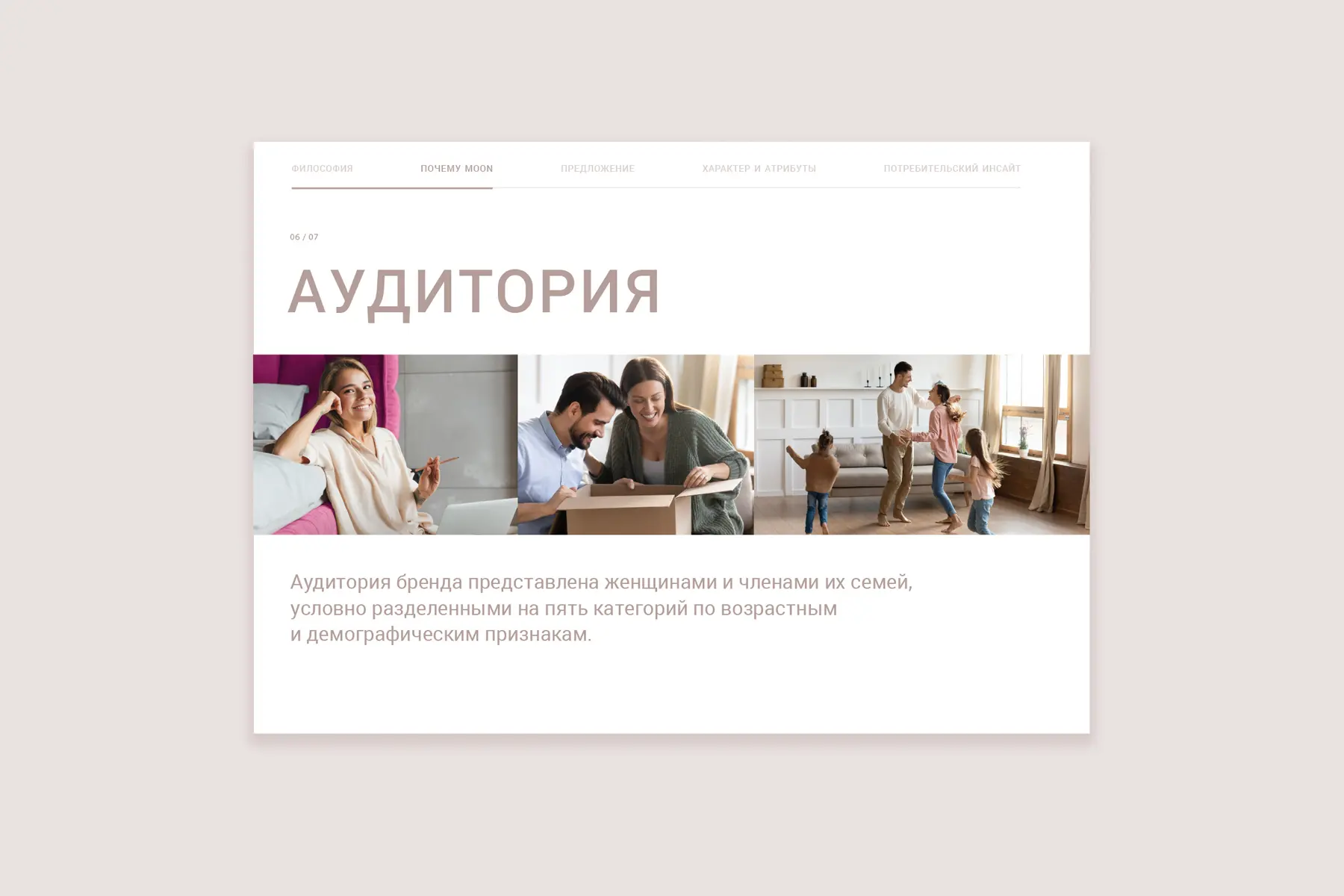
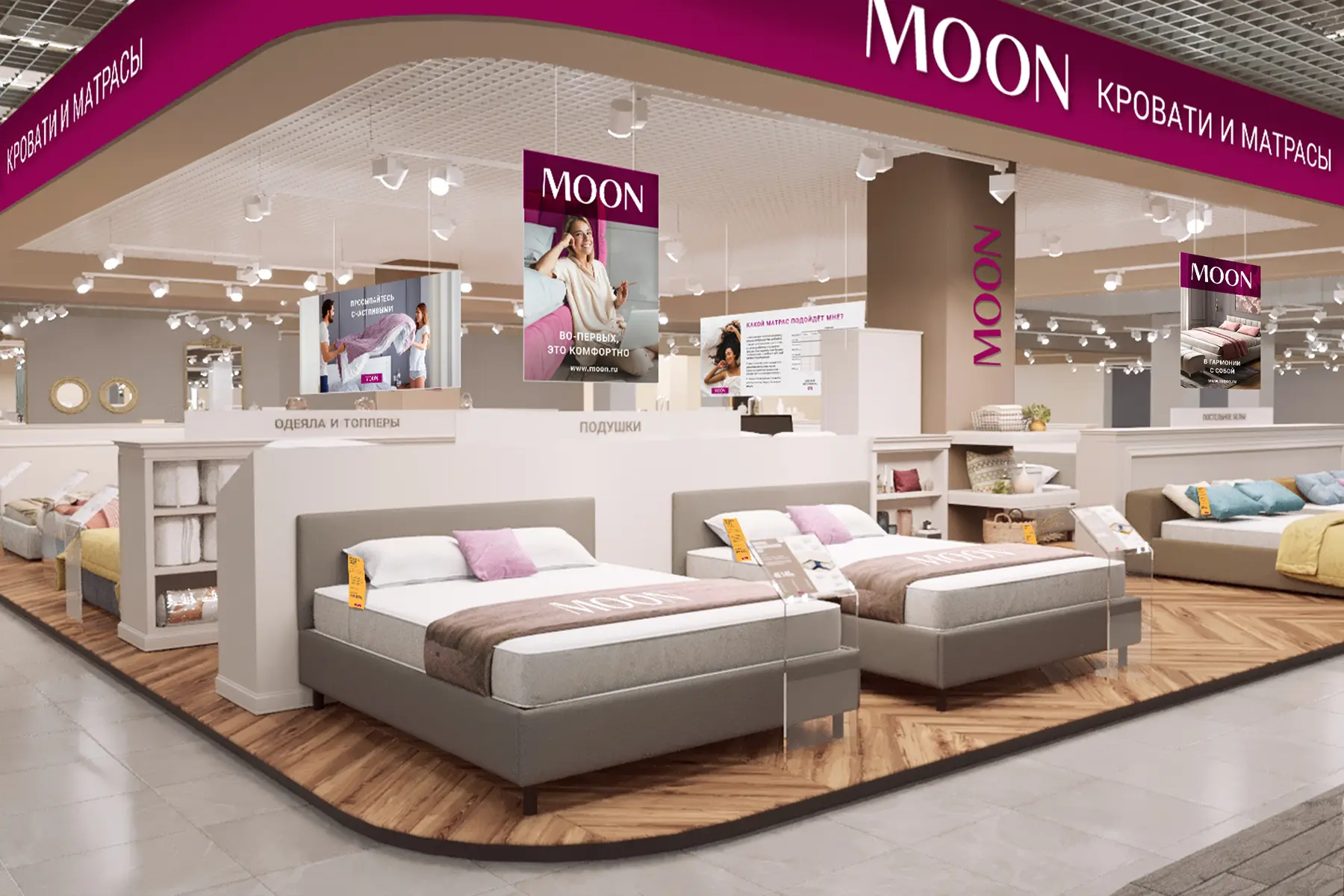
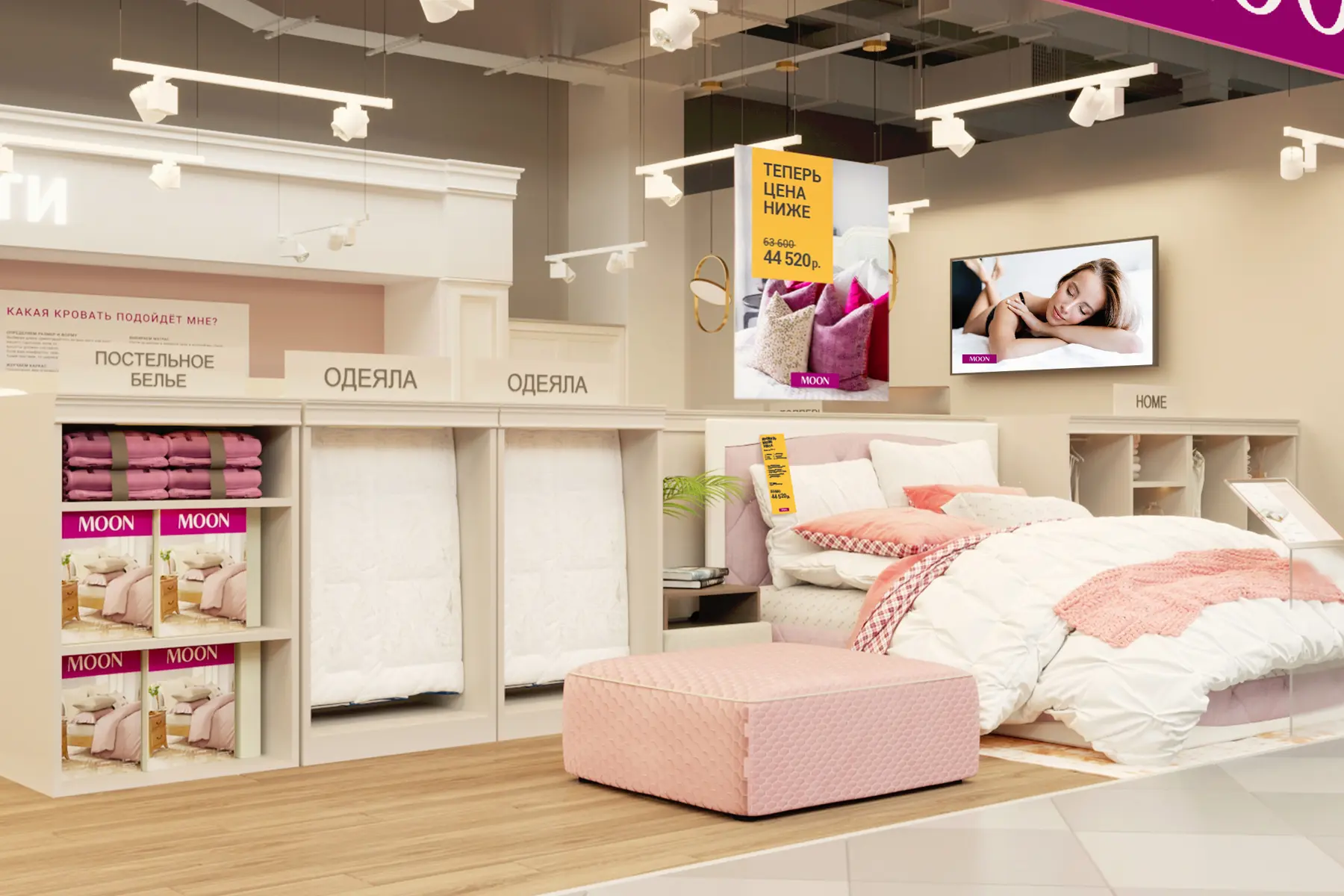
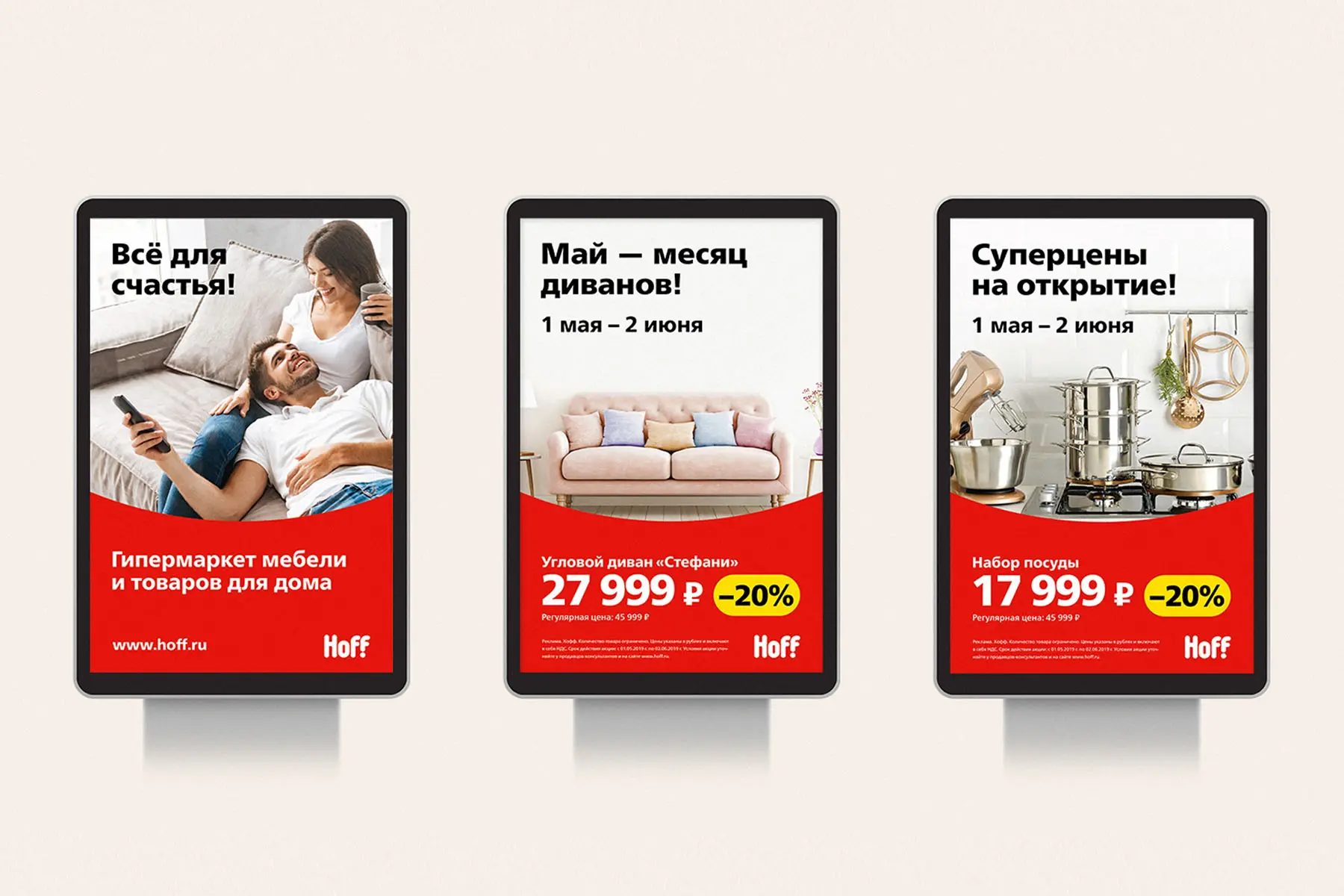
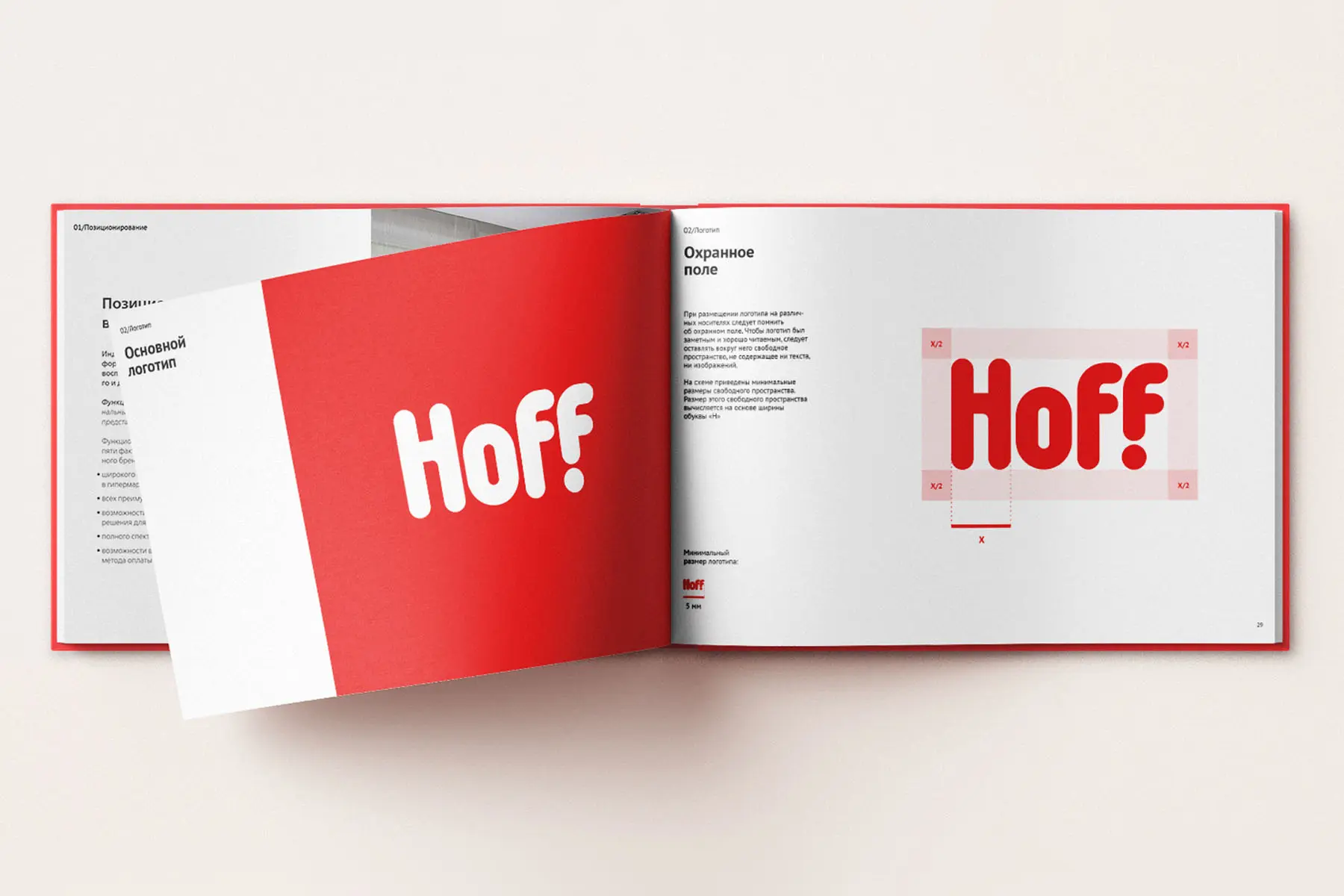
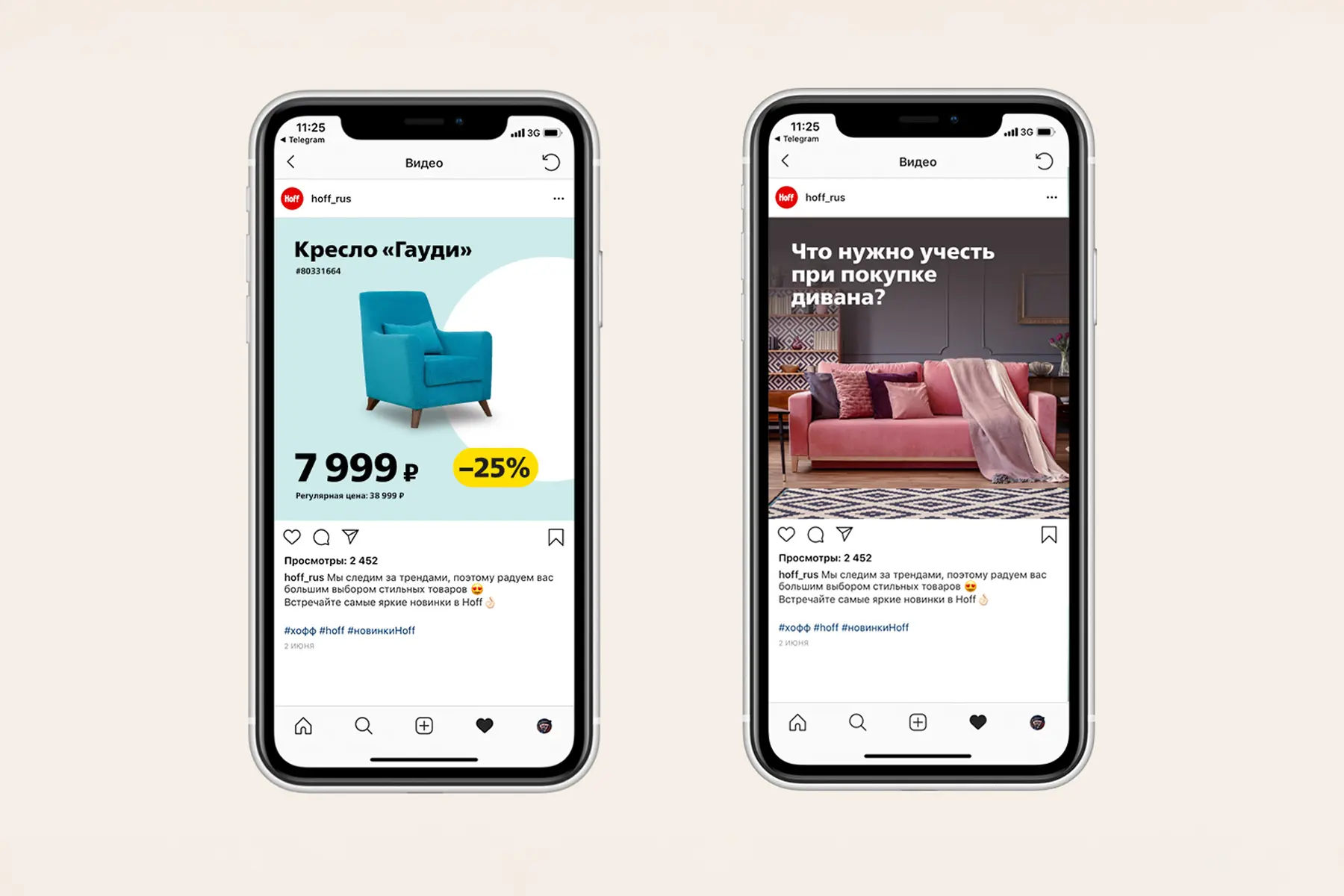
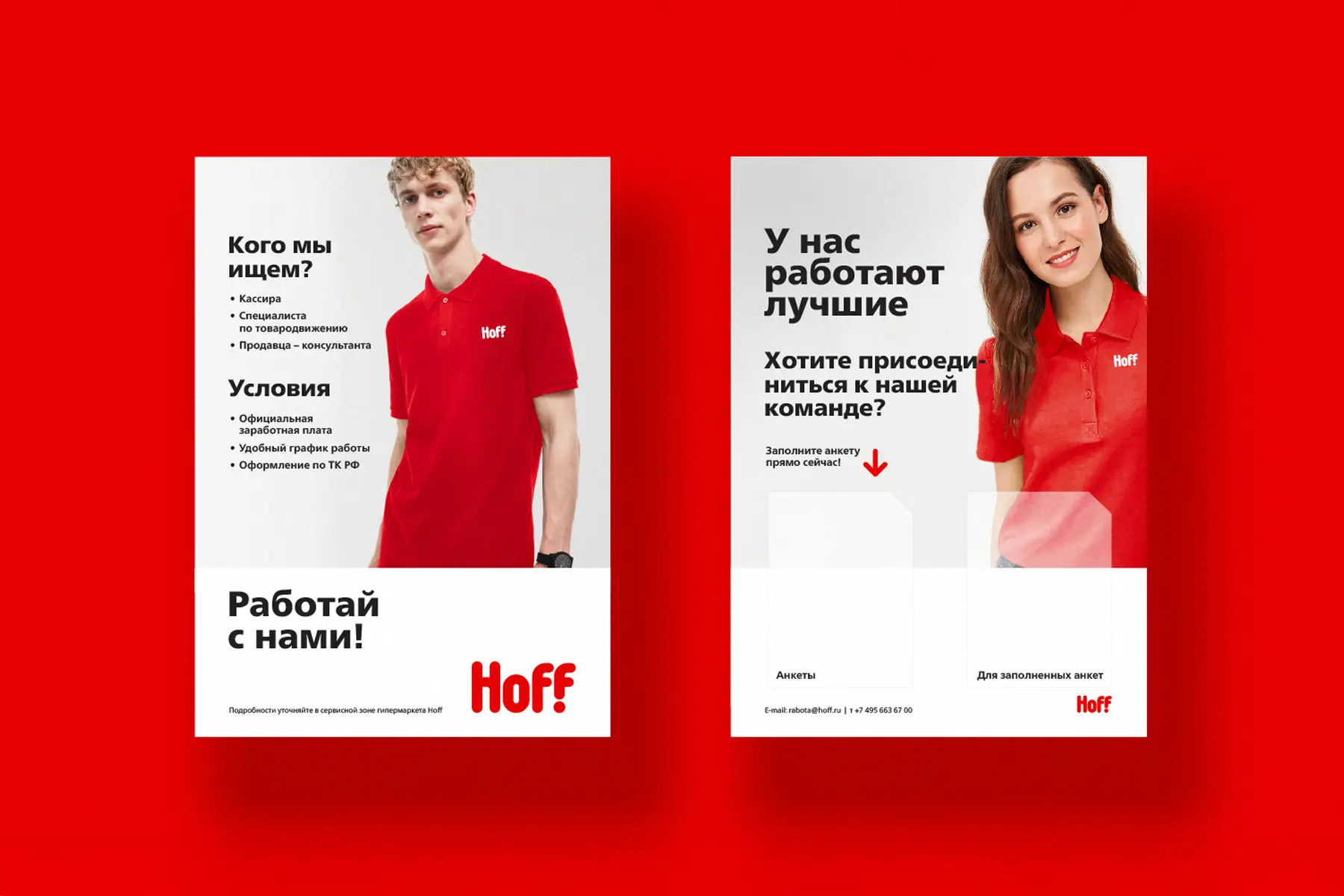
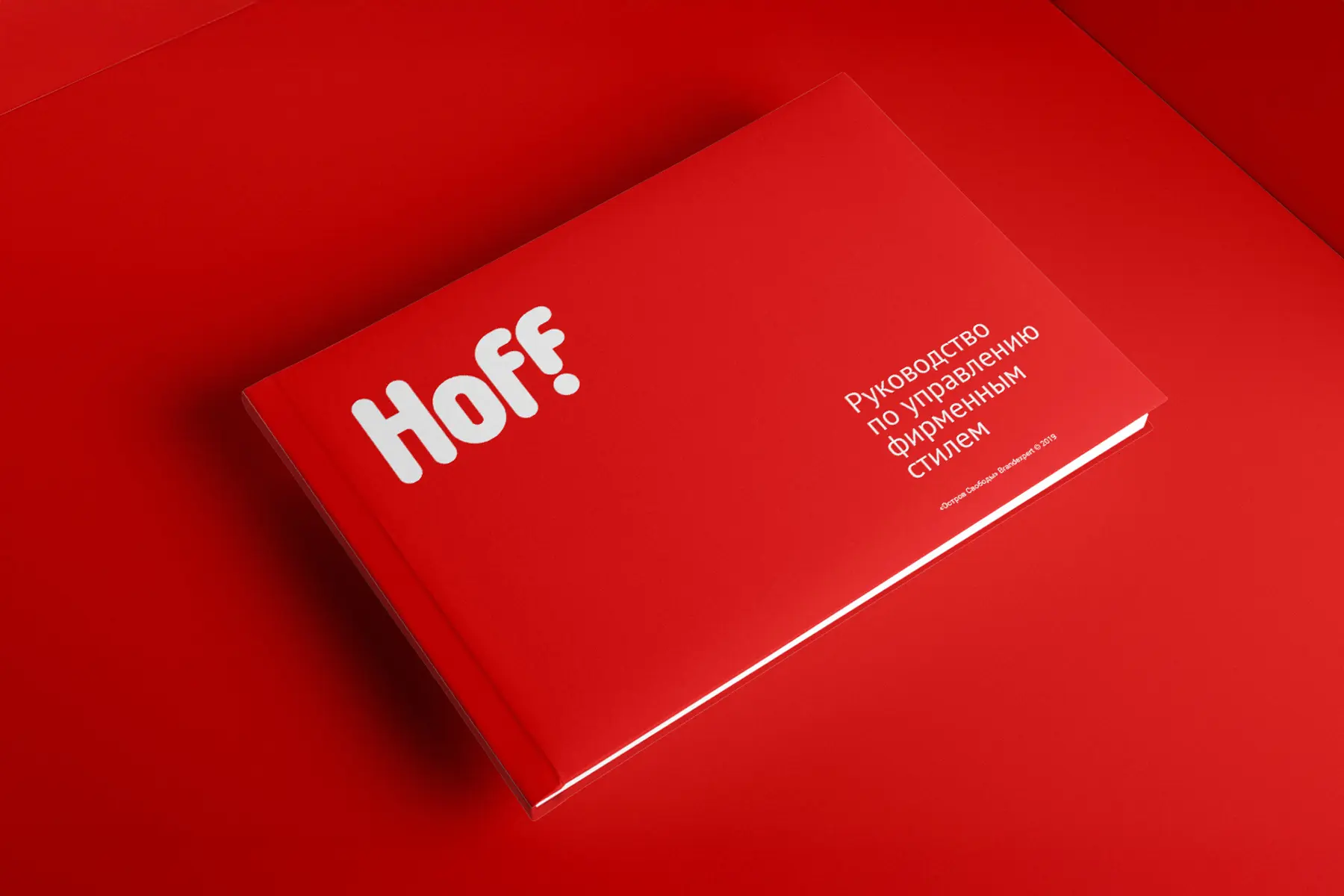
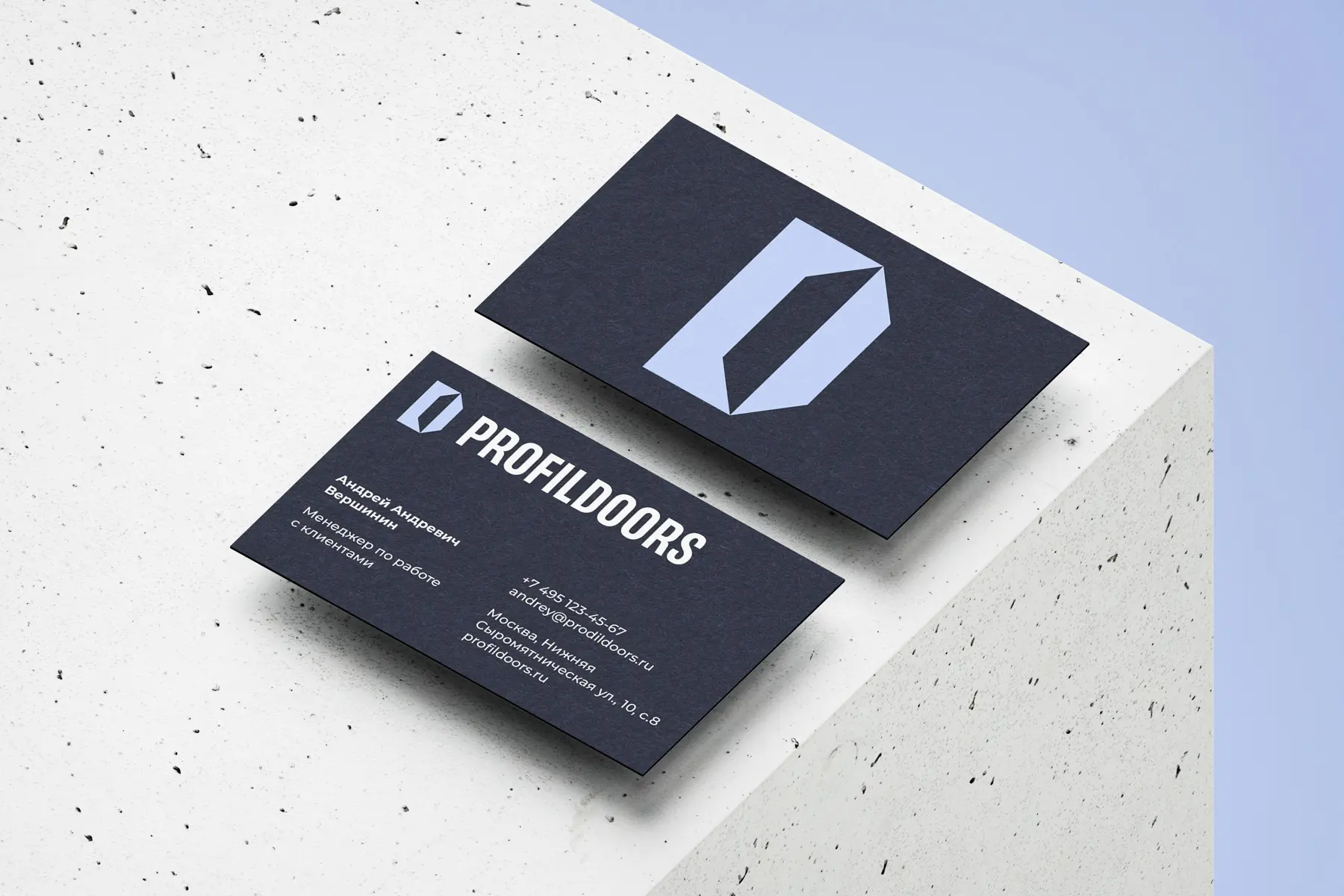
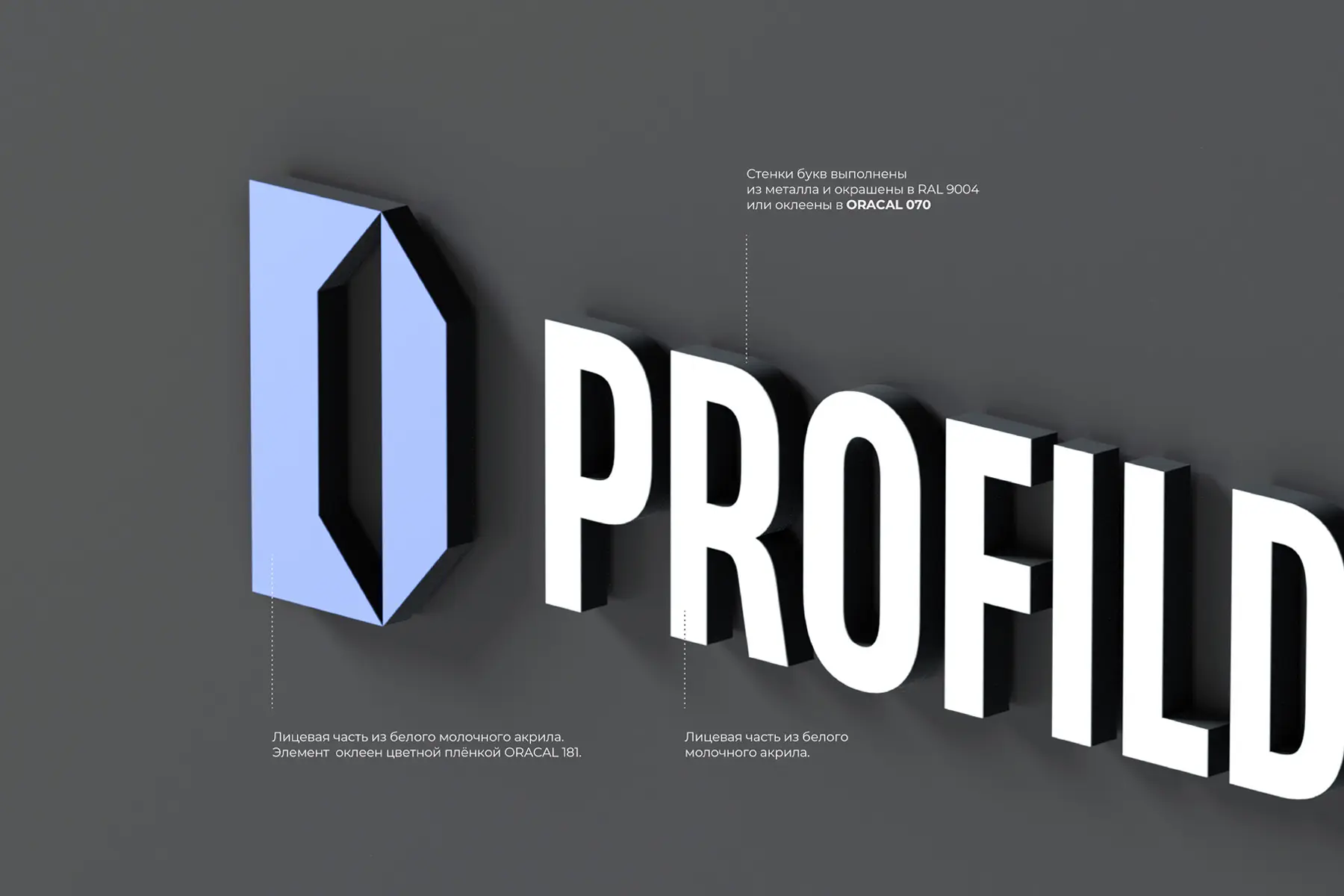
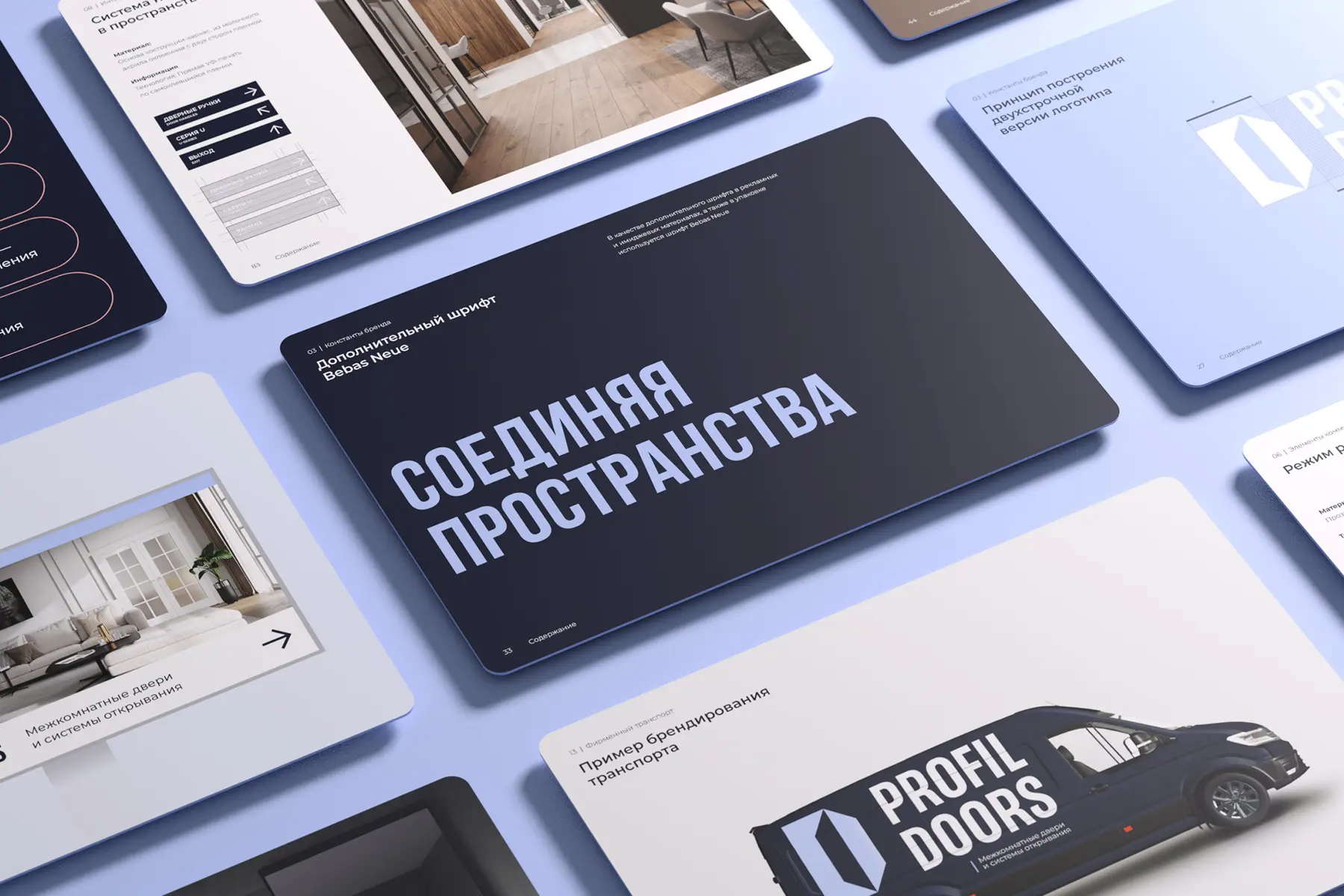
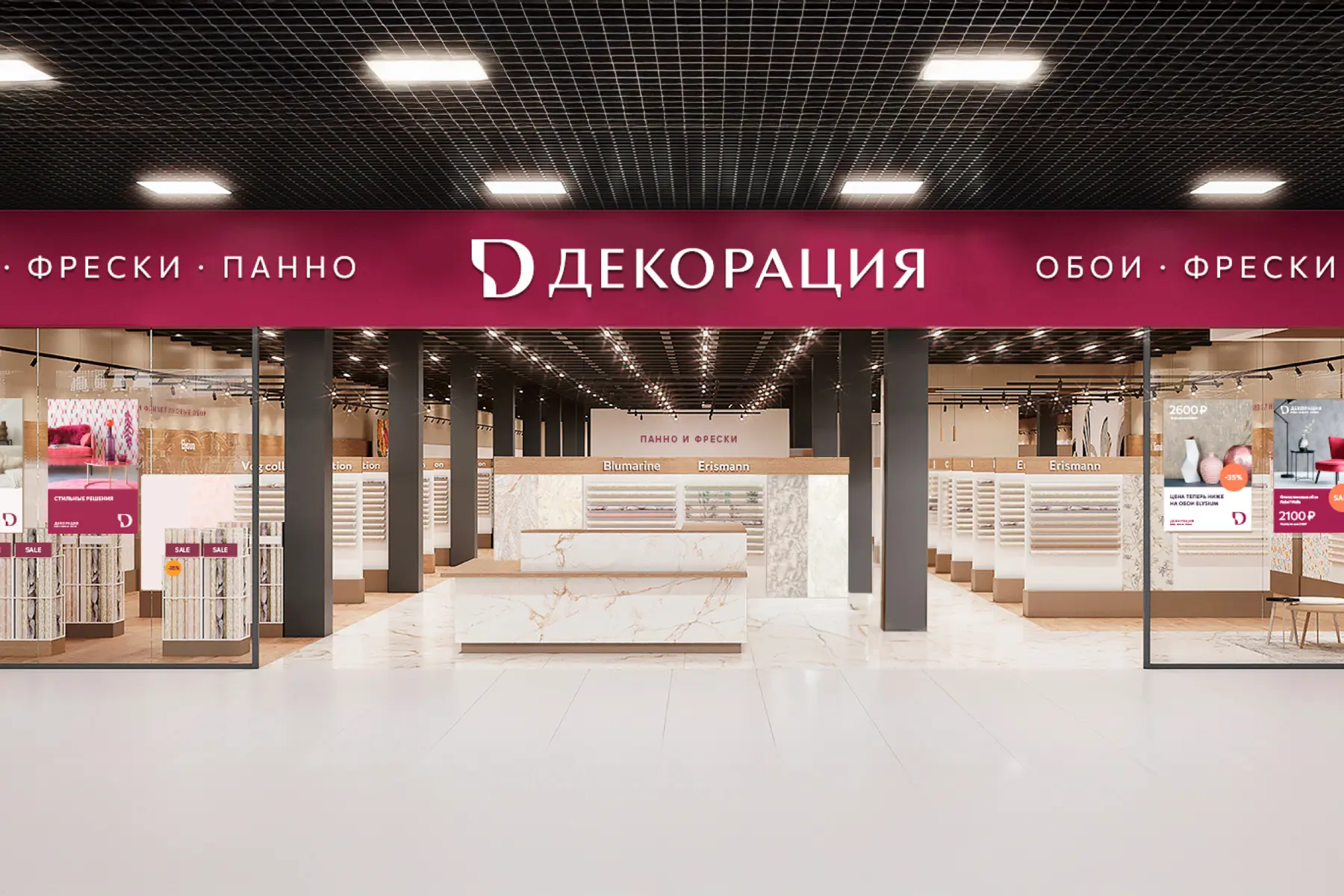
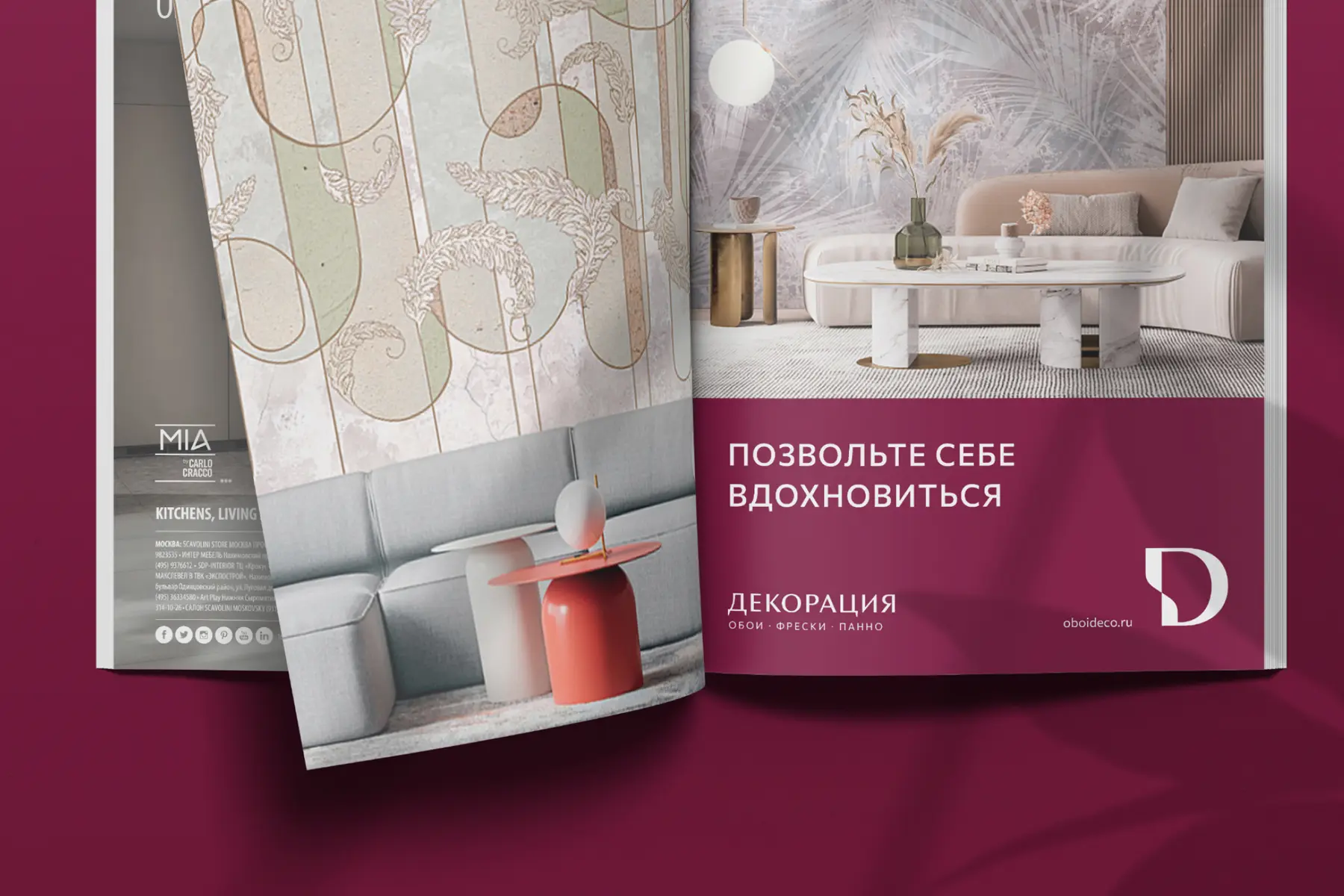
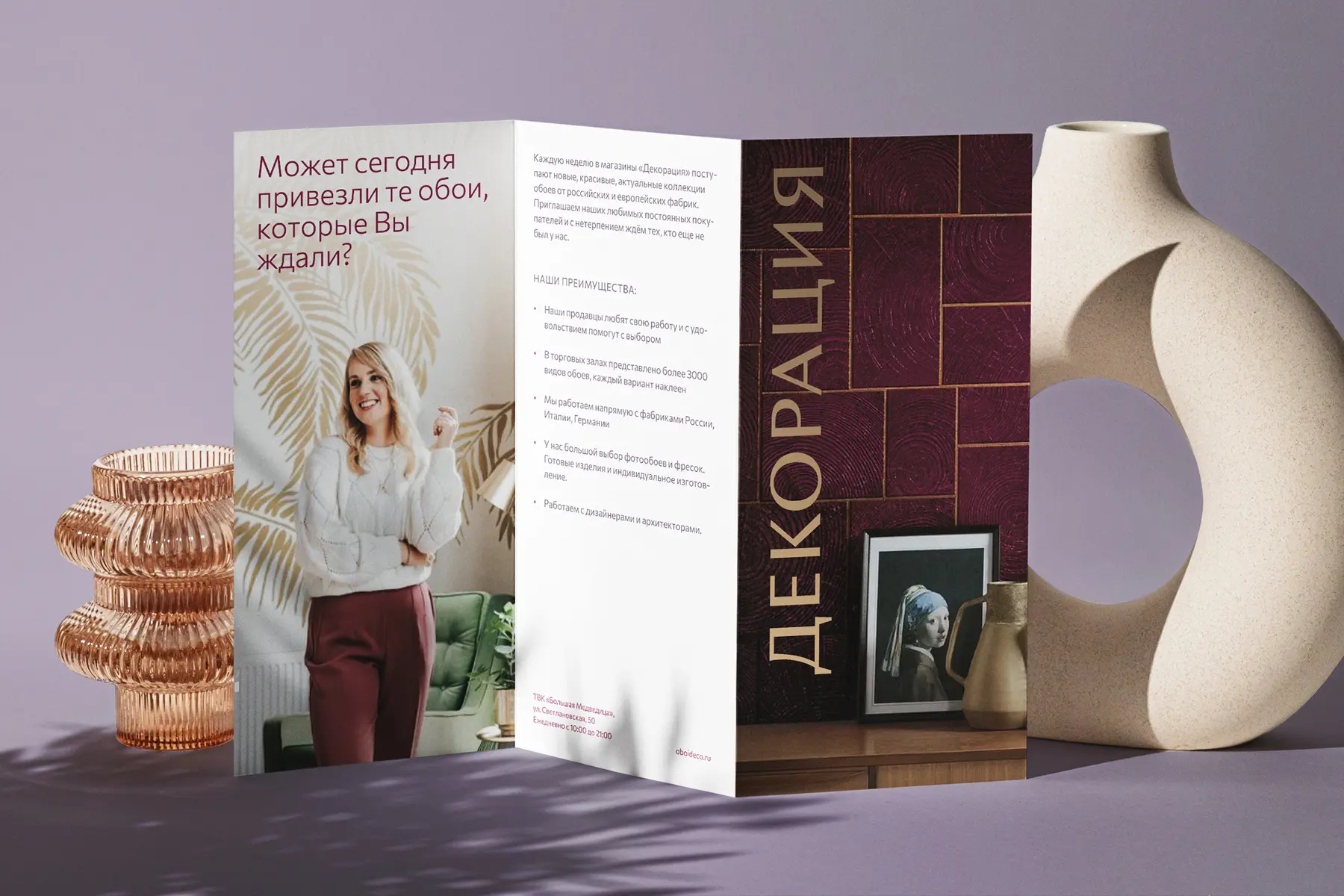
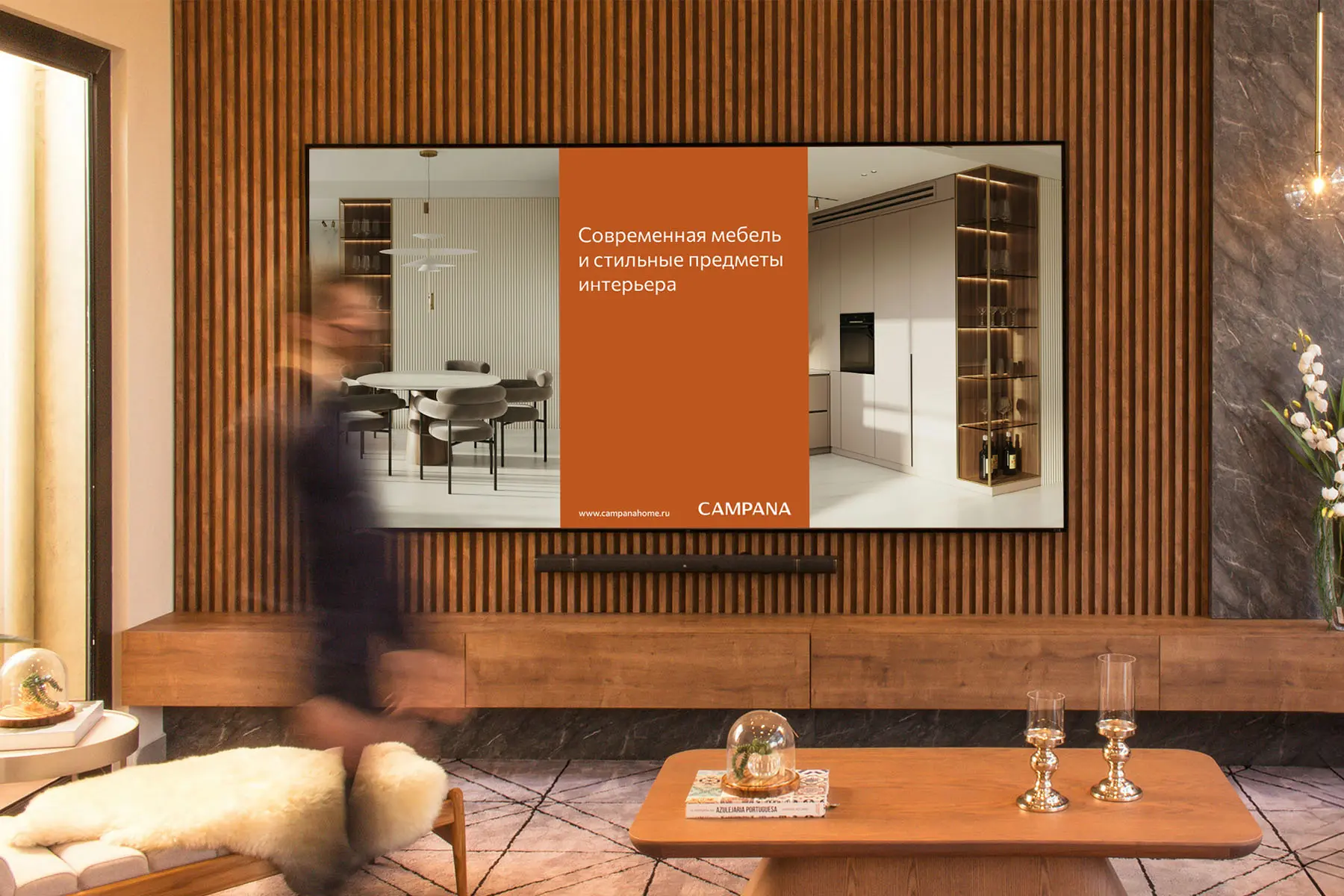
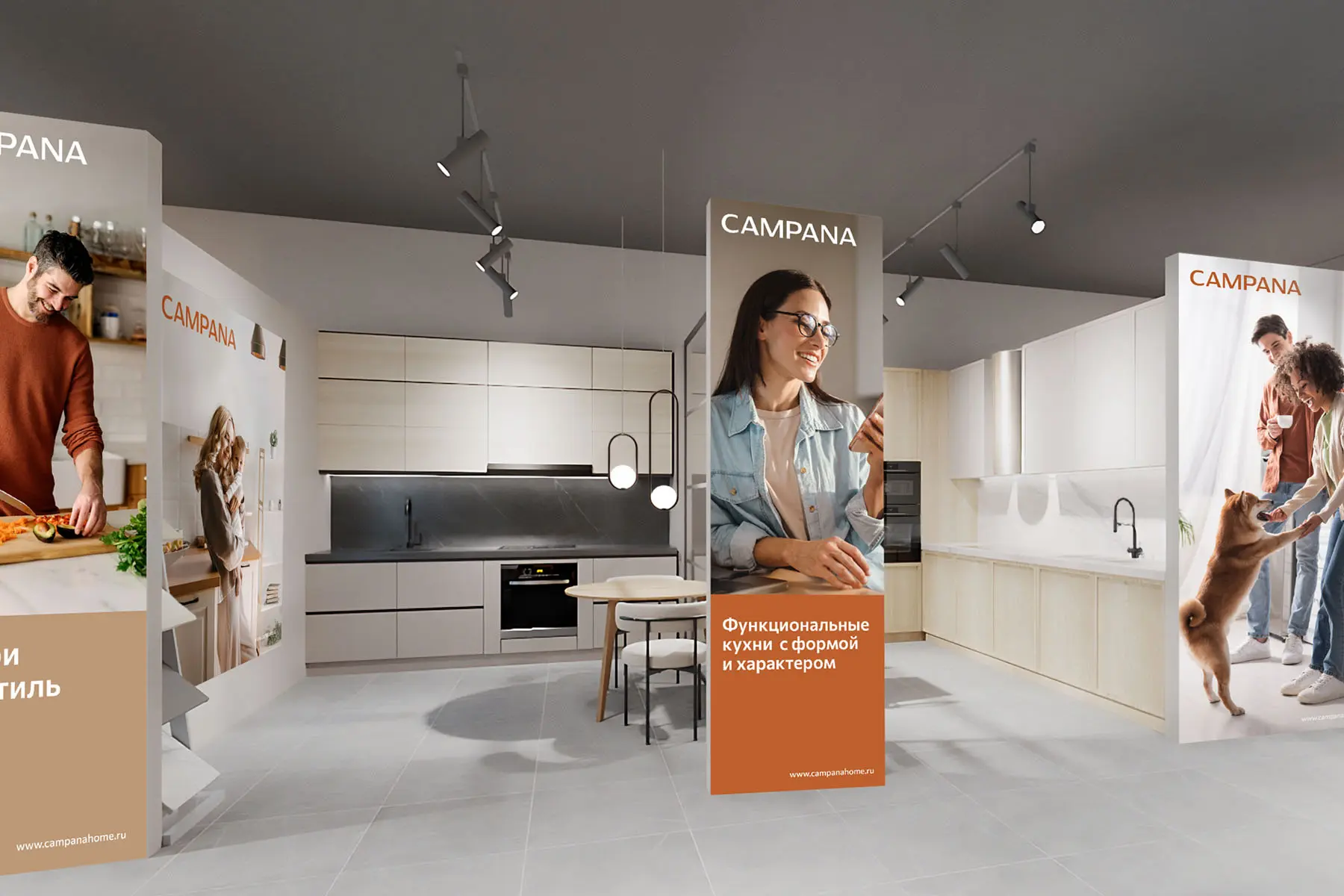
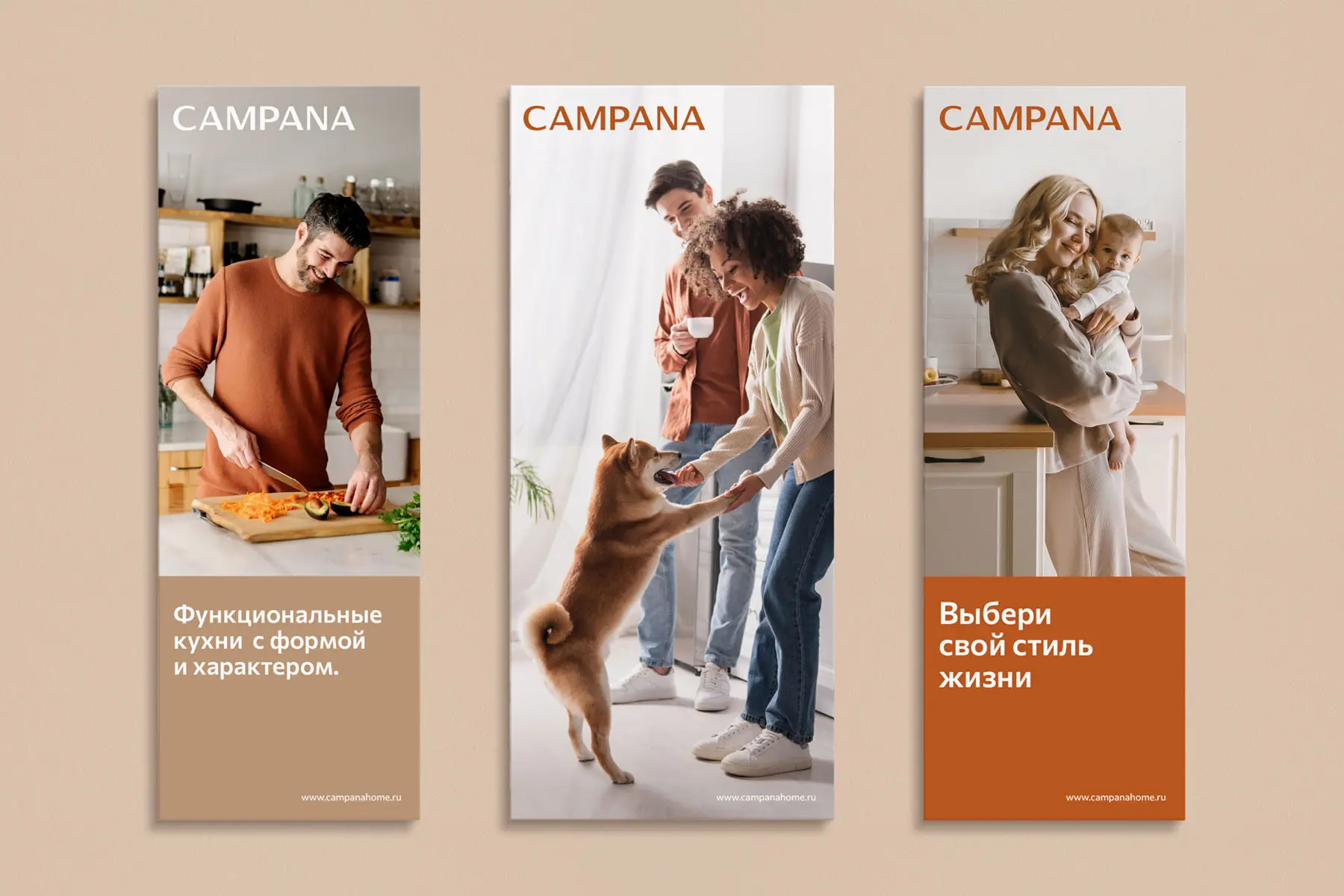
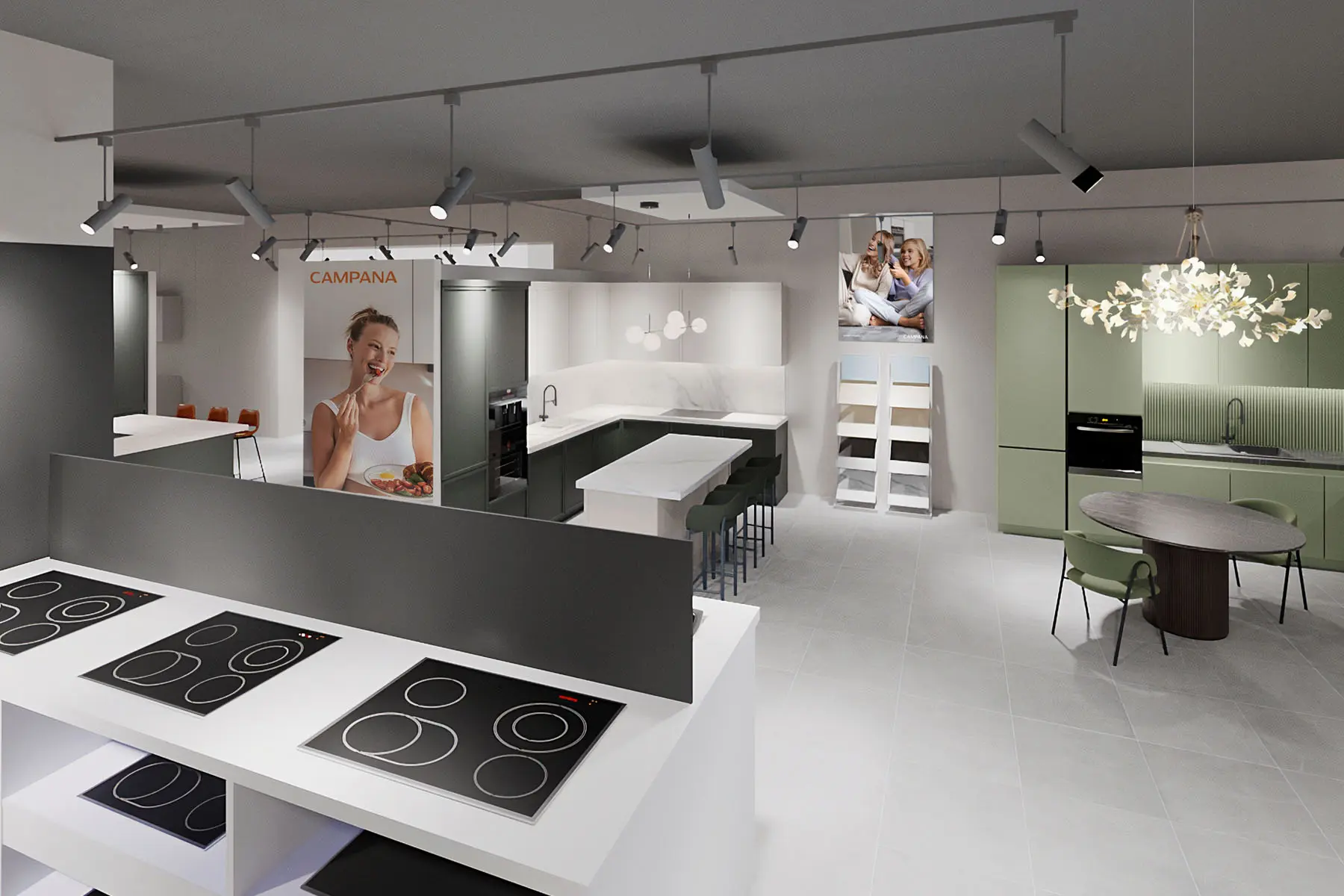
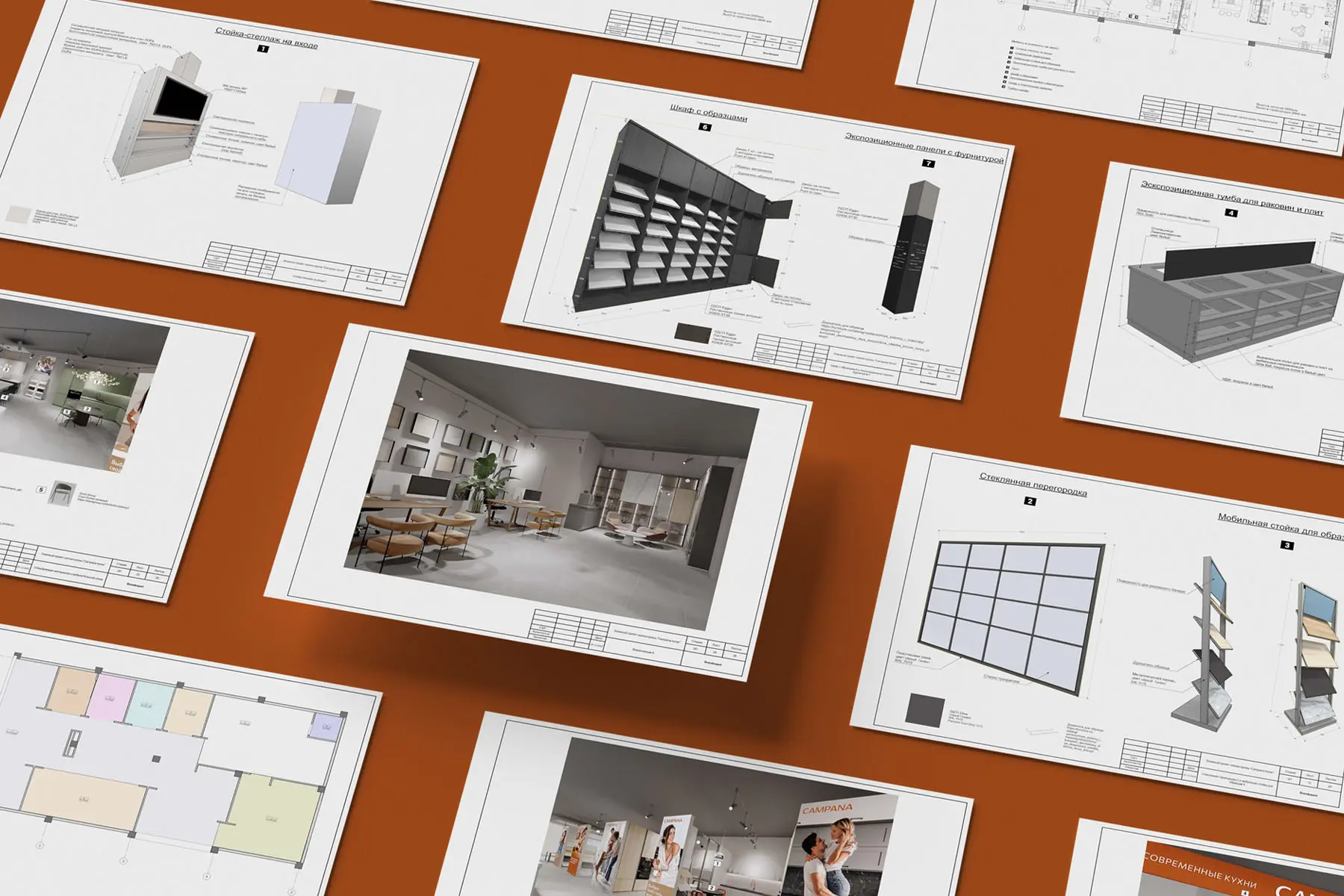
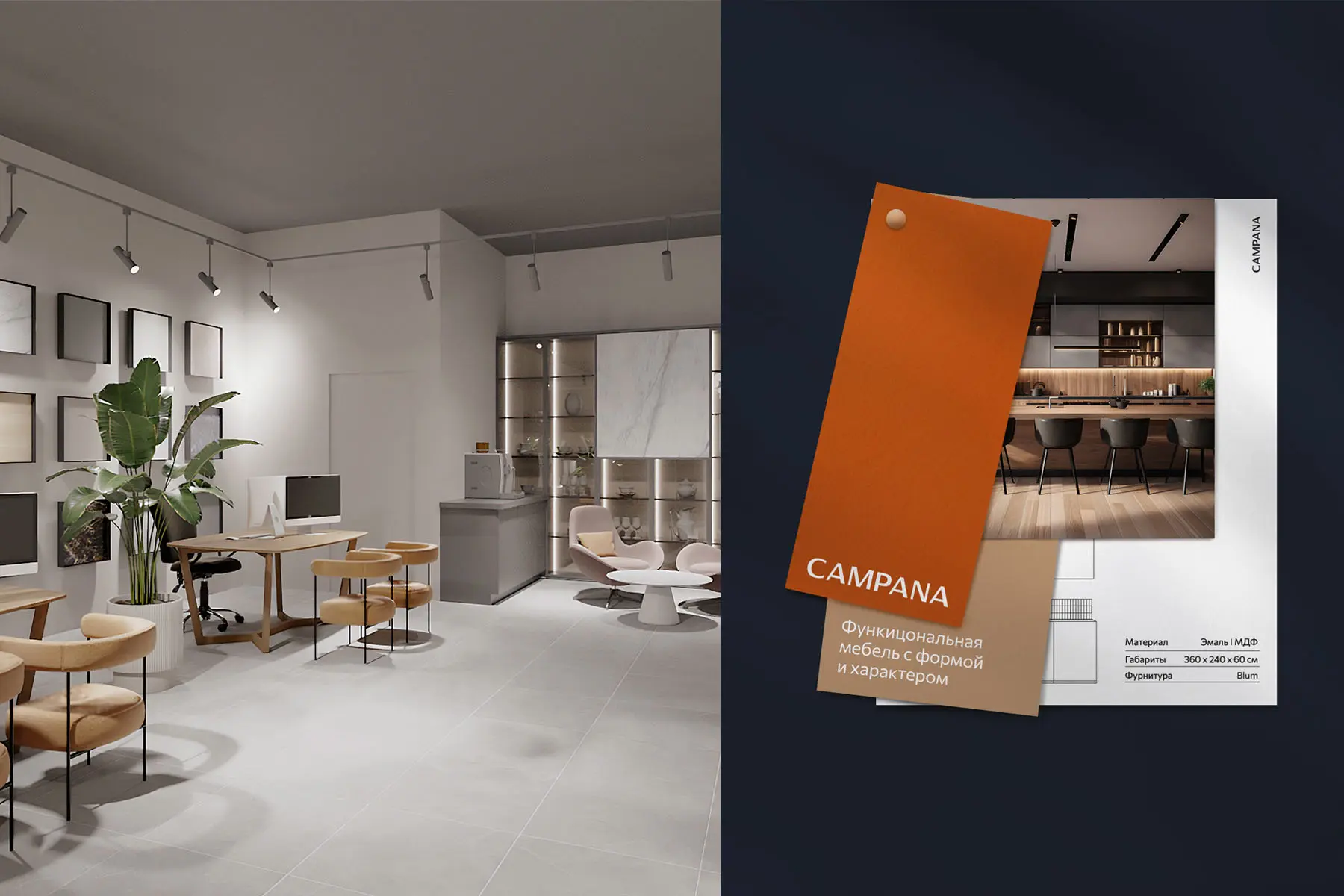
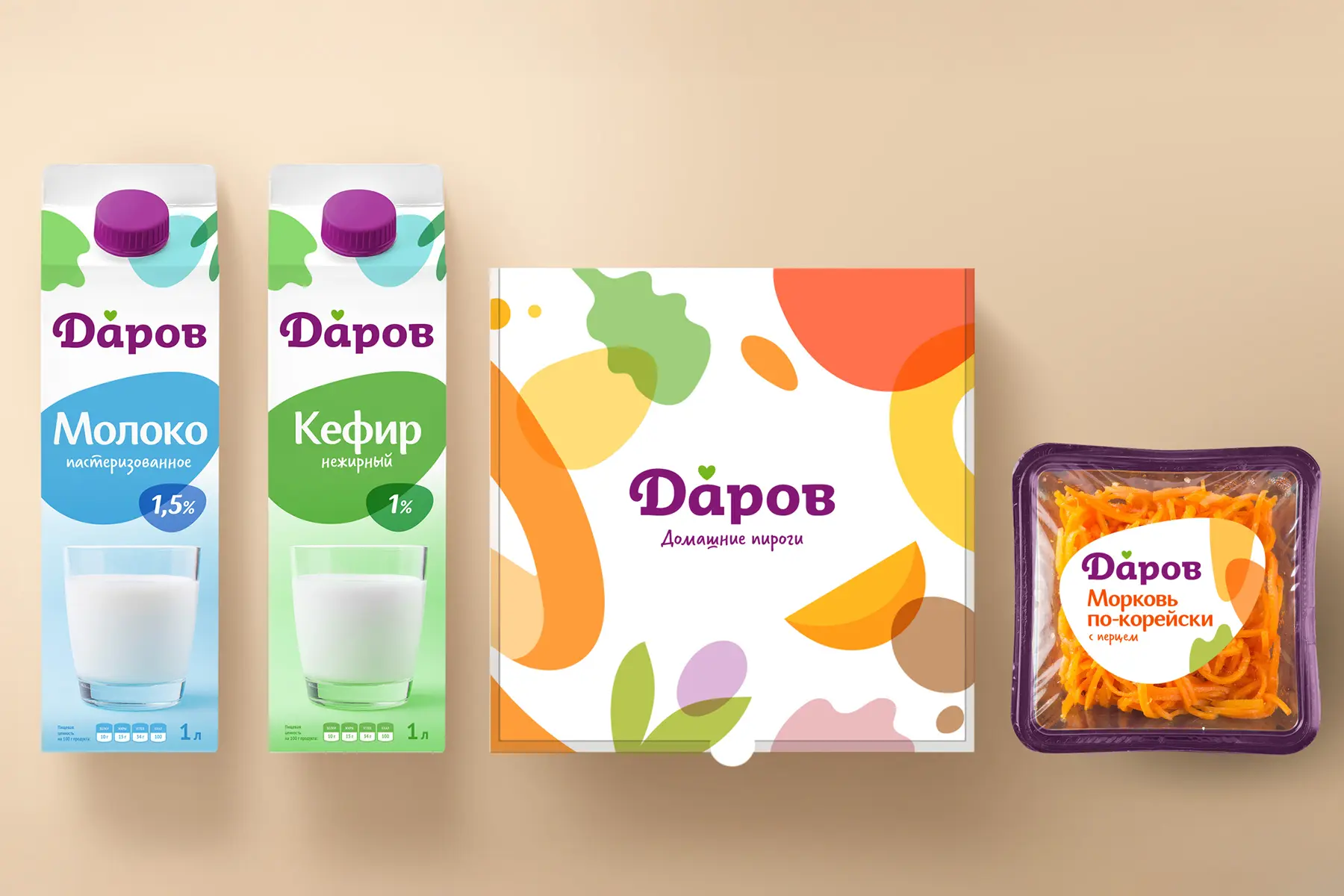
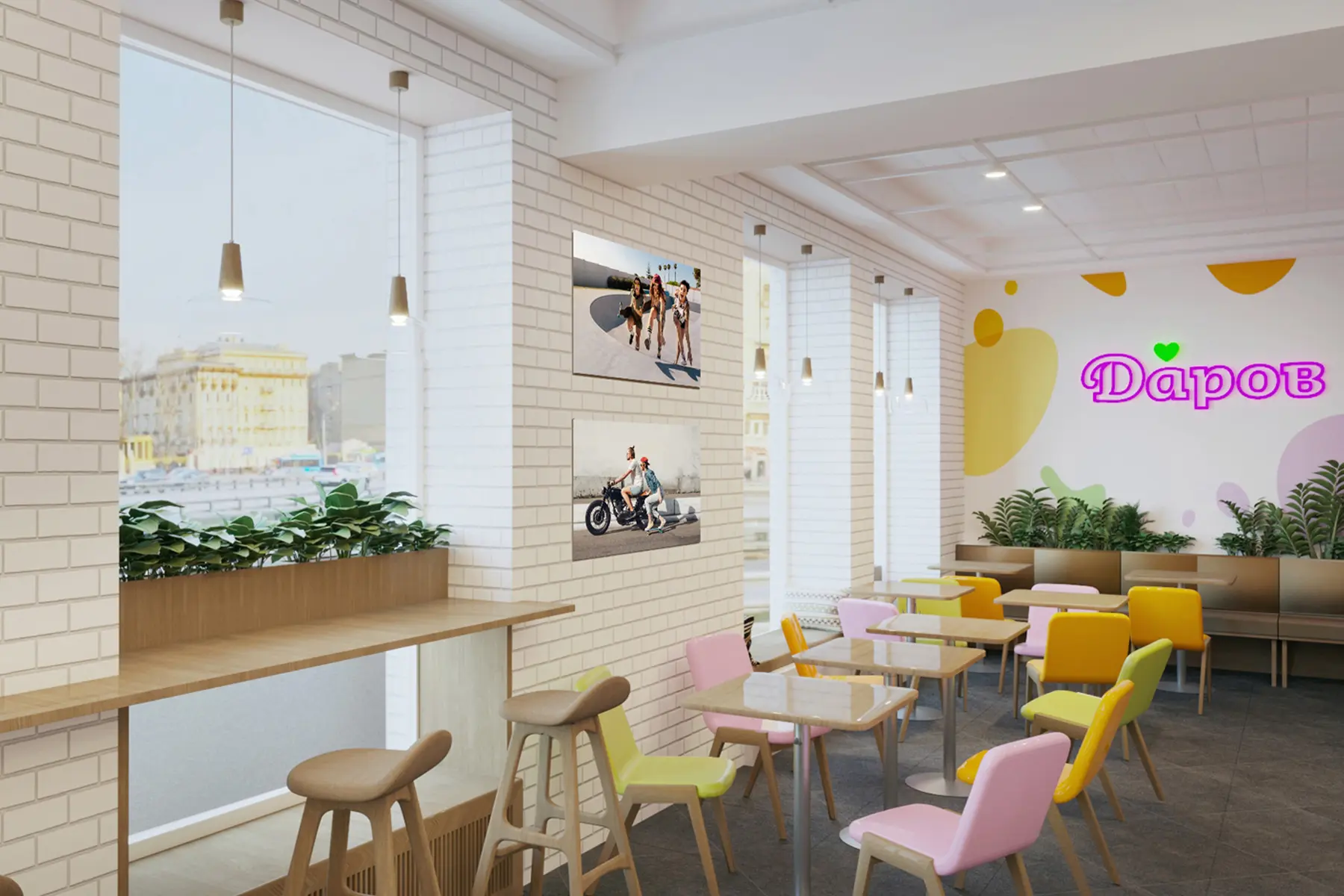
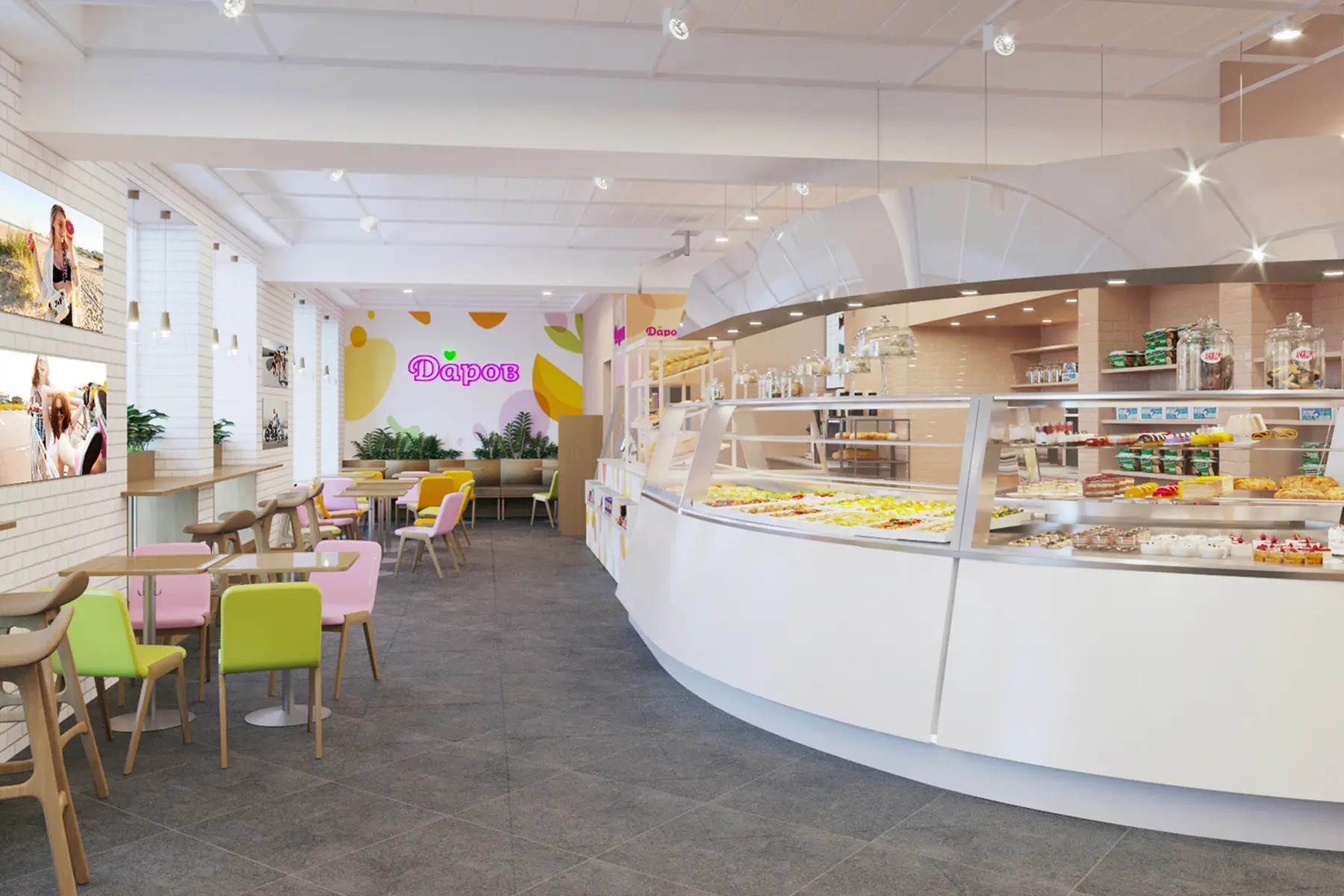
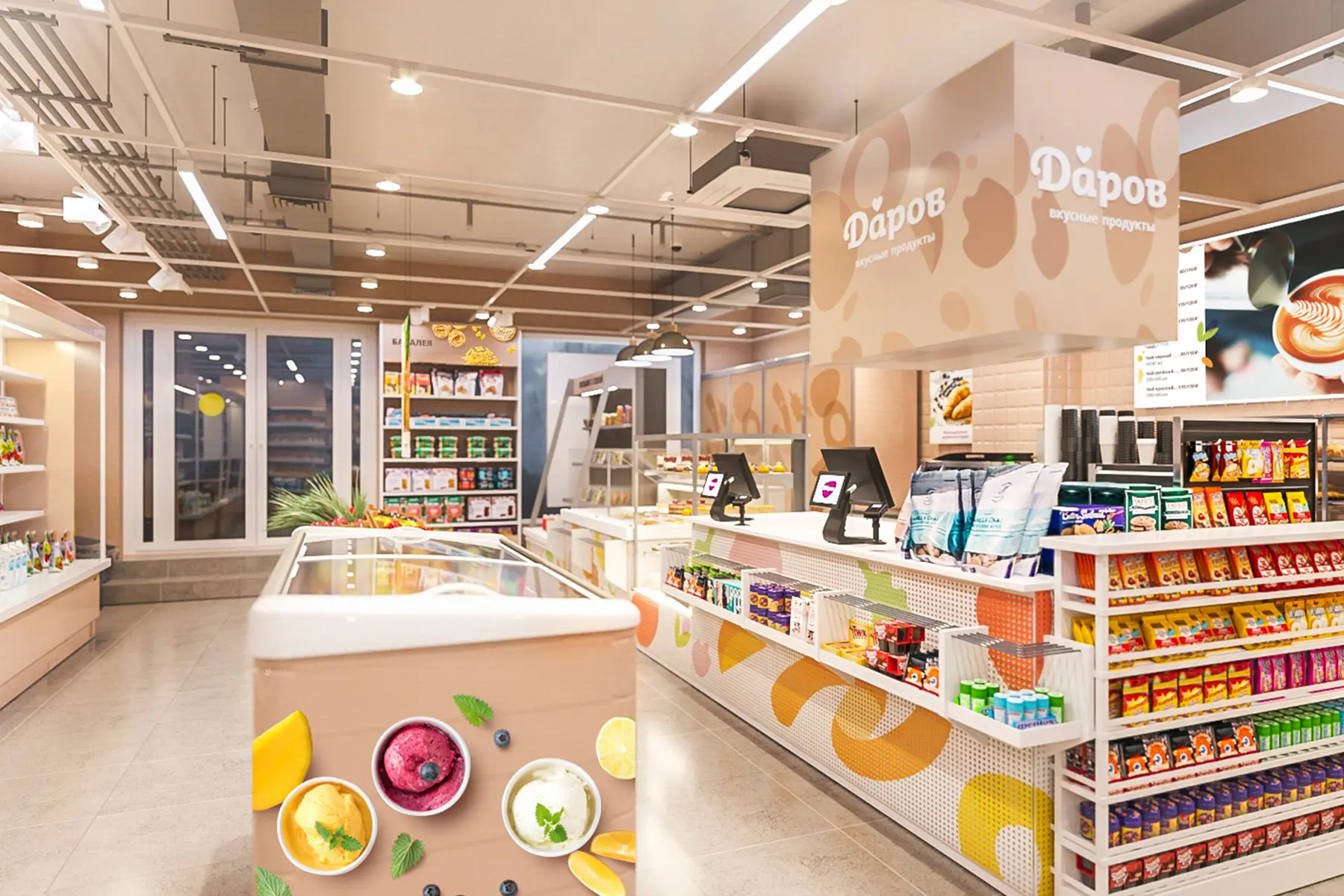
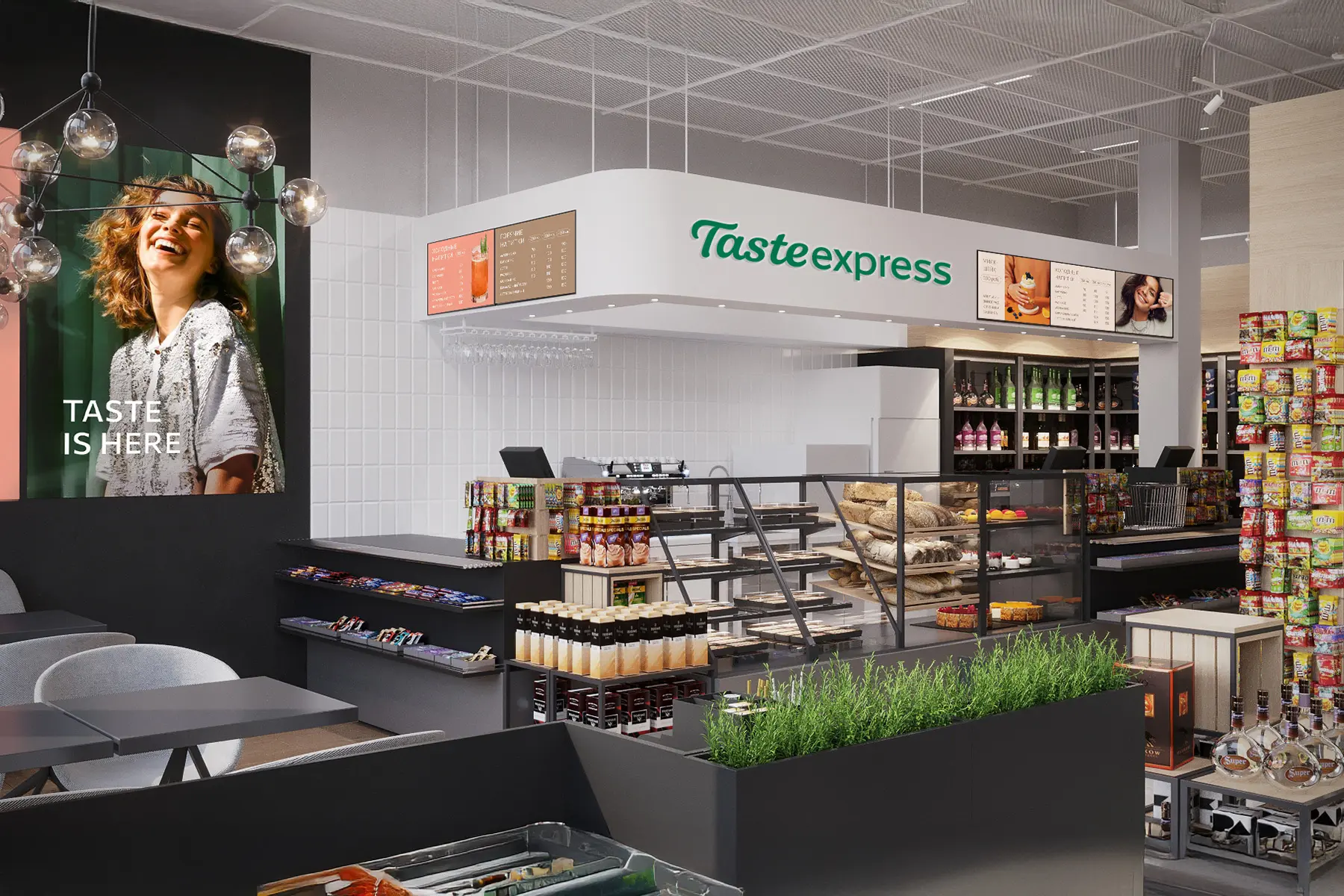
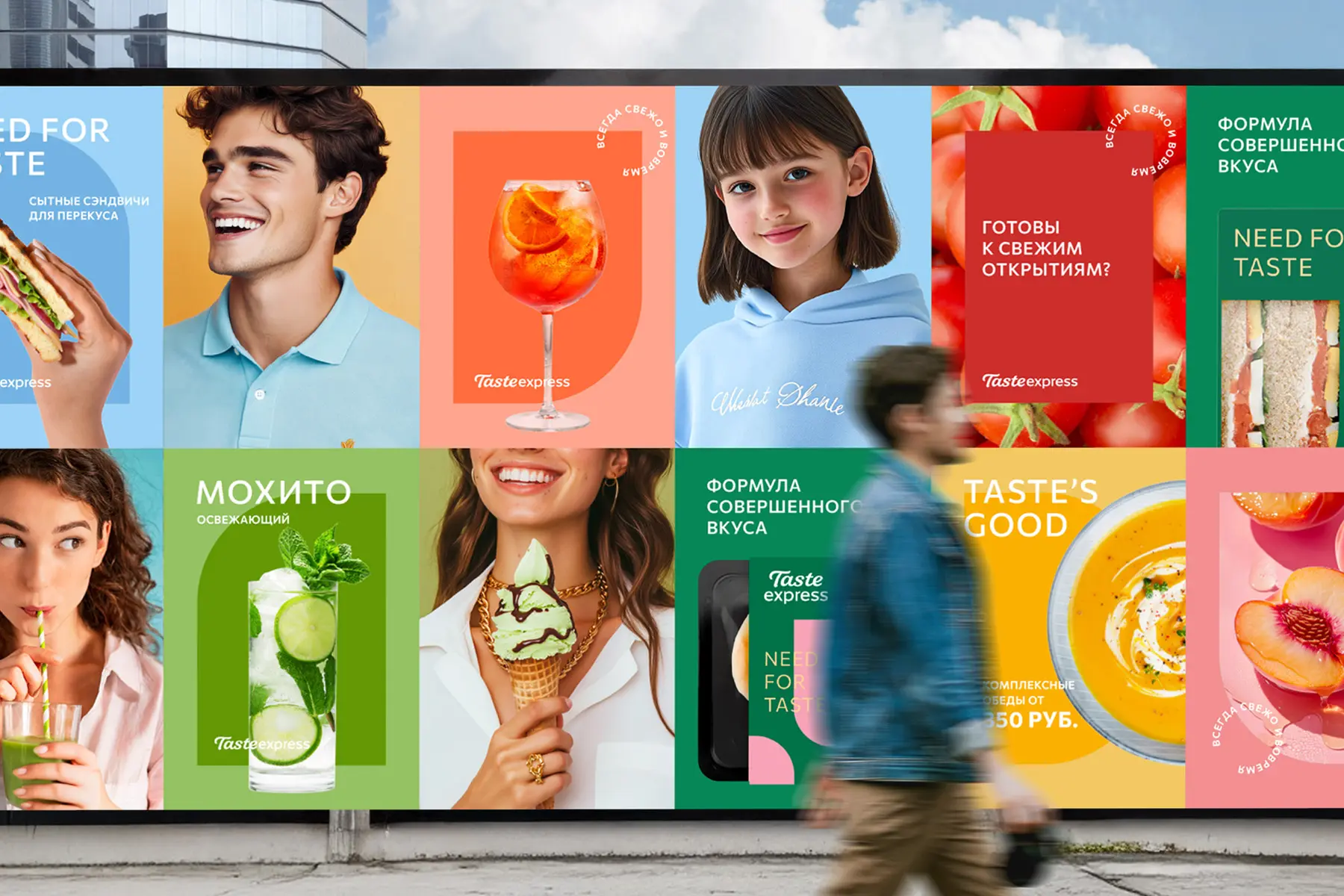
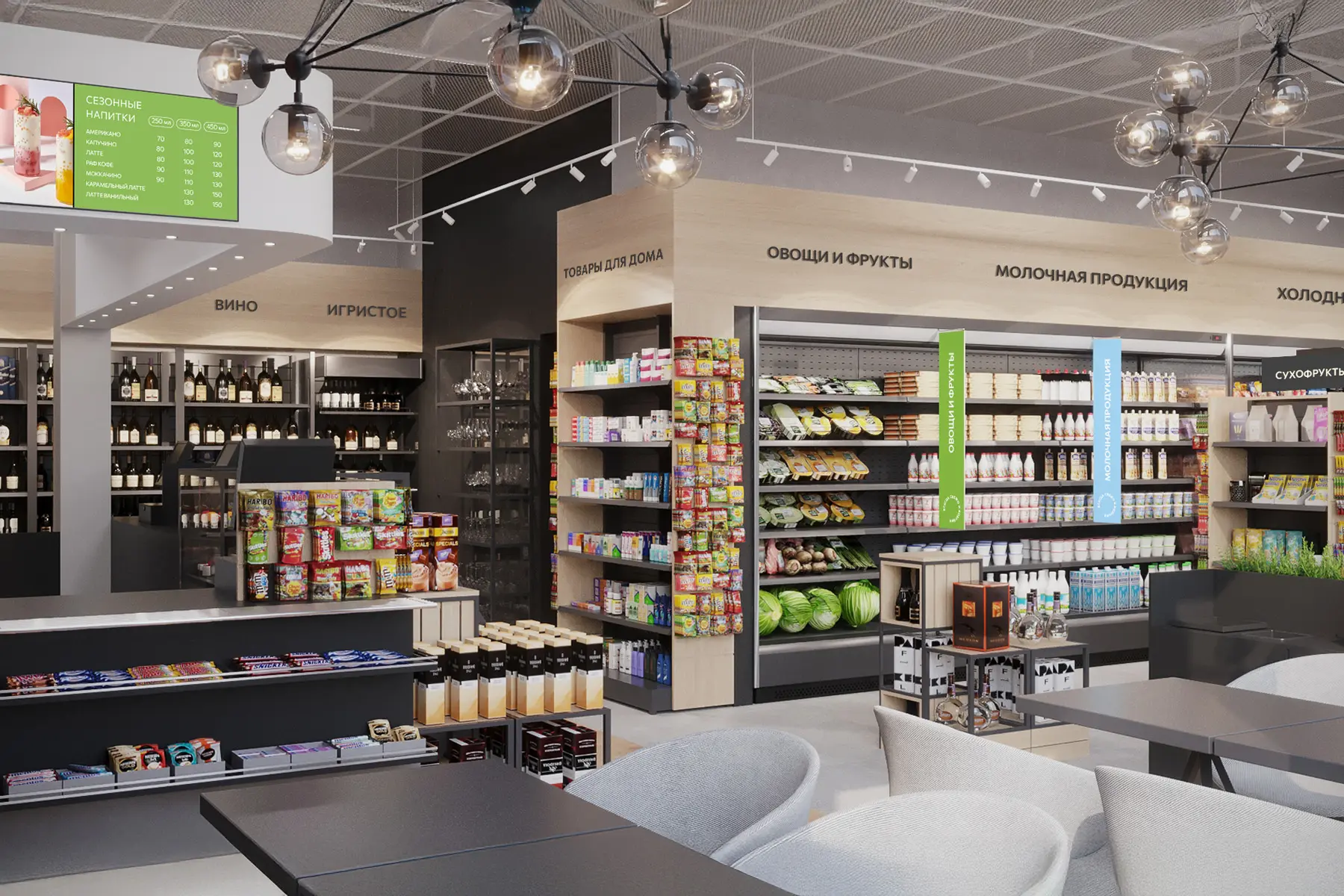
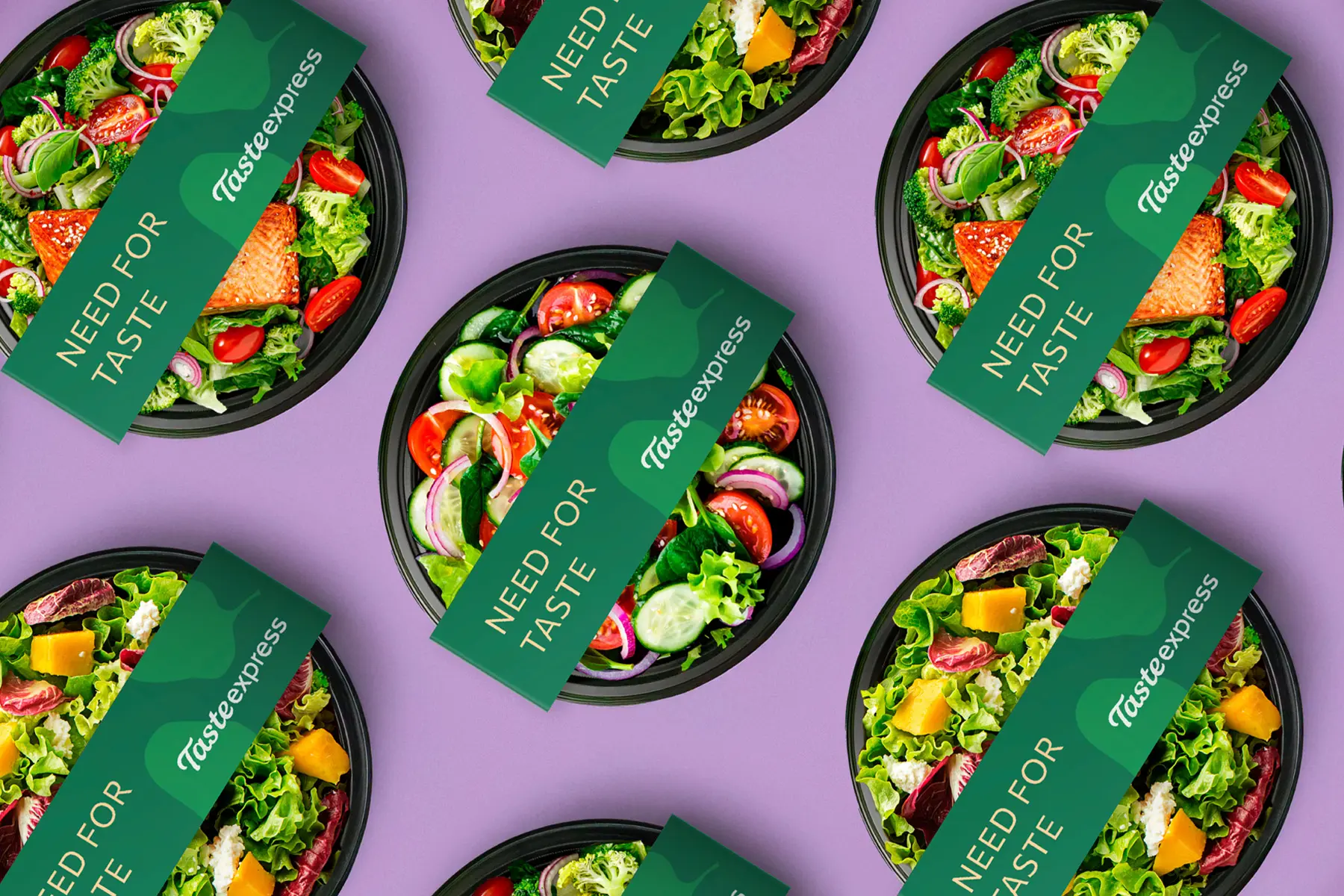
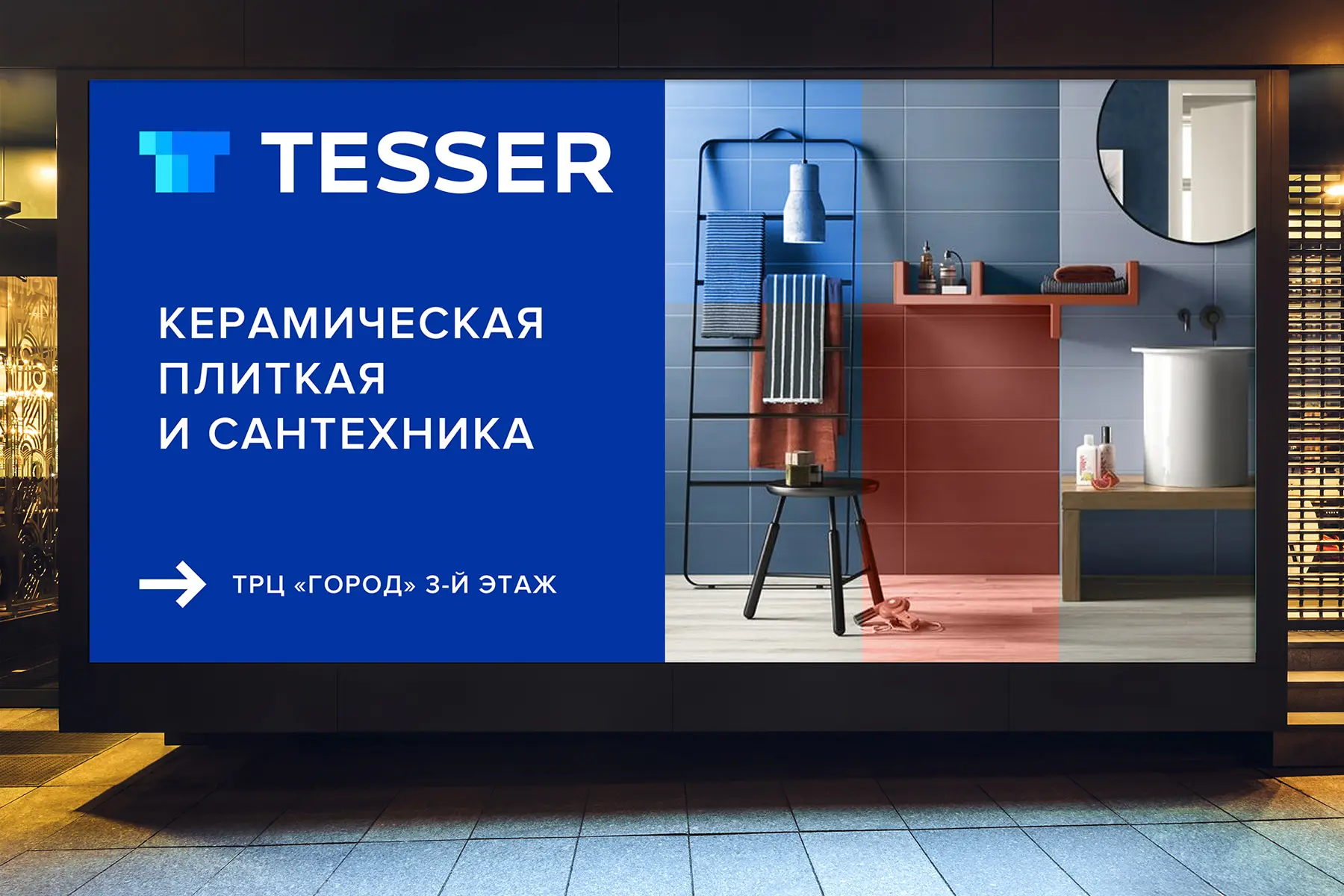
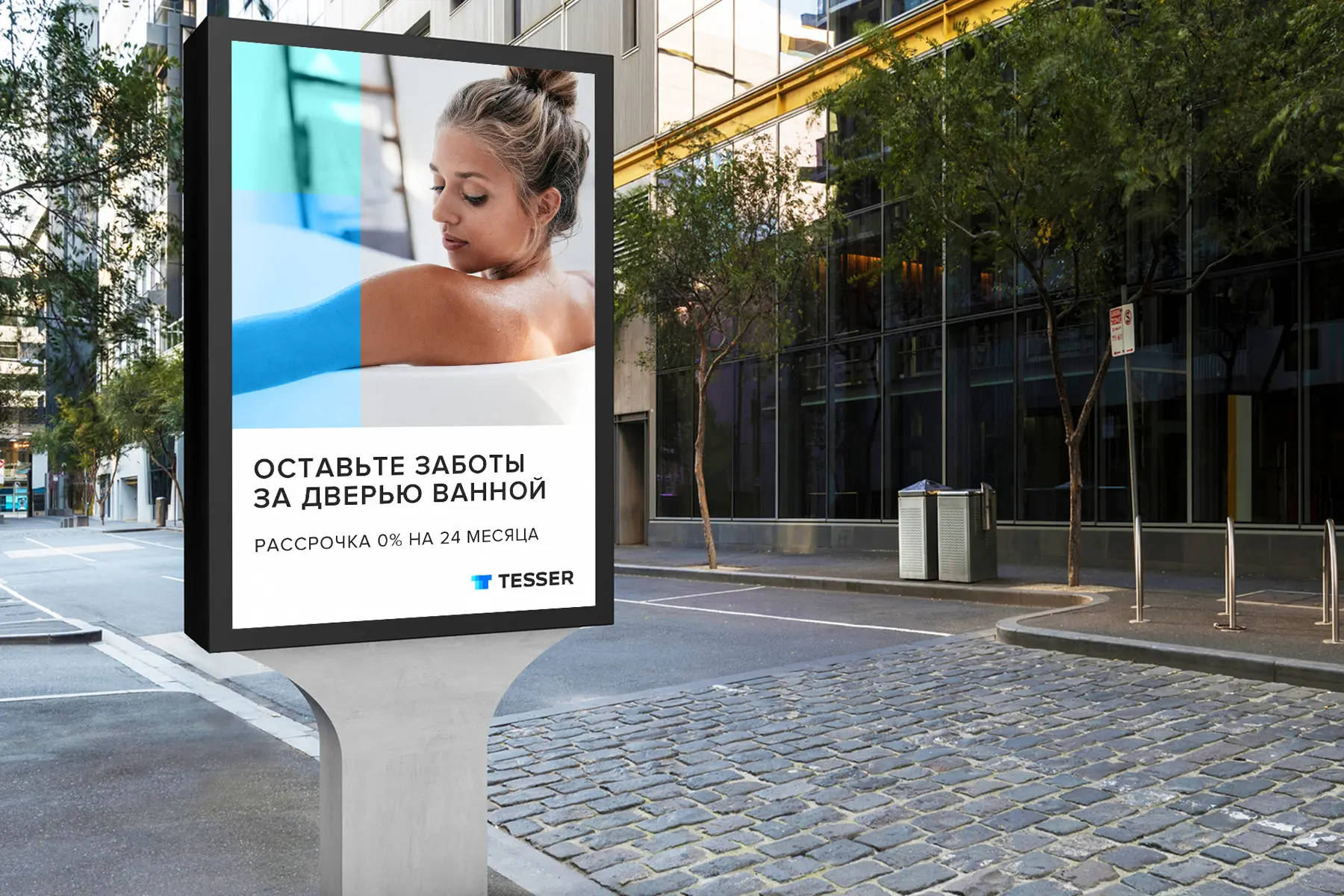
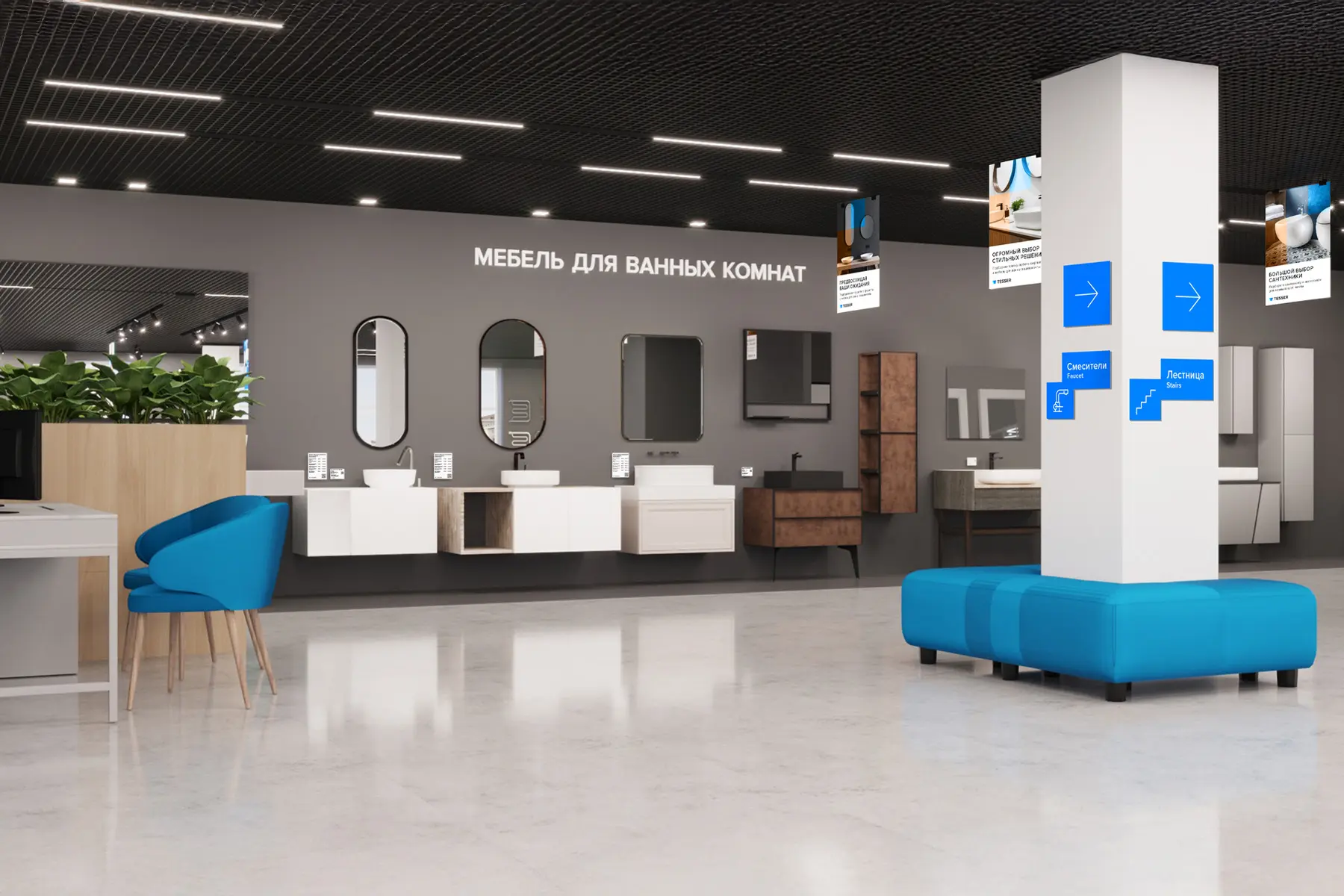
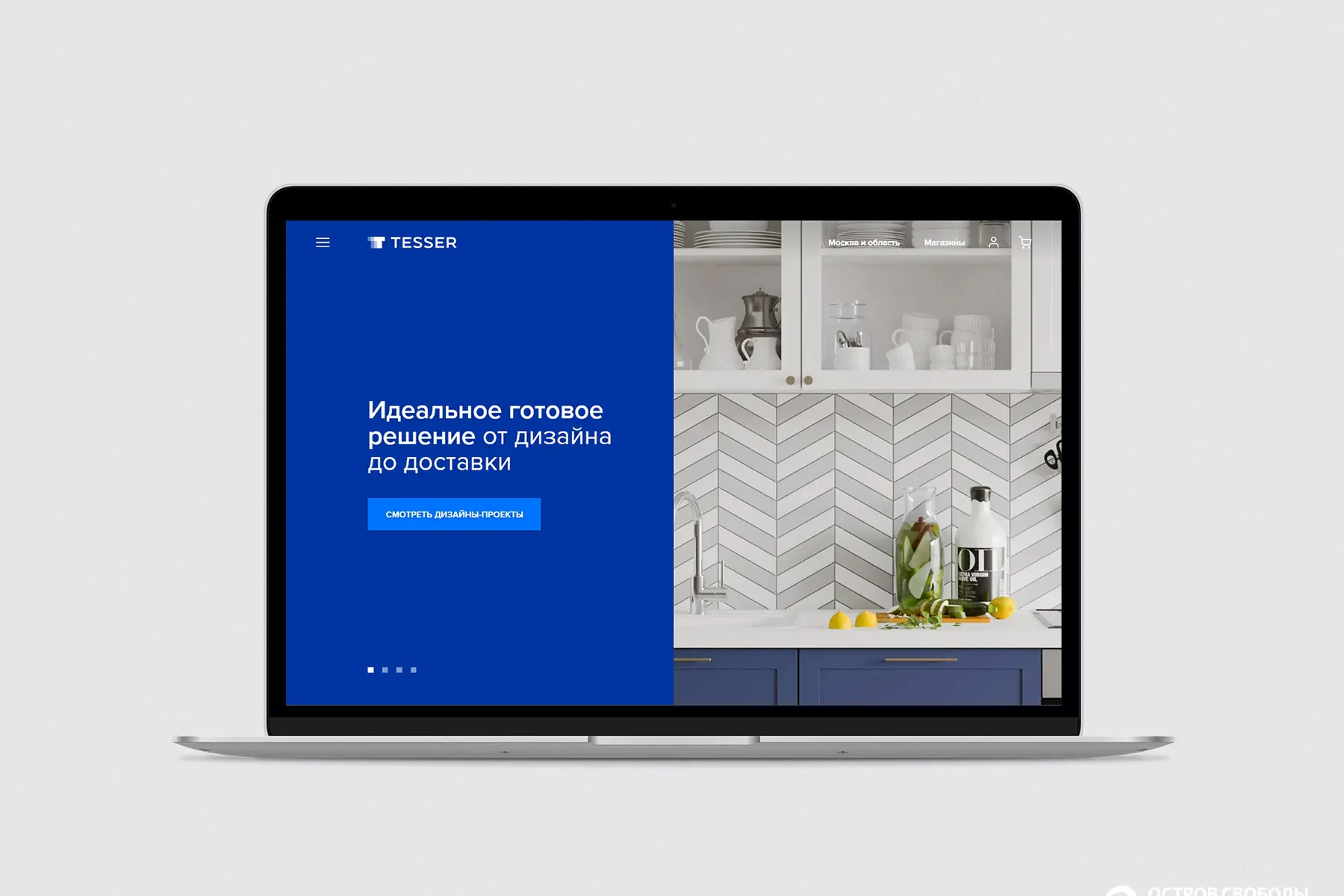
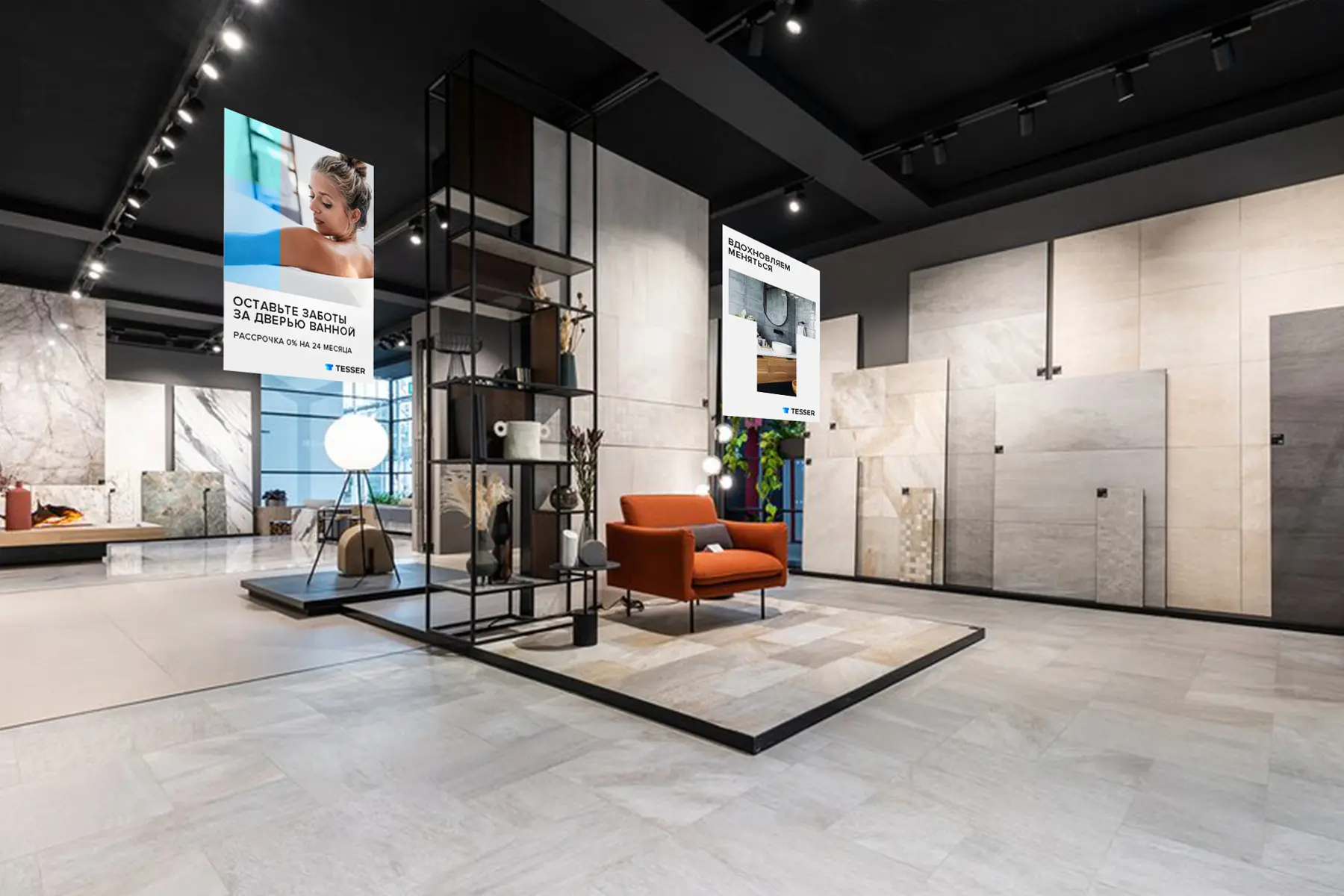
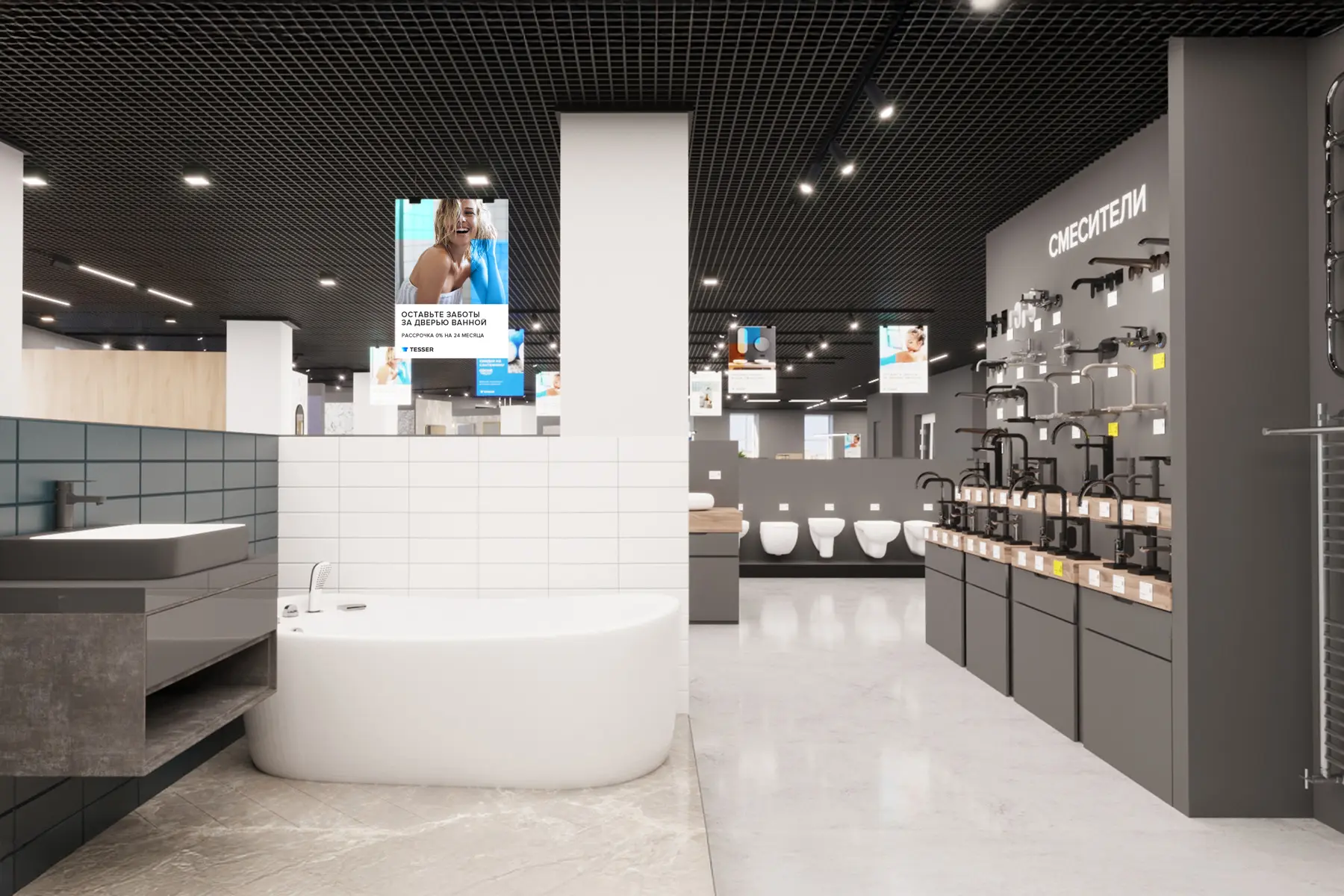
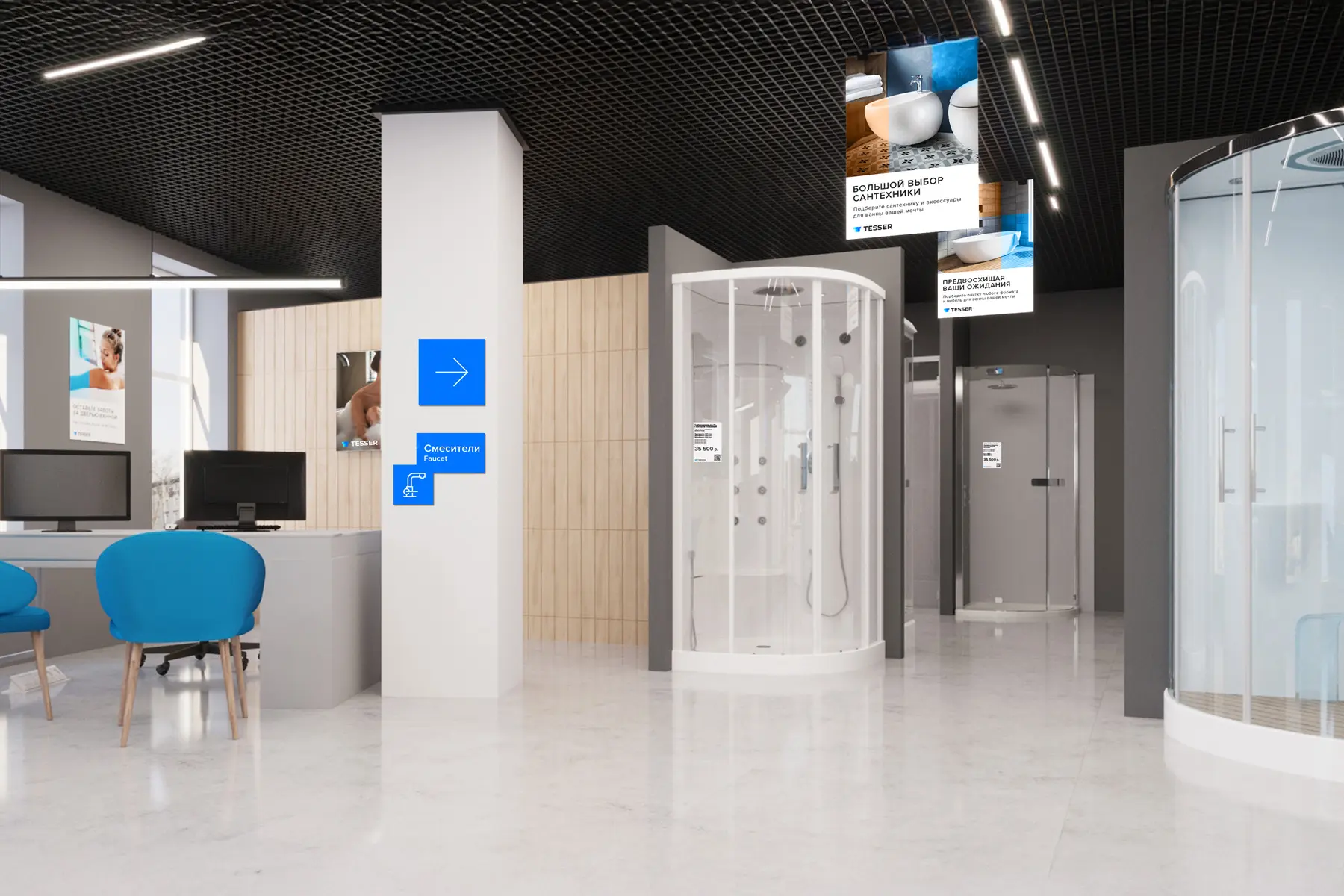
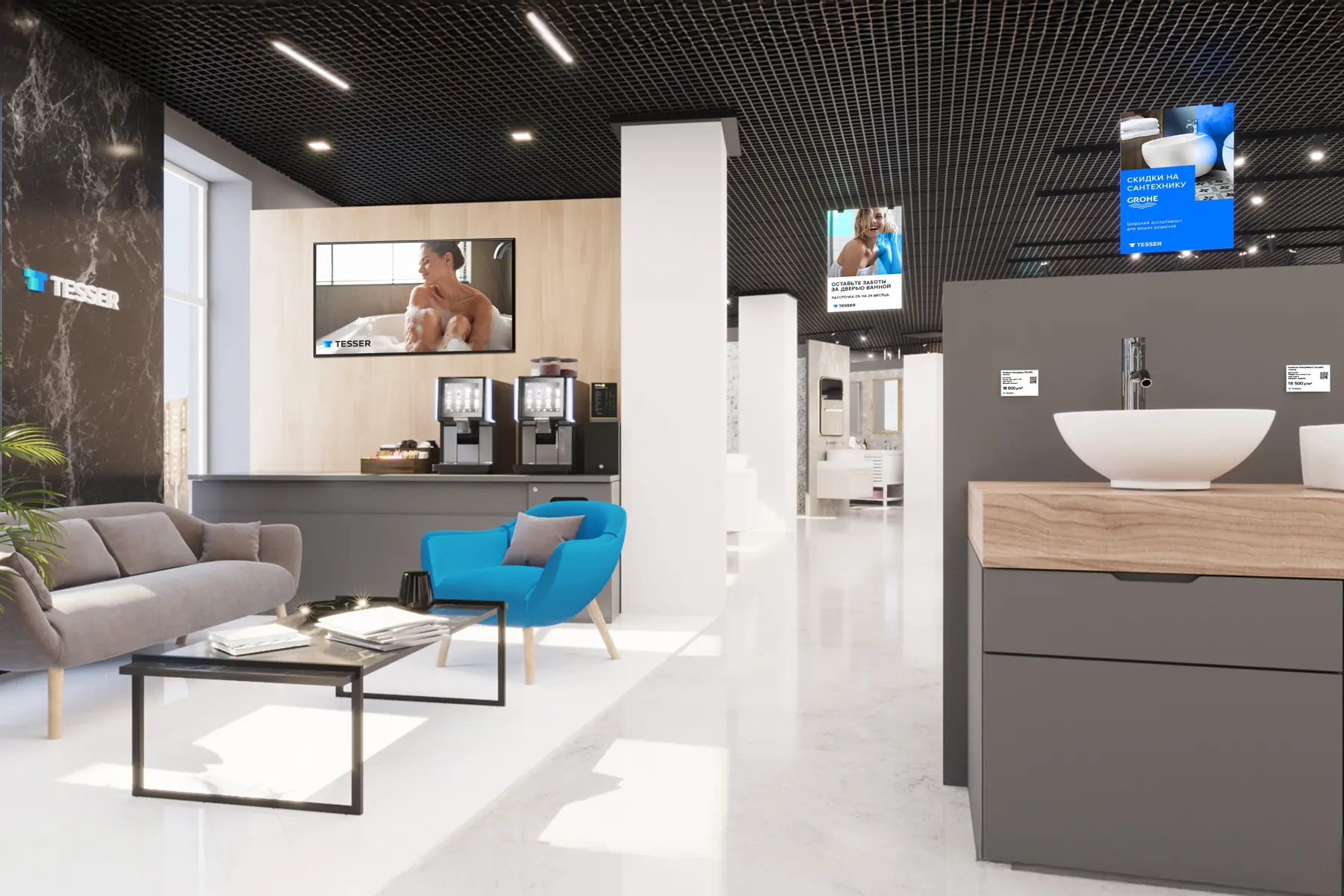
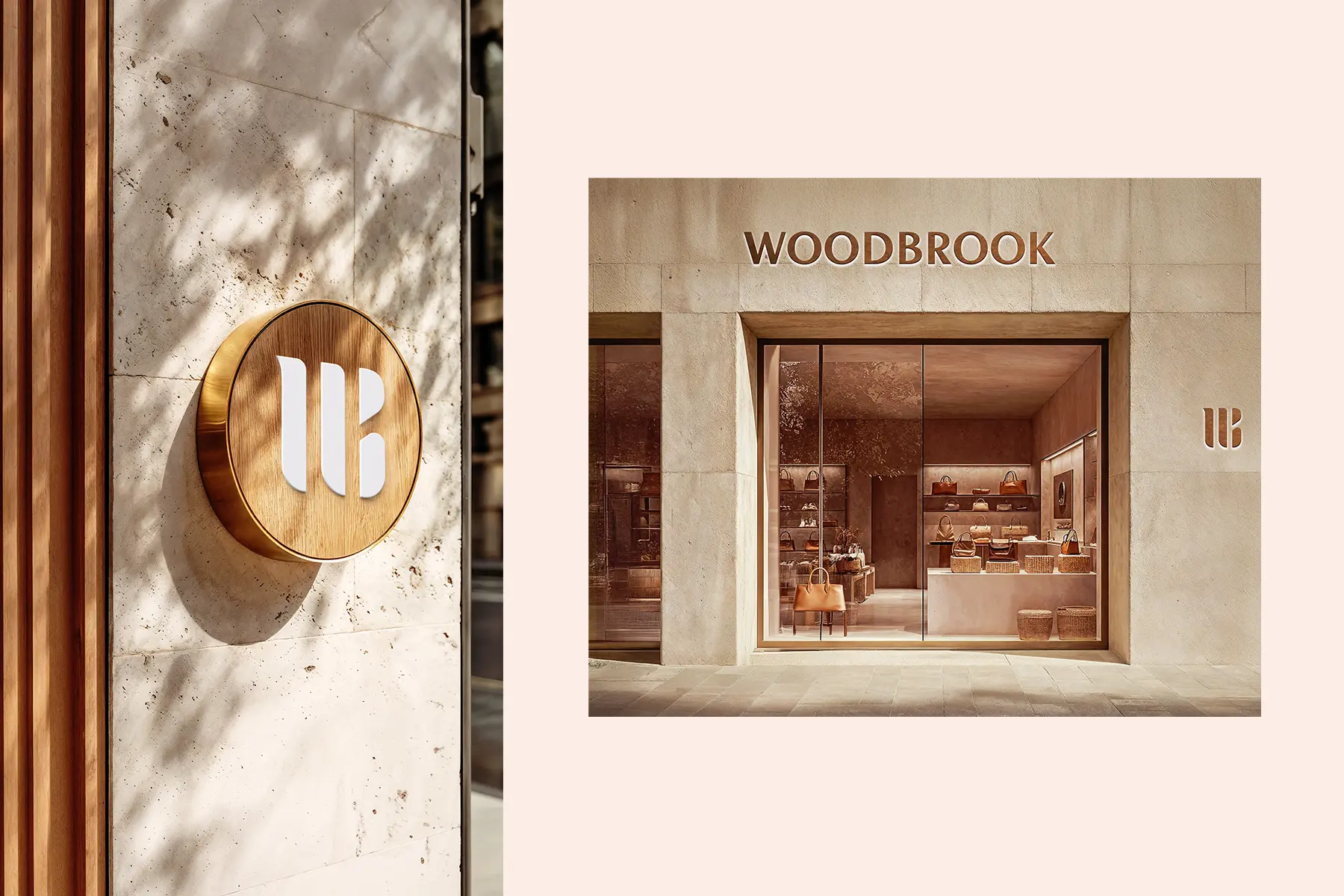
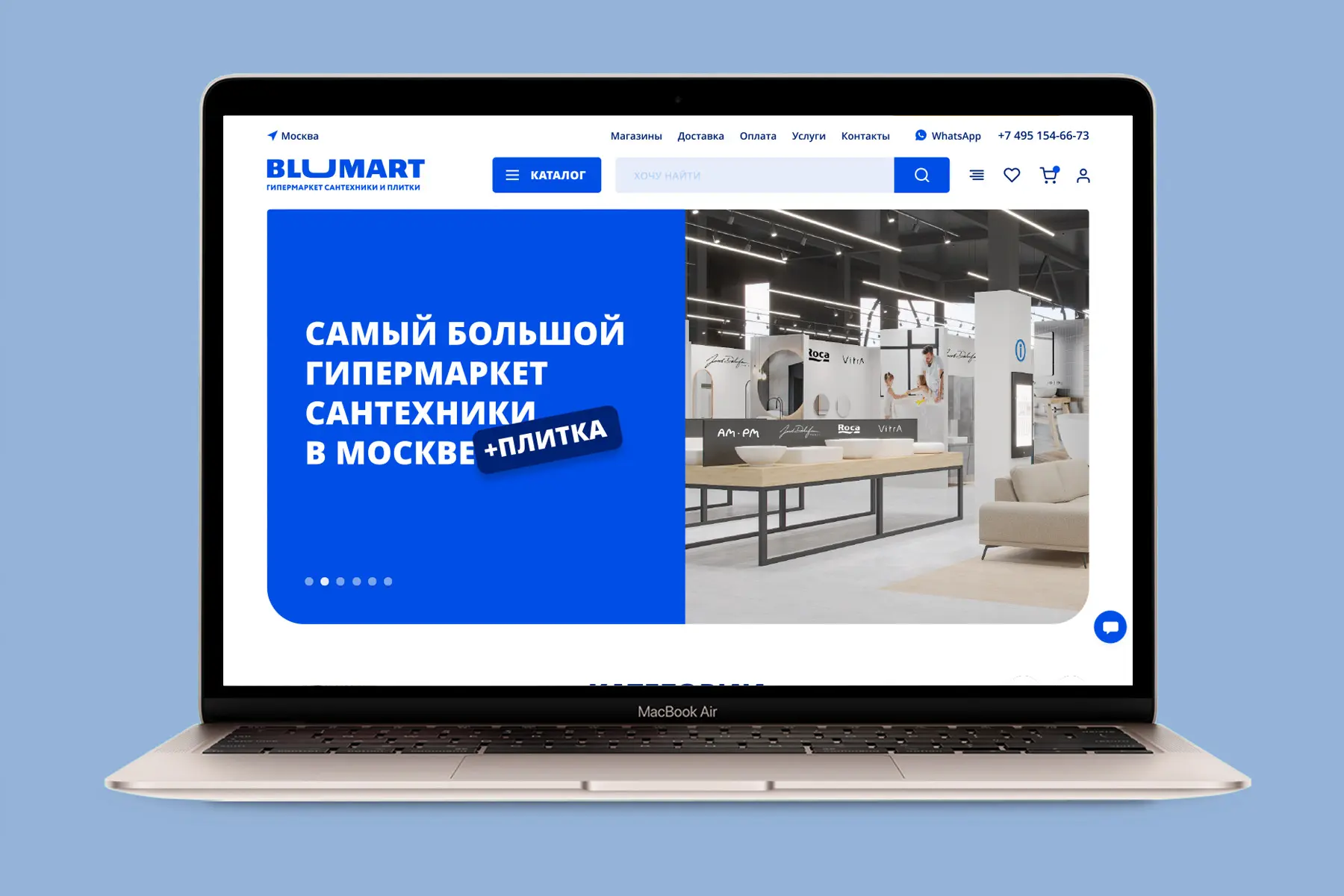
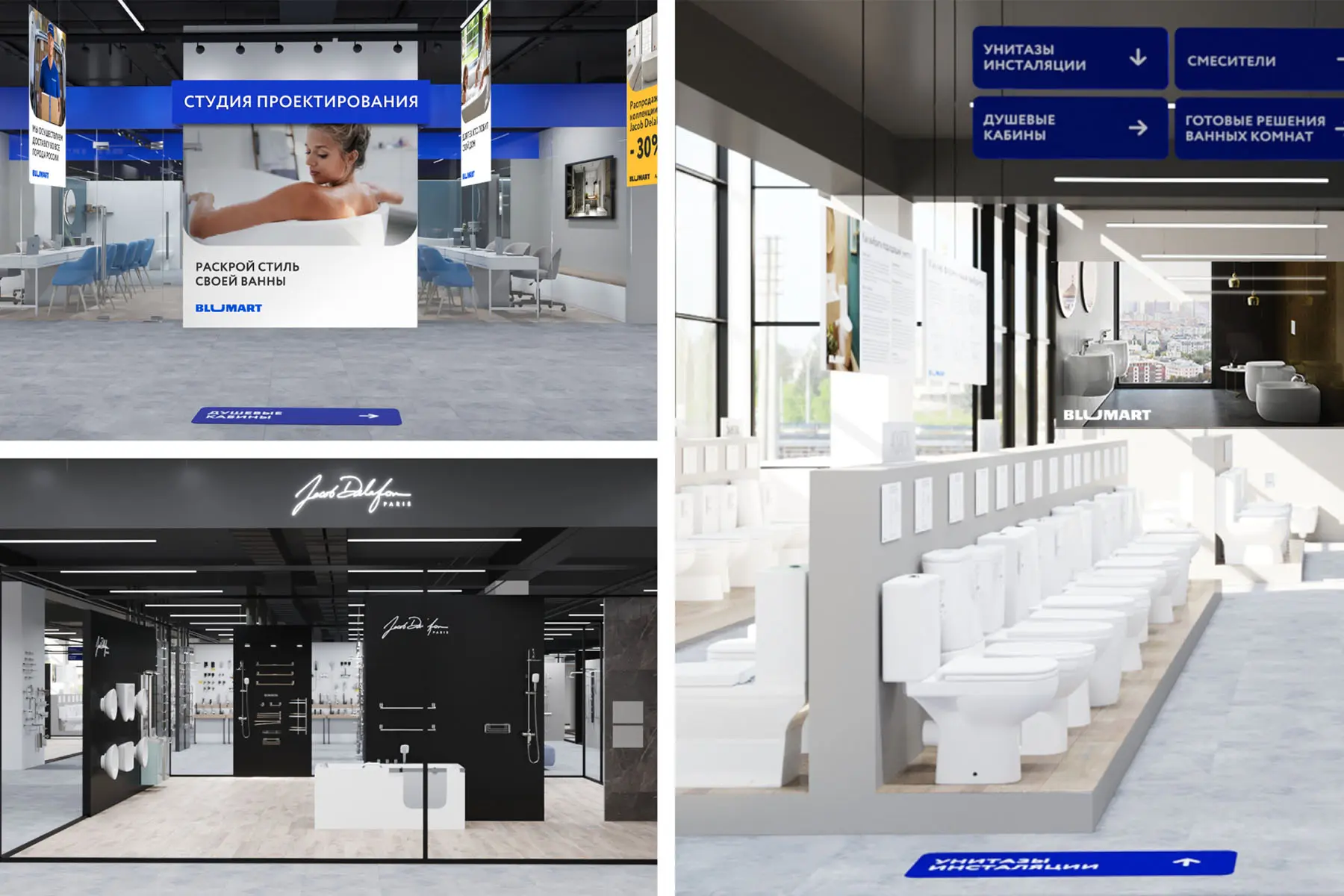
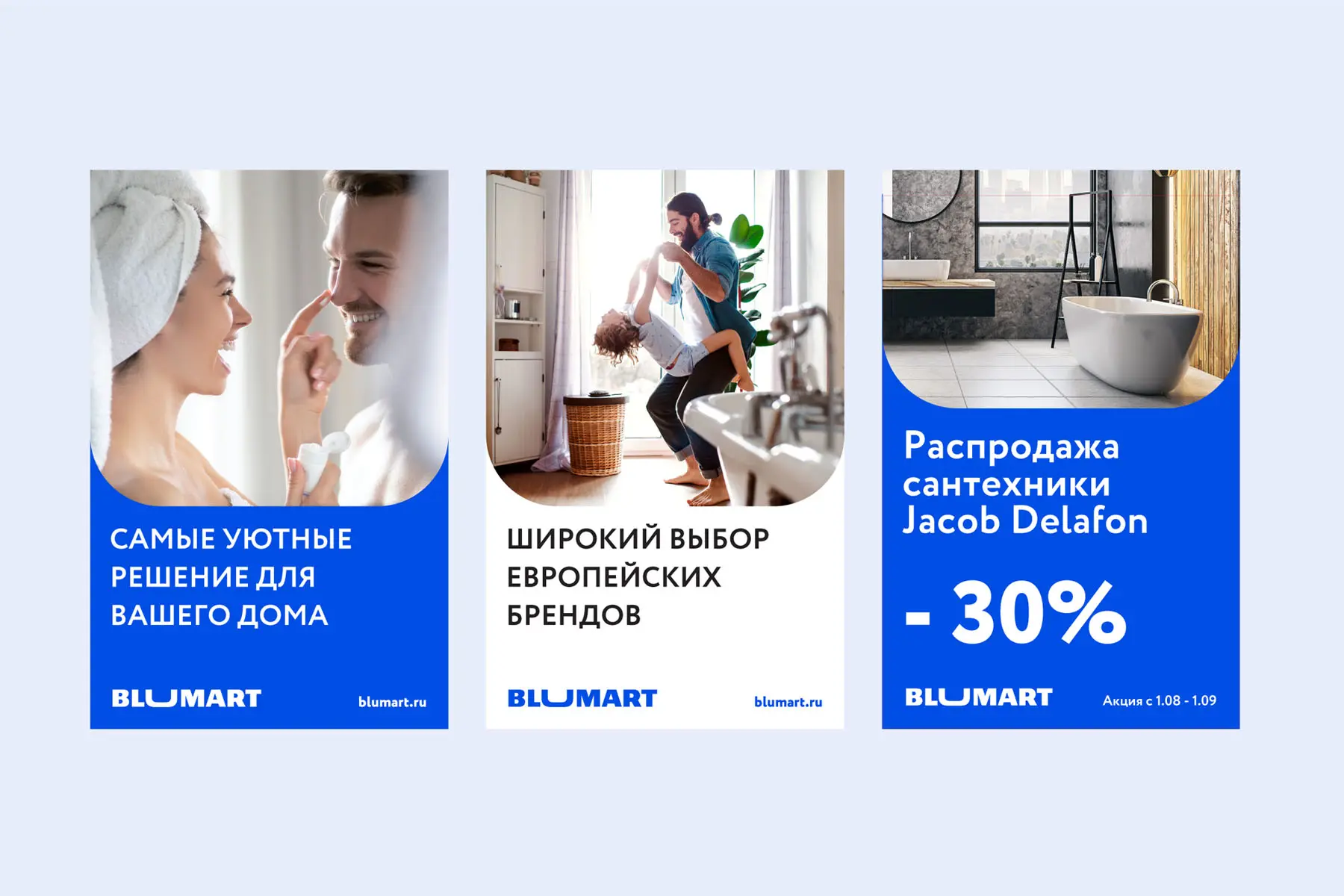
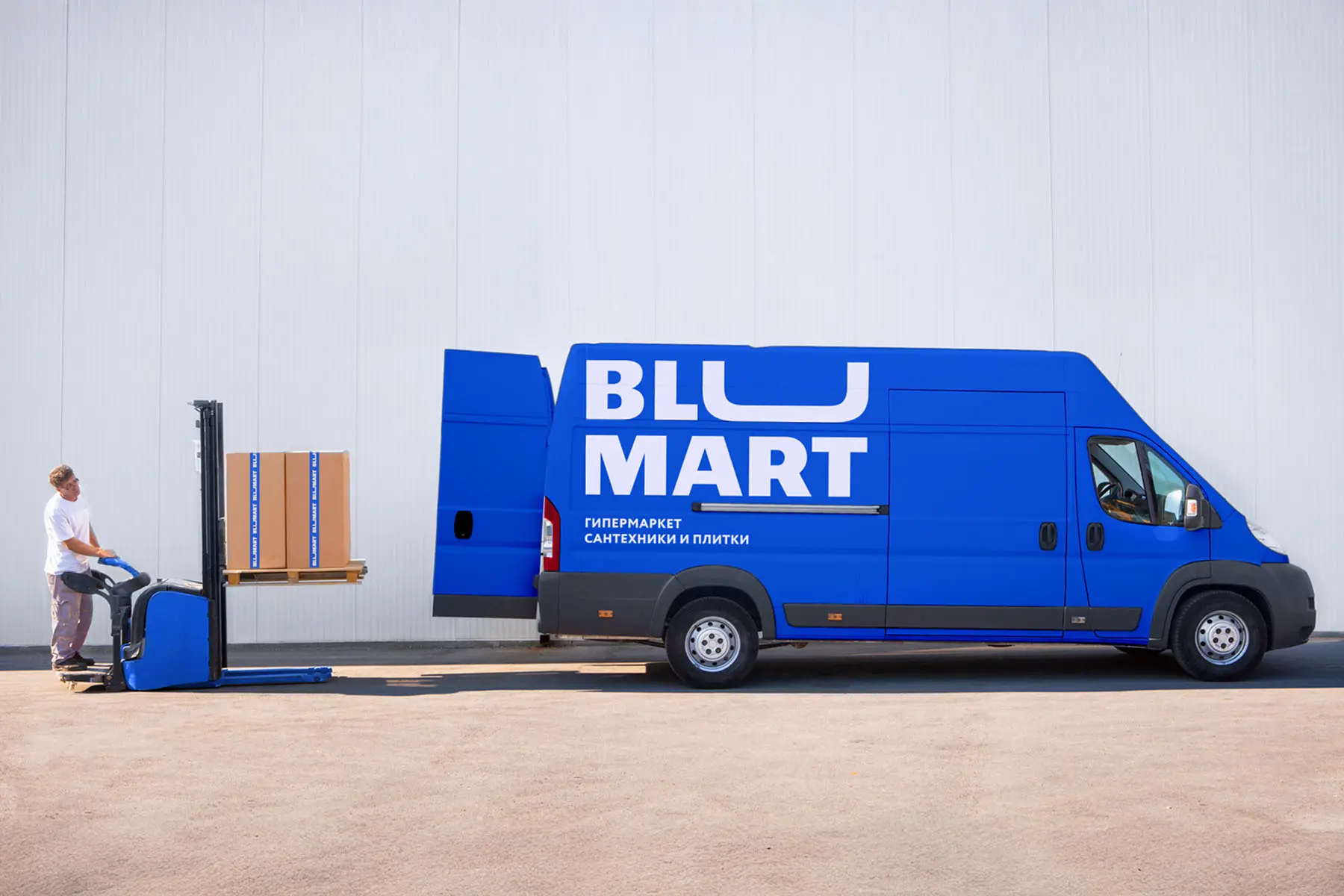
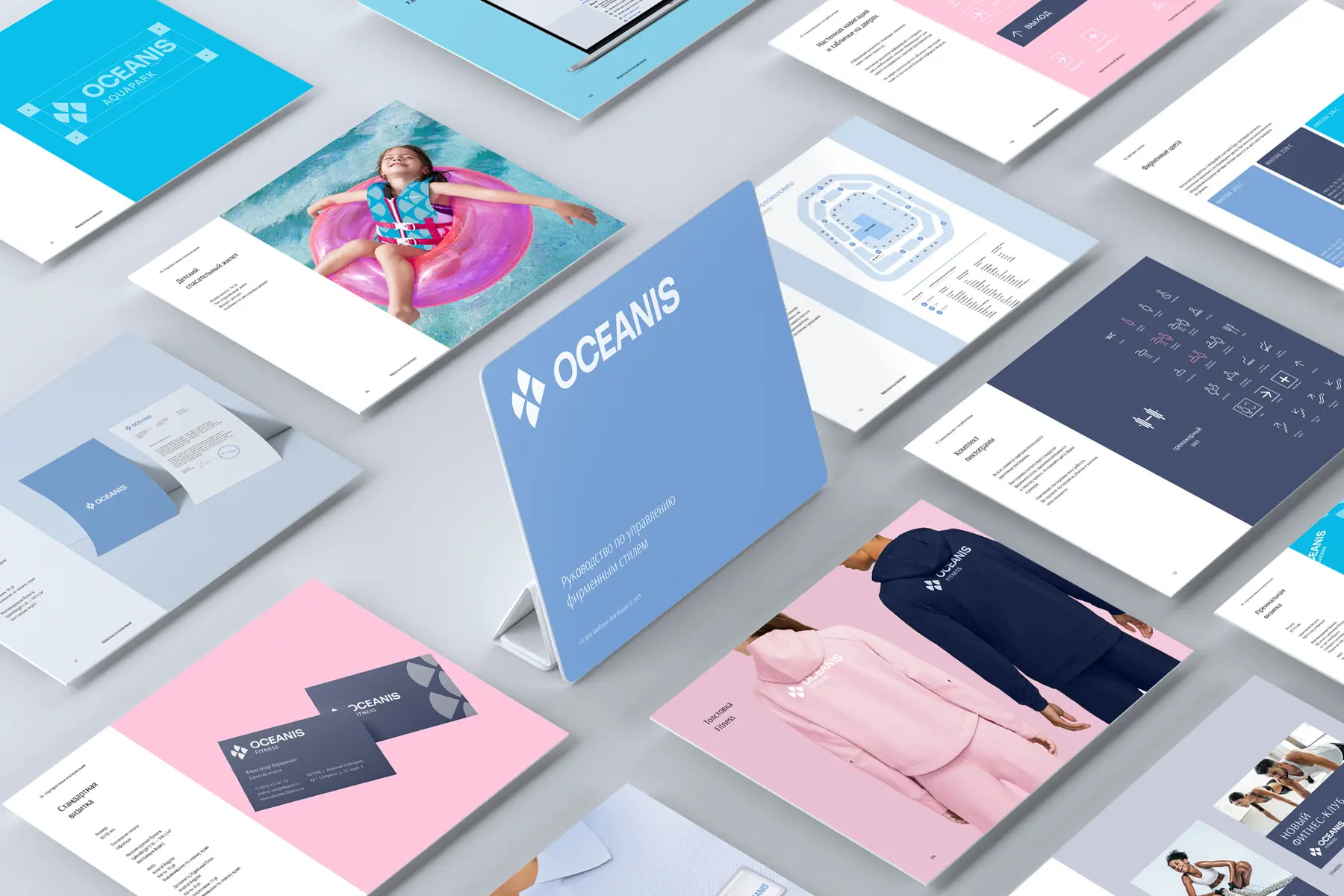
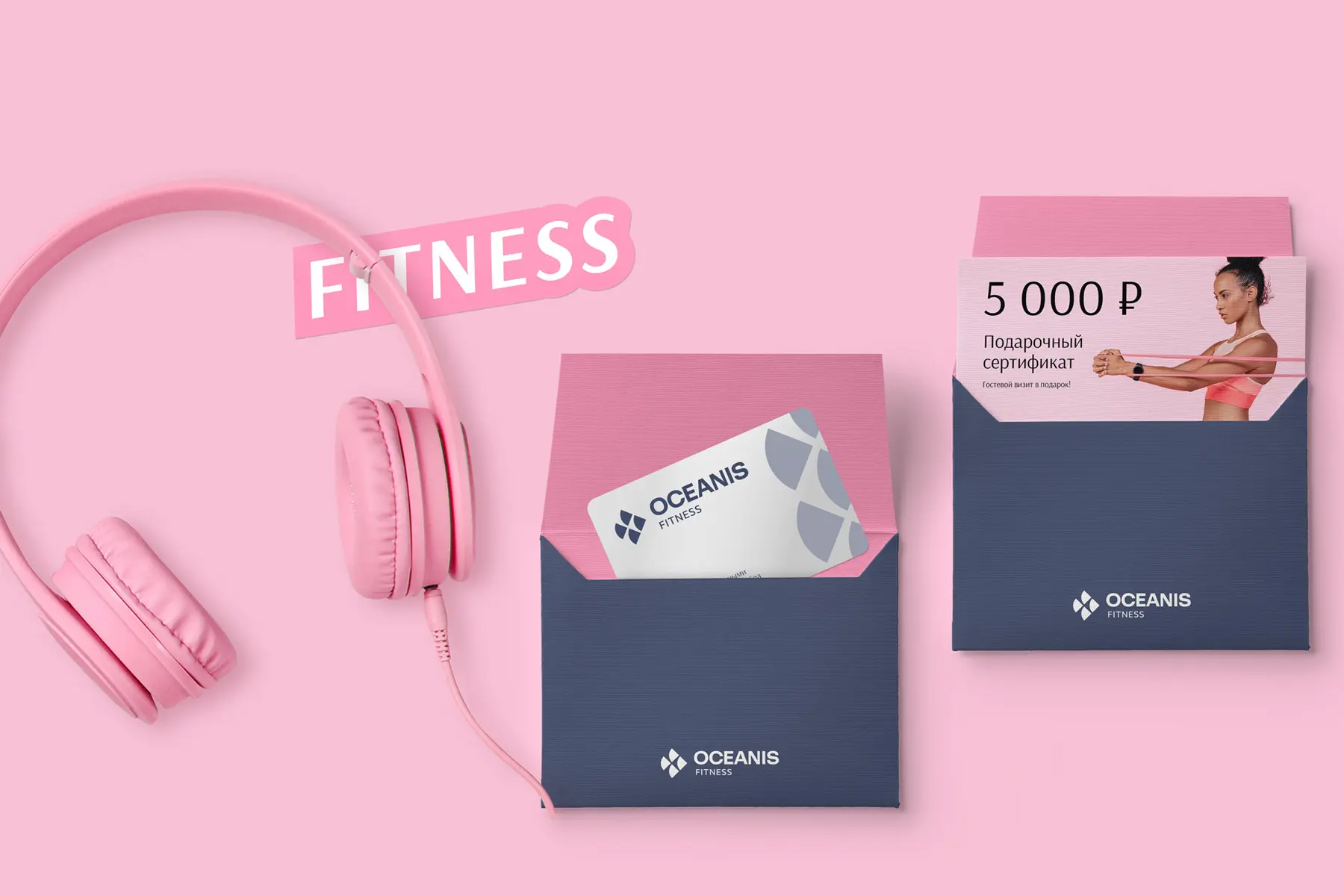
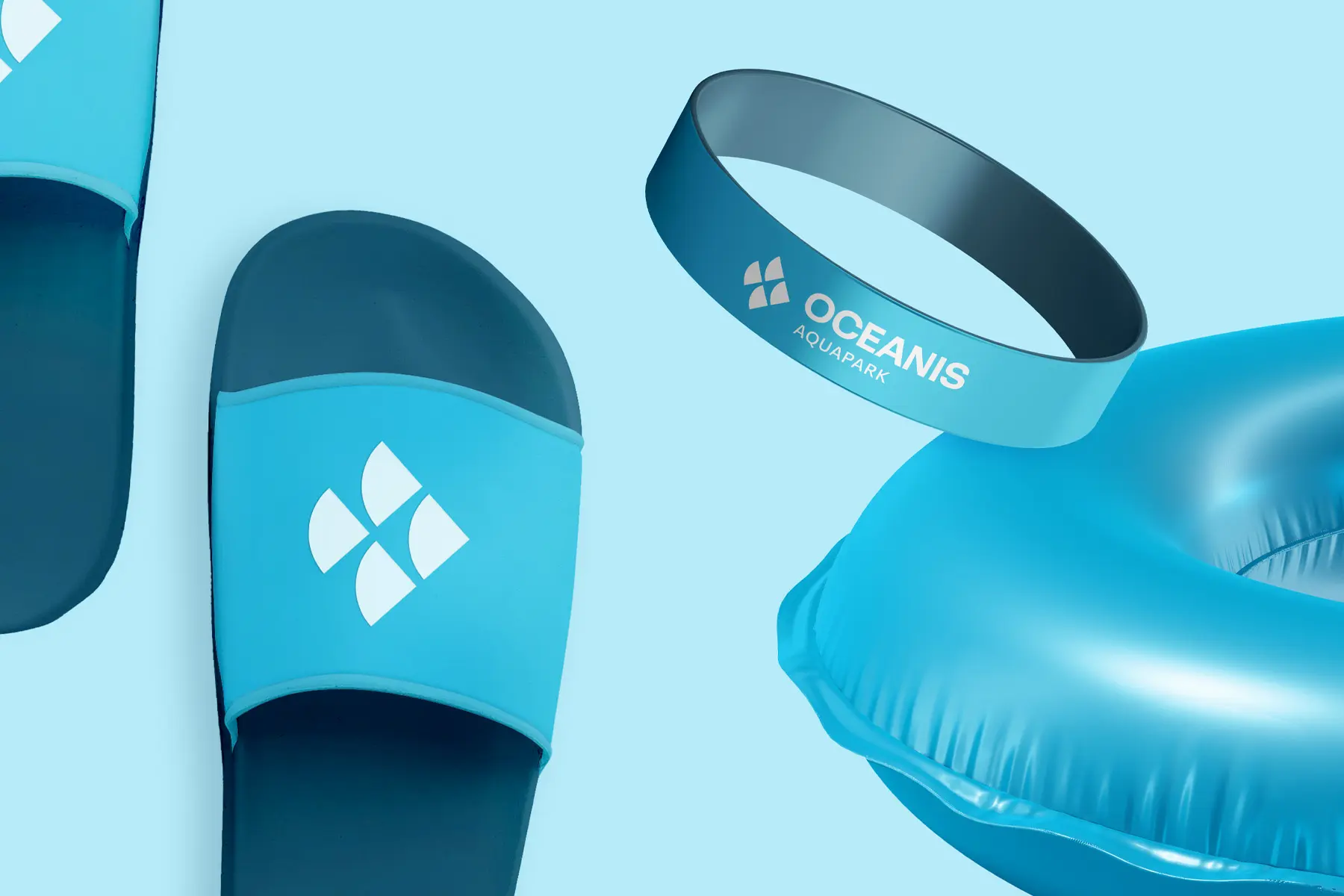
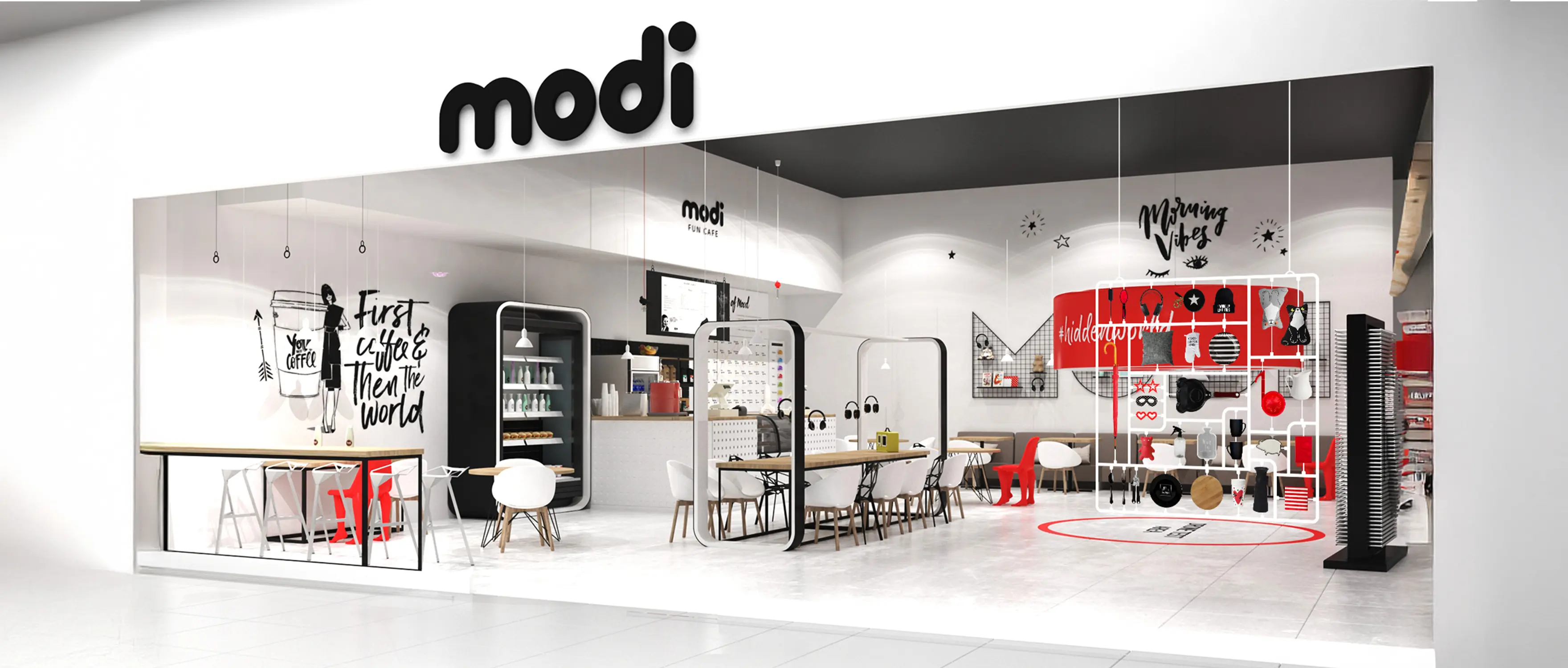
We provide a full range of retail branding services, turning commercial spaces into powerful brand experiences. From naming and visual identity to interior design, wayfinding, and point-of-sale communications, our approach is grounded in a strategic understanding of consumer behavior. This enables us to create retail formats that build recognition, strengthen loyalty, and drive sales.

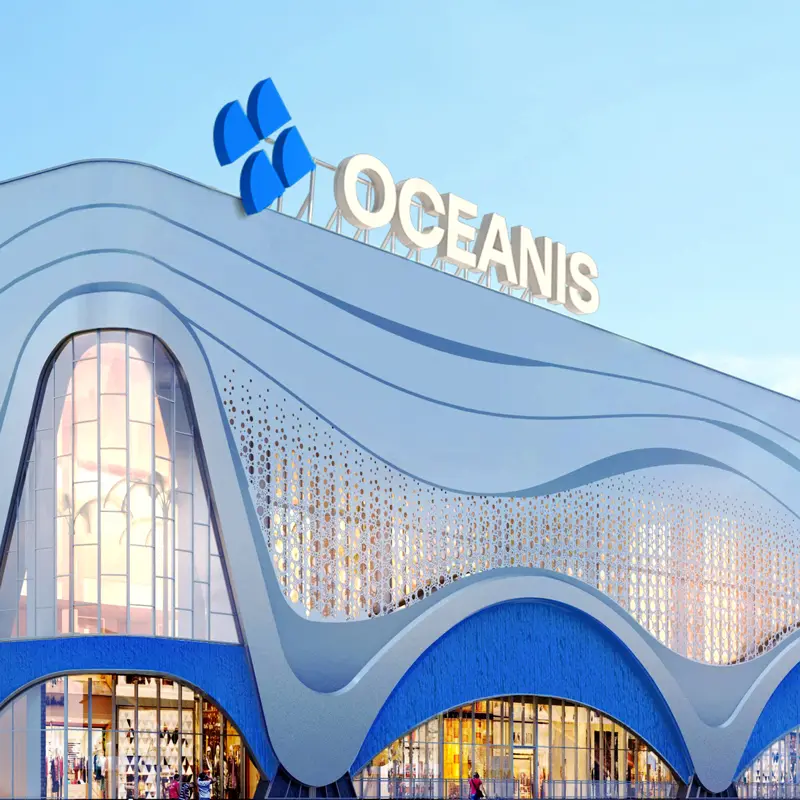
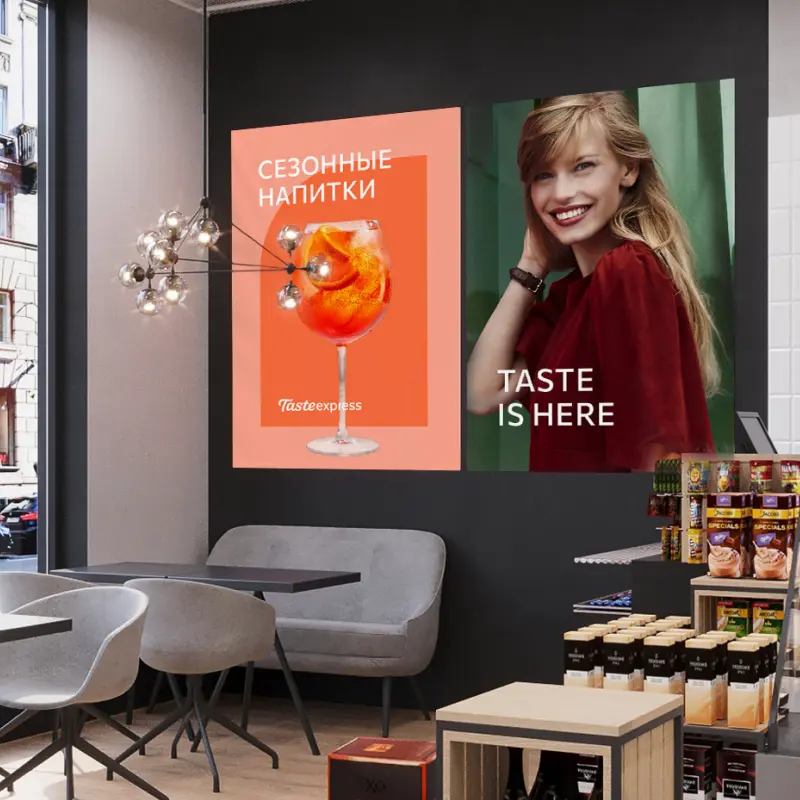
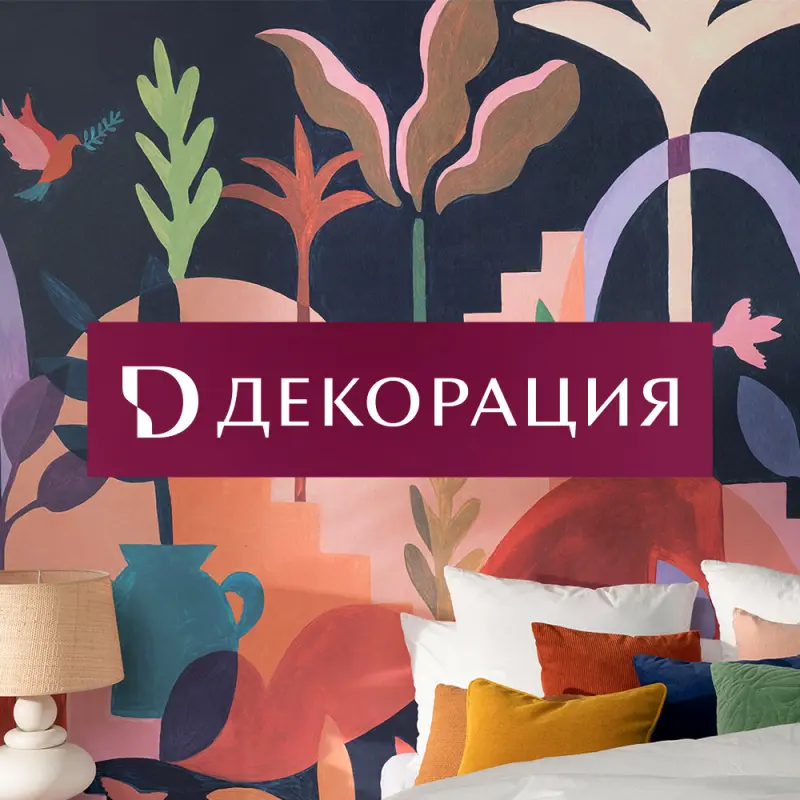
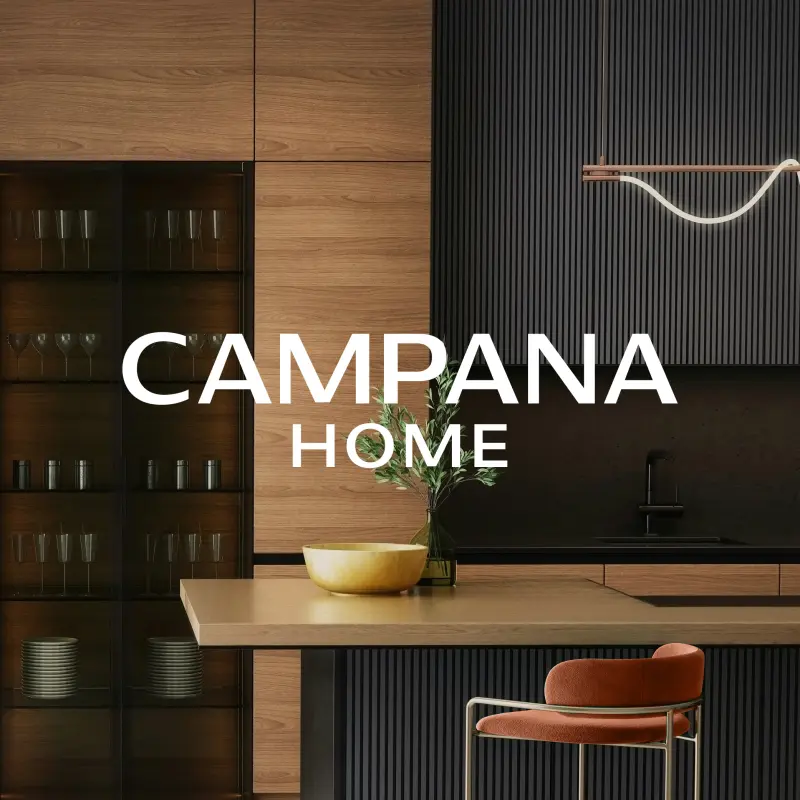
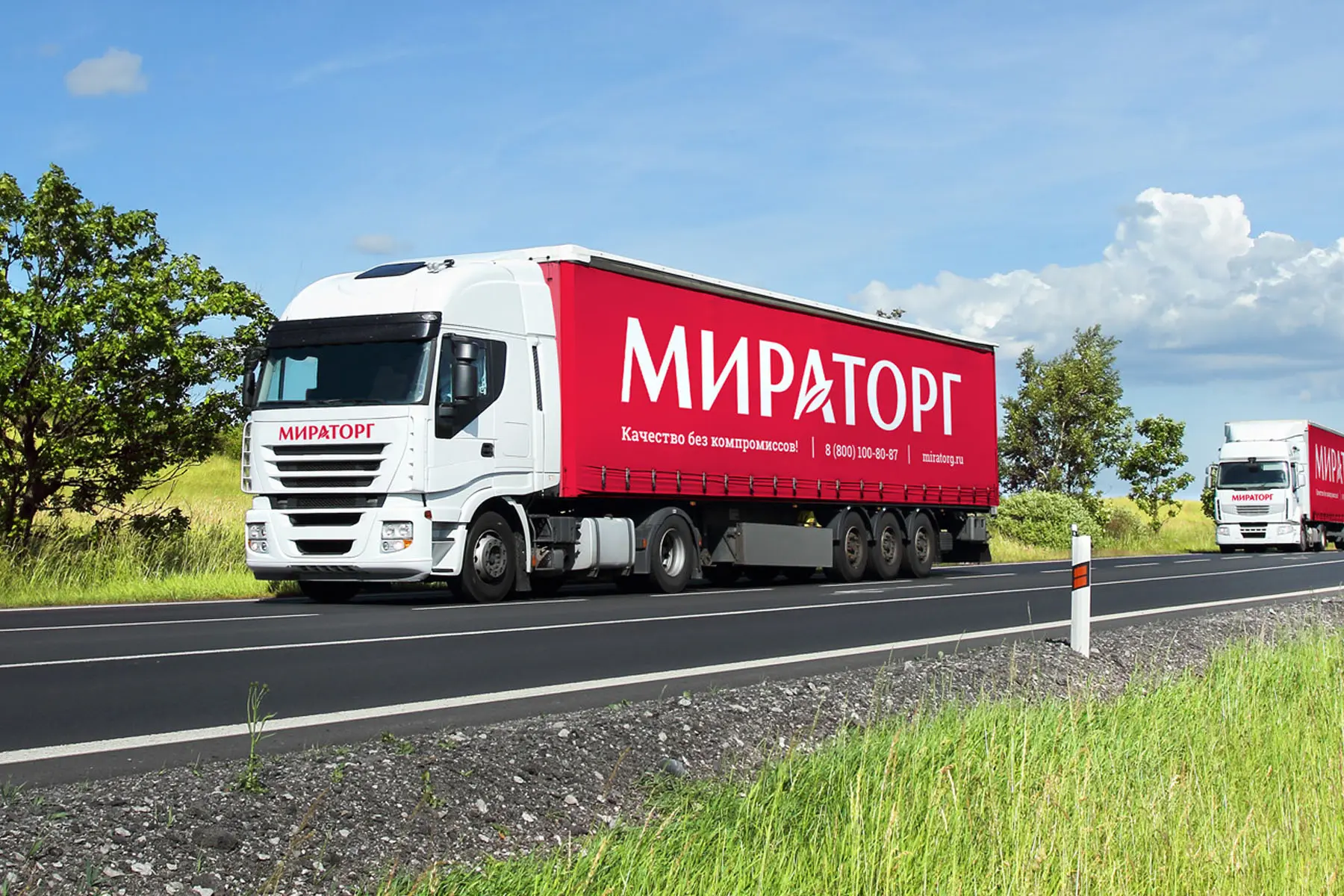
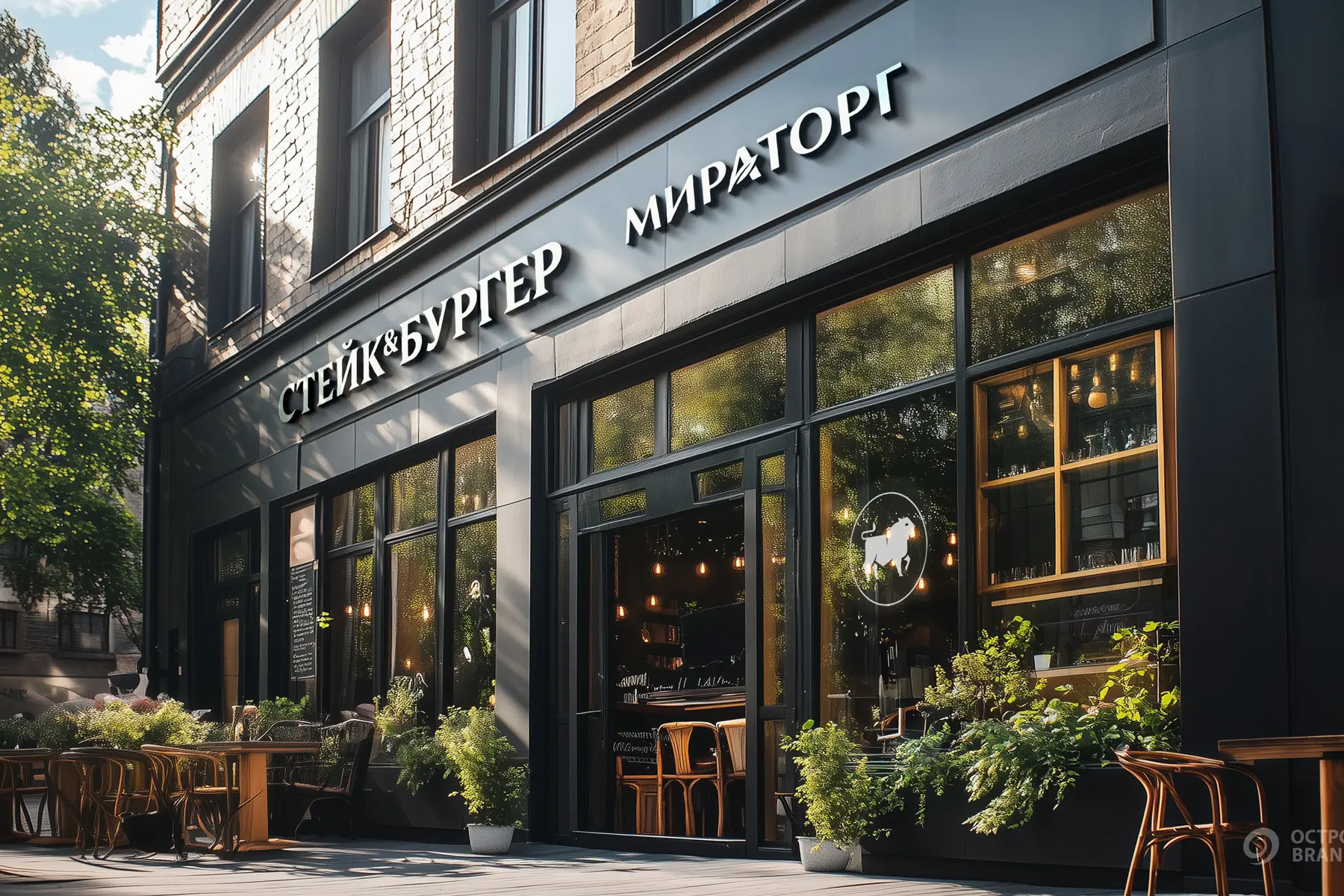
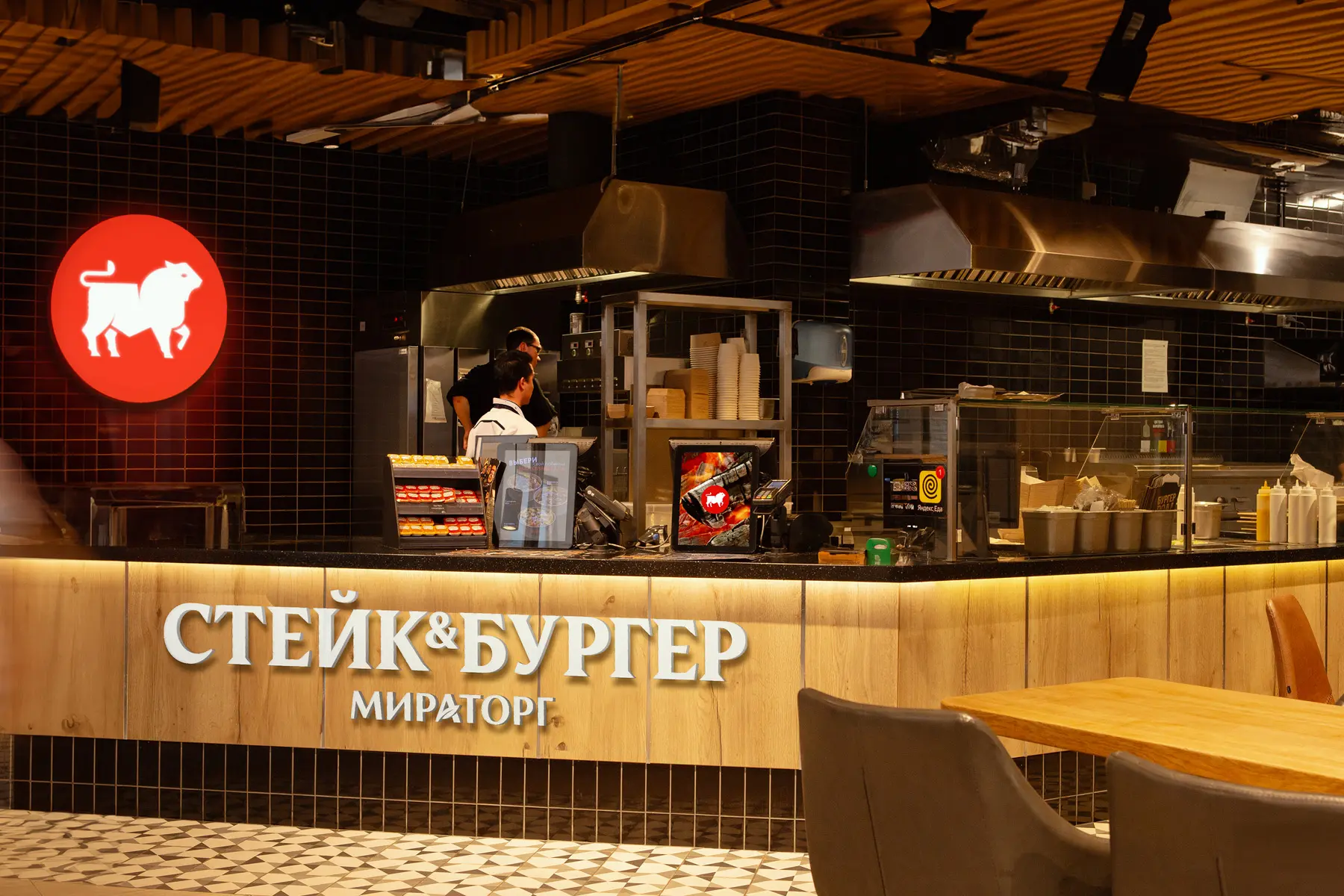
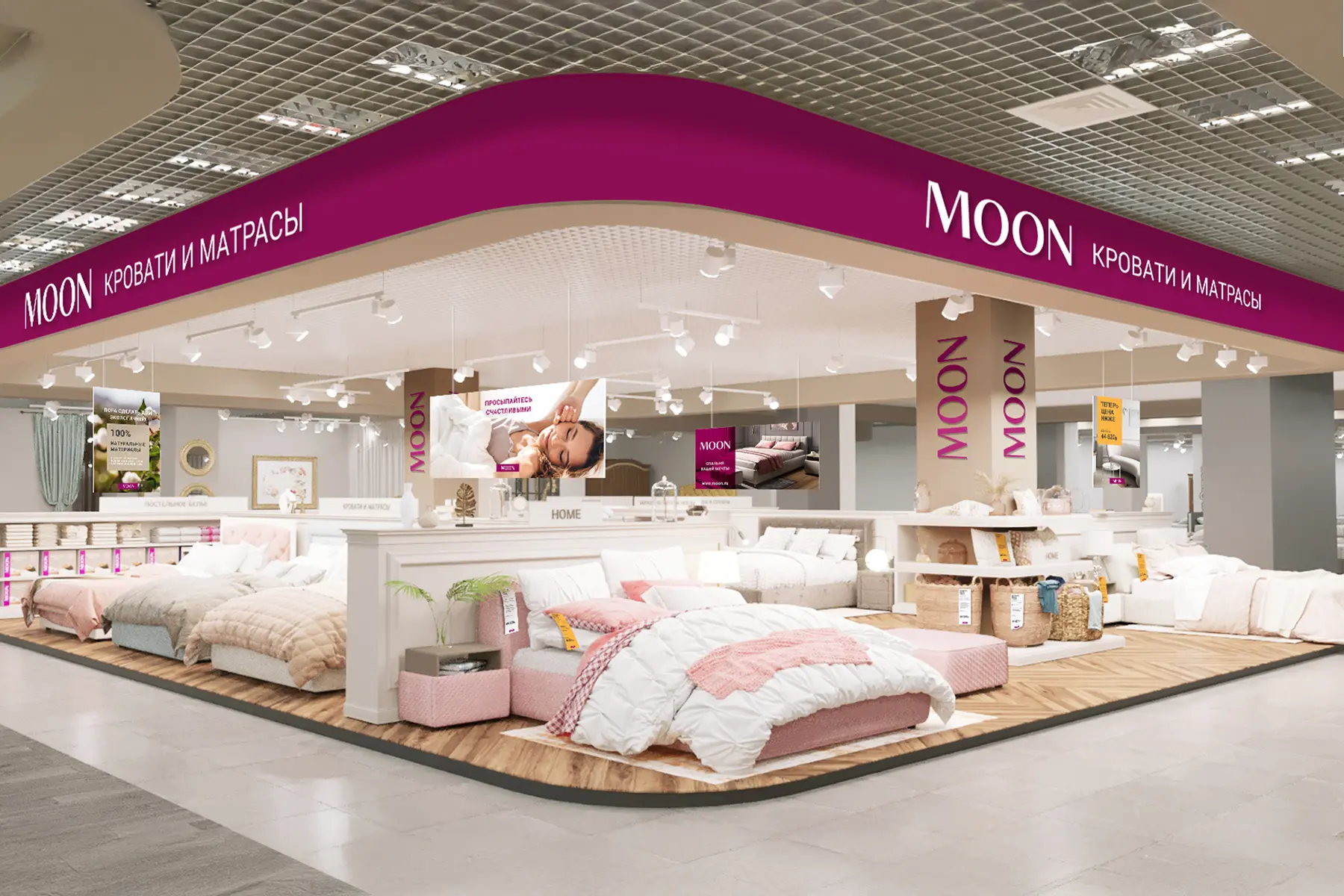
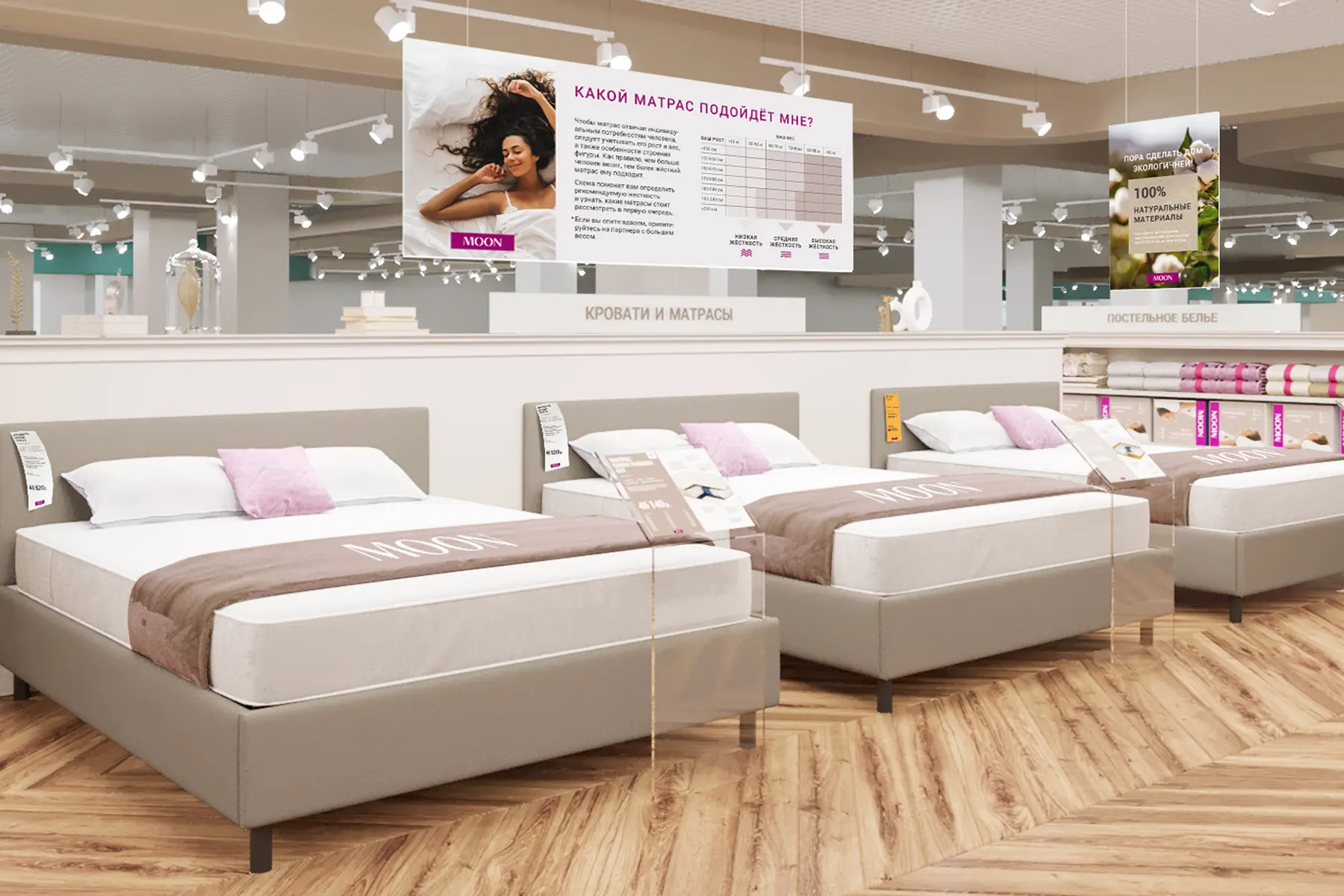
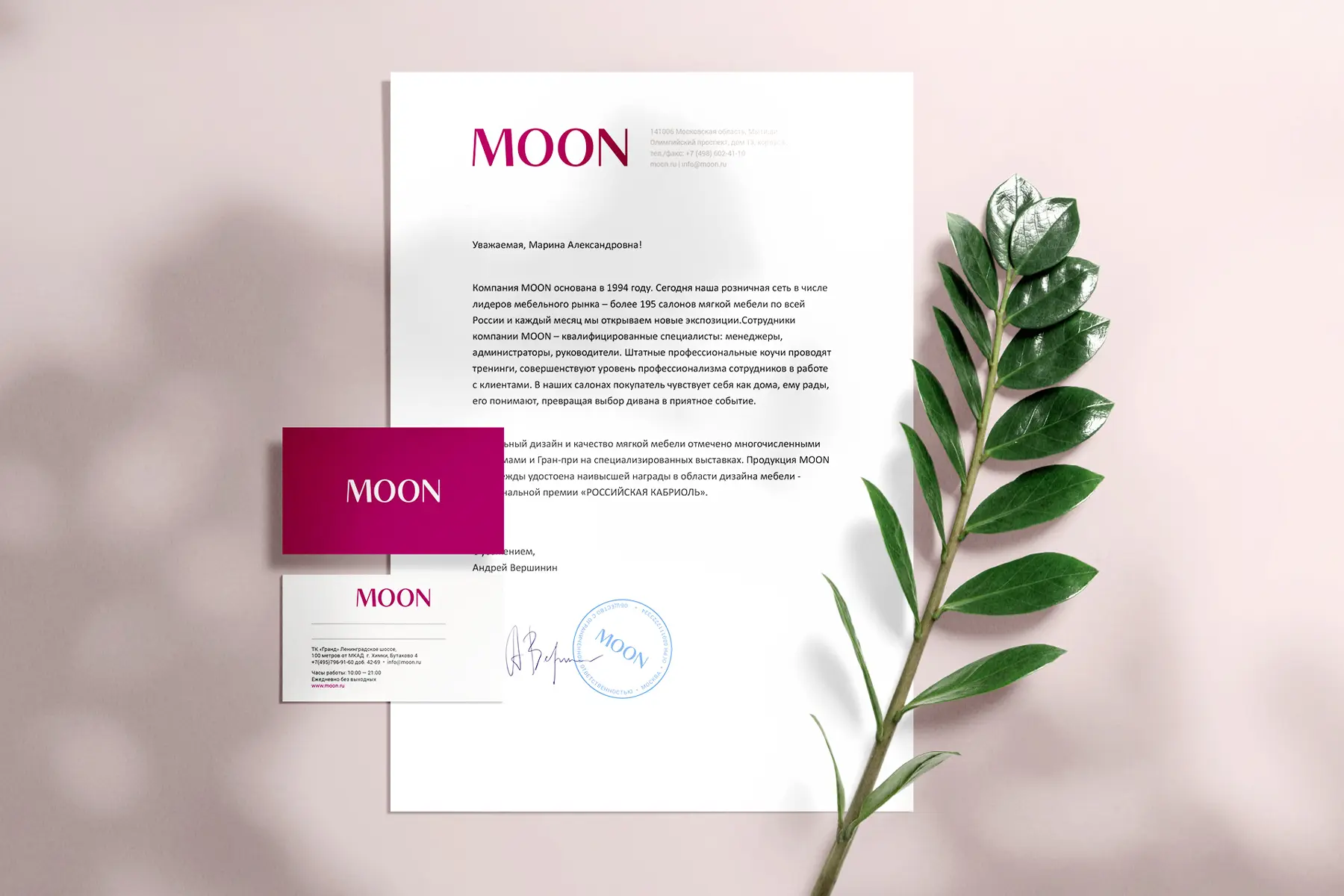
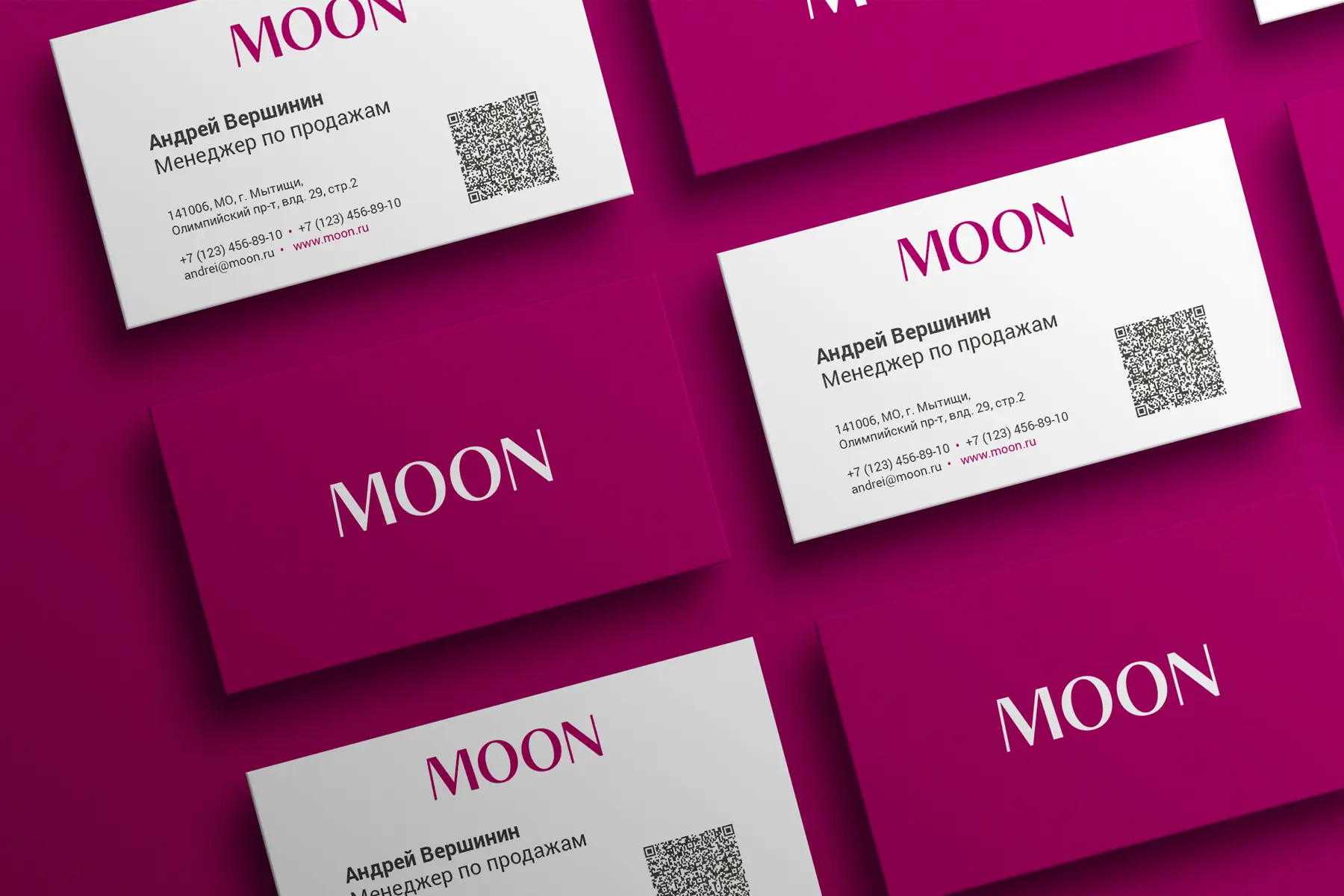
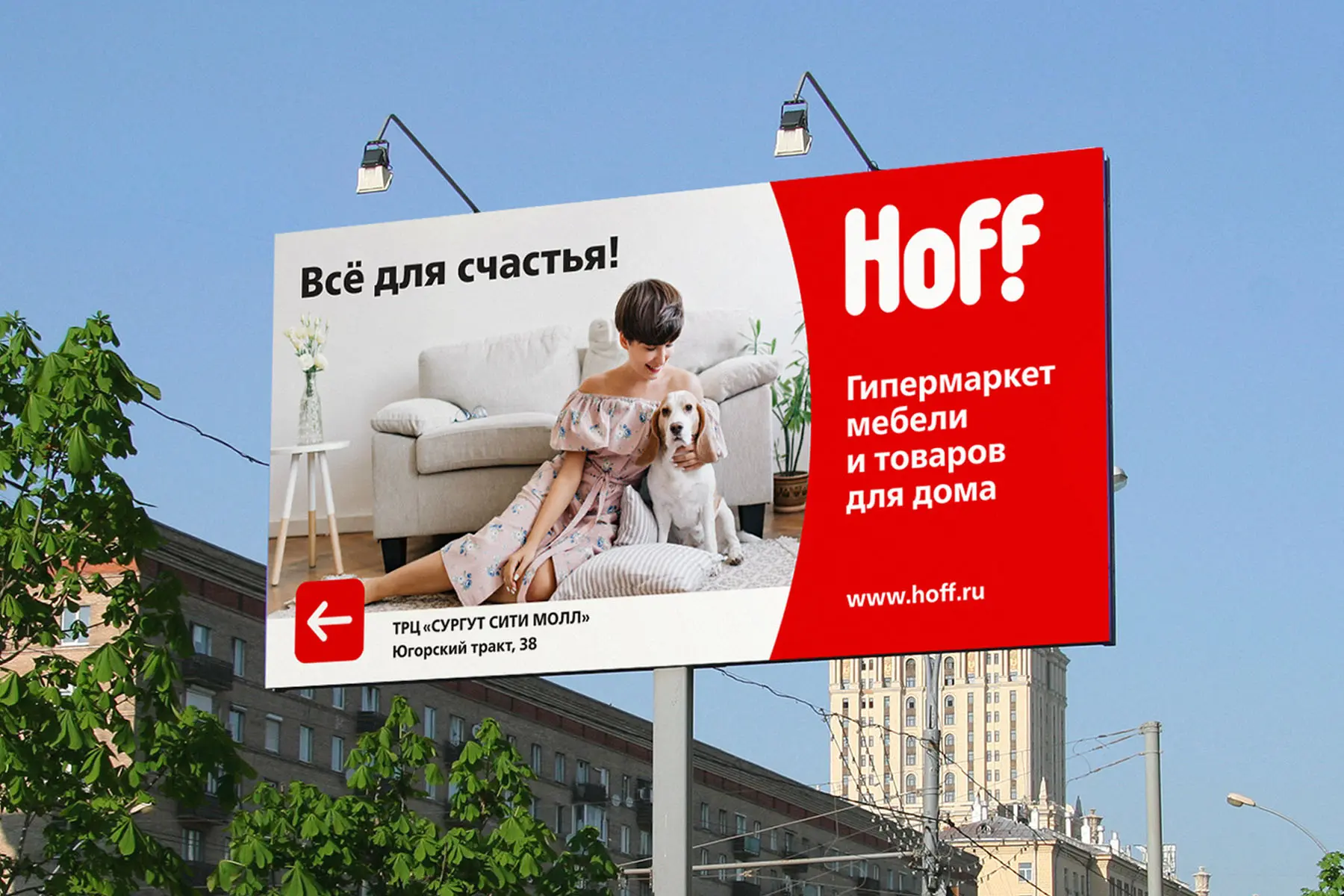
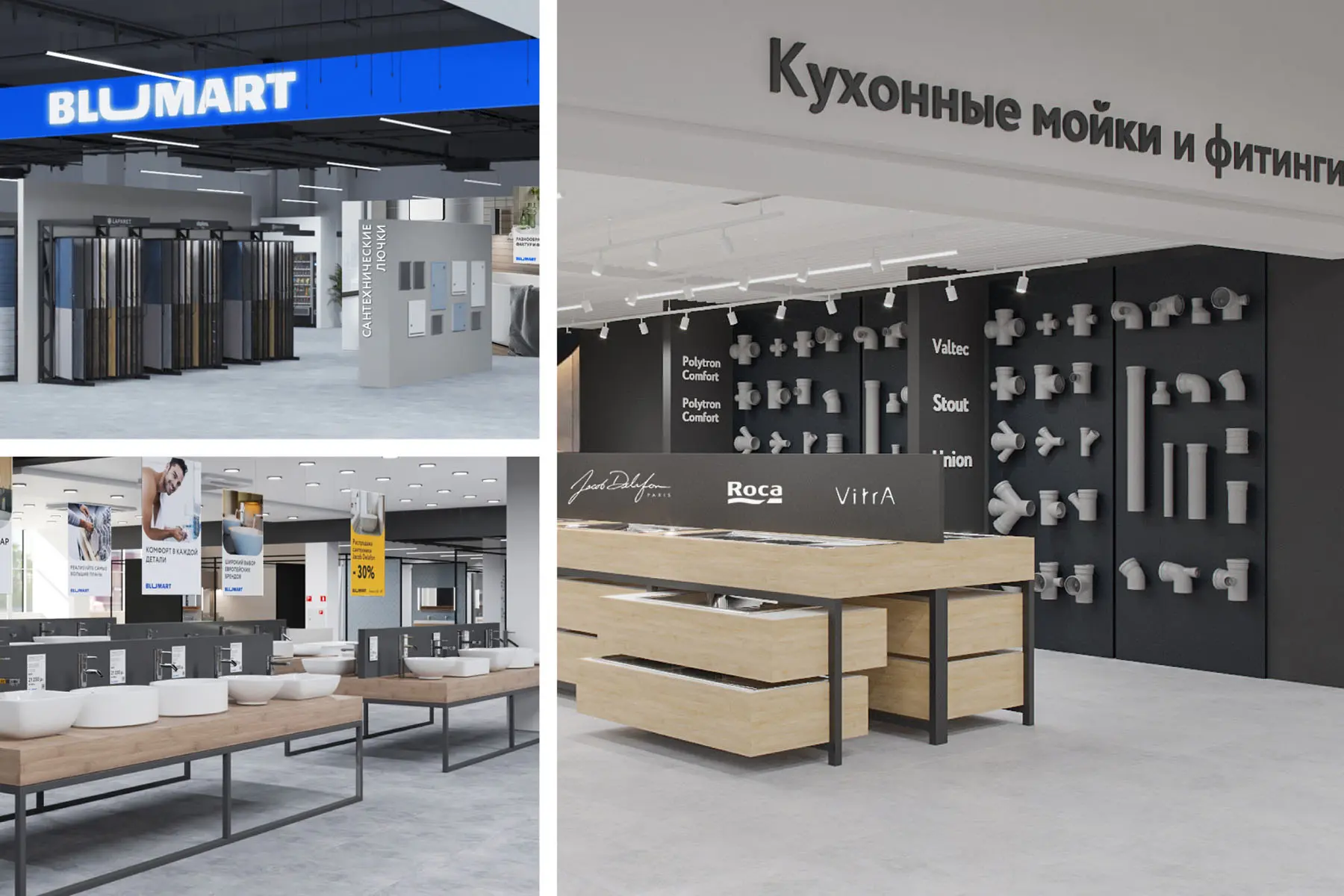
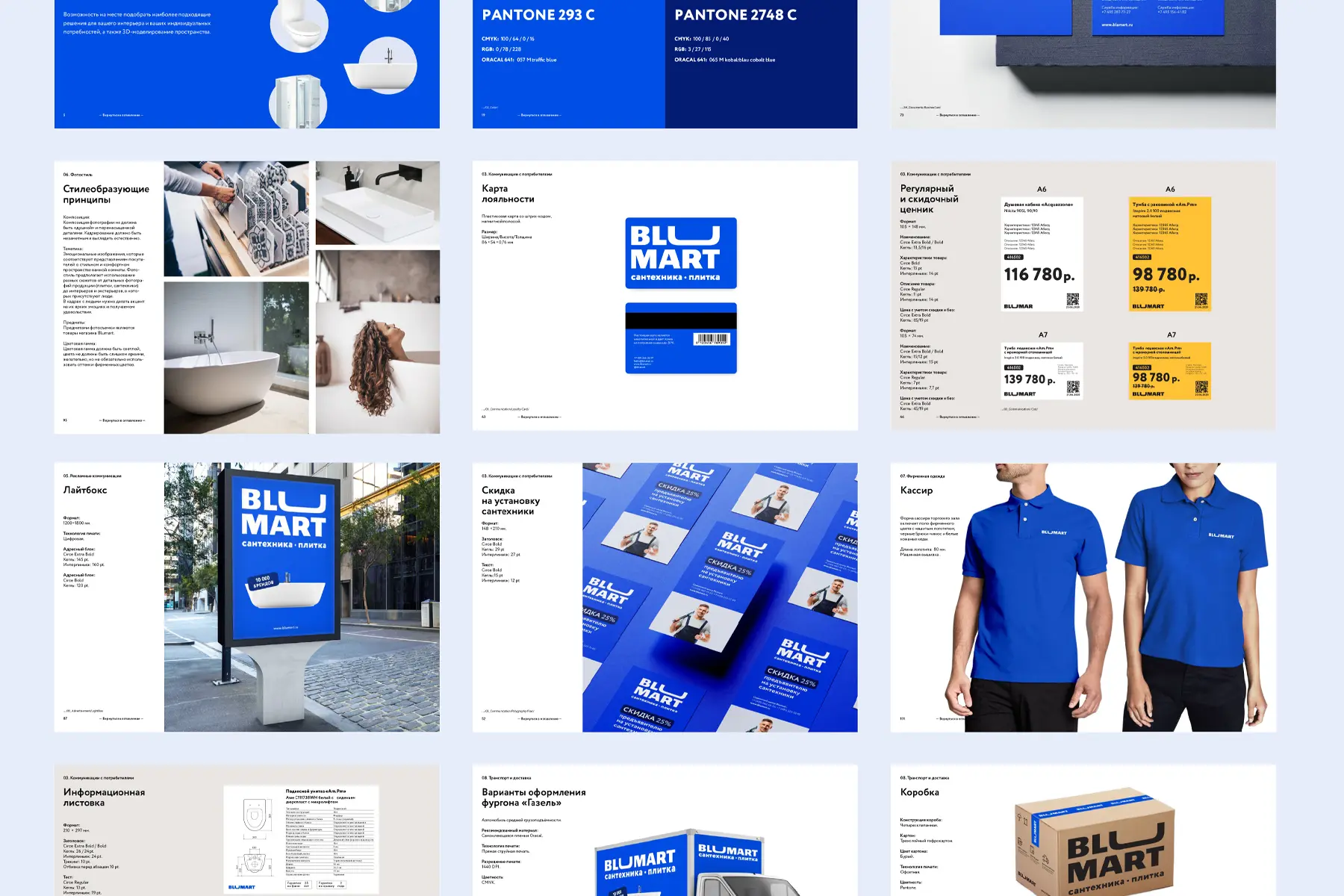
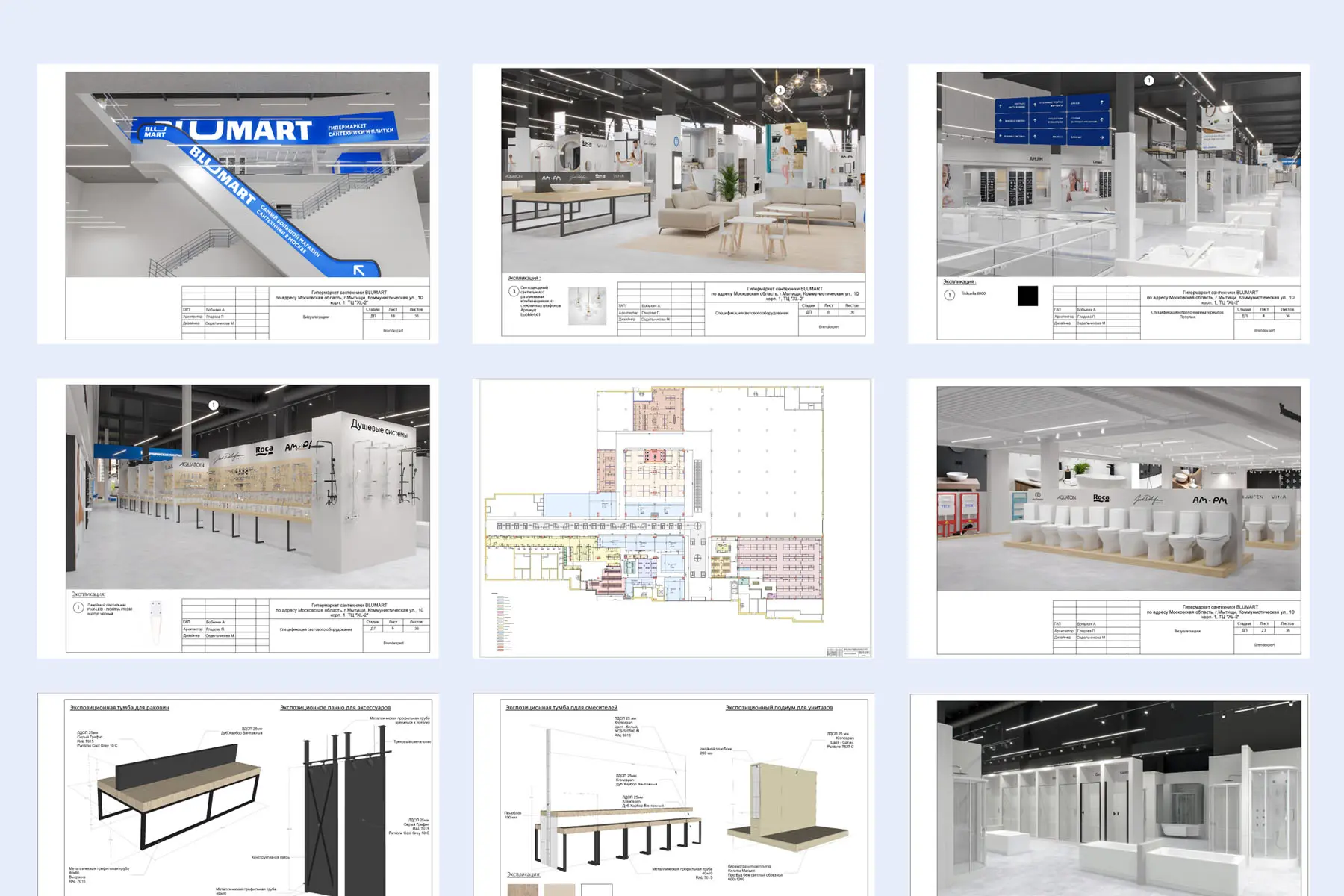
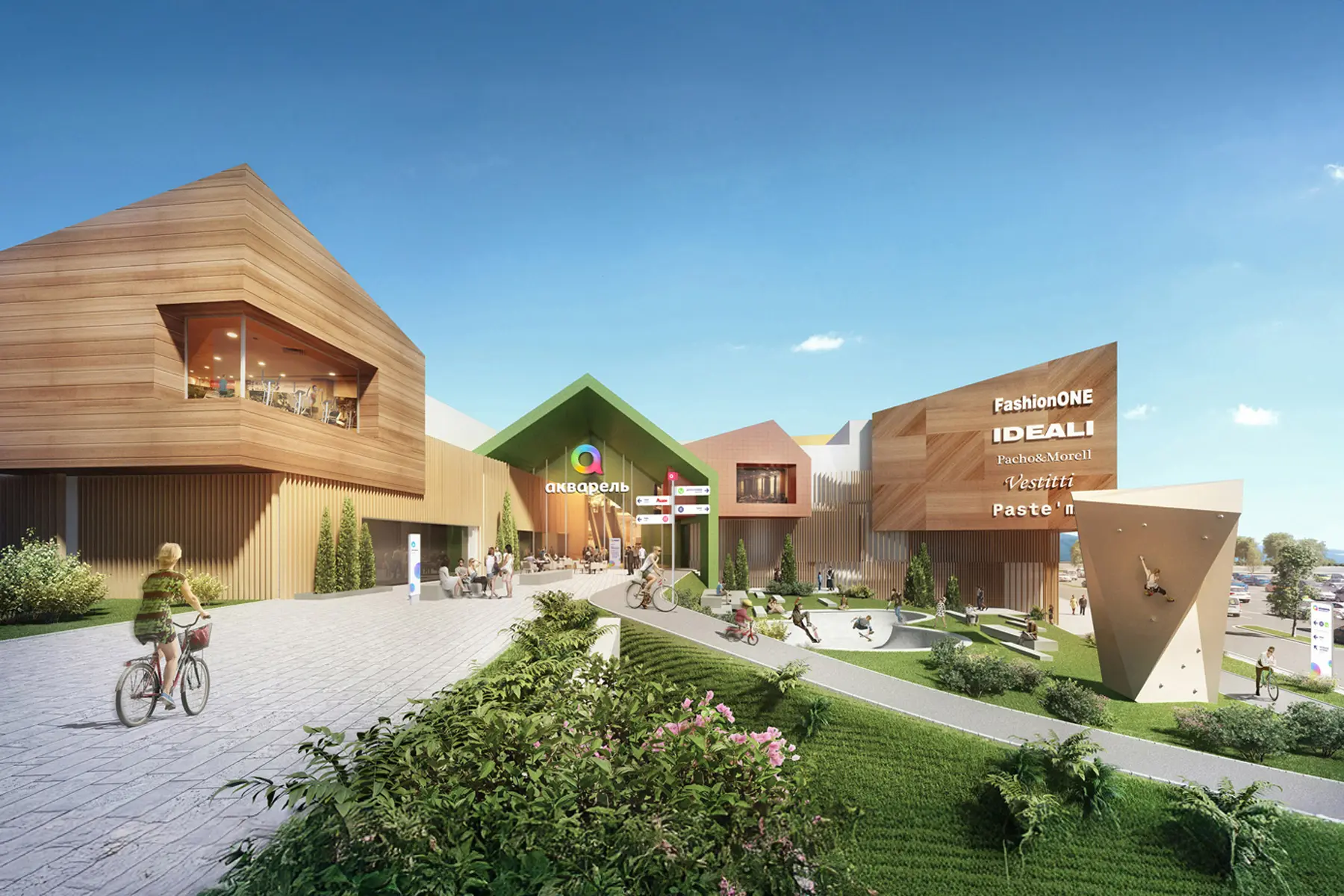
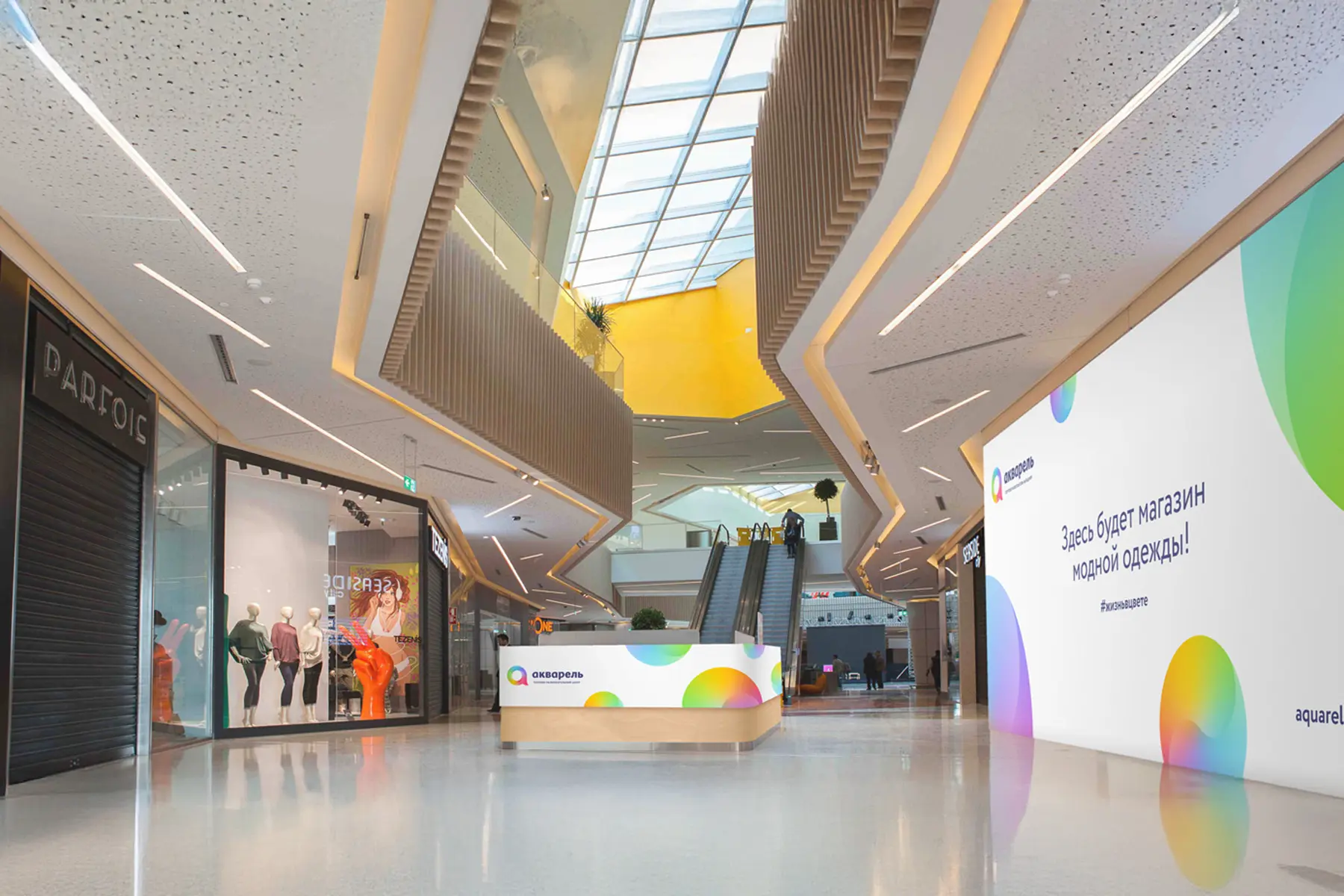
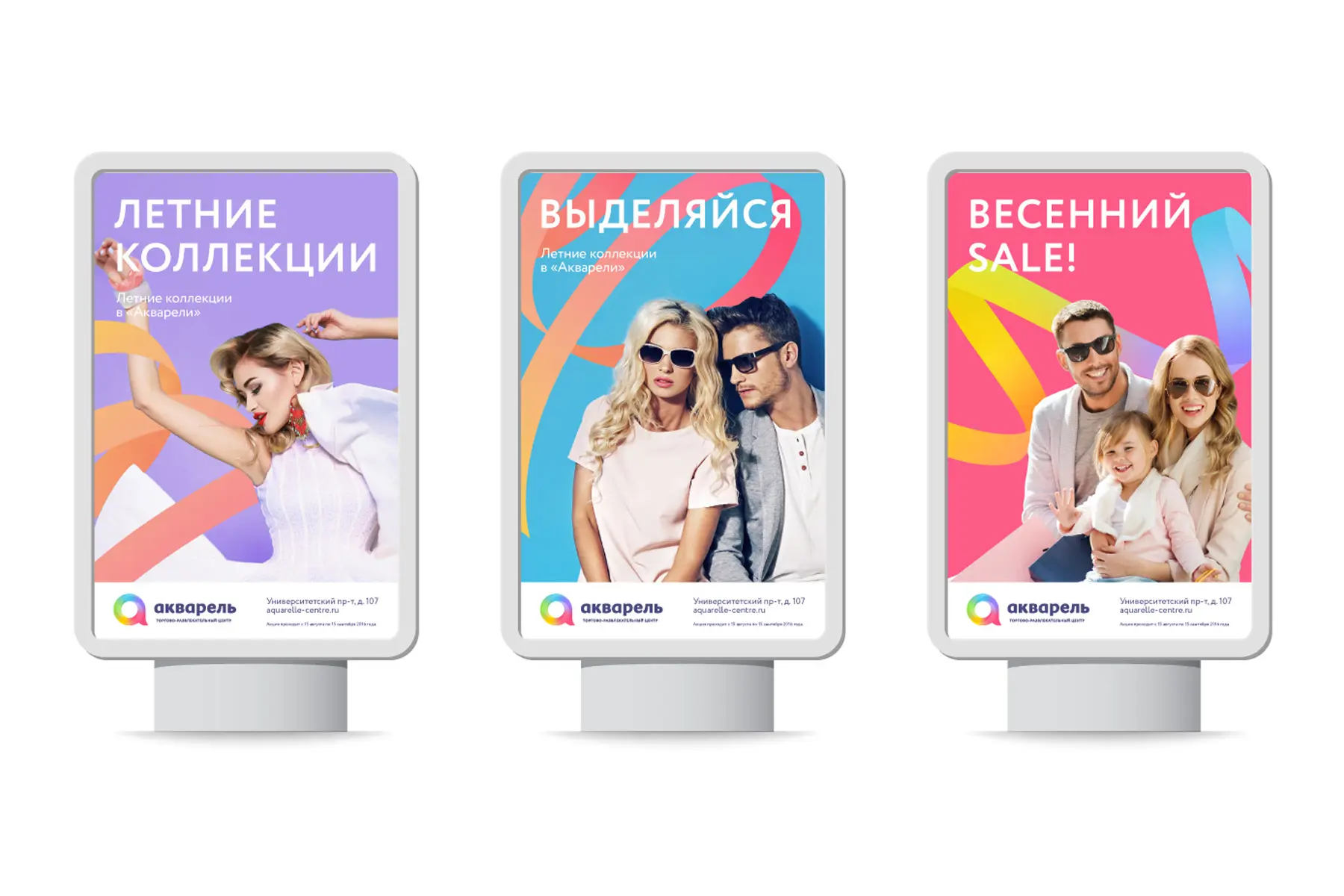
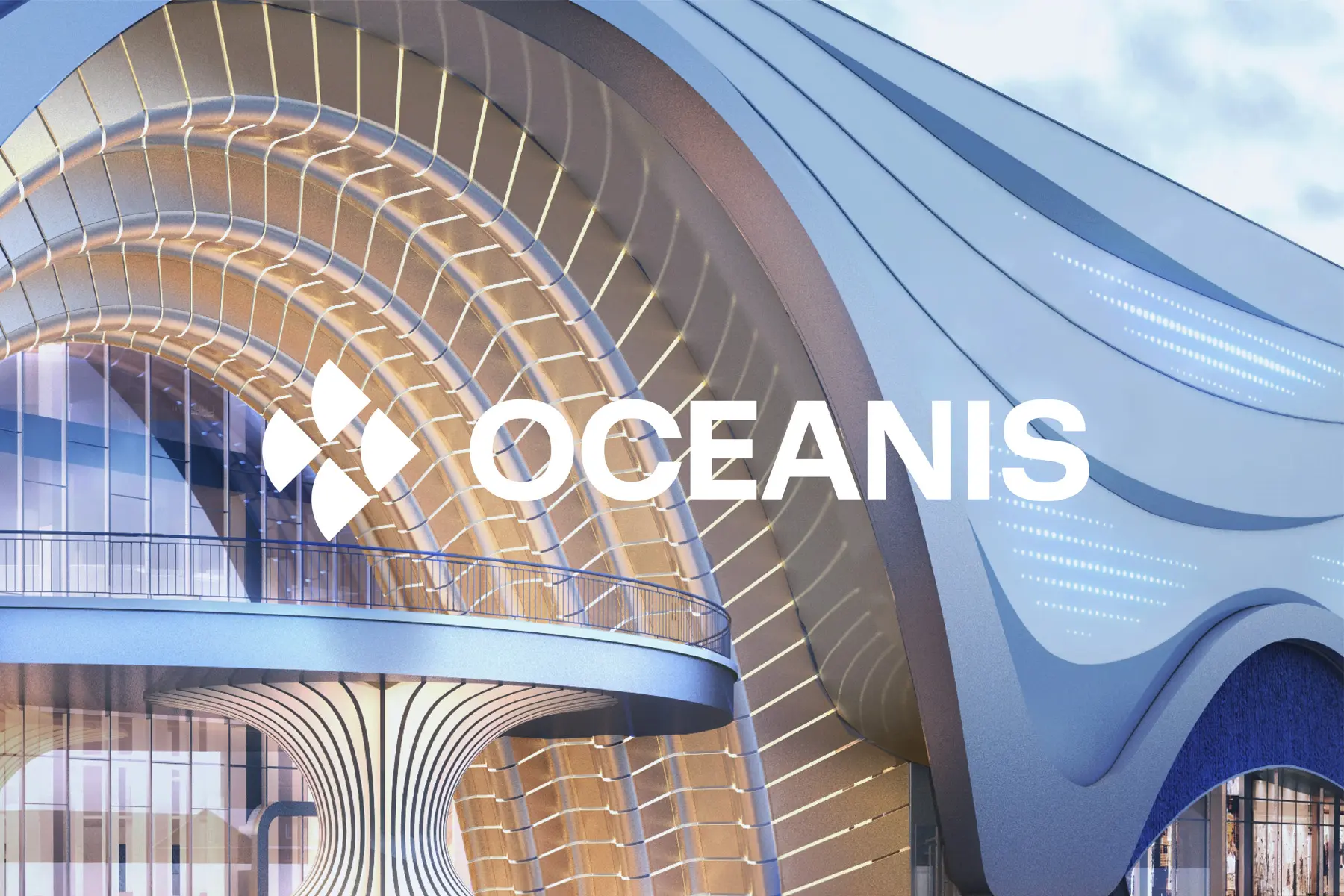
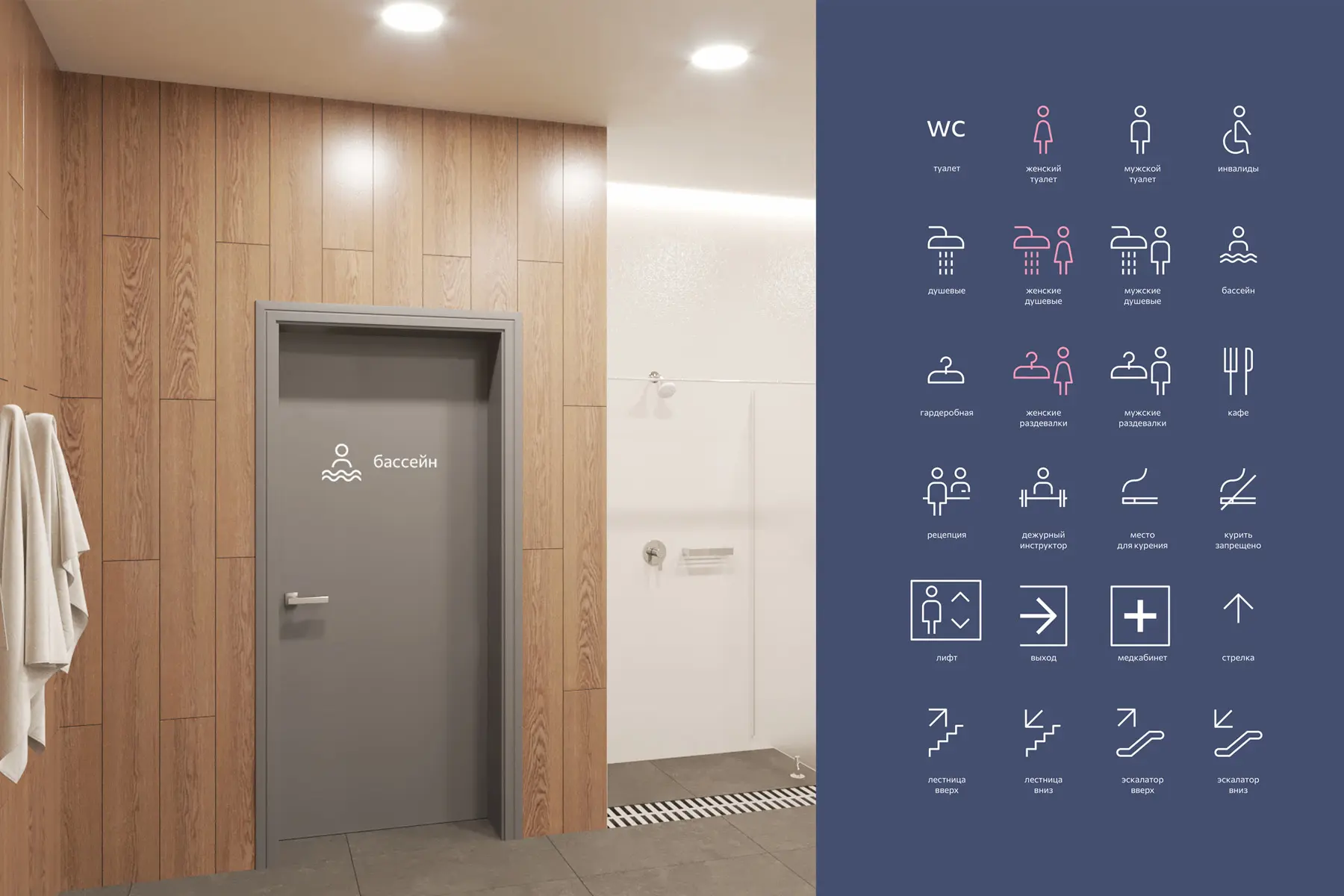
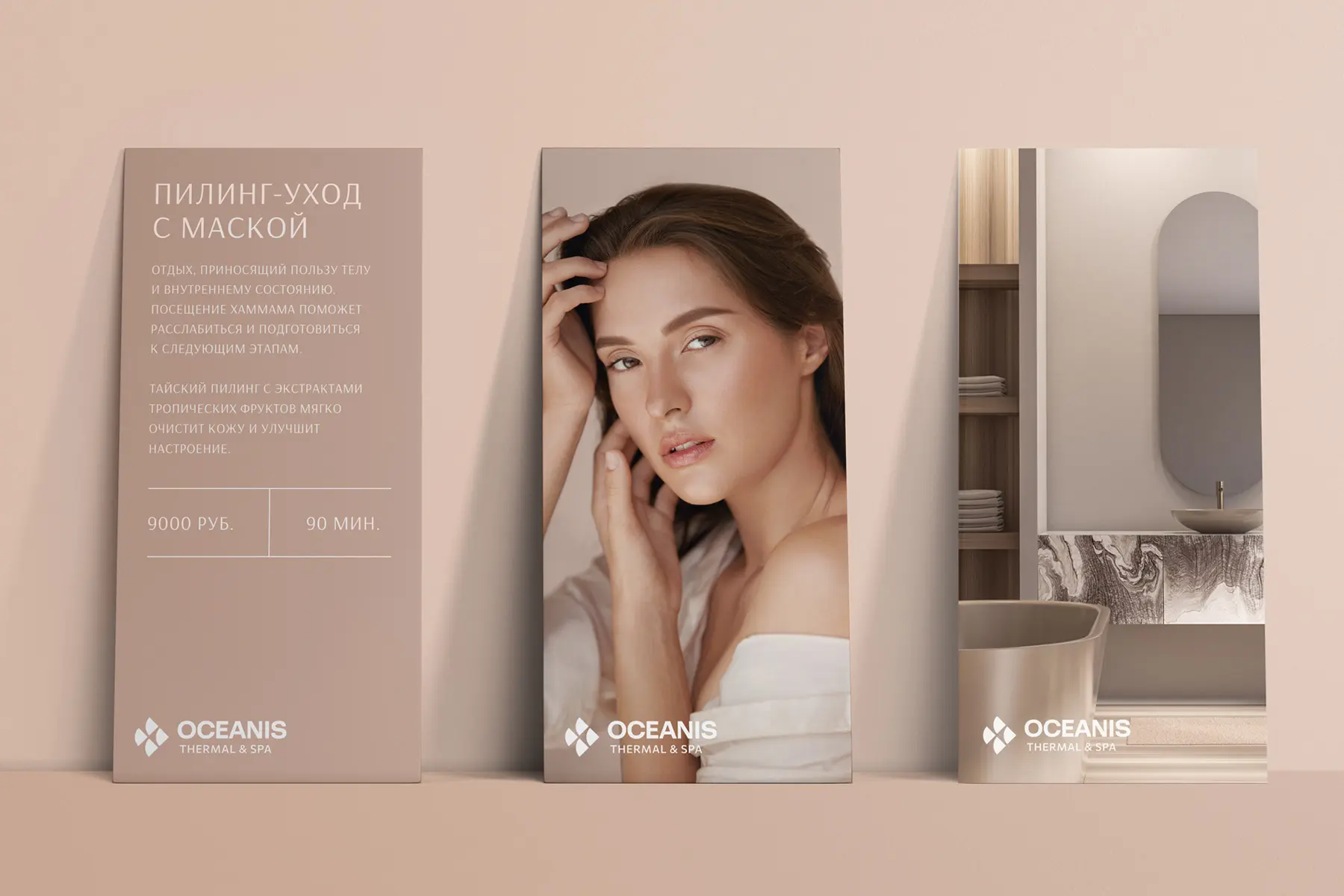
Retail Store Design Portfolio and Examples

Retail Branding Costs

The cost of developing a retail brand depends on the scale of the project, the number of customer touchpoints, and how fully the brand strategy needs to be translated into the physical environment. The fee covers brand positioning, visual identity, wayfinding, retail environment design, and point-of-sale communications. Comprehensive retail branding gives a store a strong identity, deepens its emotional connection with customers, and improves sales performance through a consistent, systematic approach to the store environment and every customer interaction.

Retail Marketing

Retail marketing encompasses the strategies and tools used to stimulate sales and strengthen a brand’s position at the point of purchase. Analysis of demand, competitors, and local preferences provides the foundation for controlled growth and assortment optimization. Companies that adjust their product mix promptly as demand changes are better able to maintain a leading position. Rigorous analysis of shopper behavior allows retailers not only to respond to the market but also to plan assortment development and identify growth opportunities in advance.

Retail Strategy

A retail strategy is a long-term development plan that aligns the product assortment and store formats with customer behavior within a single system. Success requires a clear direction that helps the brand strengthen its market position and respond to change at the right time. Core elements include precise target-audience segmentation, personalized offers, and digital tools for analyzing and forecasting customer needs. The strongest strategies are often implemented by companies willing to reassess established approaches and find new ways to create value for their customers.

Retail Branding

Retail branding is a comprehensive approach to creating and developing a brand in the retail sector. It encompasses strategy, the brand platform, naming, visual assets, and interior design. A successful retail brand is built on a deep understanding of its target audience and the creation of a distinctive customer experience. A strategy centered on personal interaction with the shopper can significantly increase loyalty and engagement. The process requires every aspect to be finely tuned—from the overarching concept to the details that shape the brand’s atmosphere and mood.

Retail Design

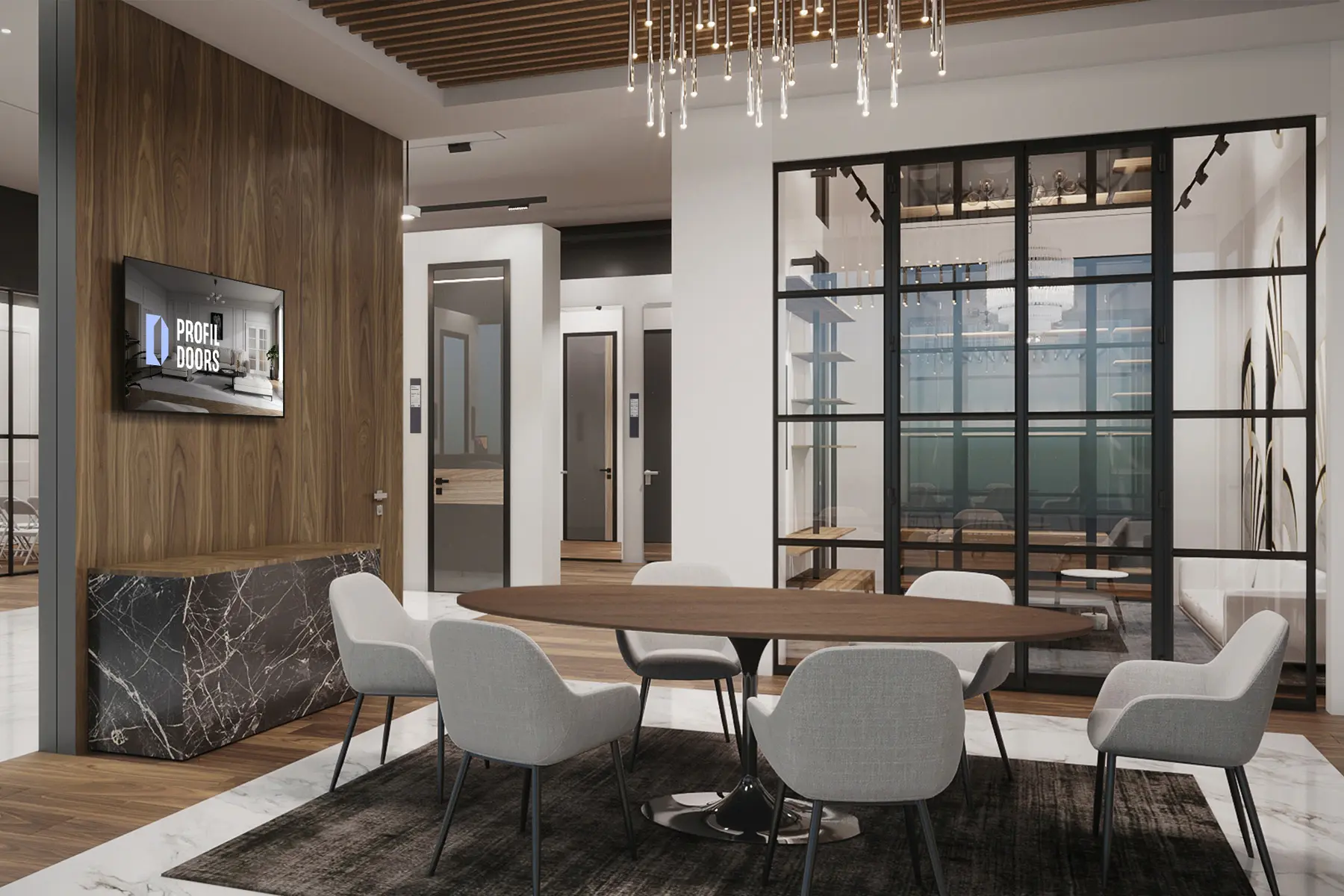
Retail design creates visual and functional solutions for commercial spaces to improve the customer experience and support the brand’s positioning. It shapes the visual environment and atmosphere that bring this positioning to life. Every design element communicates the brand’s values and distinctive qualities, whether the business operates in the luxury or mass-market segment. Effective retail design helps the brand stand out and strengthens loyalty among its target audience.

Retail Space Planning

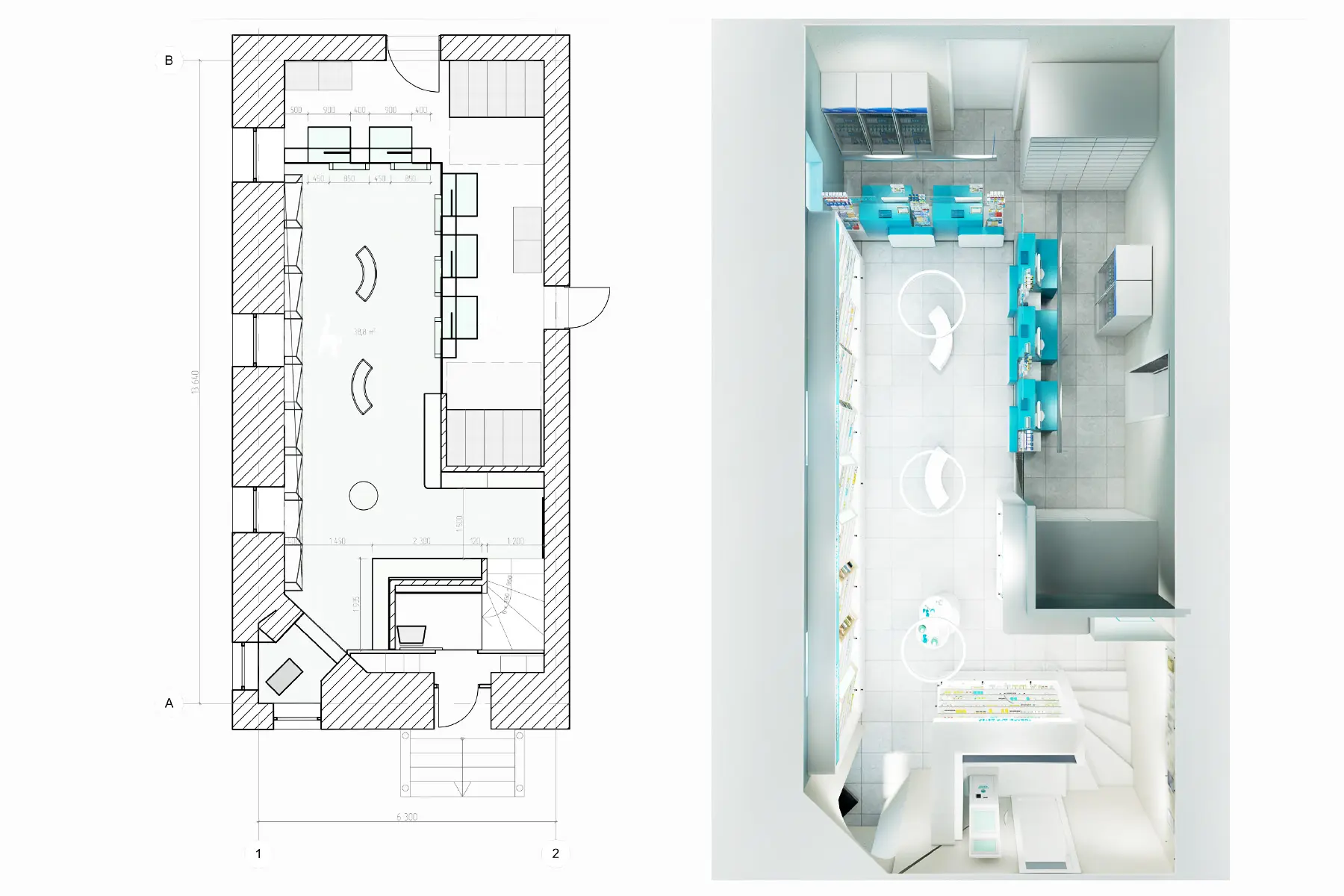
Retail space planning involves developing effective layouts, zoning systems, and spatial organization for commercial environments. The right focal points and carefully selected display fixtures can increase customer traffic and improve the way shoppers interact with the brand. The process brings together a range of decisions that help the business scale and adapt to changing market conditions. The strongest retail plans create spaces that evolve with customers’ needs while remaining true to the brand’s core concept.

Retail Consulting

Retail consulting examines a company’s business processes to identify weaknesses and build an effective growth strategy. Its primary objectives are to reveal areas of opportunity, optimize current operations, and recommend adjustments that can take the brand to the next level. An accurate diagnosis can improve financial performance while strengthening the company’s competitive position. Businesses that engage retail consultants often uncover paths to long-term growth, improving both the customer experience and their standing in the market.

Retail Development

Retail development is the continuous process of rethinking and refining a business strategy to achieve stronger results and remain competitive. In a changing market, brands that adopt a fresh-market model gain an advantage over businesses that continue to rely on outdated formats and large inventories. Updating the strategy helps improve internal processes and the customer experience, both of which are important to building customer loyalty. Companies that recognize the need for transformation are better prepared for changing conditions and achieve sustainable growth more quickly.

Retail Advertising

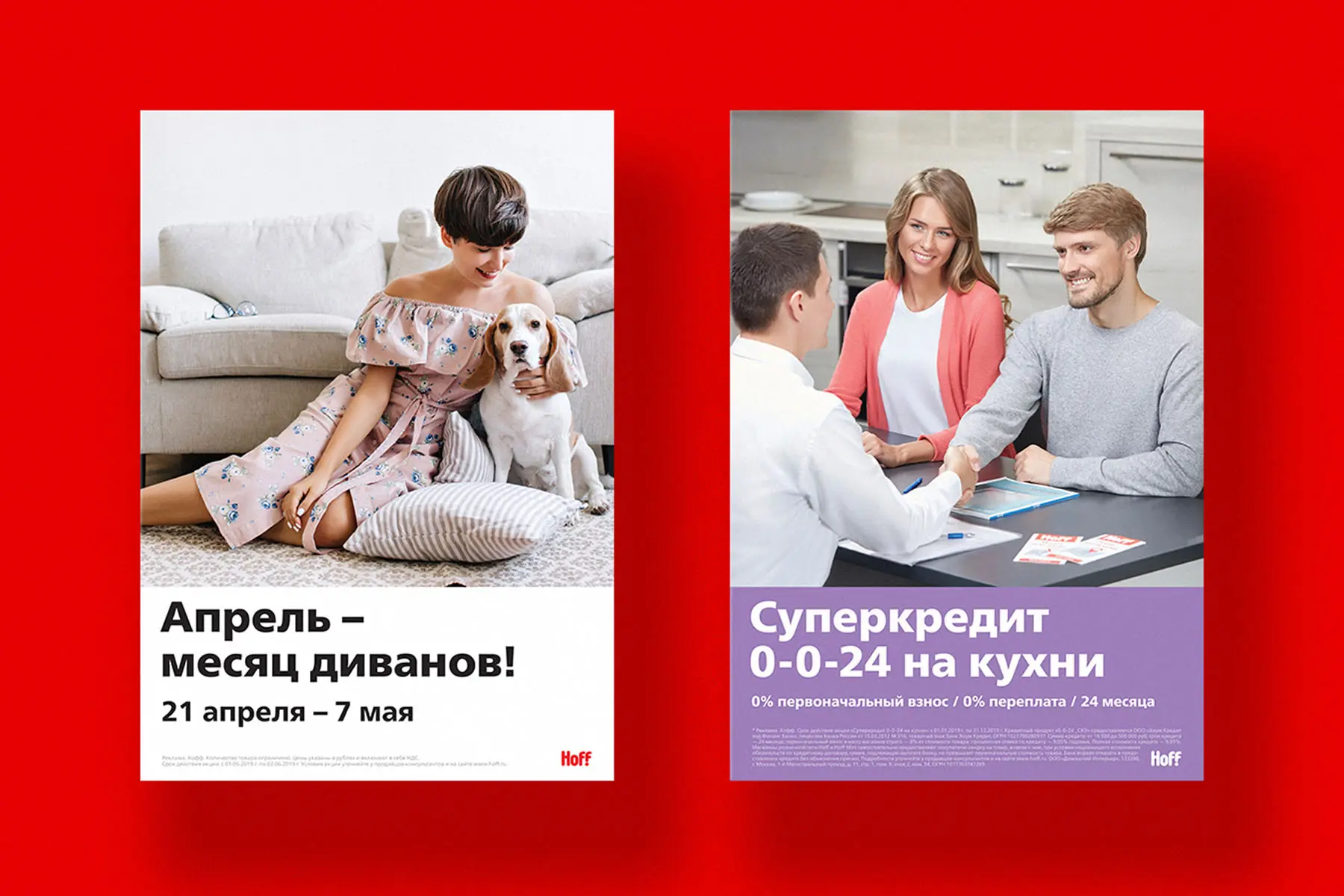
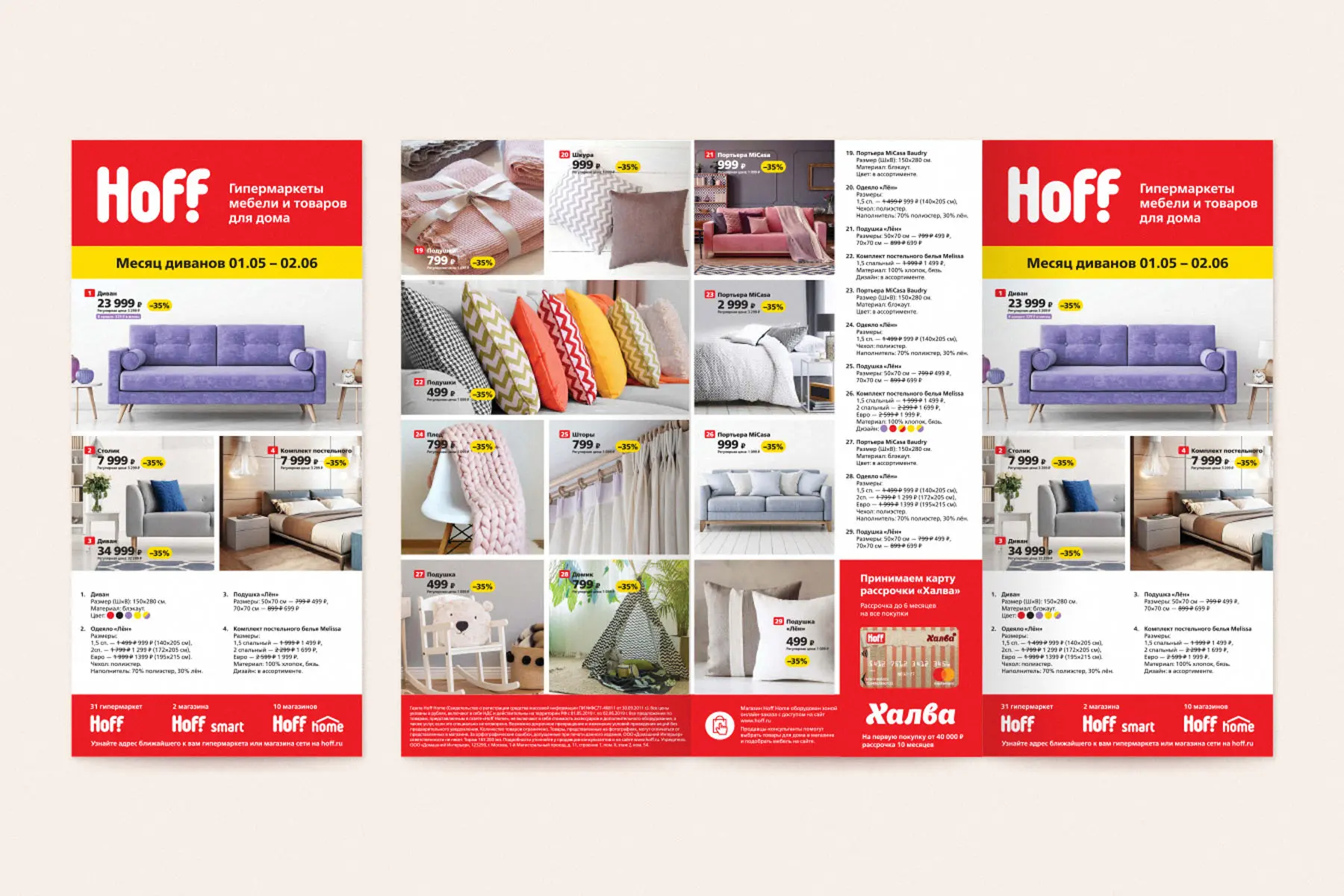
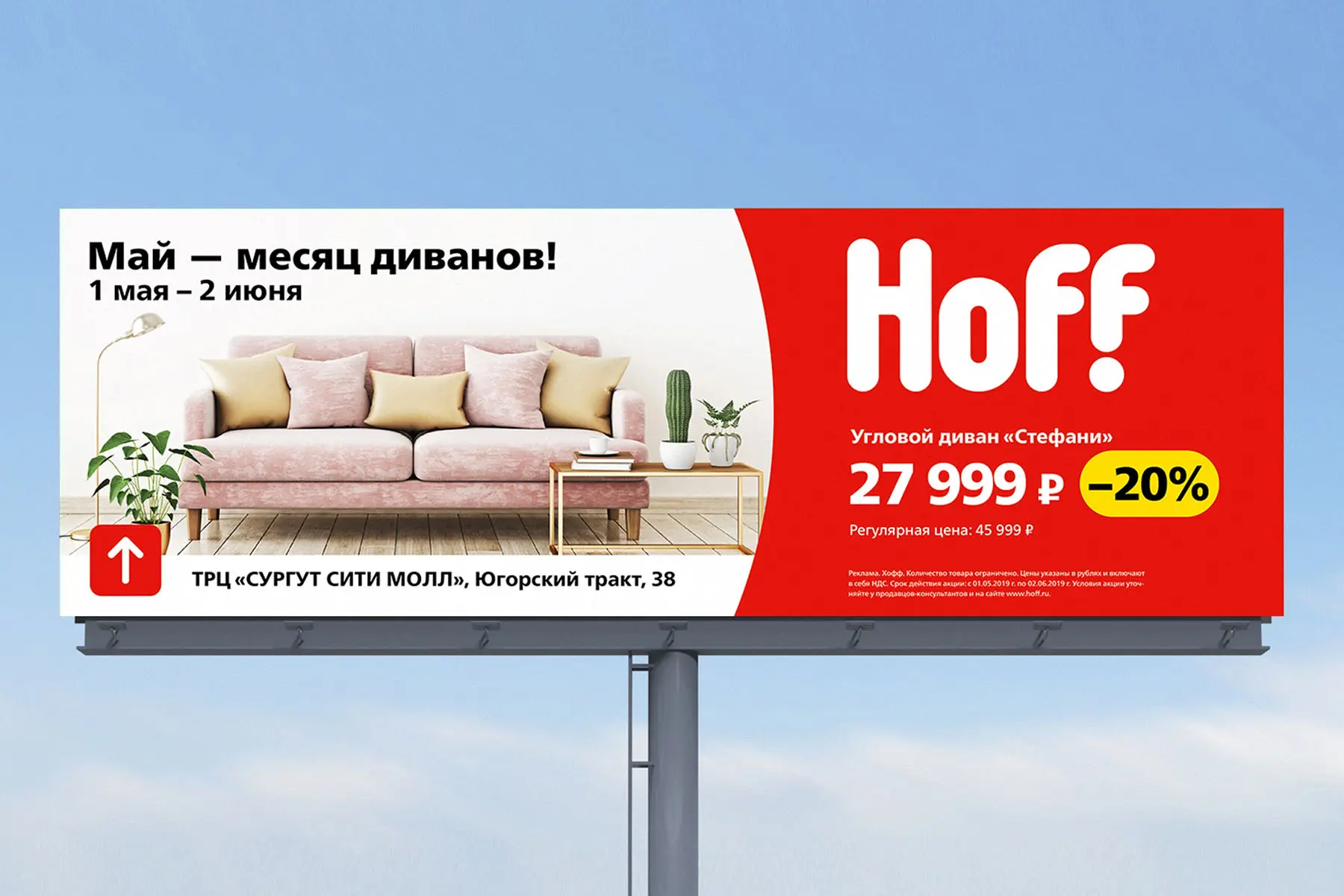
Retail advertising encompasses the communications that convey a brand’s positioning and support sales at every stage of the customer journey. An effective system combines offline activities, digital campaigns, and the design of the retail environment. Contemporary retail advertising is built around customer decision journeys: the brand must prioritize the right messages, appeal to emotion, and guide shoppers toward a decision. Integrated communications increase conversion, accelerate decision-making, and build long-term trust in the brand.

Retail Products

Retail products are the goods and services offered through different sales channels, including physical stores and online platforms. Brands that integrate omnichannel solutions can give customers quick, convenient access to products both in store and online. More flexible formats—such as small stores with carefully balanced product assortments—are becoming increasingly important for attracting customers. Companies that recognize these shifts and adapt their offers improve their competitiveness, reach more of the right customers, and increase revenue, creating a foundation for long-term stability.

Multichannel Retail

Multichannel retail is a system for selling goods and services through both traditional and online channels to reach a broad audience. Successful brands actively diversify their strategies, expanding into distinct business clusters and exploring new market segments. As competition grows, scaling the business and adopting omnichannel approaches become essential to sustainable growth and a stronger market position. Companies that manage their retail operations effectively not only retain existing customers but also attract new audiences, creating a solid foundation for long-term development.

Online Retail

Online retail is the sale of goods through digital platforms, with the customer experience delivered entirely in a digital environment. Successful brands assess how far marketplaces may displace traditional formats and develop independent sales channels of their own. Demand patterns now change faster than the product-development cycle, making precise analytics an essential part of strategy. Companies that ignore online shopper behavior lose market share even when their position in offline channels remains strong.

Fashion Retail

Fashion retail is the management of apparel sales through stores, showrooms, and digital platforms. Successful brands focus on the strength of their visual identity, the atmosphere of the retail environment, and the careful presentation of each collection. Fashion retail requires the assortment to be updated continually so that the brand remains emotionally relevant to shoppers. The ability to respond flexibly to the target audience’s tastes and expectations helps a fashion brand increase recognition and attract steady customer traffic.

Pet Retail

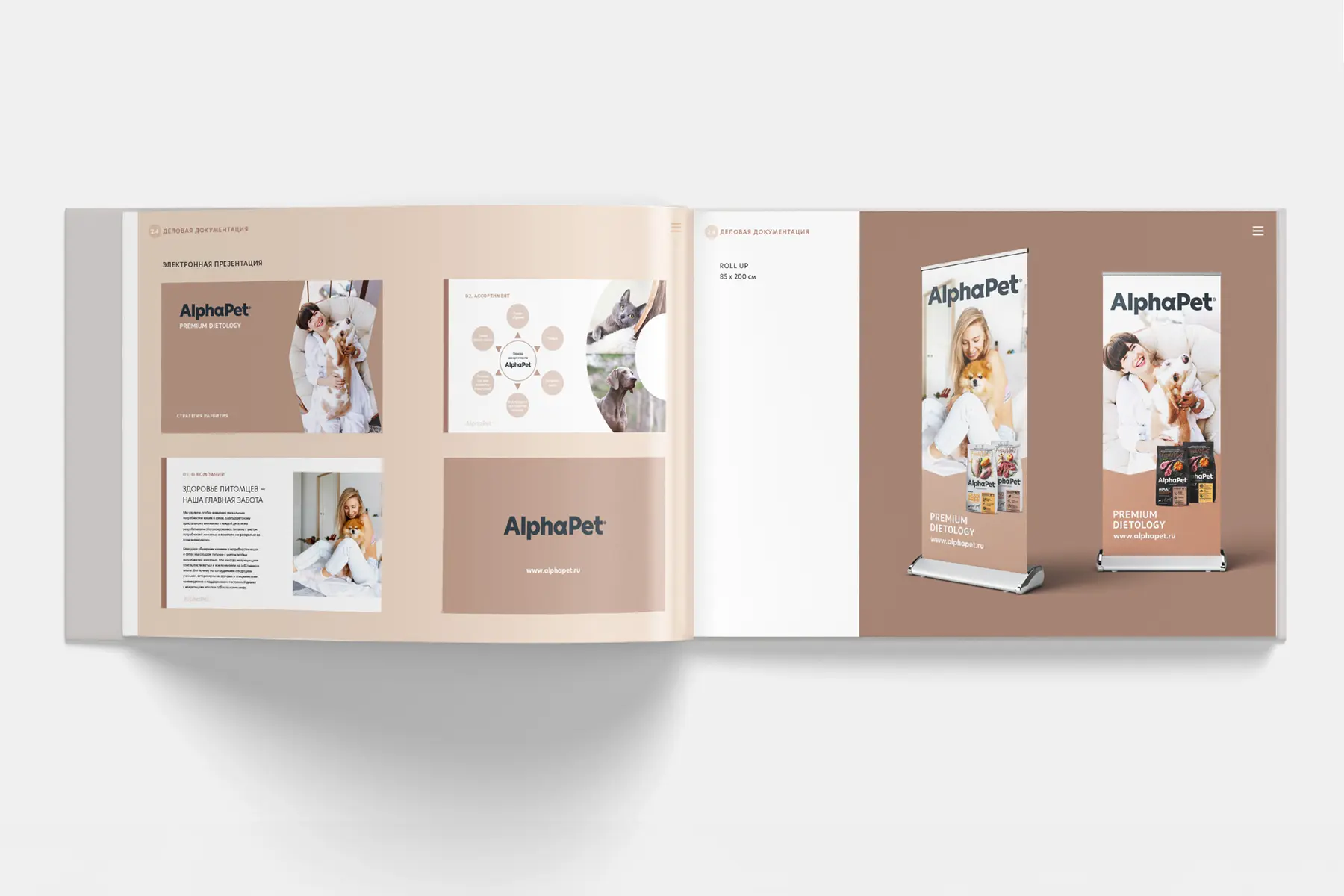
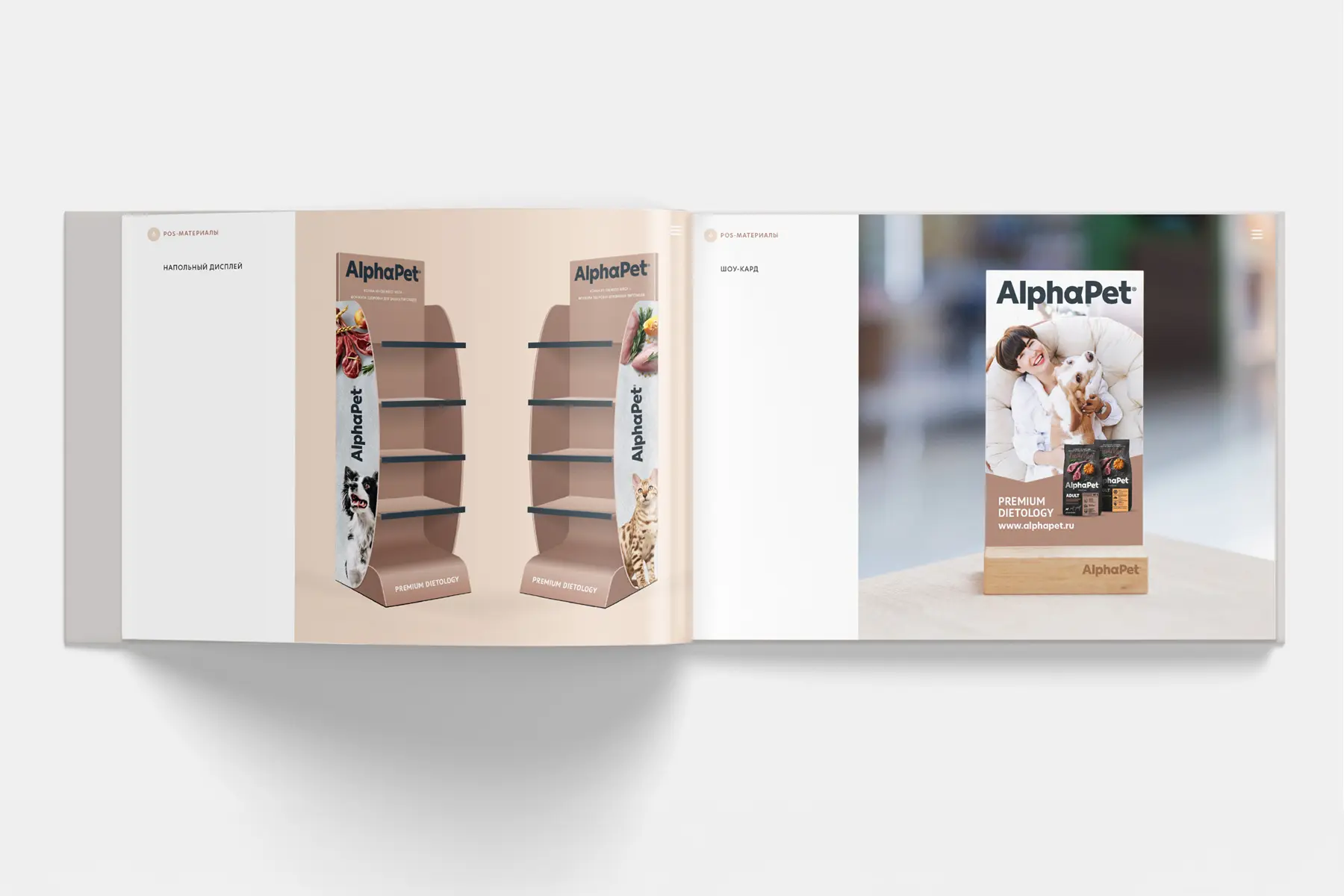
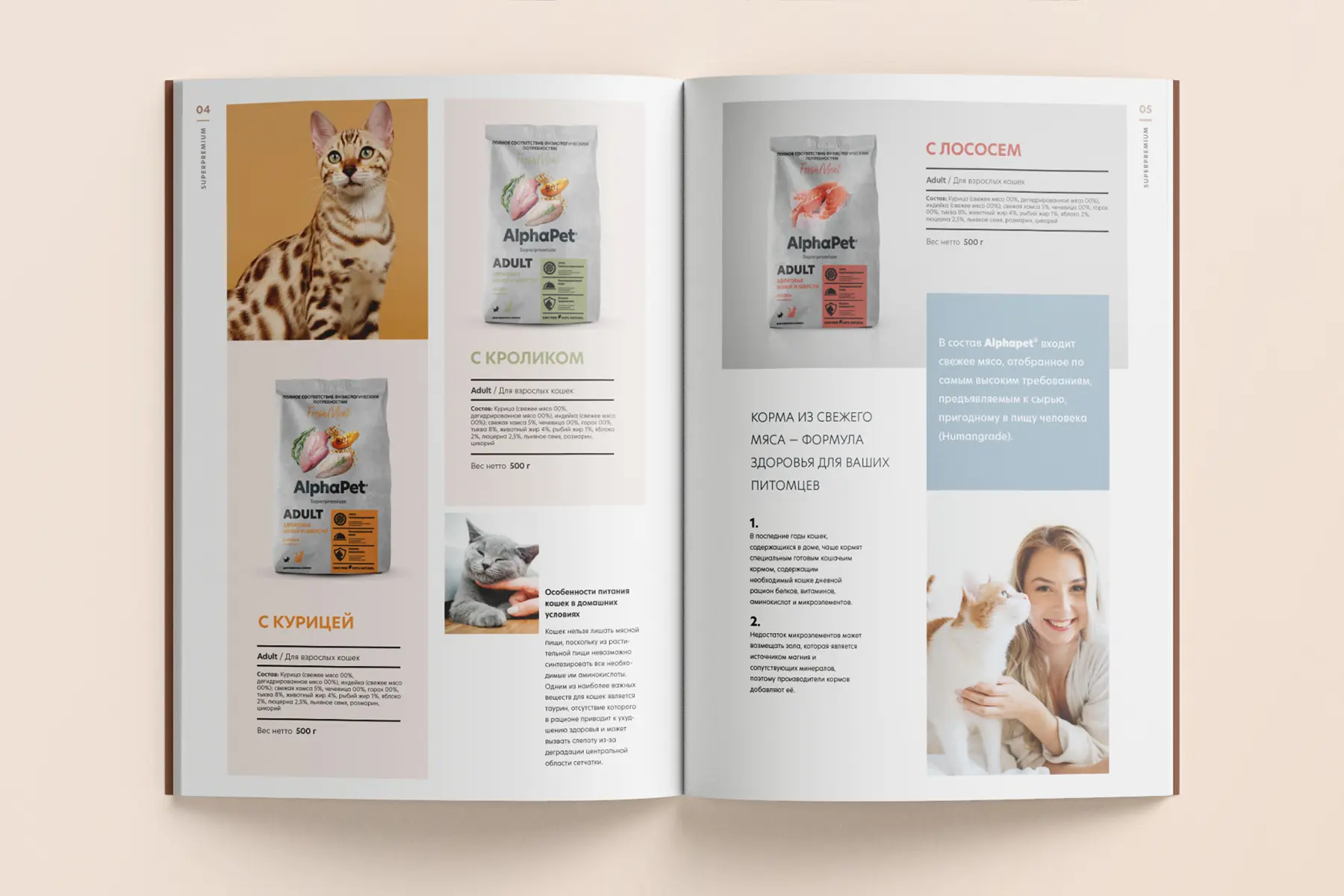
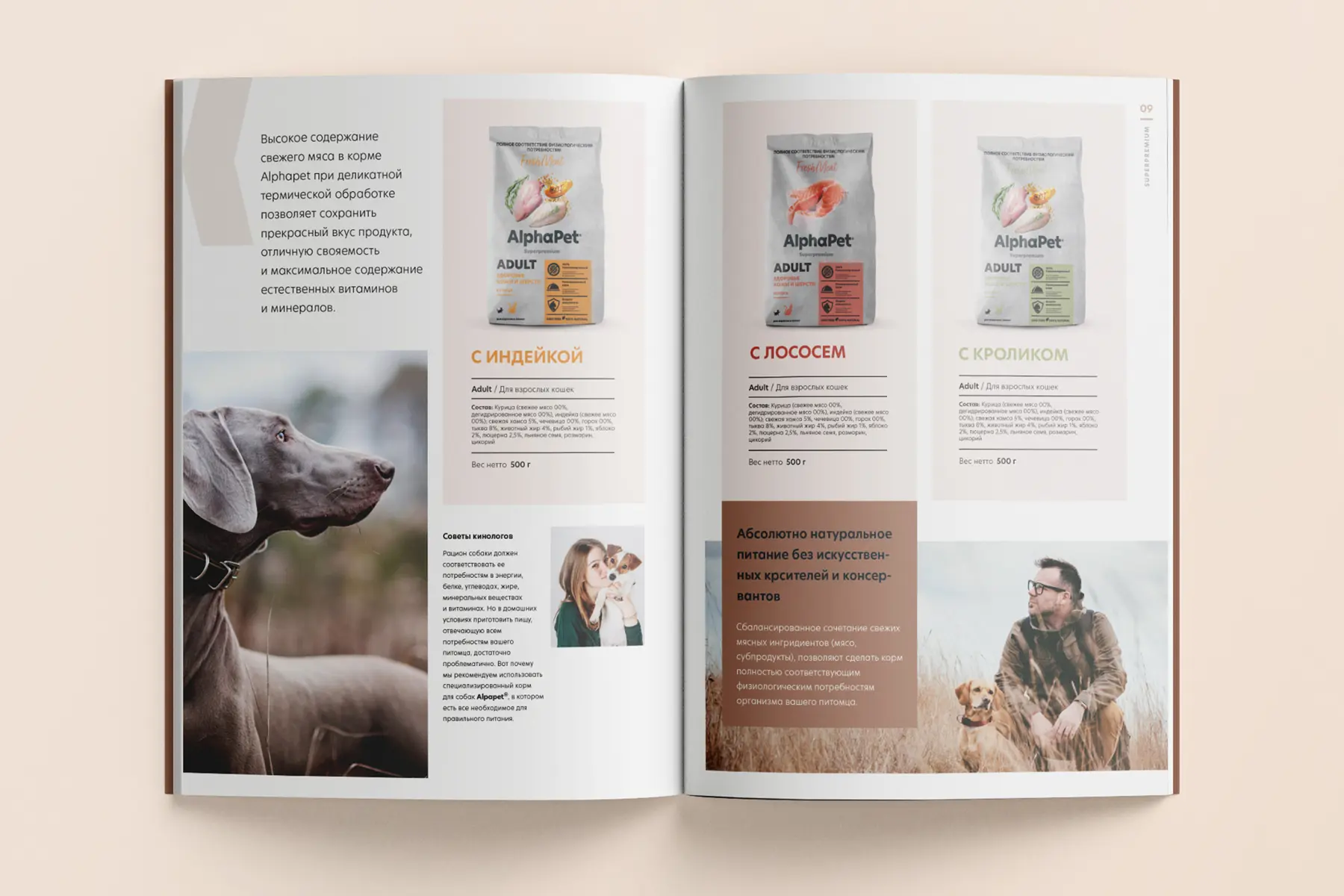
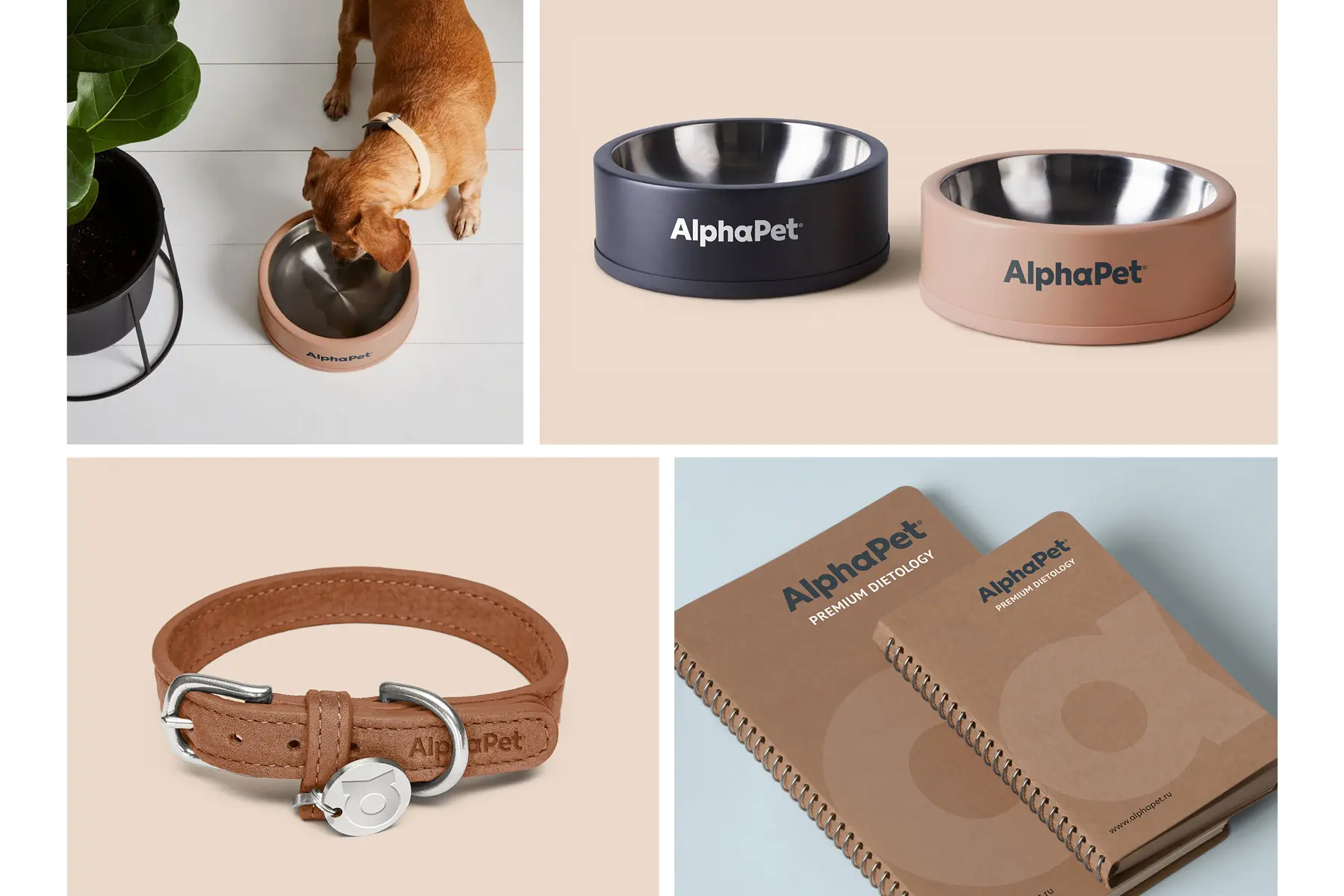
Pet retail is the sale of products and services for animals through physical stores and digital channels. Growing competition requires an omnichannel model that brings shopping, expert advice, and services together within one environment. Formats that combine a store, veterinary pharmacy, and grooming salon keep customers engaged for longer and increase purchase frequency. Price promotions quickly lose their effectiveness. A strong customer experience depends instead on knowledgeable advice, convenient service, and an atmosphere of trust that builds customer loyalty.

Premium Retail

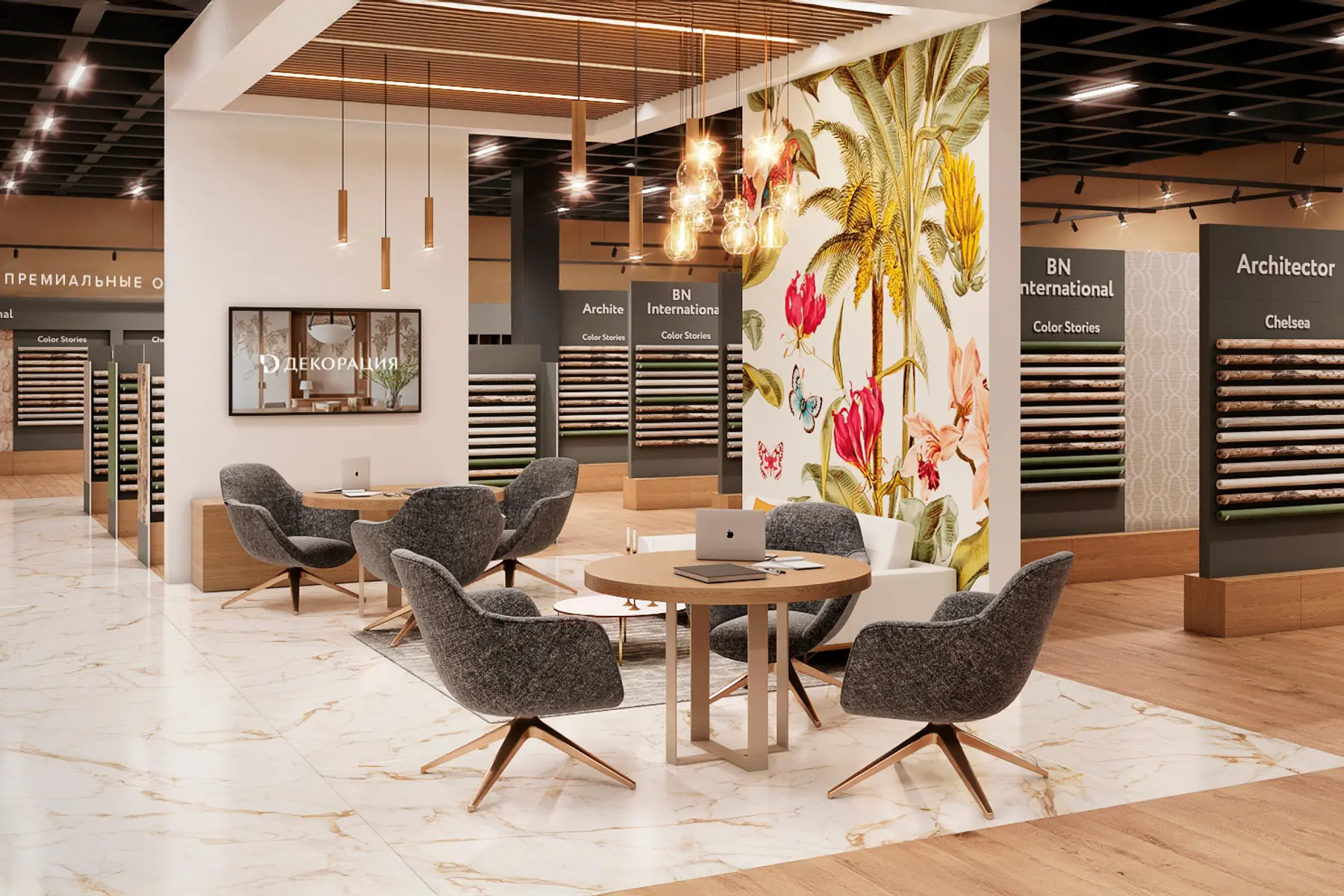
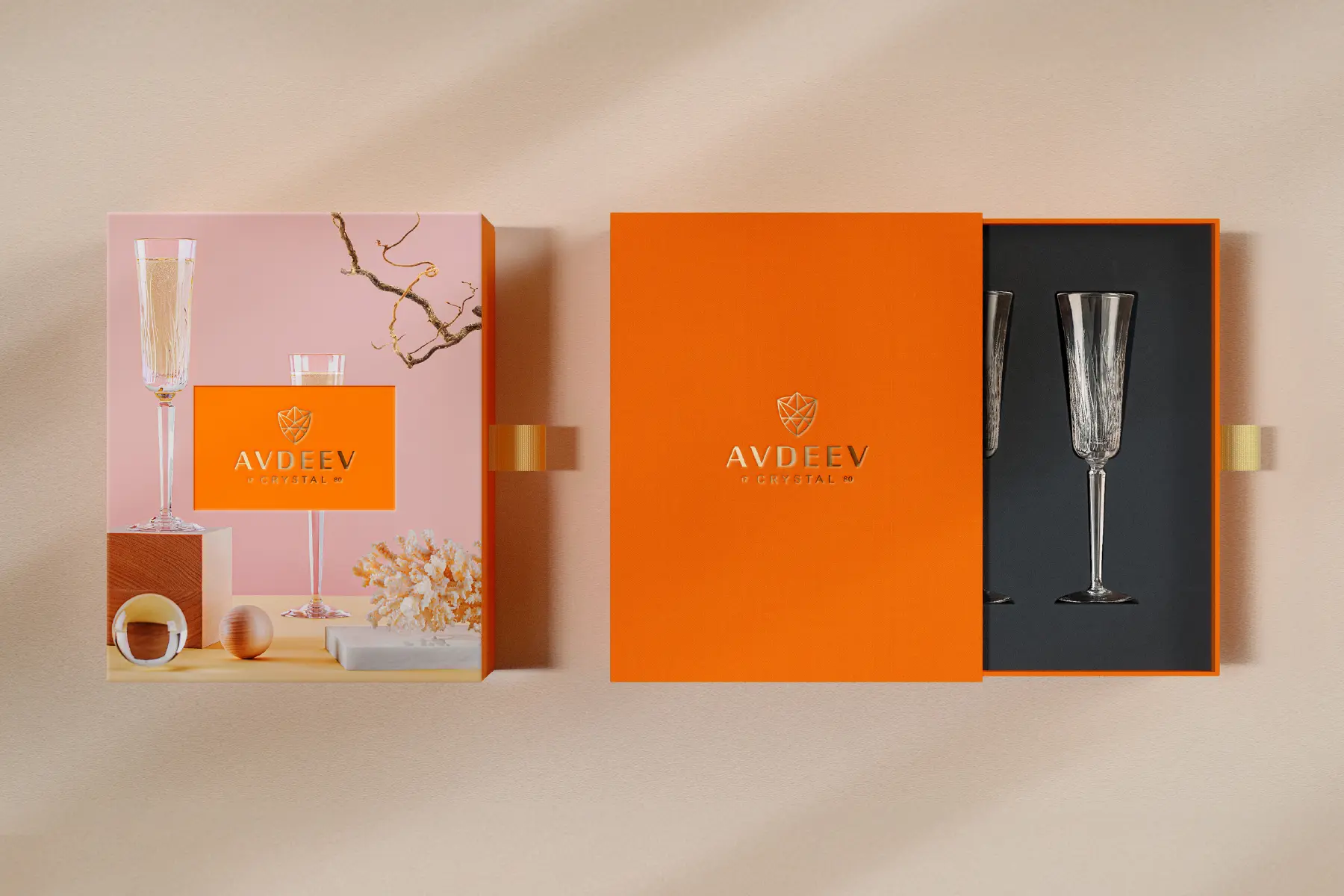
Premium retail is the sale of high-end goods and services through formats in which status, design, and individualized attention are paramount. Successful companies build their sales strategy around the customer experience, using innovation and personalization to create an exceptional level of comfort. In this segment, a store is no longer simply a showcase—every detail of the environment shapes emotion and builds trust. Investment in technology, service models, and store architecture makes the brand more attractive and expands its audience.

Beauty Retail

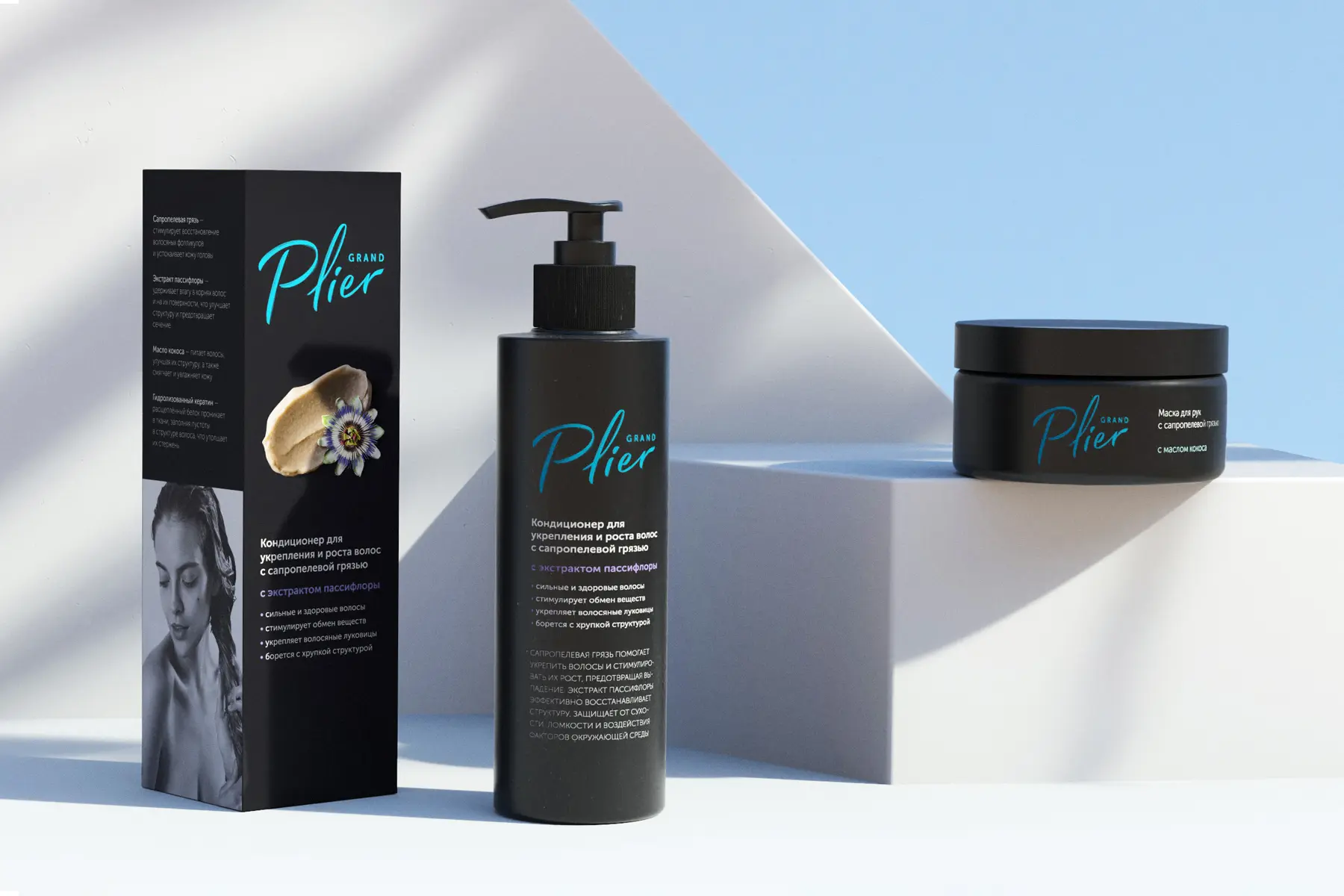
Beauty retail is the sale of cosmetics and related products through stores and online platforms, where trust and the brand experience play a decisive role. In a mature market, the strongest chains focus on younger audiences and expand their assortment beyond conventional cosmetics. Success depends on the combination of atmosphere, omnichannel access, and an ability to recognize emerging shifts in shopper behavior. Companies that adapt their formats quickly enough to meet new expectations retain customer attention and turn a single purchase into repeat visits and orders.

Pharmacy Retail

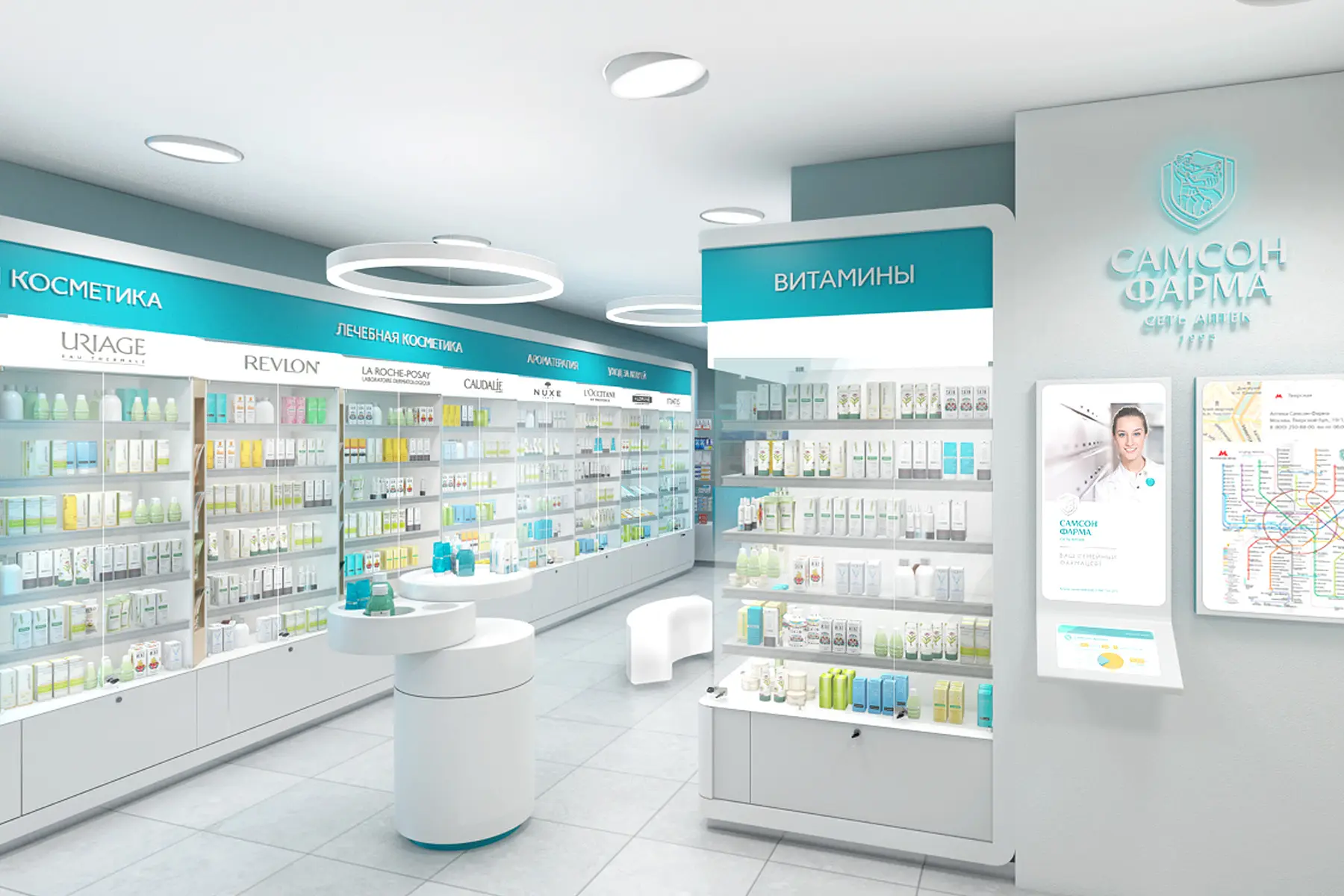
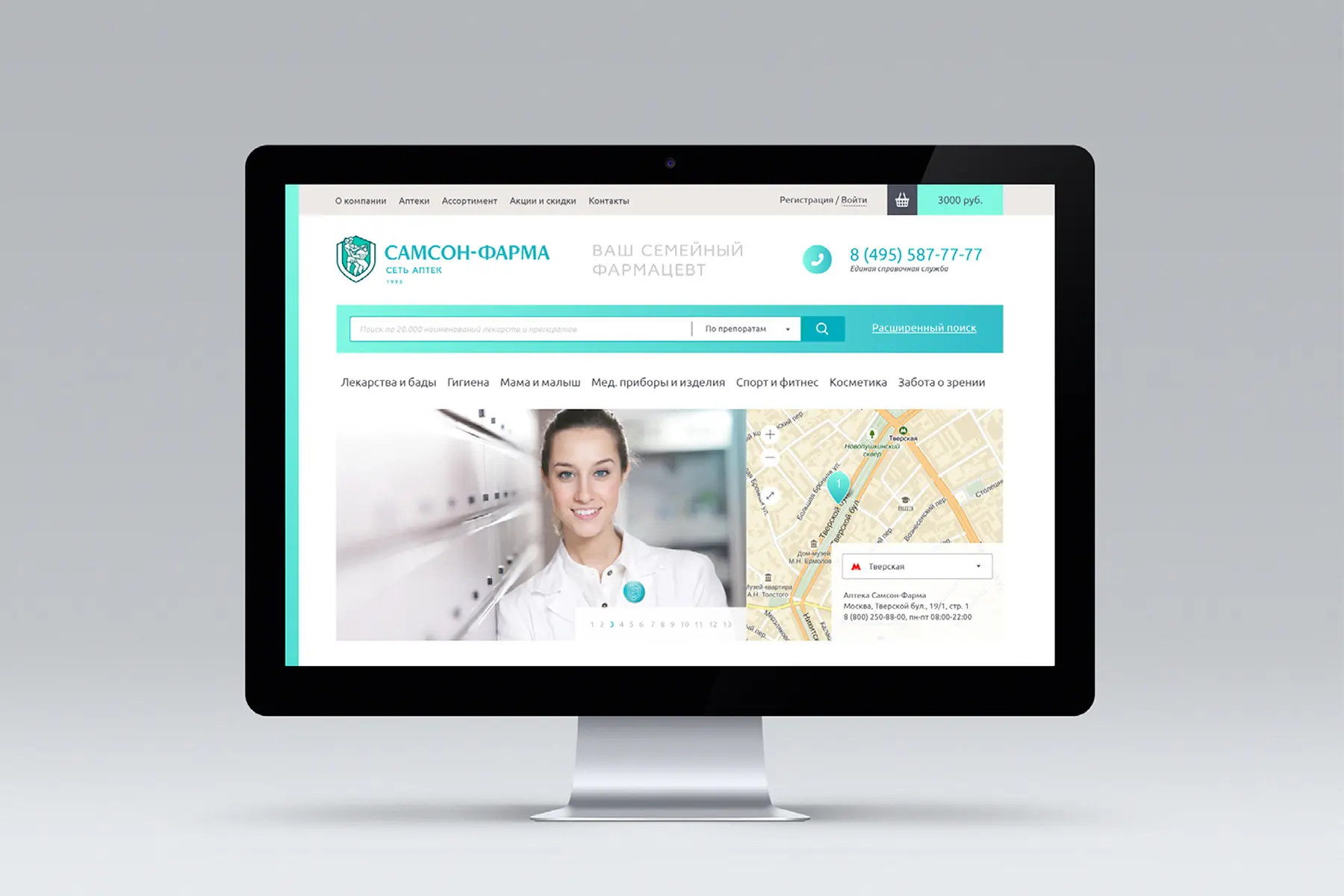
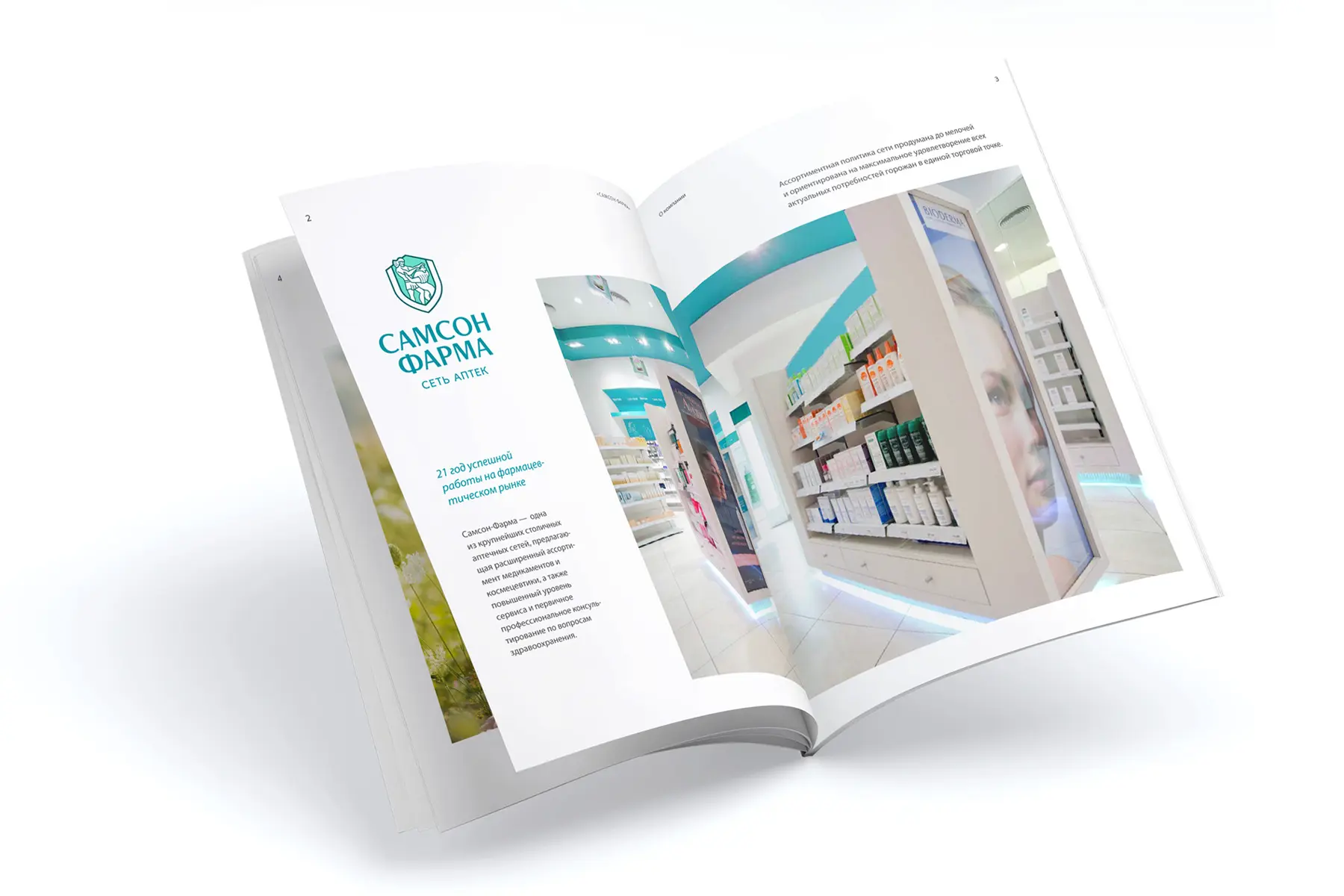
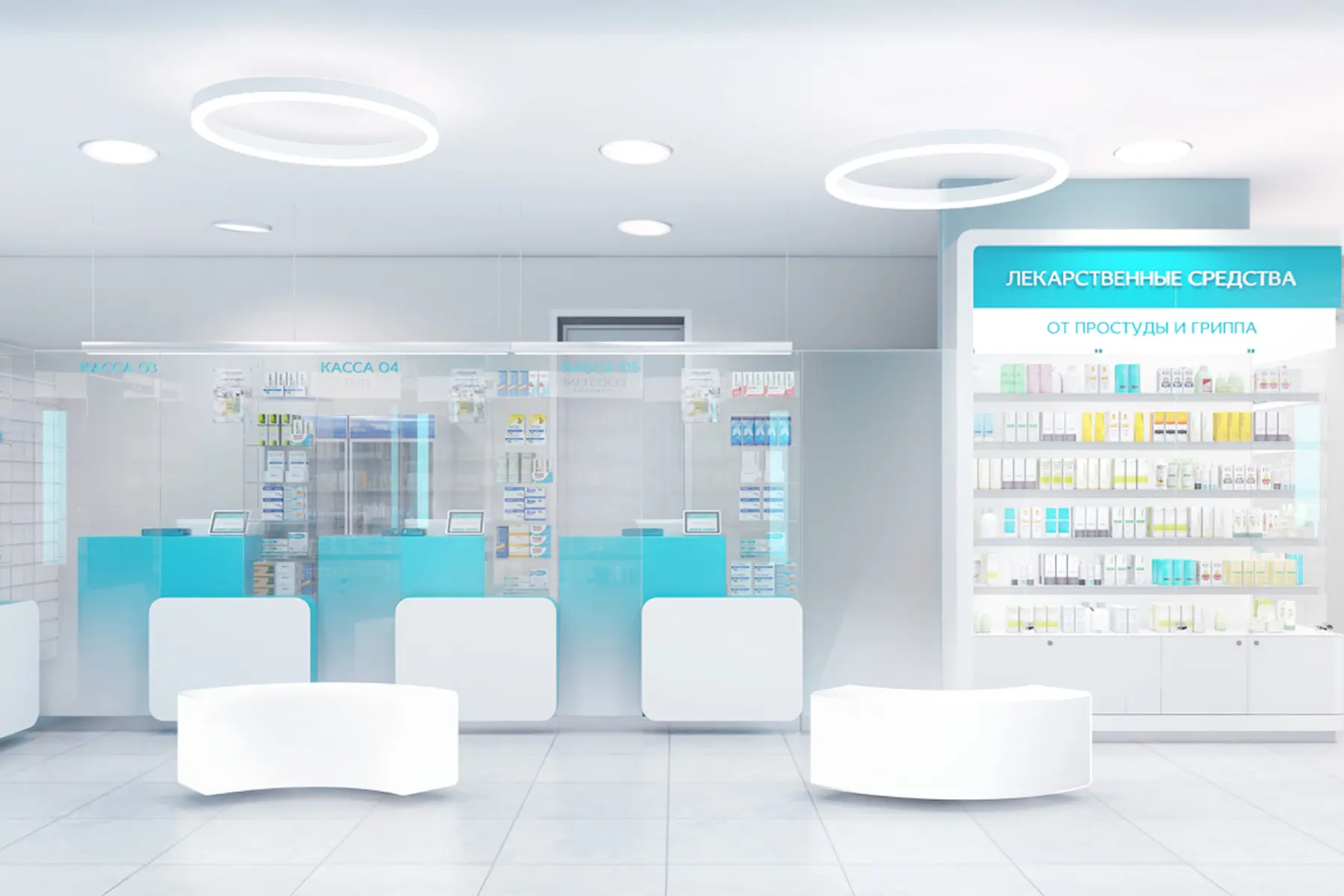
Pharmacy retail is the sale of medicines and related products through physical locations and online channels, with an emphasis on trust and convenience. Rapid growth in online sales has intensified market consolidation and sharpened competition for customers as new formats emerge. Successful chains establish clear price positioning and develop service models that distinguish them from competitors. Today, pharmacy traffic is driven by updated store formats, broader product categories, and simpler purchasing journeys.

Building Materials Retail

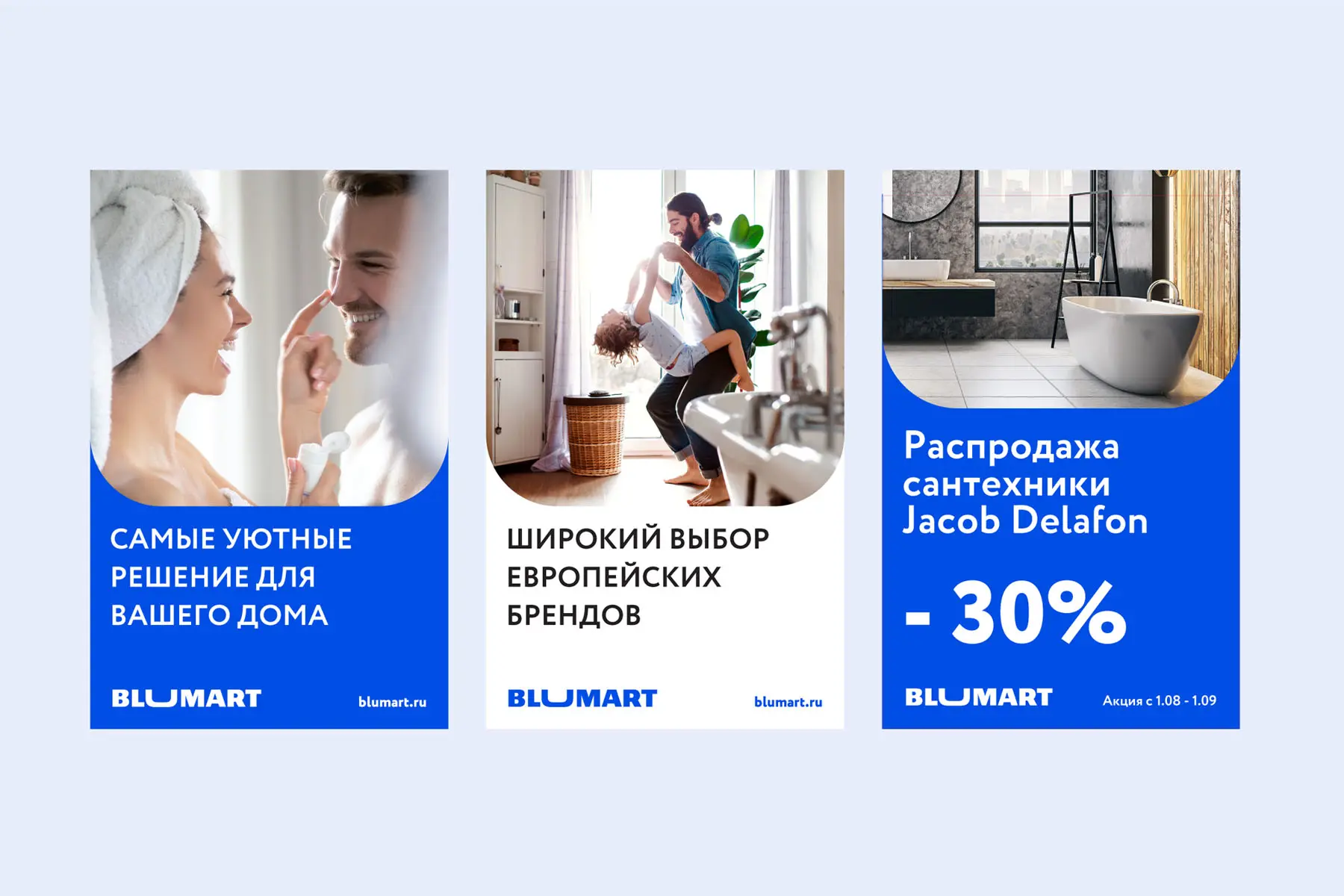
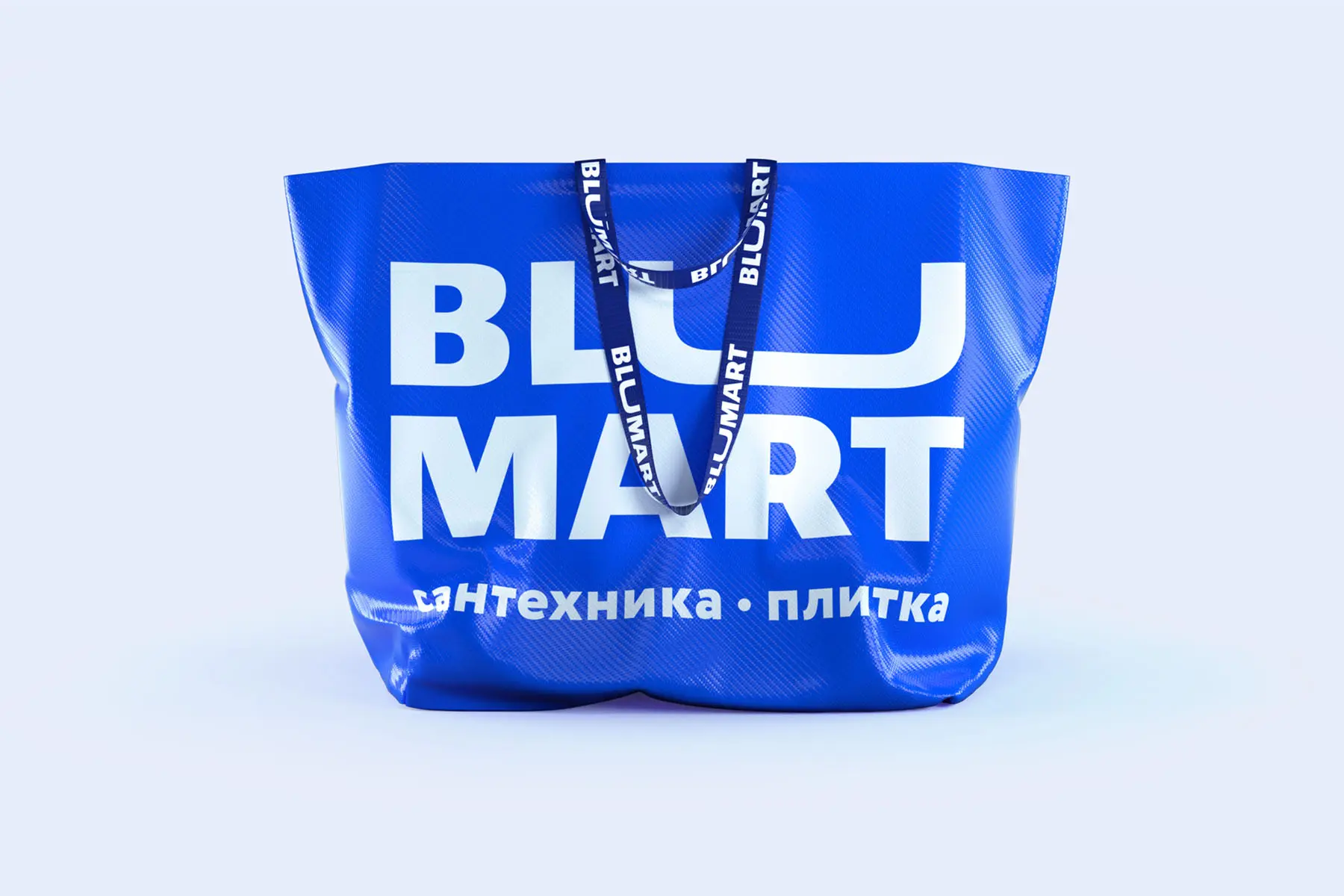
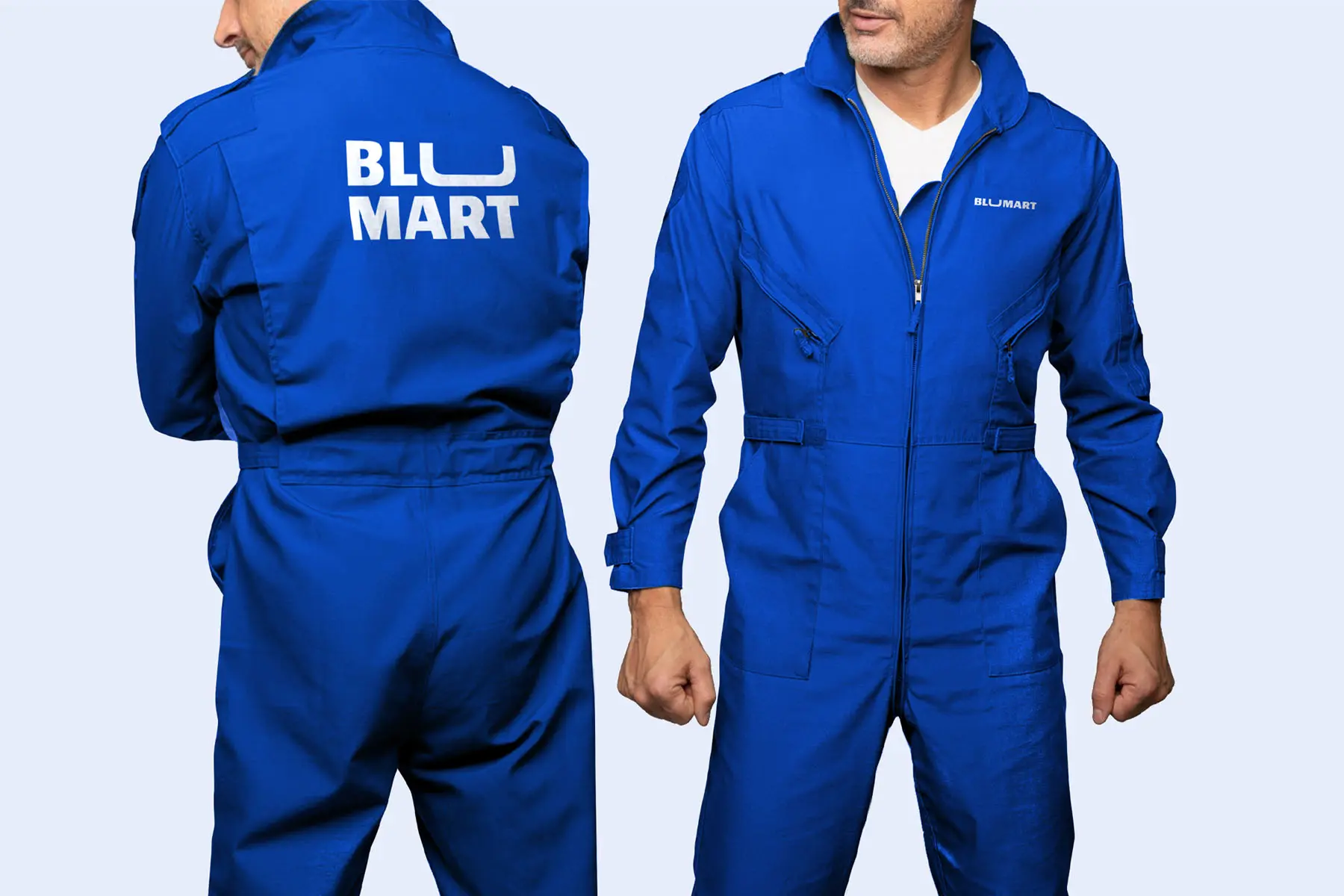
Building materials retail is the sale of construction and finishing products through DIY stores and specialized online platforms. Leading companies emphasize effective product presentation, clear positioning, and training sales consultants to offer informed, relevant advice. Loyalty programs and services that simplify product selection and accelerate purchasing help strengthen customer retention. Today, successful formats require an ecosystem of services that is easy to navigate for both trade professionals and private customers.

Retail Priorities

Retail priorities center on meeting customer needs consistently through products, services, and a convenient user experience. Retail leadership today depends on the right combination of assortment, maximum convenience, efficient logistics, and effective loyalty programs. Electronic shelf labels, self-service areas, and digital advisors are increasingly expected as standard. Introducing new technologies and investing in customer service increase loyalty, average transaction value, and purchase frequency.

Retail Innovation

Retail innovation is the introduction of new ideas, technologies, and business models to improve customer interactions and optimize sales processes. Retailers must evolve continuously to remain competitive. Digital technologies such as purchase analytics and personalized recommendations help improve the customer experience. It is important not merely to follow trends but to initiate them by anticipating market needs before they become mainstream.

Retail Branding and Store Design Brief
Attach brief file
Contact information
By clicking the button, I agree to the processing of digital data.* — mandatory items to fill in

Frequently Asked Questions About Retail Store Design

How can retail store design improve customer comfort?

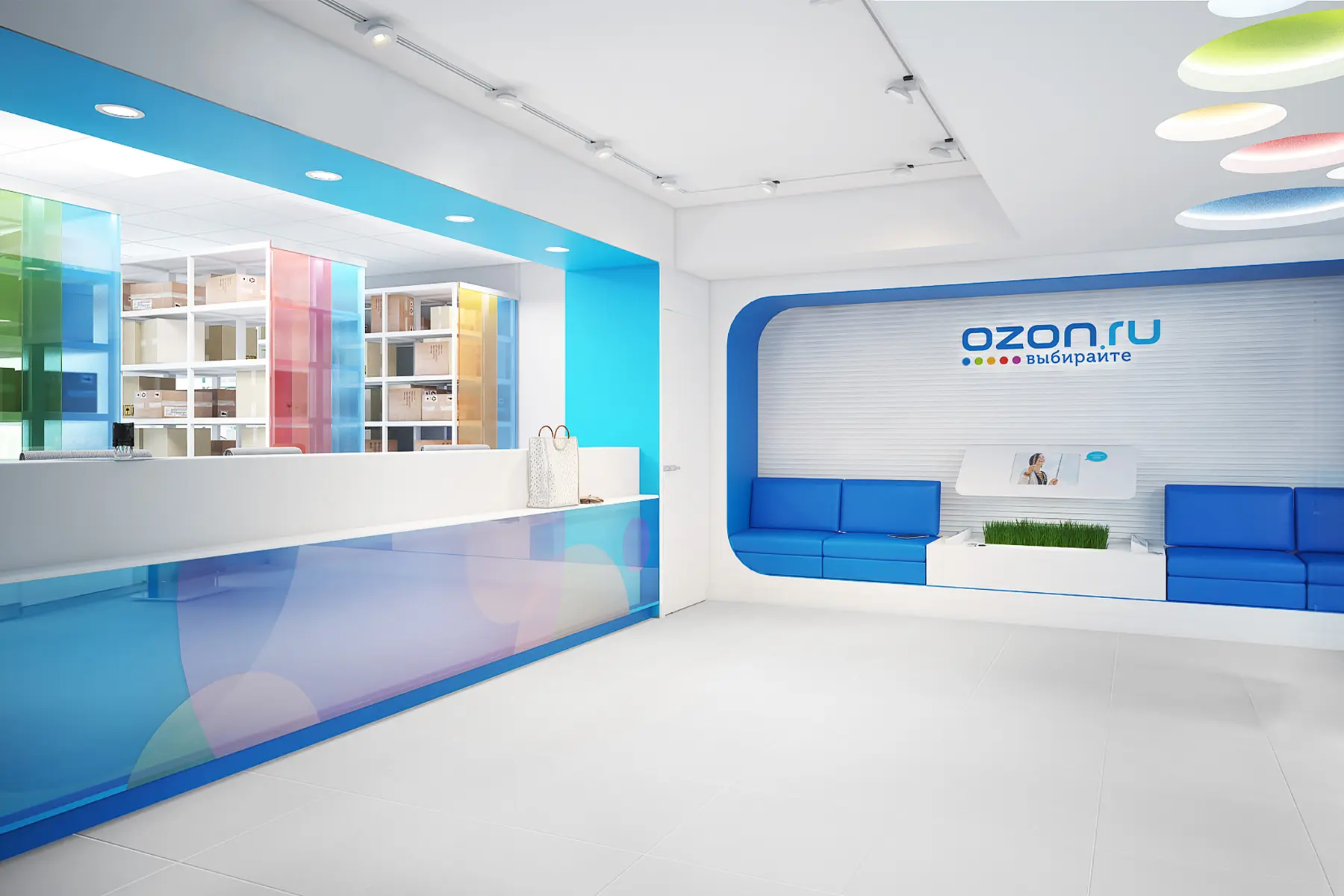
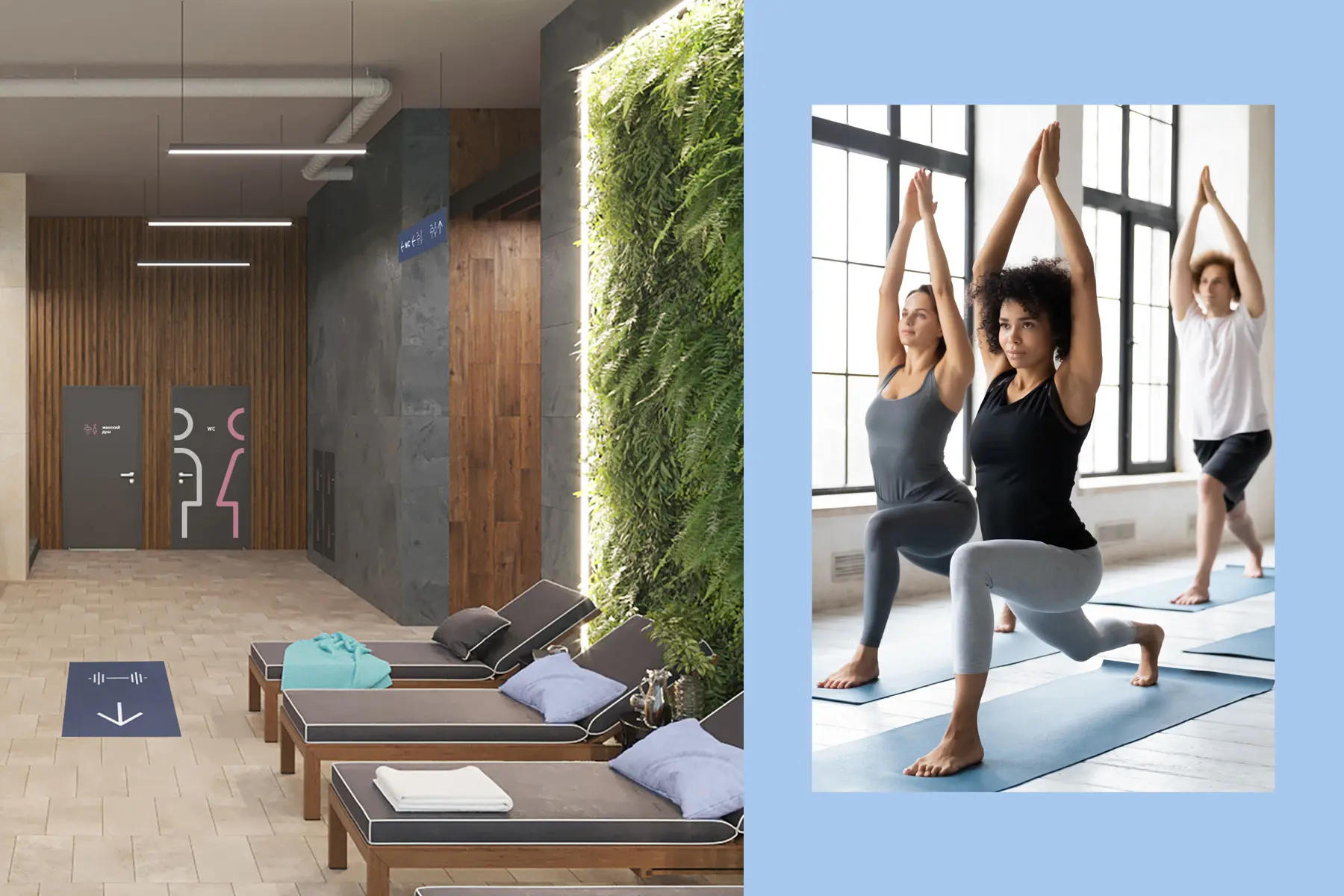
Designing a comfortable store starts with understanding the customer journey: how shoppers notice the entrance, find their way around, choose products, get assistance and complete their purchase. The layout should provide clear routes, sufficiently wide aisles, accessibility for people with reduced mobility and convenient access to retail fixtures. Lighting, acoustics, indoor climate, fitting rooms, waiting areas and the checkout zone all contribute to the overall customer experience.

What digital technologies are used in modern retail store design?

Modern retail stores use electronic shelf labels, self-checkout stations, mobile payments, interactive product catalogs, digital wayfinding, queue management systems, RFID technology, smart fitting rooms and online order pickup solutions. Digital displays and media walls help showcase products and current offers. Store design plans should address equipment placement, power supplies, network connectivity, maintenance access and user-friendly interfaces from the outset.

How does storefront design encourage customers to enter?

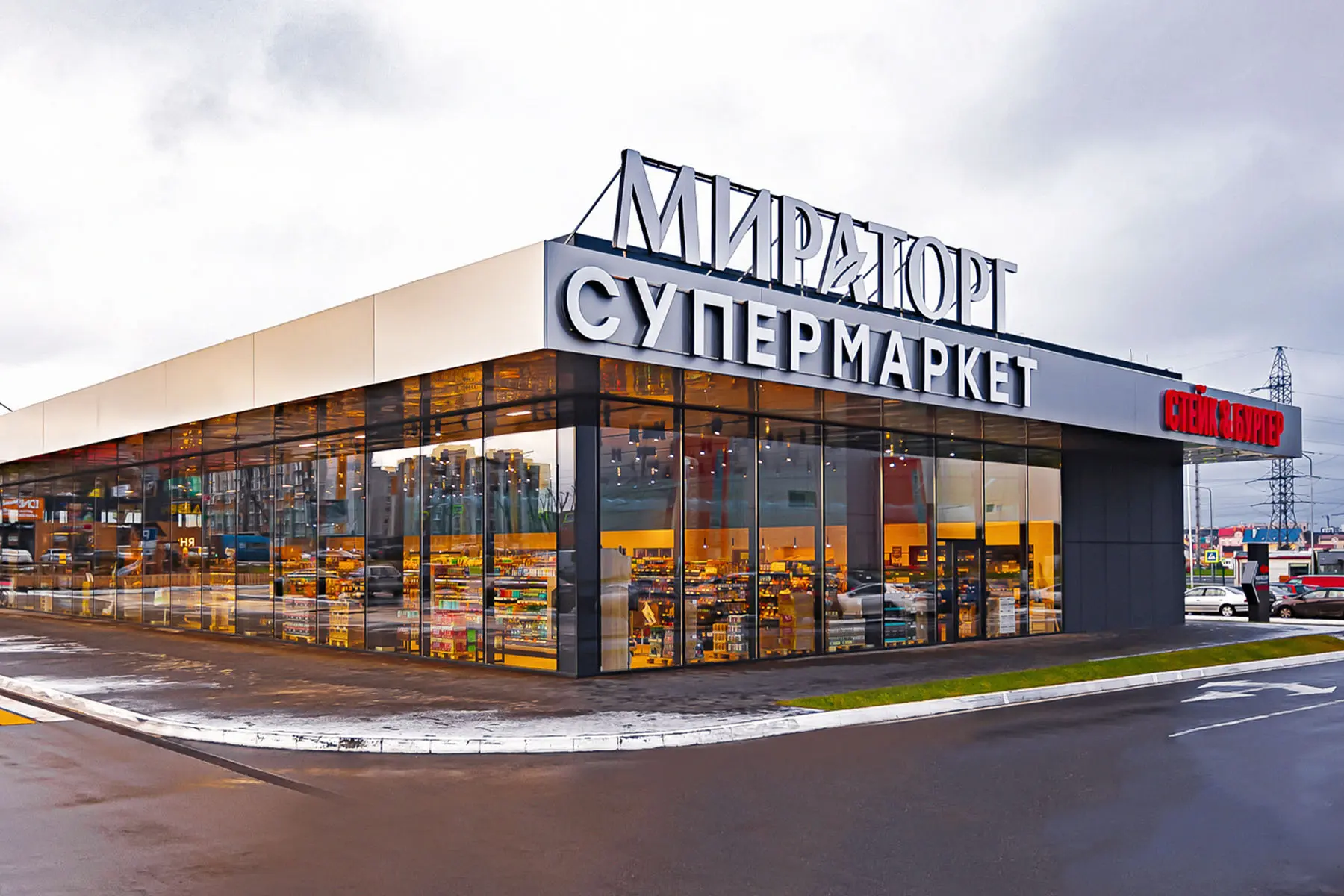
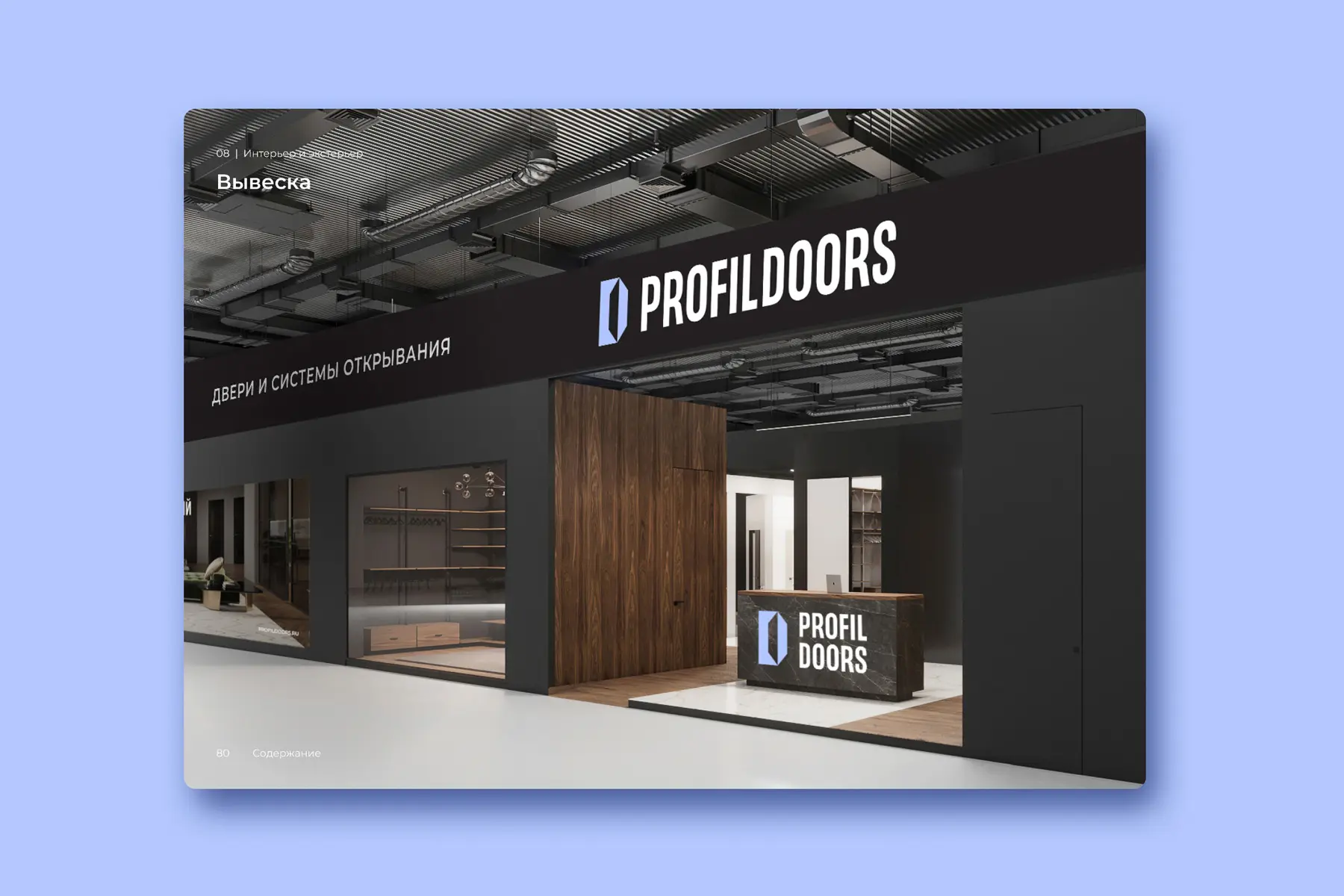
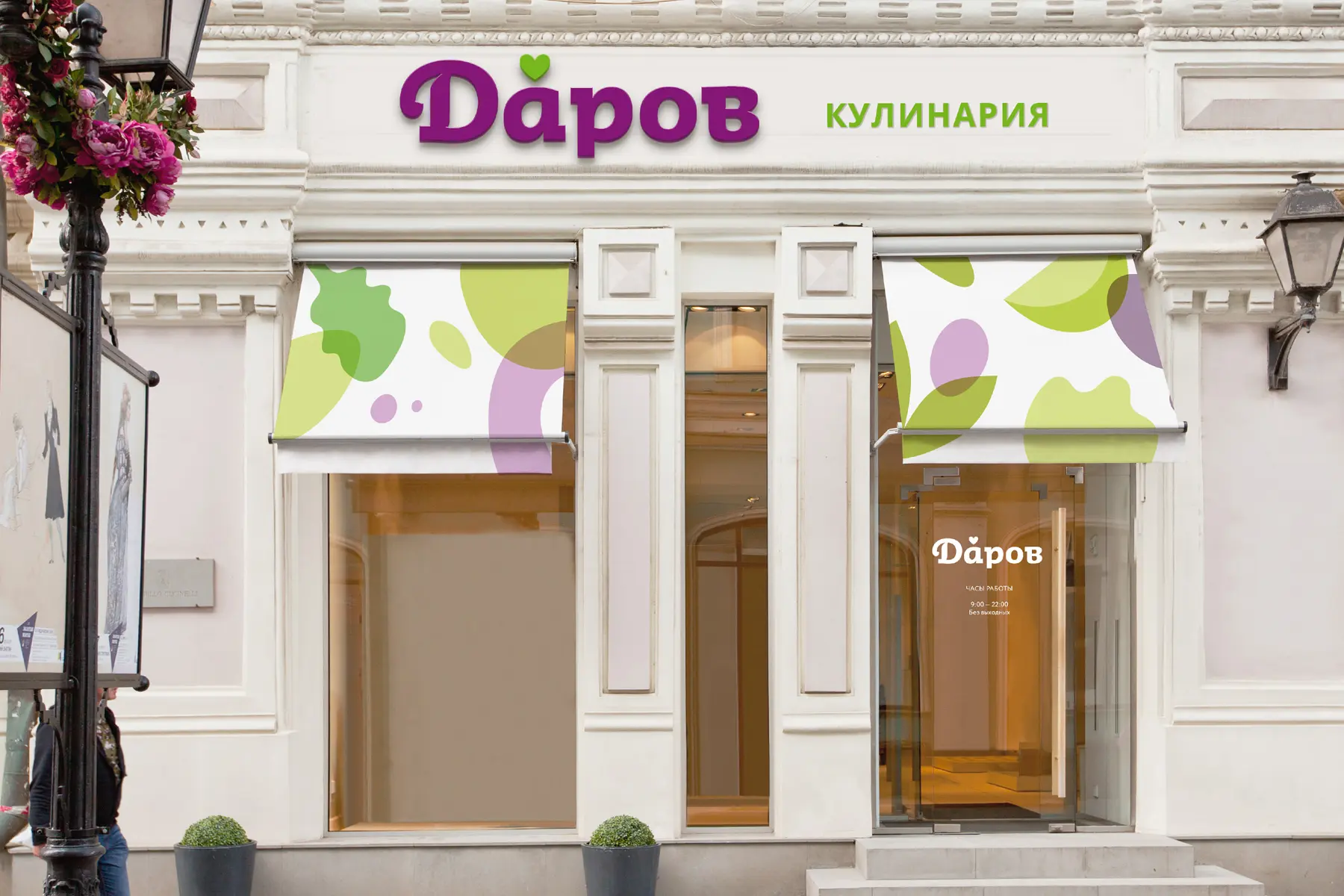
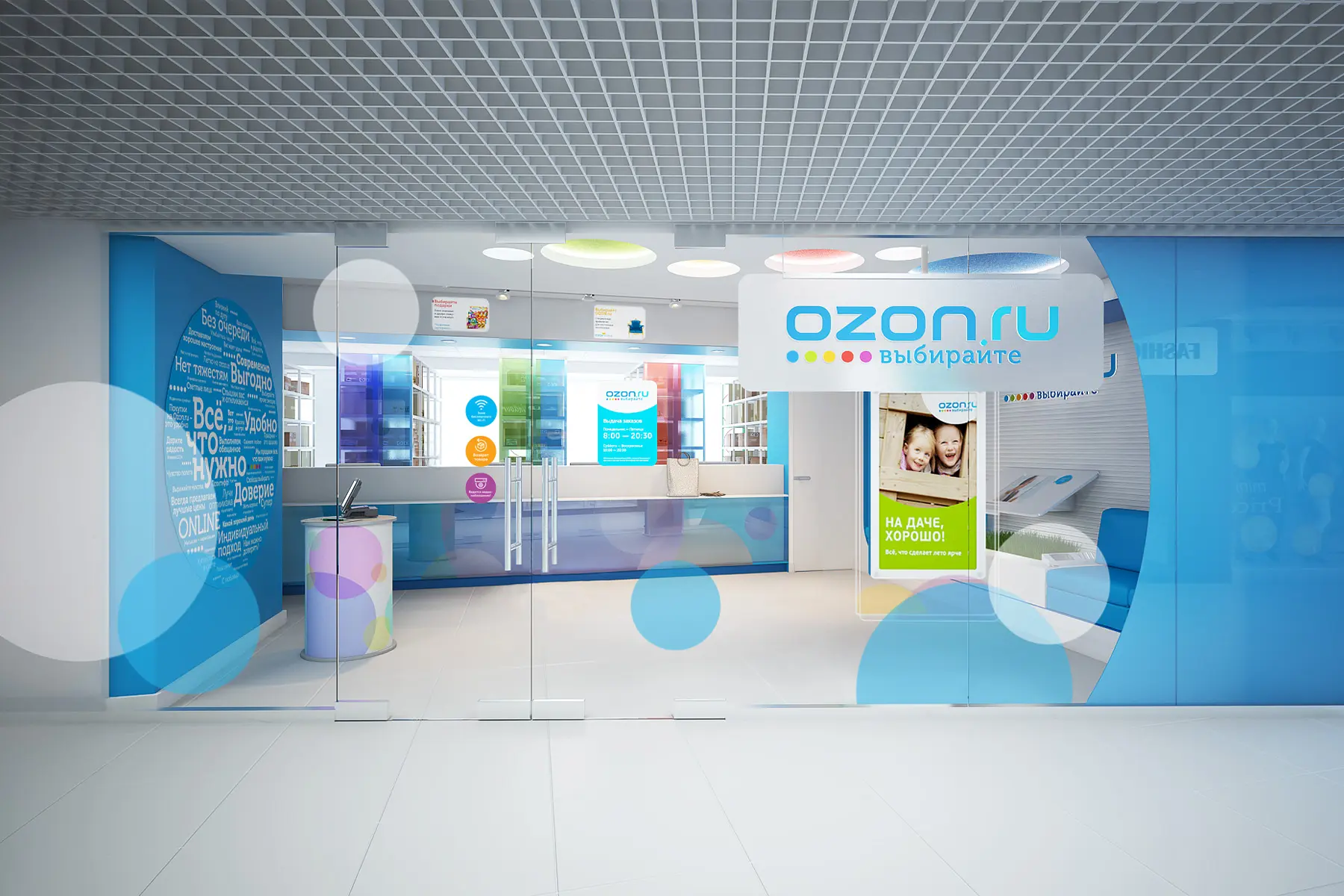
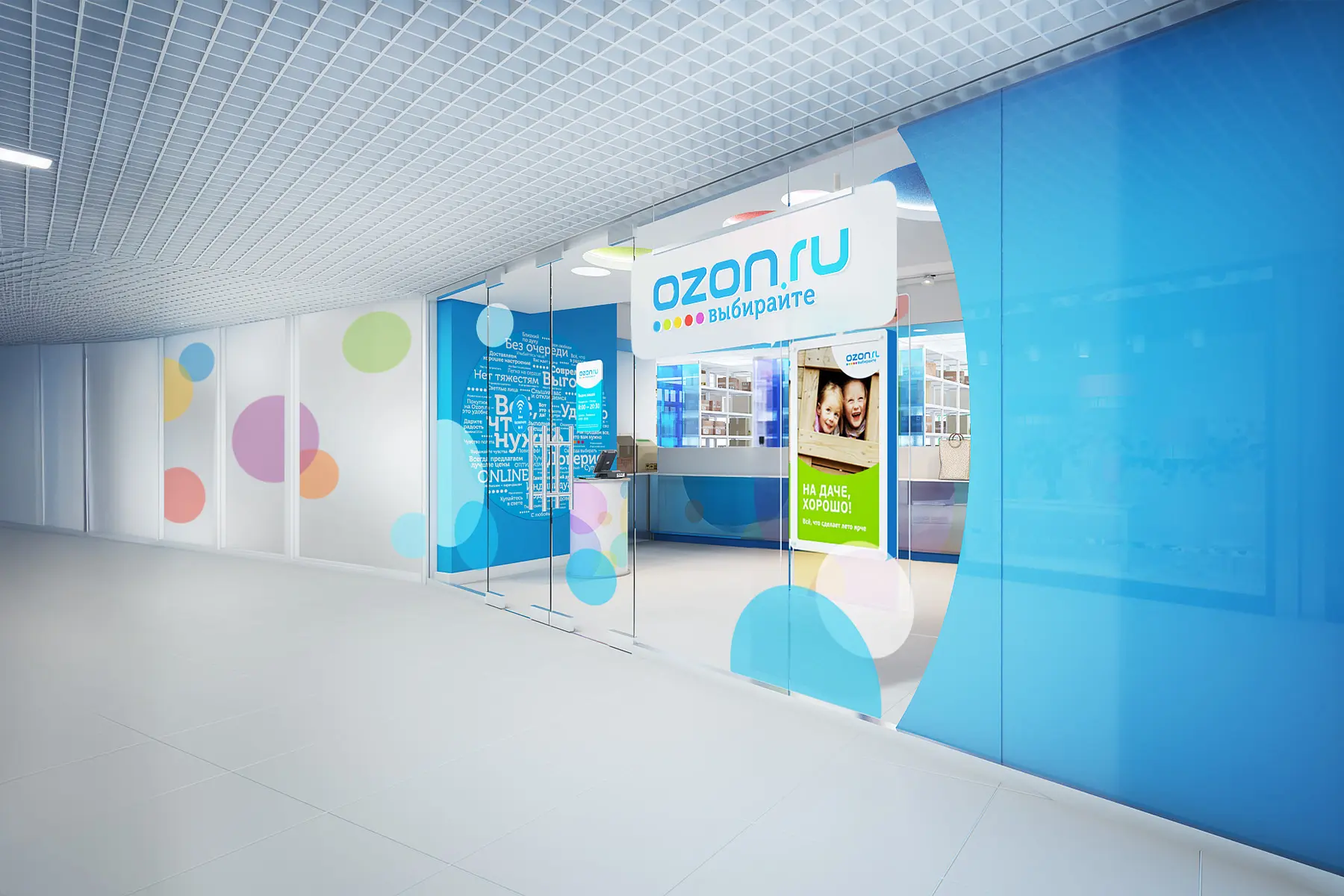
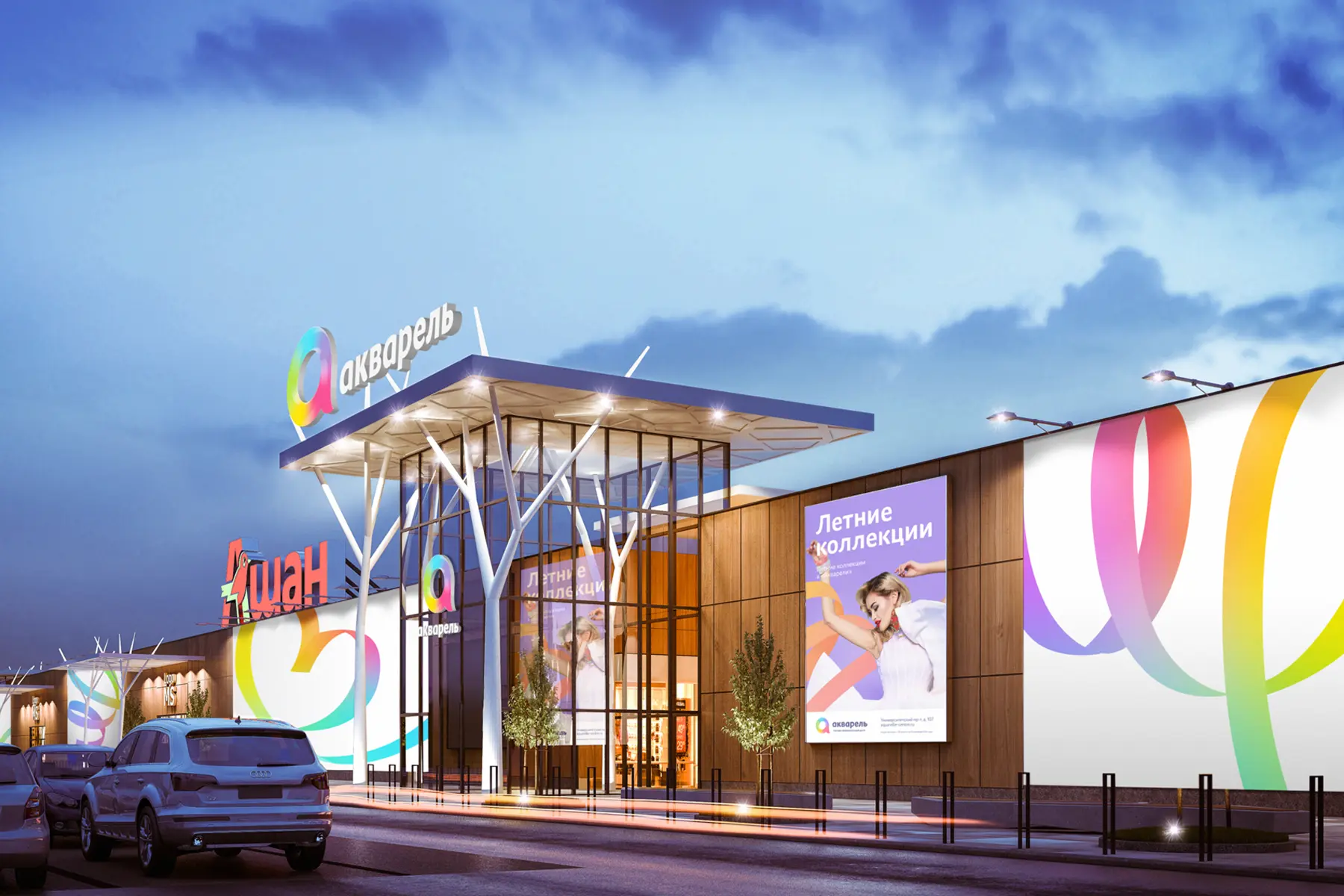
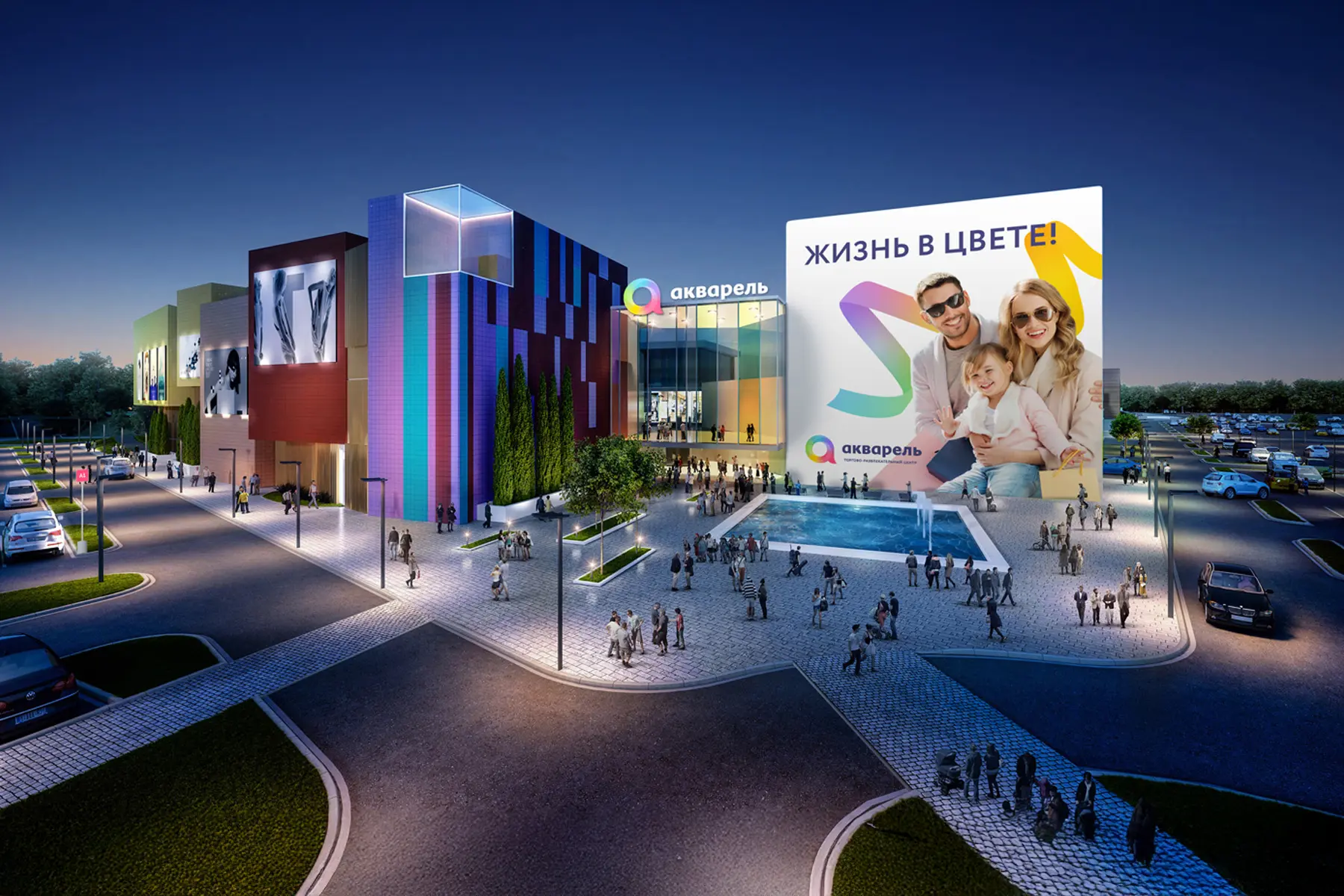
The storefront and entrance create the first impression and help shoppers quickly understand the store’s format, product range and price positioning. Signage, window displays, lighting, clear views into the store and an accessible approach create a visual invitation to step inside. The design should account for pedestrian flow, key viewing angles, entrance accessibility, seasonal displays and a smooth transition from the street to the interior.

What are the key trends in grocery retail?

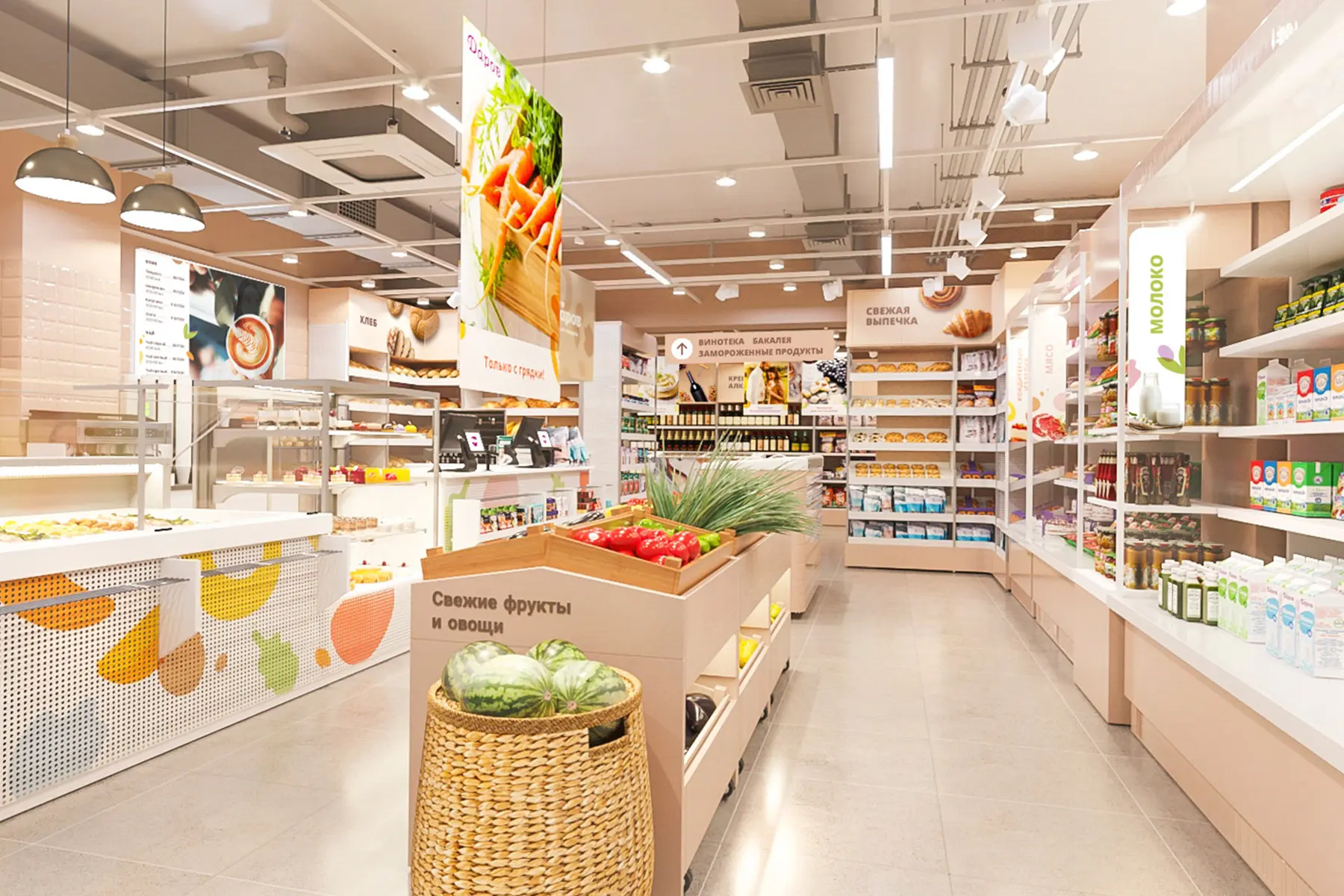
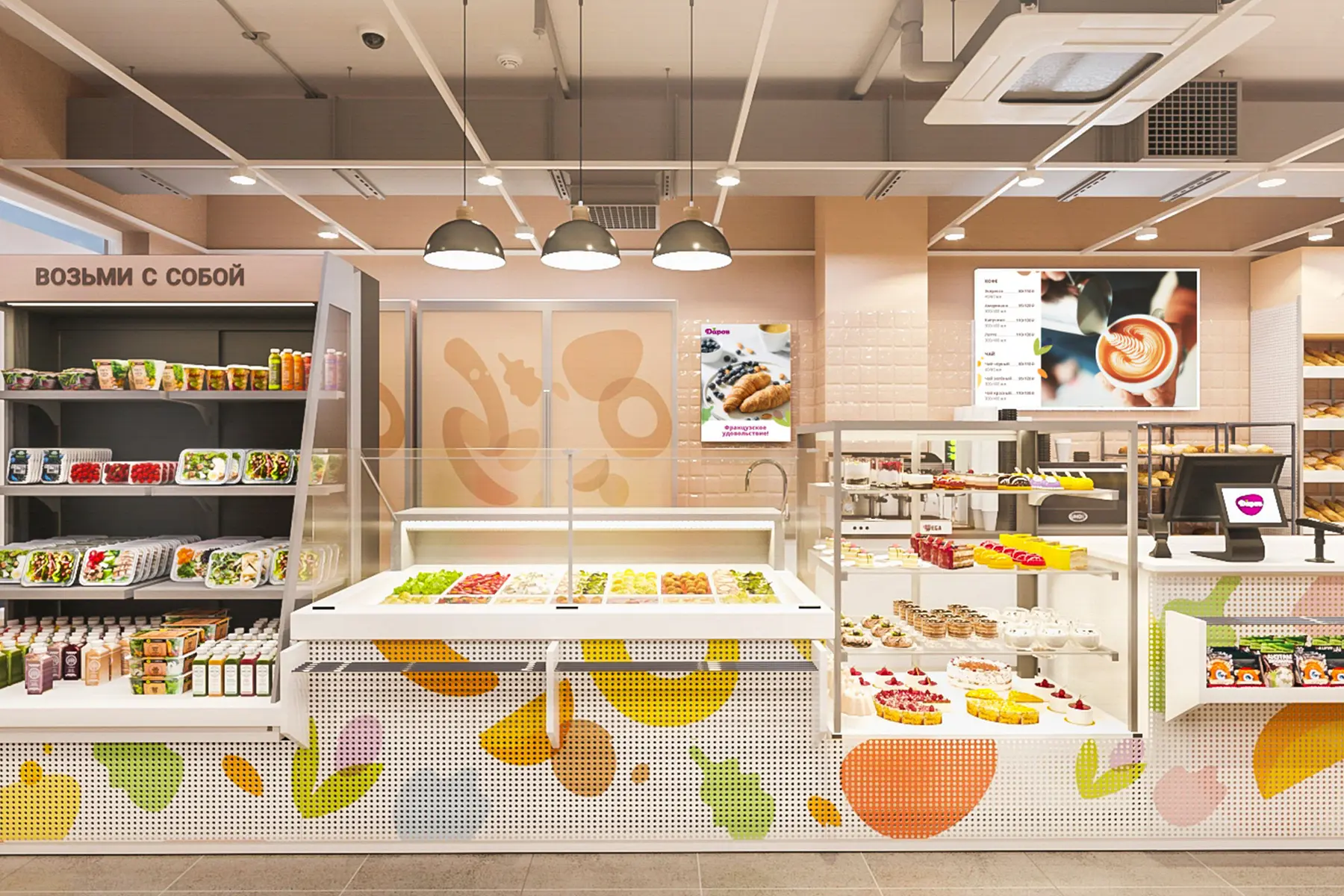
Key trends include the expansion of discount stores and private labels, growth in fresh food and ready-to-eat categories, compact store formats, omnichannel services and digital self-service. In grocery store design, these trends translate into prominent fresh food and prepared food sections, clear pricing signage, efficient shopping routes, flexible fixtures and convenient order pickup points.

What makes fashion retail successful?

Successful fashion retail combines a recognizable brand concept, distinctive window displays, effective presentation of current collections, comfortable fitting rooms, quality lighting and flexible retail fixtures. Store zoning should help customers navigate product categories, sizes and styles, while visual merchandising presents complete looks. Online reservations, order pickup, delivery and returns connect the physical store with the brand’s digital channels.

Are wayfinding and visual merchandising important in retail store design?

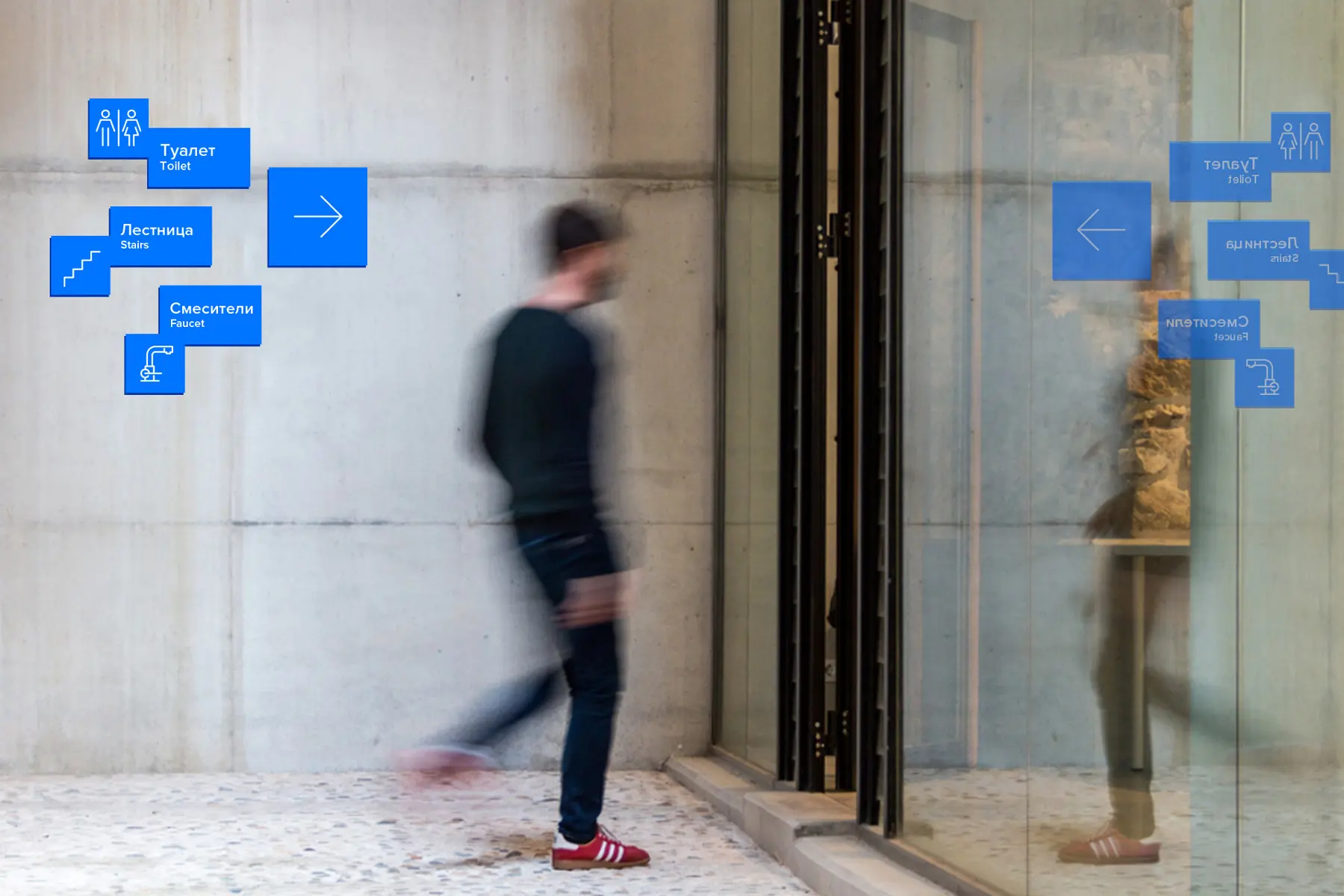
Yes. Wayfinding helps shoppers quickly locate a product category, service area, fitting room or checkout. Visual merchandising establishes a clear hierarchy within the product range, highlights new arrivals and seasonal offers, shows complementary products together and supports cross-selling. Together, these systems guide customer flow, reduce search time and make the store easier to navigate.

How can discount store design improve the shopping experience?

A comfortable discount store relies on order, predictability and shopping speed. This requires clear zoning, visible price labels, good lighting, sufficiently wide aisles, consistent category locations, convenient shopping carts and an efficient checkout area. Organized pallet and carton displays, practical materials and modular fixtures reinforce the store’s value positioning and simplify day-to-day operations.

Should a retail store include a café or other services?

Combining formats works well when the additional offering fits the brand’s positioning, customer needs and business model. A café, prepared food area, workshop, showroom, event space or service center can encourage more frequent visits, increase dwell time and support additional purchases. The design should account for customer and operational flows, acoustics, odors, building services, hygiene requirements, storage and logistics.

What should you consider when designing a DIY and home improvement store?

The main objective is to make a broad range of technical products easy to understand for both trade professionals and individual customers. The store should be organized by product category and renovation task, with demonstration displays, sample areas and complementary products presented together. Large, clear signage, consultation points, safe routes for shopping carts, loading and order pickup areas, durable materials and convenient access to services are especially important.

Where should “wow” zones be placed in a store?

The main “wow” zone should be visible from the entrance and draw shoppers further into the store. Effective locations include the end of the main sightline from the entrance, intersections of shopping routes, transitions between key departments, seasonal promotion areas and product demonstration spaces. The first few meters should give shoppers room to adjust to the environment, followed by a strong focal point created through lighting, color, scale, digital media or a featured product display.

How much does retail store design cost?

The cost depends on the store’s size and format, the number of zones, the depth of research and the project scope. The estimate may include a retail branding concept, space planning, store interior design, storefront and entrance design, retail fixtures, wayfinding, visual merchandising, construction documentation and design implementation support. A detailed estimate broken down by project stage is prepared after the briefing and assessment of the premises. Fixture fabrication, materials, construction and installation costs are calculated based on the selected design solutions.

We’re Here to Advise You on Any Branding Challenge
Dear partners, your project is unique and deserves a tailored approach. To prepare a relevant proposal, we need to understand your goals and the services most needed to deliver the best results. We’re ready to provide 360° support and handle all strategic tasks in marketing, design, digital, and brand communications. Our mission is to deliver outstanding solutions that drive financial growth and increase brand value. Get in touch — we’ll be happy to share our expertise and insights with you.
The BRANDEXPERT Team.
Contact information
Choose required services
By clicking the button, I agree to the processing of digital data.* — mandatory items to fill in
We are using cookie files

By continuing to use this site, you agree to our use of cookies and the processing of your personal data as described in our Privacy Policy.