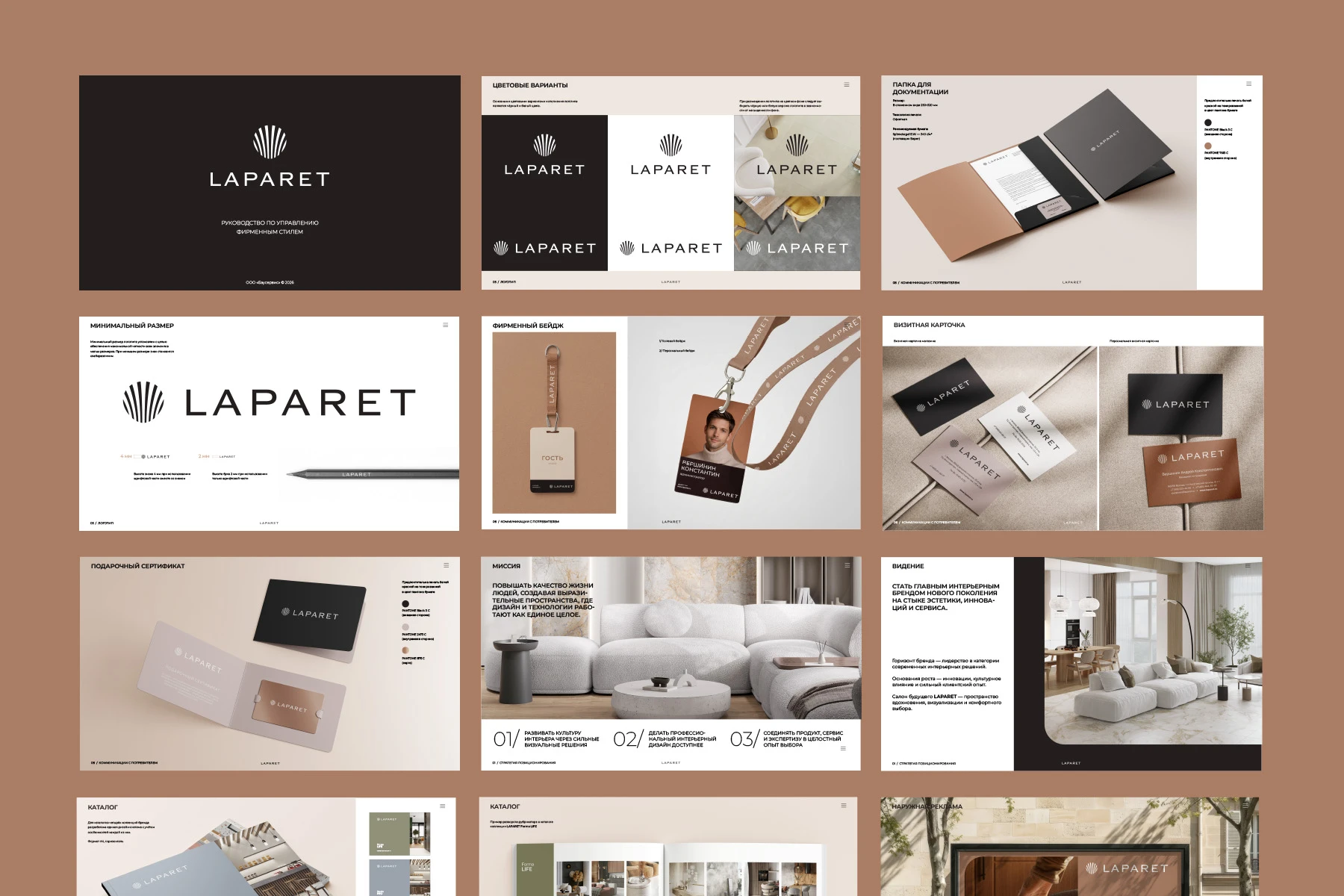

Brand Identity Design by BRANDEXPERT Freedom Island Branding Agency
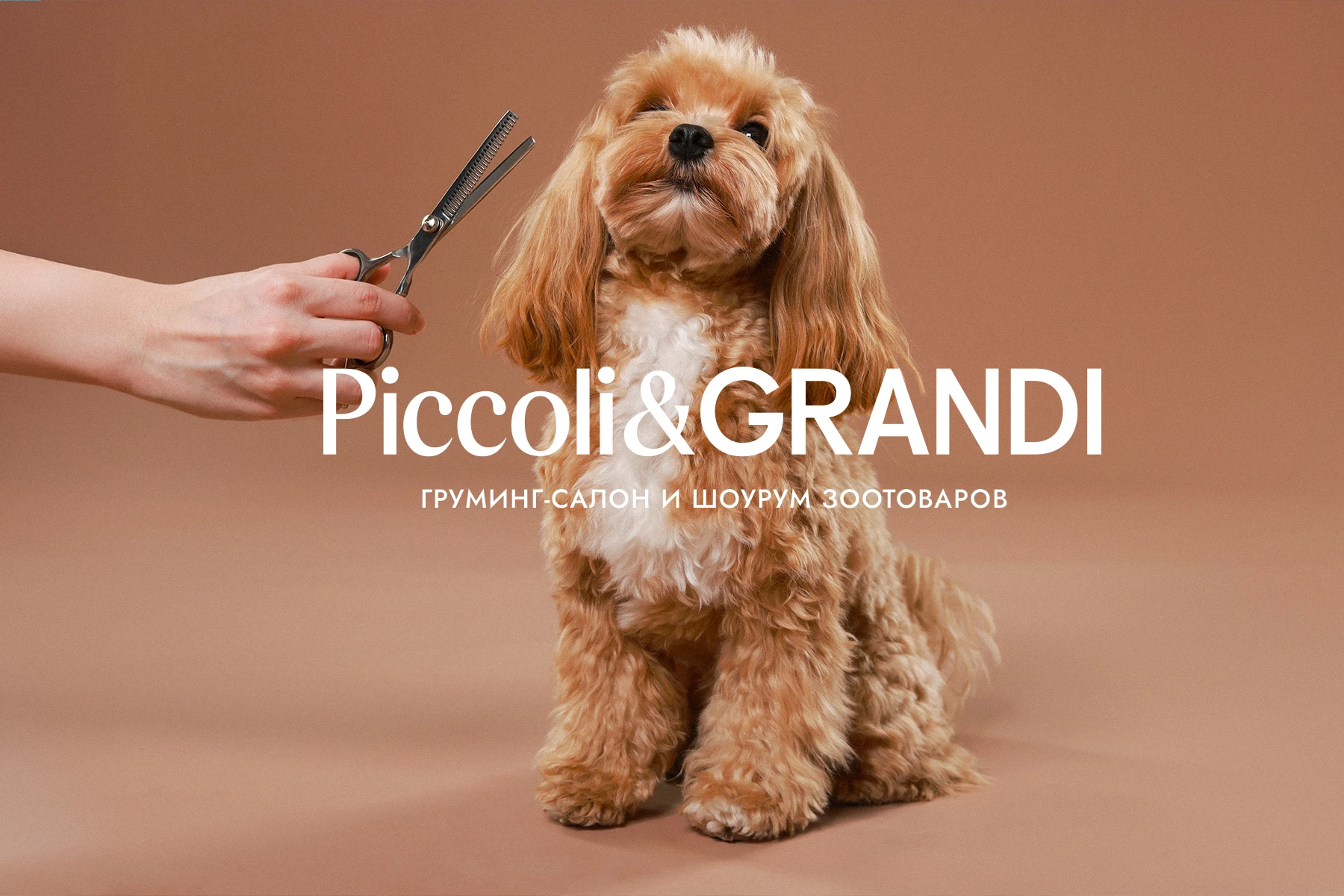
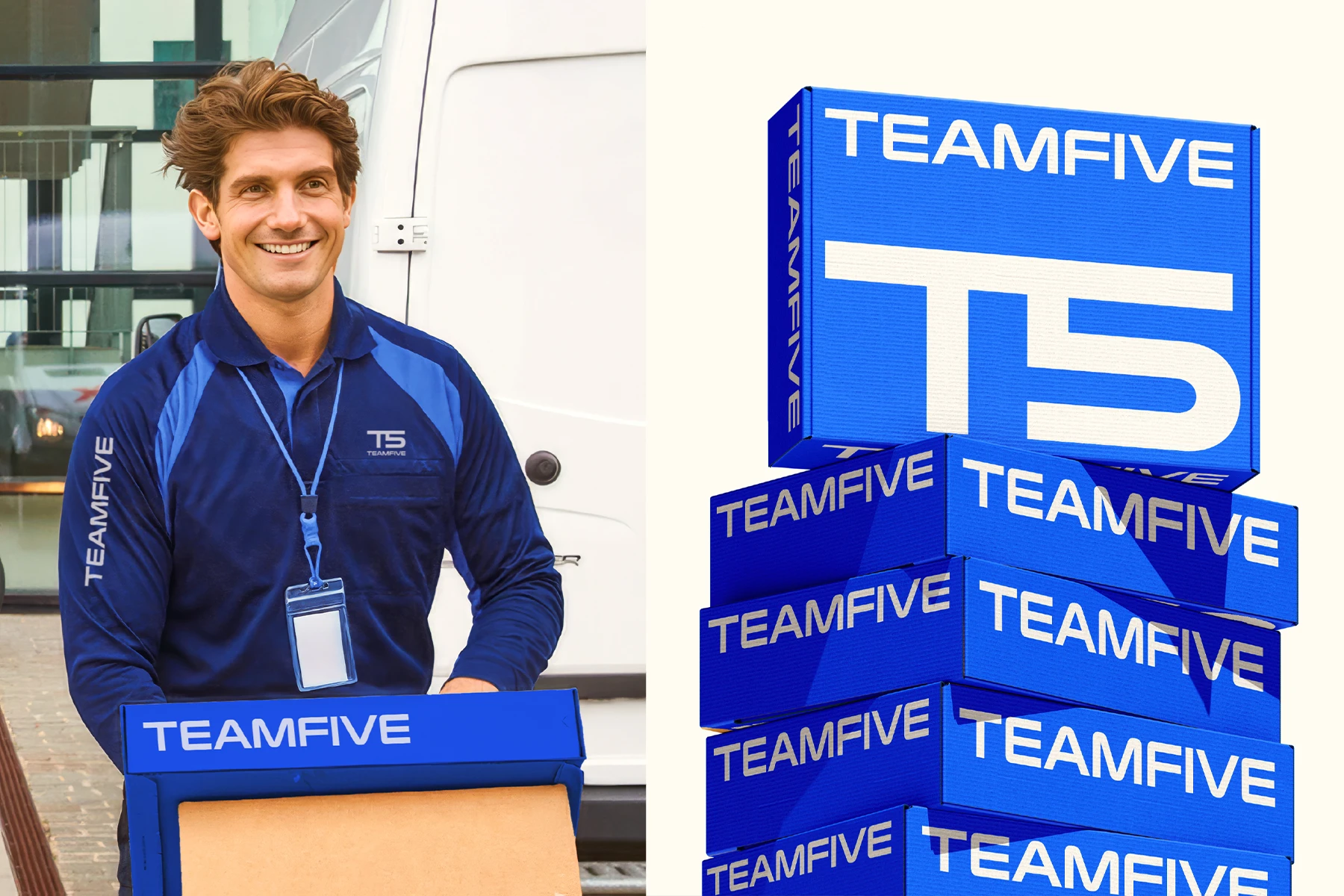
Brand identity design creates the visual communications that shape how a brand is perceived and how it connects with its target audience. A brand identity improves recognition, builds consumer trust, and strengthens the company’s market position. It brings consistency to visual communications, makes information easier to understand, and creates an emotional connection with the audience.
Brand Identity Design Portfolio and Examples


Brand Identity Design Cost
Brand identity design is a strategic task that gives visual expression to a brand’s image and values. It creates a distinctive identity through the logo, colors, and typography. When you commission professional brand identity design, specialists create a design that reflects your company’s vision and objectives, strengthening its differentiation and credibility in the market.
Corporate Identity
Corporate identity is a system that embeds a company’s management philosophy and values in its projects and business processes, conveying a consistent message both internally and externally. That message is based on the organization’s core beliefs, culture, and operating strategies, and is expressed through visual and nonvisual elements such as logos, colors, and communication methods. These values should be evident at every touchpoint, including product development, marketing, and customer service.
Brand Identity
Brand identity is the distinctive image that expresses a brand’s core values and vision, along with the message it wants to communicate to its target audiences. This identity is reflected consistently across every touchpoint, including product design, marketing communications, and customer service. It helps make the brand distinctive and earn consumer trust.
Retail Brand Identity
A store’s brand identity reflects its values, philosophy, and the experience it offers shoppers. This identity takes shape through the store’s operating principles, customer service, product quality, and design elements. It expresses both the store’s history and its vision for the future.
Brand Identity Applications
Brand identity applications communicate a company’s values, vision, and philosophy to the public through visual and audio content. These applications include logos, videos, websites, and social media, ensuring that the company’s brand image and culture are expressed consistently. A corporate identity communicates credibility and expertise to target audiences.
Brand Identity Design: Key Stages
Brand identity design expresses a company’s core values and vision through visual and verbal elements. The process begins by analyzing the company’s internal environment and market context to identify what differentiates the brand. Design elements such as logos, colors, and typefaces are then developed. The final stage strengthens the brand’s identity by applying these elements consistently across communication channels.
Brand Identity and Brand Guidelines
Brand identity and a brand book are two essential tools for keeping a brand recognizable and consistent. Together, they provide the foundation for brand development. The identity makes the company recognizable and sets it apart from competitors, while the brand book preserves that distinctiveness, helping the visual identity adapt to new tasks without losing its character.
Brand Style Guide
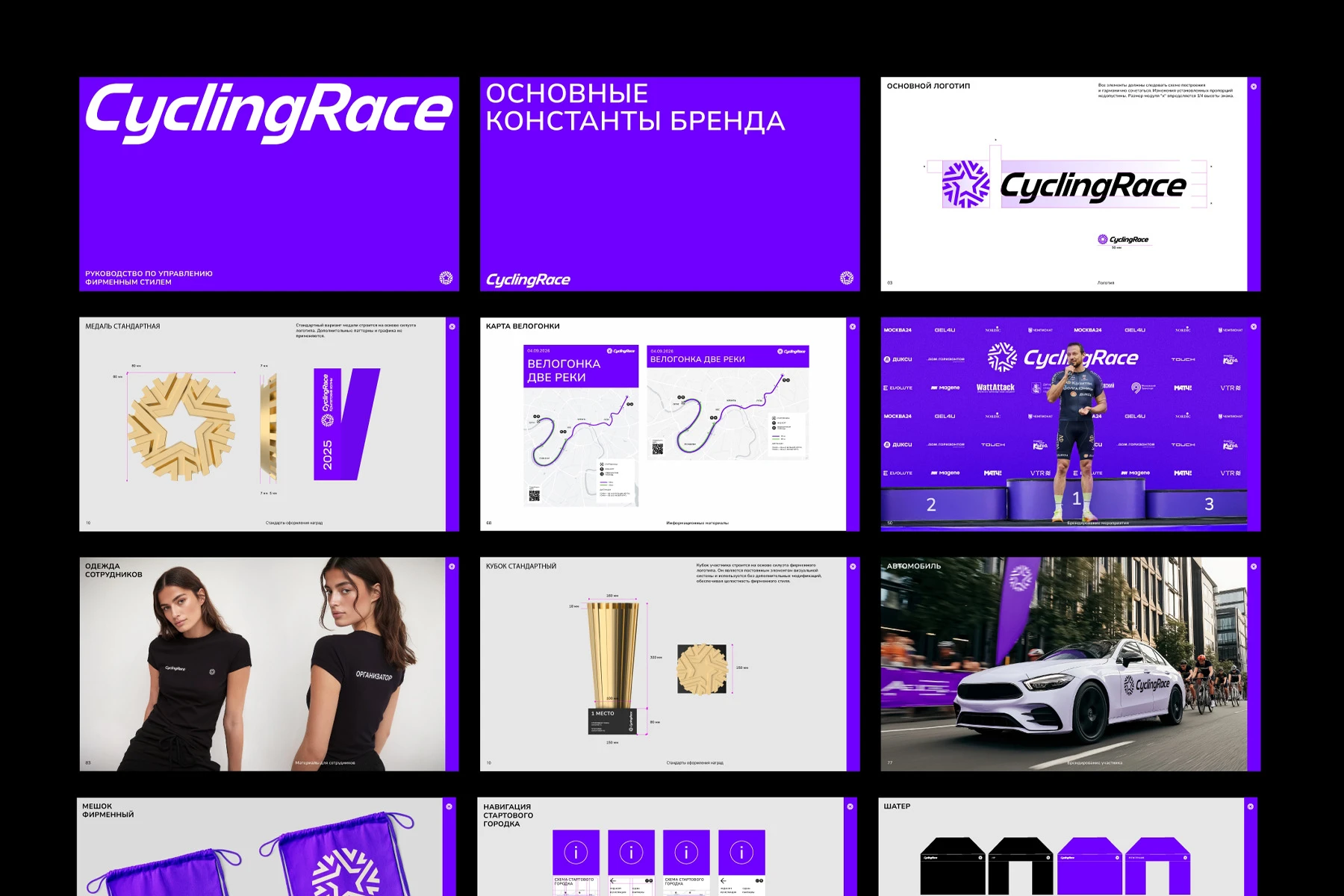
A brand style guide sets out the rules and standards for expressing a company’s vision, mission, and values consistently. It helps the company communicate a unified message and image across different media and communication channels. Brand identity guidelines cover all visual and verbal expressions, including design elements, writing style, and tone of voice.
Brand Identity Design and Advertising Communications
Brand identity design expresses a company’s core values and philosophy in visual and verbal form. Advertising communications use this identity to engage consumers and promote products or services. When brand identity and advertising communications are consistently aligned, the brand can earn consumer trust and build a strong image.
Website Design and Brand Identity
A website is a digital platform that brings the brand identity to life and serves as a brand touchpoint. The identity and website work together to express the brand in a digital environment. This creates a consistent brand experience, builds trust, and helps establish a positive image among target audiences.
Rebranding and Brand Identity
Rebranding develops a brand’s identity by giving fresh expression to the company’s core values and objectives in line with market conditions and the expectations of its target audiences. This process enables companies to reshape their brand image and perceptions and build a new customer base. Rebranding takes place when a company adopts a new purpose or philosophy that differs from the values or objectives it previously sought to communicate.
Brand Identity Design Cost
Many factors influence the cost of brand identity design. The first is the size of the business and its industry. Larger companies require more resources and more complex work, which increases costs. The second is the geographic scope of the target market. Costs can be relatively low when targeting local markets, while global markets involve higher costs because cultural differences and multilingual support need to be considered. Third, the qualifications and experience of the specialists involved are also important factors.
Relevant services for business development
Articles on visual identity
Frequently Asked Questions About Brand Identity Design
Brand identity design creates a cohesive and recognizable brand image. A unified visual system helps the brand stand out from competitors, communicate its positioning consistently, and build audience trust across every touchpoint.
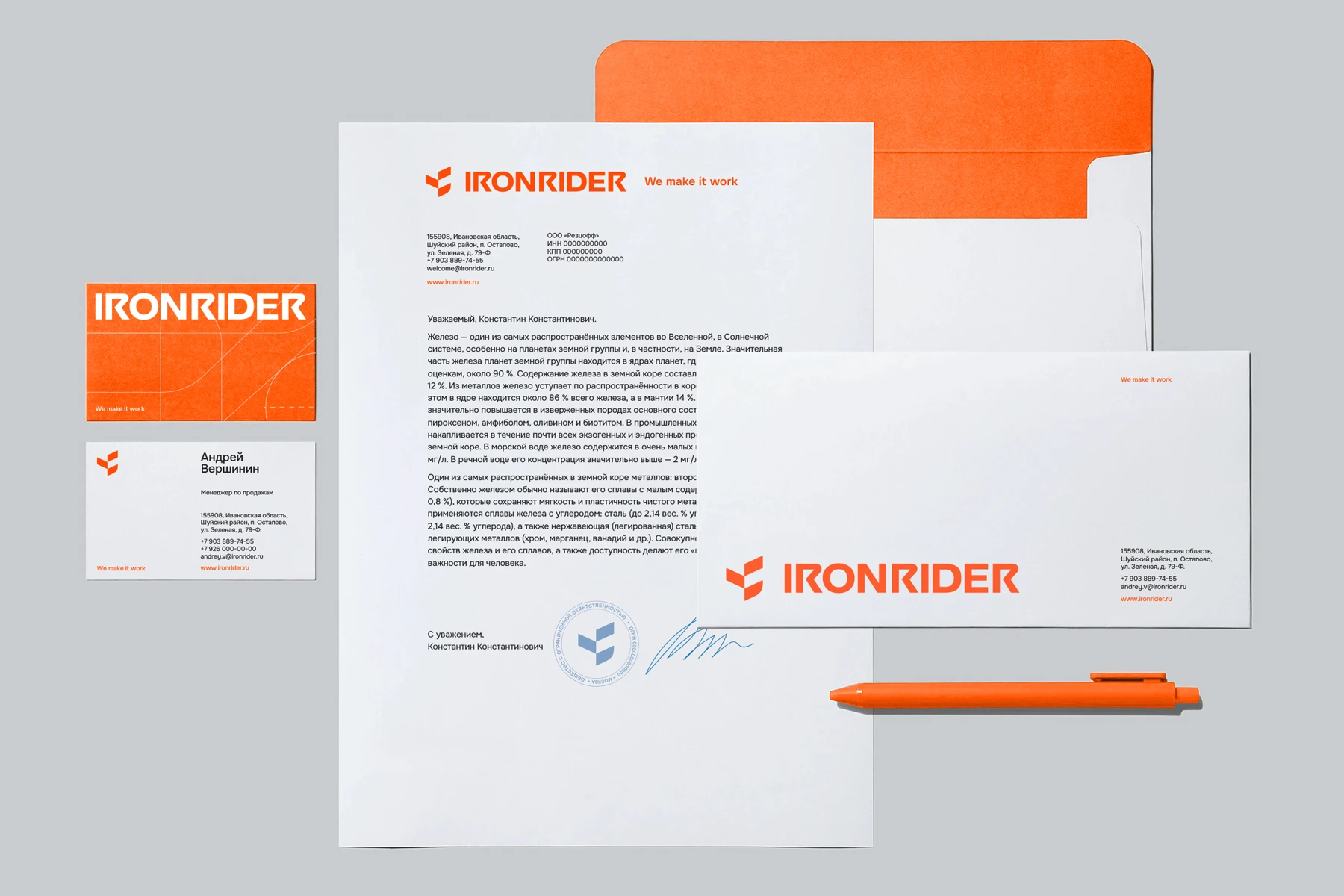
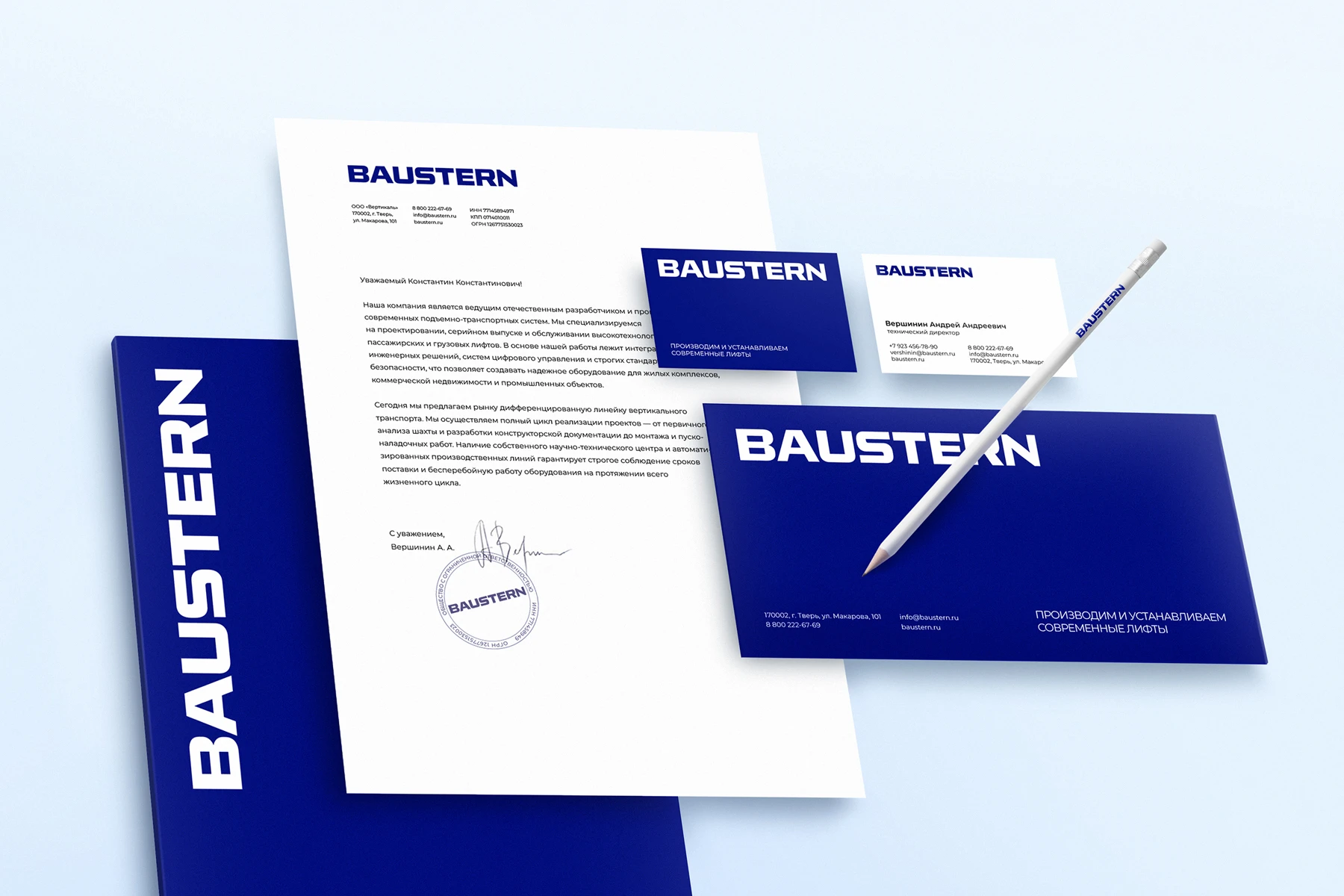
A brand identity includes a logo, color palette, typography, graphic elements, composition principles, photography style, and rules for applying the visual system. The range of applications depends on business needs and may include business stationery and documents, packaging, advertising, digital communications, wayfinding, and branded spaces.
An update becomes relevant when the company’s strategy, positioning, audience, product range, or geographic reach changes, or when its visual identity becomes outdated or difficult to use in modern applications. A brand audit helps determine the scope of work, from refreshing individual elements to developing a complete brand identity.
The decision is based on an audit of the existing logo. If it reflects the brand’s positioning, is recognizable, and works effectively, it is retained and integrated into the new visual system. A change in strategy, an outdated design, or technical limitations may call for a logo refresh or a new logo.
The brand identity should be applied consistently across all touchpoints: the website, social media, advertising, packaging, print materials, interiors, wayfinding, business documents, and presentations. Rules for its use are documented in a style guide or brand book, keeping the brand image cohesive as its communications develop.
Effectiveness is assessed through brand recognition and recall, differentiation from competitors, consistency of perception, and the audience’s ability to correctly identify the company, product, or service. The assessment also considers how easily the system can be applied across different formats and how it contributes to marketing and business performance.
A brand identity should reflect the brand’s strategy and character while being recognizable, cohesive, distinctive, functional, and adaptable. Every element of the system should work effectively in print, digital media, and physical spaces, preserving the brand’s identity as the system scales.
Protection is based on registering the logo and other eligible brand identifiers as trademarks, establishing exclusive rights to original graphic assets, and using properly drafted contracts with designers. The brand book documents the system’s components and rules. Regular market monitoring helps identify similar designs and infringements promptly.
The BRANDEXPERT Team.