
Flamenco — Brand Positioning, Naming, Logo Design, Packaging and Label Design, Brand Guidelines, and Photography. Design of a product catalog for the FLAMENCO brand, development of a positioning strategy
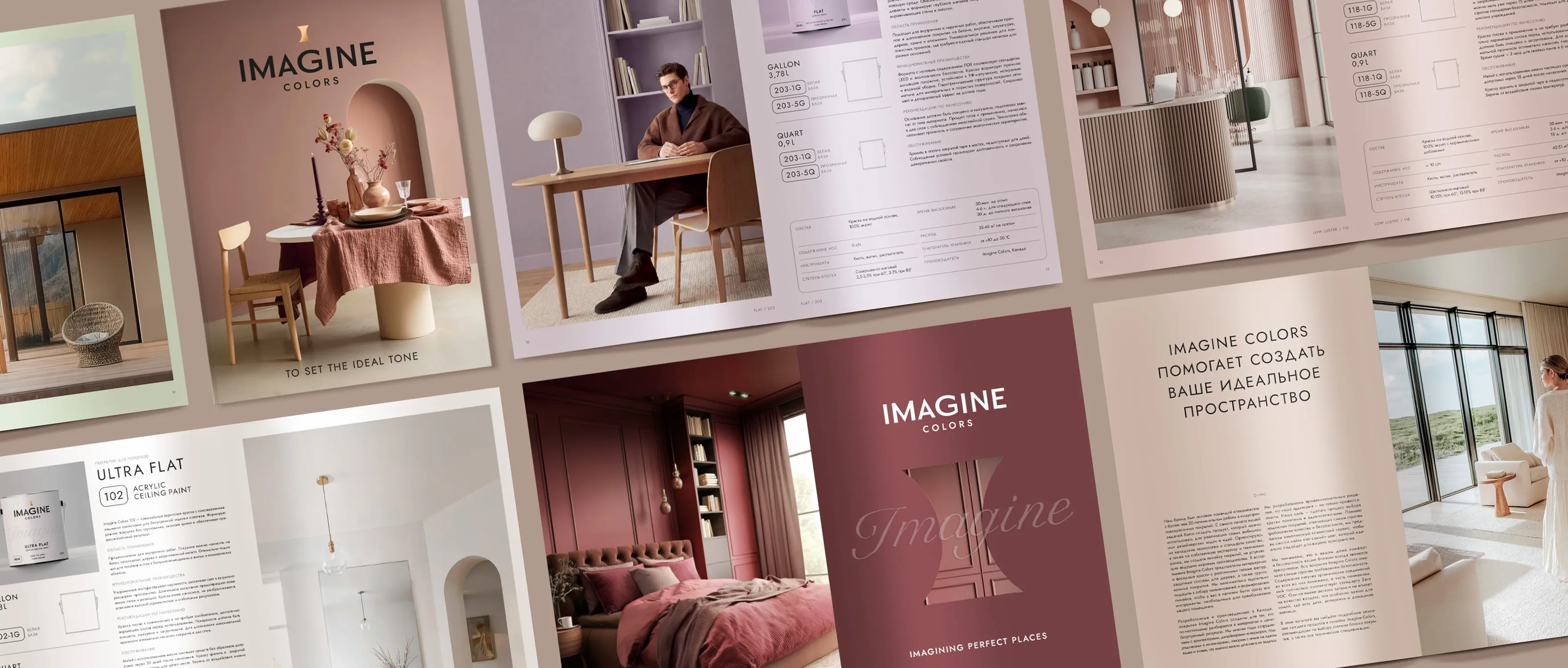
We create visual communication tools—from catalogues and brochures to calendars, presentations, and point-of-sale materials—that express brand strategy and strengthen visual identity. Catalogue Design by BRANDEXPERT Freedom Island combines aesthetics, structure, and meaning to communicate a compelling value proposition clearly and precisely to the target audience.

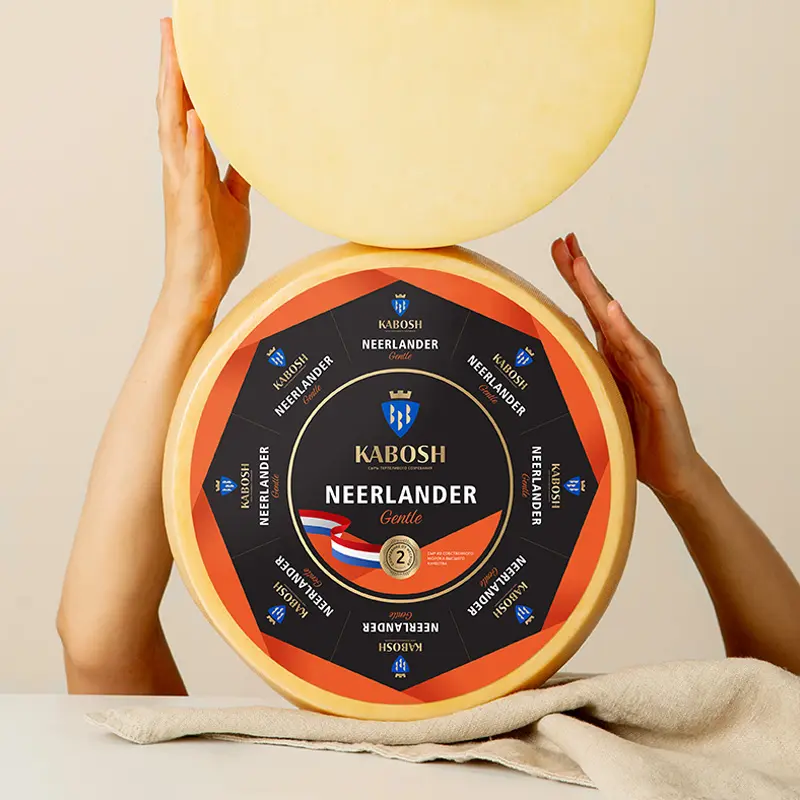





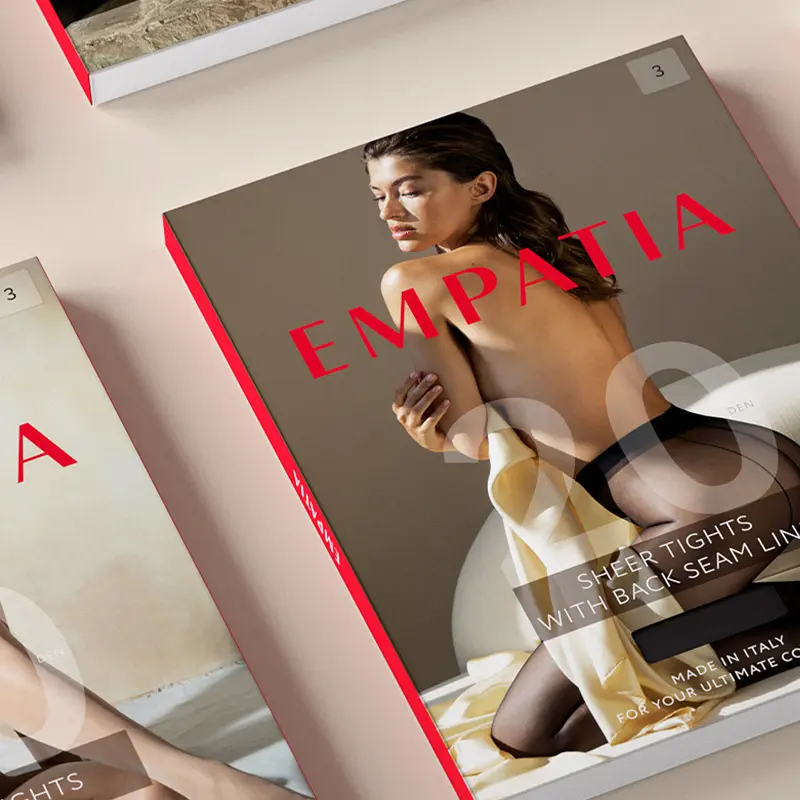



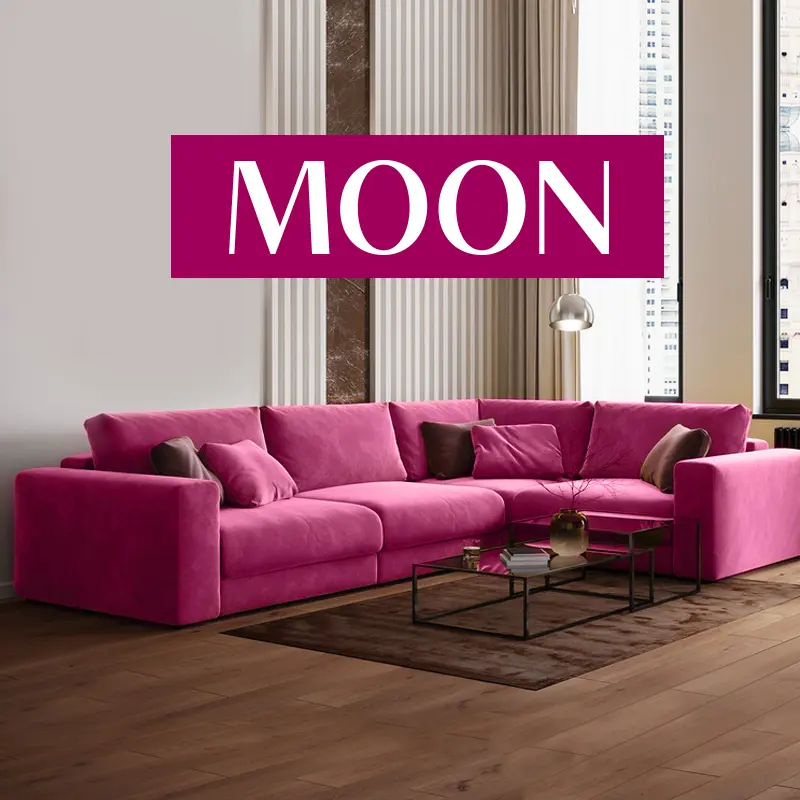
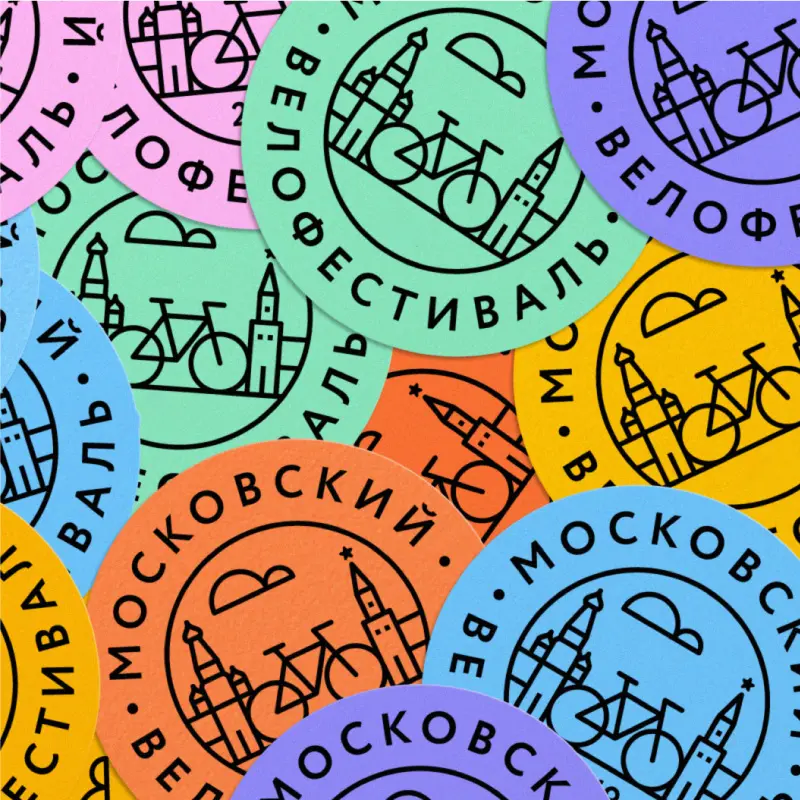


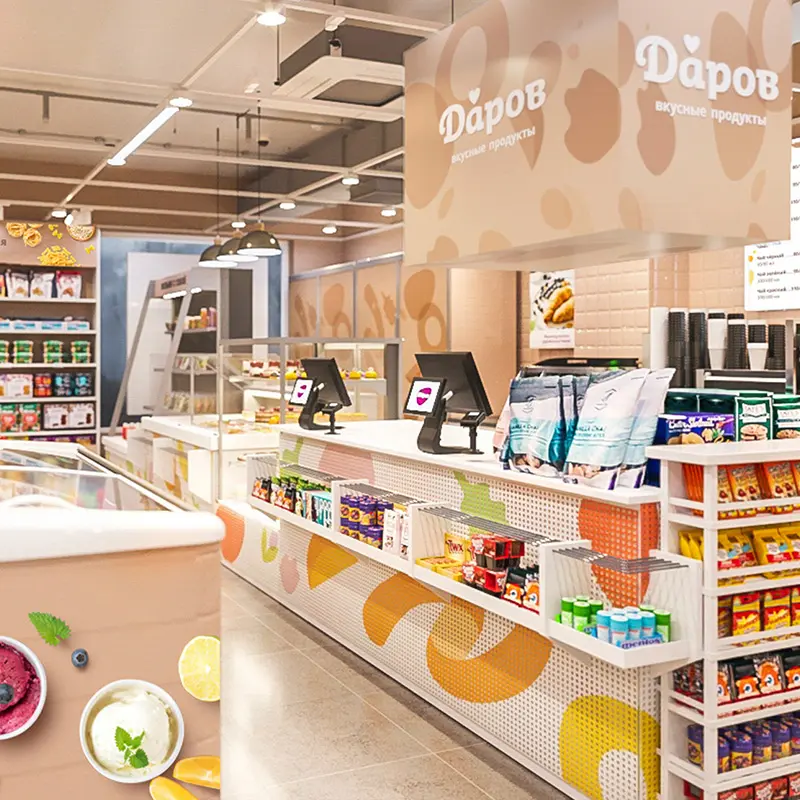

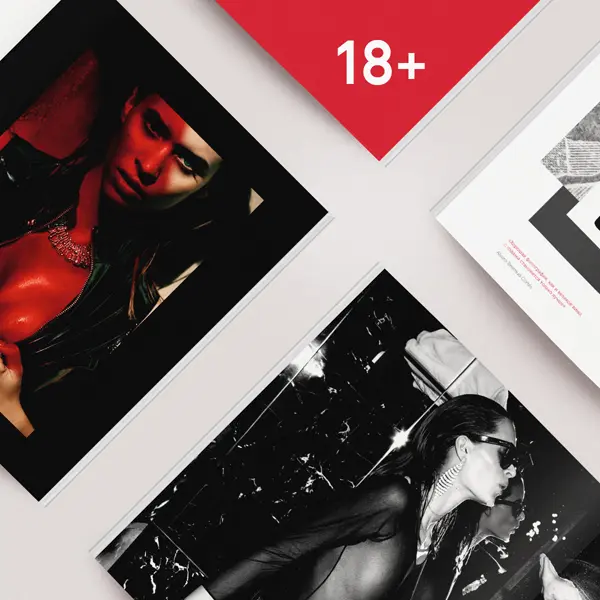




Catalogue Design costs depend on the volume of content, the level of creative development required, the complexity of the layout, and the production specifications. The fee covers visual concept development, layout design, content adaptation, typography, and preparation of print-ready artwork. Professional Catalogue Design and related collateral strengthen brand perception, organize information clearly, and help present products or services effectively to the target audience.
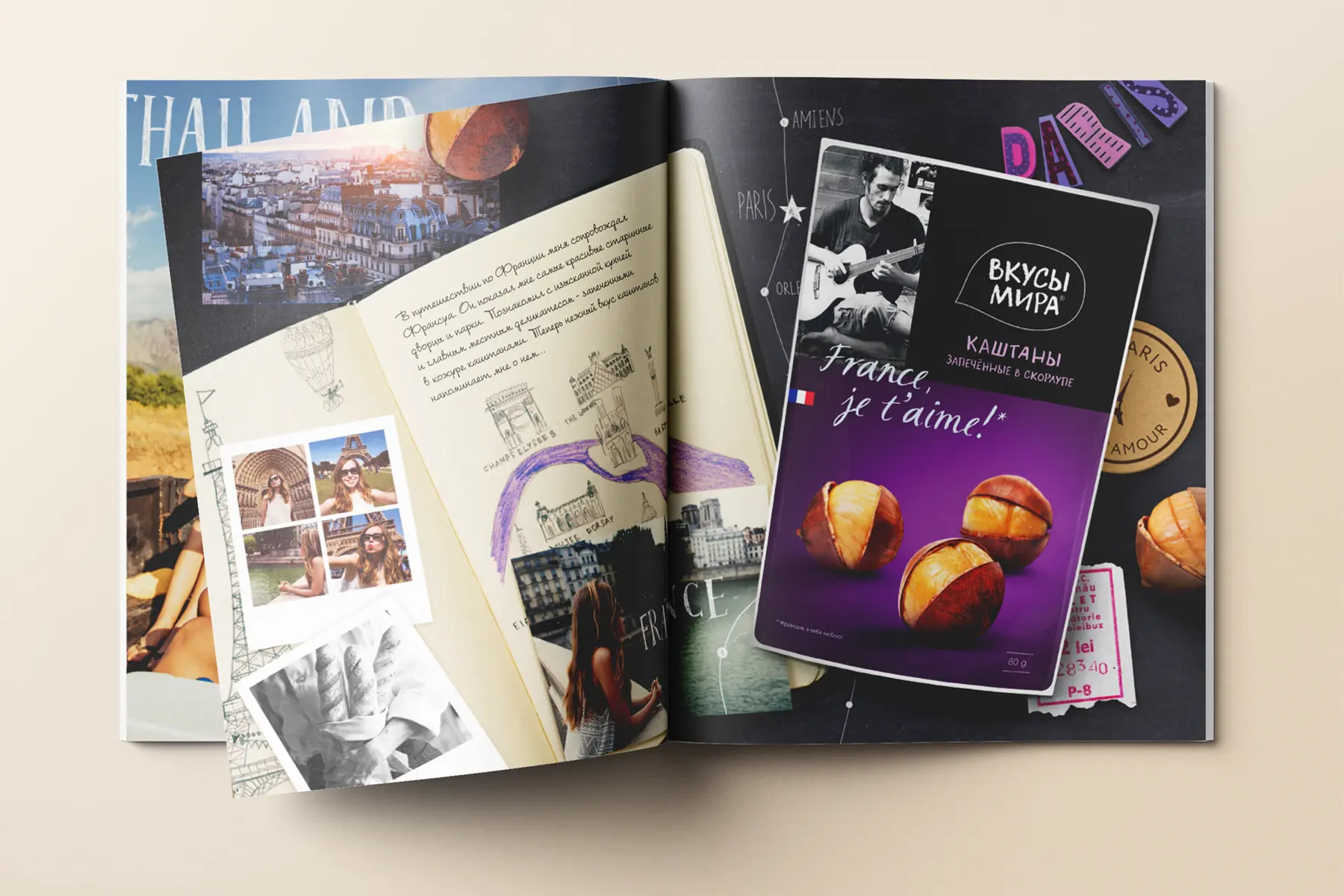
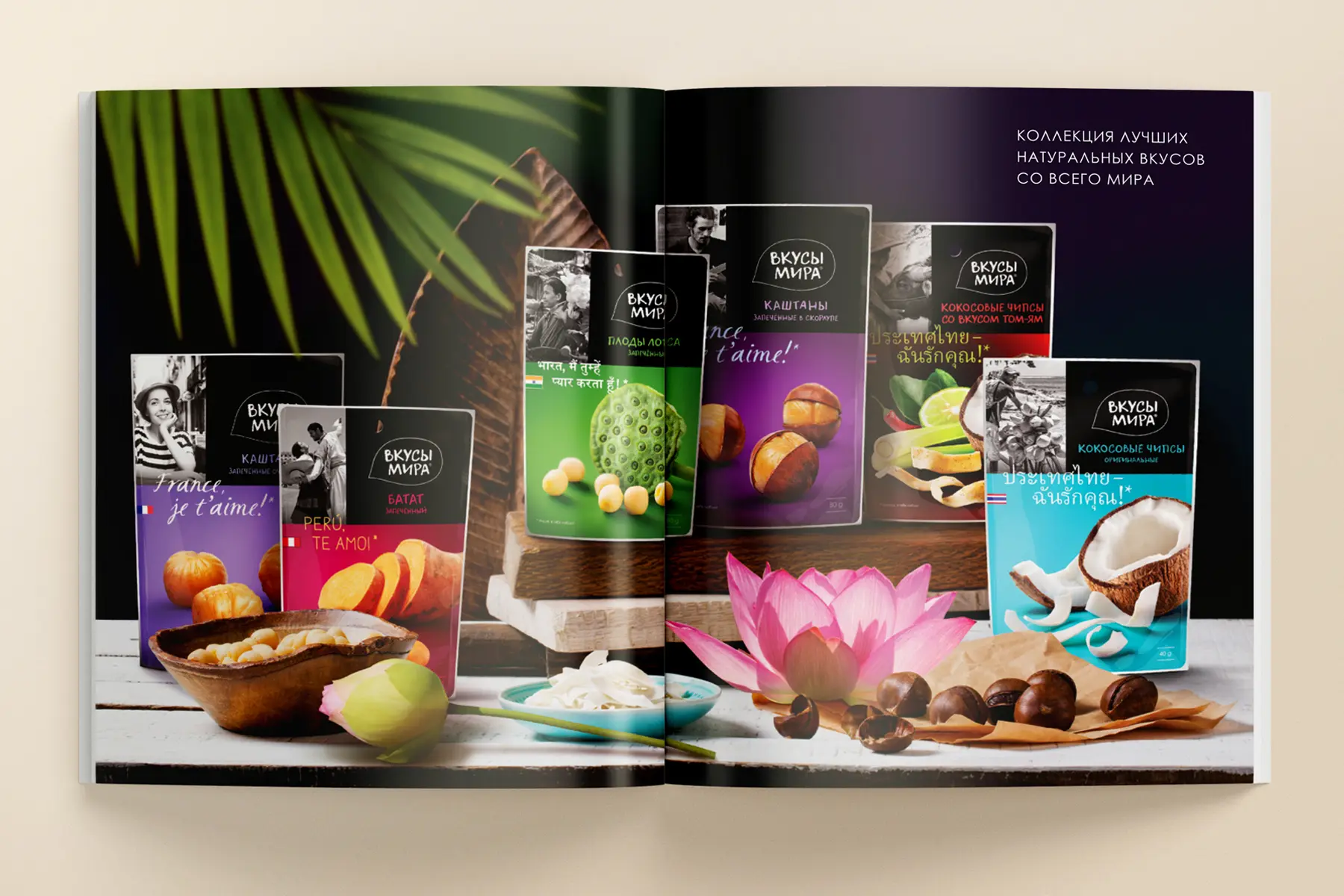
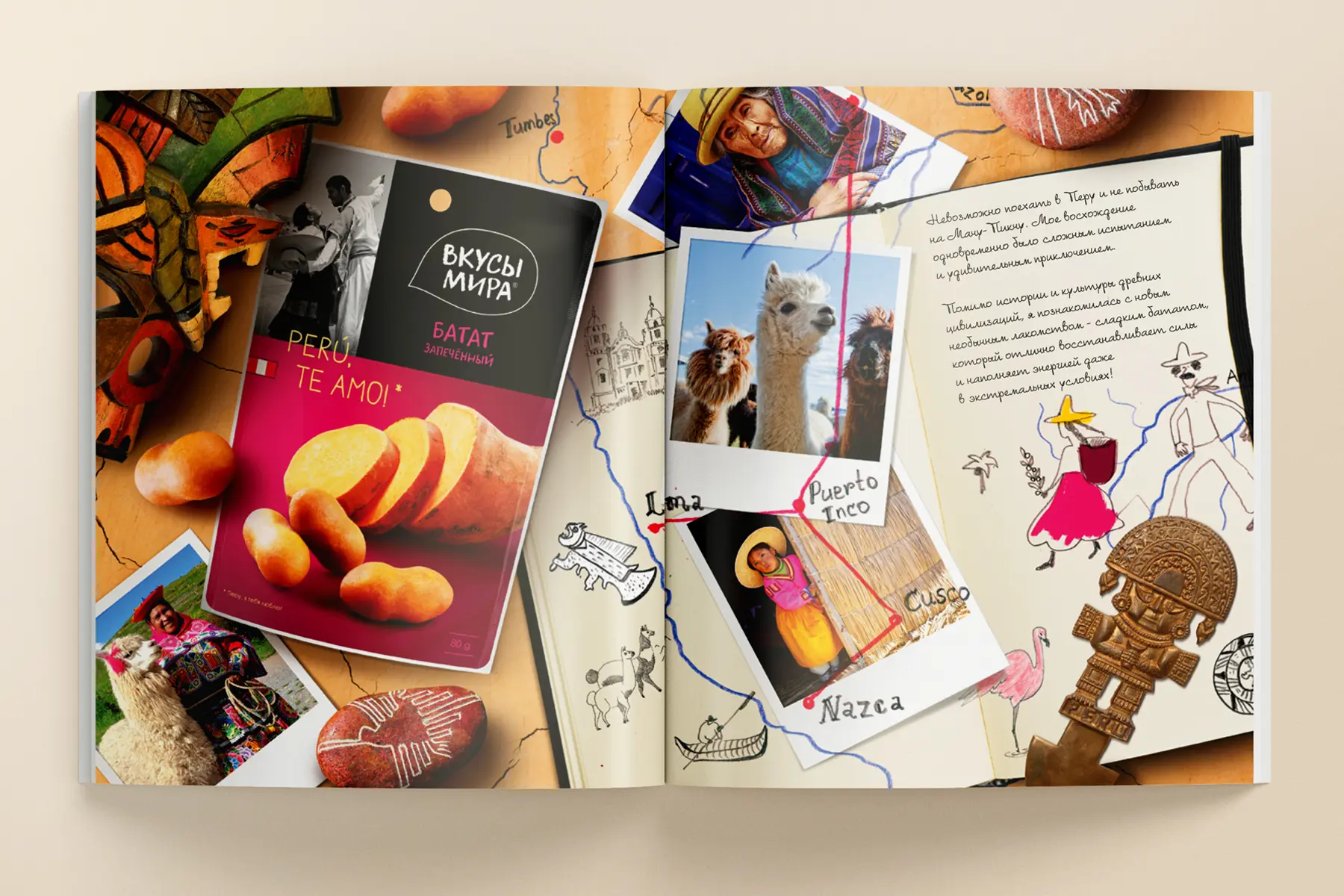
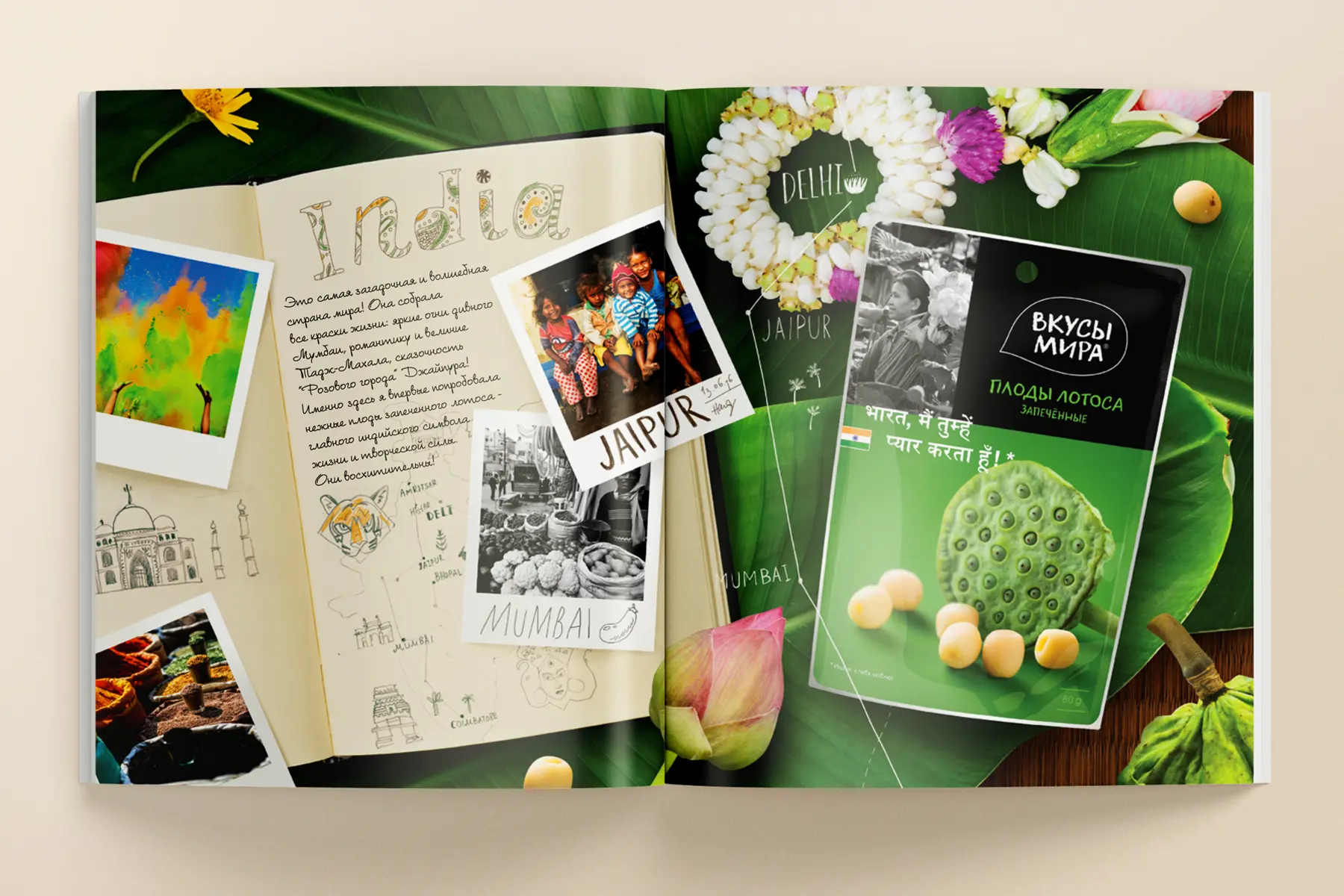
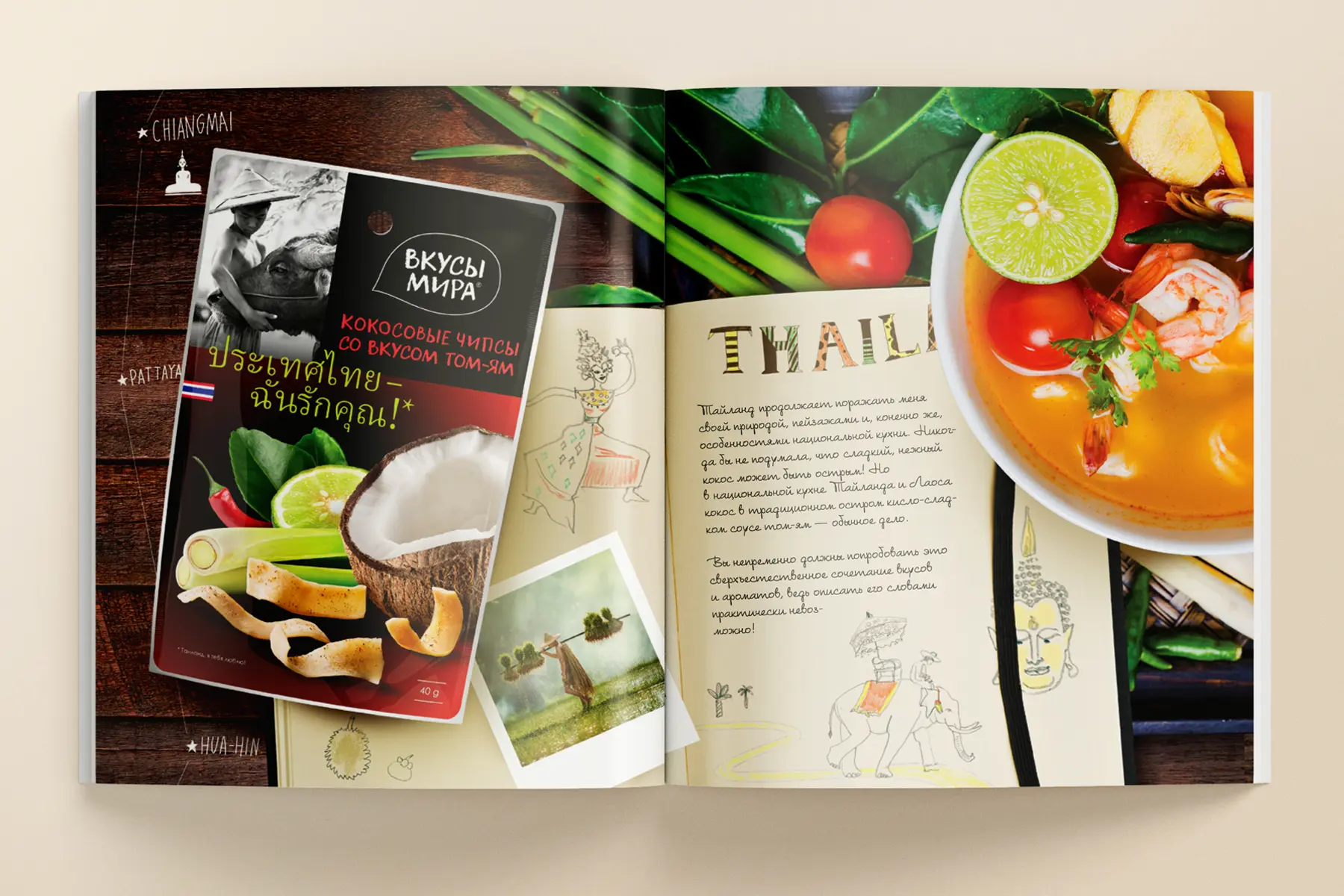
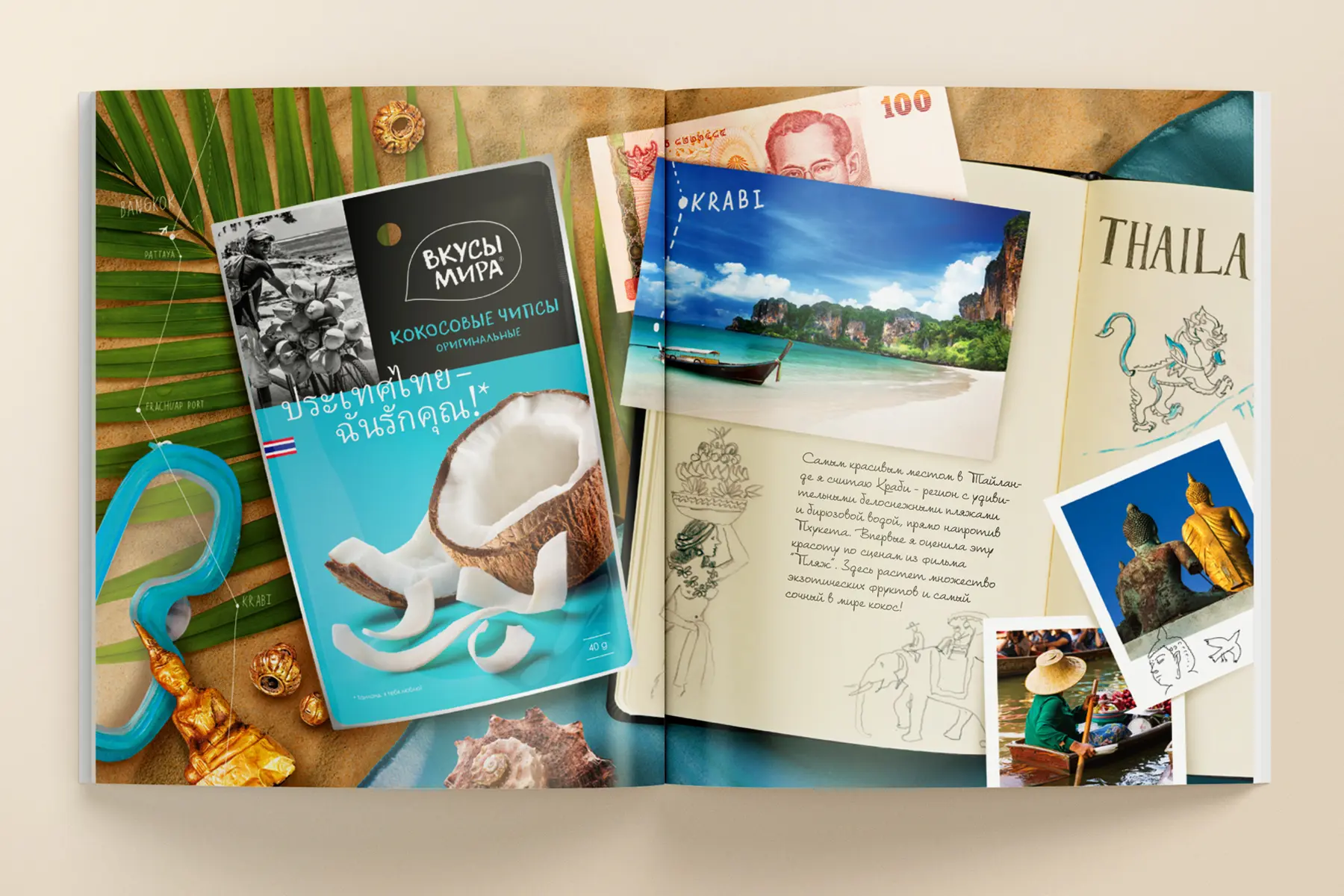
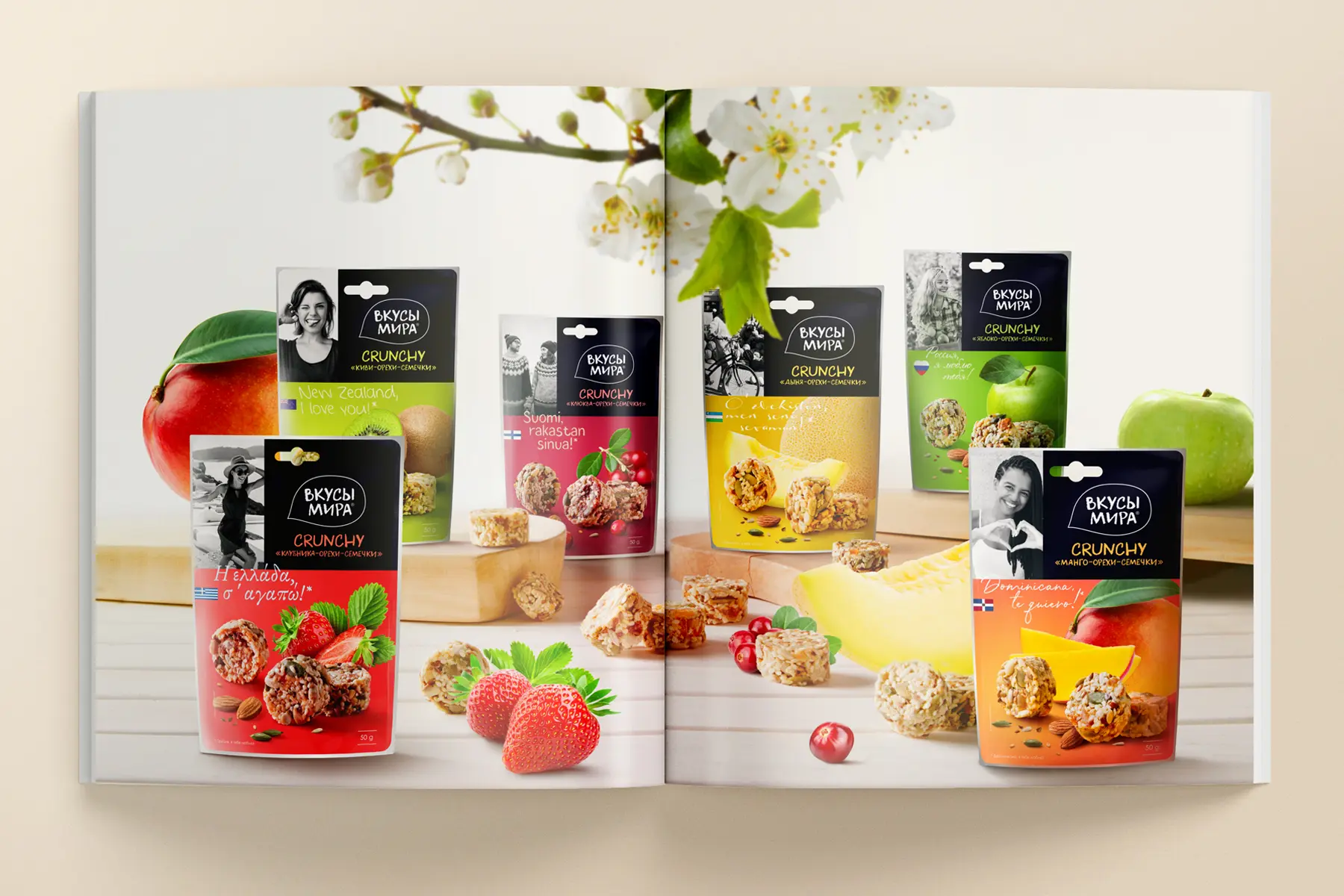
Print Design is a branding tool for creating functional, visually engaging materials. It covers corporate catalogues, presentations, and annual reports that support a business’s day-to-day needs. Modern printing and finishing technologies can create distinctive tactile and visual experiences that digital media cannot replicate. Print collateral plays an important role in expressing a brand’s essence and positioning.
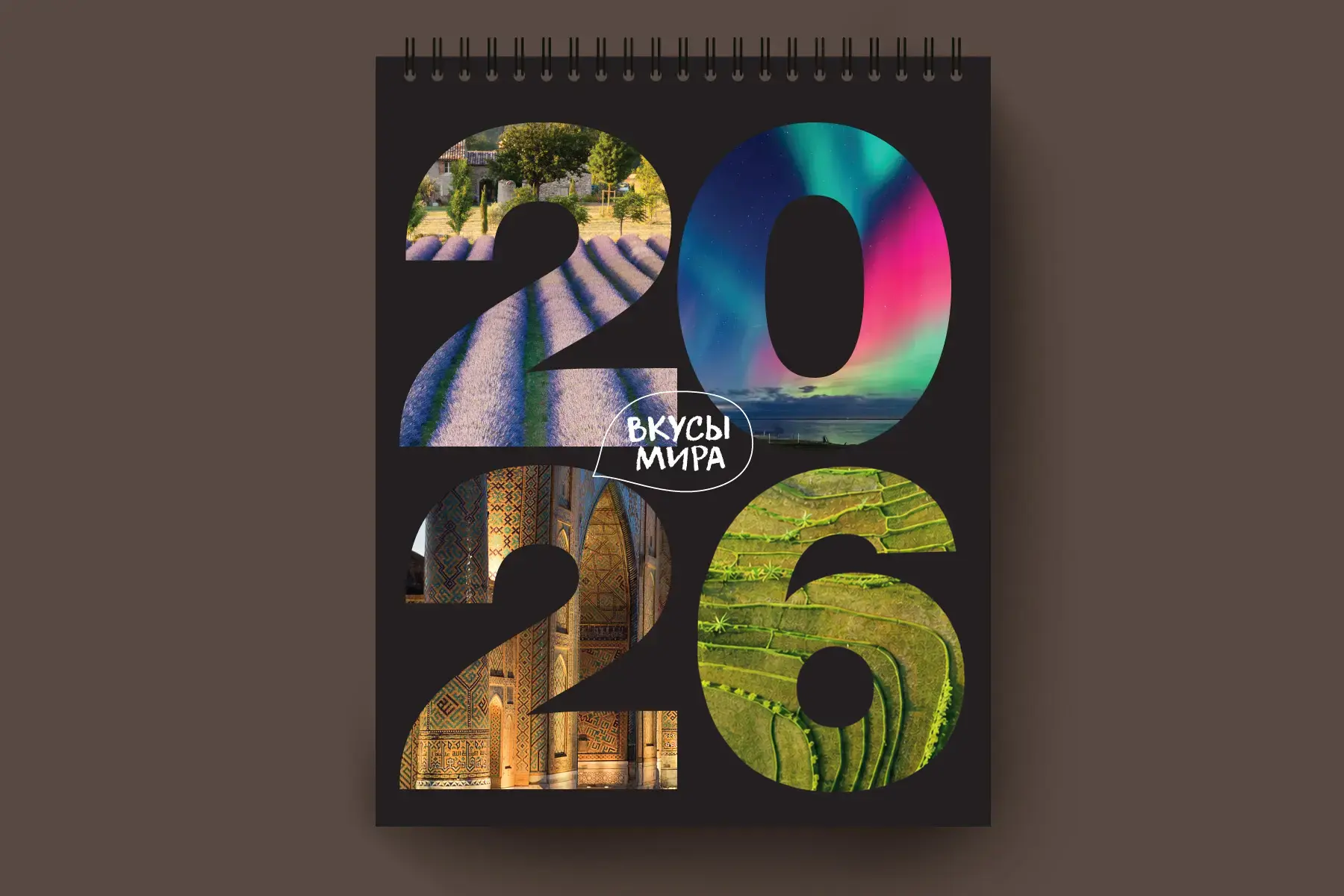
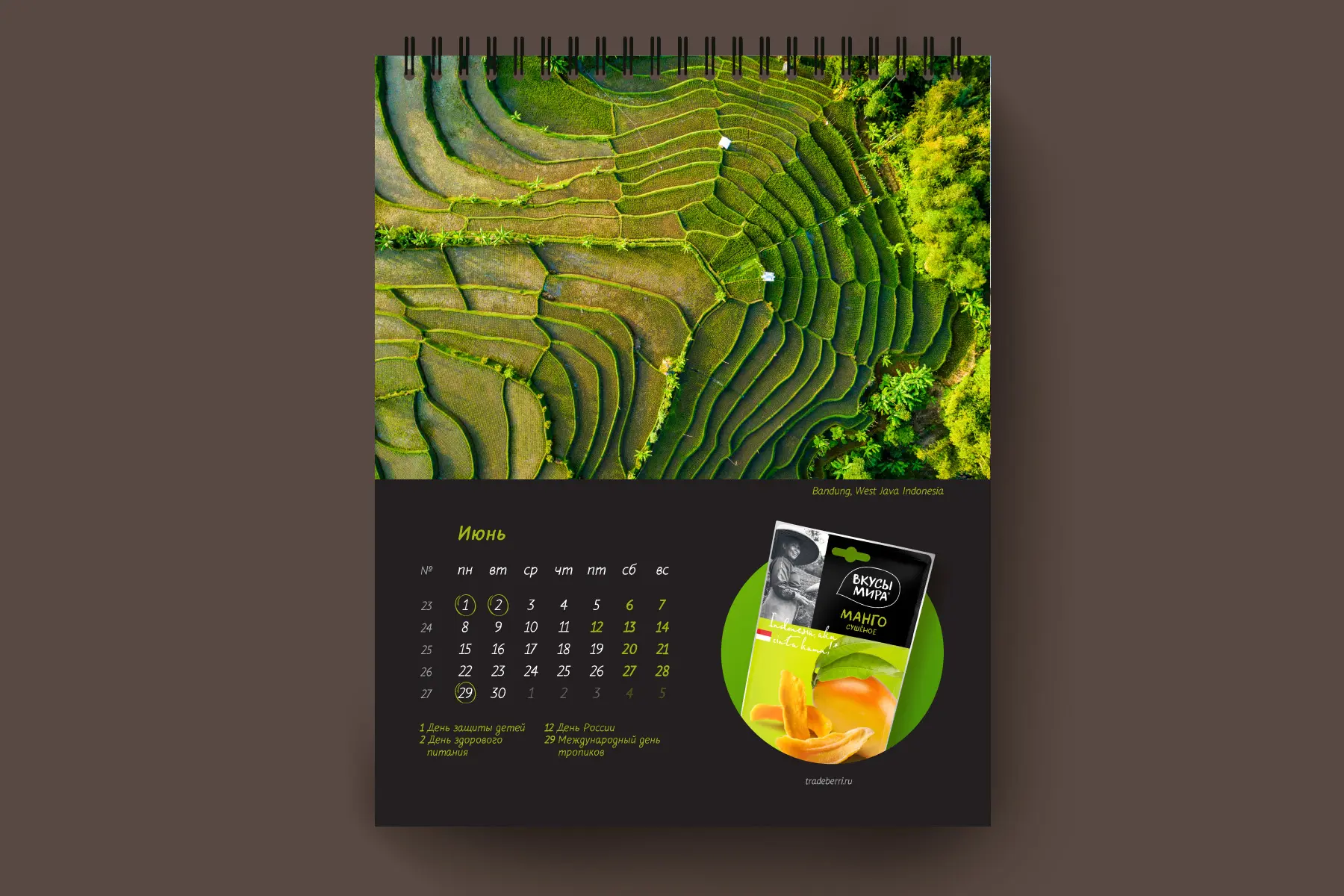
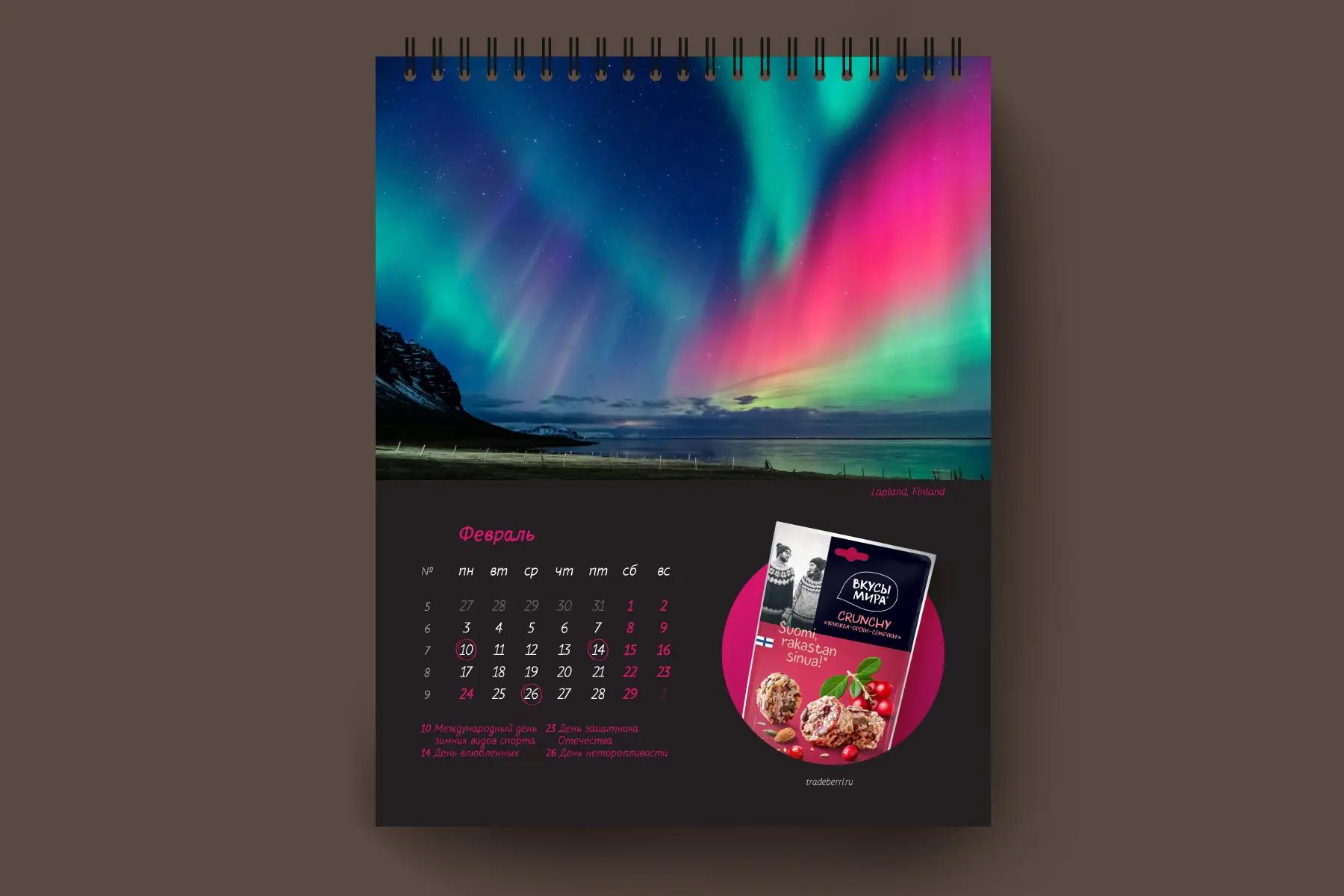
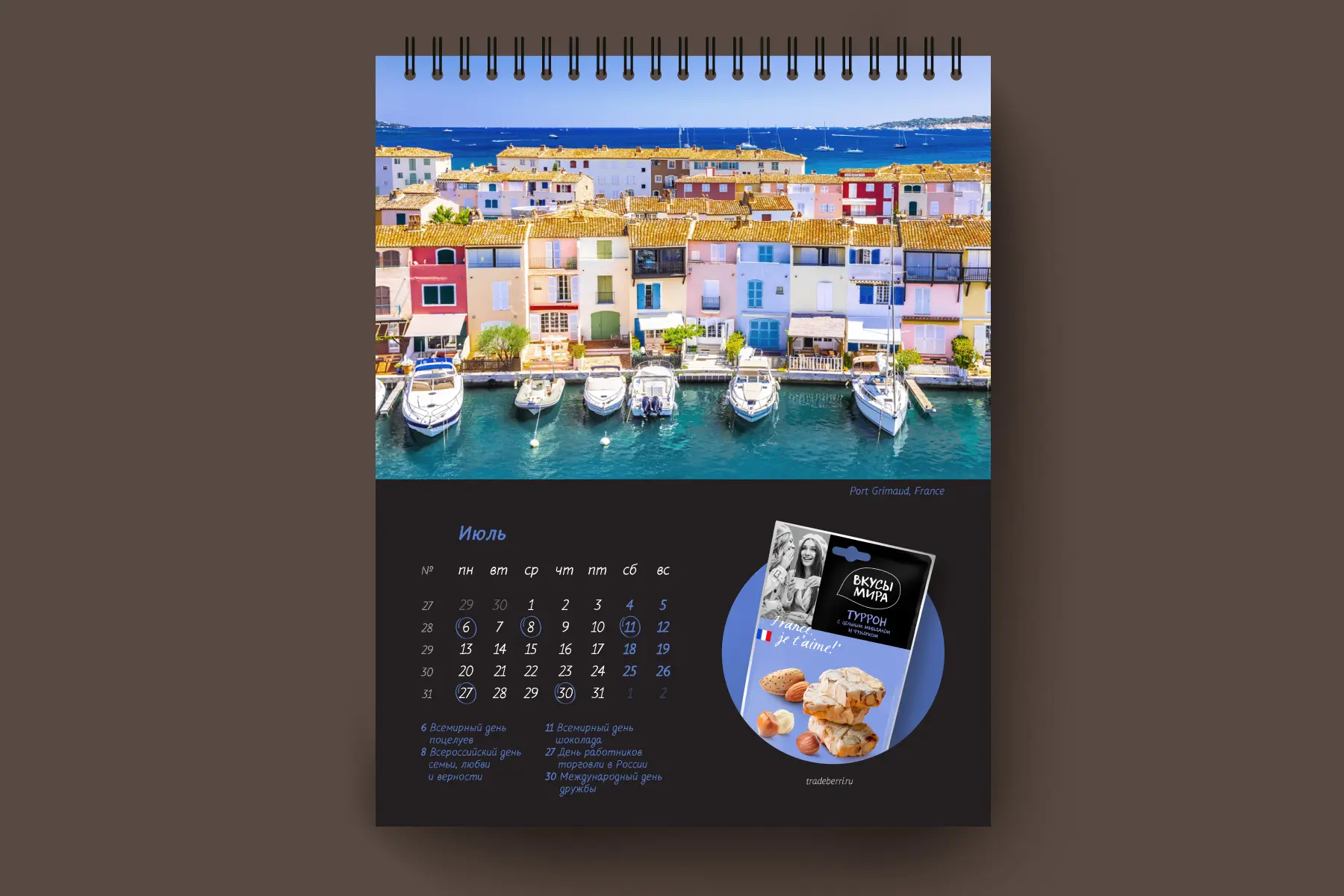
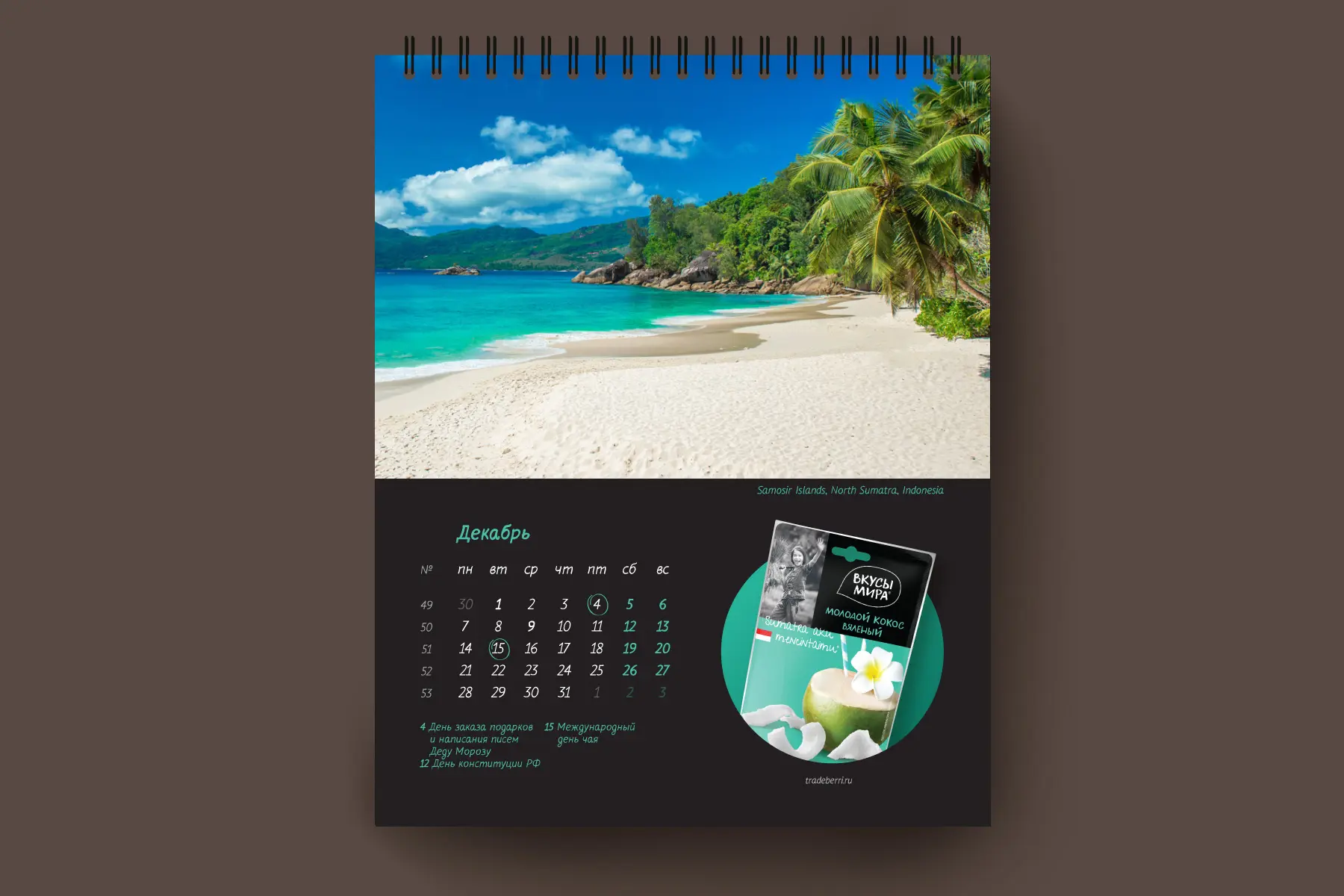
Calendar design creates a visual system for a printed or digital calendar that reflects the company’s identity and makes planning easier. Calendars remain a popular corporate communication tool. Practical three-month wall calendars are especially useful for day-to-day scheduling and tracking deadlines. Combining wall, desk, and digital formats with inspiring graphics creates a useful, engaging tool with lasting emotional appeal. An effective calendar project begins by identifying the audience’s needs, selecting the right formats, developing a creative concept, and preparing detailed technical specifications for each layout.
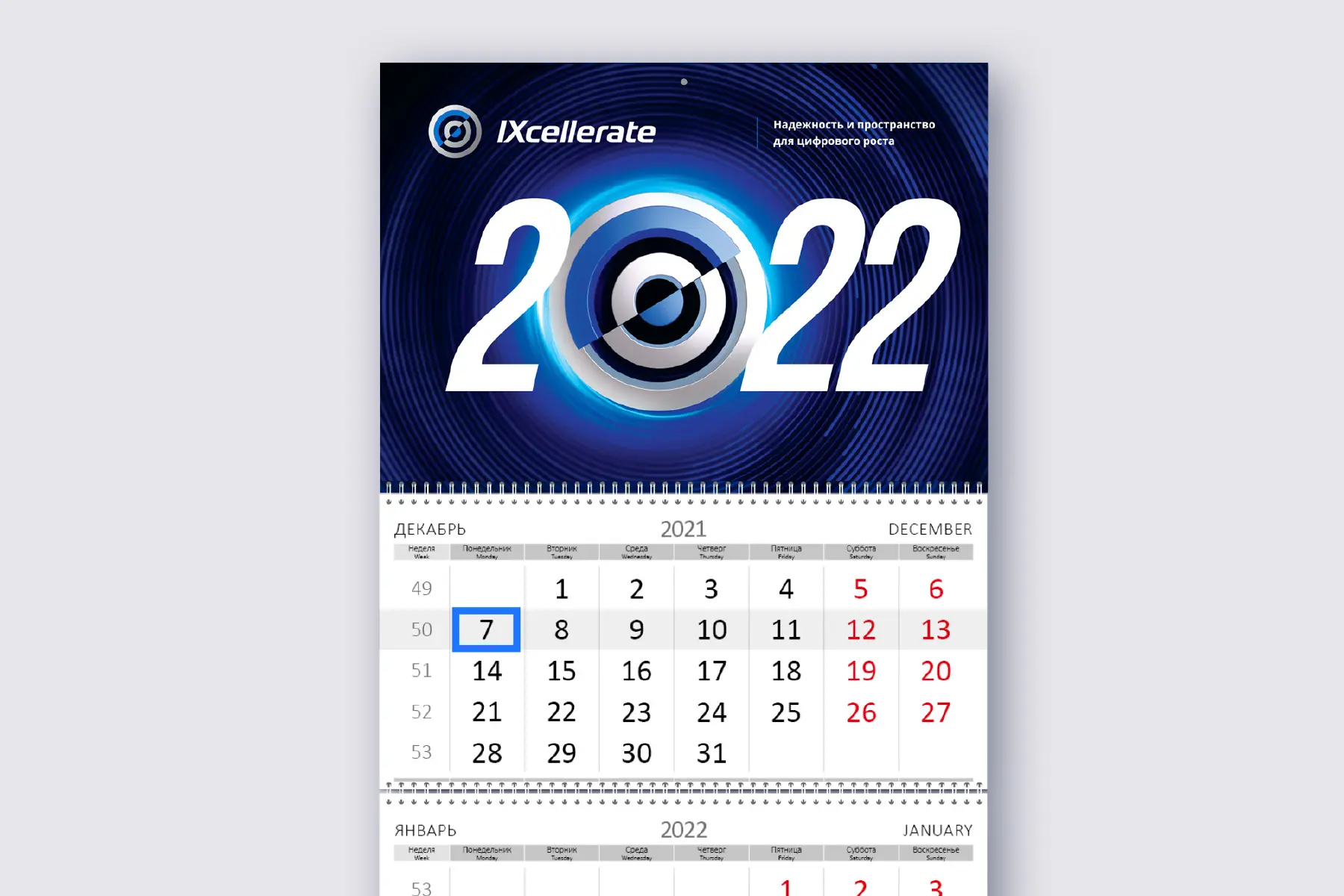
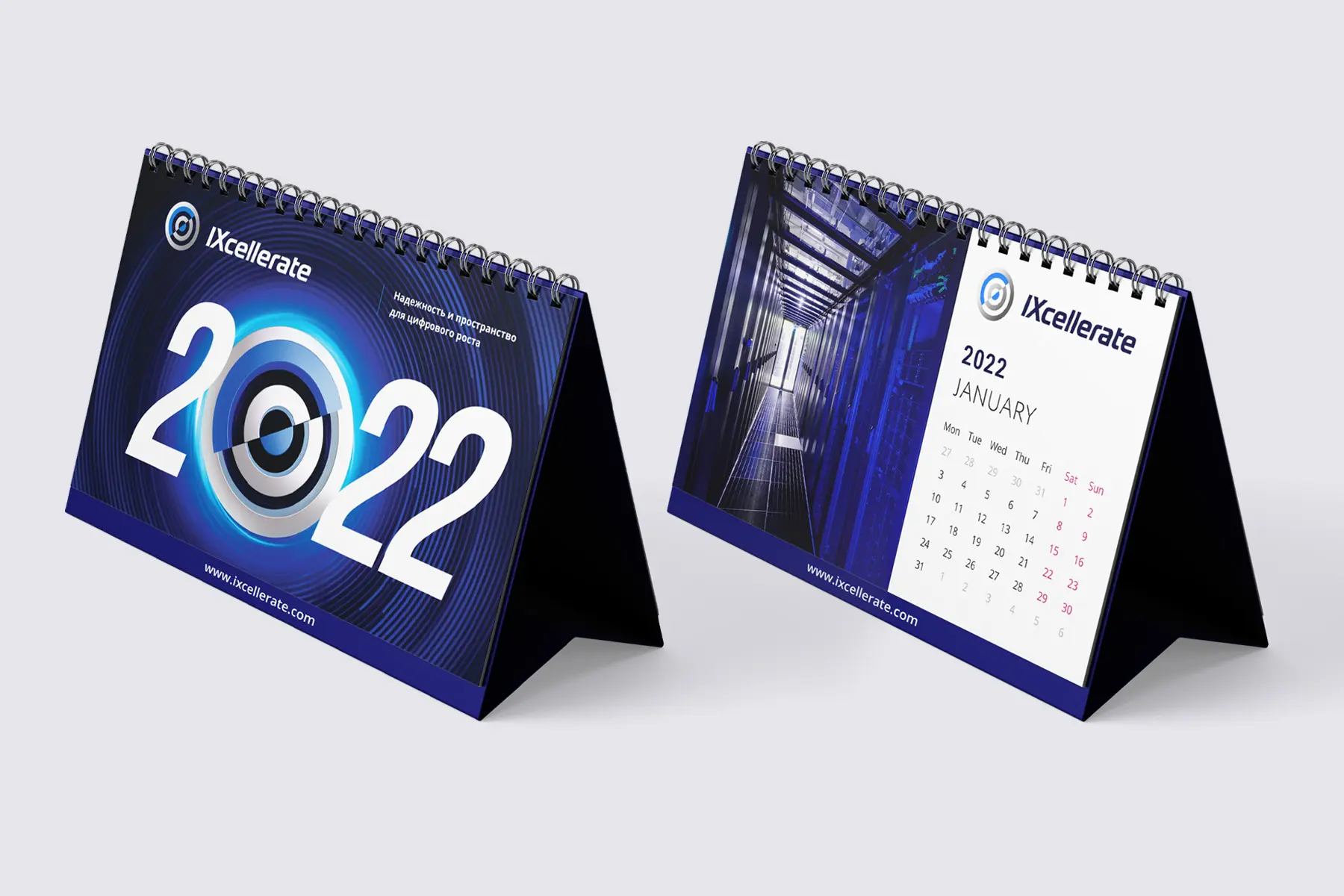
Calendar development involves creating an expressive brand asset that combines practical information with elements of corporate identity. The first stage is to collect and organize the content: the calendar grid, branded elements, imagery, and copy. The team then selects the format (wall, desk, or three-month business calendar), the number of panels, and the way information will be presented, based on the project objectives. The final stage covers copy preparation, graphic design, layout, and prepress refinement. The result is a calendar that supports brand recognition and reinforces the company’s professional reputation throughout the year.
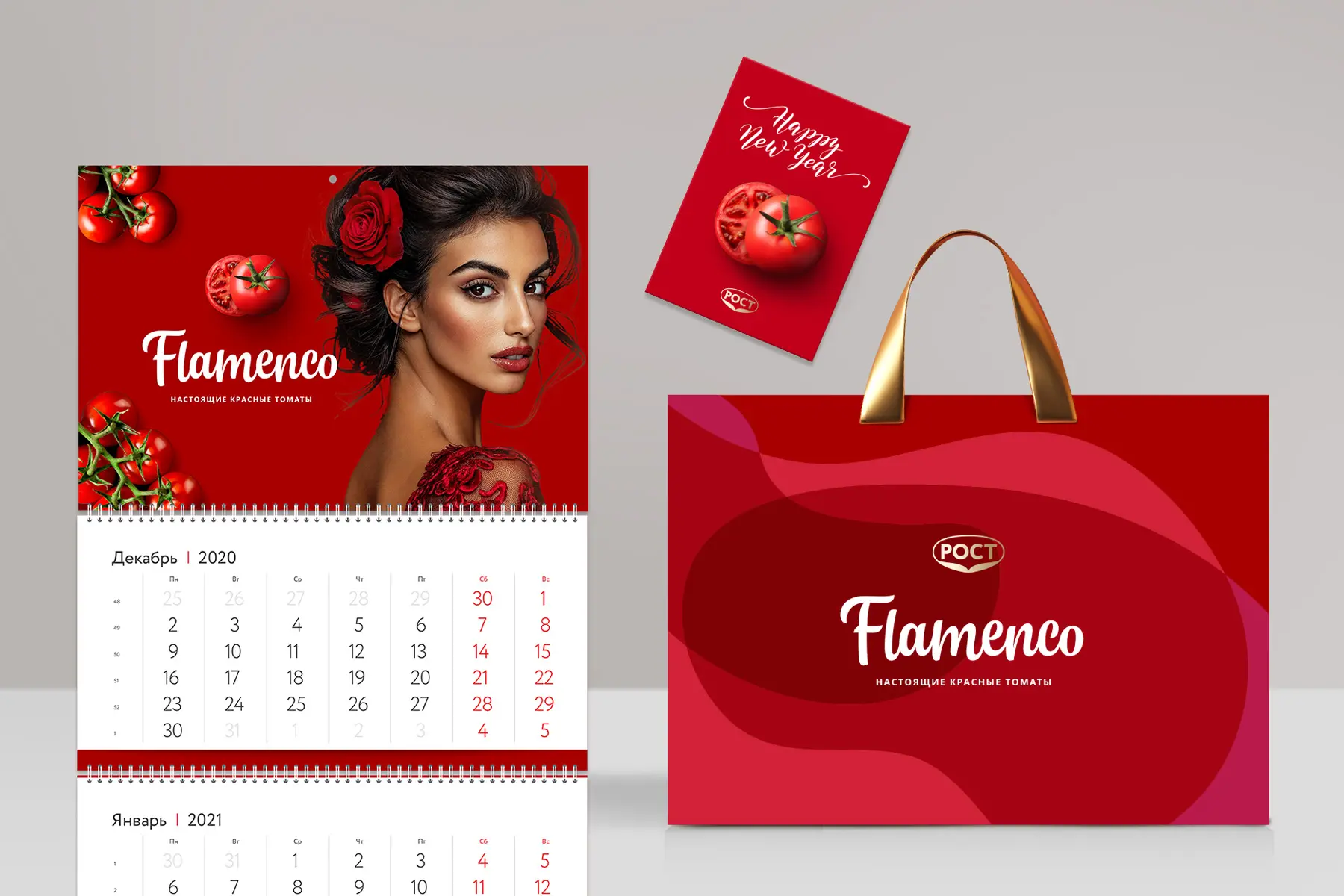
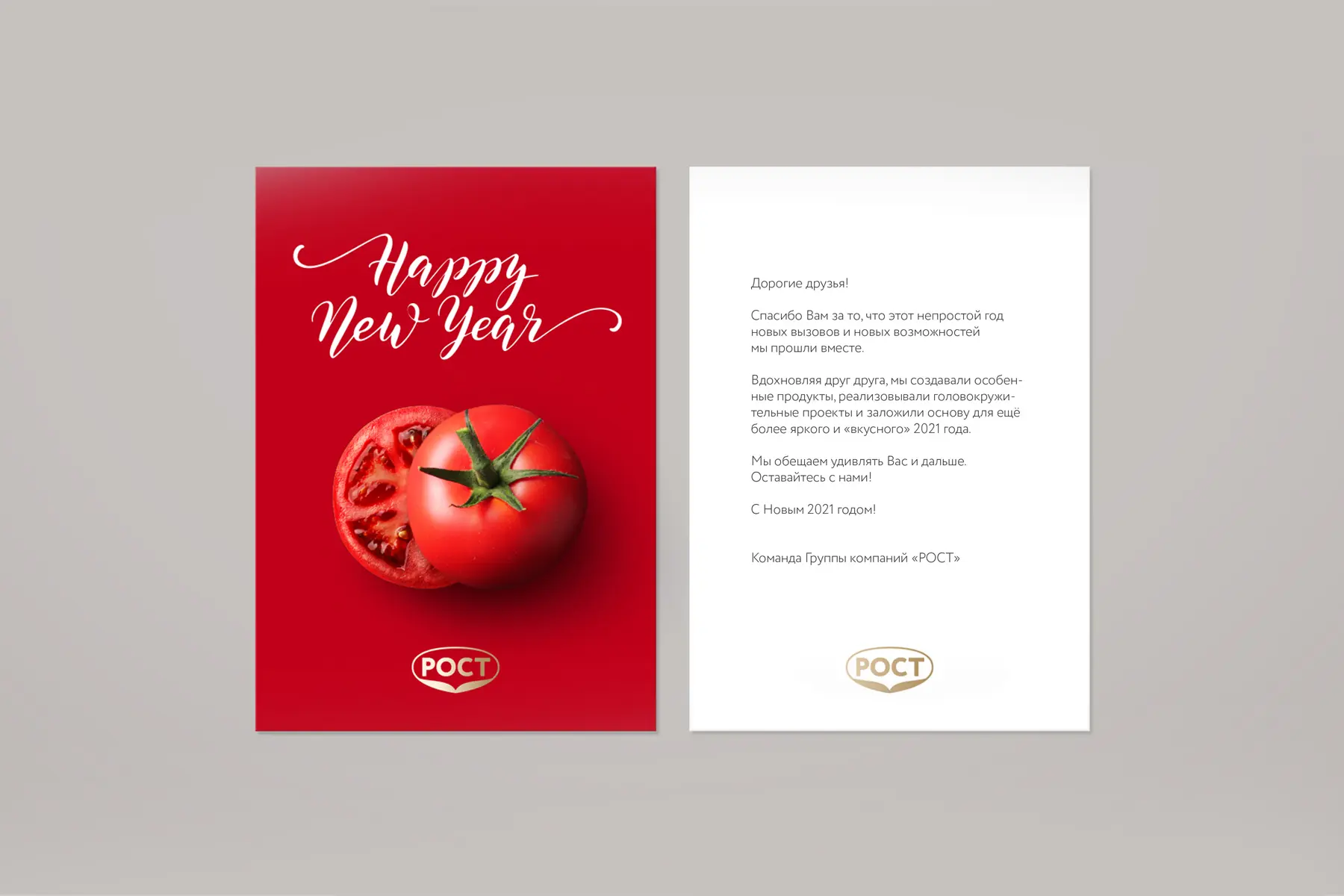
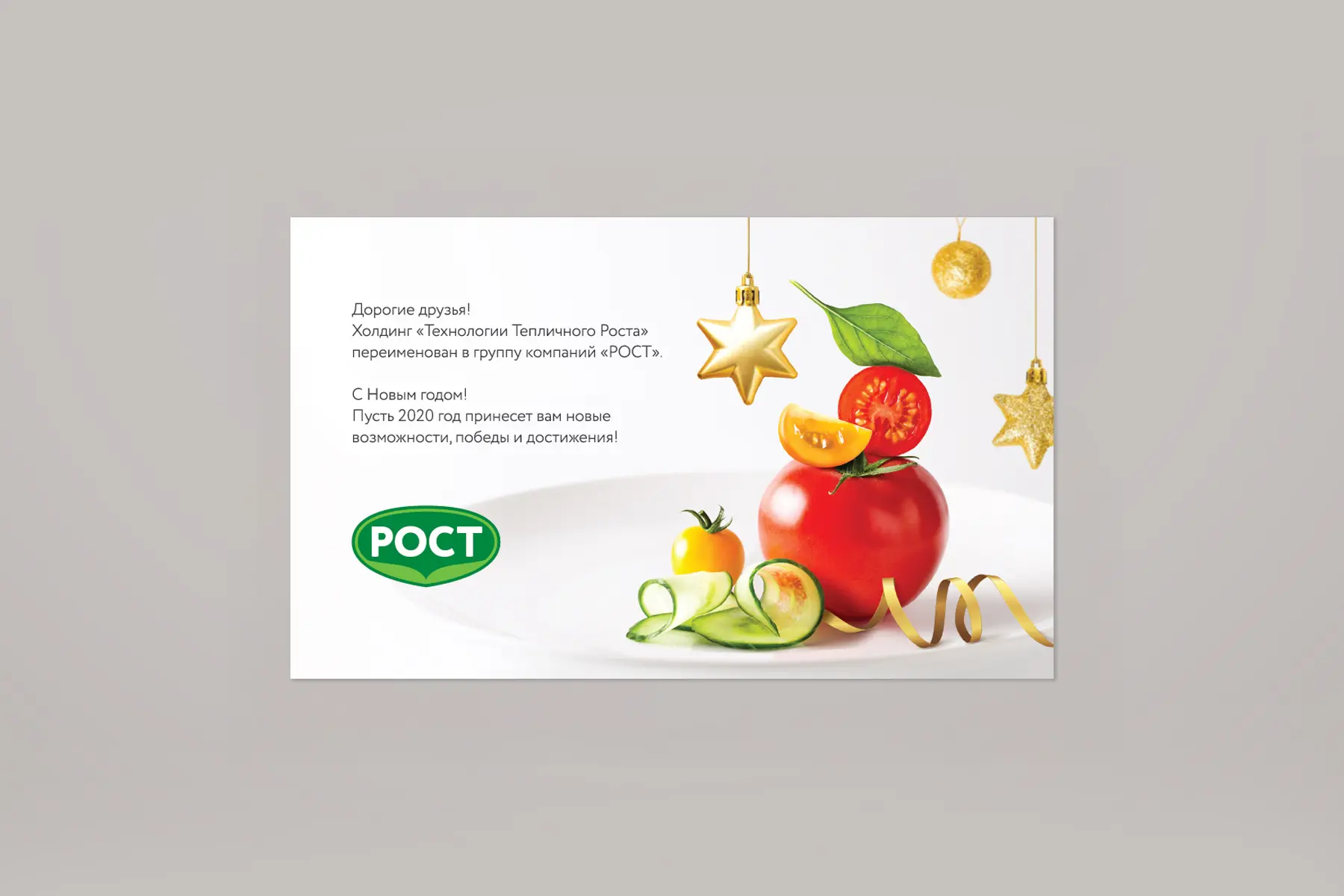
Holiday Design covers New Year and Christmas materials created in keeping with the company’s visual identity, including corporate cards, gifts, and event tickets. Holiday projects may also extend to branded packaging, greeting cards, and champagne bottles. These materials reinforce a positive image and strengthen the emotional connection between a company and its business partners. Developing a holiday design involves finding the right concept, selecting the most appropriate applications for the artwork, and overseeing print quality.
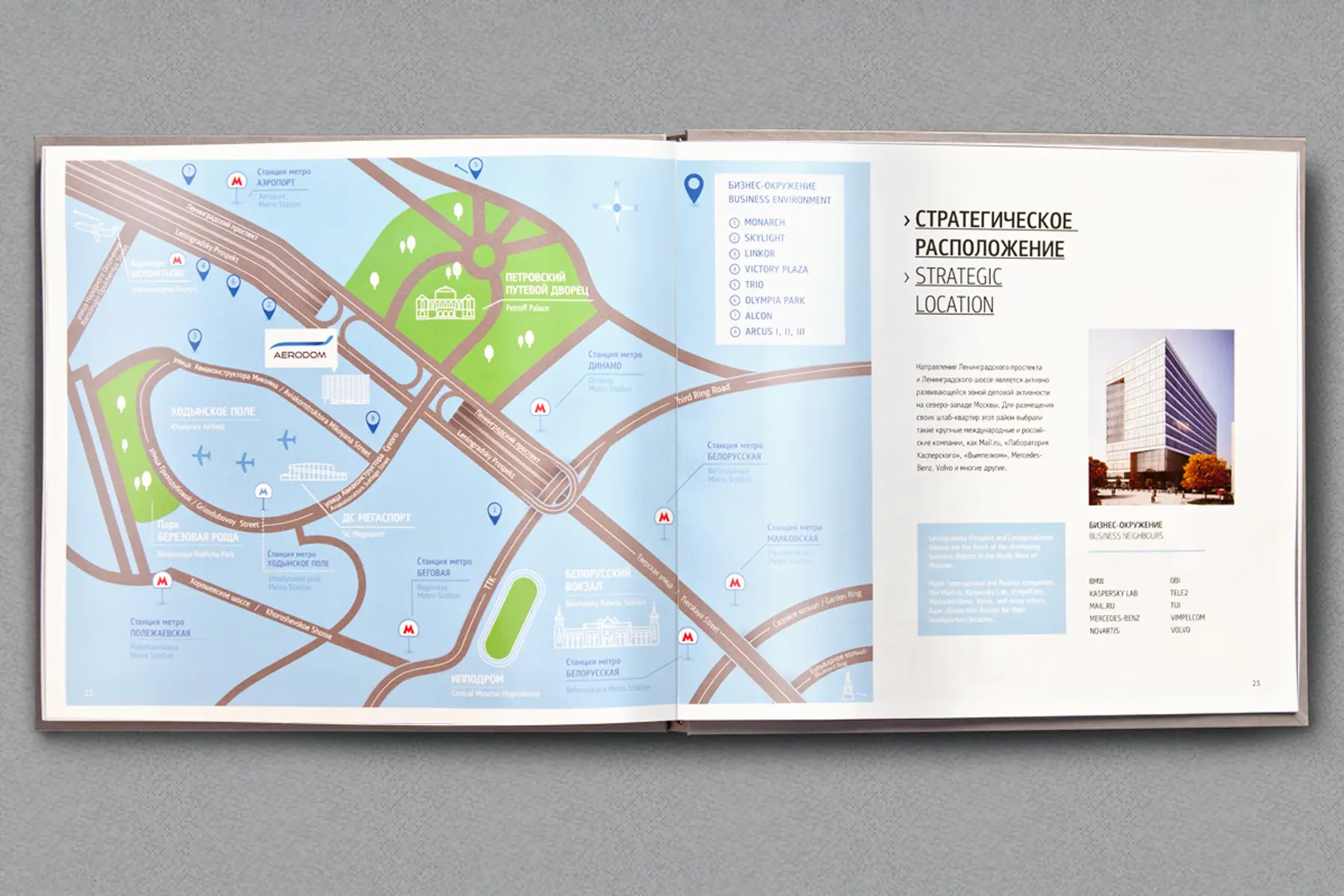
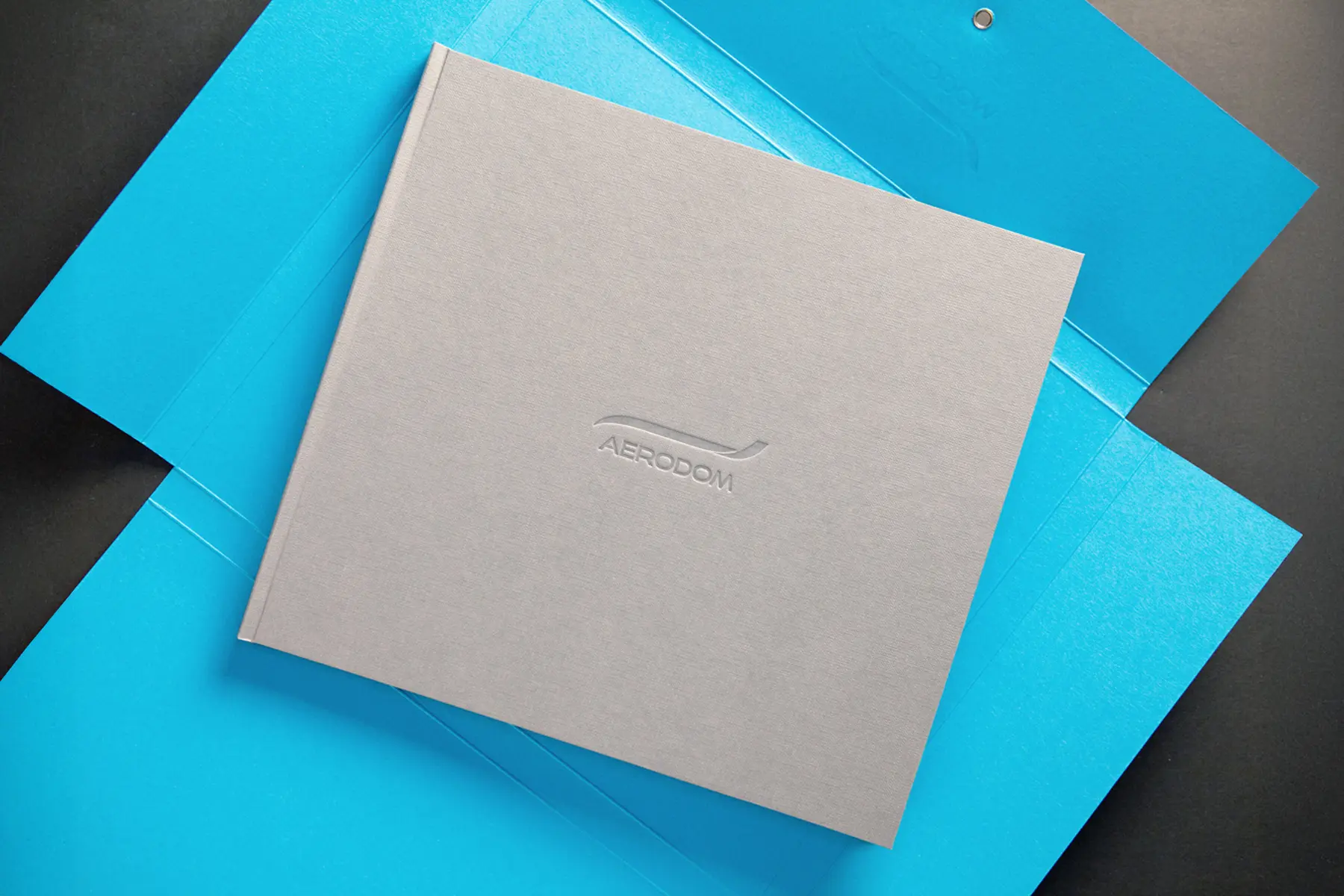
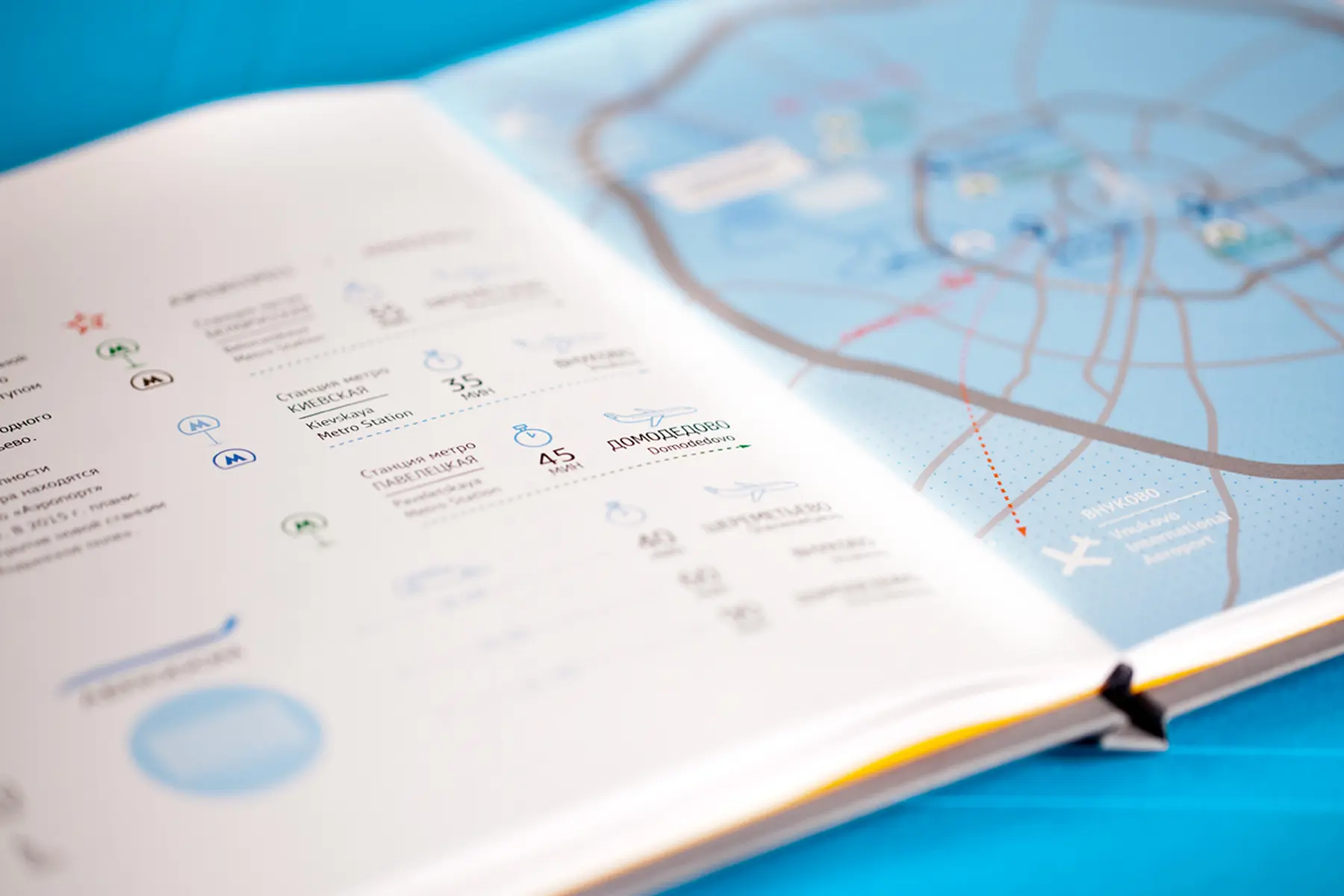
Annual report design gives visual form to a corporate document that presents a business’s key achievements. Public companies are among the organizations most likely to commission annual reports. These publications communicate the organization’s performance over the year and serve as an important channel for shareholder communication, supporting transparency and trust. An annual report can express the corporate culture and strengthen ongoing relationships with investors. Design begins with an analysis of the source material and the creation of a logical structure for presenting both financial and nonfinancial performance.

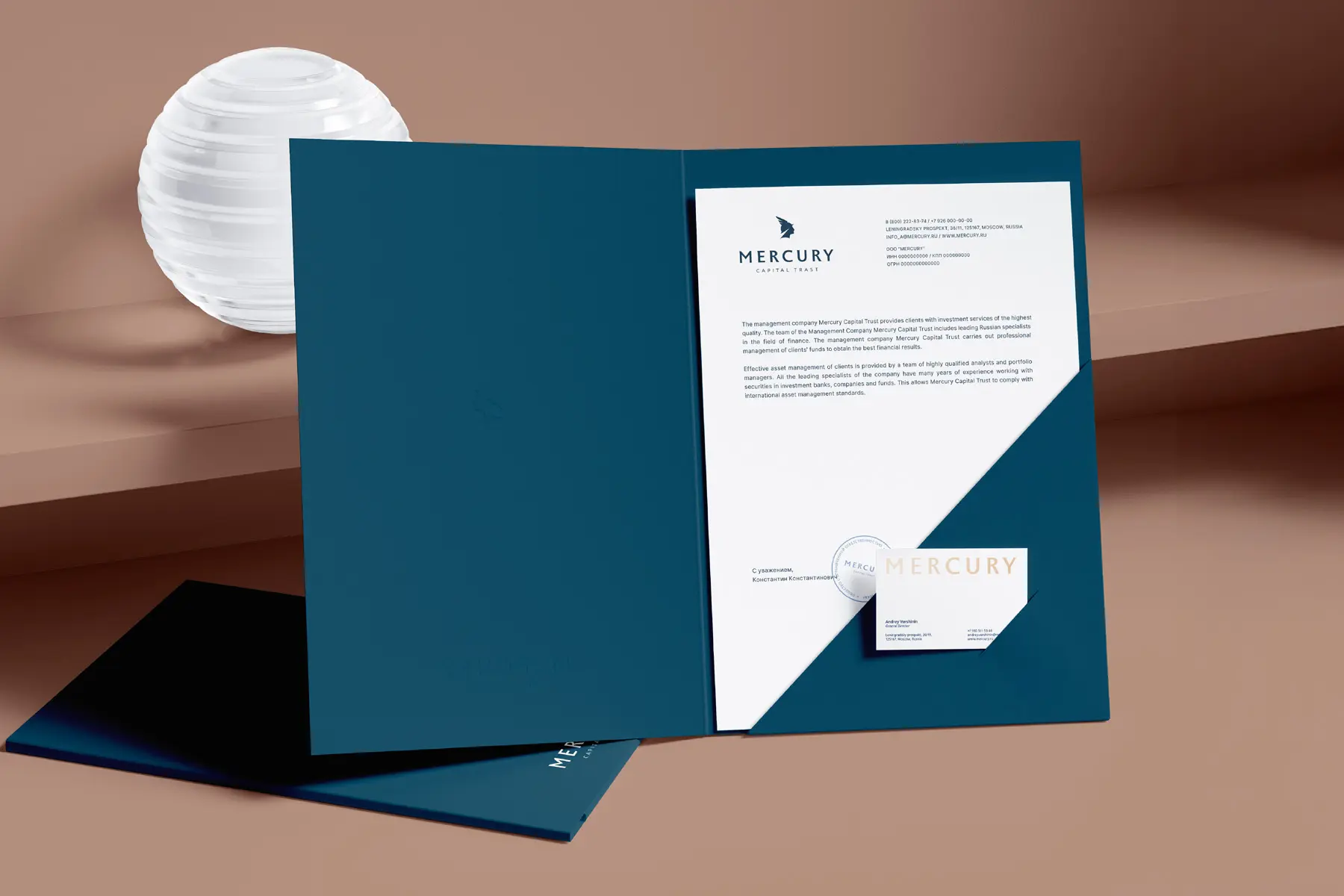
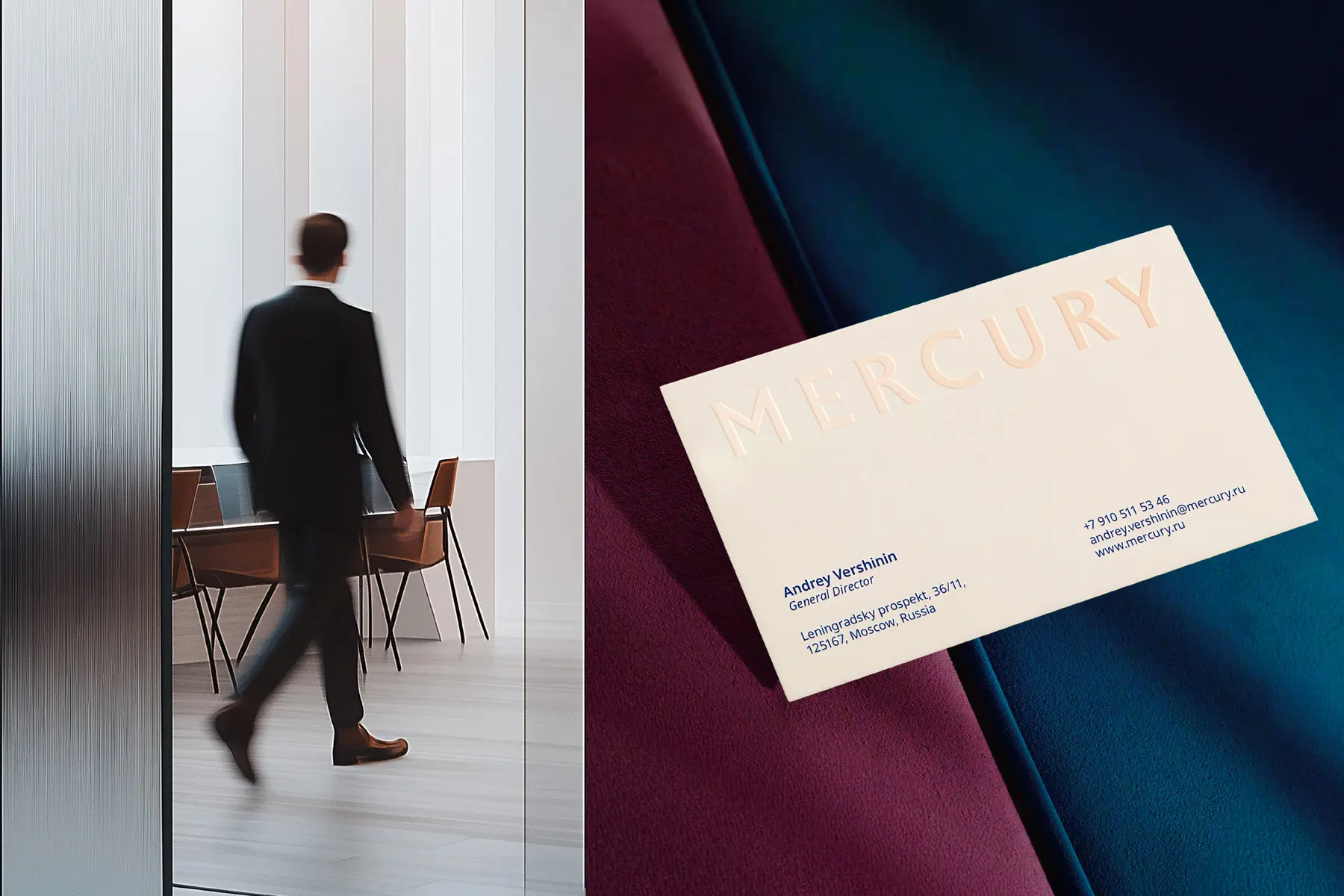
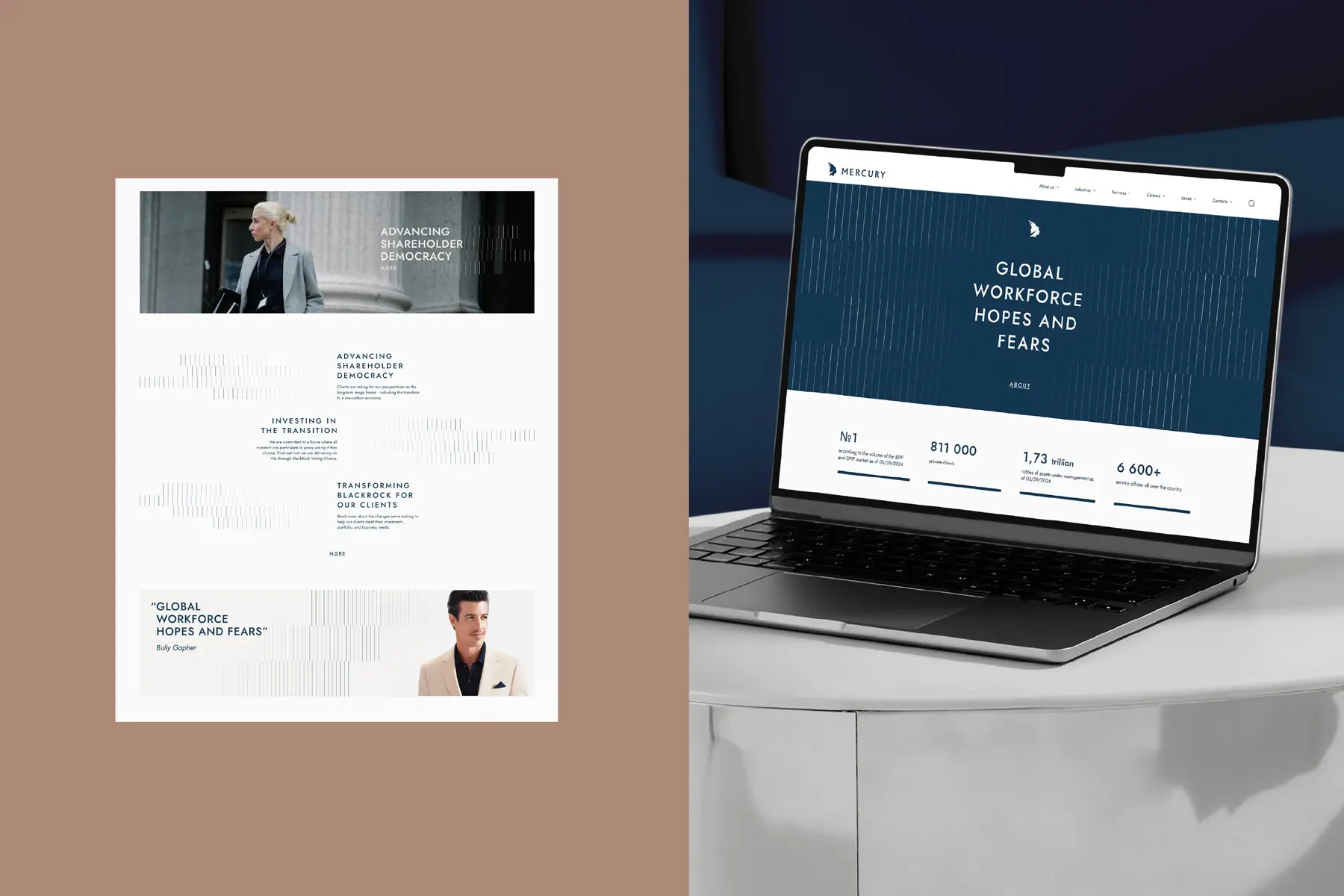
Annual report development involves preparing a corporate publication that presents the company’s key performance indicators for the reporting period to shareholders and business partners. The report format and optimal page count are then established to balance readability with completeness. Copy preparation, editing, and refinement of the supporting materials follow. Finally, the approved design moves into production and is adapted for print or digital publication.
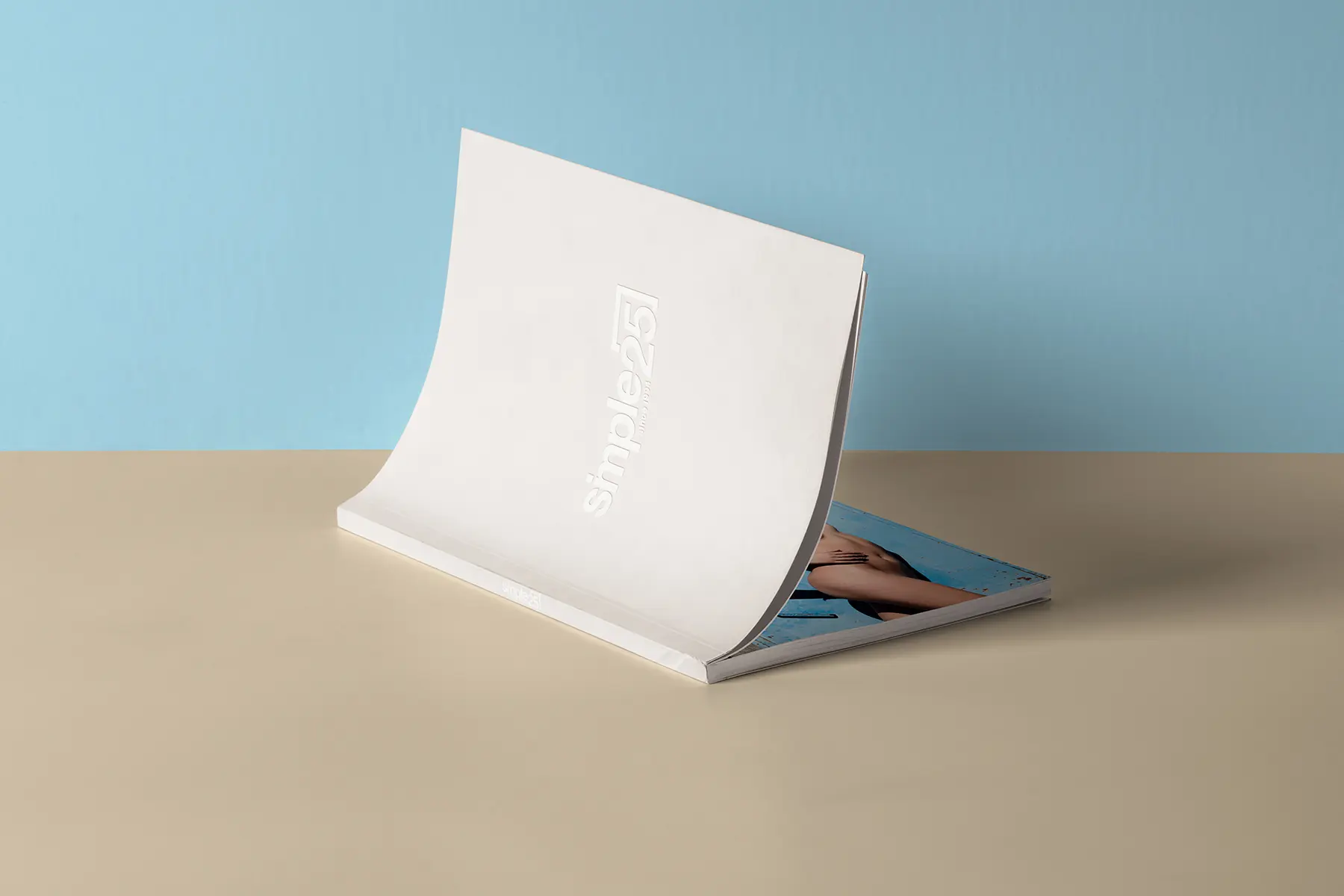
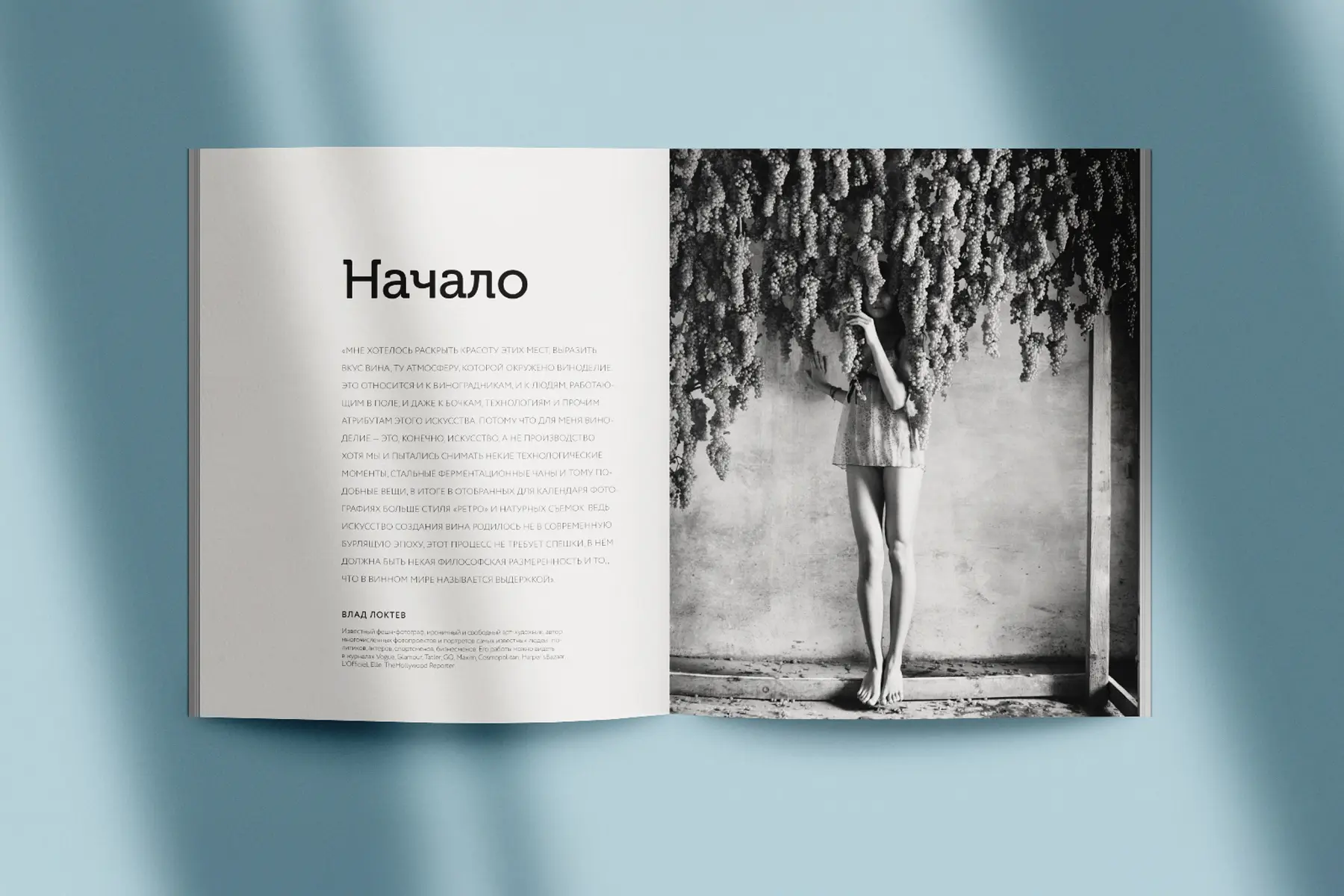
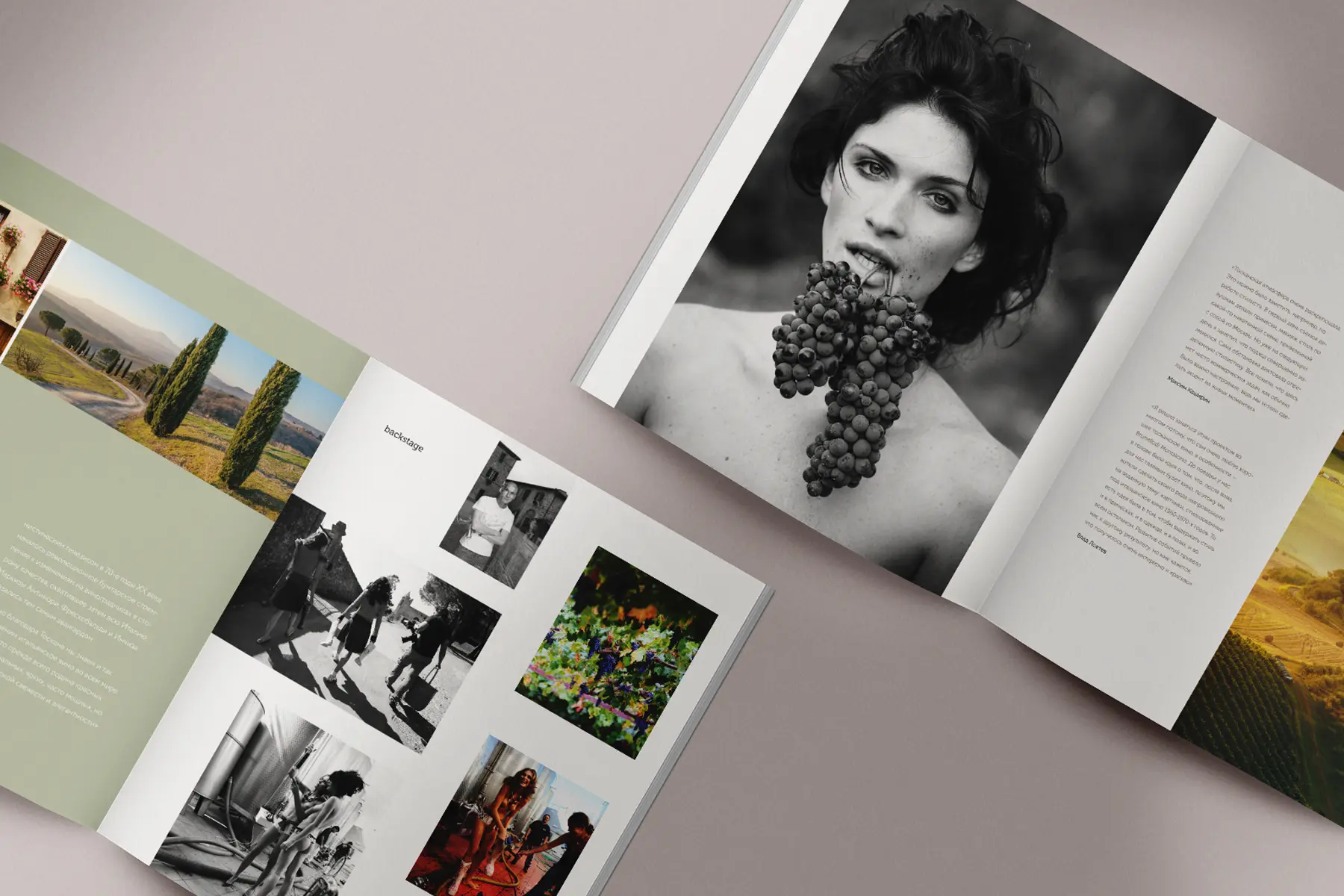
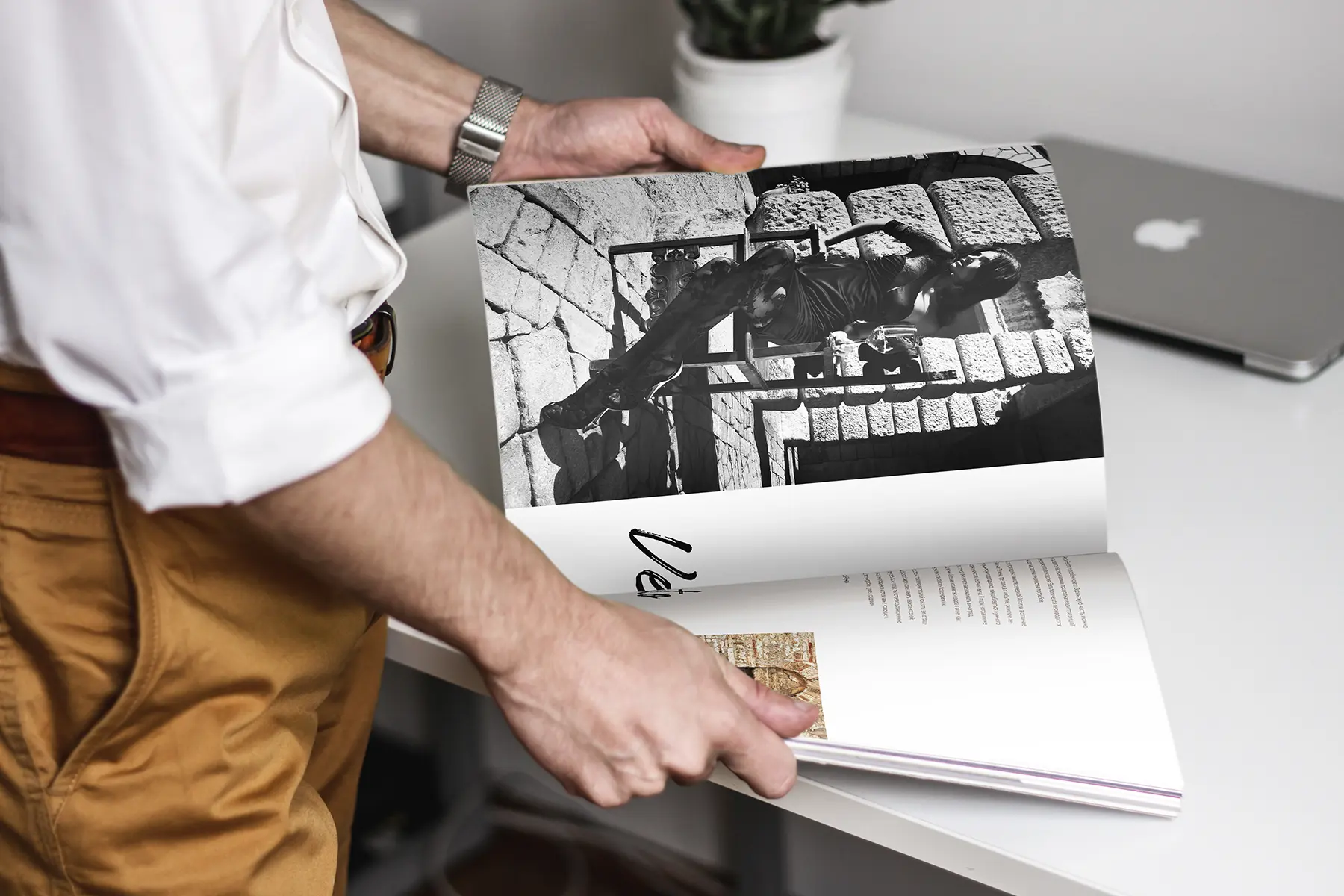
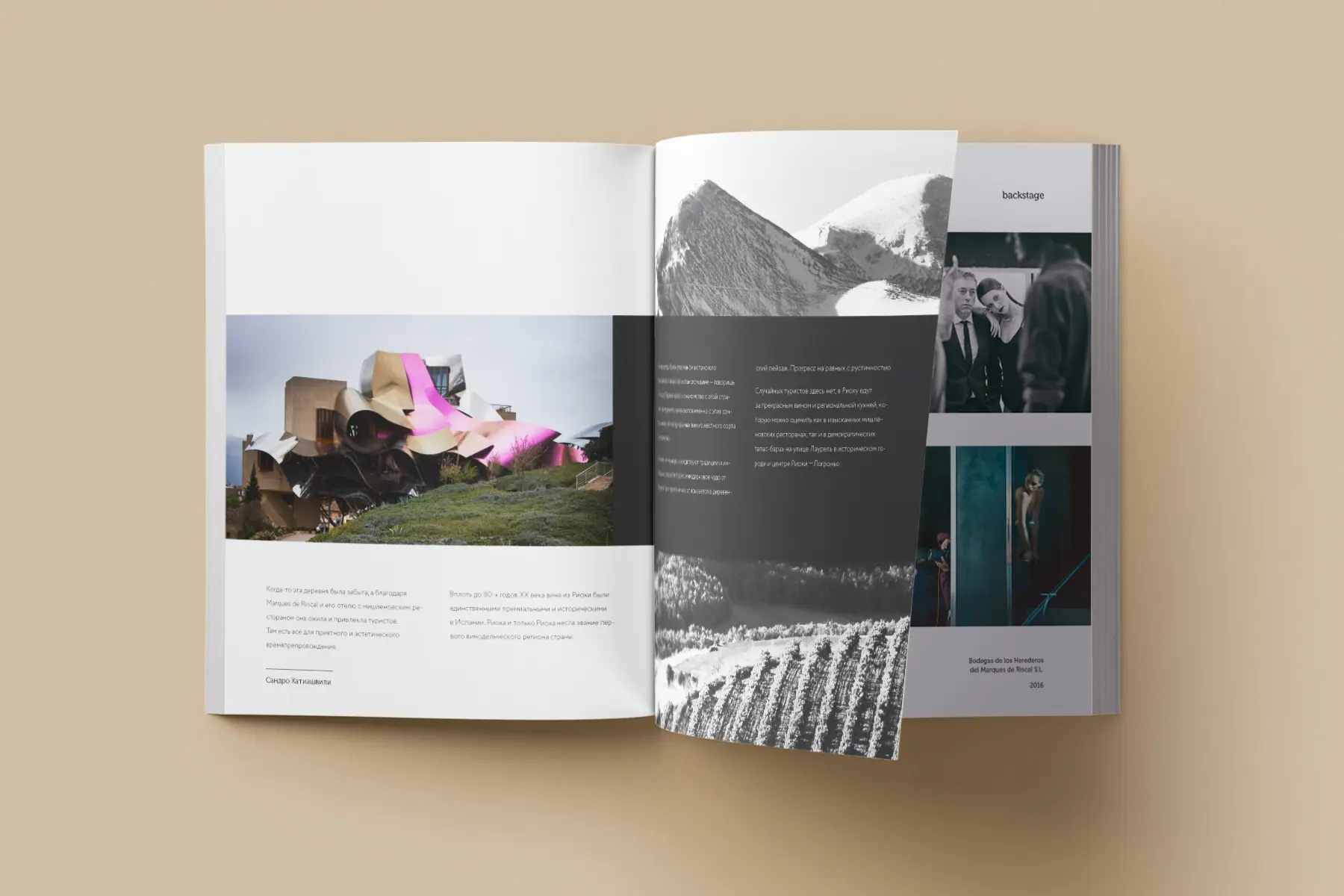
Catalogue Design gives structure and visual form to a print or digital publication that presents a company’s products and services effectively. It encompasses information architecture, typography, color, and imagery, along with the details that shape perceptions of the brand. Premium materials and specialty print finishes such as embossing and lamination reinforce the brand’s status and offer a tactile experience that digital alternatives cannot match. With a strong creative concept, the catalogue becomes part of the wider brand ecosystem and builds trust with the target audience.
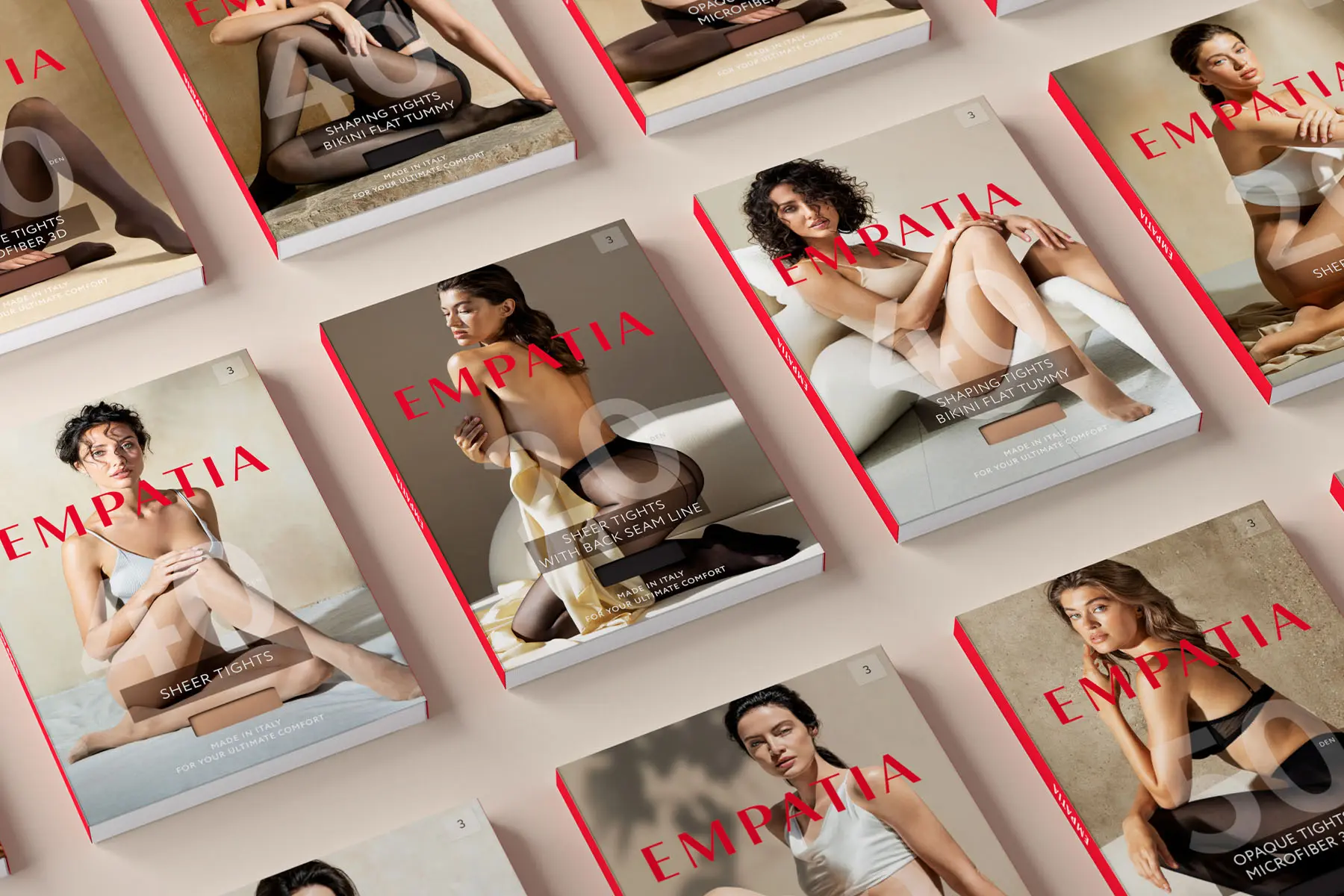
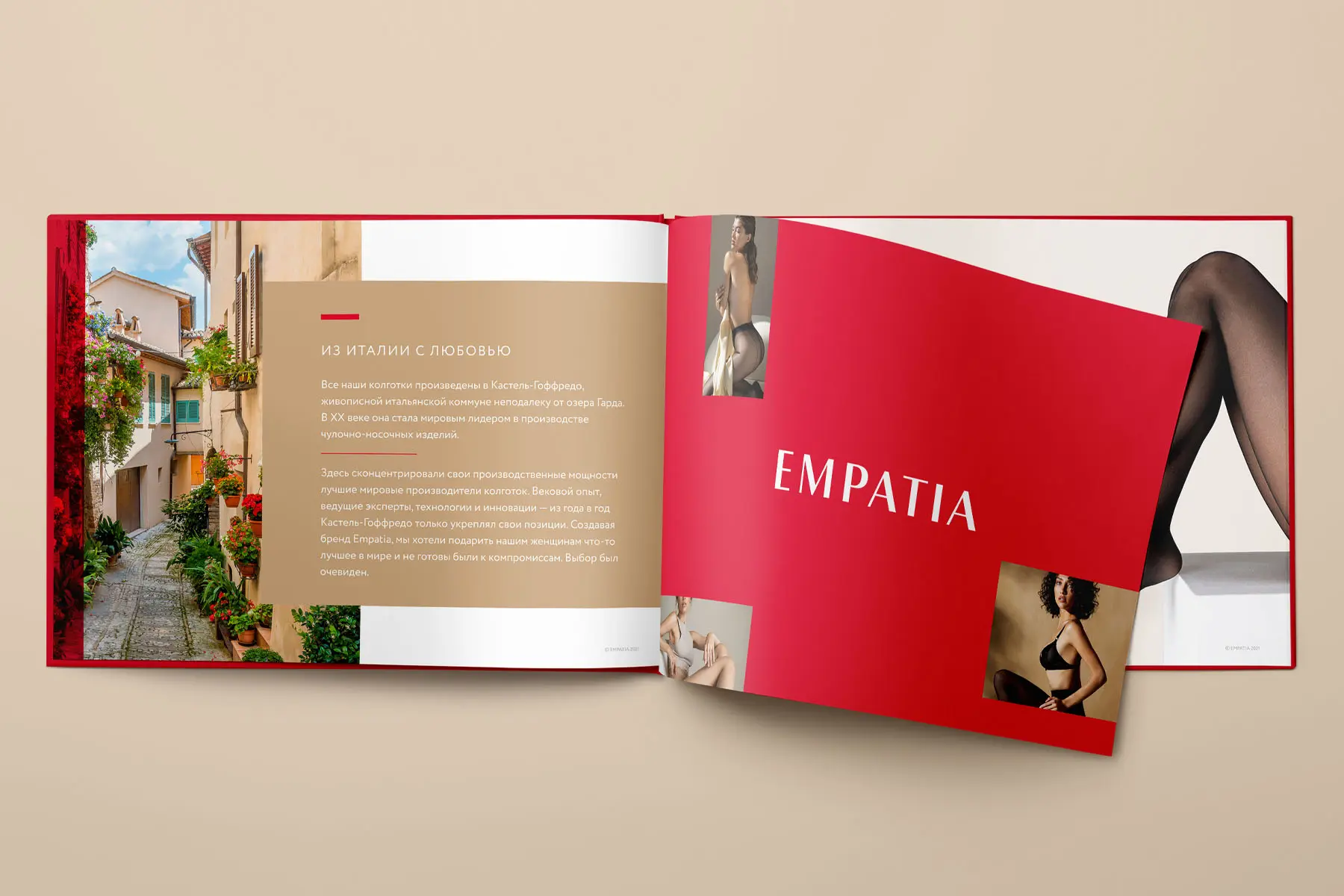
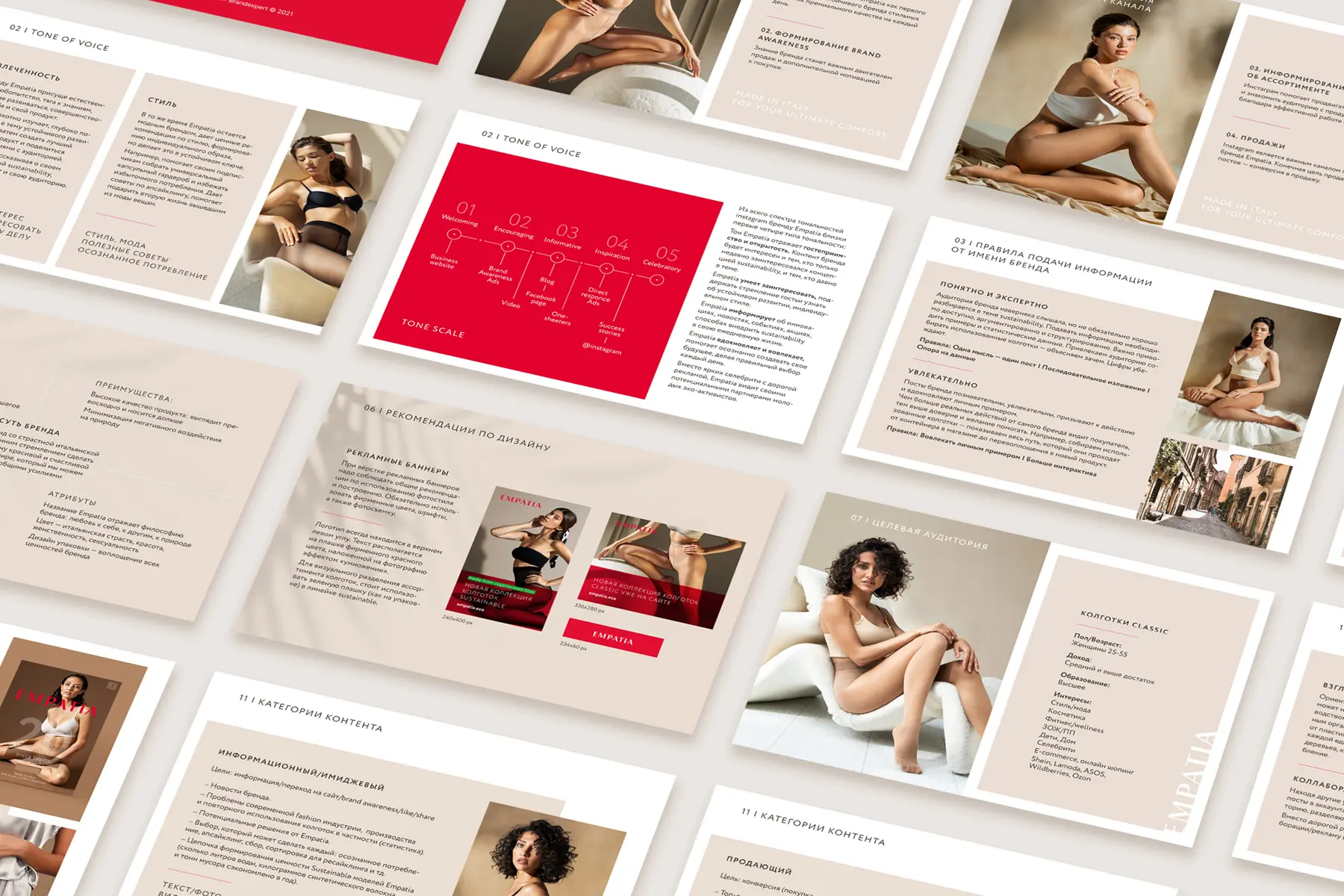
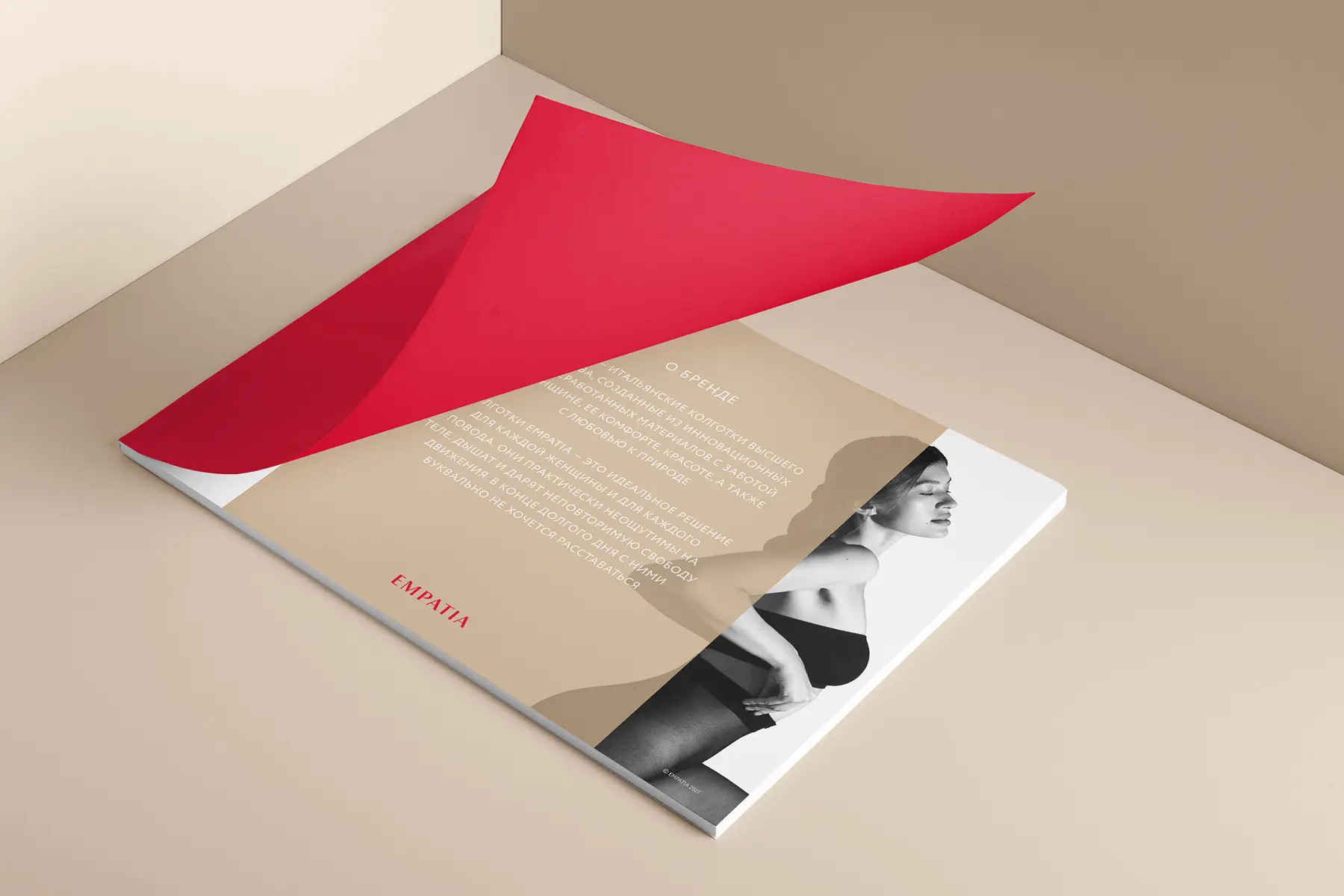
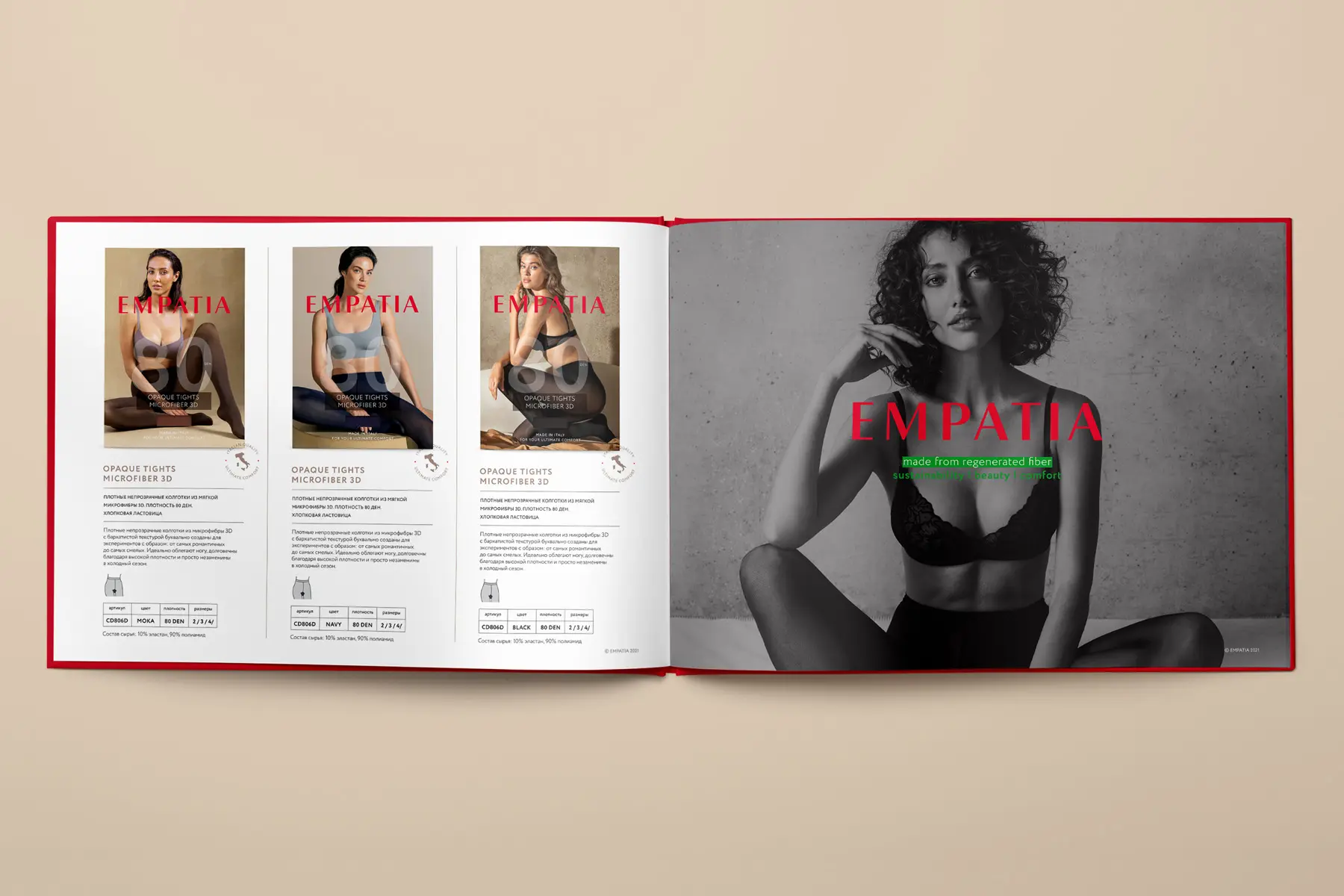
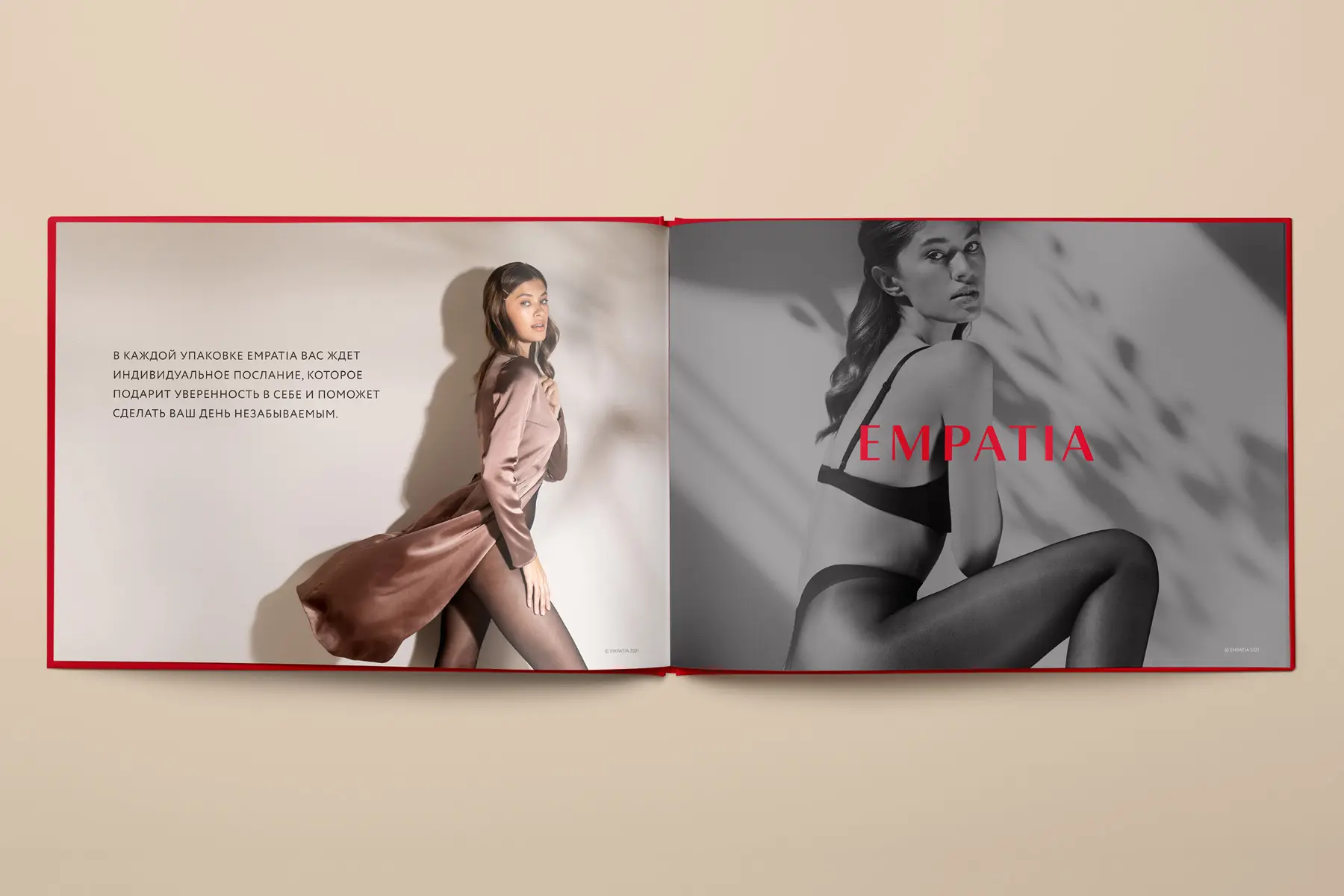
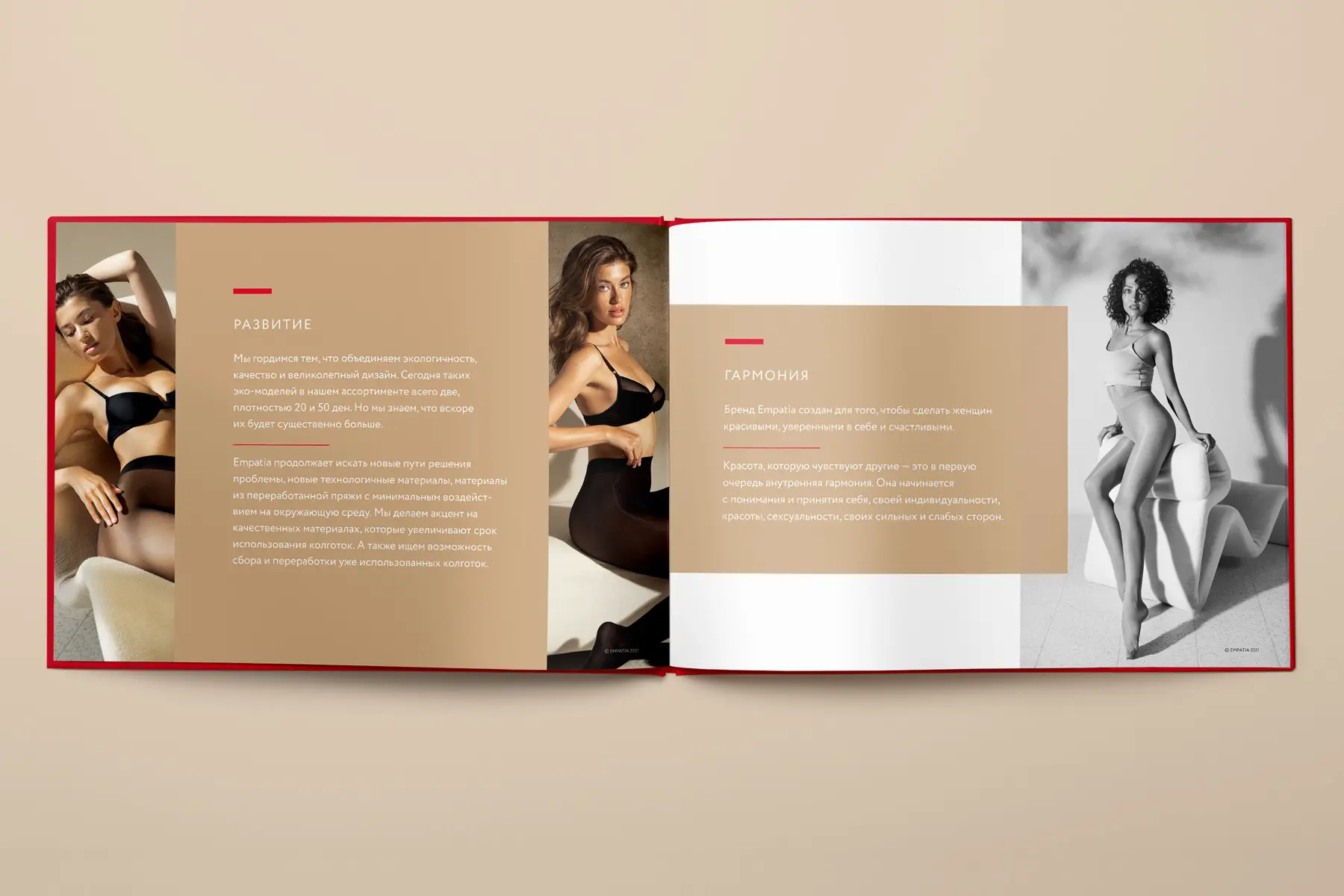
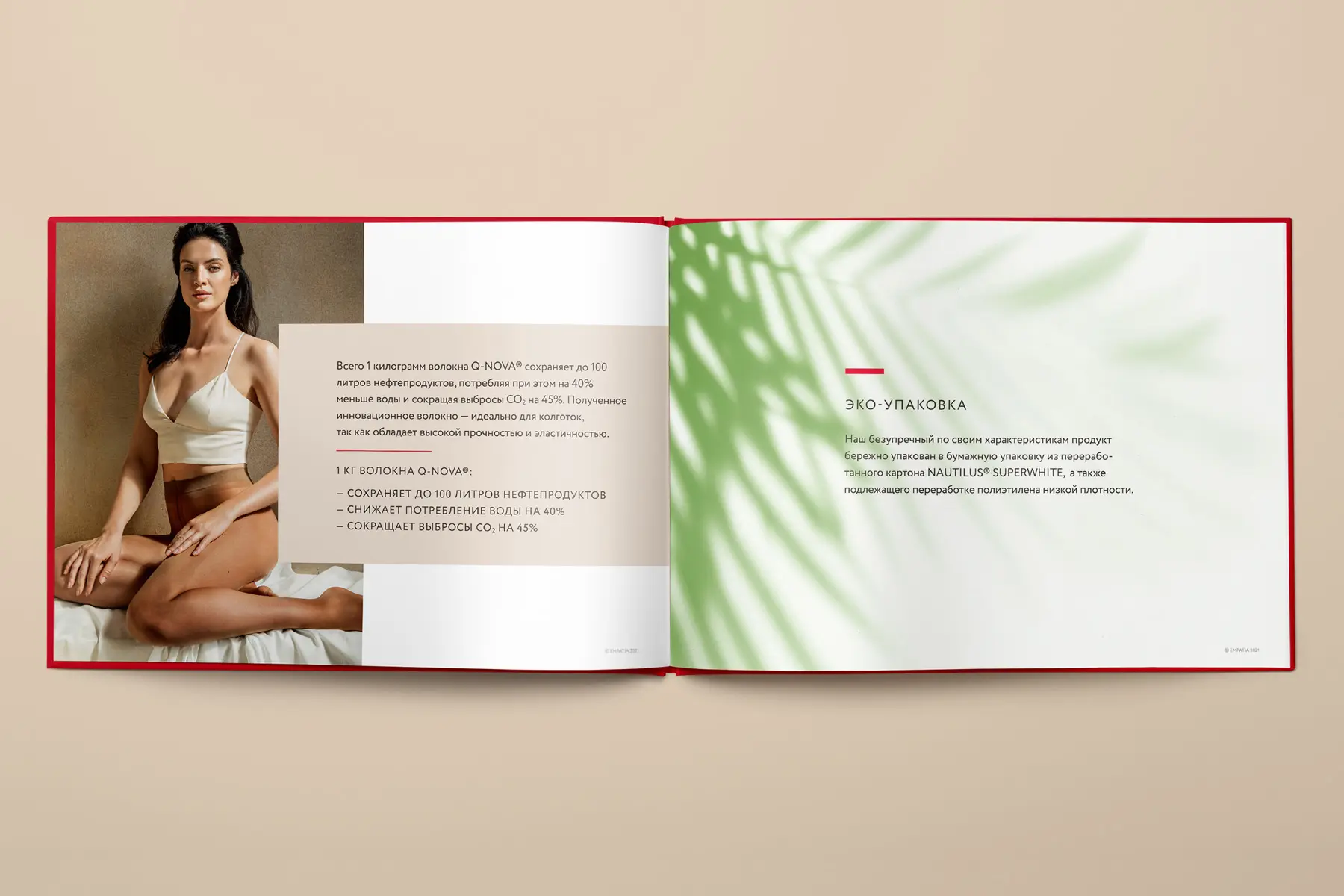
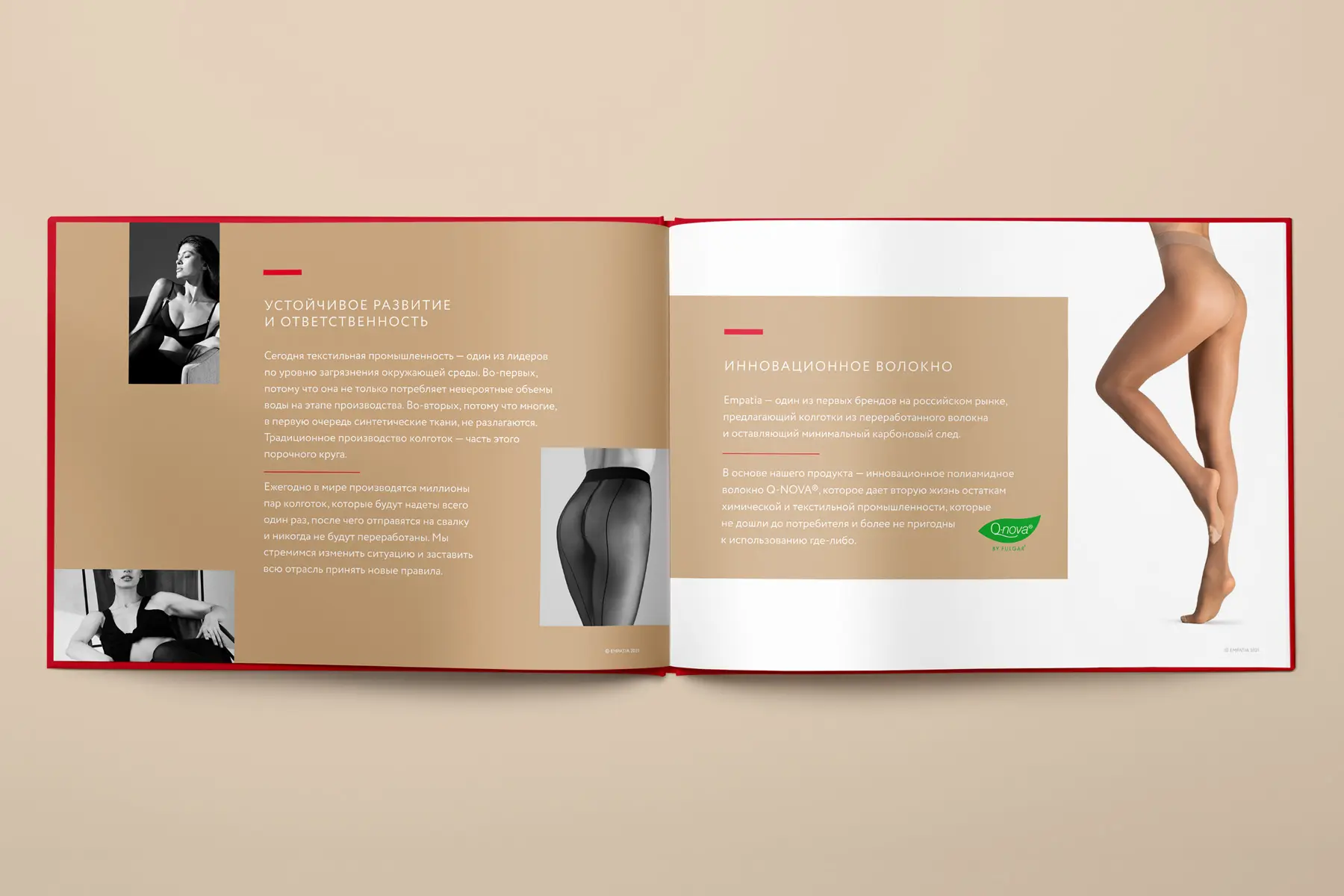
Catalogue development creates a structured presentation of products or services for a defined audience. The process begins with an in-depth analysis of competitors and trends, enabling the team to build intuitive navigation and highlight the offer’s key advantages. A creative concept is then translated into visual style, typography, and color to encourage the audience to engage with the brand. The final stage is to lay out the catalogue according to the approved concept. The completed publication is prepared for print production or digital distribution, supporting sales growth and a stronger market position.
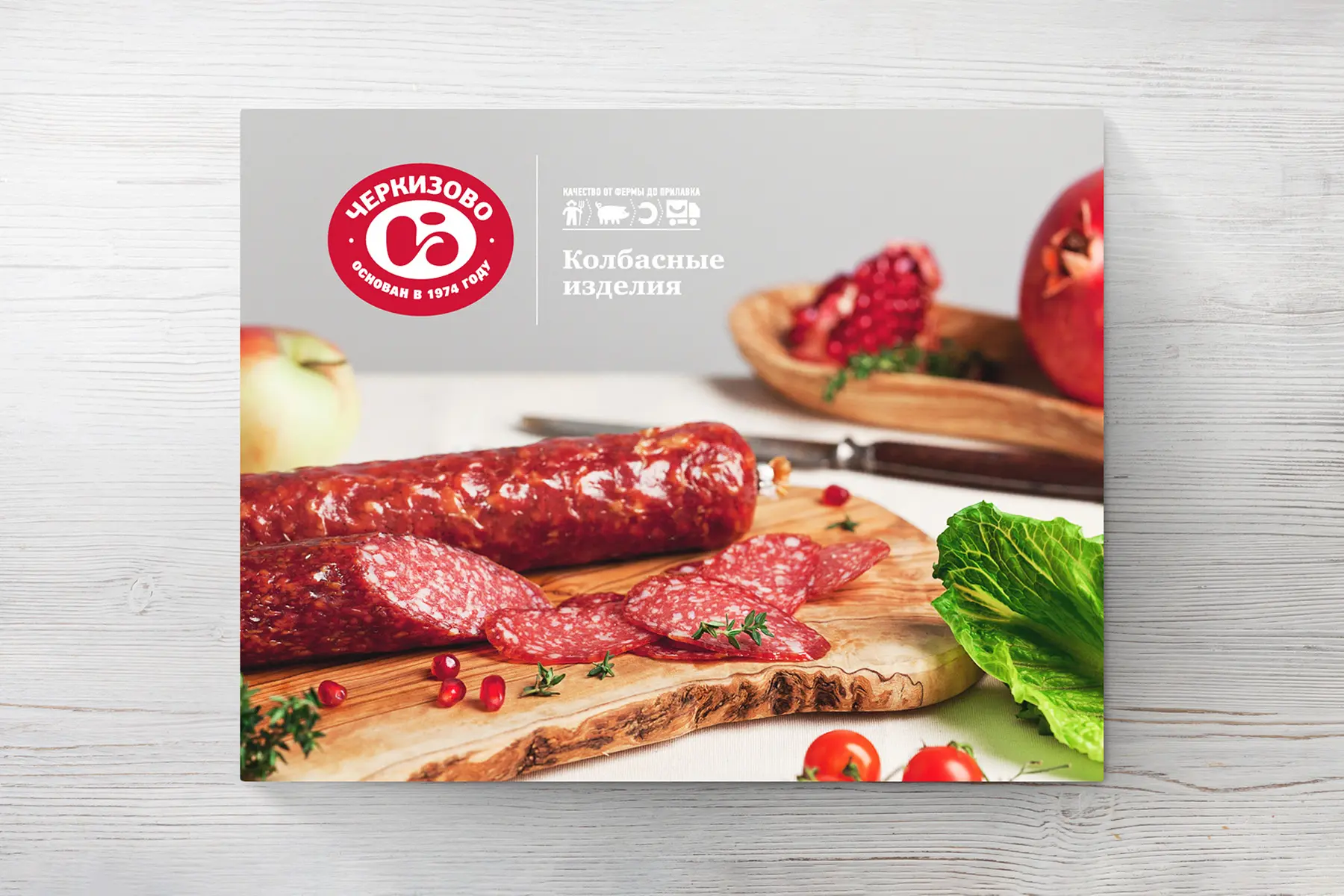
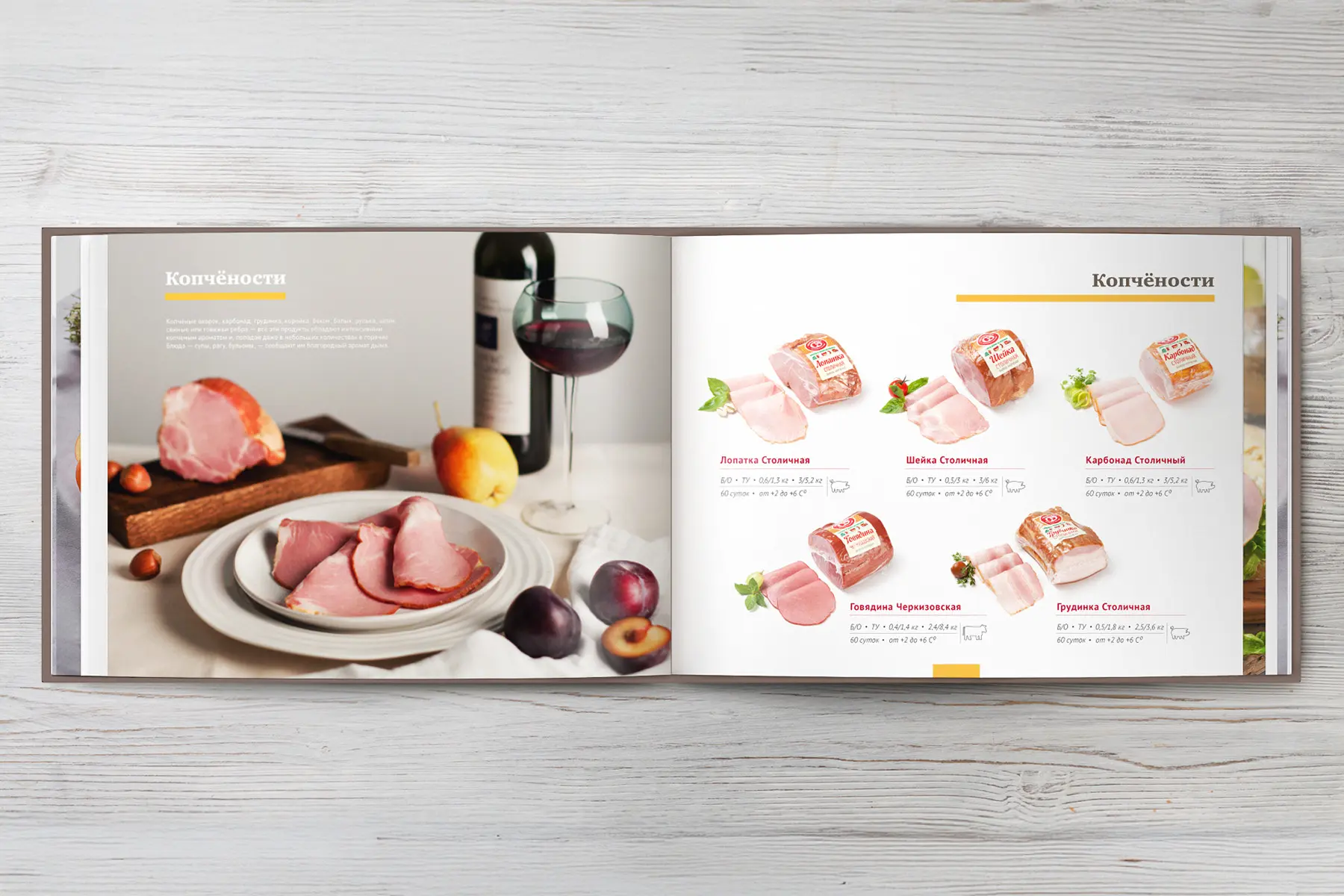
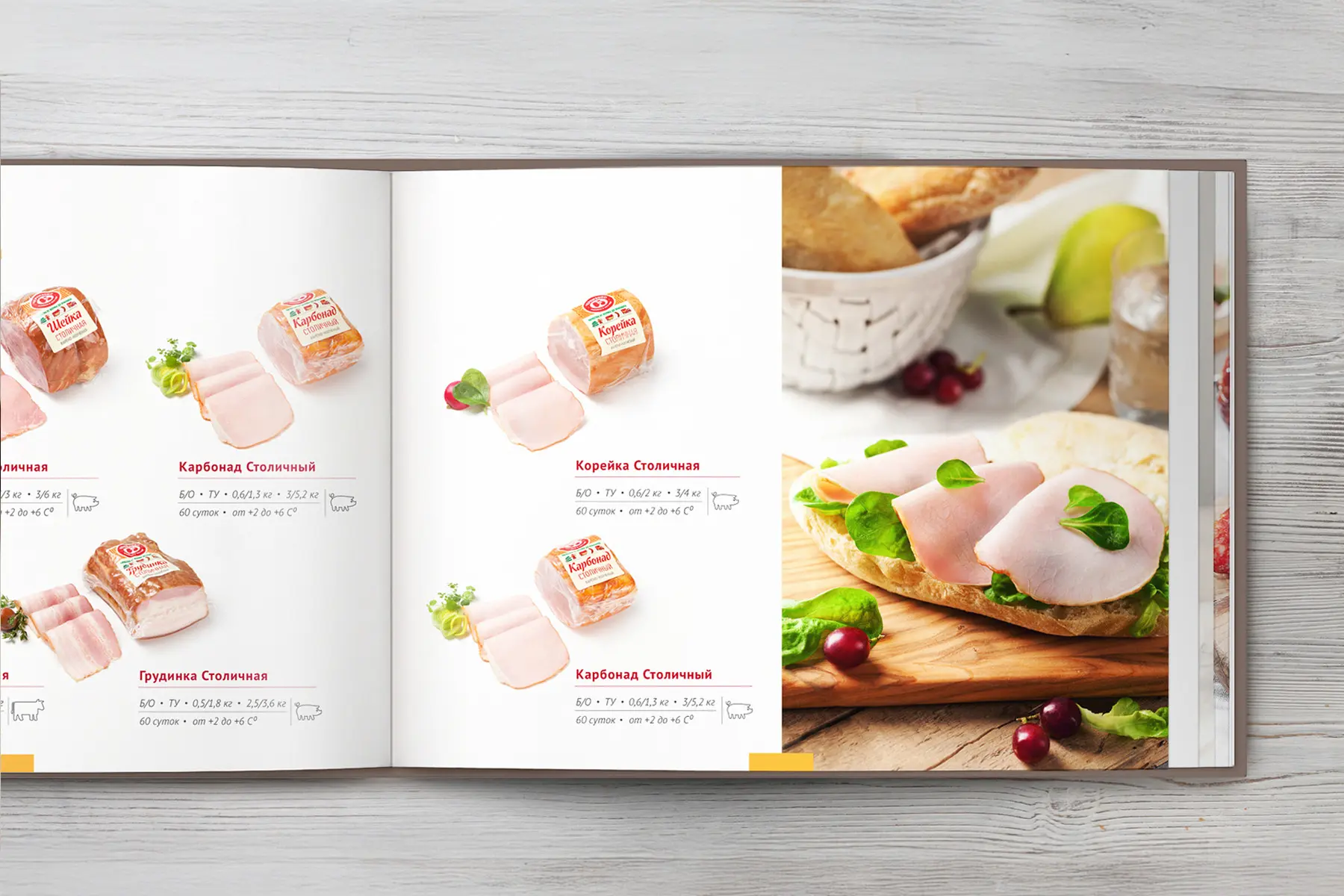

Product Catalogue Design and layout bring a visual concept and clear structure together to present the company’s product range effectively. The first step is to select the right type of catalogue. A brand-focused catalogue communicates the company’s philosophy and inspires its audience. A sales catalogue presents products clearly and helps drive demand, building trust and encouraging prospective customers to choose the company. The process covers creative concept development, selection of the visual style, typography and color, layout based on the approved concept, and preparation of production-ready files.
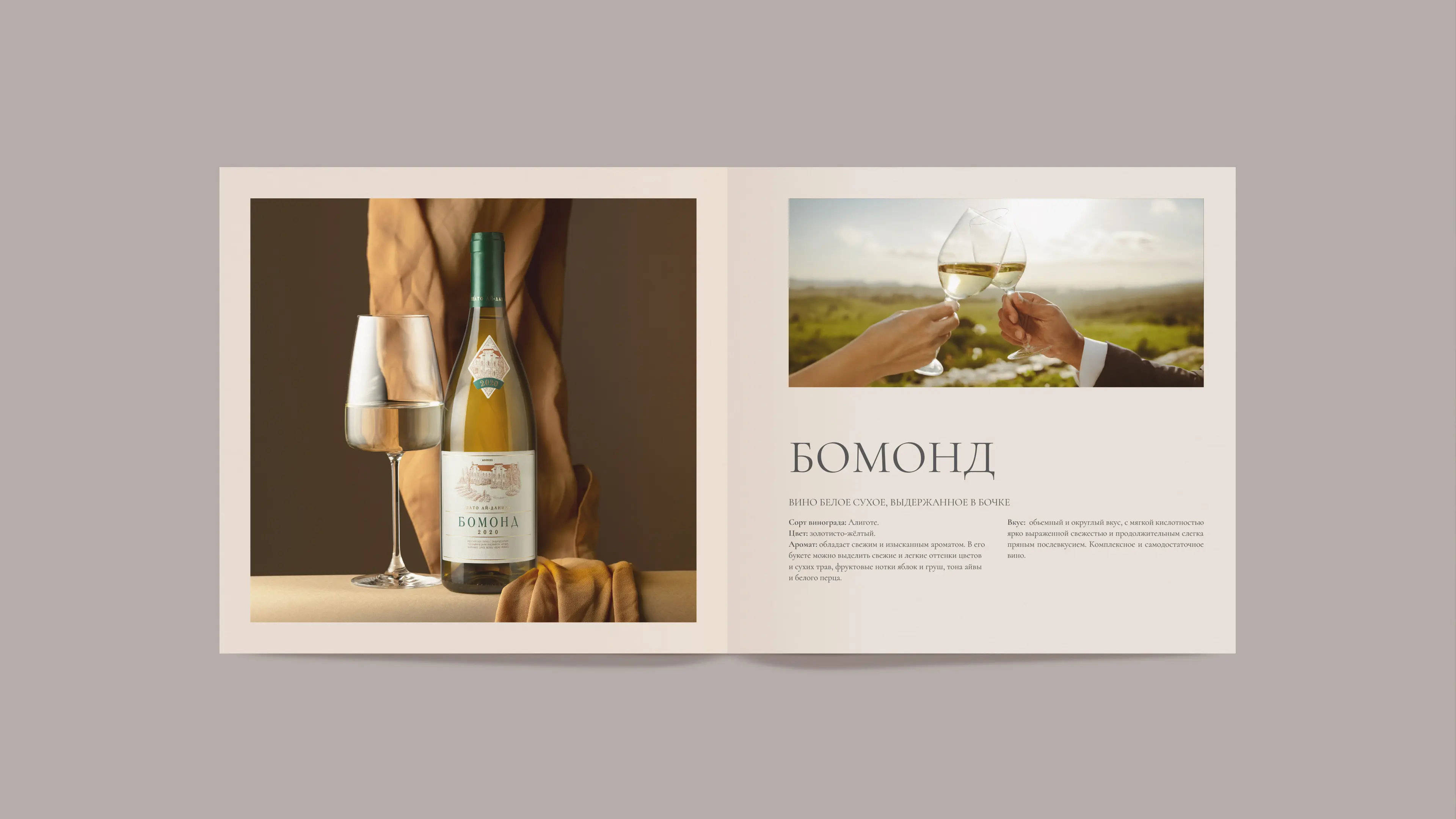
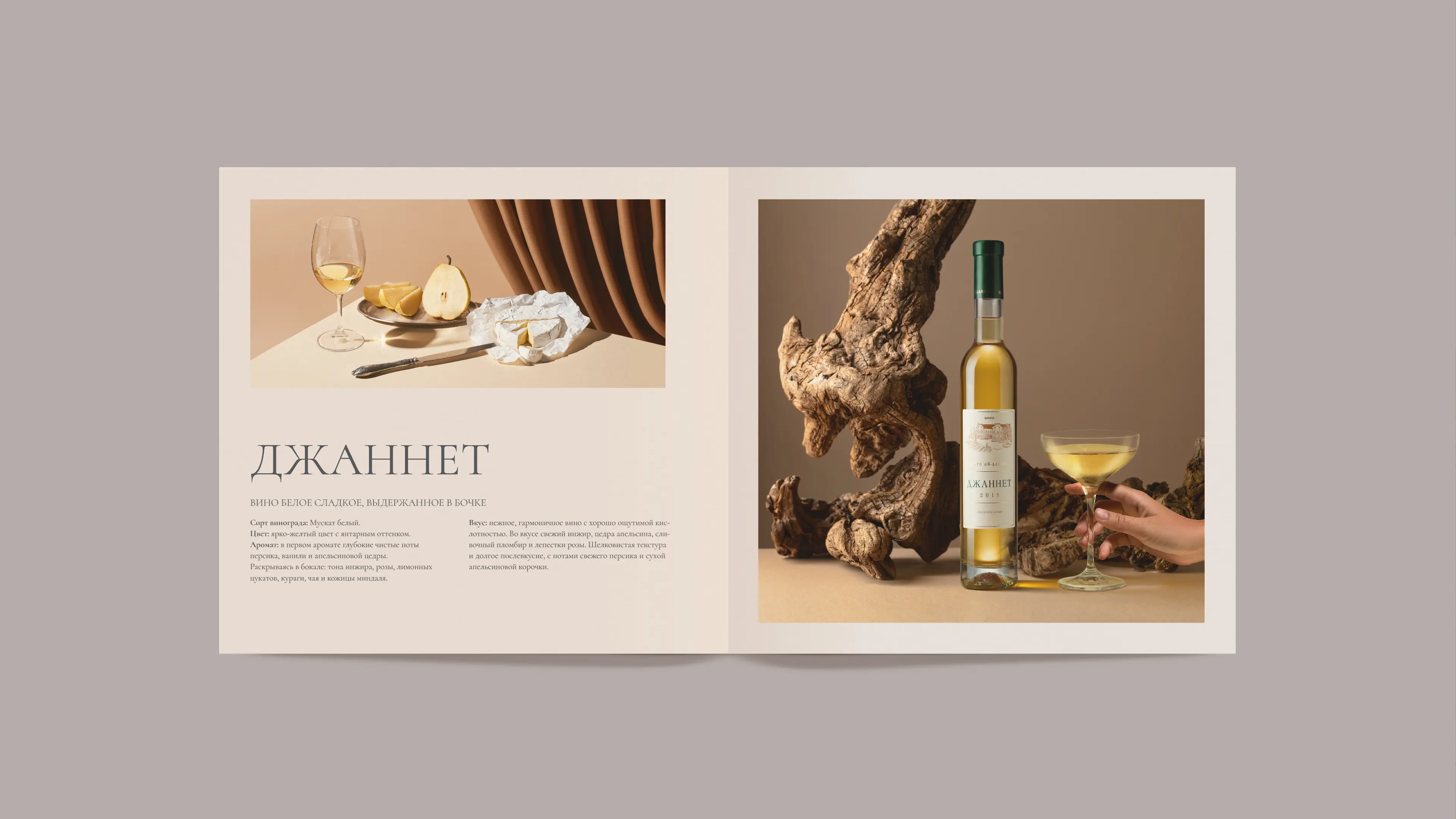
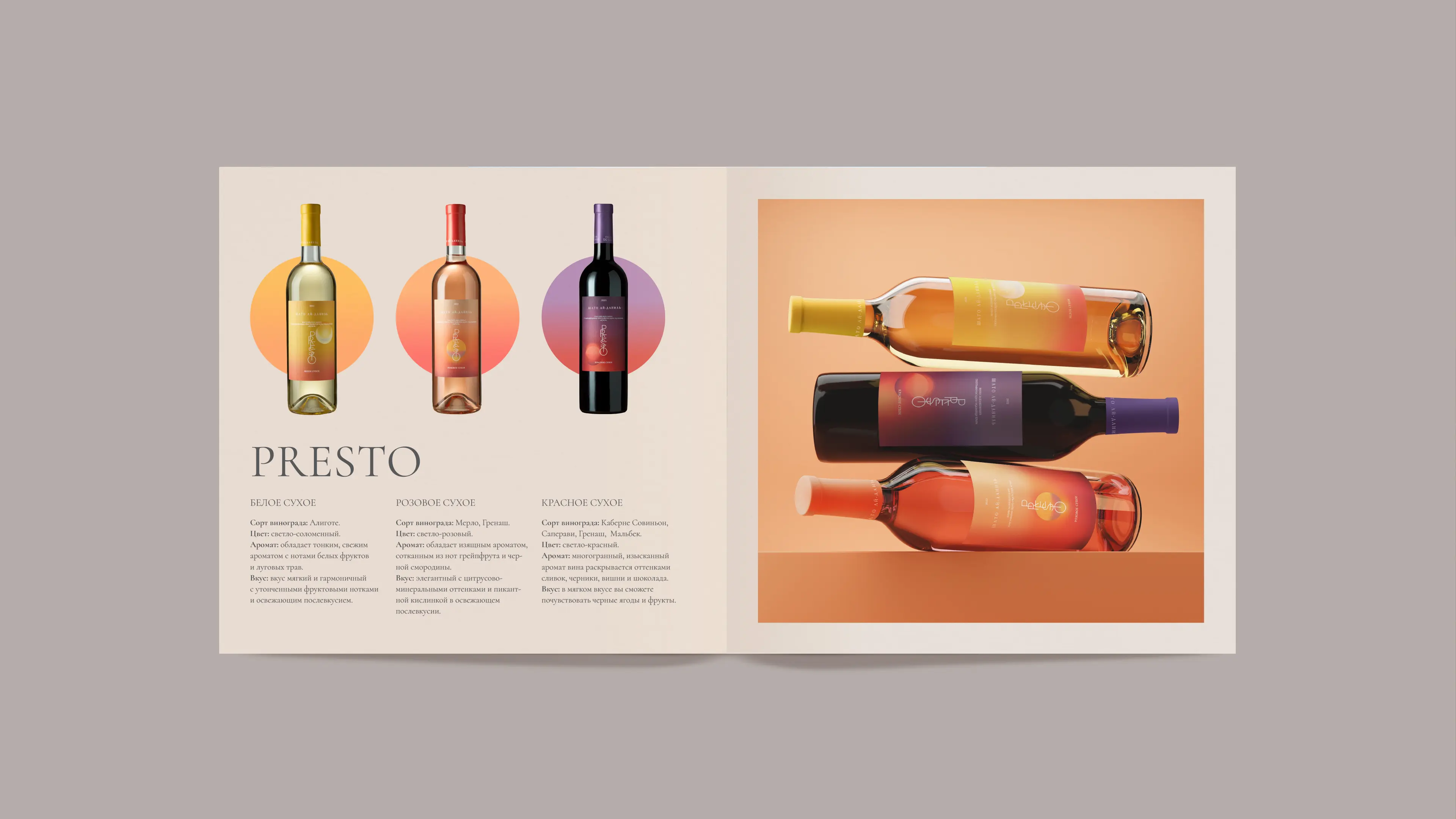
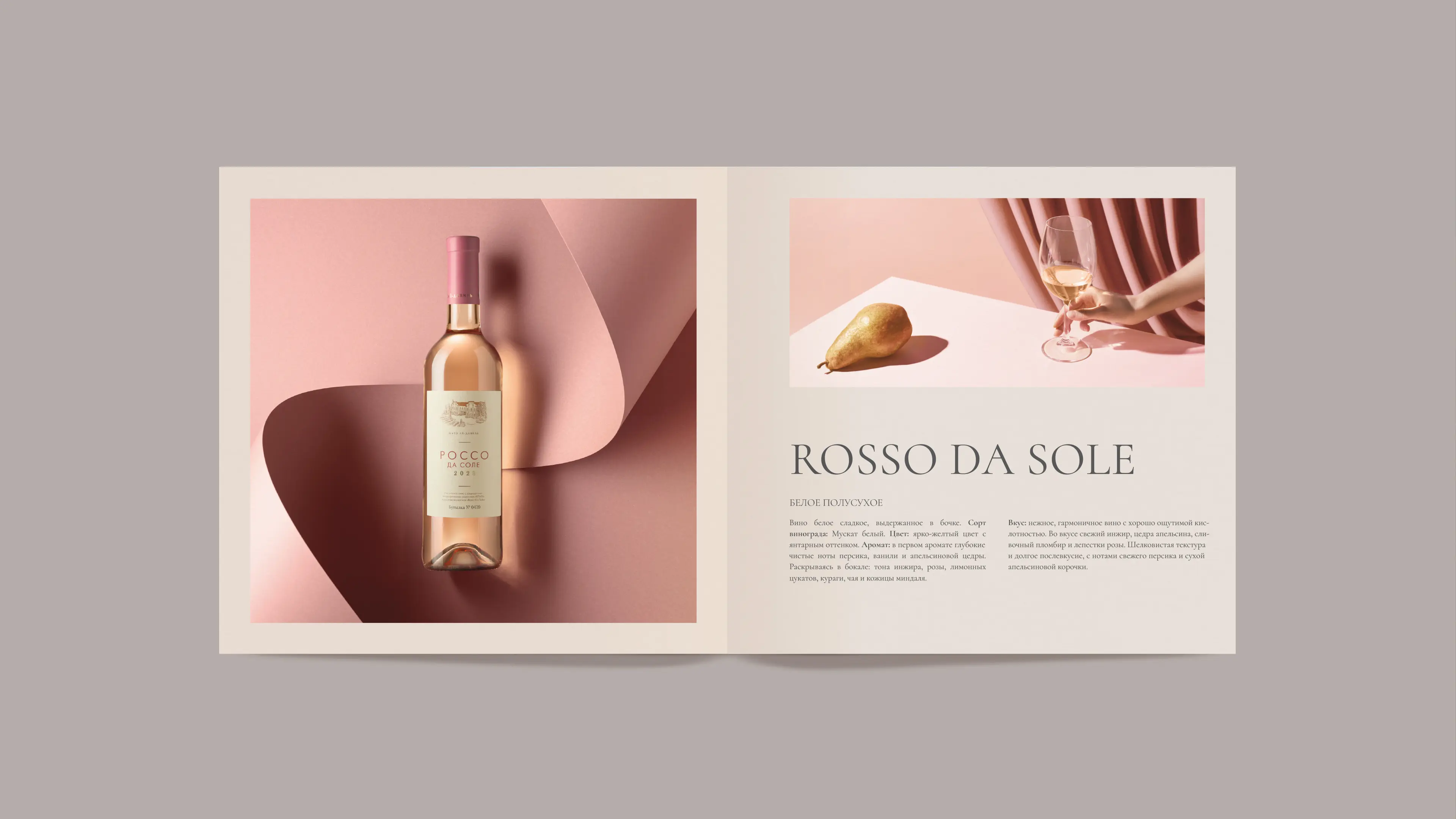
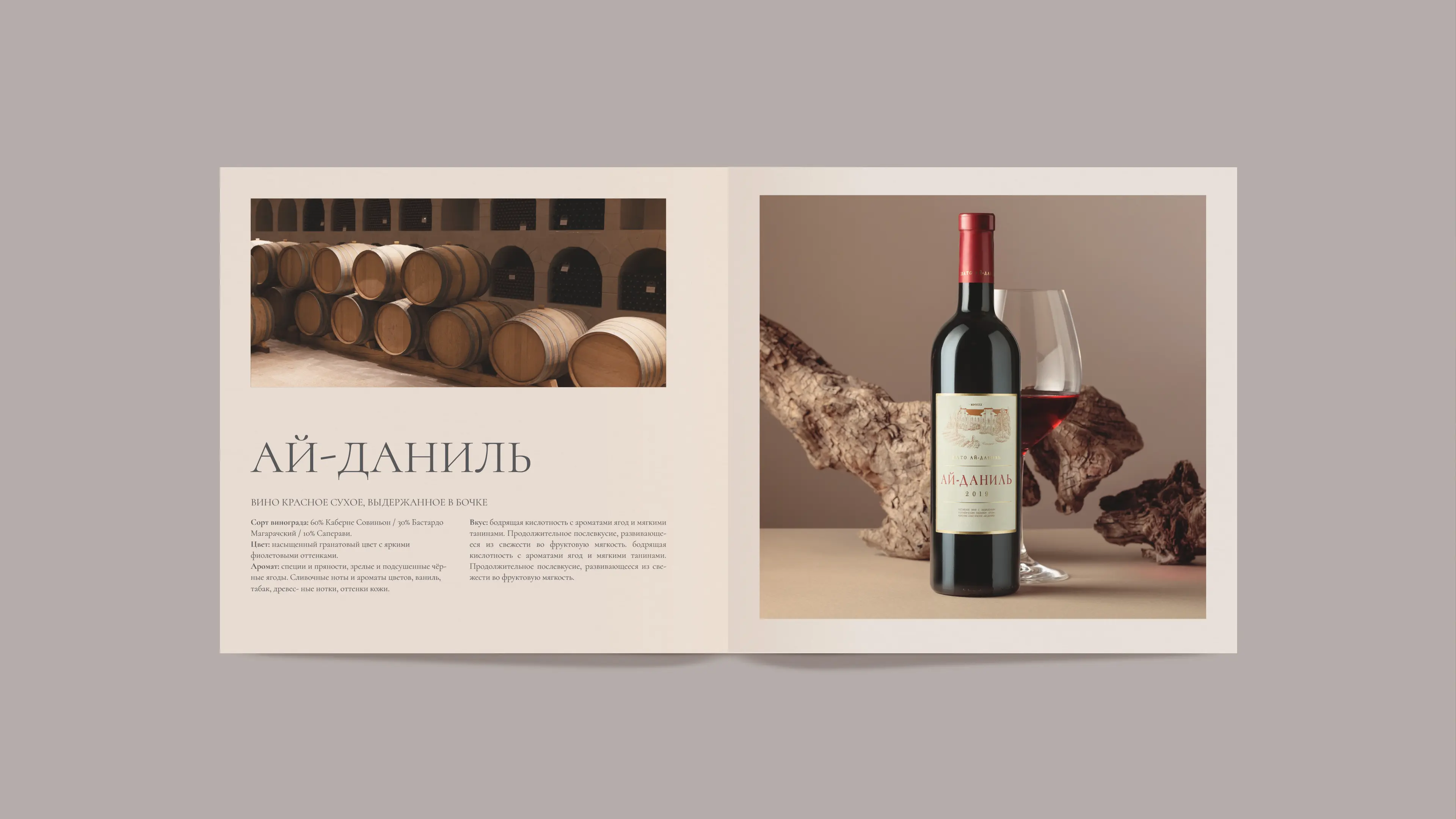
Catalogue photography creates visual content for print and digital catalogues to present a product range. Contemporary catalogues rely increasingly on imagery, combining advertising, fashion, and product photography to showcase goods or services as persuasively as possible. An accurate visual presentation reduces uncertainty, while high-quality photography builds confidence in the brand and increases purchase intent. A catalogue shoot requires clear objectives and a defined audience, selection of the appropriate type of photography, careful lighting and composition, post-production, and integration of the finished images into the design layout.

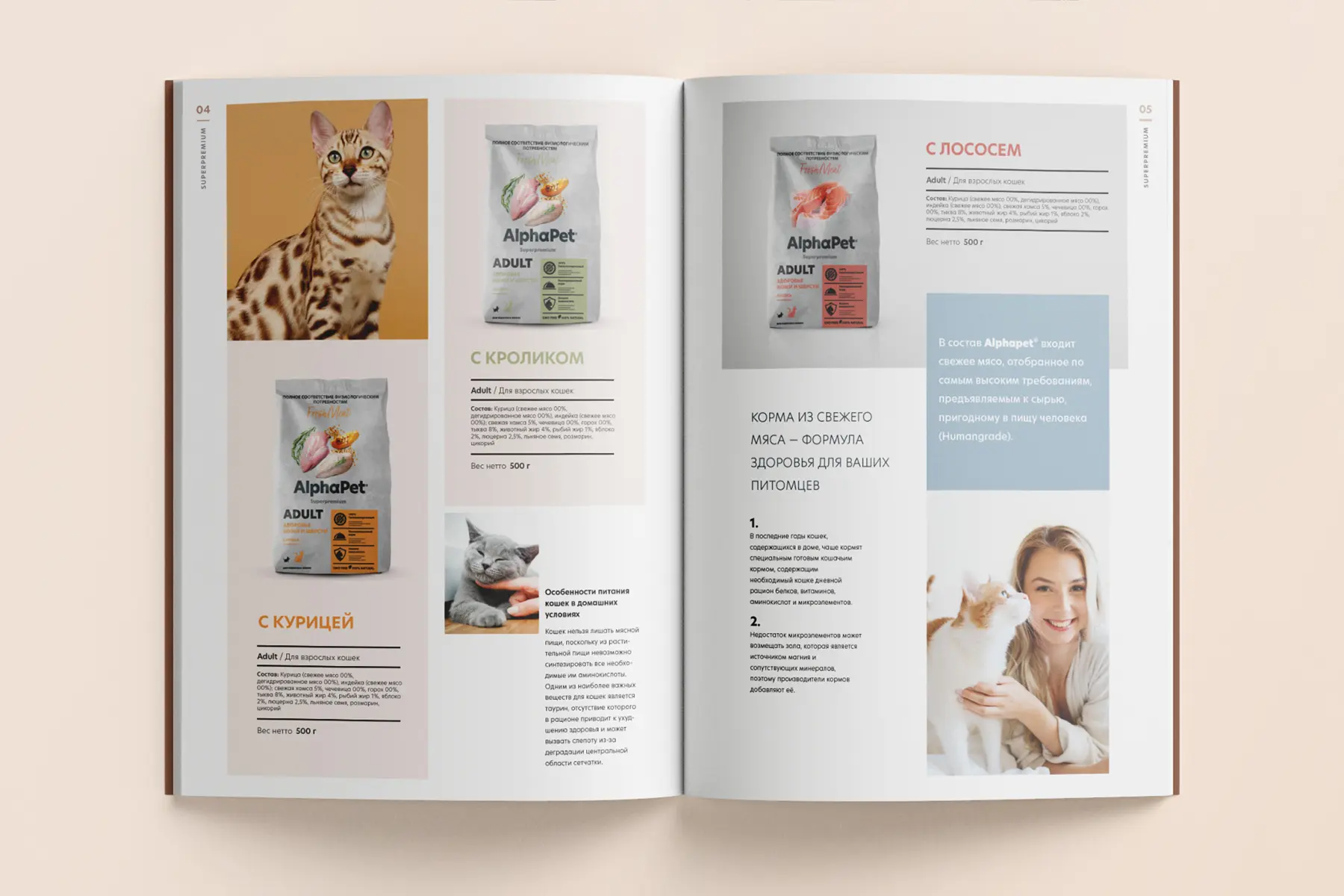
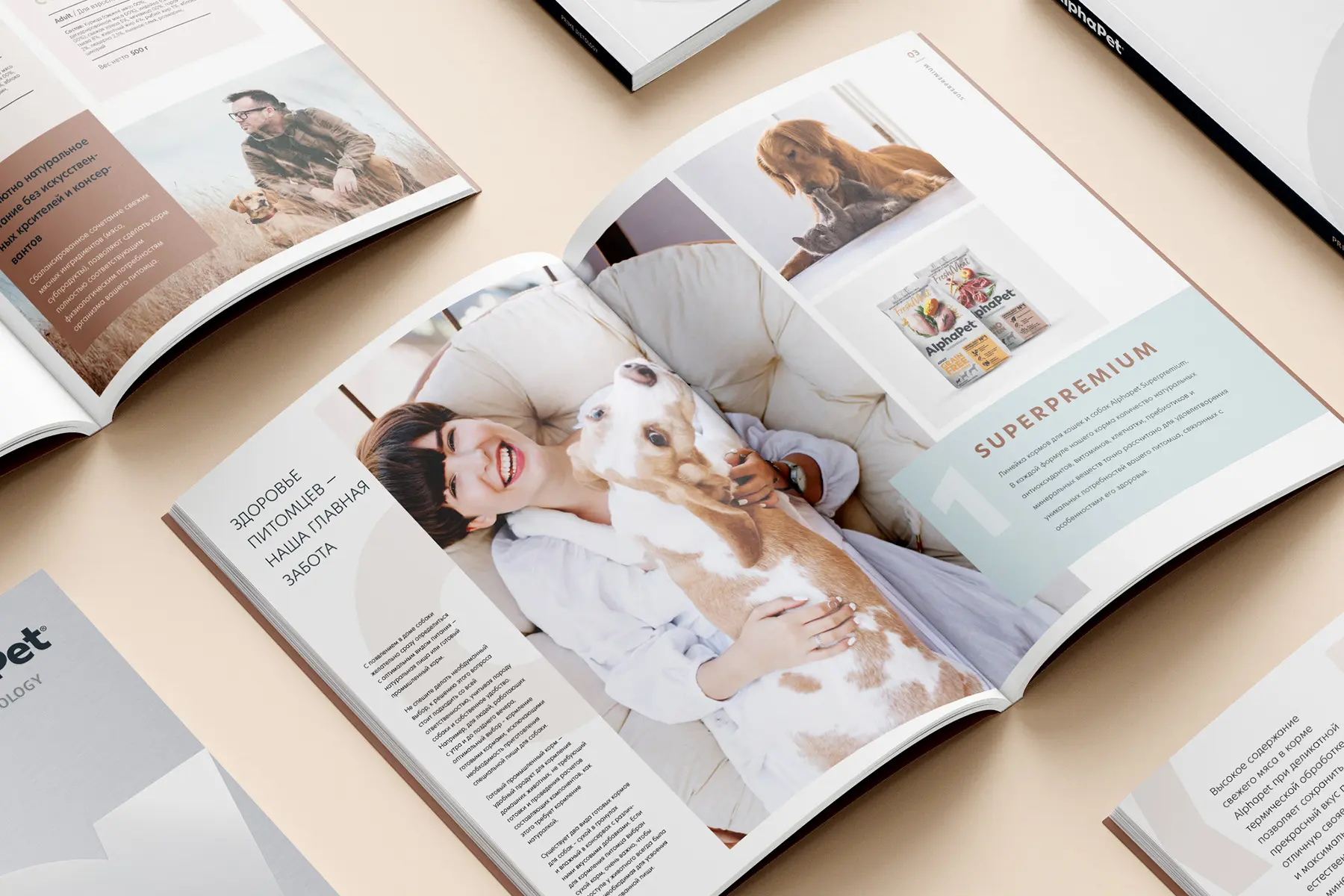
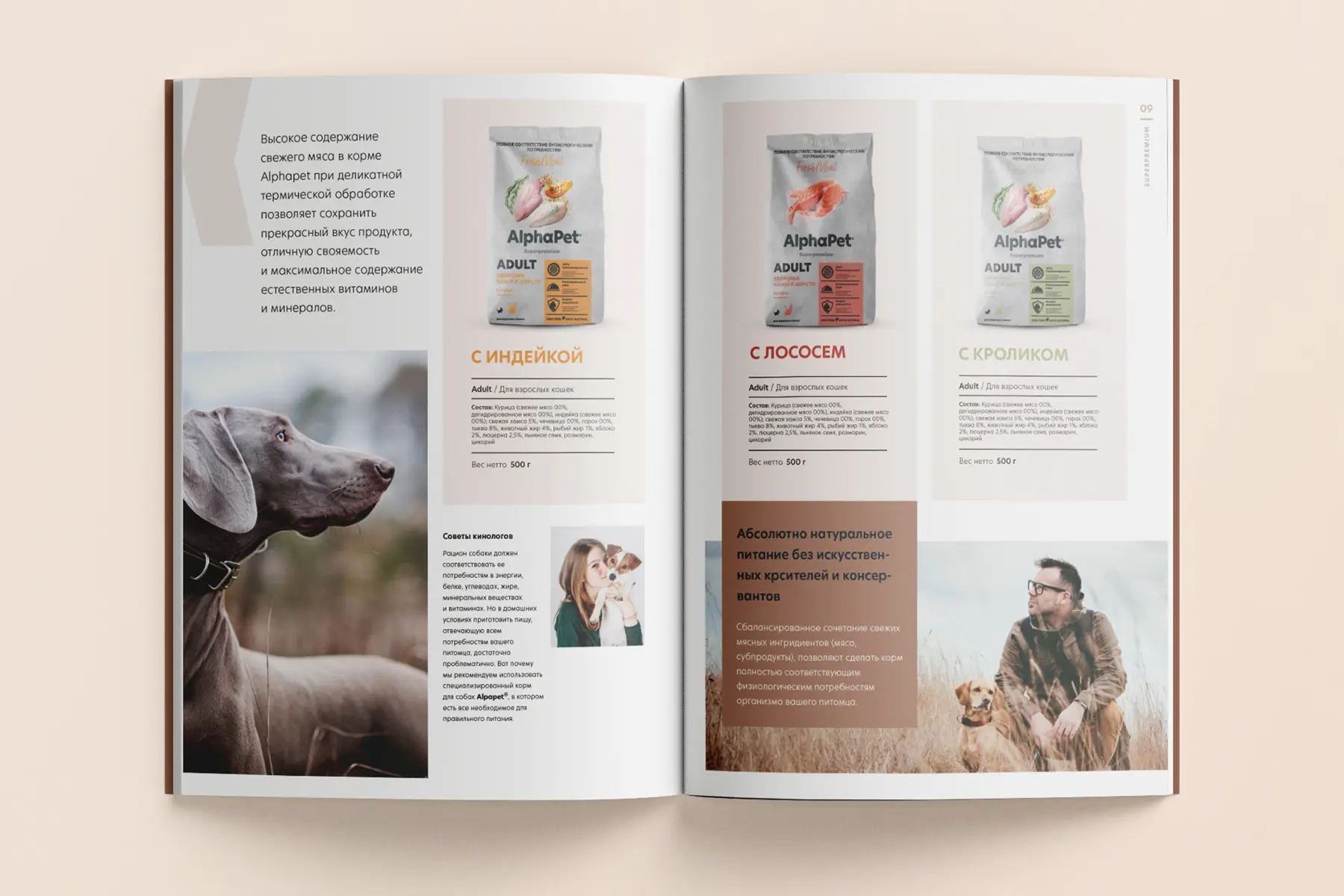
Developing a corporate catalogue involves creating a structured publication that communicates information visually and presents the organization’s services and distinctive positioning. A catalogue helps prospective clients assess the company quickly and understand its competitive advantages. Strong brand-building elements reinforce trust and can influence the decision to begin a business relationship. Achieving this result requires defining the catalogue’s objectives, planning its structure, developing visual presentations of case studies, and producing a professional design and layout.
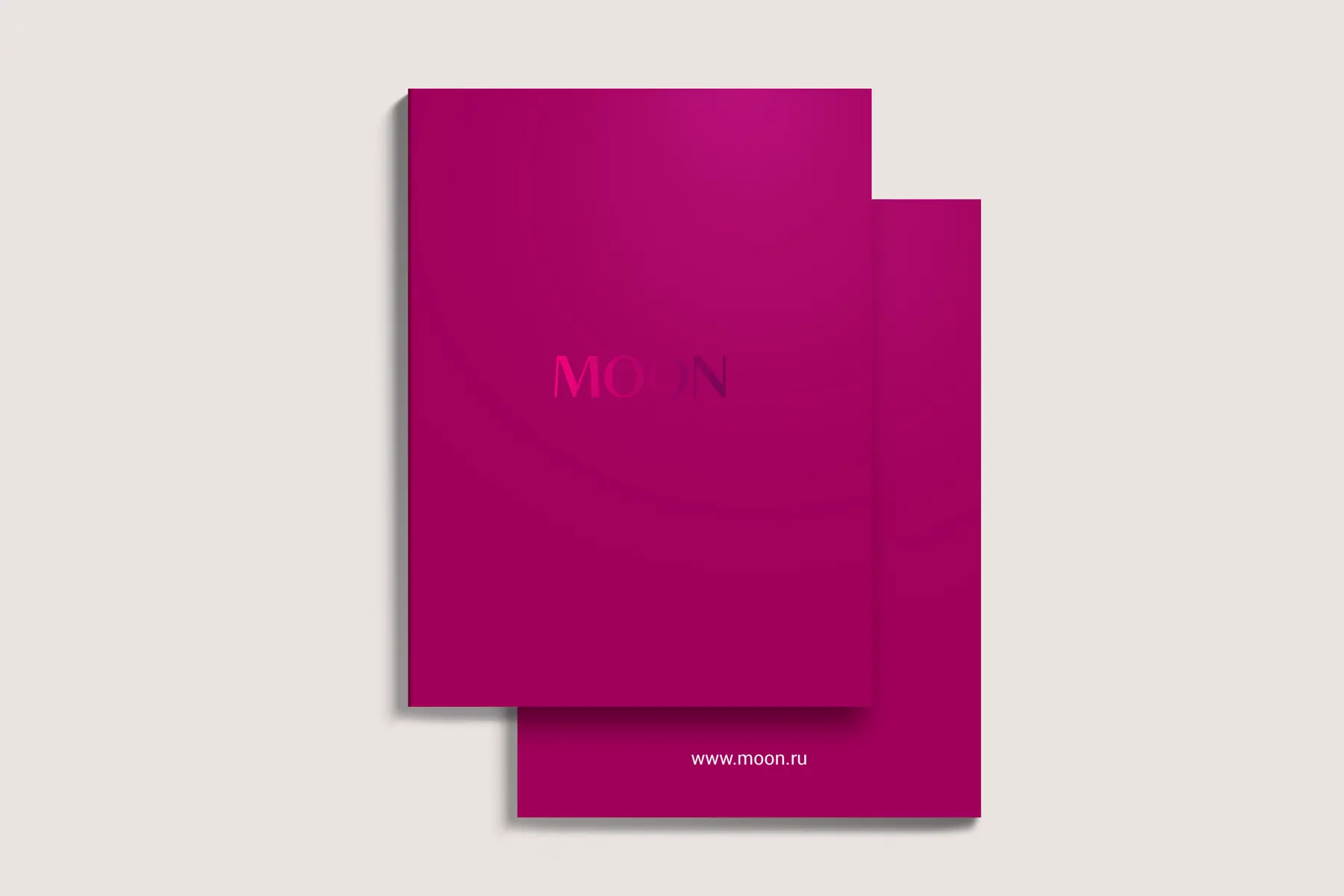
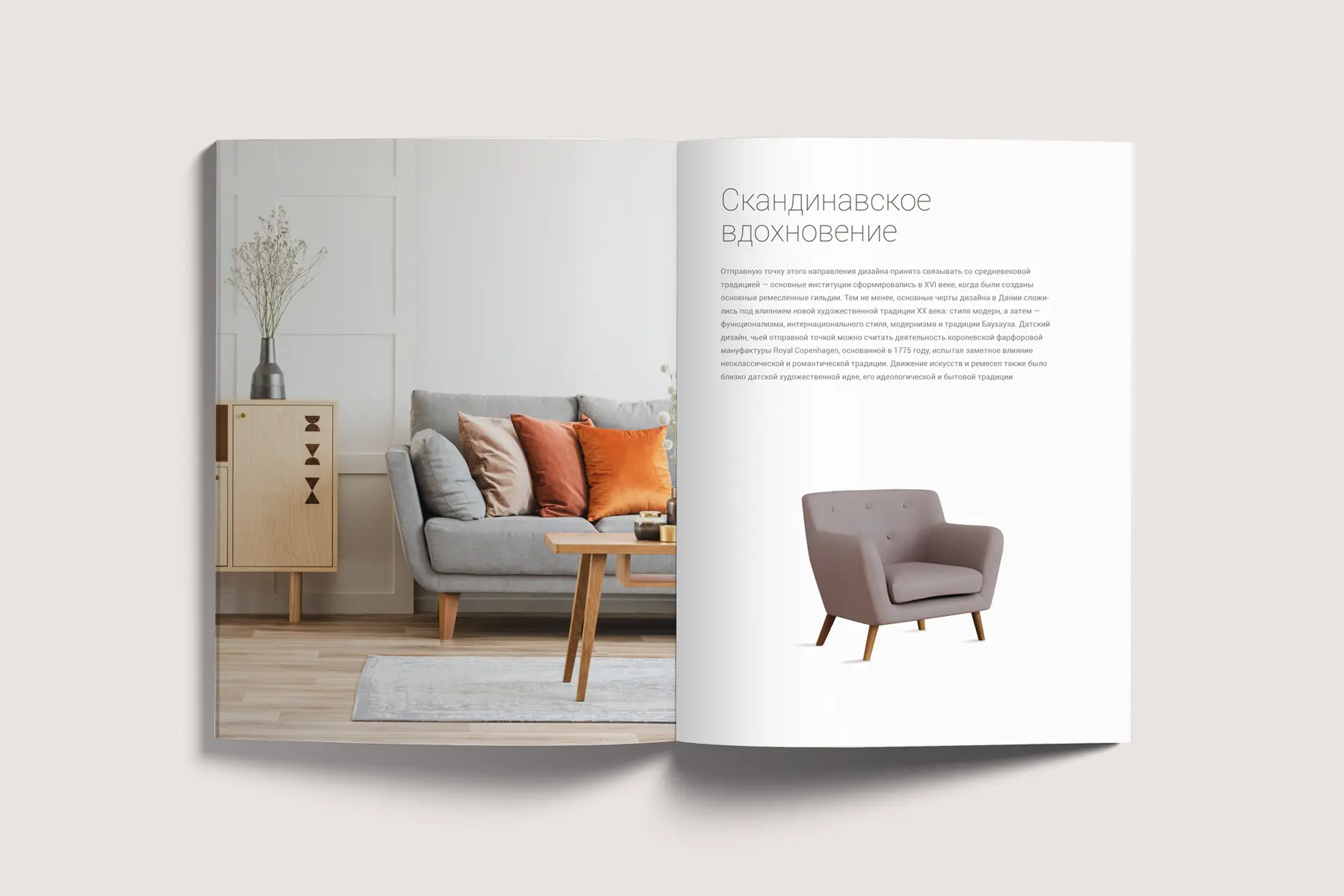
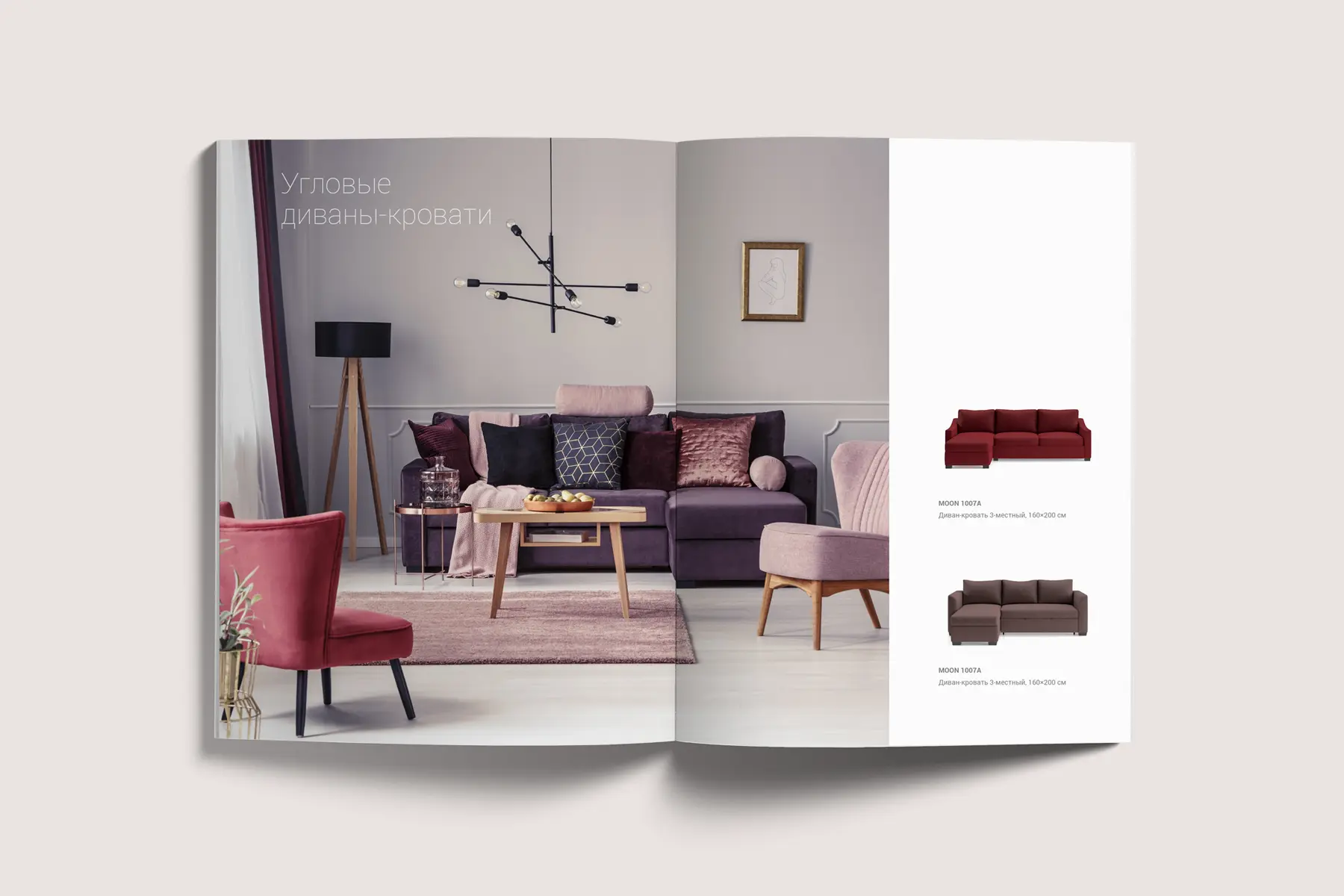
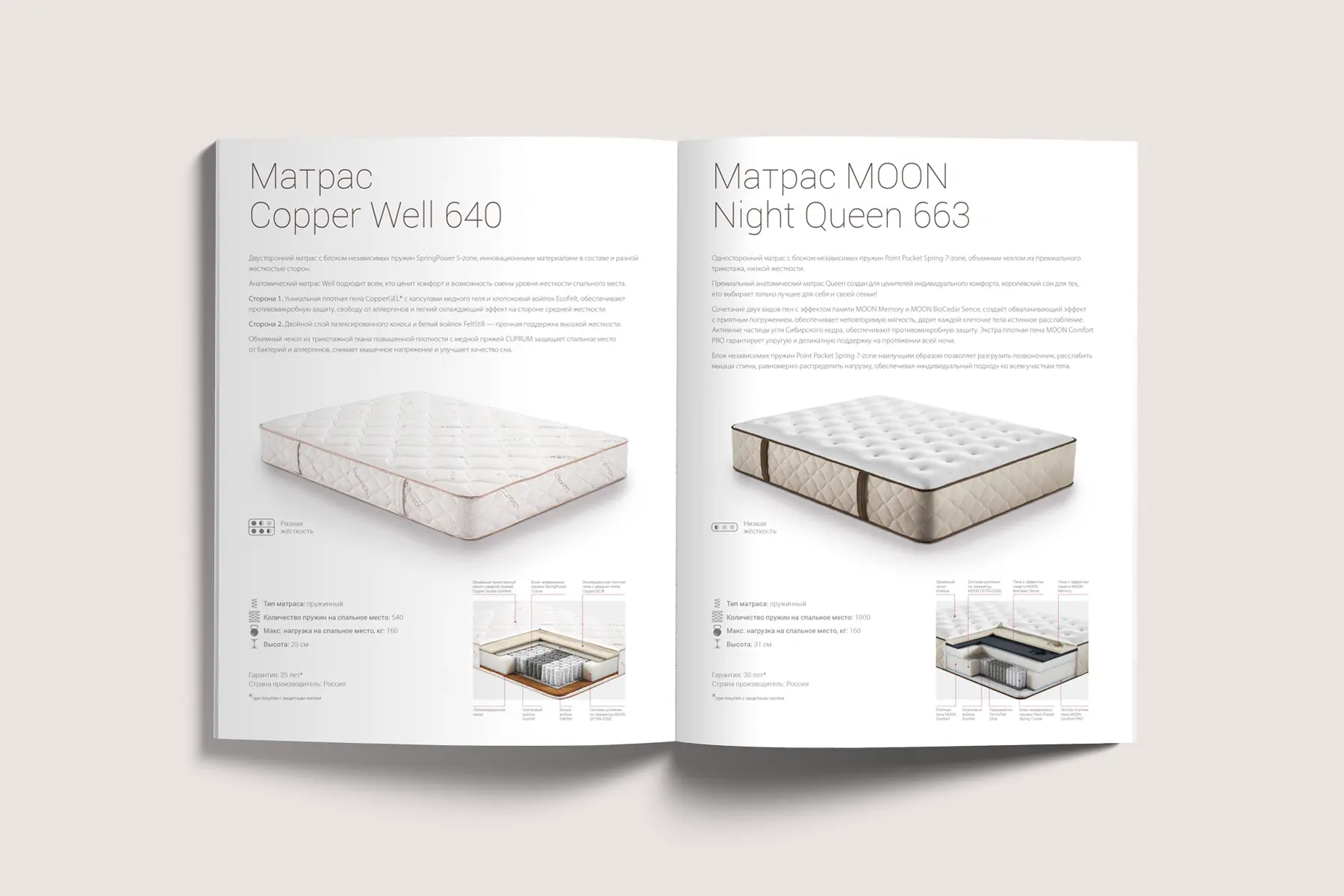
Furniture Catalogue Design presents furniture collections in an effective, engaging publication. Catalogue Design can showcase the full breadth of the range, turning the catalogue into a practical sales and communication tool for its target audience. Alongside clear information, the presentation must be inspiring enough to engage designers and architects whose recommendations influence interior choices. An effective catalogue combines a well-considered structure, an expressive visual style, commercial photography, and disciplined layout for easy reading and intuitive navigation.
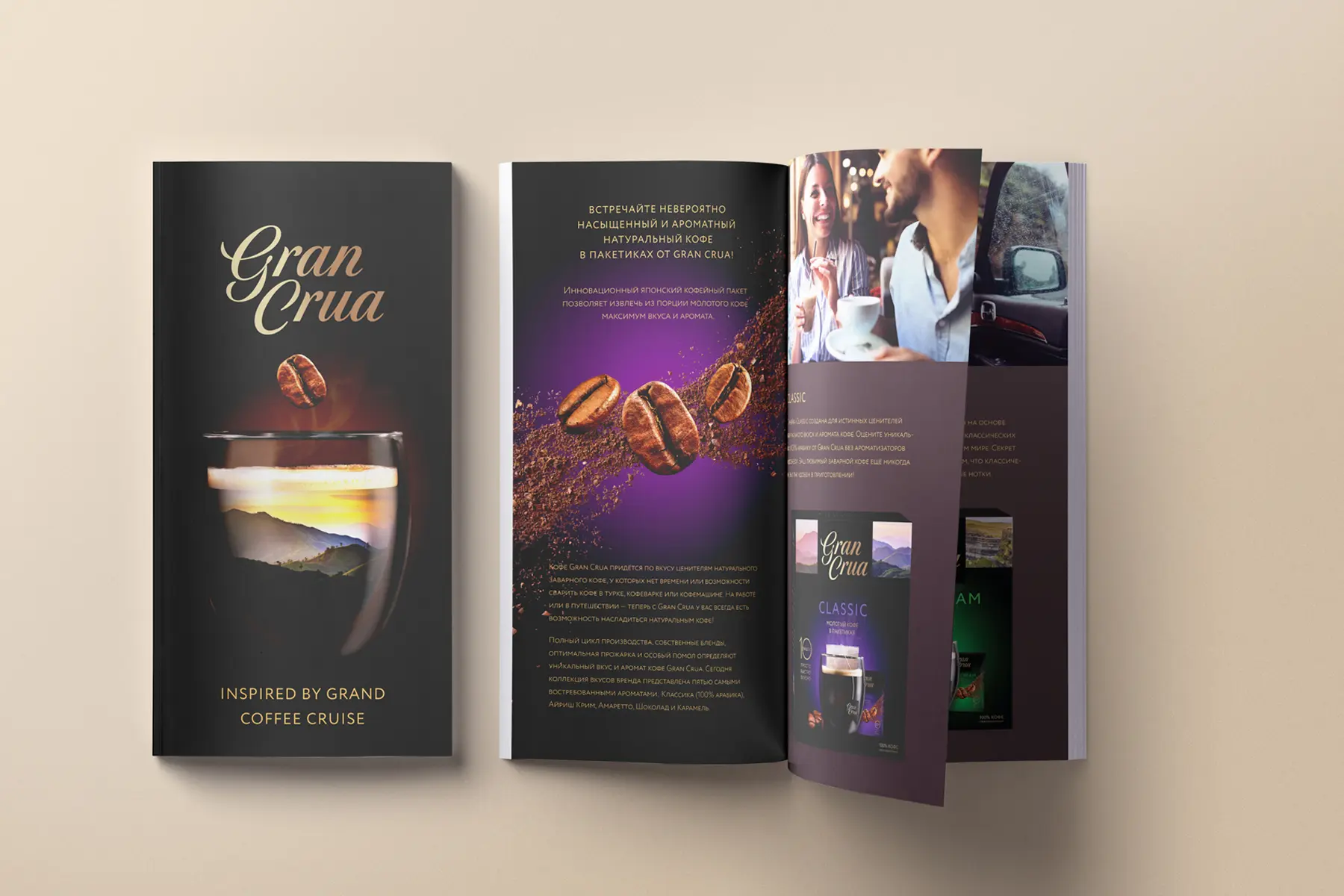
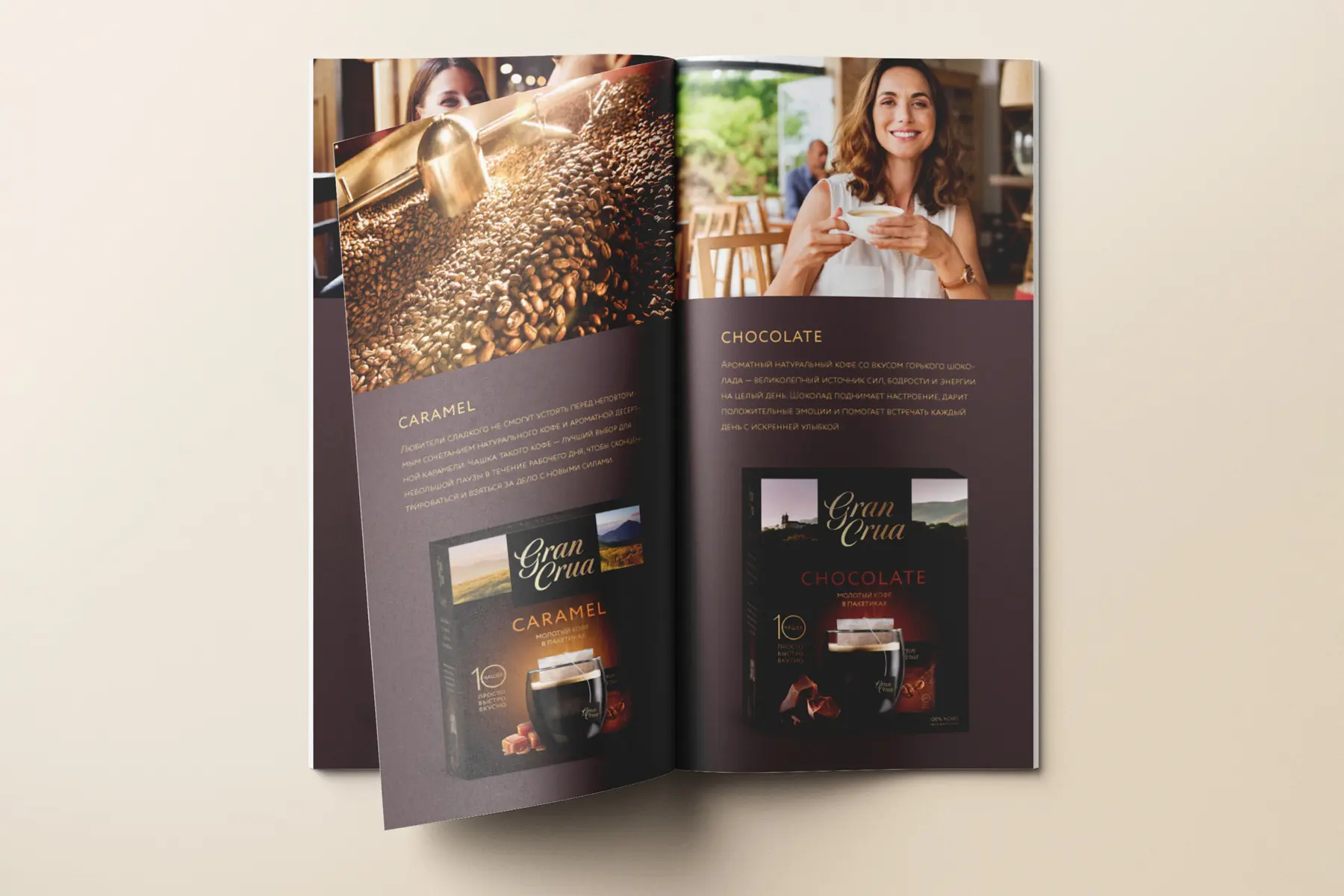
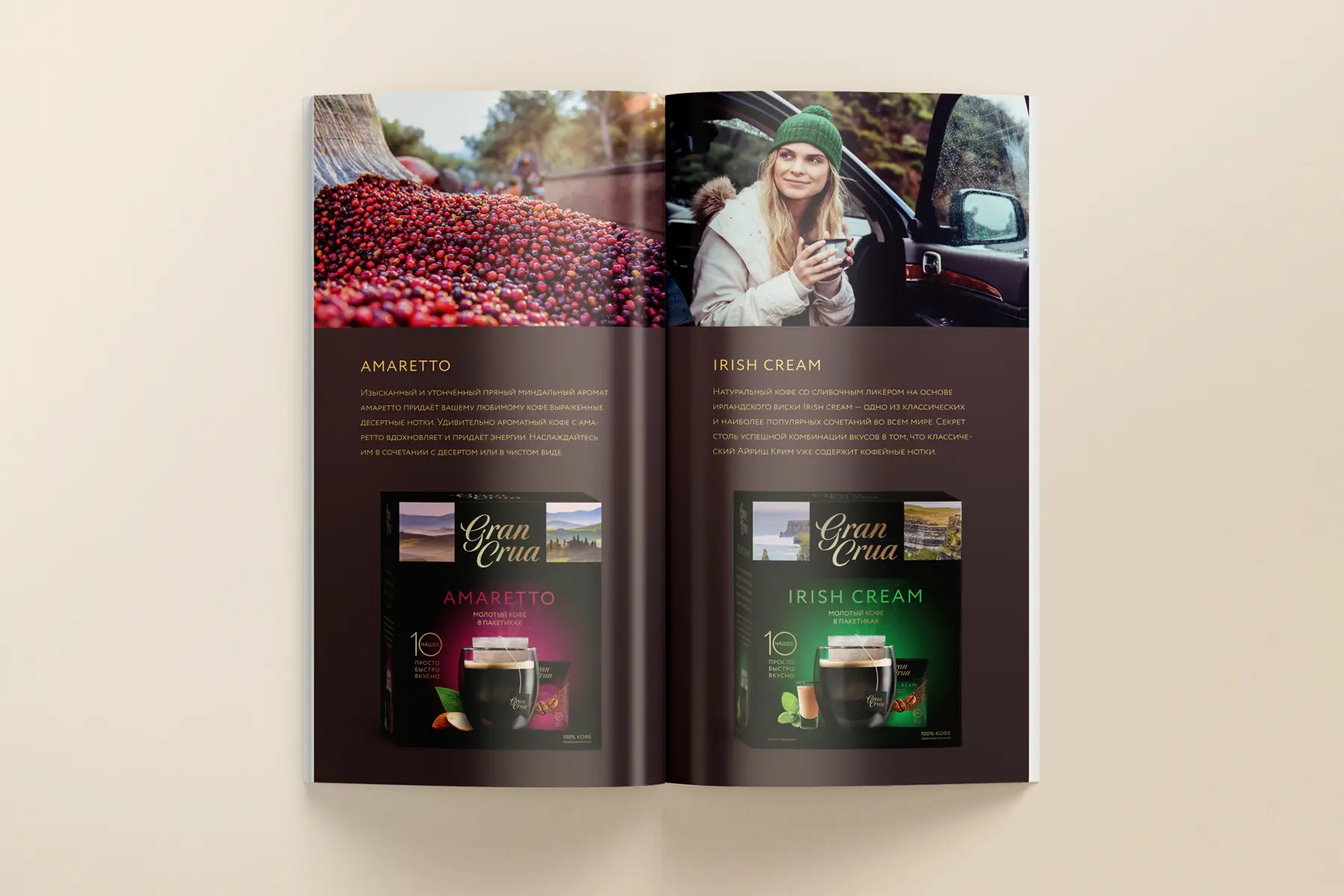
Brochure design gives visual and informational structure to a compact printed format that is easy to distribute and carry. Brochures are often produced as A4 sheets with two folds, making them compact and adaptable to different amounts of content. Concise communication and relatively low production costs make brochures an efficient way to reach business audiences and build brand awareness. Creating a brochure requires defining its objectives and audience, planning its structure and content, selecting the optimal number of folds, developing a polished layout, and preparing the files for print.
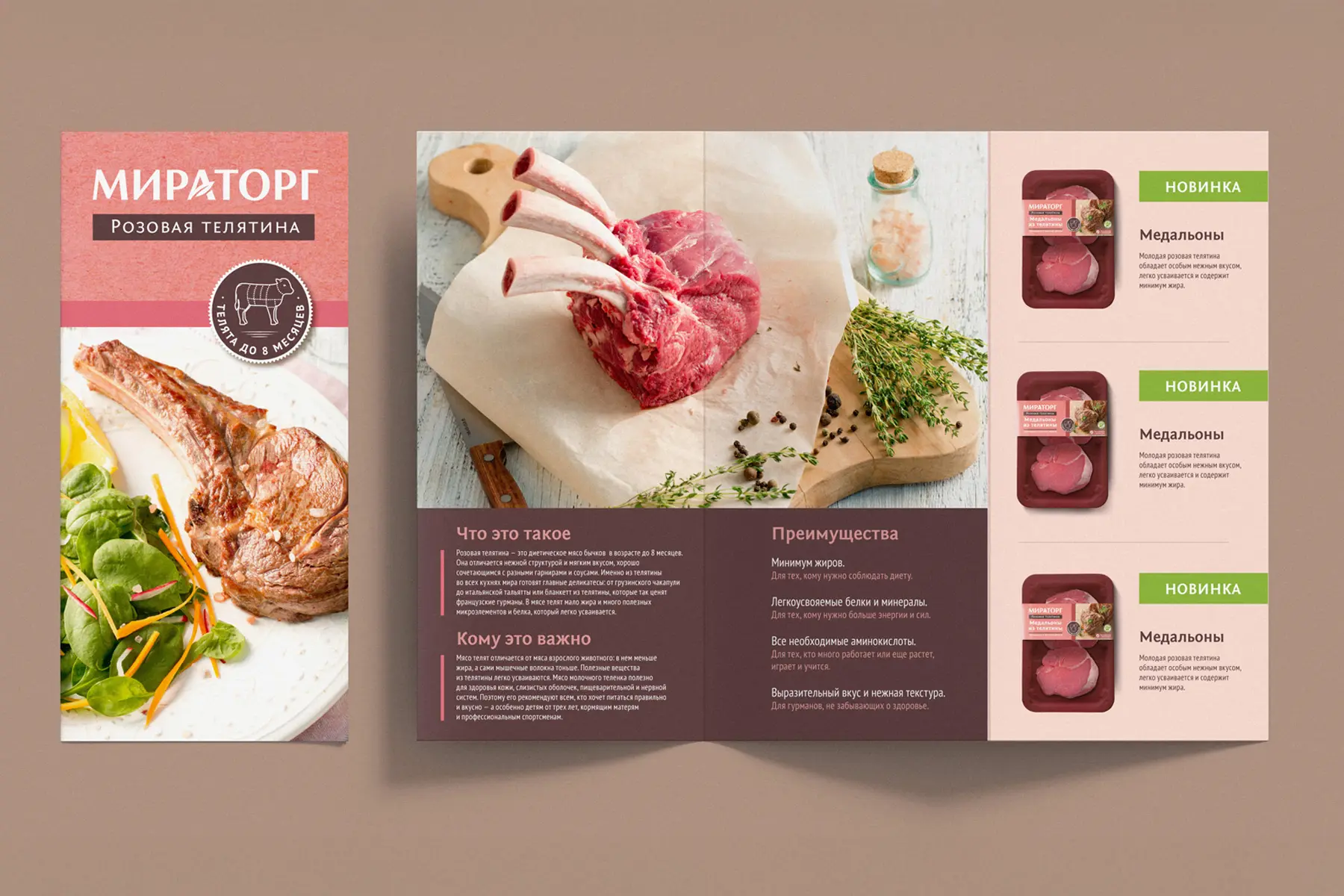
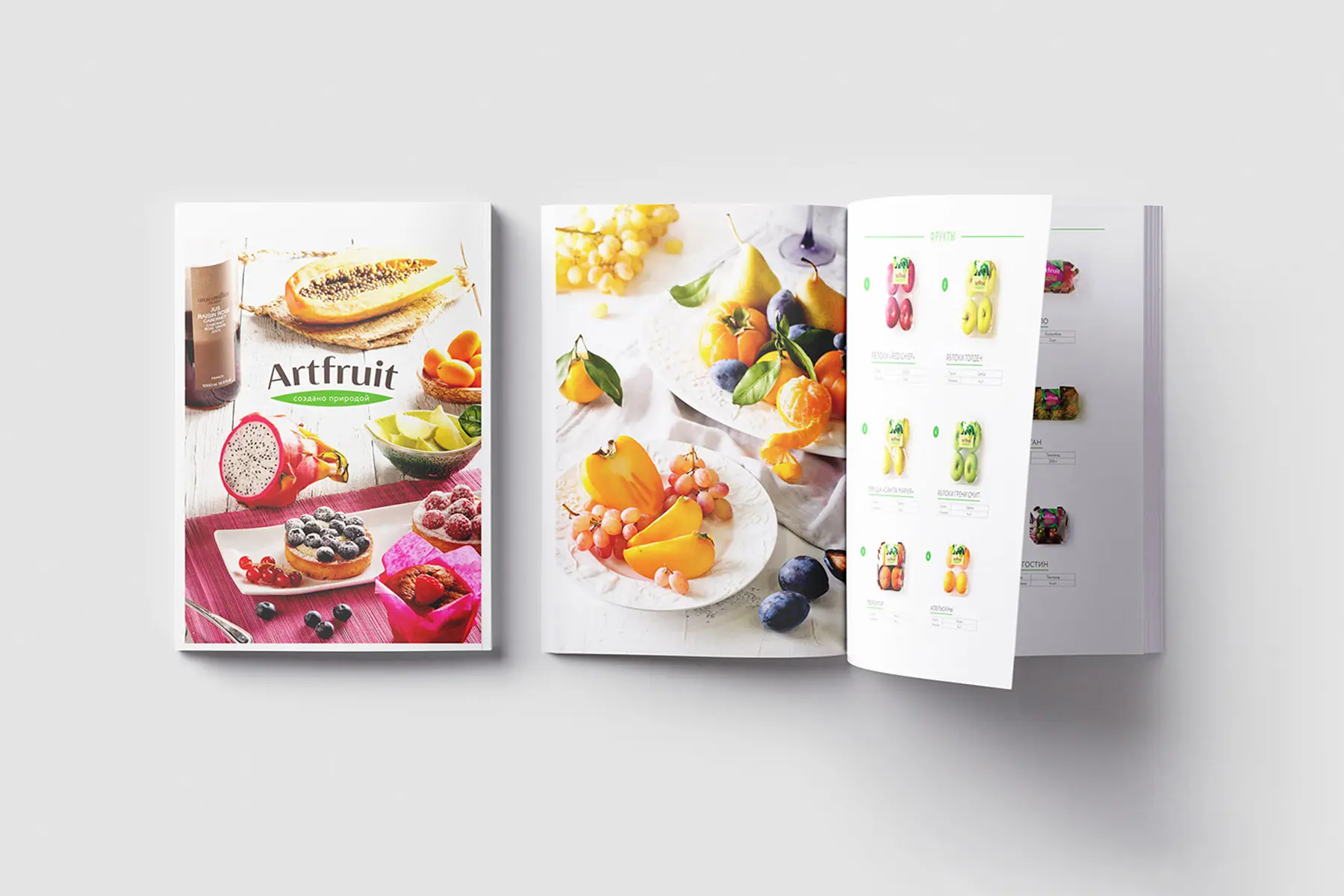
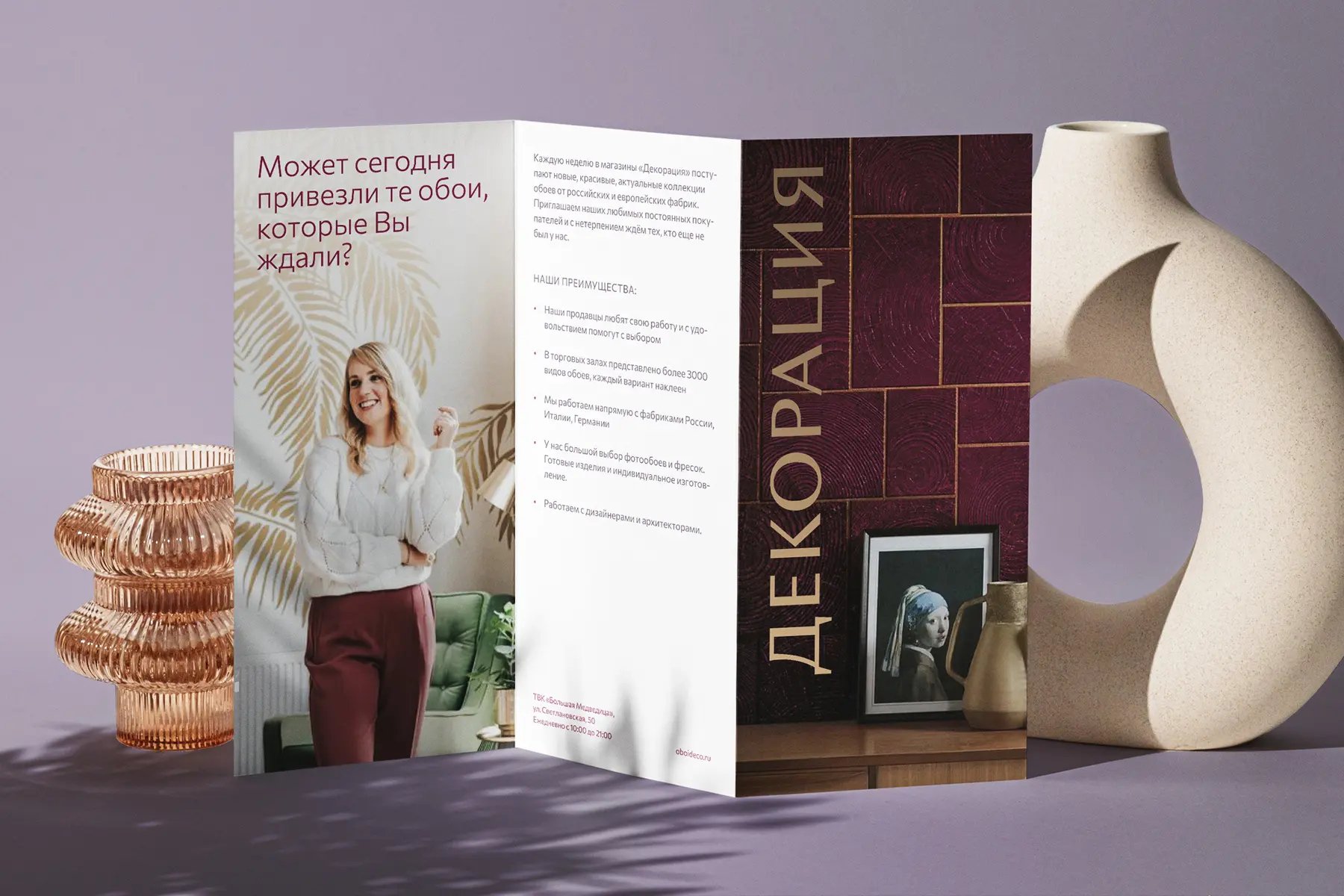
Brochure development involves preparing copy and visual content that presents a company’s products or services in a compact printed format. At the planning stage, the brochure’s structure is established to organize the material and emphasize the messages that matter most to the target audience. Selecting the format and page or panel count creates the right balance between content and usability, reinforcing confidence in the brand. Copy preparation and content refinement complete the development process. The finished artwork is then sent to print or prepared for digital distribution to maximize audience reach.
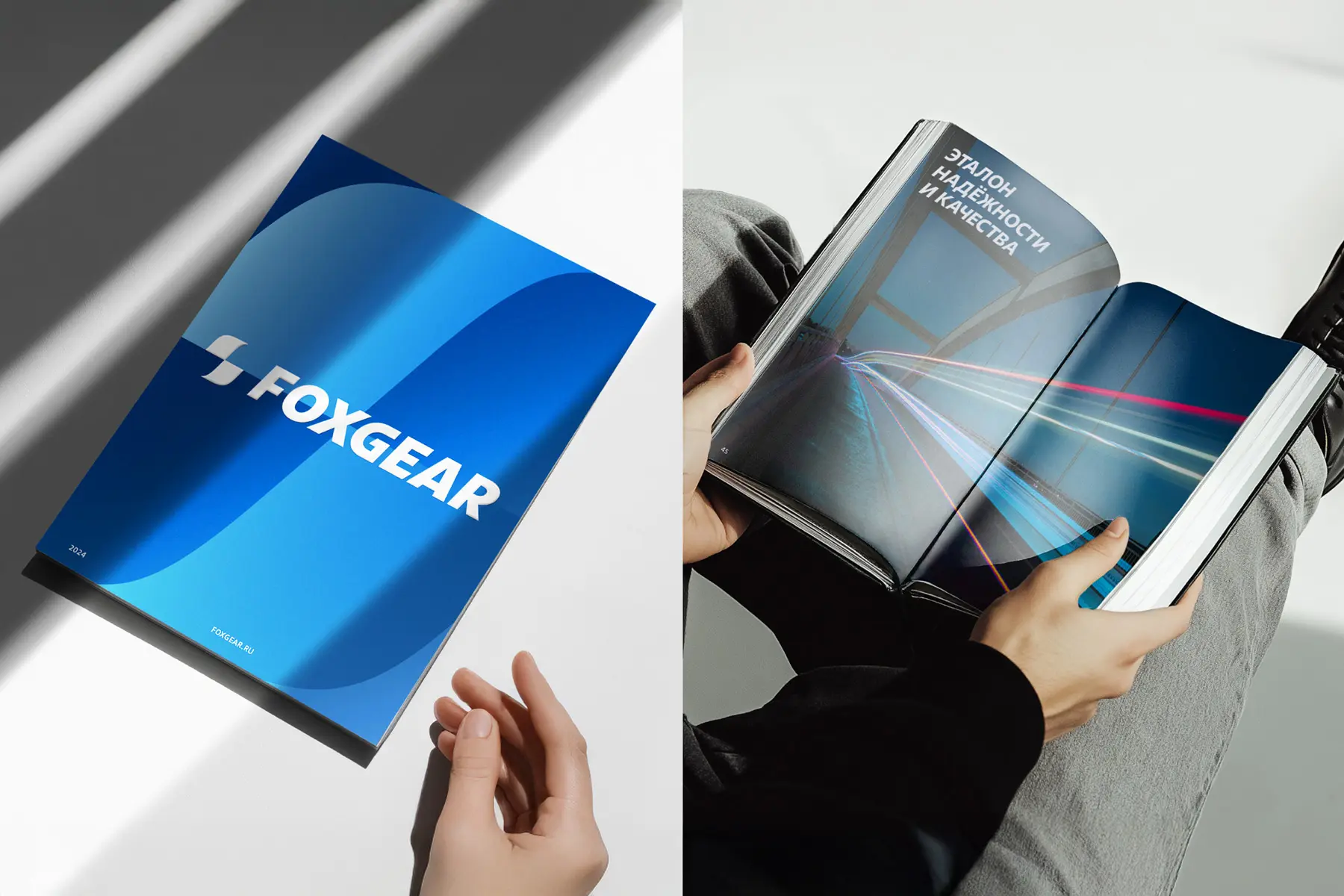
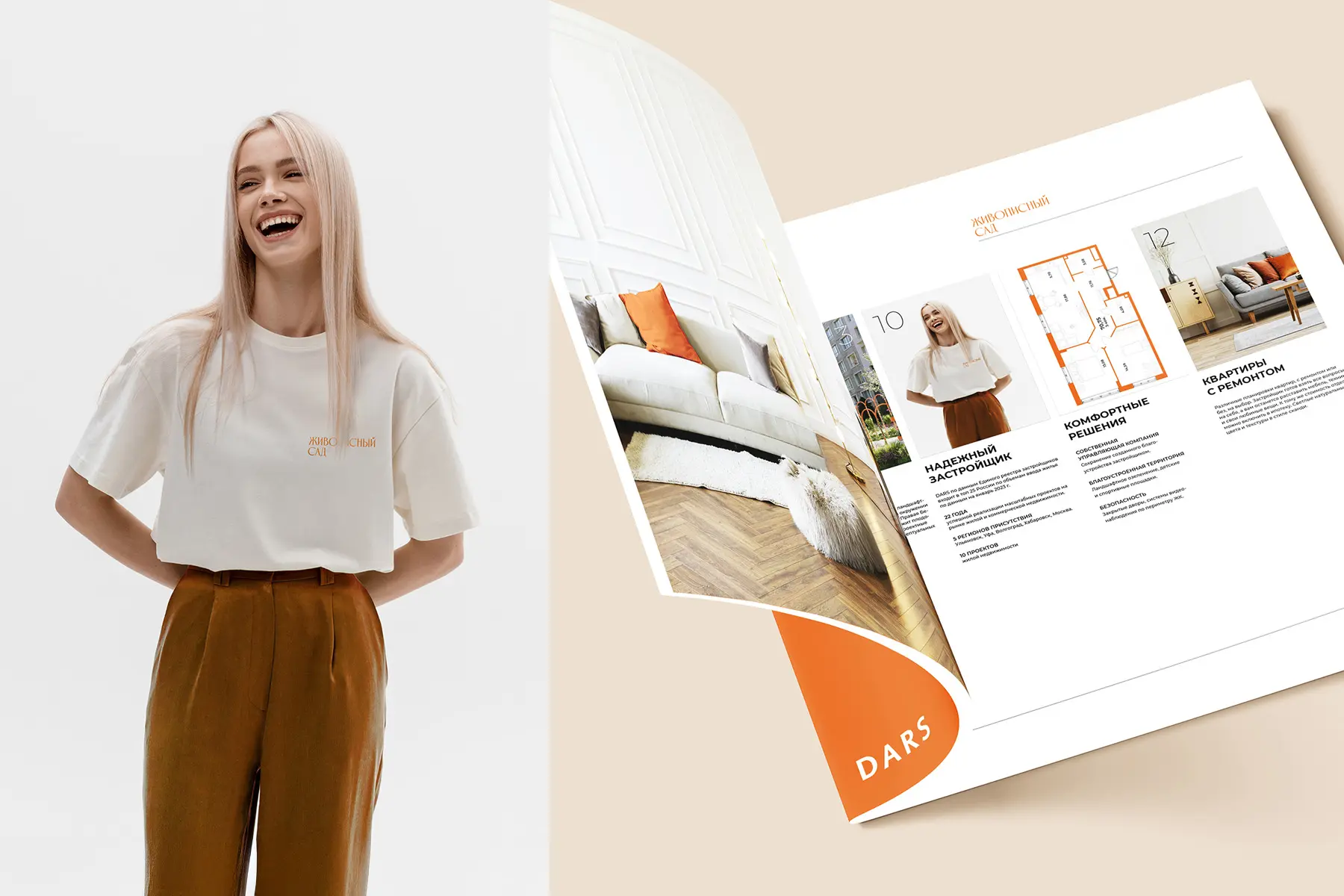
Presentation materials design covers presentations, catalogues, leaflets, and brochures that create a coherent visual representation of the company. Strong presentation design is essential for business meetings, negotiations, and conferences because it improves comprehension and supports a professional image. Digital presentations can be adapted quickly for both online and in-person use, allowing content to reach the target audience in the right format. The process includes analyzing the client’s needs, selecting the right format, developing the visual concept, and preparing final files for publication.
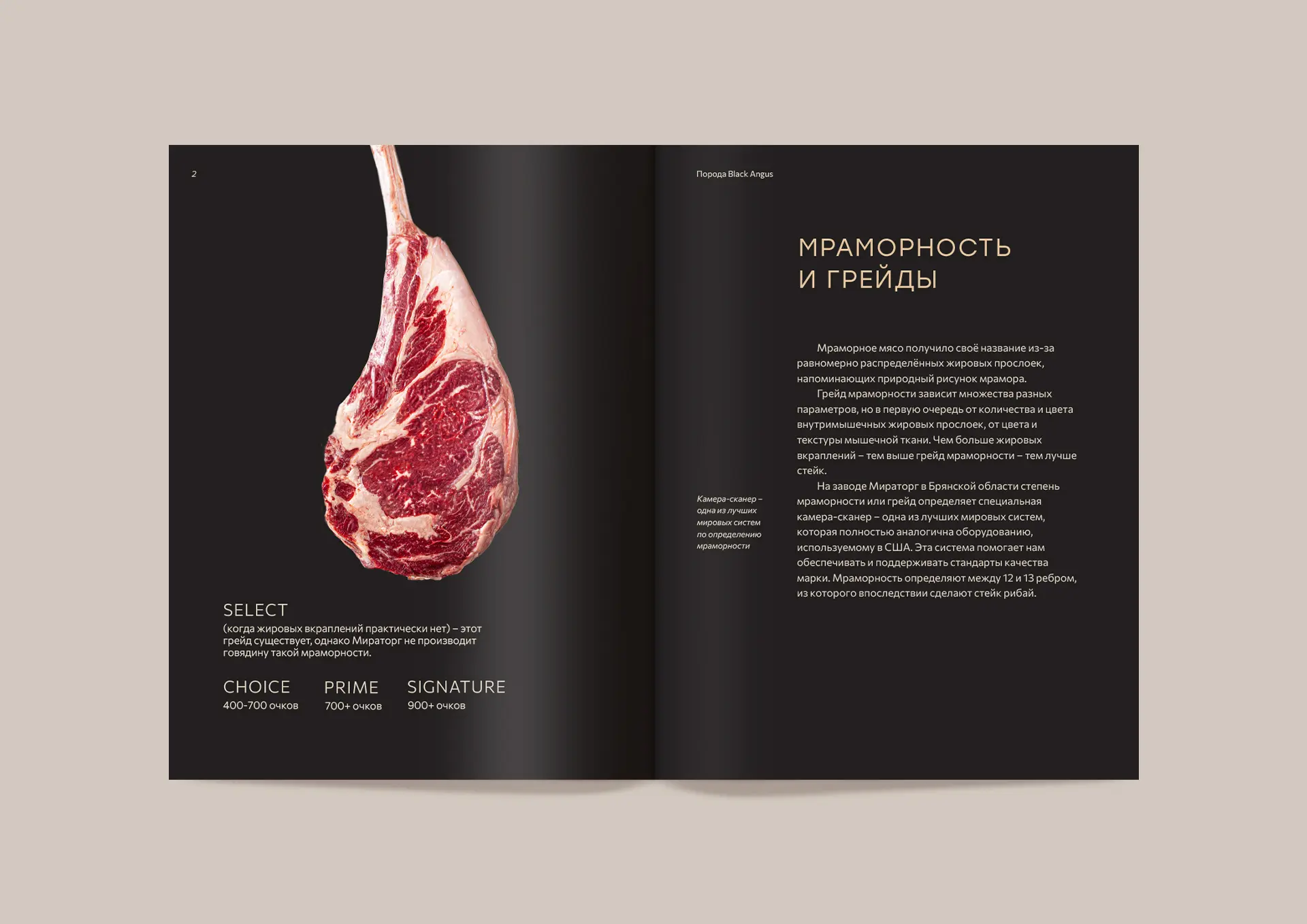
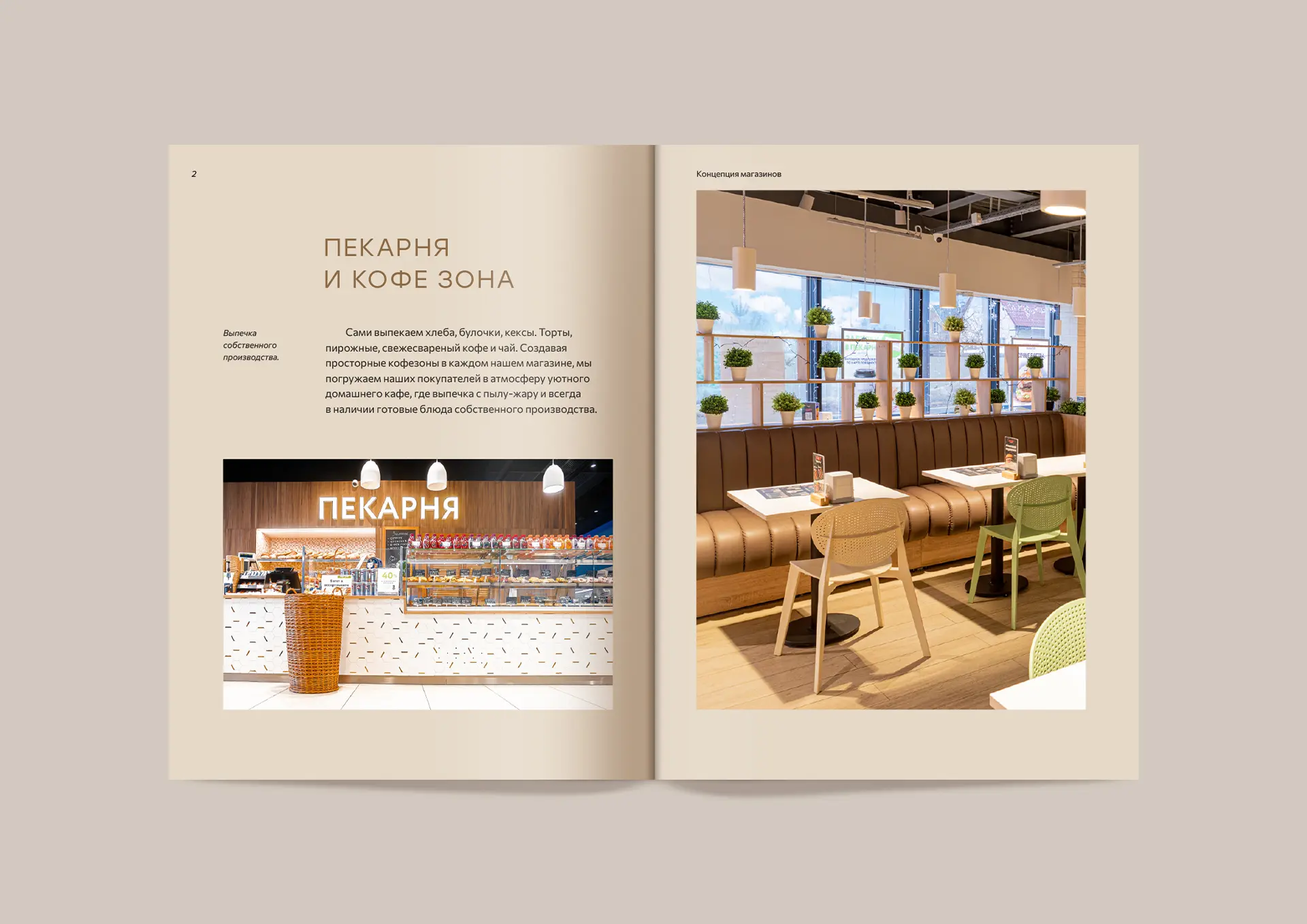
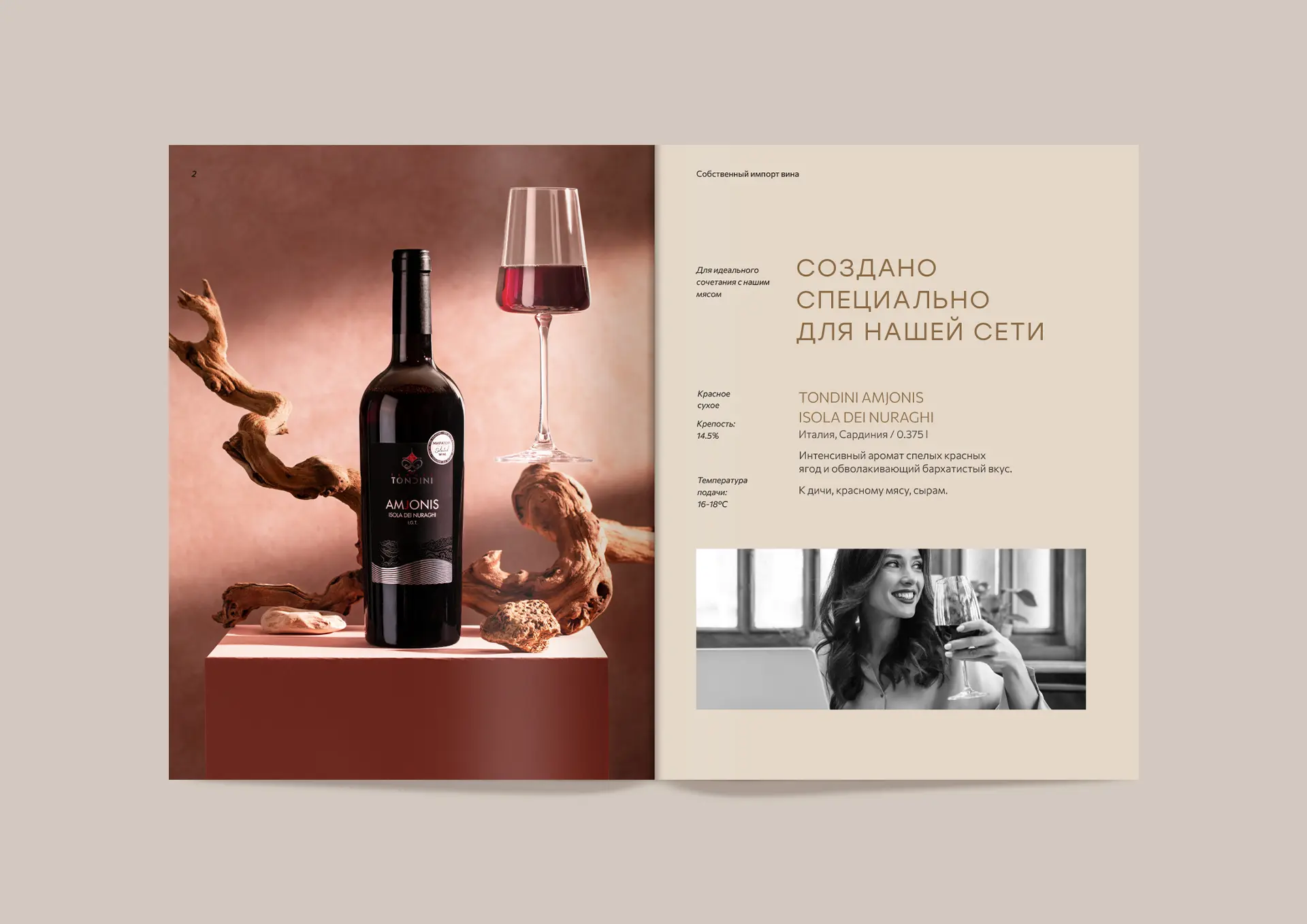
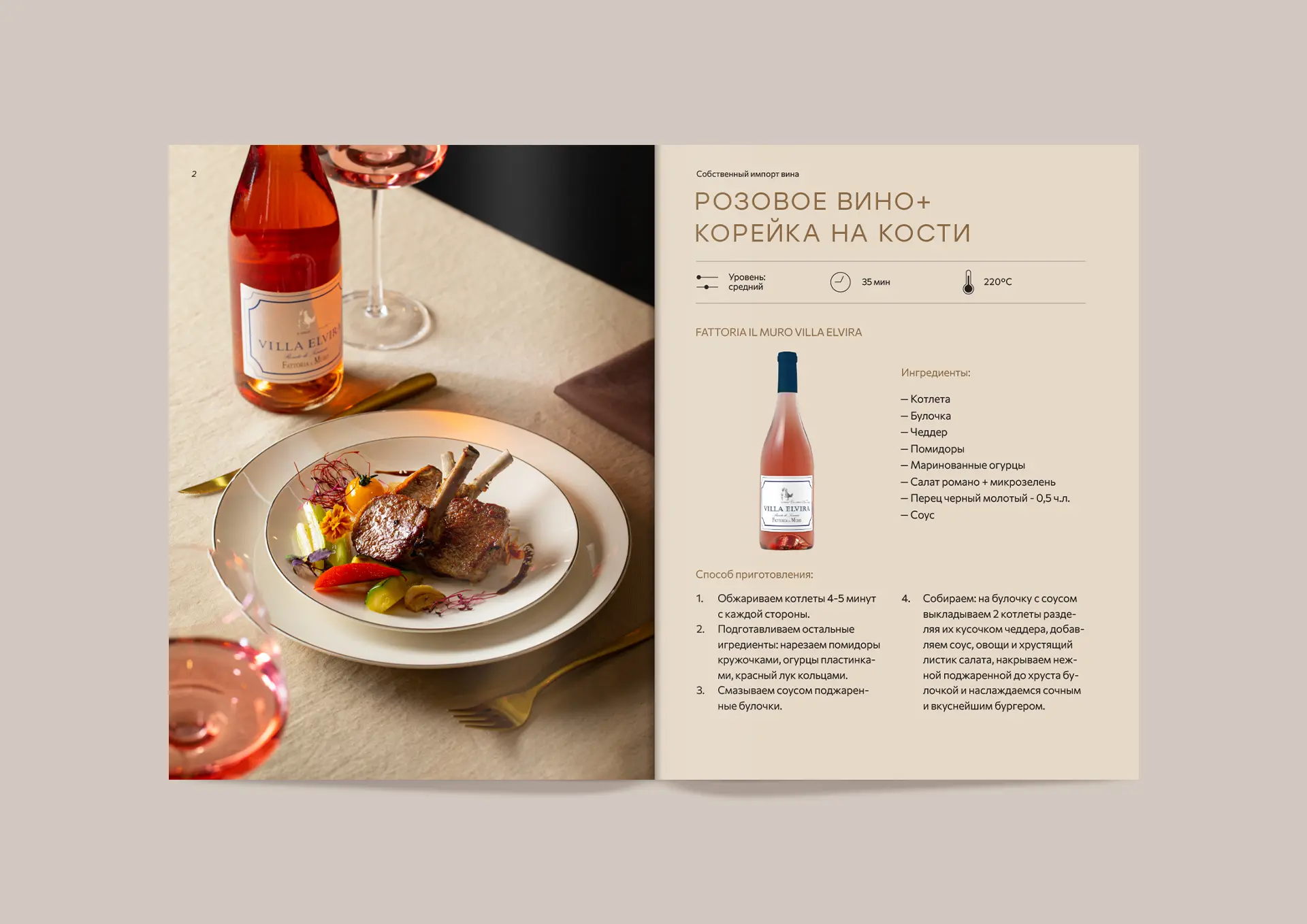
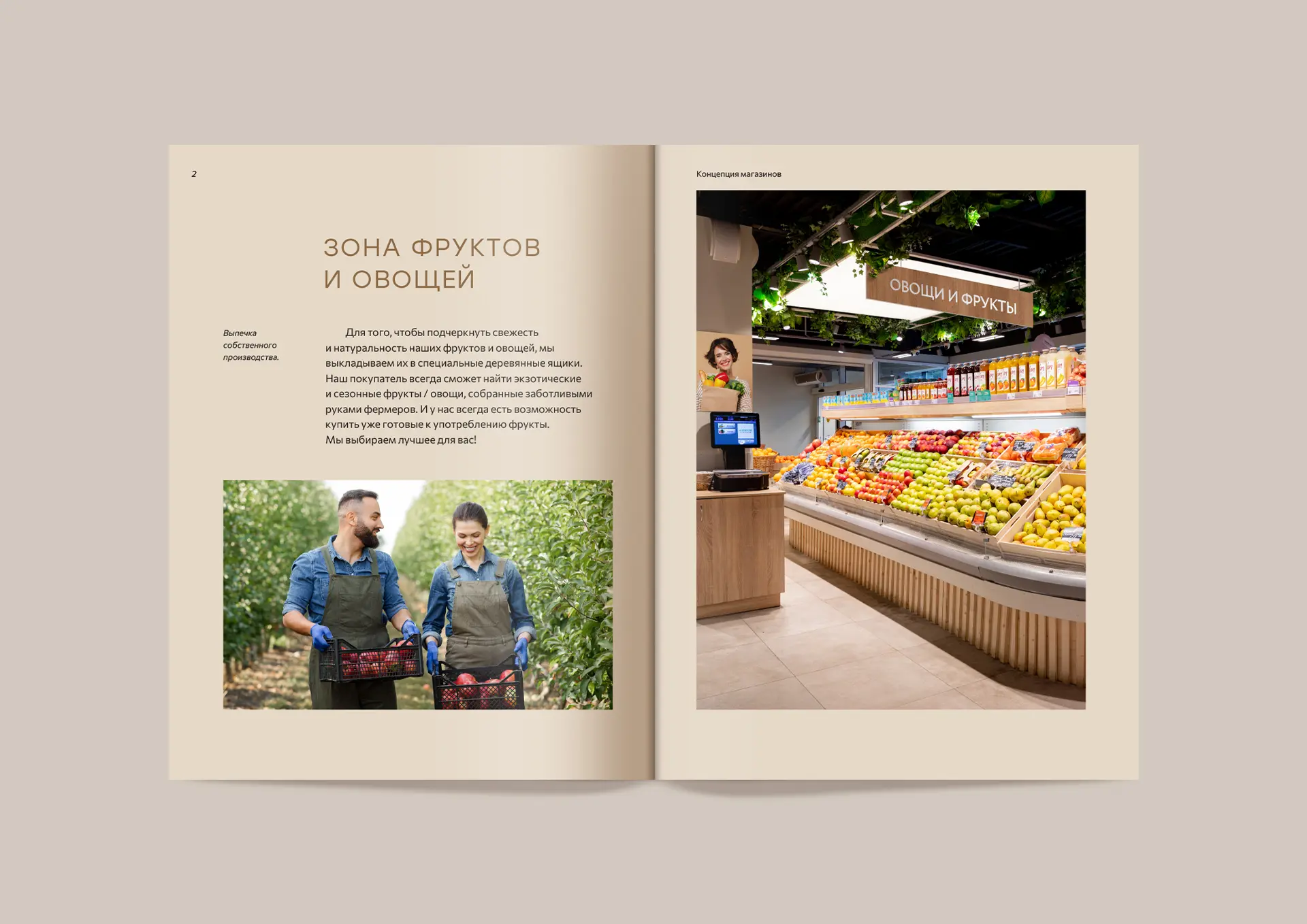
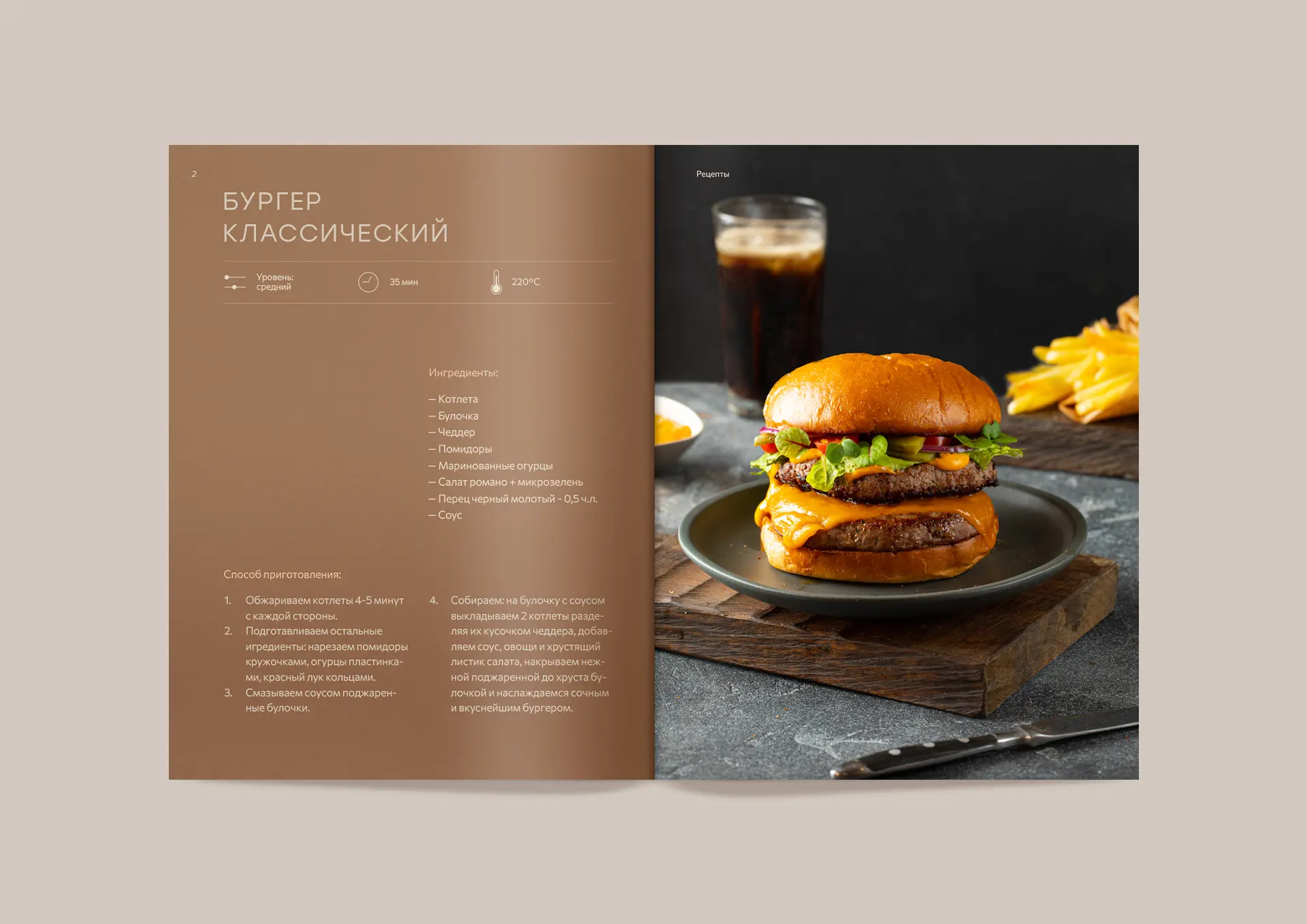
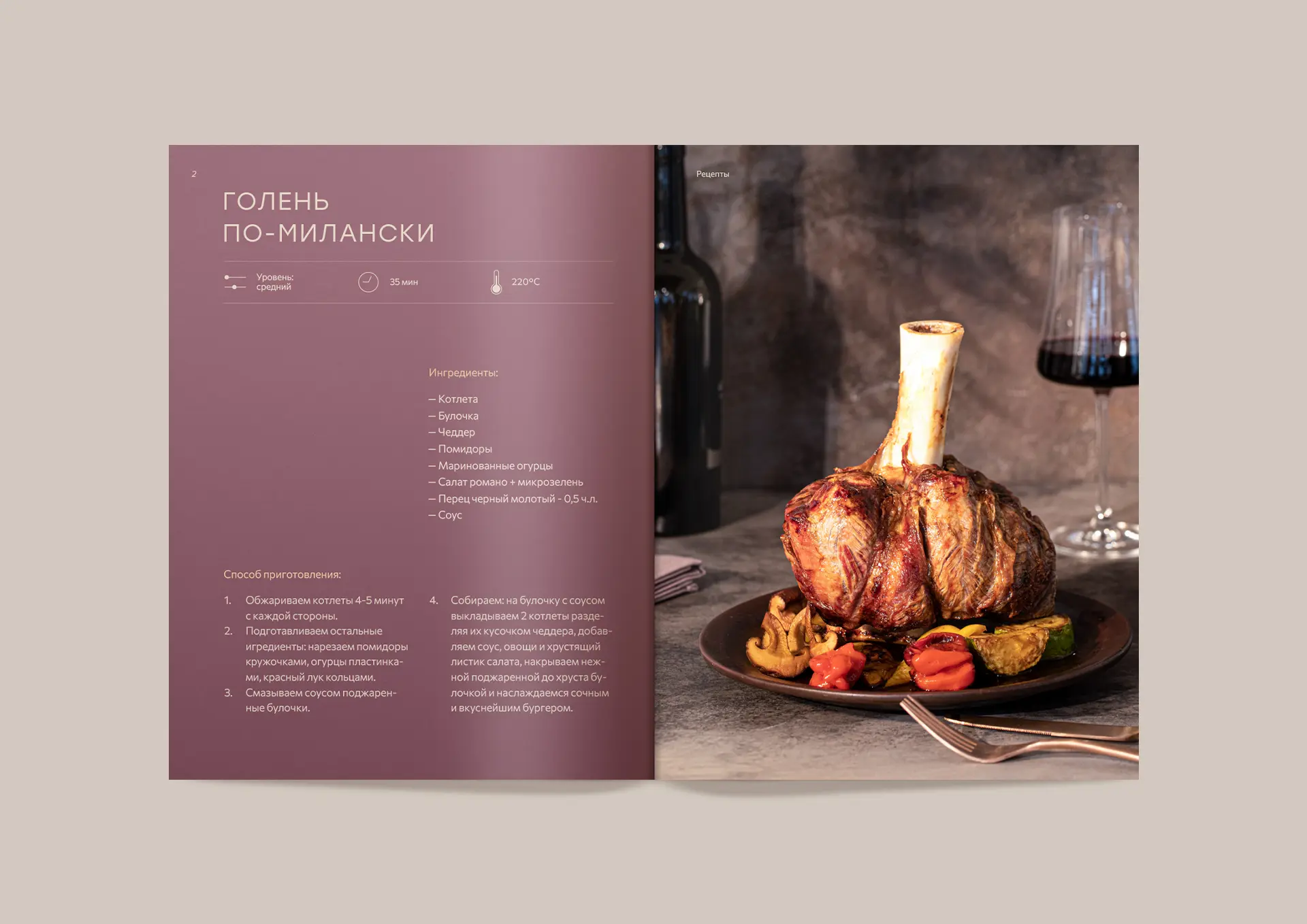
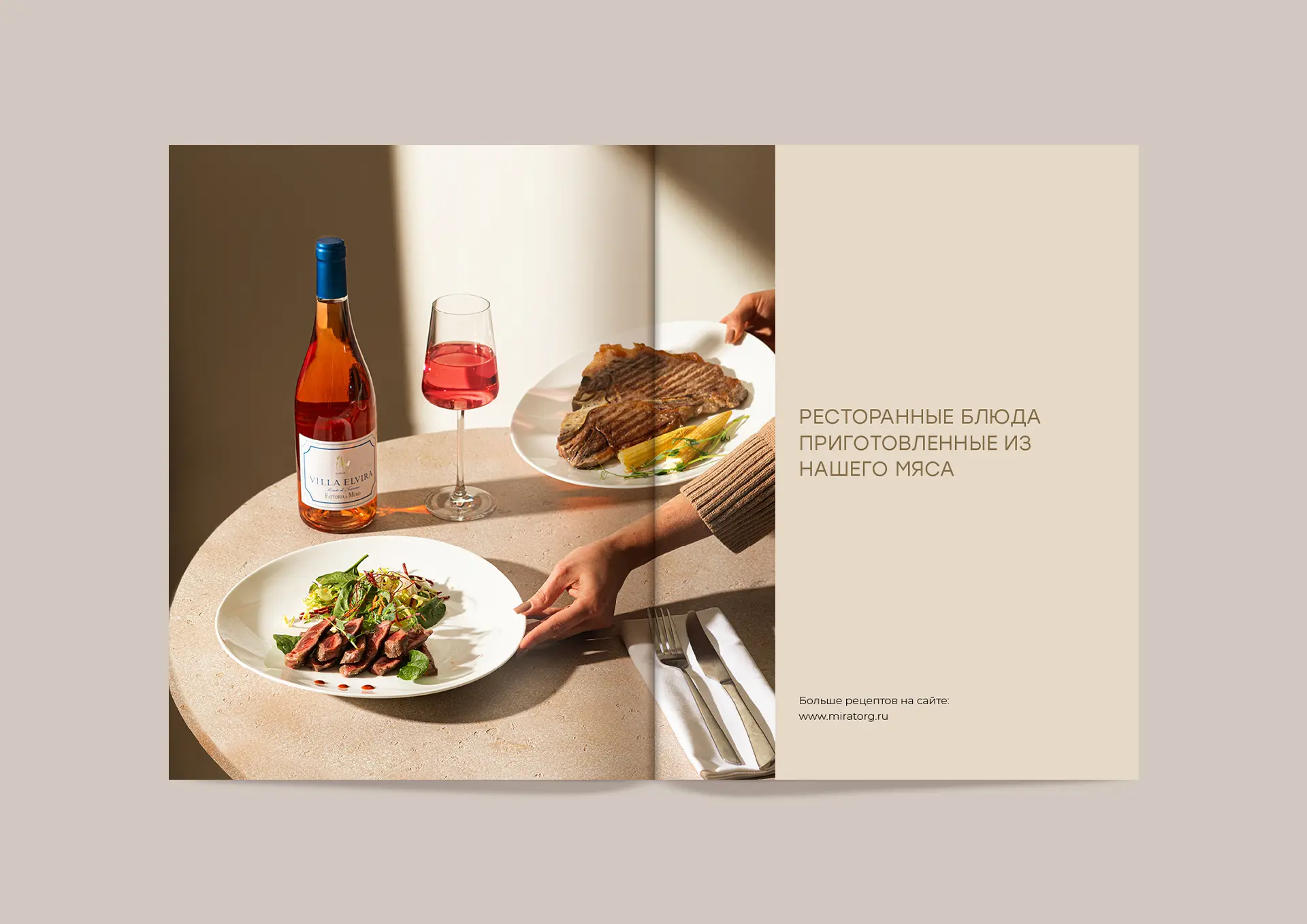
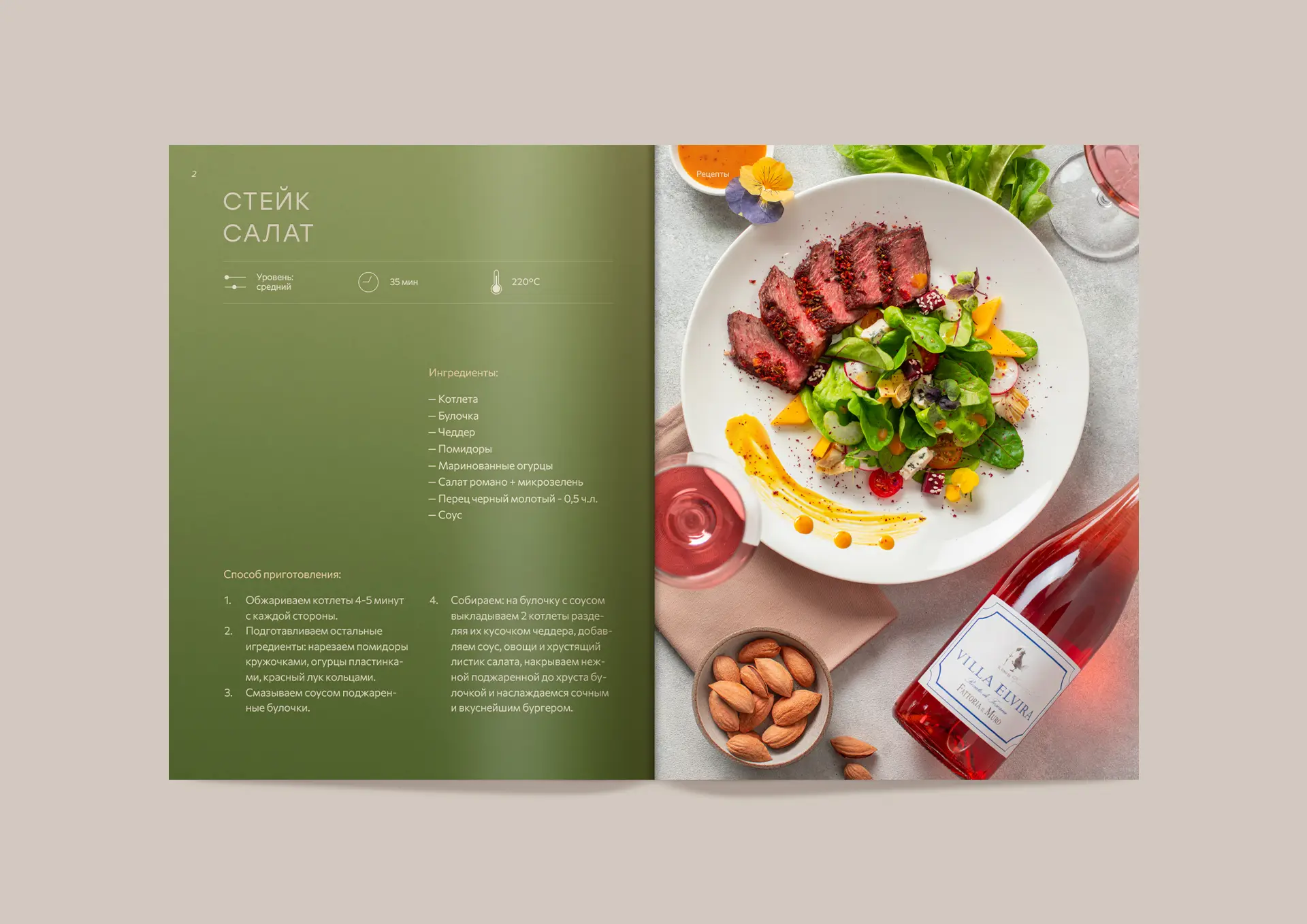
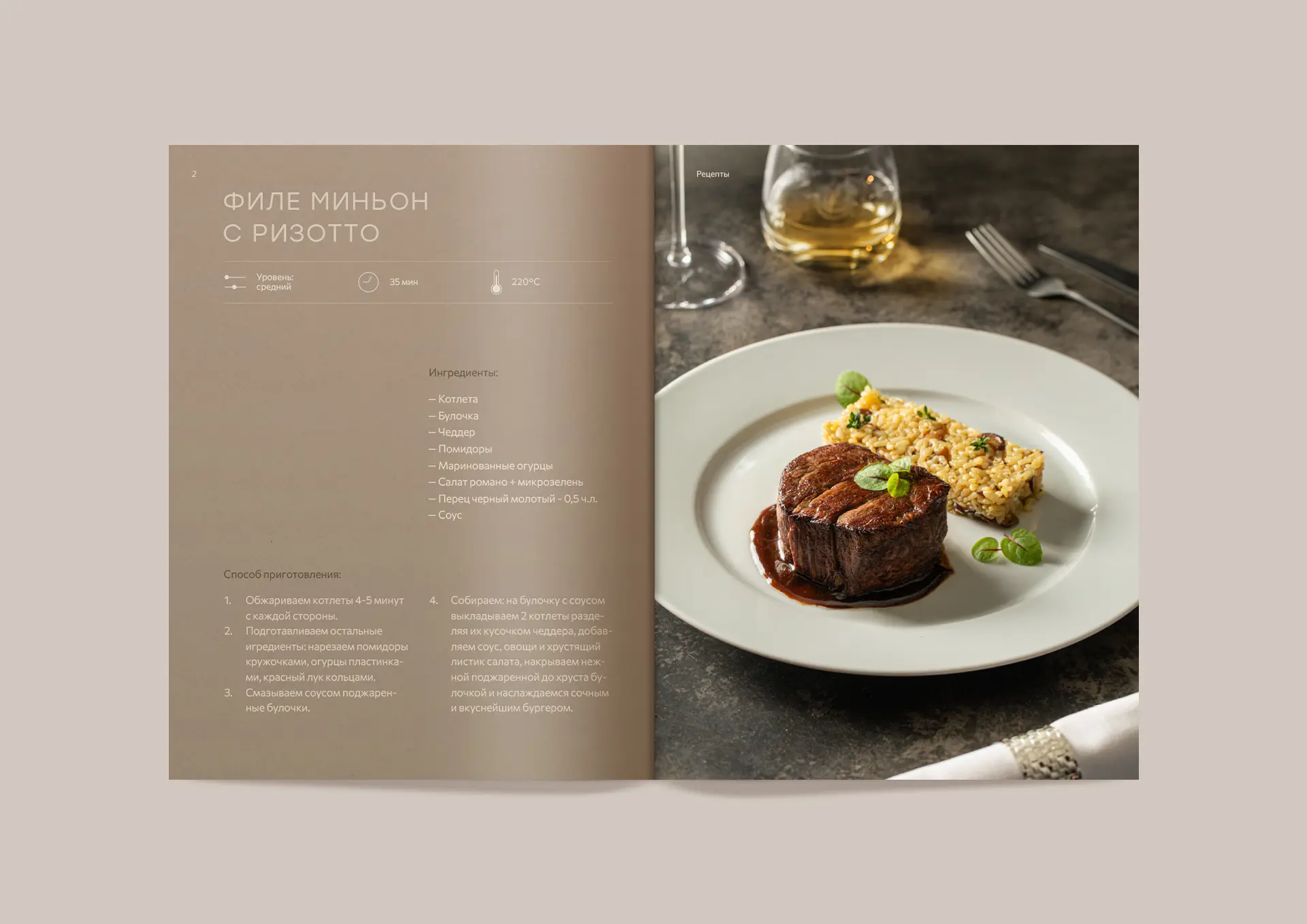
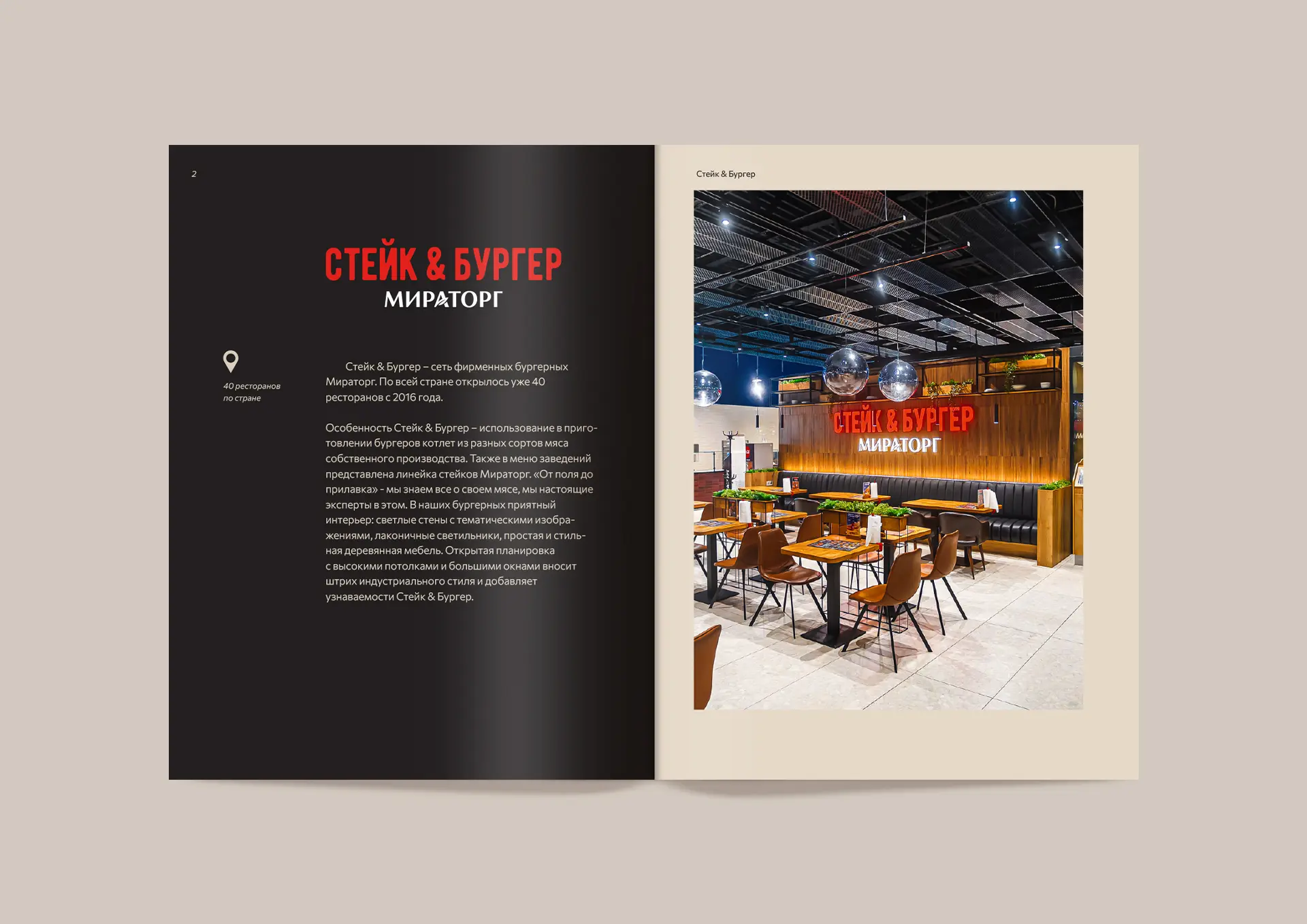
Book design turns a publication into a distinctive gift that highlights both the originality of its content and the company’s visual identity. Books may be intended for adults or children and can cover a wide range of subjects, each informing the choice of illustration, color, and typography. Thoughtful design draws readers into the subject matter, deepens emotional engagement, and increases the book’s value as both a corporate gift and a branded keepsake. The process includes concept development, format and material selection, typography and illustration, and final prepress refinement of the layout.
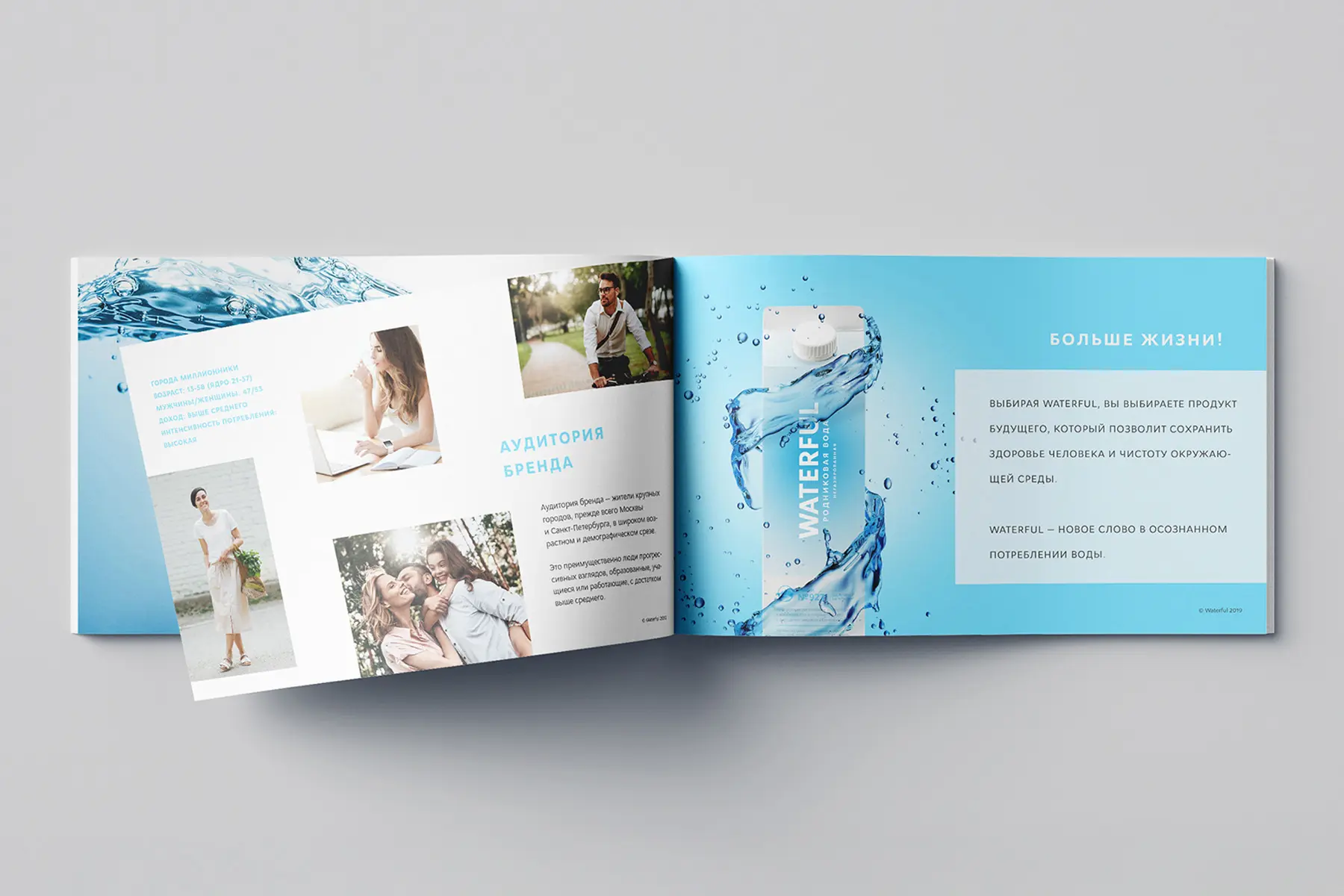
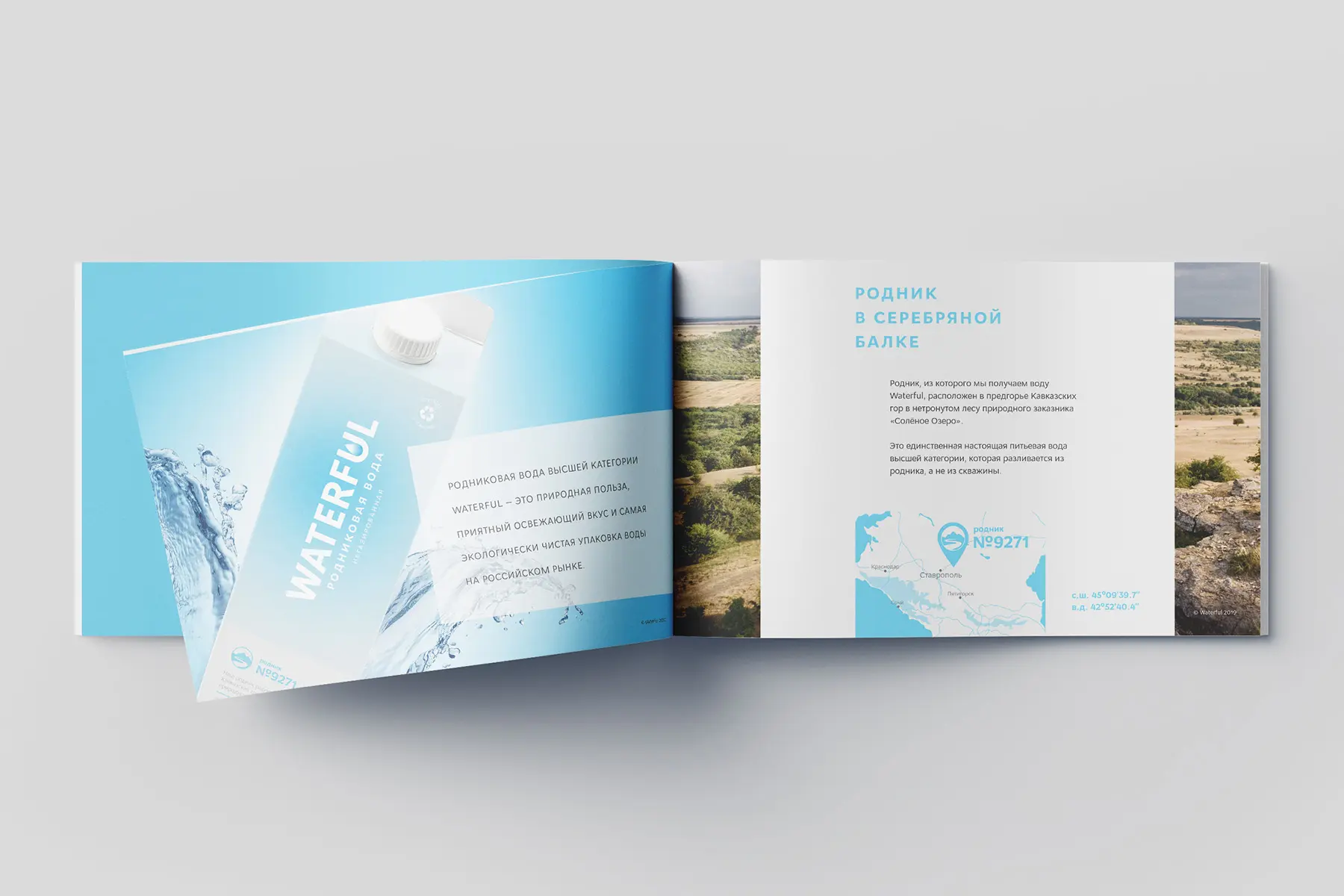
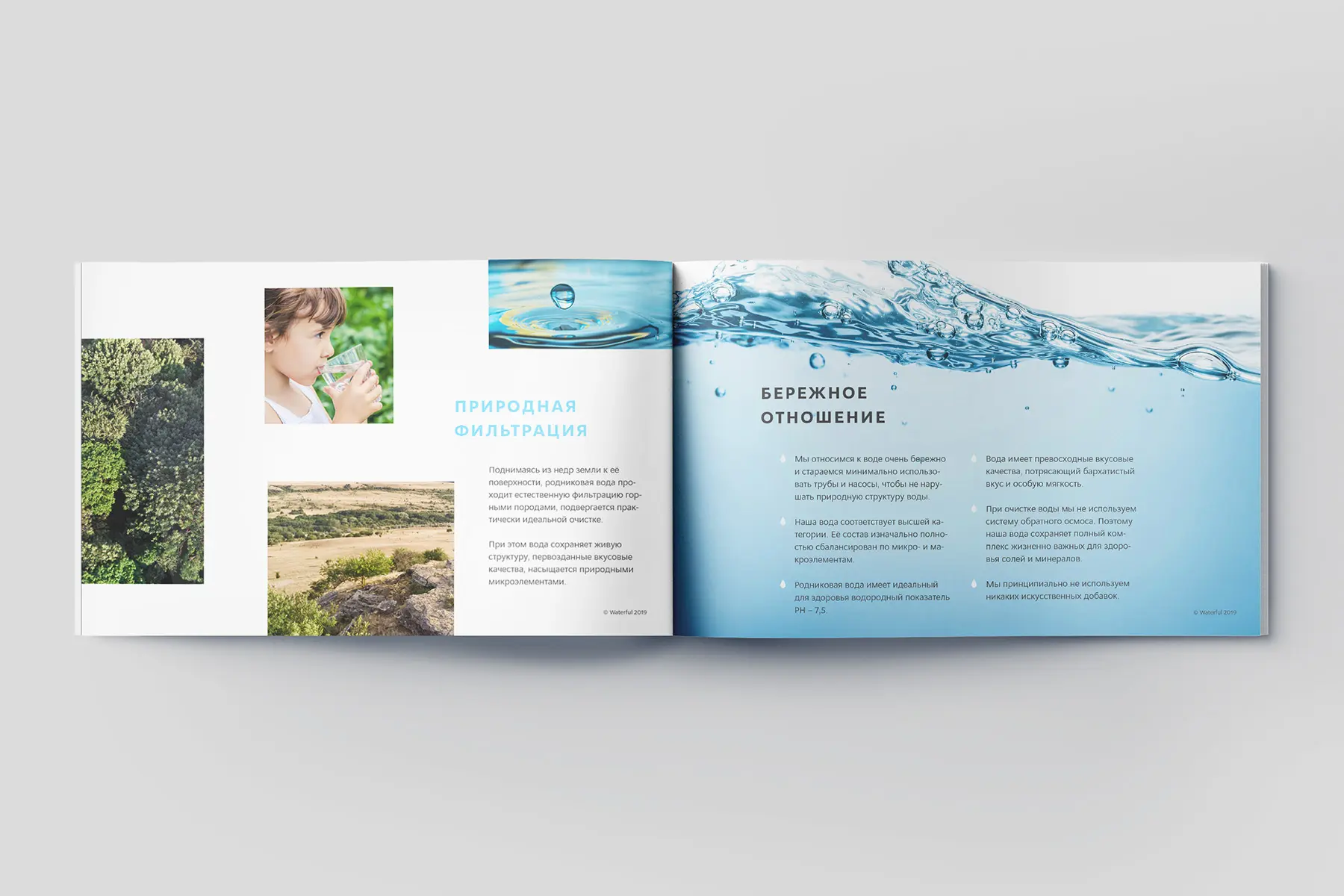
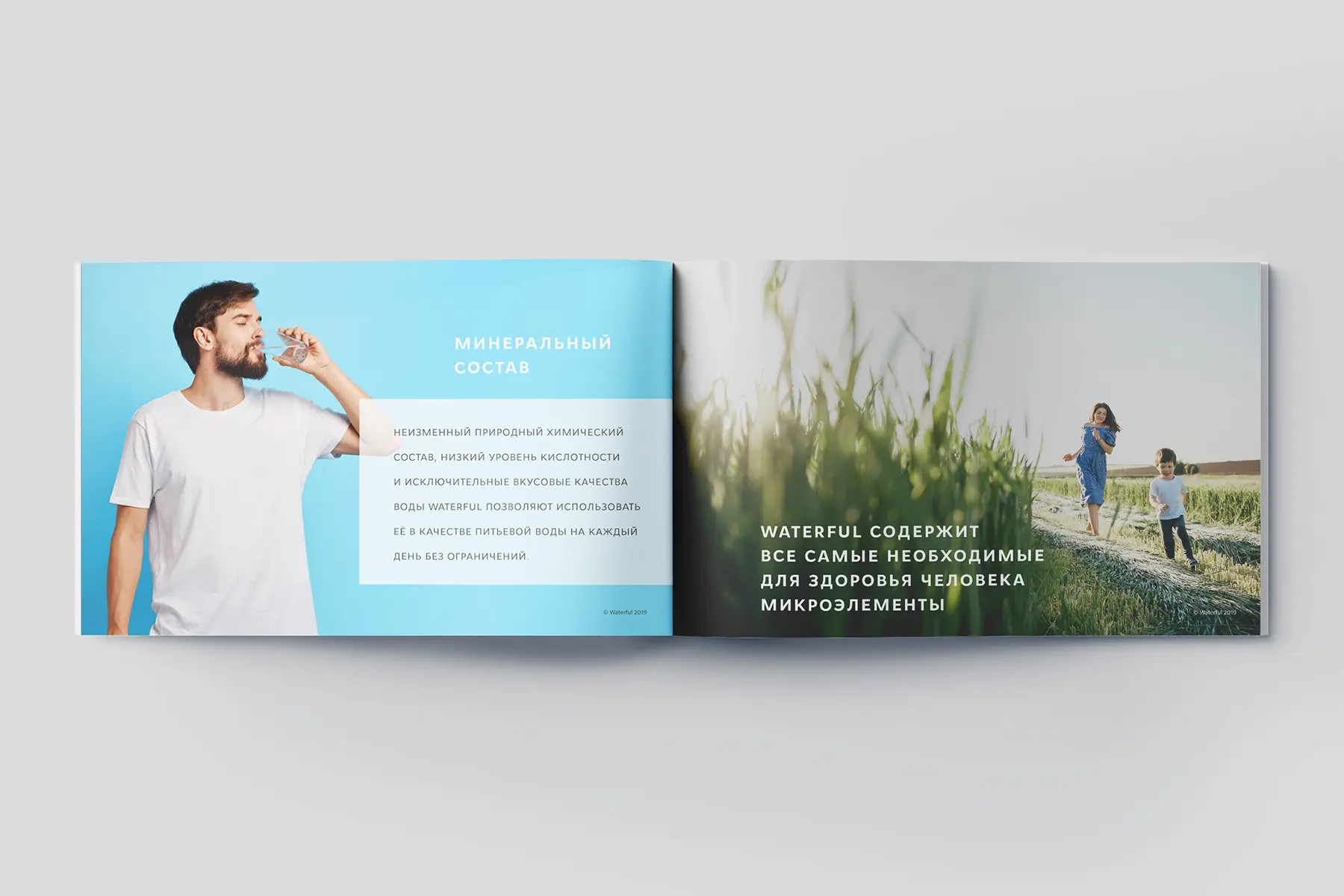
Print Design creates physical materials through which a brand can introduce itself and communicate its positioning and values. Its role extends beyond delivering information: it can inspire, create an emotional connection, and encourage sales. A growing emphasis on artistic quality, visual appeal, and sophisticated graphic solutions makes print more engaging and heightens its influence on audience perception. An effective result requires analyzing the objectives, developing the concept, refining the visual elements, preparing the artwork for print, and overseeing print quality.
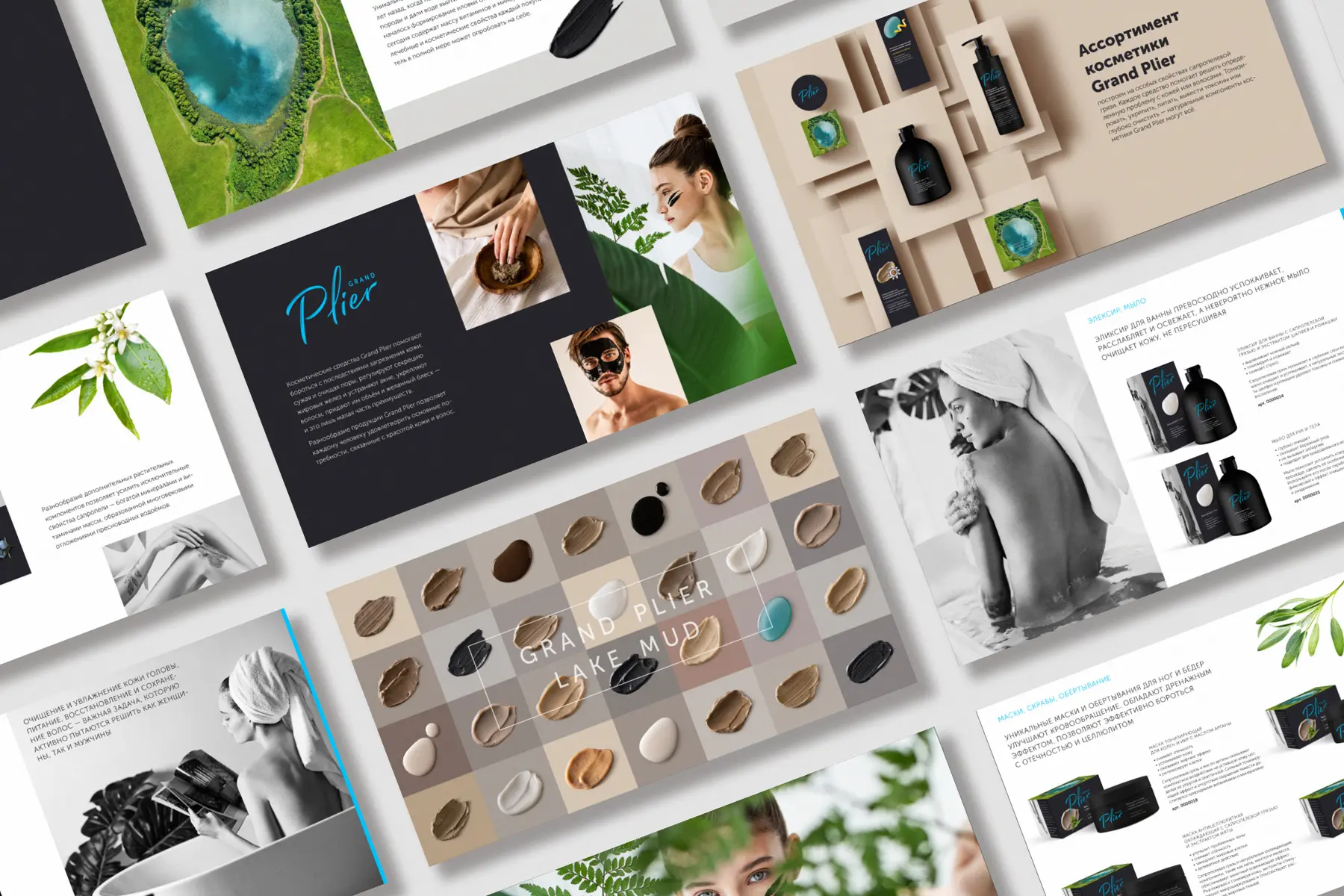
Catalogue Design draws on a range of production processes and materials to ensure accurate color, structural integrity, and durability. Selecting the right artwork formats and production methods—offset, digital, or UV printing—helps maintain consistent quality. High-quality heavyweight paper stocks and modern printing techniques enhance the perceived value of the finished materials, strengthening confidence among corporate partners. Effective production requires confirming the printer’s technical specifications, testing materials, and approving the relevant print settings and proofs.
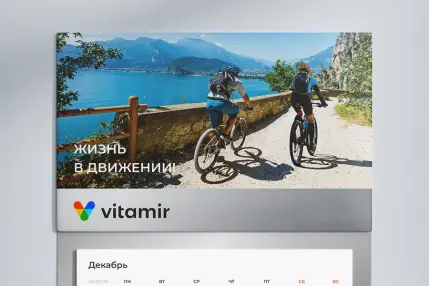
Дизайн корпоративного календаря

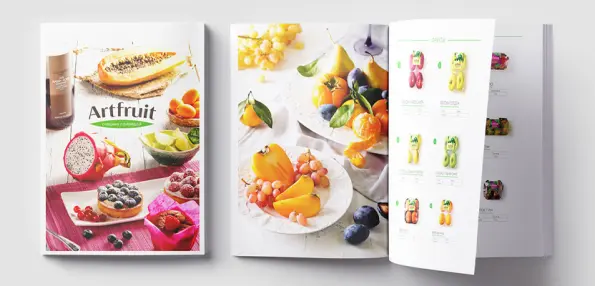
Разработка дизайна буклета

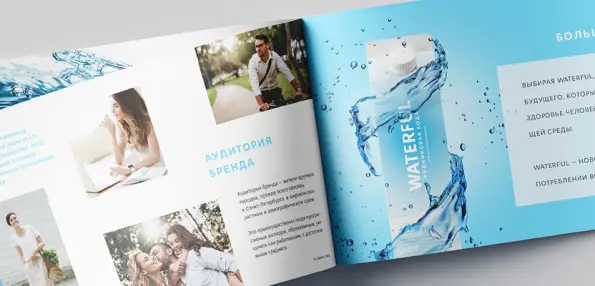
Дизайн полиграфии: свежий взгляд и актуальные тренды

Айдентика бренда: основные элементы и носители

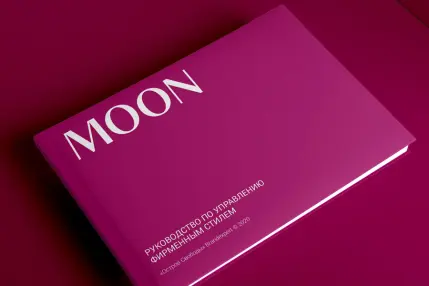
Как выбрать руководство по фирменному стилю для бизнеса

Дизайн этикетки для молочной продукции

Фирменный стиль салона красоты

Именной и псевдоименной нейминг

Ребрендинг, рестайлинг, редизайн


Советы по разработке названия (неймингу)

Удачный нейминг: 7 способов распознать эффективное название

Ошибки нейминга: как не стоит называть бренд
The right mix depends on the event format, booth design, and the company’s objectives. A core set may include a brand or product catalogue, brochures, flyers, business cards, presentation folders, and materials with QR codes. Posters, large-format graphics, roll-up banners, and wayfinding may also be designed for the exhibit space. Every item should adhere to the brand’s visual identity, communicate the offer at a glance, and help the conversation continue after the event.
Catalogue development begins by defining its objectives, audience, structure, and key messages. A brand publication should present the company’s positioning, history, expertise, products, projects, and advantages in a clear sequence. The visual concept, photography style, typography, infographics, and layout principles are then developed. The content and images are then checked before the final artwork undergoes color proofing and prepress preparation.
The calendar should be built around a meaningful idea connected to the brand’s character and the audience’s interests. It can be expressed through original photography, illustration, a seasonal narrative, or a cultural or industry theme. An expressive calendar grid, practical format, quality paper, and appropriate finishing all matter. Personalization, gift packaging, and a limited print run can further increase the calendar’s value as a corporate gift.
An annual report should unfold as a clear story about the company’s performance, development, and plans. Information is organized into logical sections, with key metrics presented through graphs, charts, and infographics. Photography, case studies, leadership commentary, and examples of completed projects add depth to the content. Editing, data verification, and thoughtful layout ensure accuracy and make both the print and digital versions easy to understand.
Photography shapes perceptions of a company, presents its products clearly, and reinforces the brand’s visual identity. Product photography communicates the item’s features, brand photography conveys atmosphere and positioning, and corporate photography introduces the team and production environment. Professional catalogue photography ensures a consistent visual style, accurate color, and sufficient image quality for large-format printing.
The process begins with the book’s central idea, subject, and intended reading experience. Its foundation might be the company’s history, landmark projects, a cultural study, archival materials, interviews, or original photography. The team then develops the structure, editorial concept, typography, illustrations, and overall design. Premium paper, binding, foil stamping or embossing, a presentation case, numbered copies, and personalization can give the publication exceptional value.
The right technology depends on the print run, format, schedule, materials, and image requirements. Offset printing is suitable for large runs and consistent color; digital printing works well for short runs, personalization, and rapid production; and UV printing supports unconventional substrates. Foil stamping, embossing, die cutting, lamination, and spot varnish can create visual and tactile accents. The optimal approach is selected with the printer after material testing and color proofing.
The cost depends on the type and number of items, format, amount of copy, page count, and the complexity of the visual concept and layout. Copywriting, photography, illustration, infographics, artwork adaptation, and prepress preparation can also affect the budget. Following the briefing and a review of the source materials, an itemized estimate is prepared for each stage. Printing and postpress finishing are calculated separately based on the print run, materials, and selected technologies.
















By continuing to use this site, you agree to our use of cookies and the processing of your personal data as described in our Privacy Policy.