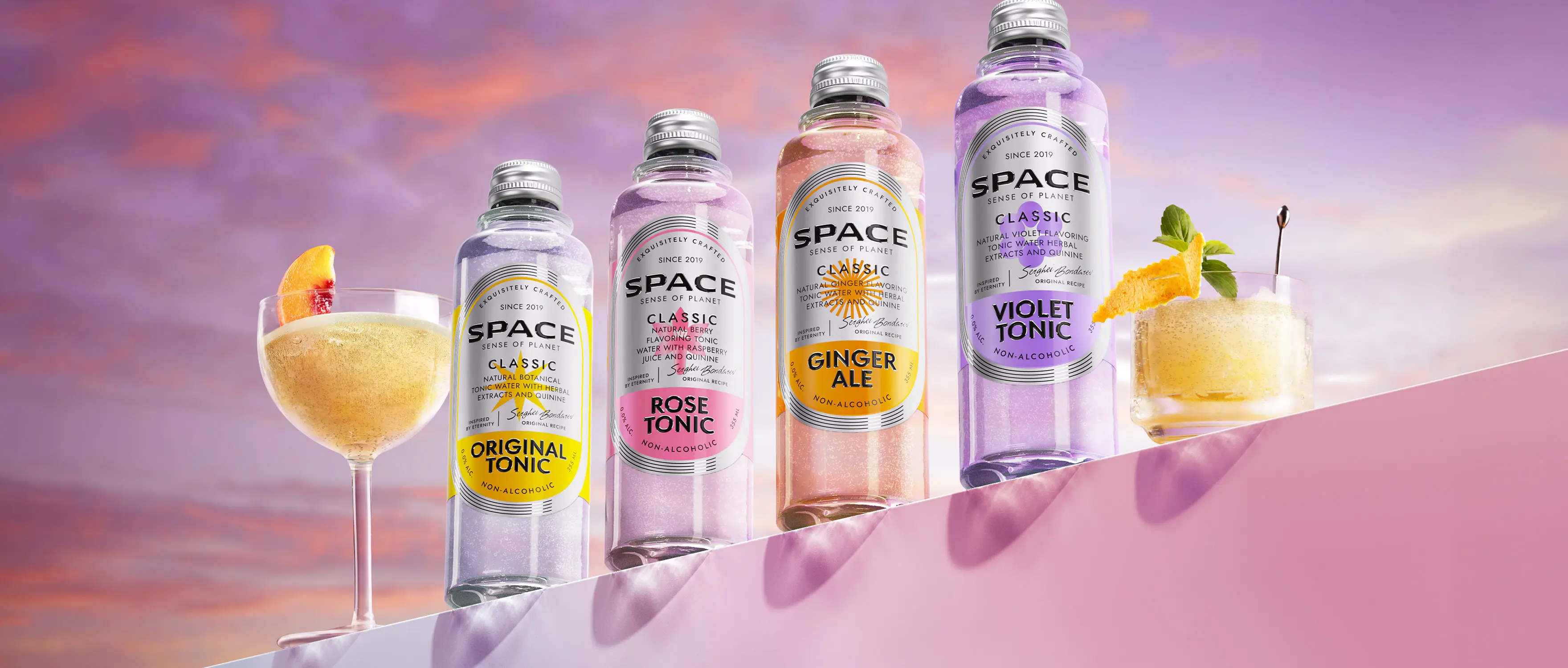
Orange Toys — rebranding, brand development, logo & visual identity, packaging and label design, B2C/B2B e-commerce website. Name development for Orange Toys children's toy collections.
Удачное имя основателя и бренд нейминг Hermès

Alexey Novikov
Article's author23.05.2020
Our projects: naming
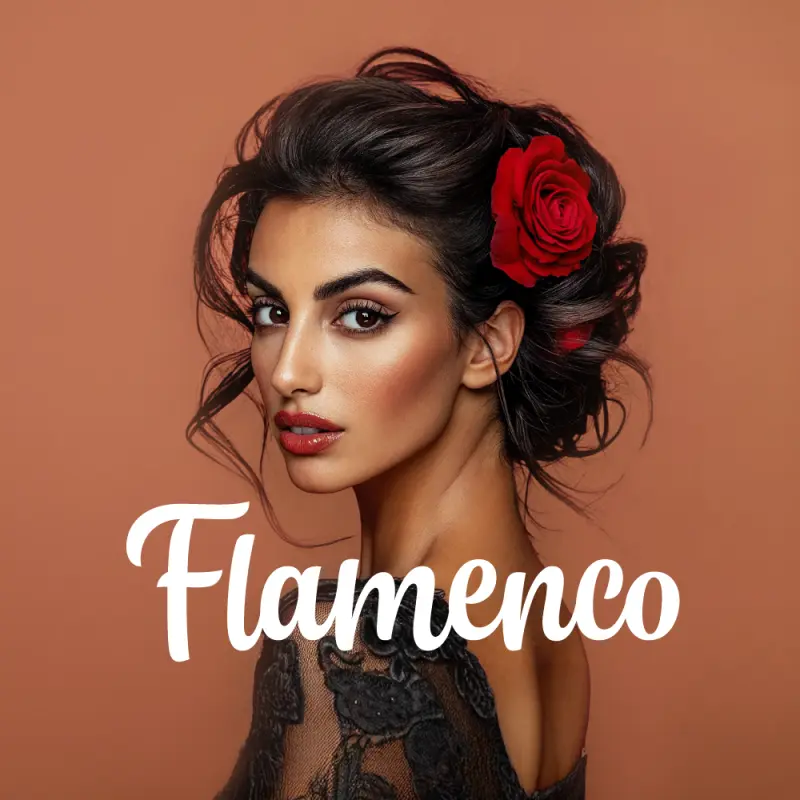
Flamenco — Brand Positioning, Naming, Logo Design, Packaging and Label Design, Brand Guidelines, and Photography. Development of a brand name for tomatoes for the ROST group of companies, creation of a brand logo
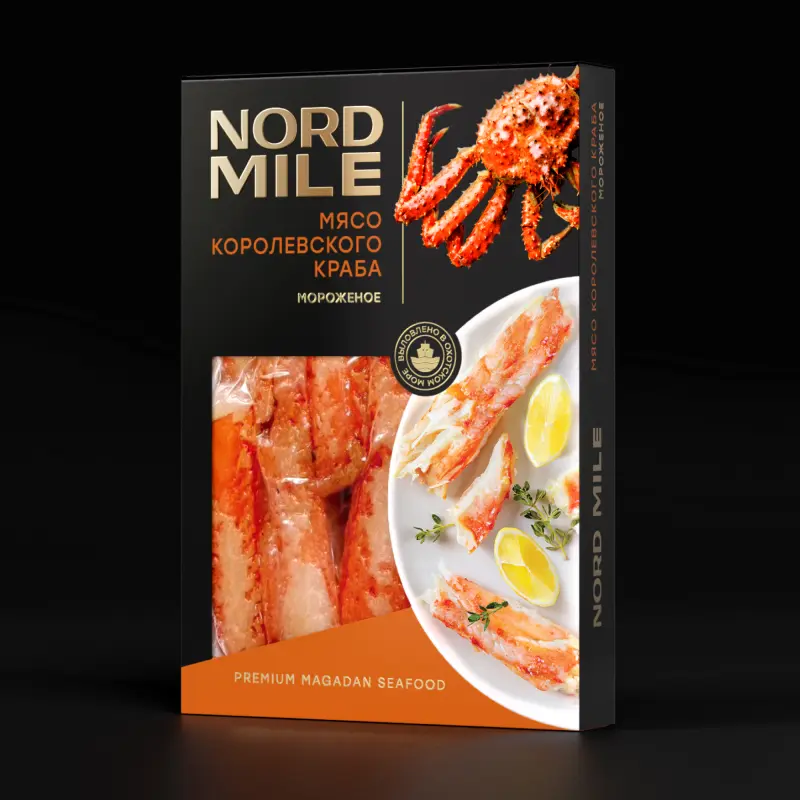
NORD MILE — Brand Development, Naming, Logo Design, and Packaging Design for Seafood and Omega Supplements. Naming the NORD MILE brand, brand positioning strategy
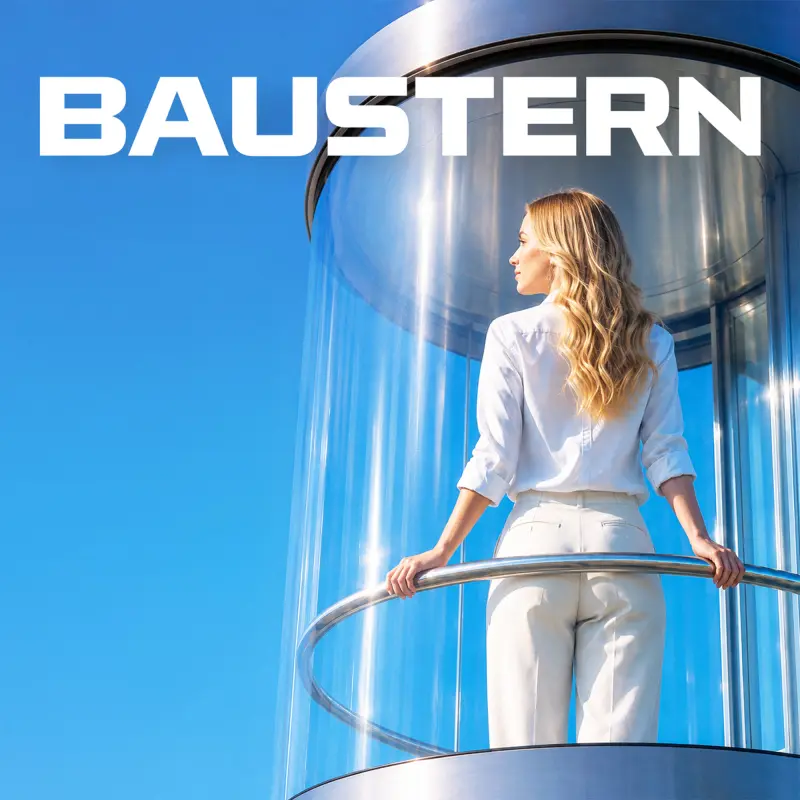
BAUSTERN — Brand Development for a Manufacturer of Passenger Elevators and Freight Lifts. BAUSTERN brand naming and brand development for a passenger and freight elevator manufacturer
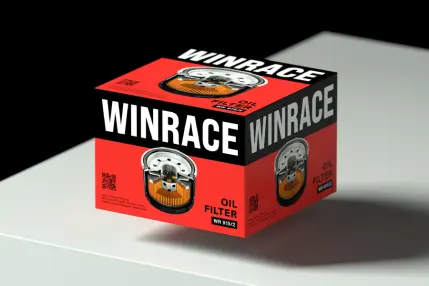
FOXGEAR — Brand Positioning, Naming, Logo Design, Packaging Design, and Brand Guidelines. Naming FOXGEAR is the Russian branch of the premium lubricants manufacturer FUCHS OIL.
Zhivopisny Sad — Brand Development, Naming, Logo Design, Advertising Communications, and Print Design. Development of a naming for a new residential complex by the development company DARS
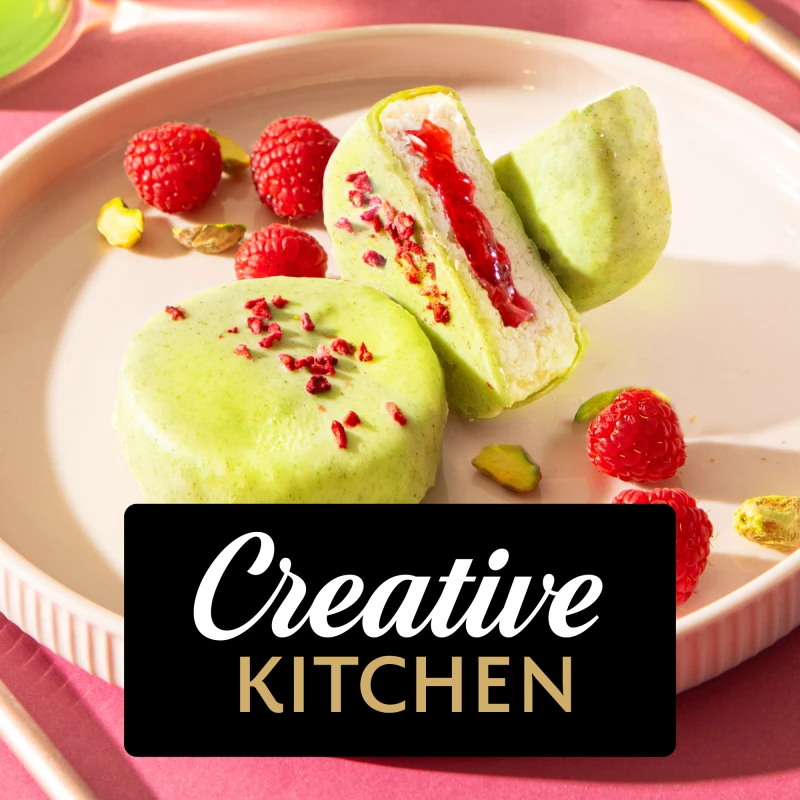
Creative Kitchen — Ready Meal Branding. Brand naming for Creative Kitchen’s ready meals and ready-to-cook products.
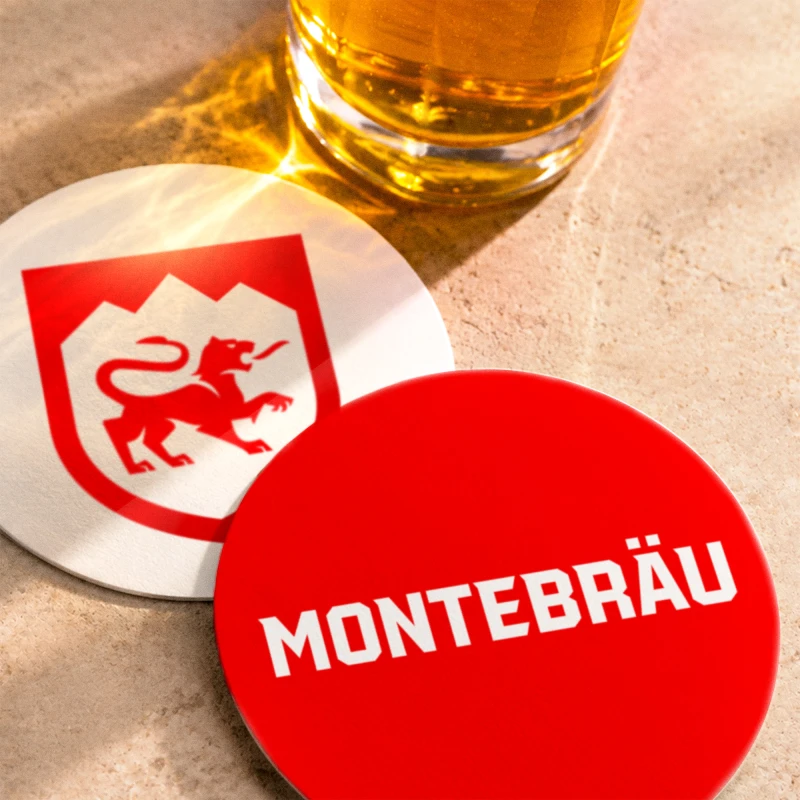
MONTEBRÄU Restaurant & Brewery Rebranding. Restaurant naming in Chelyabinsk and packaging design for MONTEBRÄU
BAUMARS — brand development, naming and logo. BAUMARS — Brand Naming for Heavy Equipment, Logo and Brand Identity Design
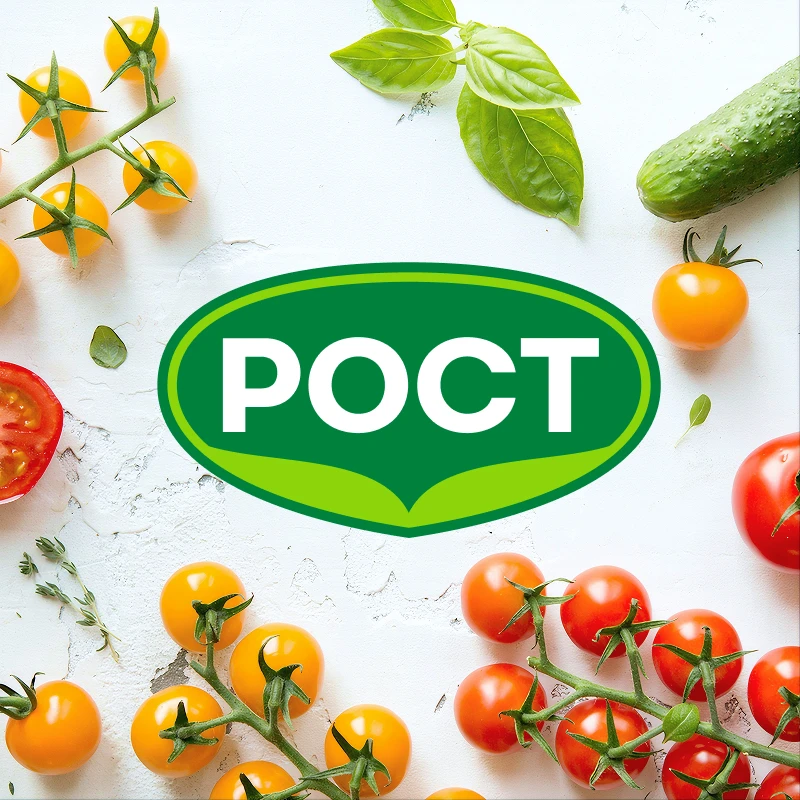
ROST Group – 360 Degree Branding. ROST Group — product brand naming, positioning and logo design.
PINKISS.

BITROCKET — name development, logo development, corporate identity, advertising communications. Creating visual strategy for BITROCKET, a developer and manufacturer of premium mining and data-processing solutions, including naming, logo, and brand identity
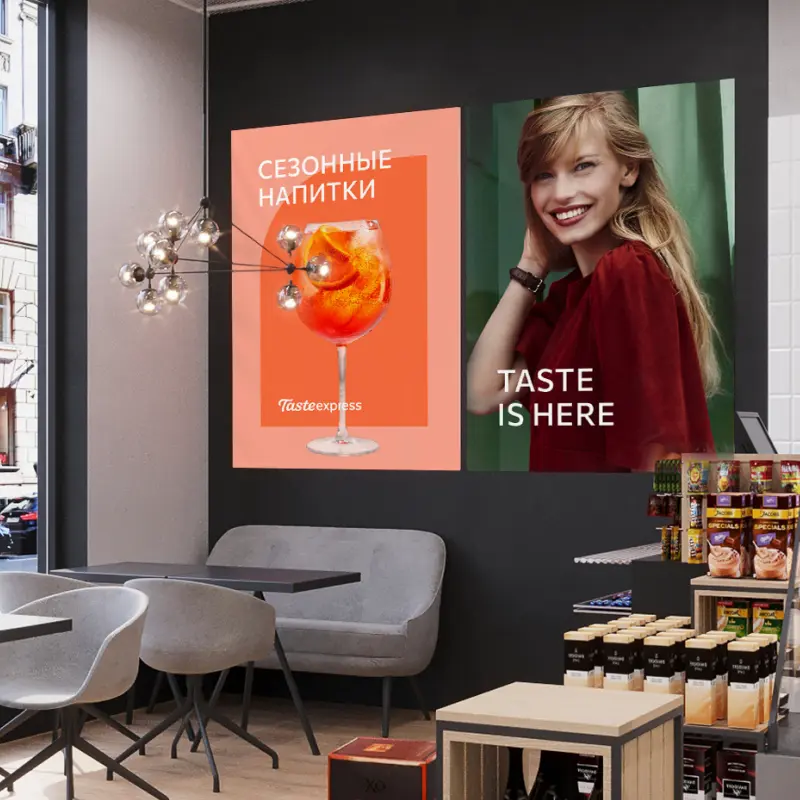
Taste Express.
BLUMART. Creating the brand for the first and largest hypermarket of plumbing and tiles in Russia, BLUMART. The project includes: platform for positioning and naming, creating a logo and identity, designing the interior, and developing a brand book.
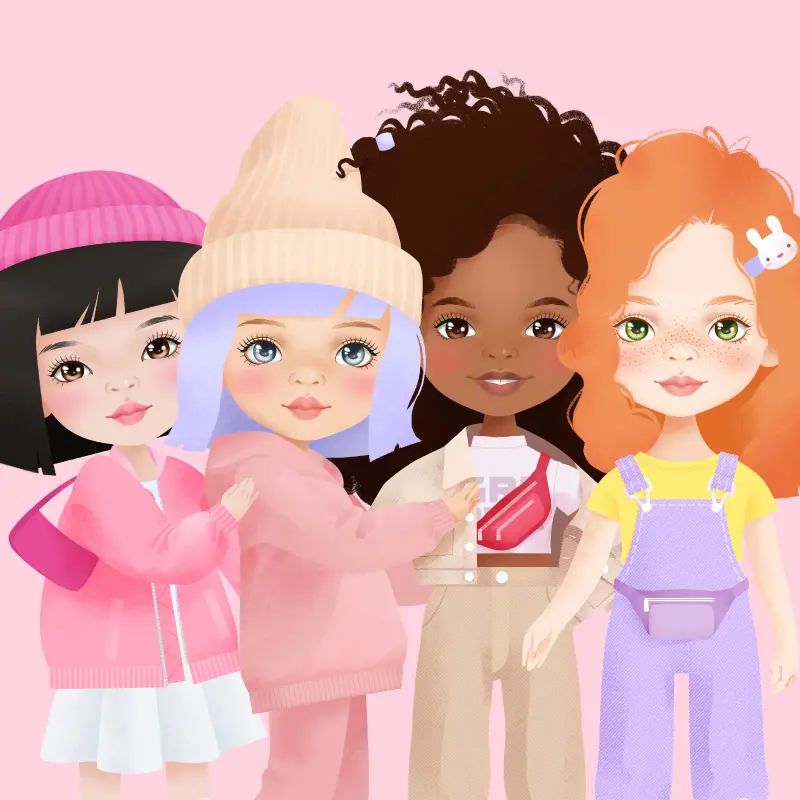
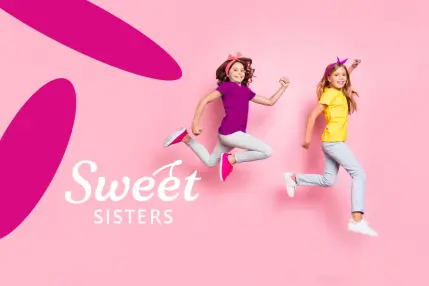
SWEET SISTERS. BRANDEXPERT agency has developed a new unique doll brand SWEET SISTERS for the largest Russian manufacturer of children's goods ORANGE TOYS.
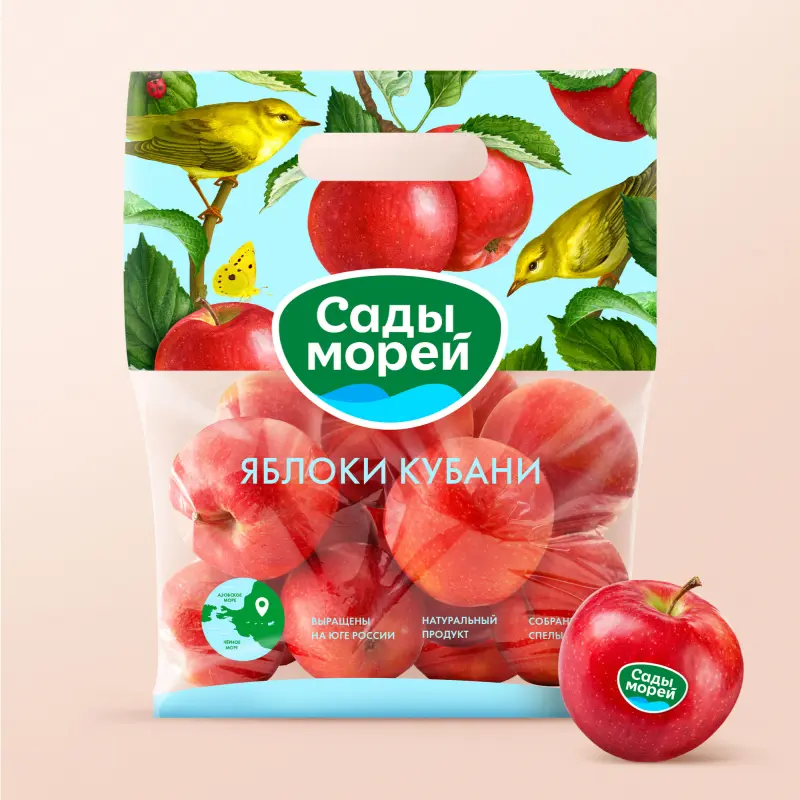
???.
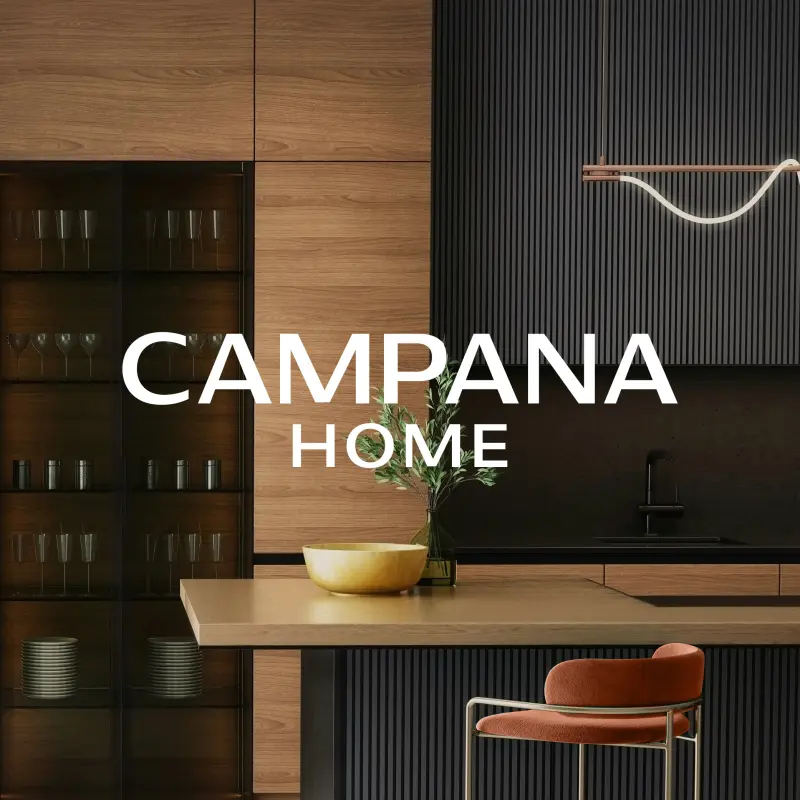
???. Development of the CAMPANA HOME brand of contemporary modular furniture. Creation of the brand logo and corporate identity, aimed at offering unique interior solutions for homes. Retail branding for the flagship store and interior design development.
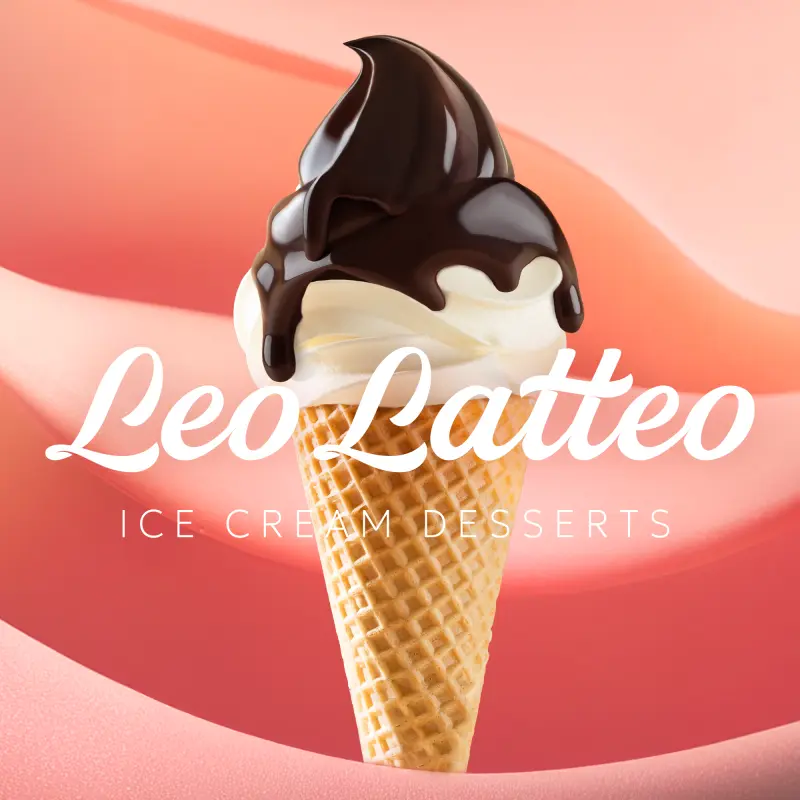
Leo Latteo.
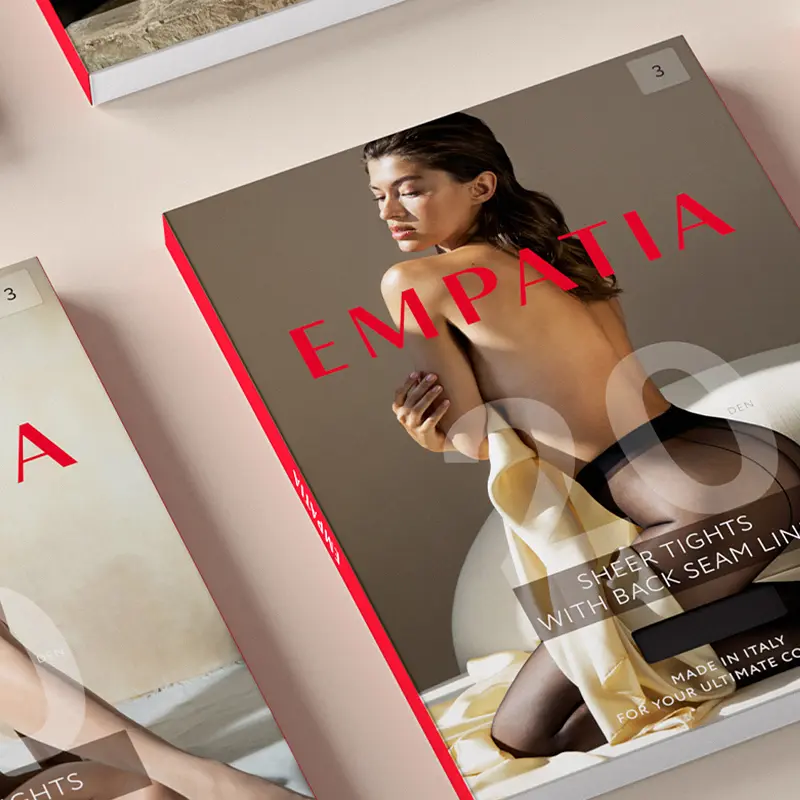
Empatia. Empatia is a sustainable premium tights brand cares about your beauty and our nature. Brandexpert agency developed Empatia brand from scratch: brand name, identity design, product packaging and catalog, model photo shooting and brand video production

POWERCULT.
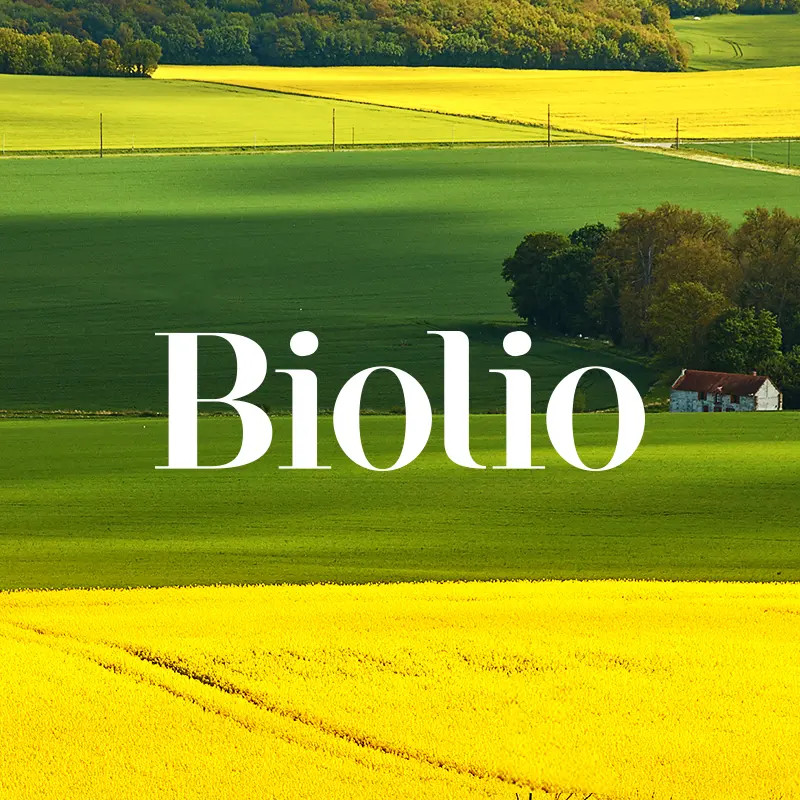
Biolio. BIOLIO is a new Russian brand of natural oils produced by cold press. Thus, oils maintain all their natural values of unique product.

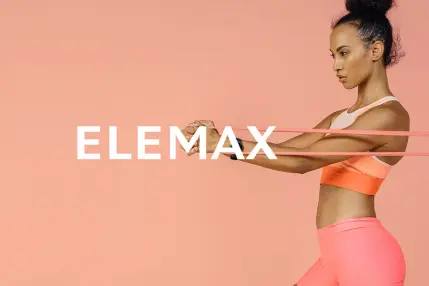
Elemax. Elemax is a new nutrition supplement brand addressing key health issues, e.g. fatigue, low energy or immunity, aging, etc. Brandexpert developed the brand from scratch: brand name, identity design, packaging design, website.
???.
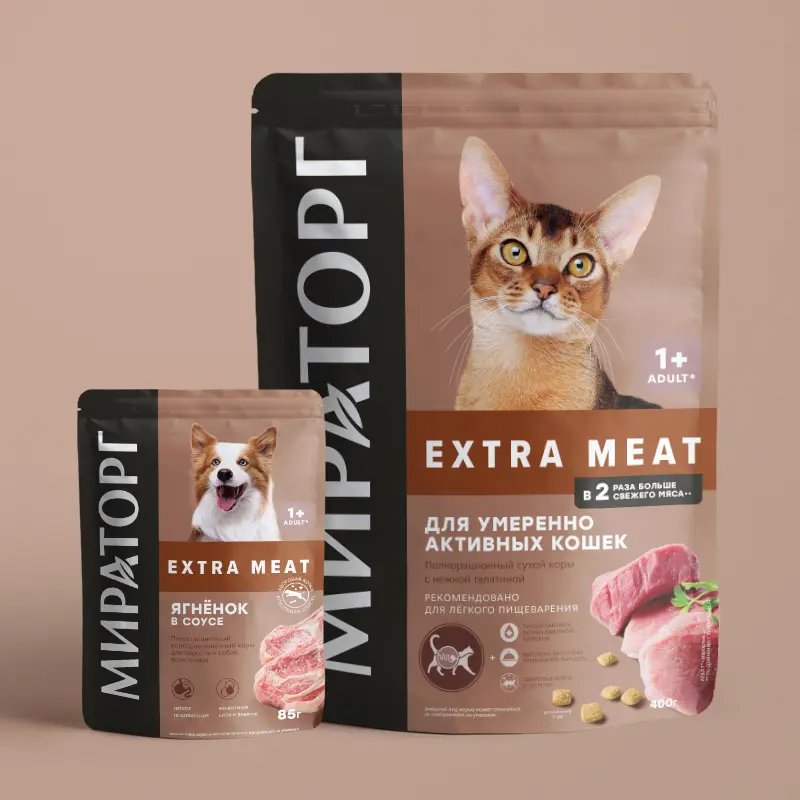
Miratorg: pet food. MIRATORG — pet food from the largest vertically integrated agricultural holding in Russia. As part of the project a brand platform was developed, packaging design were created and photography of the product lines was carried out.
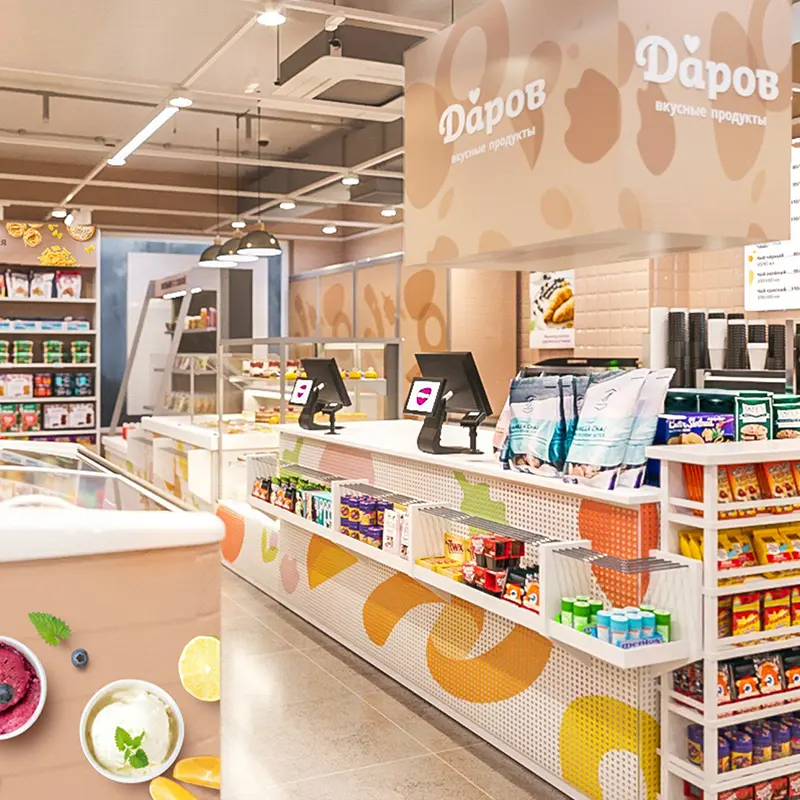
Darov. Darov is a new retail chain with a strong accent on delicious prepared foods. Brandexpert developed the new brand from scratch: brand name, brand identity, logo, brand guidelines, packaging design, and interior design solutions
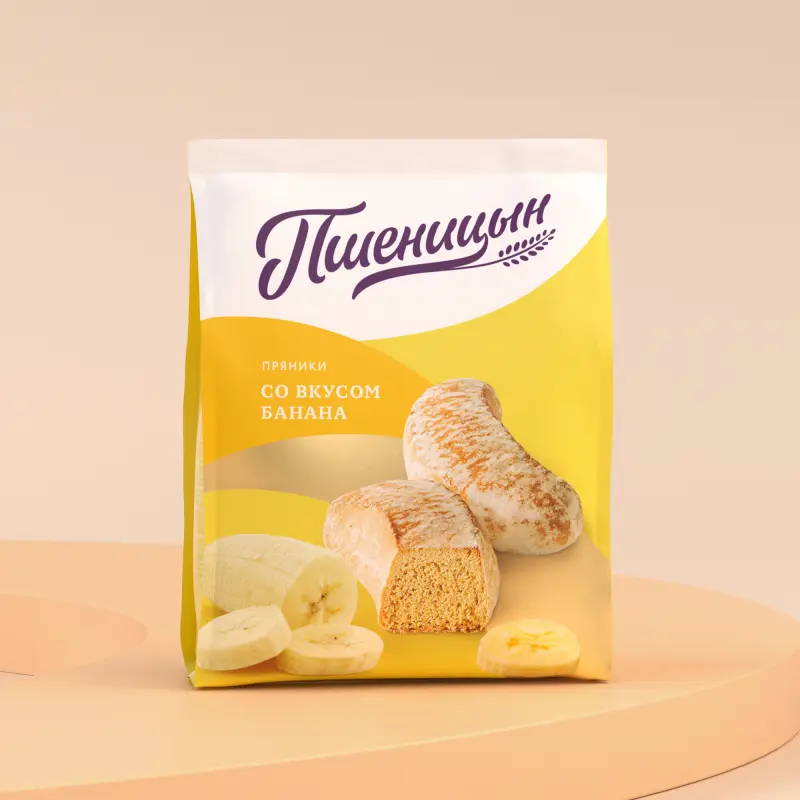
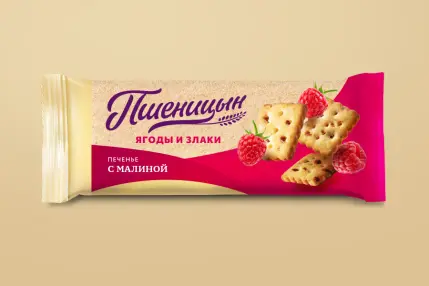
Ageevskiy. Creating the brands "Pshenitsyn" and "Papa Roma" for the confectionery factory "Ageevsky". Logos for the brands, packaging design and product labels were developed. The corporate logo and brand identity of the company "Ageevsky" have been updated.
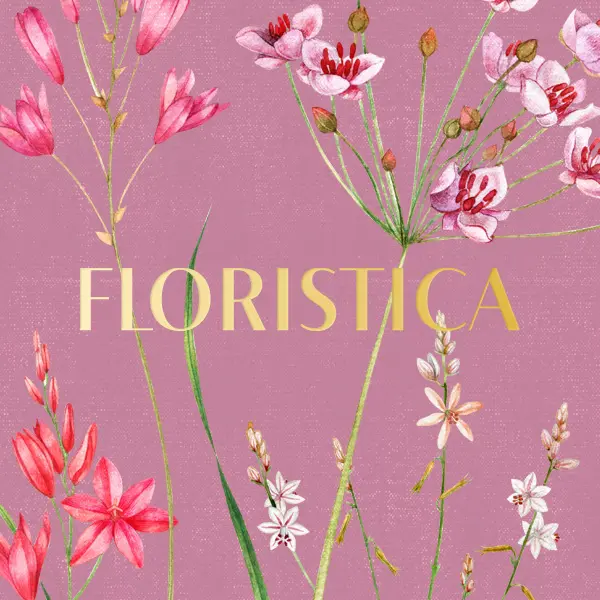
Floristica. BRANDEXPERT developed a Brand Positioning Strategy, Guidelines, Brand Naming, Logo Design, Packaging Design and Catalog for a new Russian cosmetic brand Floristica offering natural-based beauty products.
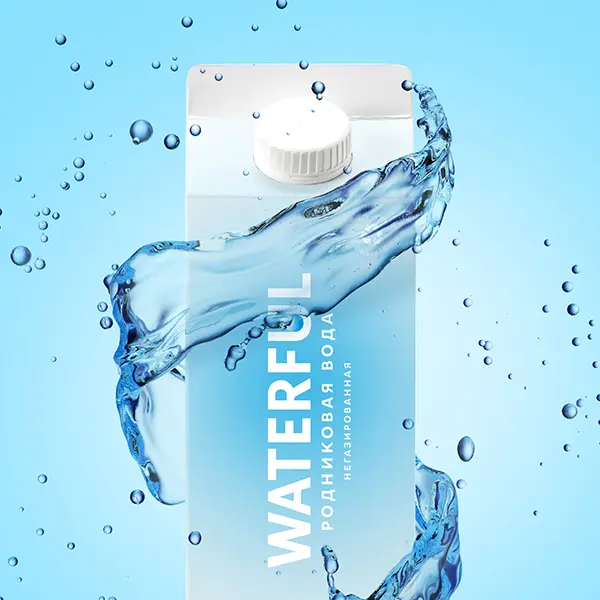
Waterful. Brandexpert created a new brand from scratch. Waterful is the first Russian spring water in eco-friendly paper packaging. We developed Brand Strategy, Brand Name, Identity and Packaging Design, Brand Guidelines, Product Catalog.
Именной и псевдоименной нейминг
 Max Cvetkov28.01.2022
- naming
Советы по разработке названия (неймингу)
 Anna Avdeeva27.01.2022
- naming
Удачный нейминг: 7 способов распознать эффективное название
Max Cvetkov27.01.2022- naming

Ошибки нейминга: как не стоит называть бренд
 Andrey Vershinin27.01.2022
- naming
Правила нейминга
Andrey Vershinin29.12.2021- naming
Разработка названия (нейминг) ресторана
Andrey Vershinin29.12.2021- naming
Эффективный нейминг торгового центра
Anna Avdeeva29.12.2021- naming
Нейминг: названия-неологизмы
Andrey Vershinin29.12.2021- naming
Нейминг-агентства или нейминг-генератор?
Andrey Vershinin20.10.2021- naming
Как разработать название бренда самому
Max Cvetkov20.10.2021- naming

Пять главных вопросов эксперту по неймингу
Andrey Vershinin13.08.2020- naming
Если нейминг уже есть, регистрируем торговую марку
Max Cvetkov07.08.2020- naming
Блог
More articles on naming
FAQ about Naming
Can I use a name in a foreign language?
Under Russian law, a foreign-language name (including Latin script) can be registered as a trademark; however, consumer-facing information and signage must appear in Russian or have an equivalent Russian duplicate. In practice, it’s wise to protect the Cyrillic transliteration too: Rospatent assesses phonetic similarity, and Latin/Cyrillic versions may be deemed confusingly similar.
How do I choose Nice classes for registration?
List your current and near-term (1–3 years) goods/services and map them to the Nice Classification—don’t rely only on class headings; use explanatory notes and the alphabetical list. Prefer validated terms via Rospatent/FIPS tools, WIPO’s Madrid Goods & Services Manager, and/or EUIPO’s TMclass to reduce objections and speed examination.
How do I check registrability in other countries?
Run a knockout search: WIPO’s Global Brand Database for broad coverage, TMview for EU and many non-EU offices, plus national databases in target countries (e.g., USPTO). If you plan to file via Madrid, also check international registrations and status in Madrid Monitor/eMadrid. Aggregators aren’t complete, so have counsel run final checks in key jurisdictions.
Do I need to register the domain as a trademark?
Not required: domains and trademarks are different legal regimes, and a domain doesn’t confer trademark rights—you can even lose a domain if it conflicts with an earlier mark. That said, a registered mark strengthens your hand in UDRP actions against cybersquatting and gives access to ICANN mechanisms (e.g., Trademark Clearinghouse/Sunrise) for new TLD launches.
What names cannot be protected as a trademark?
Generic terms, purely descriptive words, non-distinctive signs, deceptive/misleading indications, and marks contrary to public policy or accepted principles of morality are typically refused on absolute grounds (Russia/EU and internationally).

We’re Here to Advise You on Any Branding Challenge
Dear partners, your project is unique and deserves a tailored approach. To prepare a relevant proposal, we need to understand your goals and the services most needed to deliver the best results. We’re ready to provide 360° support and handle all strategic tasks in marketing, design, digital, and brand communications. Our mission is to deliver outstanding solutions that drive financial growth and increase brand value. Get in touch — we’ll be happy to share our expertise and insights with you.
The BRANDEXPERT Team.
The BRANDEXPERT Team.