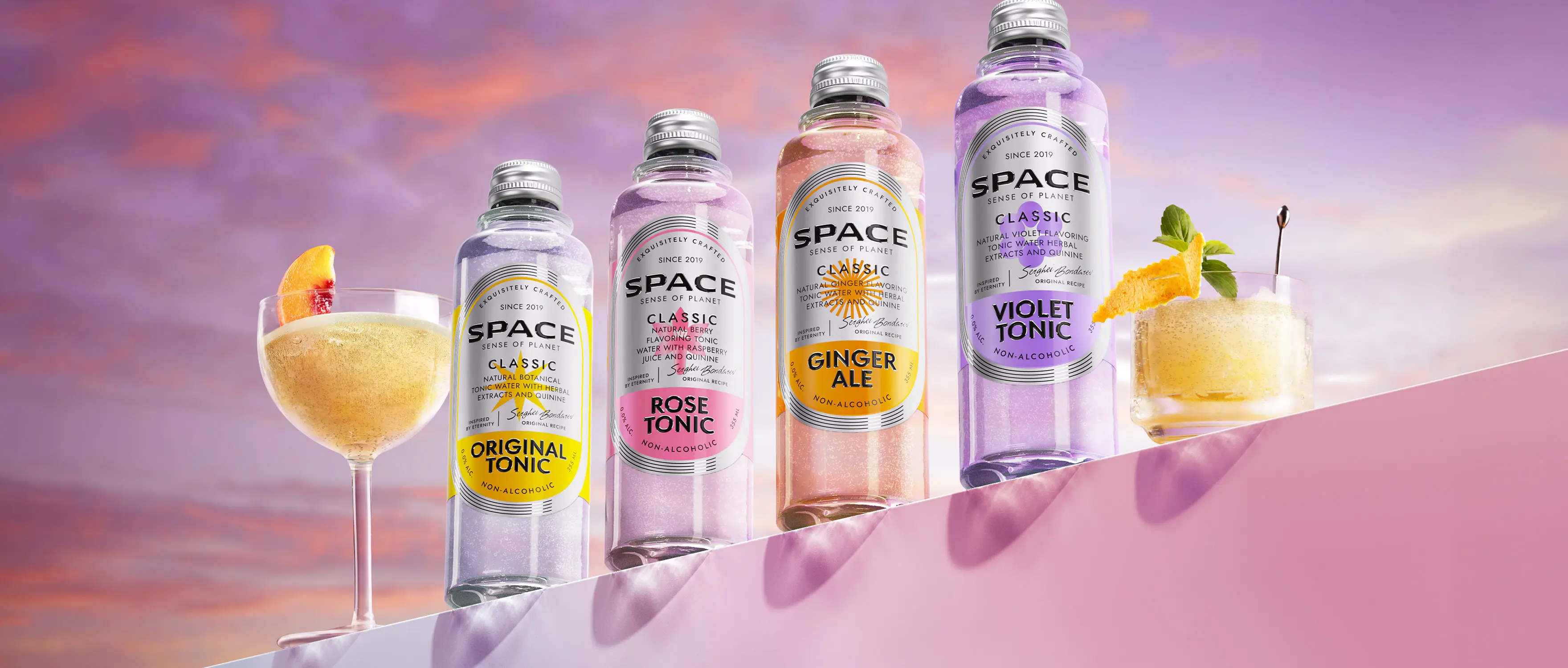
Rebranding the Pharmaceutical Brand ERZIG. BRANDEXPERT Freedom Island rebranded ERZIG, updating its logo and brand identity and developing a visual brand strategy, packaging and label design, and advertising materials for an extensive range of pharmaceutical products.
Разработка бренд-платформы на практике

Alexey Novikov
Article's author05.03.2019
Our projects: brand positioning
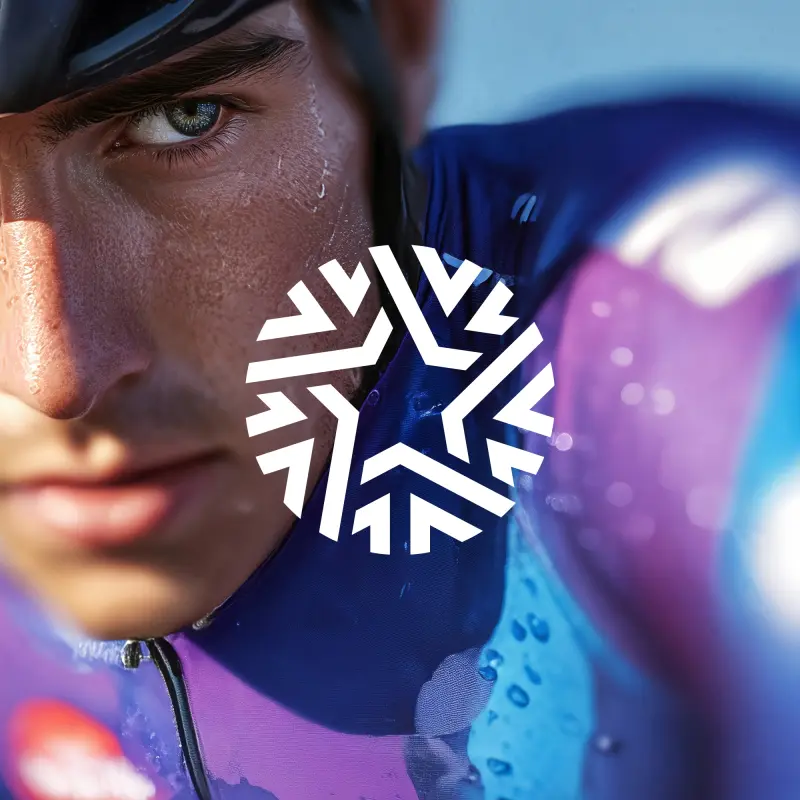
CyclingRace — positioning, brand creation, logo development, brand book, advertising communications. Visual brand strategy for CyclingRace, the organizer of Russia’s largest cycling races. Logo design and detailed brand guidelines for managing the cycling festival’s new visual identity.
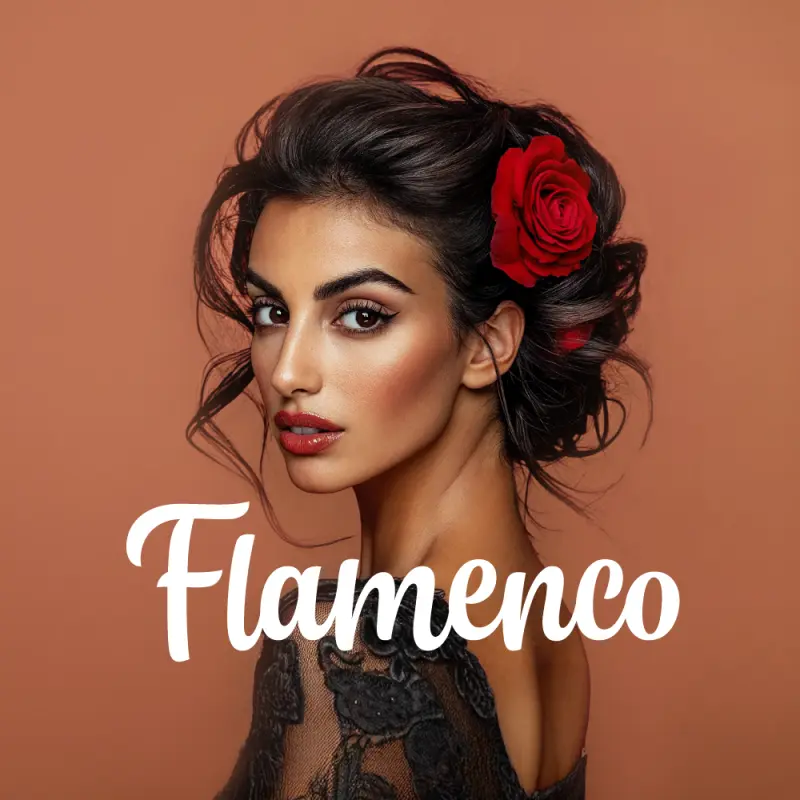
Flamenco — Brand Positioning, Naming, Logo Design, Packaging and Label Design, Brand Guidelines, and Photography. BRANDEXPERT agency developed the FLAMENCO tomato brand for the "ROST" group of companies. The full brand creation cycle included naming, positioning, logo design, brand book development, packaging and label design, as well as professional photography.
Miratorg — Brand Positioning, Logo Design, Brand Identity Design, and Brand Guidelines. The largest Russian agro-industrial holding, the absolute leader in the production of pork and beef in Russia Miratorg has updated the visual image of its corporate brand and retail brands to unify the brand graphically and stylistically.

Vitamir — Brand Positioning, Logo Design, Packaging Design, Brand Identity Design, Brand Guidelines, Mascot Design, and Website Design. BRANDEXPERT agency made successful rebranding of pharmaceutical company VITAMIR. A brand platform, logo, corporate identity, packaging design and brand book were developed.
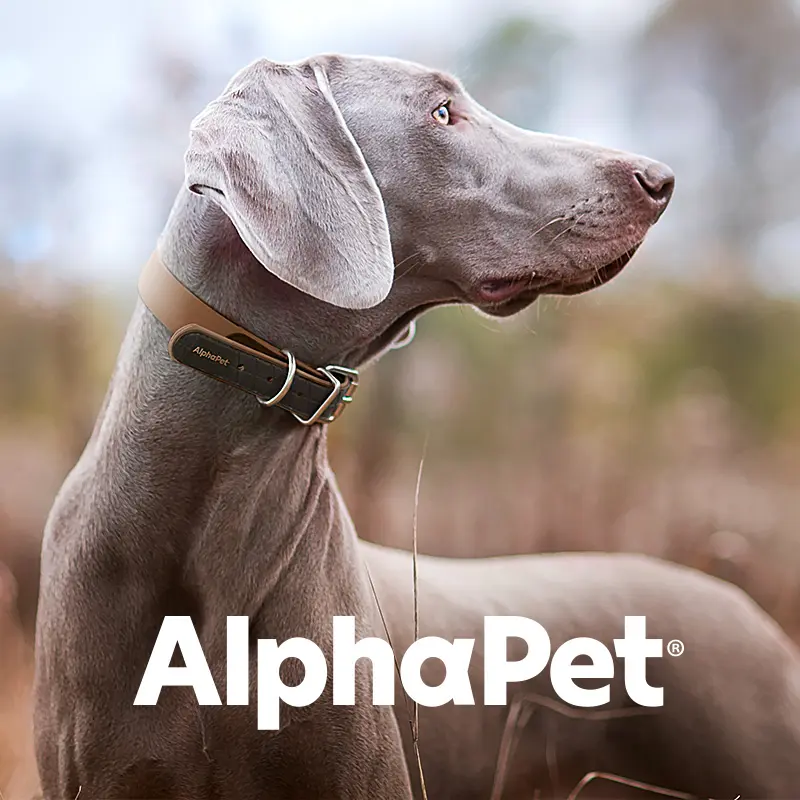
AlphaPet — Brand Positioning, Brand Identity Design, Brand Guidelines, and Advertising Communications. AlphaPet offers super-premium cat and dog food. BRANDEXPERT Freedom Island developed brand guidelines and designed advertising materials and a product catalog for AlphaPet.
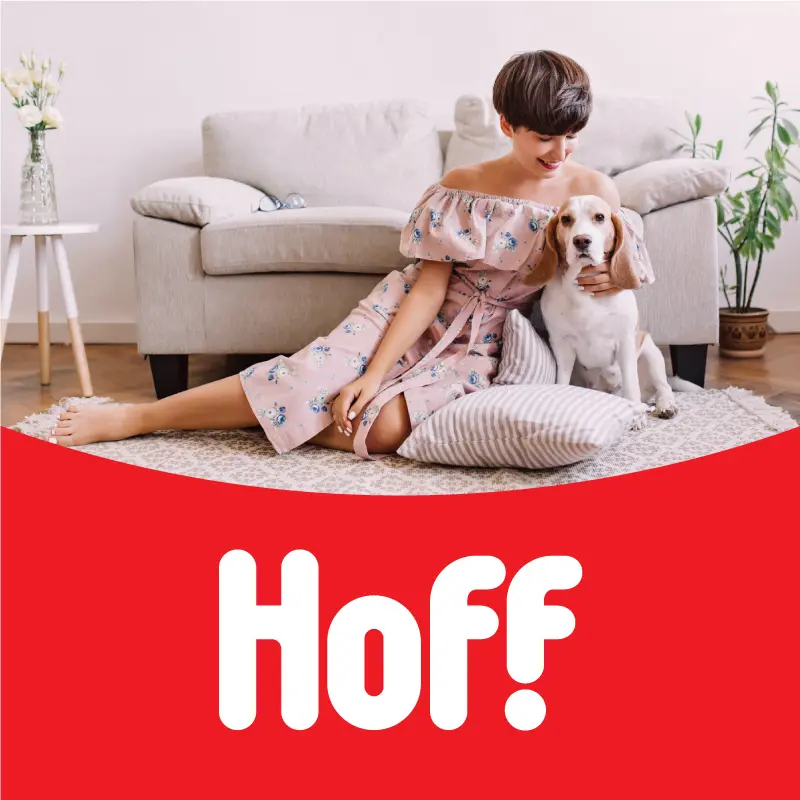
Hoff — Brand Identity Design, Brand Guidelines, Retail Branding, and Interior Design. BRANDEXPERT Freedom Island developed a brand positioning strategy, a new retail strategy, brand identity design, and advertising design.
FOXGEAR — Brand Positioning, Naming, Logo Design, Packaging Design, and Brand Guidelines. Visual brand strategy for FOXGEAR, a leading lubricants manufacturer. Logo and brand identity design as part of the company’s new visual language. Packaging design for the brand’s product ranges.
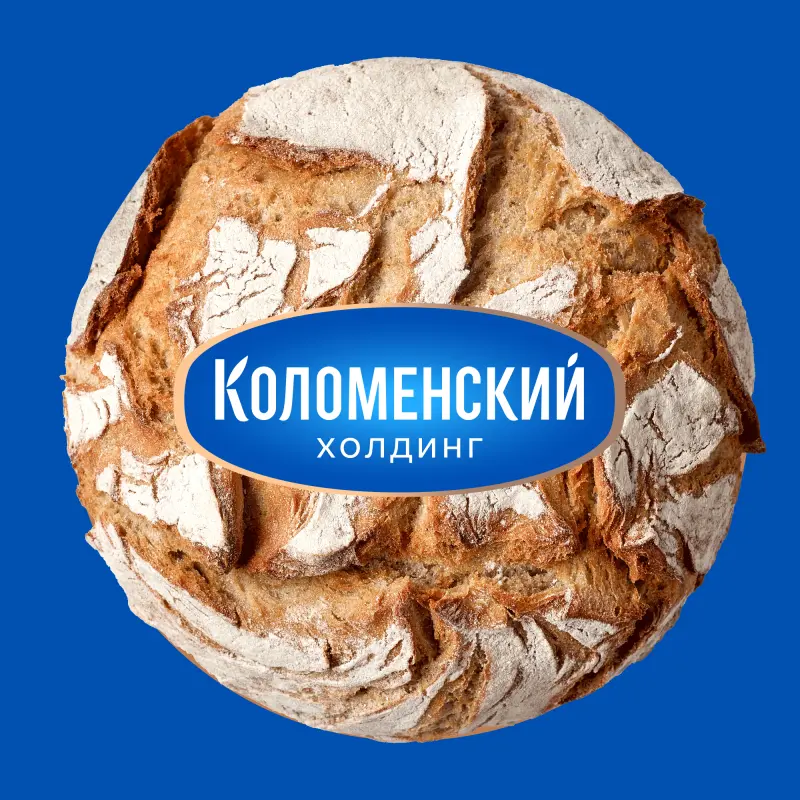
Kolomensky — Brand Positioning, Logo Design, Brand Identity Design, and Brand Guidelines. Visual brand strategy for Kolomensky, a leading manufacturer of bread and baked goods. Logo design, brand identity design, and marketing communications for the brand. Packaging and label design for the Danilovsky product range.
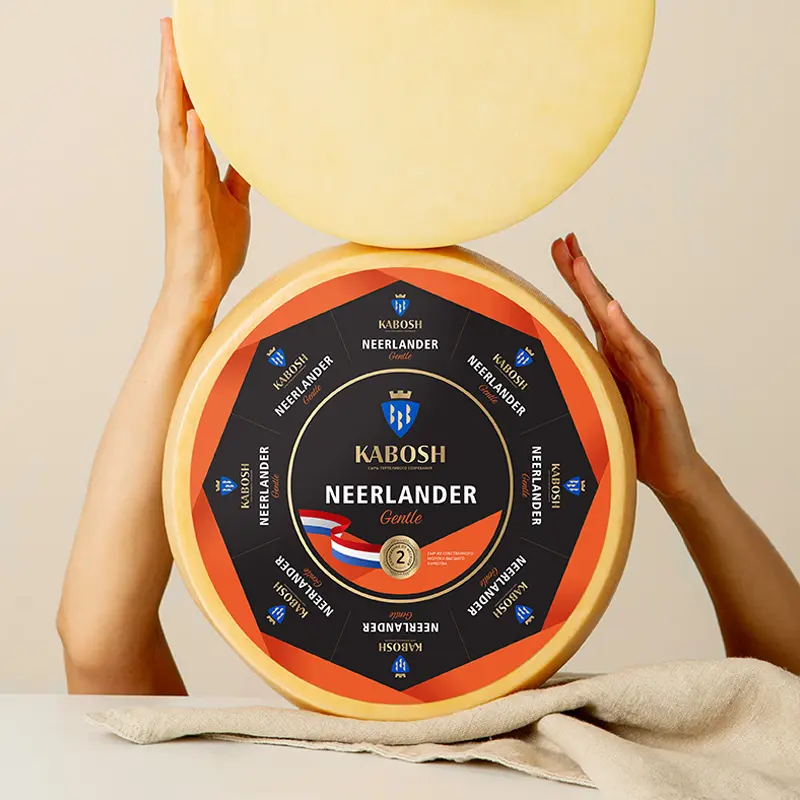
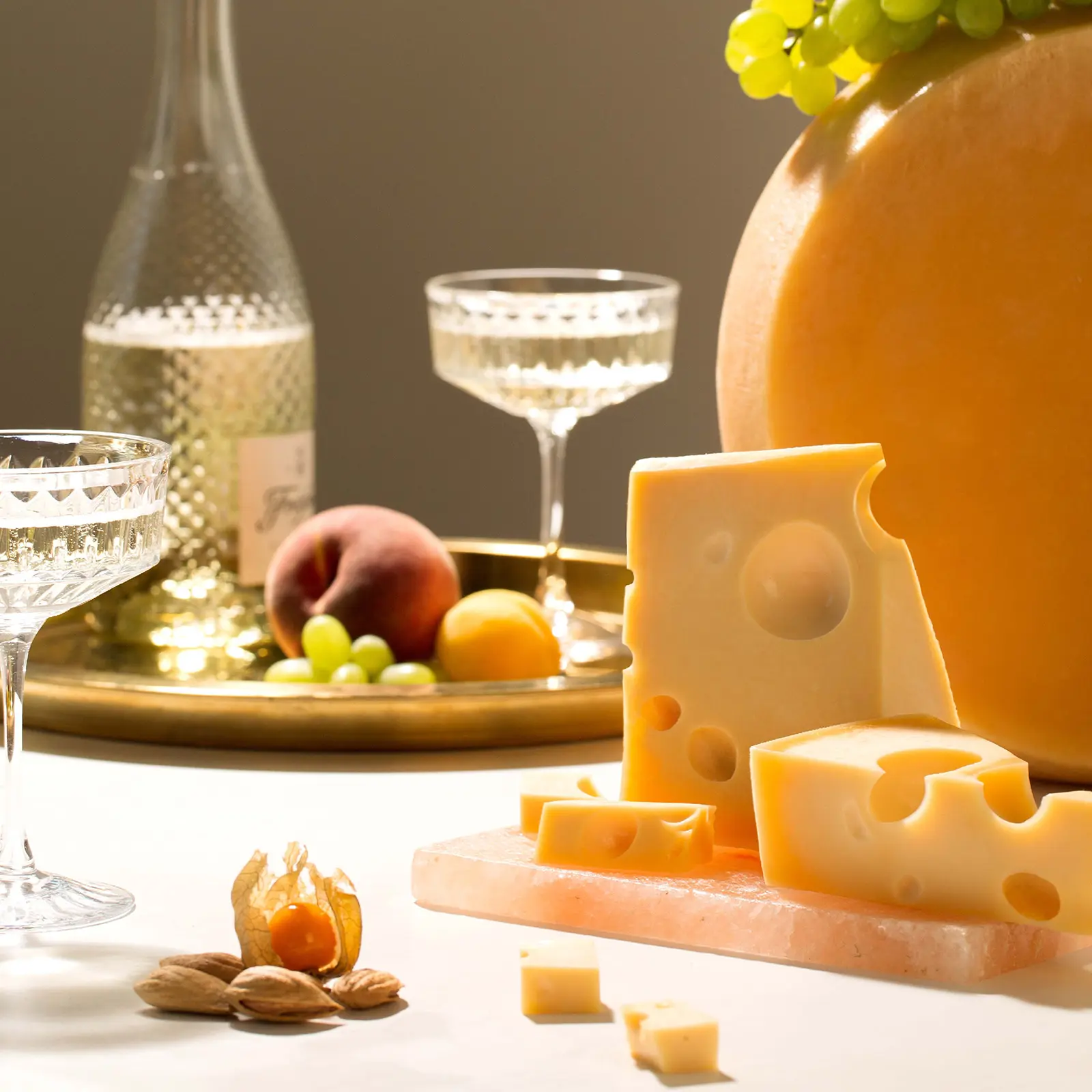
Kabosh — Rebranding, Logo Design, Packaging and Label Design, Brand Guidelines, Photography, and Website Design. BRANDEXPERT agency made a comprehensive rebranding for cheese producer KABOSH. A brand platform, logo, corporate identity, advertising design, product packaging and brandbook were developed.
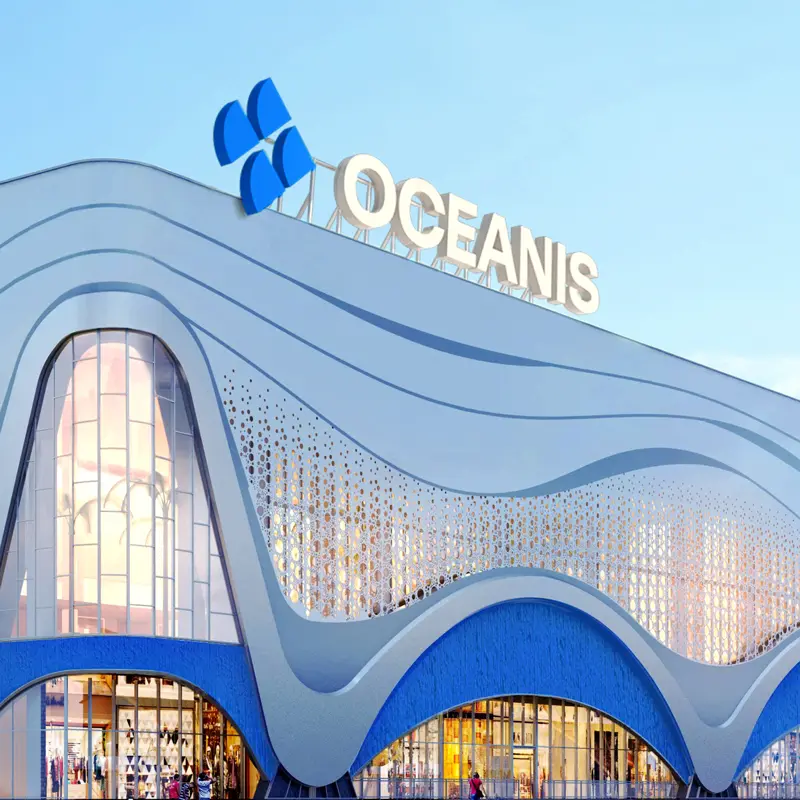
Oceanis — Brand Positioning, Logo Design, Brand Identity Design, Brand Guidelines, Interior Design, and Advertising Communications. BRANDEXPERT agency made a comprehensive work to create a unique OCEANIS retail brand
PROFIL DOORS. The BRANDEXPERT agency conducted a comprehensive rebranding for the PROFIL DOORS company. We developed the brand platform, logo, corporate style, advertising design, retail brand and brand book.
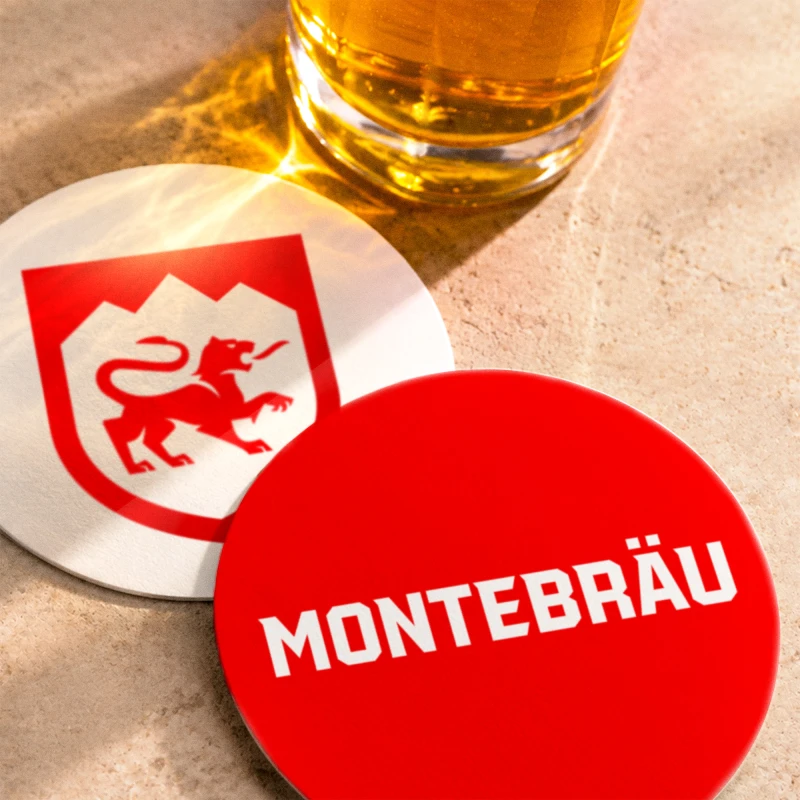
MONTEBRÄU Restaurant & Brewery Rebranding. The branding agency BRANDEXPERT Freedom Island rebranded Paulaner Bräuhaus in Chelyabinsk as MONTEBRÄU. The project included naming, logo and brand identity design, packaging and beer label design, and brand guidelines for the restaurant and brewery.
ROST Group – 360 Degree Branding. ROST Group — brand strategy, corporate branding, brand architecture and brand guidelines.
Zoonik. Brand marketing strategy for ZOONIK, a top pet products brand. Design of a logo and visual identity as part of the brand’s updated identity system. Development of a packaging design concept for the brand’s product lines.
ATEMI — positioning, logo development, corporate identity, packaging design. BRANDEXPERT “Ostrov Svobody” carried out the rebrand of ATEMI: the brand strategy was updated, and a new logo and visual identity were developed, along with packaging and label design, a brand book, print and advertising design, and professional photography for the brand’s communications.
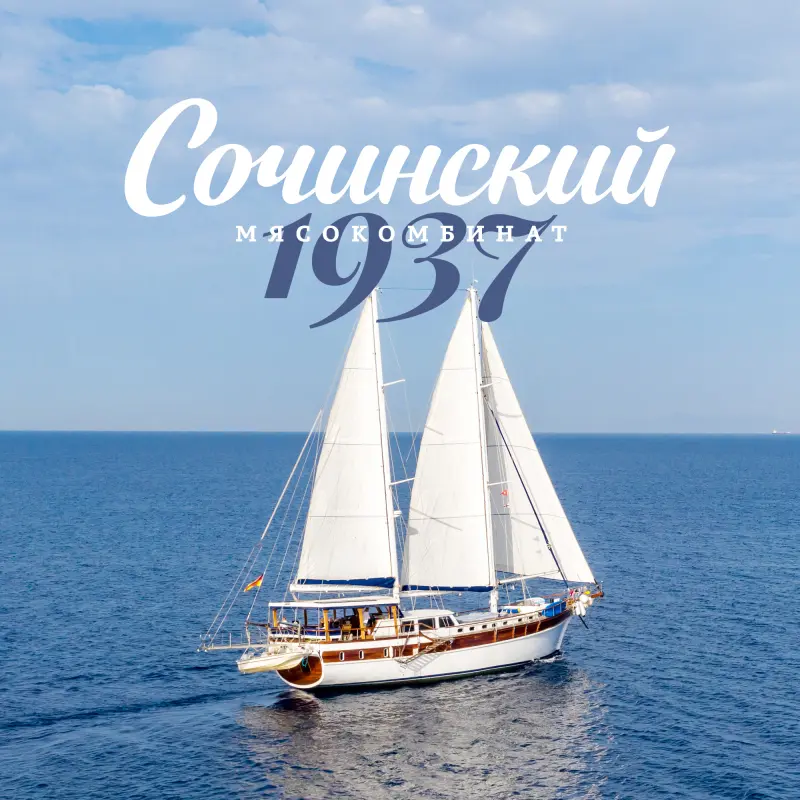
???. Rebranding of "Sochinsky Meatworks," the largest producer of delicatessen meats and sausages in southern Russia. Developed packaging and label design for products. Created brand guidelines and positioning strategy outlined in a brand book.
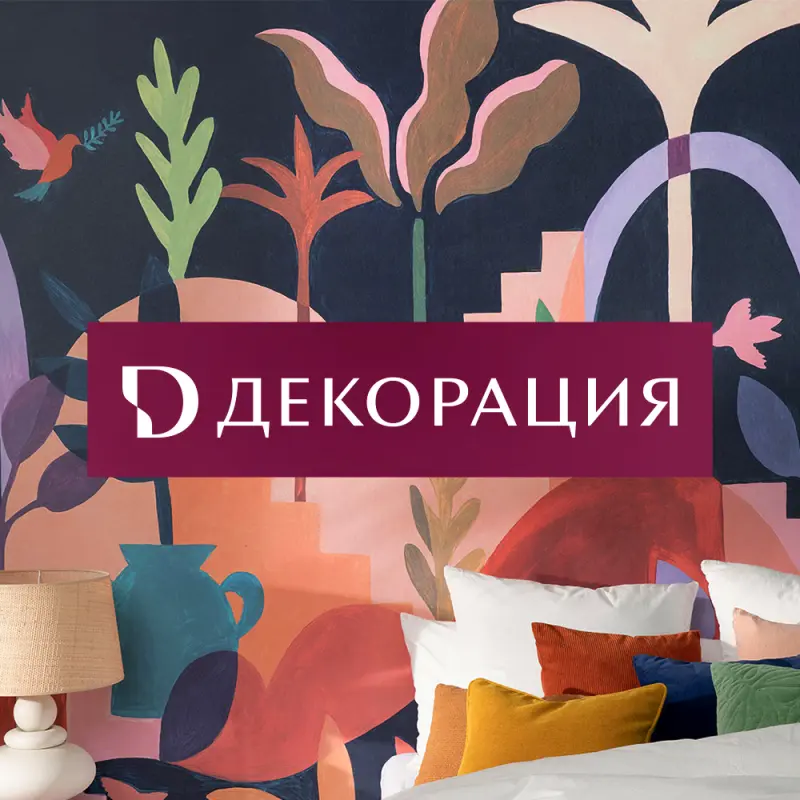
???. The BRANDEXPERT agency conducted the rebranding of the company DECORATION, including the brand platform, logo and corporate style. As part of creating the retail brand, interior designs, positioning strategy and advertising design were developed.
BLUMART. Creating the brand for the first and largest hypermarket of plumbing and tiles in Russia, BLUMART. The project includes: platform for positioning and naming, creating a logo and identity, designing the interior, and developing a brand book.
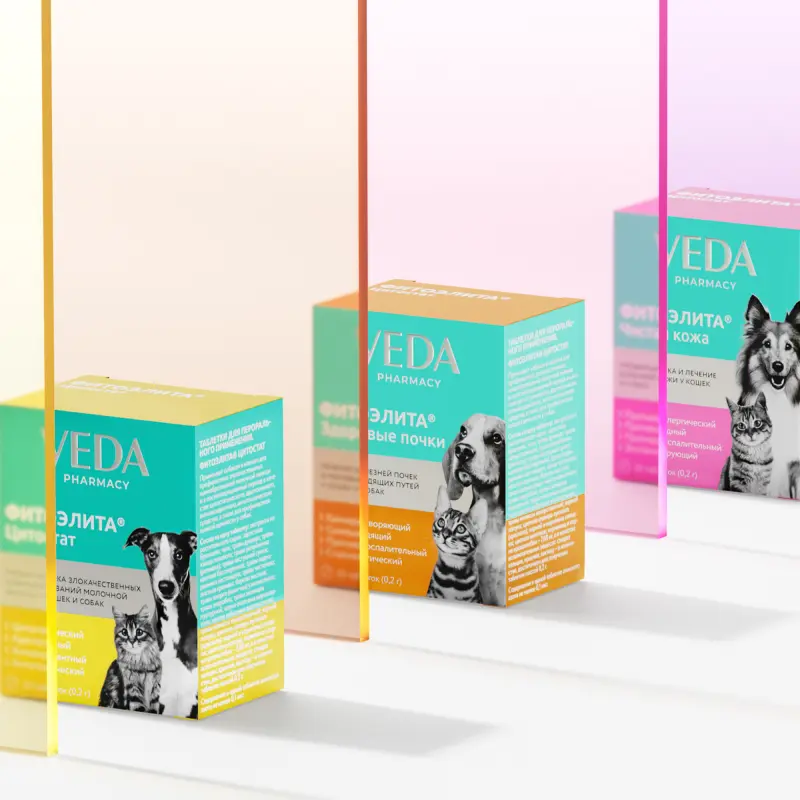
Veda Pharmacy. Creating a brand and developing a brand book for the veterinary company VEDA, a leading Russian developer in the field of veterinary phytotherapy. Establishing a corporate style and logo for the brand, the first choice in animal care and treatment.

???.
IXcellerate. BRANDEXPERT has updated the corporate identity of the IXcellerate brand, one of the leading data centers in Russia. The new corporate identity maintains continuity with the previous design
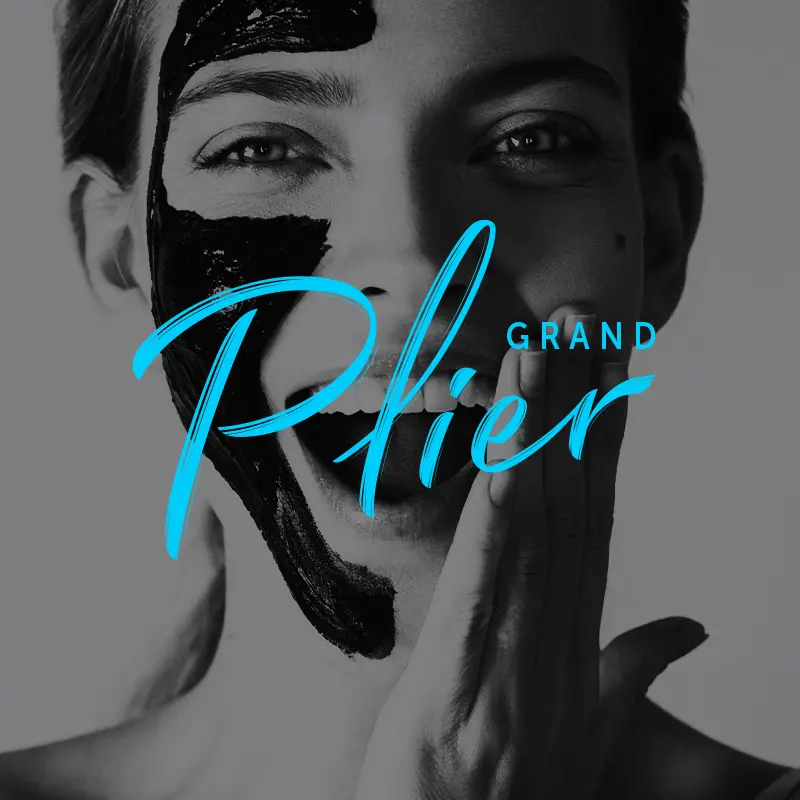
???. Grand Plier is a new Russian natural cosmetics brand. Brandexpert developed the new brand from scratch: brand name, packaging design, product catalog, website, and professional photos
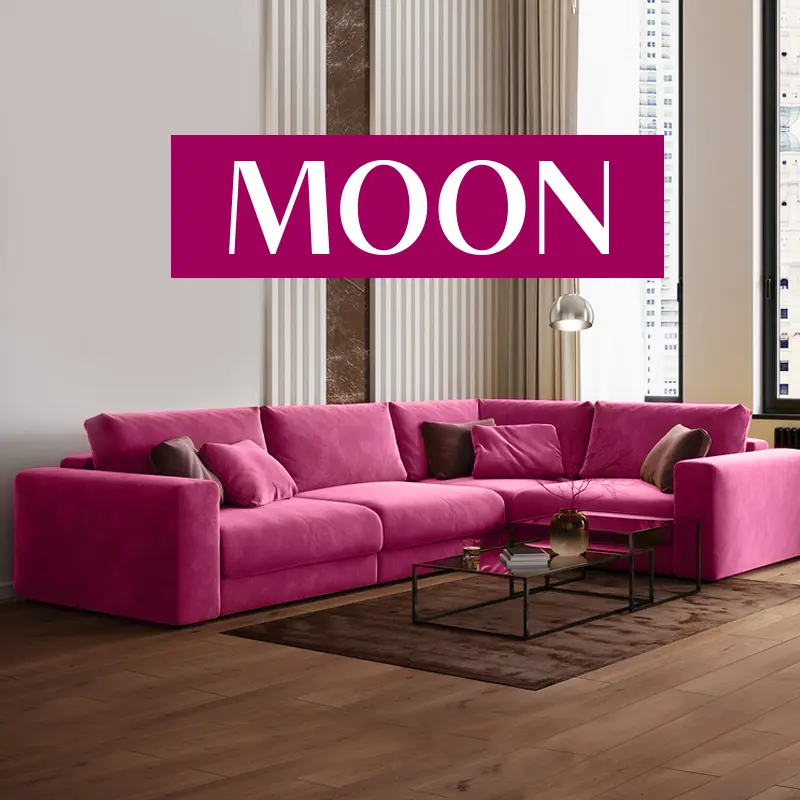
MOON. MOON is the largest furniture factory in Europe. BRANDEXPERT agency made a repositioning, created logo, brandbook, packaging design and retail branding of furniture stores.
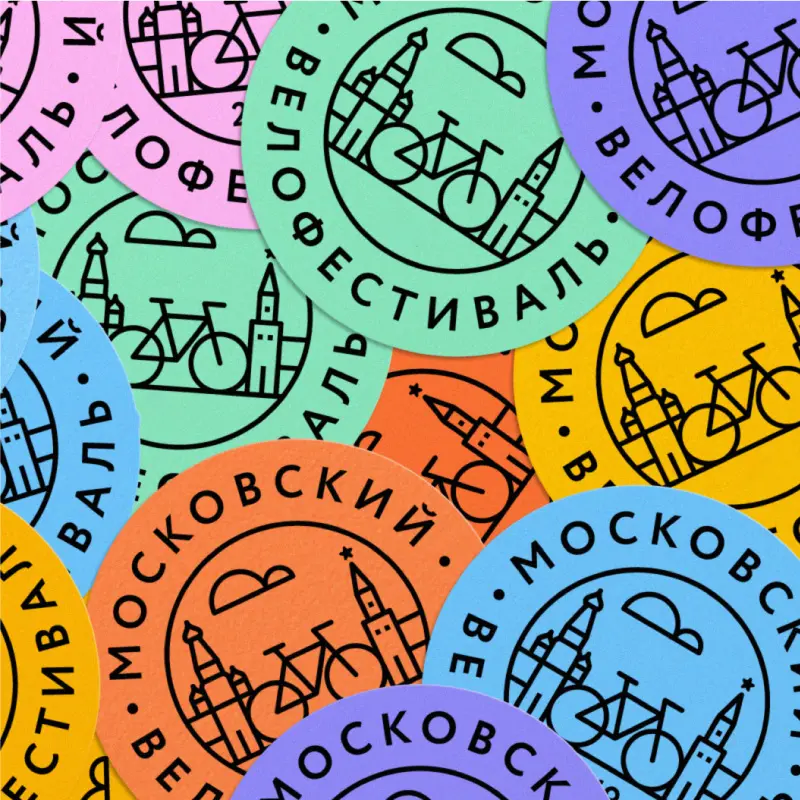
Moscow Bicycle Festival. BrandExpert created a colourful, flexible, and eloquent brand identity and ads for the Moscow cycling festival
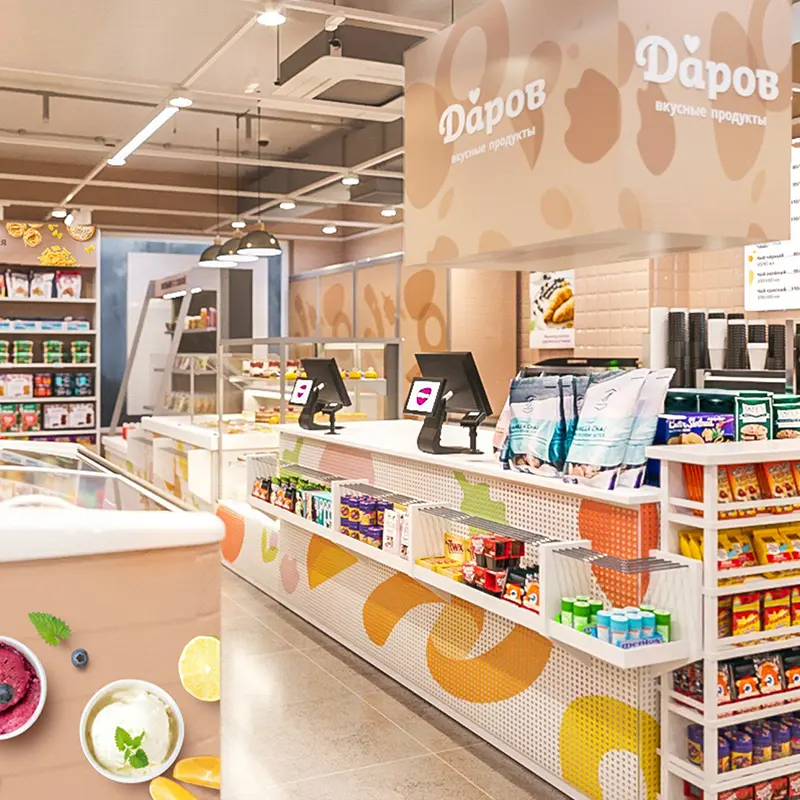
Darov. Darov is a new retail chain with a strong accent on delicious prepared foods. Brandexpert developed the new brand from scratch: brand name, brand identity, logo, brand guidelines, packaging design, and interior design solutions
OKRAINA. Okraina holding’s matrix includes only natural meat products. The branding agency BRANDEXPERT re-branded the whole holding: developed the corporate brand identity, logo, brand guidelines, website, and also created packaging design.
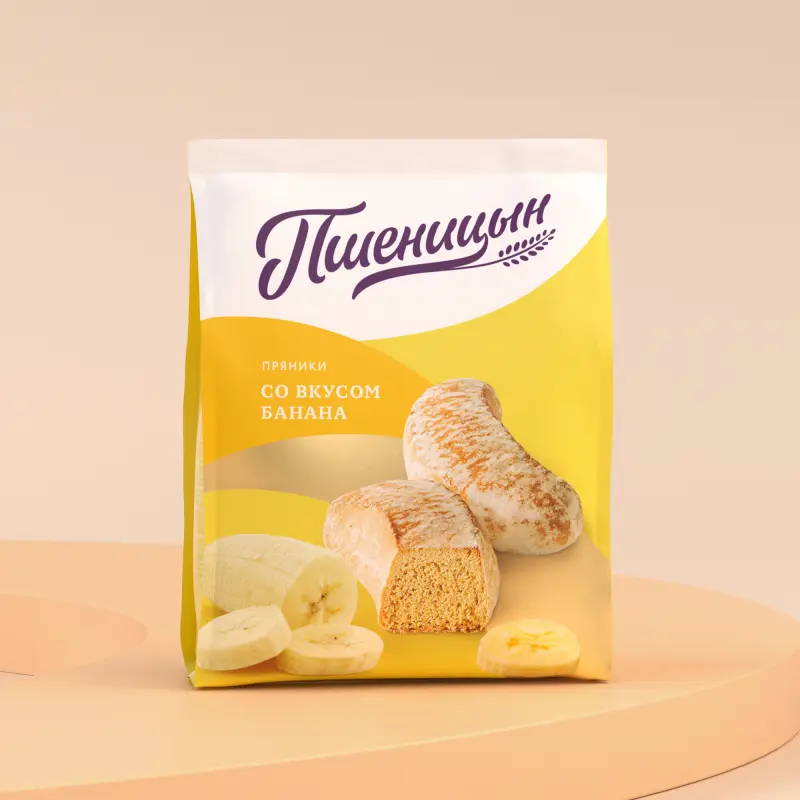
Ageevskiy. Creating the brands "Pshenitsyn" and "Papa Roma" for the confectionery factory "Ageevsky". Logos for the brands, packaging design and product labels were developed. The corporate logo and brand identity of the company "Ageevsky" have been updated.



Разработка позиционирования бренда и ДНК бренда
Alexey Novikov21.12.2021- brand positioning
Платформа позиционирования и ДНК бренда
 Andrey Vershinin30.12.2019
- brand positioning

Эффективное позиционирование бренда
 Anna Avdeeva13.10.2018
- brand positioning

Позиционирование и платформа бренда
Andrey Vershinin22.09.2018- brand positioning
Блог
More articles on brand positioning
Frequently Asked Questions About Brand Positioning
What is brand positioning?
Brand positioning defines the place a brand occupies in its target audience's mind relative to competitors. It explains who the brand serves, which needs it meets, what makes it distinctive, and why people can trust it. Developing a brand positioning strategy involves researching the market, customers, and the company's capabilities. The result guides product decisions, design, and communication.
How does brand positioning influence consumer perception?
Brand positioning helps consumers understand a brand's value and shapes their expectations of its products, including quality, price, functionality, and emotional benefits. The brand name, visual identity, packaging, advertising, and service reinforce specific associations, such as care, technology, or self-expression. When the actual customer experience meets these expectations, it builds trust and gives people reasons to choose the brand again.
What does a brand positioning map show?
A brand positioning map, also known as a perceptual map, shows how a brand compares with competitors on attributes that matter to customers. It usually uses two axes, such as price and perceived innovativeness. The map reveals similar offerings, competitive groups, and potential opportunities. To reflect consumer perceptions, it should be based on audience research. Any apparent gap in the market needs further validation to establish whether demand exists and whether the company can meet it.
How do you measure brand health?
Brand health is measured using a combination of metrics, including aided and unaided brand awareness, brand associations, trust, purchase consideration, preference, and loyalty. Regular surveys of the target audience are supported by analysis of purchasing behavior and customer feedback. Results are compared with earlier research and competitor benchmarks using a consistent methodology. This approach helps identify where the brand loses potential customers and which parts of its strategy need improvement.
When is brand repositioning needed?
Brand repositioning is needed when the existing brand image no longer reflects business objectives, audience expectations, or market conditions. Common triggers include entering a new segment, changing the product range, stronger competition, or a loss of meaningful differentiation. A brand audit informs the decision by examining consumer perceptions, the relevance of the brand's advantages, and reasons for declining interest. The value proposition is then refined, with any necessary changes identified across products, service, design, and communication.
How do you build a brand pyramid?
A brand pyramid connects product attributes with the value they offer customers. Its foundation defines the product, target audience, competitive context, and substantiated advantages. The next levels describe functional and emotional benefits, values, and brand personality. At the top sits the brand essence: the central idea that brings the other elements together. The levels are adapted to the company's needs, and each statement is checked for relevance to the audience and consistency with the actual brand experience.
What is a brand platform?
A brand platform is a strategic document that defines a brand's core ideas and guiding principles. It usually covers the target audience, positioning, brand essence, promise, reasons to believe, mission, vision, values, personality, and tone of voice. Developing a brand platform gives leadership, marketing, design, and other teams a shared foundation. It helps them express the brand idea consistently through products, visual identity, advertising, and customer service.
Why is employer brand positioning important?
Employer brand positioning explains why people should join a company and build their careers there. It communicates the benefits of working for the organization, including the work itself, career opportunities, workplace culture, conditions, and compensation. The employee value proposition, or EVP, provides the foundation. Clear positioning helps attract suitable candidates, align expectations, and strengthen employee engagement. Its credibility depends on how well the stated benefits reflect the actual employee experience.
How do you identify a brand's target audience?
To identify a target audience, research who needs the product, when they choose it, and which factors influence their purchase decisions. Useful sources include interviews, surveys, sales data, CRM records, website analytics, and reviews. Group prospective and existing customers into segments based on their needs, motivations, behavior, and other relevant characteristics. Then prioritize segments according to demand, commercial potential, and the company's capabilities. For each segment, define customer goals, barriers to purchase, and the value they expect from the product.
What are brand archetypes?
Brand archetypes are models of personality and behavior that help create a clear, consistent brand image. The widely used framework includes 12 archetypes. For example, the Hero represents achievement, the Creator represents creativity, and the Explorer represents freedom and discovery. The choice of archetype reflects the brand's positioning, company values, and audience motivations. It guides tone of voice, visual identity, and advertising narratives, helping the brand maintain its personality across touchpoints.










We’re Here to Advise You on Any Branding Challenge
Dear partners, your project is unique and deserves a tailored approach. To prepare a relevant proposal, we need to understand your goals and the services most needed to deliver the best results. We’re ready to provide 360° support and handle all strategic tasks in marketing, design, digital, and brand communications. Our mission is to deliver outstanding solutions that drive financial growth and increase brand value. Get in touch — we’ll be happy to share our expertise and insights with you.
The BRANDEXPERT Team.
The BRANDEXPERT Team.