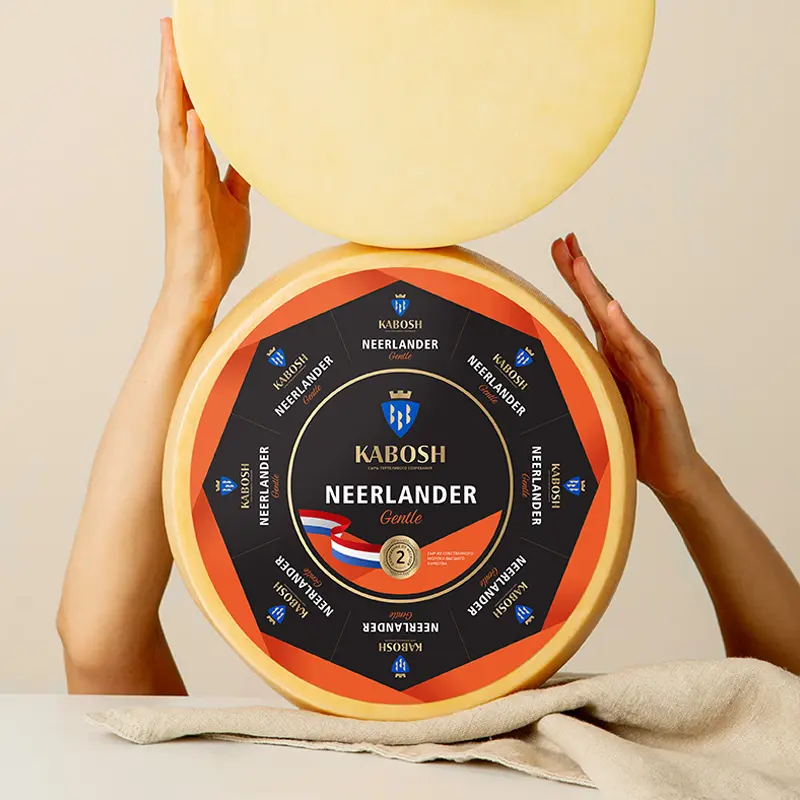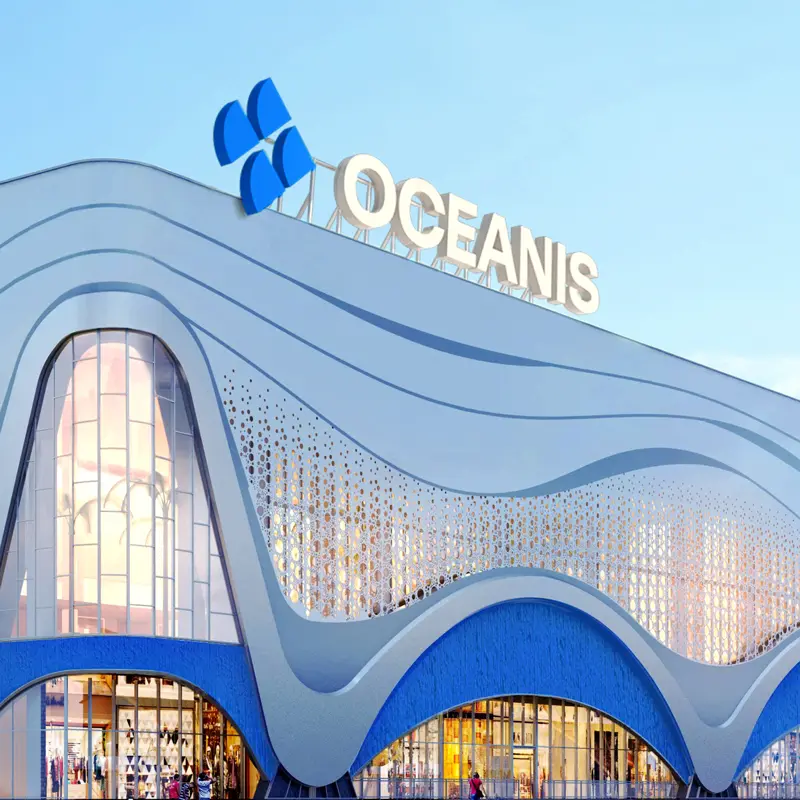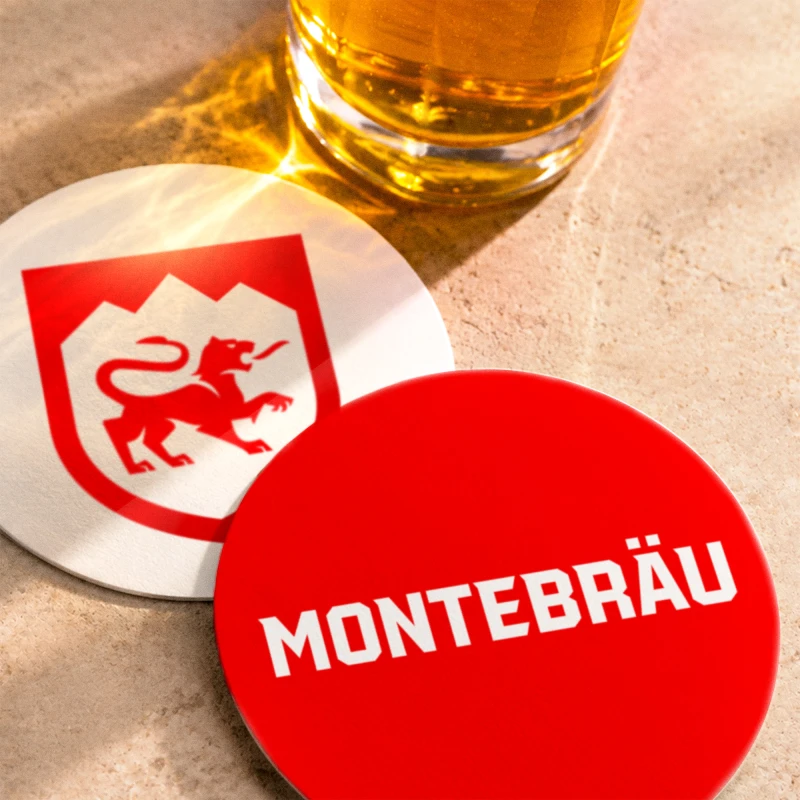


Фирменный стиль и продвижение продукции

Our projects: visual identity


Related articles: visual identity
Frequently Asked Questions About Brand Identity Design
Brand identity is a system of rules that makes a brand recognizable and consistent. It defines how the logo, colors, typography, graphic elements, imagery, layouts, and templates are used across the website, advertising, packaging, business documents, and other brand touchpoints.
A logo is one of a brand’s key identifiers. Brand identity is a broader system that defines how the logo works together with color, typography, graphics, imagery, copy, and different applications. The logo can be compared to the brand’s signature, while brand identity is its complete visual language.

These terms are often used interchangeably. More precisely, visual identity refers primarily to the visual system, while brand identity may also include verbal and behavioral expressions of the brand. At the beginning of a project, it is important to define the exact scope of work rather than relying solely on the name of the service.

A typical brand identity design project includes brand research and an audit, strategy refinement, creative directions, logo design or redesign, a color palette, typography, graphic language, photography style, composition principles, key brand applications, brand guidelines, and production-ready files. The exact scope depends on the company’s business model and communication channels.
Yes, provided that the brand’s positioning, target audience, values, and architecture have already been defined and remain relevant. If the strategic foundation is unclear, the visual solution will be based on assumptions. In this case, it is better to conduct a strategic workshop or a separate brand positioning phase before beginning the design process.
Yes, but the scale of the identity system should reflect the company’s actual needs. At launch, a logo, basic color palette, typography, several graphic principles, and templates for key touchpoints are often enough. As the business grows, the system can be expanded without repeatedly redesigning its foundation.
The timeline depends on the depth of research, the readiness of the brand strategy, the number of concepts and applications, the languages involved, the number of stakeholders, and the scope of the brand guidelines. A basic identity system and a comprehensive corporate brand identity require very different project cycles, so the schedule is determined after the design brief and project scope have been agreed upon.
The cost depends on the strategic work involved, whether a logo needs to be created or updated, the complexity of the brand architecture, the number of identity elements and applications, photography and video production, motion and digital design, the scope of the brand guidelines, and implementation support. Proposals can only be compared accurately when they include the same scope and deliverables.
A visual identity refresh is appropriate when the strategy and positioning remain relevant but the visual system has become outdated or inconsistent. Rebranding is required when the brand’s meaning, target audience, market, architecture, product model, or reputational objectives change. In both cases, the process should begin with an audit of the existing brand identity.
The handover package is specified in the contract and may include a brand book or brand guidelines, master logo and graphic files, color and typography specifications, templates, layouts for key applications, rules for digital and motion design, and a structured asset library. Complex projects may also include team training and support during the initial implementation phase.
An effective brand identity should be recognizable, distinctive, flexible, and easy to use in everyday work. After launch, the company can evaluate the consistency of implementation, the time required to produce new materials, the number of unauthorized or inconsistent variations, audience perception, and the performance of individual touchpoints. Changes in sales cannot be attributed to design alone: results are also shaped by the product, pricing, distribution, communications, and service.
The article uses photo and video materials provided by the customer / BRANDEXPERT "Island of Freedom" / ShutterStock / Freepik / Unsplash / Pexels / Goodmockups / Pixpine. All materials presented in the blog are purely informational in nature and do not pursue commercial purposes. The use of text, illustrations, photos, videos and other materials is prohibited without the consent of the copyright holder.
The BRANDEXPERT Team.