ALVITEK Rebranding: Logo Design, Packaging and Label Design, Photo and Video Production, Advertising, Marketplace Content and Website Development. ALVITEK logo design and packaging design for a bedding brand











Создание логотипа: чек-лист по разработке эффективного лого
Создание логотипа: Секреты эффективности
Создание логотипа: услуги дизайн-студий
Профессиональная разработка логотипа

Процесс создания логотипа
Эстетика и охранопригодность логотипа

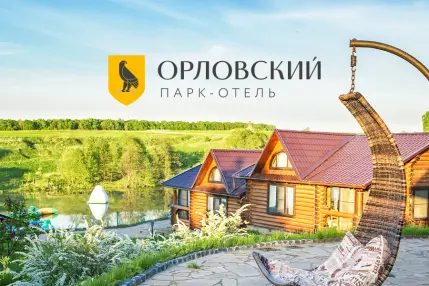
Дизайн логотипа: показатели эффективности


Основные ошибки в разработке логотипа
A good logo is recognizable, legible, aligned with the brand's positioning, and effective across different formats. It should be tested at small sizes, in monochrome, on light and dark backgrounds, and in both digital and printed applications. The name should be easy to read, graphic elements should retain their character, and the overall design should be distinct from competitors. Logo design should also take eligibility for legal protection into account.
In Russia, a logo must be distinctive, meet legal requirements, and avoid conflicts with earlier third-party rights to qualify for trademark registration. The application requires the applicant's details, a list of goods and services grouped by Nice Classification class, a representation of the mark, and the documents required by Rospatent, Russia's intellectual property office. The company should also secure the necessary rights to the designer's artwork and check font licensing terms. Registration is subject to examination of the application.
Yes. A logo can include a name in a foreign language and be registered as a trademark in Russia. The application must include a transliteration into Russian characters and, where the wording has a meaning, a Russian translation. Use of the logo must take account of the Russian-language requirements for public-facing consumer information that took effect on March 1, 2026. Registered trademarks and service marks are exempt from these requirements. Accompanying wording and product or service information must comply with the applicable language rules.
In Russia, eligibility for registration depends on the name, earlier rights, and the goods and services covered. If a name conflicts with another party's trademark for similar goods, a new typeface or symbol alone does not remove the obstacle. Where the law allows, a similar mark may be registered with the rights holder's consent, provided registration would not mislead consumers.
A descriptive or non-distinctive word may sometimes be included in a combined trademark as an unprotected element, provided it does not dominate the mark. The mark as a whole must still meet the registration requirements. Registration does not grant exclusive rights to that word on its own.
A wordmark logo makes the brand name the main visual identifier and helps people remember it. Distinctive lettering, letter proportions, rhythm, and color convey the brand's personality, whether technological, understated, friendly, or expressive. Wordmarks work well on packaging, websites, advertising, and business stationery. They are particularly effective when a memorable name is supported by legible typography.
A graphic symbol creates a compact visual identity that helps people recognize a brand and understand its personality. It works well in app icons, profile images, product markings, and other small formats. The symbol can remain consistent when the brand name appears in different languages. As brand awareness grows, the symbol becomes easier to use on its own because people associate it with a particular company or product.
A combination mark brings together a brand name and a graphic symbol. The wordmark helps people remember the name, while the symbol provides an additional visual cue. This approach offers flexibility across applications, with horizontal, stacked, and compact layouts. Brand guidelines define how the elements relate to each other, their proportions, and when they can be used separately. This helps maintain recognition across packaging, websites, signage, and advertising.
Logo design for online marketplaces starts with testing legibility at small sizes and on smartphone screens. Clear lettering, contrast, and a simple composition are important. Evaluate the logo on the brand page, within the platform's interface, and on packaging shown in product images. Then prepare files that meet the marketplace's current format, size, and placement requirements. Document the main versions and usage rules in the brand guidelines.
Developing a logo and visual brand identity together creates a coherent visual system from the outset. The wordmark, symbol, colors, typefaces, graphics, and layout principles share the same strategic foundation. Designers test how these elements work together across packaging, websites, advertising, and other key applications. This approach helps align design decisions during development and creates a system that is practical to use and expand.
A preliminary trademark clearance search helps identify marks that could prevent registration or create a risk of infringing someone else's rights. It examines the name, its sound and meaning, the graphics, the overall impression, and the similarity of the goods and services. In Russia, the search covers registered trademarks, published applications, and international registrations protected in Russia. Checking before launch reduces the risk of having to replace packaging, signage, and advertising. Rospatent makes the final registration decision after examining the application.
A mascot is a brand character that can form part of a logo or serve as a separate element of the visual identity. In Russia, mascot registration is not mandatory. Original artwork is protected by copyright without registration. If the character is used to identify goods or services, it can also be registered as a trademark, subject to the applicable requirements. When commissioning a mascot, the contract should establish the company's rights to use the character and apply for trademark registration.
















By continuing to use this site, you agree to our use of cookies and the processing of your personal data as described in our Privacy Policy.